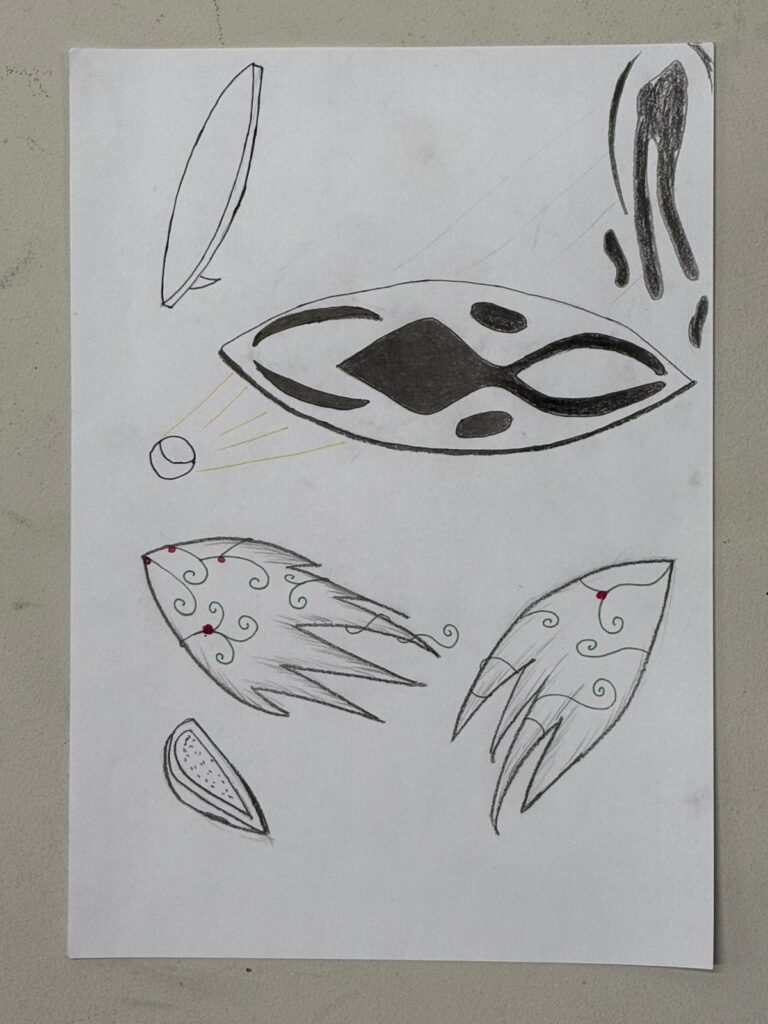
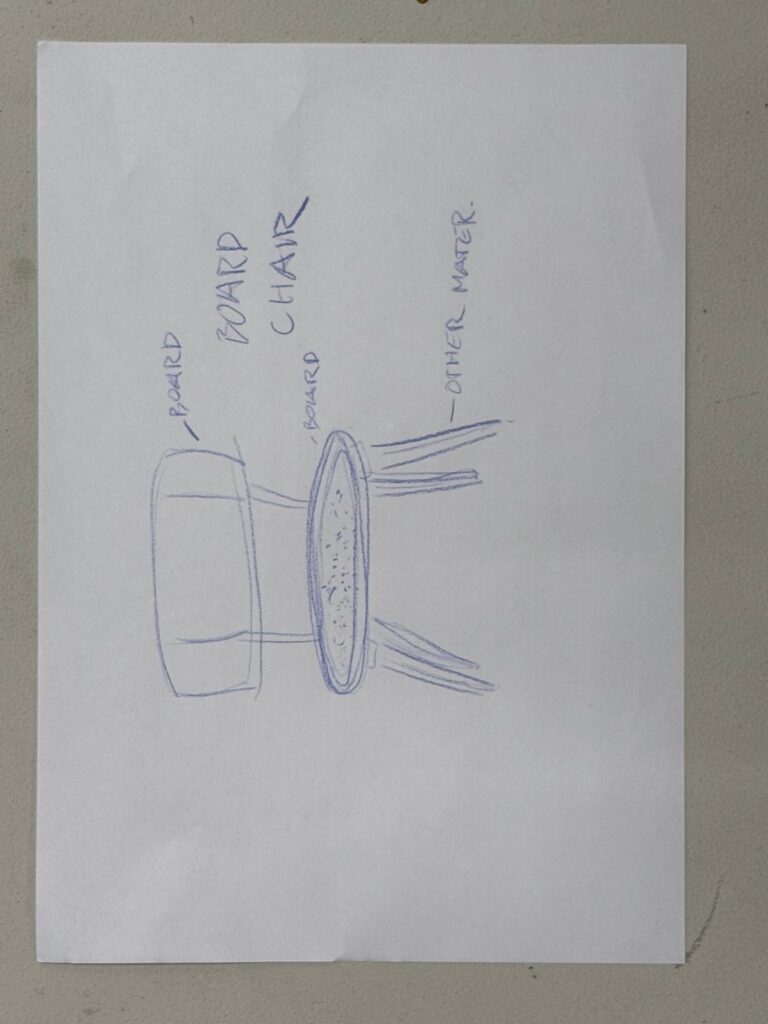
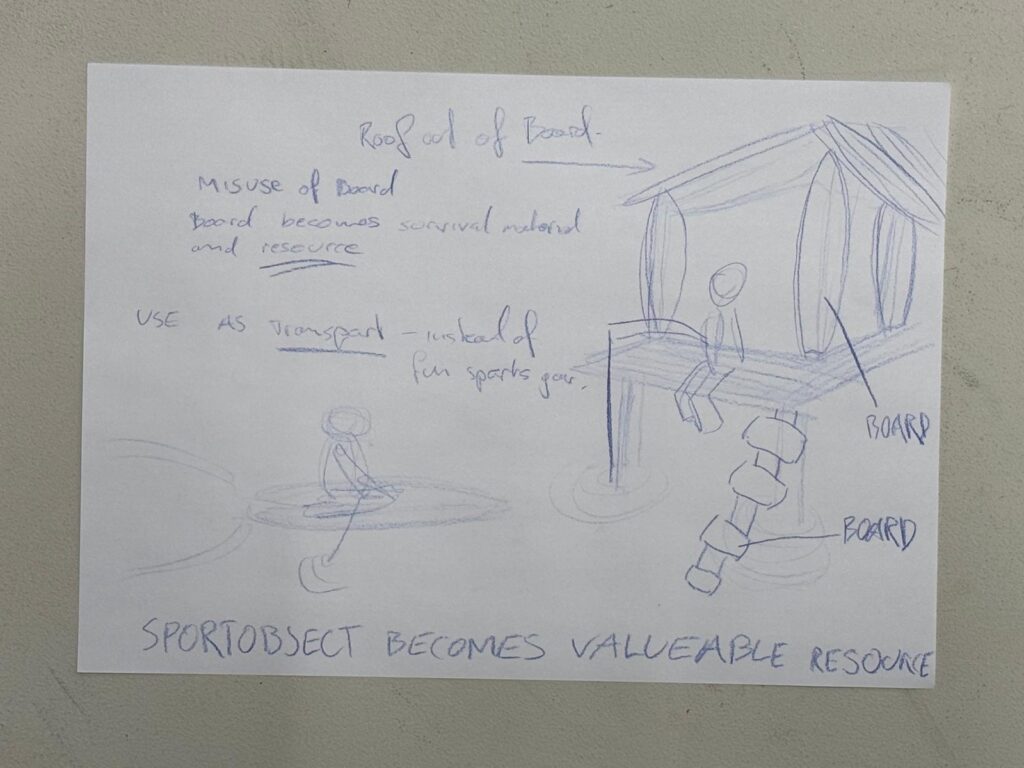
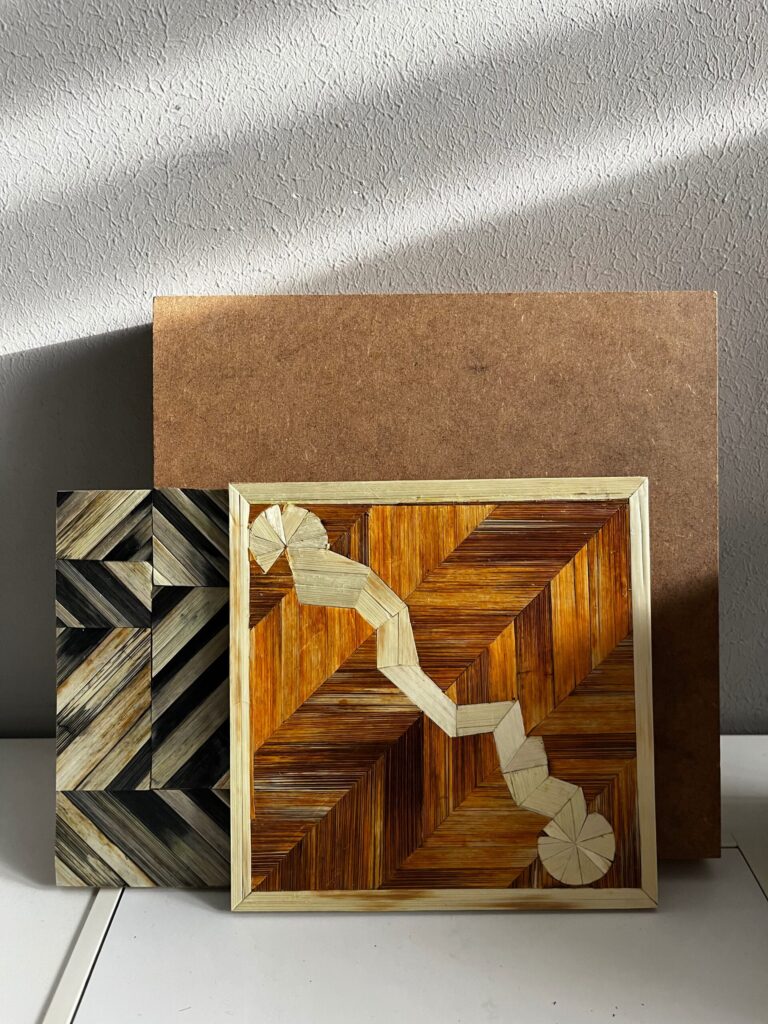
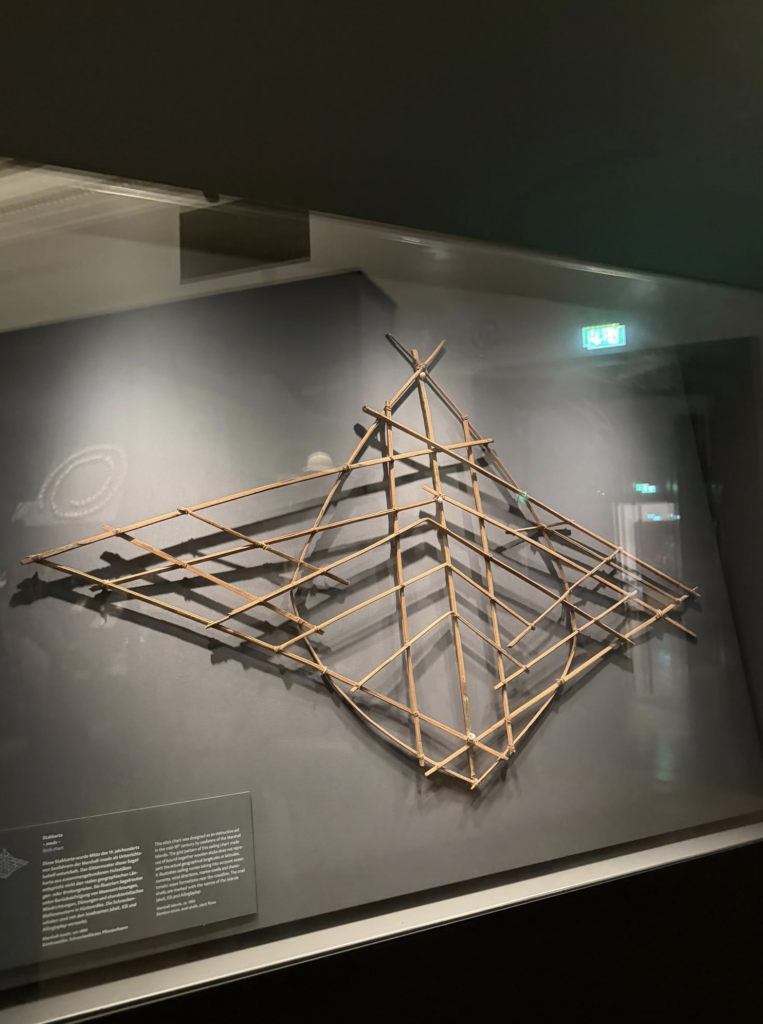
Beginnings of surfing: open-sea measures [?], 12th century → Hawaii 1720 via seafaring → religion
Material from special trees to please the gods, systems at every beach
Who is allowed to surf and at what rank, colonized by James Cook, from joyful to moralistic, church, clothing, school, restricted surfing, surfing deemed heathen in the 1800s because men & women (naked?) in the water
Fishing in Peru 3000 BC, coming ashore with a board
Hawaii: pressure, disease, surfing nearly dies out, tribal chiefs display superiority & challenge the sea → large papa he’e nalu board, determine the source
Within the tribe only, spiritual activity
Surfing has always been spiritual, connected to nature & more than just a sport (language, music, fashion, values), culture, surfing
Extreme environments & approaches: minimalist lifestyle, surfing the Amazon, iceberg surfing, unpredictable nature, river conditions, effort
Guidance towards creating the world around the object we have chosen, not an object for the world we create.
How to encourage compassion in people of our world?
Transitioning and connecting through a shared aspect regardless of age and the stage
Where we went next
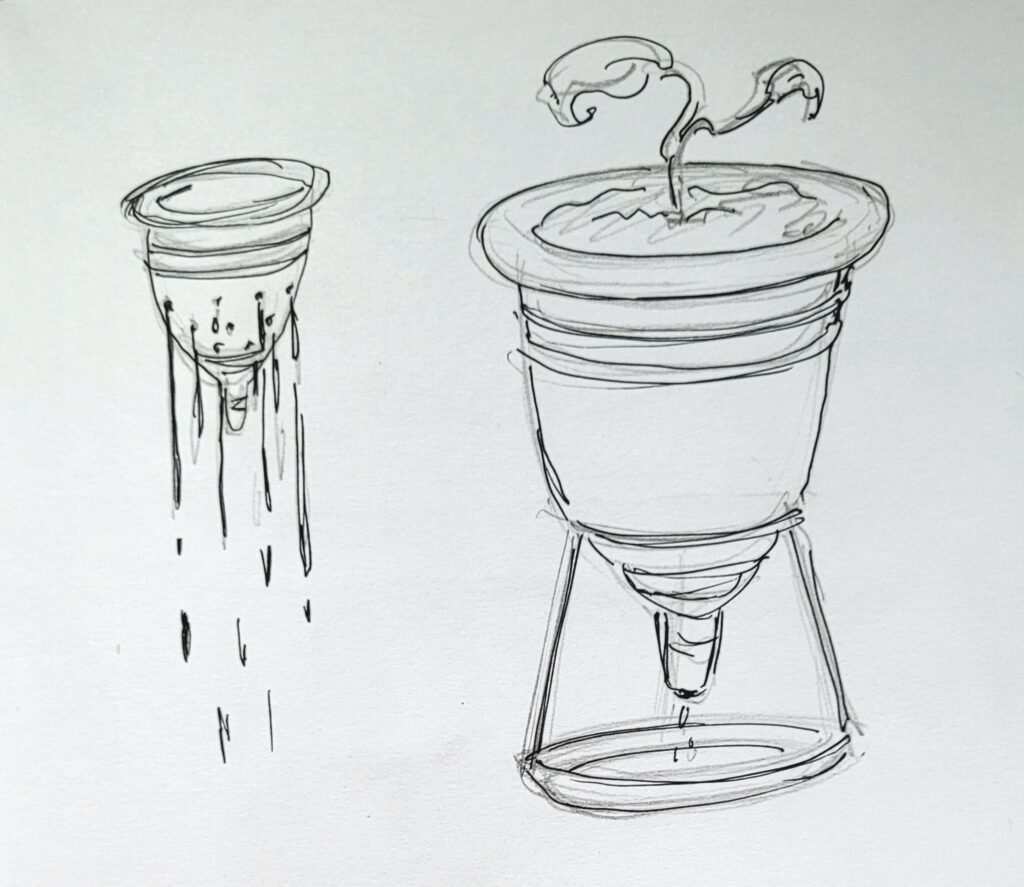
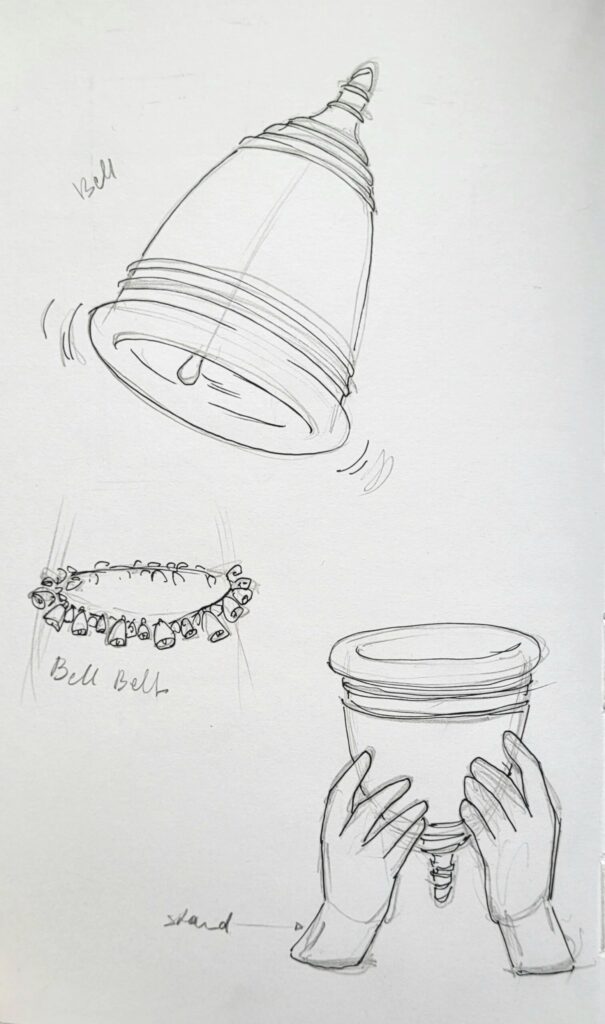
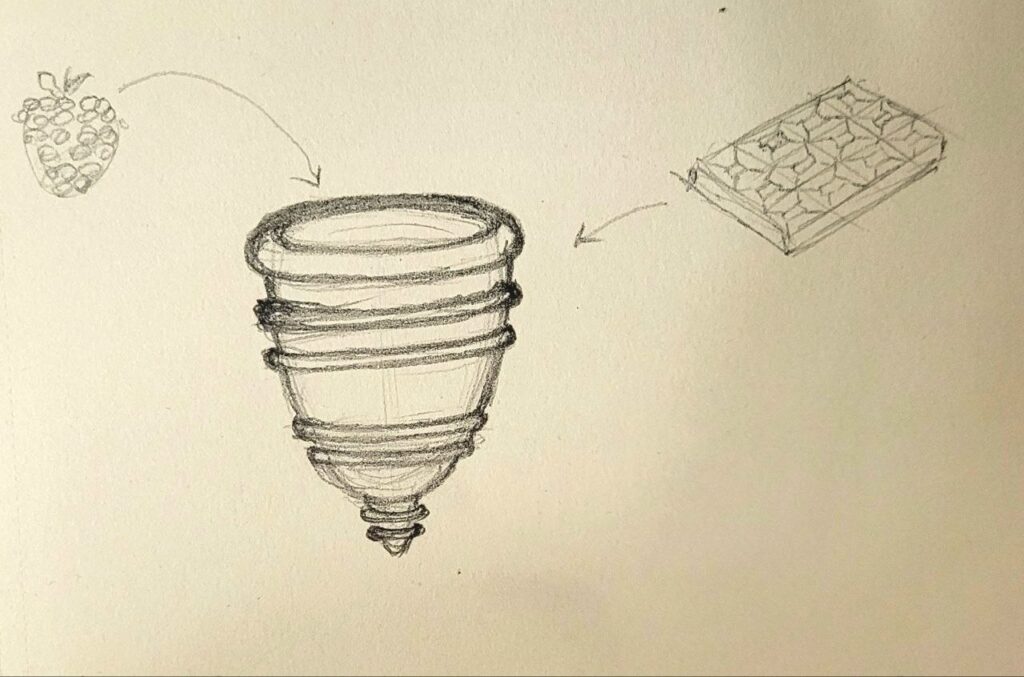
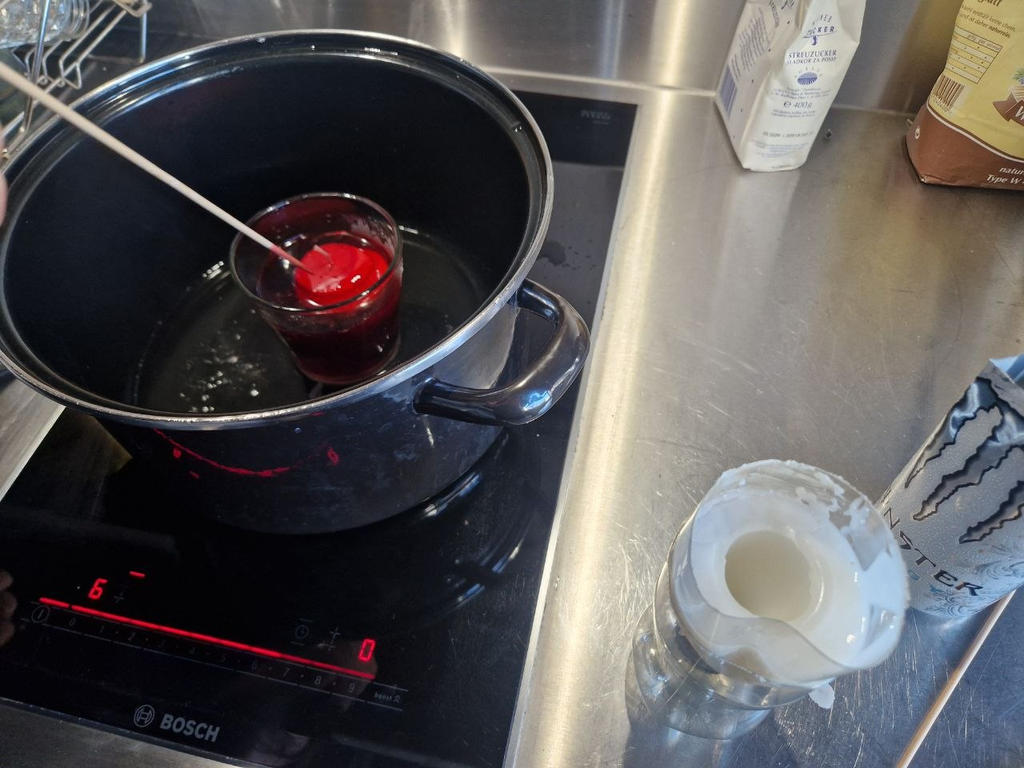
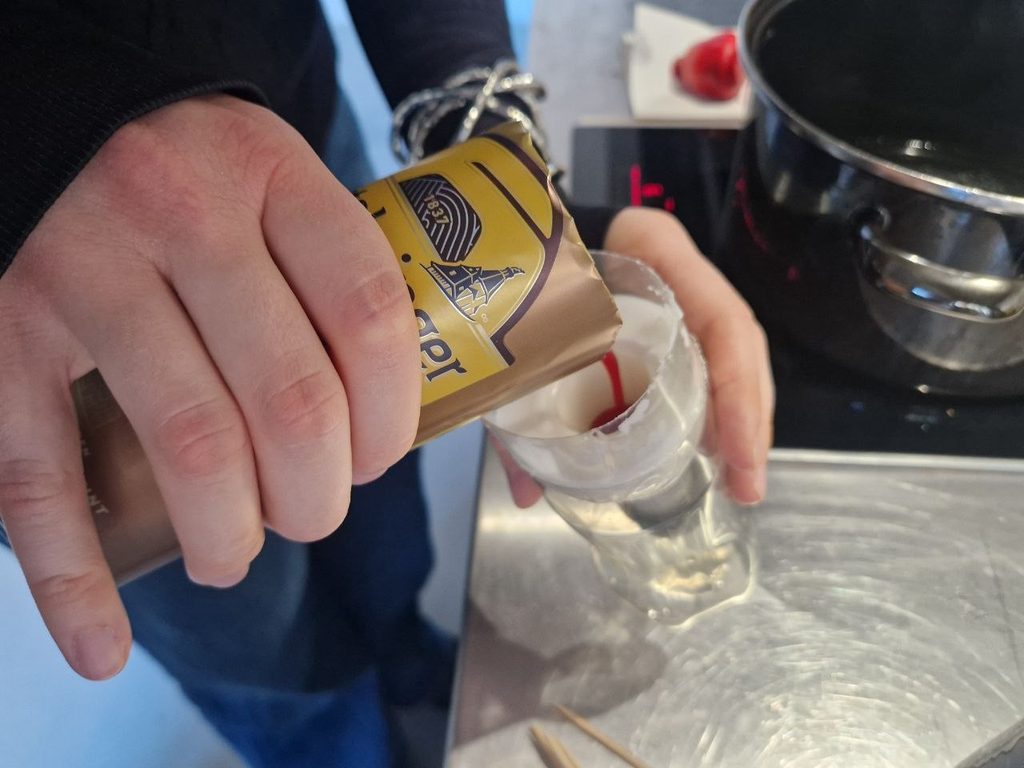
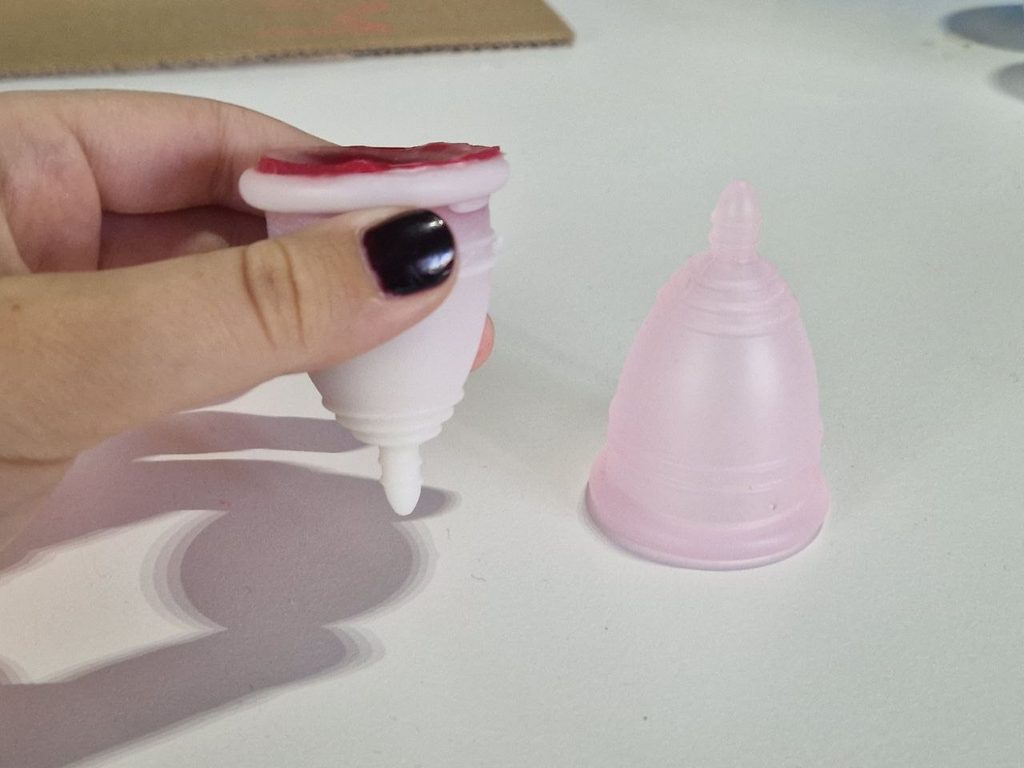
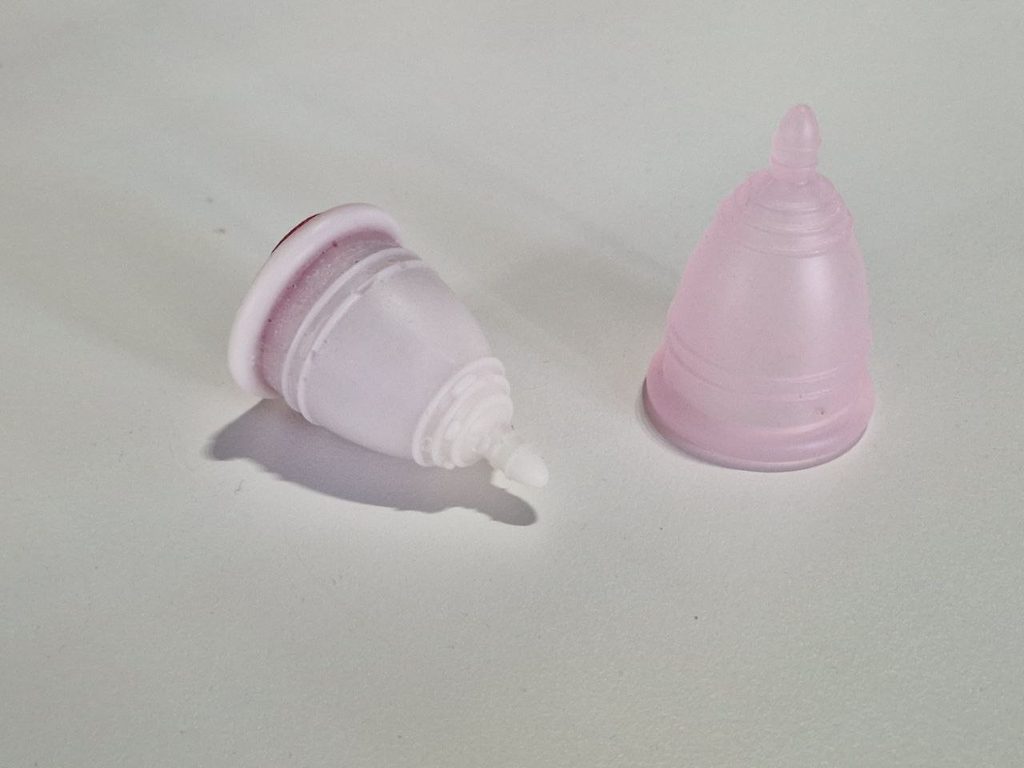
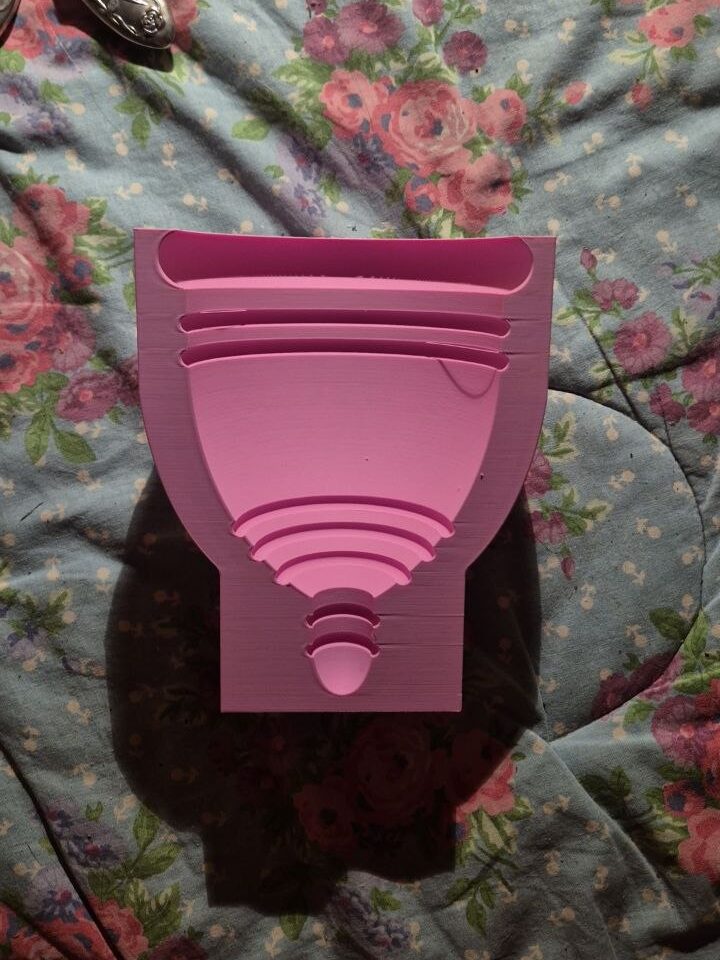
We started thinking about what materials a menstruation cup can be made of and how that would affect the function and the meaning.
We discussed associations and what different meanings and rituals can come from that.
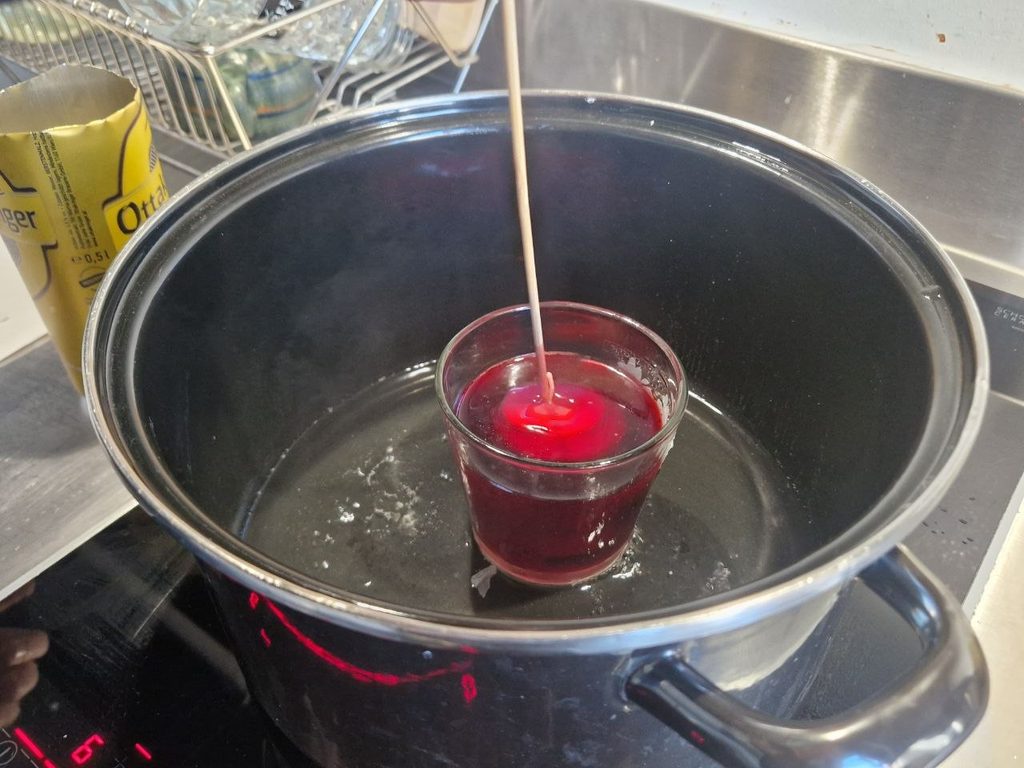
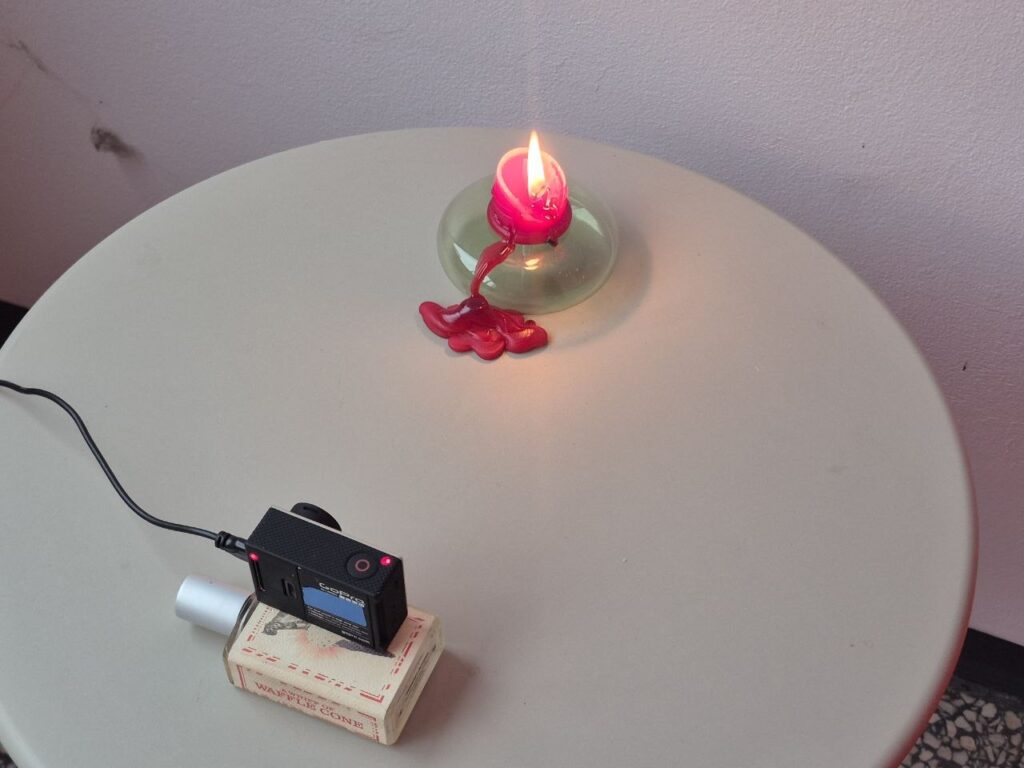
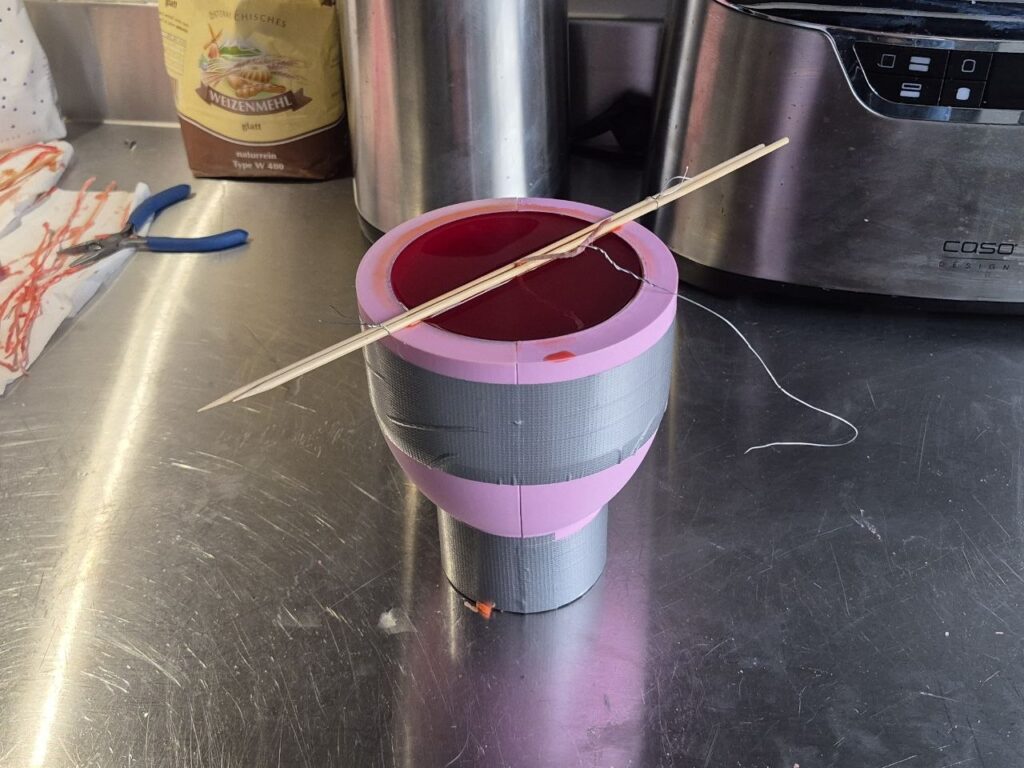
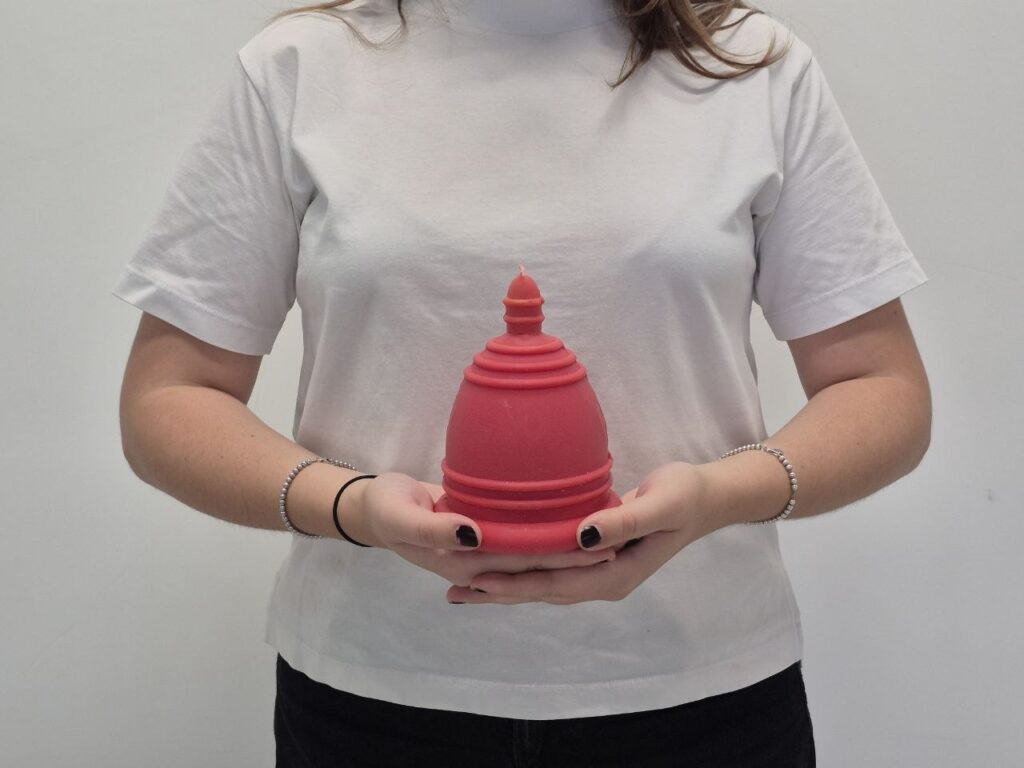
For example we thought about using wax as material and the meaning a menstruation cup shaped candle could have. It could be a ritual of commemoration when you are experiencing an absence of your period or going through menopause.
Descriptions
We want to have 2 descriptions:
A subjective emotional description from a person who used this object, not clearly explaining how it is used but the emotional meaning of using it for them. This description might be found alongside the object and interpreted as mystical.
the cycle feels different for everyone, we are missing (shared) rituals thoughout
An outsider’s view on the object and assumption of how it was used and what it meant
“scientific” description that you would find in a museum
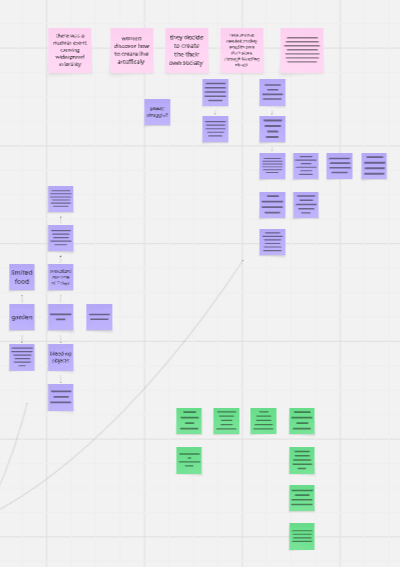
Update on Worldbuilding
scaling down to a small community…
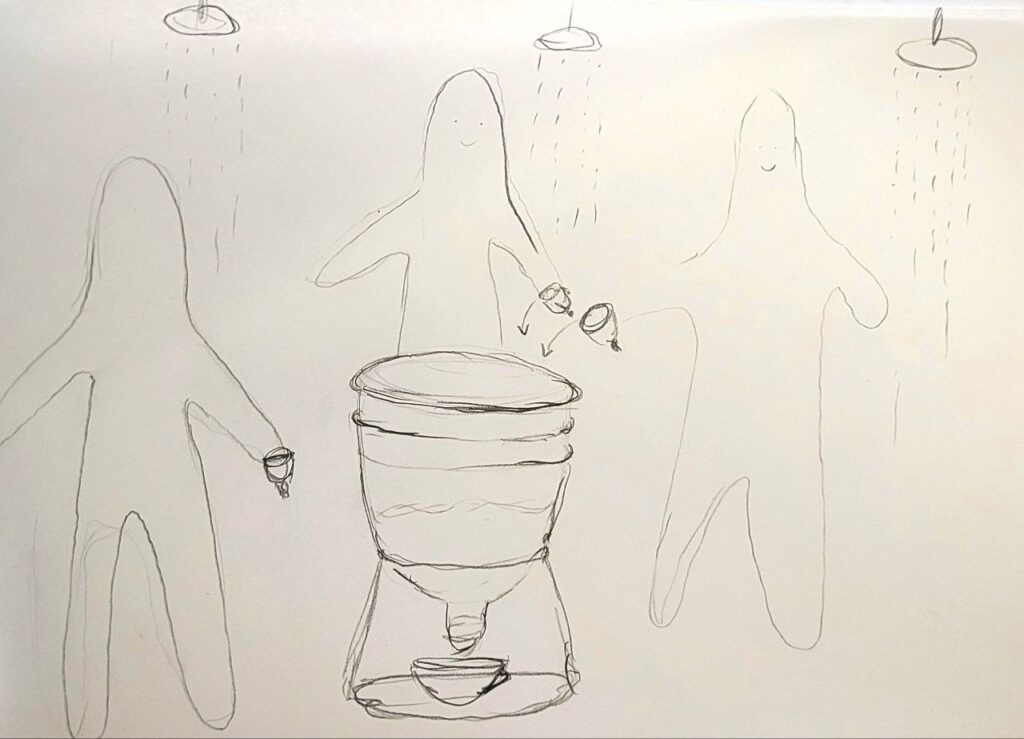
The Ritual
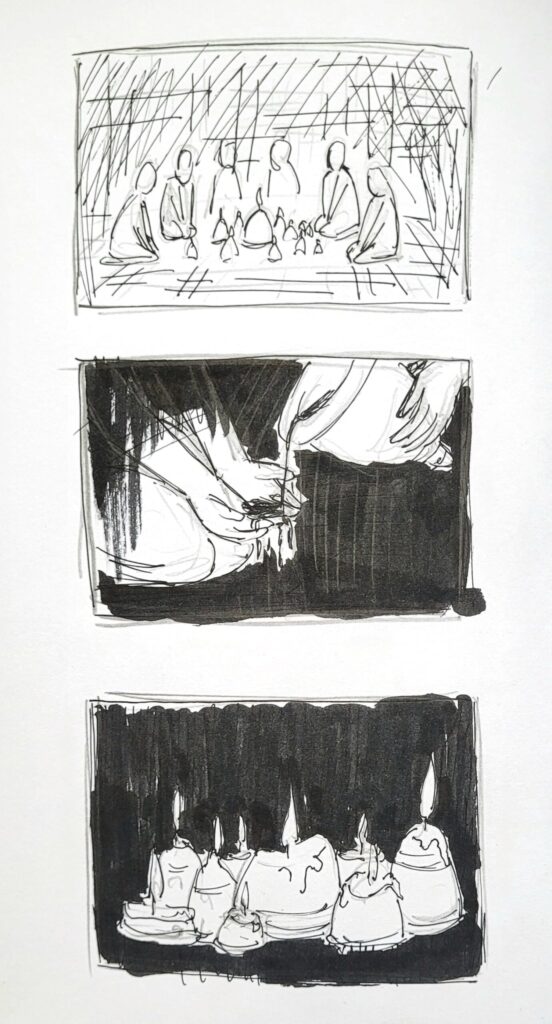
A “found footage” video documentation of a ritual around the cup and menstruation: We will not give context, it is a mystical artefact that future ethnographers will speculate about.
We will ask everyone at the midterms to describe what they see and what they think the meaning is, who the people are, where it was filmed. We will use that input to create a speculative description that could be found at a museum in 100 years.
“Our own self-realization is the greatest service we can render the world.”
– Ramana Maharshi –
THE DEVELOPMENT OF THE SEPARATE SELF
Birth
No boundaries.
Only one single fluid stream of experience.
1 1/2 years
The cognitive self develops.
Unity splits into a subject (me) and an object (the world).
2–6 years
Language cements the ego.
Narrative identity.
7–12 years
The mind develops a past and a future.
The child doesn’t only live in the present moment.
Adolescence & Adulthood
The “I” is a complex web of beliefs, traumas, views, preferences,…
The “I” gets treated as a real, solid entity that has to be defended.
EGO MECHANISMS
(1)
The core illusion
The “I”-thought
→ forms the believe : I am a separate entity inside this body.
→ every thought that follows is a self-referencing thought.
(2)
The voice of the ghost
The inner voice talks in the first person.
The voice convinces you that it is you.
(3)
Time
The ego cannot exist in the present moment.
It drags your attention into the past (memories) or into
the future (imagination).
(4)
Defense structures
Drama & Friction
The ego loves being right, judging and playing the victim.
Drama gives the sense of “I” a role to play.
Intellectualization
The mind wants to label and categorize everything.
It creates a (false) sense of control to feel safe.
The body lock (Suffering)
When life doesn’t match the ego´s story, it creates resistance.
It binds the stress to the physical body to proove the story is real.
THE ILLUSION OF THE SEPARATE SELF ≠ TRUE SELF
“The Self is known to him who knows it not; he who knows it, knows it not. It is unknown to those who know, and known to those who know not.”
— Kena Upanishad –
What is the True Self?
It cannot be grasped as an object, a concept, a thought, or a definition by the mind.
Words can only point to the truth, they can never be it.
How do we remember our True Self?
Die before you die.
Letting go of everything you know about yourself.
A free fall into the unknown.
DIPLOMA
The pathless path:
an exploration without a predetermined route or outcome.
The diploma may develop into a collection of different works, connected by an underlying inquiry into uncertainty, control and the sense of self, rather than working towards one specific outcome.
I don’t want to decide in advance what the works should express, or whether they need to express anything at all. Some may relate to non-duality, while others may not.
I want to make room for all kinds of outcomes, also works that might seem trivial, unsuccessful, uninteresting, forced or awkward. I also want to make room for doubts, uncertainty and discomfort that may arise, rather than trying to resolve or overcome them. I don’t want to exclude these experiences simply because they don’t fit an idea of what a successful or meaningful artistic process should look like.
This also connects to the idea of the TRUE SELF in non-duality: not another identity to discover or create, but what we already are, beyond the stories and ideas we identify with. It also means questioning the tendency to define ourselves through what we do and create, rather than turning our work into another idea of who we are.
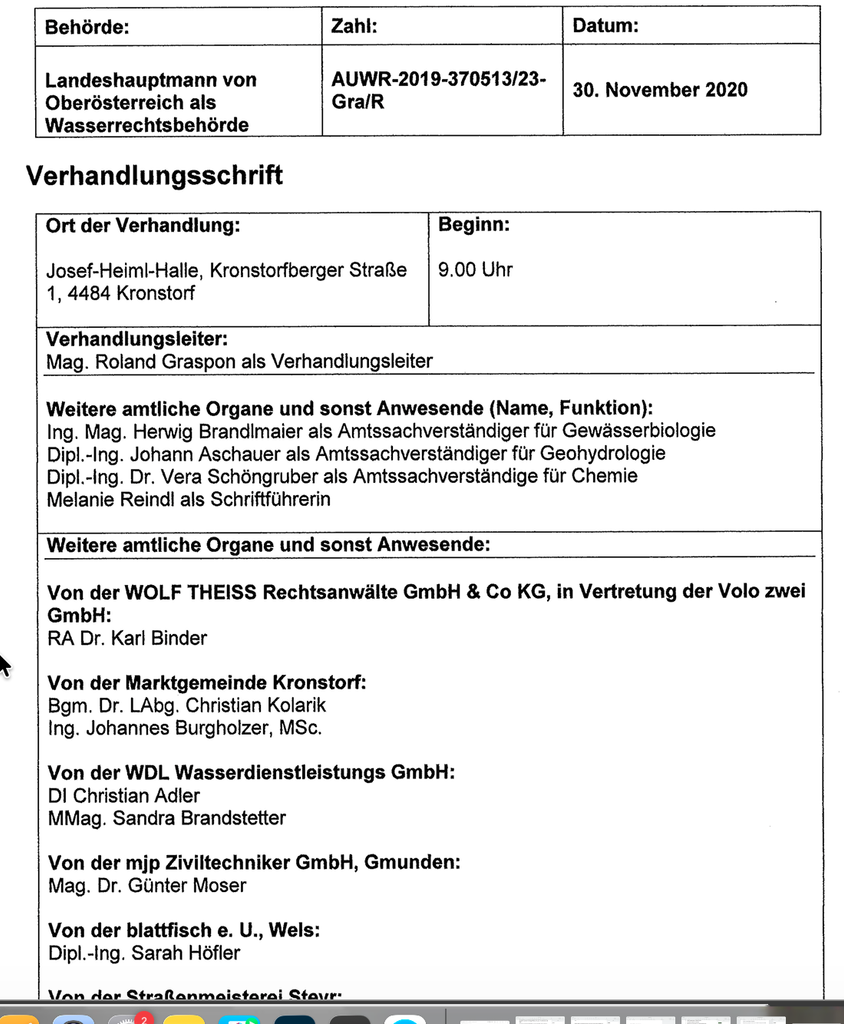
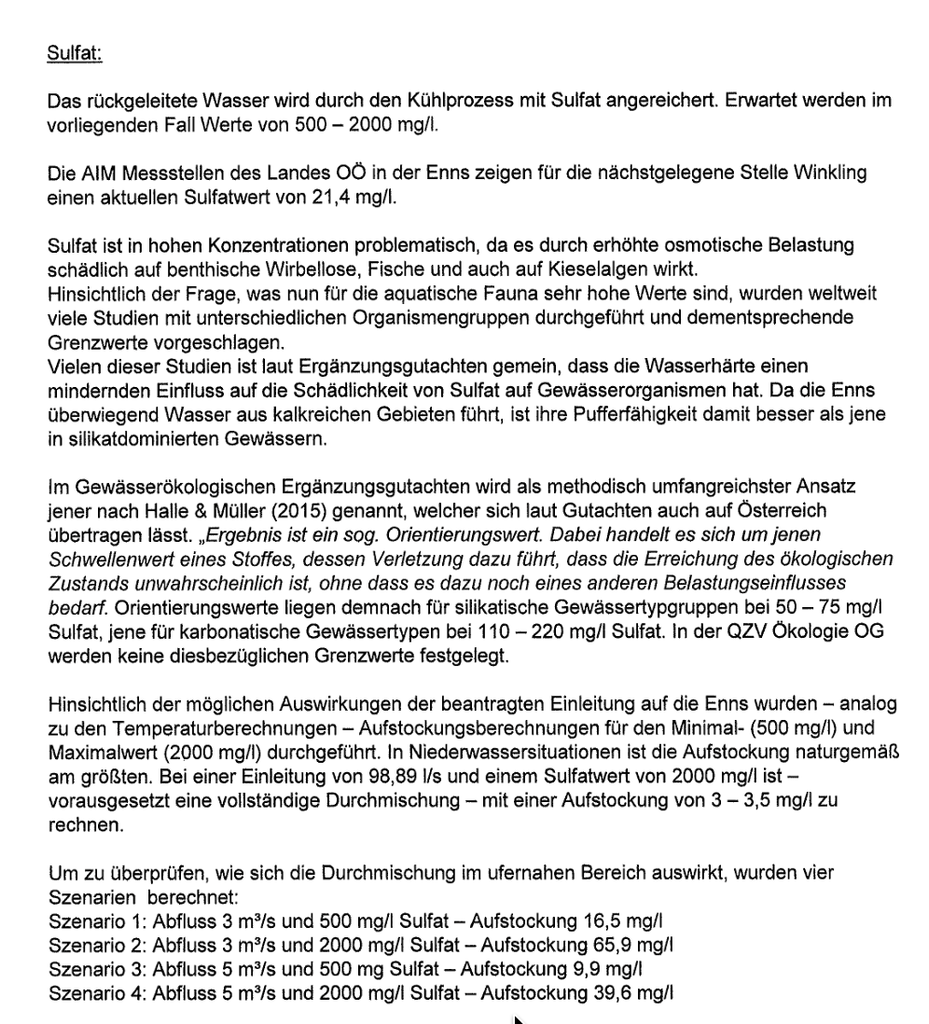
Water: Up to 200 L/s extracted for cooling; heated water returned to the Enns River (up to 30°C). problems could be also chemical -> Sulfat
Also: Approximately 100 permanent positions expected, noise ! No comprehensive Environmental Impact Assessment (UVP) required., larger diesel reserves in the case of multiple emergency power generators
HEAT, NOISE, CHEMICALS ……
i looked for Inspiration…..
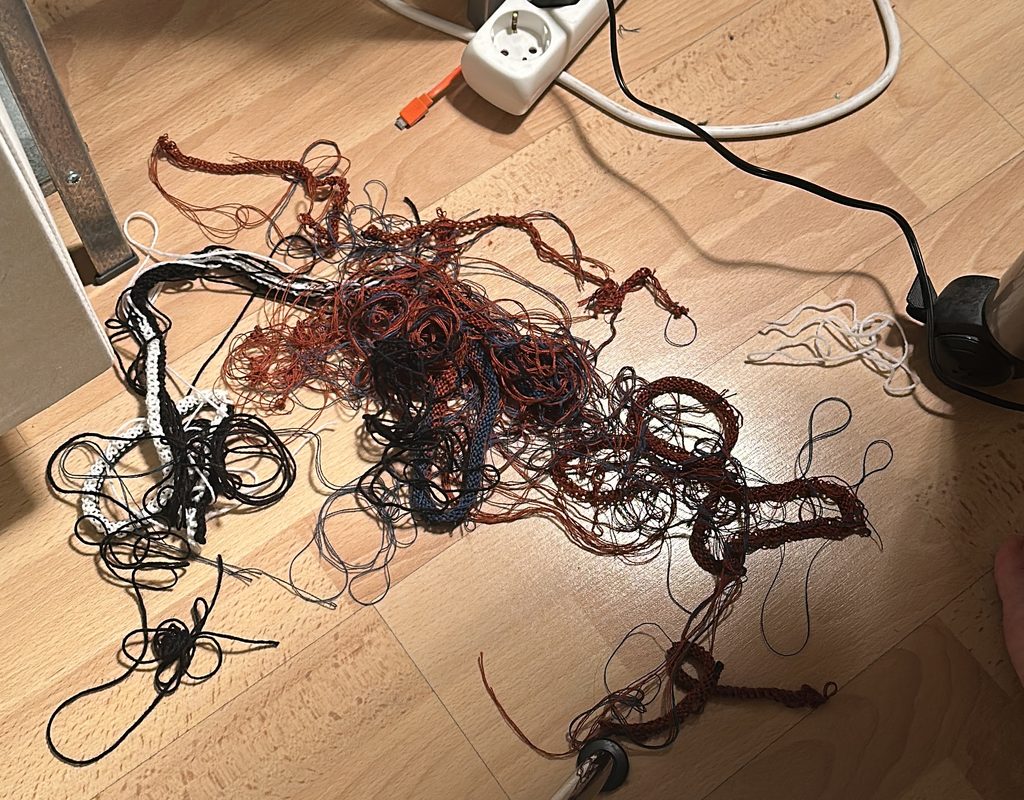
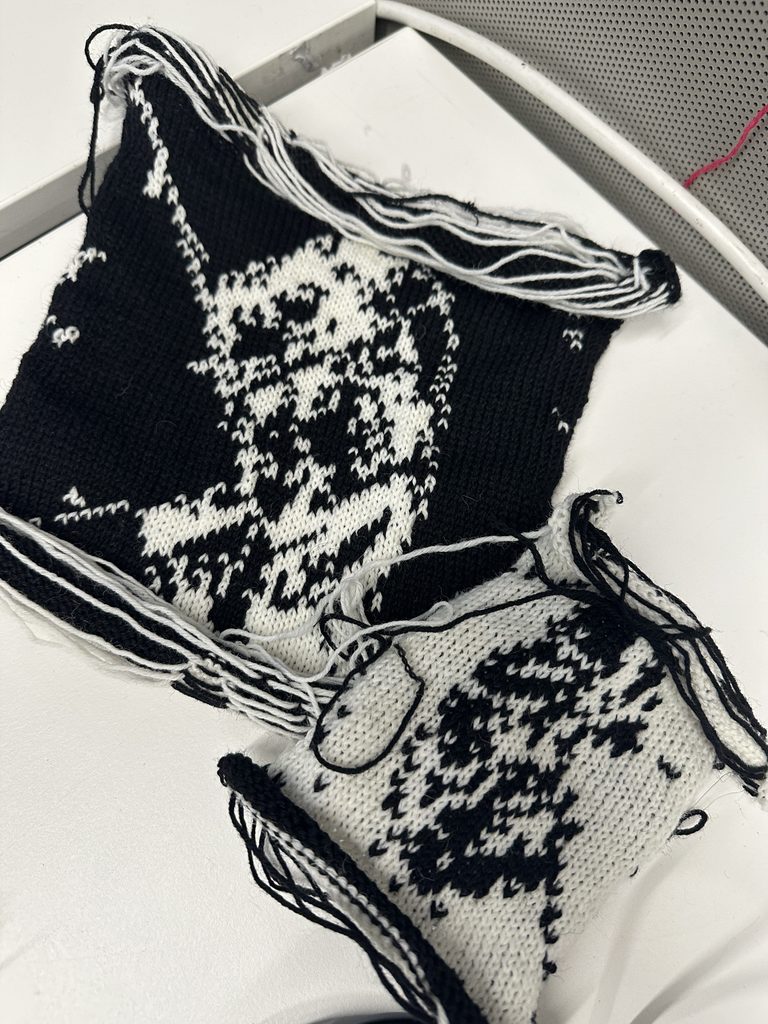
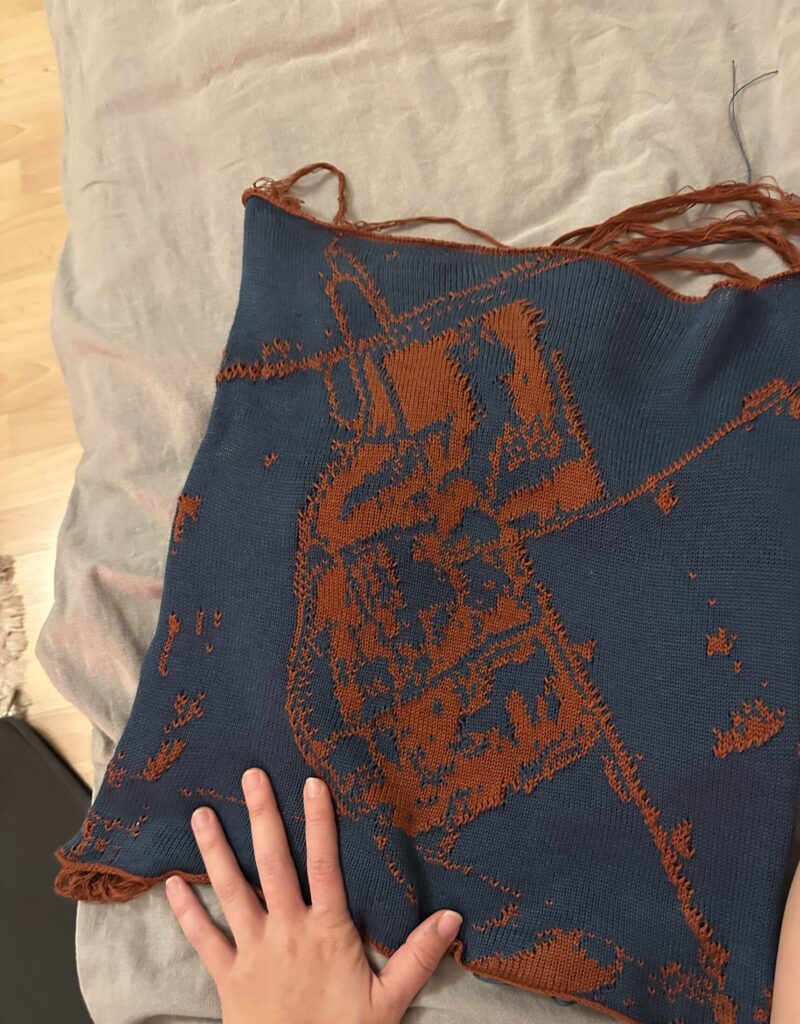
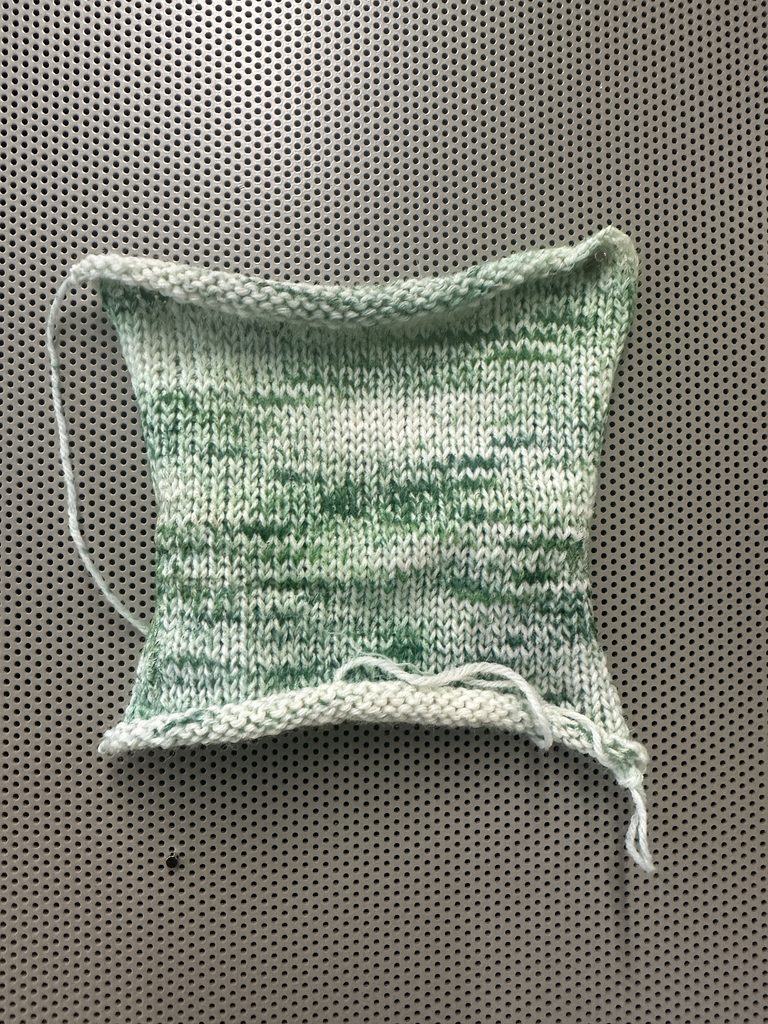
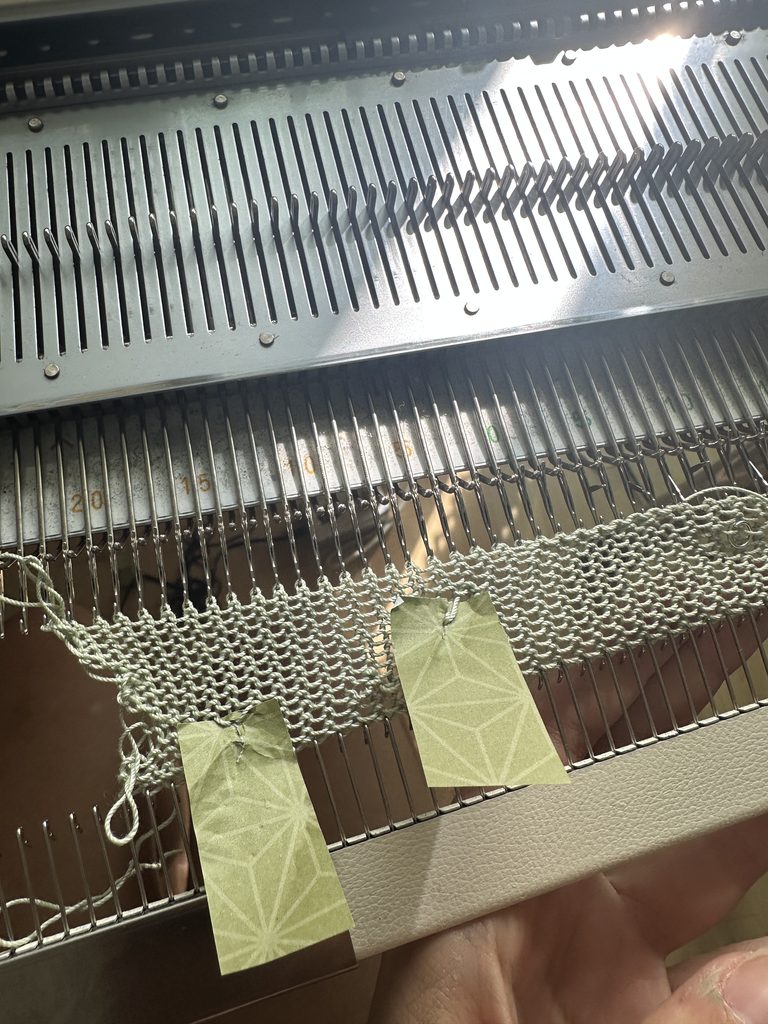
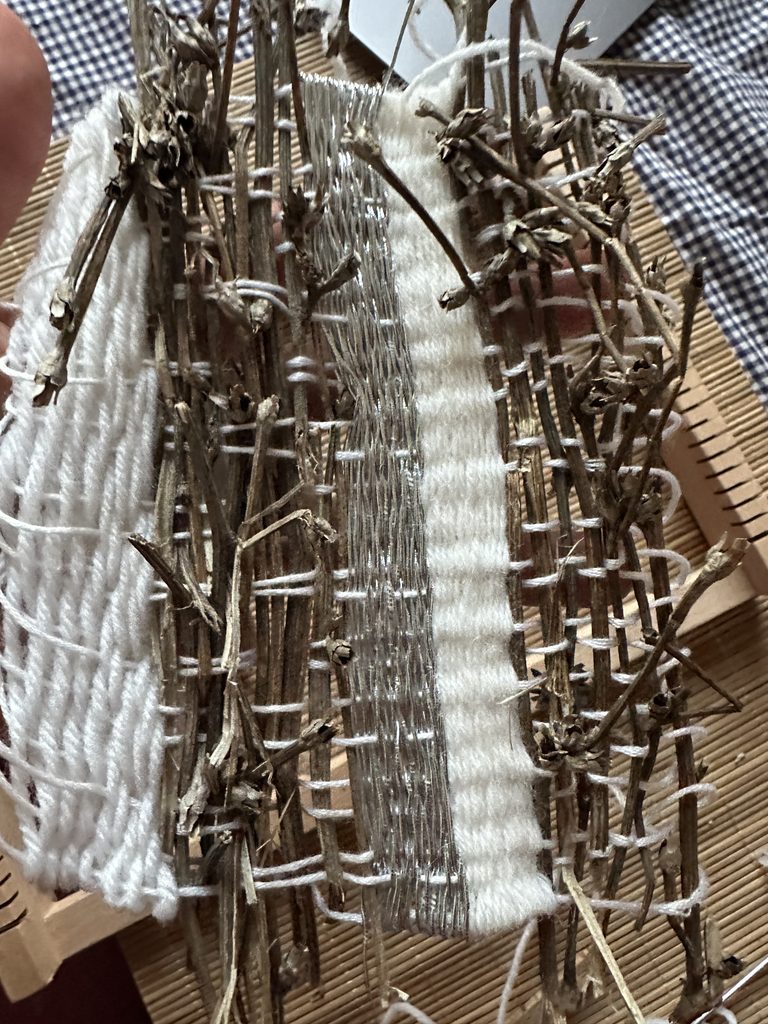
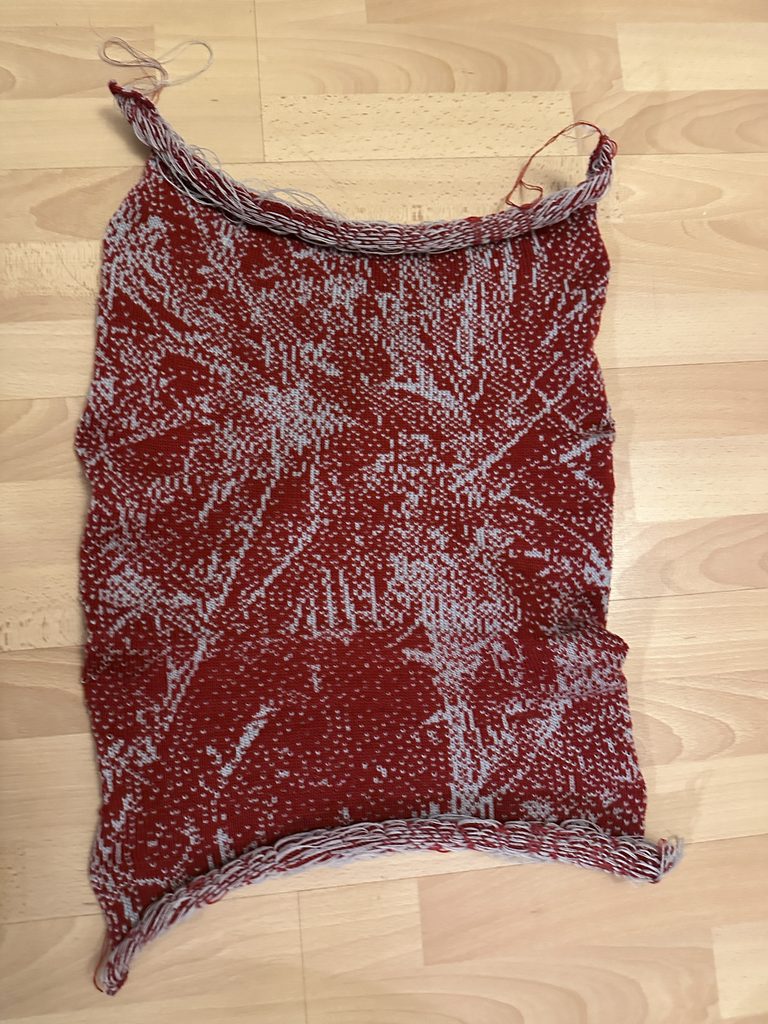
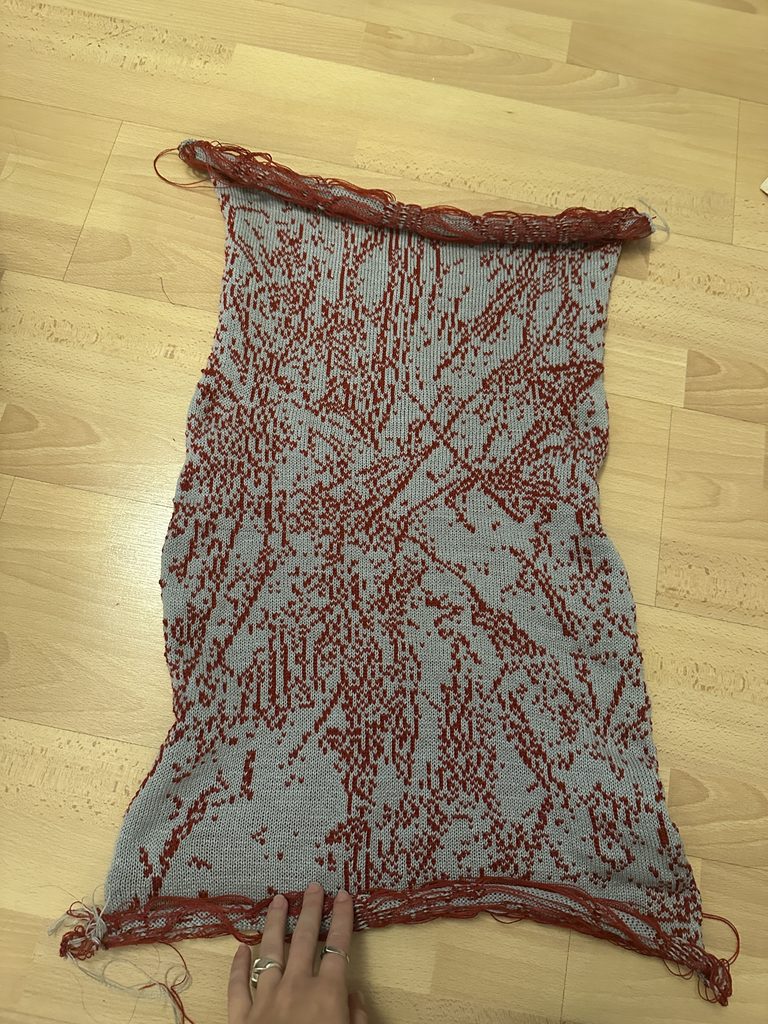
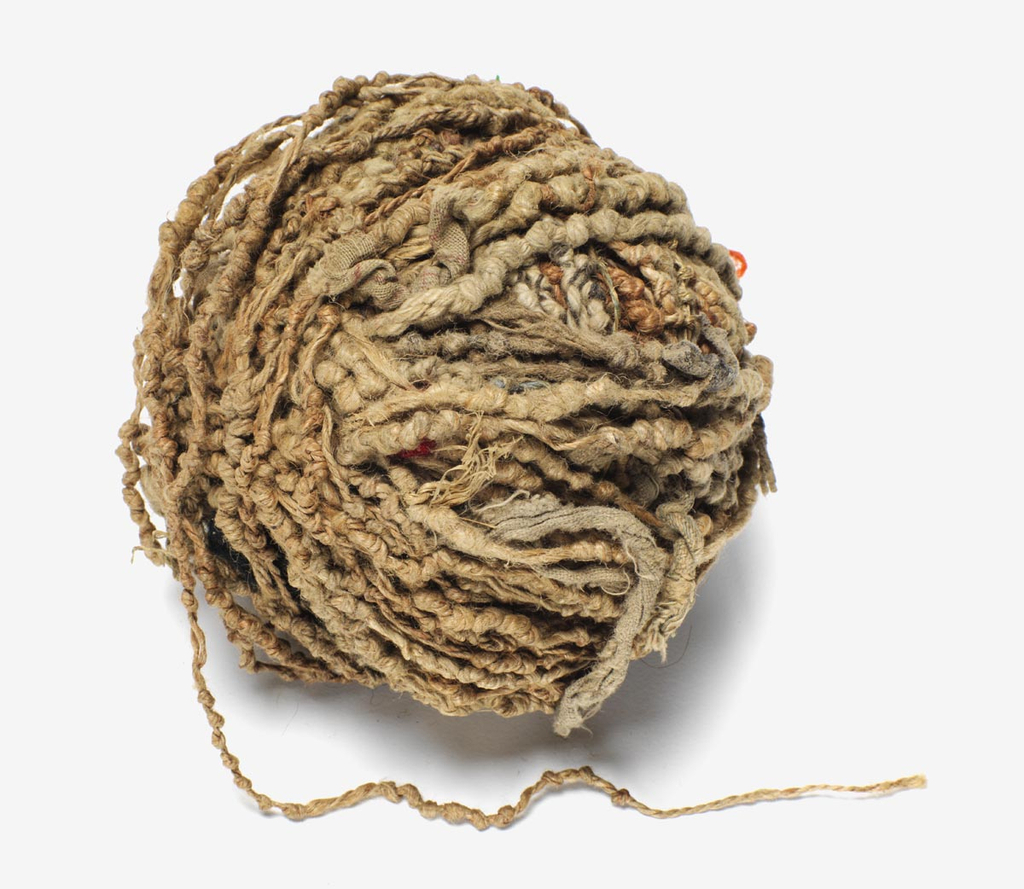
….back to making, with new wool
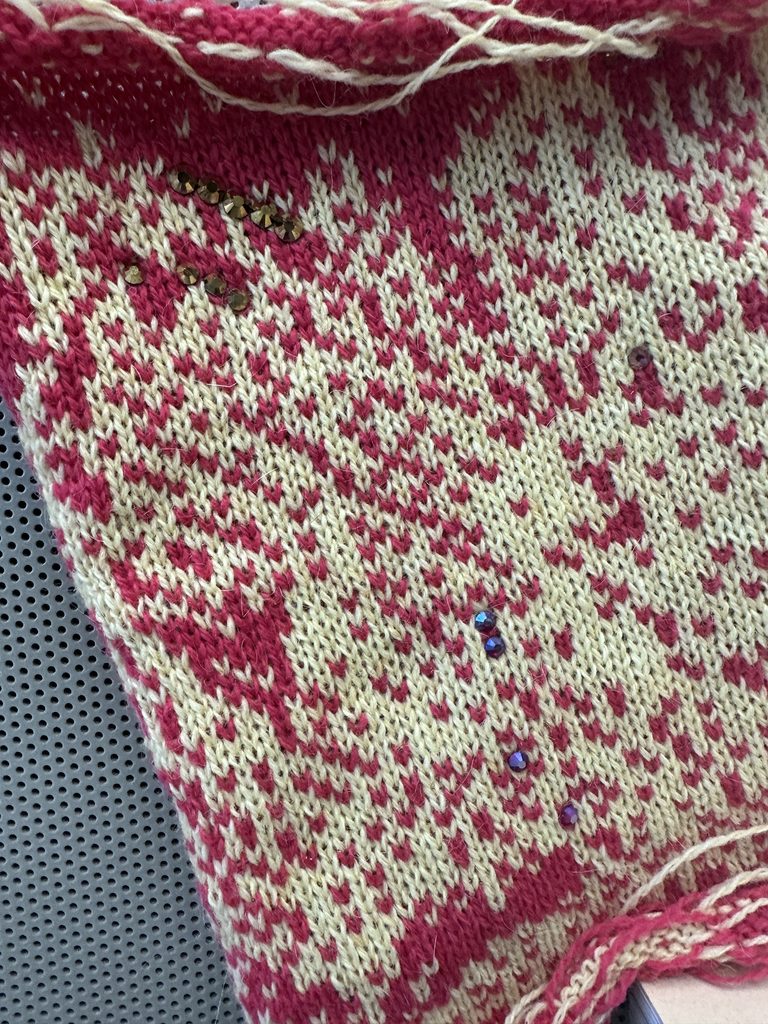
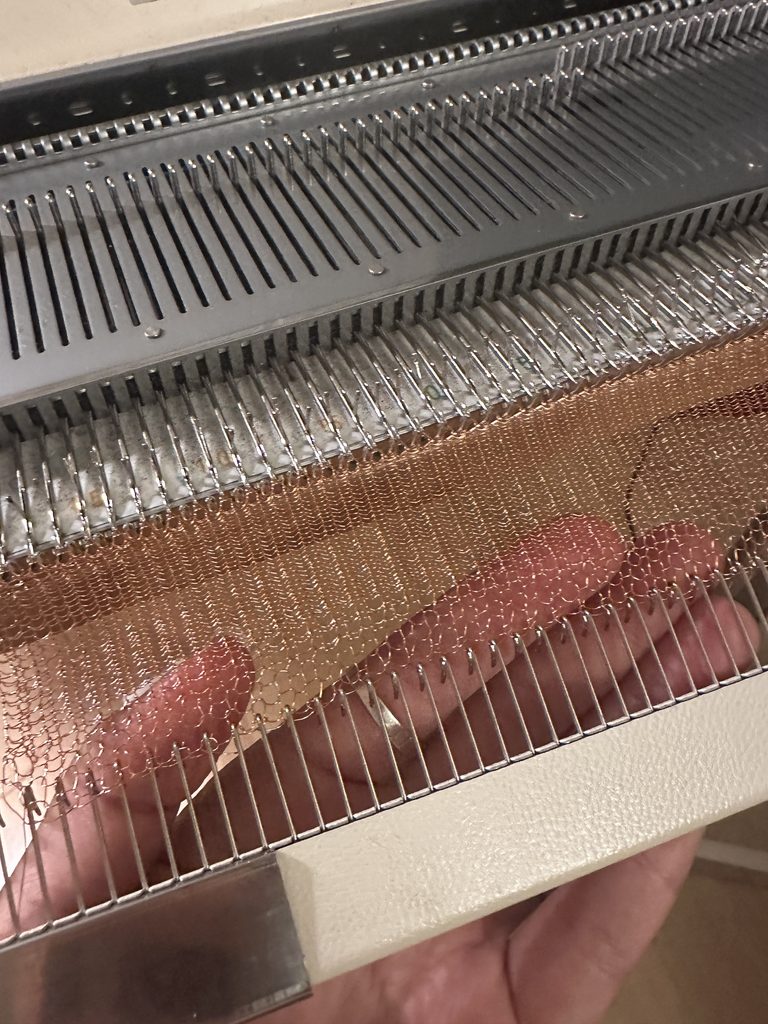
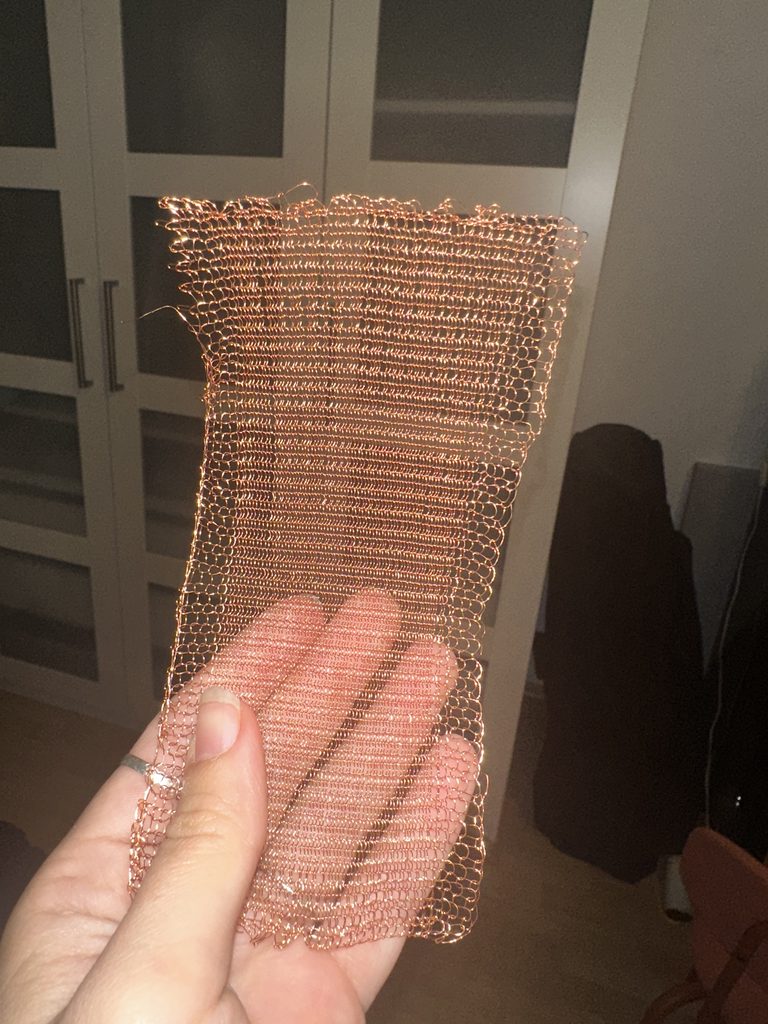
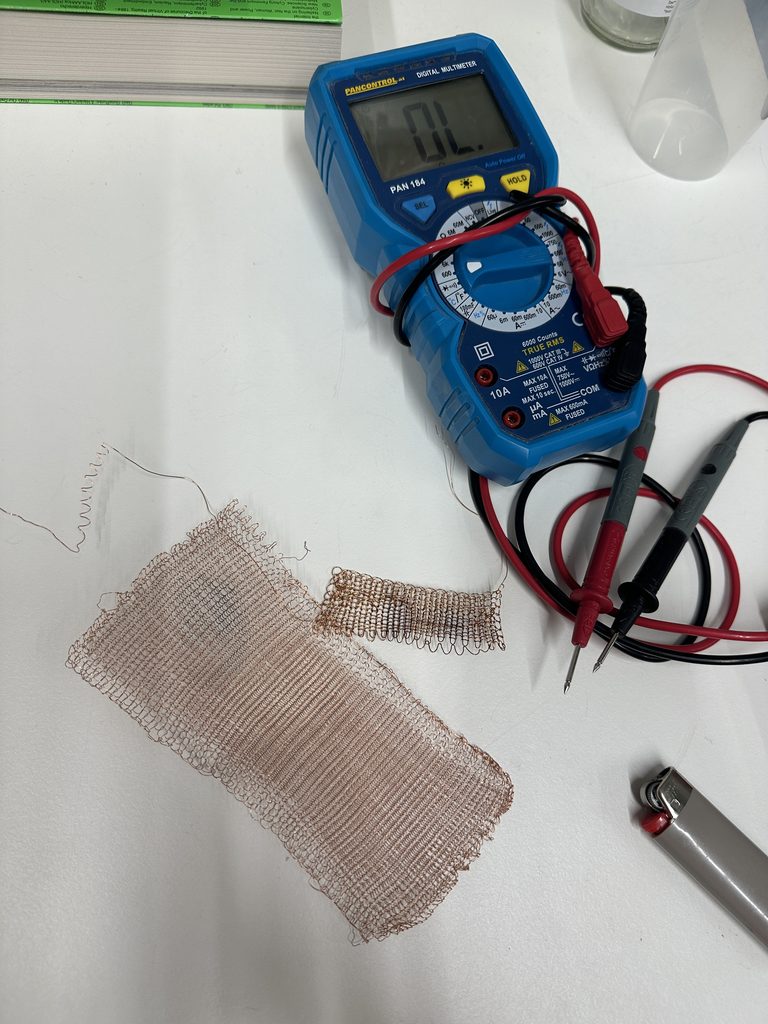
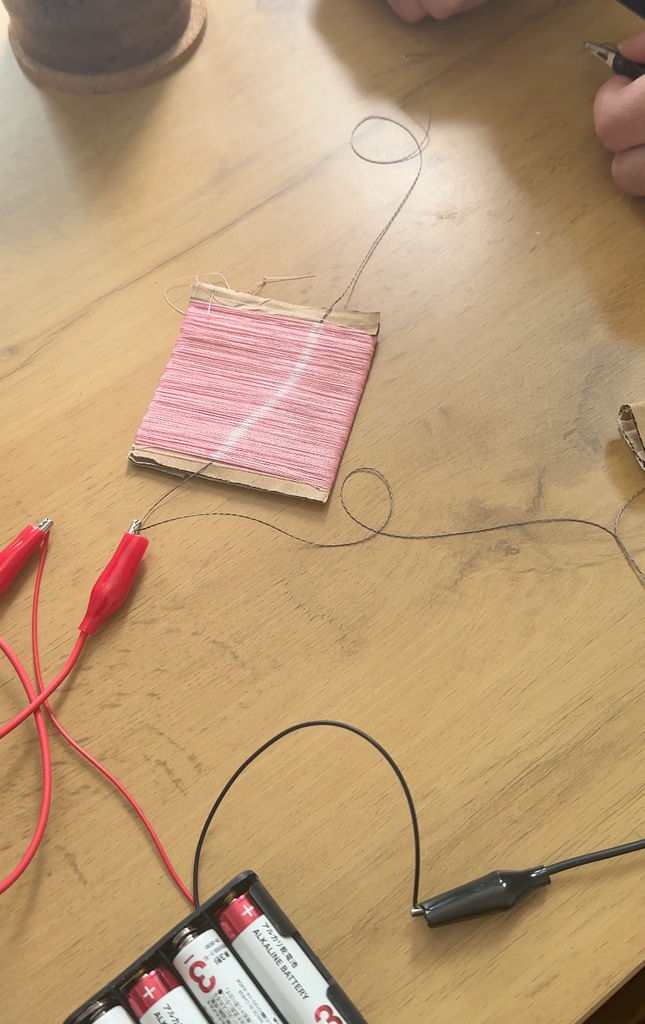
Copper wire
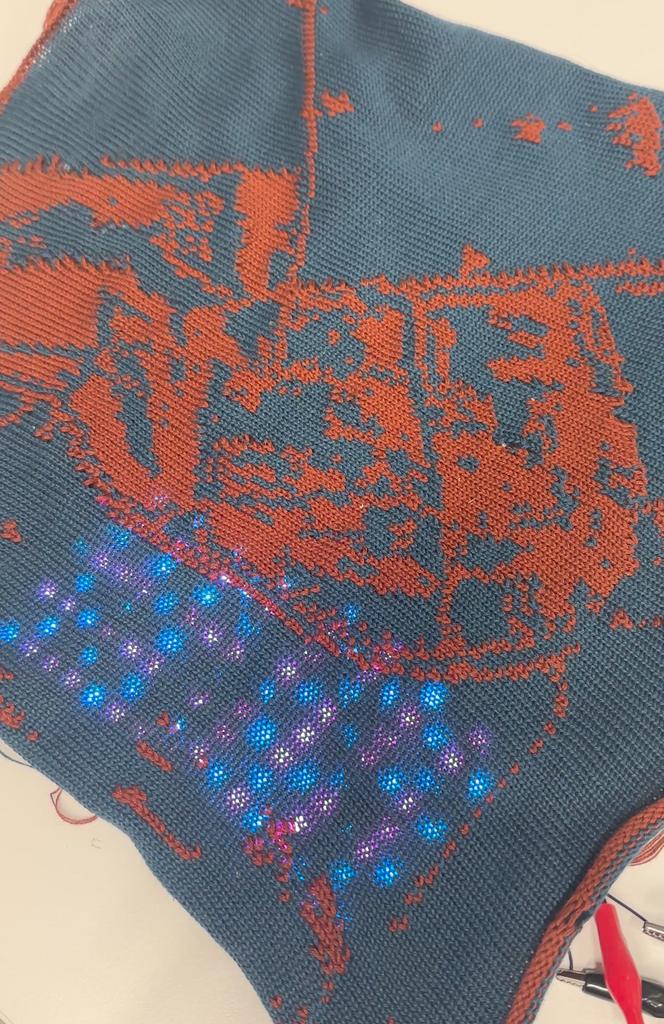
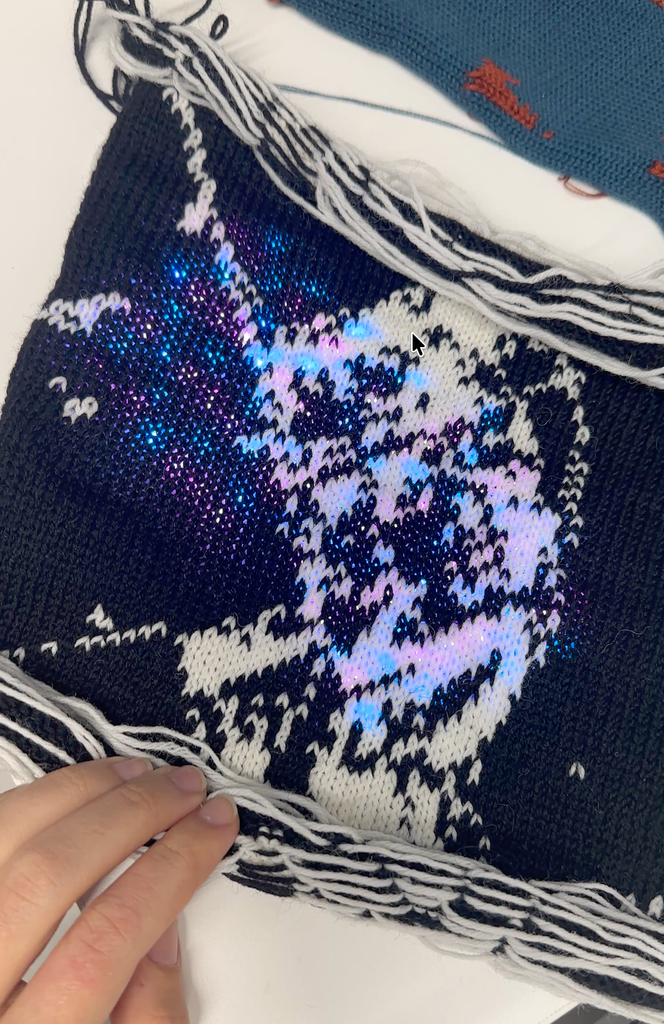
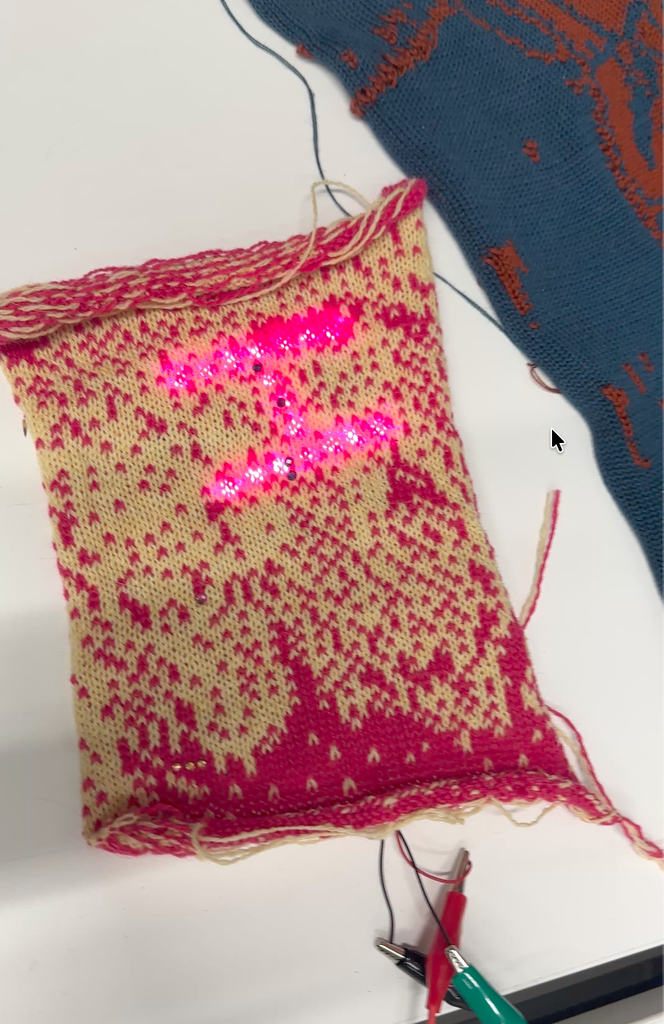
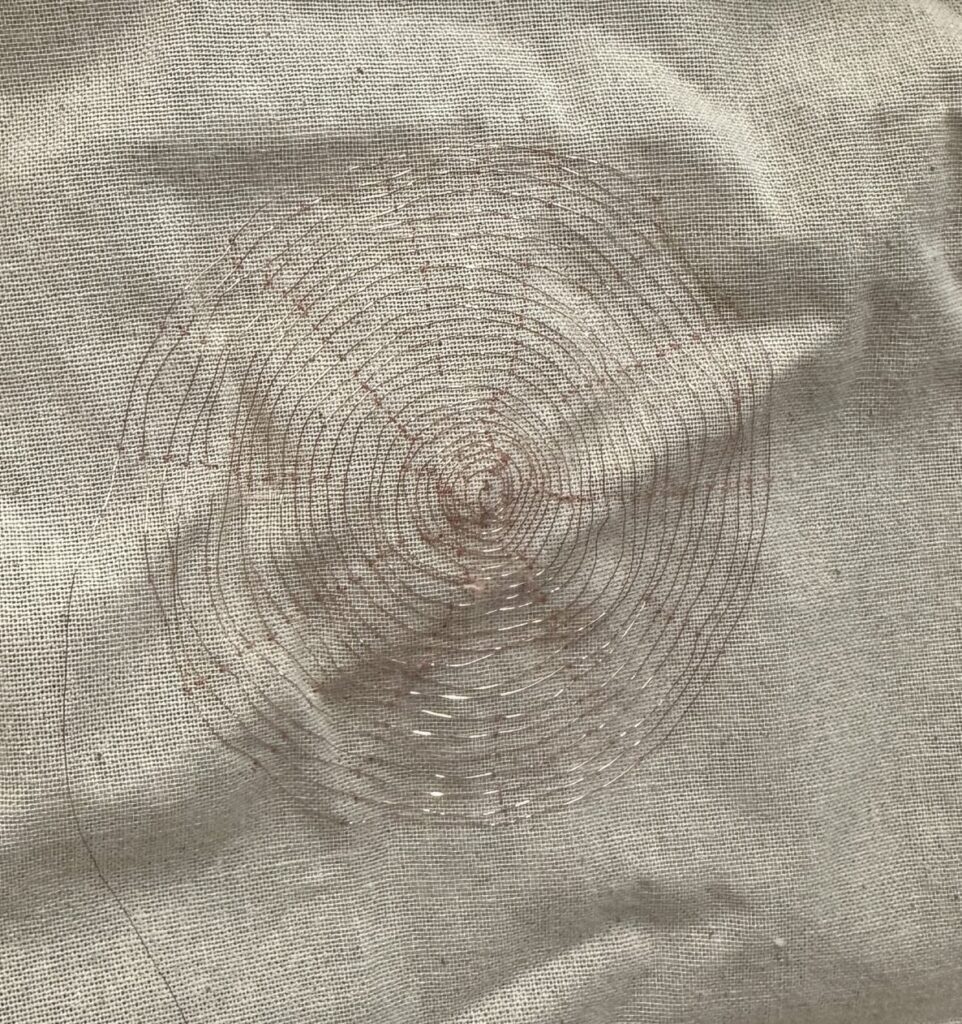
Textile Speaker
Projectname Inspiration
“Tu Nube Seca Mi Río” (Your Cloud Dries My River) is a grassroots activist movement in Spain that campaigns against the massive water and electricity consumption of hyper-scale data centers.
When Computers Where Woman: research article from Jennifer S. Light
Fiberpunk by Ebru Kurbak
Project Description first try
Textiles have long been entangled with computation. Yet textile practices, historically associated with feminized labour, remain largely overlooked in dominant narratives of technology. Often dismissed as trivial or decorative, they reveal deeper assumptions about whose skills and knowledge are valued.
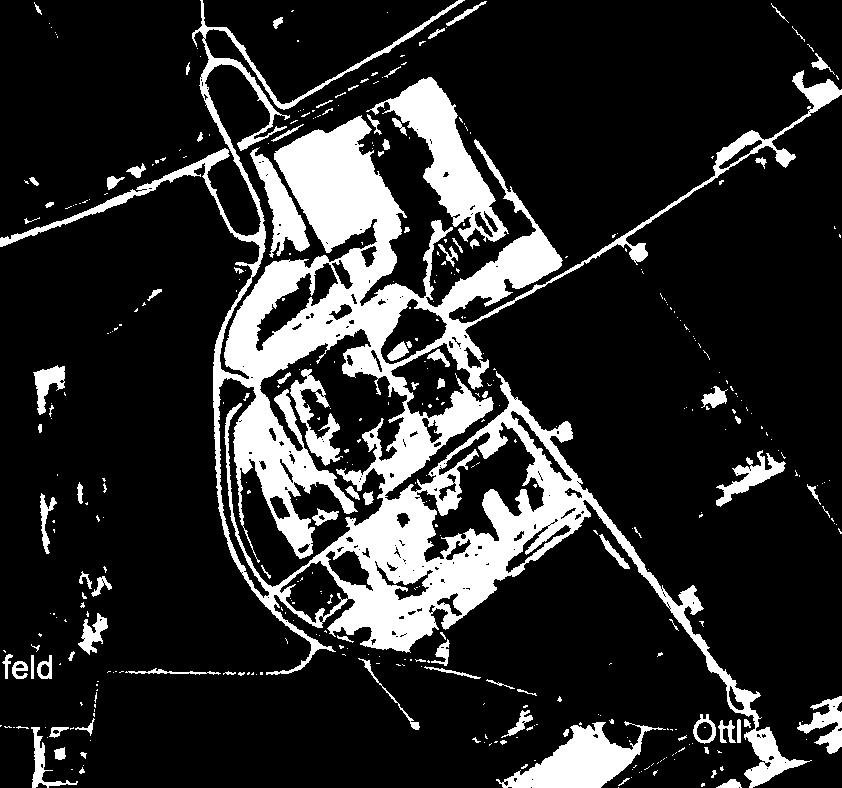
Taking the Google data center in Kronstorf, the project investigates the material and ecological realities behind our seemingly immaterial digital world. What if a server could listen to its environment rather than merely extract resources from it? What if technology were built around care, interdependence and ecological awareness?
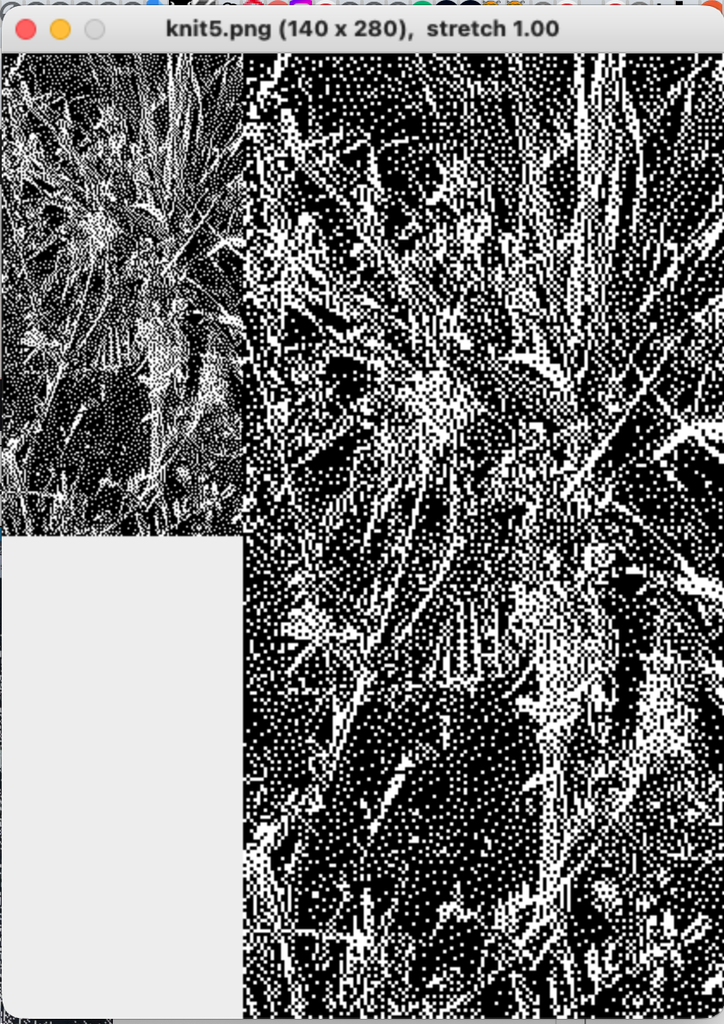
Through experimental knitting and handmade electronics I want to explores alternative ways of constructing computational technologies. By unraveling threads of textiles’ storied past and weaving possibilities for their future, the project challenges established ideas of what constitutes technology. Rather than accepting the narrow possibilities of dominant technological systems, it seeks to expand them, grounded in care and overlooked forms of knowledge.
Next Steps
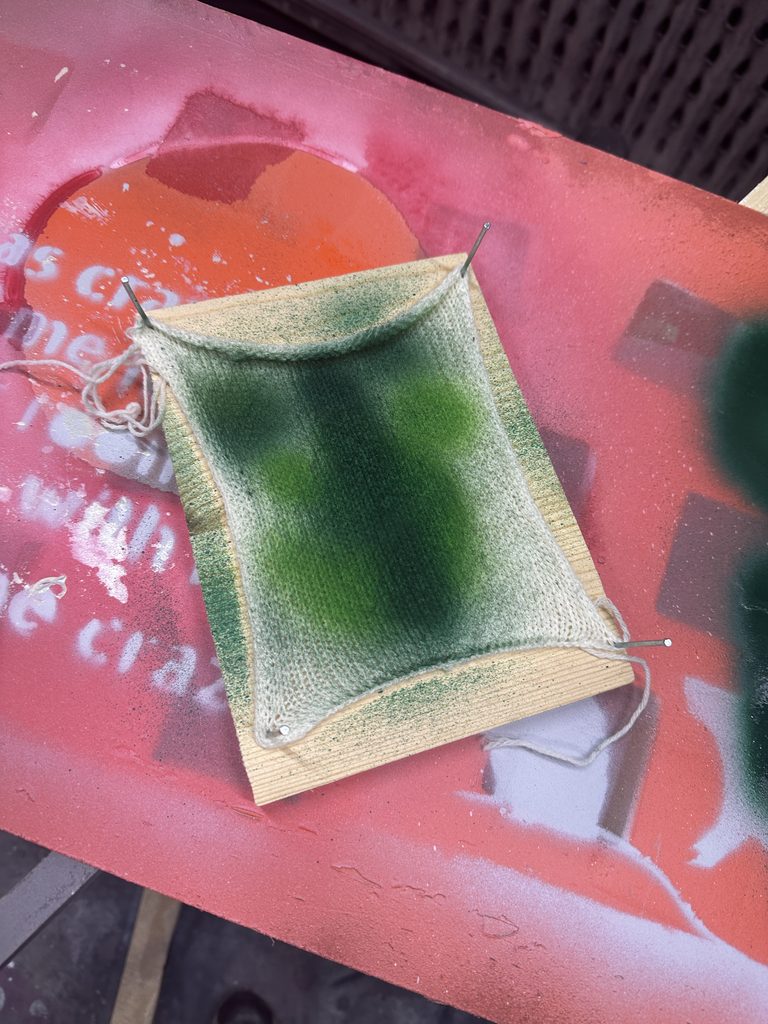
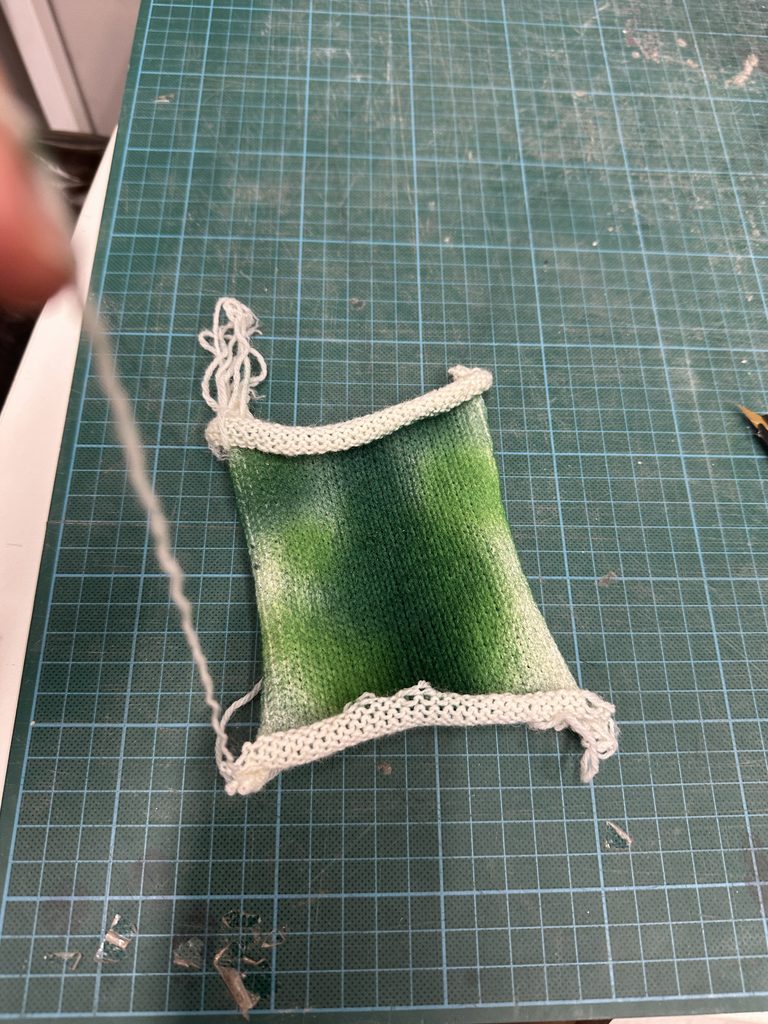
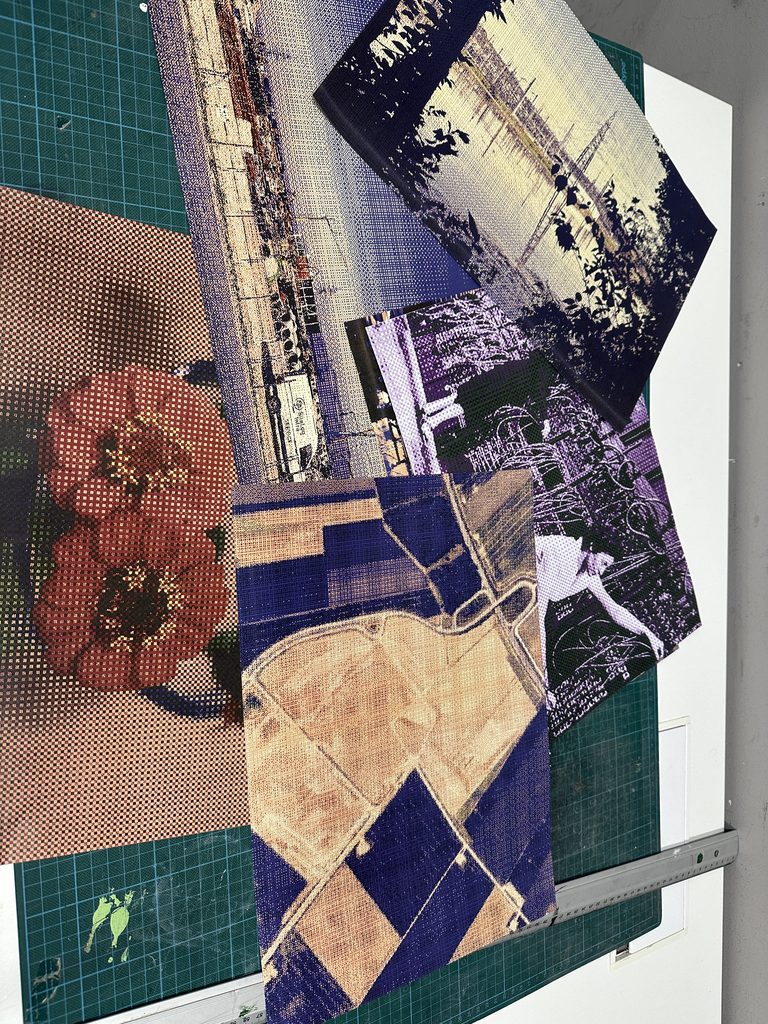
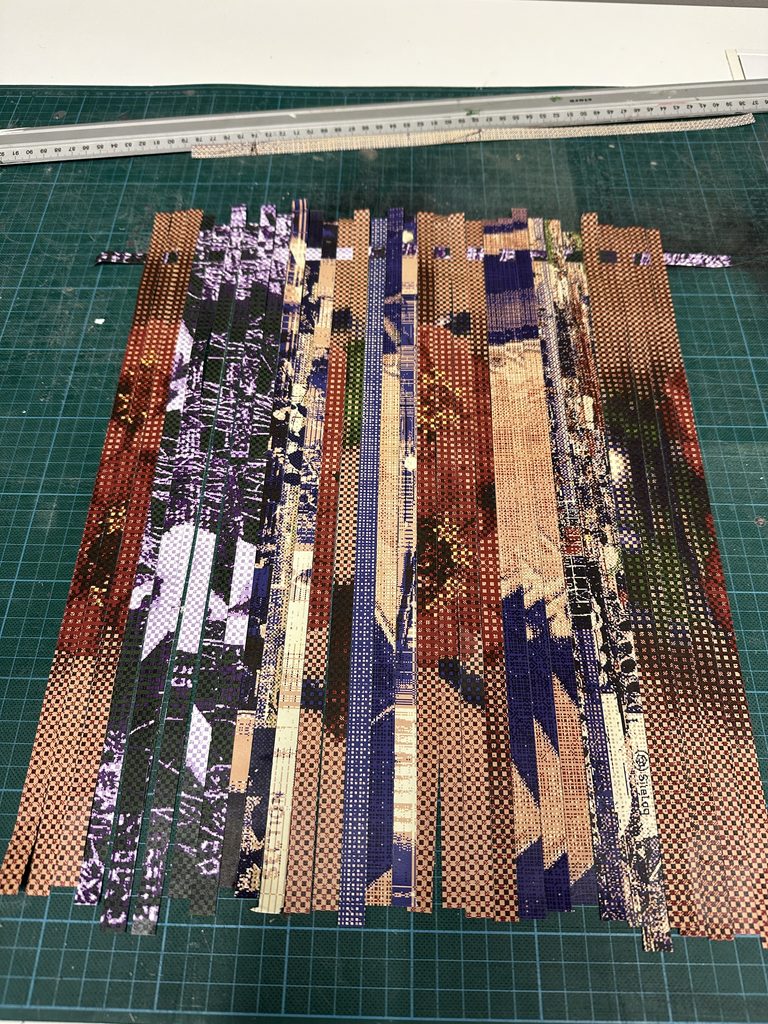
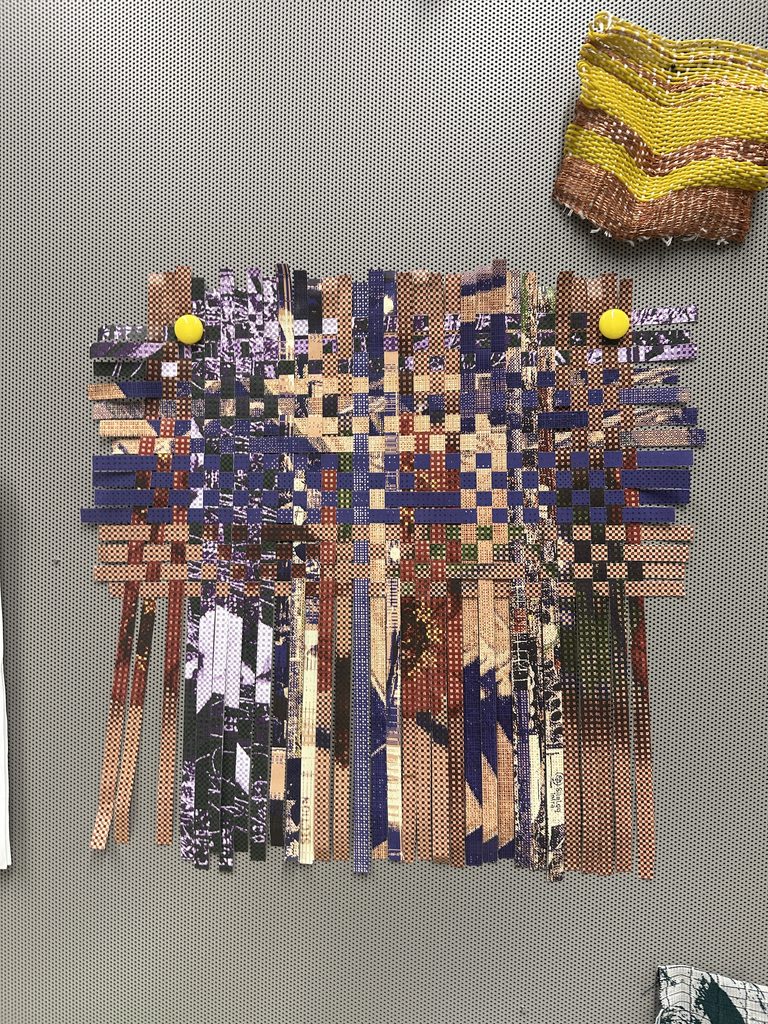
-thermochronic yarn from last feedback with silkscreen print
-continue with the copper and different metal wires and building electronic parts out of it ! (use also digital knitting)
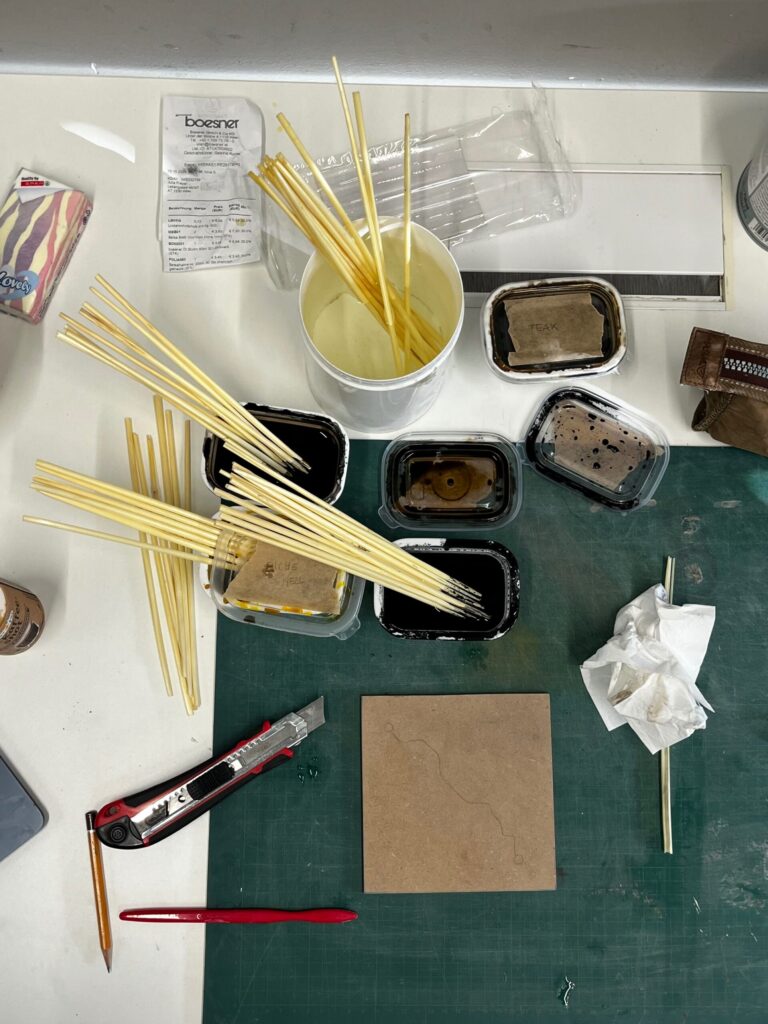
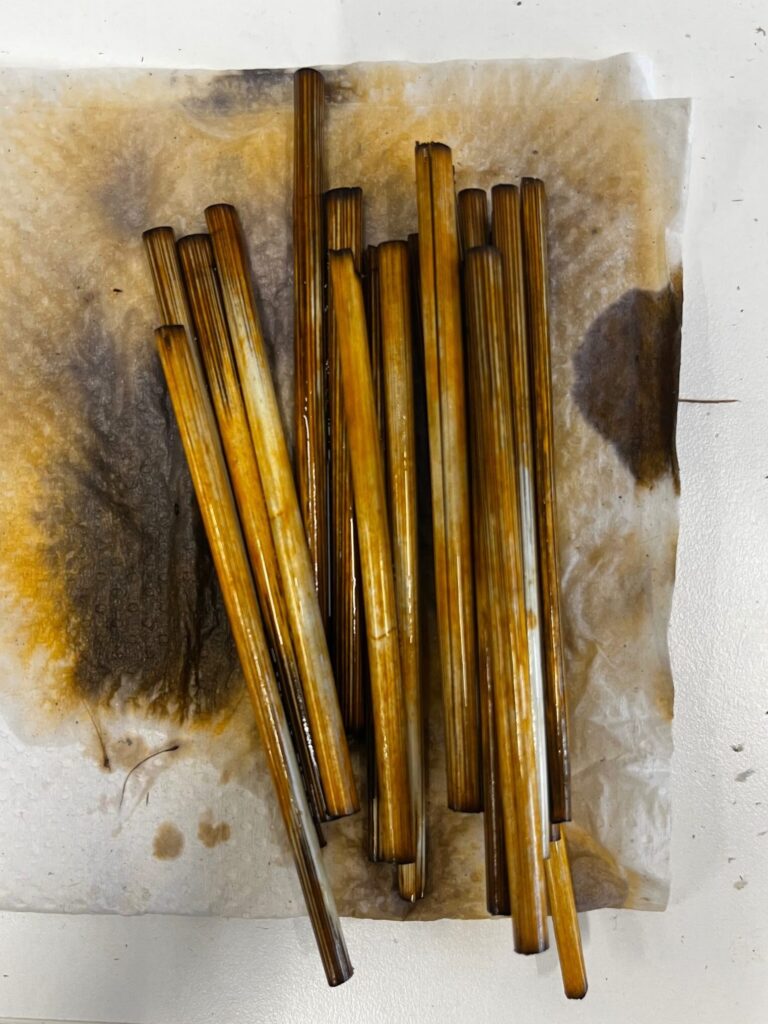
-Idea: Built a tool with sensors to measure temp, sound,…. of enns and use these data -making kind of an own server with the raspi -maybe go back to Kronsdorf and make proper images -use (iron)sulfat to color textile
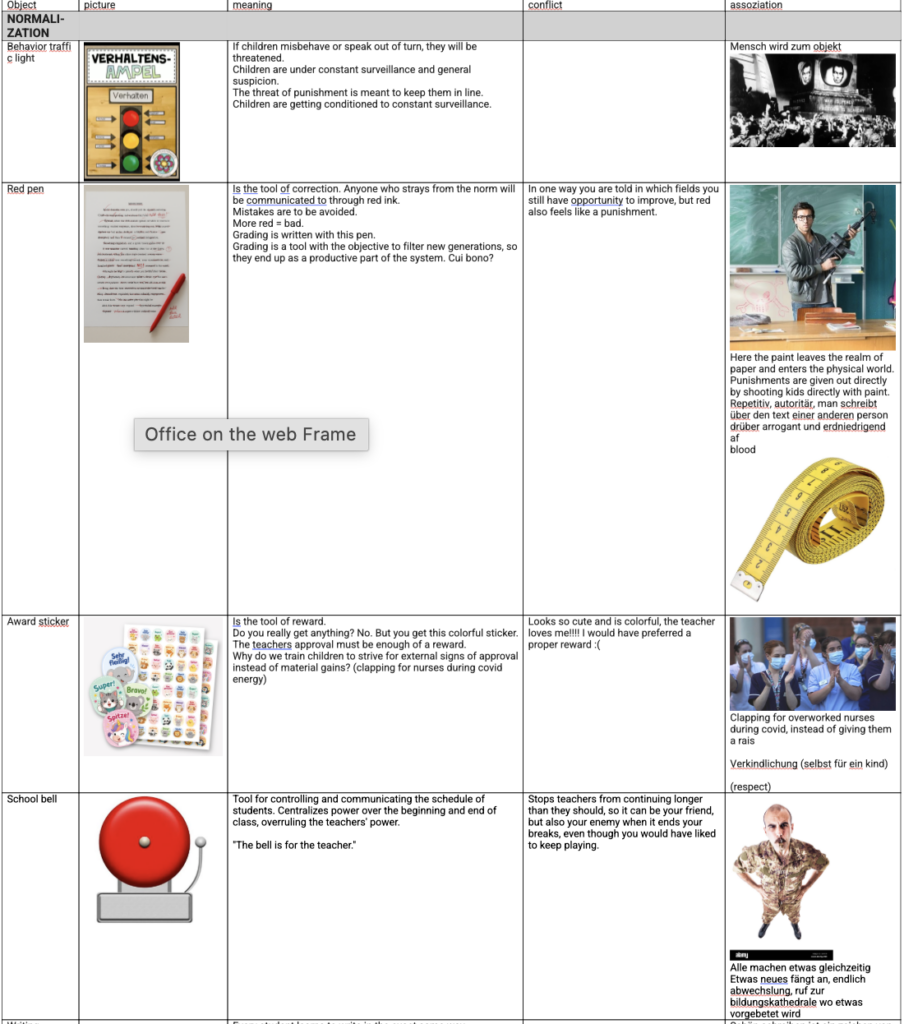
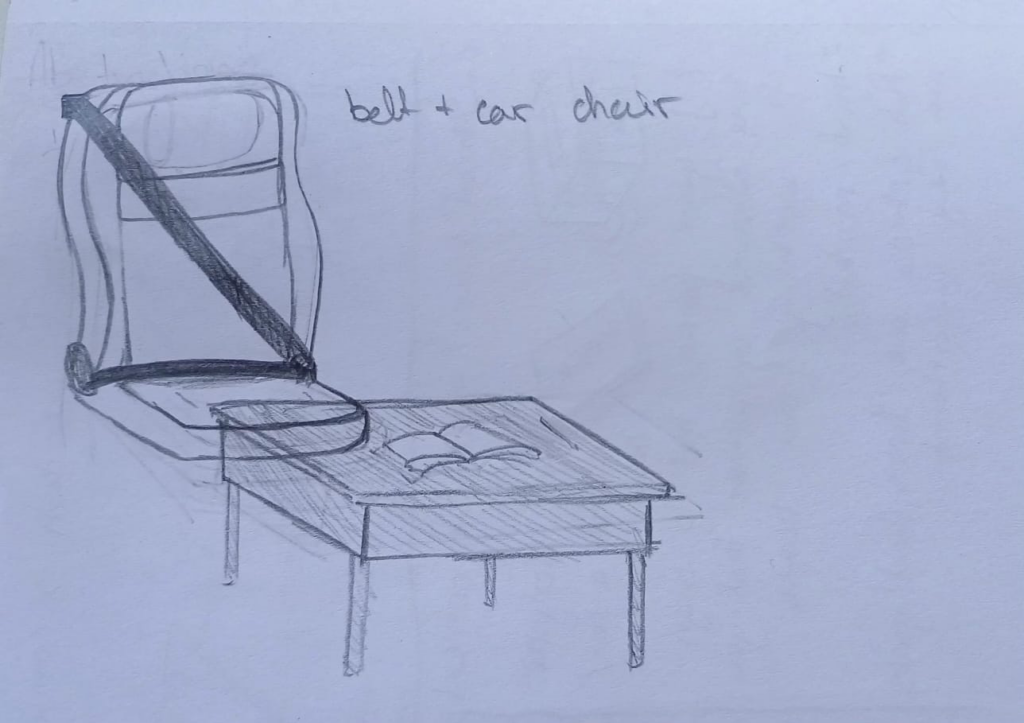
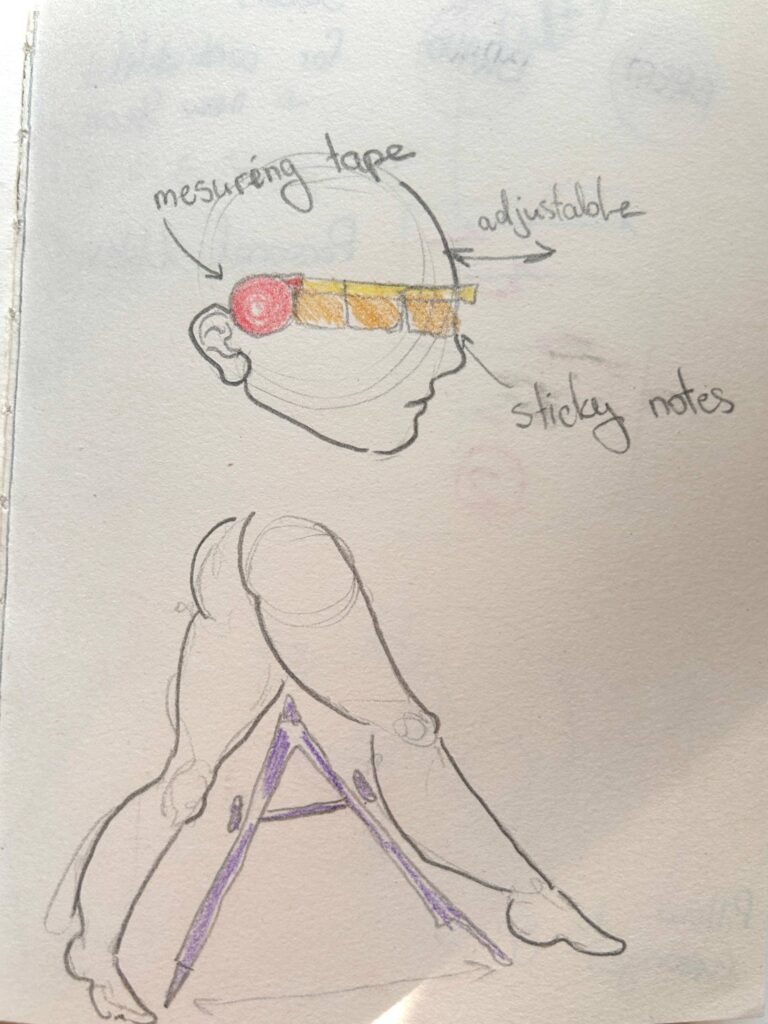
What mechanisms of subtle violence exist in educational systems today that we fail to recognize as such?
And how does this form of violence manifest itself through objects?
EDUCATION THROUGH TIME
Hunter Gatherer (- 10.000 BCE)
Rise of Agriculture (10.000 BCE onwards)
Pre-Industrial Societies (3500 BCE – 1750CE)
Industrialisation (1750 – 1900)
Modern Era (1900 – today)
Play was separated from learning the moment social hierarchies formed and states and religions required obedient followers – later capitalism and industrialisation standardised that system.
What is the history of an object and who will continue this history into the future? (Piñata, Skateboard)
What are objects that celebrate life? (Wedding Rings, Penguins with Stones)
Living in the presence vs cheating objects for nostalgia / records? (Photographs, Selfie Sticks, Lighting Equipment, Microphones, Meta Glasses)
When do we observe objects and when do they observe us? (Smart Objects)
What Objects do we even have ownership over today and how does this change our behavior? (Subscriptions, Rental Contracts)
What objects can create community? (Birthdays, Pinjatas, Social Media) digital vs analog?
Can an object represent a world? Is there an object that is universally understood? (Golden Plate form Voyager, )
What even is an Object? When does one object become another? (Boat of Theseues)
Brainstorming focusing on specific topics
We want to explore the consequences of an overproductive society, where structural, technological and cultural shifts prioritise efficiency, production and success over human connection.
The loneliness epidemic. A growing public health crisis associated with a 29% higher risk of premature death.
Positive future. Technology and art to inspire people to care for each other rather than only themselves. Real and virtual community building. Sense of belonging. Ritual. Feeling something inside you and around you.
Narrowed Down
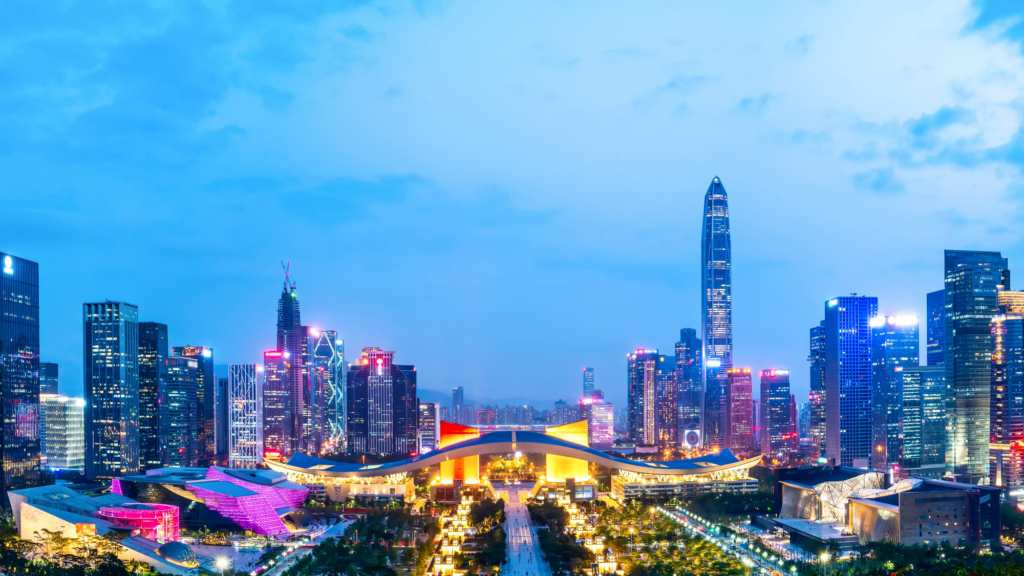
How do we give people the opportunity to connect within the framework of a megacity? How can a physical object help facilitate that connection? (non-transactional)
What are Objects that actually create community?
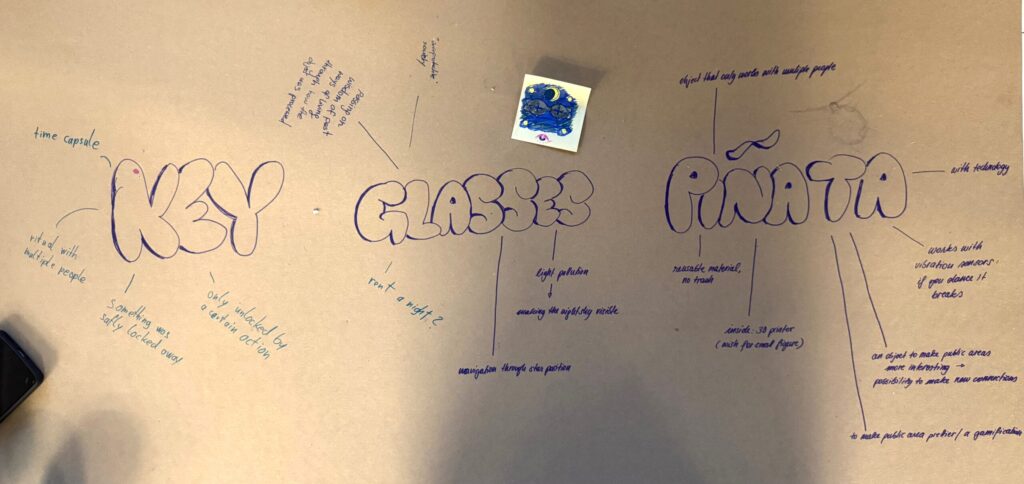
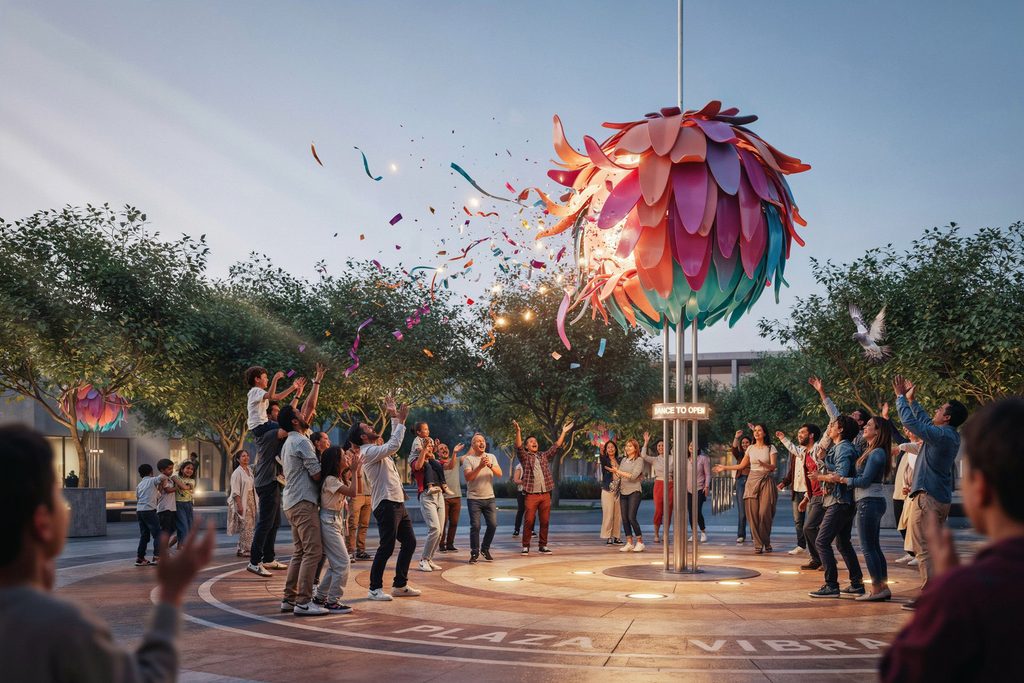
Piñata
We envision a reusable, interactive piñata that unlocks through collective movement and dance. By combining technology, play and mystery we transform public places into places of connection and shared experiences.
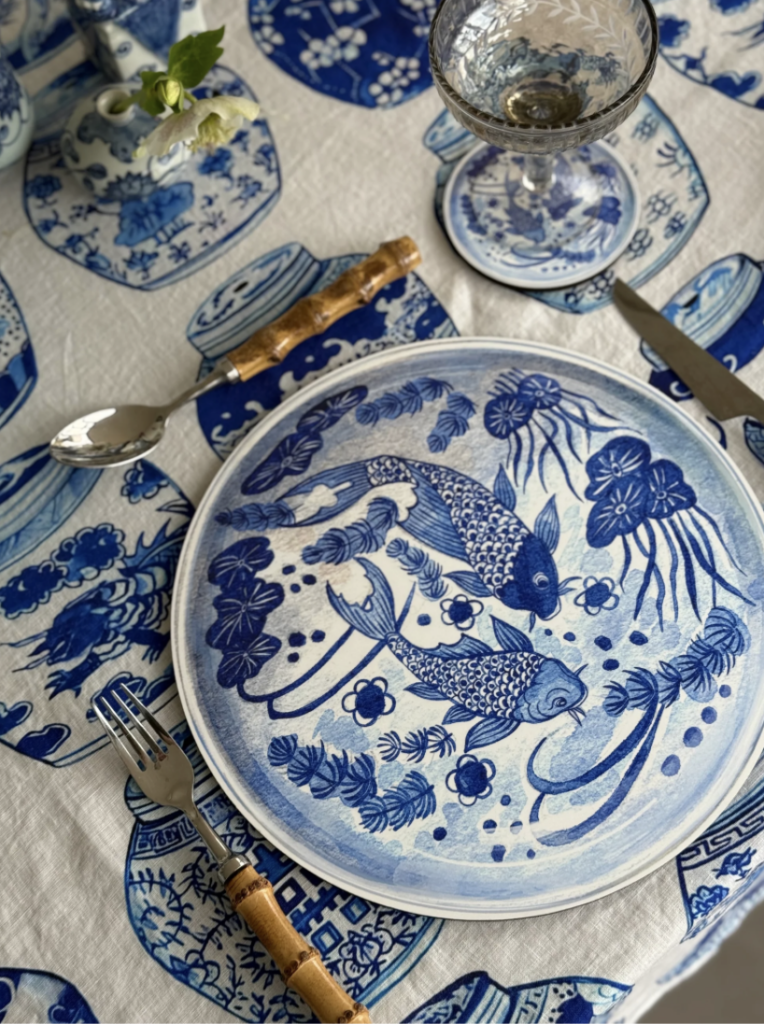
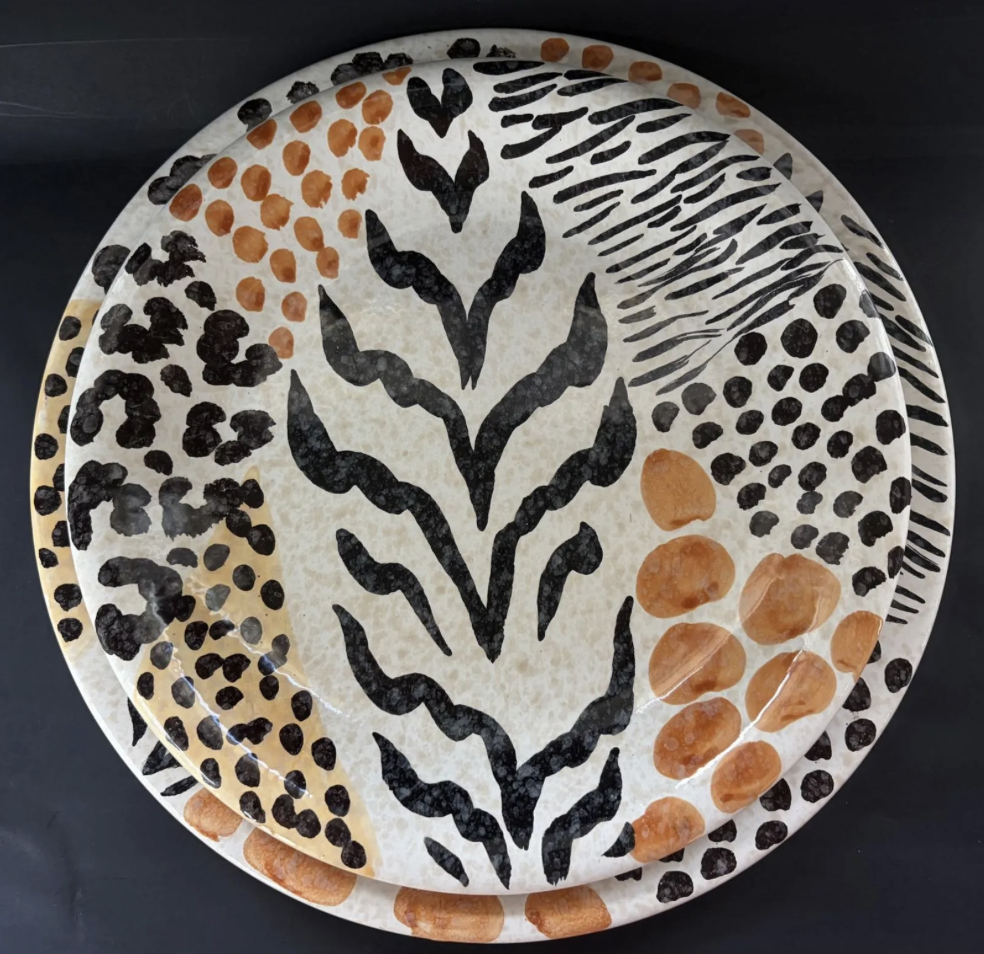
Plates
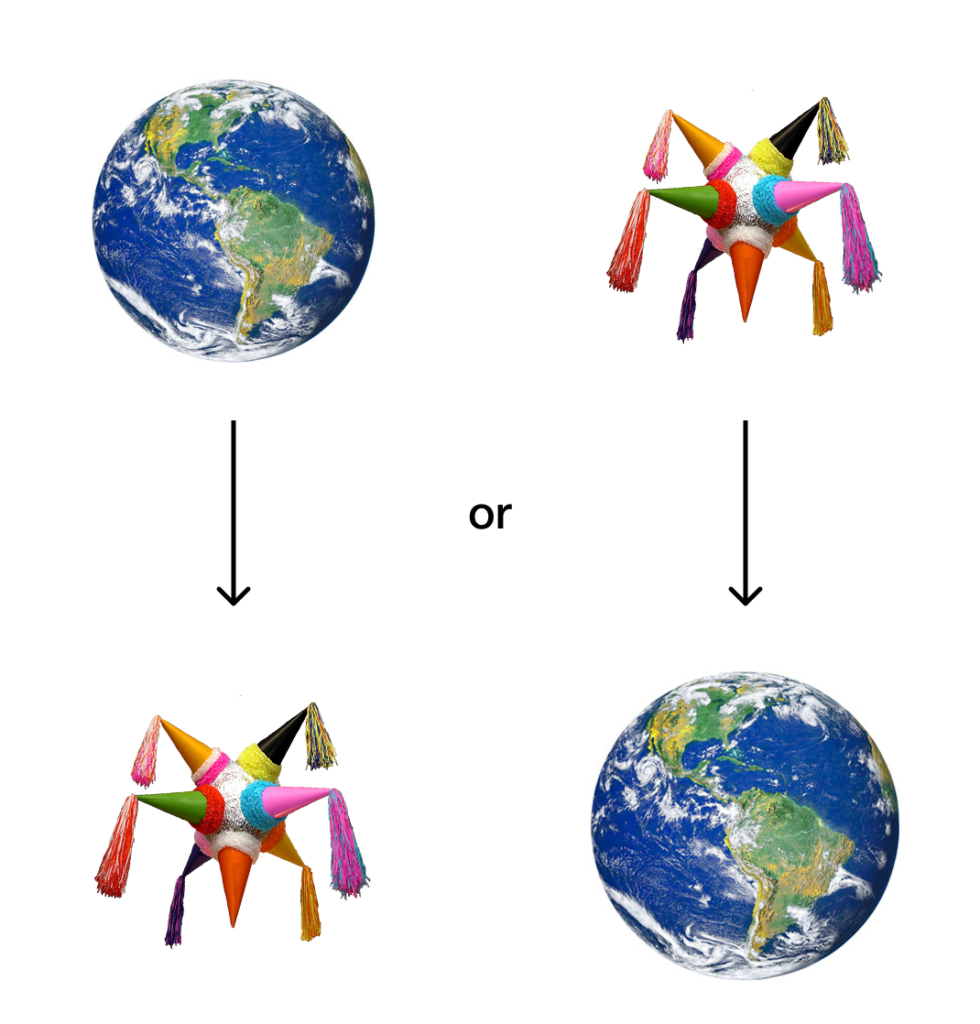
Worldbuilding Approach and Next Steps
Starting from world building vs starting from a single object?