
“Our own self-realization is the greatest service we can render the world.”
– Ramana Maharshi –
THE DEVELOPMENT OF THE SEPARATE SELF
Birth
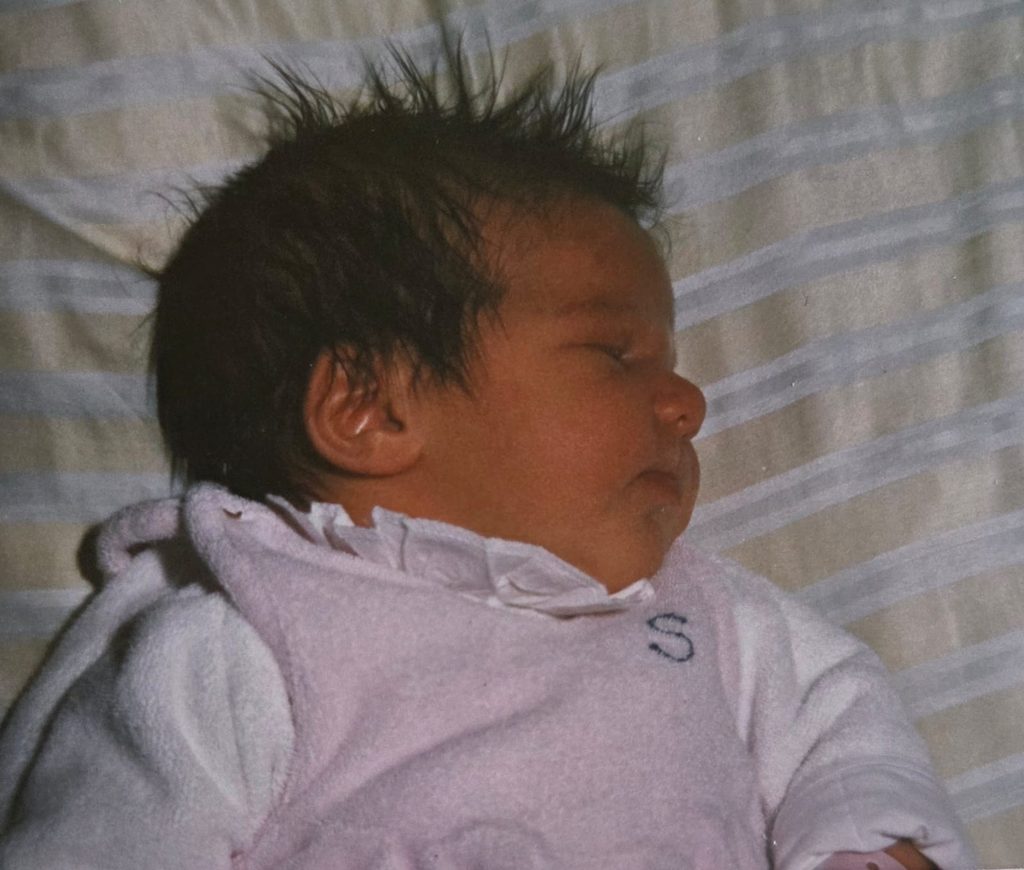
No boundaries.
Only one single fluid stream of experience.
1 1/2 years
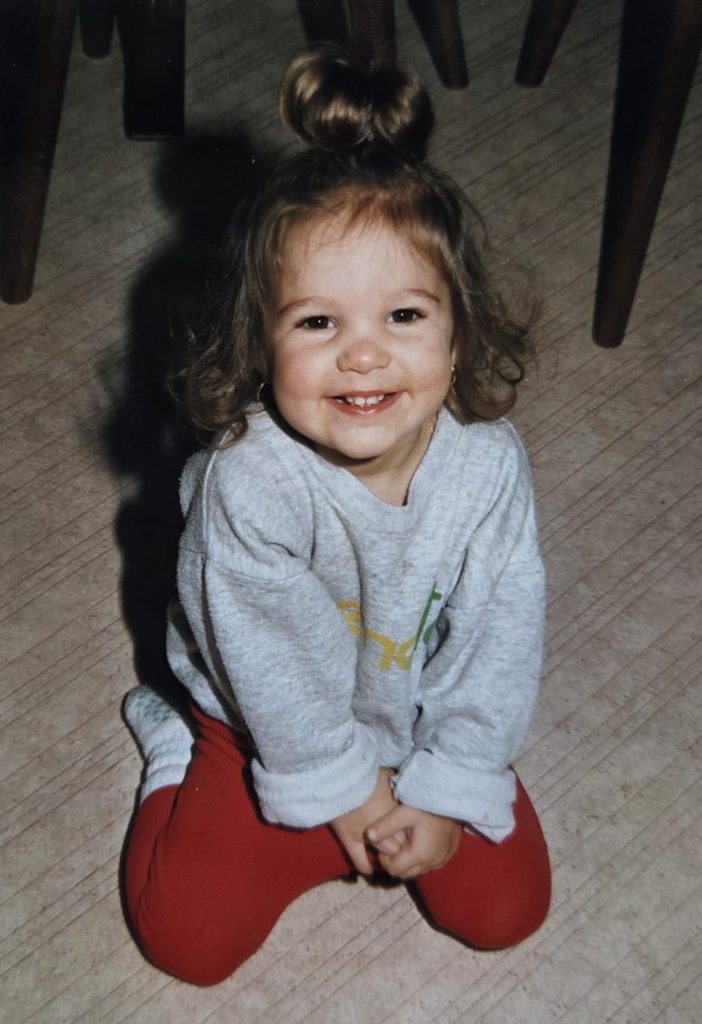
The cognitive self develops.
Unity splits into a subject (me) and an object (the world).
2–6 years
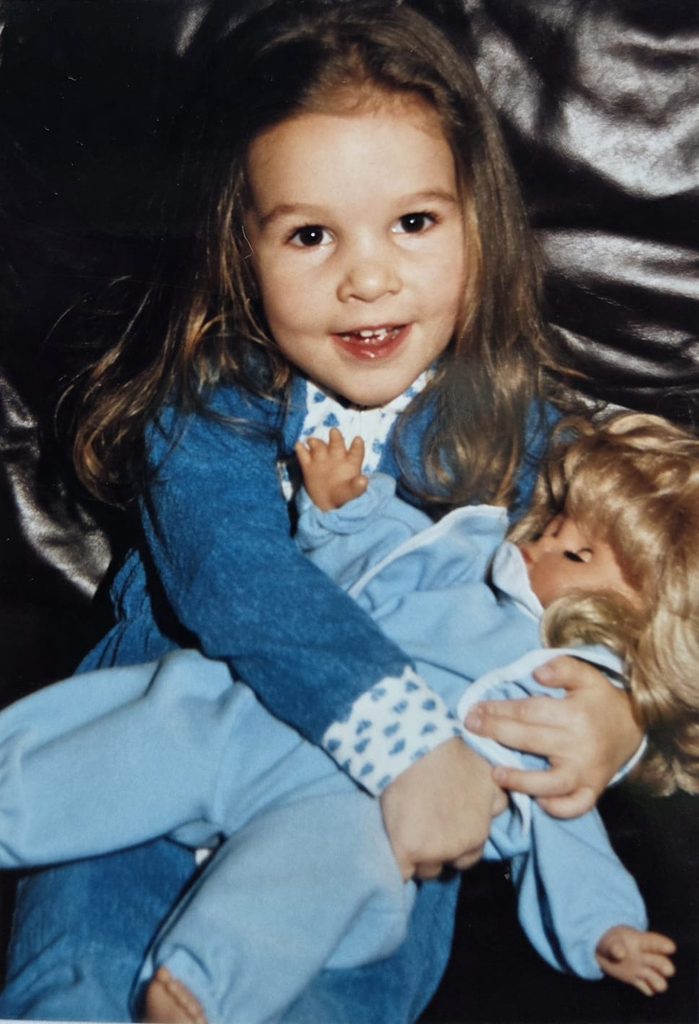
Language cements the ego.
Narrative identity.
7–12 years
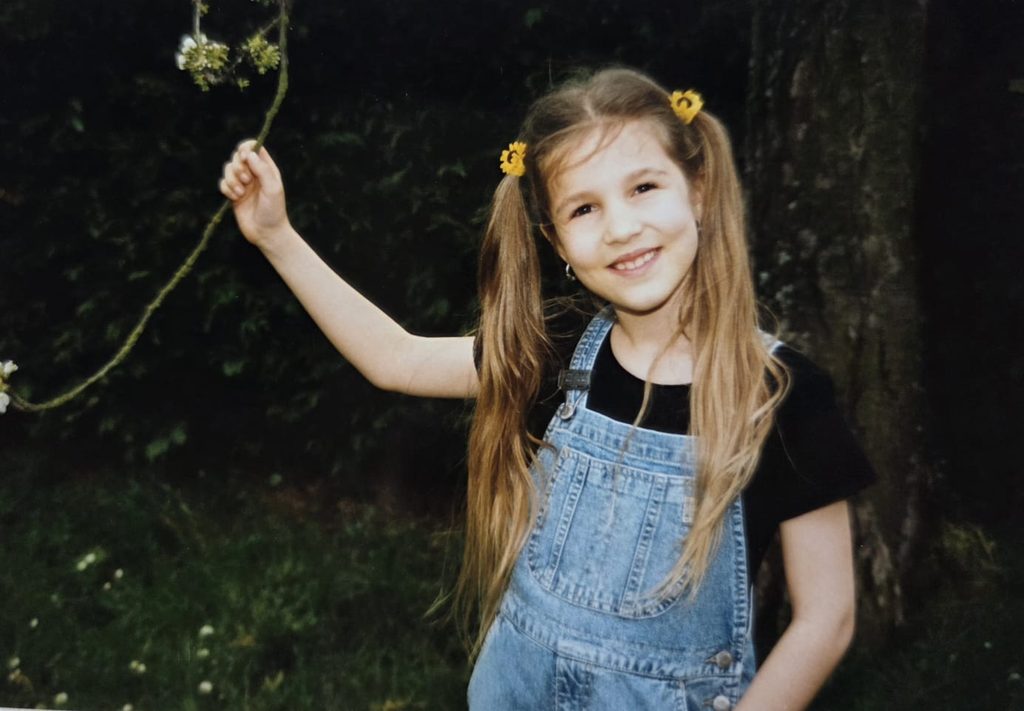
The mind develops a past and a future.
The child doesn’t only live in the present moment.
Adolescence & Adulthood
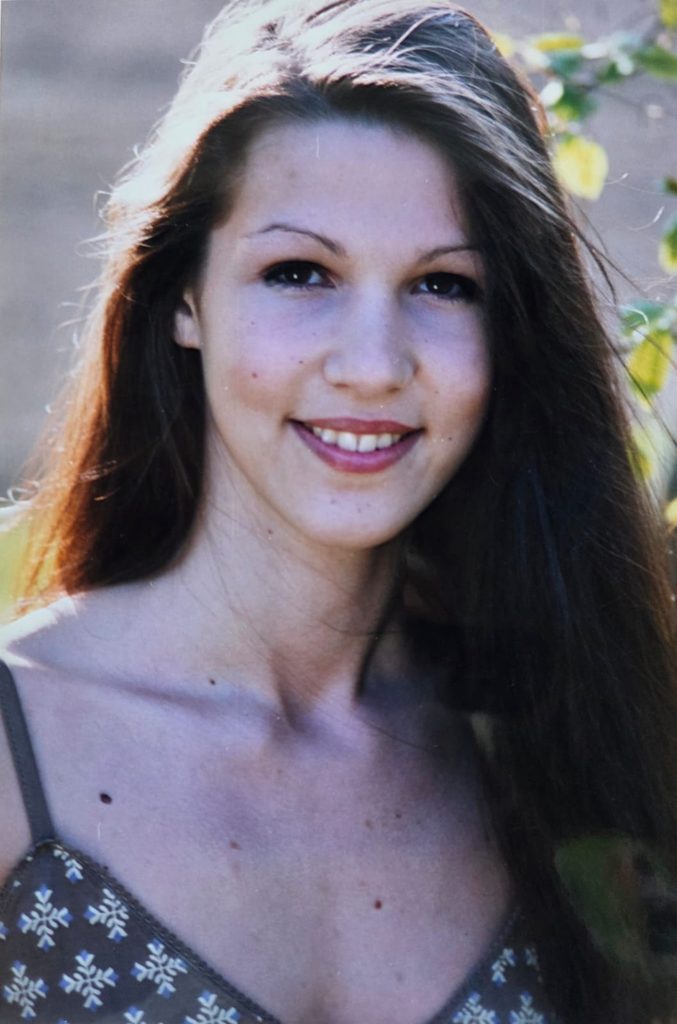
The “I” is a complex web of beliefs, traumas, views, preferences,…
The “I” gets treated as a real, solid entity that has to be defended.
EGO MECHANISMS
(1)
The core illusion
The “I”-thought
→ forms the believe : I am a separate entity inside this body.
→ every thought that follows is a self-referencing thought.
(2)
The voice of the ghost
The inner voice talks in the first person.
The voice convinces you that it is you.
(3)
Time
The ego cannot exist in the present moment.
It drags your attention into the past (memories) or into
the future (imagination).
(4)
Defense structures
Drama & Friction
The ego loves being right, judging and playing the victim.
Drama gives the sense of “I” a role to play.
Intellectualization
The mind wants to label and categorize everything.
It creates a (false) sense of control to feel safe.
The body lock (Suffering)
When life doesn’t match the ego´s story, it creates resistance.
It binds the stress to the physical body to proove the story is real.
THE ILLUSION OF THE SEPARATE SELF ≠ TRUE SELF
“The Self is known to him who knows it not; he who knows it, knows it not. It is unknown to those who know, and known to those who know not.”
— Kena Upanishad –
What is the True Self?
It cannot be grasped as an object, a concept, a thought, or a definition by the mind.
Words can only point to the truth, they can never be it.
How do we remember our True Self?
Die before you die.
Letting go of everything you know about yourself.
A free fall into the unknown.
DIPLOMA
The pathless path:
an exploration without a predetermined route or outcome.
The diploma may develop into a collection of different works, connected by an underlying inquiry into uncertainty, control and the sense of self, rather than working towards one specific outcome.
I don’t want to decide in advance what the works should express, or whether they need to express anything at all. Some may relate to non-duality, while others may not.
I want to make room for all kinds of outcomes, also works that might seem trivial, unsuccessful, uninteresting, forced or awkward. I also want to make room for doubts, uncertainty and discomfort that may arise, rather than trying to resolve or overcome them. I don’t want to exclude these experiences simply because they don’t fit an idea of what a successful or meaningful artistic process should look like.
This also connects to the idea of the TRUE SELF in non-duality: not another identity to discover or create, but what we already are, beyond the stories and ideas we identify with. It also means questioning the tendency to define ourselves through what we do and create, rather than turning our work into another idea of who we are.
Leave a Reply