2026W What Stories do Objects Tell?

  • Tutorial 6.11, Team 10

    By

    Amelie Proksch

    ,

    Dasha Peschnyuk

    and

    Finn Anton Hallensleben

    Reflection

    Interests

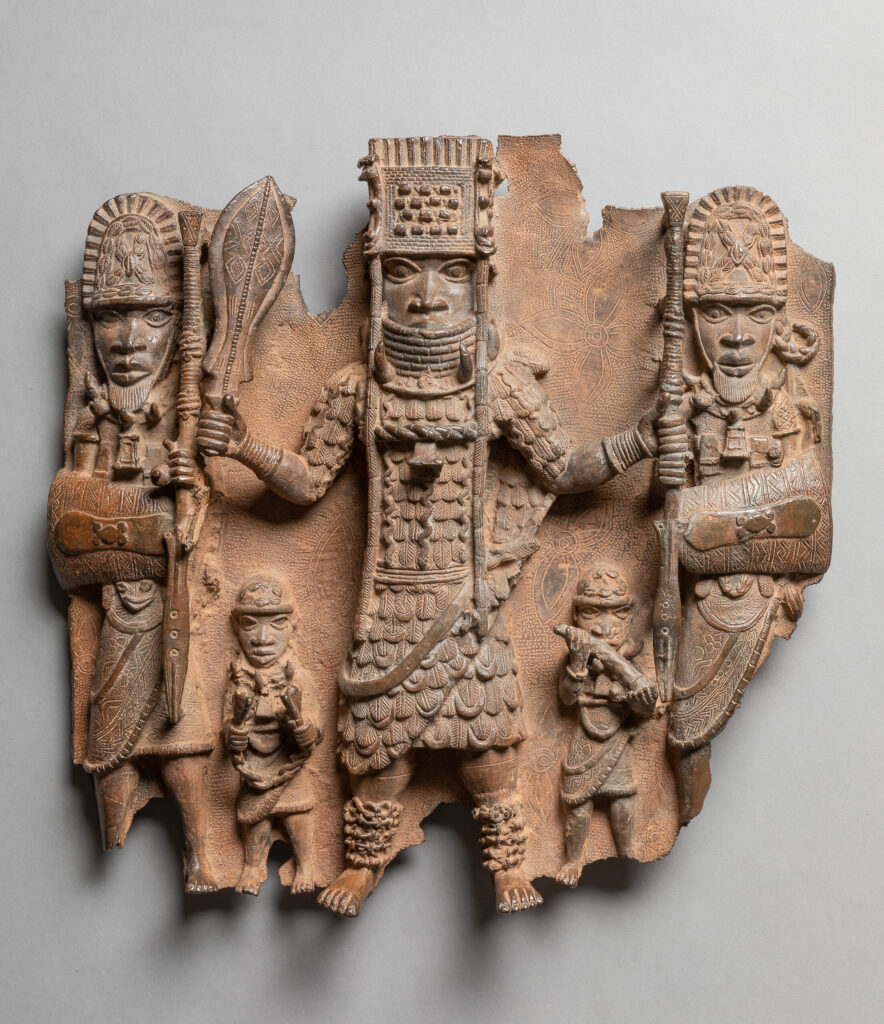
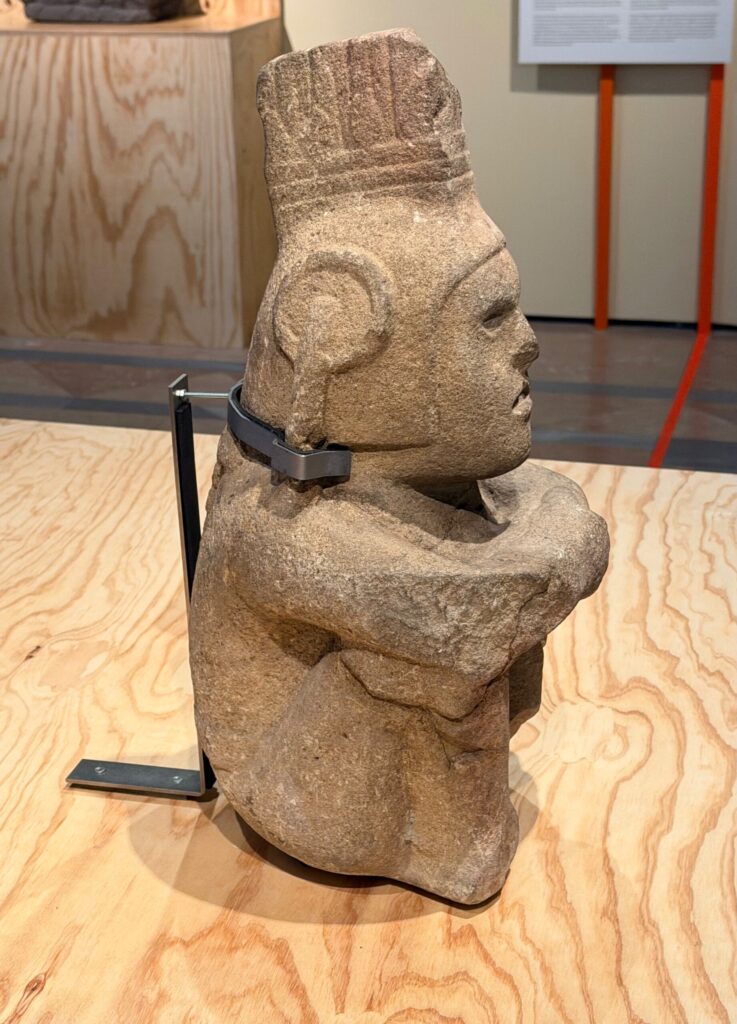
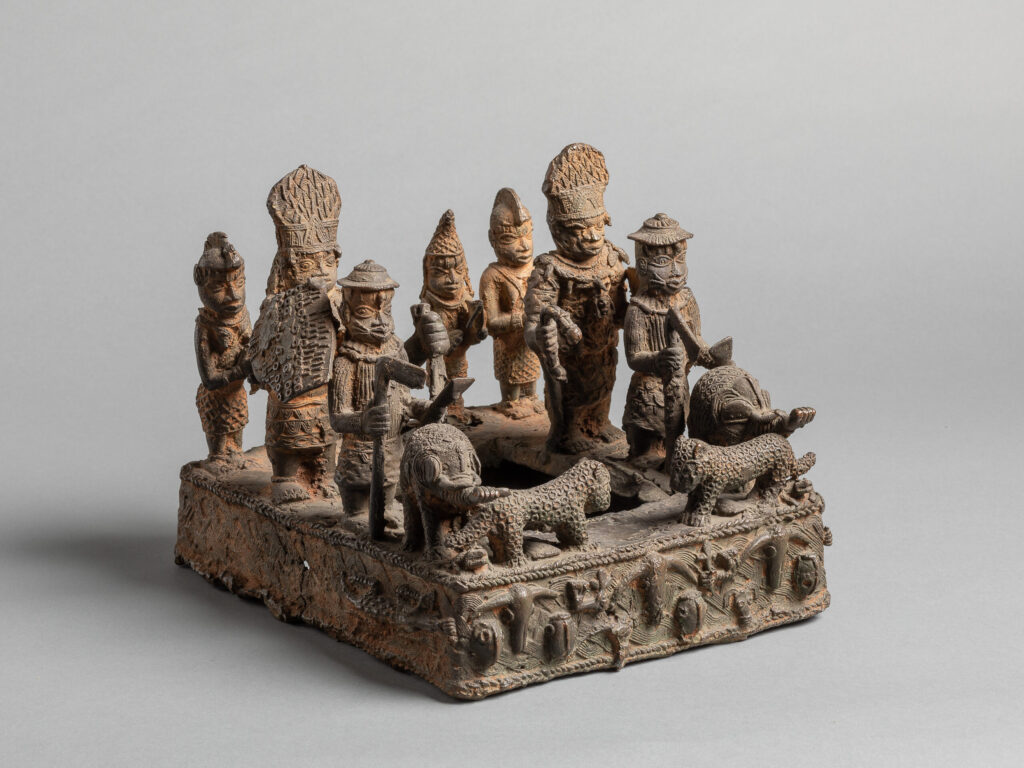
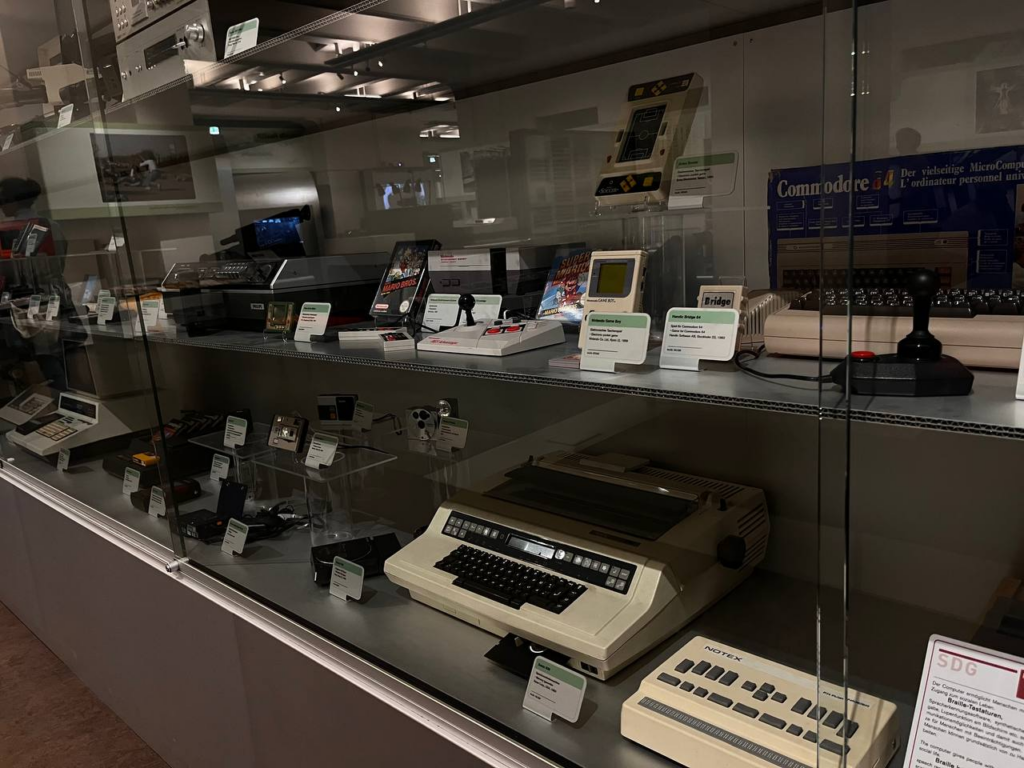
    • Existence and presentation of artifacts in the museum
    • Incomplete knowledge of the Museum
      • vague and questionable descriptions
      • alienating context
      • withheld information
    • Incomplete/defective history
      • The objects life is uncertain
      • Curators apply their lense when defining objects
      • Conservators remove history
      • the authority that the museum applies by giving definitions to objects

    –>The effect on the viewer
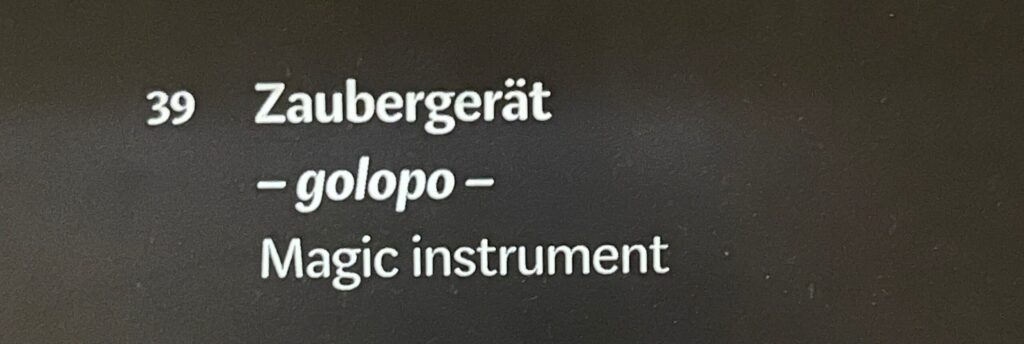
    1. Ceremonial Reconstruction

    • magic object
      • vague description
    • no context given
      • what was it used for? what kind of ritual?
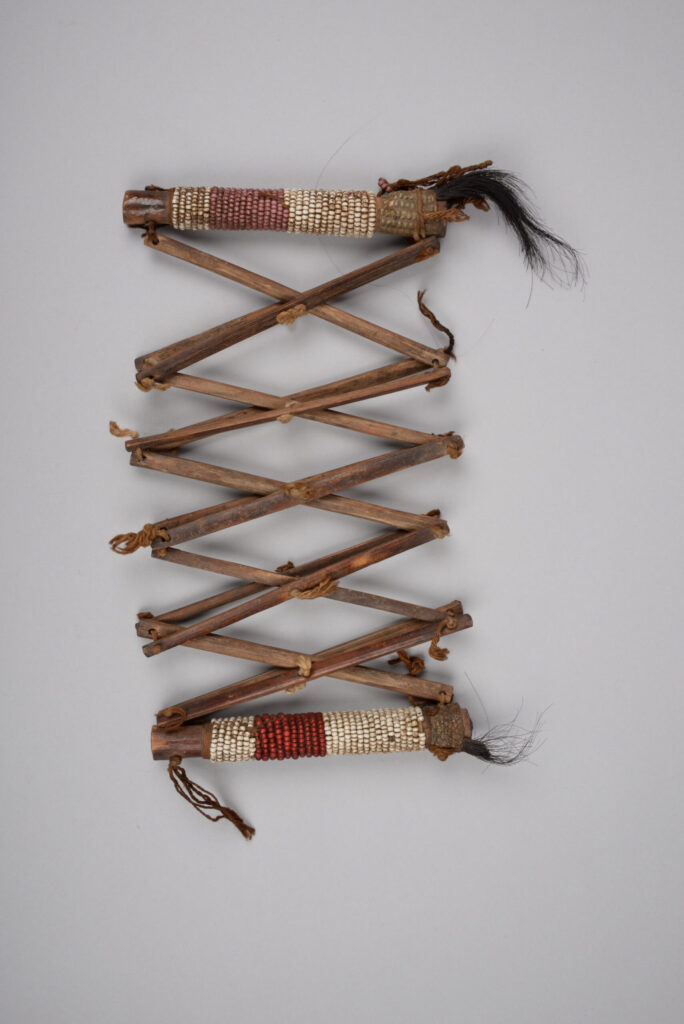
    What story does an artefact with no clear description have?

    2. Exploring unknown lives

    • process of replication (making)
      • as a form of understanding use
    • challenging given definition

    How is the function of an object defined?

    3. Extraction

    • forensic analysis
      • the act of violent taking
      • reconstructing original setting
    • removal of cultural layer

    Core Group Aim (CGA)

    Speculating on

    • Explore alternative lives uncertain objects might have lived
      • How were they made, used, or removed?
    • Create a methodology than can be applied at different points in time
      • To explore the lives objects of a past might have had
  • tut_11-06

    By

    Julia Freyer

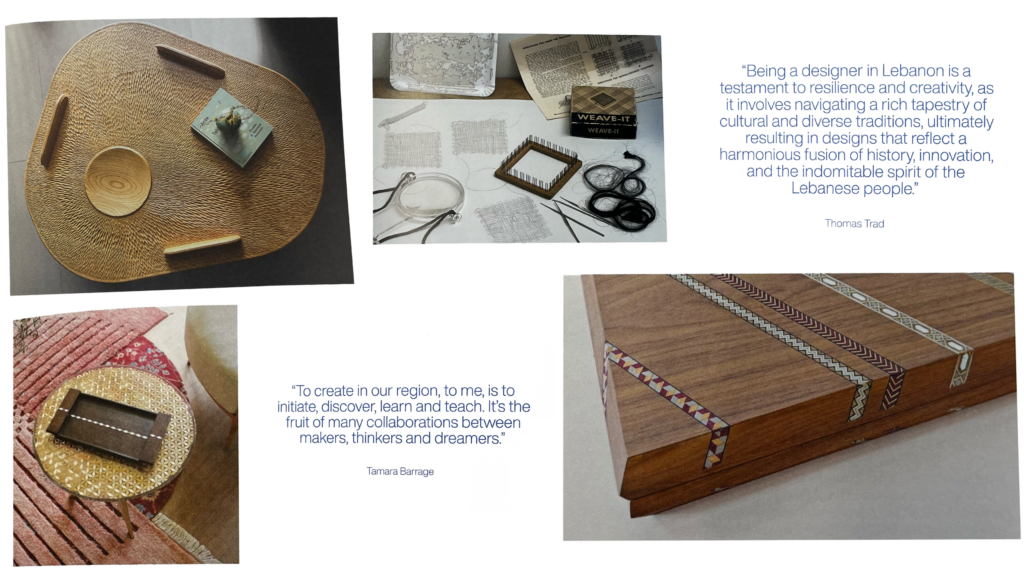
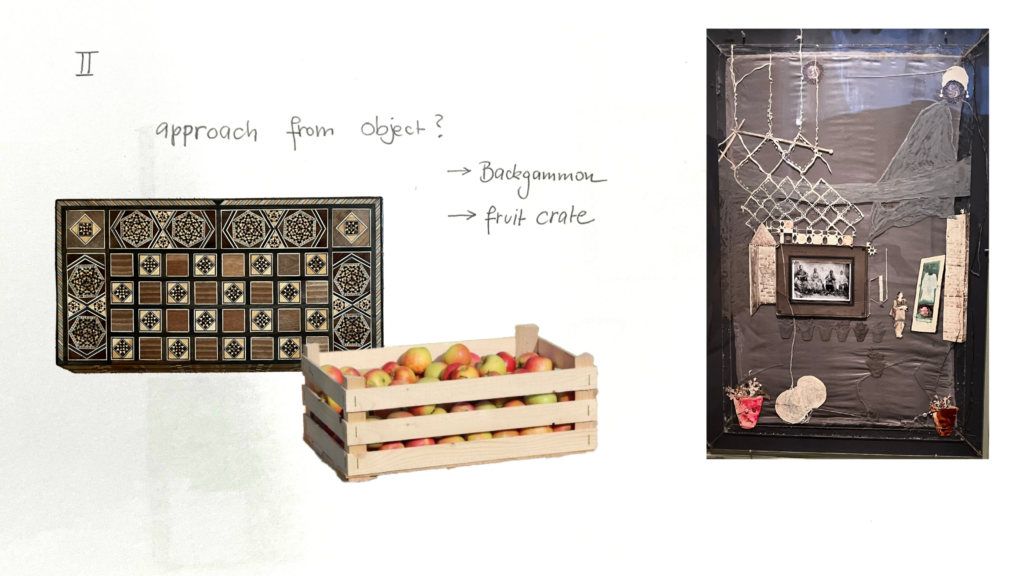
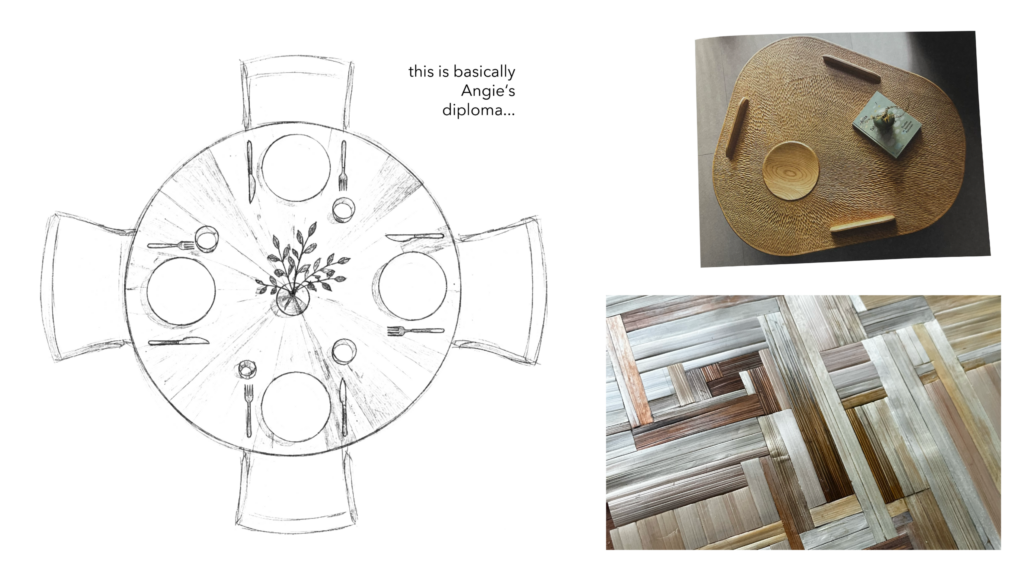
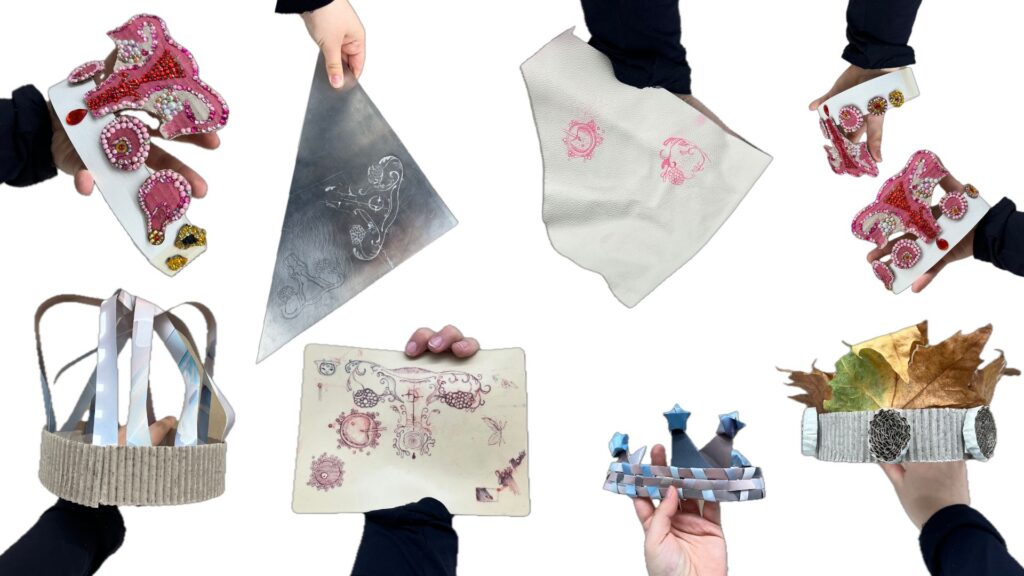
    How can I bring together the craft of marquetry and my family history?

    -> focus on story telling part

    TEXT

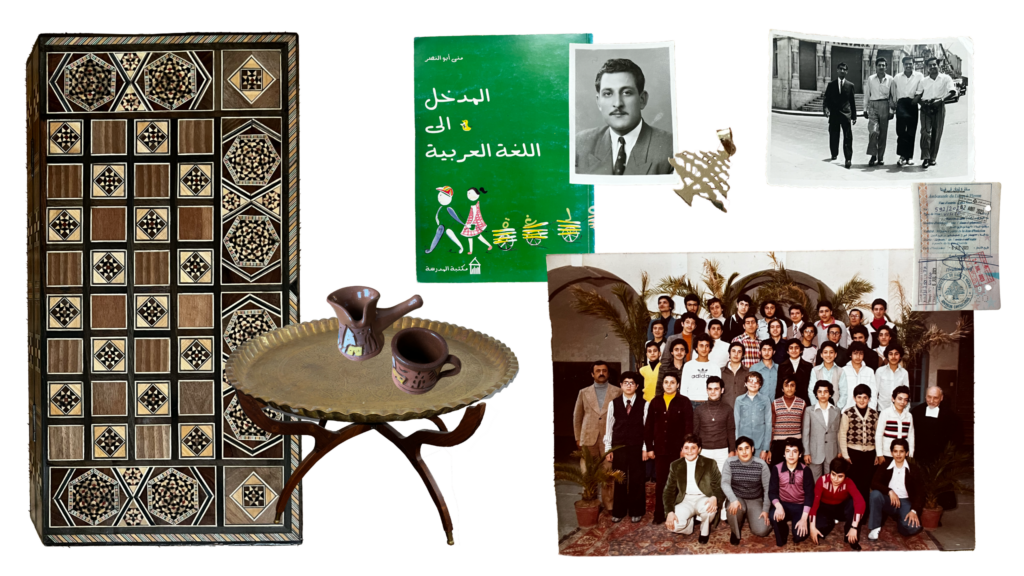
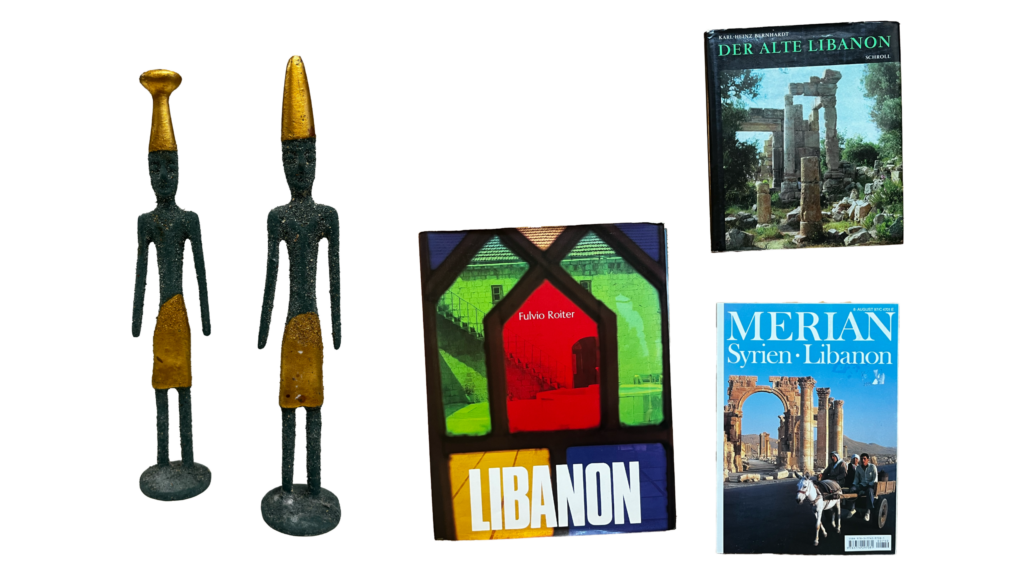
    My dad gives to me “everything” he owns that is related to Lebanon.

    My things:

    RESEARCH

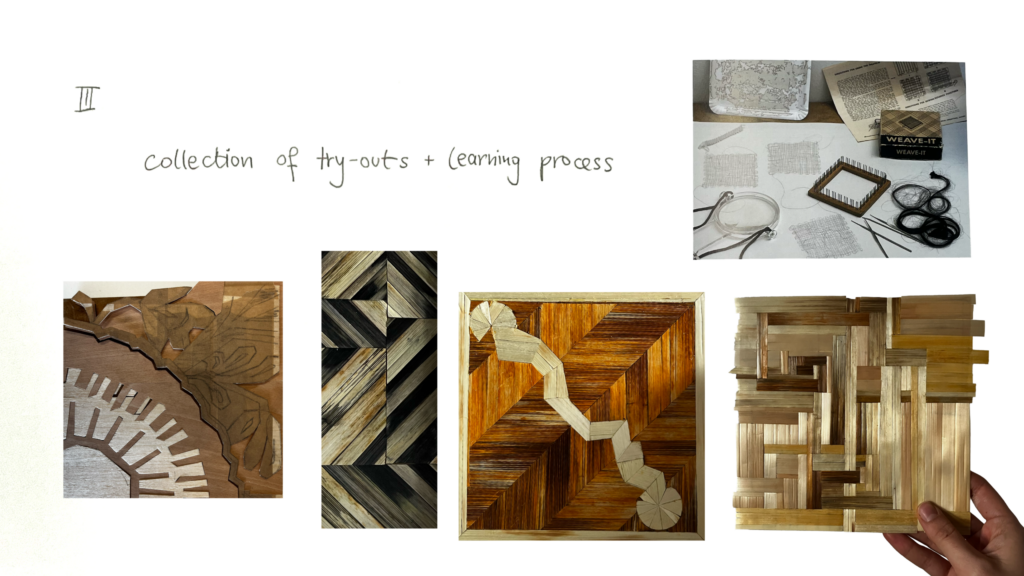
    MAKING

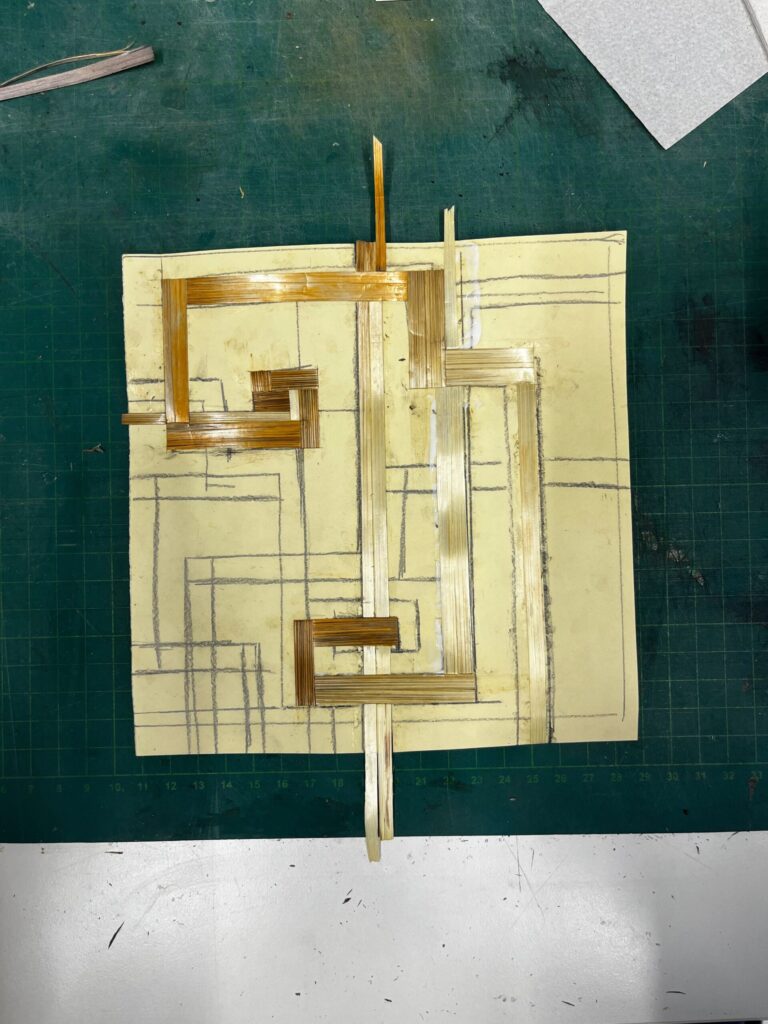
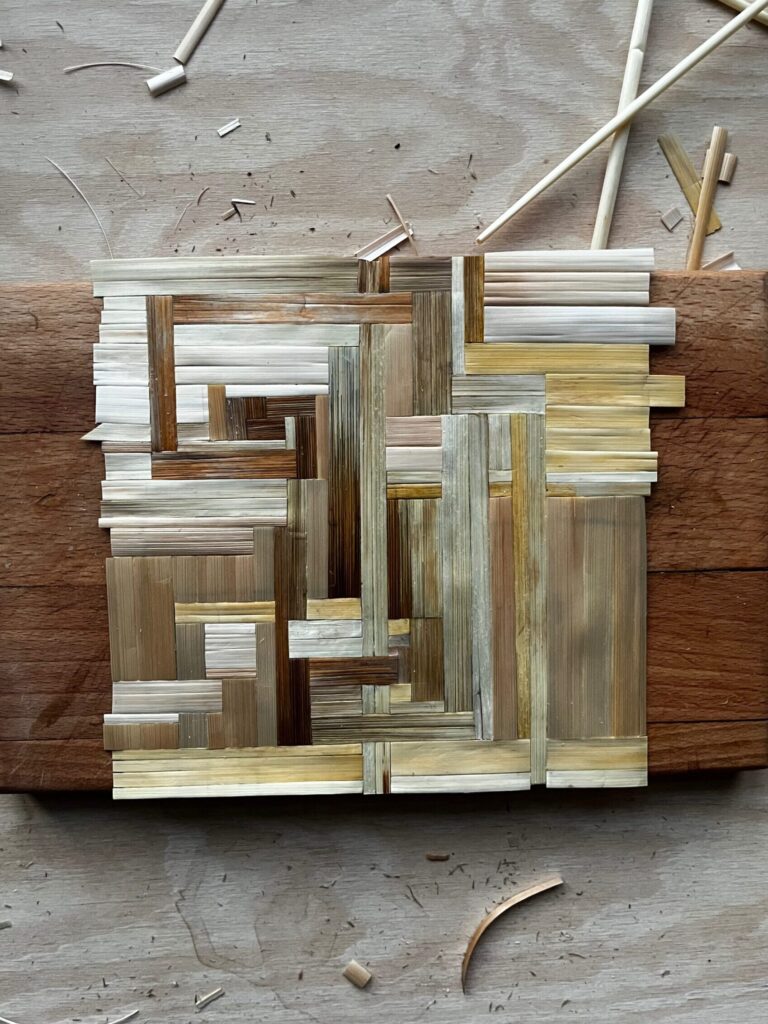
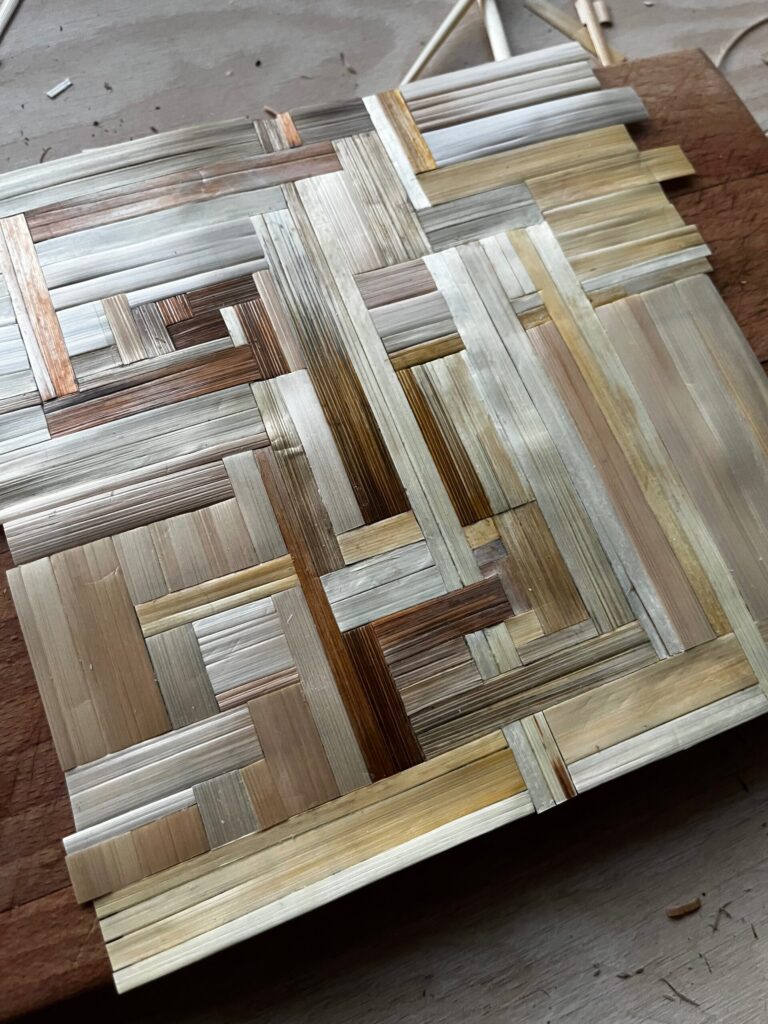
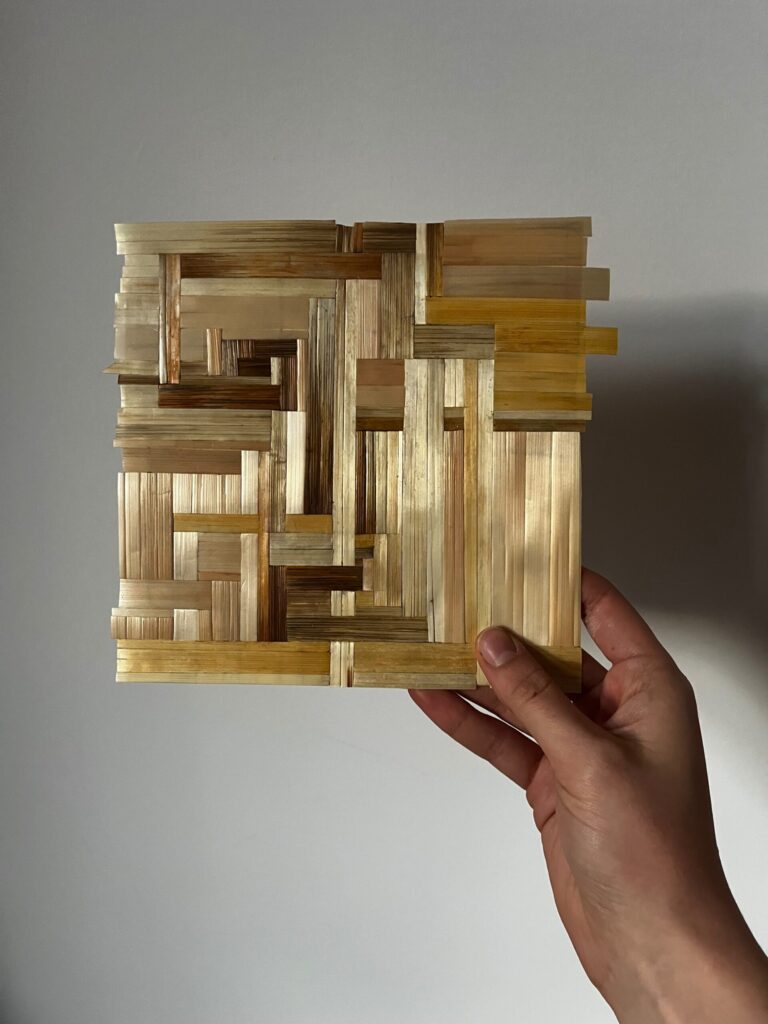
    straw marquetry process

    VIDEO

    FINAL THING?

    (I already eliminated idea I)

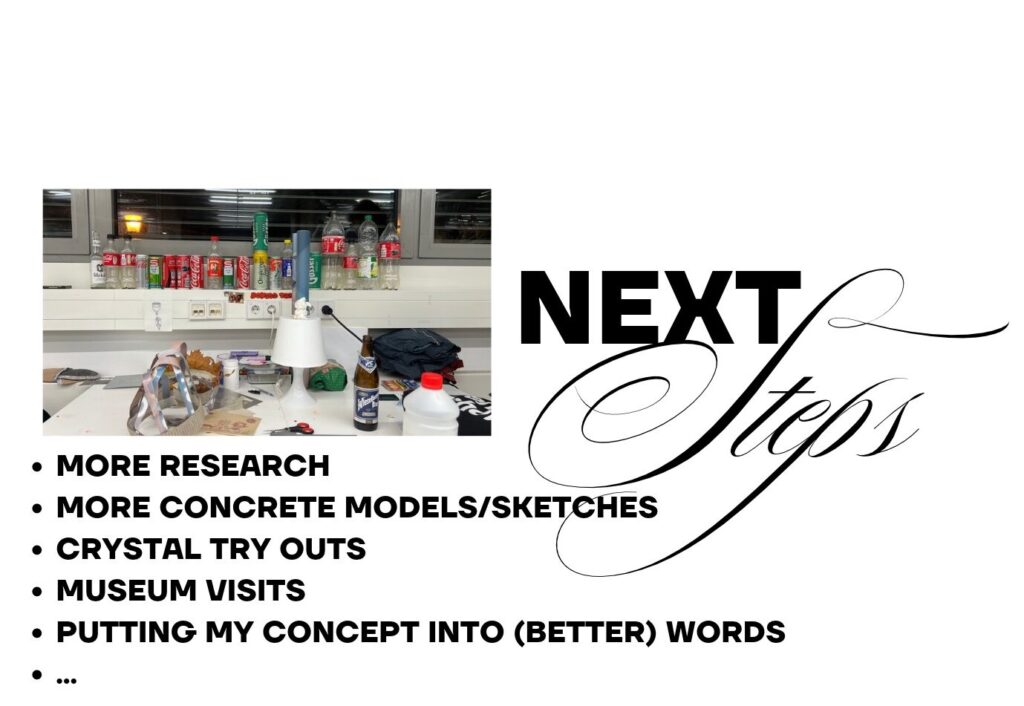
    NEXT

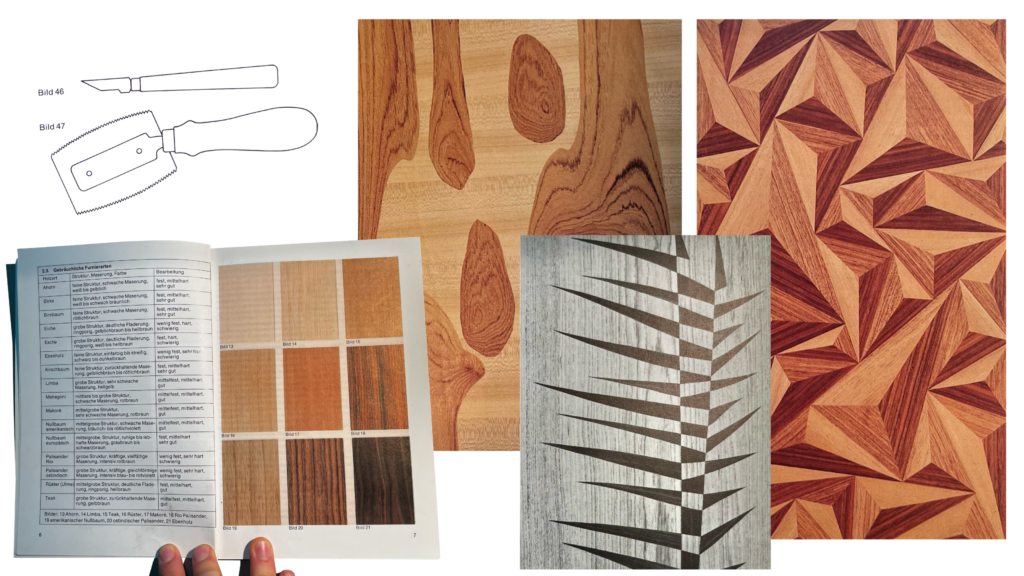
    • wood marquetry try-outs (+ laser cutter)
    • applying marquetry to a wooden fruit crate
    • try to bend flat marquetry over 3d object (steam bending?)
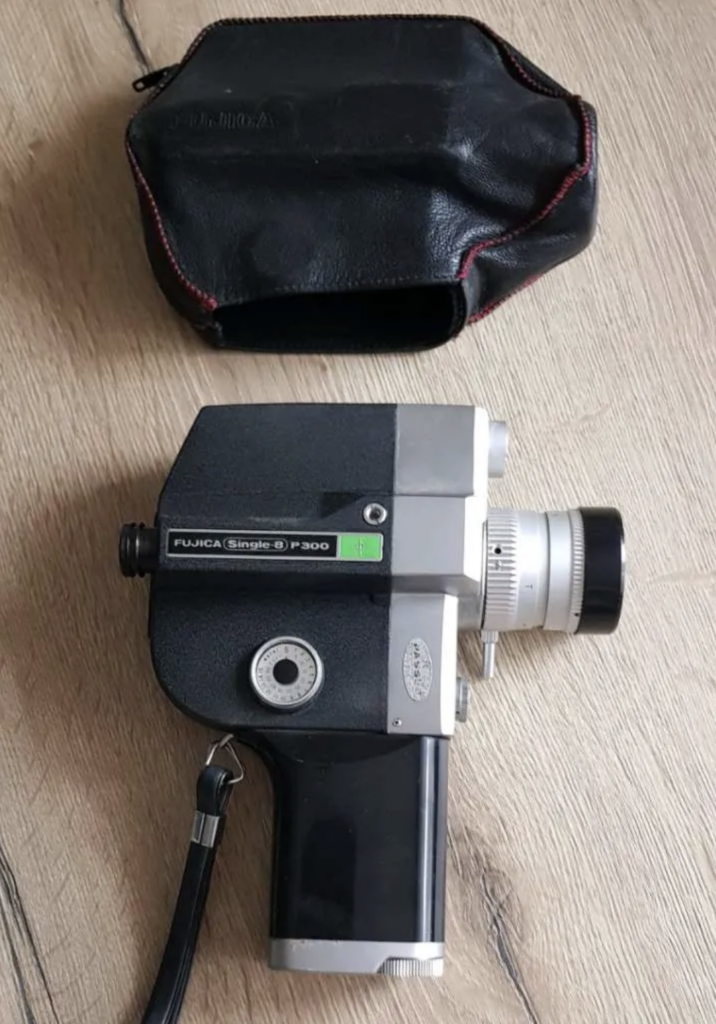
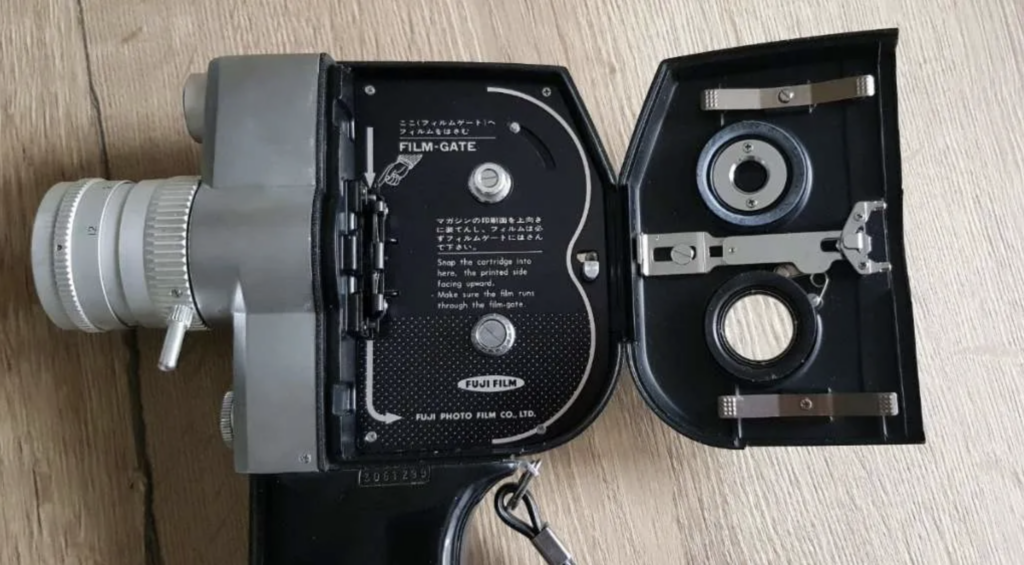
    • get an old video camera to document the process? (same as my grandmother / father)

  • Tutorial 30.10.2026

    By

    Valentin Hofer

    ,

    Alan Tusin

    ,

    Thiemo Wieser

    and

    Ela Jaroušková

    What are we investigating in?

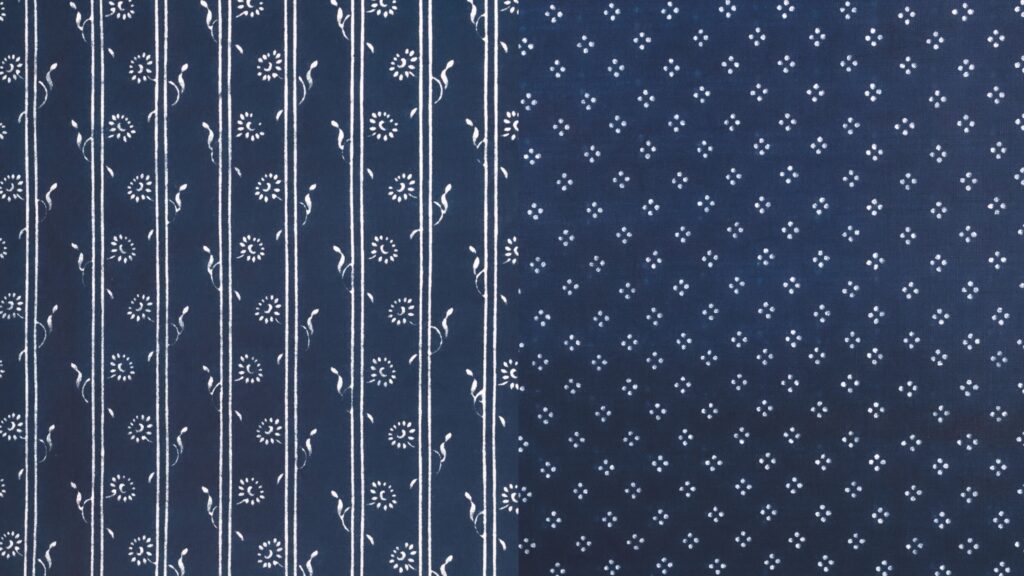
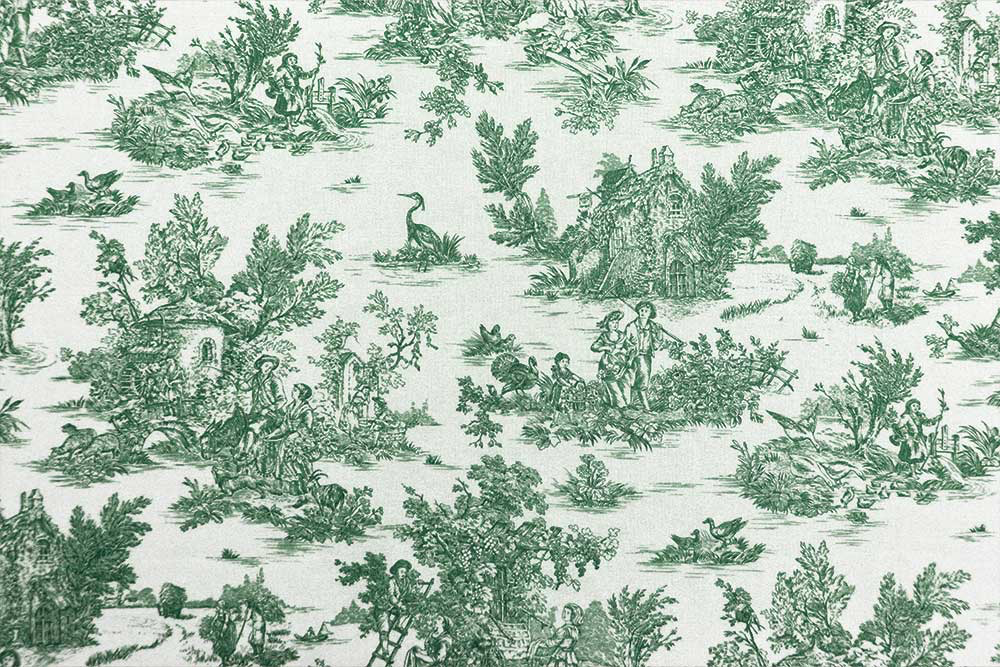
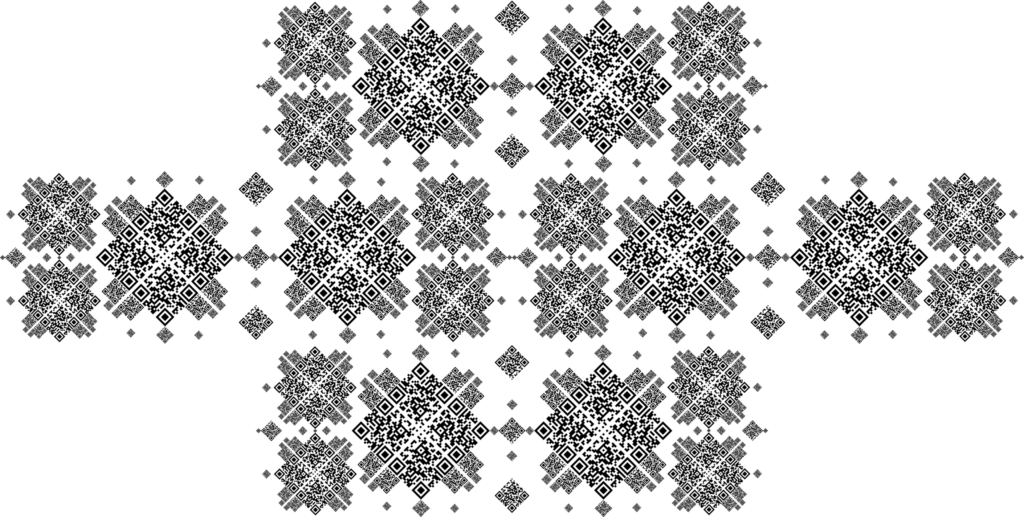
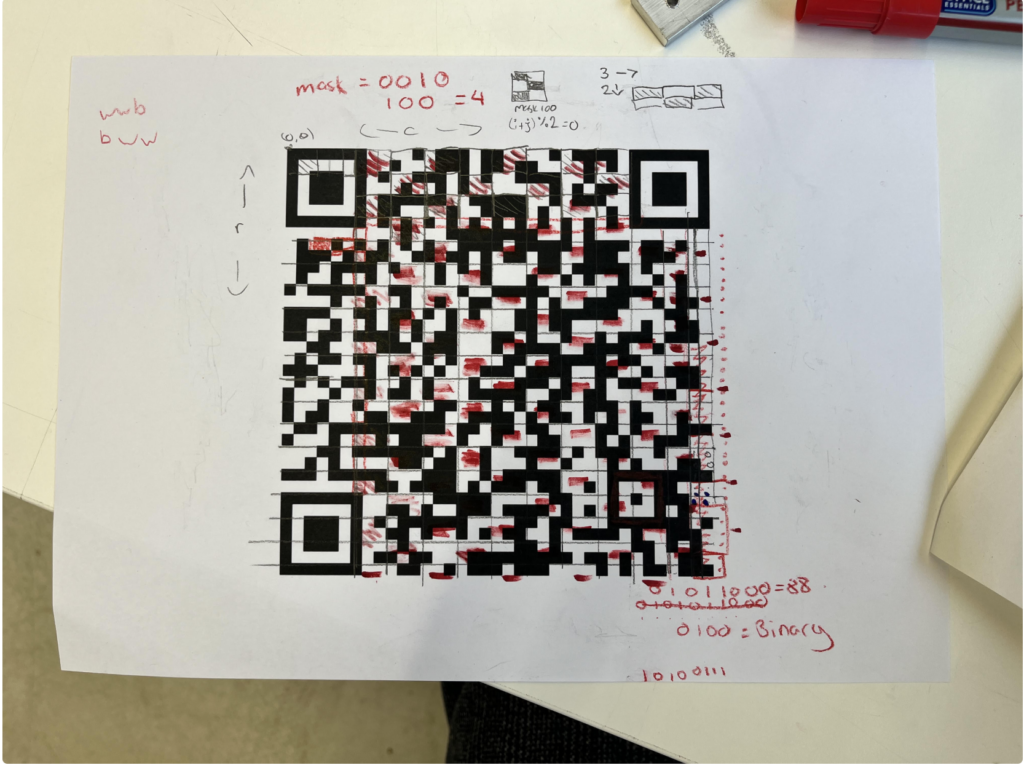
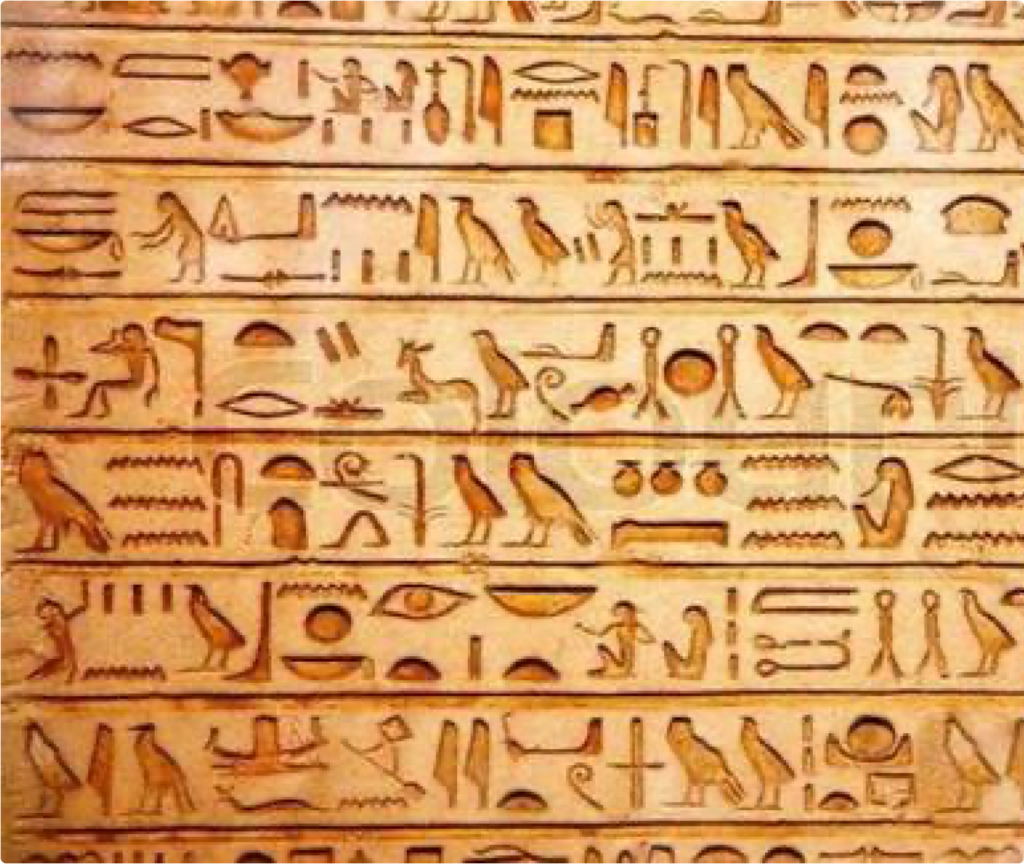
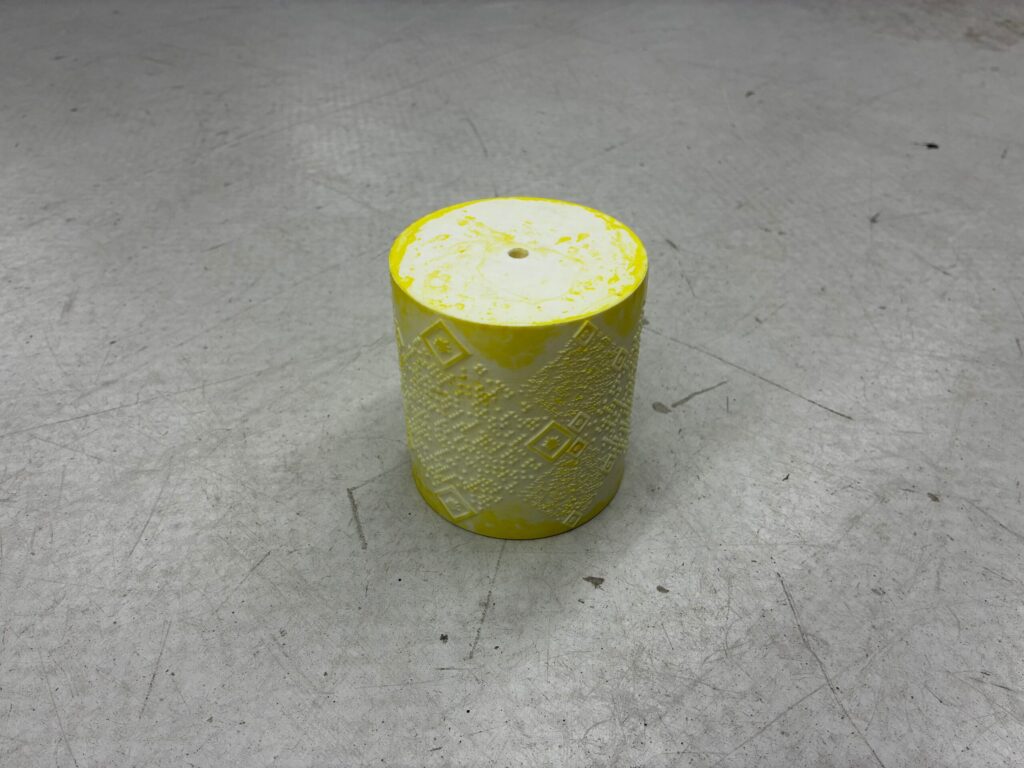
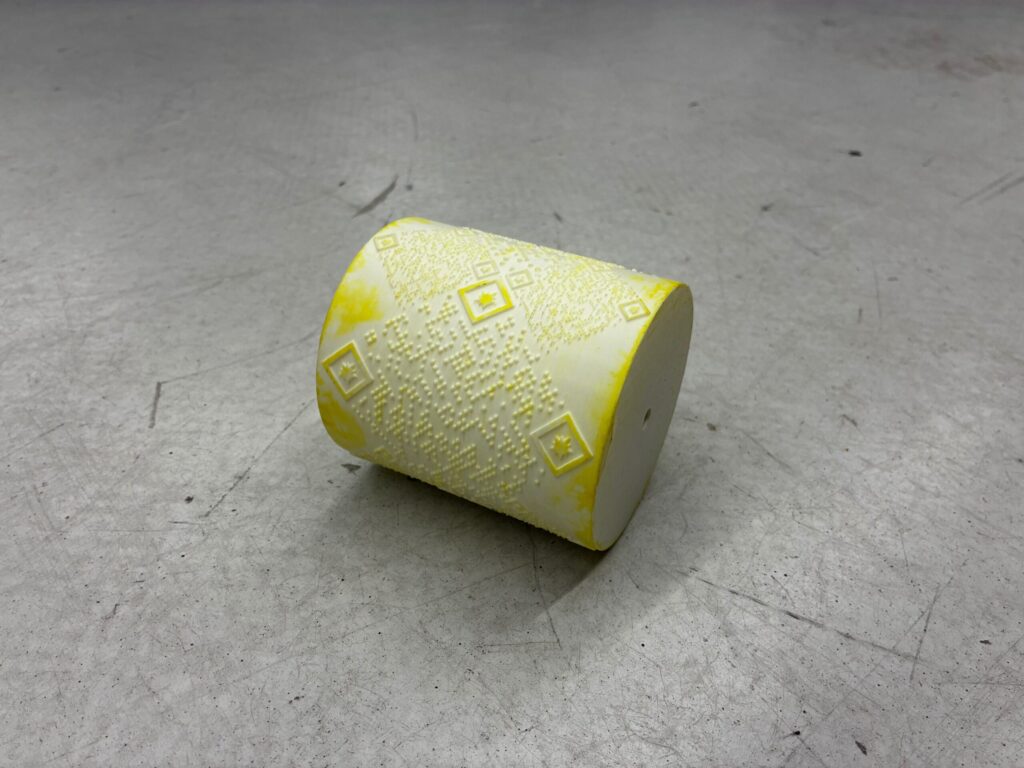
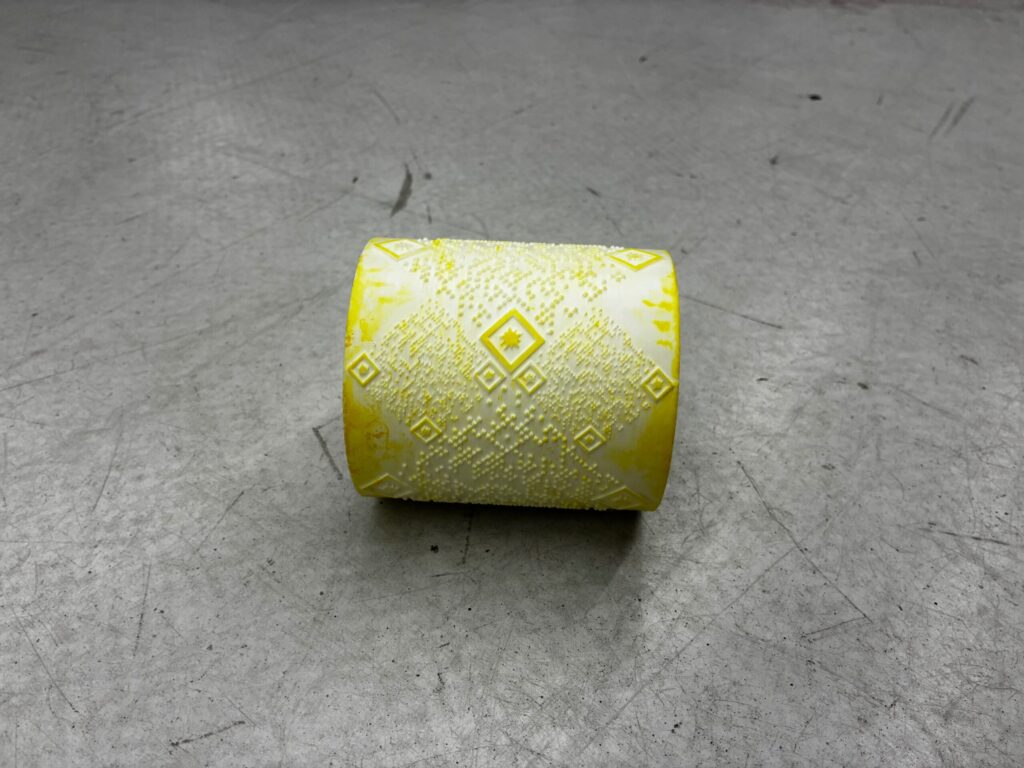
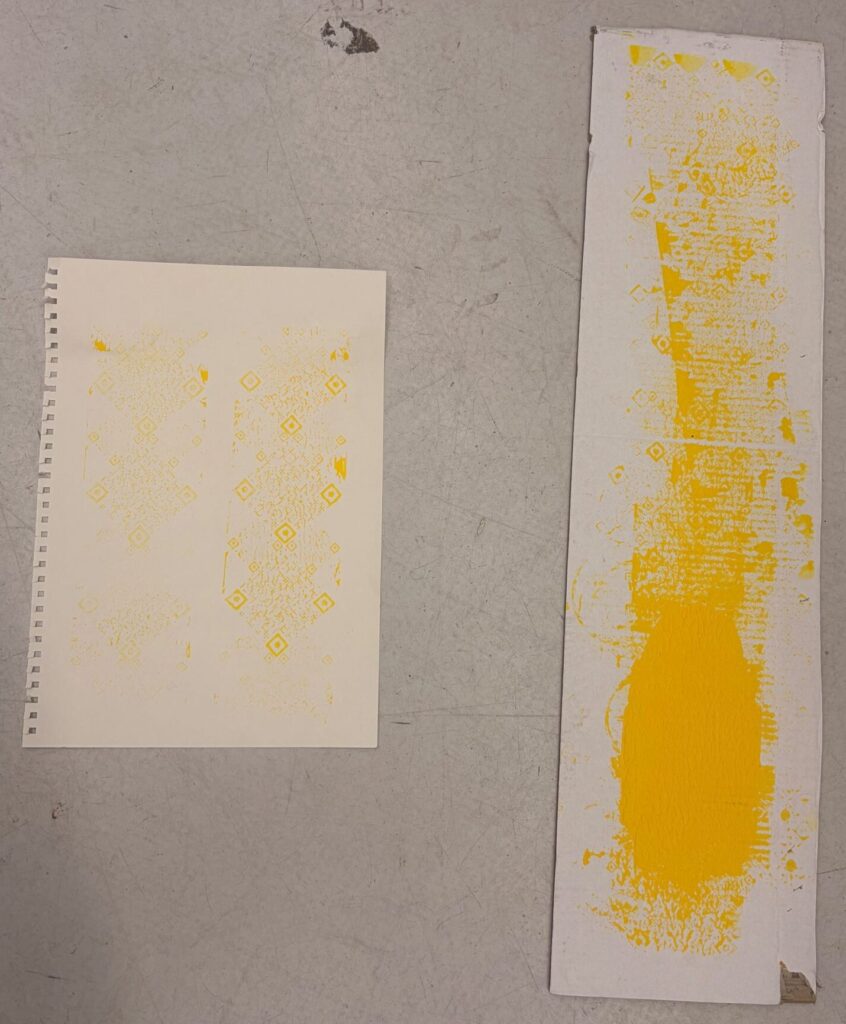
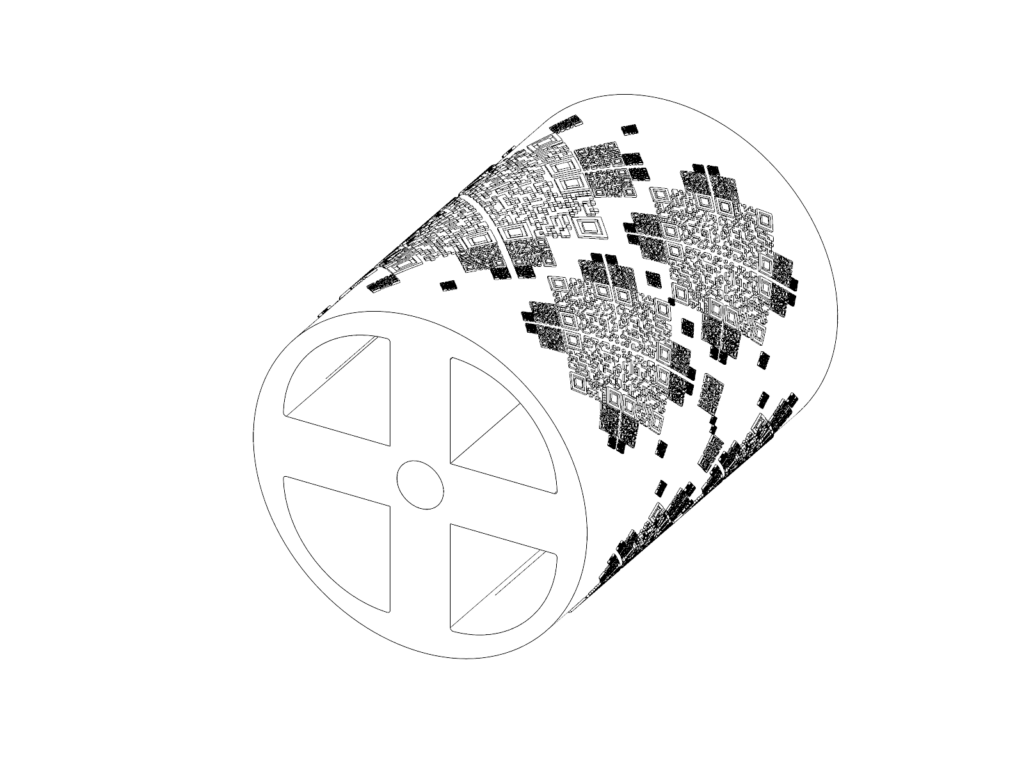
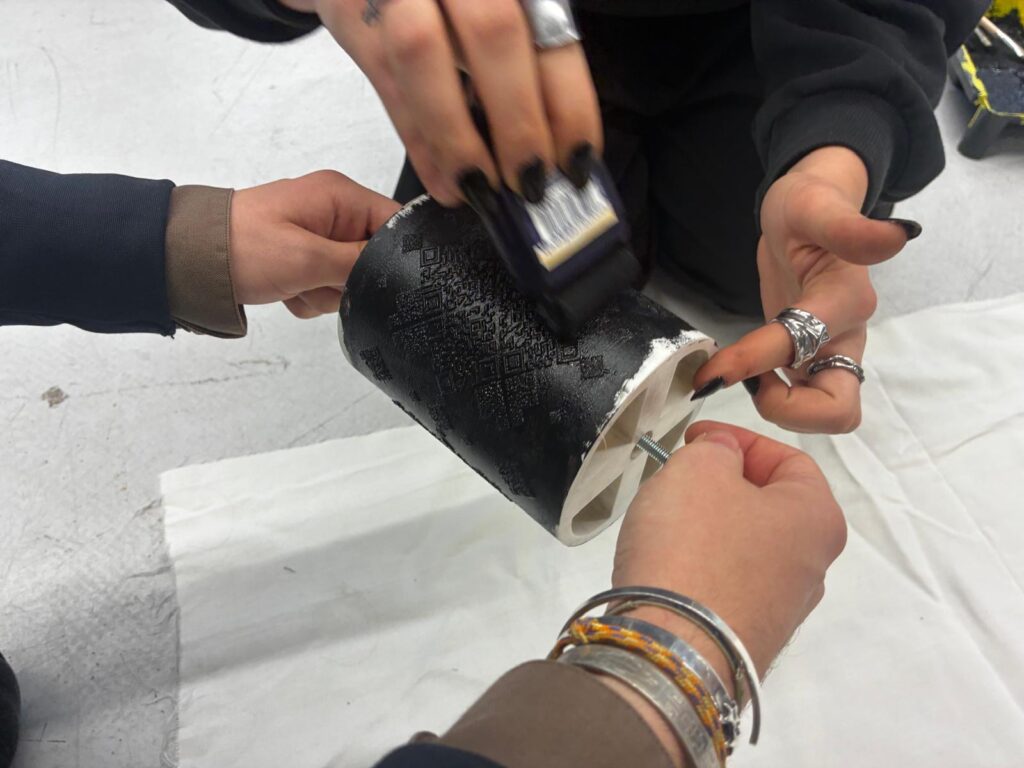
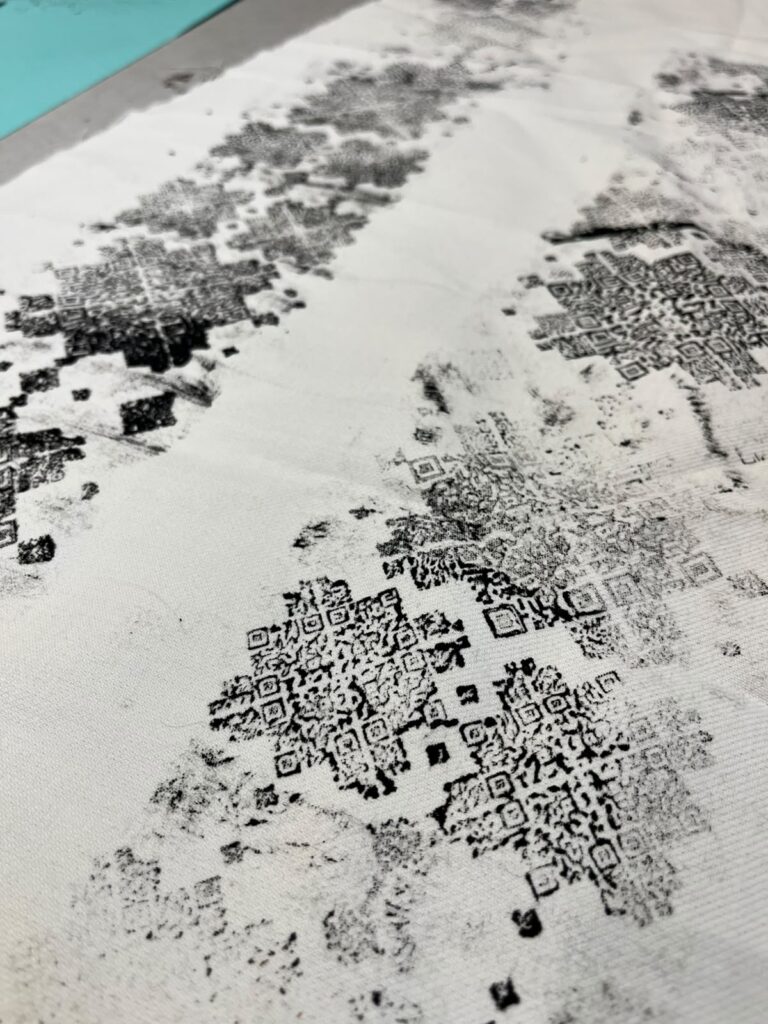
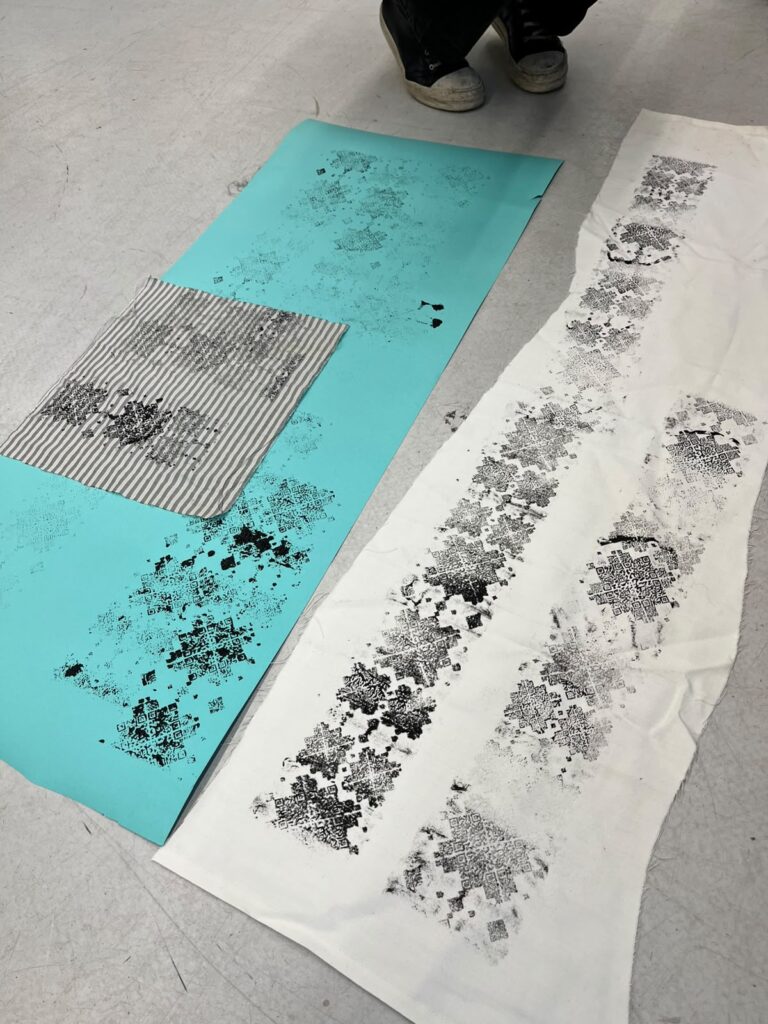
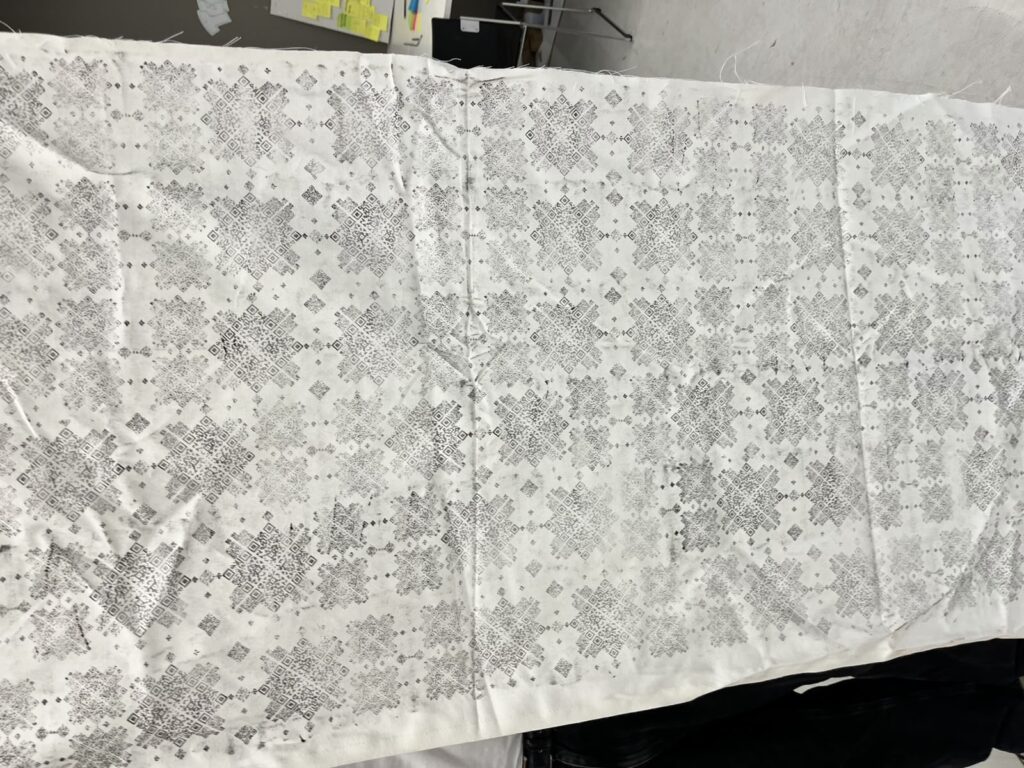
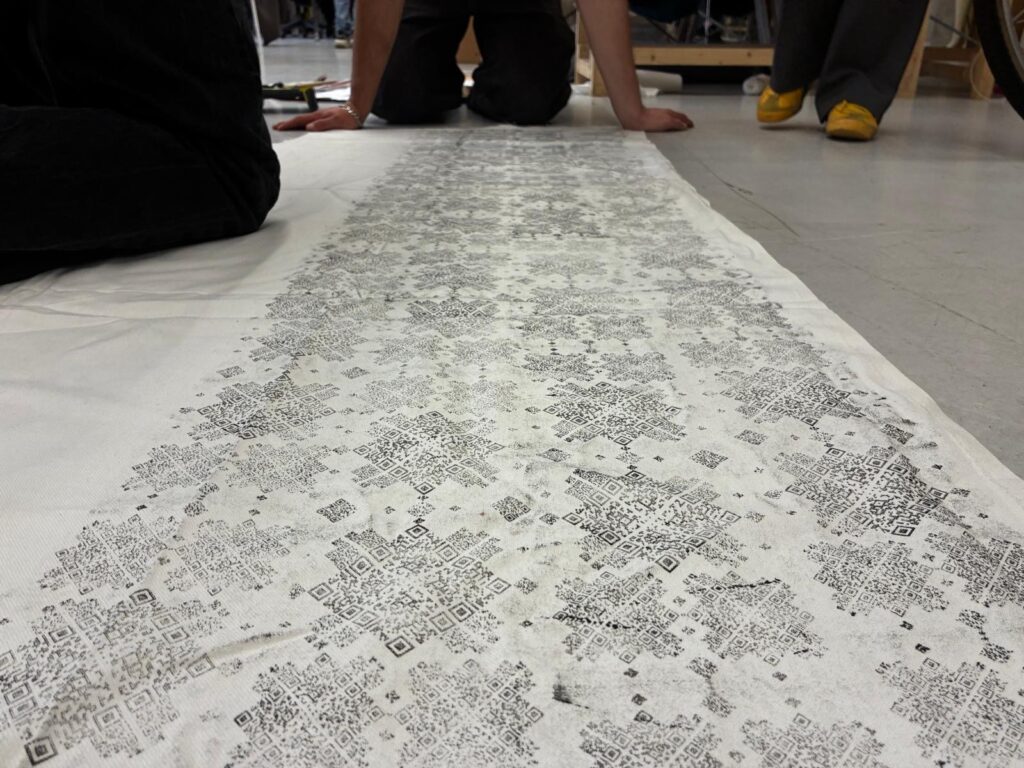
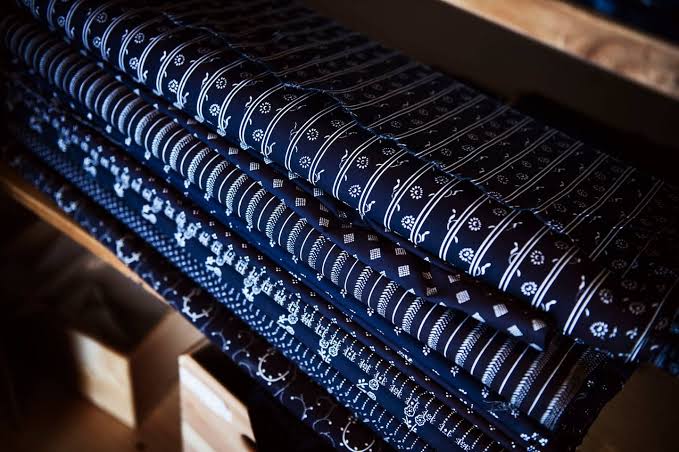
    How will people in the future interpret patterns of today?

    How will people read it? How much information and value can a pattern carry?

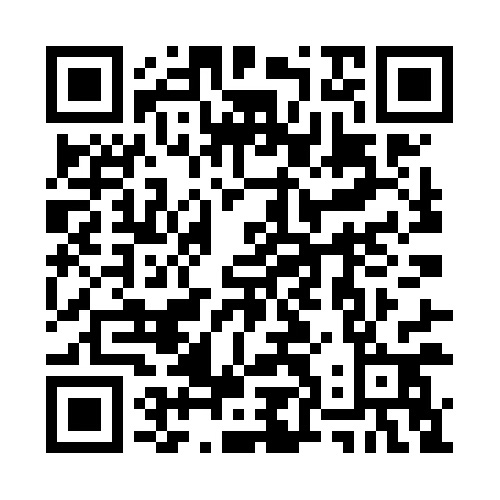
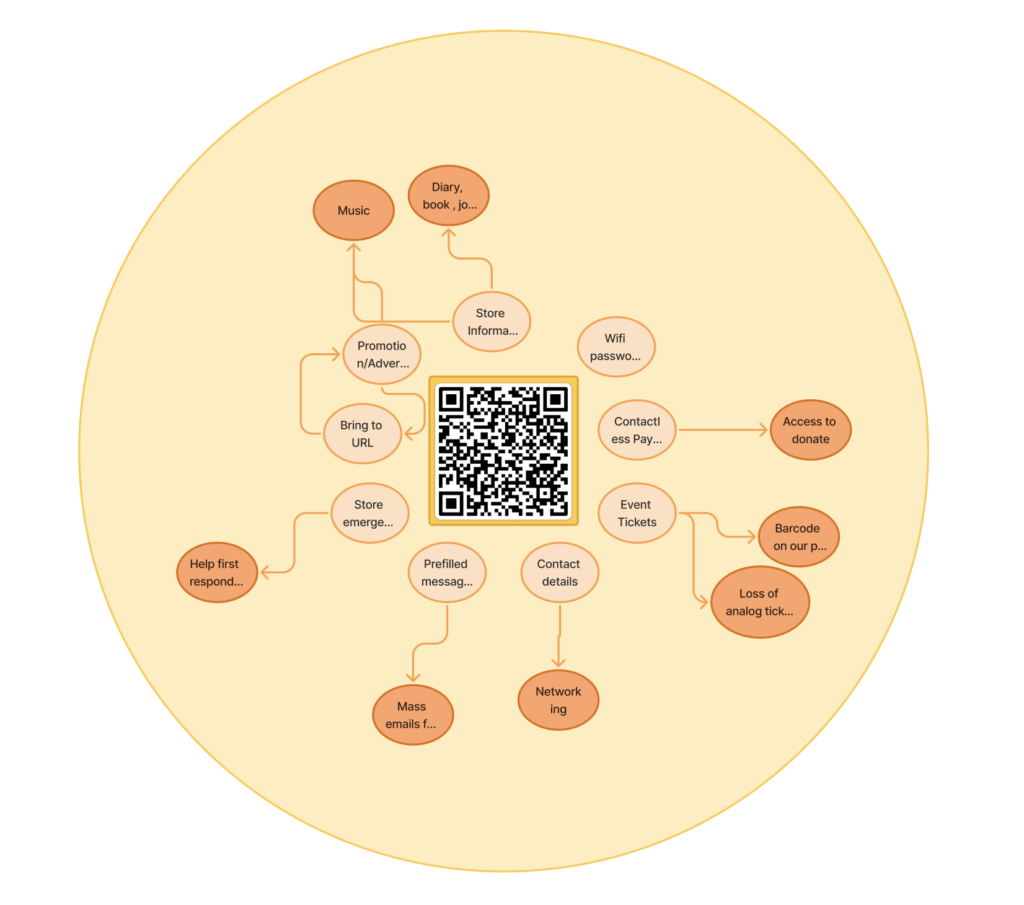
    Can QR Codes survive? Where will they lead to?

    Tryouts

    Next steps

    • Screenprinting workshop
    • Trip to Blaudruck factory
  • Feedback 30.10.

    By

    Luz Quintana-Abraham

    ,

    Frida Klug

    ,

    Jakob Reiter

    and

    Ylvie Moschitz

    Team 4

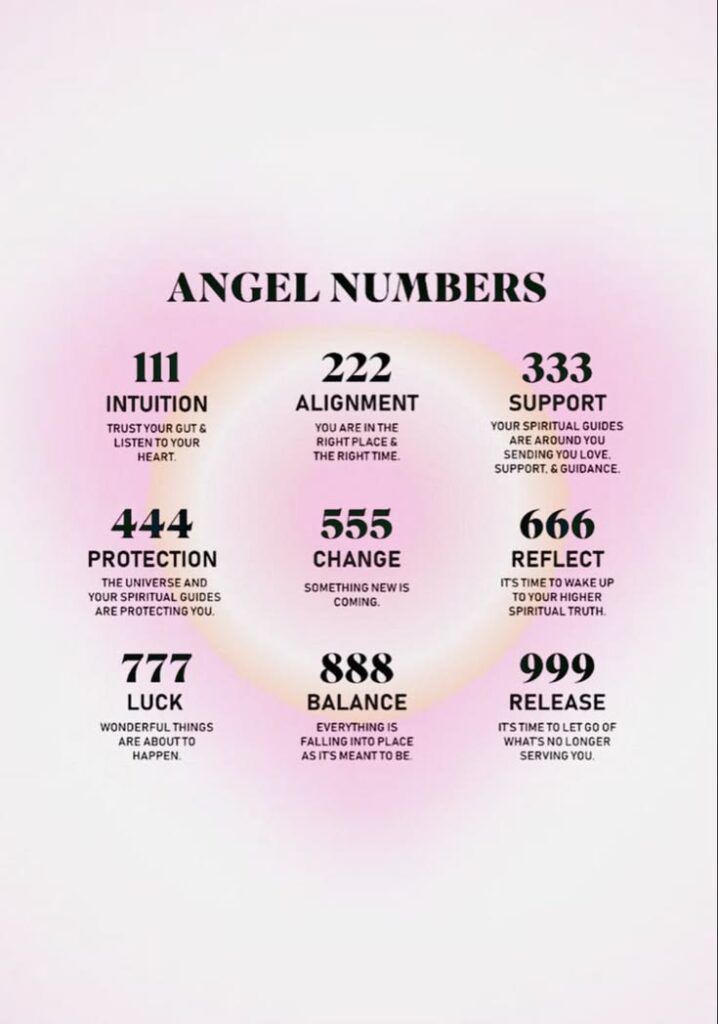
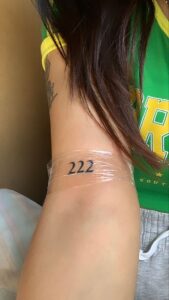
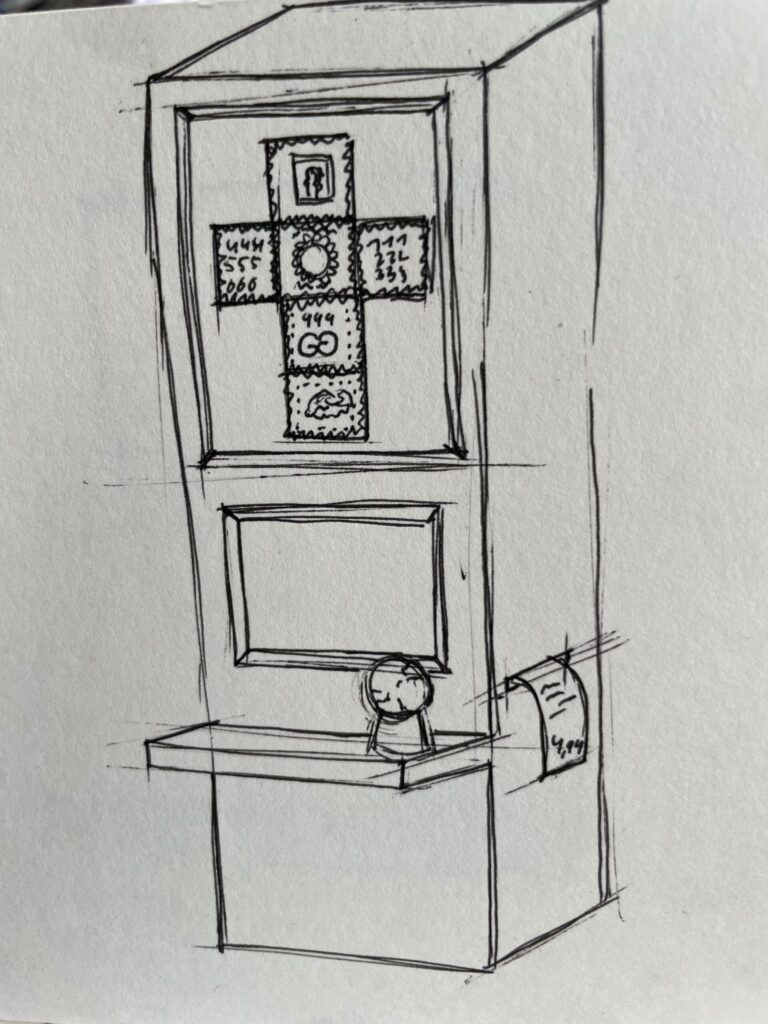
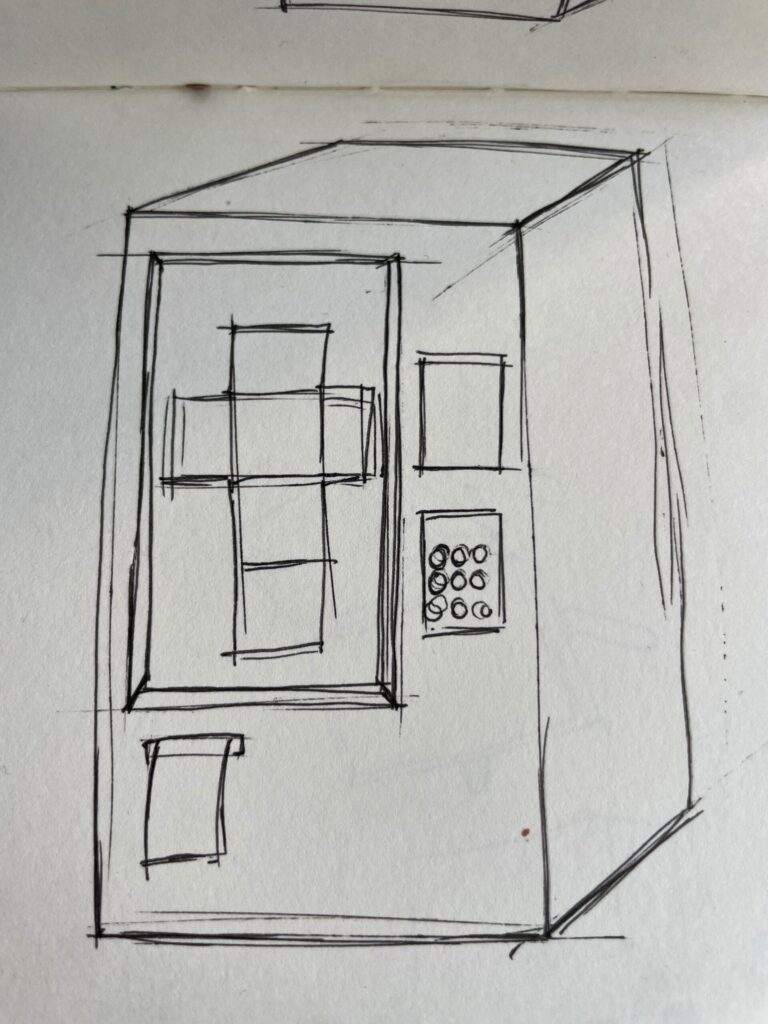
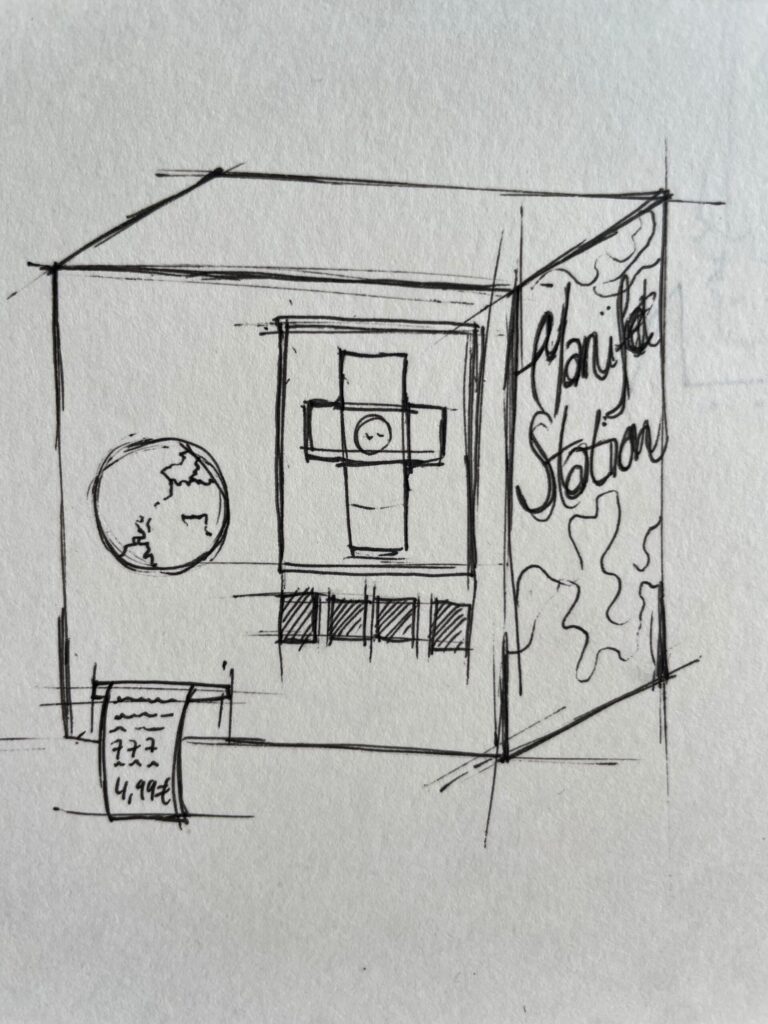
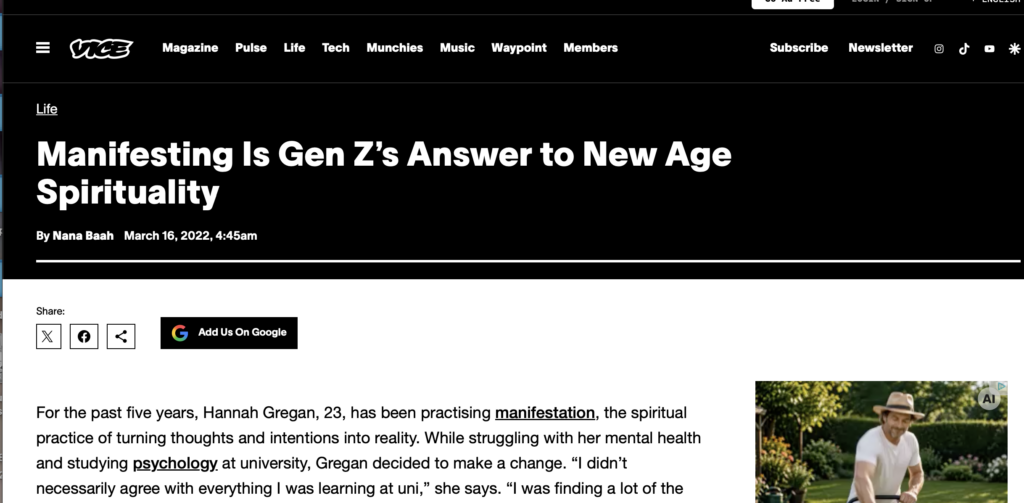
    GENZ SPIRITUALITY?

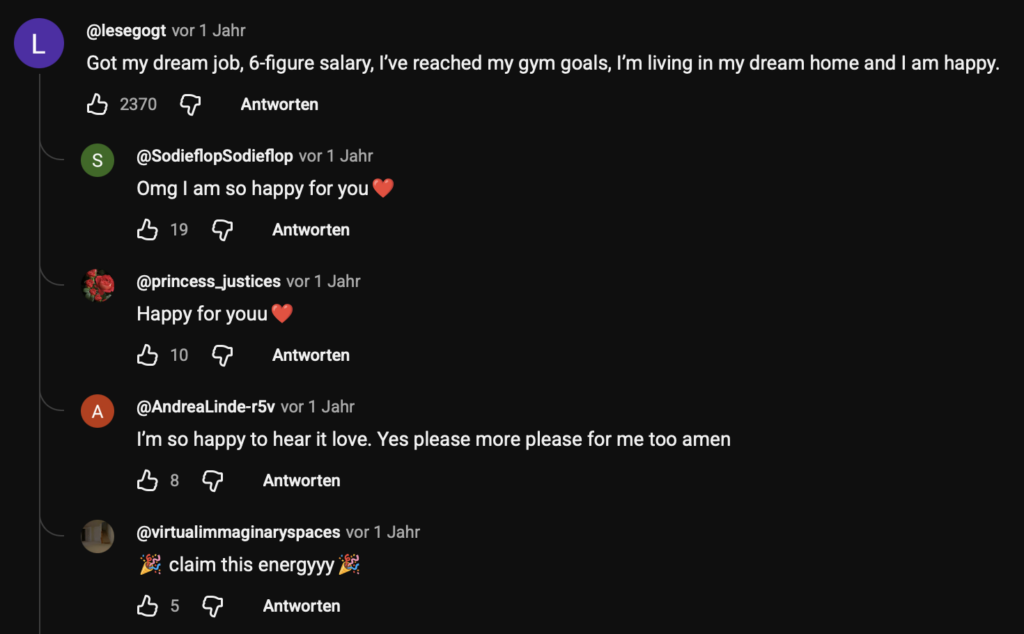
    “it’s been in the last five years that manifesting’s truly gained renewed popularity. The COVID-19 pandemic fueled a renewed interest in self-improvement, with people turning to positive thinking to regain control over their live.”

    (This video on TikTok has half Million Views)

    Video: https://youtu.be/SN2Nx_-L1Kc

  • 2025.10.30

    By

    Lili Miklós

    • kind of stuck
    • brainstorming with Alex
    • resources, ideas:
      •  You can always start with the original Hungarian revolutionary cockades, 1848,
      • – The Suffragatte rosettes and sashes, Britain, 1908-1910,
      • – The Asafo flags, Fante communities, Ghana (textile flags)
      • – The Neue Slowenische Kunst – NSK state in time (1992-present): Laibach, IRWIN, and the Scipion Nasice Sisters Theatre. I find this one a remarkable example. The passports they issued were not merely theatrical props. NSK participants have reported cases of people using them to facilitate travel across borders. An invented political object entered real historial circumstances and acquired significance beyond the artist’s original proposition.
      • – A Haitian Vodou drapo (ritual belonging): sacred textile flags decorated with thousands of sequins and beads. This is not primarly a national-political emblem. Its a different understanding of how textiles communicate belonging and how an object acquires significance through ceremonial use.
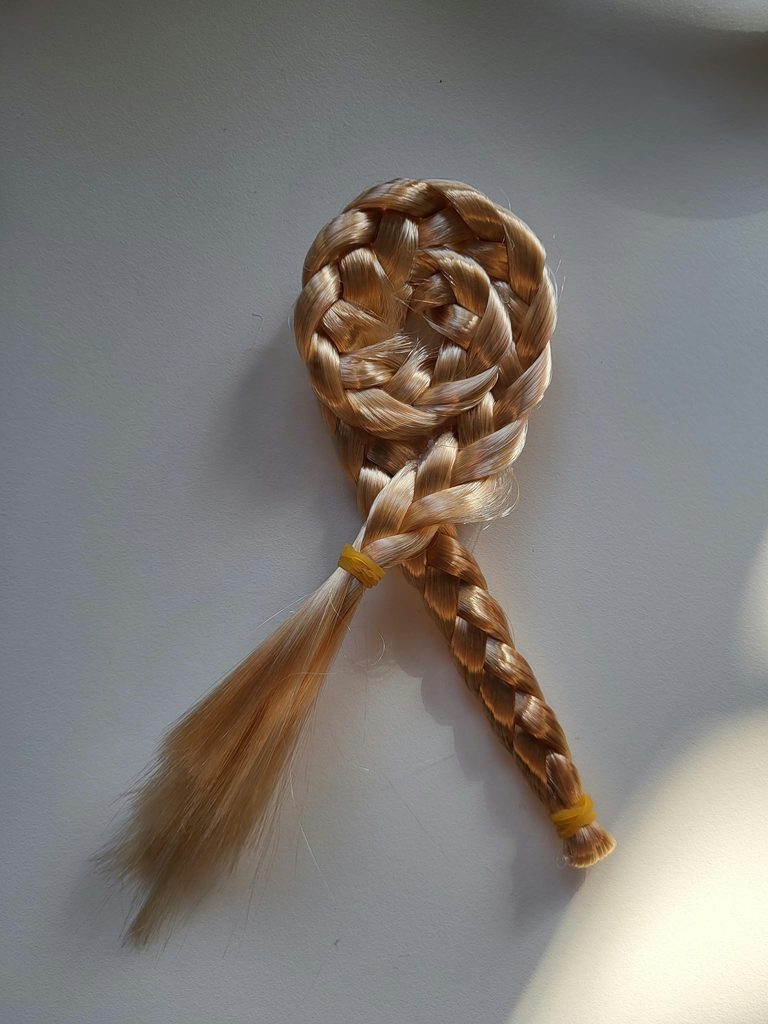
      • – An idea: a cockade made from human hair; as a historical mourning jewellery. a fictional commemorative cockade, using hair to stablish a physical connection between a collective event and the bodies of those involved.
      • – The remembrance poppy (already told you about this one): red paper poppies used to remember Britain during the First World War.
    • ideas feedback from last time:
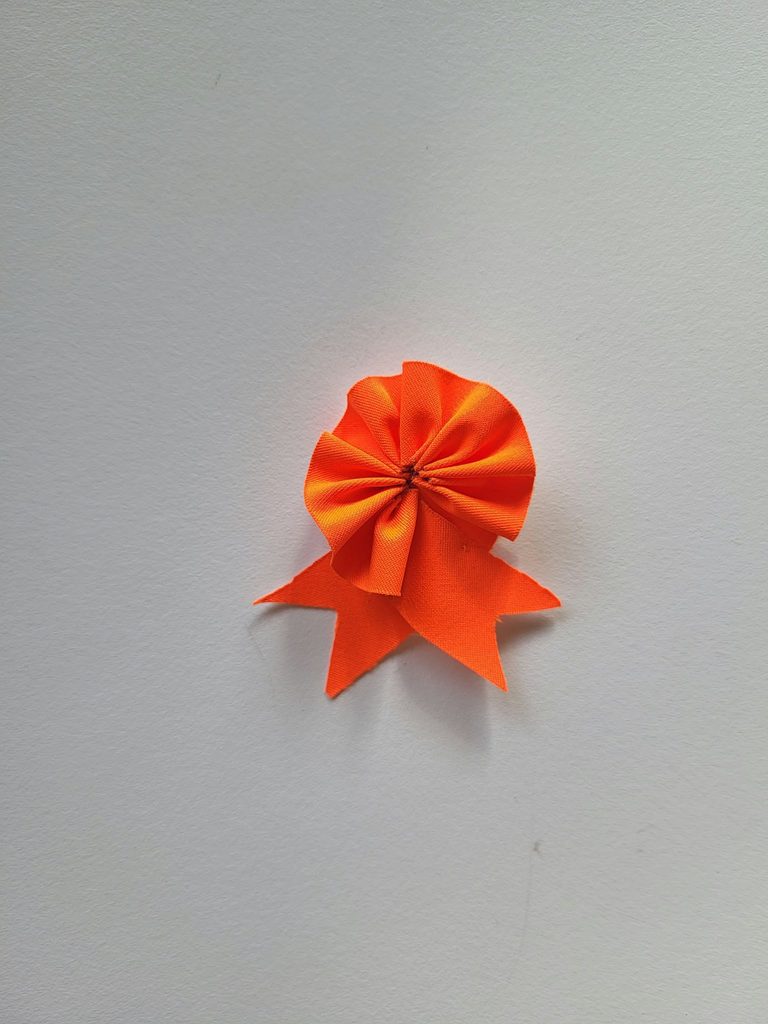
      • virtue-signaling: high vis cockade
      • remambrance: strands of hairs of my expat friends braided together, signifying new roots
    • goals: doing more experiments, scaling up, something excessive, finding one aspect of the cockade to do it on
  • Tutorial 30.10

    By

    Annalisa Rhein

    first draft:

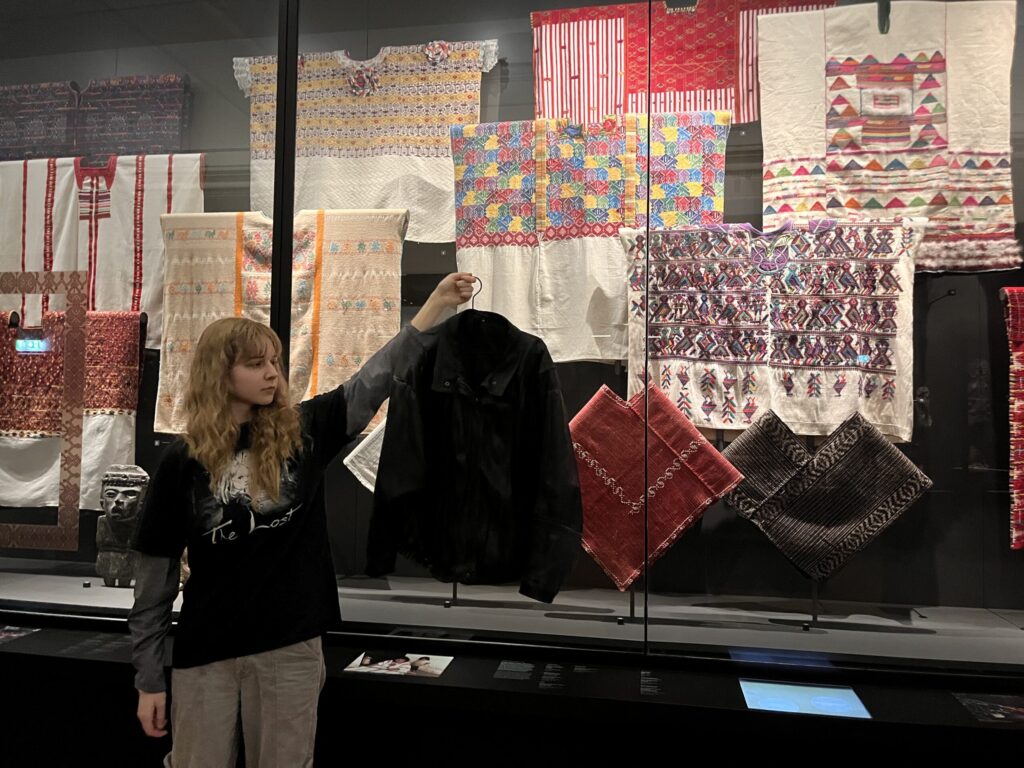
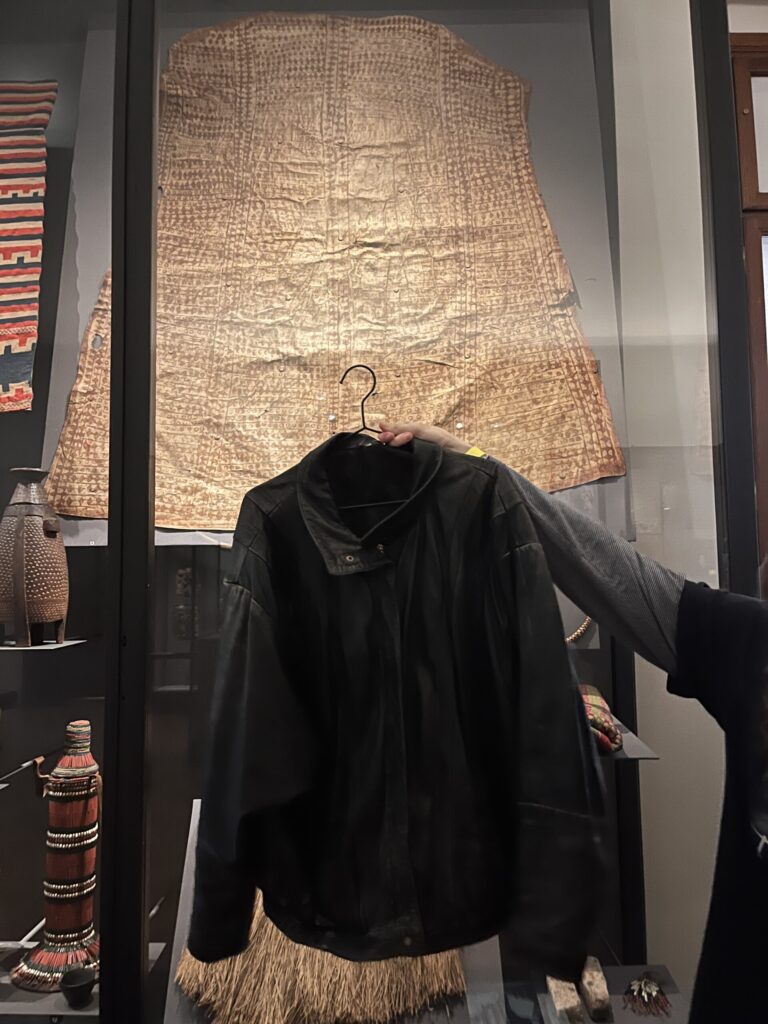
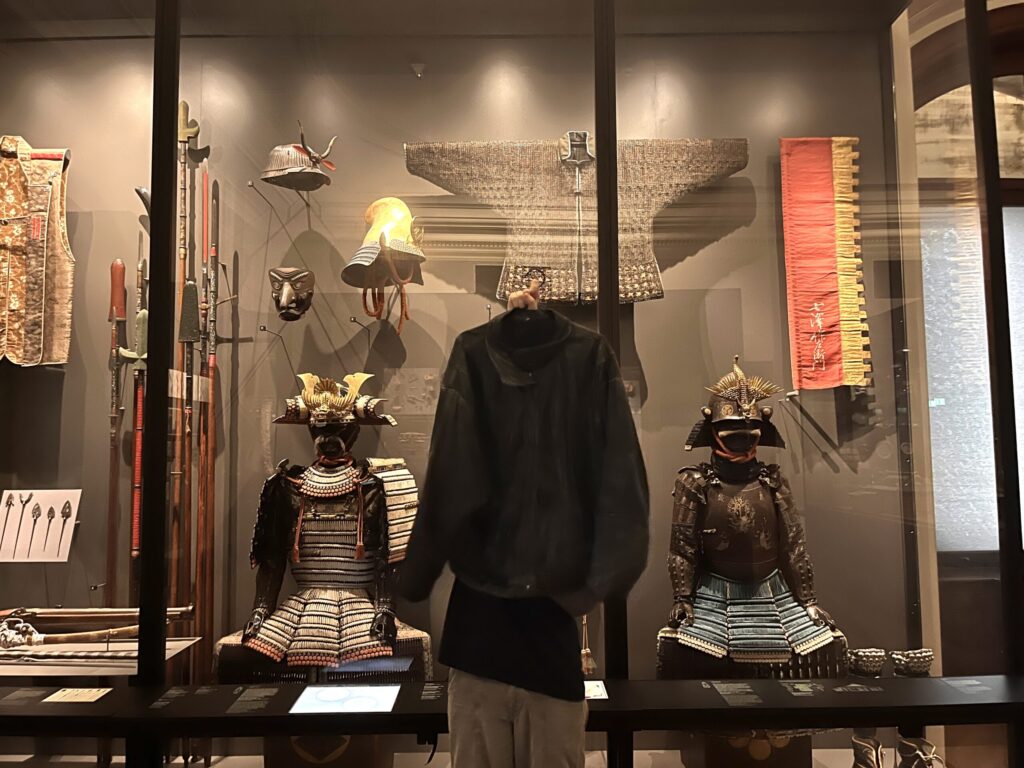
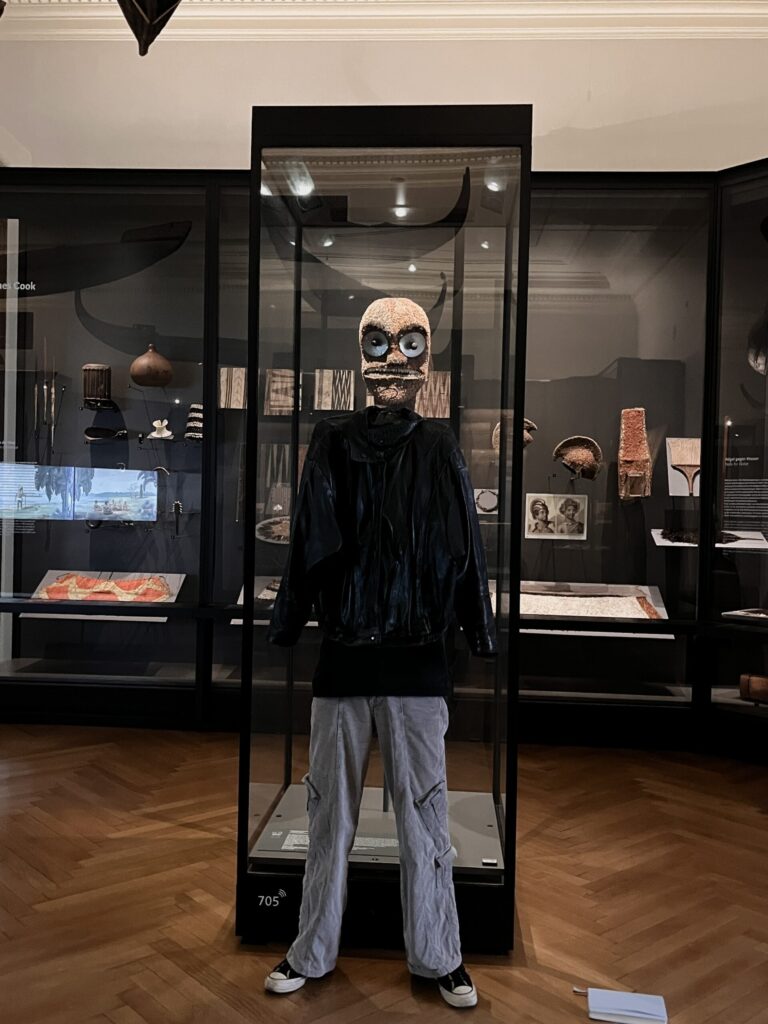
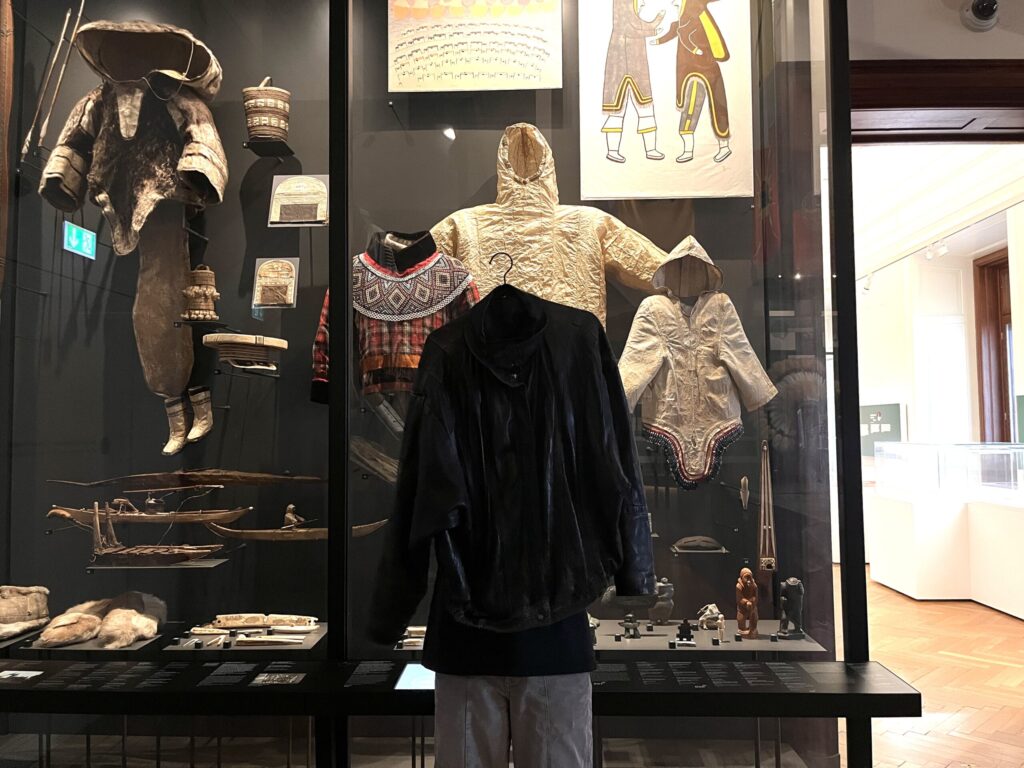
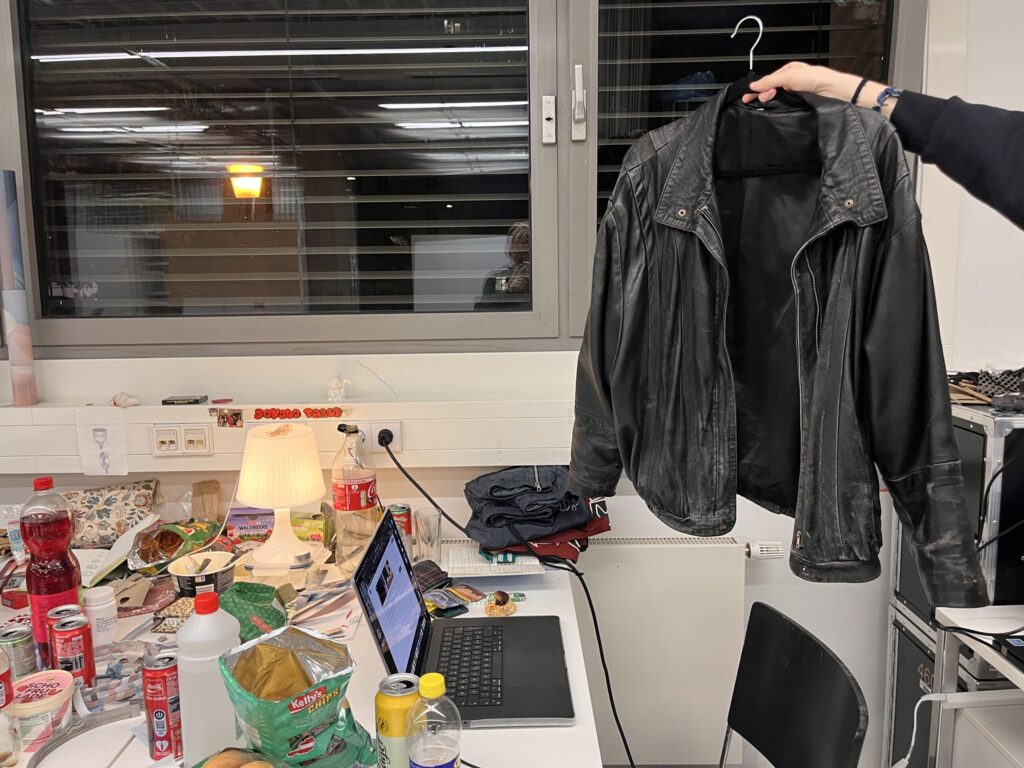
    exploring the tension between an exhibited object and its untold story.

    how to reveal the emotional value?

    tryouts through context:

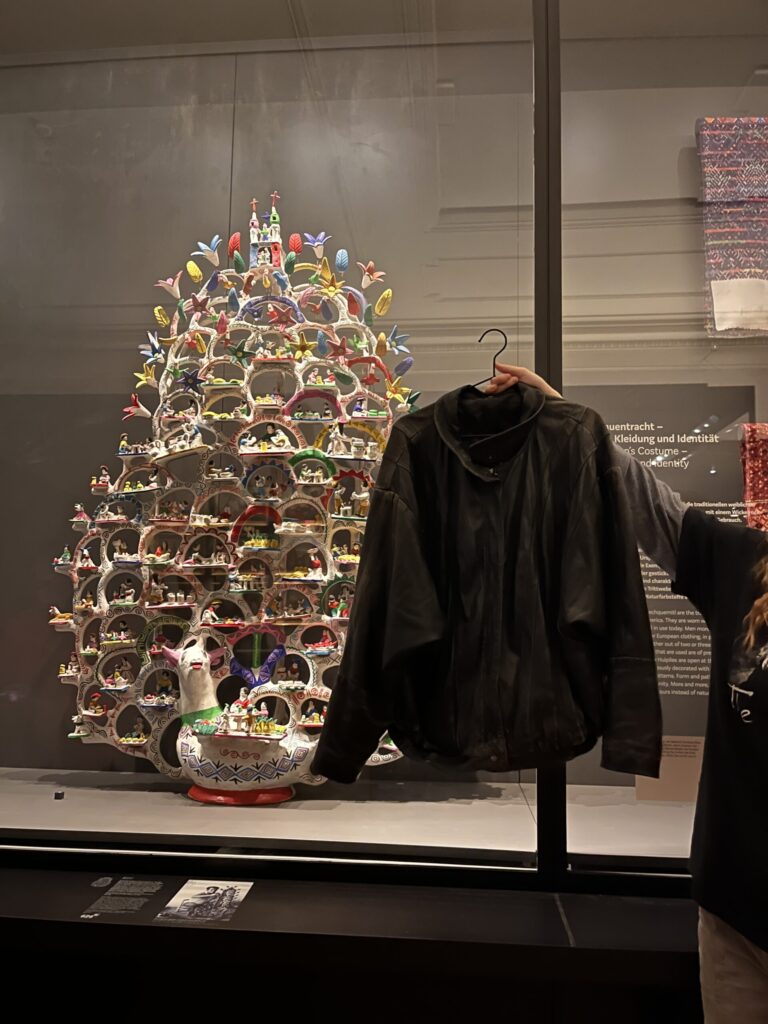
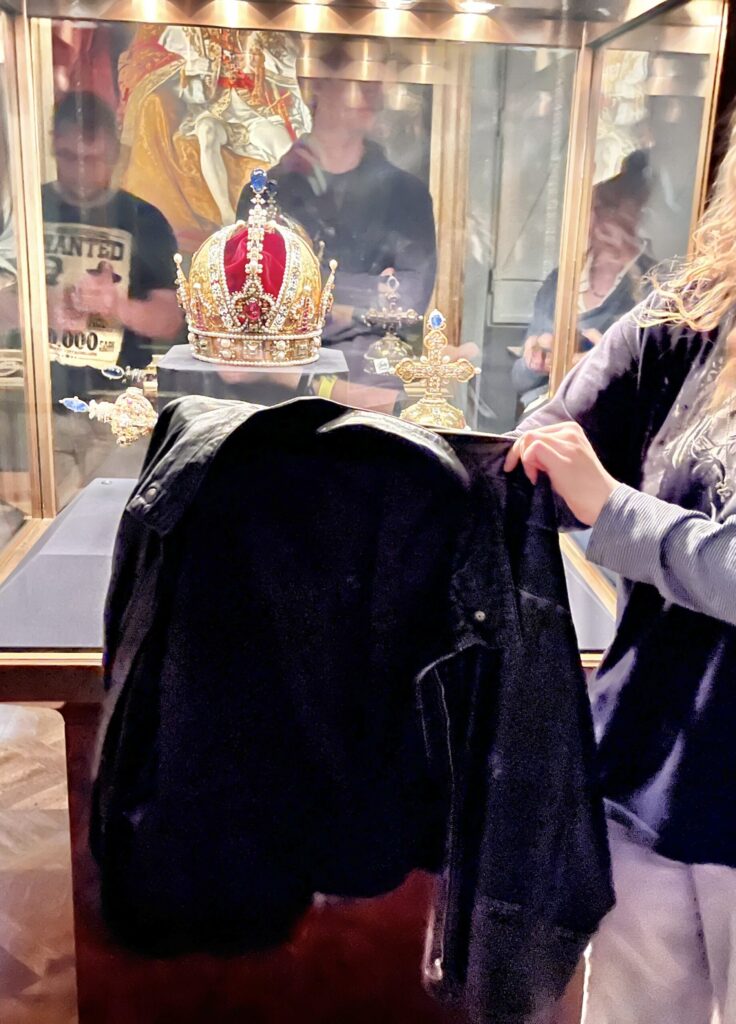
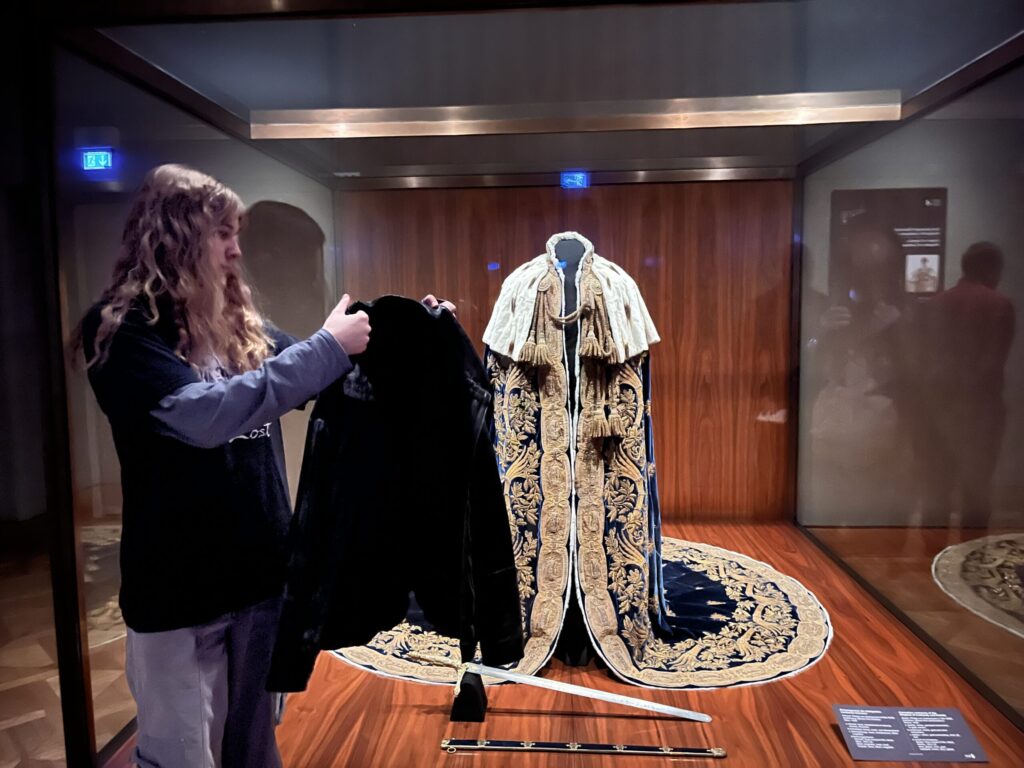
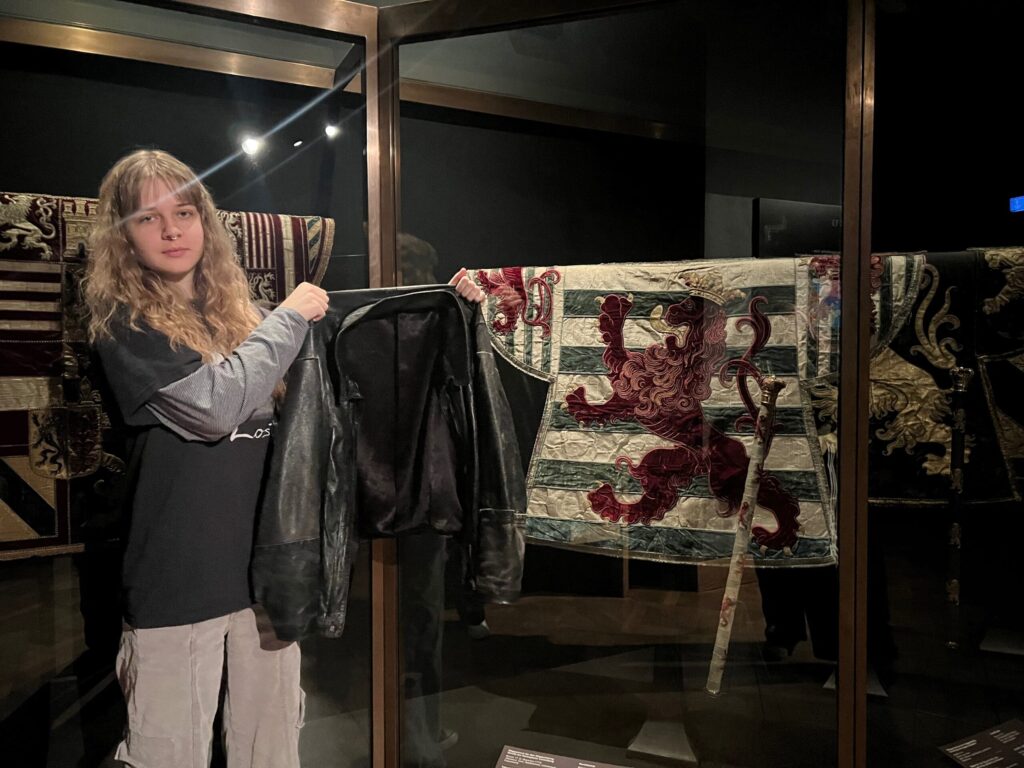
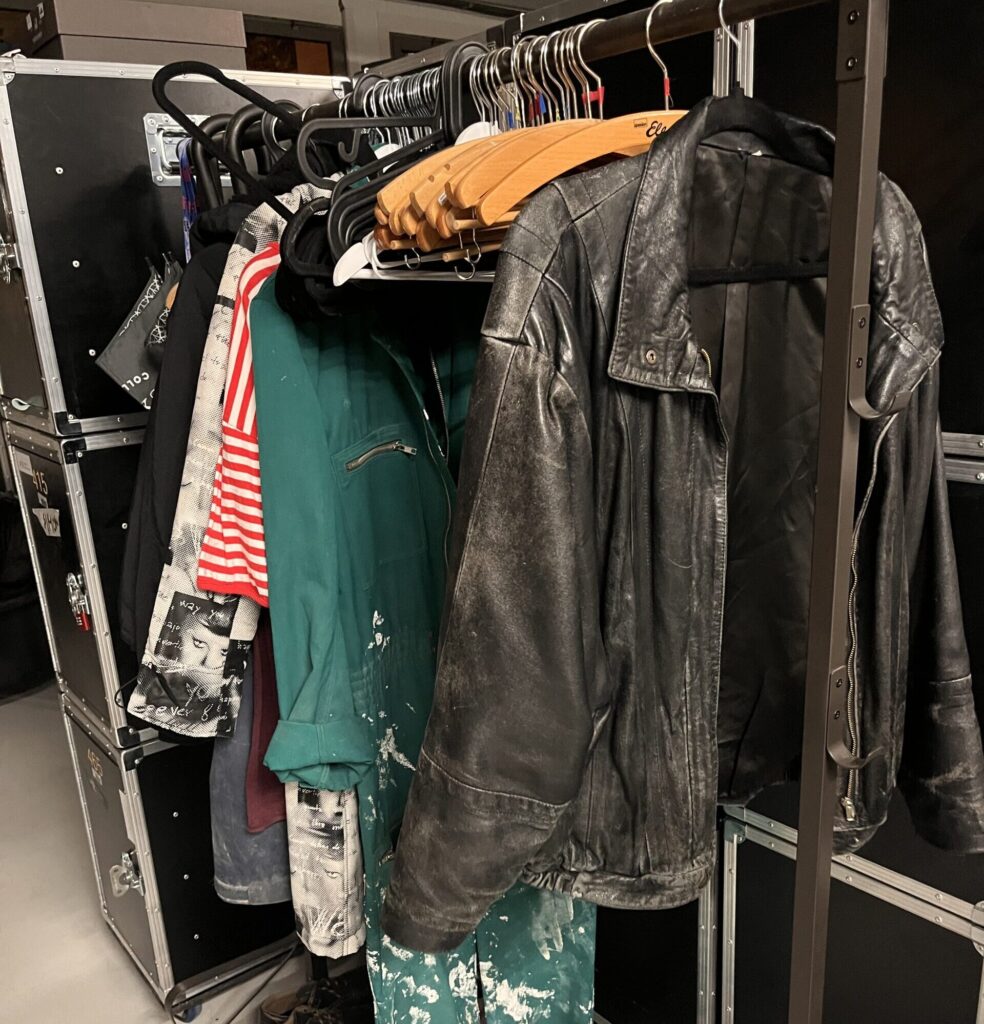
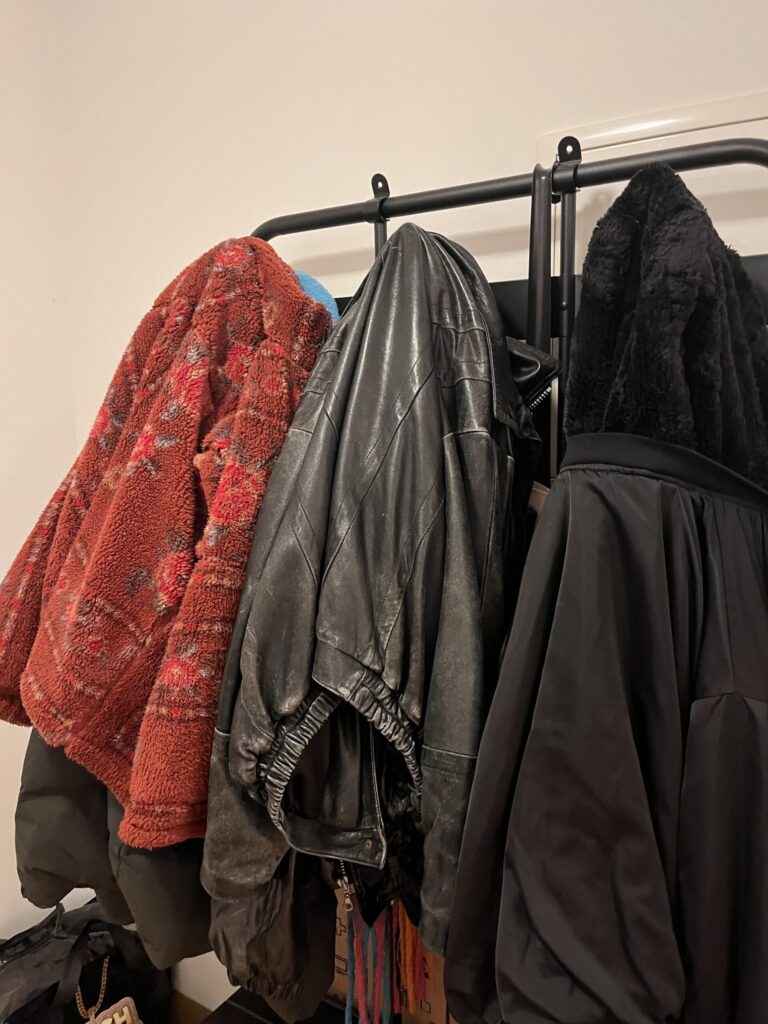
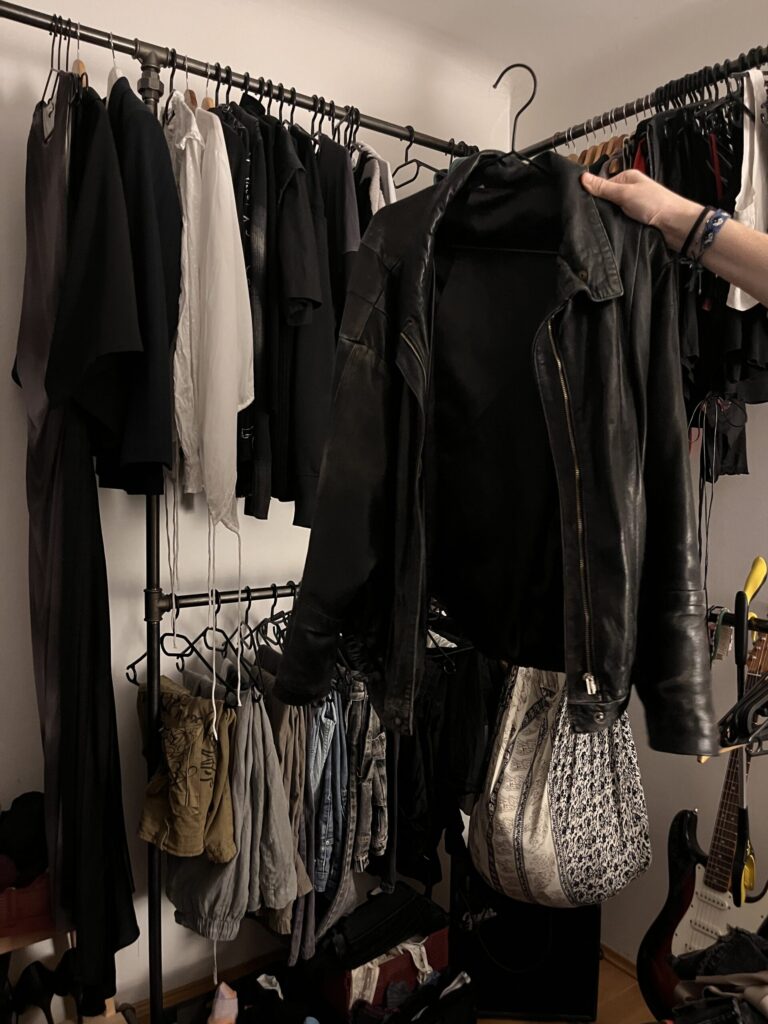
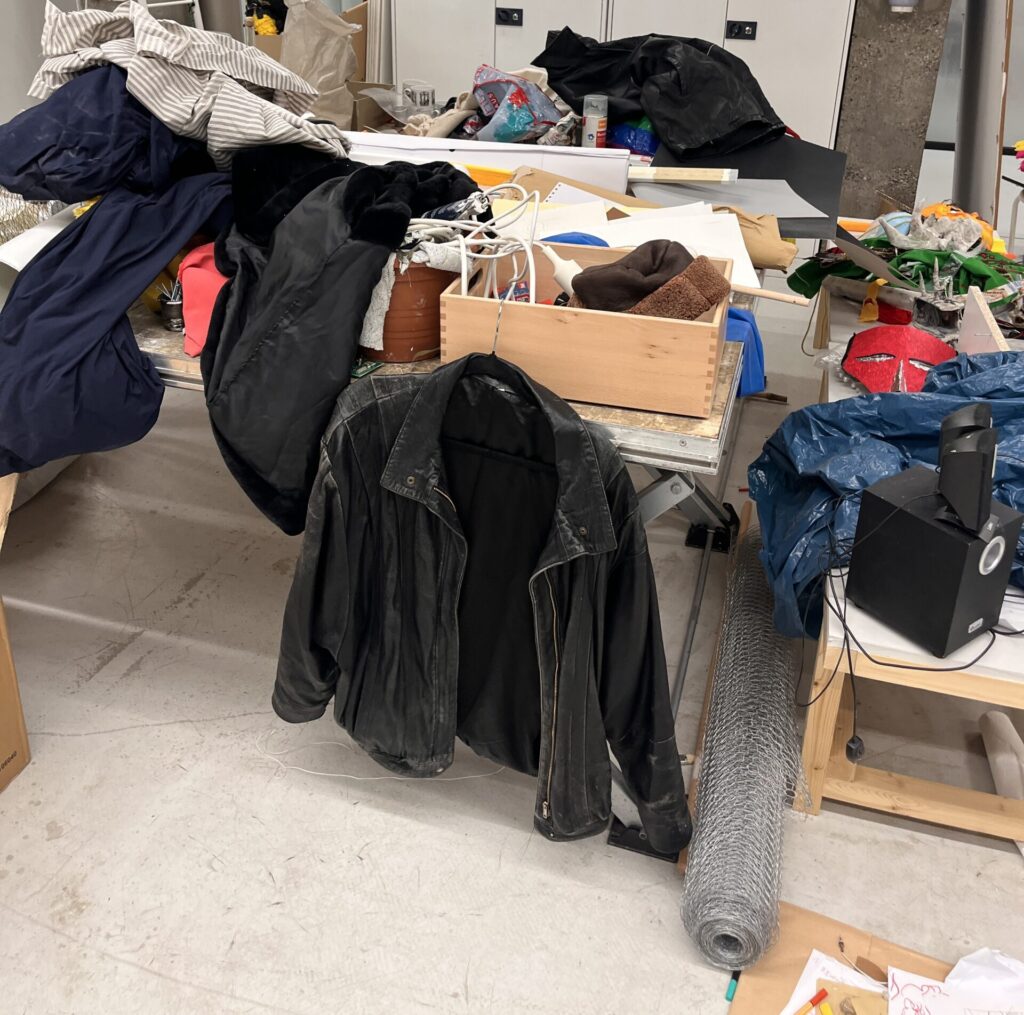
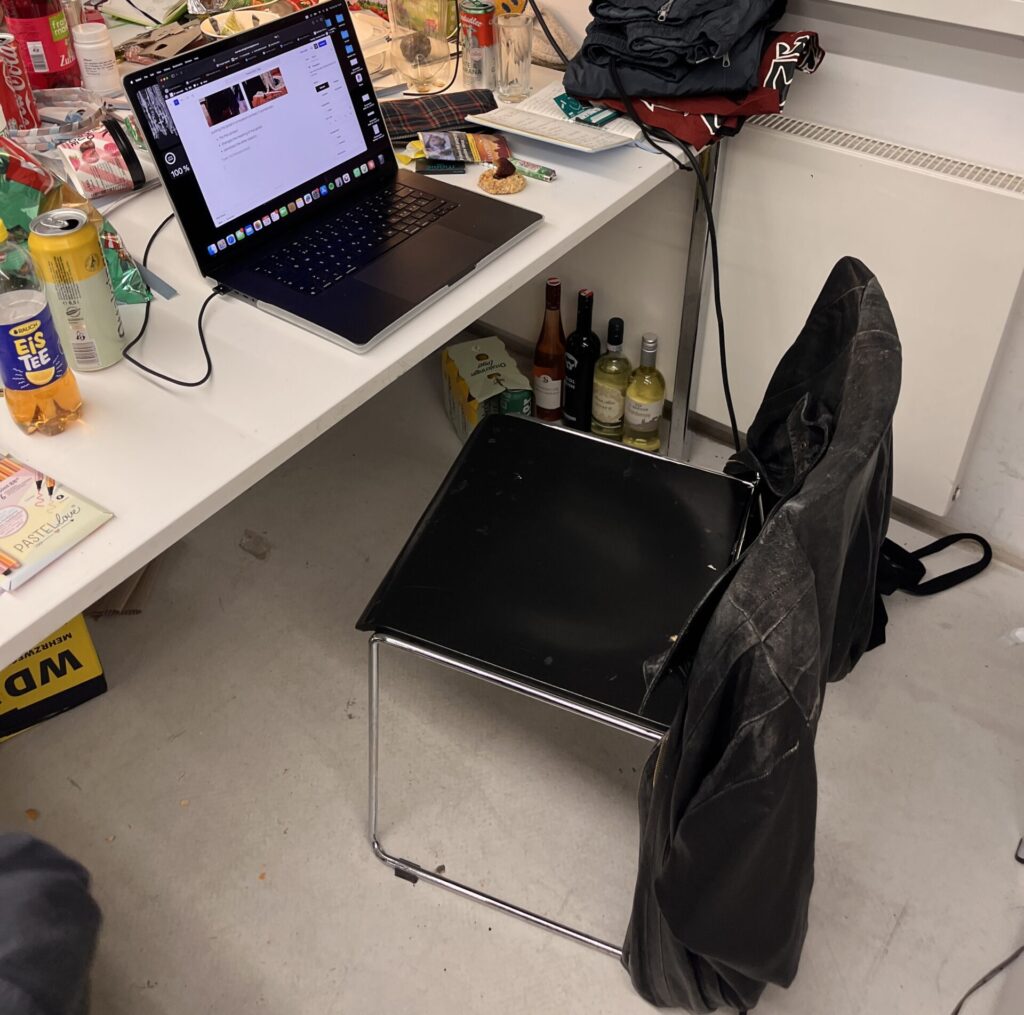
    putting the jacket in a museum context, it sometimes:

    • fits the context
    • changes the meaning of the jacket
    • parodises the other objects

    daily context:

    • you need to accentuate the jacket somehow

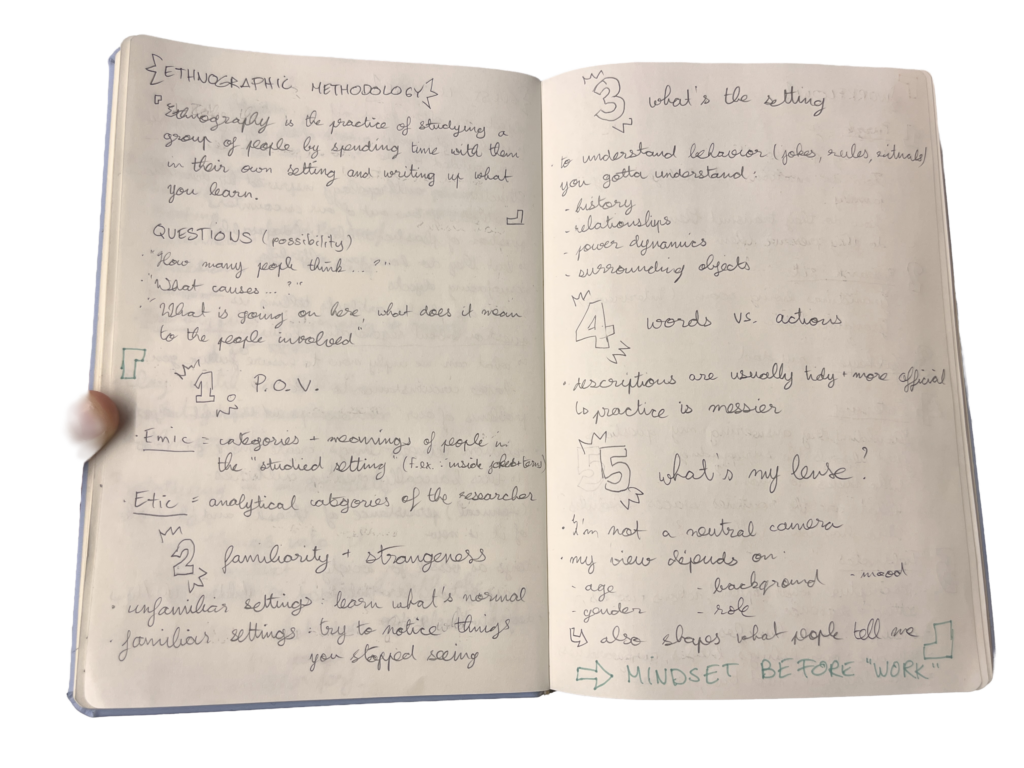
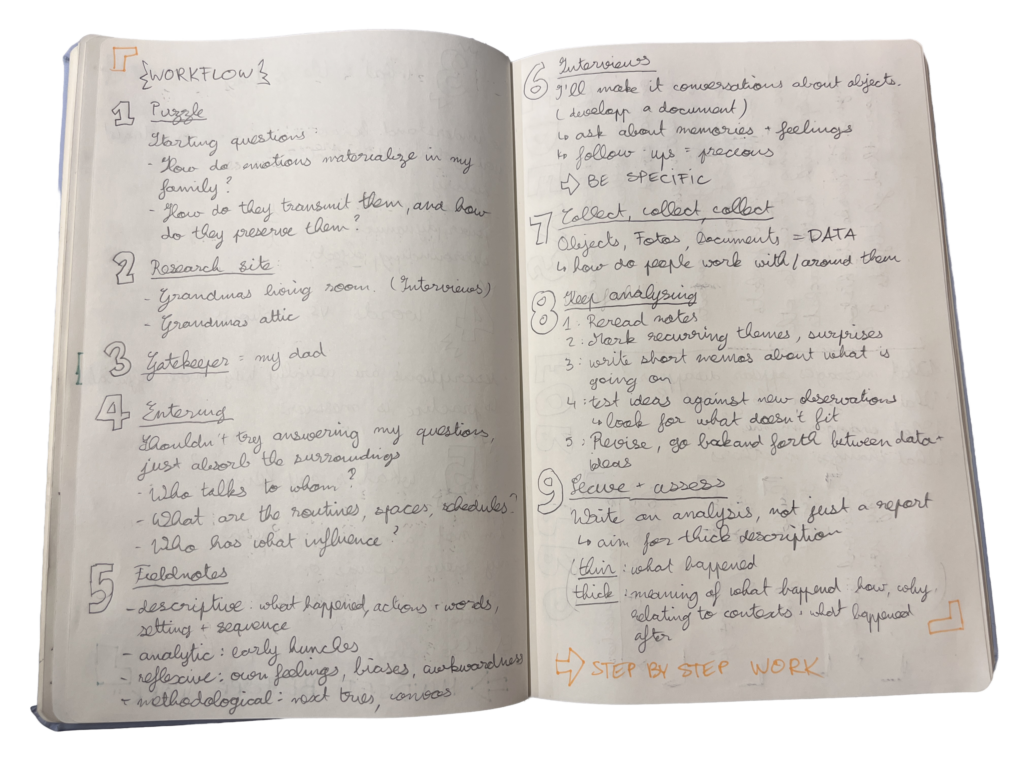
    research about ethnographic work:

    mini “museum-ish” work on my wall

    moving forward:

    my own family as base for ethnographic work

    -> best way for me to explore the missing stories

    plan:

    in november:

    22nd: arrival, going to the attic, finding a few objects

    23rd: reducing the objects to a few, mapping it out

    24th: detailing it out, make single interviews

    25th: finishing single interviews, make the final interview

    26th: going back to vienna

  • Tutorials 30.10.

    By

    Victoria Thierer

    ,

    Emilia Klewin

    ,

    Sabrina Holtz

    and

    Niklas Flor

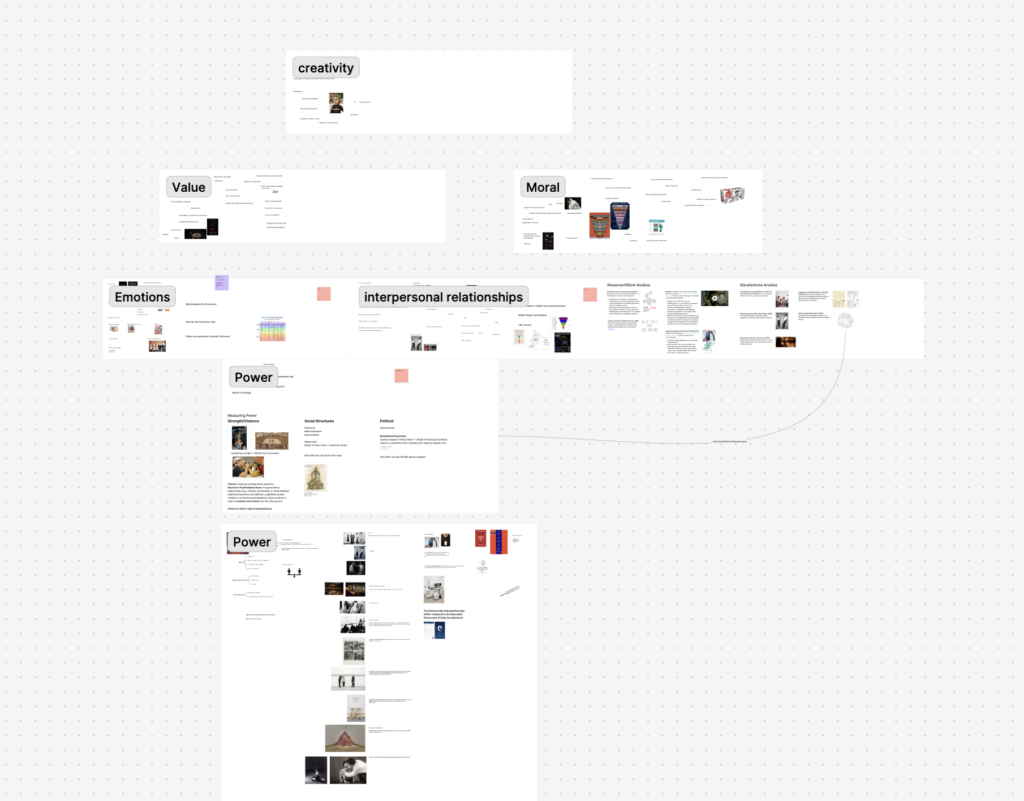
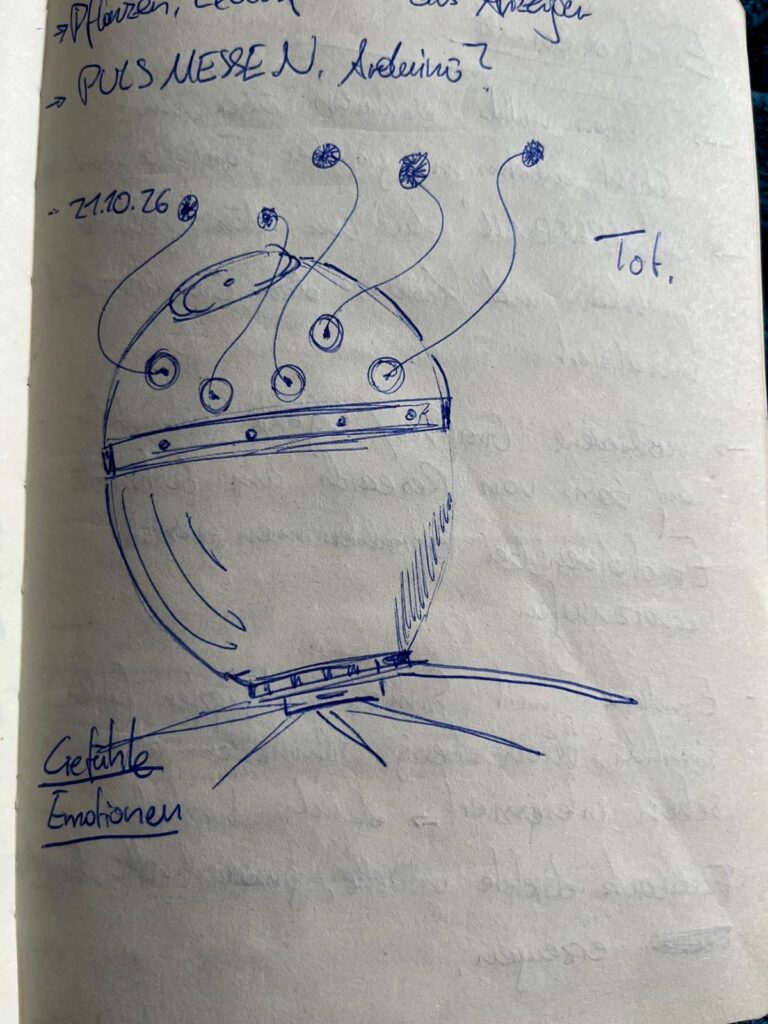
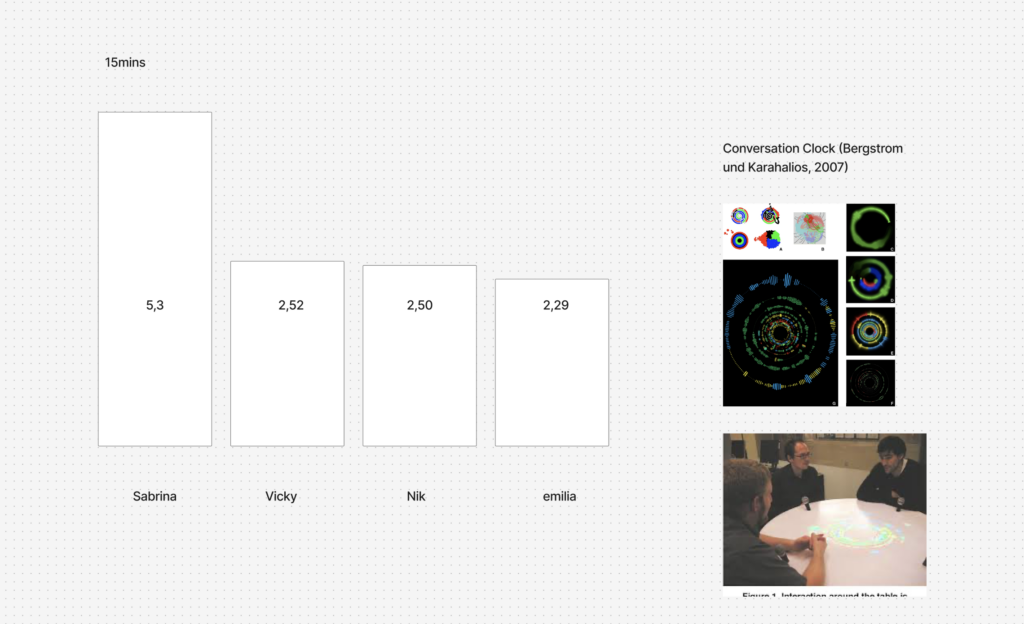
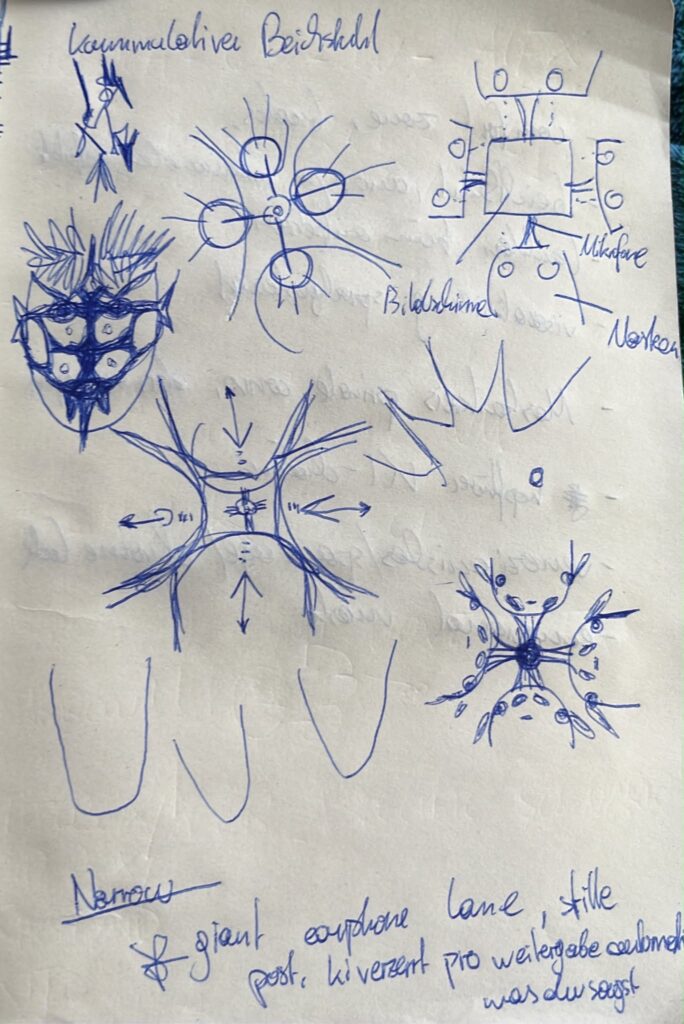
    What are things that can’t be measured ? :

    Creativity,

    Value,

    Moral,

    Emotions,

    Interperosnal Relationships,

    Power

    Found that Power, Interpersonal Relationships, and Emotions are connected

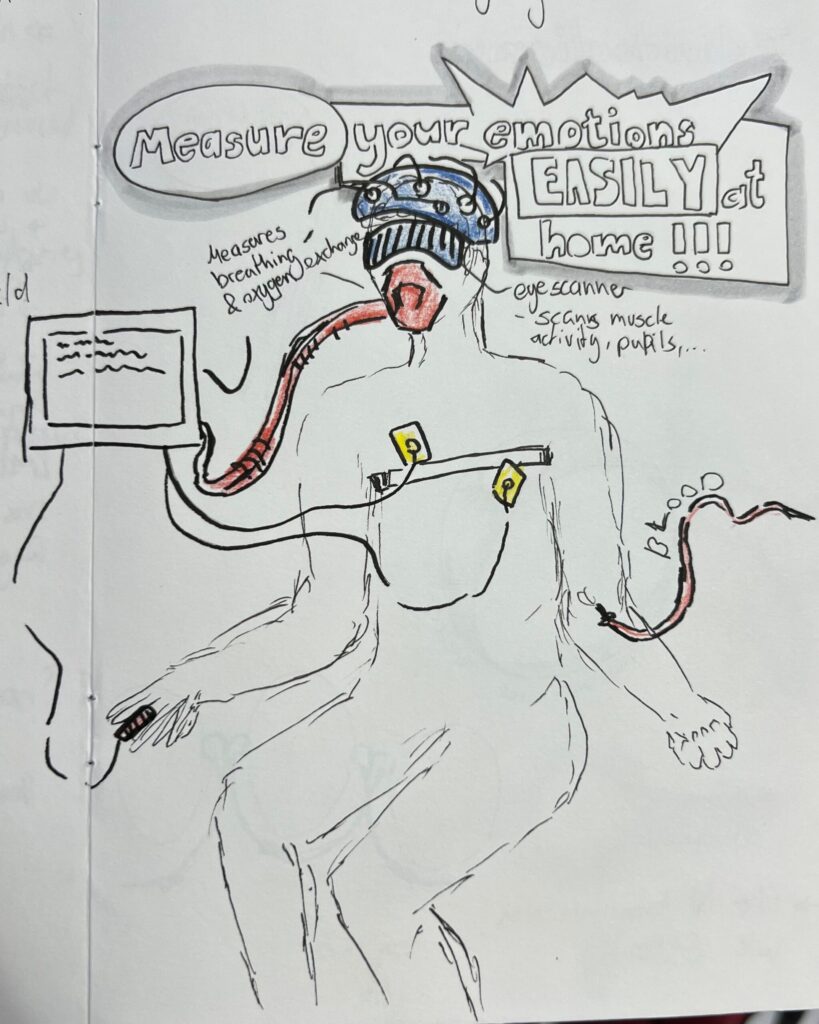
    How could we measure this?

    Vibes?

    What changes when we measure something that were never meant to be measured?

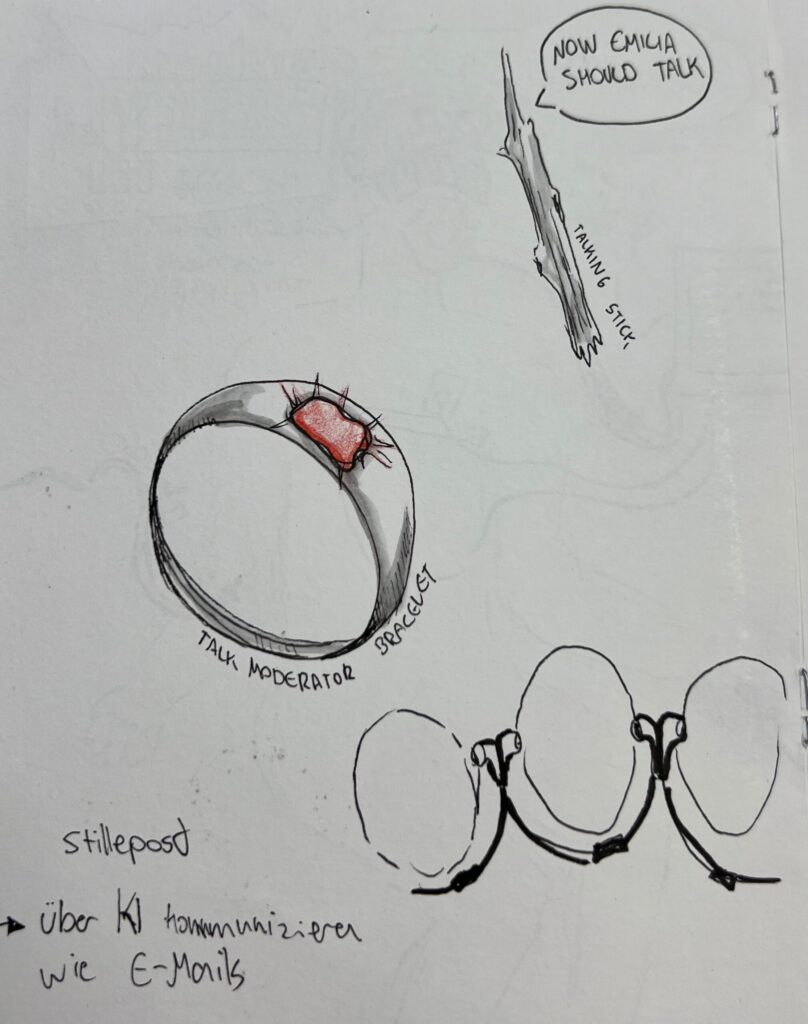
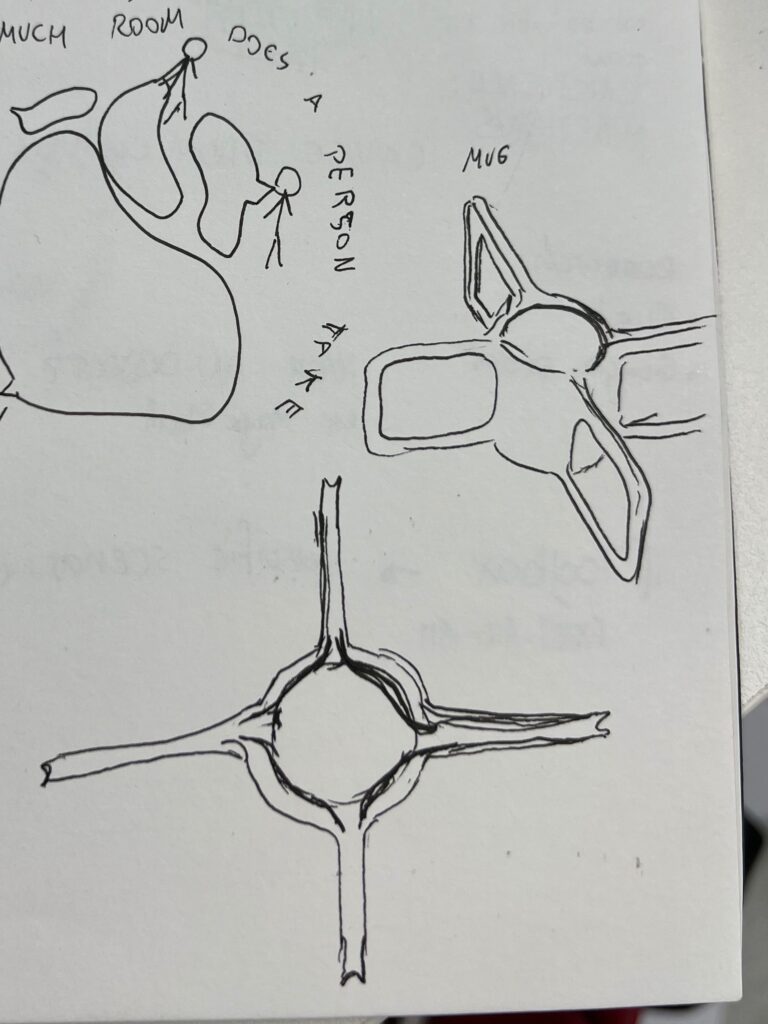
    Taking up space with one’s voice:

    Something that people can only use together?

    Wearables?

    What sparks our interest? <3

    What changes when we measure something that were never meant to be measured? (fictional examples research)

    Blade Runner, 1982

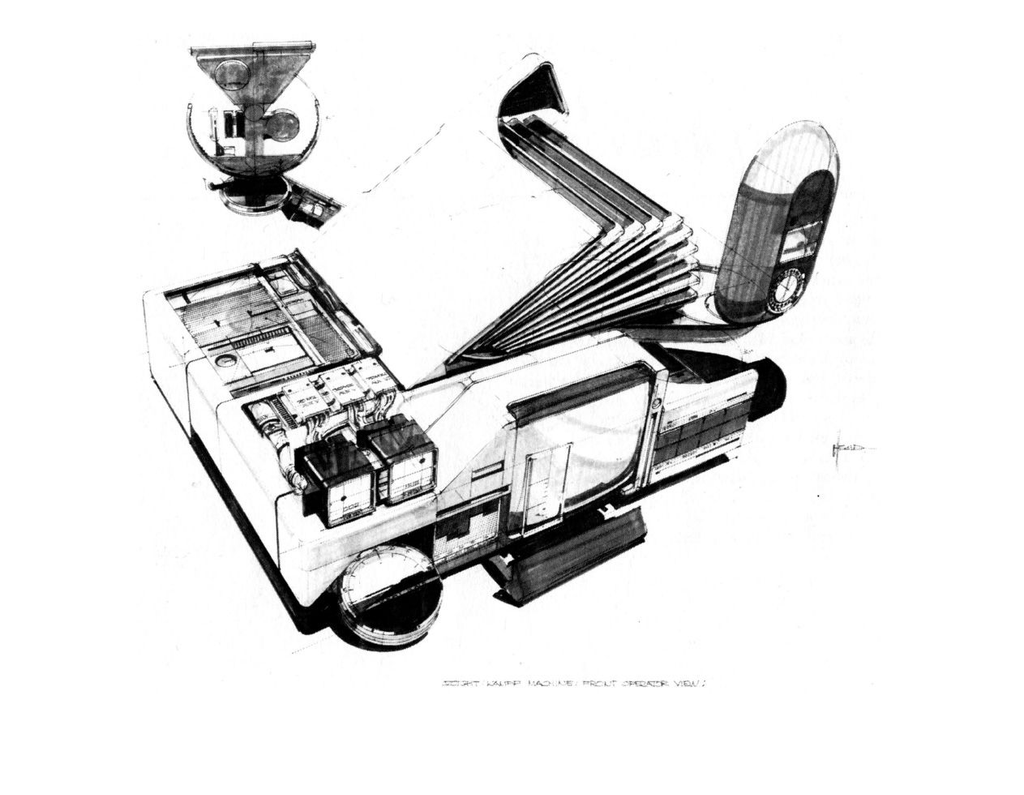
    Voight-Kampff machine (Blade Runner, 1982): a fictional, polygraph-like interrogation tool that measures skin response and eye movement during questions about empathy. Researchers at Lancaster built a speculative device for online dating based on it, designed to gauge how a first interaction is going.

    Heartiley Battery

    Heartiley Battery (Tamil web series, 2025): a woman builds a device that measures love. Couples test their relationships, percentages flash on screen, and some people walk away because the number doesn’t match their expectations. This is probably the closest match for interpersonal relationships.

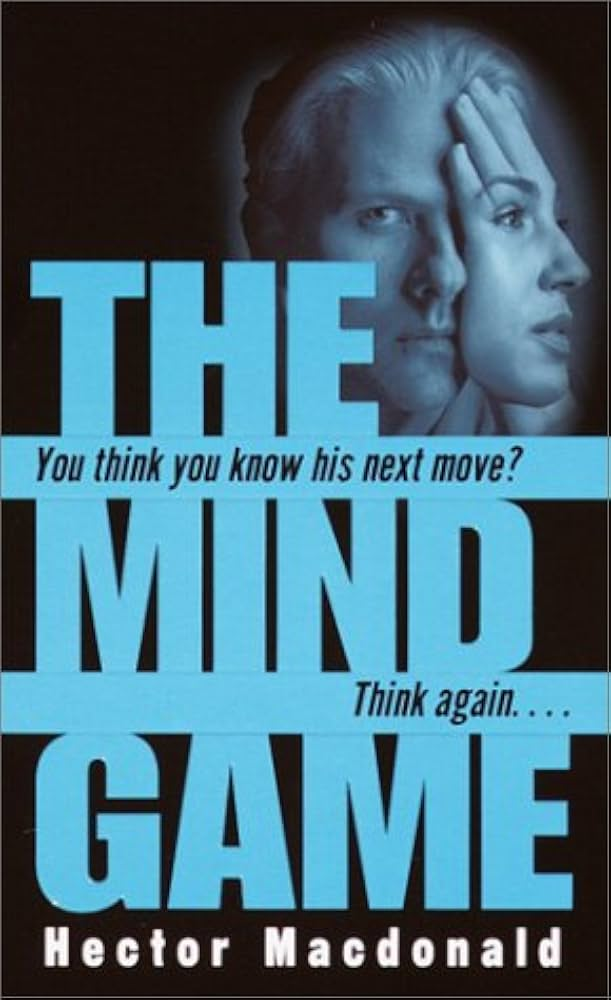
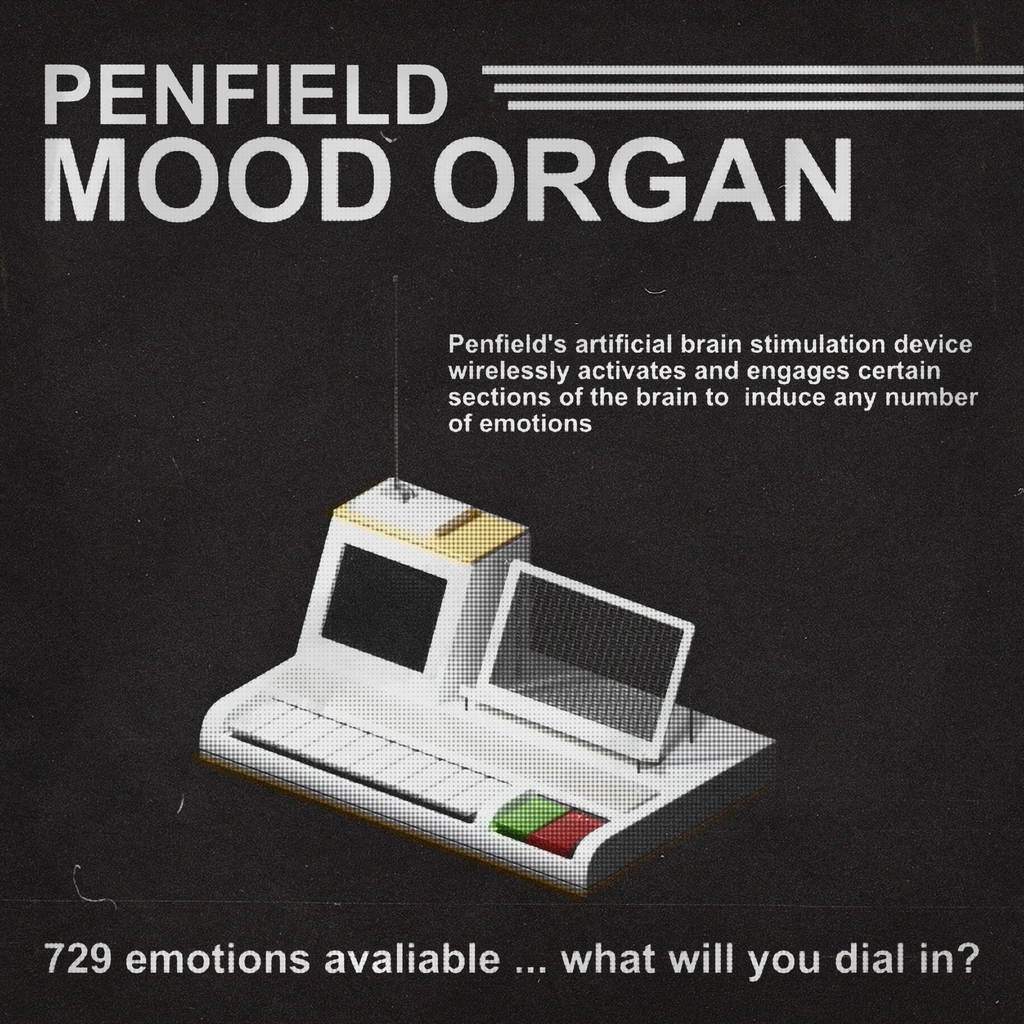
    The Mind Game

    The Mind Game (novel by Hector Macdonald): the plot centers on a device that measures emotions by detecting neural impulses in the brain.

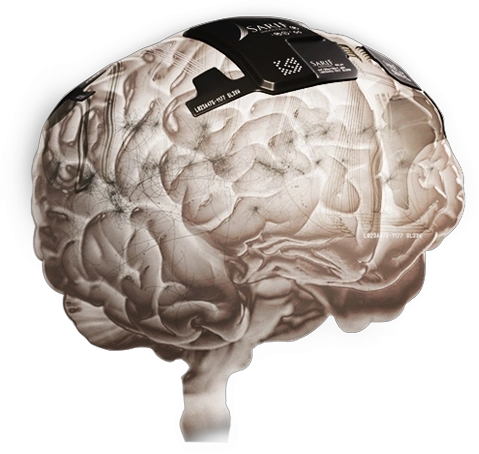
    CASIE (Deus Ex: Human Revolution): the Computer Assisted Social Interaction Enhancer, an implant for social interaction.

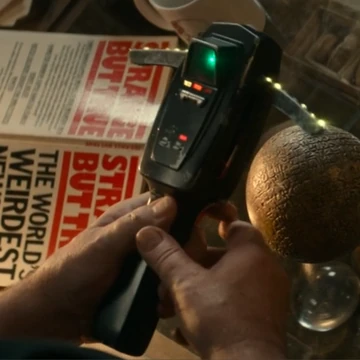
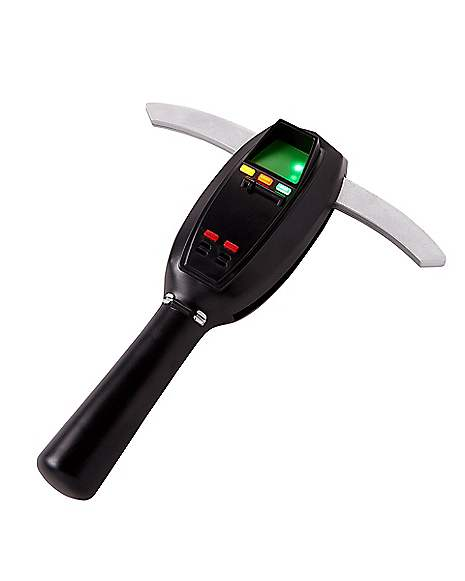
    PKE-Meter (Ghostbusters)

    A device with moving wings that shows paranormal energy. It looks like an instrument, although nobody knows what it measures.

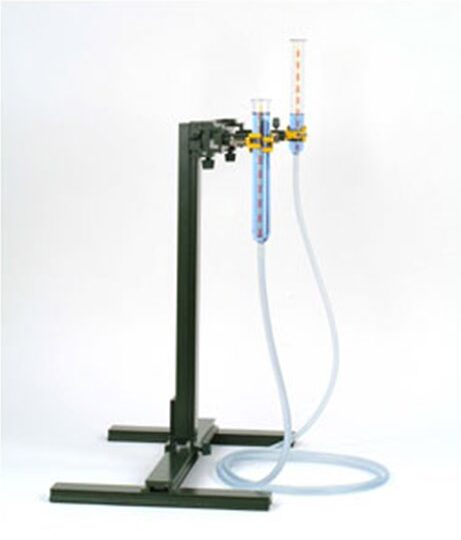
    How can we build/prototype something that needs precision and has a complex mechanism?

    What do we want to messure?

    Next Steps:

    • prototyping
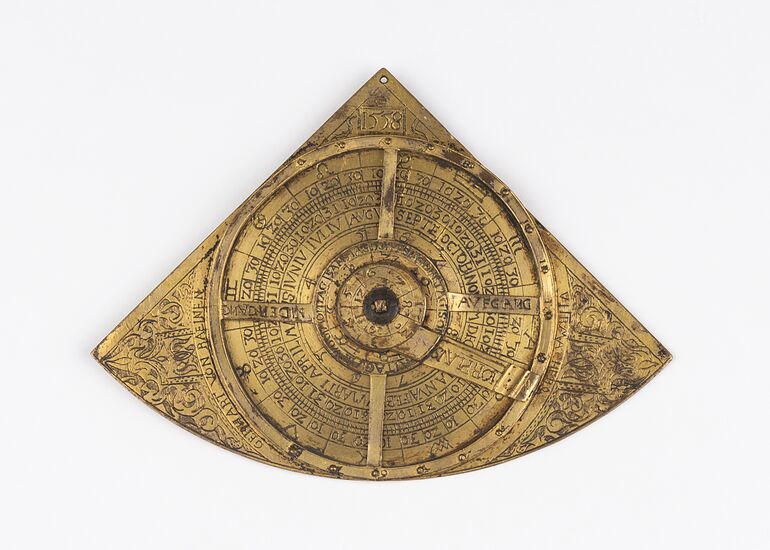
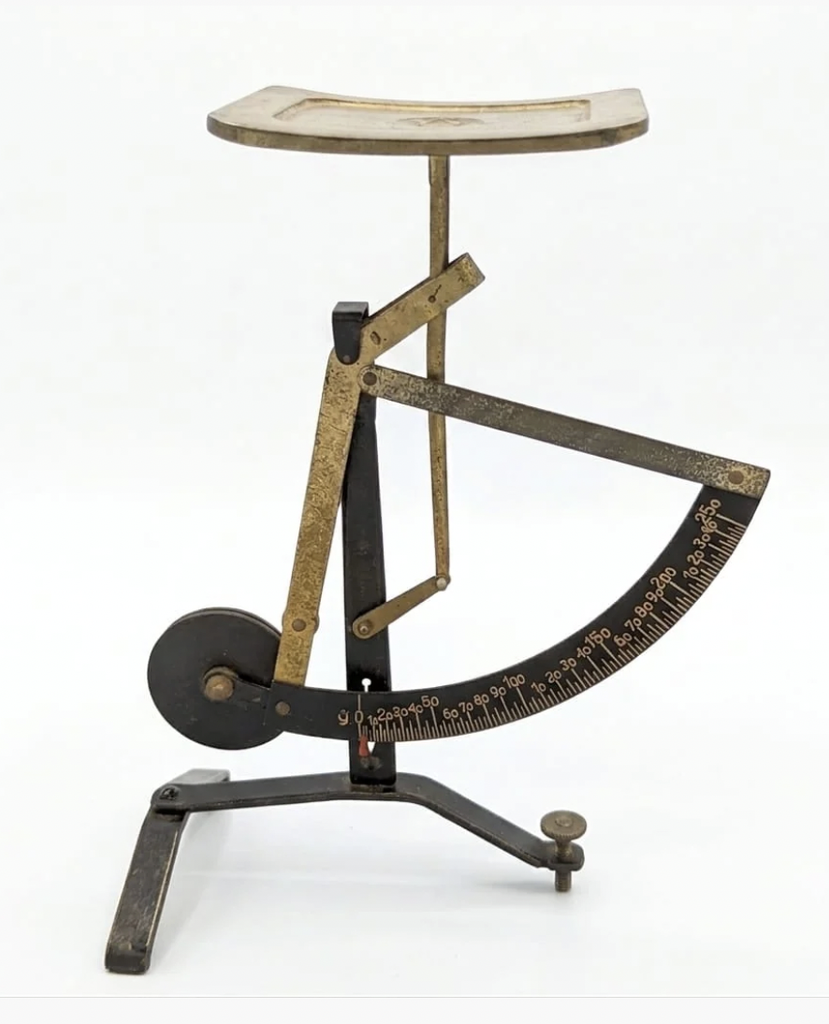
    • looking at already existing measurements (MAK)
    • doesnt have to be a precise measurinng instrument – you can assign a certain unit to a certain element of an object ( as thinking aid, counting device, device for visiualisation )

  • By

    Martin Breitenecker

    Tutorial 23.10.26 : Summary of Key Ideas and Feedback

    1. Sea-Level Rise and the Future of Sport
      Imagine a world in which sea levels have risen significantly over the next 100 years.
      Capture a moment in the transition between our current world and a future where rising sea levels have become the new normal.
      Explore how people’s relationship with the sea changes as land becomes scarce.
      Consider how leisure, sport, and recreation might evolve in response to climate change.
      Objects washed ashore could become essential resources in a transformed society.
      The project does not need to focus on people physically using or carrying large objects. Their new meaning and function are more important.
    2. Surfing: History, Culture and Spirituality
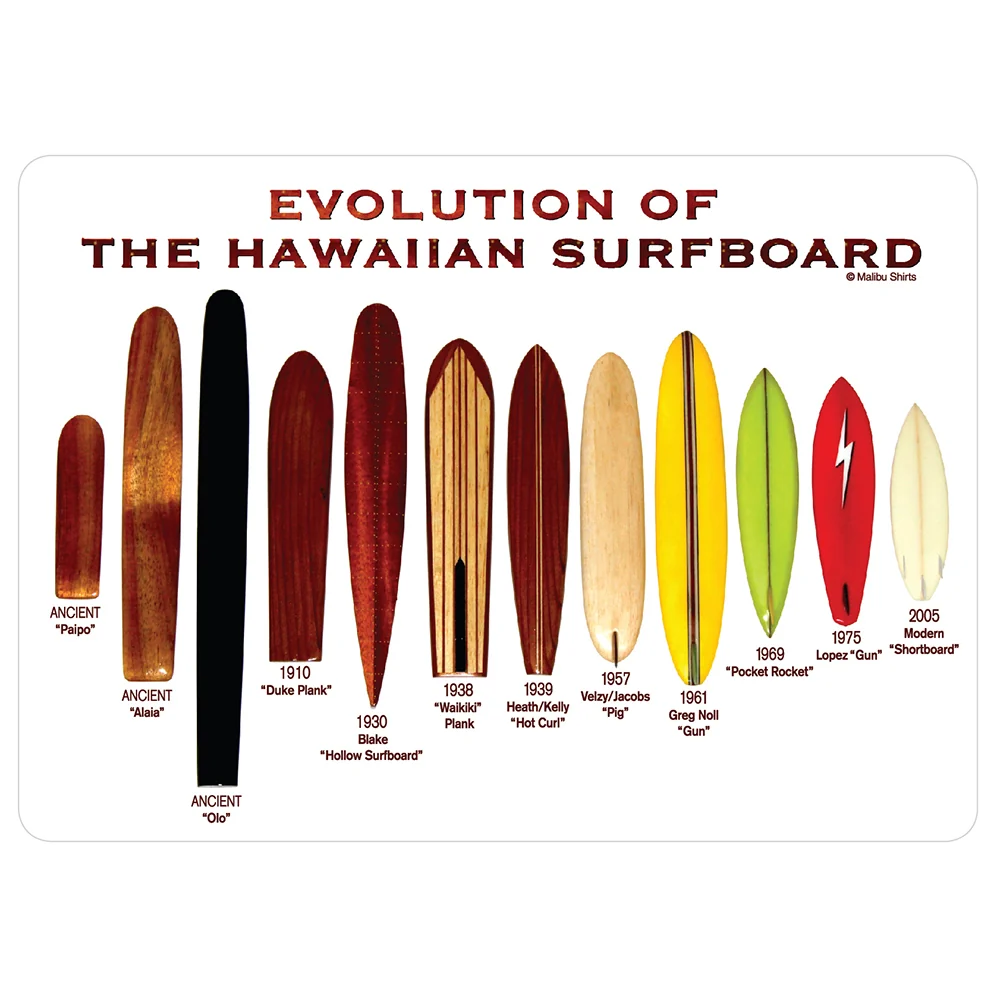
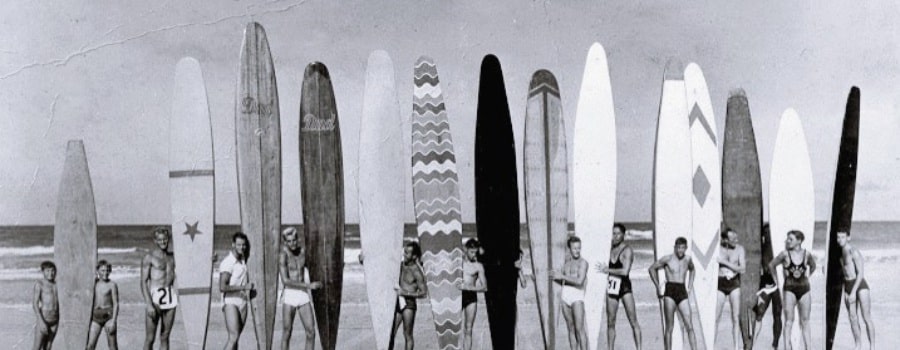
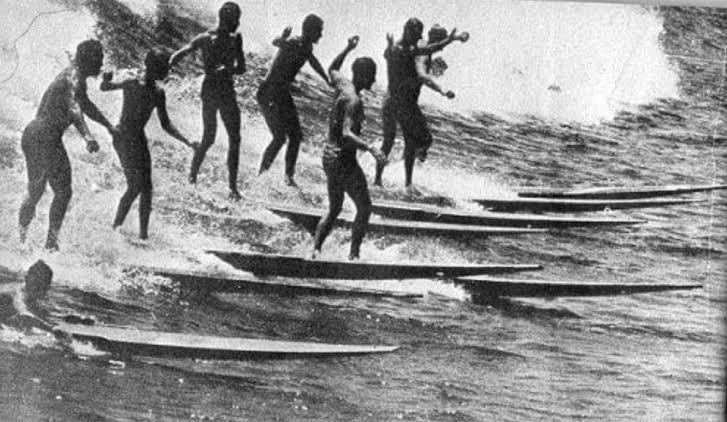
      Research the origins of surfing in Hawaii and its cultural significance.
      Explore surfing as more than a leisure activity or a hedonistic pursuit. Consider its spiritual, religious, and ritual dimensions.
      Investigate how surfing developed over time and how its meaning has changed across different societies.
      Think about surfing as a heroic or ritualistic activity in a future where the sea dominates the landscape.
      Understand the cultural context of an object rather than focusing only on its physical shape.
      Key idea: The story is not about the shape of the surfboard, but about how people use it, what it represents, and how its meaning changes.
    3. Reimagining Objects in a Future World
      A ski boot might become an absurd or unexpected object in a world shaped by rising sea levels.
      A surfboard can be limiting if the project focuses too narrowly on its original function.
      Instead of changing only the object itself, change the context in which it exists.
      Imagine a world with very little remaining land, where objects originally designed for sport become essential for everyday survival, rituals, or community life.
      Investigate the recycling, reuse, and transformation of objects, including the social and economic transactions surrounding them.
      The central question is: What happens when an object enters a completely different world and acquires a new purpose?
    4. Community and Anthropological Research
      Alex’s feedback focused on creating a small community within the project.
      Develop an anthropological perspective by imagining how people live, interact, and organise themselves in the future.
      Consider the project as a living, evolving experiment rather than simply the creation of a final object.
      Research existing communities and learn from how they adapt to their environments.
      Understand their values, ethics, beliefs, and rituals before imagining how these might change.
      Explore how the concept of time and temporality changes in a world affected by climate transformation.
      Rather than inventing an entirely new society without reference, use existing communities as a starting point. Observe, learn, adapt, and build upon their practices.
    5. Museums, History and Cultural Perspectives
      Ethnographic museums influence how we look at objects and the cultures they come from.
      Objects are often displayed from an external, Western perspective, which can separate them from their original meaning and context.
      Investigate the histories, beliefs, and cultural practices behind the objects you choose.
      Polynesian cultures have distinct and complex histories, and many of their traditions and stories remain alive today.
      Avoid treating these cultures as distant or forgotten civilisations. Engage with their histories as living sources of knowledge.
      Key principle: There are no futures without histories. To imagine a believable future, you must understand the cultural and historical contexts that came before it
  • 30.10 Halloween Tutorial – Team 1

    By

    Eva Aartse

    ,

    Terioni Khintibidze

    ,

    Florian Sapp

    and

    Diana Kho

    Some people deliberately mislead; some do it unintentionally

    So how can you know what really happened, or what is just a really good imitation?

    Working with this topic

    • How can we address the problems of the future without framing it as solely dystopian?
    • What kind of (counter-) cultures will the ethnologists be able to trace in a hundred years?
    • What would people in the future think of our current distrust in Big Tech?
    • How can we achieve subtle positive world-building through curating artifacts for future ethnological museum?

    Creating a Curated Exhibition

    • through the perspective of a society in 100 years
    • highlighting a fictional Counter Movement
    • Different objects telling the stories of different people


    Different objects tell the story of different People, being part of this movement.

    Those objects could be…

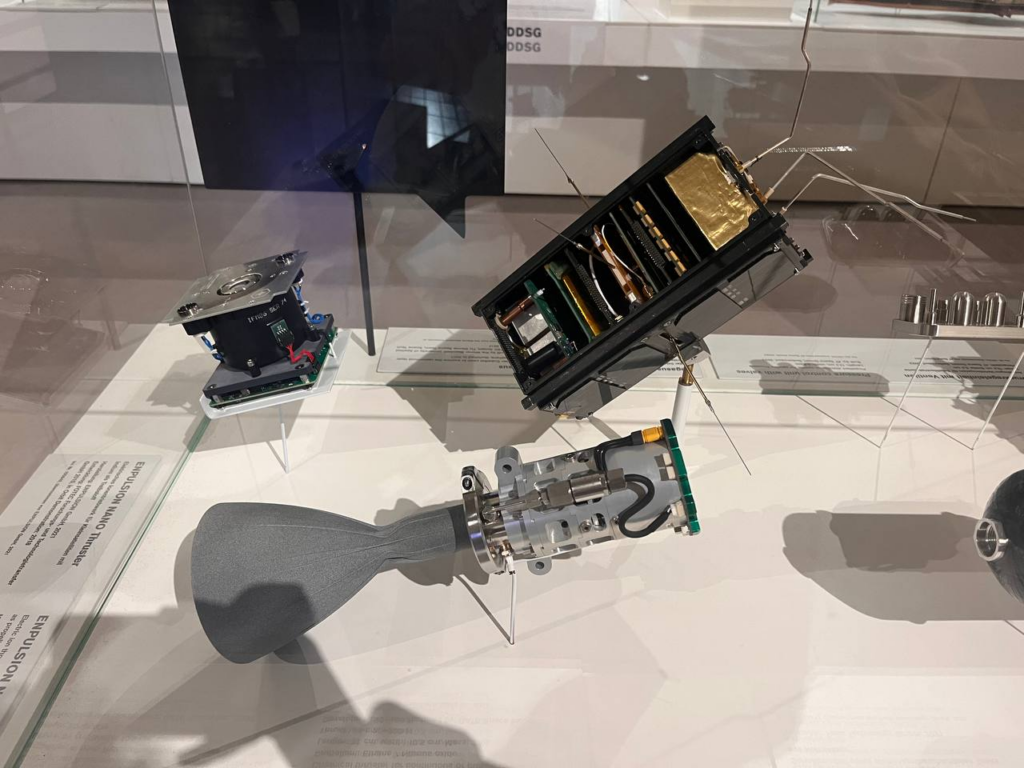
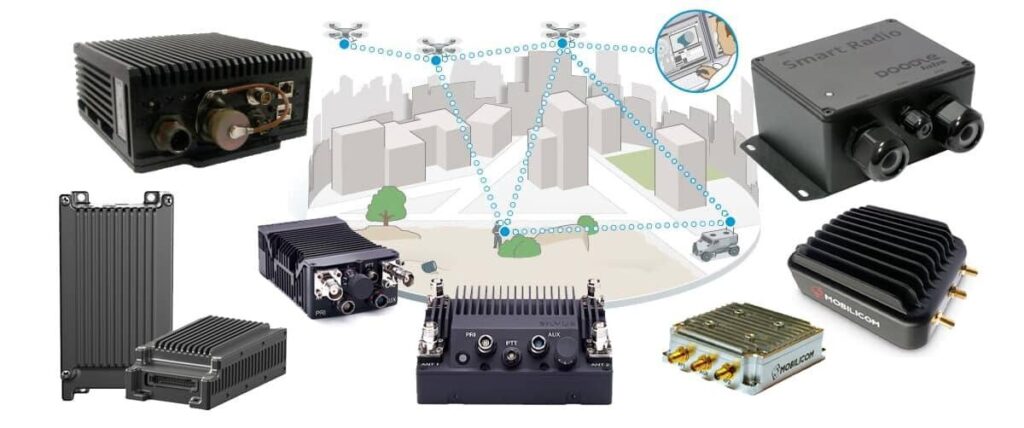
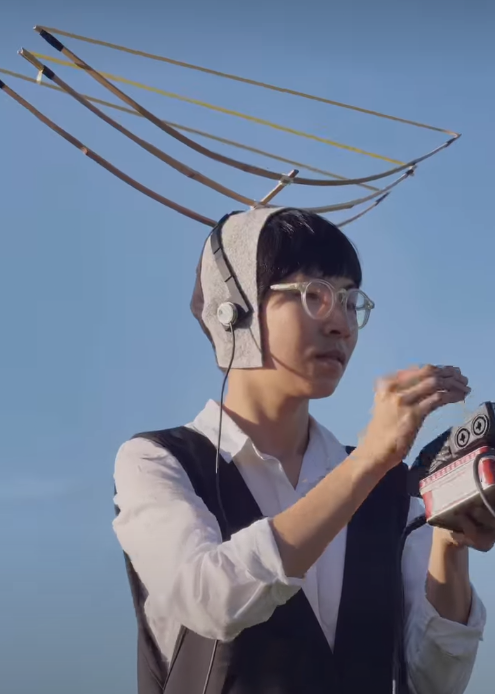
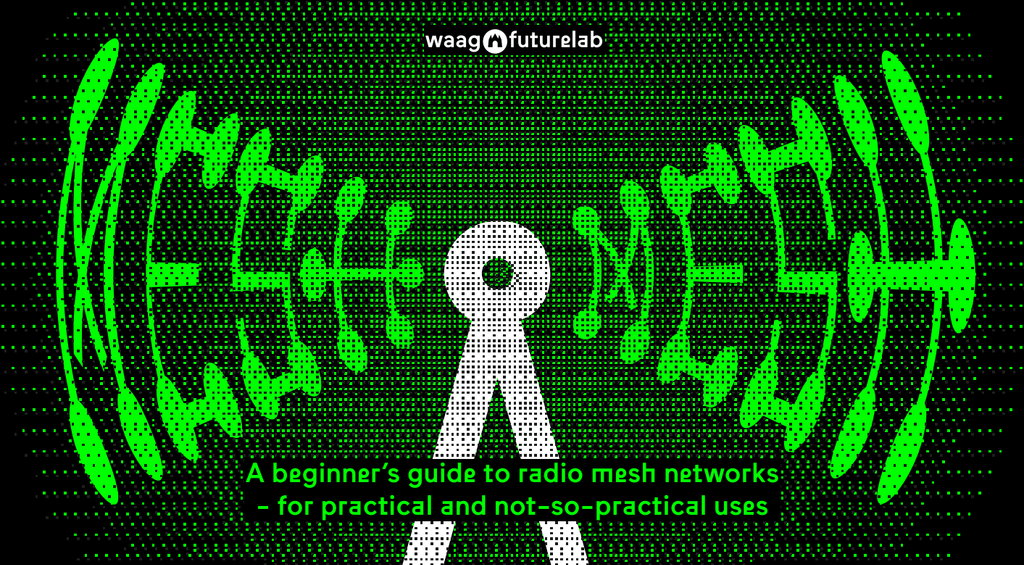
    • Mesh network
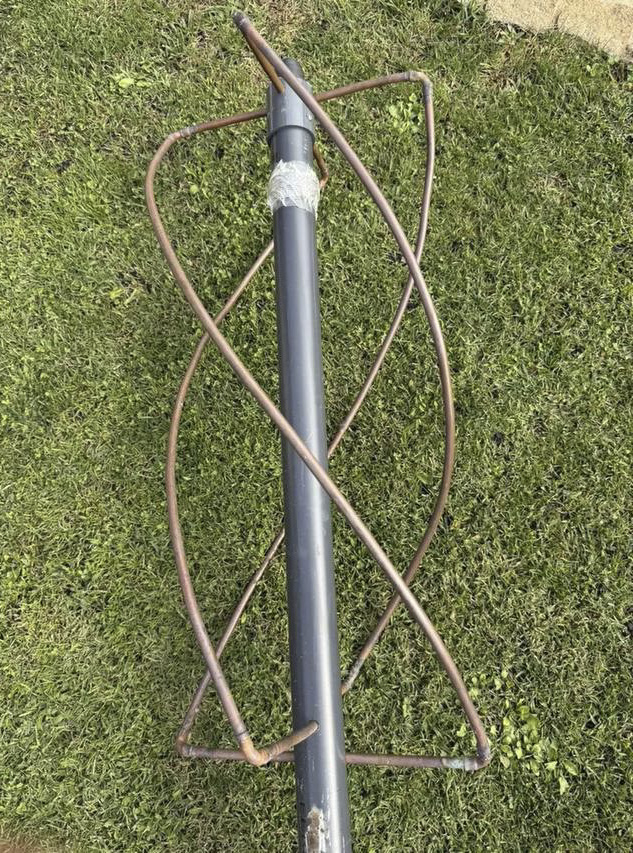
    • Antenna
    • SD (recovery)
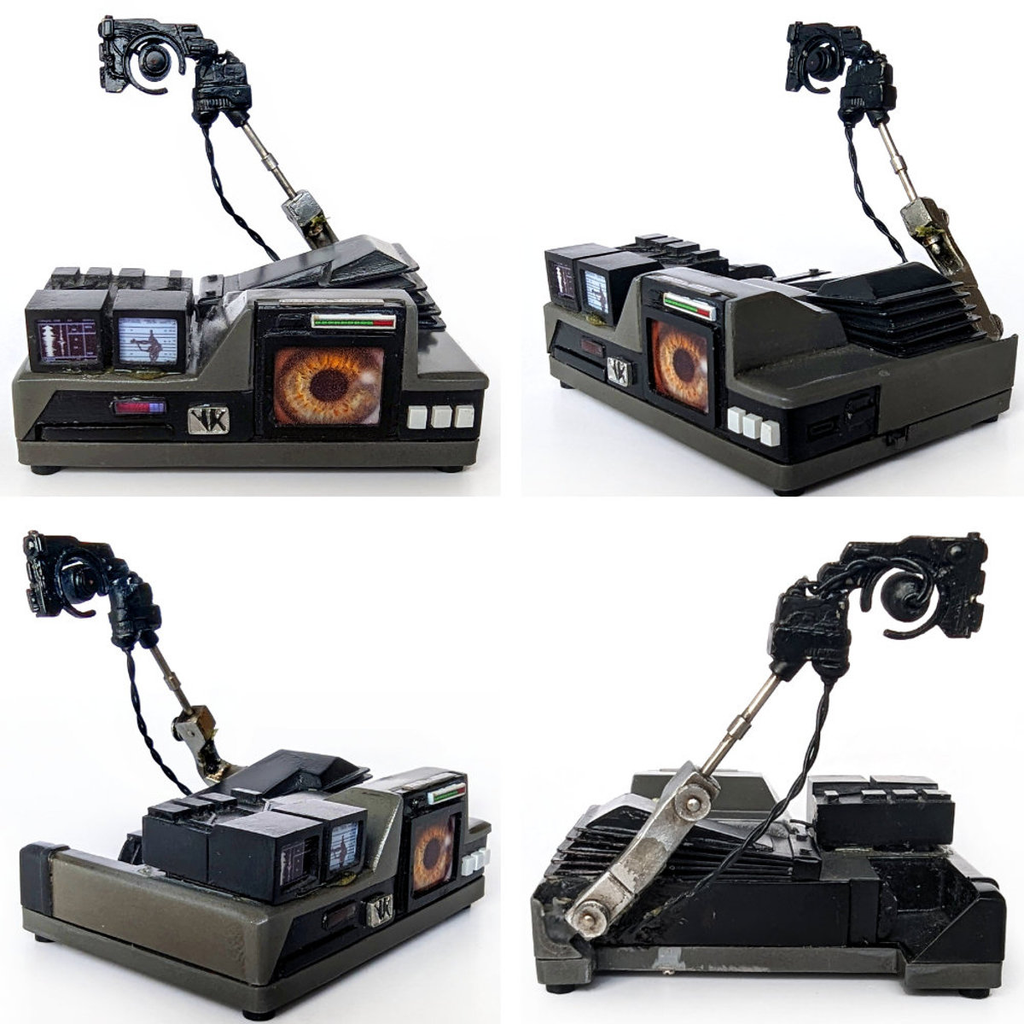
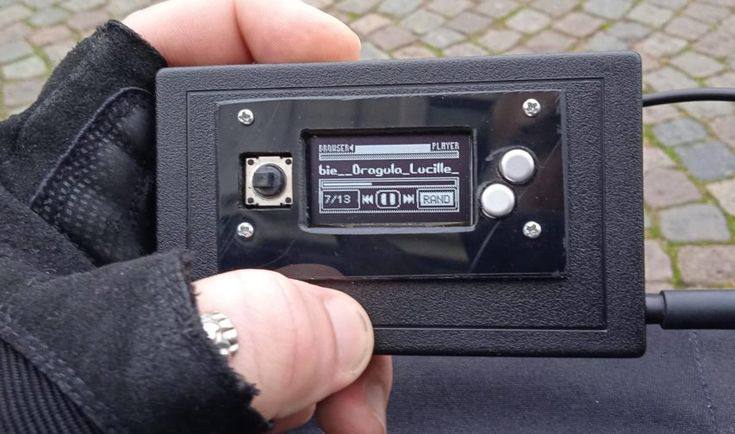
    • Cyberdeck
    • Small props e.g. stickers
    Aesthetics
    • Built, modified, and used by those people
    • Not clean, not mass-produced, not cyberpunk
    • DIY, indie tech
    • Different looks –> coming from different people & times
    • Still alive electronic devices, or intentionally destroyed

    Example:

    Object + Character = Story

    • Characters are an important part of any worldbuilding process.
    • Example of character + object for our future project presentation

    Portable Music Player (“Cassette”)
    Vienna, Austria, c. 2026
    3D-printed housing, acrylic paint, salvaged lithium-ion battery, microcontroller board, microSD card, Arduino components

    By the mid-2020s, most music was streamed through smartphone subscriptions and filtered by recommendation algorithms. Some young people pushed back by building their own offline players by hand, modelled on the mass-produced portables of earlier decades.

    This one belonged to a Viennese teenager, who painted its shell to look like a cassette, a format they had likely never used. Its play button is worn smooth. The memory card holds 1,214 hand-sorted tracks, ranging from 1970s American rock music and Soviet post-punk to hyperpop and untitled voice memos.
    What changes when music is owned rather than rented? How was piracy viewed in DIY electronic communities?


    Harddrive experiment

    Uploading
    ->questioning hesitation –> letting go of “shame”
    ->rediscovering data
    “things that aren’t anymore”
    -> moderating selection
    -> (re)sorting & (re)naming

    Discovering
    -> uncomfortable going through other people’s data
    -> discovery joy through chaos


    Experiment is not finished
    –> use findings for character development

    Next steps

    Testing Electronics

    • Building a mesh network
    • Building an antenna

    World building

    • Creating Characters