2026W What Stories do Objects Tell?

  • By

    Lara Huz

  • Tutorial 23.10

    By

    Emma Bär

    ,

    Anna Kundriutskova

    and

    Naz

    Field Research

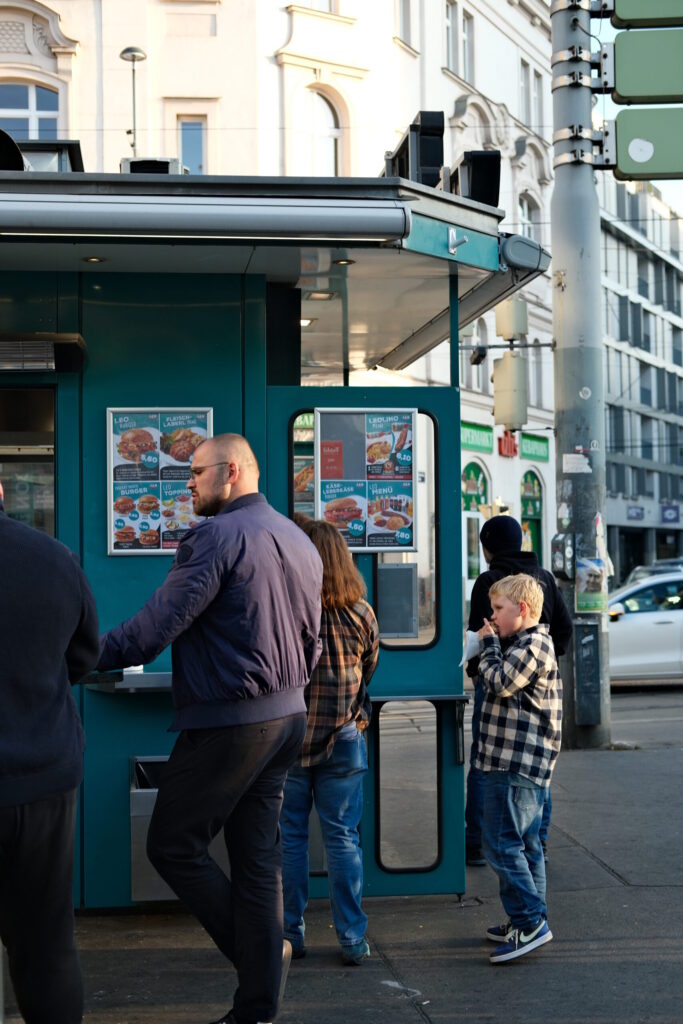
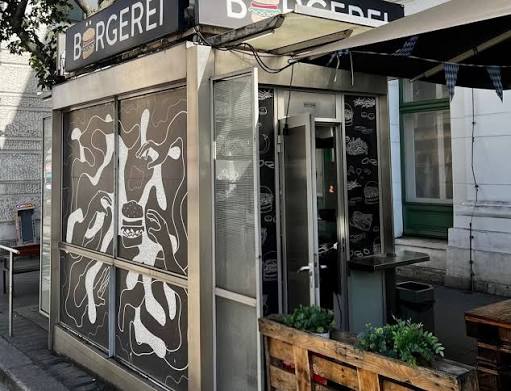
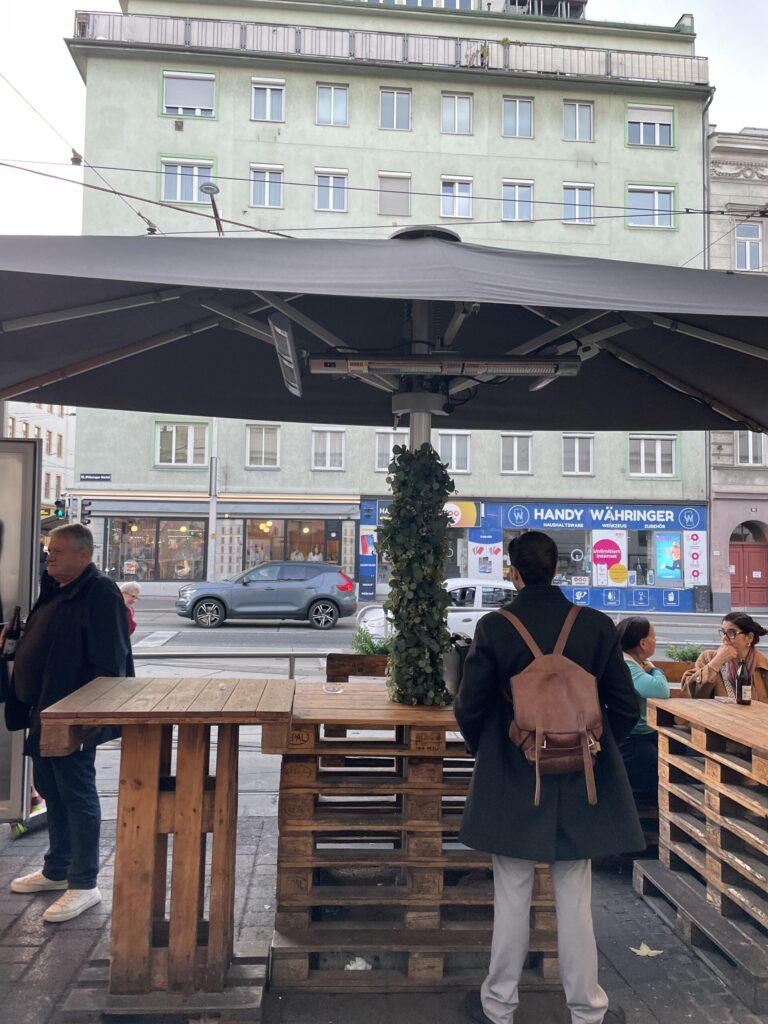
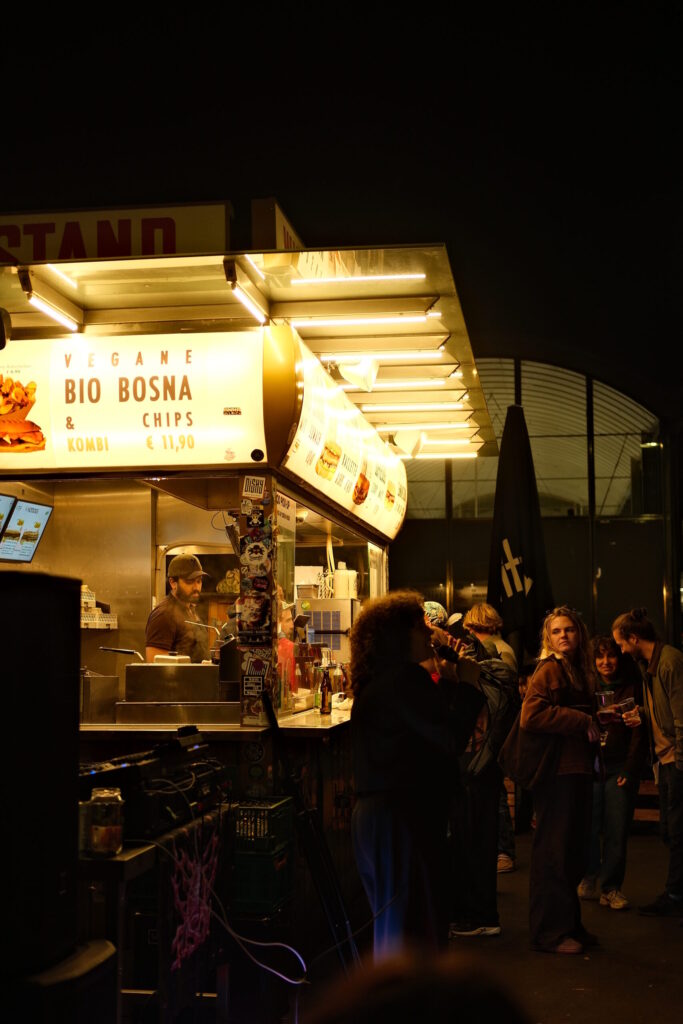
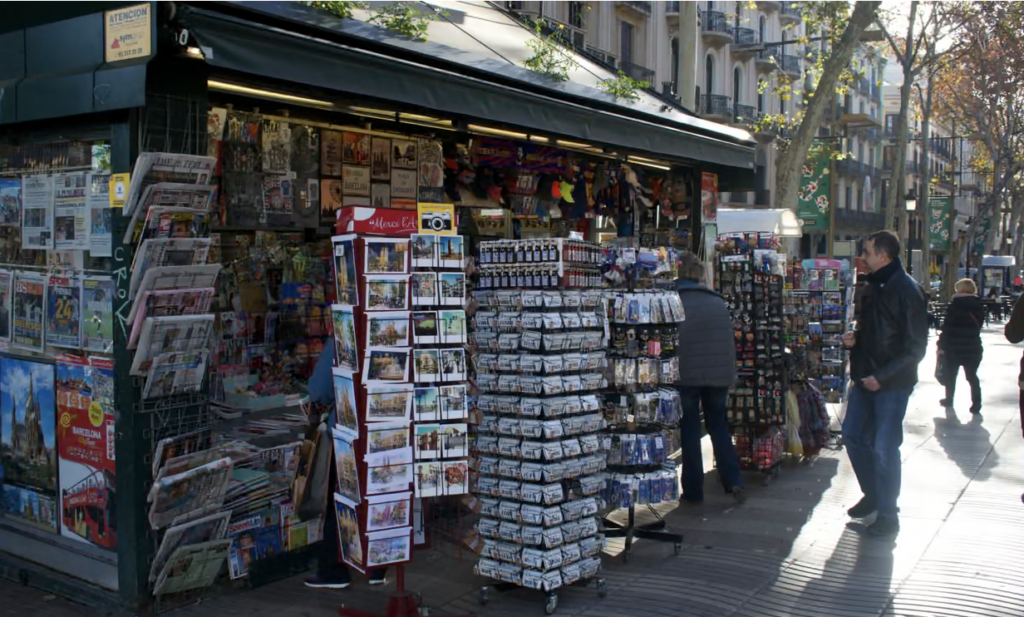
    Kiosks/Würstelstände in Vienna

    We collected different experiences, perspectives and stories:

    ^
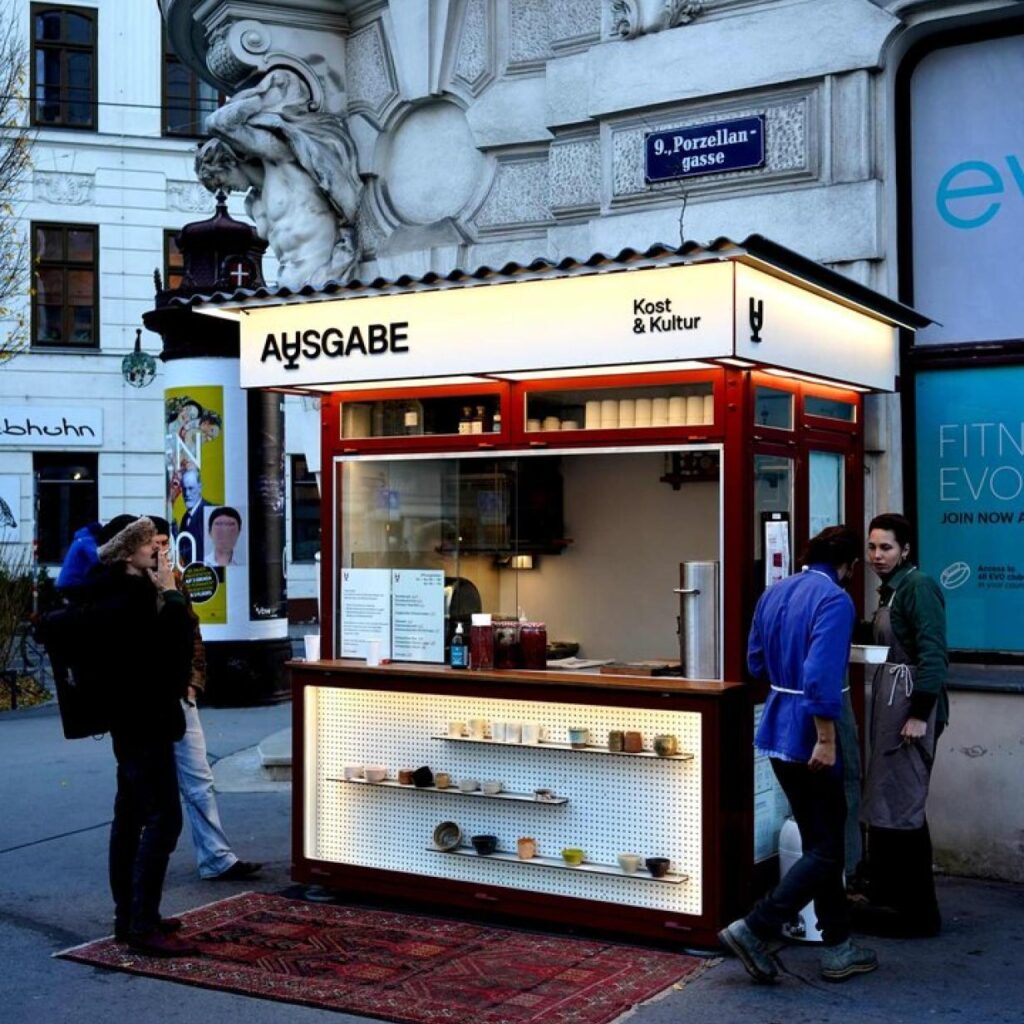
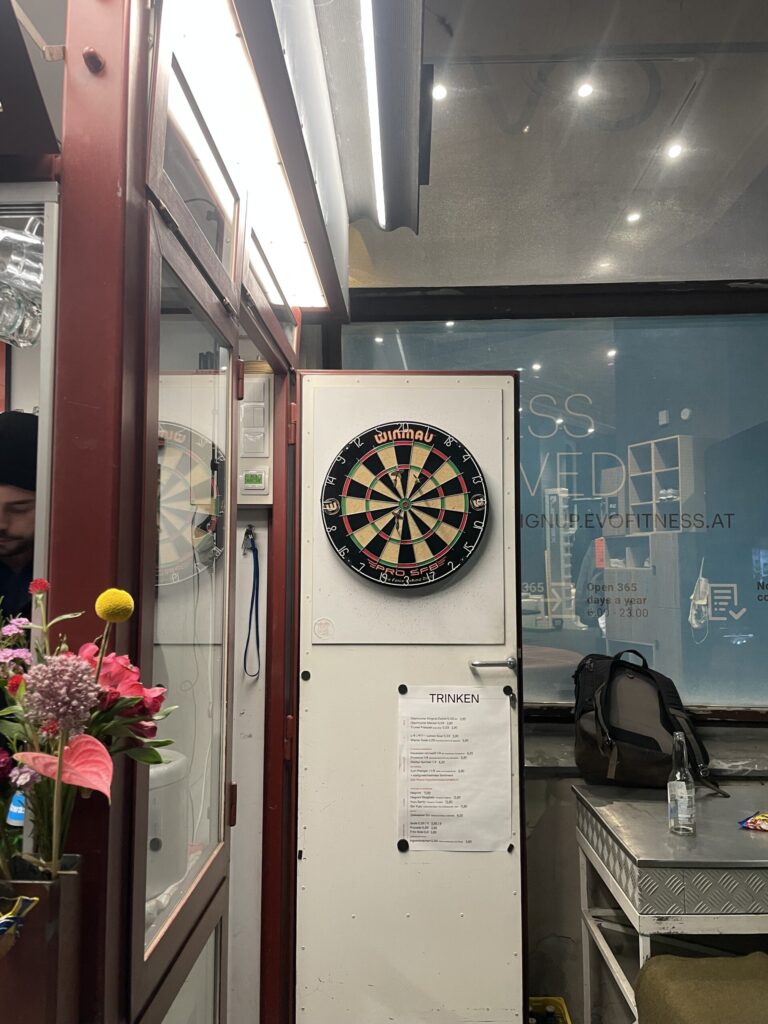
    LEO – The oldest sausage stand in Vienna (since 1918)
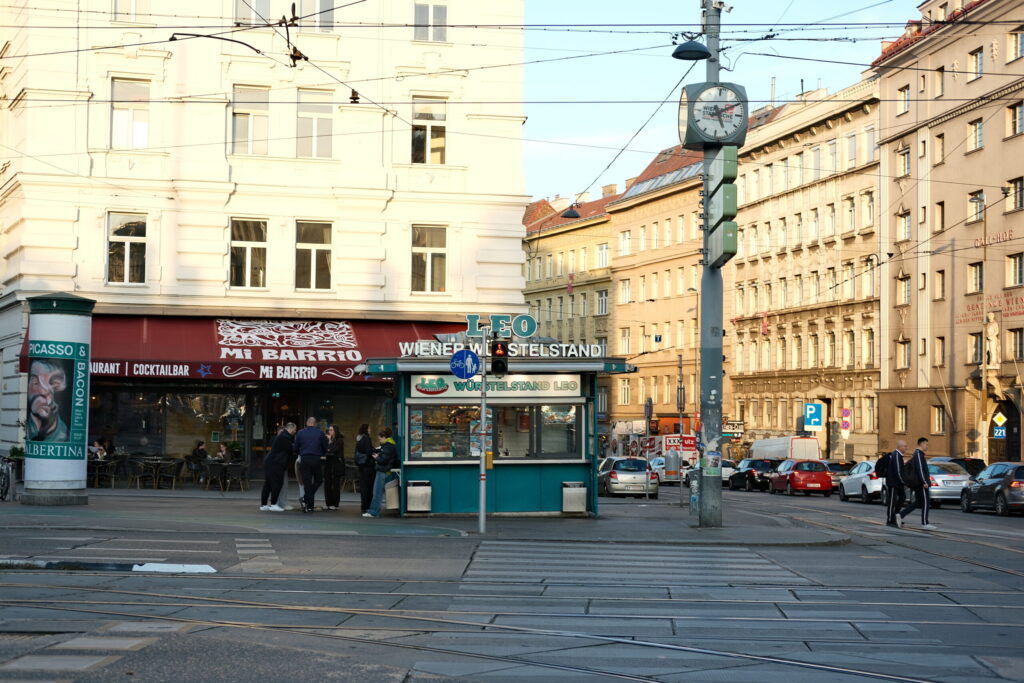
    💬 Worker at “Leo”

    💬 Family
    💬 Albert and Vicky – Young couple from the Neighbourhood
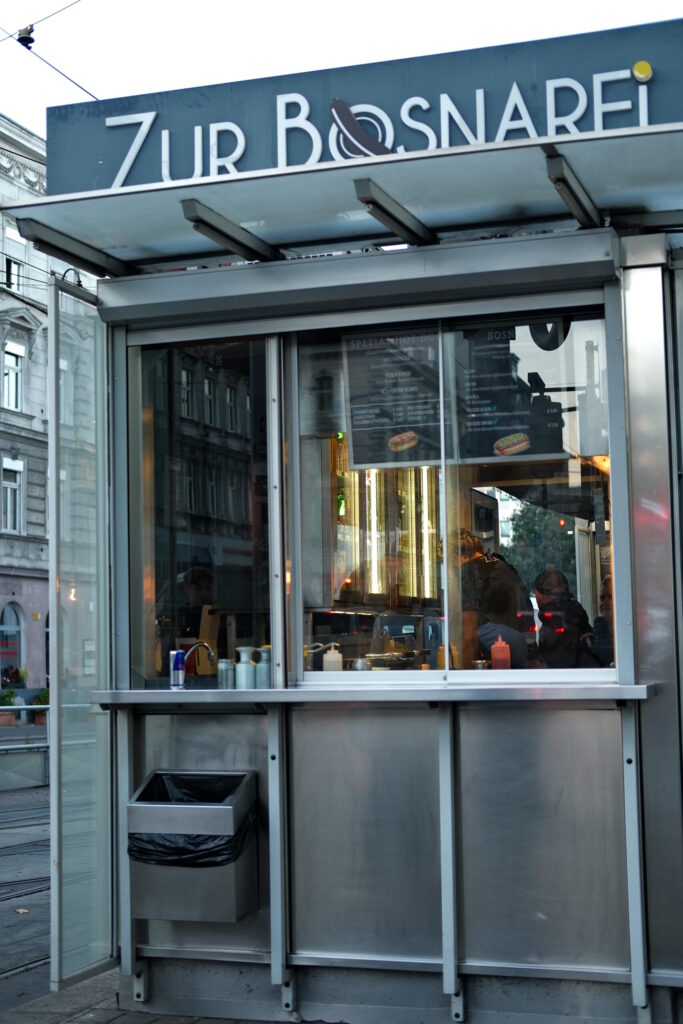
    💬 Marik – Worker at “Zur Bosnarei”

    💬 Helmut – A regular customer for decades
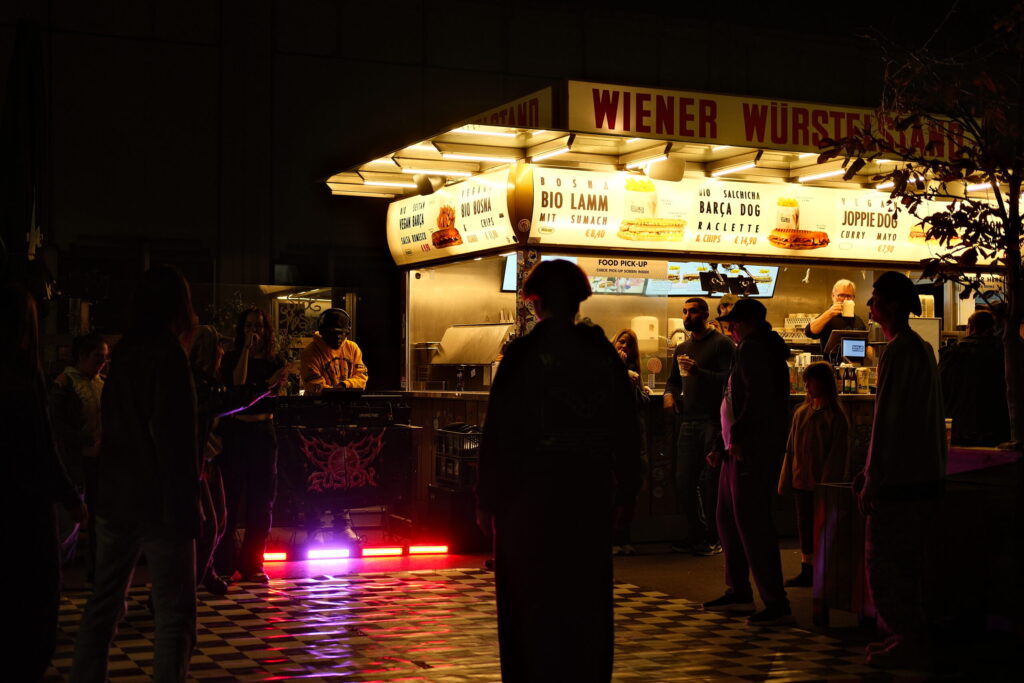
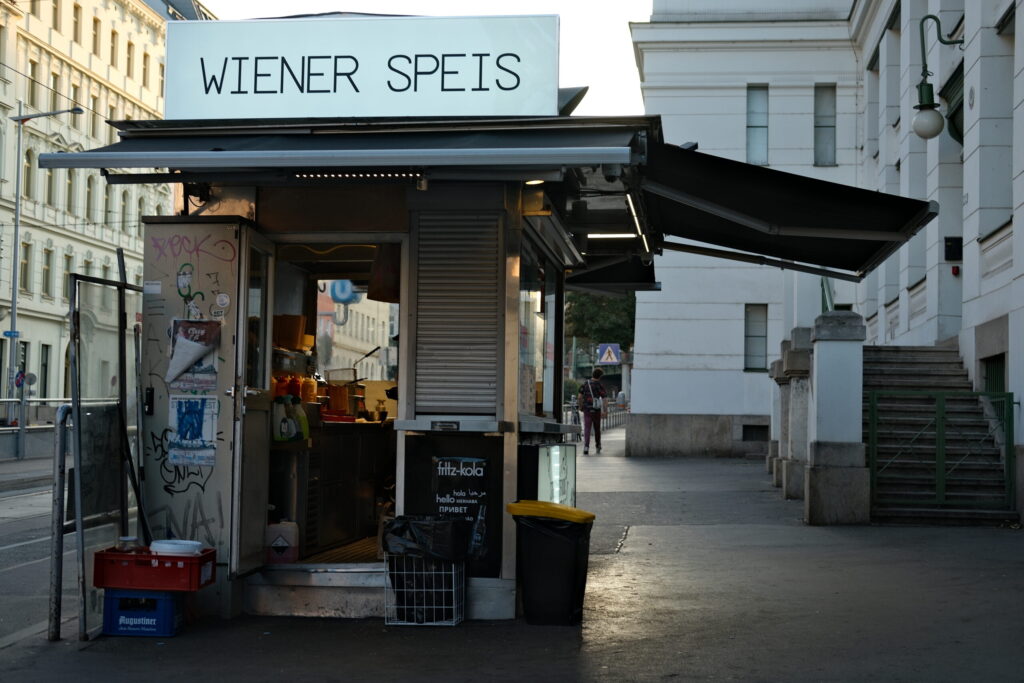
    💬 Benedict – Worker at “Wiener Würstelstand” Spittelau

    💬 Elias – Organizes events at the “Wiener Würstelstand”

    ____________________________________________

    What we learned:

    • Würstelstände are appreciated through generations
    • Food/drinks brings people there, but social connections make them stay
    • Wide target audience
    • People appreciate the accessibility  of Würstelstände and the diverse customers – increasingly rare in other places
    • Older generations witness a decline in social meeting places.
    • (Young) People see potential for new concepts and events

    ____________________________________________

    4 Types of Customers:

    1 – Regulars, coming for a chat, mostly only drinking and smoking

    2 – Walk-up customers. Stopping for a quick snack. (Staying max. the time they need to finish the food)

    3 – People coming to get drunk and socialize. Staying for multiple drinks.

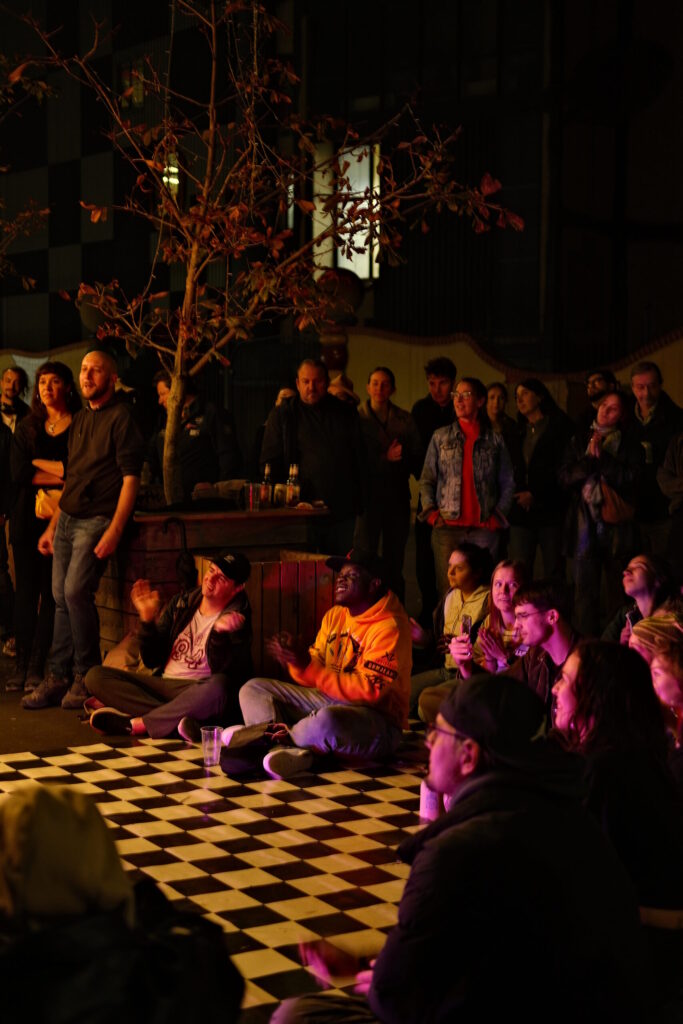
    4 – People coming from an event or party. Mostly come in groups of 4-8 people to grab a snack. Staying a little longer, chatting mainly within their group.
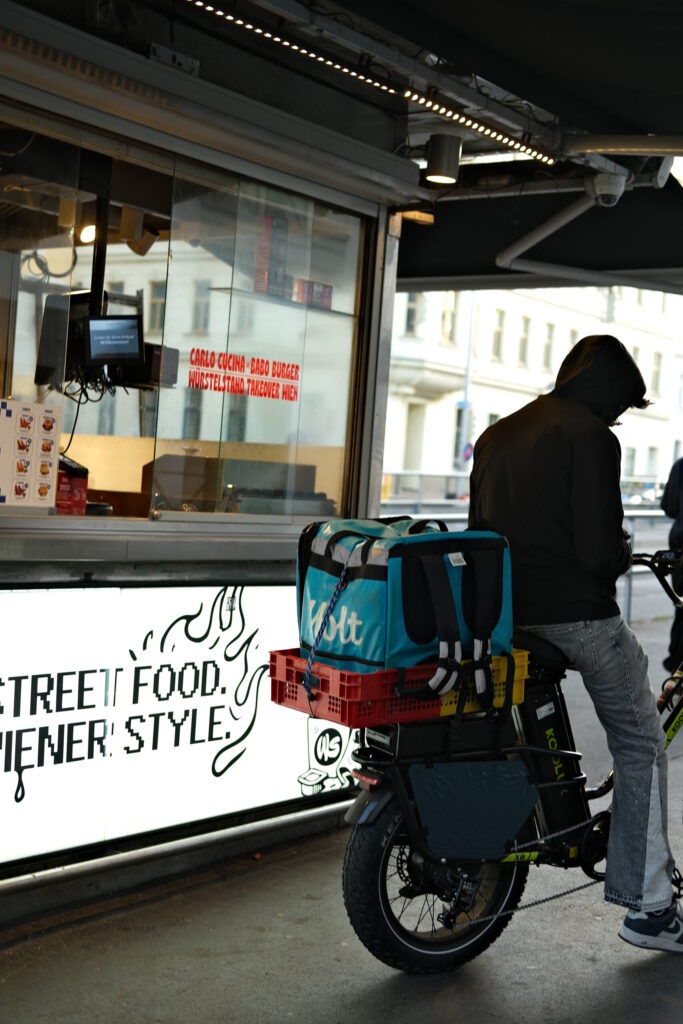
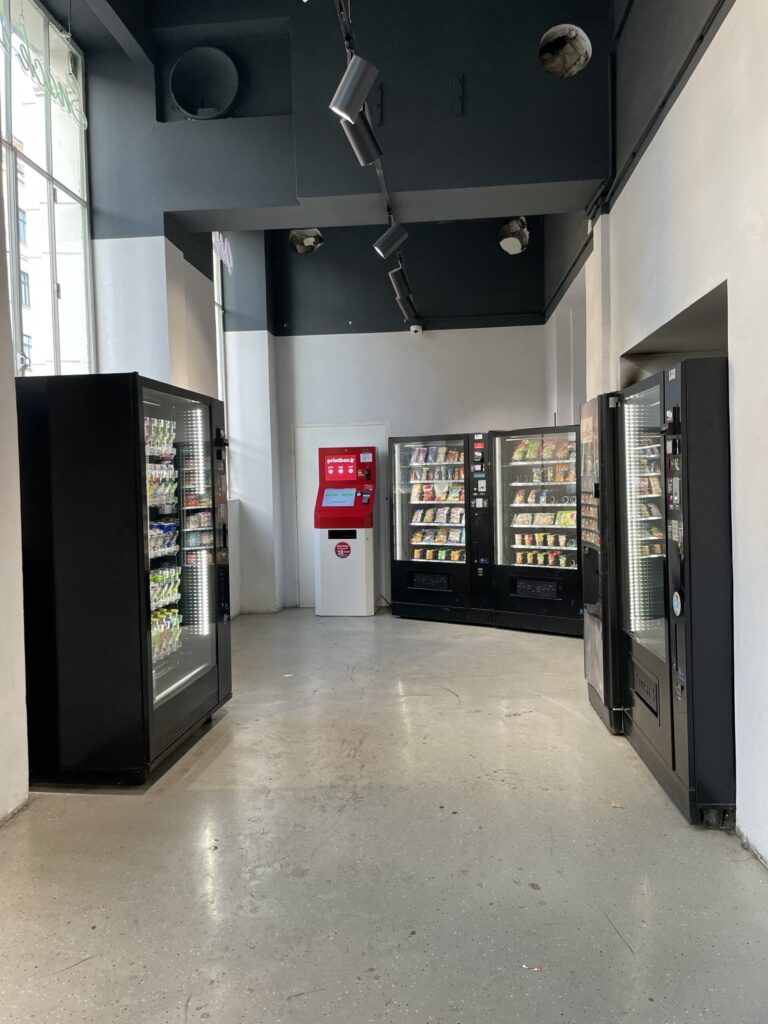
    What influences and changes the kiosk culture currently?

    How could a Kiosk in 100 years look like?

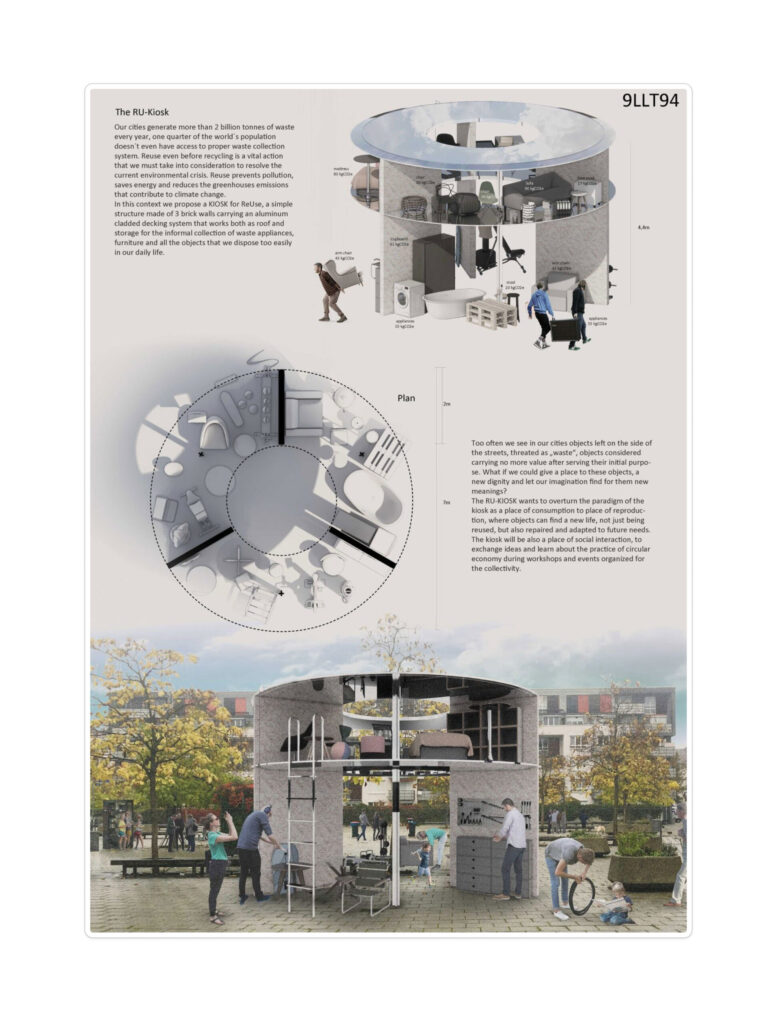
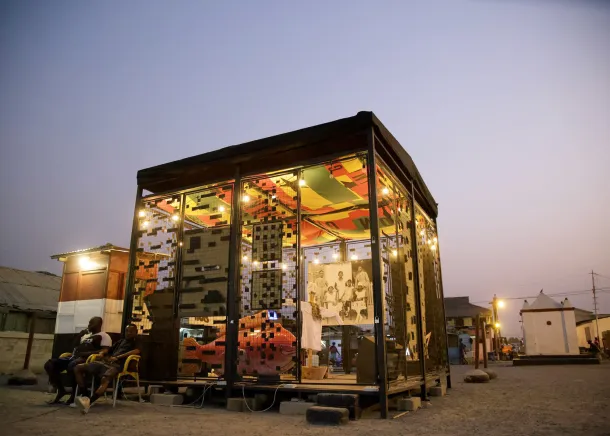
    Competition: “The Kiosk for the future”
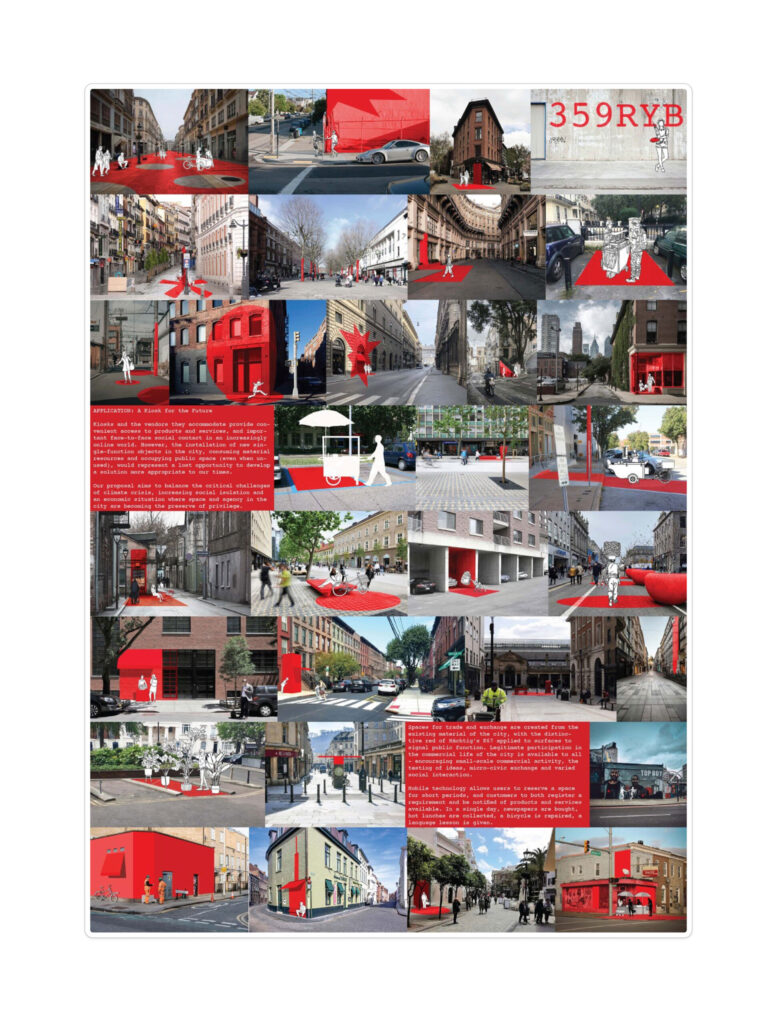
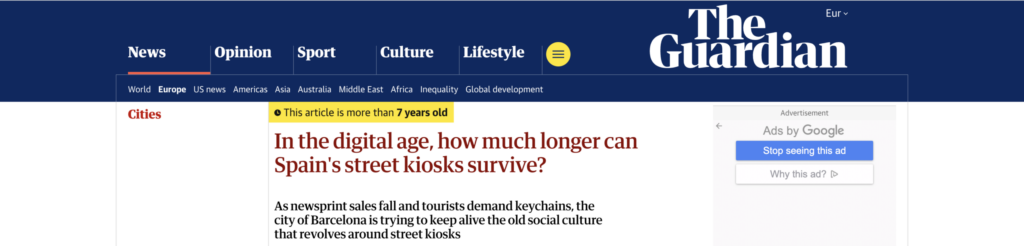
    “I have copies of the house keys for around 15 people in the barrio, in case they lose theirs. It’s not like any other business.”
    Next steps:

    • Further Research
    • Put ideas on the table
    • Mapping

  • By

    Lara Huz

  • 16.10 Tutorial – Team 1

    By

    Eva Aartse

    ,

    Florian Sapp

    ,

    Terioni Khintibidze

    and

    Diana Kho

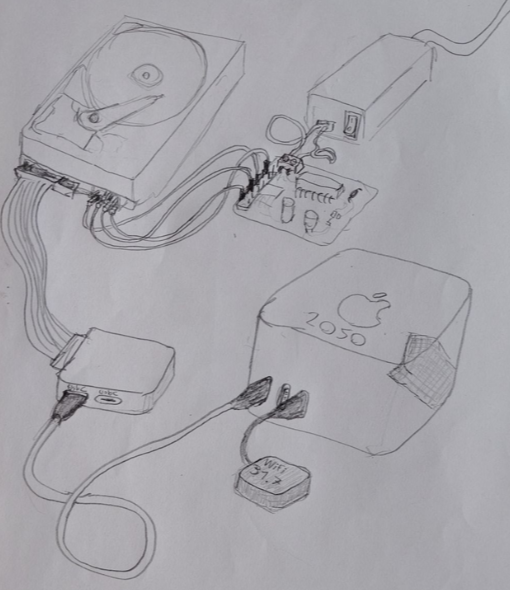
    Data storage & Digital Legacy

    Common Interest

    1. Data storage
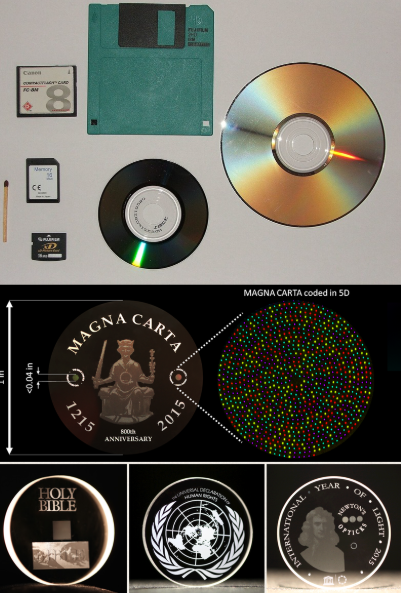
      physical objects & digital data
      Local vs. cloud storage
    2. Expanding digital footprint
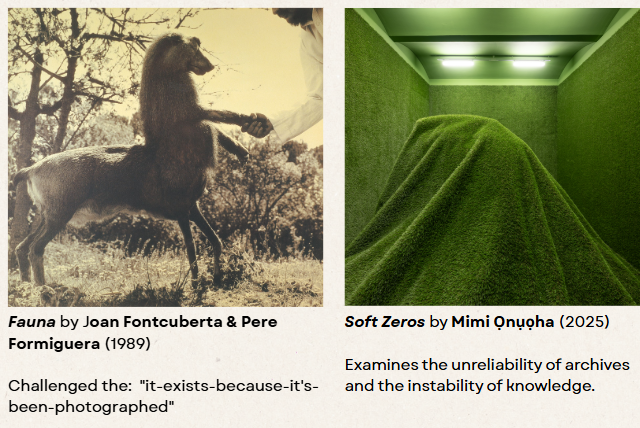
    3. AI/governments/companies interfering with “truths”
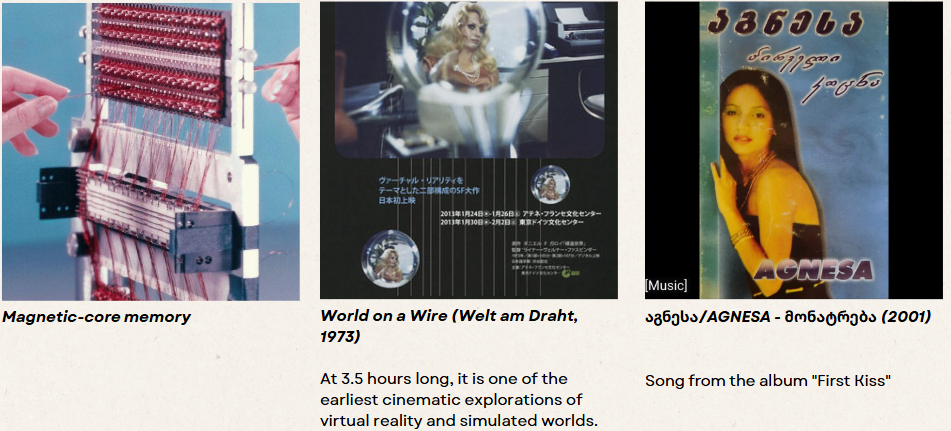
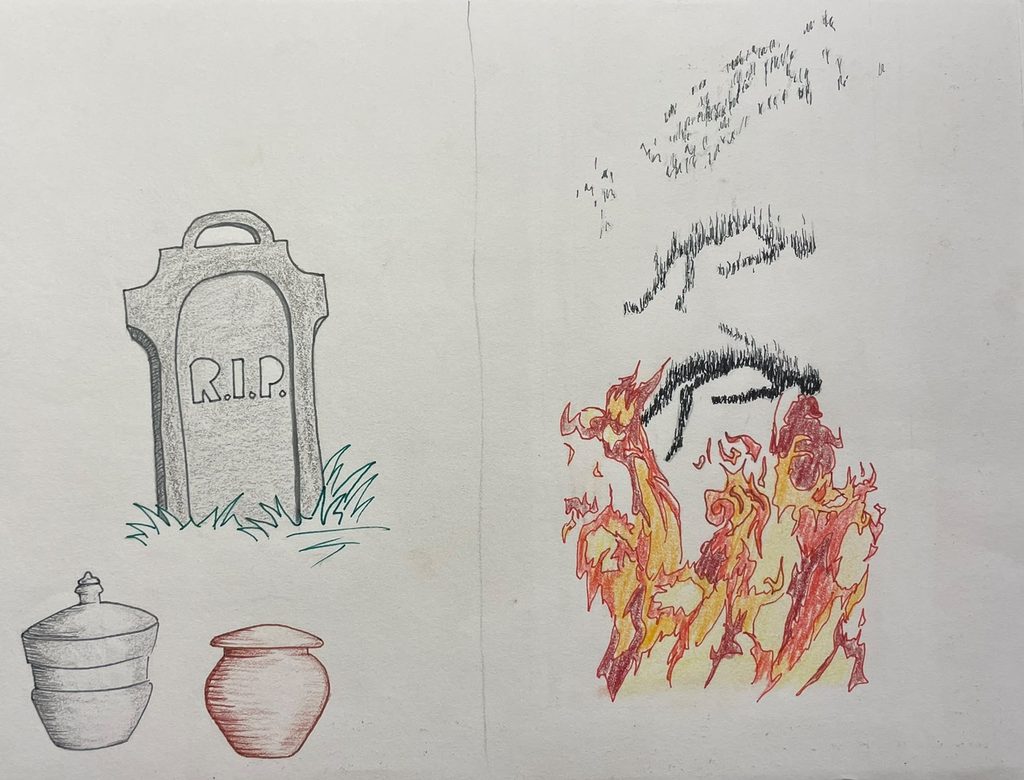
    4. Archiving, memory & time

    Accessing Data

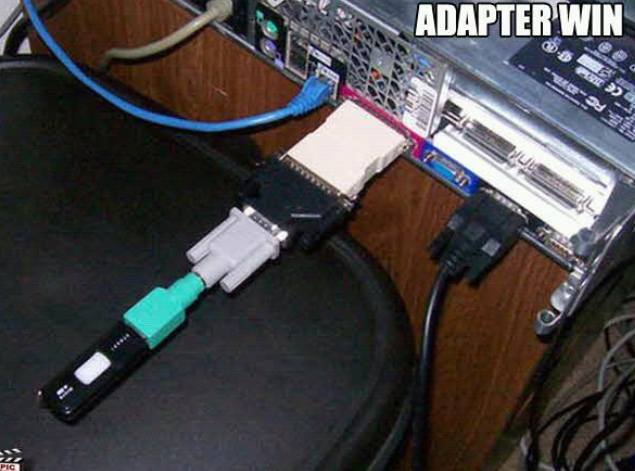
    Adapter Hell

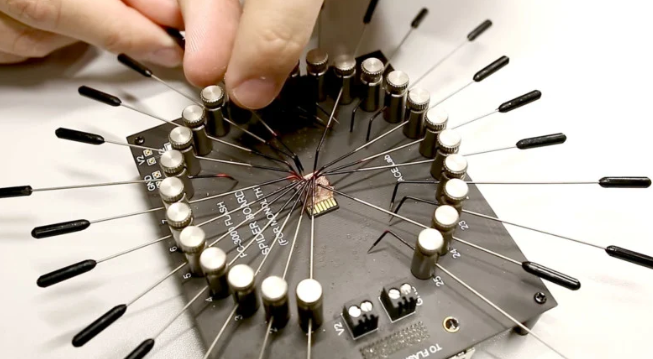
    Recovering Data

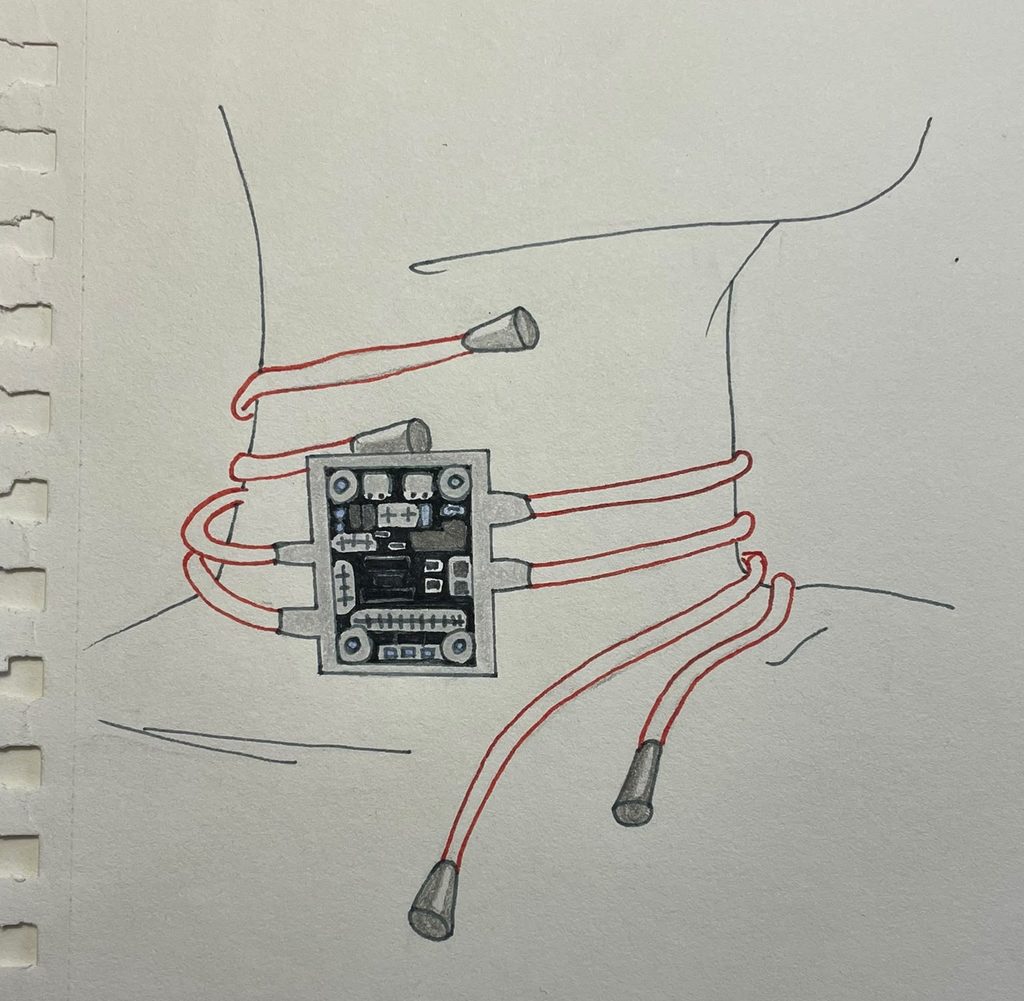
    SD / Open heart surgery

    Intentionally passing on data

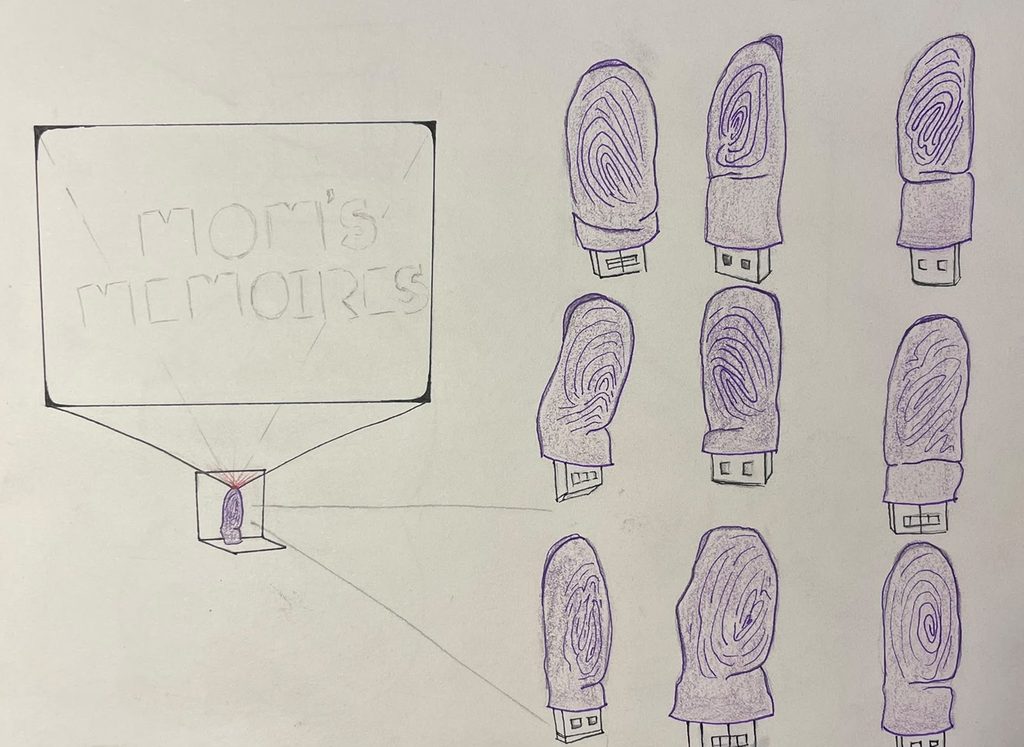
    Finger USB’s

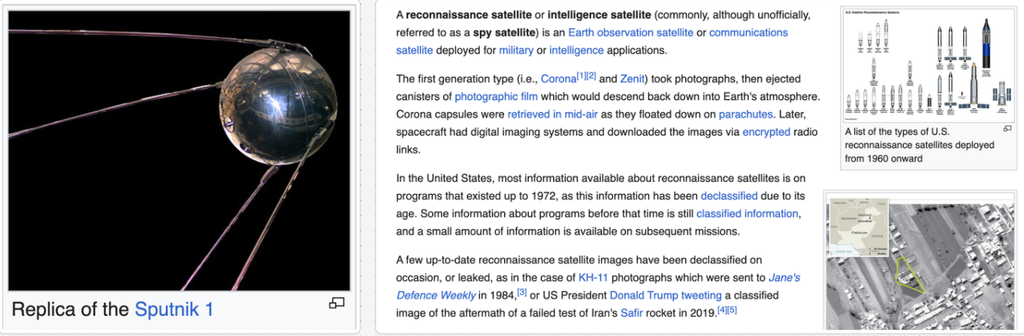
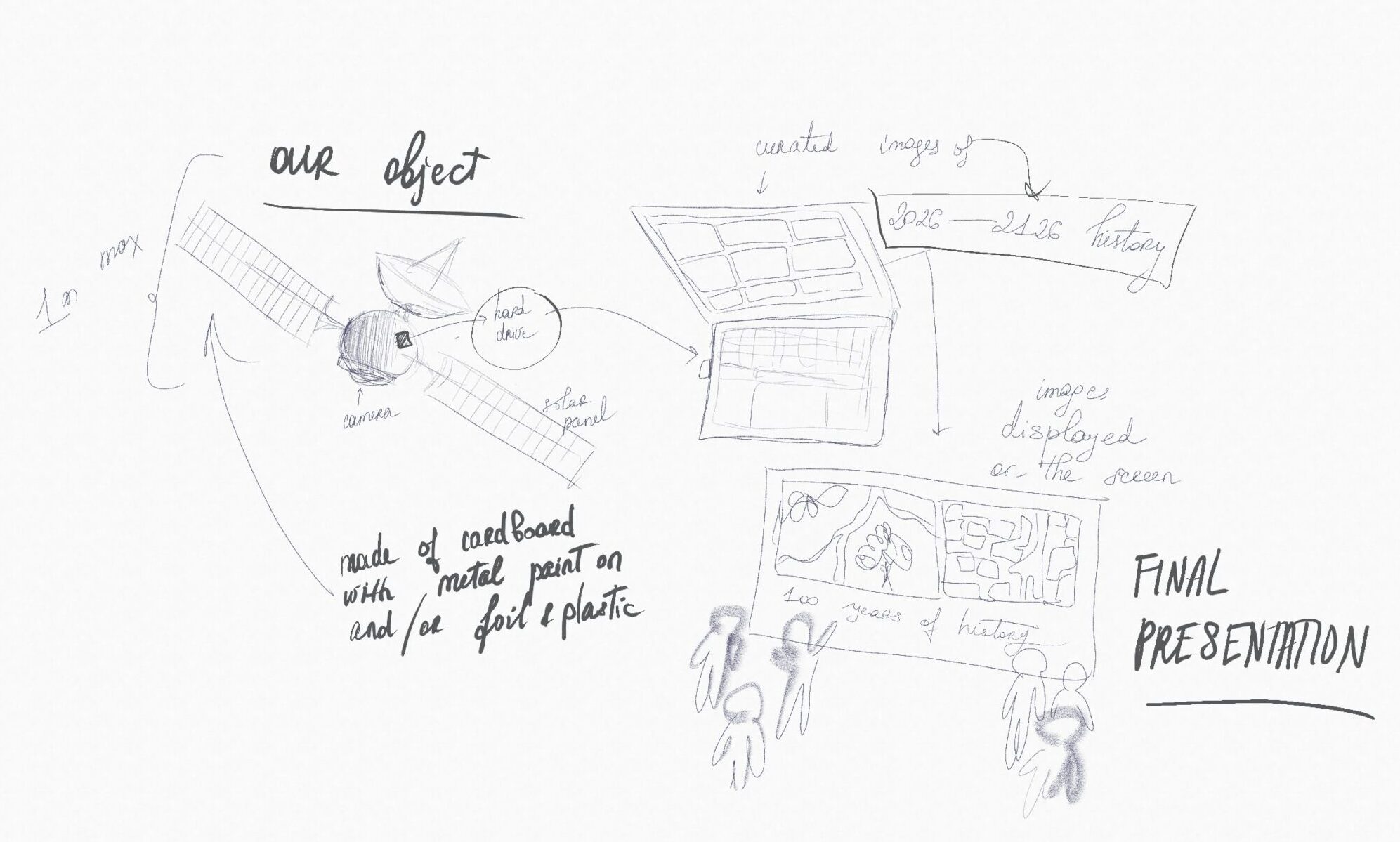
    Satellite – Time Capsule
  • Frist – Feedback 15.10.2026 🥳

    By

    Philip Emricht

    ,

    Abrar Aitounejjar

    and

    Theresa Kappacher

    Initial Discussions:

    WE HAD A LOT OF QUESTIONS.
    SO WE STARTED COLLECTING THEM.

    We found 4 main questions:

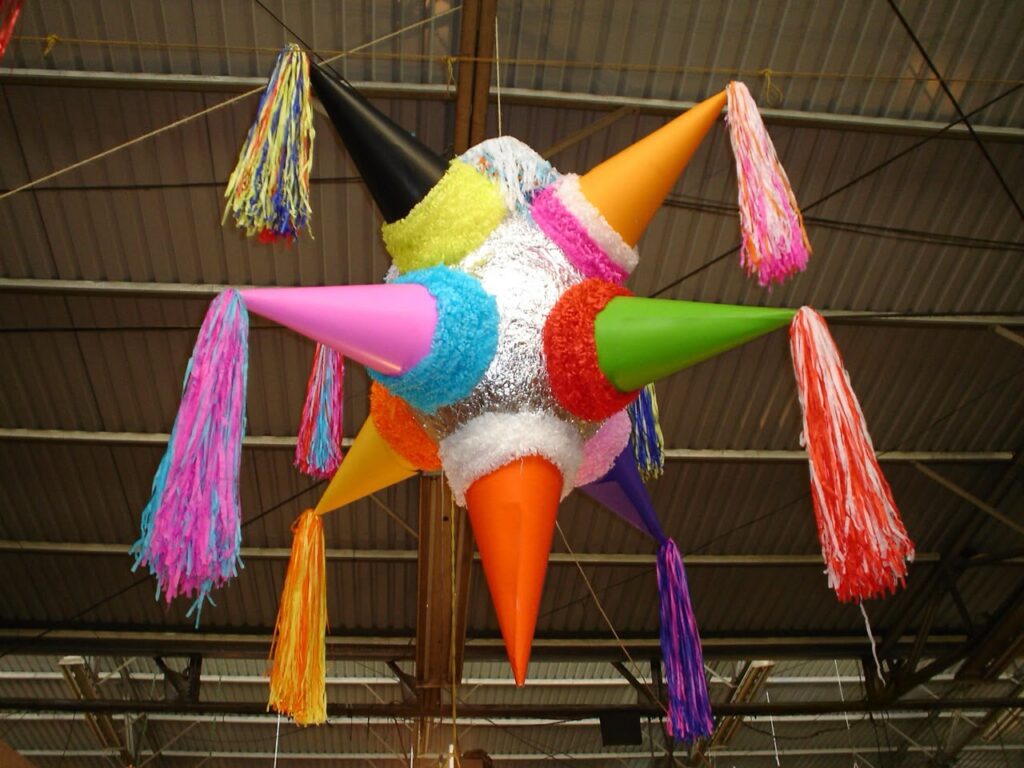
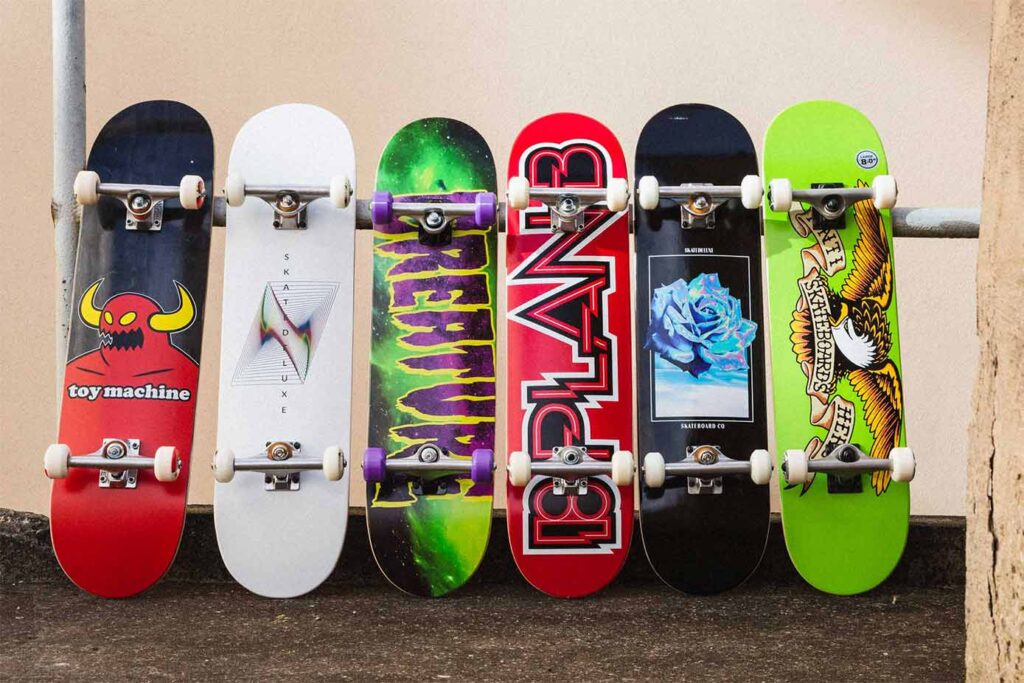
    What is the history of an object and who will continue this history into the future?

    (Pinjata, Skateboard)

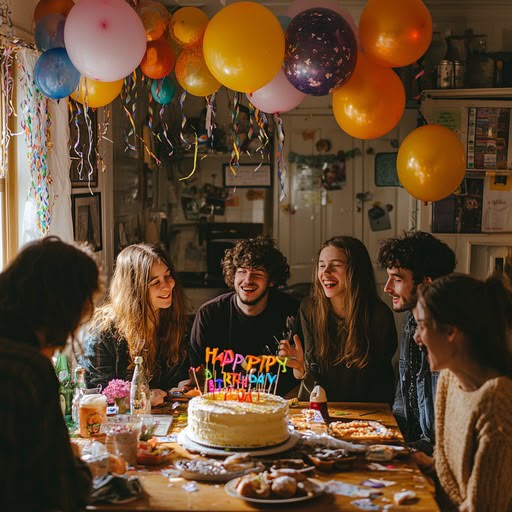
    What objects can create community? digital vs analog?

    (Birthdays, Pinjatas, Social Media)

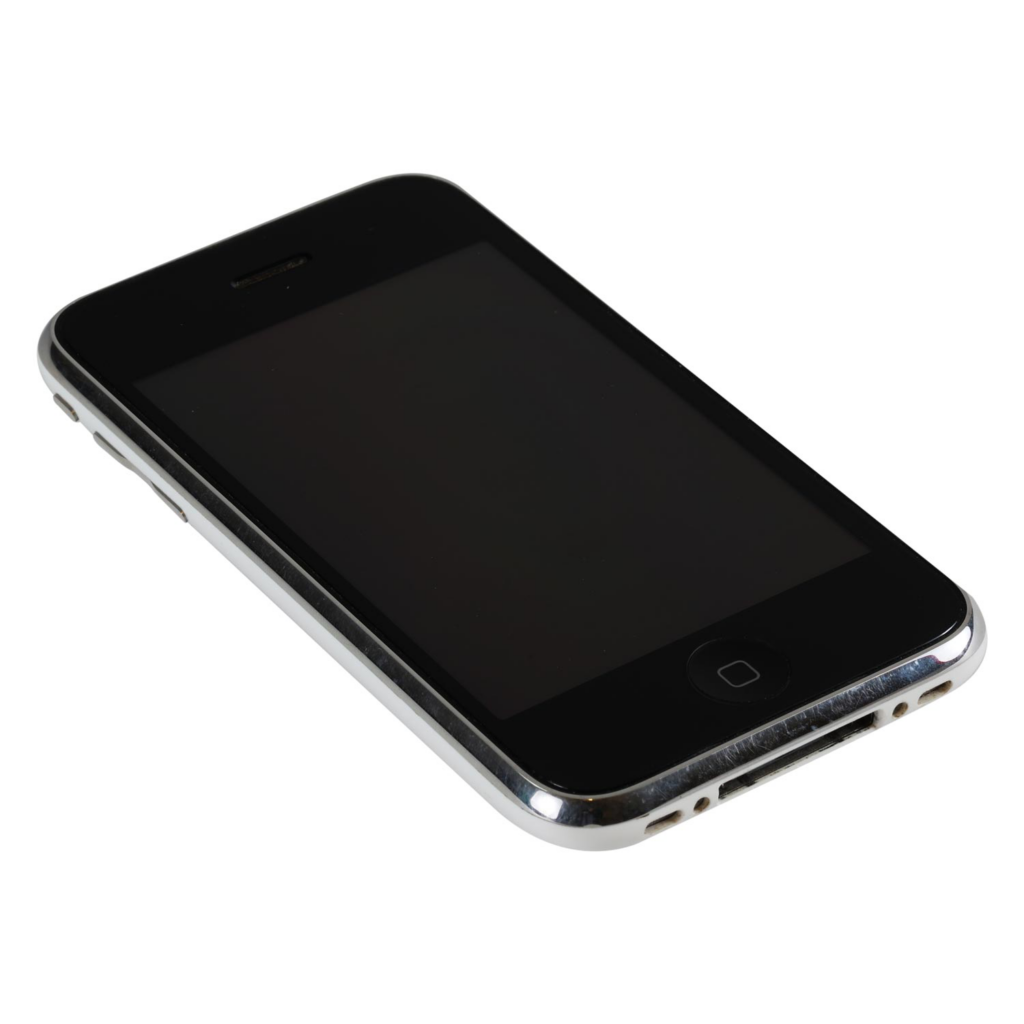
    Can an object represent a world? Is there an object that is universally understood?

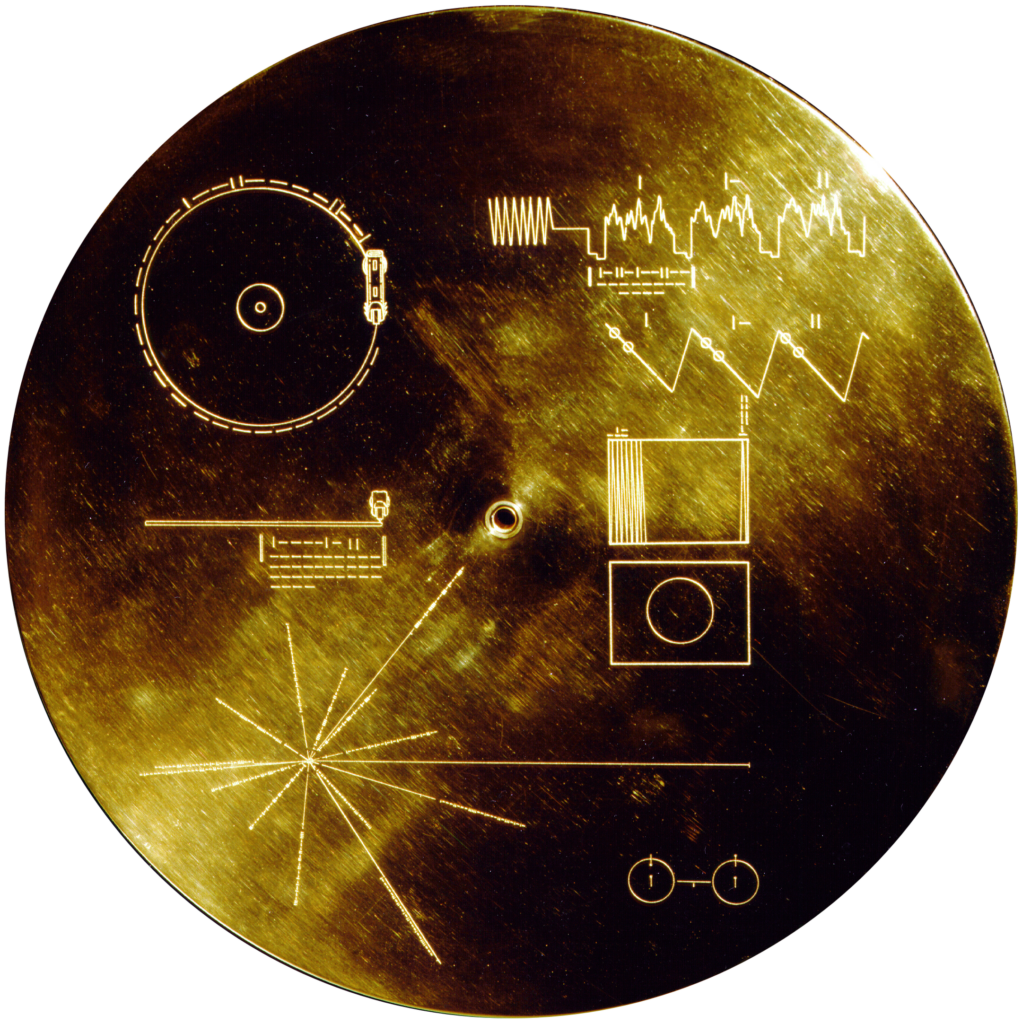
    (Phone , Golden Record Voyager)

    What even is an Object? When does one object become another?

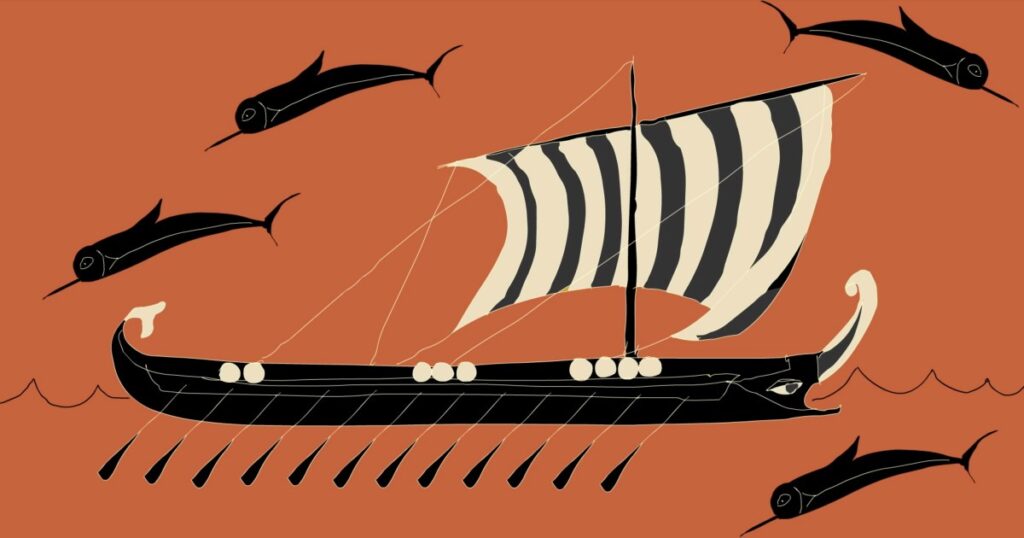
    (Boat of Theseus)

    Within these broader topic we found some more specific questions that sparked our interest.

    When do we observe objects and when do they observe us?

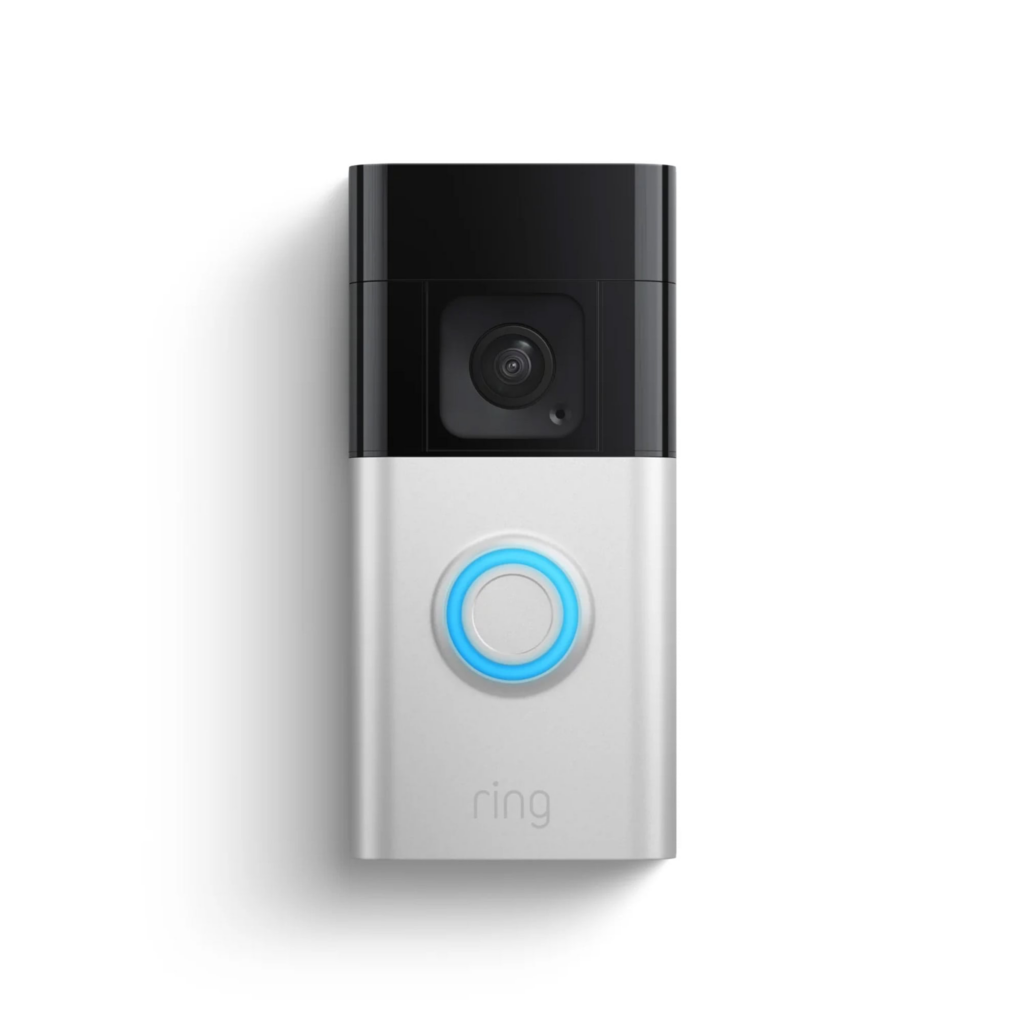
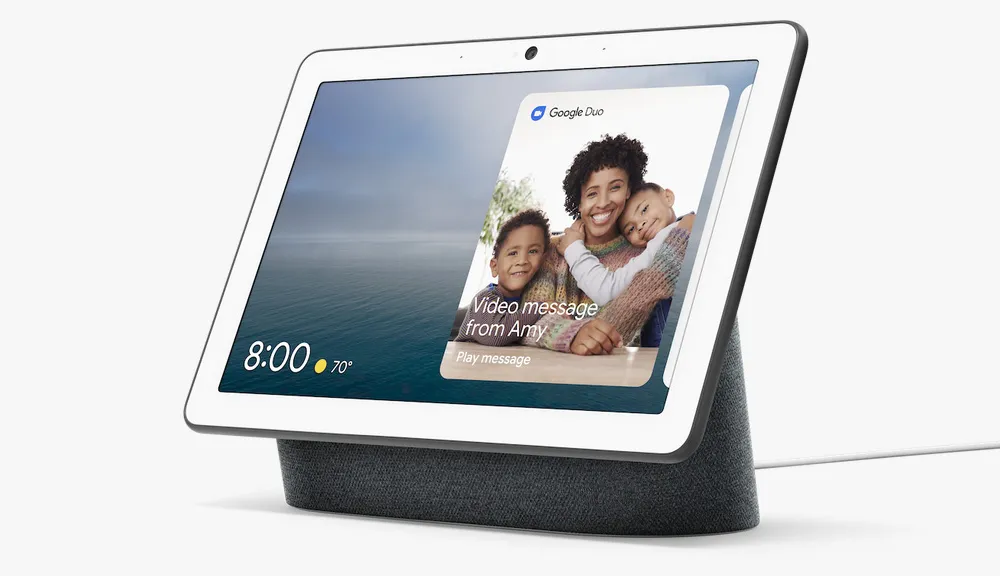
    (Smart Objects)

    Opposite Question: Living in the presence vs creating objects for nostalgia / records?

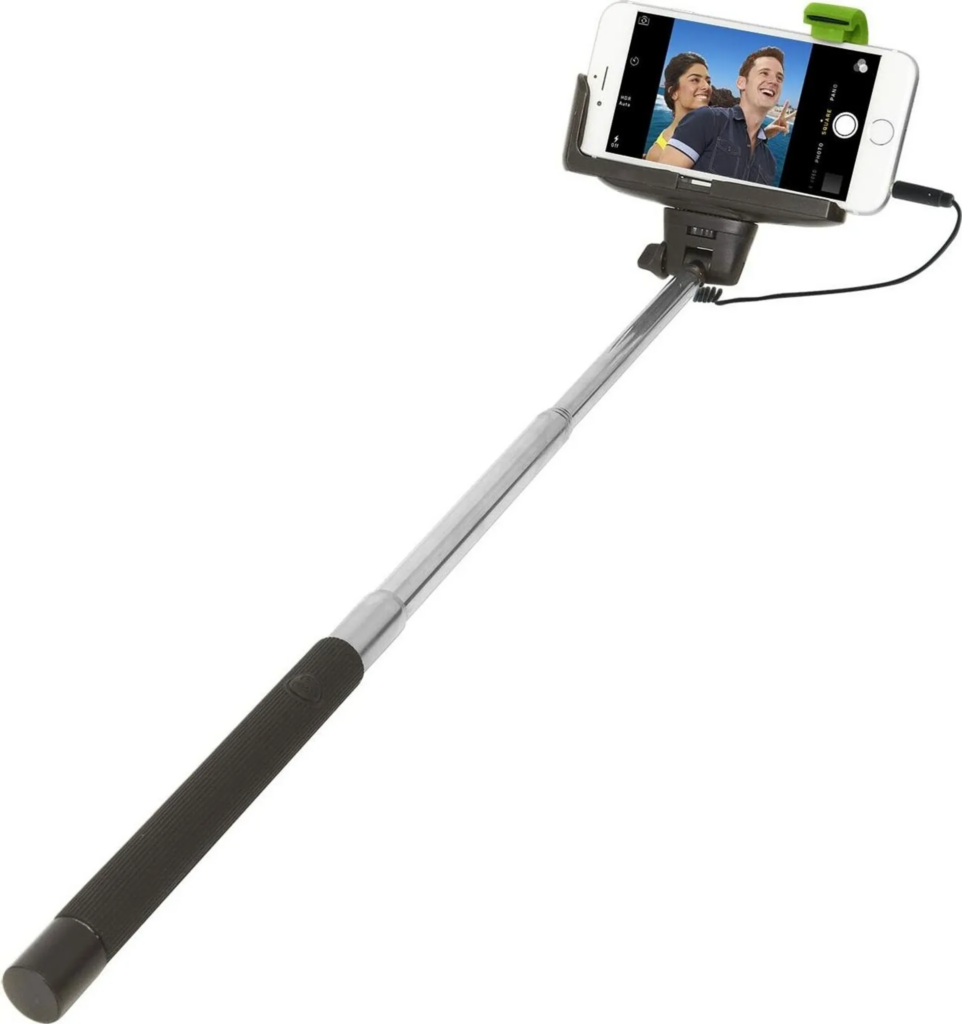
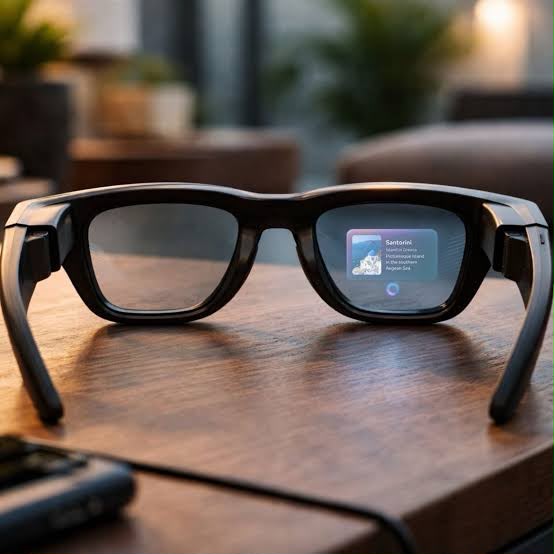
    (Photographs, Selfie Sticks, Lighting Equipment, Microphones, Meta Glasses)
    What Objects do we even have ownership over today and how does this change our behavior?

    (Subscriptions, Rental Contracts)

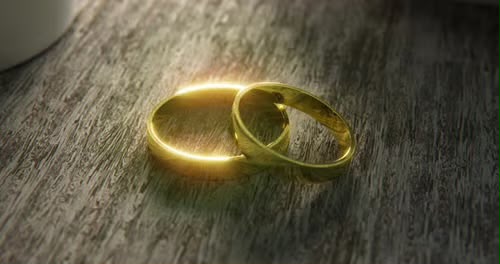
    What are objects that celebrate life?

    (Wedding Rings, Penguins with Stones)