2026S Design a Chair

  • Tutorial Team 6, 15.04

    By

    Luz Quintana-Abraham

    ,

    Amelie Proksch

    and

    Julia Klimowska

    Ann

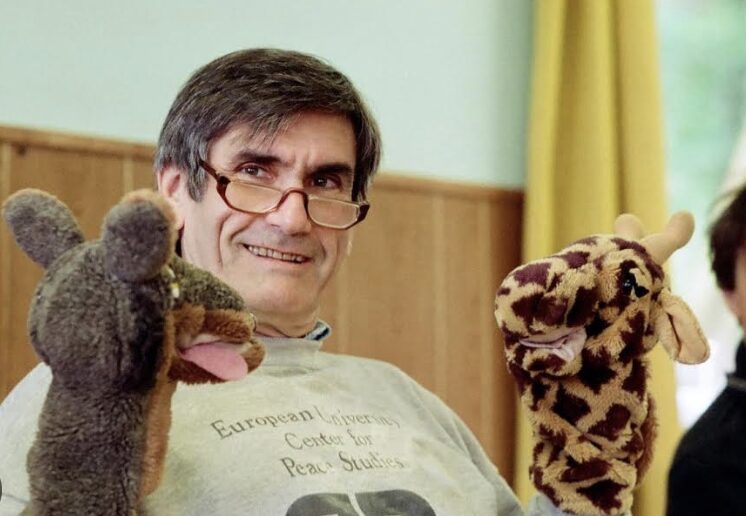
    Marshall Rosenberg

    NONVIOLENT COMMUNICATION
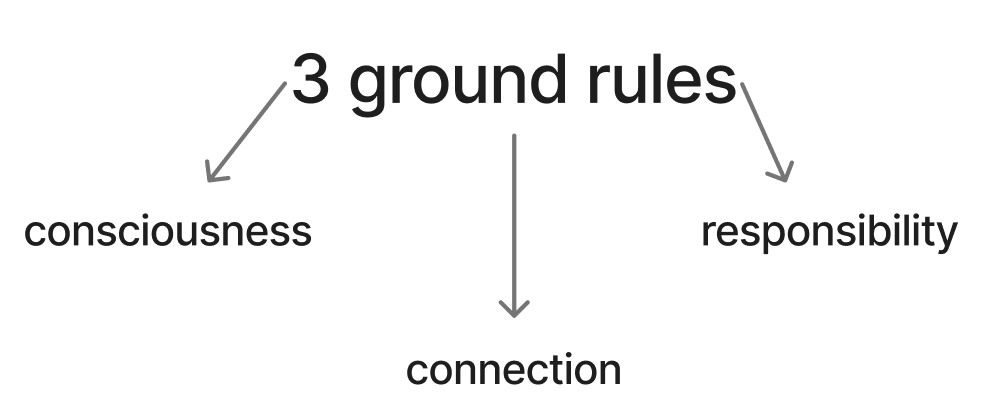
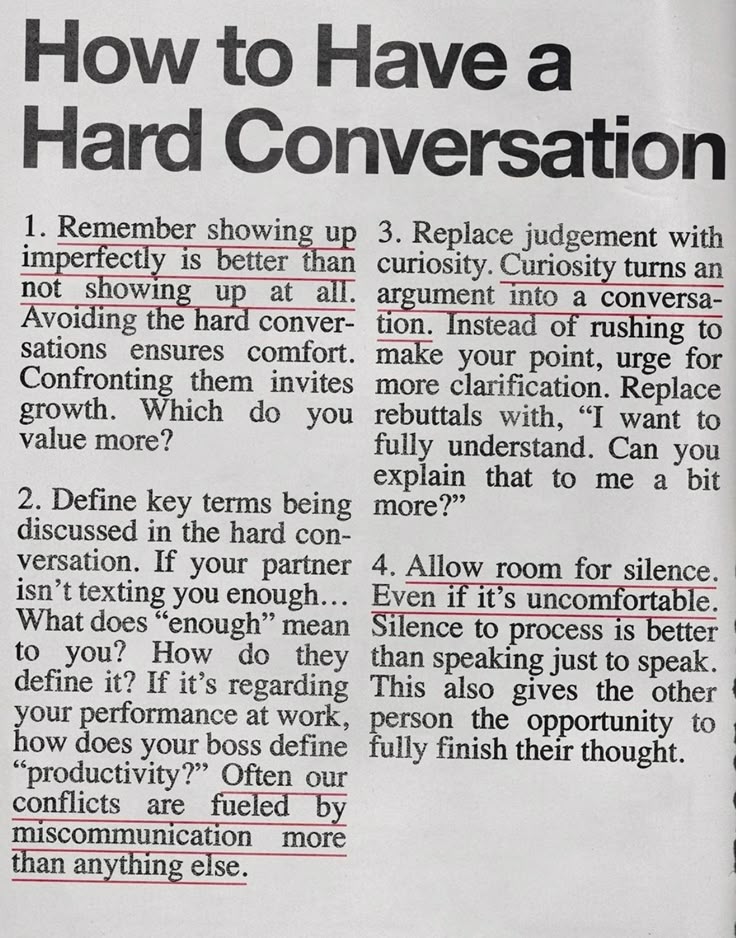
    How can we Create a Physical Space for Difficult Conversations ?

    APPLYING RESEARCH ON DESIGN
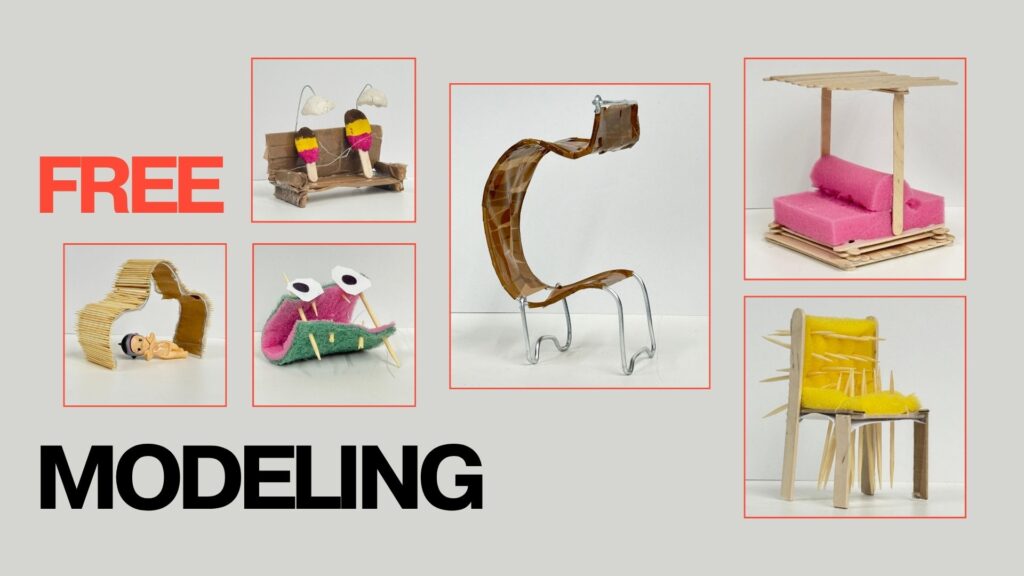
    EXPERIMENTS:
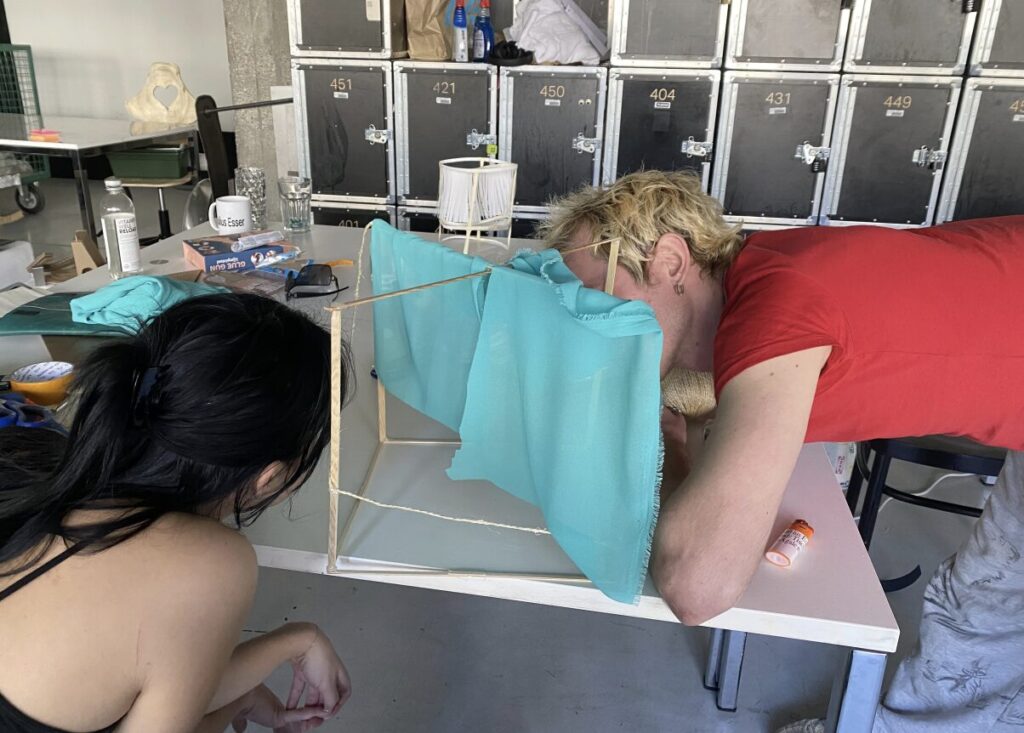
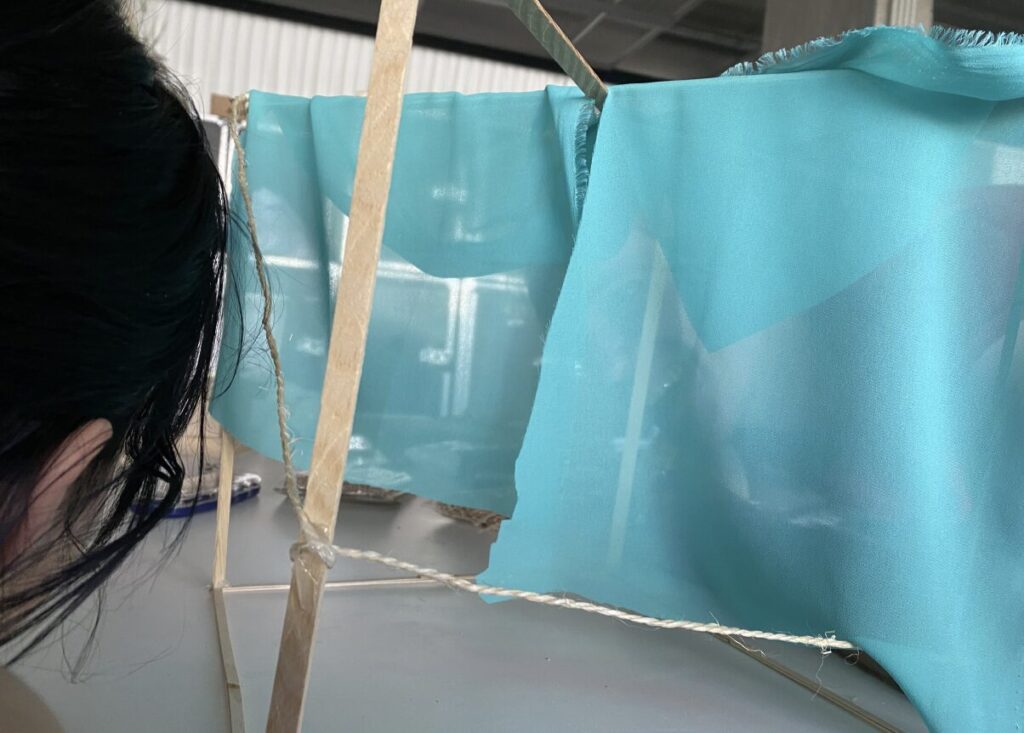
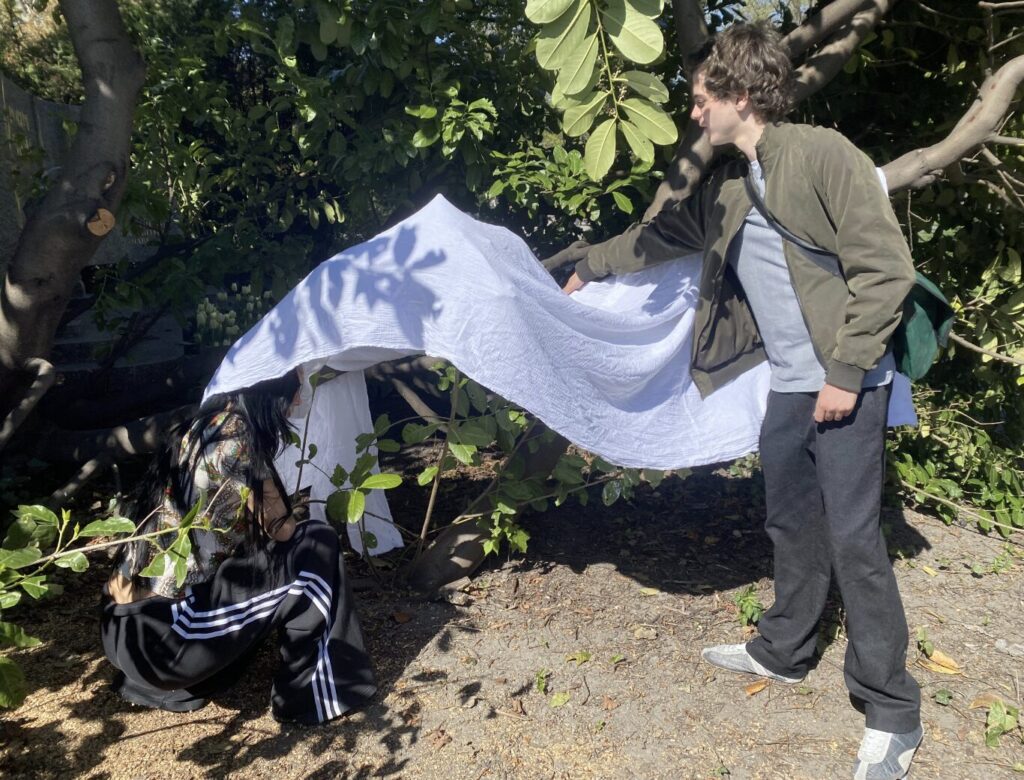
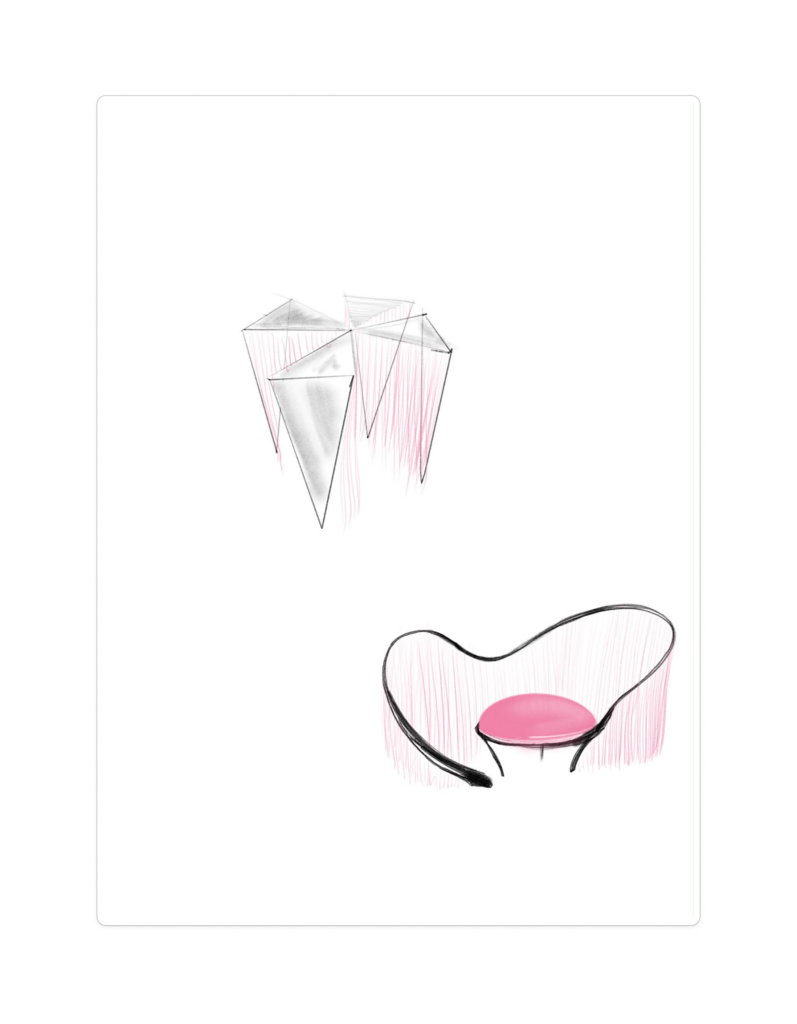
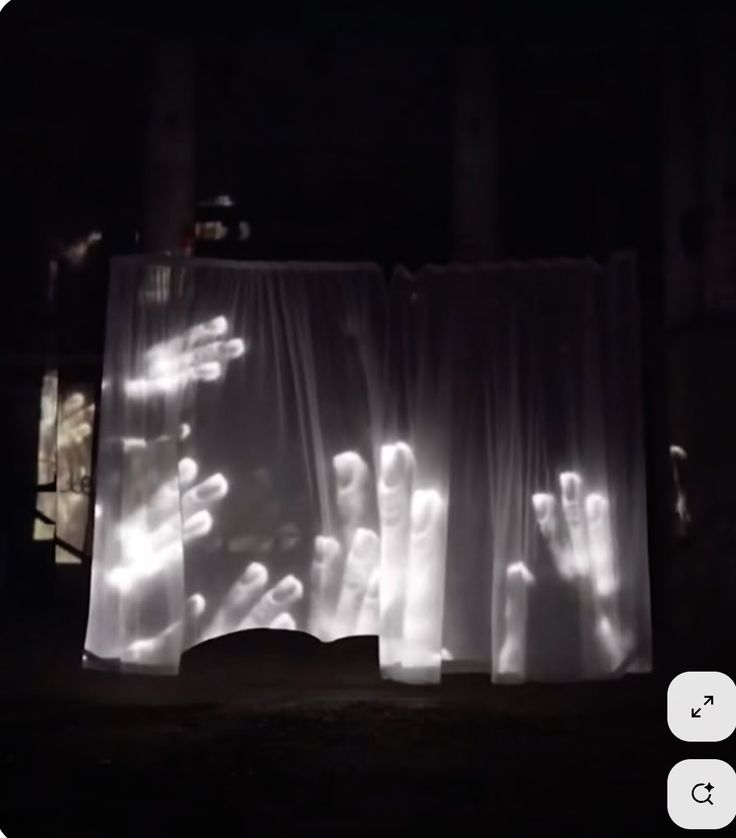
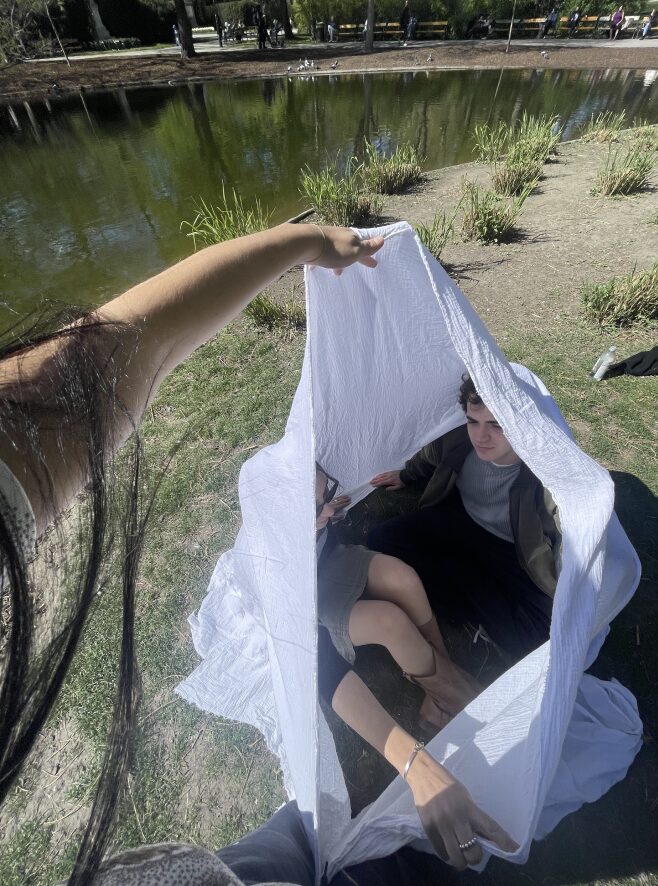
    We gave up on the idea of the Veil between the users talking
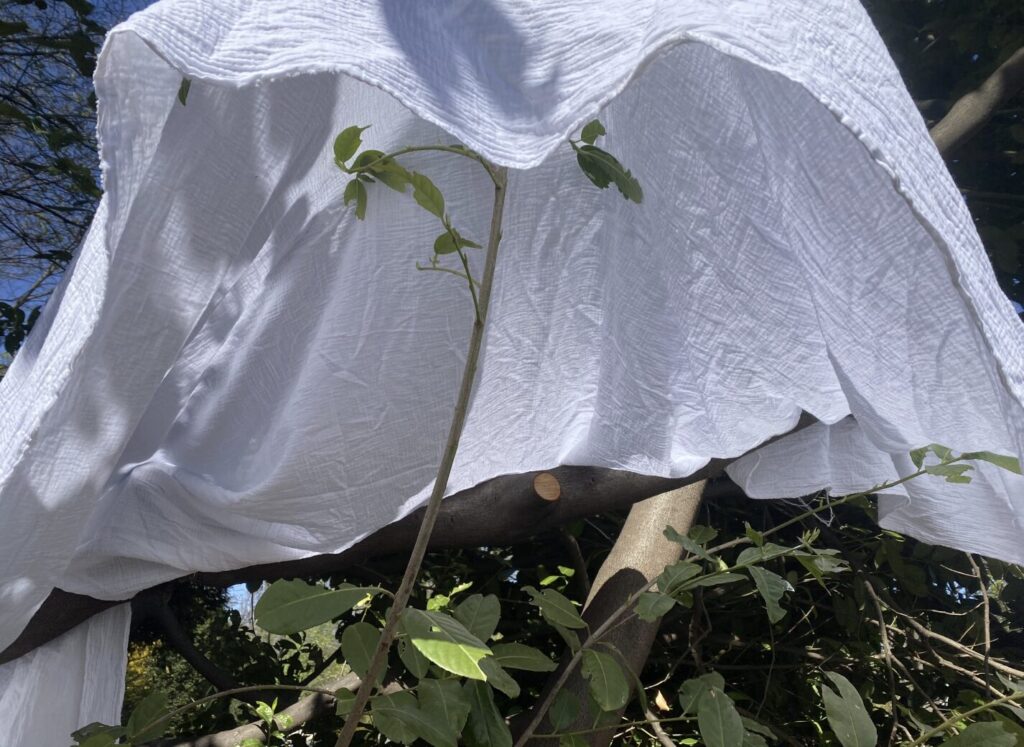
    “I want to stay, to listen to you”.
    WHAT WE WANT
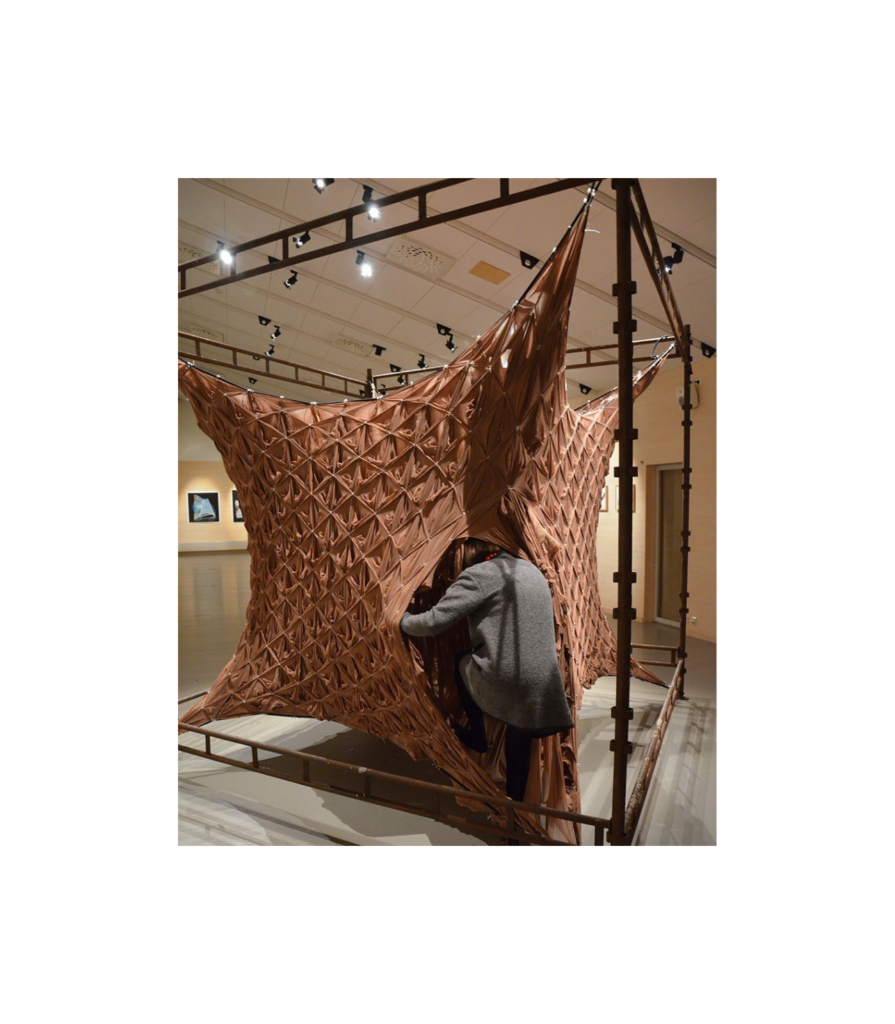
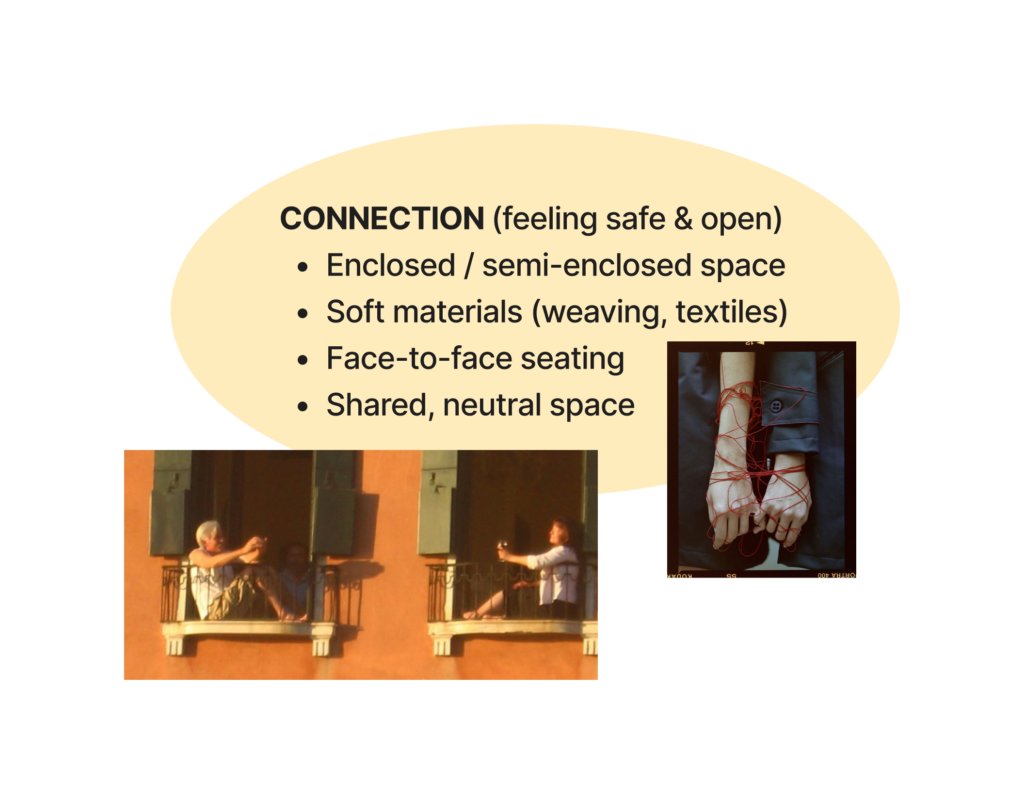
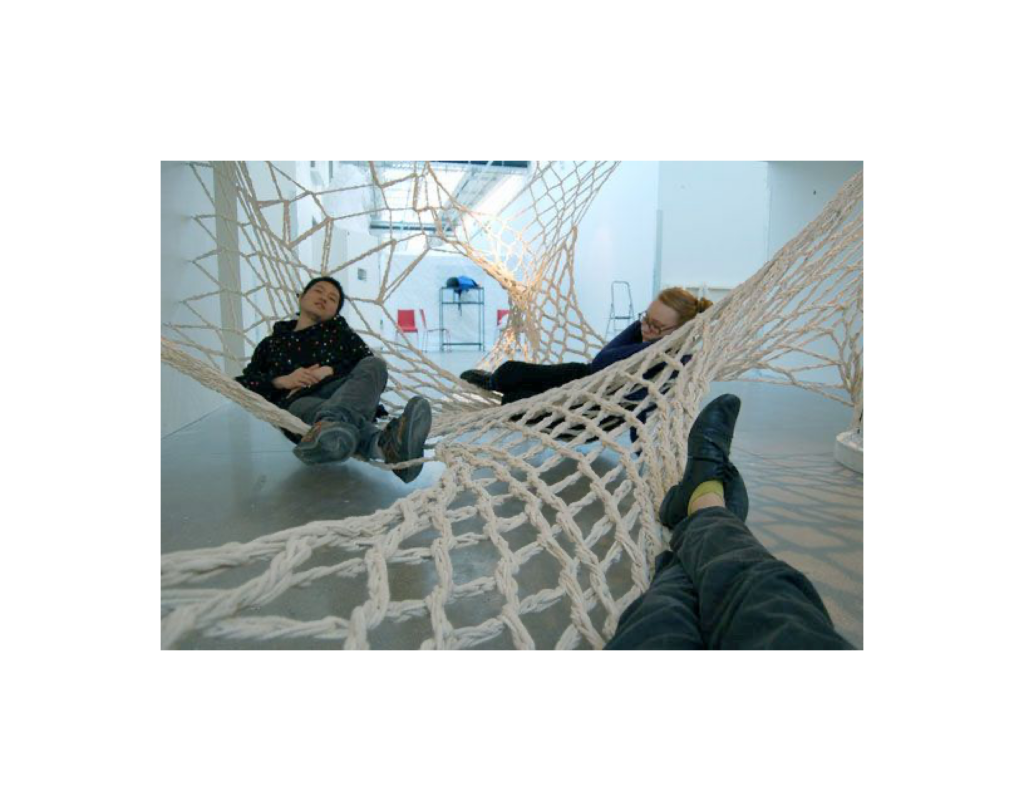
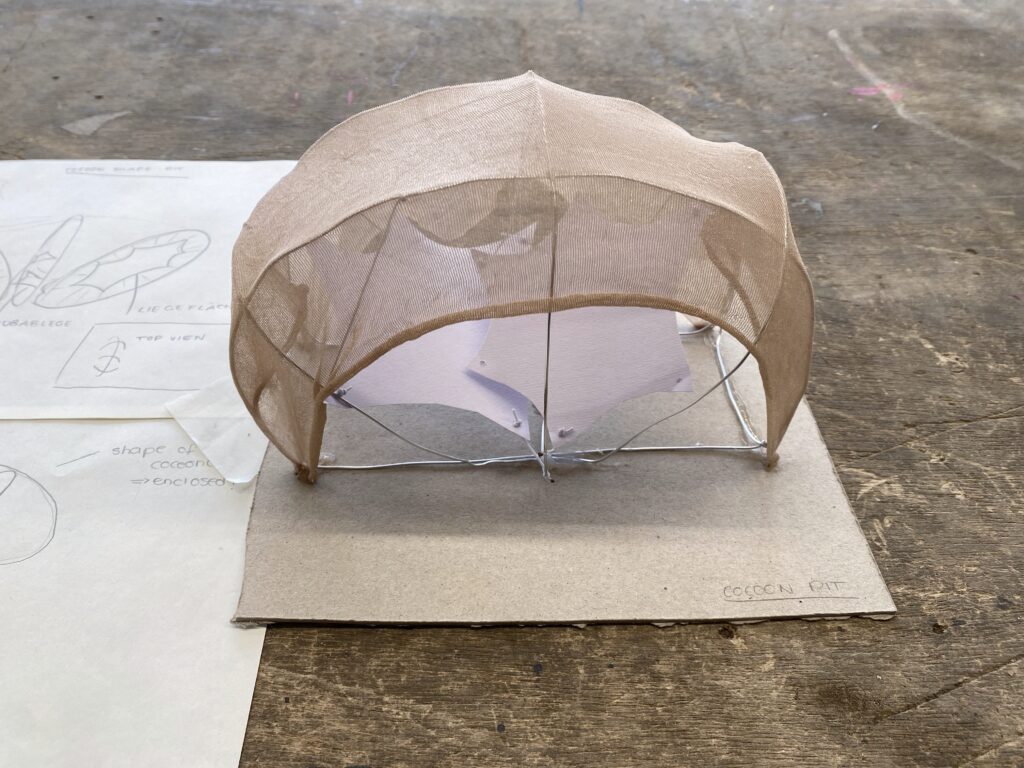
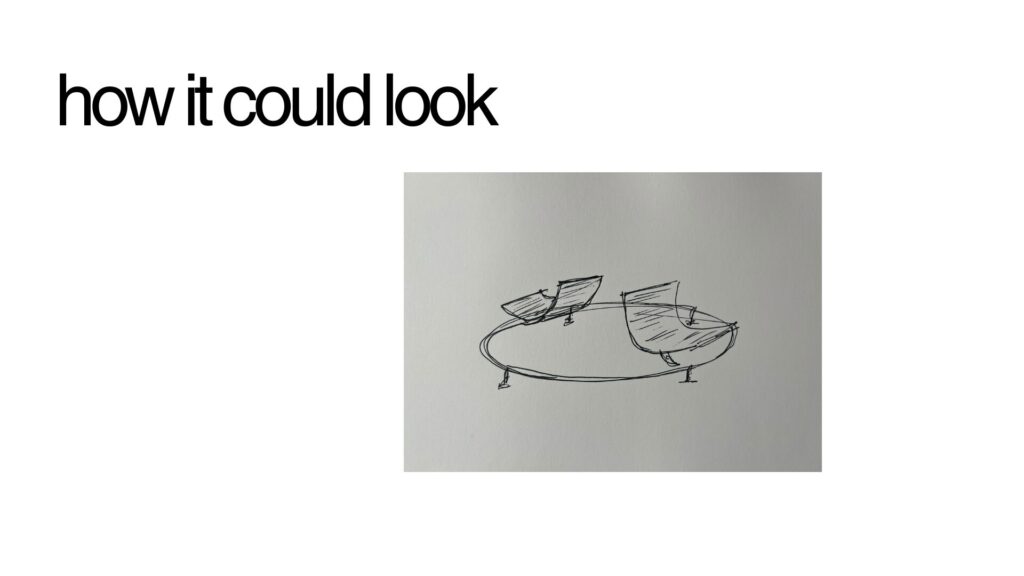
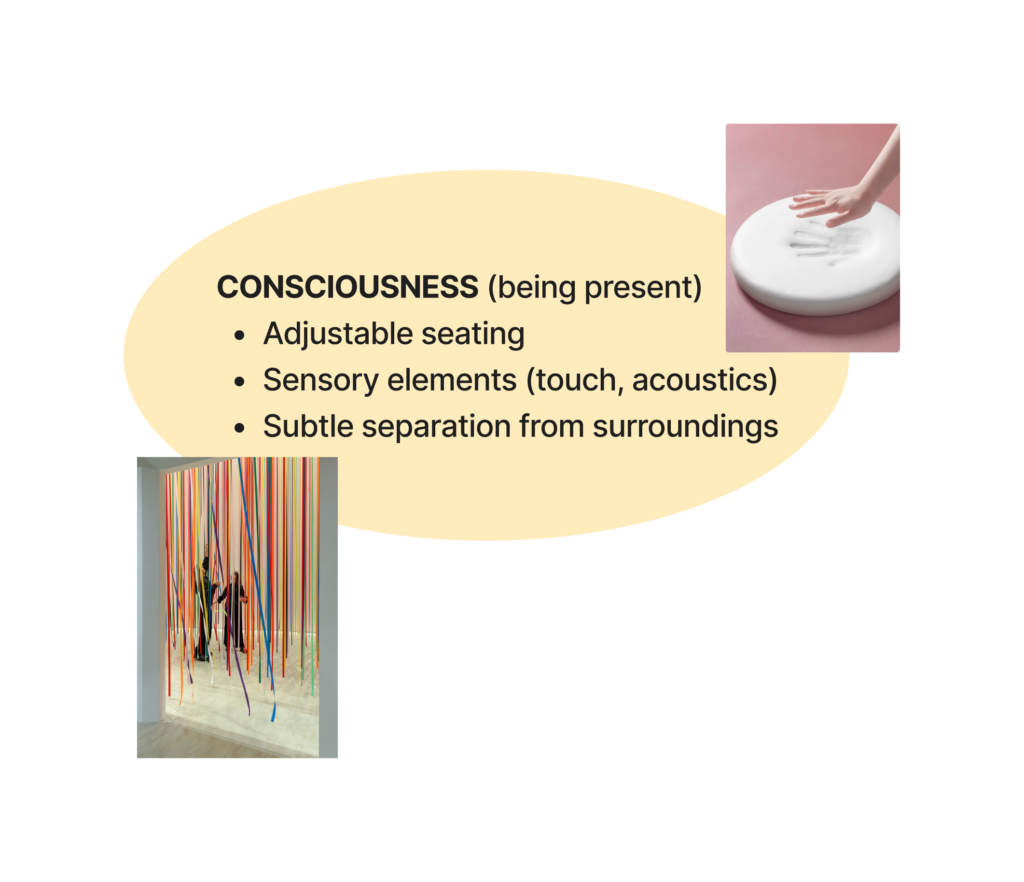
    • enclosed seating space for two acquainted people
    • a neutral “space within a space” that removes hierarchy and ownership, creating shared ground
    • setting that helps create comfortable, easy intimacy
    • invites open conversation and preventative confrontation
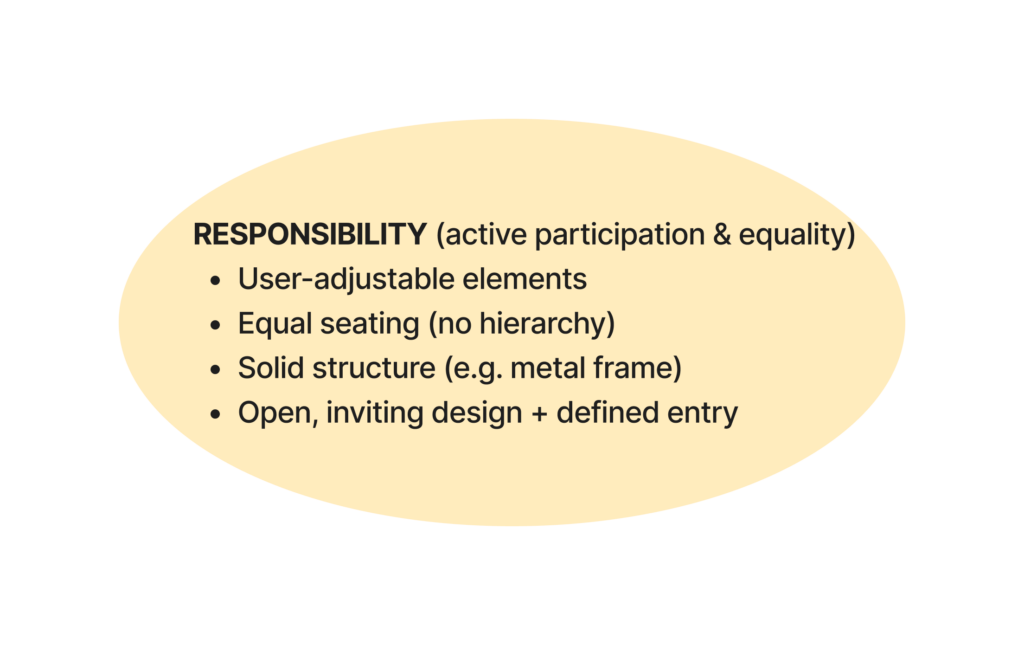
    • no set hierarchy between users
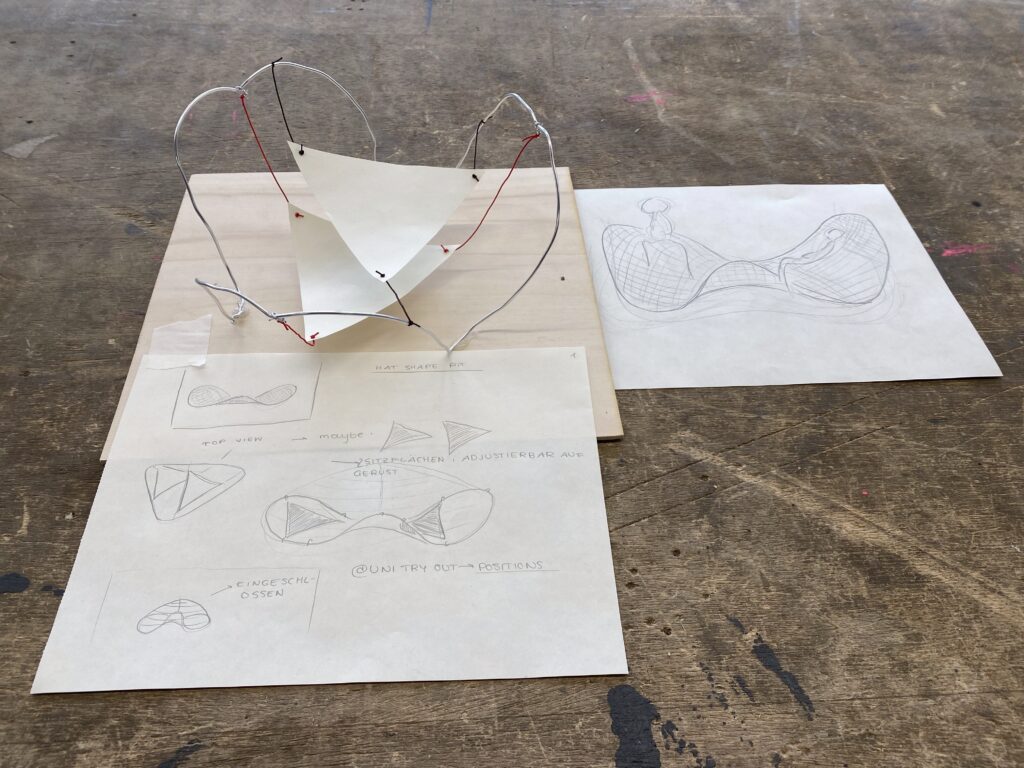
    • adjustable seating to support individual preferences (height, position, direction)

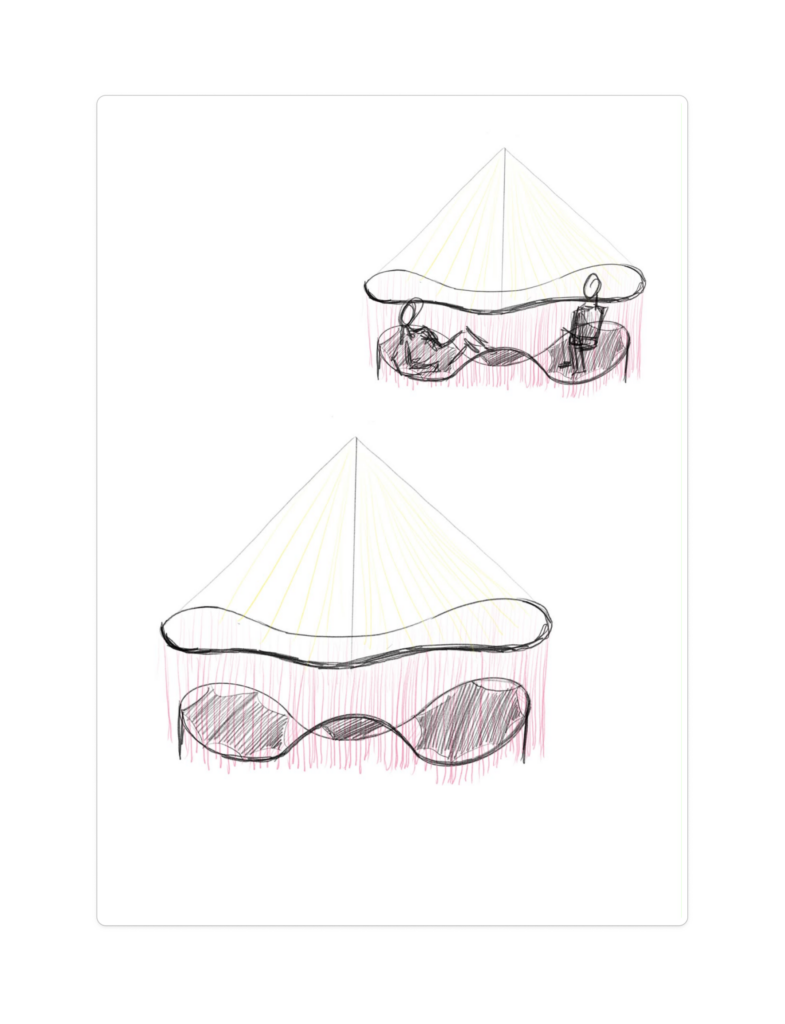
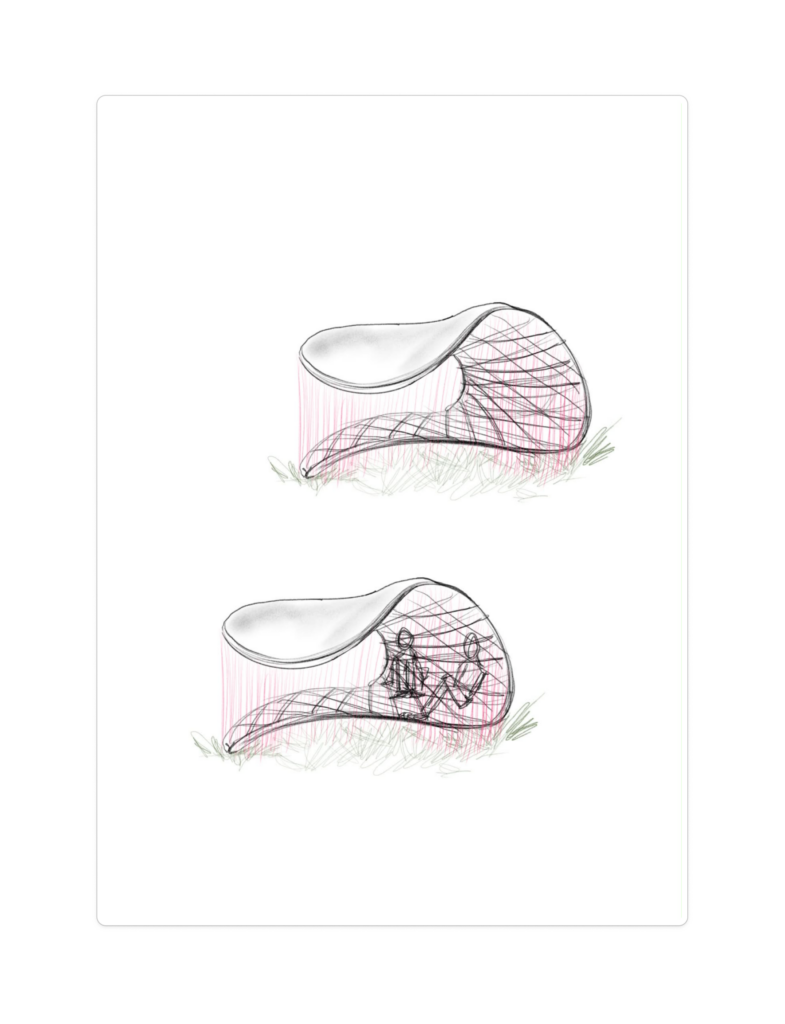
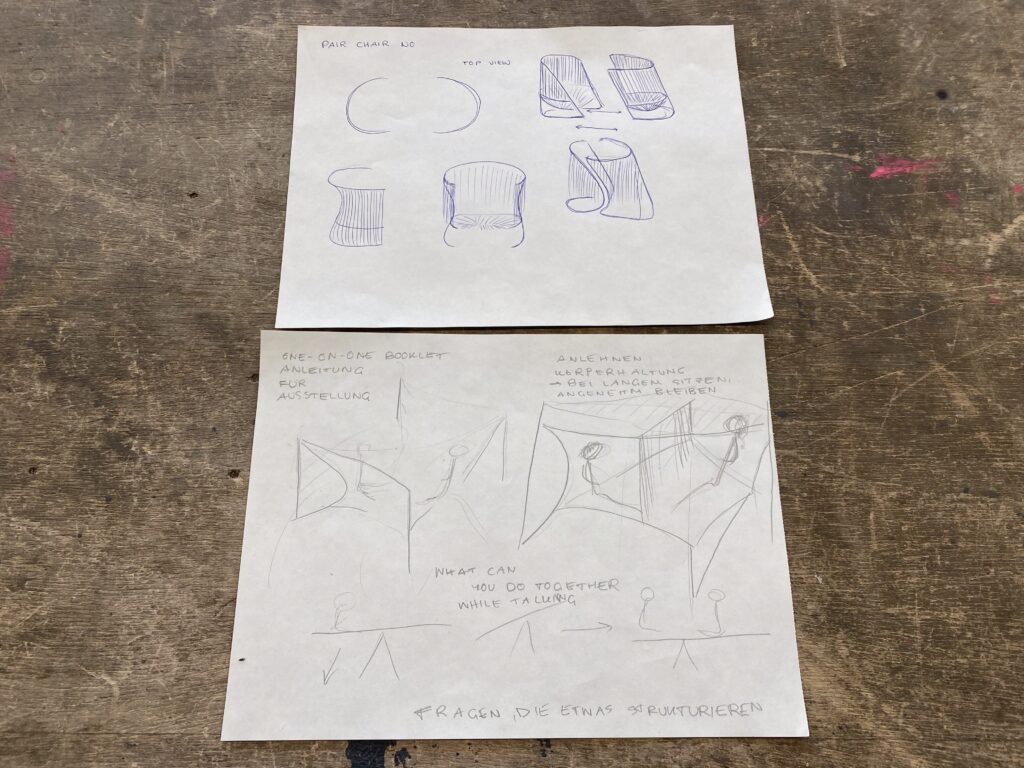
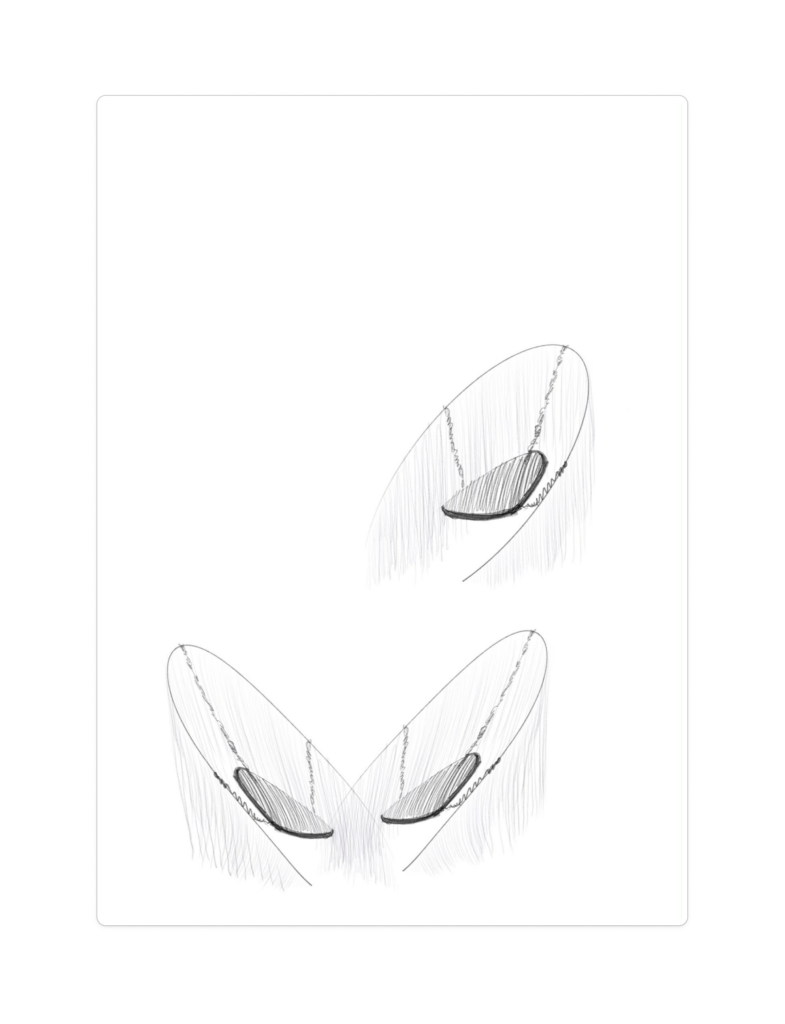
    FURTHER SKETCHES:
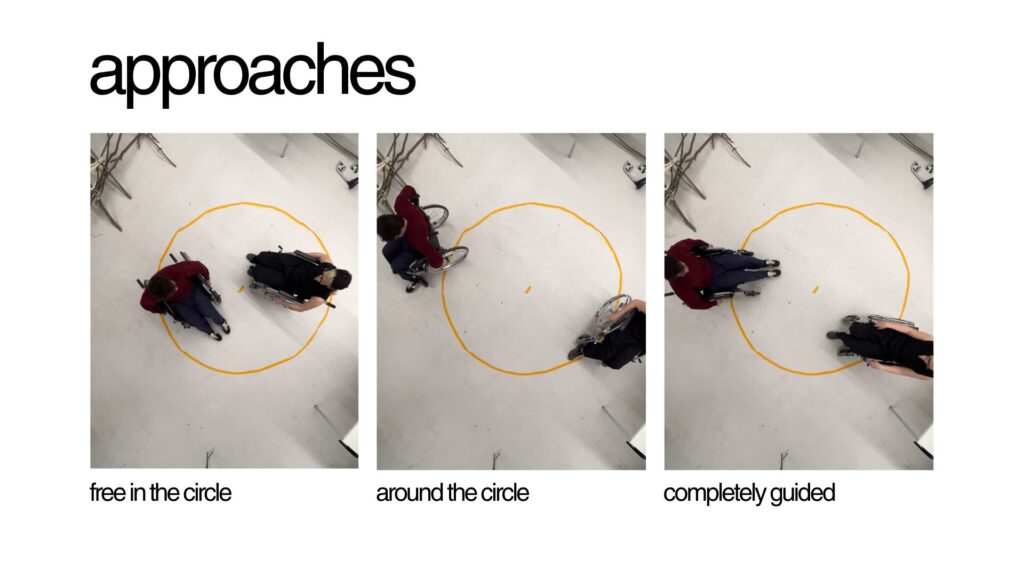
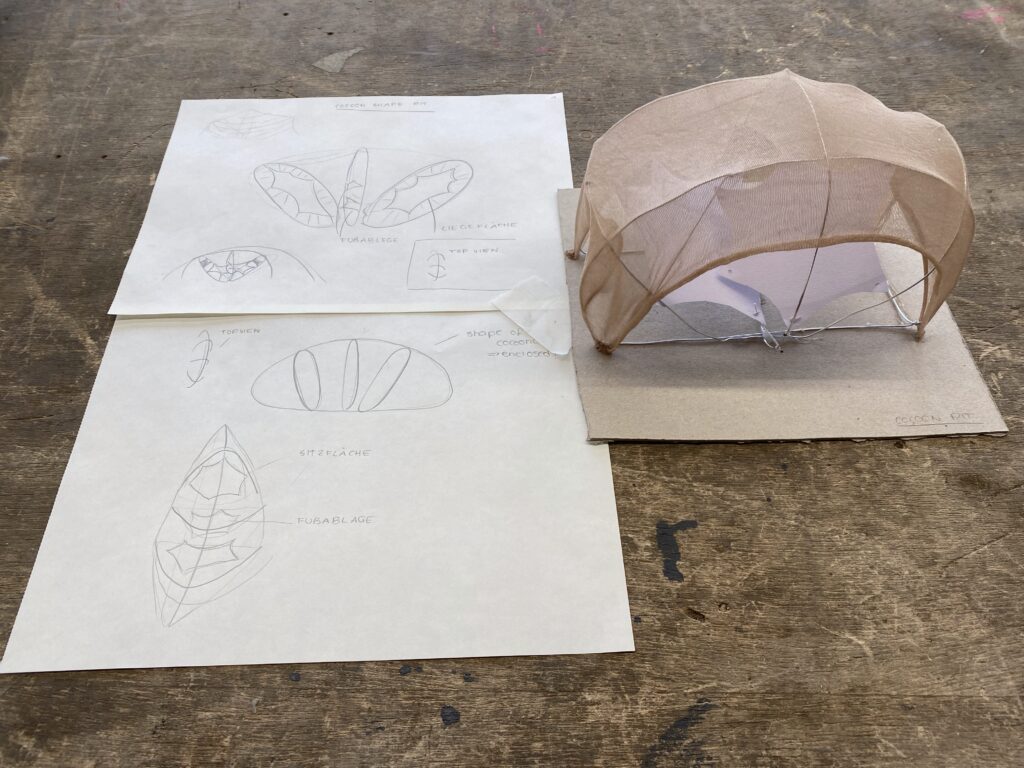
    TESTING SHAPES & SEATING:
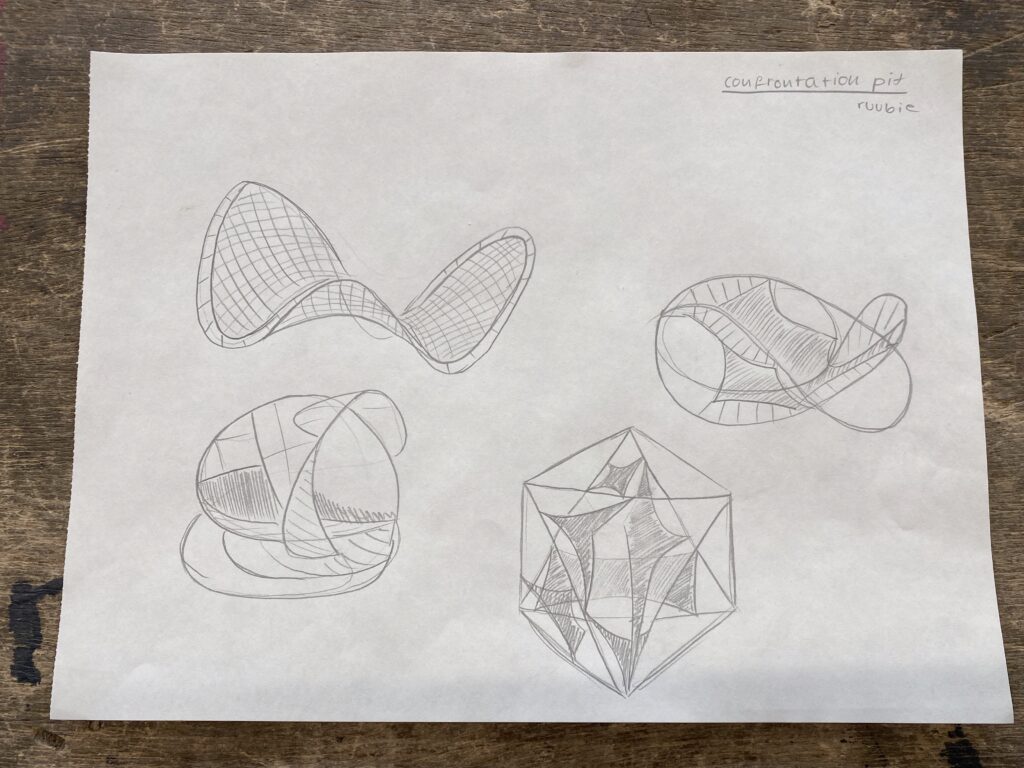
    What Shaped Space is suitable?
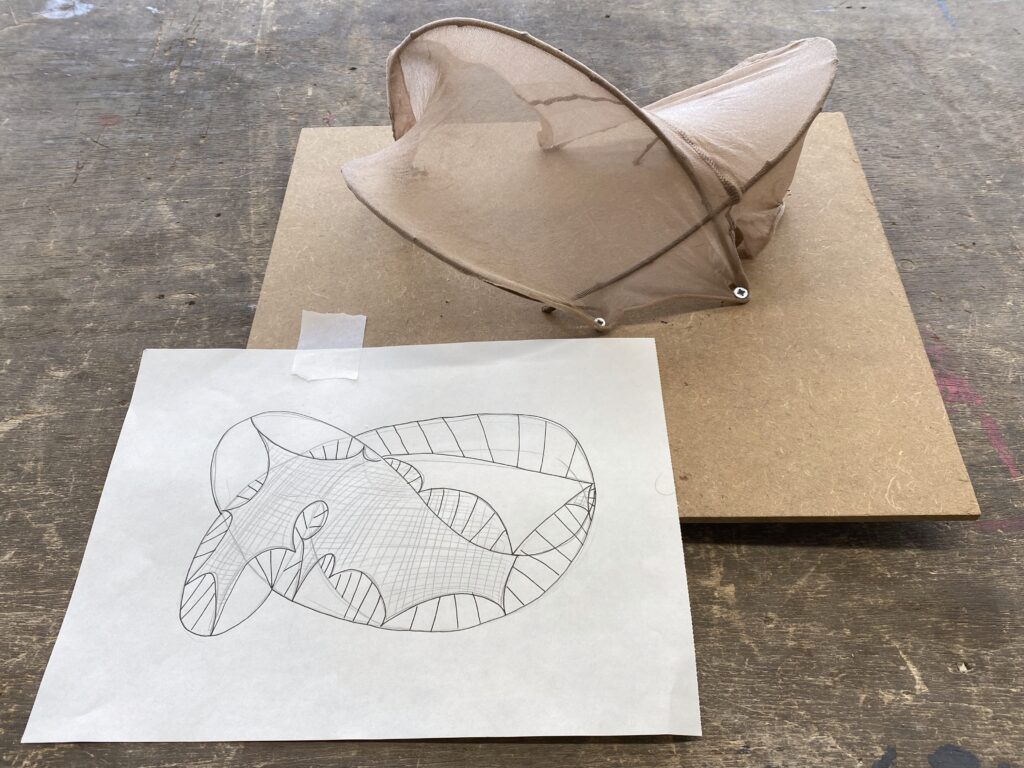
    Weighing the Importance of Proximity
    Playing with Adjustability
    WHAT WE ARE STILL FIGURING OUT

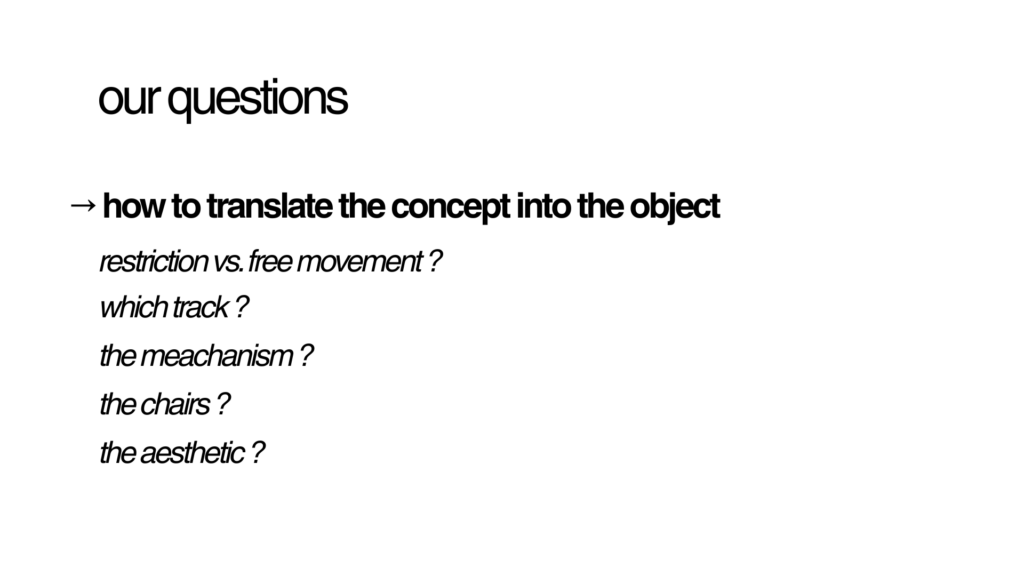
    • How can we best translate our communication research into practical applications within our project?
    • Finding the sweet spot between universal and personal approaches to meaningful conversations – balancing diverse user needs while designing an experience that naturally invites deep, one-on-one exchanges

    QUESTIONS

    • How can we embed guidelines for productive conversations into the design without overwhelming users with instructions?
    • How can we embed a sensory feature into the object that supports users during difficult conversations—providing a calming effect while remaining cohesive and purposeful within the overall design?
  • tut 04_14

    By

    Julia Freyer

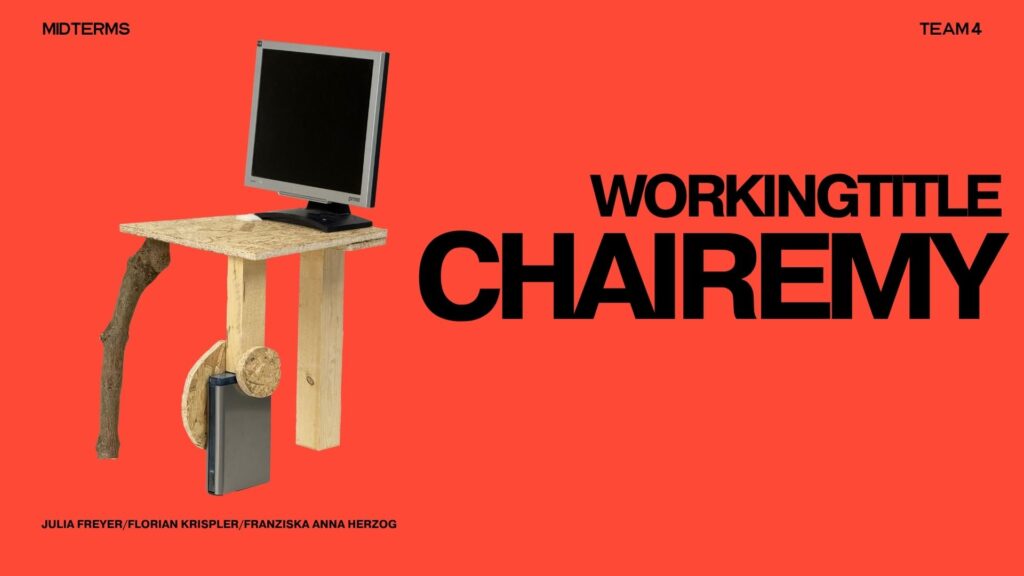
    recap of midterms – questions

    meetings during easter break

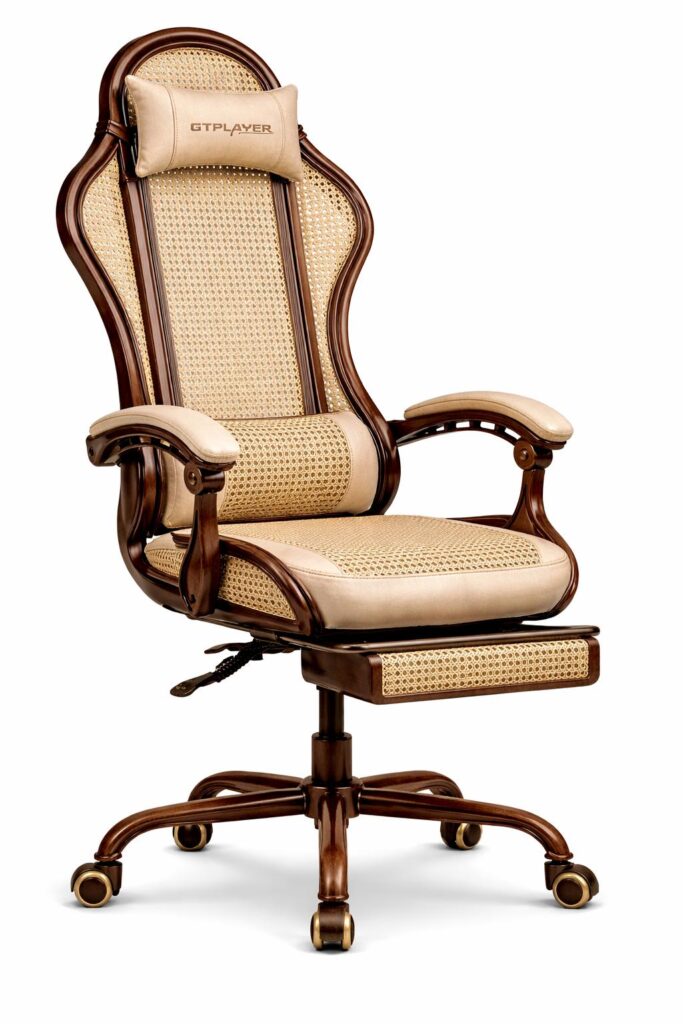
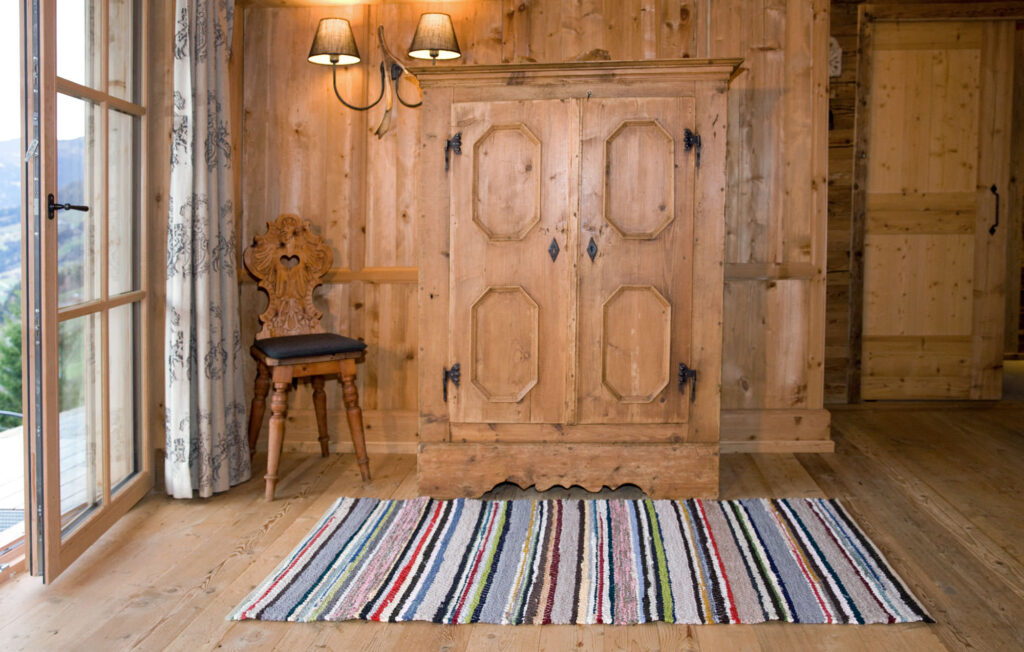
    [stock image]

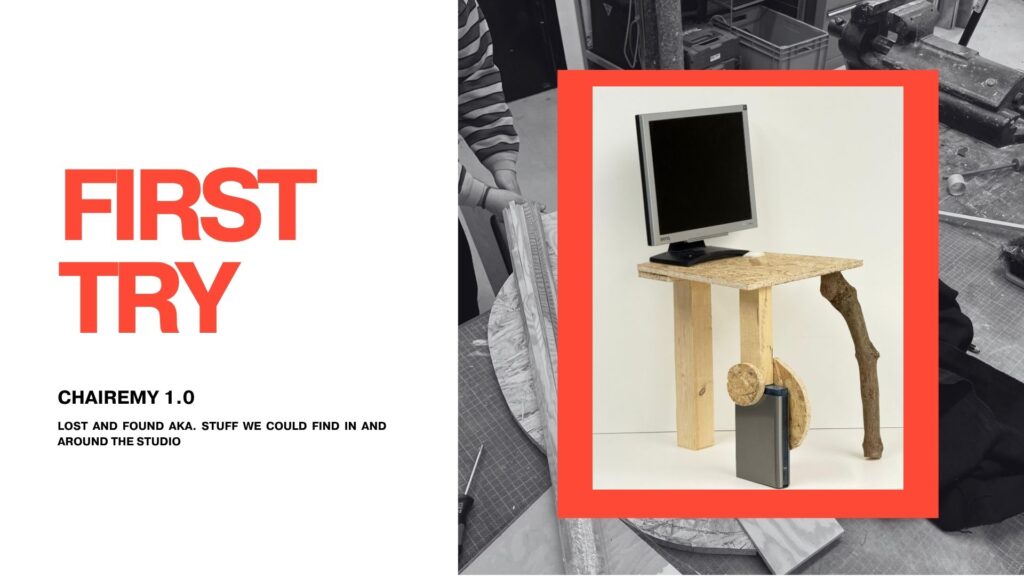
    try outs

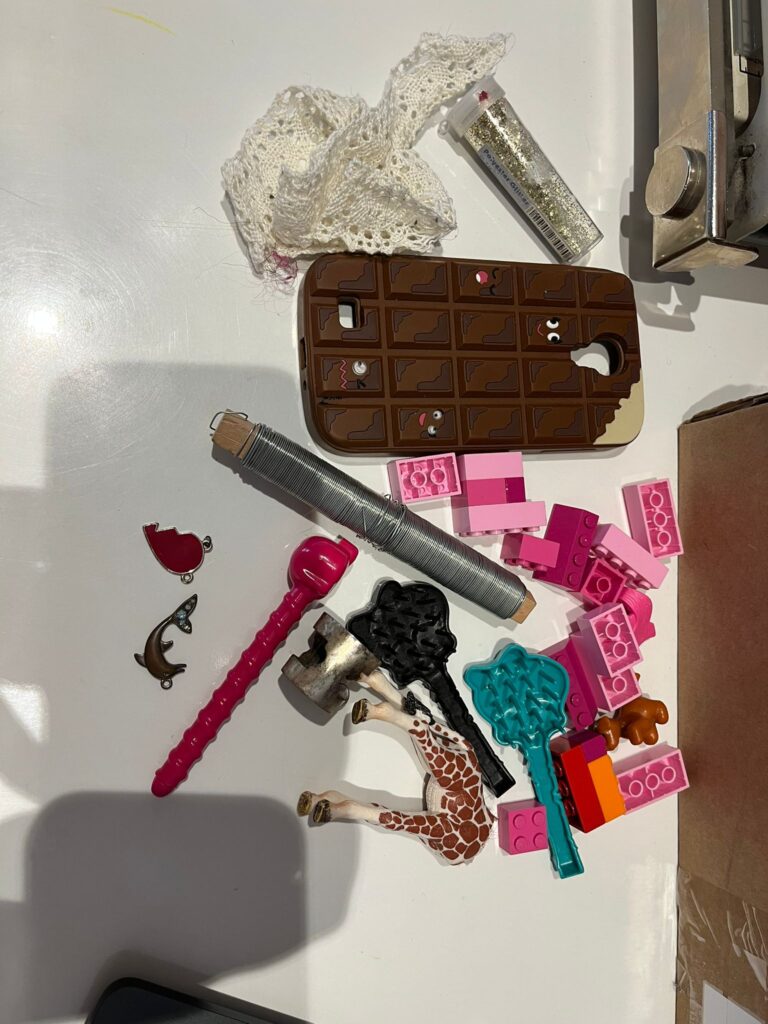
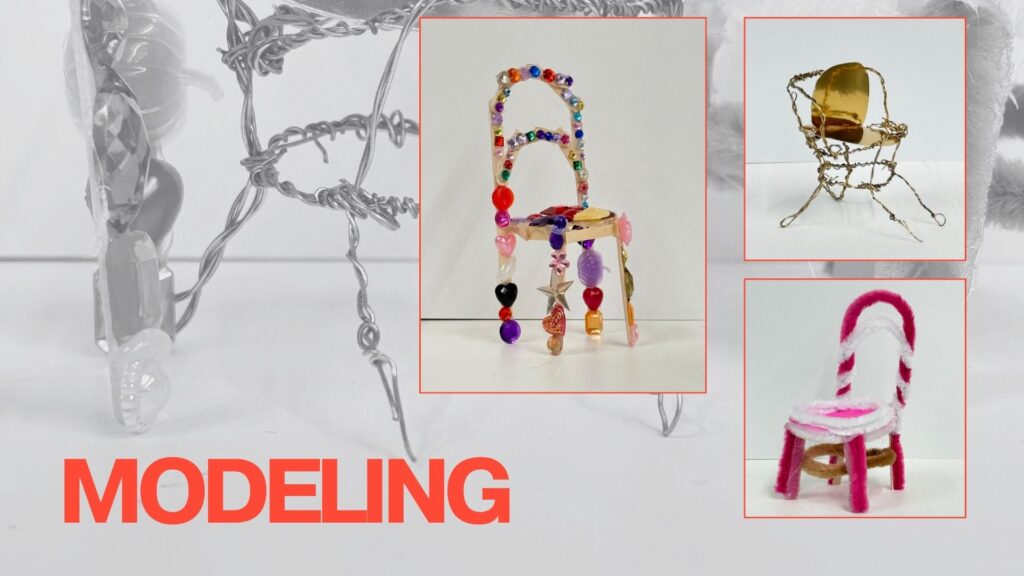
    childhood as material

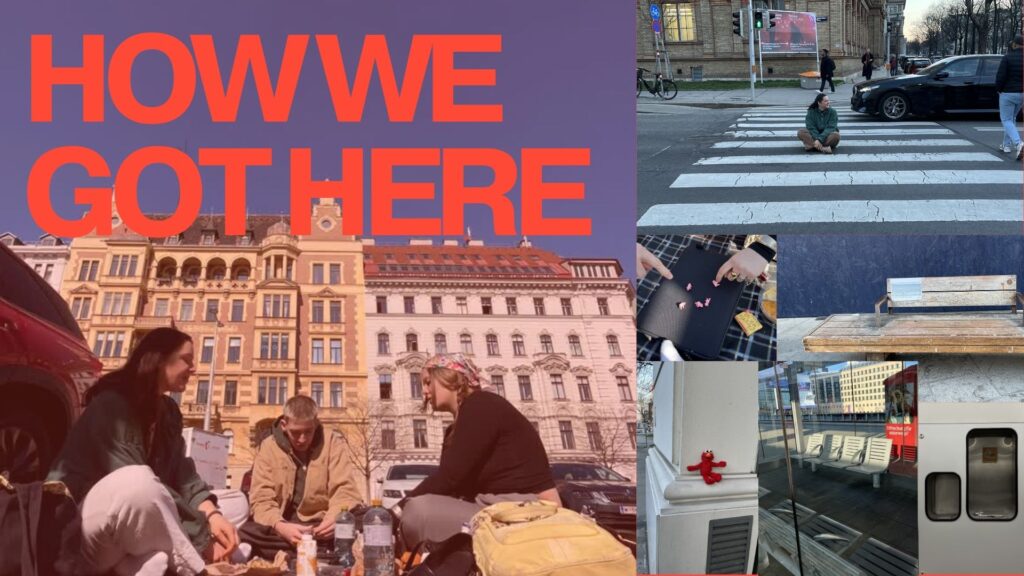
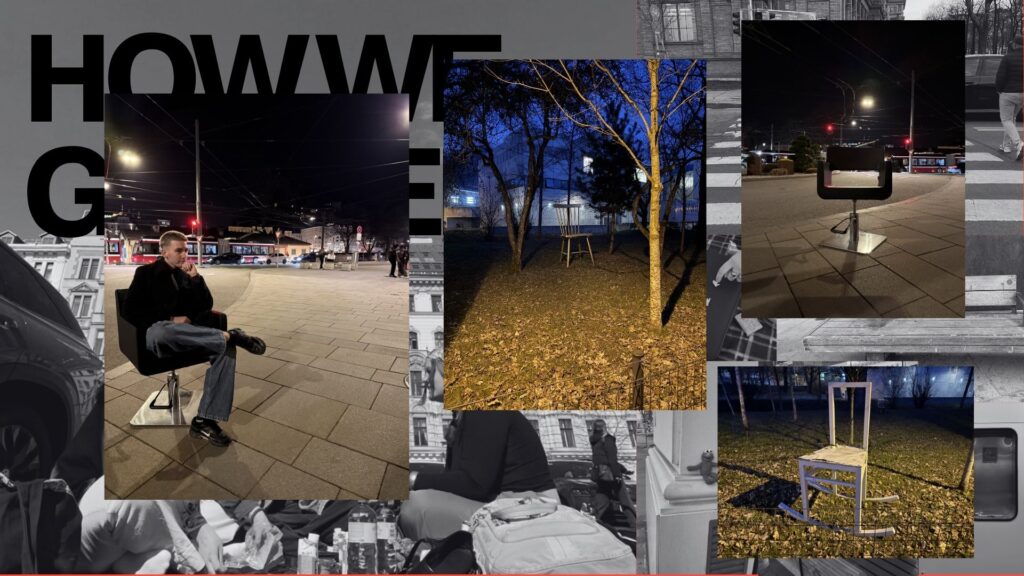
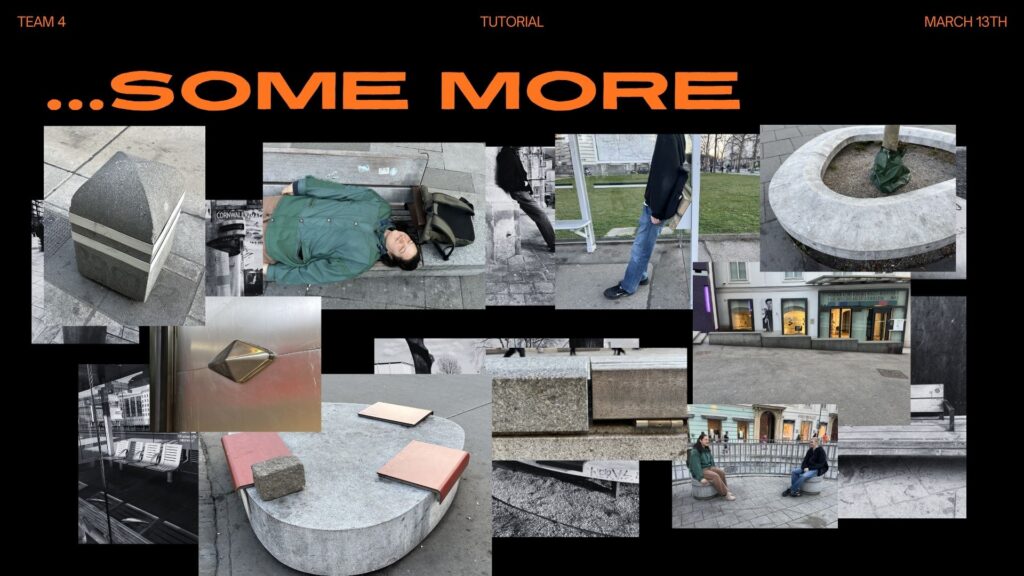
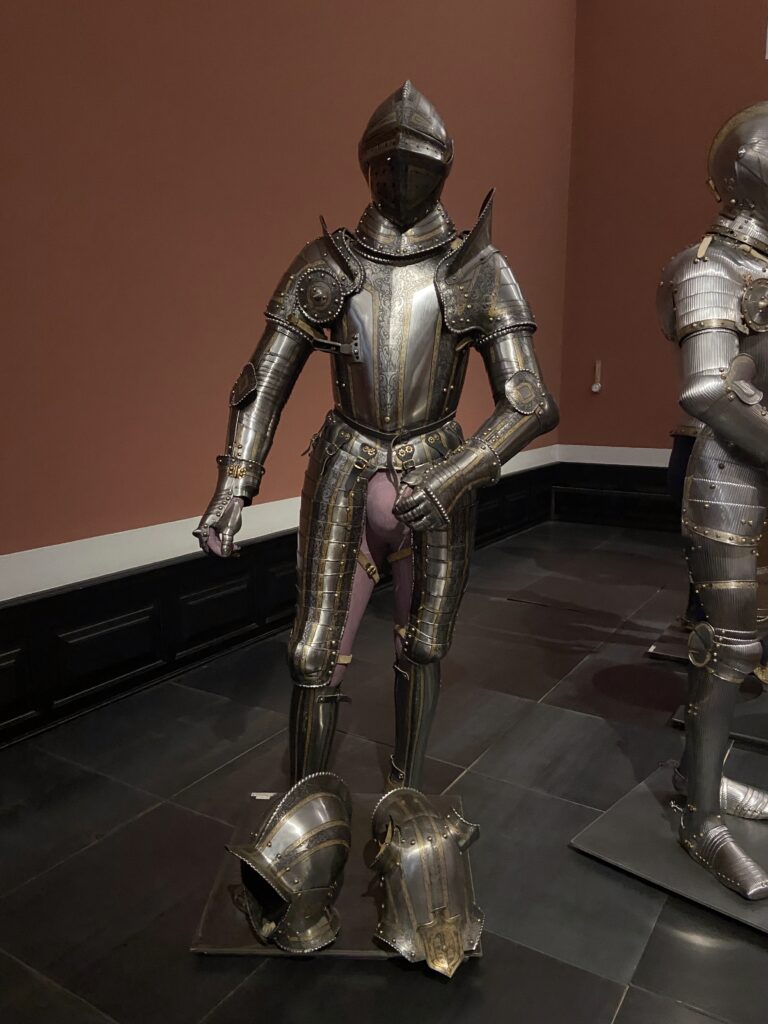
    viennese locations as chairs

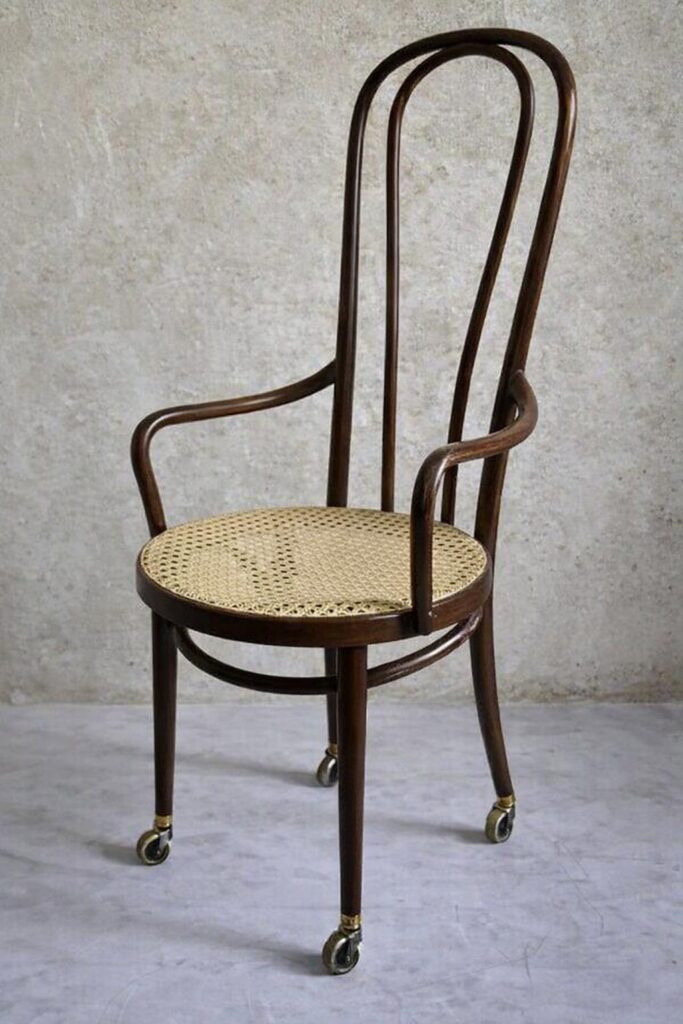
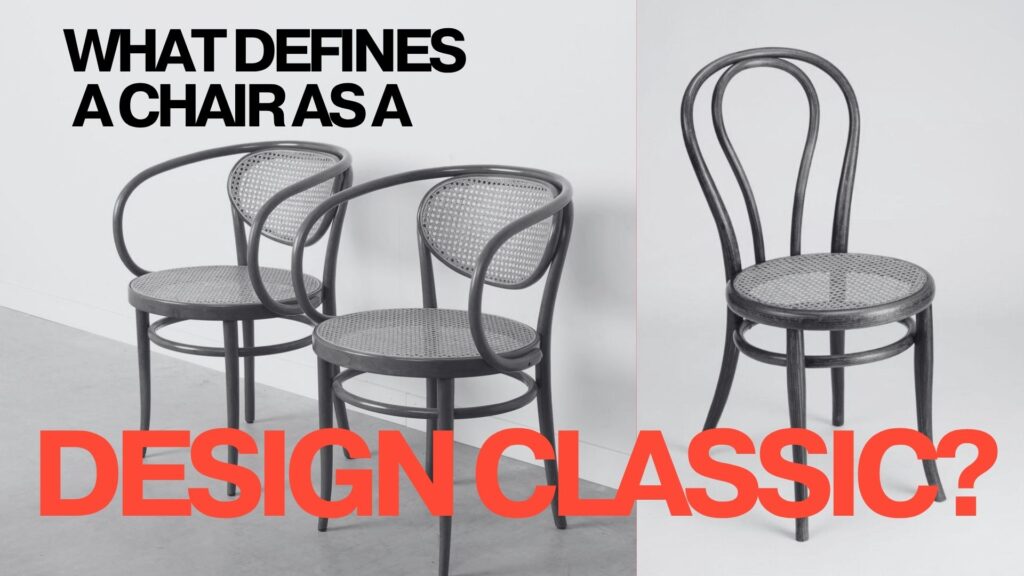
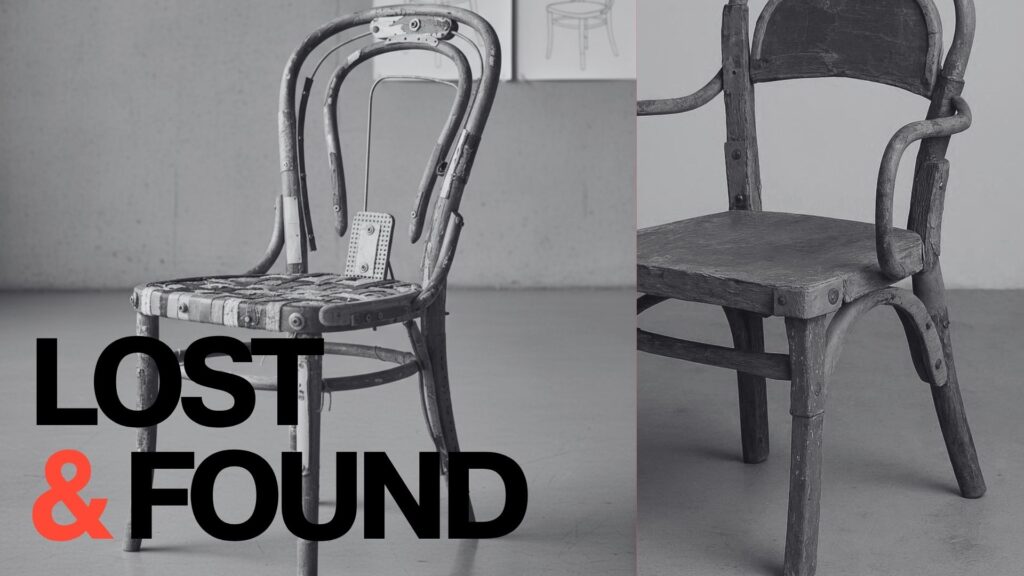
    viennese coffee chairs used differently

    where we are at now

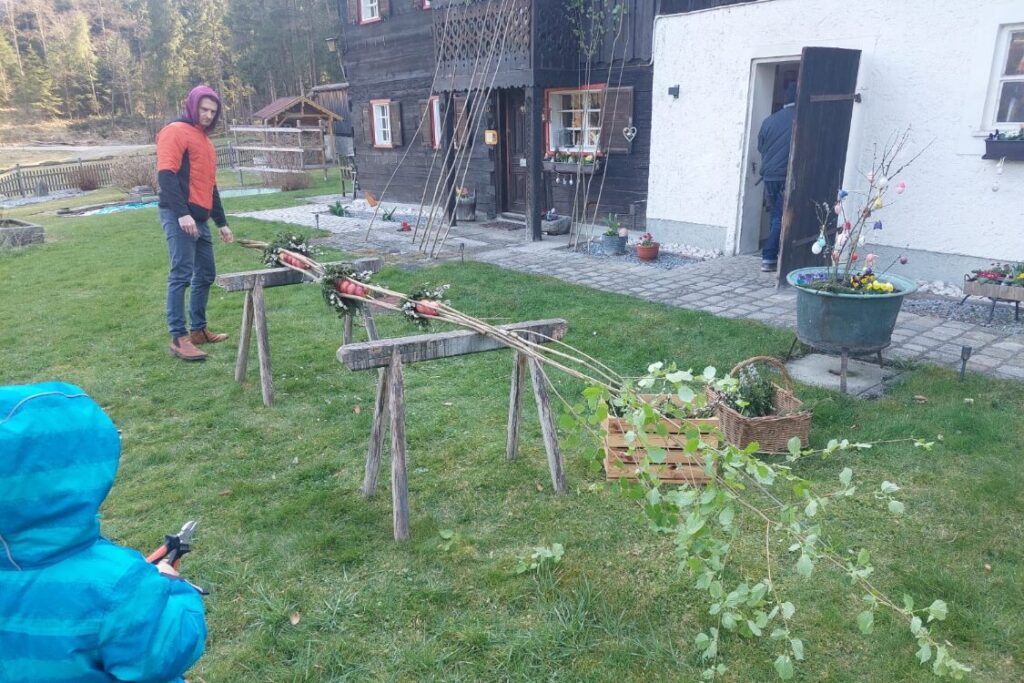
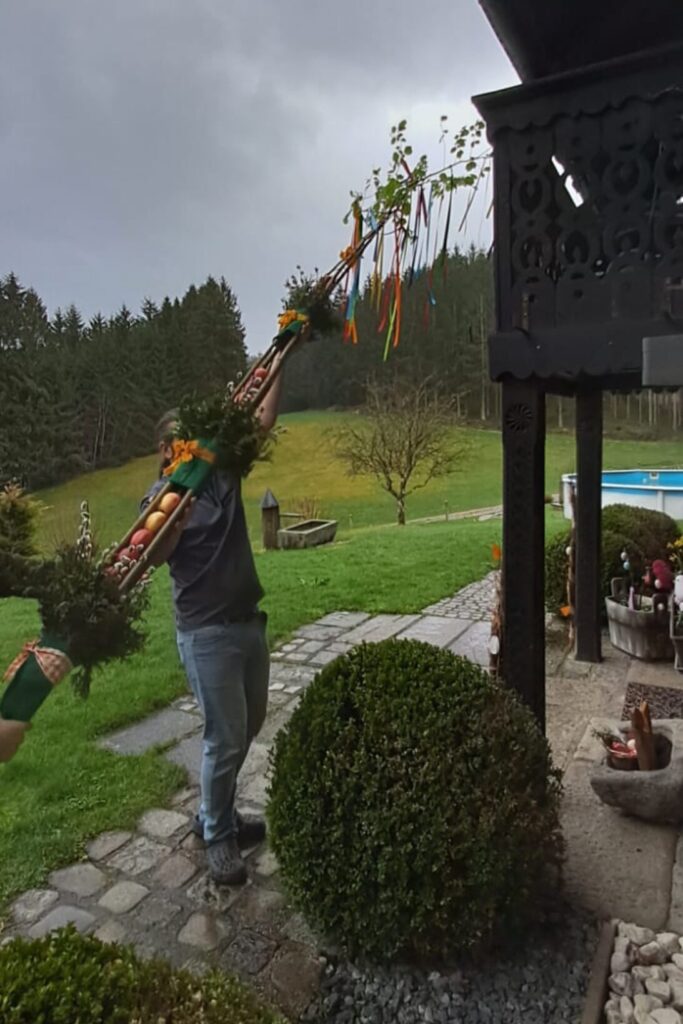
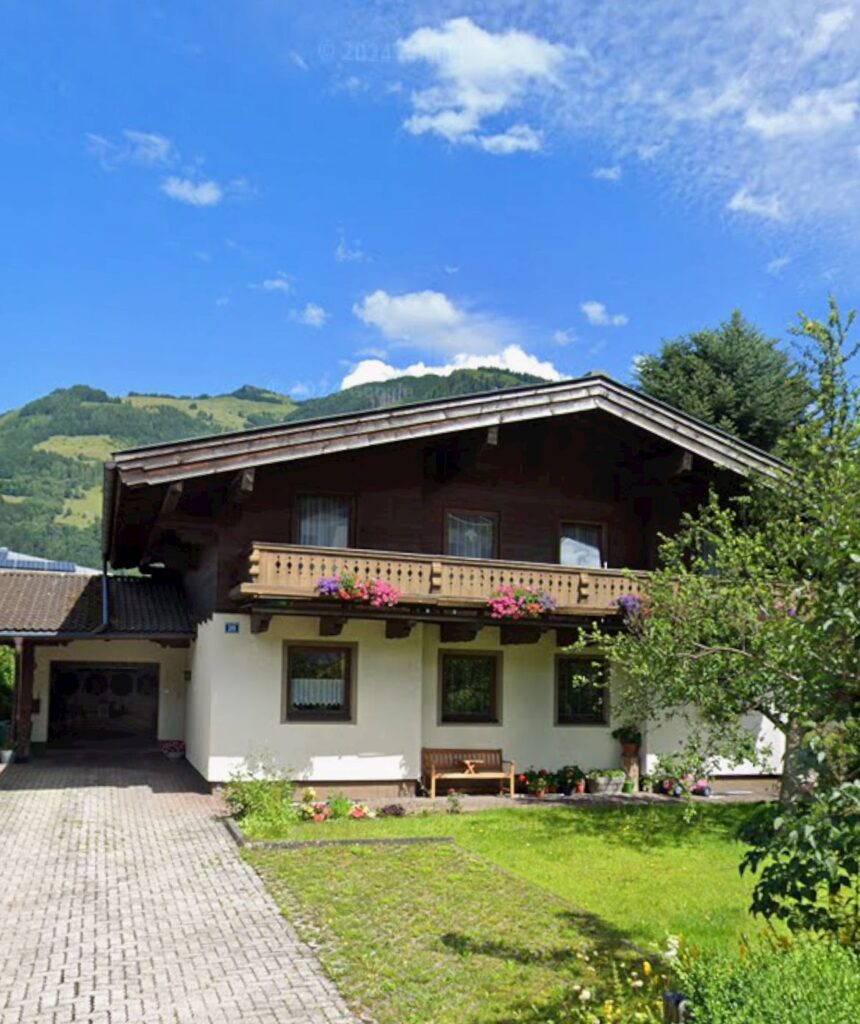
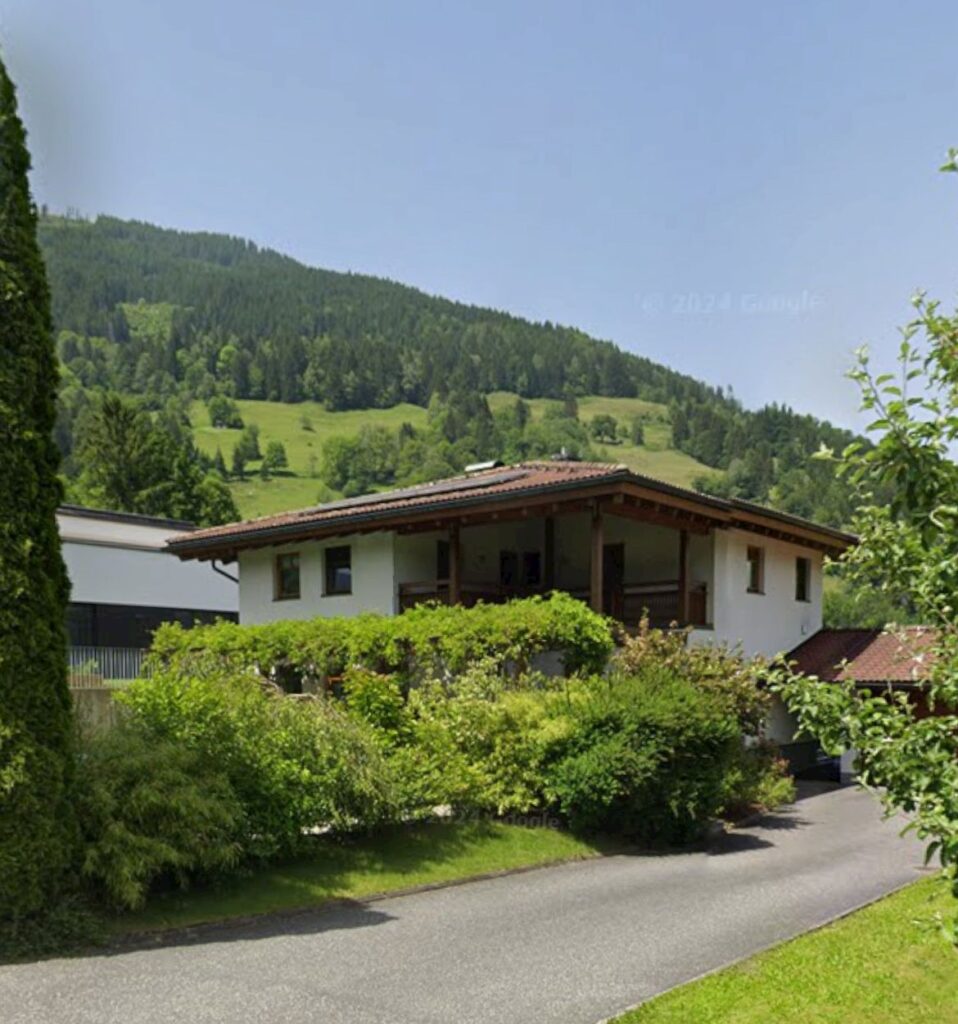
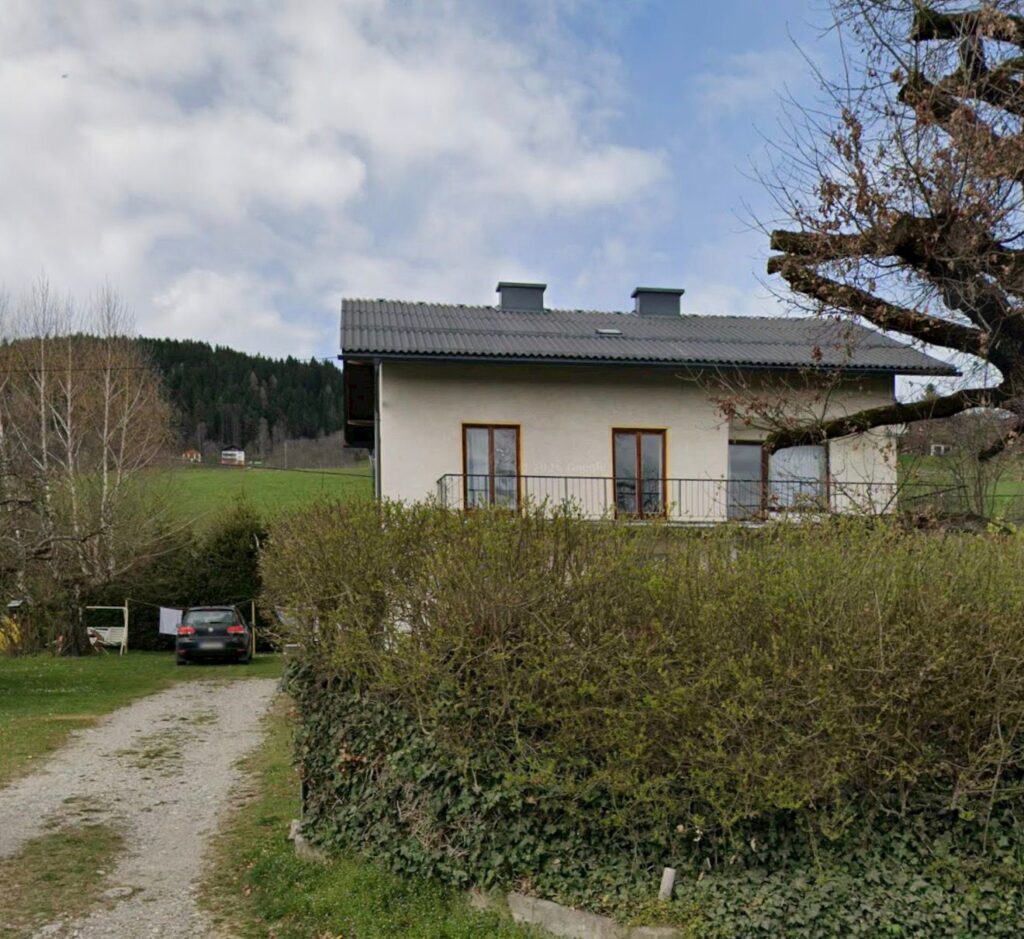
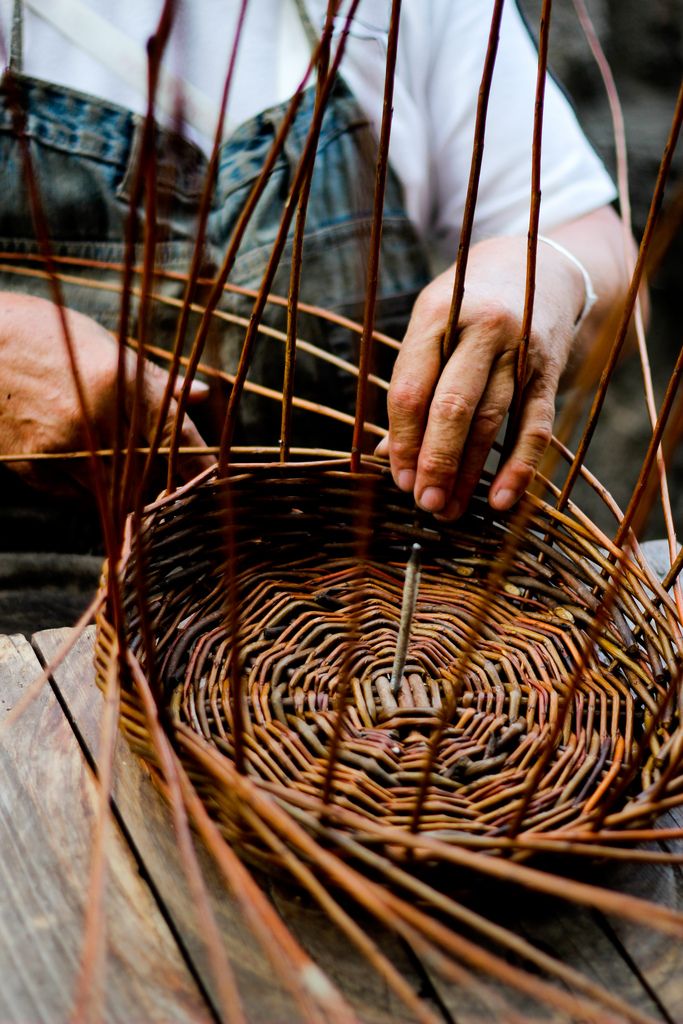
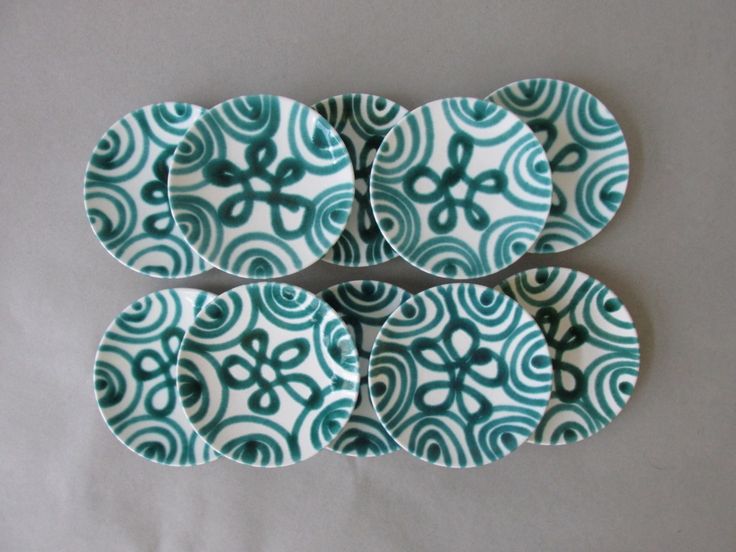
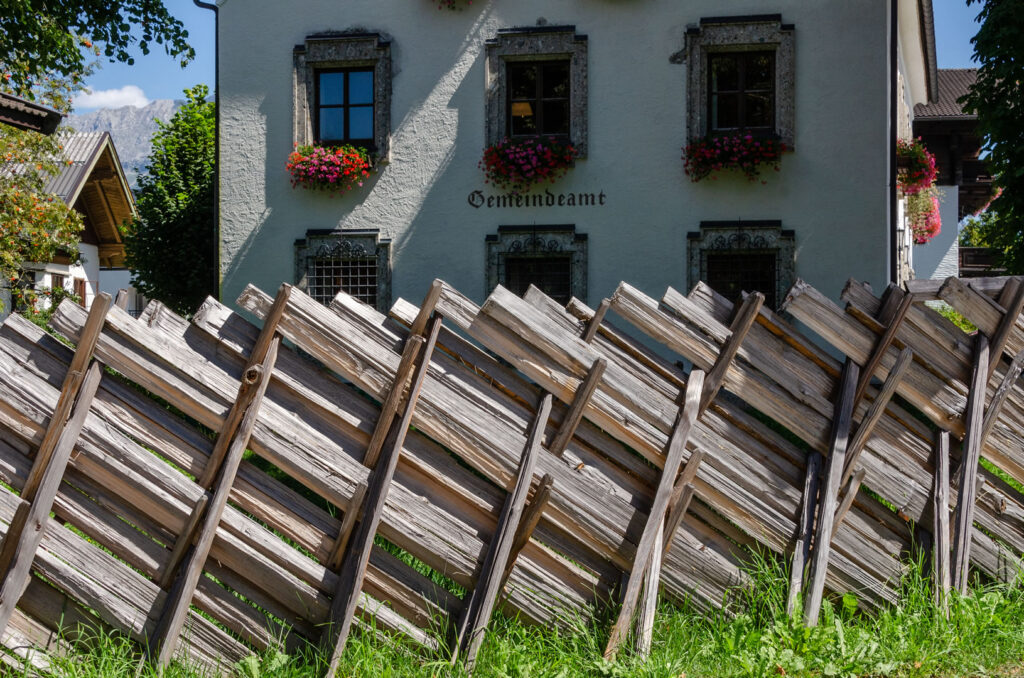
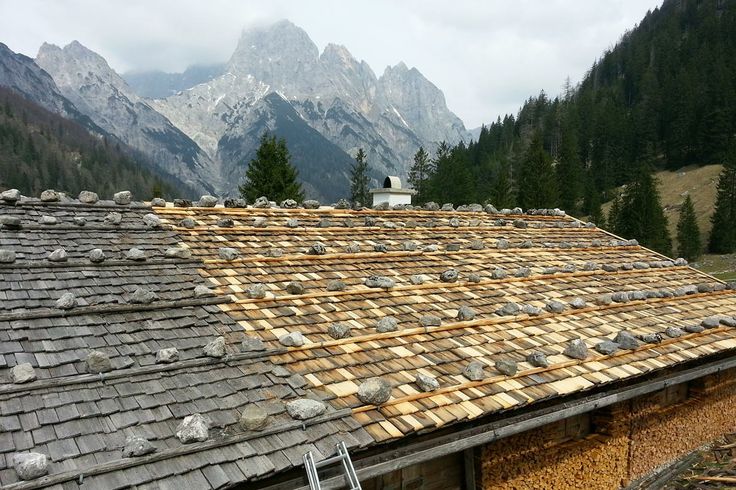
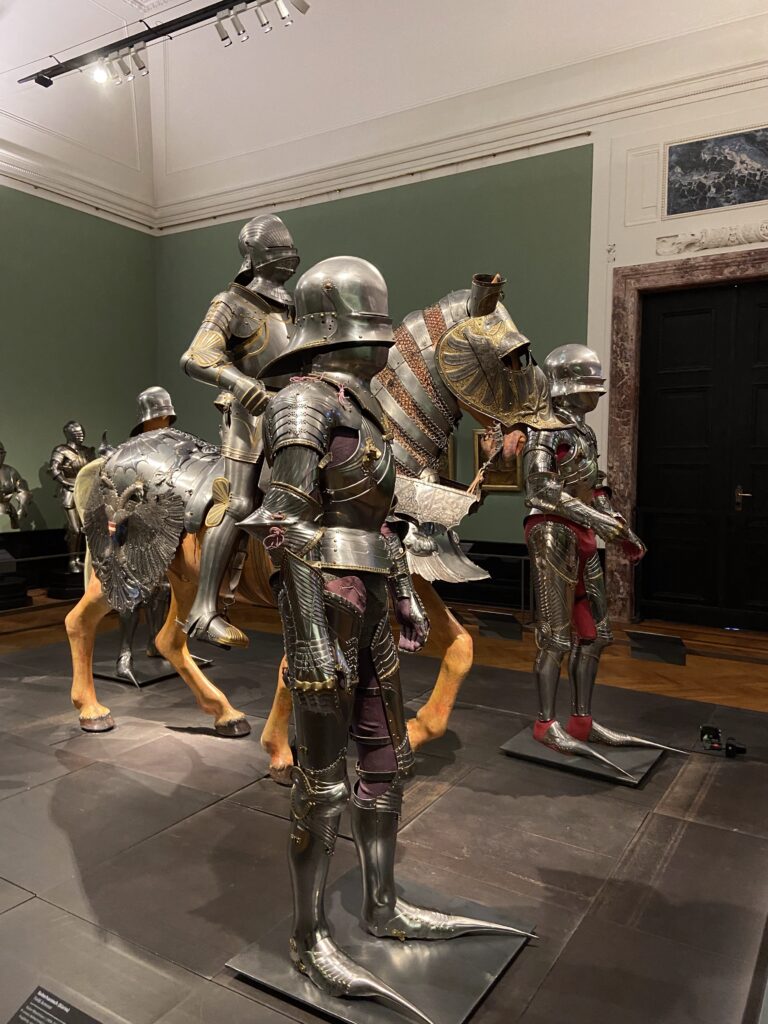
    austrian craftmansip – our ancestors furniture

    -> Can traditional crafting techniques be understood as a form of design knowledge?
    -> What happens when we translate these methods into contemporary contexts or materials?
    -> And can a chair become a way to connect stories, place, and inherited ways of making?

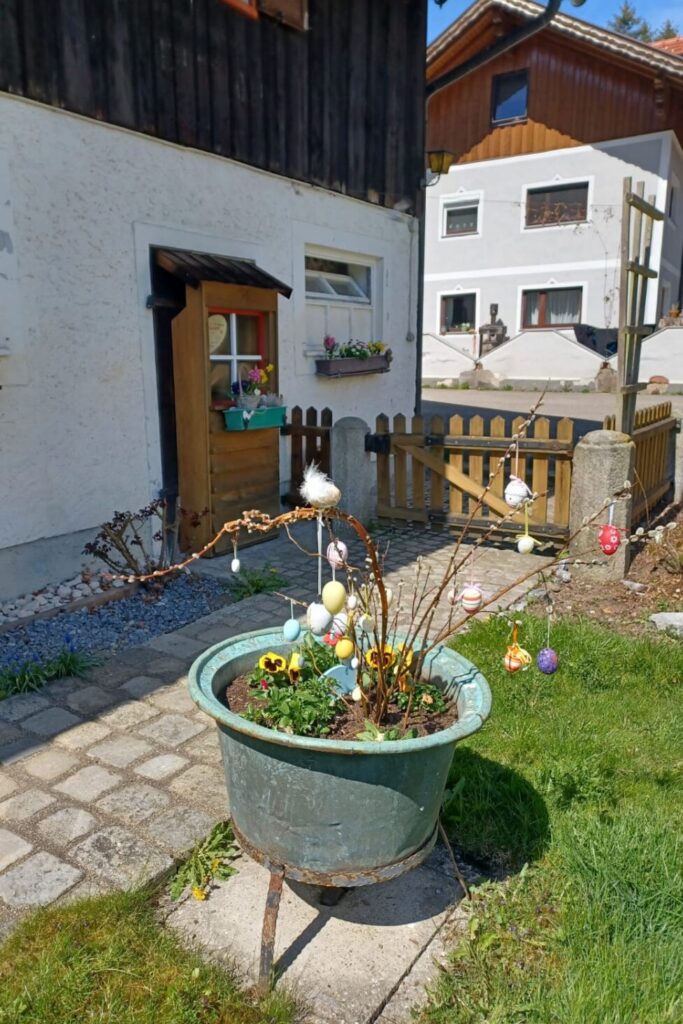
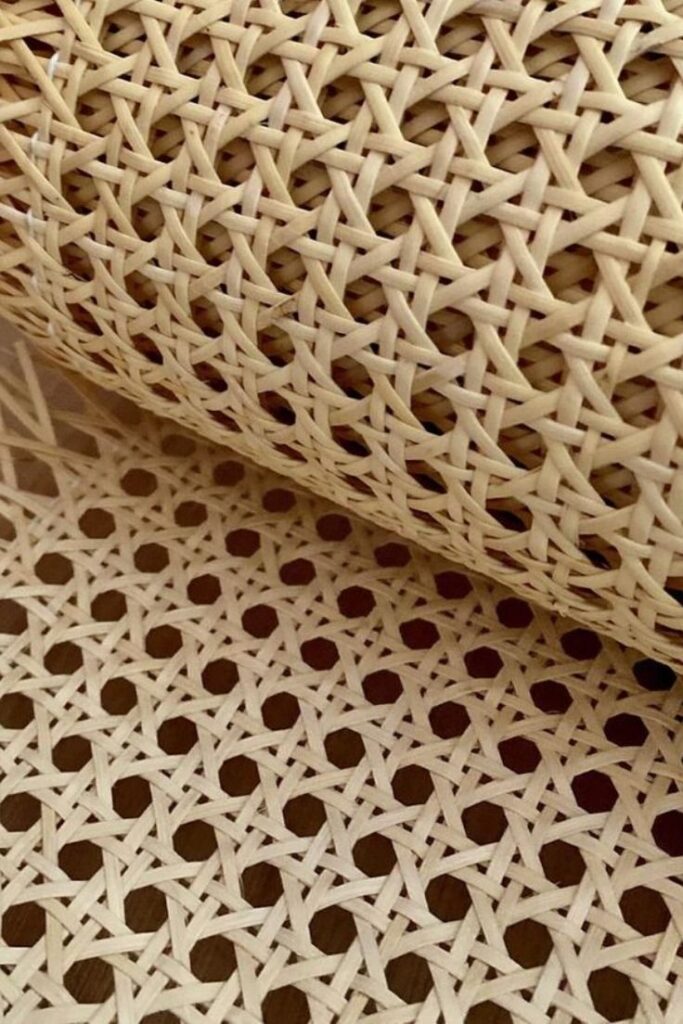
    traditional austrian crafts

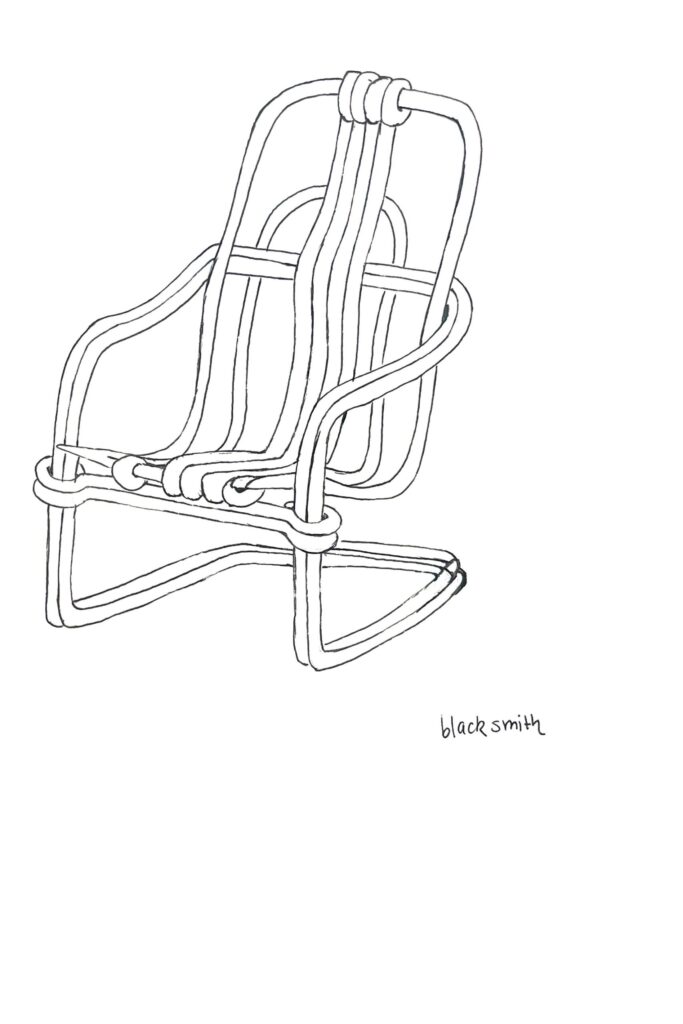
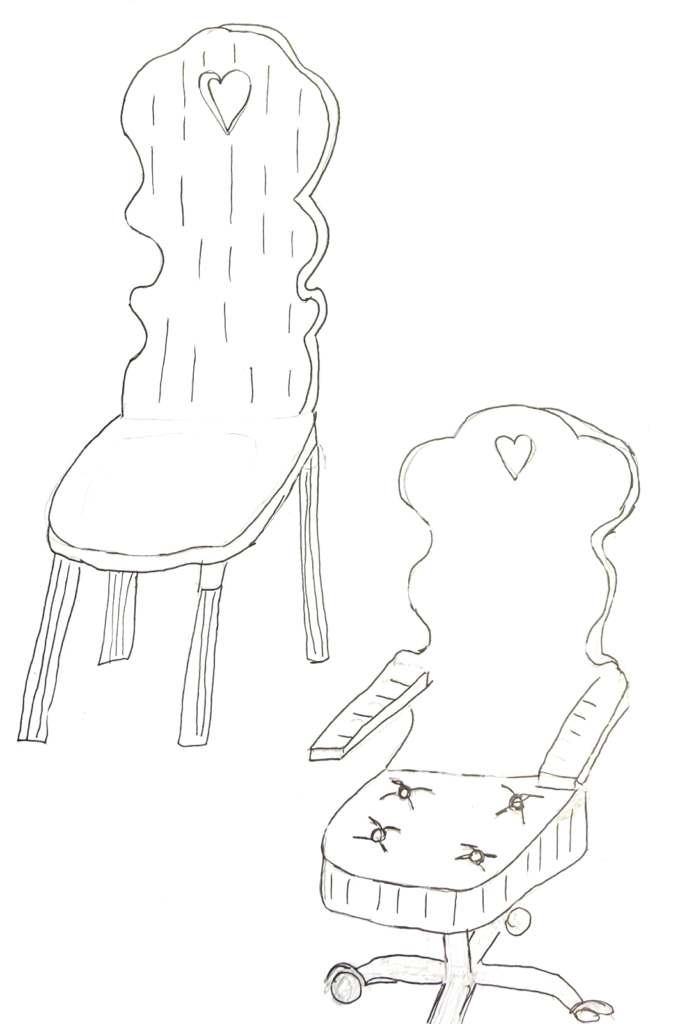
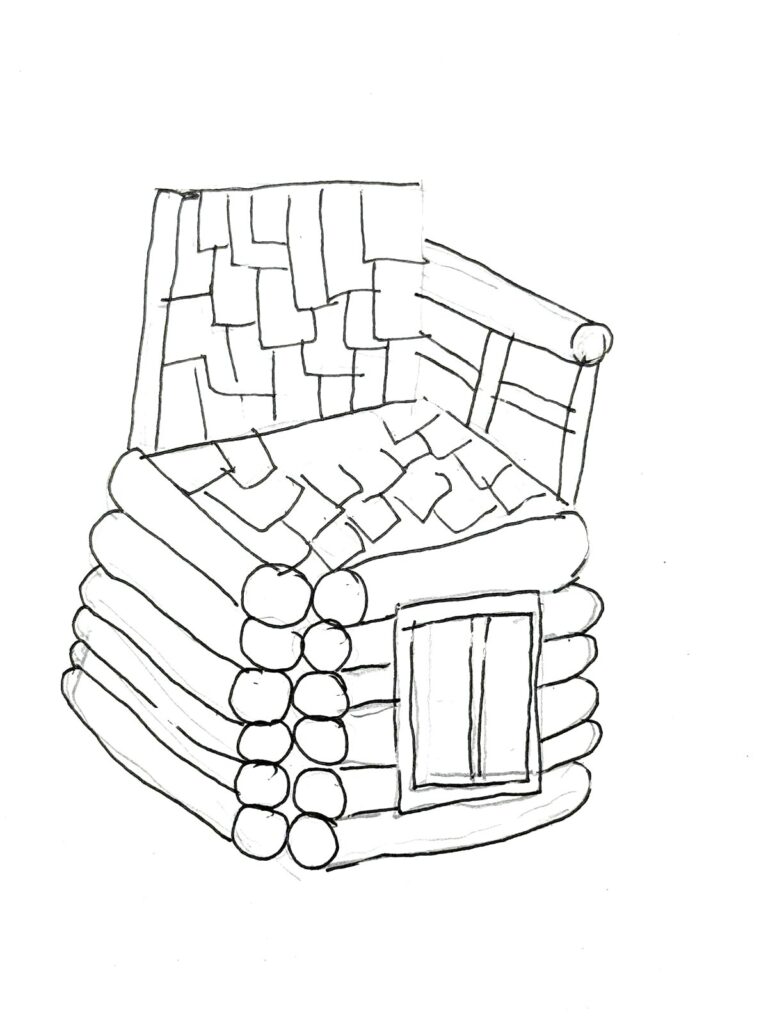
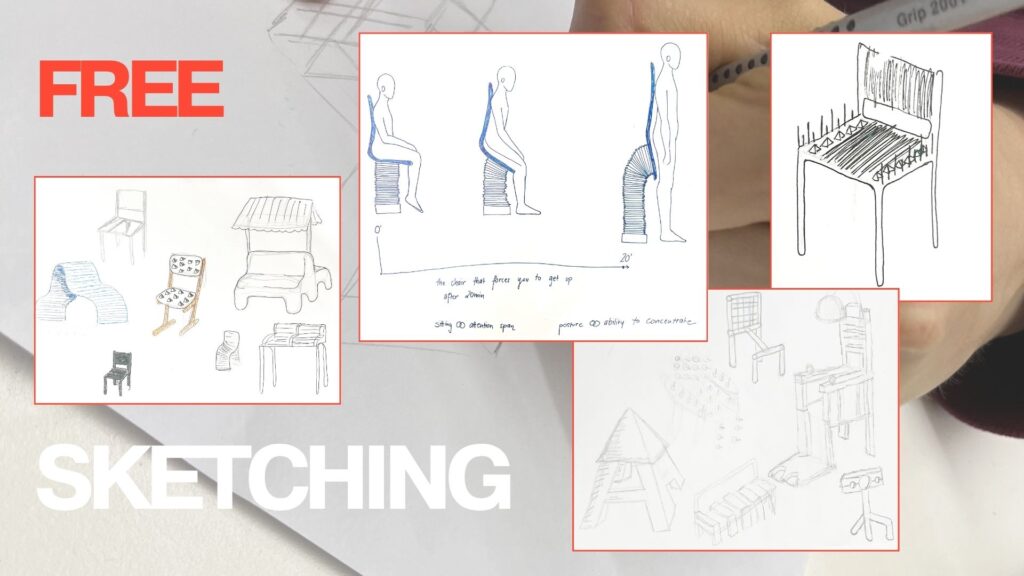
    sketches

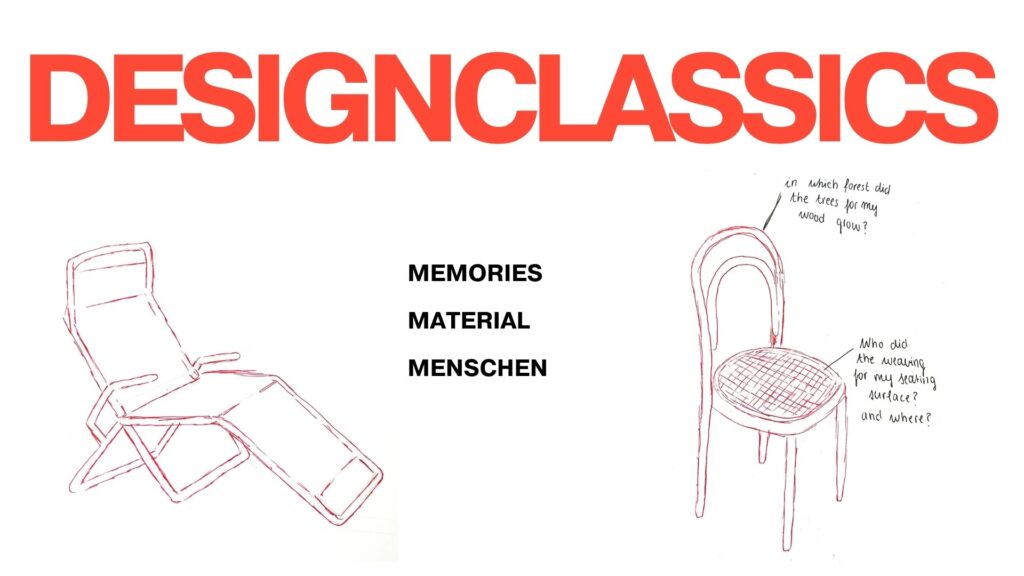
    This project explores material culture, local identity, and inherited ways of making through the design of a chair.

    We want to do this looking at traditional austrian crafts, without putting focus on nostalgia, or glorifying traditions, as some (right-wing) politicians do but rather in the opposite way.

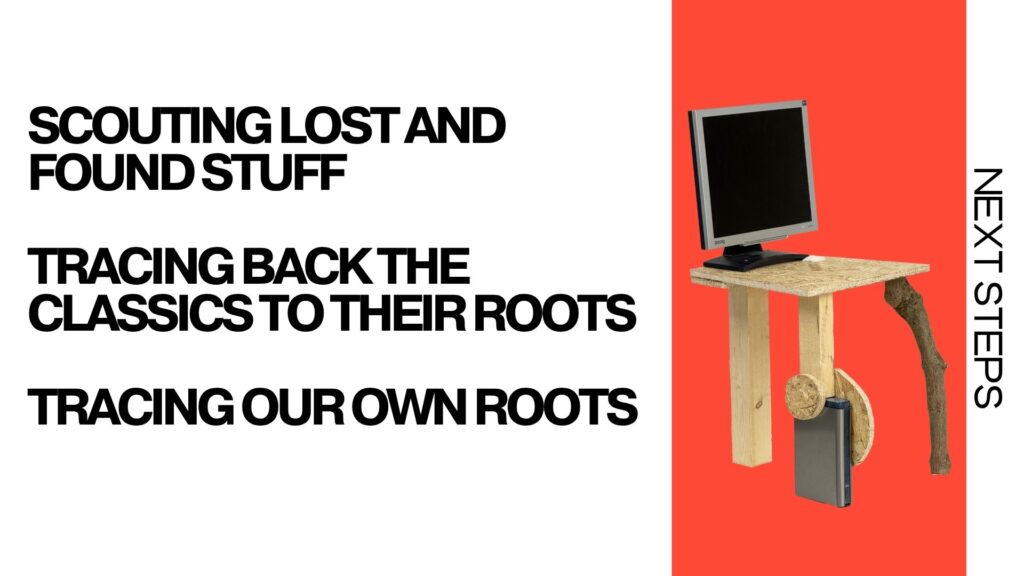
    next steps

    • furniture scouting (IKEA, möbelmuseum)
    • trying traditional crafts ourselves -> material experiments
    • where do we place our chair? is it for one person or several people? and what kind of chair even is it?
  • midterms 03_27

    By

    Julia Freyer

  • 2nd.sess 03_25

    By

    Julia Freyer

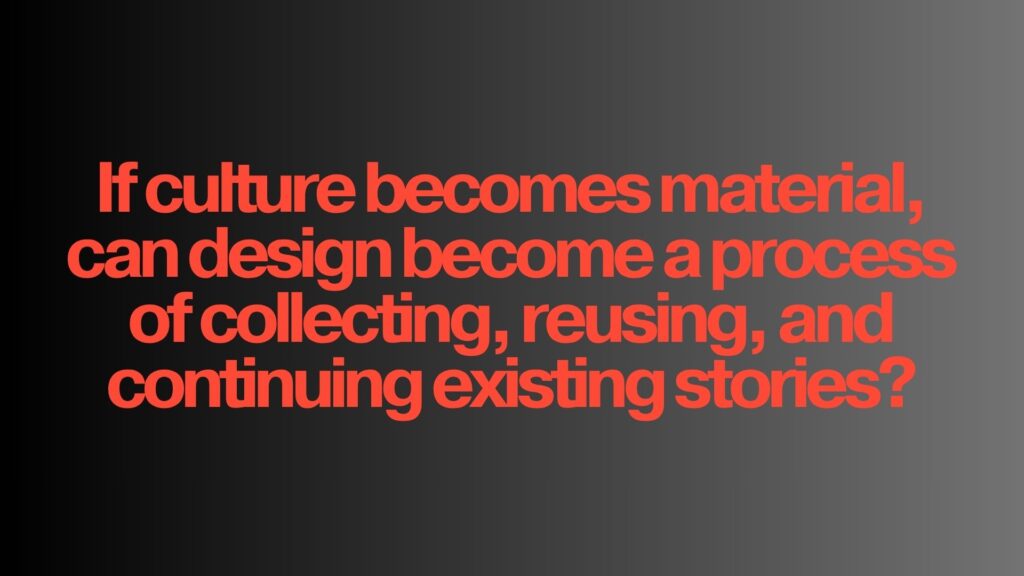
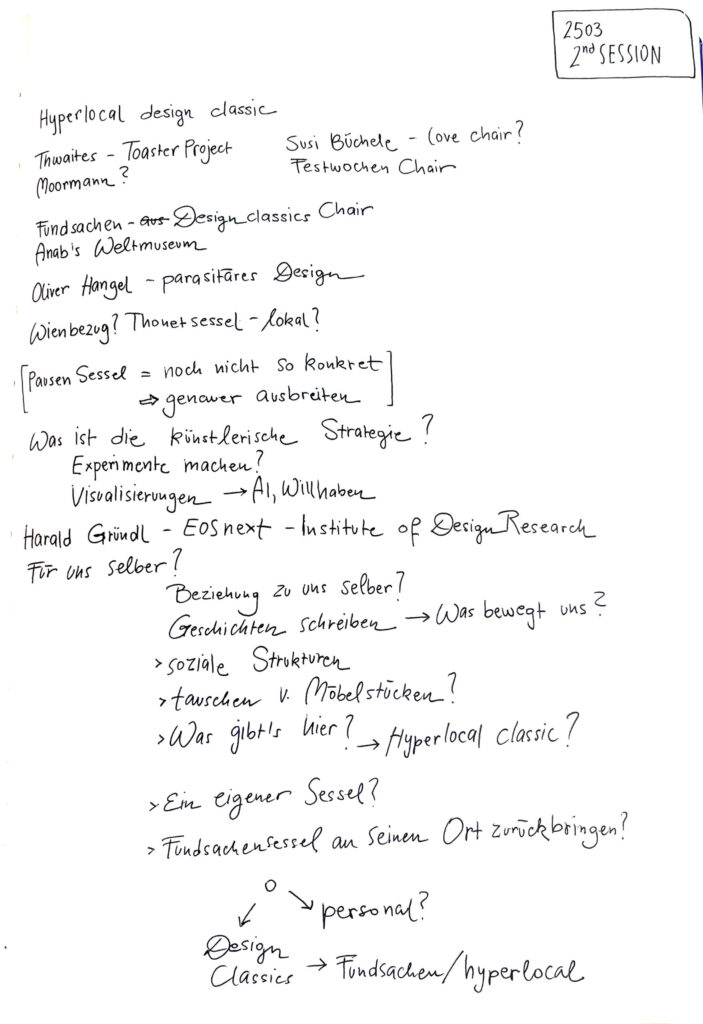
    new idea: hyperlocal design classic

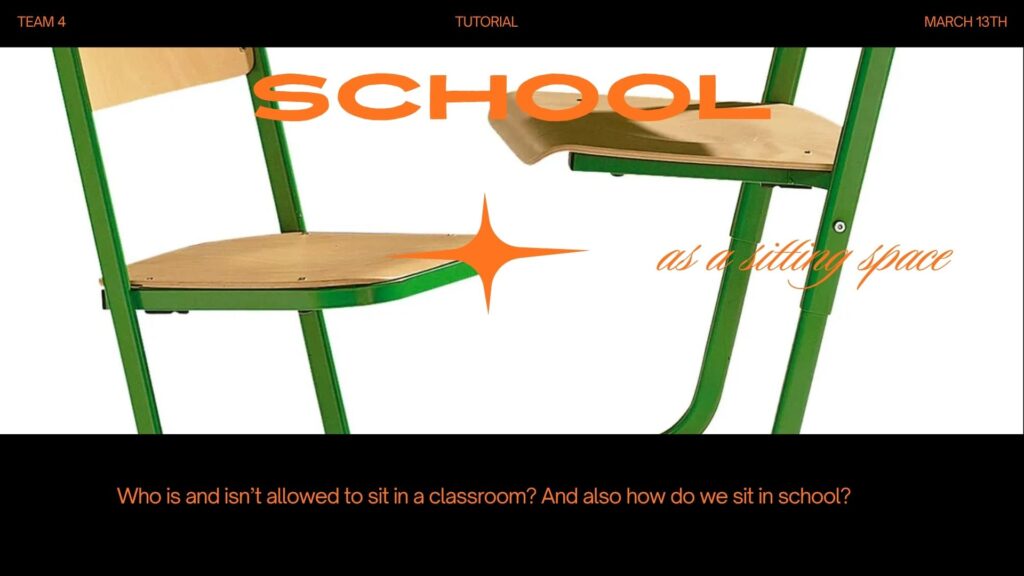
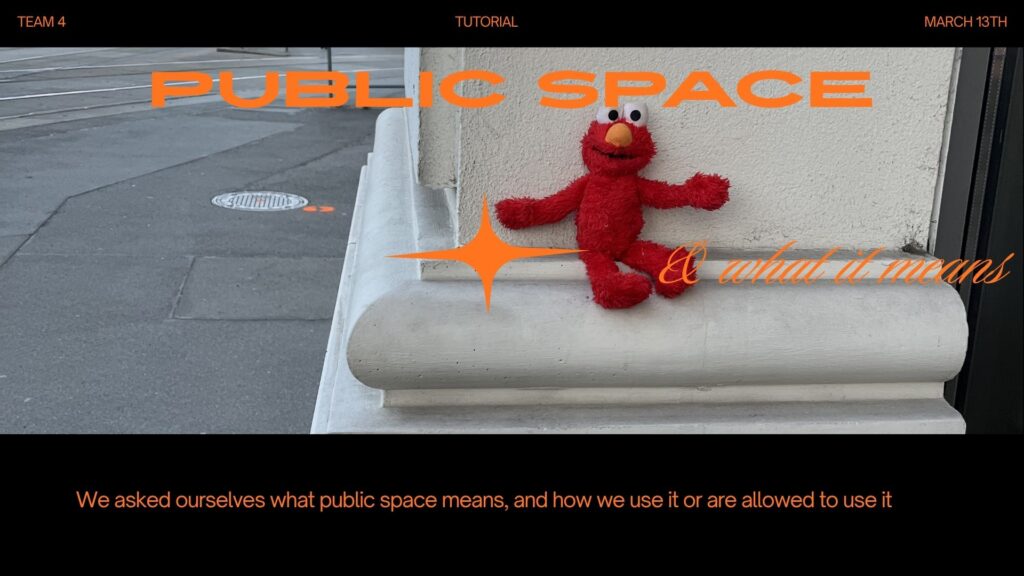
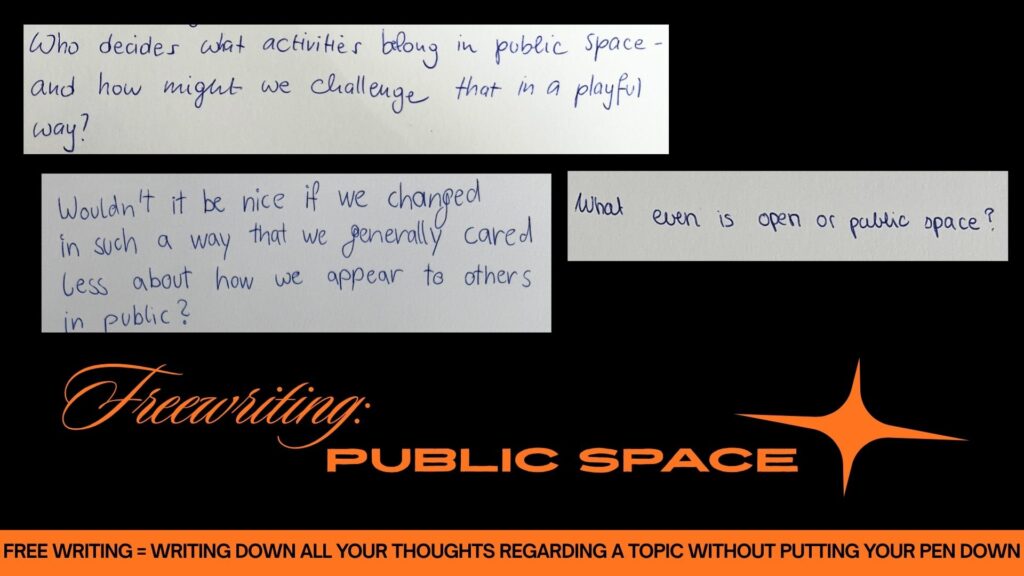
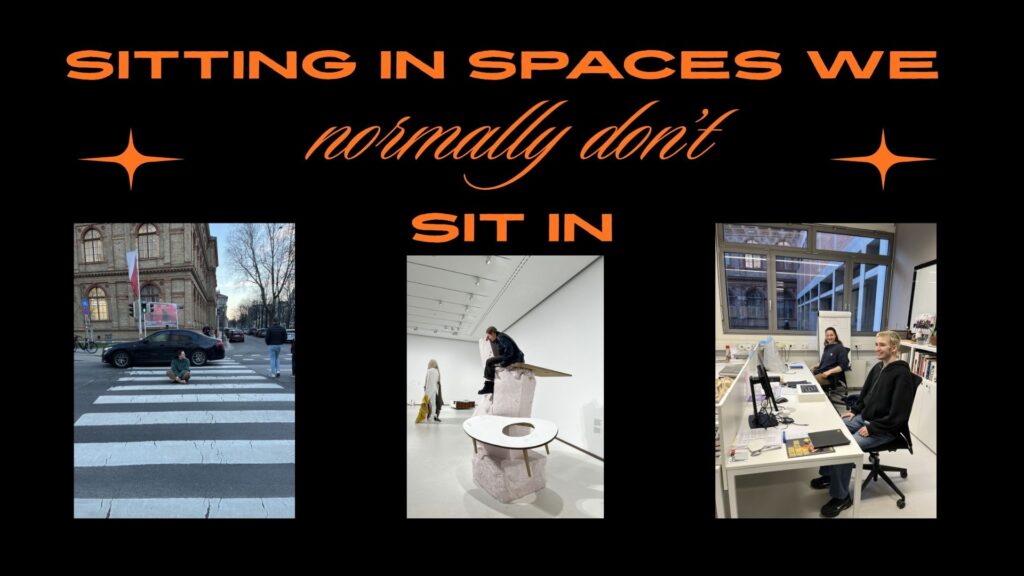
  • tut 03_13

    By

    Julia Freyer

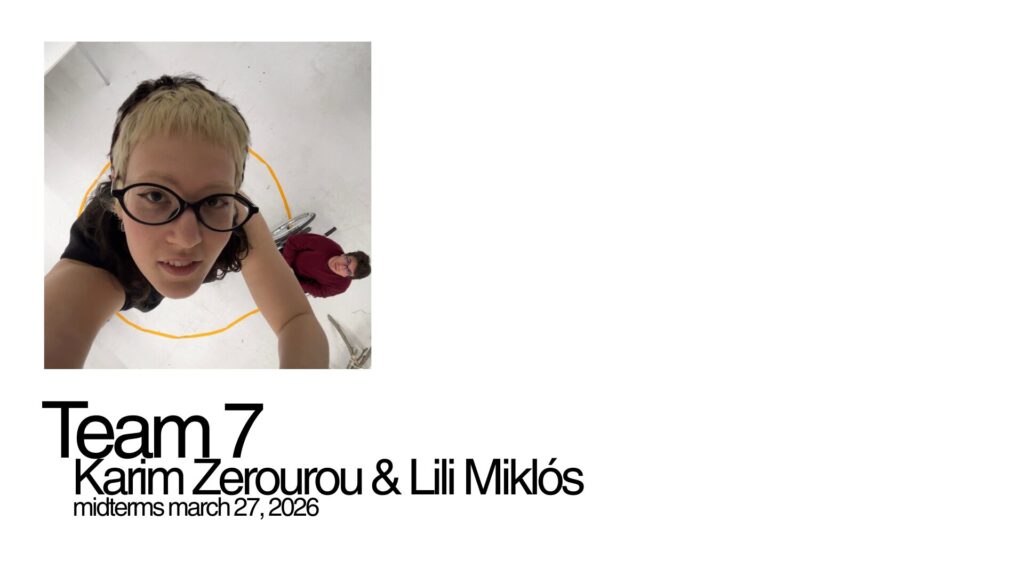
  • midterms

    By

    Lili Miklós

  • Progress over the easter holidays

    By

    Keita Sugiyama

    Things I’ve worked on:

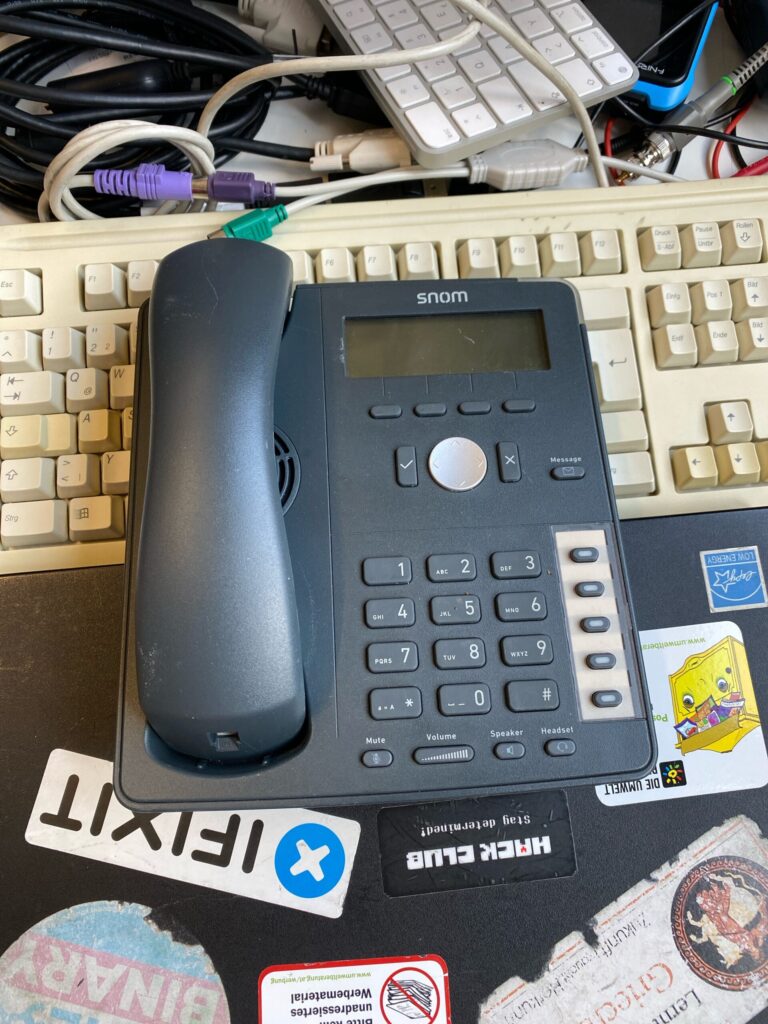
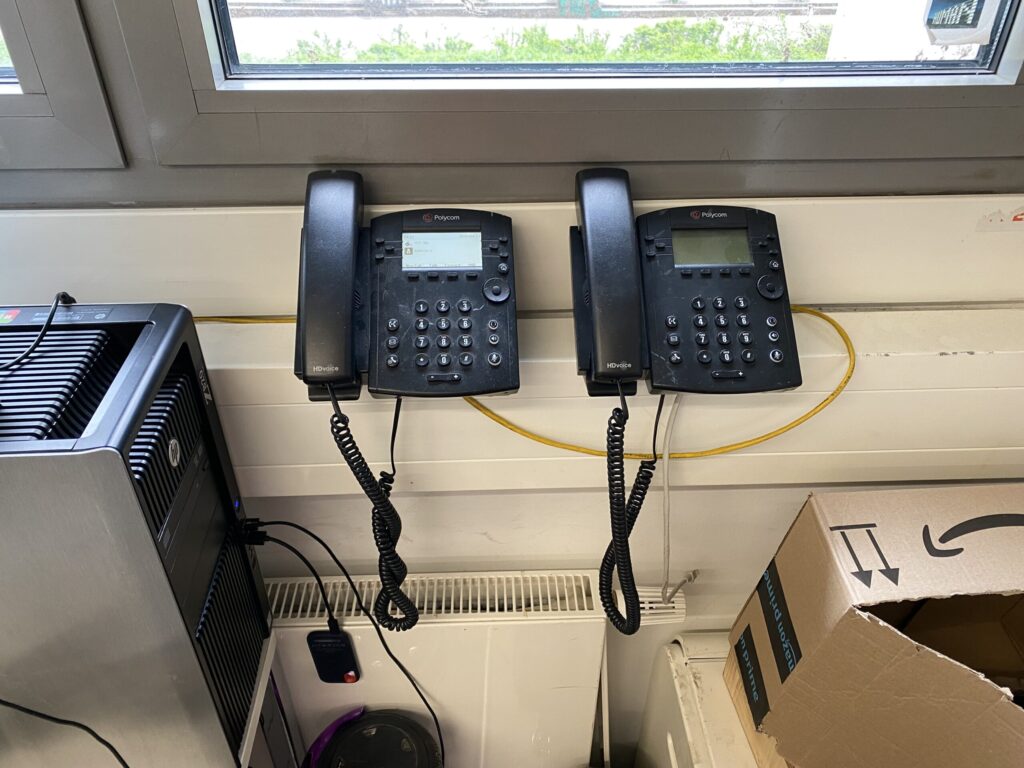
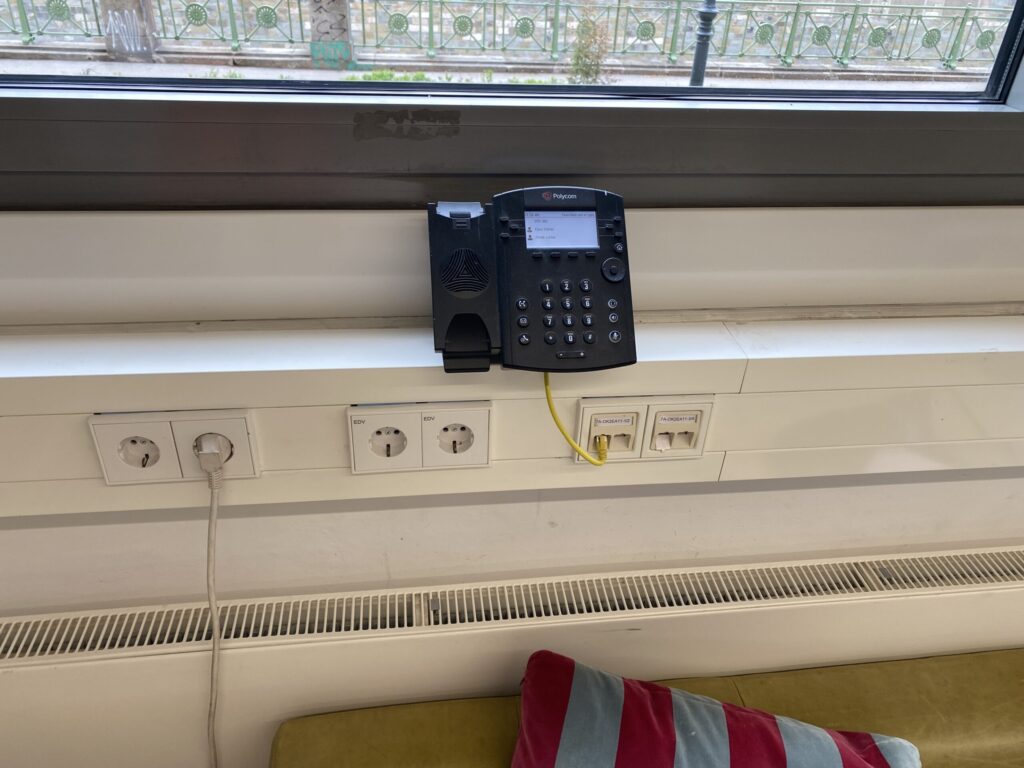
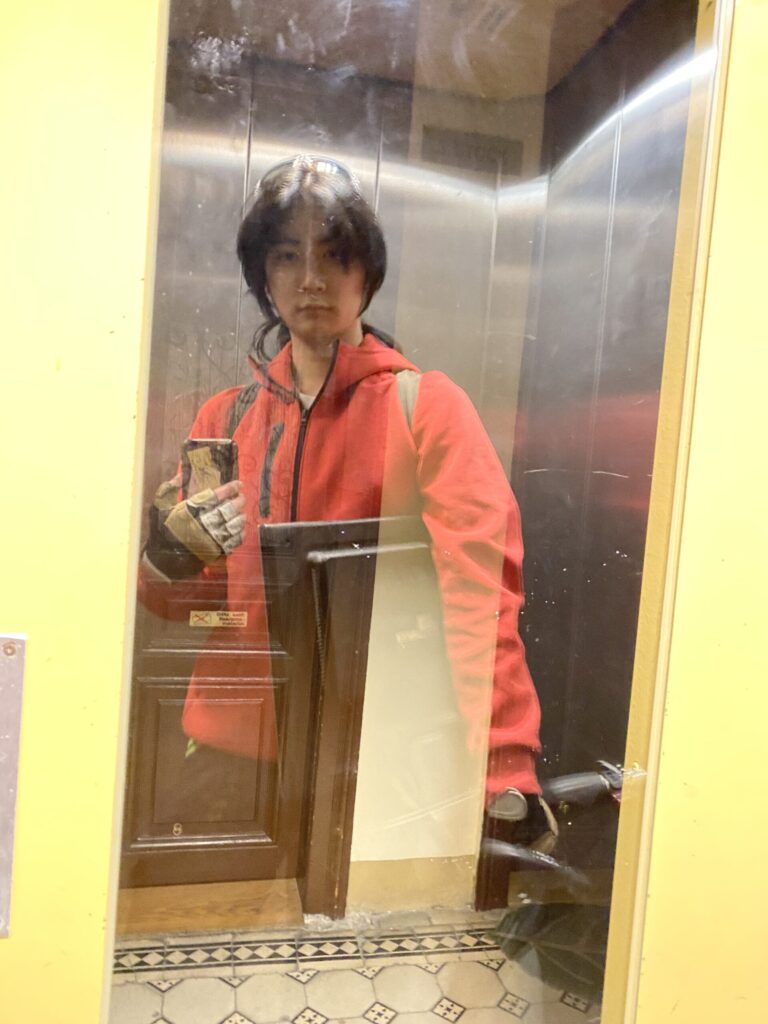
    Telephones across the studios:

    These can call between each other and can also be installed in ID.


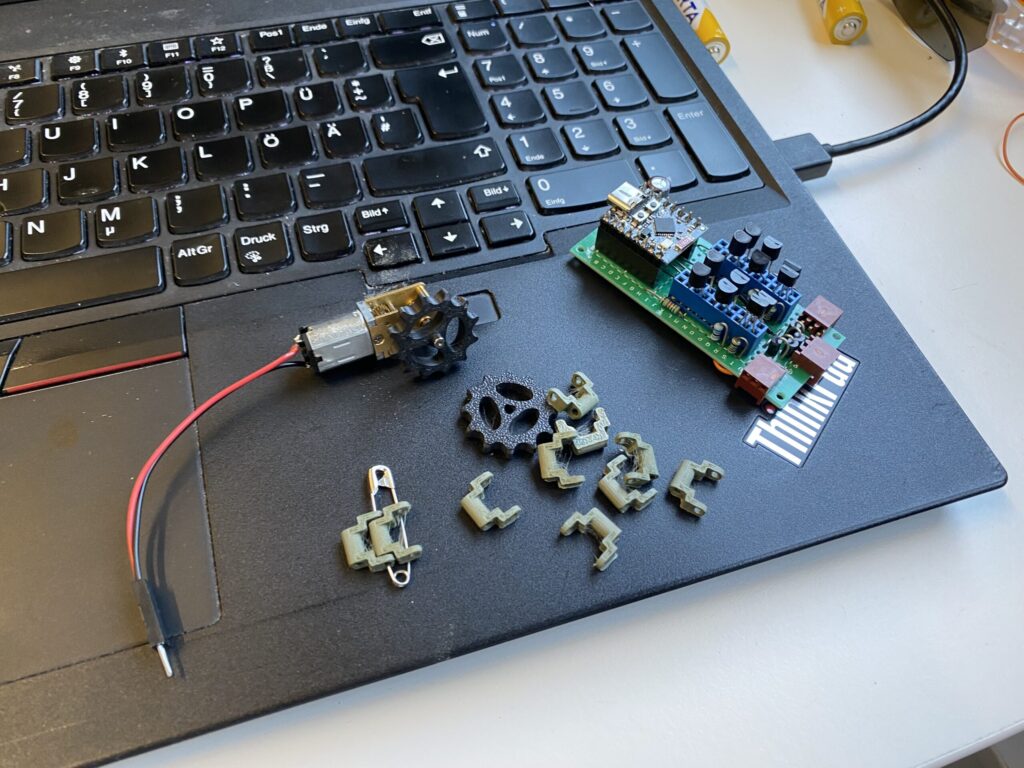
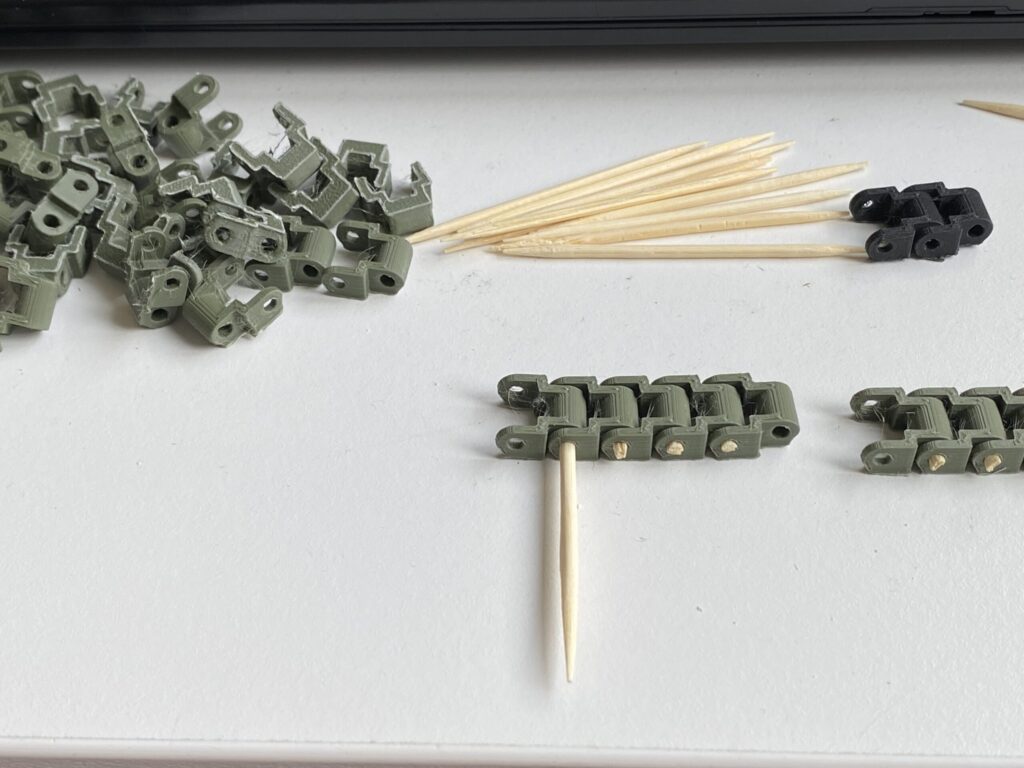
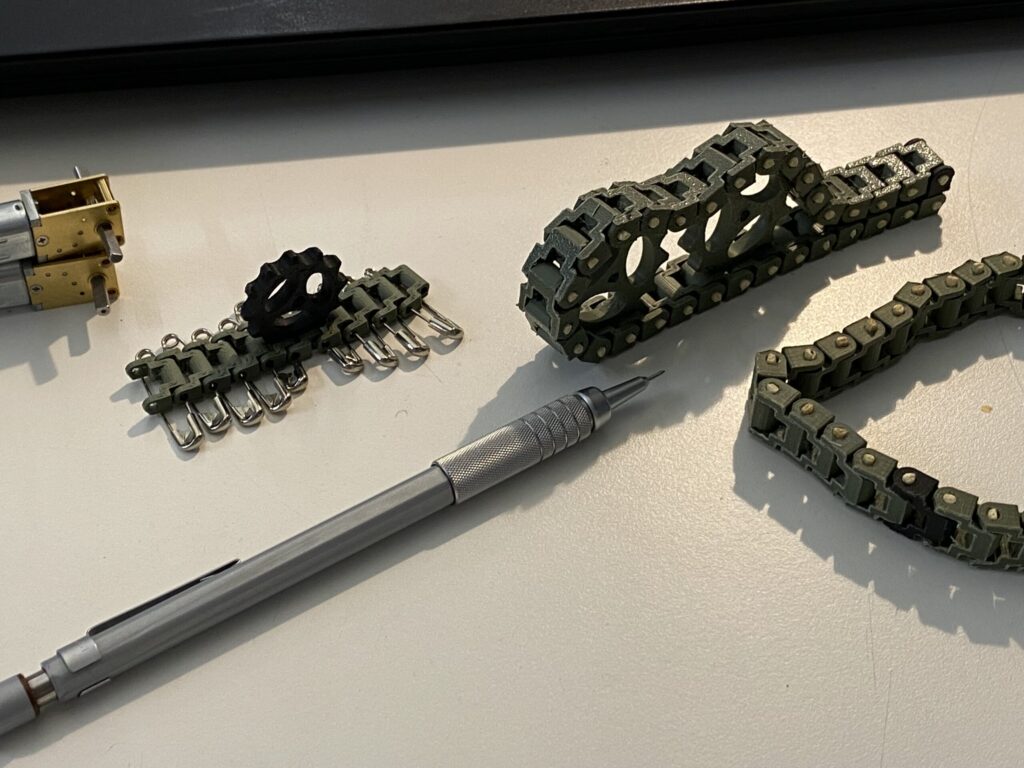
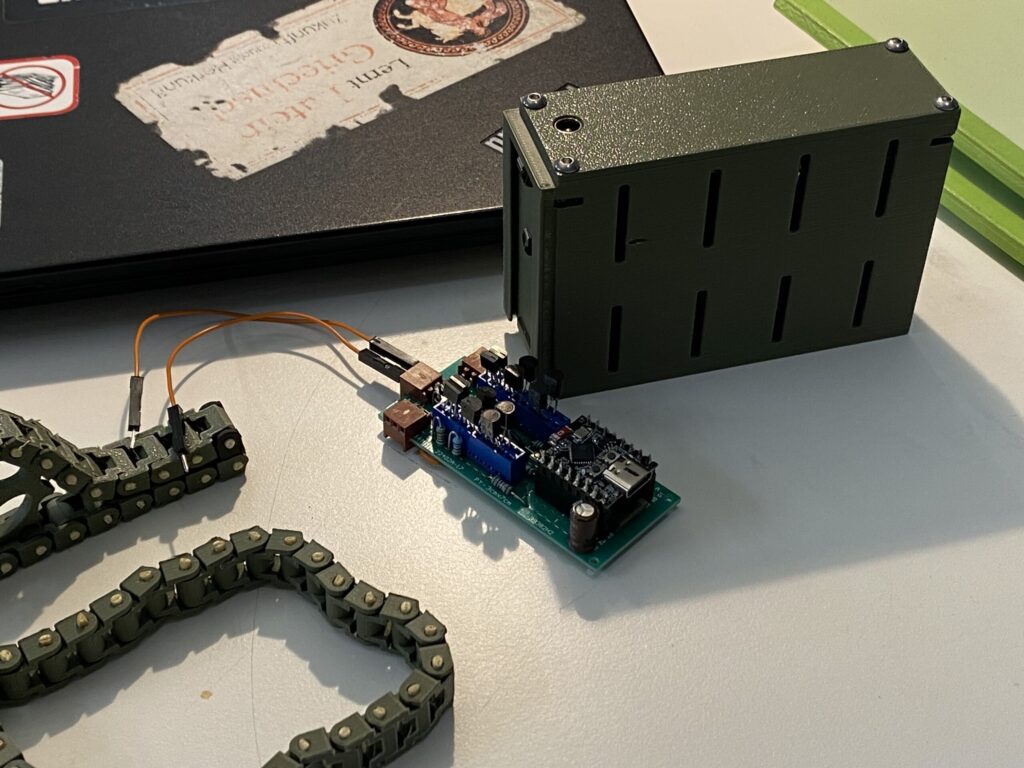
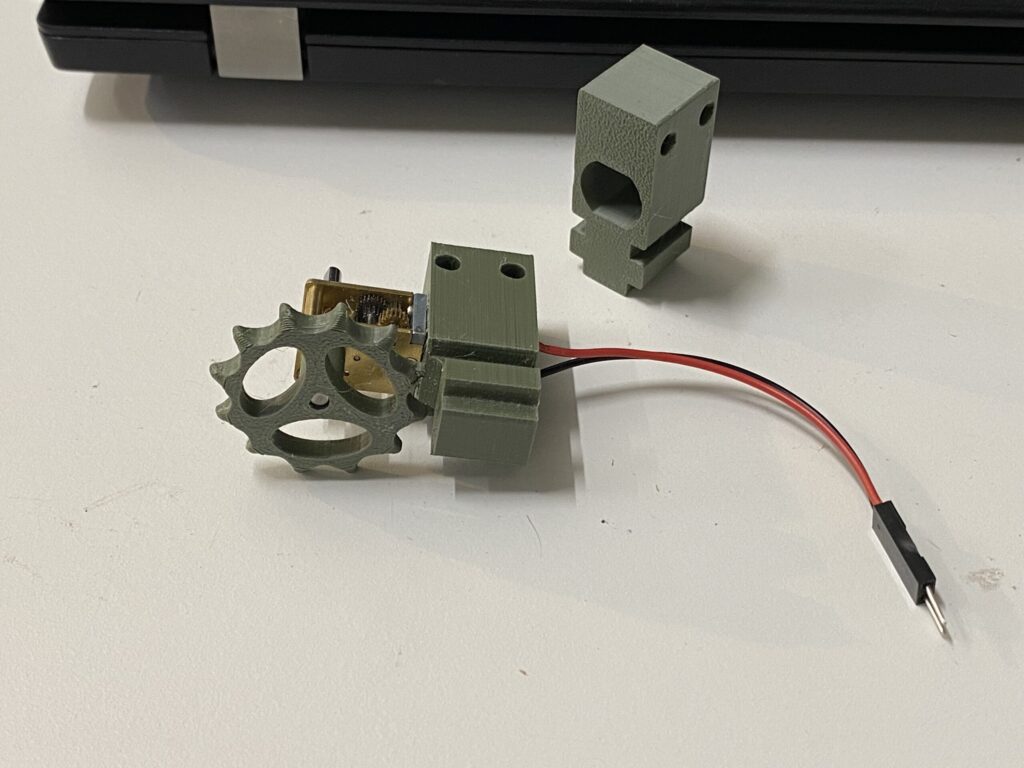
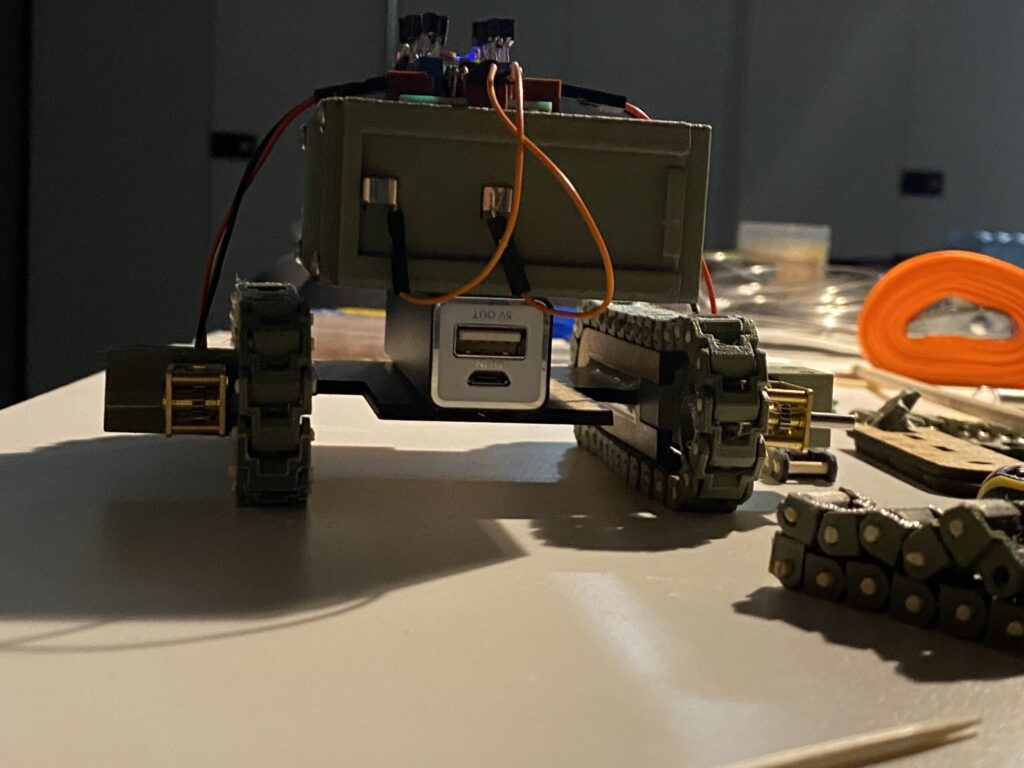
    3D printed small vehicle for running around the studio:

    I’ll call it the Classwalker


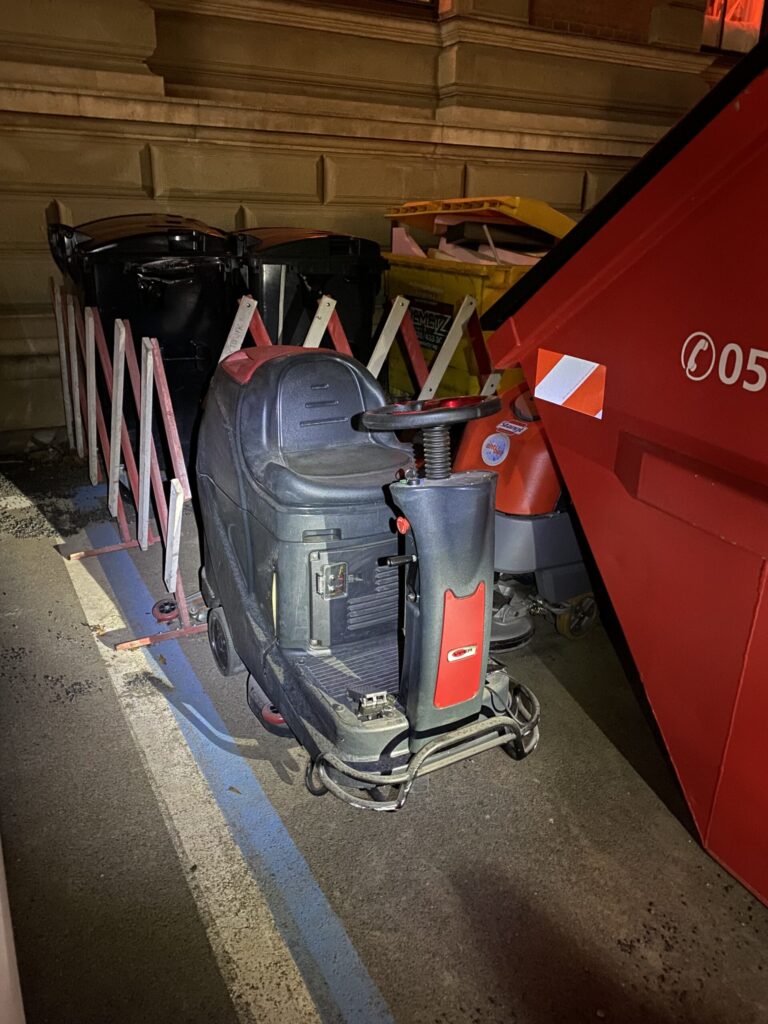
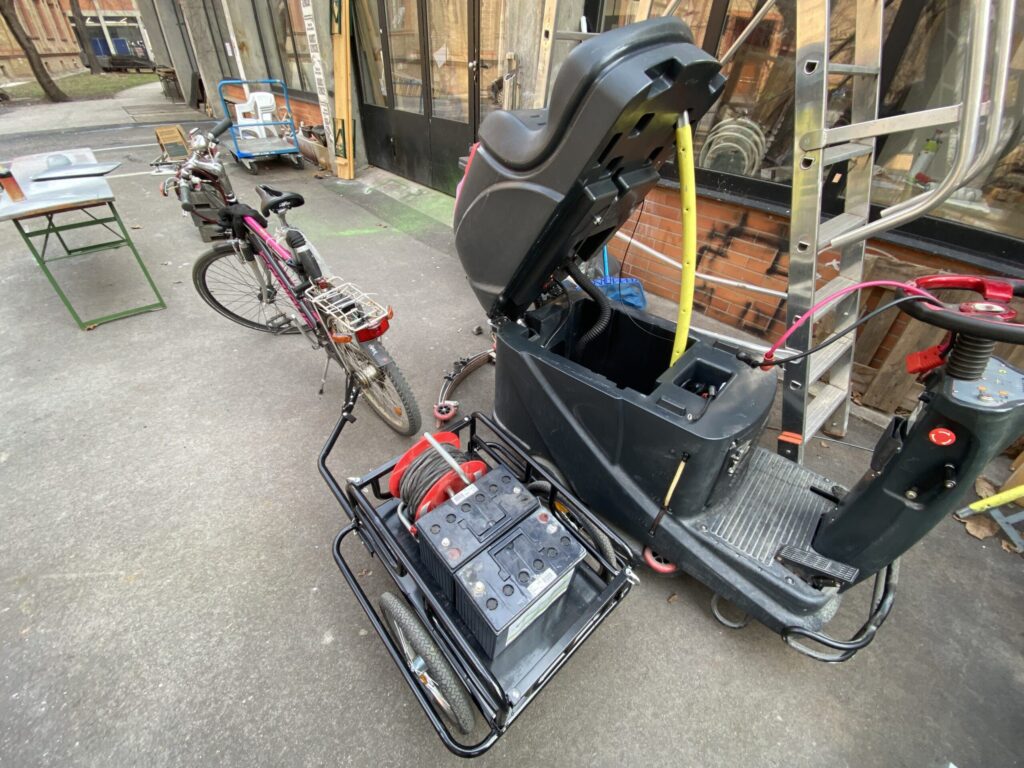
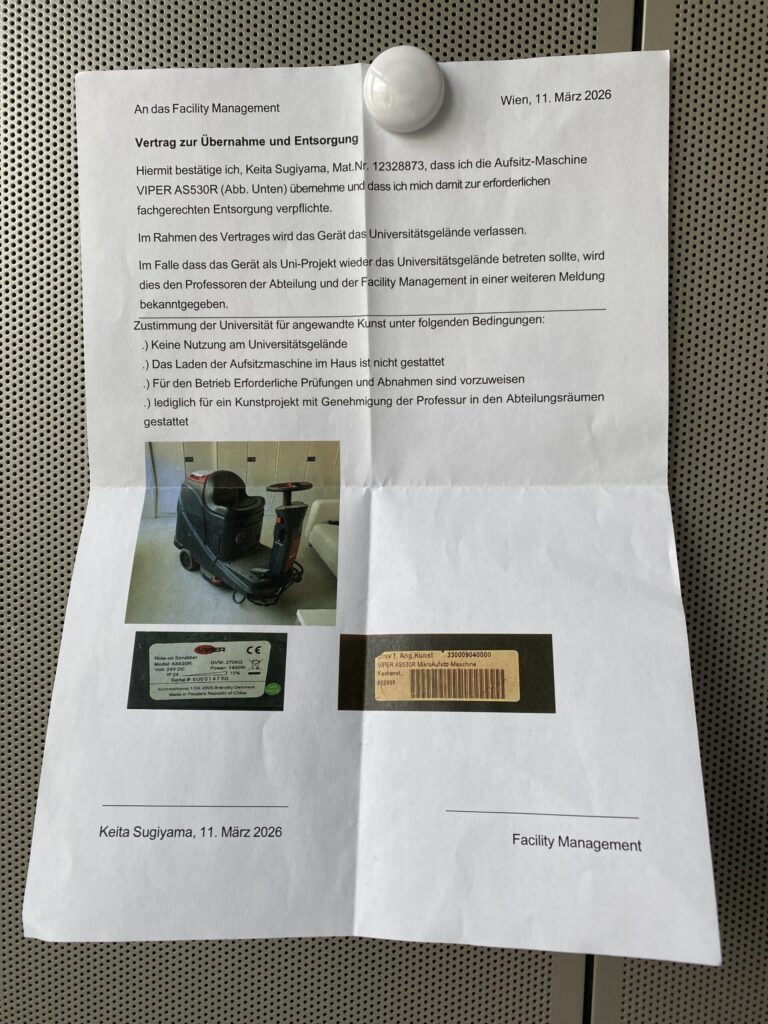
    Floor cleaner:


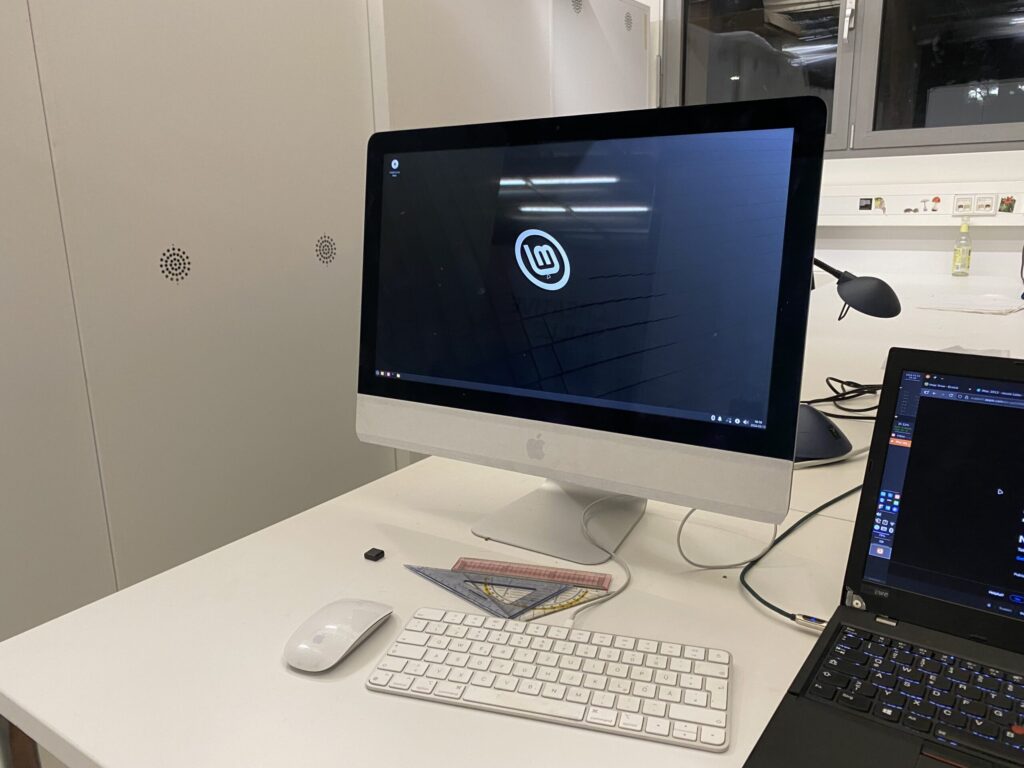
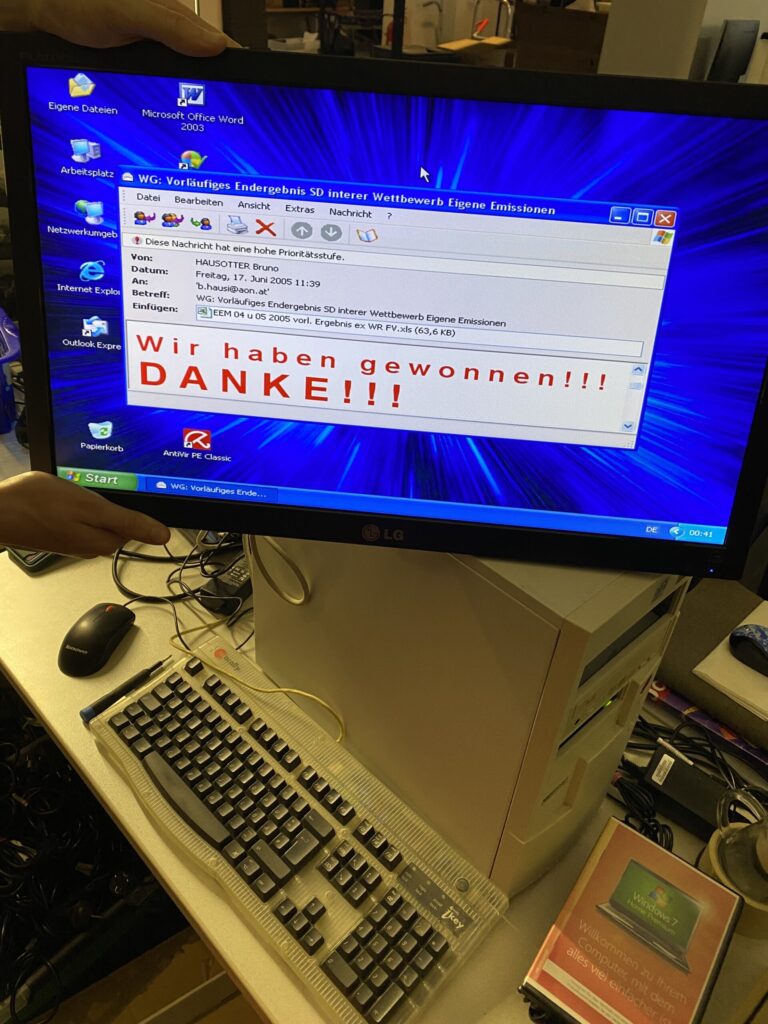
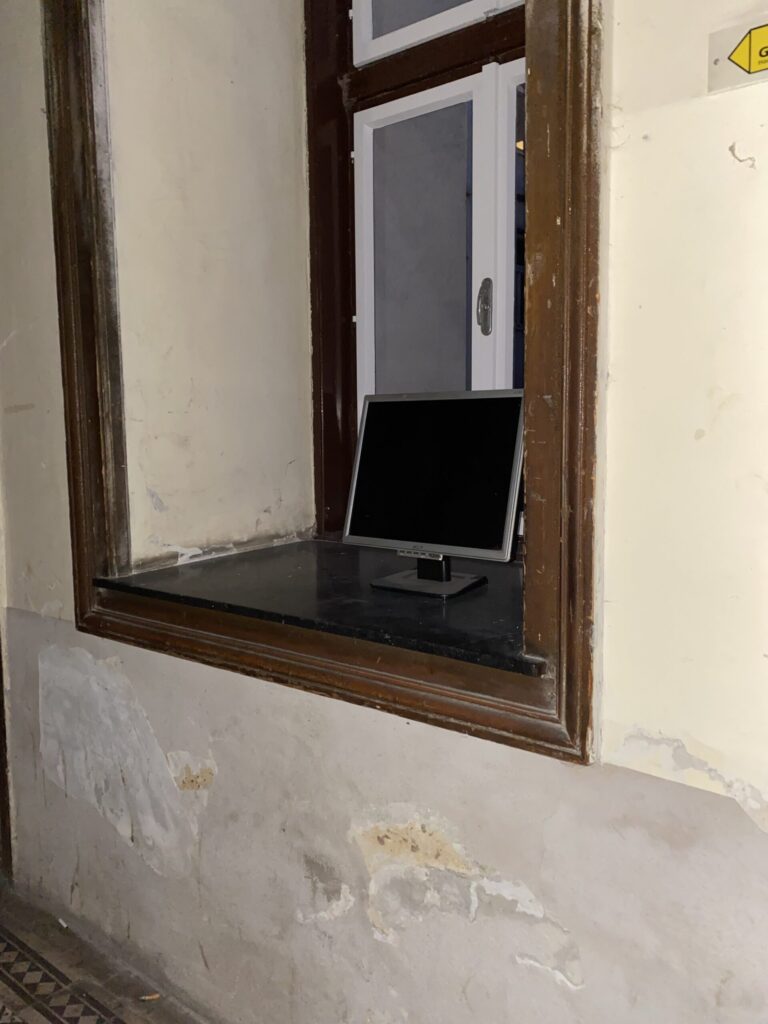
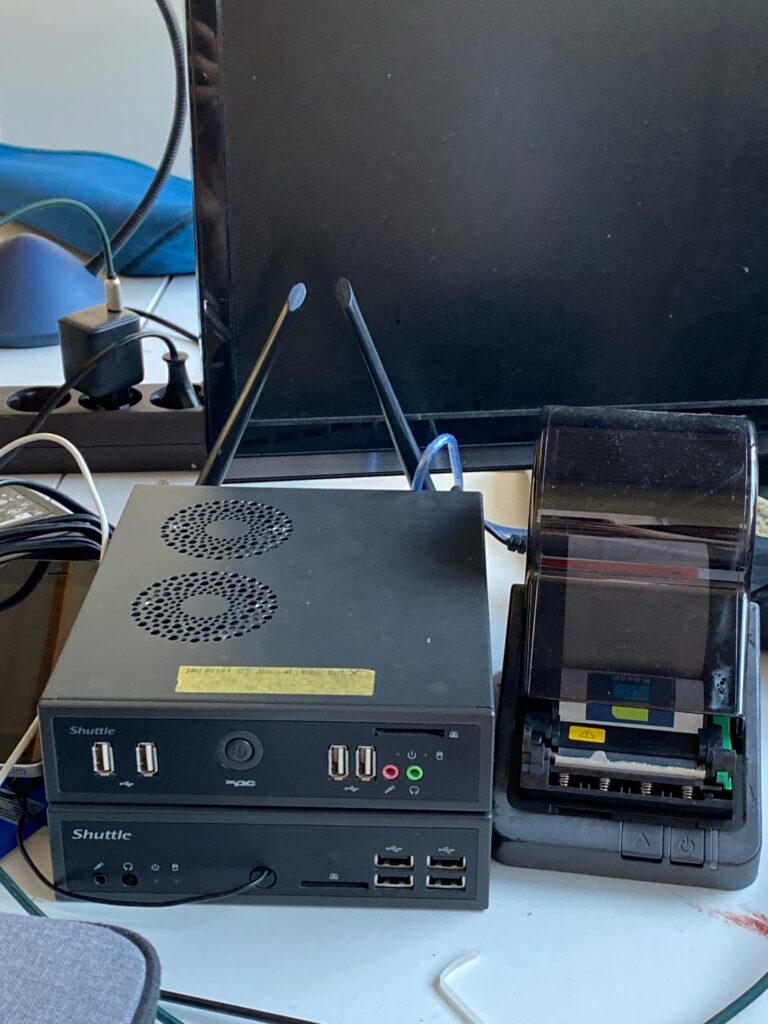
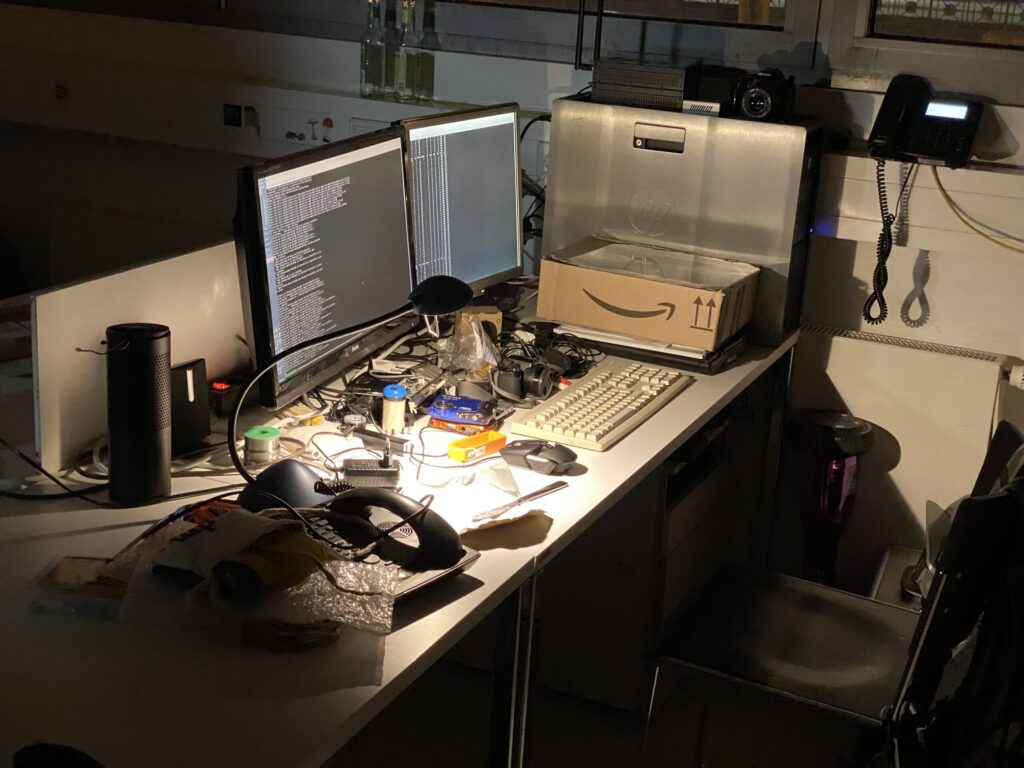
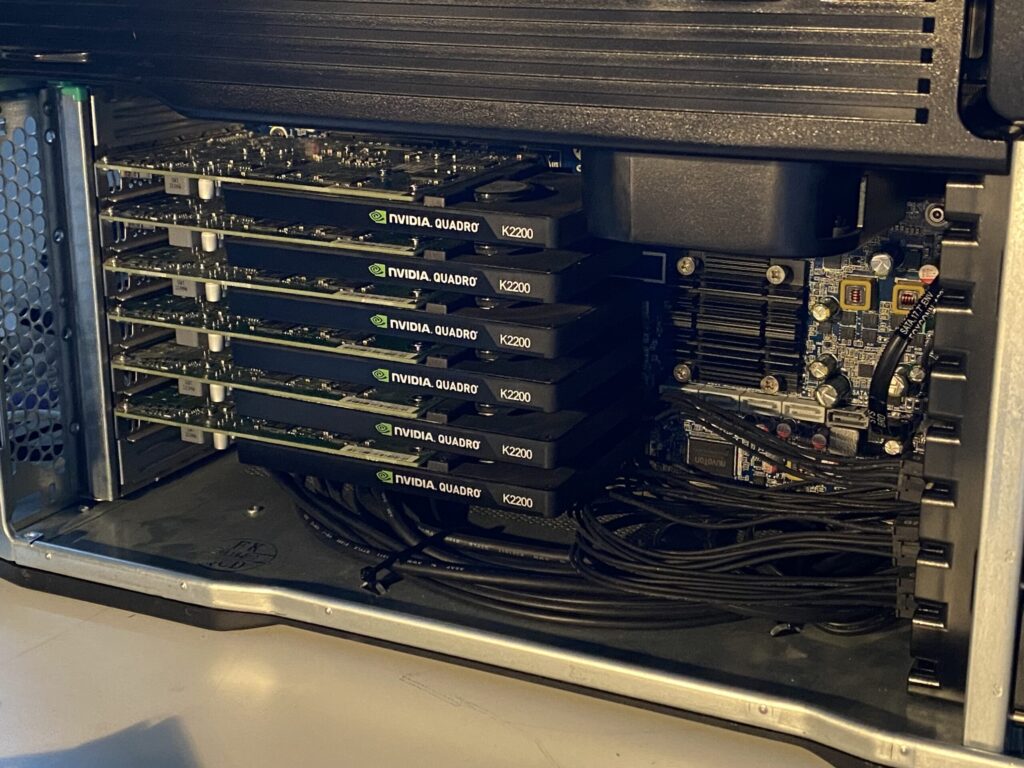
    Computer stuff:

    Including:

    • Linux on a Mac
    • Resurrecting a Windows XP PC
    • growing my PC fleet
    • local AI

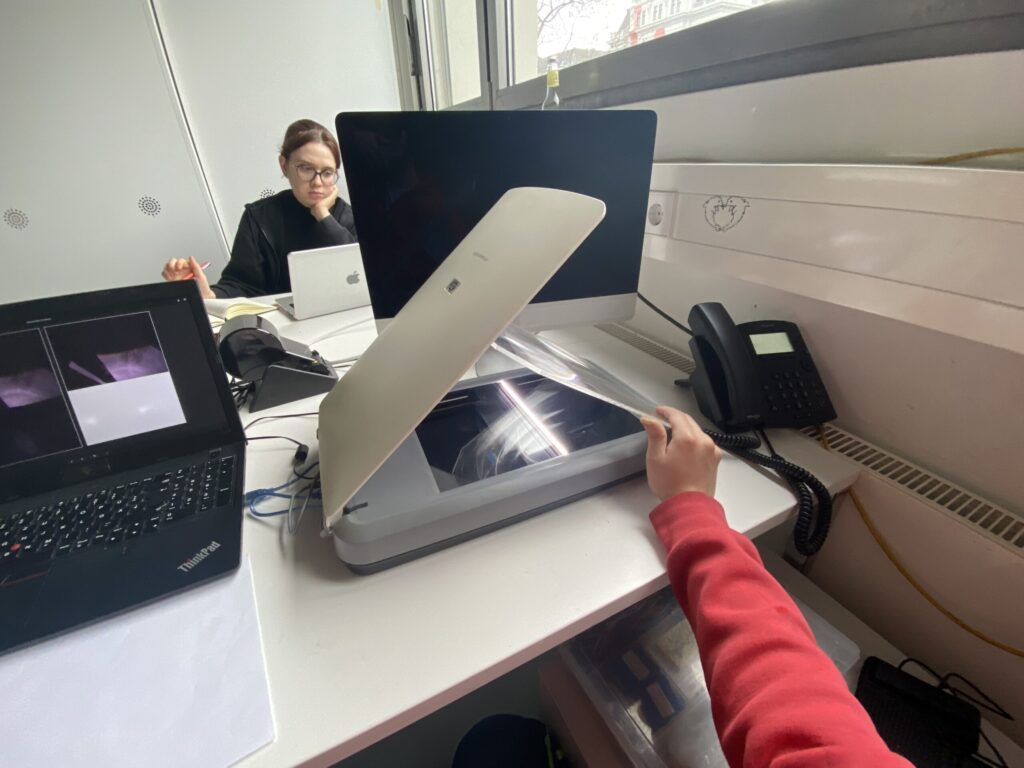
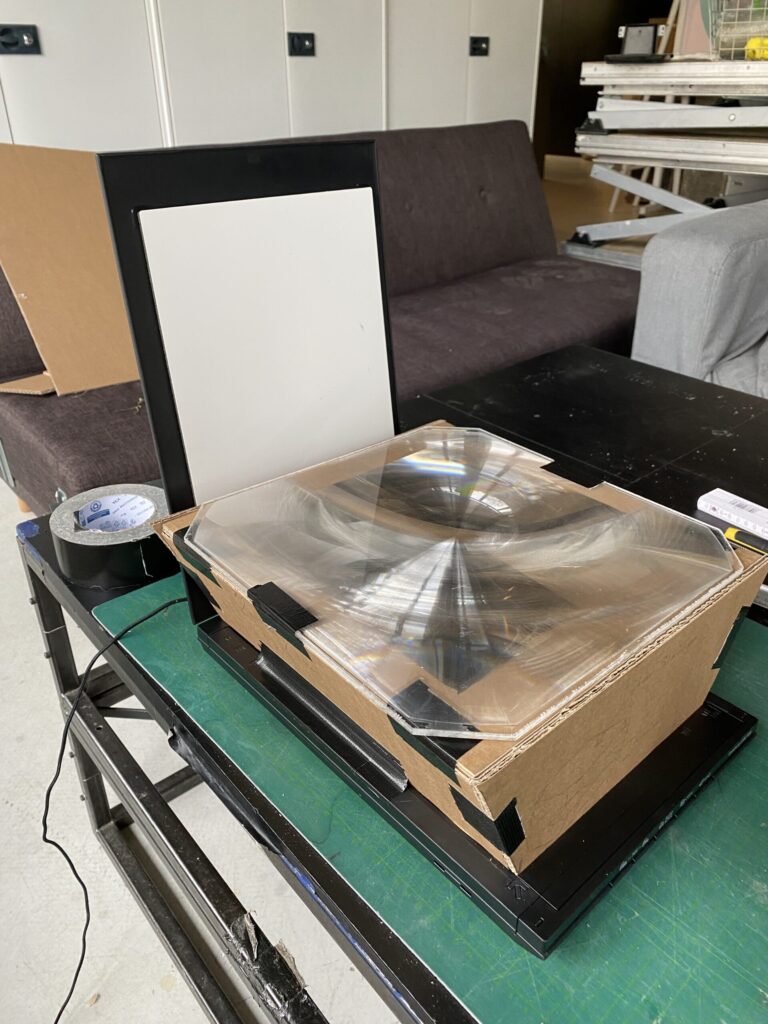
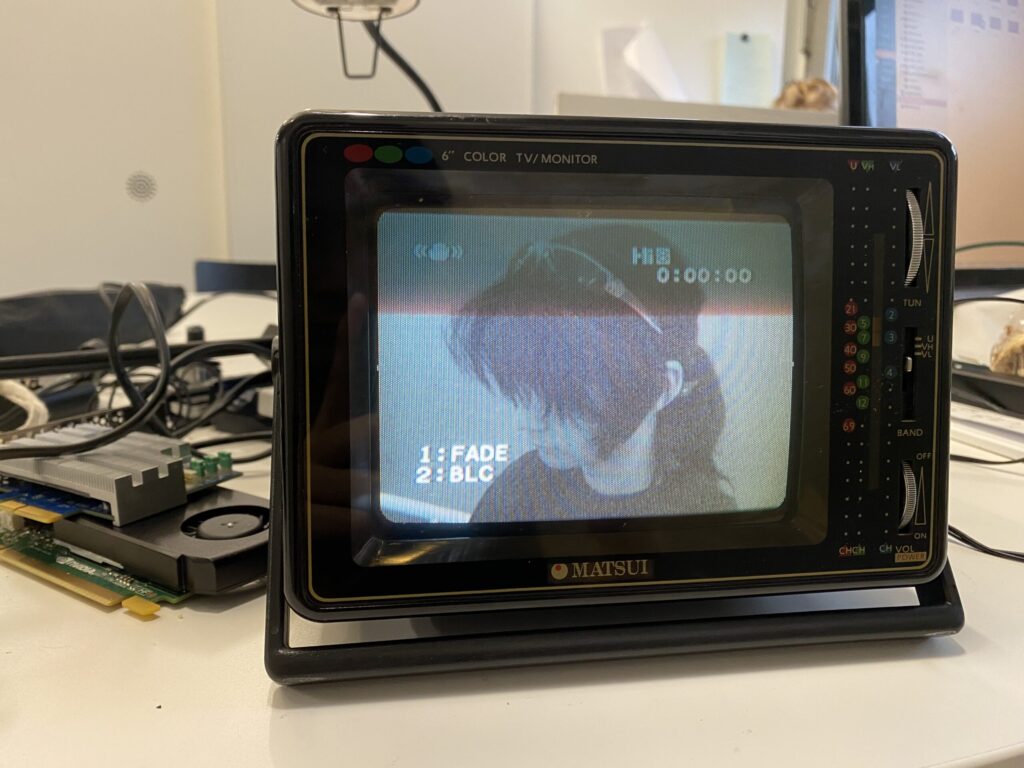
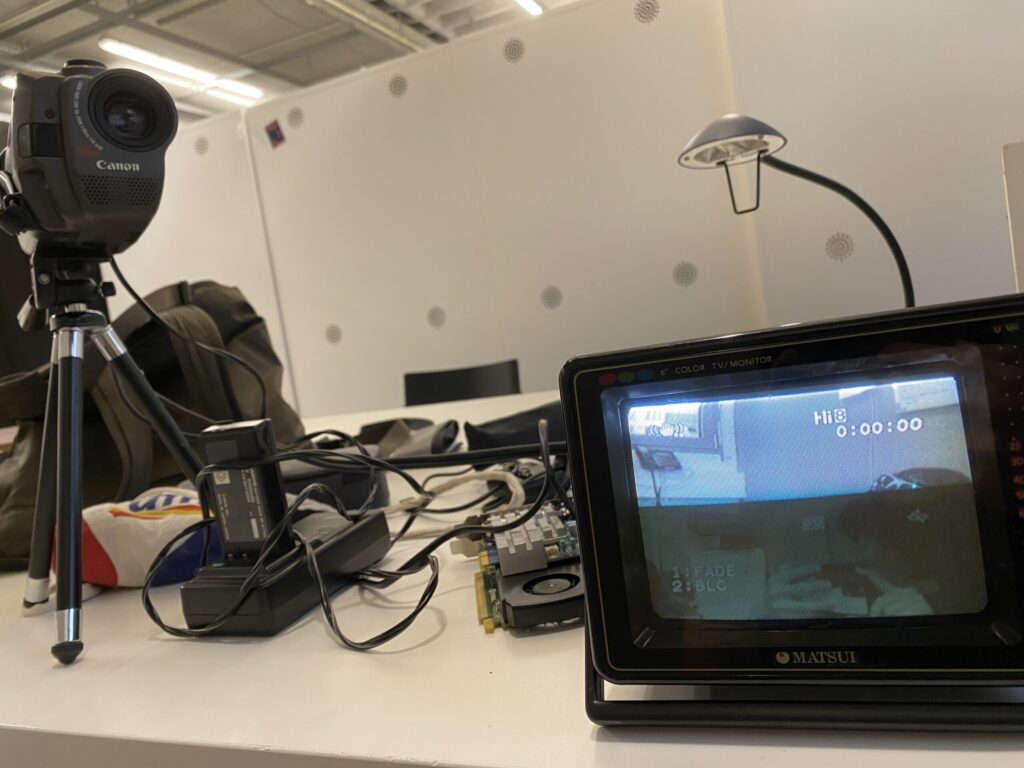
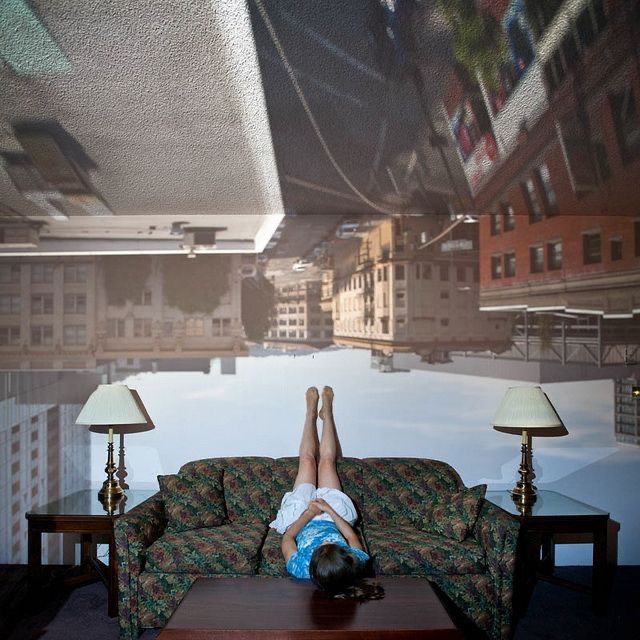
    Scanner camera:


    I was talking with Clark about how I was going in circles and he suggested doing live streams, or filming myself doing the projects. This way makes it easier for me to document my progress. I was hesitant to do it until now due to limited storage or bad memory workflow, but I have to overcome this obstacle.

    Philip reminded me of the products of Mark Rober, among them the HackPack, a subscription of packages with different projects aimed at deepening understanding of key electronic principles. I should have looked at it much earlier, since it is a relevant topic to my project…

    Since the HackPack goes into a different direction he suggested I could design a starter pack or similar more going in the direction of modifying and fixing electronics.

    Nadine is interested in being able to ask questions about the things that can be hacked. While doing so she finds being able to interact physically is important. She suggests an environment of group events. About hacking, fixing, whatever comes to mind.

    When people ask me what my project is about, I mostly answer that it has to do with electronics and how I want to bring people closer to understanding them so they can fix/modify it themselves.
    There is potential for a community aspect but I have been struggling to fit it all into one framework.

    The general idea is to have some installation that I can exhibit that shows off what is possible with tinkering, but also doesn’t intimidate with complexity.

    Next steps:

    • Should I pivot?
    • Should I kill some darlings so I can get something done?
    • Are there things I should consider more?
    • Are there things I should worry less about?
    • About the floor cleaner: I don’t want to miss recording important events, how should I go forward?

  • Medium of Choise

    By

    Nadine Weber

    This paper examines the concept of occupying space from a critical perspective.

    • Light
    • Space
    • Motion design
    • Sound
    • Video
    • Nature?
    • kinkekt?

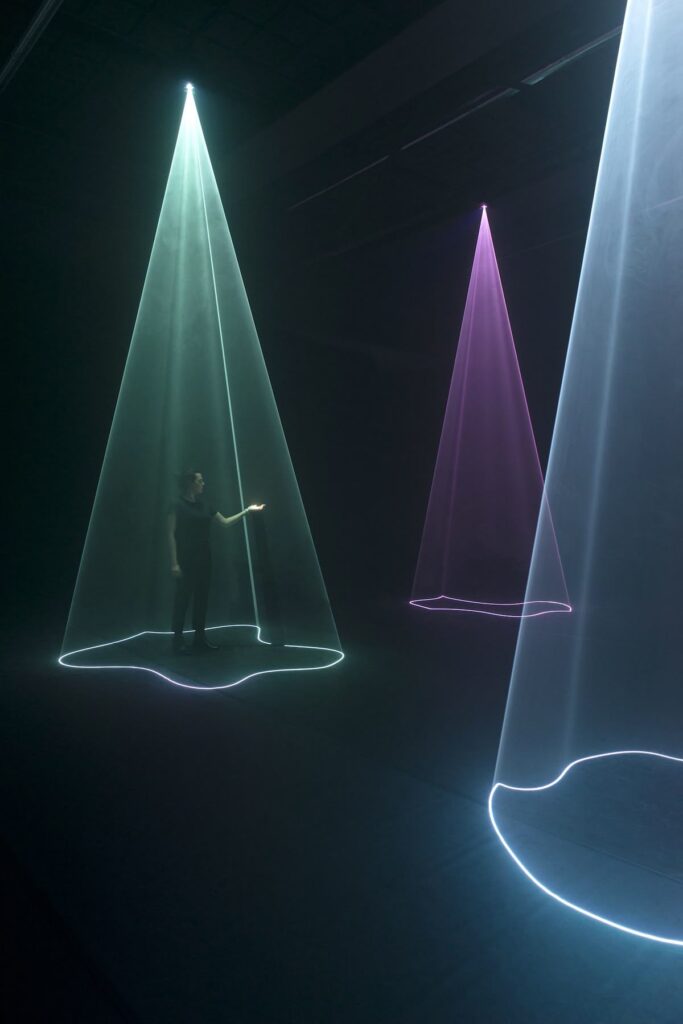
    Next Question: Will it be interactive, or will it work in a time-linear format?

    What kind of lighting programming or mapping would be intuitive for me to learn, given my skills (2D motion graphics / vector animations)?

  • Untitled post 3899
    By

    Laura Frühmesser

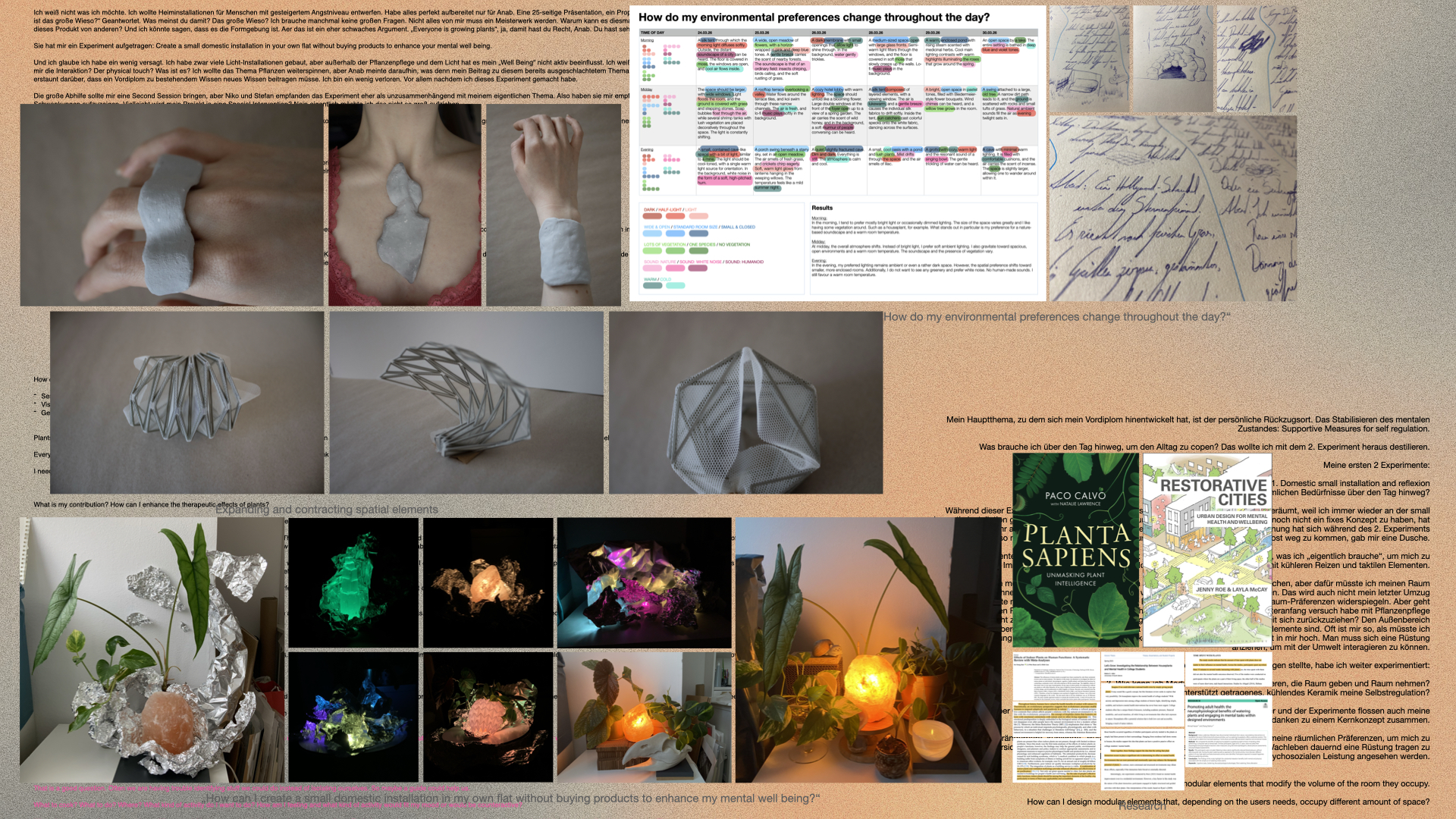
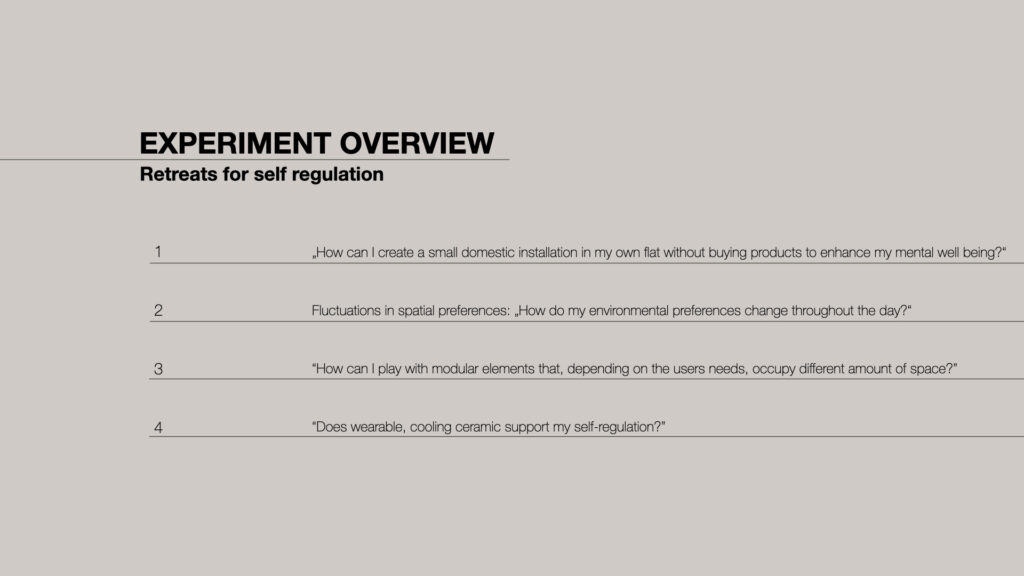
    Throughout the experiments under the umbrella “retreats for self regulation” I distilled out my question and concept.