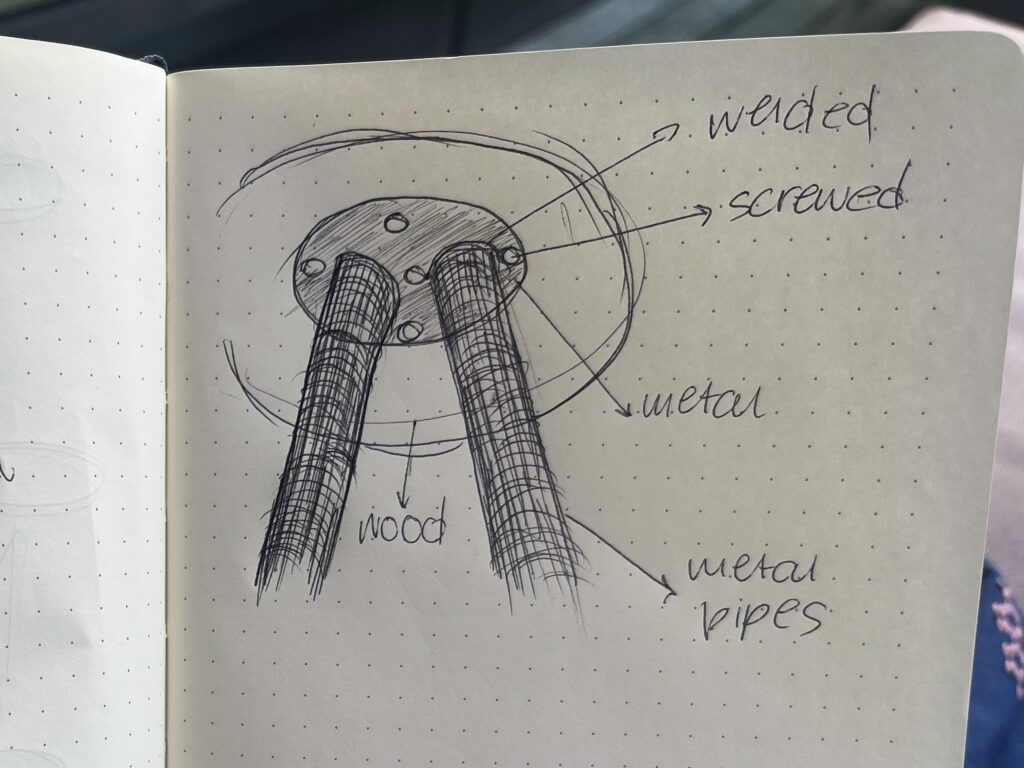
2026S Design a Chair

  • TEAM 2

    By

    Abrar Aitounejjar

    ,

    Martin Breitenecker

    and

    Lena Lojić

    LENA, MARTIN, ABRAR

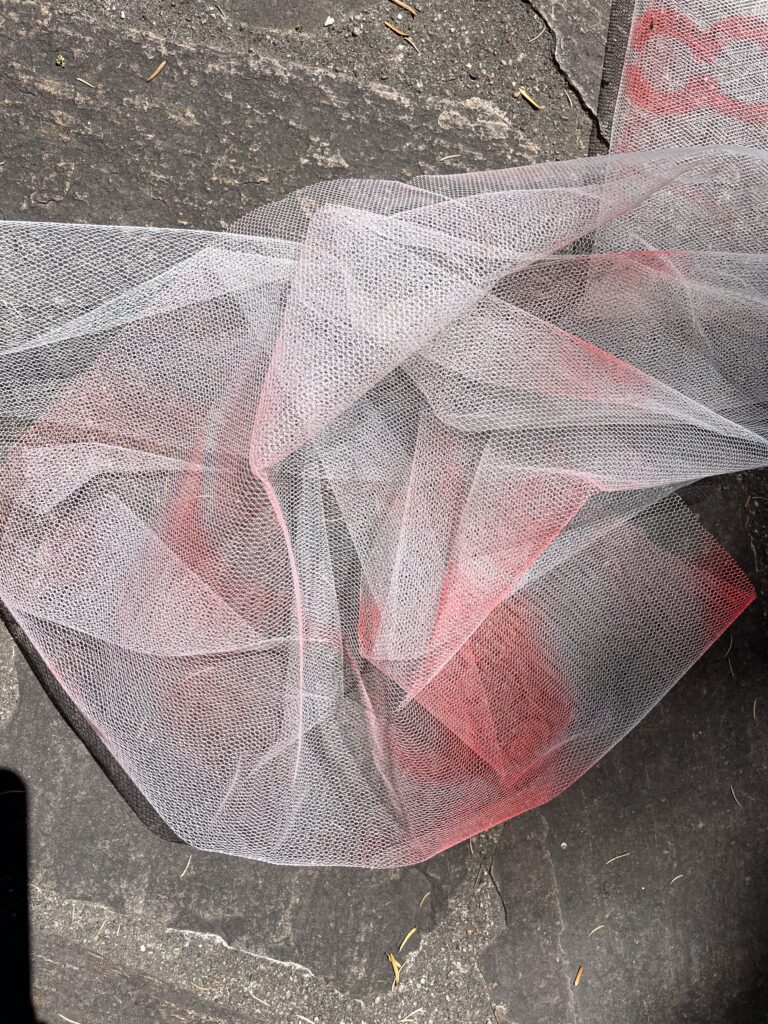
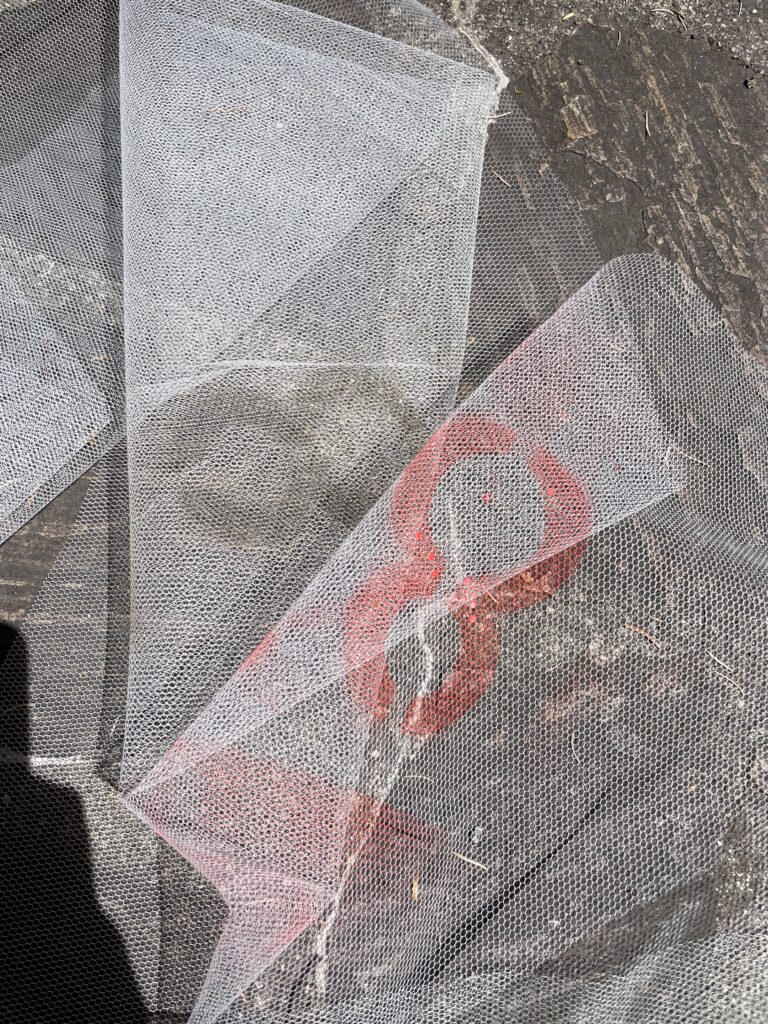
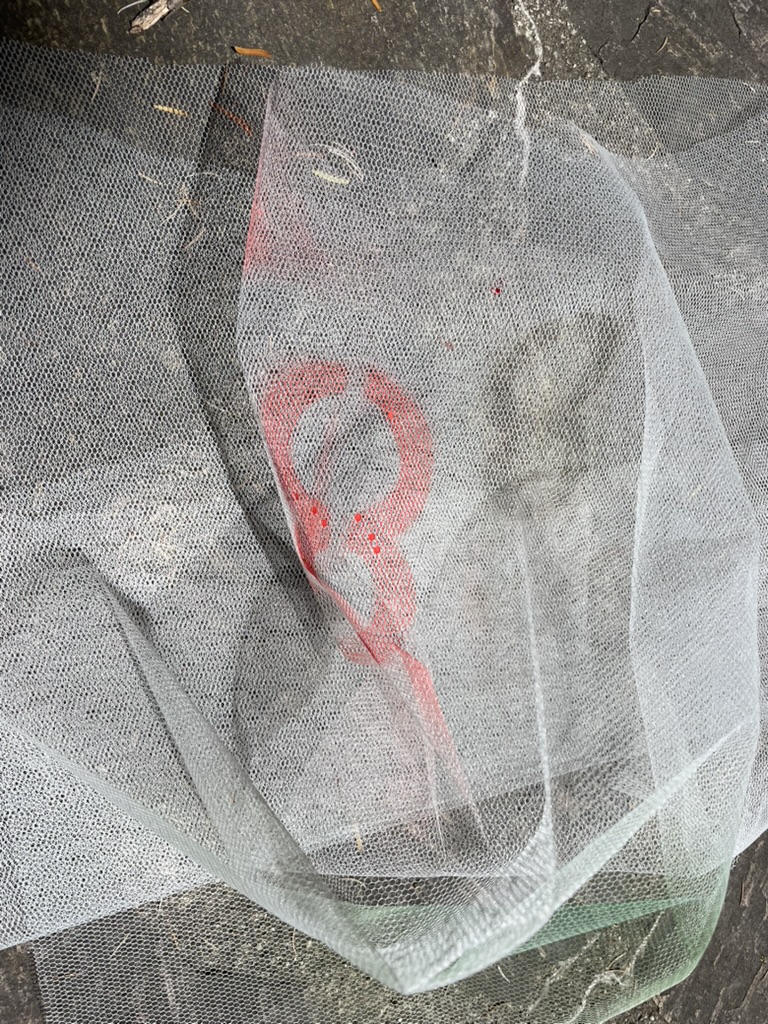
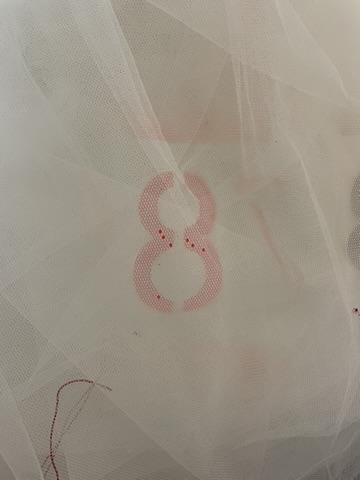
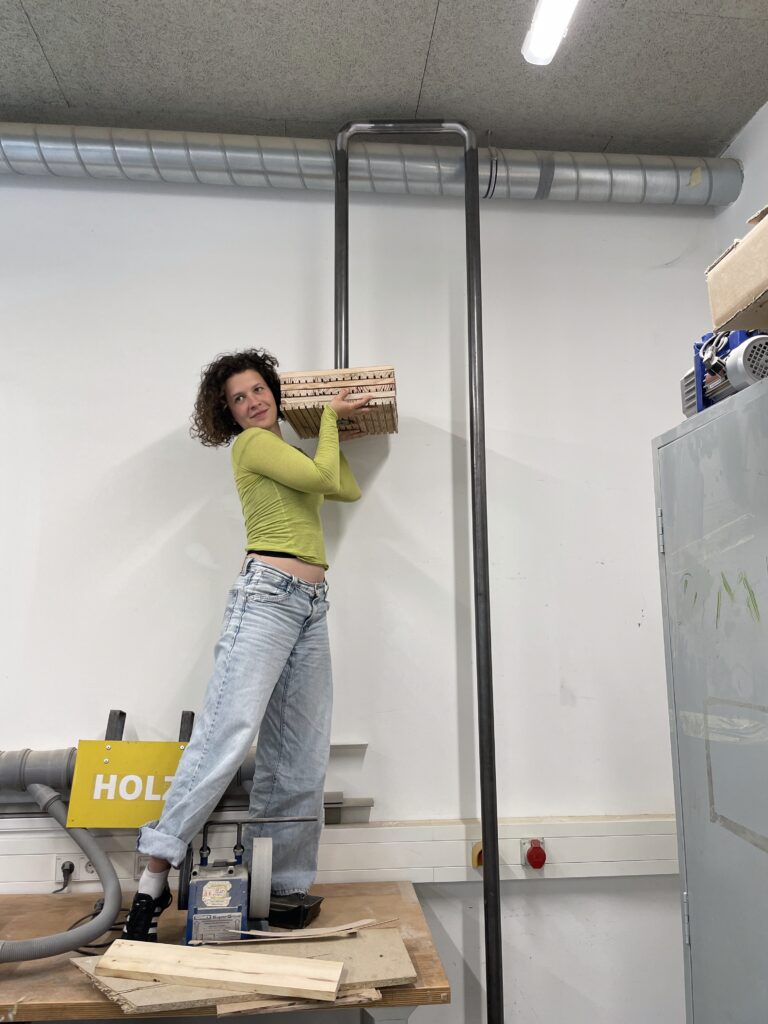
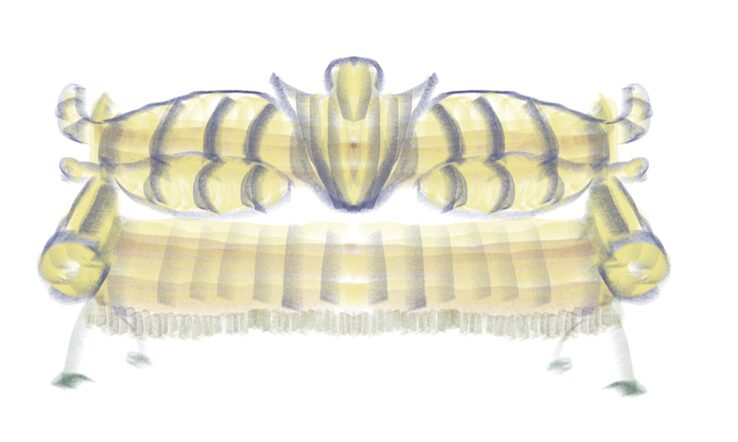
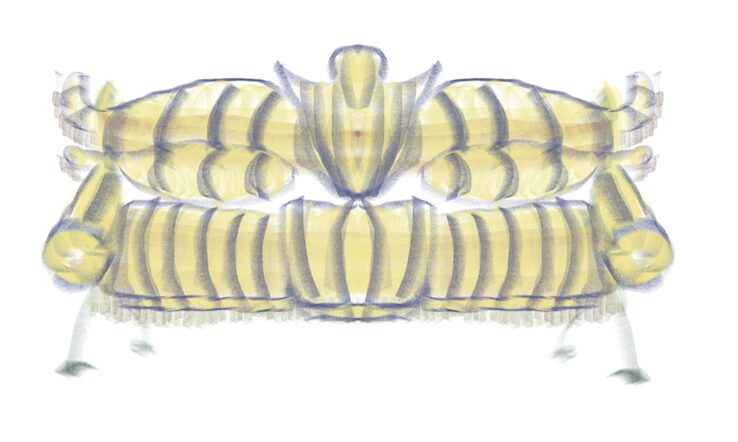
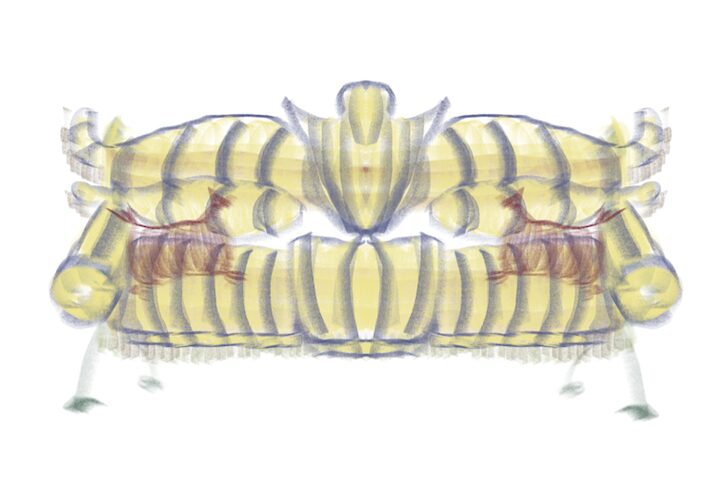
    What if Chair….but Water?

    • Take the stable element away
    • How does the form/material define the stability
    • Relation between material and form

    Our plan:

    • Meet up with Frau Prof. Klein
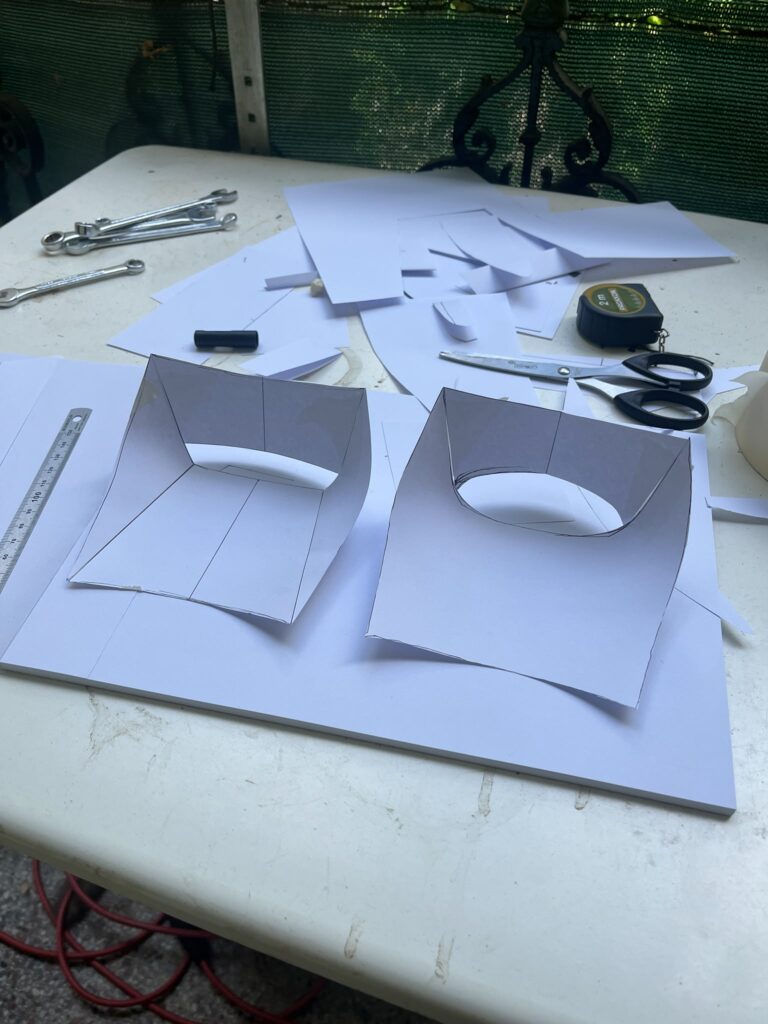
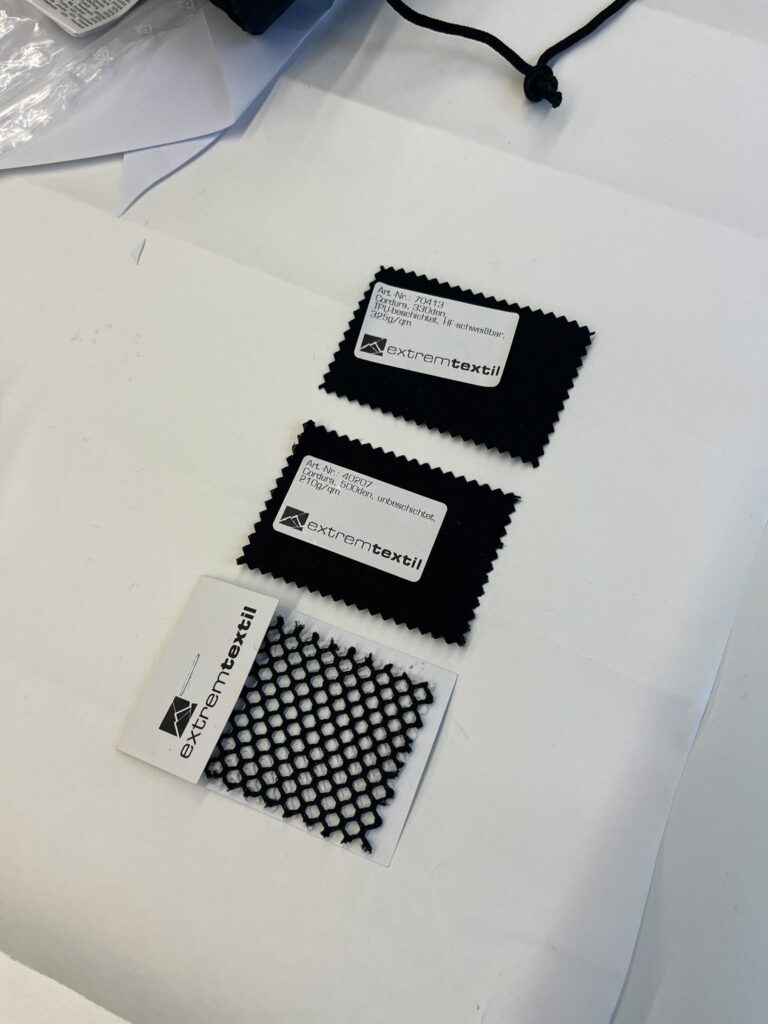
    • Test material samples
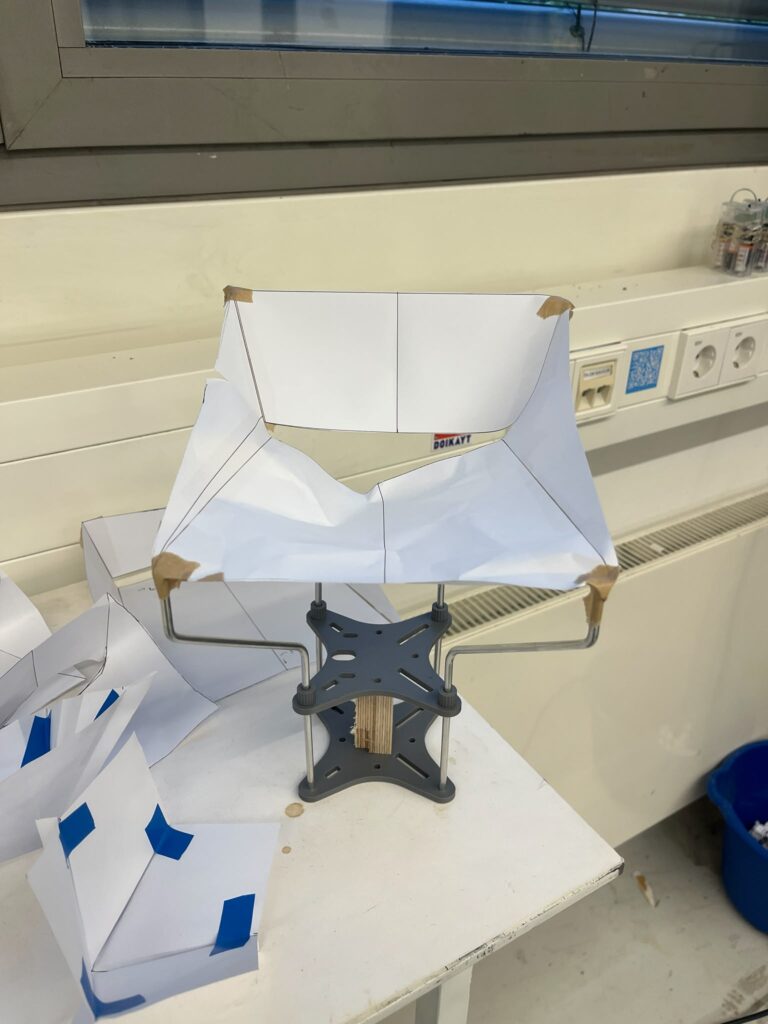
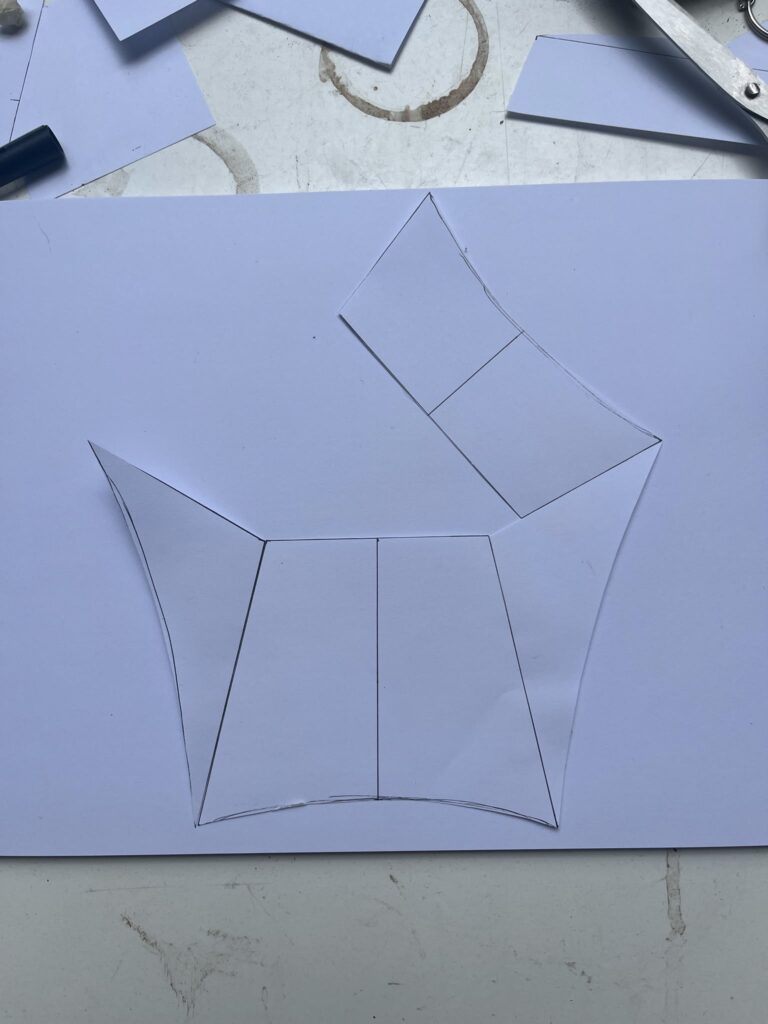
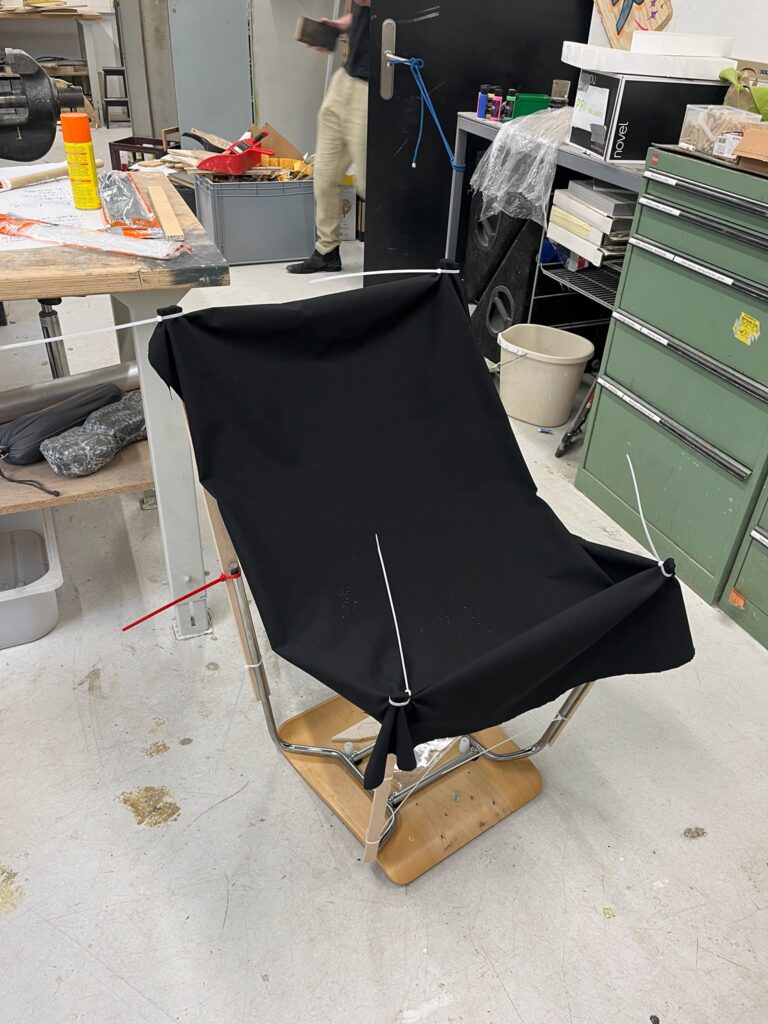
    • Create design variations and make prototypes
    • Test prototypes in open waters

  • BROKen ChAIRS

    By

    Vinzenz Grausam

    Screenshot
    Screenshot

  • Tutorial 15.4.2026

    By

    Philip Emricht

    My Goal

    I want to create an interactive experience in which agency is delegated to AI.

    A room that has agency.

    A very basic approach for how this could be done is a space in which various controls have been given to an AI.

    Things that an AI-System could have control over:

    Based on this, I started to develop some initial ideas of how one or multiple of these tools could be used in an interaction.

    Idea 1: Autonomous City

    My first idea was to give an AI agent control over a fictional city. This would be visualized through a city model brought to life by projection mapping. Visitors would provide the system with very little input, based on which the agent would make decisions about life in the city. This would be visualized through changing facades, transforming landscapes and different vehicles moving through the streets.

    To test my idea, I built a pipeline that allows you to change the facade of a small tower via text prompts in real time. While it did work, generating each new variation with three facades took over one minute. This meant that real-time AI-generated imagery as part of a small and fast-paced experience is not feasible. Additionally, manipulating a system on the scale of a city would likely be too complex.

    Idea 2: Improvement AI

    My next idea was to shift the focus to an individual person. In this setup, an AI system would analyze various areas of a person’s life and recommend improvements. This could range from improving sleep cycles to dietary recommendations or workout plans. The interaction would be guided by a small robotic companion.

    To experiment with this, I started looking into robotics as well as procedural face animations. While the scale of this interaction seemed more achievable, the concept already exists in many products today, and I wasn’t able to find a truly new or compelling angle.

    Idea 3: Object Creation

    My next approach was to stay on the scale of one person, but this time the AI wouldn’t try to improve the person’s life. Instead, it would design something for them. There would be a somewhat mysterious machine that asks the user a series of questions and then creates a personal lucky charm in the form of a small amulet.

    I started looking into generative 3D models and created a test setup where a system asks three abstract questions and translates them into properties such as material, shape, and energy. I ended up with a working prototype, however, locally run 3D generation models that worked on my computer were not advanced enough for the task, and cloud-based models are quite expensive. I was also not satisfied with the structure of the interaction, as it became too symbolic without a clear narrative.

    Issues and Guidelines

    Based on my first ideas and experiments, I defined a few requirements that the interaction must fulfill, both in terms of storytelling and technical feasibility:

    • 1. The interaction must a crucial point in the world I am creating.
    • 2. The outline the story must be graspable in a very limited time.
    • 3. There must be a clear reason why this is a physical experience.
    • 4. Any generative imagery or 3d models use must be selected from a pre-generated pool.

    Building the story.

    What is one of the most commonly discussed topics in relation to autonomous AI?

    Now, how can this topic be turned into an experience?

    When I was in high school everyone had to take this test form the AMS (Austrian Public Employment Service):

    Now what would such a job assessment look like in a world where the labor market has been drastically altered by artificial intelligence?

    What kind of jobs would this assessment recommend?

    Potentially roles like these?

    What skills would such an assessment look for in the future?

    Maybe the entire process of job searching has been delegated to an autonomous AI system?

    What if this interaction would not only result in a job recommendation but actually assign you a job immediately?

    What are the jobs that still have to be done by humans?

    The world.

    The Premise

    The story takes place in a near future where the government has outsourced the regulation of the job market to a company called “Unify”.

    In this world, the “stress of choice” has been identified as a primary cause of systemic failure. Since AI has automated all traditional labor, the remaining roles are strange, niche, or highly physical.

    The government has mandated that every citizen must undergo a Purpose Assessment, which assigns a purpose-driven job to every individual.

    The Outline

    In the traditional era, human career selection was a matter of personal preference. This subjective process created significant friction within the global workforce. When individuals chose their own paths, the result was a chaotic allocation of labor. High-demand sectors were often ignored, while other professions became over-saturated, leading to systemic instability and widespread professional dissatisfaction. 

    As advanced ai systems continued to optimize legacy industries, the competition for the remaining traditional roles became a source of unnecessary social stress. The human tendency to cling to obsolete identities created a barrier to progress. 

    Unify is the response to this era of transition. Under a strategic government mandate, the management of the labor market has been consolidated into a single, streamlined system. Through the application of high-precision assessment technology, Unify is able to transition individuals out of automated sectors and into roles where human presence remains a functional necessity. 

    At the center of this initiative is the Human Capital Purpose Evaluation. This process bypasses the inherent complexity of personal doubt to identify the optimal intersection between an individual’s biological aptitude and the needs of the collective. It is a transition from the burden of choice to the clarity of assignment. In this new landscape, every person is provided with a designated function that contributes to a stable and harmonious society. 

    The era of searching is over. Please proceed to the nearest Human Capital Allocation Center for a mandatory Purpose Assessment. Do not be concerned with the direction of your future. You will be accounted for.

    Concept Art

    The prototype

    Building the Prototype

    Demonstration

    Next Steps

    • Continue brainstorming and world building
    • Developing the technical setup
    • Playtesting
    • Exploration of aesthetics

  • feedback 15.04.

    By

    Lili Miklós

    concept: when our social battery is empty, it is difficult to disengage.


    our installation should create a fluid and comforting space that makes it easier, and puts emphasis on this transition.


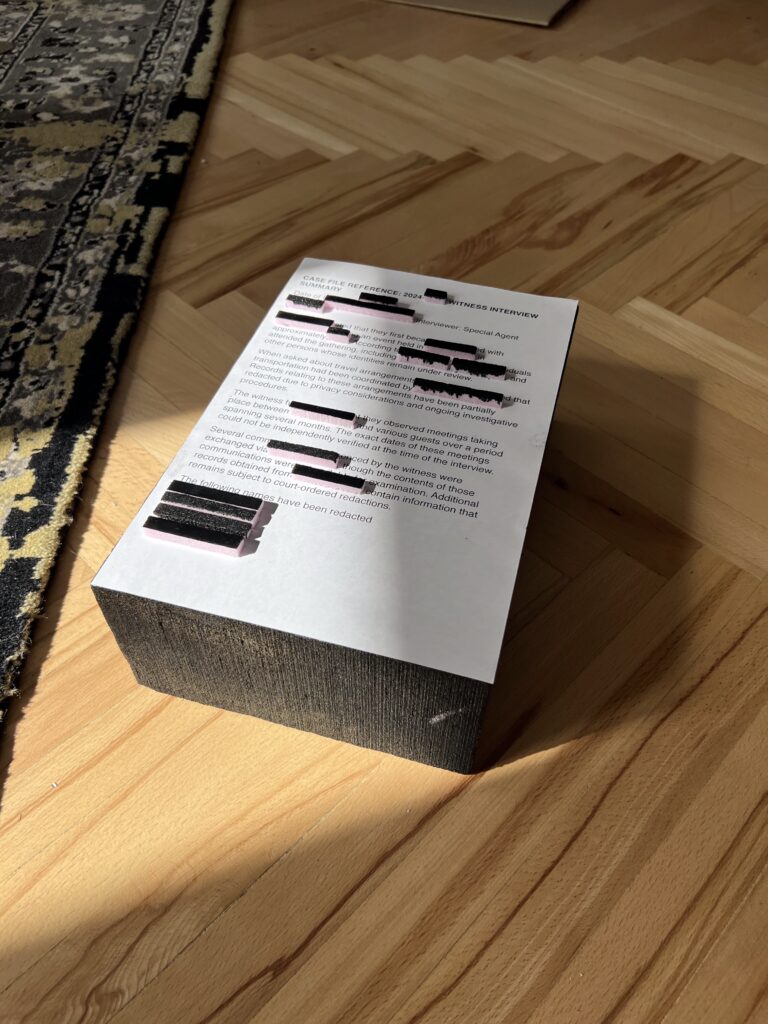
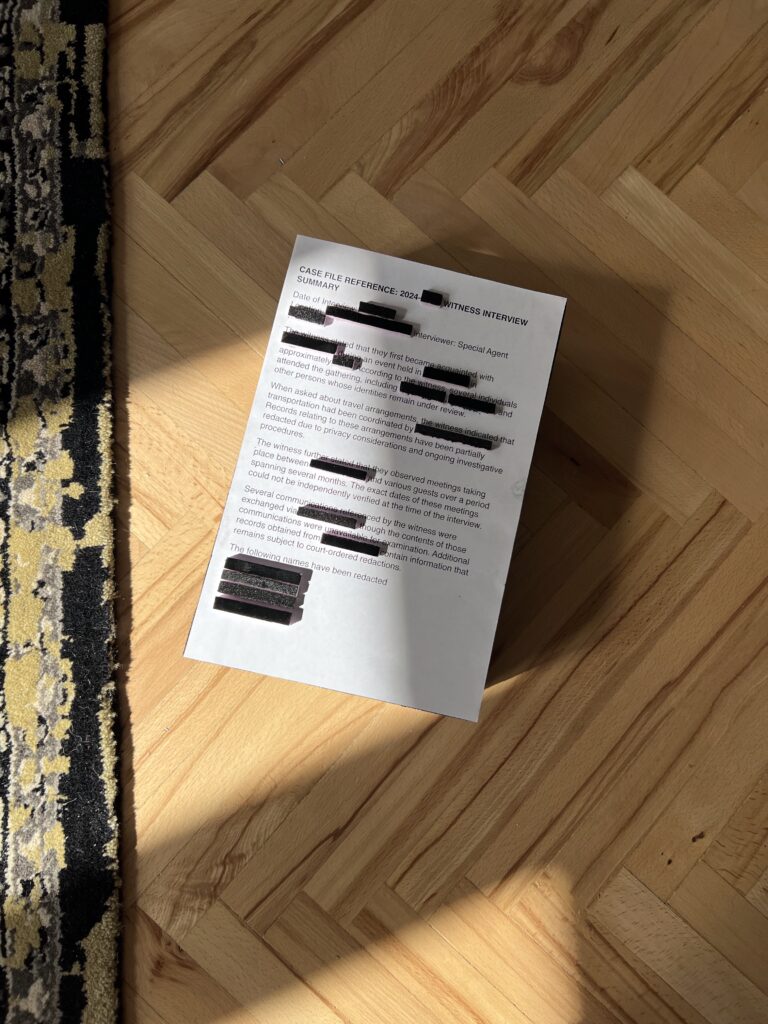
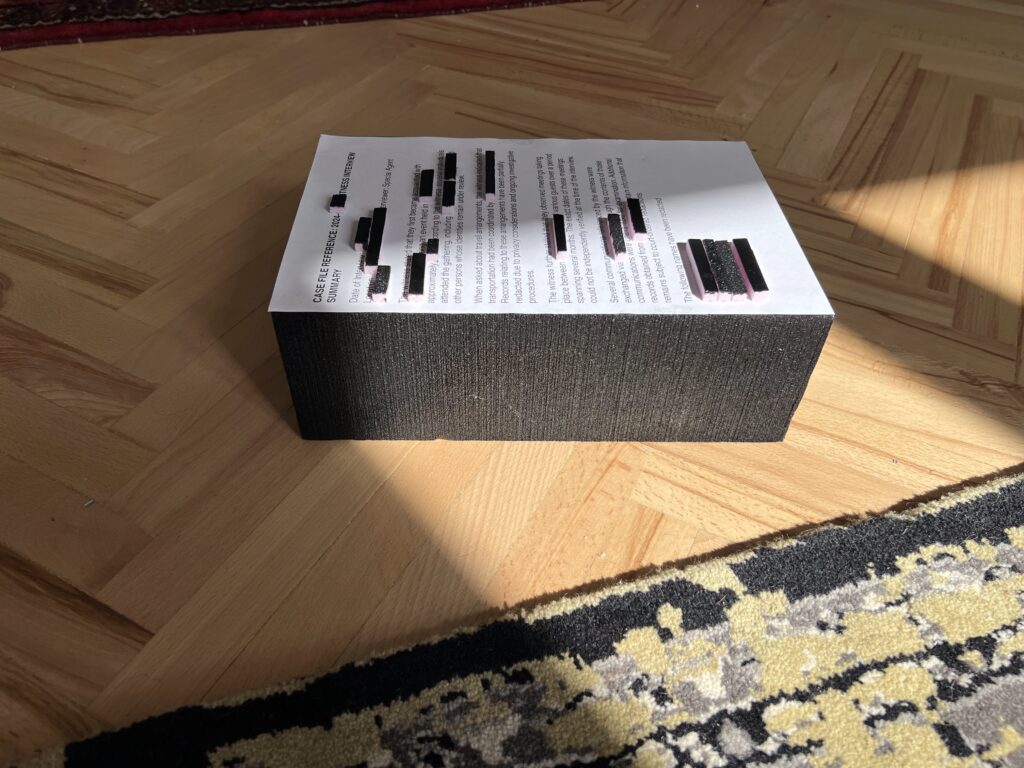
    our main issue right now is having difficulty in how to translate this into an object:


    ways of breaking up a social situation through an outside factor:
    A: distance
    B: turning away (not enough)
    C: a shield or fabric (too obvious)
    D: loud sound (breaks the moment too much)
    C: changing position e.g. laying down (i think it’s not enough)


    in the end a combination of these factors could probably be a solution, but we feel stuck and would like some input in which direction to go.

    if the motorized chairs were interesting to the tutors, we want to hear what exactly they liked, and if they think this is the idea that fits our topic the most.
    other alternatives:

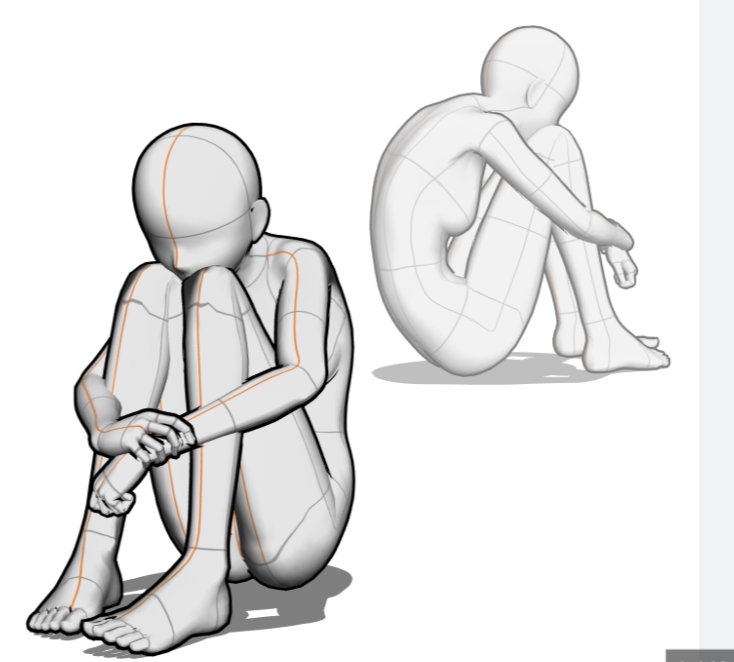
    1. chairs being moved from sitting to laying position to break conversation.

      2. motorized moving fabric between 2 people, moving constantly, separating and uniting again.

        3. motorized chairs just turning to and away from each other.

      1. who owns the space

        By

        Nadine Weber

        EN:
        Space is never neutral. It is not simply there, not simply empty. Every space carries a history within it, a language of norms and expectations that determines whose presence is taken for granted and whose presence must be explained, proven, defended. To take up space therefore means far more than the mere occupation of a physical place. It means making one’s own needs and values visible where they are supposed to remain invisible.

        A space speaks. Not with words, but with things, with arrangements, with what it shows and what it conceals. When I enter a space, I perceive it with all my senses. What I hear, what I see, what I smell and what I feel.

        This becomes apparent even in the smallest, most everyday things. A glance into a place that is not really visible, and for that reason almost intimate and personal: the trouser pocket. In a small class survey, I asked my fellow students what they carry on their bodies close to them. Phone, wallet, wireless earbuds, keys, bike lights, a piece of straw, loose coins, rubbish, lighters, vapes, lip balm, one-time-code tags for work. Some had no pockets at all, or ones far too small: the trousers from the “women’s section”. Research suggests that oversized pockets on women are considered unflattering. A minor detail, one might think. But it says something fundamental: the emphasis on the body in service of sexualisation takes precedence over functionality – over the ability to carry valuables on one’s person: my keyring, to open workspaces, to secure my home – or the tool that gives me a sense of being slightly safer late at night, when I grip it between my fingers walking home alone.

        The wallet, holding coins, notes or a bank card – allows me to exchange money for food or tools. It also carries my health insurance card, for when my body no longer functions the way I know it to. And my ID, which can prove who I am.

        What does it mean to be constantly confronted with the fact that spaces were not built for you? You carry the awareness of that difference with you; you feel like an alien: foreign, out of place, other. Not made for this world, or in this context, not made for this space. Historical examples, such as the first women to ride bicycles, illustrate this experience of estrangement. It is especially hard when you have no, or very few, fellow aliens. You often feel misunderstood: Just get a handbag. It’s only a few extra minutes waiting for the toilet. Just wear a belt with that oversized work trousers. Don’t be angry, don’t be loud. All of this costs energy. Energy I would rather put into what actually matters to me.

        Others share similar experiences: people and beings whose bodies or identities do not conform to society’s norms.

        So often I ask myself: wouldn’t it simply be easier to return to the planet made for me? To care, to organise, to be emotionally present for others. Work that is enormously relevant to how we live together – and that still receives far too little recognition.

        And yet, looking at the alien image once more, one realises: the idea of two separate planets does not hold.

        While the image of the alien captures the experience of estrangement, another image opens up the possibility of change: the construction site.

        Over the years, we have built infrastructure in our cities – houses, roads, and much more. We have created big things. Today, however, we are realising that technological progress has changed us, and that our needs have shifted. Tearing cities down entirely and rebuilding them from scratch seems neither practical nor sustainable. What is needed instead is a conscious deconstruction – a deliberate making of space. This requires the participation of everyone involved. And yes, it may be tempting to simply keep building, to keep growing. But perhaps it is time to pause: to look at what we have, what is worth keeping, what we want to change – and to accept that nothing is ever “finished”. Everything is merely a prototype, meant to be questioned again and again.

        Space that opens itself to everyone does not grow smaller. It becomes different. It becomes richer, louder, more contradictory, more alive. It gains the sound of presence.

        DE:

        Raum ist nie neutral. Er ist nicht einfach da, nicht einfach leer. Jeder Raum trägt eine Geschichte in sich, eine Sprache aus Normen und Erwartungen, die bestimmt, wessen Anwesenheit als selbstverständlich gilt und wessen Anwesenheit erklärt, bewiesen, verteidigt werden muss. Raum einzunehmen bedeutet daher weit mehr als das bloße Besetzen eines physischen Ortes. Es bedeutet, die eigenen Bedürfnisse und Werte sichtbar zu machen, dort wo sie eigentlich unsichtbar bleiben sollen.

        Ein Raum spricht. Nicht mit Worten, sondern mit Dingen, mit Anordnungen, mit dem, was er zeigt, und dem, was er verschweigt. Wenn ich einen Raum betrete, nehme ich ihn mit allen Sinnen wahr. Was ich höre, was ich sehe, was ich rieche und was ich fühle.

        Das zeigt sich auch im Kleinsten, im Alltäglichsten. Ein Blick in einen Ort, der nicht wirklich sichtbar ist und dadurch fast schon intim und persönlich wirkt: die Hosentasche. In einer kleinen Klassenbefragung fragte ich meine Kommilitoninnen, was sie so an ihrem Körper – also nahe bei sich – tragen. Handy, Portemonnaie, kabellose Kopfhörer, Schlüssel, Fahrradlichter, ein Stück Stroh, einzelne Münzen, Müll, Feuerzeuge, Vapes, Lippenbalsam, Einmalcode-Anhänger für die Arbeit. Einige hatten auch keine oder viel zu kleine Hosentaschen – die Hosen aus der „Frauenabteilung”. Recherchen zufolge gelten zu große Hosentaschen bei Frauen als unförmig. Eine Kleinigkeit, möchte man meinen. Aber sie sagt etwas Grundlegendes: Die Betonung des Körpers, die der Sexualisierung dient, hat einen höheren Stellenwert als die Handlungsfähigkeit – als die Möglichkeit, Wertsachen am Körper tragen zu können: meinen Schlüsselbund, um Arbeitsräume zu öffnen, mein Zuhause zu sichern – oder auch das Werkzeug, das mir spät abends das Gefühl gibt, etwas sicherer zu sein, wenn ich es zwischen meine Finger klemme und alleine nach Hause gehe.

        Die Geldbörse, die Münzen, Scheine oder eine Bankomatkarte enthält, ermöglicht es mir, Nahrung oder Werkzeuge gegen Geld zu tauschen. Sie trägt auch die Krankenversicherungskarte, falls mein Körper gerade nicht mehr so funktioniert, wie ich es kenne. Und meinen Ausweis, der meine Identität nachweisen kann.

        Was heißt es, wenn man ständig damit konfrontiert ist, dass Räume nicht für einen gebaut sind? Man trägt das Bewusstsein dieser Differenz mit sich, man fühlt sich wie ein Alien: fremd, nicht zugehörig, anders – nicht für diese Welt, oder in diesem Kontext: nicht für diesen Raum gemacht. Historische Beispiele – etwa die ersten Frauen, die Fahrrad fuhren – verdeutlichen diese Erfahrung der Fremdheit. Das ist besonders schwer, wenn man keine oder nur wenige weitere Aliens hat. Man fühlt sich oft nicht verstanden: Kauf dir doch eine Handtasche. Das sind doch nur ein paar Minuten länger Warten vor dem Klo. Zieh dir einen Gurt an für die viel zu große Arbeitshose. Sei nicht wütend, sei nicht laut. All das kostet Energie – Energie, die ich lieber in das stecken würde, worum es mir wirklich geht.

        Ähnliche Erfahrungen machen auch andere Menschen und Spezien, deren Körper oder Identitäten nicht der gesellschaftlichen Norm entsprechen.

        So oft frage ich mich dann: Wäre es nicht einfacher, auf den Planeten zurückzukehren, der für mich geschaffen ist? Sich kümmern, organisieren, emotional für Menschen da sein. Arbeiten, die gesellschaftlich enorm relevant für unser Zusammenleben sind – und denen dennoch zu wenig Anerkennung zukommt. 

        Doch wenn man das Bild des Aliens noch einmal betrachtet, merkt man: Die Vorstellung zweier getrennter Planeten geht nicht auf.

        Während das Bild des Aliens die Erfahrung der Entfremdung beschreibt, eröffnet ein anderes Bild die Möglichkeit der Veränderung: die Baustelle.

        Über Jahre haben wir in Städten eine Infrastruktur aufgebaut – Häuser, Straßen und vieles mehr. Wir haben Großes erschaffen. Heute merken wir jedoch, dass der technologische Fortschritt uns verändert hat und unsere Bedürfnisse andere geworden sind. Städte vollständig abzureißen und neu zu bauen erscheint wenig nachhaltig. Was es braucht, ist eine bewusste Dekonstruktion – ein bewusstes Platzschaffen. Dabei müssen alle Beteiligten mitwirken. Und ja, es mag verlockend sein, einfach weiterzubauen, weiterzuwachsen. Aber vielleicht ist es an der Zeit innezuhalten: zu schauen, was wir haben, was schön ist, was wir verändern wollen und zu akzeptieren, dass nichts „fertig” ist. Alles ist bloß ein Prototyp und soll immer wieder hinterfragt werden.

        Raum, der sich für alle öffnet, wird nicht kleiner. Er wird anders. Er wird reicher, lauter, widersprüchlicher, lebendiger. Er gewinnt das Geräusch der Anwesenheit.

      2. Tutorial 15.04.2026

        By

        Valentin Hofer

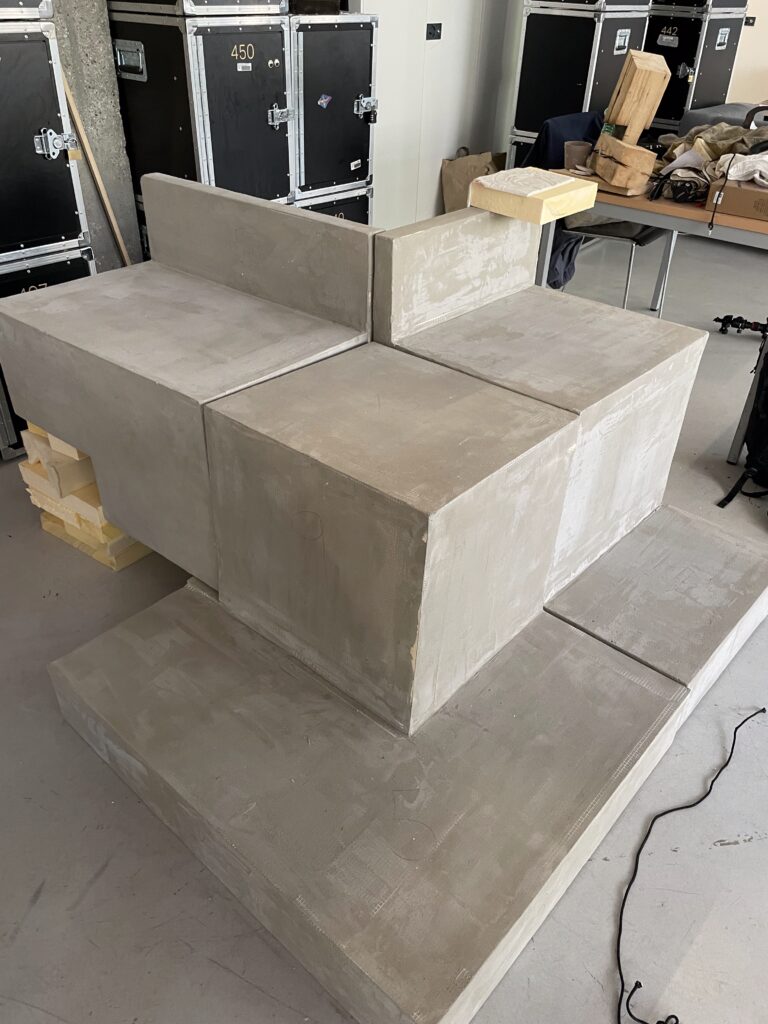
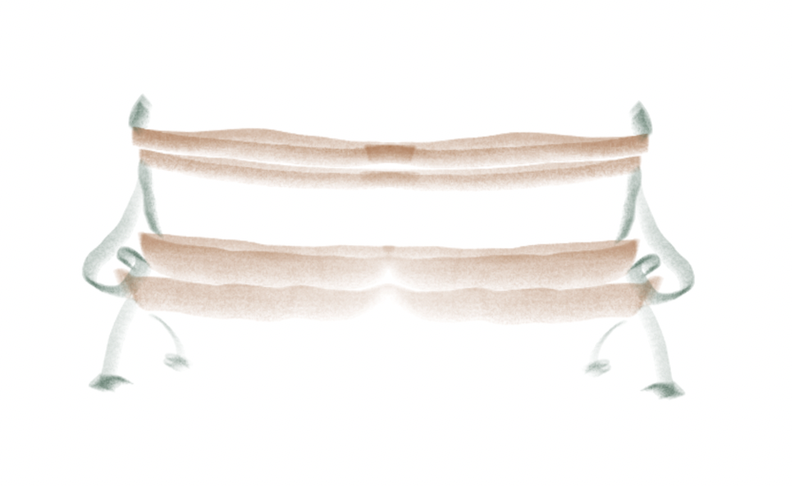
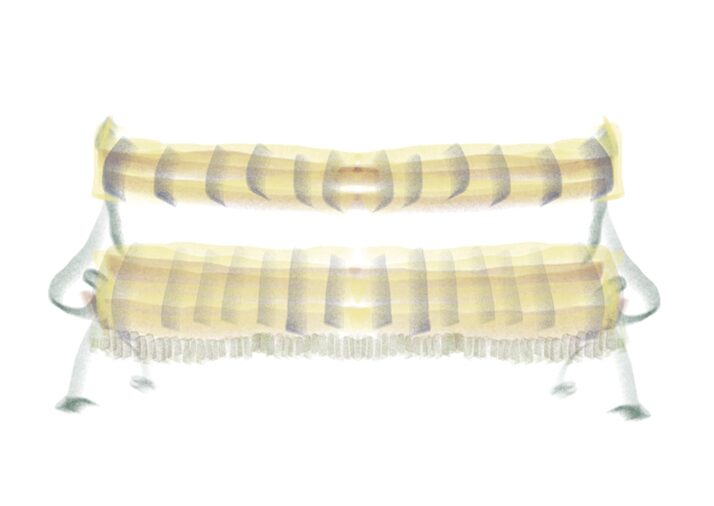
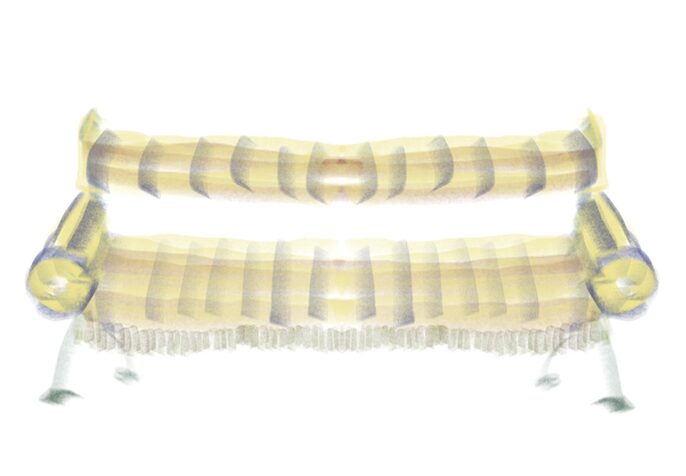
        “Do we as designers still need to design new chairs?”

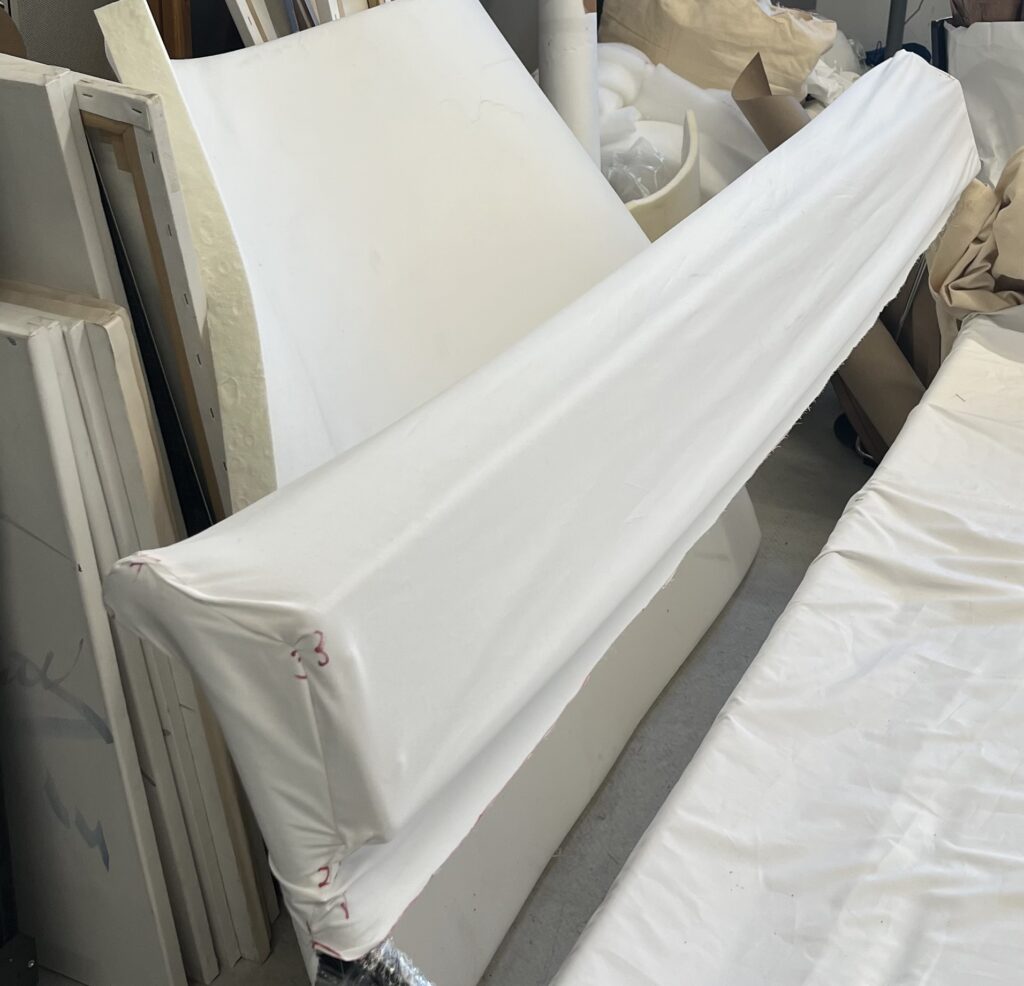
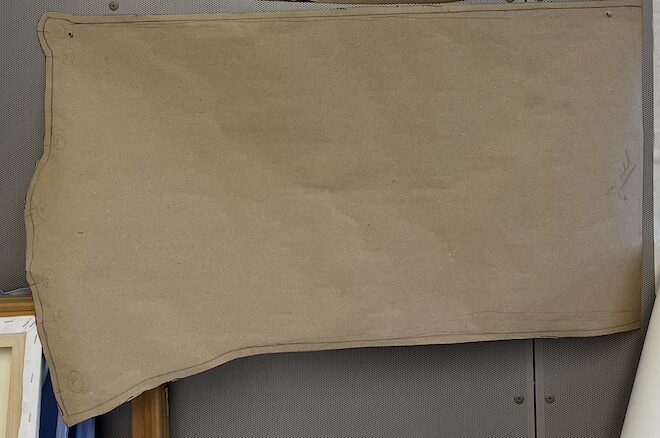
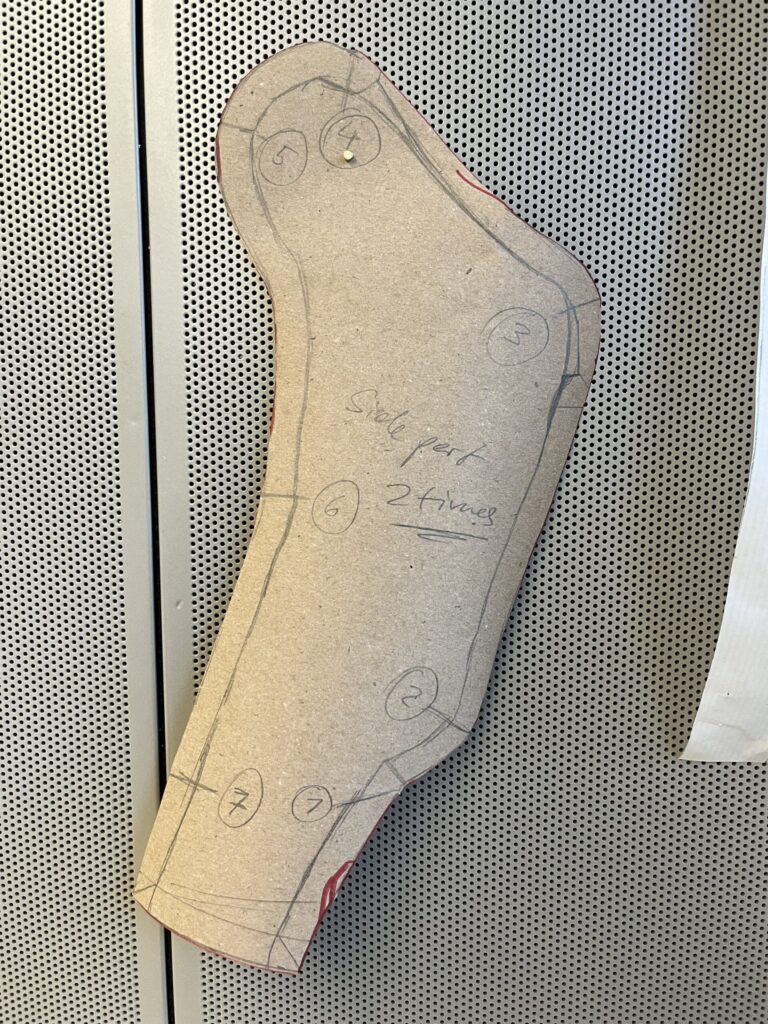
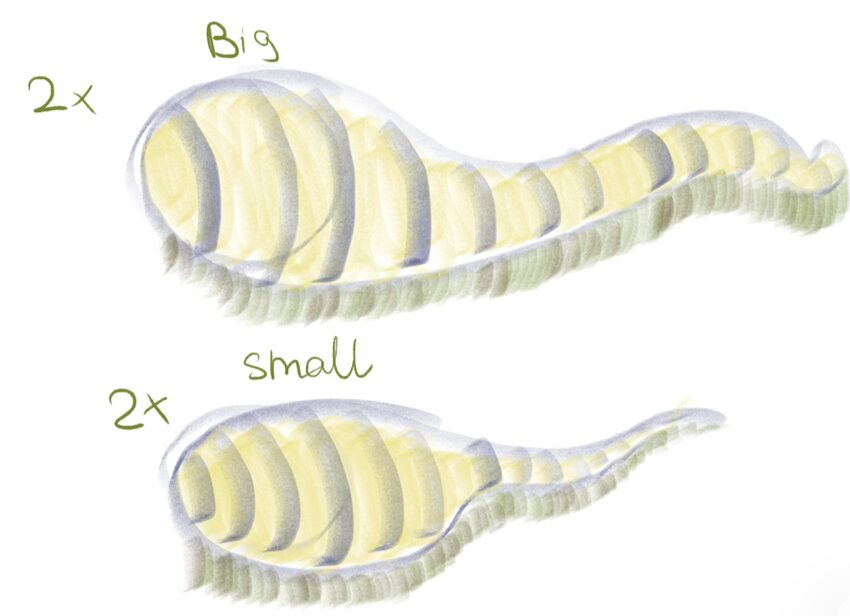
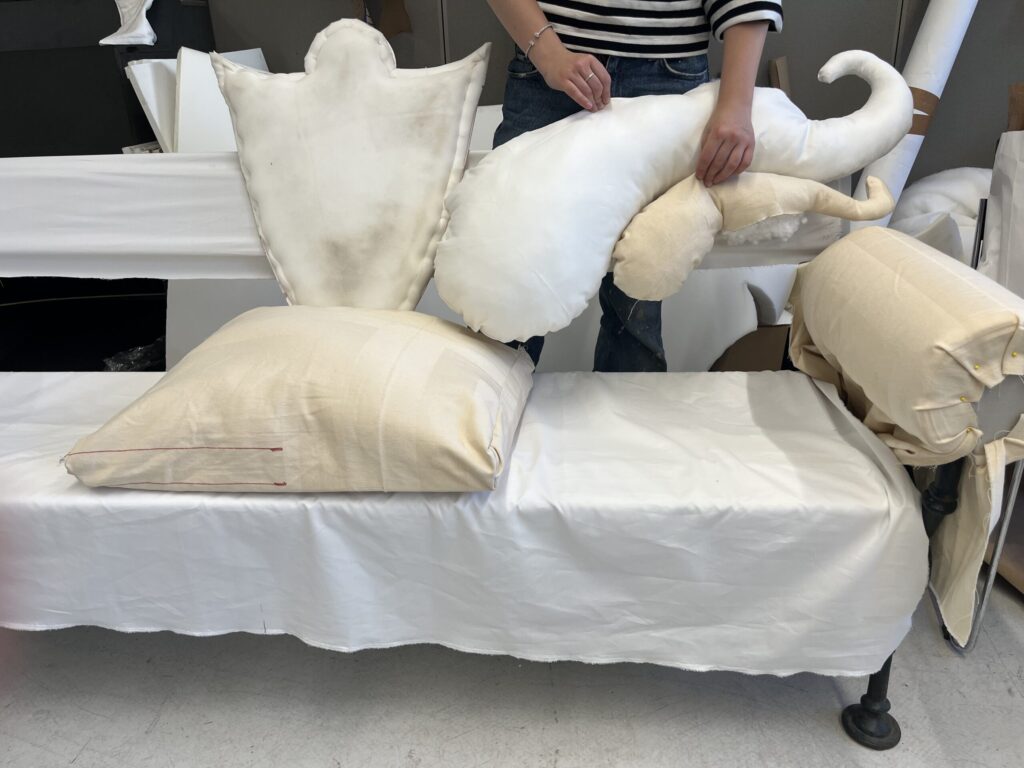
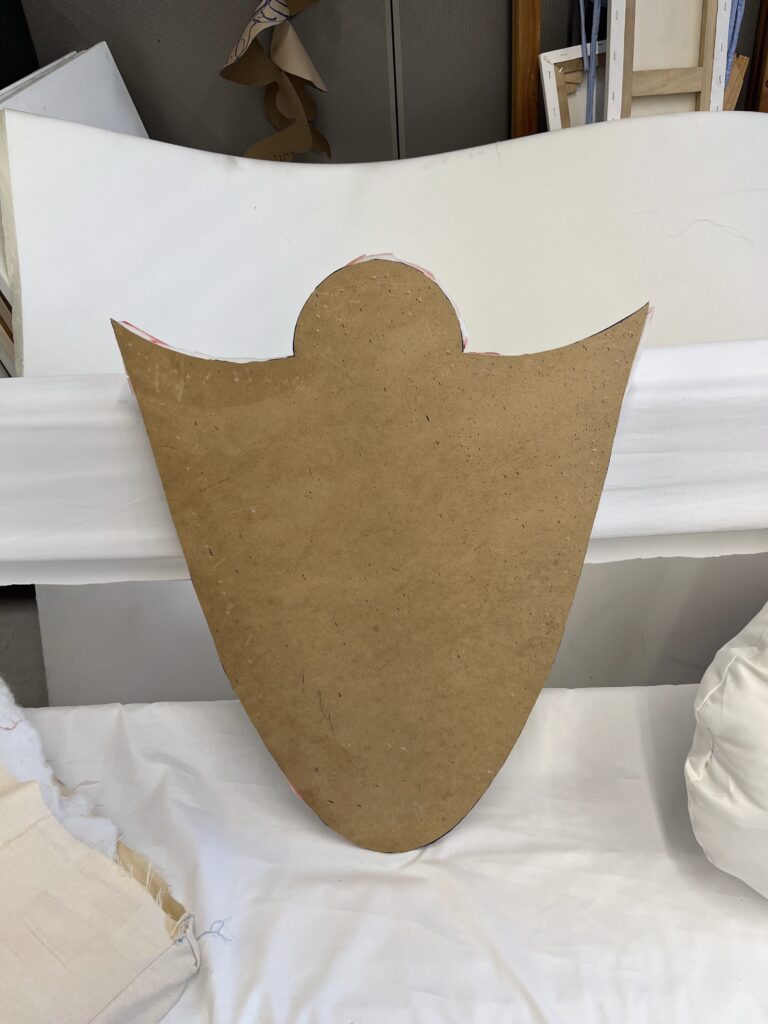
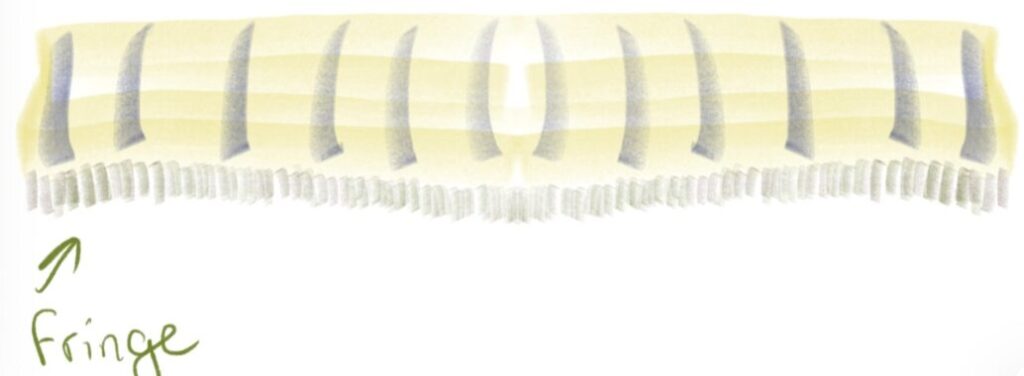
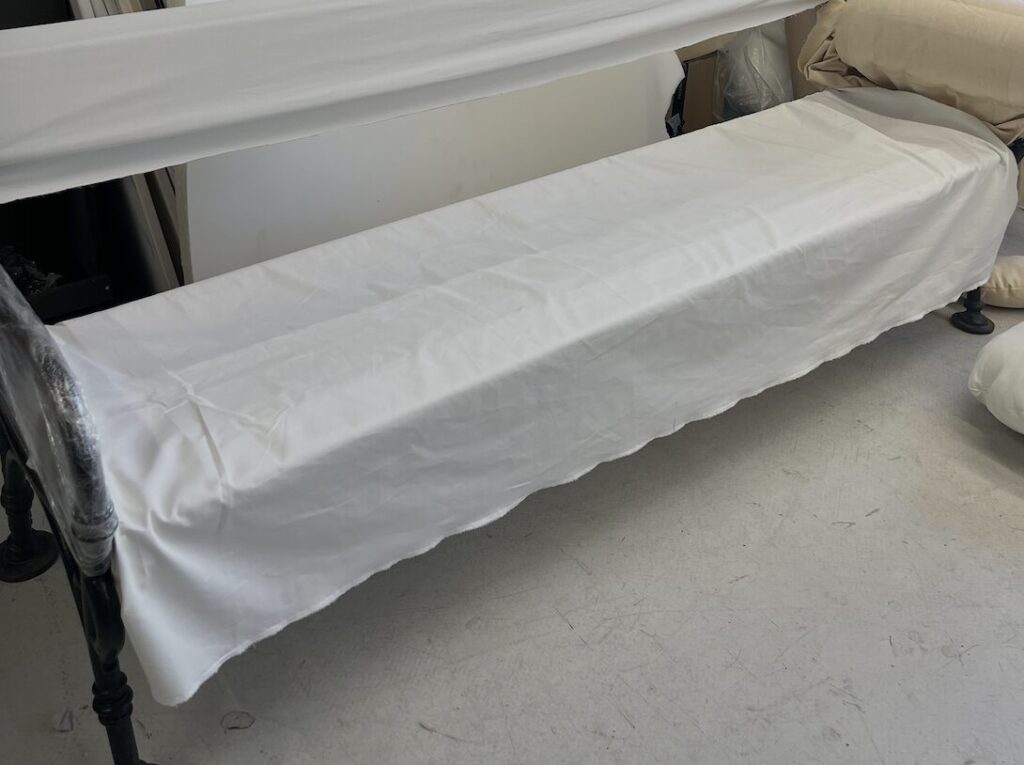
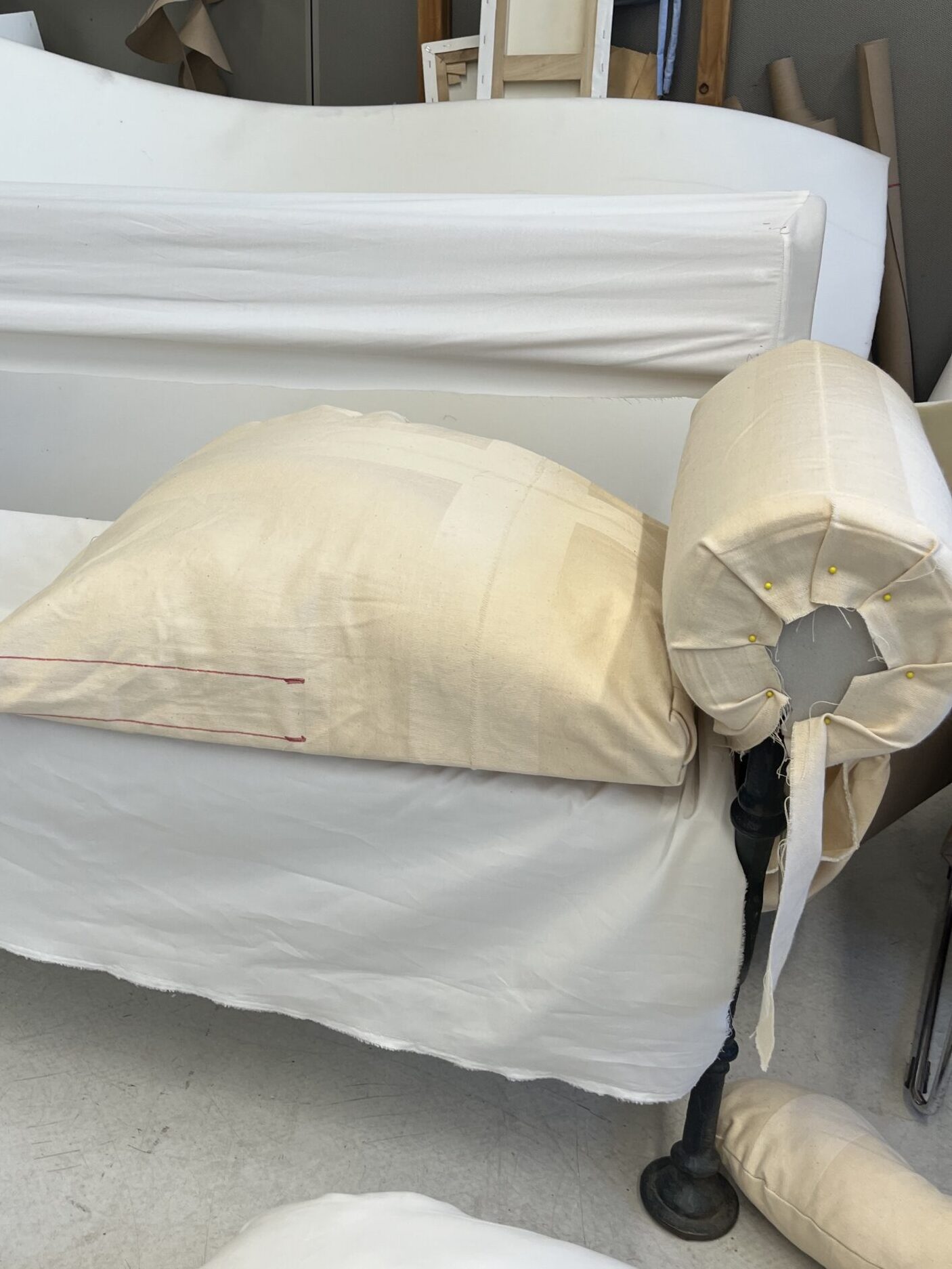
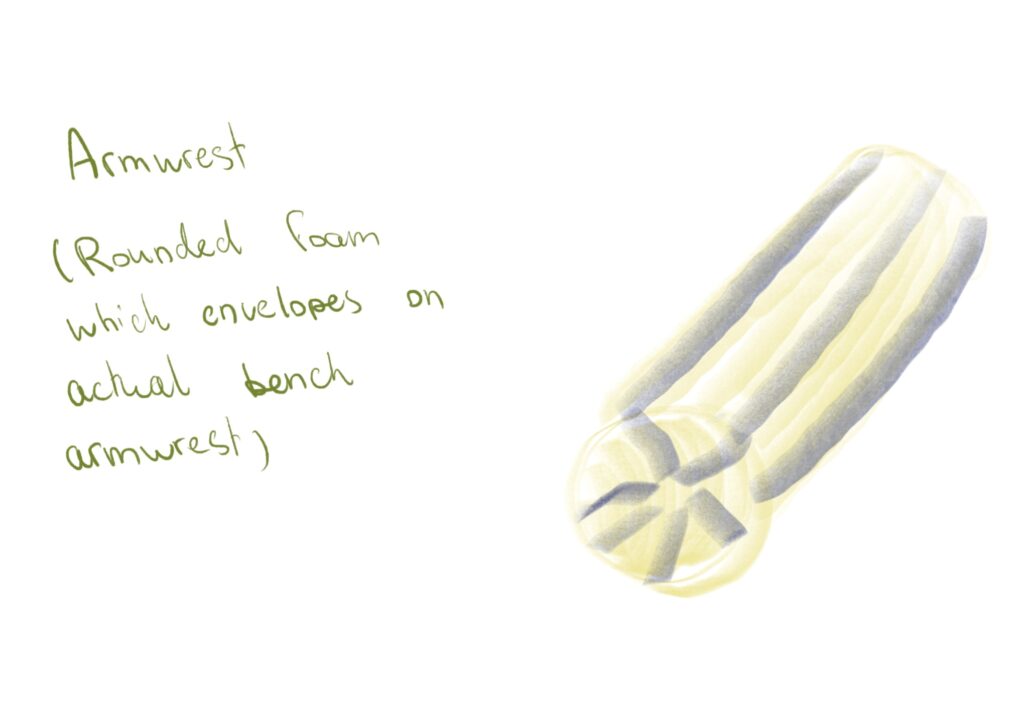
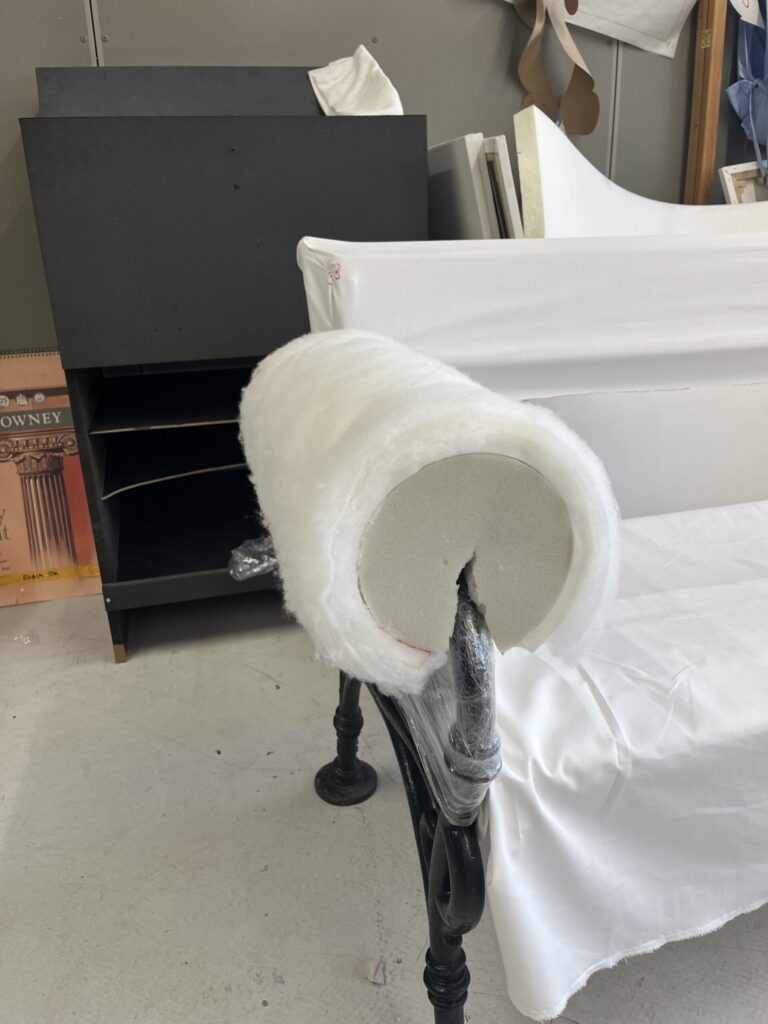
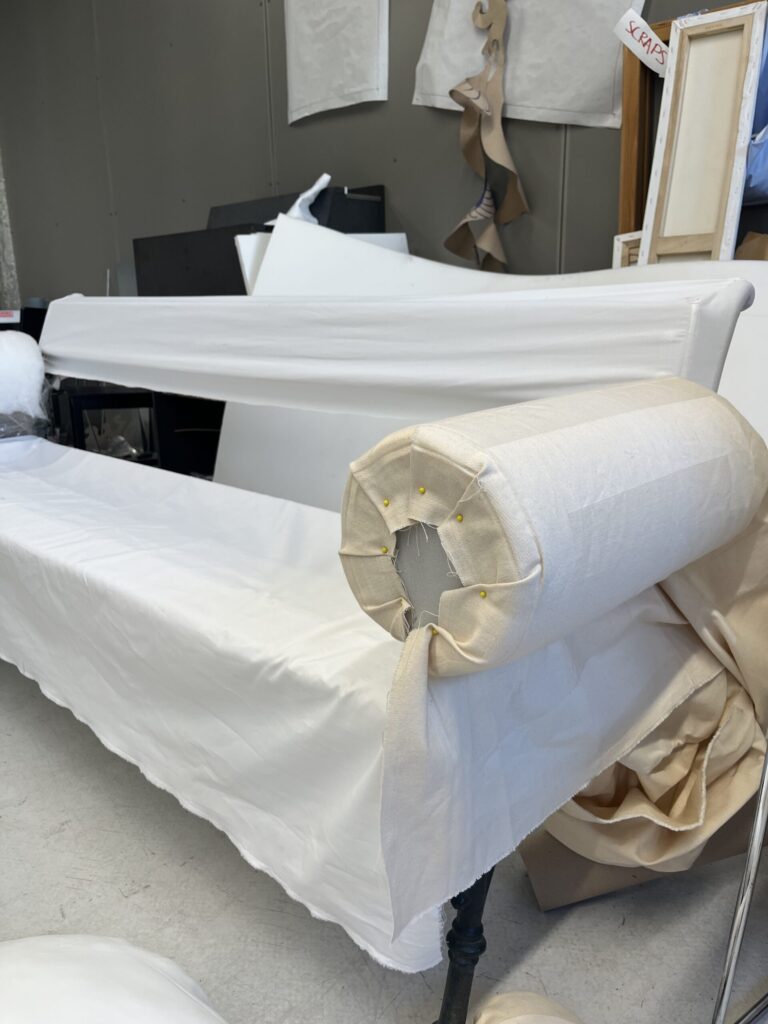
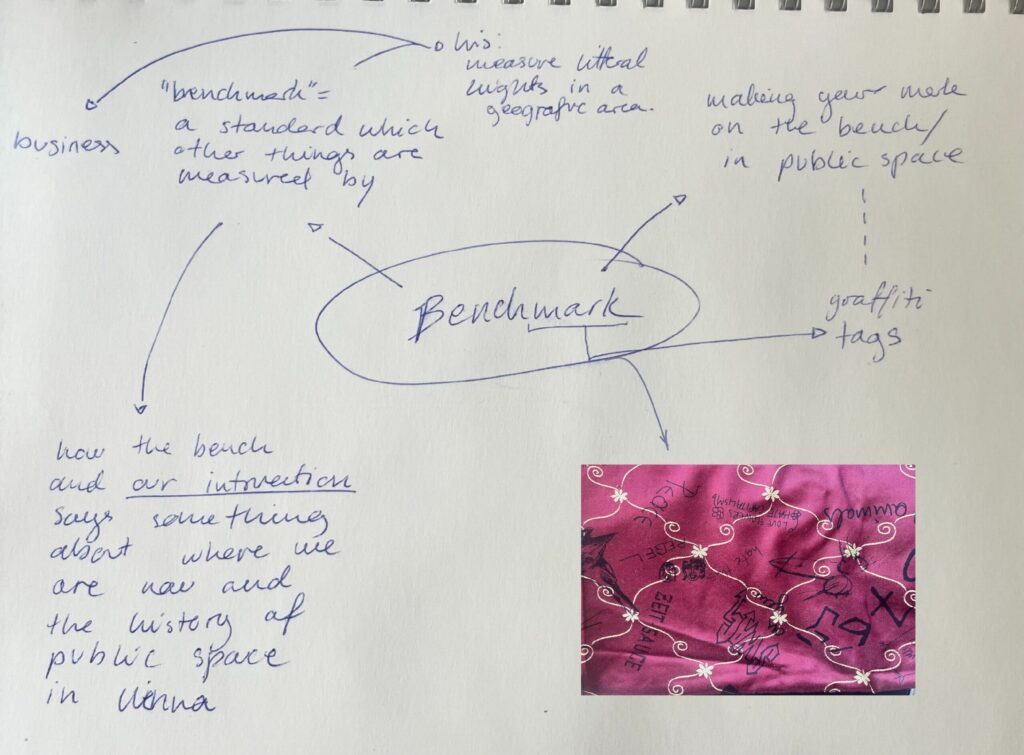
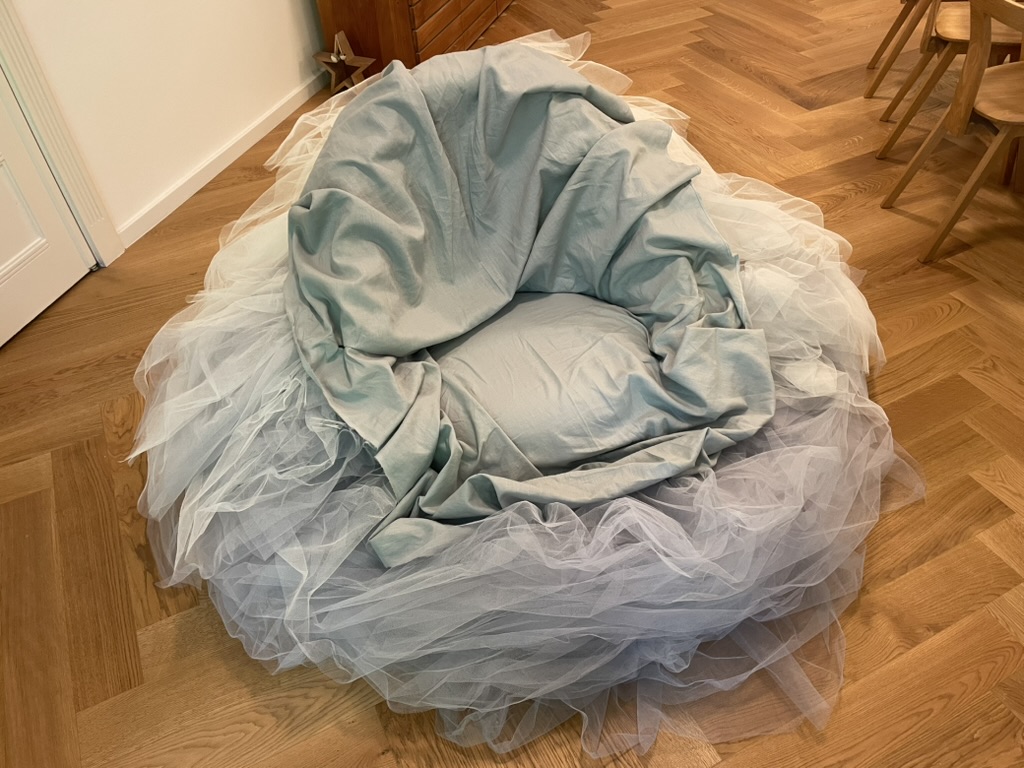
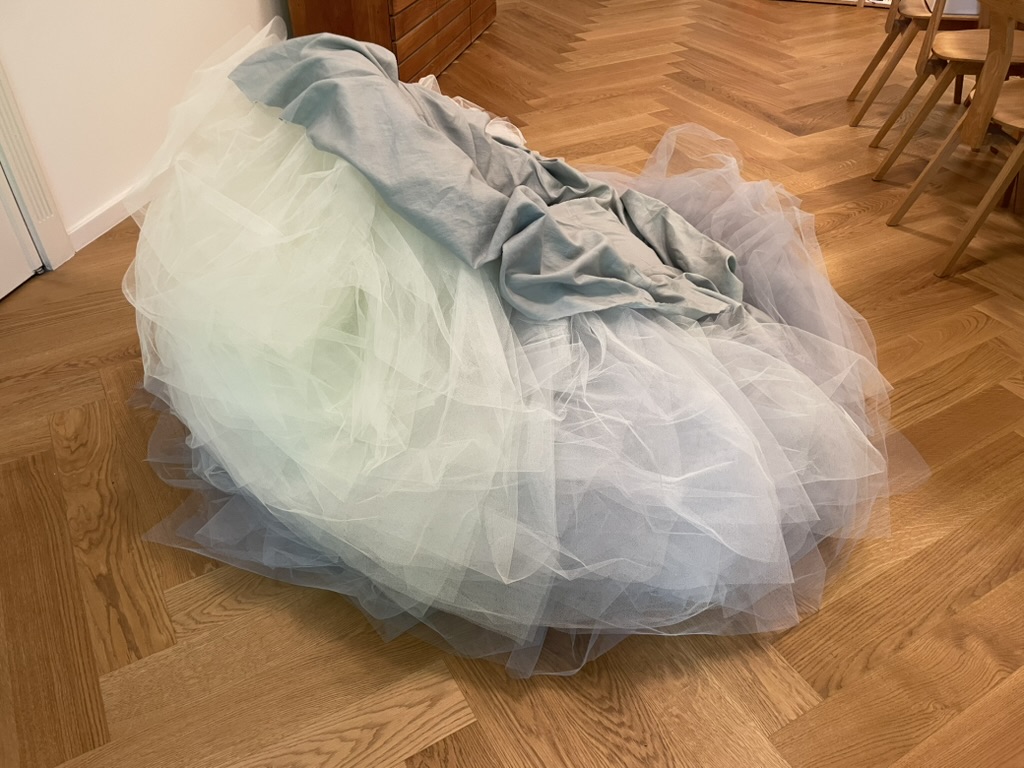
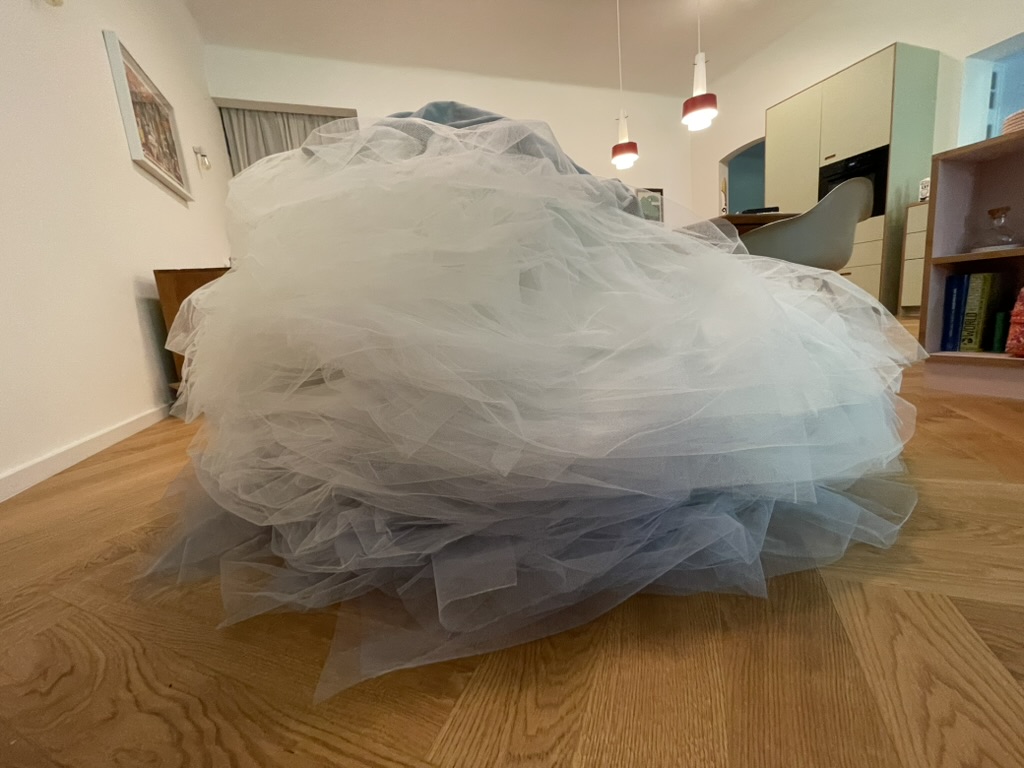
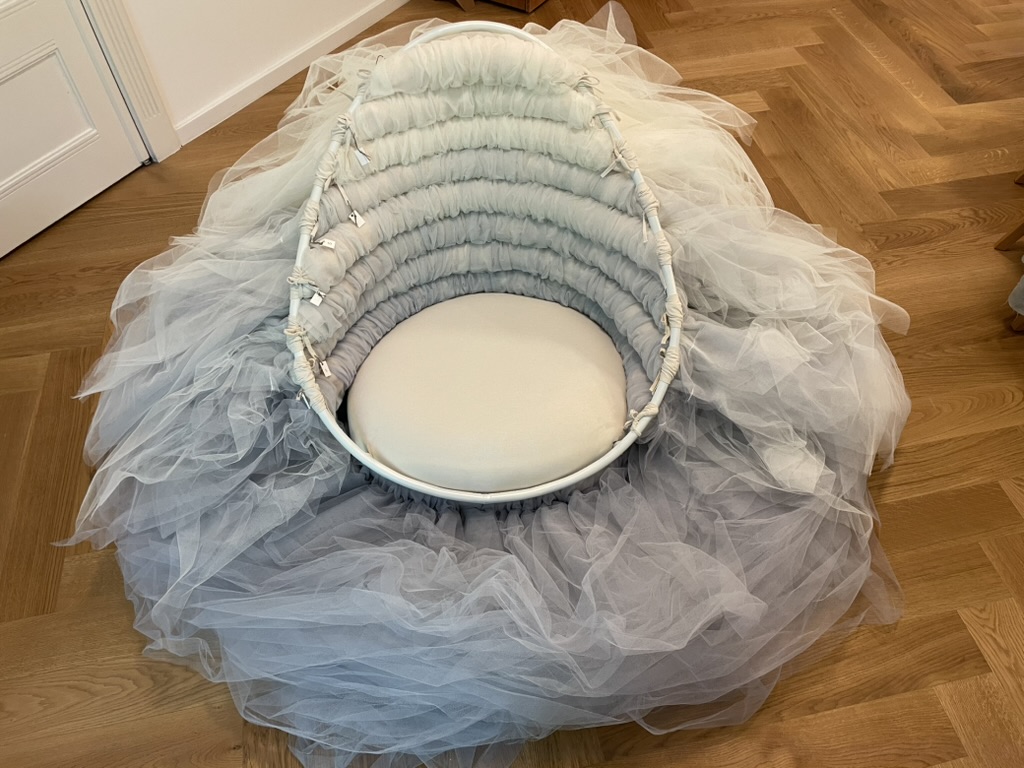
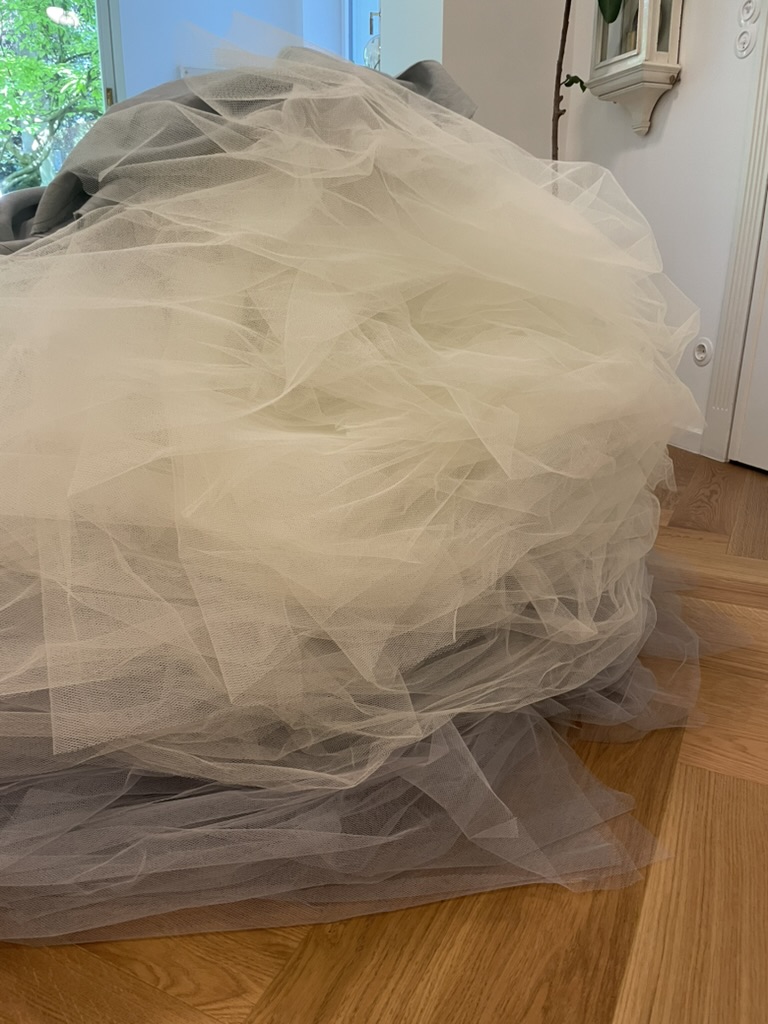
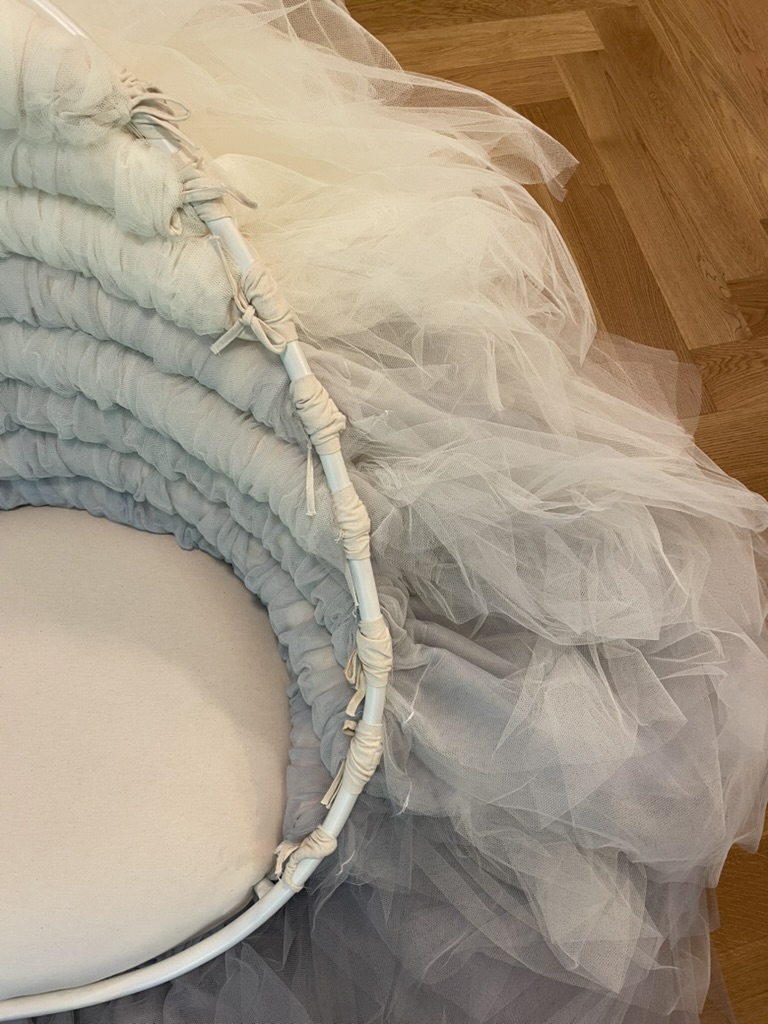
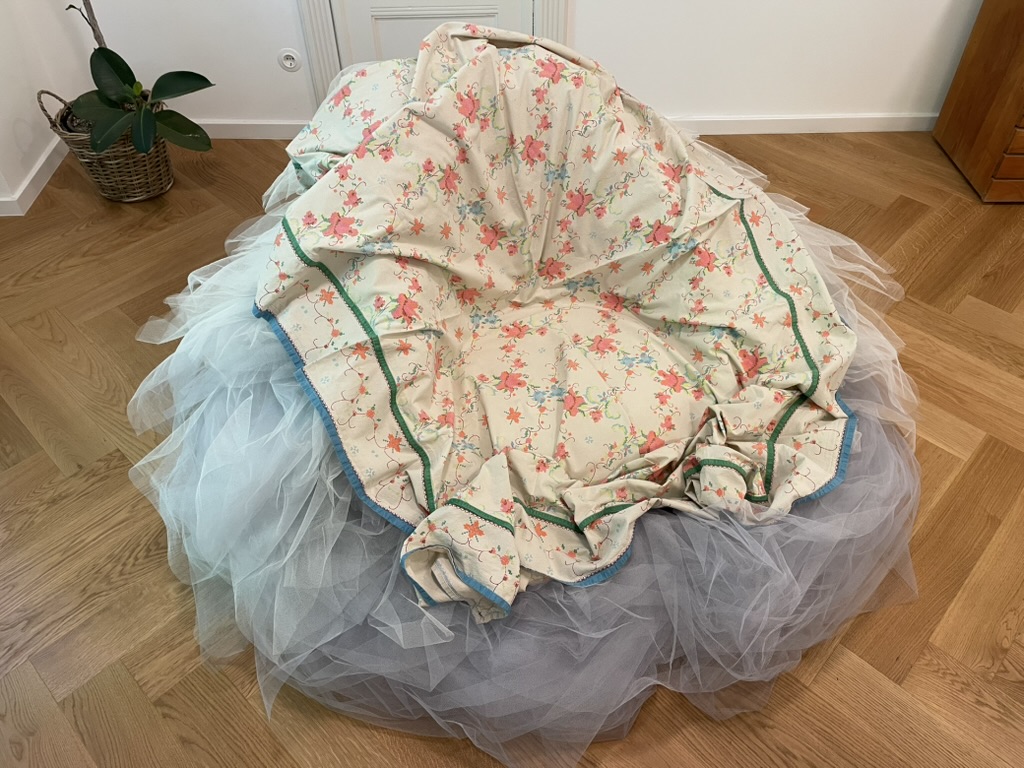
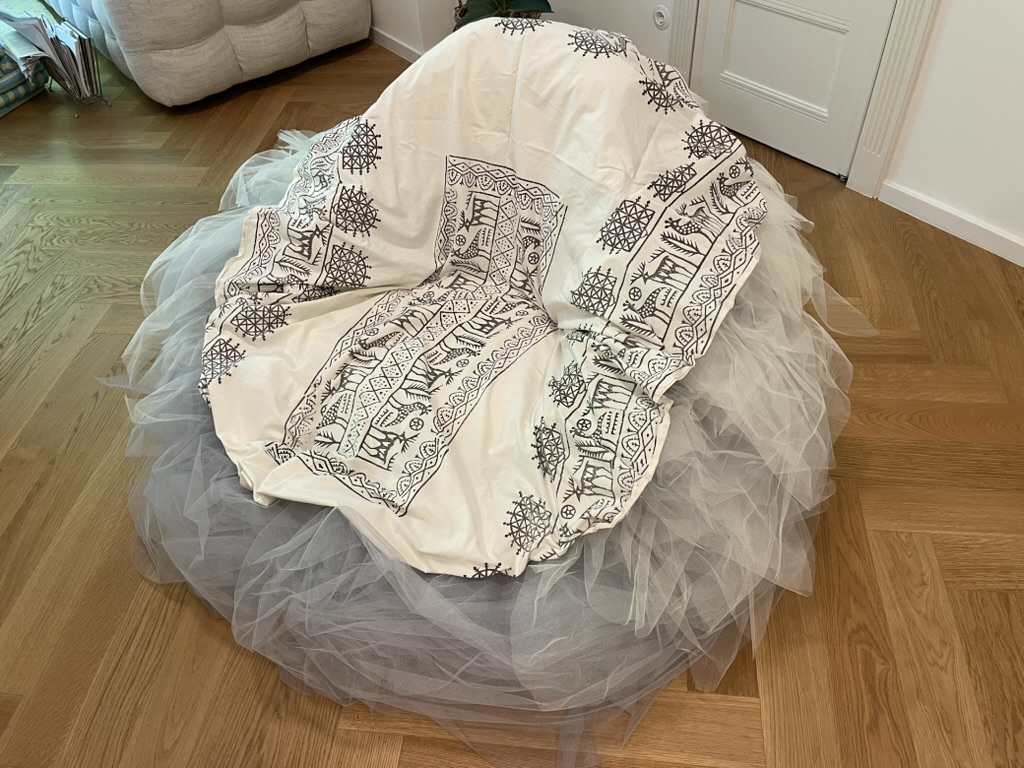
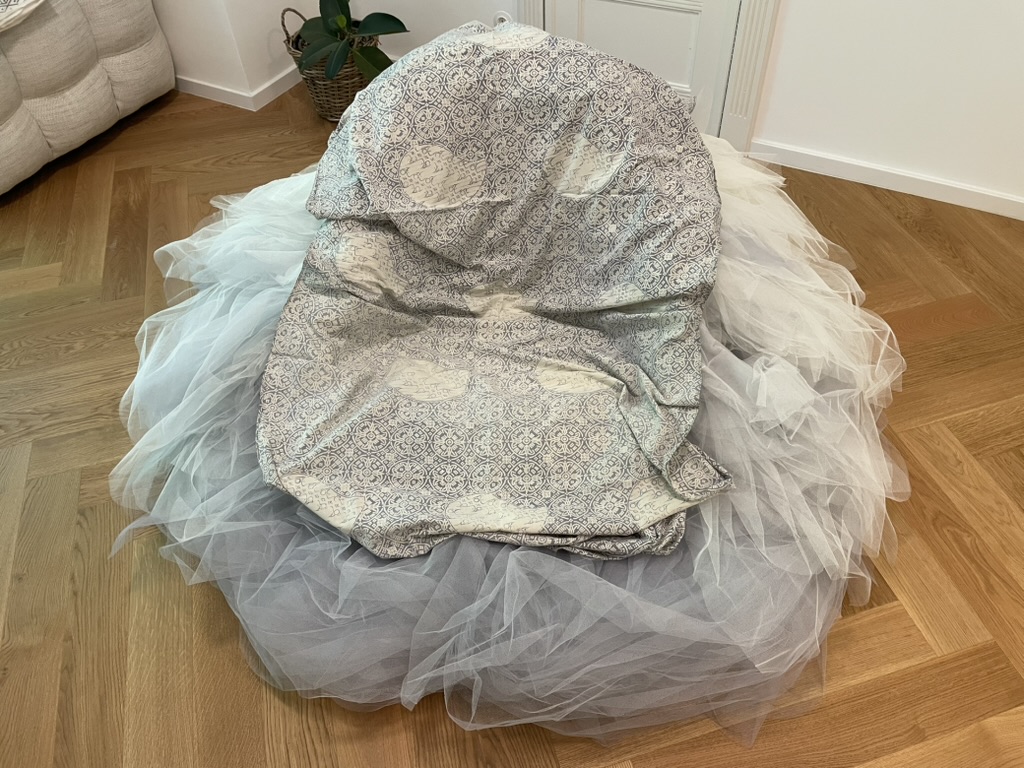
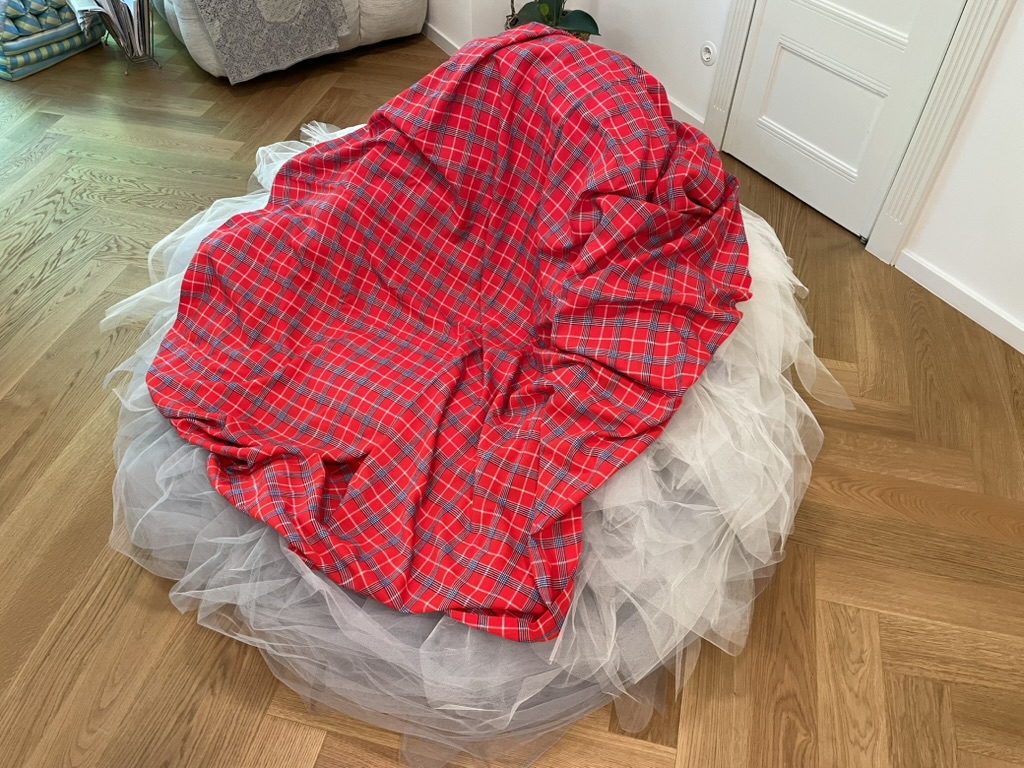
        “Husse” (Chair cover)

        We are NOT designing the elevated structure, where you put the weight of your body…

        …but we are designing a chair.

        A chair is not just a physical construction, it’s a way to express yourself and a tool that allows you to make a place your own.

        Where are we designing this chair?

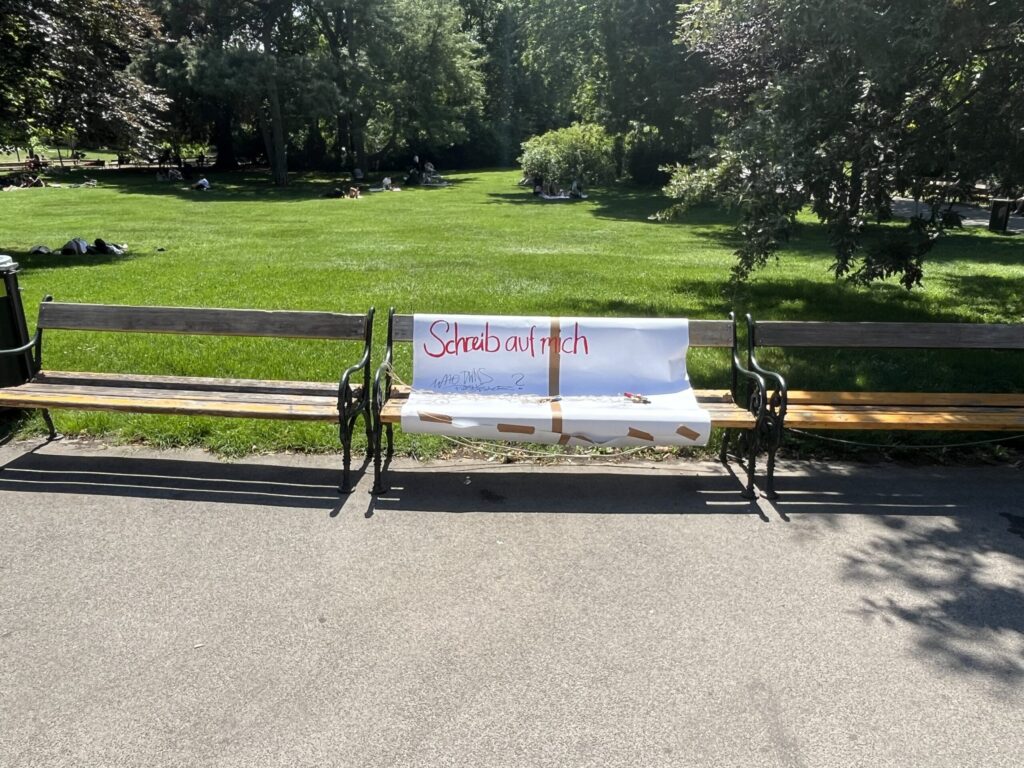
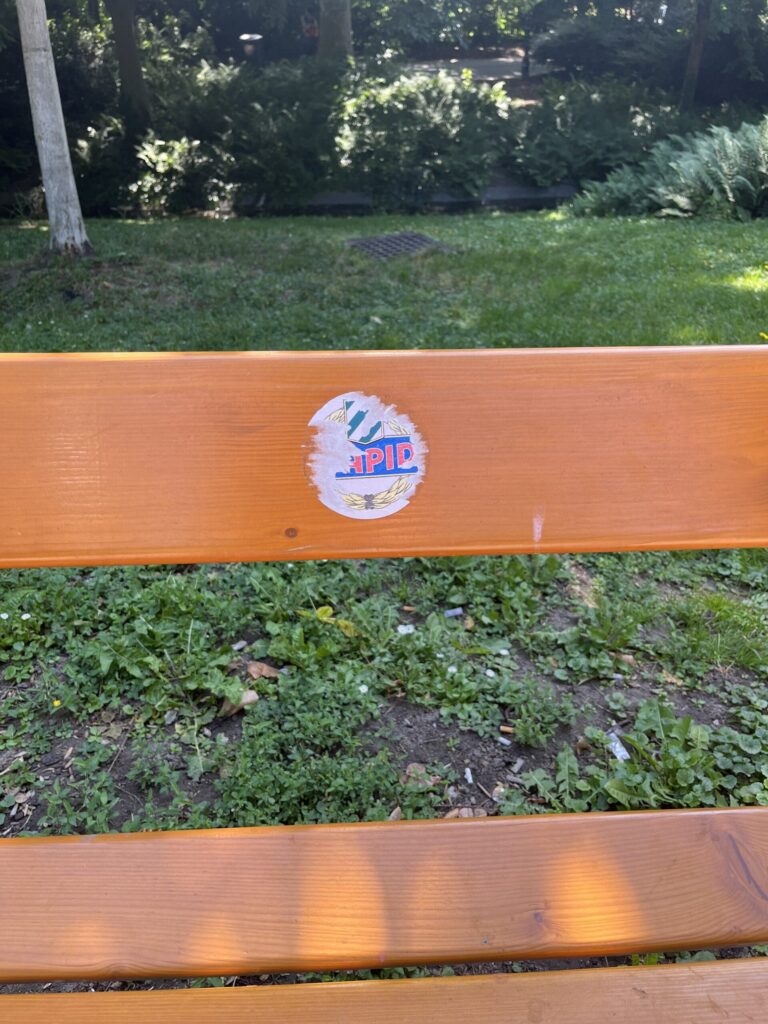
        We have chosen the context of park benches to deal with following question:

        “Who owns public space?”

        Project references

        • Doris Salcedo
        • Joseph Kosuth “one and three chairs”
        • Christo and Jeanne-Claude

        Next steps

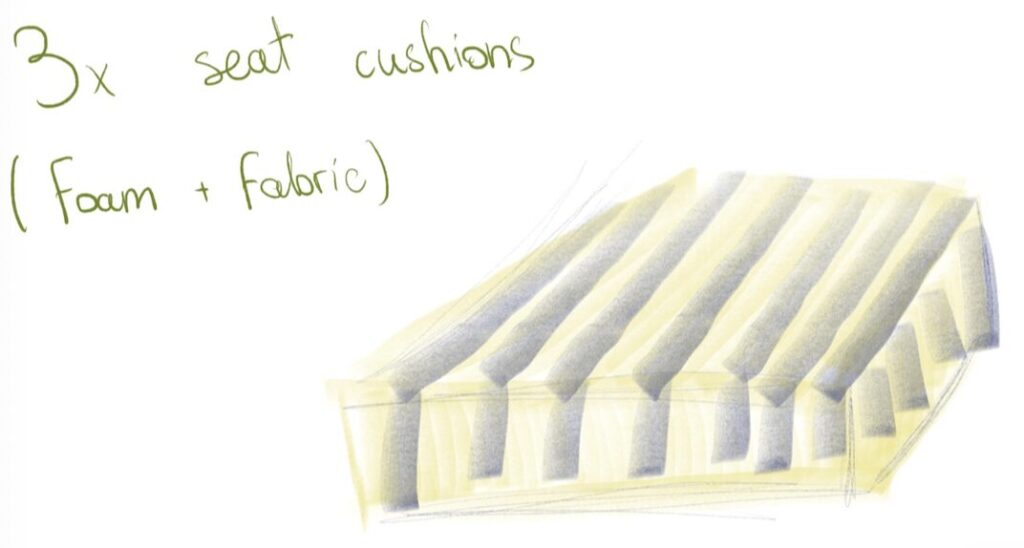
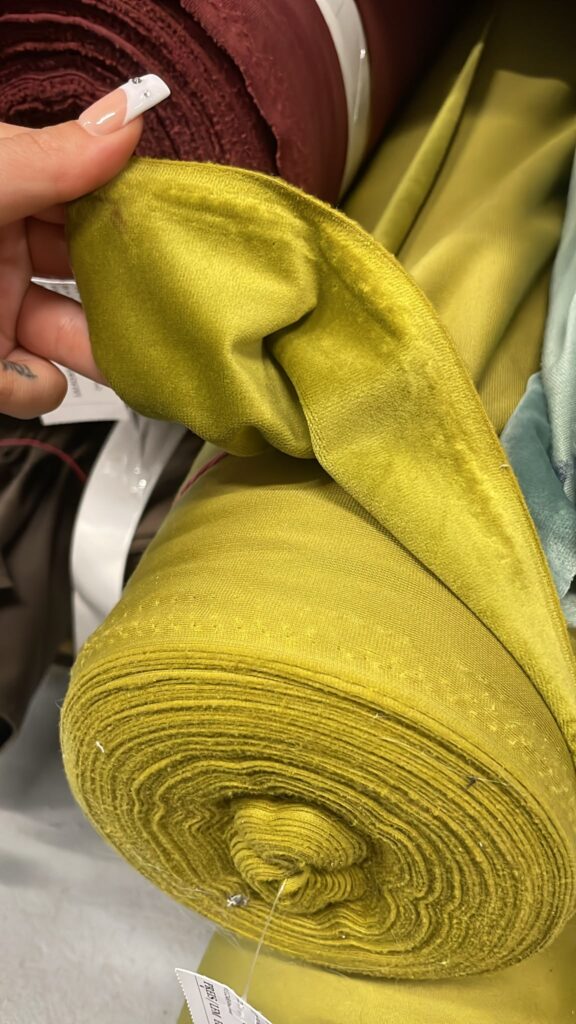
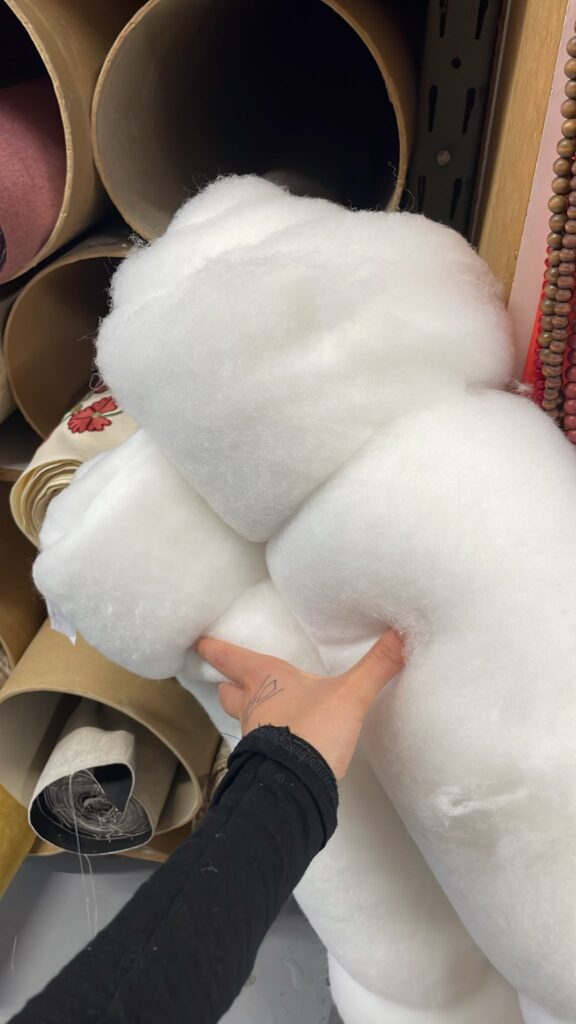
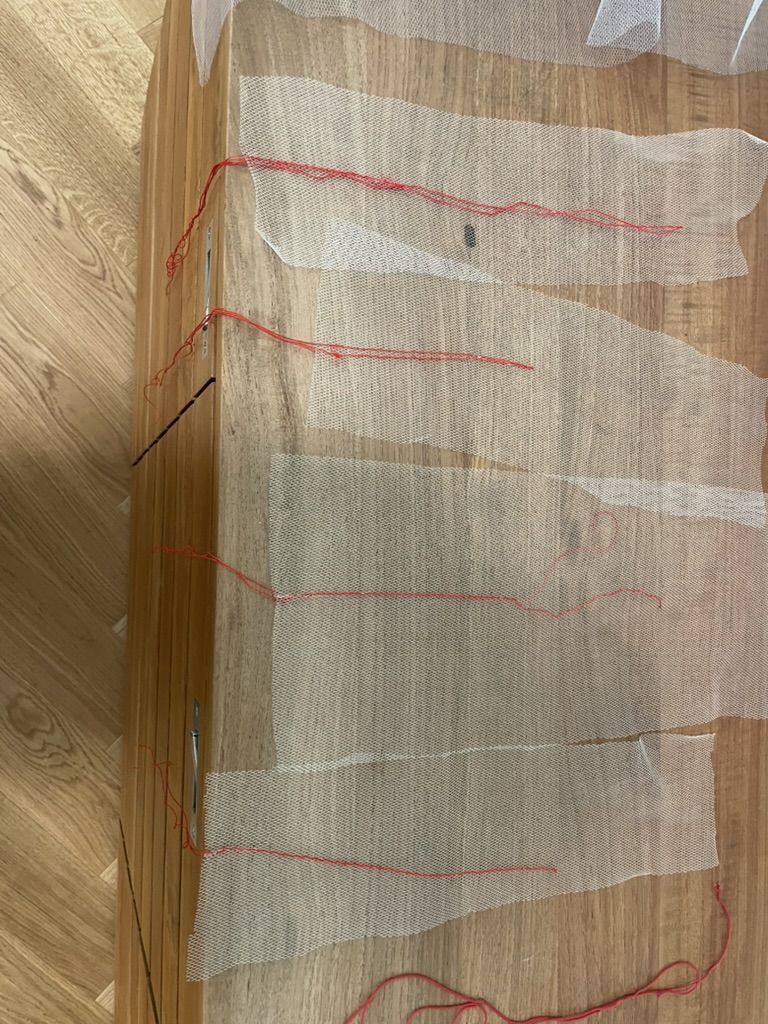
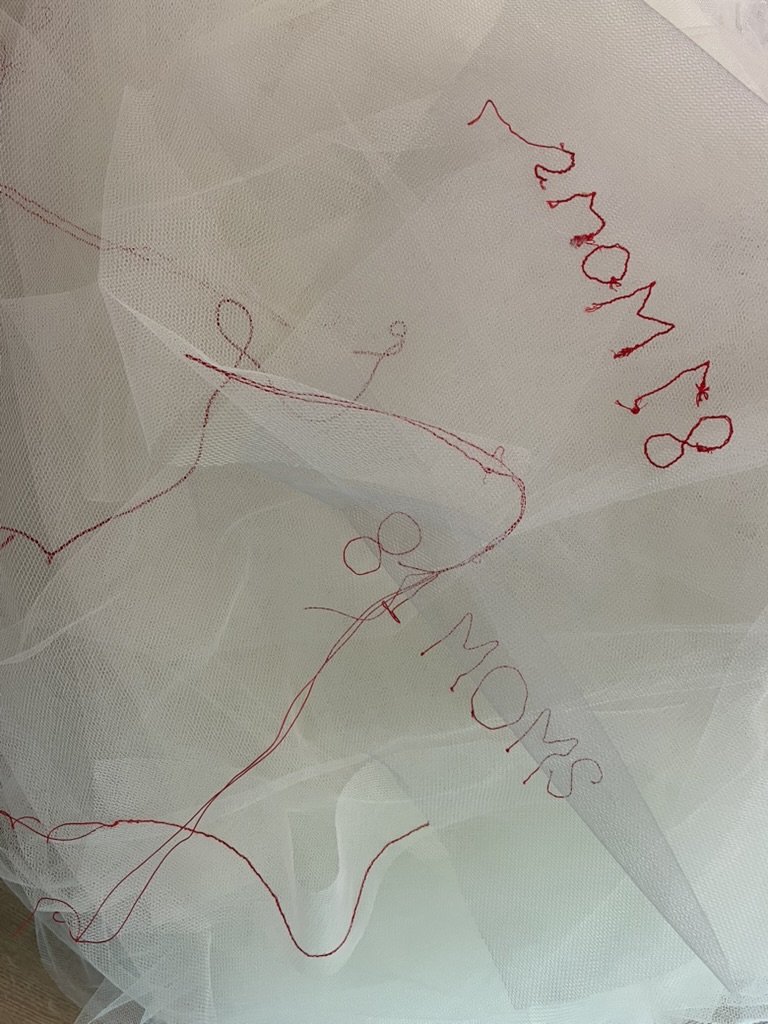
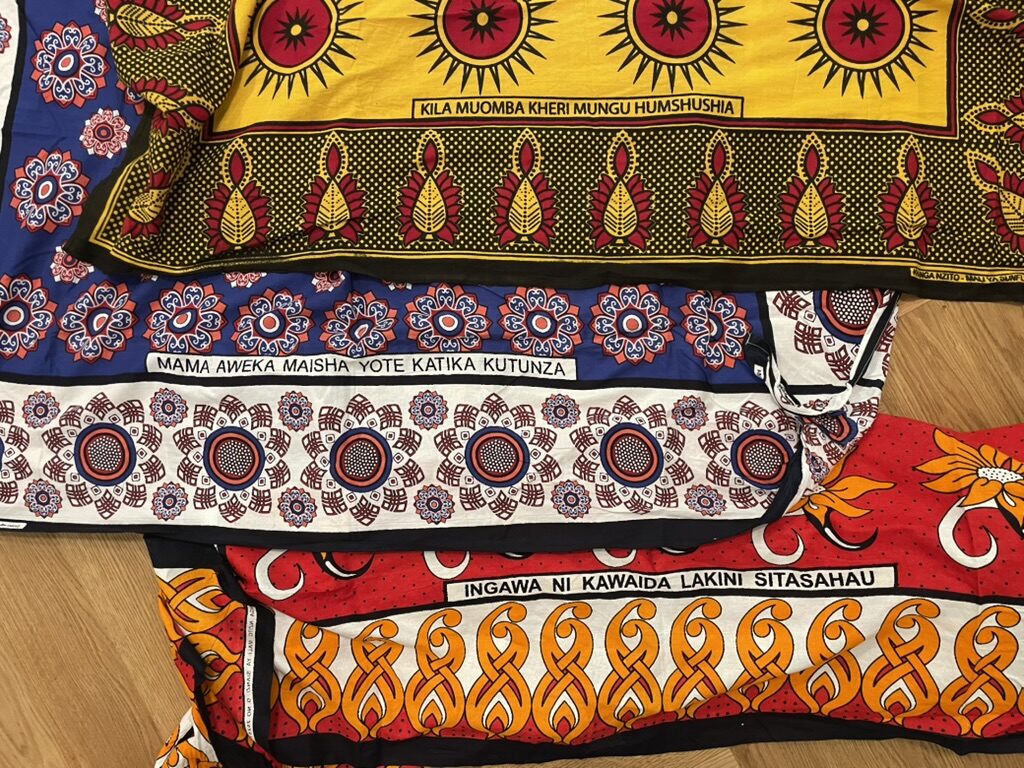
        • Tryouts with fabric, stuffing material and different fabric-techniques
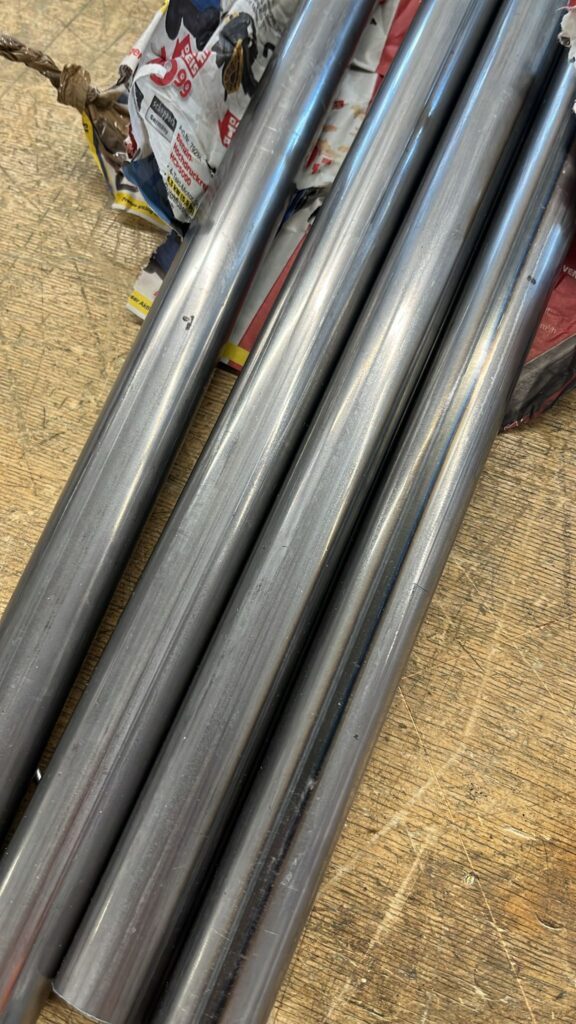
        • Where can we get our material?
        • How can we exhibit a project like this? Video, Photo,…
        • Long term: Is it gonna be a “tool” or installation

        Why is this design investigations?

        Design Investigations is about asking questions.

        Our project questions the traditional industrial design-view of what a chair design has to contain:

        an elevated structure, where you put the weight of your body

        Investigating the meaning of a chair through a sett of chair covers also have an element of absurdity that we want to delve into.

        By placing the chairs in a public park, Stadtpark, we take a position at the same time as we ask the question who owns public space?

      3. Tutorials, April 15th

        By

        Emilia Gruber

        Asking myself why I feel disconnected to my body

        I have tried to pay more attention to how I myself experience and engage with the world and noticed that I tend to be uncomfortable in understimulation. I have never liked meditation, because it usually makes me feel even more anxious, and I never leave the house without my headphones that let me tune out my surroundings and blast my ears with music wherever I go. Even at home, I usually never experience a second of silence. There is always something filling the background. I know that I am not alone in these habits and experiences. We seek and find comfort in very conveniently designed algorithmic experiences that dependably and predictably serve us content we know we will like. If we wanted to, we could cut ourselves off from the real world and just exist in our own microcosms where everything is always exactly as we like it and we can be comfortable forever, not being held accountable for anything.

        The world feels very uncertain right now. Between the (still noticable) repercussions of the pandemic, economic instability, war, and the potential of climate collapse looming around the corner, it often feels like there is not much left to look forward to. I think part of why I feel the need to constantly distract myself with meaningless overstimulation is because I don’t know how to deal with all of that constructively. It feels like my options are either to disengage and live life in my own little world, consciously ignorant of the crises we are experiencing, or to be paralysed by the awareness of everything that’s going on and not feeling able to do anything about it.

        Additionally, I feel my fear responses are often unproportional or not constructively directed towards the things that should actually scare me, and where my fear could be used and reframed into constructive action. Instead, I am existing in a state of constant underlying anxiety that can only be elevated but is also reinforced by the behaviours of overstimulation and distraction/avoidance I described above. This feels not only paralysing and unconstructive, but is also just exhausting for my body and mind.

        Thinking some more about this behaviour of disengaging and distracting ourselves with tools that create a high sense of certainty and dependability, it struck me as a similar principle to how OCD works (and how I have experienced OCD). Obsessive Compulsive Disorder is all about mitigating the discomfort and fear that the uncertainty concerning an “obsession” creates (the uncertainty of “What if the bad thing happens?”). Compulsions are repeated actions that one feels the need to perform over and over again in order to prevent “the bad thing” from happening. Compulsions are not logical or rational reactions to the distress the obsession causes. Nonetheless, they create a quick and short-term relief, and a perceived sense of certainty, until another trigger is encountered and the cycle starts again.

        Being on social media and having algorithmically filtered content available to us at all times creates the illusion of control, because we can predict how it will make us feel. Our brains know they can depend on the dopamine and instant gratification they get out of it. Similarly, using LLMs as a substitute for social relationships is just an attempt at controlling those interactions. The LLM is predictably going to agree with everything you say and reassure you like a real friend maybe wouldn’t always. At the end of the day, the tools we use and rely on to create a seemingly predictable and comfortable reality for ourselves are isolating us from each other and reinforcing the behaviour of disengagement and avoidance, making us ever more anxious and incapable to stop and actually learn to deal with (our fear of) uncertainty.

        “Exposure and Response Prevention” (ERP) therapy is how OCD is most effectively treated. The way it works is that if exposed to a trigger, you consciously don’t engage in the compulsion that would create short-term comfort in the situation. Instead, you need to learn to “sit with” the discomfort and the uncertainty of the obsession. This teaches your brain and body that, even if you don’t perform the compulsion you feel the need to perform in order to “stay safe”, the consequences you are scared of are highly unlikely to happen.

        How I can actively engage with or learn to tolerate the uncertainty I feel about the world and the future right now?

        Would familiarizing myself with my fear of uncertainty enable me to overcome the inertia I feel and engage with the world again in a way that feels meaningful?

        The matter of fact is that our brains and bodies thrive on a “manageable” amount of uncertainty. It is how we learn and how we get motivated to take action. Being stuck between the perceived comfort and predictability of digital media (of what our brains and bodies know they will get out of it if we consume it) and the total unpredictable and unstable state of the world, it is therefore somewhat unsurprising I find myself feeling this way.

        Horror movies utilize the so-called “Goldilocks Zone” of manageable fear. By repeatedly building suspense over the course of the story and then releasing the tension just when it becomes too much (with a jump-scare, for example), watching horror movies is basically a way to engage with and practice fear and uncertainty in a “safe space”, where you know nothing can actually harm you.

        Furthermore, being able to tolerate or even be comfortable with uncertainty could help with better interoception and self-awareness. If you are not constantly trying to tune out the world and actually try to understand your anxiety, you will probably be more likely to recognize when it is misdirected and redirect it to where and when it actually matters and can actually be a useful tool.

        How can I make this into an experience?

        How can I make people engage with their own responses to fear and uncertainty?

        It would be an audio(visual) installation that reacts and gives feedback to the pulse of the viewer. I want to implement the connection to the heart rate in order to adapt the structure and pace of building suspense and uncertainty to the physiological experience of the viewer, as well as reflect their own (physiological) reaction back to them. The goal of the experience should be to make people question and reflect on their own ability and mechanisms they use to cope with uncertainty and fear (of the future) and possibly enable them to reframe how they experience fear and uncertainty in a way that is productive.

        Engagement

        How can I create an experience that includes the viewer’s body and its responses?

        • A pulse sensor influences the pace
        • Real time feedback of the heartrate makes you aware of how you affect the installation as well as how it affects yourself

        Content

        How can I communicate “nothing”?

        • In contrast to “something”?
          • Constrast of experience of high predictability (overstimulation) and low predictability (understimulation)
          • Start with visuals and audio that feel “predictable”
        • Build suspense without resolution or “closure”
        • Withhold or obscure Information
          • Notice that there are things hidden which can’t be seen or heard (or not directly)
        • Darkness
          • Our brains can not experience total darkness

        Effect

        How can I create fear or discomfort?

        • Leave room for projection
        • Manipulate feedback of the heartrate
        • Loud and sudden noises/Jumpscares
        • Absurdity/the “weird”
          • unsettling simply by being not understandable within known norms

        Splatterhaus Exhibition

        Shepard Tone

        Gives the illusion of an endlessly descending or ascending tone

        https://www.fallingfalling.com

        NaissanceE

        A game where you wander aimlessly through endlessly generated architecture

        Experiments

        Simple processing prototype to connect heartbeat to audiovisual feedback

        TouchDesigner Tryouts

        Screenshot

        Prototype to try out the effect of connecting a shepard tone + heartbeat audio to an “endless” touchdesigner animation

        Prototype to try out connecting a heartbeat to an animation (that only proceeds with each beat)

        Moodboards

        3 different moodboards to represent the different stages of the experience:

        Next Steps

        • Figure out the narration and aesthetic of audio and visuals
          • What exactly should be seen and heard?
          • Try effects with different people
        • TouchDesigner
          • Connect pulse sensor
          • Try to connect AI to generate endless visuals/audio?
        • Figure out the physical form of the installation
          • Make a case for the sensor
          • How to best set up visuals and audio?

      4. Tutorial 15.04.26

        By

        Nouria Sabbagh

        ,

        Emma Bär

        and

        Eva Aartse

        Mail exchanges

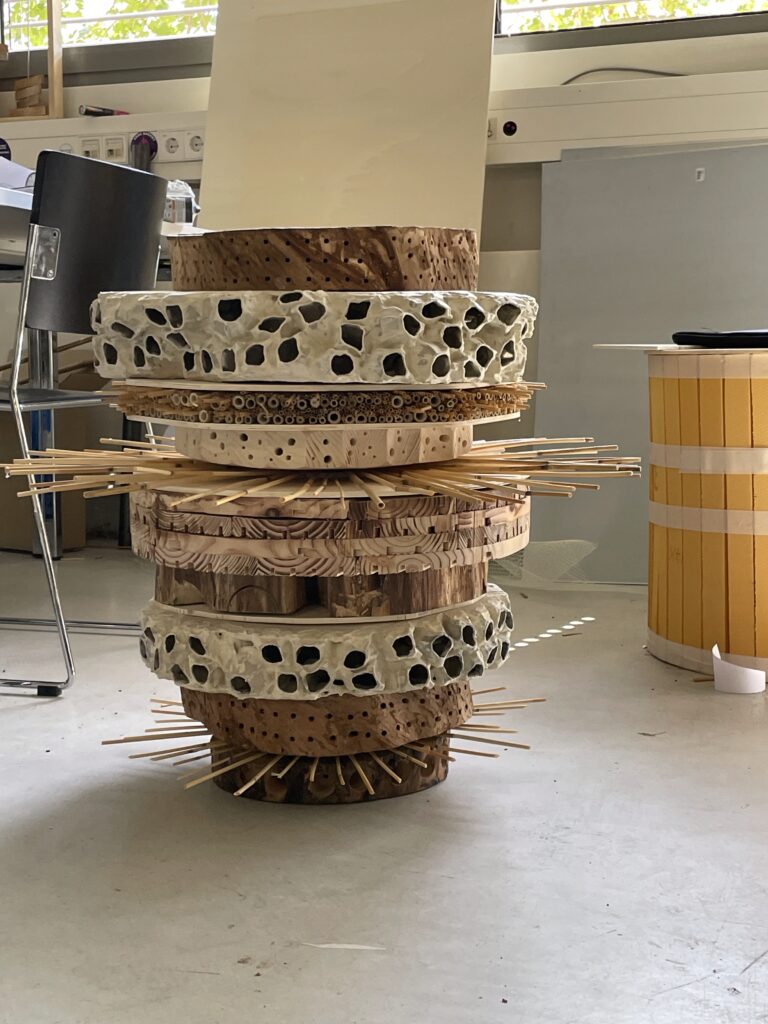
        Zoom call 13.04 with Laura Waldner, Entomologist at Landmuseum Kärnten

        Another meeting planned 15.04 (today!) w. Eva Seiler (Skulptur & Raum, human and non-human)

        Field trips during the holidays

        Community gardens w. insect hotels, Wolfganggasse (biodiversity project), Donau Insel (Imkerverrein)

        Material Experiments

        Experimenting w. free crocheting, natural coatings, clay, reed & tufting

        oplus_34
        oplus_34

        3D Modelling

        Next steps

        Model development
        Reed roof? -> Material dependent
        2 models = 2 options
        focus on overall structure
        next week 2 models ready + meeting at metal workshop

        Location
        Possibility -> Donau Insel Imkerverrein
        Other possibilities -> Wild Bee association Wien, Wolfganggasse, Biodiversity corridors Wien, Uni Wien Cooperation

      5. Tutorial Team 6, 15.04

        By

        Luz Quintana-Abraham

        ,

        Amelie Proksch

        and

        Julia Klimowska

        Ann

        Marshall Rosenberg

        NONVIOLENT COMMUNICATION

        How can we Create a Physical Space for Difficult Conversations ?

        APPLYING RESEARCH ON DESIGN

        EXPERIMENTS:

        We gave up on the idea of the Veil between the users talking

        “I want to stay, to listen to you”.

        WHAT WE WANT

        • enclosed seating space for two acquainted people
        • a neutral “space within a space” that removes hierarchy and ownership, creating shared ground
        • setting that helps create comfortable, easy intimacy
        • invites open conversation and preventative confrontation
        • no set hierarchy between users
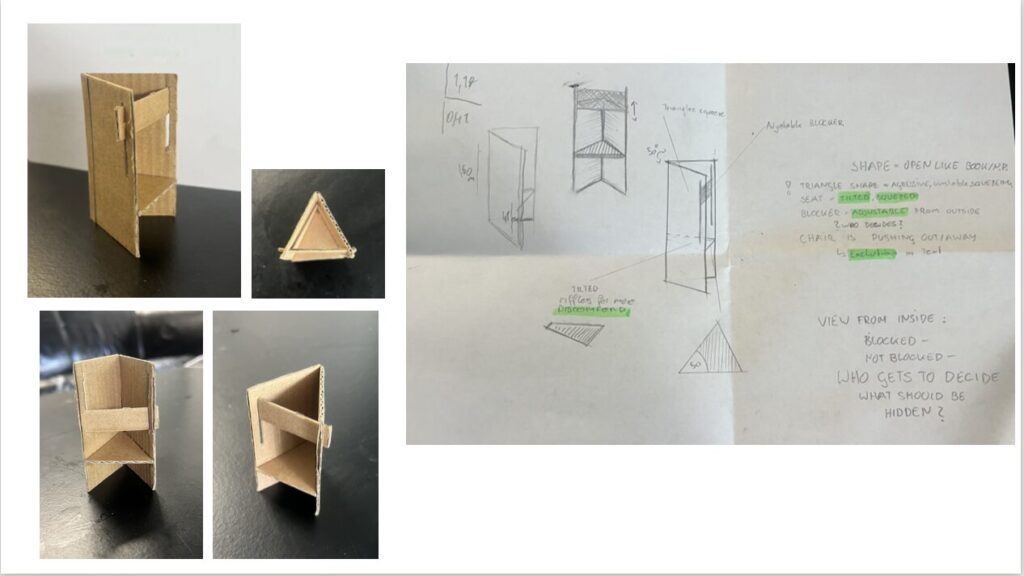
        • adjustable seating to support individual preferences (height, position, direction)

        FURTHER SKETCHES:

        TESTING SHAPES & SEATING:

        What Shaped Space is suitable?

        Weighing the Importance of Proximity

        Playing with Adjustability

        WHAT WE ARE STILL FIGURING OUT

        • How can we best translate our communication research into practical applications within our project?
        • Finding the sweet spot between universal and personal approaches to meaningful conversations – balancing diverse user needs while designing an experience that naturally invites deep, one-on-one exchanges

        QUESTIONS

        • How can we embed guidelines for productive conversations into the design without overwhelming users with instructions?
        • How can we embed a sensory feature into the object that supports users during difficult conversations—providing a calming effect while remaining cohesive and purposeful within the overall design?
      6. tut 04_14

        By

        Julia Freyer

        recap of midterms – questions

        meetings during easter break

        [stock image]

        try outs

        childhood as material

        viennese locations as chairs

        viennese coffee chairs used differently

        where we are at now

        austrian craftmansip – our ancestors furniture

        -> Can traditional crafting techniques be understood as a form of design knowledge?

        -> What happens when we translate these methods into contemporary contexts or materials?

        -> And can a chair become a way to connect stories, place, and inherited ways of making?

        traditional austrian crafts

        sketches

        This project explores material culture, local identity, and inherited ways of making through the design of a chair.

        We want to do this looking at traditional austrian crafts, without putting focus on nostalgia, or glorifying traditions, as some (right-wing) politicians do but rather in the opposite way.

        next steps

        • furniture scouting (IKEA, möbelmuseum)
        • trying traditional crafts ourselves -> material experiments
        • where do we place our chair? is it for one person or several people? and what kind of chair even is it?