2026S Design a Chair

  • 20.03.2026

    By

    Eva-Maria Lainer

    feedback 05.03.2026

    • children want what they see: other kids’ toys, advertisements, …
    • primal emotions | underlying emotions: anger and fear
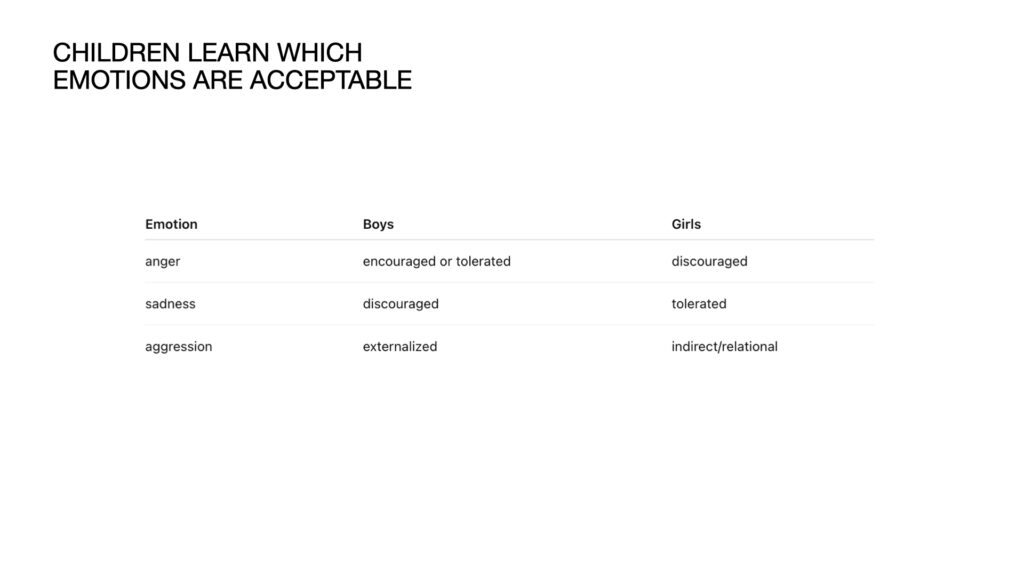
    • societal stereotyping
    • dealing with emotions — practices
    • boys and anger | boys and sadness | anger in kids! (changes over the last 20 years?)
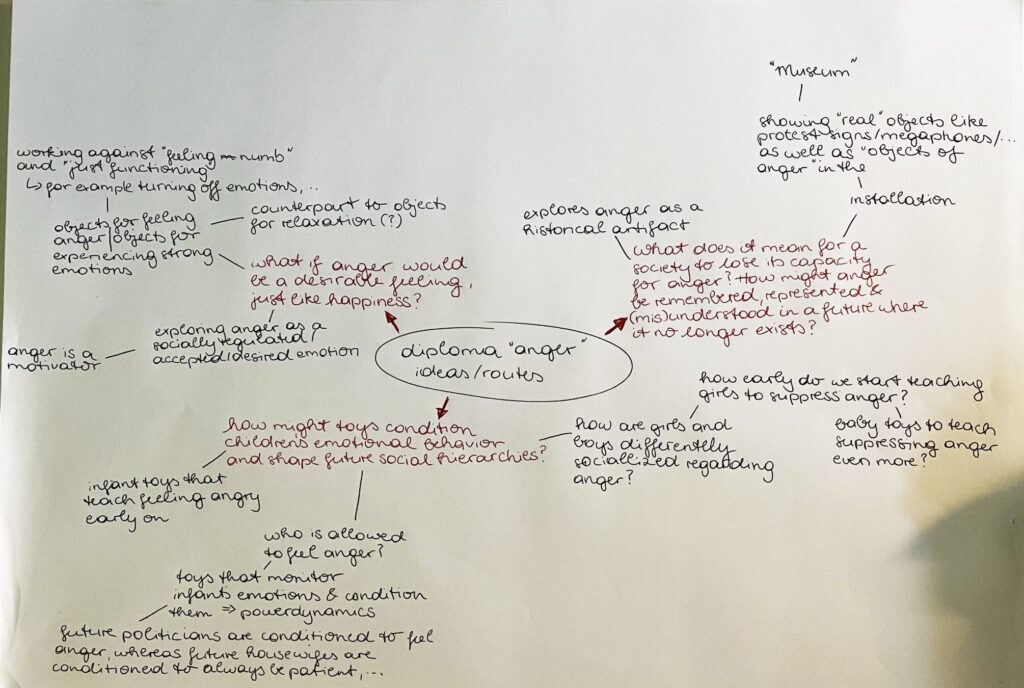
    • female anger: directing the project maybe to women and not girls?
    • behavioral experts

    research

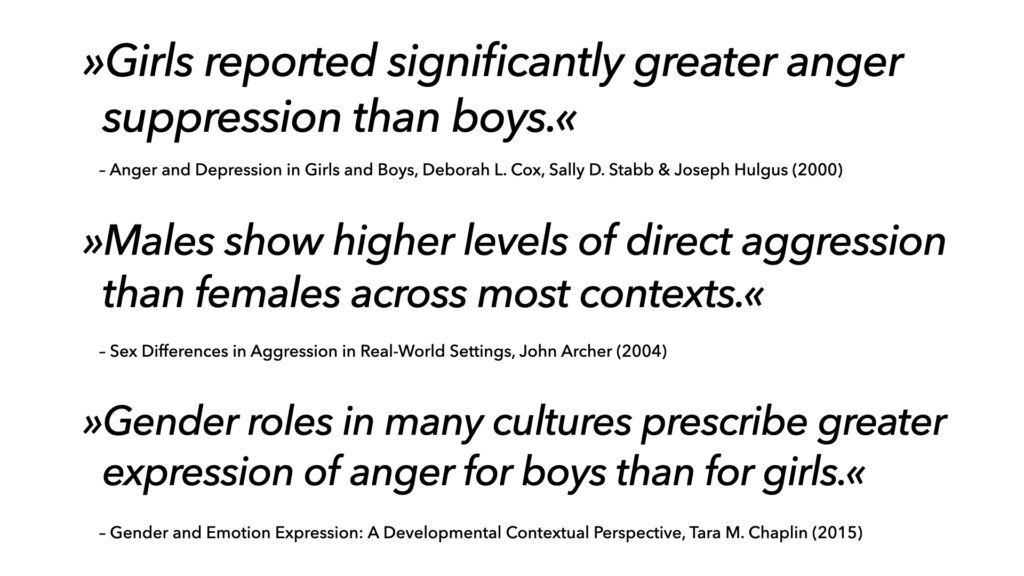
    »the urge to exact revenge derives from our desire for cosmic balance, as well as from our attempts to overcome helplessness through displays of power.«

    — philosopher martha nussbaum

    revenge rights the scales, despite doing nothing to restore what was lost or repair what was damaged


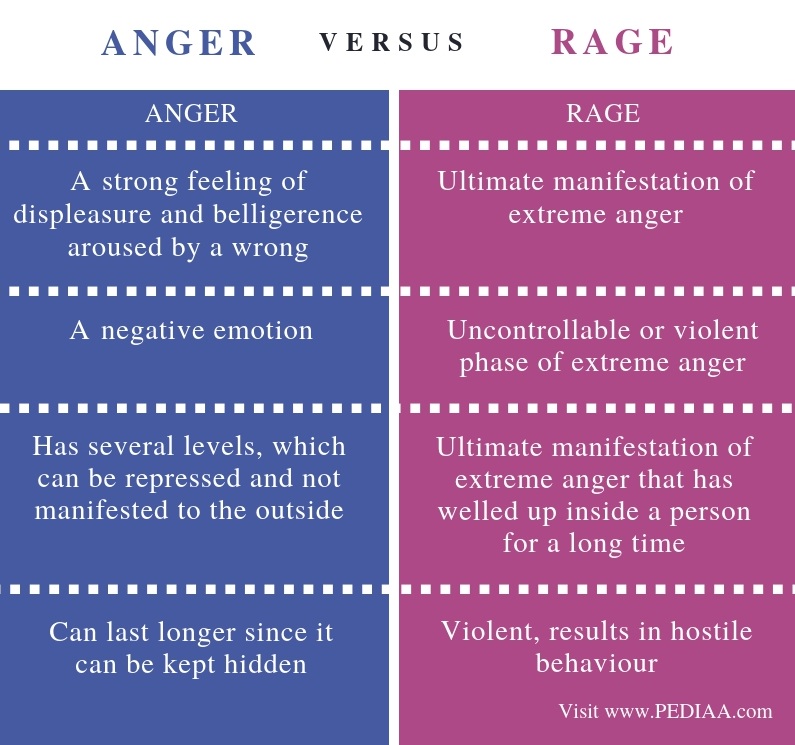
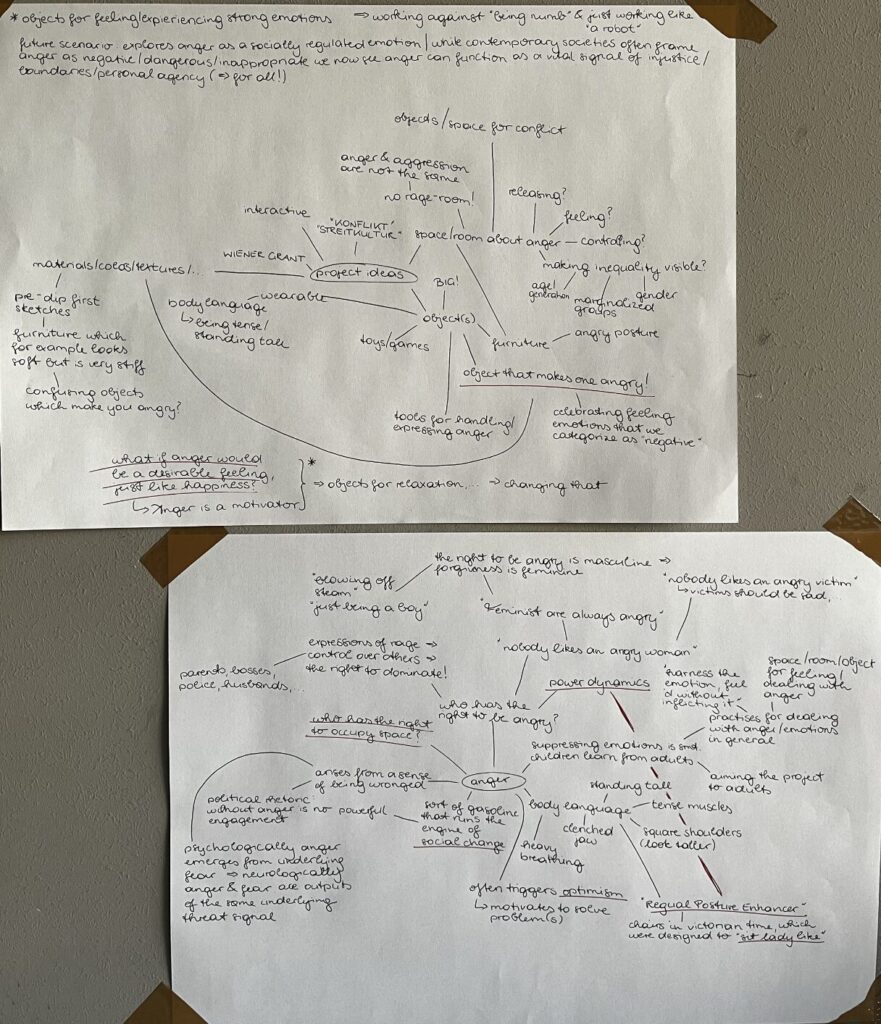
    • anger generally arises from a sense of being wronged and is hostile to understanding, which is why we say »rage is blind«
    • anger makes you more confident & obliterates other: 2001 study by j. lerner & d. keltner found that feeling angry makes people as optimistic as feeling happy (about the outcome of a situation)
    • political rhetoric suggests that without anger there is no powerful engagement, anger is a sort of gasoline that runs the engine of social change
    • anger helps us protect what’s ours — feeling in charge & focussing
    • motivates to solve problems — is triggered when we face an obstacle/something that blocks our needs
    • can often trigger optimism — geared toward what is attainable, not impossible

    the right to be angry is masculine — forgiveness is feminine

    anger in men: authority, strength

    anger in women: hysteria, irrationality

    anger in marginalized groups: threatening, dangerous

    power dynamics

    expressions of rage are a means of exercising control over others & asserting status, a status defined in parts by the right to dominate: parents, bosses, police officers, husbands, …
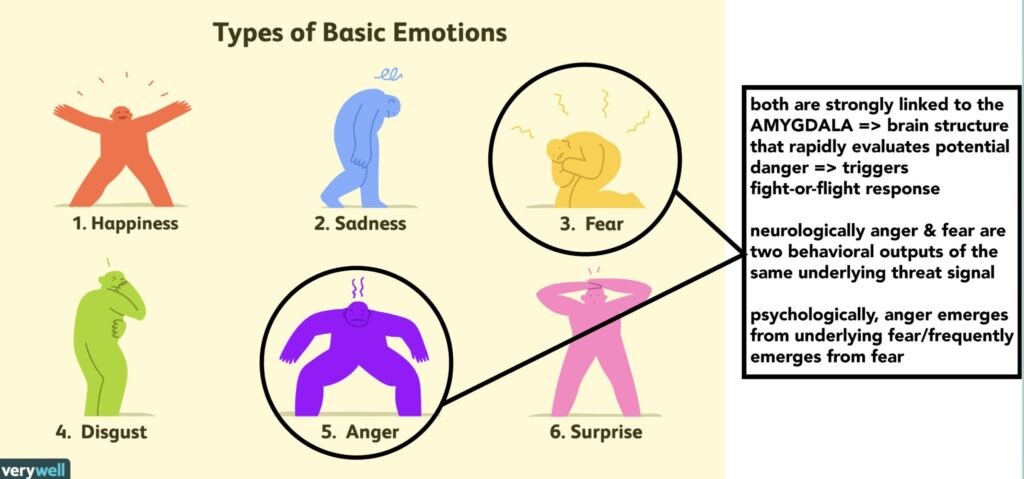

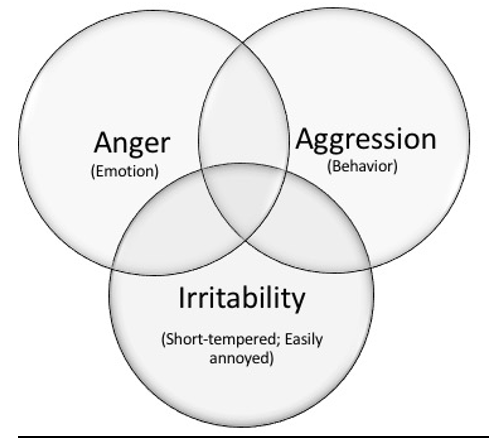
    anger emerges from three interacting factors:

    1. a provocation (the trigger)
    2. the interpretation of the provocation
    3. the mood at the time

    »I don’t get angry …« (no yelling, hitting …) — that means not getting aggressive, not not getting angry — individuals show their anger in many different forms, just like sadness
    many questions and thoughts where this project could and should go 🙂


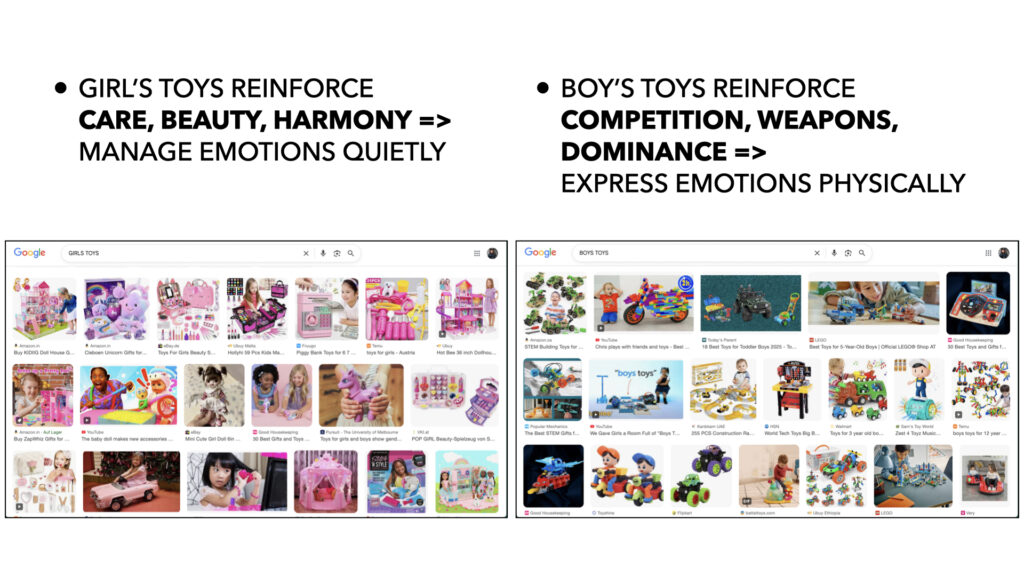
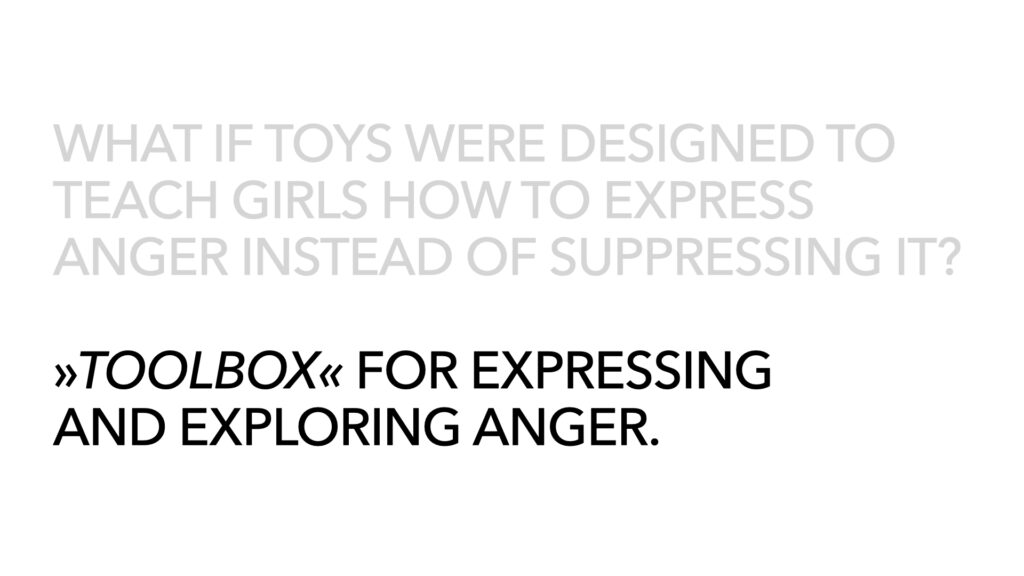
    how can female anger be translated into measurable physical force? how do societal norms shape the perception and acceptance of this force?
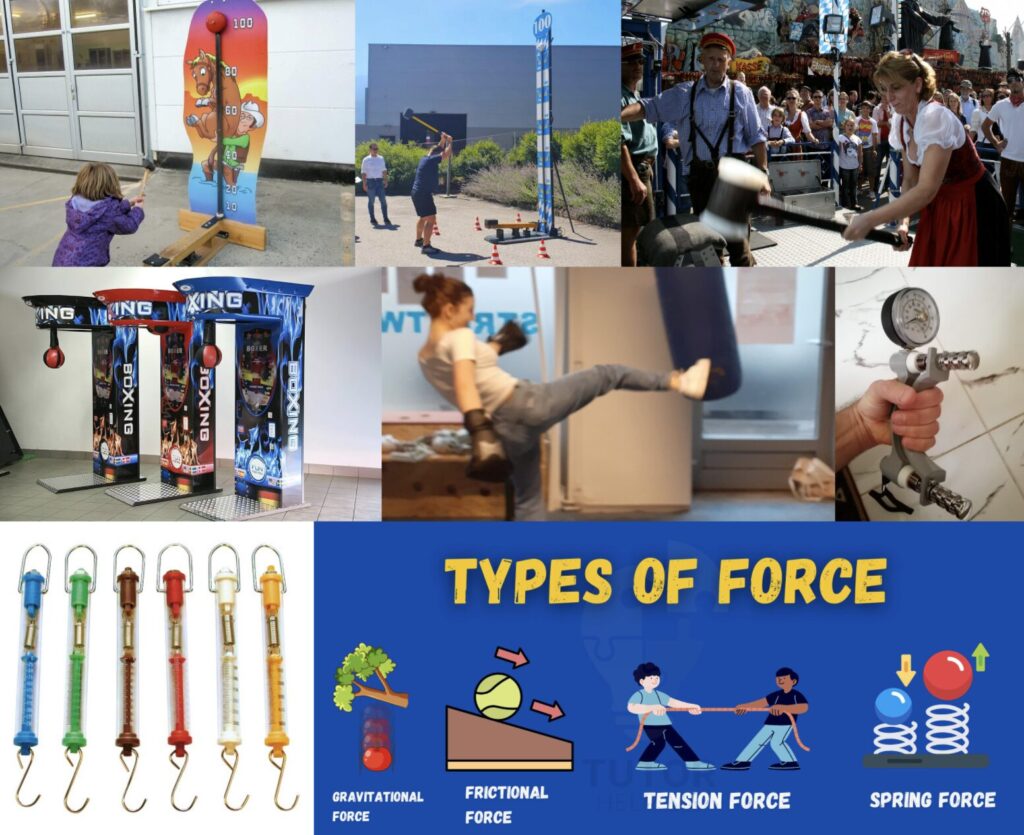
    measuring force — »Hau den Lukas«, boxing machine, …

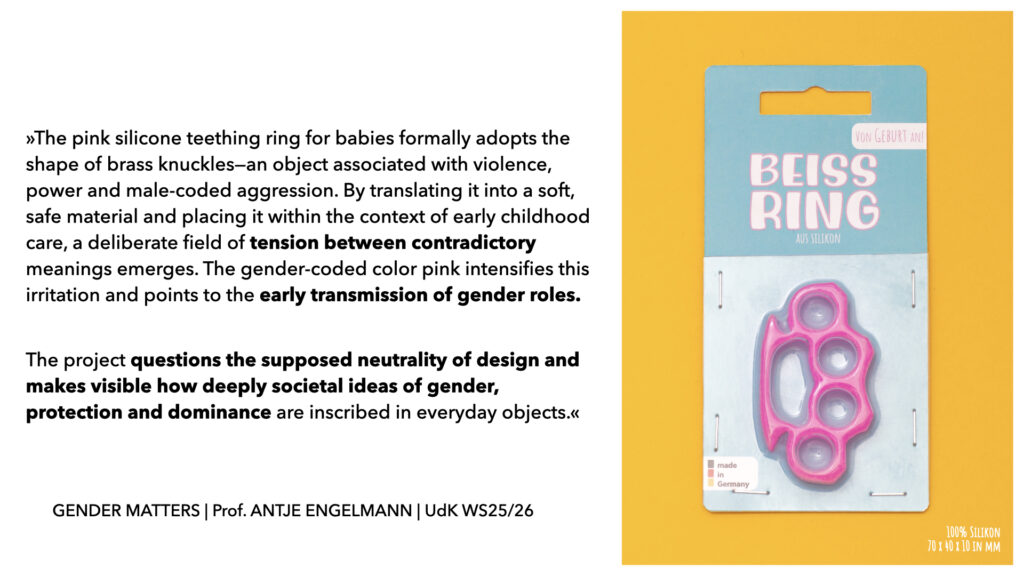
    situated between critique and play, I want my project to use humor and exaggeration to make inequalities visible whilst also being food-for-thought. anger is a powerful emotion & I want to work against its bad reputation as solely »negative emotion«.
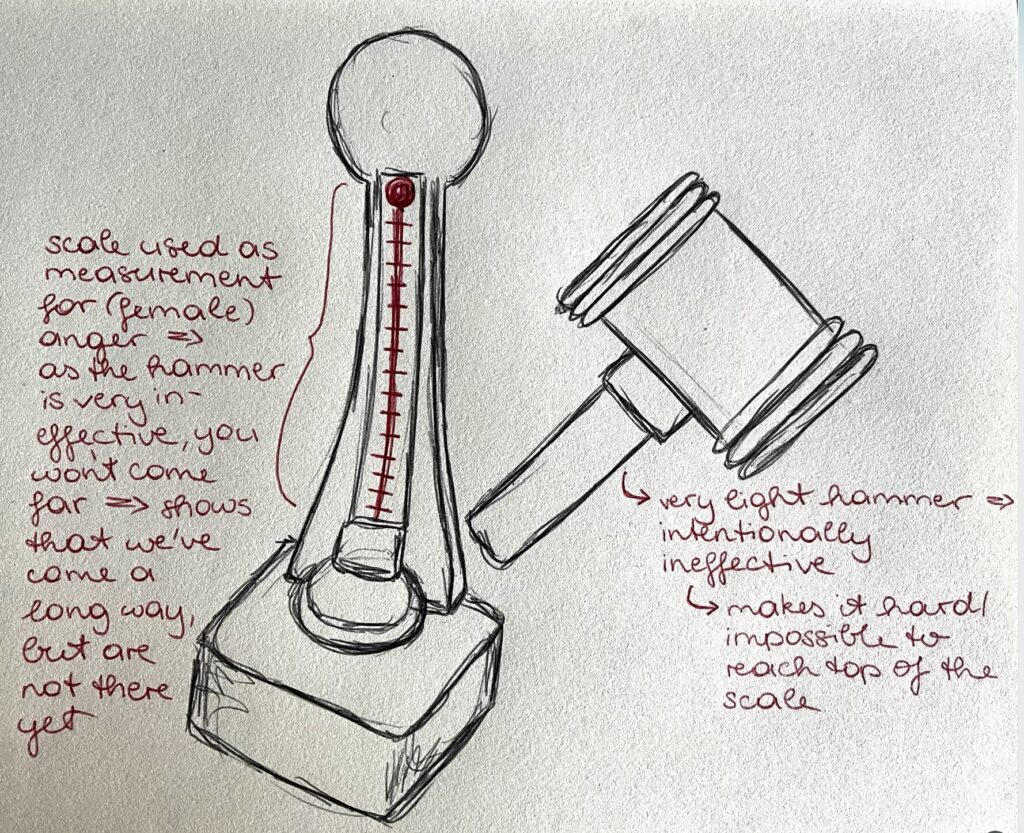
    measuring power (of anger); frustration; showing power dynamics/systematic oppression/how different power is looked at gender-wise


    further steps

    • prototyping & testing
    • questionnaire/interviews about experiencing anger(suppression) as a woman
  • Prediploma Project

    By

    Keita Sugiyama

    Offices.

    昔ながらの事務所・今どきのオフィス ~流行~ | 長野・上田オフィスづくり.com
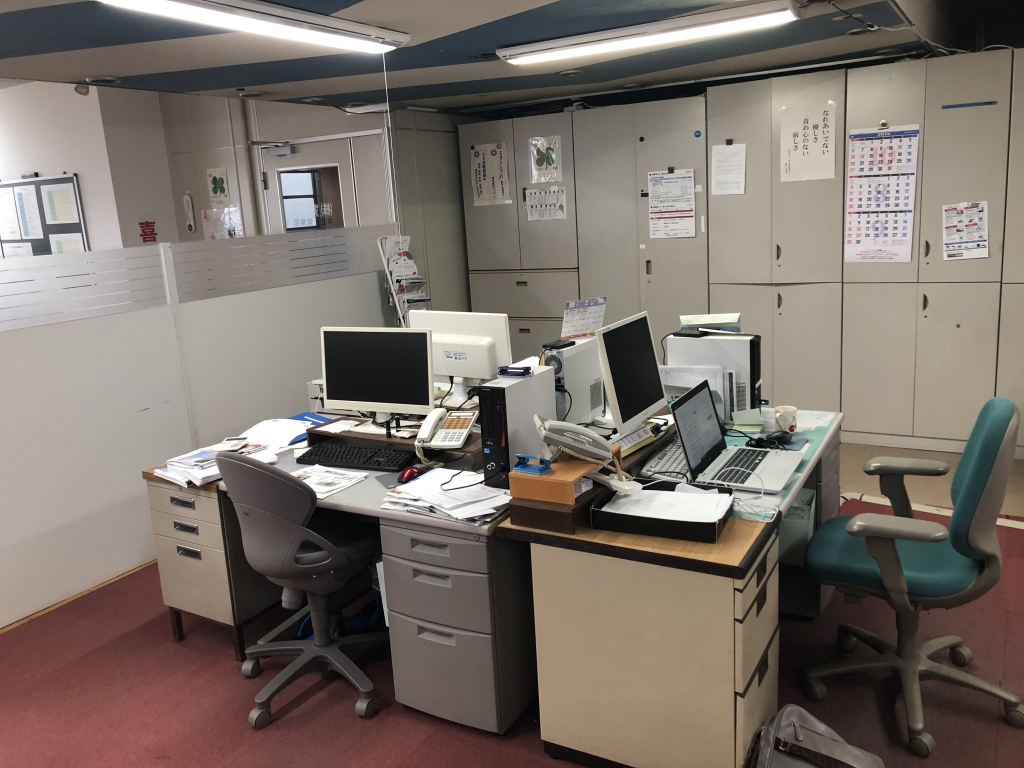
    Example of a typical 2000s office in japan [5]

    As a product of the tertiary economy sector, offices encompass and lay claim to a tangible amount of resources: demand raw materials, use logistics, use infrastructure, occupy buildings.

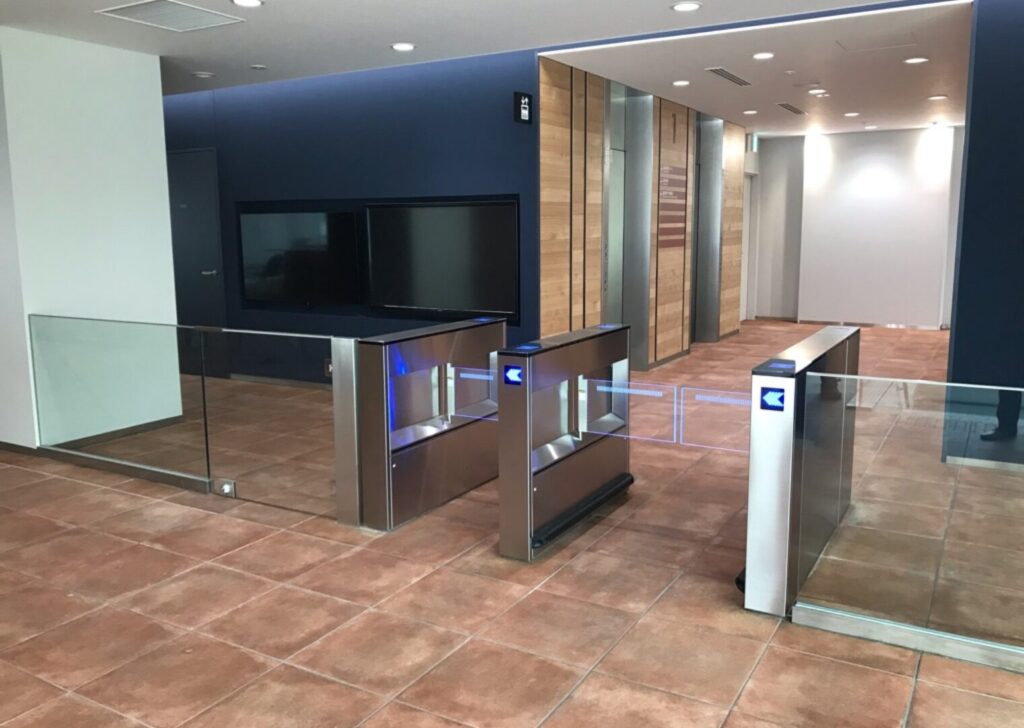
    Typical office entrance gateway [9]

    And yet their concrete task is elusive to me. They seem distant, lifeless, corporate, replaceable.

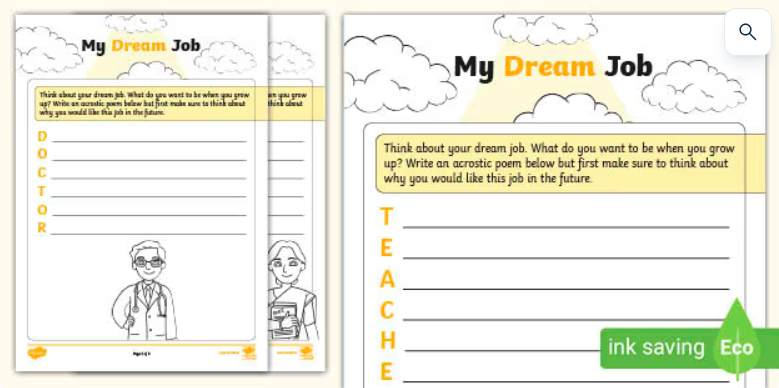
    Write an acrostic poem below but first think about why you would like this job in the future, screenshot [8]
    Keita Translate: Conform to this boilerplate but first think of ways to justify your illusion of a choice.

    No kid in grade school will write down “I will sit down at a computer all day” when asked what their dream job is. And yet office workers are a catch-all workforce [7, AMS Job description of Bürokaufmann/-frau].

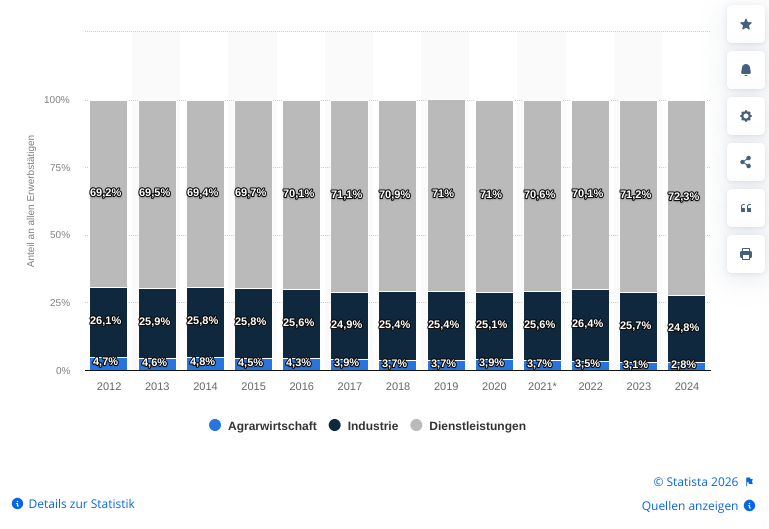
    Distribution of employed persons sorted by economy sector, tertiary sector here called “Dienstleistungen” in light grey, screenshot [6]

    In Austria 2025, the tertiary sector as a whole employed 2.9 million individuals. [1] As such the tertiary sector makes up almost 75% of all employed persons of all three sectors.

    While “Office workers” cannot be separately defined, my assumption is that the tertiary sector is almost entirely comprised of them. Precise numbers have yet to be found and can affect my research greatly.

    Imagine a world where offices have been made obsolete.

    How could a world that fully decommissioned office workers adapt, and what futures do the laid off workers have?

    Why?

    The introduction of AI is put to blame for mass layoffs in industries already [2].

    Although at the same time they are under scrutiny for their ethics, performance, and ineffective use, as around 95% of all AI pilots at companies fail [3].

    JR東日本が公開した列車内「新型コロナ対策」の中身
    A manual worker disinfects handrails on the Yamanote Line[4]

    During the COVID-Lockdowns office buildings already experienced a sharp decline in use, prompting alternate use cases for the then unused buildings.

    I want to investigate the knock-on effect a decommissioning of offices would have on the employees, society, architecture etc.

    How?

    For this I want to conduct research through questionnaires aimed at people working in offices, and literature on relevant subject matters.

    What?

    A final product I imagine is a short film which communicates my findings.


    Miscellaneous resources

    [1] WKO Statistics, number of employed persons sorted by sector, January 2026: https://www.wko.at/statistik/jahrbuch/am-beschentw-wb.pdf

    [2] NY Times, AI-Washing and blame for layoffs, February 2026: https://www.nytimes.com/2026/02/01/business/layoffs-ai-washing.html

    [3] Forbes, Why 95% of AI pilots fail, August 2025: https://www.forbes.com/sites/andreahill/2025/08/21/why-95-of-ai-pilots-fail-and-what-business-leaders-should-do-instead

    [4] Newswitch, JREast announces new COVID countermeasures: https://newswitch.jp/p/30715

    [5] 長野上田オフィスづくり.com, Offering services for modernizing the office look, February 2021: https://naganoueda-office.com/%E7%A7%BB%E8%BB%A2%E3%83%BB%E6%96%B0%E7%AF%89/%E6%98%94%E3%81%AA%E3%81%8C%E3%82%89%E3%81%AE%E4%BA%8B%E5%8B%99%E6%89%80%E3%83%BB%E4%BB%8A%E3%81%A9%E3%81%8D%E3%81%AE%E3%82%AA%E3%83%95%E3%82%A3%E3%82%B9%E3%80%80%EF%BD%9E%E6%B5%81%E8%A1%8C%EF%BD%9E/

    [6] Statista, distribution of employed persons sorted by economy sector, screenshot, November 2025: https://de.statista.com/statistik/daten/studie/217608/umfrage/erwerbstaetige-nach-wirtschaftssektoren-in-oesterreich

    [7] Arbeitsmarktservice, activities of an office worker, 2026 https://www.berufslexikon.at/berufe/25-Buerokaufmann~Buerokauffrau

    [8] Twinkl Ltd., My Dream Job Acrostic Poem, screenshot: https://www.twinkl.com.au/resource/my-dream-job-acrostic-poem-roi-sphe-1640602977

    [9] Soga K.K., https://www.soga.ne.jp/soga

    Tom’sGuide, How to use AI in your office work: https://www.tomsguide.com/ai/ai-could-replace-office-jobs-within-18-months-heres-what-you-should-do-right-now

    OpenAI, closing the gap between today’s AI performance and the public demand: https://openai.com/index/a-business-that-scales-with-the-value-of-intelligence

    J. P. Morgan, AI-caused layoffs insignificant: https://am.jpmorgan.com/us/en/asset-management/adv/insights/market-insights/market-updates/on-the-minds-of-investors/is-ai-really-driving-an-increase-in-layoffs

    Statistik Austria, Buildings statistics of Austria: https://www.statistik.at/statistiken/bevoelkerung-und-soziales/wohnen/gebaeudebestand

    https://swoopfunding.com/ie/business-glossary/zoning-laws/

    Kagoshima University Hospital, Manual on COVID countermeasures, May 2023: https://www.hosp.kagoshima-u.ac.jp/ict/shingatakoronauirusu/kuh%20covid%20manual.htm