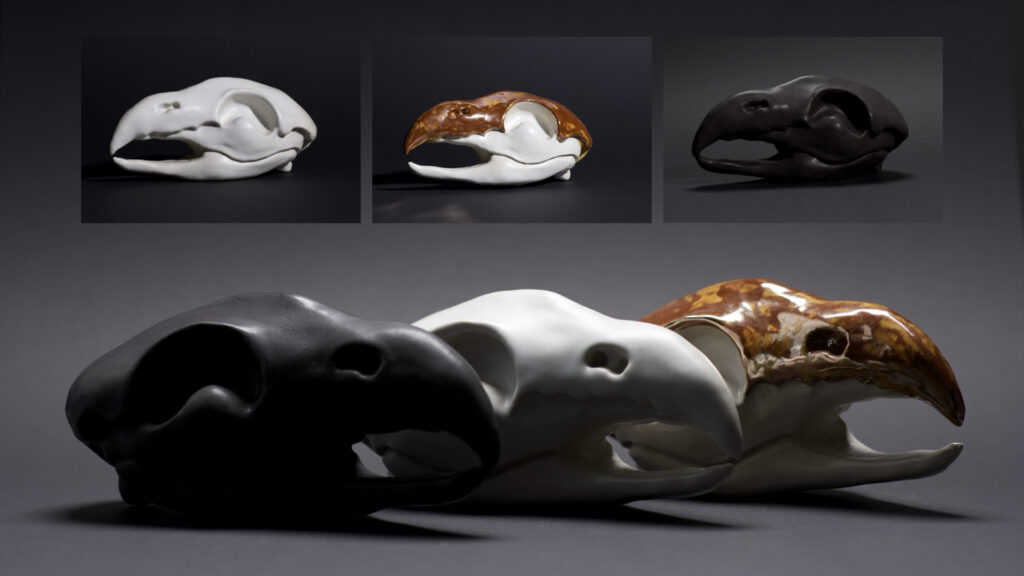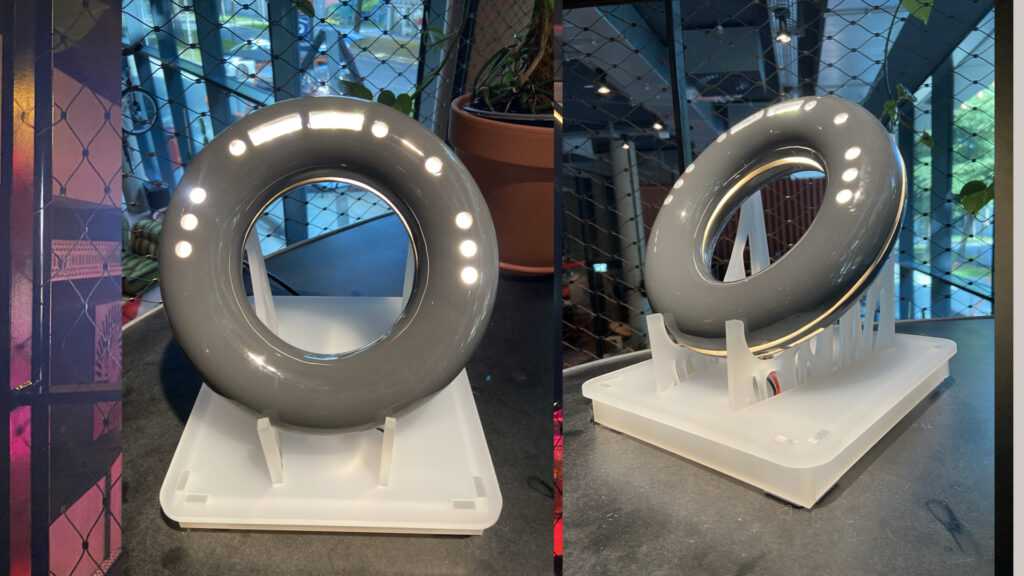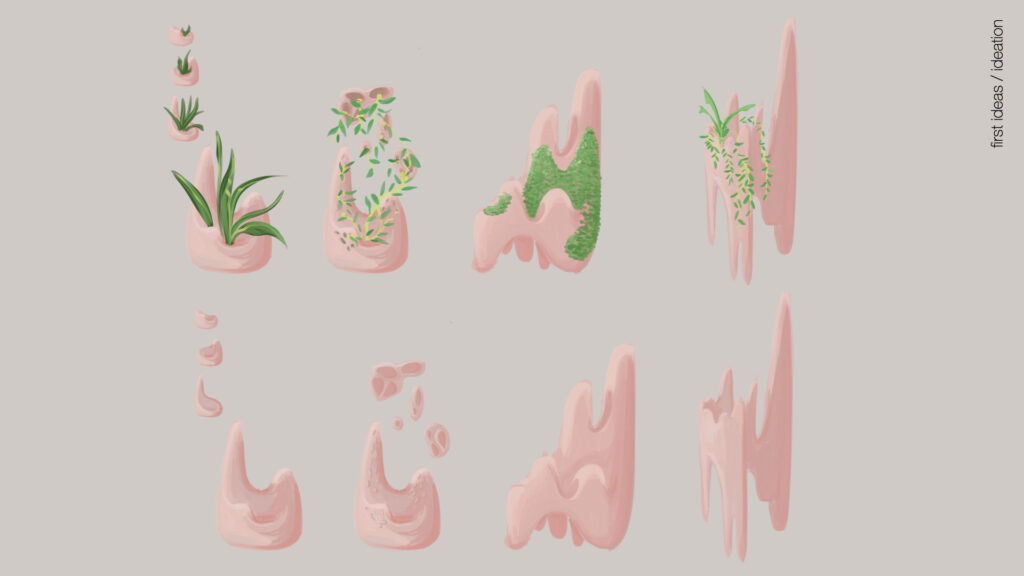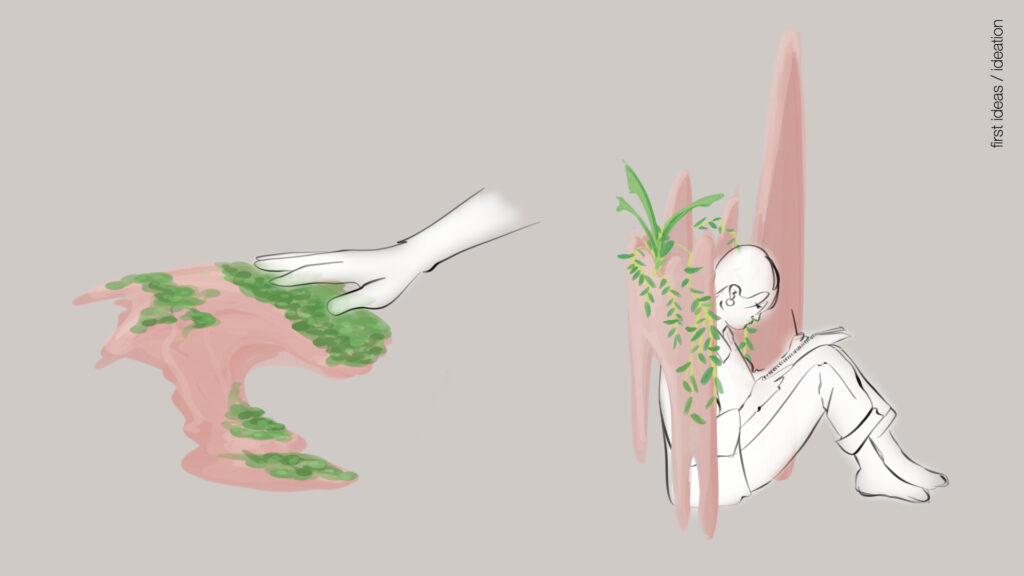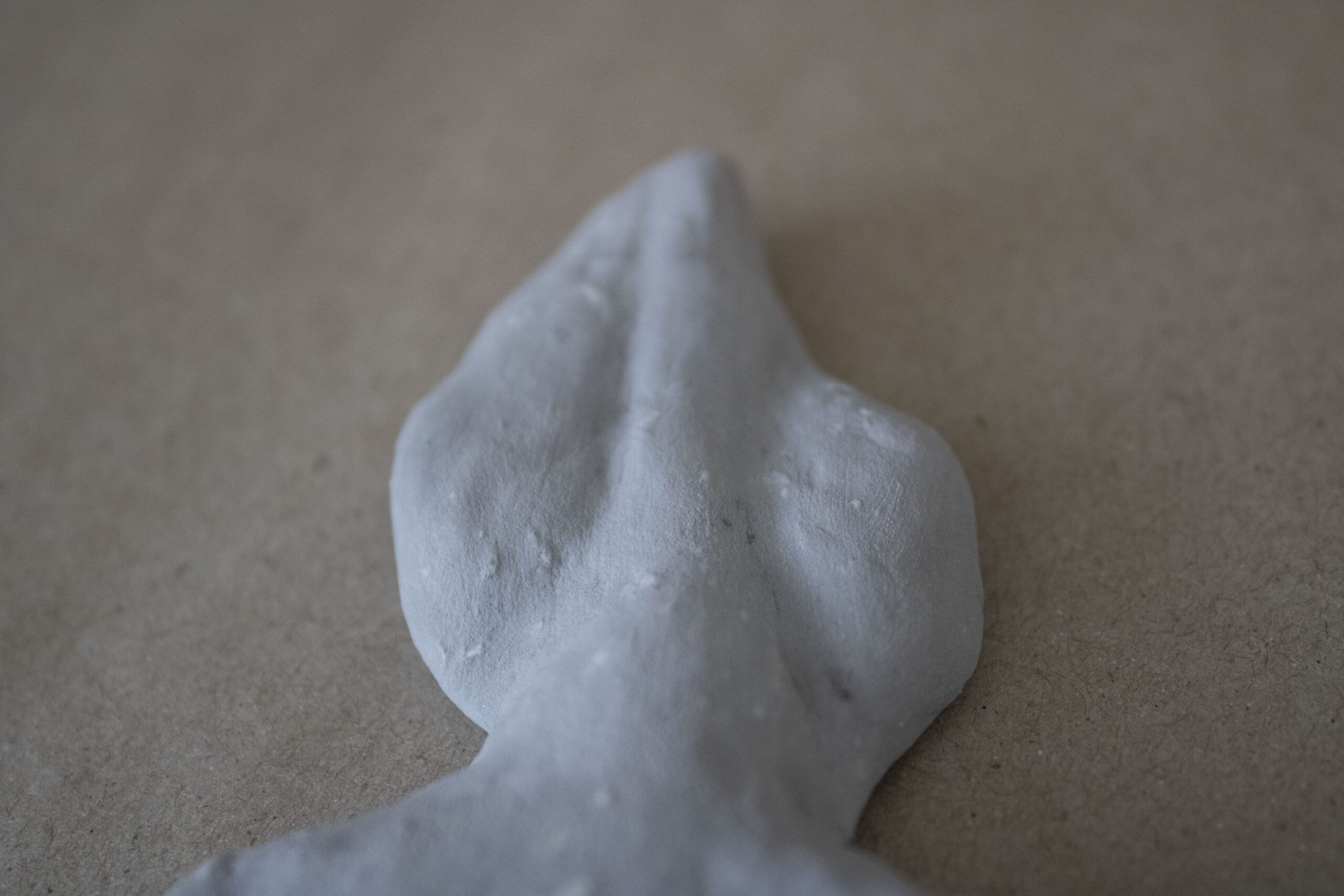
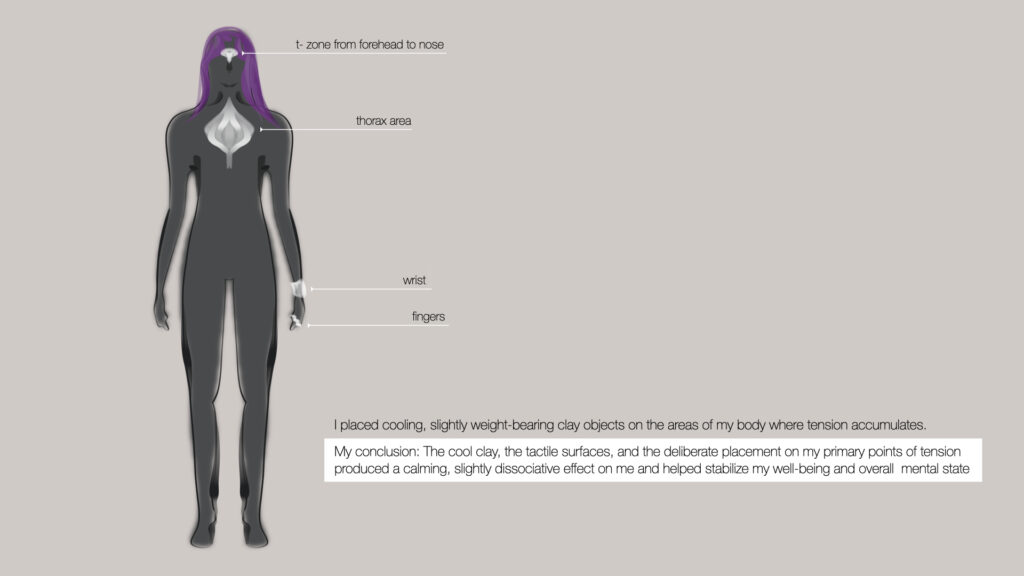
“Does wearable, cooling ceramic support my self-regulation?”
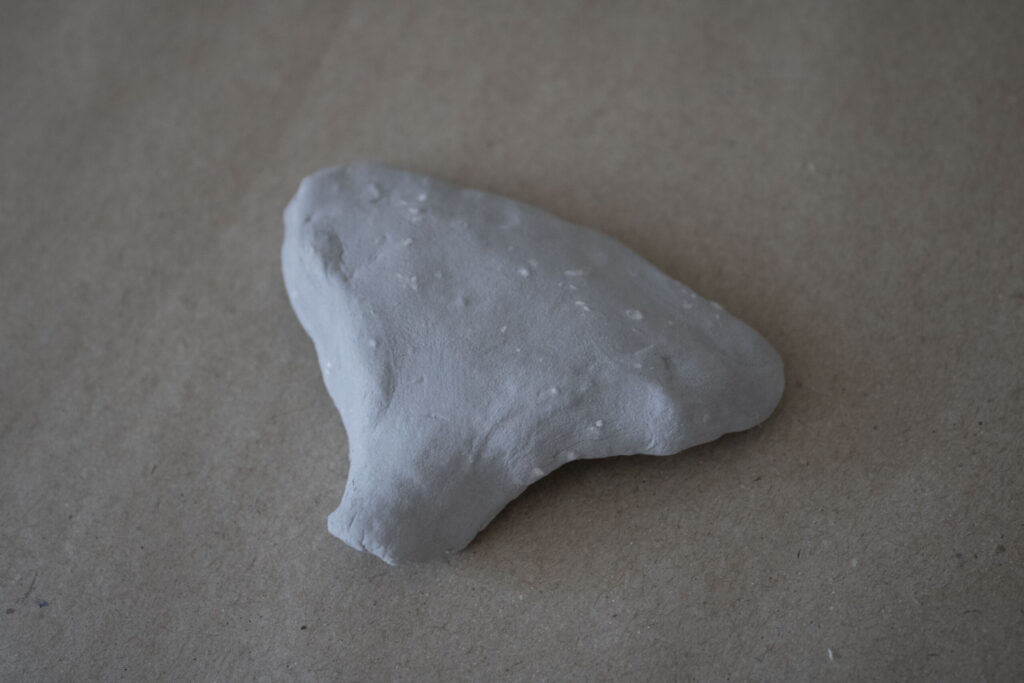
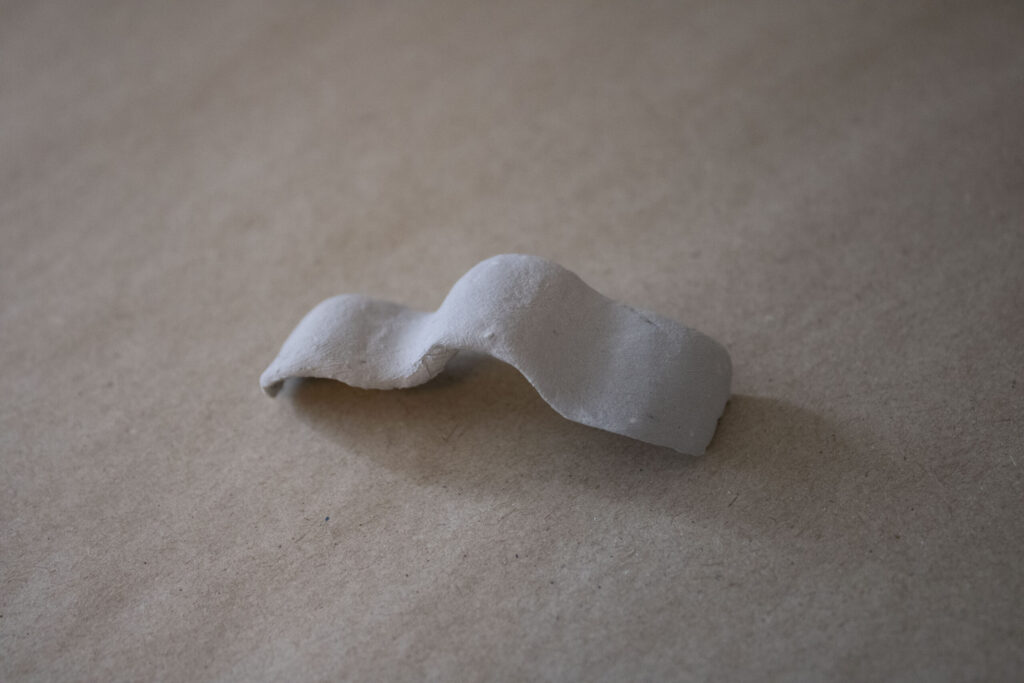
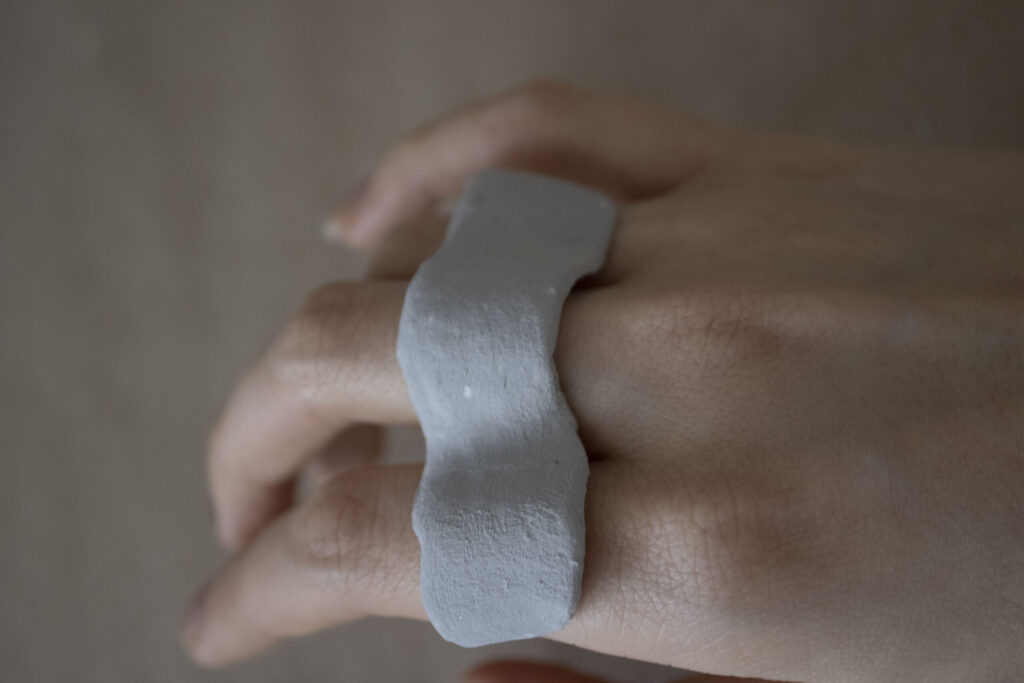
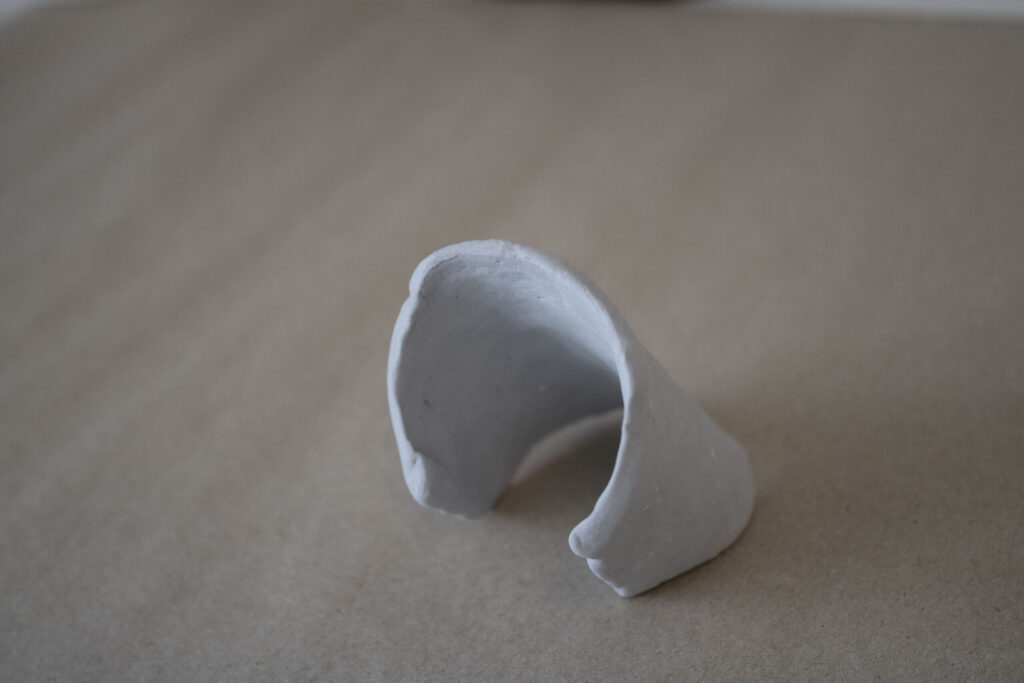
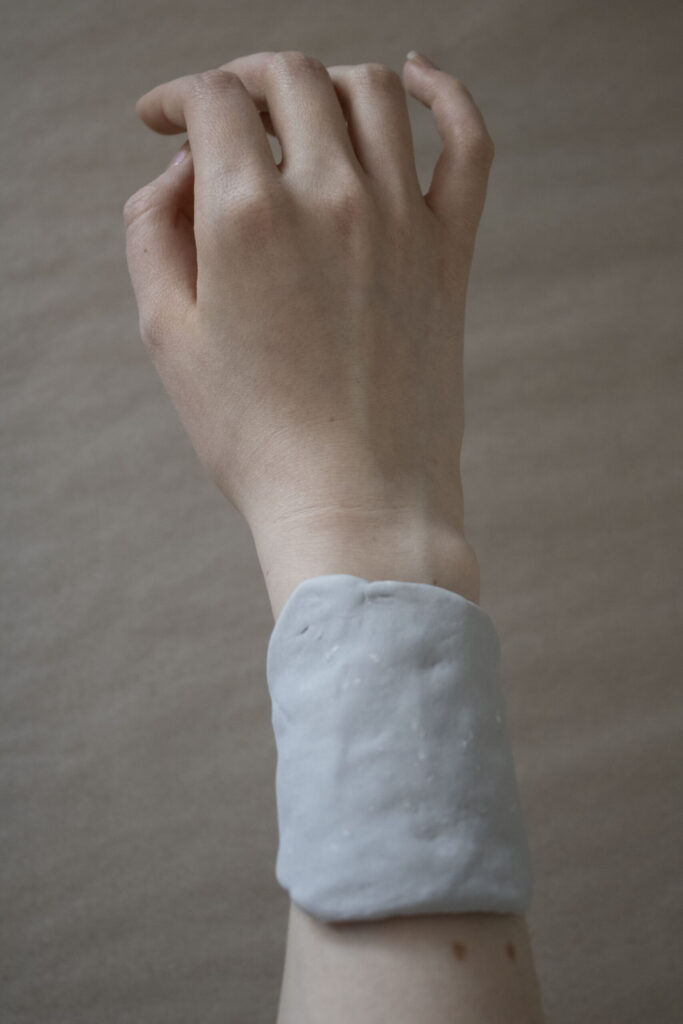
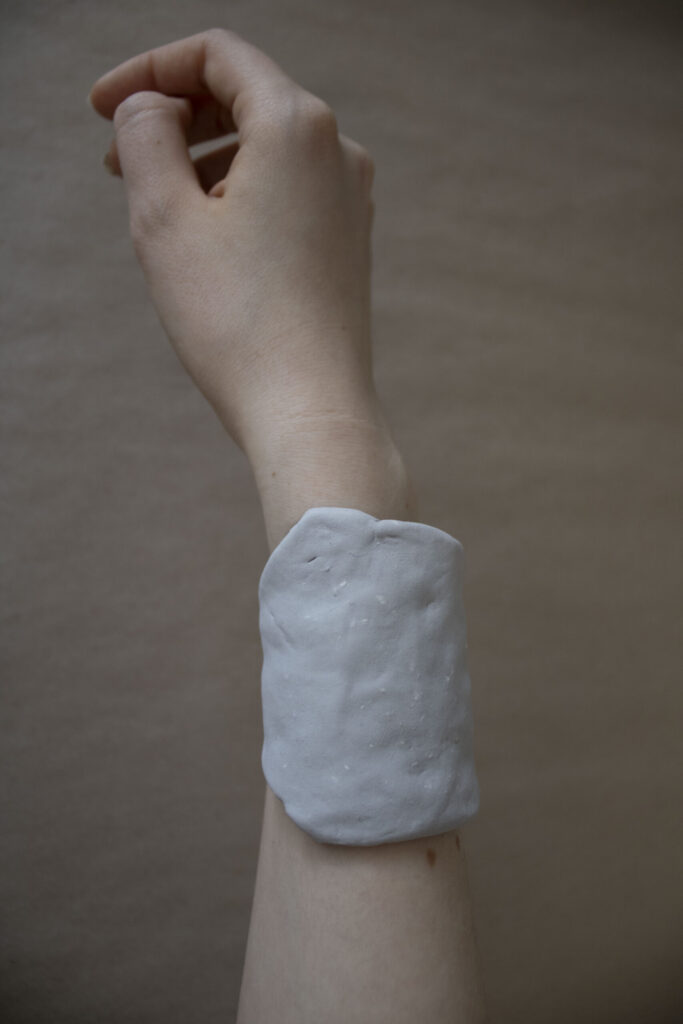
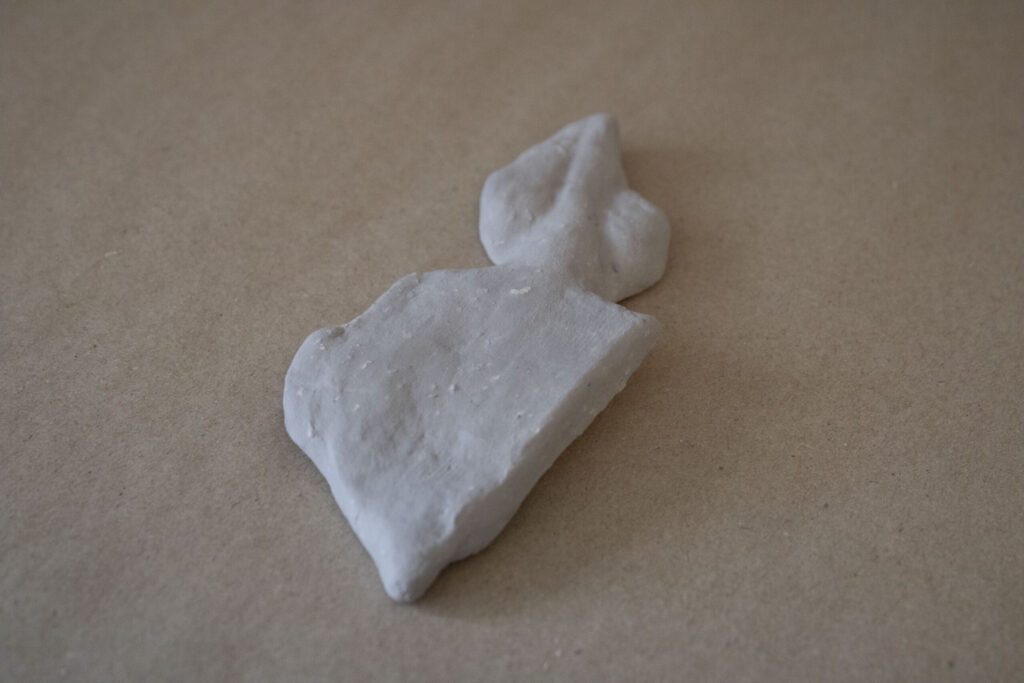
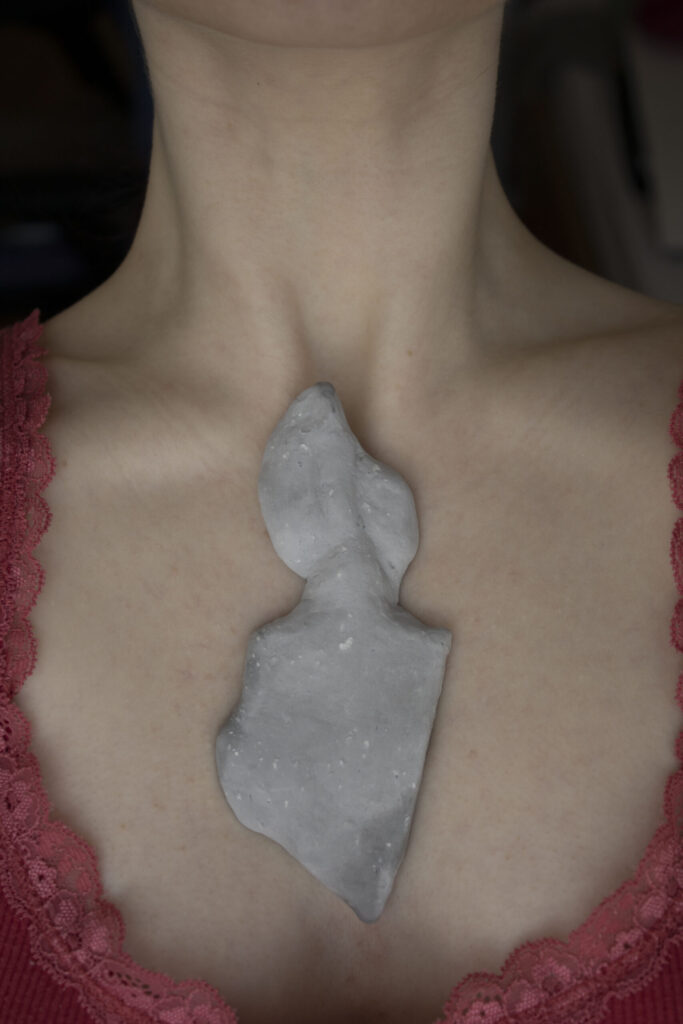
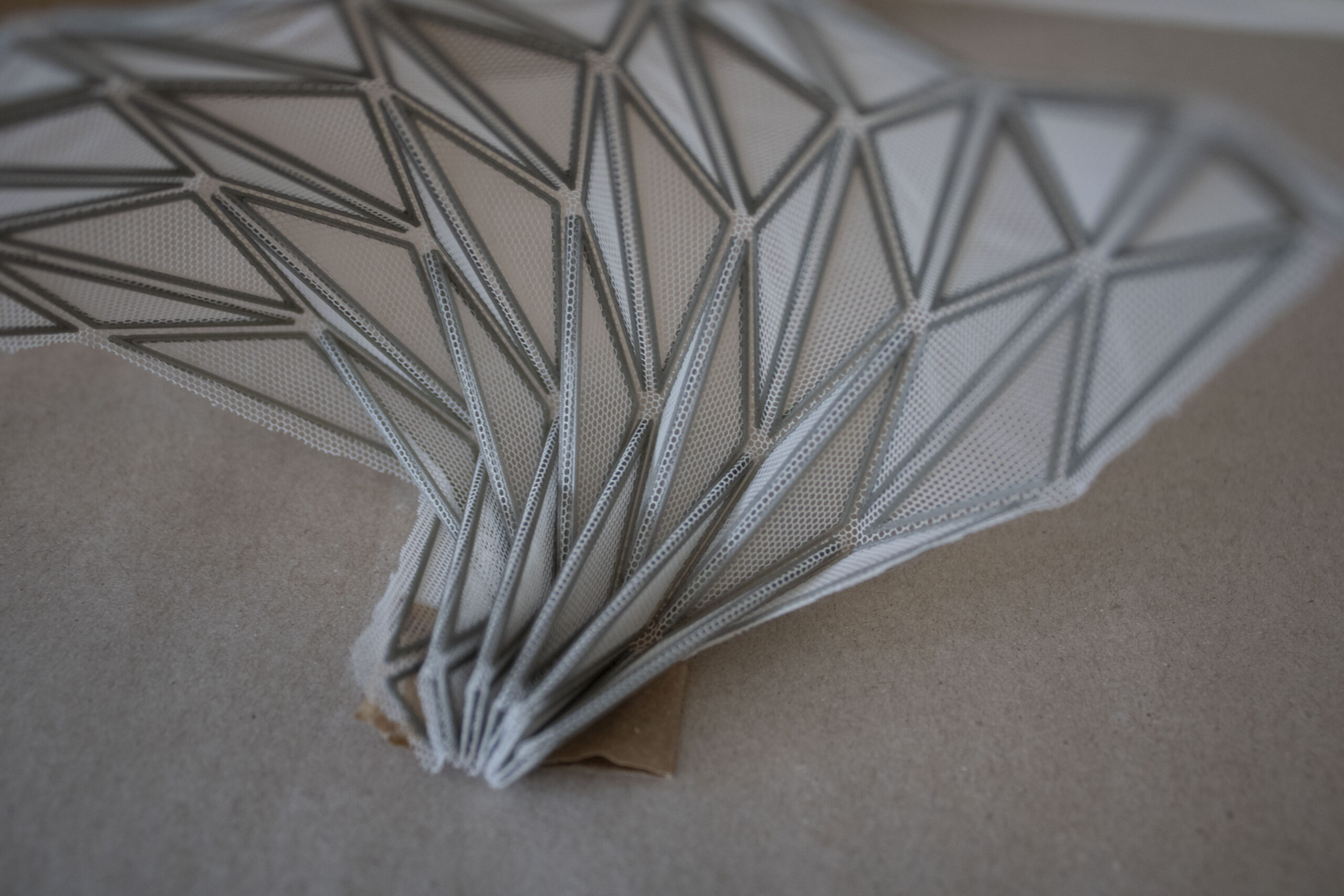
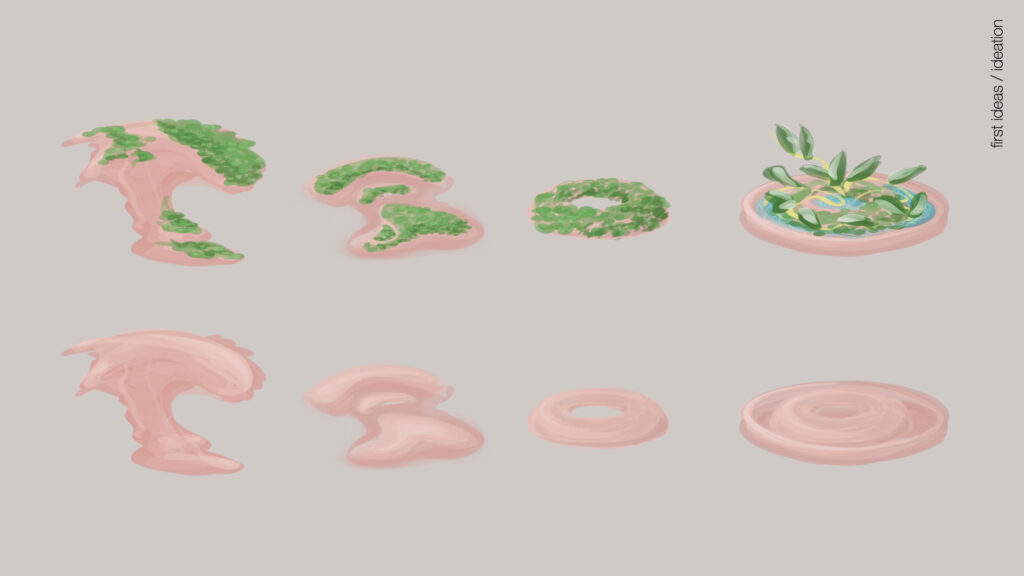
Building upon exp.2.: “How can I play with modular elements that, depending on the users needs, occupy different amount of space?”
First attempt
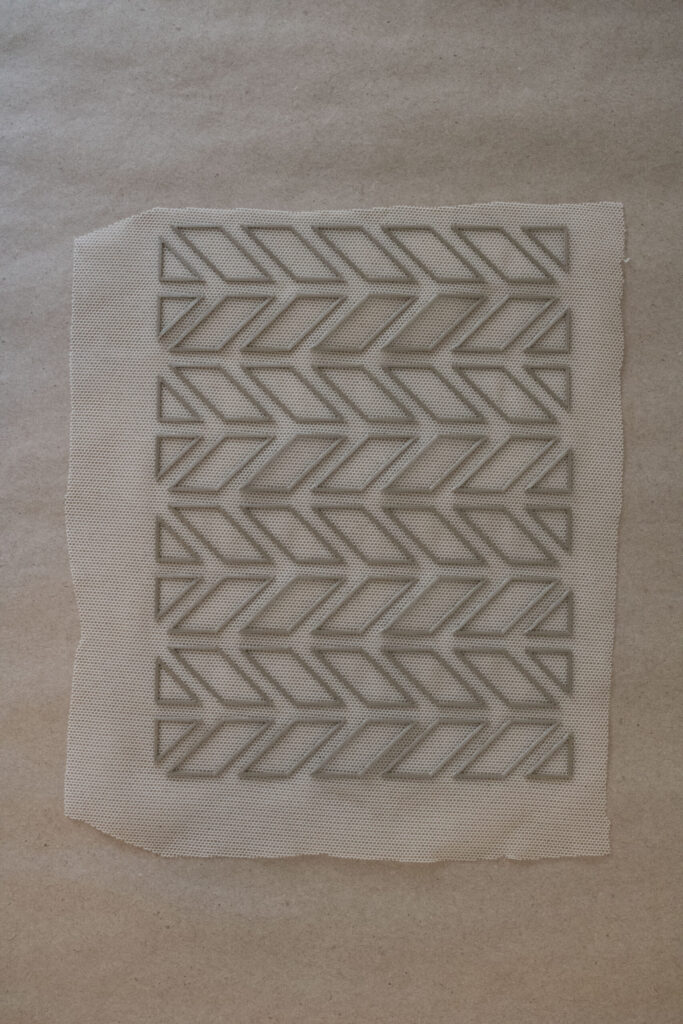
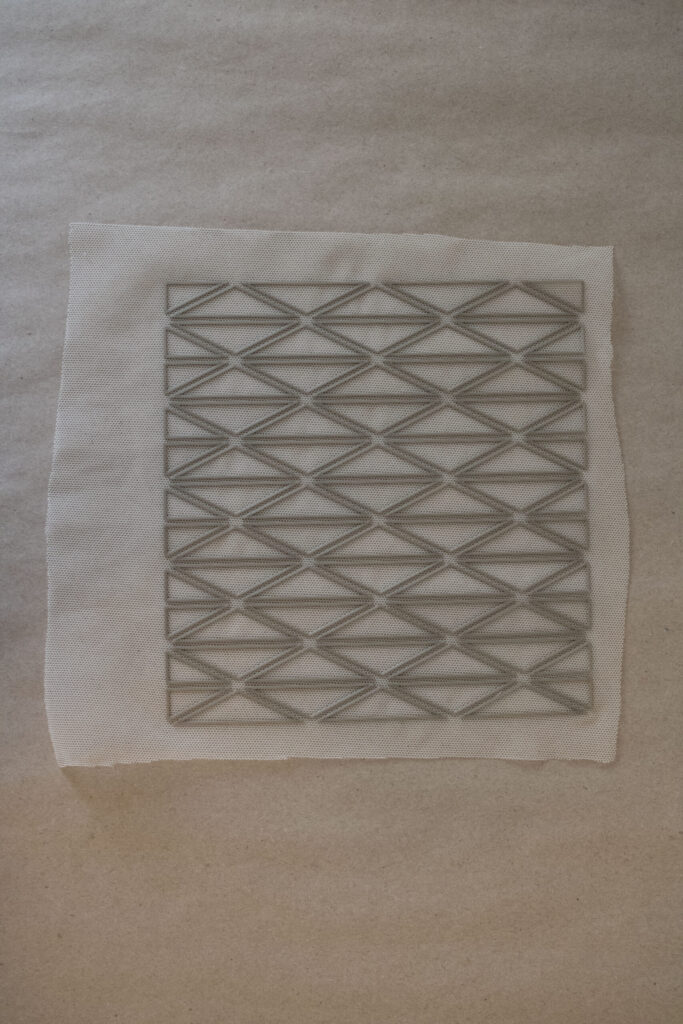
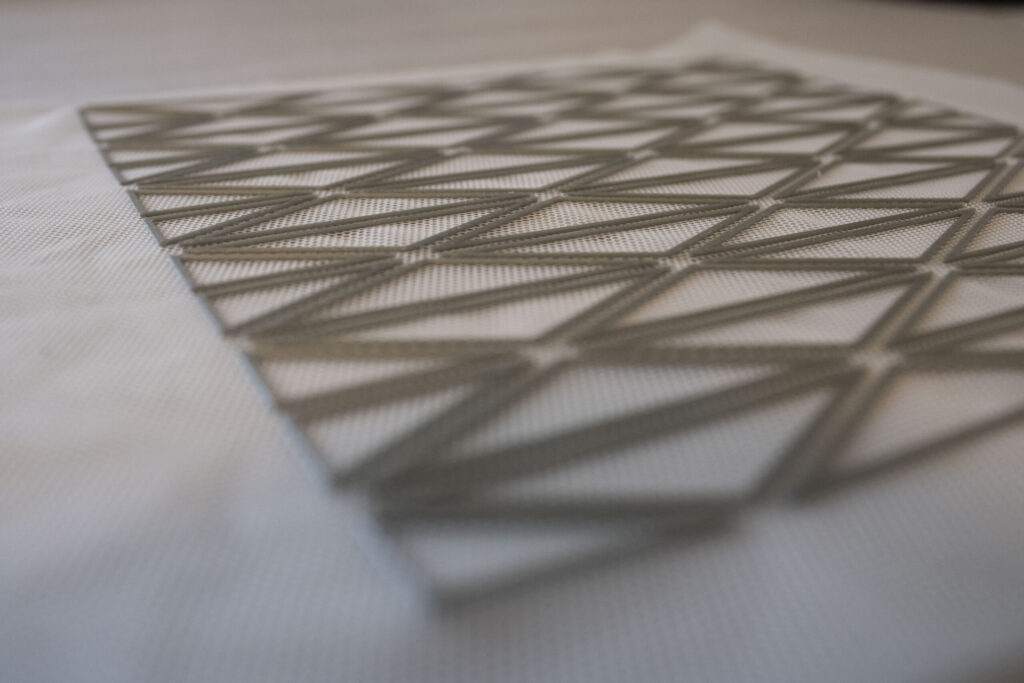
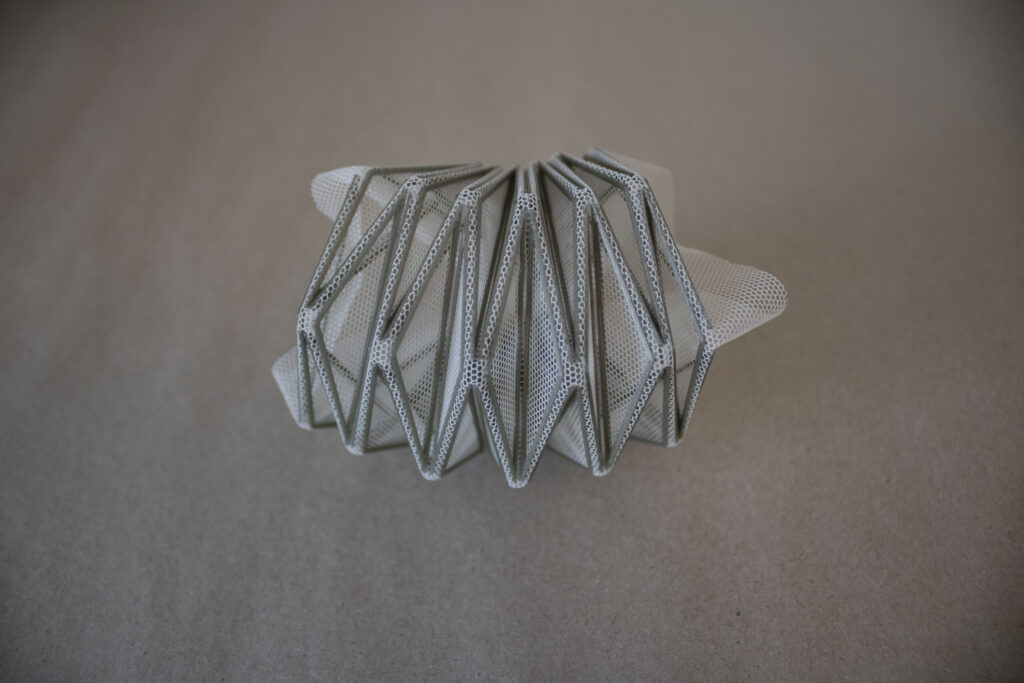
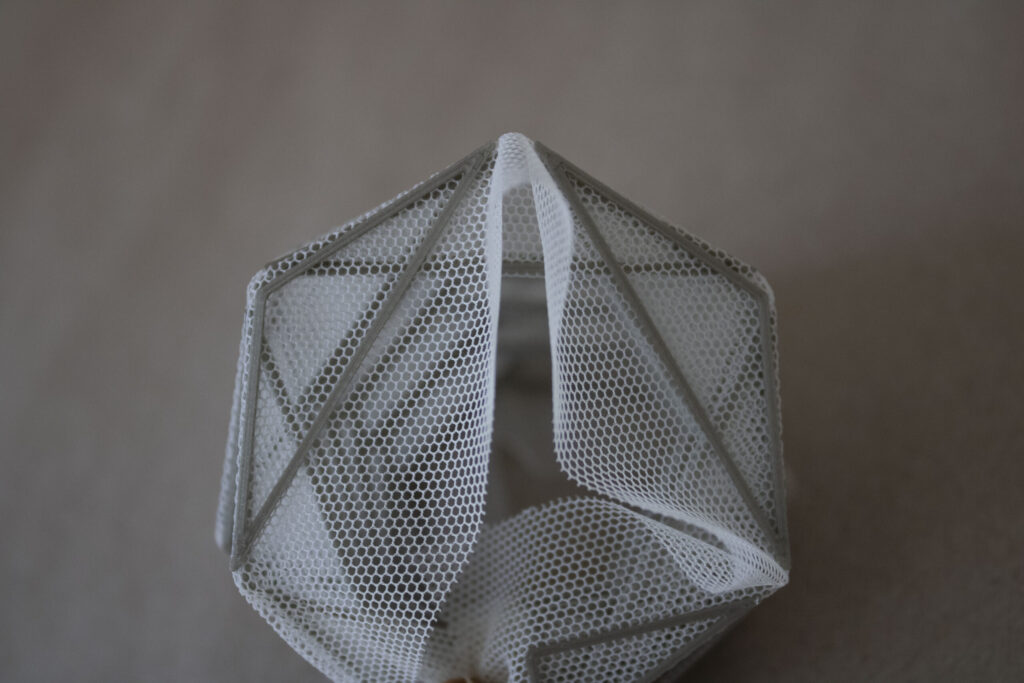
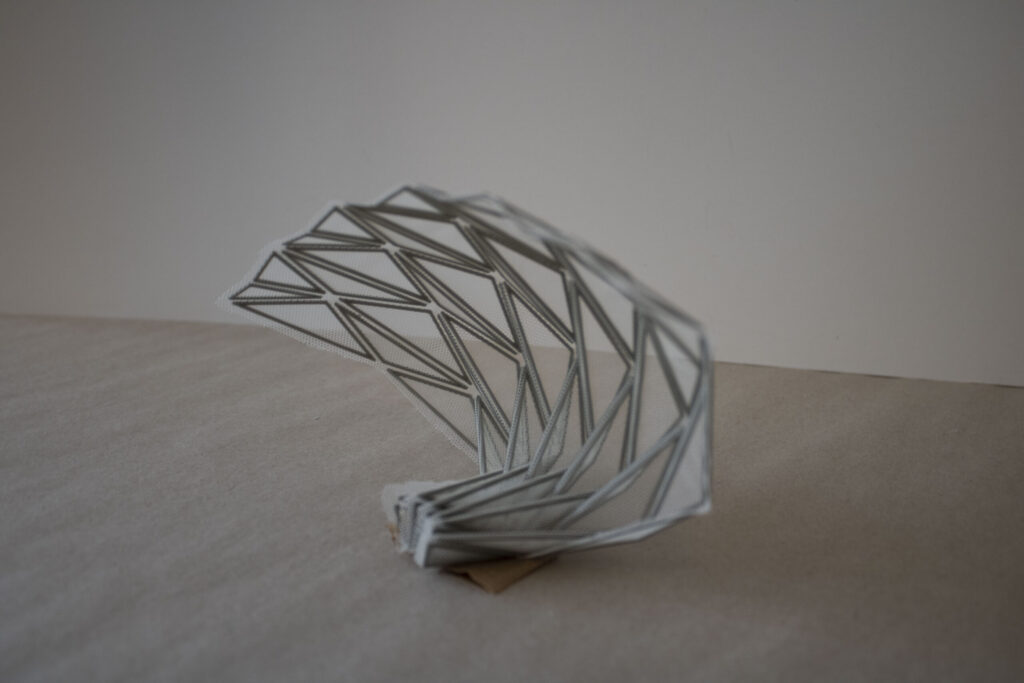
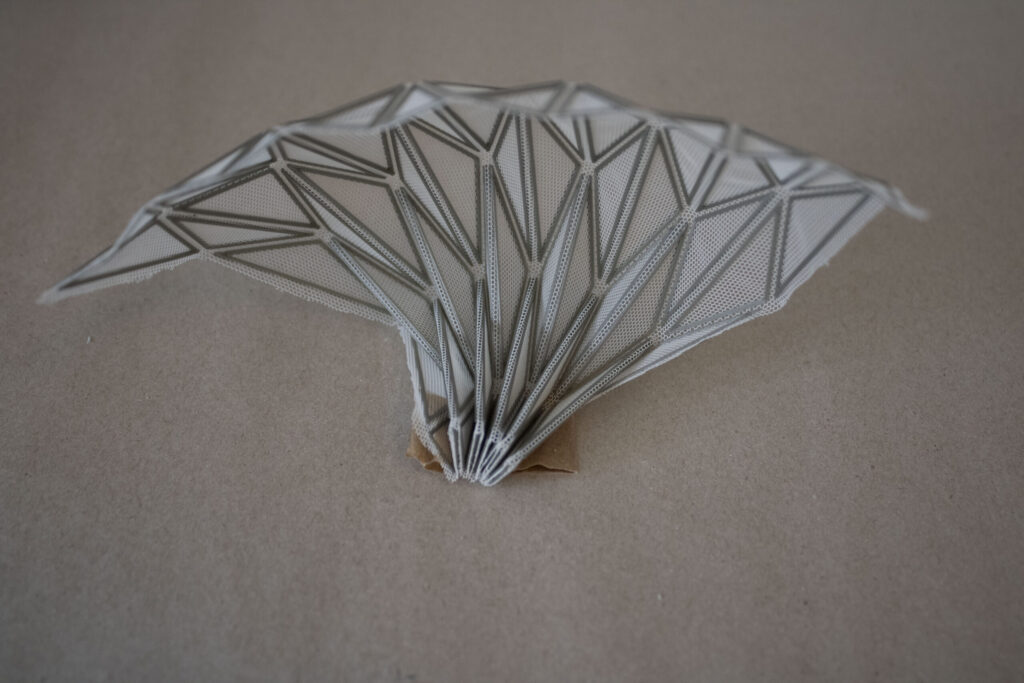
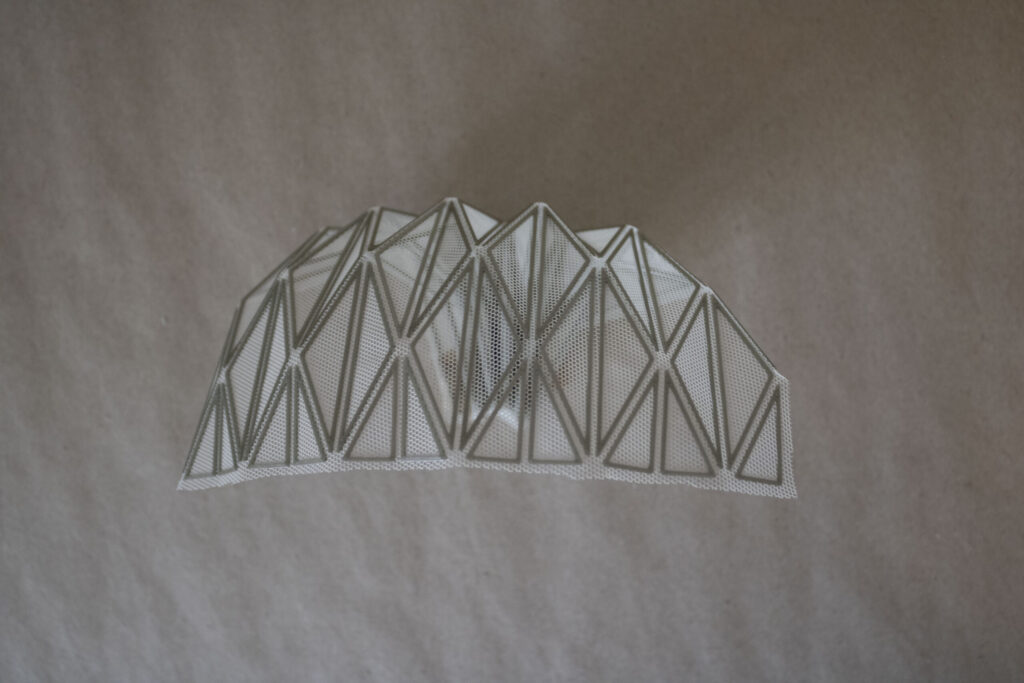
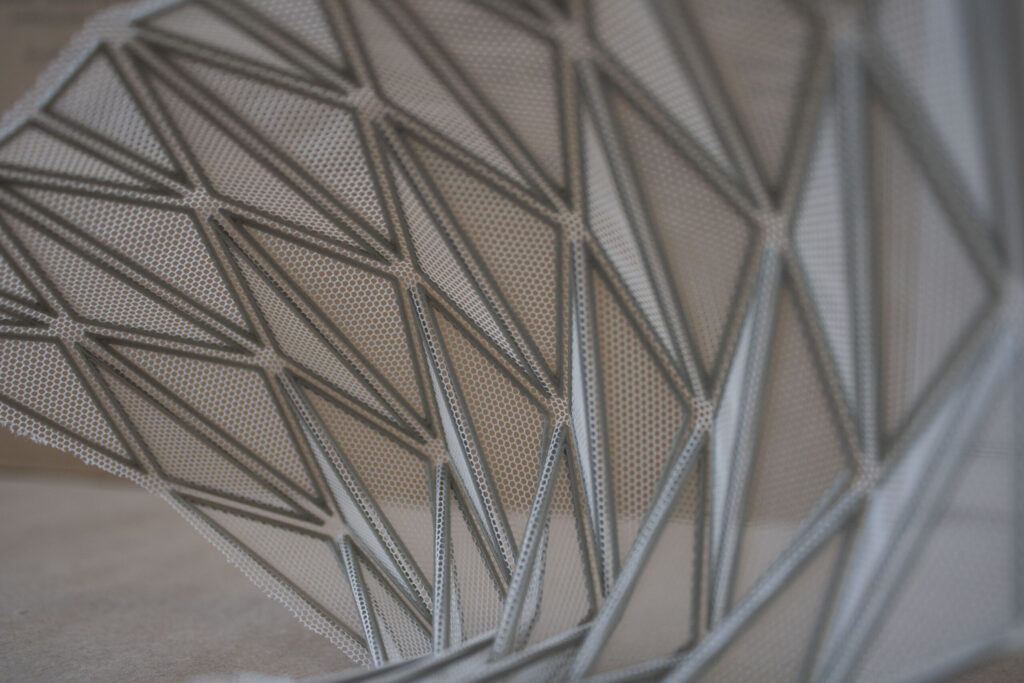
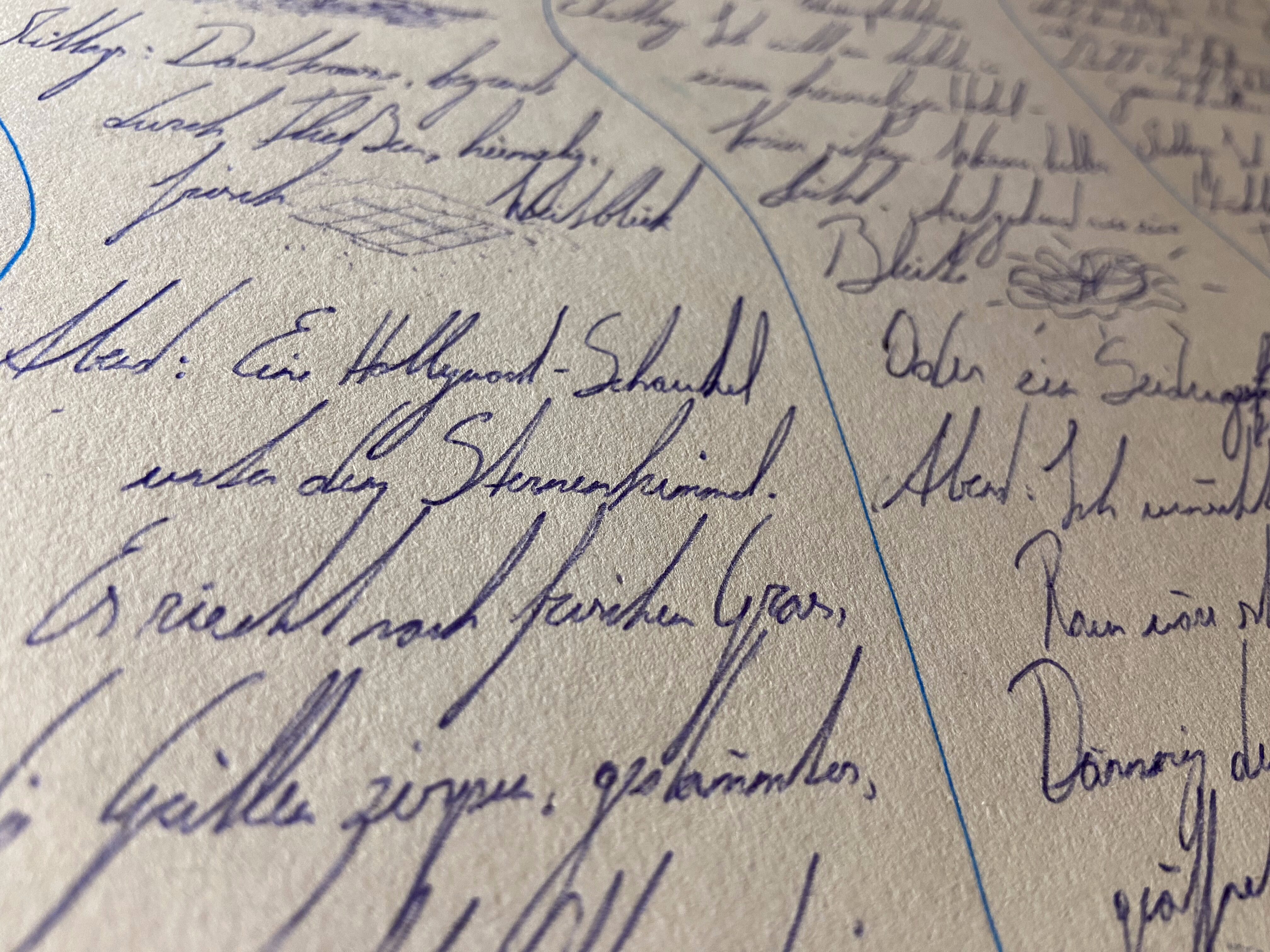
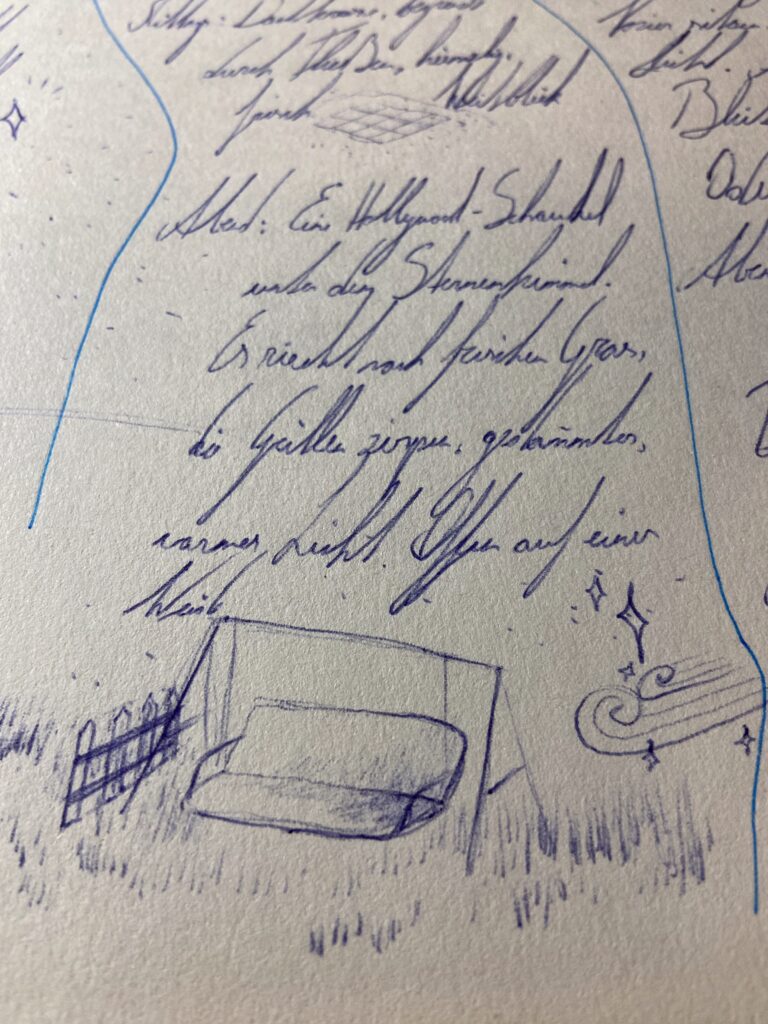
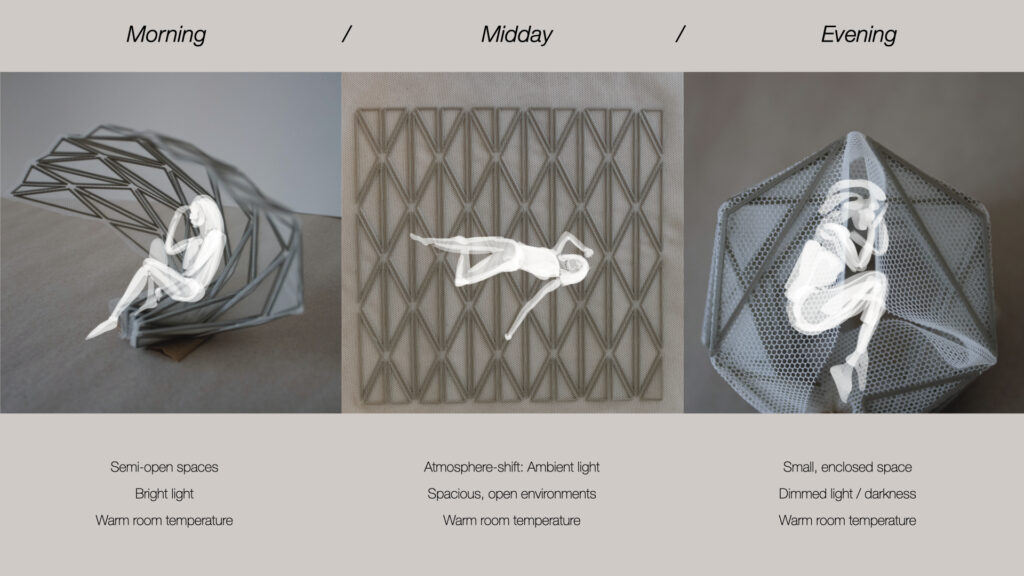
Morning / Midday / Evening (from experiment 2) translated into spacial structures
“Who even has the option to withdraw?”
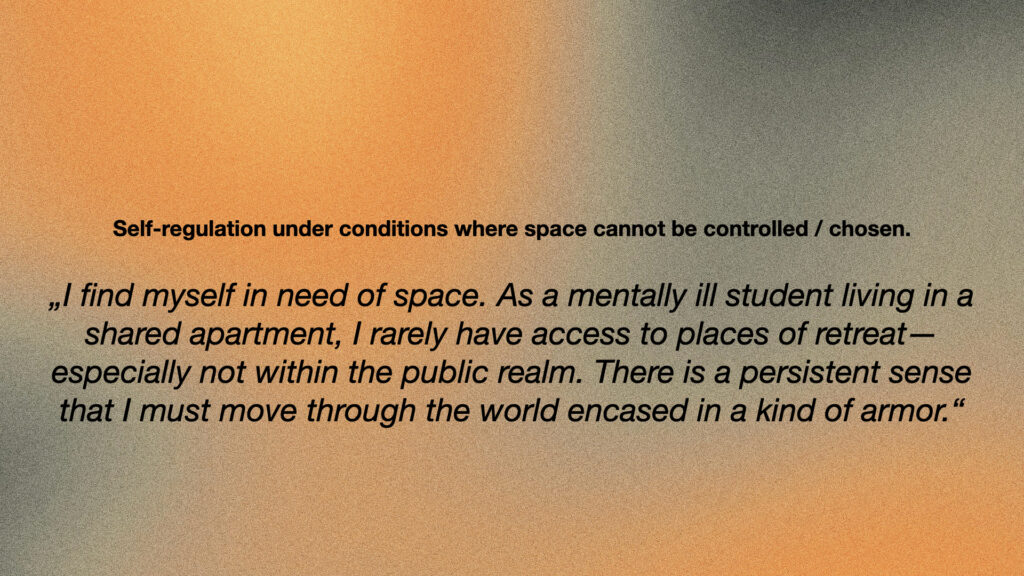
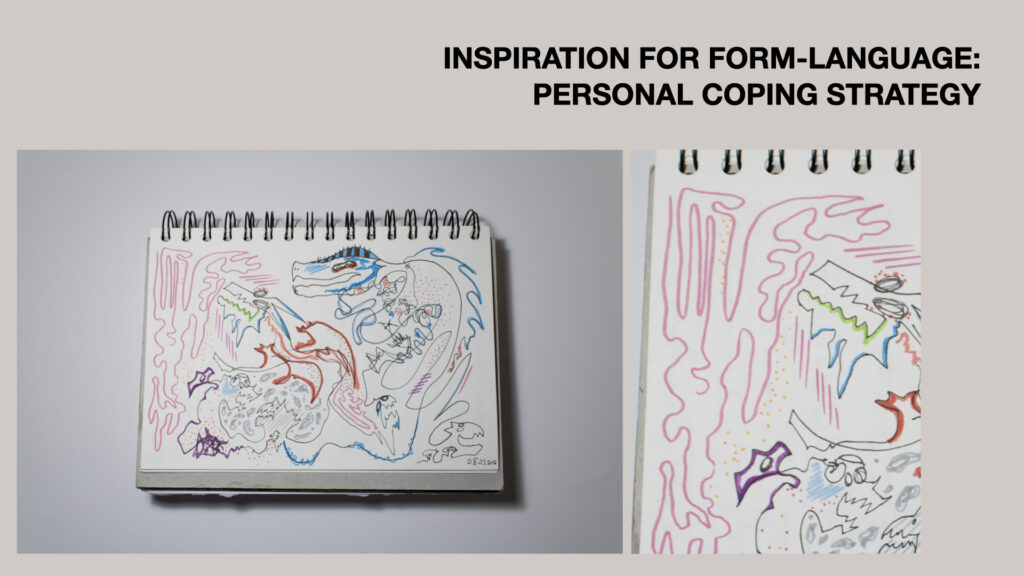
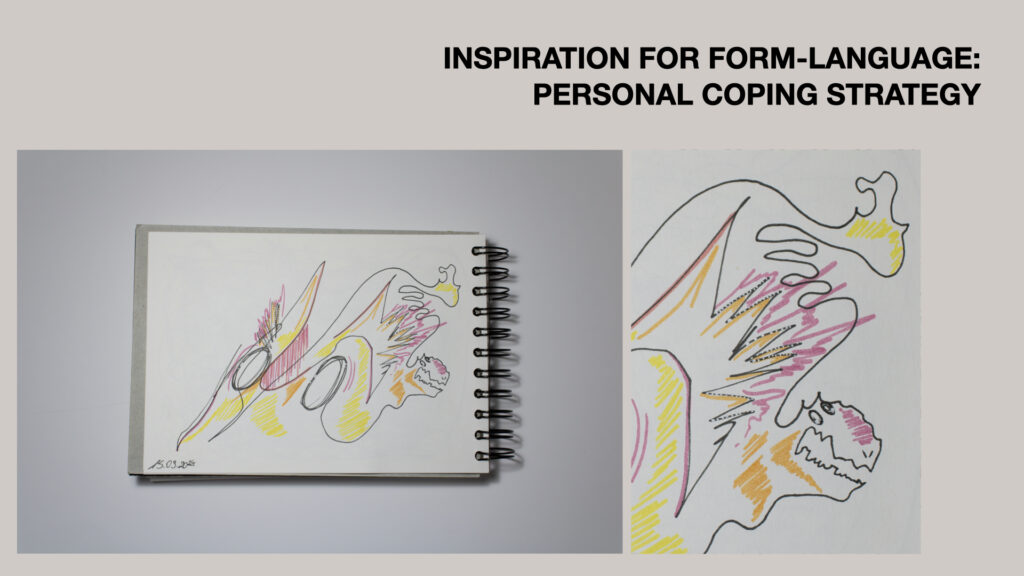
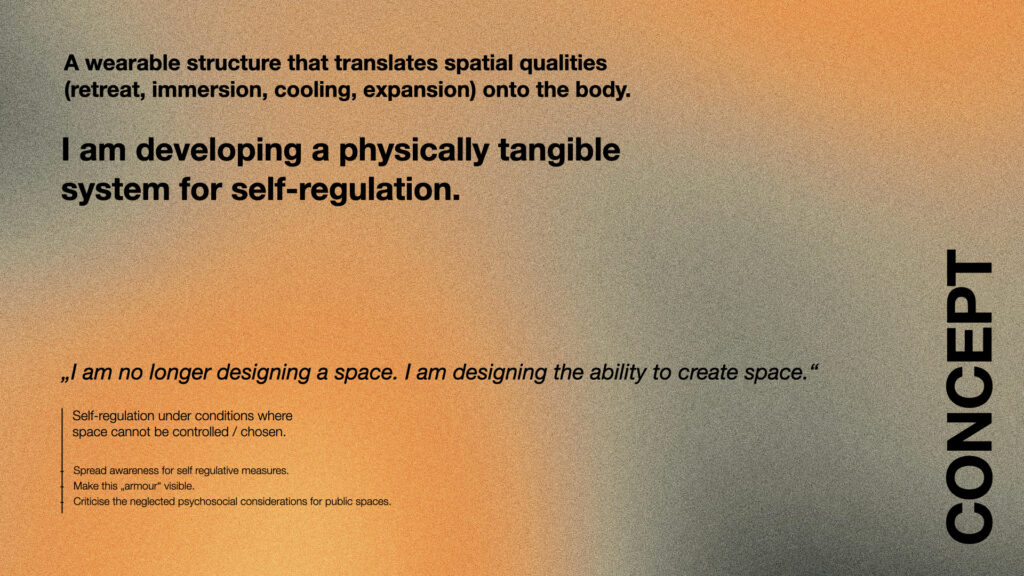
Oftentimes we cannot change the situation we’re in. But what we can change is how we react to it.
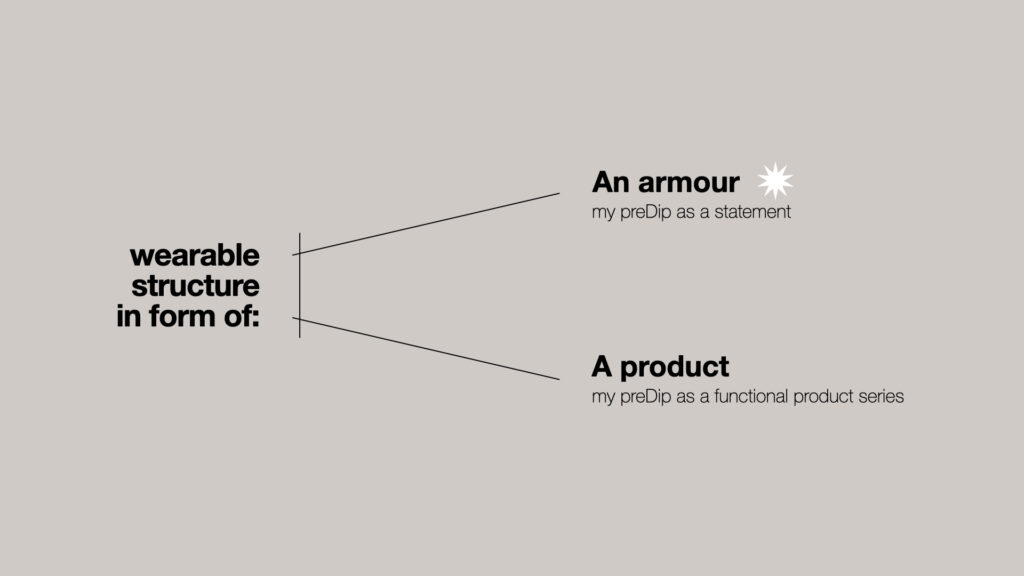
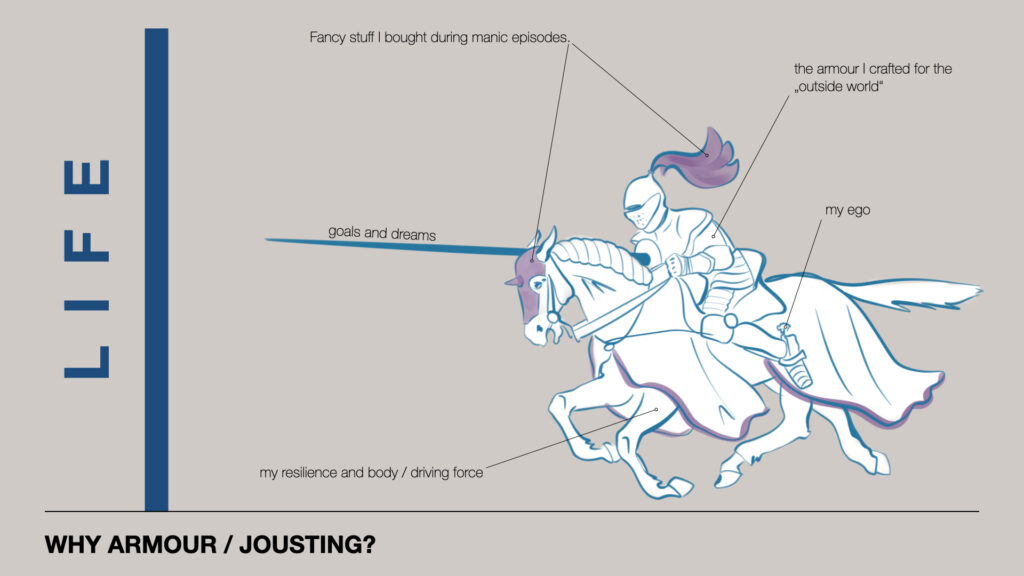
My personal armour made visible.
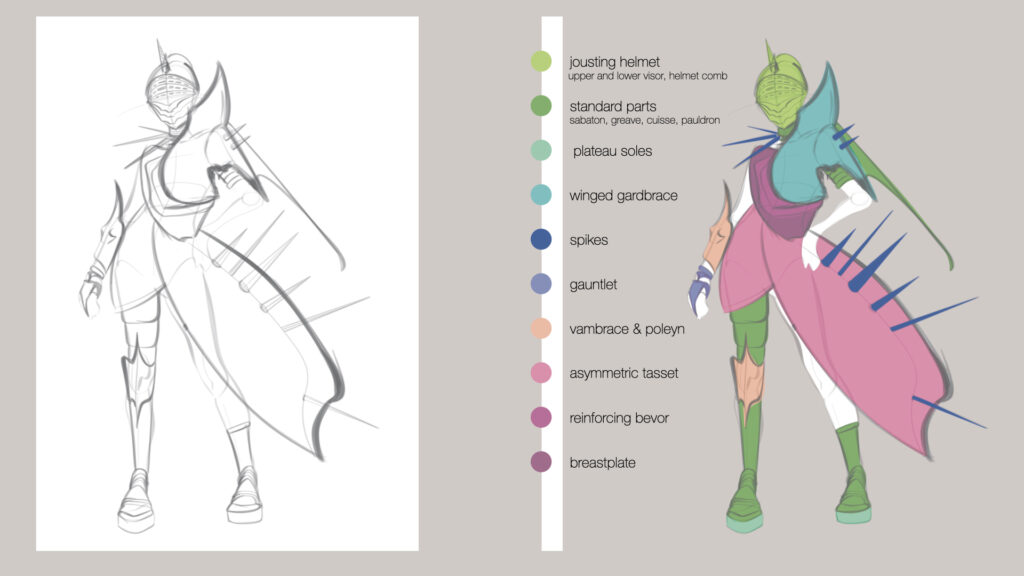
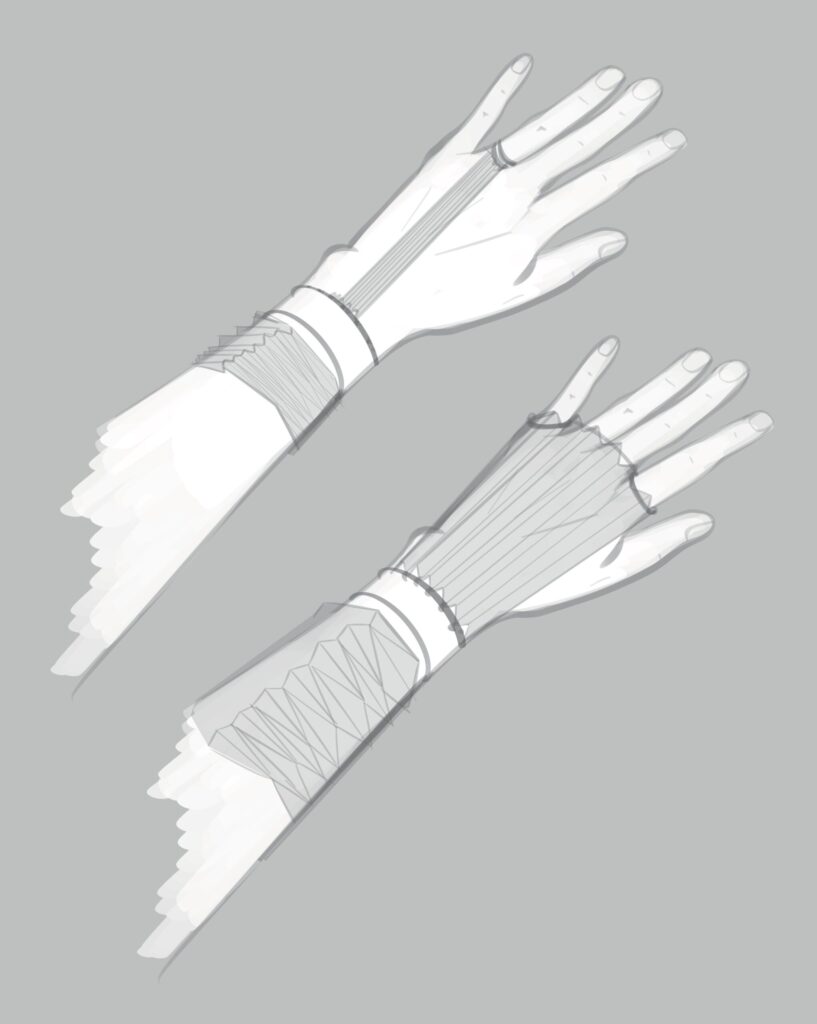
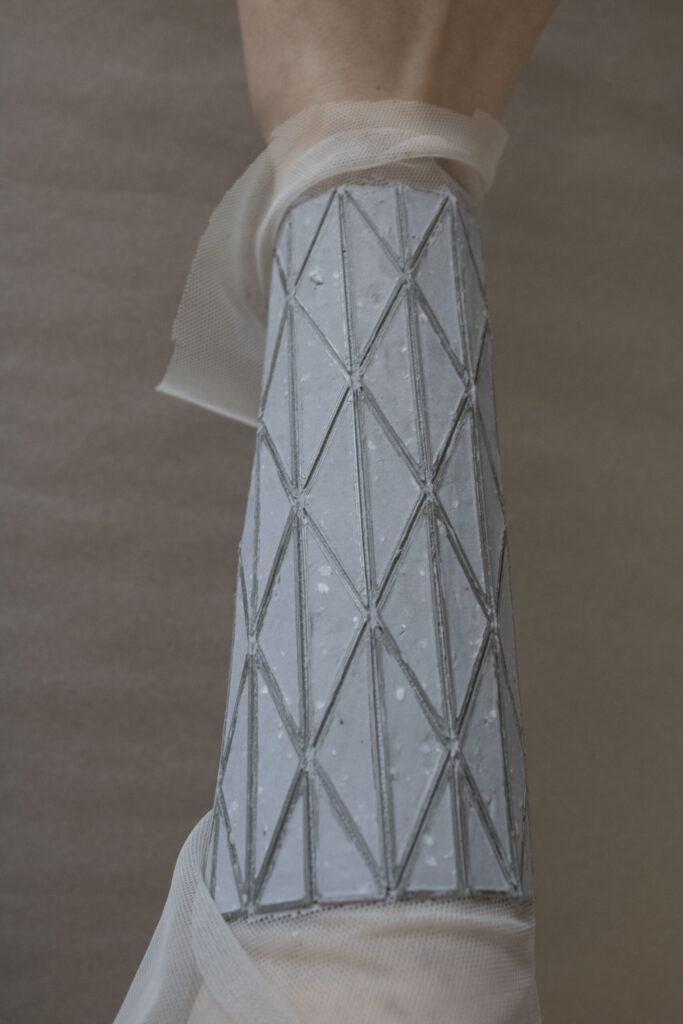
As human beings, we shape our environment and decide every day how we navigate it based on these design choices. As designers, we are in a position of power that comes with responsibility. Tools empower us, giving us a kind of superpower that we would not have without them, and are essential to our safety and survival. But what if this responsibility is abused or not truly upheld? What can one do as an end user in the face of this powerlessness?
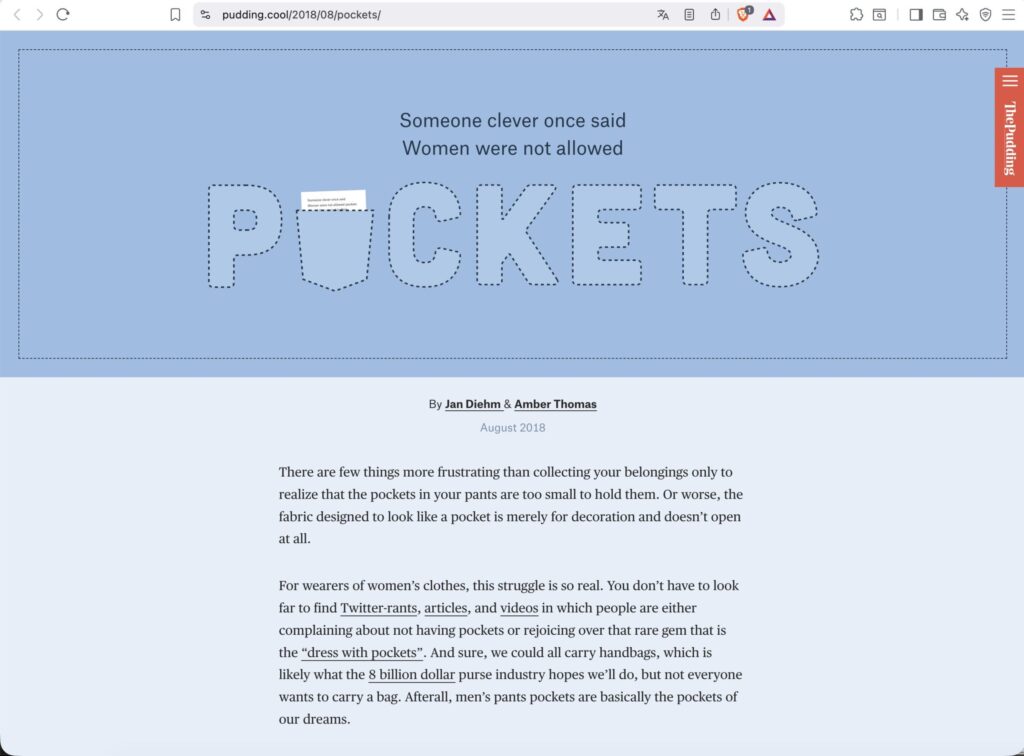
Example: trouser pockets
| A | B |
| Confrontation | Fuck-off / be more Radical |
| Confront designers with their mistakes | take direct action using our own resources |
| Write a letter / Highlight the issues on online platforms | Simply sew around the trouser pockets. Attach items to your body in a different way. |
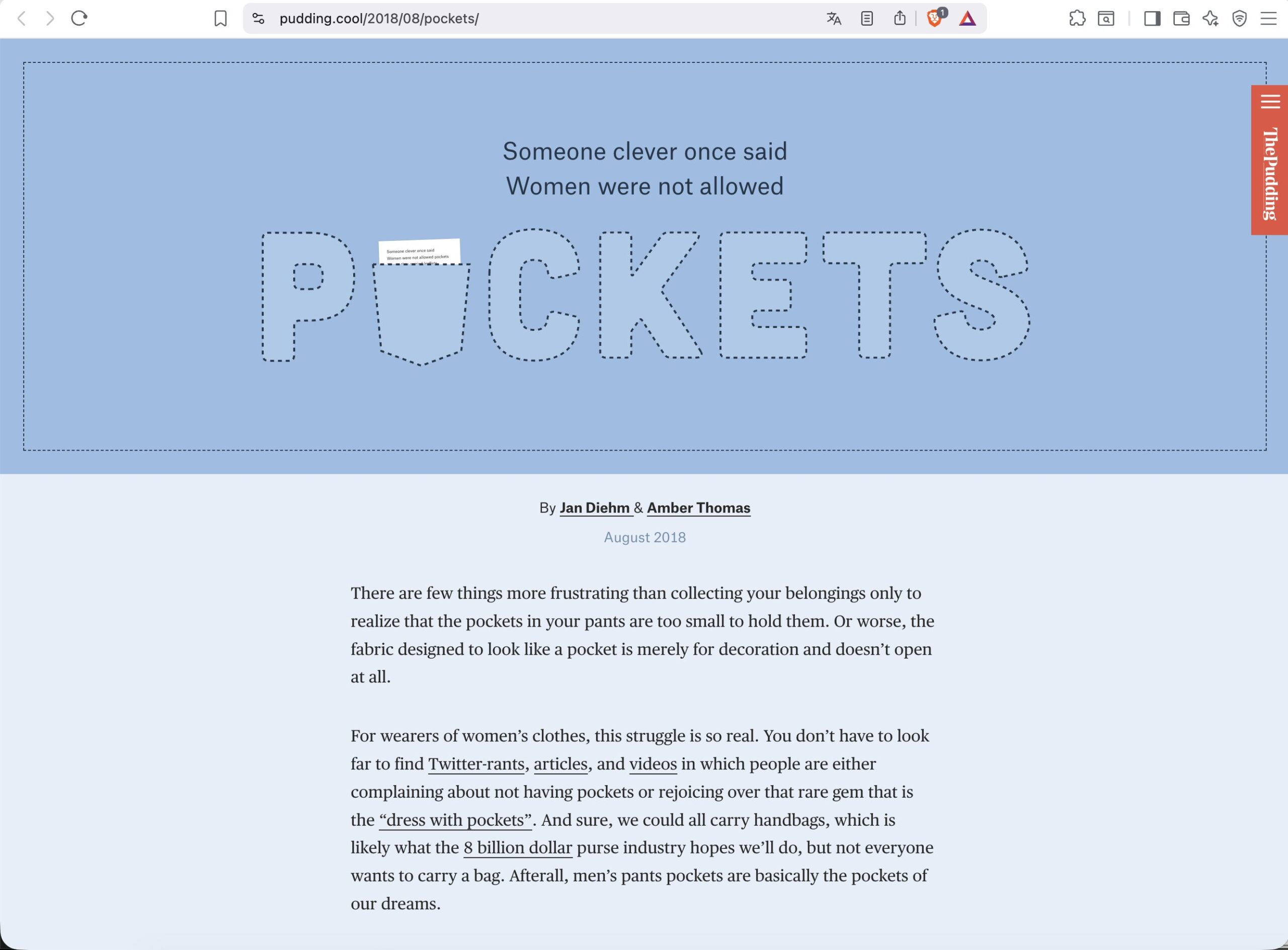 https://pudding.cool/2018/08/pockets/ | 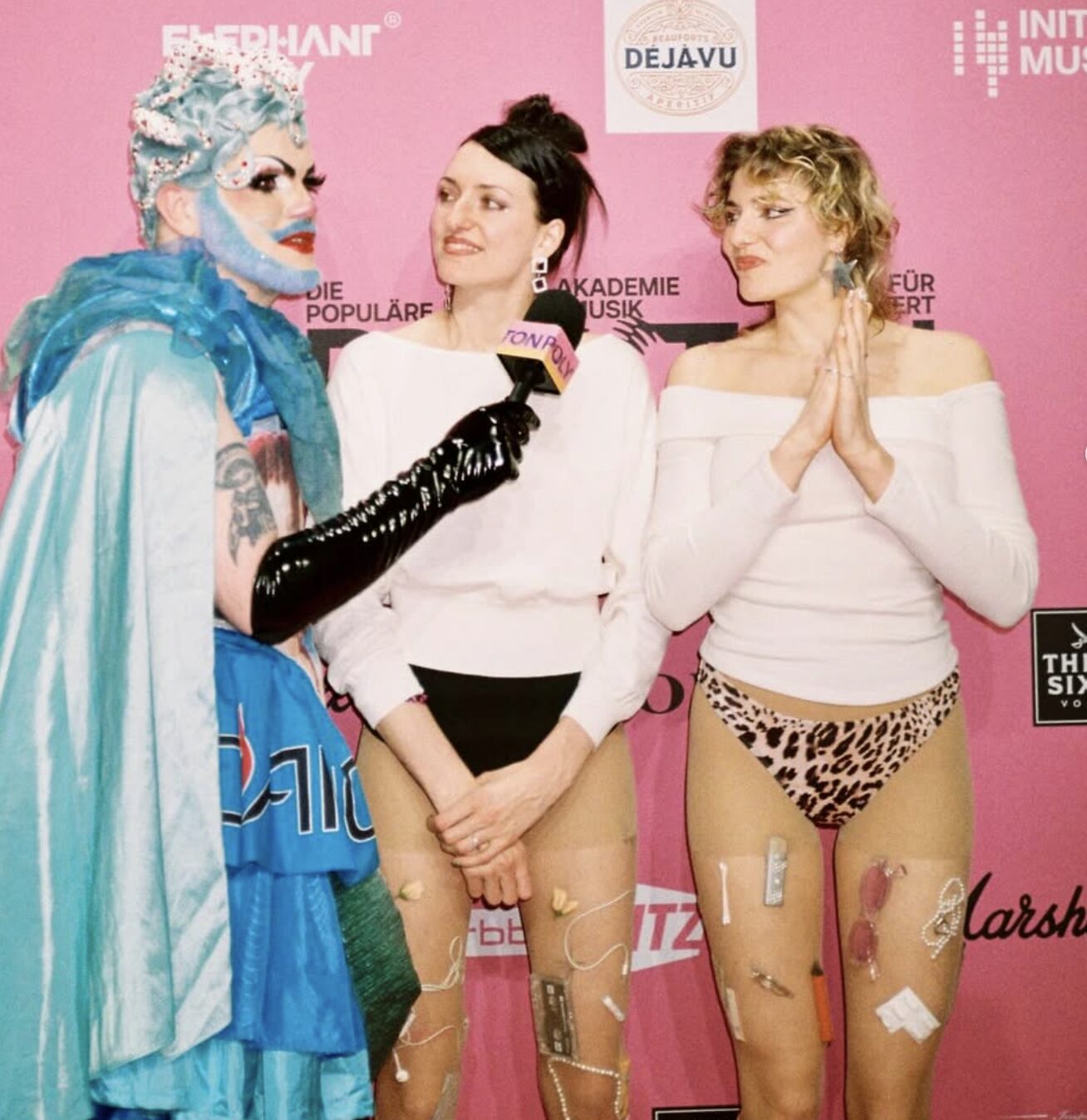 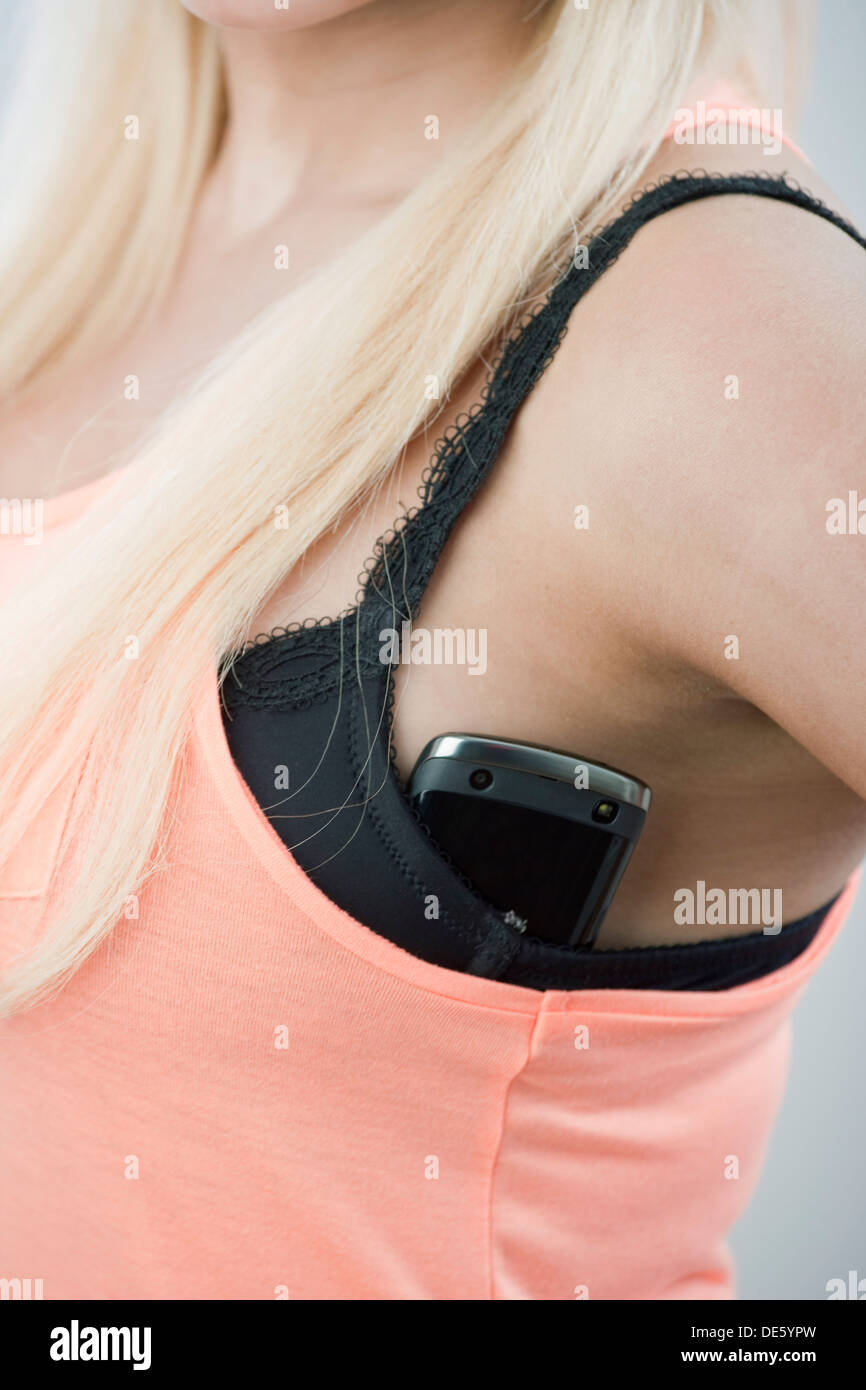 |
Sytem von Innen ändern:
| C | D | E |
| Research | Participation | Simulation |
| How does my target group behave? | Who is my target audience, and how can I actively involve them in the design process? | How can I make the situation more tangible so that people can empathise more? |
| possible conclusions that are linked to personal bias (e.g. white saviourism) | See the target audience as the architects of their own needs. As a designer, you are ‘only’ the translator. | |
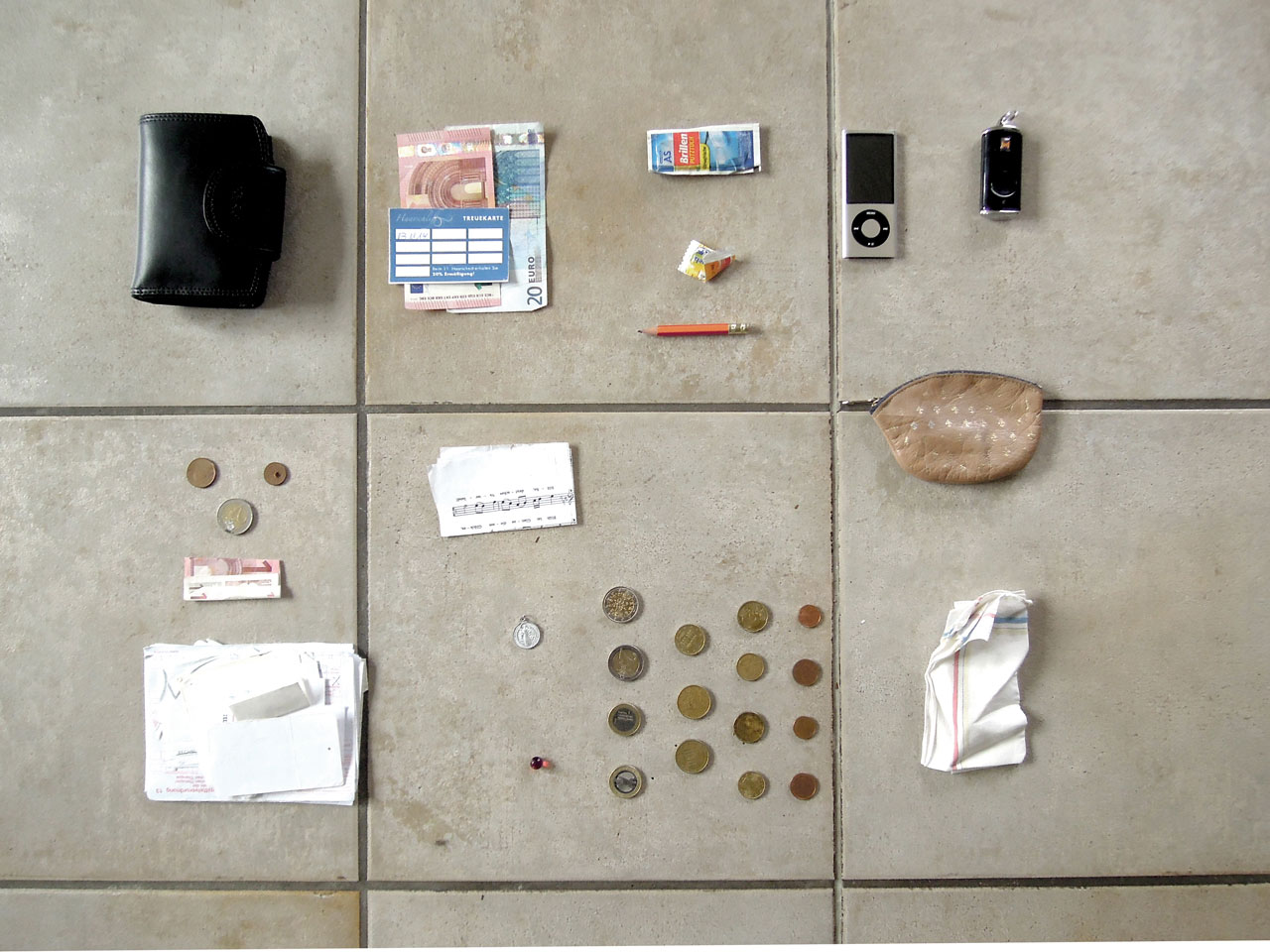 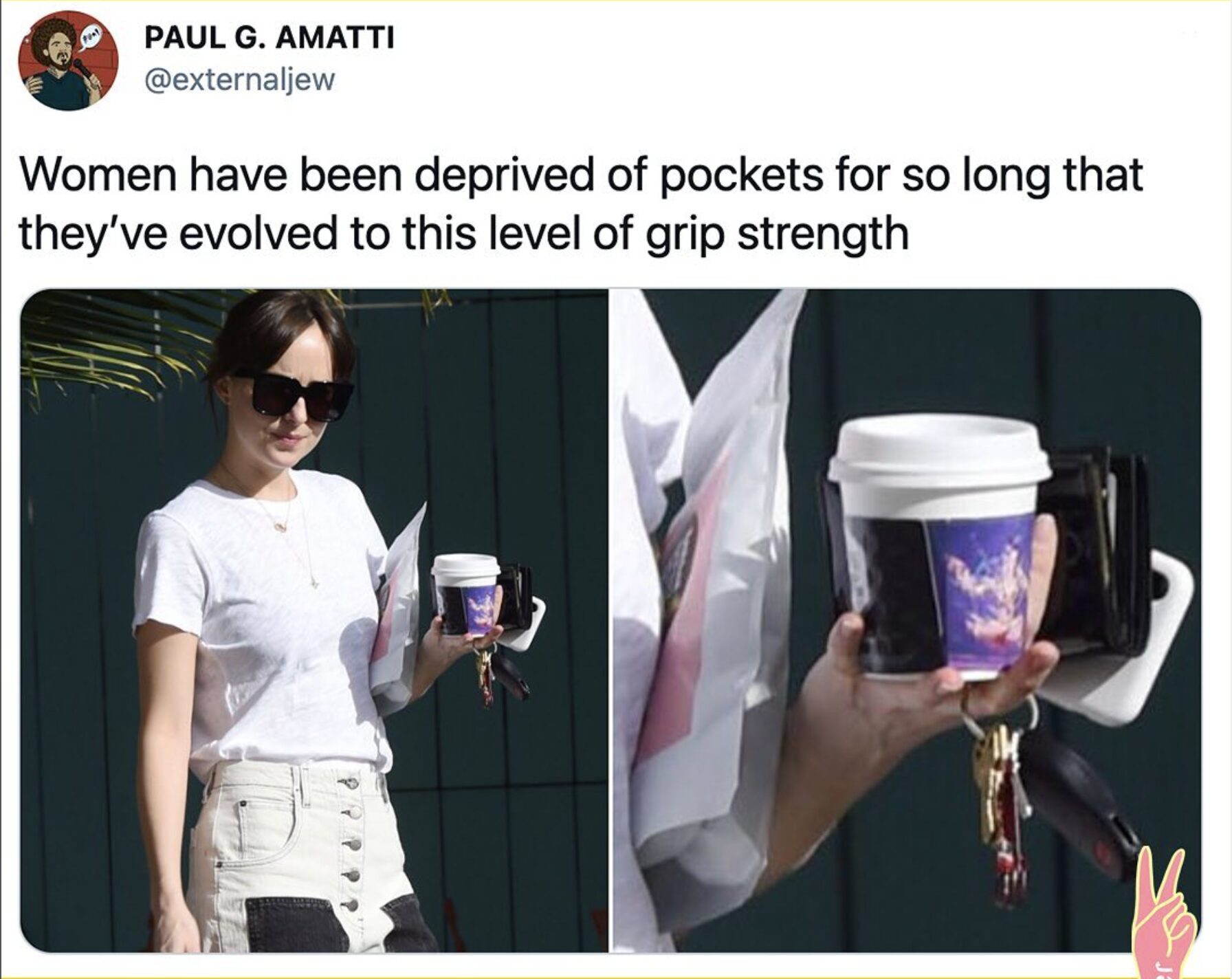 | 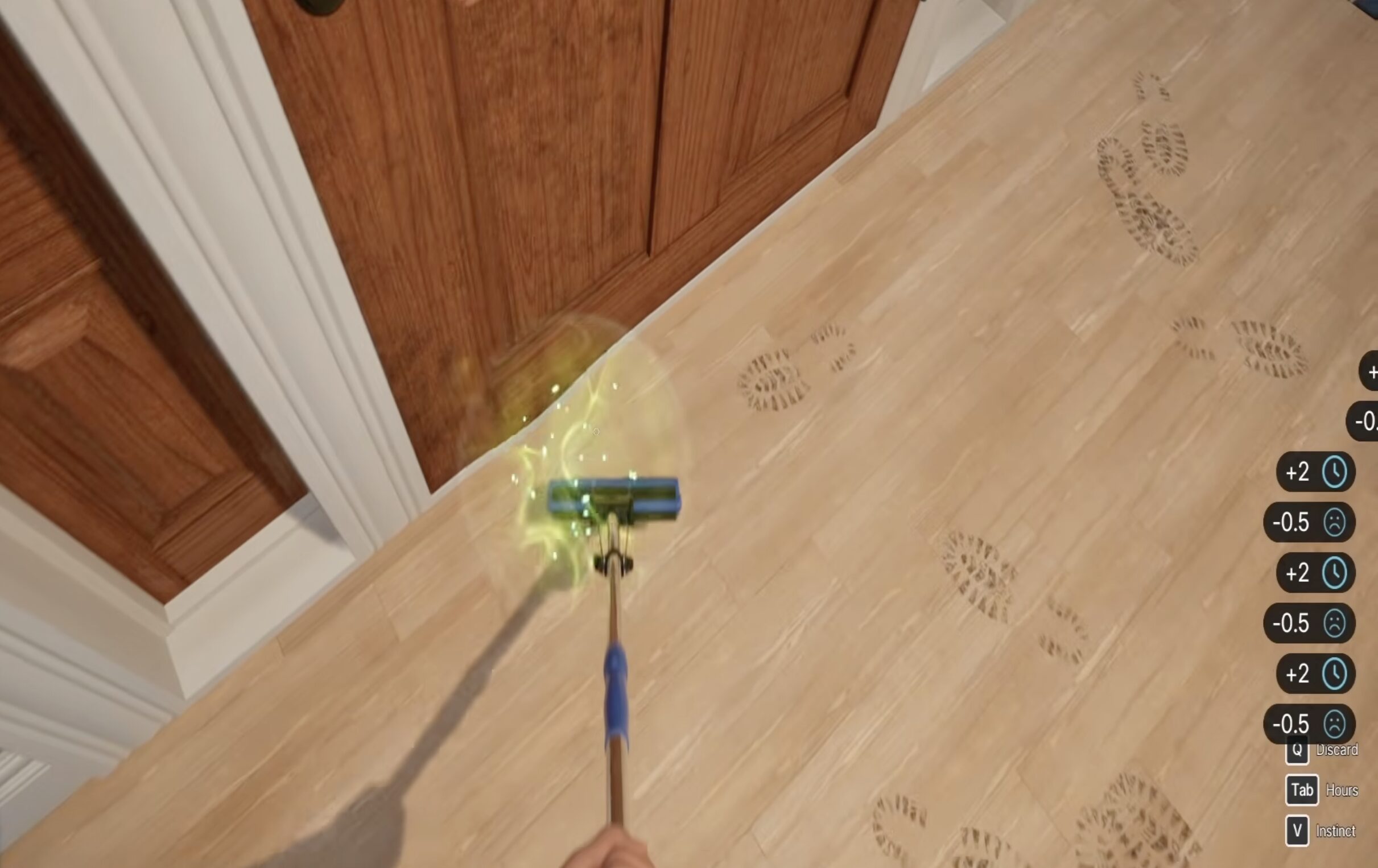 |
Next steps: What do women carry in their trouser pockets? What about men? How big are these trouser pockets?
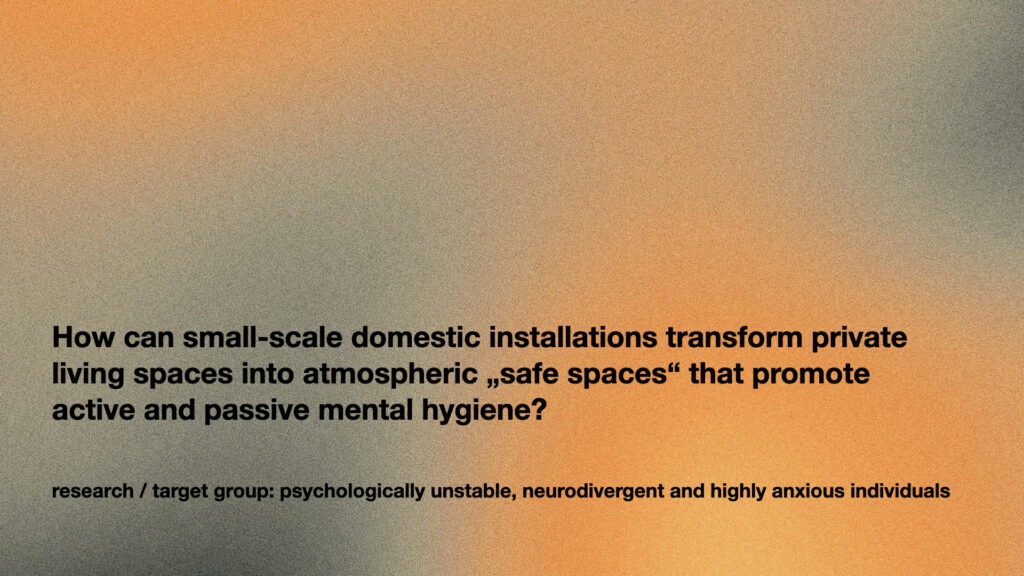
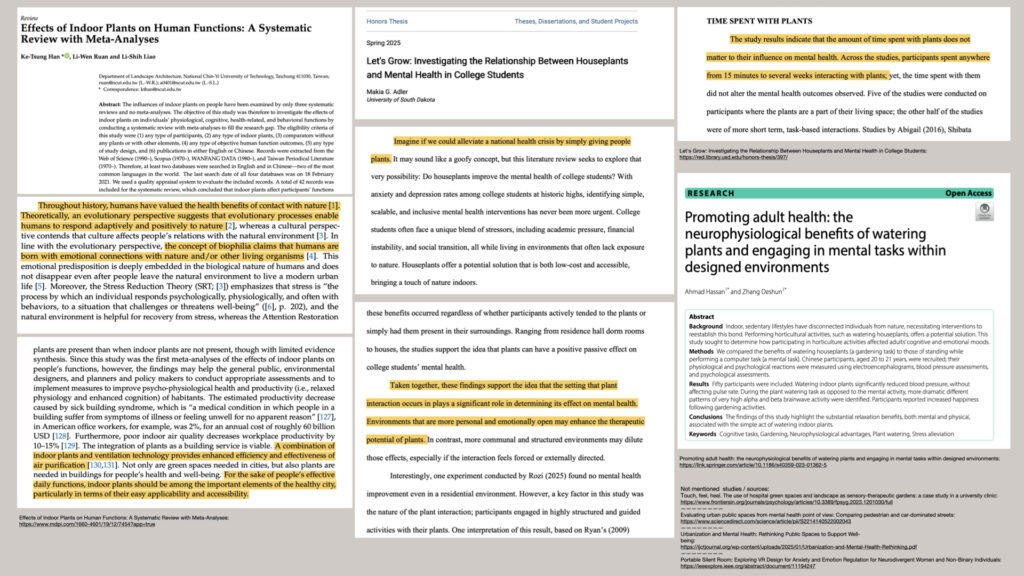
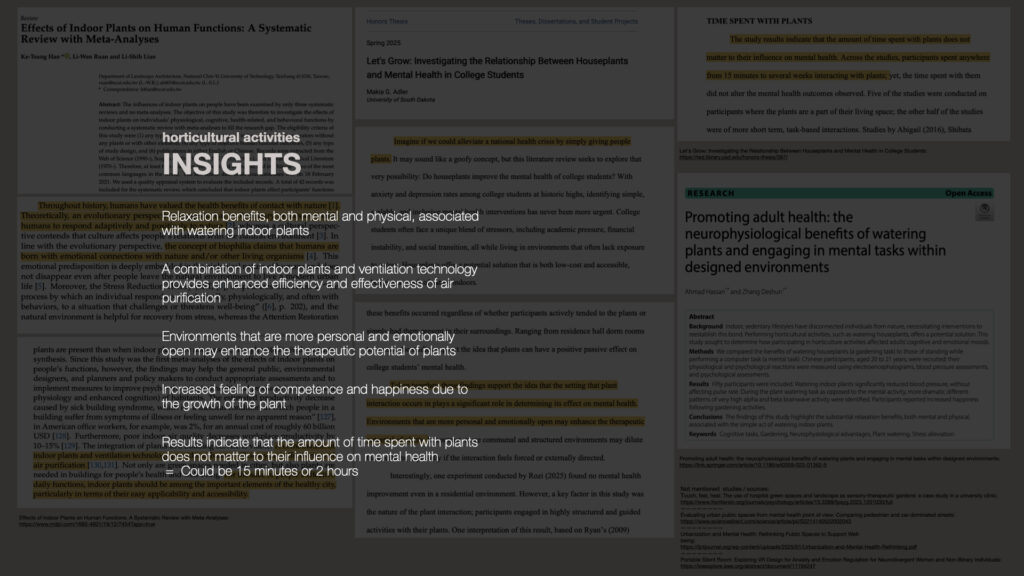
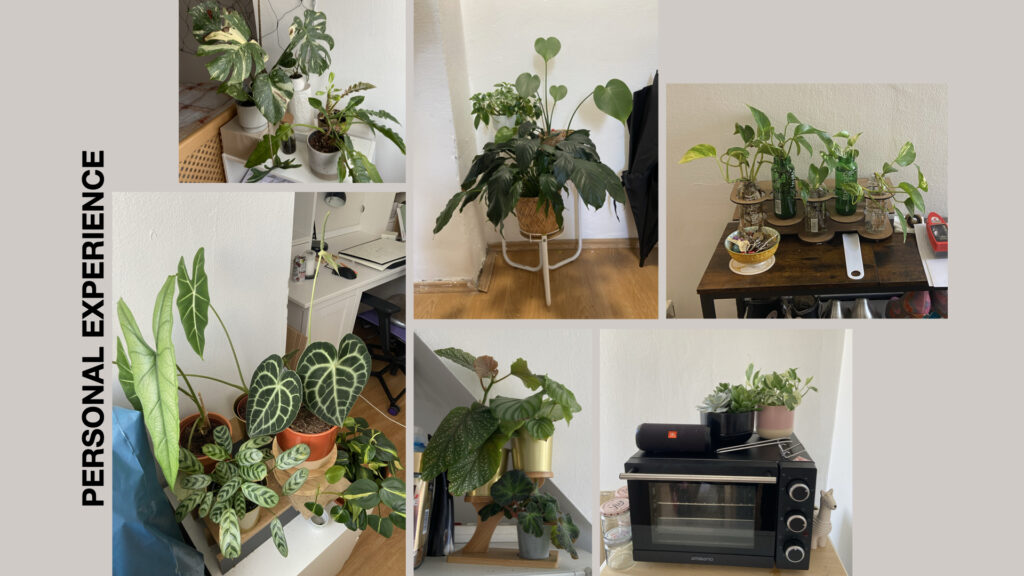
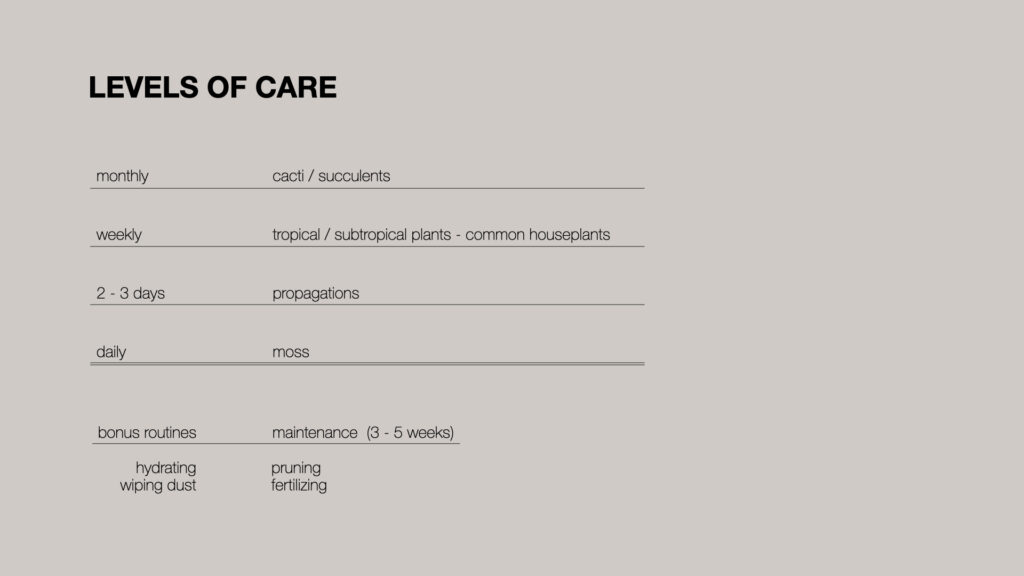
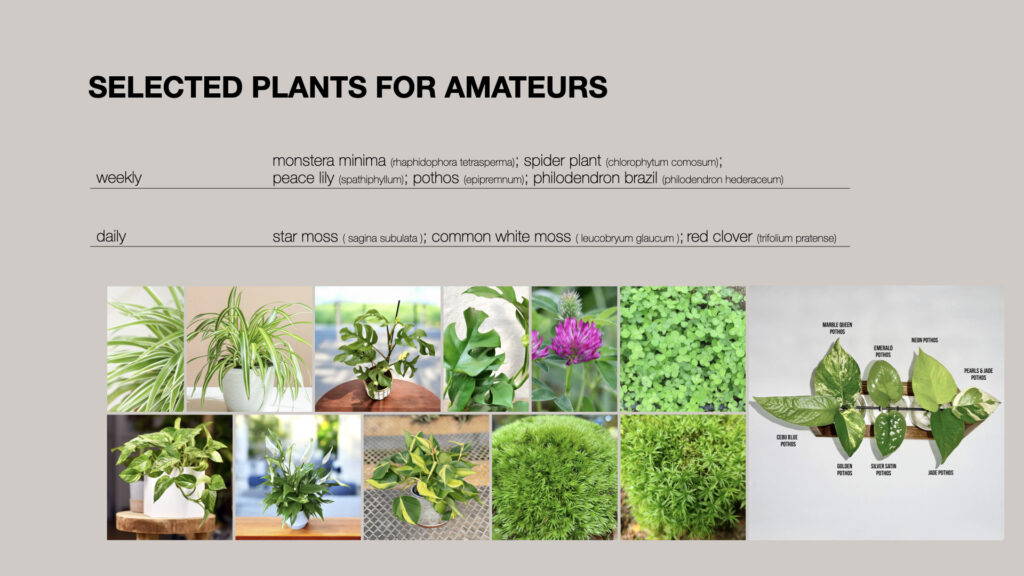
Objective: Create a small domestic installation in your own flat without buying products to enhance your mental well being.
1.0
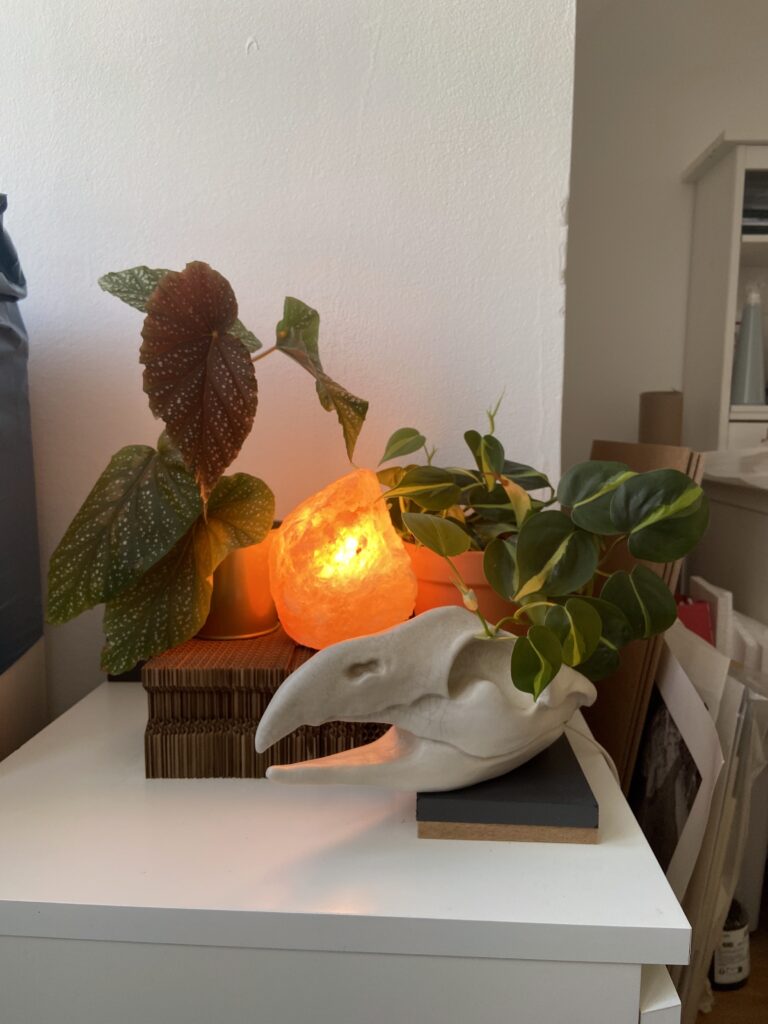
I started out with finding a good spot in my room. Unfortunetely I had to place my first attempt in a corner due to the flat renovation.
The main goal for the first version was to see if this “plant/light/ceramic-concept” would work out. And I think it did. The warm light radiated throughout the corner during the nighttime which tuned me into a quite relaxed mood.
How it influenced my well being:
I got drawn to the light; the pleasant tactile qualities of the individual objects (cardboard, stoneware, salt stone) were almost stimming instruments for me.
1.1.
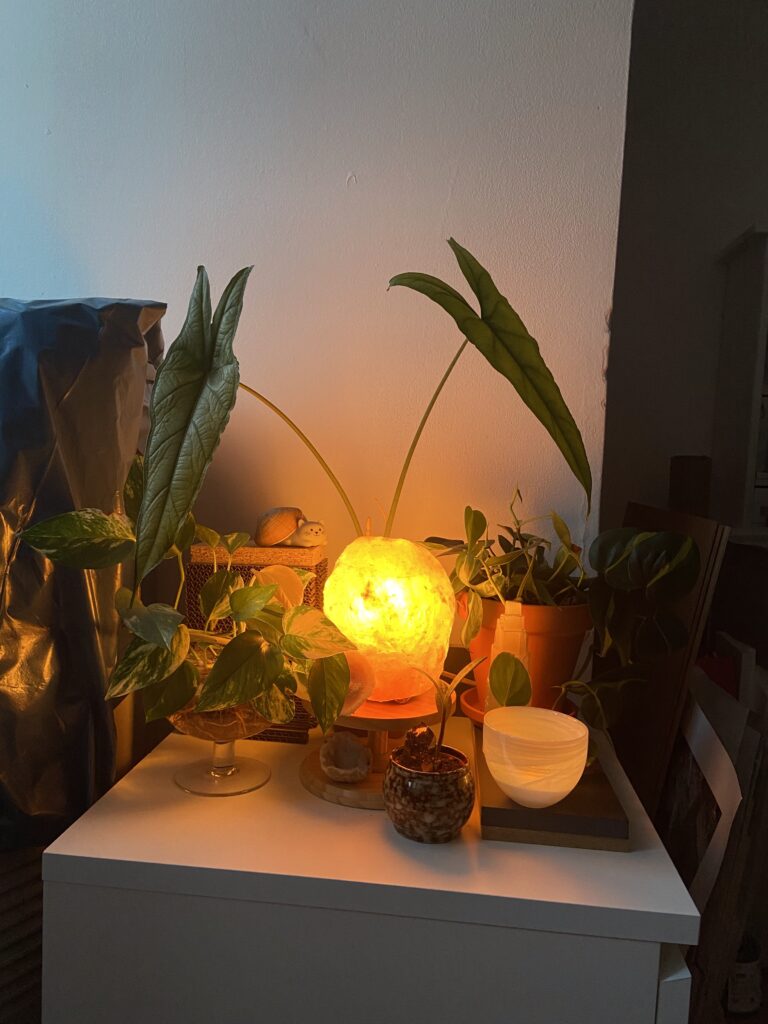
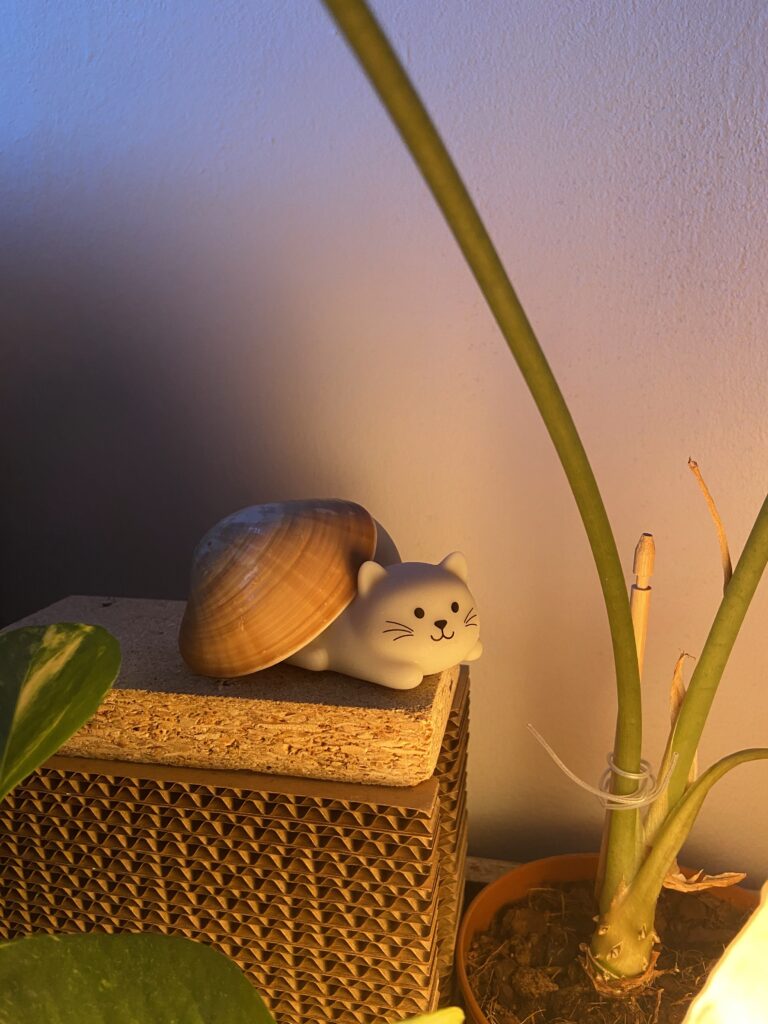
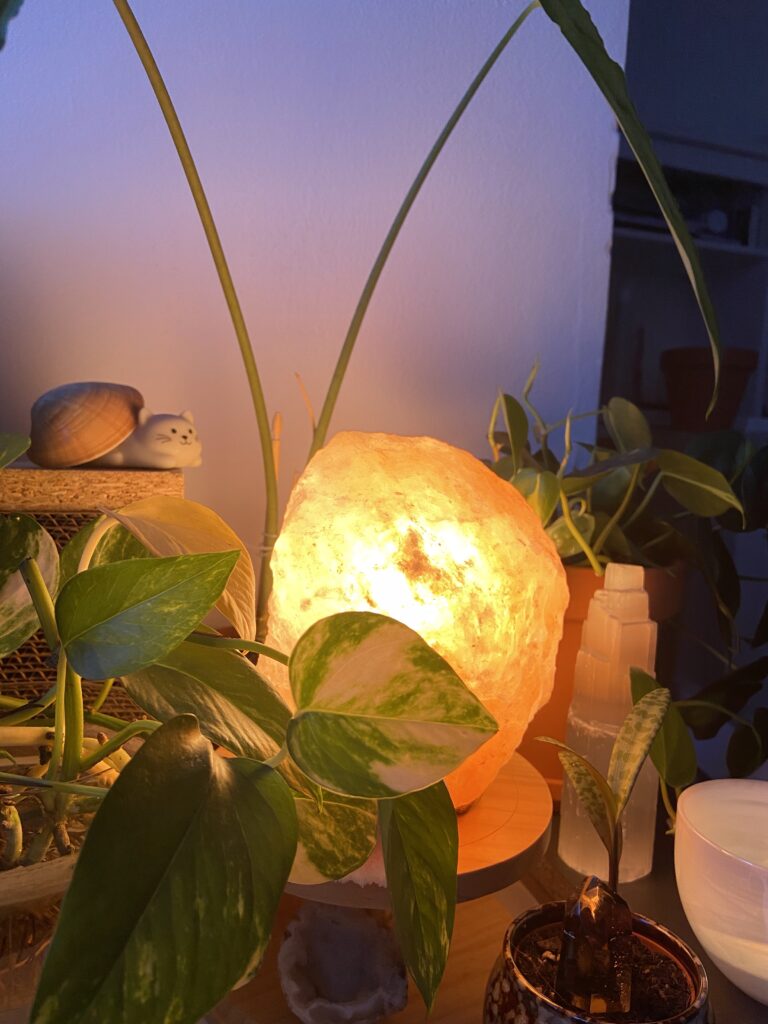
This time I thought: “More is more” – I craved for something. Some sort of feeling. More of that one feeling or input the small “installation” offered me. During reflection and the time I spent with it in the afternoon, I realised: The additional amount of plants didn’t satisfy me at all.
How it influenced my well being:
Due to the variety of elements / visual clutter I avoided the area and didn’t pay much attention towards it.
2.0
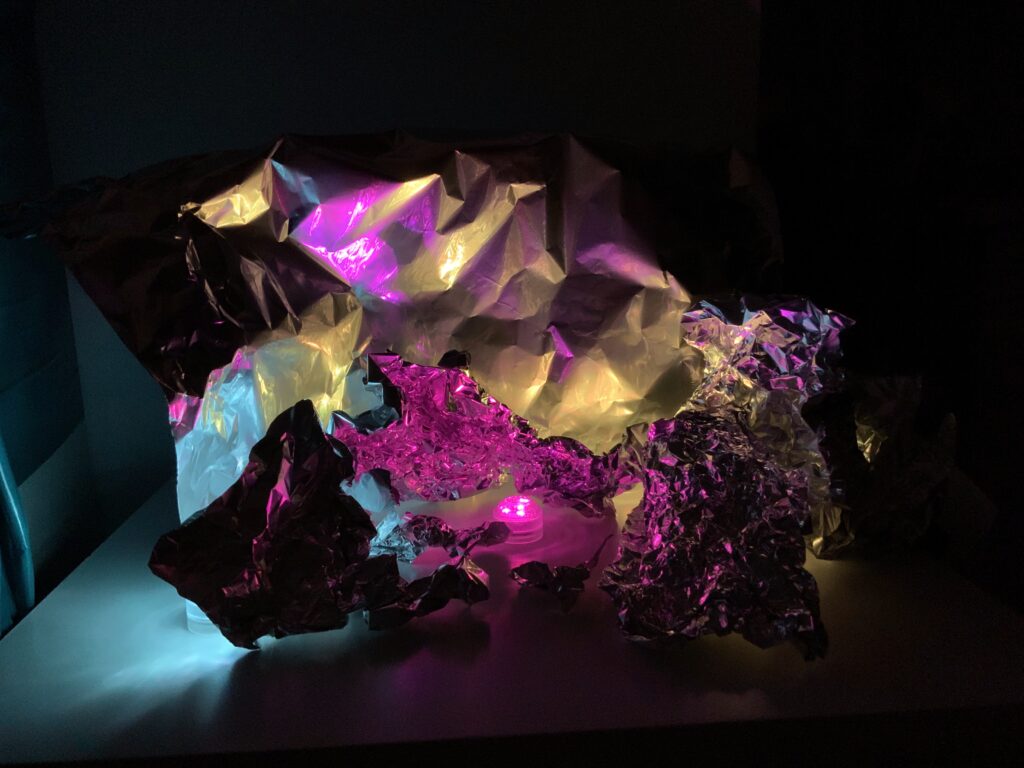
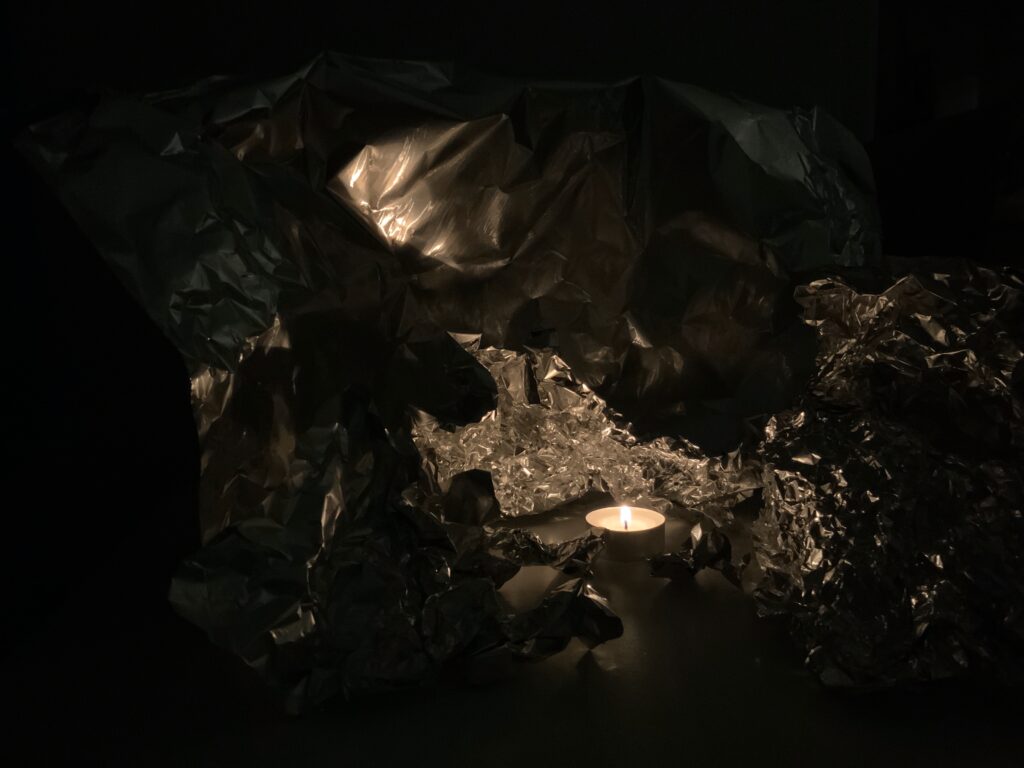
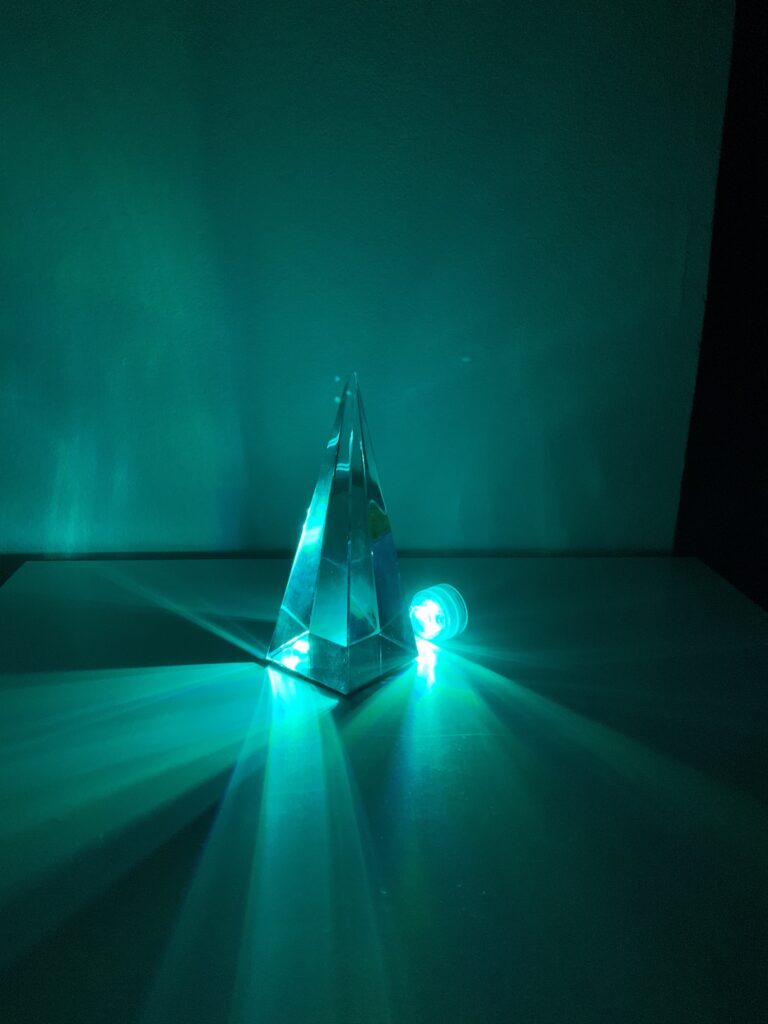
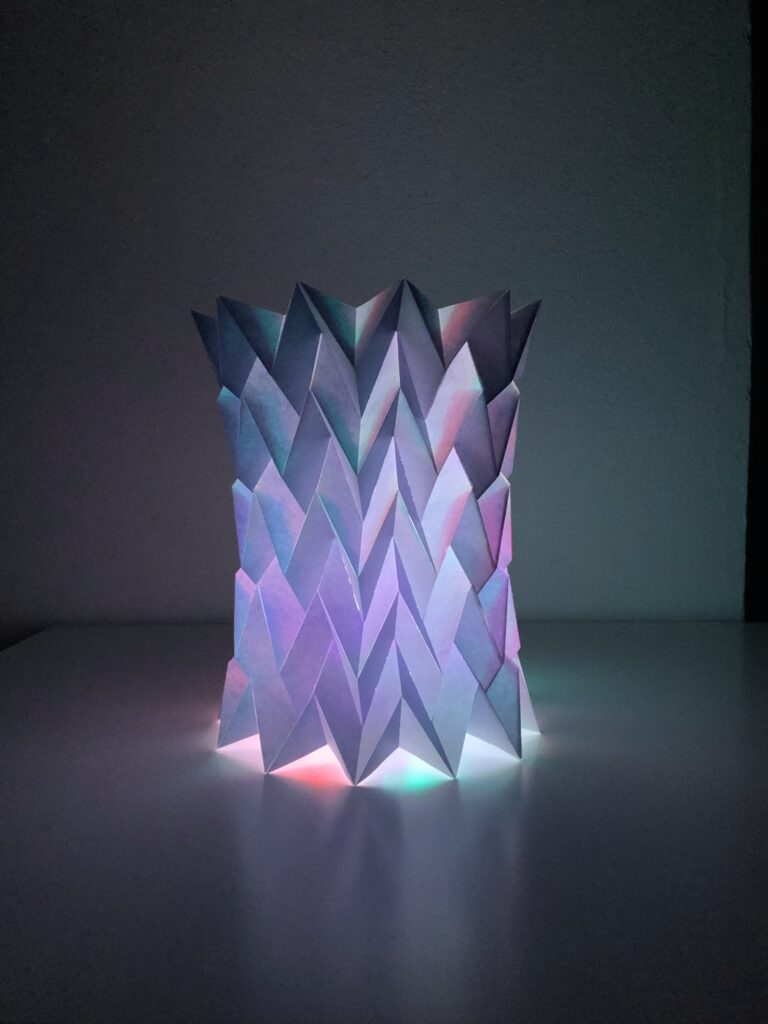
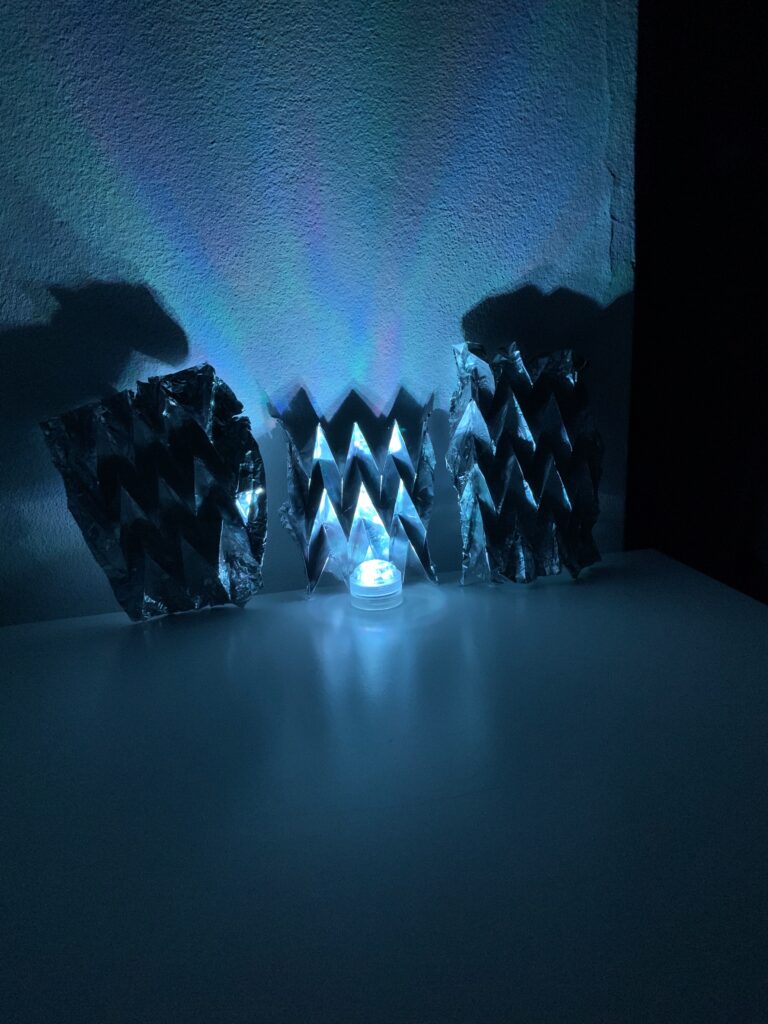
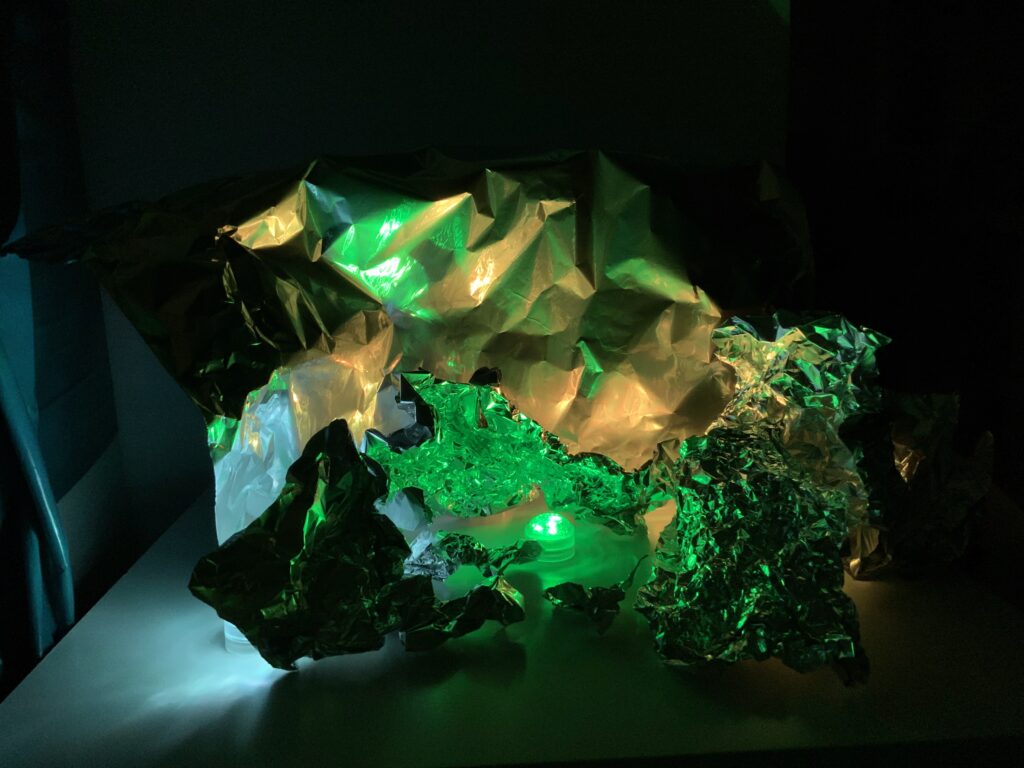
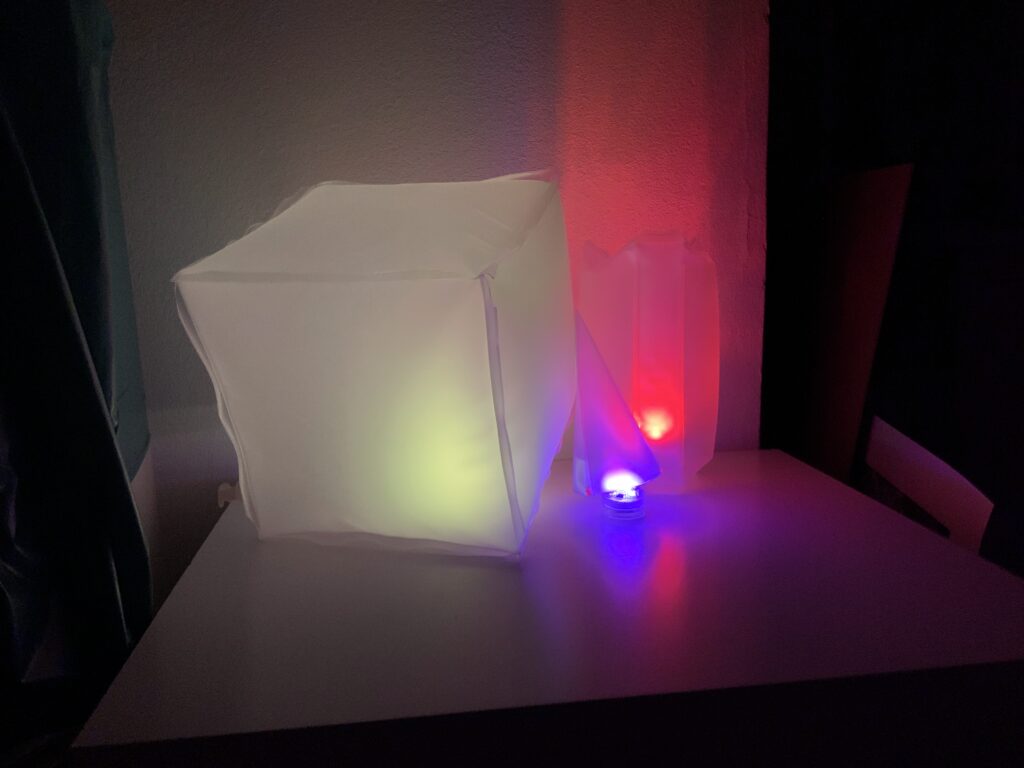
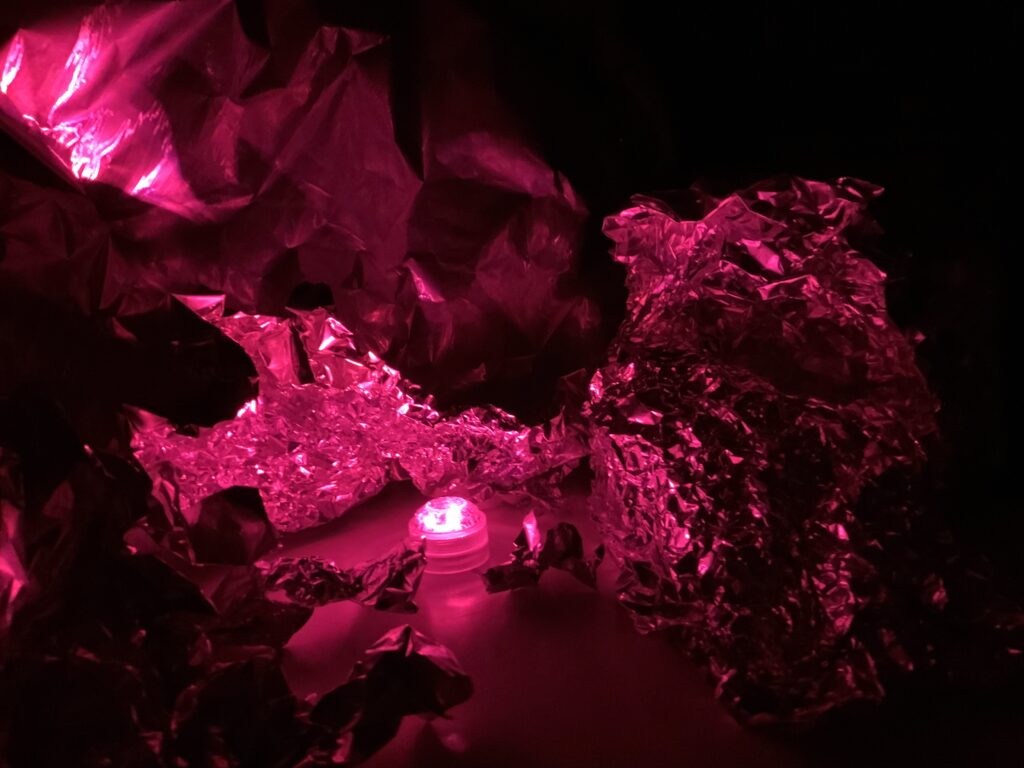
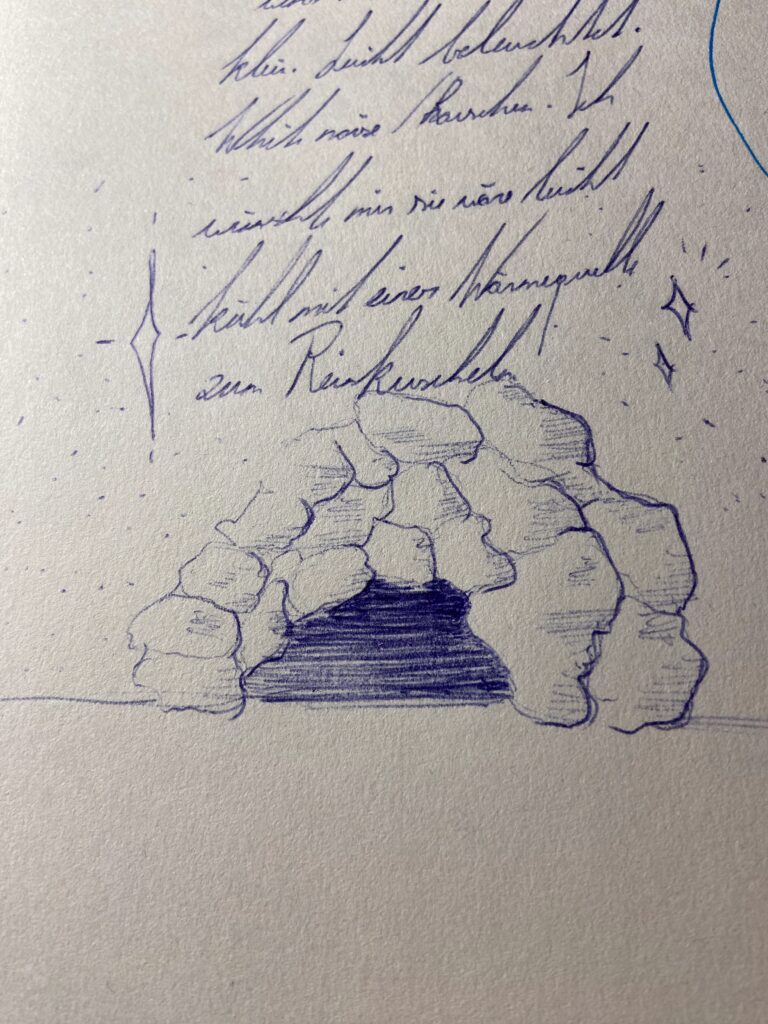
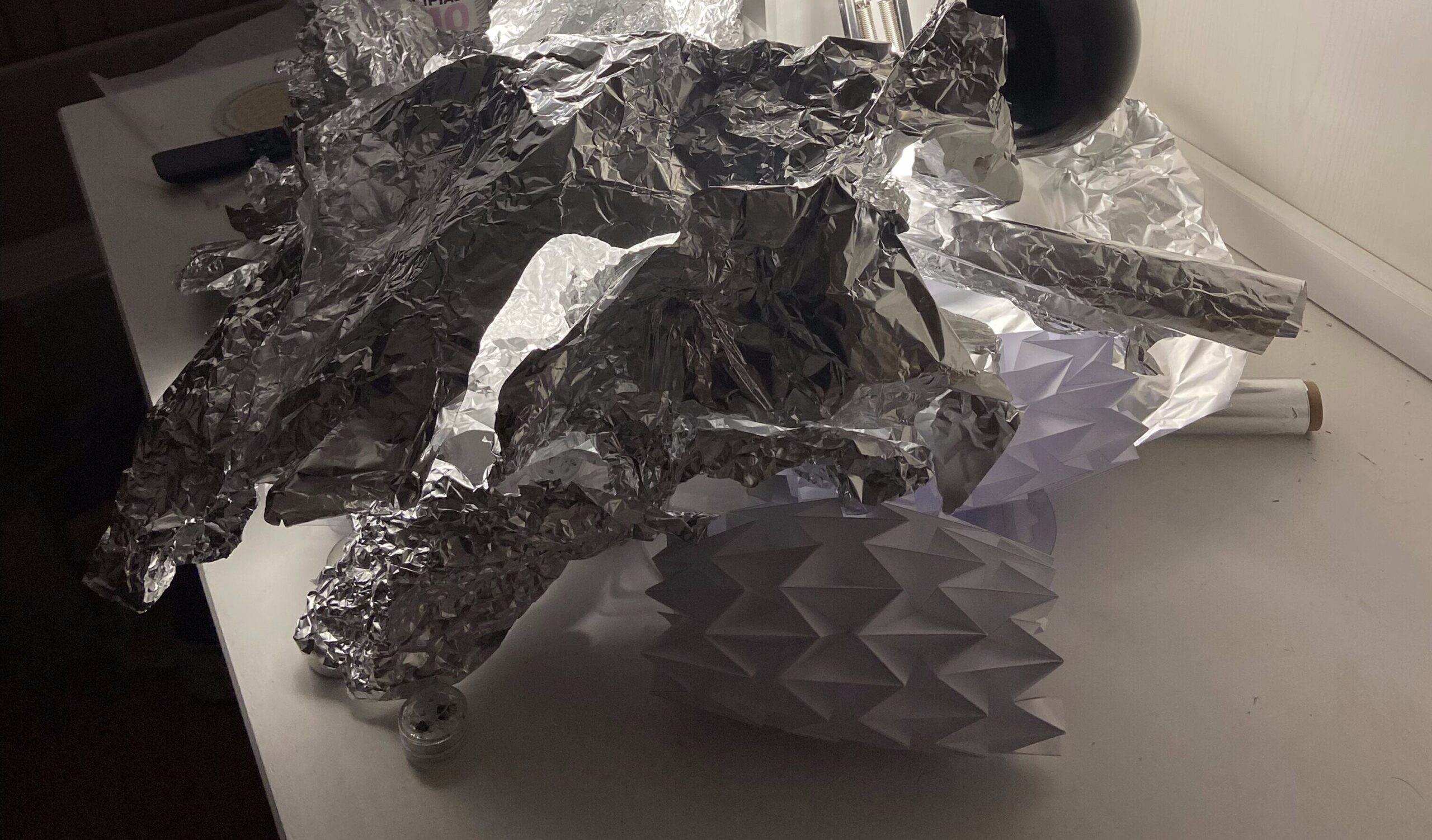
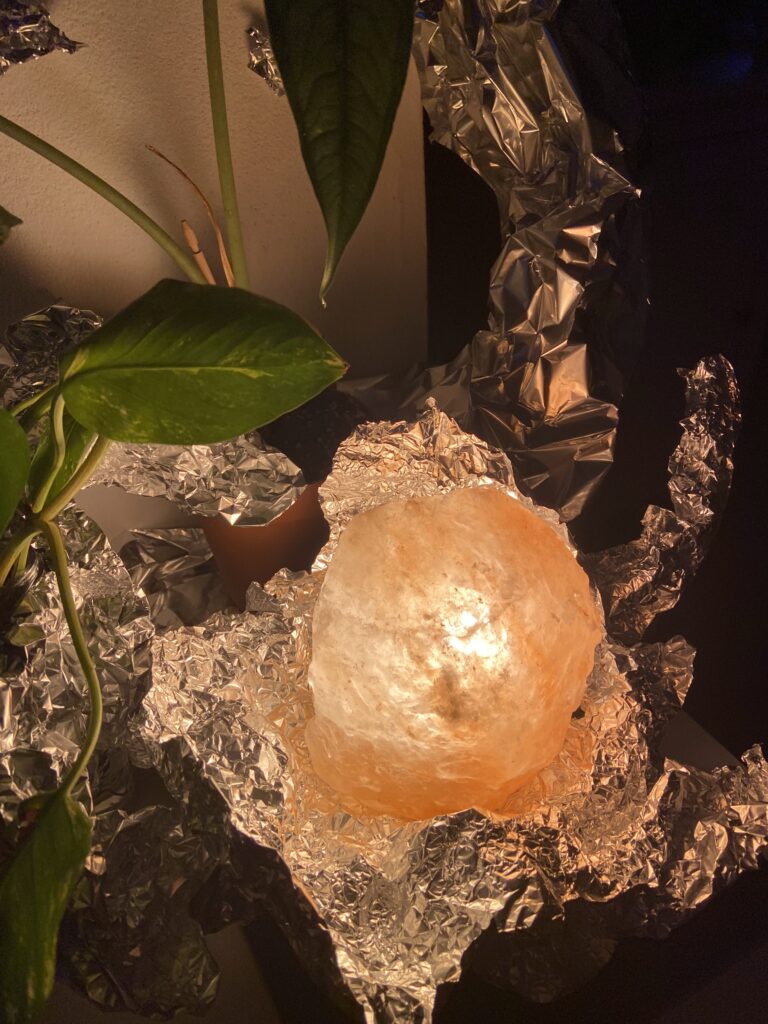
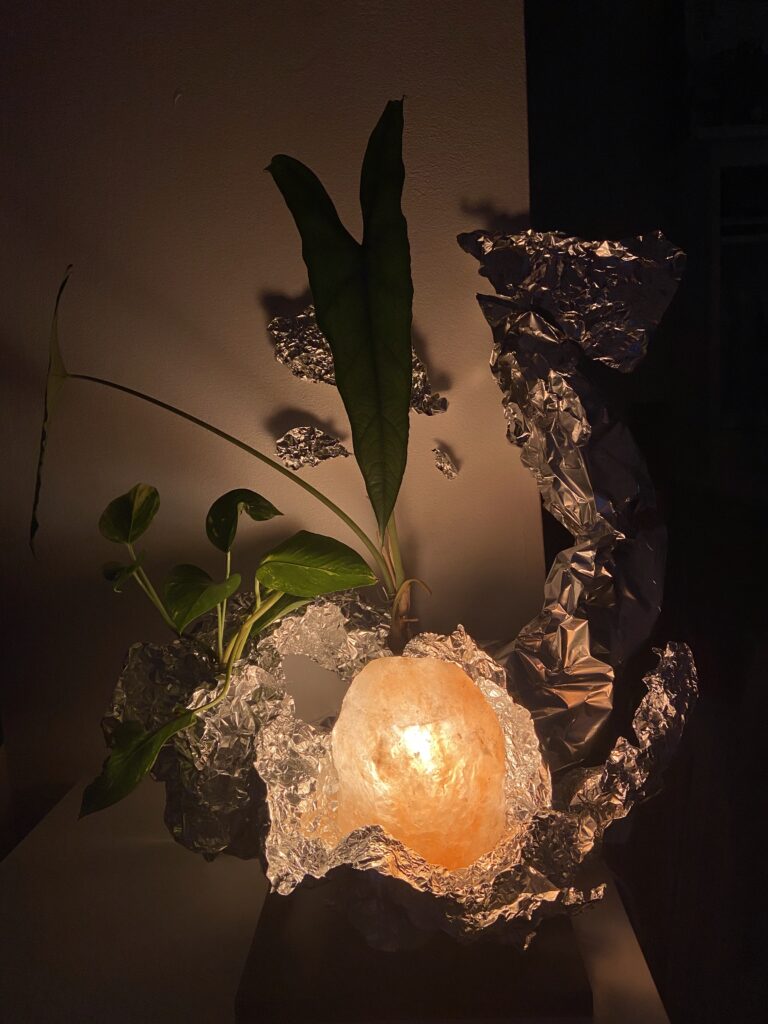
I tried out different light sources / mediums to see how the light diffusion / reflexion would impact my mood and the overall vibe of the room.
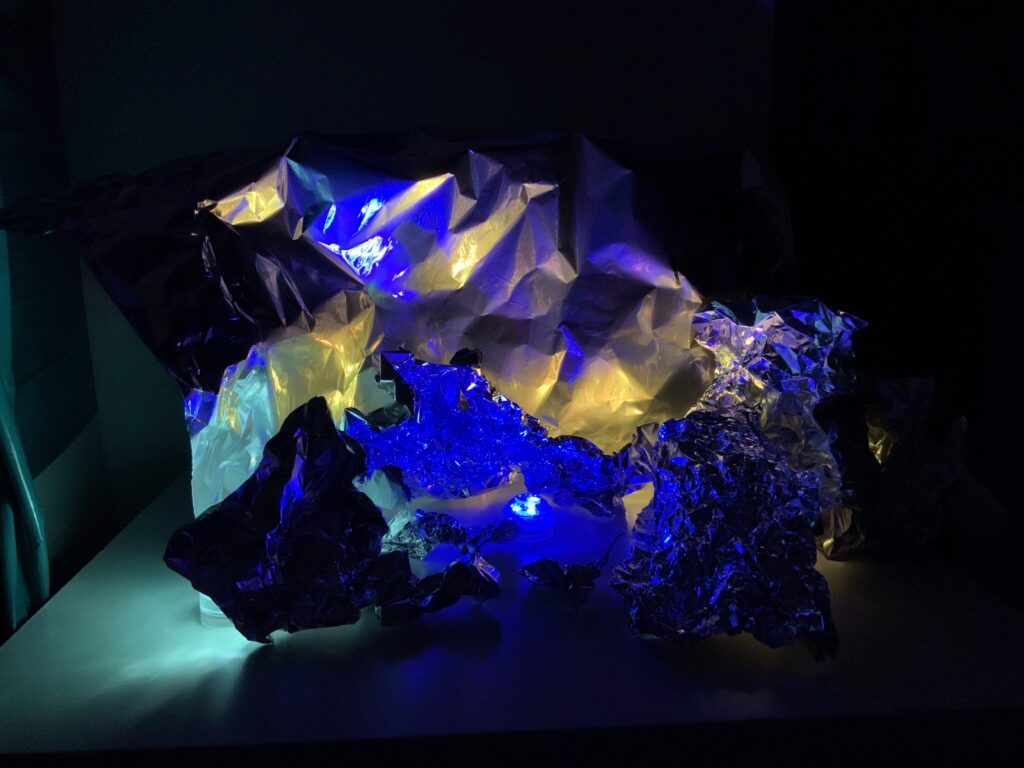
What I longed for and drew me in was the light. With the ambient light and the reflexions it created I got lost in the detailed surfaces of the aluminium foil. Some people stare into an aquarium to relax – On that day I stared at my installation.
How it influenced my well being:
For me the aluminium-cave installation was a whole vibe. I felt comfortable and was able to ground myself way better and it helped me falling asleep faster compared to previous versions of my installation.
2.1 ; 2.2. ; 2.3
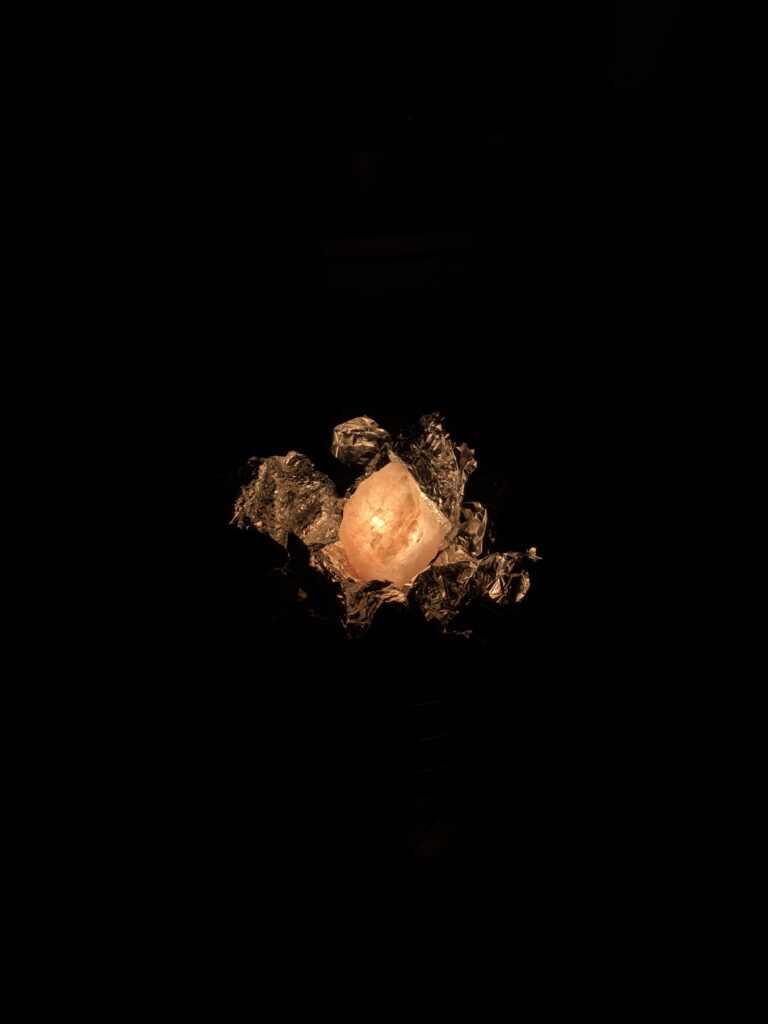
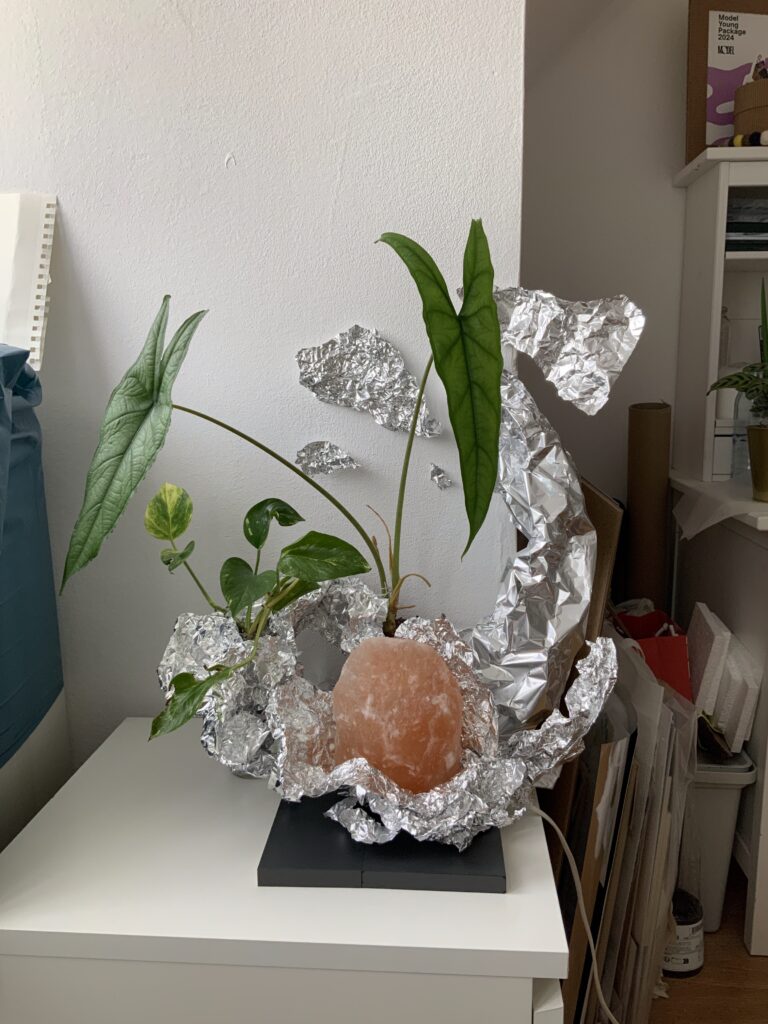
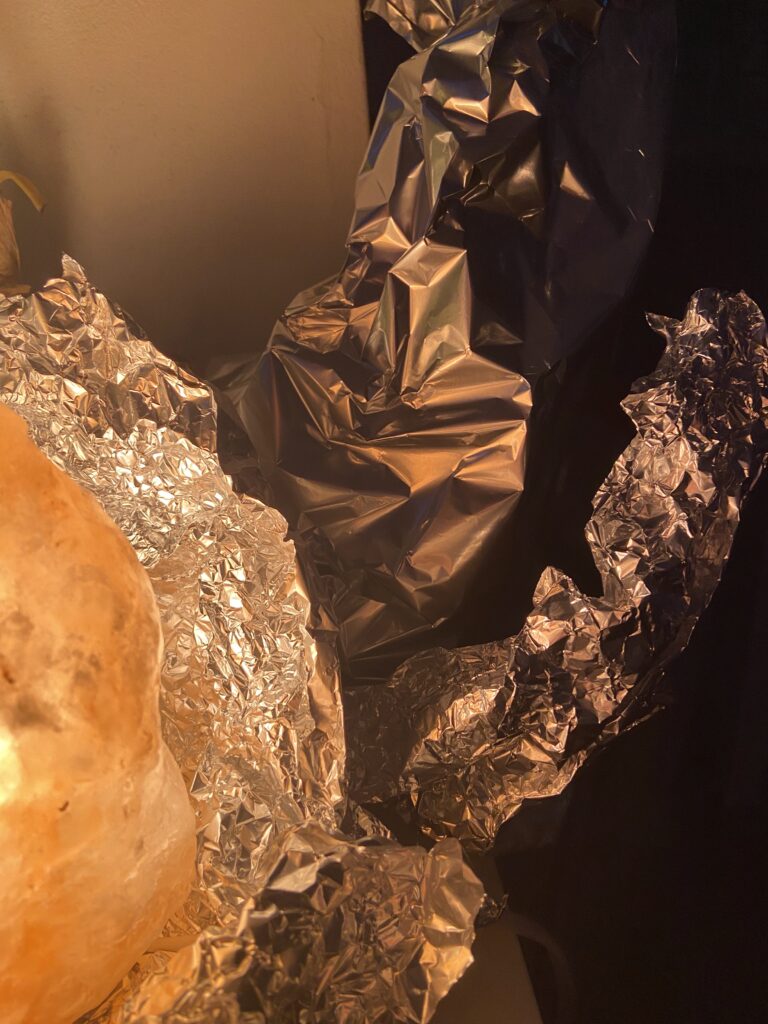
For the last three versions I wanted to balance out the aluminium foil with warm light and or plants.
I used the foil to model more complex shapes.
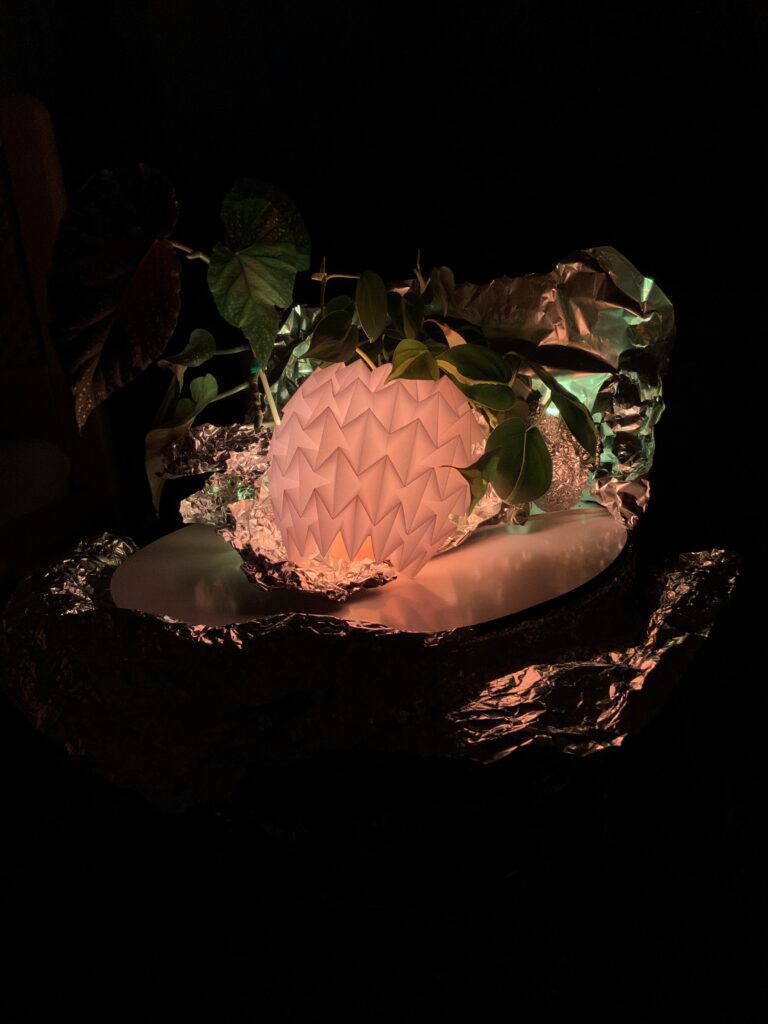
How it influenced my well being:
This one got me feeling like I’m guarding a dragon egg. = The origami enhanced the light diffusion but instead of feeling relaxed or am allowed to calm down, I felt a need to protect this weird “dragon egg”.
—————————————————–
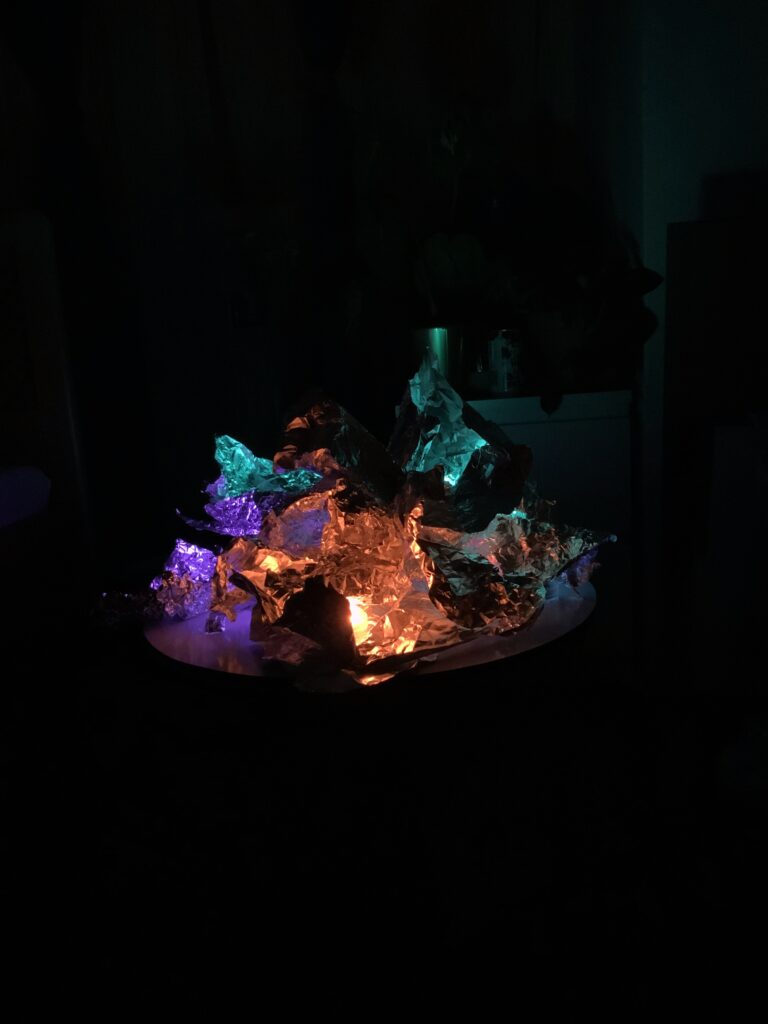
How it influenced my well being: Same as the aluminium cave
—————————————————–
—————————————————–
Idea collection:
The overarching theme is always the same: Create an intervention aimed at the students in the Studio (I am also including ID1 students for simplicity, because we are close by).
The question behind it should encompass the aspects of DIY-mentality/the determination of being able to do things yourself, the rejection of corporate controlled life, and cultivating a community which builds upon these values.
A potential question at this stage may be: “How can I cultivate a community of tinkerers?”
This question however implies that I am the central figure in leading such a community, which is not what I want.
Based on that the question could be modified into: “What supports the cultivation of a tinkerer community?” maybe “What does the tinkering community need to thrive?” or “What can we do to make tinkering more mainstream?”
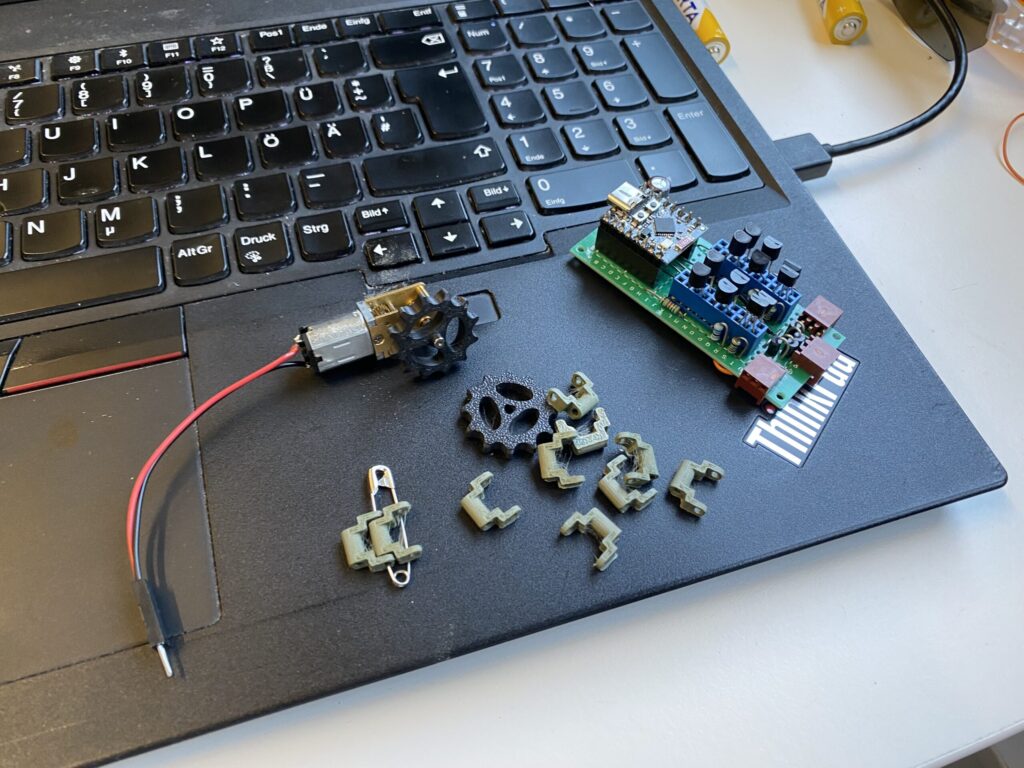
I have done a lot of different things over the holidays, but felt like I was going in circles.
What happens is that I pour time into projects, but these projects are so complex and involved from the outside perspective that it is really hard to engage for strangers. I end up doing things in my corner.
Clark has suggested that I do livestreams, that is, record myself working on the project, so I dont have trouble trying to formulate my progress into text and having to remember what it is what I did on what day.
This can also mean an live audience who can engage with whatever it is that I’m doing.
Self filming experiment:
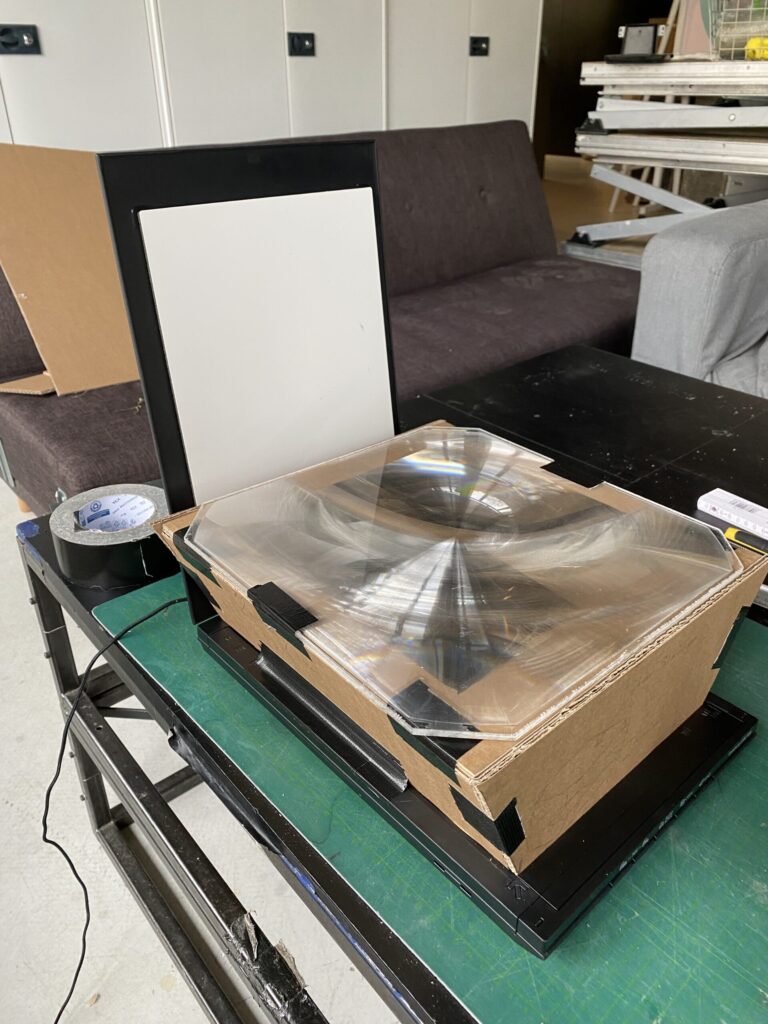
The finished thing.
Filming myself indeed helped to document it a lot better than trying to take lots of pictures and explaining in text later.
Feedback from presentation techniques presentation run on 2026 06 03:
My task as a designer (yes i’m a designer oh god)
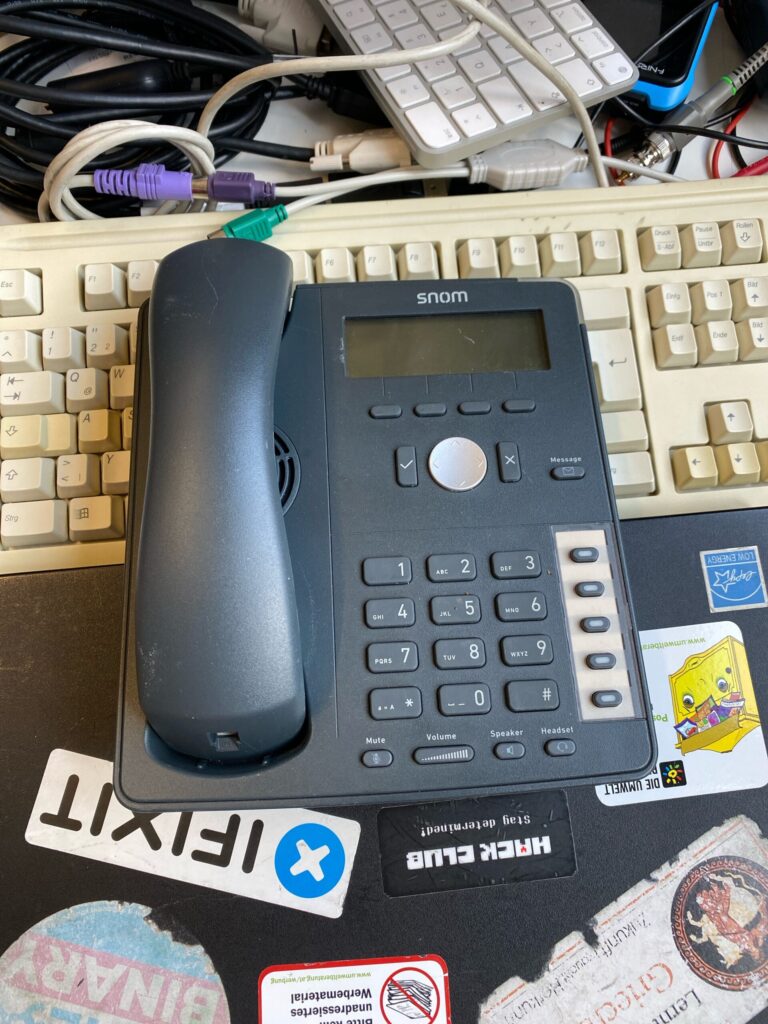
Design a thing that once the workshop is over, is still in tangible reach of the participants. That includes further info or a beginner toolkit they can take home, aside from the speaker itself, optimally.
Design a process through which the participants can engage, understand, and gain context to be able to independently continue tinkering.
Understand what keeps people away (or doesn’t) from engaging more critically with electronics.
How do I sell the coolness of repairing electronics?
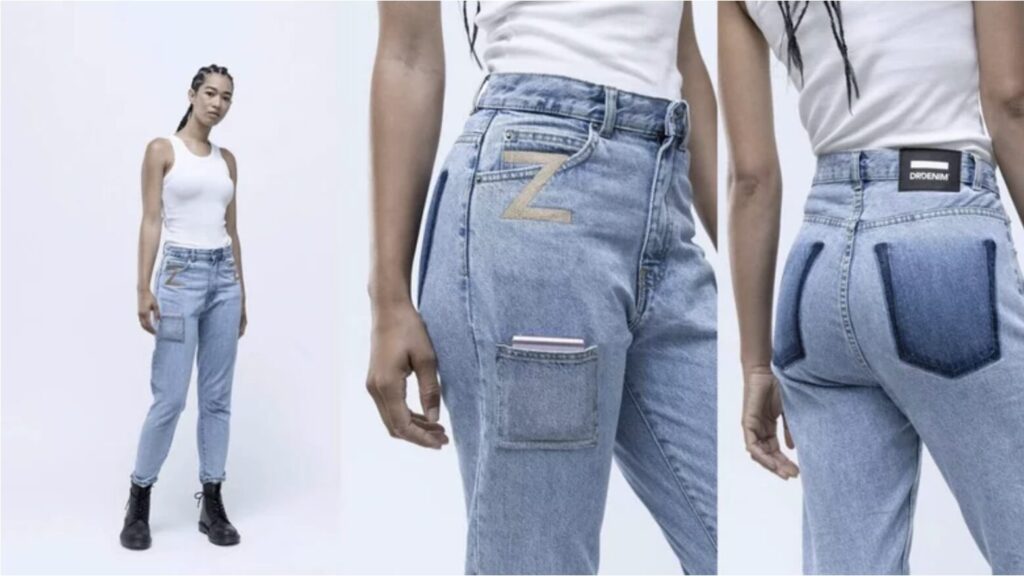
Trousers are like an extension of the body. They protect us from external environmental factors, and trouser pockets help us carry things. If we don’t have trouser pockets, we have to rely on other options, such as handbags, rucksacks or bum bags. Rucksacks are bulky, and handbags restrict our mobility. The closer I carry objects to my body, the harder it is to take them away from me.
Working-Class-Perspektive: Arbeitshose – Tools in den Taschen
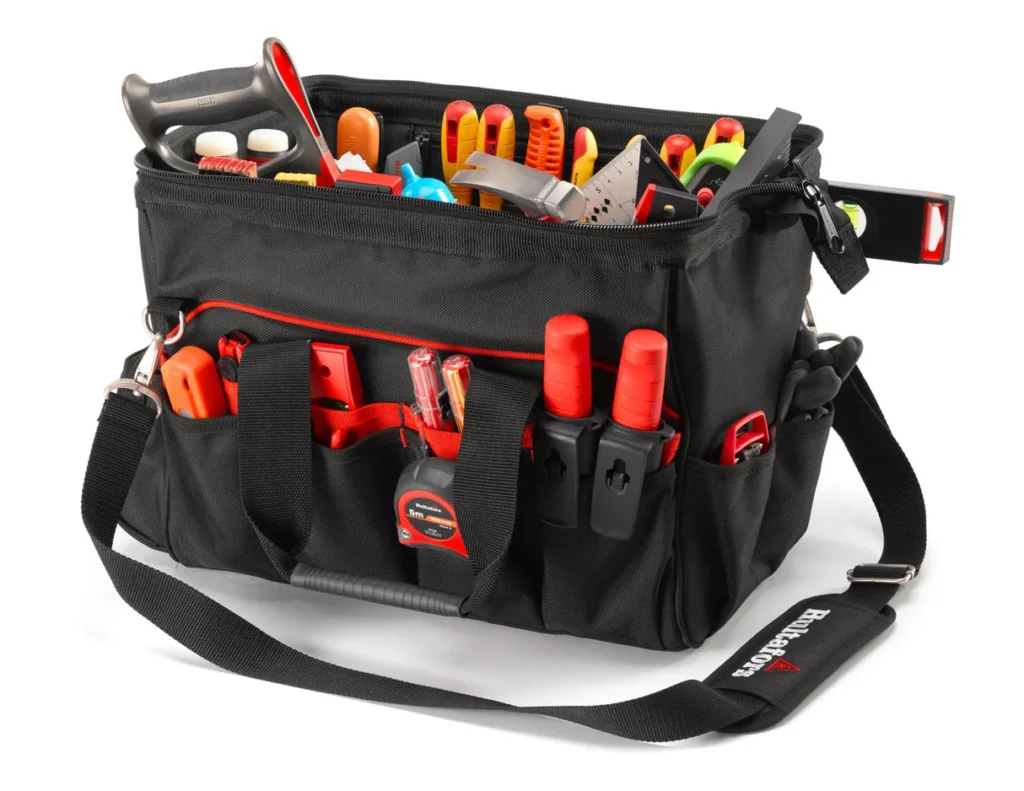
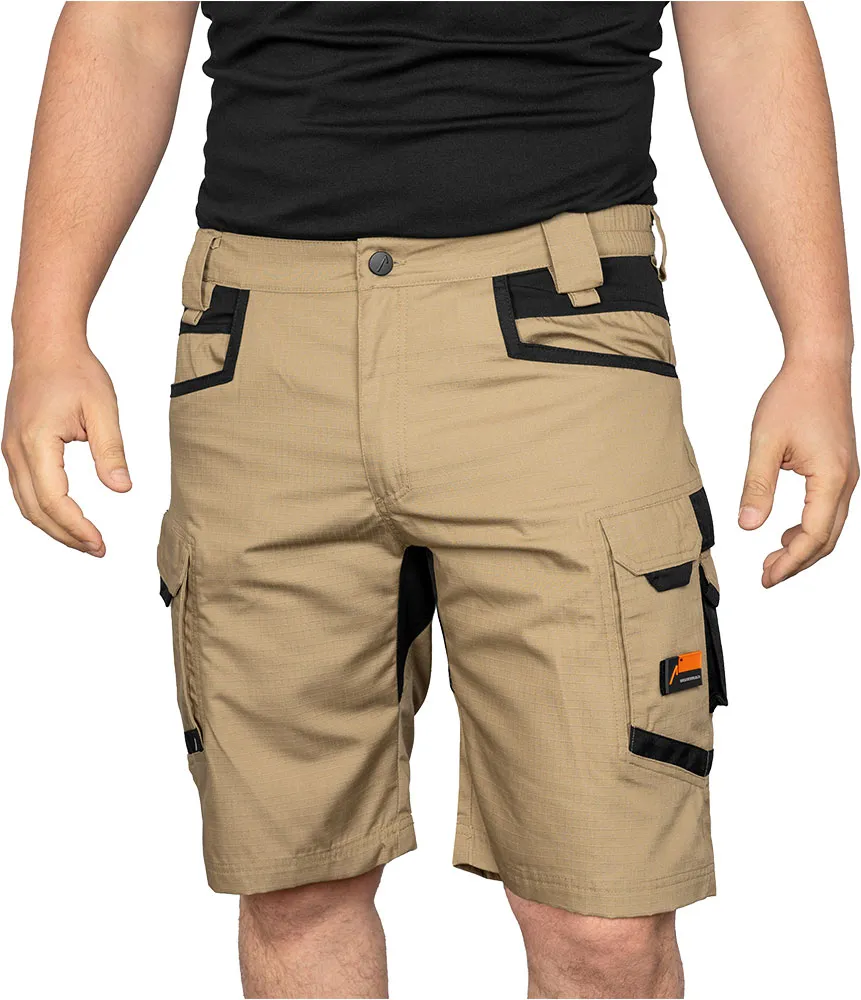
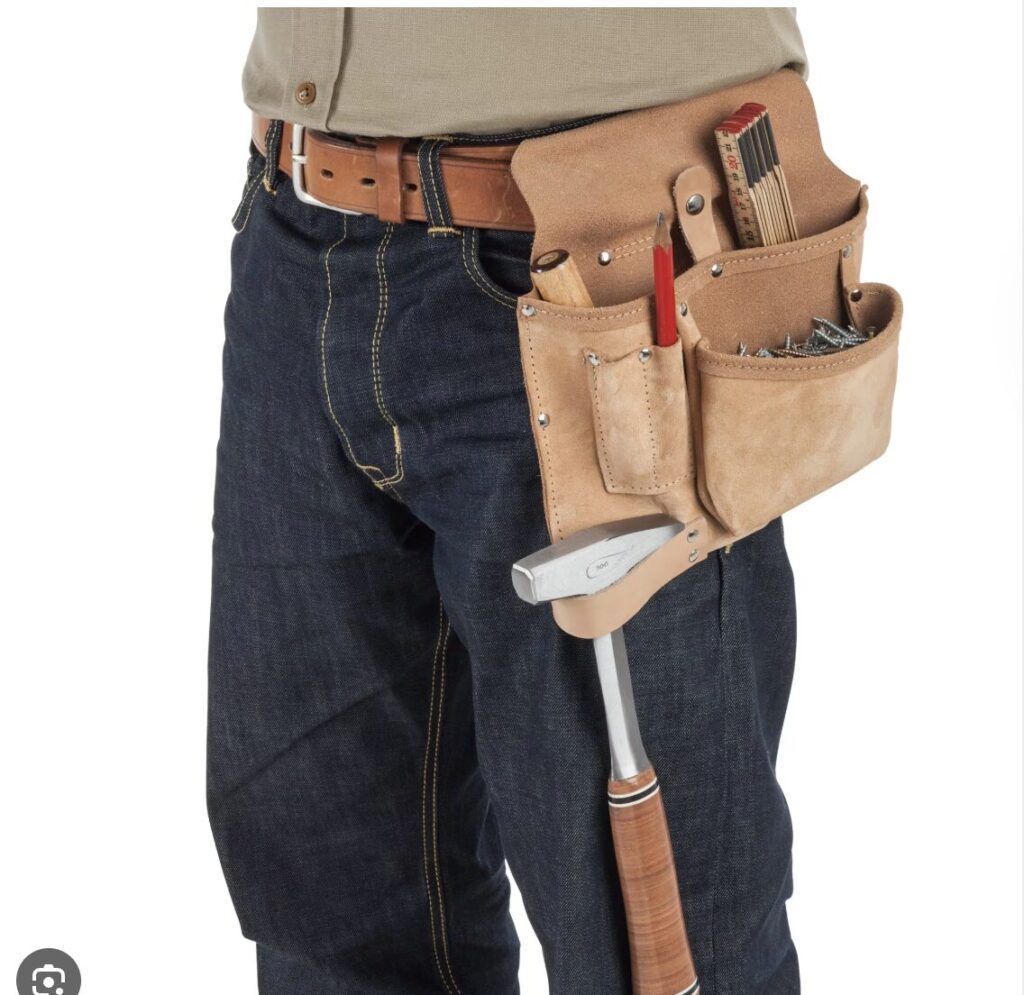
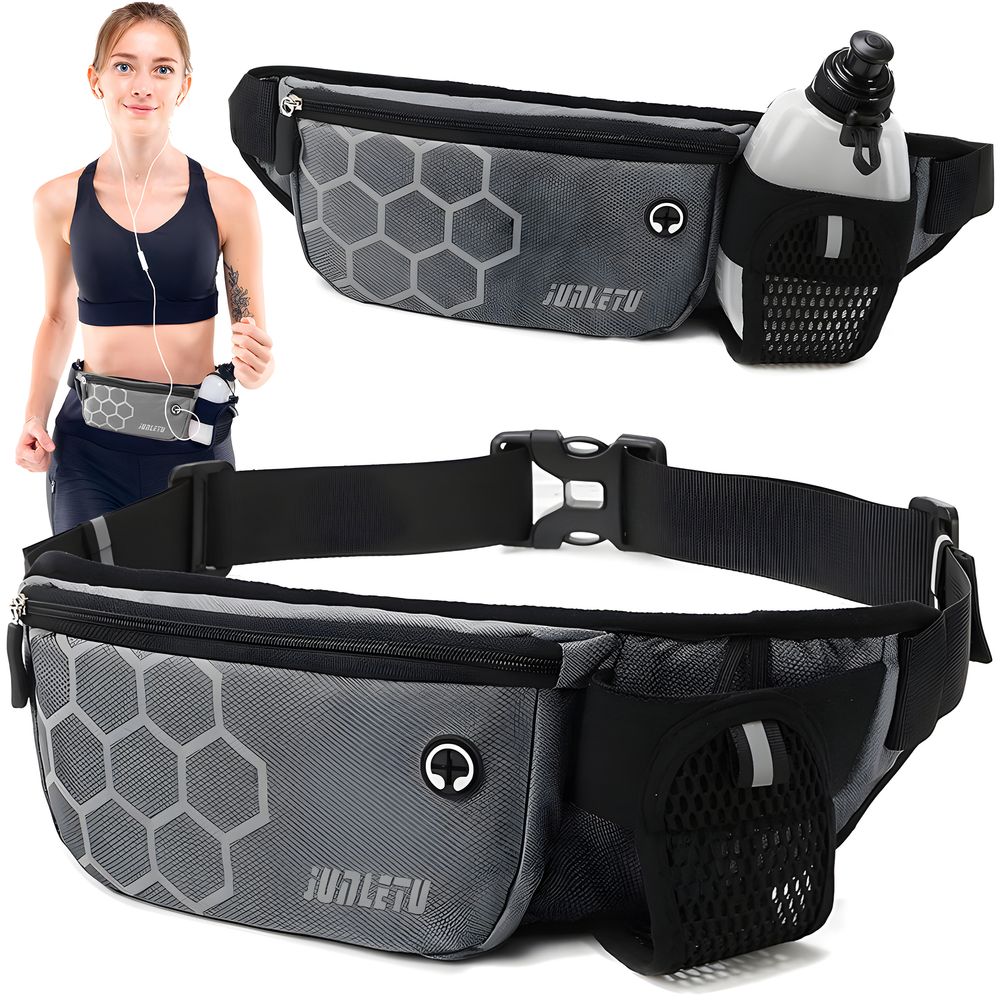
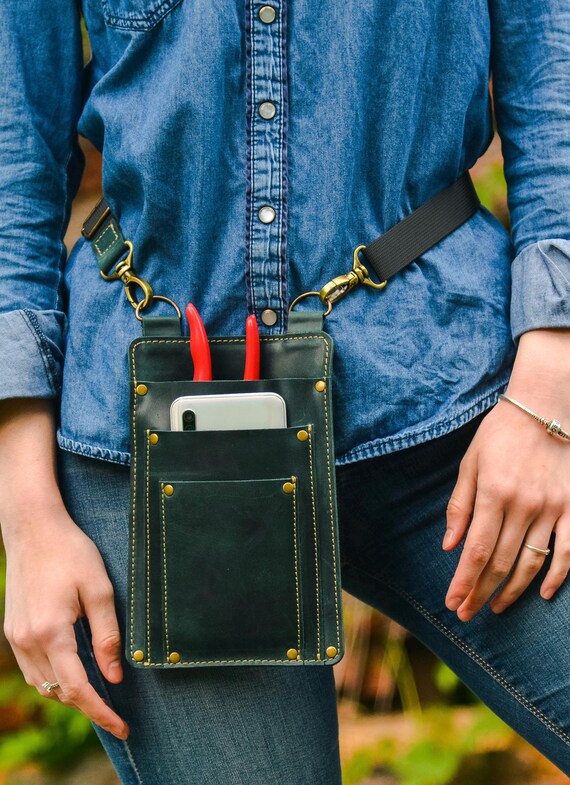
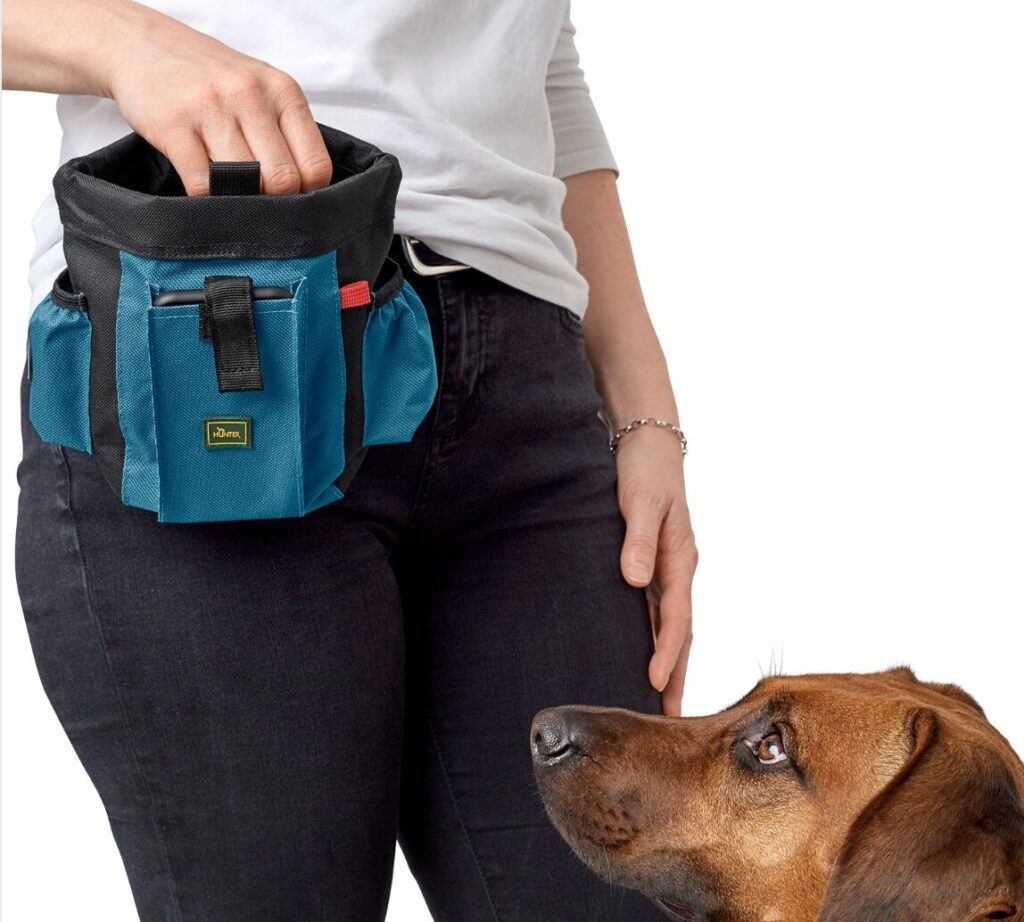
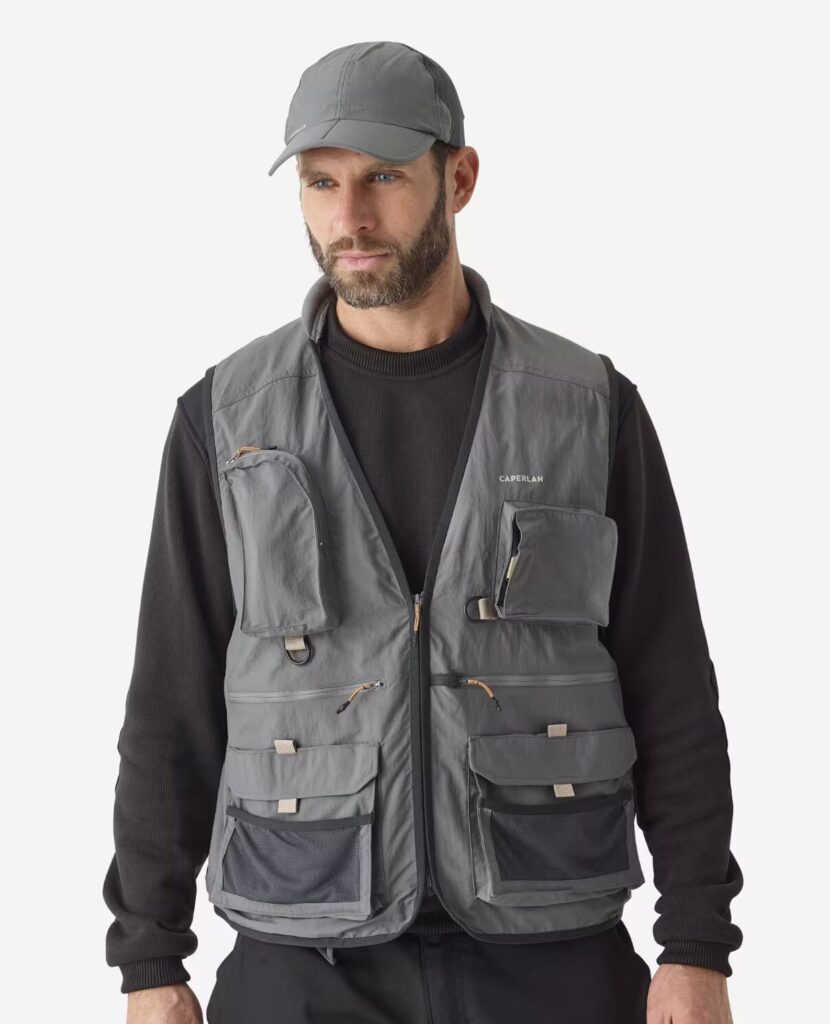
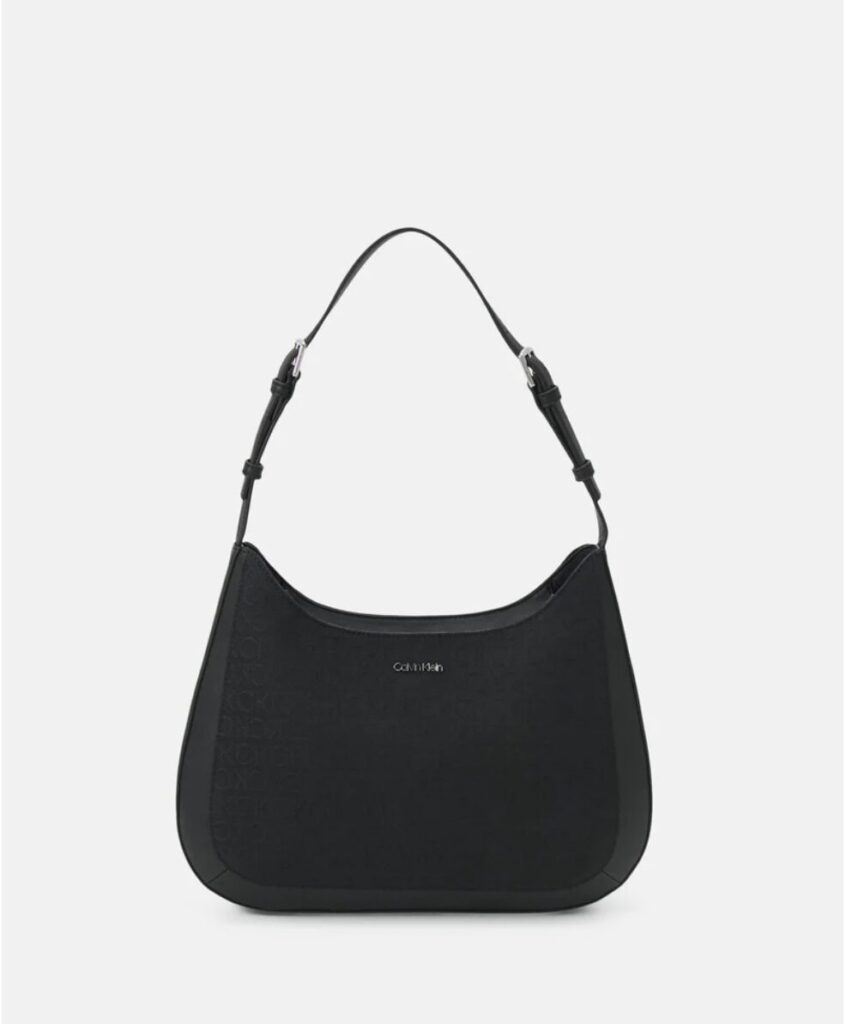
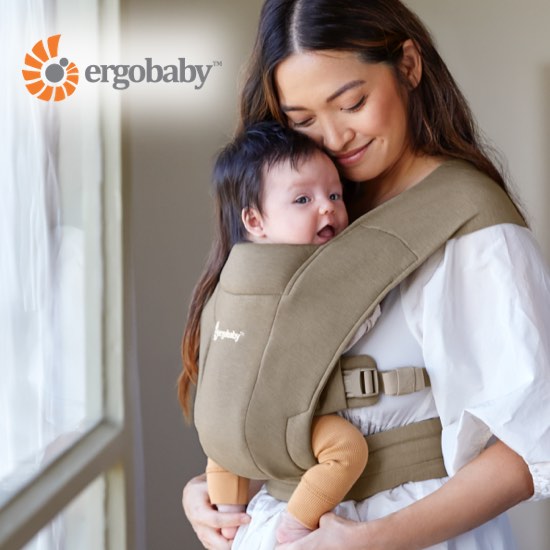

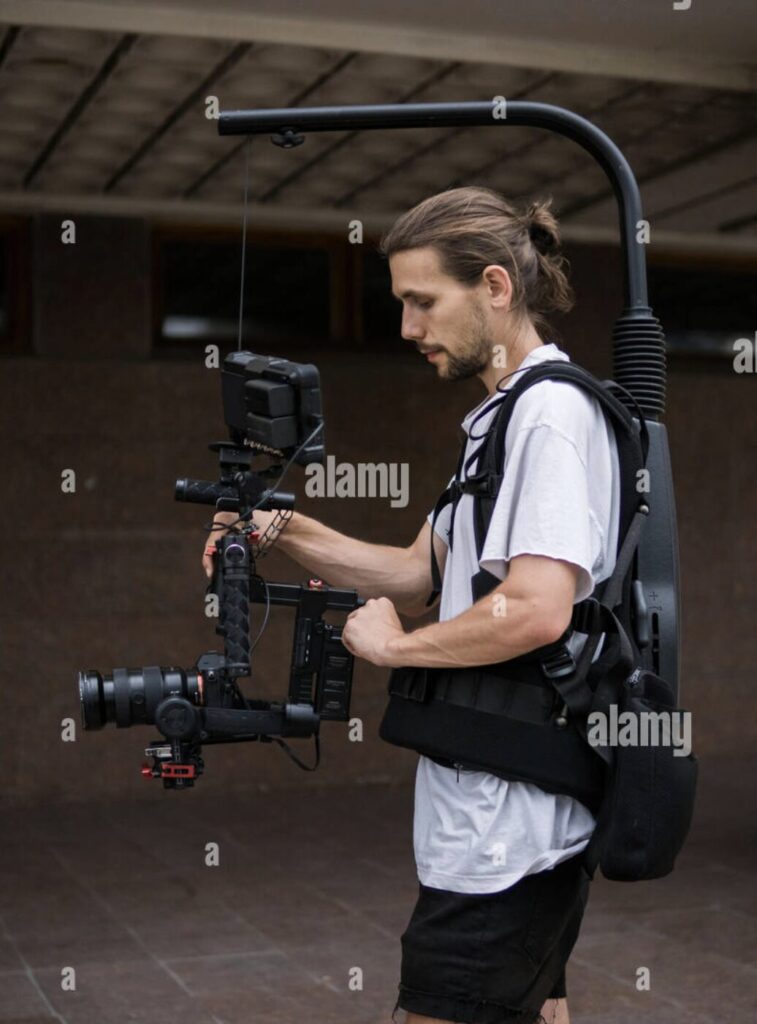
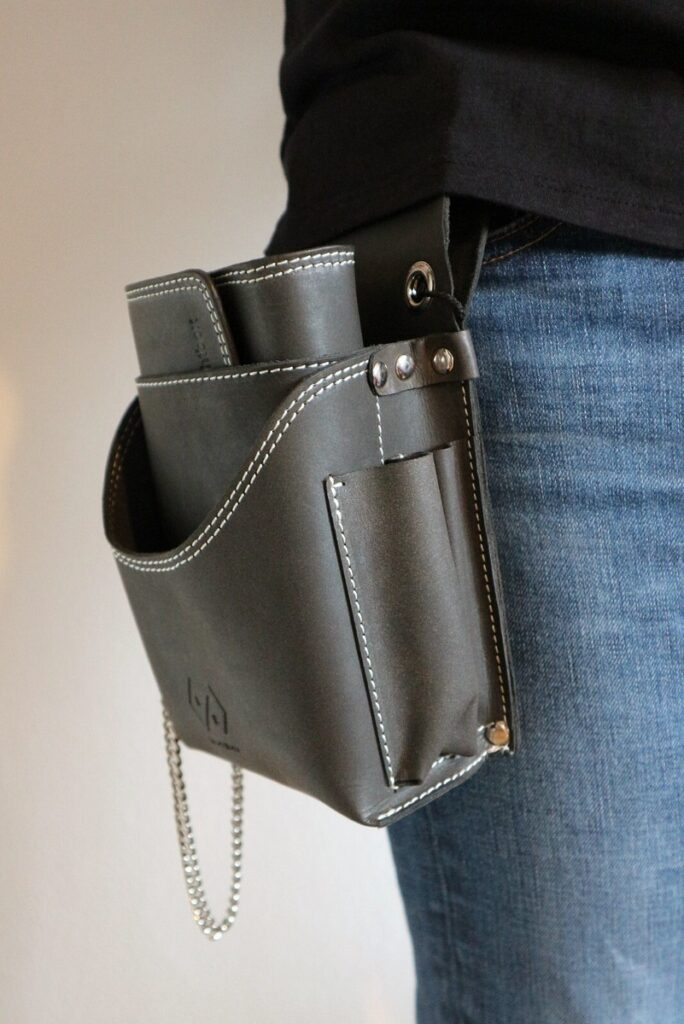
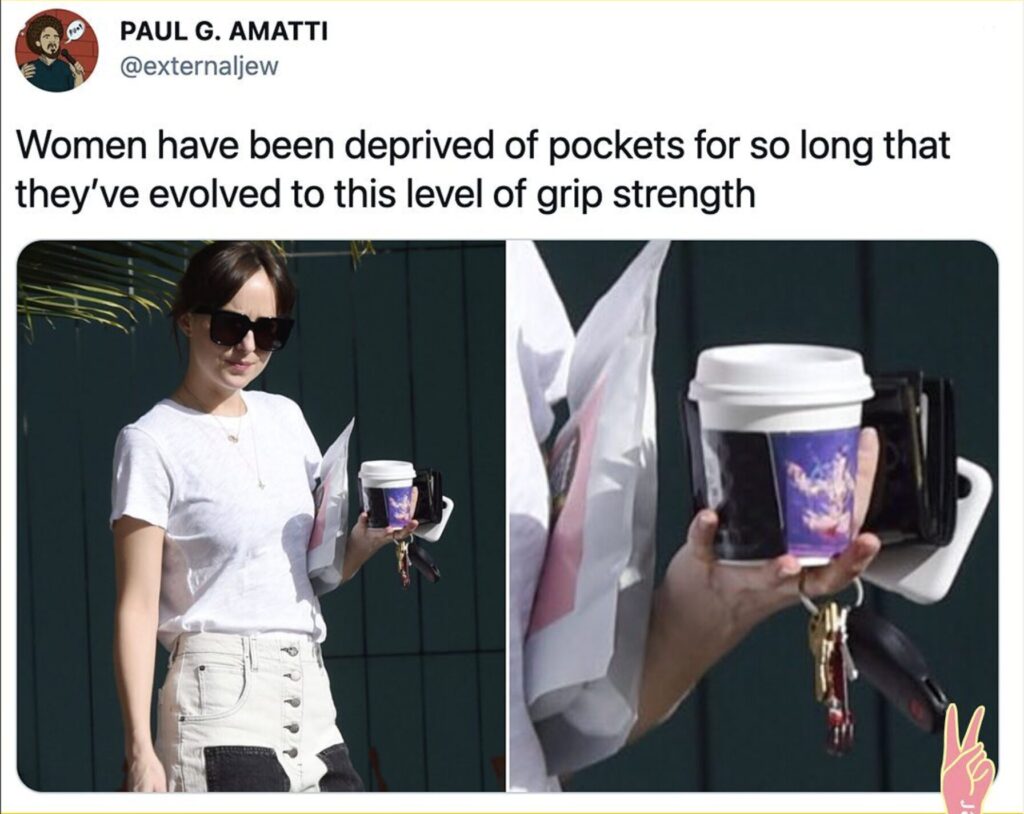
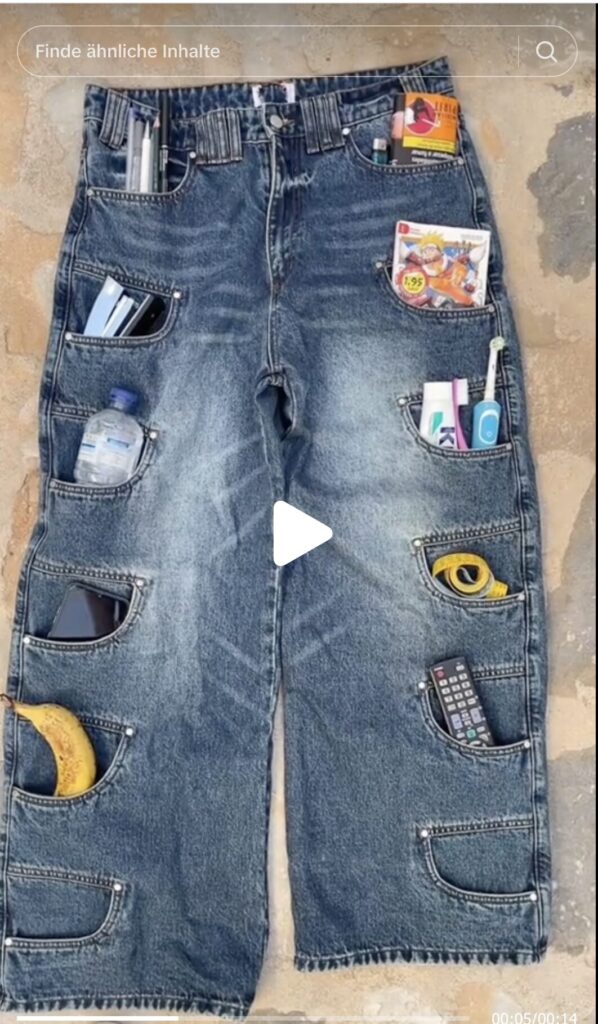
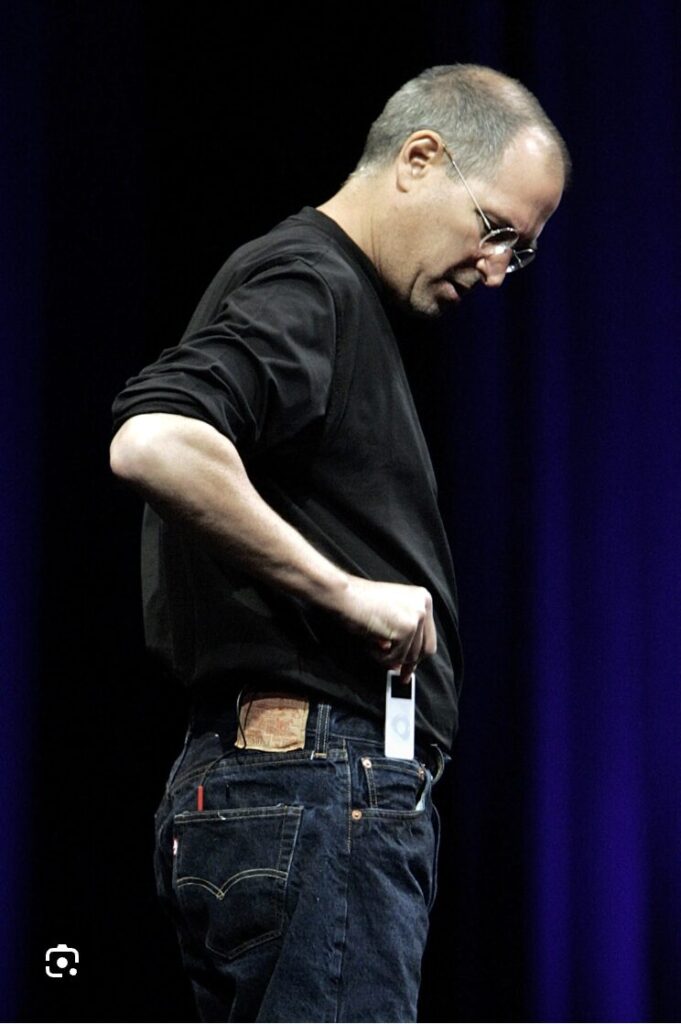
Jeans manufacturers made many empty promises to adapt their pockets to larger smartphones — without actually following through.
“Praktische Kleidung wurde während des Krieges benötigt, aber als er vorbei war, förderte Christian Diors neuer Look enge Taillen und volle Röcke sowie eine Silhouette, die auf eine traditionelle Vorstellung von Weiblichkeit zurückgriff.“
“Men have bags to carry things in; women have them for decoration.” Christian Dior 1954
Hosentaschen bei Frauen* sind kleiner damit die Kleidung schöner um den Körper fällt. what if – bewusste nicht ästhetik der Körperform?
Historisch: Damals wurden Frauen auf den häuslichen Bereich beschränkt. Das heißt: Sie sollten sich gar nicht so sehr in der Öffentlichkeit bewegen. Somit entfiel die Notwendigkeit, Gegenstände mit sich zu tragen. Im Haushalt ist der Aktionsradius gering.
Politics of Space : https://www.re-thinkingthefuture.com/architectural-community/a14450-the-politics-of-space-architecture-as-tool-of-power-and-resistance/
Gedanke: Die Welt außerhalb wurde für den arbeitenden Mann gestaltet, auf materieller/infrastruktureller so wie auf sozialer ebene
Privat vs. öffentlich → Was wird verborgen?
Kontrolle & Gender → Warum haben Frauen oft keine Taschen? Körpererweiterung → Tasche als „zweiter Körper“
Mobilität & Macht → Wer kann Dinge mit sich tragen?
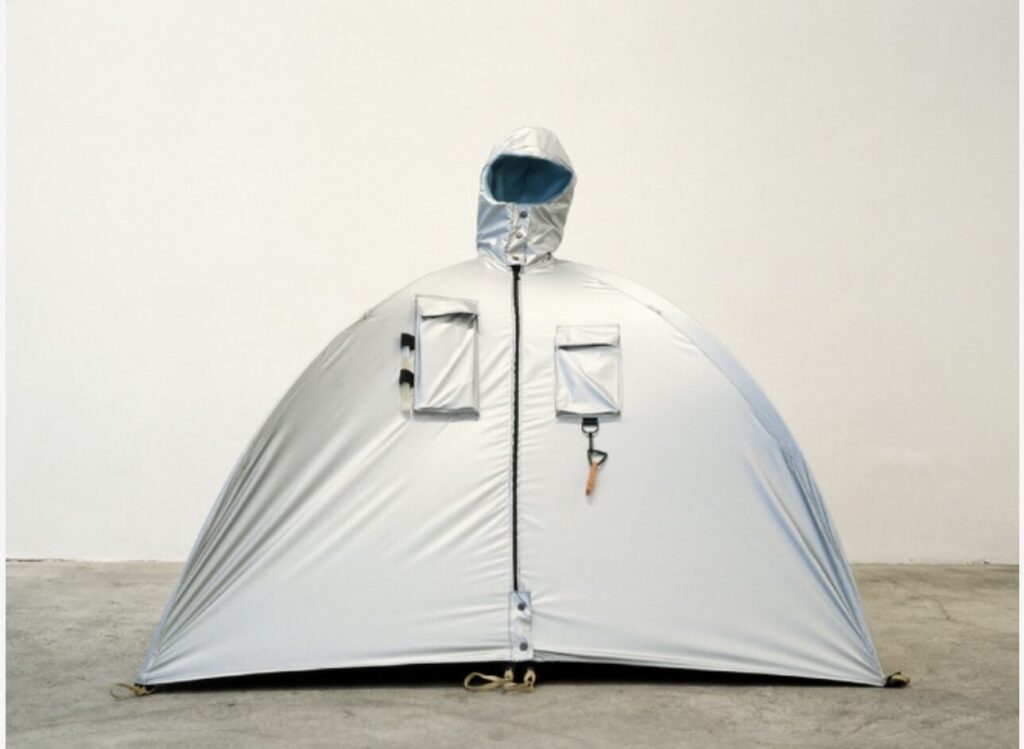
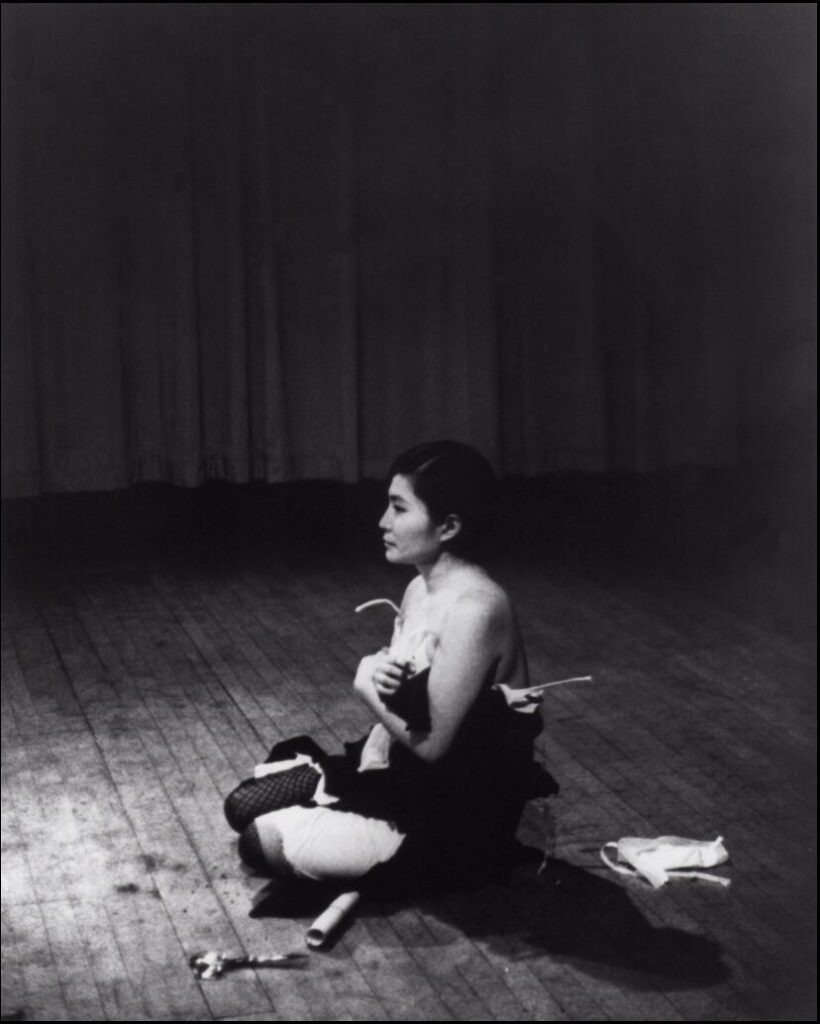
Raum einnehmen
other Artists to look in to: Mierle Laderman Ukeles