2026S Design a Chair

  • Mia Diploma

    By

    Mia Tešić

    TOPIC

    responsible design in inclusive education
    CONTEXT

    started working in a school for children with special (educational) needs in December – always been interested in the school sector and working with kids – first time I feel like I have a meaningful job    – learning by doing – idea behind doing the work: contribute in a creative, hands on way and bring in new ideas and perspective that might be helpful – school very supportive in me doing my diploma with them (I am there making myself useful they don’t have to pay me except for one day a week = win win)

    With this project I aim to explore how design can support inclusive learning environments for children with cognitive disabilities. I strongly oppose designing about the children or using them for only visibility. Instead I want to use this semester and the process of designing or imagining collectively as a learning opportunity to investigate what/how my contribution could be/look like.

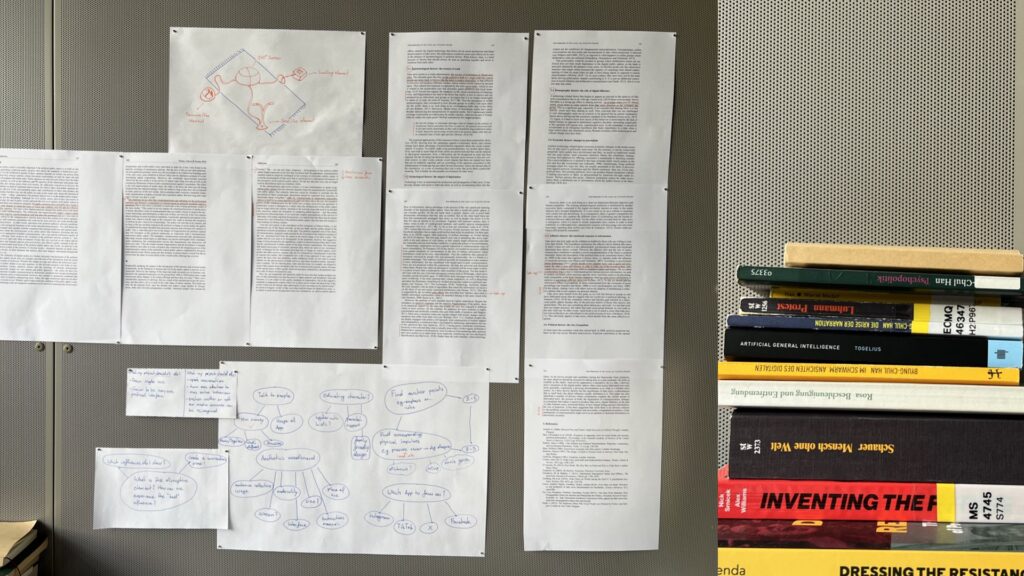
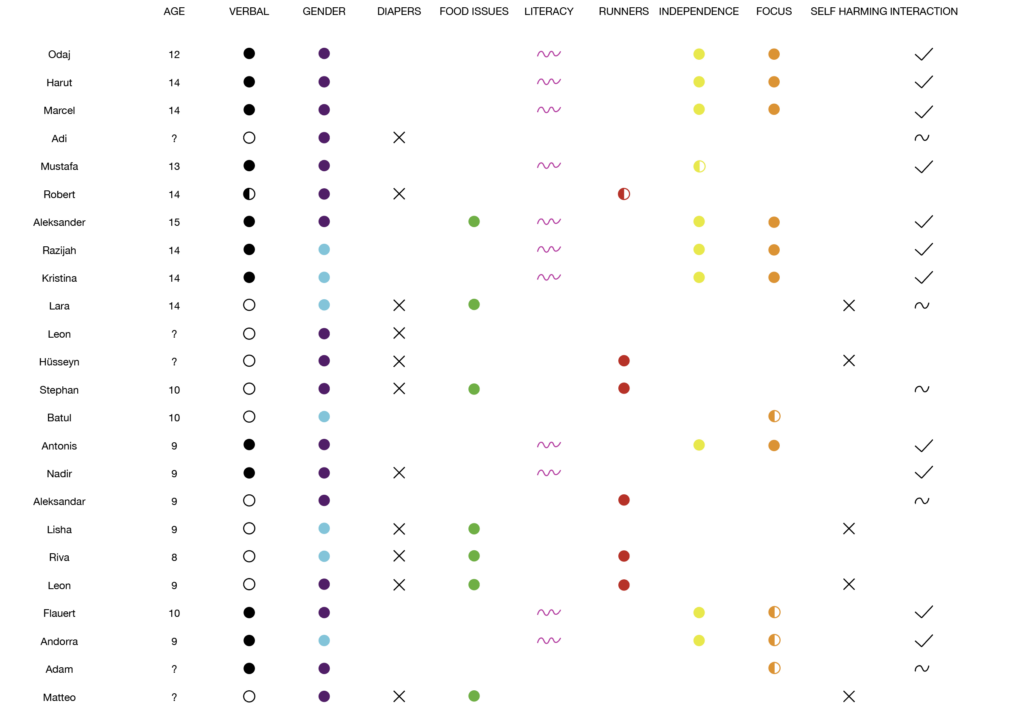
    MAPPING OUT COMPLEXITY OF NEEDS/ABILITIES/STRENGHTS/…
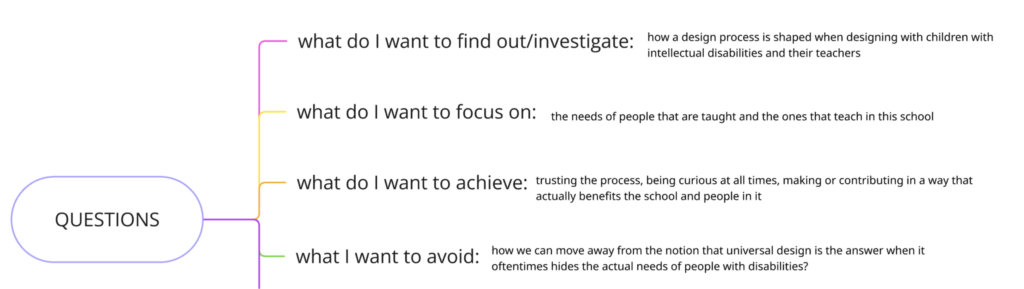
    QUESTIONS
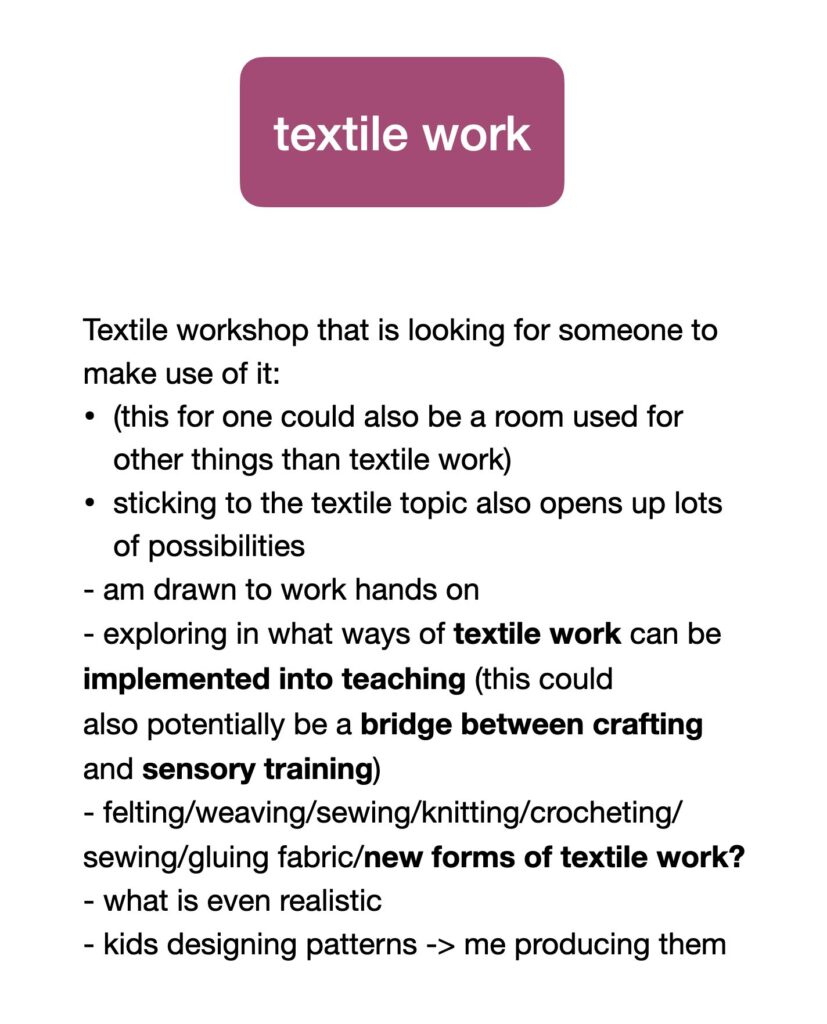
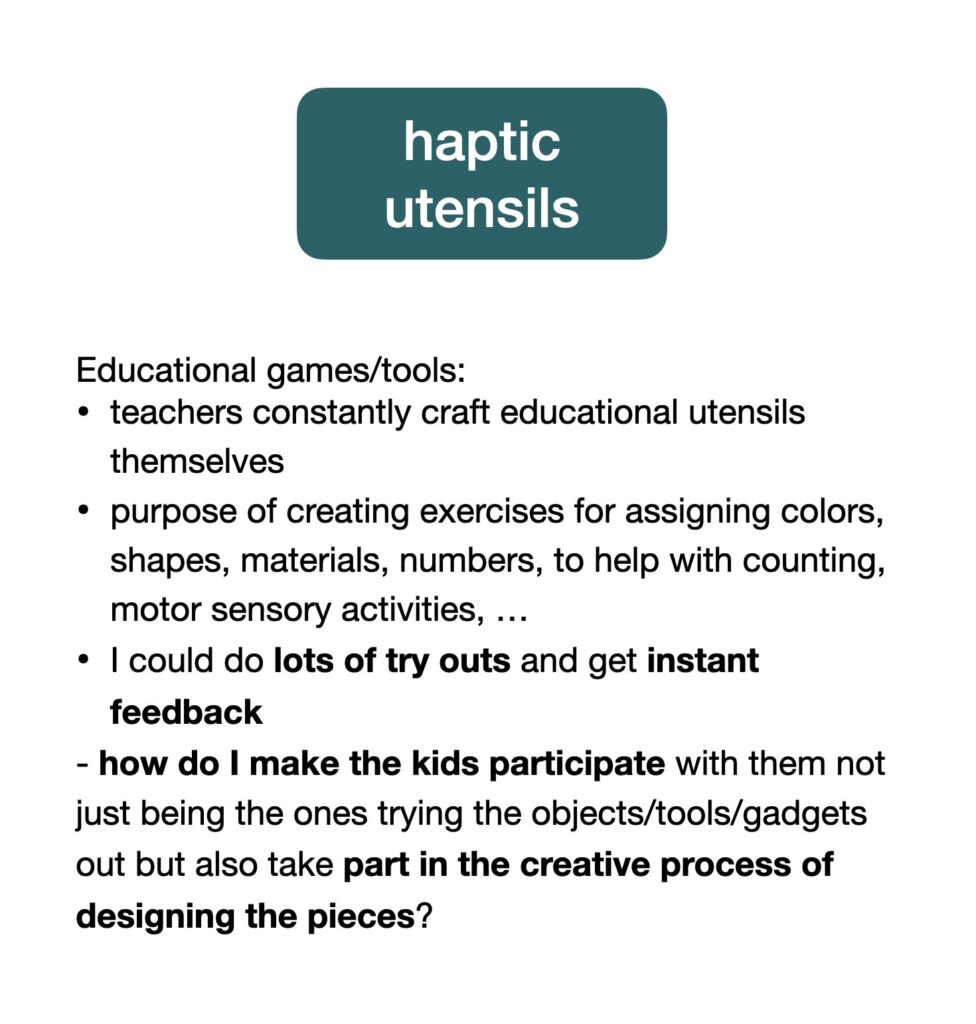
    THREE POTENTIAL DESIGN DIRECTIONS
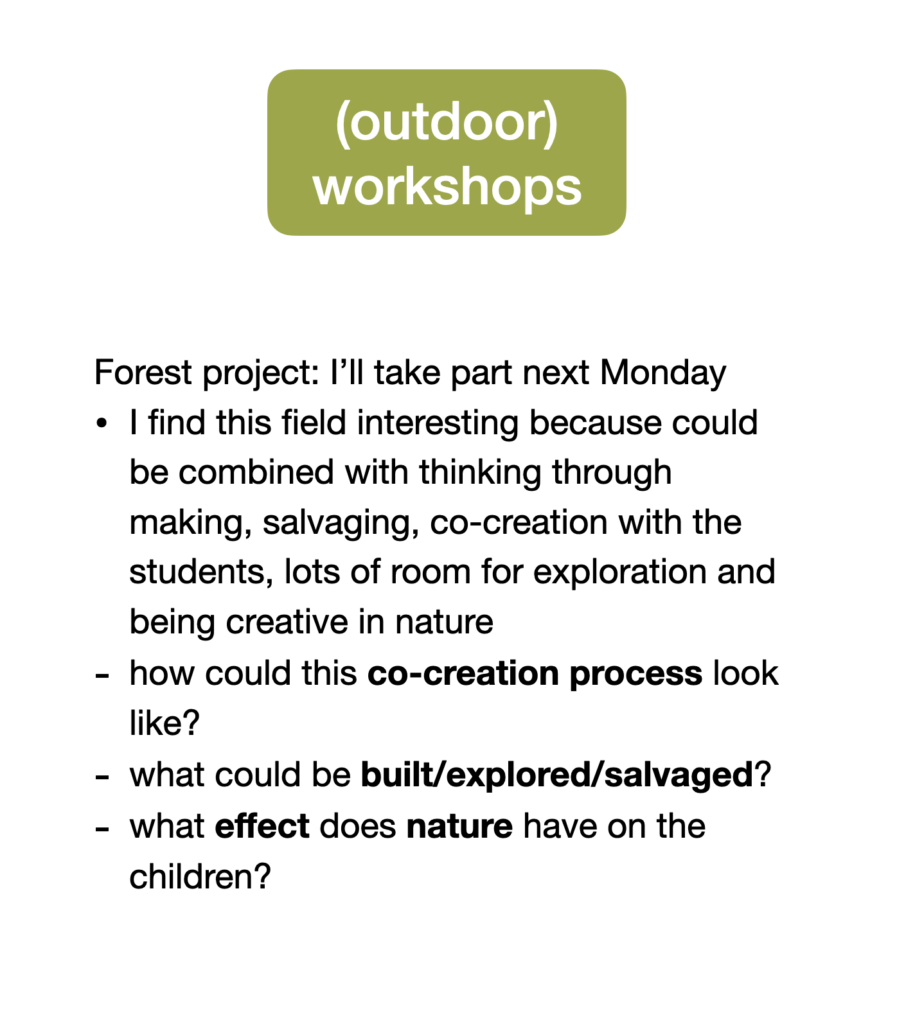
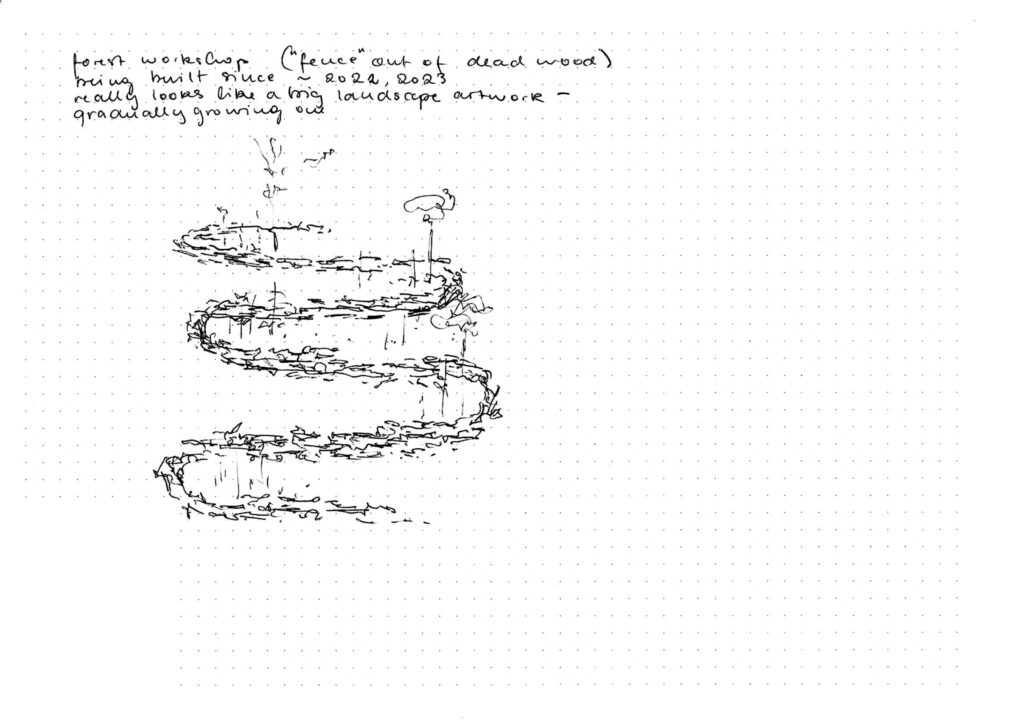
    sketch of dead wood fence (forest excursion)
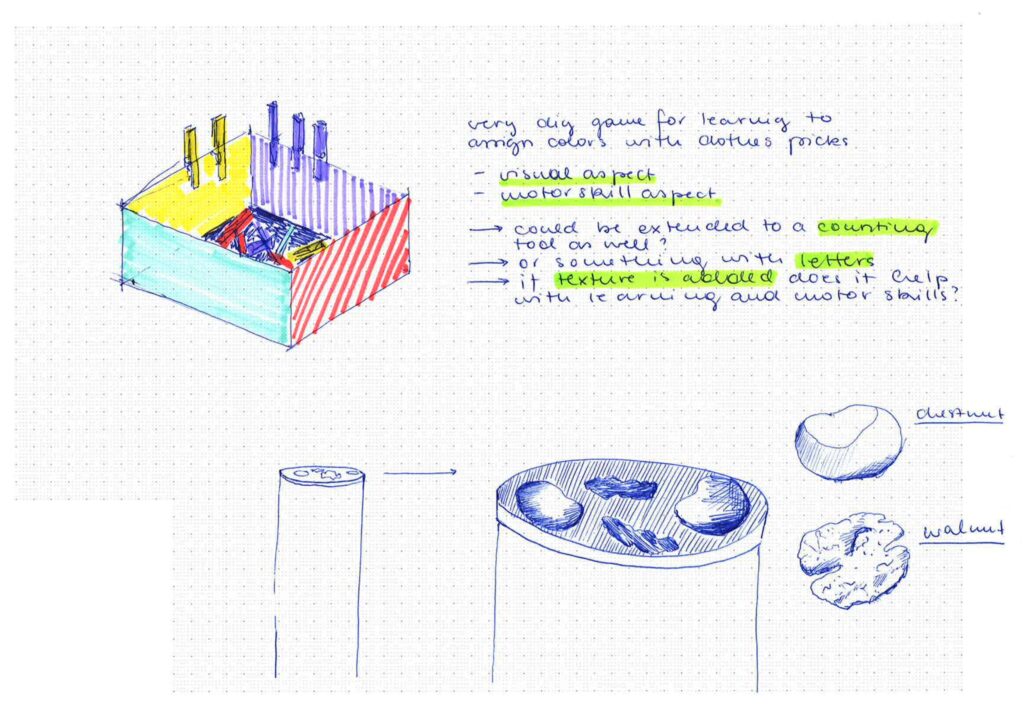
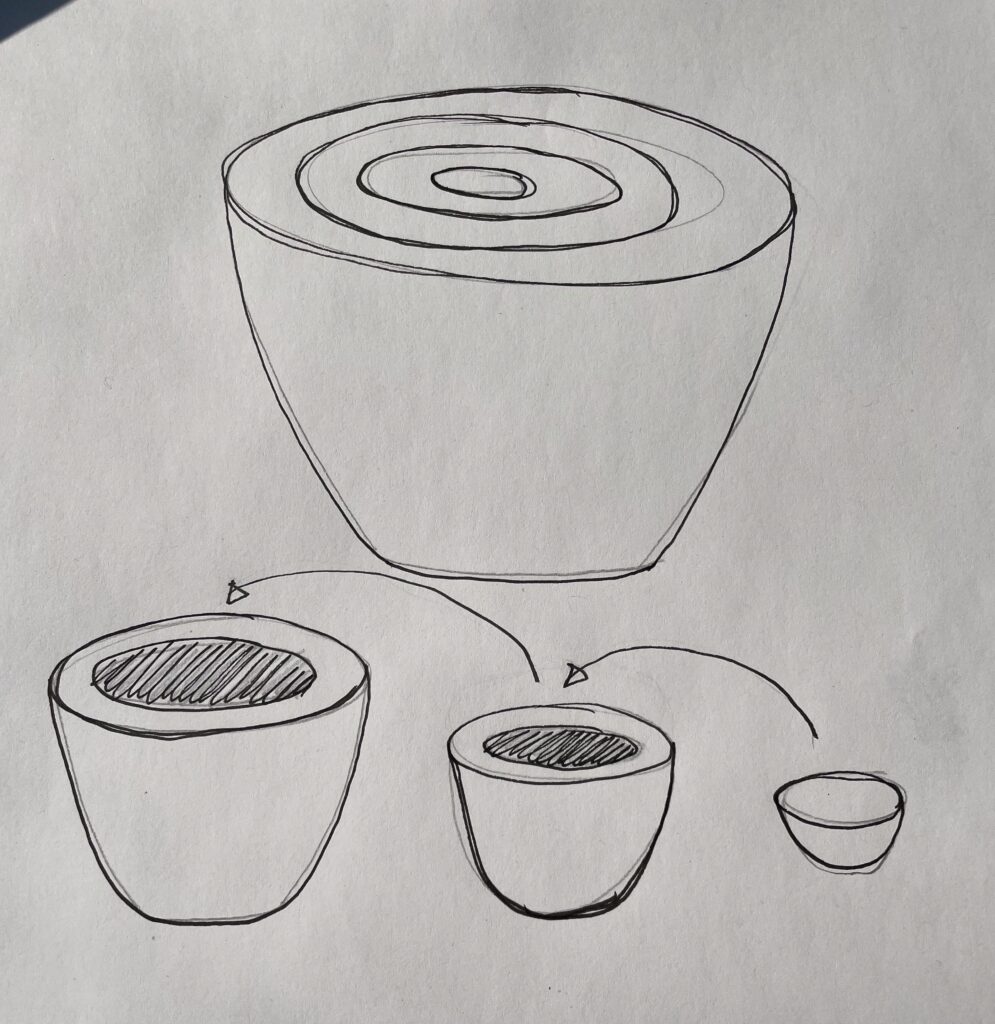
    sketches of already existing educational tools (self made)

    RESEARCH

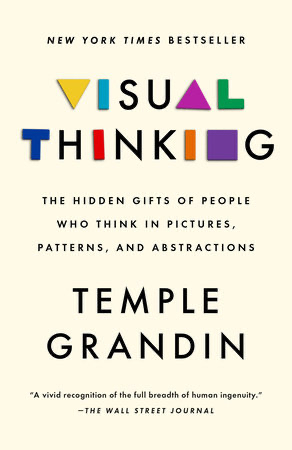
    Temple Grandin

    podcast about visual thinking, learning and key points I found:

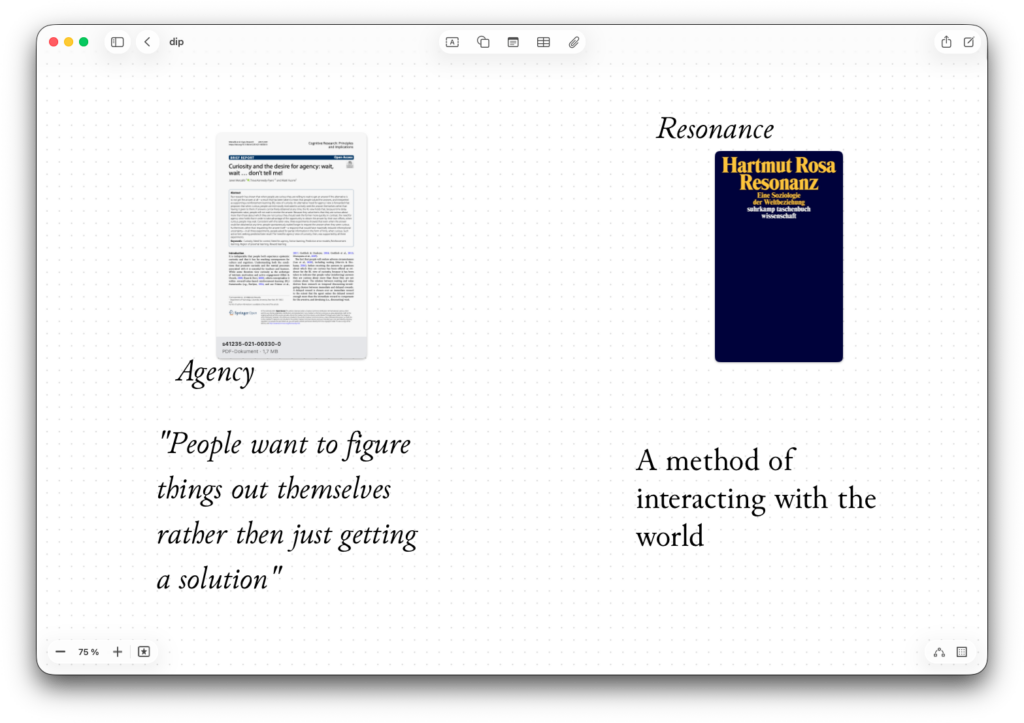
    1. sensitivities are about control (light, visual, touch, noise, … -> lots of neurodivergent kids have difficulties with these things but when they get to control them it shifts the whole topic -> AGENCY)
    2. exposure such an important topic -> oftentimes for children with SEND they are in an educational environment that works in a certain way where there is a lack of exposure when it comes to certain sides of what can be experienced. Neurodivergent children and children with autism (she claims) should get an insight into: cooking, sewing, wood and metal work, welding, music, theater/play, auto mechanical work, technical drawing, art;
    I have access to: things/disciplines/techniques/materials/workshops the school does not have -> how can I apply this in my design and show something new
    MULTISENSORY INPUT

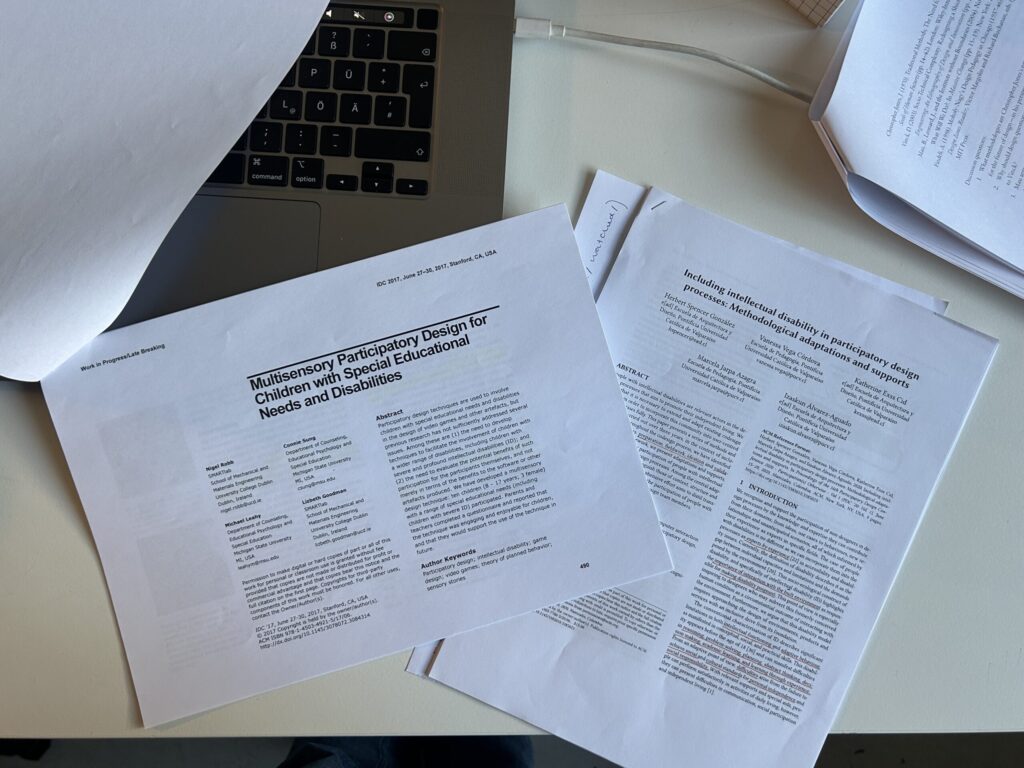
    Development of multiplayer video games and multi sensory stories together with children with special educational needs and disabilities (SEND).

    multi sensory interventions have a large effects on adaptive behavior for people with ID

    important: sense of empowerment, enjoyment, increased confidence and improved social skills. A questionnaire was used (teachers and parents filled it out) -> theory of planned behavior (intention to perform or permit behavior) was tested as well. It worked in the way that they had a sense of control, changing the attitude of what’s possible to make, normalizing creative experimentation as part of their practice, and building their confidence to try things themselves.
    CONCLUSION

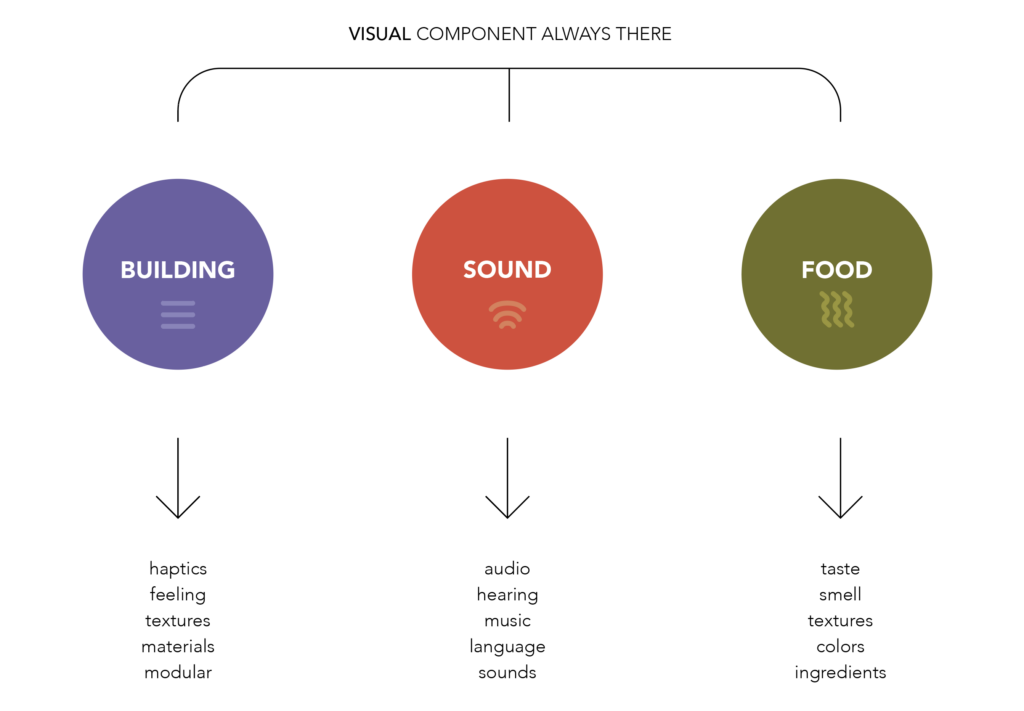
    wide range of input and experiences add to engagement and learning in school (,,broadening horizon” to what’s possible)

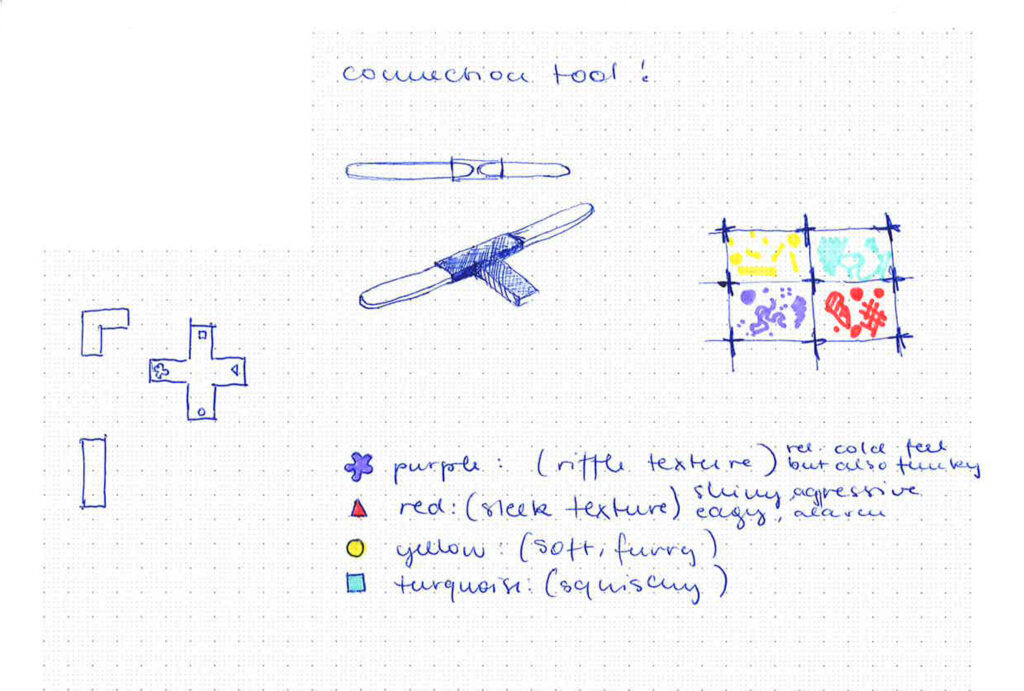
    I try to offer a range of things I’ve already done in my studies at Angewandte particularly through DI projects through a collaborative process where I do try outs and experiments from each sector every week (document those, reflect, …)
    JOURNAL
  • Tutorial 13.3.2026

    By

    Valentin Hofer

    ,

    Dagny Maria Sand Haarberg

    and

    Krystyna Yampol

    Where are we now?

    Topics

  • 20.3.26

    By

    Max Kure

  • Tutorial 20.03.26

    By

    Angela Neubauer


  • Diploma Week 1+2

    By

    johannes_lotze

    Research Inquiry

  • Tutorials March 20th

    By

    Anton Haberl

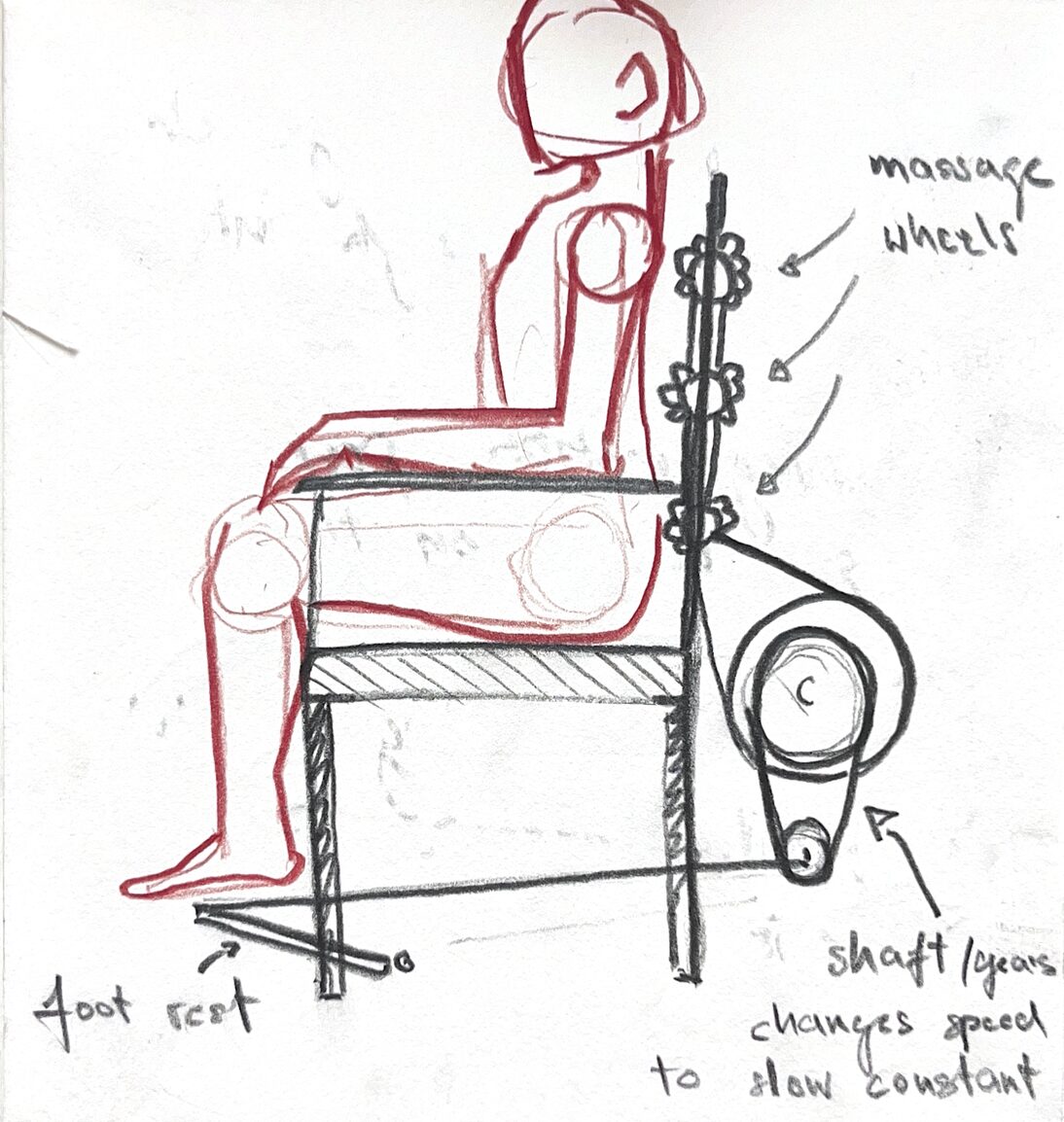
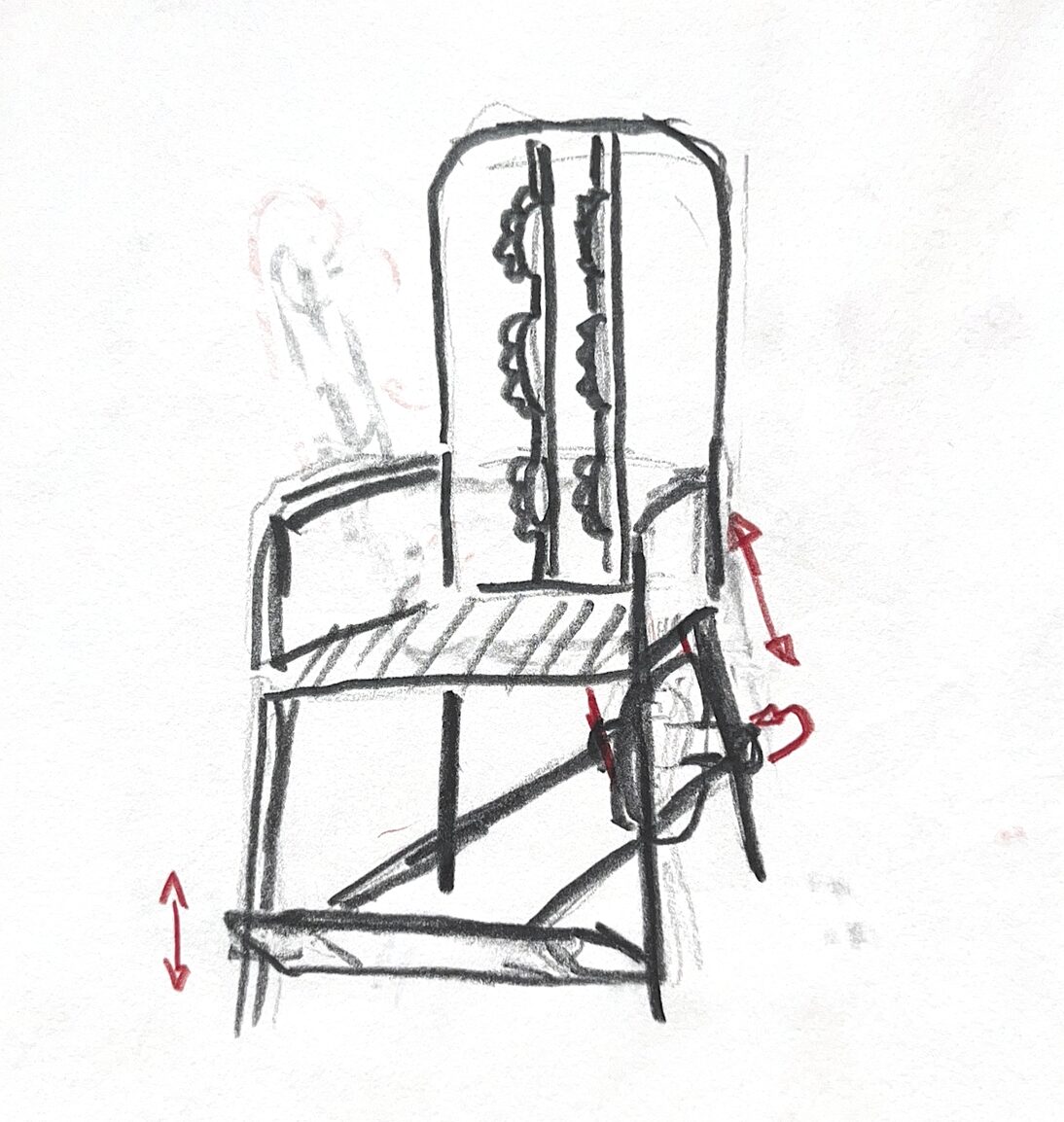
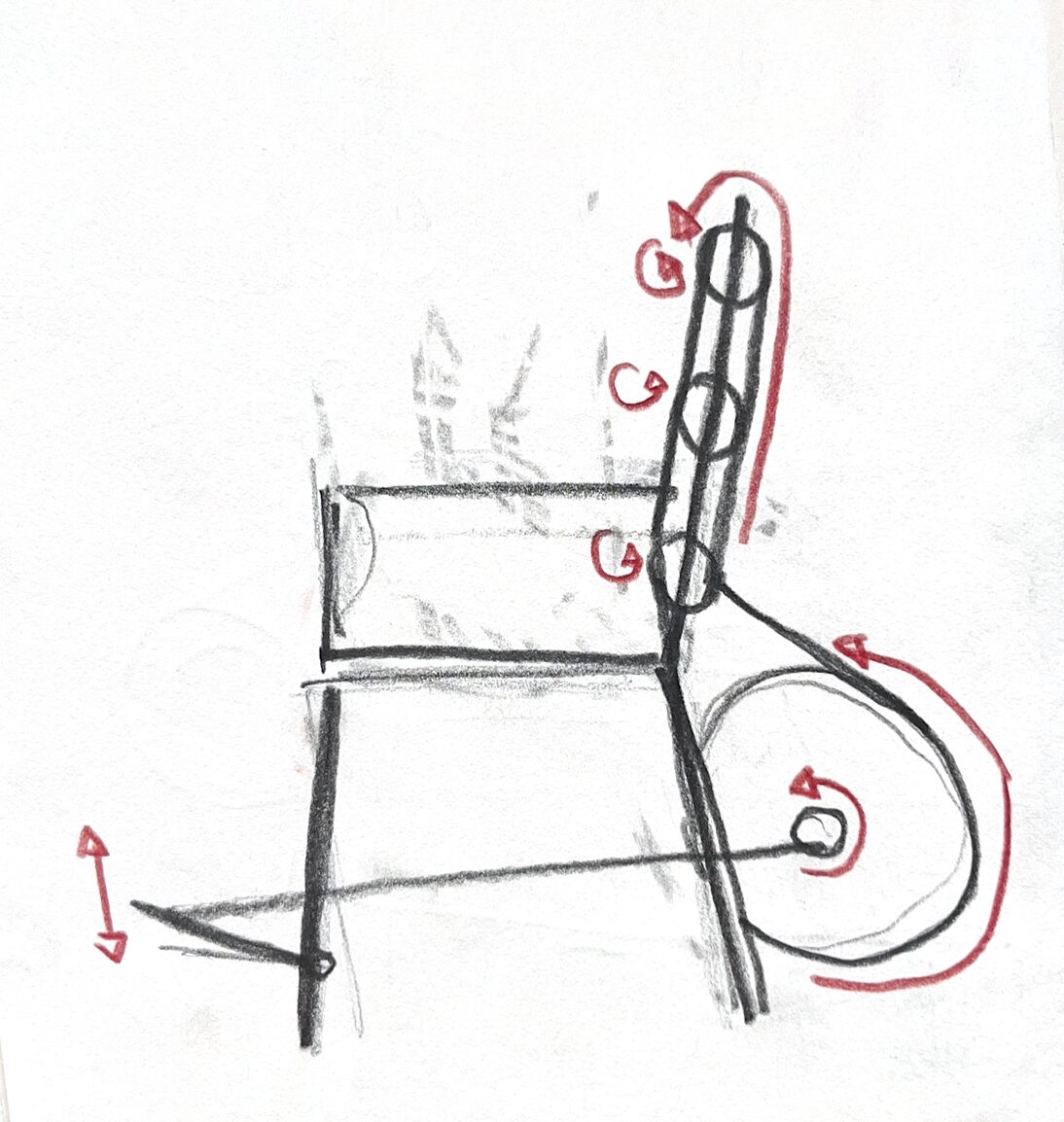
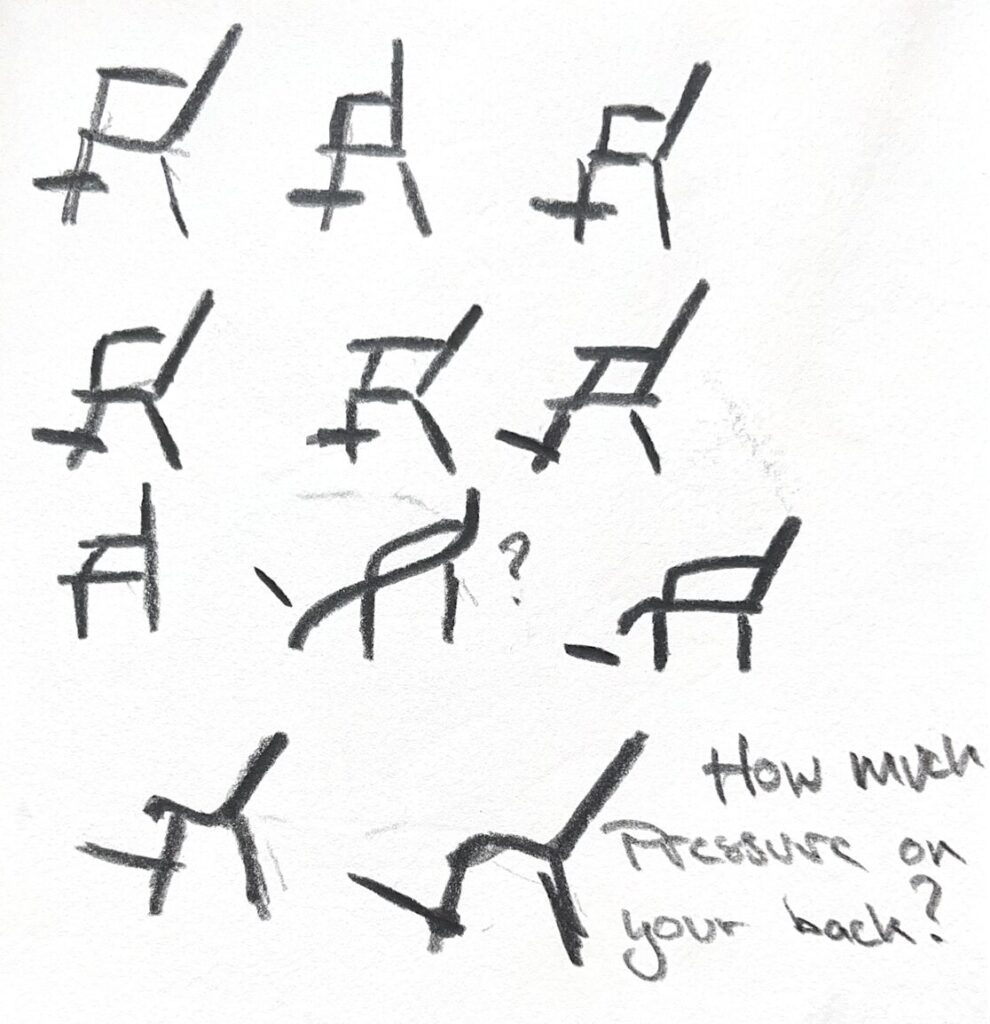
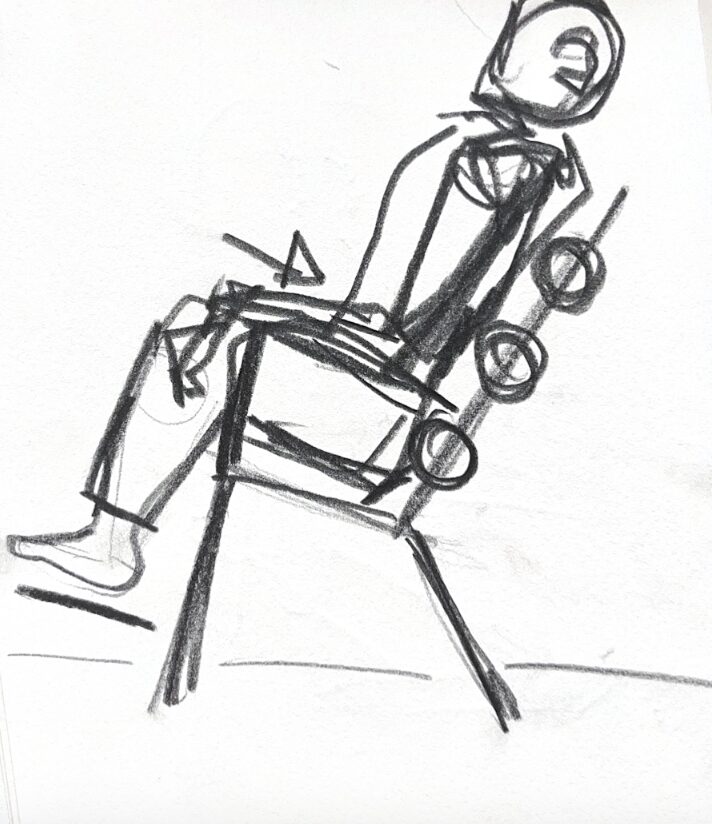
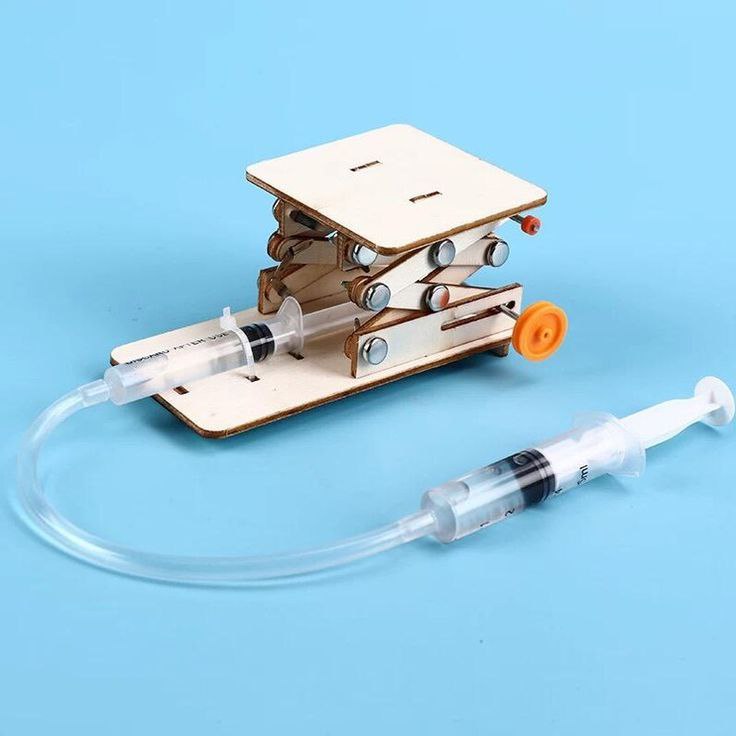
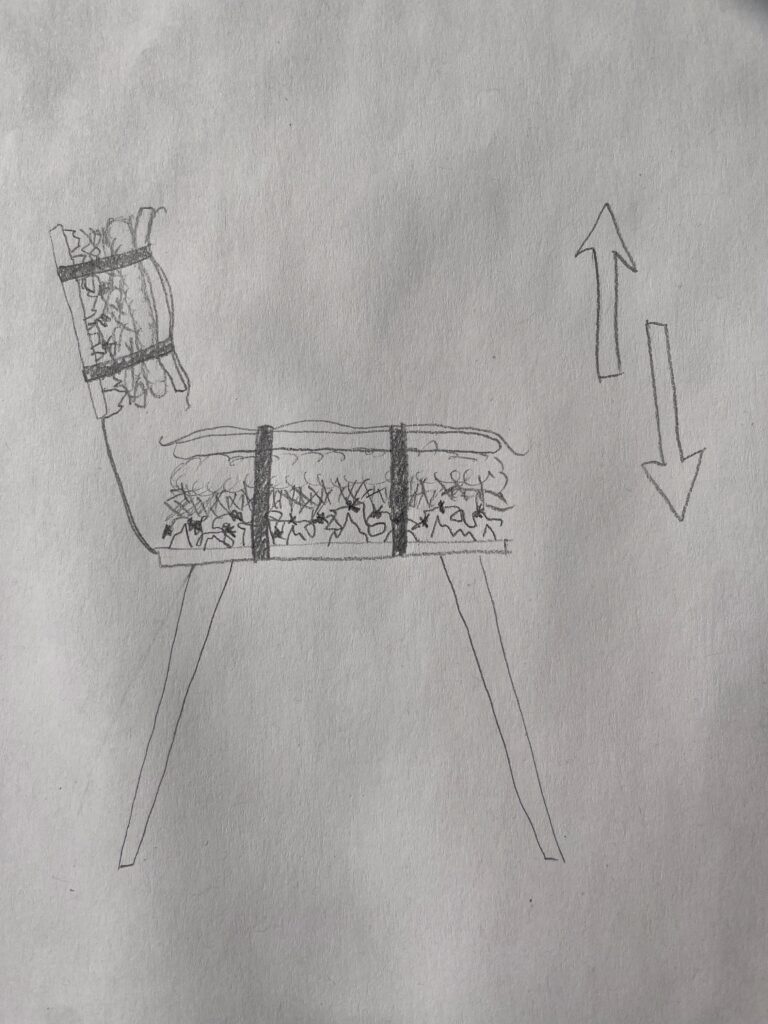
    Designing a chair asking “Could a chair provide comfort through active interaction?”

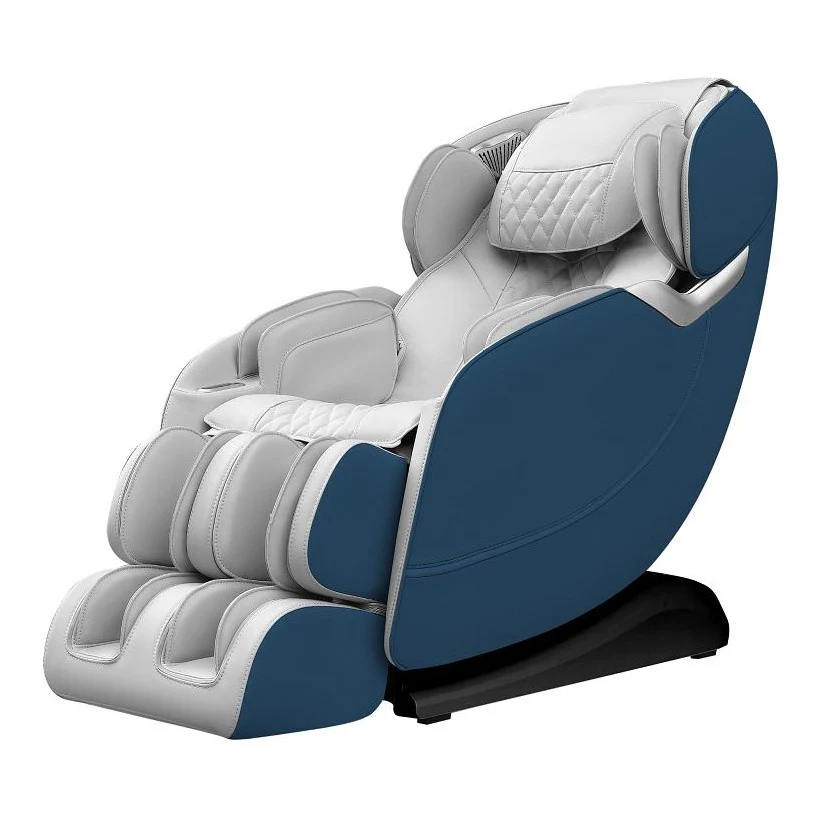
    The urge of getting a massage without the help of another person

    Massage Chair

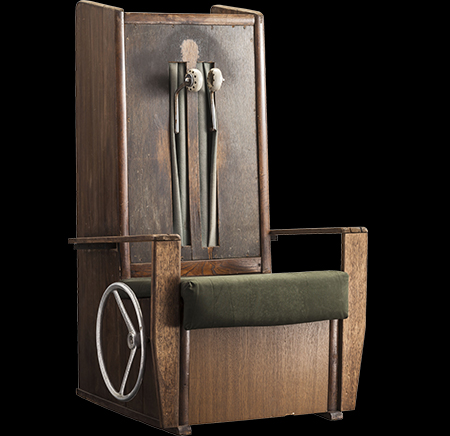
    The interest in building a contraption that’s mechanically powered, with muscle power as a starting point

    Fujiiryoki Automatic Massage chair from 1954

    Making a chair multi purpose (more than just the support of your body and/or comfort)

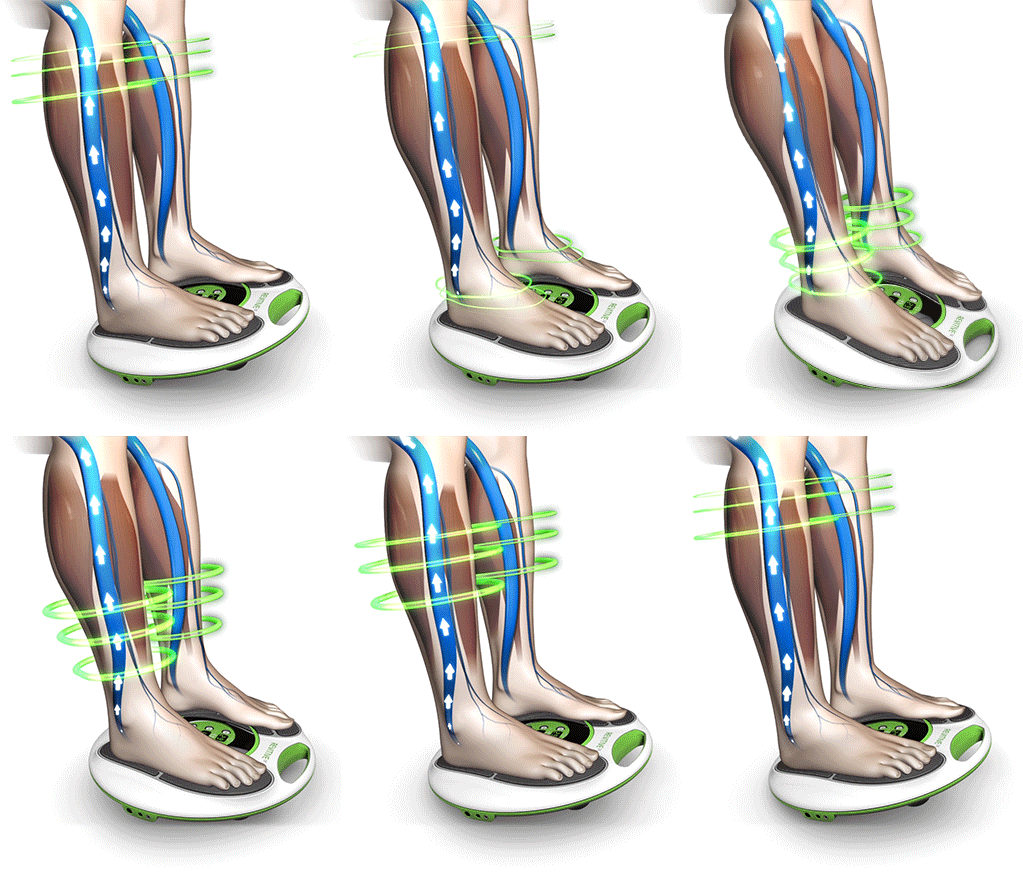
    Pedaling to improve bloodflow for thrombosis patients

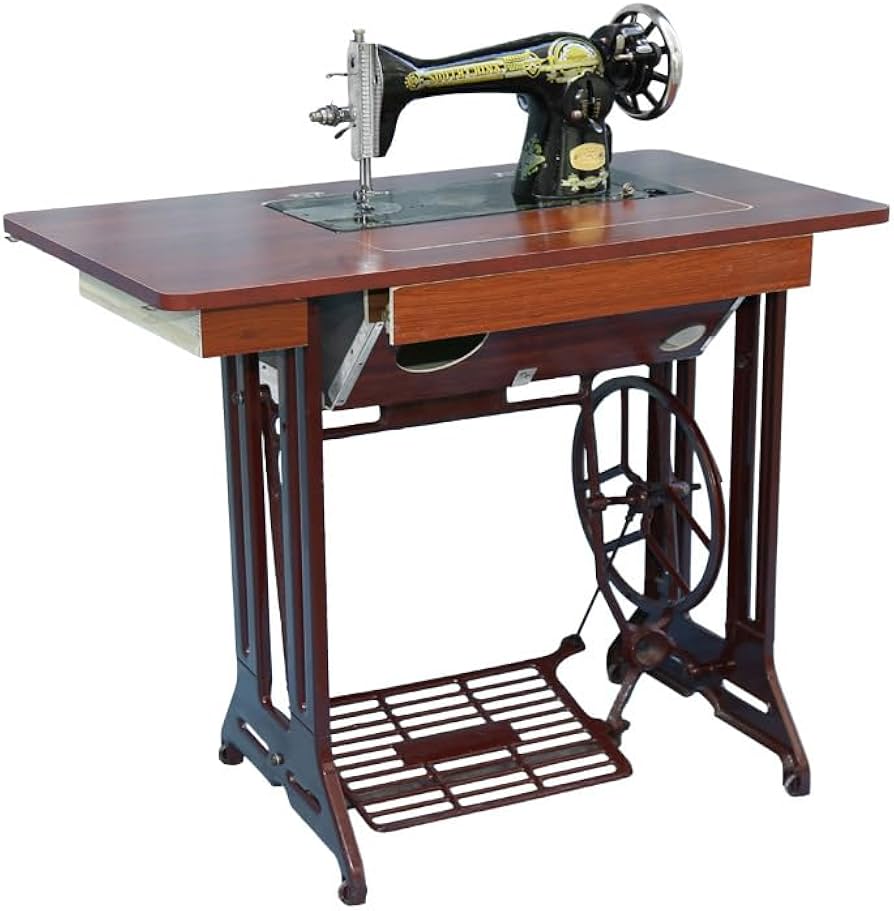
    Pedal powered sewing machine

    Why this technique instead of classic bycicle pedals?

    • Provides easier accessibility than the need of two legs for classic pedals
    • Demands rhythm from the user, eventually leading to a “fidgeting” motion maybe improving concentration
    • Rhythm makes a certain speed of the massage heads possible and keeps it consecutive
    • Fulfills the idea of a rocking-pedal for thrombosis patients

    Aesthetics


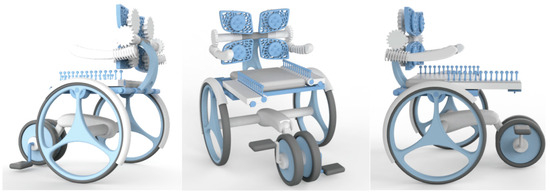
    Rehab Chair by Xinyan Yang & Zhongfeng Zhang, College of Furniture and Art Design, China

    Too much of a medical device design

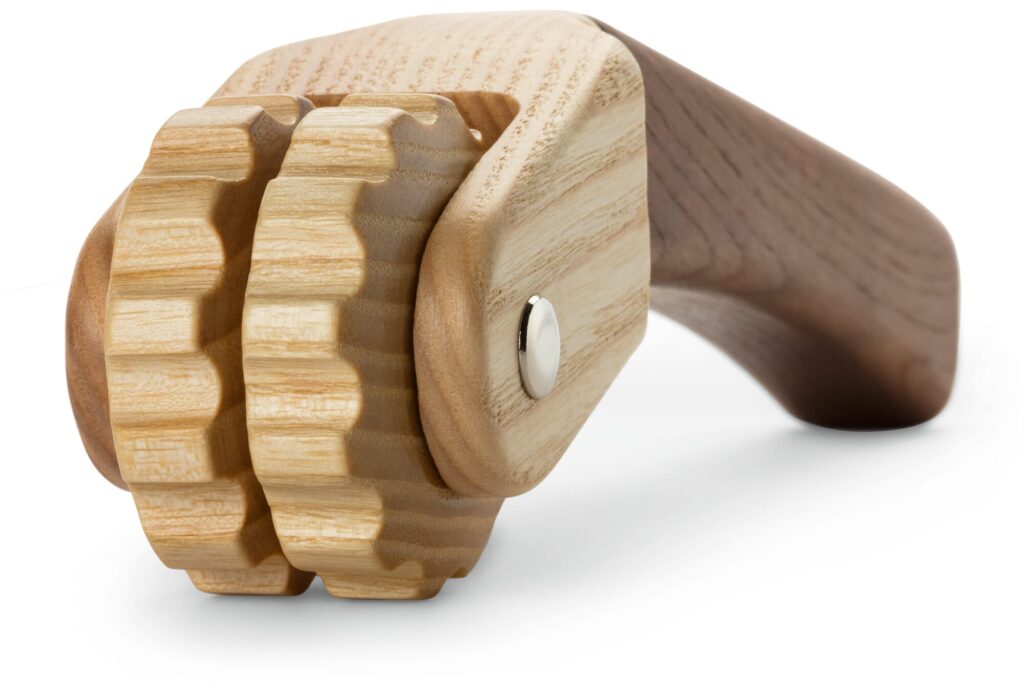
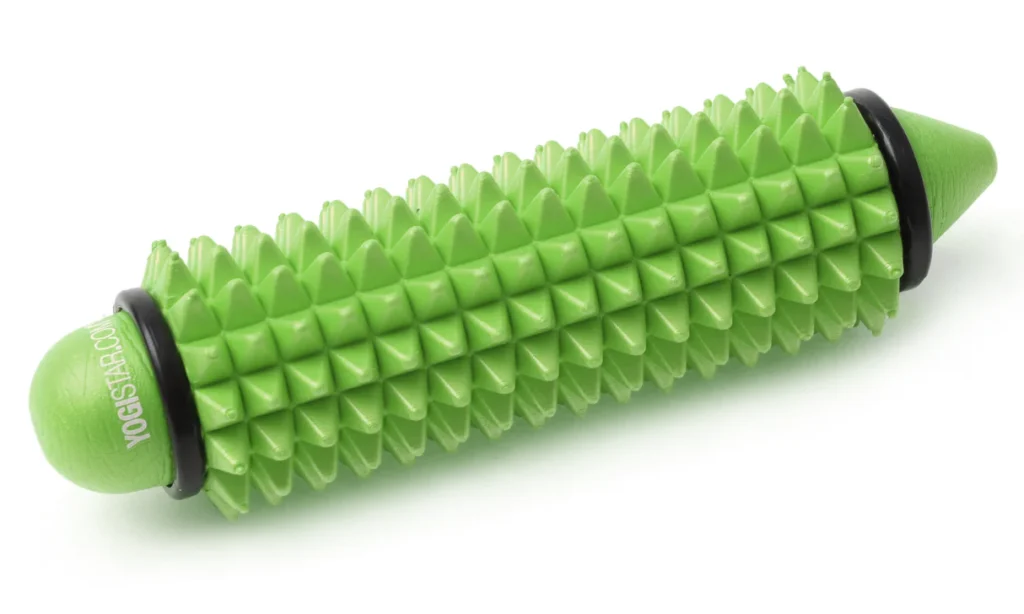
    Manufactum Massage Roller

    Wood for massage rollers, as a pleasant natural material for contact with the body, and general construction of the chair

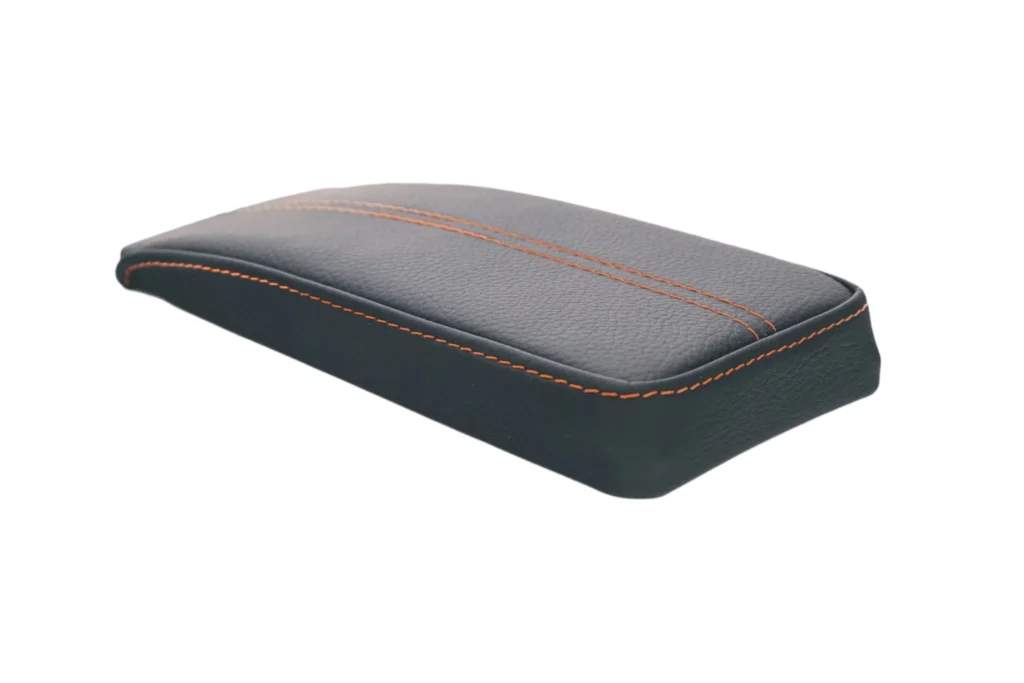
    Leather as natural, durable material for sitting surface and maybe armrests

    Metal for mechanical parts, durable and exact to manufacture

    Experience with all of these materials, also help is accessible in the university workshops

    Alternative

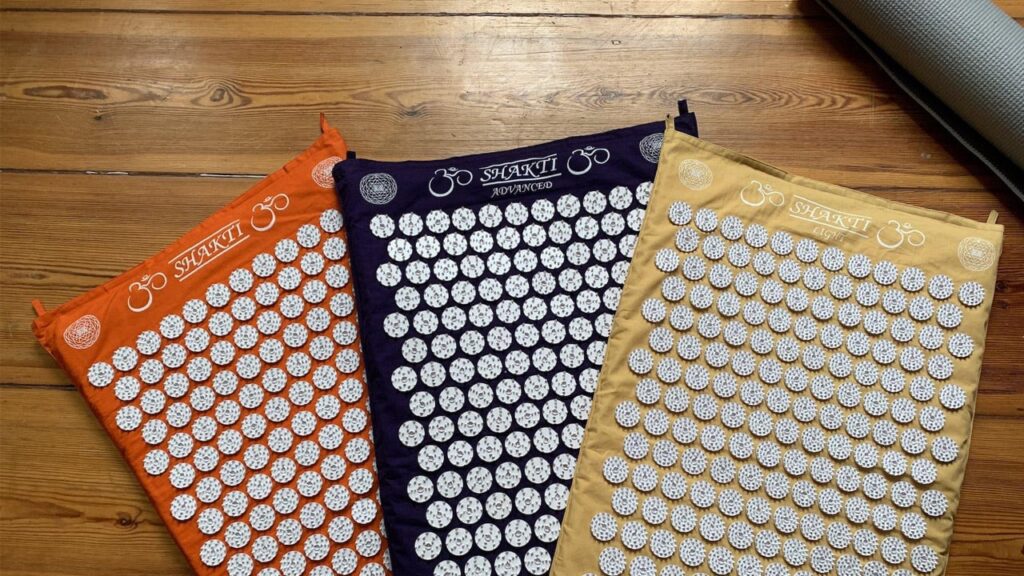
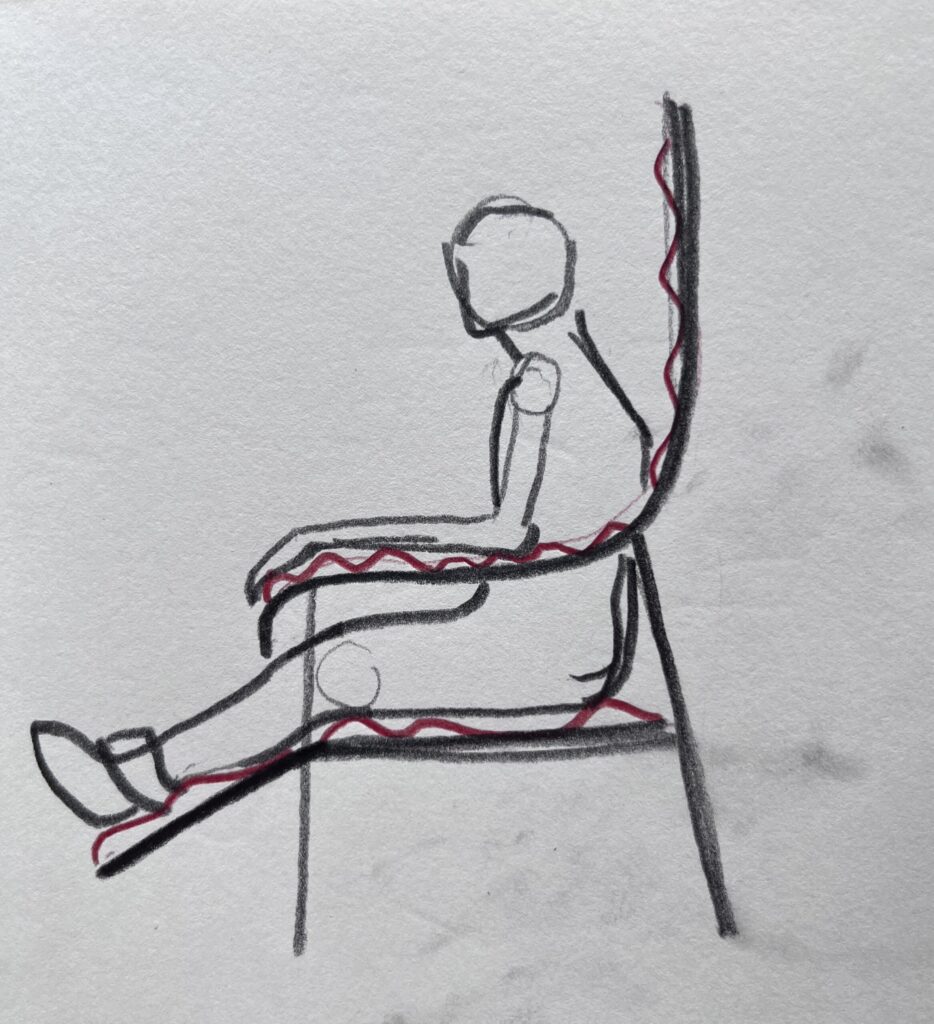
    A chair that uses the own body weight with massage surfaces / hand flatterers etc. to provide additional comfort

    Surfaces individually carved from wood

    Problem:

    Formulate a question regarding the brief – what kind of investigative stance could this chair take?

  • Team 8 feedback 1

    By

    Jonathan Wasmer


    1. Inspiration

     ∙ Performance, material, and reading as starting points
     ∙ The chair as an object of exploration and interaction
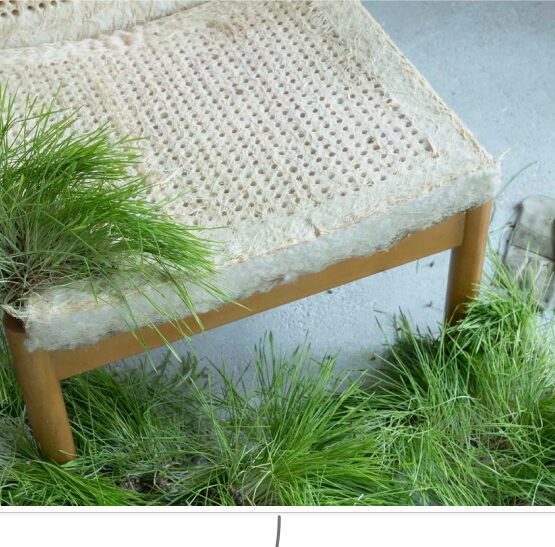
     ∙ Speculative redesign of everyday objects through bio-based processes


    2. Waste & Material

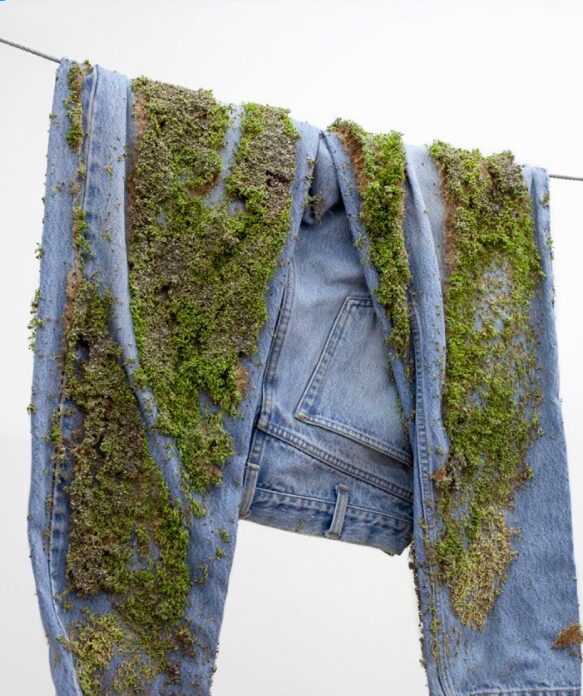
    ∙ Objects as part of a natural waste and growth cycle 

    ∙ Grown from natural materials → decomposing back into soil 

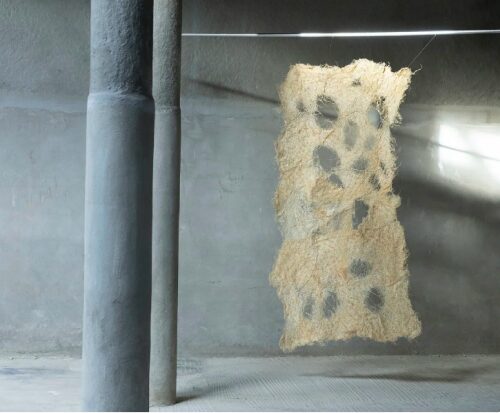
    ∙ Use of raw, minimally processed materials 

    ∙ Co-creation with materials: the unpredictability of growth as a stylistic and design device 


    3. Labor & Production 

    ∙ Artisanal objects serve a small elite; industrial production offers wider availability but exploits workers 

    ∙ Question: how can production be both accessible and non-exploitative? 

    ∙ Growing as an alternative production model beyond human labor 


    4. Availability & Access 

    ∙ Community hubs and trading stations as a distribution model 

    ∙ Question: do objects need longevity if they can be produced without labor? 

    ∙ Decentralised, collective infrastructure for production and distribution 


    5. Form & Sitting 

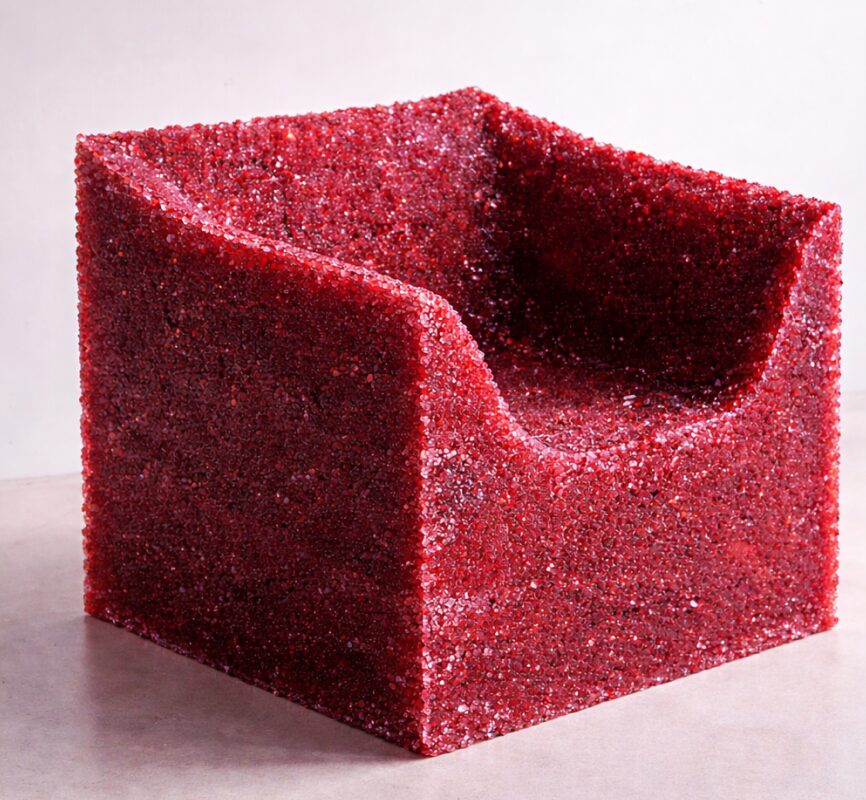
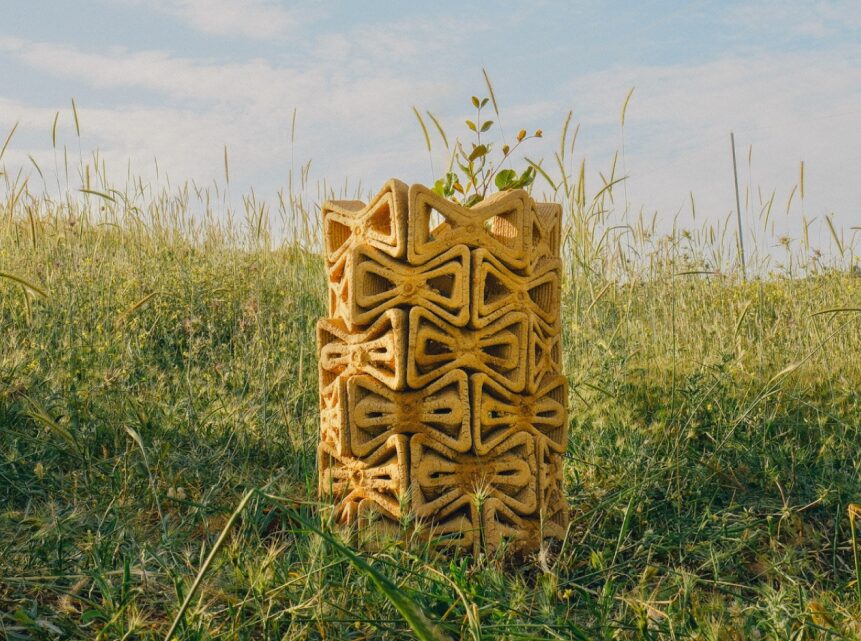
    ∙ Material exploration: growing material into molds 

    ∙ Testing molds made from different materials 

    ∙ Reusing and integrating every part of the process 

    ∙ More-than-human sitting → interspecies resting 


    6. Process & Visibility 

    ∙ Making the process visible: showing and using every object involved 

    ∙ The molds themselves as part of the project narrative 

    ∙ Circular thinking: no object remains invisible or is discarded 

  • Solo 2 (20.03)

    By

    Parnian Farmani

    Research and general inspirations

    During my research i found out I’m mostly interested in :

    • Movement
    • Social aspects of sitting
    • Absurdity

    Social non-smoking bench

    A bench that allows non-smokers to socialize with smokers without suffering from the smoke.

    Using moveable elements and height to avoid smoke for non-smokers.

    Finding an activity for non-smokers.

    Blending a wind vane in the design.

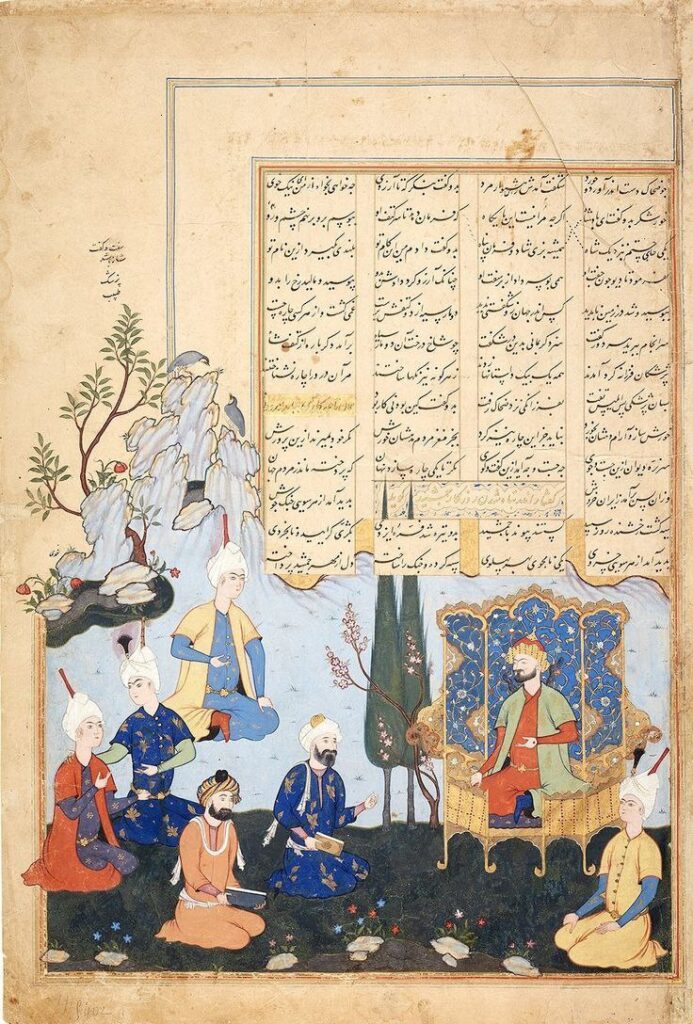
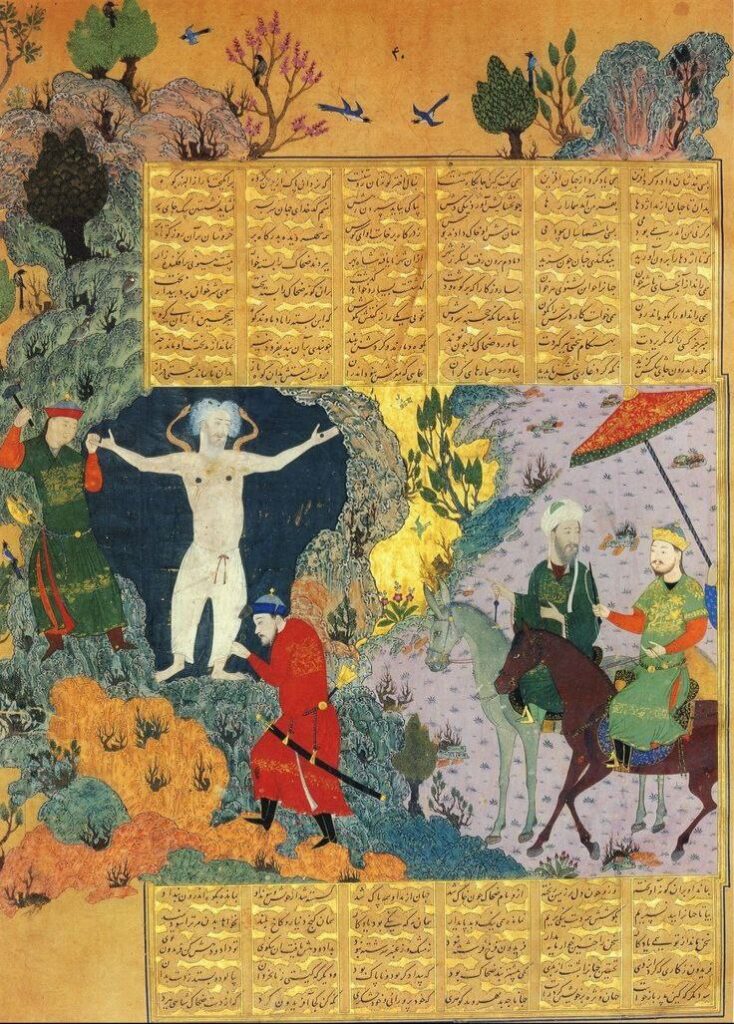
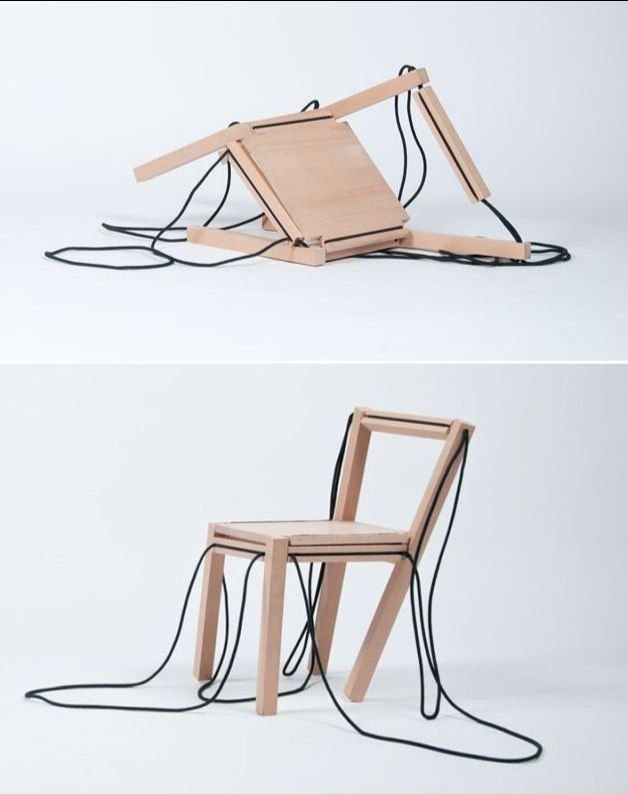
    Political mythical chair

    Inspired by a story from Shahname (book of kings), relating to recent political events.

    The choice of sitting on the chair is yours, collapsing and getting trapped is just part of the deal (:

    A chair that makes you feel comfortable and powerful until it collapses slightly and traps you.

    Using analog mechanism.

  • Tutorial March 20

    By

    Emma Breitenecker

    Passing on

    Feminism from mothers to daughters

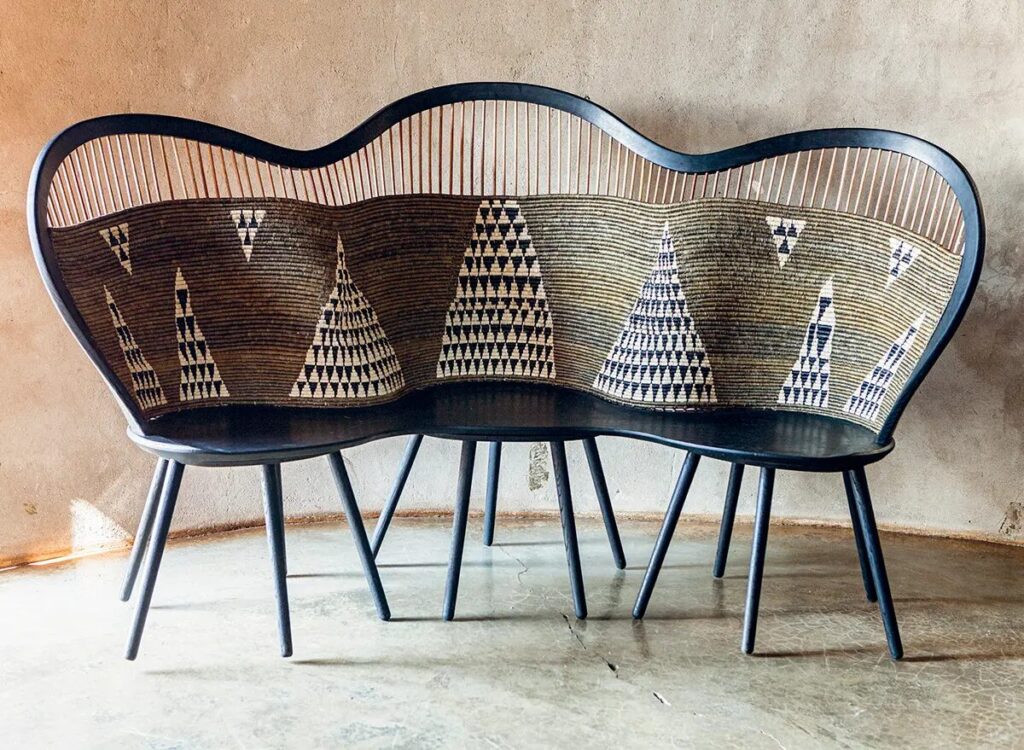
    Hlabisa Bench – Mash T. Design studio x Houtlander

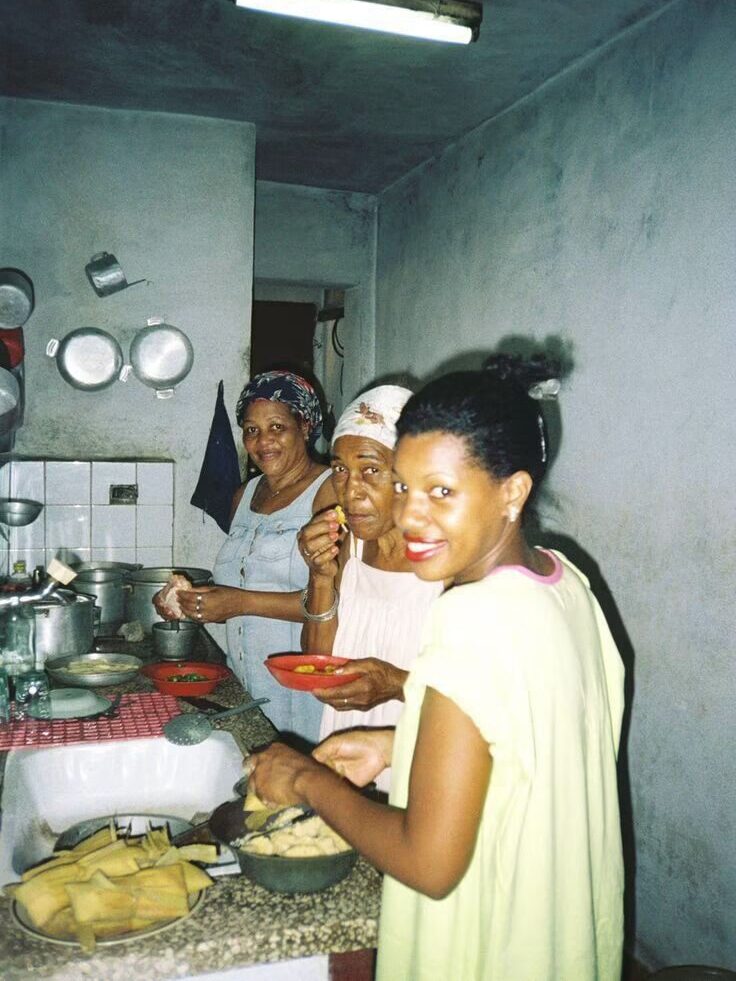
    inspired by potjie pot of her grandmother and Zulu weaving skills passed down for generations

    Passing on attidute rather than skills

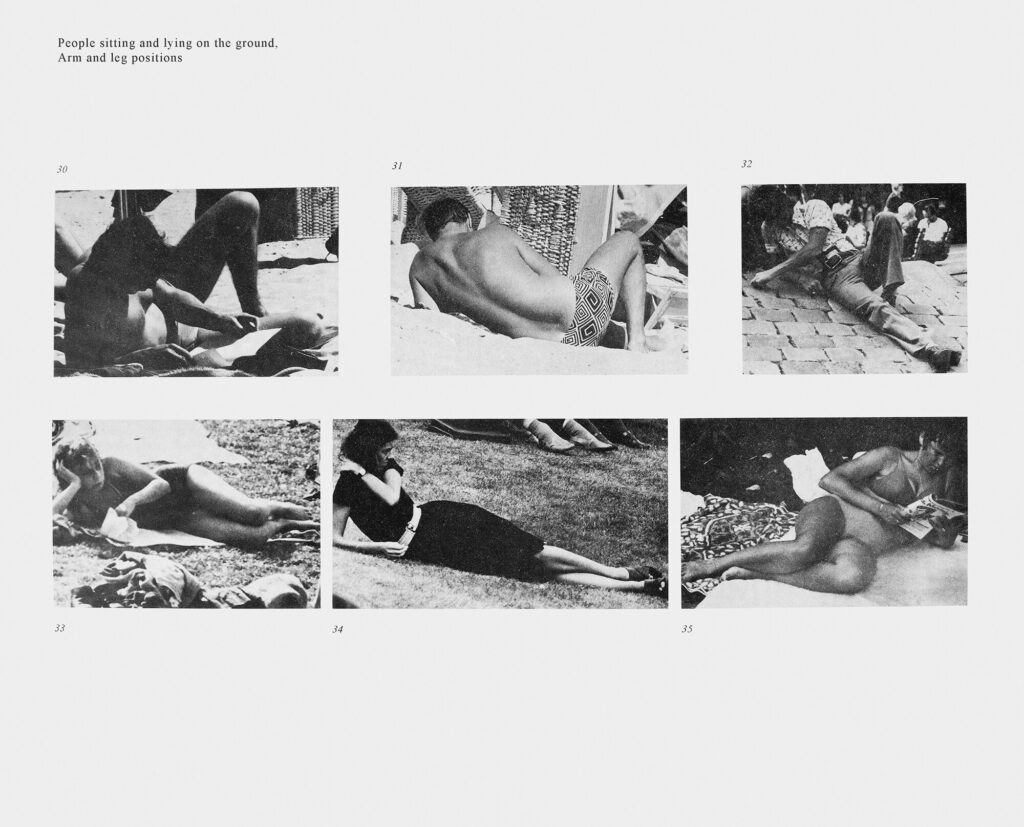
    Marianne Wex – Let’s Take Back Our Space

    What if the chair was built only for and by women?

    Key question:

    “Whose fight/story are you sitting on?”

    -> sitting on but also avoiding doing something

    empowerment vs. disempowerment

    Personal feeling: both (MeToo, awareness, Trump, Epstein etc.)

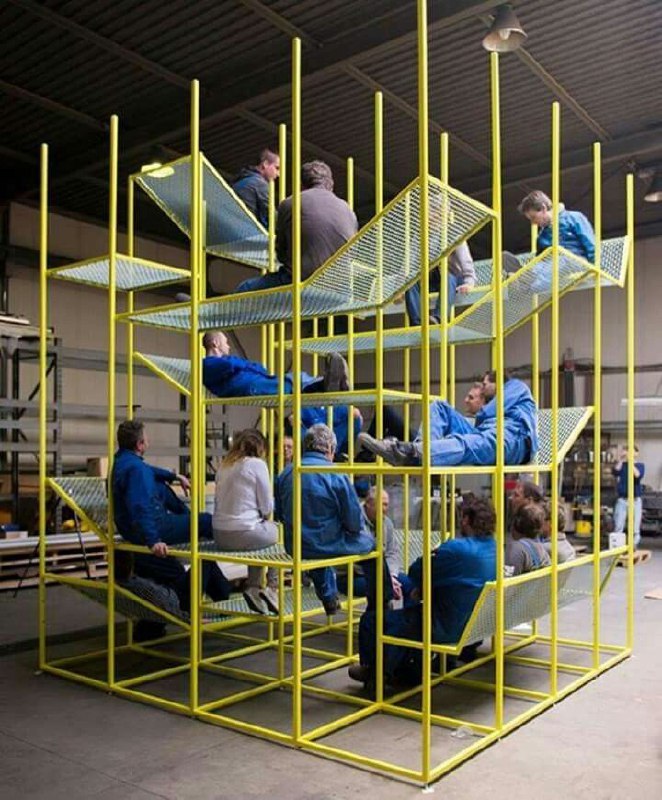
    Modularity

    Growing in length/height/number of people

    Layers: building up on vs. deconstructing the past

    materials:
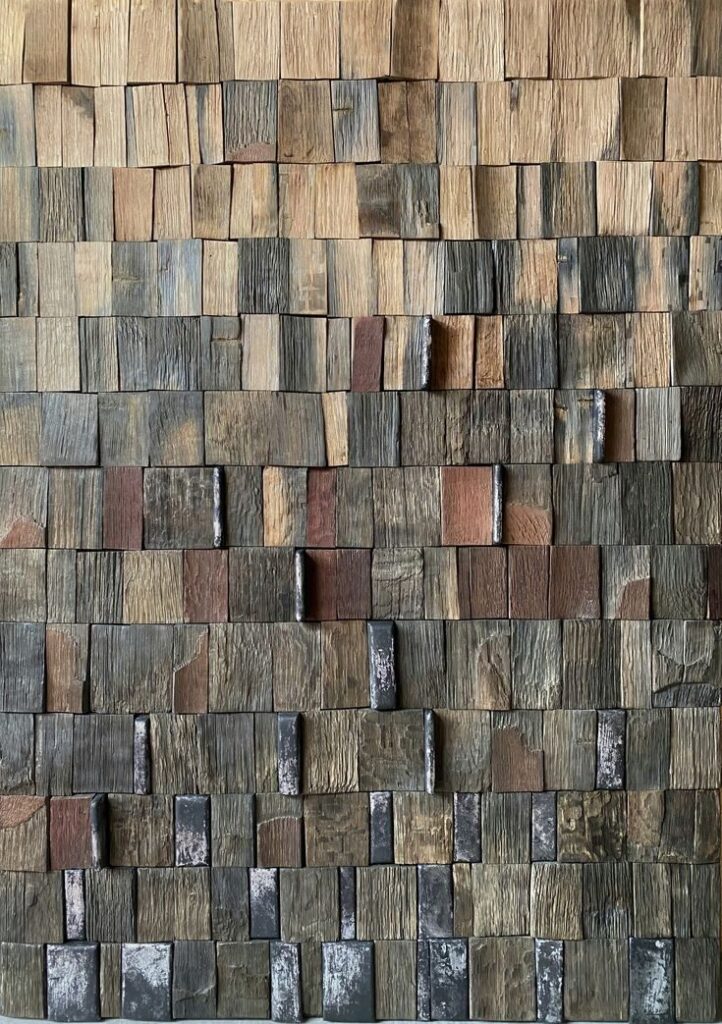
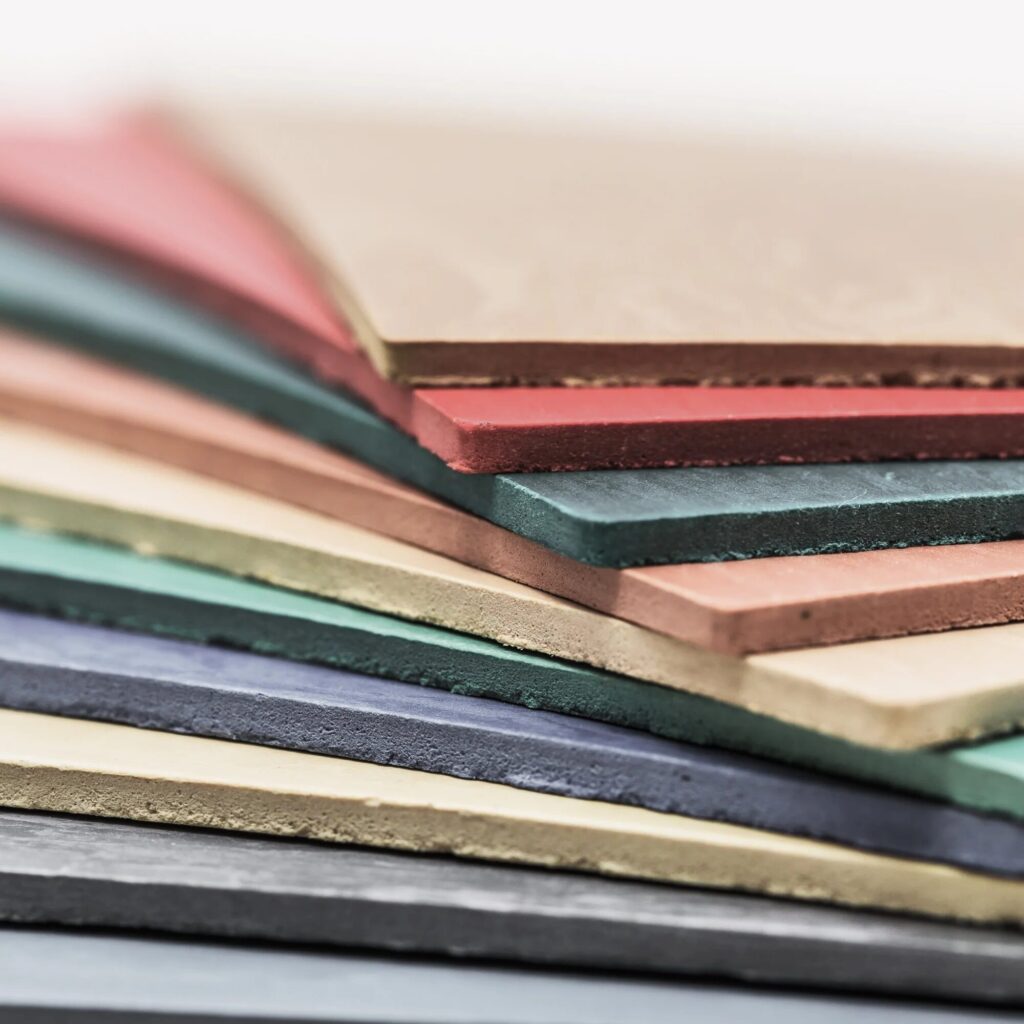
    wood – different ages, different tones, upholstery, linoleum

  • By

    Nina Heimel

    Tutorial 20.03.26

    Reasearch:

    Furniture Design influences posture and has effects on Peoples wellbeing (physically and emotionally).

    Early Inspiration

    –> found my interest in adaptable systems for individual needs, functional design, finding comfort in furniture and built-in movement capability

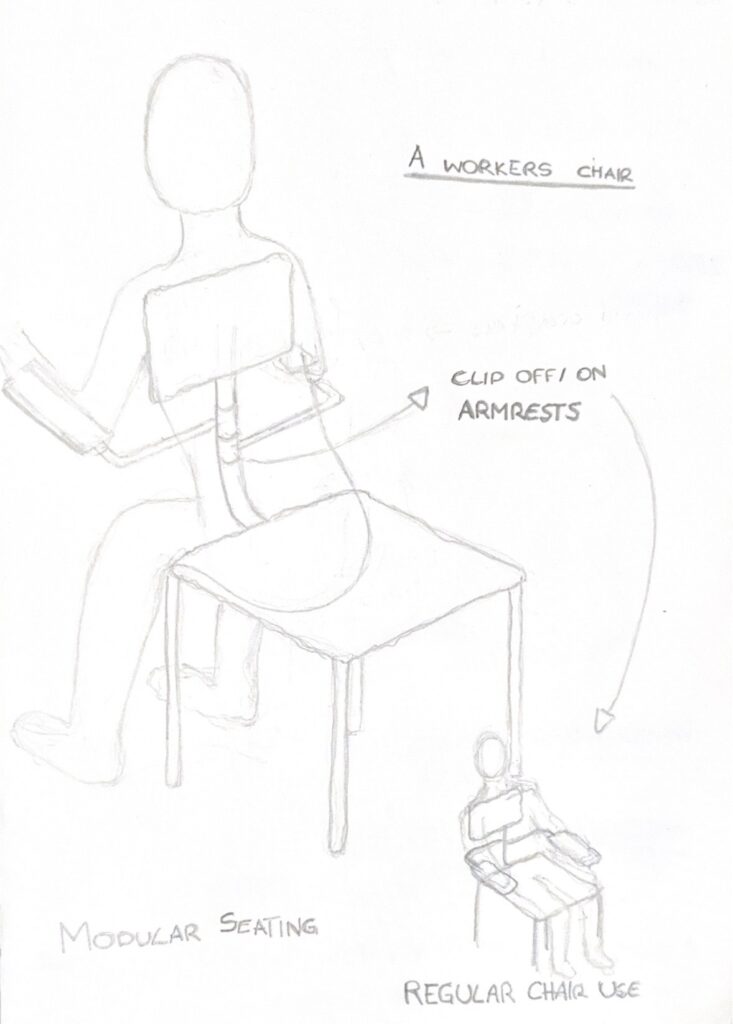
    1) A Handcrafters Chair

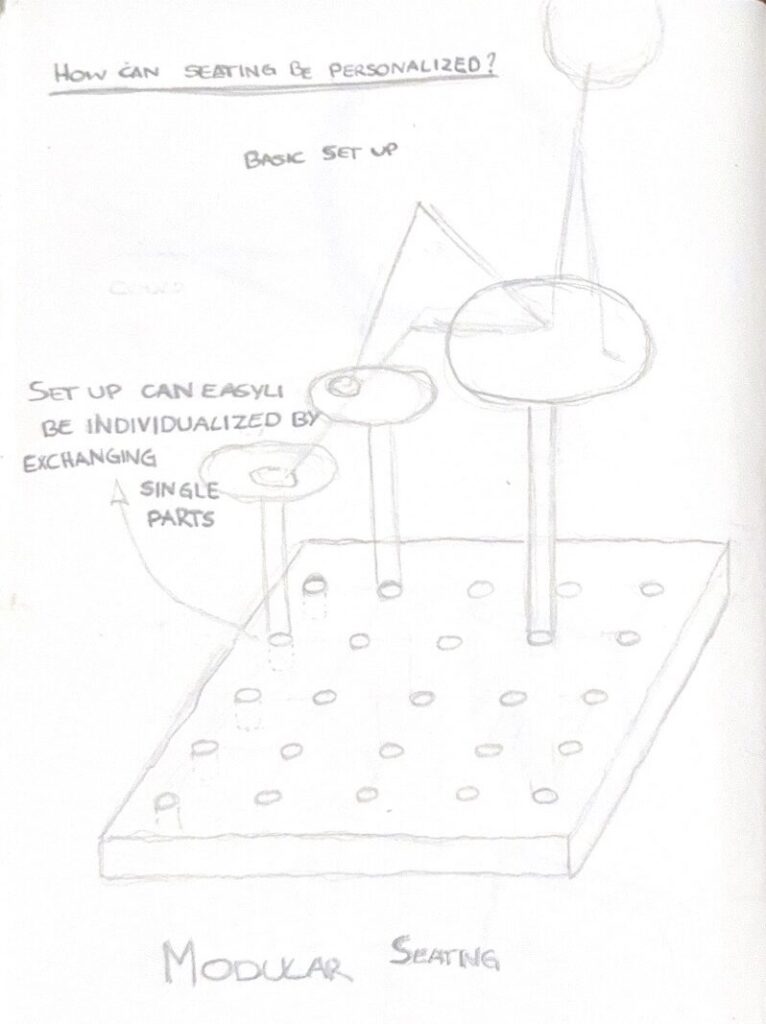
    2) How can seating be personalized to each individual?

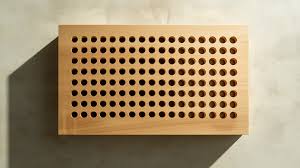
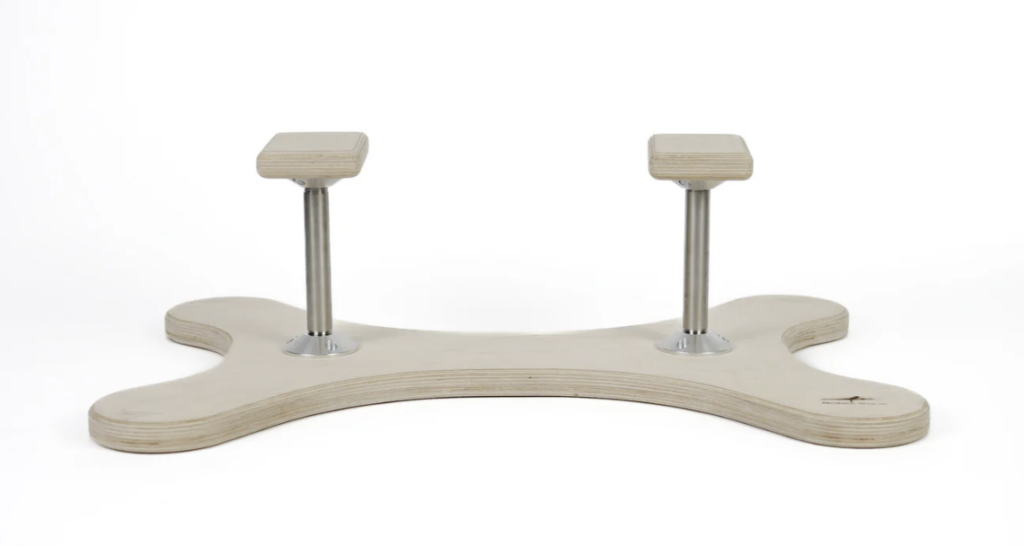
    modular seating system inspired by calisthenics

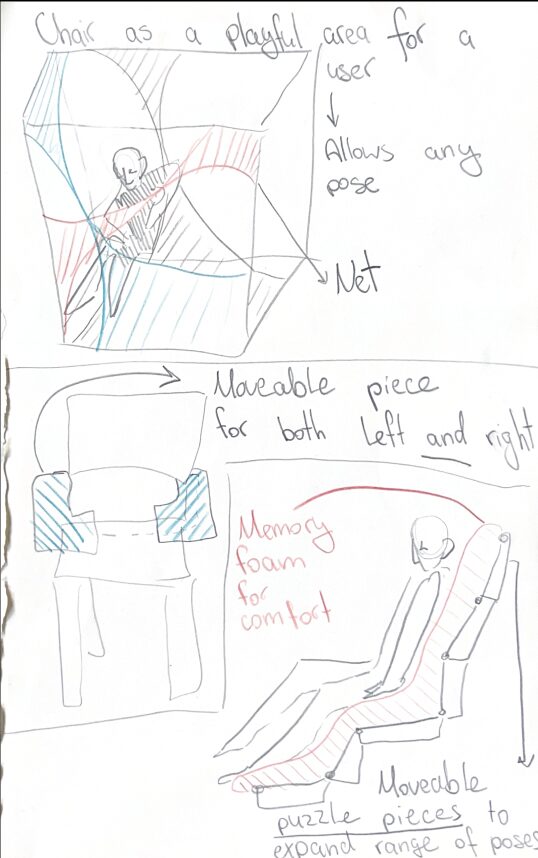
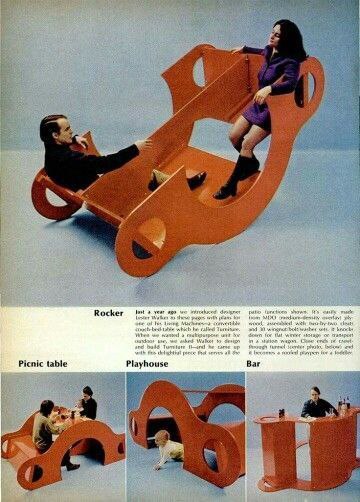
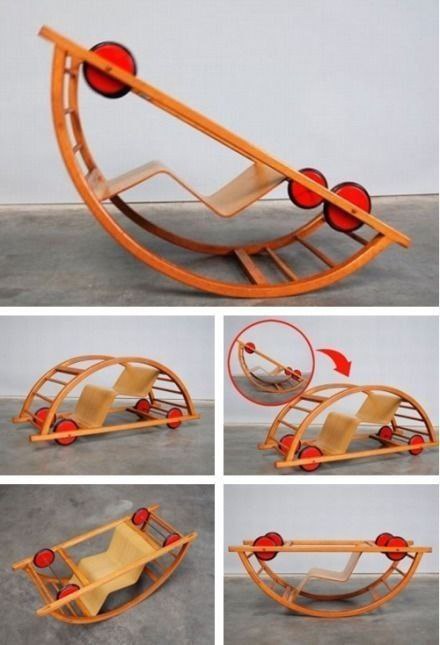
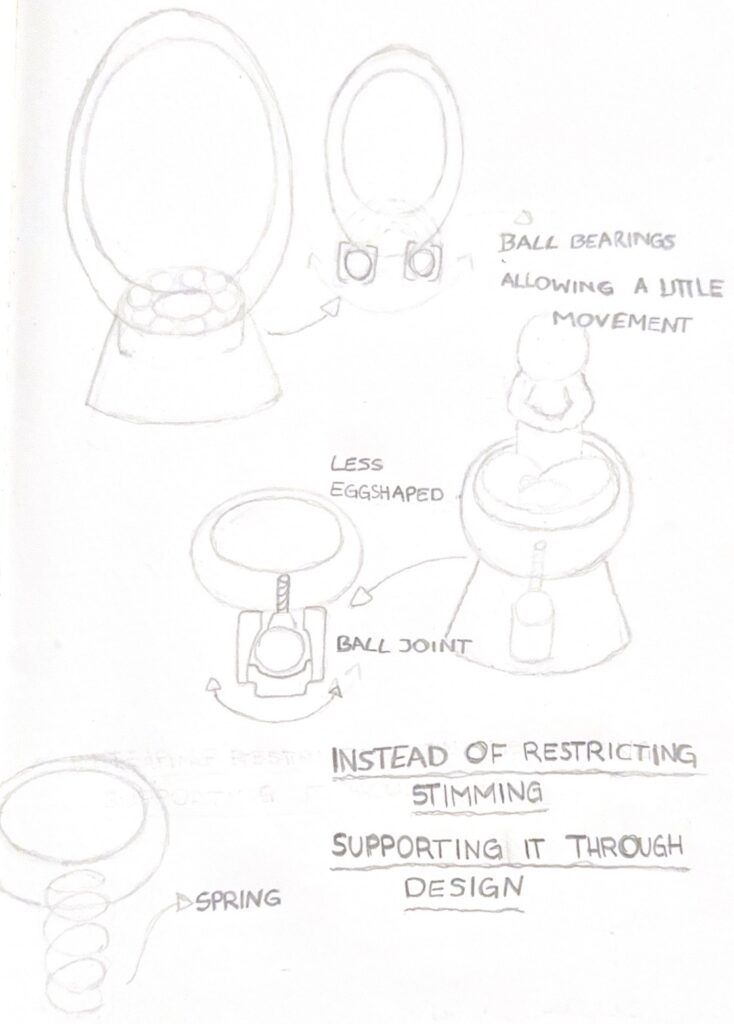
    3) Instead of restricting stimming, supporting it through design

    –> Stimming often appears with neurodivergent persons. It`s short for self-stimulatory behaviour and refers to repetitive movements or sounds people use to regulate themselves.

    tryout of movement

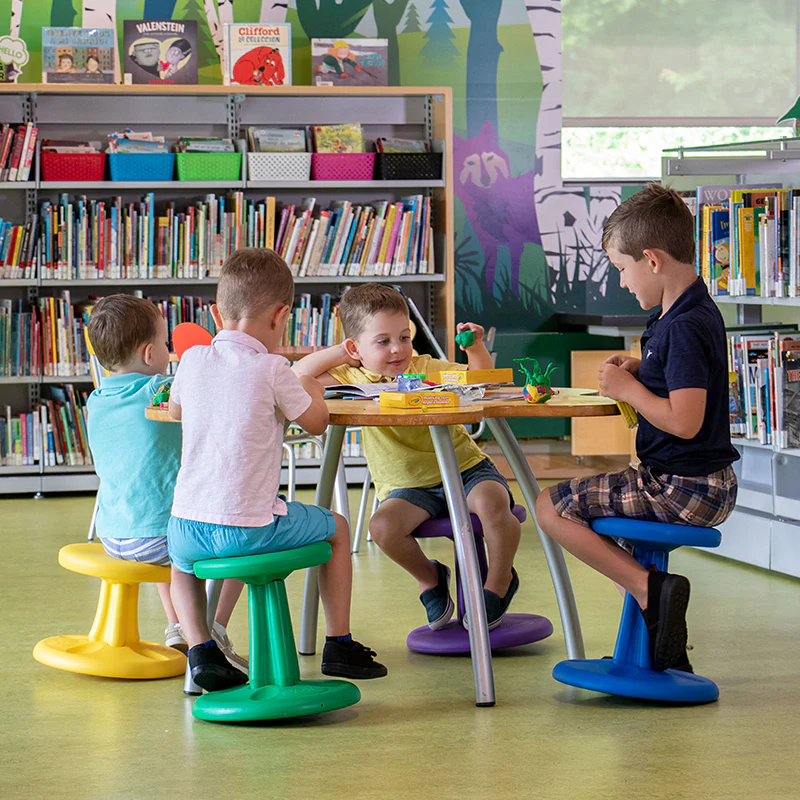
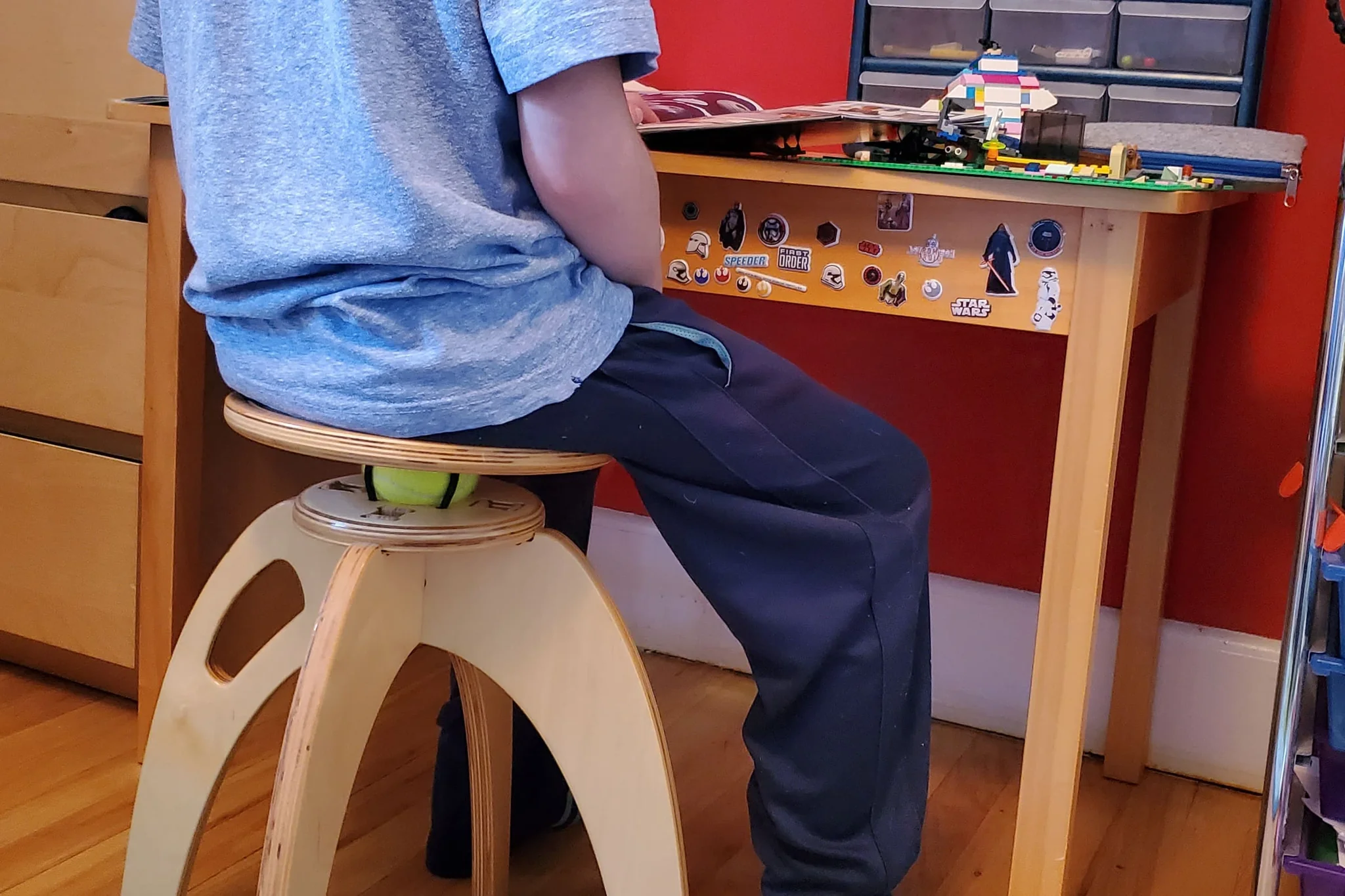
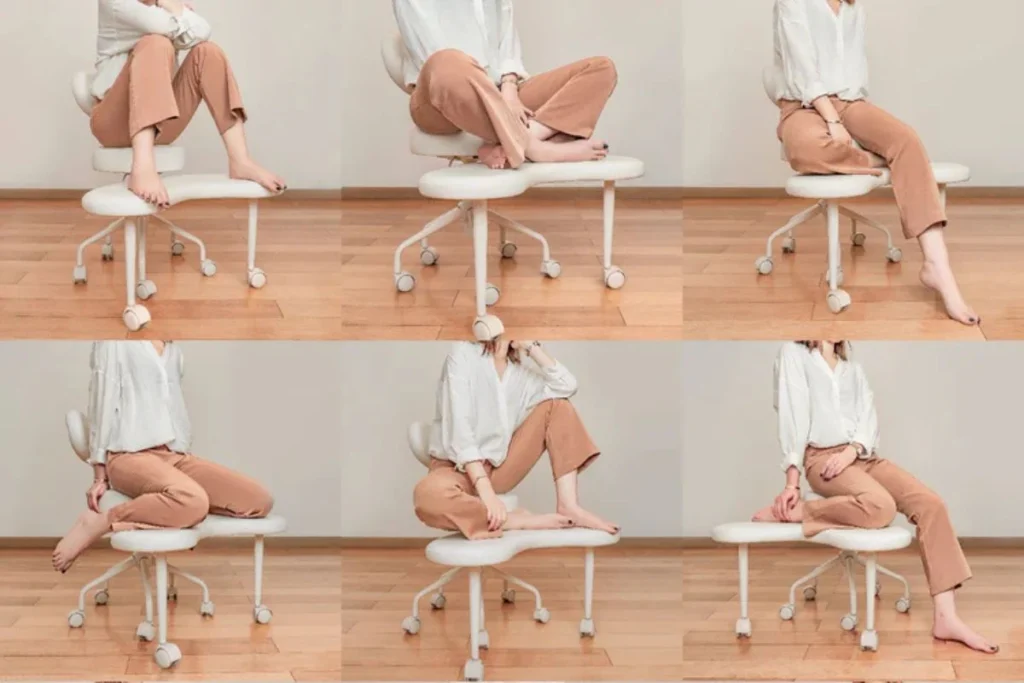
    “ADHD chairs”

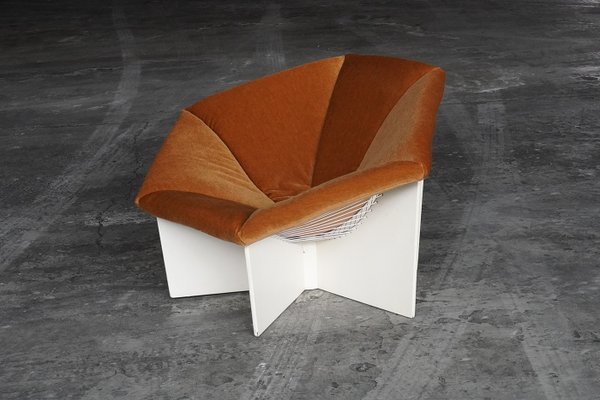
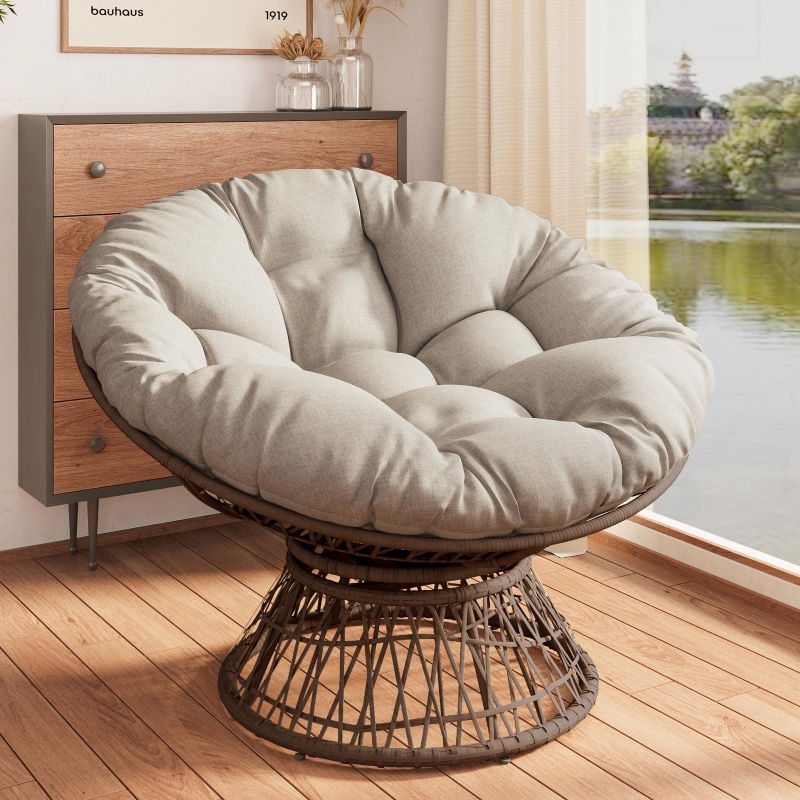
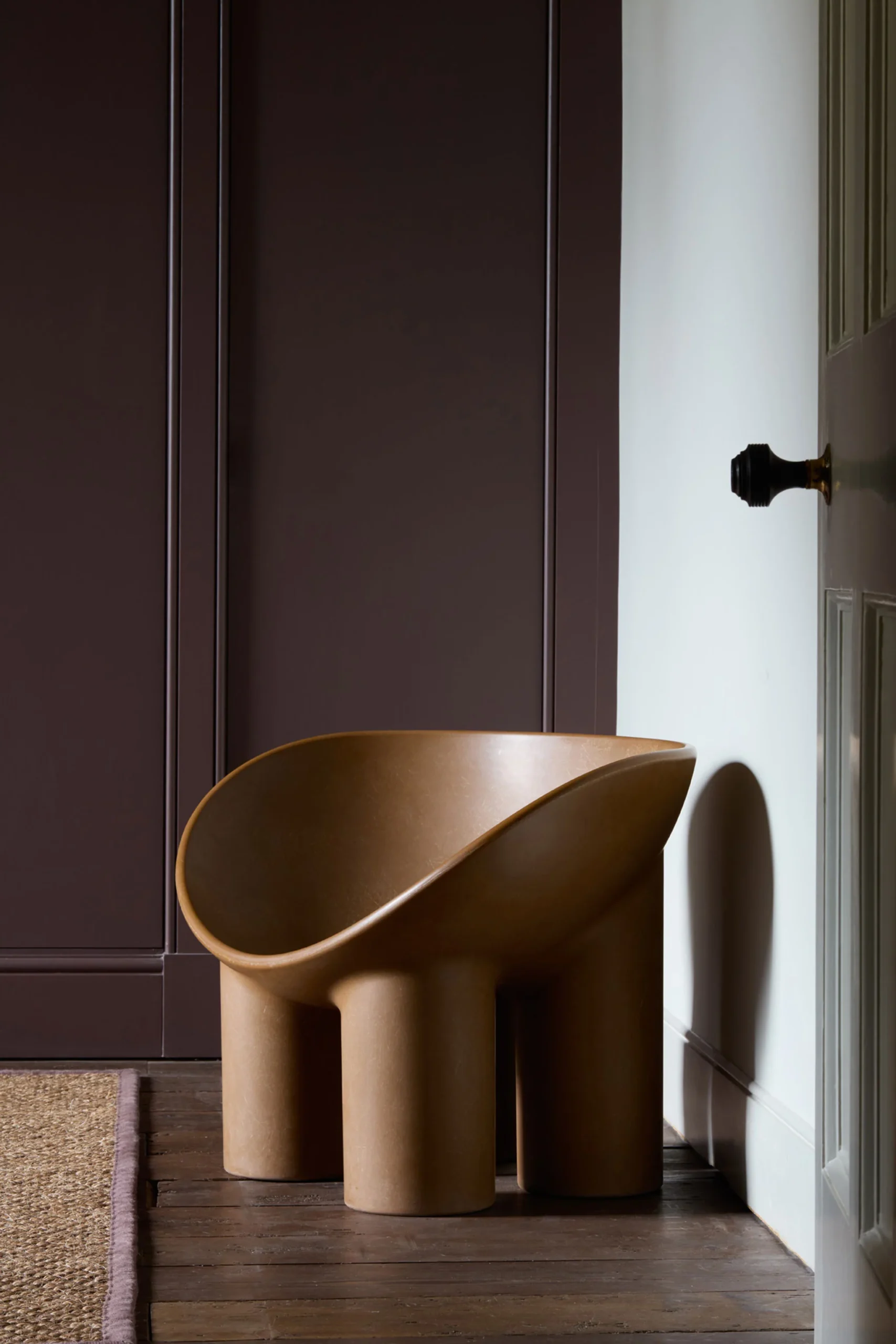
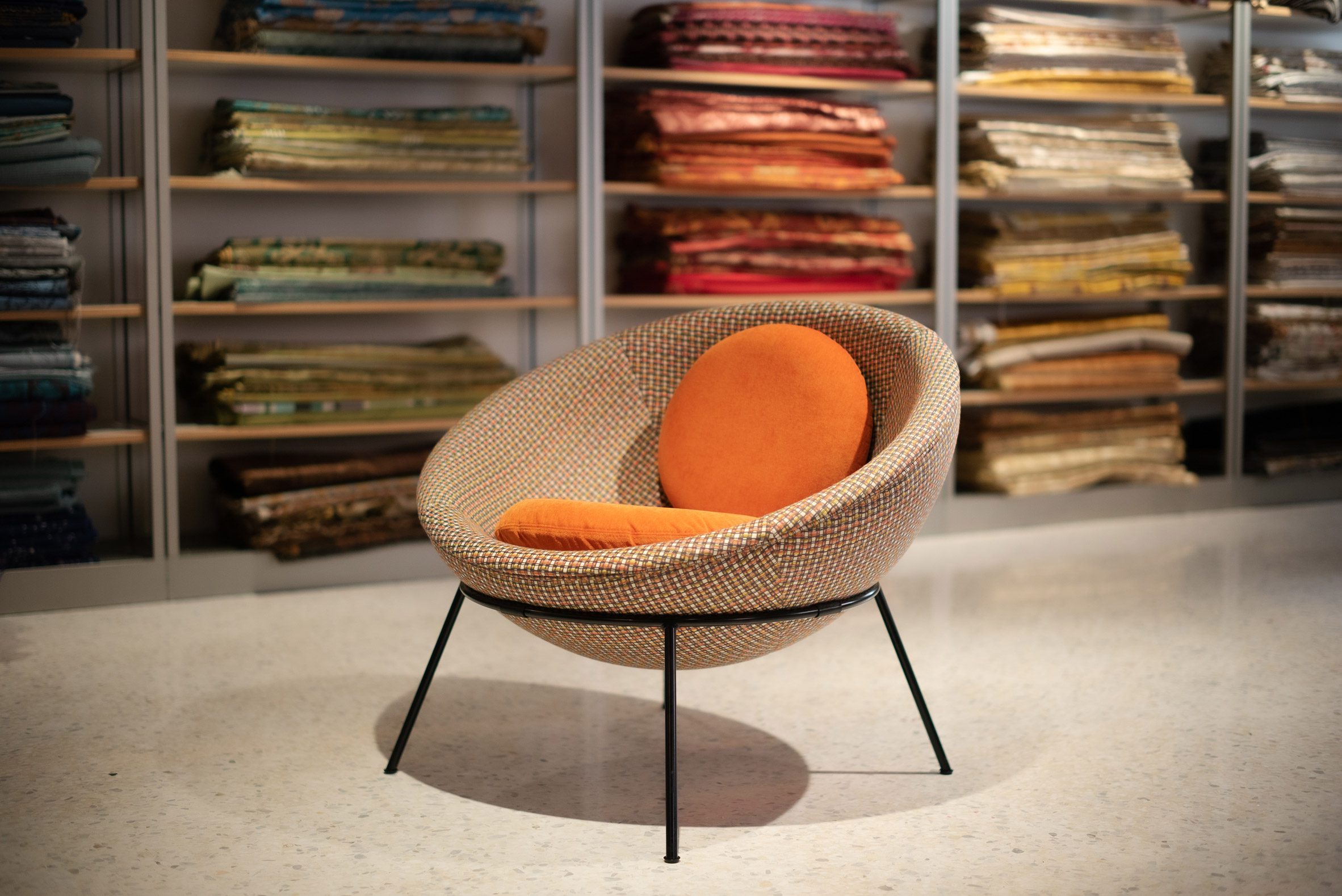
    aesthetic and functional inspirations for “egg chair”