
feedback 05.03.2026
- children want what they see: other kids’ toys, advertisements, …
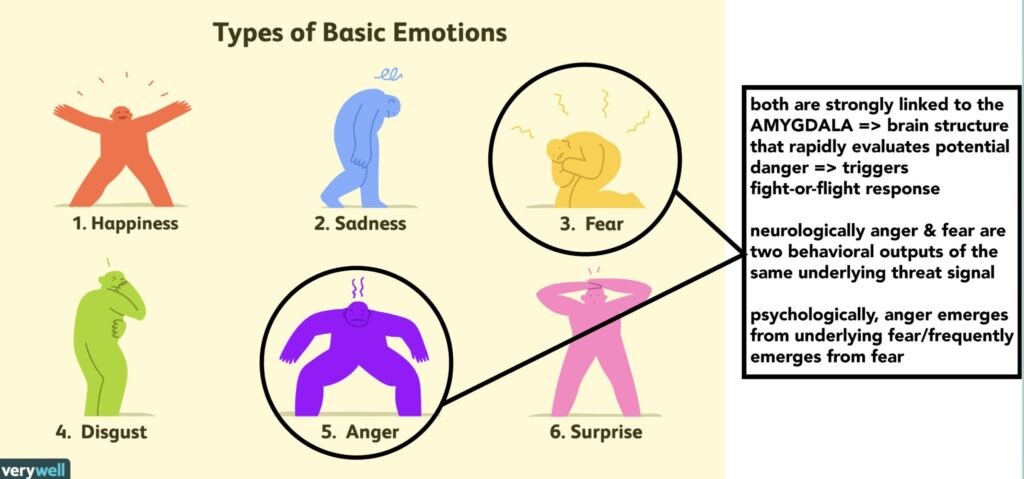
- primal emotions | underlying emotions: anger and fear
- societal stereotyping
- dealing with emotions — practices
- boys and anger | boys and sadness | anger in kids! (changes over the last 20 years?)
- female anger: directing the project maybe to women and not girls?
- behavioral experts
research
»the urge to exact revenge derives from our desire for cosmic balance, as well as from our attempts to overcome helplessness through displays of power.«
— philosopher martha nussbaum
revenge rights the scales, despite doing nothing to restore what was lost or repair what was damaged
- anger generally arises from a sense of being wronged and is hostile to understanding, which is why we say »rage is blind«
- anger makes you more confident & obliterates other: 2001 study by j. lerner & d. keltner found that feeling angry makes people as optimistic as feeling happy (about the outcome of a situation)
- political rhetoric suggests that without anger there is no powerful engagement, anger is a sort of gasoline that runs the engine of social change
- anger helps us protect what’s ours — feeling in charge & focussing
- motivates to solve problems — is triggered when we face an obstacle/something that blocks our needs
- can often trigger optimism — geared toward what is attainable, not impossible
who has the right to be angry?
the right to be angry is masculine — forgiveness is feminine
anger in men: authority, strength
anger in women: hysteria, irrationality
anger in marginalized groups: threatening, dangerous
power dynamics
expressions of rage are a means of exercising control over others & asserting status, a status defined in parts by the right to dominate: parents, bosses, police officers, husbands, …
anger emerges from three interacting factors:
- a provocation (the trigger)
- the interpretation of the provocation
- the mood at the time
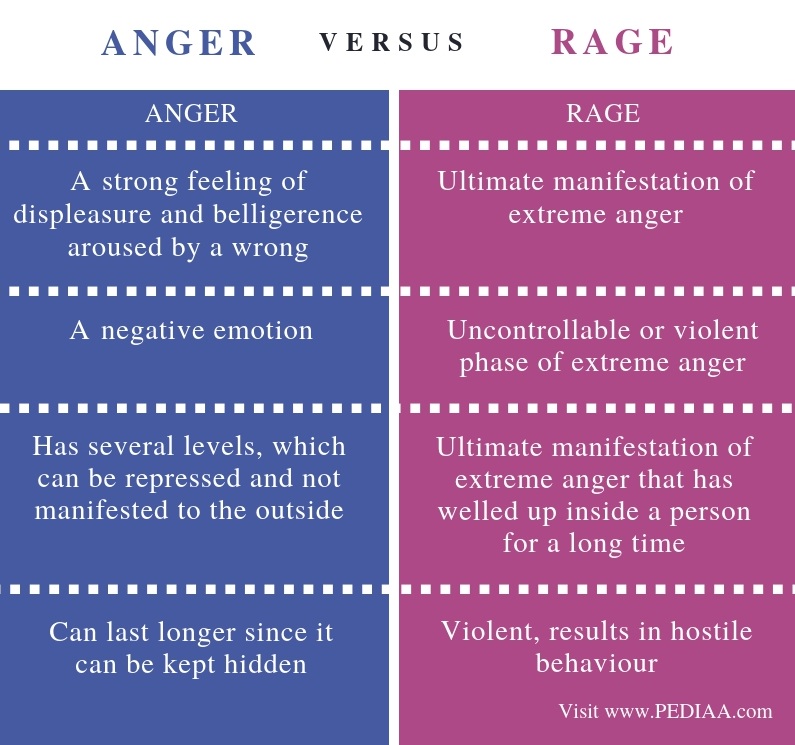
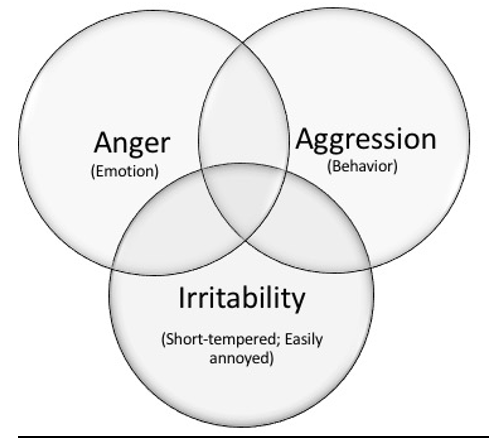
»I don’t get angry …« (no yelling, hitting …) — that means not getting aggressive, not not getting angry — individuals show their anger in many different forms, just like sadness
release anger? study anger? control anger? give permission for anger? make inequality visible? suppress anger even more? express anger early on? condition certain emotions?
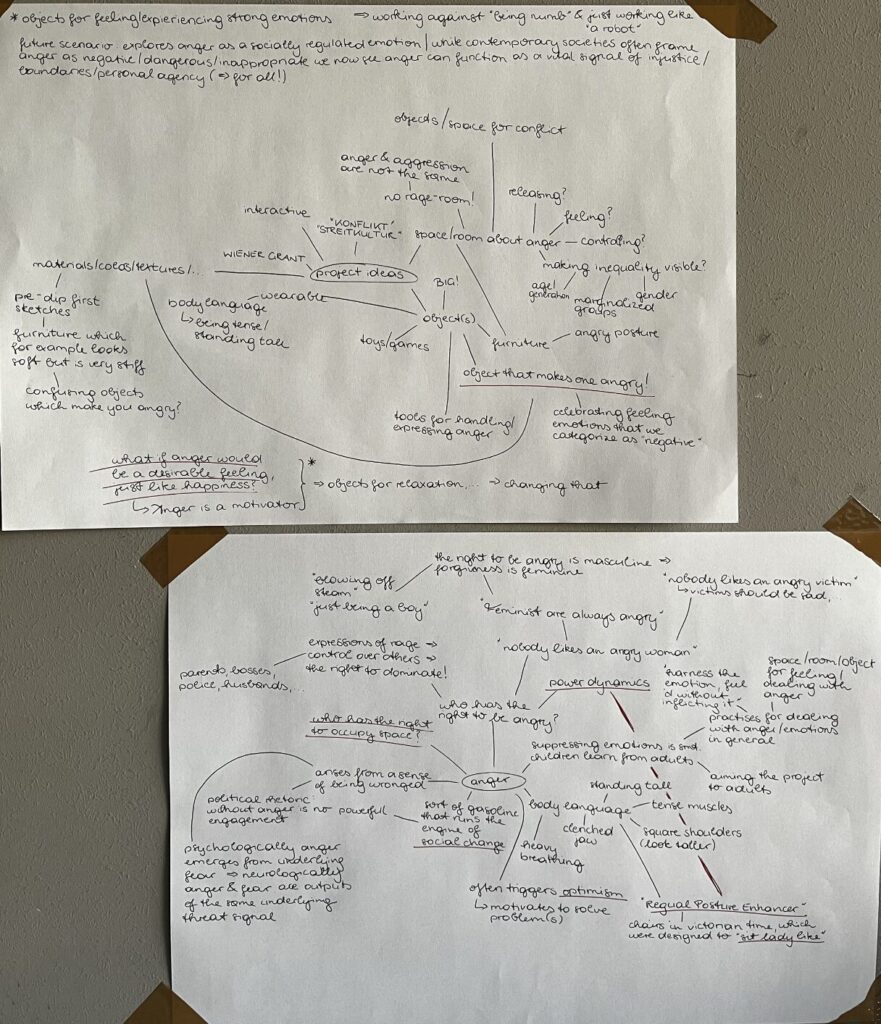
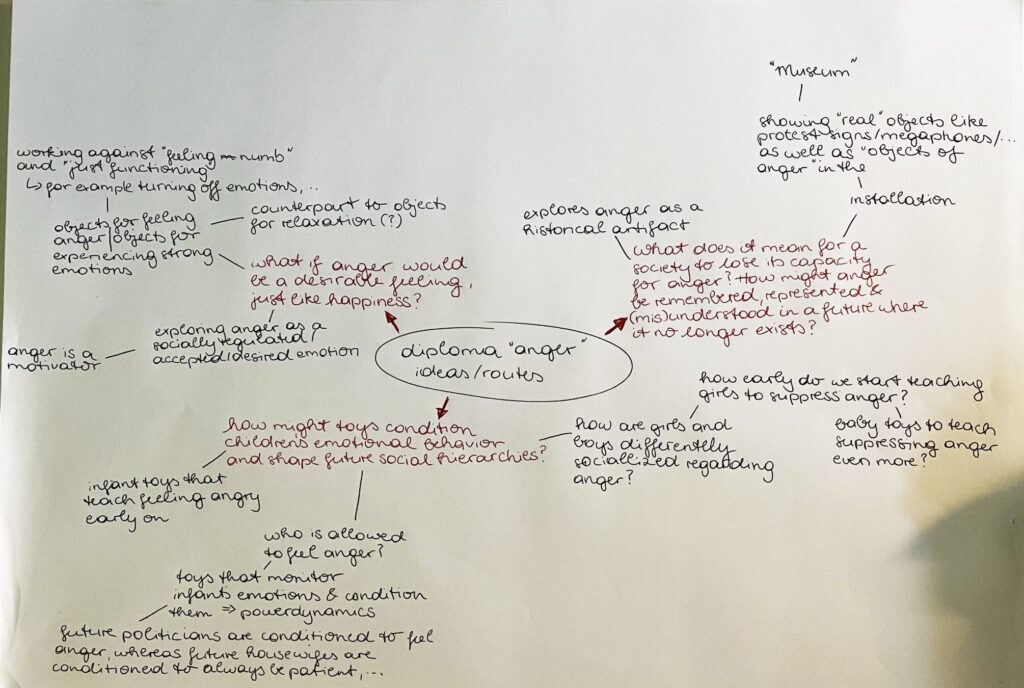
many questions and thoughts where this project could and should go 🙂
how can female anger be translated into measurable physical force? how do societal norms shape the perception and acceptance of this force?
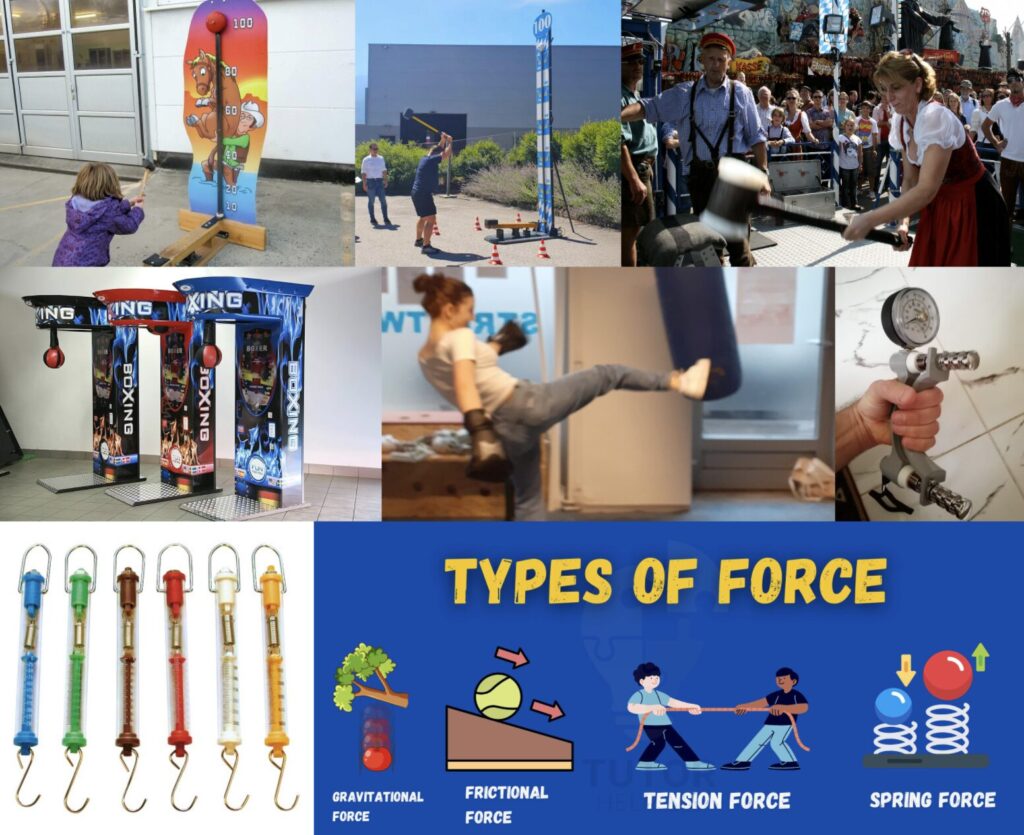
measuring force — »Hau den Lukas«, boxing machine, …
situated between critique and play, I want my project to use humor and exaggeration to make inequalities visible whilst also being food-for-thought. anger is a powerful emotion & I want to work against its bad reputation as solely »negative emotion«.
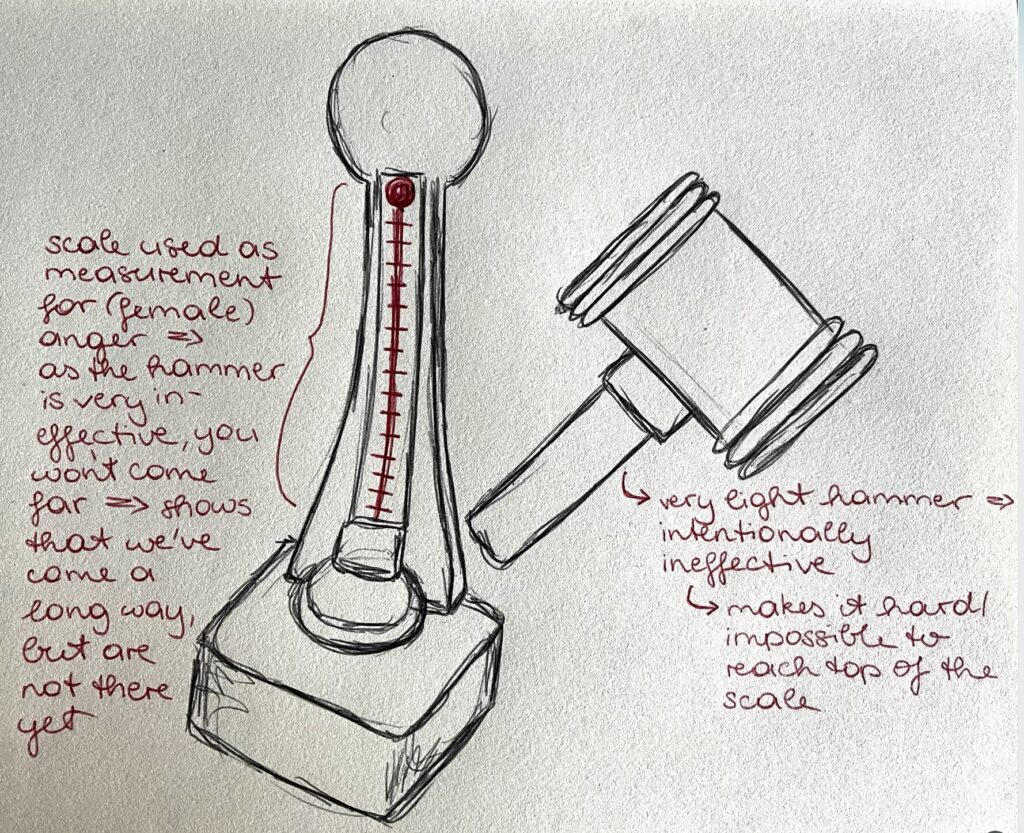
measuring power (of anger); frustration; showing power dynamics/systematic oppression/how different power is looked at gender-wise
further steps
- prototyping & testing
- questionnaire/interviews about experiencing anger(suppression) as a woman
Leave a Reply