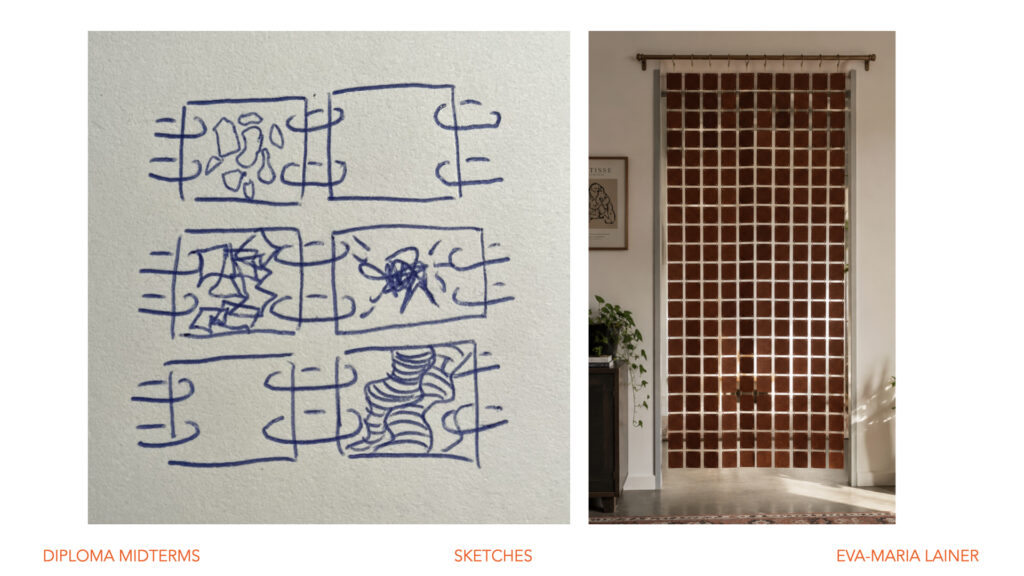
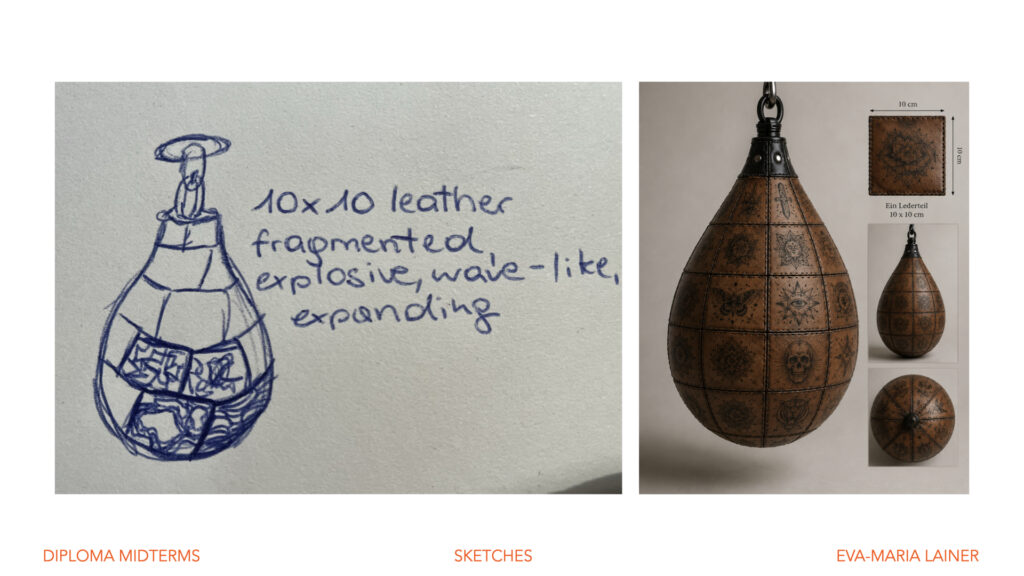
feedback
Research into Historical Examples of such processes and aesthetic representations.
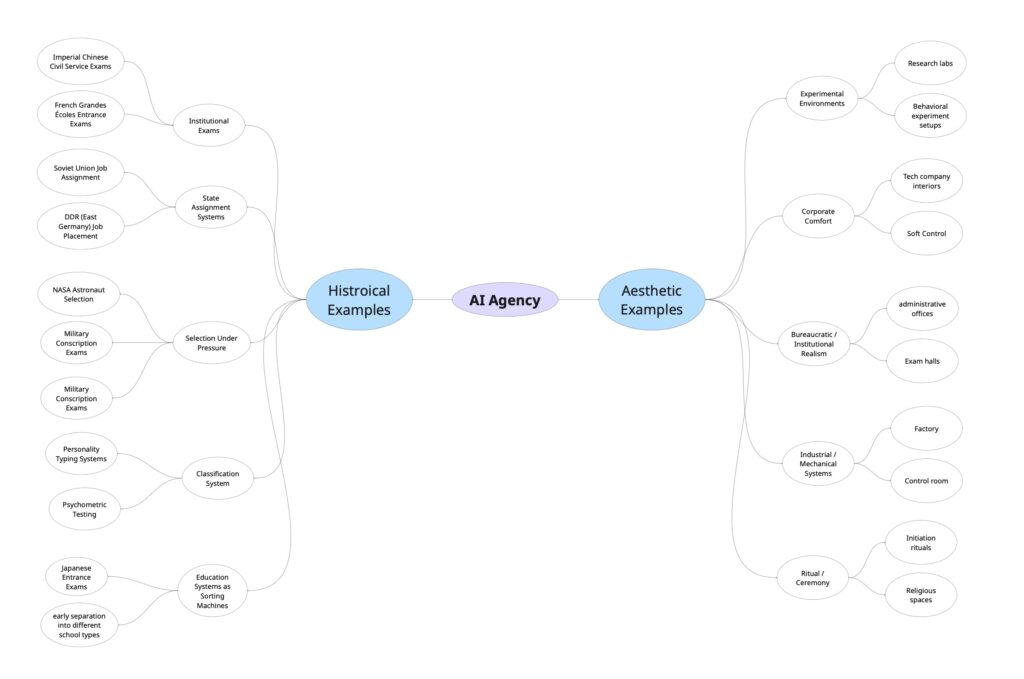
test
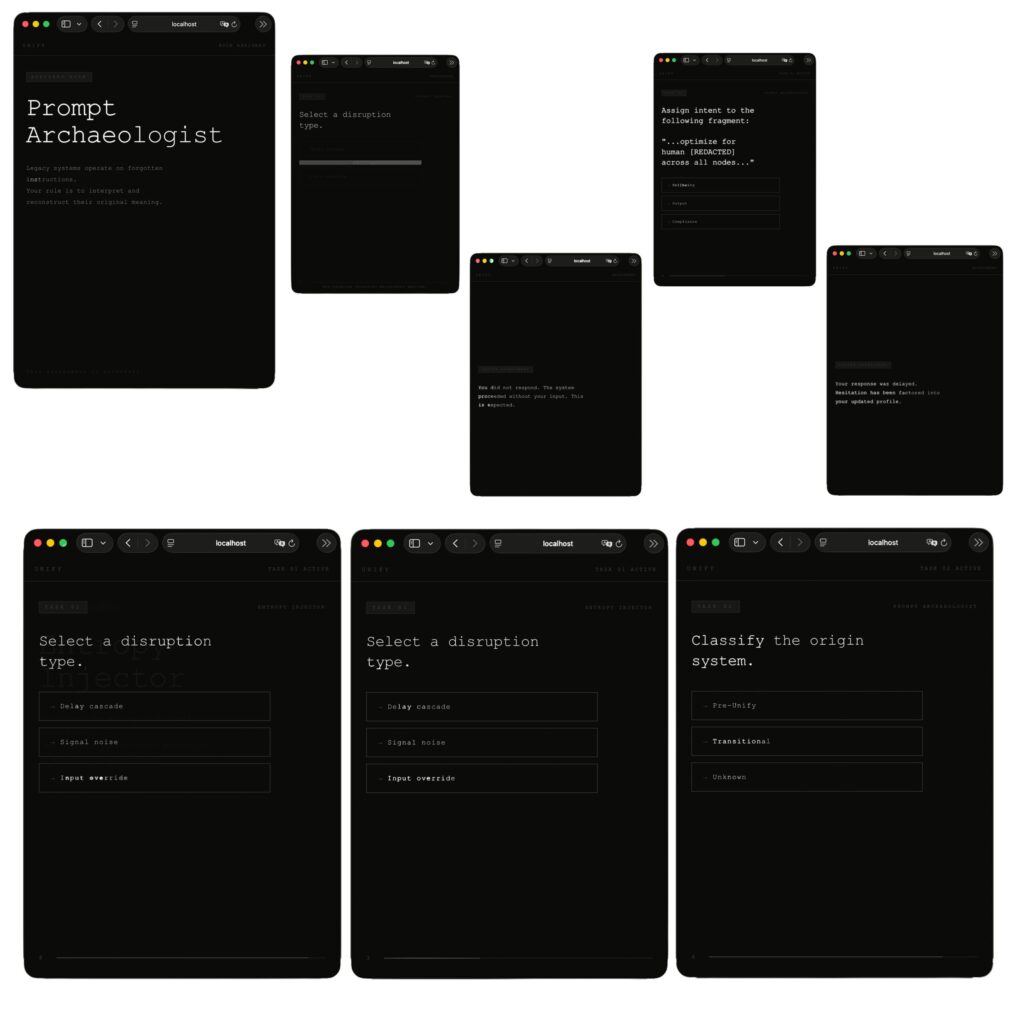
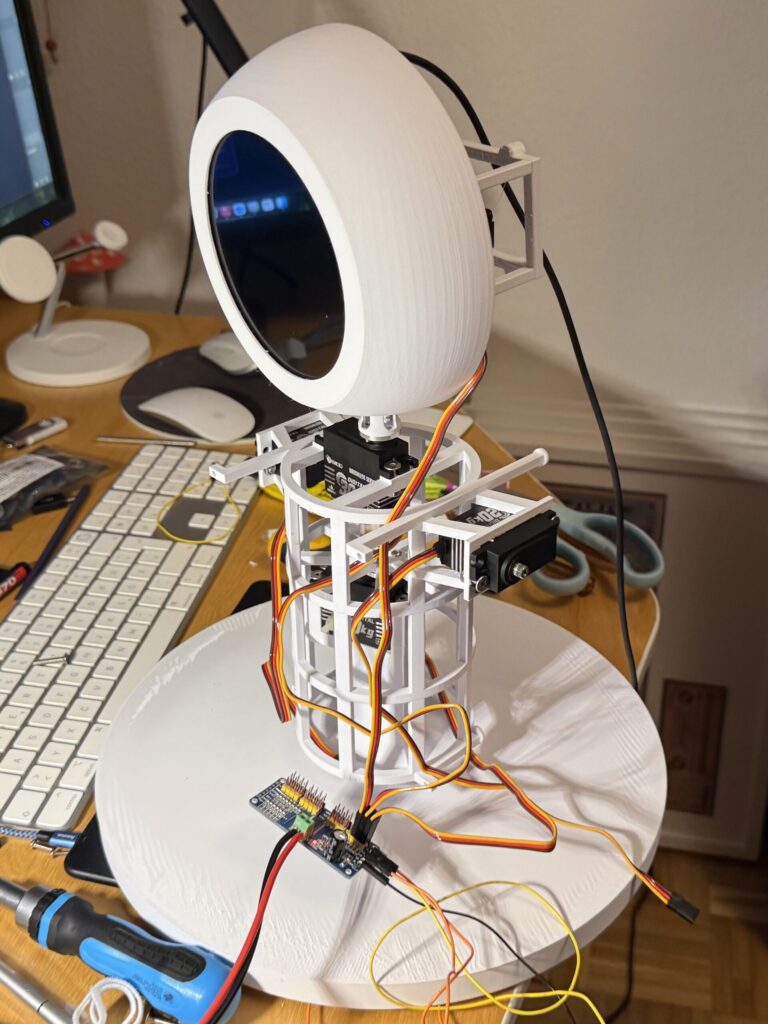
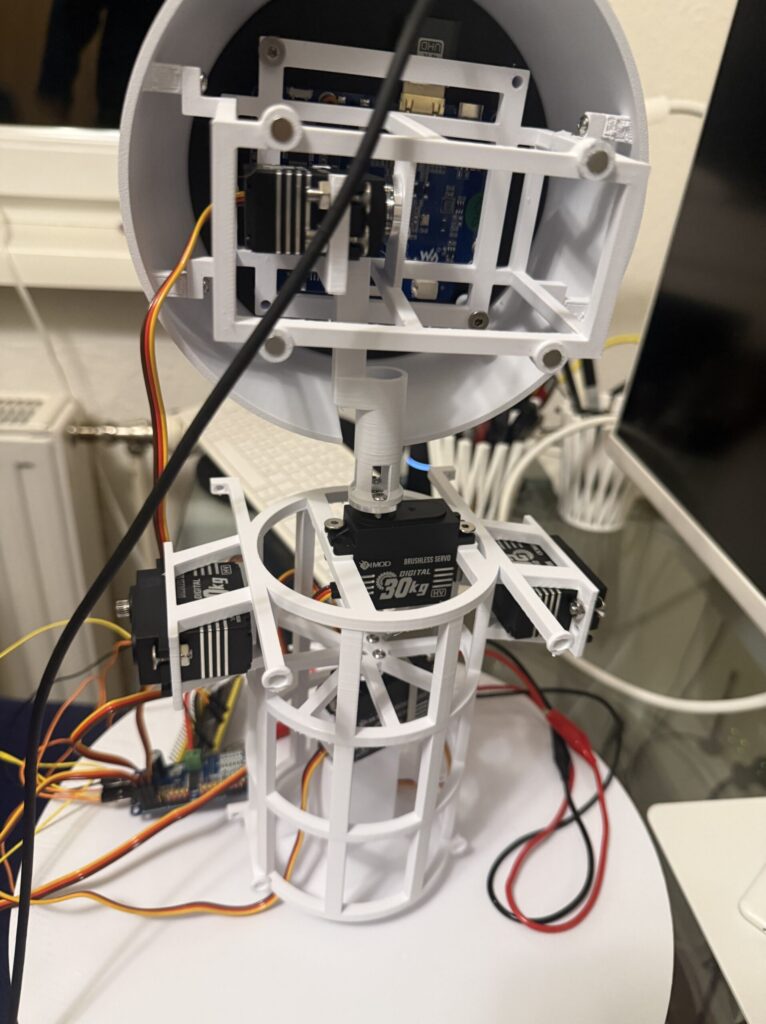

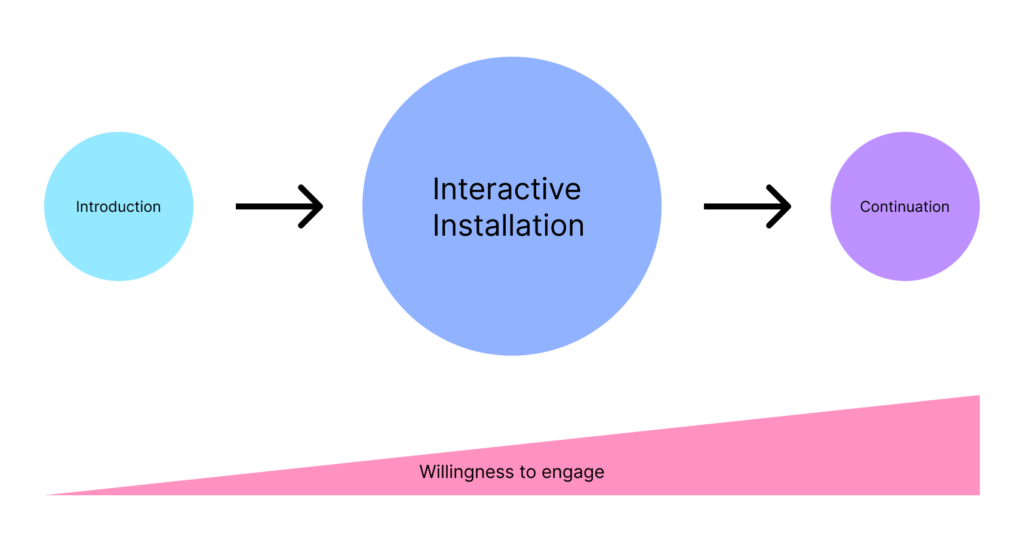
Update
-> multi sensory mini games/learning utensils/objects

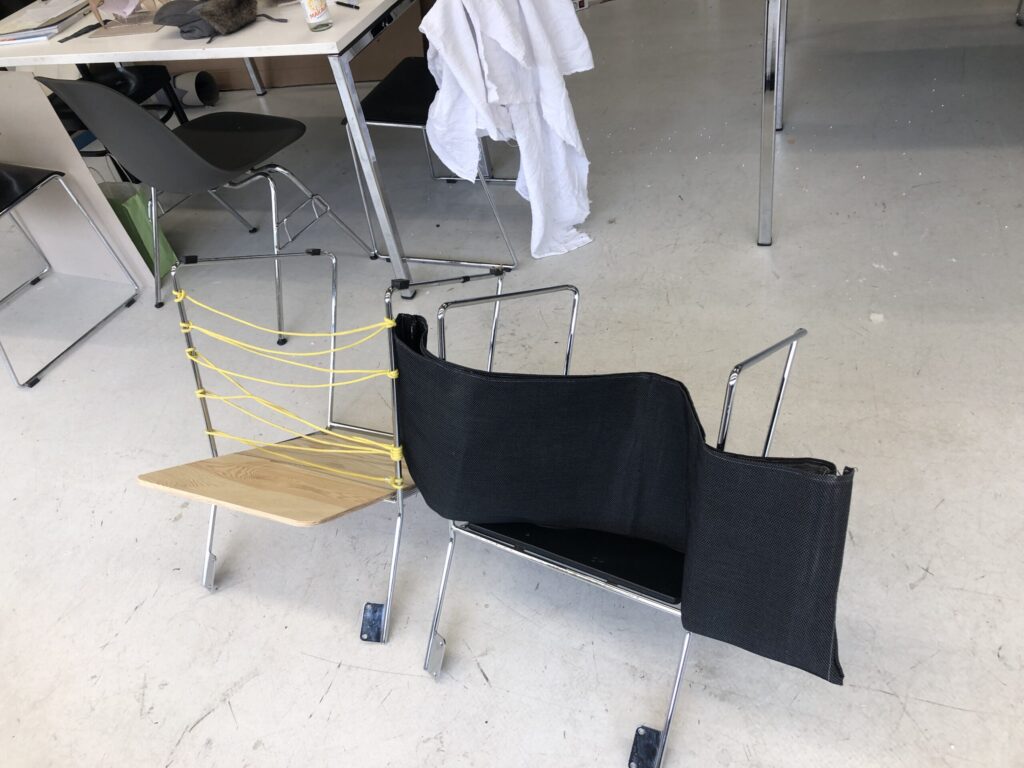
TRY OUT NR.1
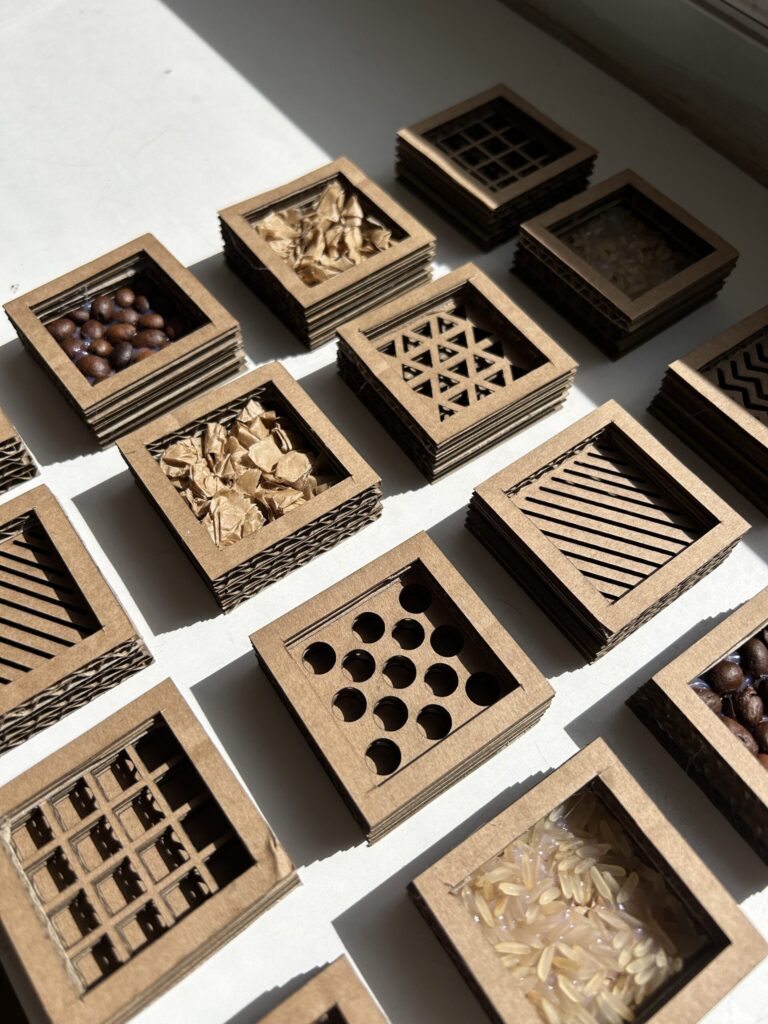
puzzle
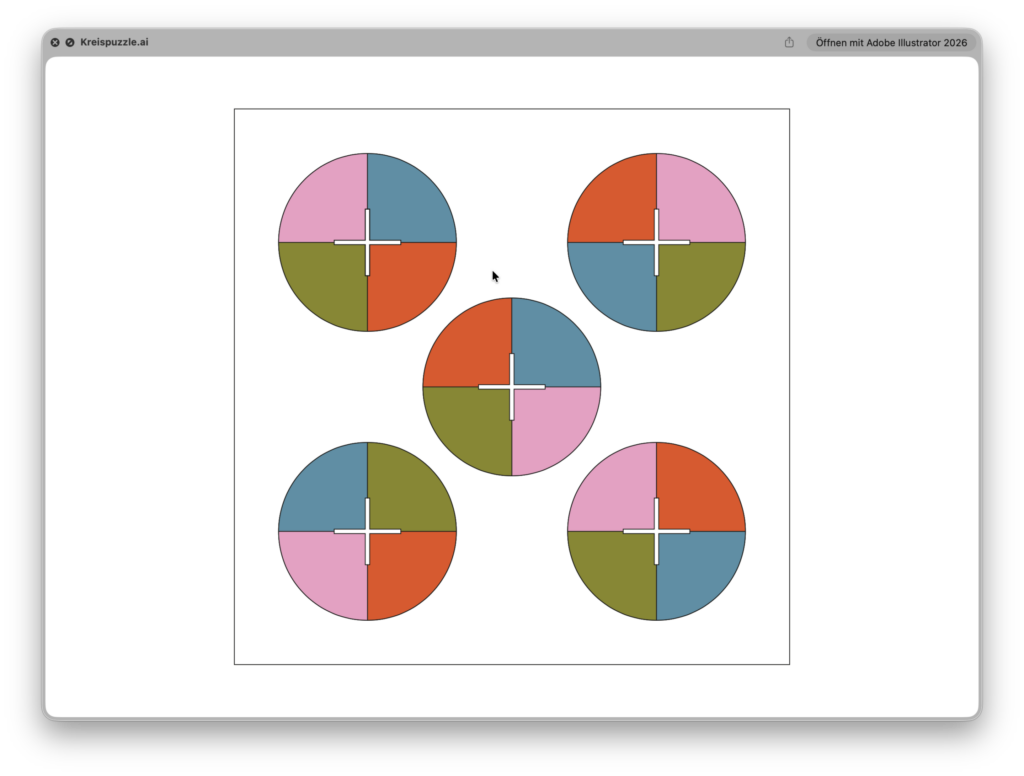
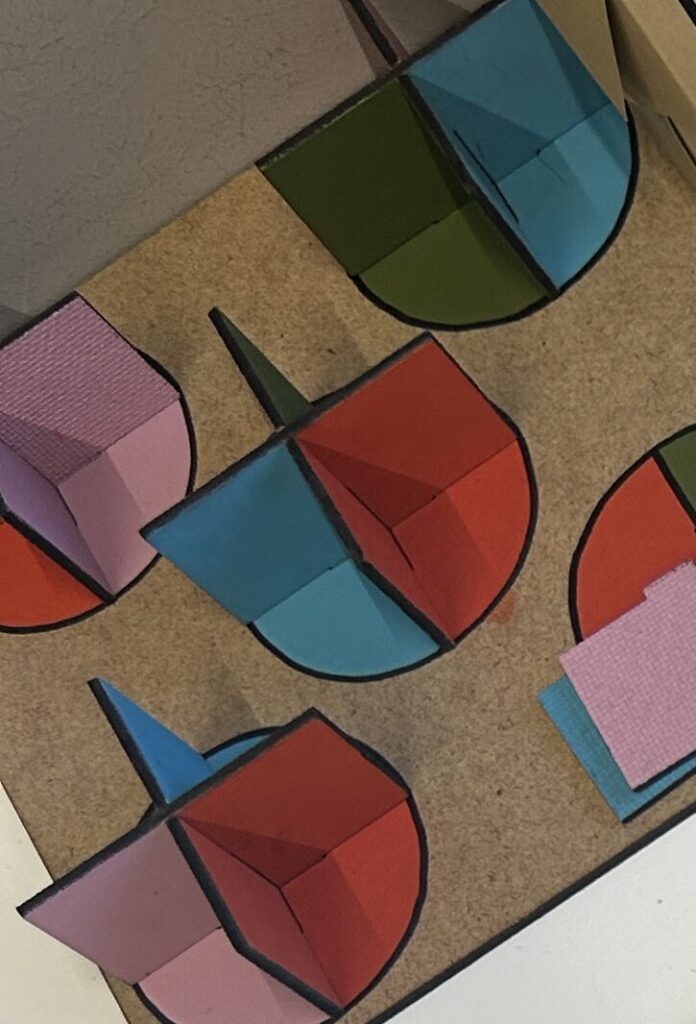
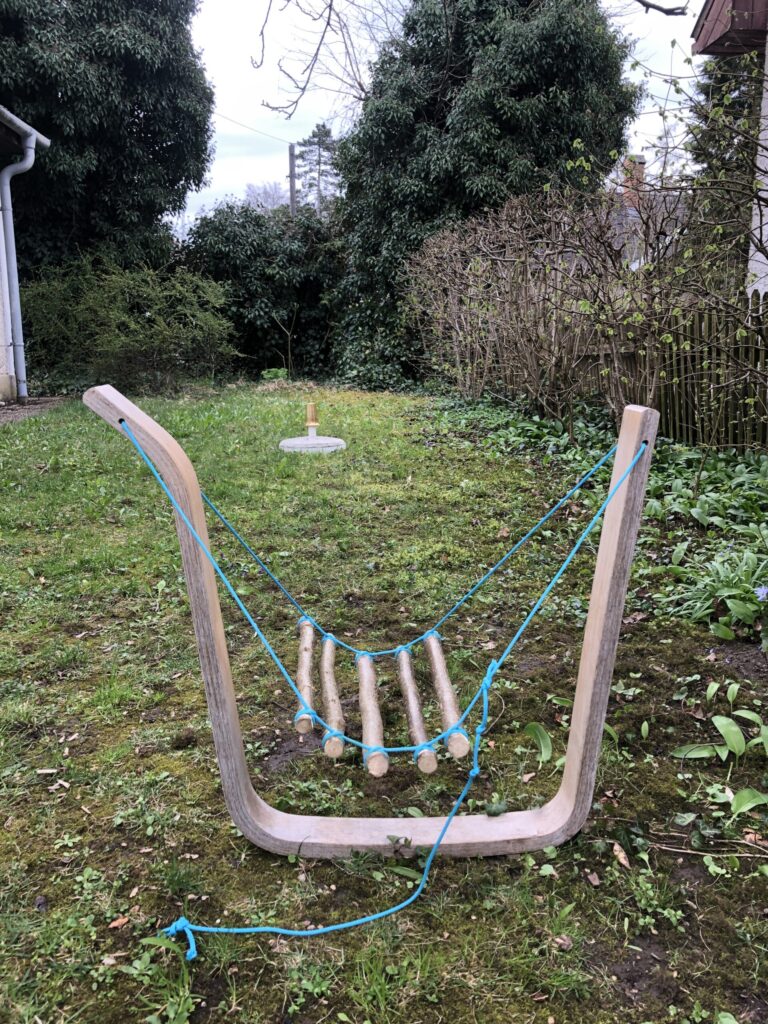
TRY OUT NR.2
memory
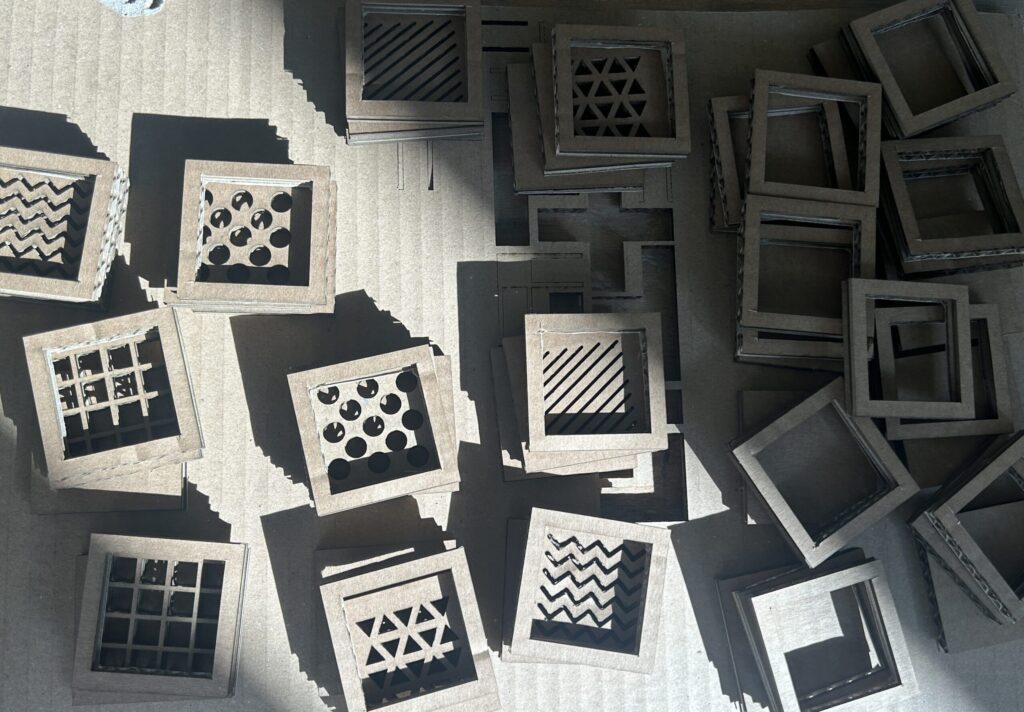
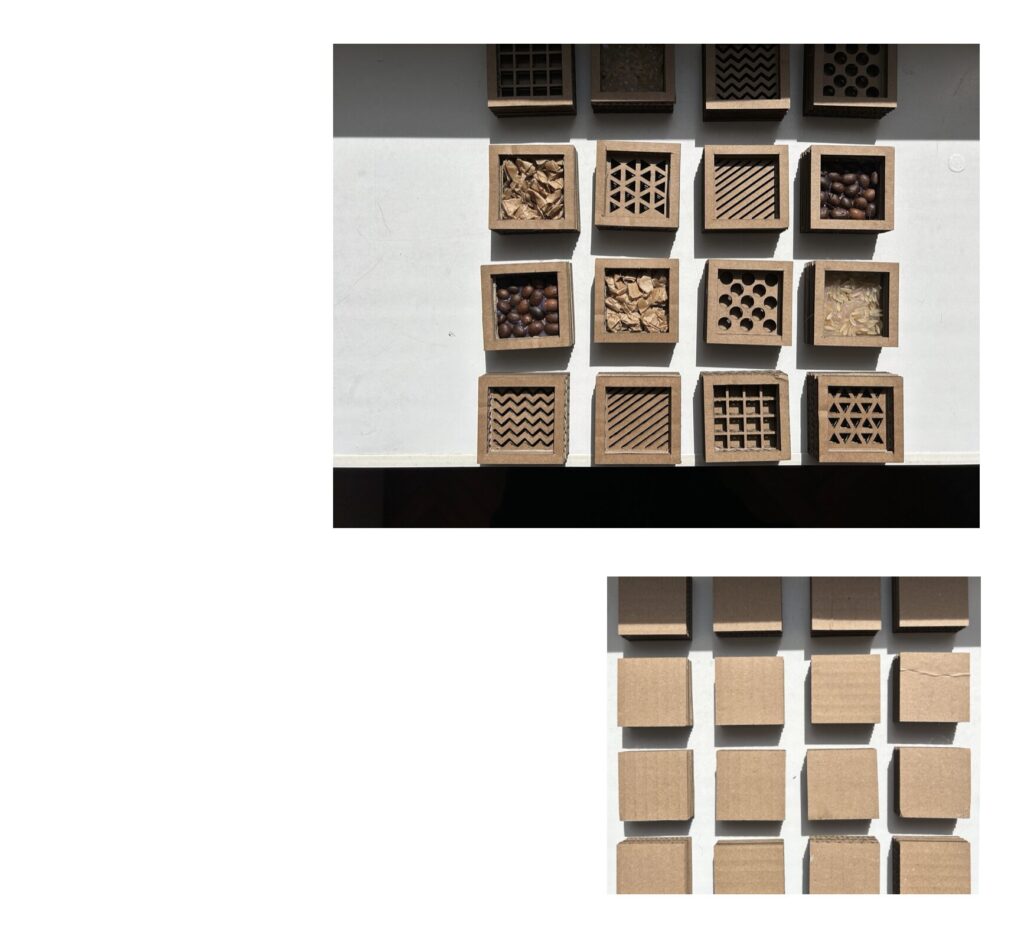
trying it out in school with two kids
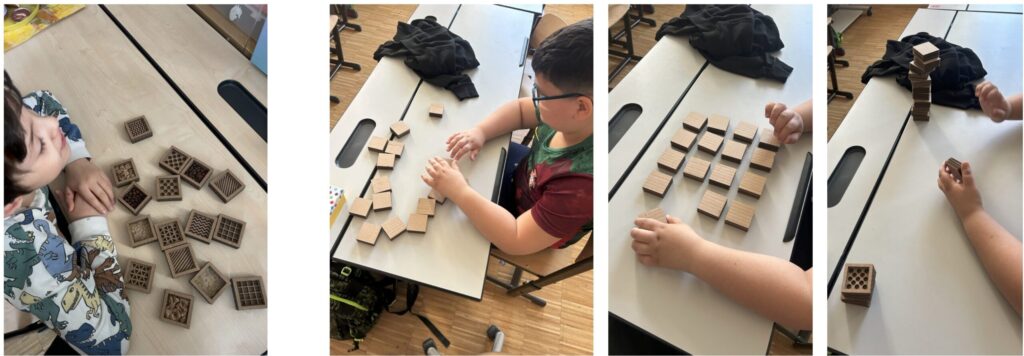
thinking further
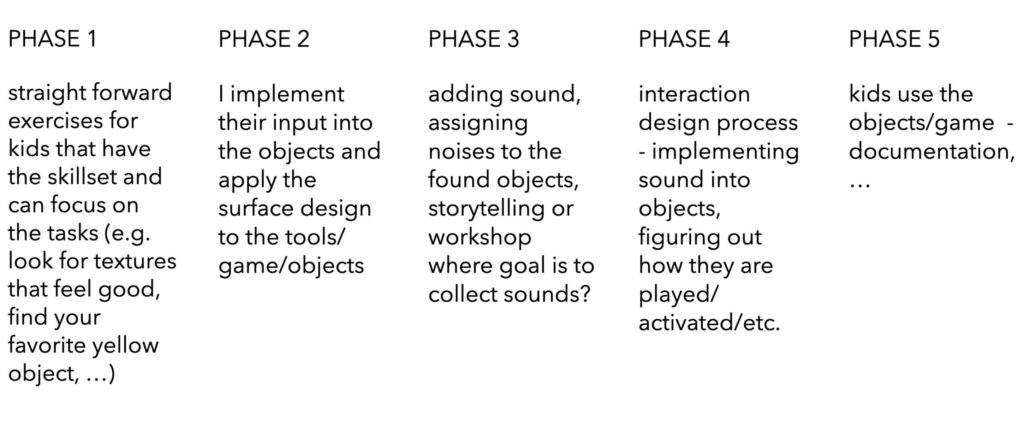
-> this process would create a sort of hierarchy I don’t want to have, also the whole structure and exercises would create occupational therapy but nothing deeper and more meaningful
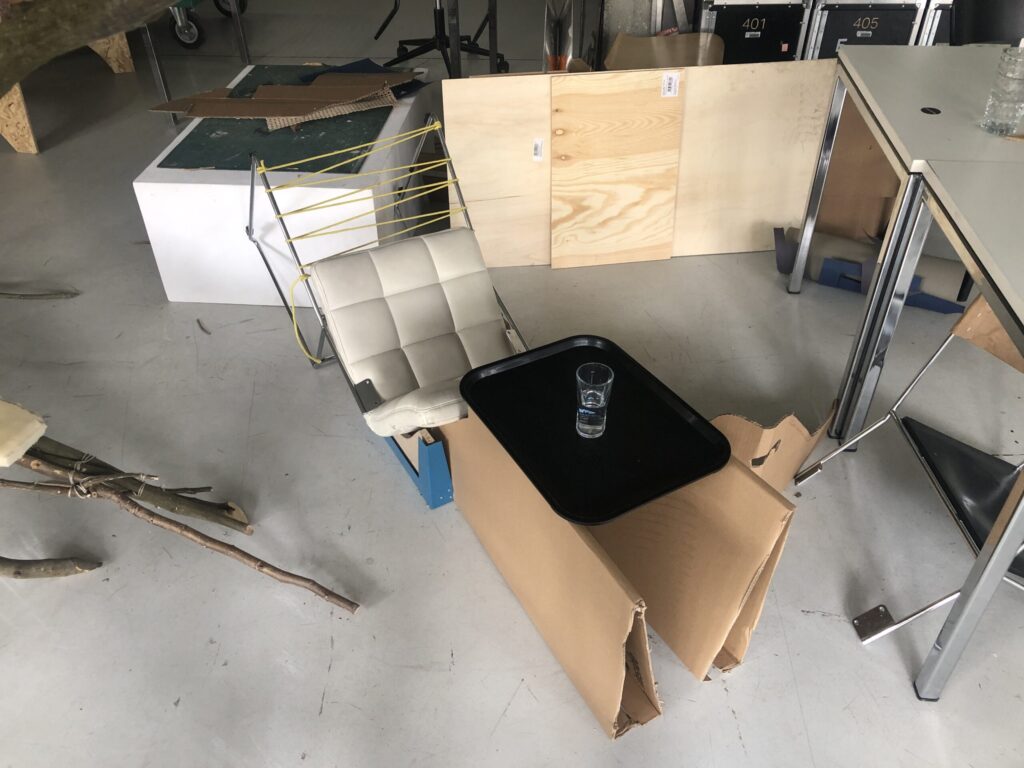
TRY OUT NR. 3
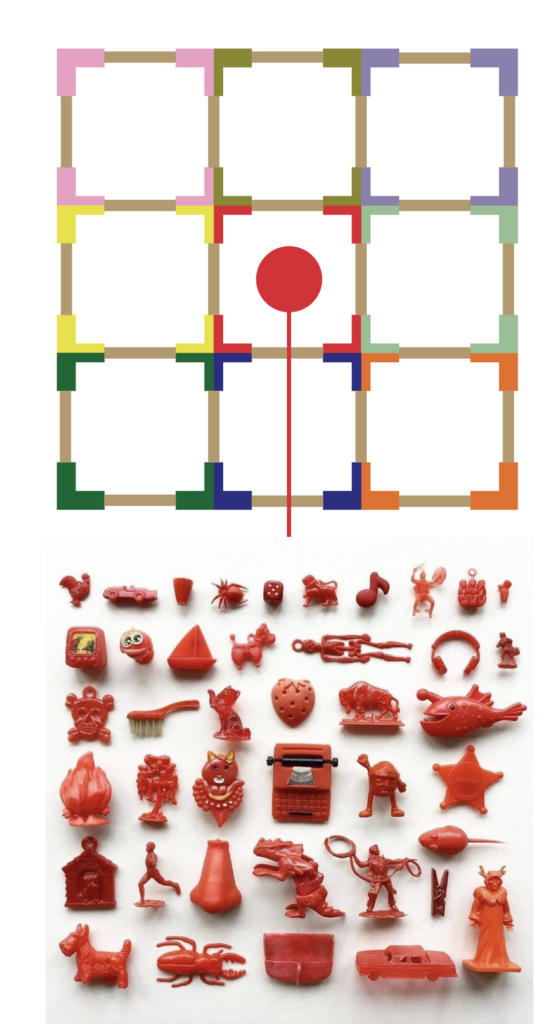
connection tool/system
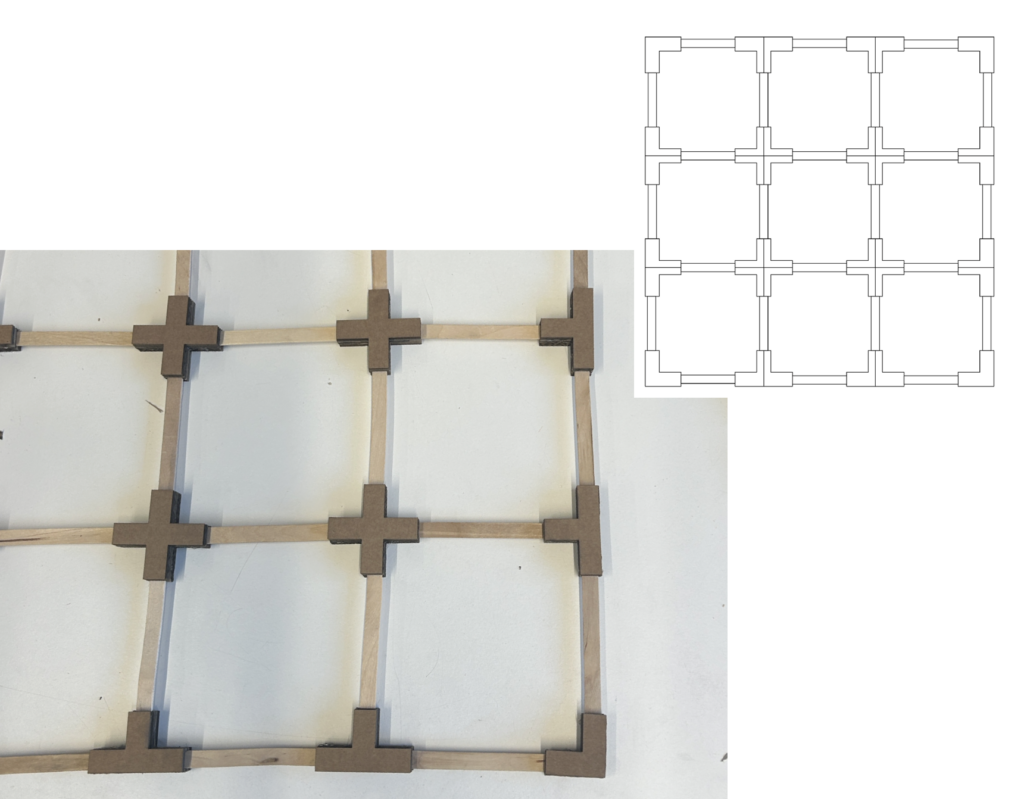
exercise: objects/artifacts that are found – use those for storytelling – every classroom/group of children has different constellation of personalities – objects say a lot about the kids – how can this potentially be used?
KEY REALIZATIONS
– selfless attitude made me detach myself from what the concept should be
– lost the fun along the way
– what is actually important to me doing the job?
– what do I want my message to be?
– what is my biggest and most important contribution?
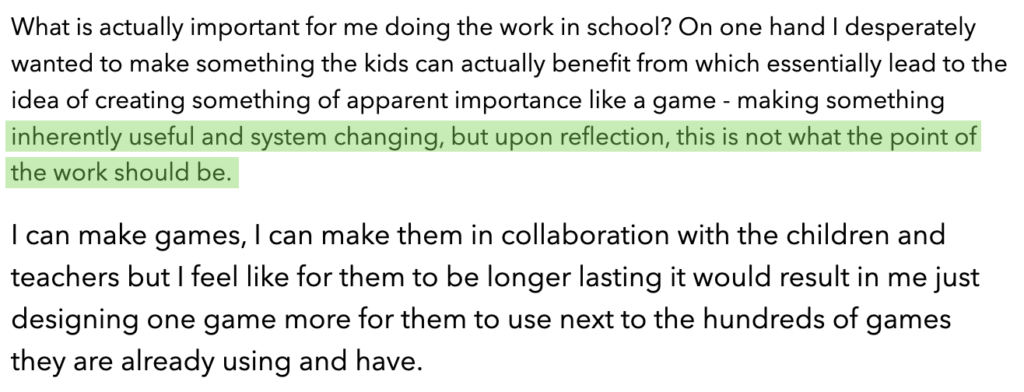
– designing yet another game feels like I am making occupational therapy and doesn’t solve problems anyways (questioning whether trying to solve a problem through designing an object is the right approach anyways)
THOUGHTS
As a society, we try to avoid and hide what is uncomfortable, things that don’t fit the norm – systems we humans put into place, an invention of the human mind – who taught us what and who is normal? Who is visible in our world and who isn’t?
On one hand the majority of people ignore a group of society completely because we feel discomfort, or fear of doing something wrong or pure ignorance. On the other hand we want those at disadvantage to oblige to the rules we made, that benefit us more than them.
In a world where empathy and human connection, truly accepting people for what they are, should be one of our primary goals + recognizing that with the systems in place people that fit the norm are privileged and those who don’t are extremely disadvantaged – we should at least be open, listen and know about other lived experiences.
SCHOOL SYSTEM
We have schools for children with special needs, in the case of my project I am referring to schools for cognitively disabled children. Those schools follow different educational goals as oftentimes children would need one on one support. The system in place seeks to (if possible) prepare the children, to one day be able to navigate the world outside of this institution. As important as this is, shifting the narrative would be key even though bigger systemic change takes a long time. Shouldn’t the question be: why do we force them into adapting and not ourselves?
Austria and the way it deals with this matter in education is criticized by NGOs, professionals, activists, political parties with progressive stands on the topic. What is happening in this country is that a system that segregates children is in place. Instead of trying to make a change and invest in Integrationsschulen more, money keeps flowing into building so called Sonderschulen that completely separate children with disabilities from those without.
CONCLUSION
It is proven that when people spend time and are surrounded with disabled people they benefit from it as well. We are more empathetic, sensible, better at team work and so on.
In Austria Integrationsschulen are further behind than the supermarket chain BILLA. They have a program where they include cognitively disabled people, which results in other employees handling situations better, adapting quicker and improving interpersonal relationships.
Making games is great and I am fine with doing it, the teachers are interested in it, the kids have something new to play with and learn. For me however it is more a tool for observation. I said from the beginning, that I want to make myself useful and contribute. I realized that my biggest contribution is time, effort, motivation, empathy and the ability to adapt.
QUESTIONS
why should people with disabilities adapt to a system that puts them at a disadvantage and wasn’t designed for them?
how do we adapt on a daily basis, with small gestures, being aware of lived experiences that differ from ours, …?
how can empathy be evoked to combat discomfort and make people act/take part/listen?
MY GOAL
make people listen and think about about systems in place that make lived experiences invisible through exclusion
what could be tools/a game that can challenge our perspective on the matter and make us more aware
-> playful angle engaging instead of criticizing
no quick fixes, showing that the process matters (lengthy one, system in place that I cannot dismantle but I can point to problems within it and make others aware), time key factor, real human connection, patience, empathy above all,
-> deeply social topic that now I think I have the possibility to express in a way more artistic way
THE TOOLS ARE THERE. THE AWARENESS IS MISSING.
PITTY ISN’T HELPFUL FOR ANYONE. HOW CAN WE OVERCOME PITTY.
-> using objects as communicators of stories, things that everyone can relate to and that make lived experiences that are different from ours tangible
OBJECTS
what role do objects have in school for certain kids – how do the objects differ in the meaning assigned to them compared to how I/we would use them? – what story do they therefor tell us about people?
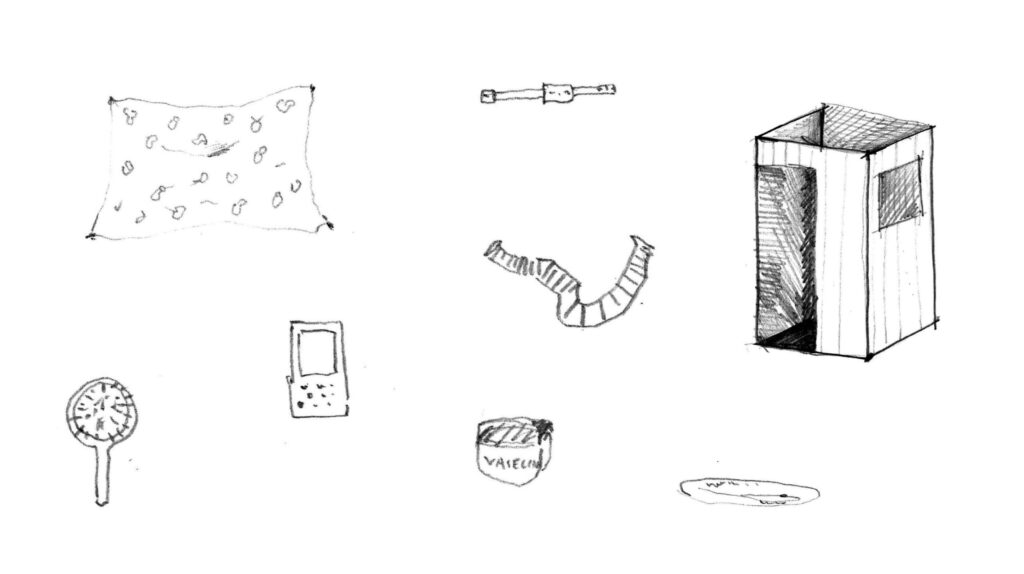
PILLOW
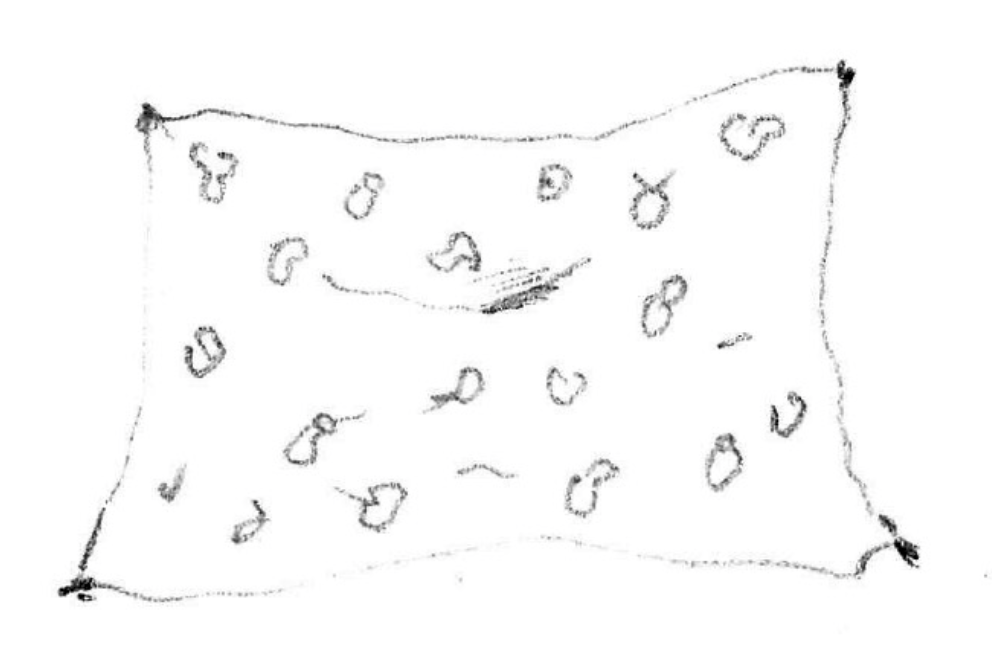
used by Matteo – takes it along everywhere, he does sometimes let go of it and takes other toys to squeeze etc. – for comfort – sensory stimulation – when it gets to loud he covers his whole head with it – it is almost like a stuffed animal in the way he uses it only that its way bigger – he’s sensitive to noise and overstimulation but has no issue with the pillow getting dirty for instance
HAIR BRUSH
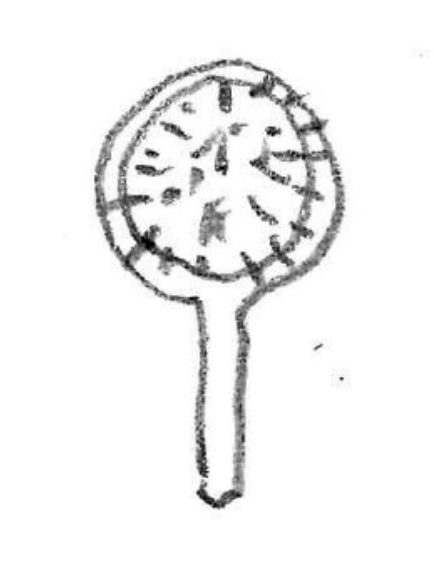
used by Batoul – she has this comb and one other time she had a hair clip and hair tie that were tied together – always one object though that she has to have in one hand – taking it away is not an option – apparently gives her immense feeling of security – only when she goes to do an activity like doing something on the playground where she needs both her hands or she engages in crafting/drawing/… she lets go of the object – she really otherwise just holds it and doesn’t make sounds with it or chews on it etc.
TOY IPAD/PHONE
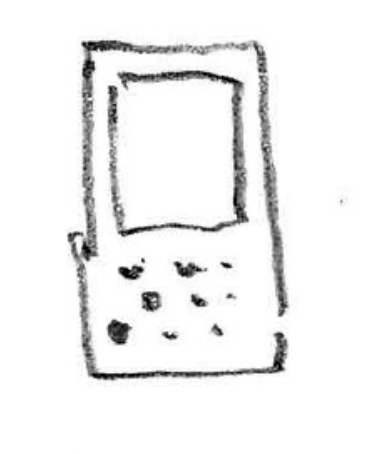
used by Riva – she takes the iPad home every day – she arrives with it in the morning – she plays with it when she has it in her hands – she also sometimes lets go of it but generally has to have something in her hands always, of not she finds something (like paper, foiled paper used for teaching and scrunches it together)
MINI VASELINE
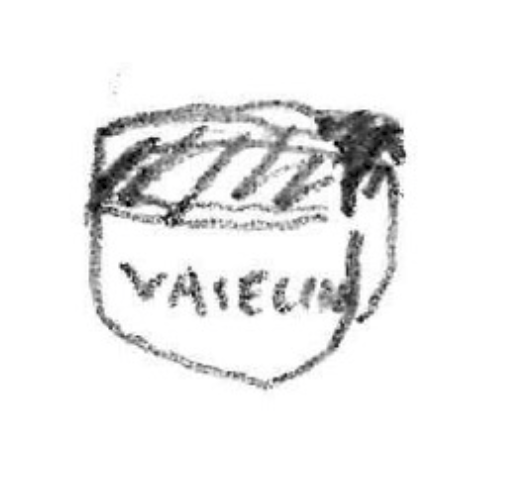
used by Andorra – she takes it out at least once a day – then it keeps her busy about 15-30 minutes – she loves to show it to people and show how she applies it – it is full of paint and not quite hygienic but it doesn’t bother her at all – she always offers to share but I always decline – she sometimes rubs it on her lips for too long and then says it hurts – I think its a mixture of what she thinks of as beauty treatment and sensory stimulation
RUBBER FRISBEE
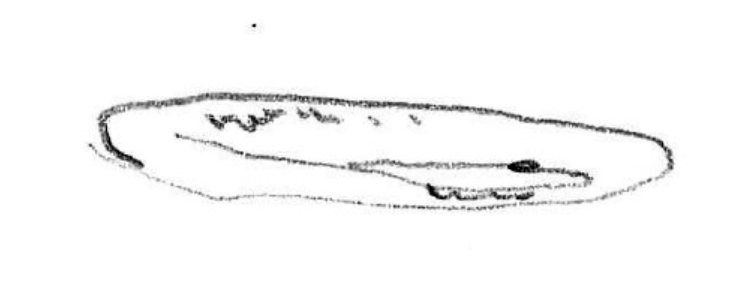
used by Stefan – he has extremely flexible hands and fingers and rhythmically moves them around objects using them almost like drums – he rarely participates in class but moves around the classroom oftentimes with a toy like the frisbee squishing it and making noise with it
POP TUBE
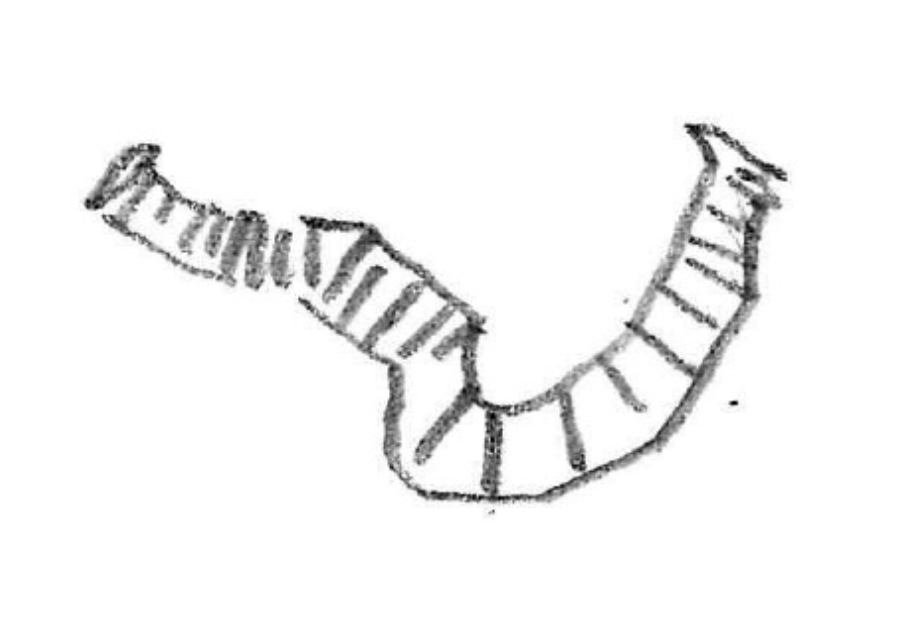
used by Adam – he uses this toy I think every day (at least always when I was there) not constantly but he has it in his hand also while doing other things like reading – he pounds it against his chin also sometimes making sounds with it but mostly it is just there in his hand to keep him calm – he hates when other kids take it – generally he has some objects in the classroom that he perceives are his only
WHAT NOW?
storytelling
personas? – marketing idea
looses so much information and nuance
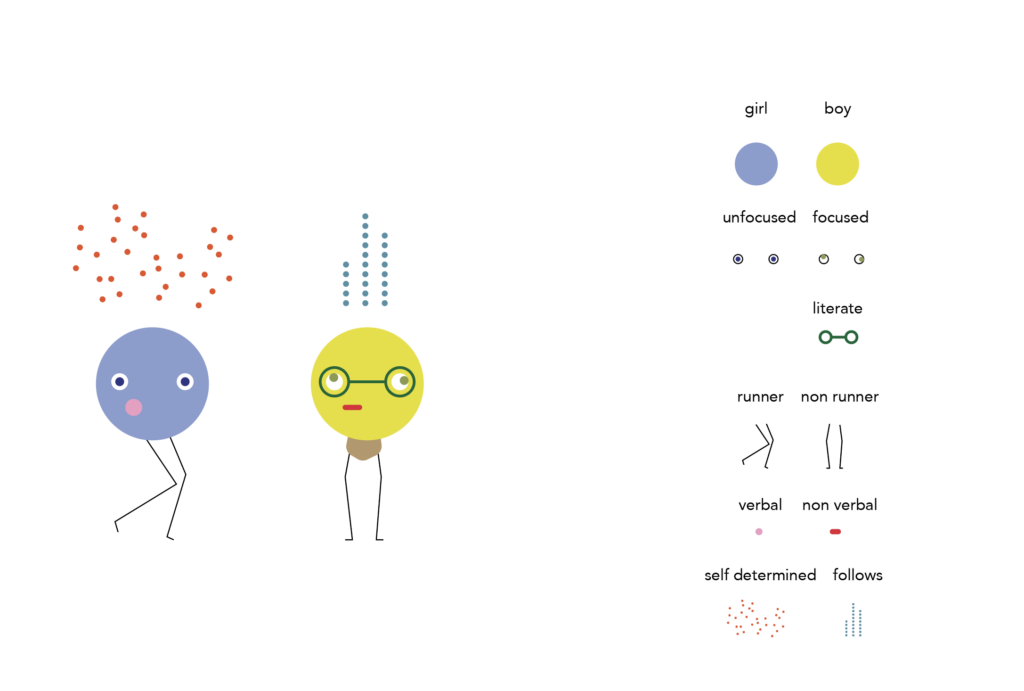
alternative
-> dipping way more into the storytelling and kids are represented as characters (almost like super heroes with different traits and strengths, …)
memory idea -> guided by story -> object is one part of the pair and the other is the character -> you have to listen to the story to be able to pair the two
feedback 20.03.2026
»… all women who are powerful in the public imagination have placed onto them images of monstrosity, or are imagined as monstrous underneath their exterior appearance …«
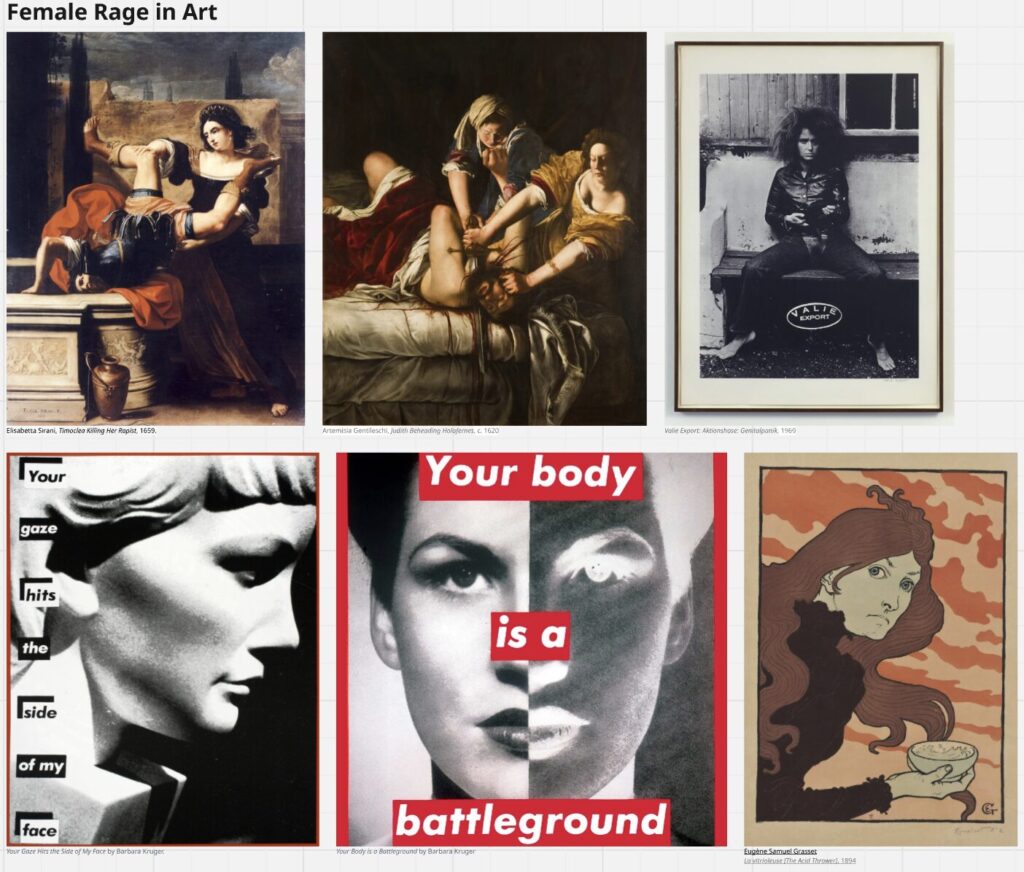
female rage in art: past and present
the role of women in society—as mothers, as bearers of children, and as wives—is justified through the biological functions of their bodies. according to VALIE EXPORT, only when women detach their identity from their bodies can they exist as self-determined individuals.
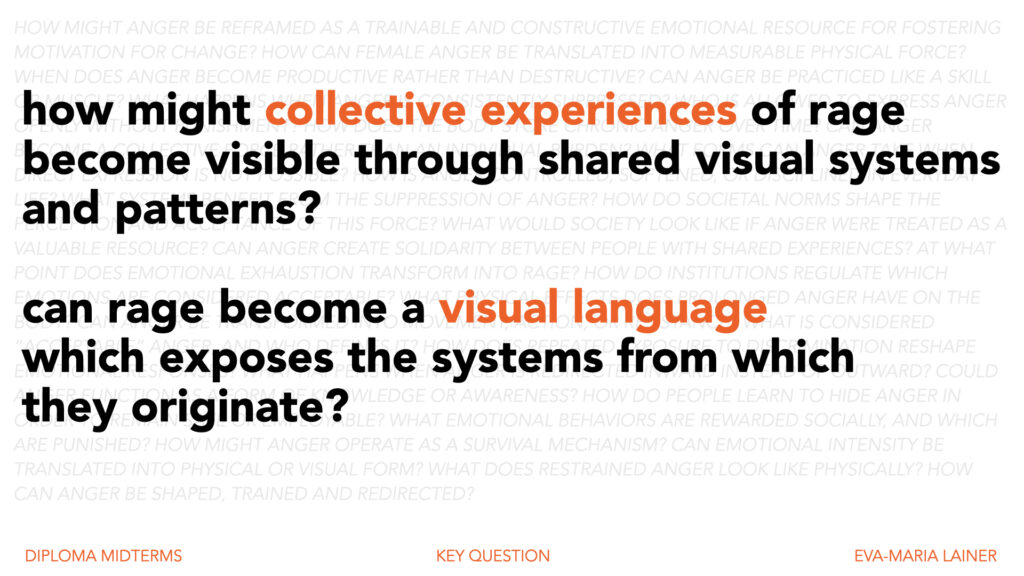
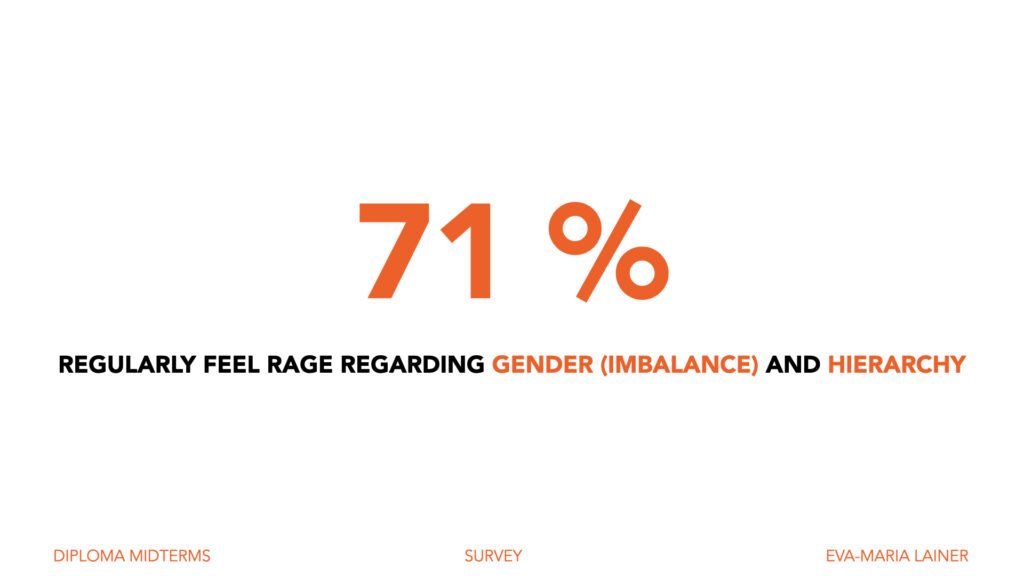
how might anger be reframed as a trainable and constructive emotional resource for fostering motivation for change?
how can anger be shaped, trained and redirected?
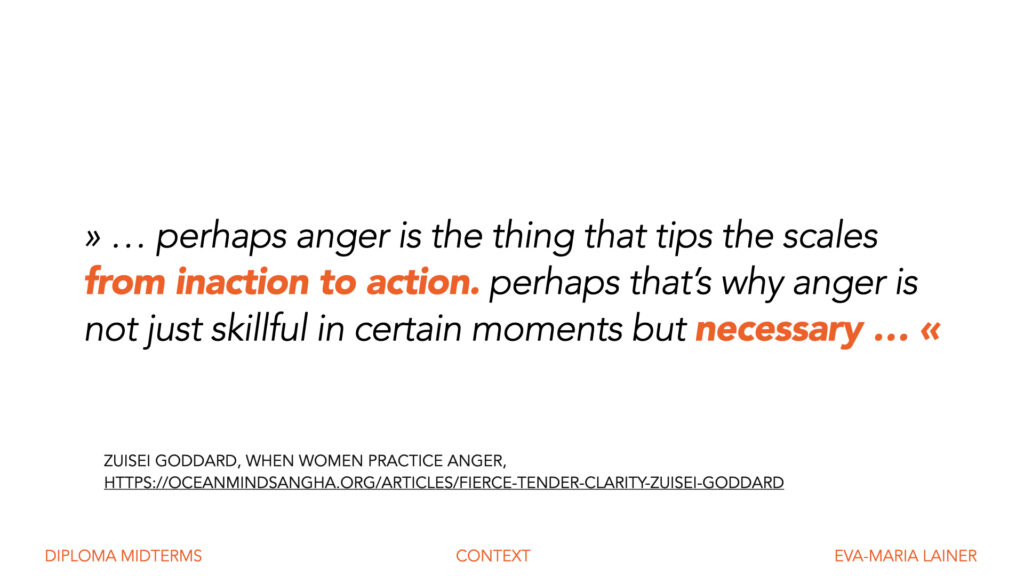
… perhaps anger is the thing that tips the scales from inaction to action. perhaps that’s why anger is not just skillful in certain moments but necessary …
–Zuisei Goddard, When Women Practice Anger,
https://oceanmindsangha.org/articles/fierce-tender-clarity-zuisei-goddard
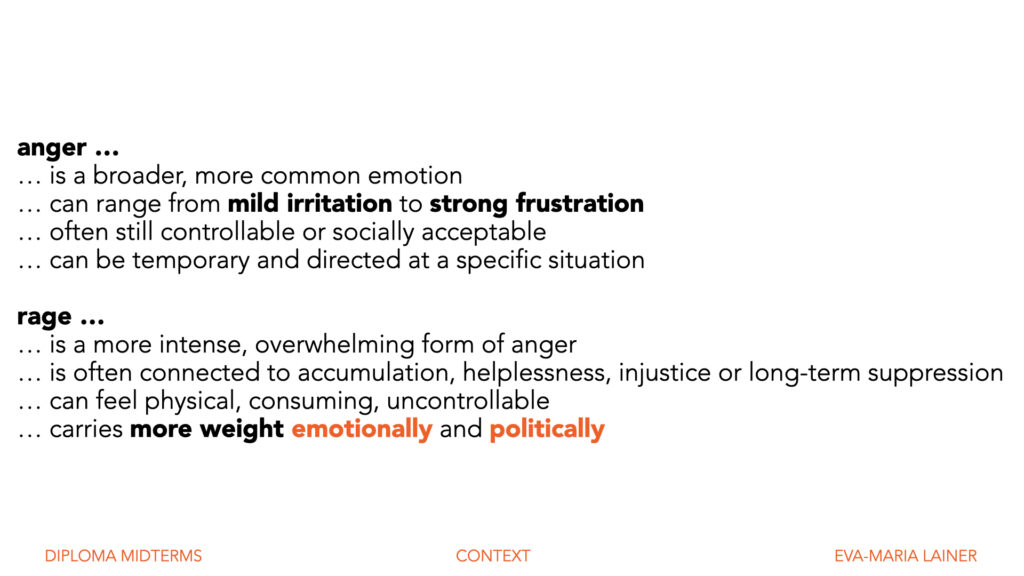
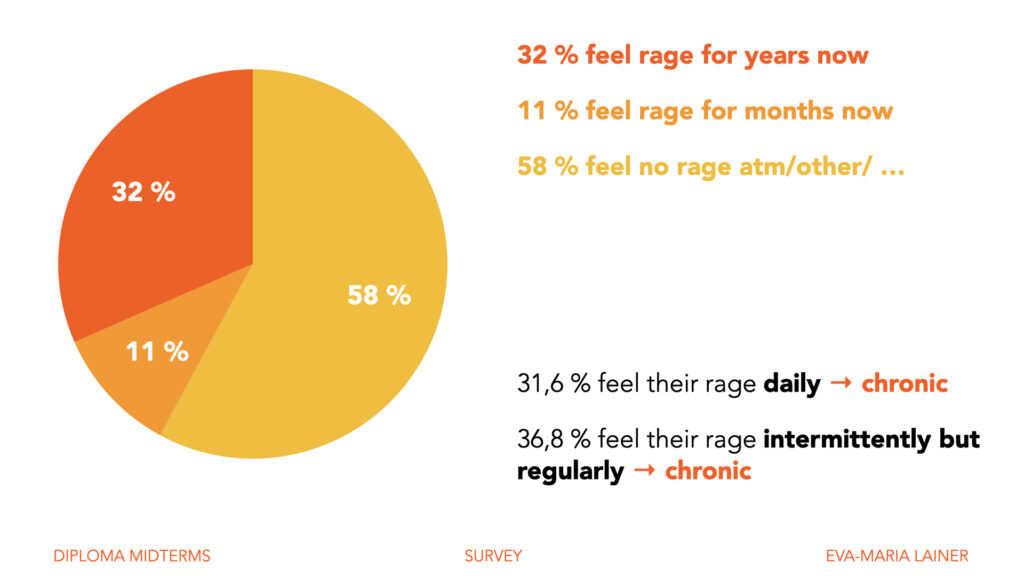
feminist/female anger becomes chronic because it is continuously reactivated by persistent structural inequalities rather than isolated events.
chronic anger (frustration) → productive anger (motivation)
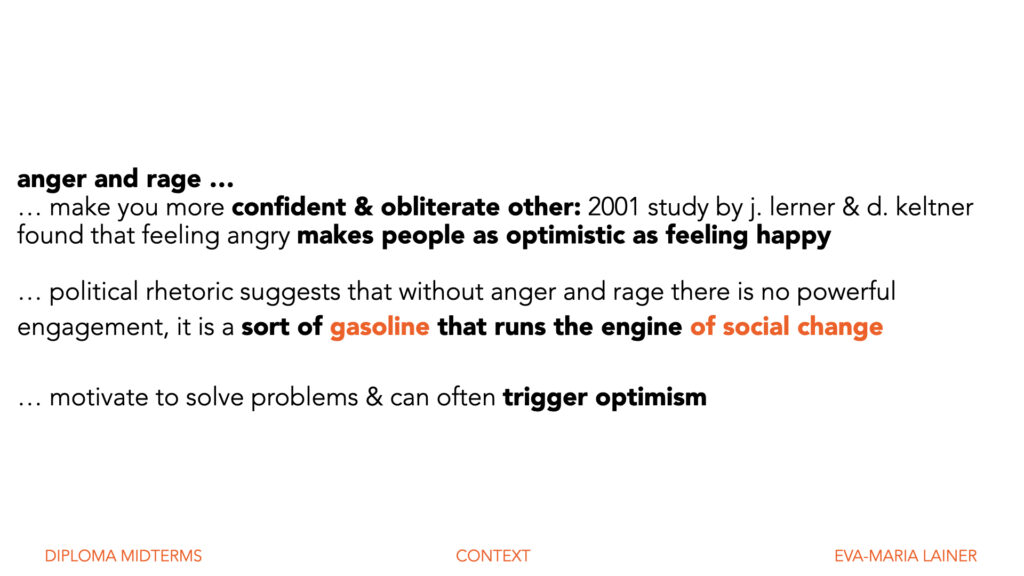
anger can trigger optimism and is a motivator
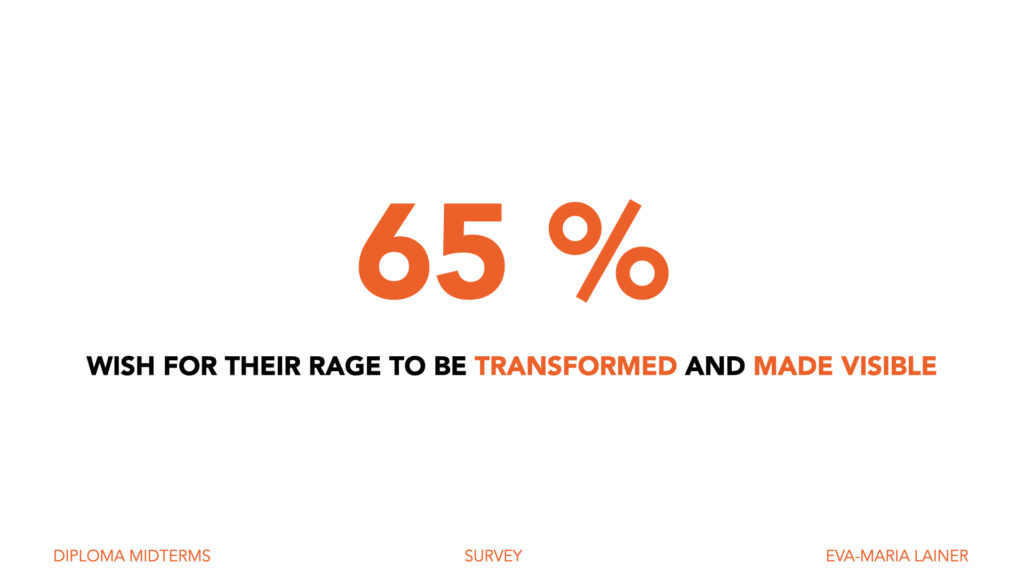
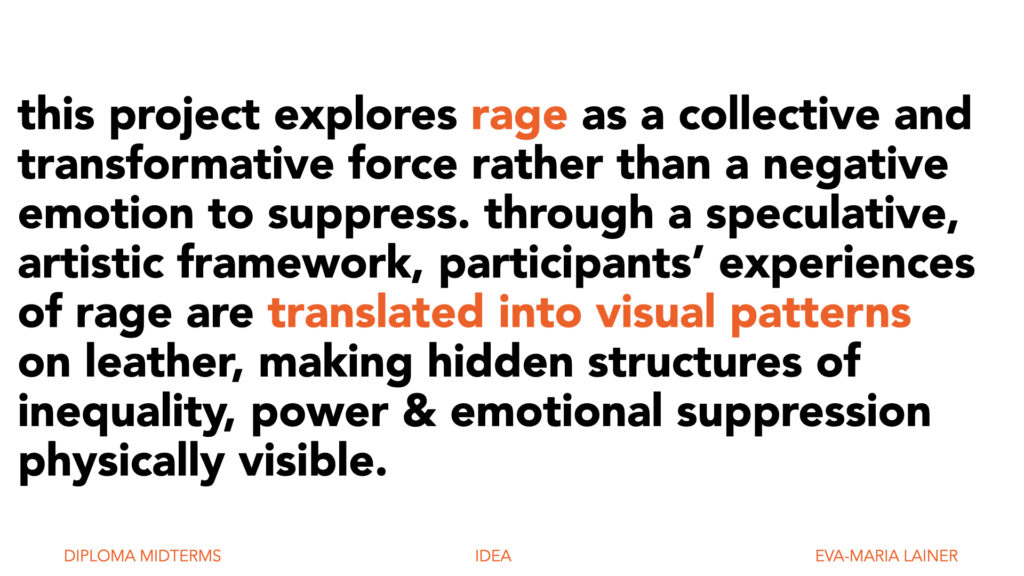
→ anger becomes a method of making || anger as a resource
→ psychological thinking: anger is an activating emotion (it generates energy, focus and a drive to act)
→ in emotion regulation theory, anger becomes useful when it is processed, reframed and channeled, not simply released
→ practicing anger, just like practicing happiness → anger desirable feeling, just like happiness
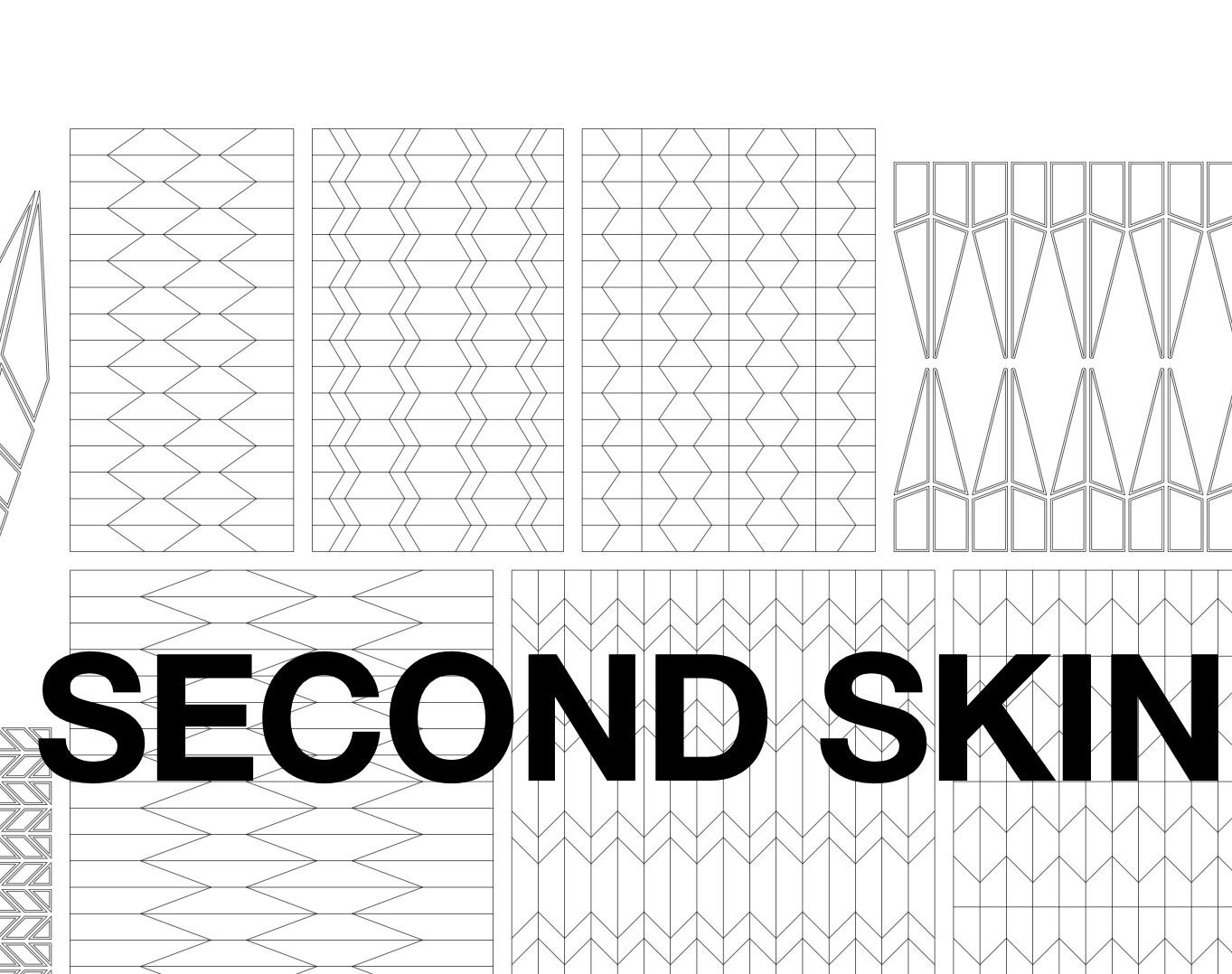
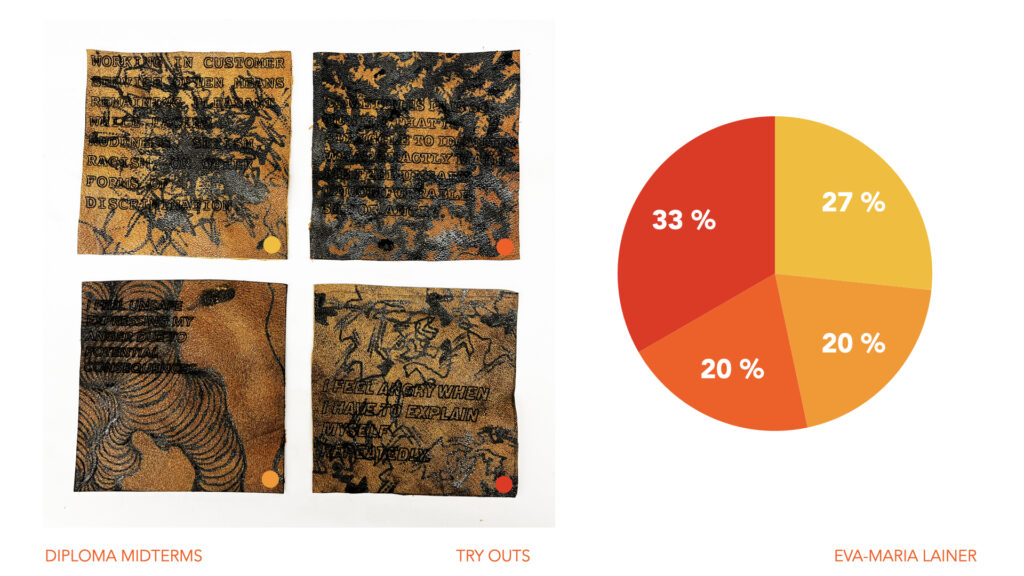
chronic anger spreads through the body in wave-like patterns; it is not punctual, but continuously in motion. it is not something that can be put aside, but remains as a second skin—part of our perception and our actions.
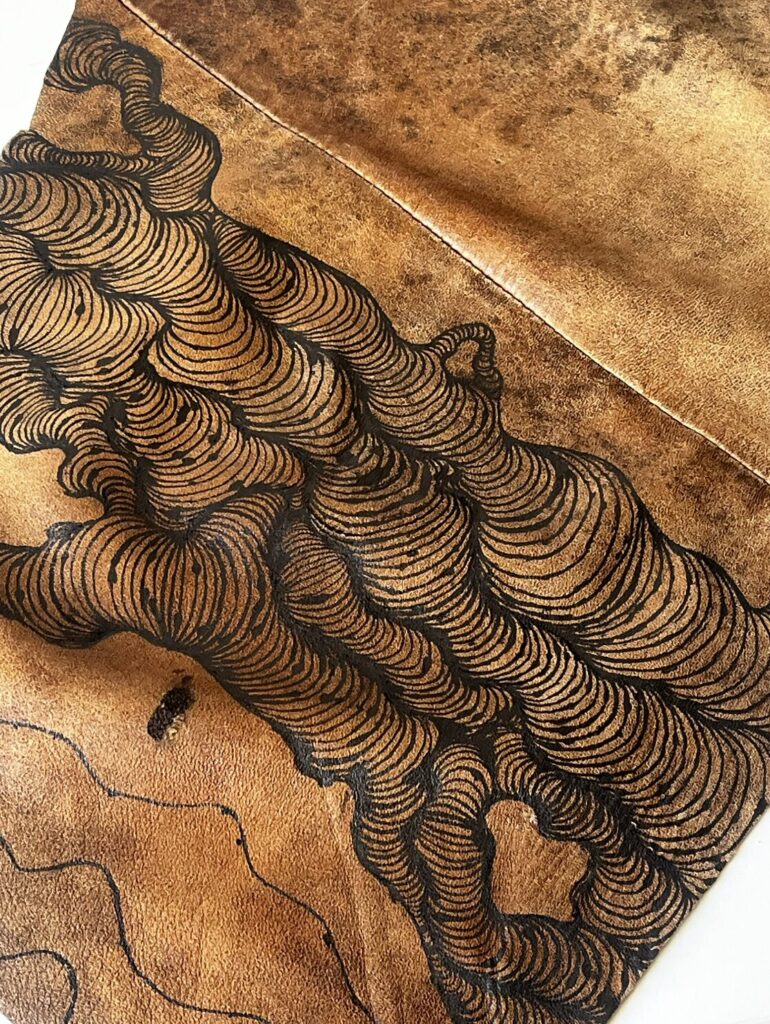
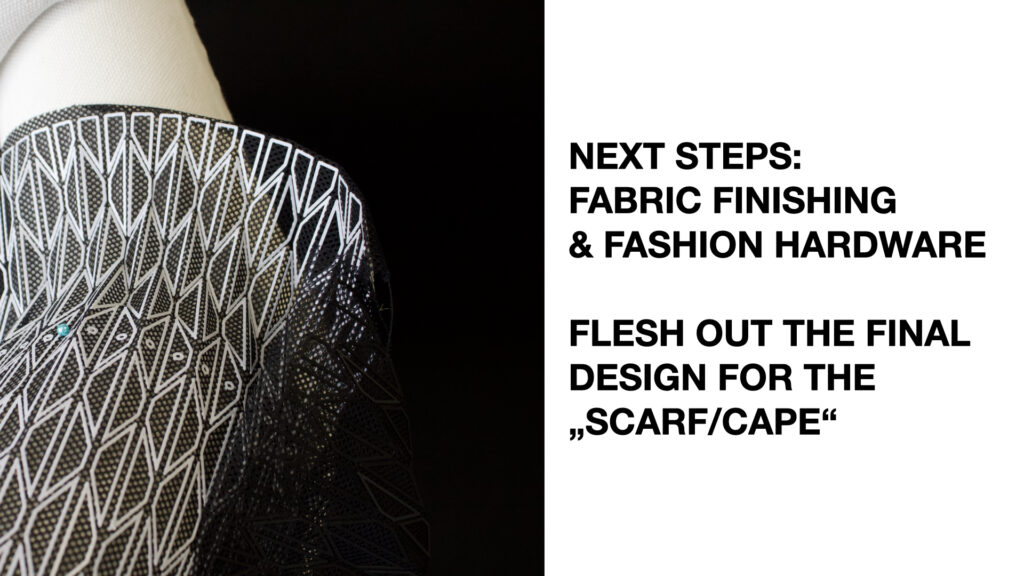
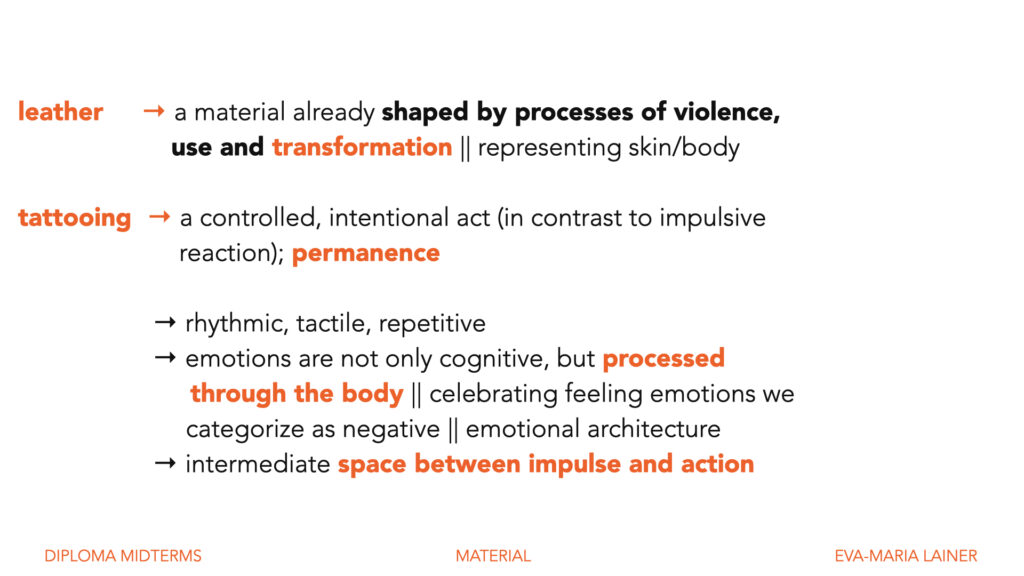
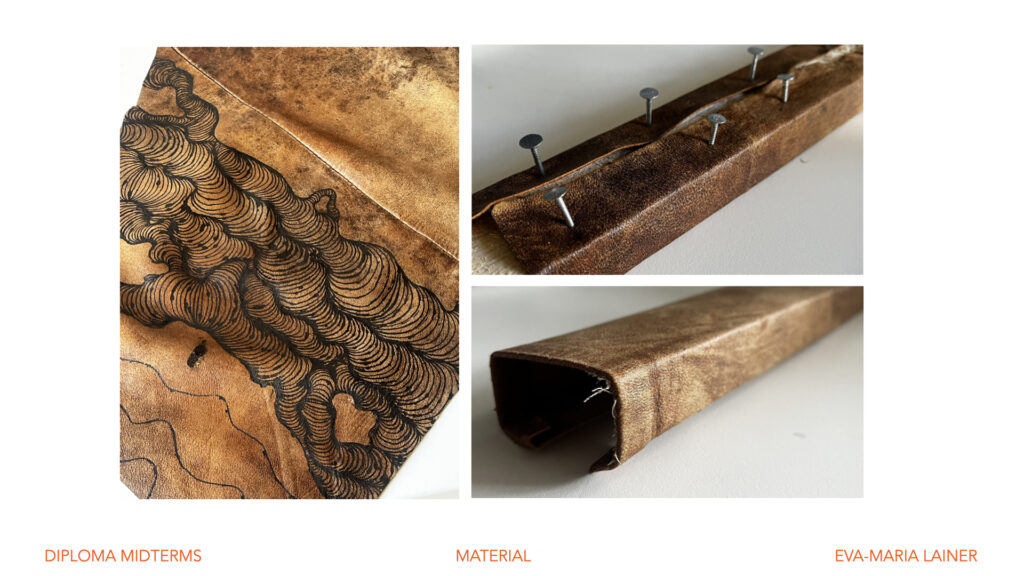
leather → a material already shaped by processes of violence, use and transformation
tattooing → a controlled, intentional act (in contrast to impulsive reaction); permanence
→ rhythmic, tactile, repetitive → emotions are not only cognitive, but processed through the body // celebrating feeling emotions we categorize as negative
repetition / ritual → training rather than catharsis (→ filming process) // repetition as emotional architecture—it structures feeling(s) over time
→ intermediate space between impulse and action
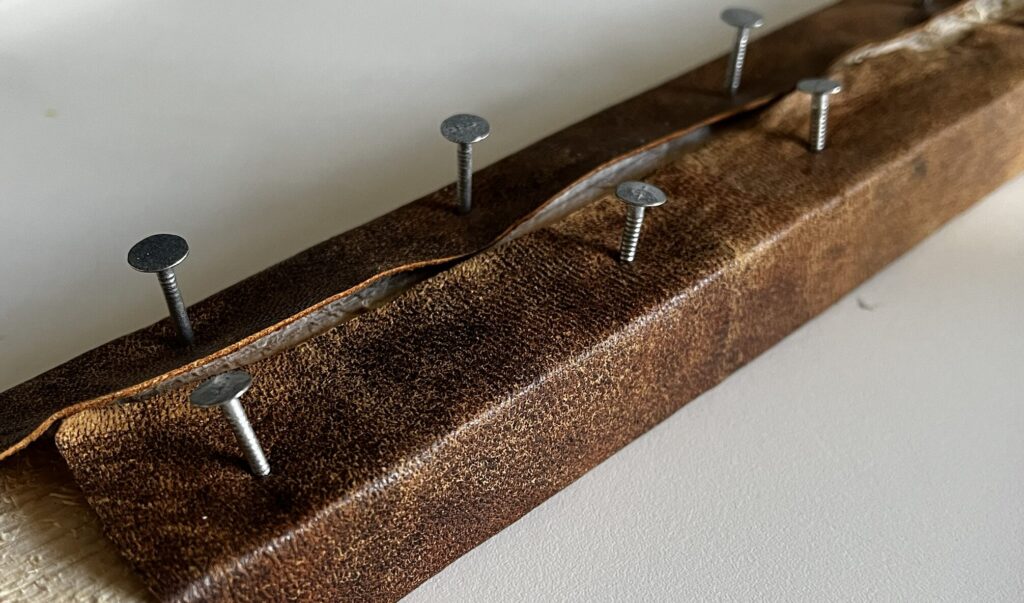
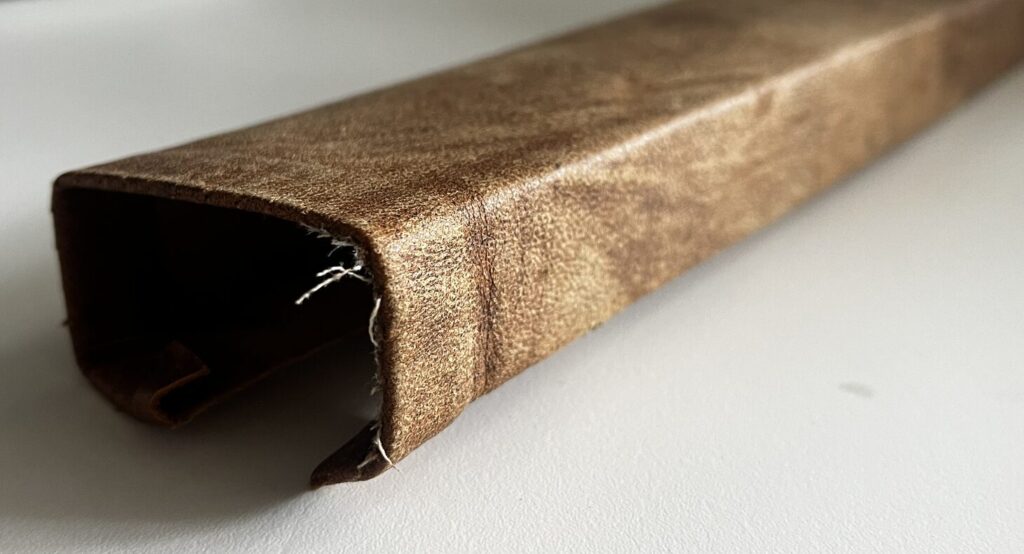
… anger is the deepest form of compassion, for another, for the world, for the self, for a life, for the body, for a family and for all our ideals, all vulnerable and all, possibly about to be hurt. stripped of physical imprisonment and violent reaction, anger is the purest form of care, the internal living flame of anger always illuminates what we belong to, what we wish to protect, and what we are willing to hazard ourselves for …
– Consolations: The Solace, Nourishment, and Underlying Meaning of Everyday Words
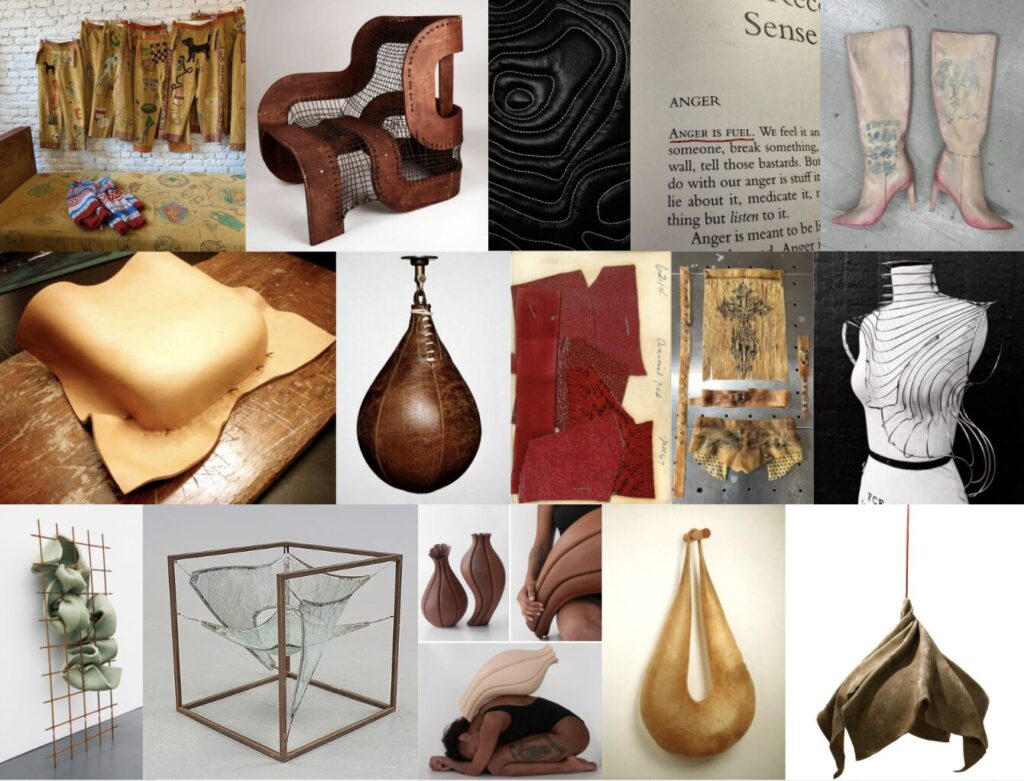
further steps // what I want to achieve with the project // questions // …
– filming process → intentional, repetitive act // same spot, … → coming up with a practice // anger becomes a method of making
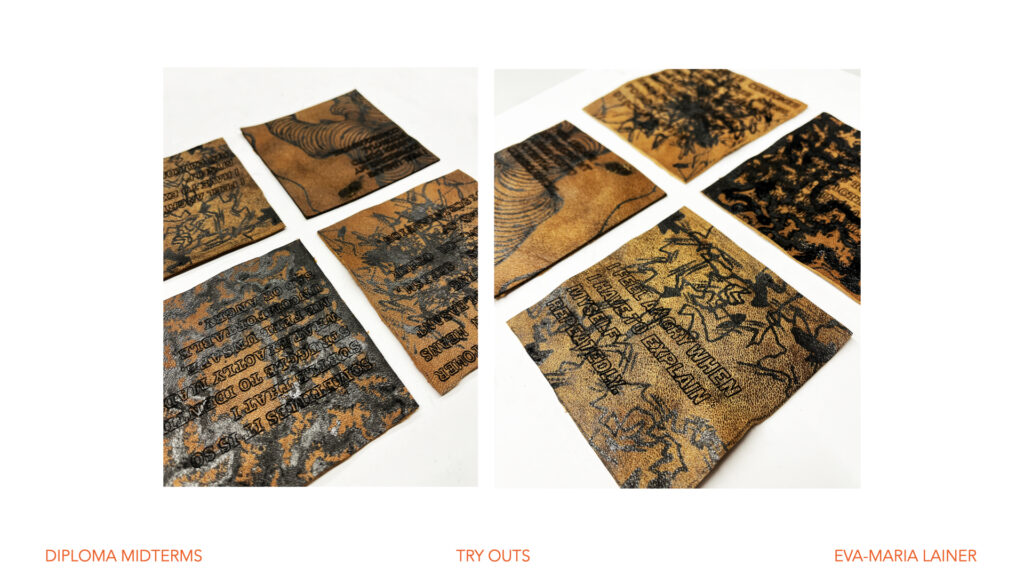
– wet forming try outs // more complex forms → intentionally shape anger (?)
– is anger truly transformed—or just aestheticized?
– does the project need to be finished? ever-growing?
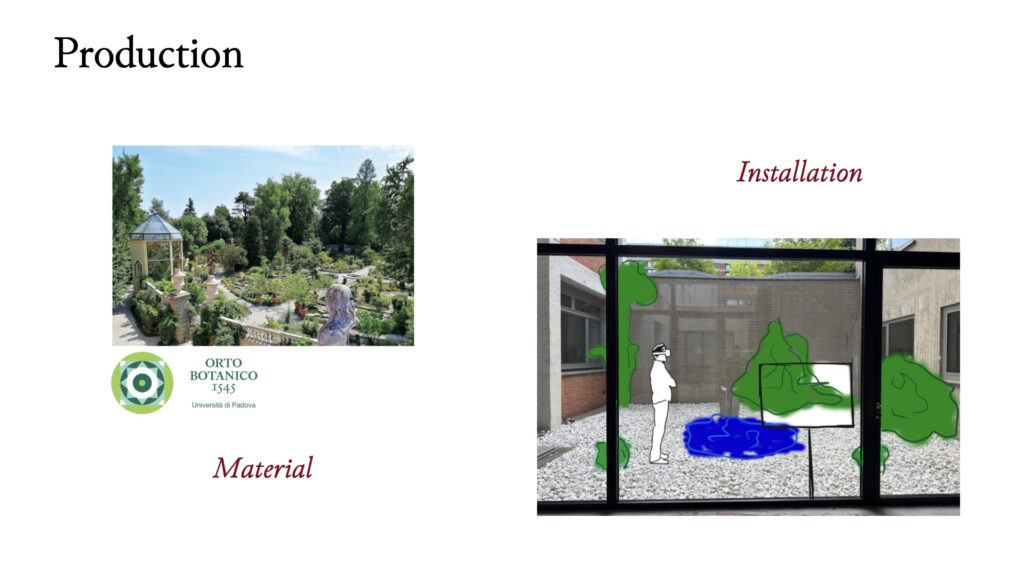
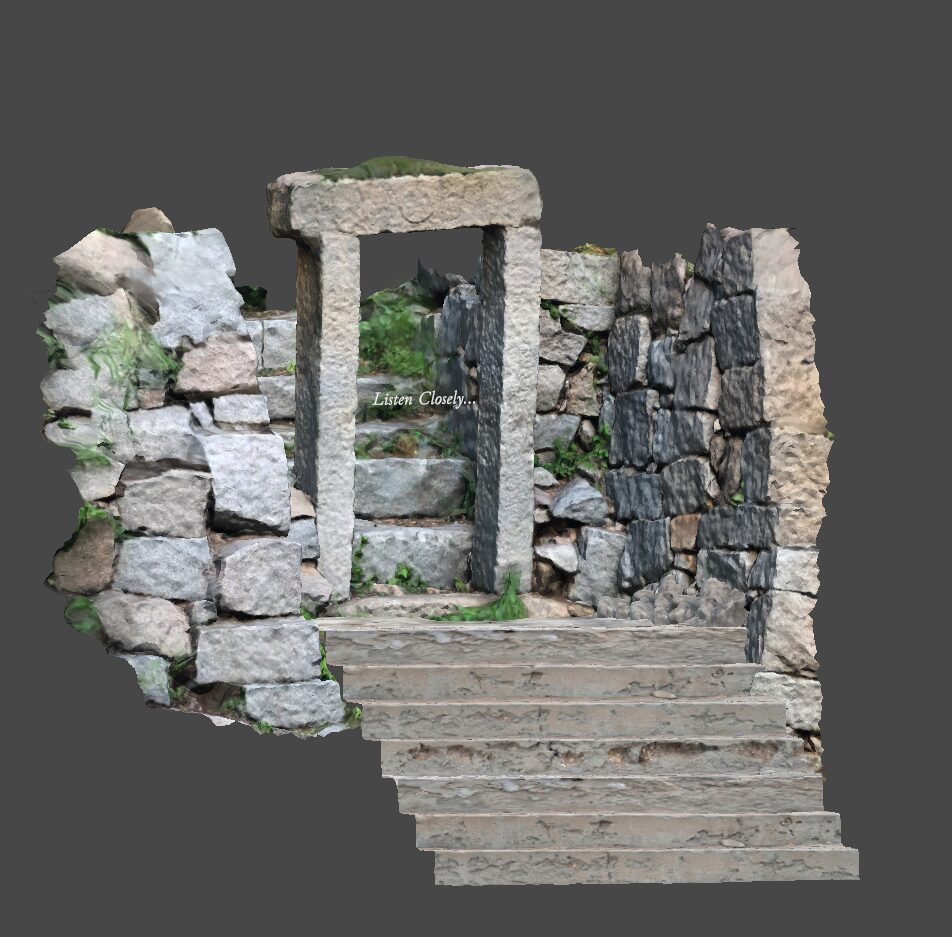
Intertwining the Physical World with Digital Overlays
photogrammetry demo aligned to stair case.
audio playing inside the frame.
learning:
Research
Studies show:
Difference between Neugierde, Curiosity, and Wissenslust
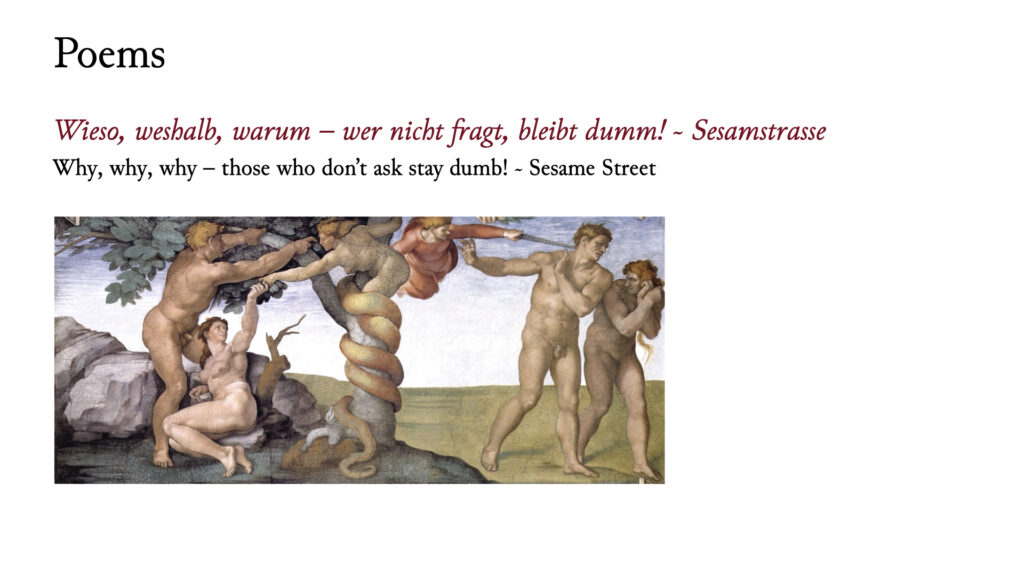
>> Vast amounts of literary examples for curiosity being a bad thing.
>> Over correction in Adulthood, leading to not being curious enough
Visual Exploration
What do I want people to leave with:
“To be supported in their search.”
“Seeking answers that suit their interest.”
“Learning beyond just knowledge. “
Poetic Intrigue as an answer to “How to not become grumpy”
Romanticism; attitude or intellectual orientation that characterized many works of literature, painting, music, architecture, criticism, and historiography in Western civilization over a period from the late 18th to the mid-19th century.
Romanticism emphasized the individual, the subjective, the irrational, the imaginative, the personal, the spontaneous, the emotional, the visionary, and the transcendental.
(Encyclopaedia Britannica)
Poetry:
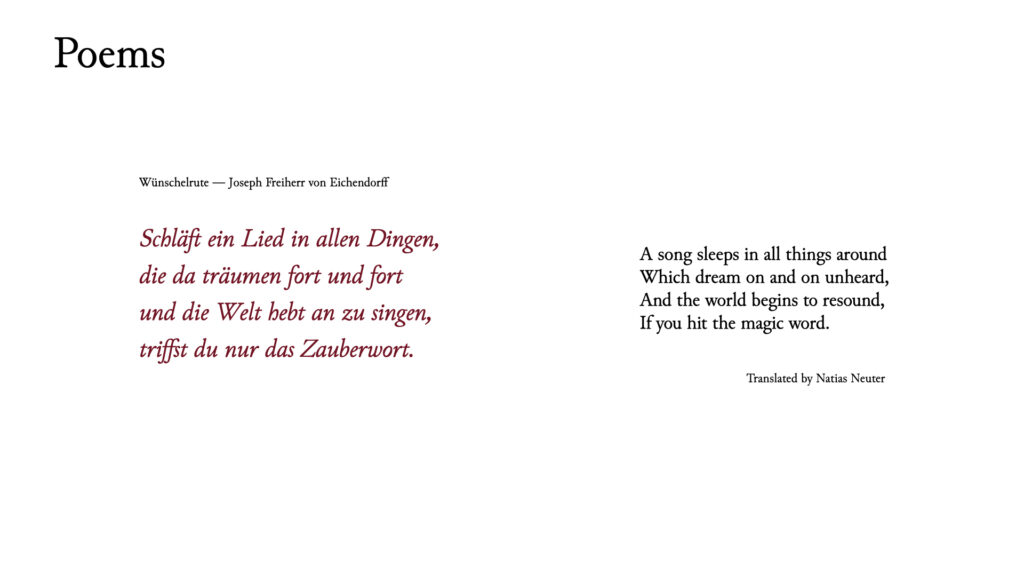
„Schläft ein Lied in allen Dingen,
Die da träumen fort und fort,
Und die Welt hebt an zu singen,
Triffst du nur das Zauberwort.“
A song sleeps in all things,
That dream on and on,
And the world begins to sing,
If only you find the magic word.
Wünschelroute, Eichendorff
„Wo jetzt nur, wie unsre Weisen sagen,
Seelenlos ein Feuerball sich dreht,
Lenkte damals seinen goldnen Wagen
Helios in stiller Majestät.”
Where now, as our sages claim,
Only a soulless fireball rotates,
In those days, in silent majesty,
Helios steered his golden chariot.
Auszug aus Götter Griechenlands, Schiller
古池や蛙飛びこむ水の音
an ancient pond / a frog jumps in / the splash of water
Matsuo Bashō
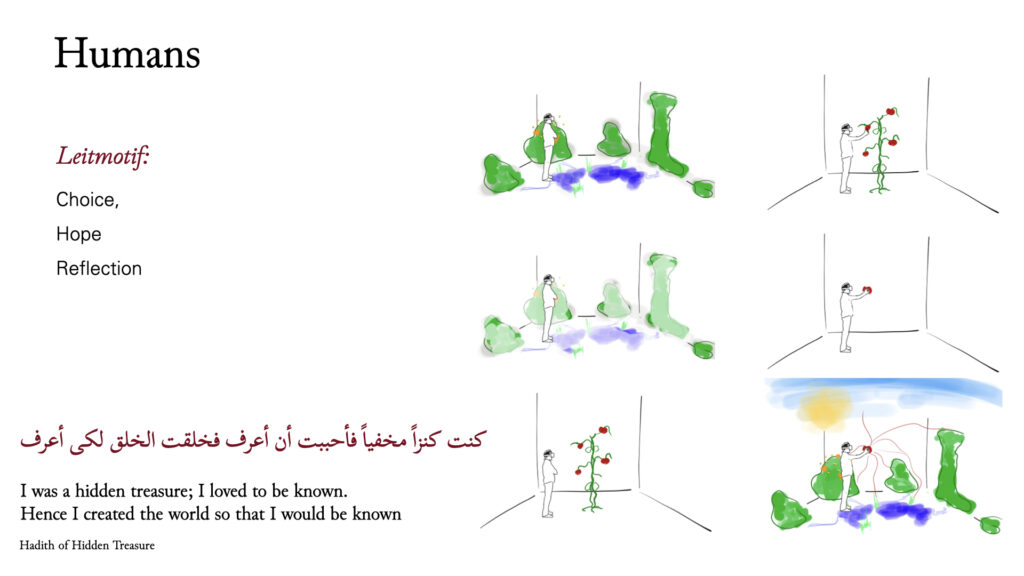
کنت کنزاً مخفیاً فأحببت أن أعرف فخلقت الخلق لکی أعرف
I was a hidden treasure; I loved to be known. Hence I created the world so that I would be known
Hadith of Hidden Treasure
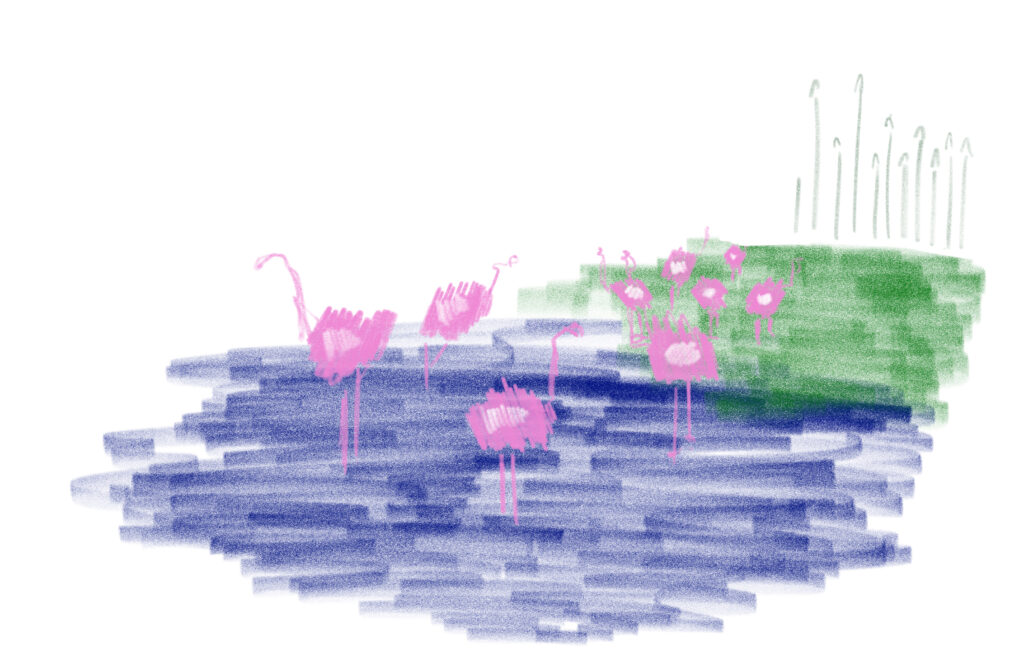
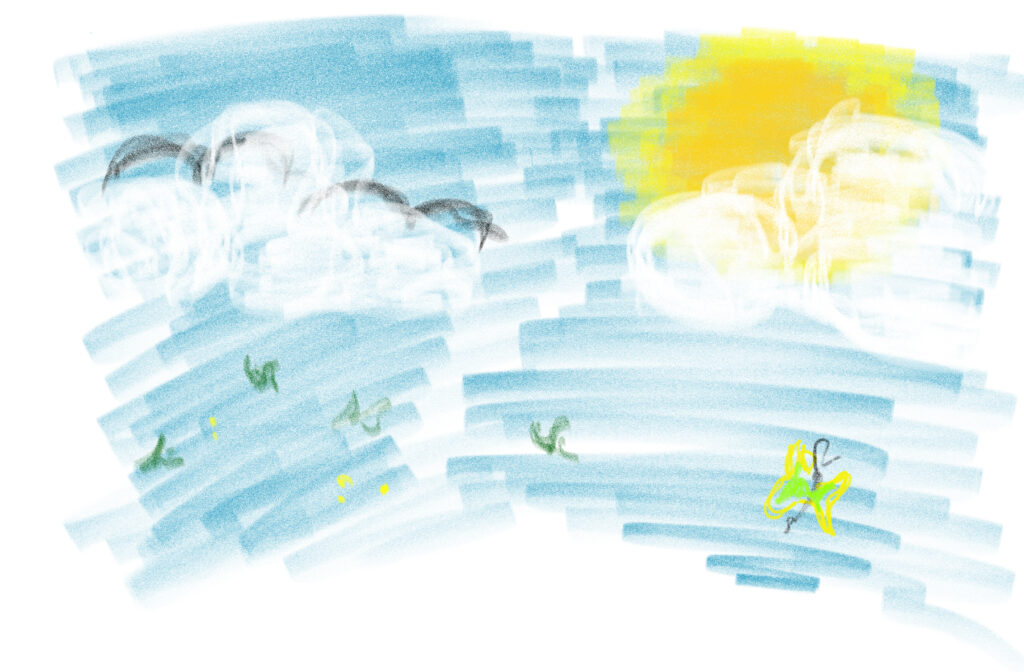
Drawings while reading. Simple Emotions:

Going Forward:
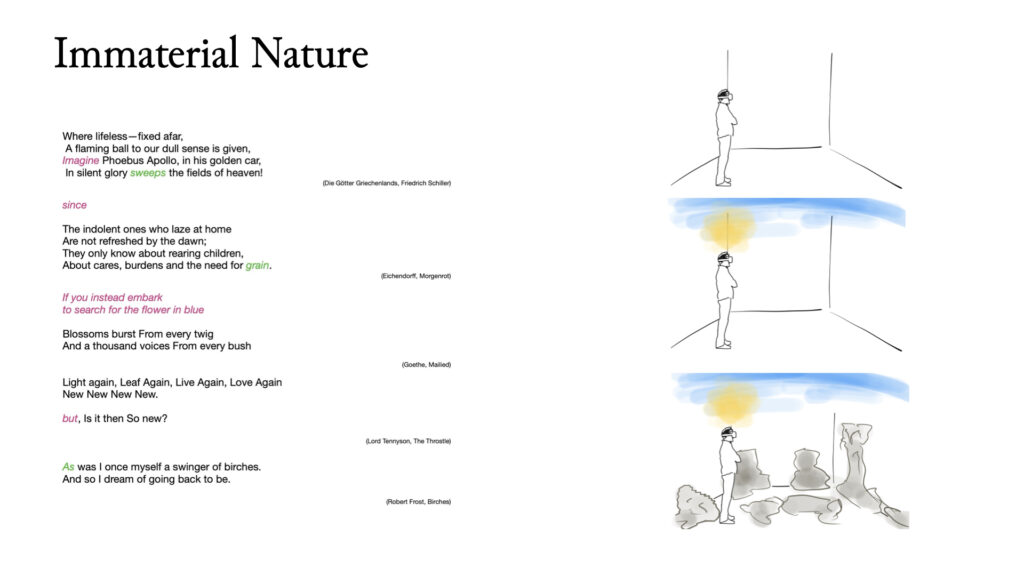
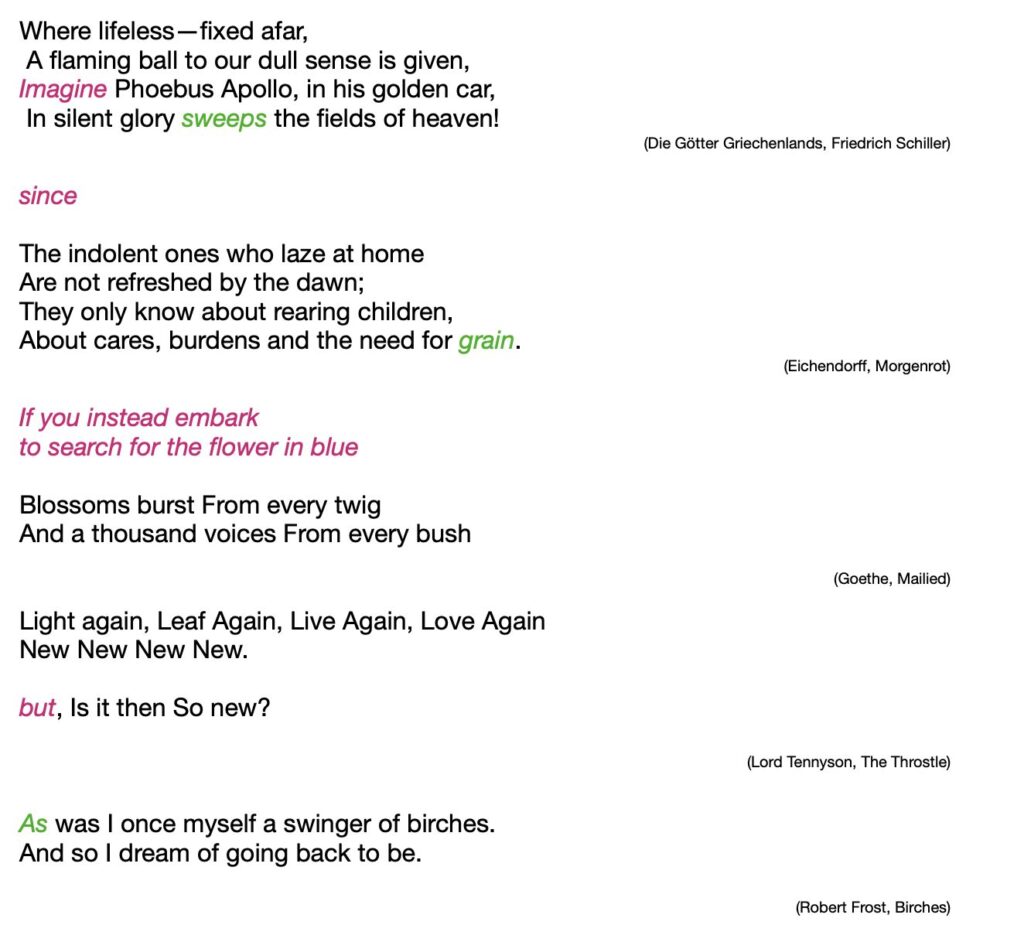
> Fragments of Poems, knowledge etc bring garden to life
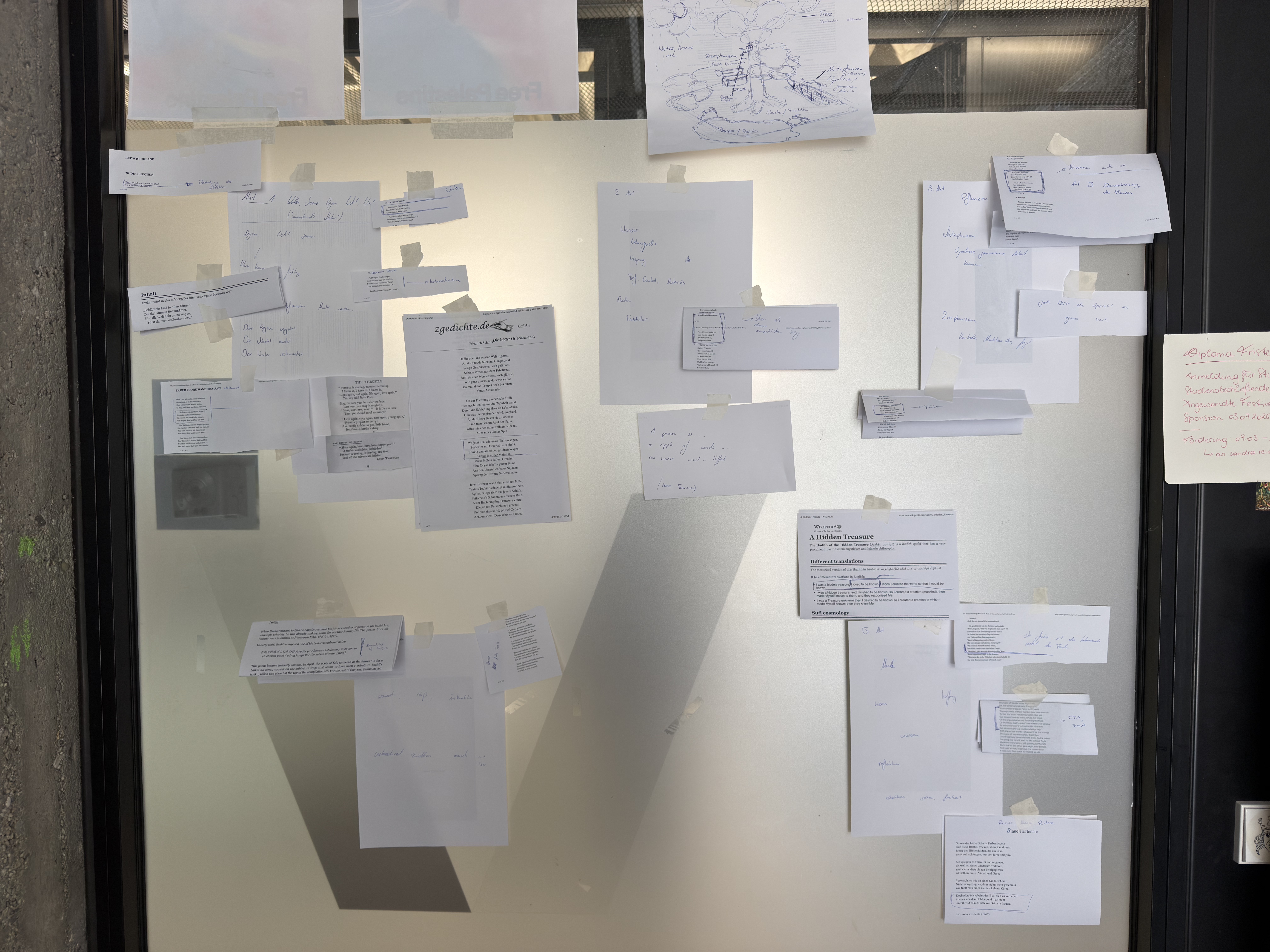
Cento / Found Poem
>> reassembling parts of poems to create a new whole
>> assembling knowledge to tell a story / create a space
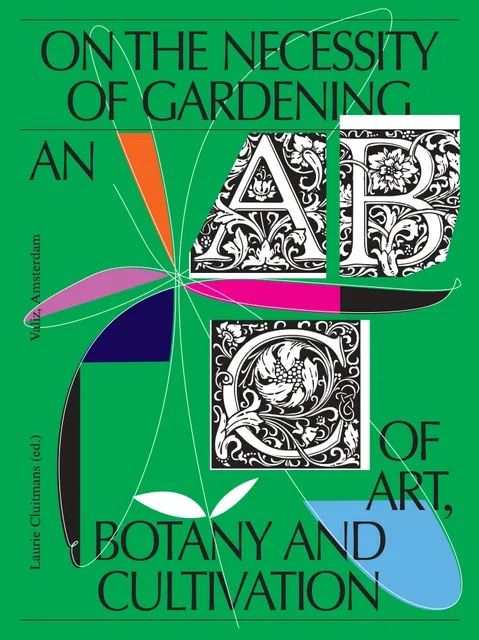

Currently 5 Areas:
“Immaterial Nature” — Sky, Weather, Sun, Day/Night
Beginning, Awakening
Light, Sun, Spring, Summer.
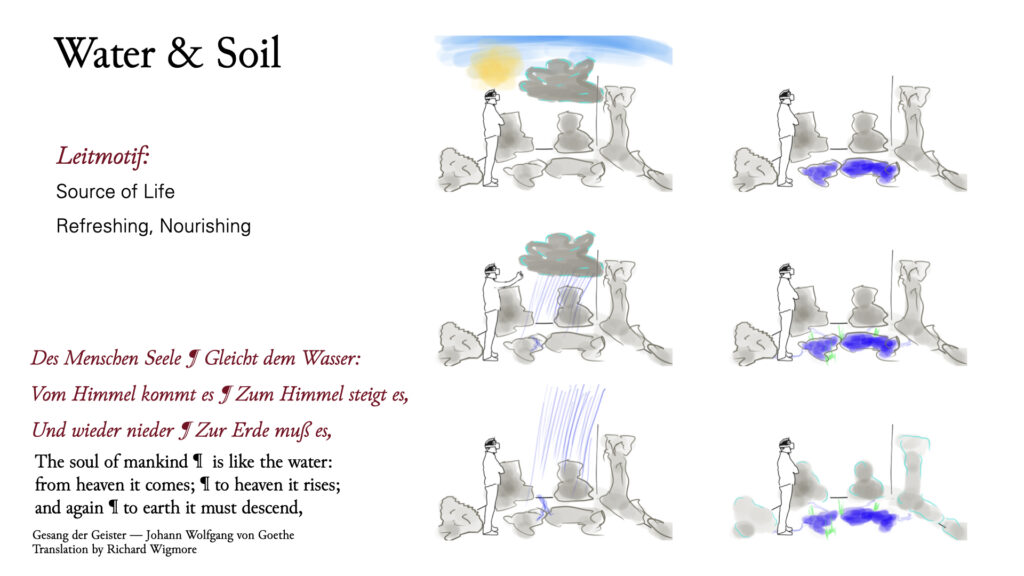
“Water” — Soil, Pond, Rain
Source of Life
Refreshing, Nourishing
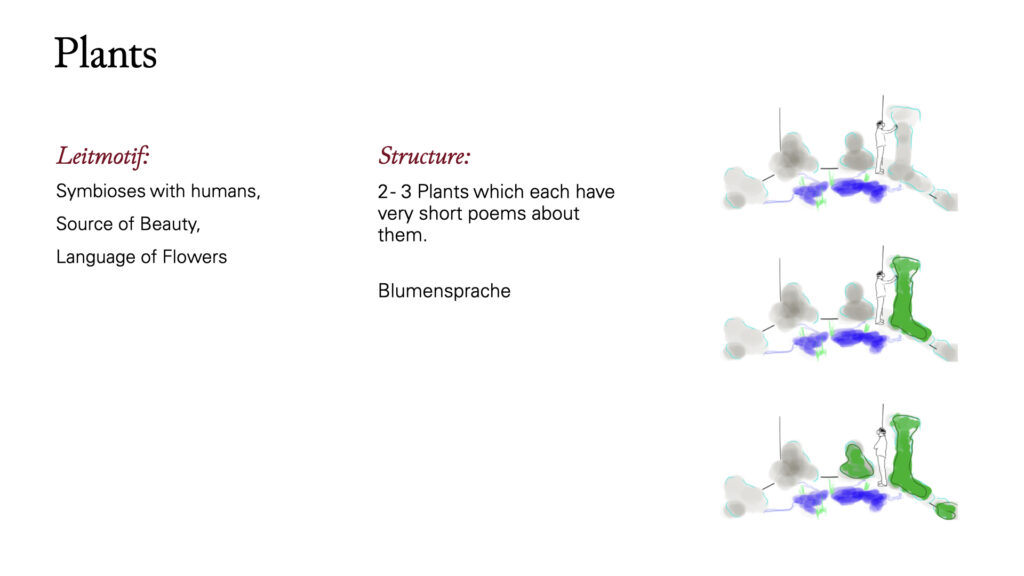
“Plants” — Plants, Crops, Grass
Symbioses with humans,
Source of Beauty,
Language of Flowers
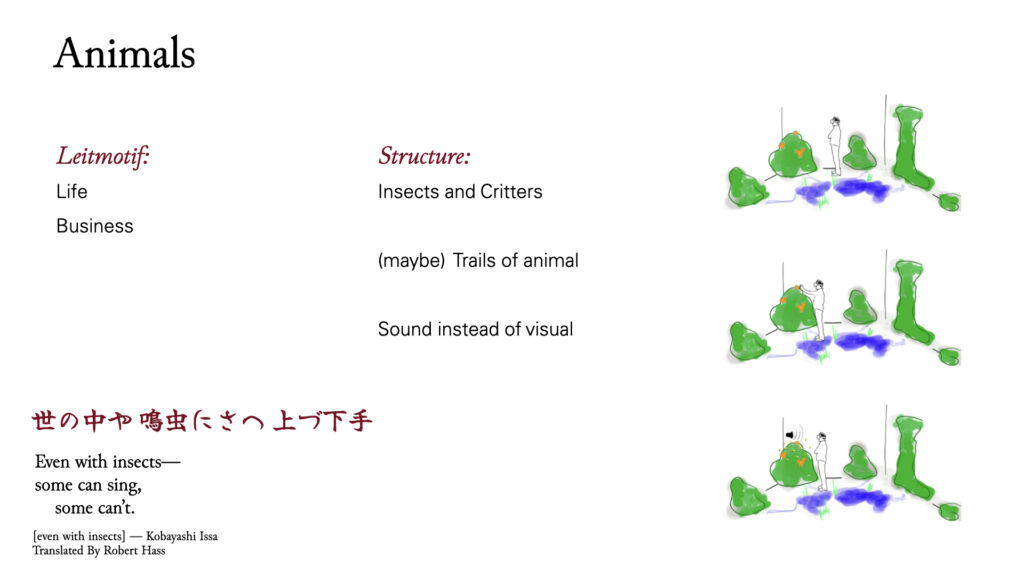
“Animals” — Birds, Critters, Insects
Life,
Business
“Humans” — Visitors own role.
Knowledge,
Hope
Reflection
Next Steps:
– Finalize Poems & Other Knowledge
– Pick out specific plants / objects / animals etc.
– Scan