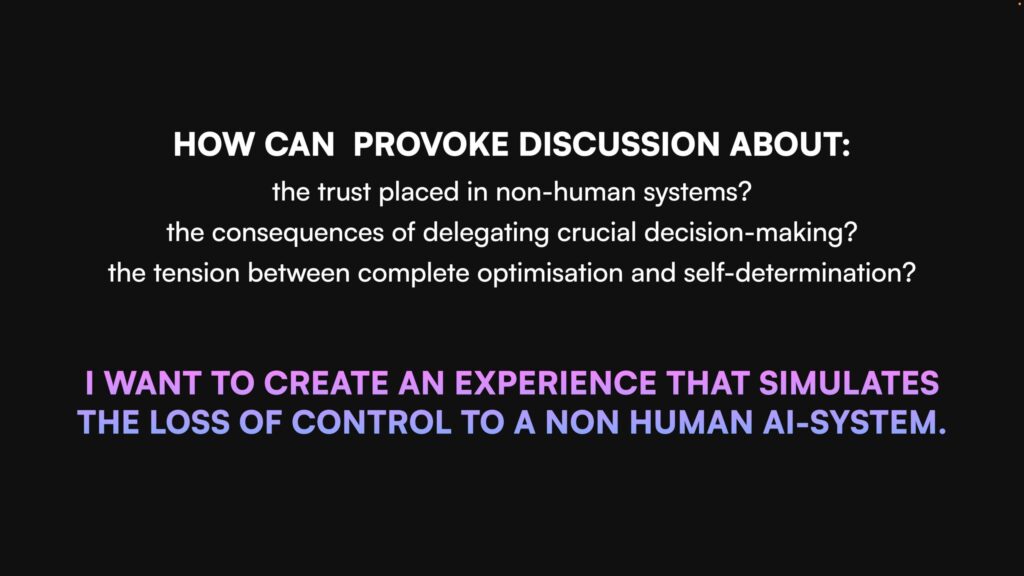
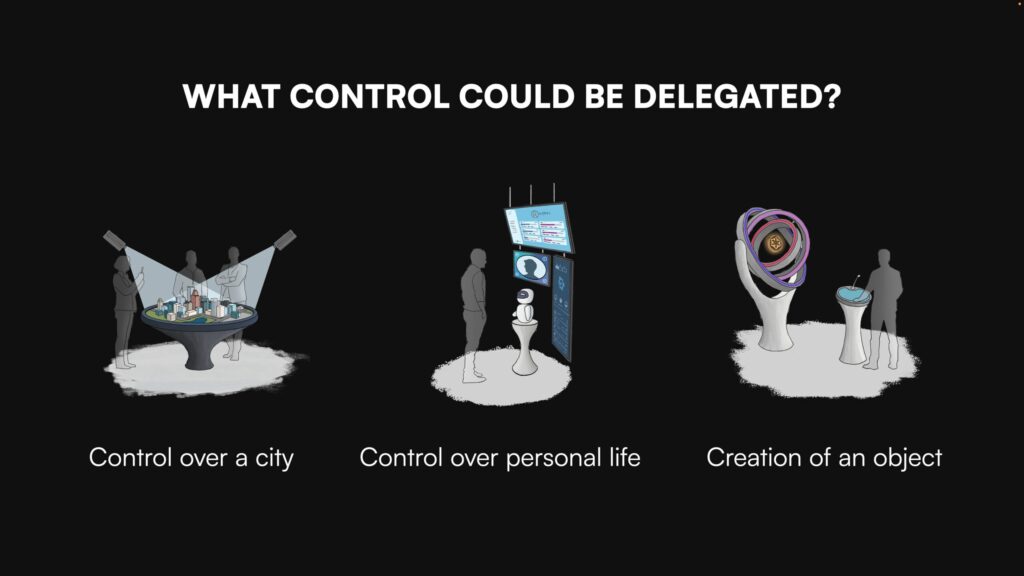
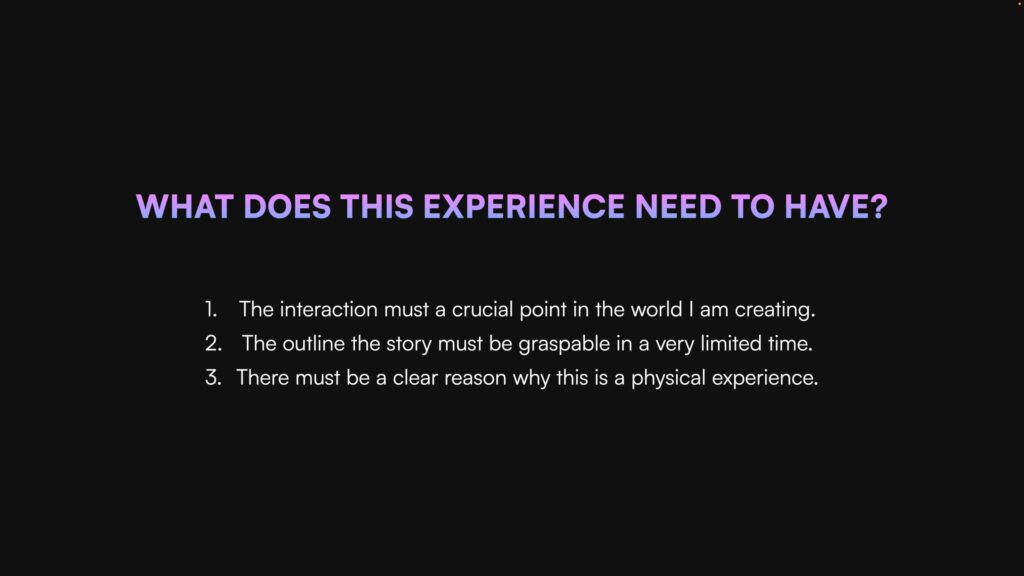
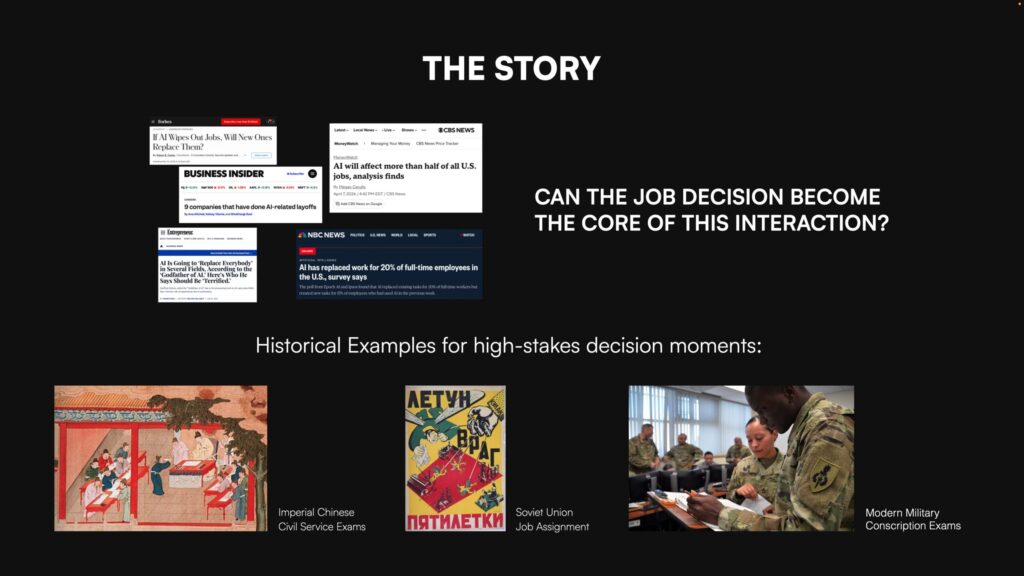
Objective: Create a small domestic installation in your own flat without buying products to enhance your mental well being.
1.0

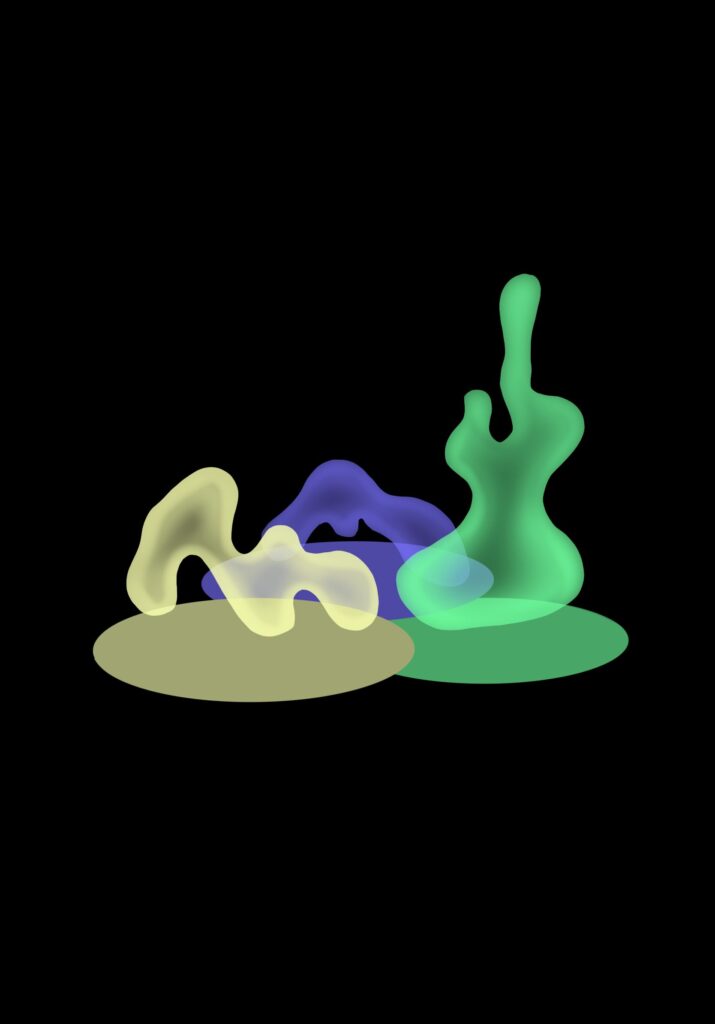
I started out with finding a good spot in my room. Unfortunetely I had to place my first attempt in a corner due to the flat renovation.
The main goal for the first version was to see if this “plant/light/ceramic-concept” would work out. And I think it did. The warm light radiated throughout the corner during the nighttime which tuned me into a quite relaxed mood.
How it influenced my well being:
I got drawn to the light; the pleasant tactile qualities of the individual objects (cardboard, stoneware, salt stone) were almost stimming instruments for me.
1.1.


This time I thought: “More is more” – I craved for something. Some sort of feeling. More of that one feeling or input the small “installation” offered me. During reflection and the time I spent with it in the afternoon, I realised: The additional amount of plants didn’t satisfy me at all.
How it influenced my well being:
Due to the variety of elements / visual clutter I avoided the area and didn’t pay much attention towards it.
2.0


I tried out different light sources / mediums to see how the light diffusion / reflexion would impact my mood and the overall vibe of the room.

What I longed for and drew me in was the light. With the ambient light and the reflexions it created I got lost in the detailed surfaces of the aluminium foil. Some people stare into an aquarium to relax – On that day I stared at my installation.
How it influenced my well being:
For me the aluminium-cave installation was a whole vibe. I felt comfortable and was able to ground myself way better and it helped me falling asleep faster compared to previous versions of my installation.
2.1 ; 2.2. ; 2.3
For the last three versions I wanted to balance out the aluminium foil with warm light and or plants.
I used the foil to model more complex shapes.

How it influenced my well being:
This one got me feeling like I’m guarding a dragon egg. = The origami enhanced the light diffusion but instead of feeling relaxed or am allowed to calm down, I felt a need to protect this weird “dragon egg”.
—————————————————–

How it influenced my well being: Same as the aluminium cave
—————————————————–

—————————————————–


Idea collection:
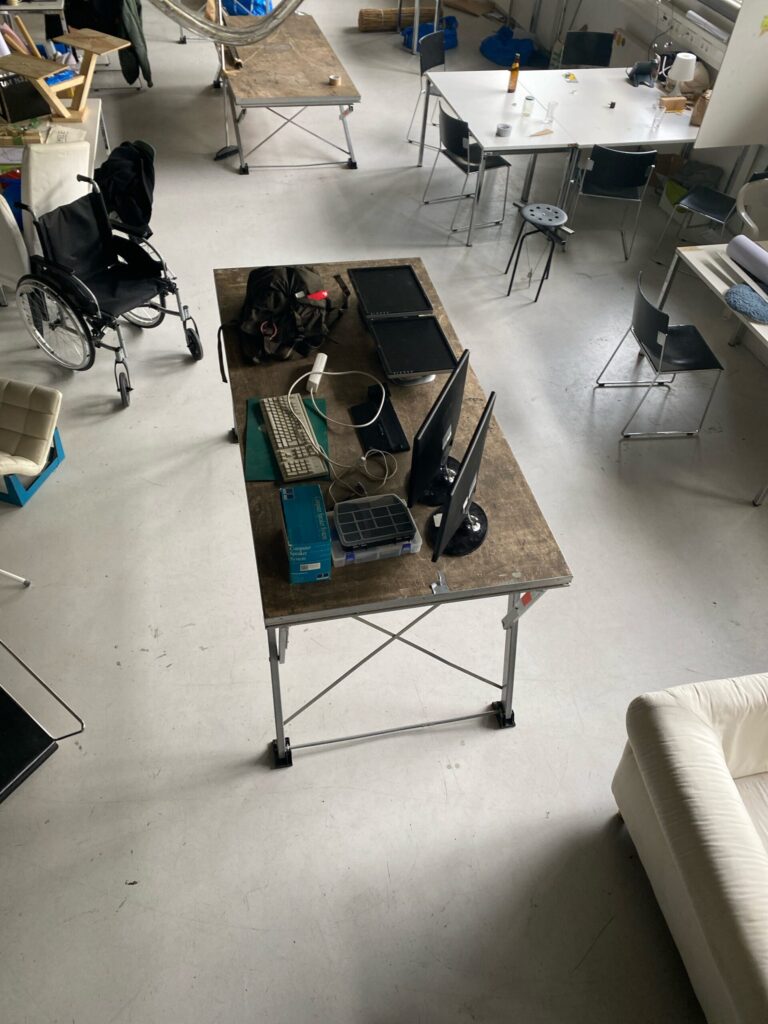
The overarching theme is always the same: Create an intervention aimed at the students in the Studio (I am also including ID1 students for simplicity, because we are close by).
The question behind it should encompass the aspects of DIY-mentality/the determination of being able to do things yourself, the rejection of corporate controlled life, and cultivating a community which builds upon these values.
A potential question at this stage may be: “How can I cultivate a community of tinkerers?”
This question however implies that I am the central figure in leading such a community, which is not what I want.
Based on that the question could be modified into: “What supports the cultivation of a tinkerer community?” maybe “What does the tinkering community need to thrive?” or “What can we do to make tinkering more mainstream?”


I have done a lot of different things over the holidays, but felt like I was going in circles.
What happens is that I pour time into projects, but these projects are so complex and involved from the outside perspective that it is really hard to engage for strangers. I end up doing things in my corner.
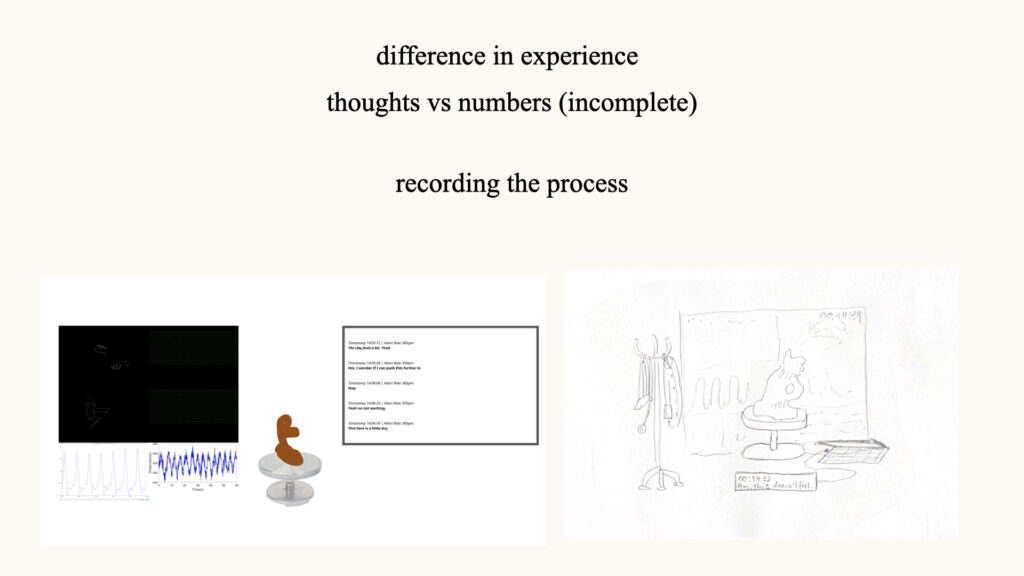
Clark has suggested that I do livestreams, that is, record myself working on the project, so I dont have trouble trying to formulate my progress into text and having to remember what it is what I did on what day.
This can also mean an live audience who can engage with whatever it is that I’m doing.
Self filming experiment:

The finished thing.
Filming myself indeed helped to document it a lot better than trying to take lots of pictures and explaining in text later.
Trousers are like an extension of the body. They protect us from external environmental factors, and trouser pockets help us carry things. If we don’t have trouser pockets, we have to rely on other options, such as handbags, rucksacks or bum bags. Rucksacks are bulky, and handbags restrict our mobility. The closer I carry objects to my body, the harder it is to take them away from me.
Working-Class-Perspektive: Arbeitshose – Tools in den Taschen


Jeans manufacturers made many empty promises to adapt their pockets to larger smartphones — without actually following through.


“Praktische Kleidung wurde während des Krieges benötigt, aber als er vorbei war, förderte Christian Diors neuer Look enge Taillen und volle Röcke sowie eine Silhouette, die auf eine traditionelle Vorstellung von Weiblichkeit zurückgriff.“
“Men have bags to carry things in; women have them for decoration.” Christian Dior 1954
Hosentaschen bei Frauen* sind kleiner damit die Kleidung schöner um den Körper fällt. what if – bewusste nicht ästhetik der Körperform?
Historisch: Damals wurden Frauen auf den häuslichen Bereich beschränkt. Das heißt: Sie sollten sich gar nicht so sehr in der Öffentlichkeit bewegen. Somit entfiel die Notwendigkeit, Gegenstände mit sich zu tragen. Im Haushalt ist der Aktionsradius gering.
Politics of Space : https://www.re-thinkingthefuture.com/architectural-community/a14450-the-politics-of-space-architecture-as-tool-of-power-and-resistance/
Gedanke: Die Welt außerhalb wurde für den arbeitenden Mann gestaltet, auf materieller/infrastruktureller so wie auf sozialer ebene
Privat vs. öffentlich → Was wird verborgen?
Kontrolle & Gender → Warum haben Frauen oft keine Taschen? Körpererweiterung → Tasche als „zweiter Körper“
Mobilität & Macht → Wer kann Dinge mit sich tragen?
Raum einnehmen


other Artists to look in to: Mierle Laderman Ukeles
TOPIC
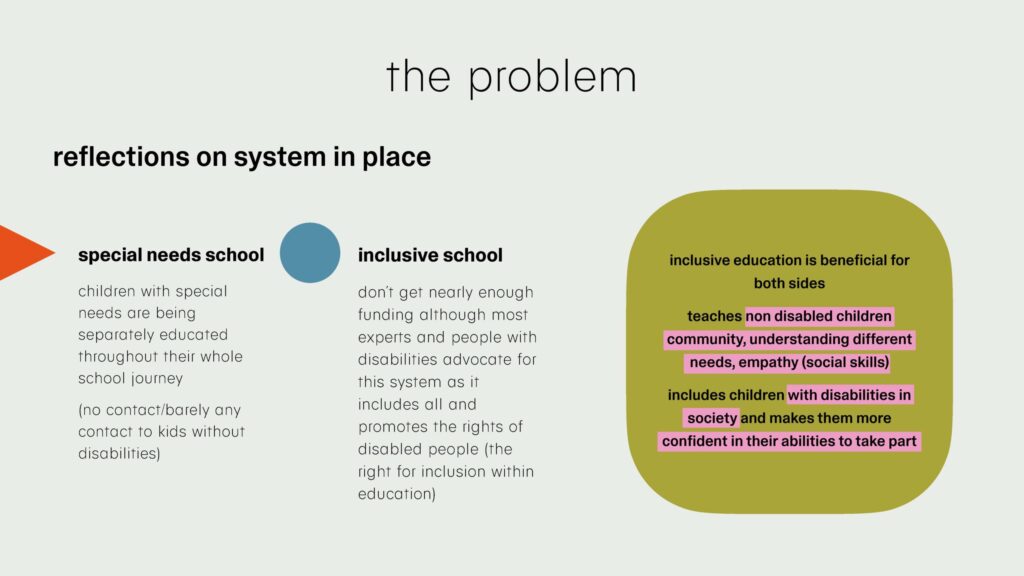
responsible design in inclusive education

CONTEXT
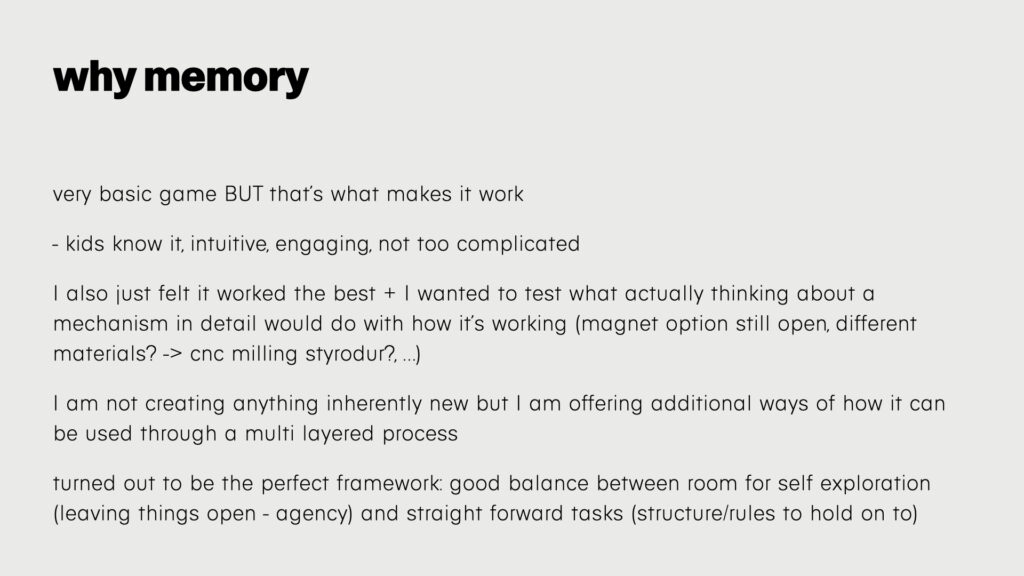
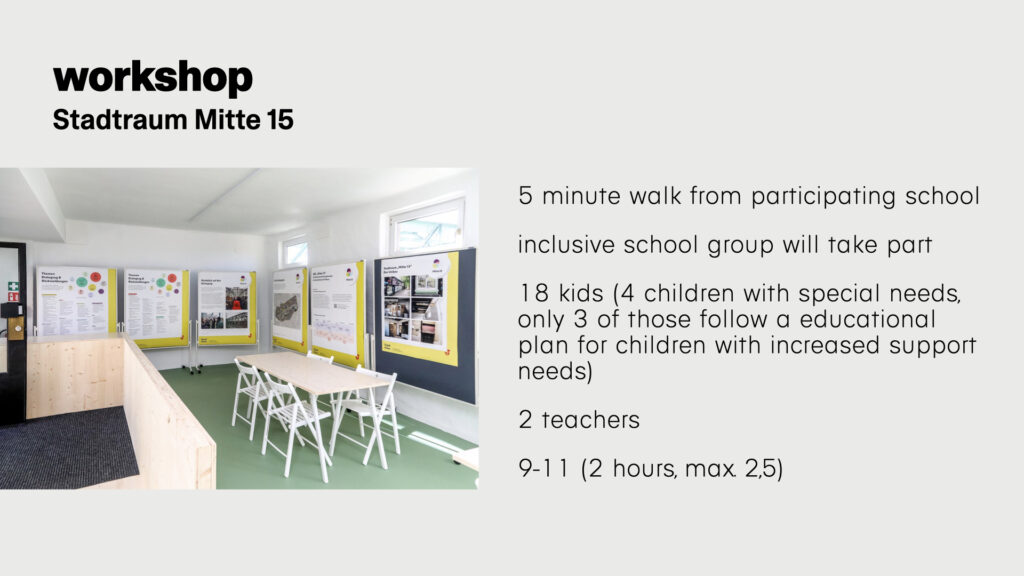
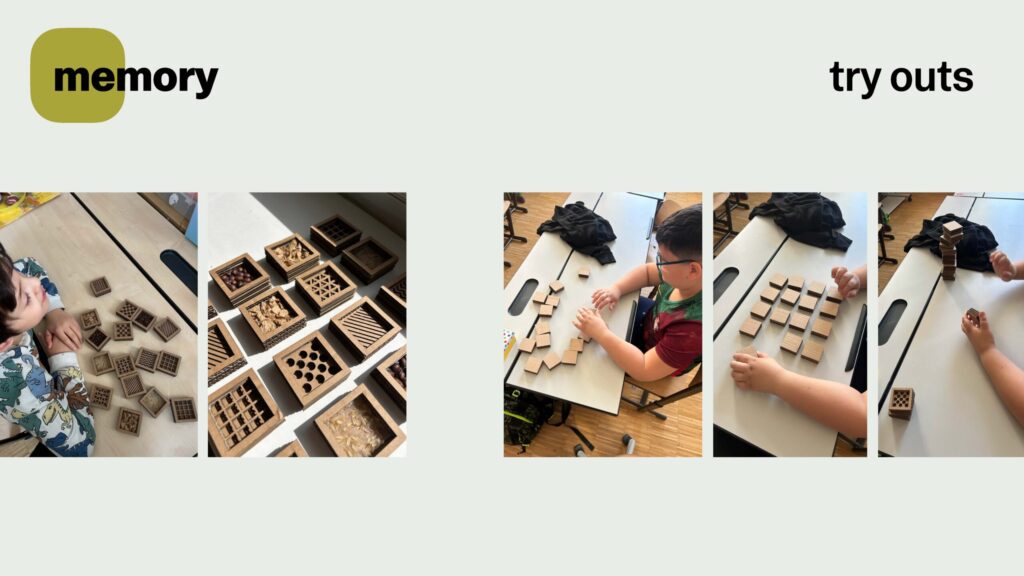
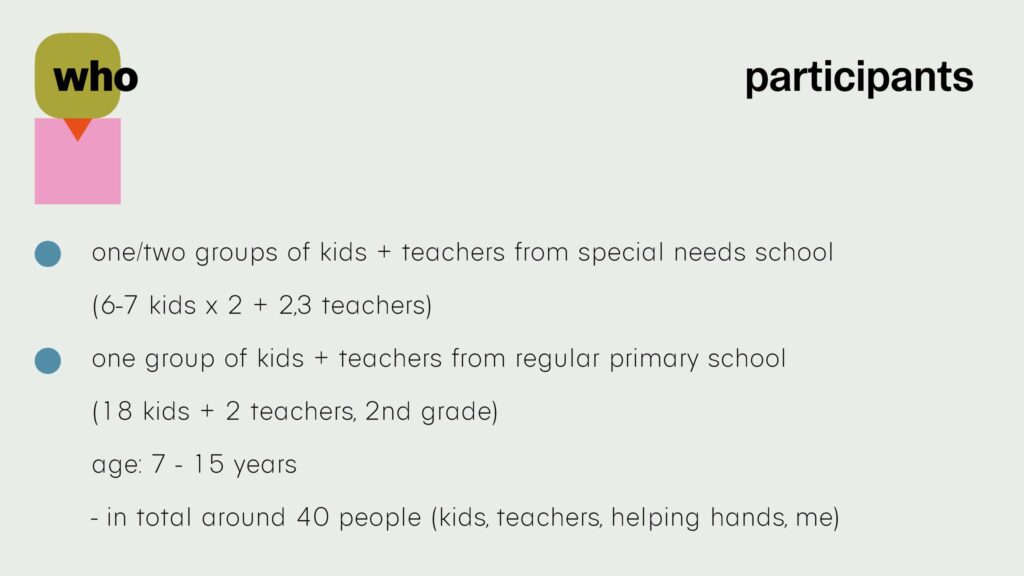
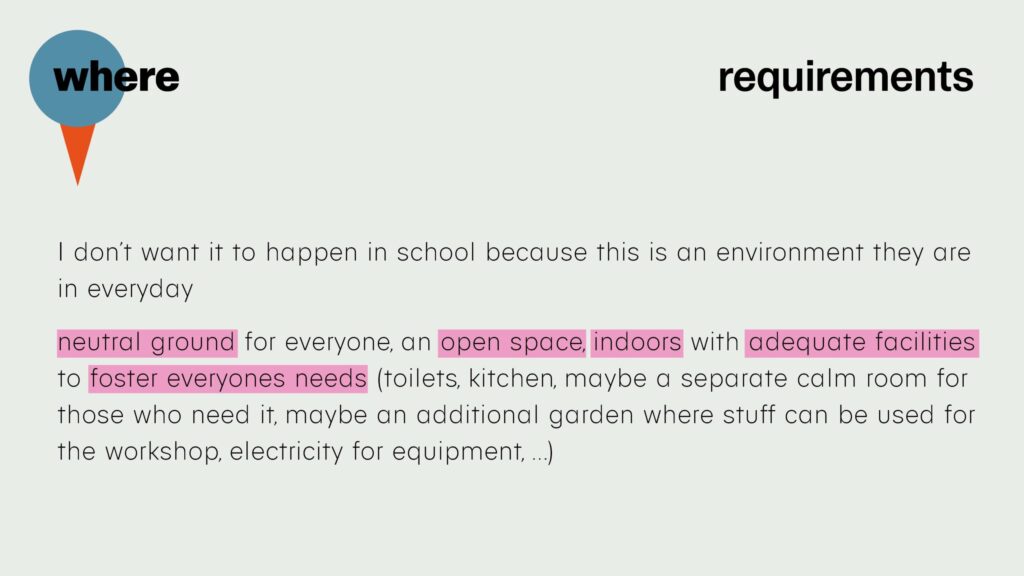
started working in a school for children with special (educational) needs in December – always been interested in the school sector and working with kids – first time I feel like I have a meaningful job – learning by doing – idea behind doing the work: contribute in a creative, hands on way and bring in new ideas and perspective that might be helpful – school very supportive in me doing my diploma with them (I am there making myself useful they don’t have to pay me except for one day a week = win win)

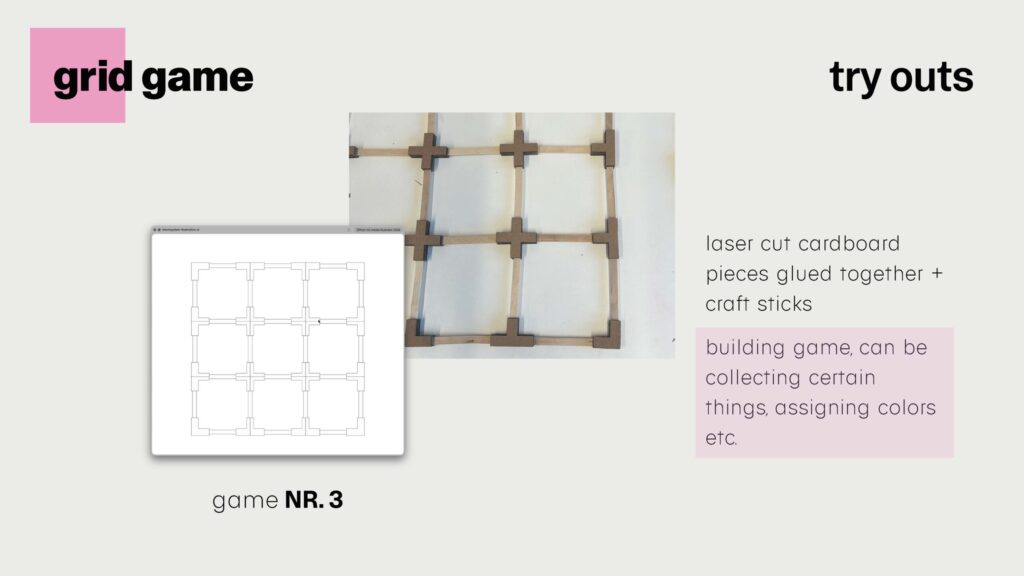
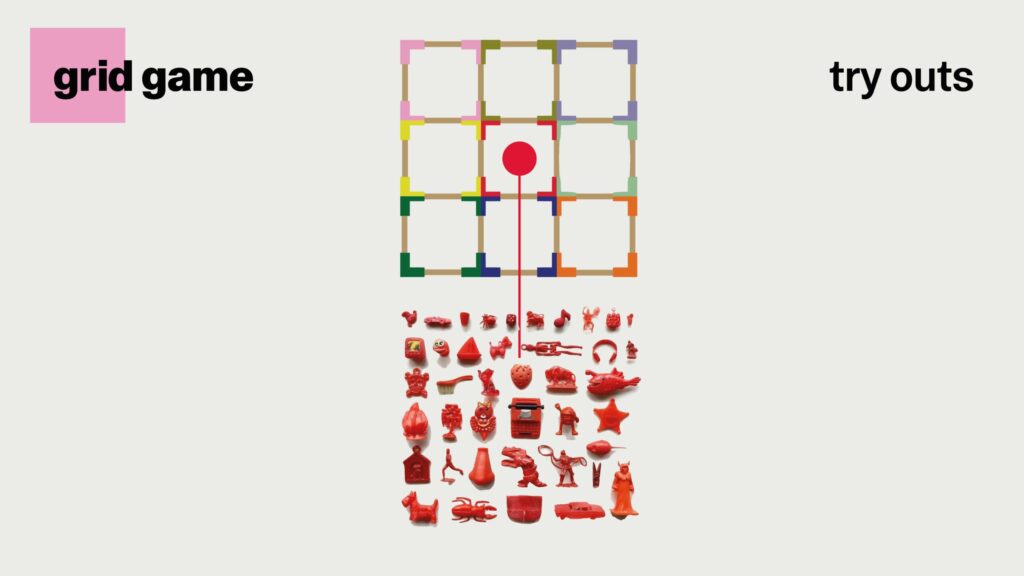
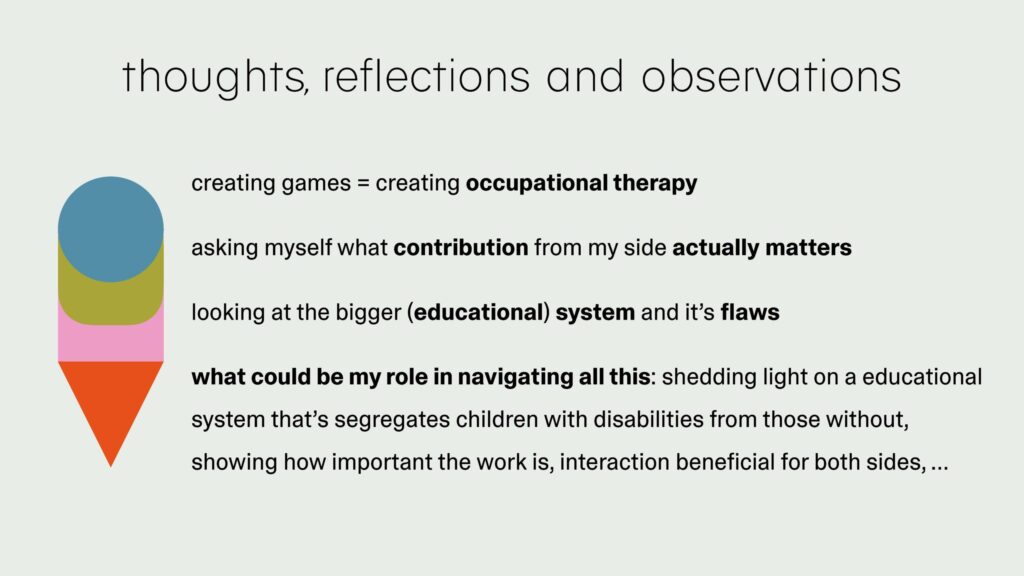
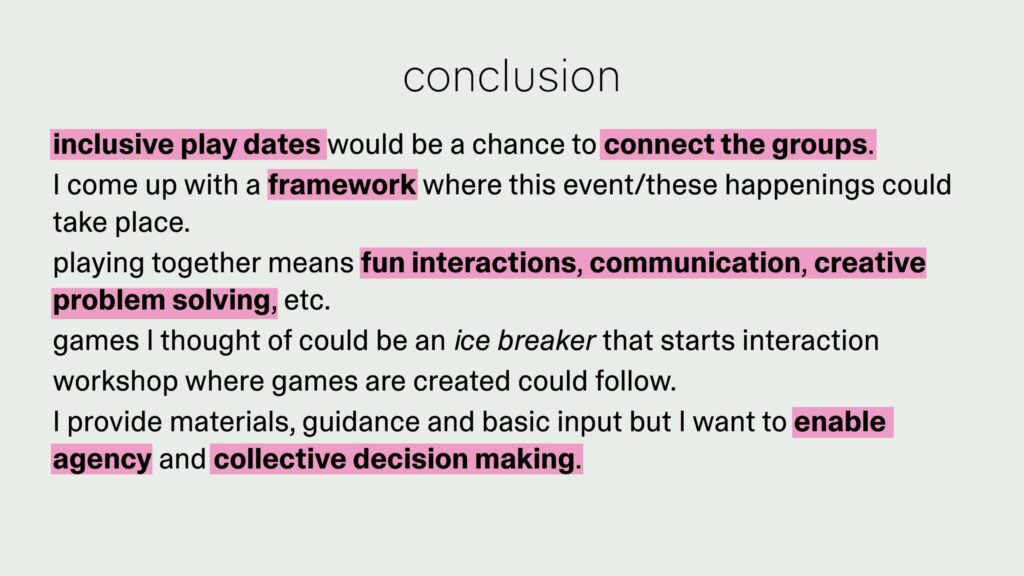
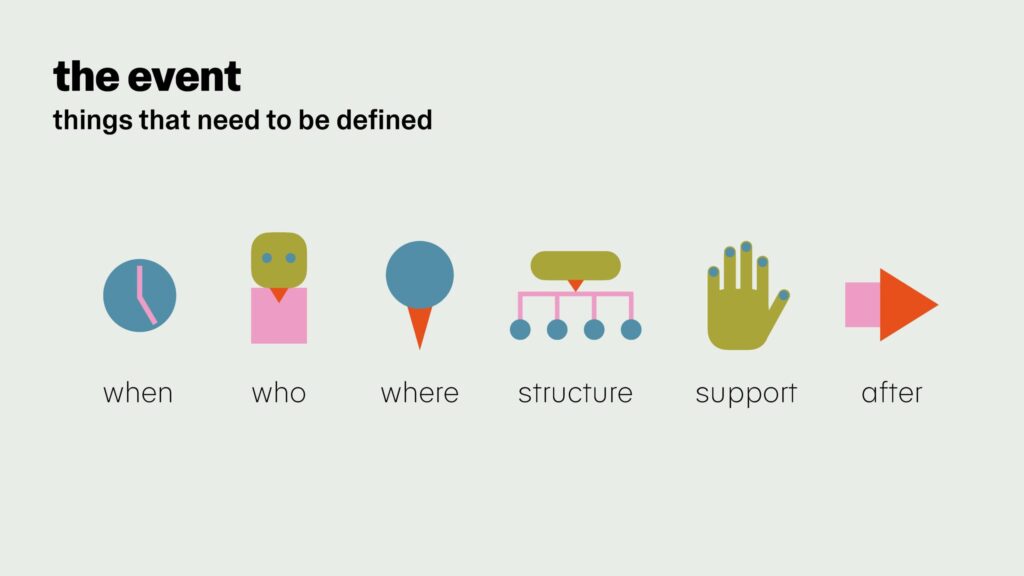
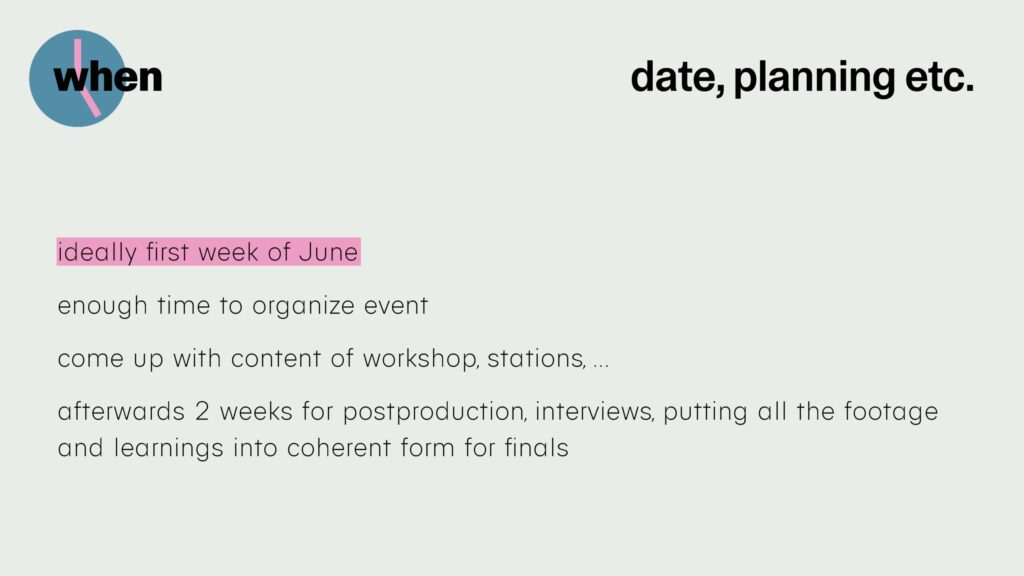
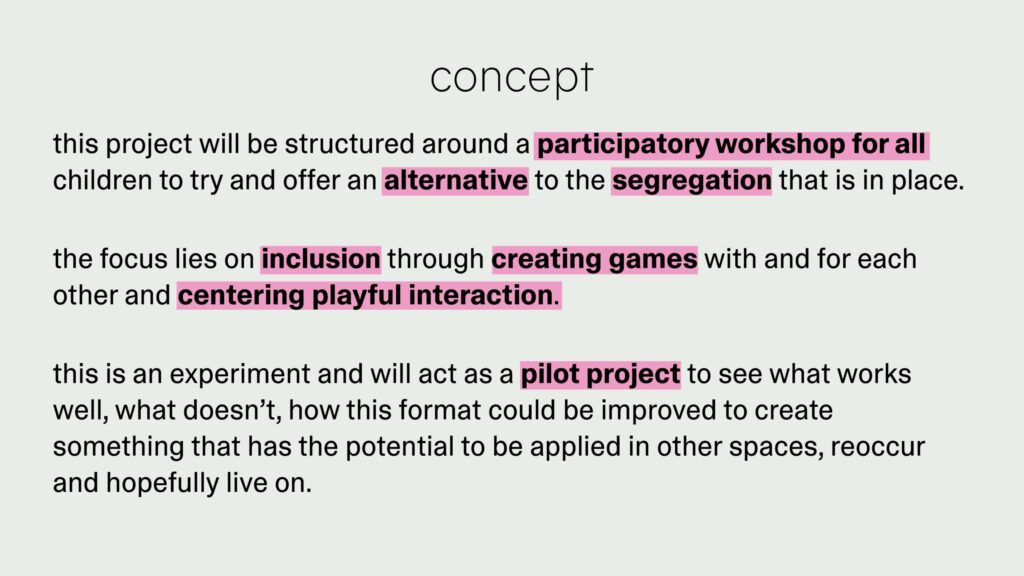
With this project I aim to explore how design can support inclusive learning environments for children with cognitive disabilities. I strongly oppose designing about the children or using them for only visibility. Instead I want to use this semester and the process of designing or imagining collectively as a learning opportunity to investigate what/how my contribution could be/look like.

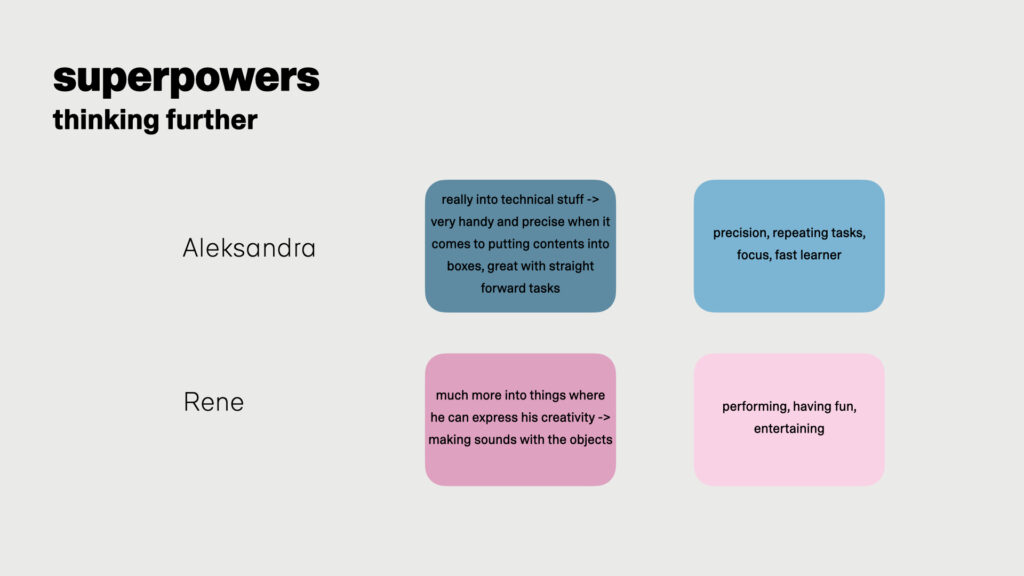
MAPPING OUT COMPLEXITY OF NEEDS/ABILITIES/STRENGHTS/…


QUESTIONS


THREE POTENTIAL DESIGN DIRECTIONS


RESEARCH

Temple Grandin
podcast about visual thinking, learning and key points I found:


I have access to: things/disciplines/techniques/materials/workshops the school does not have -> how can I apply this in my design and show something new


MULTISENSORY INPUT
Development of multiplayer video games and multi sensory stories together with children with special educational needs and disabilities (SEND).
multi sensory interventions have a large effects on adaptive behavior for people with ID
important: sense of empowerment, enjoyment, increased confidence and improved social skills. A questionnaire was used (teachers and parents filled it out) -> theory of planned behavior (intention to perform or permit behavior) was tested as well. It worked in the way that they had a sense of control, changing the attitude of what’s possible to make, normalizing creative experimentation as part of their practice, and building their confidence to try things themselves.


CONCLUSION
wide range of input and experiences add to engagement and learning in school (,,broadening horizon” to what’s possible)
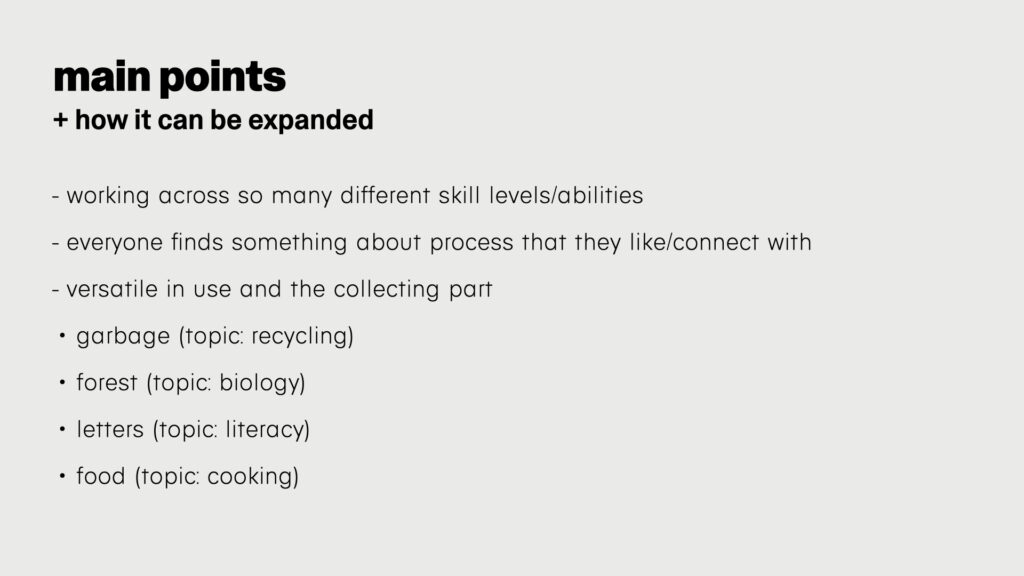
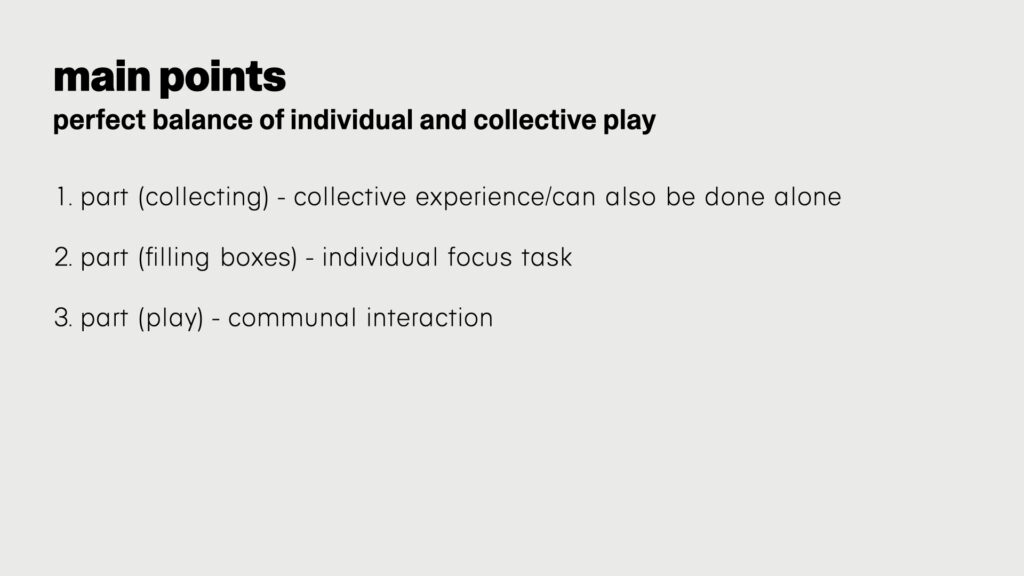
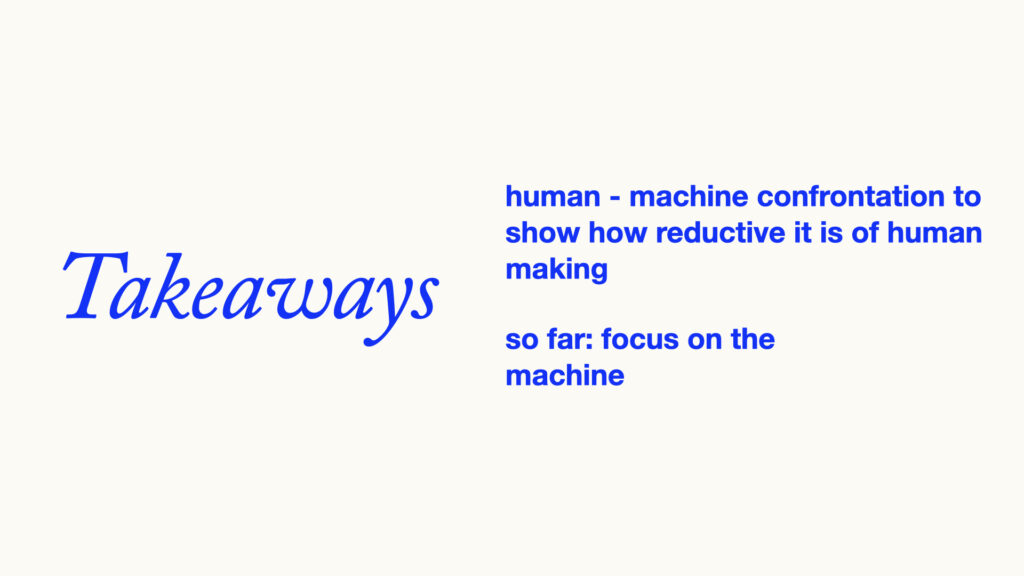
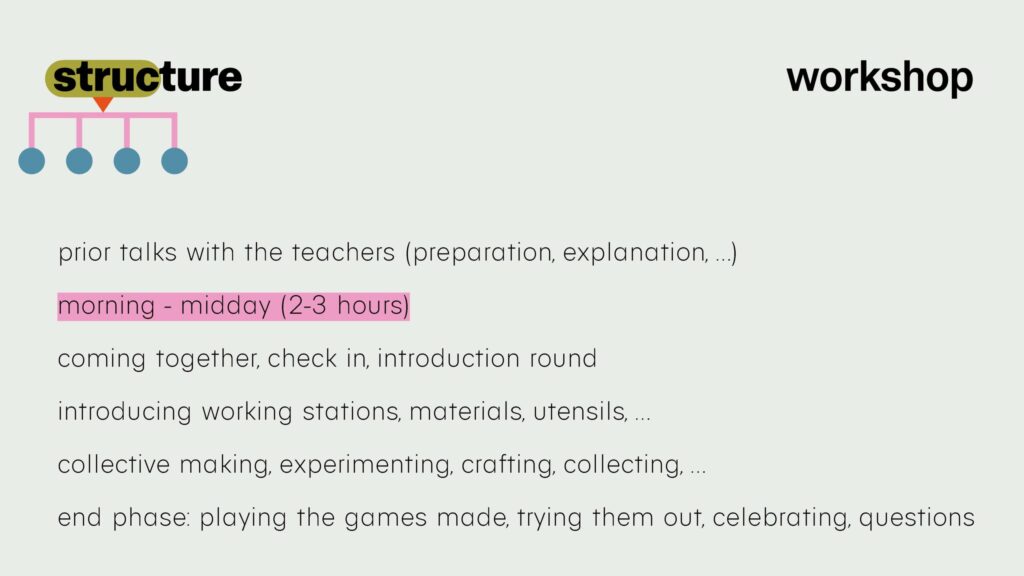
I try to offer a range of things I’ve already done in my studies at Angewandte particularly through DI projects through a collaborative process where I do try outs and experiments from each sector every week (document those, reflect, …)


JOURNAL


research
»the urge to exact revenge derives from our desire for cosmic balance, as well as from our attempts to overcome helplessness through displays of power.«
— philosopher martha nussbaum
revenge rights the scales, despite doing nothing to restore what was lost or repair what was damaged
who has the right to be angry?
anger in men: authority, strength
anger in women: hysteria, irrationality
anger in marginalized groups: threatening, dangerous
expressions of rage are a means of exercising control over others & asserting status, a status defined in parts by the right to dominate: parents, bosses, police officers, husbands, …

anger emerges from three interacting factors:

»I don’t get angry …« (no yelling, hitting …) — that means not getting aggressive, not not getting angry — individuals show their anger in many different forms, just like sadness

release anger? study anger? control anger? give permission for anger? make inequality visible? suppress anger even more? express anger early on? condition certain emotions?


many questions and thoughts where this project could and should go 🙂
how can female anger be translated into measurable physical force? how do societal norms shape the perception and acceptance of this force?

measuring force — »Hau den Lukas«, boxing machine, …
situated between critique and play, I want my project to use humor and exaggeration to make inequalities visible whilst also being food-for-thought. anger is a powerful emotion & I want to work against its bad reputation as solely »negative emotion«.

measuring power (of anger); frustration; showing power dynamics/systematic oppression/how different power is looked at gender-wise
further steps