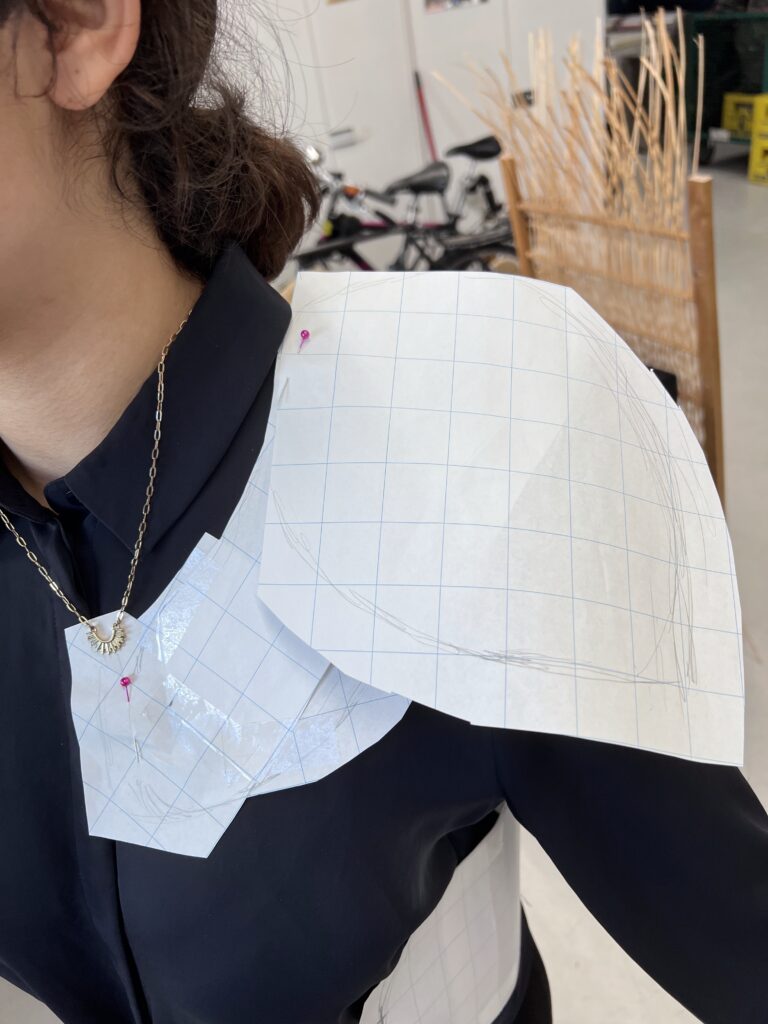
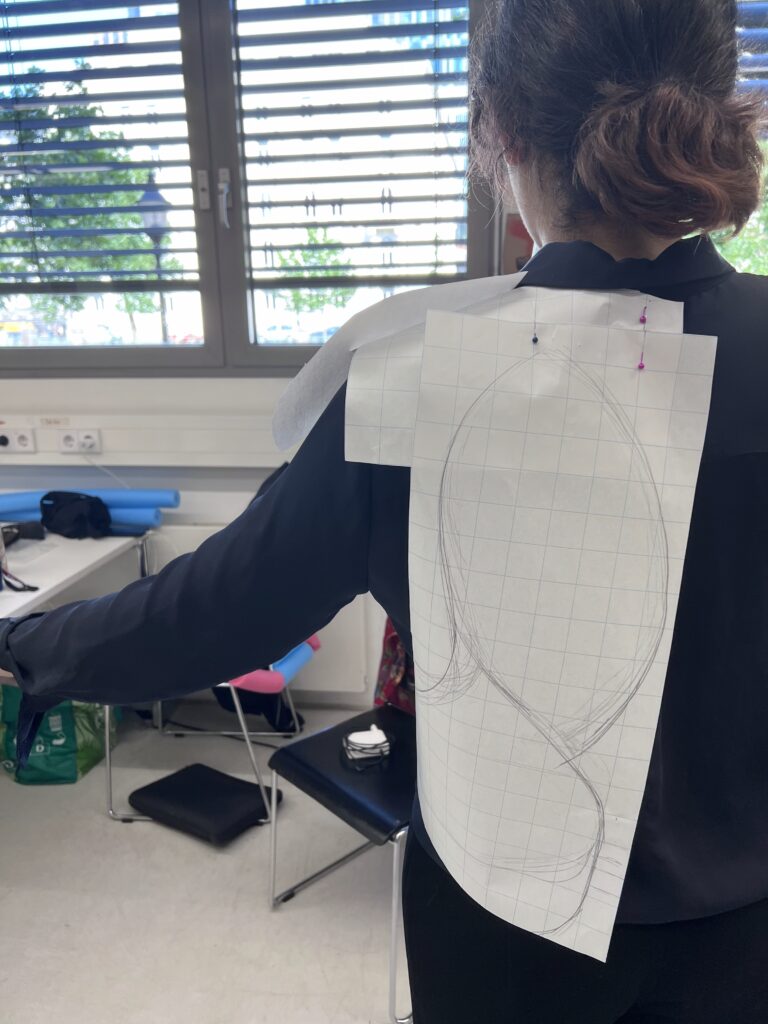
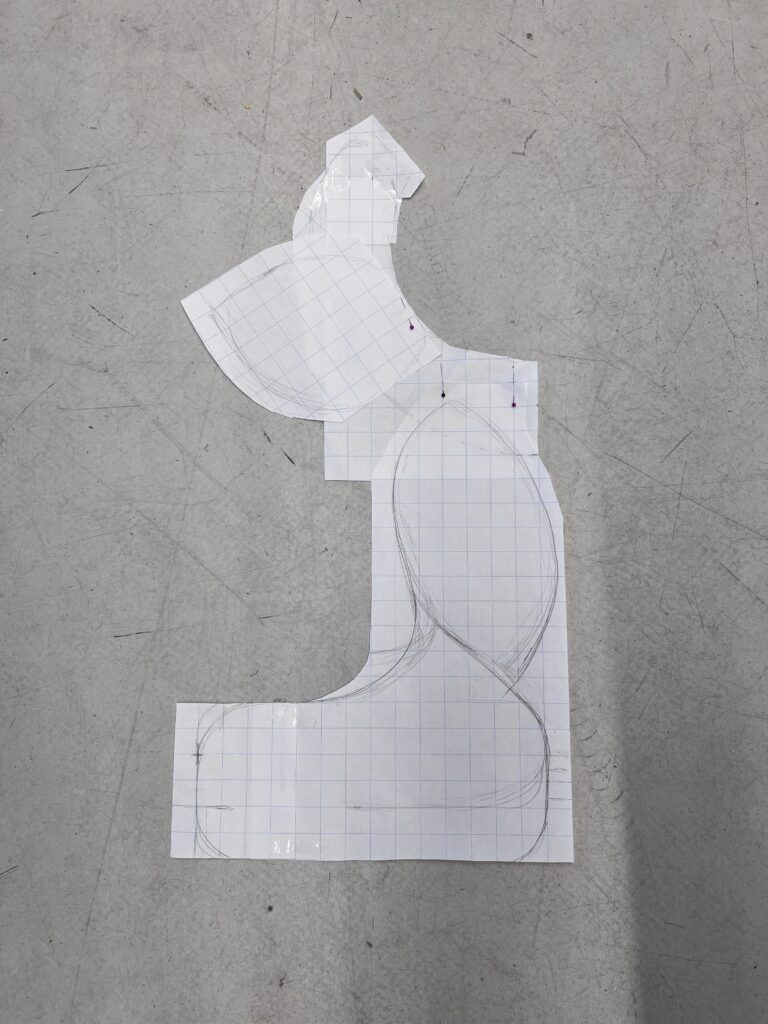
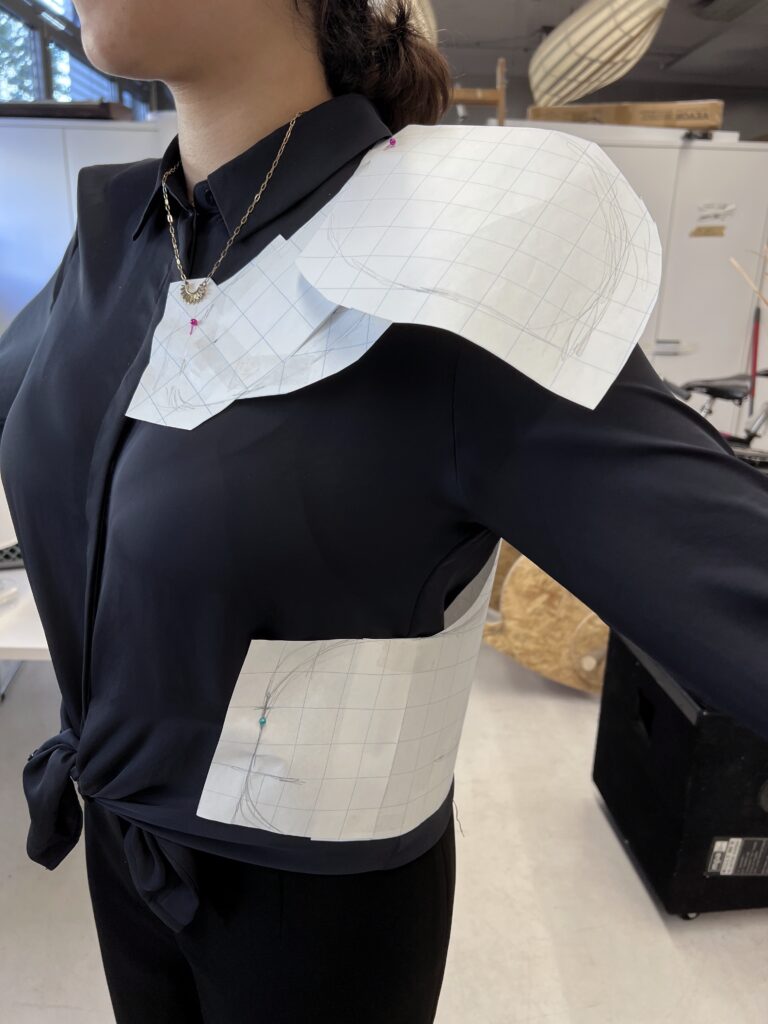
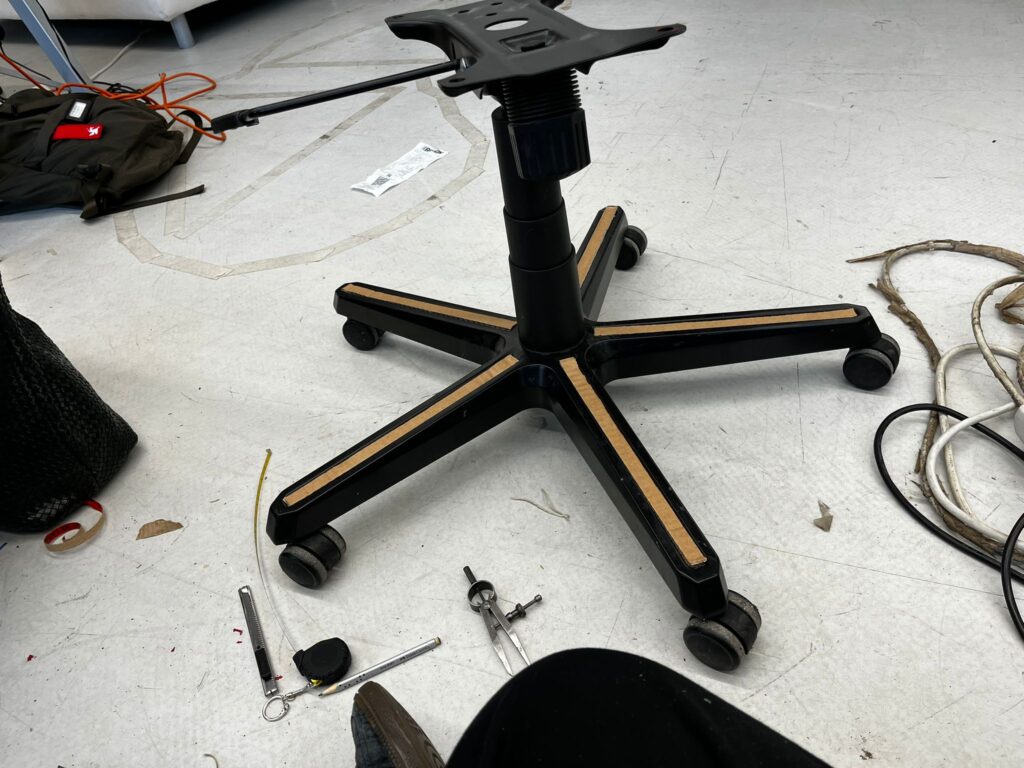
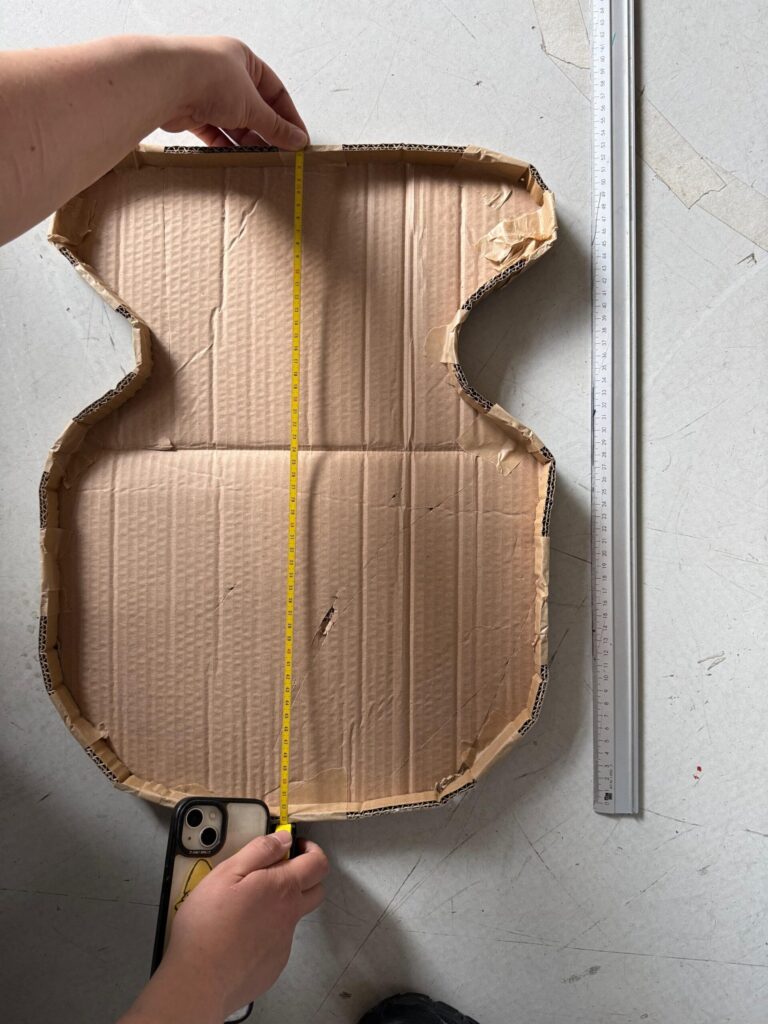
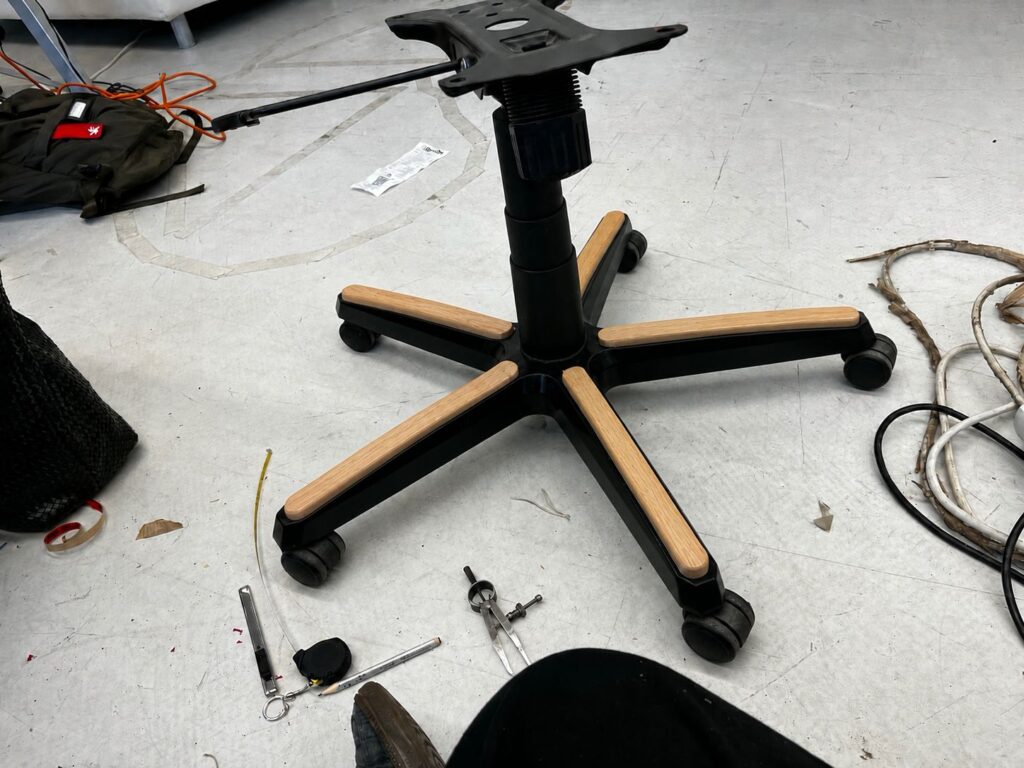
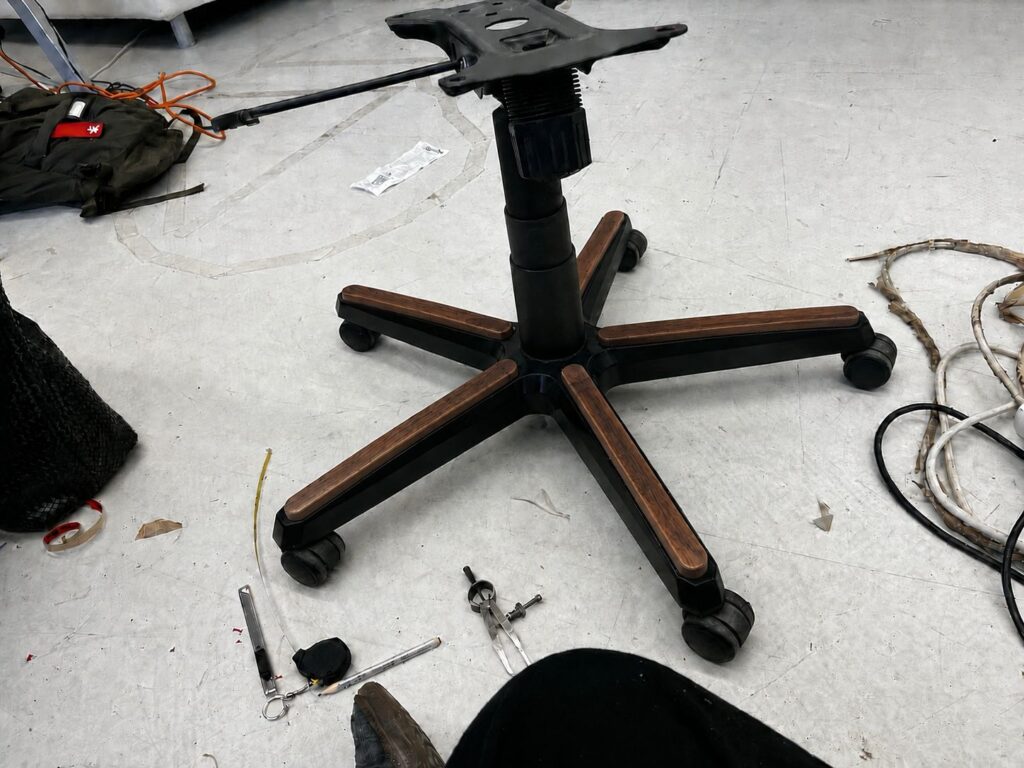
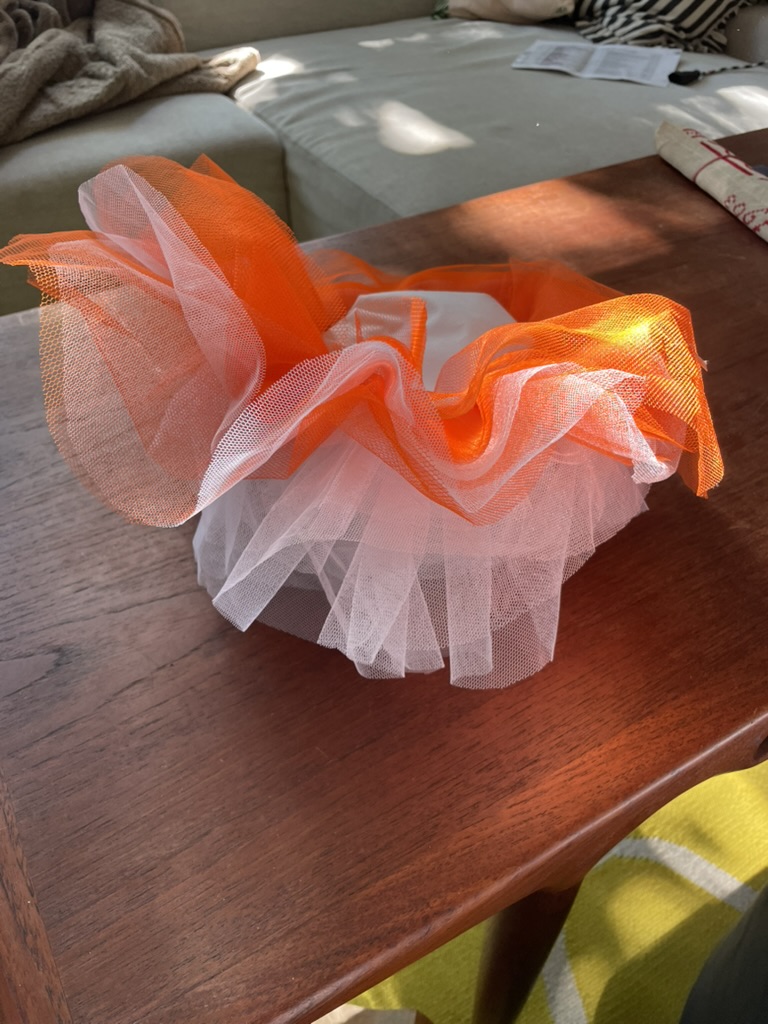
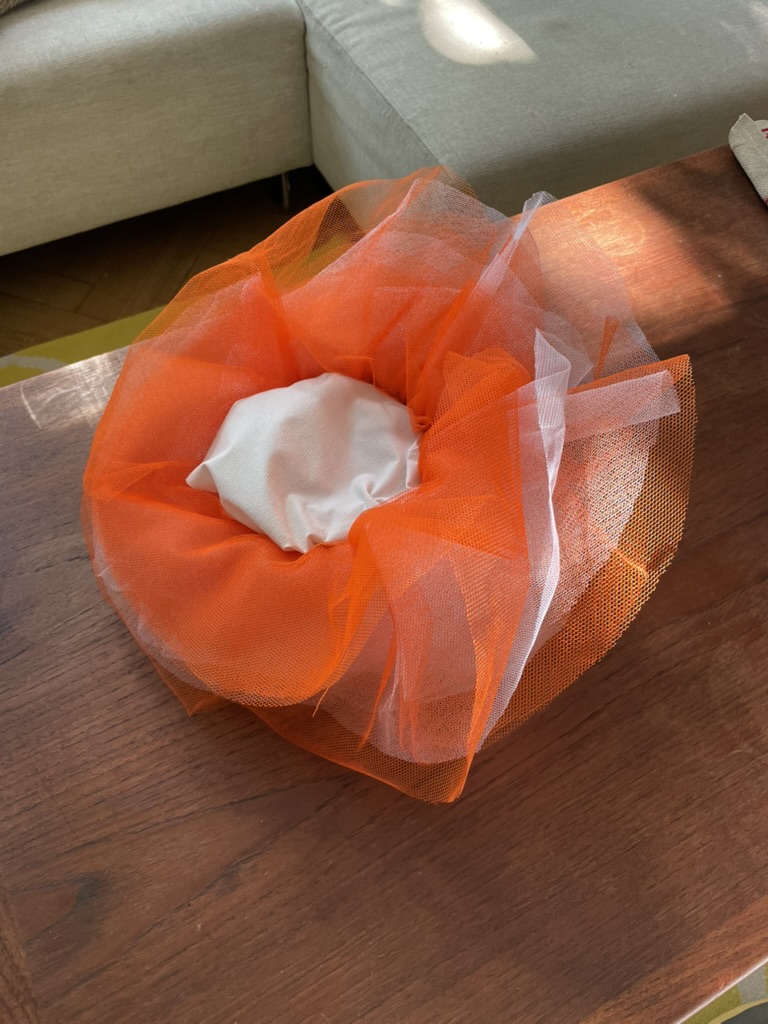
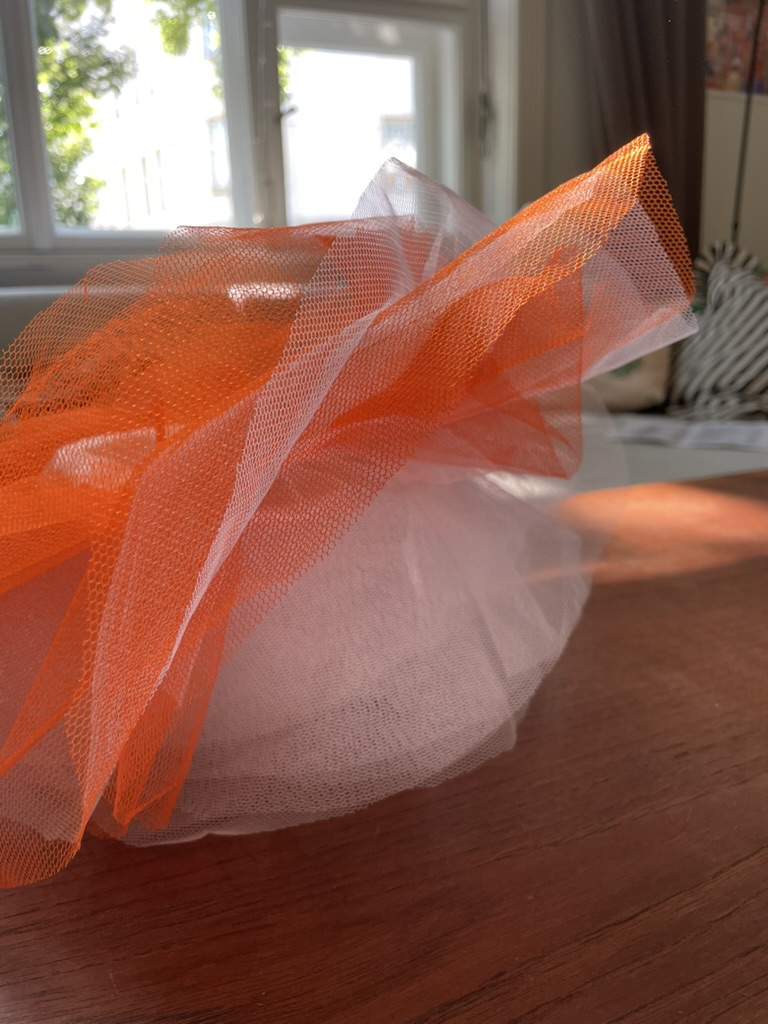
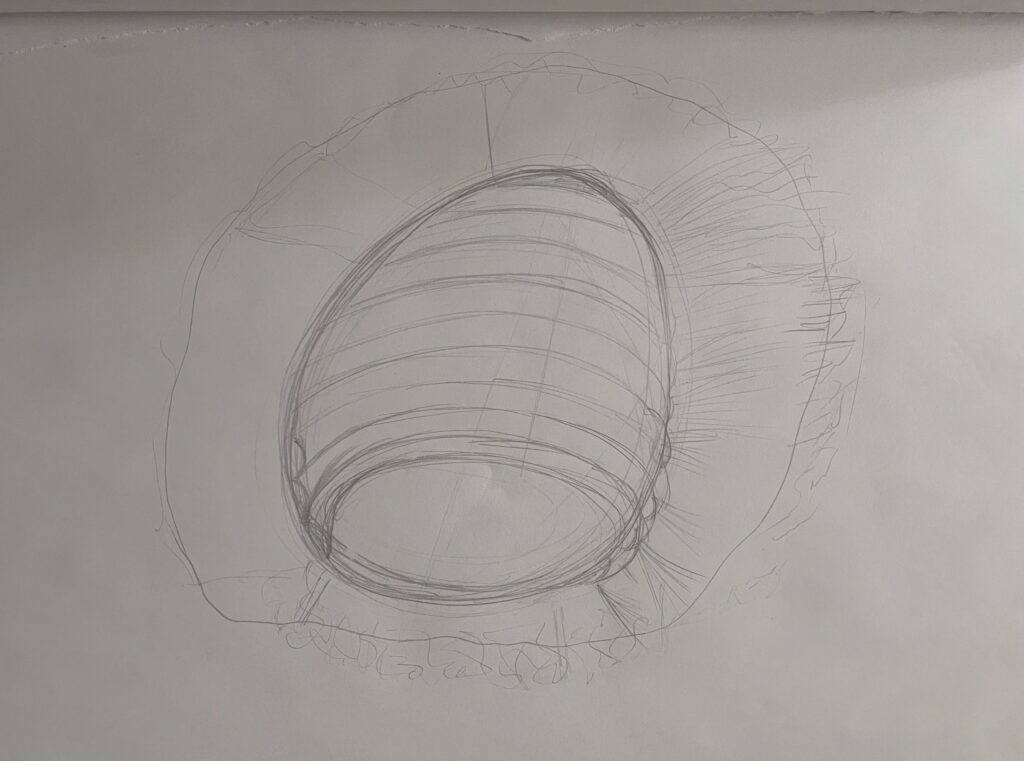
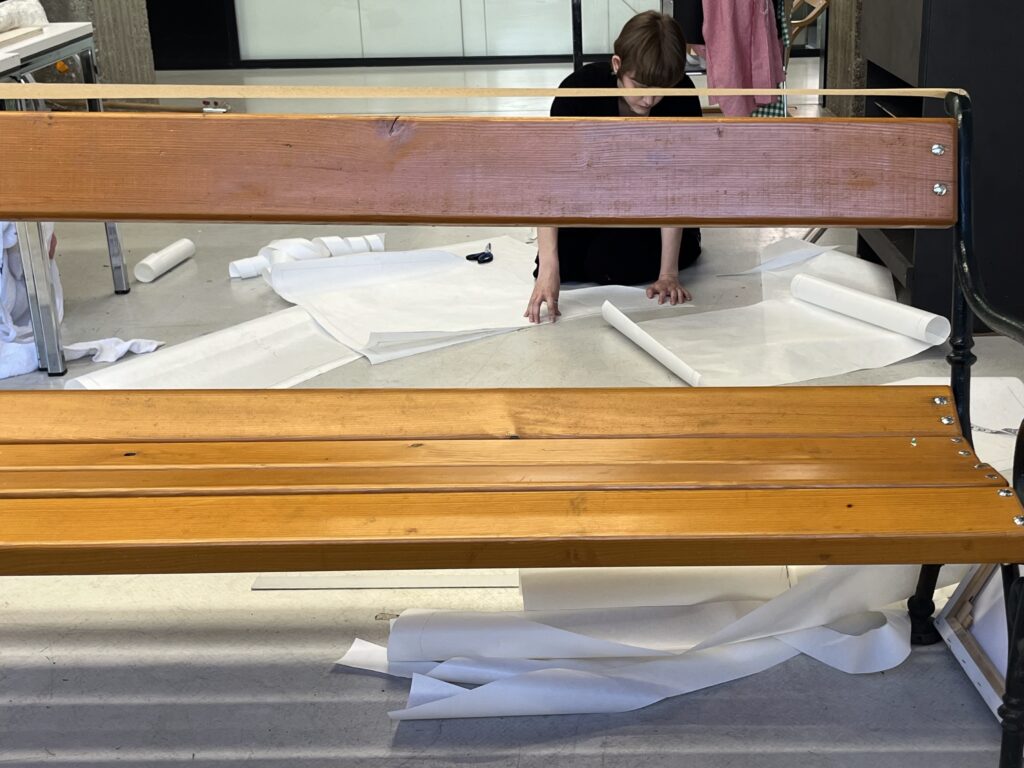
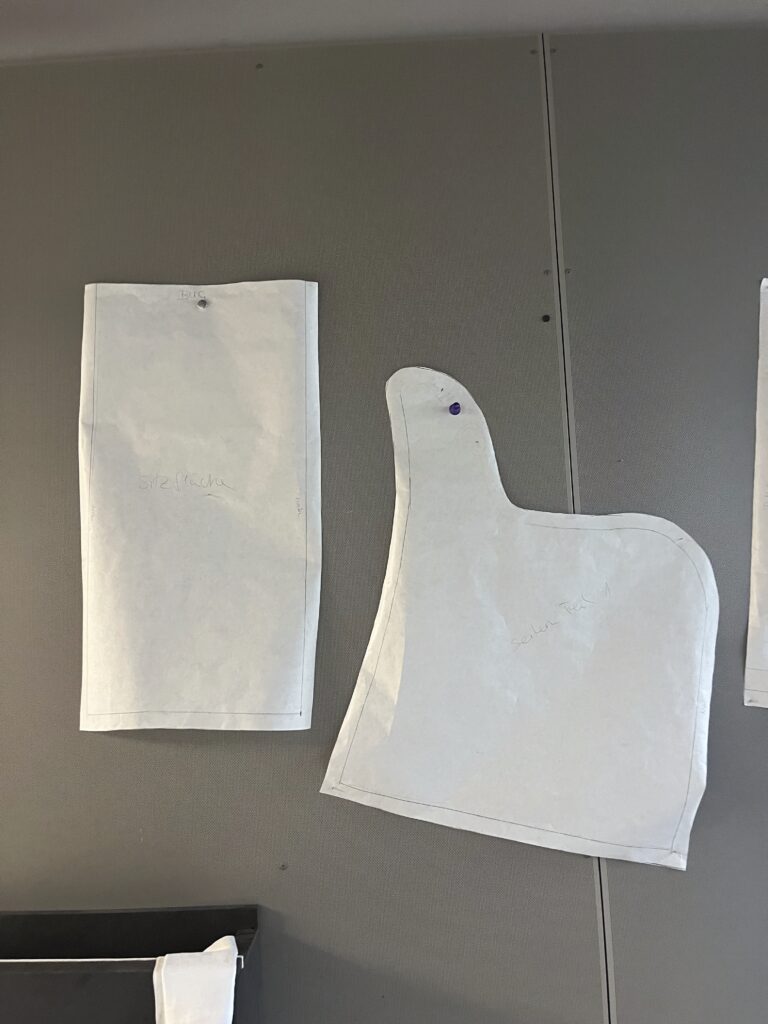
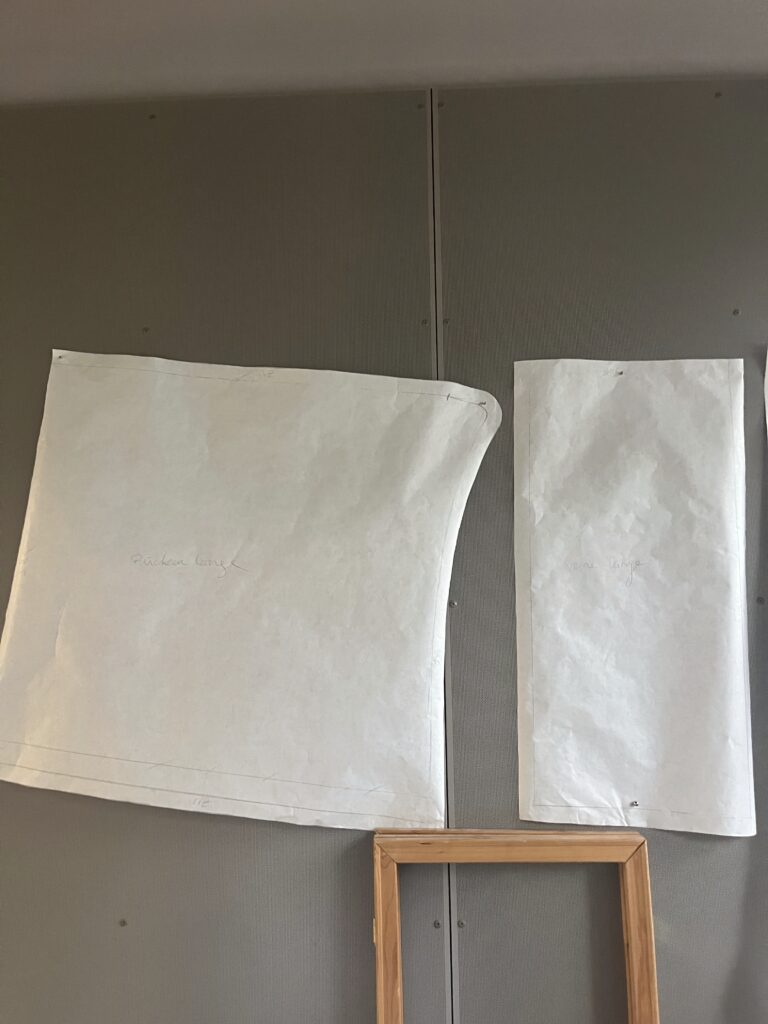
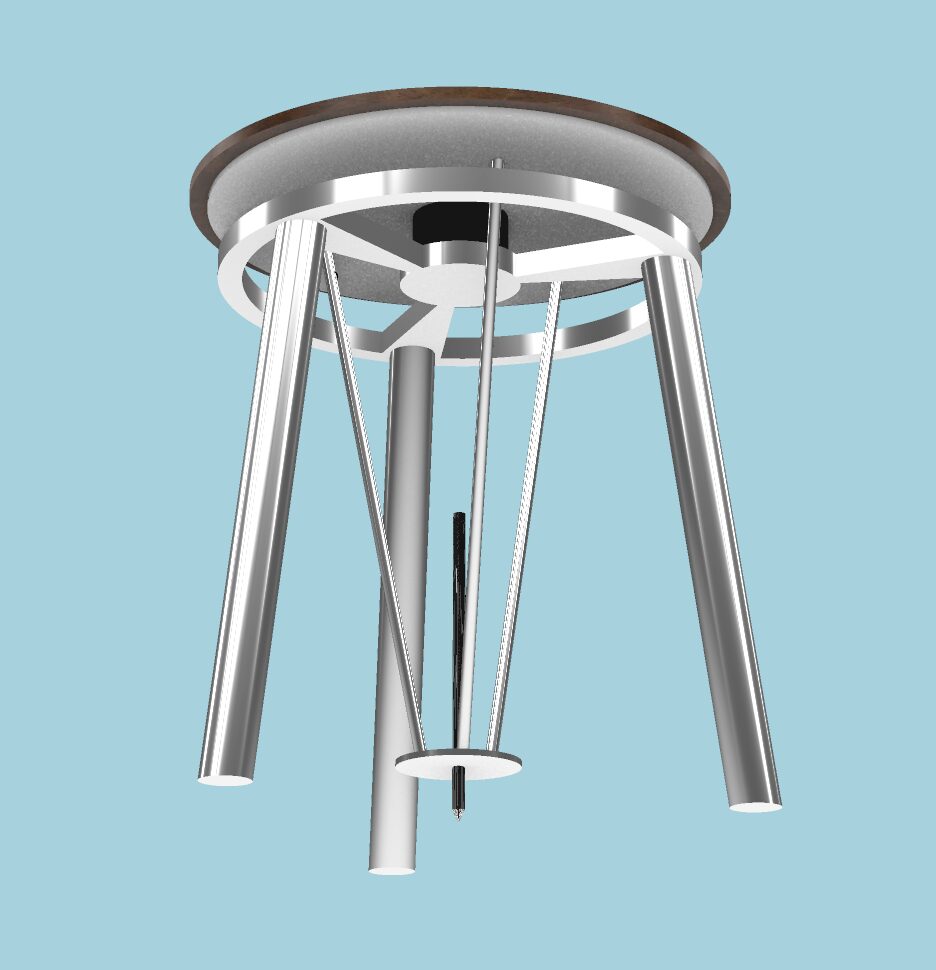
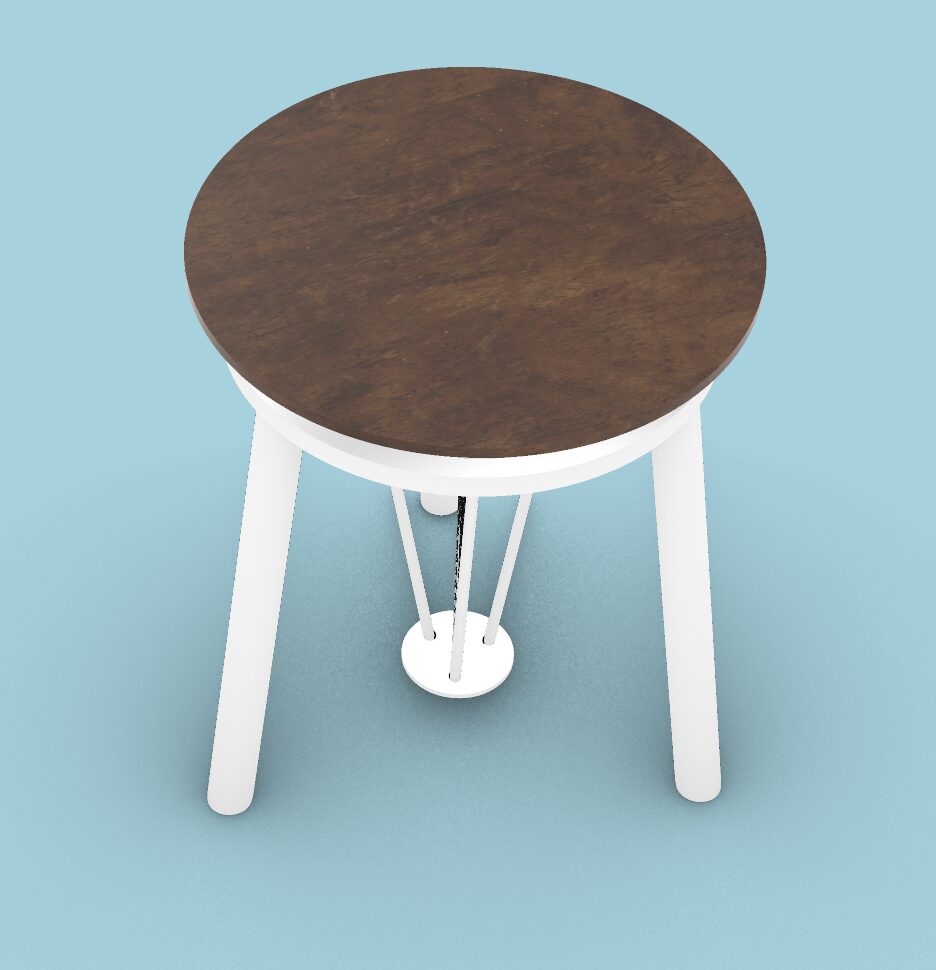
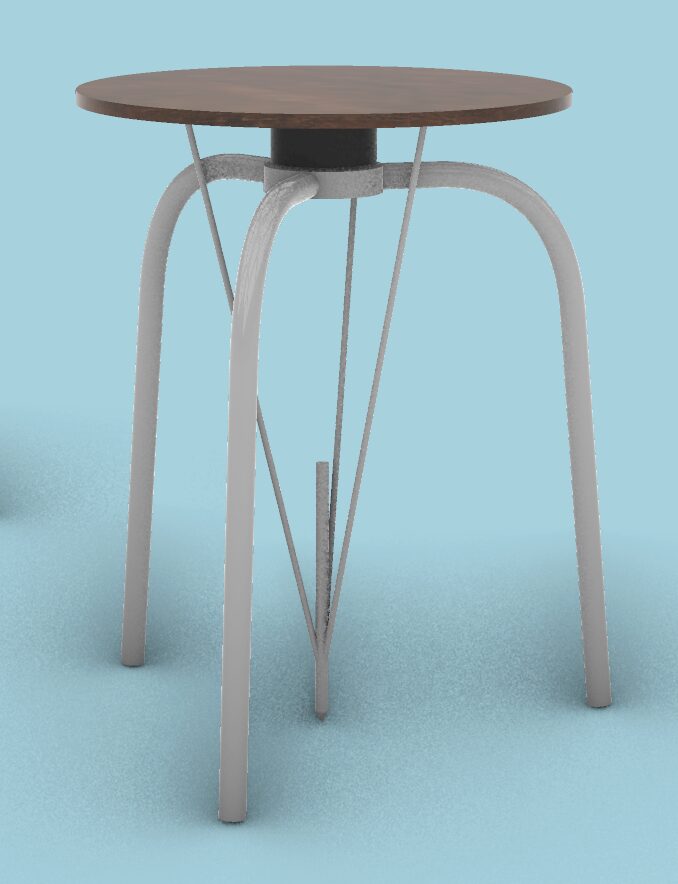
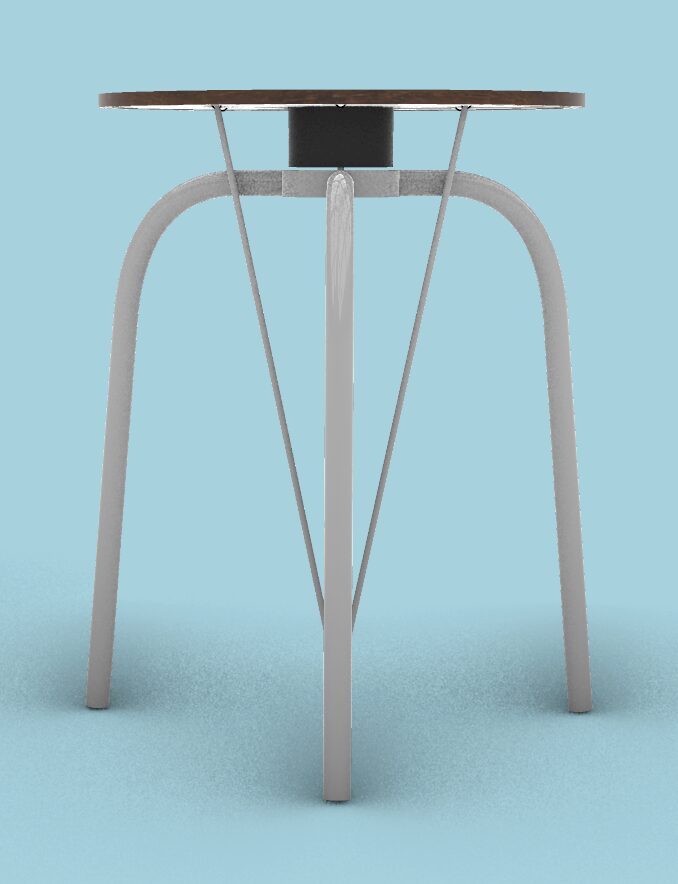
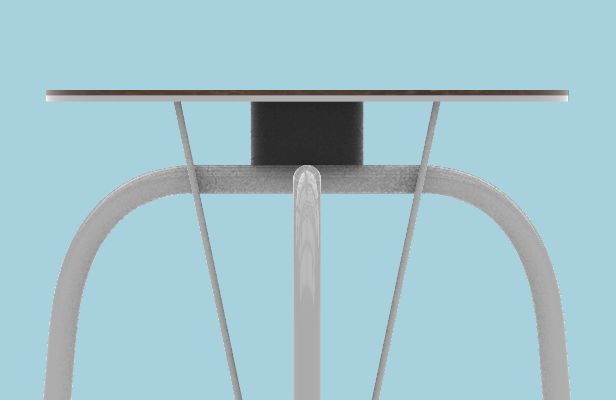
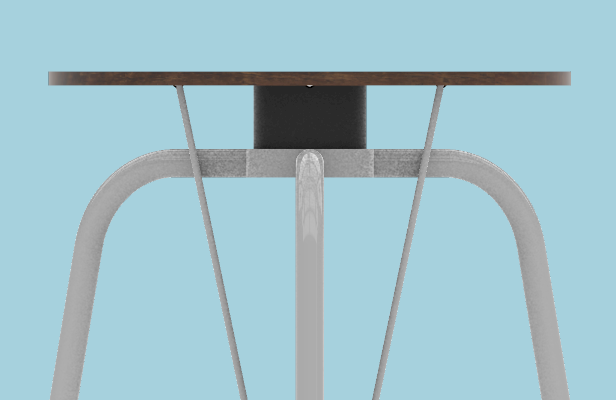
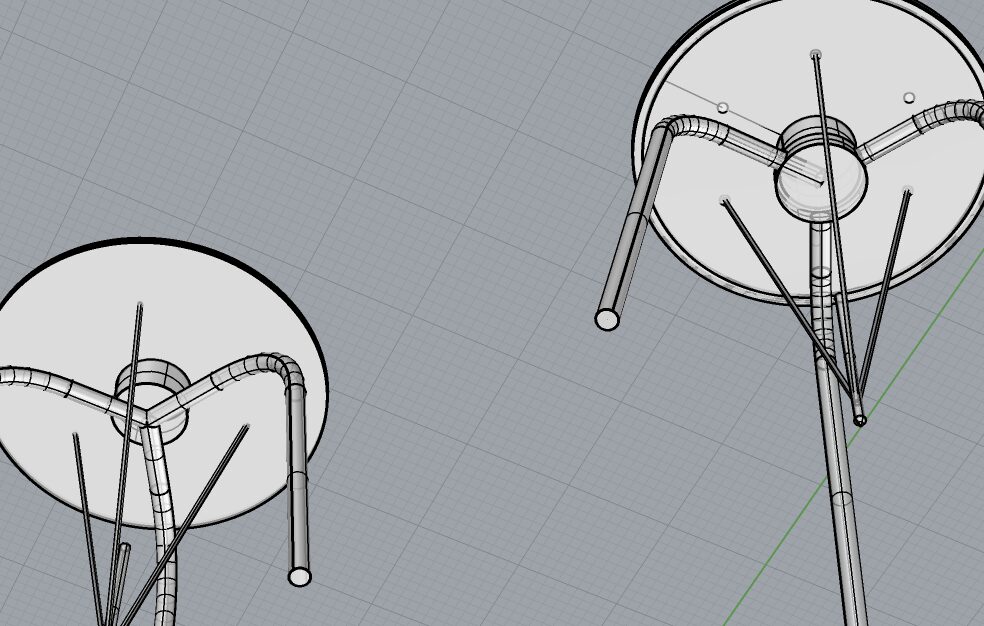
2026S Design a Chair

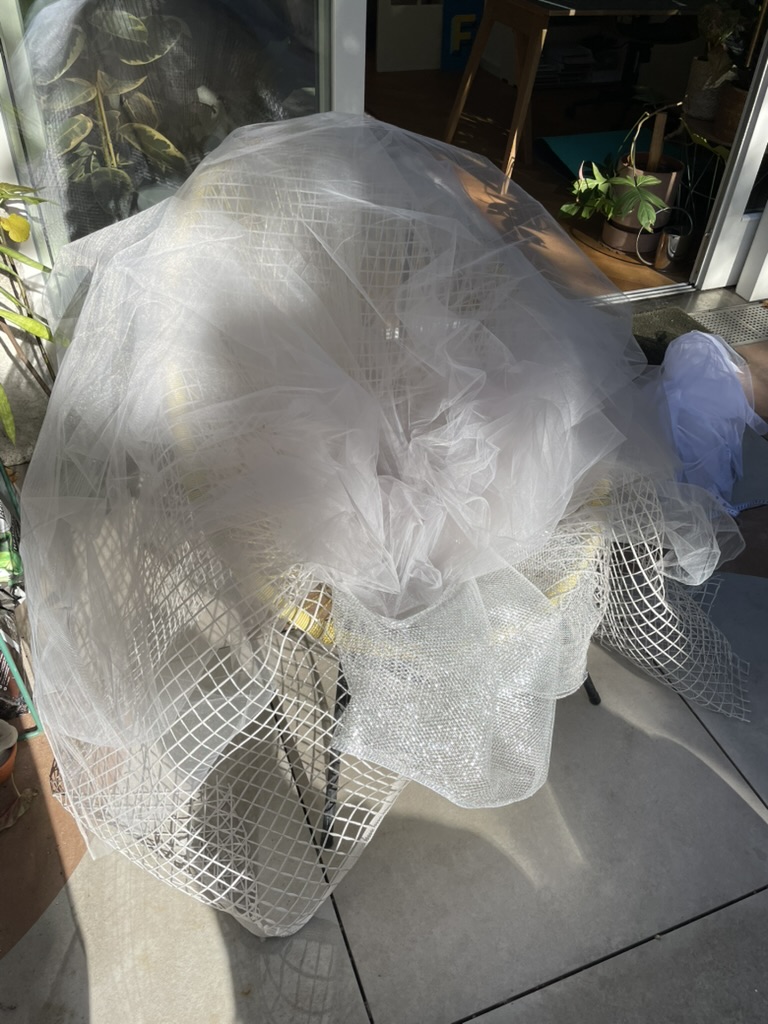
  • 29.05.2026 | design freeze

    By

    Eva-Maria Lainer

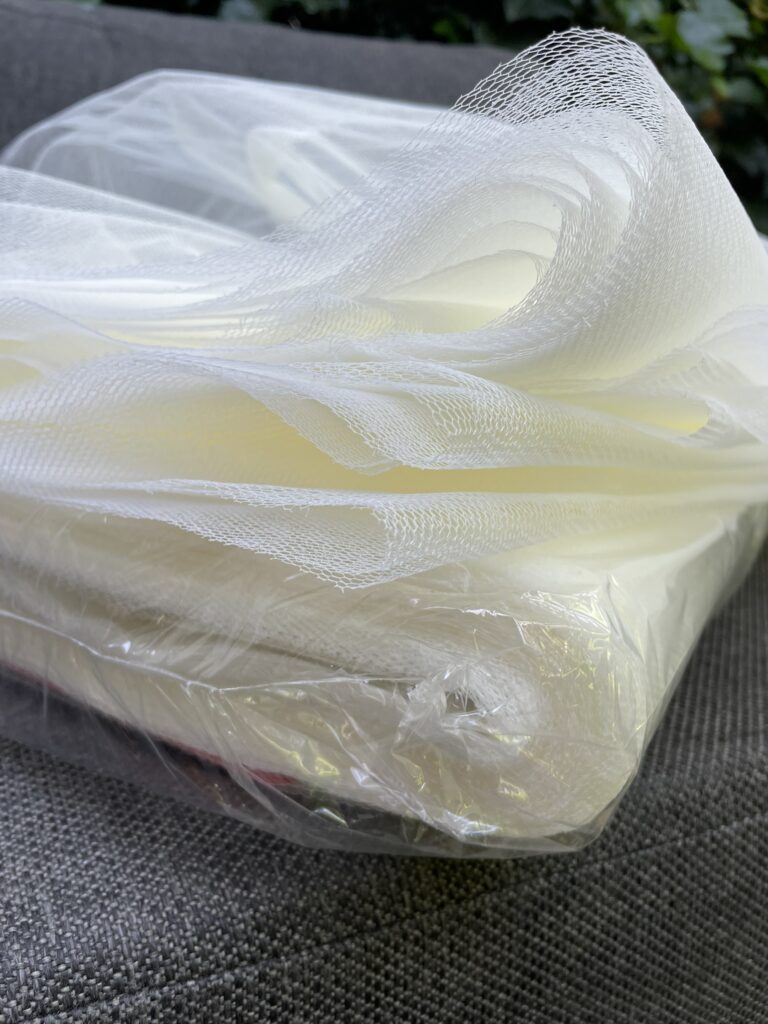
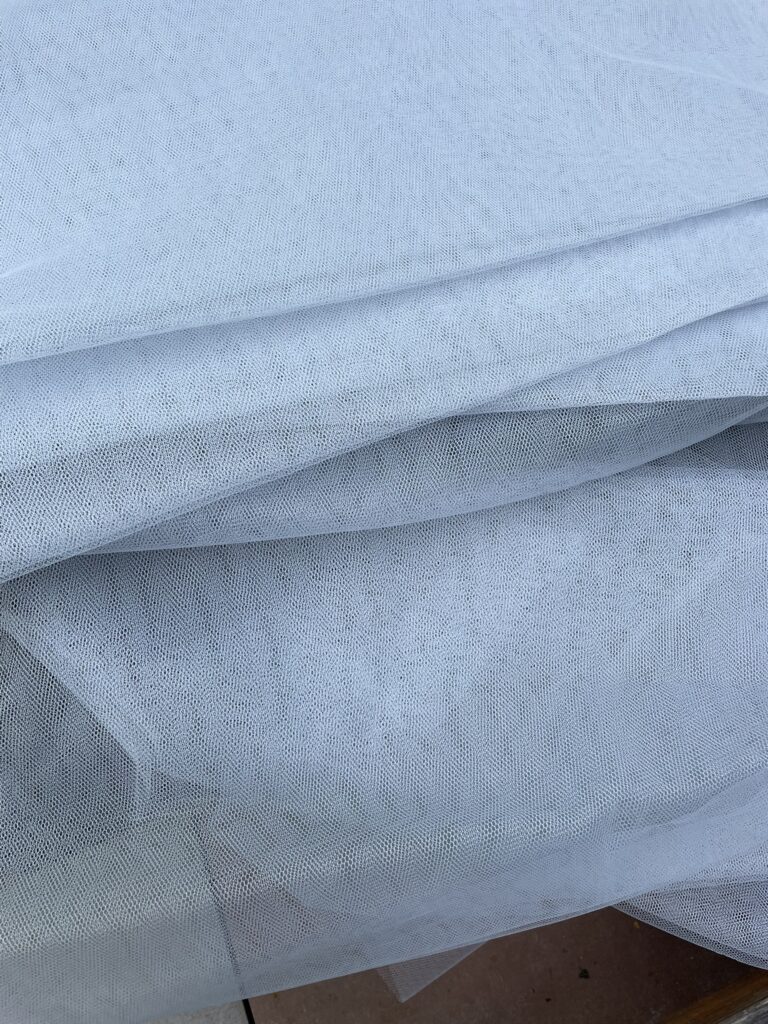
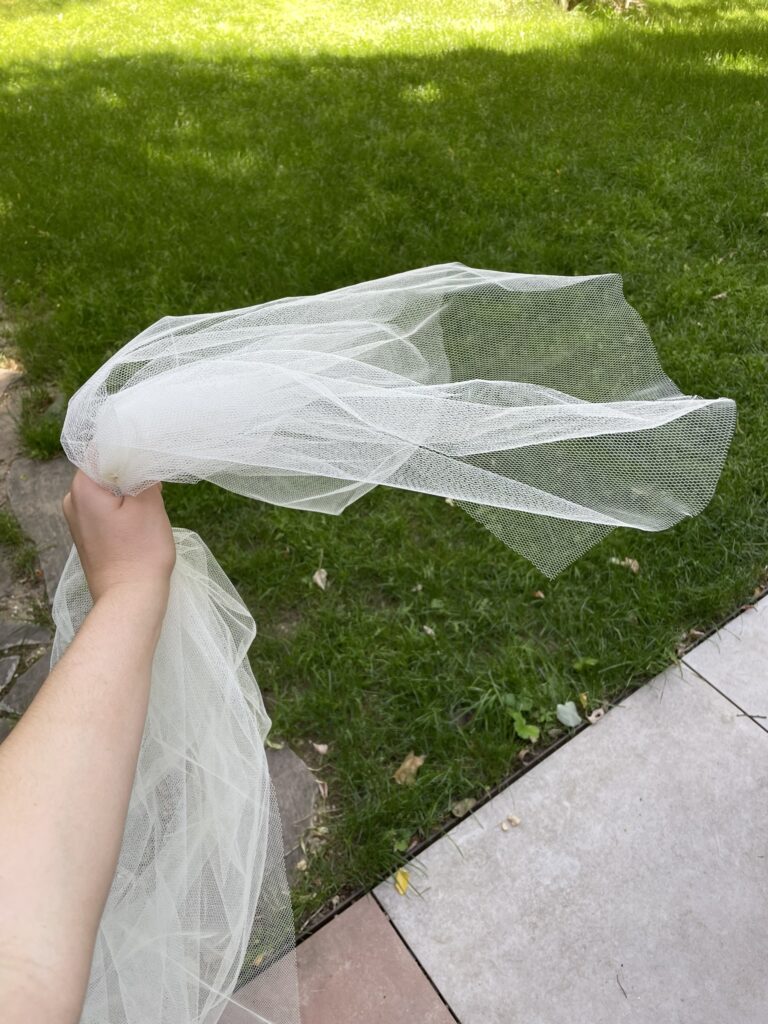
    feedback design freeze:

    • material? stone?
    • form of leather => »animal form« => not good
    • reasons for material-use
    • showing other material try outs?
    • performance/tattoo workshop? incorporating others
  • Tutorial Team 6, 3.06.2026

    By

    Amelie Proksch

    ,

    Luz Quintana-Abraham

    and

    Julia Klimowska

    Luz, Julia & Amelie

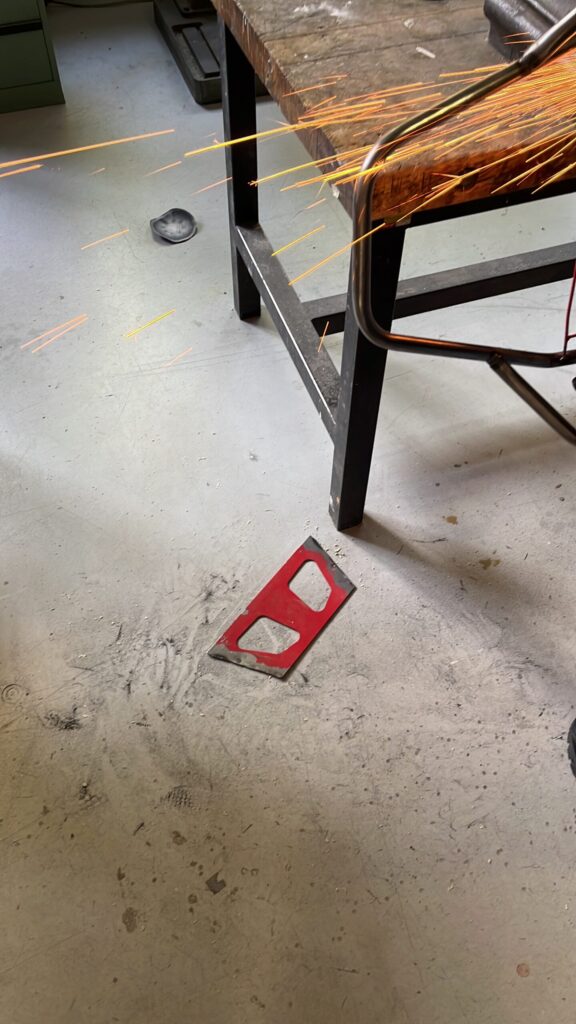
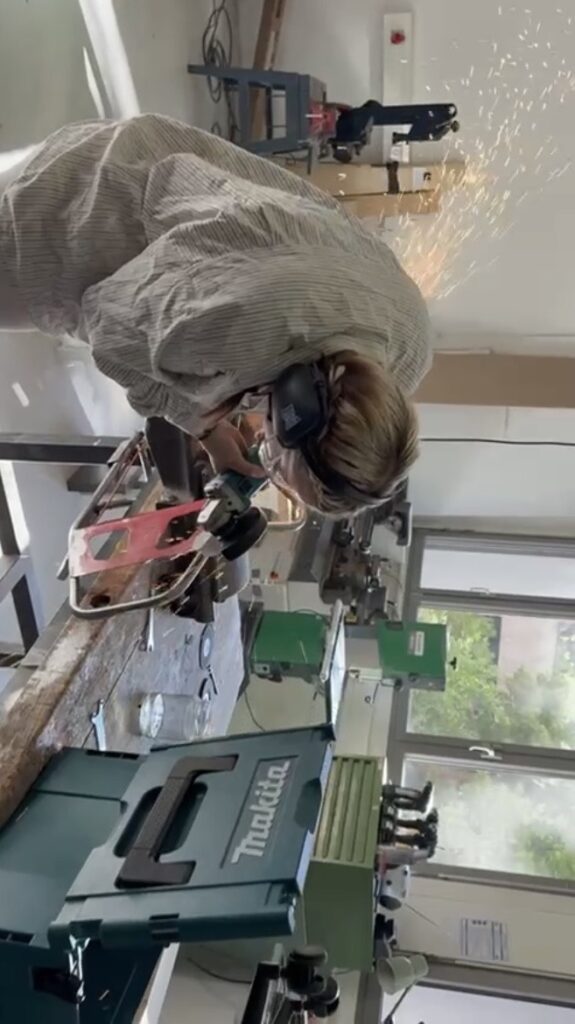
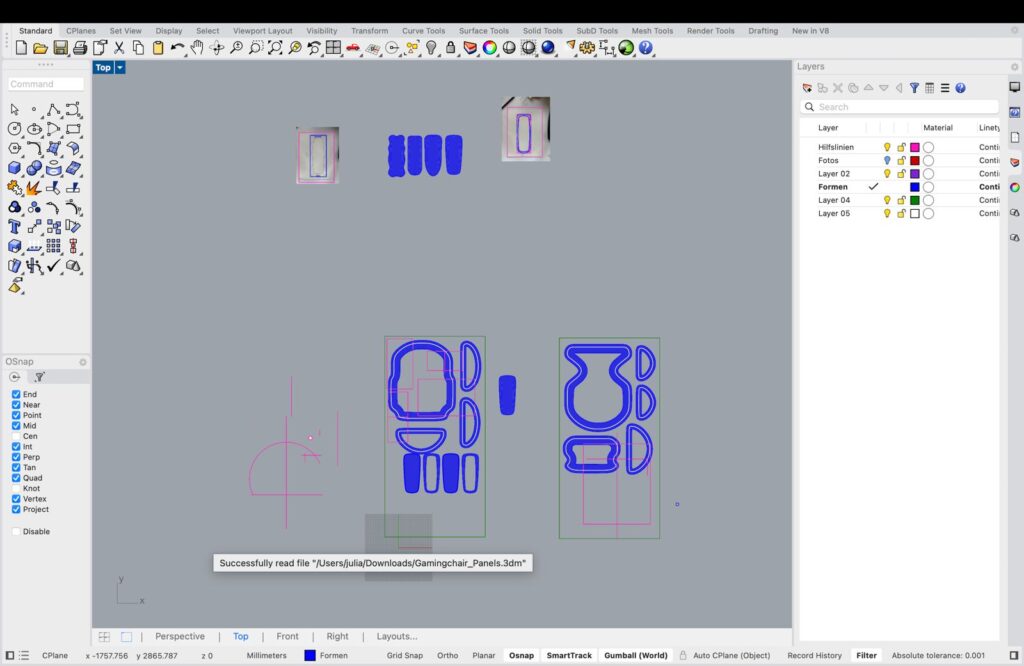
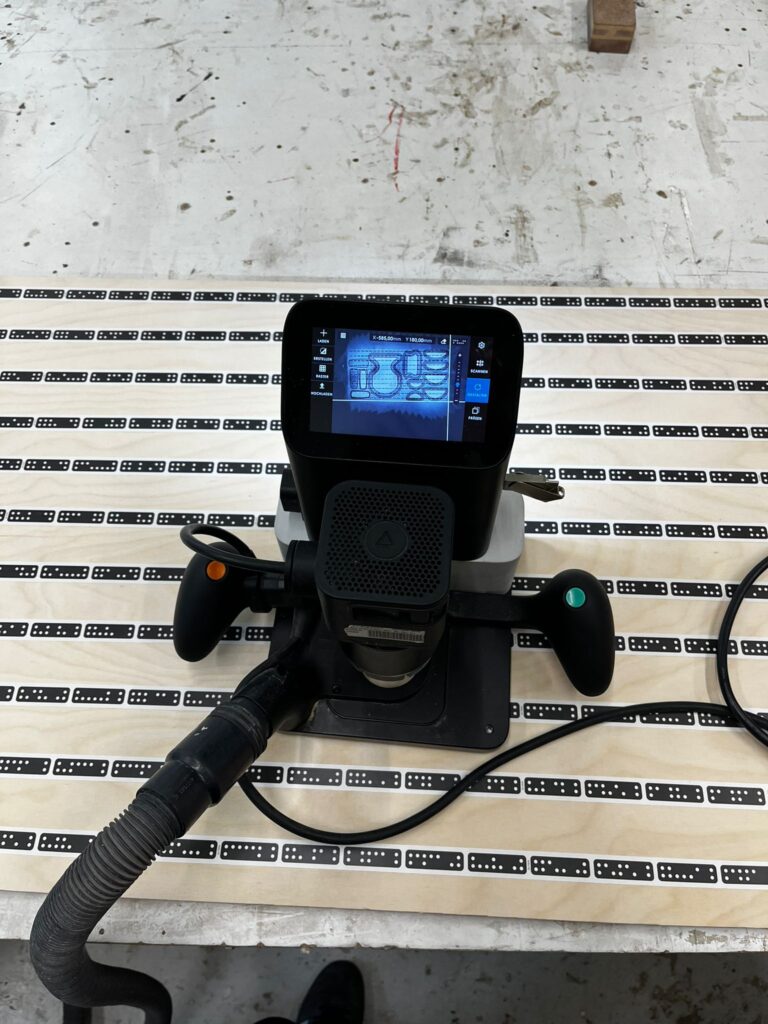
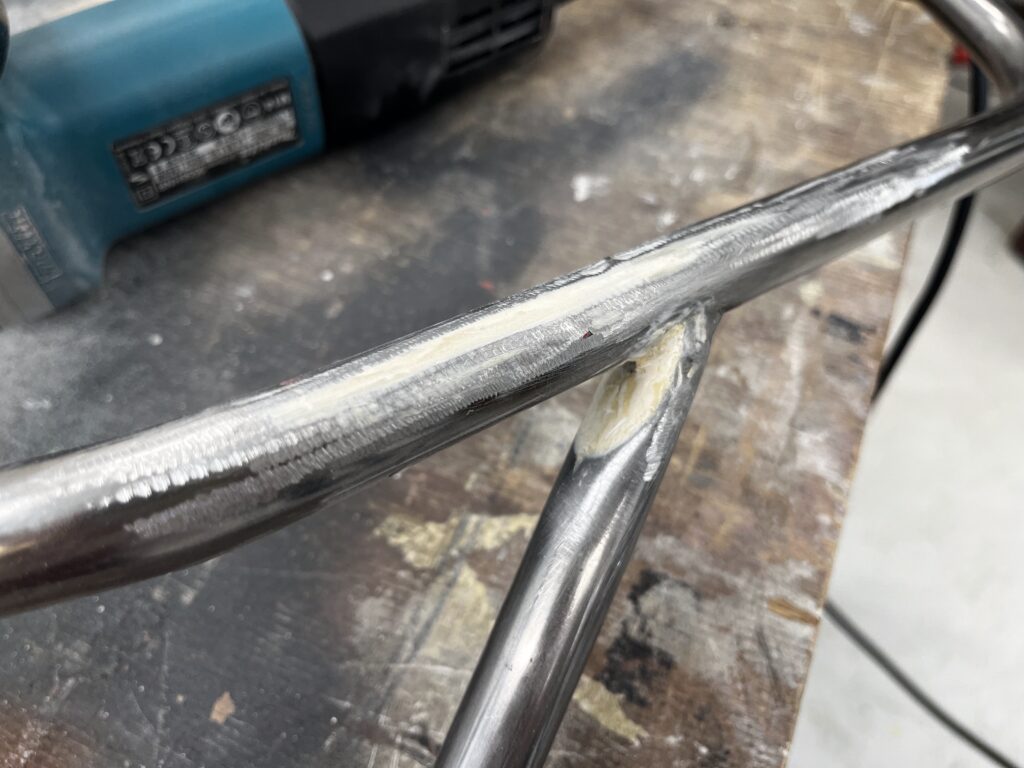
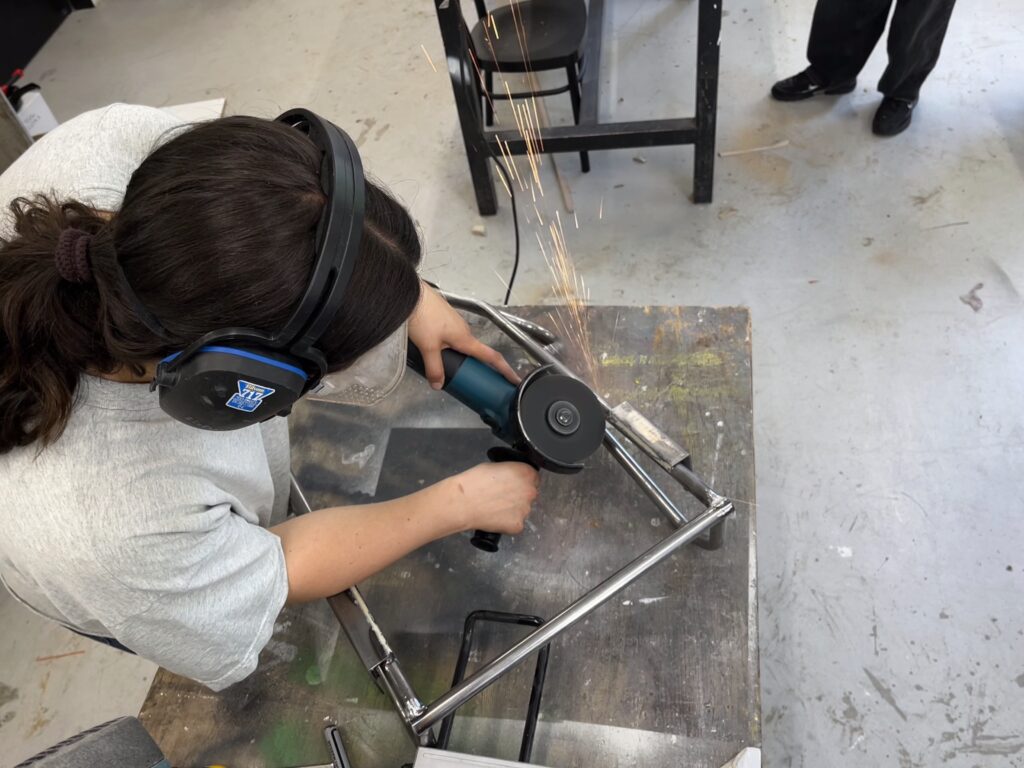
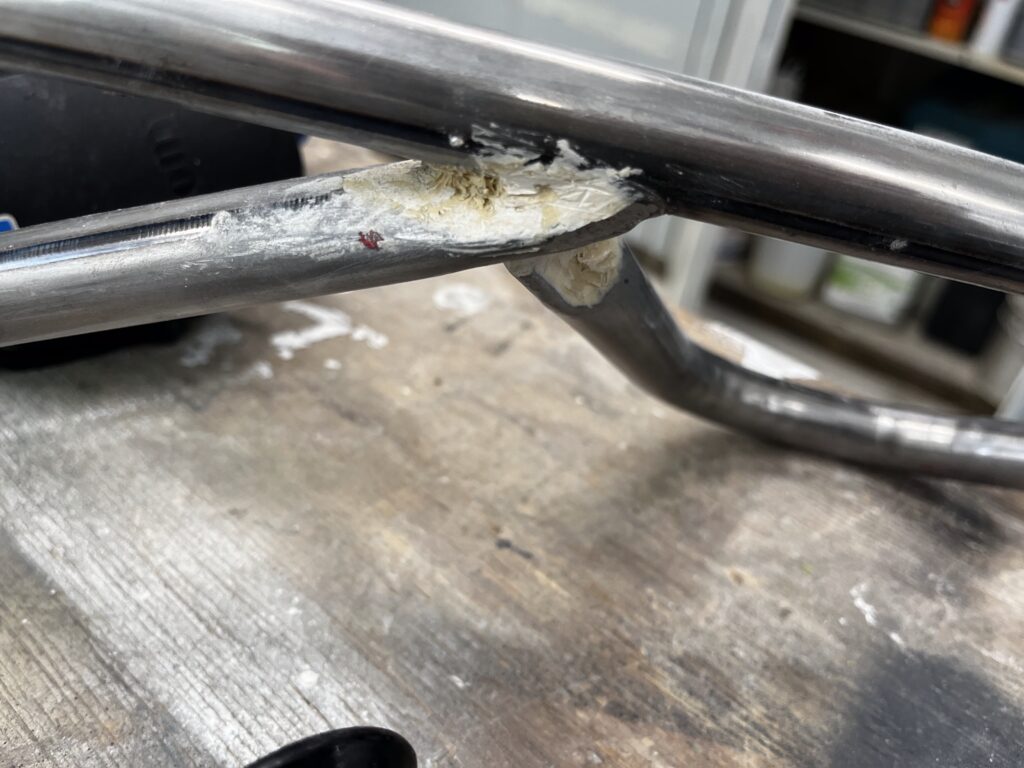
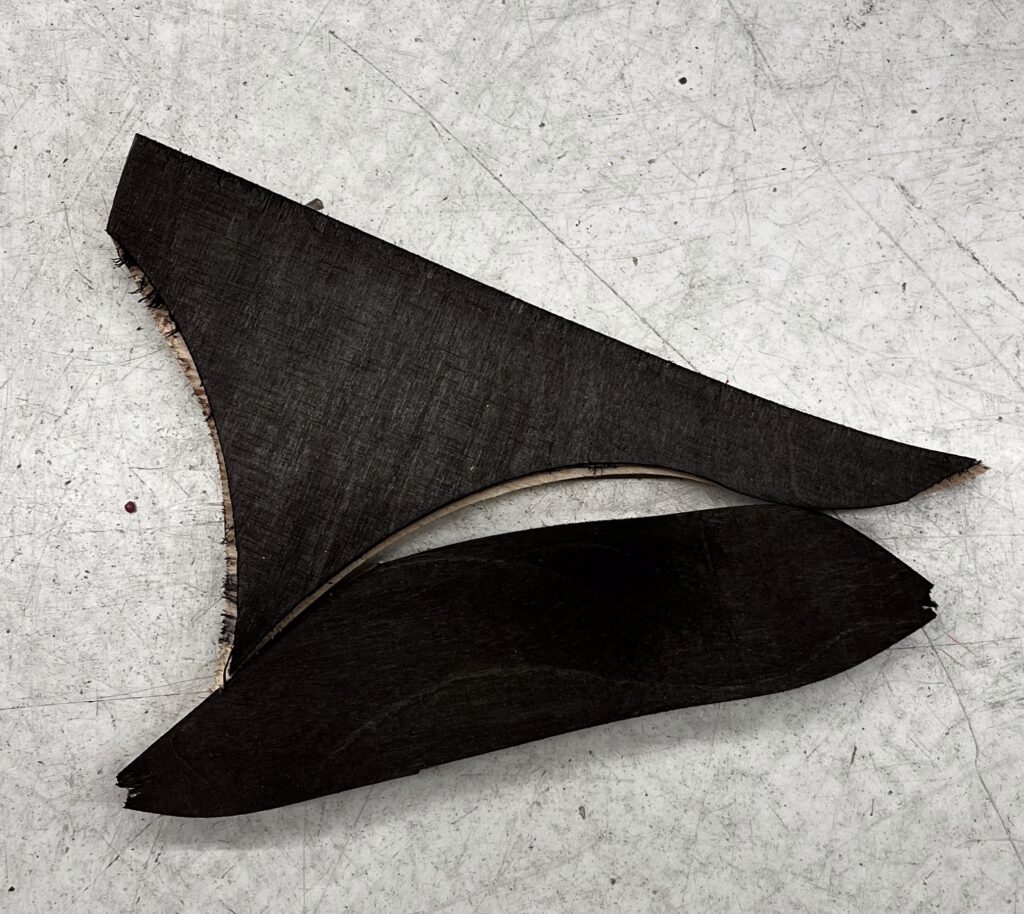
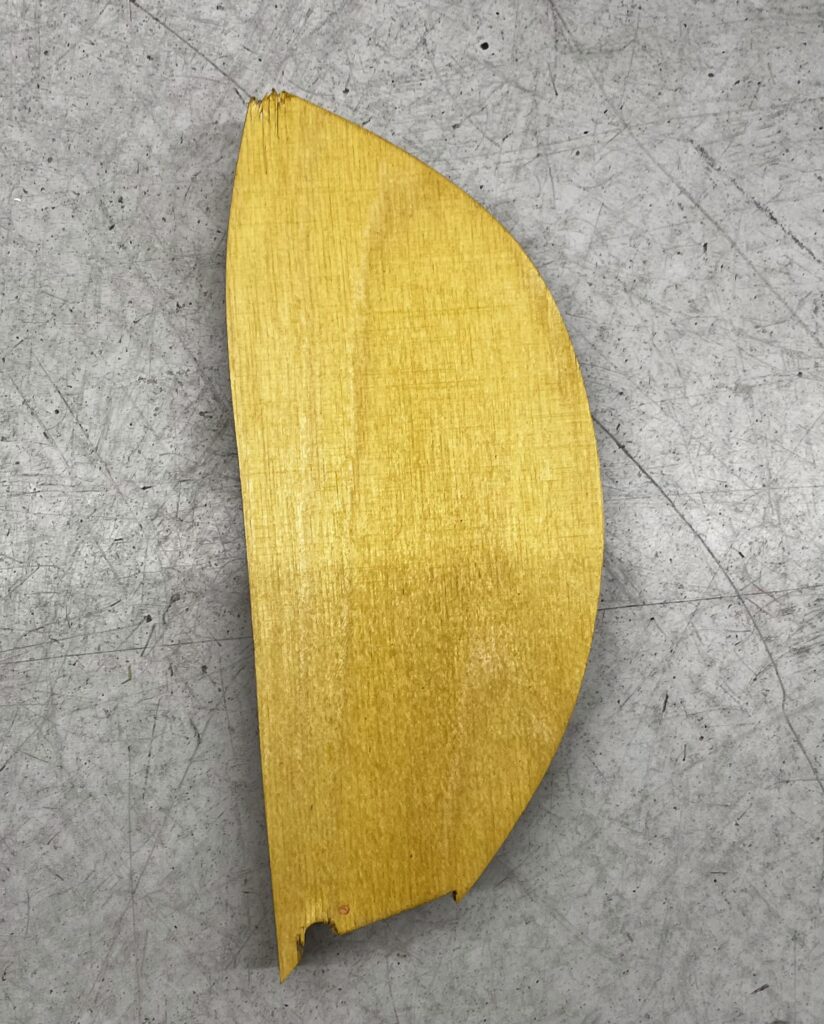
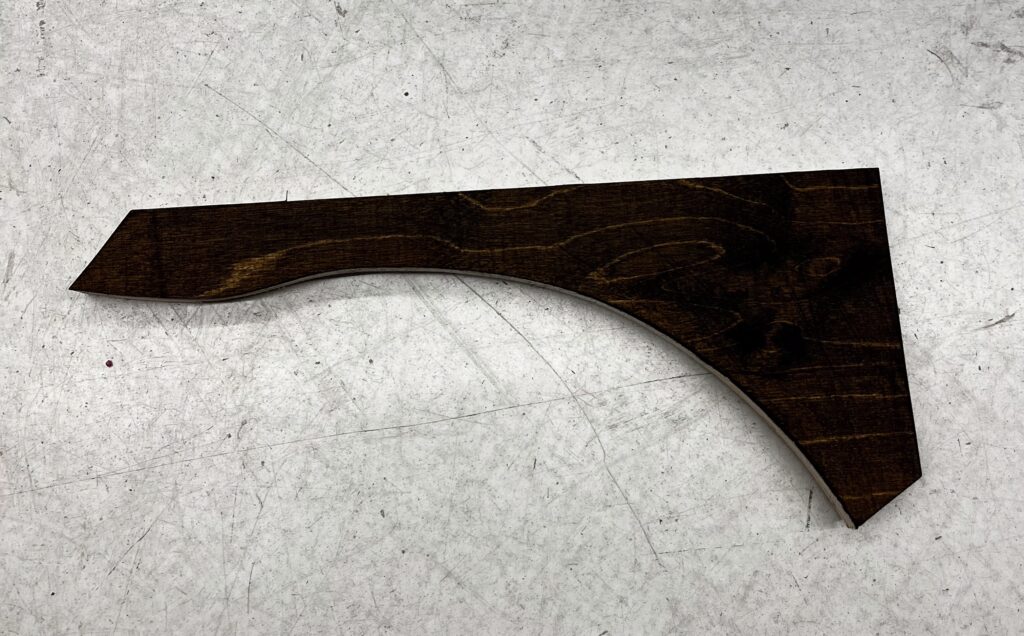
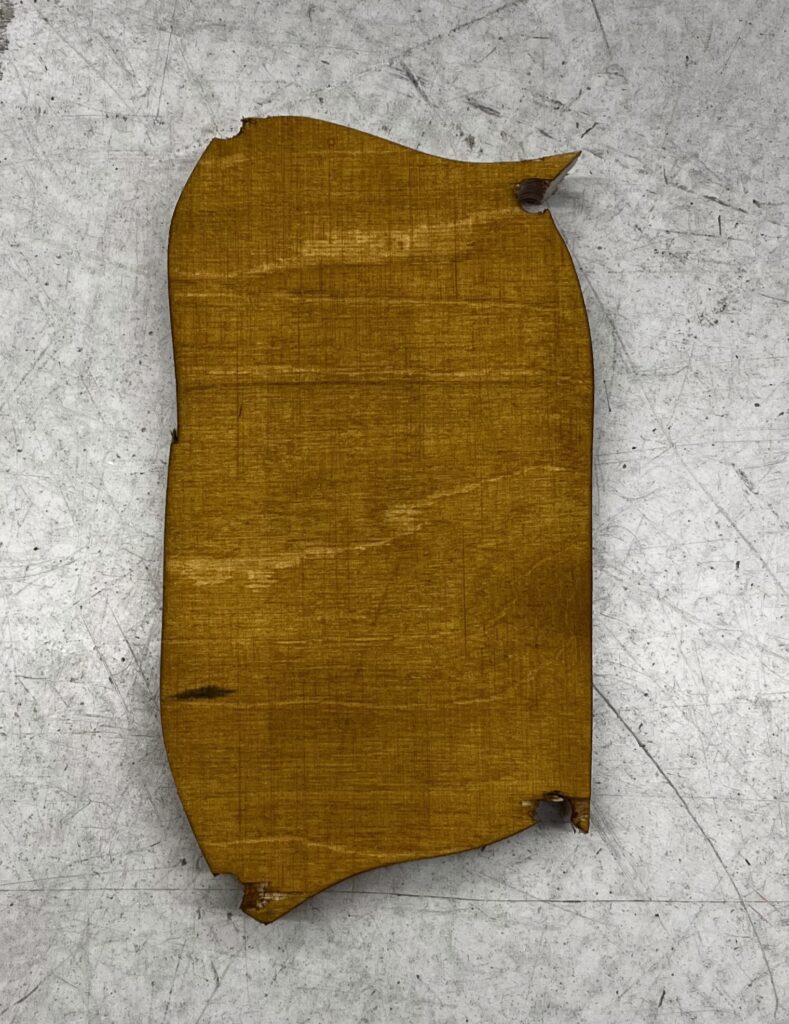
    … filing down final shapes

    by trying out & anaylising sittable PT3

    What seating shape works best for the choreography?

    What designed condition could contribute to the shared experience?

    What do we want people to feel when they first look at it & once sat?

    Asking users for feedback…

    • proximity&hight are right
    • backlean was not asked for
    • a bit scary when entering/ exiting
    • does not immediately invite to sit
    • intimidating once sat

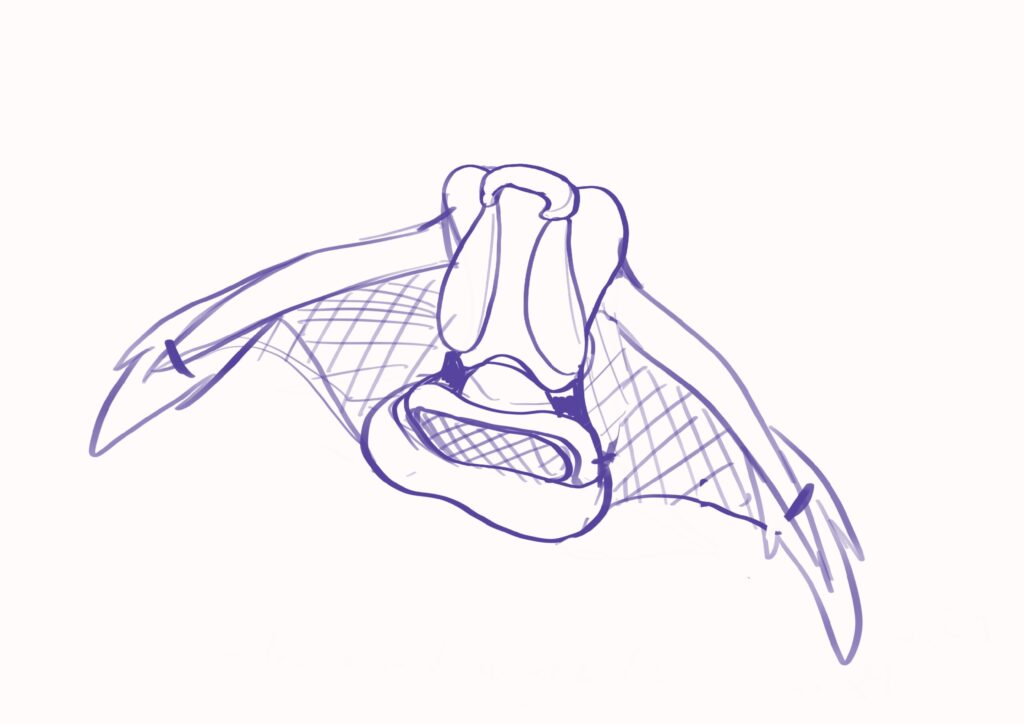
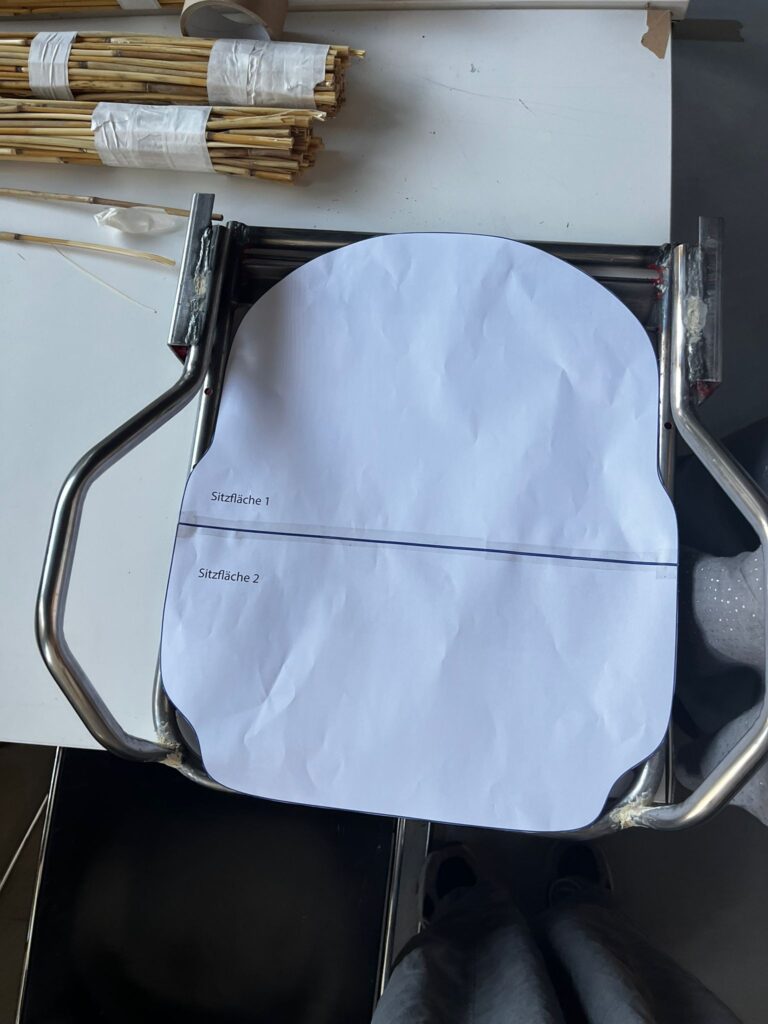
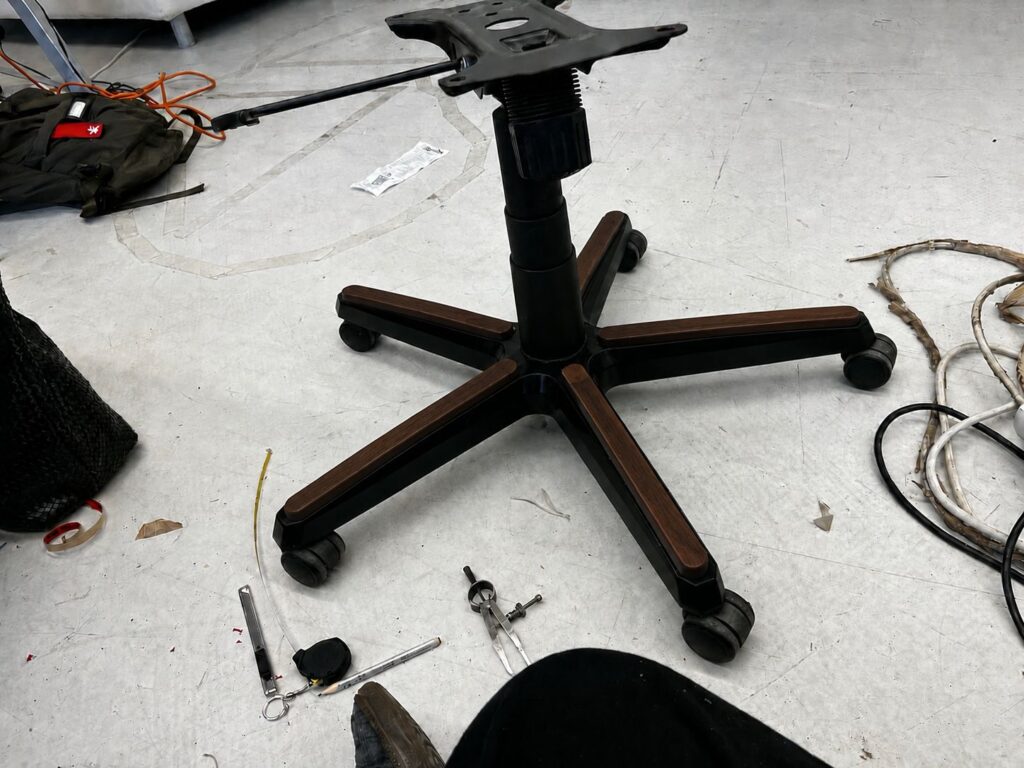
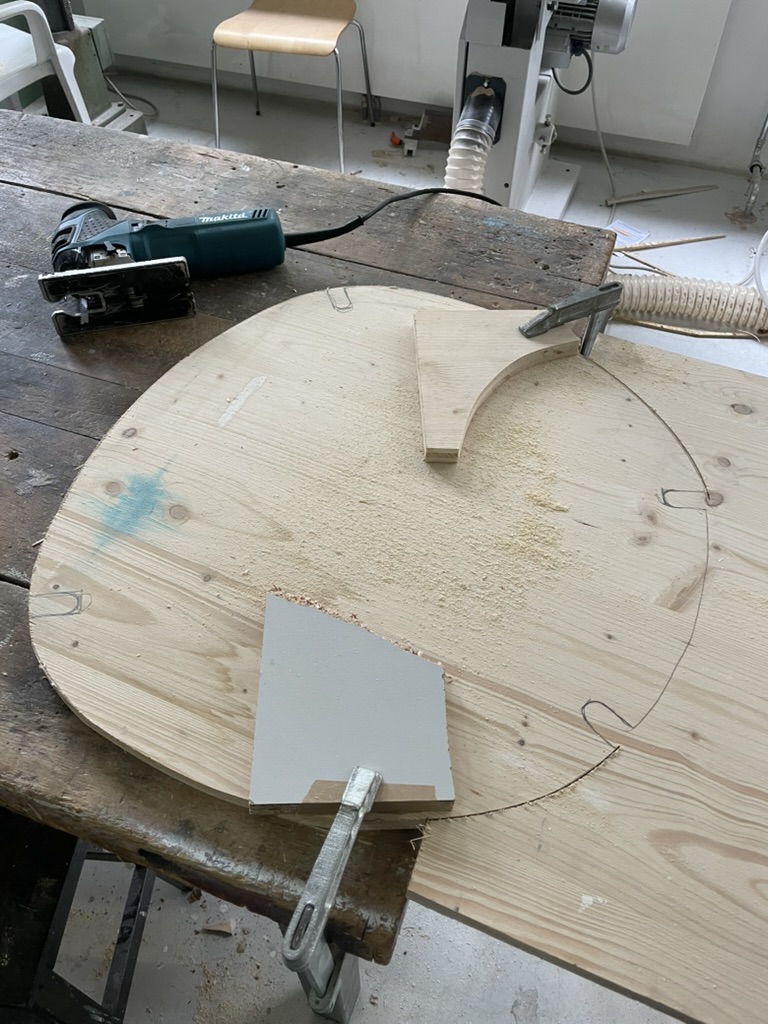
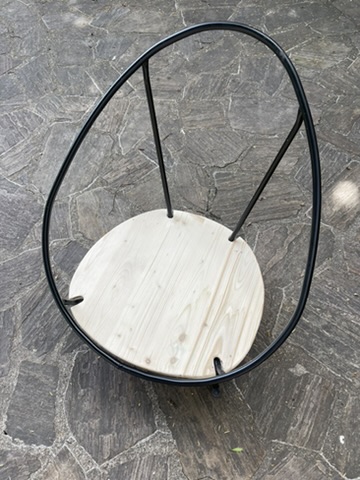
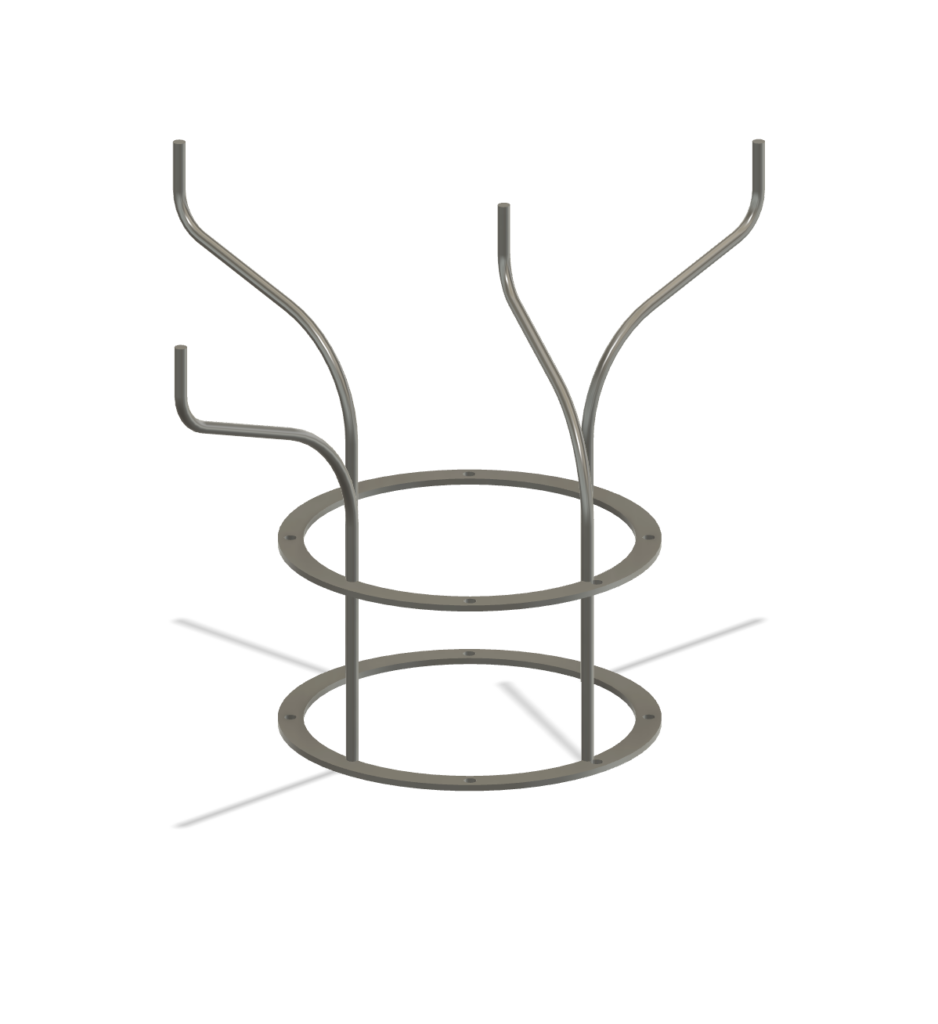
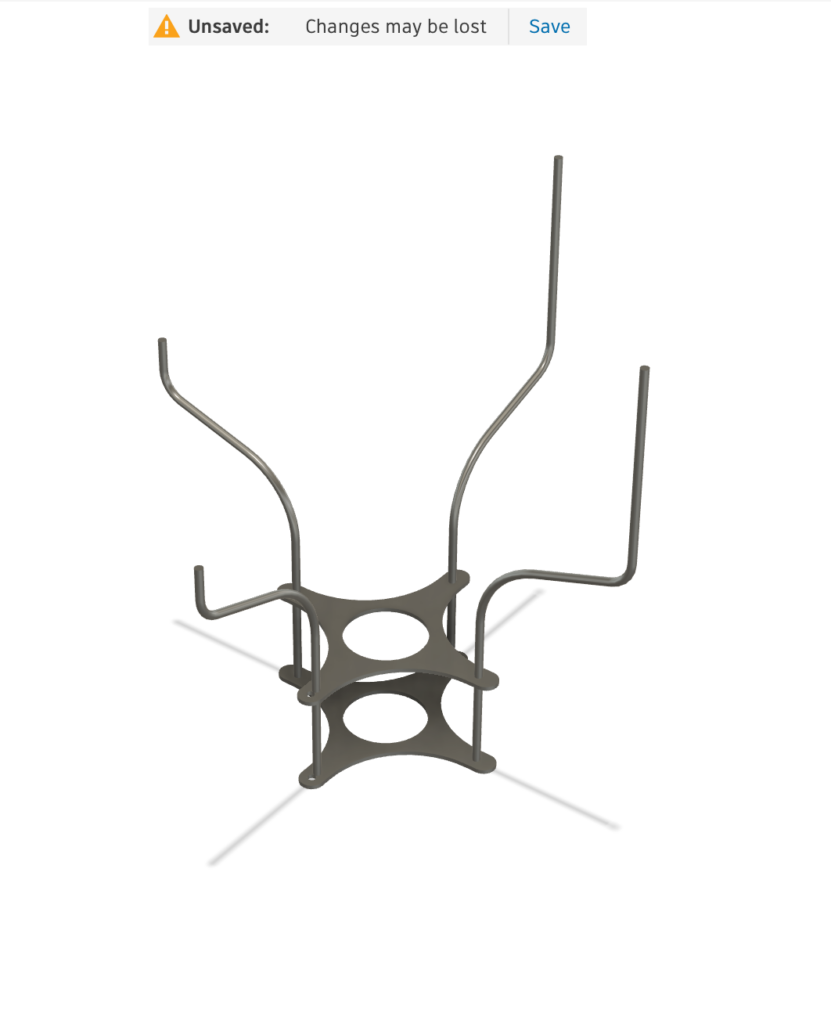
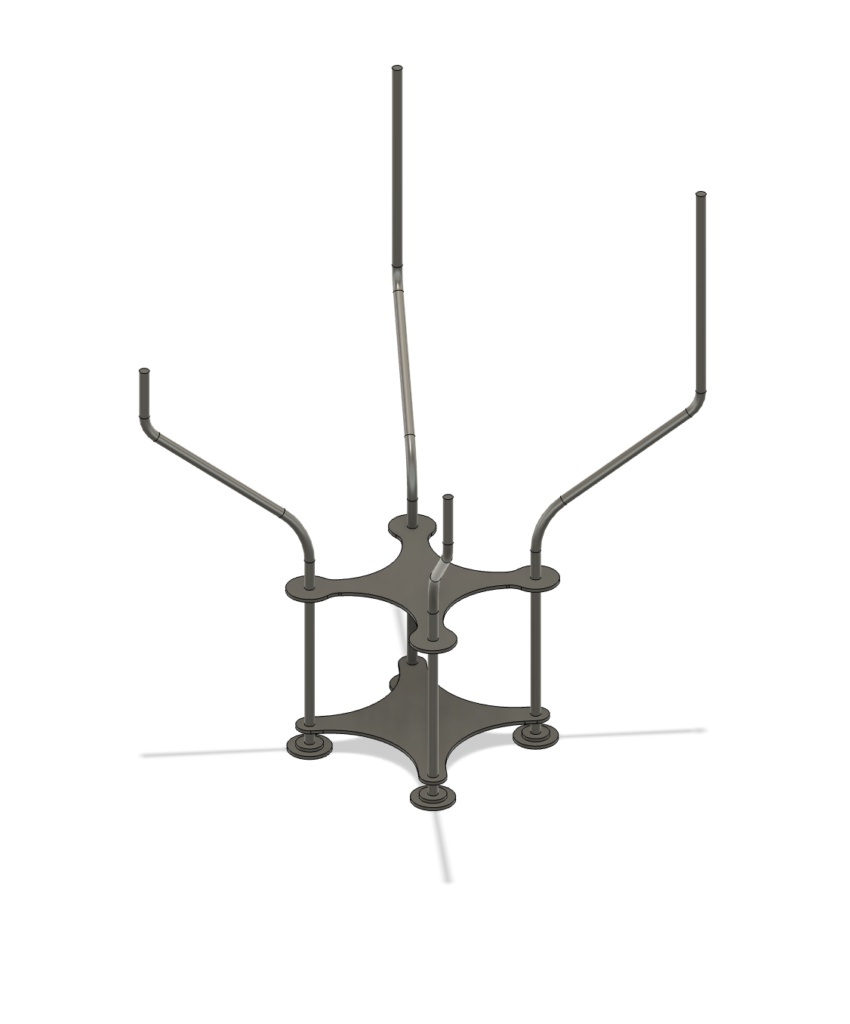
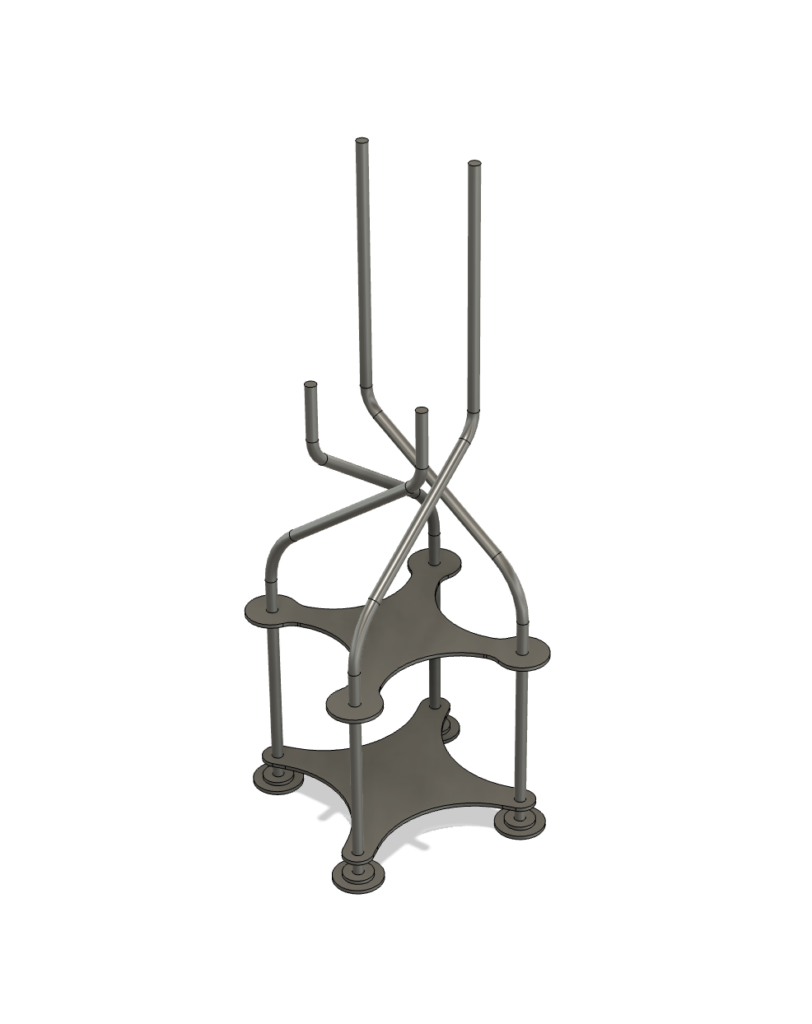
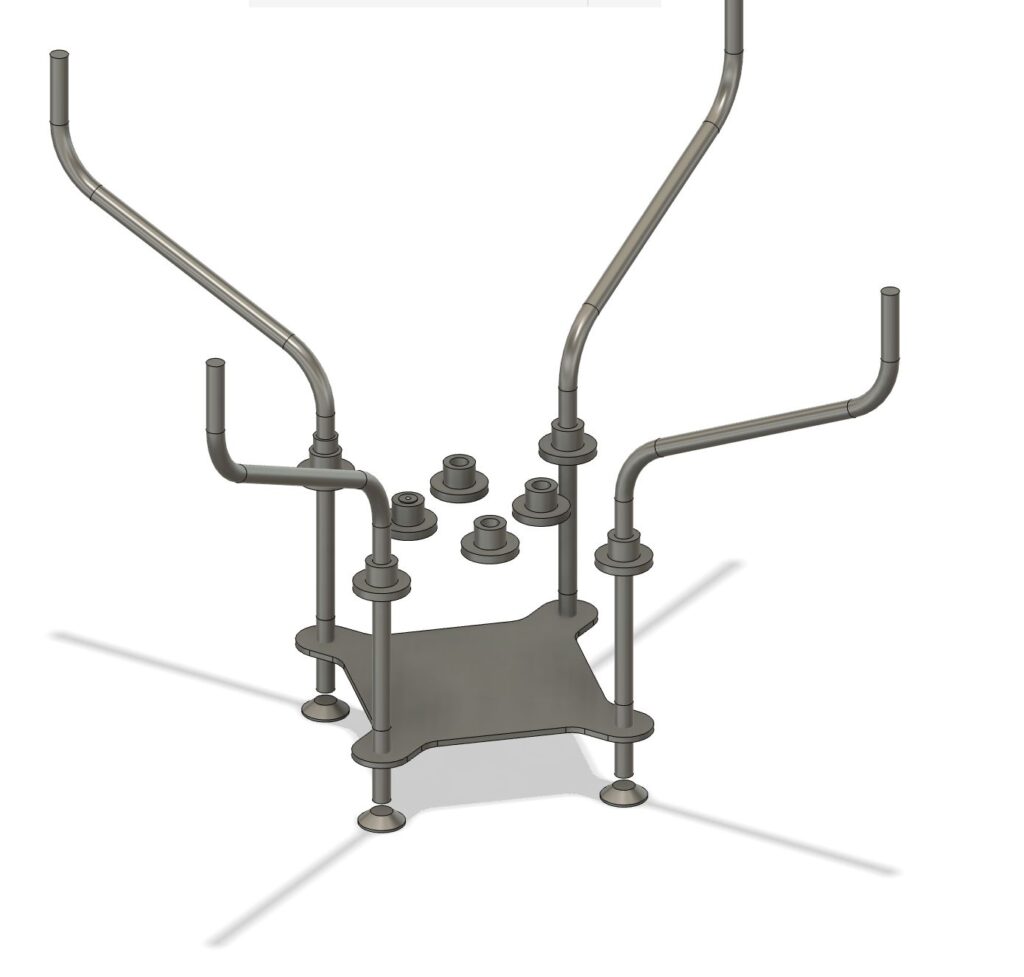
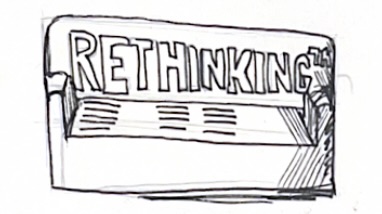
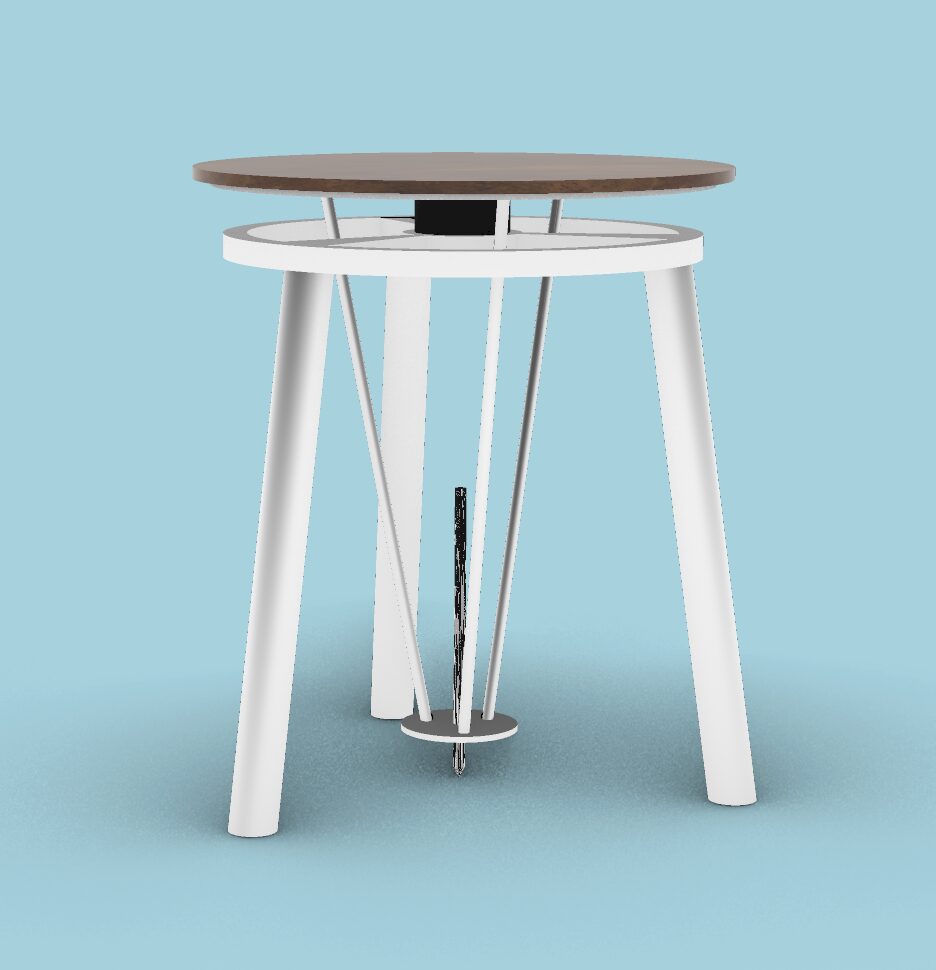
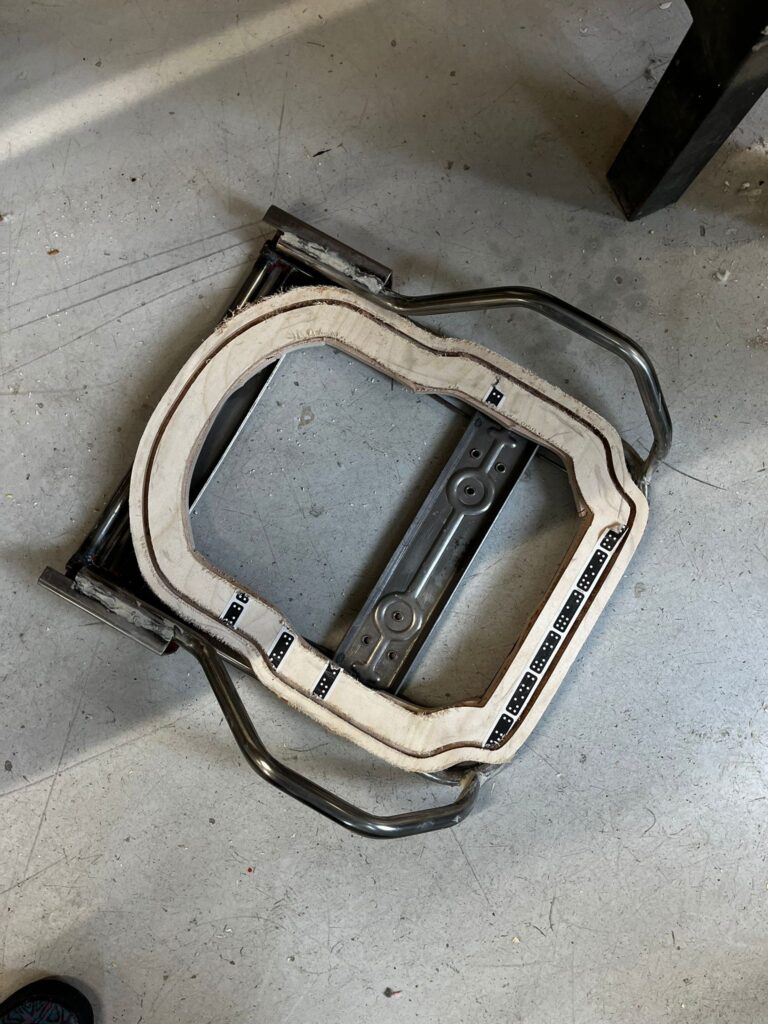
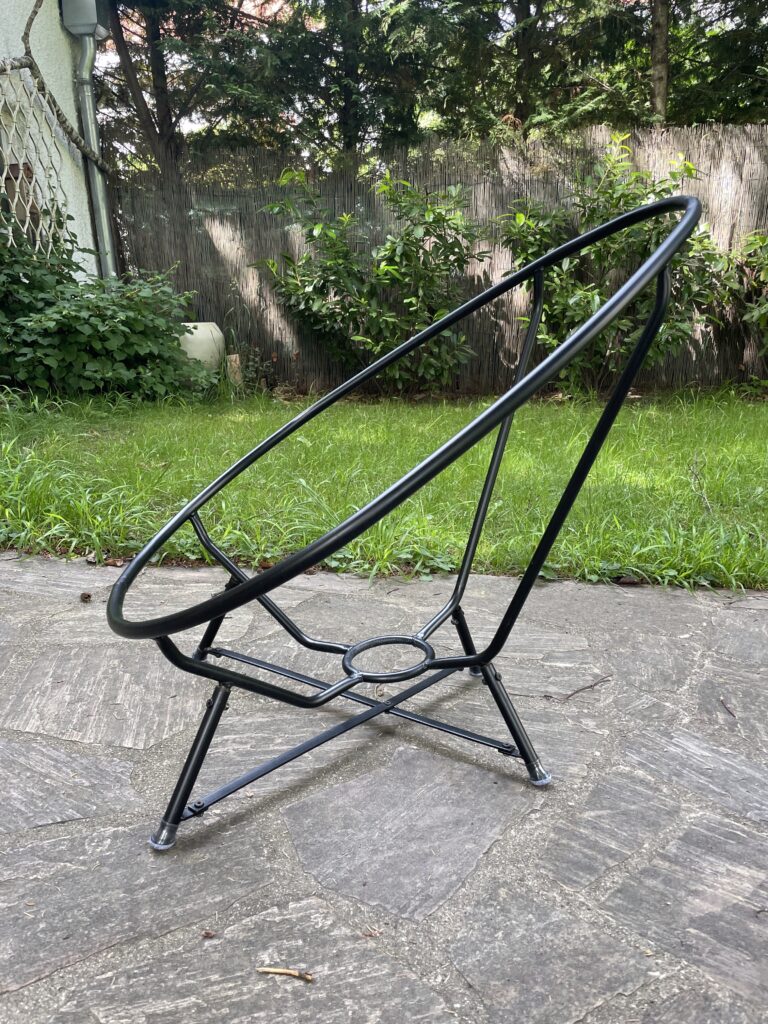
    rethinking/-considering frame & bottom plate shapes

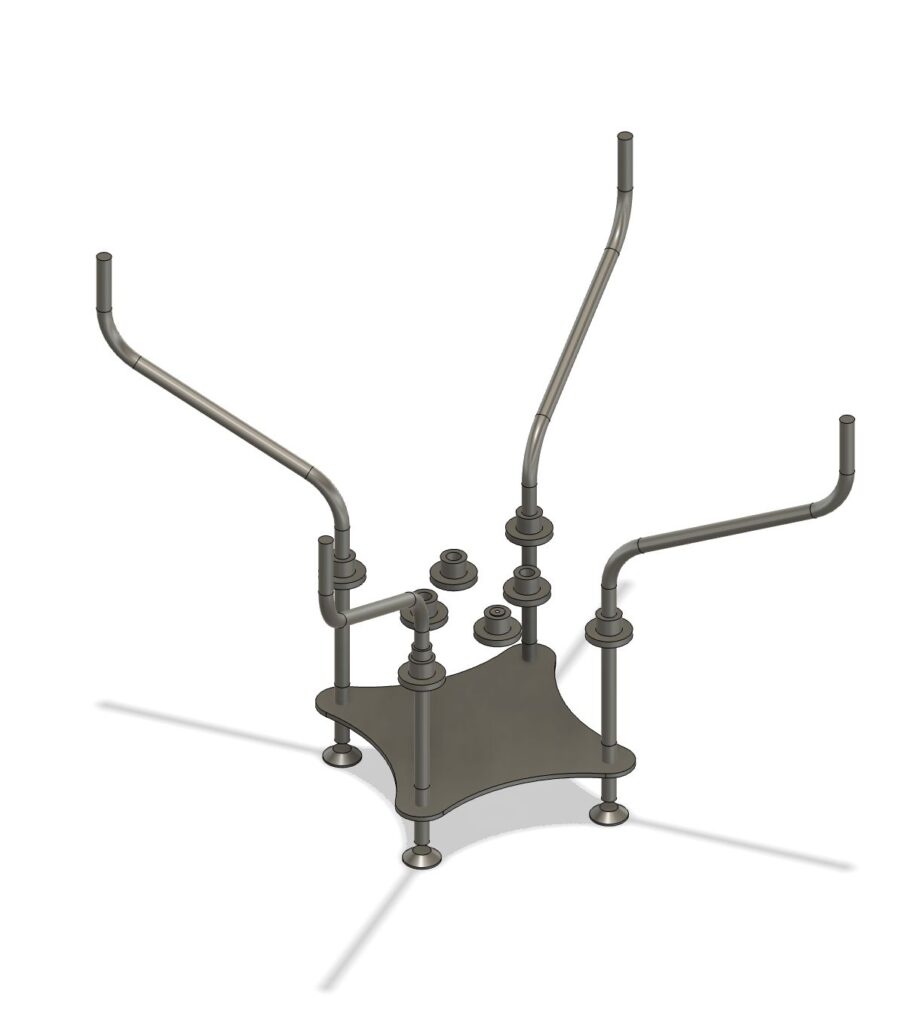
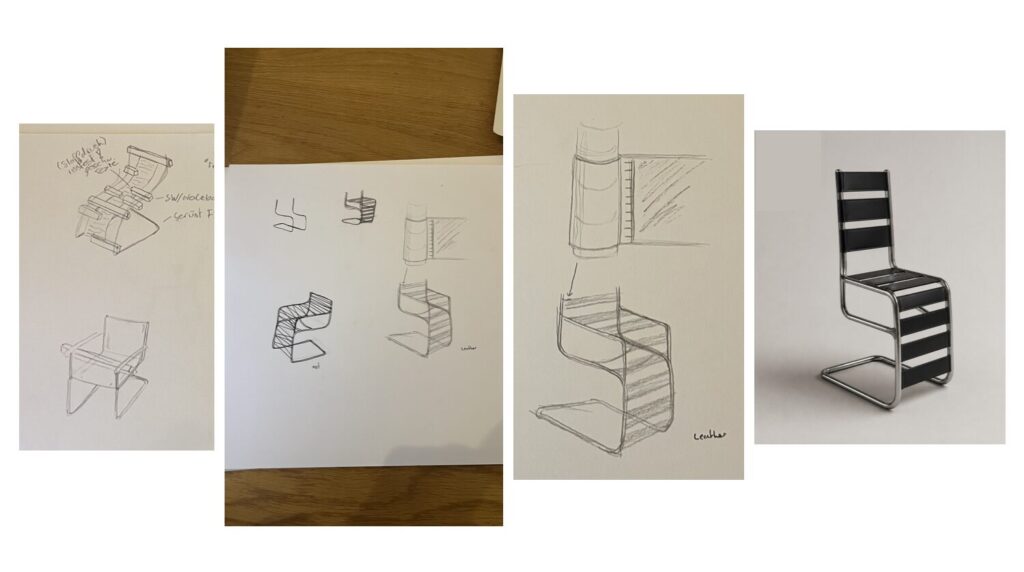
    • curved, bended, kinked pipes
    • circular, oval plates /frame plates (rocker/skid for smoother entry/exit?)

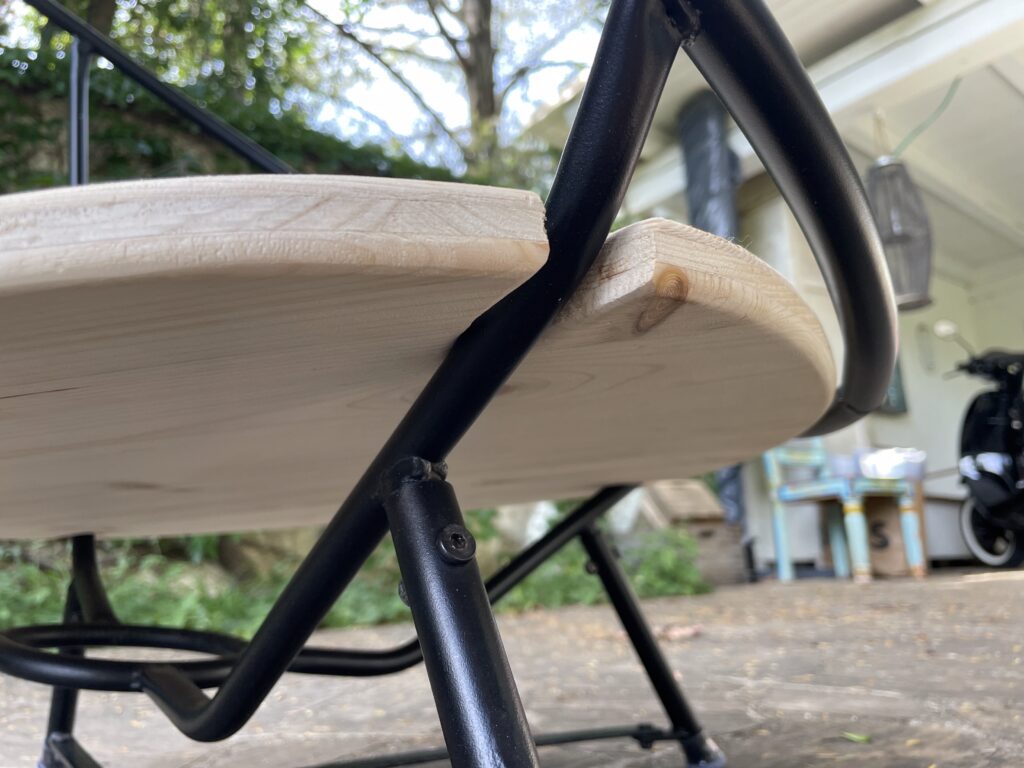
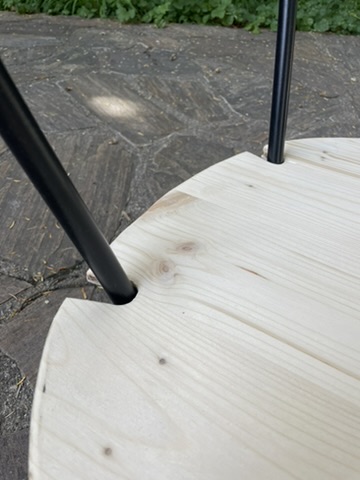
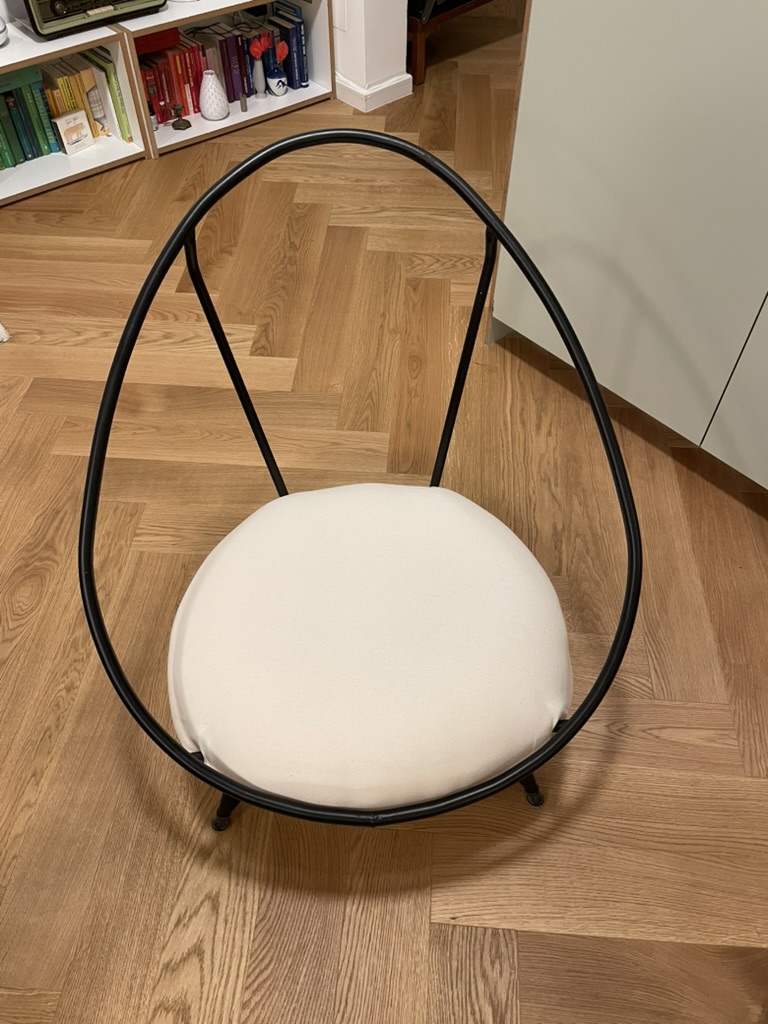
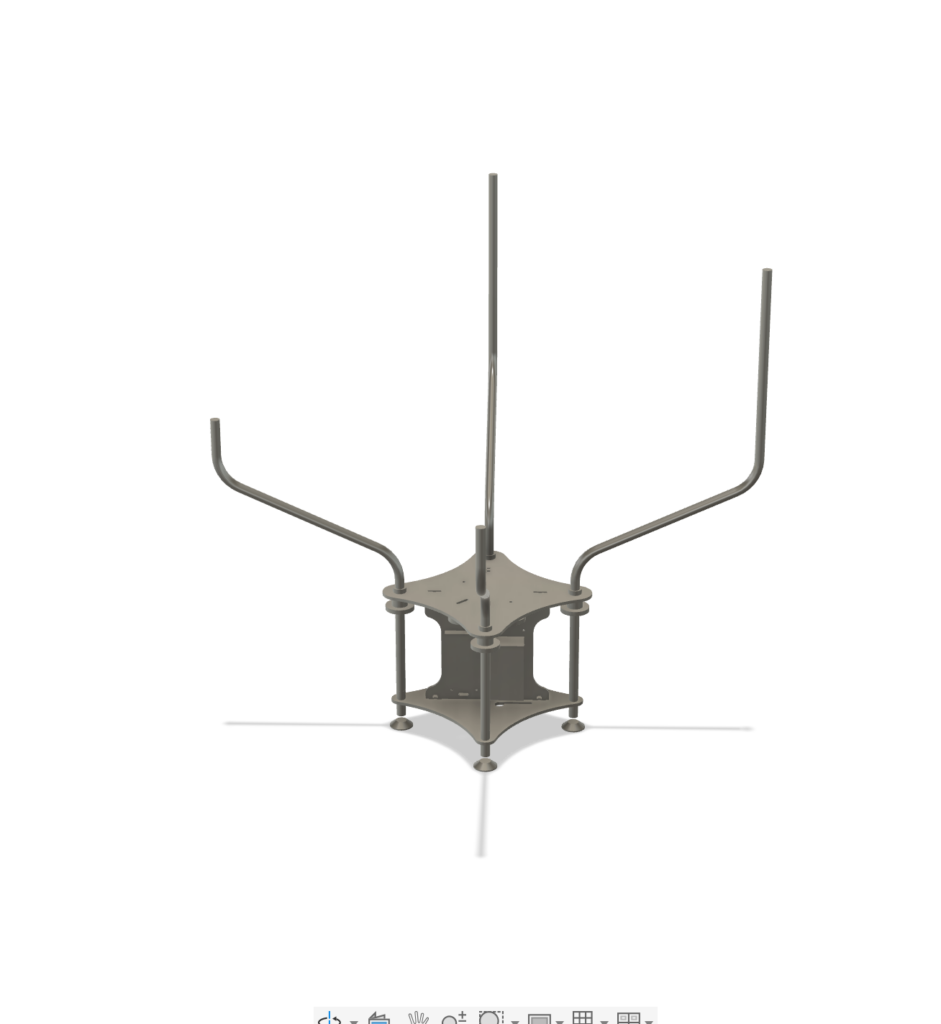
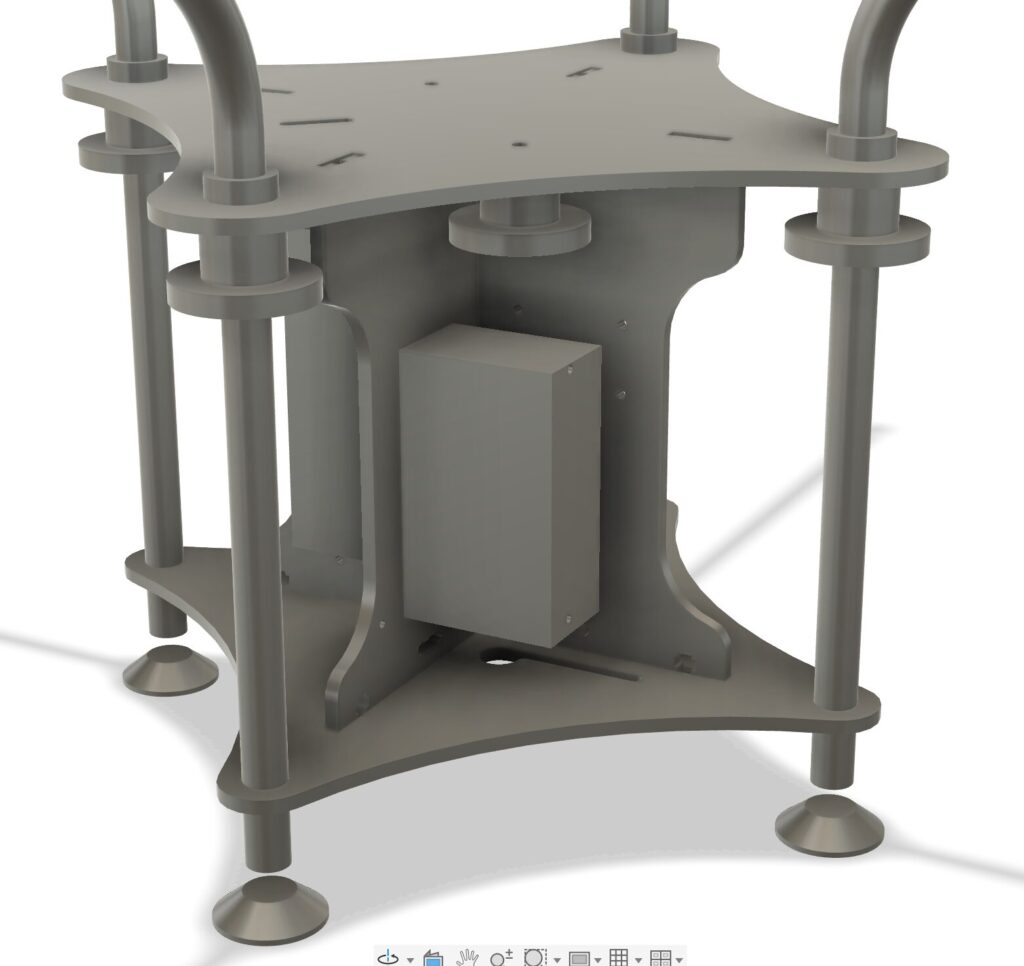
    conclusion: simplicity of the straight pipes is important to underline the seating surface design.

    We found that other shapes would be too much & wouldn’t contribute to the concept.

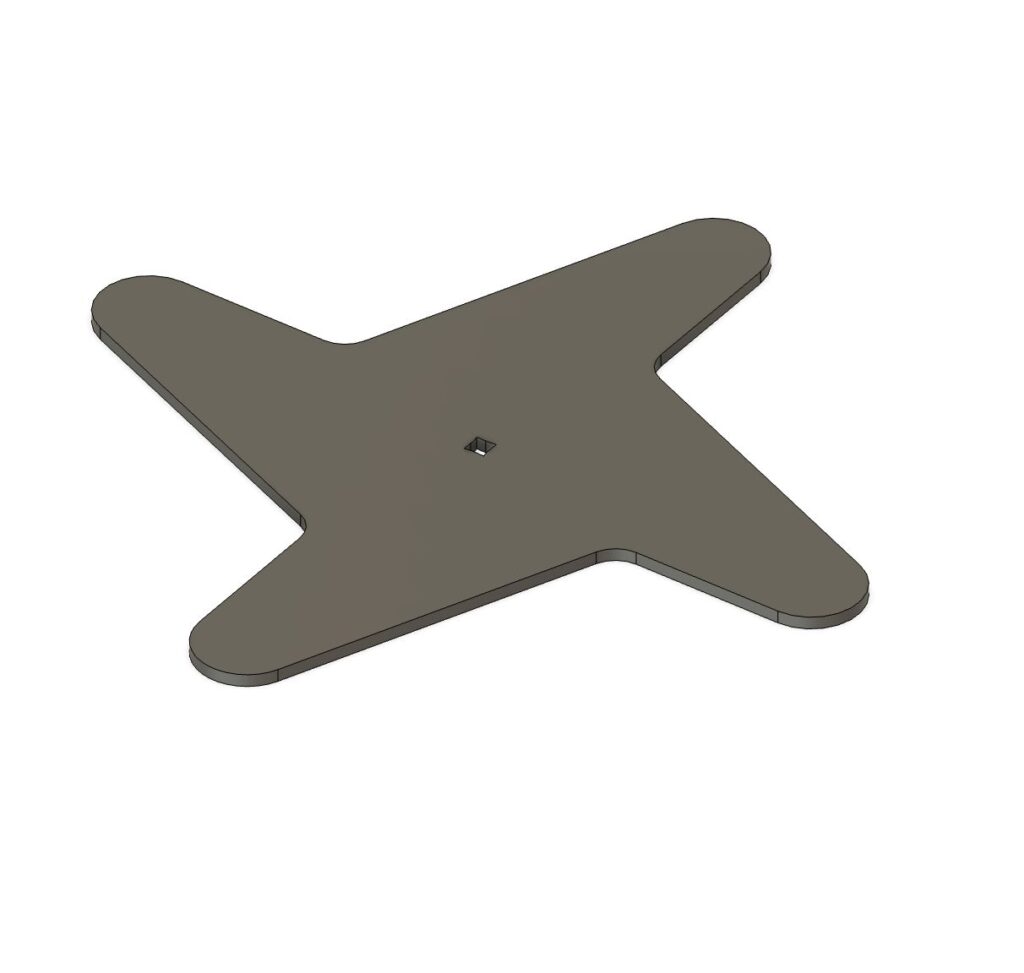
    Bottom Plate should be oval, but will stay a plate. Without a rocked element, we purposefully create a communication piece that relies on cooperation & commitment.

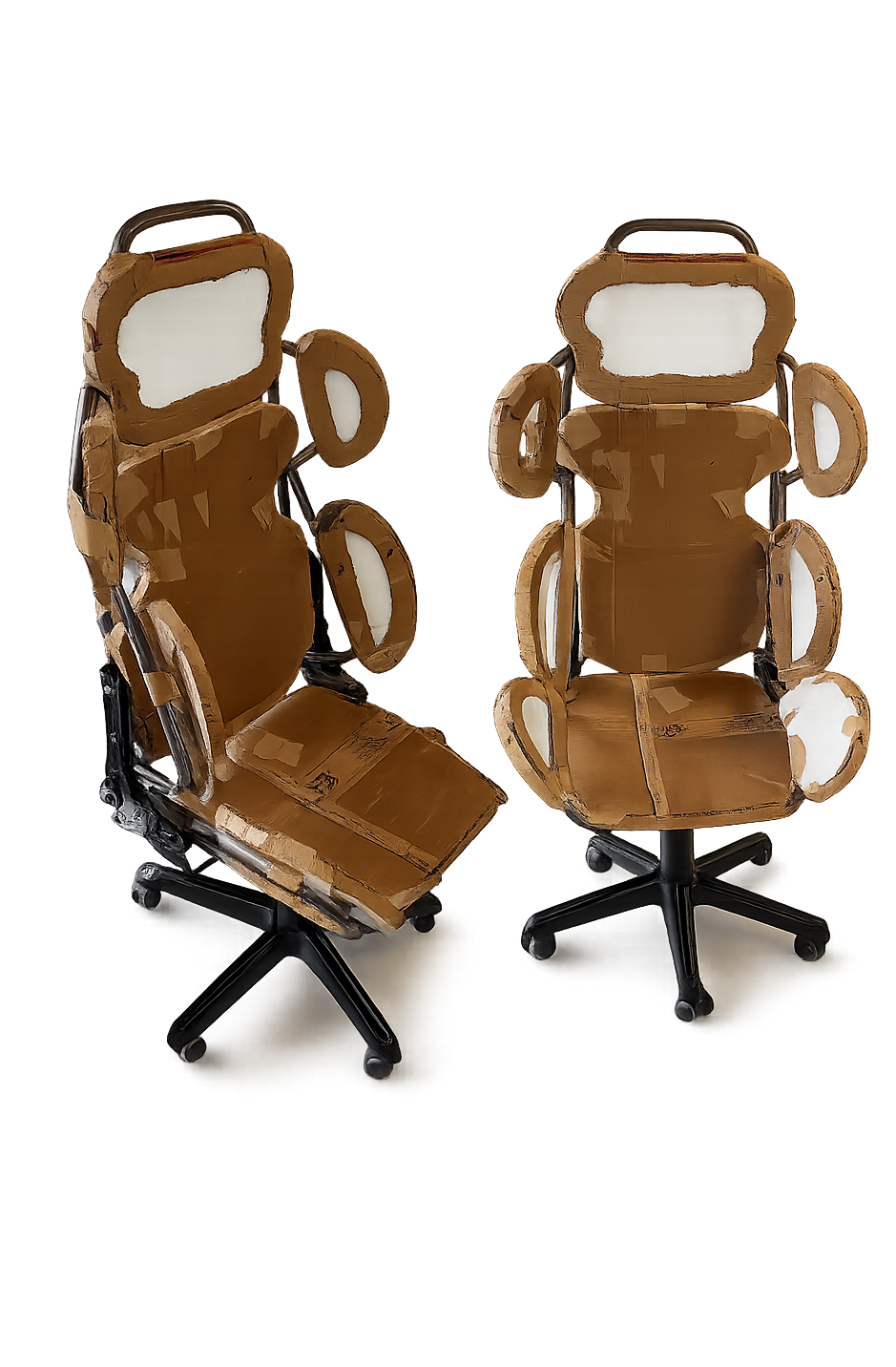
    … deciding between final 2 upper seating options

    !staying with circular shape, no backlean (try out feedback)!

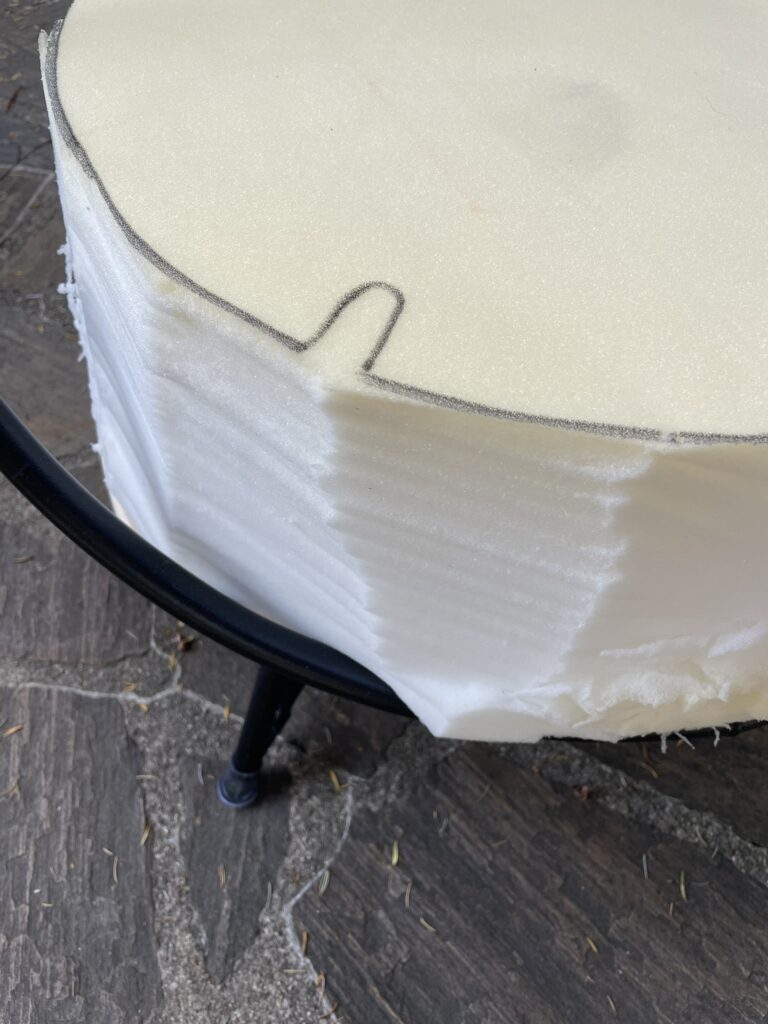
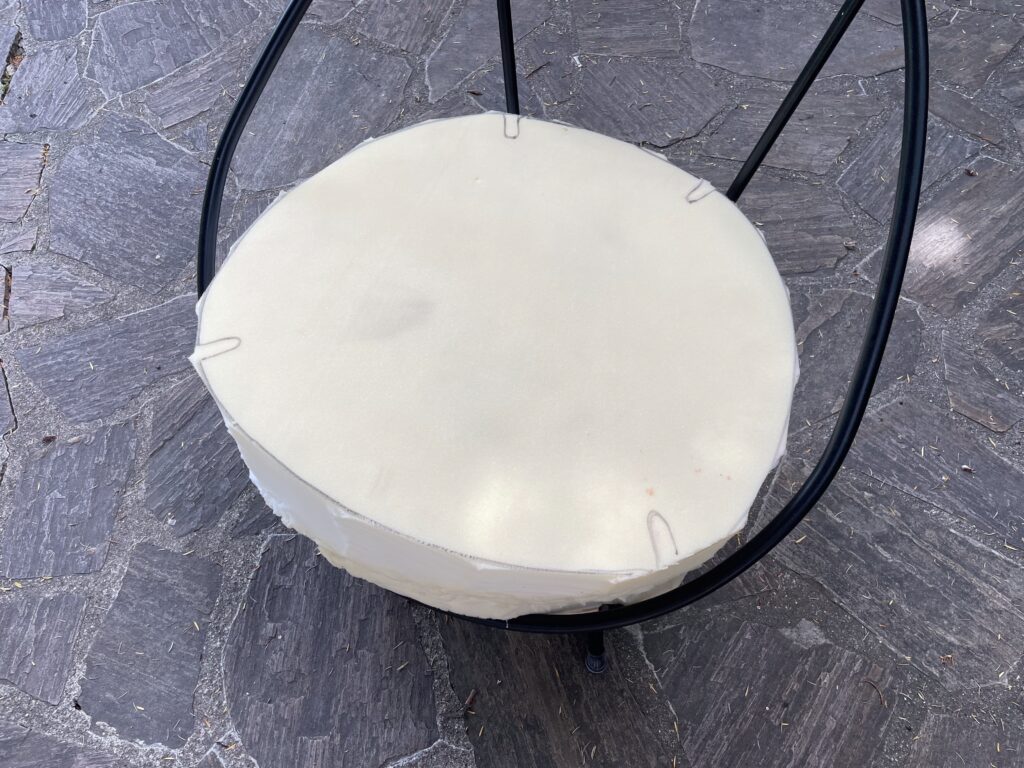
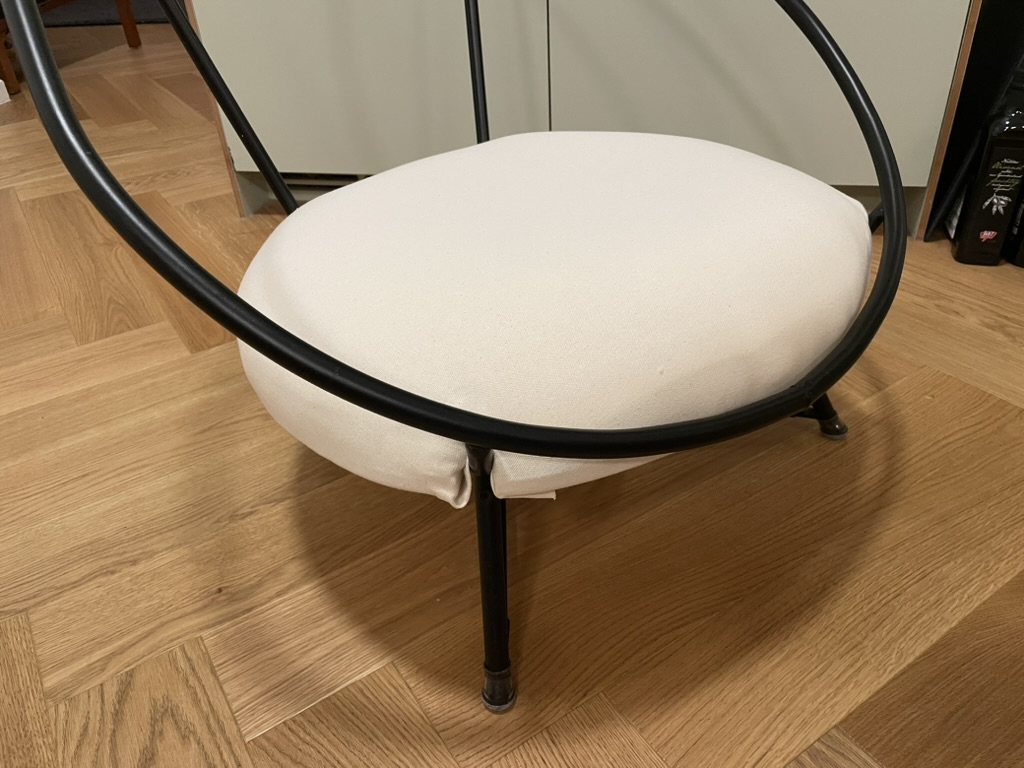
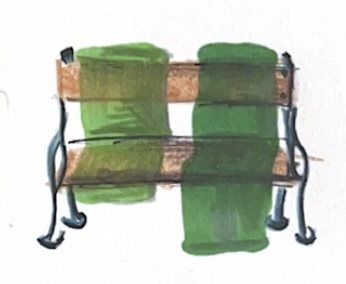
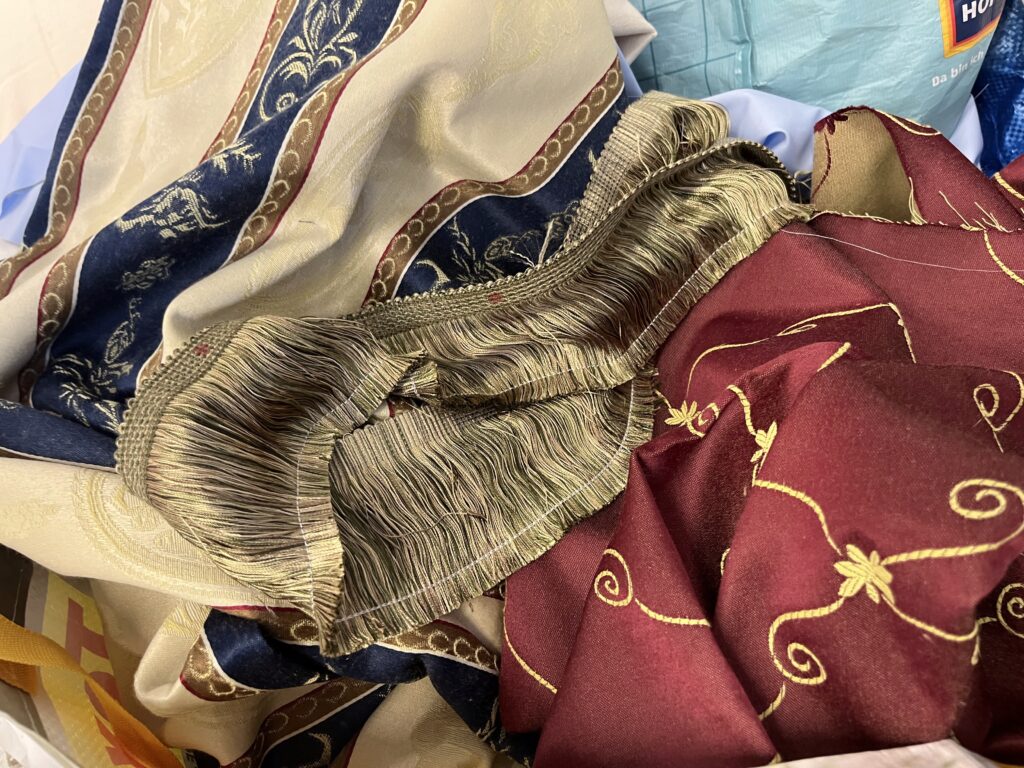
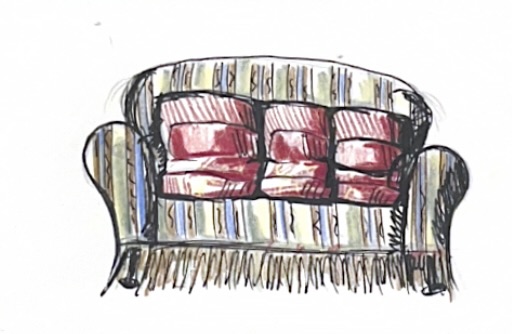
    1.velvet pillow cushions

    • soft pillows invite to sit, they break the harshness of the metal down.
    • they spark interest (velvet fabric)

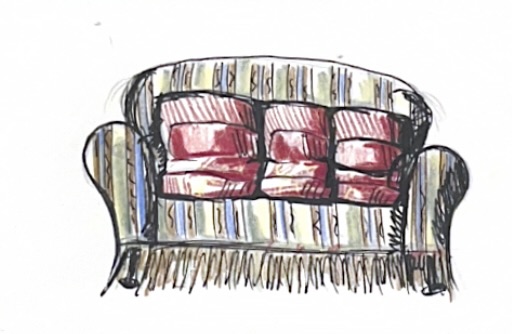
    2.leather pillows with fringes

    … the curtain returns, full circle moment

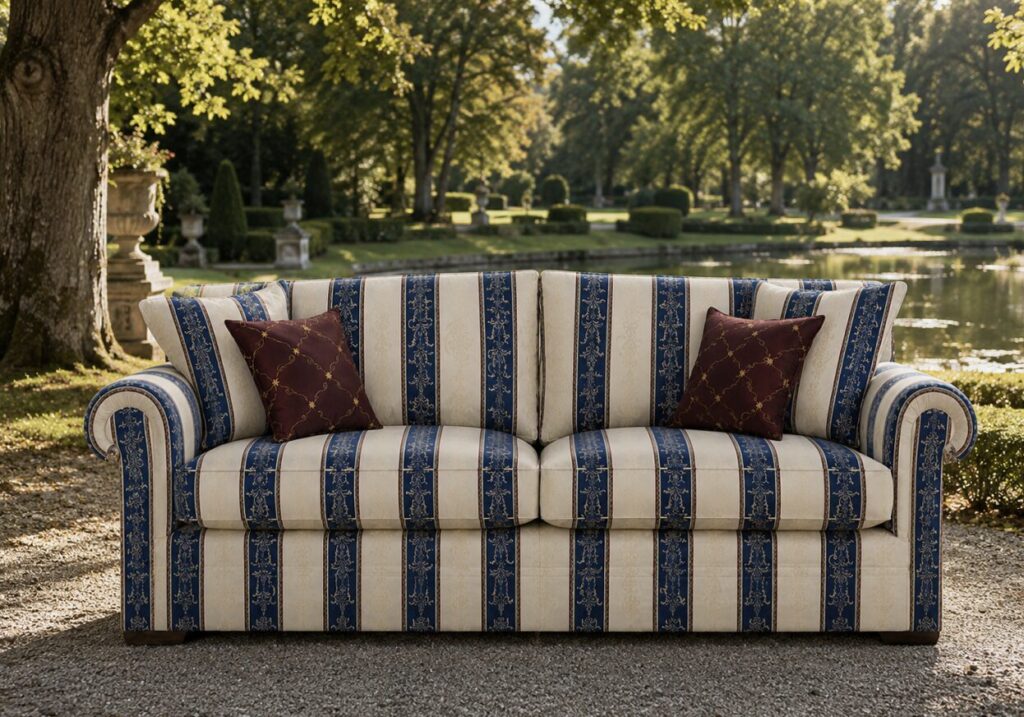
    • leather creates softness (inviting, sofa/homy ambience)
    • fringes function as sensual experience that can contribute to shared experience & attentiveness yet staying sophisticated visually

  • Design Freeze

    By

    Philip Emricht

  • DESIGN FREEZE

    By

    Mia Tešić

    29.05.2026

  • Design Freeze

    By

    Keita Sugiyama

    Concept of the Project

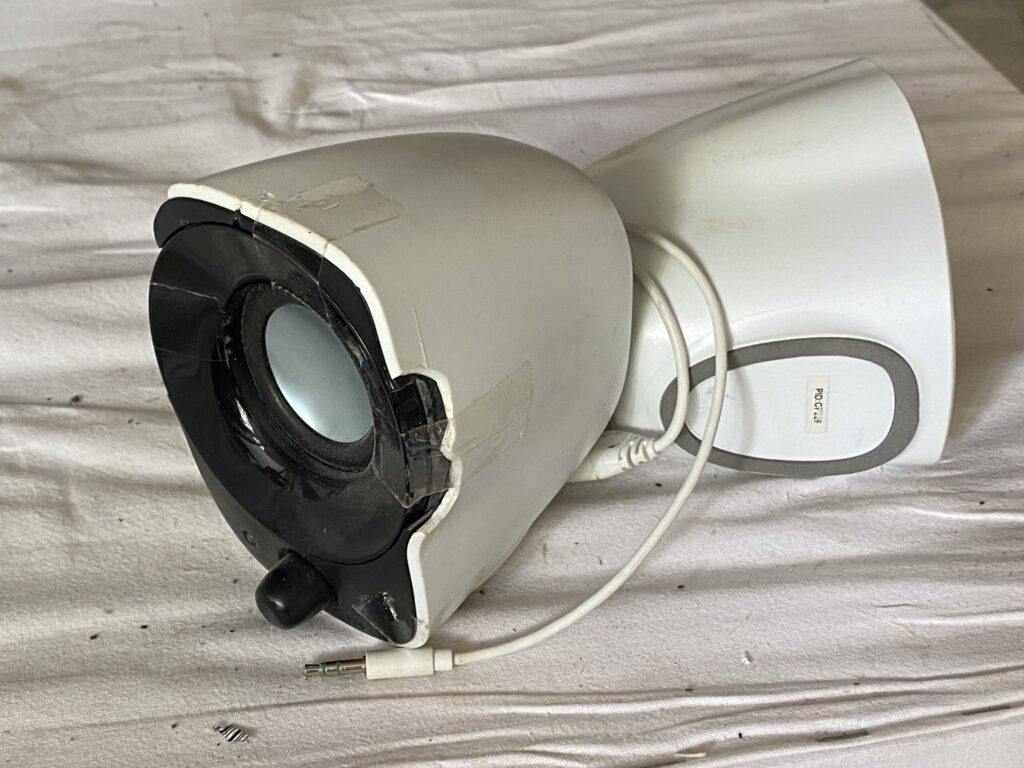
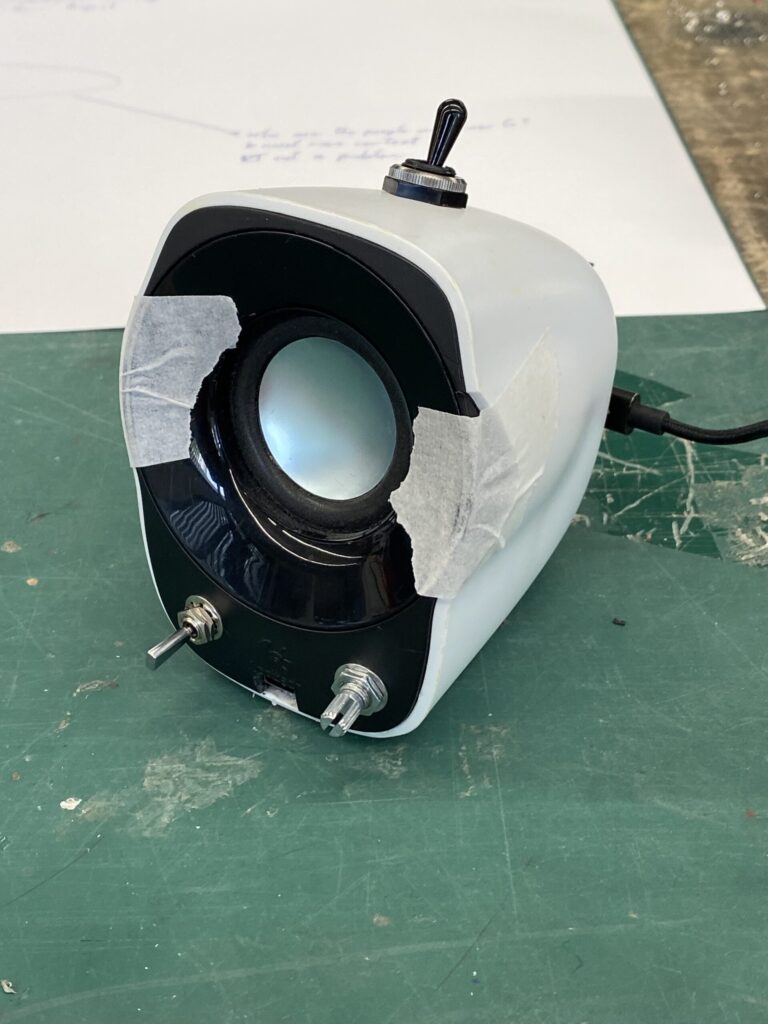
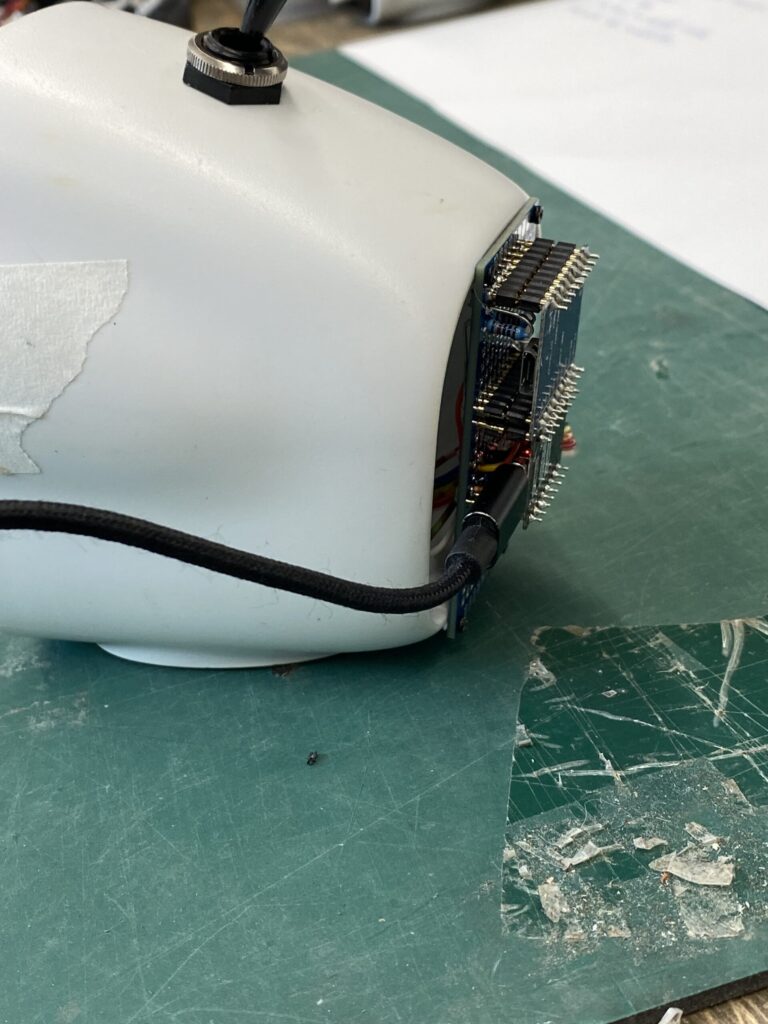
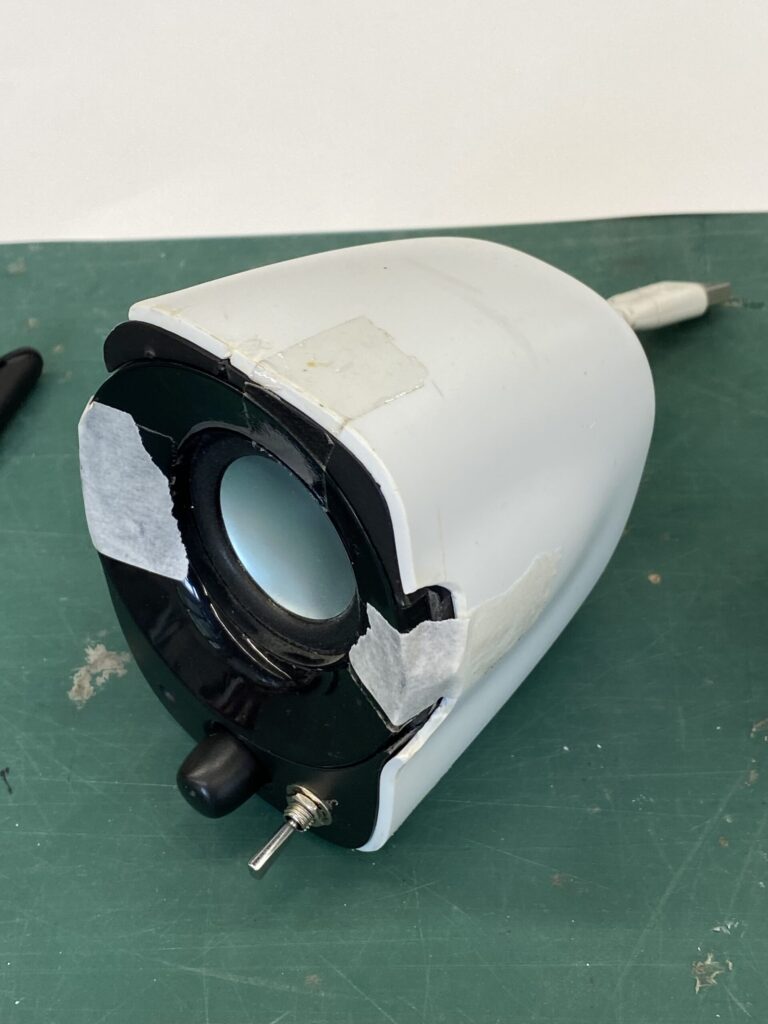
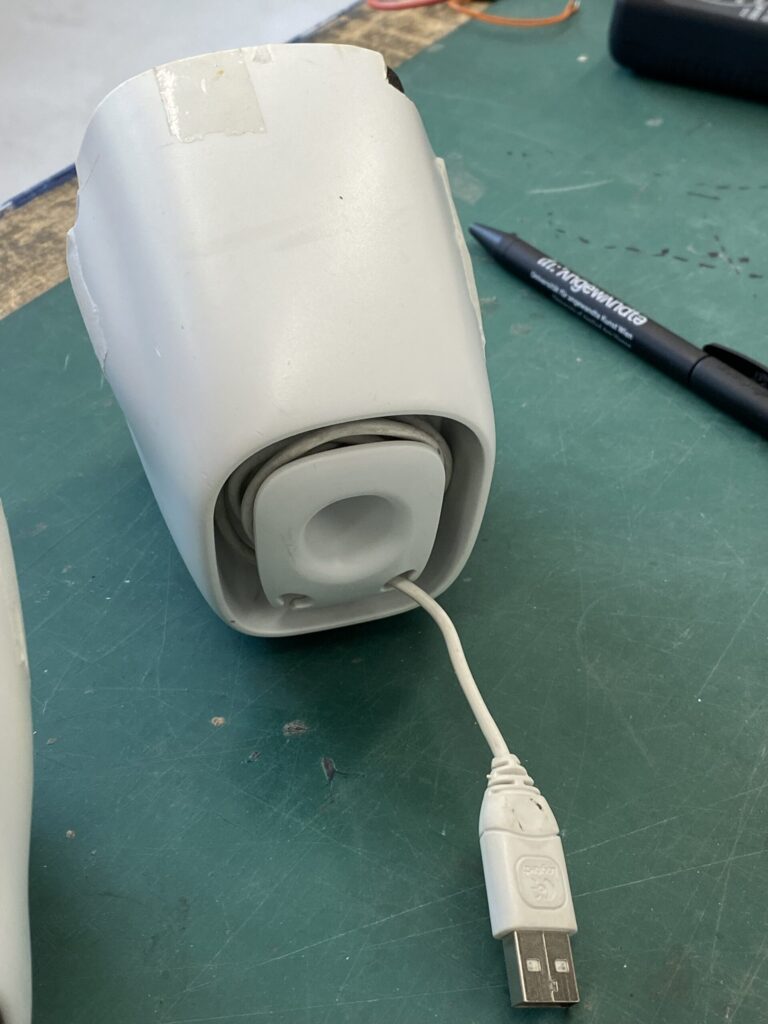
    It started as small experiments with a lot of different Tinklets.

    That is, small found electronics turned into new playful things.

    I thought the final outcome would be something concrete and be embodied in a specific object.

    But because what I want to show is so involved, it is turning into a more abstract framework of different aspects that I want to communicate.

    I want to:

    • Make people interested in making something and learning the things needed to make it happen,
    • Make them able to recognize something in a mountain of junk, something someone threw away
    • Contribute to reduction of and awareness about electronics waste,
    • Make the movement/idea/project non-intimidating and accessible for others to engage in,

    Core aspects:

    • Electronics, Right to Repair and recycling/upcycling
    • Playful attitude and learning new things
    • My personal experience/character

    These aspects are intertwined. Together they constitute my body of work.

    This is moving me away from making specific tinklets, into the direction of a coworking experimenting desk, where visitors can experiment with electronics, and experience my messaging and viewpoint.

    At the same time, when facing an audience, the topic of electronics is too broad to offer. While conceptualizing with Ana, we focused on a manageable task the visitors can accomplish during their visit.

    Next steps

    • Trying various desk setups
    • Getting a feeling for the workshop flow

    What could it look like?

    [^visual reference]

    "Moses-channel"-style desk.
    
    Two participants, one a visitor, sit facing each other.
    L-bend workspace.
    
    Participants do not face each other.
    Requires square table.
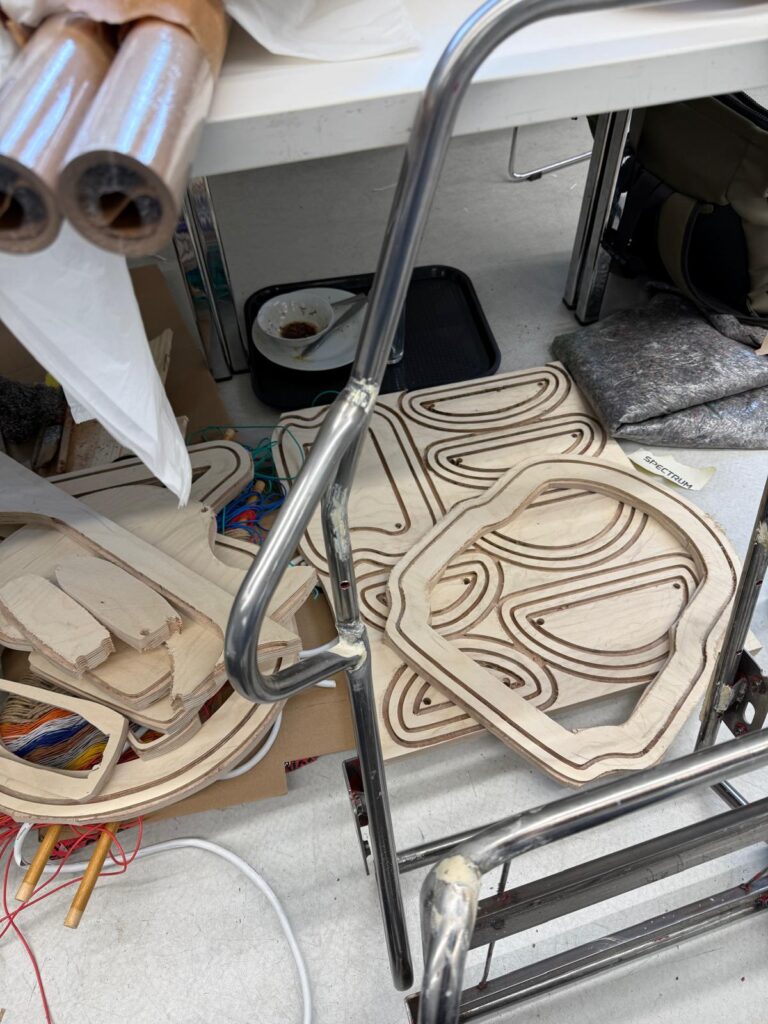
    Wide bench.
    
    Several participants sit side by side.
    Already existing layout.

    Working on the floor.
    
    Association with playing with LEGOs on the floor.
    
    Extra: Manuals and experiments reading corner.
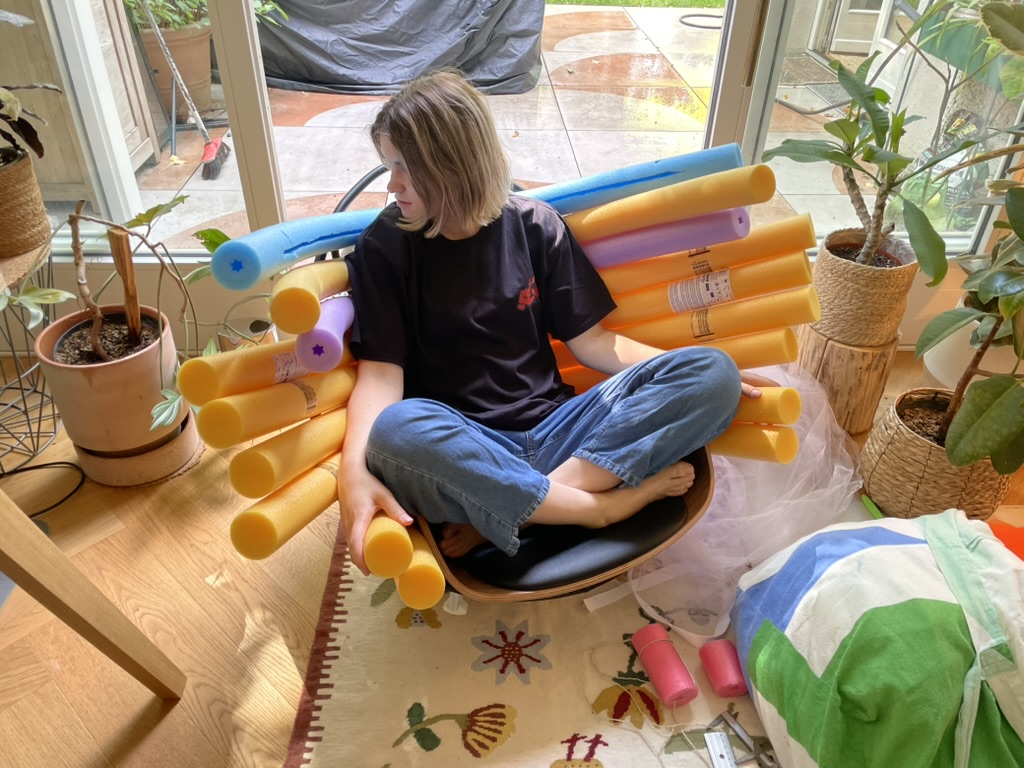
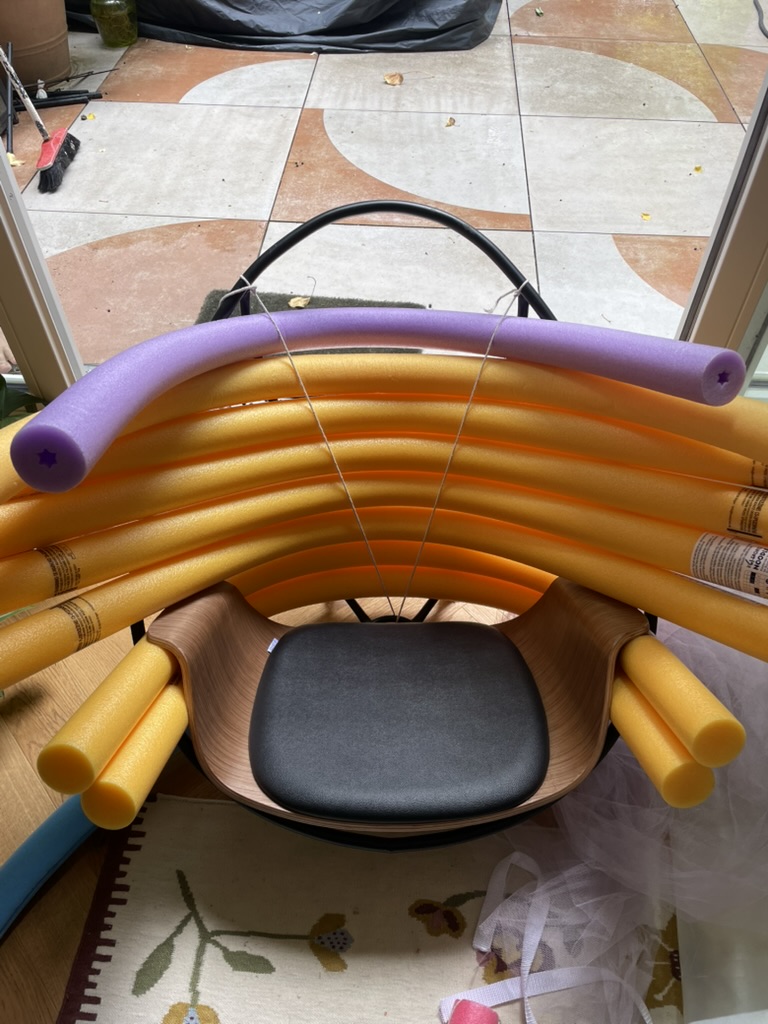
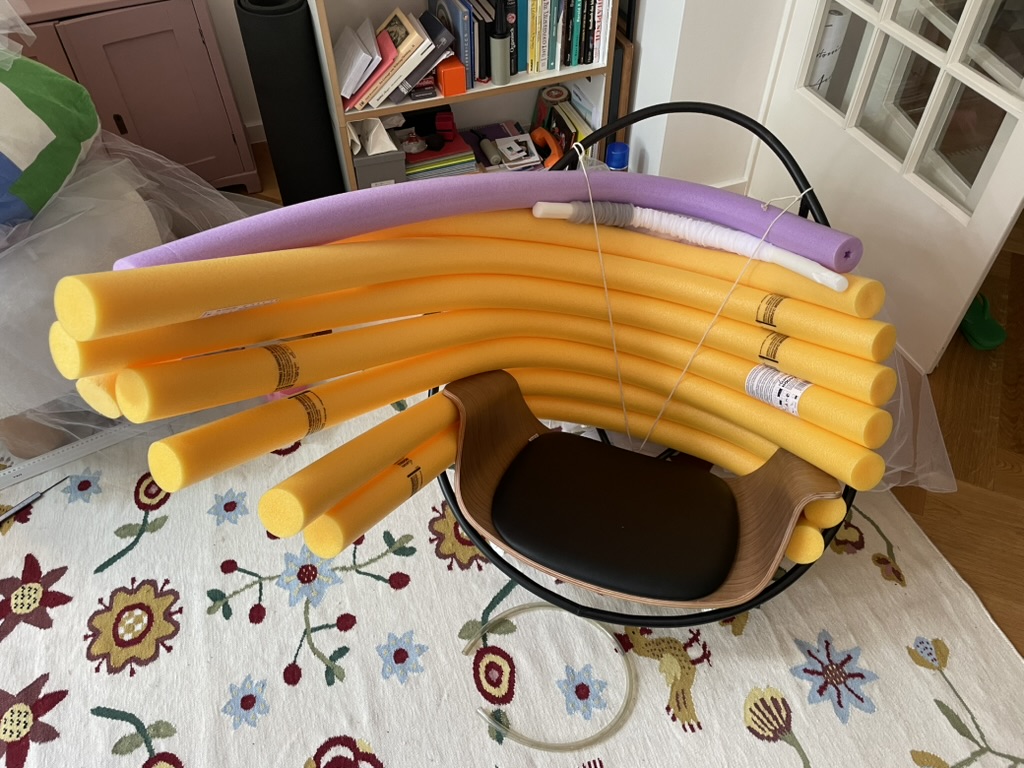
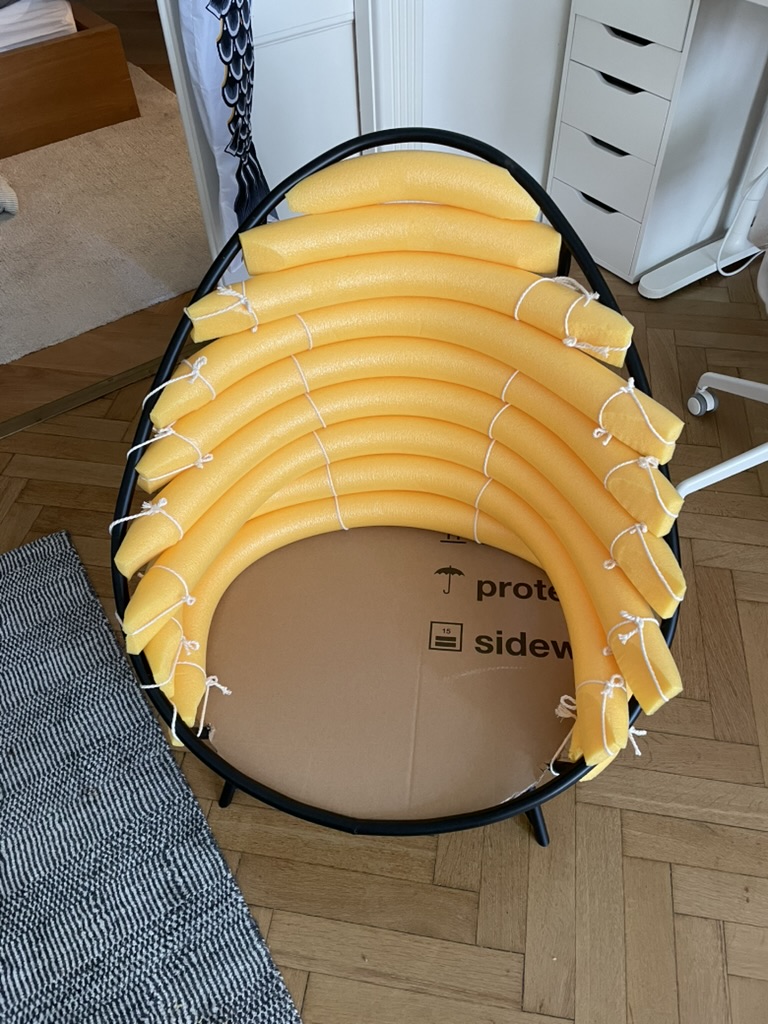
  • Schwimmdrache – Team 2

    By

    Abrar Aitounejjar

    and

    Lena Lojić

    Prototype Sketch ideas:

    Screenshot
    Screenshot
    Screenshot

    MATERIALIEN

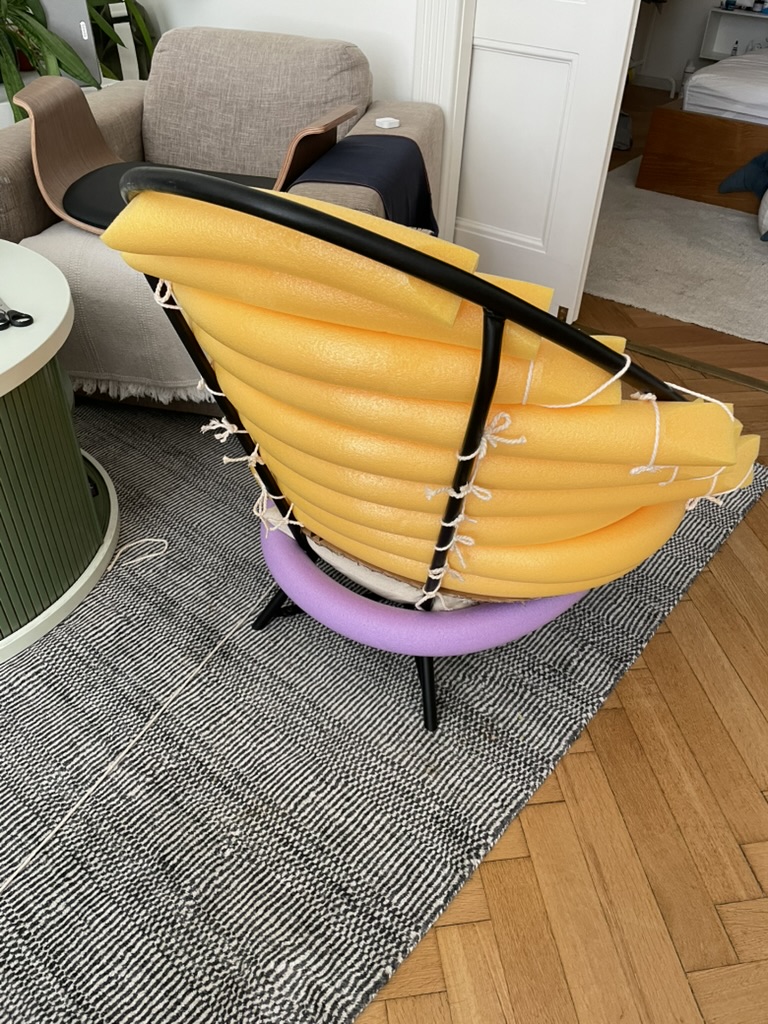
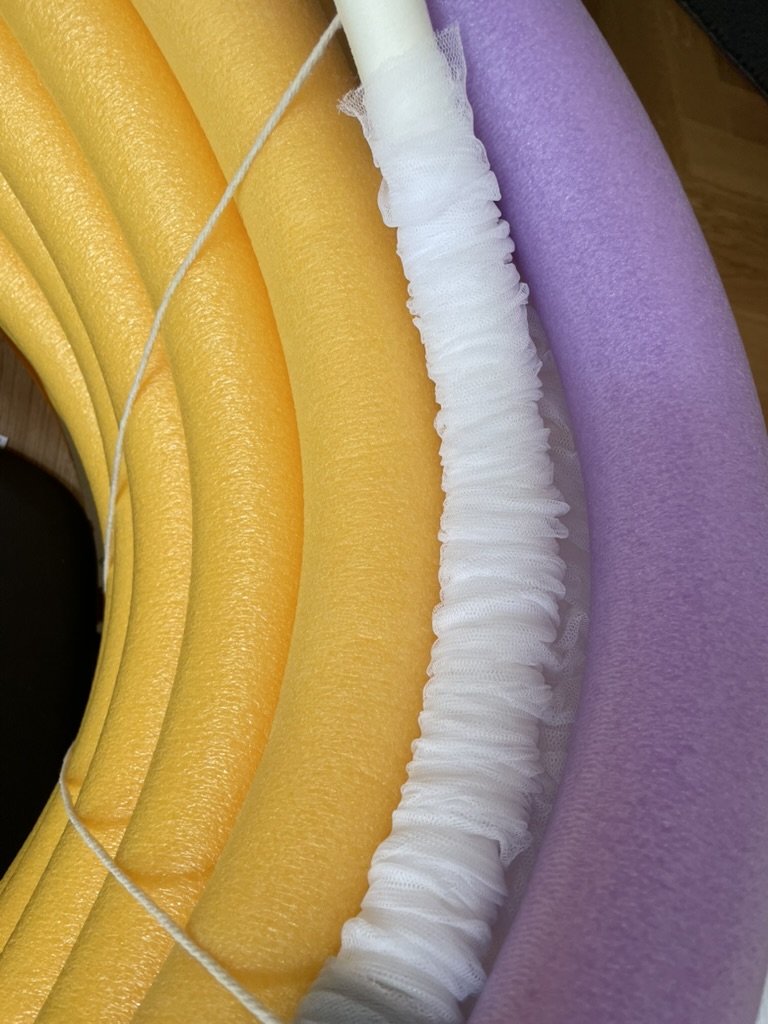
    • geschäumte Schwimmkörper, PE-Schaum, EVA-Schaum (Schwimmnudeln)
    • Schnüre zum Verbinden
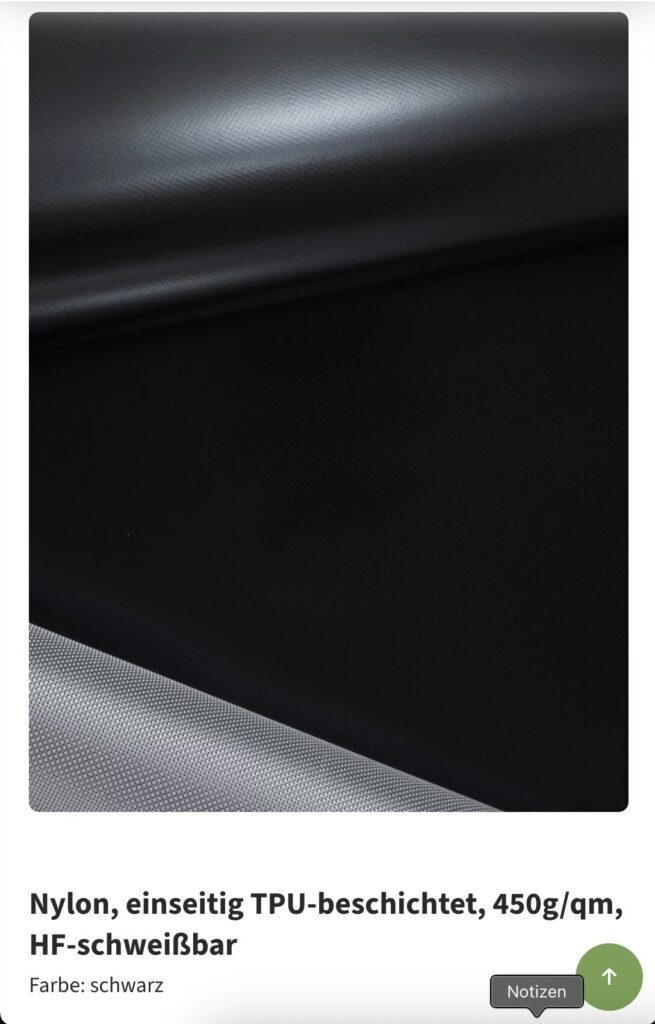
    • eventuell Beschichtung der Nudeln mit TPU, PVC

    TERMINPLAN

    18.5–27.5

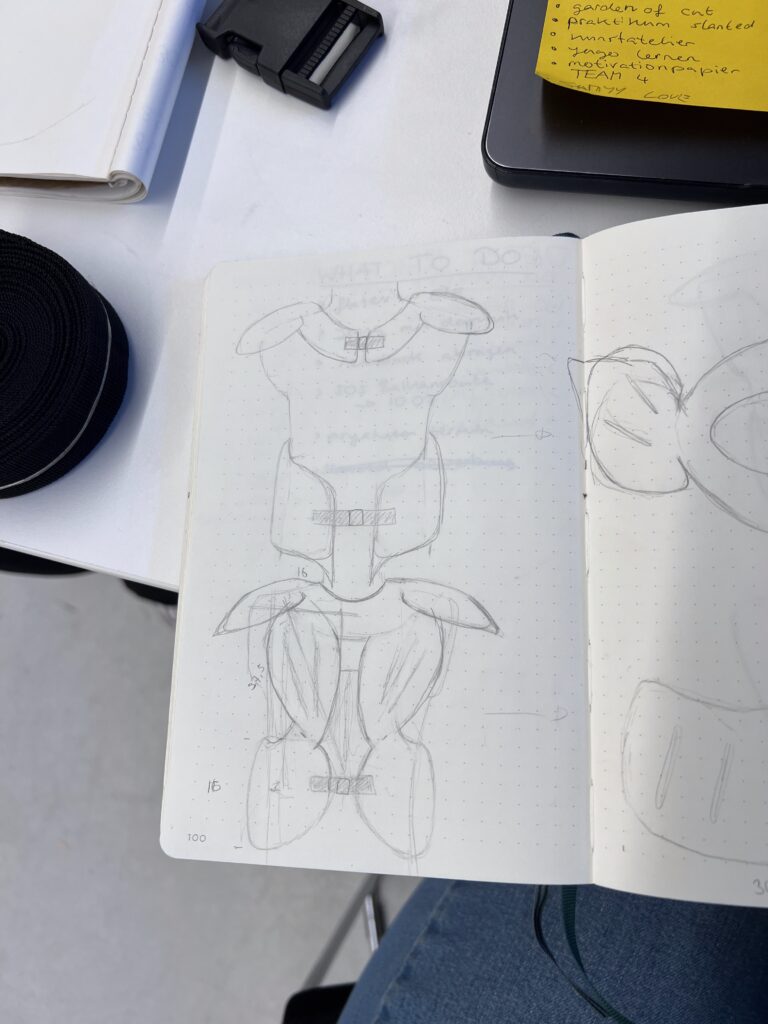
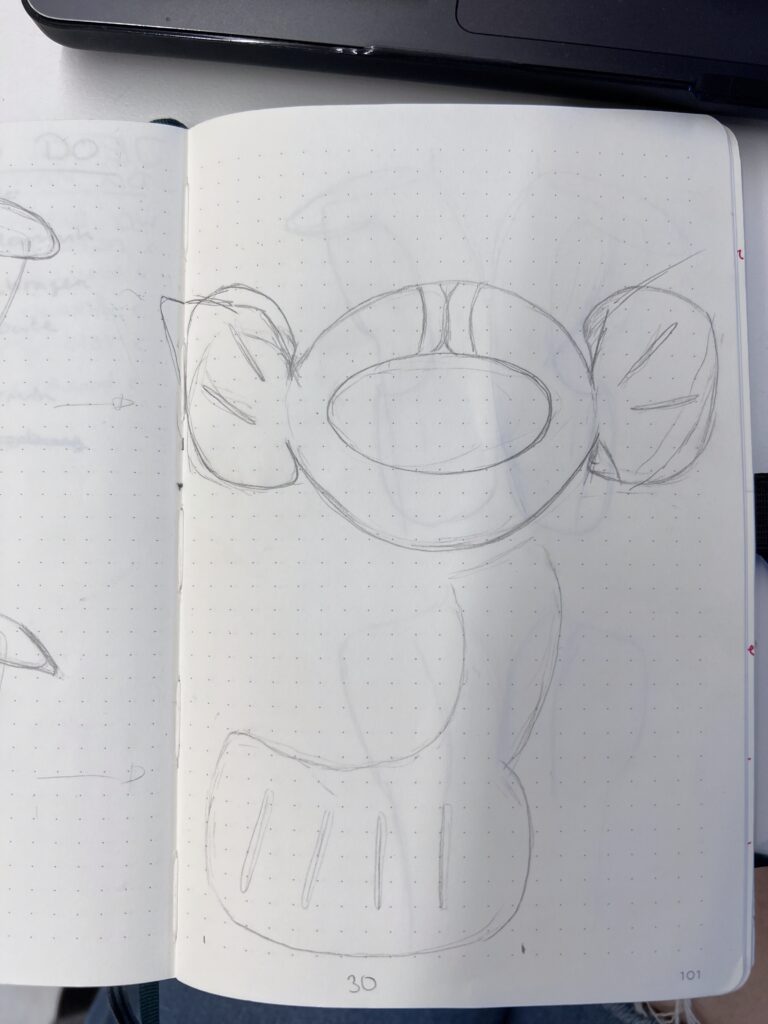
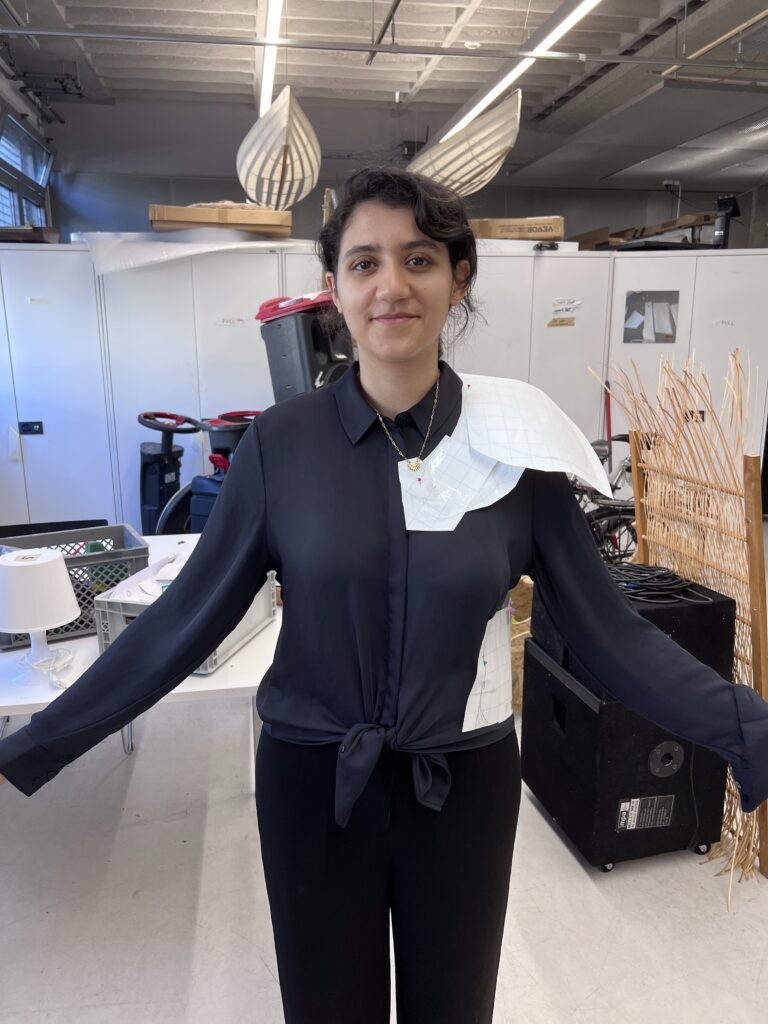
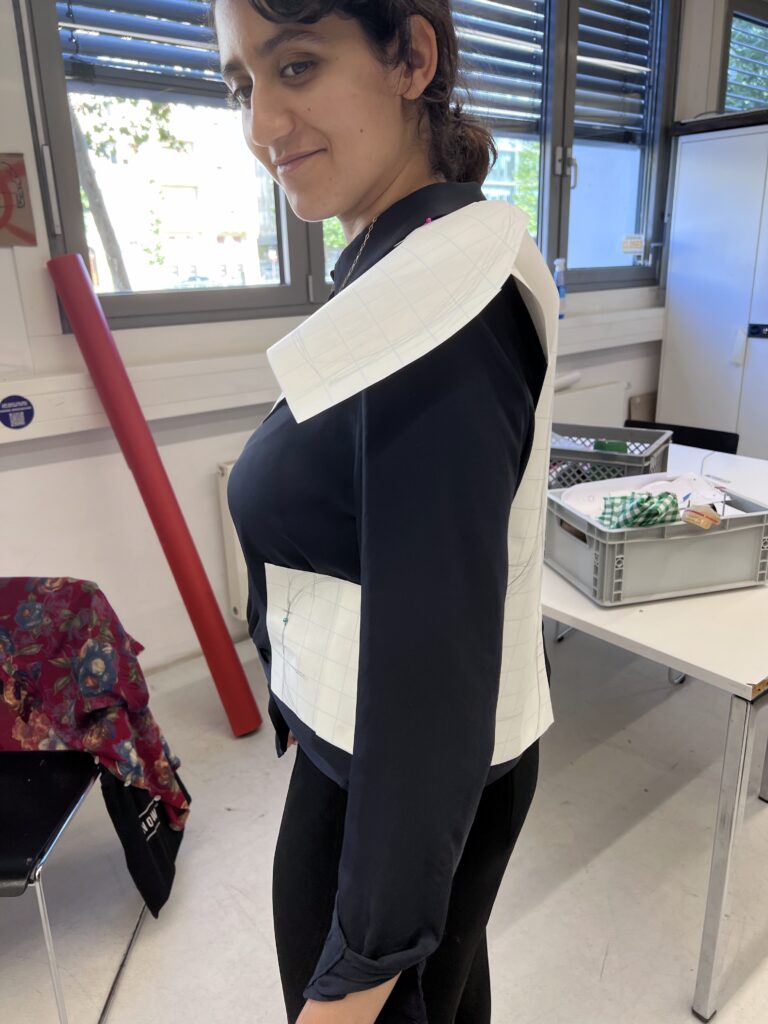
    •⁠  ⁠Mit Gewichten (Pet Flaschen zum Beispiel) und Schwimmnudeln eine Art Exoskelett anzufertigen, um zu sehen wie sich der Körper im Wasser verhält, wenn er auf diese Weise gestützt wird, Modell anpassen wenn nötig

    •⁠  ⁠Eine 1:1 Skizze machen (wie soll welches Teil genau aussehen und welches Material probiert man für welche Teile, benötigtes Volumen berechnen, Körpermaße bestimmen (bsp: Für 60kg bis 100kg, wobei man da bedenken müsste, dass auch die Körperform sich erheblich ändern kann)

    28.5–10.6:

    •⁠  ⁠Anfangen erste Teile 1:1 zu bauen (bsp: Sitzteil, erstes Schulter/Rückenteil etc…)

    •⁠  ⁠Materialanschaffung

    10.6–16.6

    •⁠  ⁠Finales Produkt realisieren, Testung des vollständigen Produkts

  • 26.05 Tutorials

    By

    Apolonia Bokszycka

    Material(s)

    An old linden tree in the Zawieprzyce Park, archival photo by Stanisław Pastusiak via lubelskie.regiopedia.pl

    Linden (lipa / Linde)

    This one is extremely important in Polish culture specifically (but also in Alpine folk traditions).

    The linden tree was associated with:

    • femininity,
    • protection,
    • love,
    • domestic spirits,
    • community gathering.

    Villages often centered around a linden tree. People believed it:
    • protected against storms,
    • softened conflict,
    • repelled malevolent spirits.
    In Slavic folklore, it often has a gentler, maternal aura compared to oak.
    Linden wood was also used for:

    • religious sculptures,
    • icons,
    • ritual carving.

    A lot of old Polish Madonnas were carved from linden.

    One of the oldest recorded linden trees in Poland, next to a church in Czarny Potok. Source: mojamalopolska.pl

    Carving

    • There are only very basic tools in our workshop, I would probably need to buy some more.
    • Time-consuming

    Matthias suggested to focus on preparing a model:

    • either buying ready-made st parts and applying them on a chair
    • or doing casting of the ready-made parts.

    However,

    • I feel like the project would lack craft if I followed the suggestion and
    • another aspect is the loss of meaning, when materiality is omitted from consideration, which would then affect interaction with the object.

    Folk patterns from Podhale region in Poland

    Kashubian folk patterns

    References

    www.lwf.bayern.de

    www.lamusdworski.wordpress.com

  • Second Session 25.05.26

    By

    Philip Emricht

    Back to Brainstorming

    Installation

    Spatial Positioning

    Next Steps

    • searching for props
    • writing and design of print products
    • design digital interfaces
    • storyboard for intro video
    • physical design for interaction pieces