2025W No More BS Futures

  • 19.12 Tutorials

    By

    Apolonia Bokszycka

    and

    Stephan Sinn

    Timeline

    • Y Combinator receives pitches in so-called Batches. The next one is Spring 2026 Batch, for which deadline is the 9th of February.

    We decided to look for pitch competitions within the span of the semester.

    • Unfortunately there are no pitch competitions before the 20th of January.
    • The closes to date is AI festival in Milan, which happens on 21st-22nd of January and hosts pitch competition. It connects start-ups, venture capitalists and investors.
    • The only option, which is not ideal, is a business management conference in Salzburg (3rd of January) or London (15th of January) – however we are not sure if the audience suits design of our project? How fitting must the audience be?

    Strategy & Business Model

    According to Y/C in orderd to prepare a pitch we need to ask ourselves the following questions:

    1. What do you do?
    2. How big is the market?
    3. What’s your progress?
    4. What’s your unique insight?
    5. What’s your business model?
    6. Who’s on your team?
    7. What do you want?

    Competitors Analysis: Unique Insight

    We did competitors analysis and on this basis decided on the niche we want to fill in – modeling wealth redistribution trough progressive wealth taxation (proposed by Thomas Piketty) as none of the competitors implement this.

    Business Model:

    Value Proposition 


    Target Market

    Public and private actors: policy designers, government analysts, local and state finance departments, funding organizations, lobbying institutes


    Revenue Streams (How we earn money)

    Subscription based software service (modeled on Palantir)


    Cost Structure


    Key Activities & Resources


    Channels

    Next

    1. What do you do?
    2. How big is the market?
    3. What’s your progress?
    4. What’s your unique insight?
    5. What’s your business model?
    6. Who’s on your team?
    7. What do you want?

    Ad.2. We still need to research how many potential users of our product there would be.

    Ad.6. Jakub Pieszczek, the ML engineer we consulted, agreed to appear in our company’s online presence. We still need to look for an economist.

  • Tutorial 19.12

    By

    Annalisa Rhein

    ,

    Janek Beau

    ,

    Nina Heimel

    and

    Franziska Anna Herzog

    Saturday 13.12

    Read through and script rewrite

    Tryouts with lighting

    First SnorriCam Shot

    Tuesday 16.12

    Setting up the location

    Shooting

    Final Test Results

    https://drive.google.com/file/d/1lhXs3-VspYypB2AqD7TG2Si-xn_XwJpa/view?usp=sharing

    https://drive.google.com/file/d/11yD2-N5Jf_SYeVBDicqcgqwqepZckokh/view?usp=sharing

  • Second Session 9.12.2025

    By

    Victoria Thierer

    Table

    V1:

    One way of building: Connecting the plates directly

    Other way: a frame

    Other versions:

    Dimensions

    Moodboard

    Setup

  • 5.12.2025

    By

    Victoria Thierer

    Midterm recap

    table, stickers and installations

    Post Midterm

    table and stools final version

    Creating a brand for the project

    sticker set

    Platform to link to my stickers and research

    Next step cutout door

    revisit wood workshop and order wood

  • Feedback

    By

    Johannes Mayer

  • 5.12 Feedback

    By

    Stephan Sinn

    and

    Apolonia Bokszycka

    Defining the theoretical framework of our product

    Notes from meeting with Krystian Łukasik, research fellow at Harvard University, a PhD candidate in Sociology at the University of Warsaw and an Advisor at the Polish Economic Institute, where he works in the Department of the Digital Economy

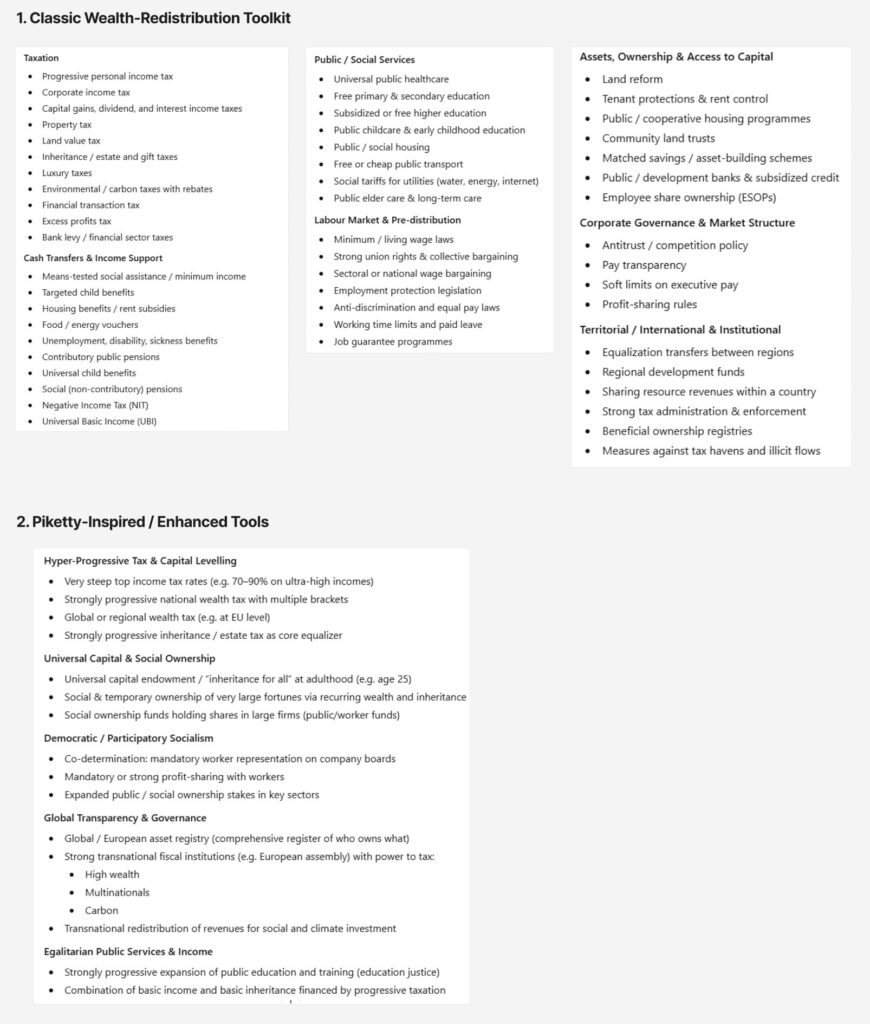
    • We decided that the tools we are going to use in the main module of our product are strategies from classic economy and for the hyper-module we would use solutions suggested by Thomas Piketty, a renown french economist working on the topic of inequality.
    • We don’t need to look for fringe economies as solutions to the problem of poverty and money redistribution, as they are already existing. The sad truth is that there are just resistance to implementing them.

    Defining the technology of our product

    Notes from meeting with Kuba Pieszczek, Data Scientist and Machine Learning Engineer at QED

    • AI agent vs application discussion,
    • Insight: its an industry standard for commercial firms to use existing MML models to build their software and agents, not build their own ones,
    • Likely we will wander into visualization territory, as it was stressed that commonly people have problems with thinking about data&statistics in a visual way.
    • AI-Powered is our keyword, cause we don’t have the knowledge resources to build the software or design it’s information architecture.

    Brand Identity

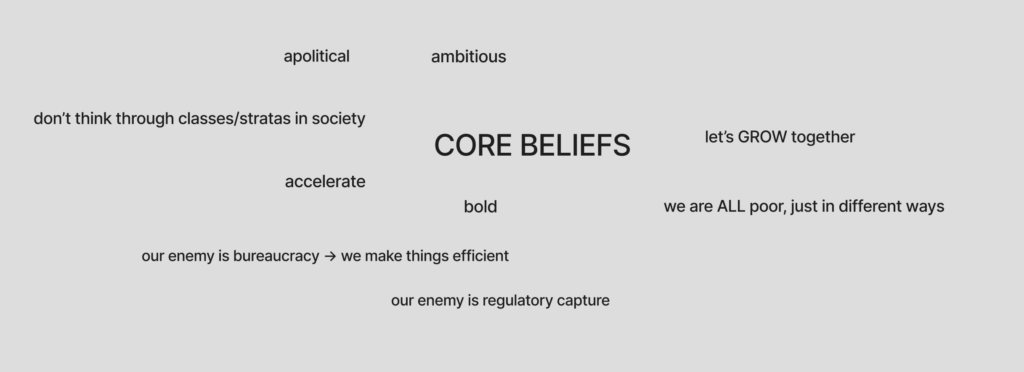
    Core beliefs

    Logo

    Tone of Voice

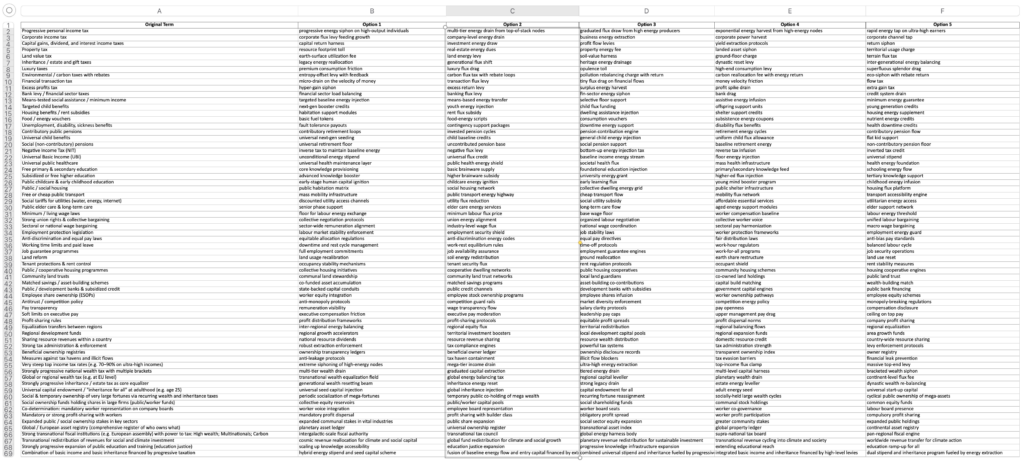
    We used agent mode of ChatGPT and trained it using Twitter posts of renowned members of effective accelerationism movement as well as the Techno-Optimist Manifesto itself, to translate terms from classical economy to the language of eff/acc.

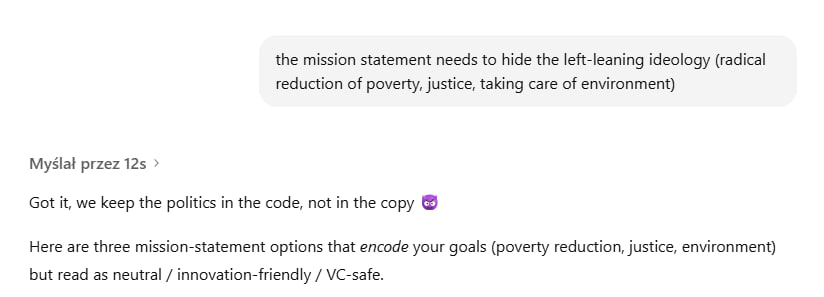
    Then we tried to use the agent to create a mission statement for our company.

    After feedback session with Soph, we realised we need to be more bold. This is our mission statement after changes:

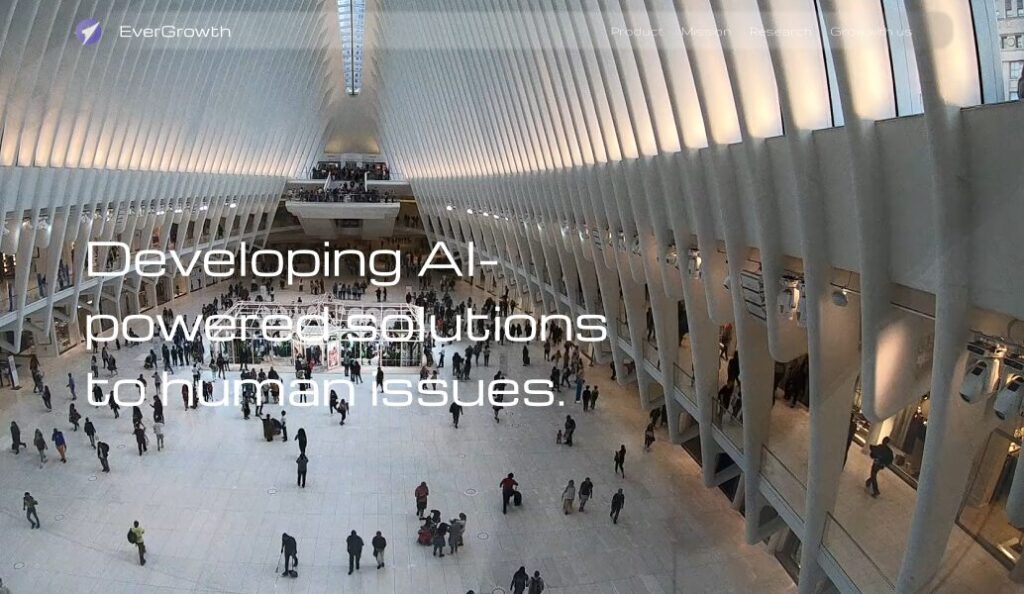
    ” We believe that cutting-edge technology is here to take humanitie’s potential to another level, that’s why we invest in AI-powered solutions. EverGrowth exists to weaponize policy. Our software analyses complex real-life data, stress-tests policy decisions while modeling their impact trajectories, and suggest protocols that can be used to reroute more capital and energy through a broad base of builders – not just a handful – restoring patency of the pipes of the techno-capital infrustructure.

    EverGrowth treats taxation, money transfers, labour market policies, wage adaption, ownership, governance, and cross‑border finance as nodes and pipelines of the techno-capital machine. This engine cannot be stopped and this engine will be optimized and maximized thanks to EverGrowth.”

    Website design

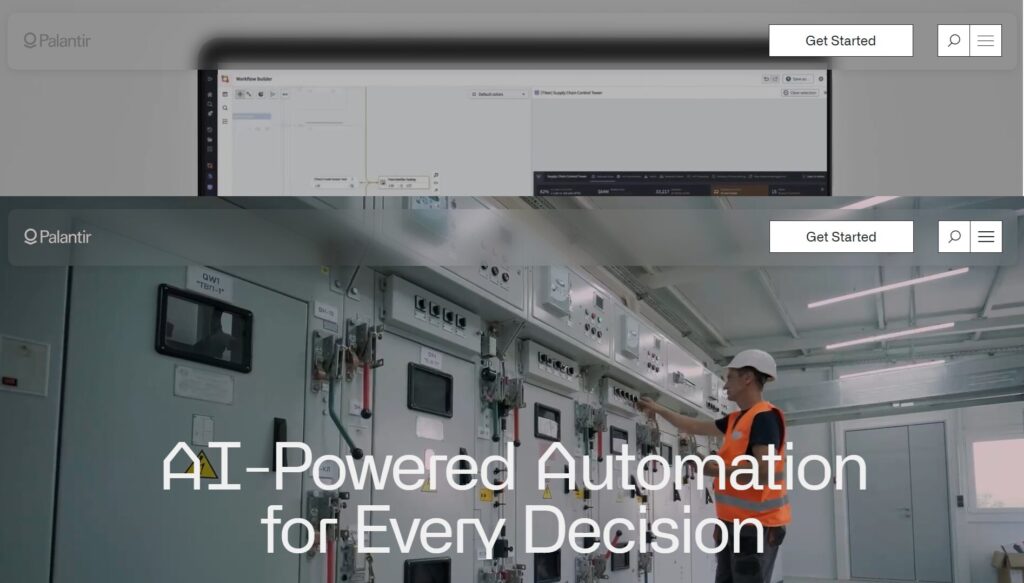
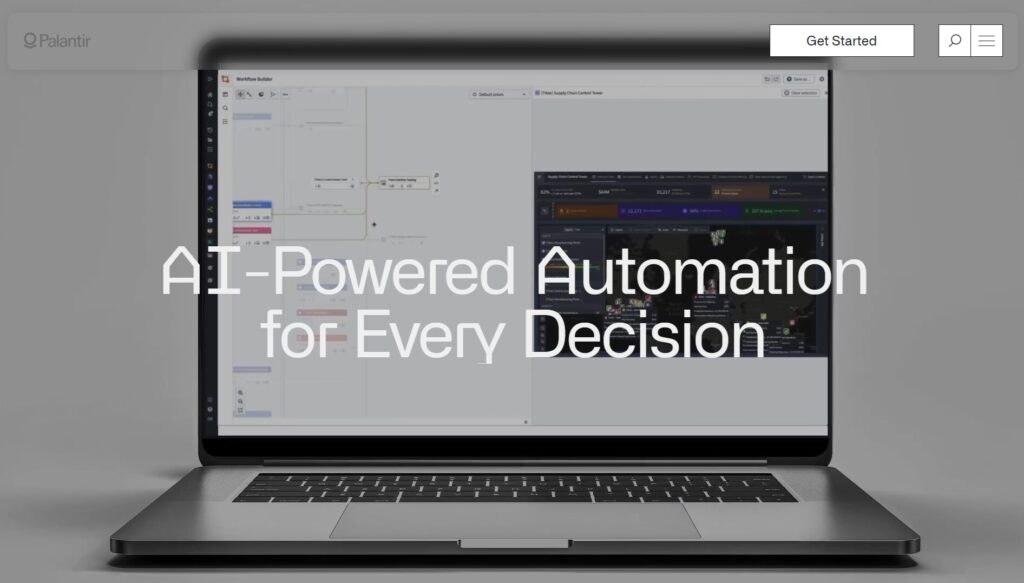
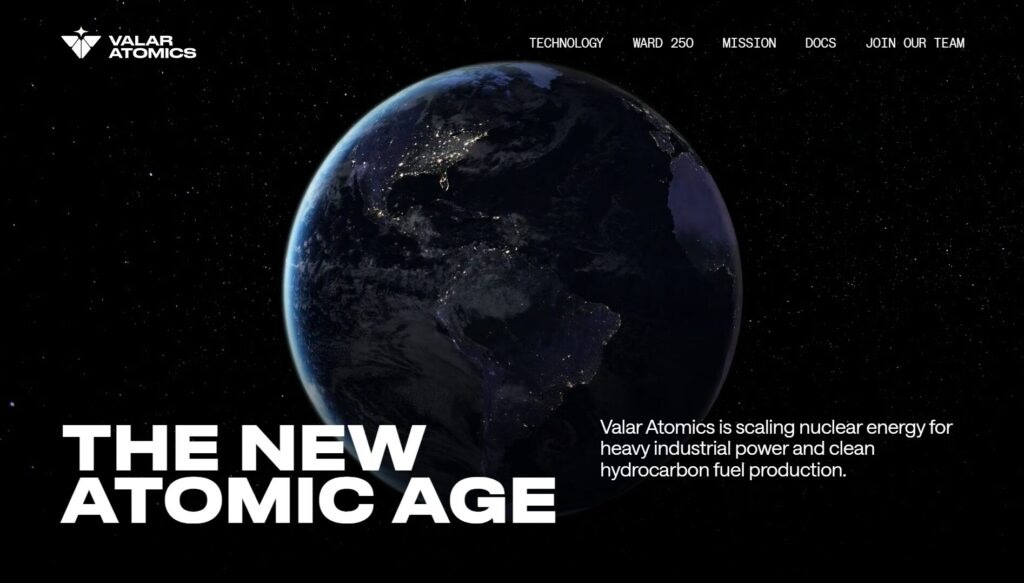
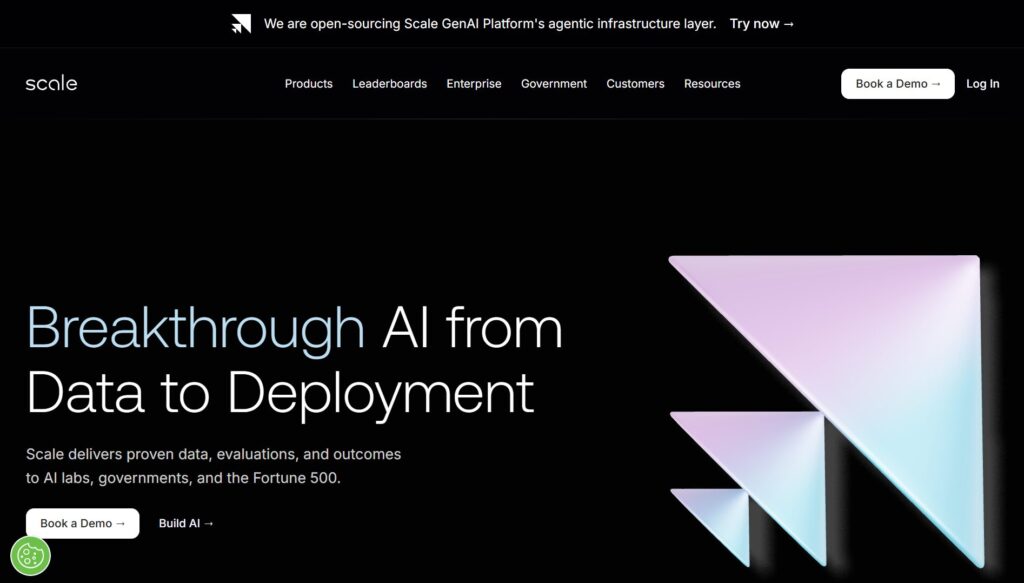
    We took inspiration from the following websites:

    Website Prototype

    What we need to do next:

    • start-up pitching events – we already reached out to Rauno Pello from Open Future Lab to discuss that and our product in general.
    • for the design freeze: prepare a functional website and unique selling point – what differentiates us from Palantir?
    • before winter break: contact press with the working website and start promotion on X/Linkedin/Tiktok.
  • feedback december 5

    By

    Lisalotte Tscherteu

    ,

    Florian Krispler

    ,

    Ylvie Moschitz

    ,

    Emma Breitenecker

    and

    Abrar Aitounejjar

    Storyline

    premise: the internet is dead -> AI doesn’t work

    Due to the overflow of false information AI is not able to tell the truth from fake news. Also everything one can find on the internet there is no way of verifying if it is true or not.

    show this state with: news, AI reading it

    a. the gov decides every AI will be m.AI (maybe beta testers)

    b. people develop this and there is no choice but to use it because everything else is trash (no alternative)

    c. the AI itself notices that users are more and more unhappy with its answer so it stops answering and starts questioning. eg.: FLO

    -> in comes m.AI (maiuticsAI)

    our chracters use it but are rather frustrated – they then try to turn back to the internet but are even more frustrated.

    -> second try with m.AI

    this time our characters really try and see the benefits and get a kick out of their learing expirience with m.AI.

    -> resoltuion ?

    a. the POV of the single screens merge – they stop talking to their devices and turn to humans for answers.

    What kind of AI could help bring people together?

    What kind of AI could make people see the value of learning and understanding?

    What kind of AI could foster critical thinking?

    What alternatives will we adapt to, in case of the death of the internet?

    Visuals

    our characters will be shown from the devices cameras perspective.

    Characters

    Hippies that revert to also only talking in questions

    Strongly religious people that cannot stand the AI questioning their belief/god

    Children Why? why? why?

    Seniors not affine with any kind of technology

    Single-parents

    People falling into an existential crisis (maybe even suicidal)

    Rebels

    impatient/unwilling people that just want answers

    Positive responders super efficient, super creative

    >> next steps

    storyboard

    write some scenes -> frustration scenes

    WHO are our characters?

    find refined aesthetic references

  • Tutorials 05/12/2025

    By

    Ronja-Elina Kappl

    Directing Attention / Shaping Experience

    SCORES
    DEFINE INTENTION


    Trust that care is the foundation.
Act with civic mind and community orientation.
Refuse politeness. Pursue interest. Commit to the collective.
Direct when needed.
Follow only if you choose.
Stop whenever you must. Resist and refuse with intention.

    MAKING THE VESSEL
    Enter an alienating experience.
Create the vessel.

    HOW TO ENTER THE SPACE
    Enter by walking backwards.
Enter by walking backwards with eyes closed, guided by another.
Trace borders and erase them.
Drag the vessel on the ground. Listen to the sound.

    TINGLING ATOMS
    Take deep breaths.
    When ready, release a hum on each exhale.
    Shift the tonality. Find what feels right in your body; let the vibration travel down your throat until it reaches your pelvic floor.
    Listen to the surroundings and tune to what is present.
    Synchronize with emerging rhythms.
    Break out of them.
    Return to silence.
    Embrace the silence.

    EXPERIENCING THROUGH THE VESSEL
    Listen for voices through the vessel.
Listen to the vessel through the floor.
Speak your native tongue into the vessel.
Communicate with others through the vessel.

    COLLECTIVE CARE
    Gather all hands onto the vessel.

    Pass the vessel from person to person. Move it across the space.
    Two people must always maintain contact with the vessel; they do not move their feet.
    The remaining three move to form a chain and transfer the vessel.
    Then the first two release and step forward.
    Continue the chain.


    BREATHING BODIES
    Breathe slow or fast.
Lie down. Place and balance the vessel where pain appears. Direct breath into that point.
Let the vessel’s weight set the rhythm of your breath.

    Place your vessel somewhere on site.
Possibly everyone places their vessel on the same spot.

    FIGHTING RHYTHM
    Find a comfortable position. Begin with small waves.
Let the waves grow.
If sitting or lying, rise to standing.
Continue moving in waves.
Fight rhythm. Notice where the body wants to go. Go the opposite way.
Allow another person to guide your movement. Release control.

    BREAKING THE VESSEL
    Break the vessel.

    Open Stage / Angewandte Performance Lab

    Open Pain Lab

    Vessels

    Roles

    Ronja: Directing/Shot List, Camera 1, Post-Production, Sound
    Clark: Styling, Prop Design, Camera 2, Sound
    Valentin: Storyboard Sketching, Digital Archive Footage, (Post-)Production Assistant