2025W No More BS Futures

  • FB – 19.Dec._Hands are HARD

    FB – 19.Dec._Hands are HARD

    By

    Laura Frühmesser

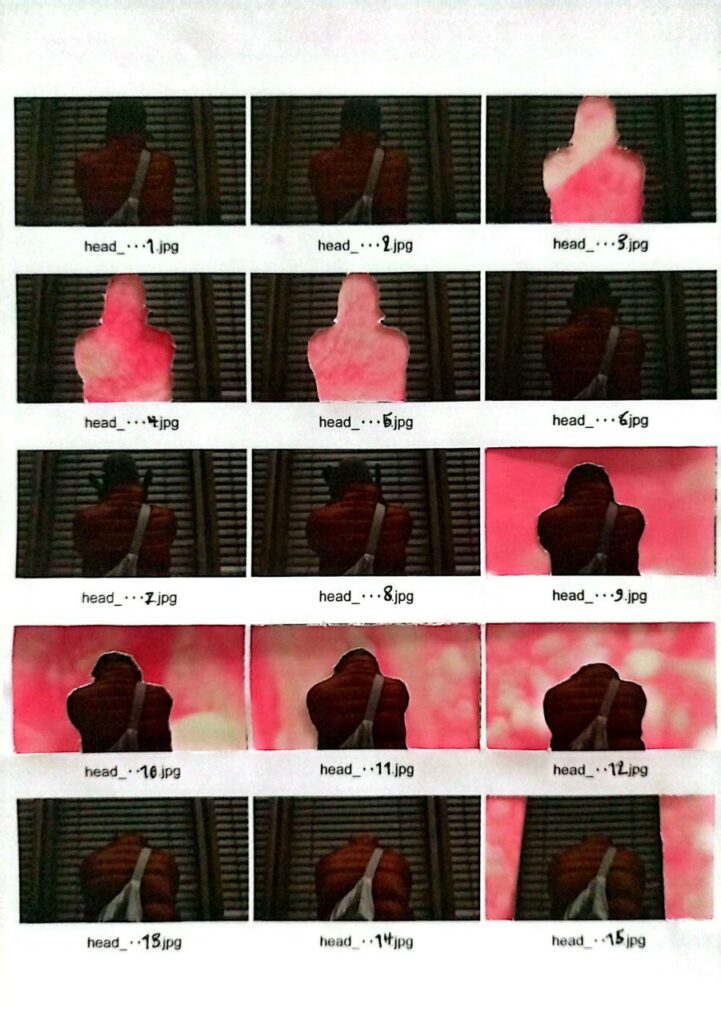
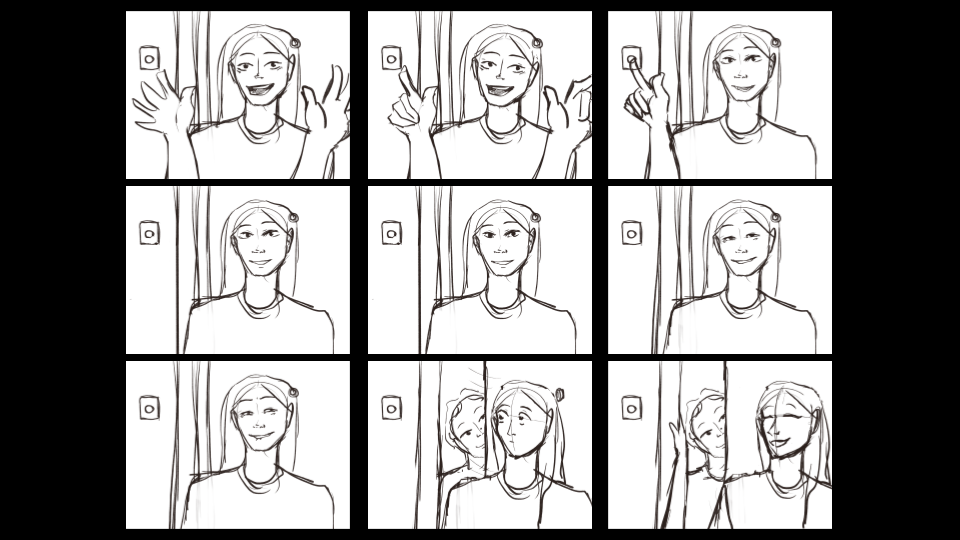
    Currently I have drawn 75 frames

    • My animation style is rough, otherwise it’s impossible to finish the film until January.
    • Normal pacing: 2 to 4 fps
      Emotional scenes (f.e. slamming on desk): 6 fps
    • Stylistic tool/showing difference: 25 fps and not hand drawn?

    Hand drawn images but still with 25fps

    Vector based 25fps

  • Team 1 Feedback Session 19.12.25

    By

    Anton Haberl

    ,

    Derin Sahin

    ,

    Lili Miklós

    and

    Eva Aartse

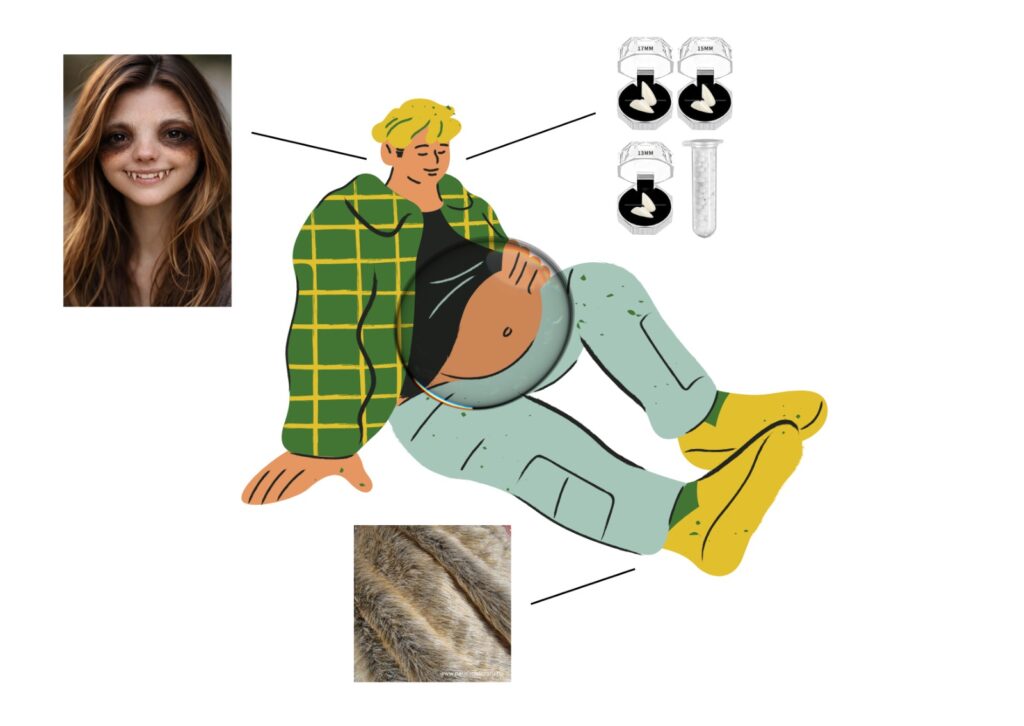
    What We Do in the Shadows (2015) – A mockumentary style comedy horror film on vampires

    Bill Nicols modes of documentary:

    Reflective Mode
    Questioning the authenticity of documentary in general (fits to the brief: make a “fictional” documentary)
    Challenge the form and expectations you have by watching a documentary
    Form in this mode: the mockumentary
    Depicting an observational/expository documentary but completely fictional.
    we will be subjective, getting across an absurd point, poking fun at all the tropes and play with convention
    Eg. ‘What We Do in the Shadows’, ‘7 Days in Hell’, ‘Tour de Pharmacy’, ‘the Office’

    Participatory Mode
    ‘When the encounter between filmmaker and subject is recorded and the filmmaker actively engages with the situation they are documenting’ (Nicols, 2010)
    The filmmakers are as well the subjects of our doc as the sloth they are filming
    Eg. Michael Moore, Louis Theroux
    This allows for us to get our “subject” viewpoint across – and tell the narrative we want to tell

    Documentary form & styles:

    • the interview (authenticity & authority) off-camera & formal + informal interview style (sloth tending it’s plants, showing the special toilet procedure)
    • ‘voice of god’ narrator style
    • B roll (location shots of apartment, sloth going outside, close up of front pack, crew setting up/having discussions) providing visual variety and showing what’s being talked about and give pace to the doc and topics
    • scenes (sloth running into friend) making the audience feel like they are there
    • archival footage (old pictures of sloths, giving some backstory in introduction (giving historical context of development of community), also to explain certain features of the modified human sloth eg the 4 stomaches)

    OUR MOVIE

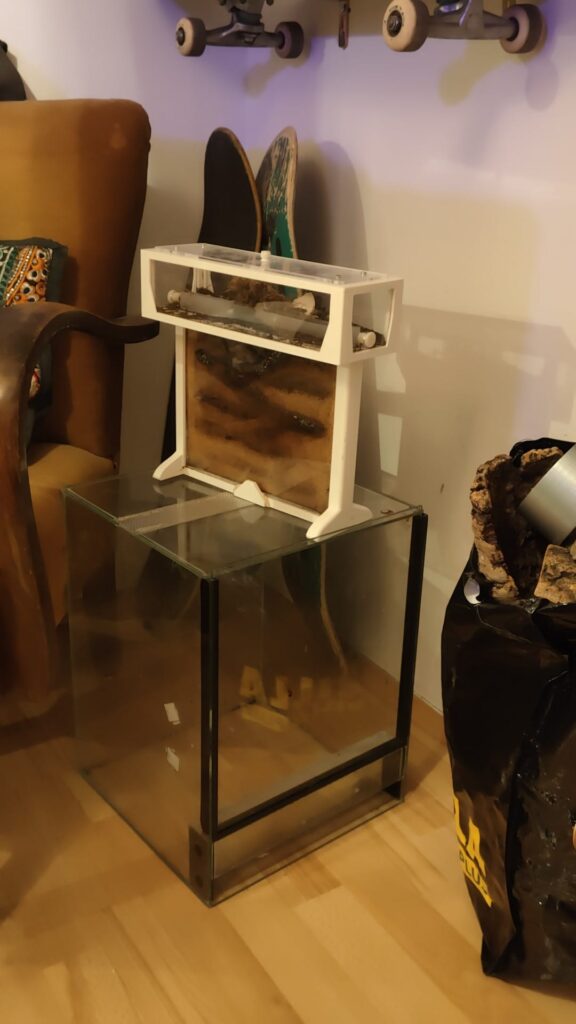
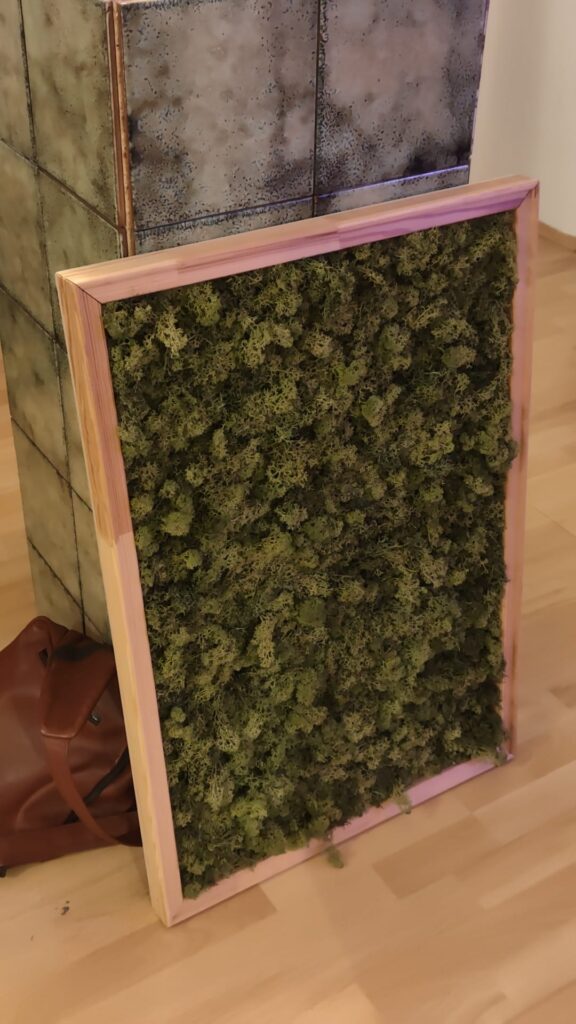
    Interior of the sloth apartment
    The Sloth
    Camera
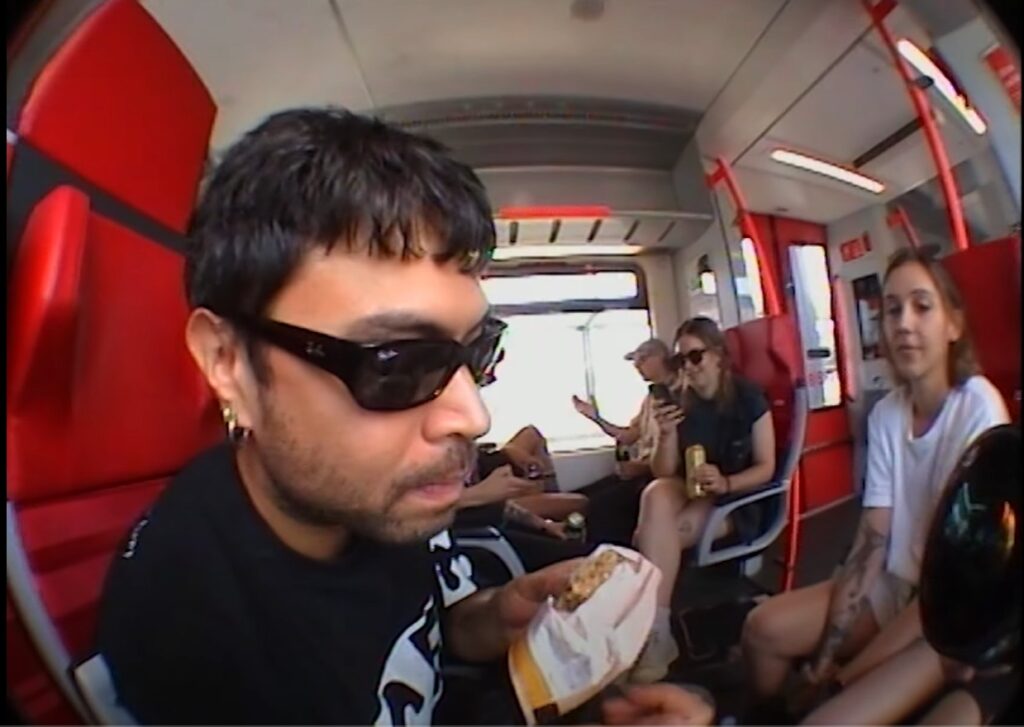
    miniDV Cam for following the sloth around
    Canon 16mm f2.6 lens for capturing the interview

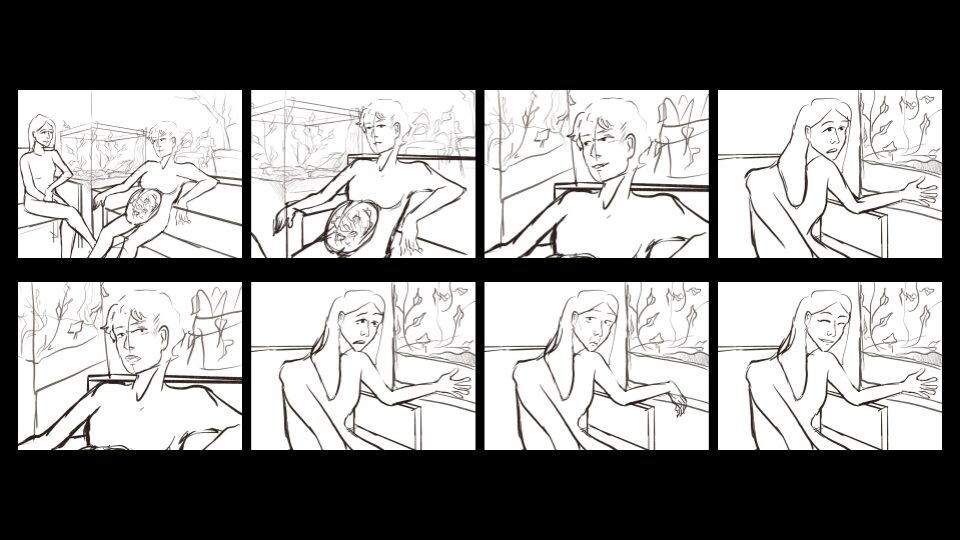
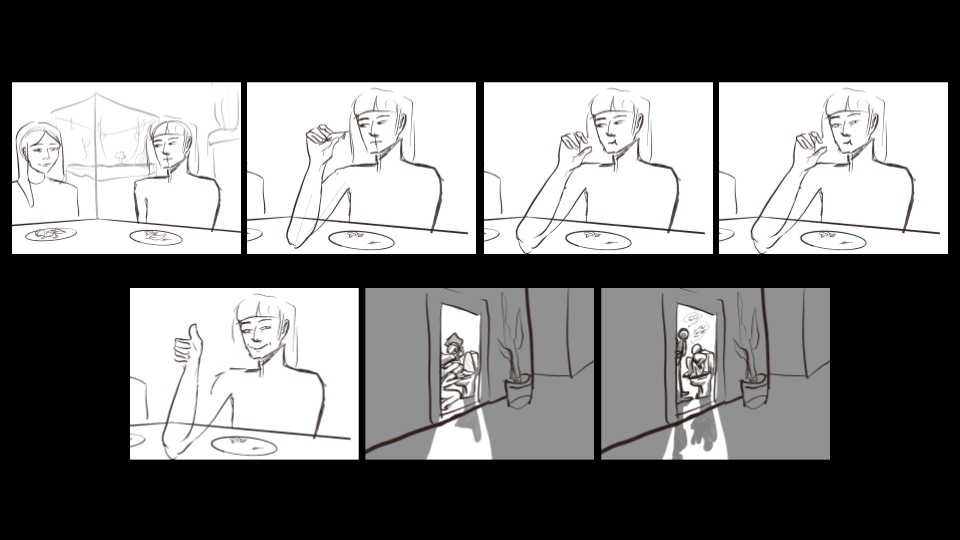
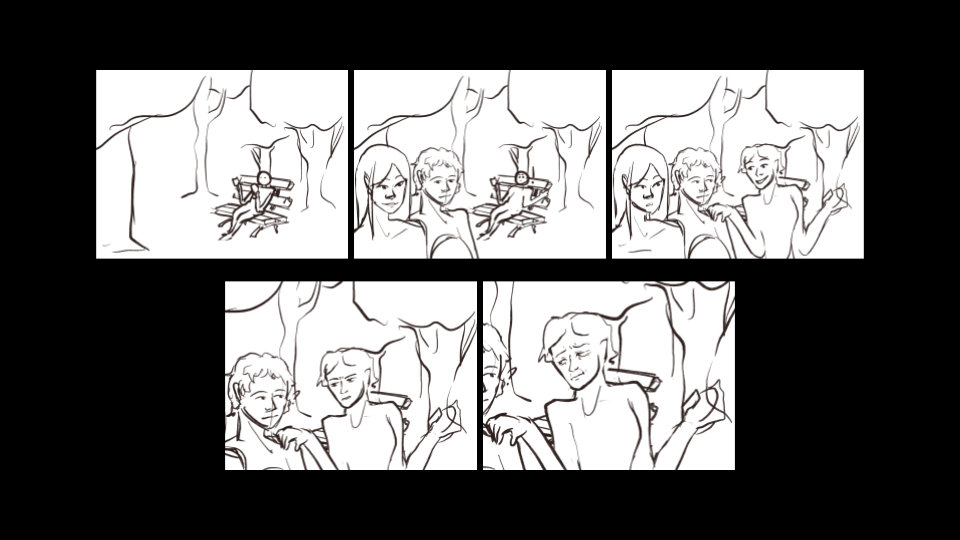
    Storyboards

    Schedule:

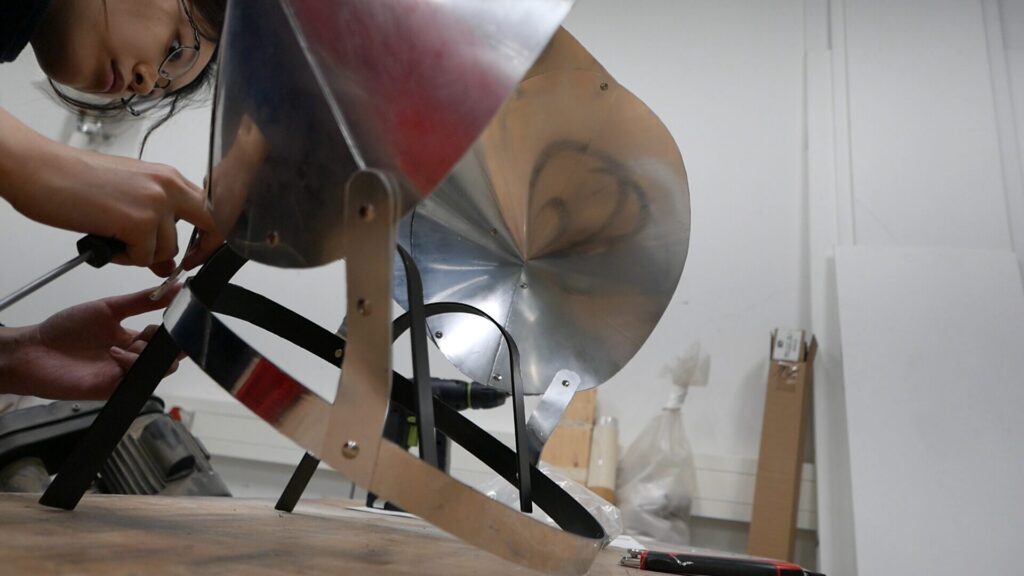
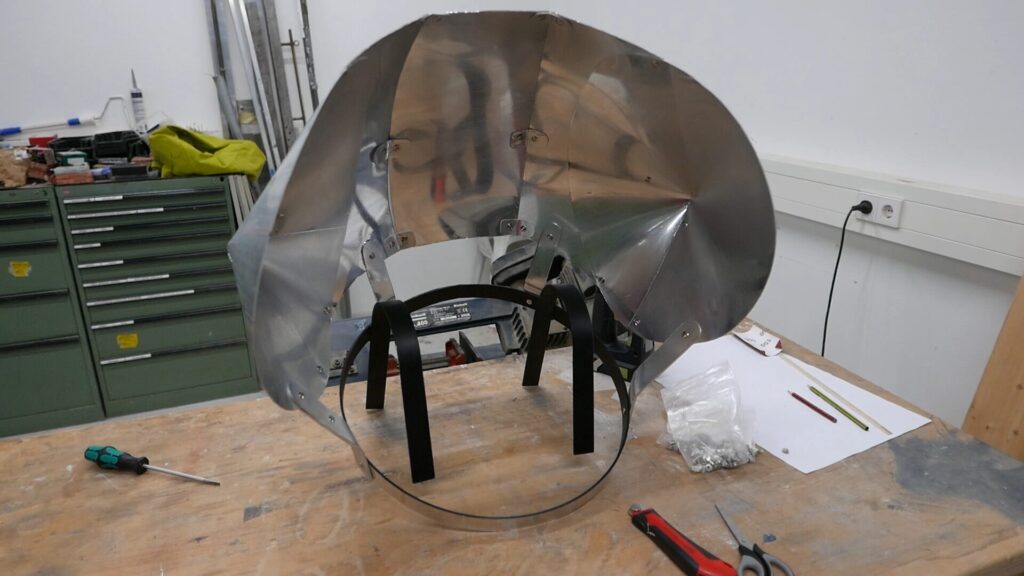
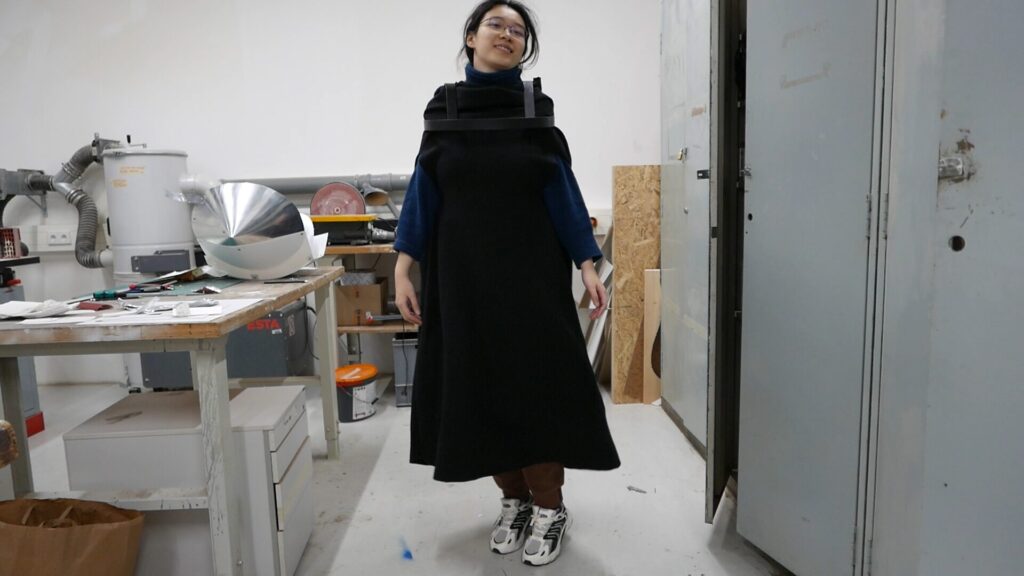
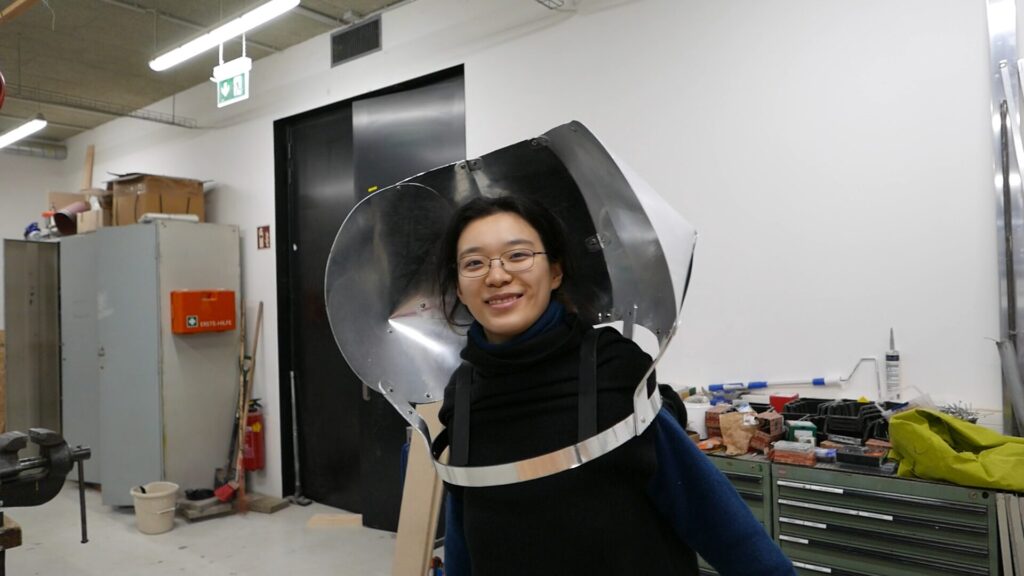
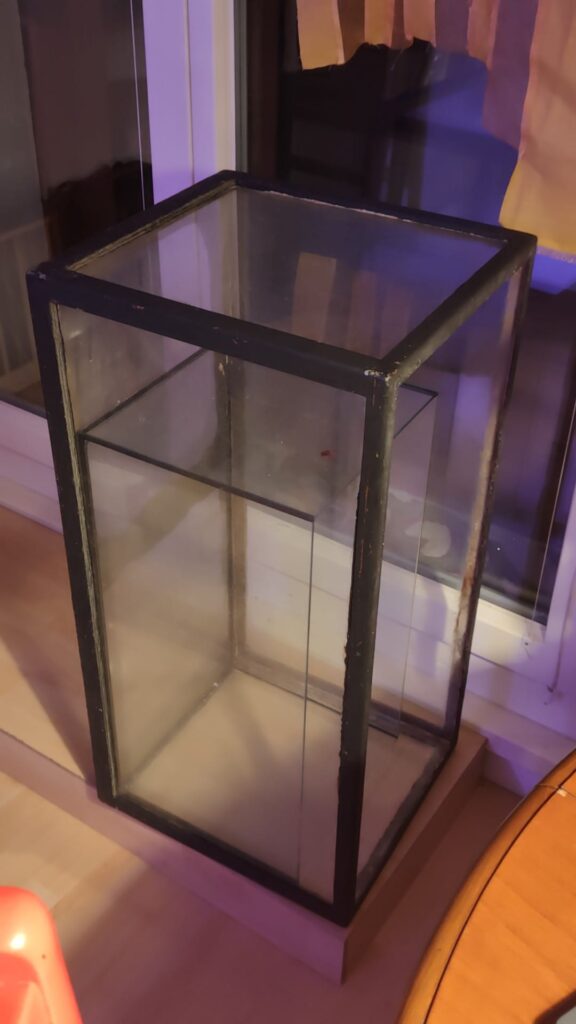
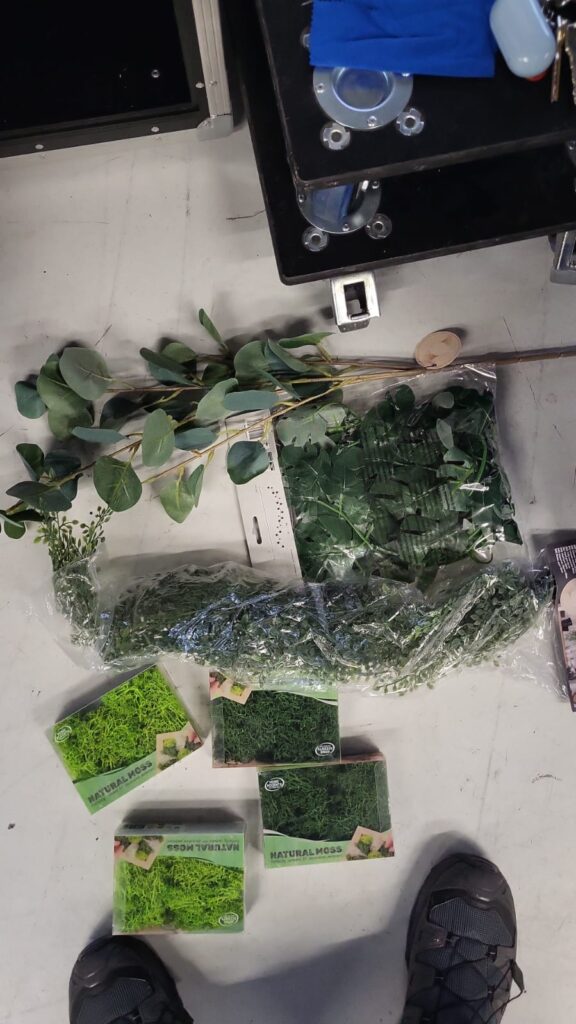
    Until Jan. 8th: Finish terrariums, finish costume and finalize dialogue

    Jan. 8th-11th: Filming

    11th-16th: Cutting and post production
  • 19.12 Tutorials

    By

    Apolonia Bokszycka

    and

    Stephan Sinn

    Timeline

    • Y Combinator receives pitches in so-called Batches. The next one is Spring 2026 Batch, for which deadline is the 9th of February.

    We decided to look for pitch competitions within the span of the semester.

    • Unfortunately there are no pitch competitions before the 20th of January.
    • The closes to date is AI festival in Milan, which happens on 21st-22nd of January and hosts pitch competition. It connects start-ups, venture capitalists and investors.
    • The only option, which is not ideal, is a business management conference in Salzburg (3rd of January) or London (15th of January) – however we are not sure if the audience suits design of our project? How fitting must the audience be?

    Strategy & Business Model

    According to Y/C in orderd to prepare a pitch we need to ask ourselves the following questions:

    1. What do you do?
    2. How big is the market?
    3. What’s your progress?
    4. What’s your unique insight?
    5. What’s your business model?
    6. Who’s on your team?
    7. What do you want?

    Competitors Analysis: Unique Insight

    We did competitors analysis and on this basis decided on the niche we want to fill in – modeling wealth redistribution trough progressive wealth taxation (proposed by Thomas Piketty) as none of the competitors implement this.
    Business Model:

    Value Proposition 

    Target Market

    Public and private actors: policy designers, government analysts, local and state finance departments, funding organizations, lobbying institutes


    Revenue Streams (How we earn money)
    Subscription based software service (modeled on Palantir)


    Cost Structure


    Key Activities & Resources


    Channels

    Next

    1. What do you do?
    2. How big is the market?
    3. What’s your progress?
    4. What’s your unique insight?
    5. What’s your business model?
    6. Who’s on your team?
    7. What do you want?

    Ad.2. We still need to research how many potential users of our product there would be.

    Ad.6. Jakub Pieszczek, the ML engineer we consulted, agreed to appear in our company’s online presence. We still need to look for an economist.

  • Tutorial 19.12

    By

    Annalisa Rhein

    ,

    Janek Beau

    ,

    Nina Heimel

    and

    Franziska Anna Herzog

    Saturday 13.12

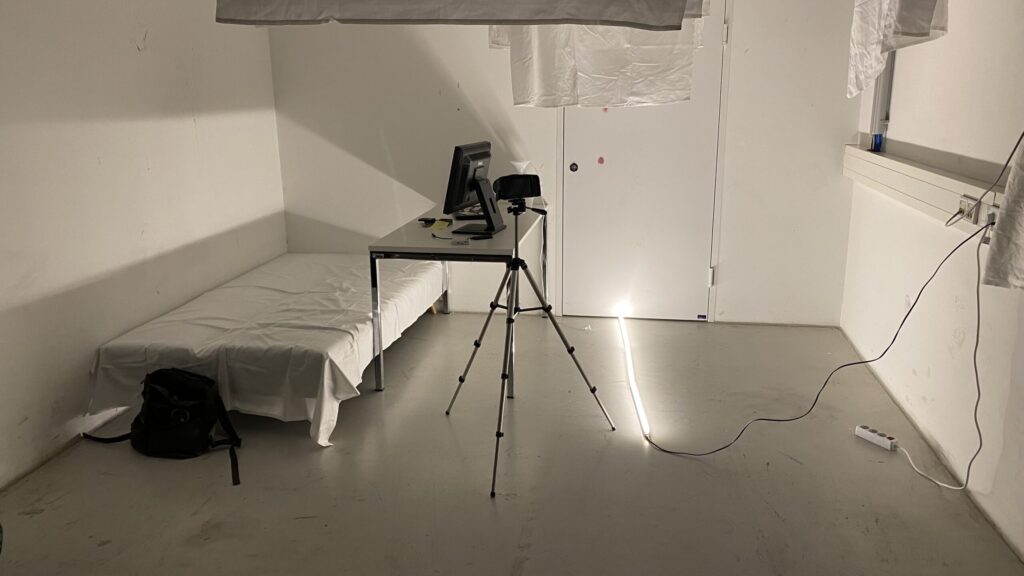
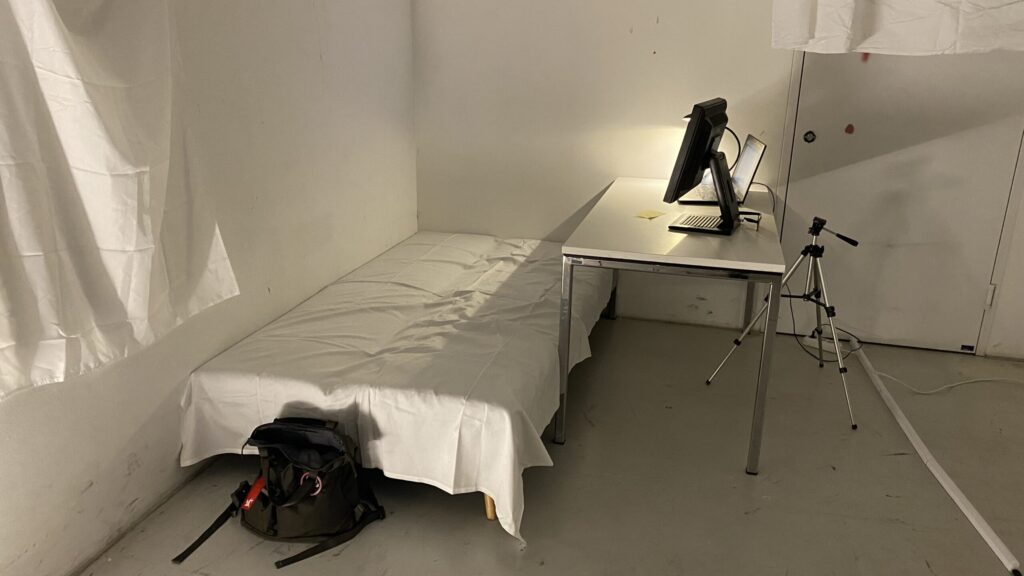
    Read through and script rewrite

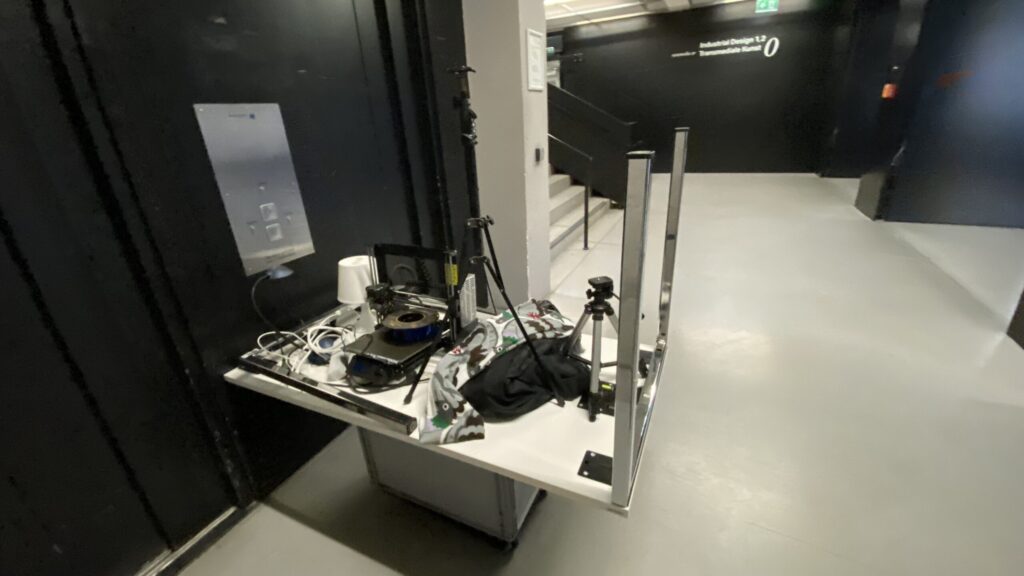
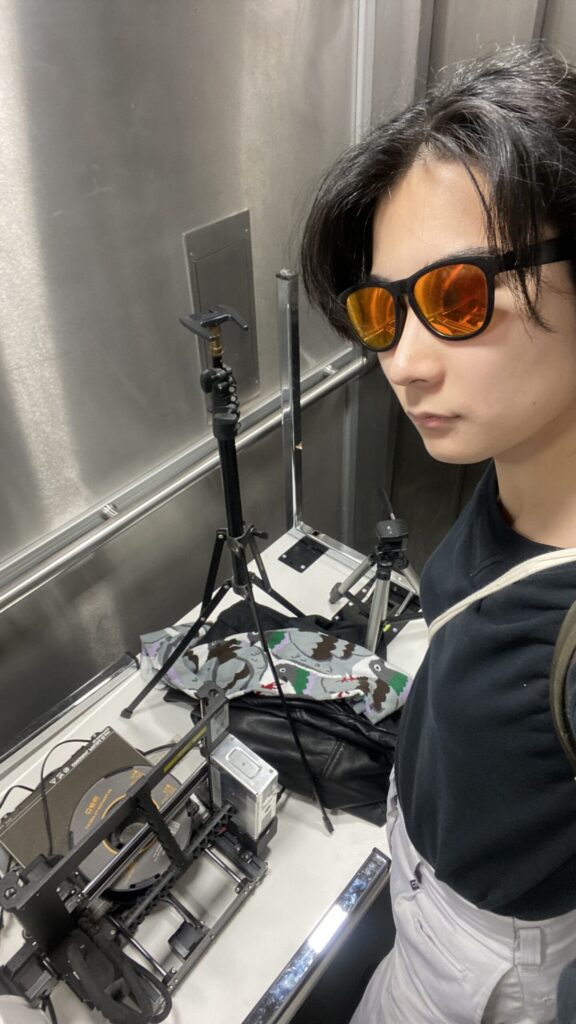
    Tryouts with lighting

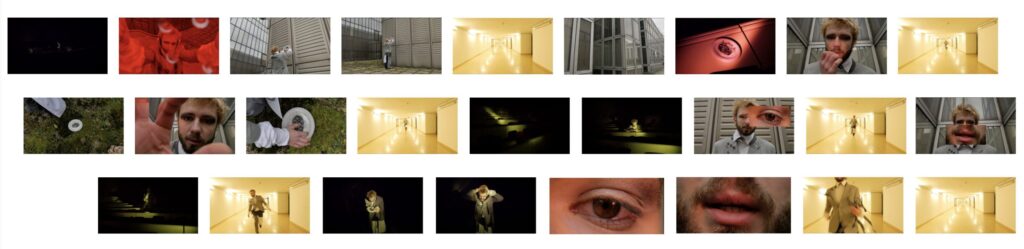
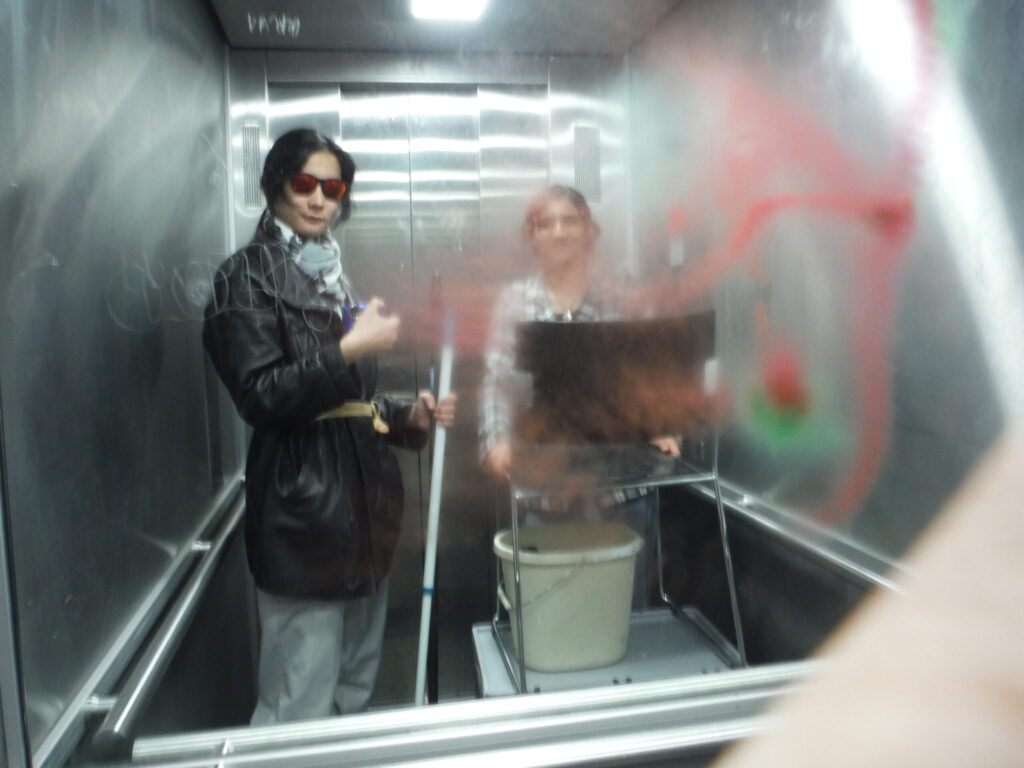
    First SnorriCam Shot

    Tuesday 16.12

    Setting up the location

    Shooting

    Final Test Results

    https://drive.google.com/file/d/1lhXs3-VspYypB2AqD7TG2Si-xn_XwJpa/view?usp=sharing

    https://drive.google.com/file/d/11yD2-N5Jf_SYeVBDicqcgqwqepZckokh/view?usp=sharing

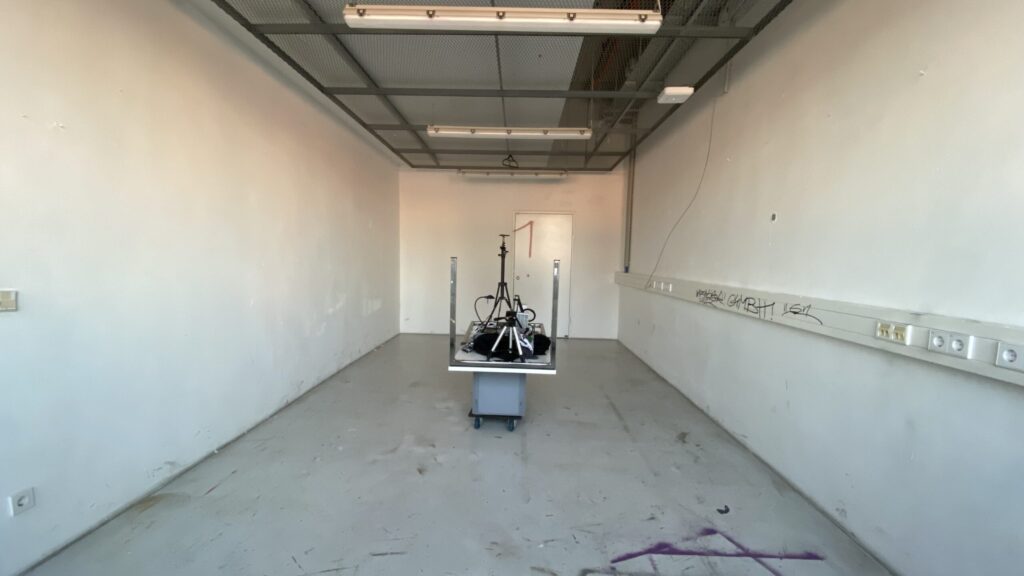
  • Second Session 9.12.2025

    By

    Victoria Thierer

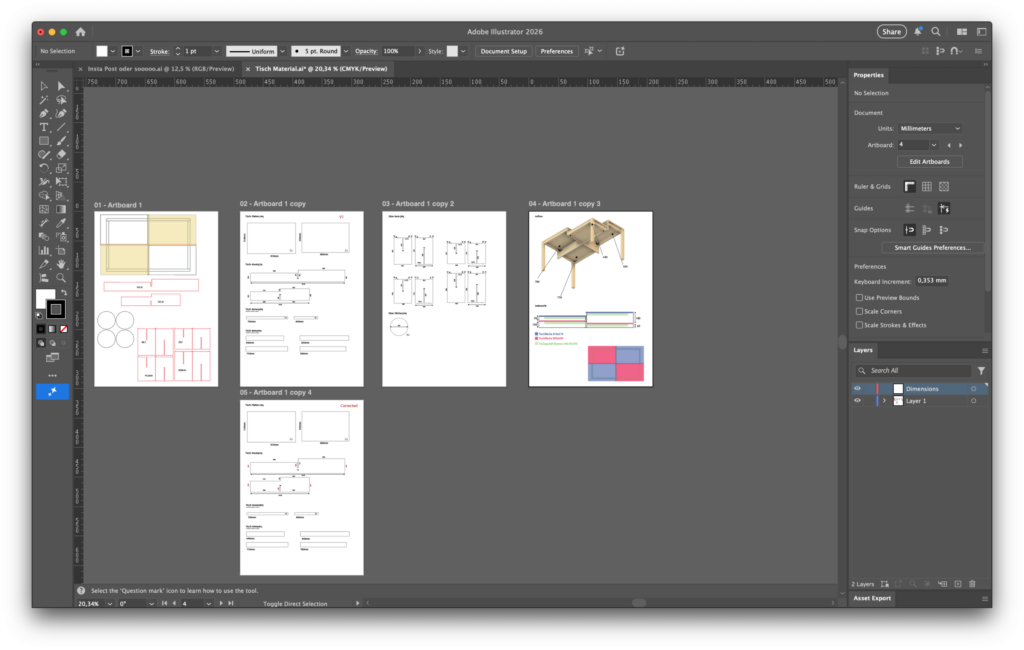
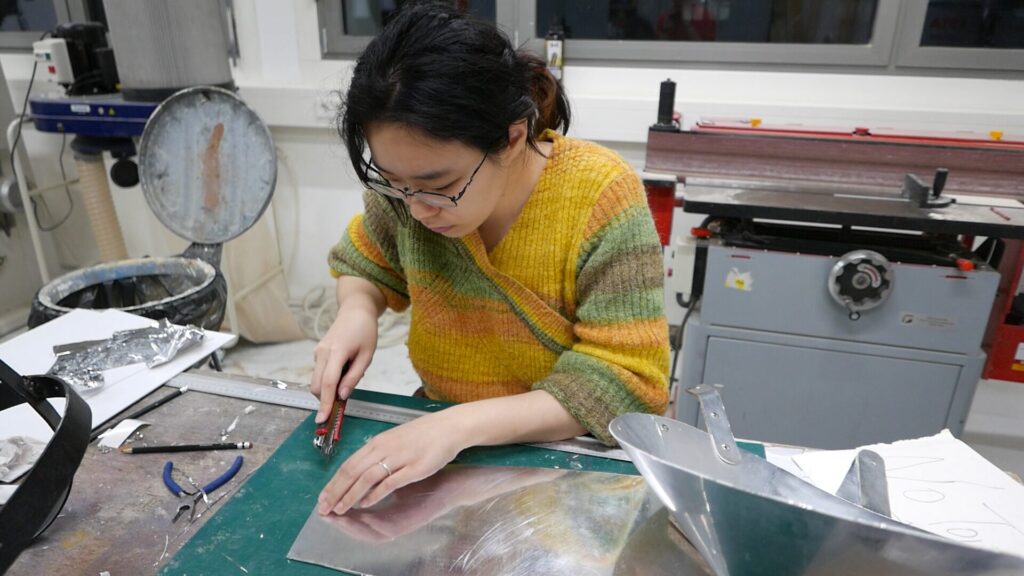
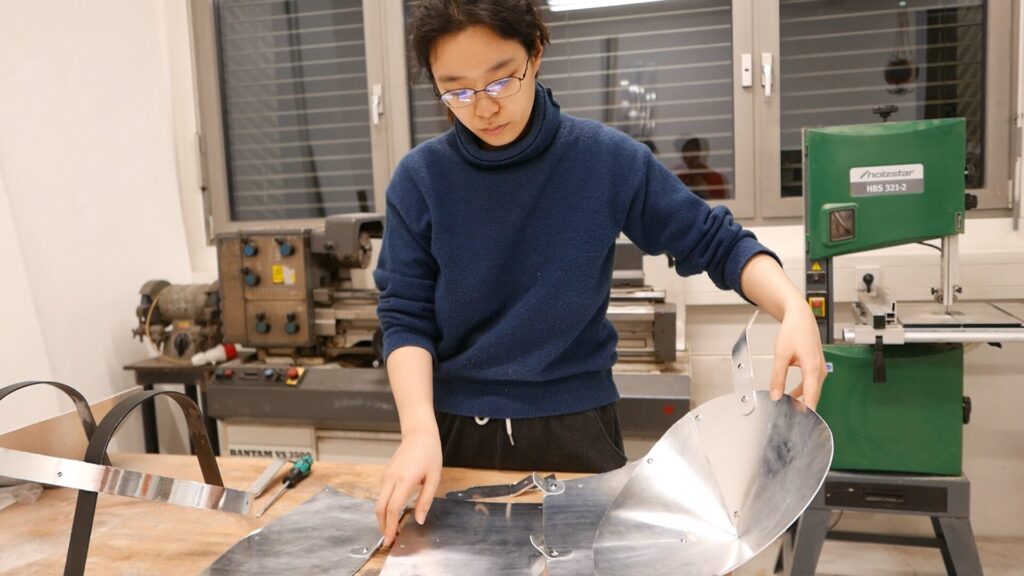
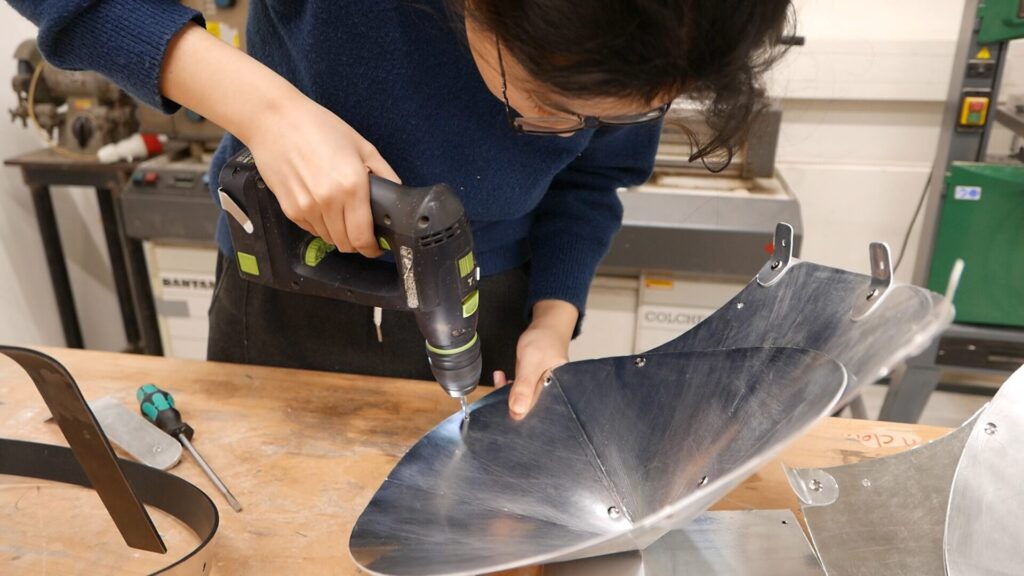
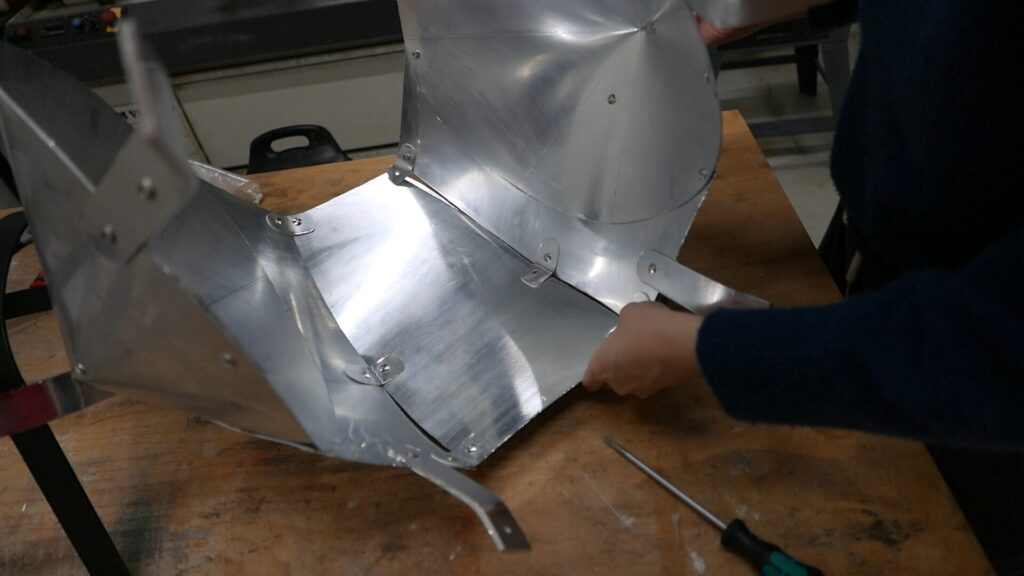
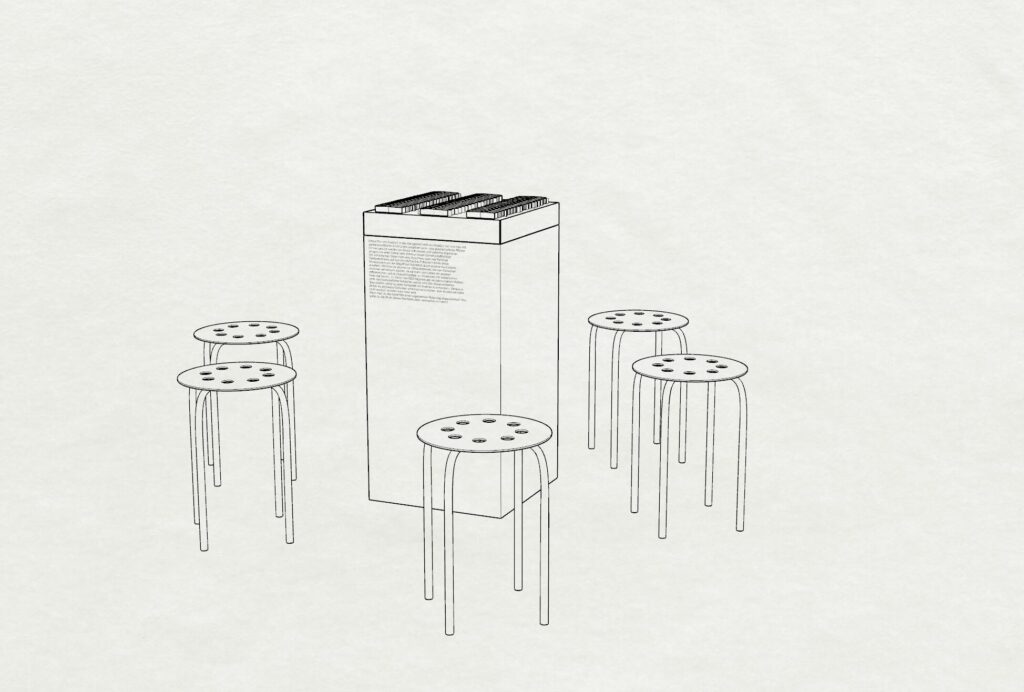
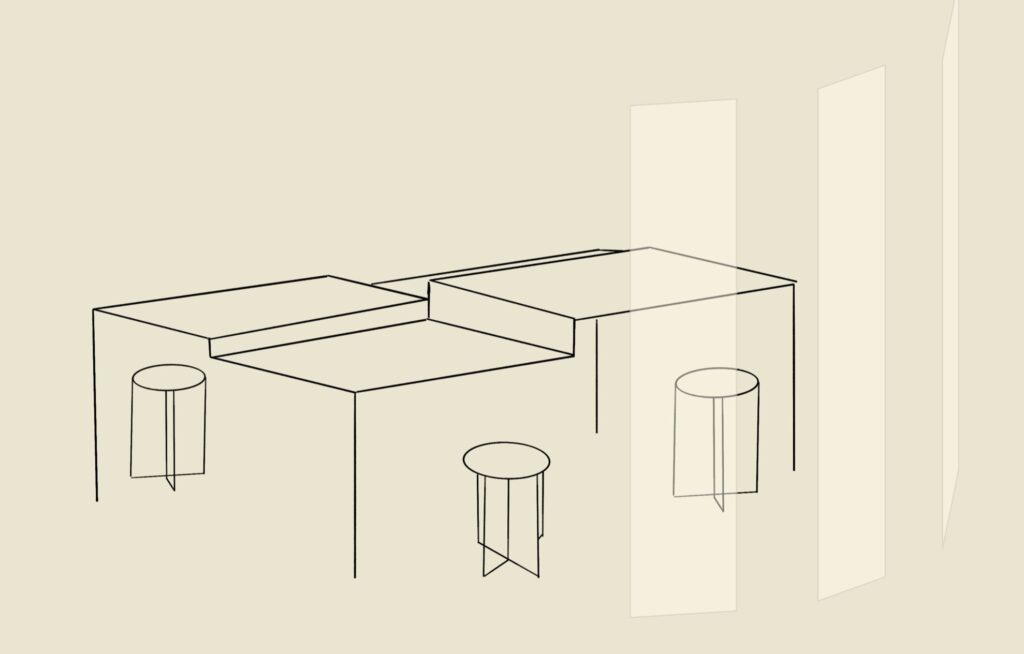
    Table

    V1:

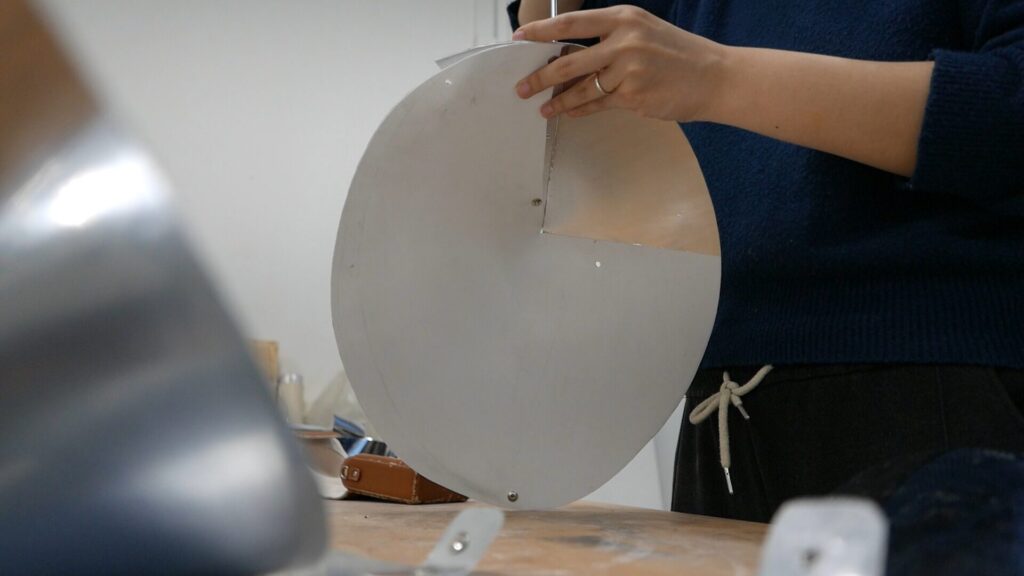
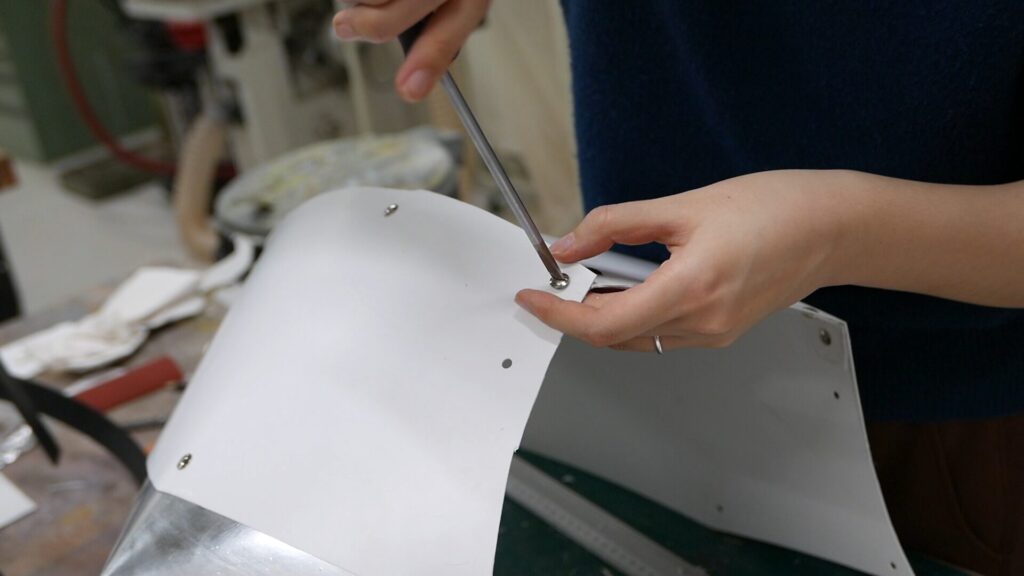
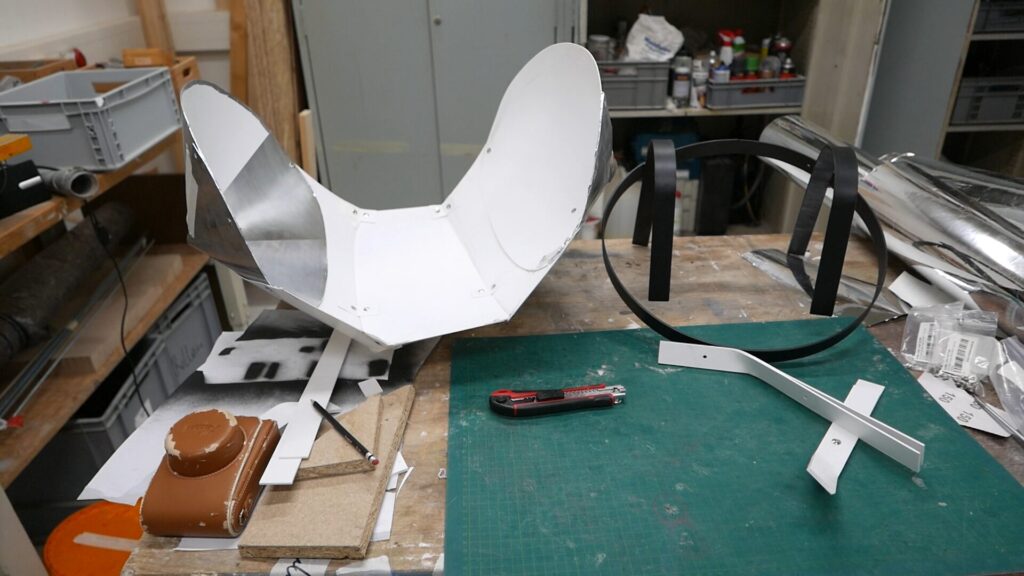
    One way of building: Connecting the plates directly

    Other way: a frame

    Other versions:

    Dimensions

    Moodboard

    Setup

  • 5.12.2025

    By

    Victoria Thierer

    Midterm recap

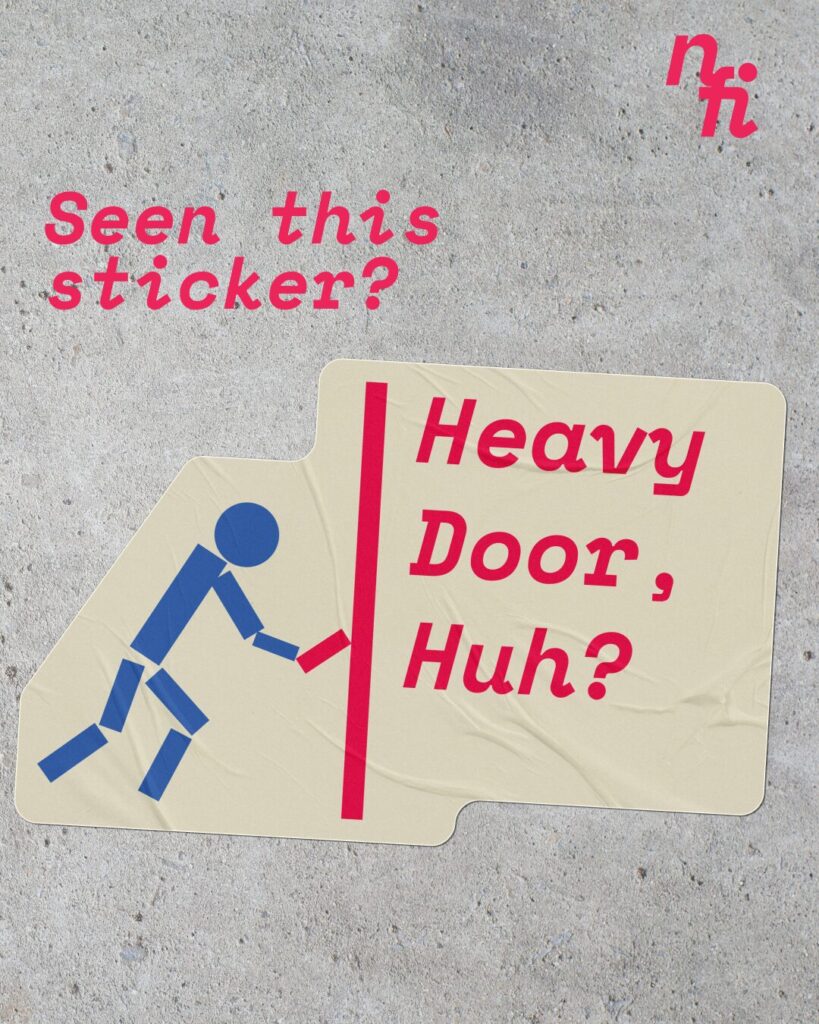
    table, stickers and installations

    Post Midterm

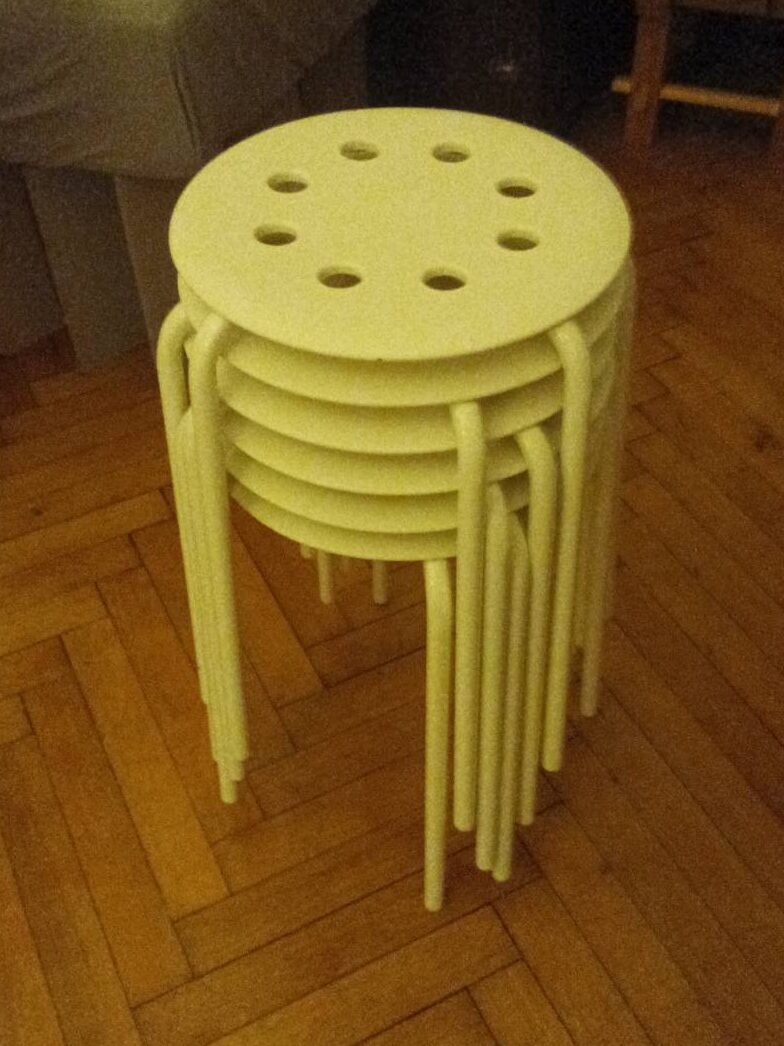
    table and stools final version

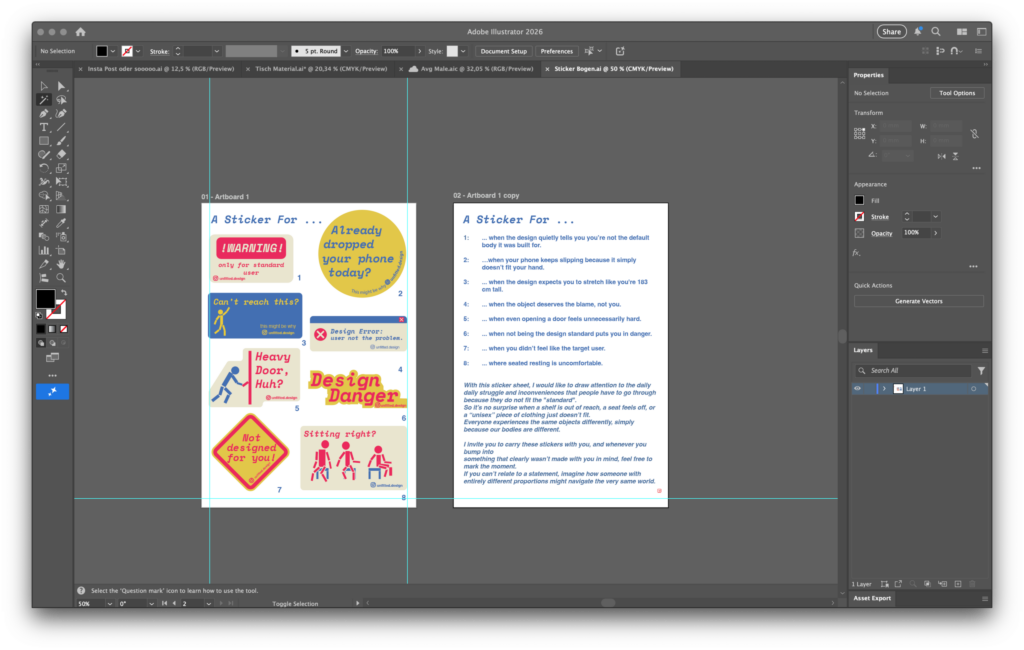
    Creating a brand for the project

    sticker set

    Platform to link to my stickers and research

    Next step cutout door

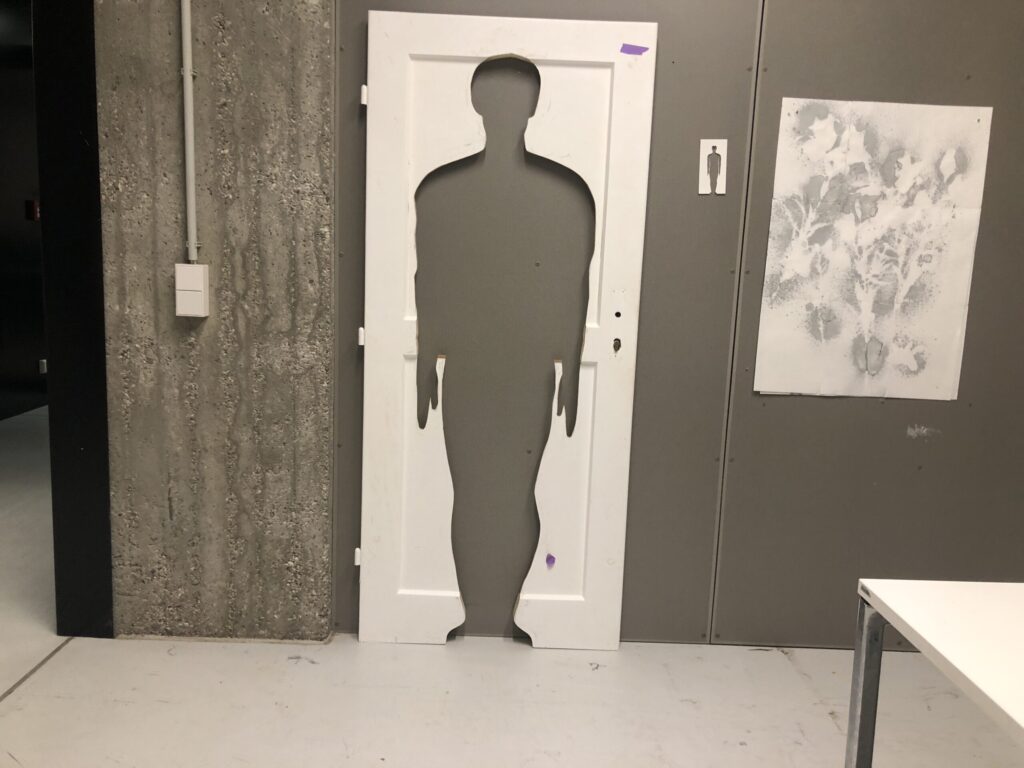
    revisit wood workshop and order wood

  • Feedback

    By

    Johannes Mayer

  • 5.12 Feedback

    By

    Stephan Sinn

    and

    Apolonia Bokszycka

    Defining the theoretical framework of our product

    Notes from meeting with Krystian Łukasik, research fellow at Harvard University, a PhD candidate in Sociology at the University of Warsaw and an Advisor at the Polish Economic Institute, where he works in the Department of the Digital Economy

    • We decided that the tools we are going to use in the main module of our product are strategies from classic economy and for the hyper-module we would use solutions suggested by Thomas Piketty, a renown french economist working on the topic of inequality.
    • We don’t need to look for fringe economies as solutions to the problem of poverty and money redistribution, as they are already existing. The sad truth is that there are just resistance to implementing them.

    Defining the technology of our product

    Notes from meeting with Kuba Pieszczek, Data Scientist and Machine Learning Engineer at QED

    • AI agent vs application discussion,
    • Insight: its an industry standard for commercial firms to use existing MML models to build their software and agents, not build their own ones,
    • Likely we will wander into visualization territory, as it was stressed that commonly people have problems with thinking about data&statistics in a visual way.
    • AI-Powered is our keyword, cause we don’t have the knowledge resources to build the software or design it’s information architecture.

    Brand Identity

    Core beliefs

    Logo

    Tone of Voice

    We used agent mode of ChatGPT and trained it using Twitter posts of renowned members of effective accelerationism movement as well as the Techno-Optimist Manifesto itself, to translate terms from classical economy to the language of eff/acc.

    Then we tried to use the agent to create a mission statement for our company.

    After feedback session with Soph, we realised we need to be more bold. This is our mission statement after changes:

    ” We believe that cutting-edge technology is here to take humanitie’s potential to another level, that’s why we invest in AI-powered solutions. EverGrowth exists to weaponize policy. Our software analyses complex real-life data, stress-tests policy decisions while modeling their impact trajectories, and suggest protocols that can be used to reroute more capital and energy through a broad base of builders – not just a handful – restoring patency of the pipes of the techno-capital infrustructure.

    EverGrowth treats taxation, money transfers, labour market policies, wage adaption, ownership, governance, and cross‑border finance as nodes and pipelines of the techno-capital machine. This engine cannot be stopped and this engine will be optimized and maximized thanks to EverGrowth.”

    Website design

    We took inspiration from the following websites:

    Website Prototype

    What we need to do next:

    • start-up pitching events – we already reached out to Rauno Pello from Open Future Lab to discuss that and our product in general.
    • for the design freeze: prepare a functional website and unique selling point – what differentiates us from Palantir?
    • before winter break: contact press with the working website and start promotion on X/Linkedin/Tiktok.