
Tutorial 23.10.26 : Summary of Key Ideas and Feedback
- Sea-Level Rise and the Future of Sport
Imagine a world in which sea levels have risen significantly over the next 100 years.
Capture a moment in the transition between our current world and a future where rising sea levels have become the new normal.
Explore how people’s relationship with the sea changes as land becomes scarce.
Consider how leisure, sport, and recreation might evolve in response to climate change.
Objects washed ashore could become essential resources in a transformed society.
The project does not need to focus on people physically using or carrying large objects. Their new meaning and function are more important. - Surfing: History, Culture and Spirituality
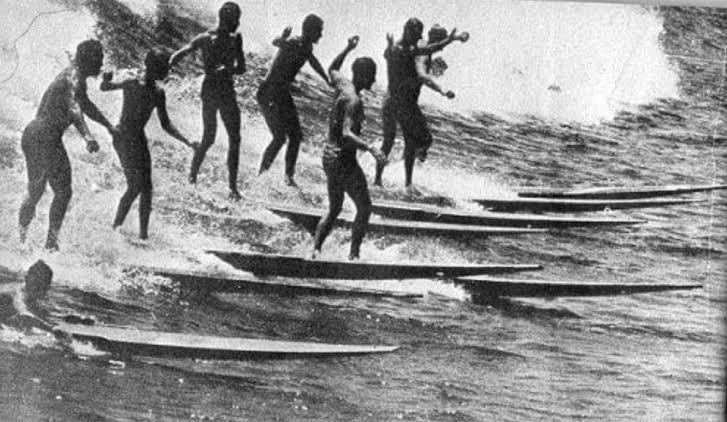
Research the origins of surfing in Hawaii and its cultural significance.
Explore surfing as more than a leisure activity or a hedonistic pursuit. Consider its spiritual, religious, and ritual dimensions.
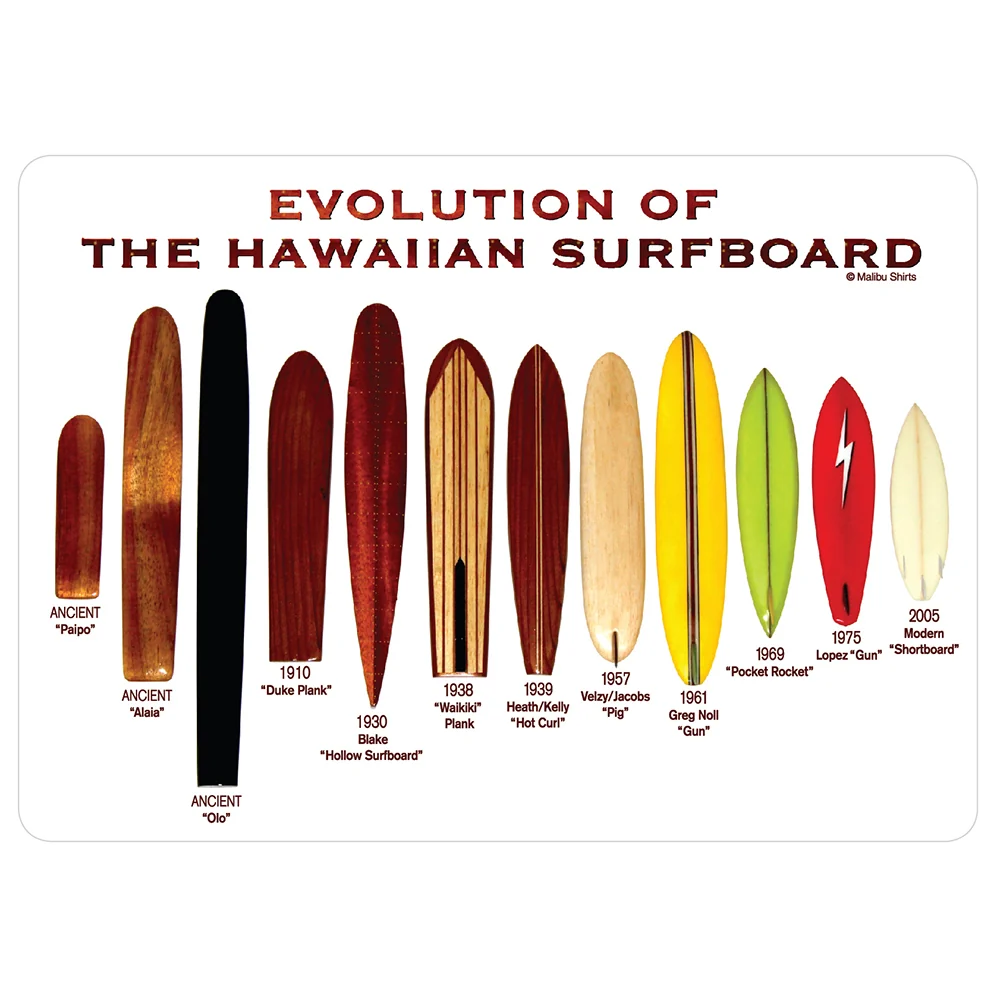
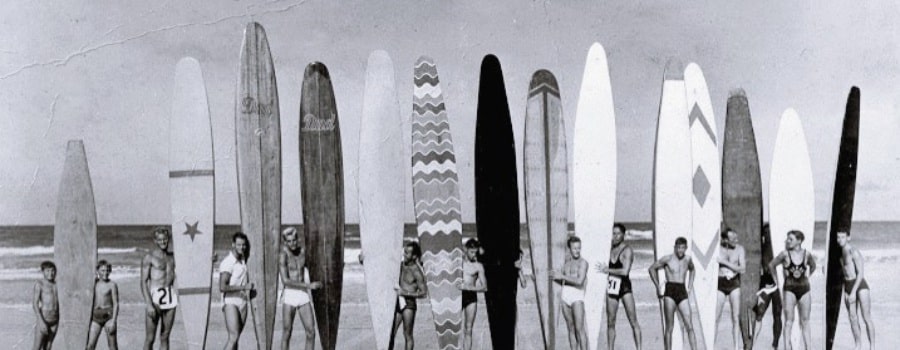
Investigate how surfing developed over time and how its meaning has changed across different societies.
Think about surfing as a heroic or ritualistic activity in a future where the sea dominates the landscape.
Understand the cultural context of an object rather than focusing only on its physical shape.
Key idea: The story is not about the shape of the surfboard, but about how people use it, what it represents, and how its meaning changes. - Reimagining Objects in a Future World
A ski boot might become an absurd or unexpected object in a world shaped by rising sea levels.
A surfboard can be limiting if the project focuses too narrowly on its original function.
Instead of changing only the object itself, change the context in which it exists.
Imagine a world with very little remaining land, where objects originally designed for sport become essential for everyday survival, rituals, or community life.
Investigate the recycling, reuse, and transformation of objects, including the social and economic transactions surrounding them.
The central question is: What happens when an object enters a completely different world and acquires a new purpose? - Community and Anthropological Research
Alex’s feedback focused on creating a small community within the project.
Develop an anthropological perspective by imagining how people live, interact, and organise themselves in the future.
Consider the project as a living, evolving experiment rather than simply the creation of a final object.
Research existing communities and learn from how they adapt to their environments.
Understand their values, ethics, beliefs, and rituals before imagining how these might change.
Explore how the concept of time and temporality changes in a world affected by climate transformation.
Rather than inventing an entirely new society without reference, use existing communities as a starting point. Observe, learn, adapt, and build upon their practices. - Museums, History and Cultural Perspectives
Ethnographic museums influence how we look at objects and the cultures they come from.
Objects are often displayed from an external, Western perspective, which can separate them from their original meaning and context.
Investigate the histories, beliefs, and cultural practices behind the objects you choose.
Polynesian cultures have distinct and complex histories, and many of their traditions and stories remain alive today.
Avoid treating these cultures as distant or forgotten civilisations. Engage with their histories as living sources of knowledge.
Key principle: There are no futures without histories. To imagine a believable future, you must understand the cultural and historical contexts that came before it
Leave a Reply