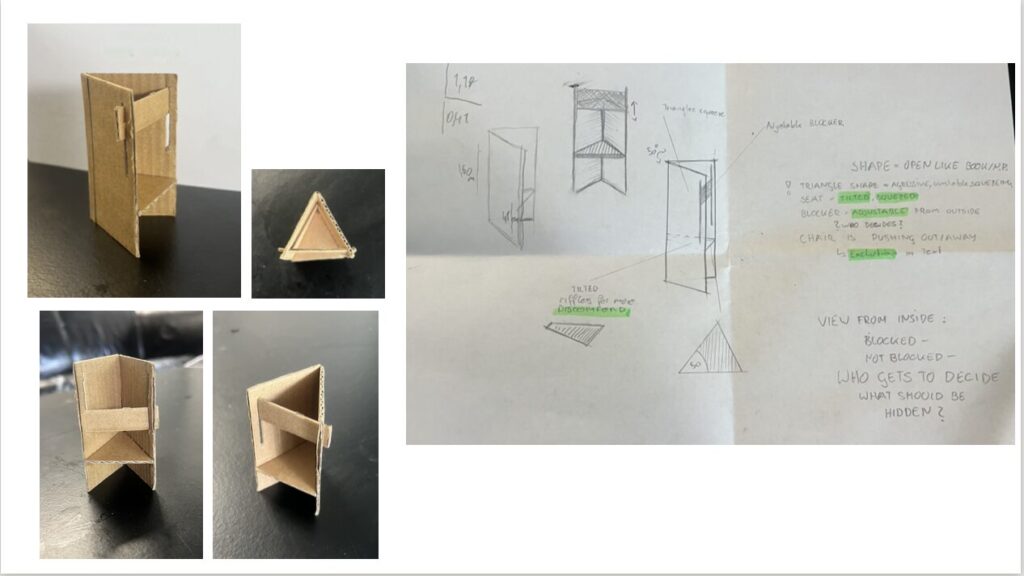
WHAT NEEDS TO HAPPEN FOR VIENNA TO BE UNDERWATER ?
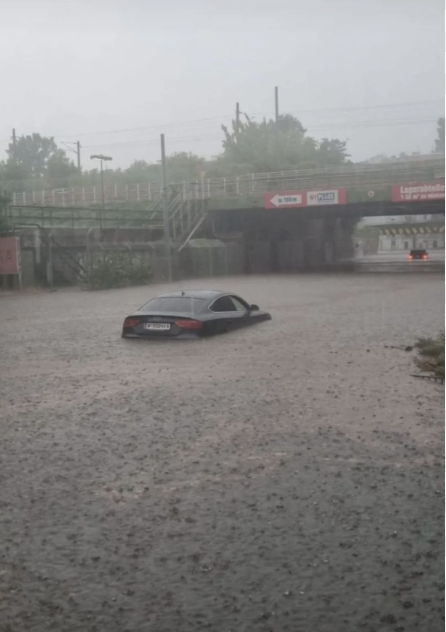
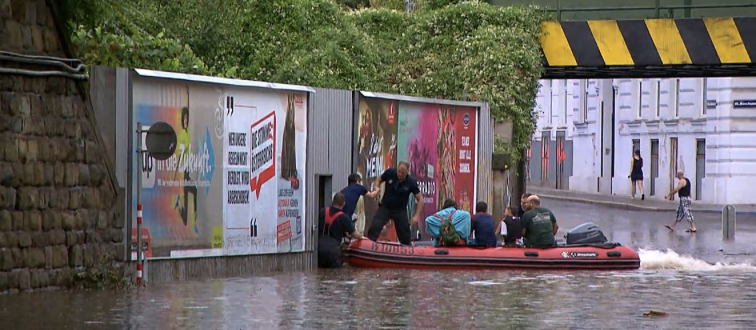
By 2126, repeated extreme floods have overwhelmed Vienna’s ageing flood protection systems, turning streets along the Wienfluss, Donaukanal and Danube into temporary rivers. As basements, underground stations and entire ground floors become uninhabitable, people are forced to abandon their homes and leave behind everyday objects, furniture and personal belongings. Over time, the city adapts to a new reality of recurring floods, where surviving, recovering and repurposing discarded objects becomes part of everyday life.
1 Donauwandler
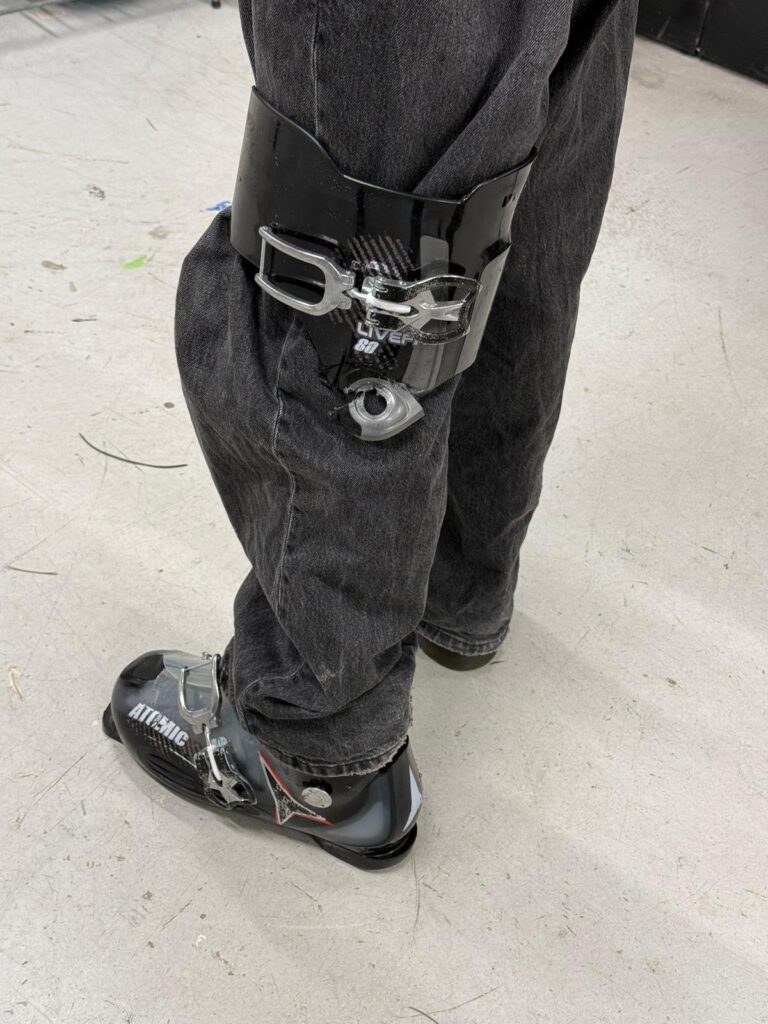
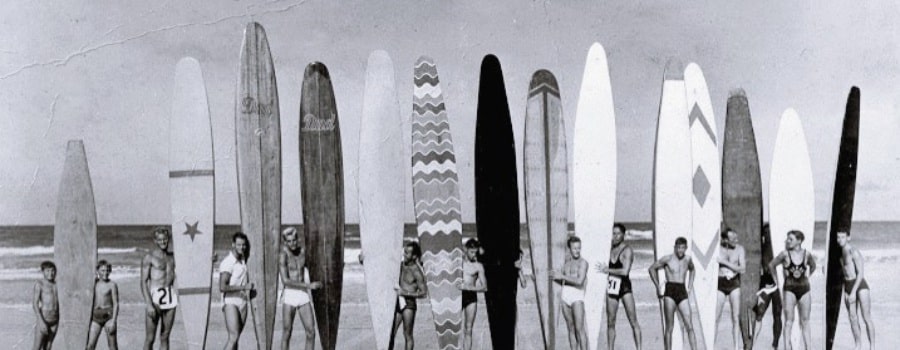
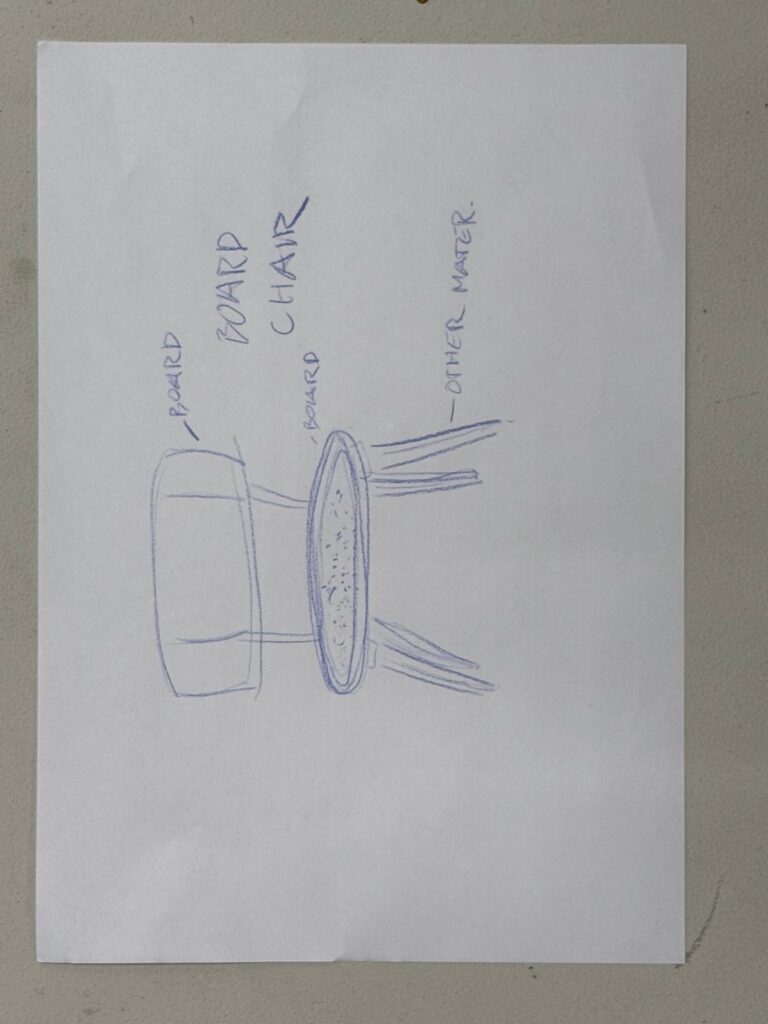
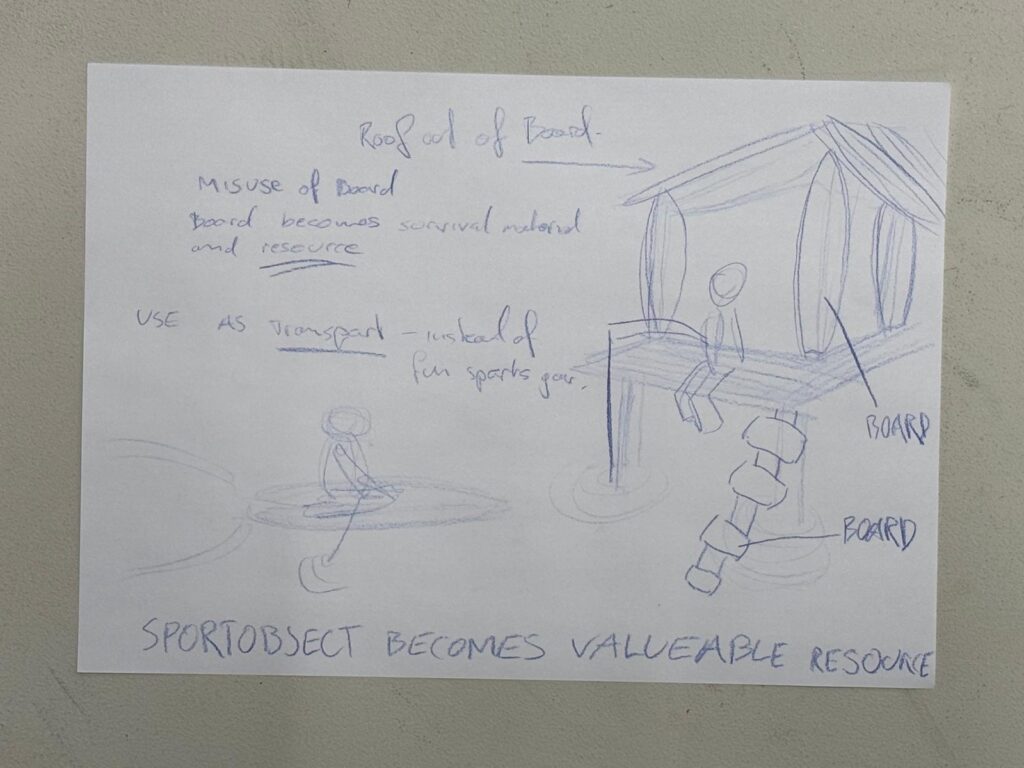
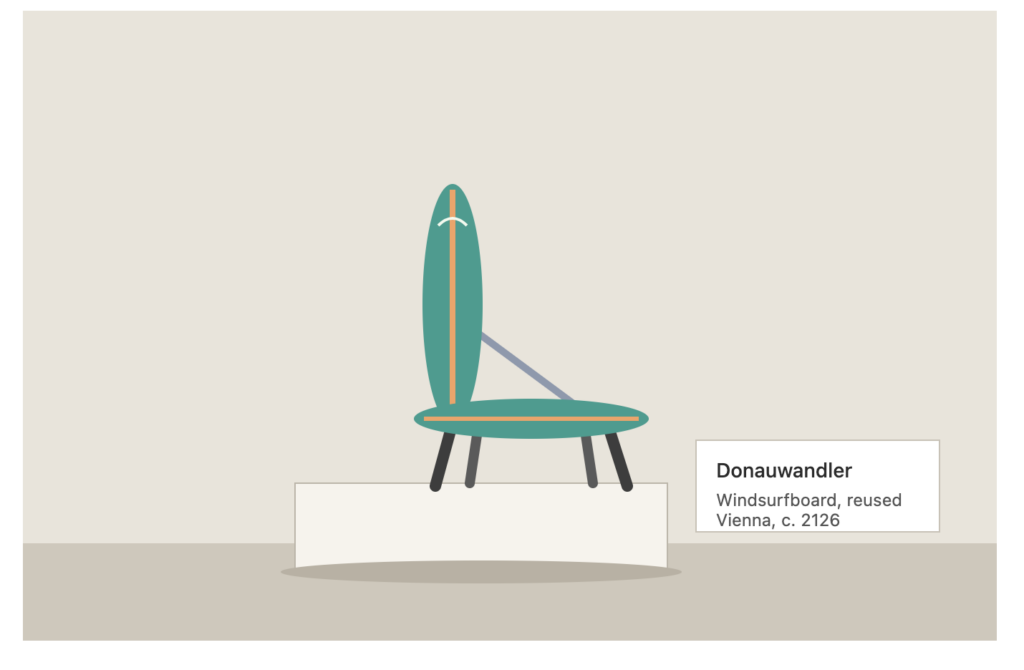
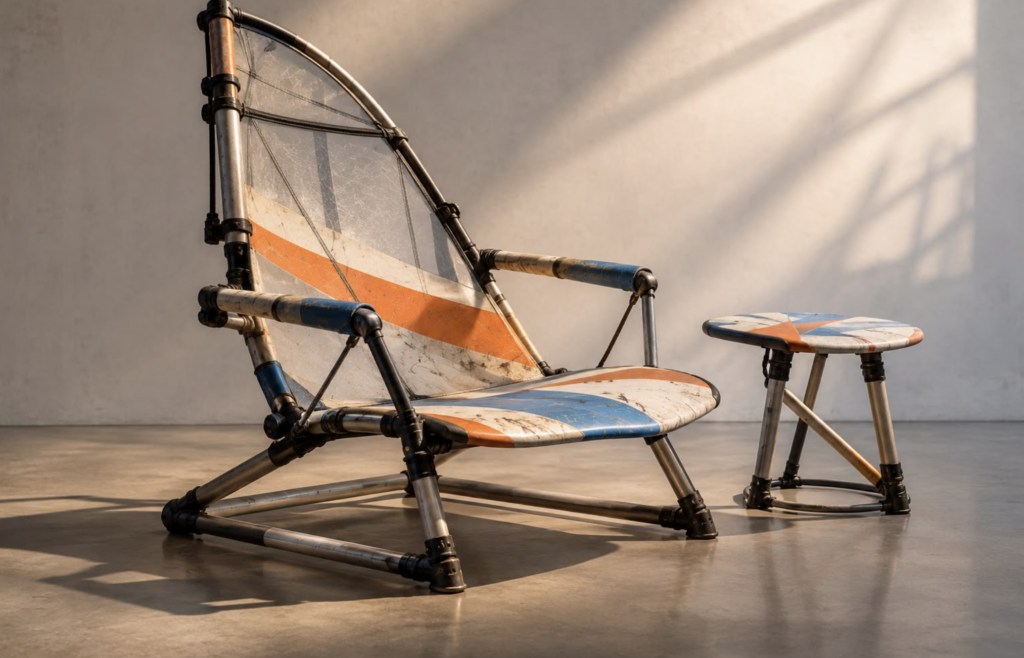
Donauwandler takes a windsurfboard, which today stands for sport, freedom and fun, and gives it a new life in the future. In 100 years, climate change has destroyed homes and goods around Vienna, and materials have become rare. A community has to start again, and with mass production gone, nothing is left to build with. So the old board turns from a leisure object into valuable building material and a survival tool. It is taken apart and rebuilt into houses, stairs, chairs and other necessary objects, keeping its material and size but changing its shape. In your sketch, board and mast become a chair, which keeps a clear link to the original. Over time the object could even become something almost sacred, because it helped people to build a new life.
The potential is high: the story is strong, the material connection is clear, and there are many ways to turn it into a real object for the exhibition. For museum visitors in 2126 it would be fascinating, because it shows how we lived, with a lot of free time for sport, and how fast priorities can change. Visitors might not understand that it was never meant as a chair. The biggest open question is why the board is the right material, since it is not a very nature-friendly one. You could answer this in the story or use it as a deliberate contradiction.
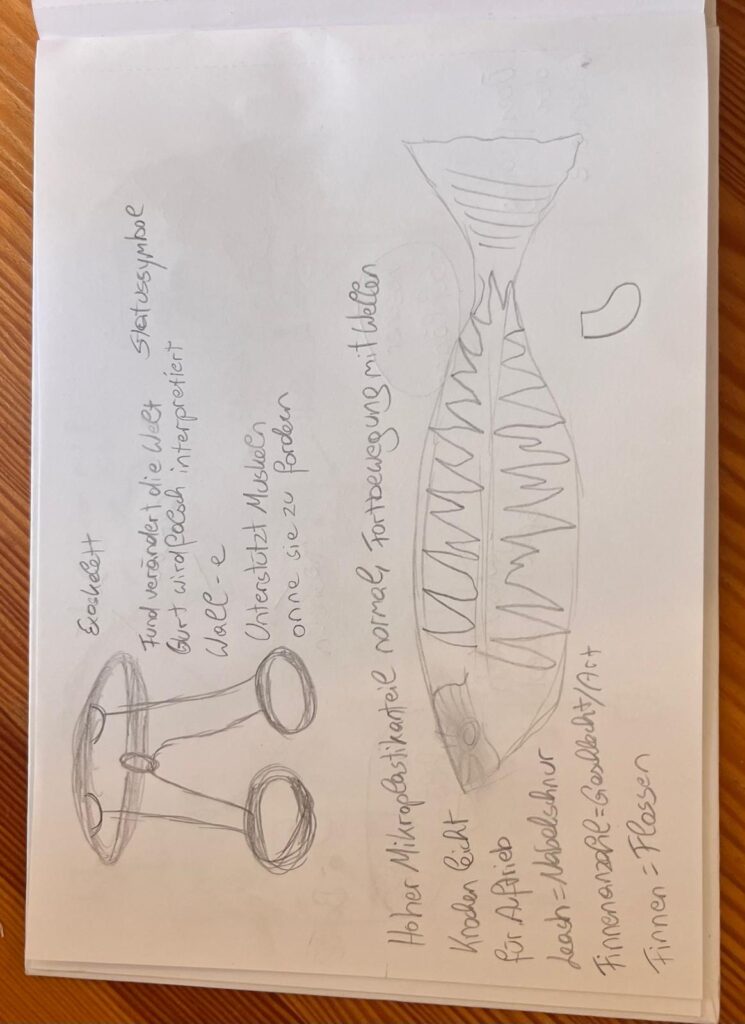
2 Horsephin: Evolution of the Fiacre
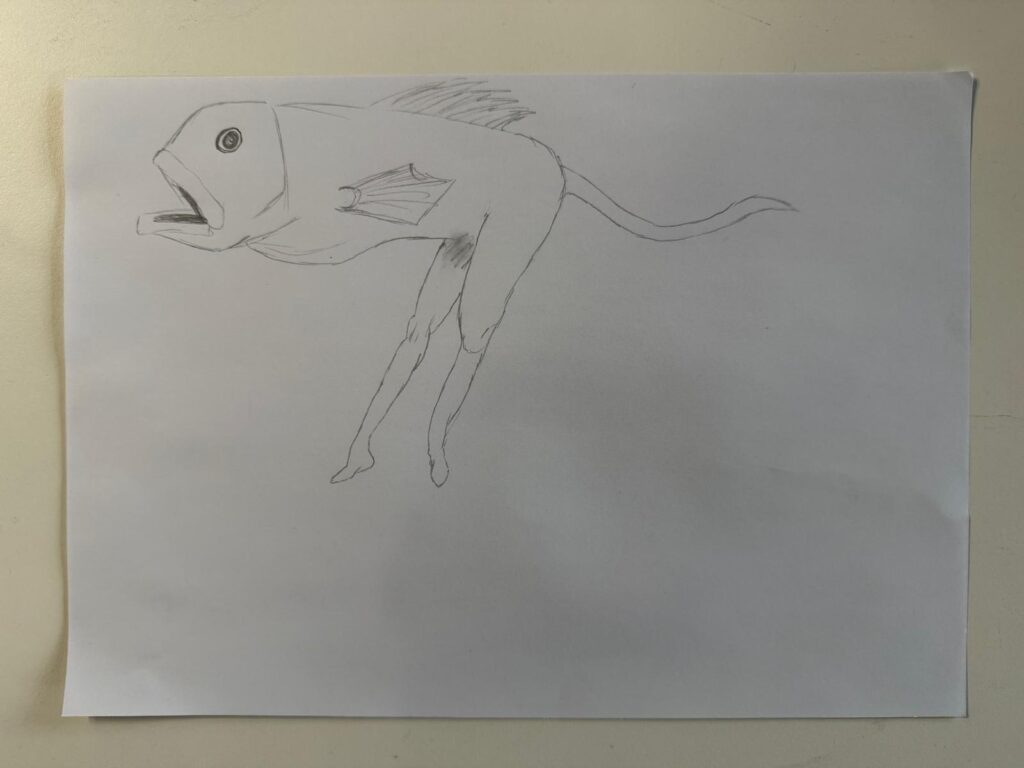
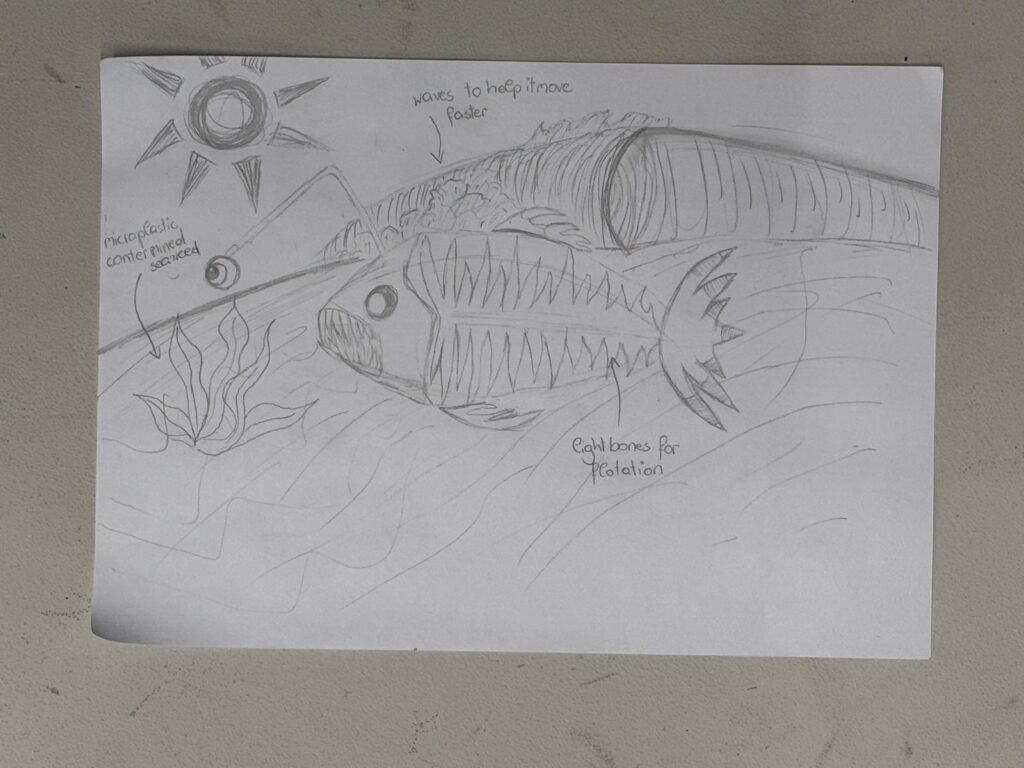
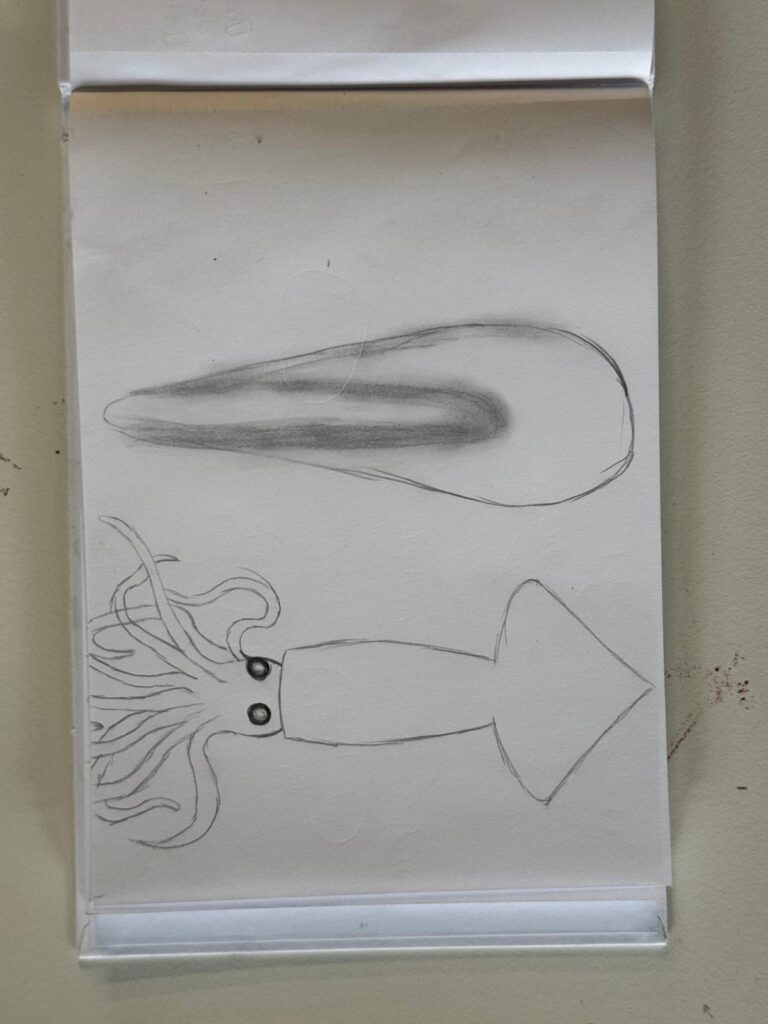
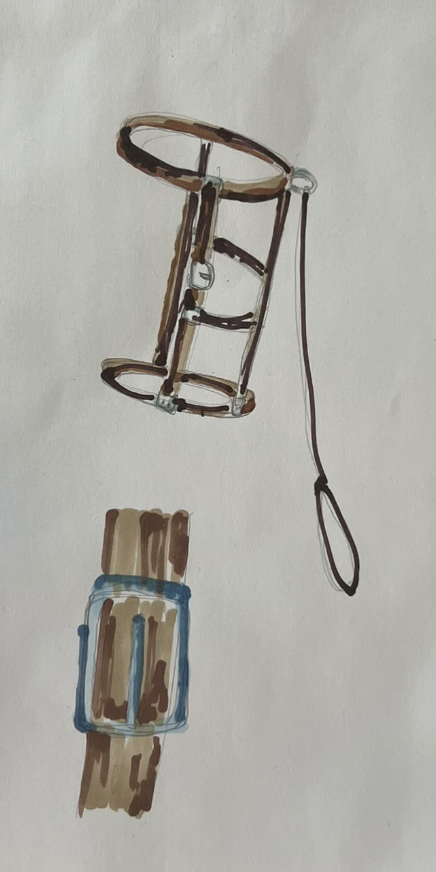
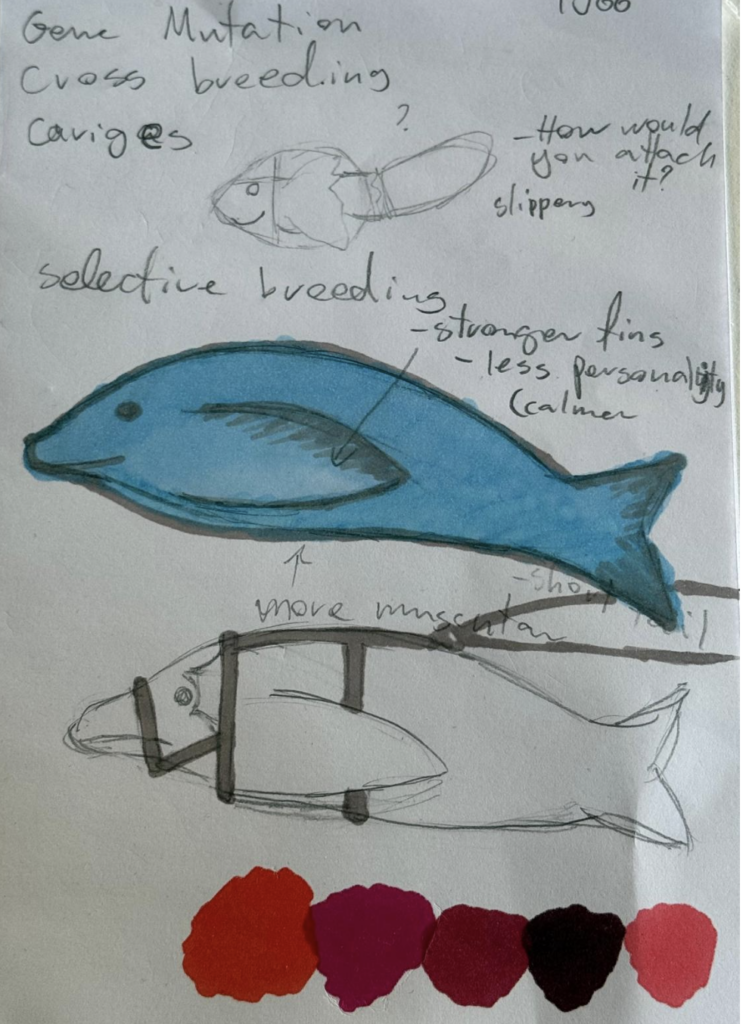
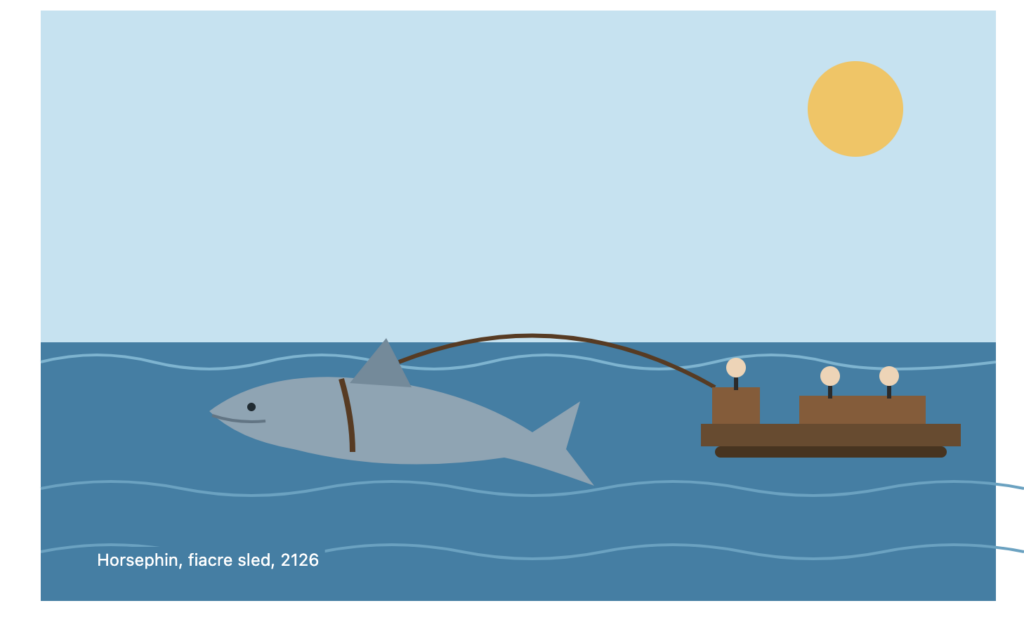
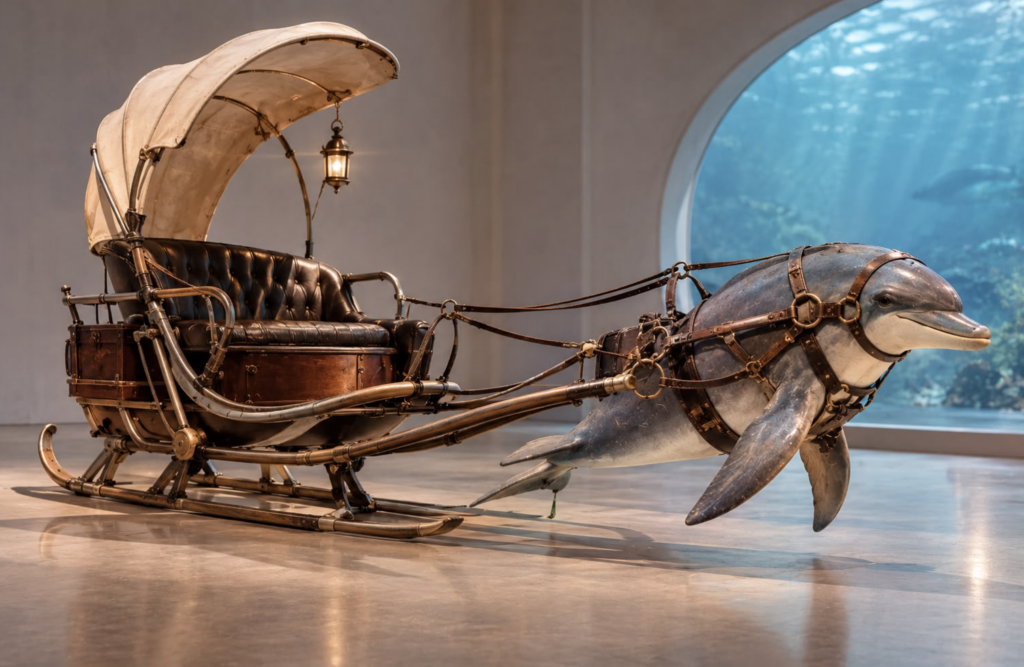
Horsephin imagines the future of the Viennese fiacre, today a tourist attraction that carries people through the city and brings a feeling of the past, but also stands for animal cruelty, dirt and traffic. In 100 years, rising sea levels and extreme heat mean horses no longer work in many conditions, and an oil crisis makes engines hard to use. The fiacre becomes necessary again, now as a sled pulled by a sea animal like a dolphin, as your sketch shows. It keeps the harness, the straps for steering, the space for several people and the open view of the surroundings, but it changes its environment and its animal. It also becomes a sign of wealth, because only some people can afford this kind of transport, and it can carry heavier goods. Over time it could turn back into a pure culture object, a tradition that people keep alive even though the world around it has changed.
The potential is good: the idea plays with the human wish to preserve tradition, and the strange mix of old carriage and sea animal is memorable and gives you a lot to build for the exhibition. For museum visitors in 2126 it would be interesting because it shows how people travelled before and how they kept old habits in a new world, with forgotten techniques, materials like leather and wood, and the surprise of a puppet or bone-like animal structure. Visitors might misunderstand where it was used, or not see that the animals were forced to do this work. The biggest open question is whether people would really use animals again if they could find something better, and how a viewer can tell it is more than a pile of leather and wood.
3., Food Can’t Rot?!
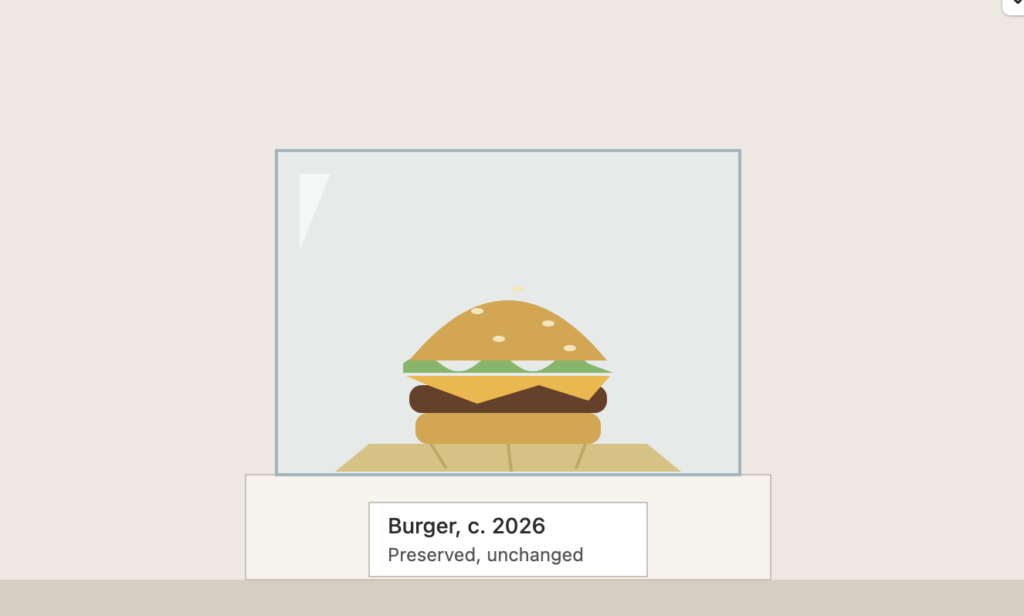
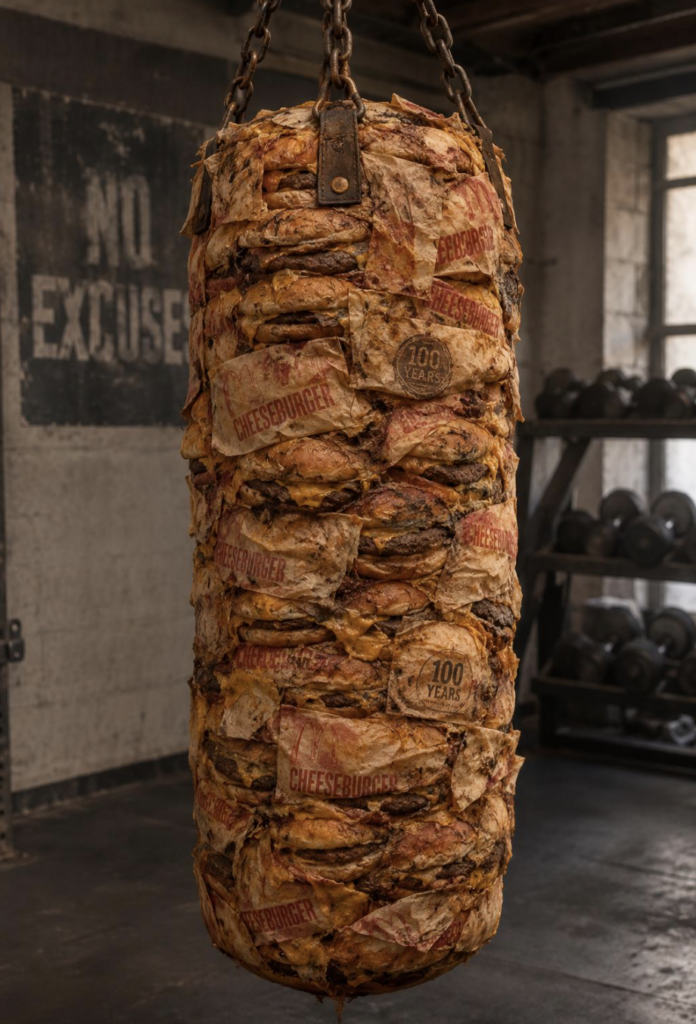
Food Can’t Rot?! places a fully preserved burger, today a cheap, convenient and unhealthy symbol of fast food, into an exhibition 100 years from now. In that future, food that is manipulated so it can’t mold has been banned, fast food chains have died out, and people are much better educated about health. The burger is no longer something people eat but something they look at with fear, a bit like we look back at people who took heroin as cough medicine. It keeps the whole look of the food and its wrapping, including the cheap feel, and it is preserved just as it was found, so visitors can see that nothing has happened to it after 100 years. It could also be taken apart to show every layer, and it would be surprising if it still looked eatable. Over time it becomes a warning sign and a picture of a society that only cared about profit and fast results, not about consequences for health or the future.
The potential is high: the idea is clear, the object is instantly recognisable, and the link between today’s food habits and a future warning gives it real cultural weight. It also has strong design potential, since you want to make it yourself through food prop making and research into fast food ads. For museum visitors in 2126 it would be fascinating and a little shocking, because it shows how we ate and how food was made to look good, and because well preserved food is rare, so it gains value almost by accident. Visitors might think it is just fresh food and not 100 years old. The biggest open question is how to make this clear, so people understand it is preserved and unhealthy, and a label for children might help.
( when we think about ourselves ,we often don’t mind .but thinking about children it would be more thought of .)
Making Our Own Urns
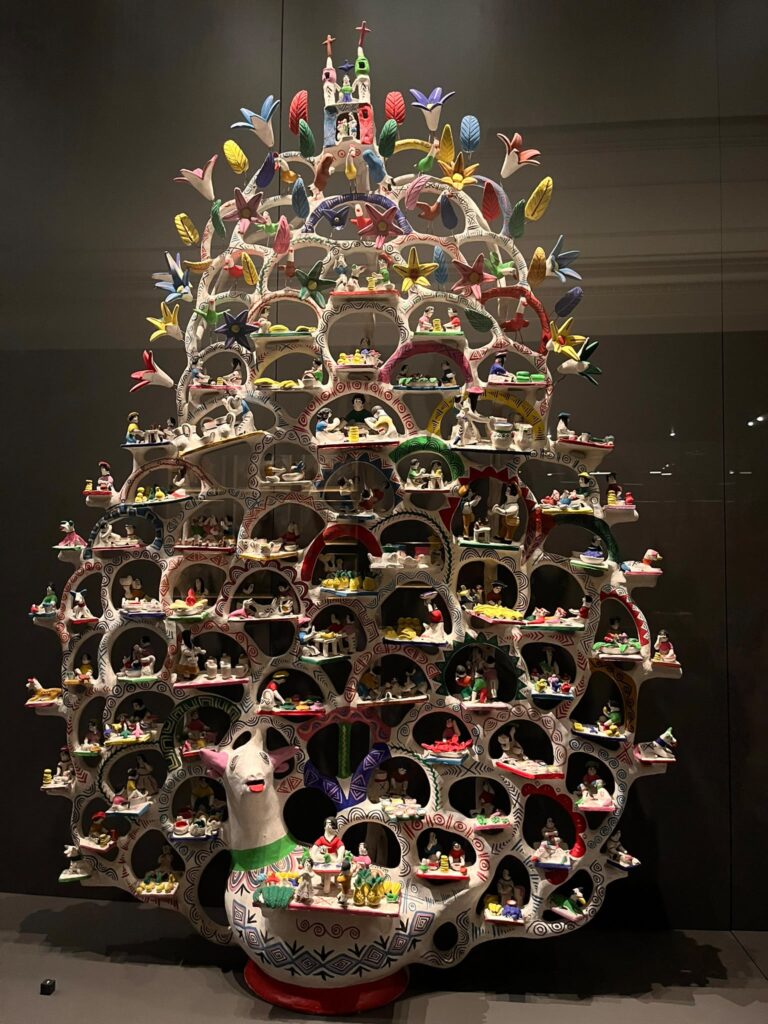
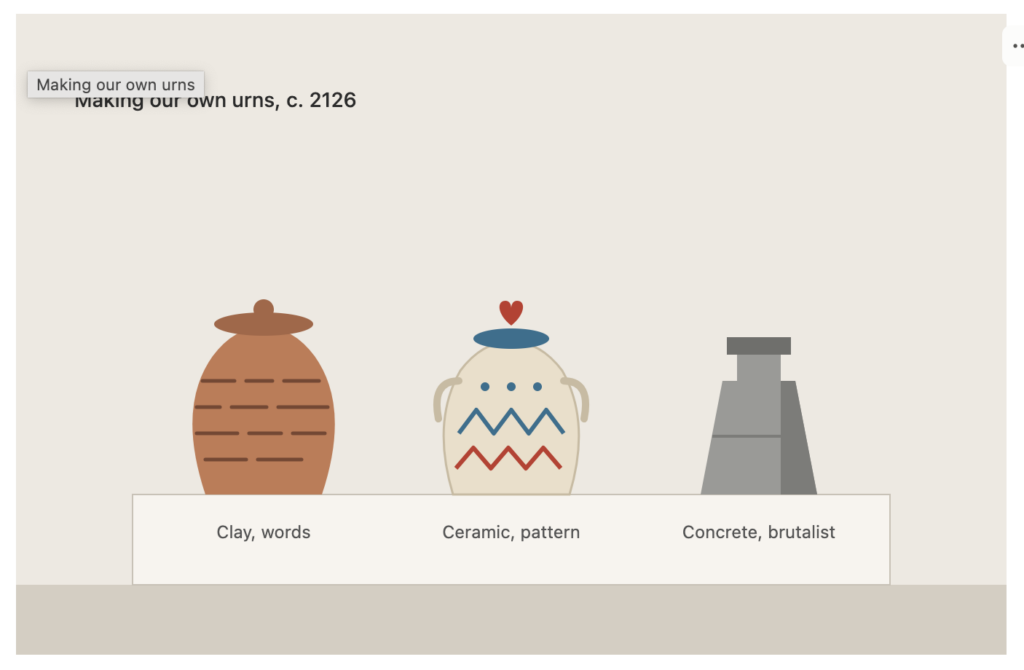
Making Our Own Urns takes the urn, an object we use today to hold ashes after death, and turns it into something people create themselves for their own future remains. Death is a constant and unavoidable topic, and in 100 years cemetery space has run out, so urns become pieces of art that replace cemeteries. Each one is totally customisable and handmade by the person it is for, so it reflects their life through shape, patterns or even words, as your three sketches show. The object stays similar to today’s urns, but with more symbolic meaning, and it can be made from clay, metal, stone or any other moldable or carvable material. Because ashes alone are hard to research, these urns would also tell researchers about a person’s origin and life, and help loved ones remember the deceased in a more intimate way.
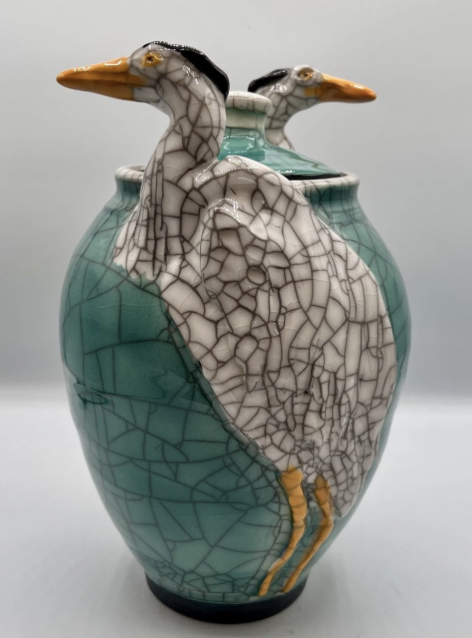
The potential is high: the topic is universal, the idea is personal and emotional, and it has a lot of design freedom, which makes it a strong candidate for a physical object in the exhibition. For museum visitors in 2126 it would be very interesting, because each piece shows individuality instead of generalisation, and gives a respectful look at how we dealt with death. It could take away some of the fear of death and help people make peace with it. Visitors might mistake the urns for regular jars or vases. The biggest open question is how it would work for people who are not artistic, and whether making your own urn could stay optional or not.
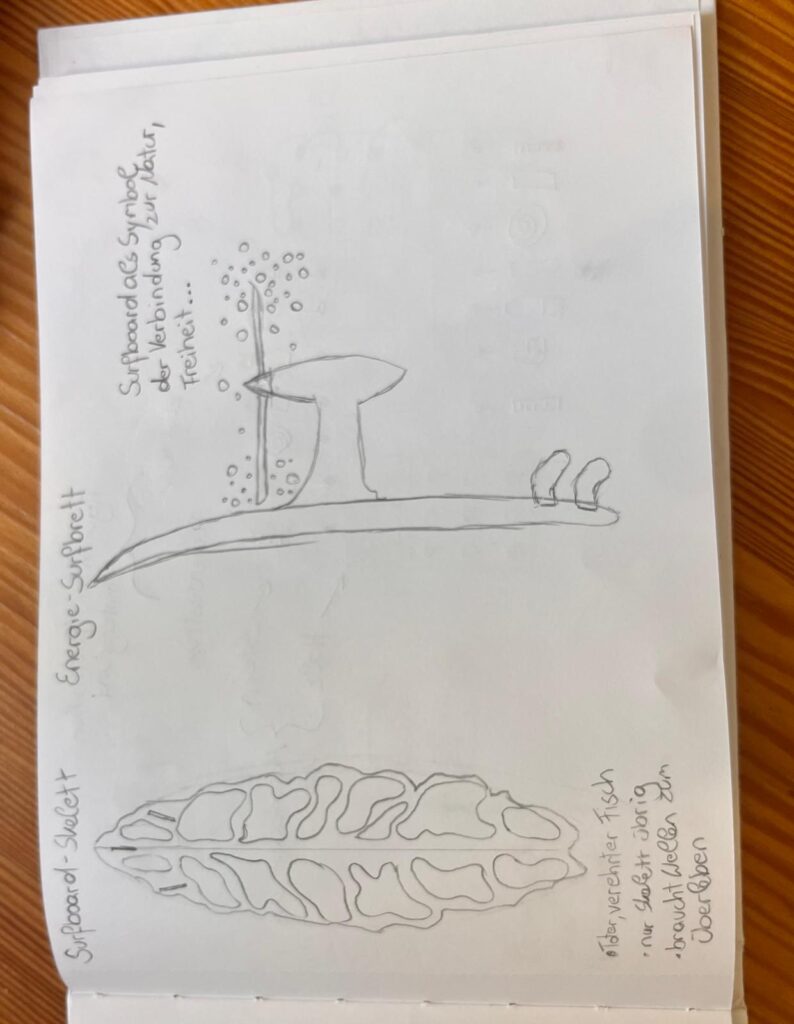
Untitled surfboard concept (the title field is empty)
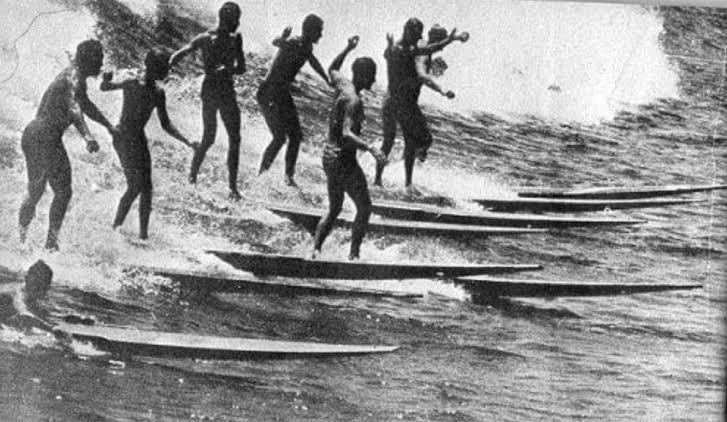
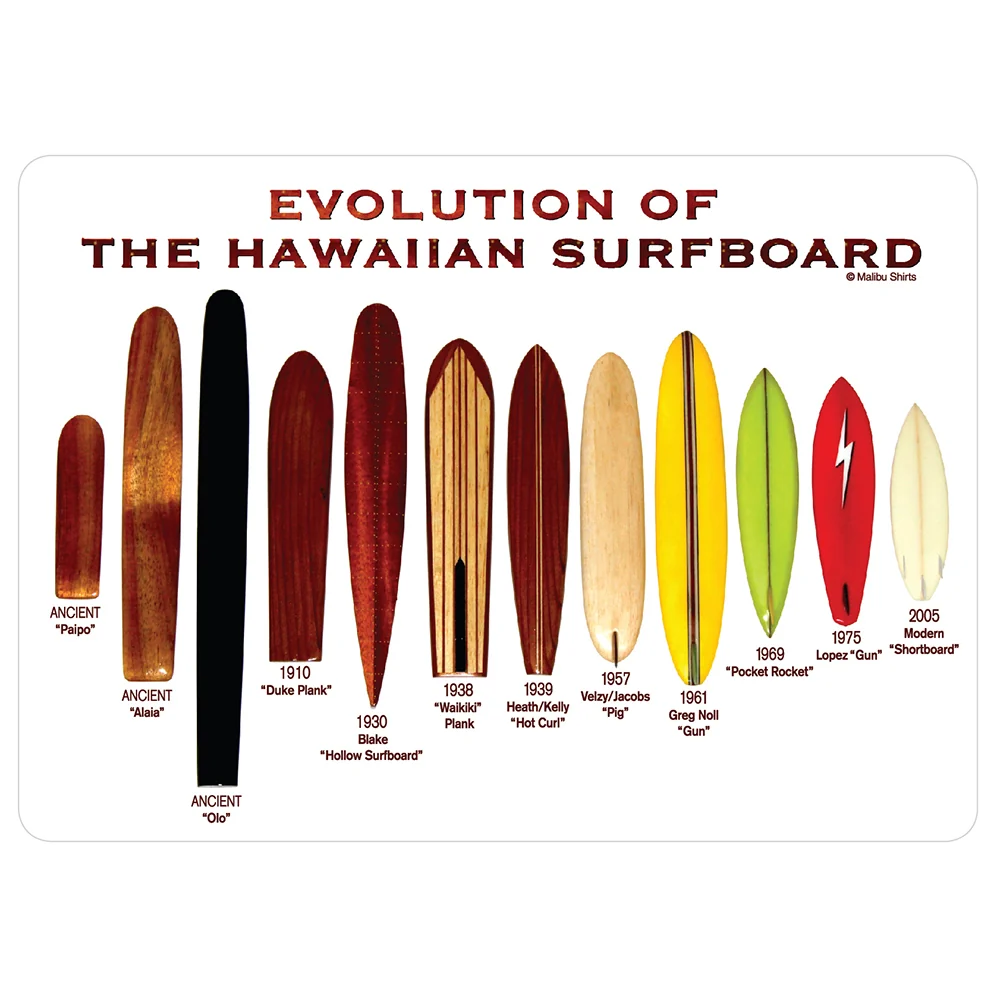
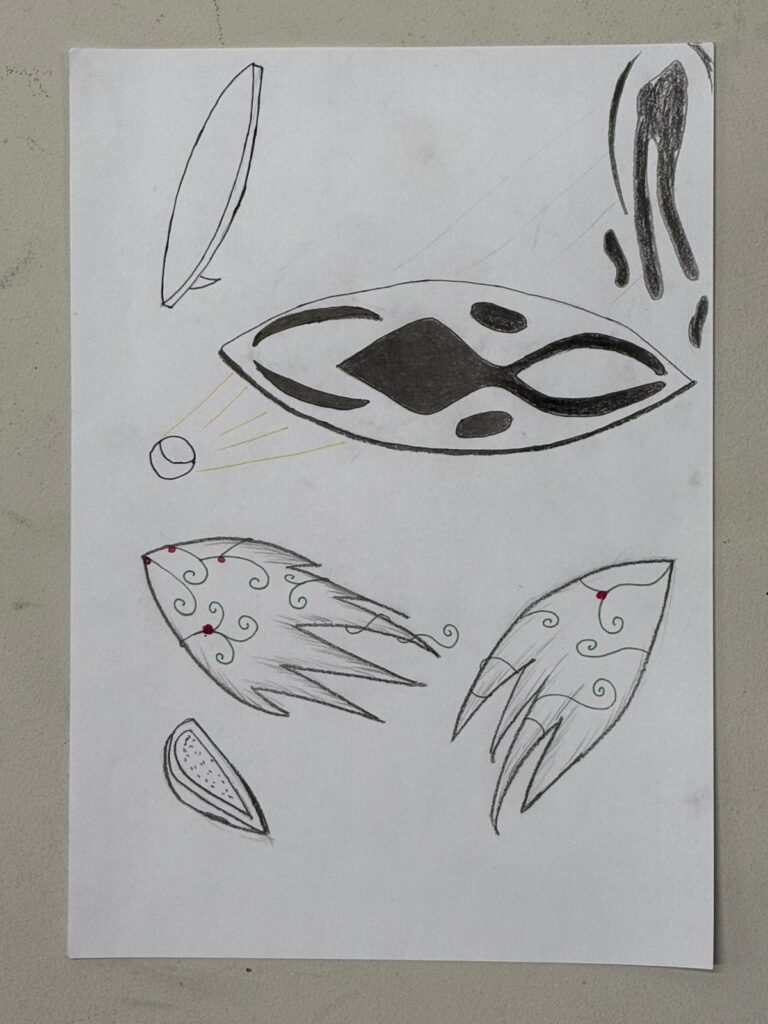
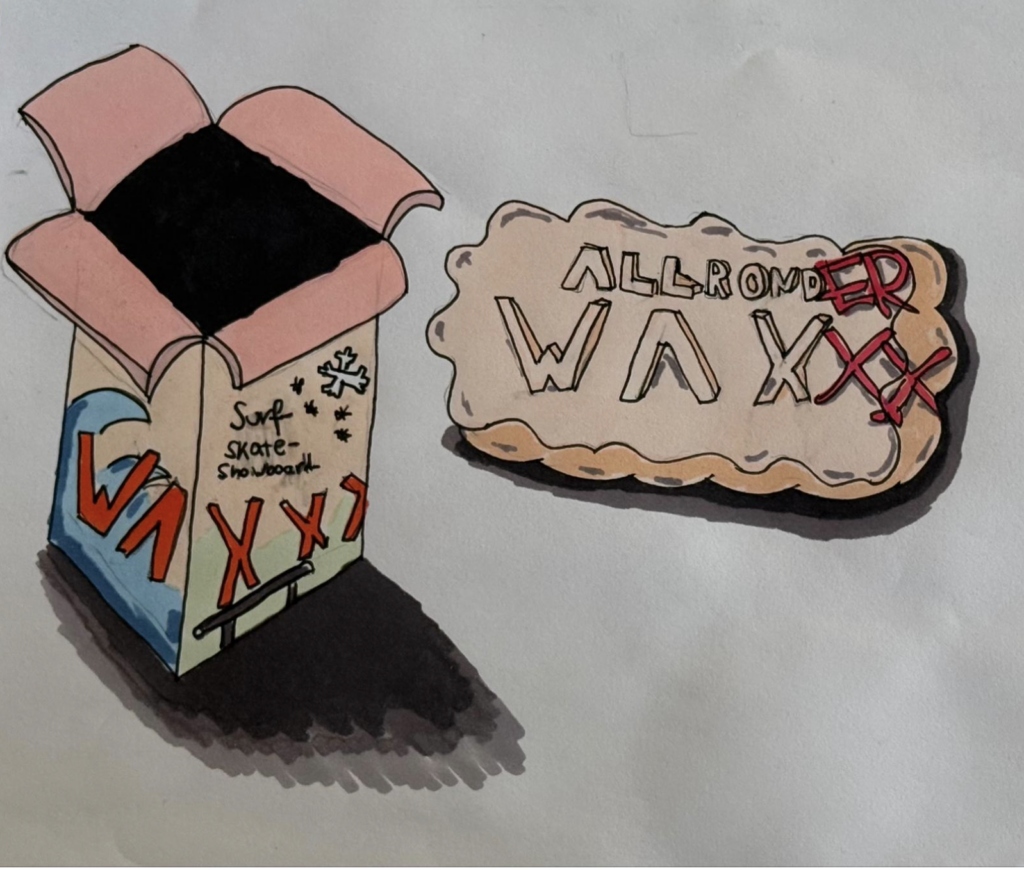
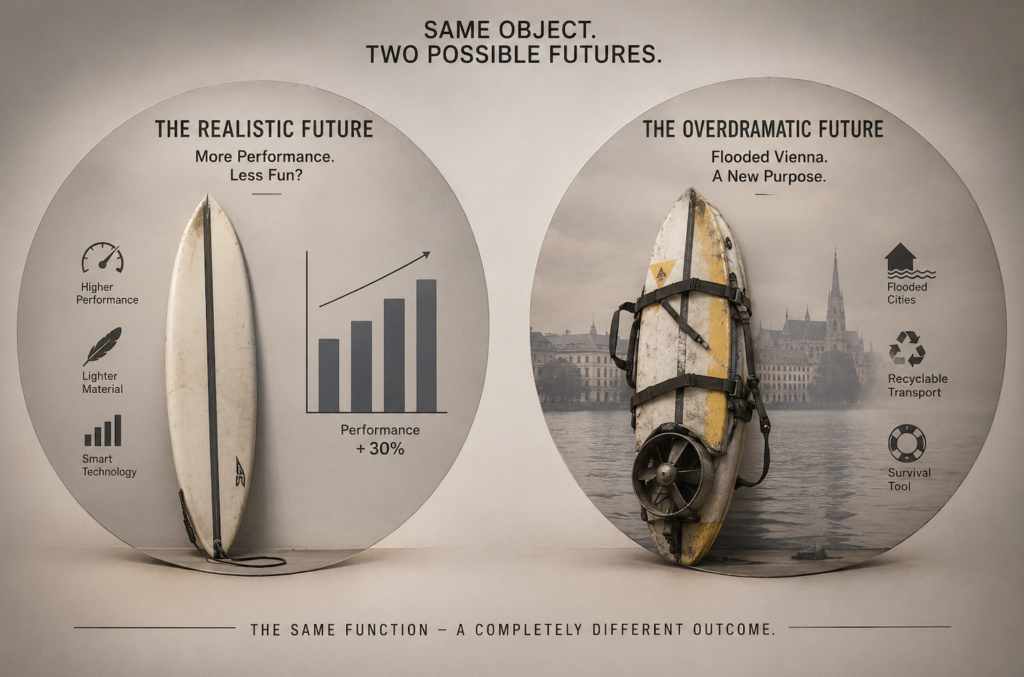
This concept takes the surfboard, today a tool for wave surfing that stands for freedom, nature and fun in a world where everyone is under performance pressure, and shows it in two possible futures side by side. In the realistic, statistics-based version the board is simply more advanced and adjusted for better performance, but the pressure to perform takes some of the fun away. In the overdramatic version, which is what many people fear because of media and brainwash, Vienna is flooded by climate change and the board becomes a cheap, plastic, recyclable transport tool for getting from A to B and a survival object. The function of floating stays the same, but the outcome is either almost unchanged or completely different. The point is not the board itself but the comparison: people tend to overestimate bad things, and the object proves that prognoses and feelings are not always right. Your sketch shows this as two circles, one with the board next to a bar chart and one with the board turned into something more dramatic with a propeller.
The potential is high, and you rated it 28 out of 35, with the strongest scores for cultural significance and personal interest. It is more of a concept piece than a classic object, which is its strength, because it asks visitors to rethink their view of the world and could stay positive about the future. For museum visitors in 2126 it would be interesting because it shows how easily humans can be influenced, and how fear of the future shaped us. They might misunderstand it as proof that we didn’t care about climate change and everyday problems. The biggest open question is how to turn it into a physical object and which questions to ask, and your idea of street interviews and comparing statistics with student opinions is a good way to find out.
Since you also have the windsurfboard concept in Vienna and climate change, you may want to check that the two don’t overlap too much for the final exhibition.
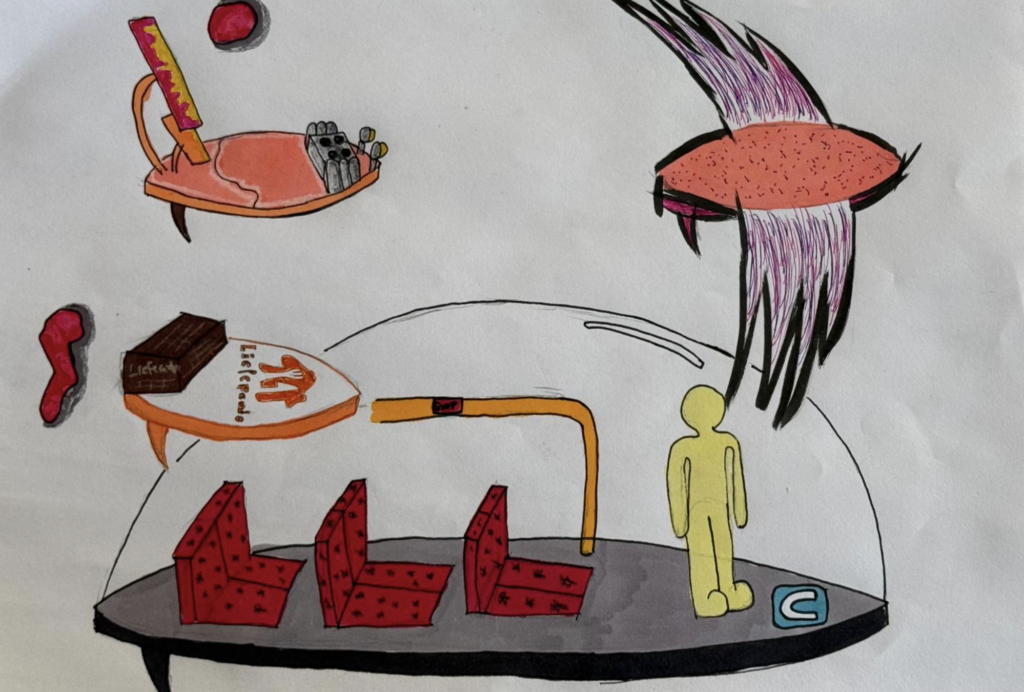
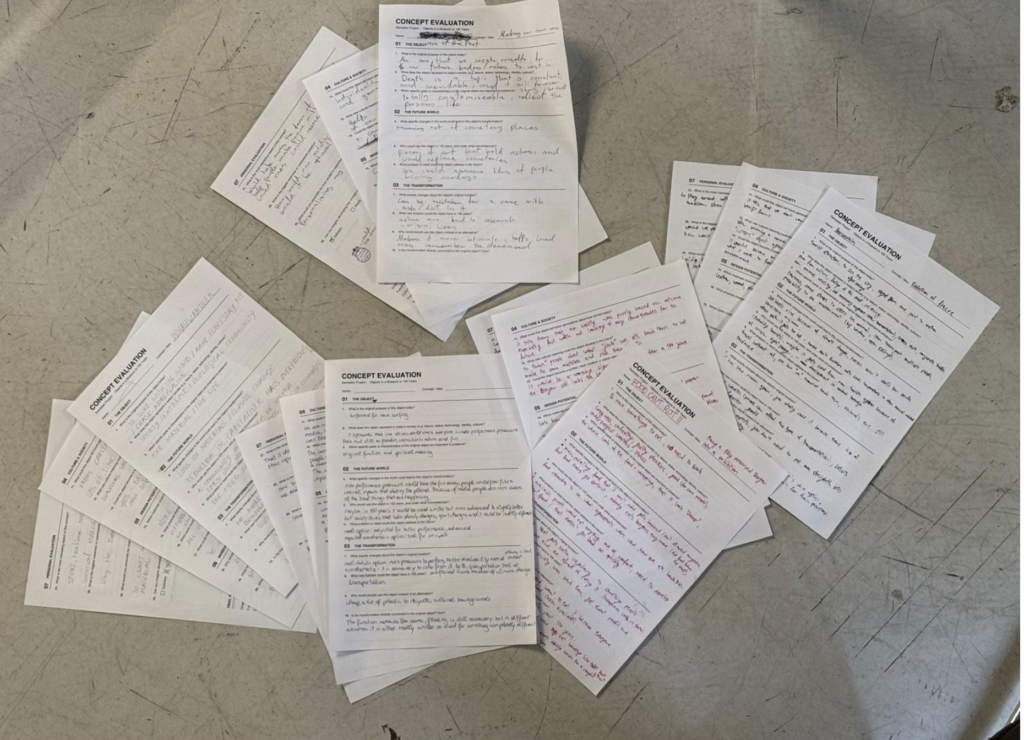
We had many strong ideas that we took further to see if the upcoming process would be of our interest
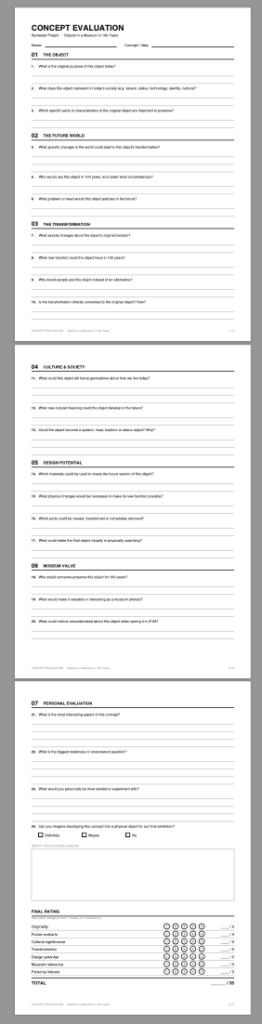
Therefore we created a questioning sheet about each concept ideas
SUMMARY IN HEADLINES of MEETINGS
01. The Future of Animal Domestication
- Why would humans continue to domesticate animals in 2126?
- Animal exploitation as culture and tradition
- From working horses to aquatic working animals
02. A Flooded World
- How rising water changes human-animal relationships
- A new environment, new forms of labour
- Reimagining the traditional Fiaker in an underwater Vienna
03. The Future of Breeding
- Selective breeding and crossbreeding
- Genetic manipulation and animal cloning
- Engineering animals for future environments
- From natural evolution to human-designed species
04. The New Working Animal
- Dolphins, large fish and genetically modified hybrids
- The future equivalent of the Fiaker horse
- Designing an animal suited to a flooded city
05. Gear, Harness and Equipment
- Reimagining the Fiaker harness for aquatic animals
- Future water wagons and transportation systems
- The equipment surrounding the animal as the central design object