
Idea 1: The telephone (book) – Encounter between generations

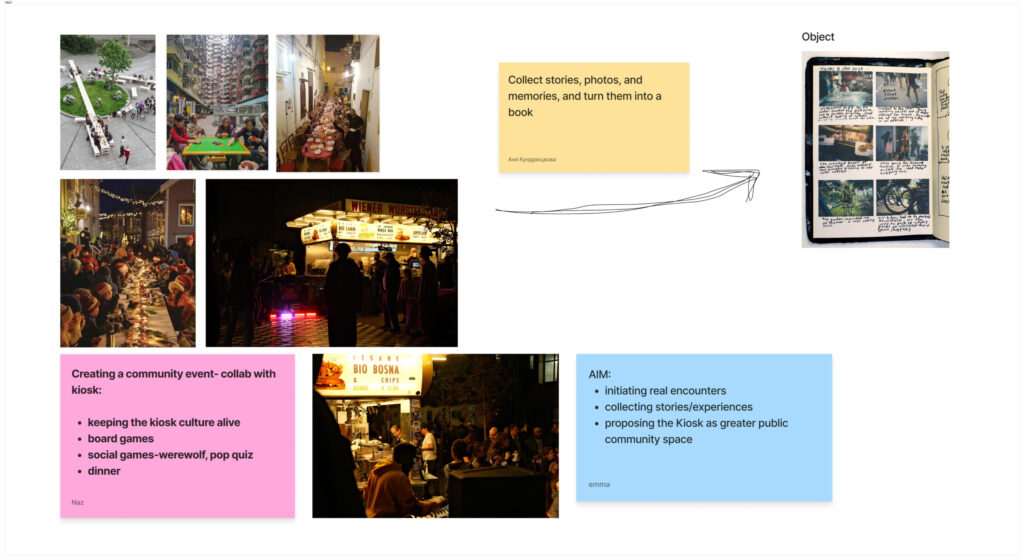
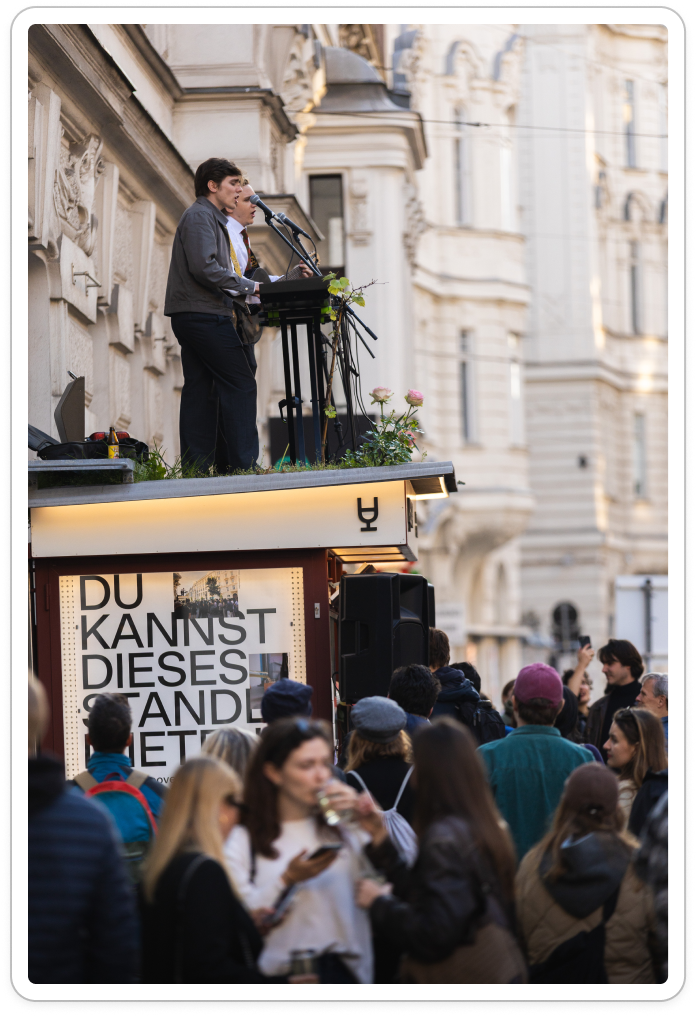
Idea 2: The kiosk event
Idea 3: A playful kiosk of the Future
And now we need your expertise…
Anna Kundriutskova
Emma Bär
Naz Güngör
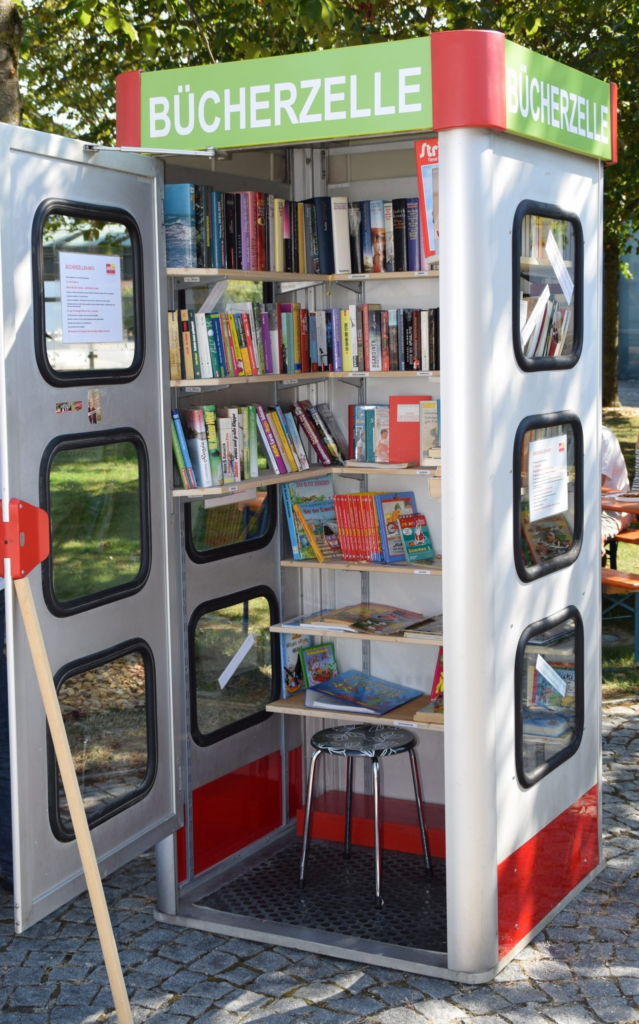
Idea 1: The telephone (book) – Encounter between generations
Idea 2: The kiosk event
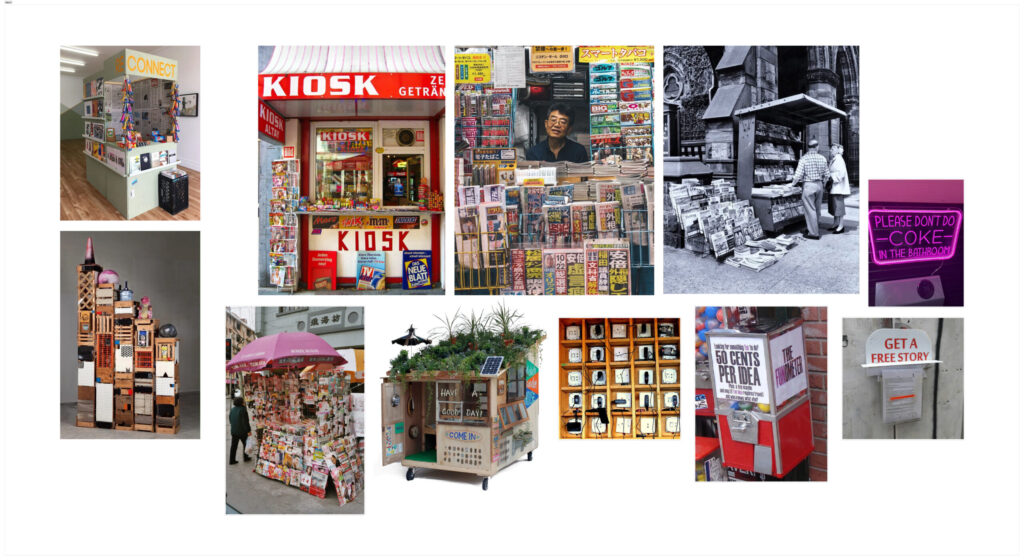
Idea 3: A playful kiosk of the Future
And now we need your expertise…
Field Research
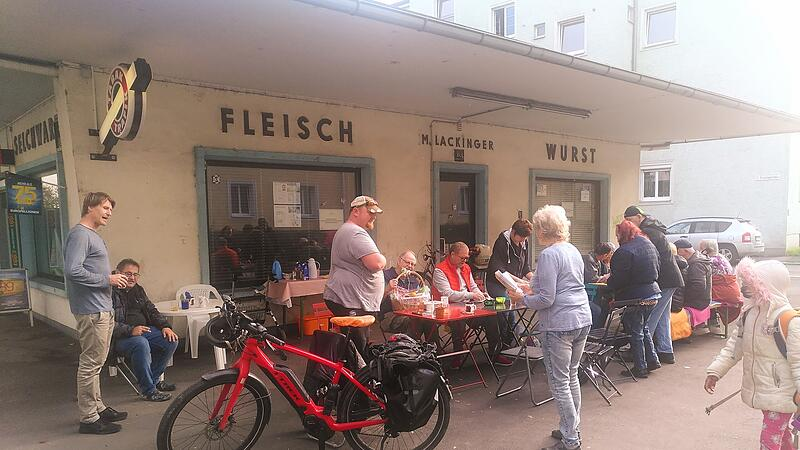
Kiosks/Würstelstände in Vienna
We collected different experiences, perspectives and stories:
^
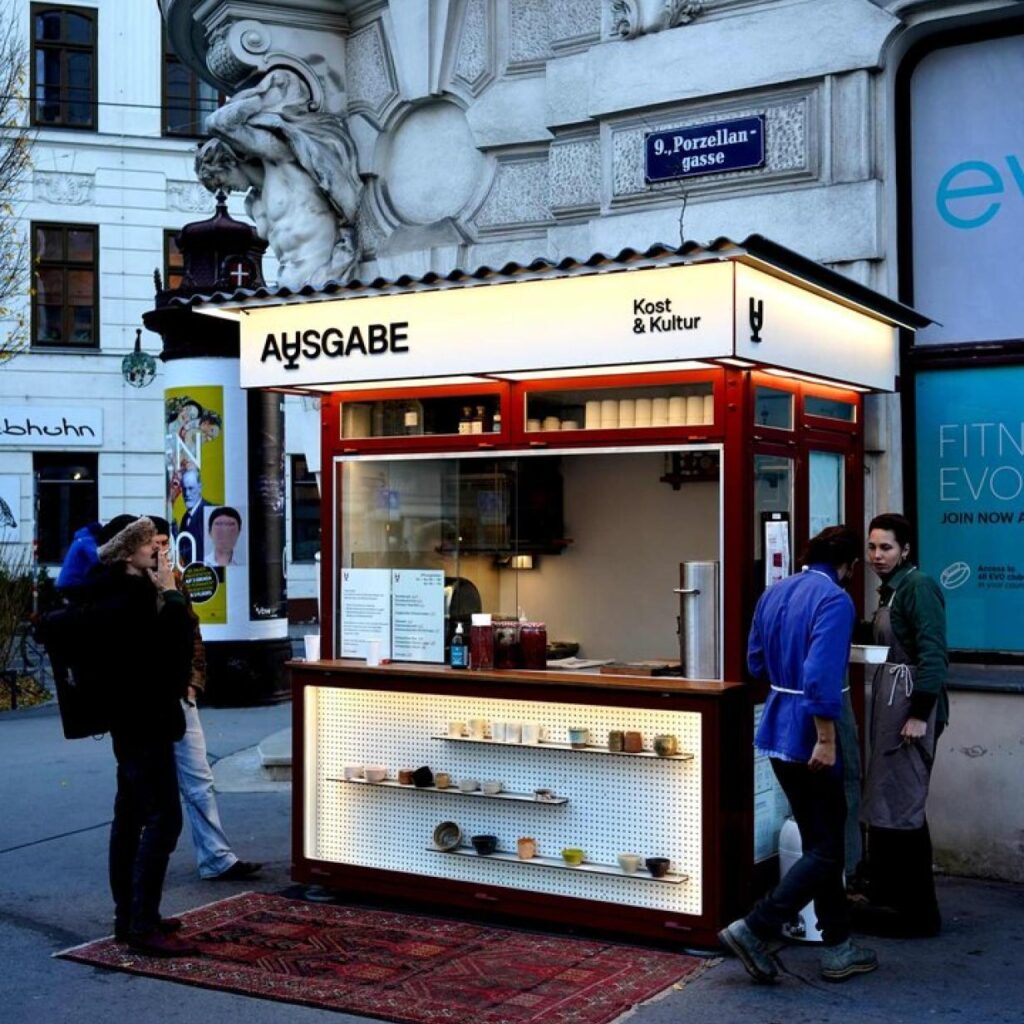
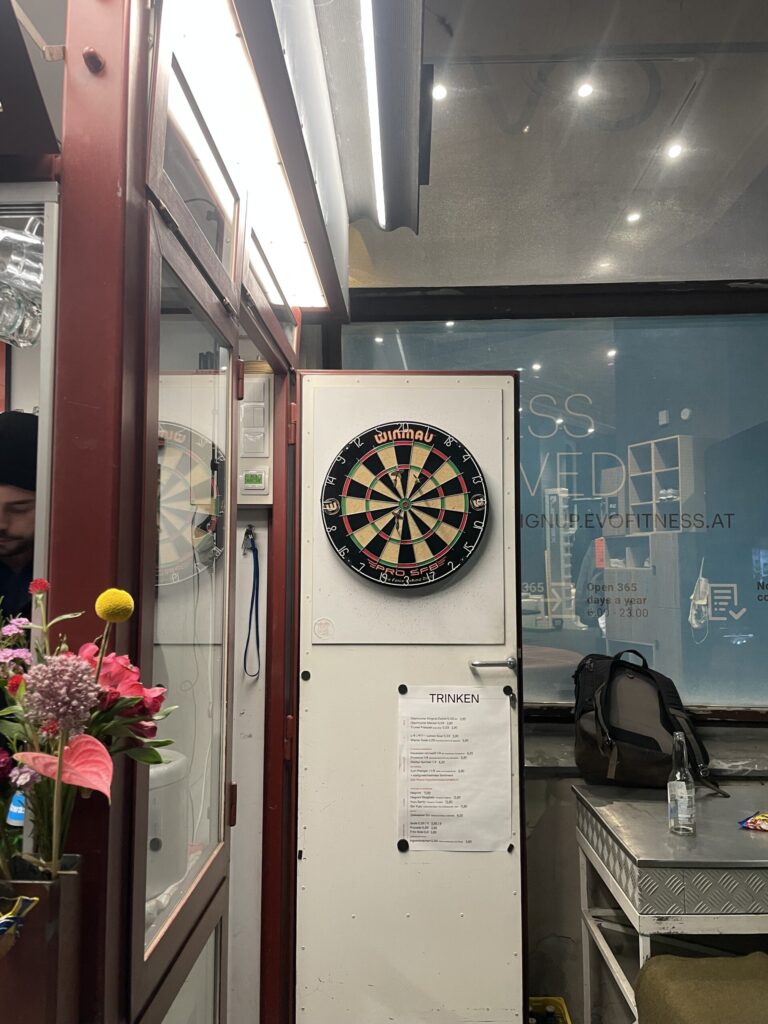
LEO – The oldest sausage stand in Vienna (since 1918)
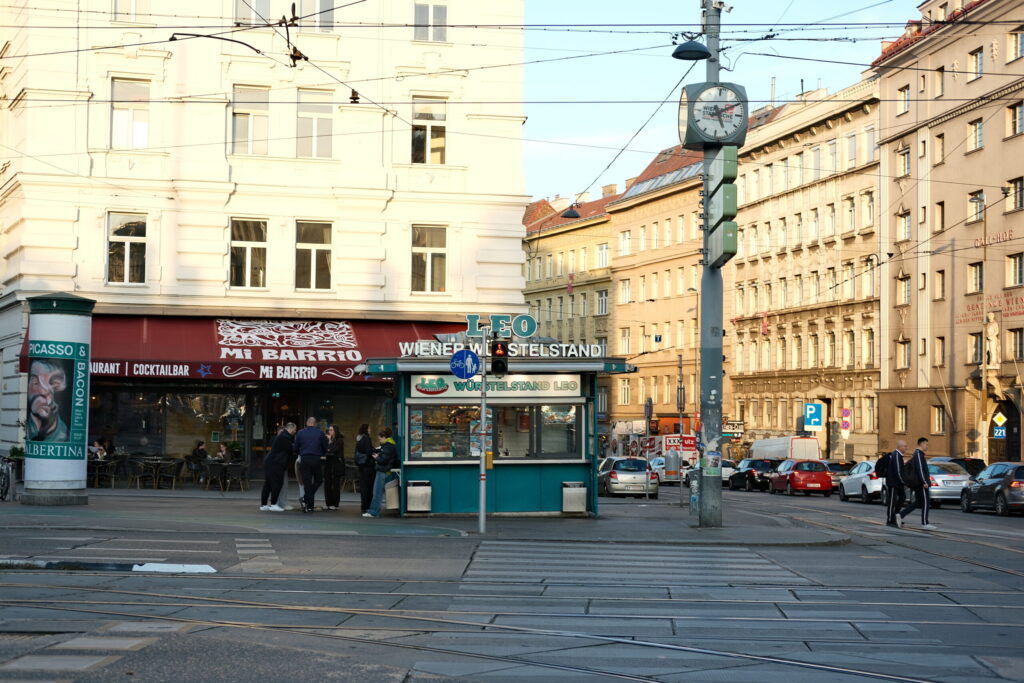
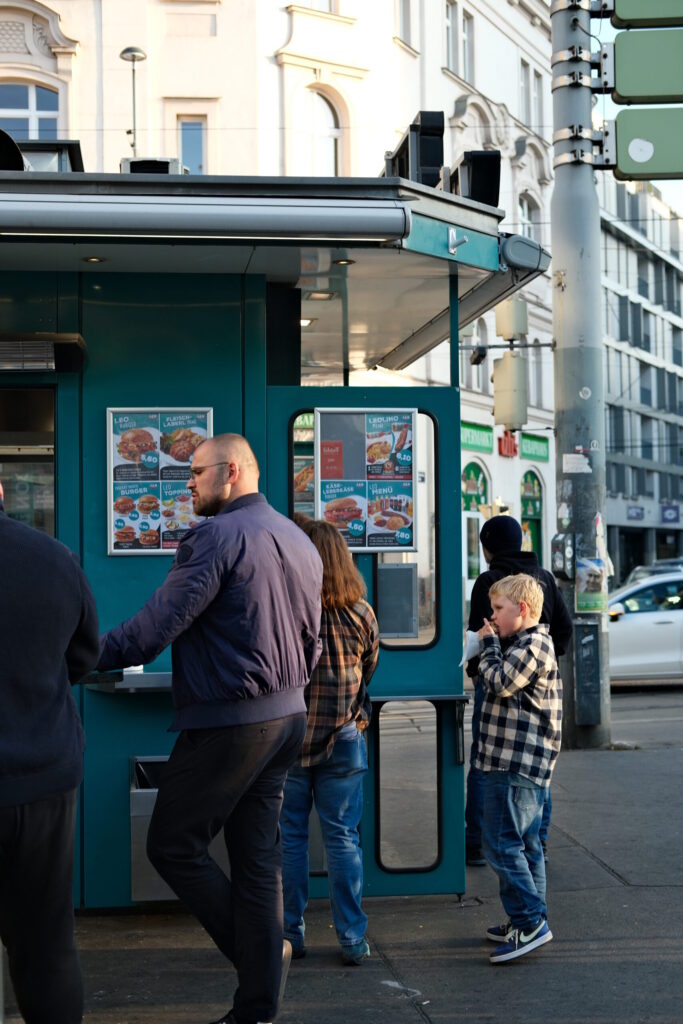
💬 Worker at “Leo”
💬 Family
💬 Albert and Vicky – Young couple from the Neighbourhood
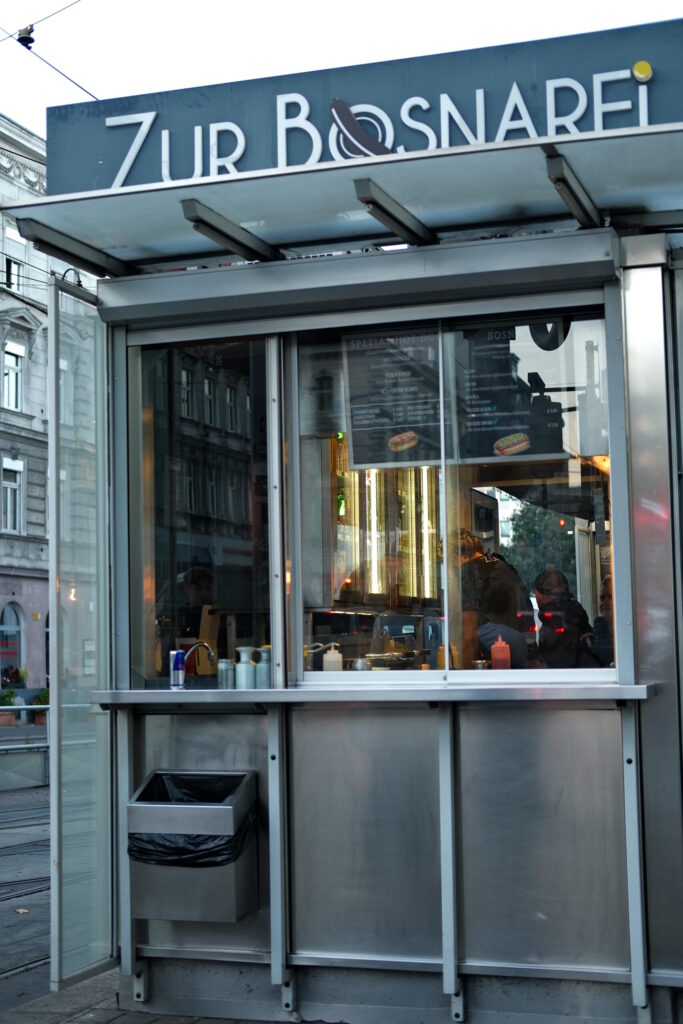
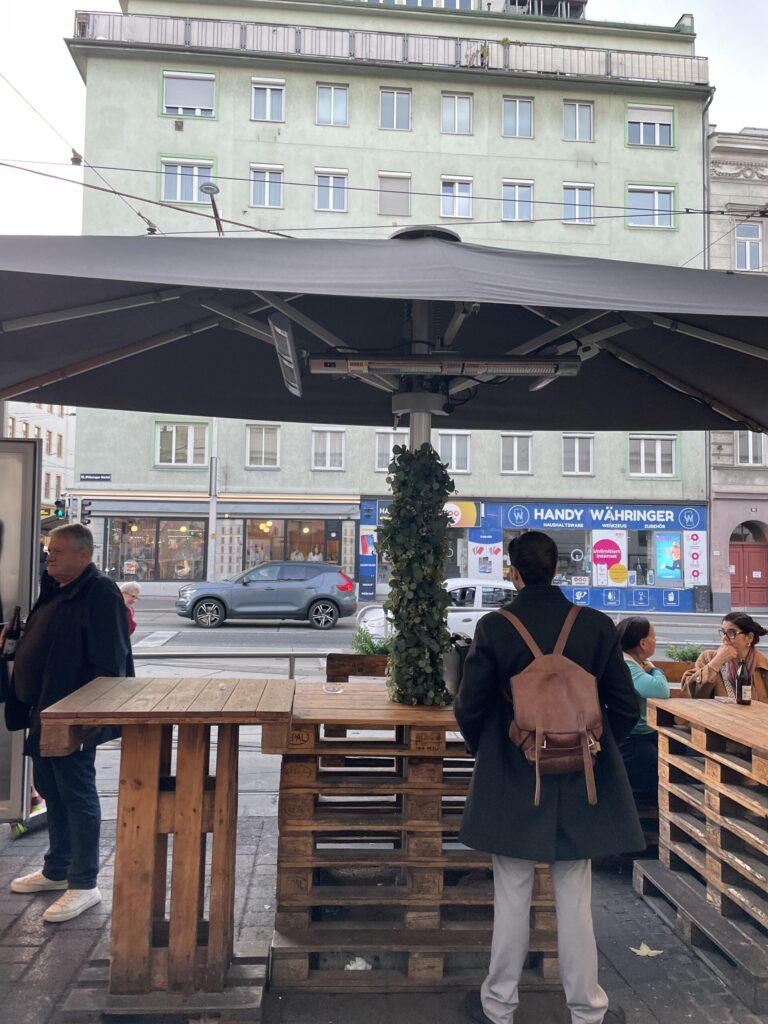
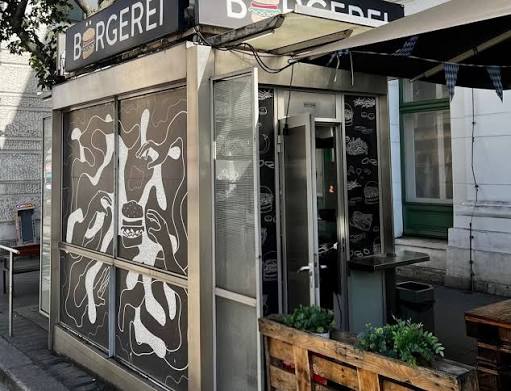
💬 Marik – Worker at “Zur Bosnarei”
💬 Helmut – A regular customer for decades
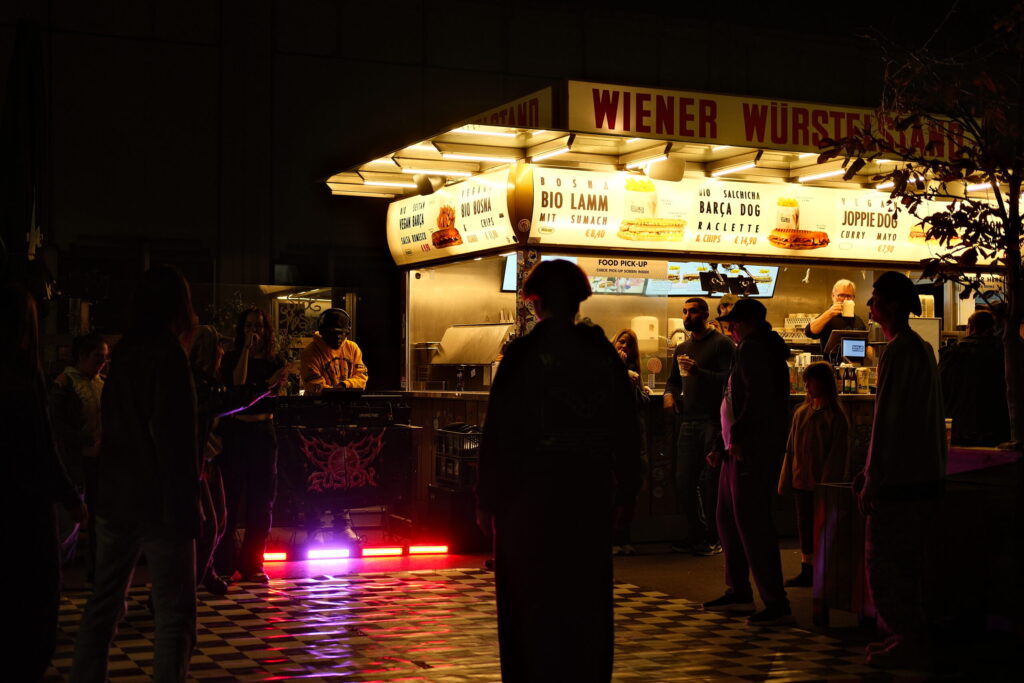
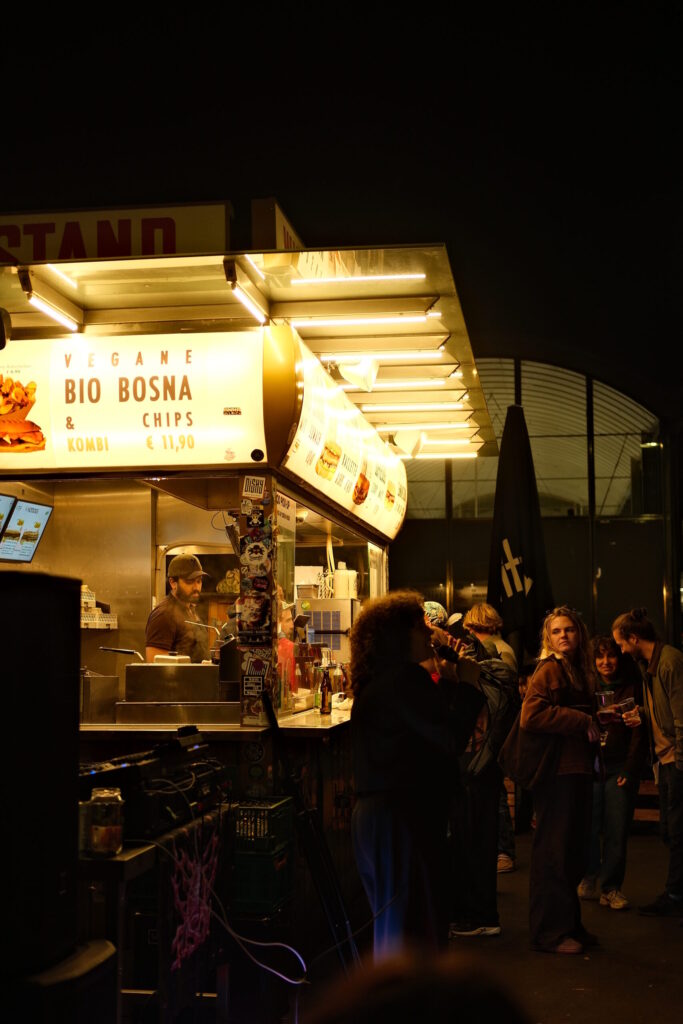
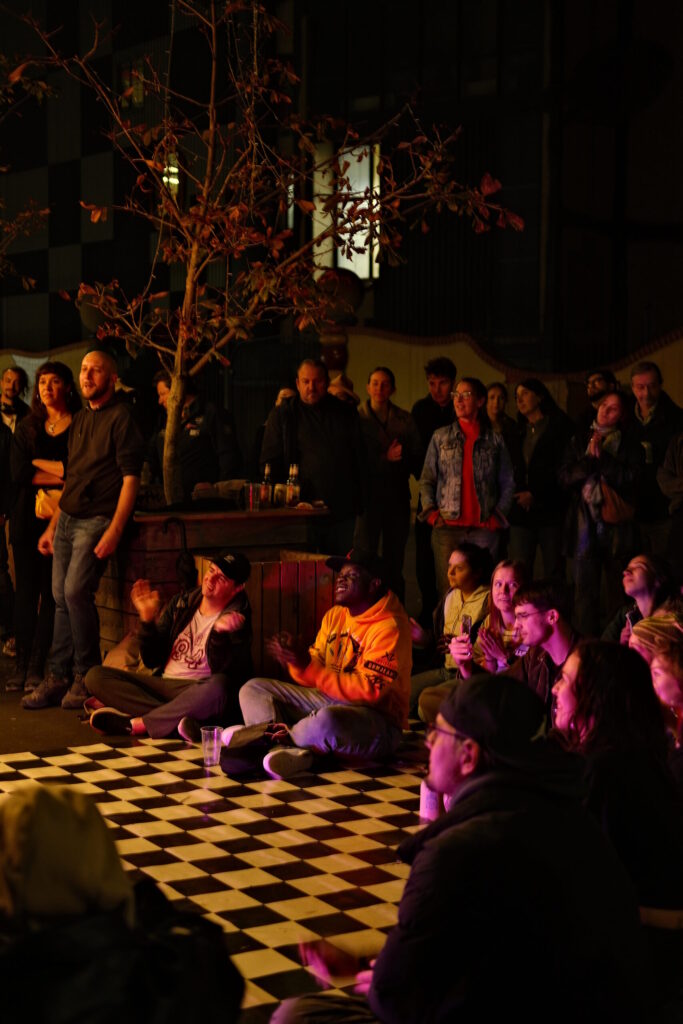
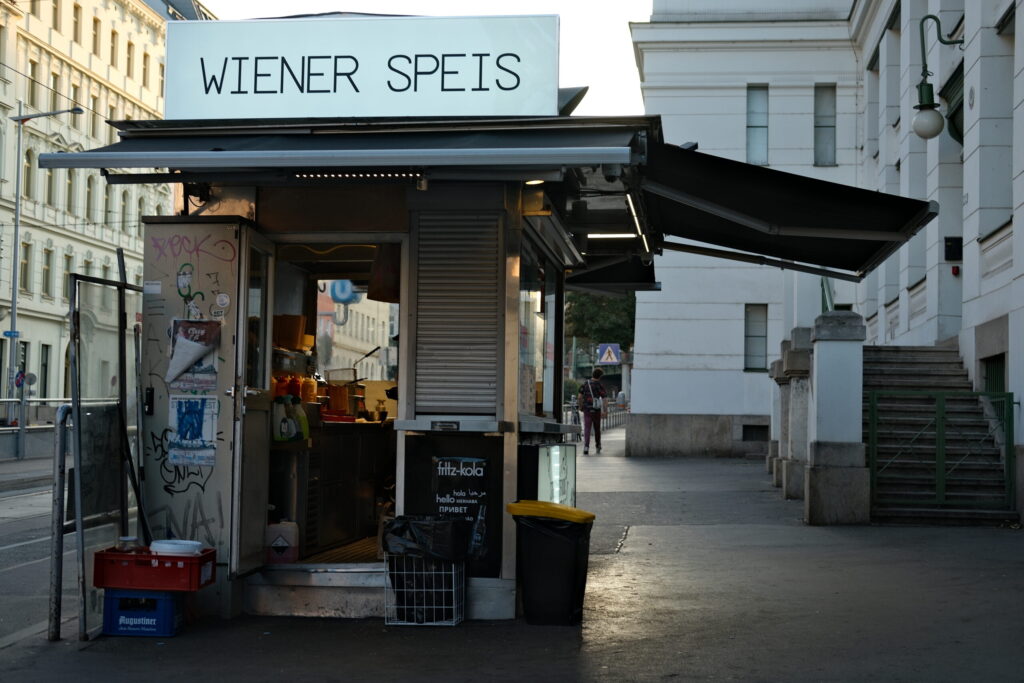
💬 Benedict – Worker at “Wiener Würstelstand” Spittelau
💬 Elias – Organizes events at the “Wiener Würstelstand”
____________________________________________
What we learned:
____________________________________________
4 Types of Customers:
1 – Regulars, coming for a chat, mostly only drinking and smoking
2 – Walk-up customers. Stopping for a quick snack. (Staying max. the time they need to finish the food)
3 – People coming to get drunk and socialize. Staying for multiple drinks.
4 – People coming from an event or party. Mostly come in groups of 4-8 people to grab a snack. Staying a little longer, chatting mainly within their group.
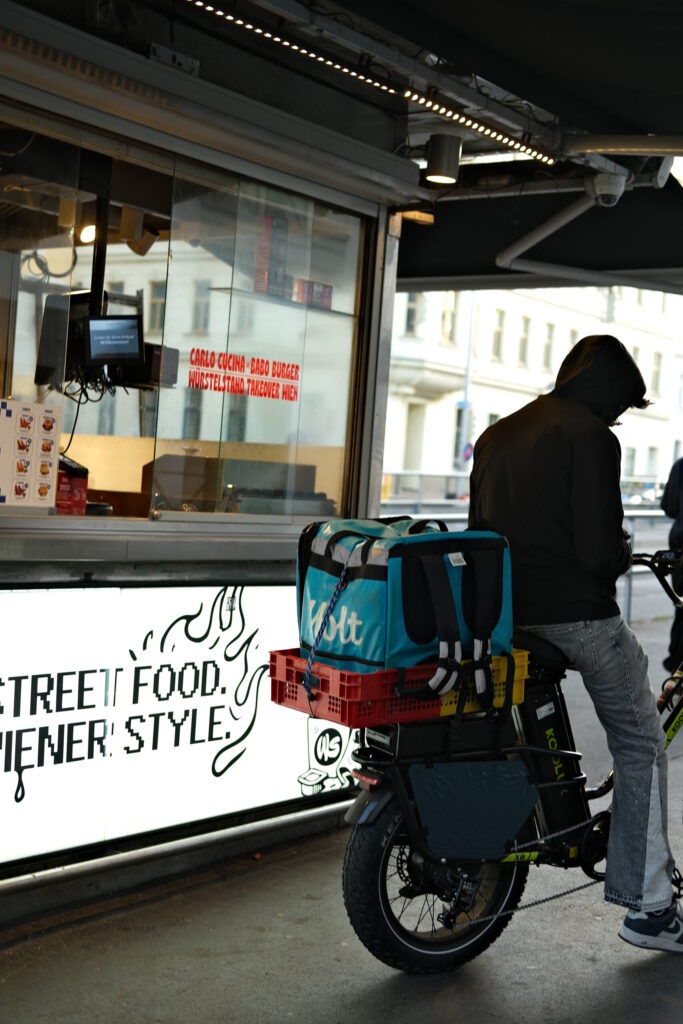
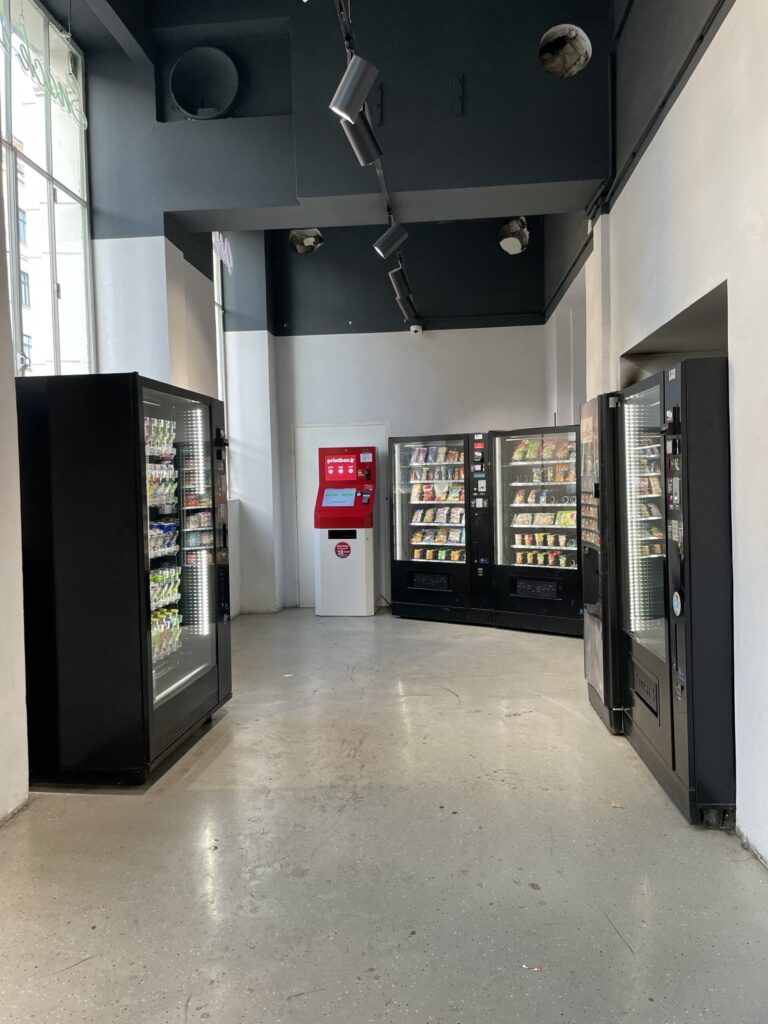
What influences and changes the kiosk culture currently?
How could a Kiosk in 100 years look like?
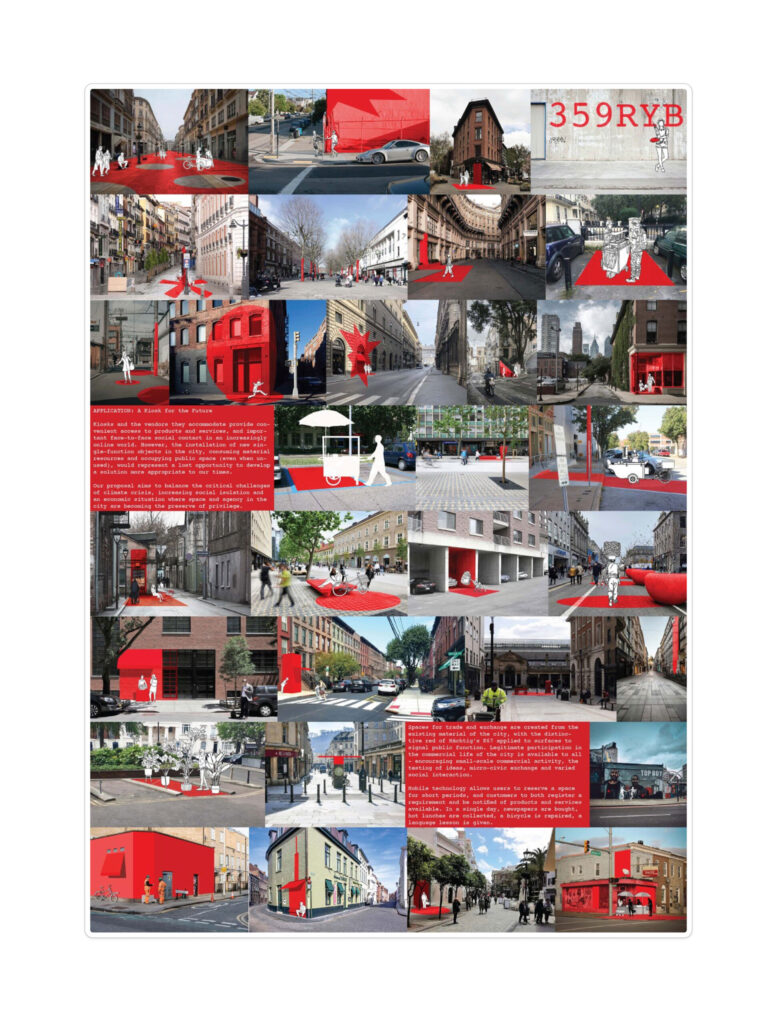
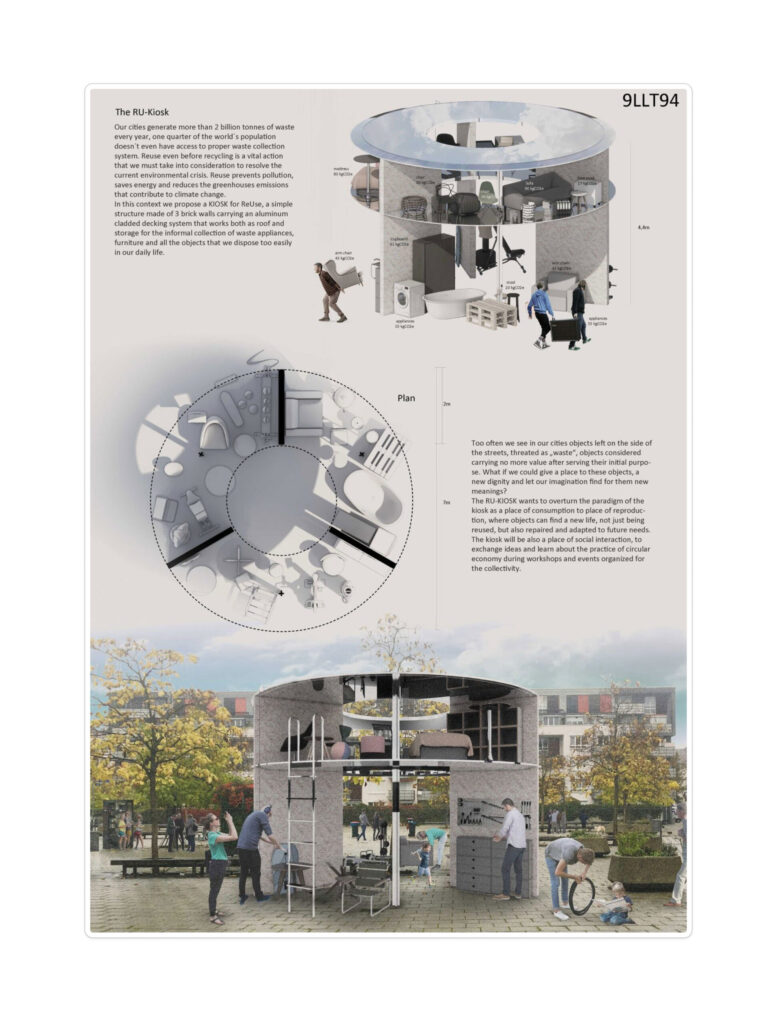
Competition: “The Kiosk for the future”
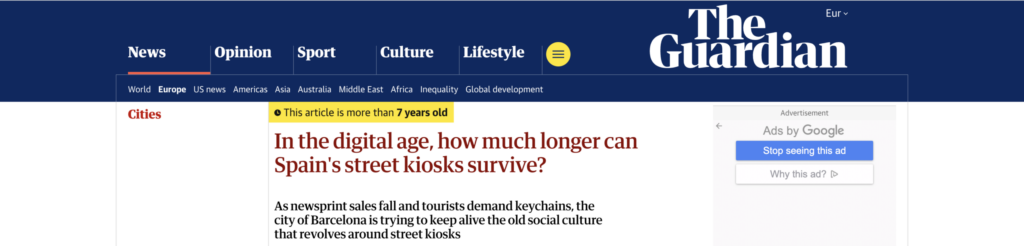
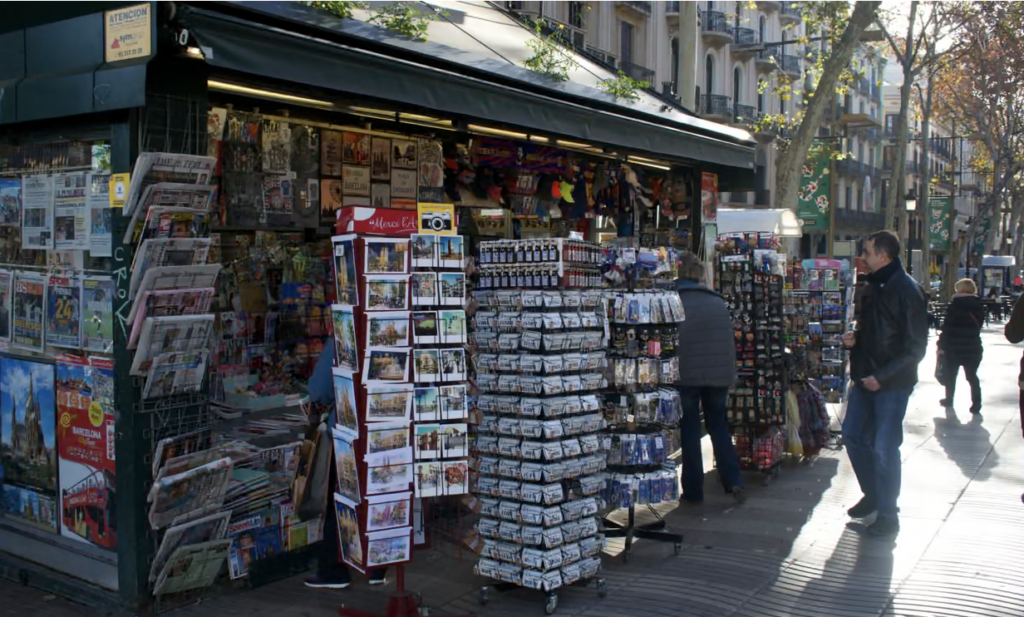
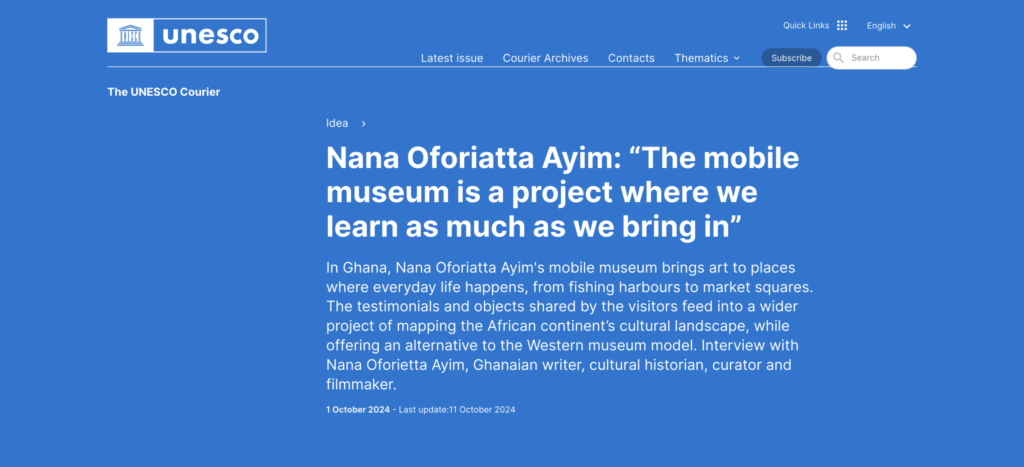
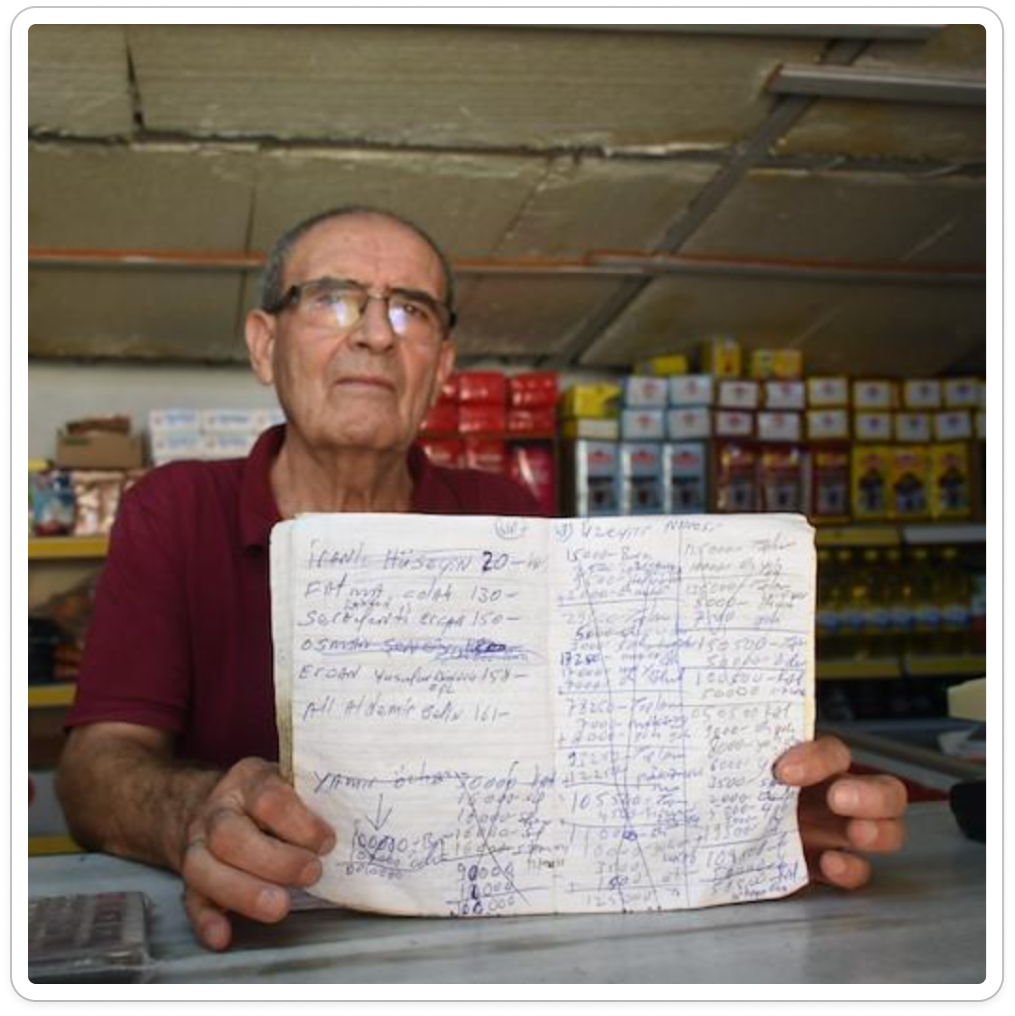
“I have copies of the house keys for around 15 people in the barrio, in case they lose theirs. It’s not like any other business.”
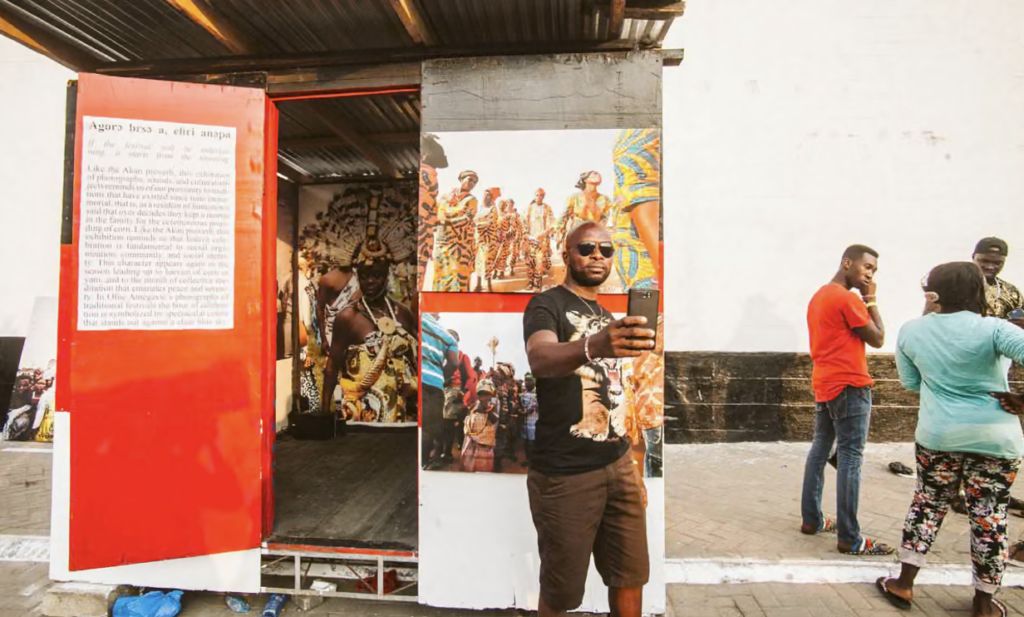
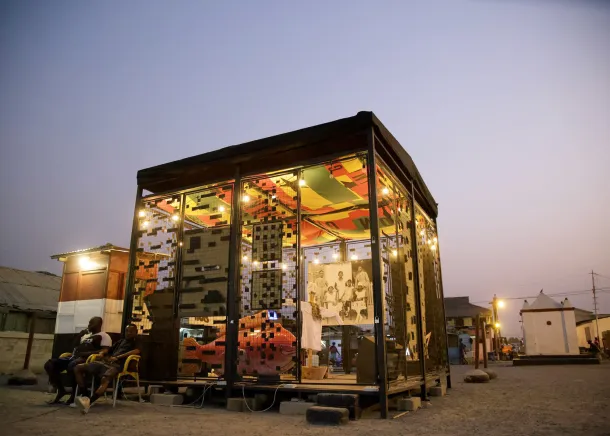
Next steps:
How does objects shape community and culture?
What public installations invite encounter and exchange?

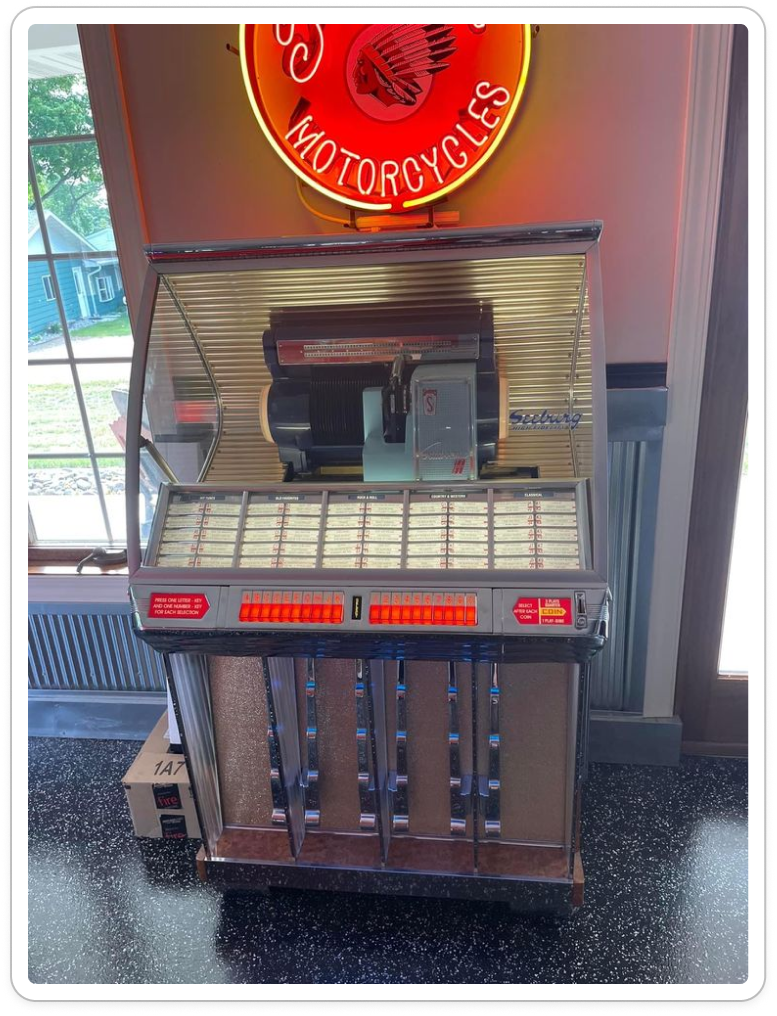
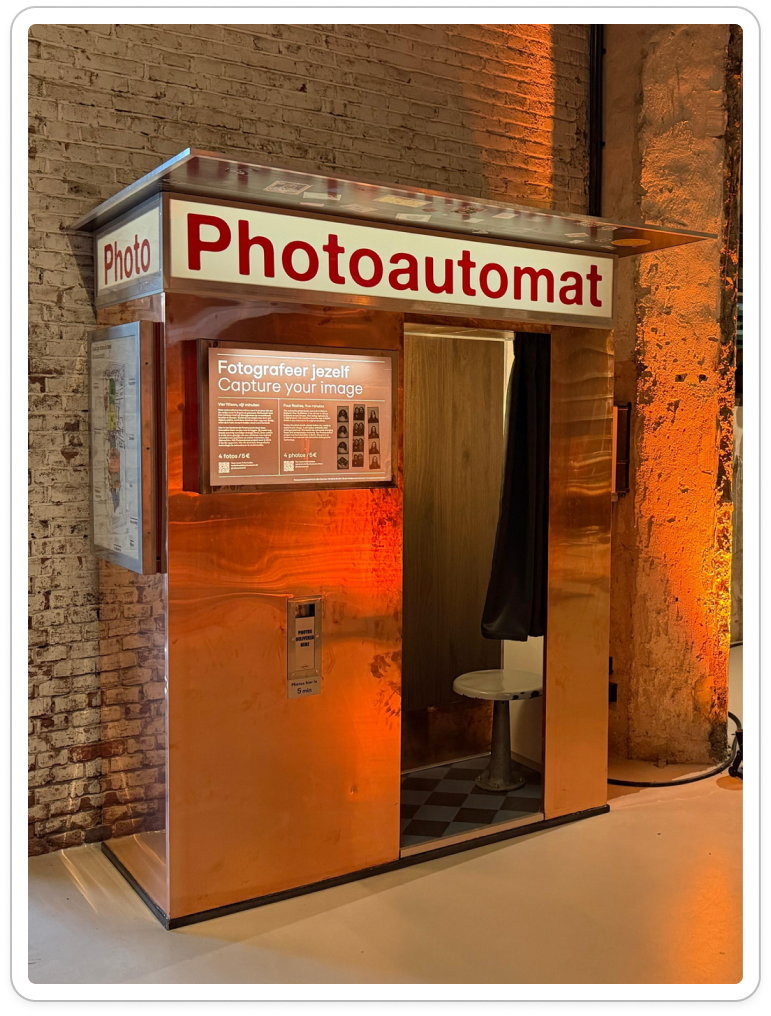
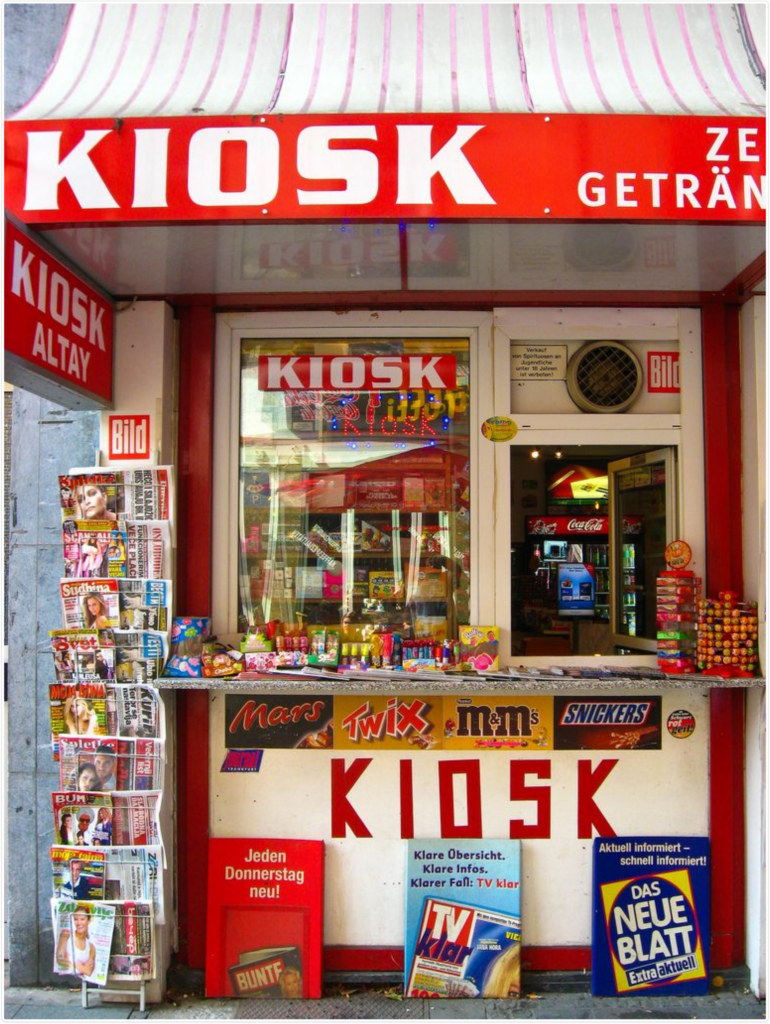
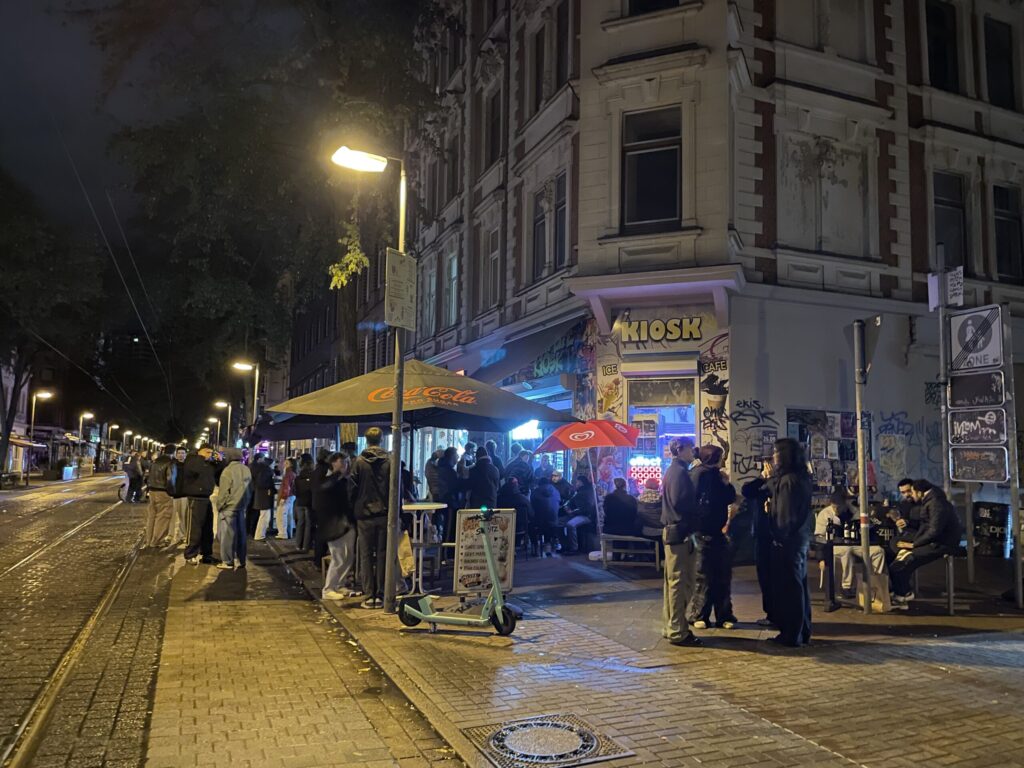
The Kiosk as a social Meeting Point.
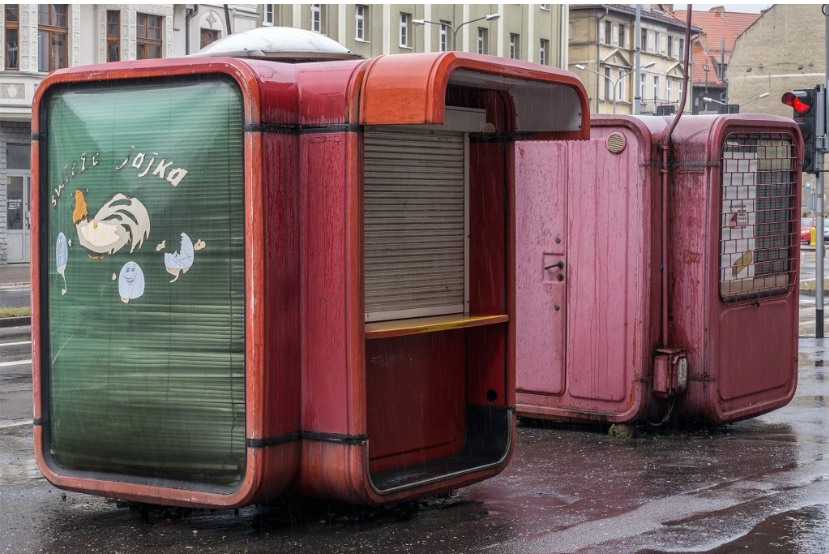
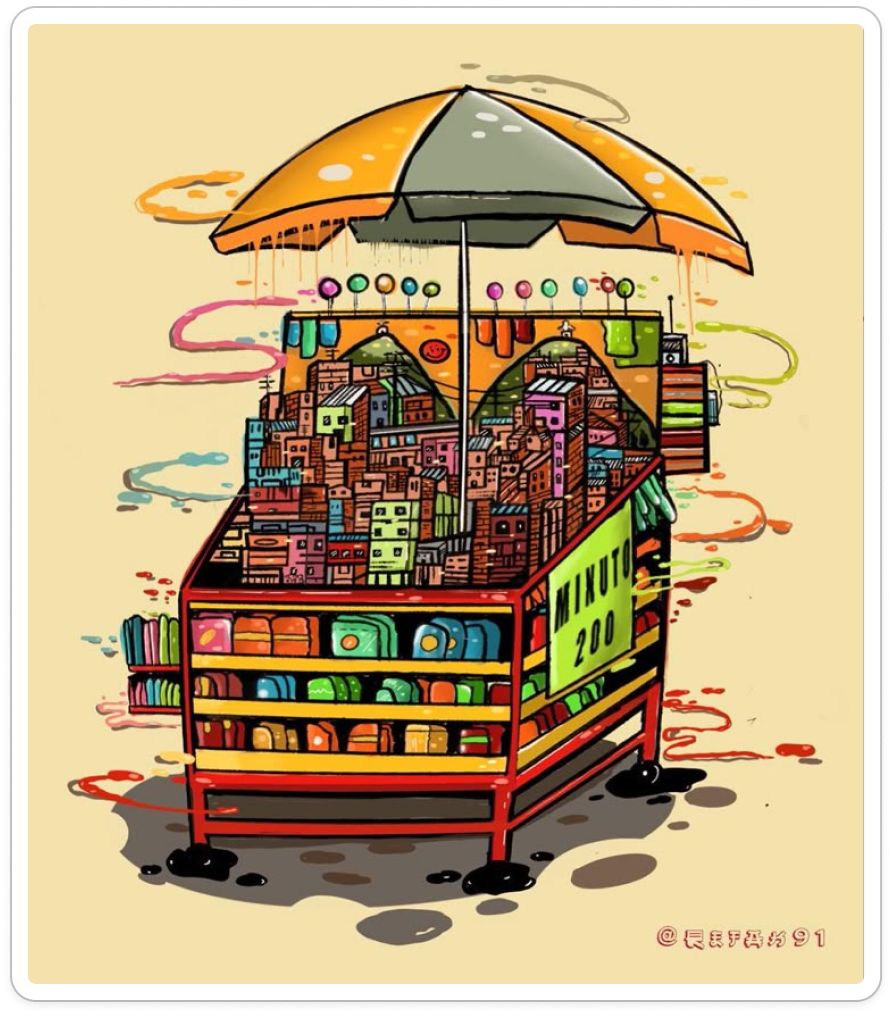
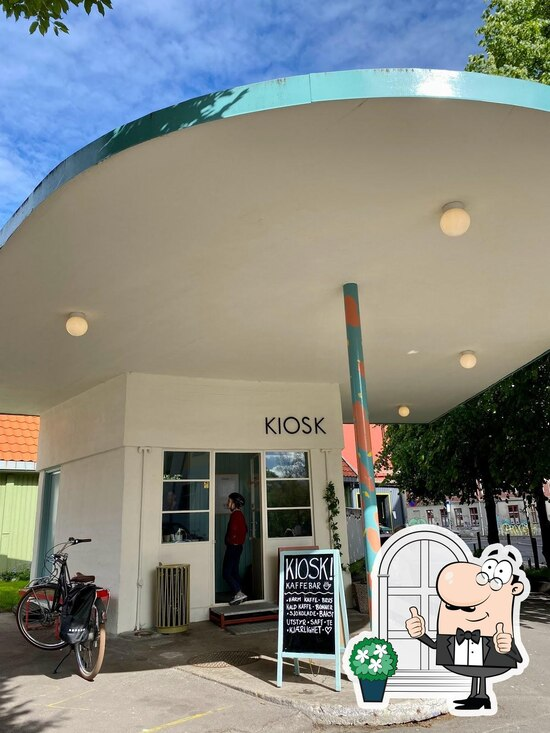
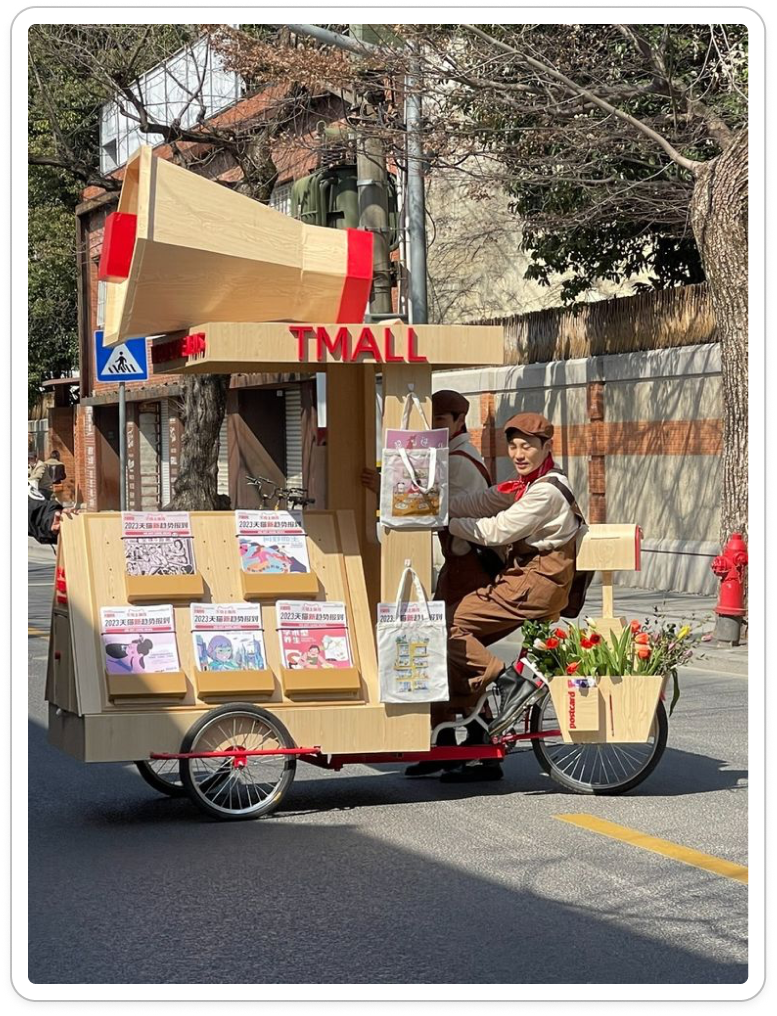
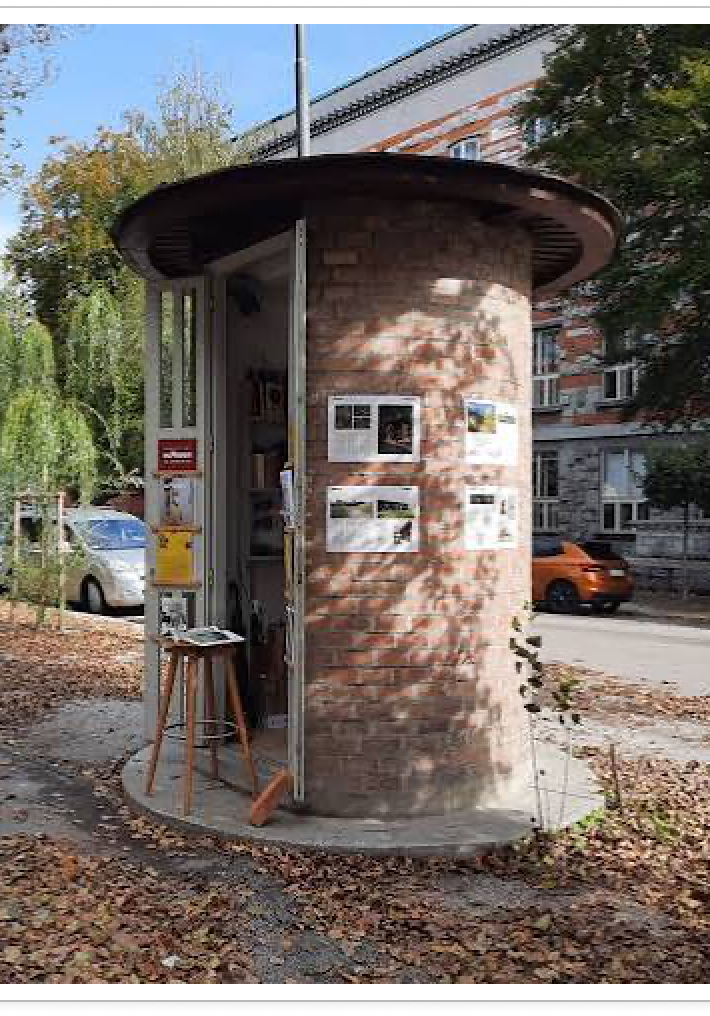
What is a Kiosk?
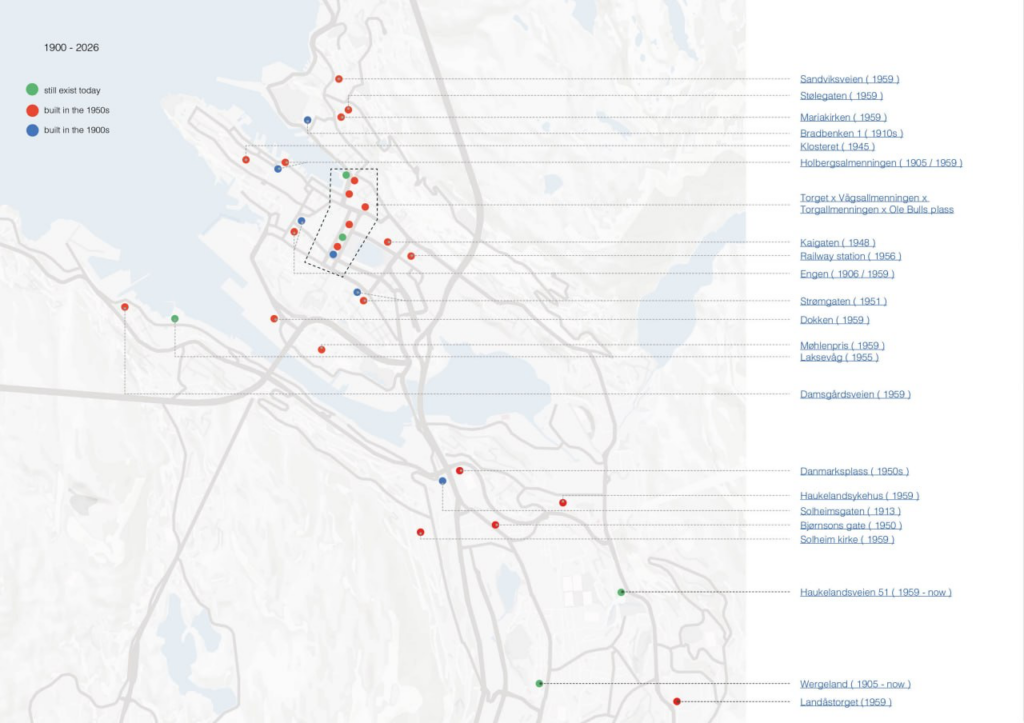
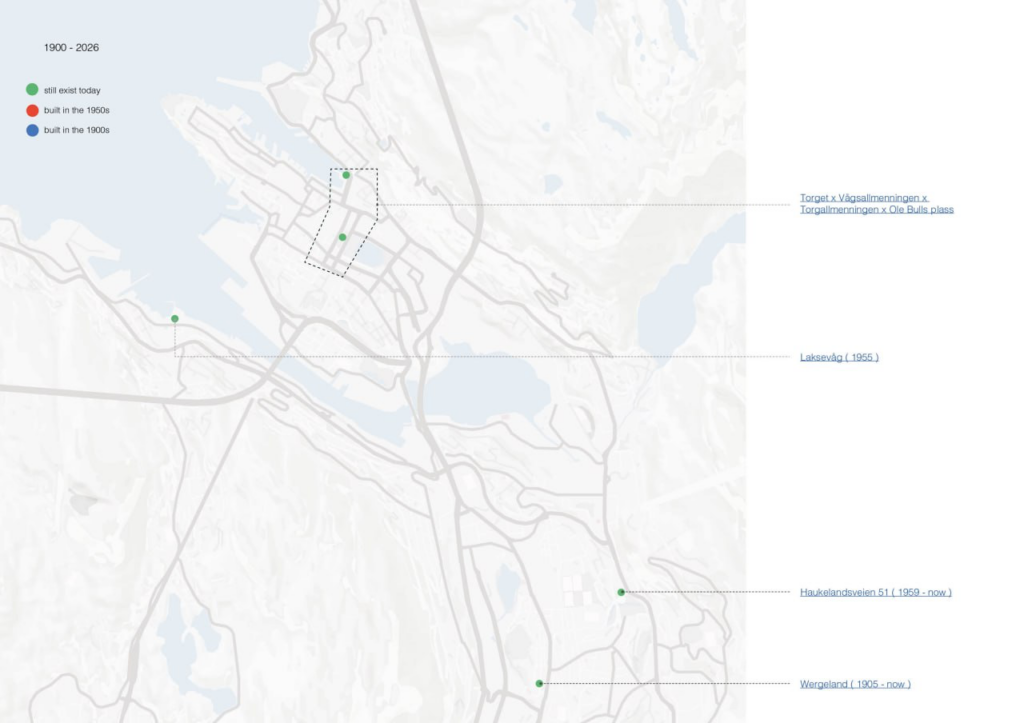
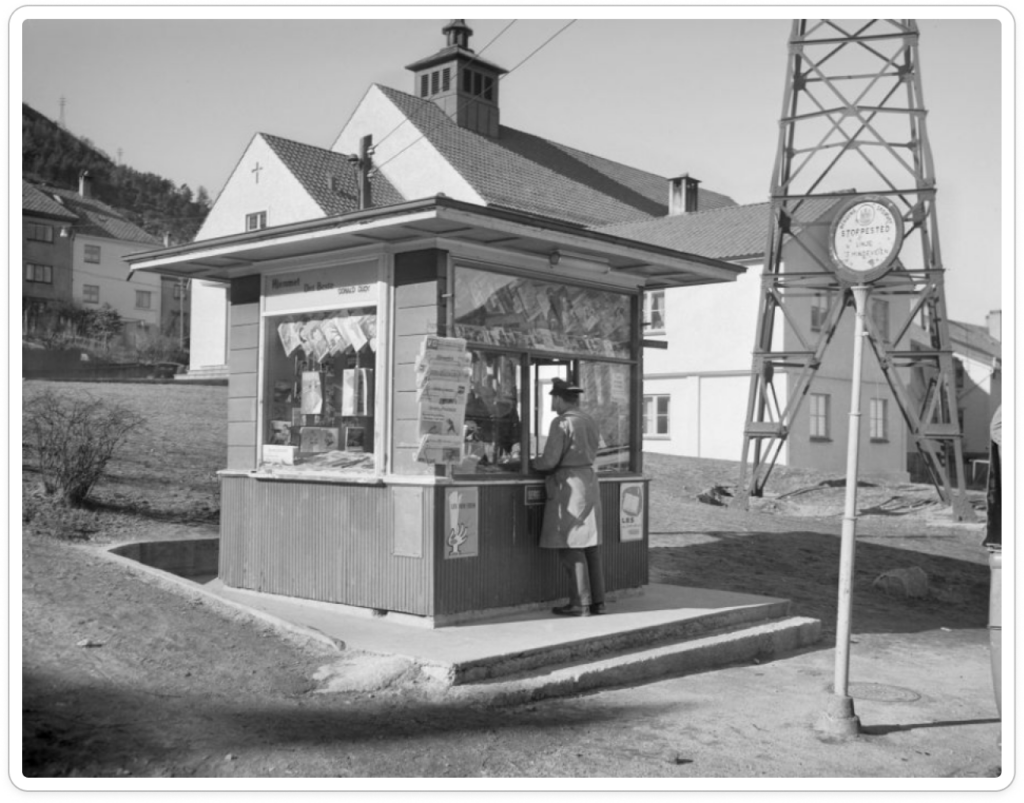
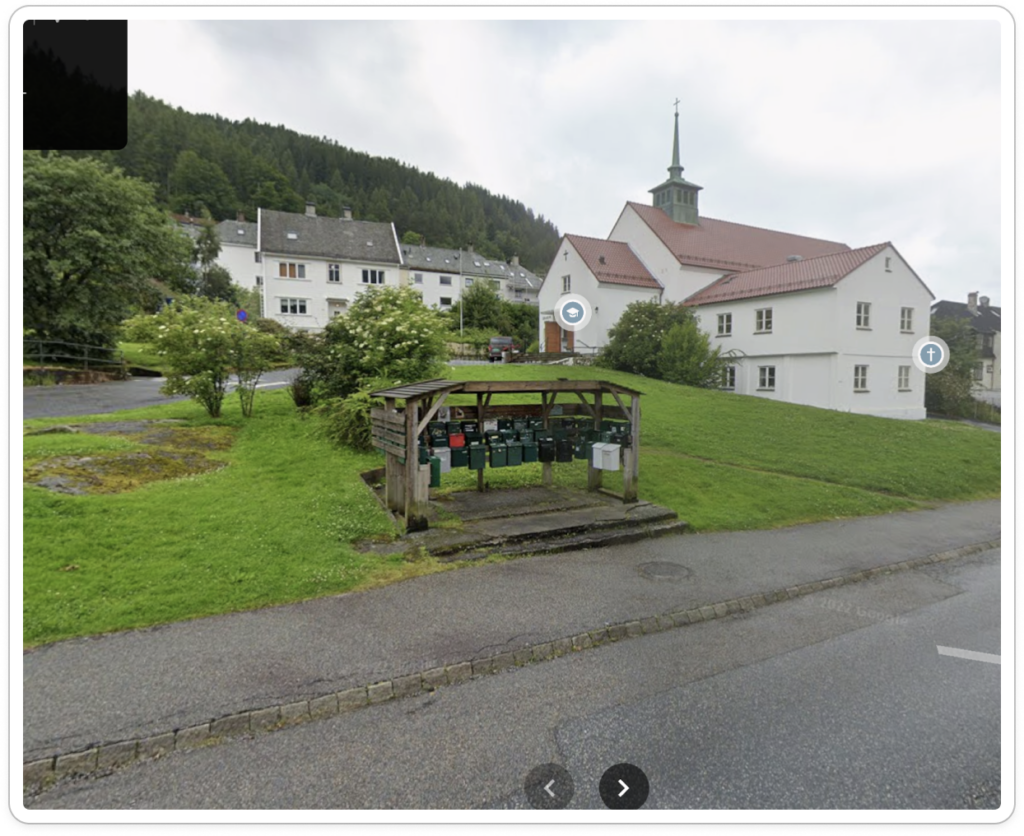
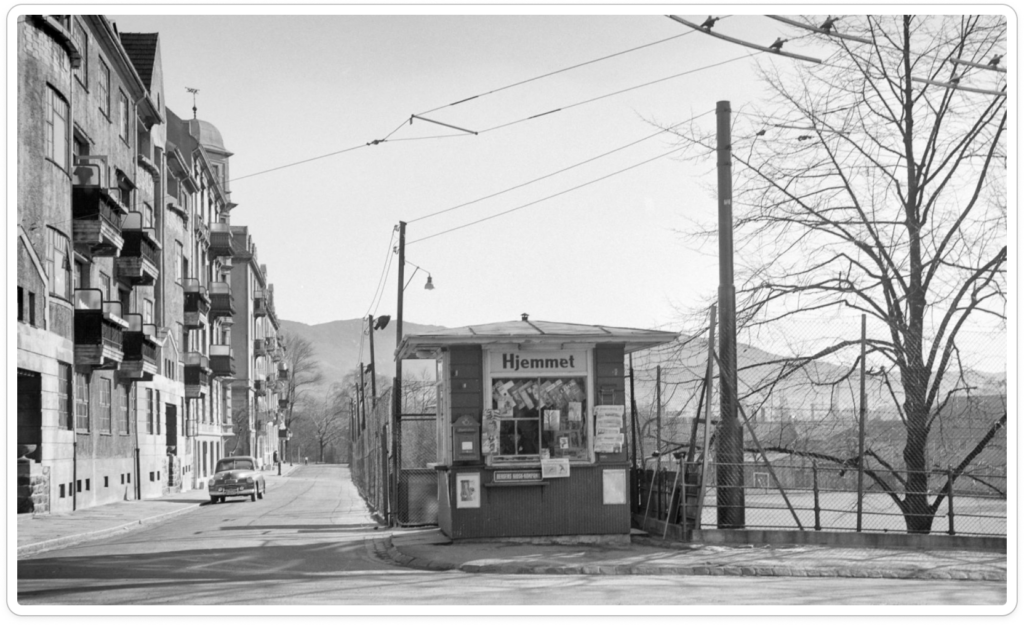
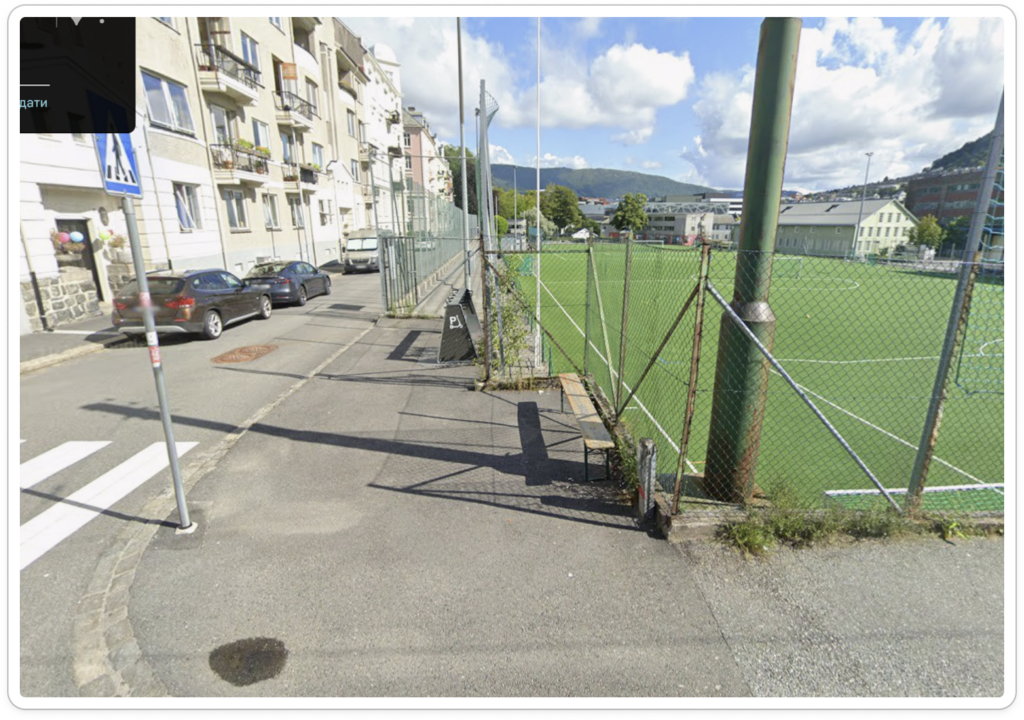
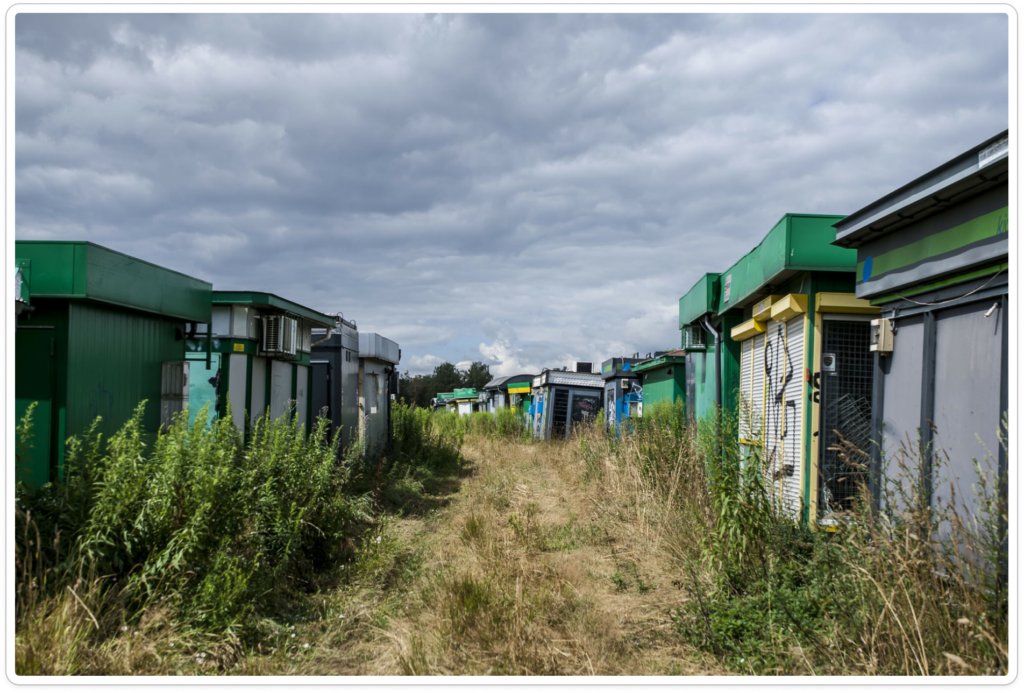
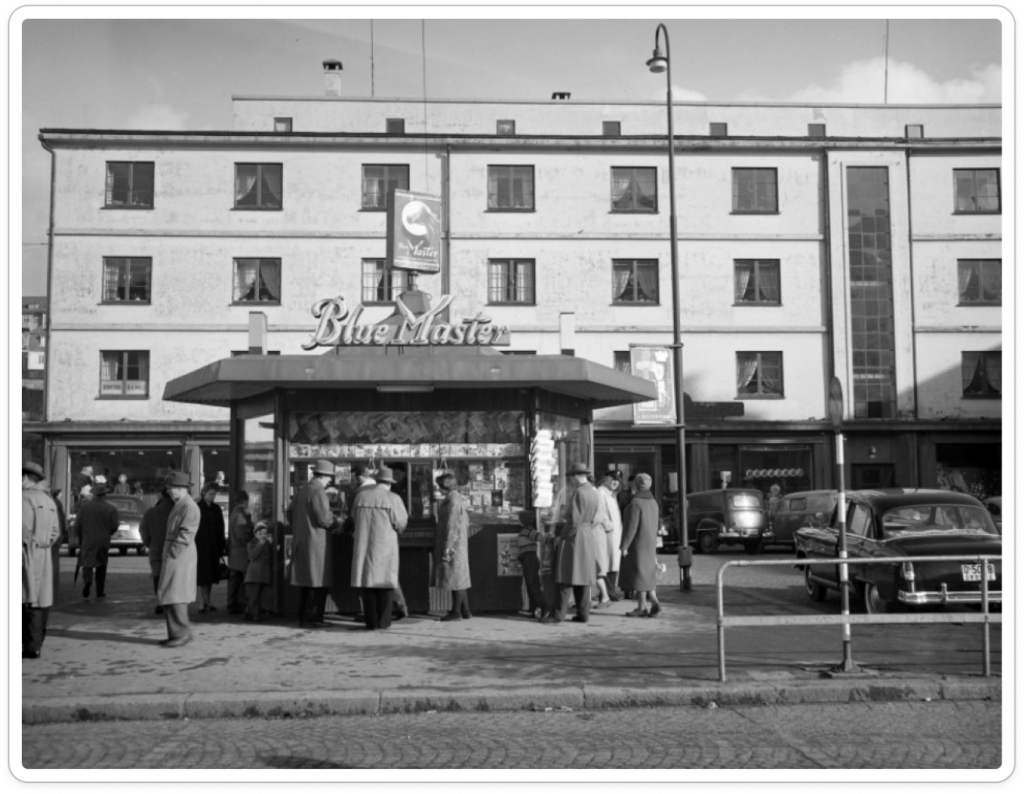
The diary as a preserver of stories
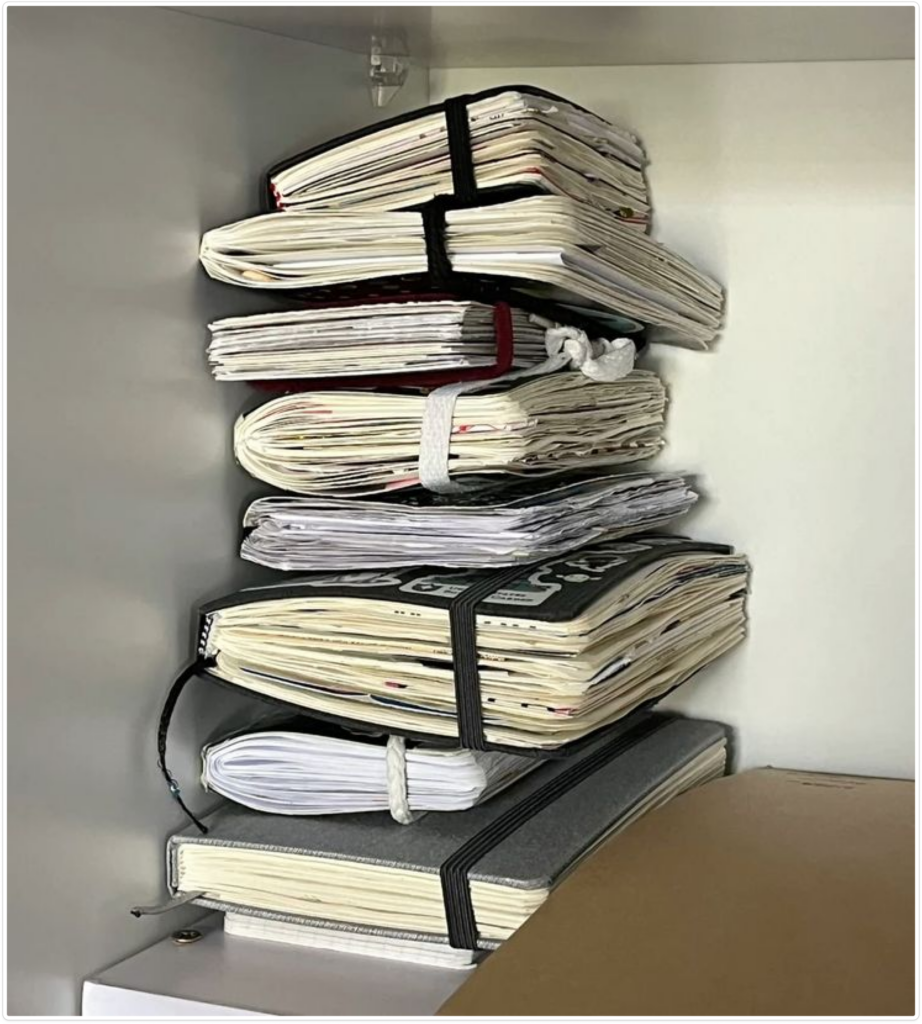
Bringing together Kiosk and Diary
Working title:
Dairy of a Neighbourhood
Research questions:
How does objects shape community?
How can community shape their own story?
How can the stories be preserved and should they?
Next steps: