Team 1

Eva Aartse
Diana Kho
Florian Sapp
Terioni Khintibidze

  • 11.11. Mid Term Review Team 1

    By

    Florian Sapp

    ,

    Diana Kho

    ,

    Eva Aartse

    and

    Terioni Khintibidze

    Where we started

    • Data storage & Digital Legacy
    • collected a lot of ideas
    • why we think this topic is important to talk about

    (counter-) cultures

    Struggle:

    • we want to prototype, but what?
    • how do we the object into future? (not just present movements) (speculate)
    • our ideas all over the place

    Creating an exhibition as a framework for us to work in

    at the beginning we restricted to much: exhibition = pieces behind glass
    -> for now we leave it open what a exhibition will be in a 100
    – while still using the ruff structure for story telling

    3 level:

    • 1: our main characters. living in the next 100 years
      their stories of resistance are told through personal objects left behind.
      Our main story telling device
    • 2: The curator: someone taking / finding those objects and putting them on display. Adding context or info through their perspective. (can be misleading on purpose)
      Our way to frame the story.
    • 3: The observer. This fictive exhibition is made for fictive people in a 100 years, but will be seen by people from right now, with average knowledge of right now.
      -> they will maybe know stuff about the objects, people in a 100 years will not know about any more.
      -> other things presented as common knowledge will be open for interpretation.

    Collecting ideas

    our mind maps
    -> the tools we used to collect our thoughts (Dator’s 4 futures, guest lectures input, EXF Cycle, timeline map)

    3 Topics / Prototypes

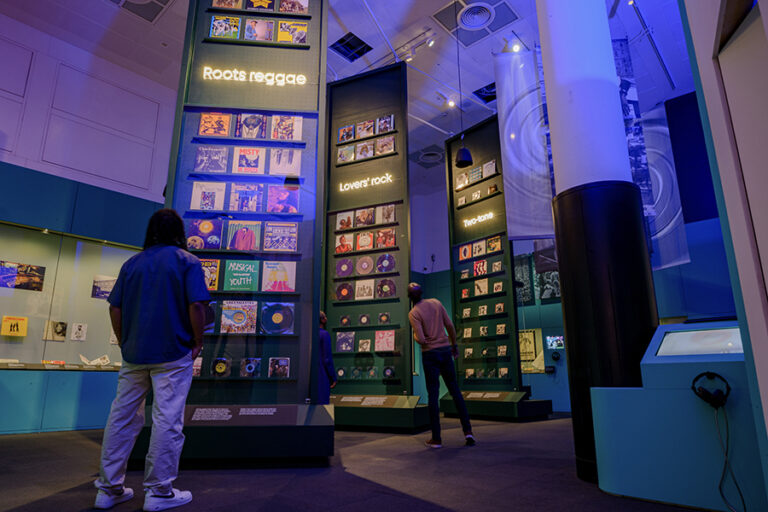
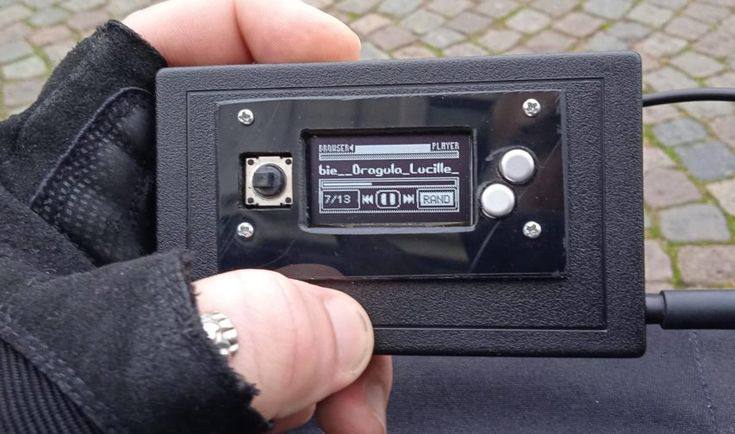
    • music -> streaming collapses ->person creates physical media player
      Worldbuilding: Counter to Streaming:
      ->People create personalized media player environment
      ->it can record and physically share Audio with other such devices (not upload/down load audio through internet)
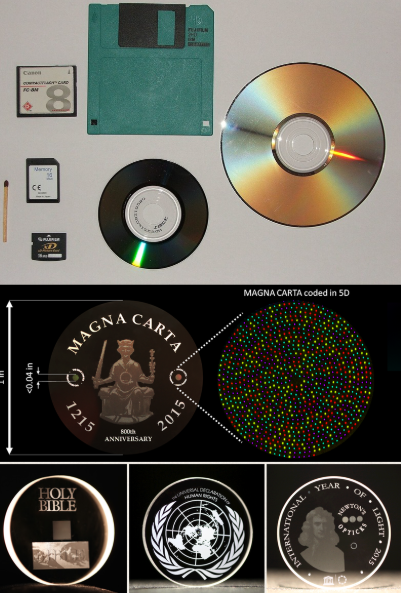
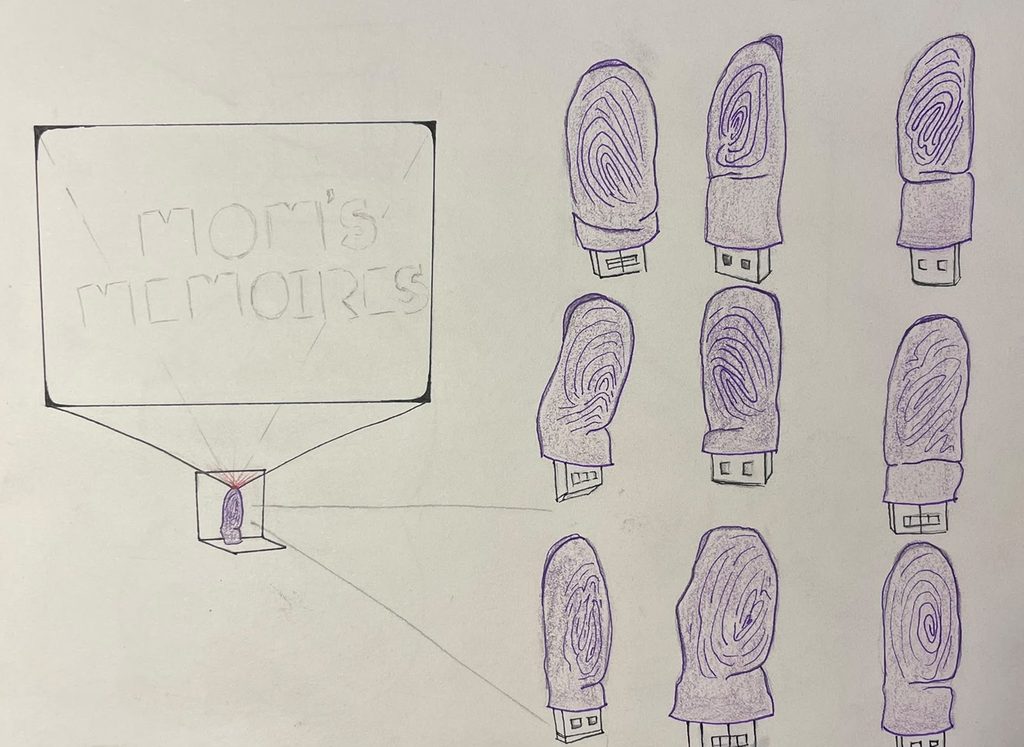
    • personal archiving -> inter-generational passage of family media on physical carriers (accessories x electronics)
    • using internet -> scenario: no personal ram/cpu -> phone server

      overarching theme: serendipity of discovering one´s personal digital trace (digital or analogue)
    • All of above are “passive counter cultures” (not following mainstream)
    • maybe combining personal archiving & using internet
      + making the third an active one:
    • -> destroying data centers / trapping ai…

    next steps

    • going unobomber
  • 30.10 Halloween Tutorial – Team 1

    By

    Eva Aartse

    ,

    Terioni Khintibidze

    ,

    Florian Sapp

    and

    Diana Kho

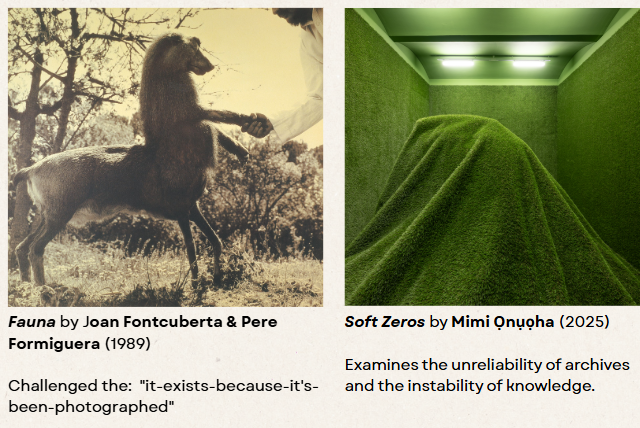
    Some people deliberately mislead; some do it unintentionally

    So how can you know what really happened, or what is just a really good imitation?

    Working with this topic

    • How can we address the problems of the future without framing it as solely dystopian?
    • What kind of (counter-) cultures will the ethnologists be able to trace in a hundred years?
    • What would people in the future think of our current distrust in Big Tech?
    • How can we achieve subtle positive world-building through curating artifacts for future ethnological museum?

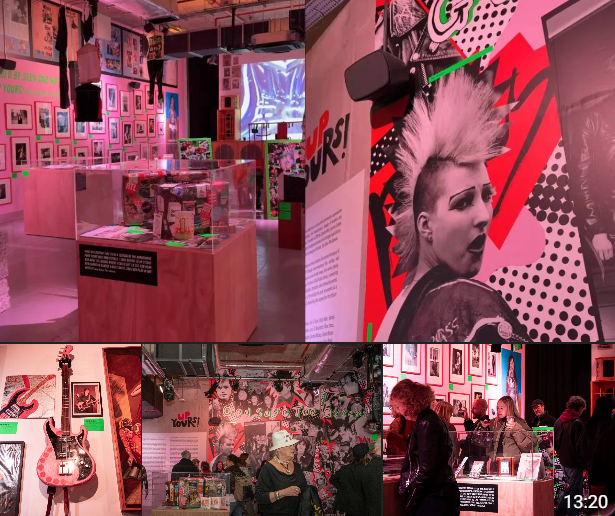
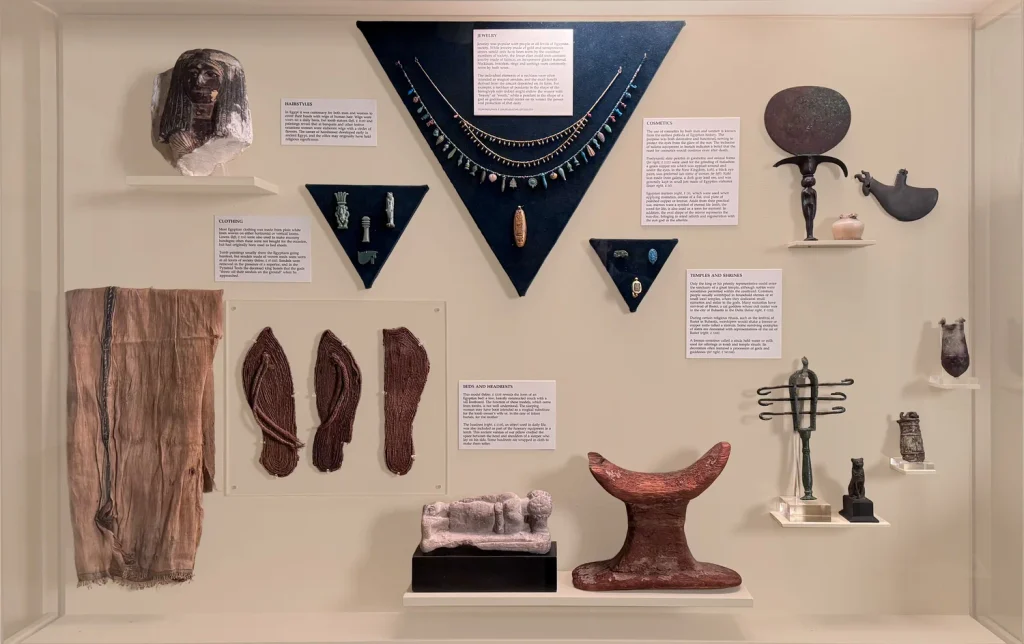
    Creating a Curated Exhibition

    • through the perspective of a society in 100 years
    • highlighting a fictional Counter Movement
    • Different objects telling the stories of different people


    Different objects tell the story of different People, being part of this movement.

    Those objects could be…

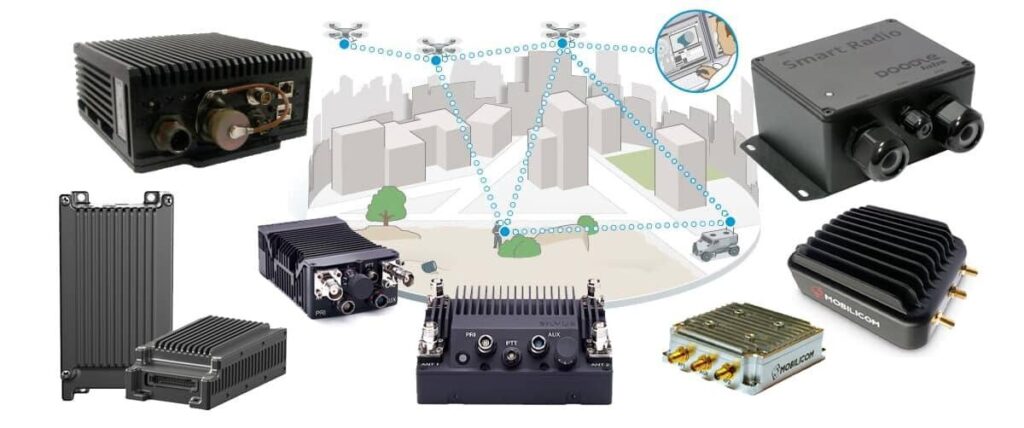
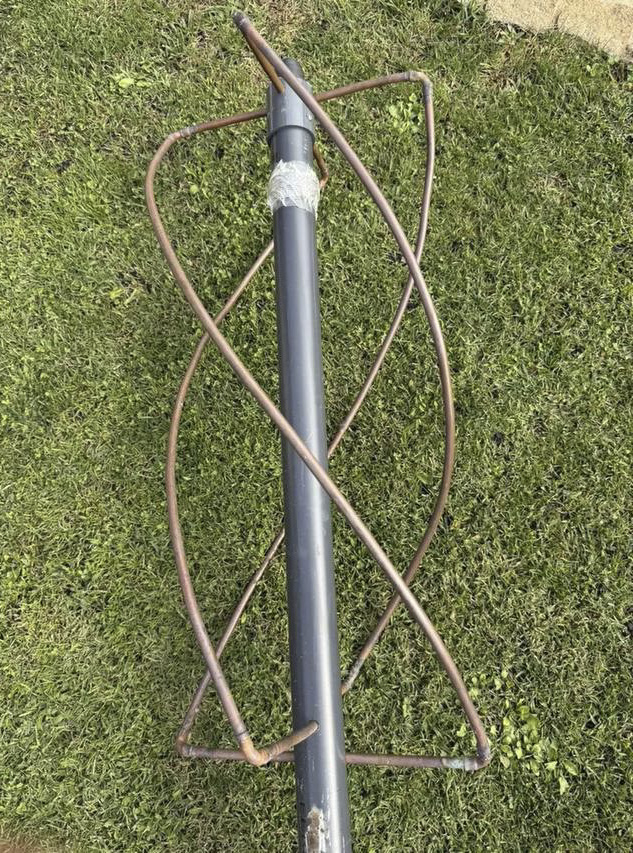
    • Mesh network
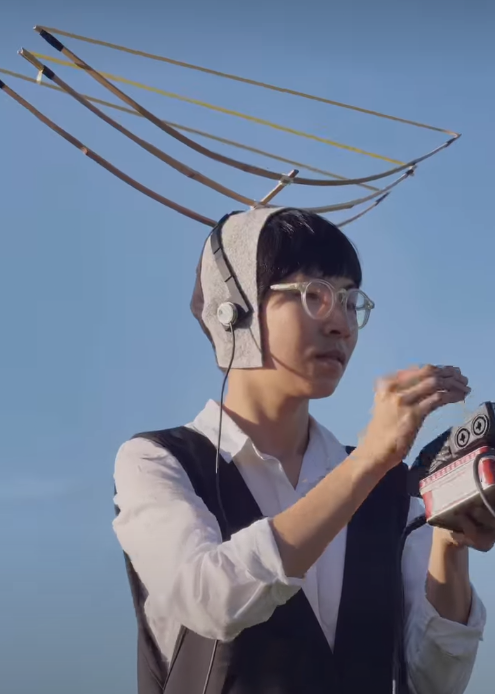
    • Antenna
    • SD (recovery)
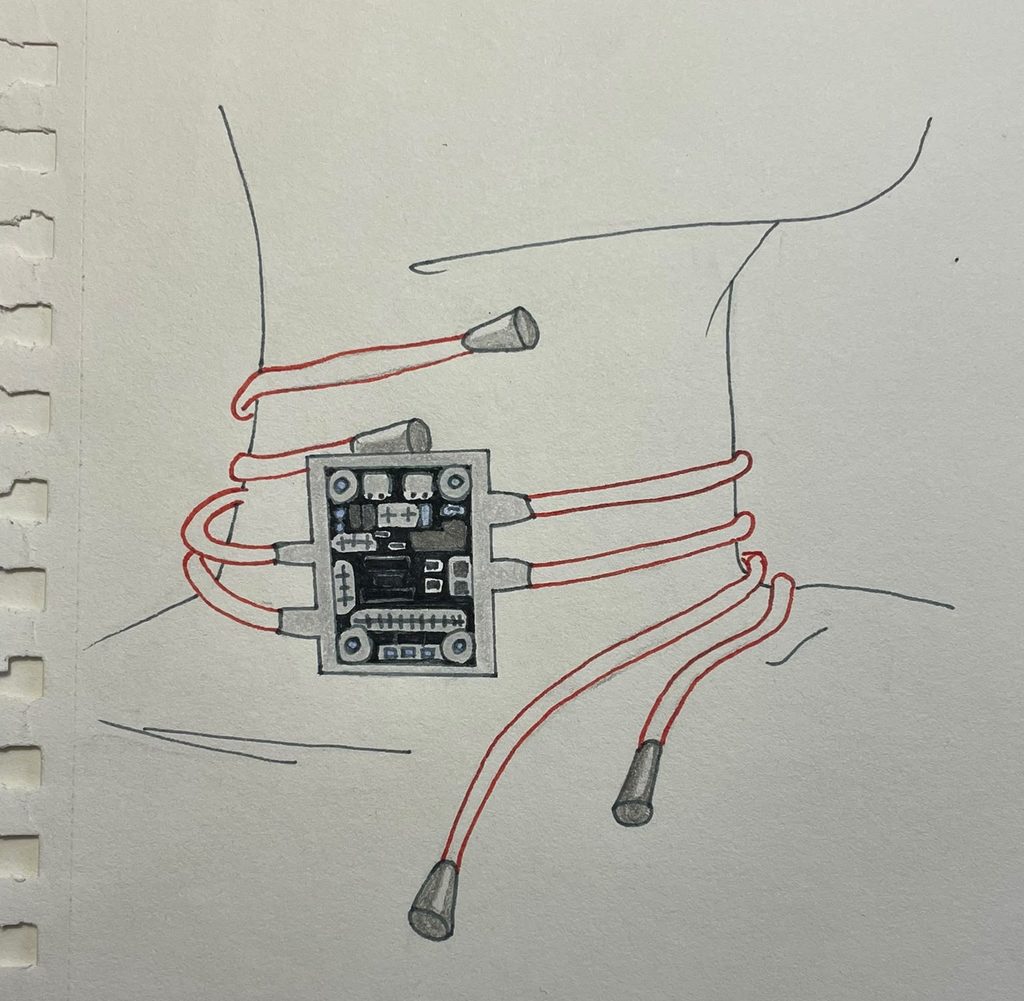
    • Cyberdeck
    • Small props e.g. stickers
    Aesthetics
    • Built, modified, and used by those people
    • Not clean, not mass-produced, not cyberpunk
    • DIY, indie tech
    • Different looks –> coming from different people & times
    • Still alive electronic devices, or intentionally destroyed

    Example:

    Object + Character = Story

    • Characters are an important part of any worldbuilding process.
    • Example of character + object for our future project presentation

    Portable Music Player (“Cassette”)
    Vienna, Austria, c. 2026
    3D-printed housing, acrylic paint, salvaged lithium-ion battery, microcontroller board, microSD card, Arduino components

    By the mid-2020s, most music was streamed through smartphone subscriptions and filtered by recommendation algorithms. Some young people pushed back by building their own offline players by hand, modelled on the mass-produced portables of earlier decades.

    This one belonged to a Viennese teenager, who painted its shell to look like a cassette, a format they had likely never used. Its play button is worn smooth. The memory card holds 1,214 hand-sorted tracks, ranging from 1970s American rock music and Soviet post-punk to hyperpop and untitled voice memos.

    What changes when music is owned rather than rented? How was piracy viewed in DIY electronic communities?


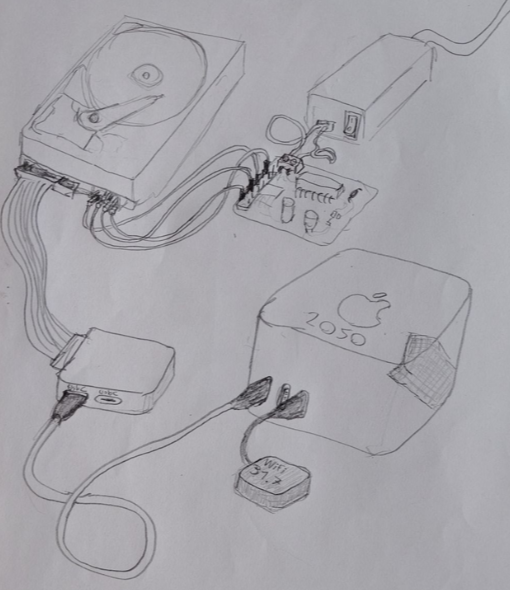
    Harddrive experiment

    Uploading
    ->questioning hesitation –> letting go of “shame”
    ->rediscovering data
    “things that aren’t anymore”
    -> moderating selection
    -> (re)sorting & (re)naming

    Discovering
    -> uncomfortable going through other people’s data
    -> discovery joy through chaos


    Experiment is not finished
    –> use findings for character development

    Next steps

    Testing Electronics

    • Building a mesh network
    • Building an antenna

    World building

    • Creating Characters


  • 16.10 Tutorial – Team 1

    By

    Eva Aartse

    ,

    Florian Sapp

    ,

    Terioni Khintibidze

    and

    Diana Kho

    Data storage & Digital Legacy

    Common Interest

    1. Data storage
      physical objects & digital data
      Local vs. cloud storage
    2. Expanding digital footprint
    3. AI/governments/companies interfering with “truths”
    4. Archiving, memory & time

    Accessing Data

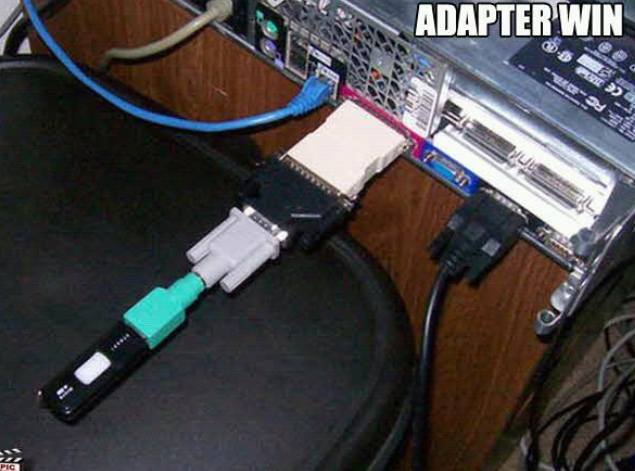
    Adapter Hell

    Recovering Data

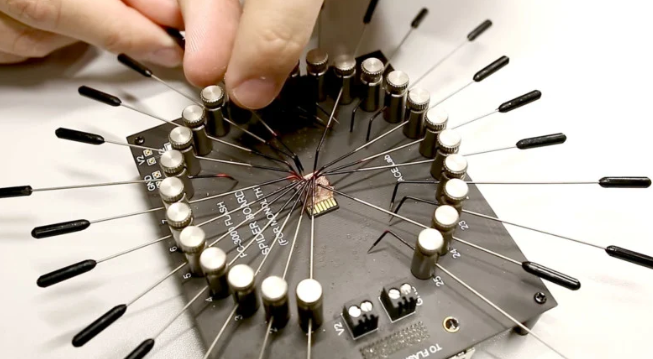
    SD / Open heart surgery

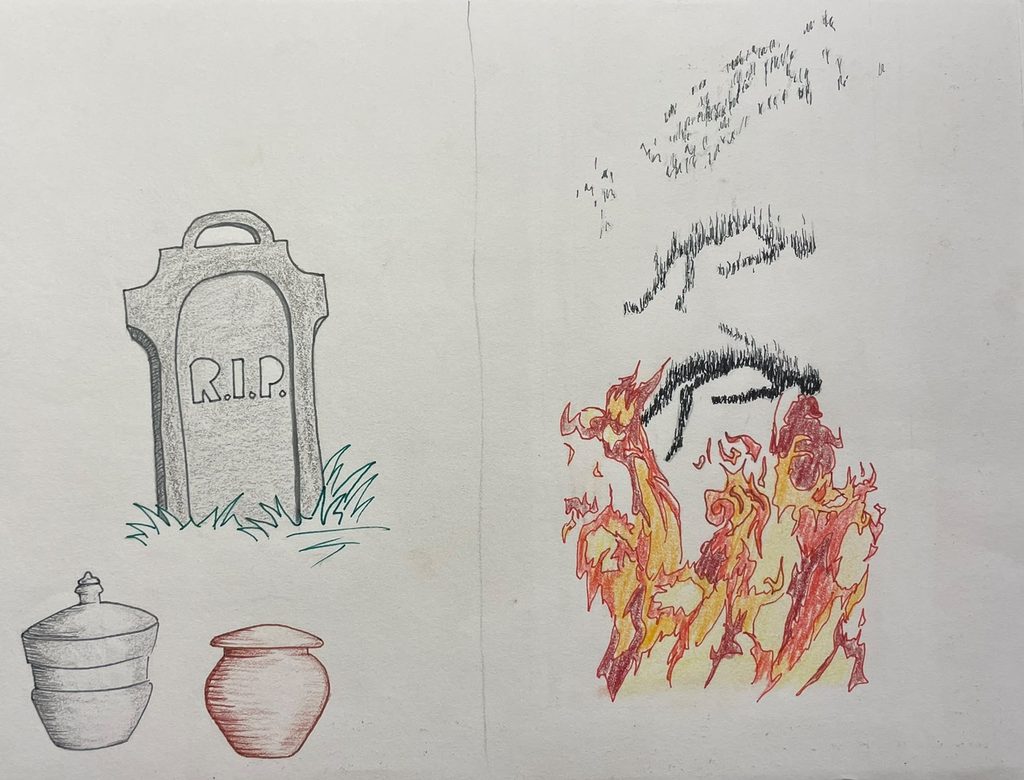
    Intentionally passing on data

    Finger USB’s

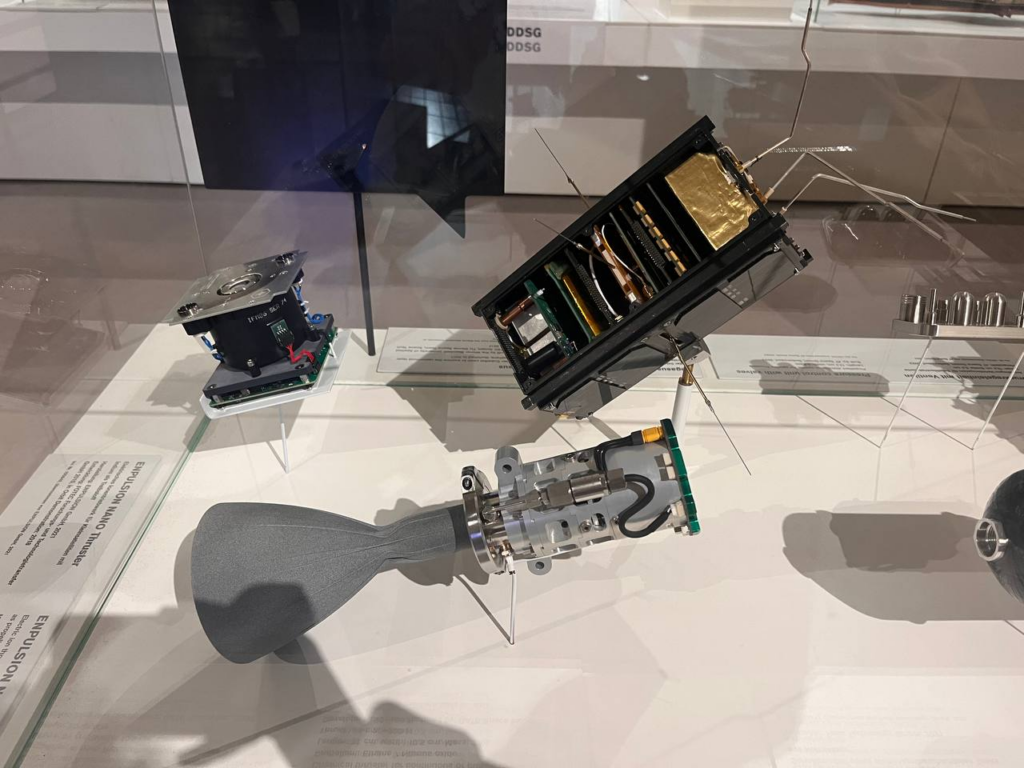
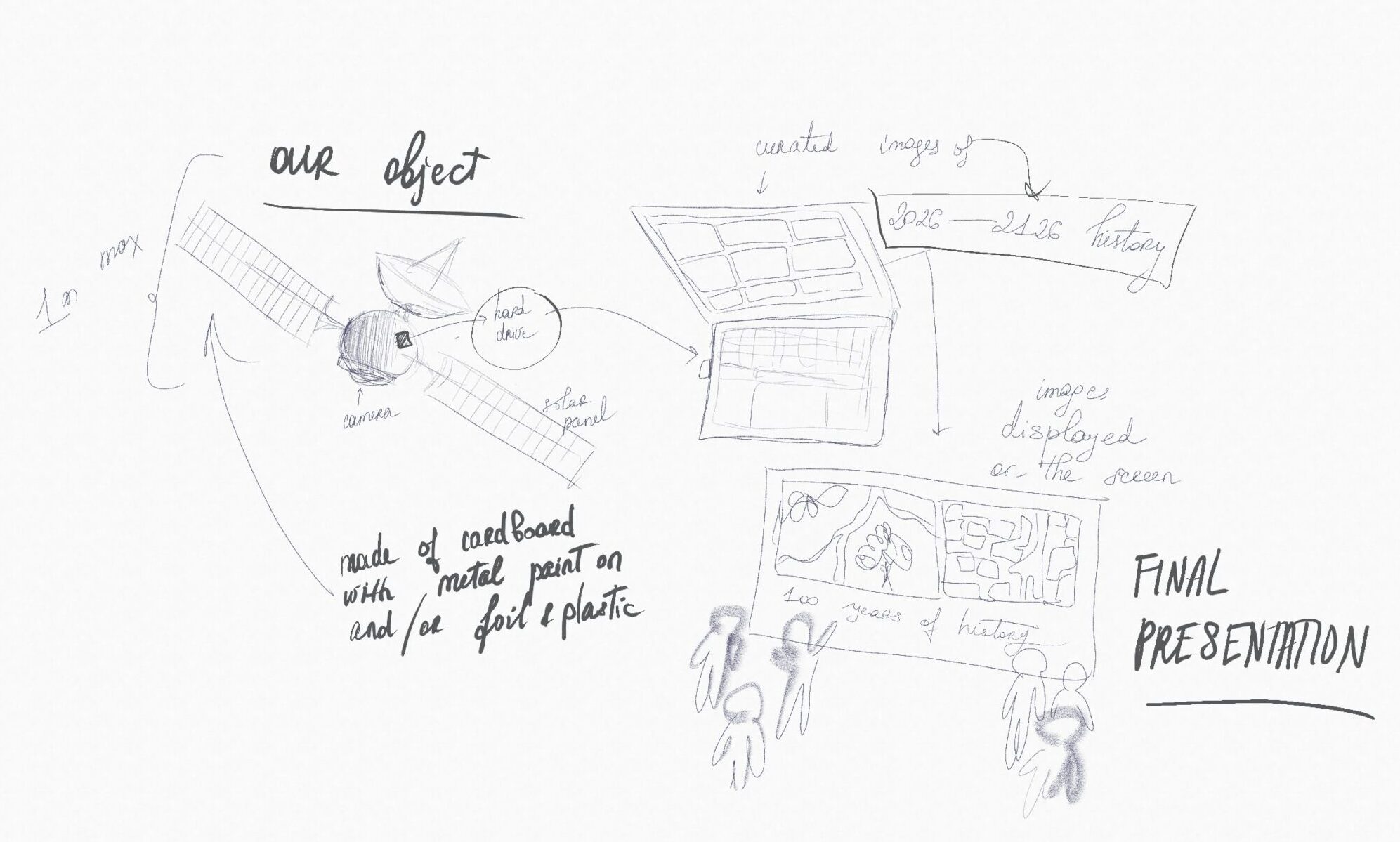
    Satellite – Time Capsule