feedback design freeze:
- material? stone?
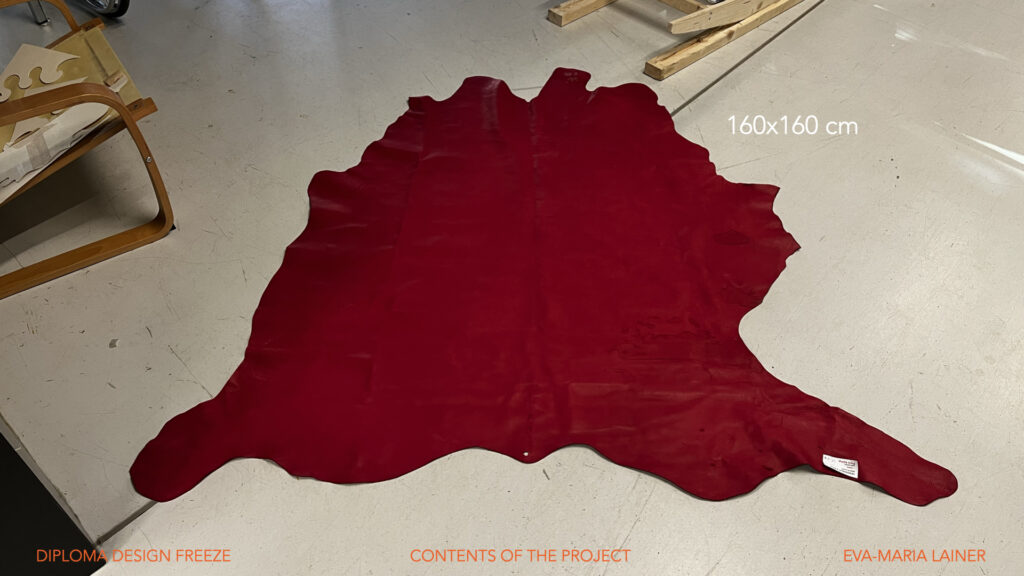
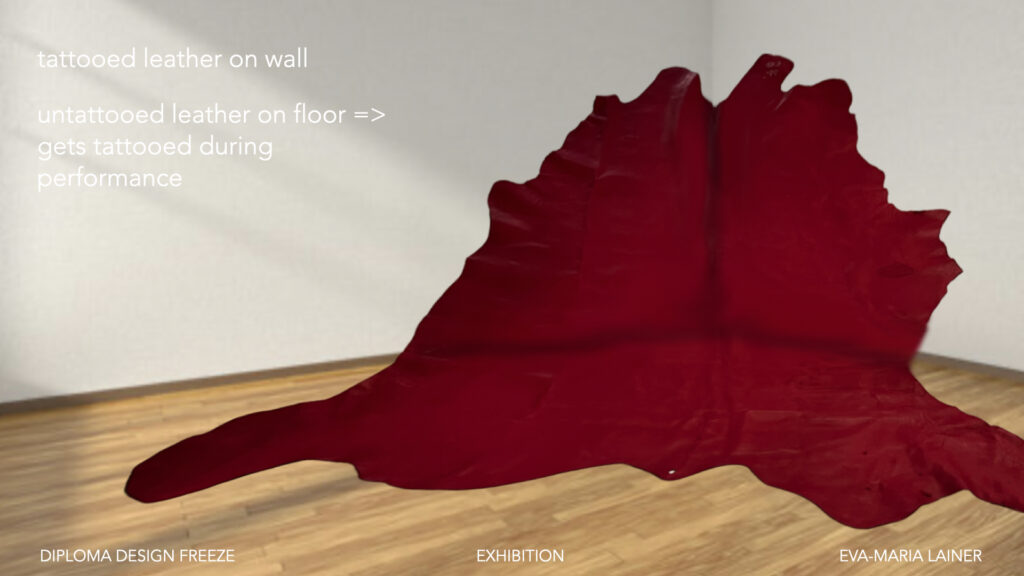
- form of leather => »animal form« => not good
- reasons for material-use
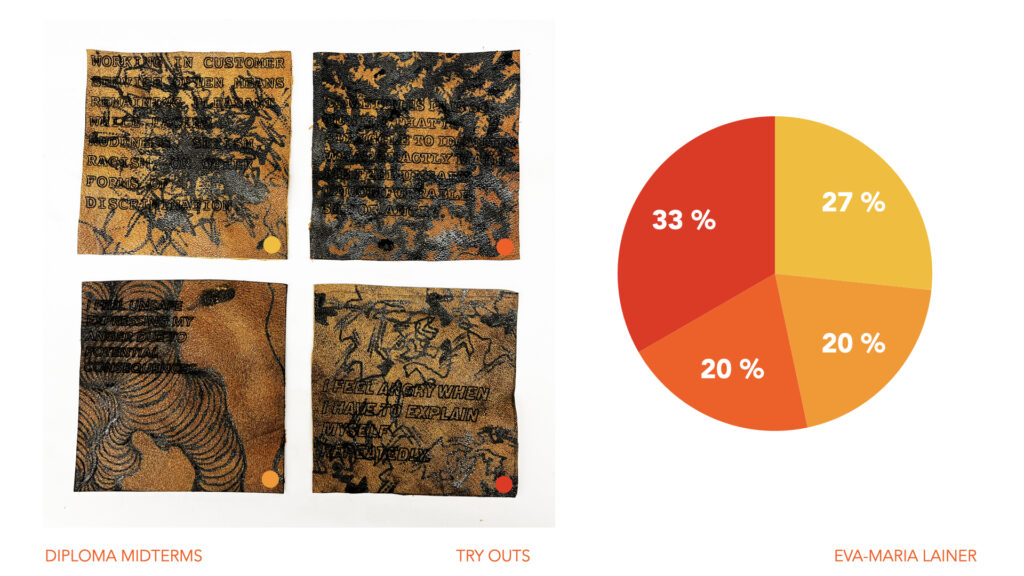
- showing other material try outs?
- performance/tattoo workshop? incorporating others
Eva-Maria Lainer
feedback design freeze:
feedback
feedback 20.03.2026
»… all women who are powerful in the public imagination have placed onto them images of monstrosity, or are imagined as monstrous underneath their exterior appearance …«
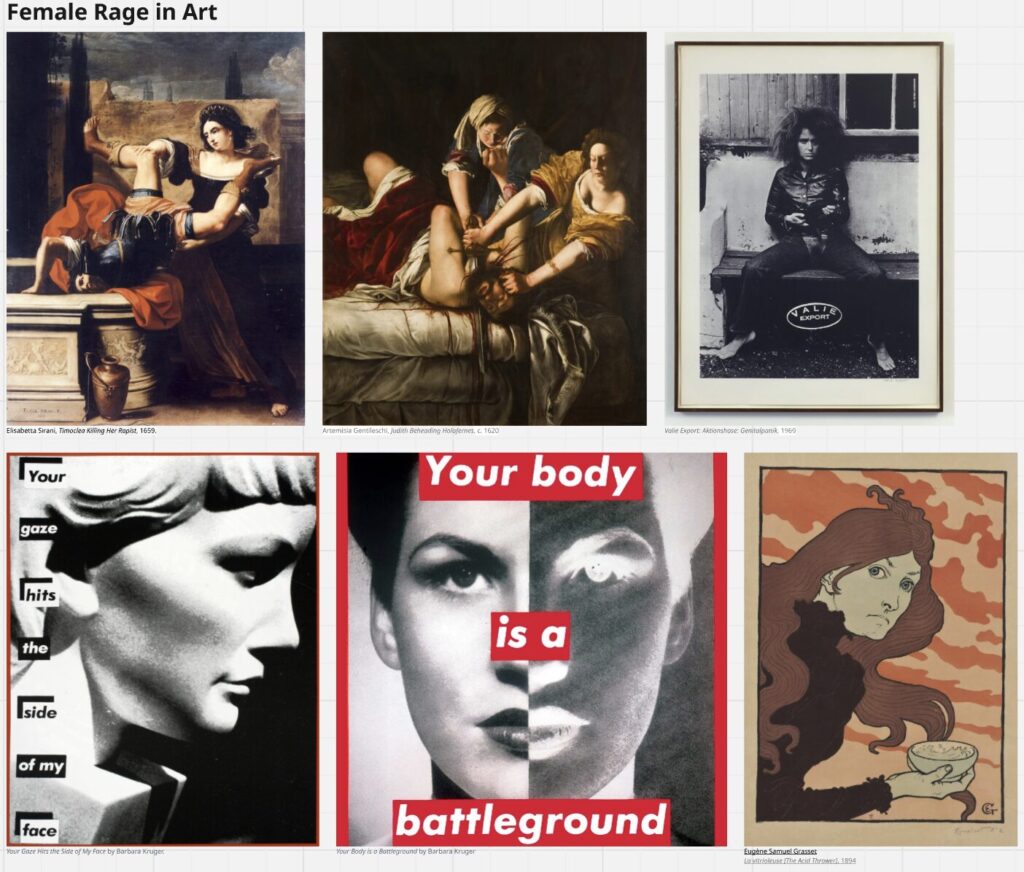
female rage in art: past and present
the role of women in society—as mothers, as bearers of children, and as wives—is justified through the biological functions of their bodies. according to VALIE EXPORT, only when women detach their identity from their bodies can they exist as self-determined individuals.
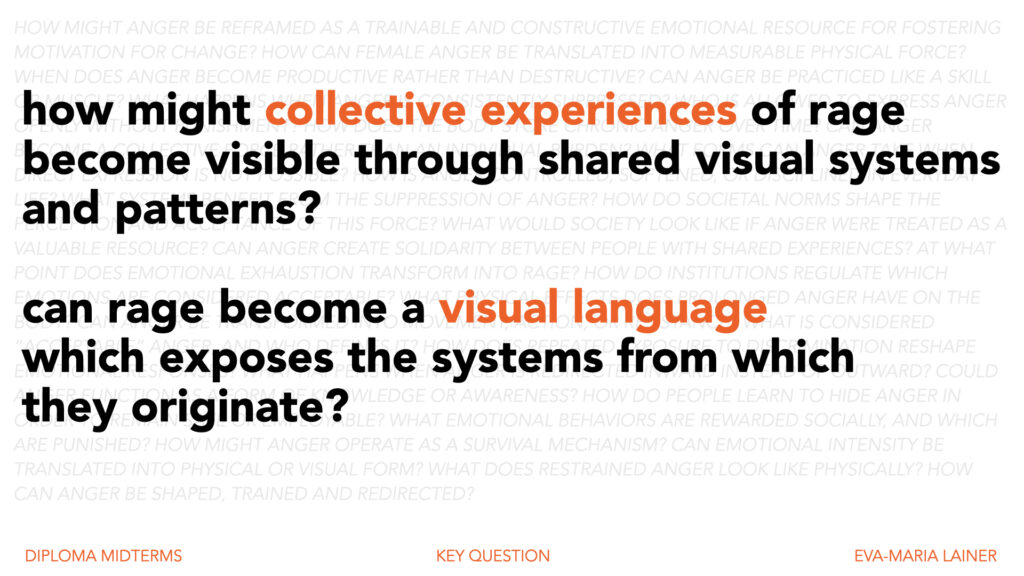
how might anger be reframed as a trainable and constructive emotional resource for fostering motivation for change?
how can anger be shaped, trained and redirected?
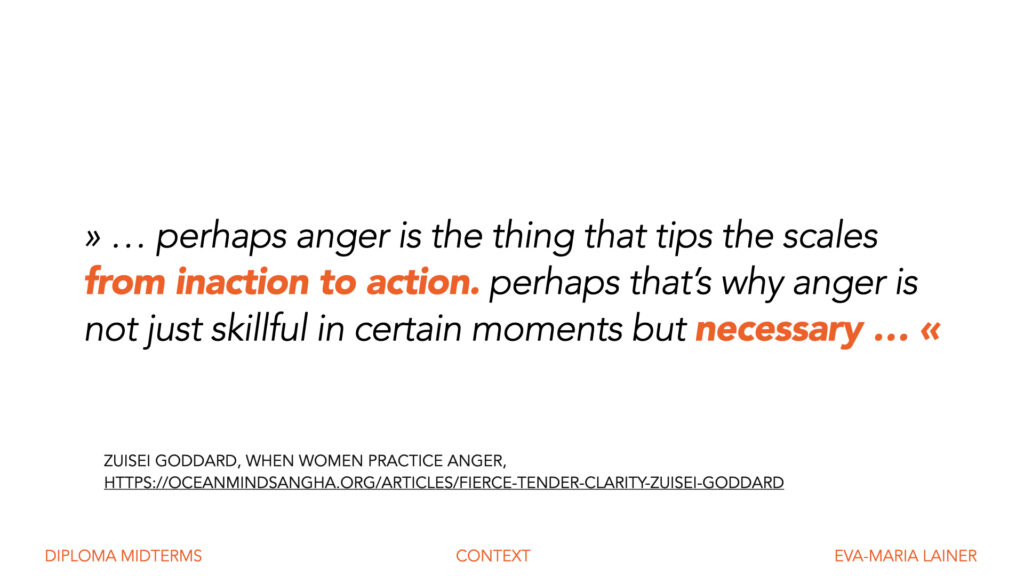
… perhaps anger is the thing that tips the scales from inaction to action. perhaps that’s why anger is not just skillful in certain moments but necessary …
–Zuisei Goddard, When Women Practice Anger,
https://oceanmindsangha.org/articles/fierce-tender-clarity-zuisei-goddard
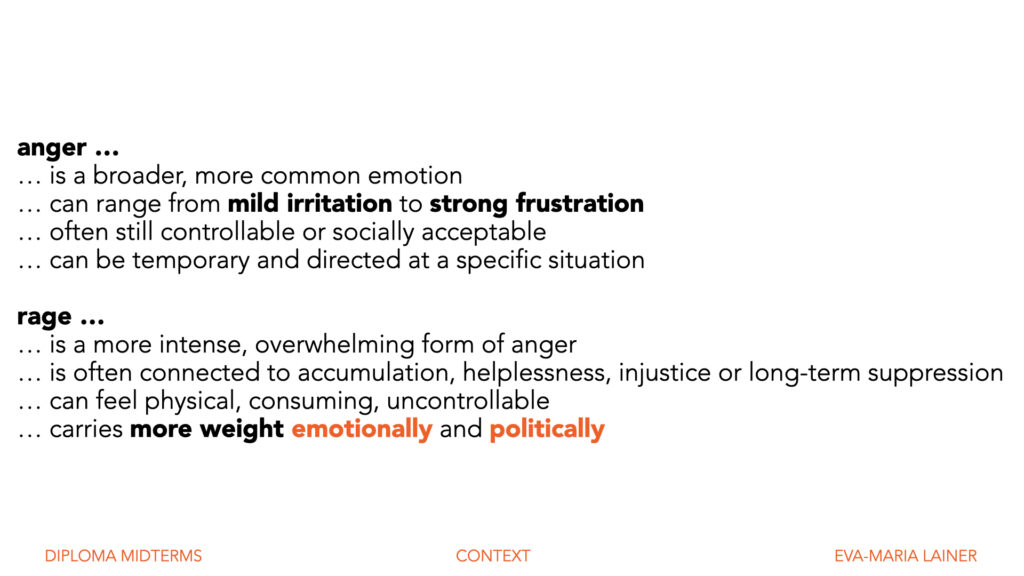
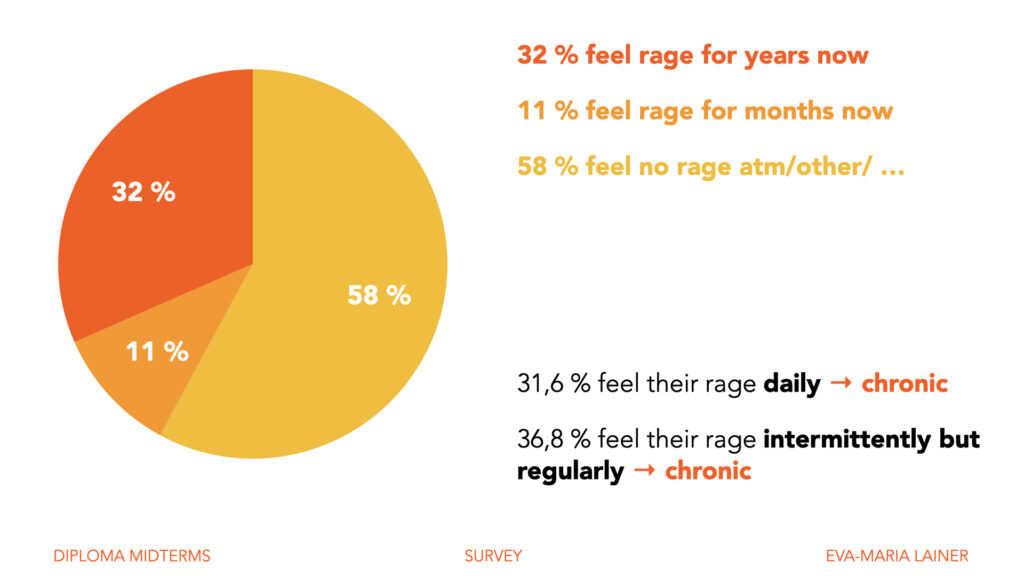
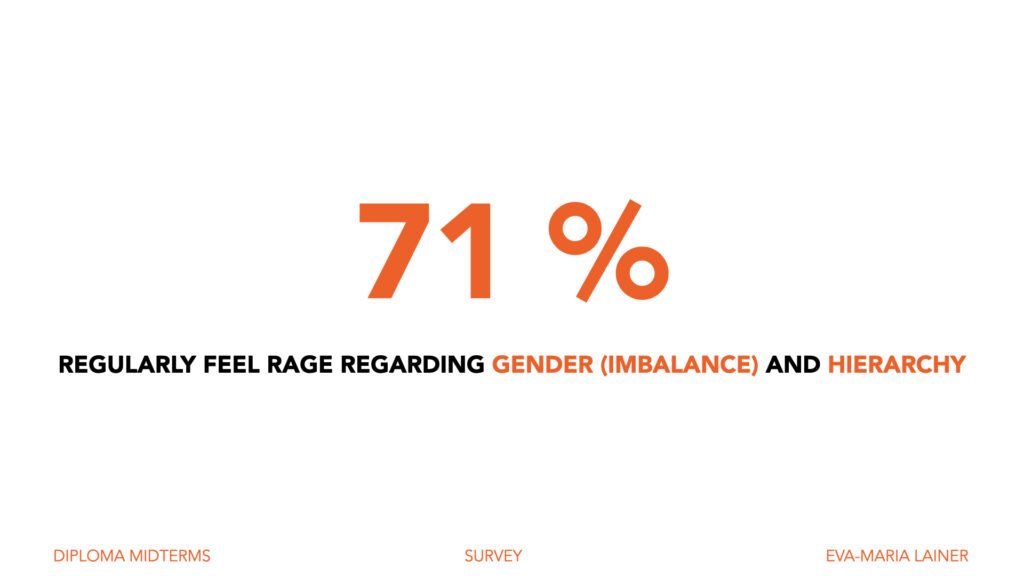
feminist/female anger becomes chronic because it is continuously reactivated by persistent structural inequalities rather than isolated events.
chronic anger (frustration) → productive anger (motivation)
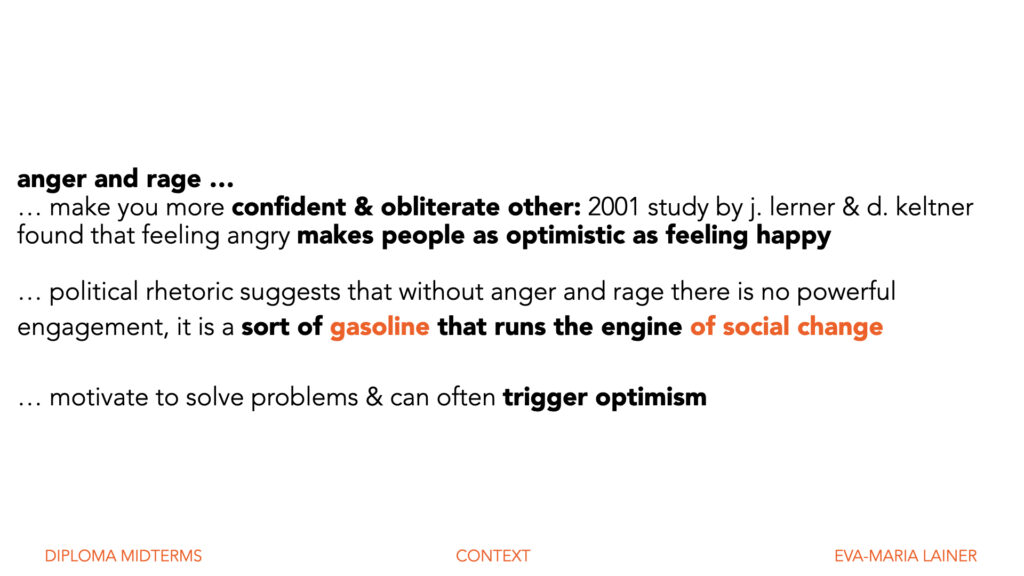
anger can trigger optimism and is a motivator
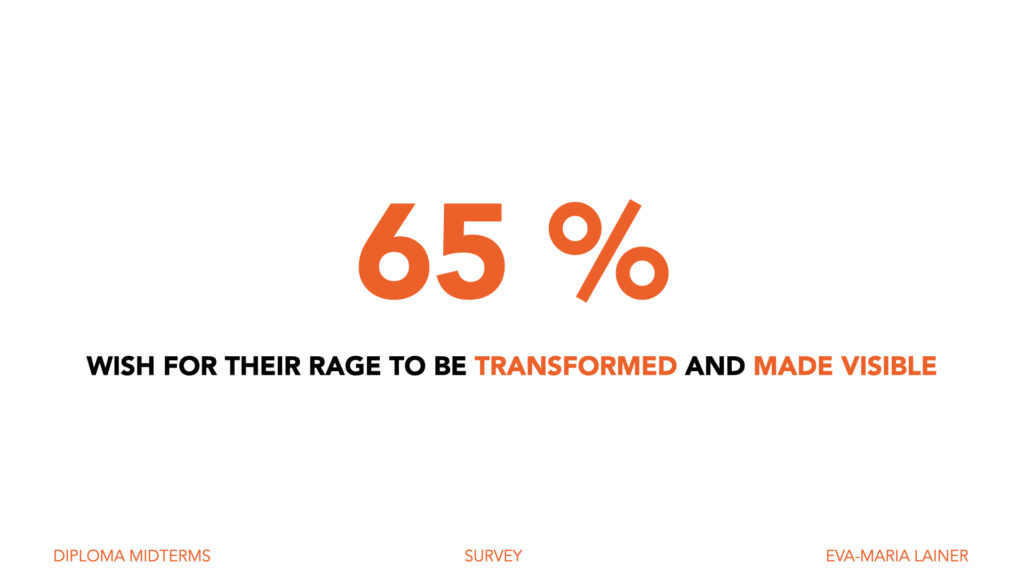
→ anger becomes a method of making || anger as a resource
→ psychological thinking: anger is an activating emotion (it generates energy, focus and a drive to act)
→ in emotion regulation theory, anger becomes useful when it is processed, reframed and channeled, not simply released
→ practicing anger, just like practicing happiness → anger desirable feeling, just like happiness
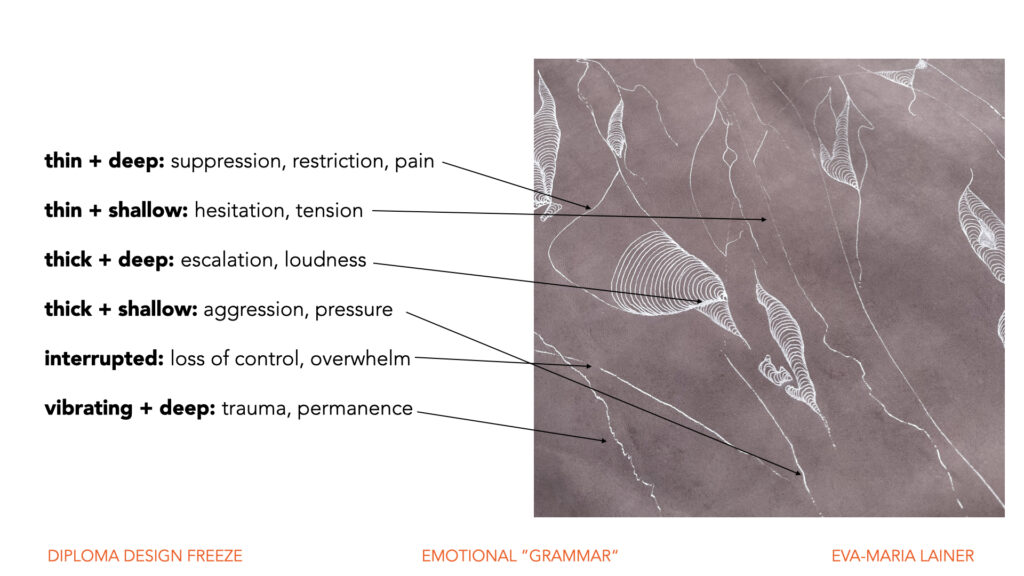
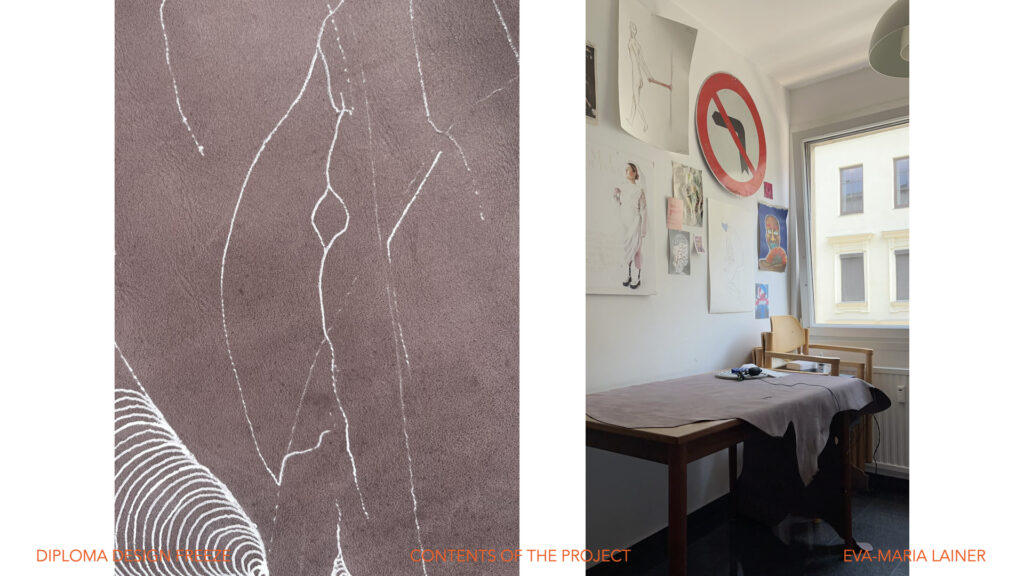
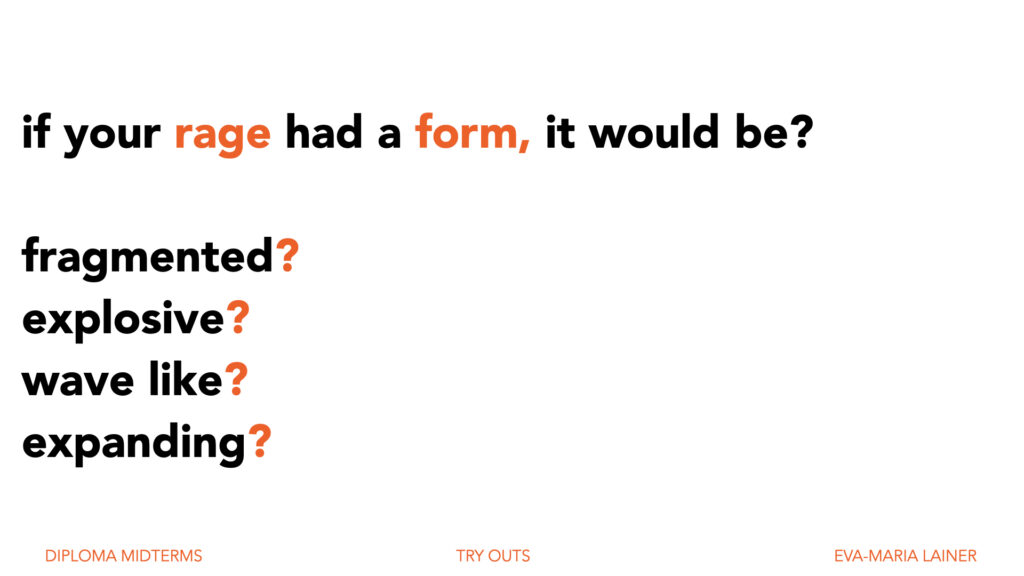
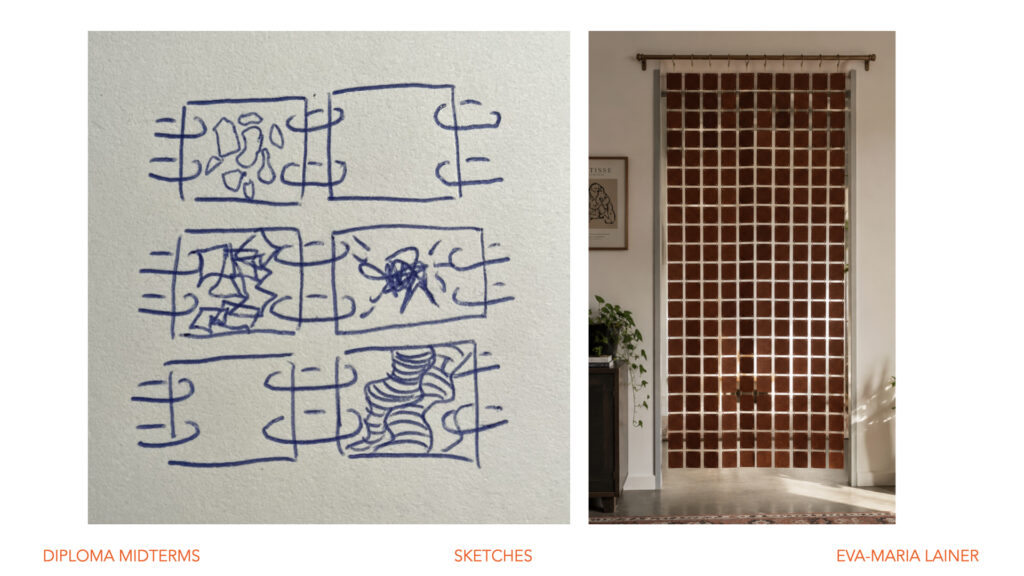
chronic anger spreads through the body in wave-like patterns; it is not punctual, but continuously in motion. it is not something that can be put aside, but remains as a second skin—part of our perception and our actions.
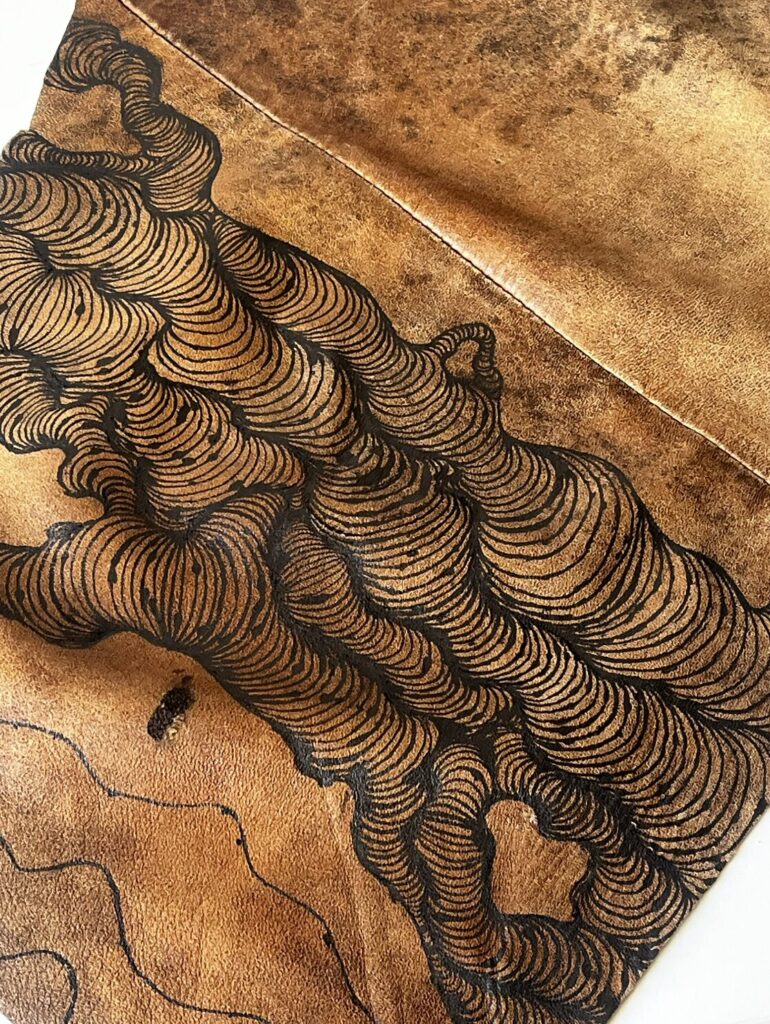
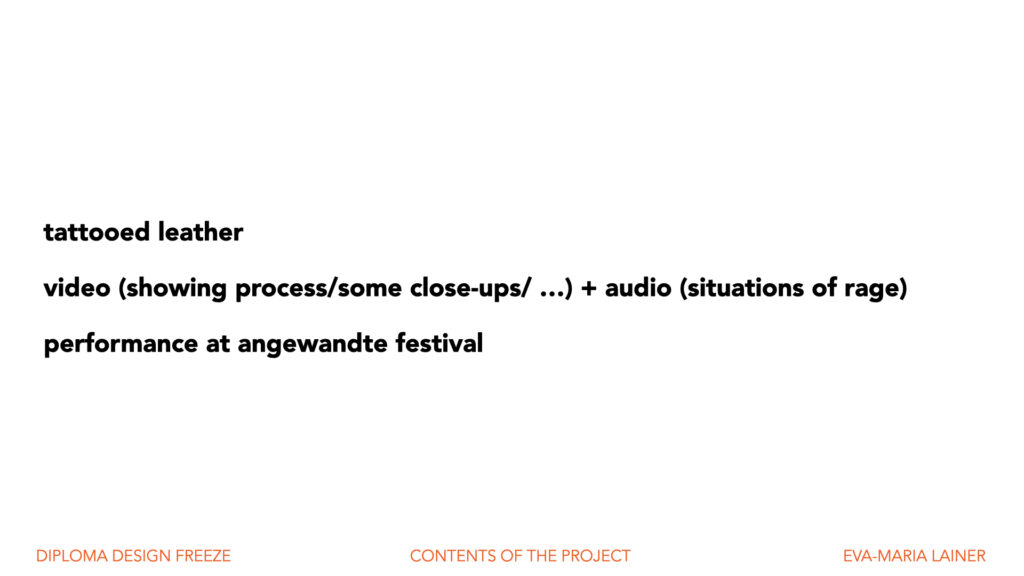
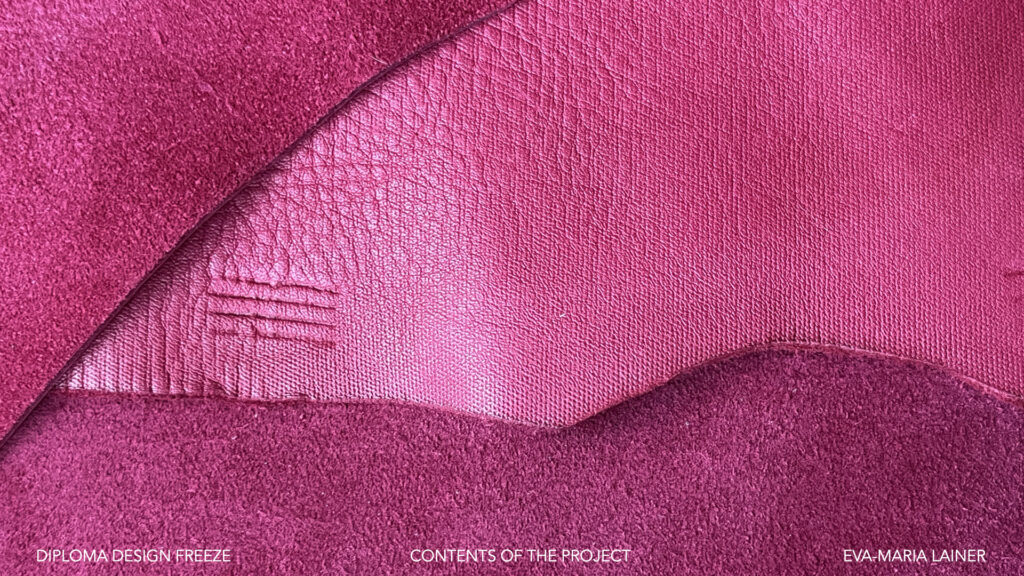
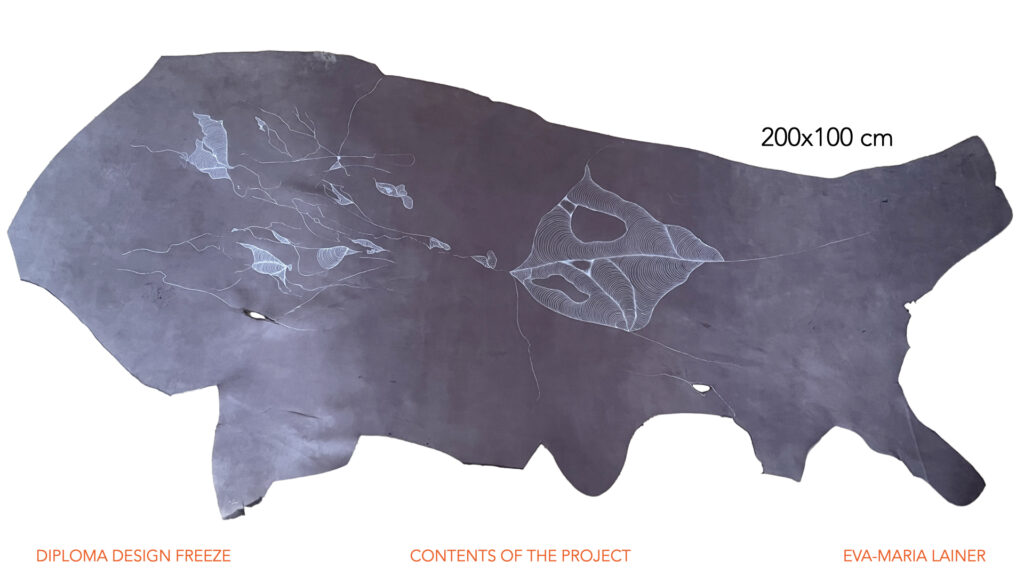
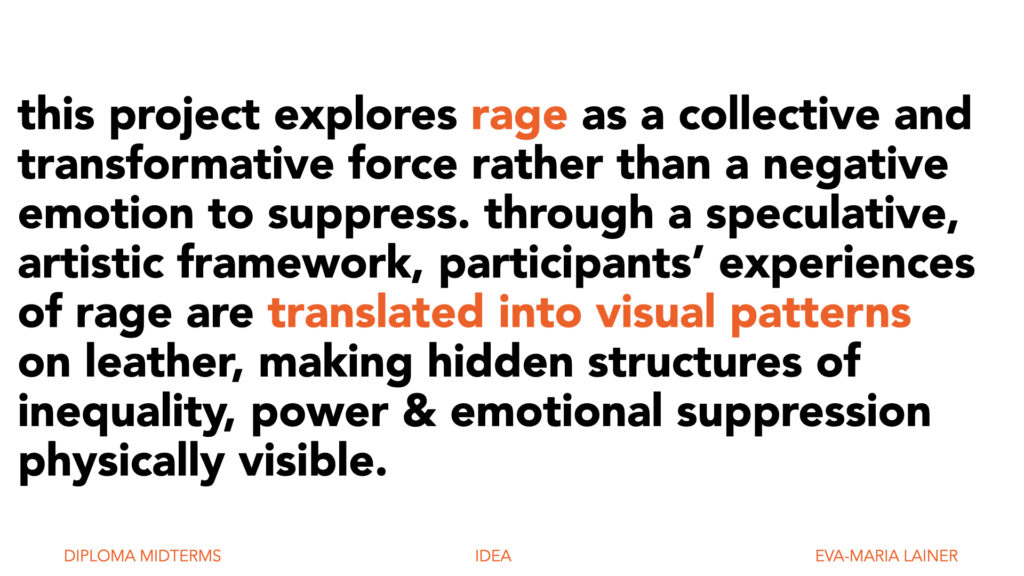
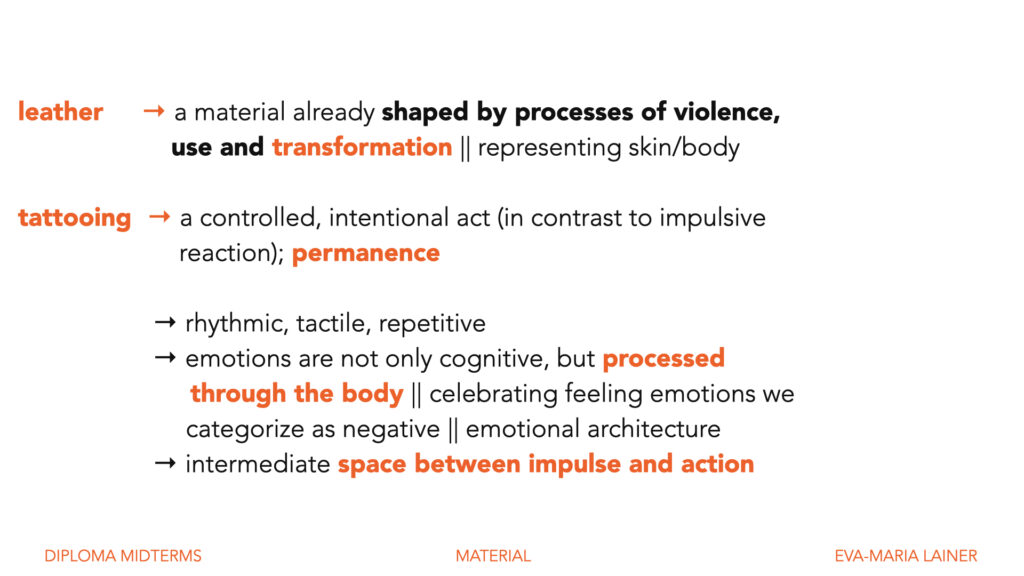
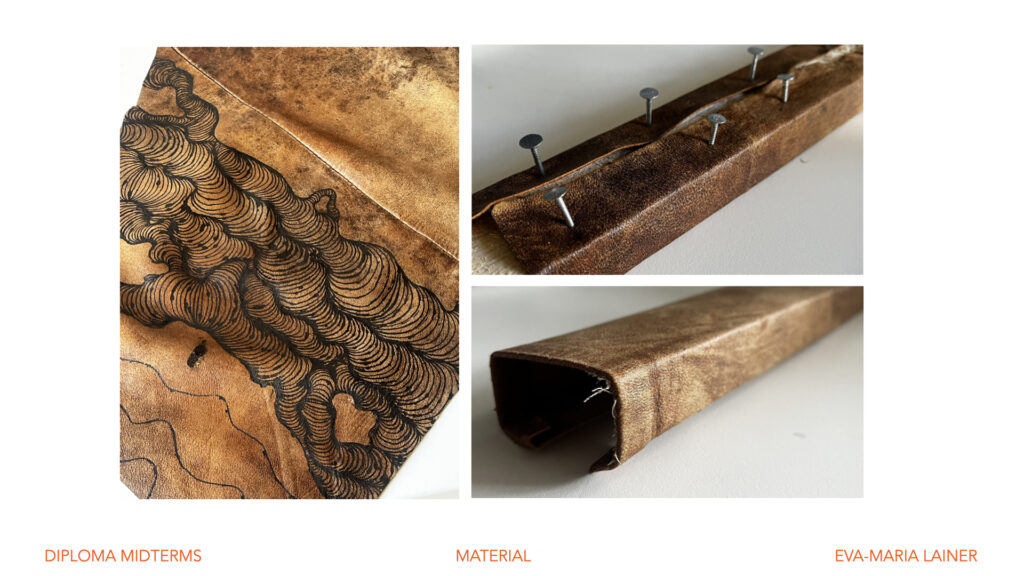
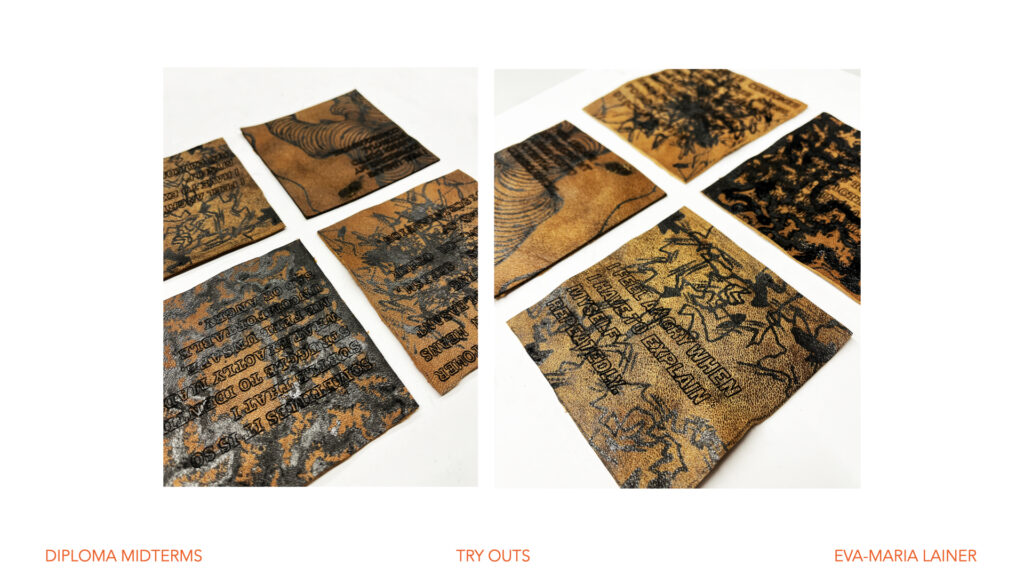
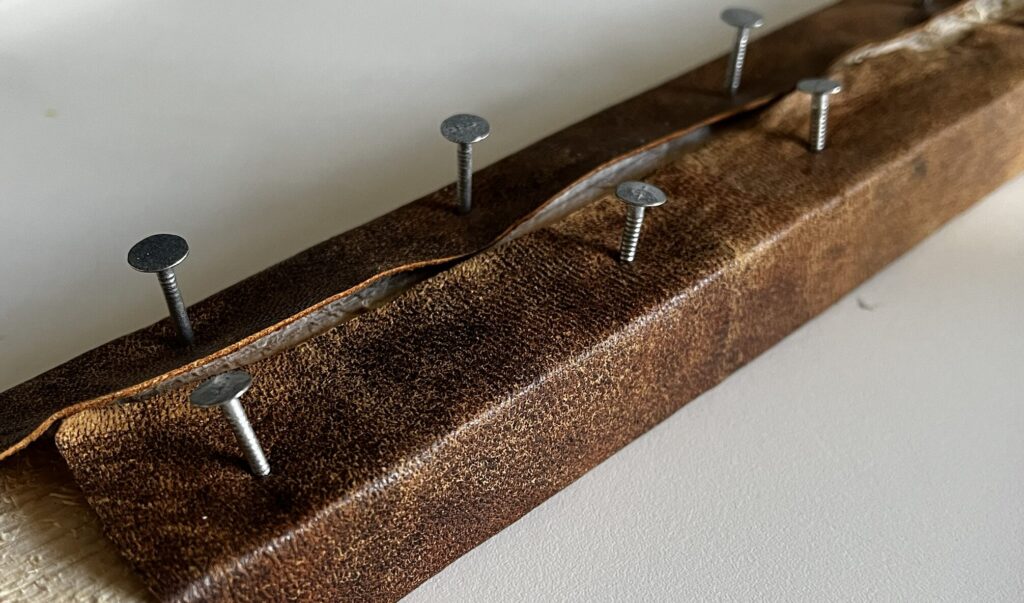
leather → a material already shaped by processes of violence, use and transformation
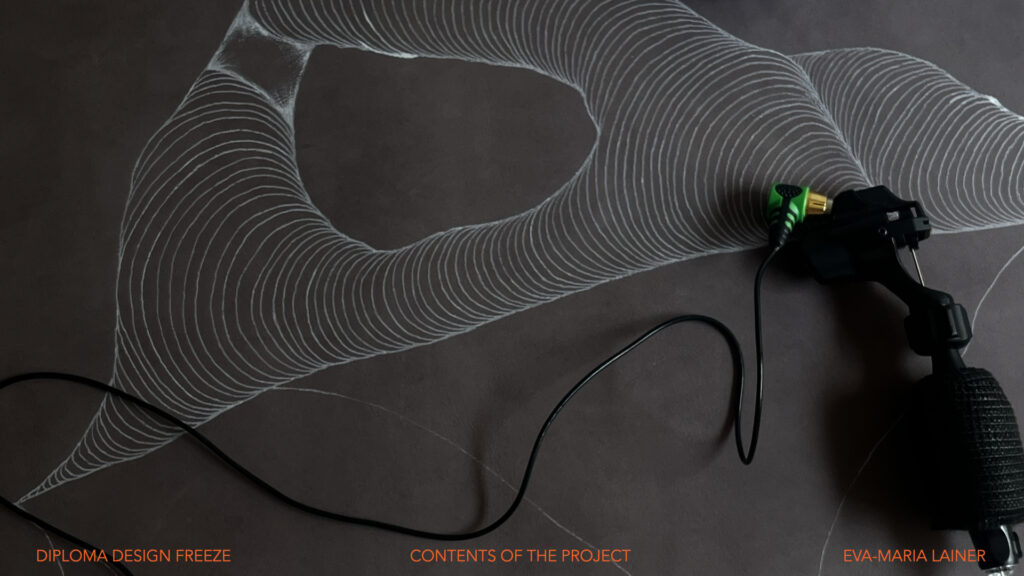
tattooing → a controlled, intentional act (in contrast to impulsive reaction); permanence
→ rhythmic, tactile, repetitive → emotions are not only cognitive, but processed through the body // celebrating feeling emotions we categorize as negative
repetition / ritual → training rather than catharsis (→ filming process) // repetition as emotional architecture—it structures feeling(s) over time
→ intermediate space between impulse and action

… anger is the deepest form of compassion, for another, for the world, for the self, for a life, for the body, for a family and for all our ideals, all vulnerable and all, possibly about to be hurt. stripped of physical imprisonment and violent reaction, anger is the purest form of care, the internal living flame of anger always illuminates what we belong to, what we wish to protect, and what we are willing to hazard ourselves for …
– Consolations: The Solace, Nourishment, and Underlying Meaning of Everyday Words
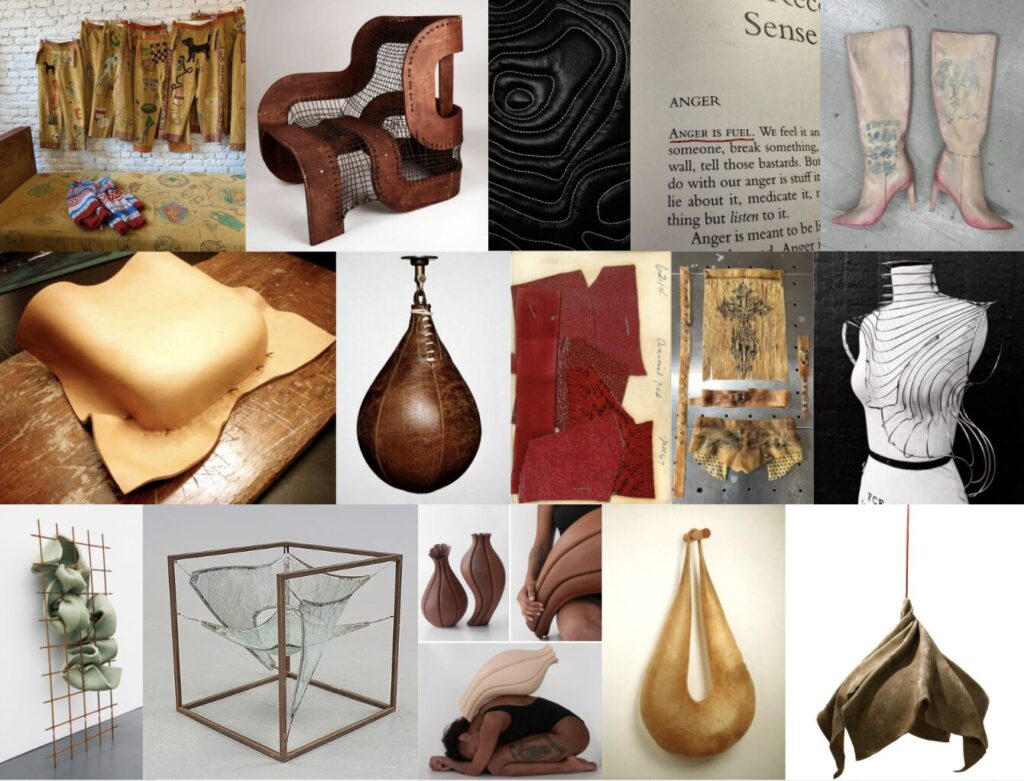
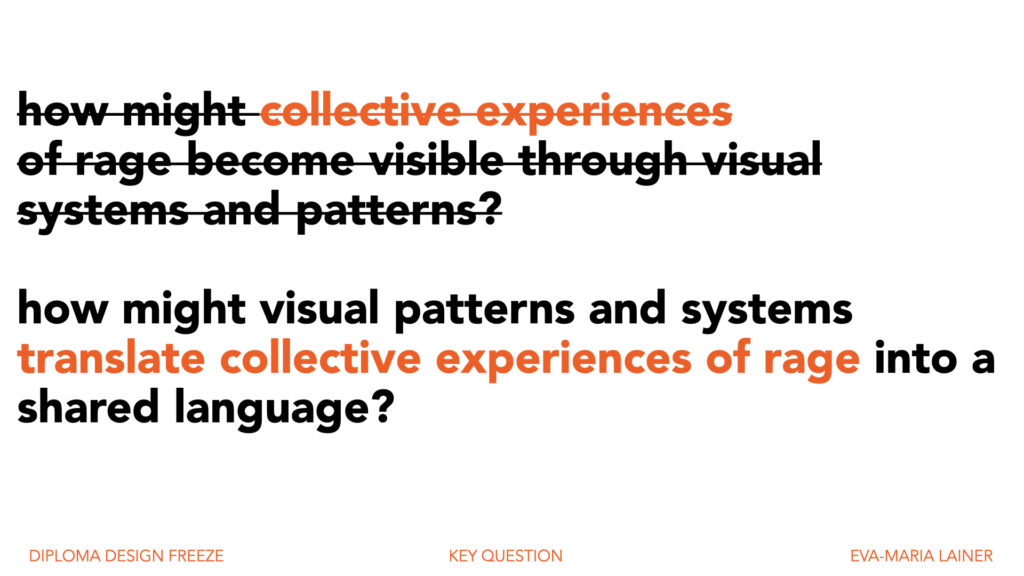
further steps // what I want to achieve with the project // questions // …
– filming process → intentional, repetitive act // same spot, … → coming up with a practice // anger becomes a method of making
– wet forming try outs // more complex forms → intentionally shape anger (?)
– is anger truly transformed—or just aestheticized?
– does the project need to be finished? ever-growing?
research
»the urge to exact revenge derives from our desire for cosmic balance, as well as from our attempts to overcome helplessness through displays of power.«
— philosopher martha nussbaum
revenge rights the scales, despite doing nothing to restore what was lost or repair what was damaged
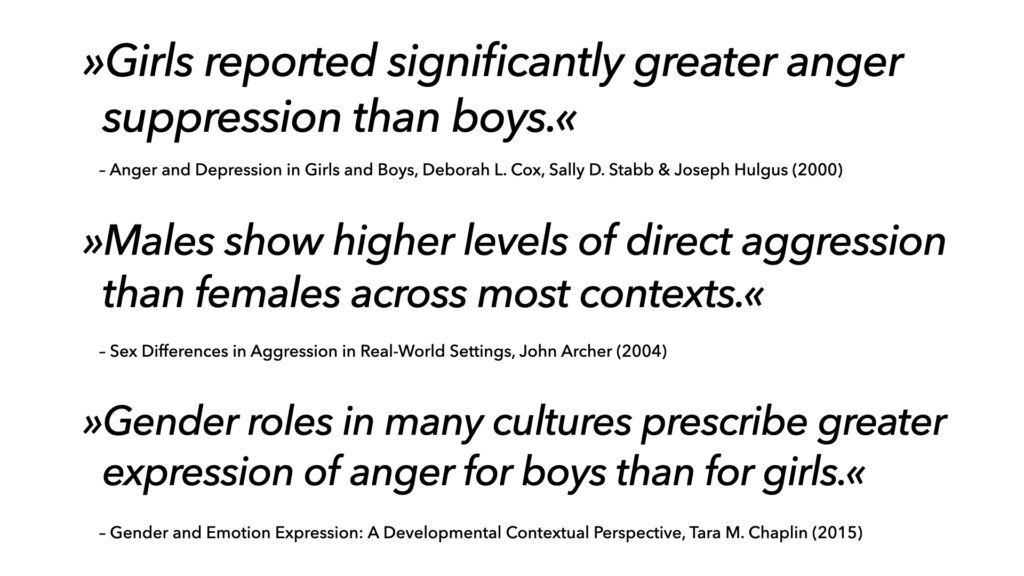
who has the right to be angry?
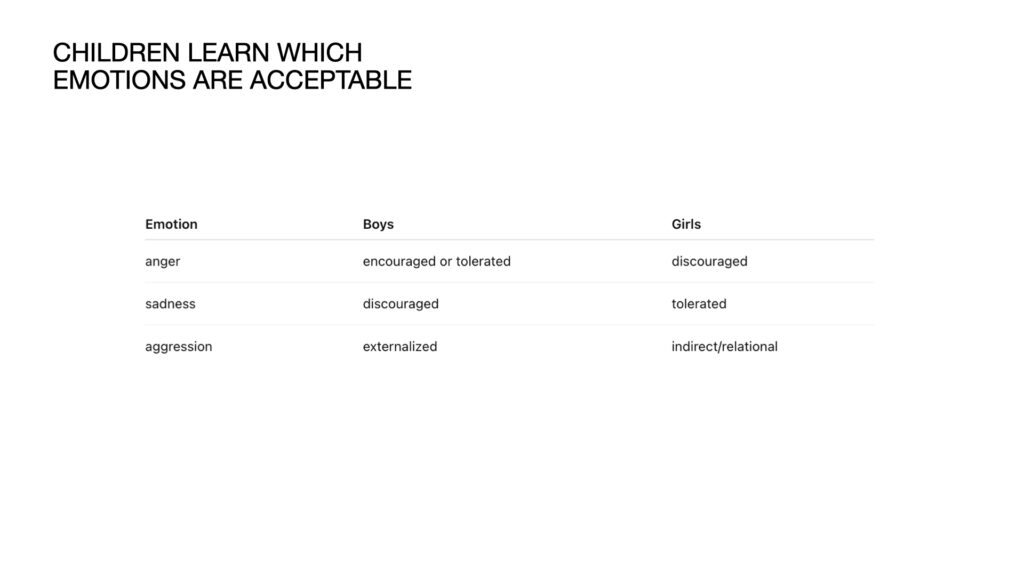
anger in men: authority, strength
anger in women: hysteria, irrationality
anger in marginalized groups: threatening, dangerous
expressions of rage are a means of exercising control over others & asserting status, a status defined in parts by the right to dominate: parents, bosses, police officers, husbands, …
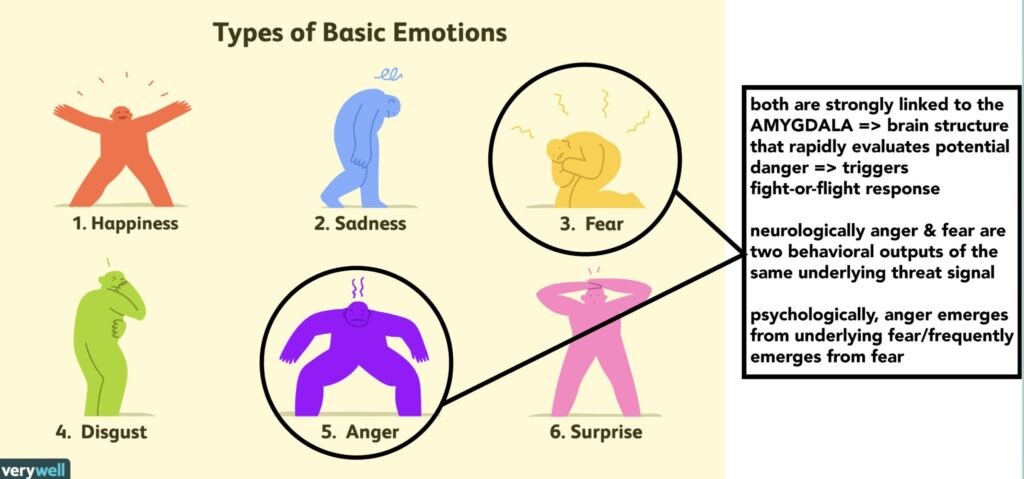
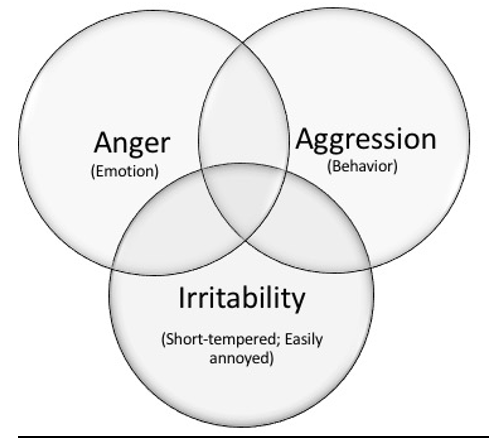
anger emerges from three interacting factors:
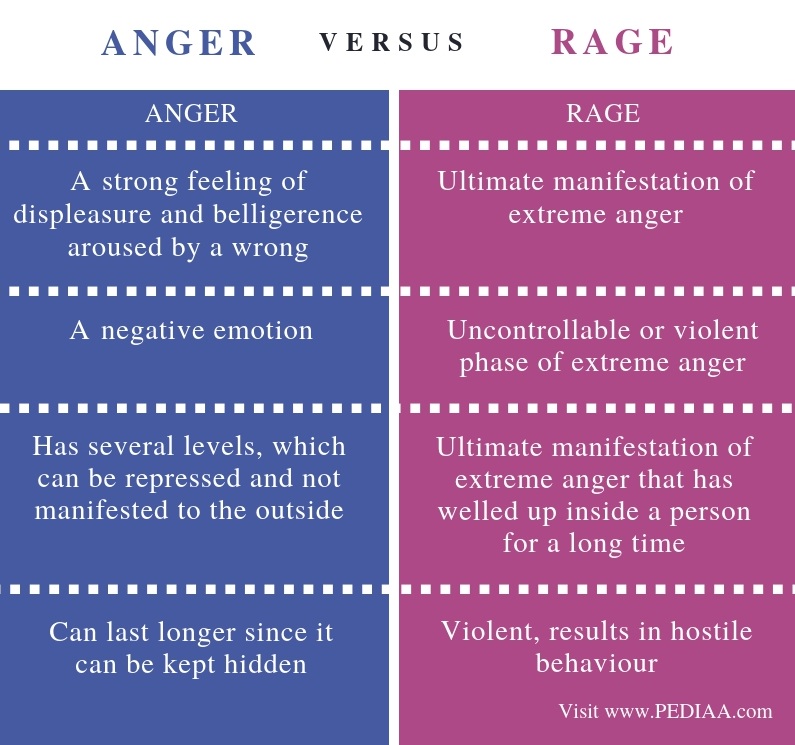
»I don’t get angry …« (no yelling, hitting …) — that means not getting aggressive, not not getting angry — individuals show their anger in many different forms, just like sadness
release anger? study anger? control anger? give permission for anger? make inequality visible? suppress anger even more? express anger early on? condition certain emotions?
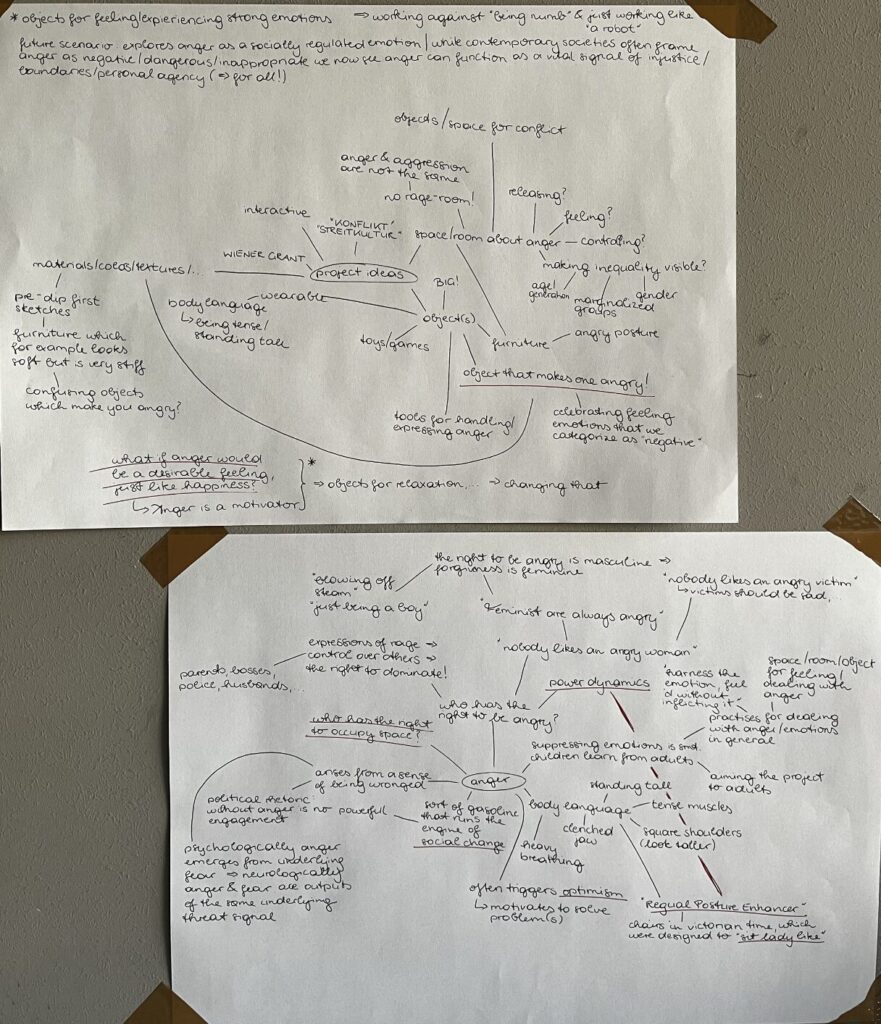
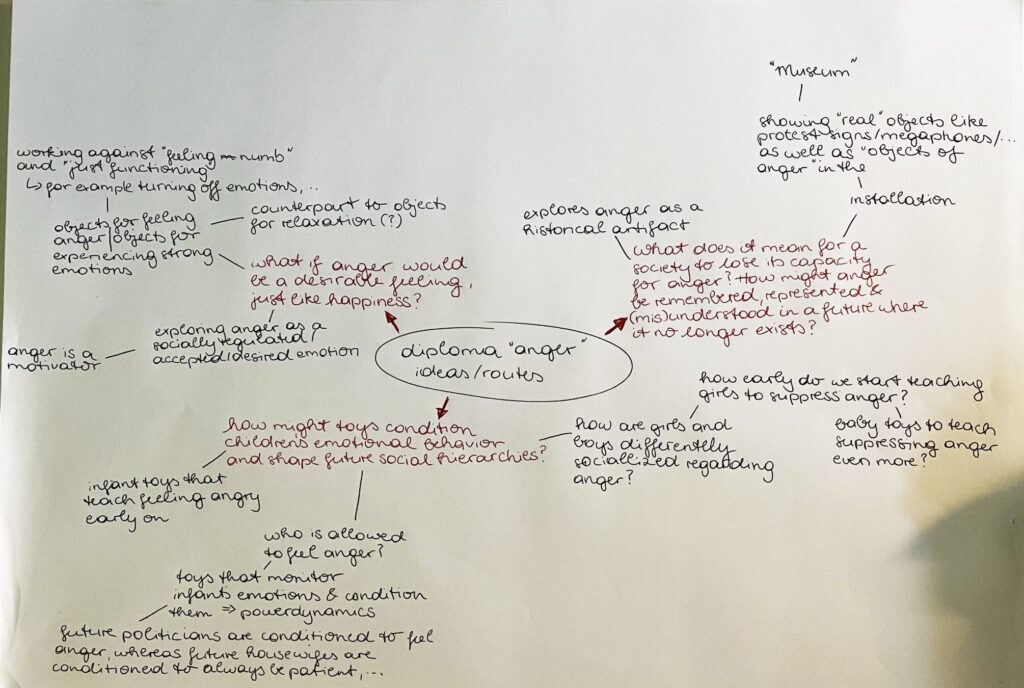
many questions and thoughts where this project could and should go 🙂
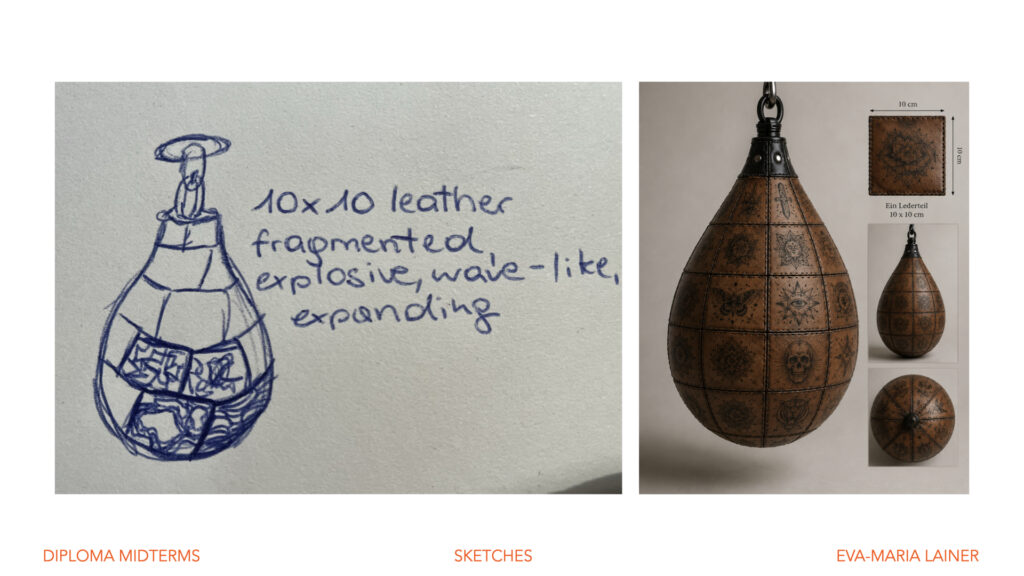
how can female anger be translated into measurable physical force? how do societal norms shape the perception and acceptance of this force?
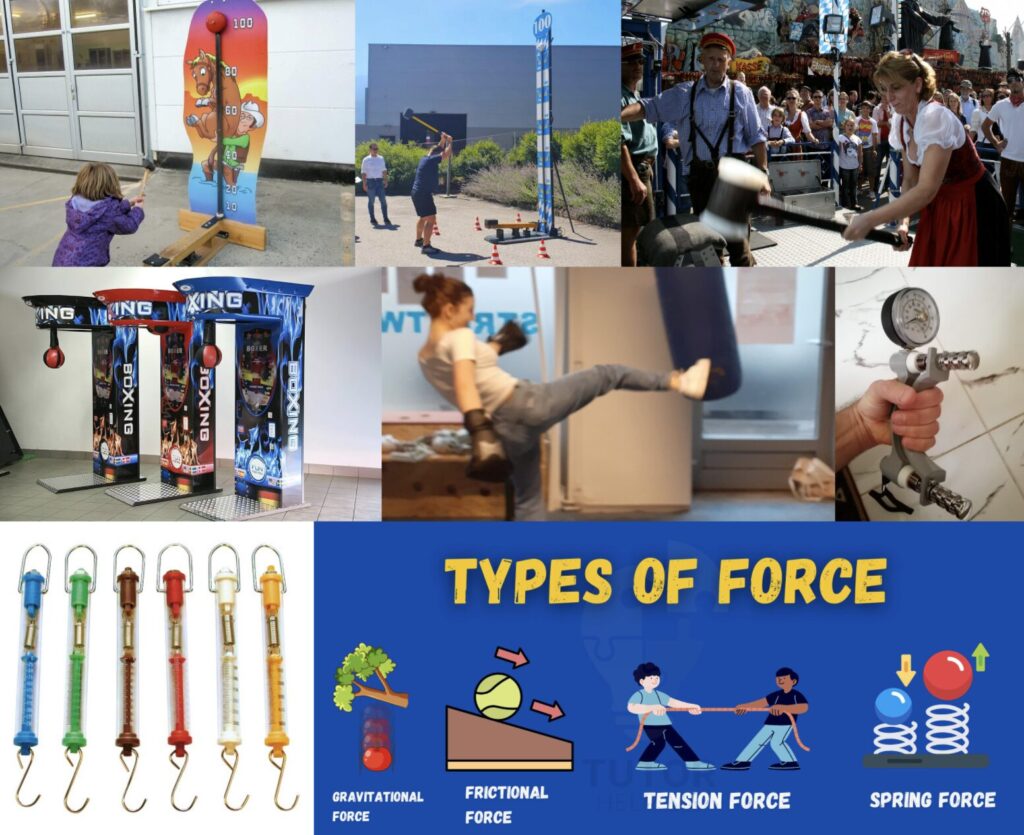
measuring force — »Hau den Lukas«, boxing machine, …
situated between critique and play, I want my project to use humor and exaggeration to make inequalities visible whilst also being food-for-thought. anger is a powerful emotion & I want to work against its bad reputation as solely »negative emotion«.
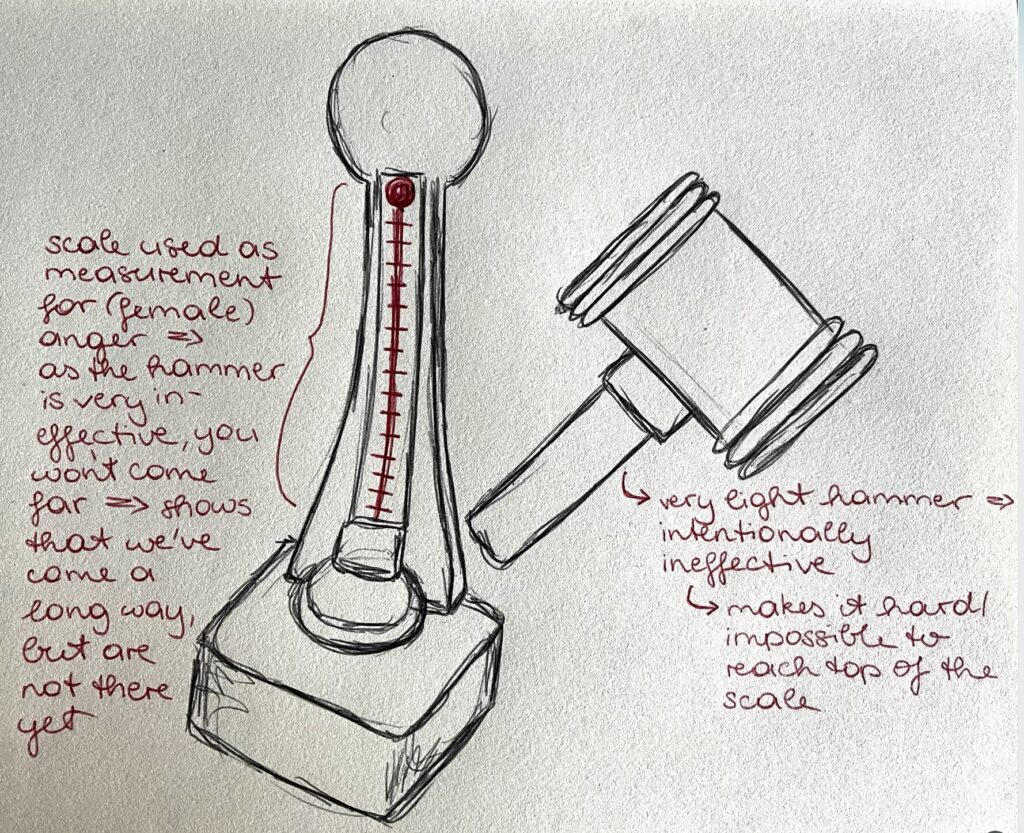
measuring power (of anger); frustration; showing power dynamics/systematic oppression/how different power is looked at gender-wise
further steps