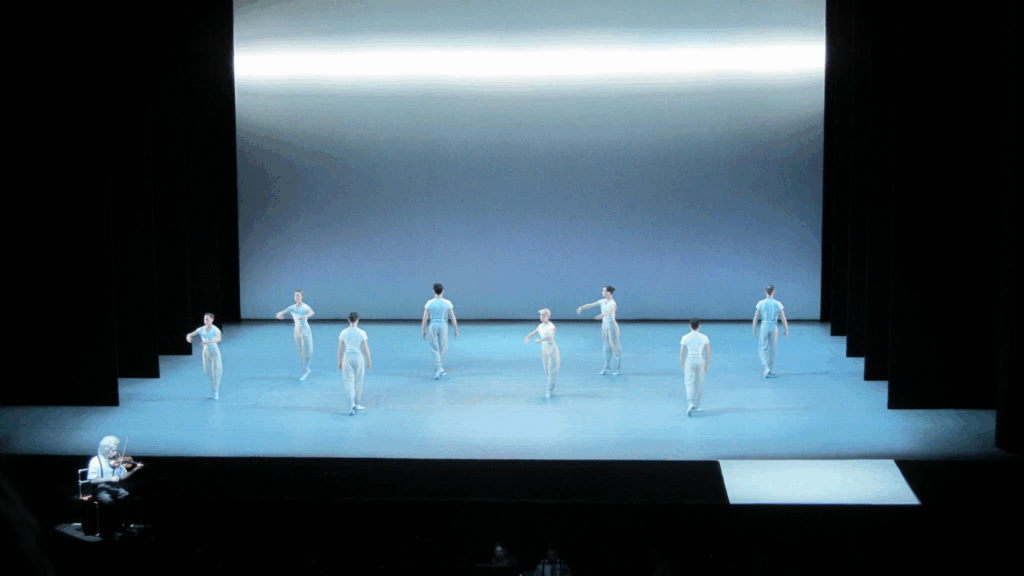
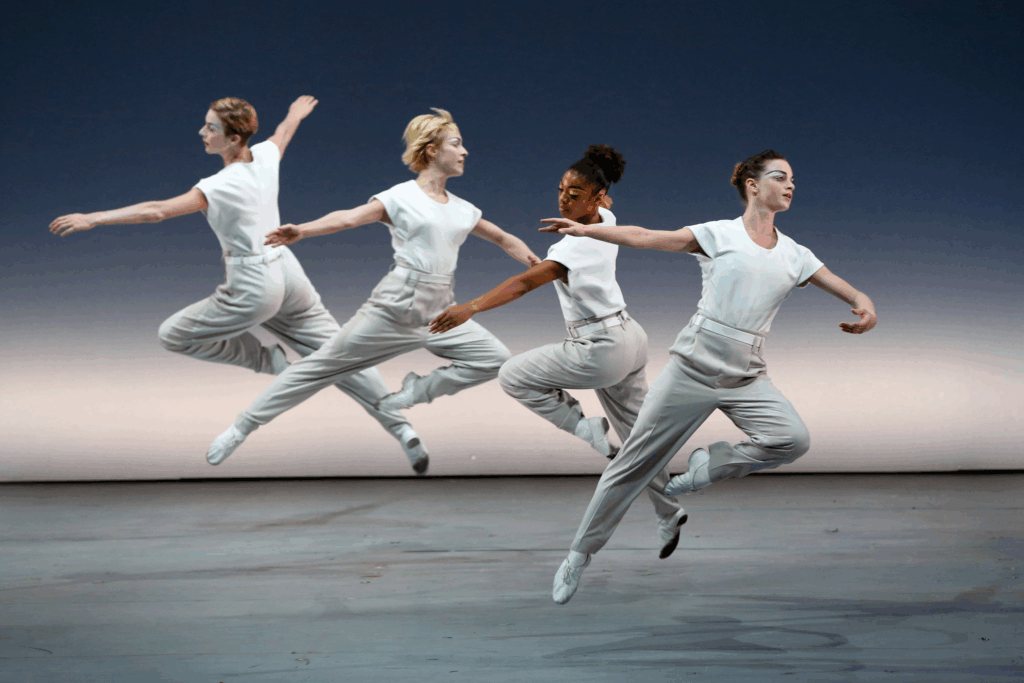
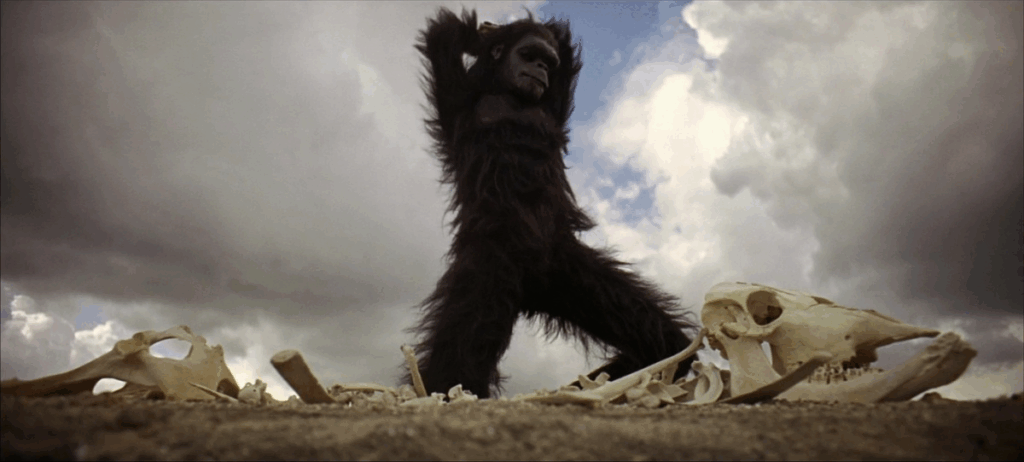
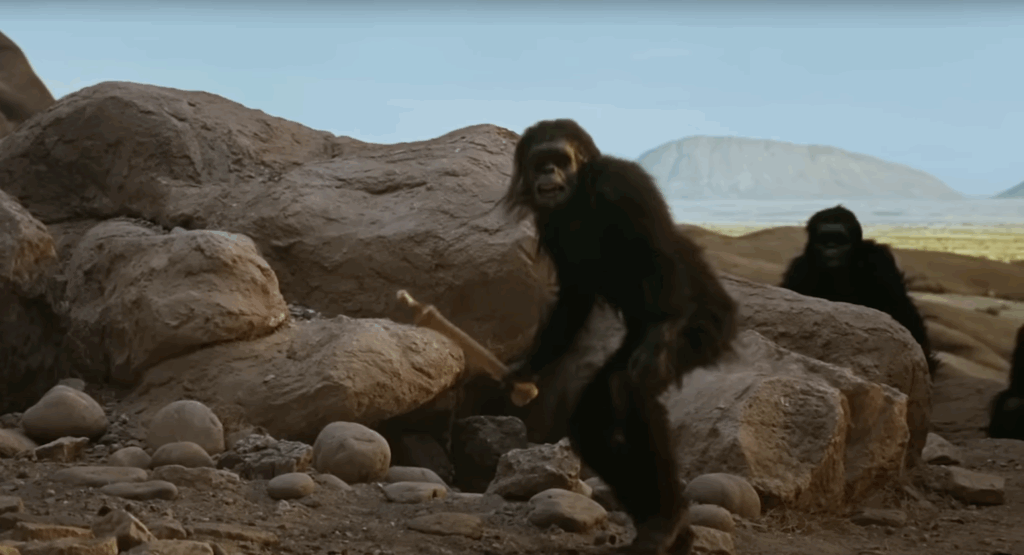
In a near-utopian “solved world” of frictionless calm, humanness has faded. Beneath this softness, an erosion of emotional depth lingers. We follow the subtle pulse of the ones, who puncture the polished surface to remember what it means to feel.
Storyboarding
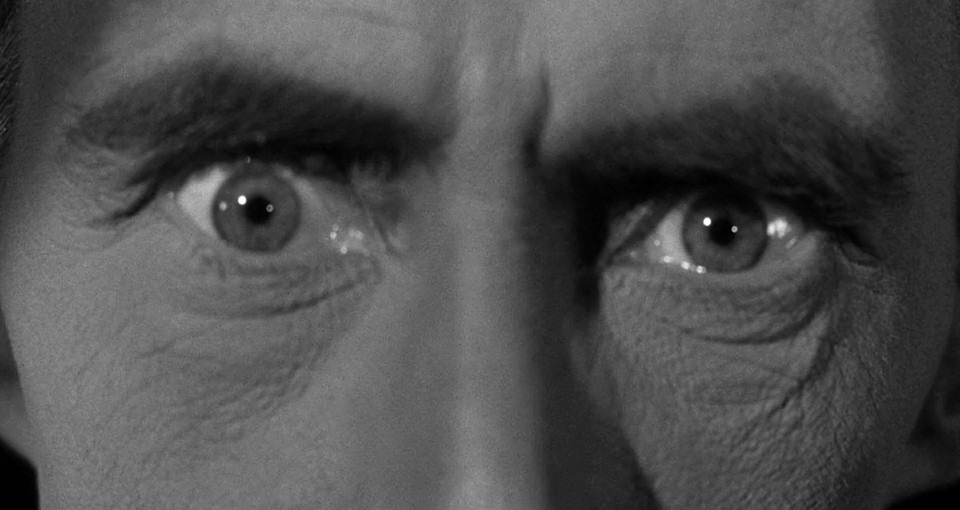
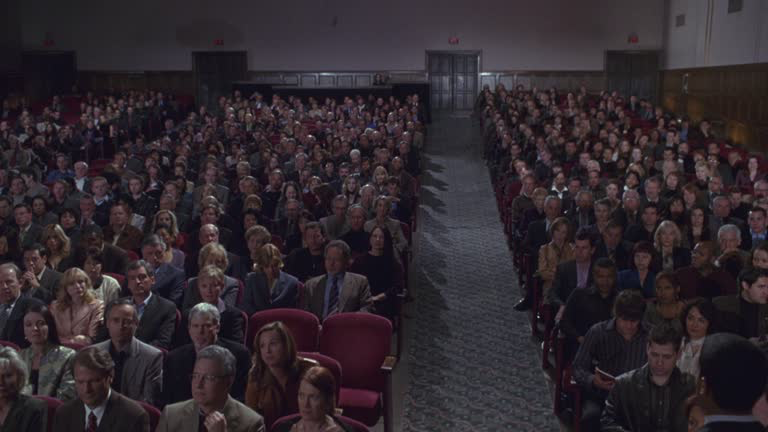
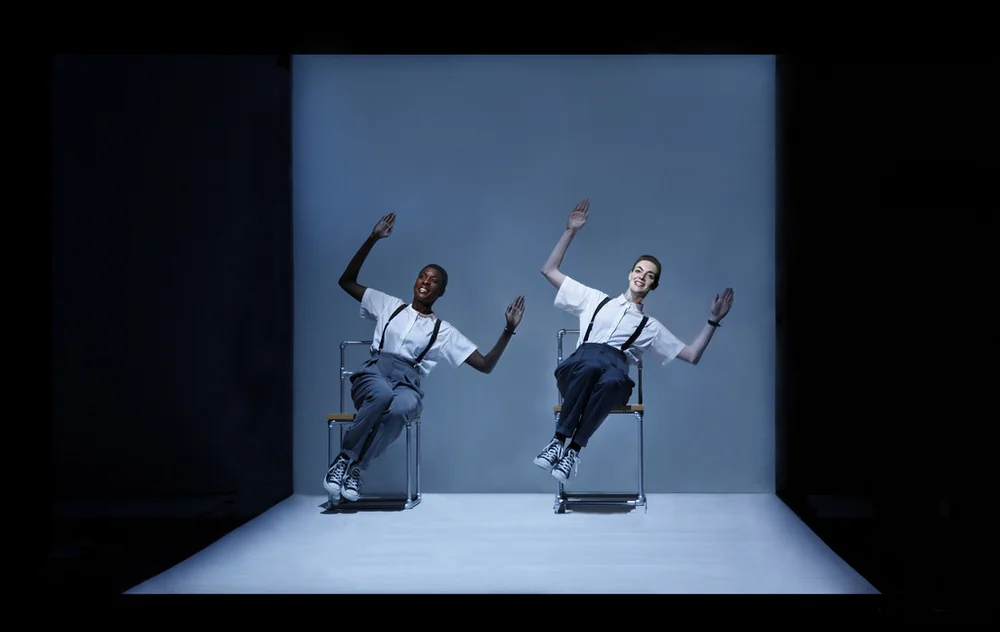
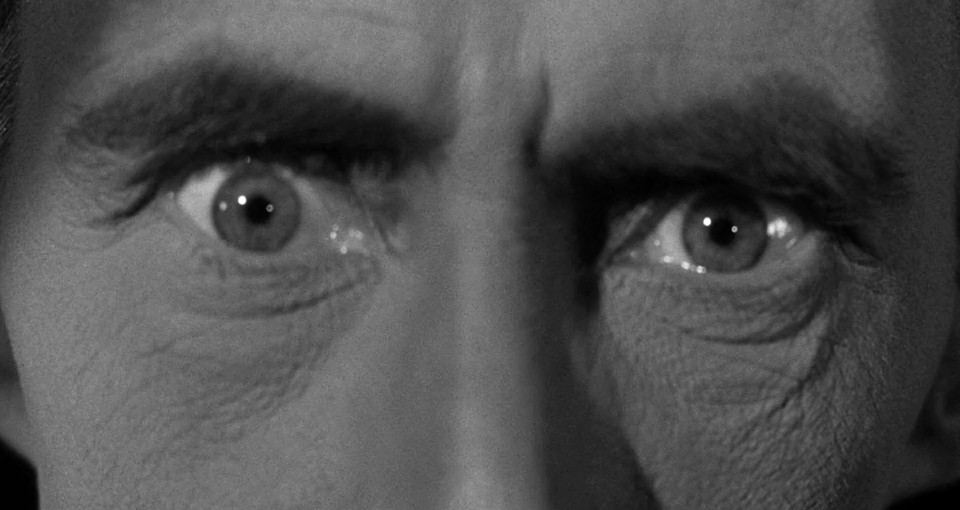
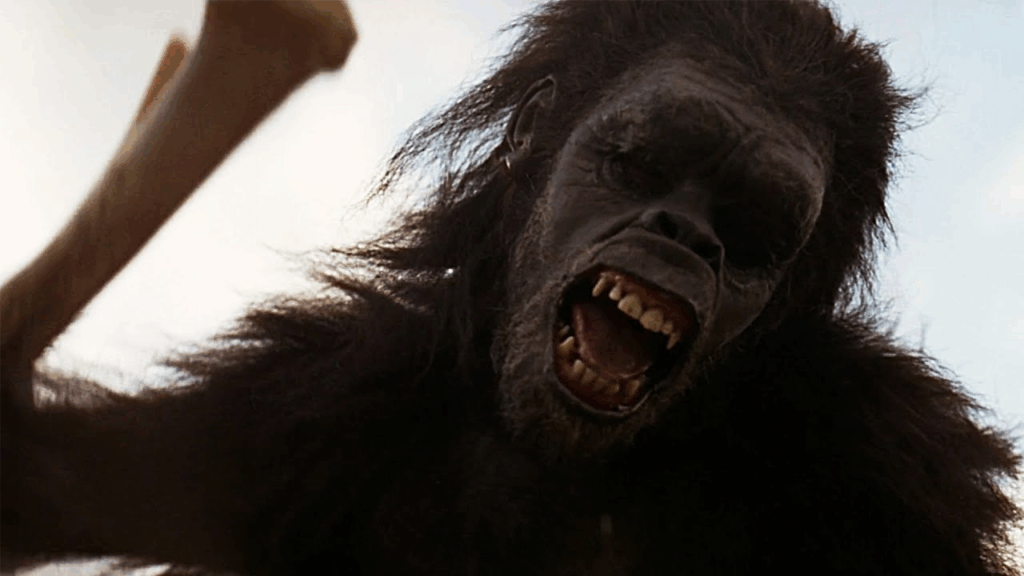
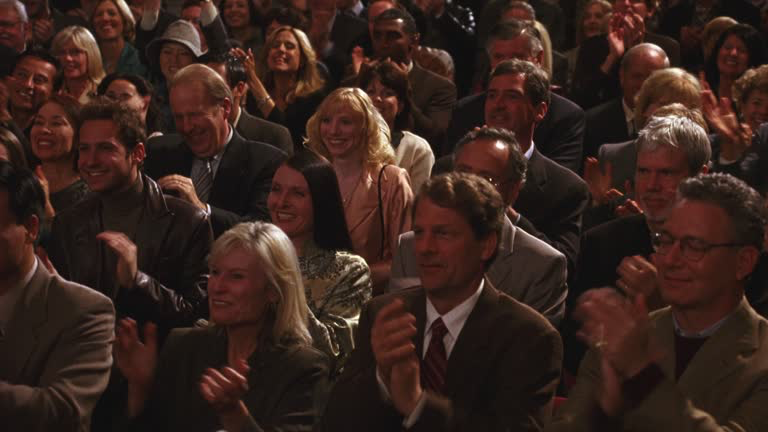
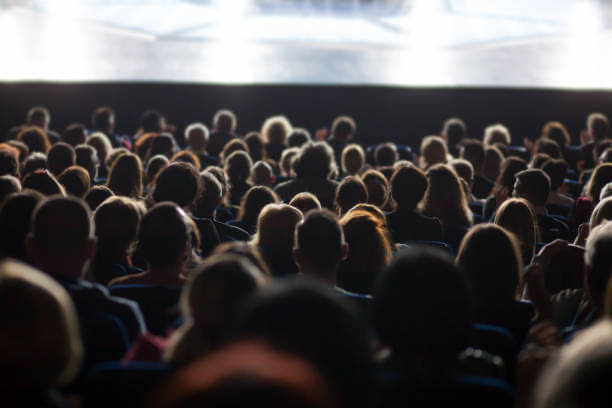
The opera reflects a futuristic utopian society, mirrored by the audience who represent its citizens. Within this seemingly perfect world, the protagonist experiences a vision of suppressed frustration, revealing his longing to reconnect with genuine human emotion beneath the facade of perfection.
Reflection & Connection
The Short Film connects to our project by showing how the pressure to appear “perfect” creates inner emptiness and silent frustration. Like feeling miserable on a “perfect” trip but not daring to express it, the protagonist is screaming inside while appearing composed externally.
Photoshopped fake Elon Musk Nick Land Joe Rogan Experience episode of effective accelerationism to feed to the Wan model
Process: Veo 2 with Google AI Studio
Prompt: Bearded man in black t-shirt is sitting on a couch in a living room watching a podcast on his phone. Phone in left hand, in his right hand he has VR goggles. Living room is very dark, looks like an abandoned office. Around him there a multiple empty black cans of energy drink with green logos on them. The couch is ragged and there are stains on it. Used tissues on the floor.Prompt: A video of man putting on a vr headset in his studio, walls covered in wood cladding. Cut to a shot of him wearing the headset very close up.Prompt: A very futuristic garden of Eden. Everybody is on their phones, and everything looks very modern and sleek. A lot of technology mixed with greenery. Almost sterile. Everybody has an uncanny smile. Everybody is very athletic and looks like a supermodel.
Failed generation– only women generatedTweaked prompt (for the video we ended up using): A very futuristic garden of Eden. Everybody is on their phones, and everything looks very modern and sleek. A lot of technology mixed with greenery. Almost sterile. Everybody has an uncanny smile. Everybody is very athletic and looks like a supermodel. Equal mix of men and women appearPrompt: Bearded man with black t-shirt lying down on a cloud floating in the sky with dark gray vr glasses on with a big smile on his face.Message to model, “Can you generate me the same except with hell as the background?”
Result above. No edits made on the “floating in the sky” prompt.Prompt: Bearded man with black t-shirt lying down on a volcano in hell with dark gray vr glasses on with a big smile on his face.
Final Shot
Used Nano Banana in Google AI studio to edit last frame of first shot, then put this into Veo 2 as the inspiration to replicate first shot.
Zukunfts Zentrum für deutsche Einheit und europäische Transformation Halle
They aim to showcase appreciation of lifetime achievements and awareness of the disruptions and upheavals experienced by people in East Germany and Eastern Europe.
my goal
I want to do a speculative project about the solidarity-based East, which takes this idea to its logical conclusion.
-> What means Solidarity to me?
For me, the basis for building solidarity is interaction between people, and therefore spaces and conversations are needed.
The tension between the need for open spaces and safe spaces in an open society is really interesting to me. Since both types of space should be used for community purposes, I asked myself what brings people of different ages together, outside of family activities.
In my view, passive activities that bring people together, such as eating, watching and listening, have low barriers to entry.
The most interesting aspect of living through times of transformation is the handling of necessary compromises.
I also got a lot nudges to firstly write those stories down, before thinking about dioramas or ways of displaying them.
story about living in a solidarity-based East:
The air in Garage Court 12-3 still carried the ghosts of two-stroke oil and material abundance. For decades, this concrete honeycomb on the outskirts of Leipzig had been a cathedral to the Trabi and the Wartburg. Here, under the flickering fluorescent tubes, men and women had spent their Sundays not just repairing cars, but making the scarce abundant, the broken functional. It was a republic of improvisation, where not only skills and resources were shared.
Now, the cars were mostly gone. But the spirit remained.
Thomas (51) slid up the rattling door of Garage 42. The smell that greeted him was different now: a mix of damp clay, warm electronics, and the sweet, yeasty scent of sourdough. His father’s workbench, once a place of utter chaos, filled with timing belts and left over plastics, now held a different kind of engine: a sleek, open-source 3D printer, humming as it extruded a custom part for a broken washing machine.
“Morning, Kommandant,” Jasmin chirped. Jasmin (29), a web developer who’d fled Berlin’s rent crisis, was carefully placing sprouts in the vertical hydroponic unit they’d built from old PVC pipes, mounted where the spare tires once hung.
Thomas grunted, a habit from the old days. He wasn’t a kommandant, but the name had stuck. He was the inheritor of this space, the keeper of its original, hands-on faith. His real inheritance wasn’t the garage itself, but the social circuitry it represented—the unspoken trust, the shared tools, the collective intelligence.
Over time the working rhythm changed, but the sharing ambition still stayed and so many new things arrived at these old garages.
Each garage was no longer a solitary kingdom. A large touchscreen by the entrance displayed the “Hof-Ökonomie.” It was a real-time map of the courtyard’s shared resources. Garage 18 had a professional sewing machine free for booking. Garage 7, still owned by a retired mechanic, offered “Diagnostic Hours.” Garage 42, Thomas’s, had the 3D printer and the hydroponic starter kits.
The true currency wasn’t the Euro, but the working hour credit. But it was more nuanced than simple time. The ledger valued skill. An hour of expert welding by old Herr Schmidt from Garage 5 was worth more credits than an hour of basic labour. The system recognized the value of historical, hard-won competence.
The social glue stayed the same as in the past: passive, low-stakes co-presence. People didn’t come for a “community meeting”. They came to fix a bike, to pick up lettuce, to wait for a print job. And while they were there, leaning against the doorframes, they talked. They solved problems. A young programmer explained blockchain to the retired mechanic, who then suggested a simpler, more elegant physical solution for securing a server rack.
When Jonas joined the garage block, he spends an hour doing heavy, unskilled work—moving compost bins for the communal garden, for that he earns 1 credit. Meanwhile, Herr Schmidt, the retired mechanic, spends an hour fine tuning the delicate calibration of the 3D printer, a skill born of 50 years of mechanical intuition. He earns 3 credits.
Jonas begins to grumble. “His hands are clean. I’m the one sweating. This isn’t fair. An hour is an hour!” He gathers a small group of members whose work is more physical than intellectual. They demand a flat rate. Herr Schmidt and others, like Jasmin whose coding is also highly valued, feel their skills — the hard-won competence —are being devalued.
Thursday, 5:15 PM. Anne-Kathrin (44) no longer enters the yellow-and-blue megastore that dominates the village center. Instead she walks into the “Elbtalkonsum,” the converted, former state-run store, where the old neon sign still glows, beneath it a new placard greats its customers: “Co-op Members: Your crate is waiting. So is your puzzle.”
She scans her code, and her weekly vegetable and staple-food crate slides automatically into her locker and like that the shopping is done. What she came for, is actually something else.
In the lounge area, where people once queues for the meat counter, Mark (29) and Hedi (71) are already hunched over the massive puzzle. It doesn’t show an idyllic landscape, but a live satellite map of the region’s agricultural land. Each piece represents a field, a forest, a solar cooperative. “You’re late,” Hedi grins, “Mark was about to sneak you the piece with the new community wind turbine.” “It’s on Farmer Neumann’s land,” Mark adds, “he finally let himself be convinced.”
They talk, fit pieces, drink water from the old “Sinalco” glasses everyone uses here. This isn’t protest; it’s lived sovereignty. When Anne-Kathrin leaves, the puzzle is almost complete. Next week, there will be a new one. This is her weekly act of quietly constructing a different world.
next up
story creating methods??
writing stories + starting with small pieces from the dioramas
On December 22, 2032, an asteroid will strike the Earth. Knowing that nothing can be saved, I spend my final months building a device — a strange, beautiful thing, that will help me make a perfect wish upon the very force that will end it all, and create one last moment of light in my brief life.
.
.
“Sky”(with everything in it) also means “God”. → Asteroid is an embodiment of the god, the bad fate given by the god. Making wishes towards sky/asteroid is a grand event that needs to be treated carefully. → Talking to the bad fate. I take you seriously, I won’t let you destroy my spirit. I will gain motivation and strength from you to live my life.
What the protagonist is trying to do: to give a meaning to the rest time of her life, to motivate herself to live (motto in lockdown: Keep living. Live them all out.), and to create a self-made highlight at the end before her death.
The wishing device is her approach to achieve it.
.
Function of the Wishing Device
Storywise, an epitome of the protagonist’s efforts and her resilience
Sense the presence and state of the asteroid and herself in the universe (time, direction (asteroid can’t be seen), brightness)
Achieve alignments of “the right timing, the right place, and the right person (天时地利人和)”
Be connected/united with the sky (“天人合一”, harmony between human and sky)
In the film, accompanied with sound, guide the audience through that uninterrupted, pure spiritual experience
.
Tryout of the ending: the time to make wishes to the asteroid/the fate given by the god
.
.
temporary device placeholder
refer
天、見たけ/See Heaven (1995), Directed by 河瀨直美 [Naomi Kawase]
.
post production
.
Vast sky, big tree, how insignificant humans are before nature and fate
Tiny wishes and efforts matter. Personally they are significant
Option: make the protagonist bigger?
.
close-up demo
.
love the long take for the ending, creating a complete auditory and emotional experience
the hill background is good!
simpler scene (long shot with silhouette) preferred, tiny person under nature
Then
probably make person slightly bigger
shoot before complete darkness?
make the device an obtrusive contour, visible in dark (luminous 3D material, or LED lights)
No close-ups of the device at the end, so need to explain its function beforehand.
Through film: → use three short scenes of me adjusting the device to show how it works — one shot for time (a clock/time screen), one for direction (a visual compass), and one for the asteroid’s state (3D simulation). Each produces a different sound.
Set design: calendar, pin board full of sketch and research?
.
Device appearance
how about some amazing filaments:
.
Moodboard
space fantasy, bizarre light strange and beautiful (but how??)
.
Keep the orbits/the brim
…how should the hearing part look like??
.
1. Transparent hemispherical headphone
electronics can be put in the transparent hemispheres