Lili Miklós

  • Team 1 Feedback Session 19.12.25

    By

    Anton Haberl

    ,

    Derin Sahin

    ,

    Lili Miklós

    and

    Eva Aartse

    What We Do in the Shadows (2015) – A mockumentary style comedy horror film on vampires

    Bill Nicols modes of documentary:

    Reflective Mode
    Questioning the authenticity of documentary in general (fits to the brief: make a “fictional” documentary)
    Challenge the form and expectations you have by watching a documentary
    Form in this mode: the mockumentary
    Depicting an observational/expository documentary but completely fictional.
    we will be subjective, getting across an absurd point, poking fun at all the tropes and play with convention
    Eg. ‘What We Do in the Shadows’, ‘7 Days in Hell’, ‘Tour de Pharmacy’, ‘the Office’

    Participatory Mode
    ‘When the encounter between filmmaker and subject is recorded and the filmmaker actively engages with the situation they are documenting’ (Nicols, 2010)
    The filmmakers are as well the subjects of our doc as the sloth they are filming
    Eg. Michael Moore, Louis Theroux
    This allows for us to get our “subject” viewpoint across – and tell the narrative we want to tell

    Documentary form & styles:

    • the interview (authenticity & authority) off-camera & formal + informal interview style (sloth tending it’s plants, showing the special toilet procedure)
    • ‘voice of god’ narrator style
    • B roll (location shots of apartment, sloth going outside, close up of front pack, crew setting up/having discussions) providing visual variety and showing what’s being talked about and give pace to the doc and topics
    • scenes (sloth running into friend) making the audience feel like they are there
    • archival footage (old pictures of sloths, giving some backstory in introduction (giving historical context of development of community), also to explain certain features of the modified human sloth eg the 4 stomaches)

    OUR MOVIE

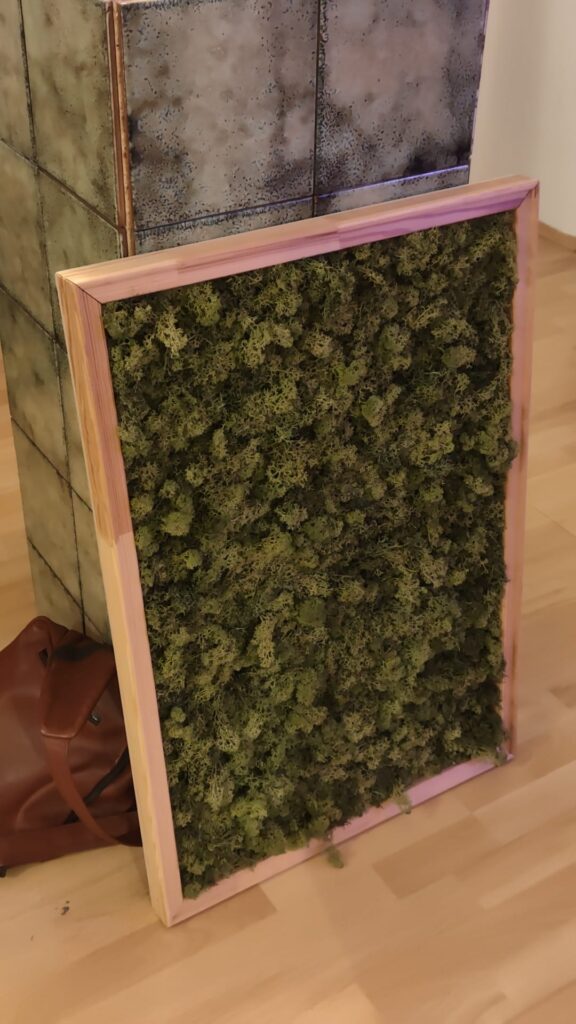
    Interior of the sloth apartment
    The Sloth
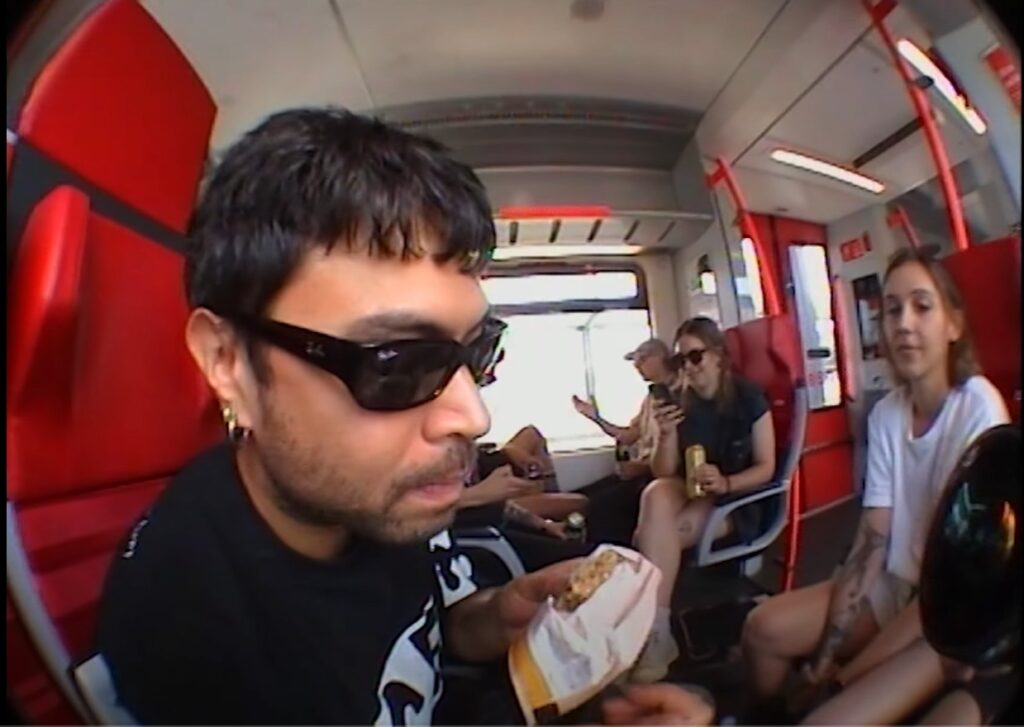
    Camera
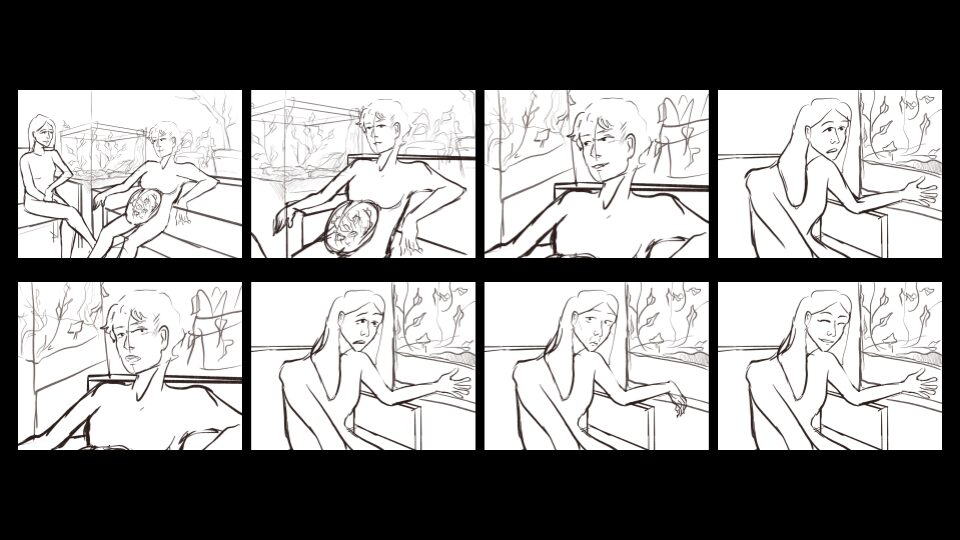
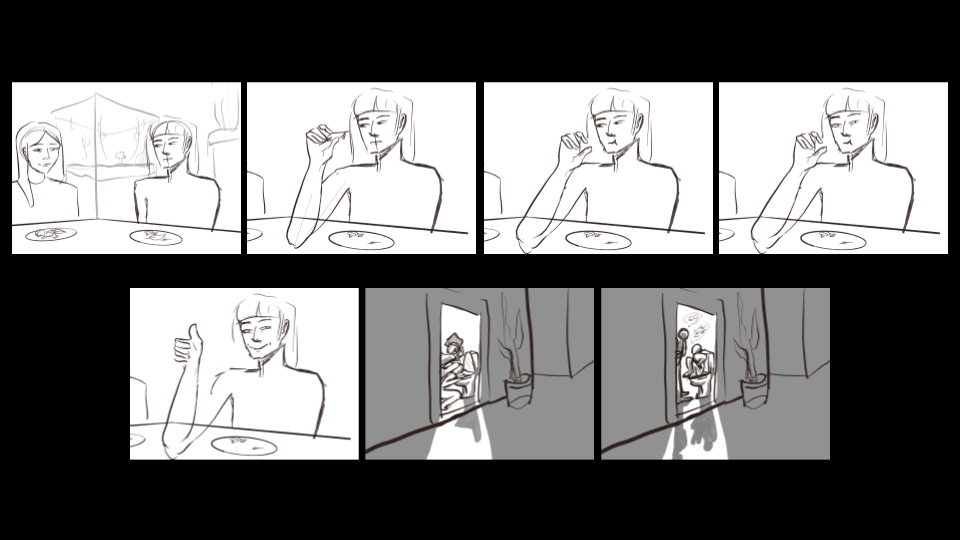
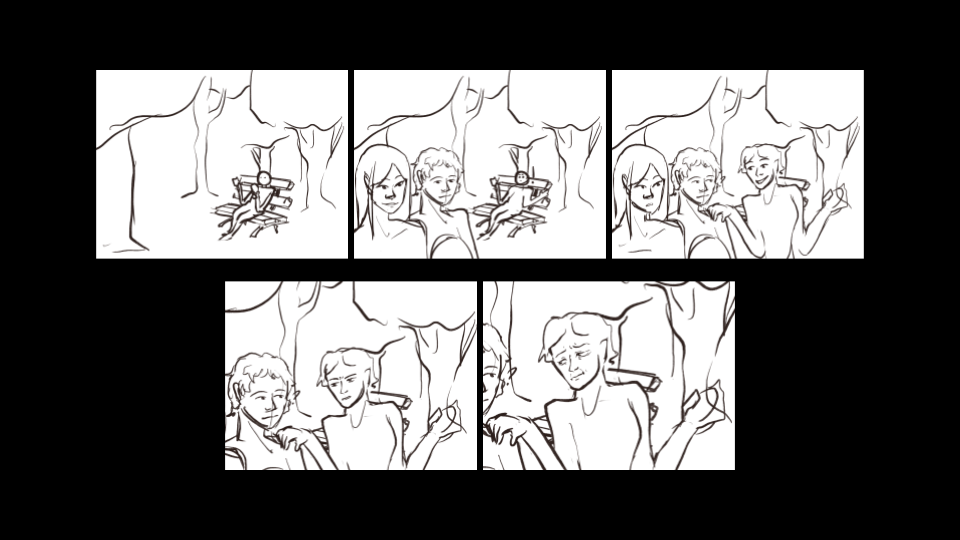
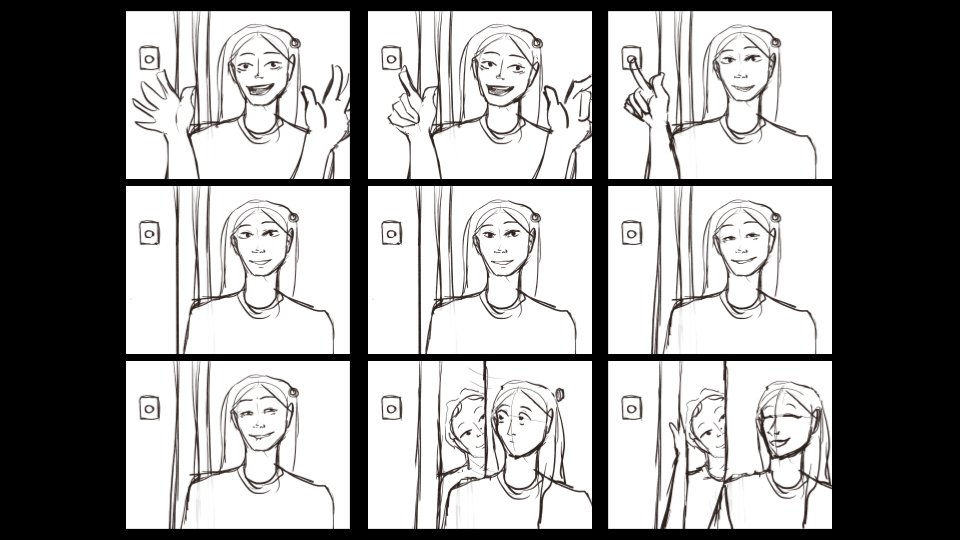
    Storyboards
    Schedule:

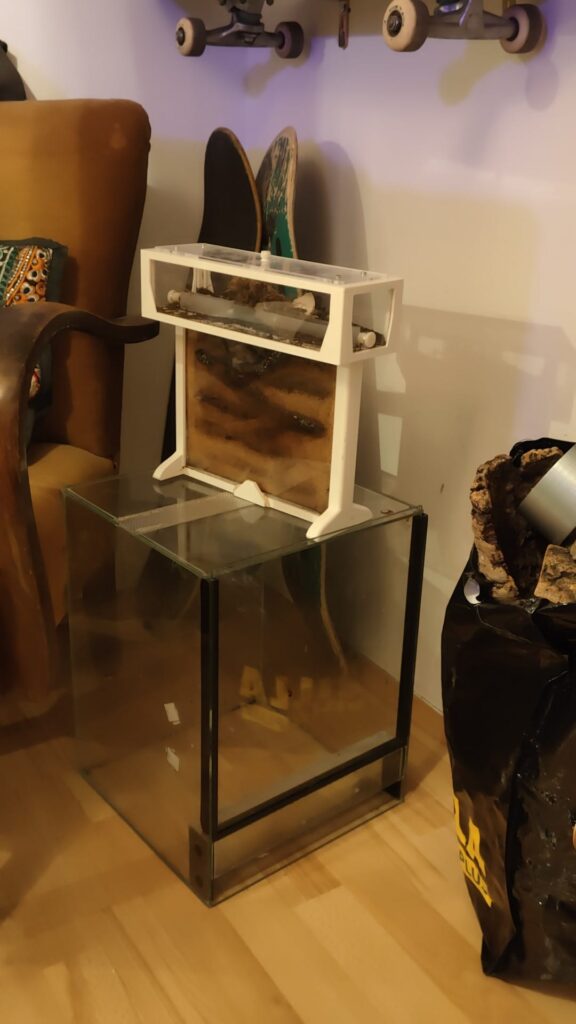
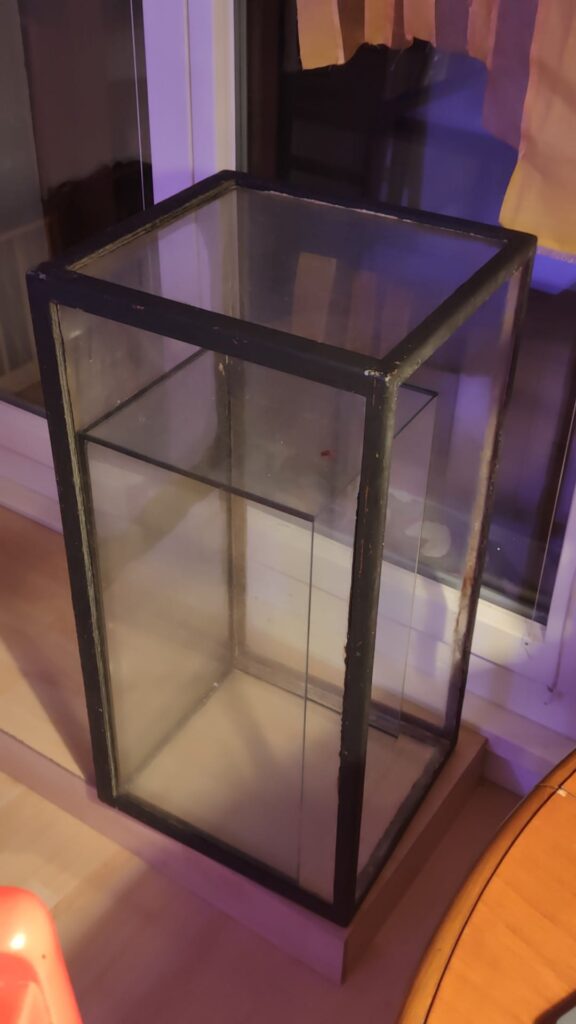
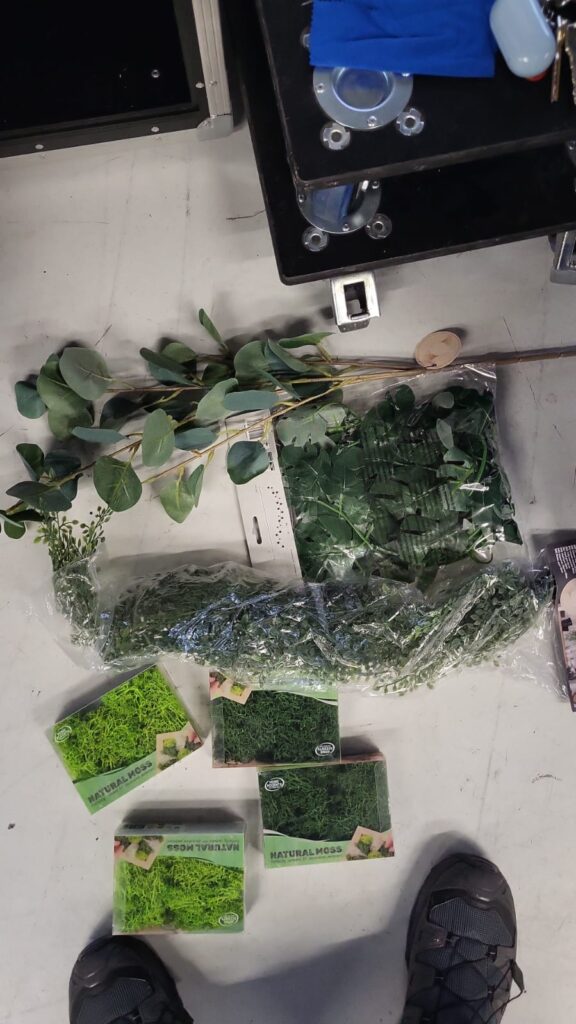
    Until Jan. 8th: Finish terrariums, finish costume and finalize dialogue

    Jan. 8th-11th: Filming

    11th-16th: Cutting and post production

  • Team 1 – Tutorial 5th of december

    By

    Anton Haberl

    ,

    Derin Sahin

    ,

    Eva Aartse

    and

    Lili Miklós

    Law of Inertia

    Starting point after Midterms:

    Script Writing exercise:

    The Sloth-Movement as a community

    In our future a group of people chose to genetically modify themselves to be “sloth-hybrid” humans. These humans have a very slow metabolism, which is supposed to be the solution against climate change and scarcity of recources. Since a “Sloth-Person” only consumes about 130kcal per day their impact on the world to a minimum.

    While the mainstream exhilarates with busyness and productivity, still driving humanity towards economical instabilities, societal inequalities and climate catastrophes, the sloth is living in balance and harmony with it’s surroundings. On a diet kept strictly to leaves they grow inside their appartments. the Terraniums they carry around fosters symbiotic life and feeds their plants, this means that they have next to no negative effect on their surroundings.

    The sloth lifestyle started as a solution to global problems and crisis. But it started offering more: Unpredicted side effects such as solving things like purposelessness, types of depression and not being able to keep up with an evergrowing capitalistic world.

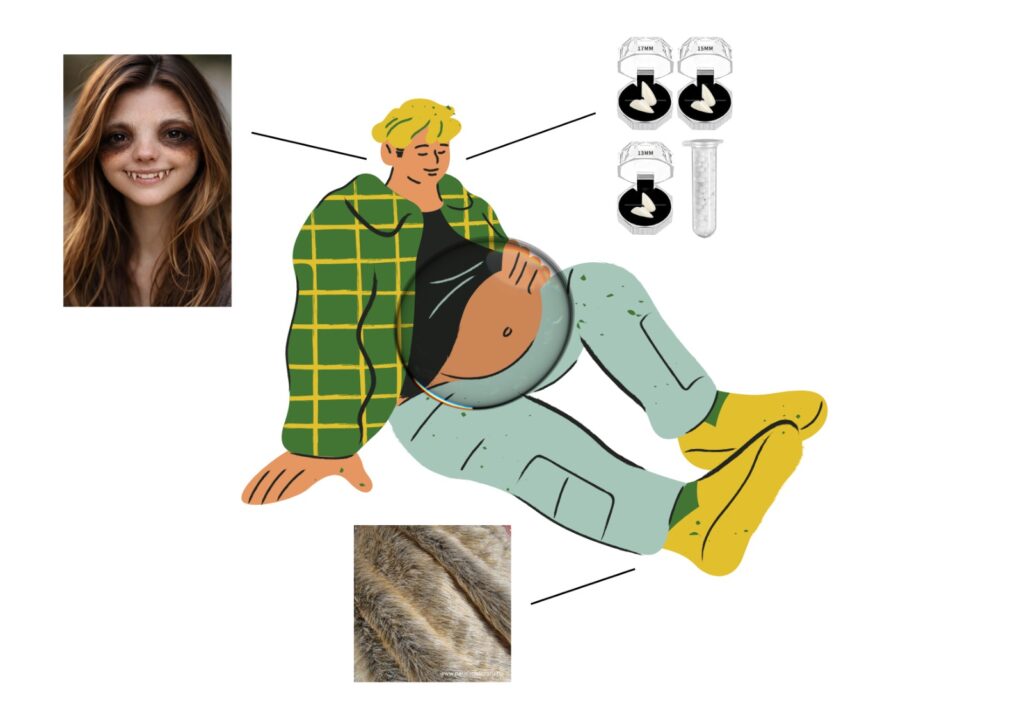
    Ideas for the looks of a sloth person:

    Ideas for the terrarium

    AI generated ideas:

    A sloth persons stomach(s)

    Loose idea for what the sloth could sound like:

    The sloth is not being portrayed as dumb and slow understanding, but as illuminated and measured. It is not speaking a lot and when it does, it takes it’s time.

    The movie

    A documentary that showcases the sloths lifestyle and it’s natural habitat. The sloth-person is beeing followed by an interviewer from the mainstream world with a light tone of disapproval. The viewer gets and insight on how the sloth copes with a day in it’s life. Very slowly.

    In this “nature” documentary, David Attenborough meets “docuganda” – putting the sloth lifestyle in a bright light – while having a behind the scenes angle that shows the disgust of the still productive people.

    What do we want to show the watcher?

    The flaws of both worlds: total relaxation and pointless productivity. We highlight the loss of identity/humanity vs “over” individualism, and the idea that we can only come closer to nature/solve climate change by “engineering ourselves in a very unnatural way” — the absurdity of the solution. The film acts as a mirror of their own feelings towards these worlds.

    What does one gain by becoming a sloth?

    • Contribution to climate with reducing my CO2 footprint and contributing to ecosystem — without any effort.
    • Being productive, going with the flow — without effort.
    • No more struggles of human brain = just be happy (no mental illnesses, no more comparison, etc.).
    • Self-sufficient (no more work/guilt/looking for meaning).

    What does one lose by becoming a sloth?

    • Self-identity.
    • Community.
    • Humanity.
    • Control/power.
    • Potential future.
    • Drive.

    Road till Design Freeze

    • Decide final looks of sloth
    • Complete the storyline and scenes
    • Finish scripts
    • Find a place to shoot
    • Find an actor for the main protagonist