Eva Aartse

  • 11.11. Mid Term Review Team 1

    By

    Florian Sapp

    ,

    Diana Kho

    ,

    Eva Aartse

    and

    Terioni Khintibidze

    Where we started

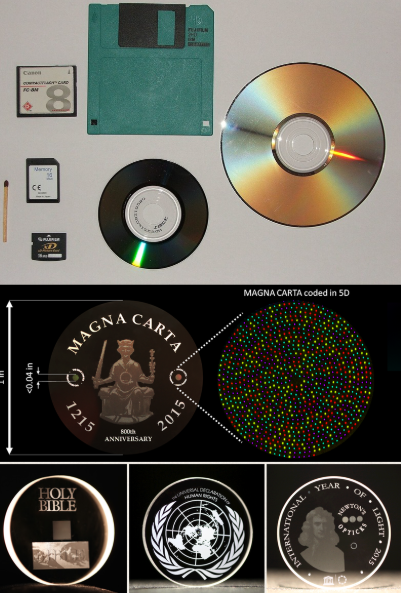
    • Data storage & Digital Legacy
    • collected a lot of ideas
    • why we think this topic is important to talk about

    (counter-) cultures

    Struggle:

    • we want to prototype, but what?
    • how do we the object into future? (not just present movements) (speculate)
    • our ideas all over the place

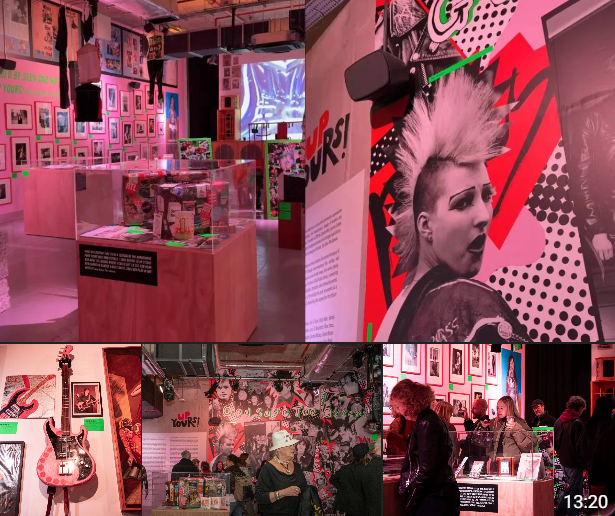
    Creating an exhibition as a framework for us to work in

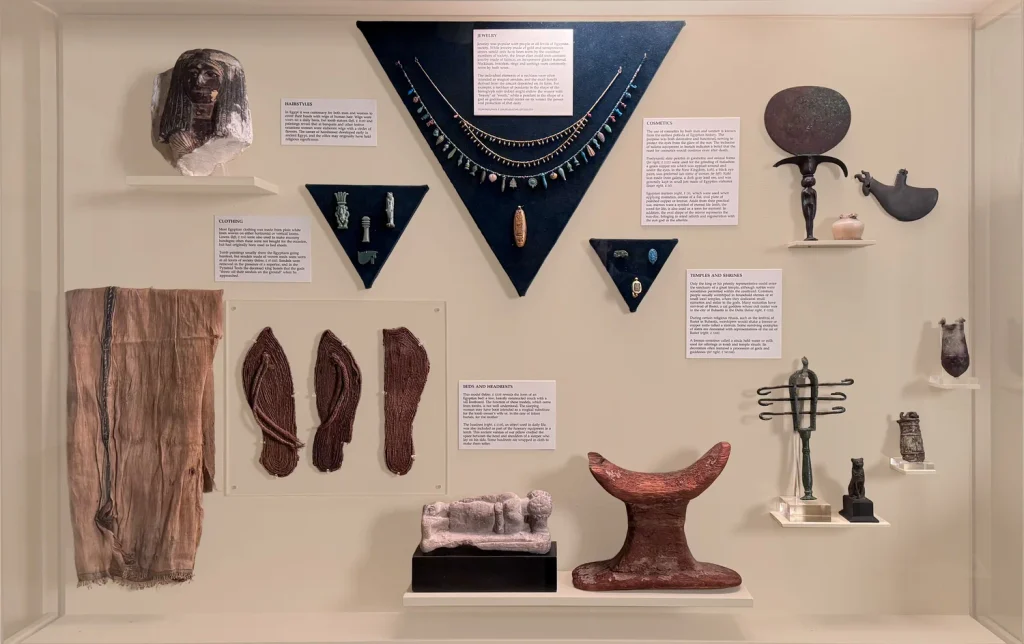
    at the beginning we restricted to much: exhibition = pieces behind glass
    -> for now we leave it open what a exhibition will be in a 100
    – while still using the ruff structure for story telling

    3 level:

    • 1: our main characters. living in the next 100 years
      their stories of resistance are told through personal objects left behind.
      Our main story telling device
    • 2: The curator: someone taking / finding those objects and putting them on display. Adding context or info through their perspective. (can be misleading on purpose)
      Our way to frame the story.
    • 3: The observer. This fictive exhibition is made for fictive people in a 100 years, but will be seen by people from right now, with average knowledge of right now.
      -> they will maybe know stuff about the objects, people in a 100 years will not know about any more.
      -> other things presented as common knowledge will be open for interpretation.

    Collecting ideas

    our mind maps
    -> the tools we used to collect our thoughts (Dator’s 4 futures, guest lectures input, EXF Cycle, timeline map)

    3 Topics / Prototypes

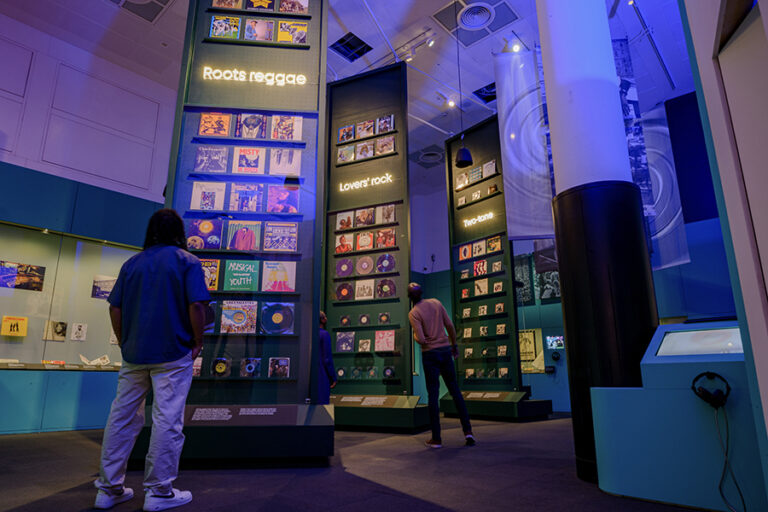
    • music -> streaming collapses ->person creates physical media player
      Worldbuilding: Counter to Streaming:
      ->People create personalized media player environment
      ->it can record and physically share Audio with other such devices (not upload/down load audio through internet)
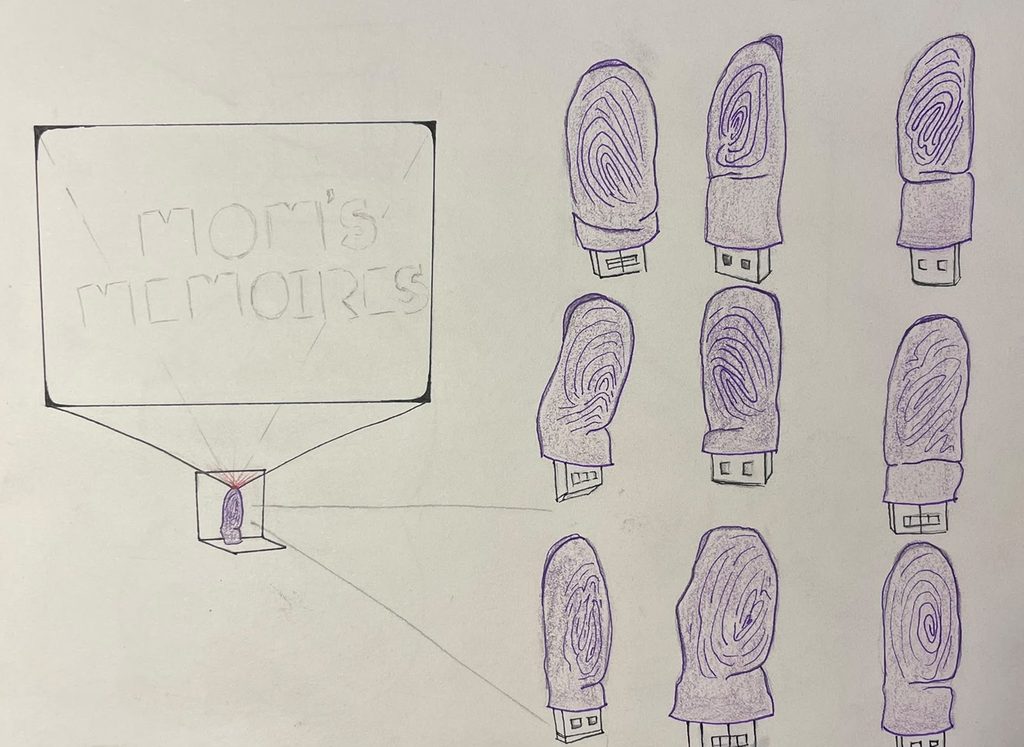
    • personal archiving -> inter-generational passage of family media on physical carriers (accessories x electronics)
    • using internet -> scenario: no personal ram/cpu -> phone server

      overarching theme: serendipity of discovering one´s personal digital trace (digital or analogue)
    • All of above are “passive counter cultures” (not following mainstream)
    • maybe combining personal archiving & using internet
      + making the third an active one:
    • -> destroying data centers / trapping ai…

    next steps

    • going unobomber
  • 30.10 Halloween Tutorial – Team 1

    By

    Eva Aartse

    ,

    Terioni Khintibidze

    ,

    Florian Sapp

    and

    Diana Kho

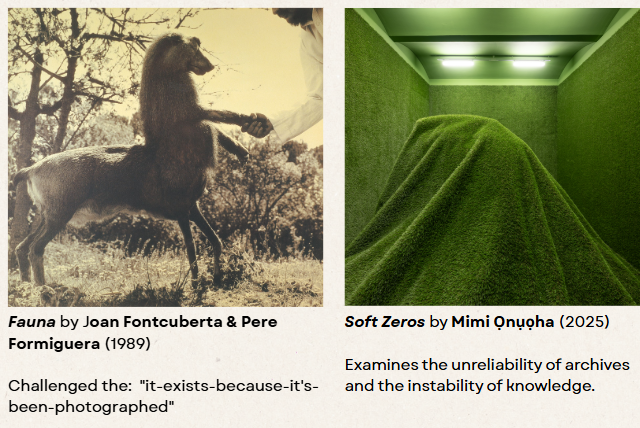
    Some people deliberately mislead; some do it unintentionally

    So how can you know what really happened, or what is just a really good imitation?

    Working with this topic

    • How can we address the problems of the future without framing it as solely dystopian?
    • What kind of (counter-) cultures will the ethnologists be able to trace in a hundred years?
    • What would people in the future think of our current distrust in Big Tech?
    • How can we achieve subtle positive world-building through curating artifacts for future ethnological museum?

    Creating a Curated Exhibition

    • through the perspective of a society in 100 years
    • highlighting a fictional Counter Movement
    • Different objects telling the stories of different people


    Different objects tell the story of different People, being part of this movement.

    Those objects could be…

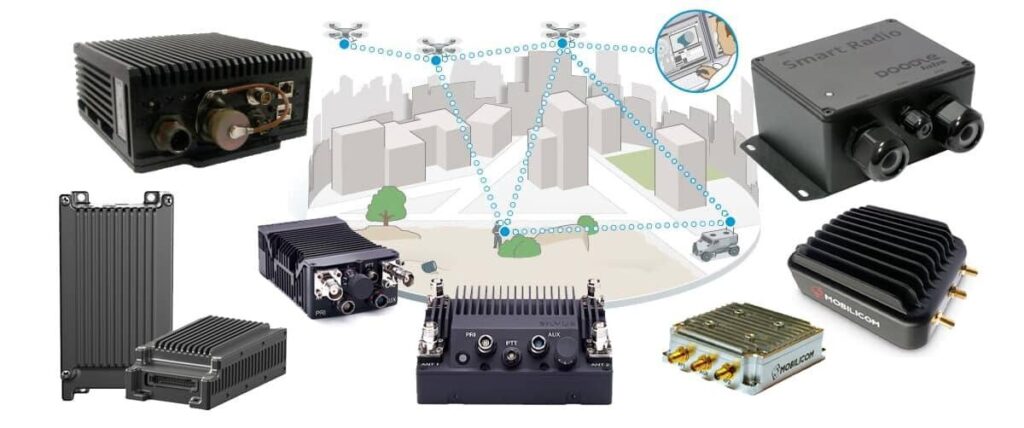
    • Mesh network
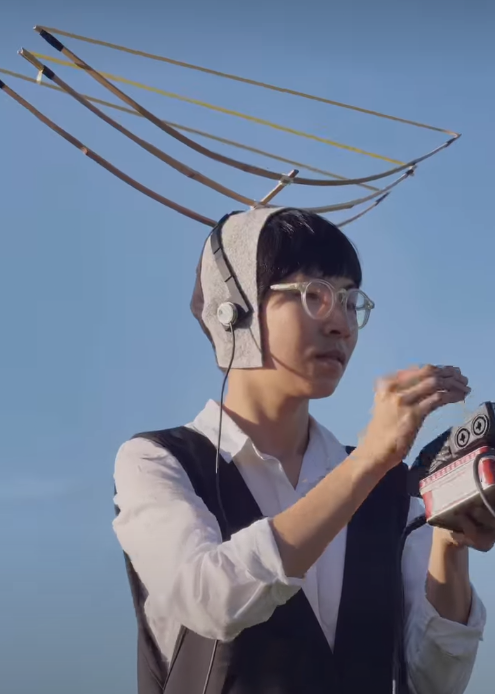
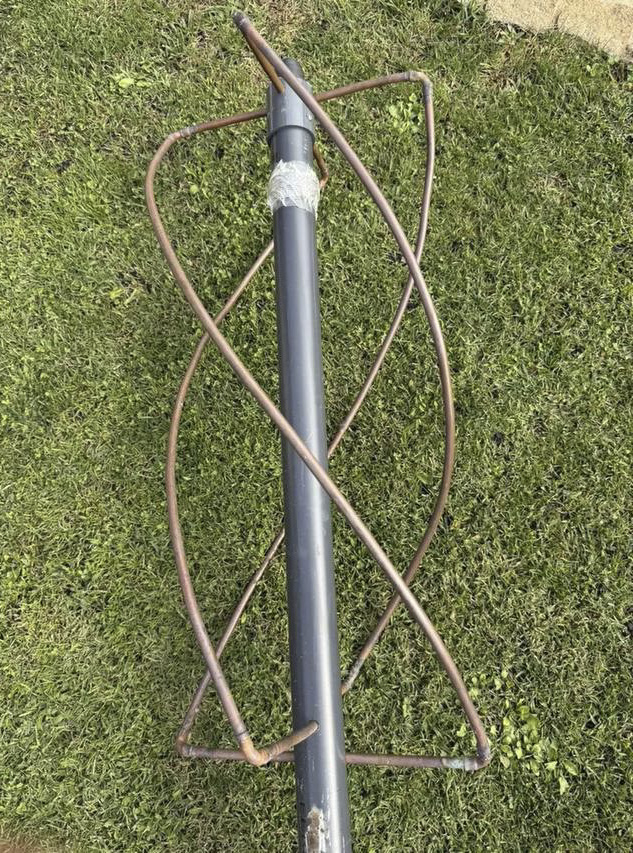
    • Antenna
    • SD (recovery)
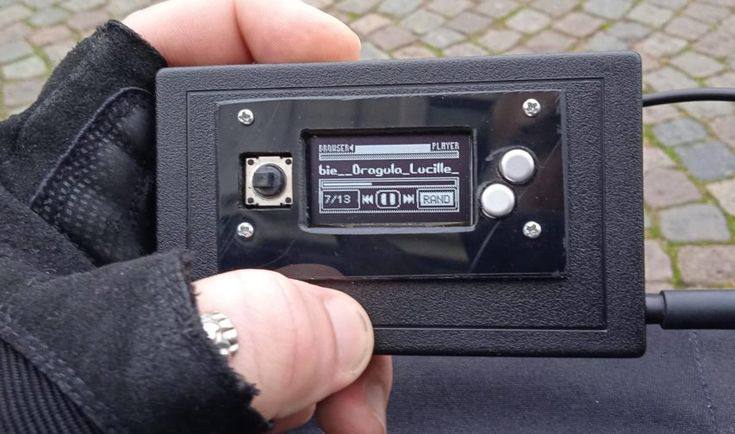
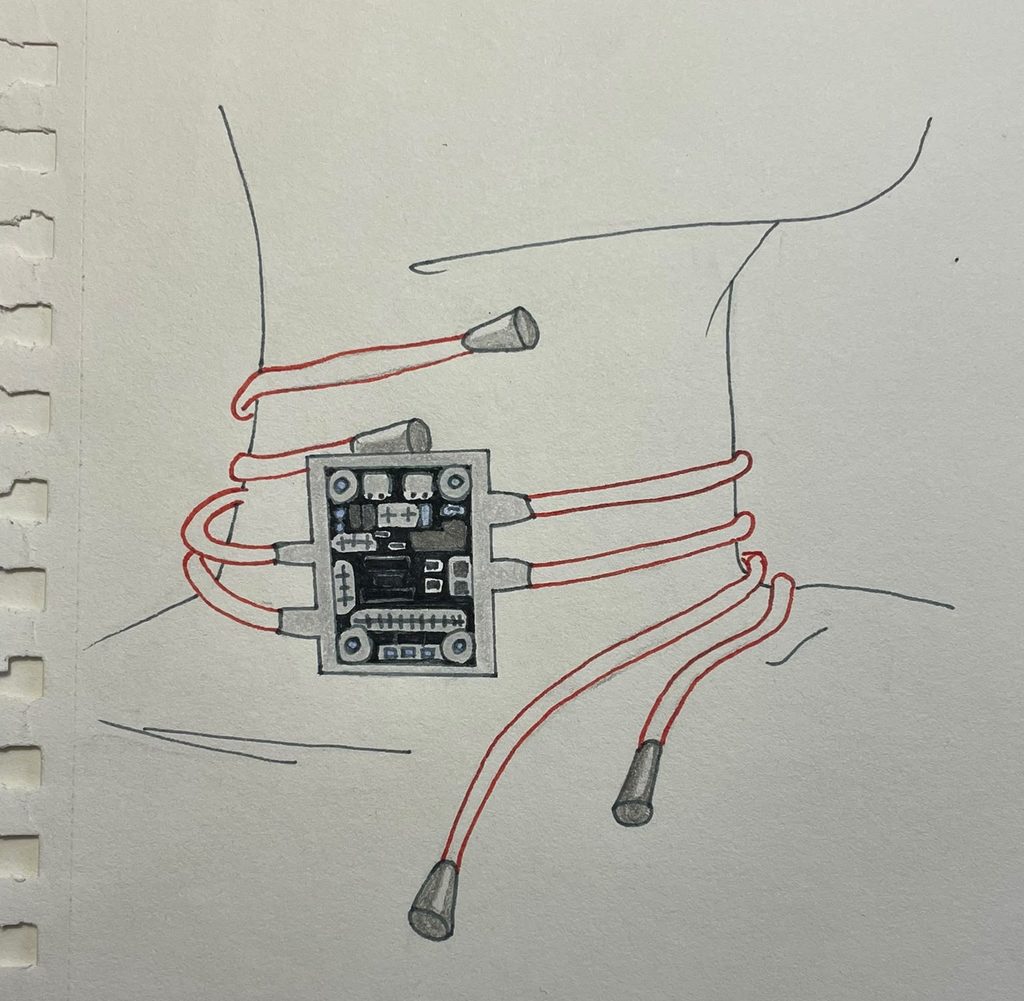
    • Cyberdeck
    • Small props e.g. stickers
    Aesthetics
    • Built, modified, and used by those people
    • Not clean, not mass-produced, not cyberpunk
    • DIY, indie tech
    • Different looks –> coming from different people & times
    • Still alive electronic devices, or intentionally destroyed
    Example:

    Object + Character = Story
    • Characters are an important part of any worldbuilding process.
    • Example of character + object for our future project presentation
    Portable Music Player (“Cassette”)
    Vienna, Austria, c. 2026
    3D-printed housing, acrylic paint, salvaged lithium-ion battery, microcontroller board, microSD card, Arduino components

    By the mid-2020s, most music was streamed through smartphone subscriptions and filtered by recommendation algorithms. Some young people pushed back by building their own offline players by hand, modelled on the mass-produced portables of earlier decades.

    This one belonged to a Viennese teenager, who painted its shell to look like a cassette, a format they had likely never used. Its play button is worn smooth. The memory card holds 1,214 hand-sorted tracks, ranging from 1970s American rock music and Soviet post-punk to hyperpop and untitled voice memos.

    What changes when music is owned rather than rented? How was piracy viewed in DIY electronic communities?


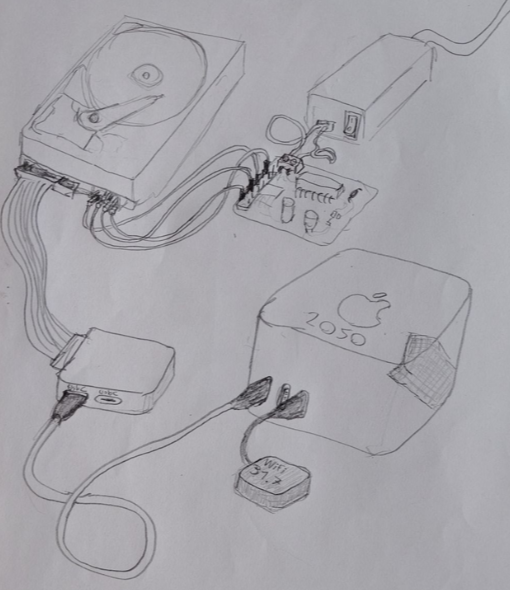
    Harddrive experiment

    Uploading
    ->questioning hesitation –> letting go of “shame”
    ->rediscovering data
    “things that aren’t anymore”
    -> moderating selection
    -> (re)sorting & (re)naming

    Discovering
    -> uncomfortable going through other people’s data
    -> discovery joy through chaos


    Experiment is not finished
    –> use findings for character development

    Next steps

    Testing Electronics

    • Building a mesh network
    • Building an antenna

    World building

    • Creating Characters


  • 16.10 Tutorial – Team 1

    By

    Eva Aartse

    ,

    Florian Sapp

    ,

    Terioni Khintibidze

    and

    Diana Kho

    Data storage & Digital Legacy

    Common Interest

    1. Data storage
      physical objects & digital data
      Local vs. cloud storage
    2. Expanding digital footprint
    3. AI/governments/companies interfering with “truths”
    4. Archiving, memory & time

    Accessing Data

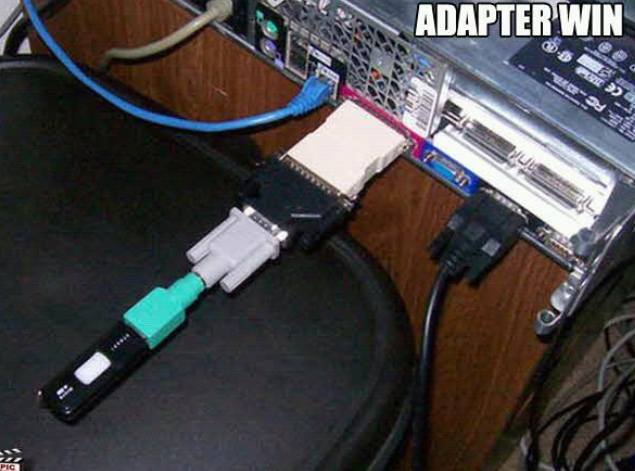
    Adapter Hell

    Recovering Data

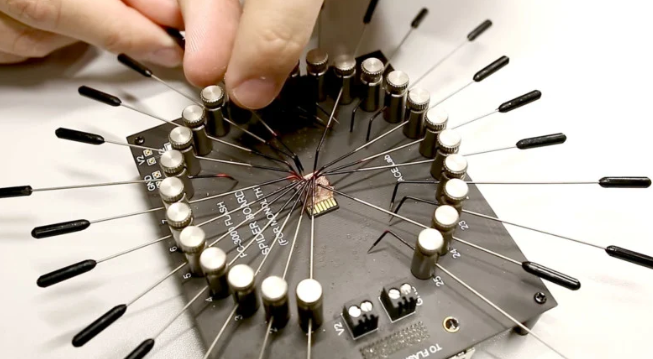
    SD / Open heart surgery

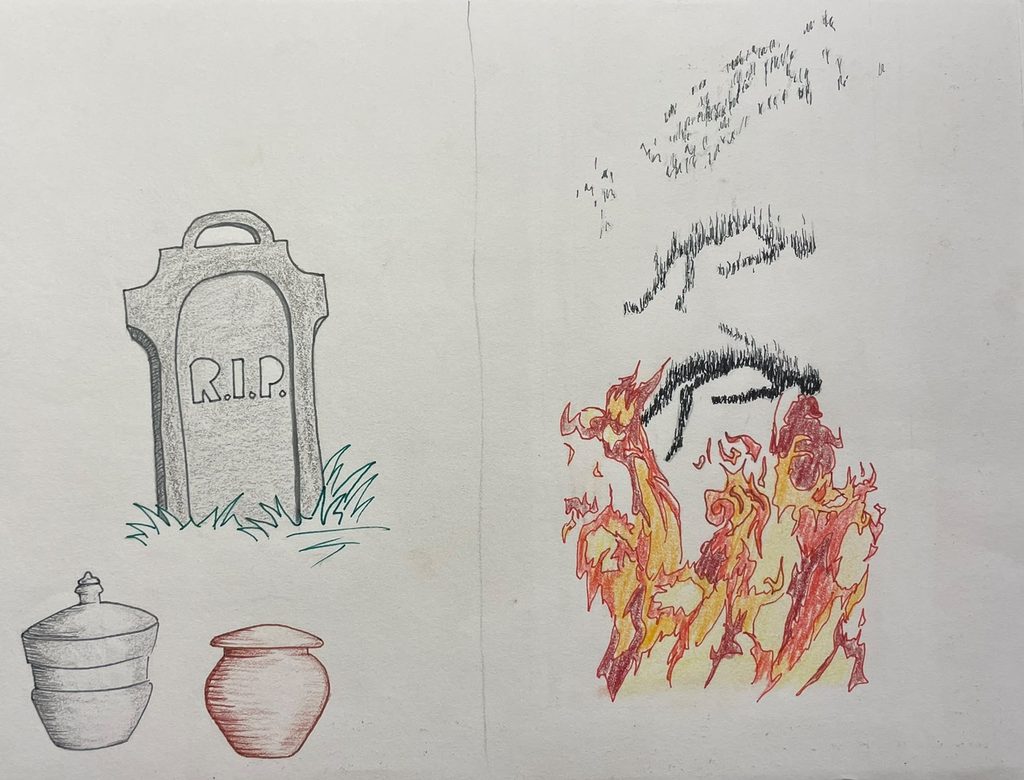
    Intentionally passing on data

    Finger USB’s

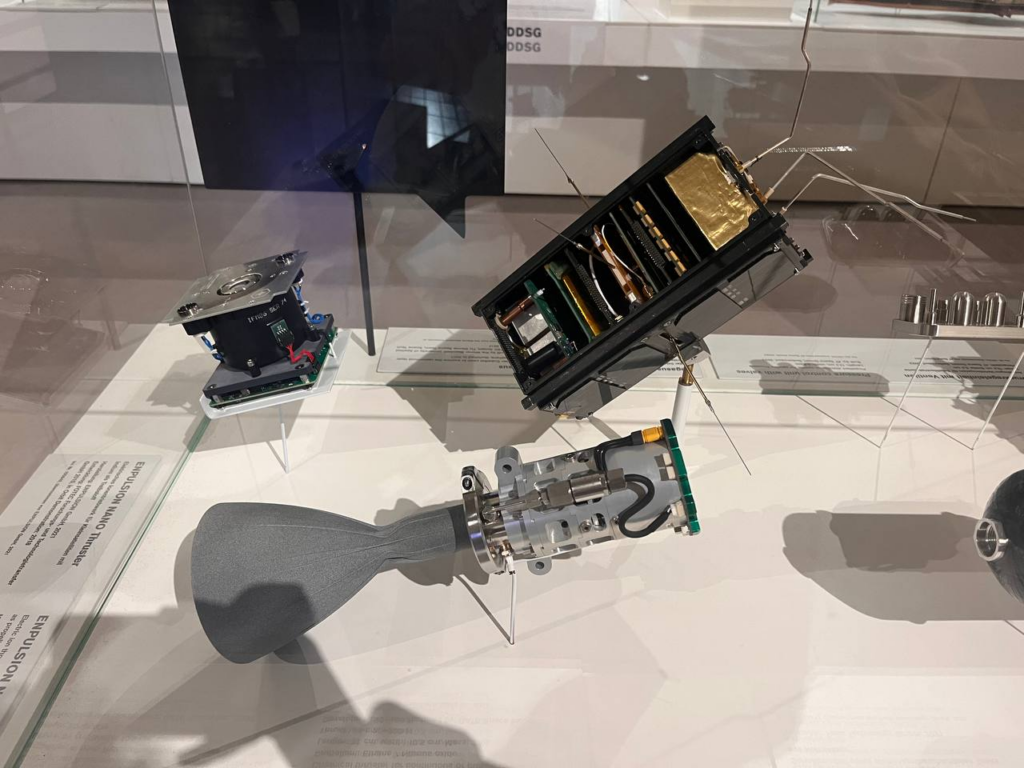
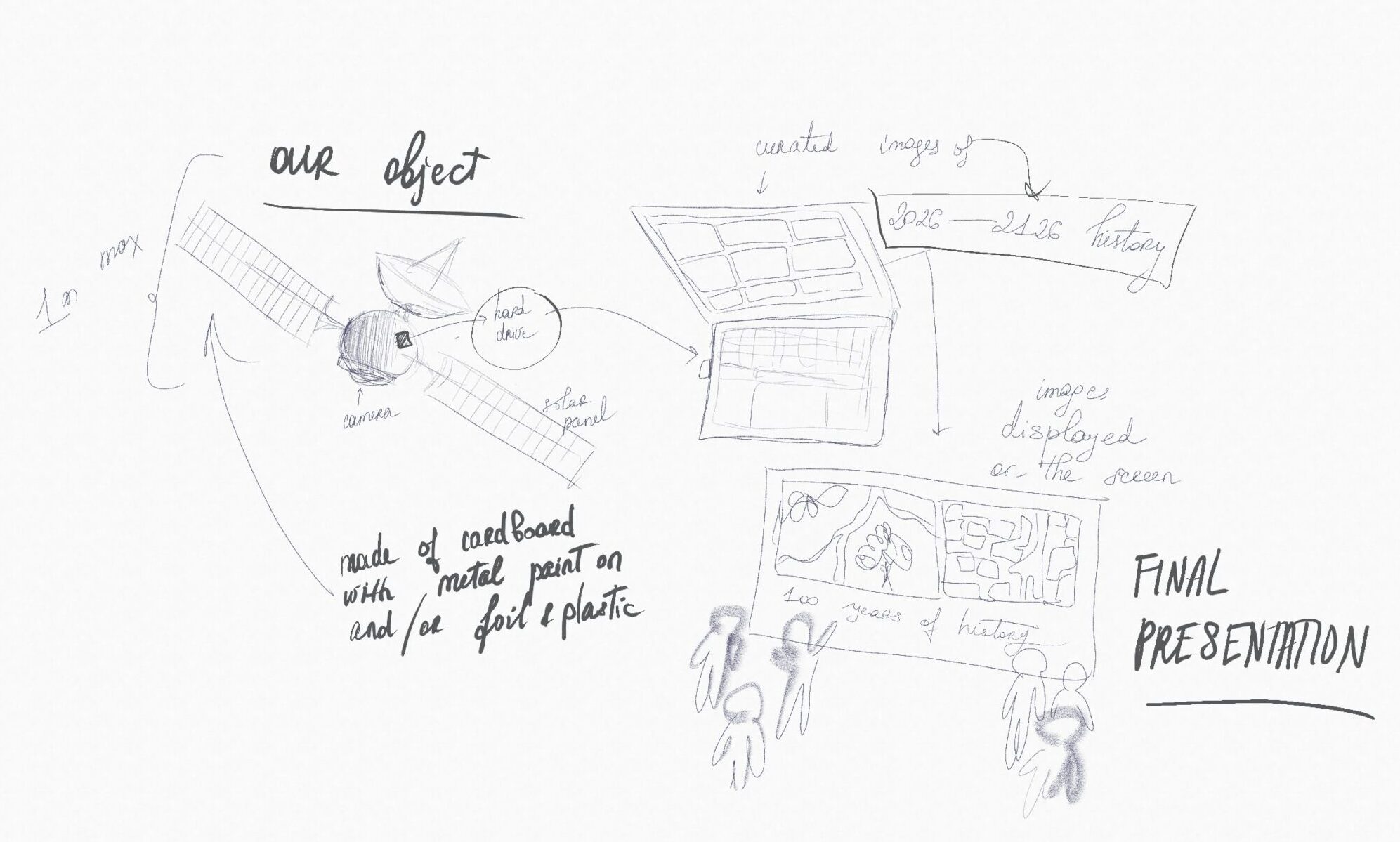
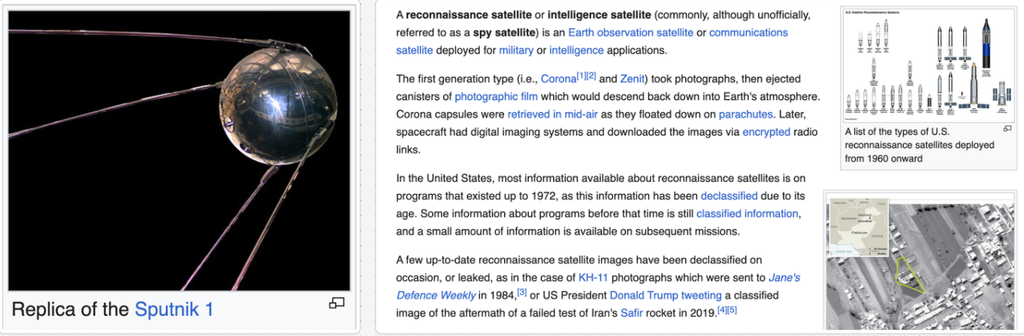
    Satellite – Time Capsule

  • Tutorial 16. june

    By

    Emma Bär

    ,

    Eva Aartse

    and

    Nouria Sabbagh

    Next steps:

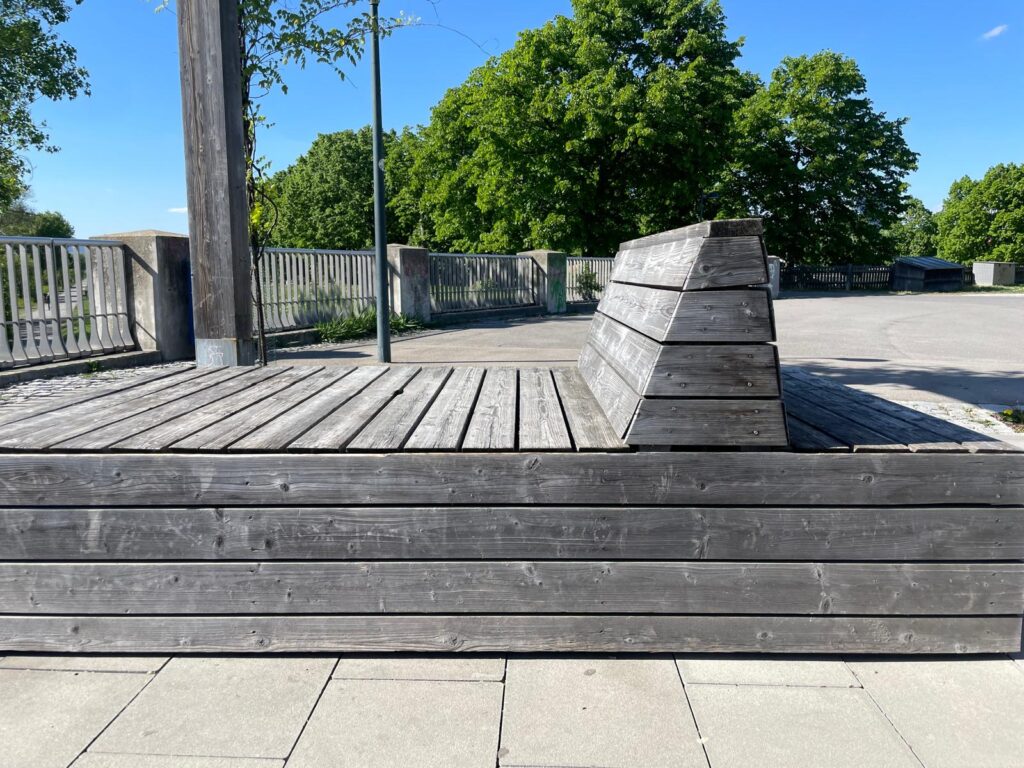
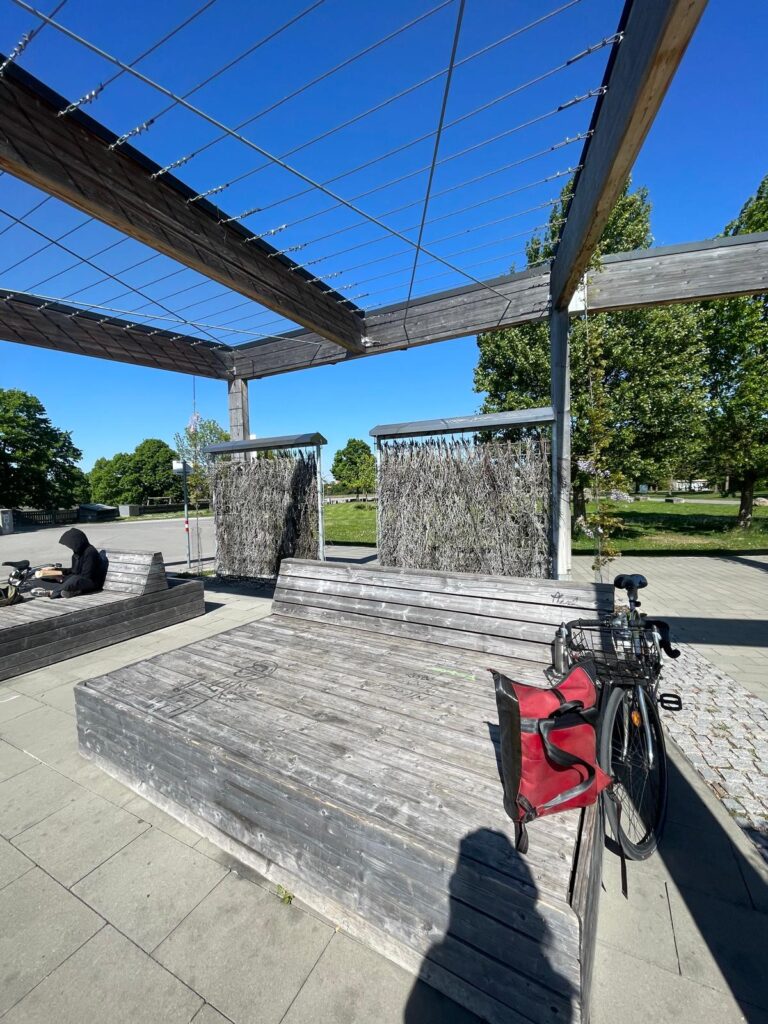
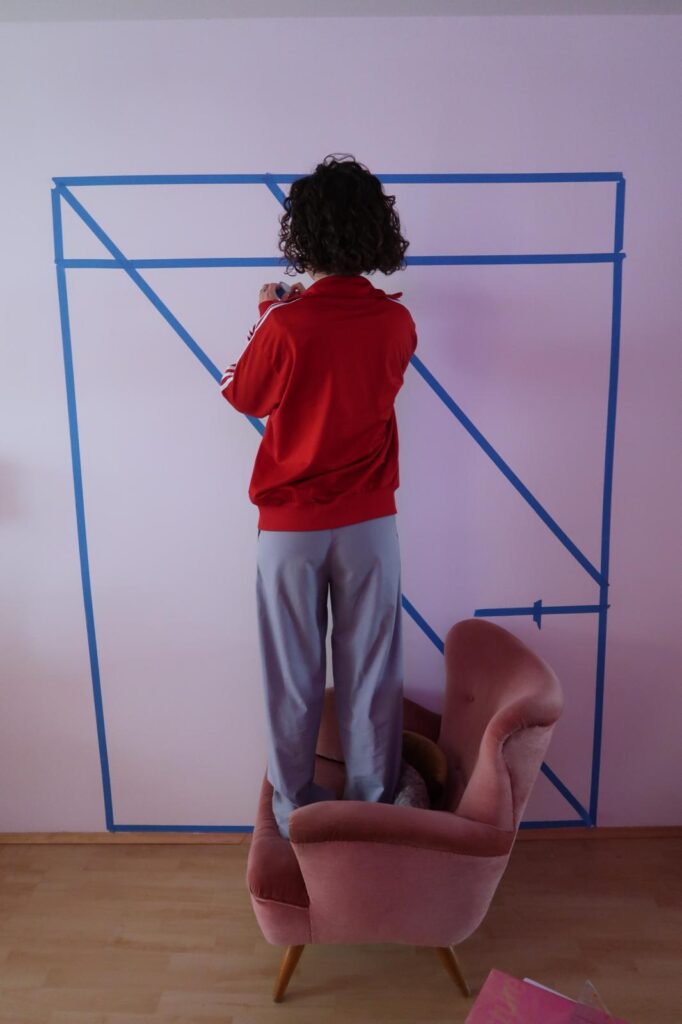
    • Cover the Chair
    • Install the Structure
    • Roof
    • complete last modules
    • Pole – seat connection
    • Rendering of how it could be placed
    • After Presentation: Plaster the floor
  • 5th of June Tutorial

    By

    Eva Aartse

    ,

    Nouria Sabbagh

    and

    Emma Bär

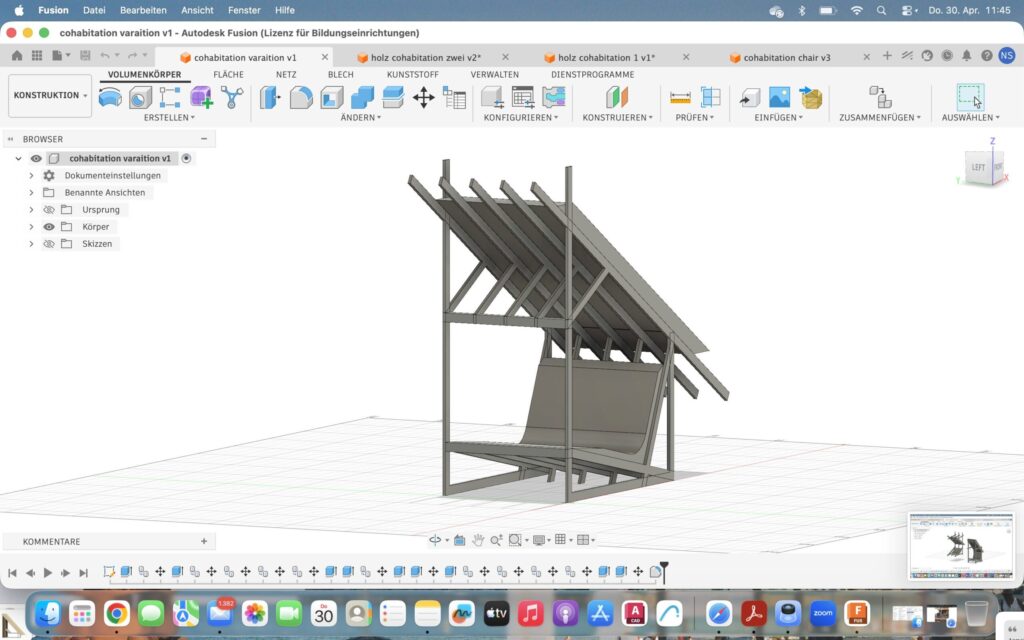
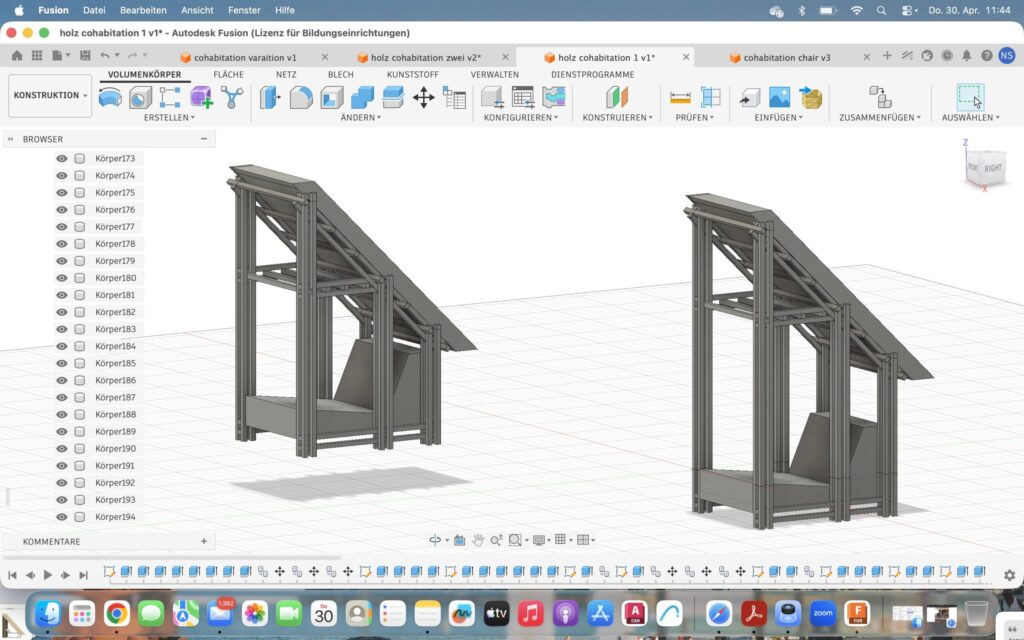
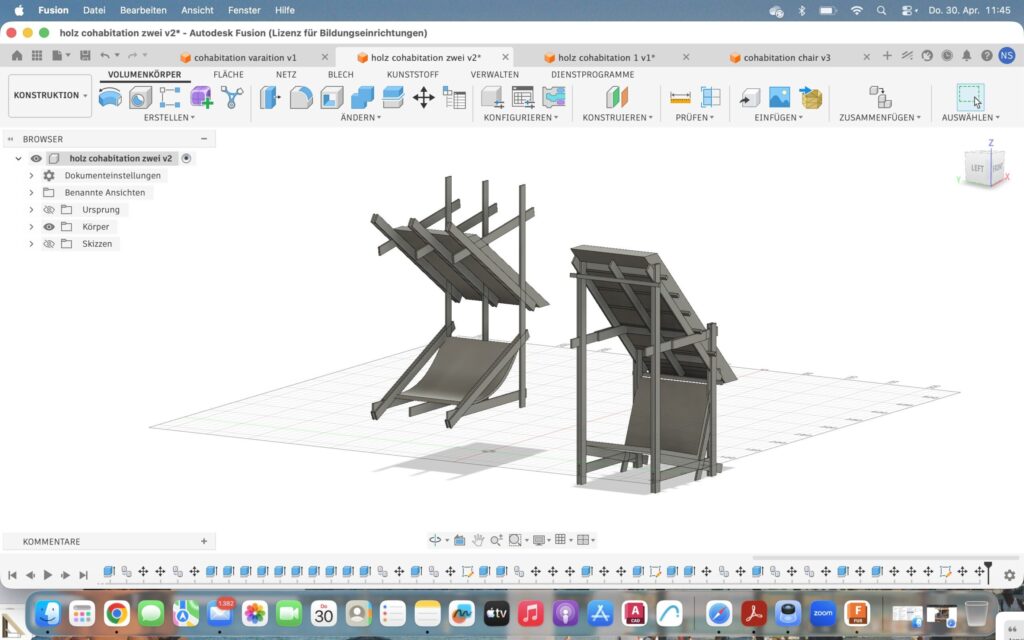
    FINAL MODEL

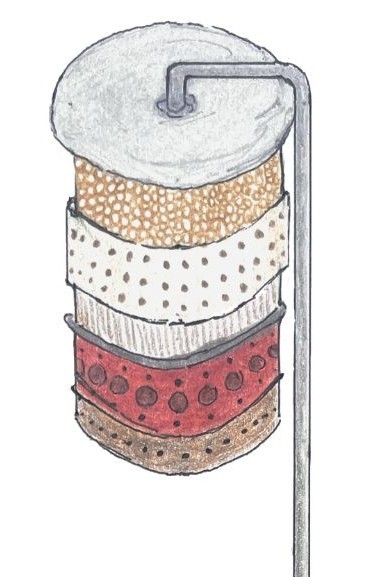
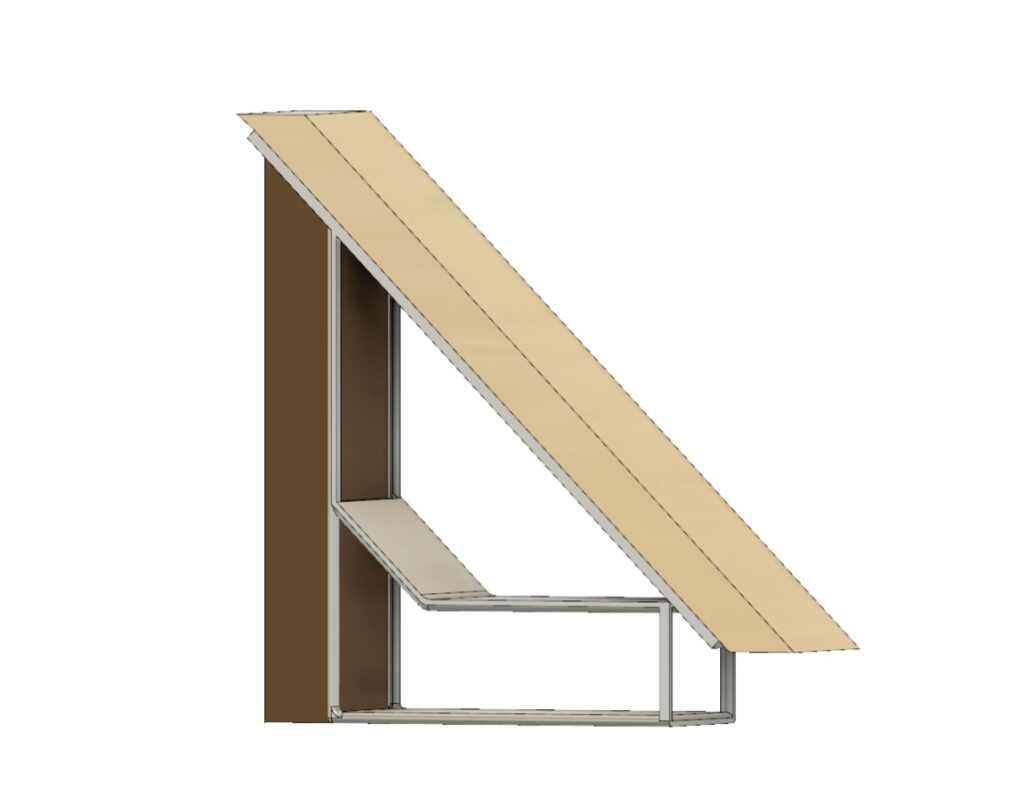
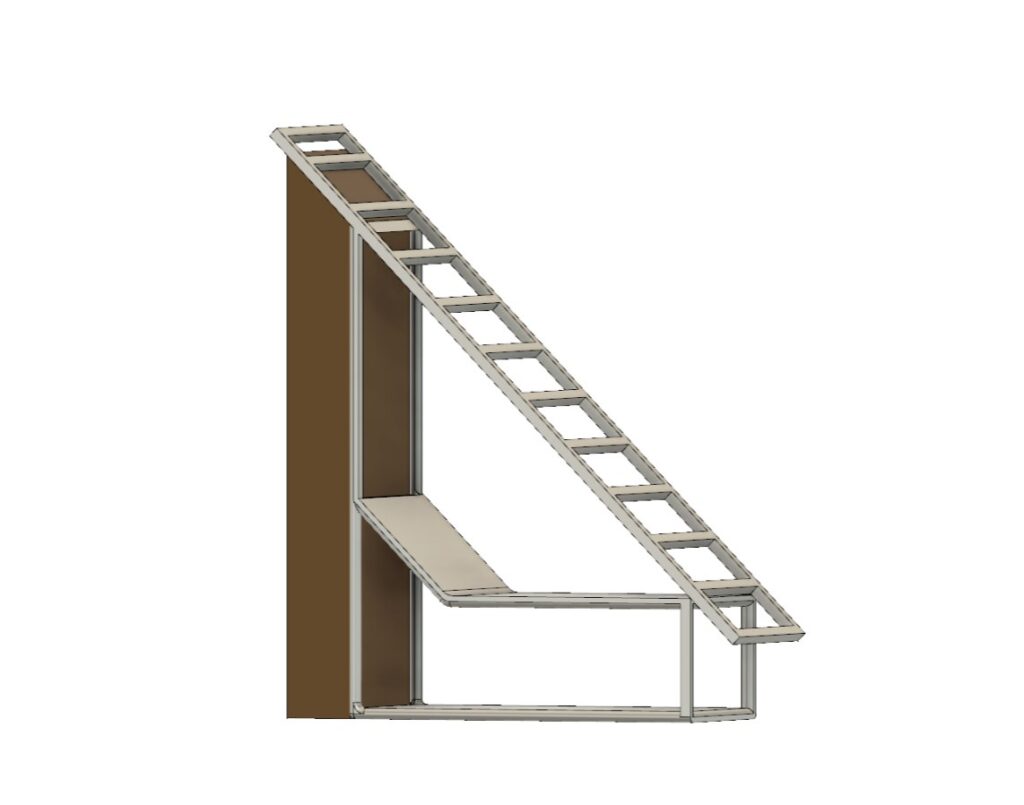
    STRUCTURE

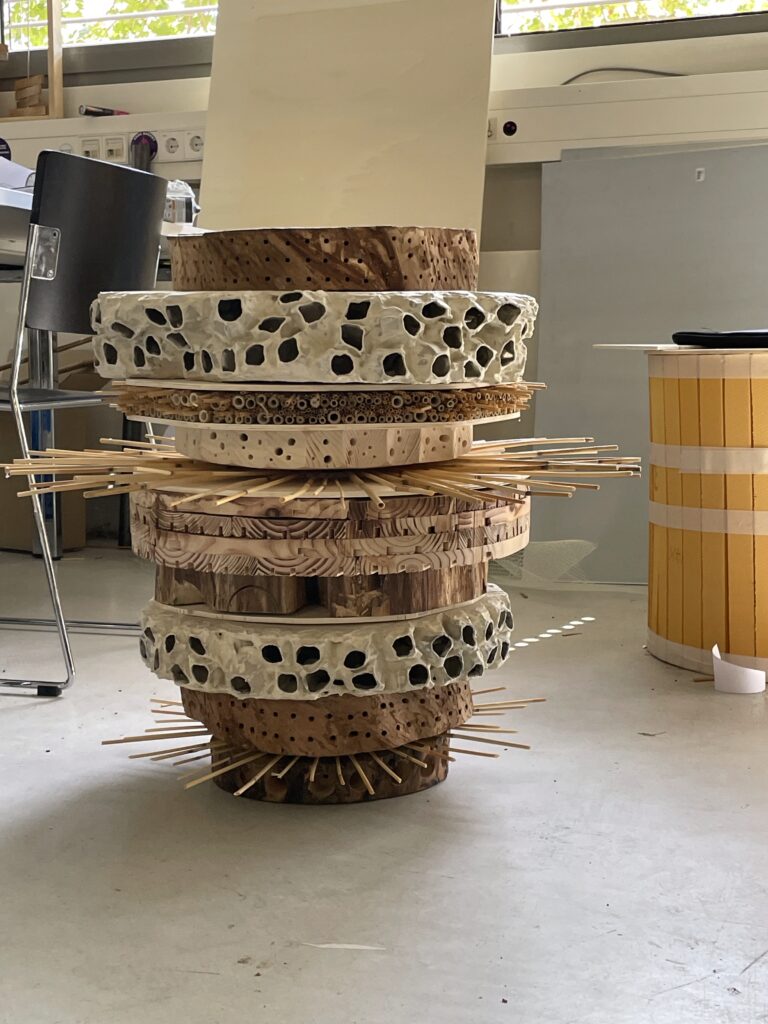
    DIFFERENT LAYERS

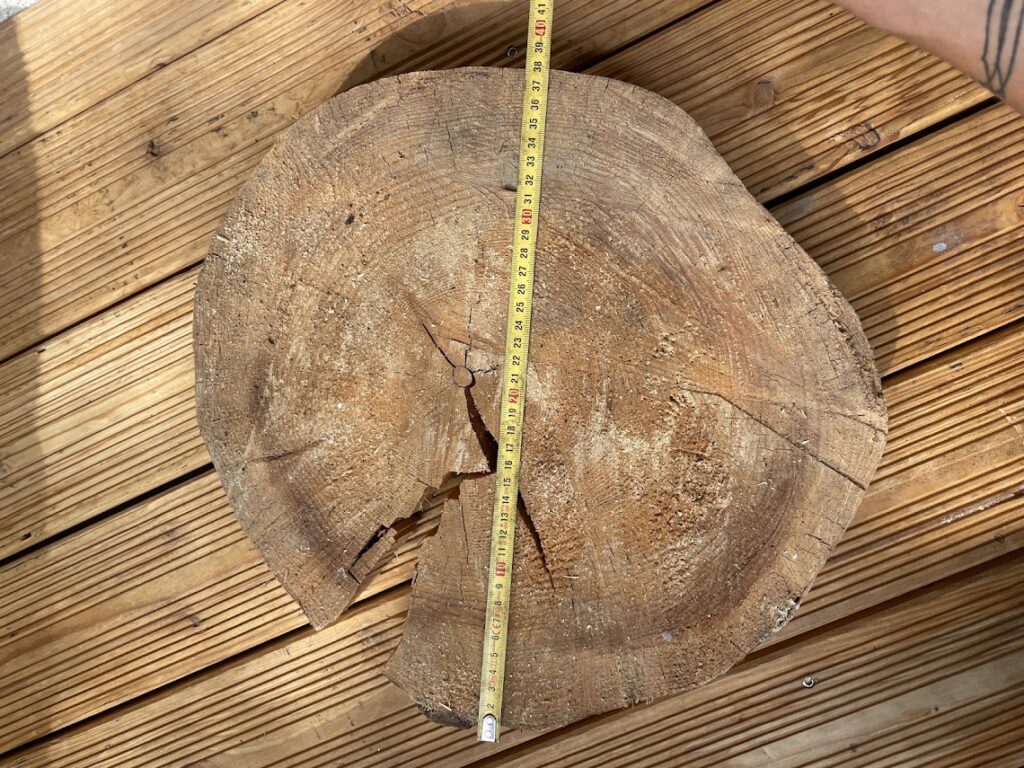
    • Natural tree trunk
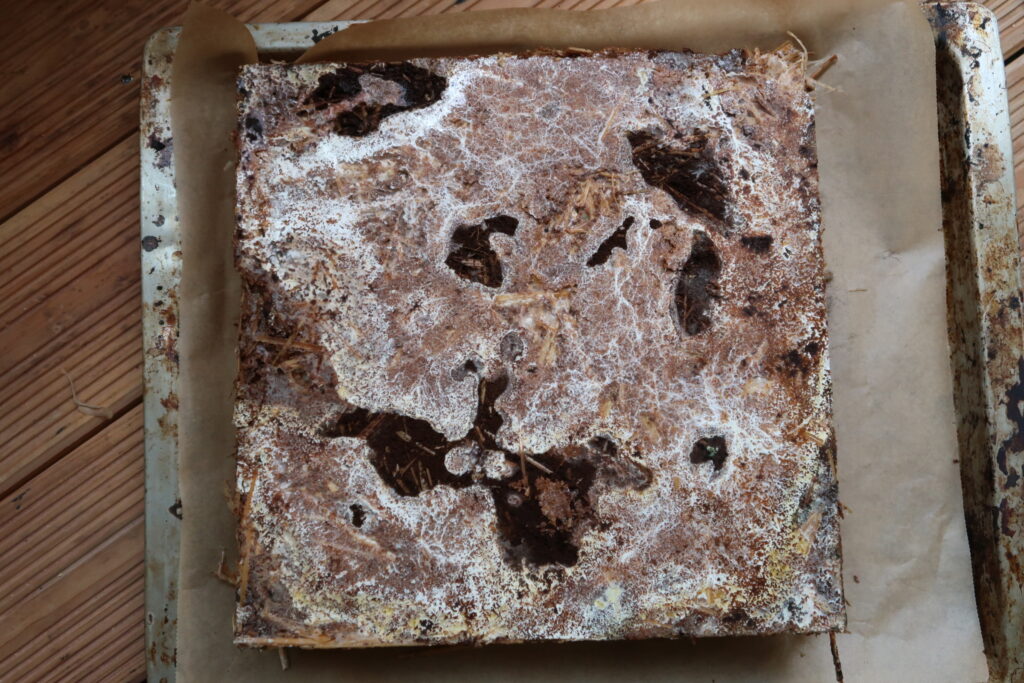
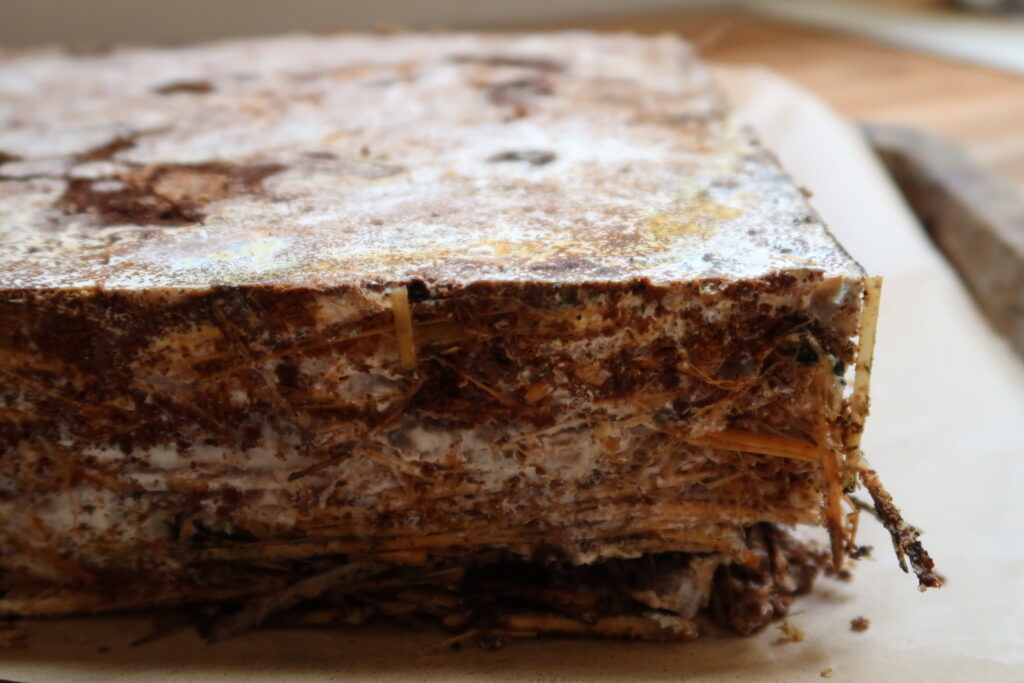
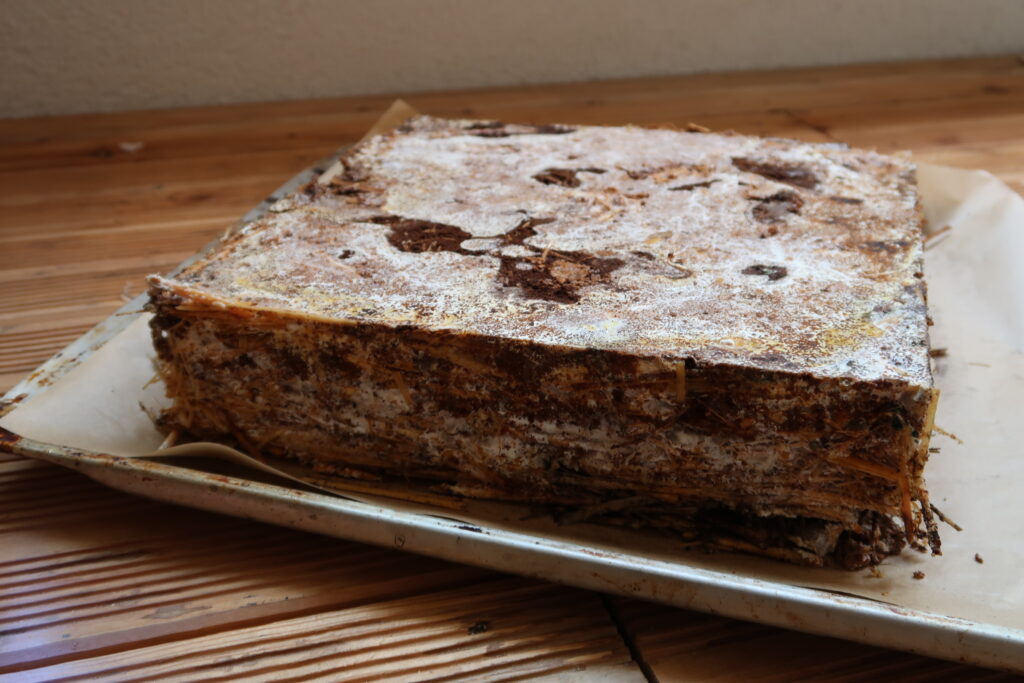
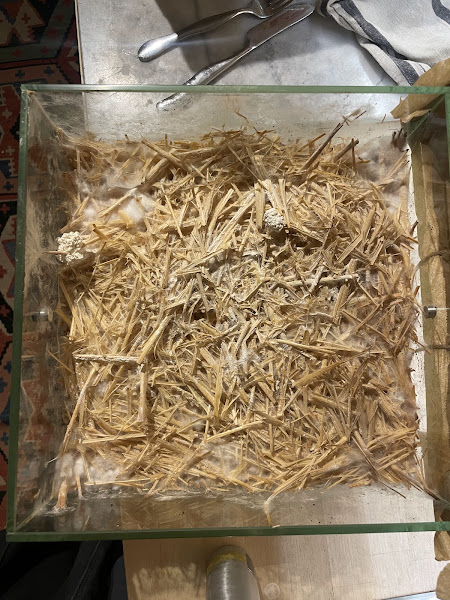
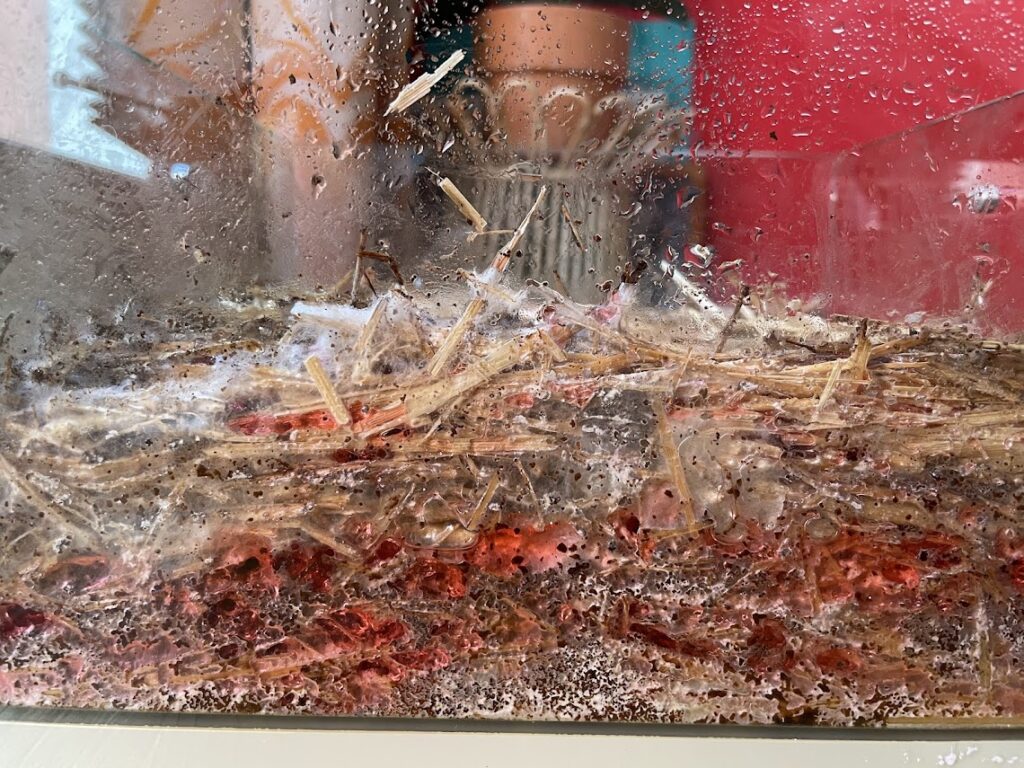
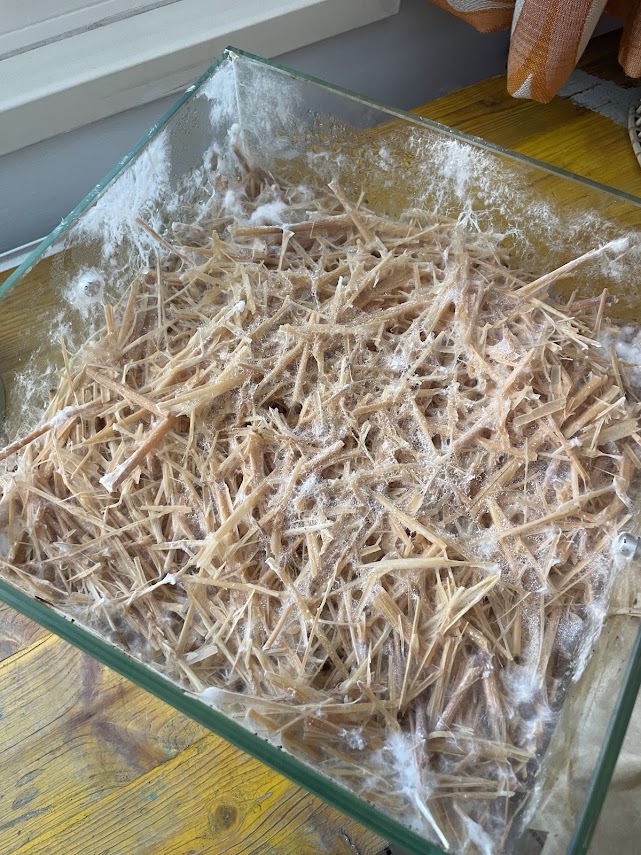
    • Mycelium brick
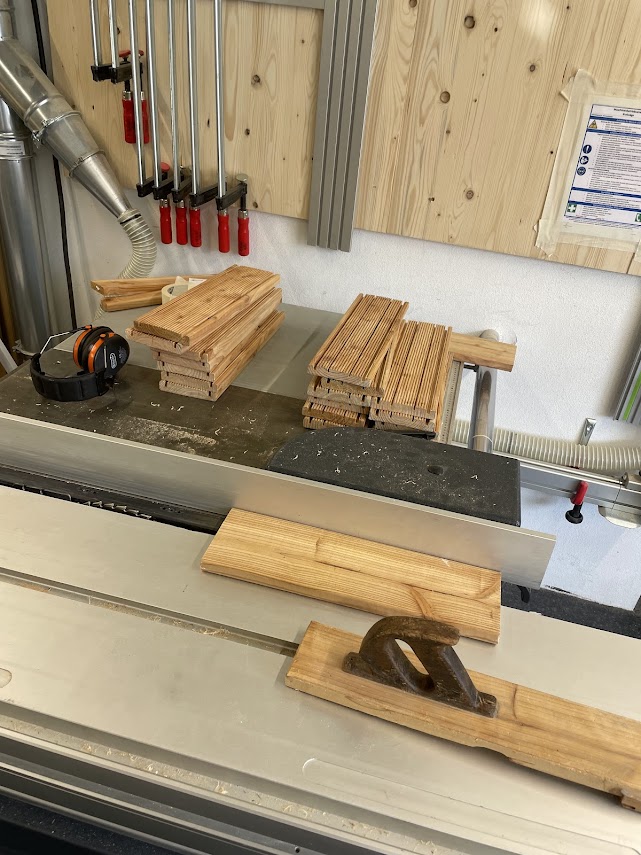
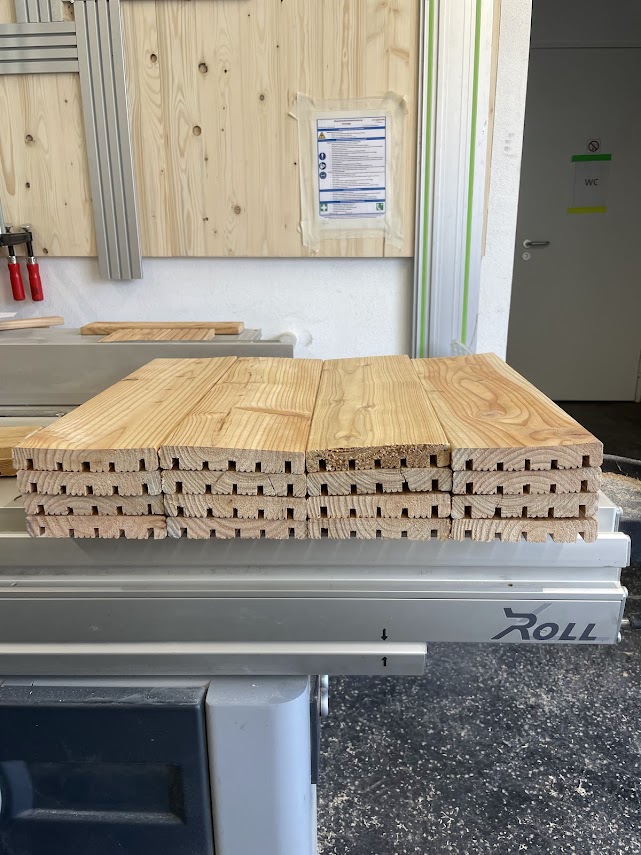
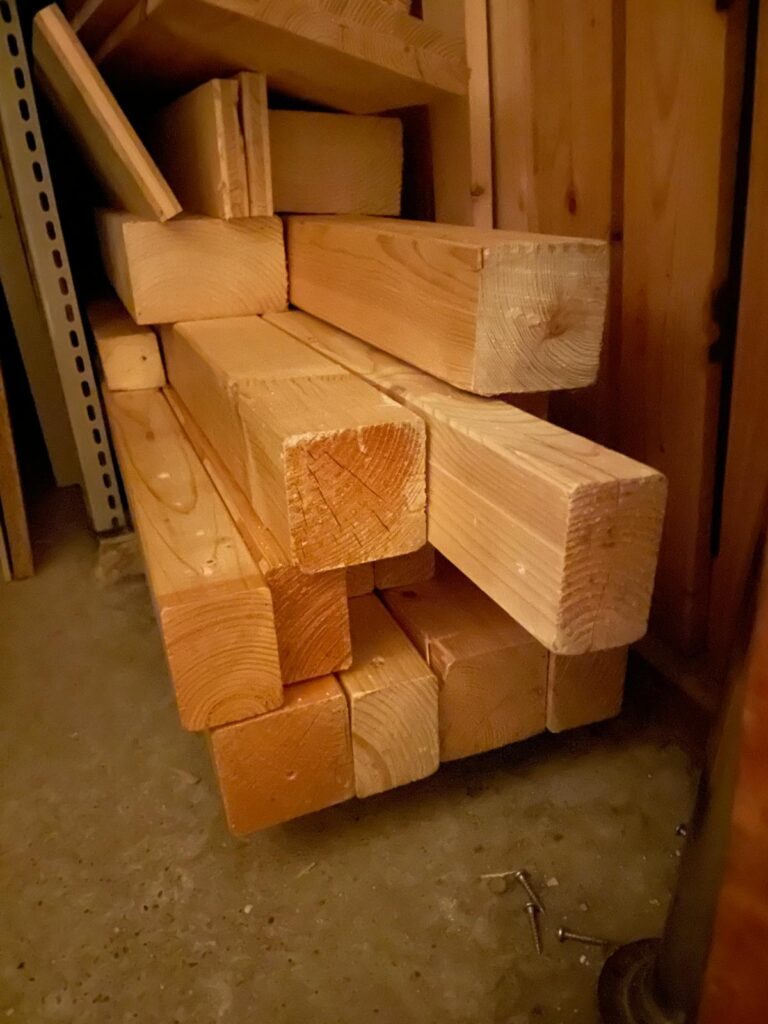
    • Constructed wood
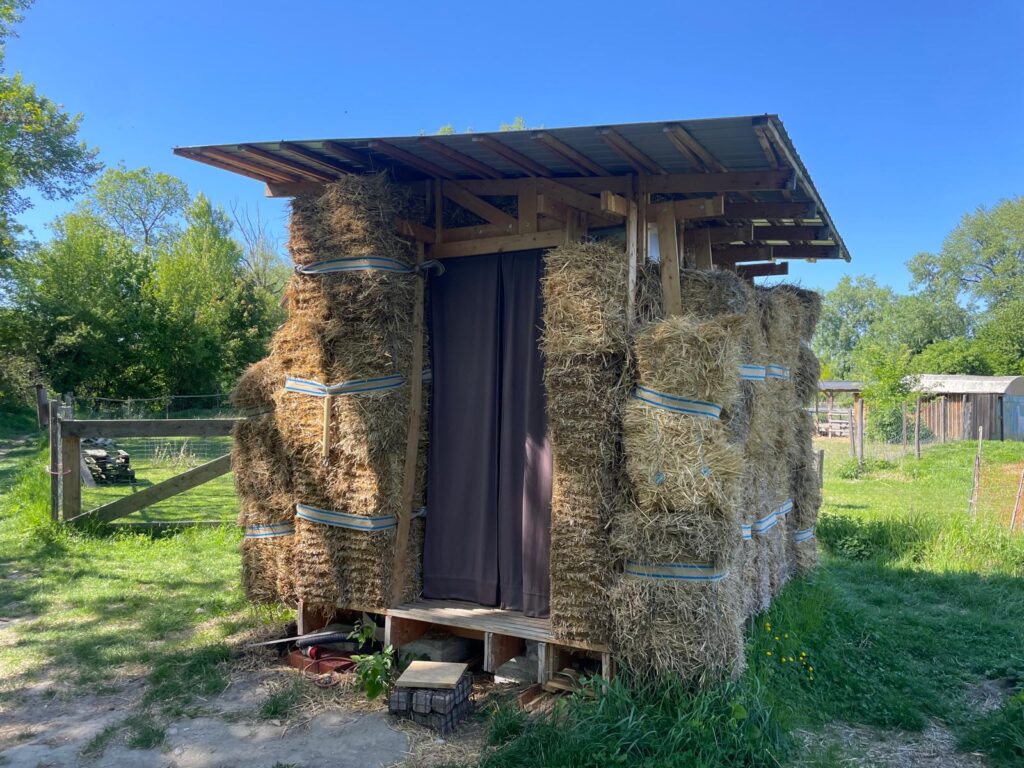
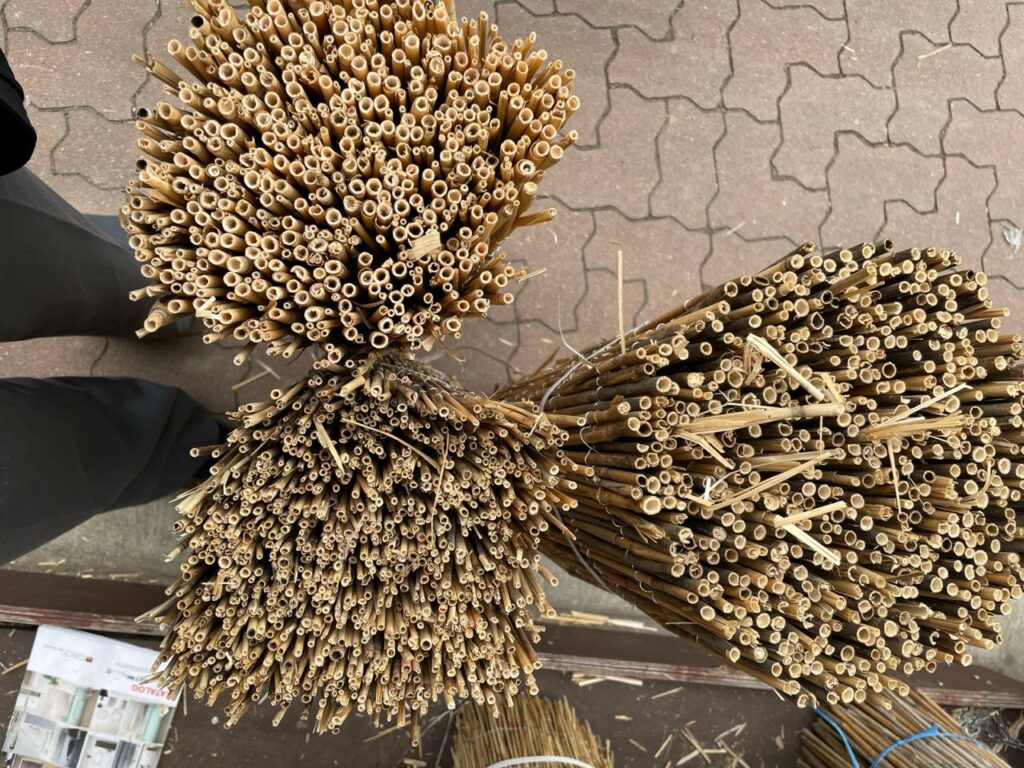
    • Reed
    • Bamboo
    • Loam
    • Pipes
    • Carton


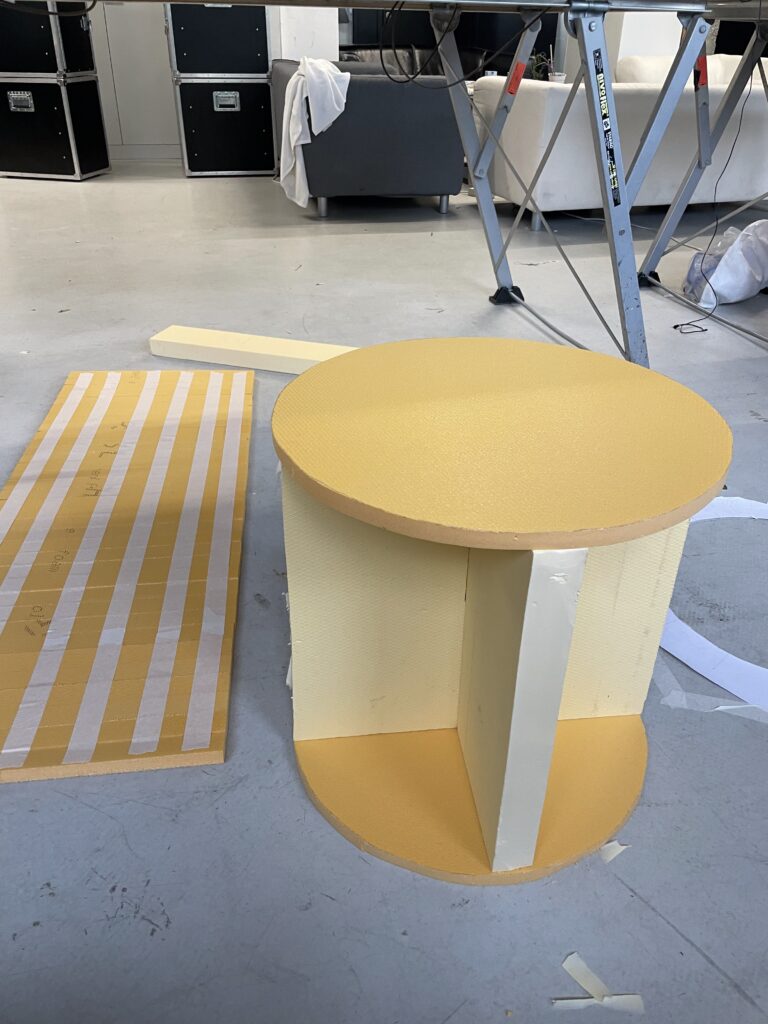
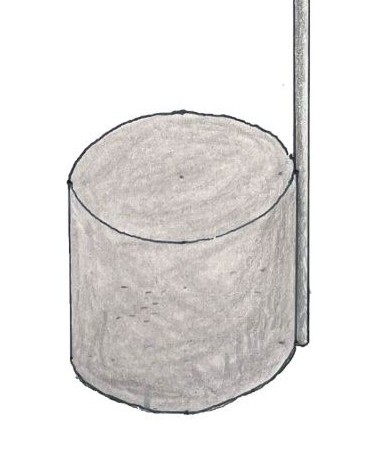
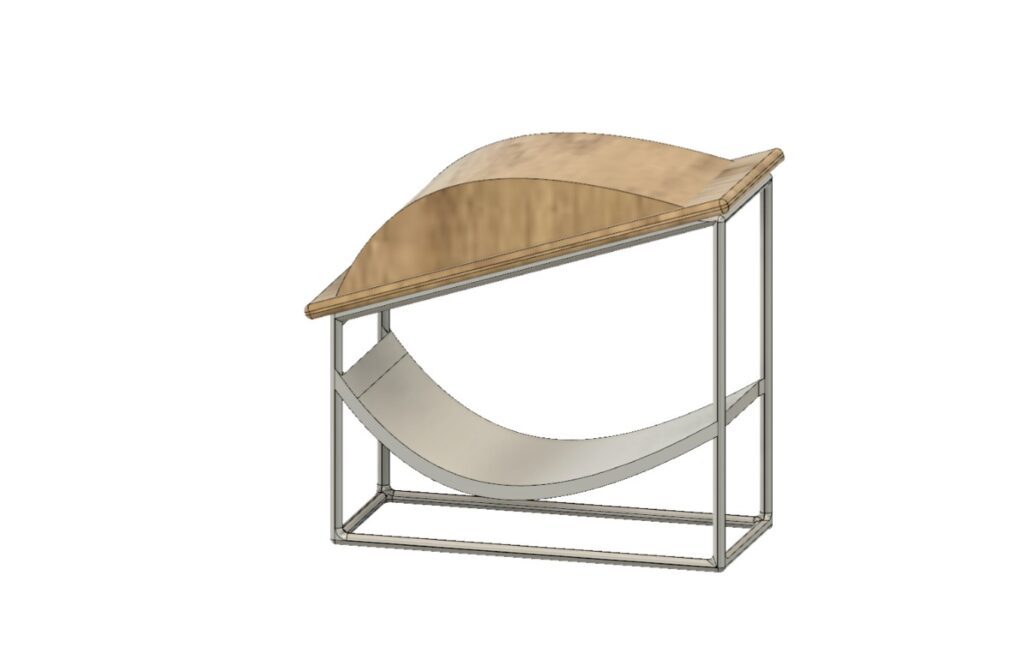
    • Sitting part:
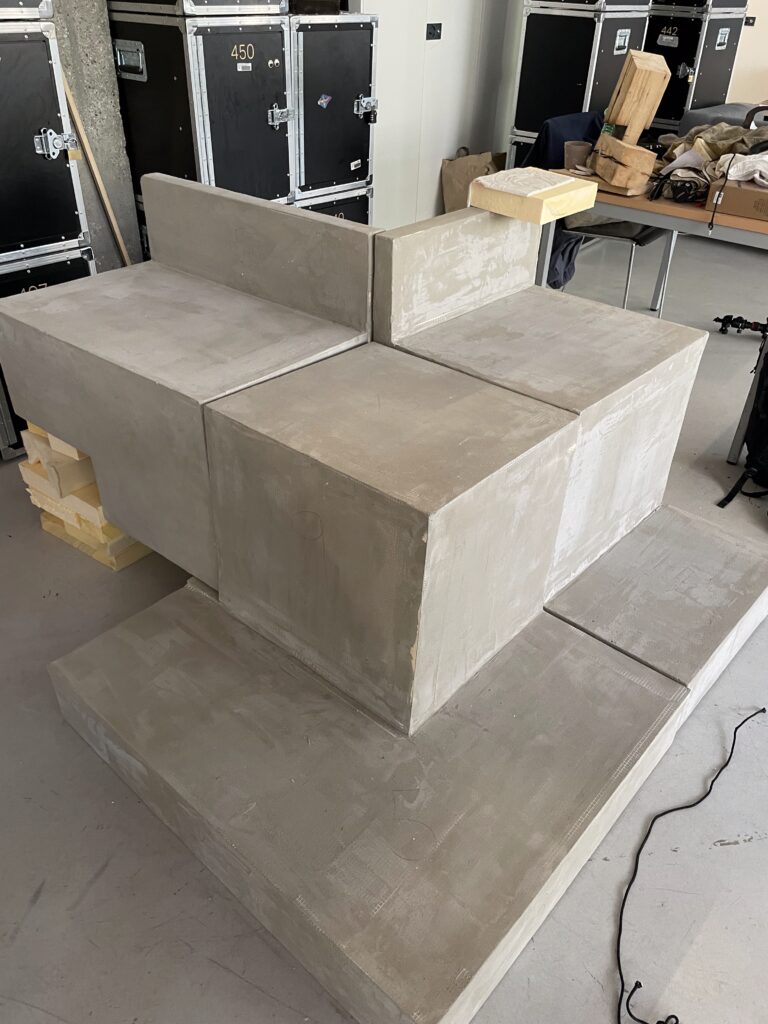
    • Casted concrete
    • Bottom:
    • Wooden floor of
      casted concrete

    LAYERS

    Models

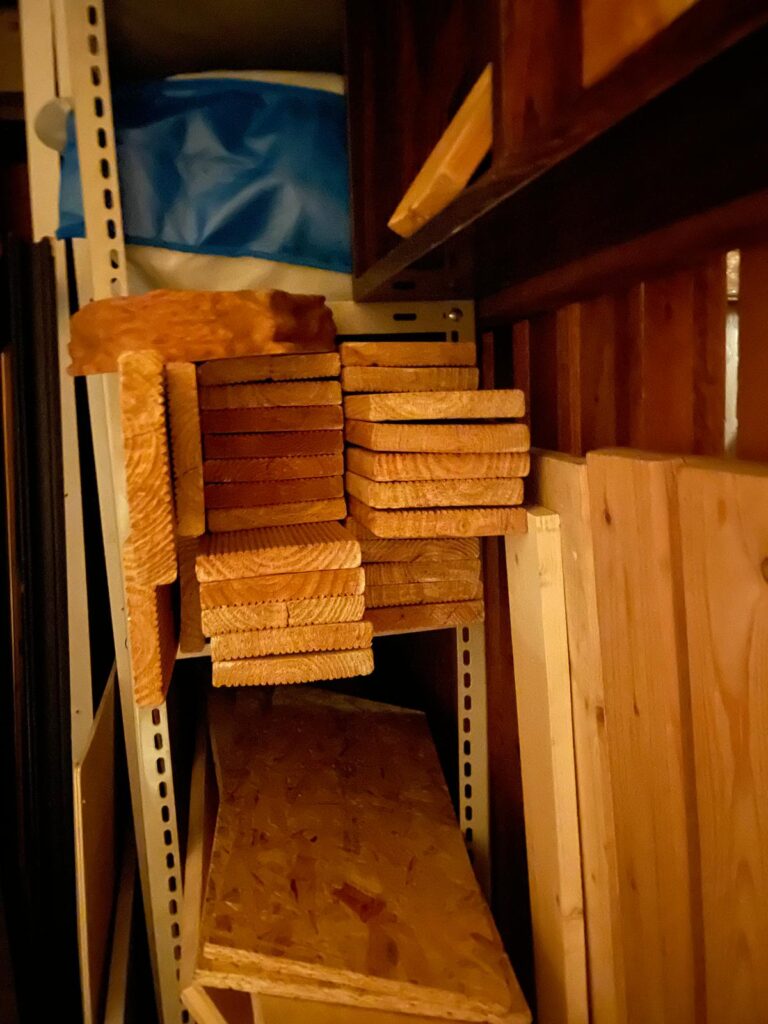
    Natural wood: 4 tree trunks

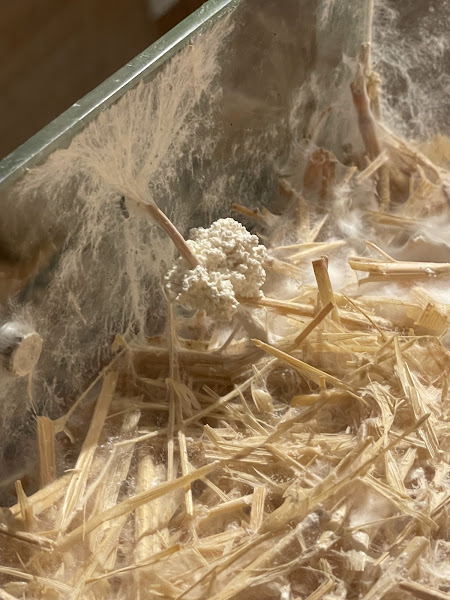
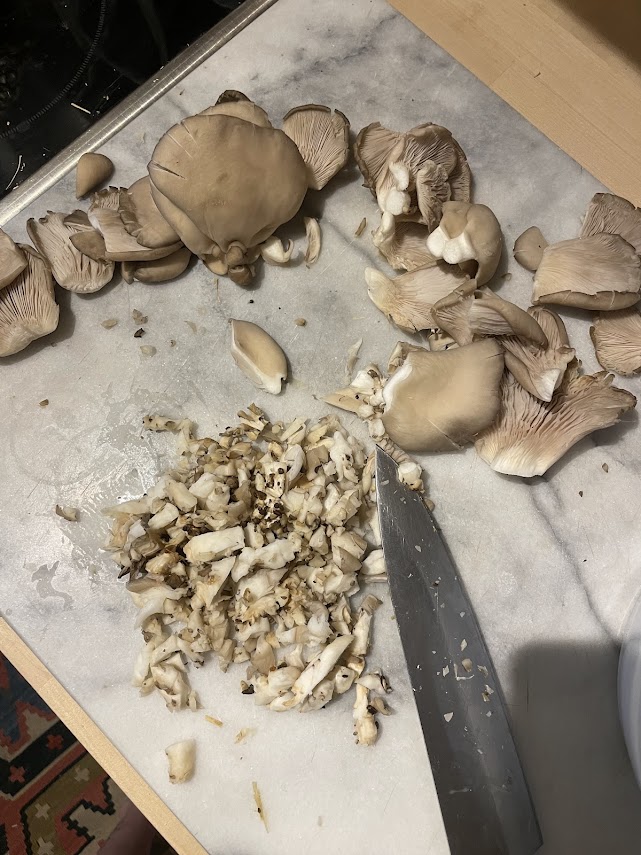
    Mycelium

    Constructed Wood

    NEXT STEPS

    • continue building layers
    • construct wooden floor
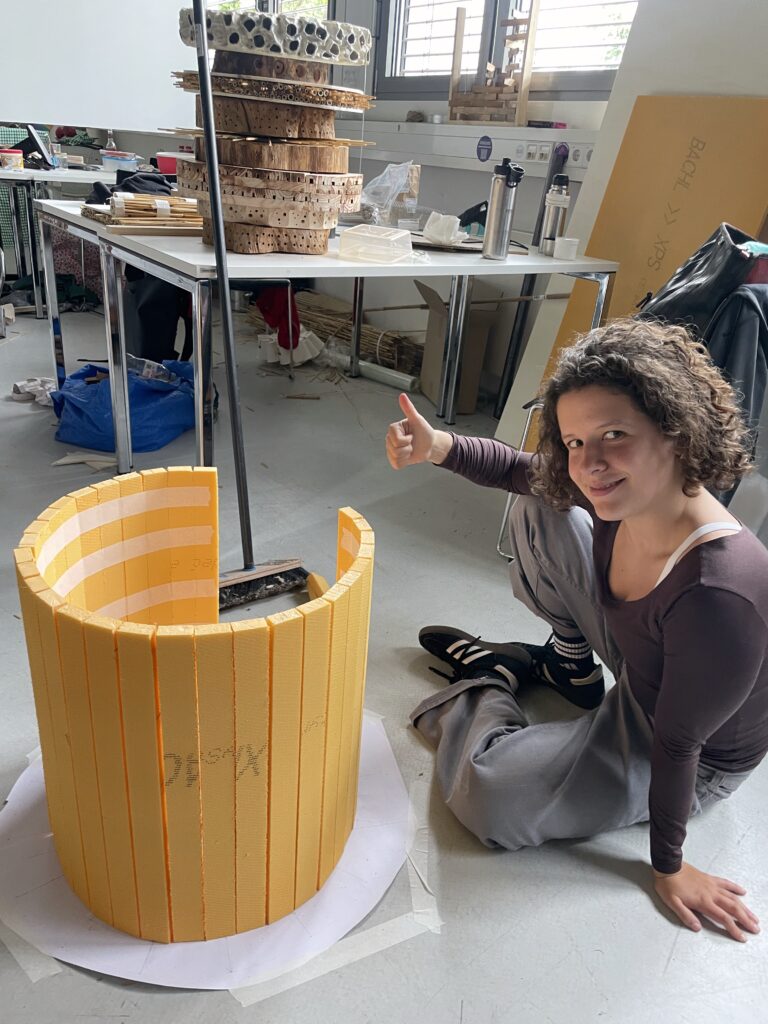
    • build stool
    • cast stool & floor
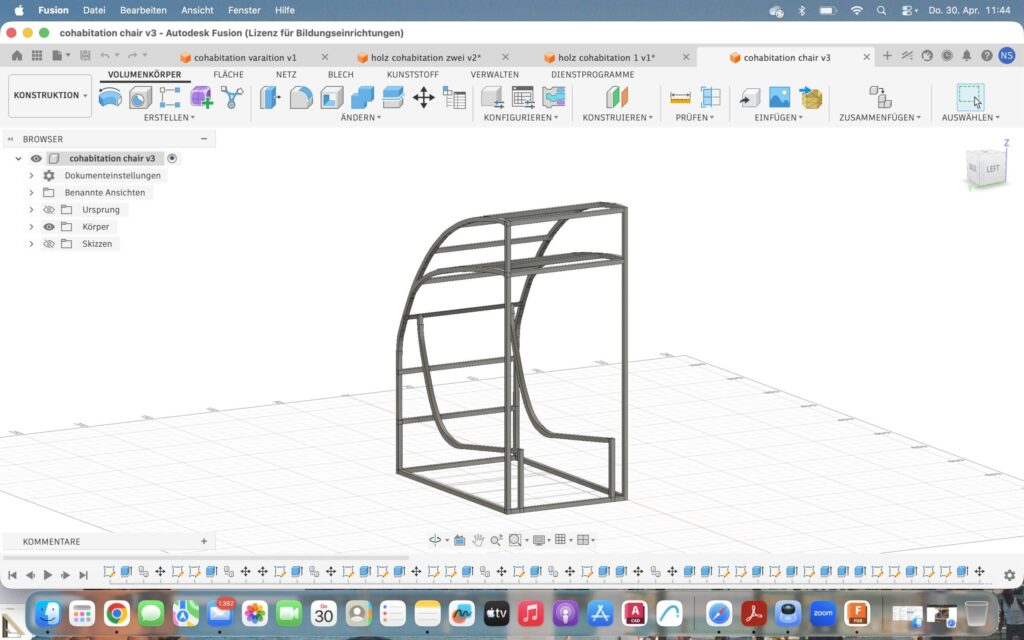
    • color metal structure
    • make roof
    • construct in between holders
    • design poster
    • speaker for exhibition?
    • contact Vienna city government
  • Open Desk Tutorial 30.04

    By

    Eva Aartse

    ,

    Emma Bär

    and

    Nouria Sabbagh

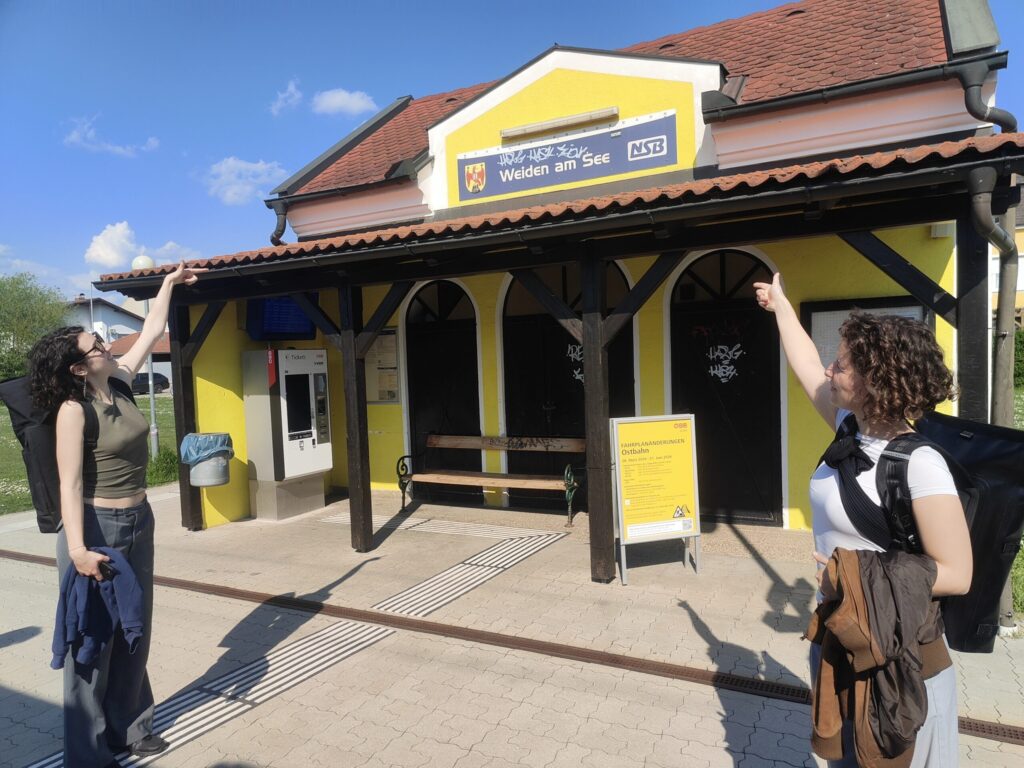
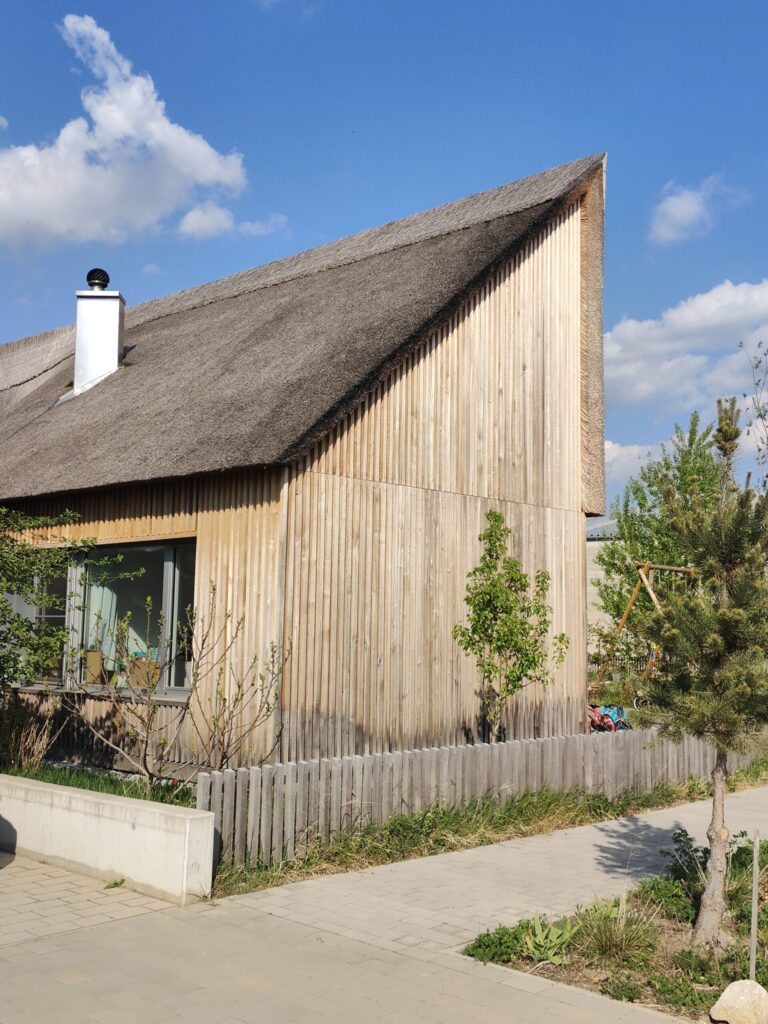
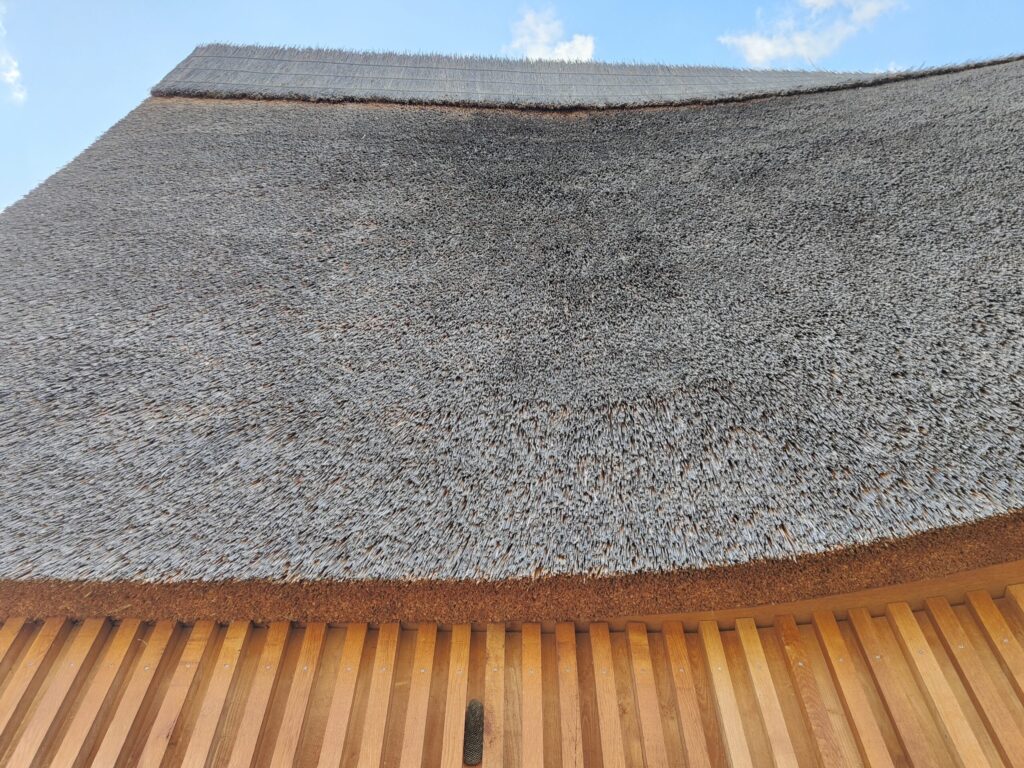
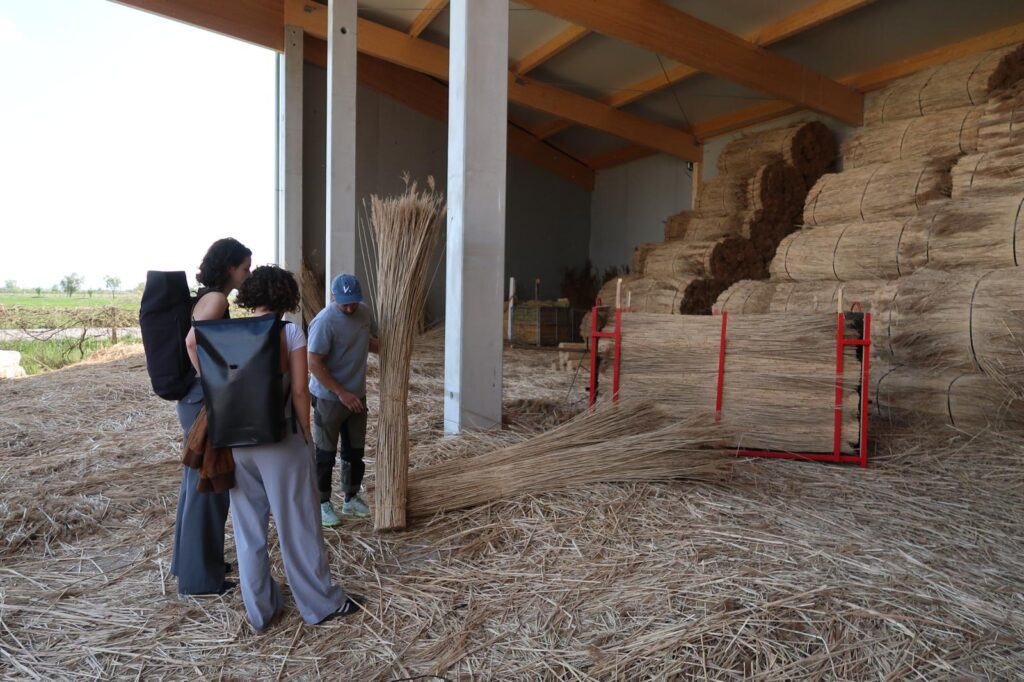
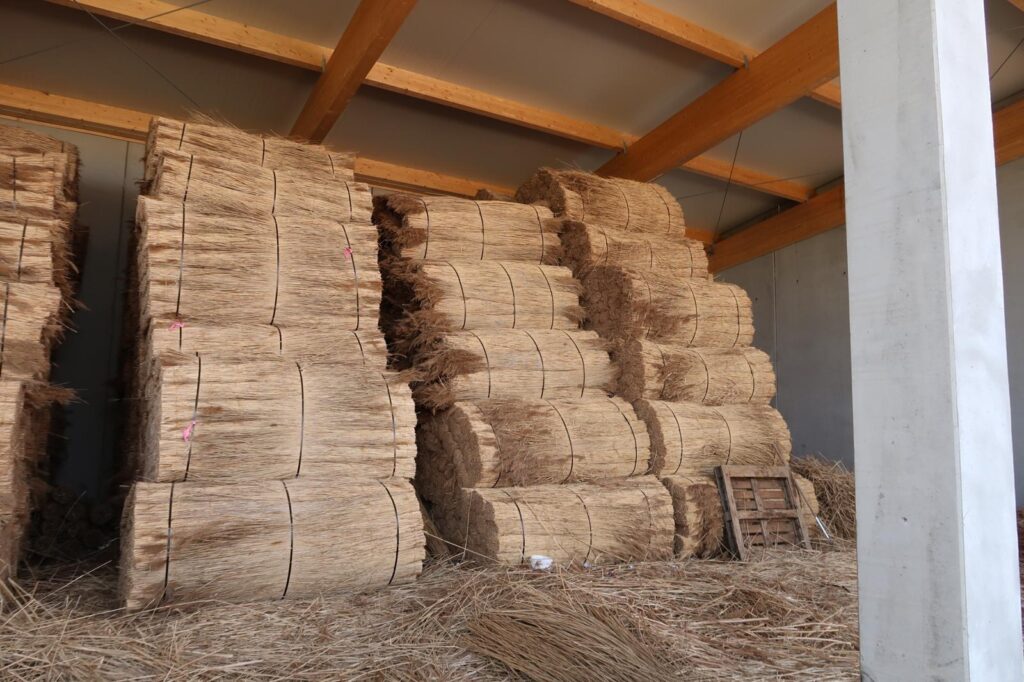
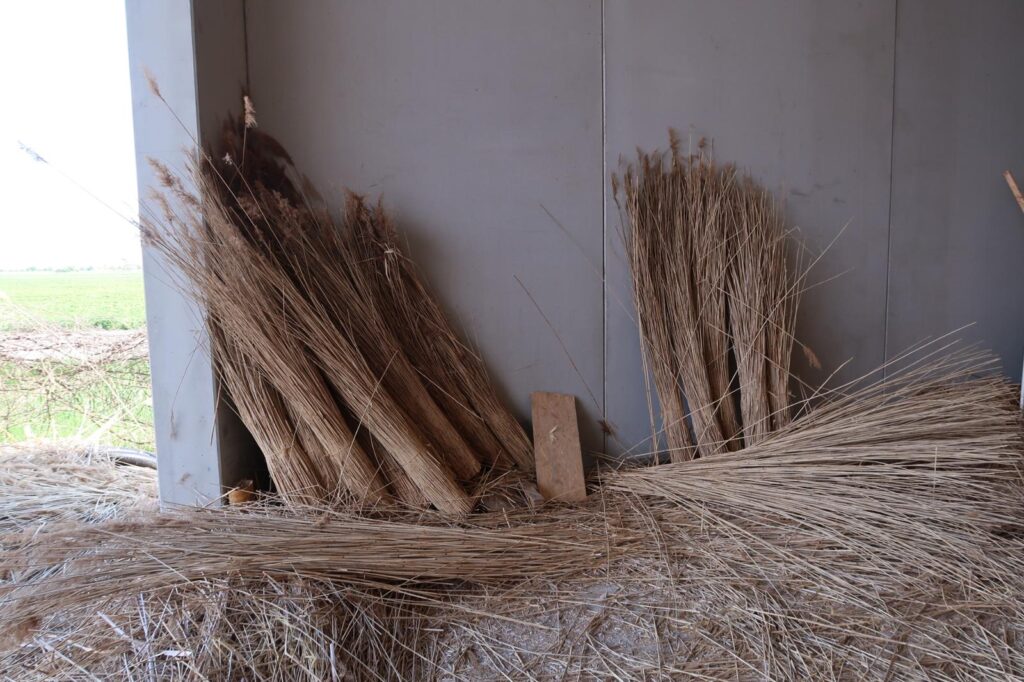
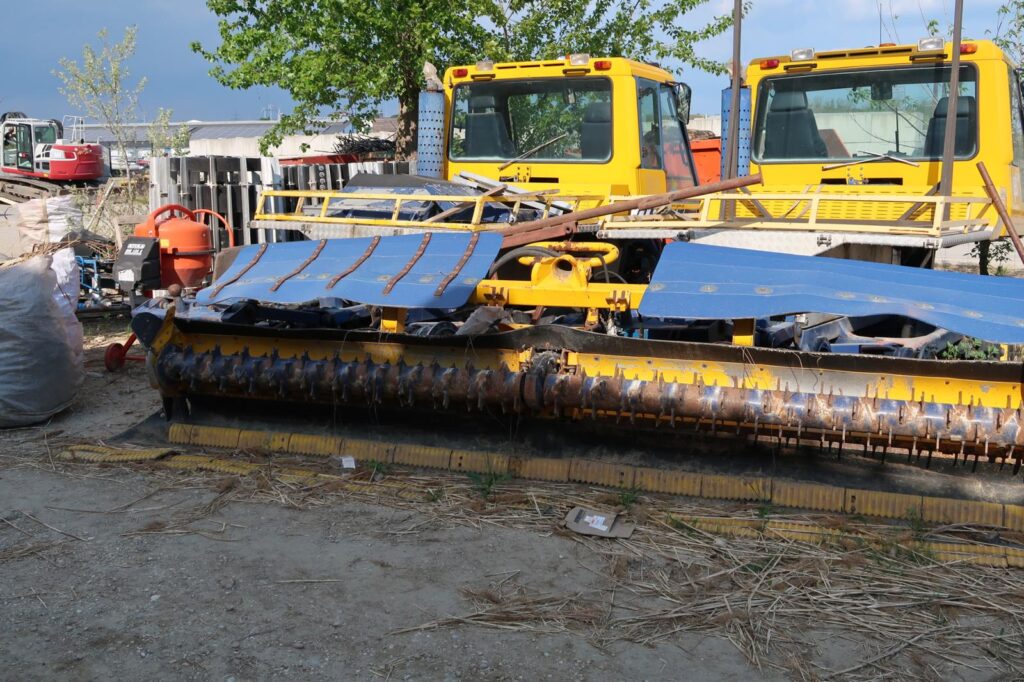
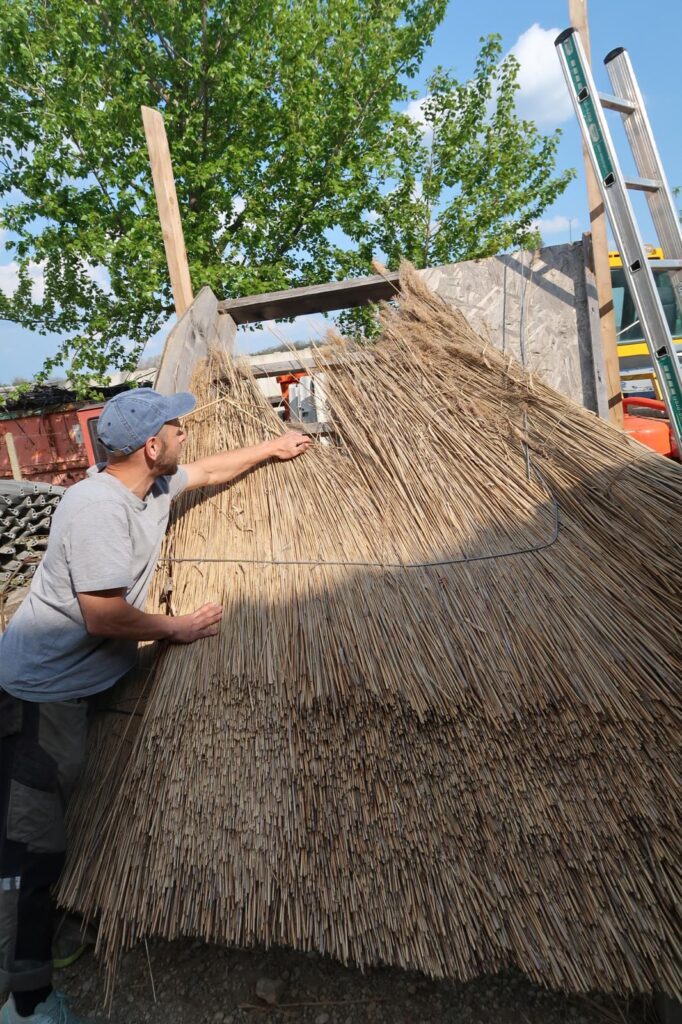
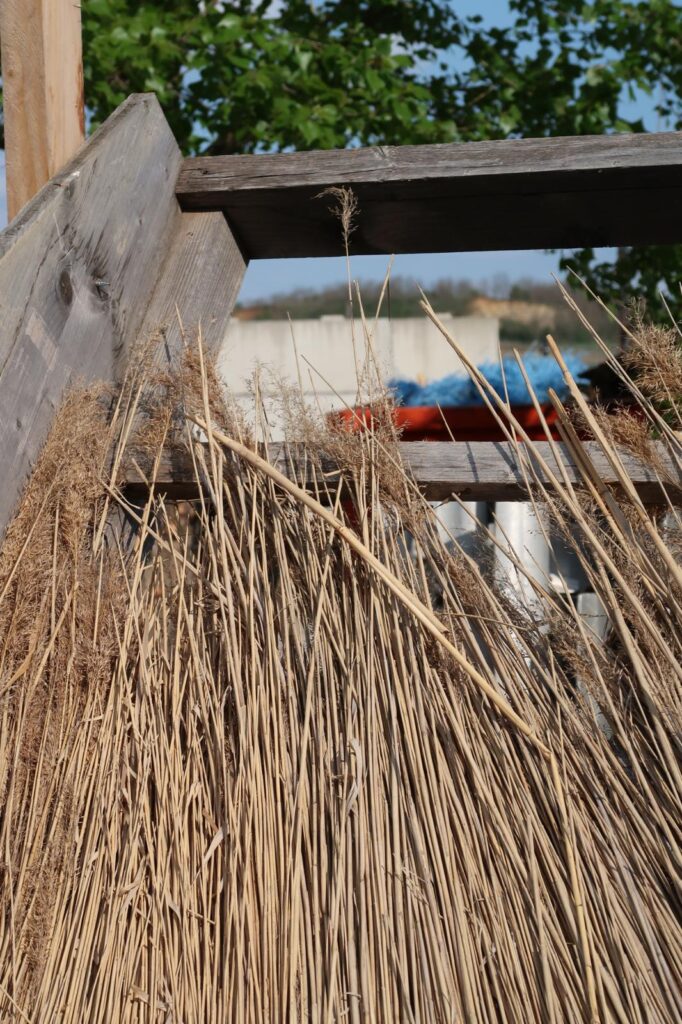
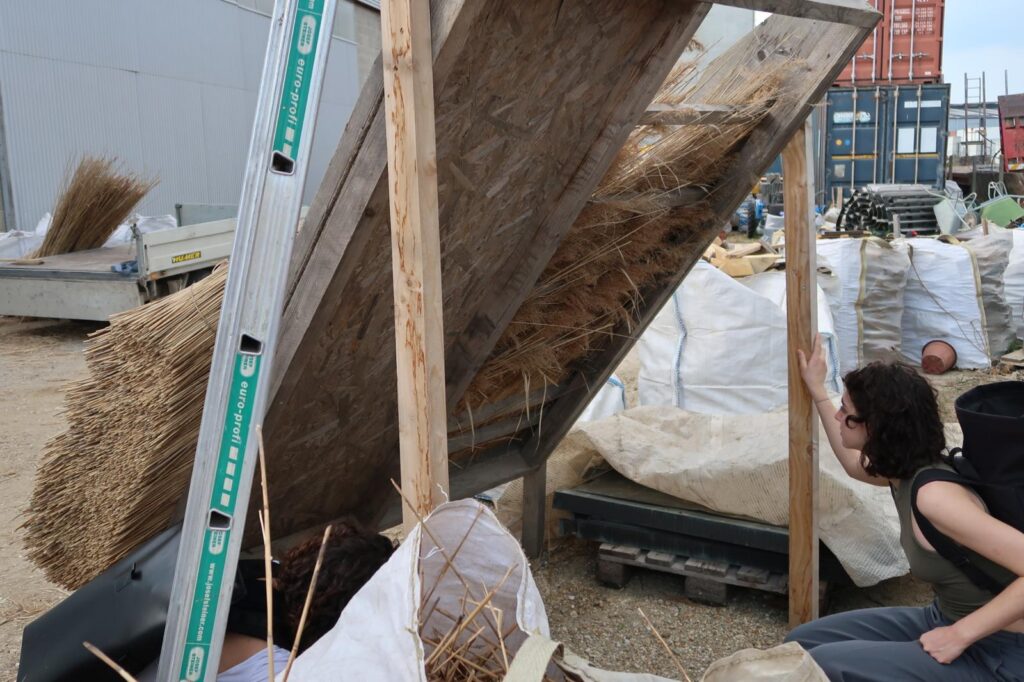
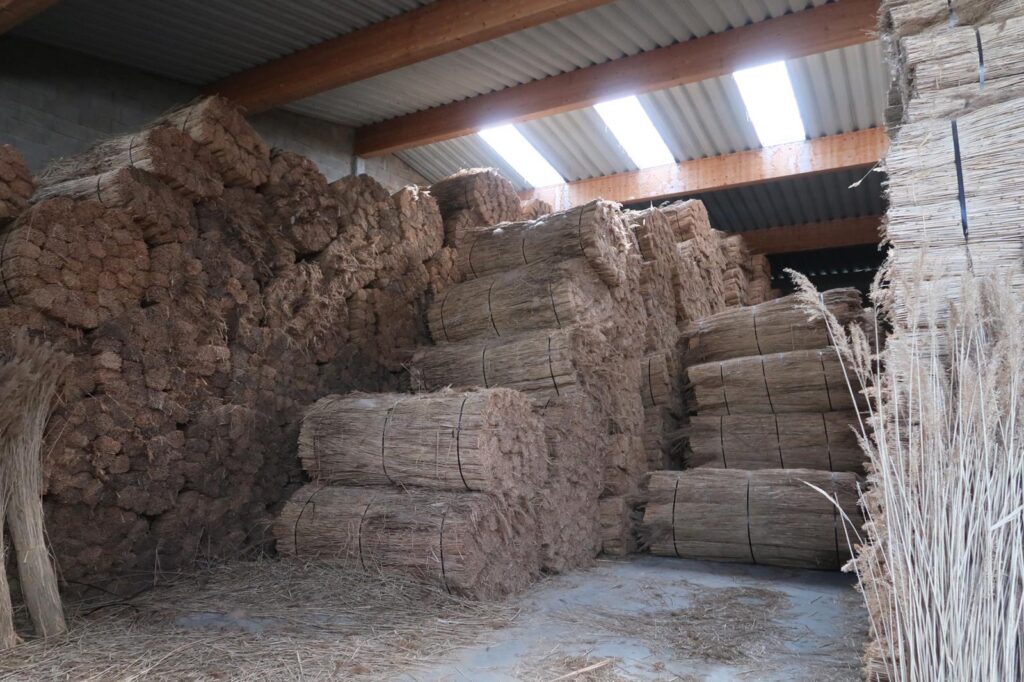
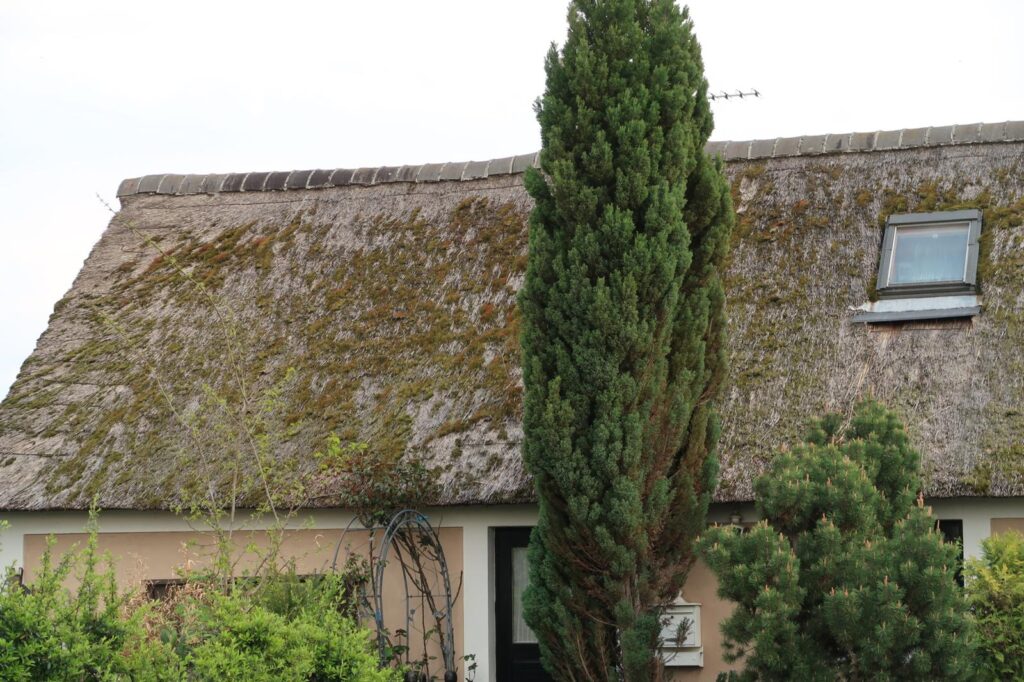
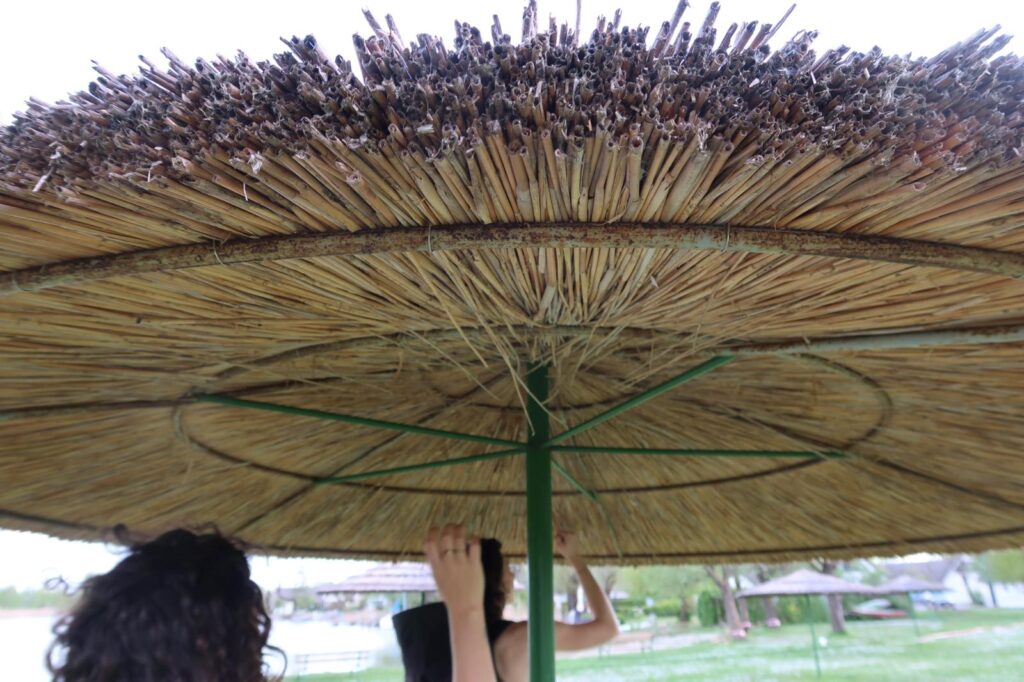
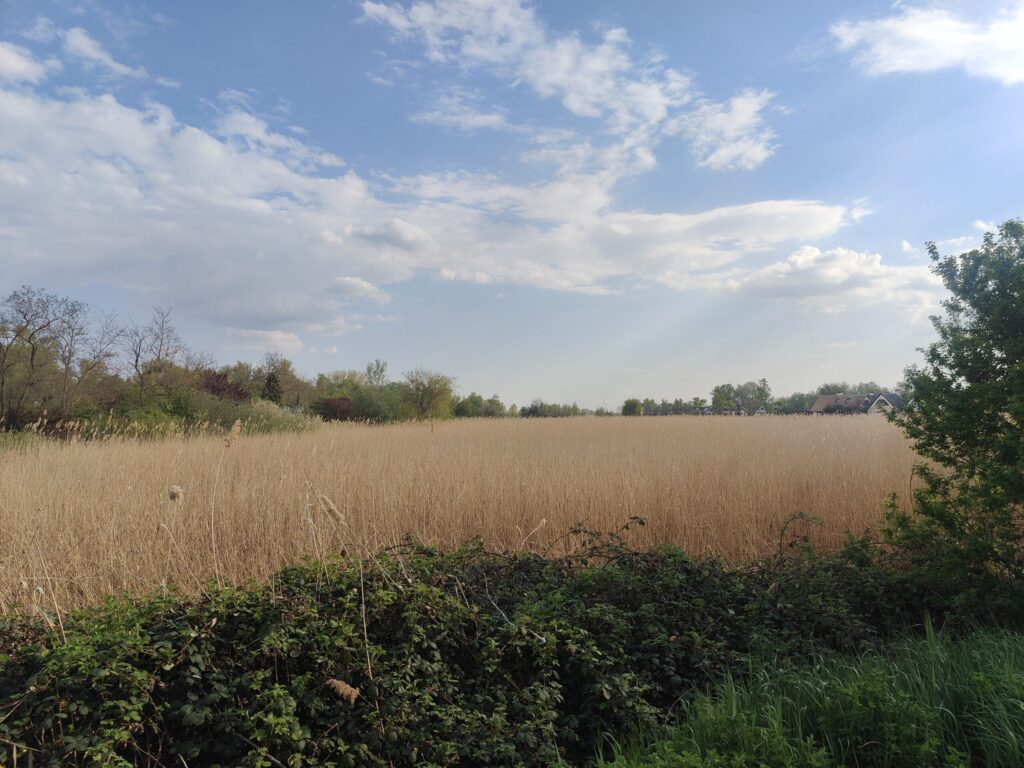
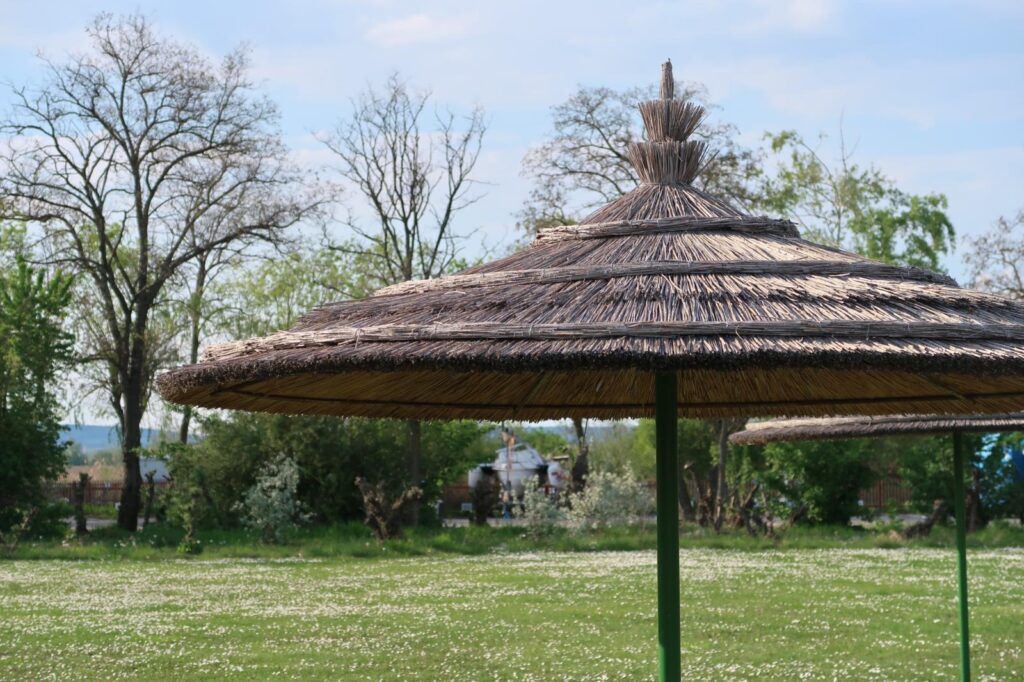
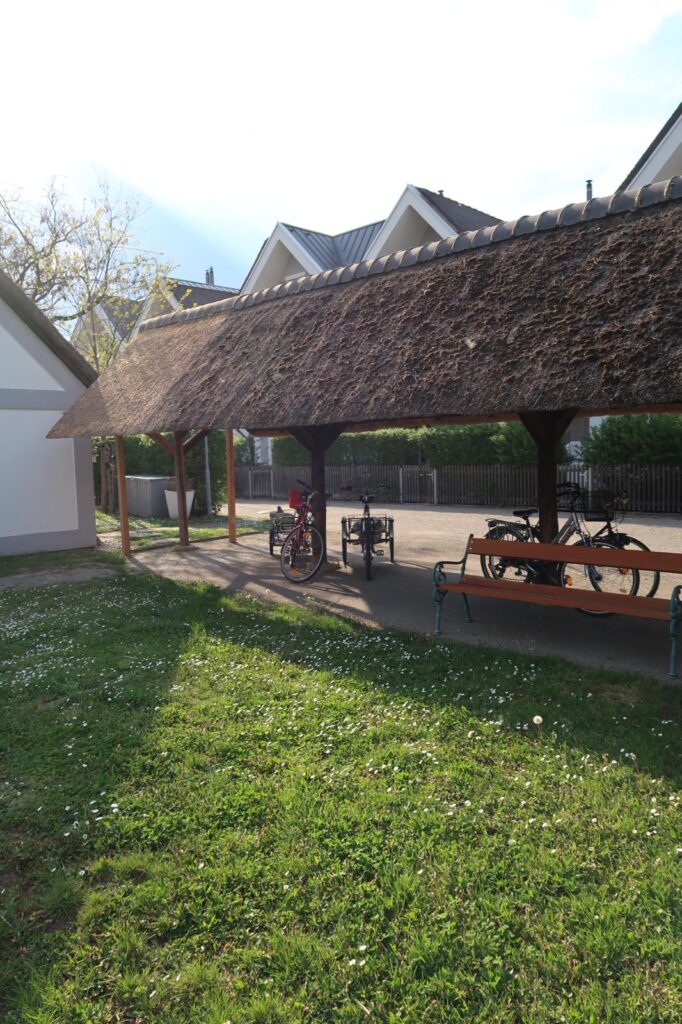
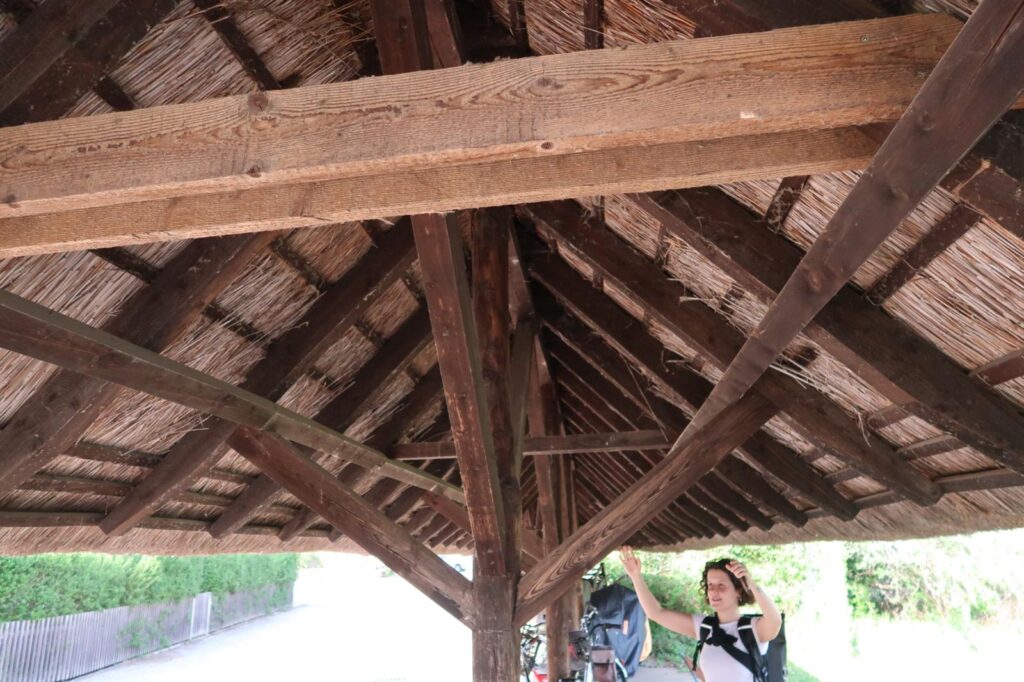
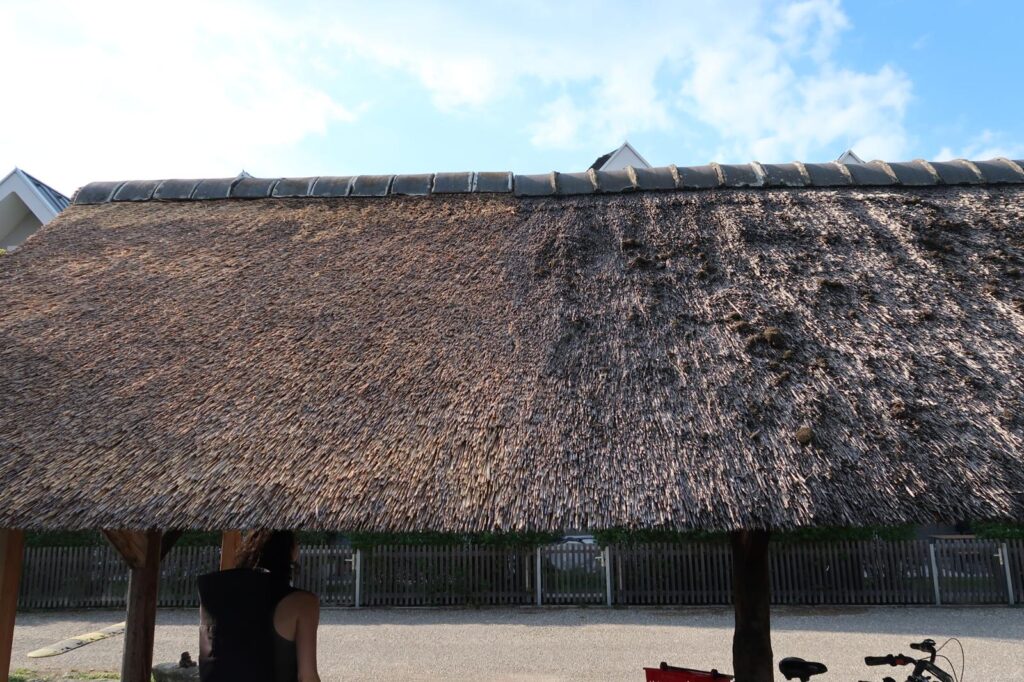
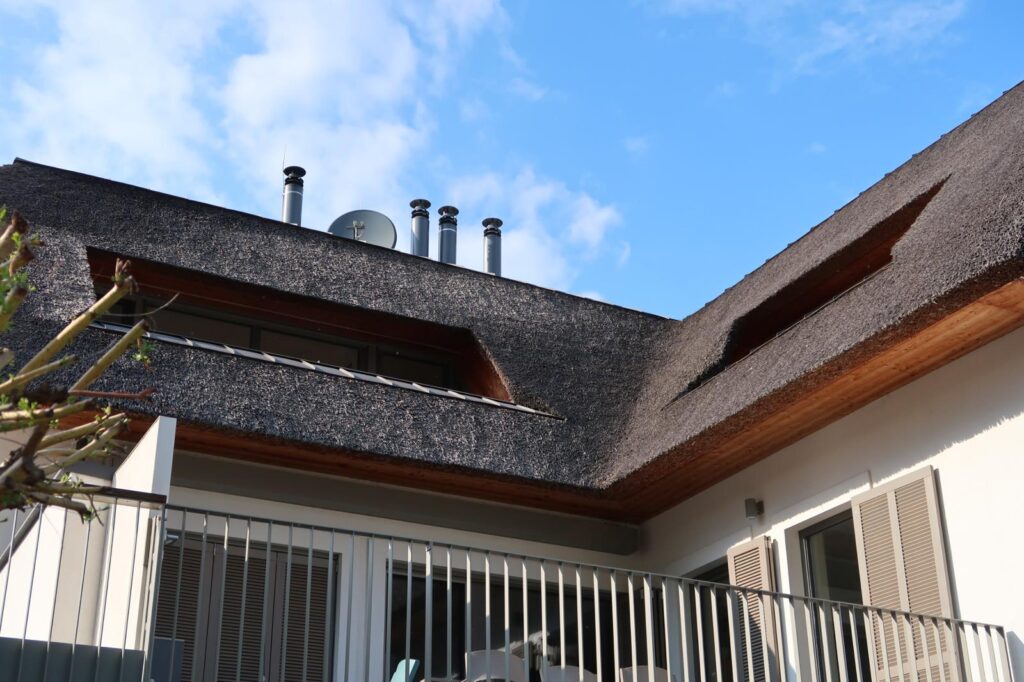
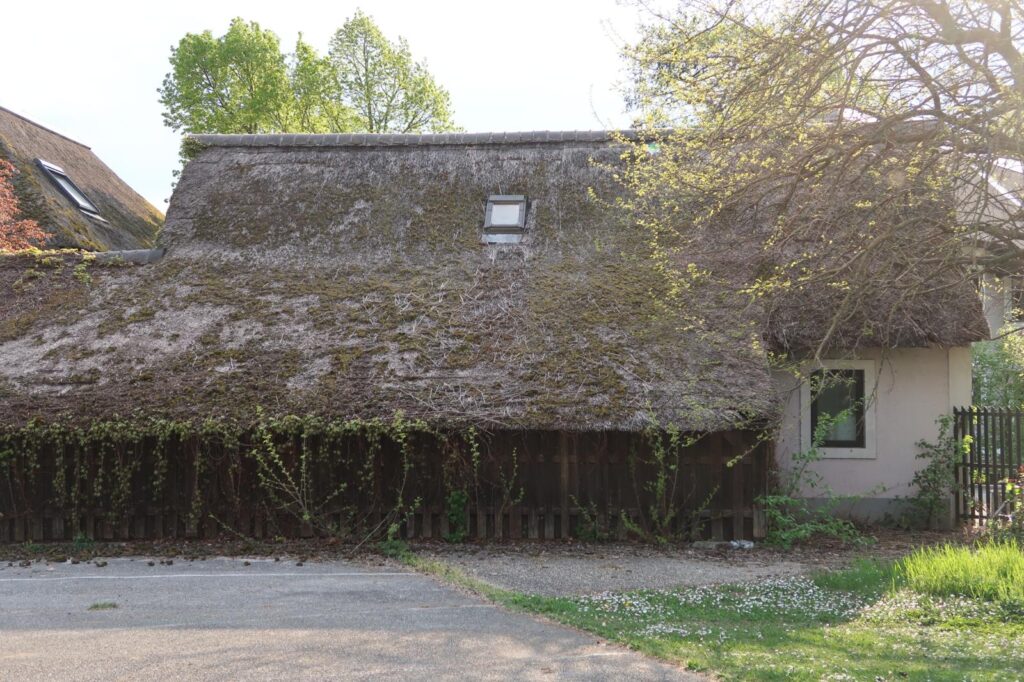
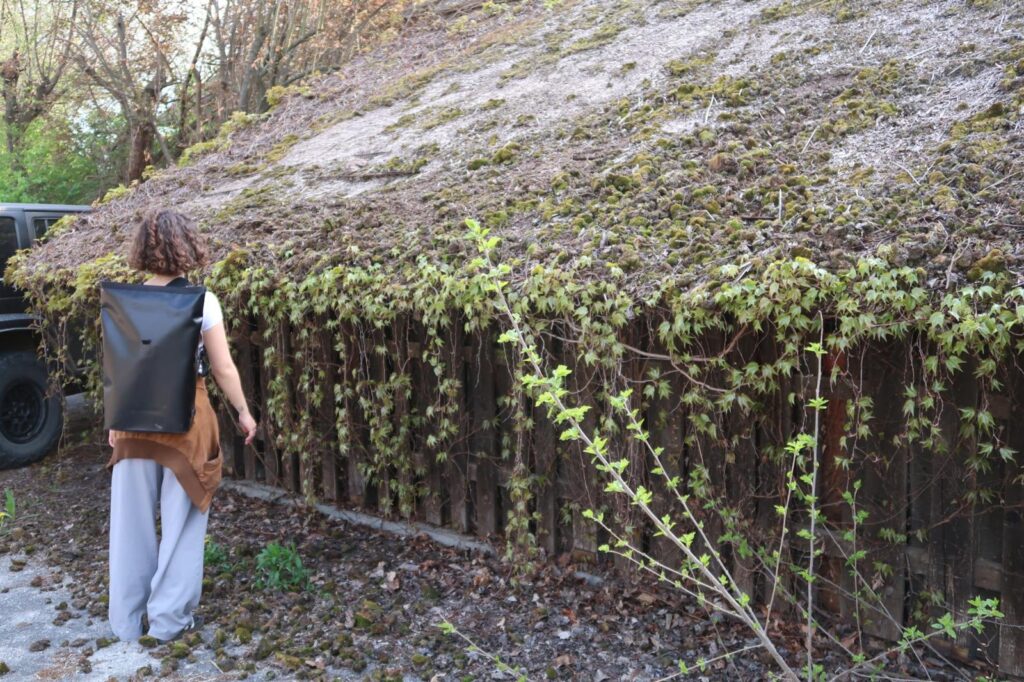
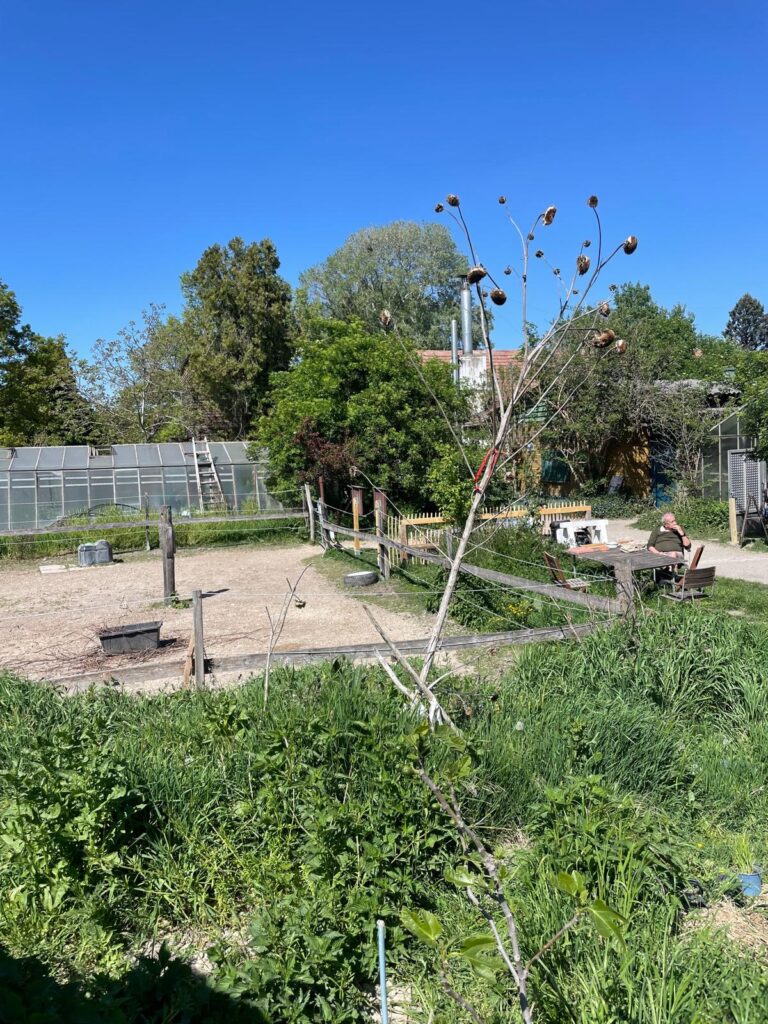
    Excursion Neusiedler See – Reed harvester & roof builder

    Reed roofs at Neusiedler See

    Meeting w. Eva Seiler

    Making decisions

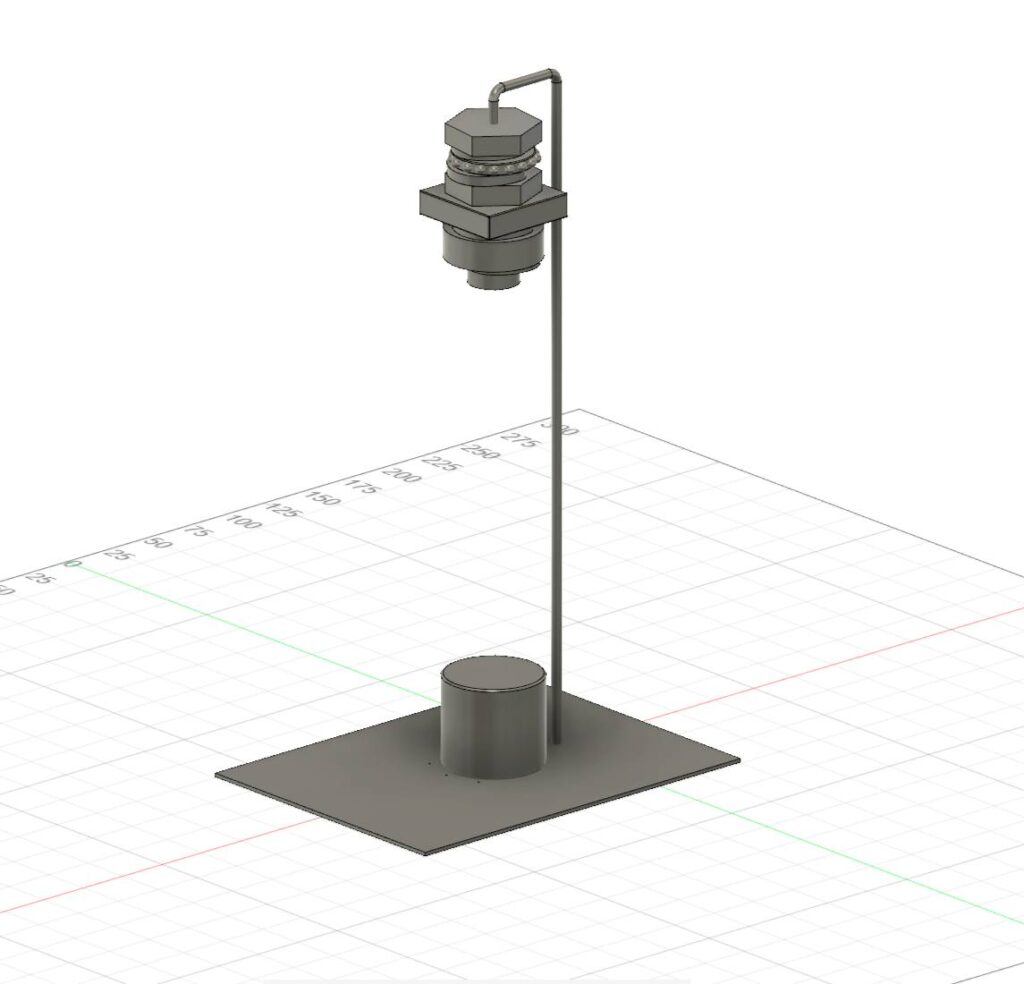
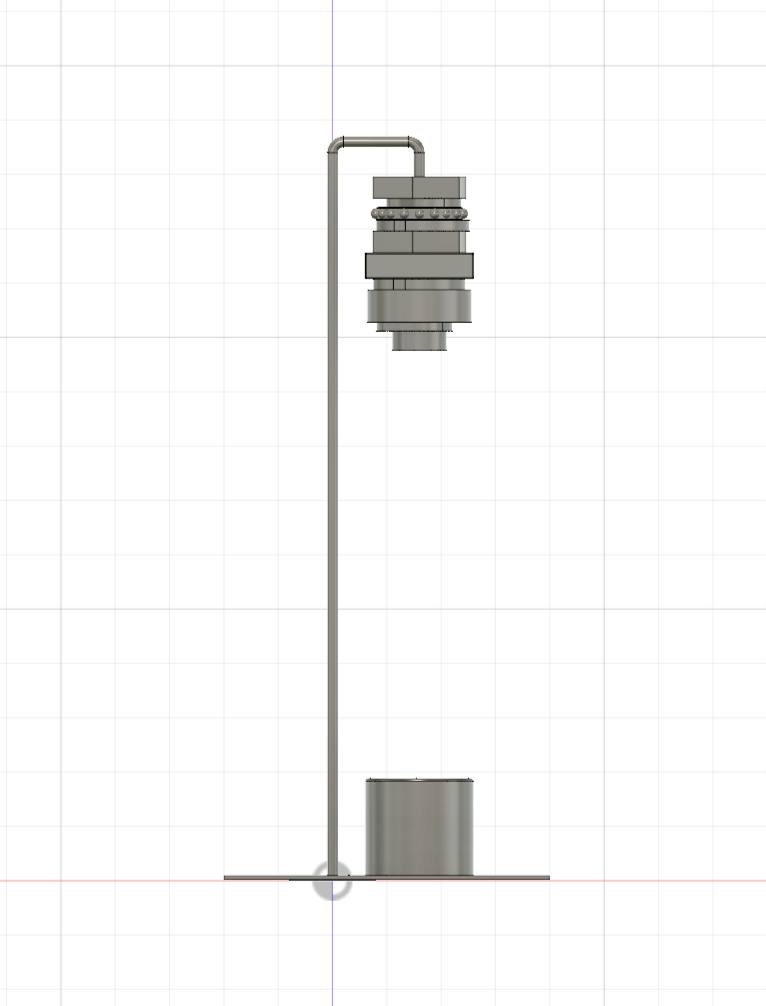
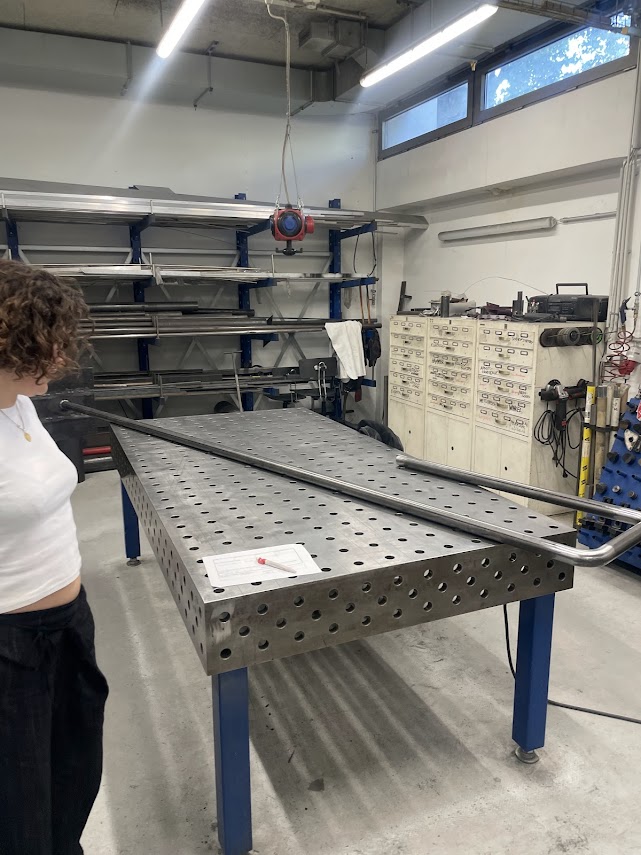
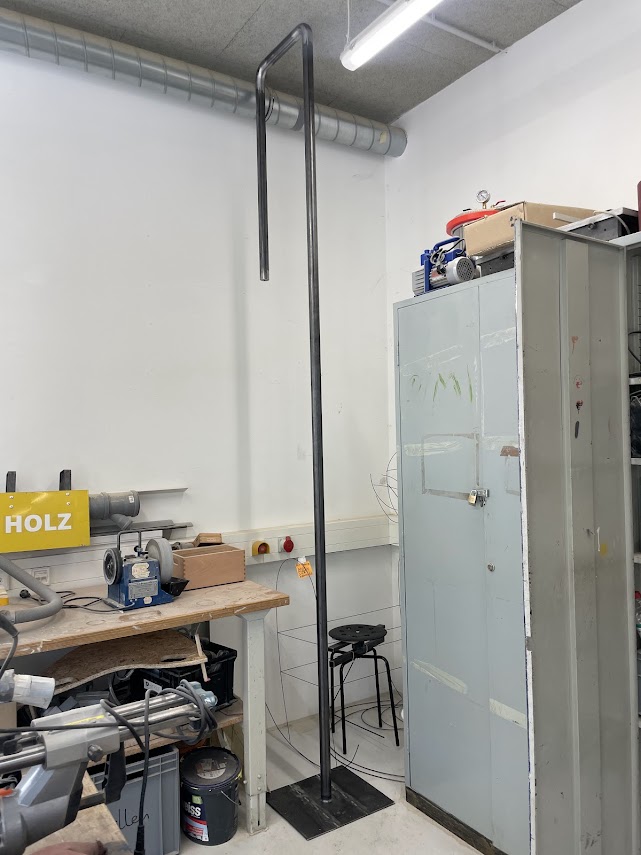
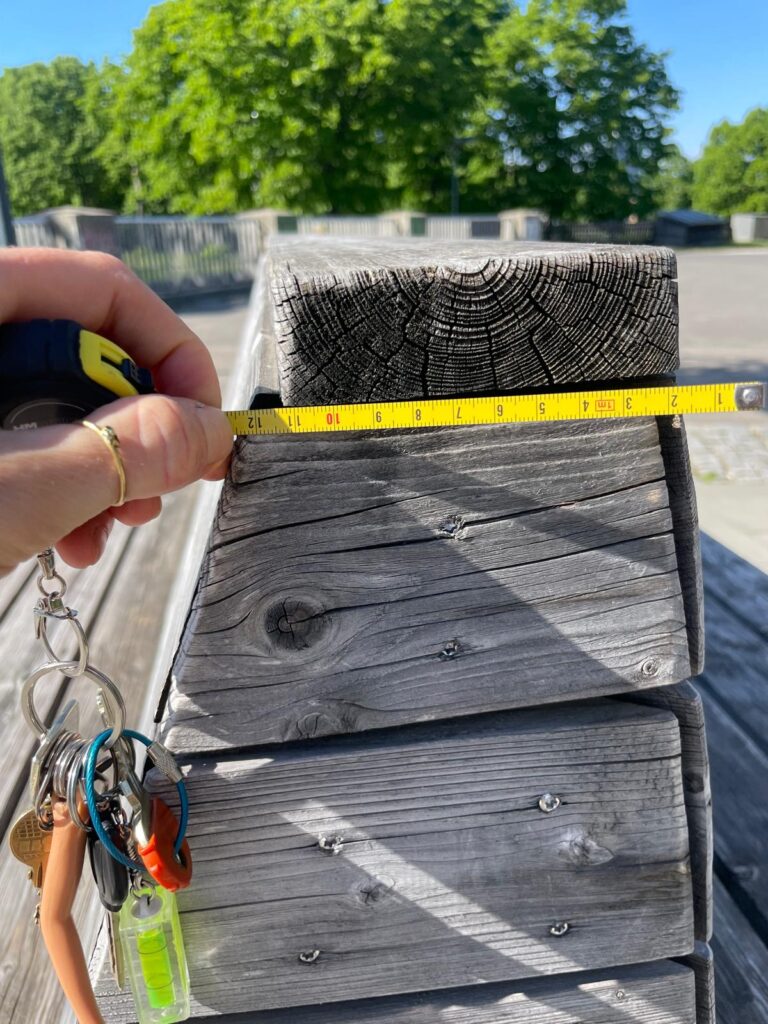
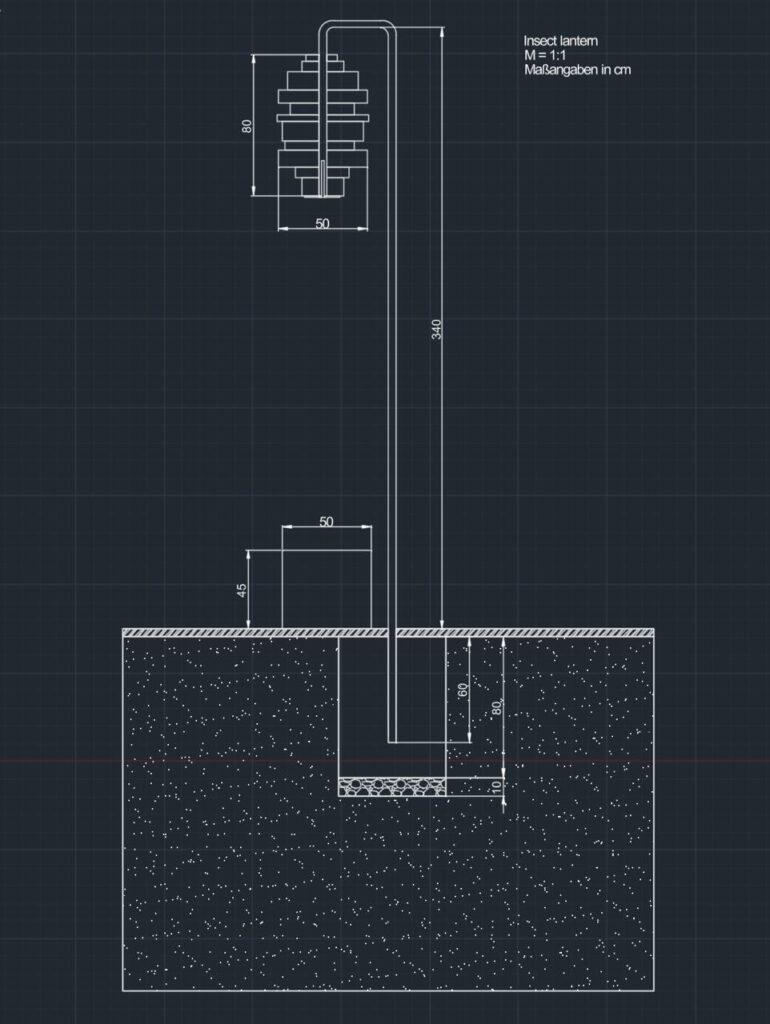
    3D model – metal workshop – measuring

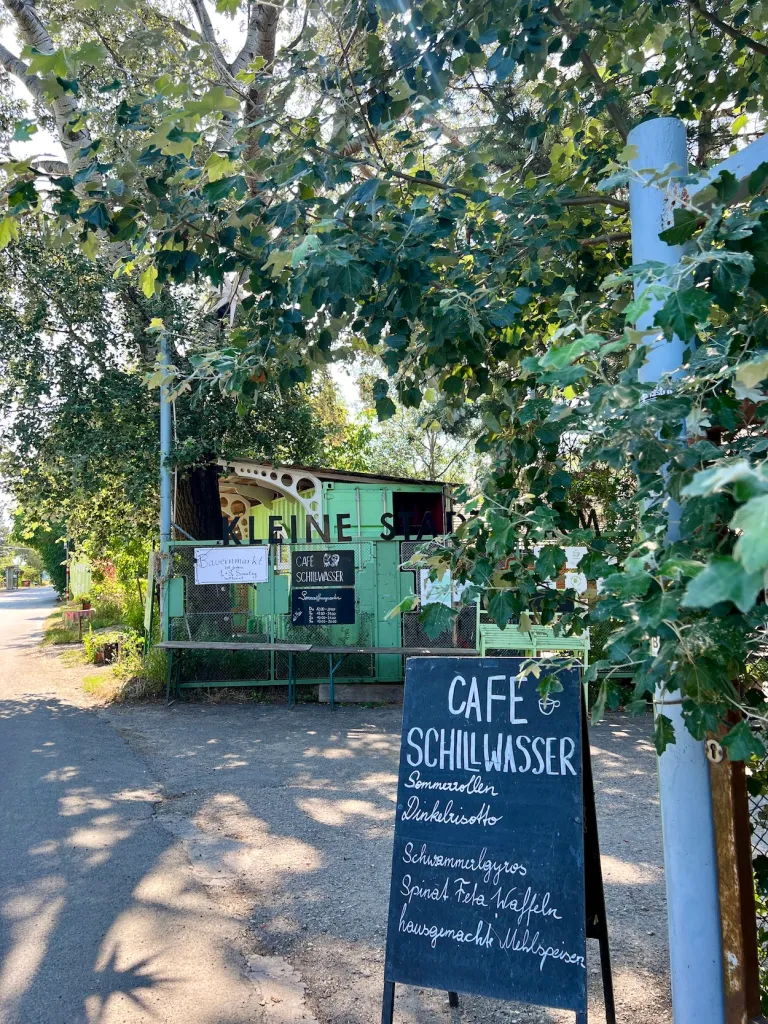
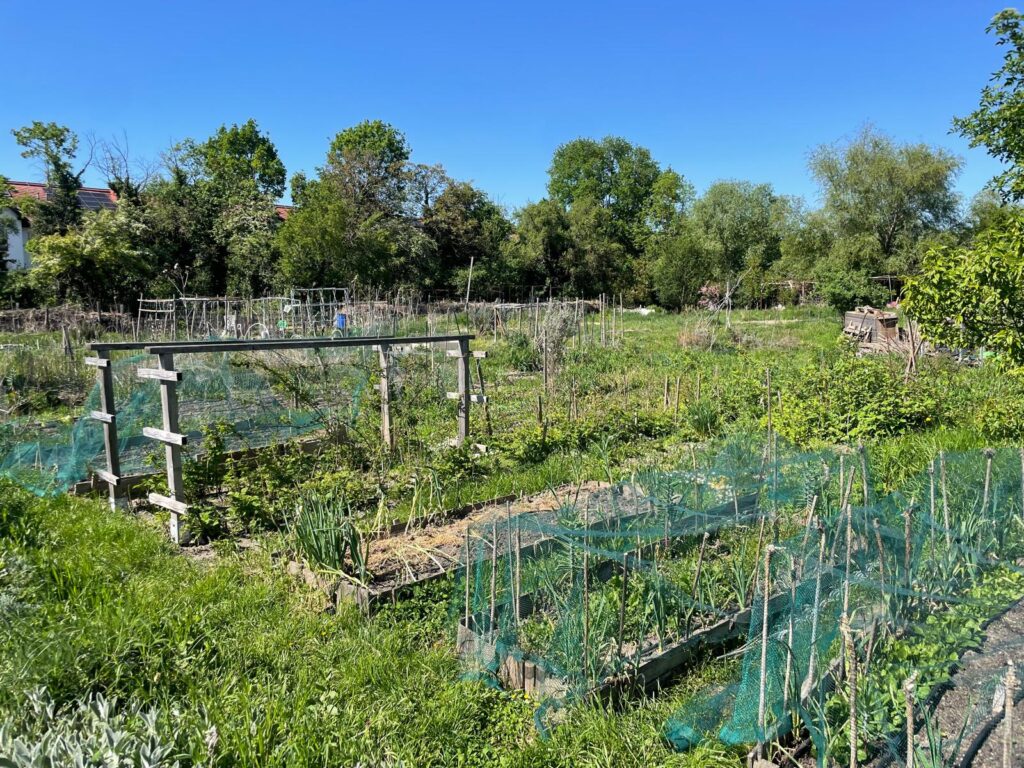
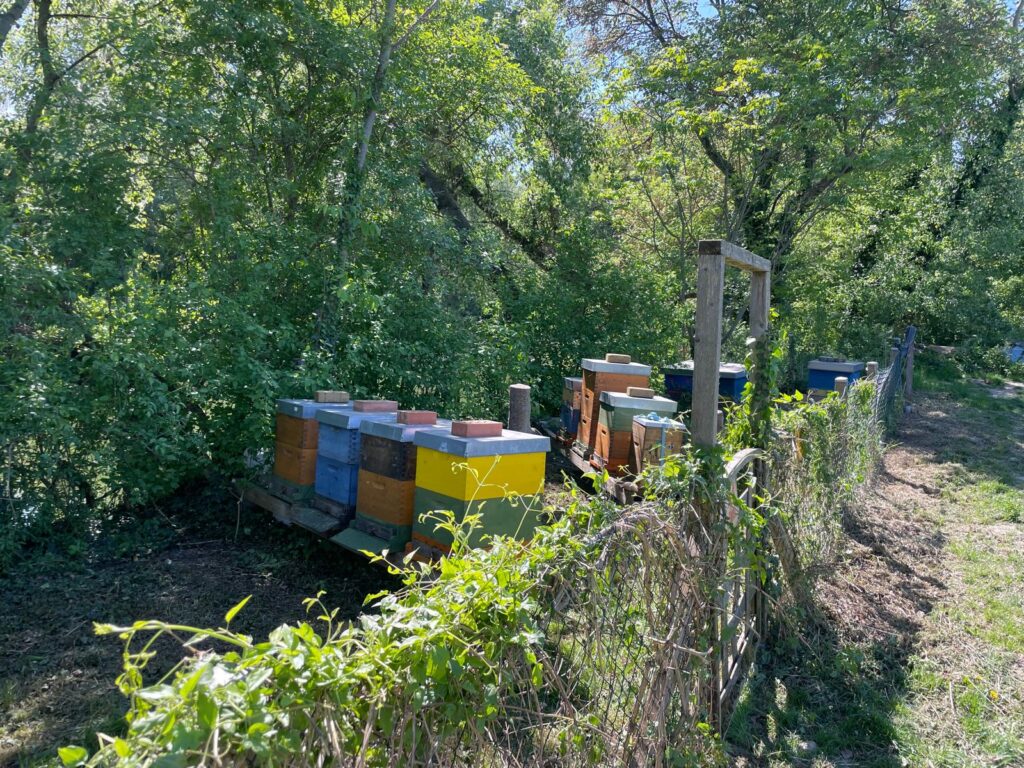
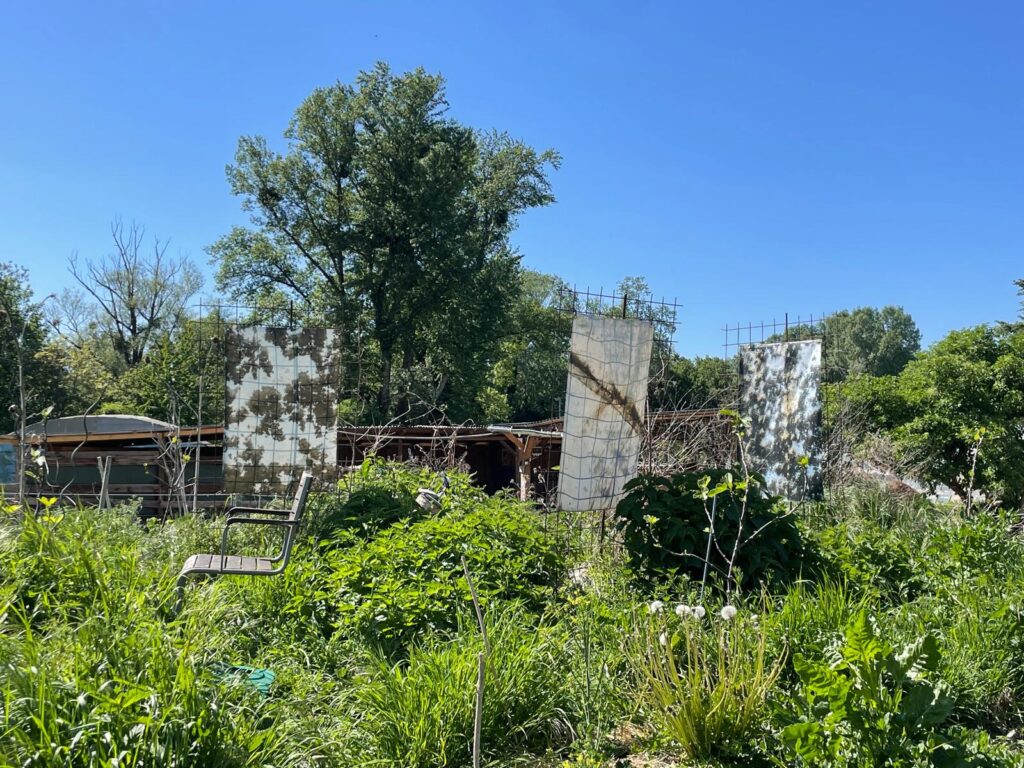
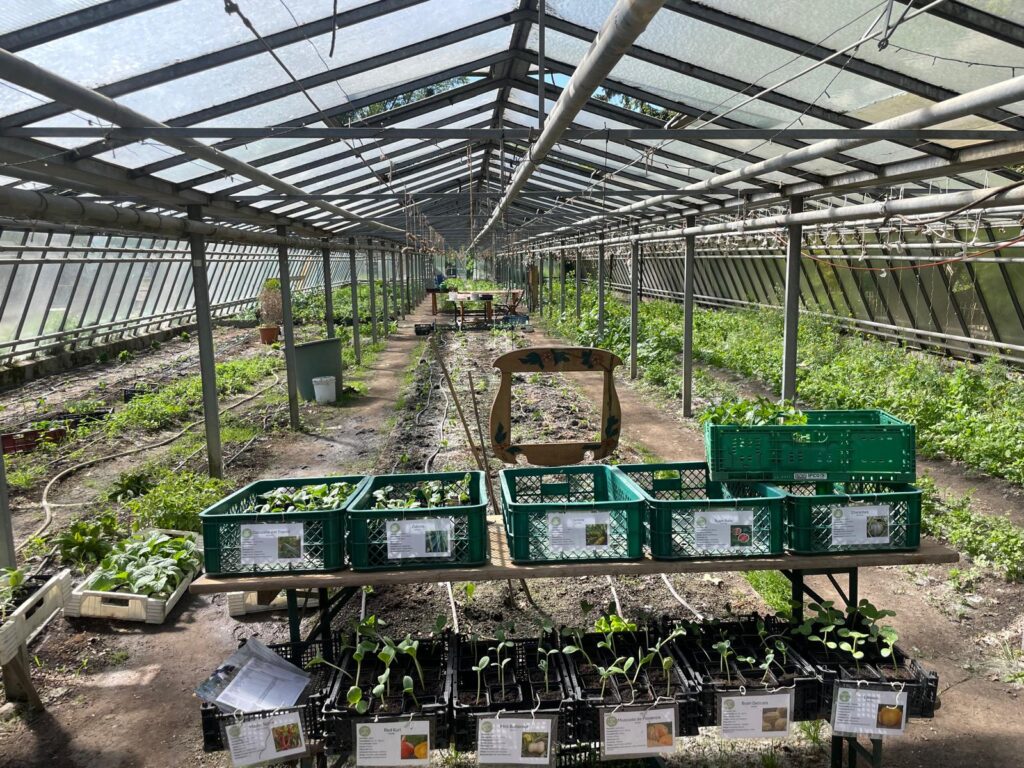
    Visiting der Kleine Stadtfarm

    since 1970’s – first bio farm in Vienna
    +5500 m2
    21 initiatives
    +500 participants

    Possible exhibiting space -> School area

    “Learning Under the Stars” promotes nature-based and experiential learning for students of the ILB (Integrative Learning Workshop Brigittenau).

    Our aim is to reconnect children with the local flora and fauna and provide them with fundamental experiences in nature. Through hands-on, process-oriented projects, students learn to take responsibility and develop their social skills.

    https://www.lernenuntersternen.at/

  • Tutorial 15.04.26

    By

    Nouria Sabbagh

    ,

    Emma Bär

    and

    Eva Aartse

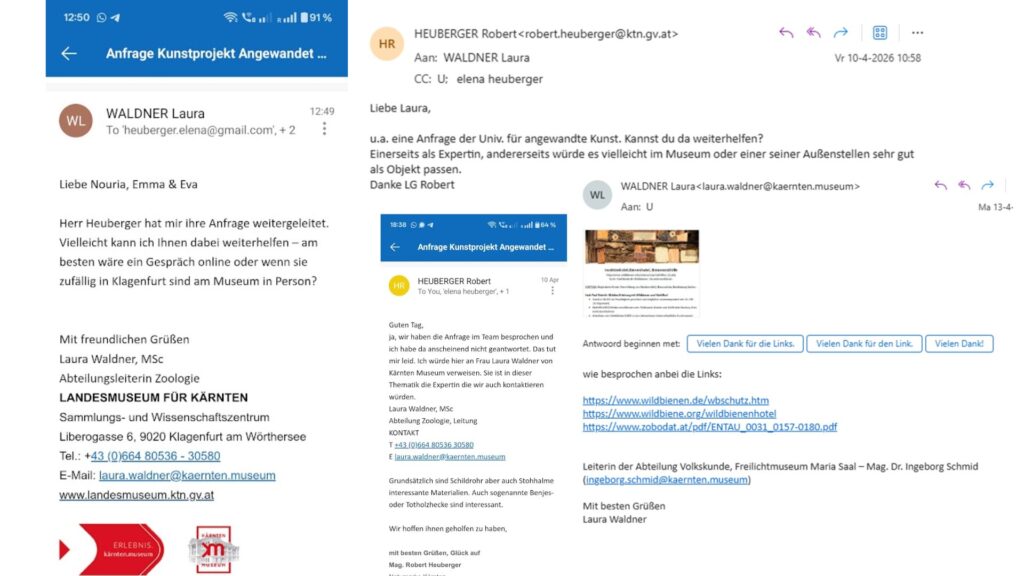
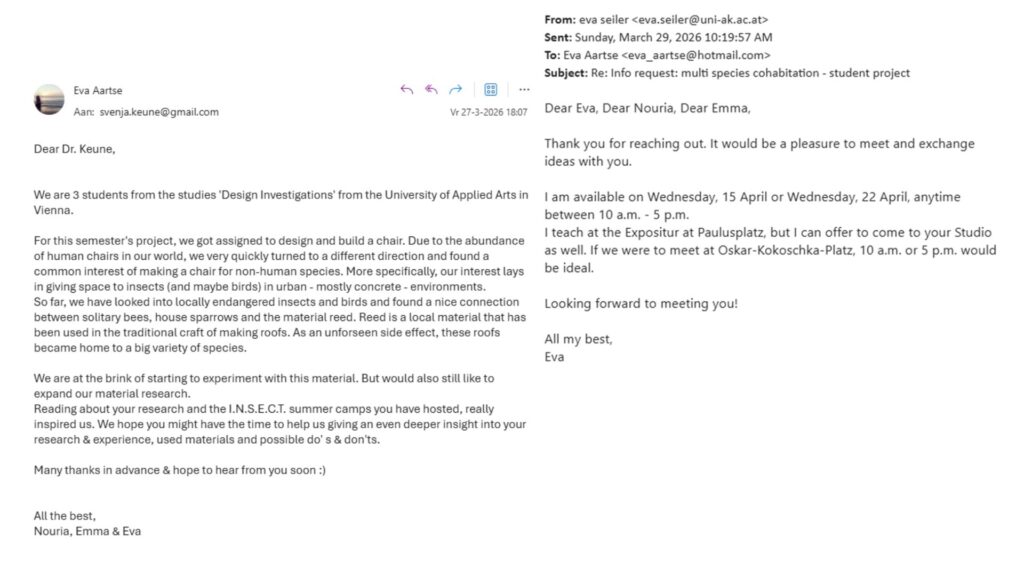
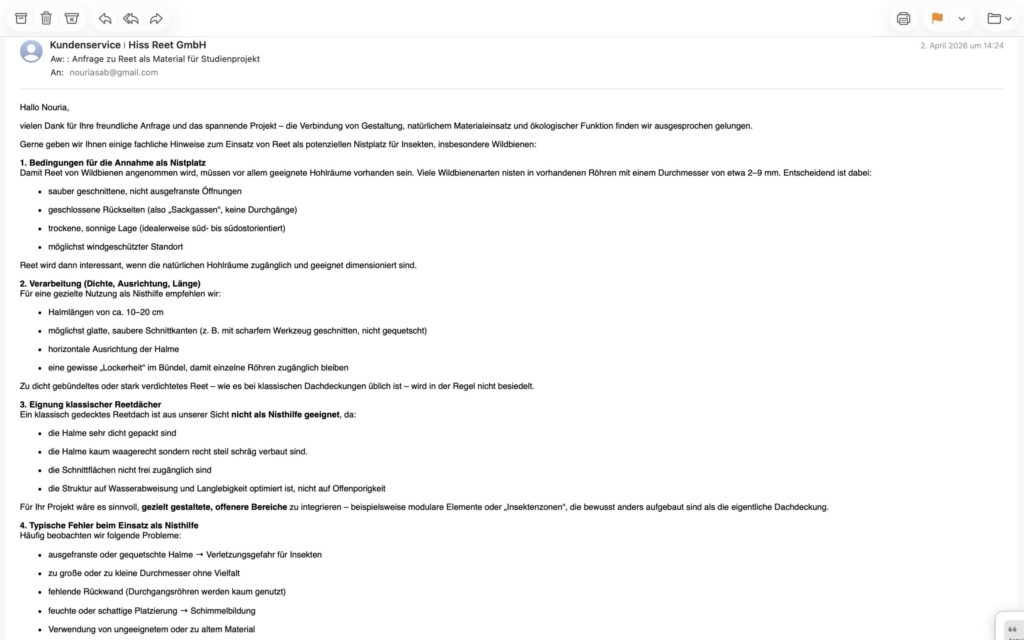
    Mail exchanges

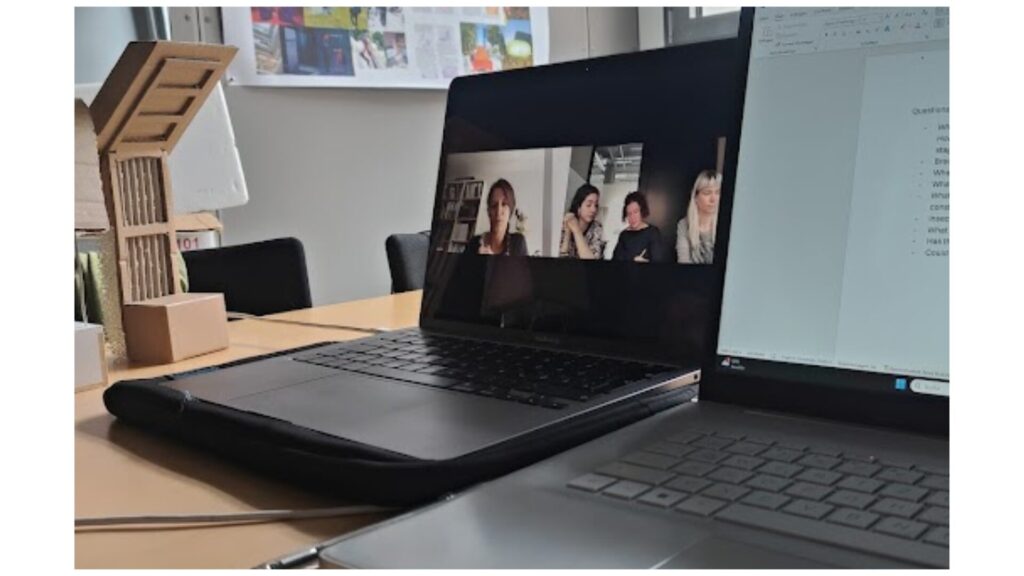
    Zoom call 13.04 with Laura Waldner, Entomologist at Landmuseum Kärnten

    Another meeting planned 15.04 (today!) w. Eva Seiler (Skulptur & Raum, human and non-human)

    Field trips during the holidays

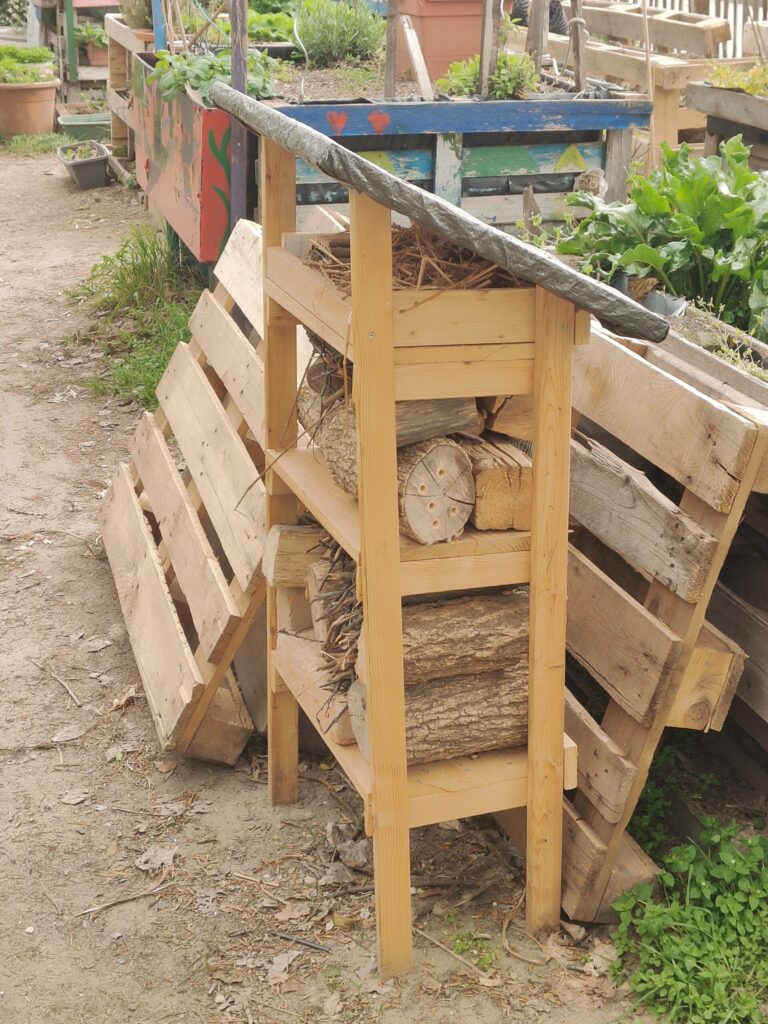
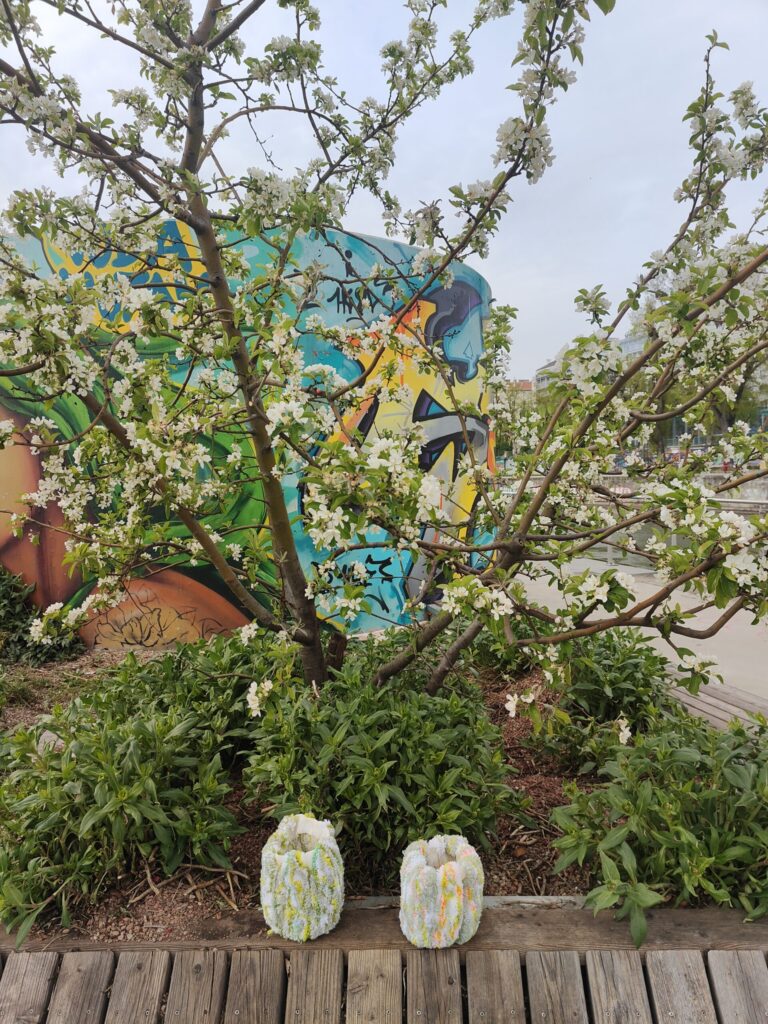
    Community gardens w. insect hotels, Wolfganggasse (biodiversity project), Donau Insel (Imkerverrein)

    Material Experiments

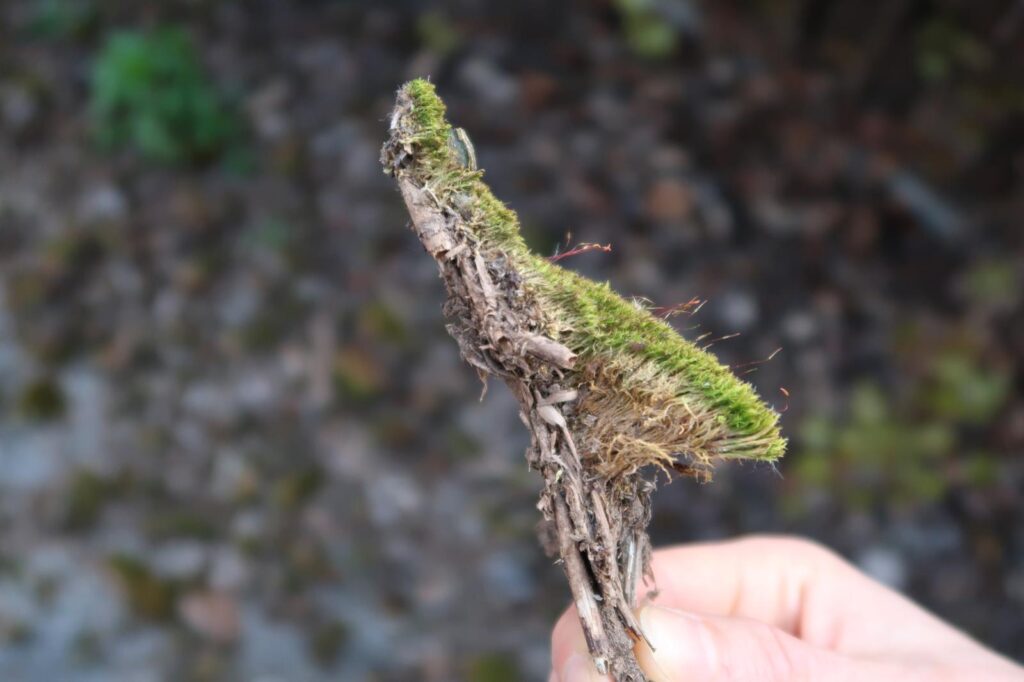
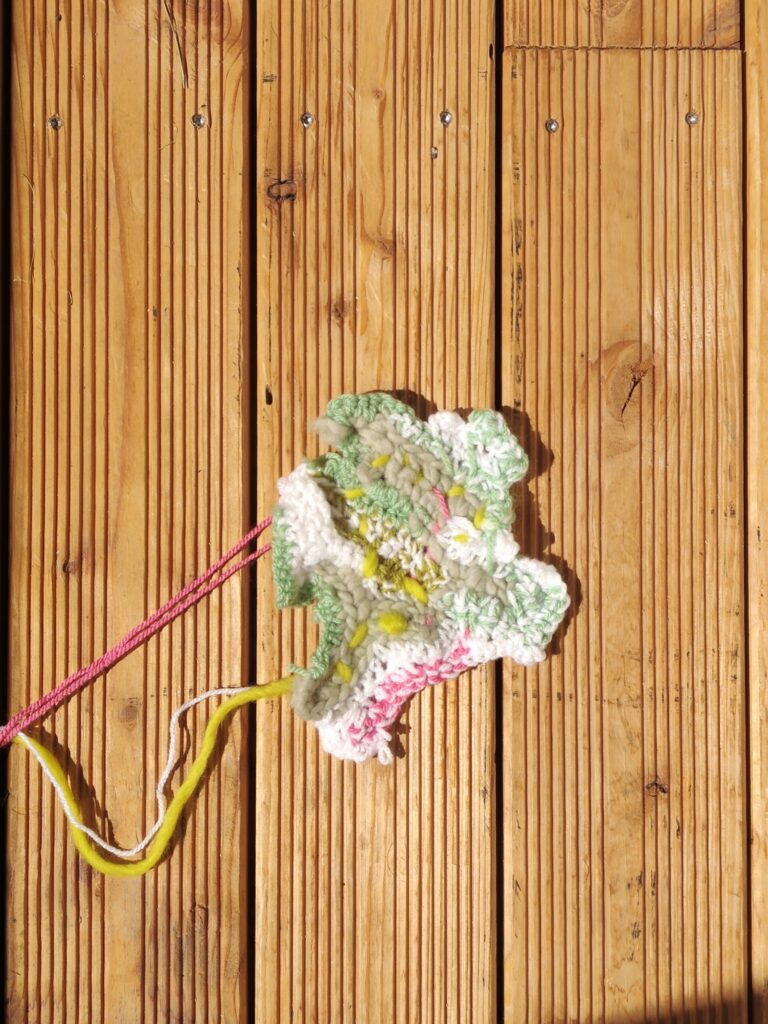
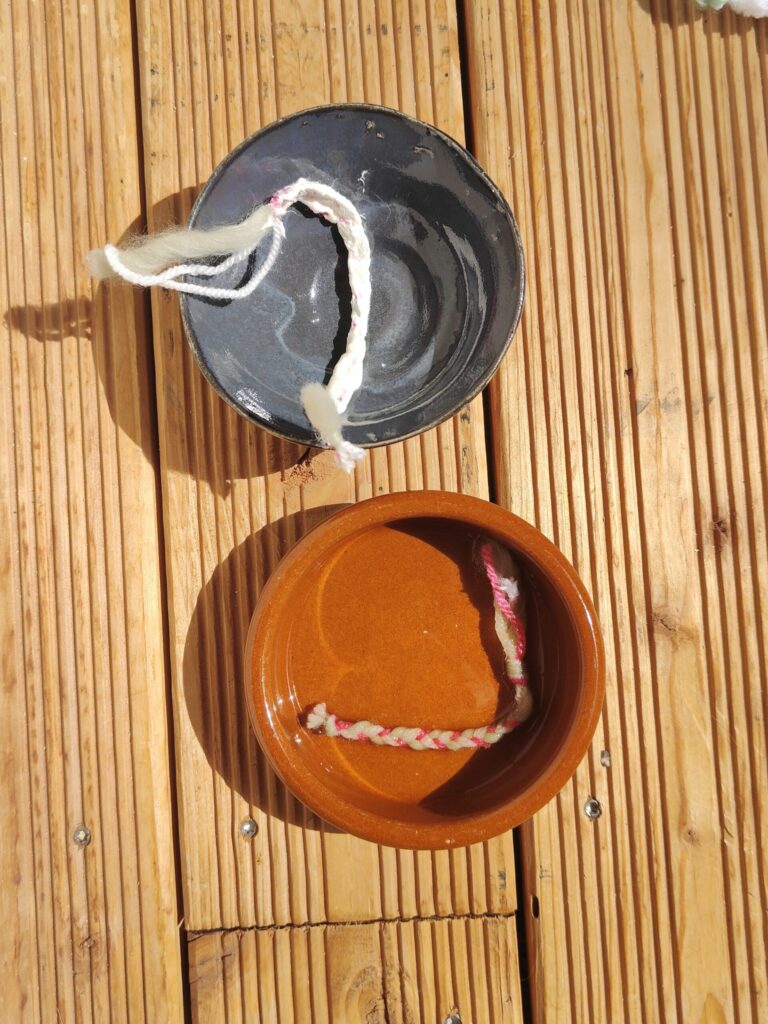
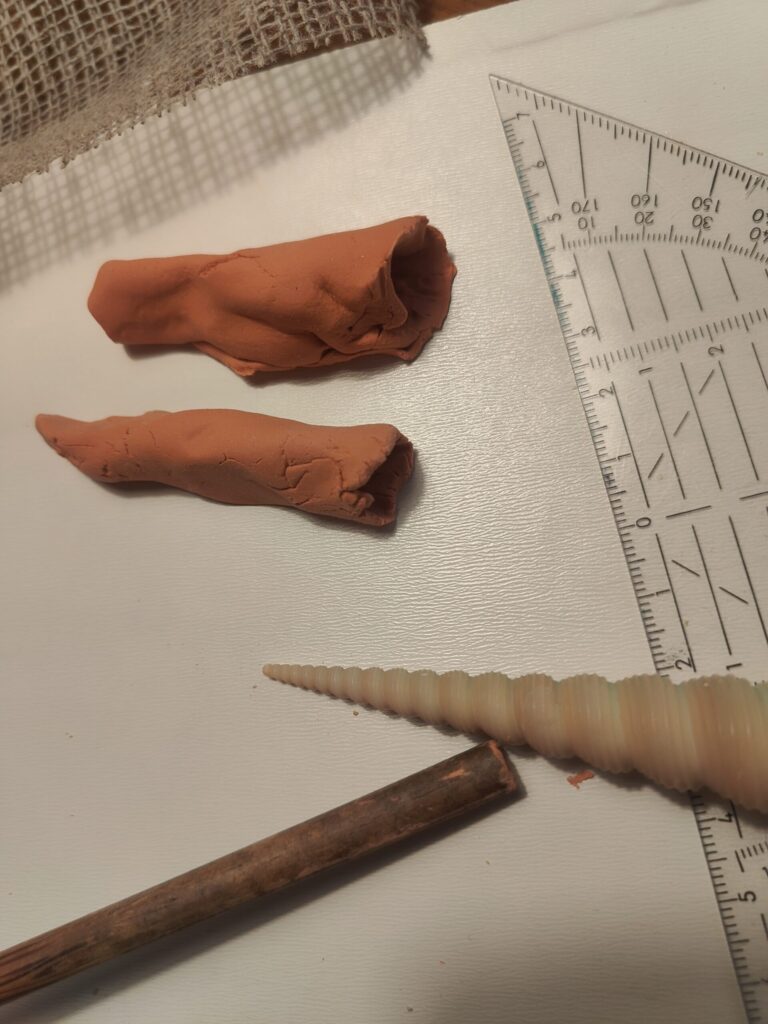
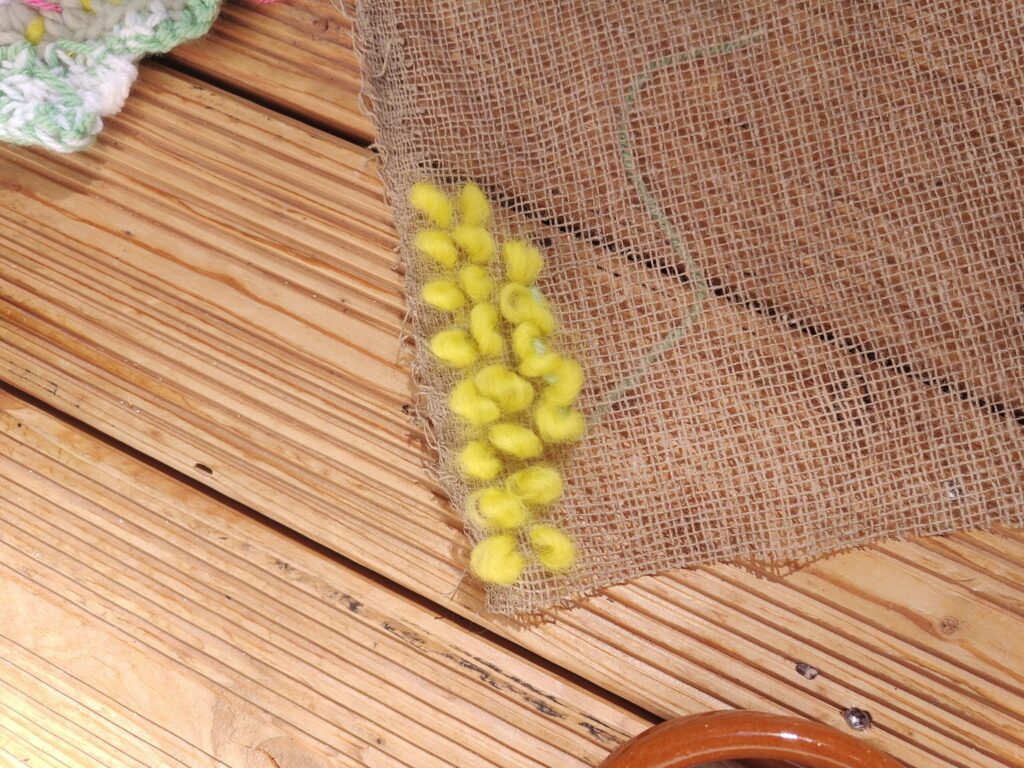
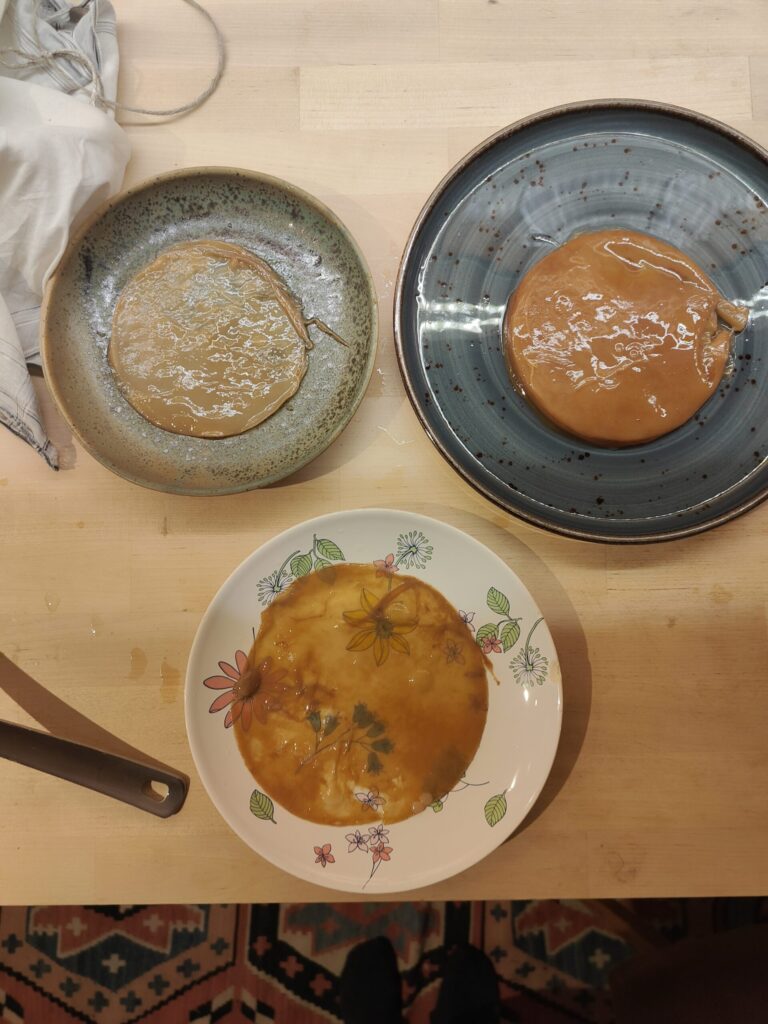
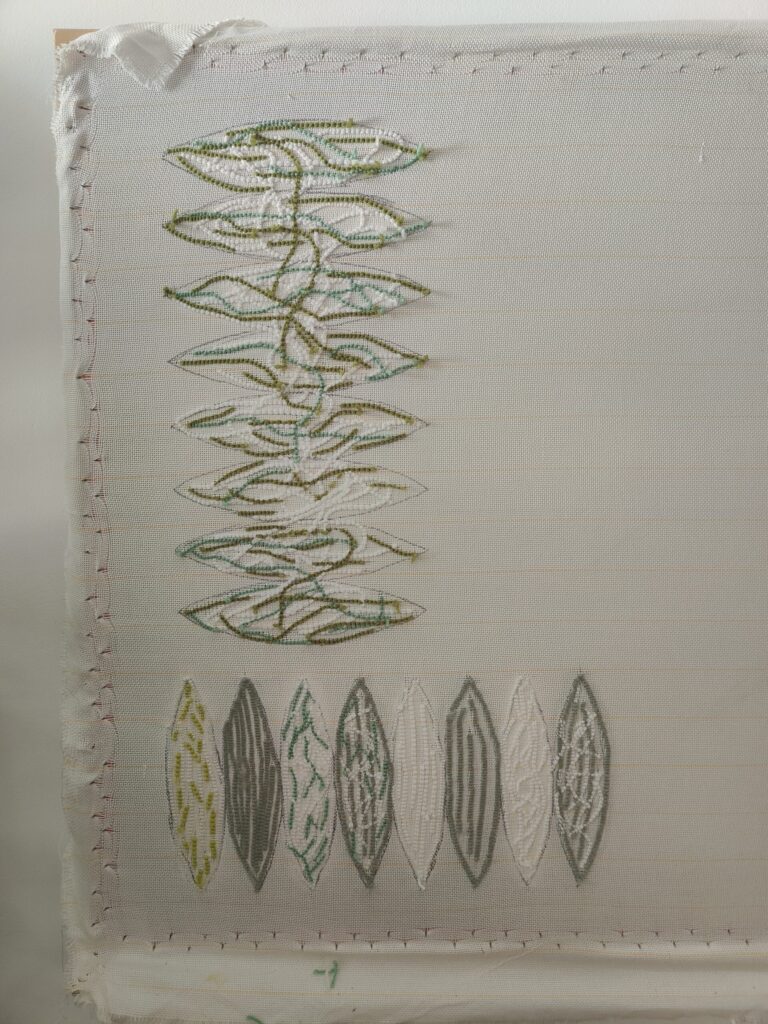
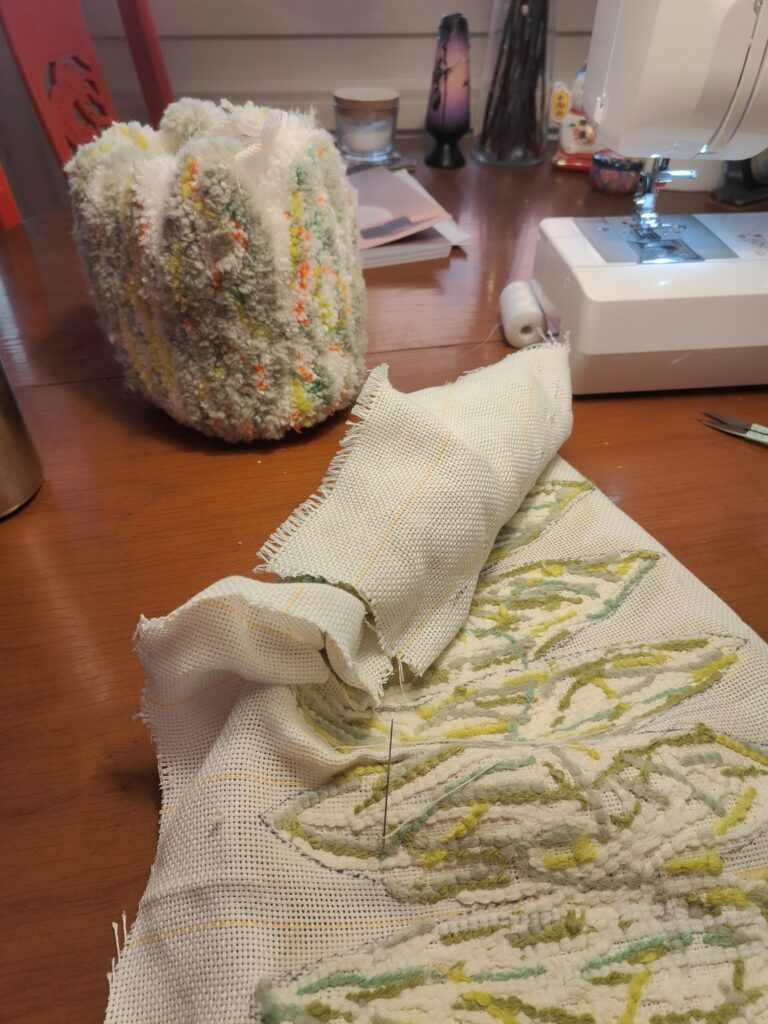
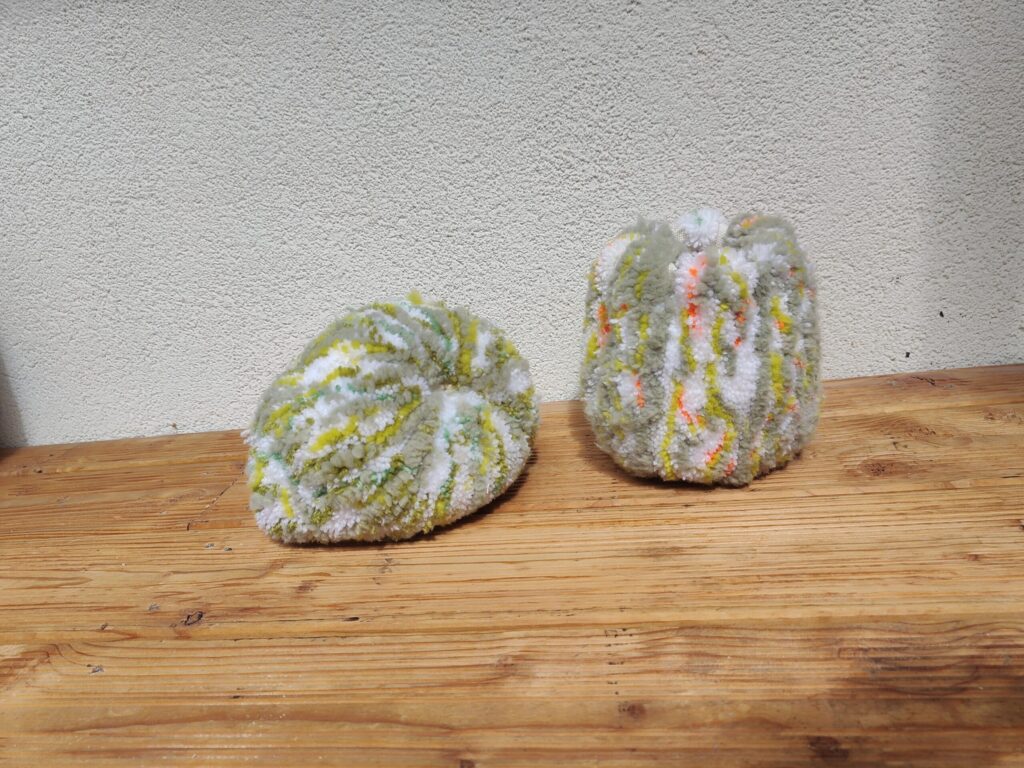
    Experimenting w. free crocheting, natural coatings, clay, reed & tufting

    3D Modelling

    Next steps

    Model development
    Reed roof? -> Material dependent
    2 models = 2 options
    focus on overall structure
    next week 2 models ready + meeting at metal workshop

    Location
    Possibility -> Donau Insel Imkerverrein
    Other possibilities -> Wild Bee association Wien, Wolfganggasse, Biodiversity corridors Wien, Uni Wien Cooperation

  • Tutorial 13.03.

    By

    Emma Bär

    ,

    Eva Aartse

    and

    Nouria Sabbagh

  • Team 1 Feedback 16.01

    By

    Lili Miklós

    ,

    Anton Haberl

    ,

    Derin Sahin

    and

    Eva Aartse

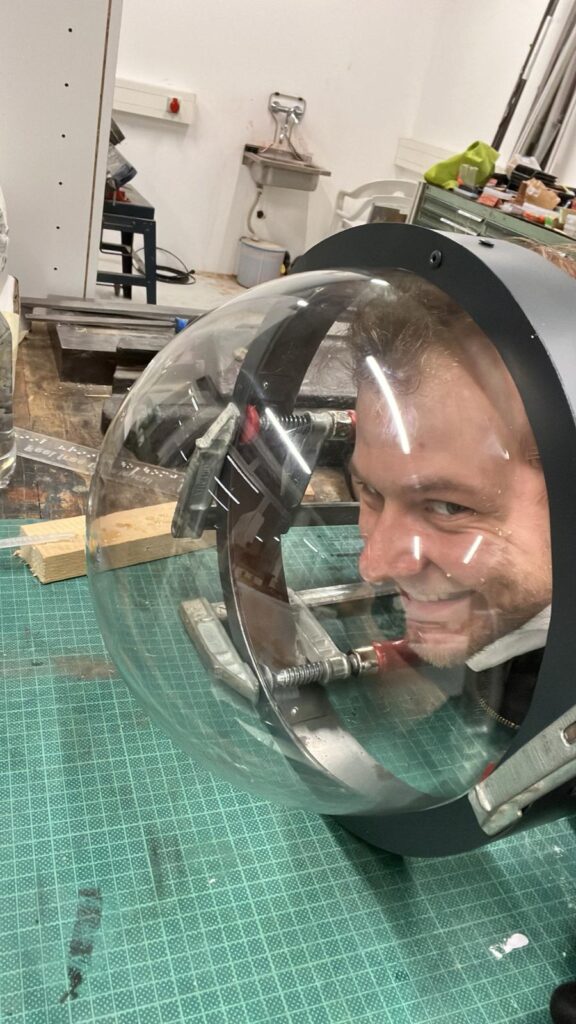
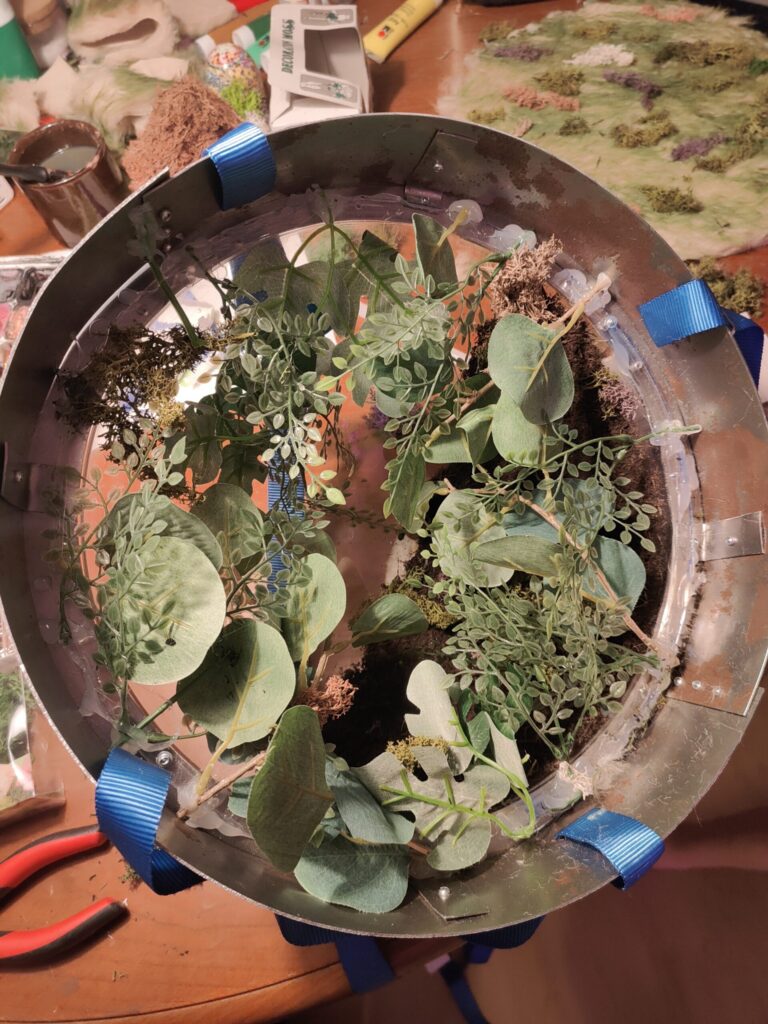
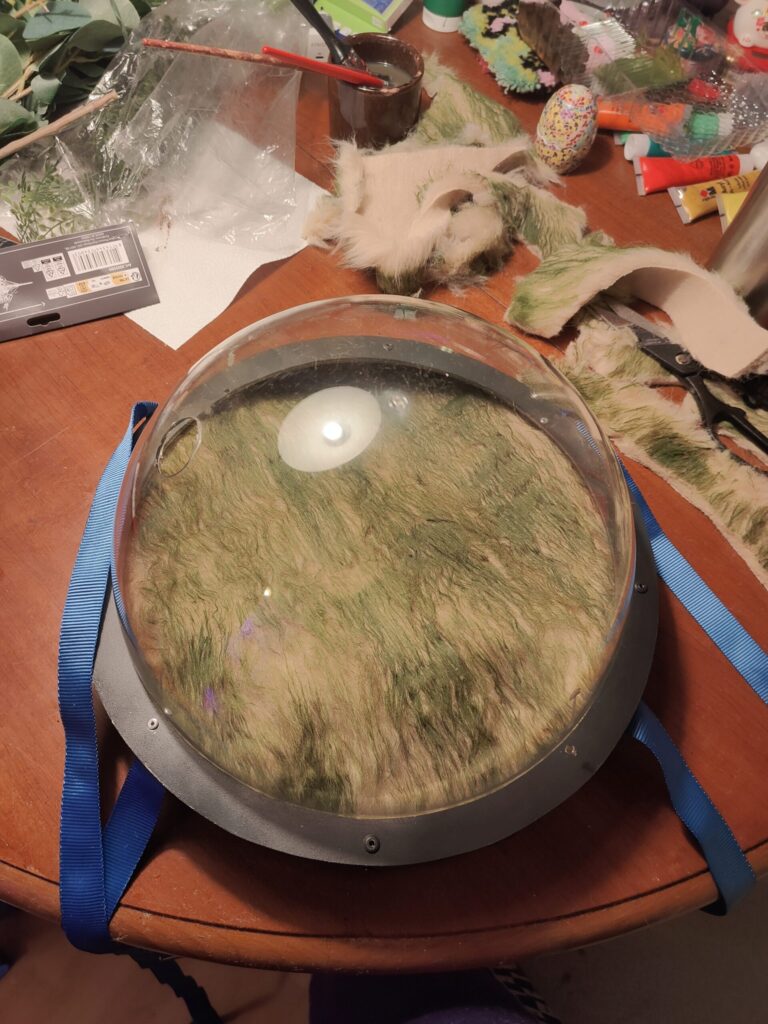
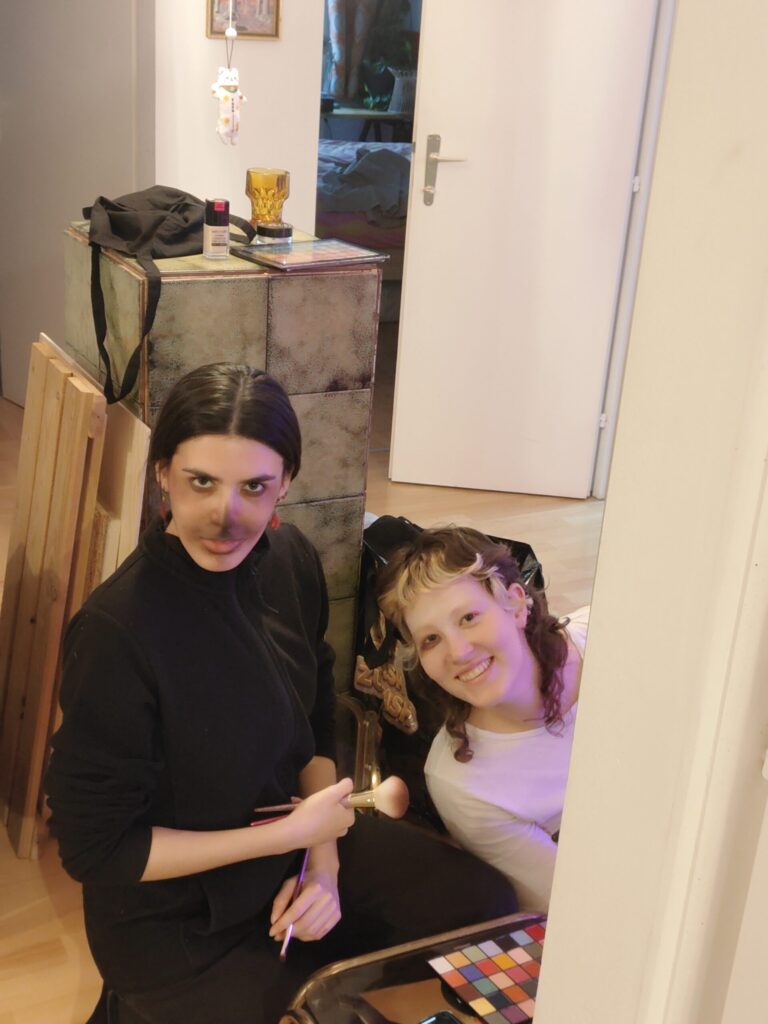
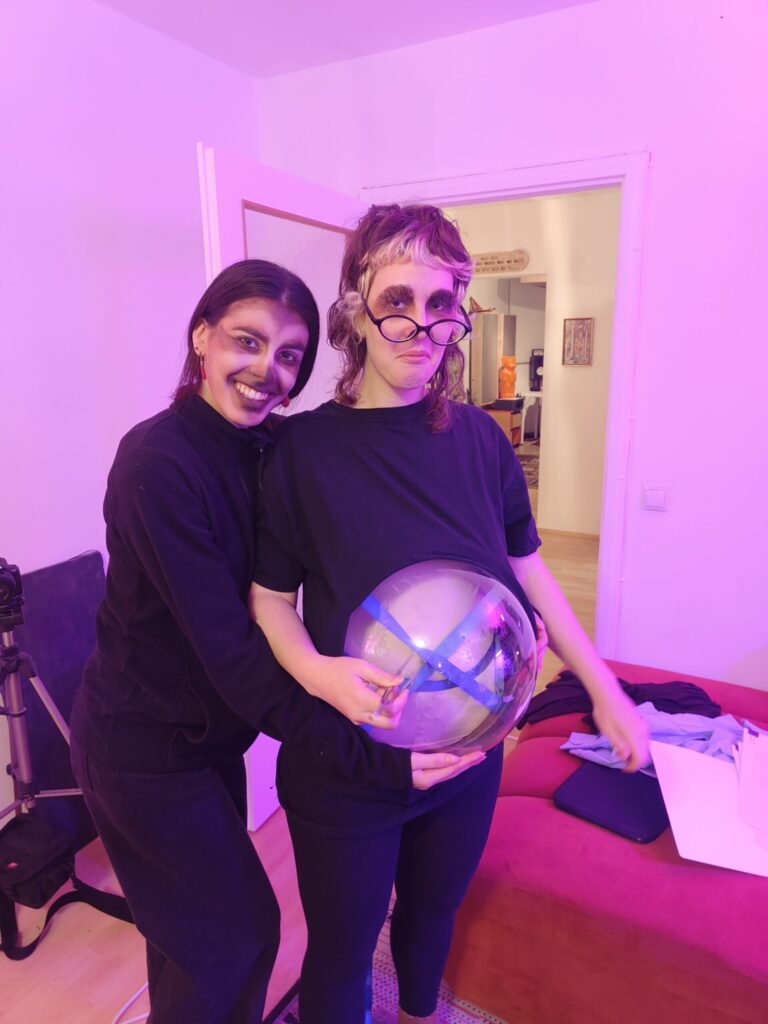
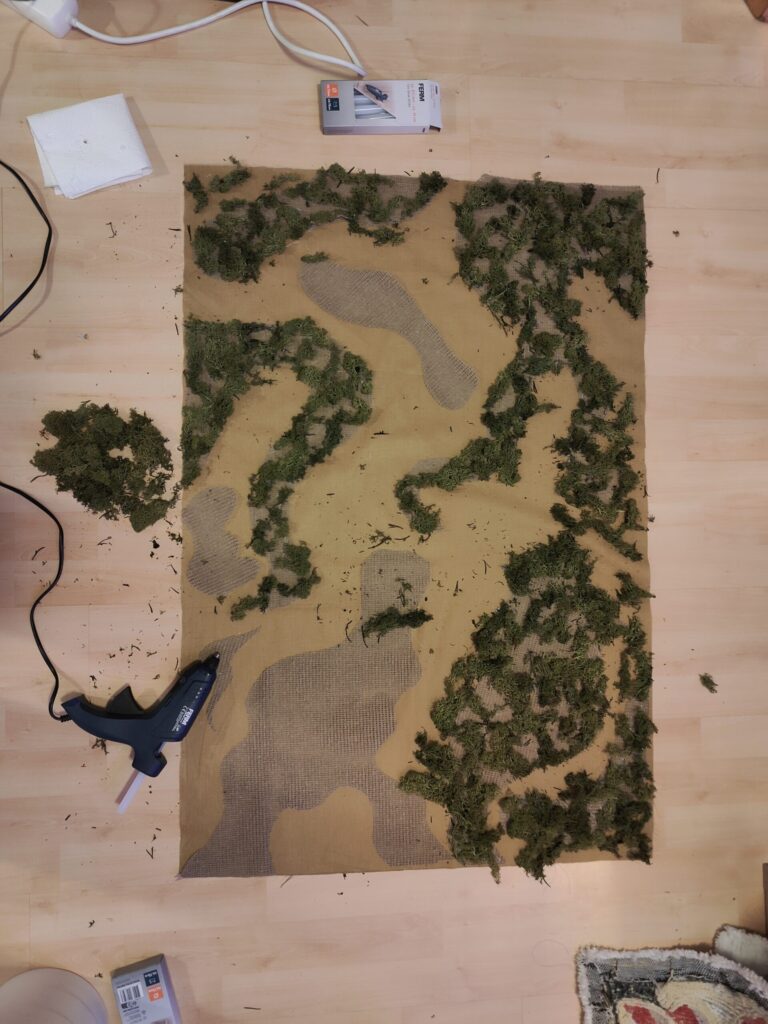
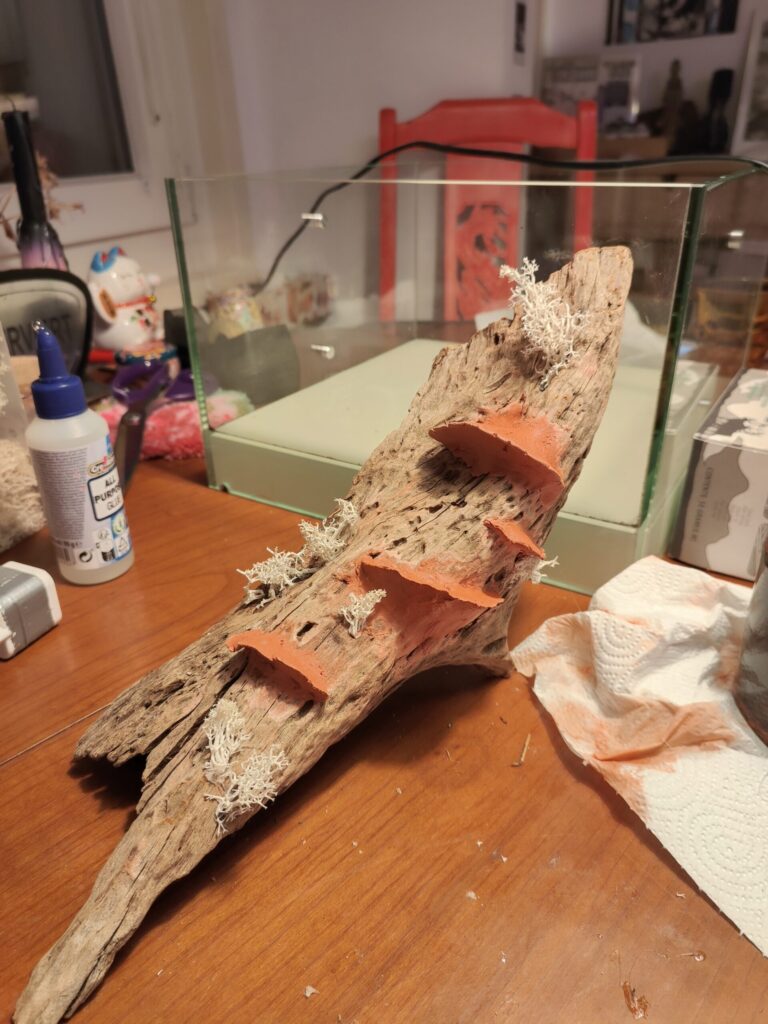
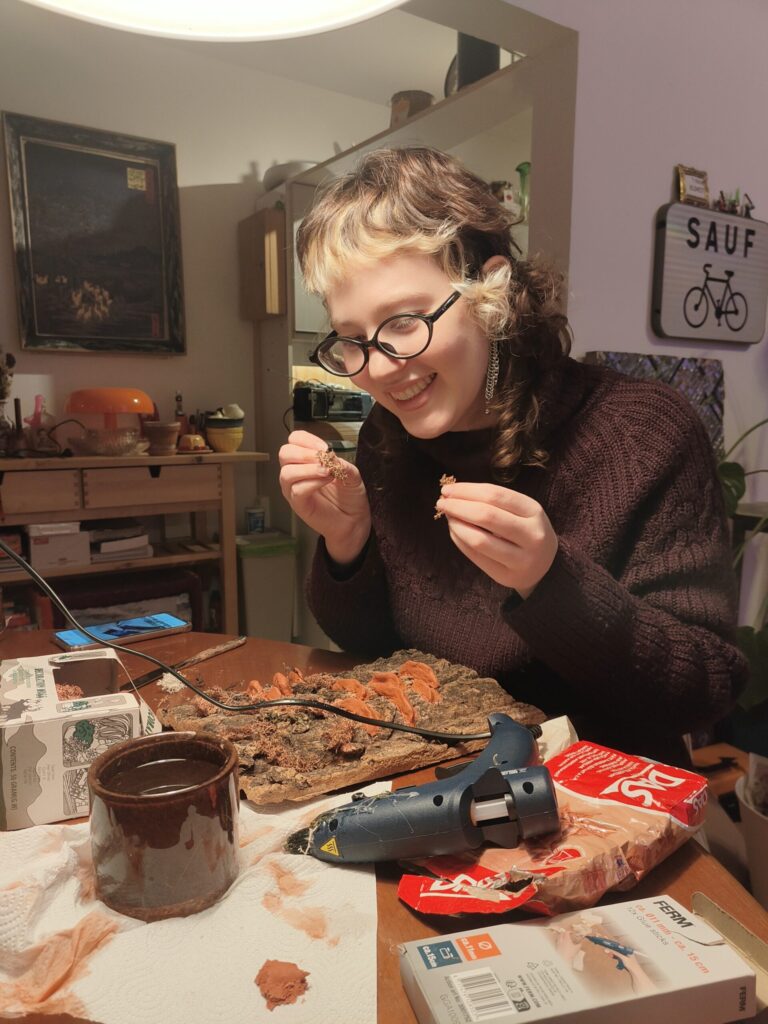
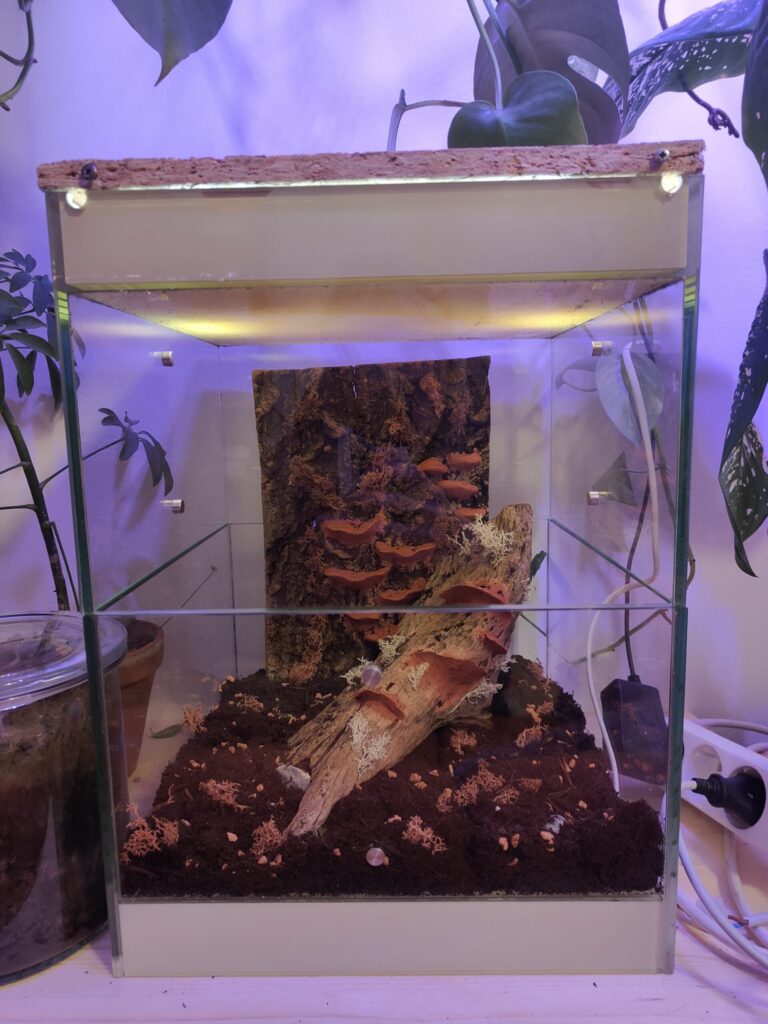
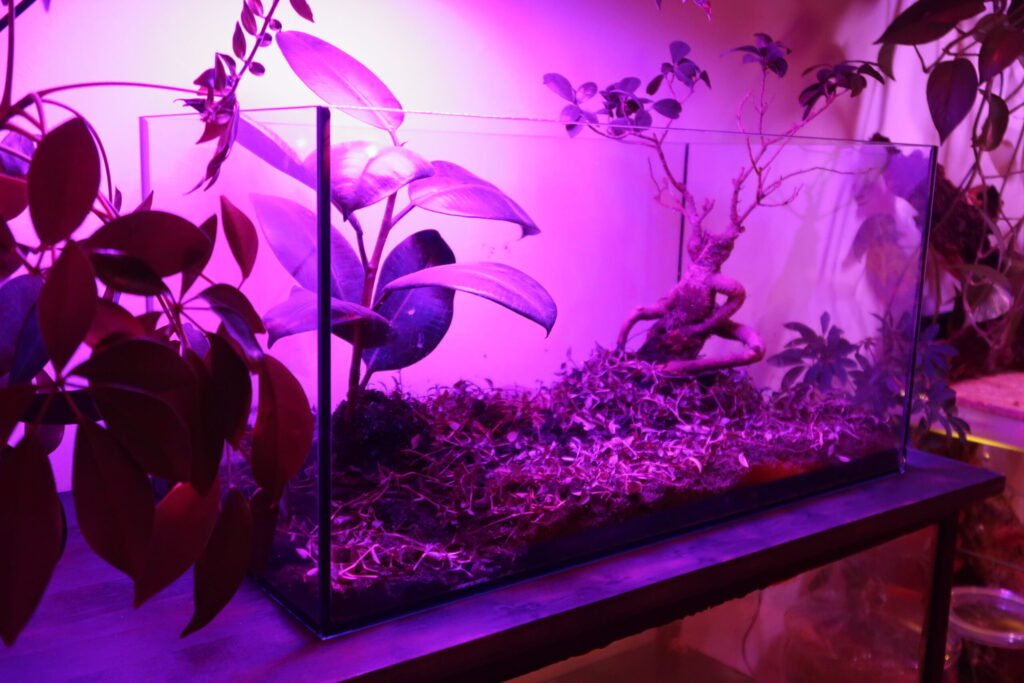
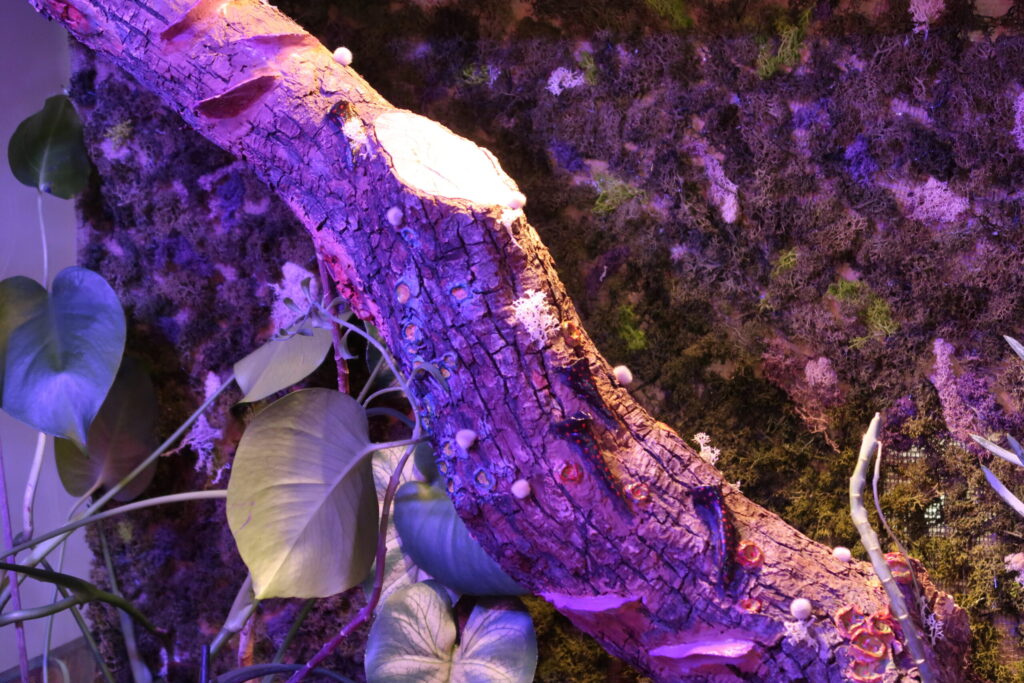
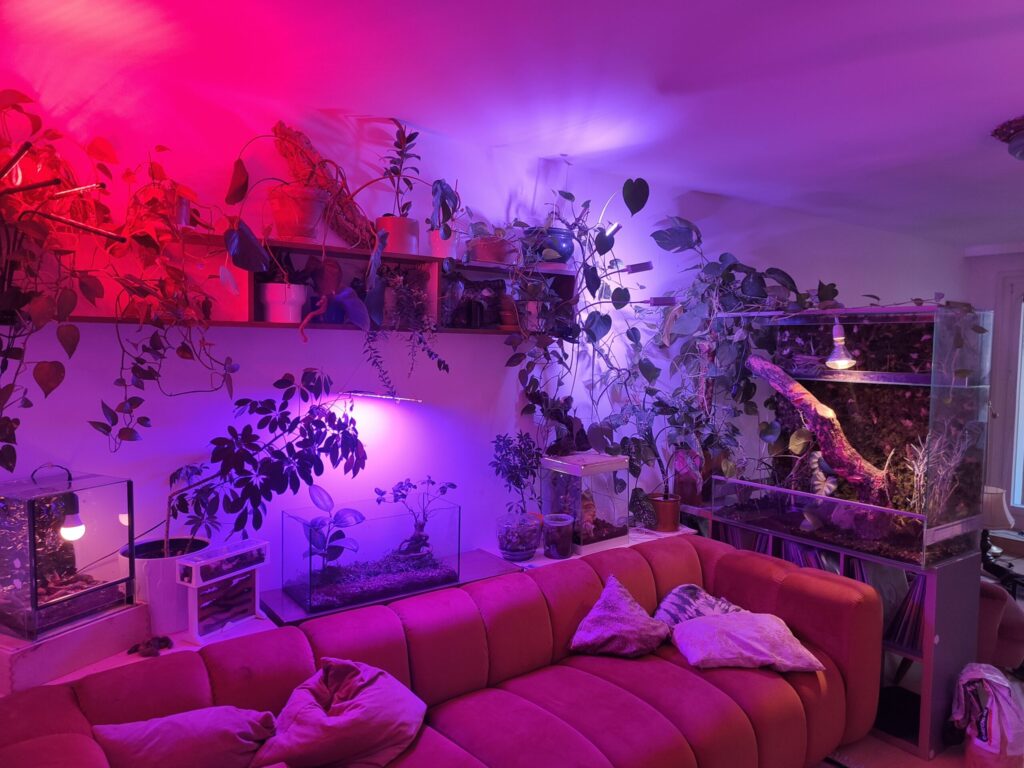
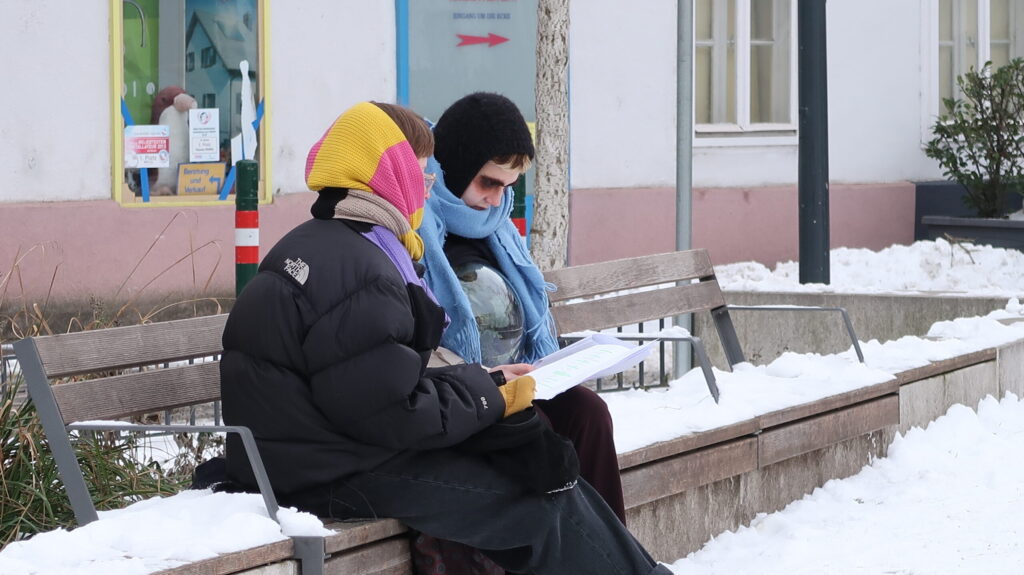
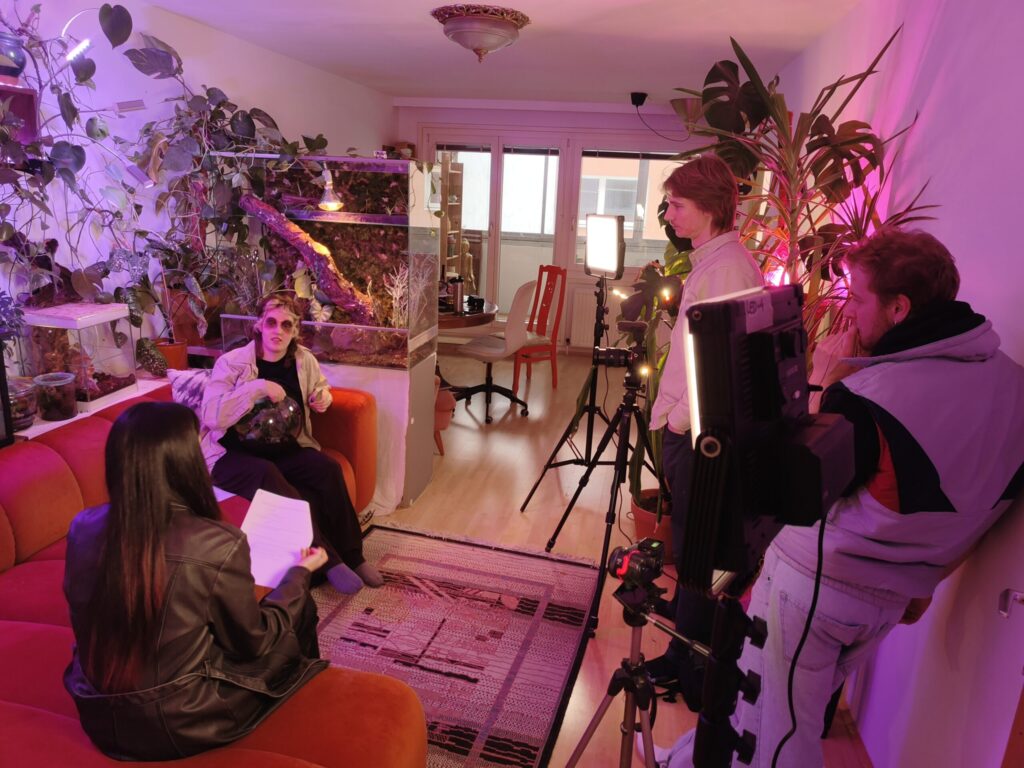
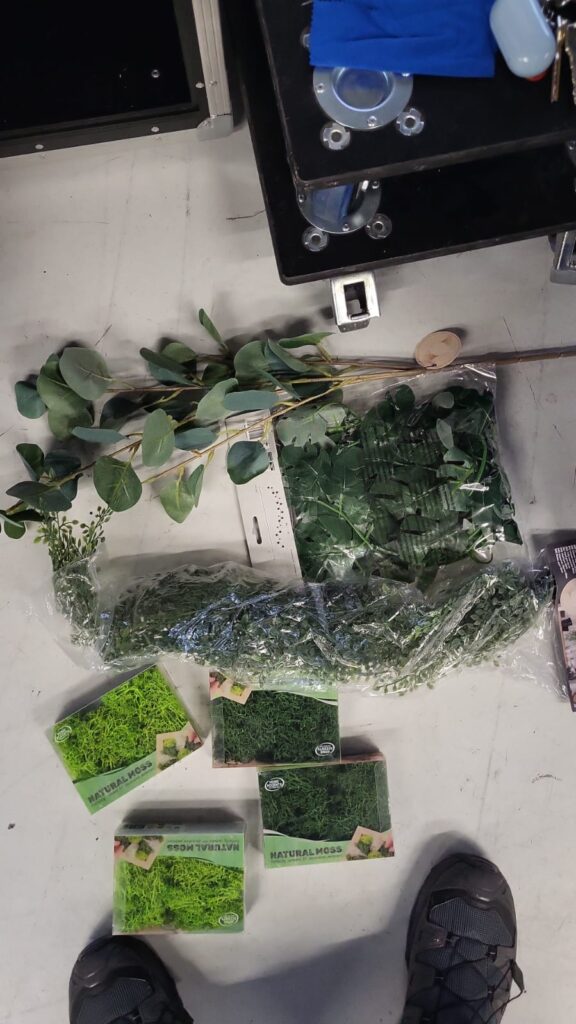
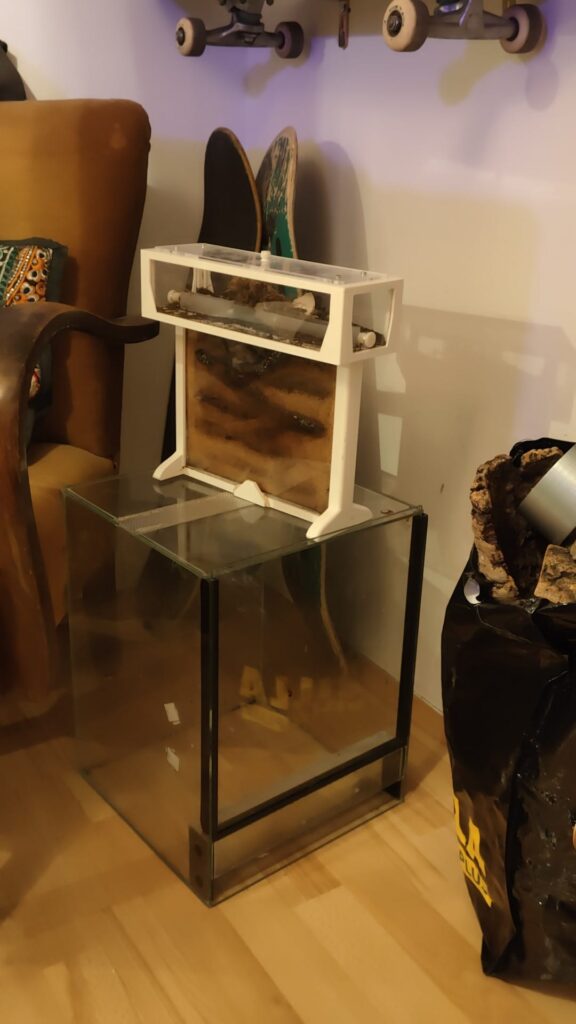
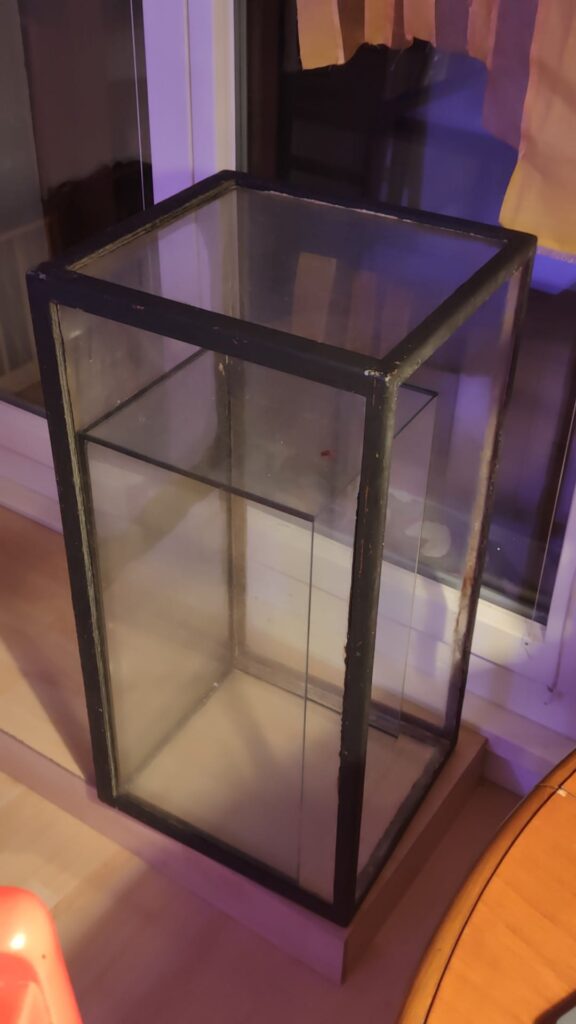
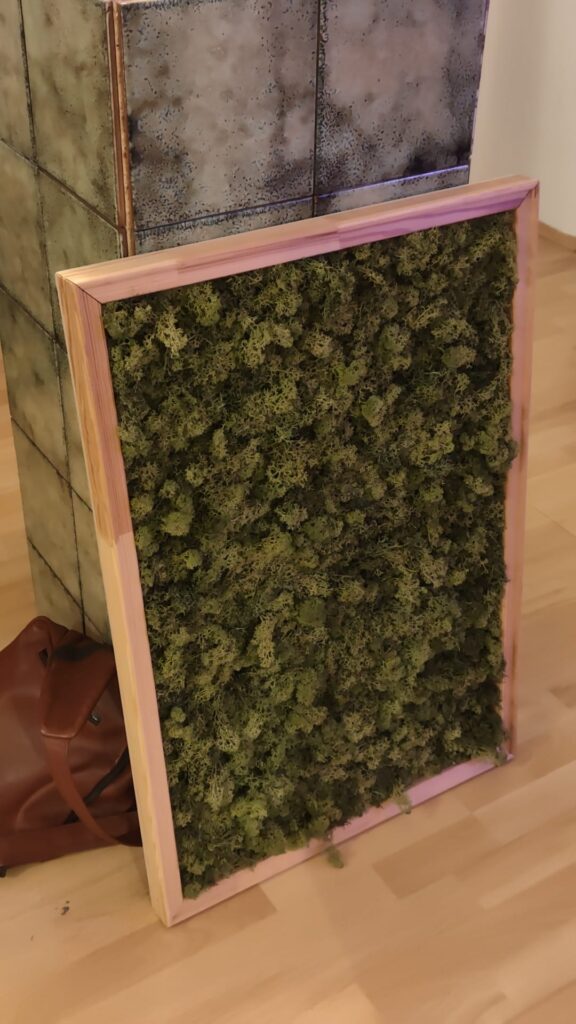
    Set & Costume – building & testing

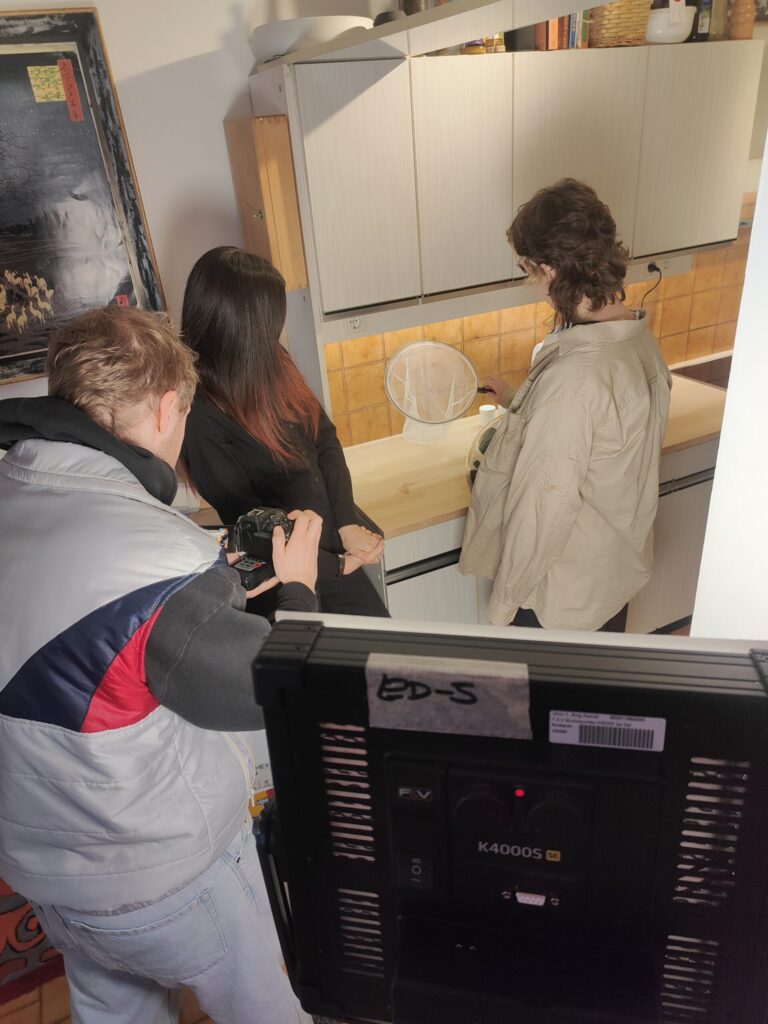
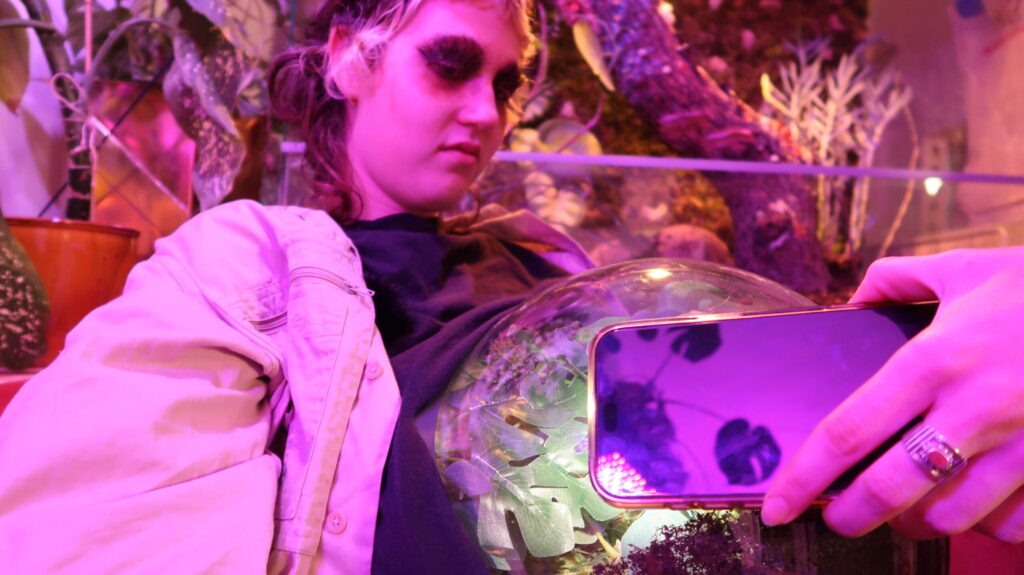
    Set impressions

    Shooting

    Heat camera

  • Team 1 Feedback Session 19.12.25

    By

    Anton Haberl

    ,

    Derin Sahin

    ,

    Lili Miklós

    and

    Eva Aartse

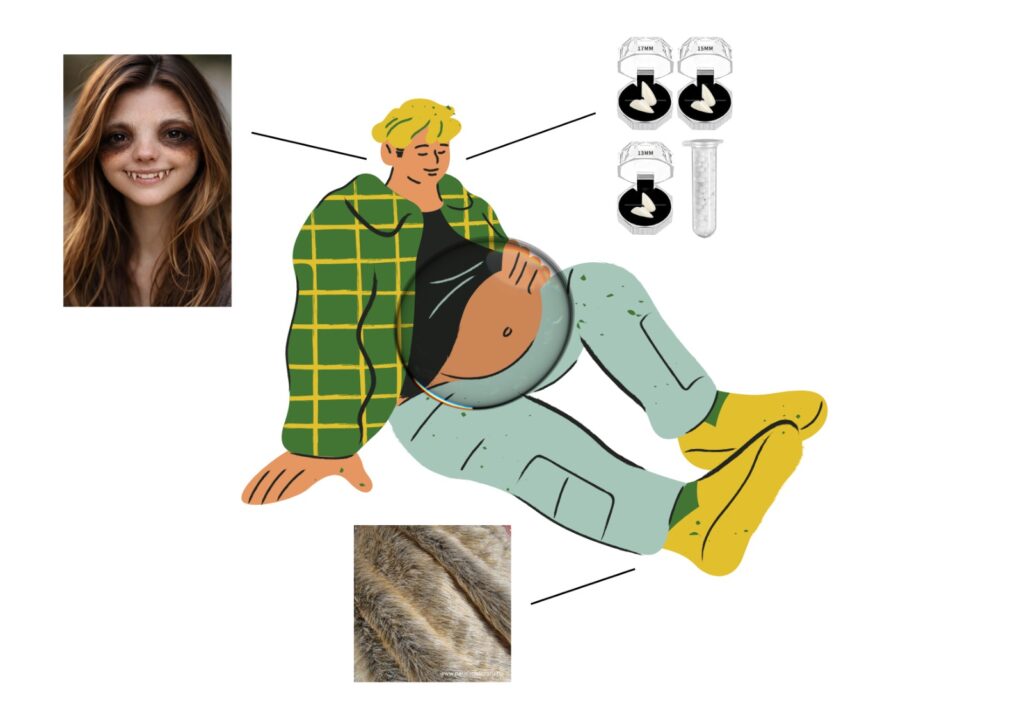
    What We Do in the Shadows (2015) – A mockumentary style comedy horror film on vampires

    Bill Nicols modes of documentary:

    Reflective Mode
    Questioning the authenticity of documentary in general (fits to the brief: make a “fictional” documentary)
    Challenge the form and expectations you have by watching a documentary
    Form in this mode: the mockumentary
    Depicting an observational/expository documentary but completely fictional.
    we will be subjective, getting across an absurd point, poking fun at all the tropes and play with convention
    Eg. ‘What We Do in the Shadows’, ‘7 Days in Hell’, ‘Tour de Pharmacy’, ‘the Office’

    Participatory Mode
    ‘When the encounter between filmmaker and subject is recorded and the filmmaker actively engages with the situation they are documenting’ (Nicols, 2010)
    The filmmakers are as well the subjects of our doc as the sloth they are filming
    Eg. Michael Moore, Louis Theroux
    This allows for us to get our “subject” viewpoint across – and tell the narrative we want to tell

    Documentary form & styles:

    • the interview (authenticity & authority) off-camera & formal + informal interview style (sloth tending it’s plants, showing the special toilet procedure)
    • ‘voice of god’ narrator style
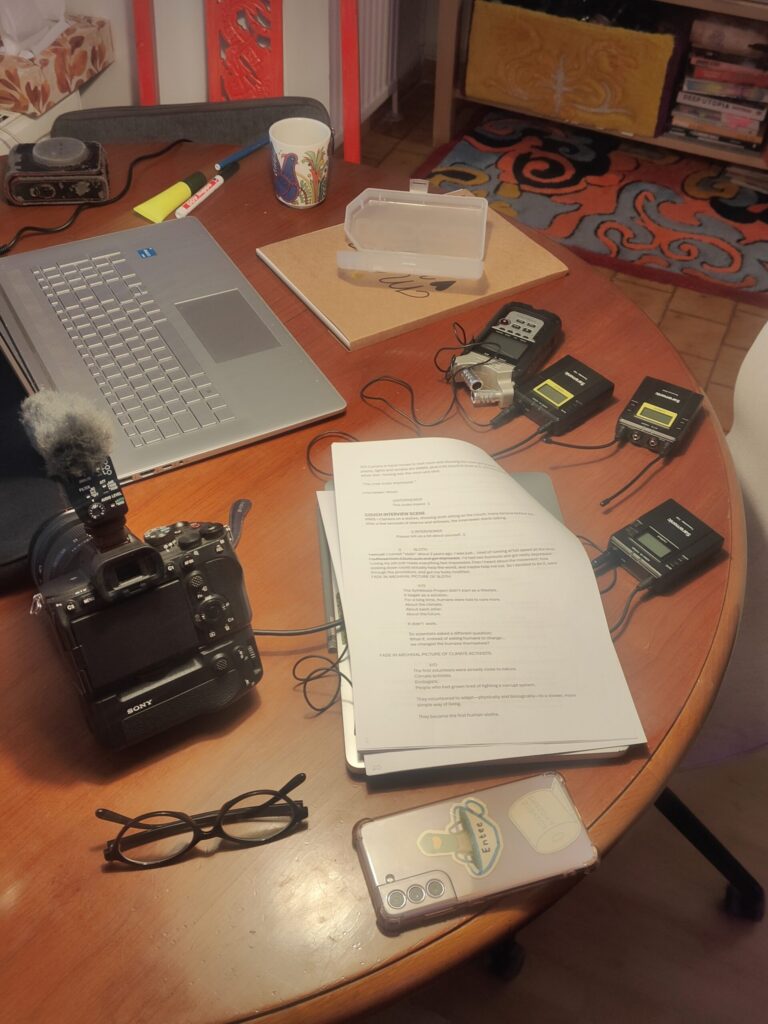
    • B roll (location shots of apartment, sloth going outside, close up of front pack, crew setting up/having discussions) providing visual variety and showing what’s being talked about and give pace to the doc and topics
    • scenes (sloth running into friend) making the audience feel like they are there
    • archival footage (old pictures of sloths, giving some backstory in introduction (giving historical context of development of community), also to explain certain features of the modified human sloth eg the 4 stomaches)

    OUR MOVIE

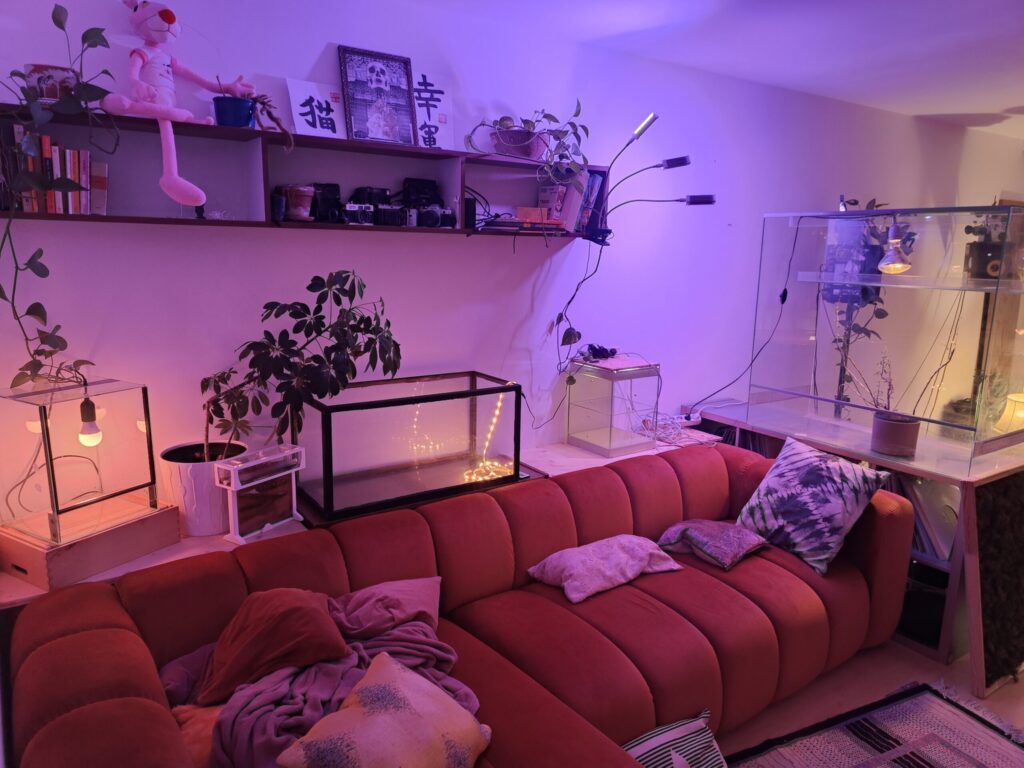
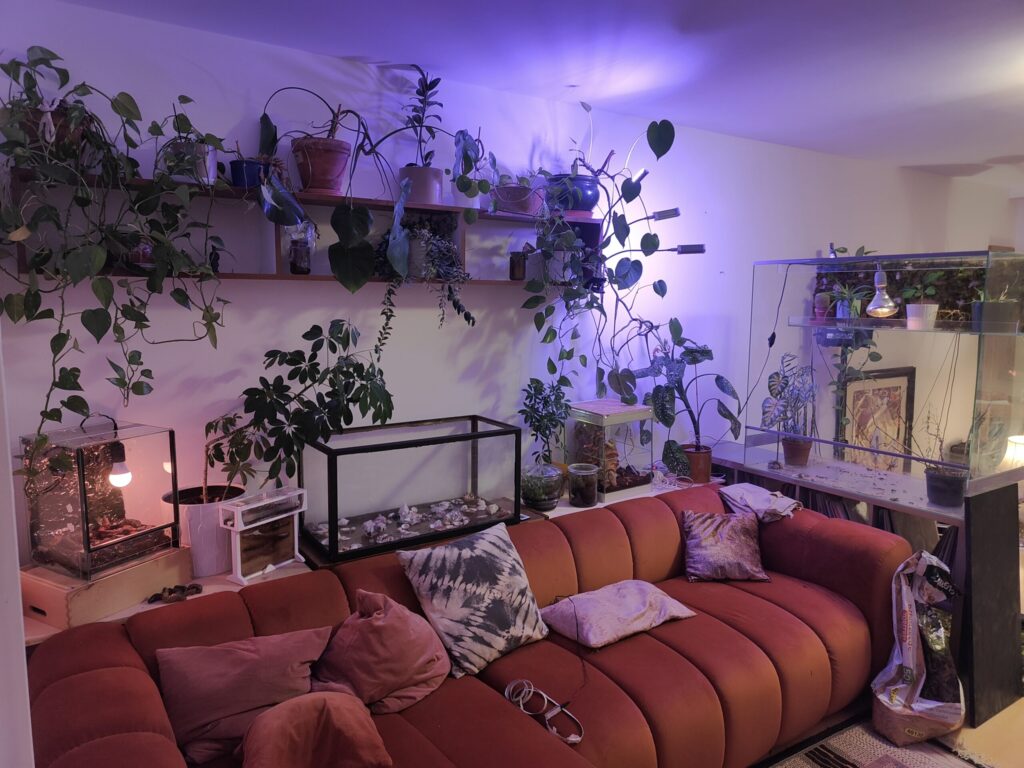
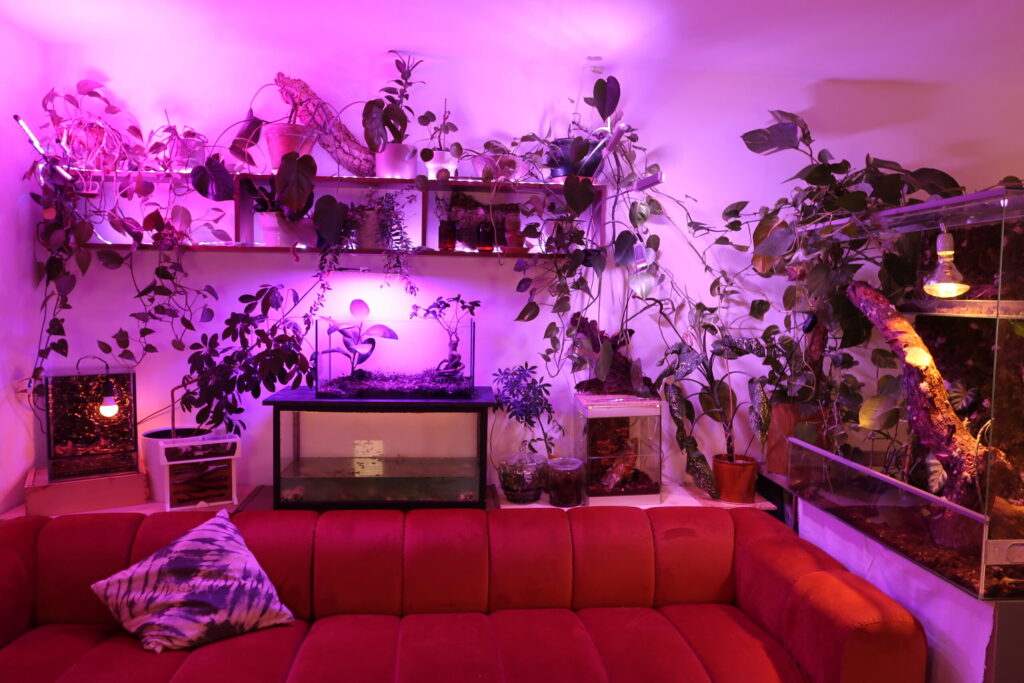
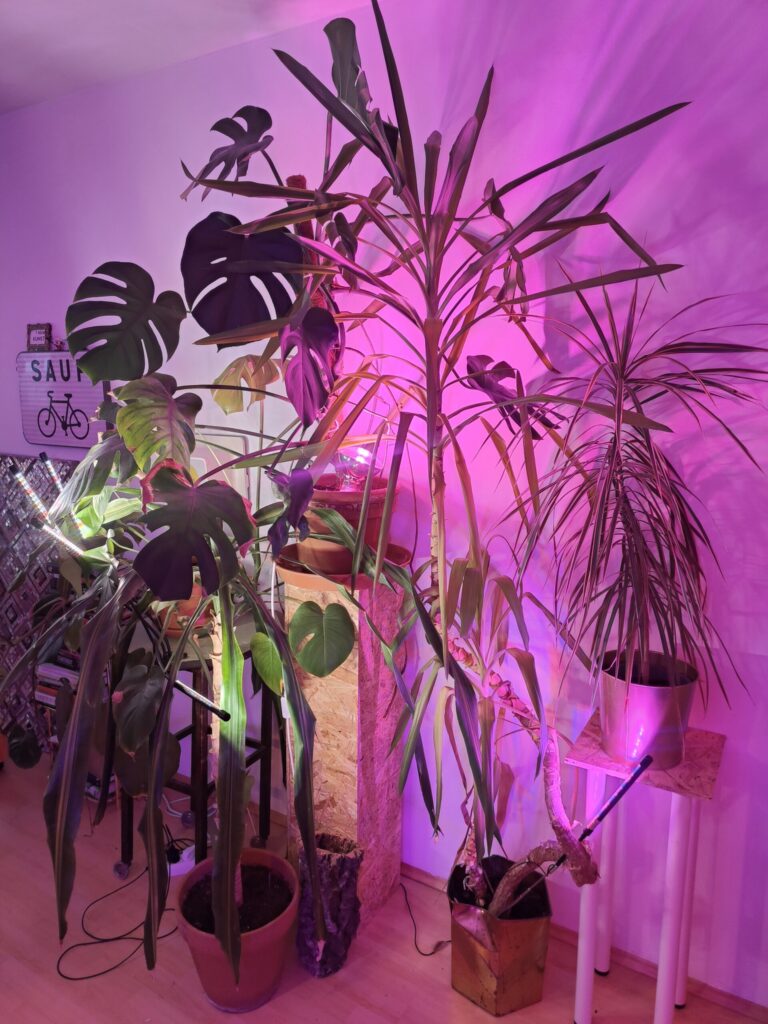
    Interior of the sloth apartment

    The Sloth

    Camera

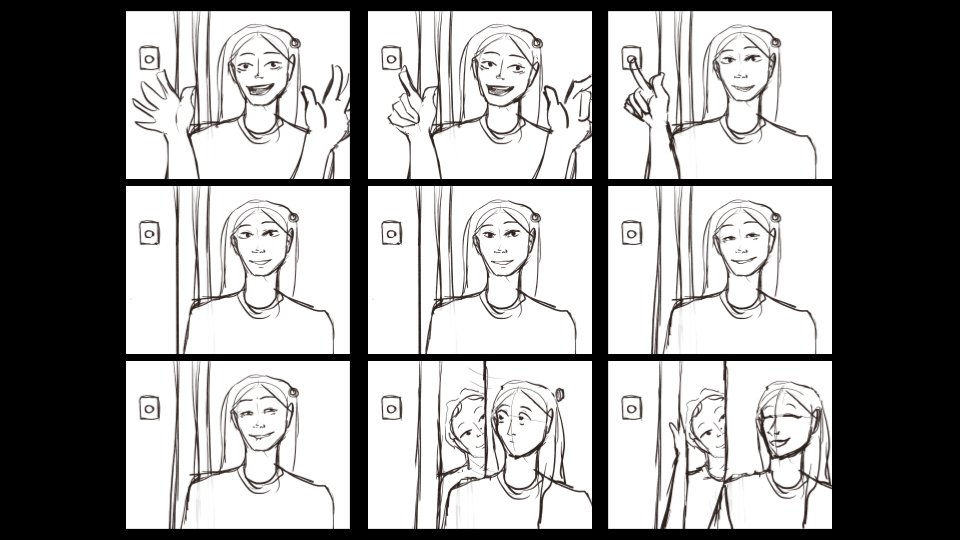
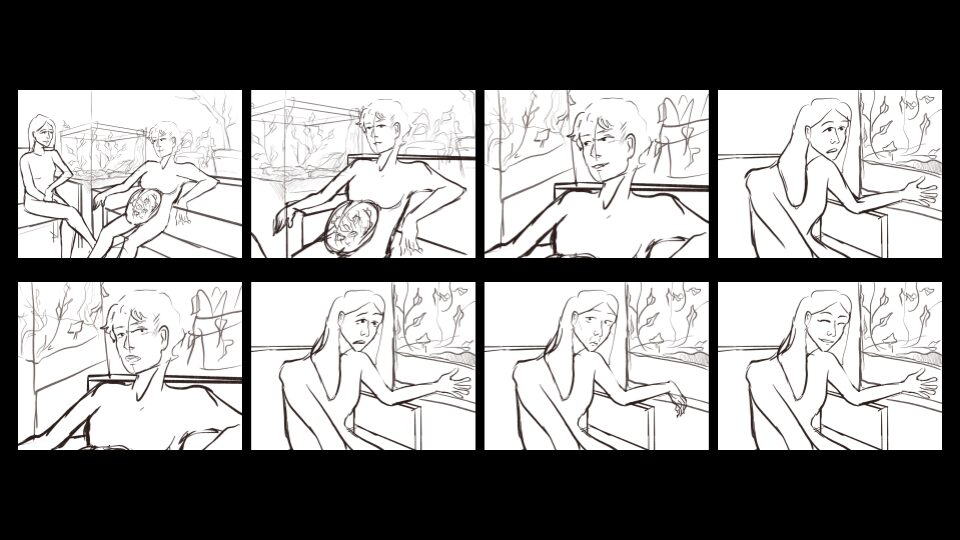
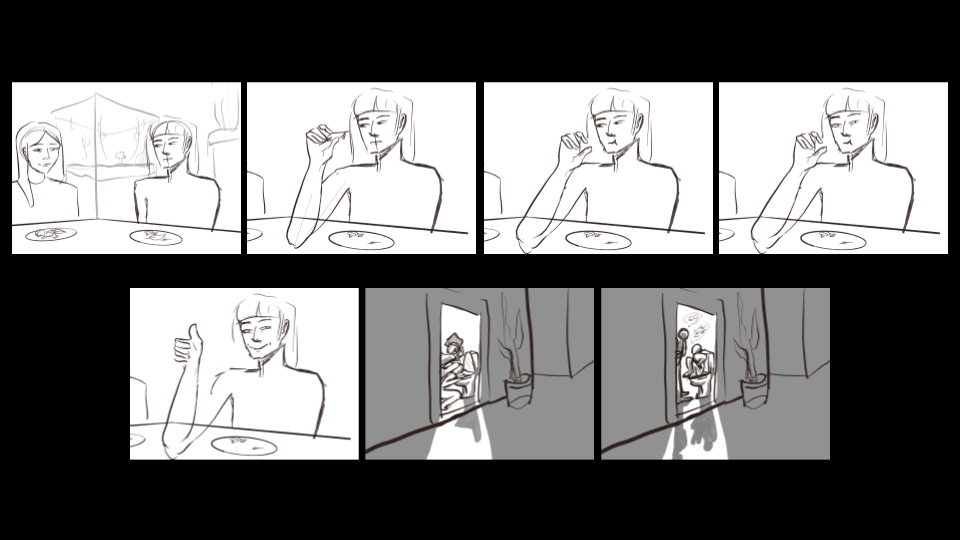
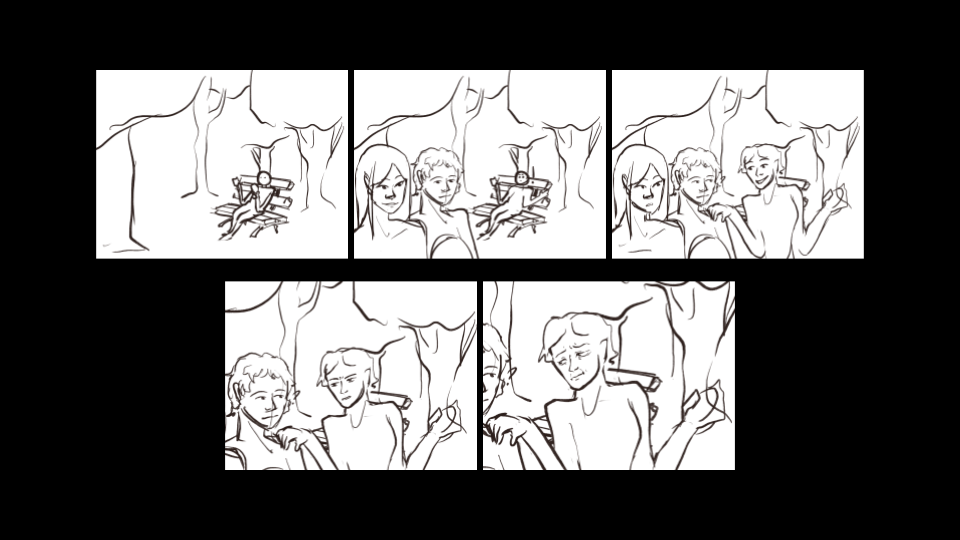
    Storyboards

    Schedule:

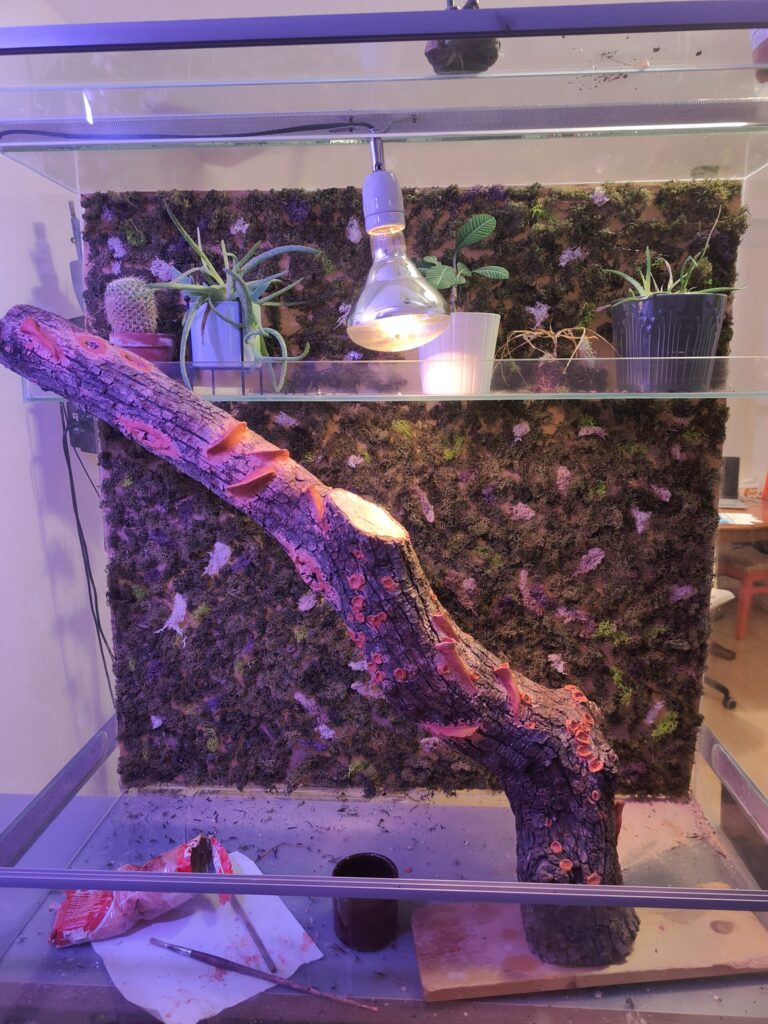
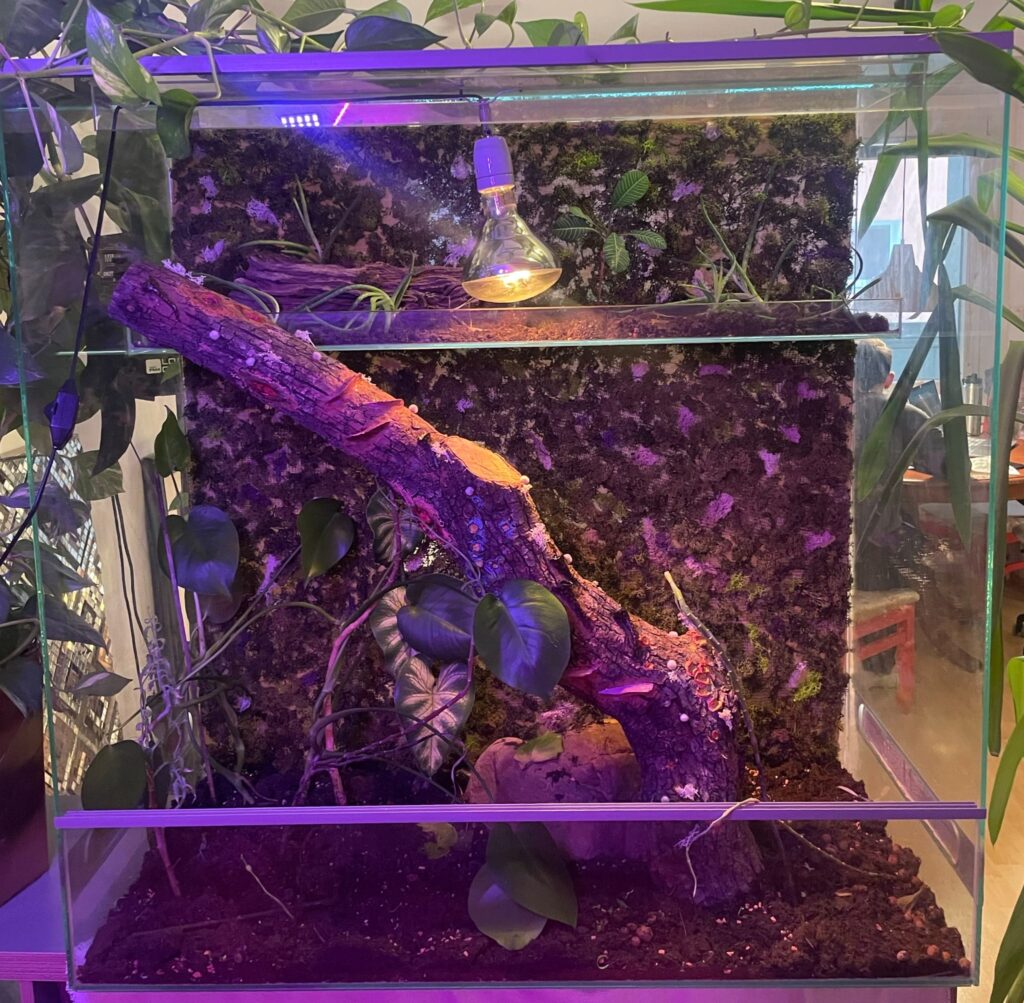
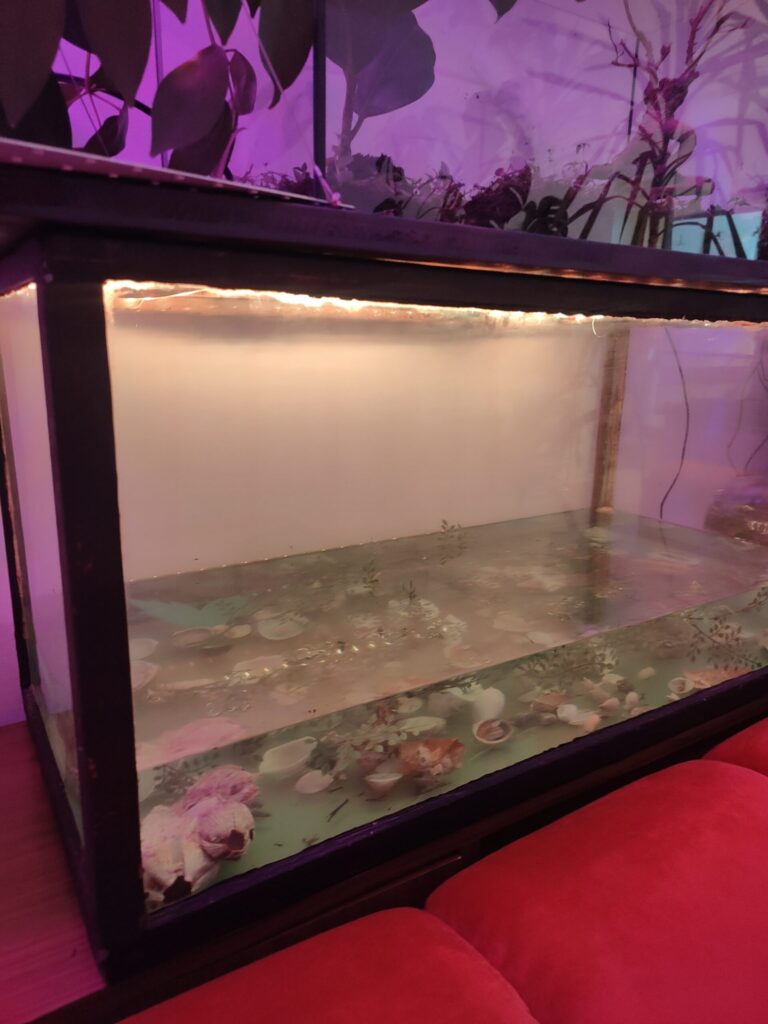
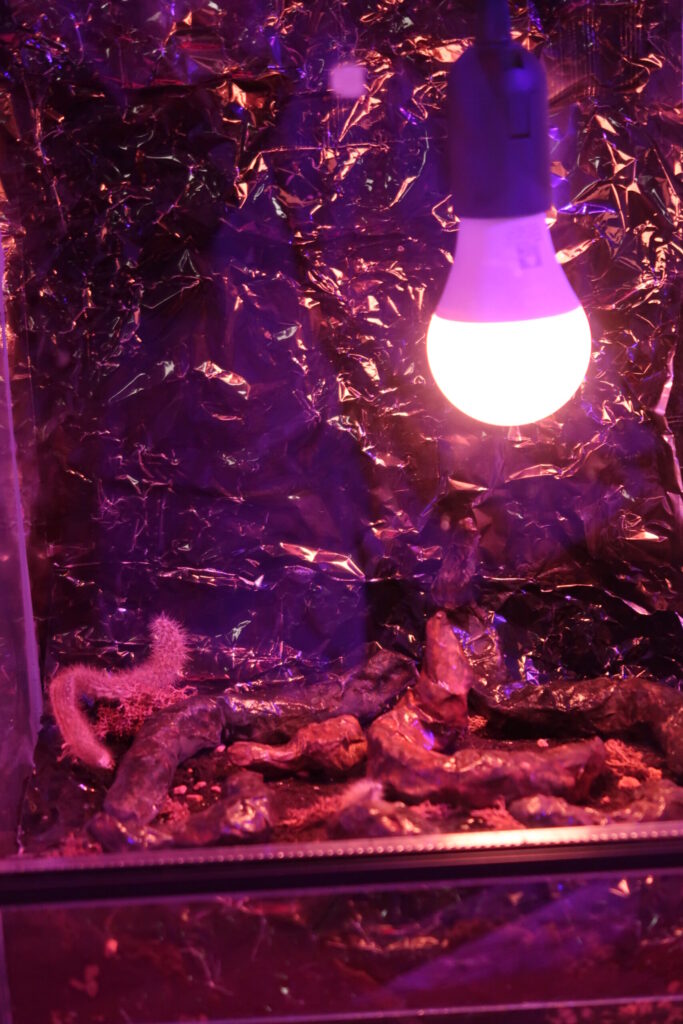
    Until Jan. 8th: Finish terrariums, finish costume and finalize dialogue

    Jan. 8th-11th: Filming

    11th-16th: Cutting and post production