
Midterms Recap
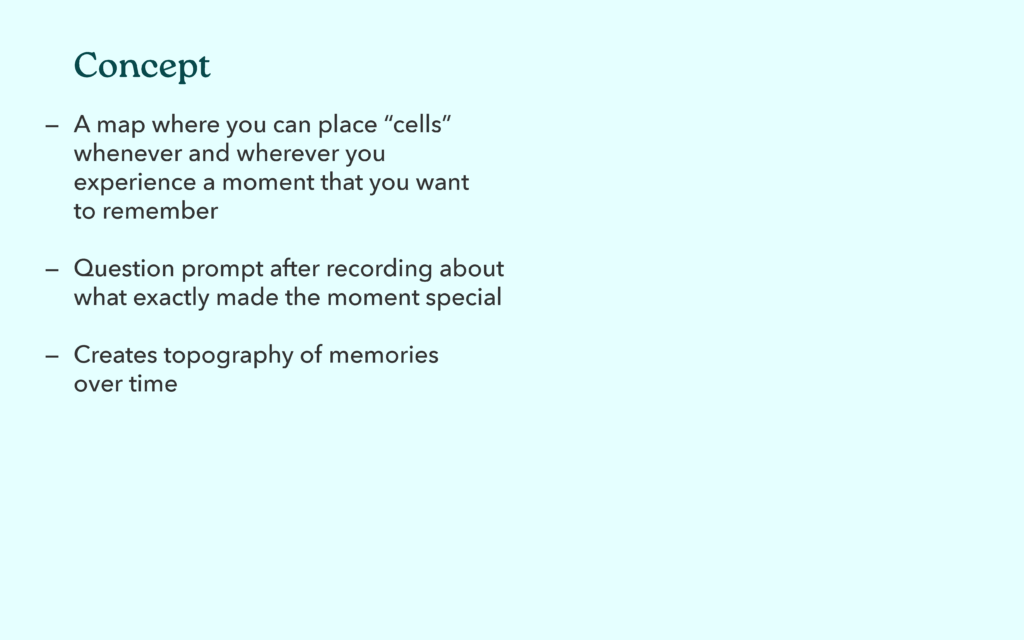

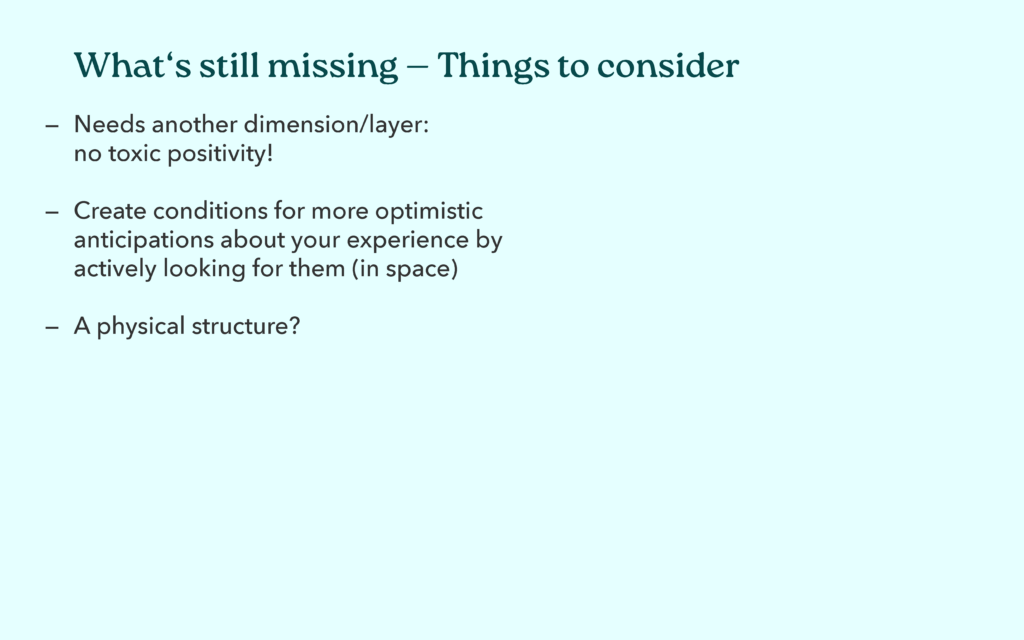
How can I implement more nuance & complexity?
I want to shift the focus a bit back to the anticipatory nature of anxiety and how we can reframe our (sometimes mislead) predictions about future threats.
(Quick) Reseach
- Christian Nold’s Emotional Geography & time-geography
- Episodic Memory and Mental Time Travel:
- Mental time travel as a reflection exercise to create relief from anxiety: Create confidence in the prediciton that there will be an “after” to the situation
- Help you overcome fear about things you actually want to be doing
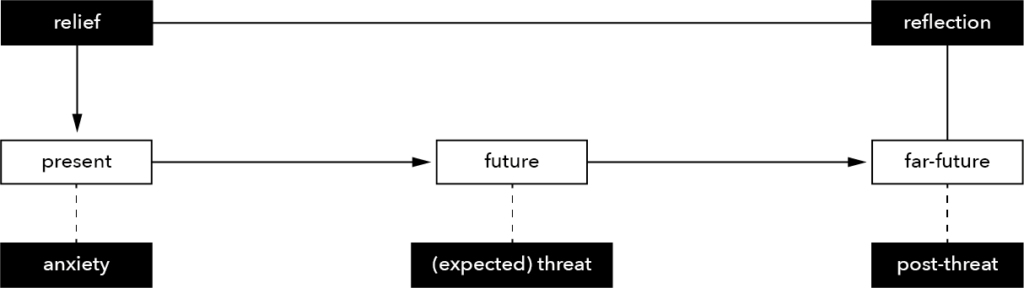
Updated Version: Flow
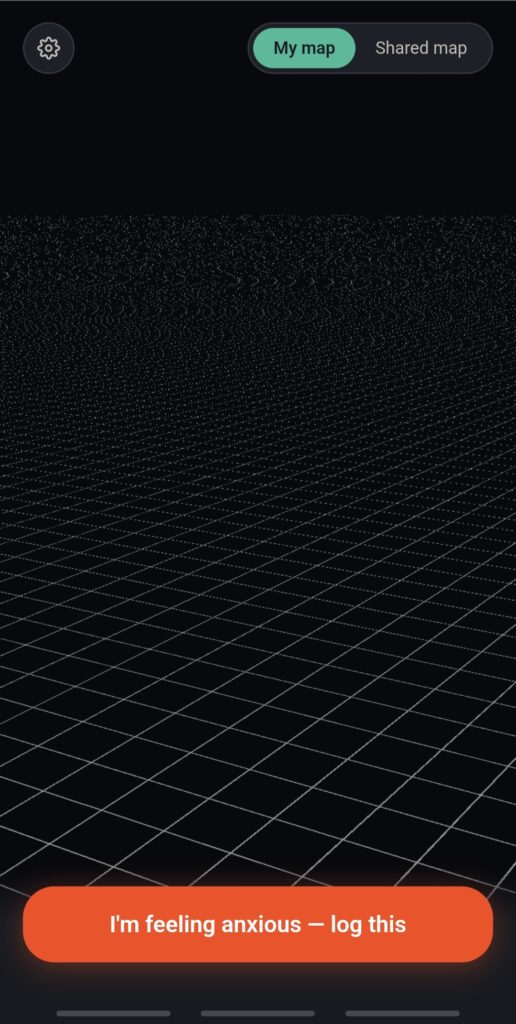
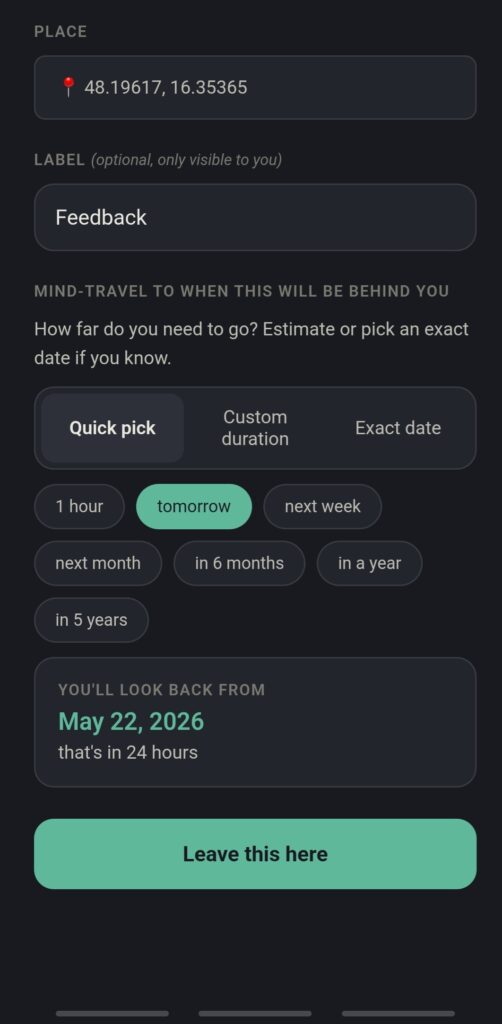
- Notice when and where you are anxious
- Log in how long you estimate the “event” that is causing distress will take (i.e. when it will have passed)
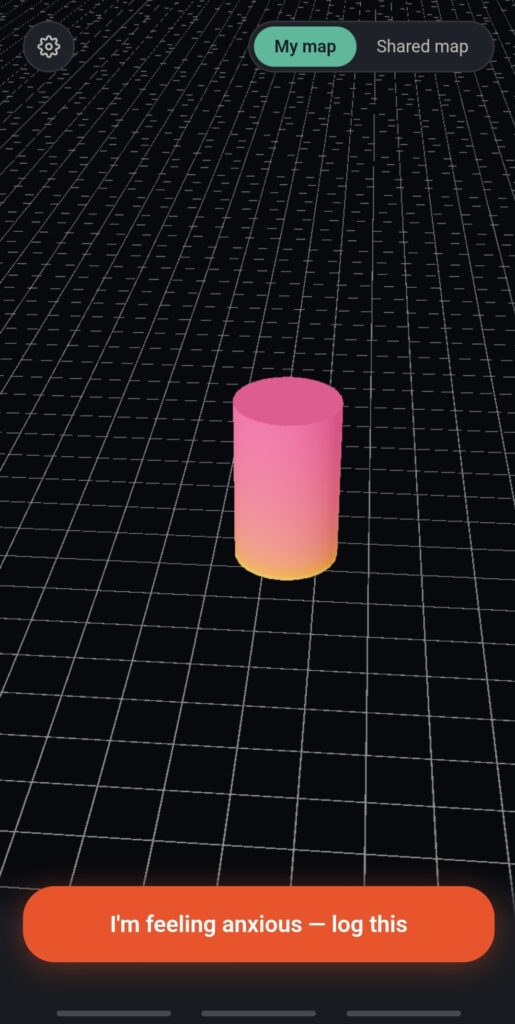
- A column is created along the vertical time-axis that represents that duration. It is shrinking as time moves on.
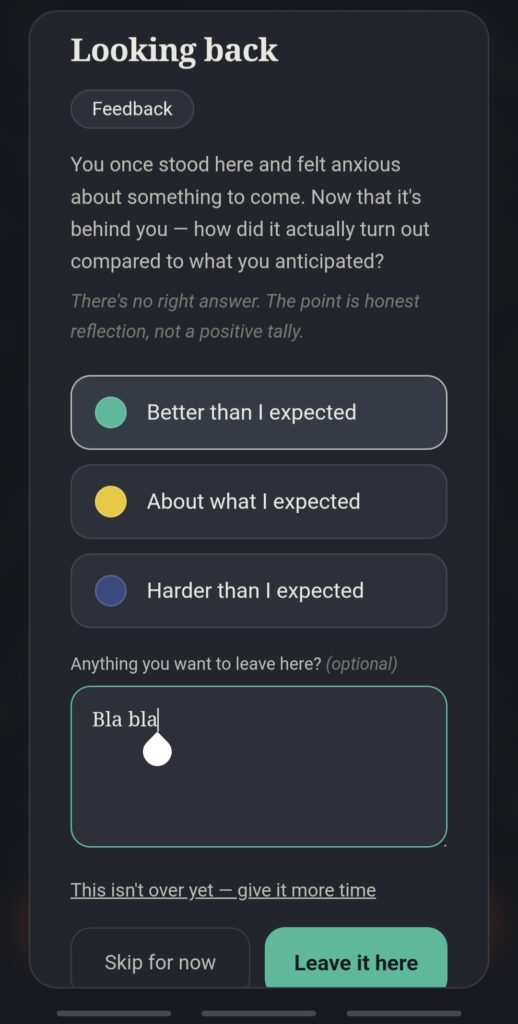
- When the column is completely gone (i.e. the “threat” has passed), you can log in whether you perceived it as:
- “Better than expected”
- “About what you expected”
- “Harder than expected”
- Additionally, you can leave a little note to yourself to remind you of that moment and how you felt (optional)
- A mark is left where the column has stood with the respective colours of how you reflected that the experience actually went. It serves as a reminder to “retrain” your brain about how and when you were able to subvert your anxiety and actually create good experiences out of it.
- The topography that is created is split into your “personal map”, showing only what you logged in, and an opt-in “shared map”, showing what others logged in as well.
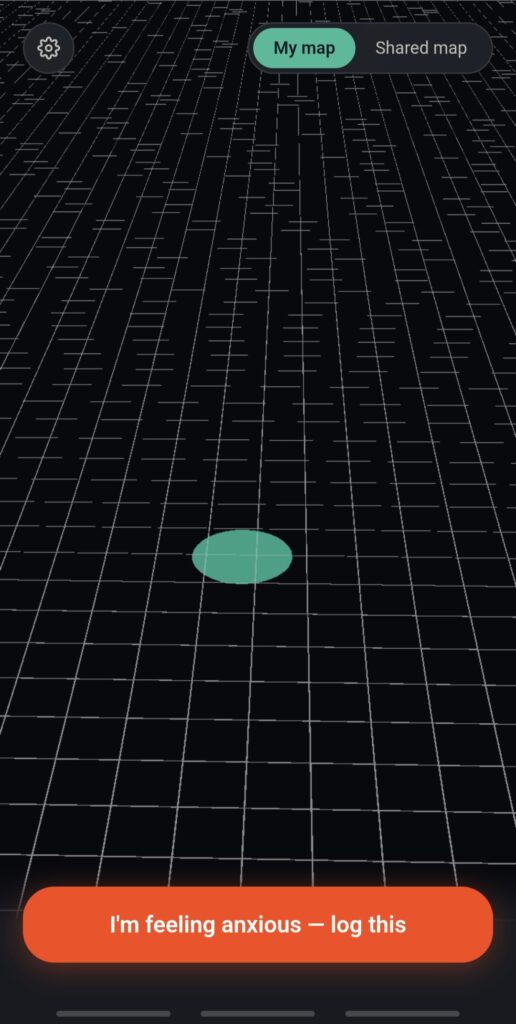
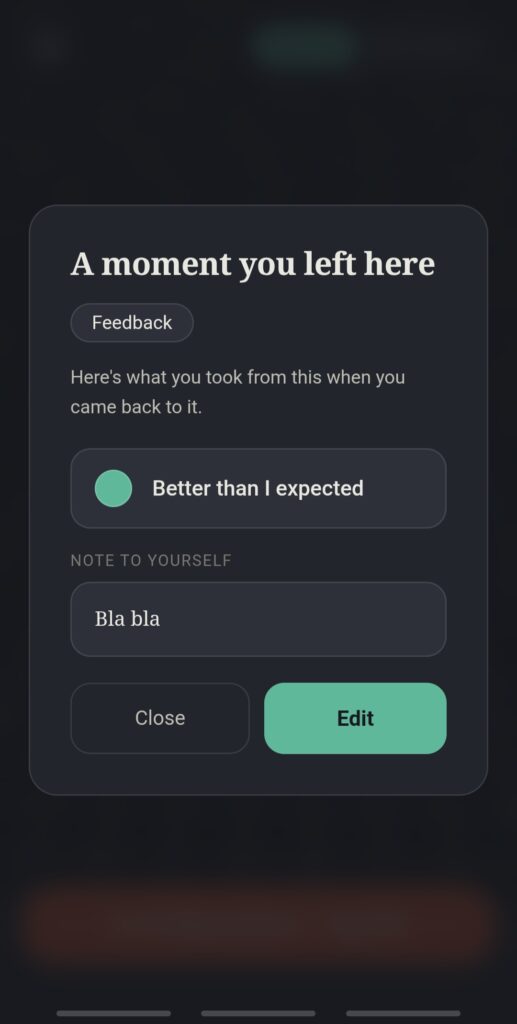
https://emilia-jpg.github.io/after-the-storm
Feedback from testing
- Include a compass to lead to nearby marks + a camera reset button
- Possibility to reflect from anywhere on a past situation, if you forget to do it at the point you logged an anxiety in
- Reminder when an event is over
- Setting a time didn’t really impact the event itself, but coming back later to check it off felt like a conclusion
- Helps to recognize success: “… I expected to do much worse than I did. I can imagine that building a map with these sorts of scenarios would help manage anxieties/ seeing past successes visualised would lessen the blows of failure.”
What to add/change/general Questions
- A possibility to log in “positive” expectations as well?
- Would that take away from the idea of “reframing”/”subverting” negative expectations?
- Would the reflections be disproportional to the ones about negative expectations? (If an event that I expect to be positive went as I expect, it would leave the same mark as an event that I expect to be negative that went as I expected)
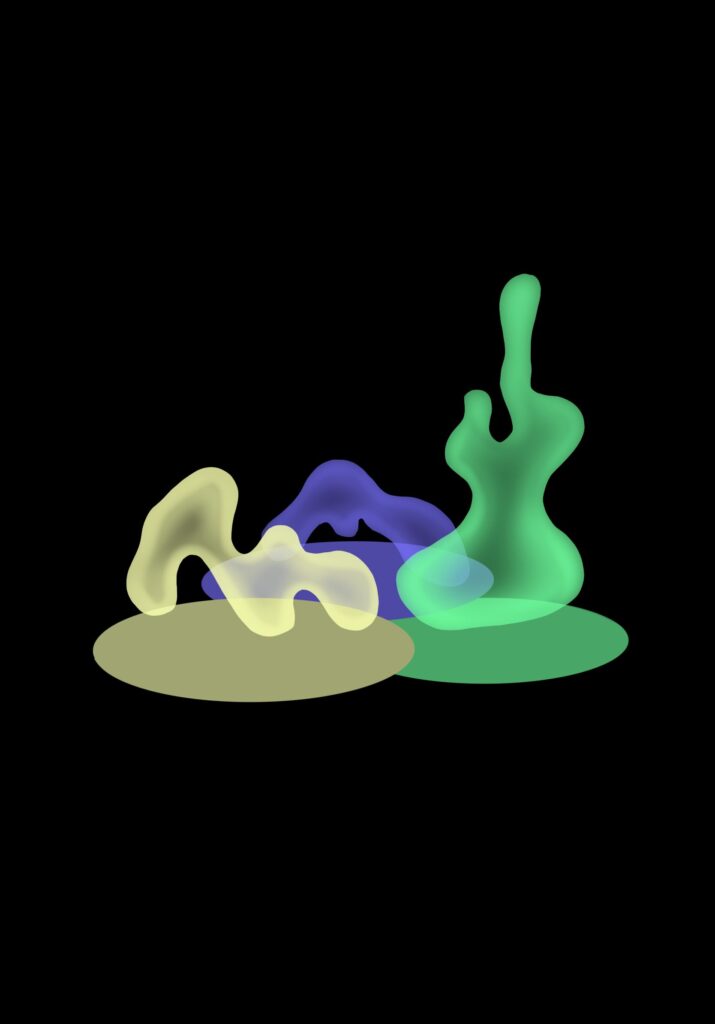
- Create little “tokens” that grow or multiply as reflection marks are created
- Only for positively subverted expectations or for all reflections?
- What exactly would “grow” there? (abstract geometry, trees, creatures, lanterns, …)


Next Steps
- More testing: ideas for things to do that are scary?
- IT support for the “shared map”
- Get a version ready to share with more people by design freeze
Leave a Reply