
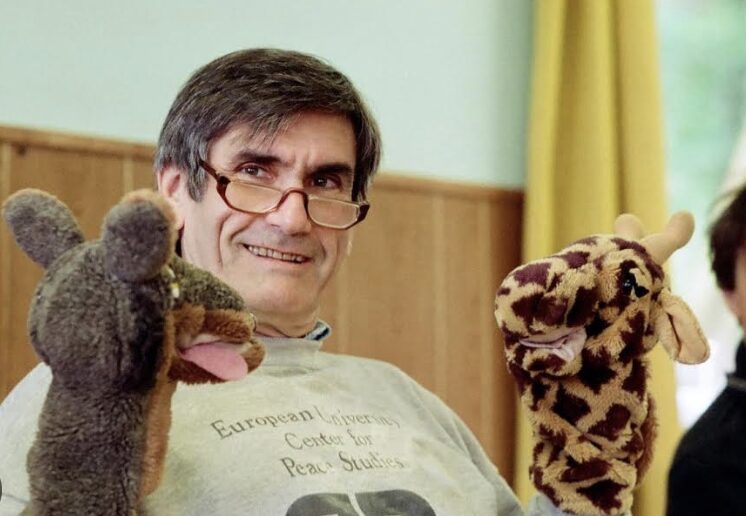
Marshall Rosenberg
NONVIOLENT COMMUNICATION
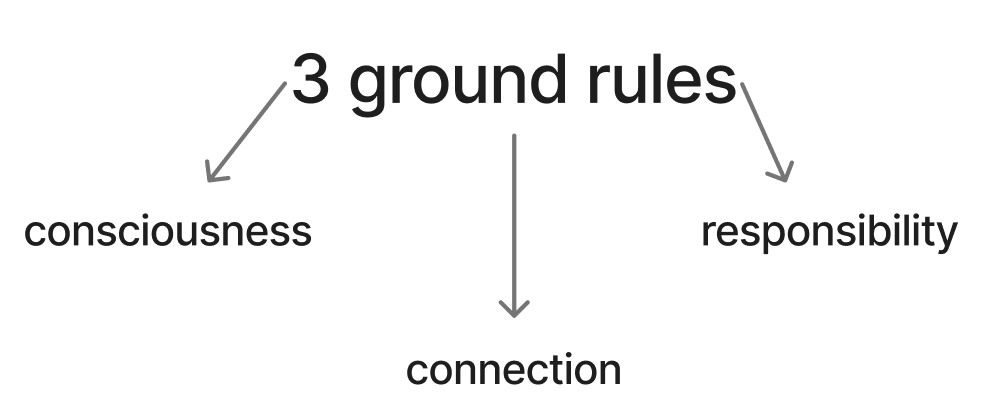
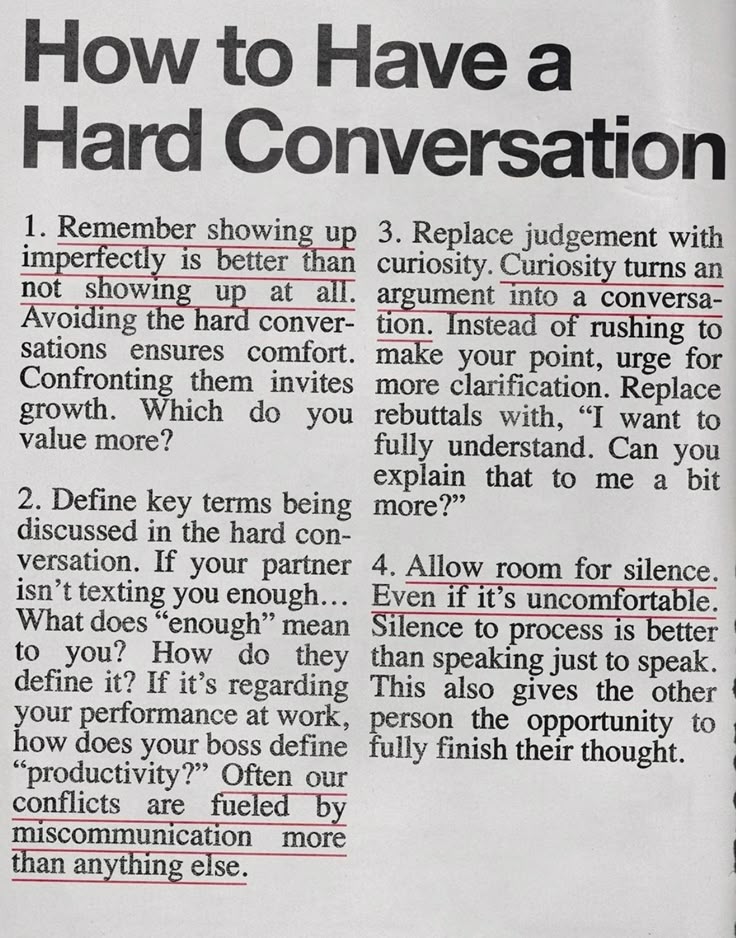

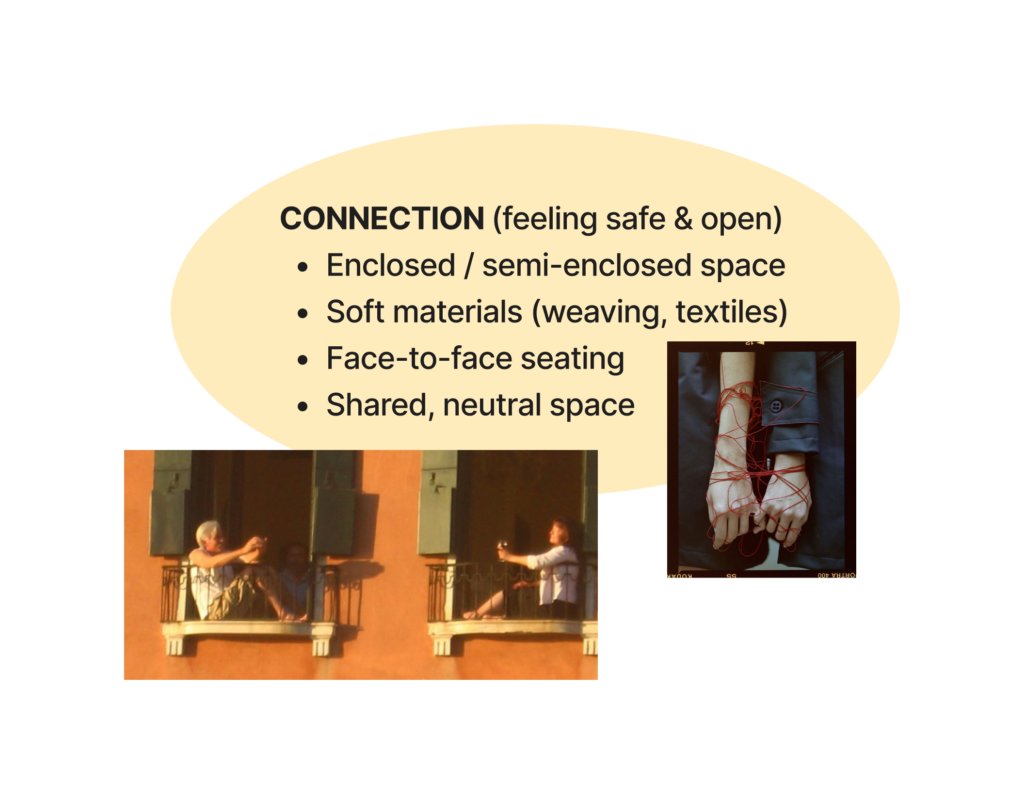
This is important to us: prioritising difficult conversations by creating space where they can happen.Too often, these conversations are avoided instead of being prioritised.
How can we Create a Physical Space for Difficult Conversations ?
APPLYING RESEARCH ON DESIGN
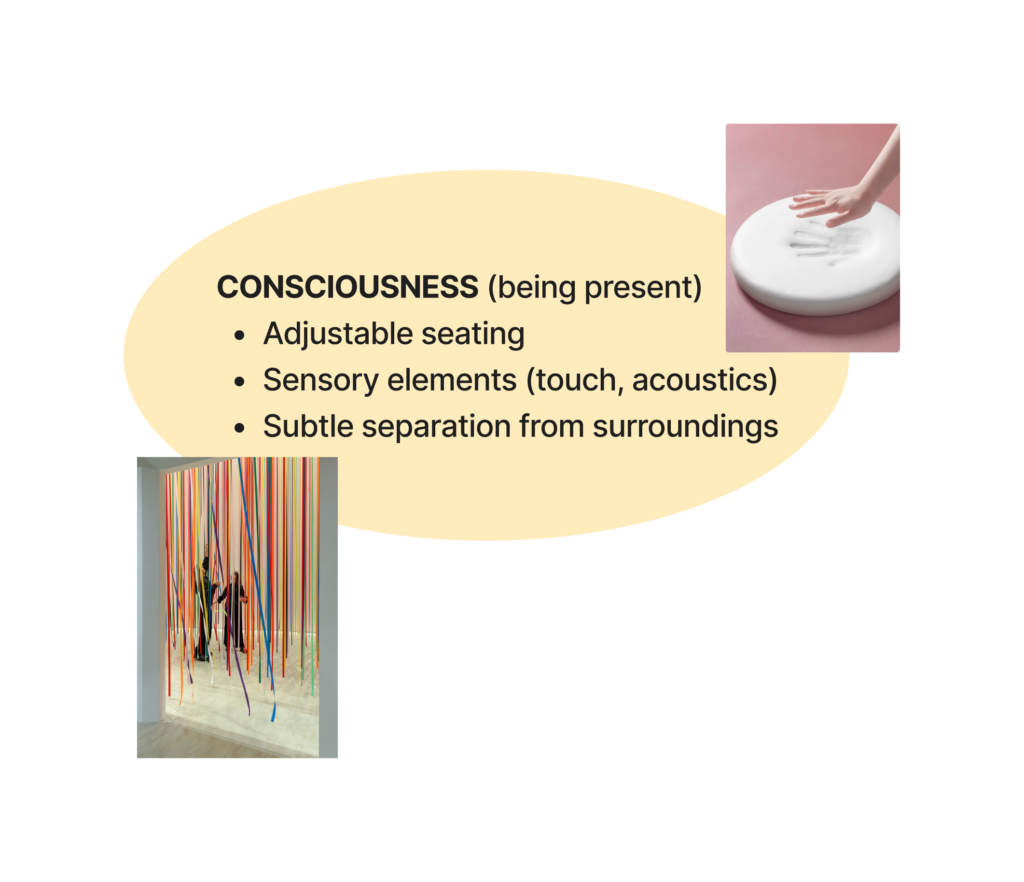
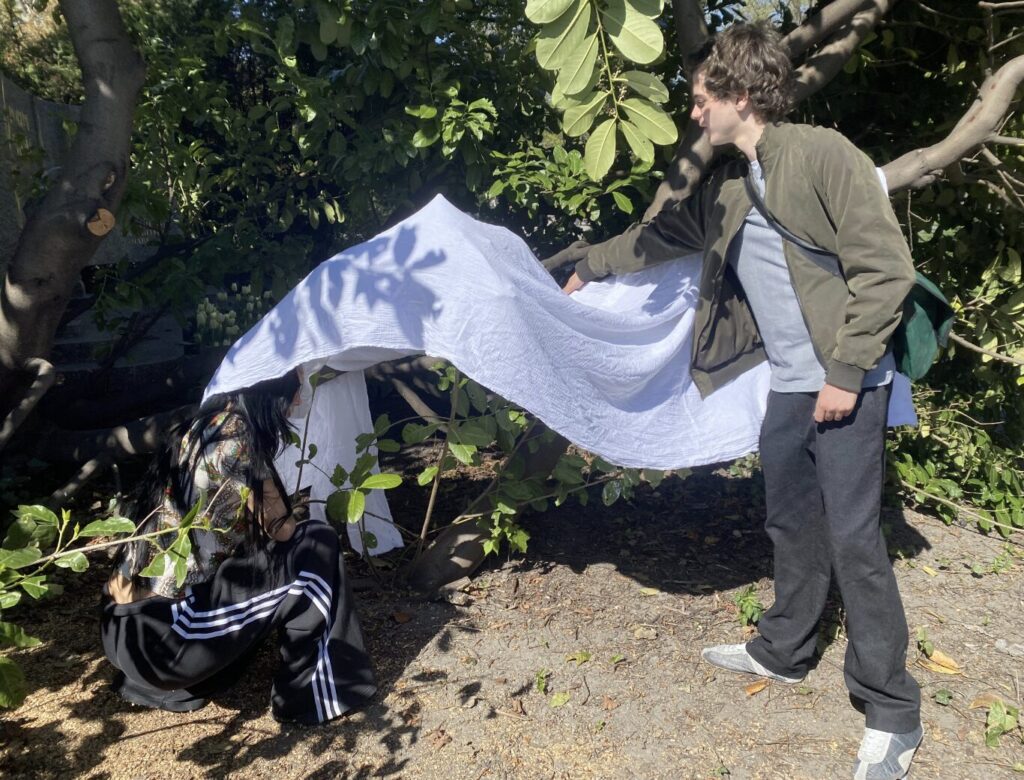
EXPERIMENTS:
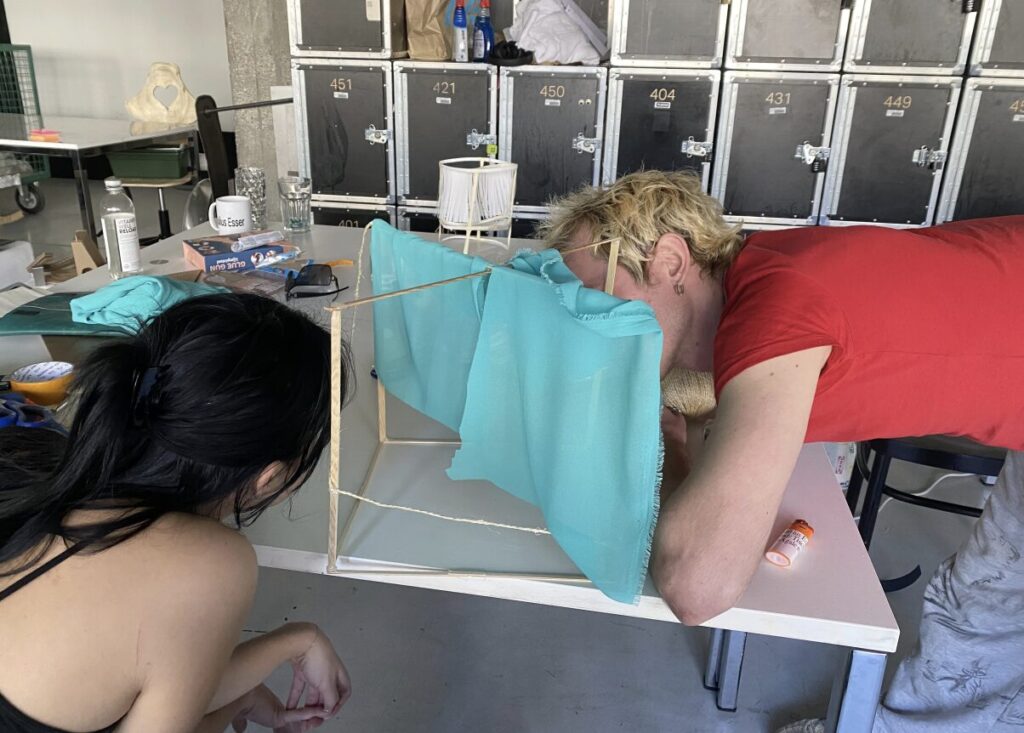
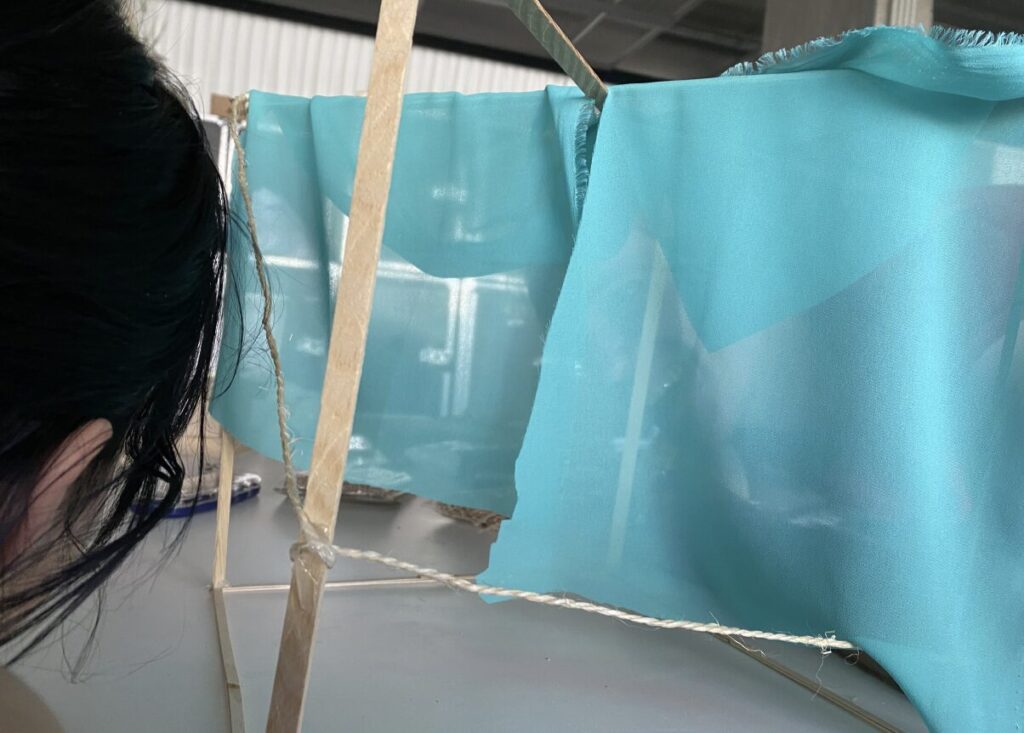
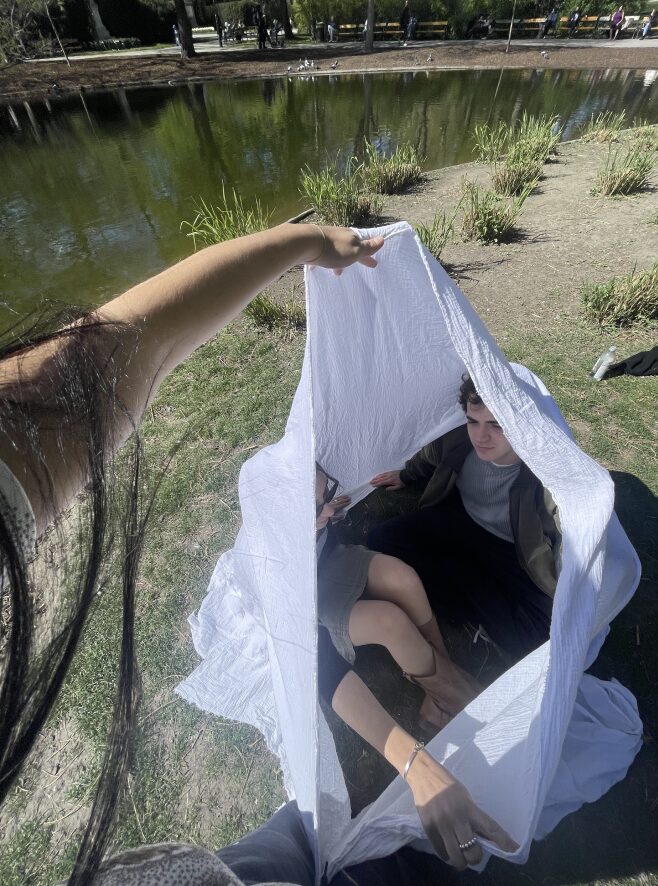
We gave up on the idea of the Veil between the users talking

“I want to stay, to listen to you”.
WHAT WE WANT
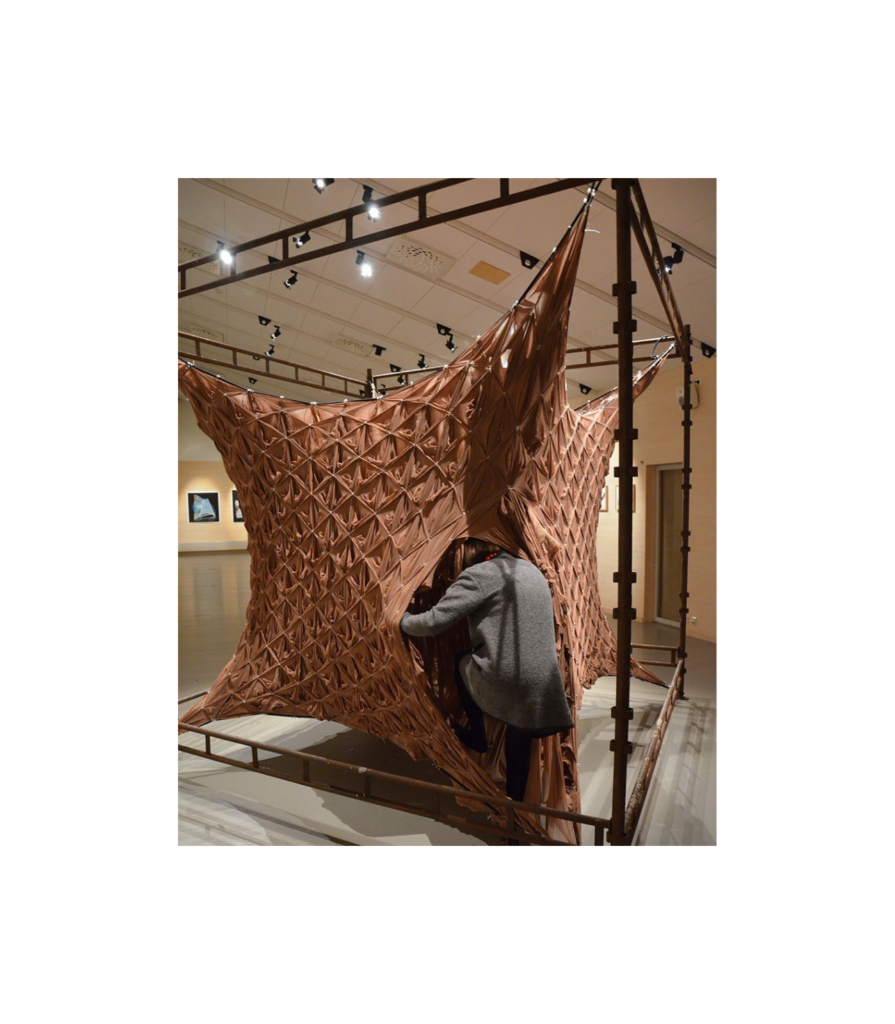
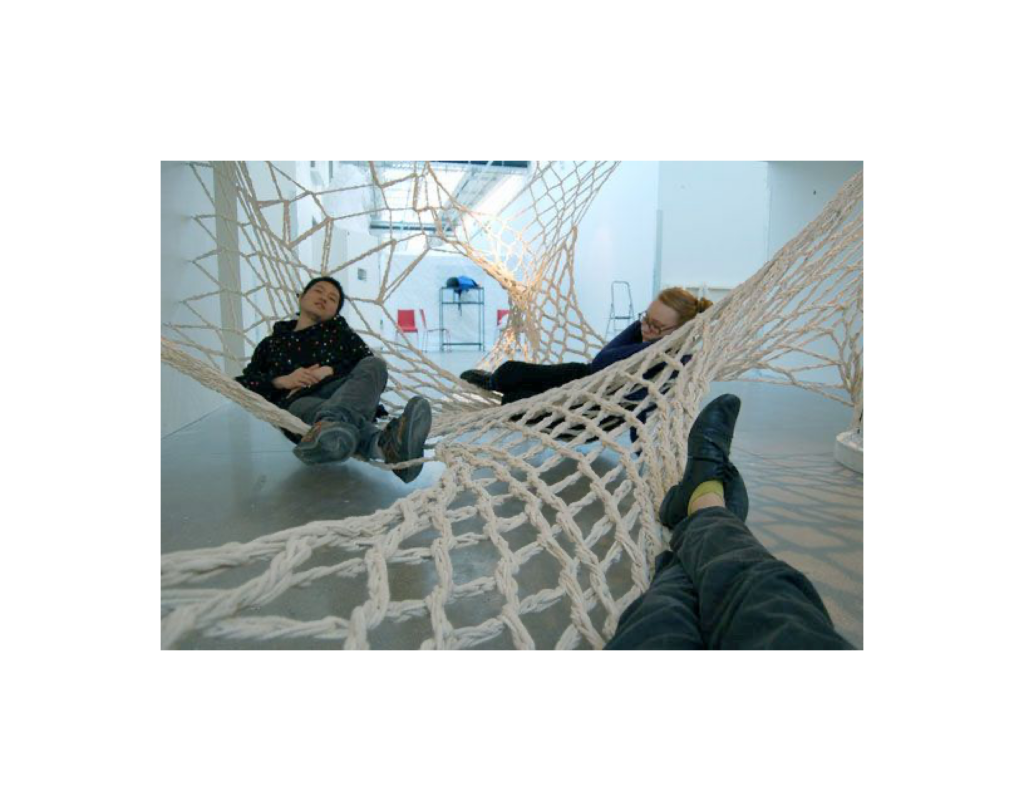
- enclosed seating space for two acquainted people
- a neutral “space within a space” that removes hierarchy and ownership, creating shared ground
- setting that helps create comfortable, easy intimacy
- invites open conversation and preventative confrontation
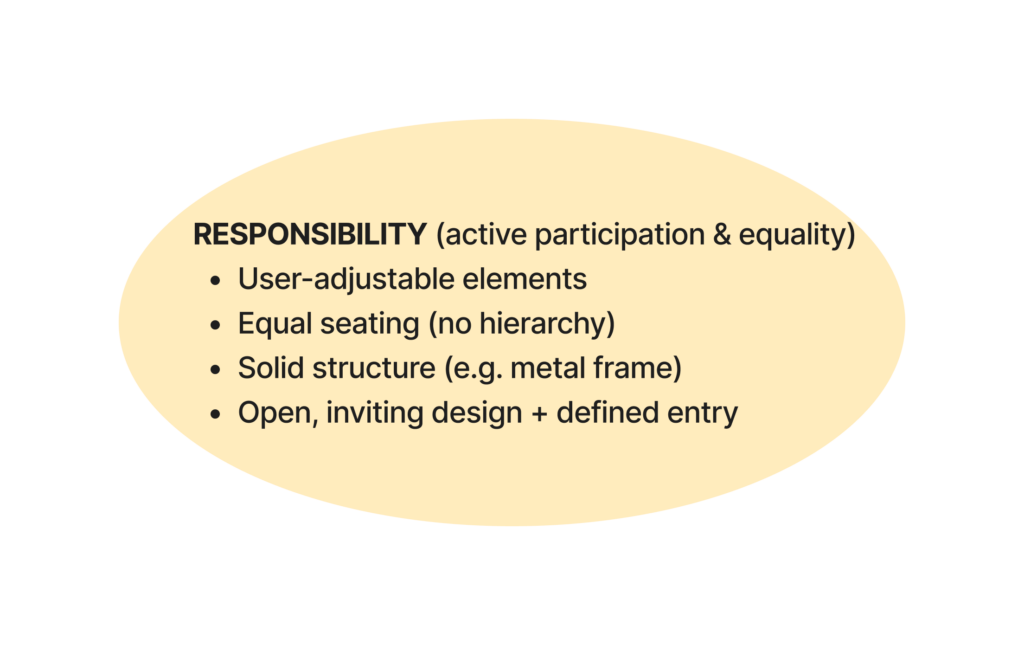
- no set hierarchy between users
- adjustable seating to support individual preferences (height, position, direction)
FURTHER SKETCHES:
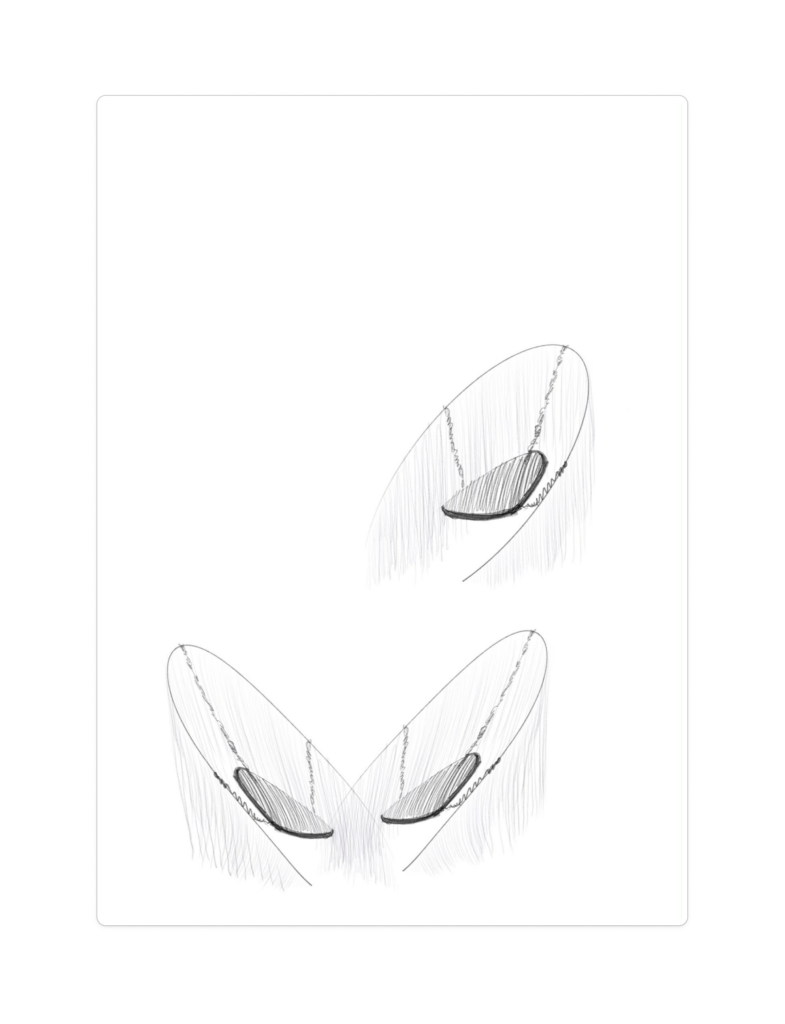
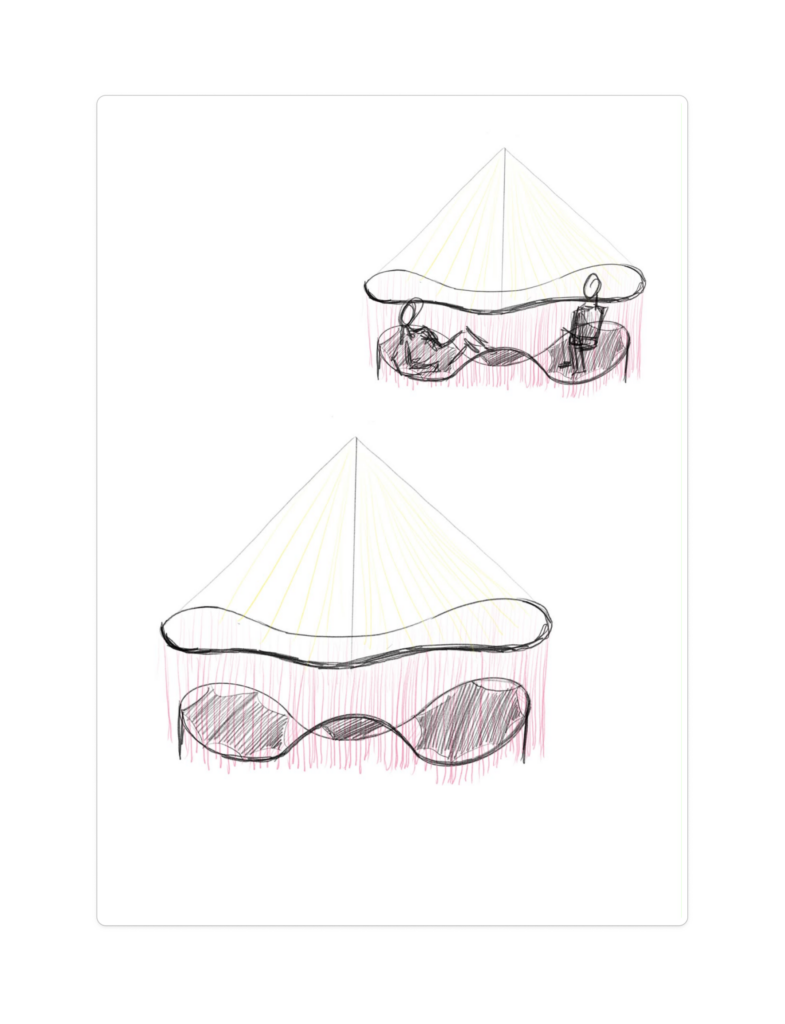
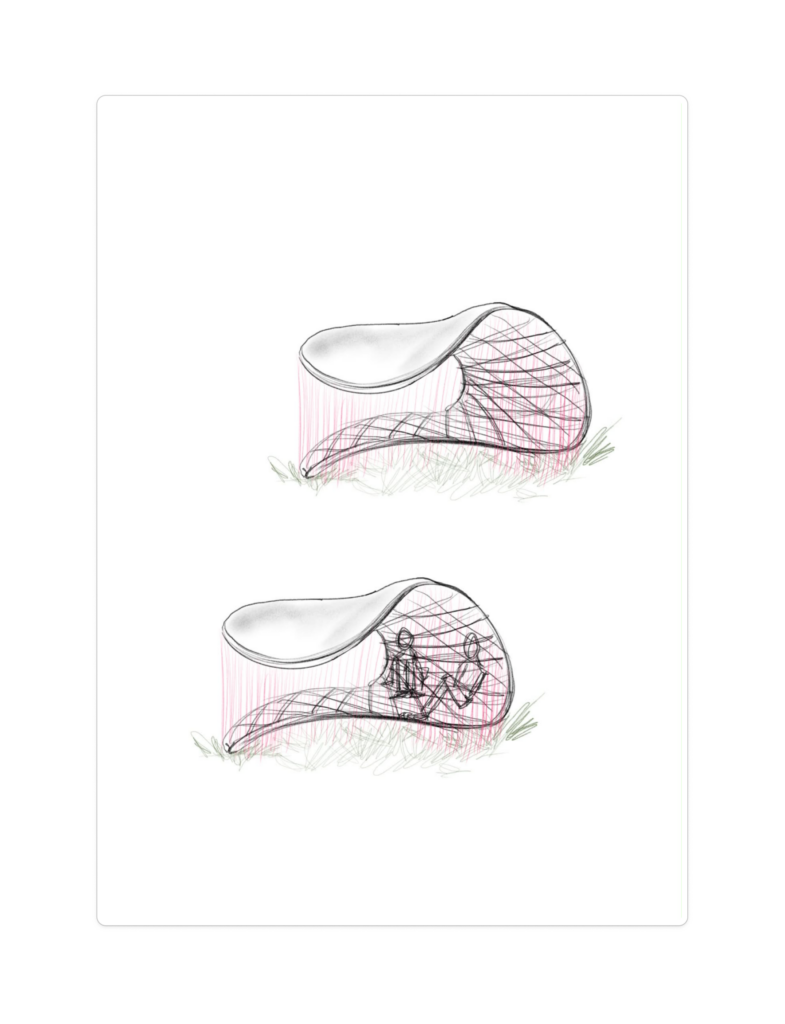
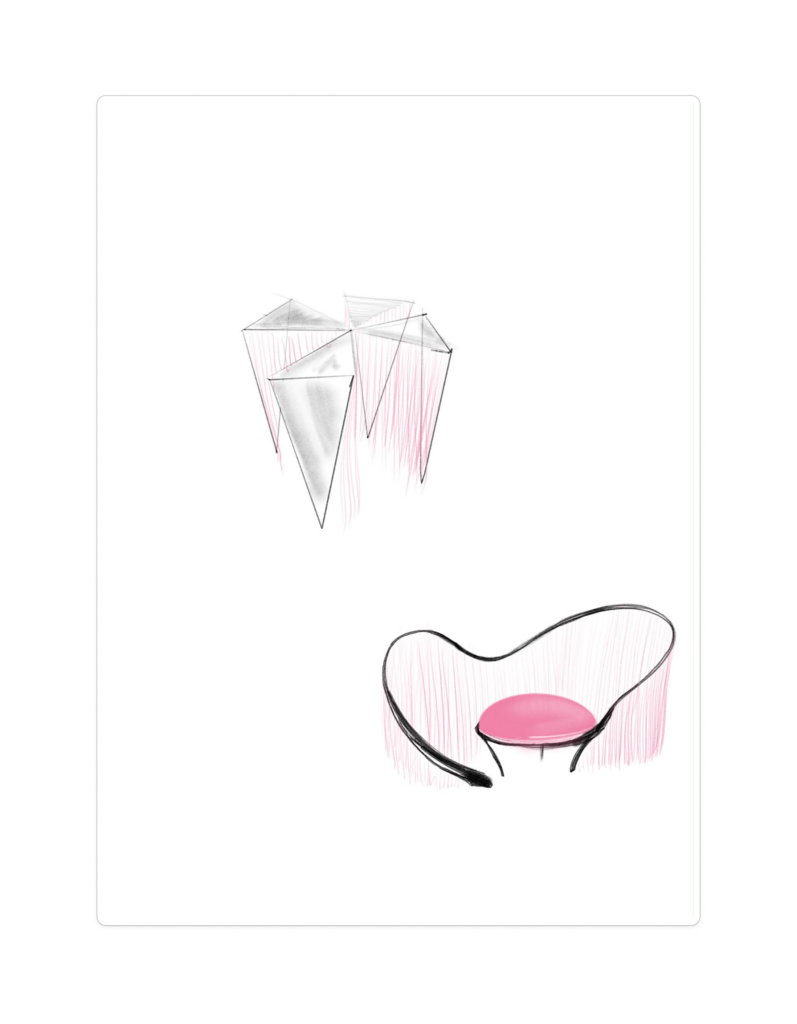
TESTING SHAPES & SEATING:
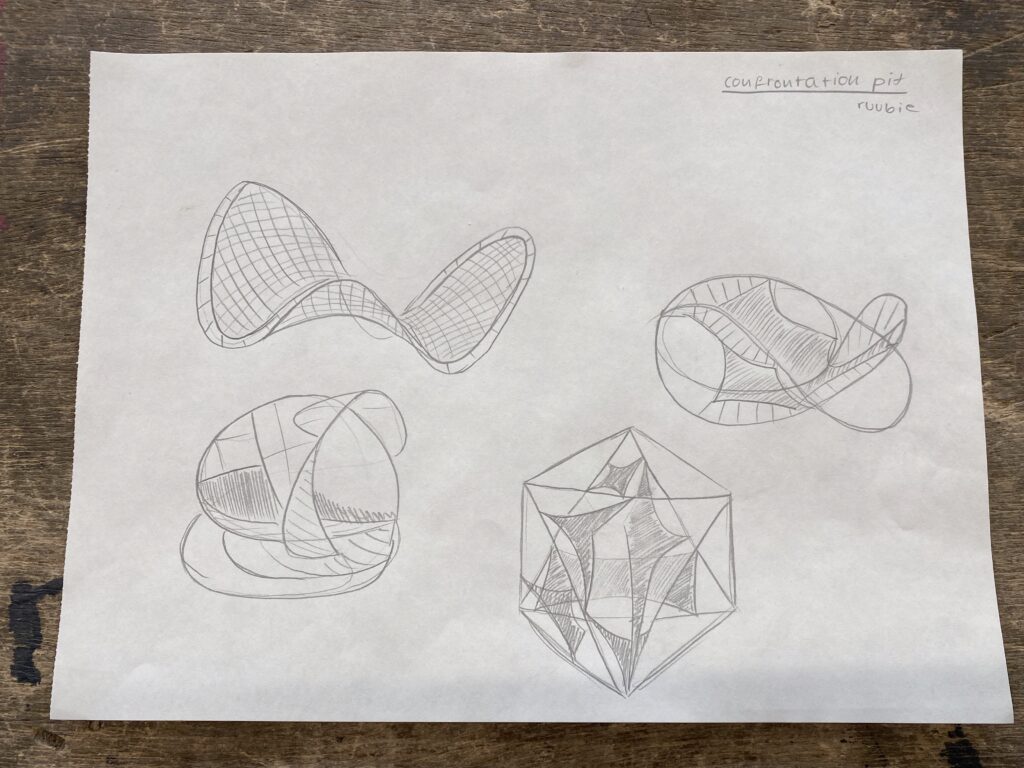
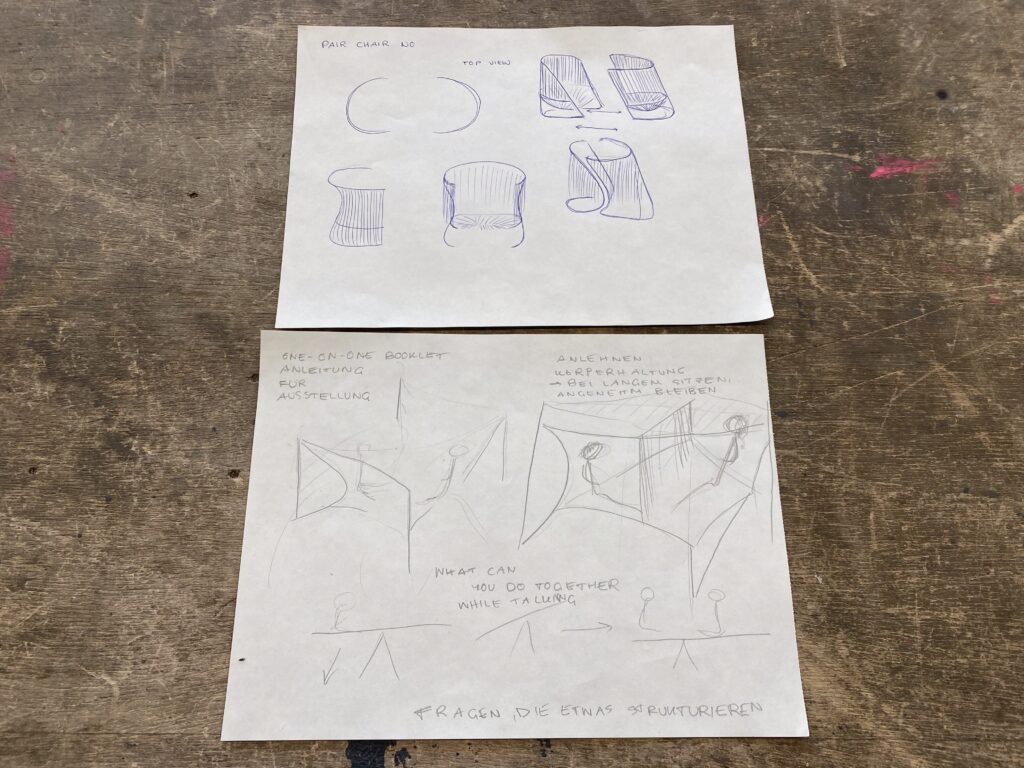
What Shaped Space is suitable?
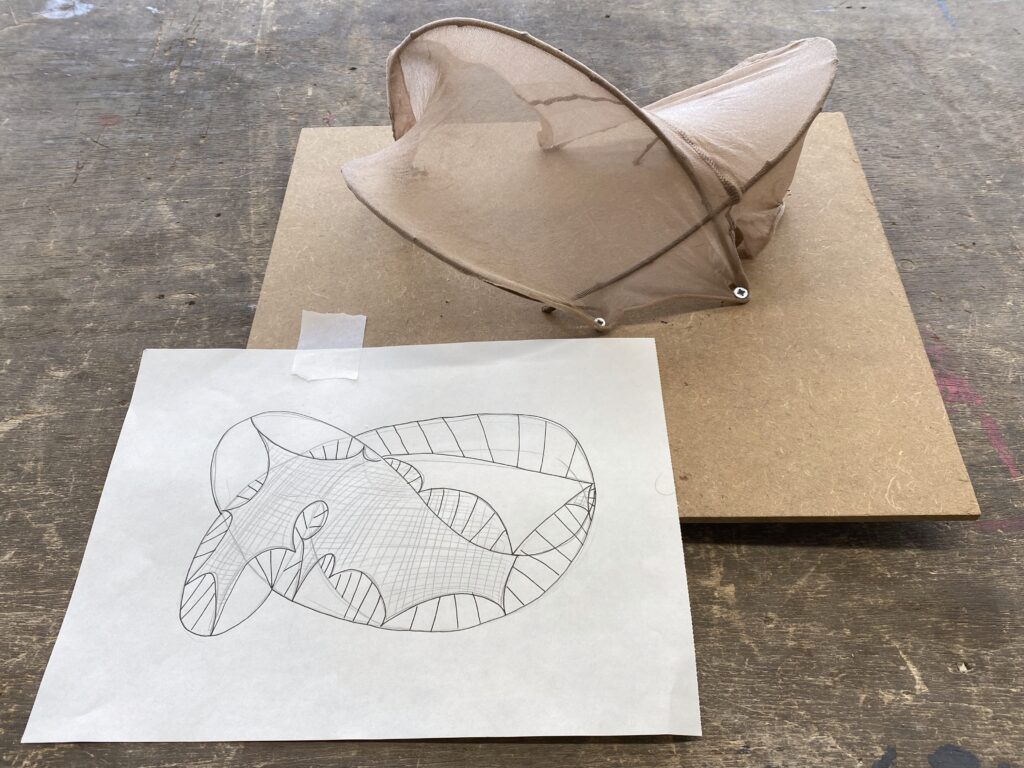
Weighing the Importance of Proximity
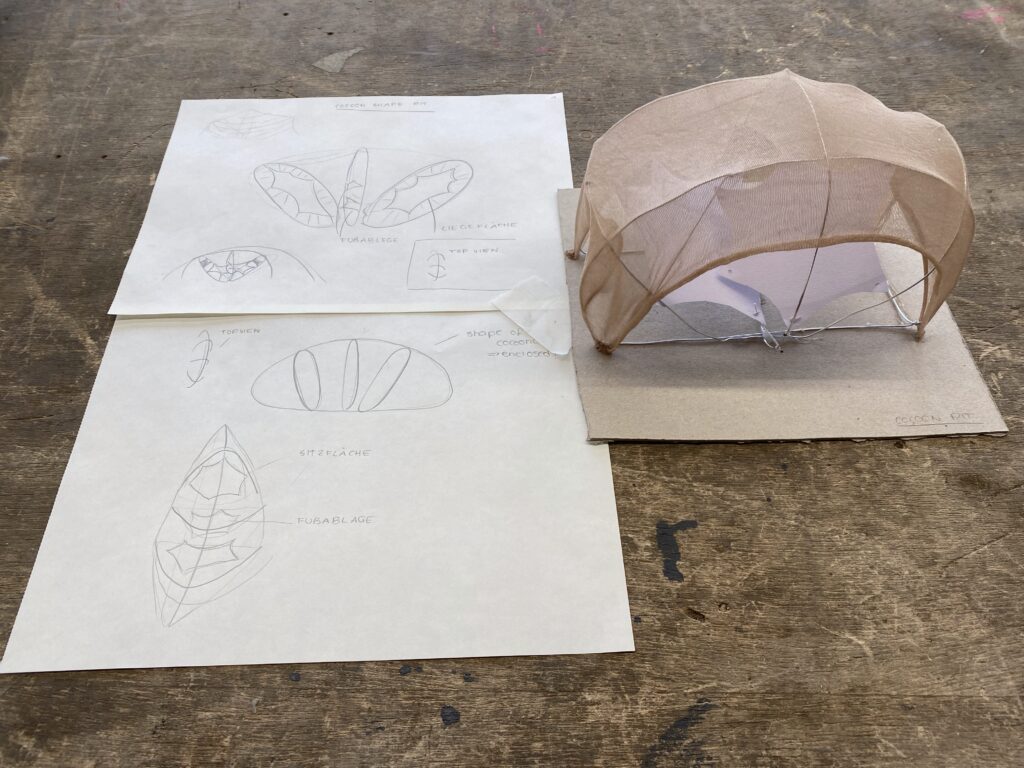
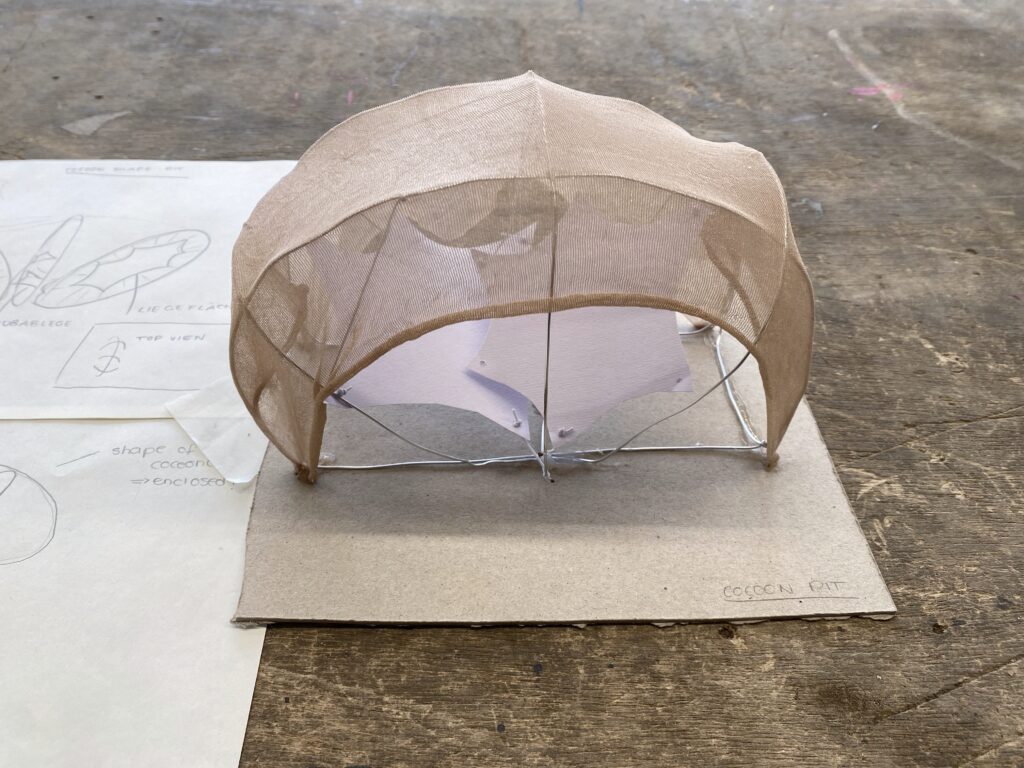
Playing with Adjustability
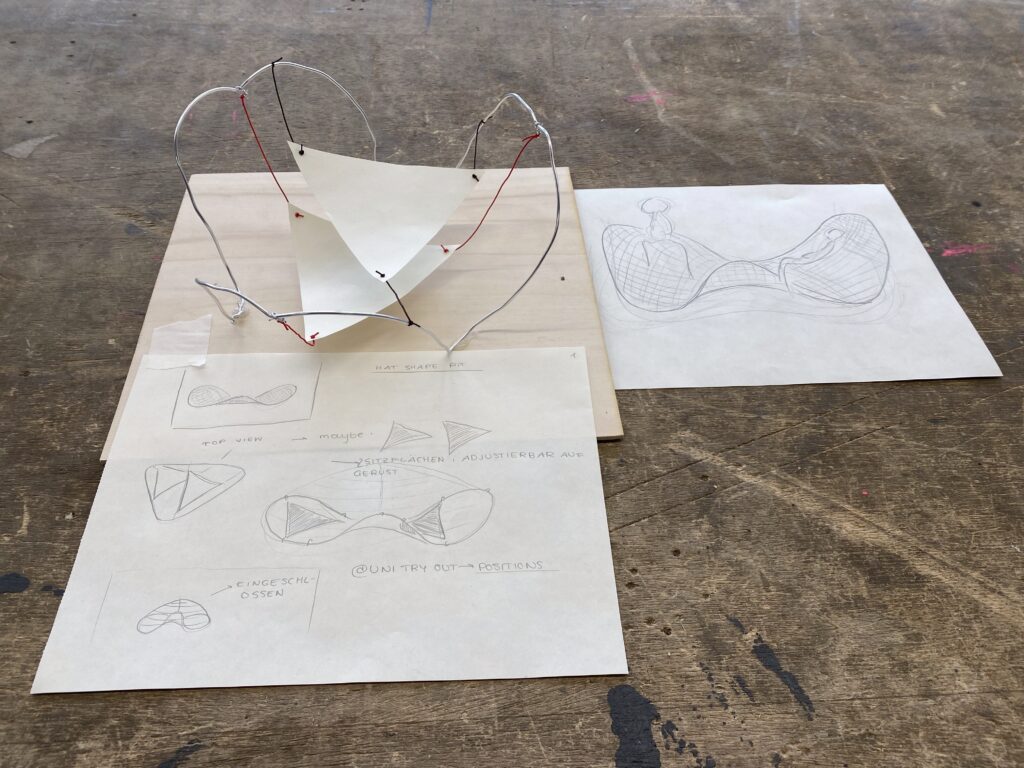
WHAT WE ARE STILL FIGURING OUT
- How can we best translate our communication research into practical applications within our project?
- Finding the sweet spot between universal and personal approaches to meaningful conversations – balancing diverse user needs while designing an experience that naturally invites deep, one-on-one exchanges
QUESTIONS
- How can we embed guidelines for productive conversations into the design without overwhelming users with instructions?
- How can we embed a sensory feature into the object that supports users during difficult conversations—providing a calming effect while remaining cohesive and purposeful within the overall design?
Leave a Reply