Research Piñatas
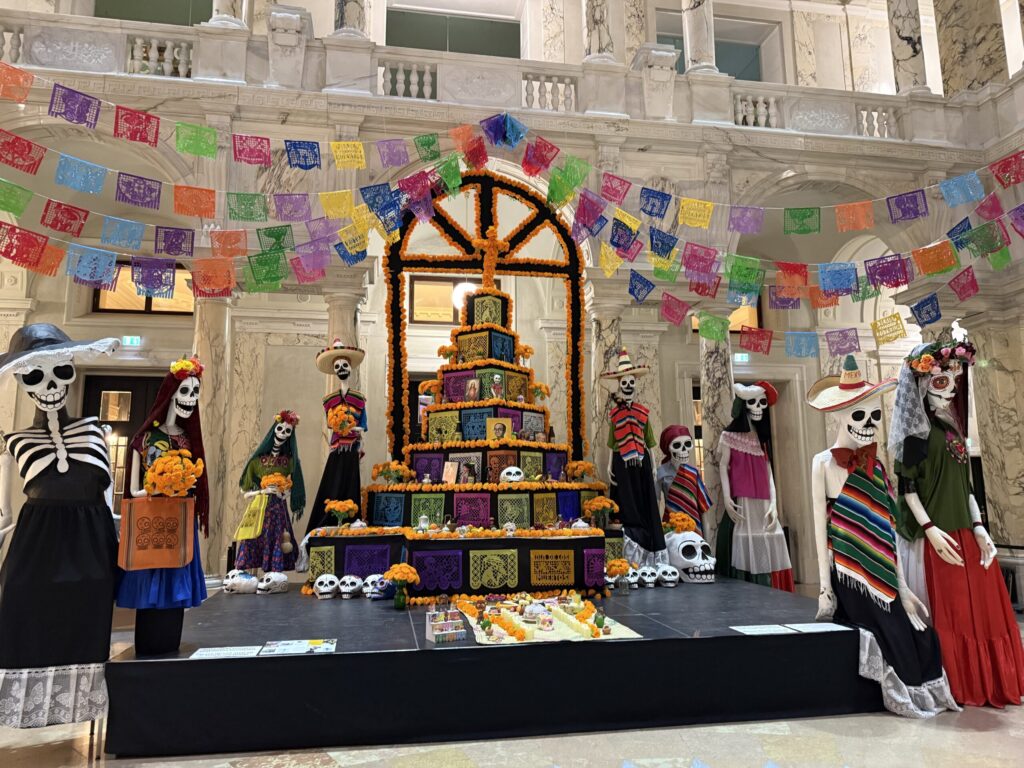
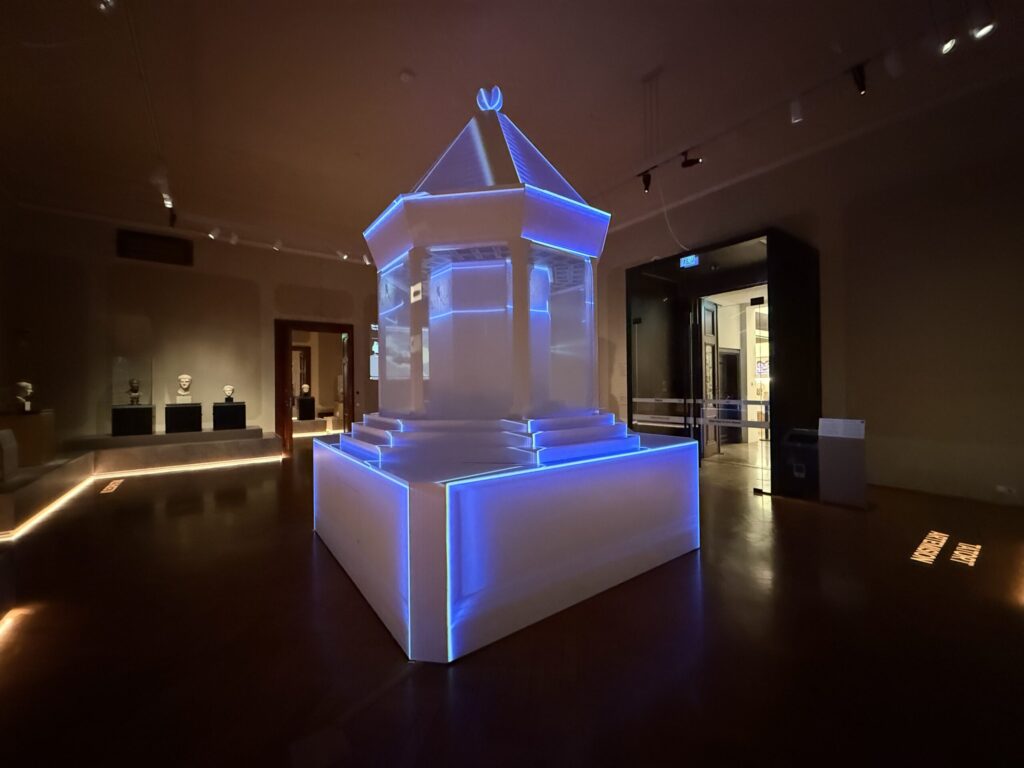
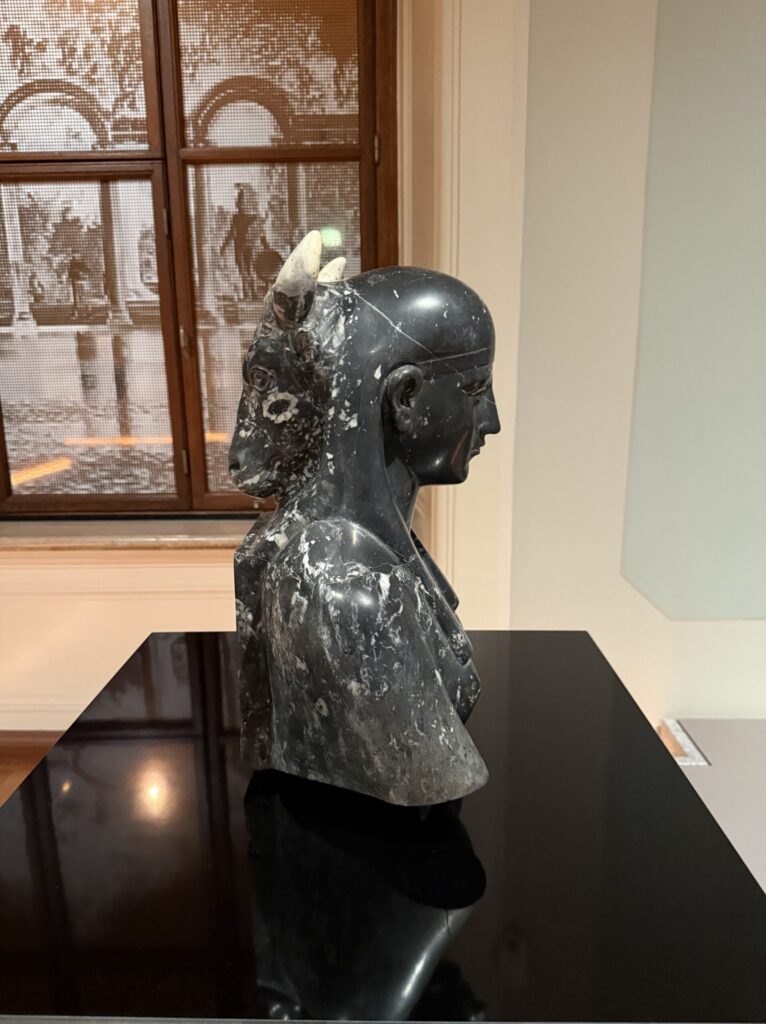
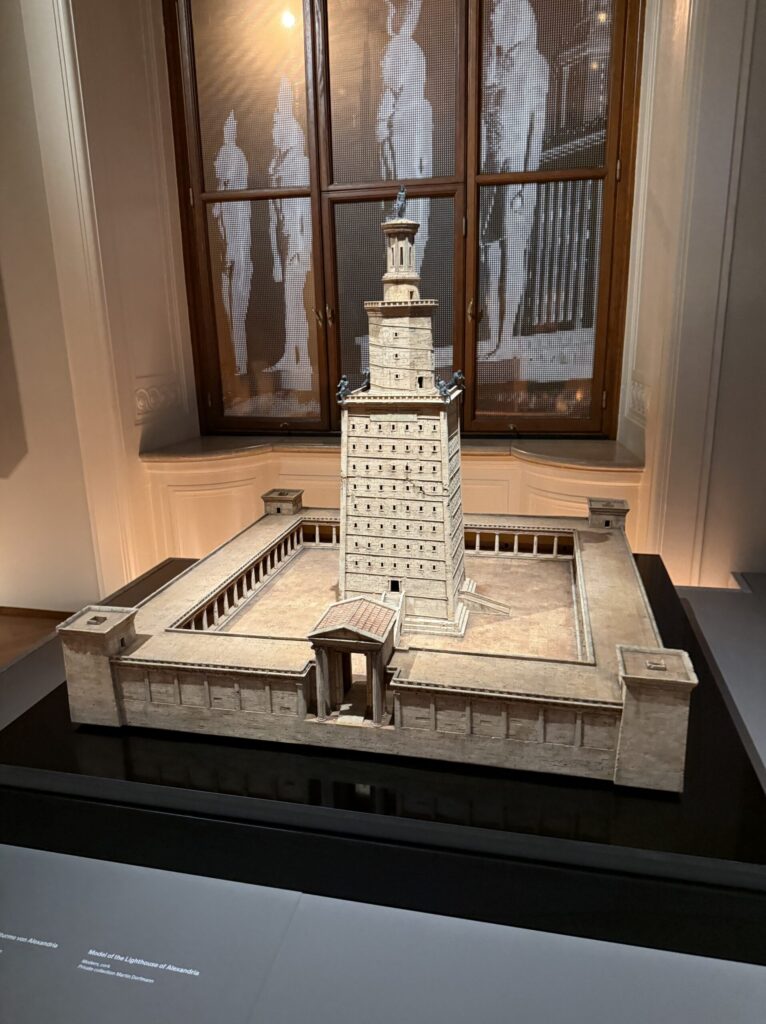
Weltmuseum Visit
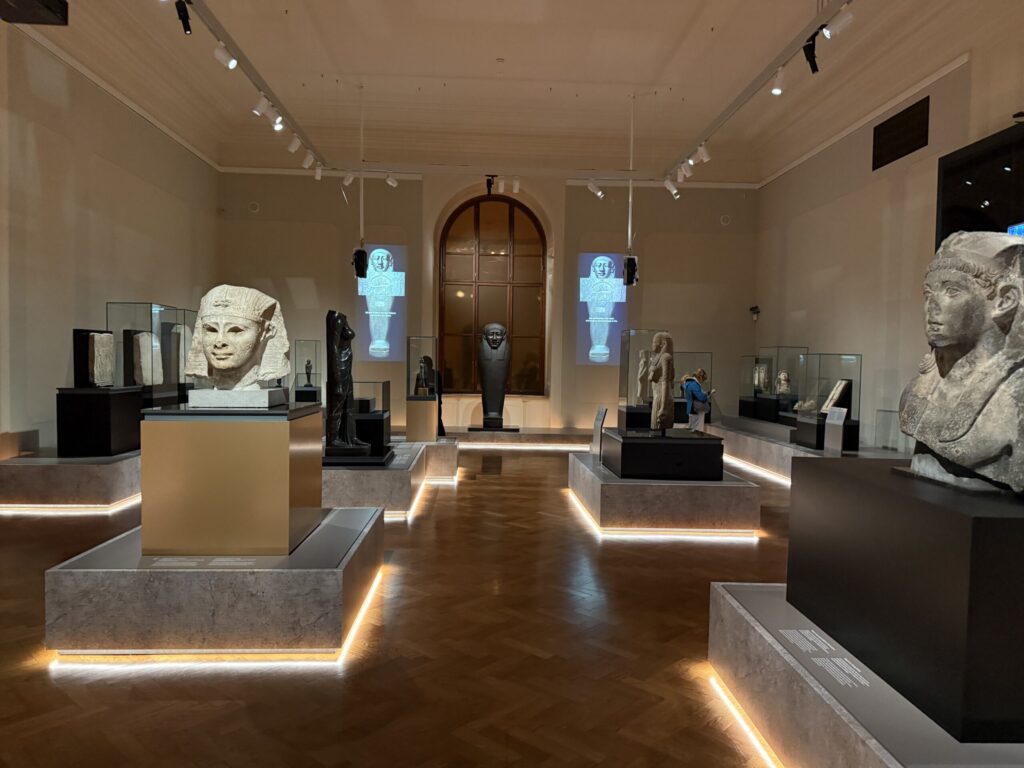
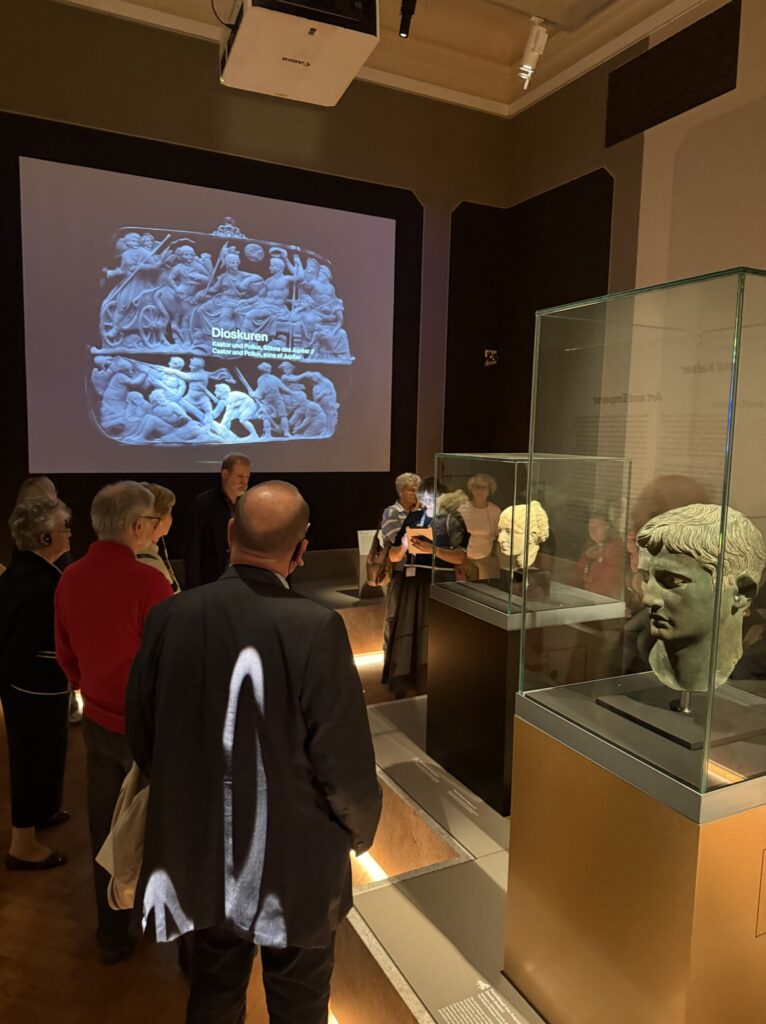
Five Ideas
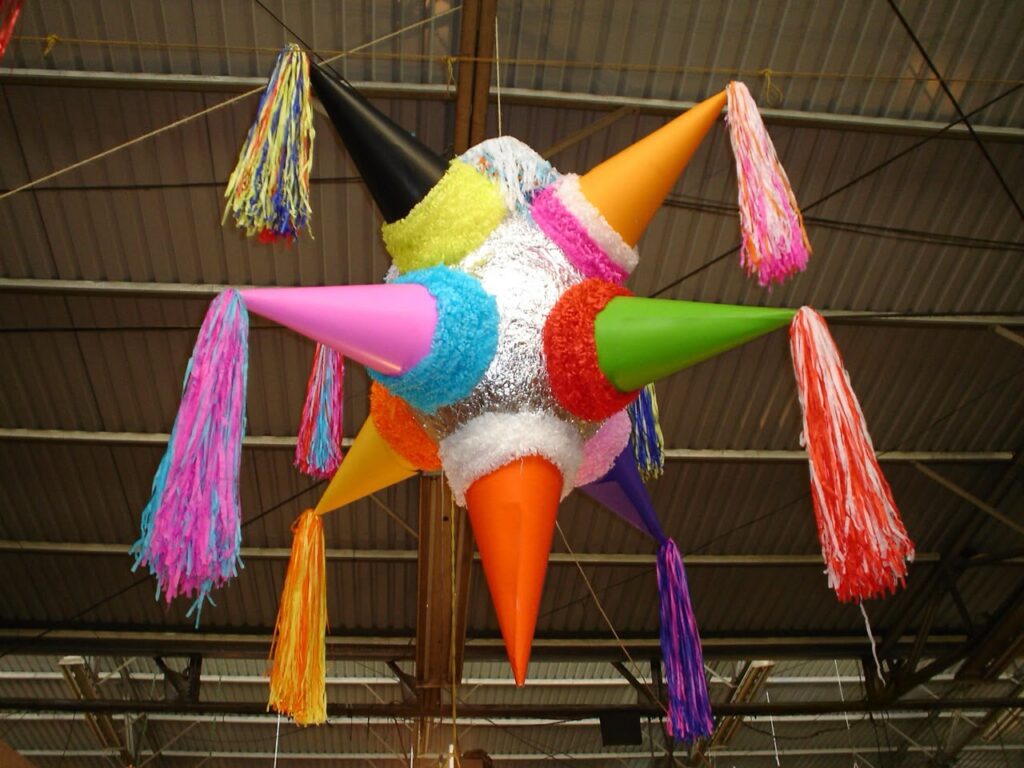
Normal Pinjata
/chema –> normal piñata
Pinjata 1:
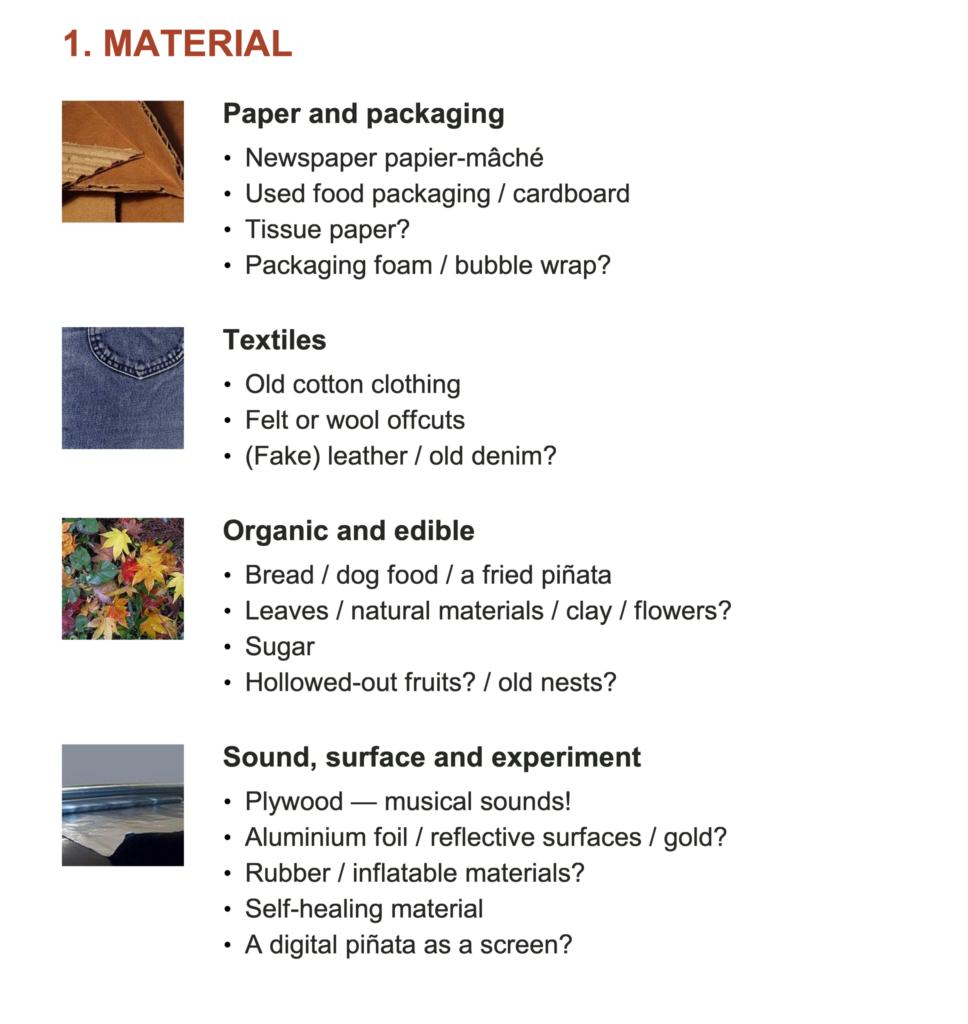
M: Old cotton clothing / Felt or wool offcuts / (Fake) Leather / Old denim
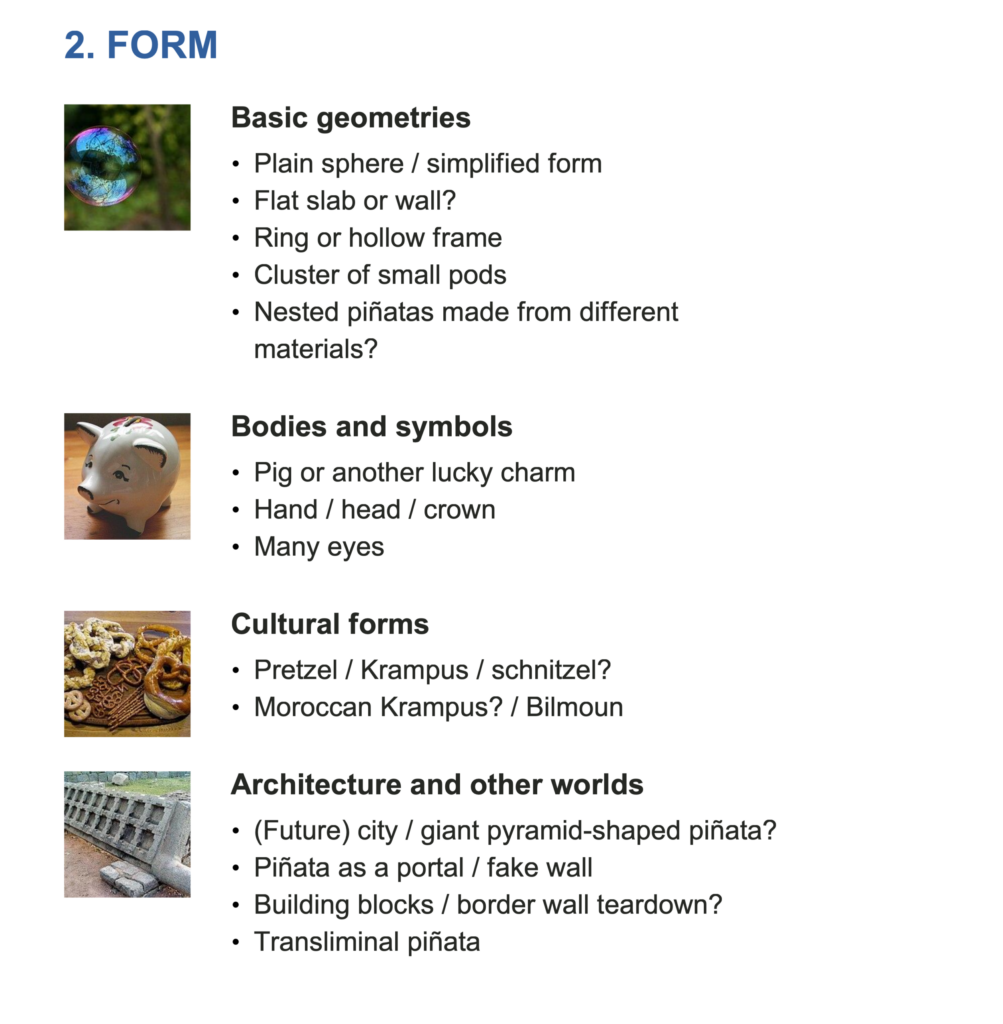
F: ressablebale
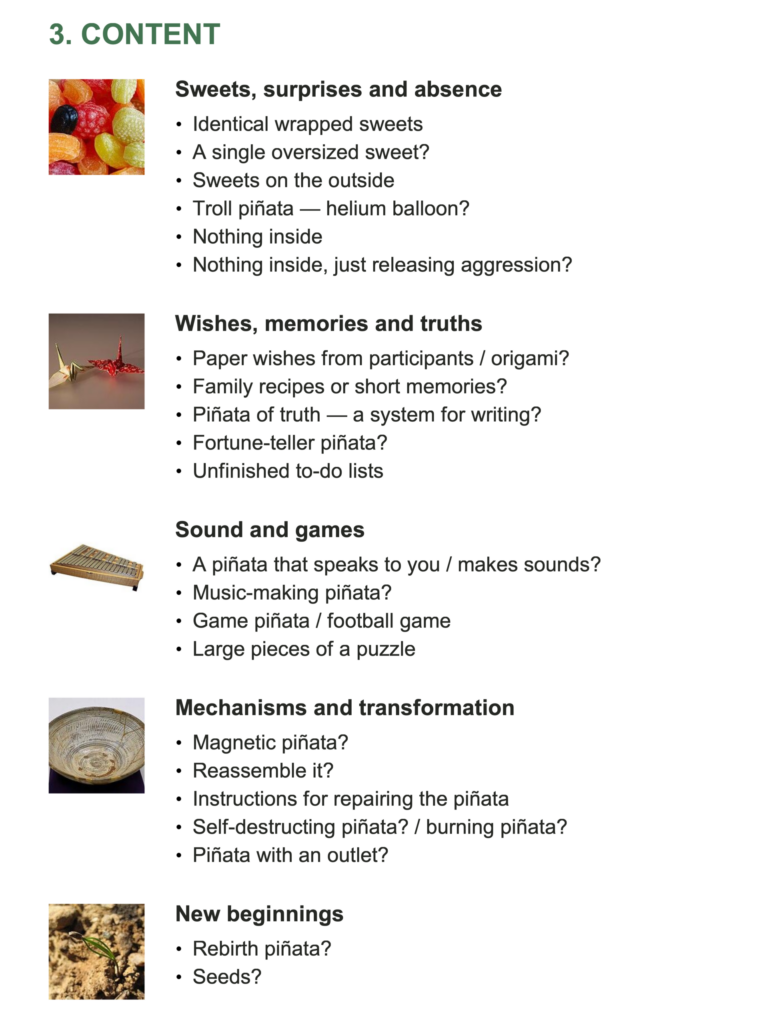
I: instruction for putting it together again
/abrar –> fabric
/theresa –> head sketches
/wall sketches –> Philip
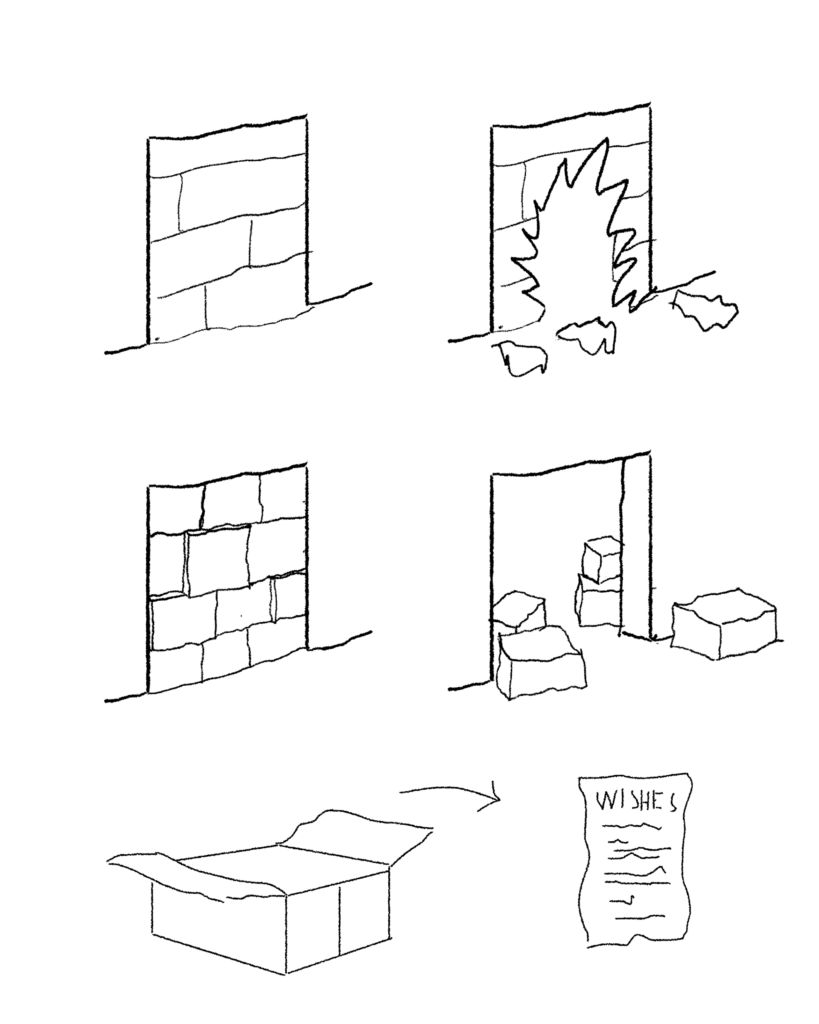
/music –> Abrar, chema
/pumpkin –> Philip
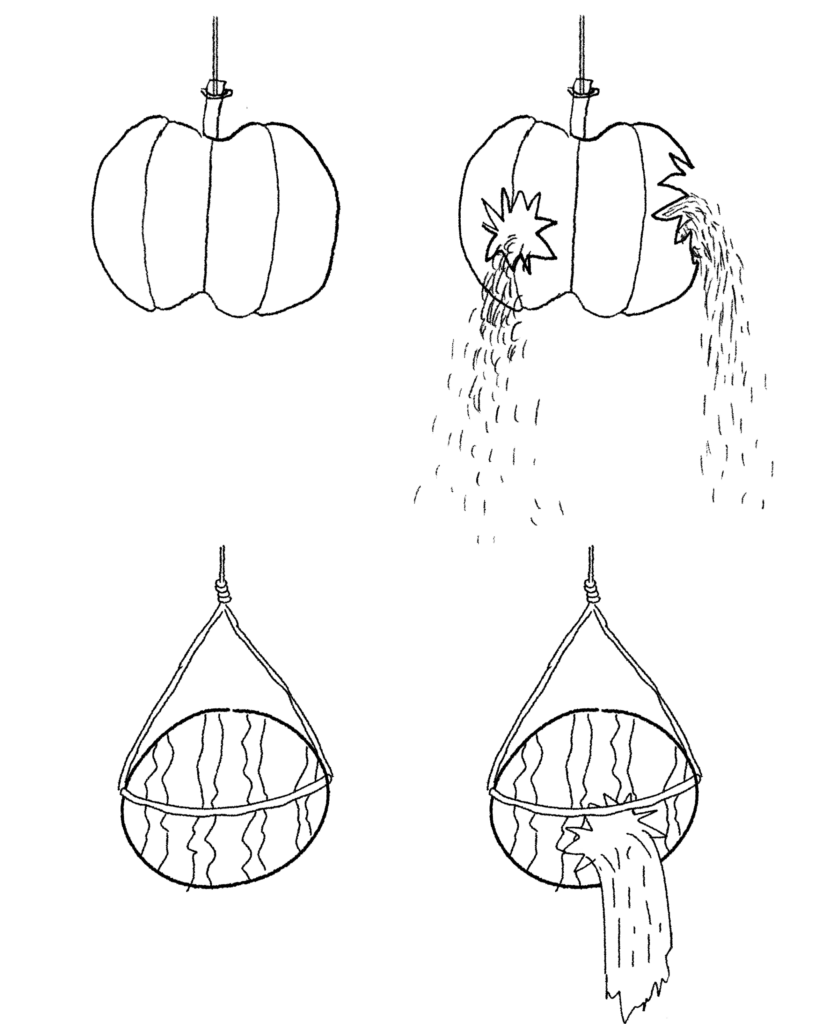
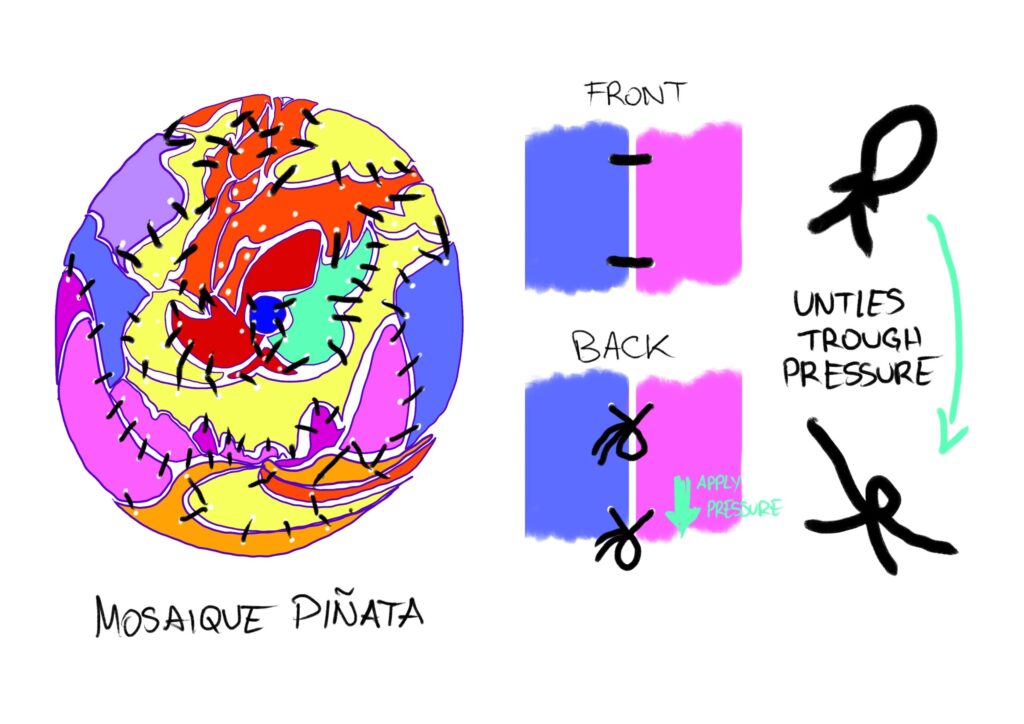
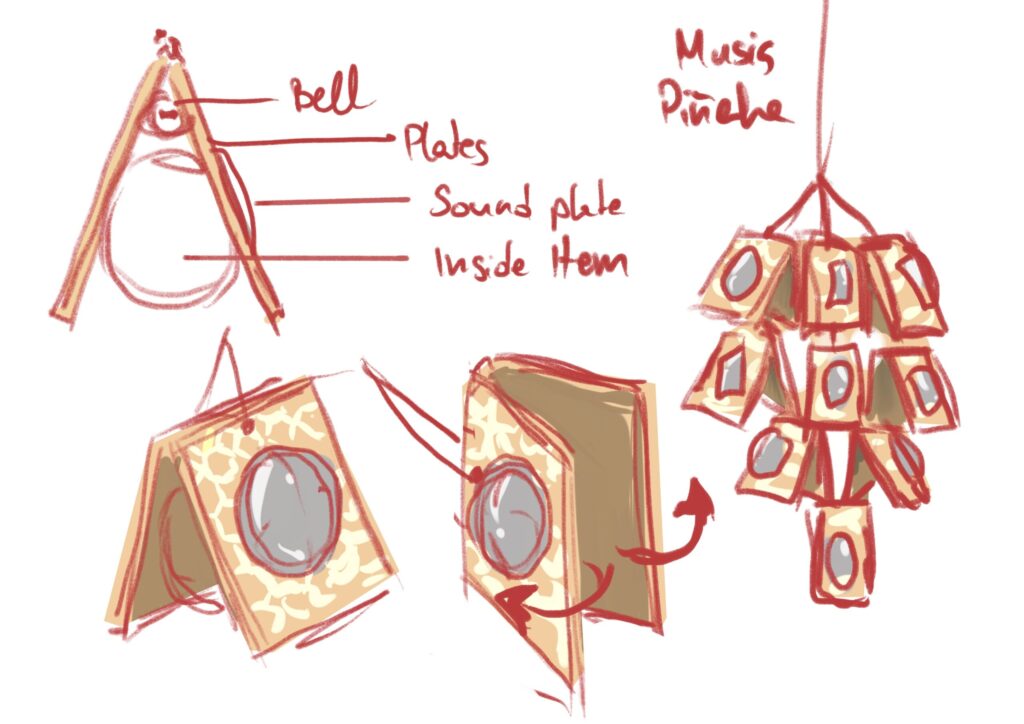
Prototyping material study
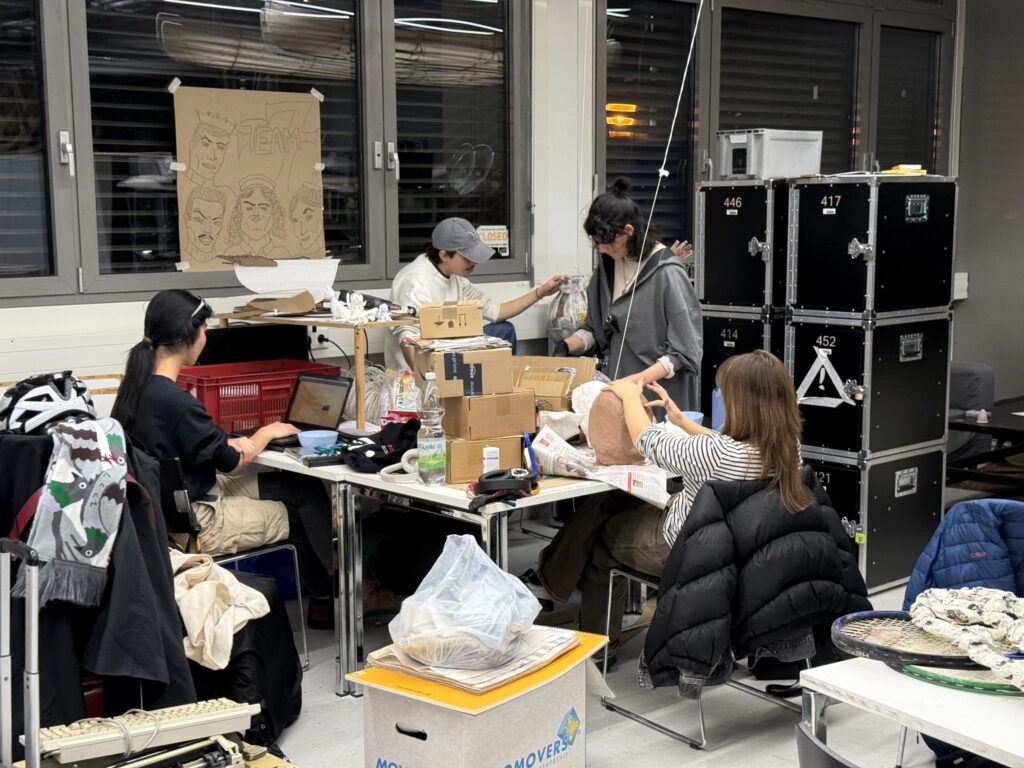
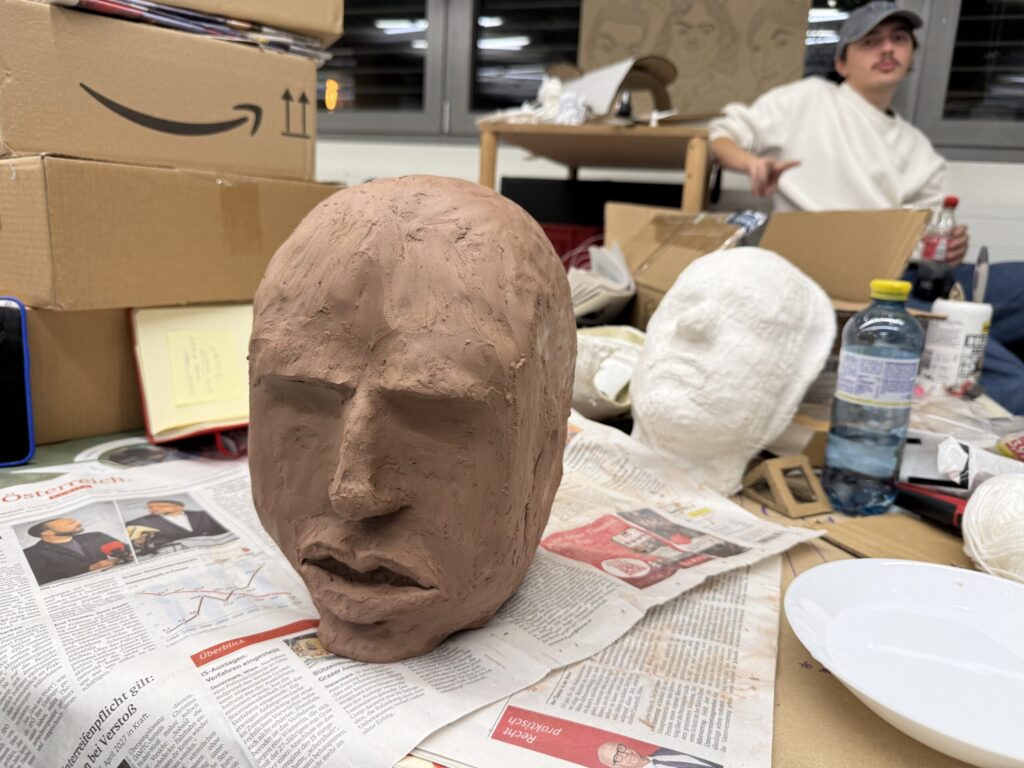
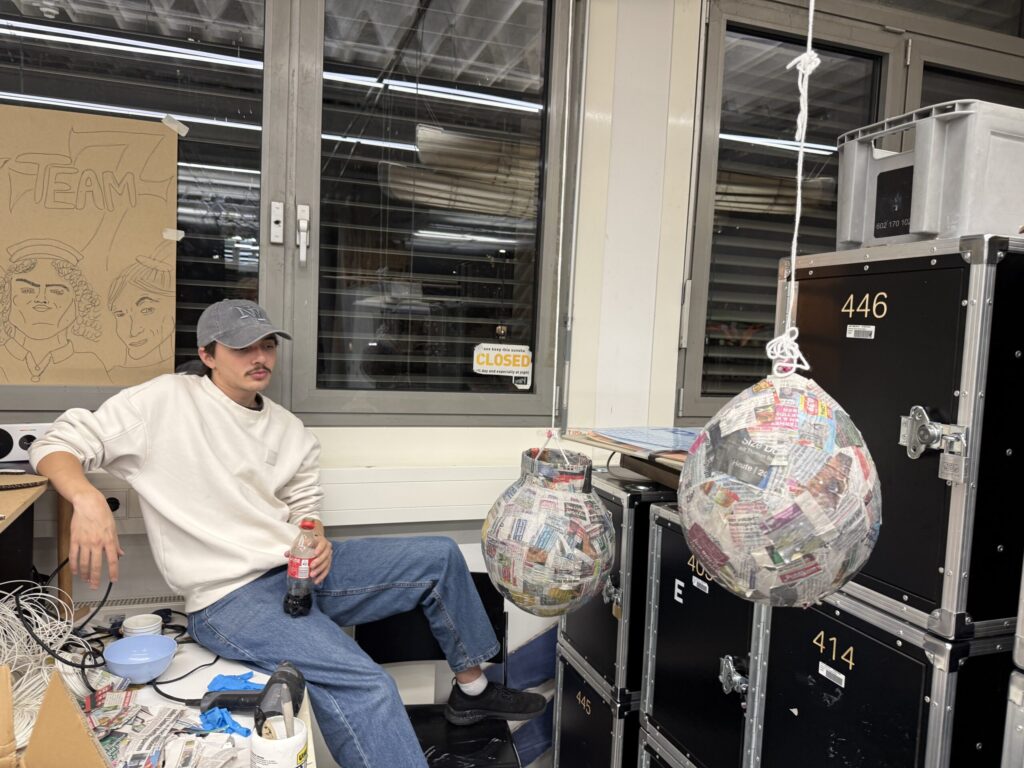
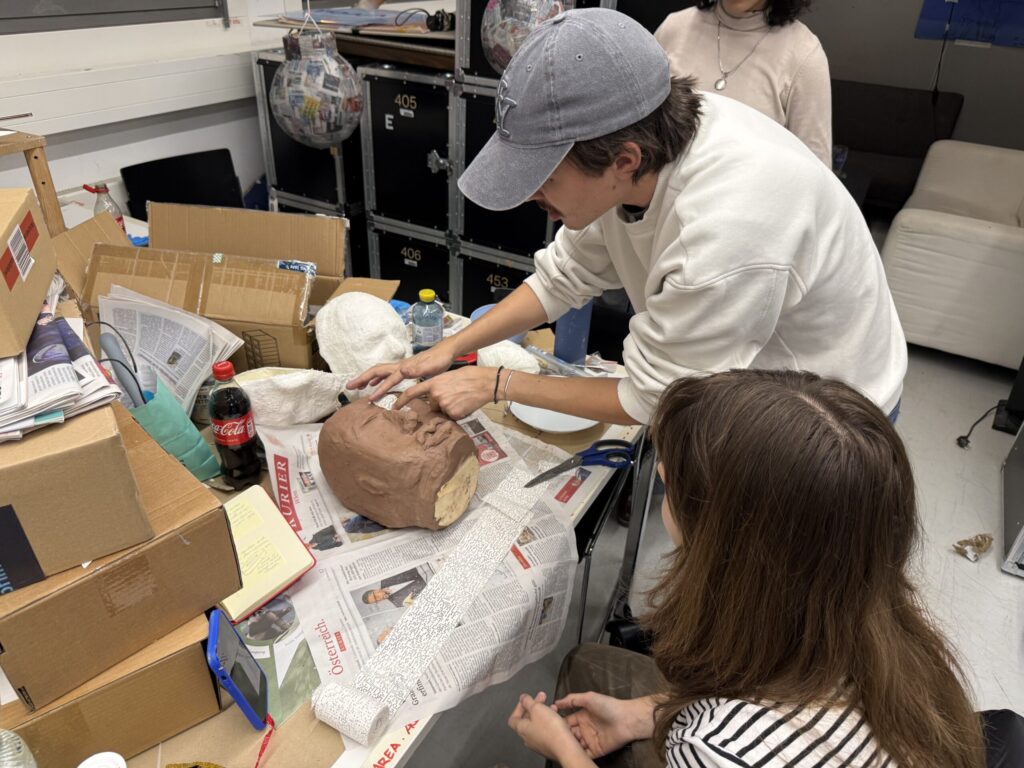
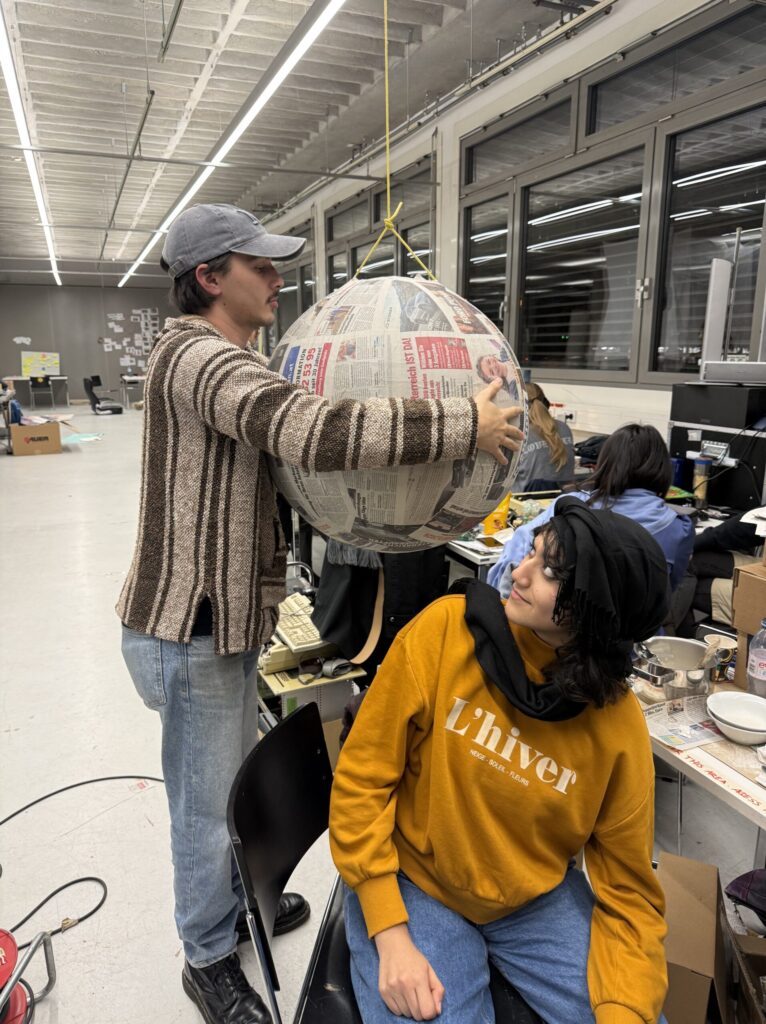
Approach discussion with Alex
With ideas we gathering from prototyping session we turned back to world building.
Converging on a single final Storyline
community –>
what separates people –>
borders
Our final outline
In the future, a region of Eurasia has been united into a single country known as New Pangea.
After centuries of increasing international collaboration, humanity gradually decided to abolish the concept of national borders as we traditionally know them. Through a long and peaceful diplomatic process, borders slowly became obsolete, allowing people to move freely across the continent.
To commemorate this historic transformation, the citizens of New Pangea celebrate National Borderless Day, a festival held twice a year, on the longest day and the longest night of the year.
The celebration originates from a historic event that took place after borders were officially abolished. People from across the continent came together to dismantle the remaining physical border walls, turning their destruction into a collective act of unity and celebration.
The tools used during this event were kept as symbolic objects and eventually became an essential part of the annual festivities.
Today, citizens gather to recreate this historic moment by collectively breaking down large walls made from piñatas. Hidden inside these walls are images of places from across New Pangea. As the walls are broken, the images fall out and are collected by the participants.
Each image represents a destination that its recipient is encouraged to visit in the coming years, transforming the symbolic destruction of borders into an invitation to explore, travel, and connect with people from different places.
What began as the physical removal of borders has evolved into a shared ritual that celebrates freedom of movement, cultural exchange, and human connection.
Question:
Significance of the object having been physical a part of the event itself?
Special thanks to Diana for support us in this process!