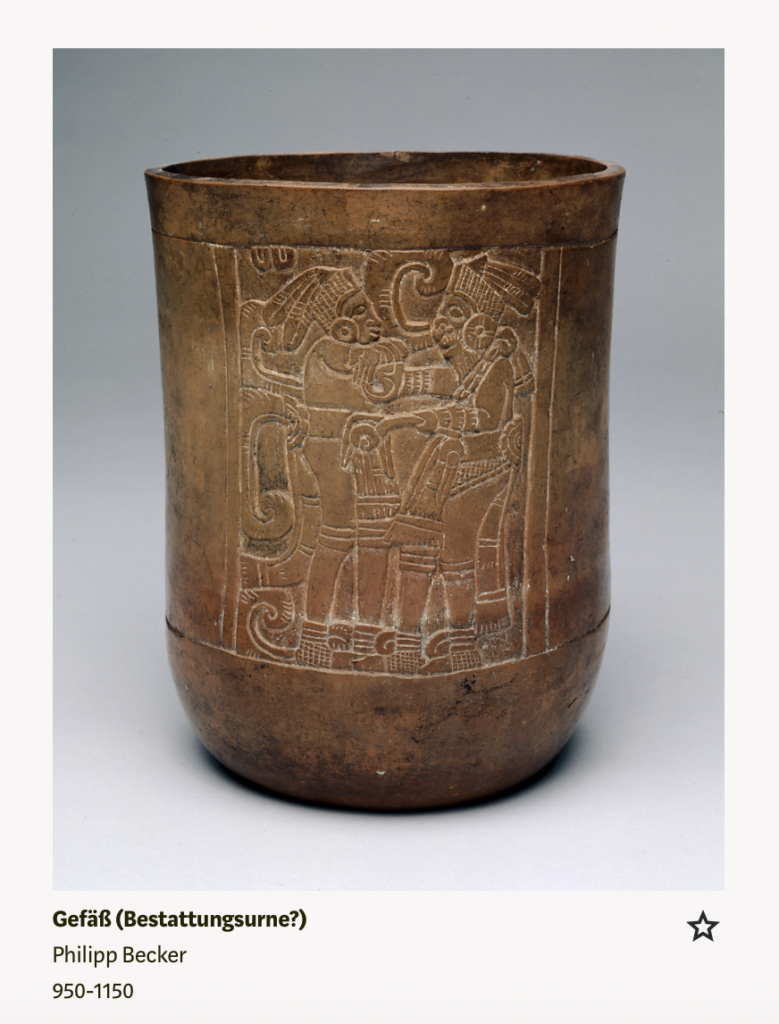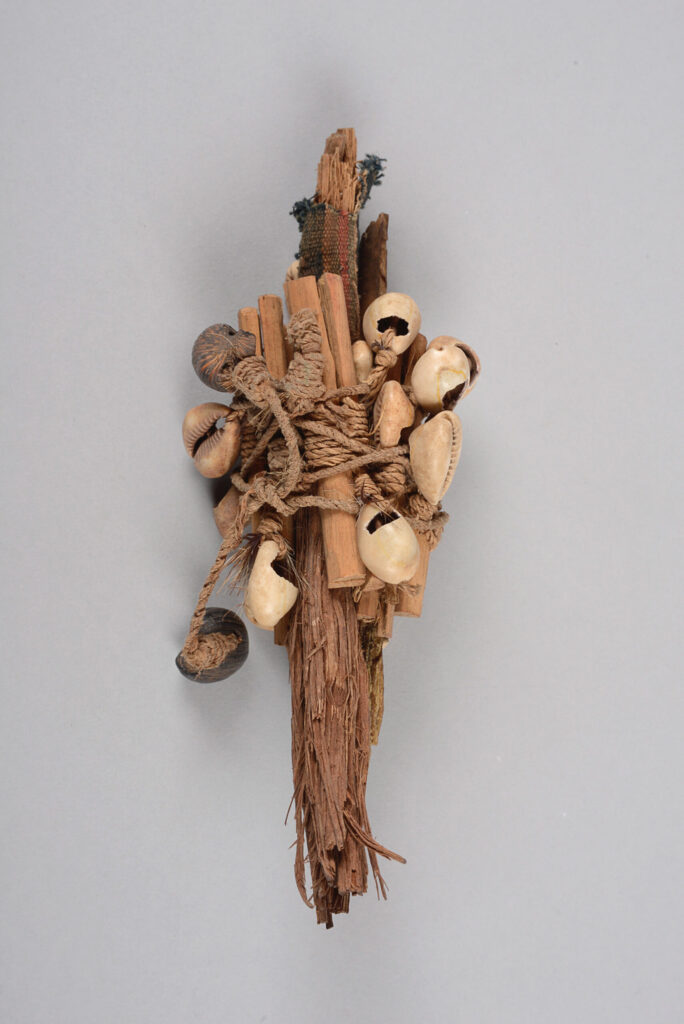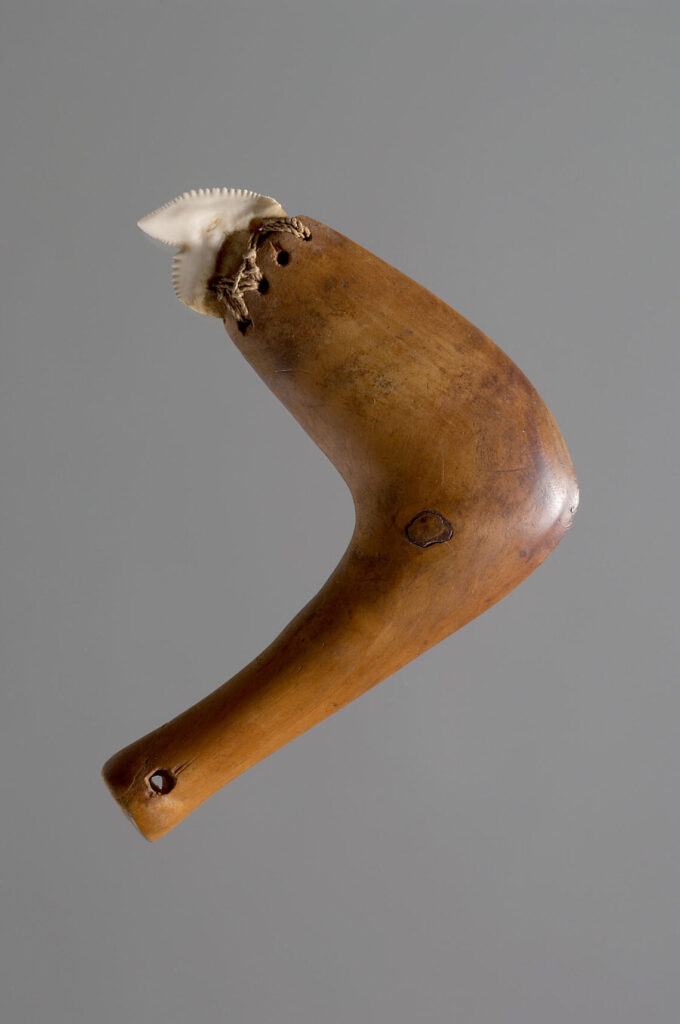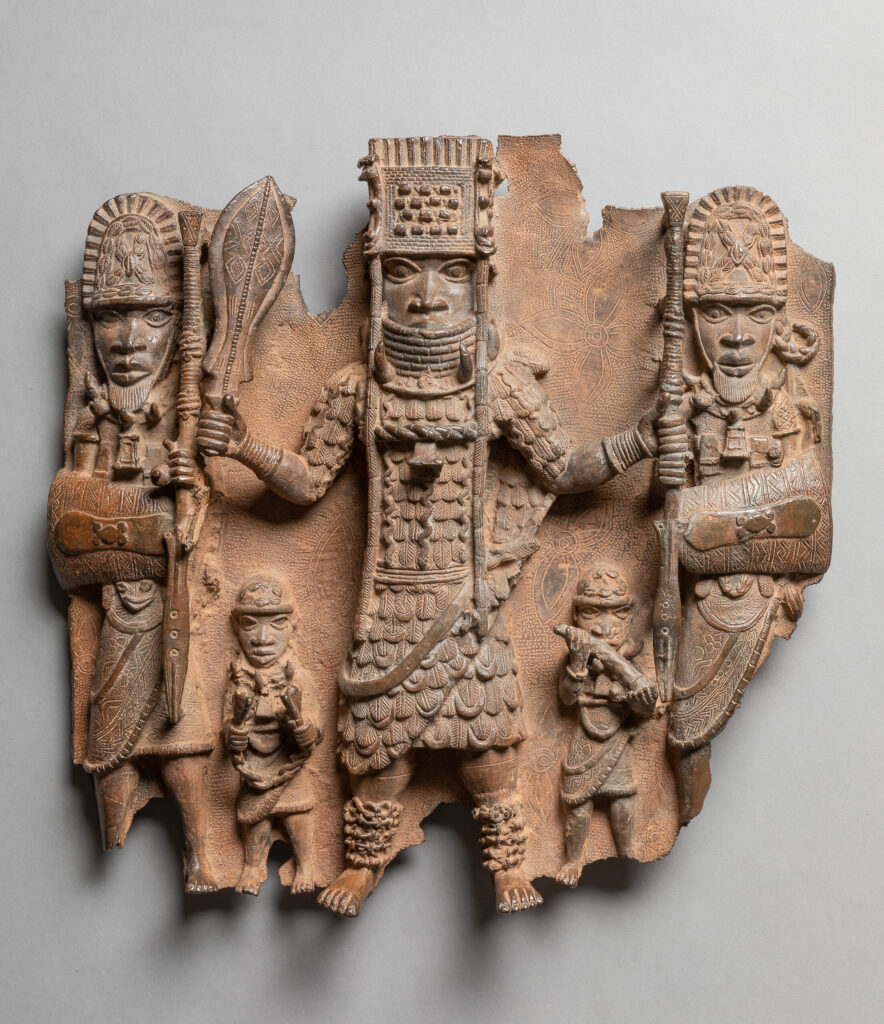
Team 10

Amelie Proksch
Anton Hallensleben
Dasha Peshnyuk

  • Tutorial 6.11, Team 10

    By

    Amelie Proksch

    ,

    Dasha Peschnyuk

    and

    Finn Anton Hallensleben

    Reflection

    Interests

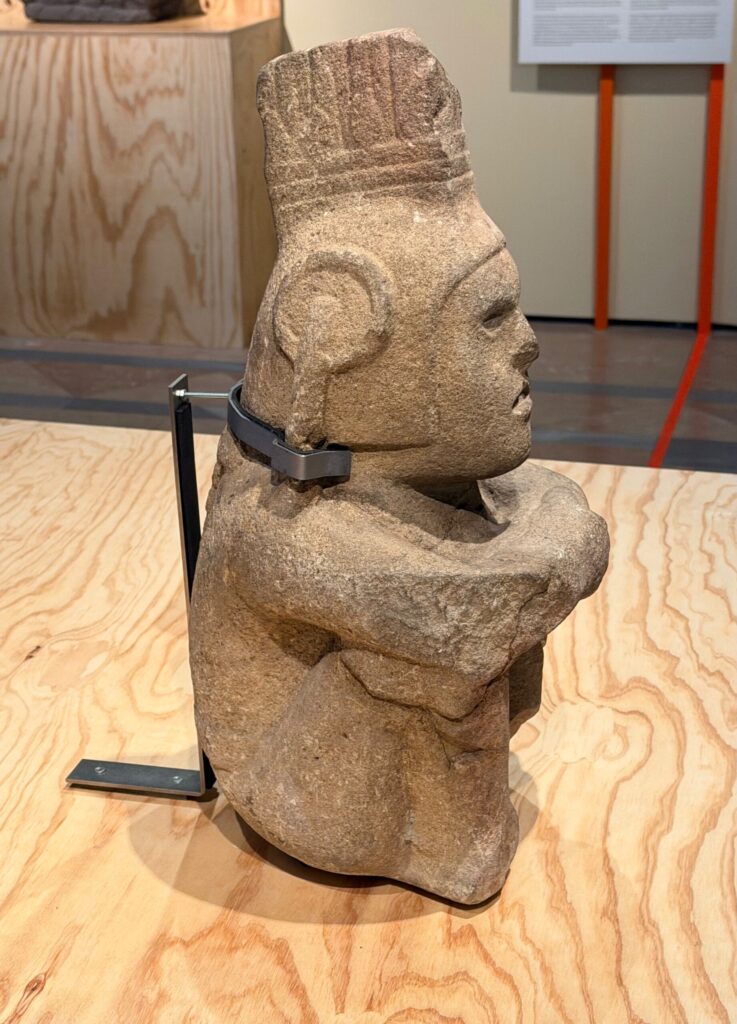
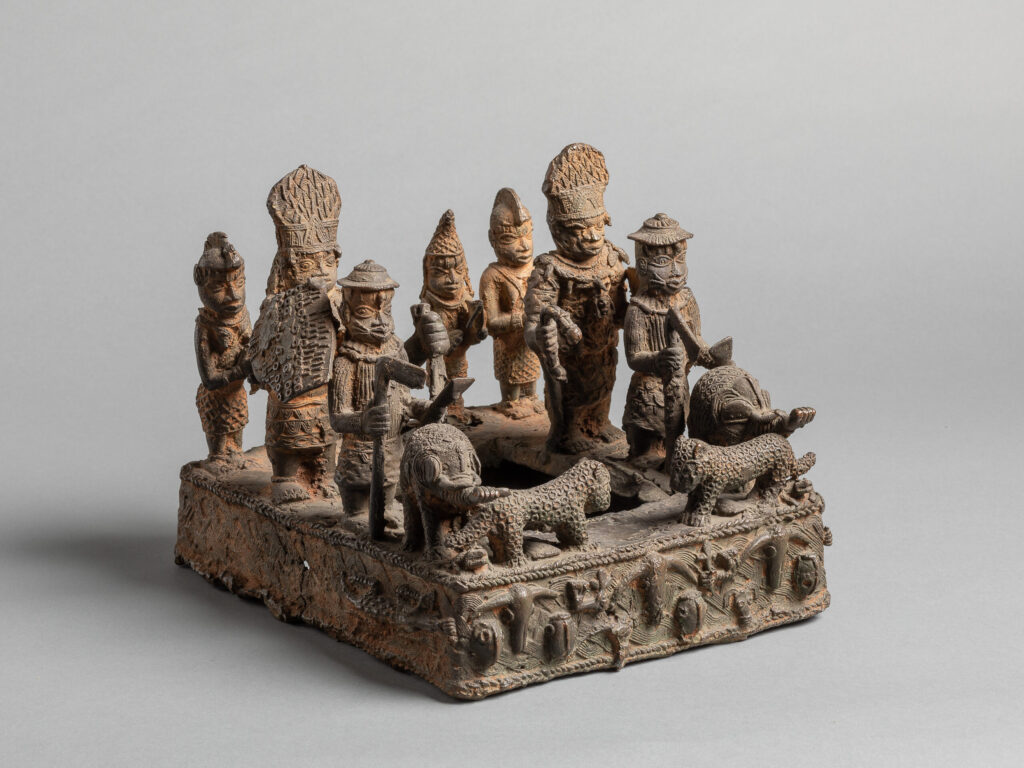
    • Existence and presentation of artifacts in the museum
    • Incomplete knowledge of the Museum
      • vague and questionable descriptions
      • alienating context
      • withheld information
    • Incomplete/defective history
      • The objects life is uncertain
      • Curators apply their lense when defining objects
      • Conservators remove history
      • the authority that the museum applies by giving definitions to objects

    –>The effect on the viewer

    1. Ceremonial Reconstruction

    • magic object
      • vague description
    • no context given
      • what was it used for? what kind of ritual?
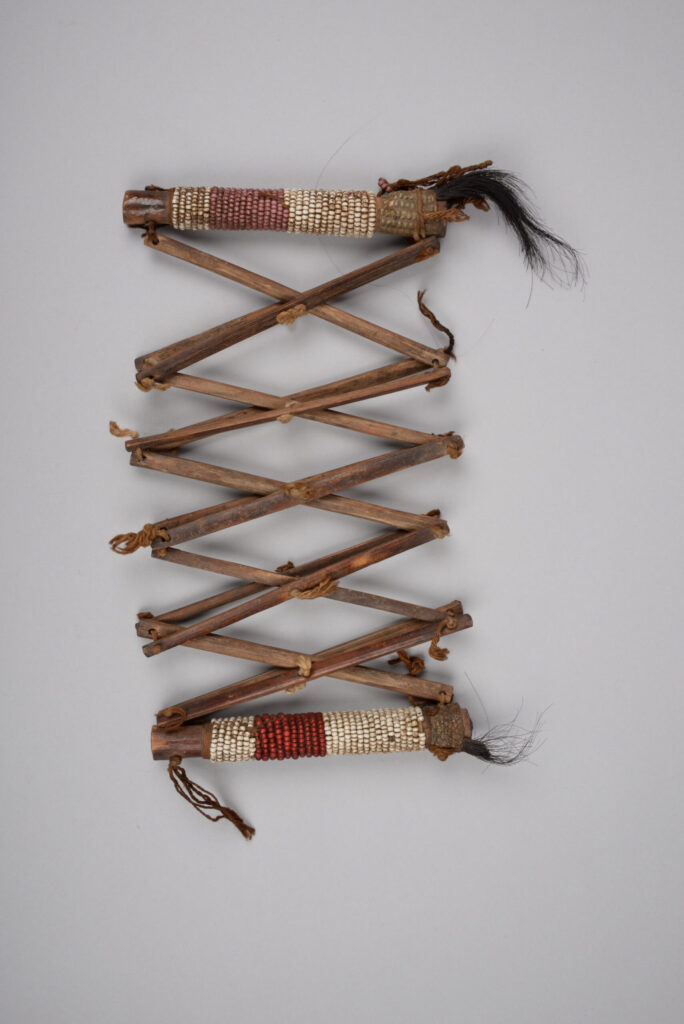
    What story does an artefact with no clear description have?

    2. Exploring unknown lives

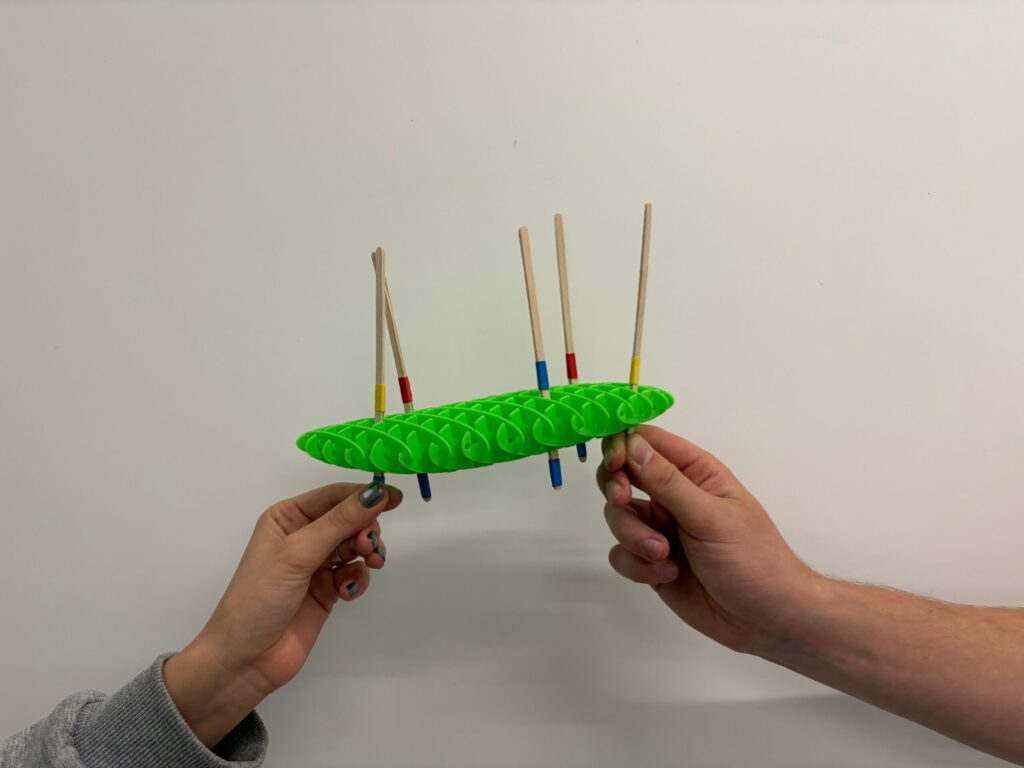
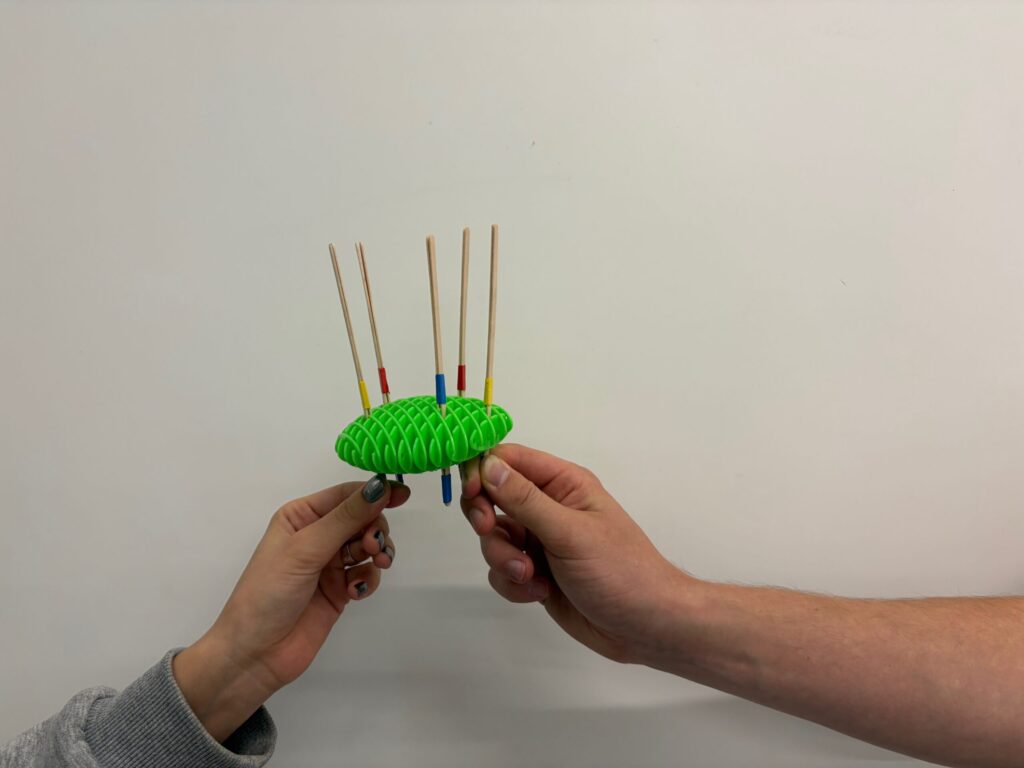
    • process of replication (making)
      • as a form of understanding use
    • challenging given definition

    How is the function of an object defined?

    3. Extraction

    • forensic analysis
      • the act of violent taking
      • reconstructing original setting
    • removal of cultural layer

    Core Group Aim (CGA)

    Speculating on

    • Explore alternative lives uncertain objects might have lived
      • How were they made, used, or removed?
    • Create a methodology than can be applied at different points in time
      • To explore the lives objects of a past might have had
  • Tutorial 23.10, Team 10

    By

    Amelie Proksch

    ,

    Finn Anton Hallensleben

    and

    Dasha Peschnyuk

    First Materialisations

    • Relations
    • Decision Making
    • Movement Guide

    Visual research and new references

    Further Materialisations

    Contents of discussion (COD)

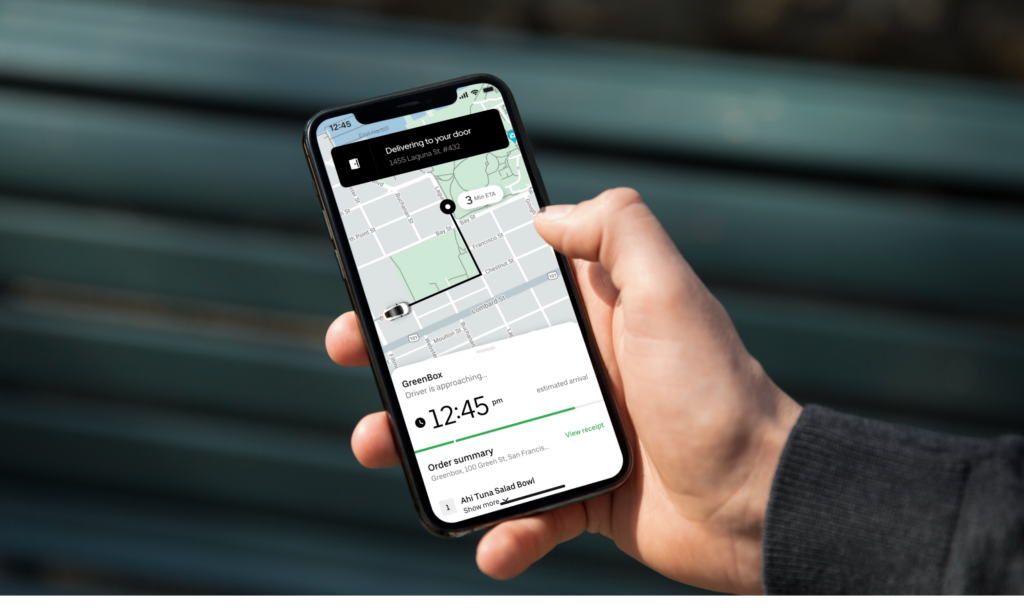
    Technology –> Convenience –> Our lives –> Phones –> Storage

    1. What do we use our phones for?
    2. Why are they of value to us?
    3. How do they extend our capabilities?
    4. How can we translate through analogue methods?

  • Tutorial 15.10, Team 10

    By

    Amelie Proksch

    ,

    Finn Anton Hallensleben

    and

    Dasha Peschnyuk

    Core Group Interest (CGI)

    • Convenience as a cause/aim of technology
      • outsourcing human tasks
      • loss of skills
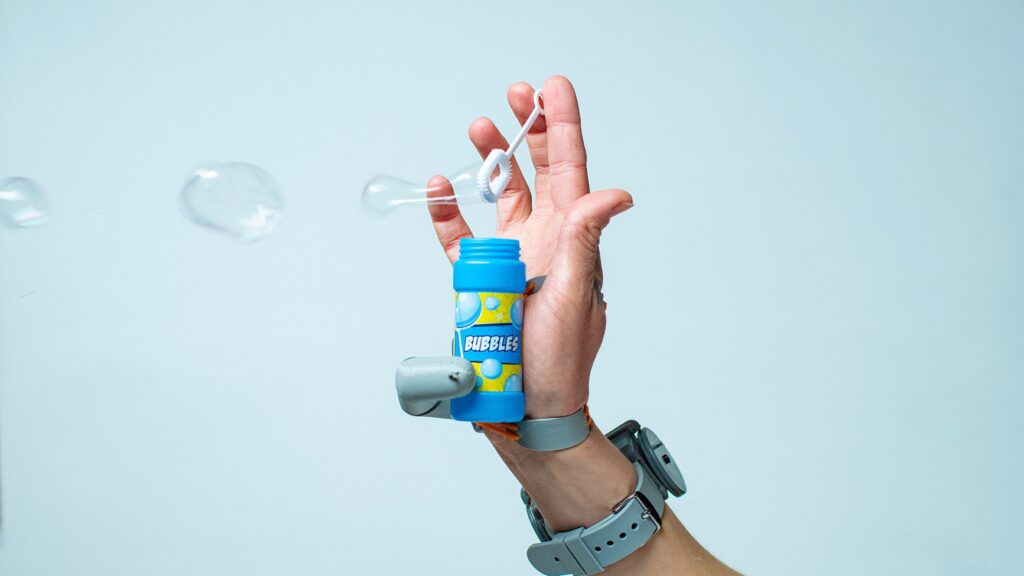
    • Technology as extension of our bodies
      • Third Limb
        • How we adapt to technology on a an organic level

    Thoughts that derived from this:

    • Countering digital technologies through Physical and analogue technologies
    • Teach us skills we have unlearned
    • How do we experience the world around us?
    • What is our relation with technology today?

    Object Families

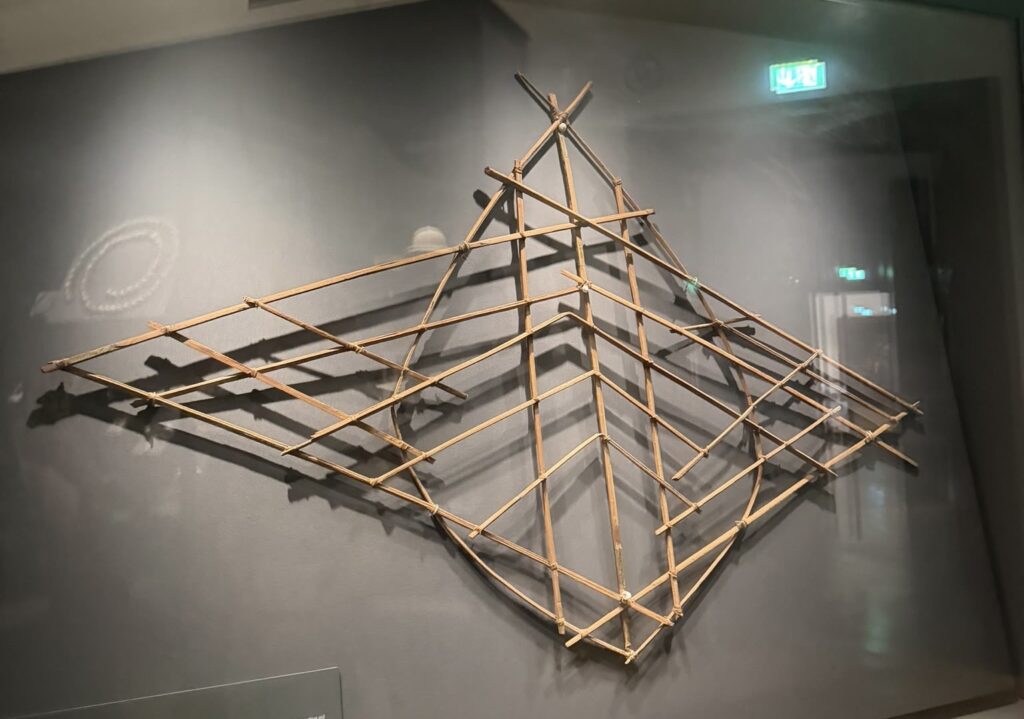
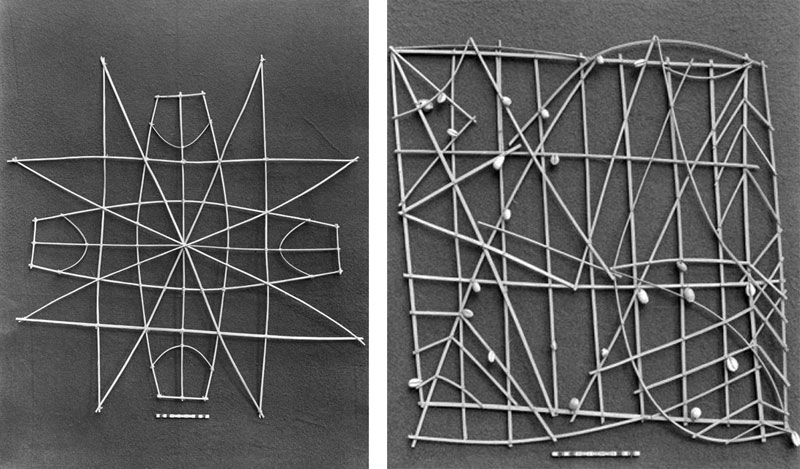
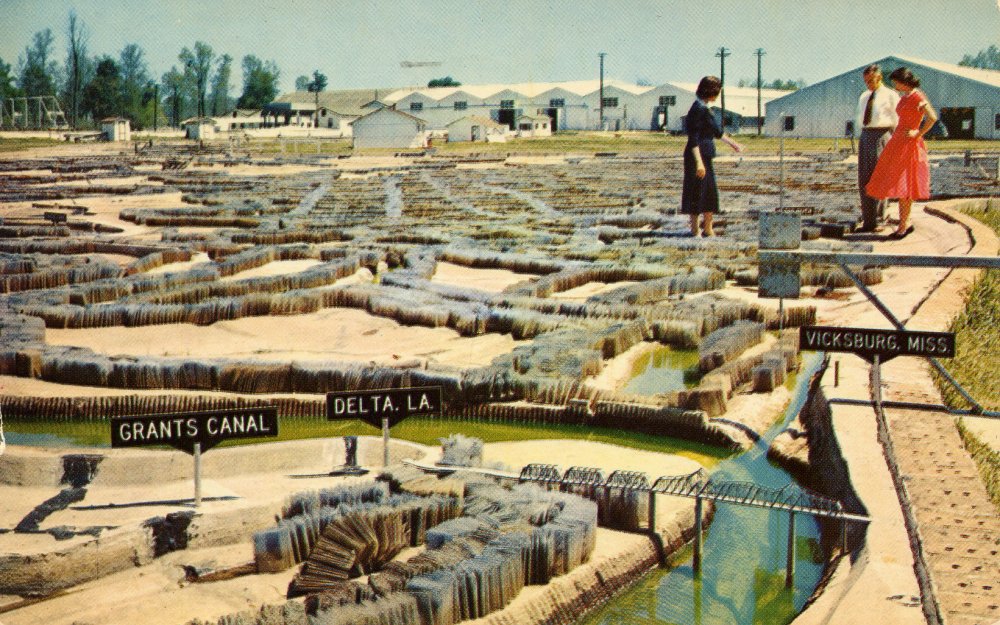
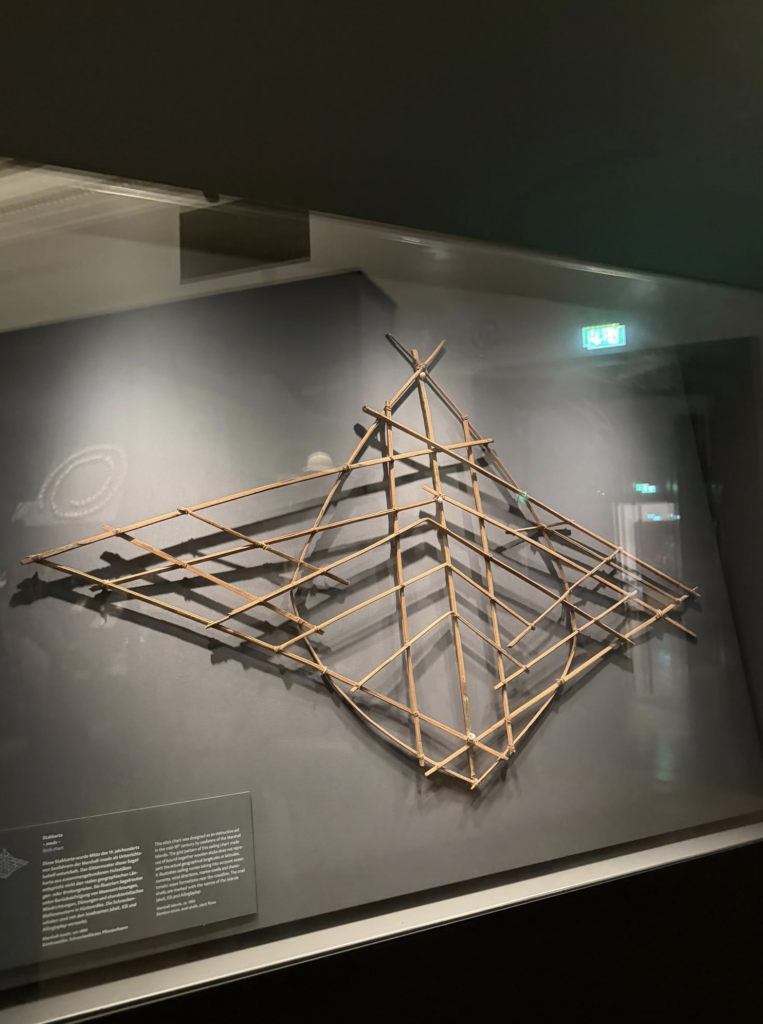
    • Maps
      • In all forms, materials, medium (analogue)
      • not restricted to geographic locations
      • How might they comment on our current relation to digital technologies?
      • Is there the potential of using “maps“ to teach skills they have lost
    • Sensations supplied by physical objects
    • Reproductions of humans: paintings, photos, scans, sculptures, etc.
      • How does technology reproduce imagery of humans?
      • What are human reproductions used for? (physical, data, etc.)
      • How is a human face read? (By humans, machines, animals)
      • What counter technologies exist?