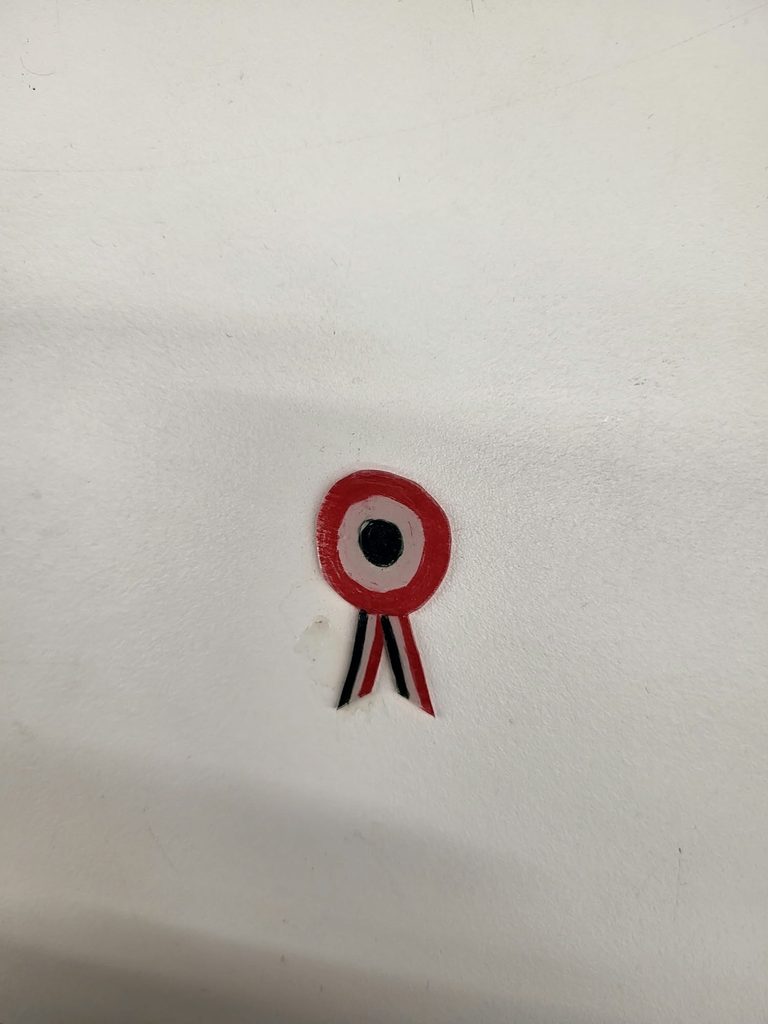
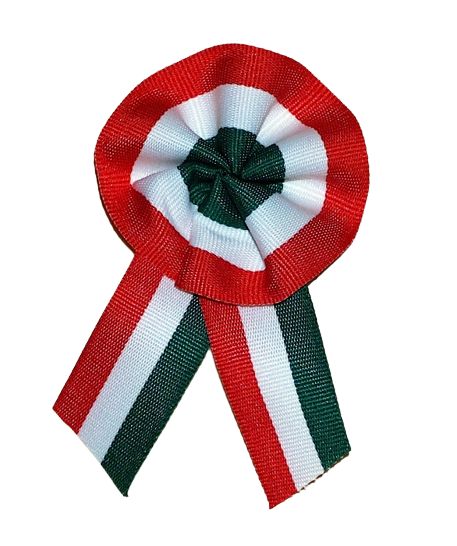
You can always start with the original Hungarian revolutionary cockades, 1848,
– The Suffragatte rosettes and sashes, Britain, 1908-1910,
– The Asafo flags, Fante communities, Ghana (textile flags)
– The Neue Slowenische Kunst – NSK state in time (1992-present): Laibach, IRWIN, and the Scipion Nasice Sisters Theatre. I find this one a remarkable example. The passports they issued were not merely theatrical props. NSK participants have reported cases of people using them to facilitate travel across borders. An invented political object entered real historial circumstances and acquired significance beyond the artist’s original proposition.
– A Haitian Vodou drapo (ritual belonging): sacred textile flags decorated with thousands of sequins and beads. This is not primarly a national-political emblem. Its a different understanding of how textiles communicate belonging and how an object acquires significance through ceremonial use.
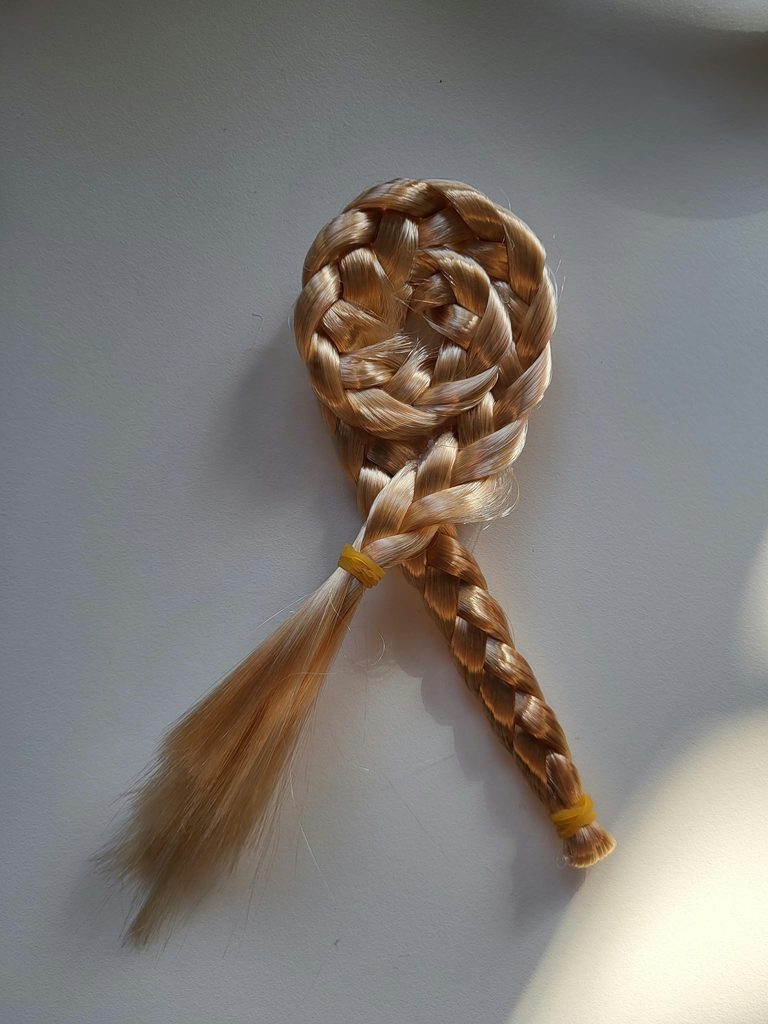
– An idea: a cockade made from human hair; as a historical mourning jewellery. a fictional commemorative cockade, using hair to stablish a physical connection between a collective event and the bodies of those involved.
– The remembrance poppy (already told you about this one): red paper poppies used to remember Britain during the First World War.
ideas feedback from last time:
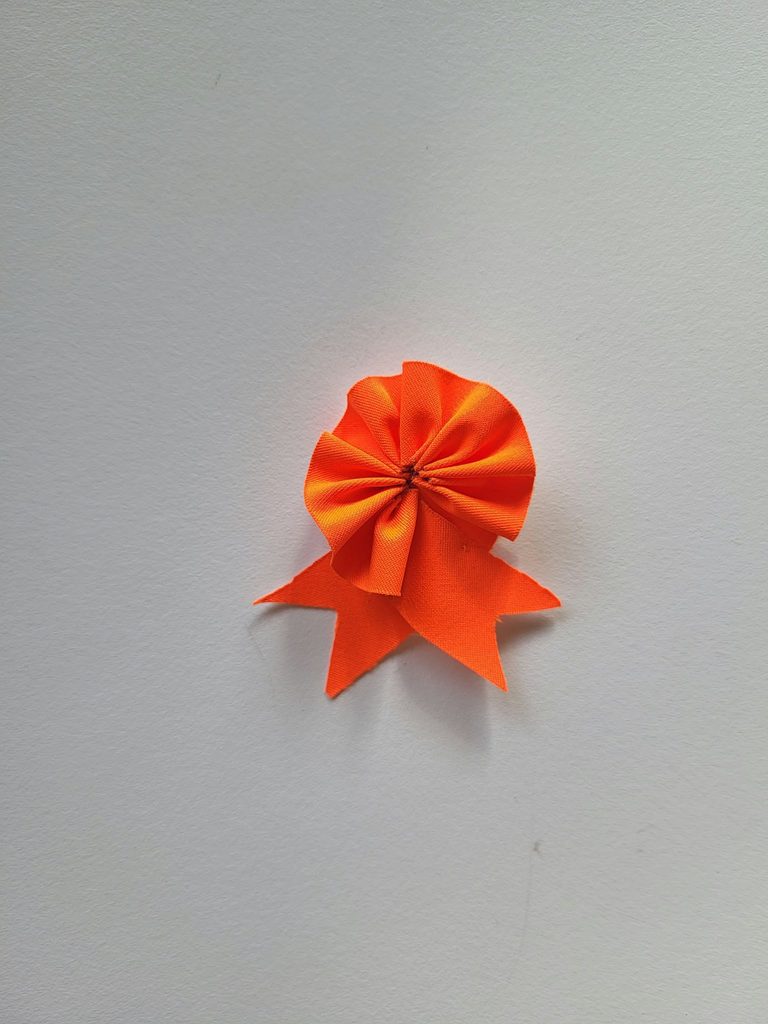
virtue-signaling: high vis cockade
remambrance: strands of hairs of my expat friends braided together, signifying new roots
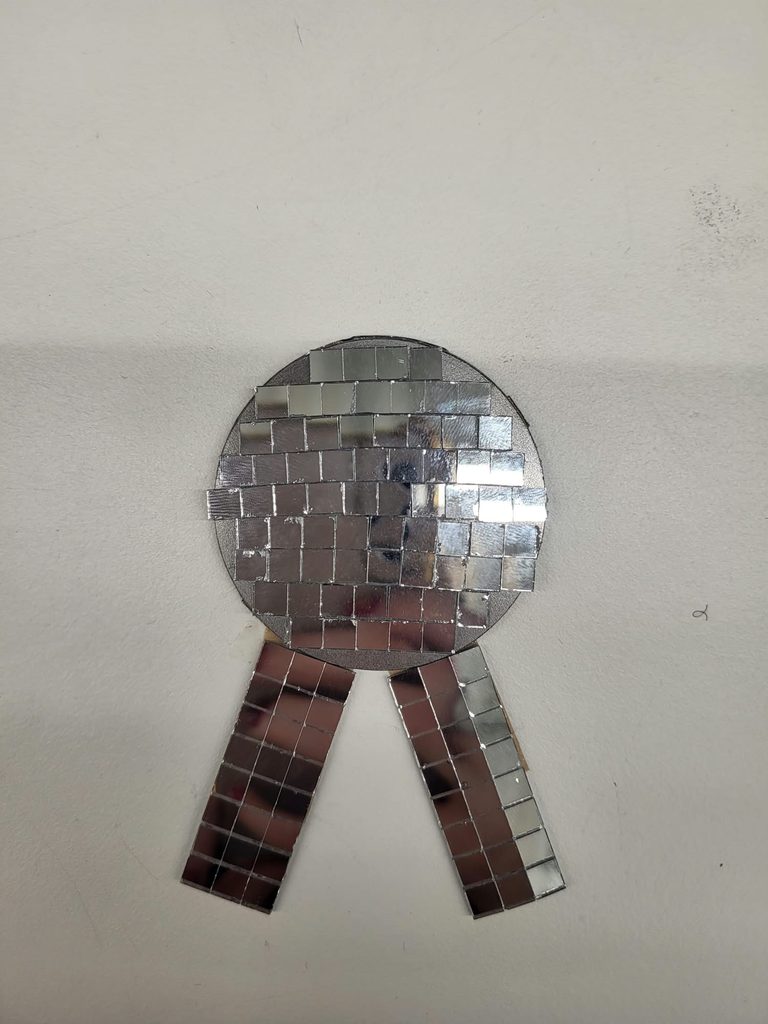
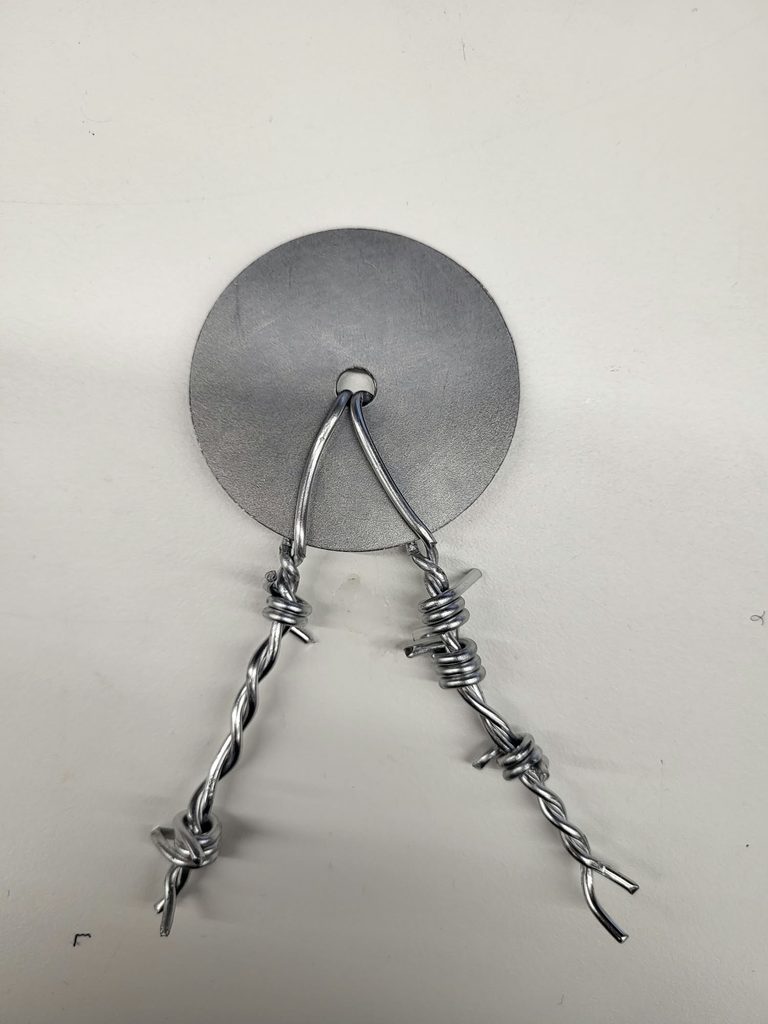
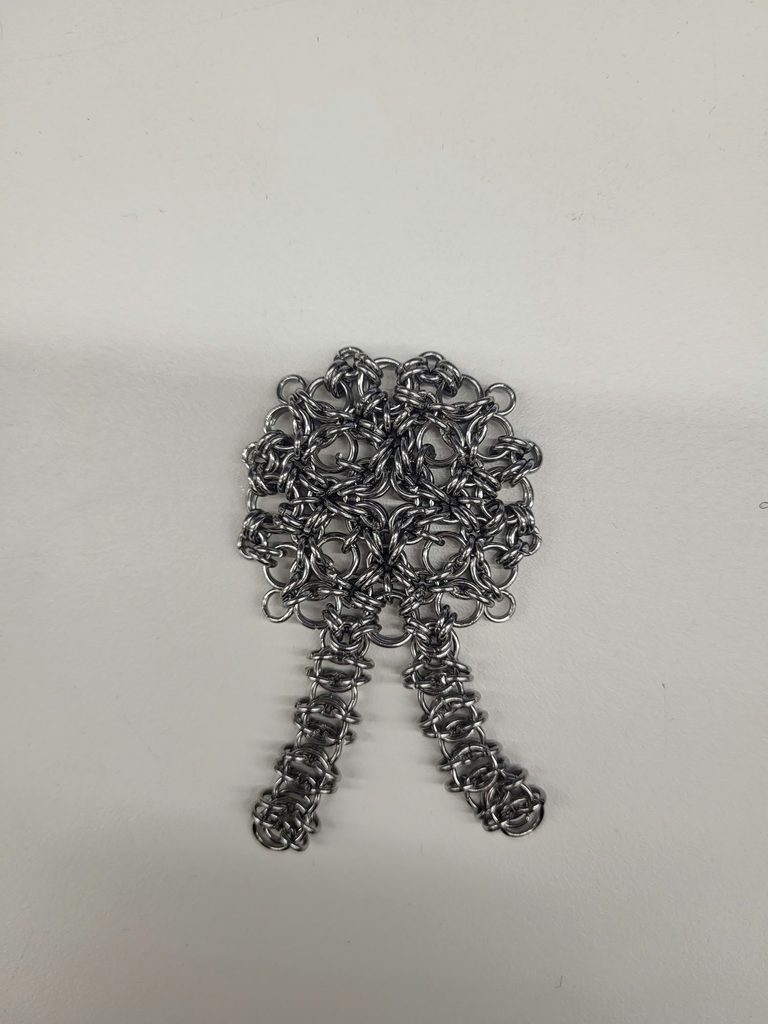
goals: doing more experiments, scaling up, something excessive, finding one aspect of the cockade to do it on
The Hungarian symbol of the 1848 revolution against the Habsburgs, as well as the 1956 revolution against the ussr-subordinate Hungarian government
A ribbon rosette worn above the heart traditionally on the 15th of march
it is a very small object comprising several topics I am interested in, such as
national and cultural identity
emotional attachment to history and community
nationalism, and the monopolization of national symbols by the right-wing
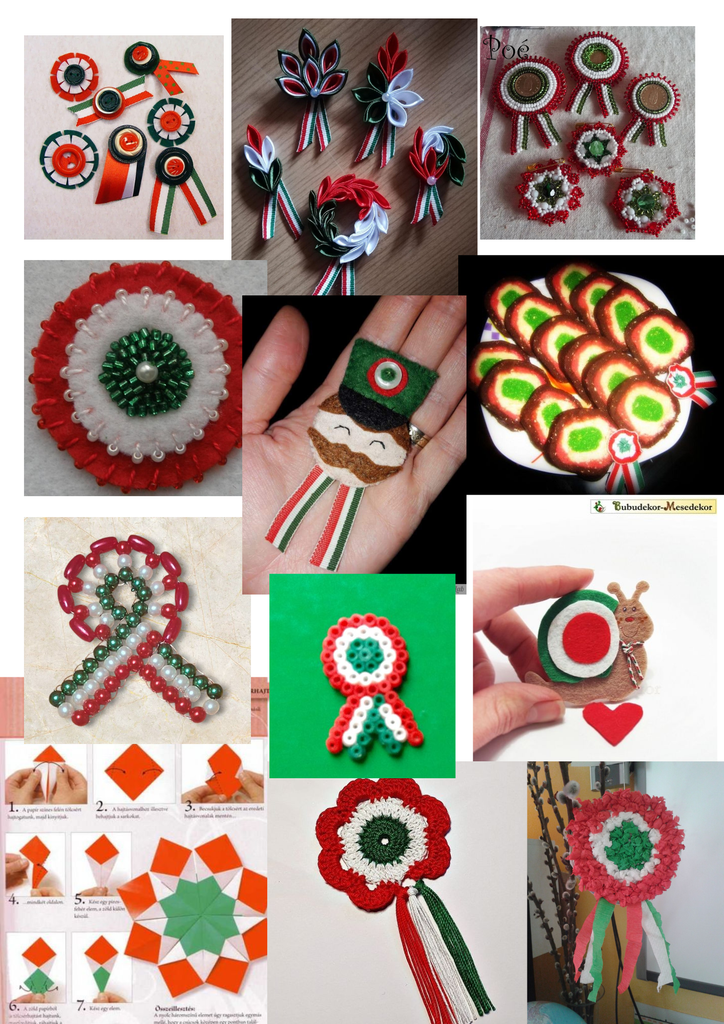
traditional crafts and their role in shaping this symbol
the reason I chose it:
it is a fairly young
very recognizable in Hungary, but not so well-known in other countries
Investigating form and materiality
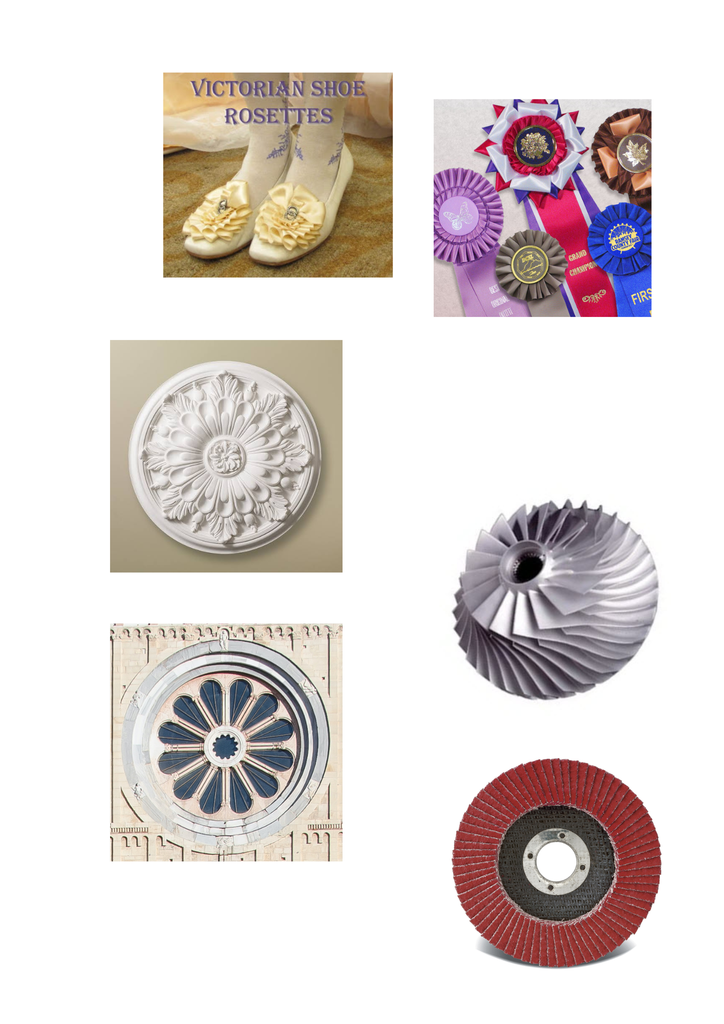
If we detach the form from fabric and its small size, the core geometry of a cockade (kokárda) is a concentric, rippled disc radiating outward from a central point. It appears across industry, architecture, and nature.