Solo 1

Emma Breitenecker

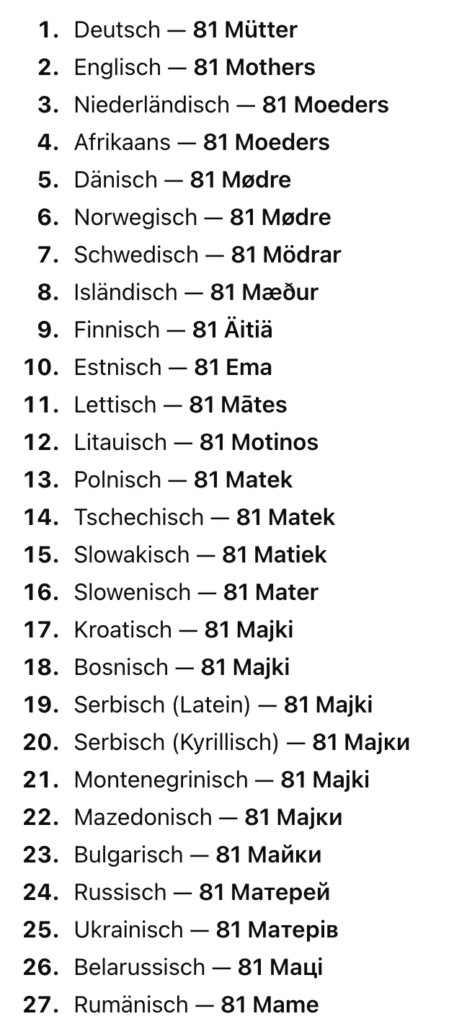
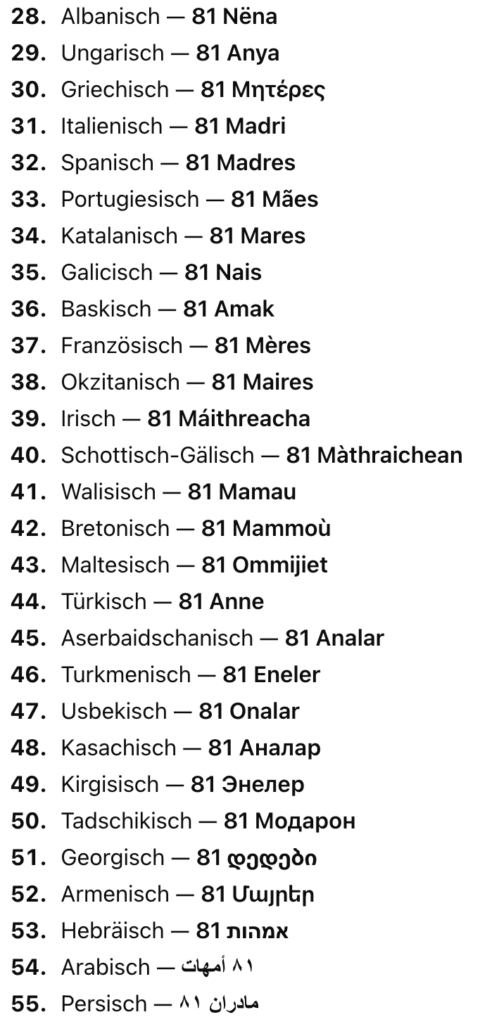
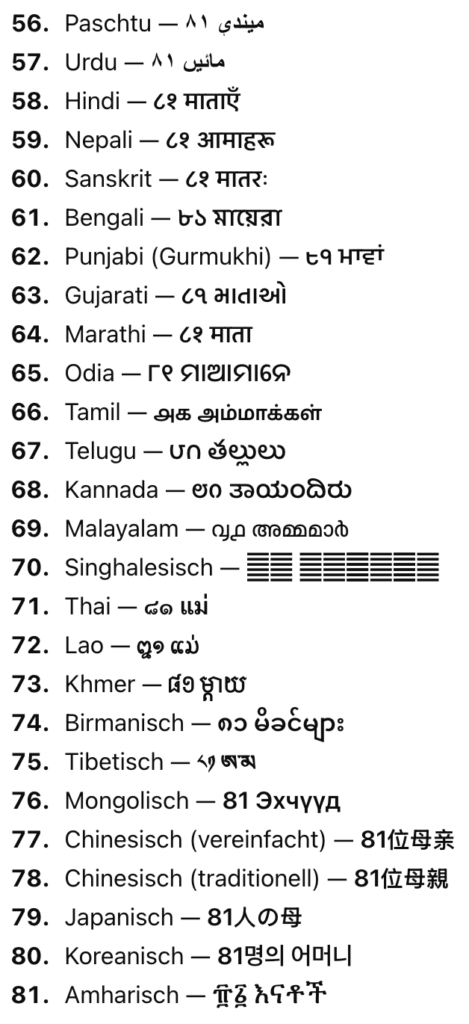
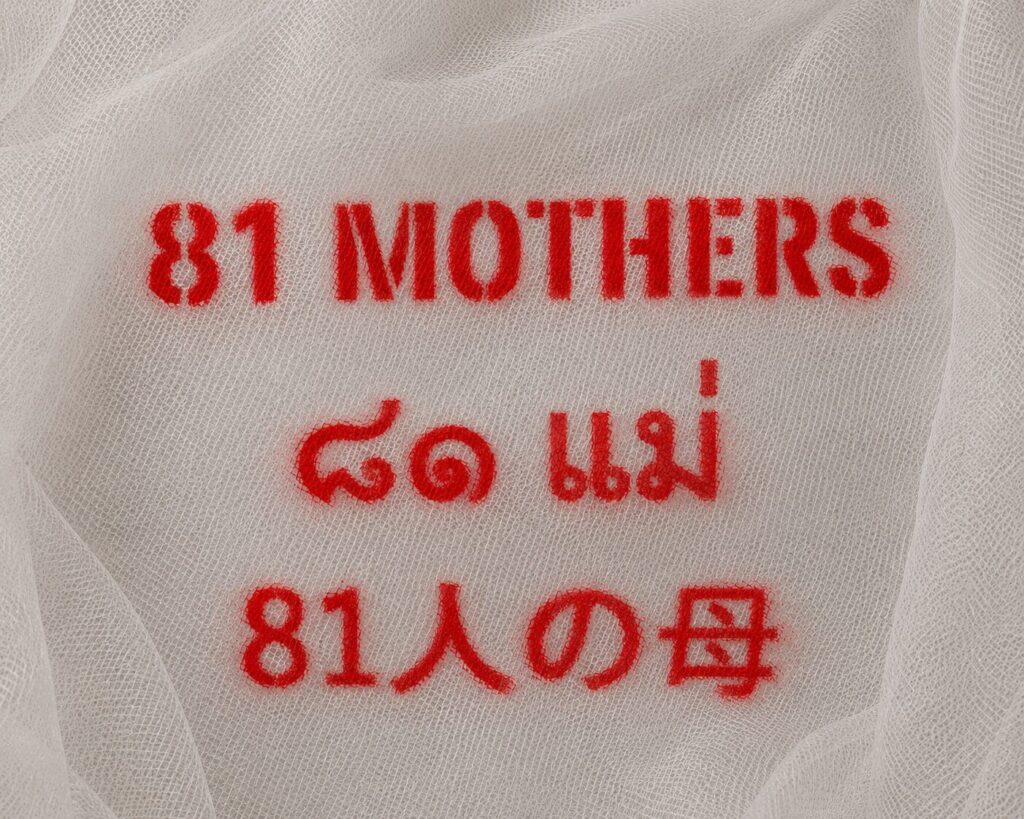
  • 81 mothers – Tutorial June 5th

    By

    Emma Breitenecker

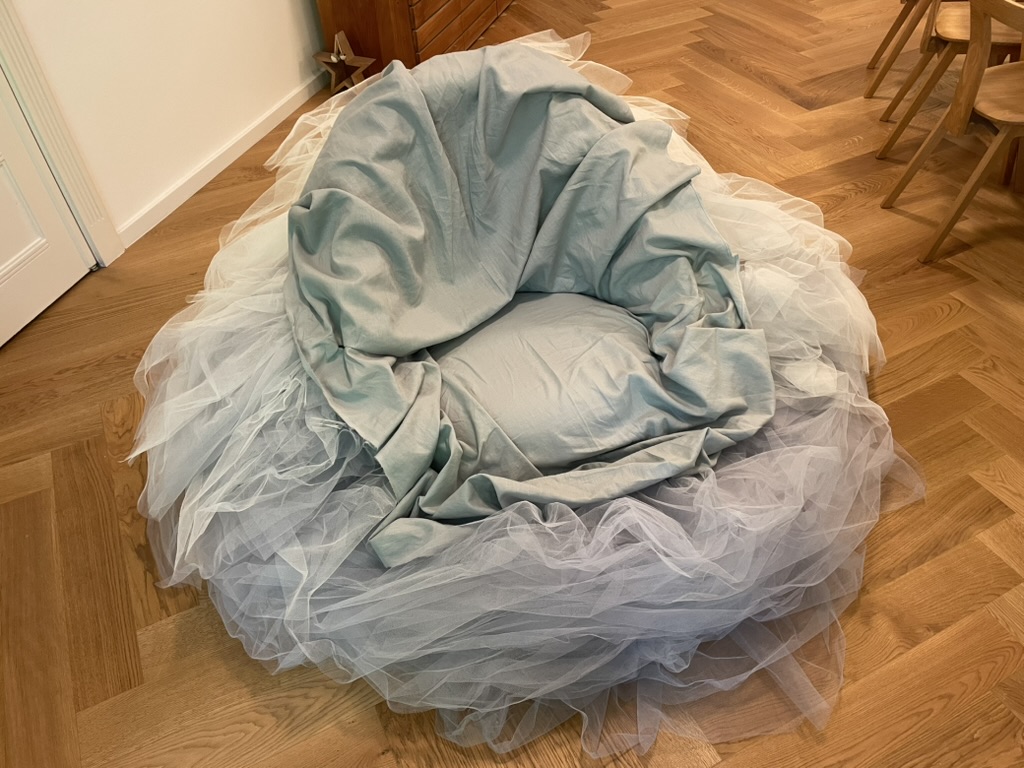
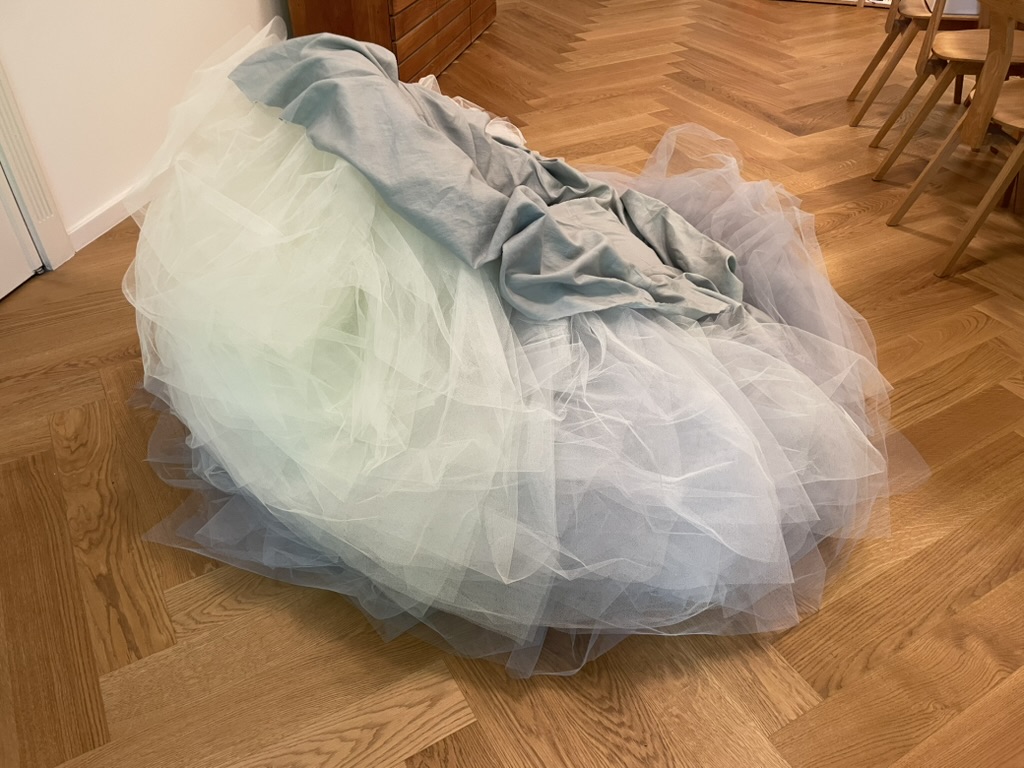
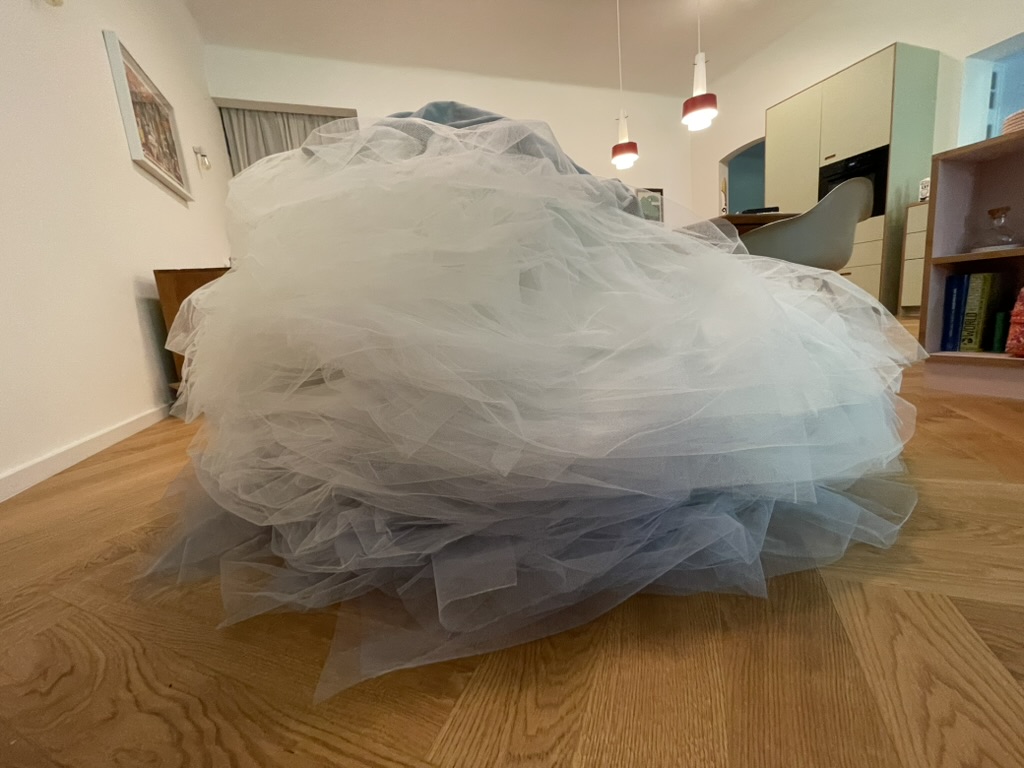
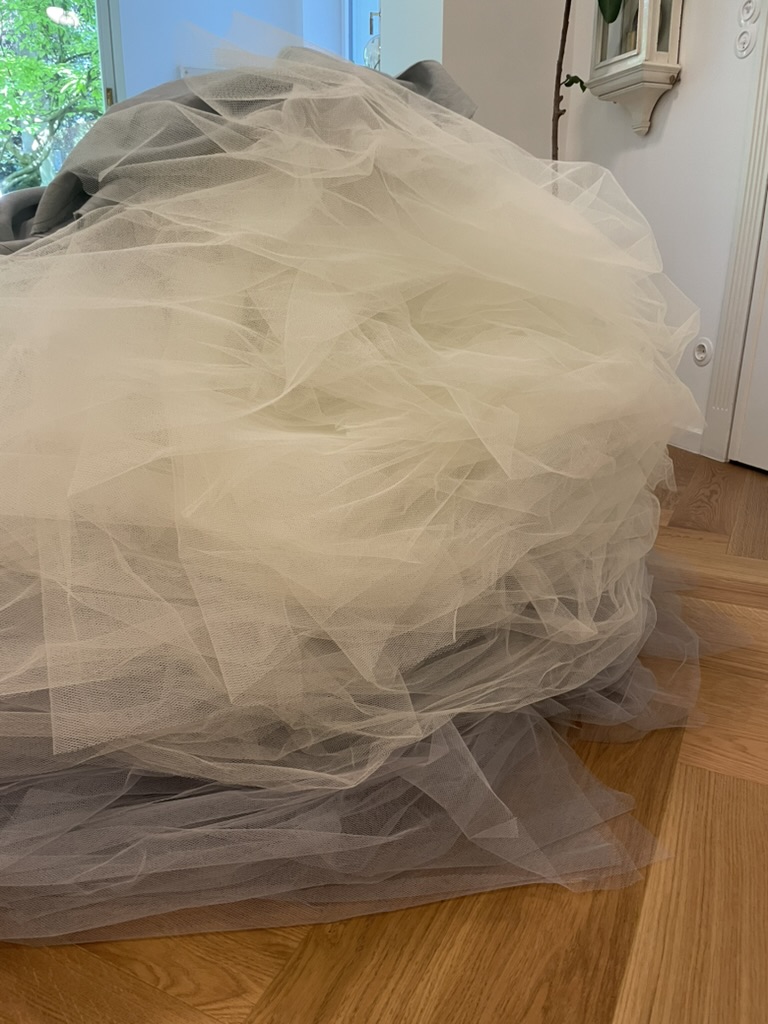
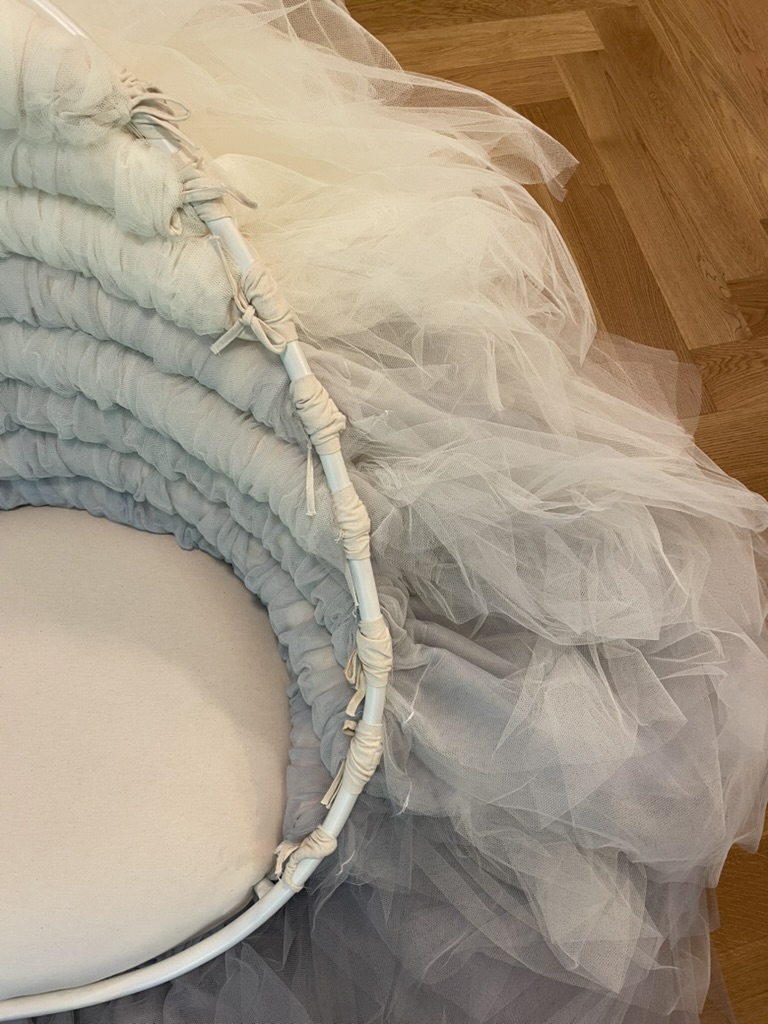
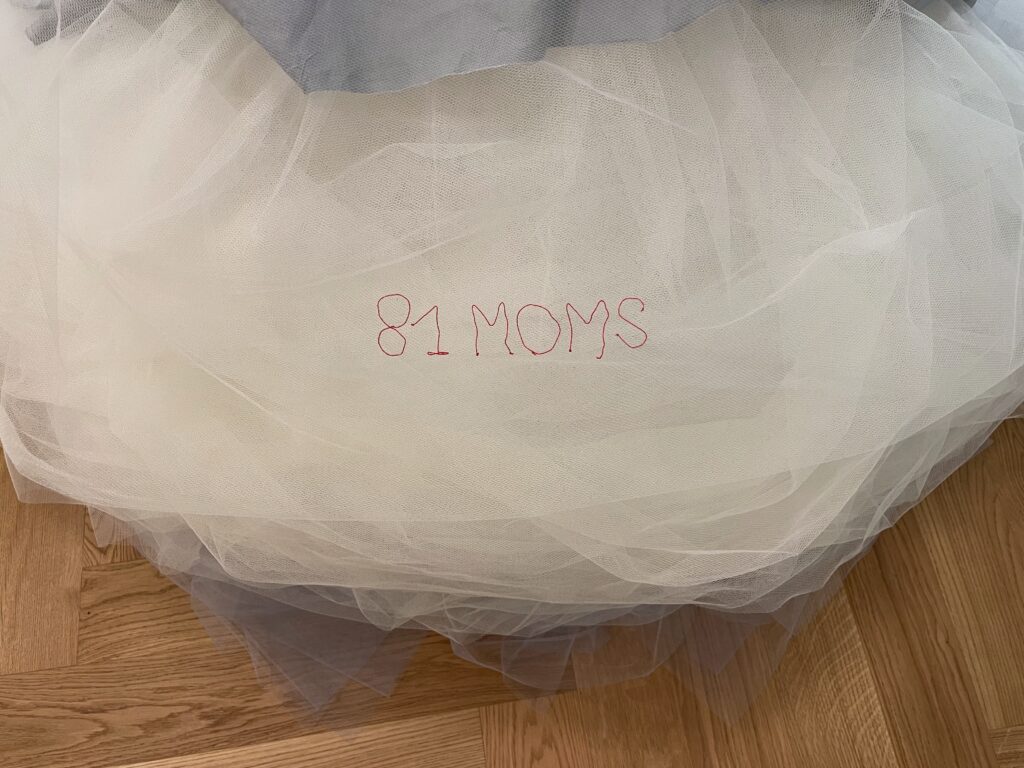
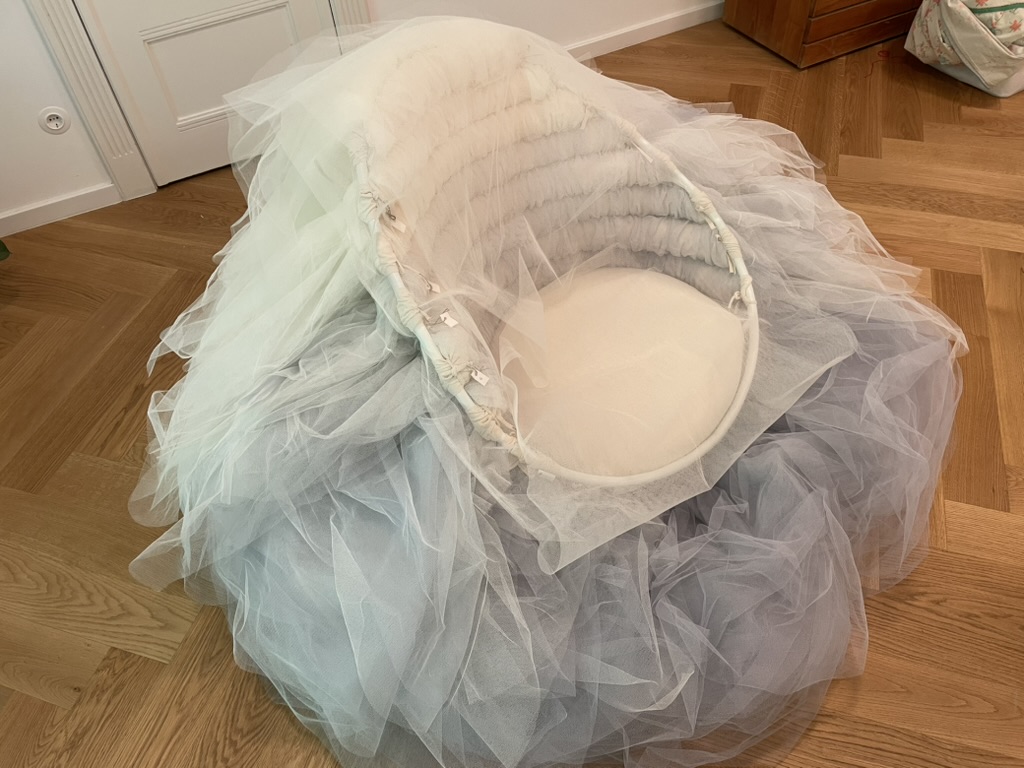
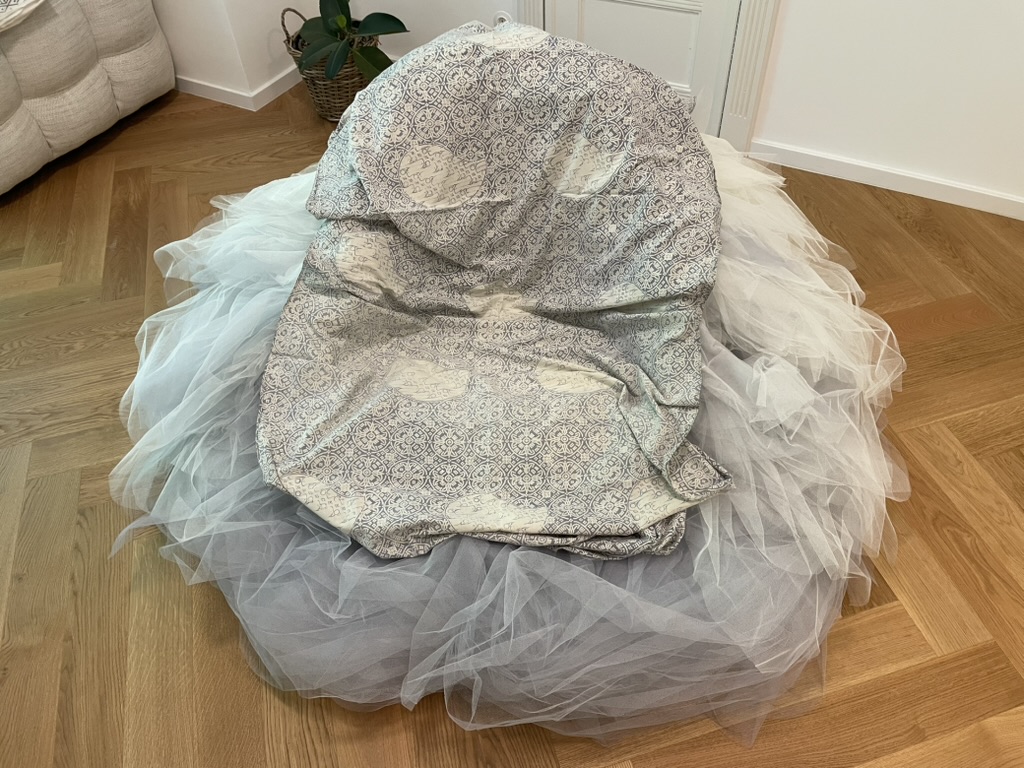
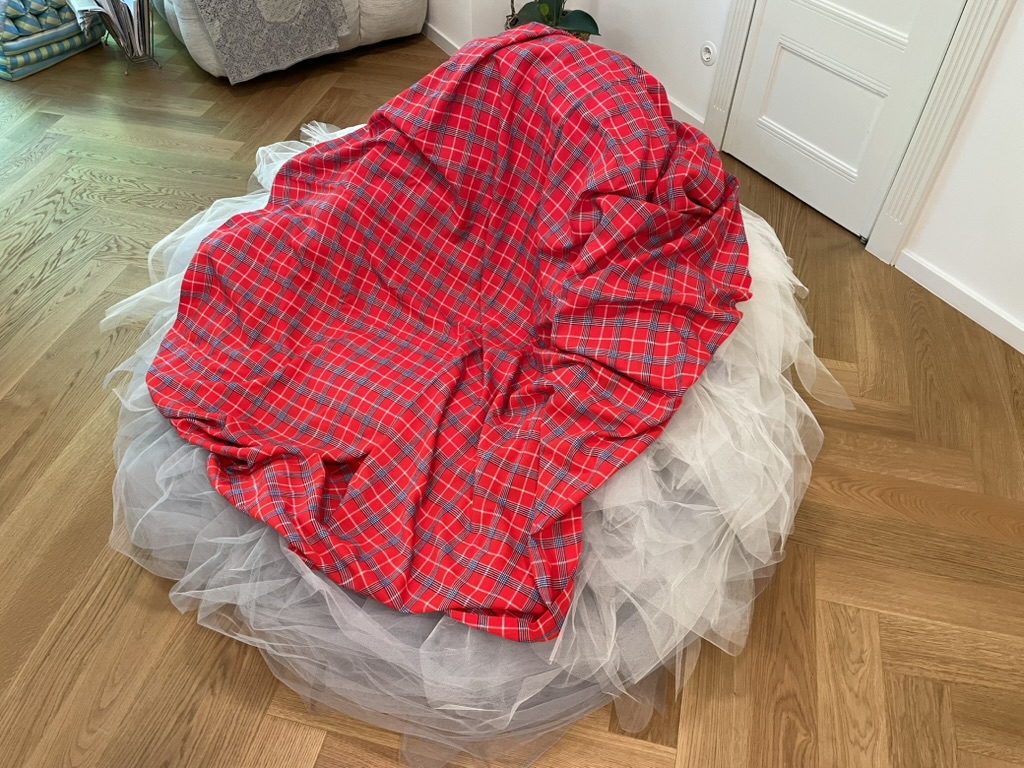
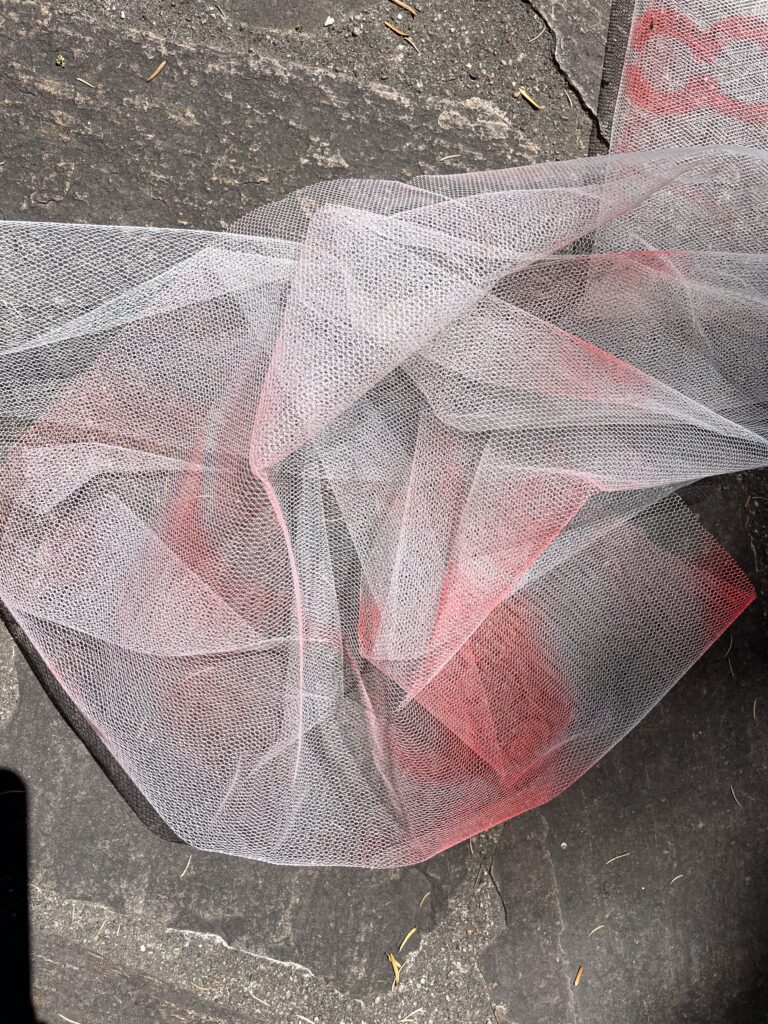
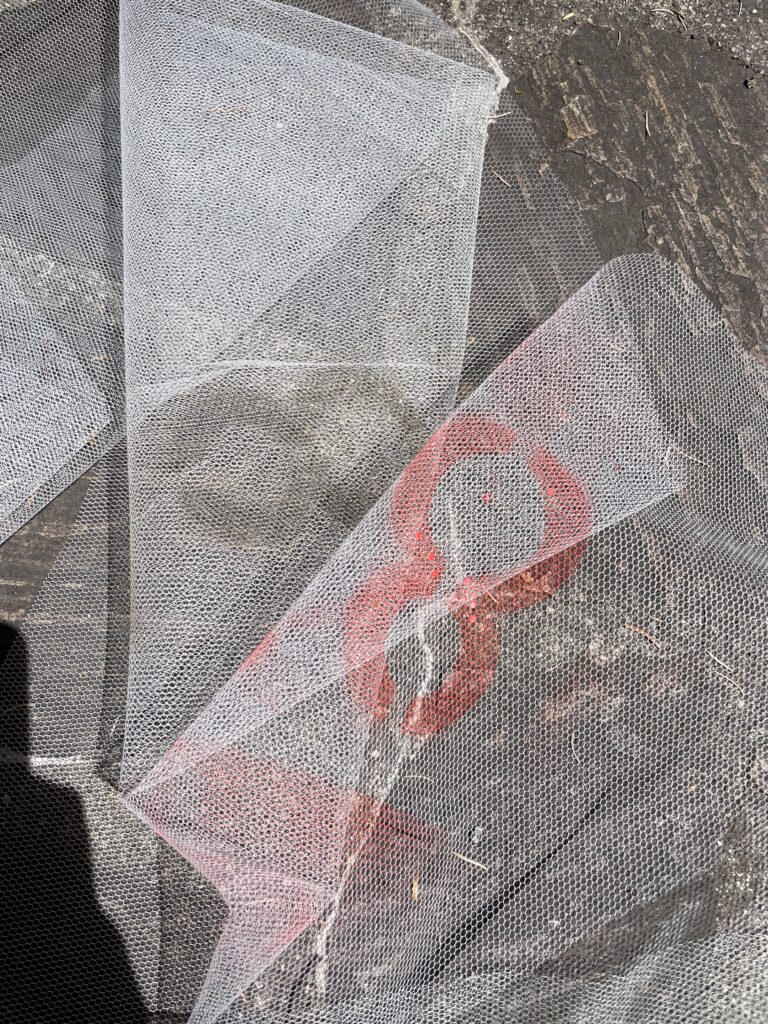
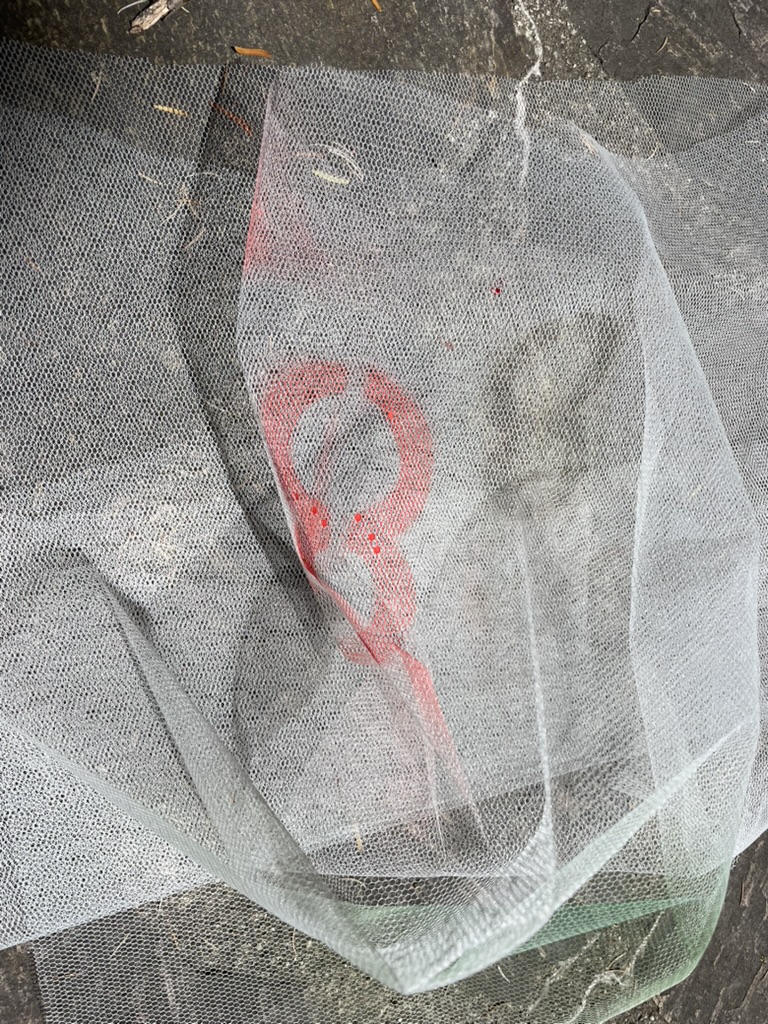
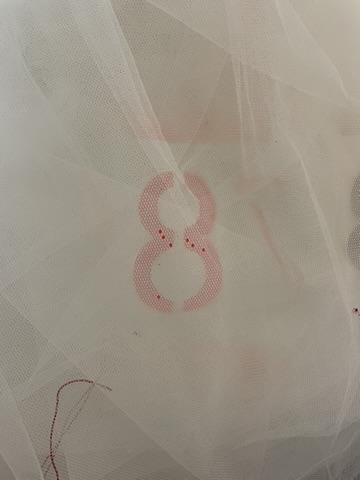
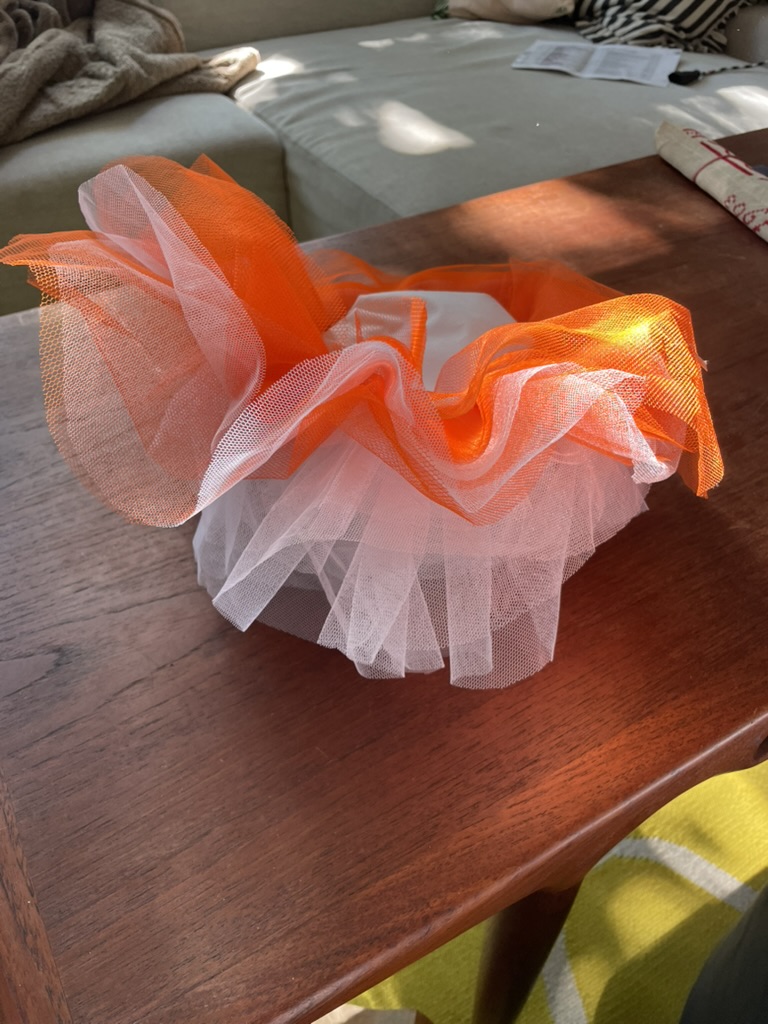
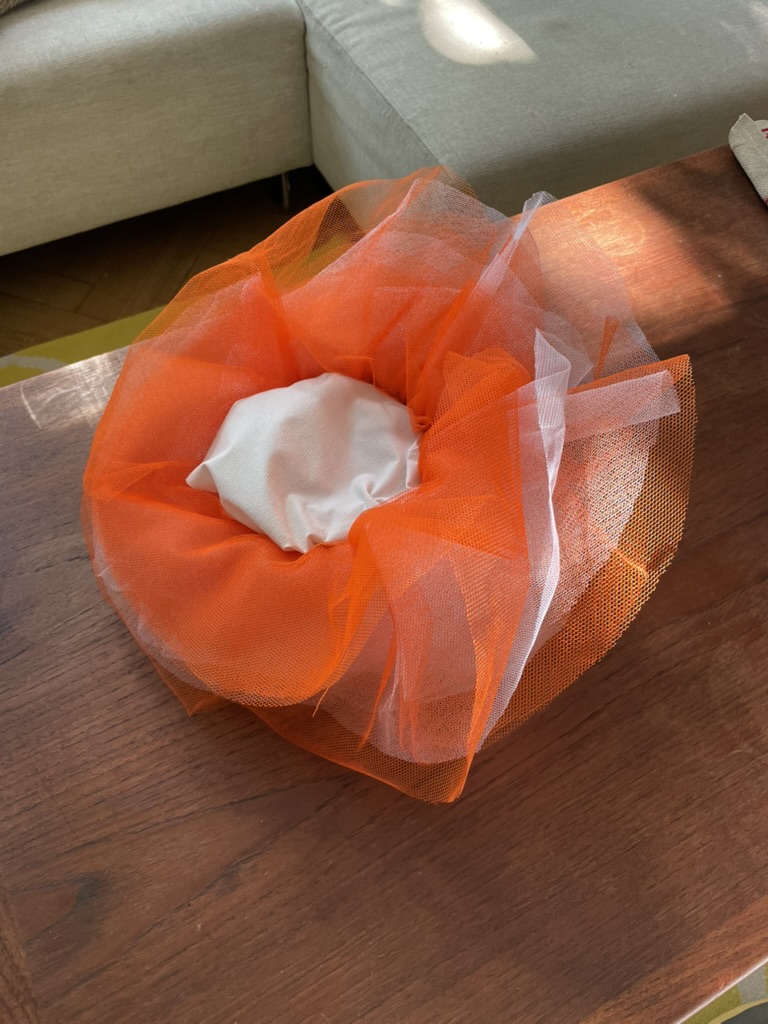
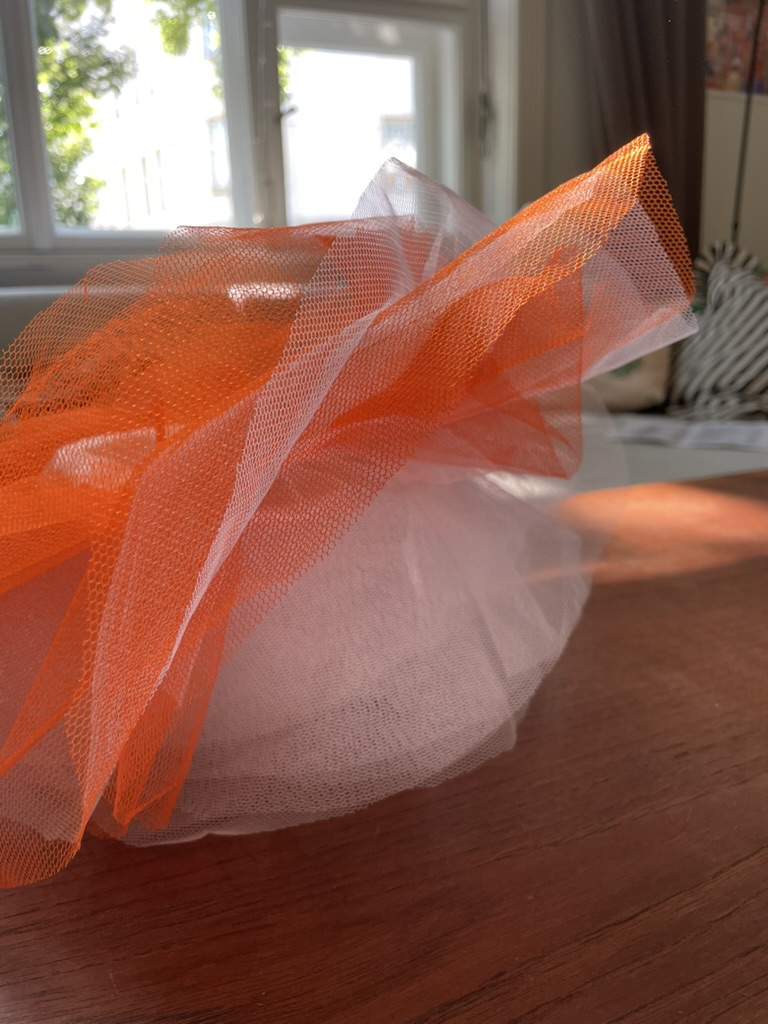
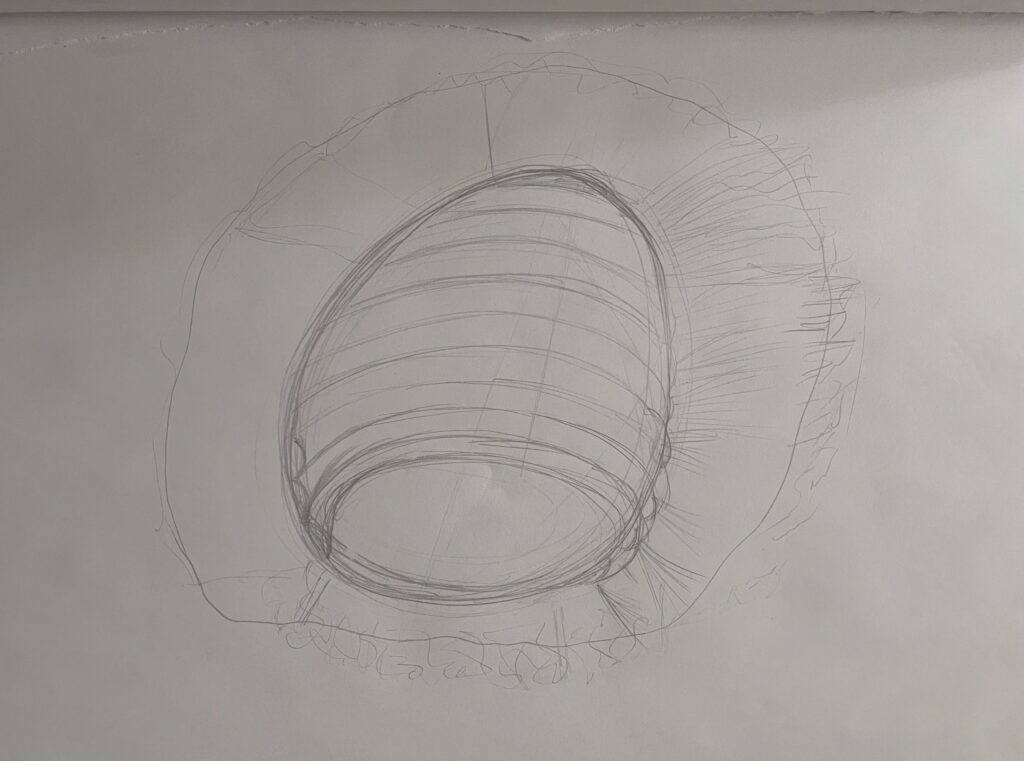
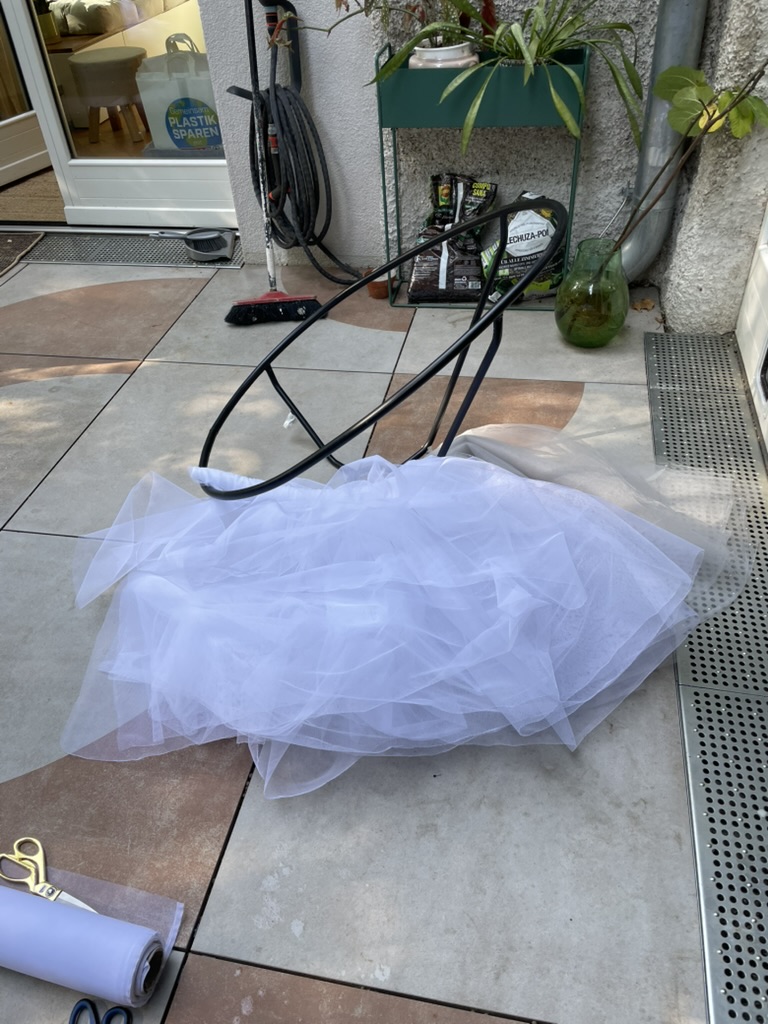
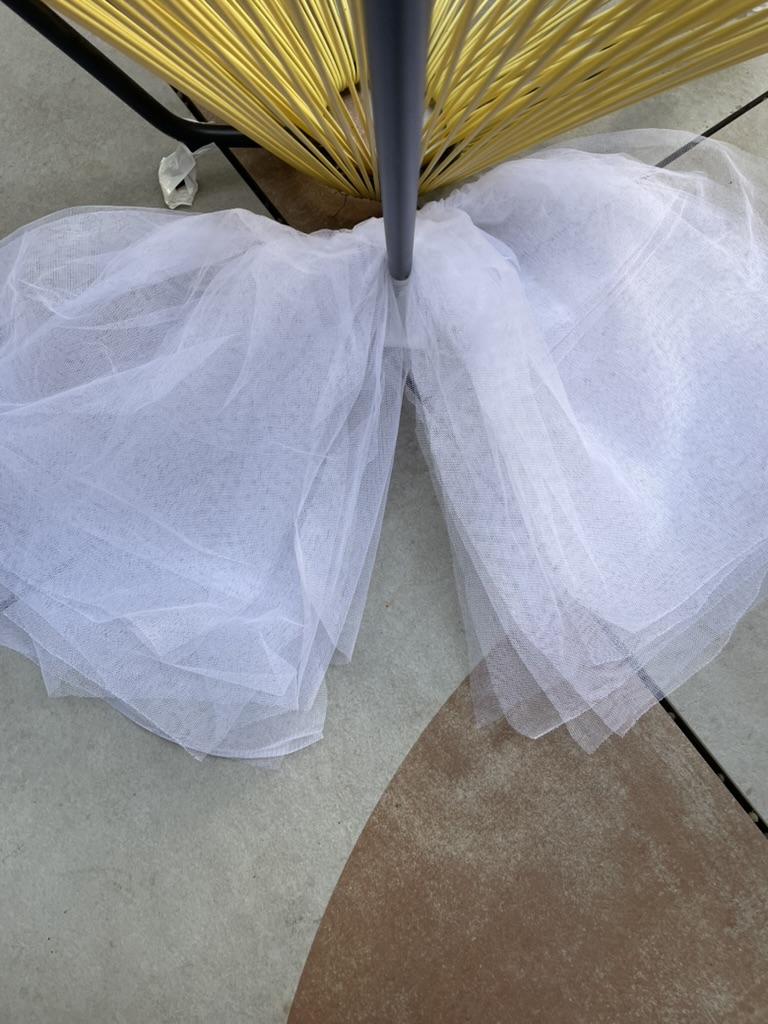
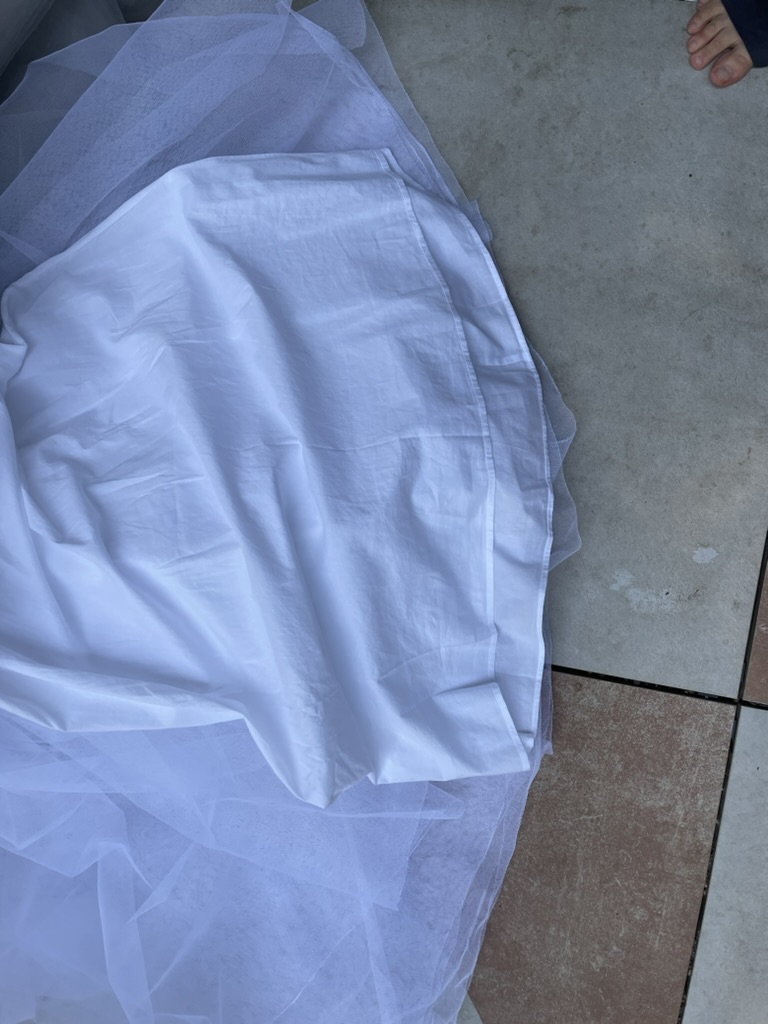
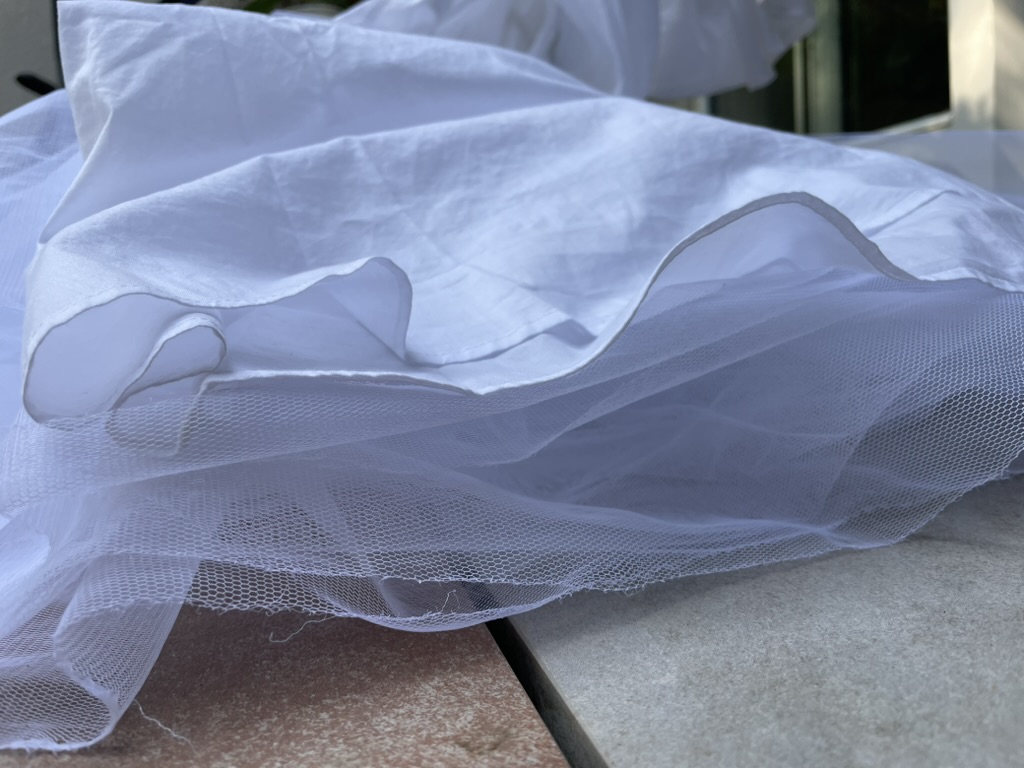
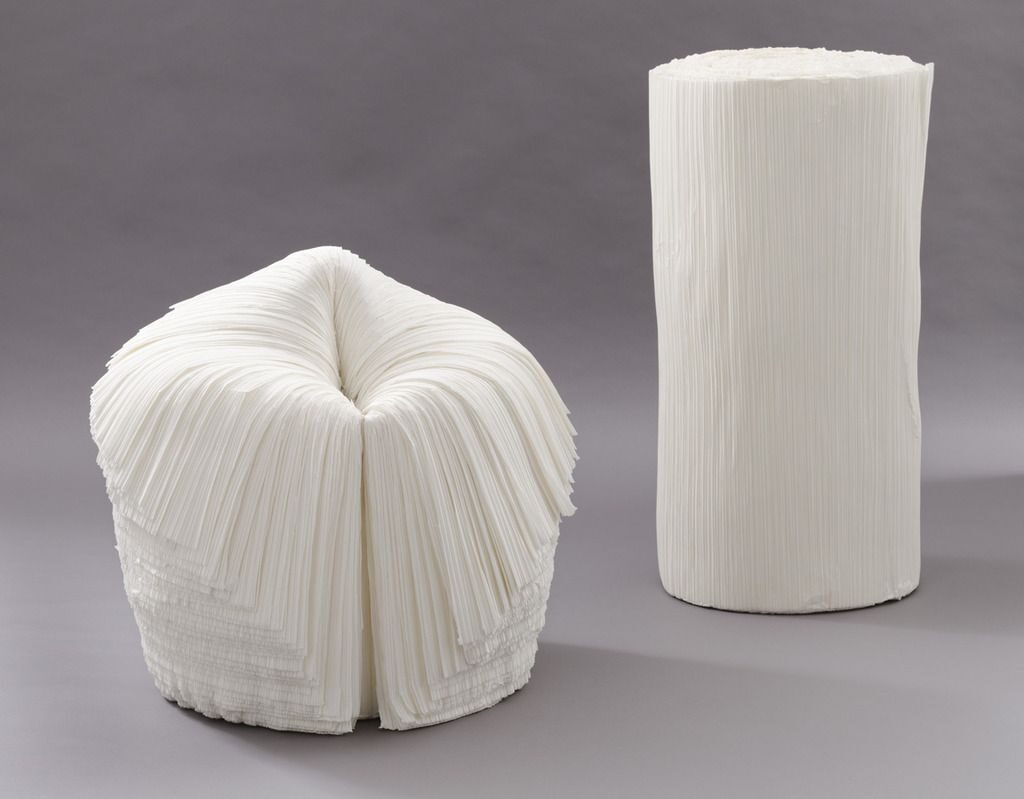
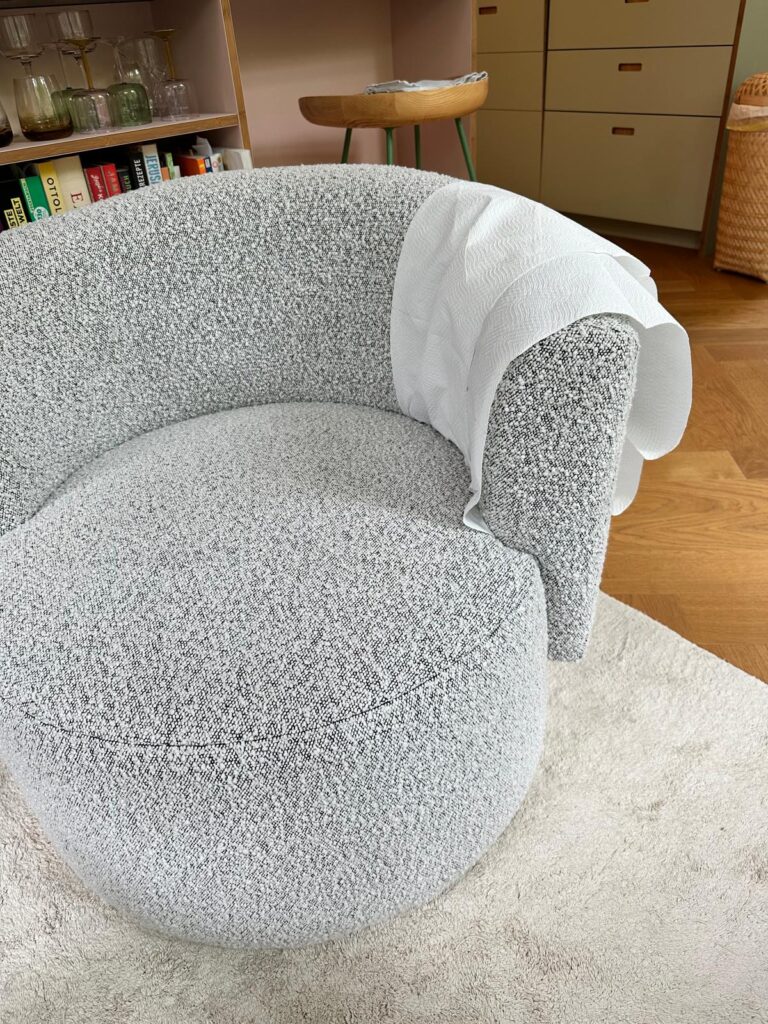
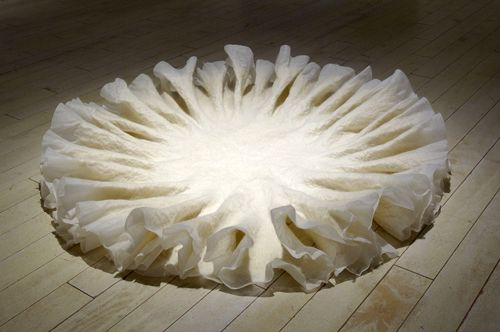
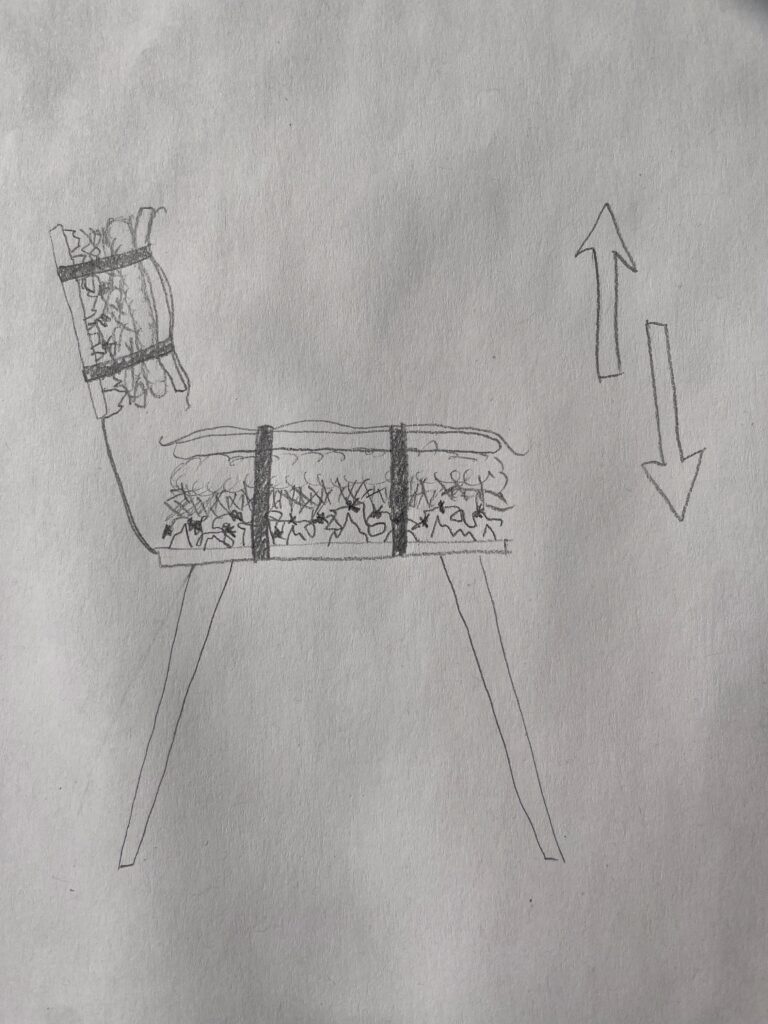
    The Layers: 80 layers of tulle, 1 covering fabric layer

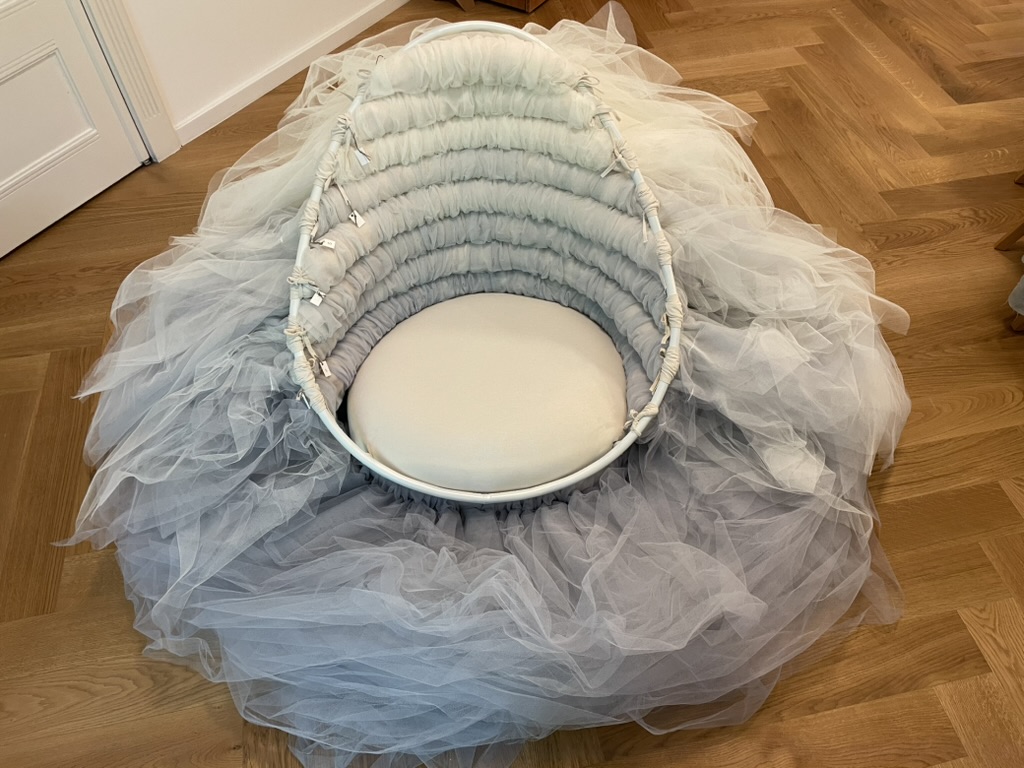
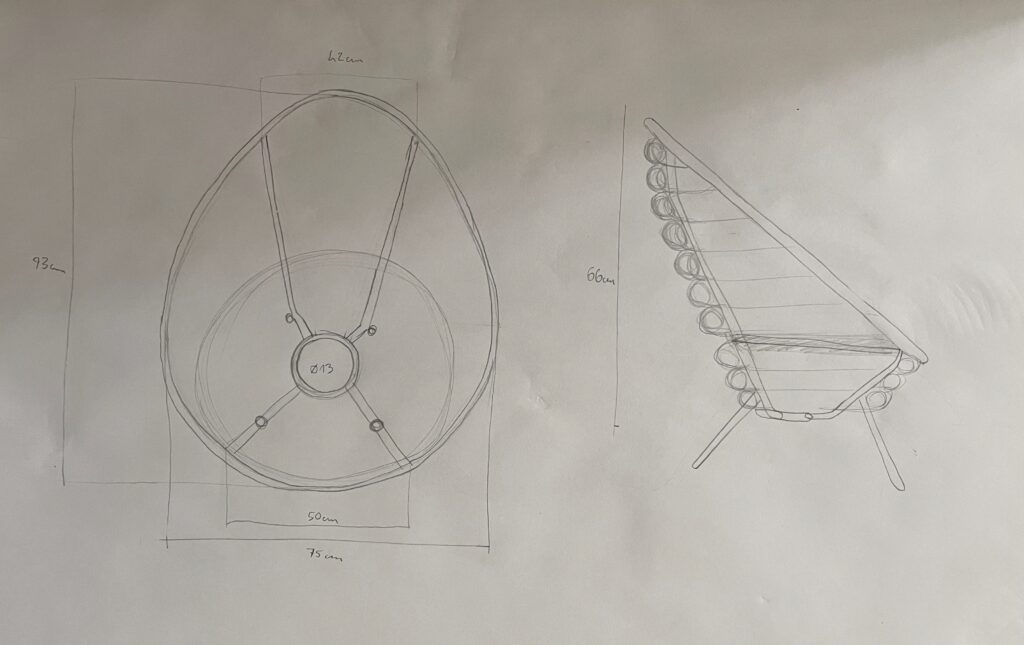
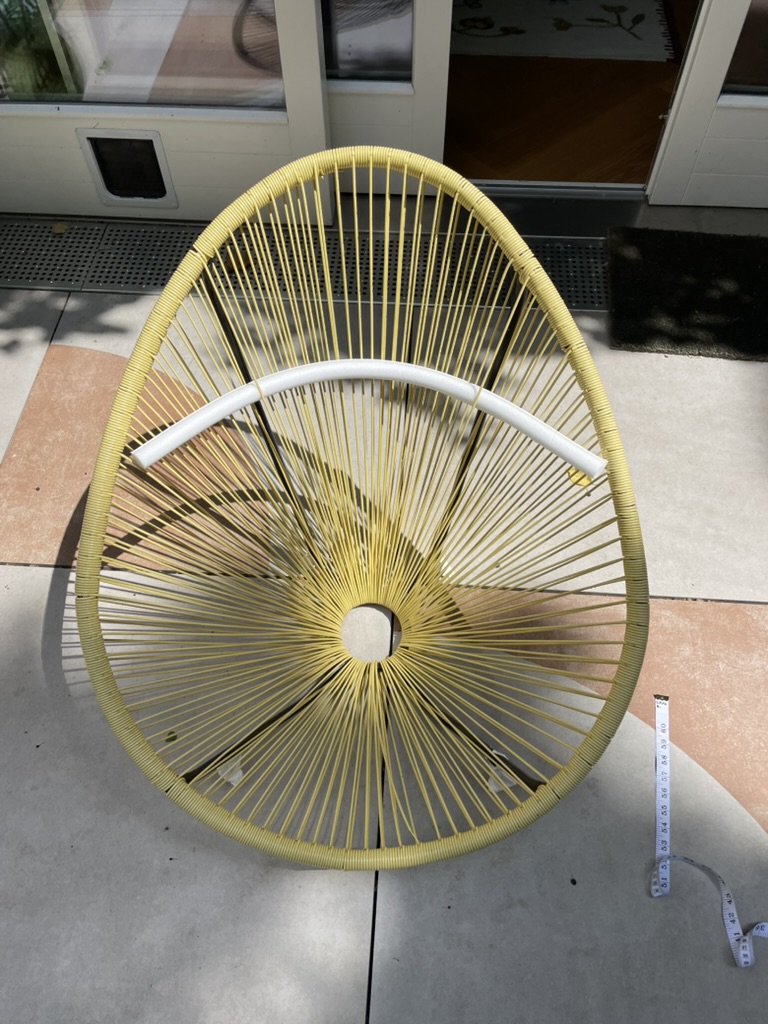
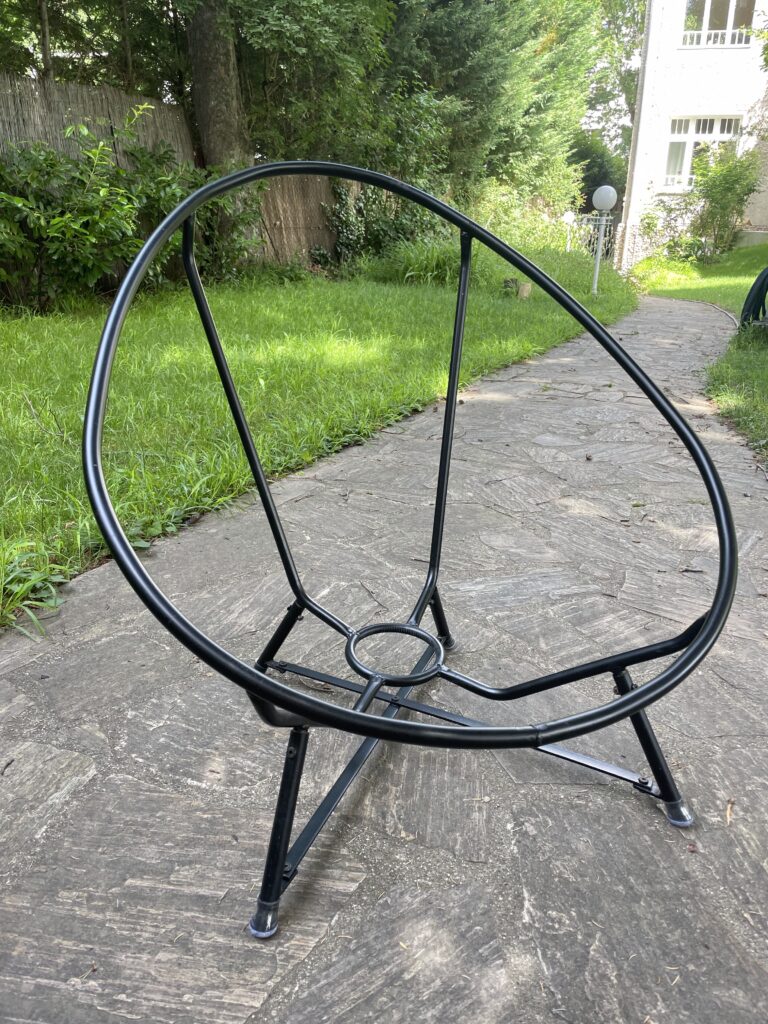
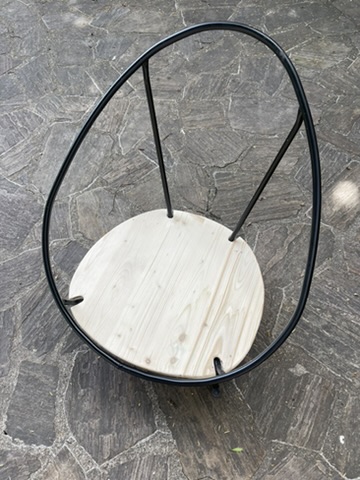
    The frame

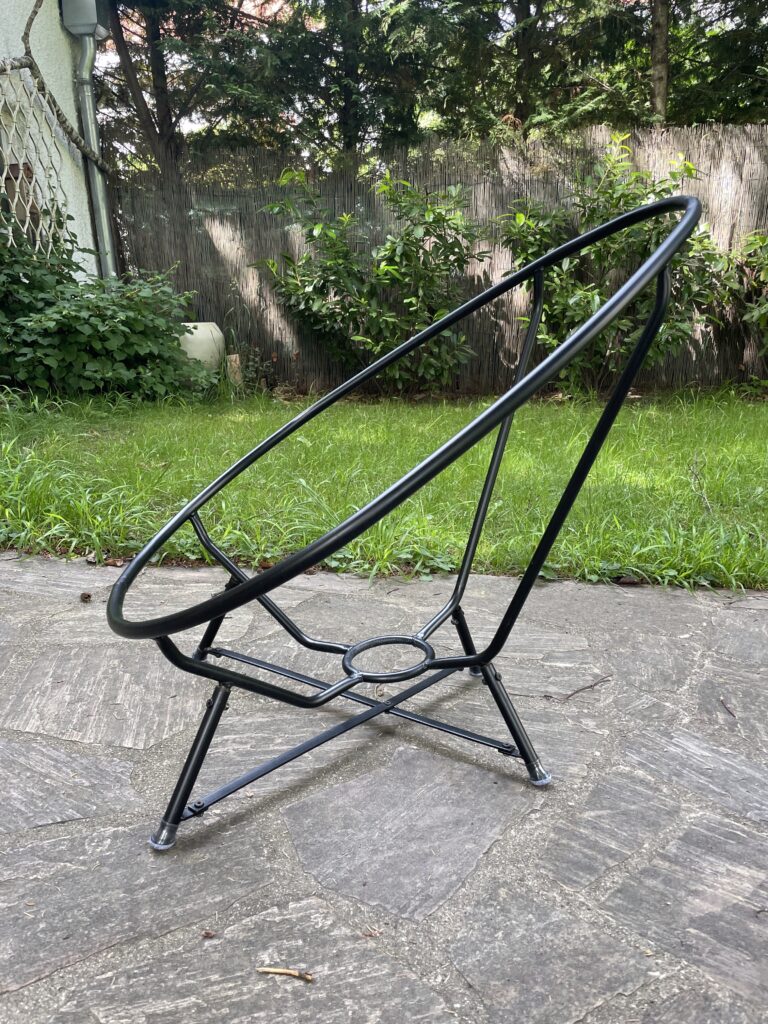
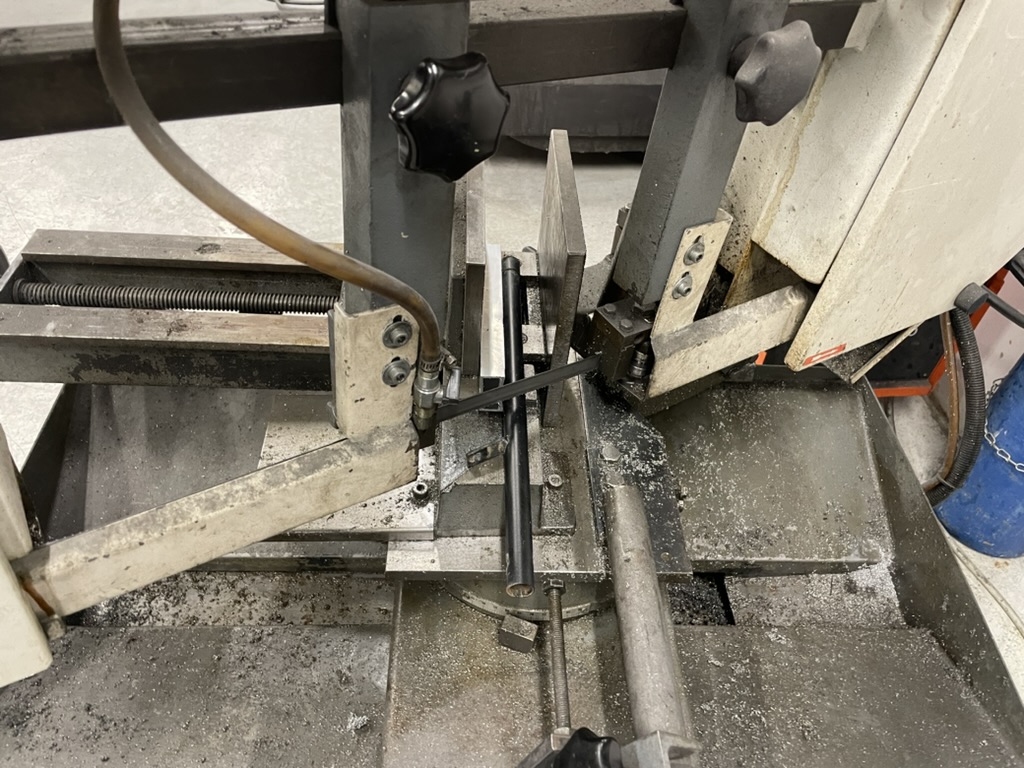
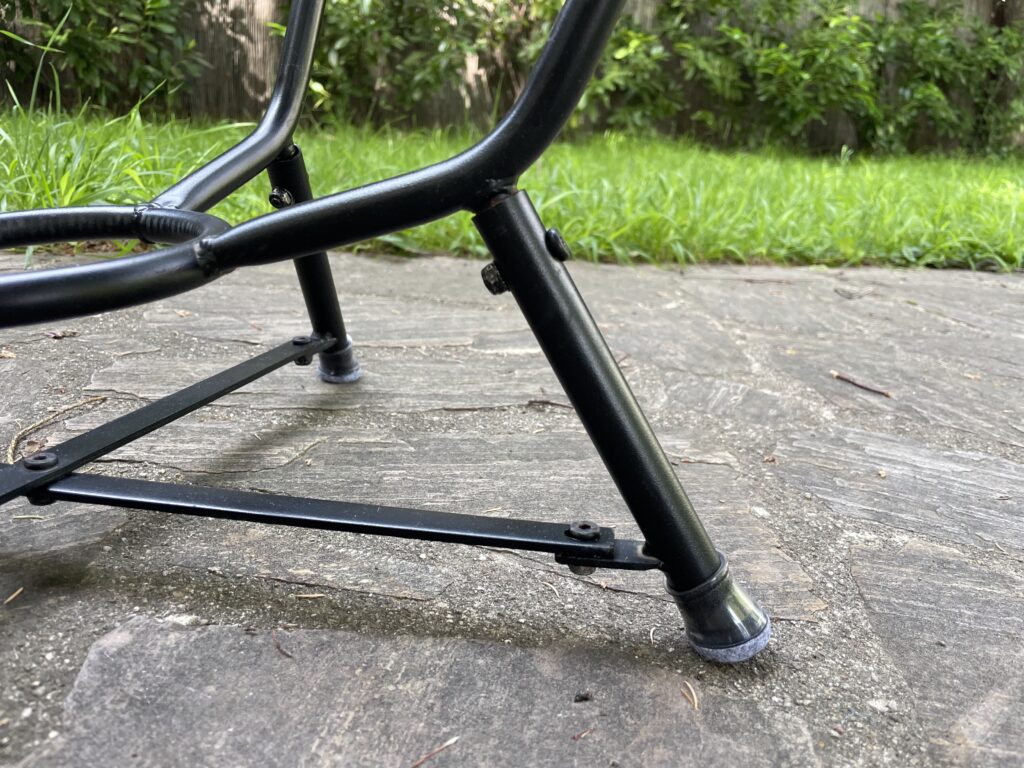
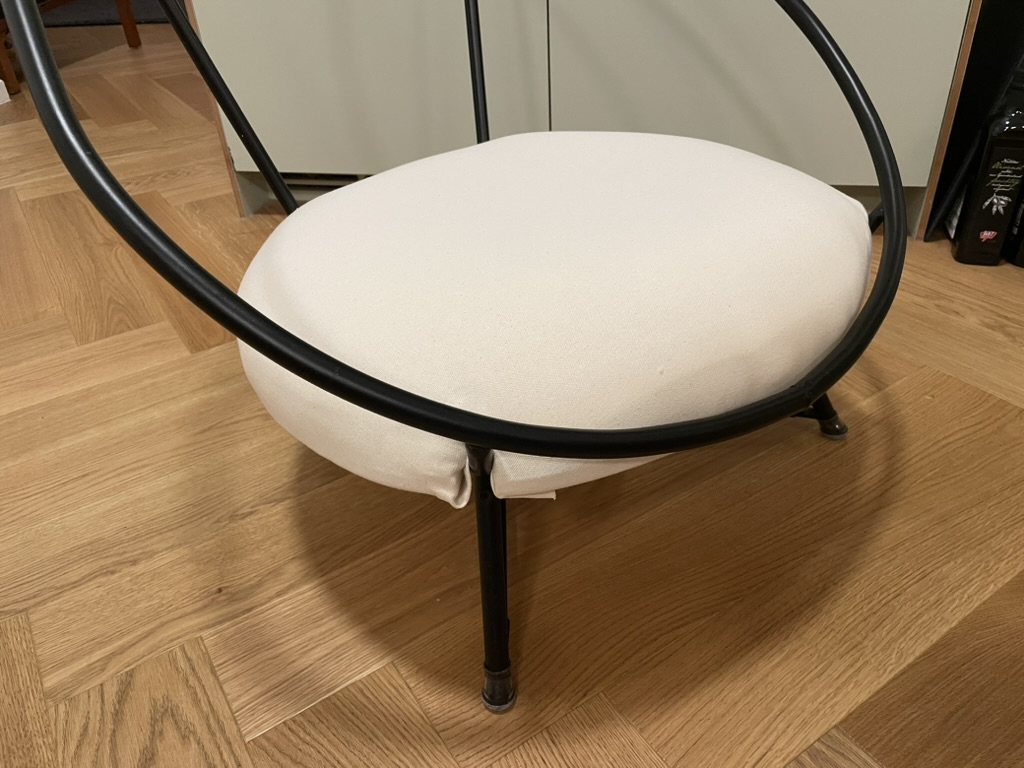
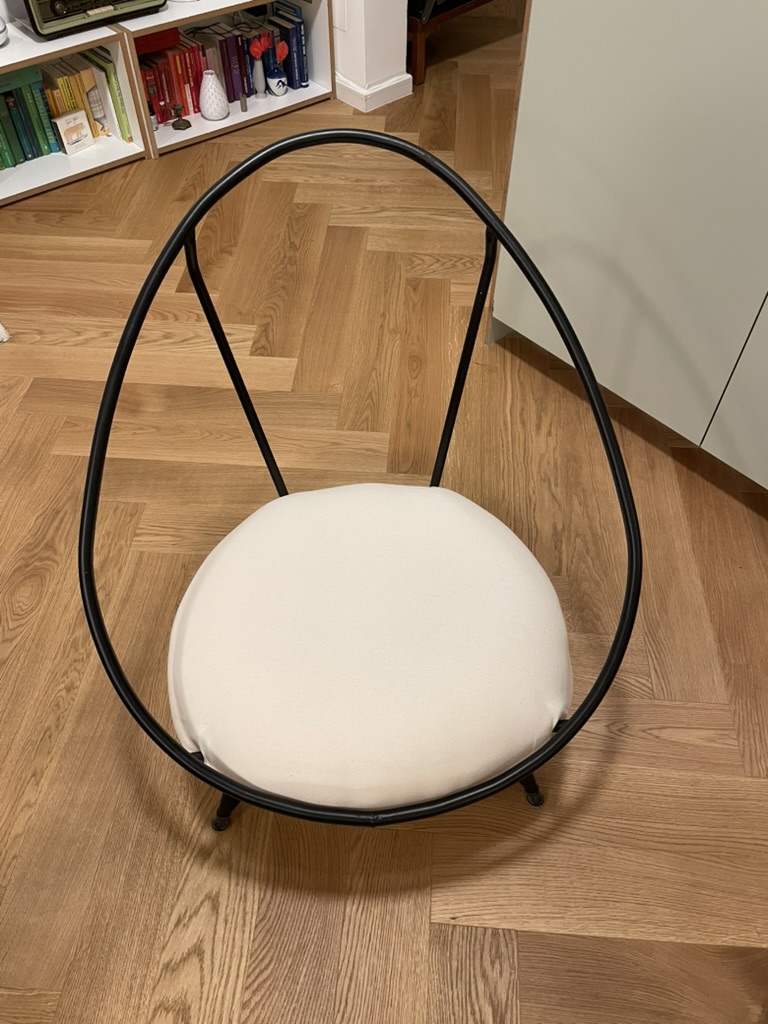
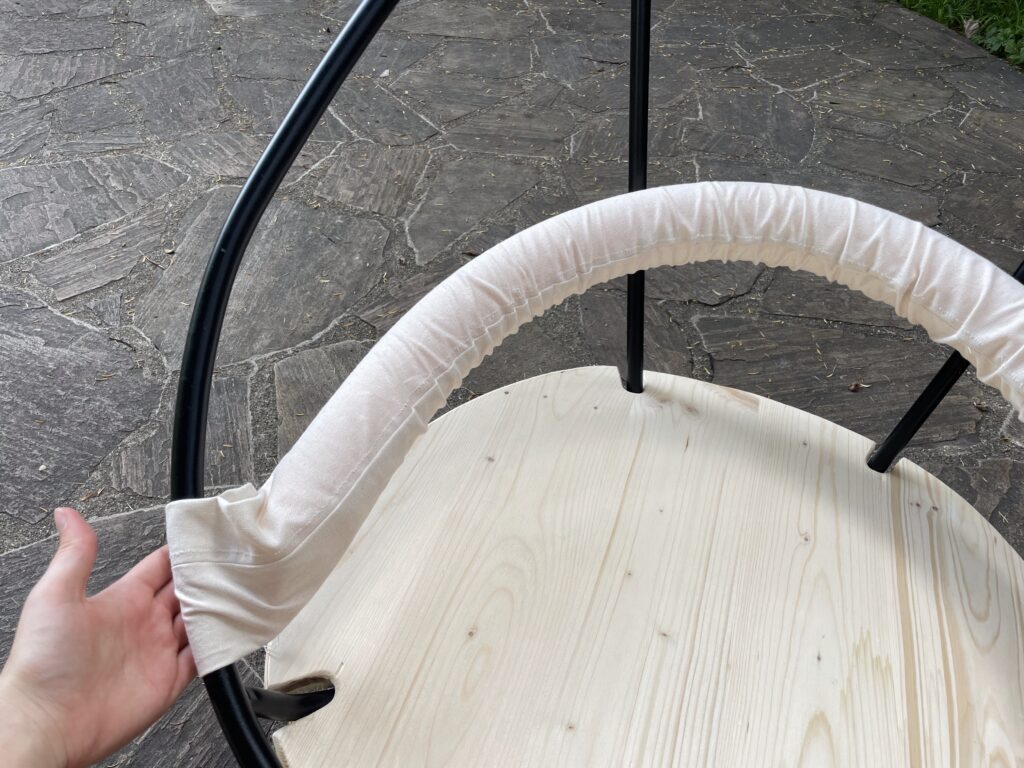
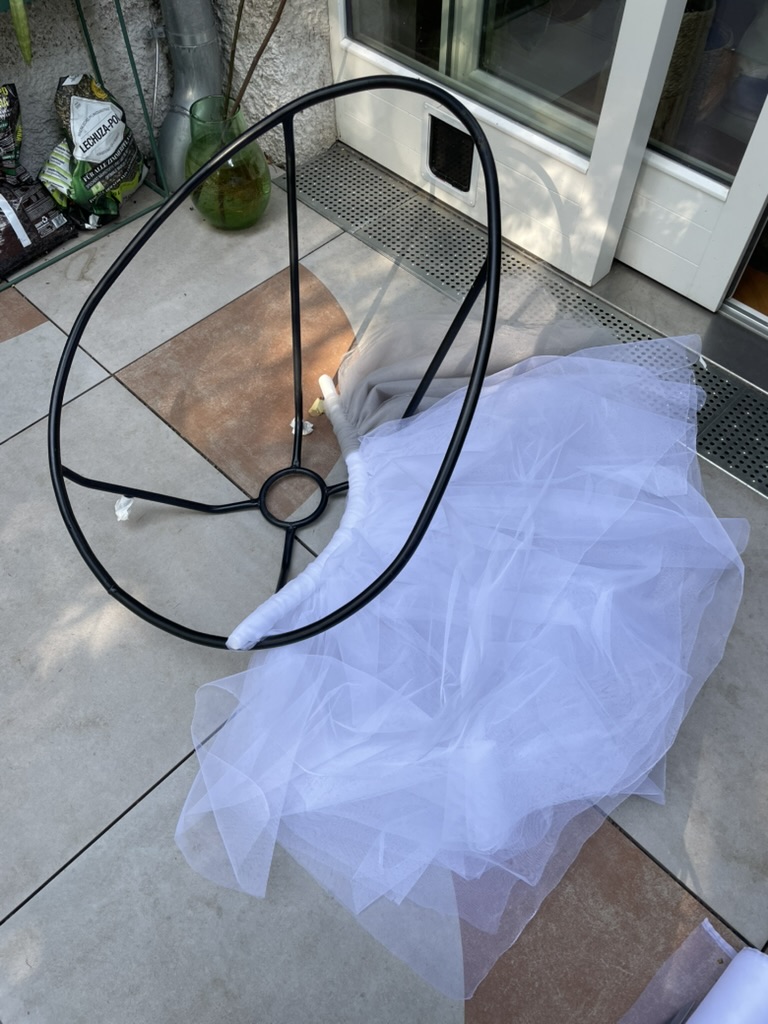
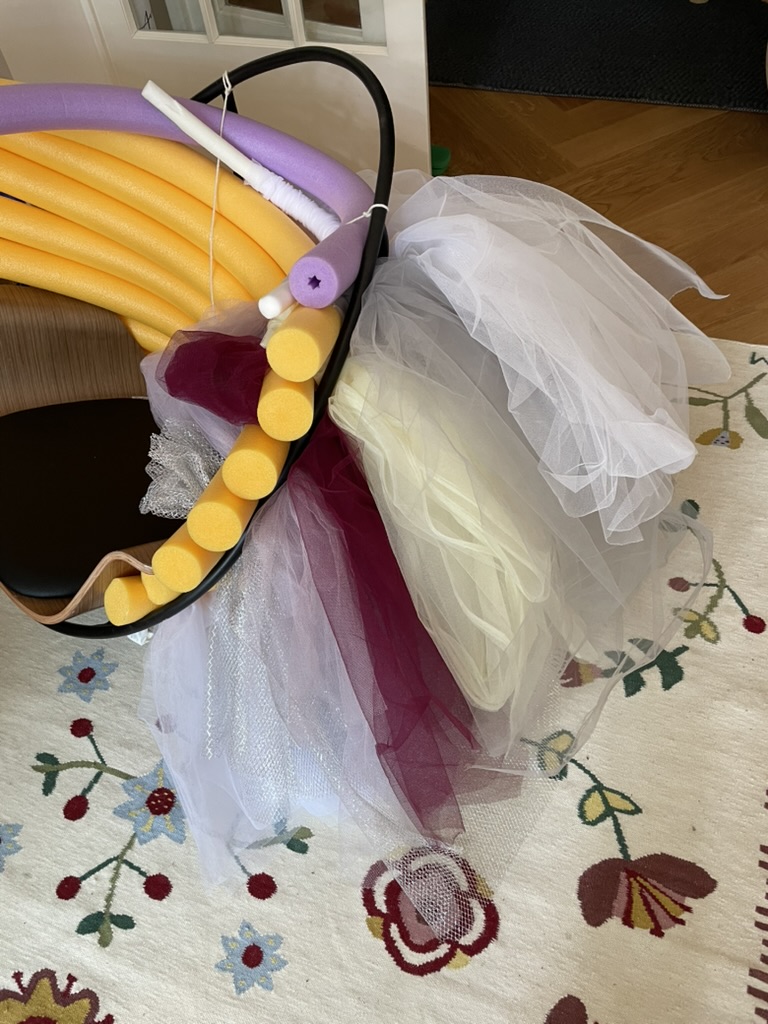
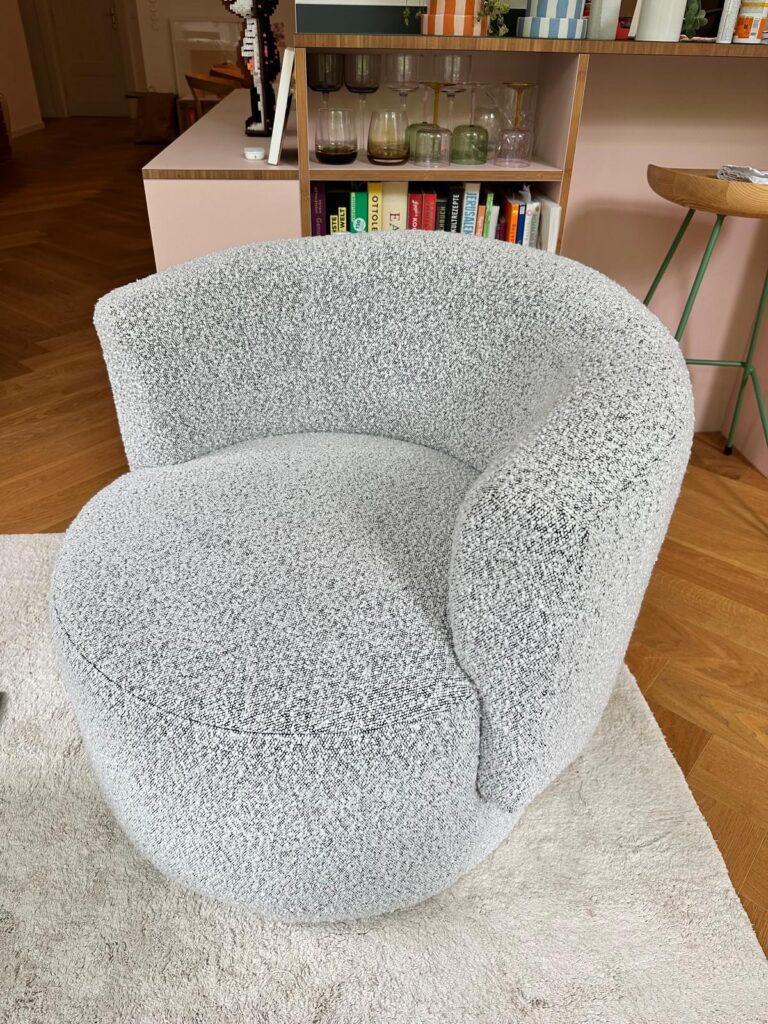
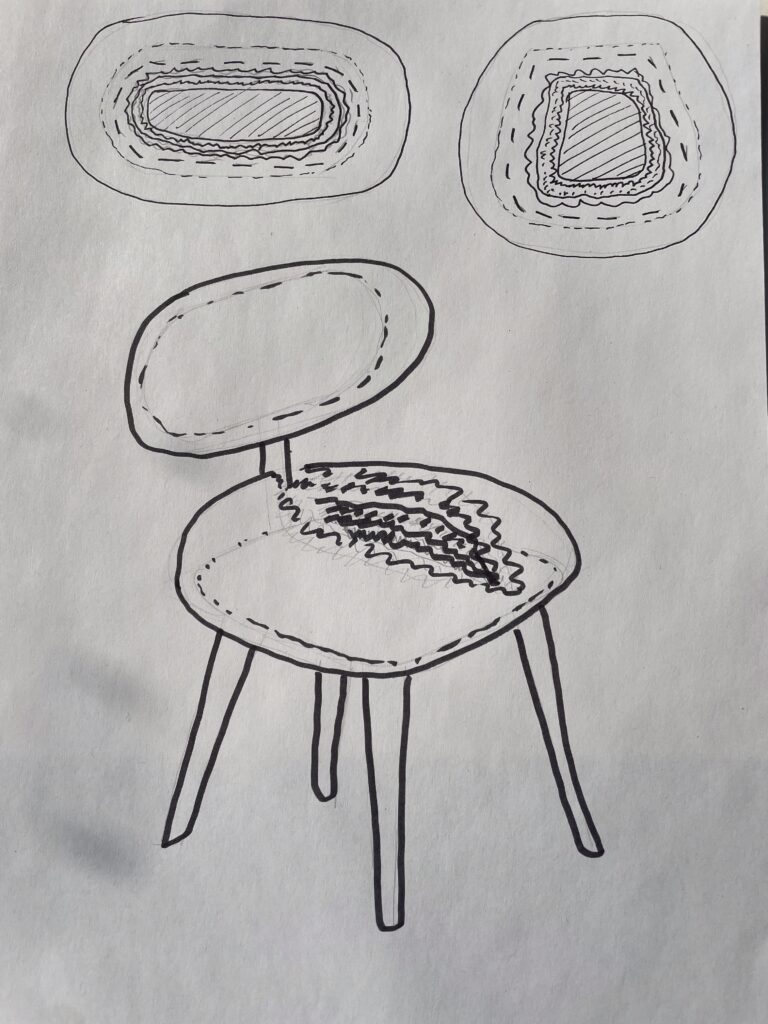
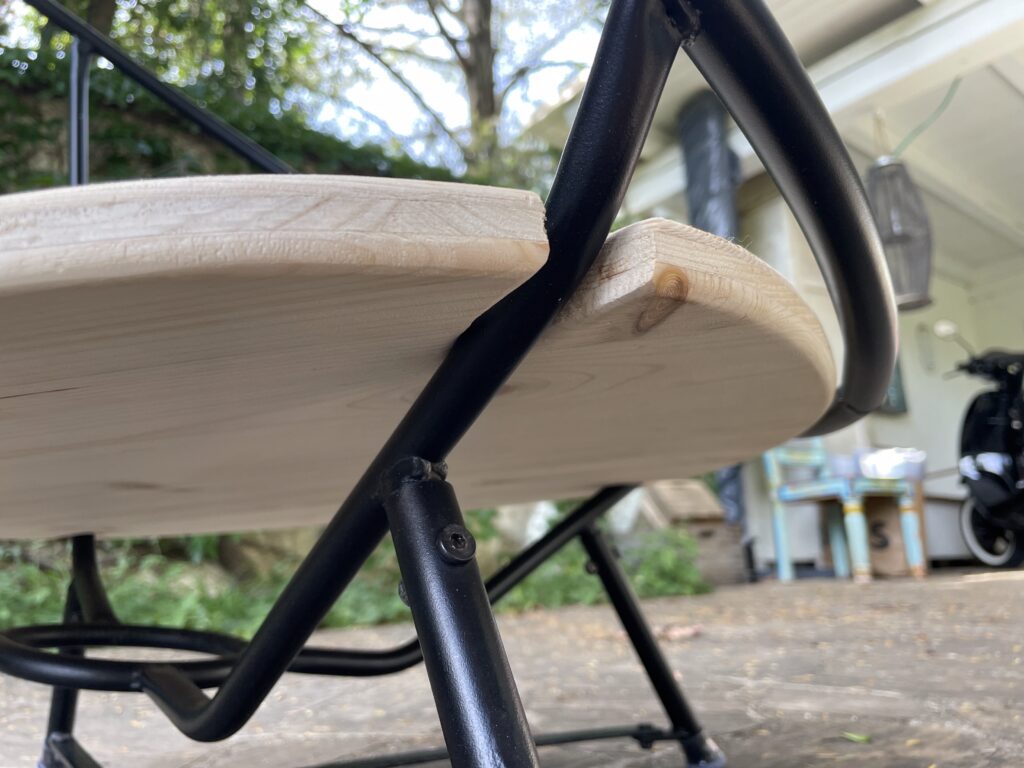
    deconstructed old chair, cut off legs

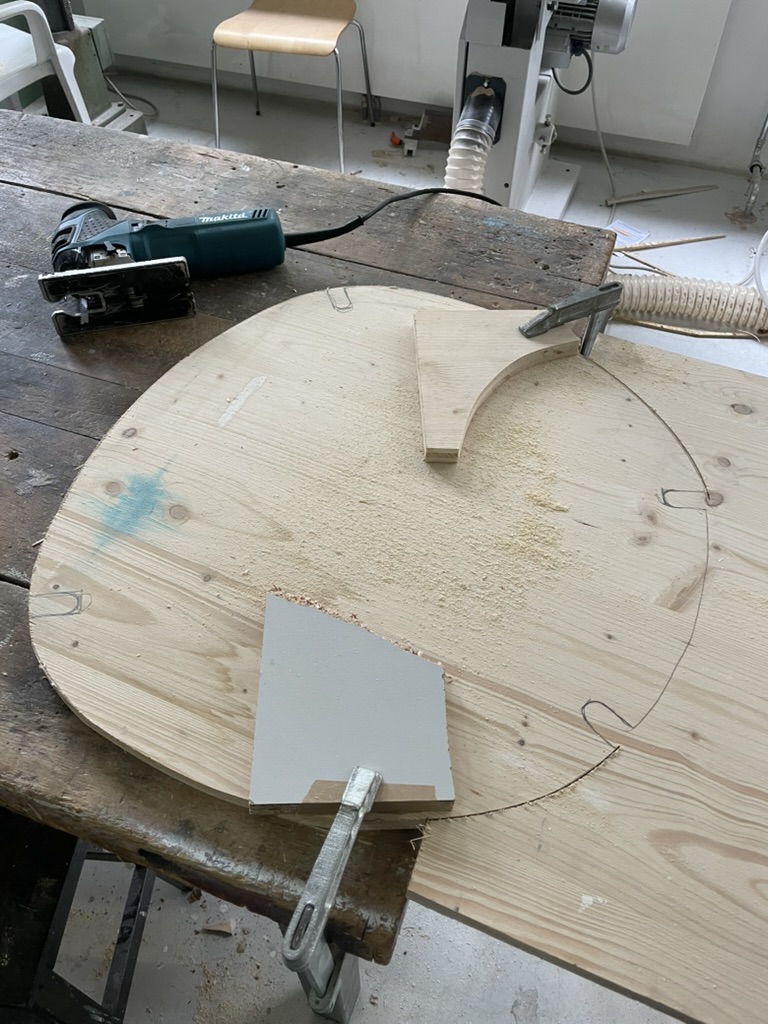
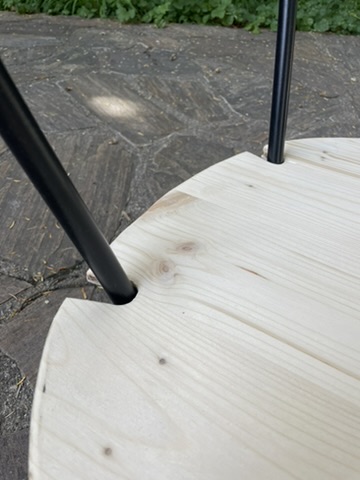
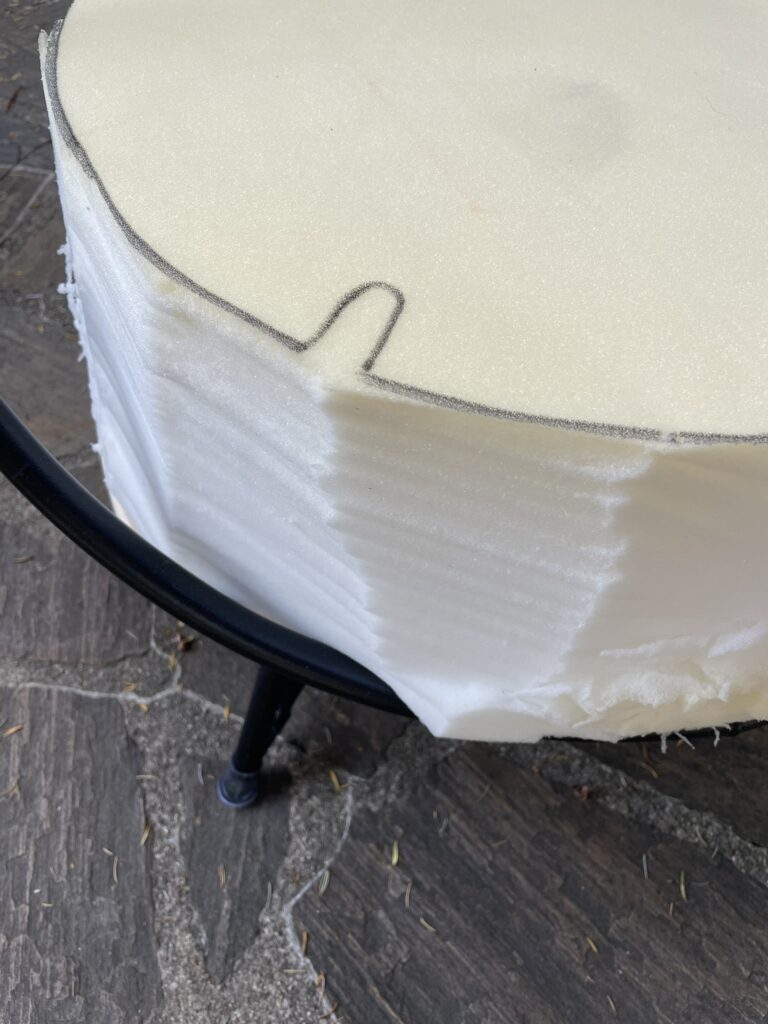
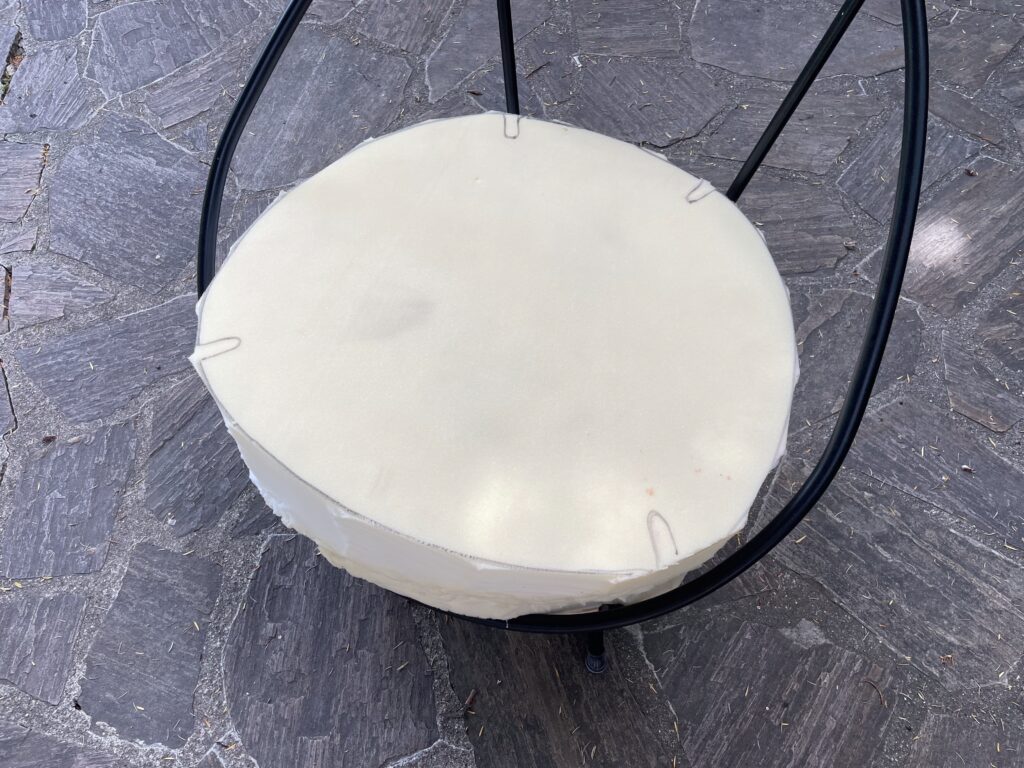
    The seating surface

    wood, upholstered

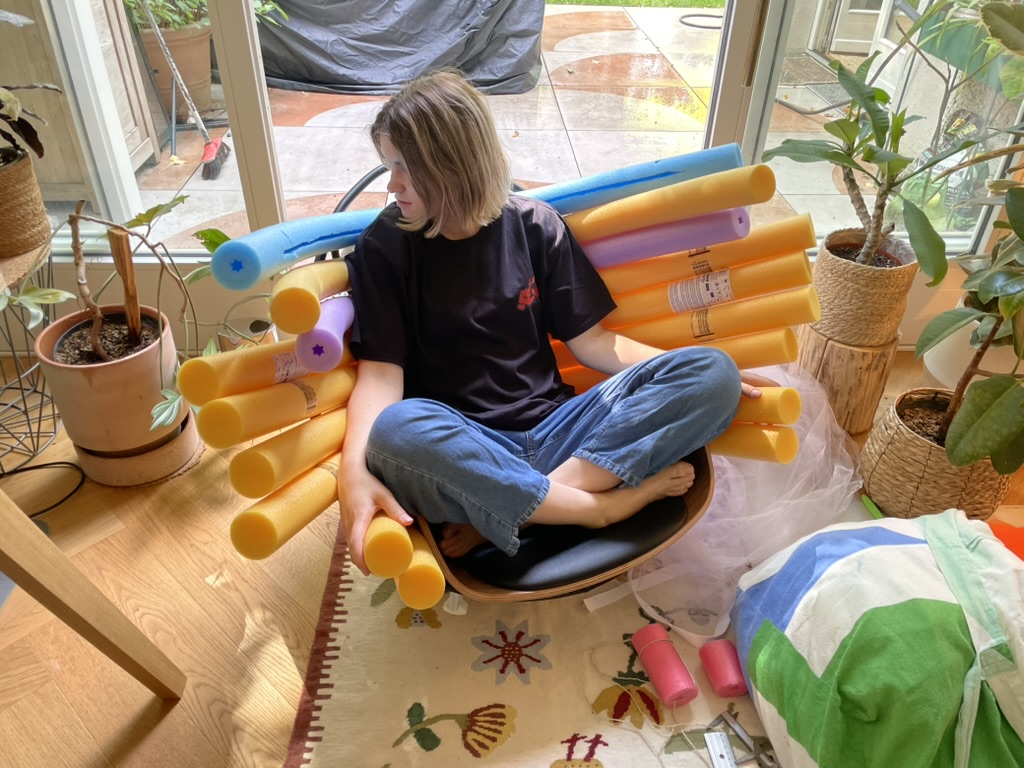
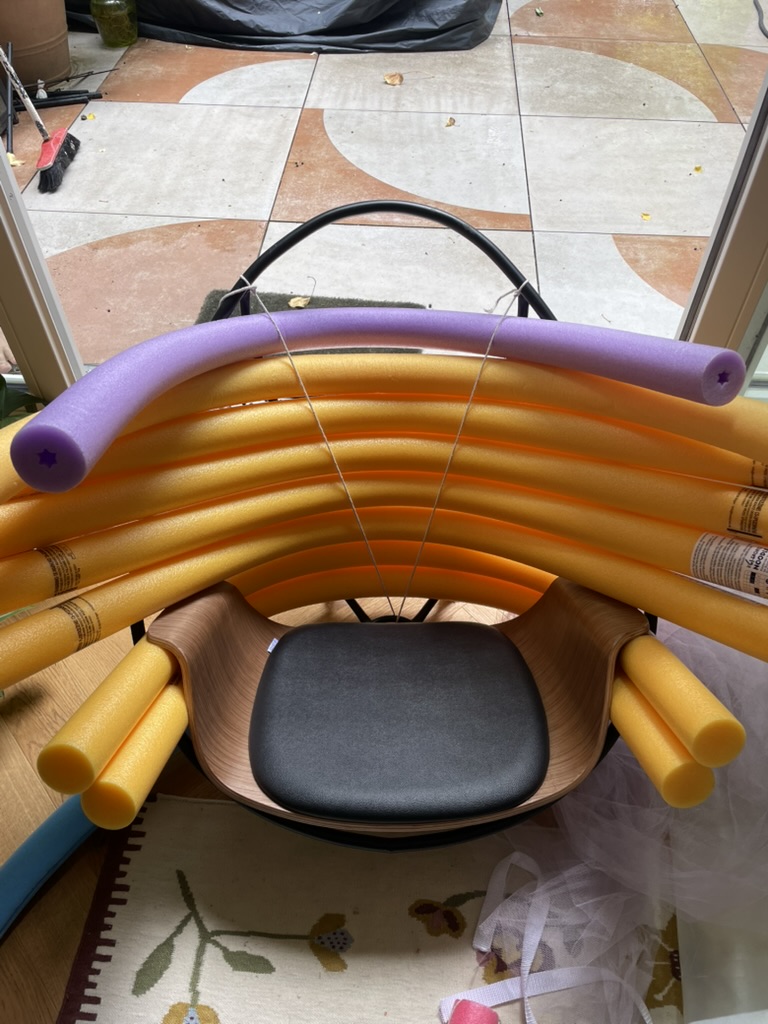
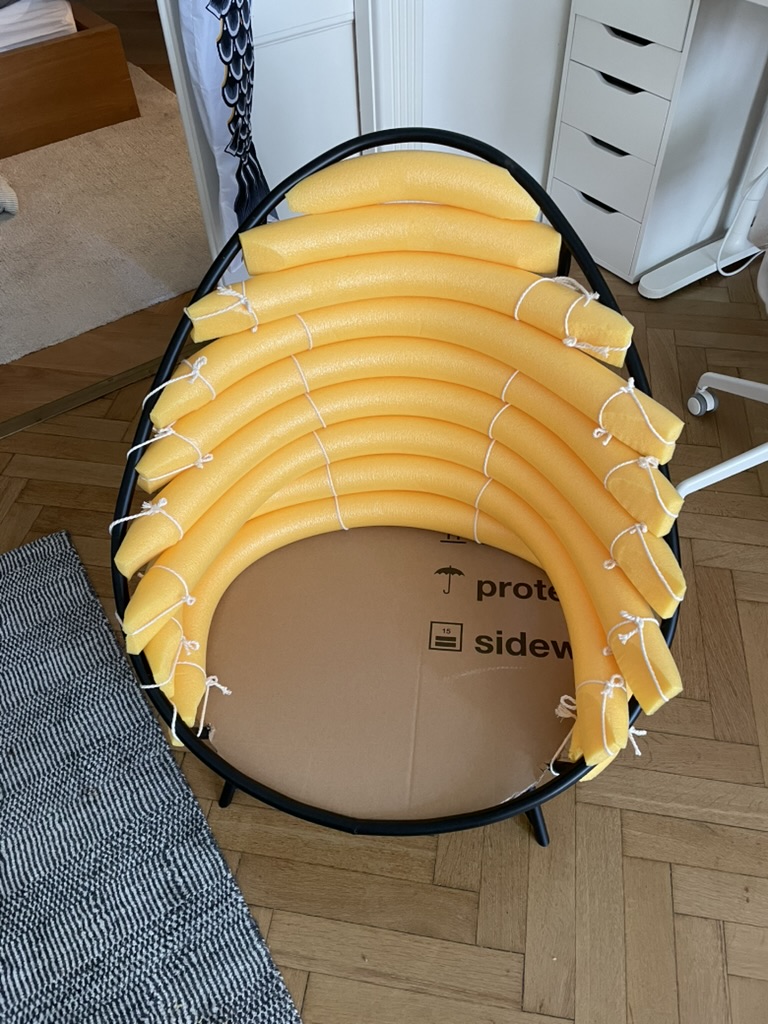
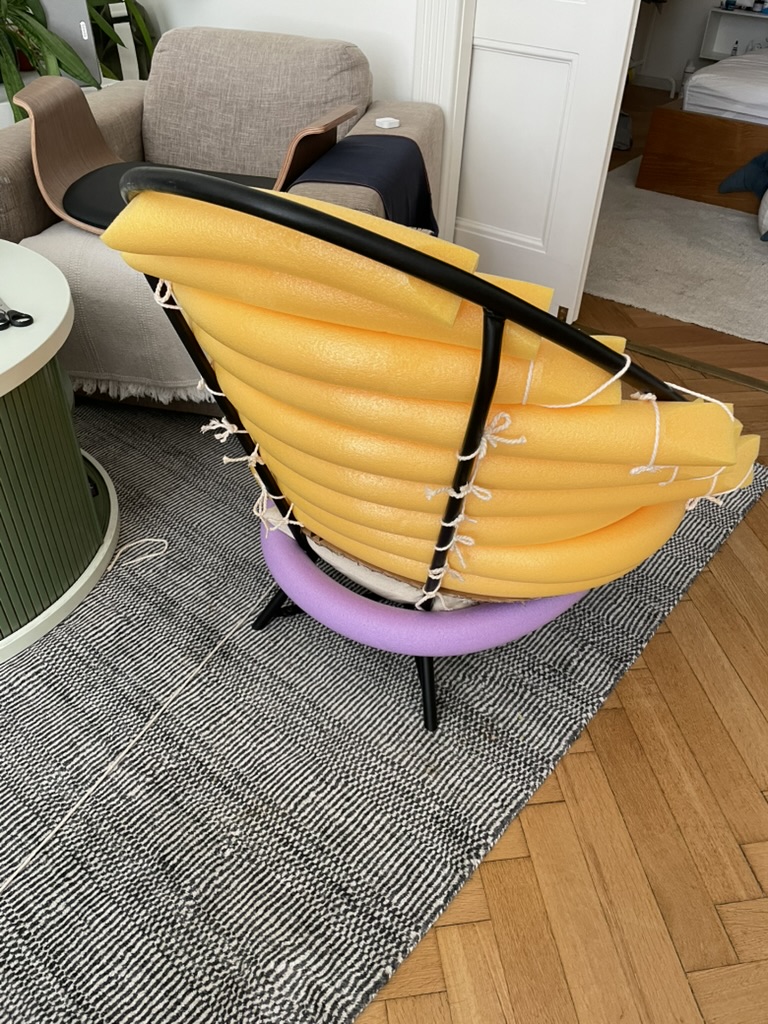
    The backrest

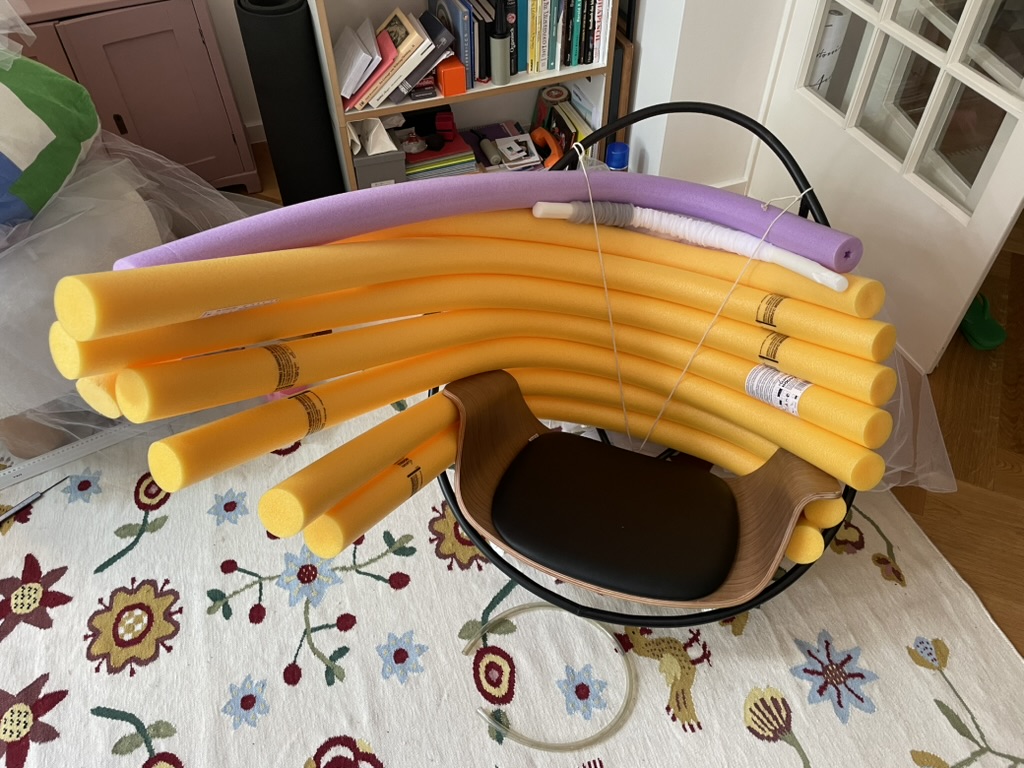
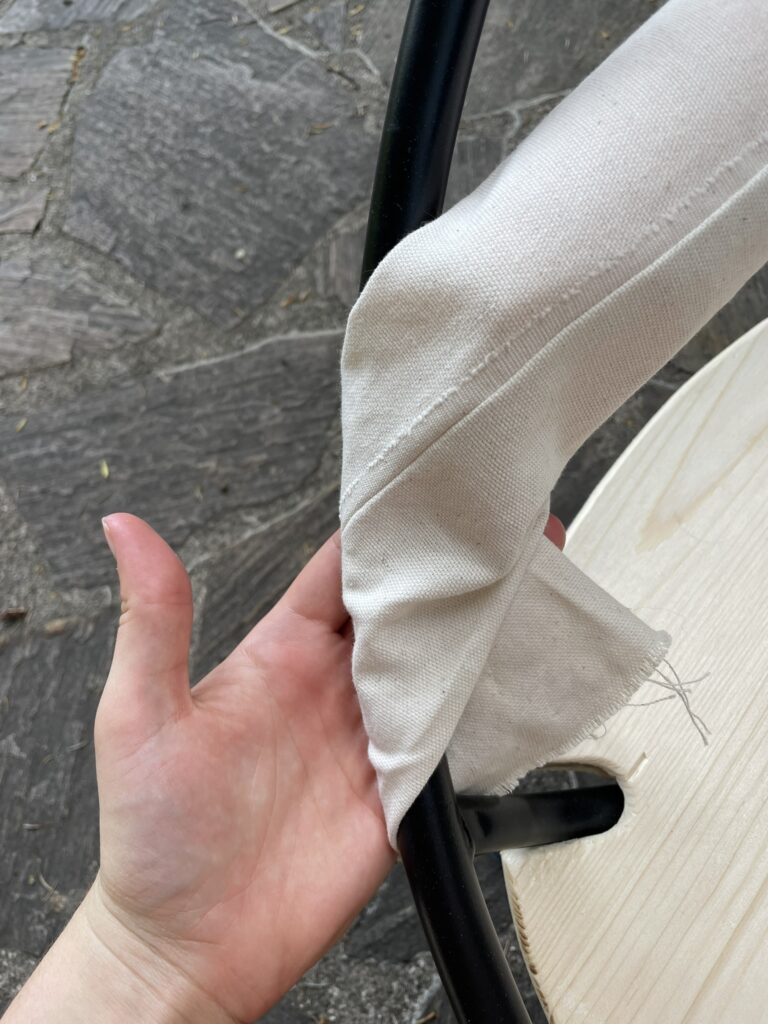
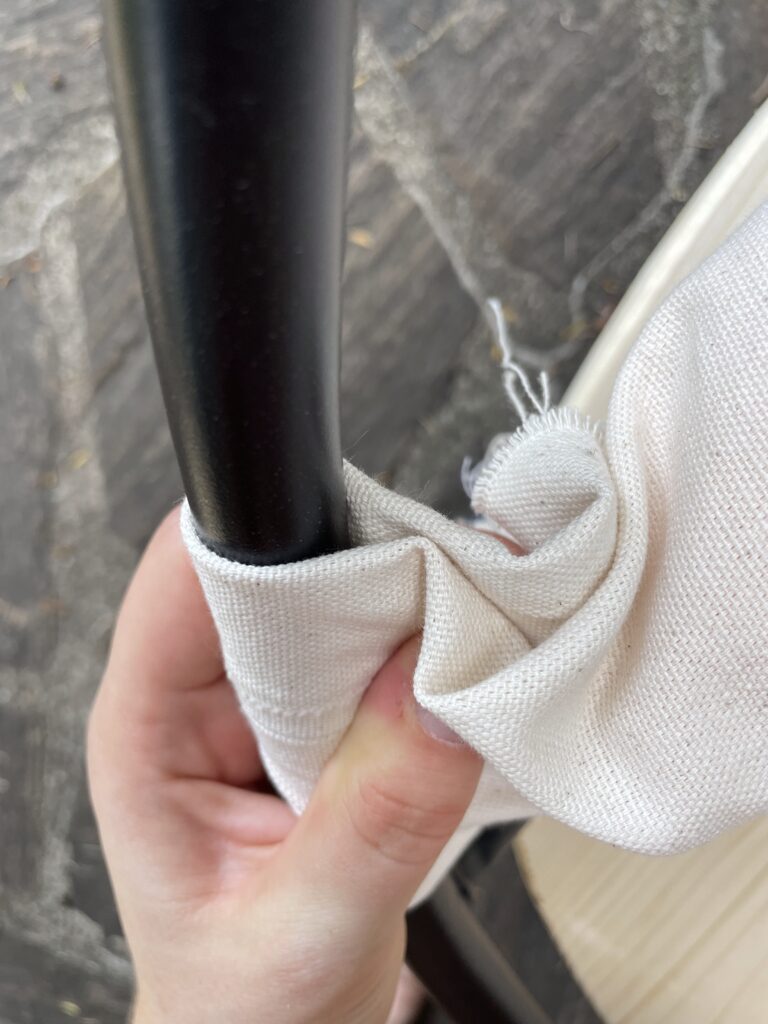
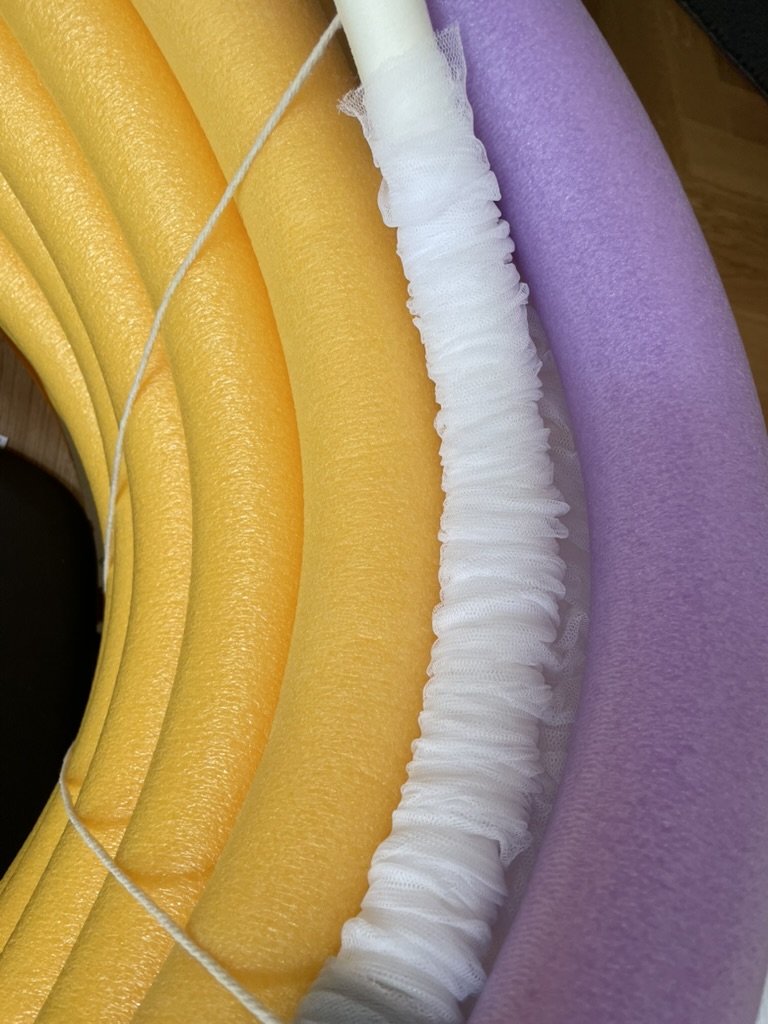
    foam noodles, fixed in a fabric sleeve

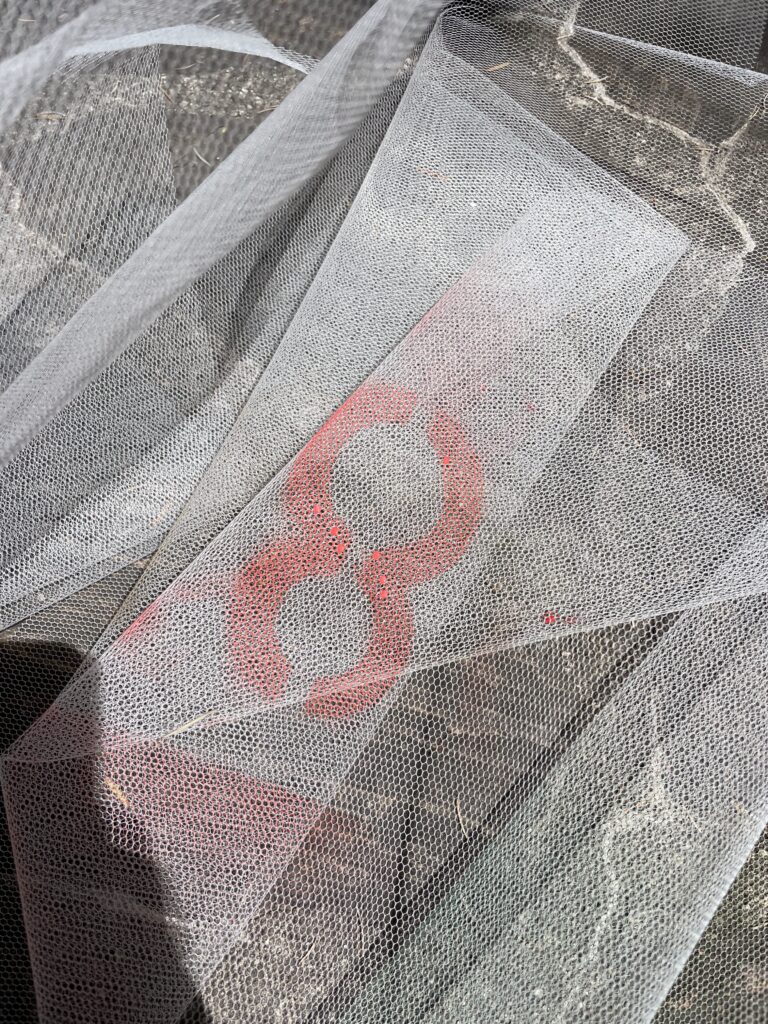
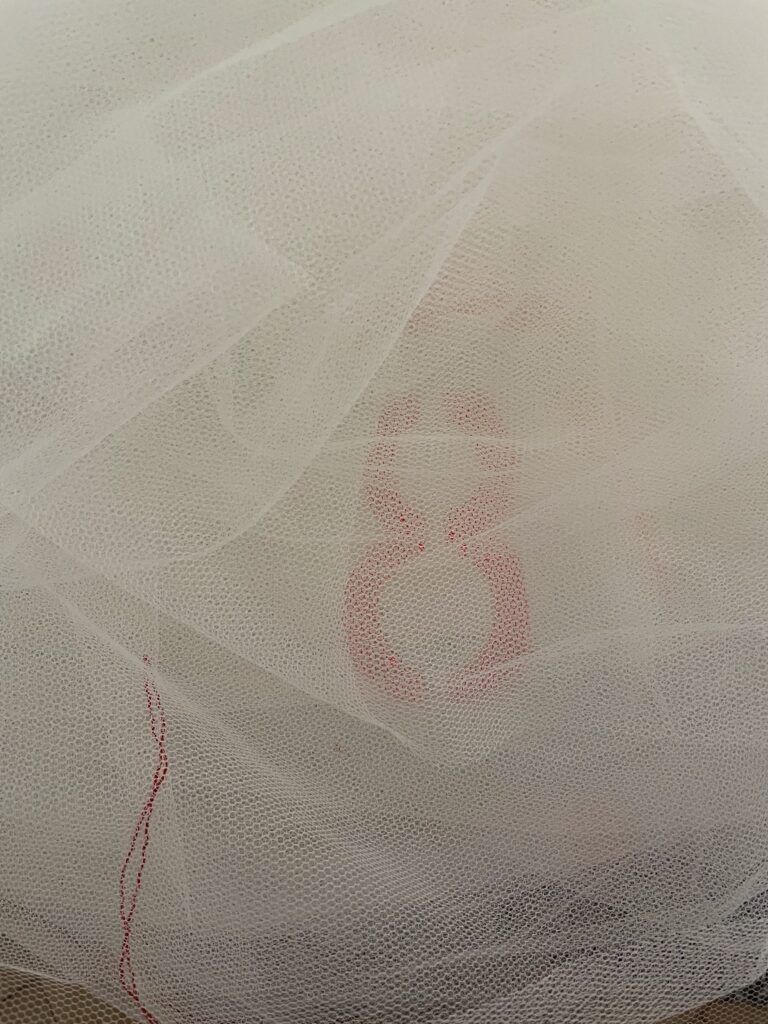
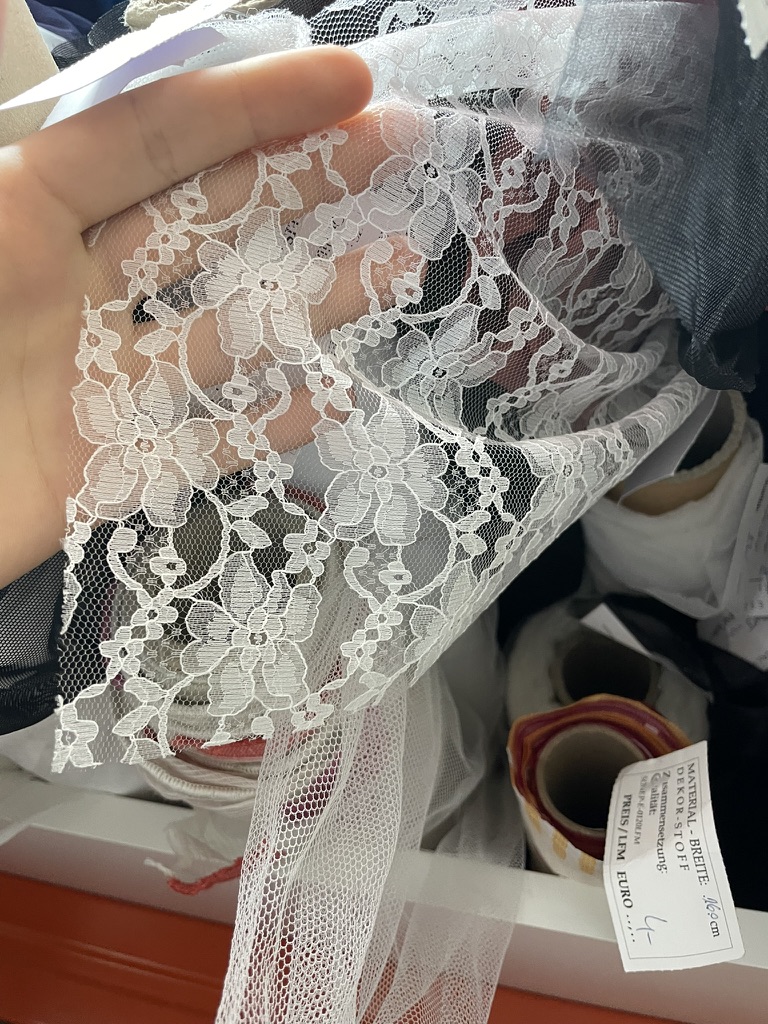
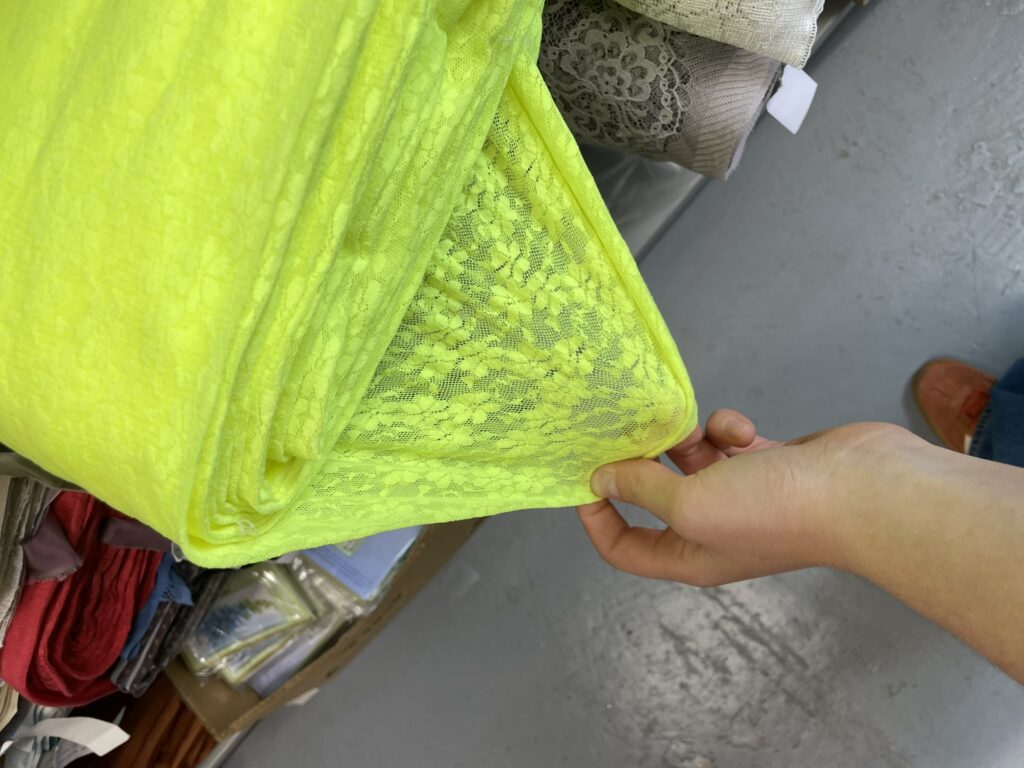
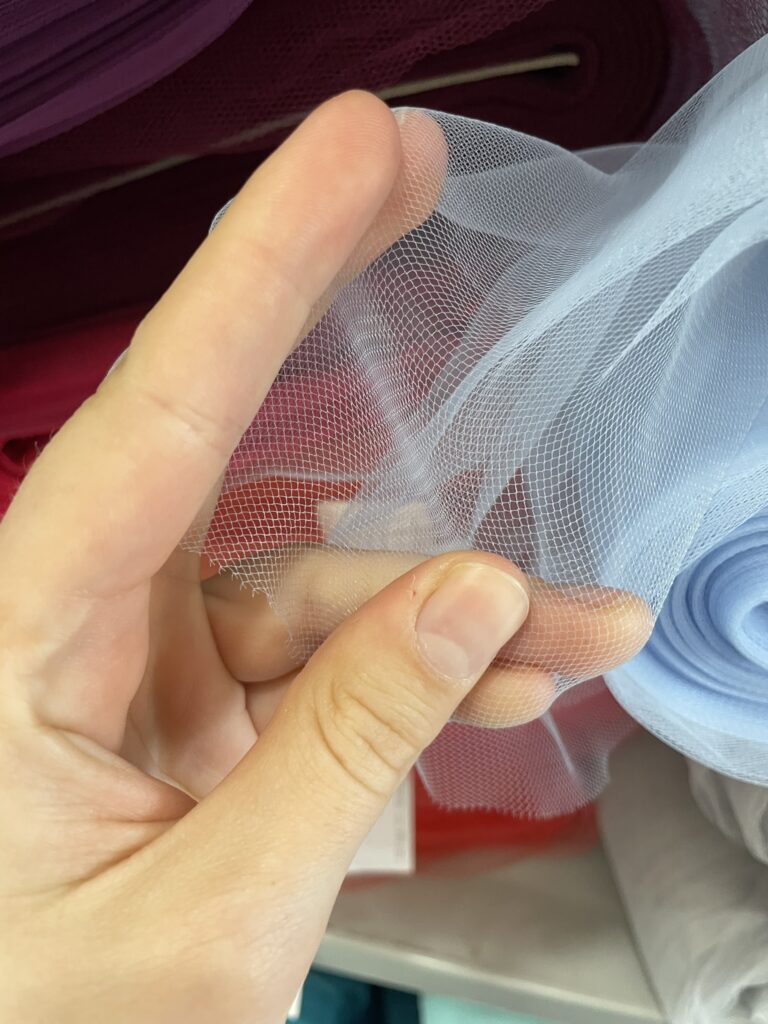
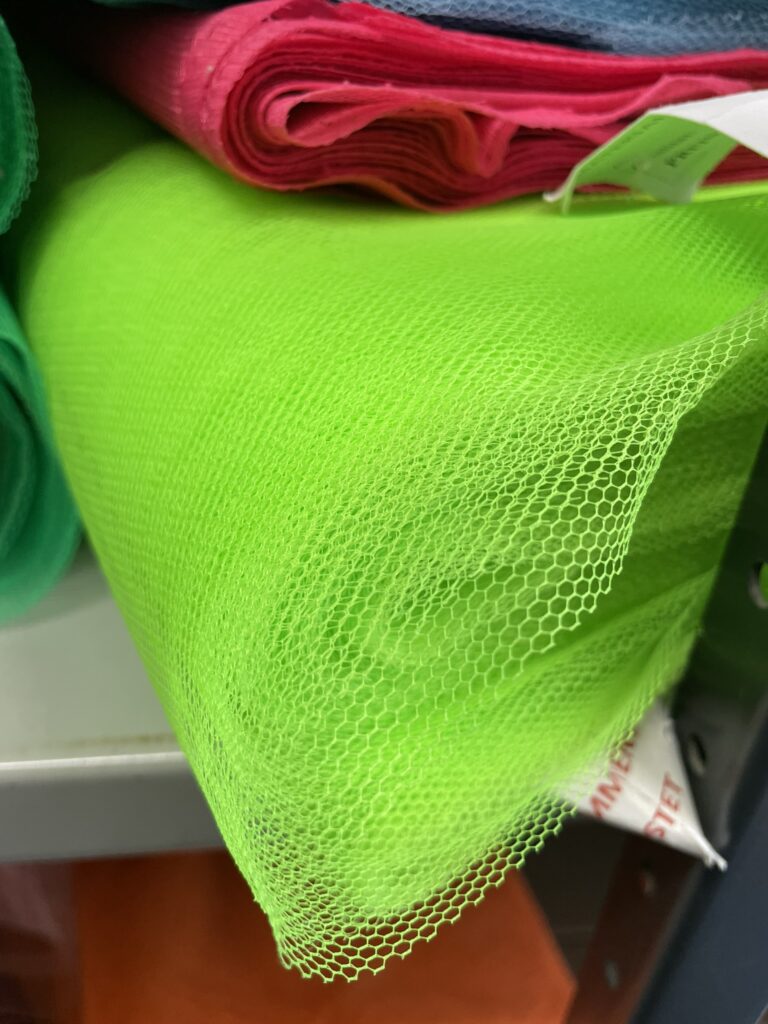
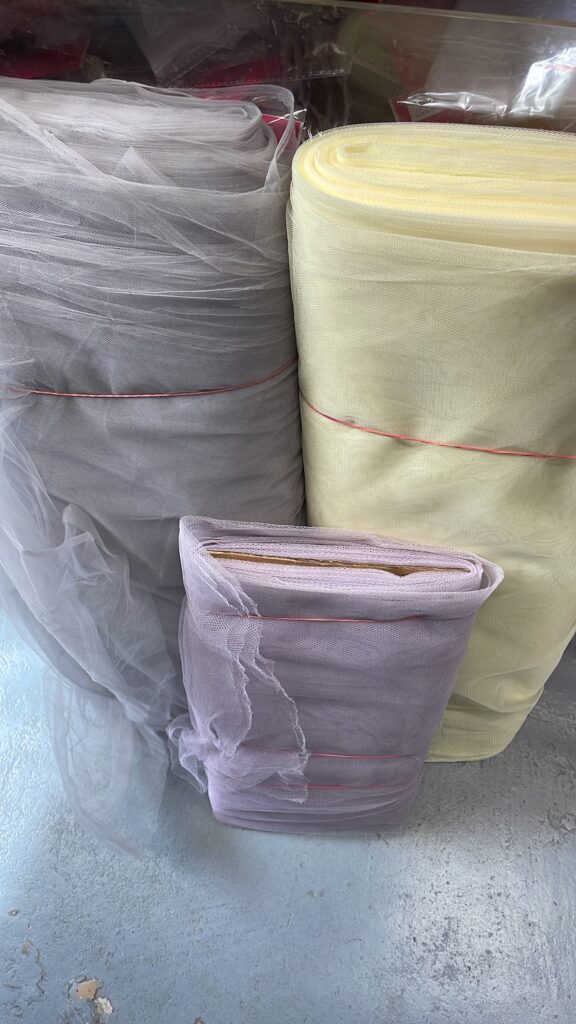
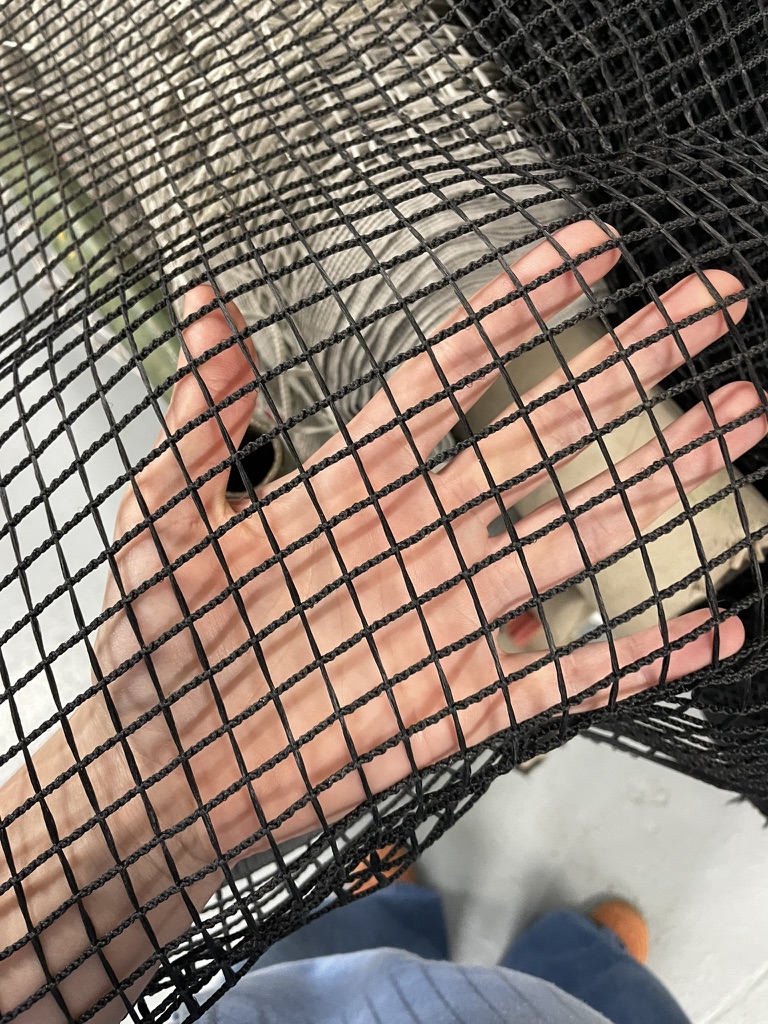
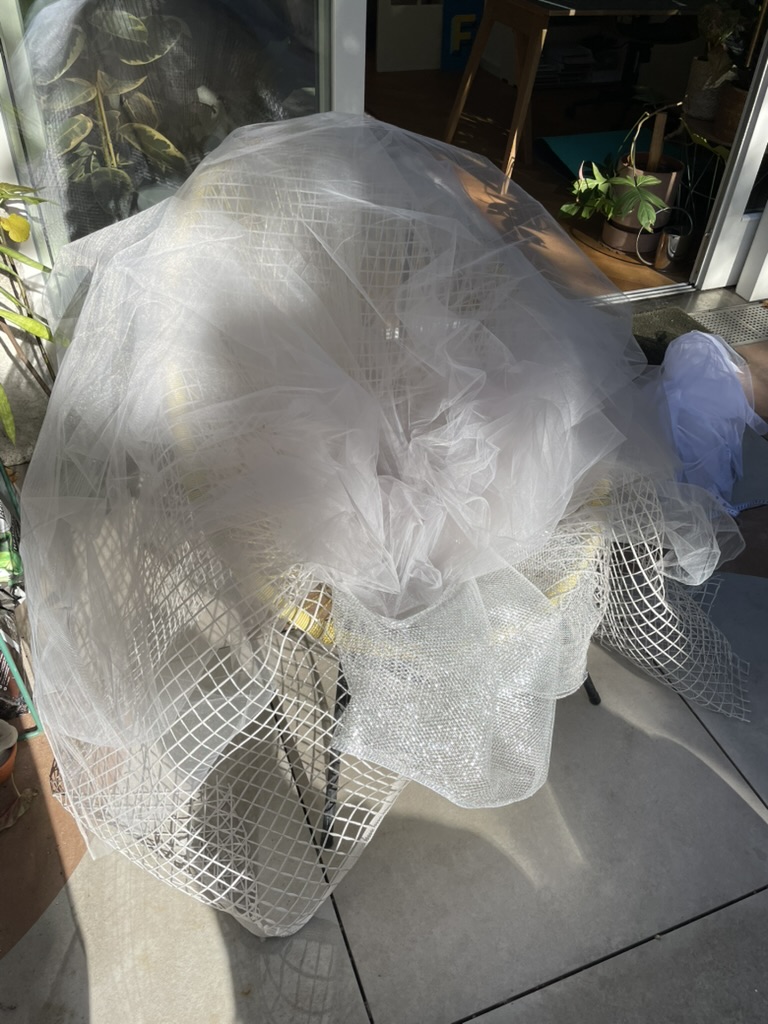
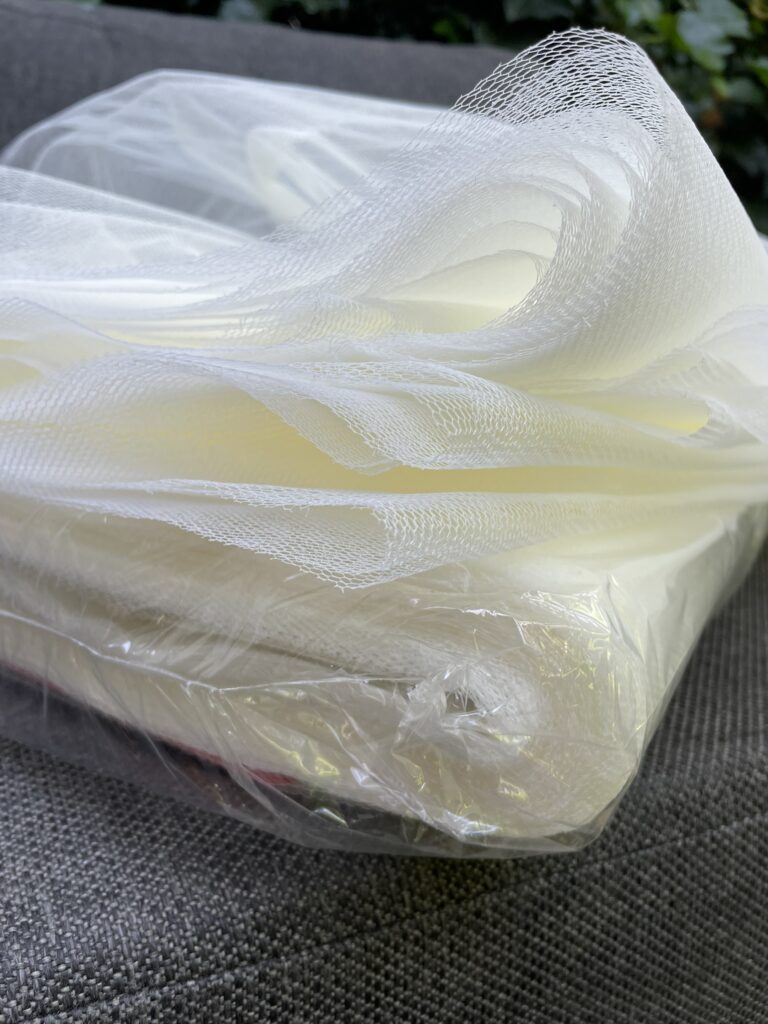
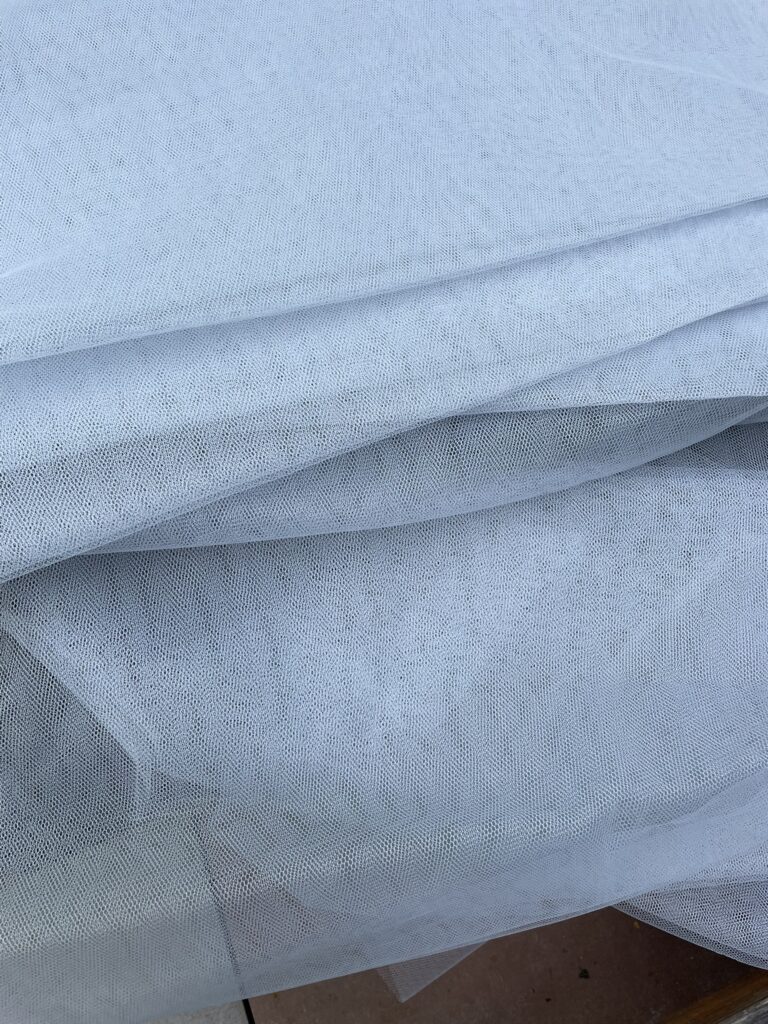
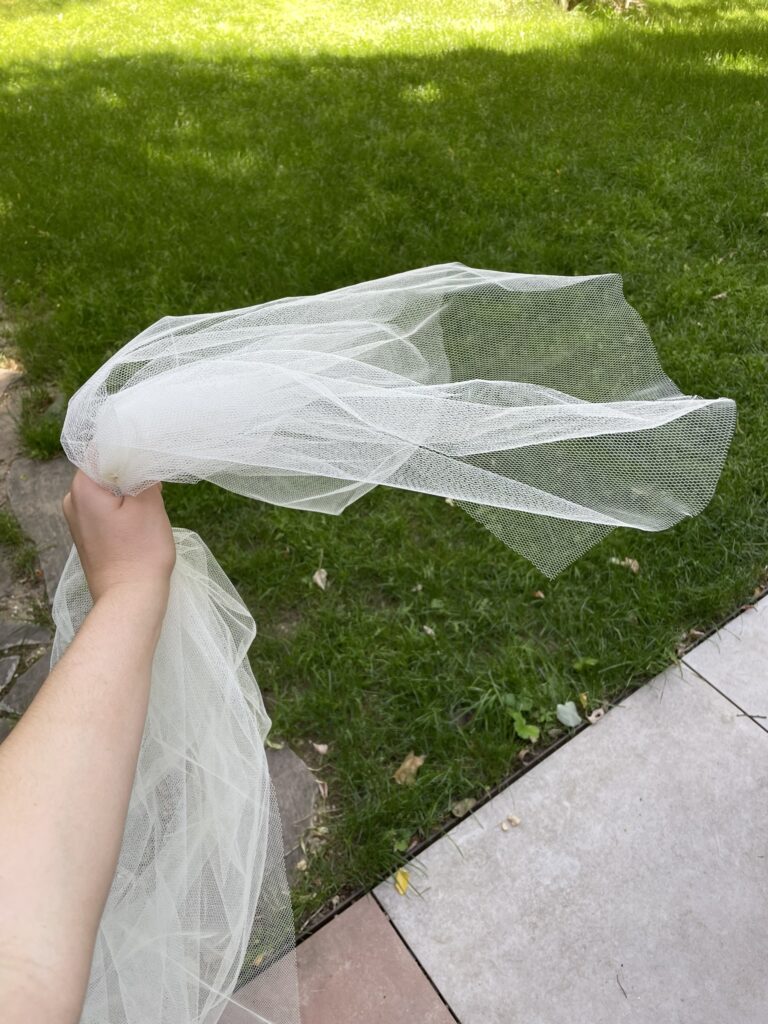
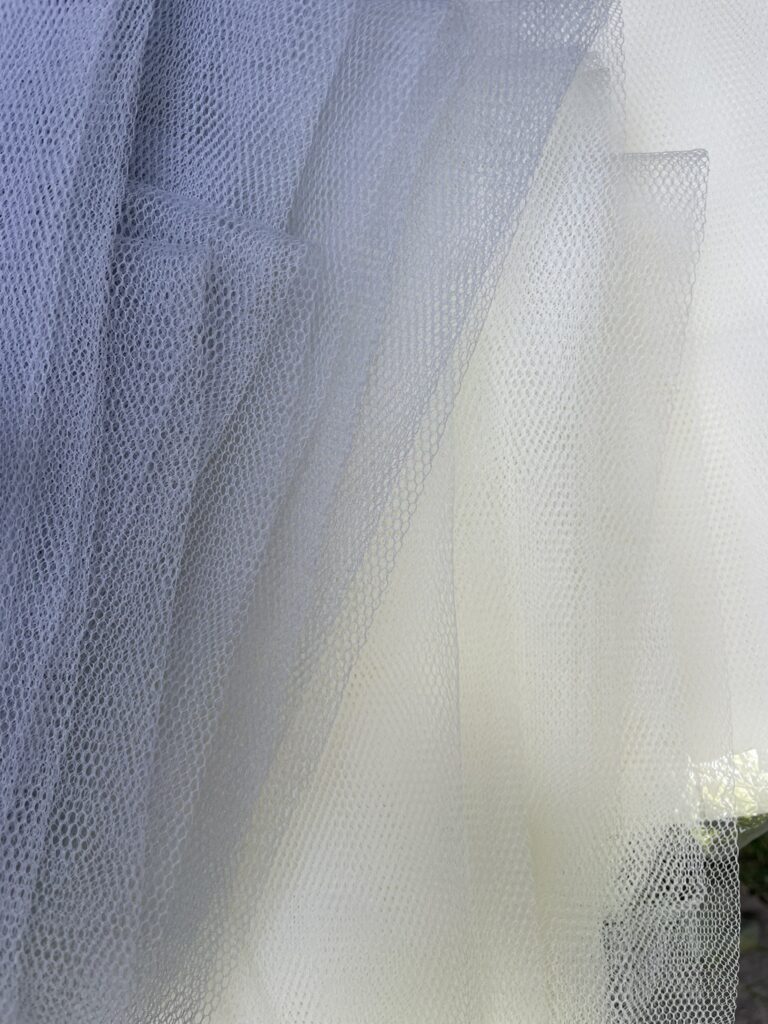
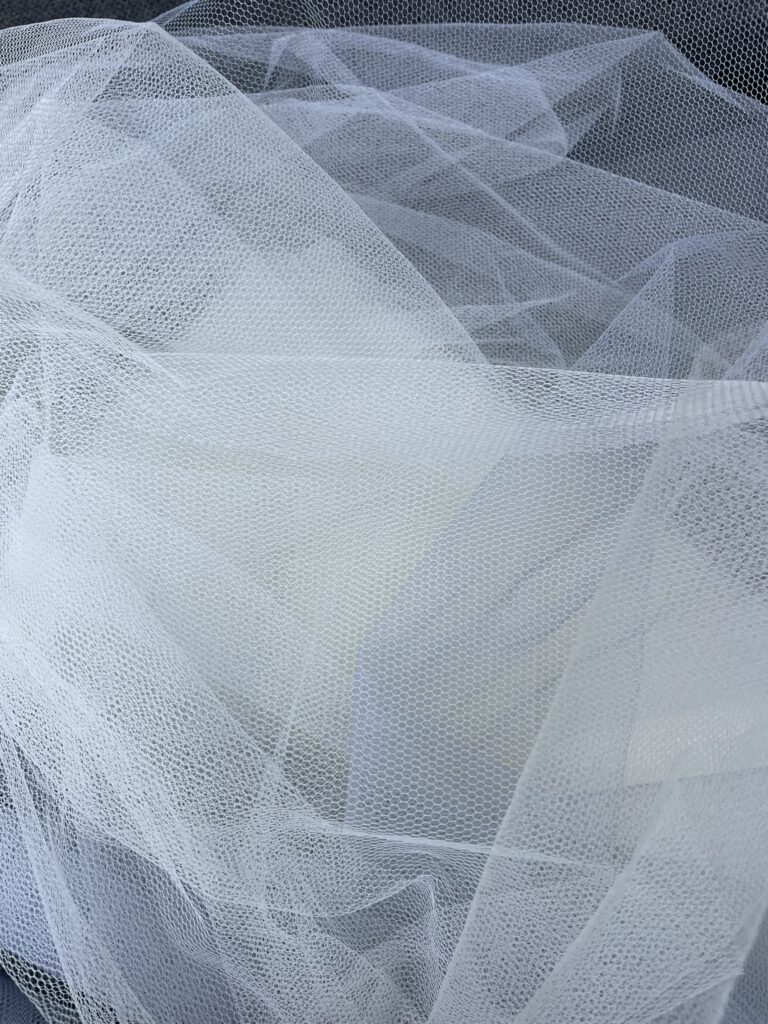
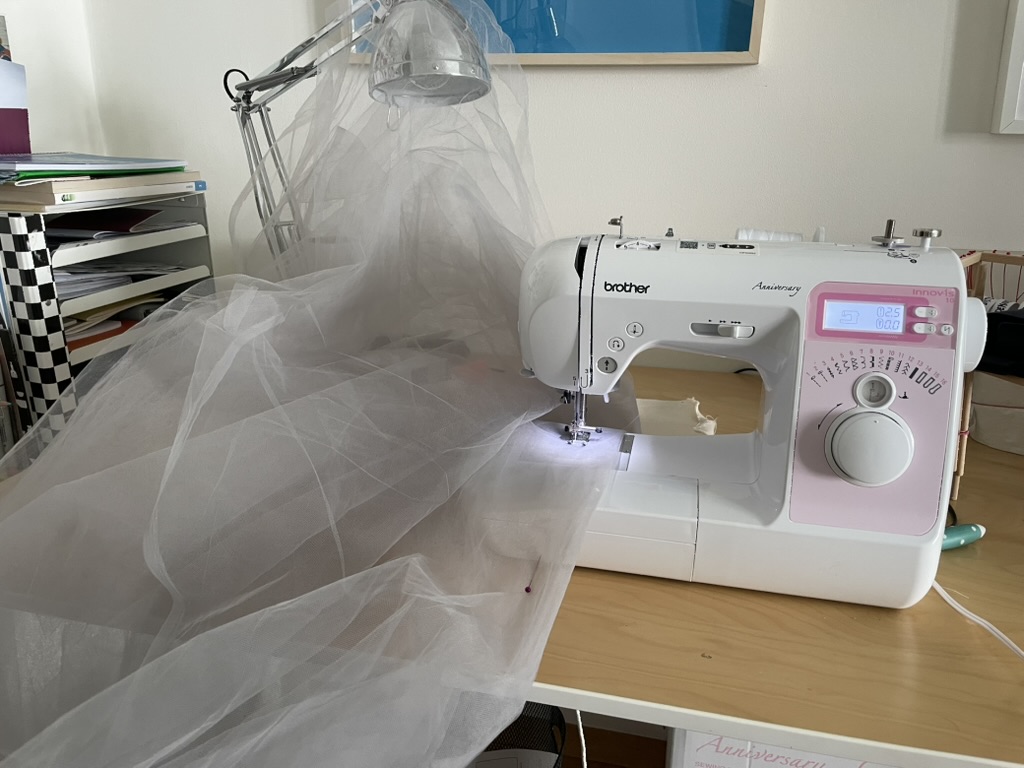
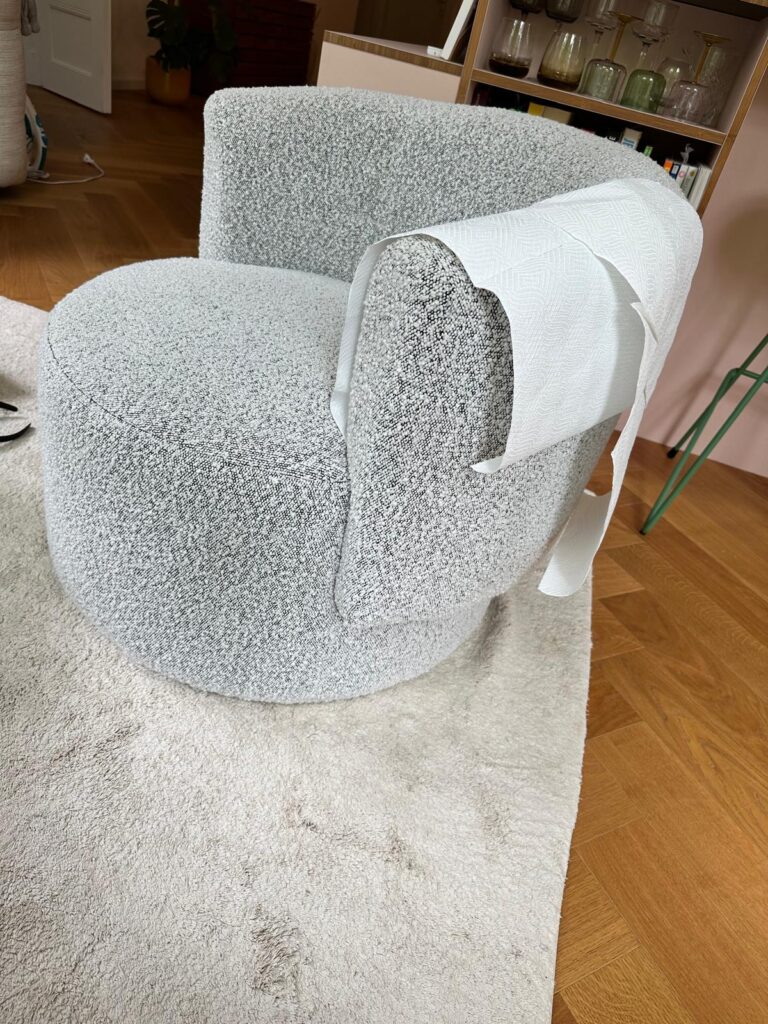
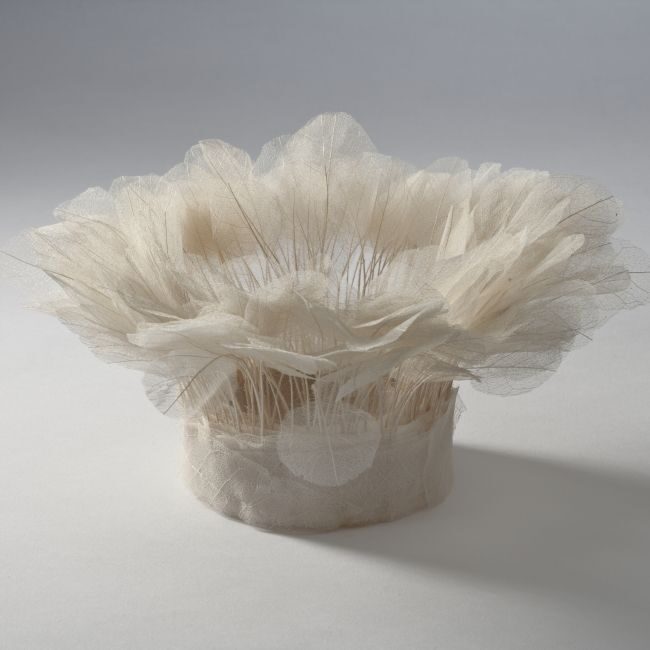
    The Tulle

    fabric exploration

    final decision: 100m of ivory and grey

    draped and ruffled around the foam noodles, “exploding” around the chair

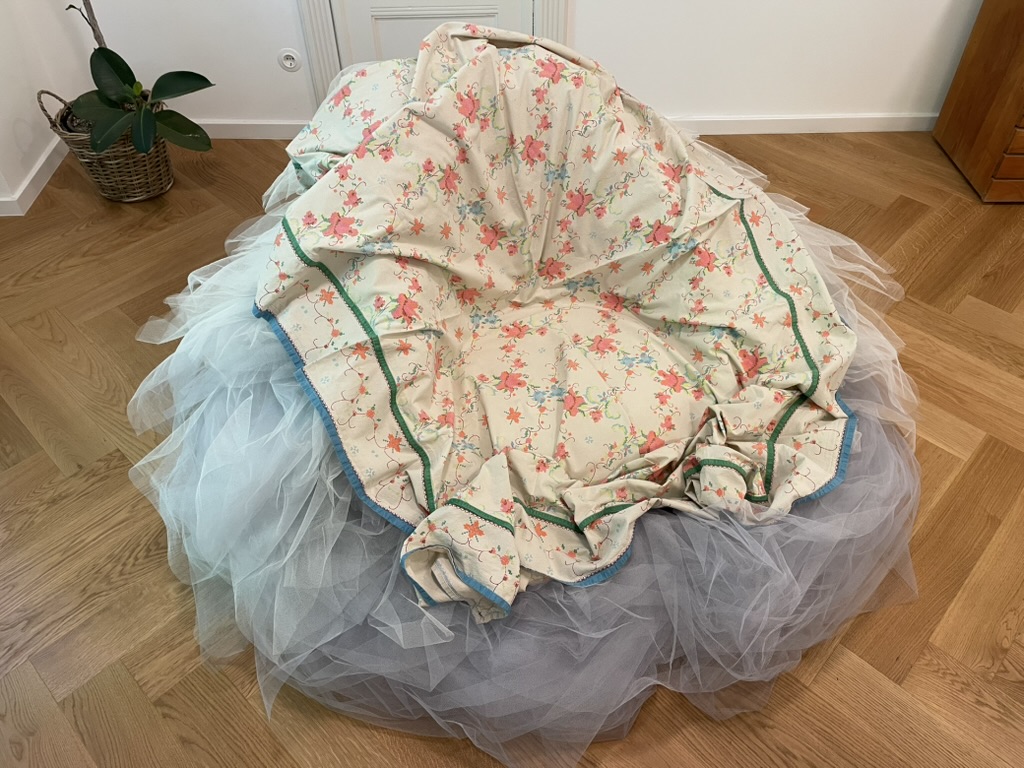
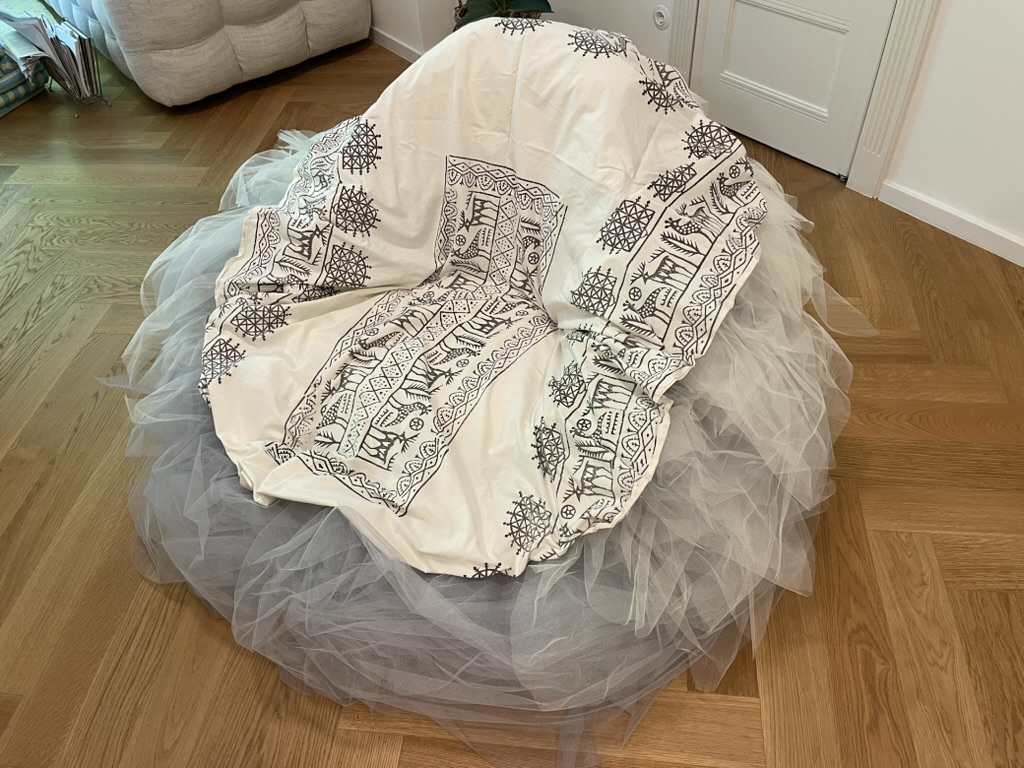
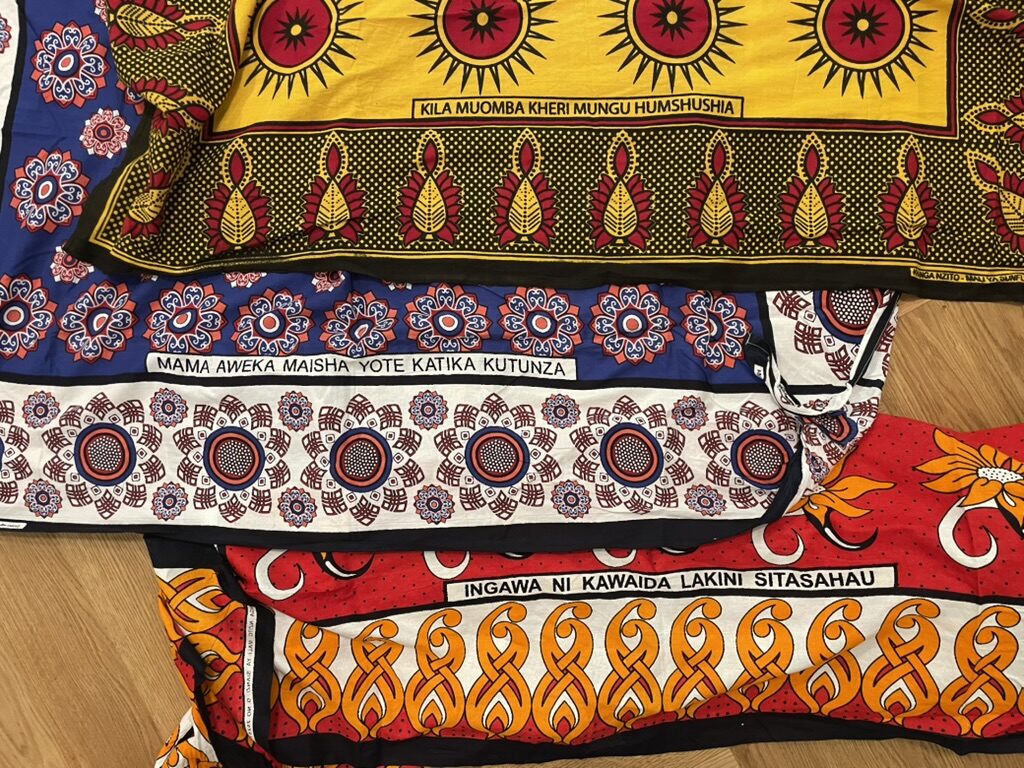
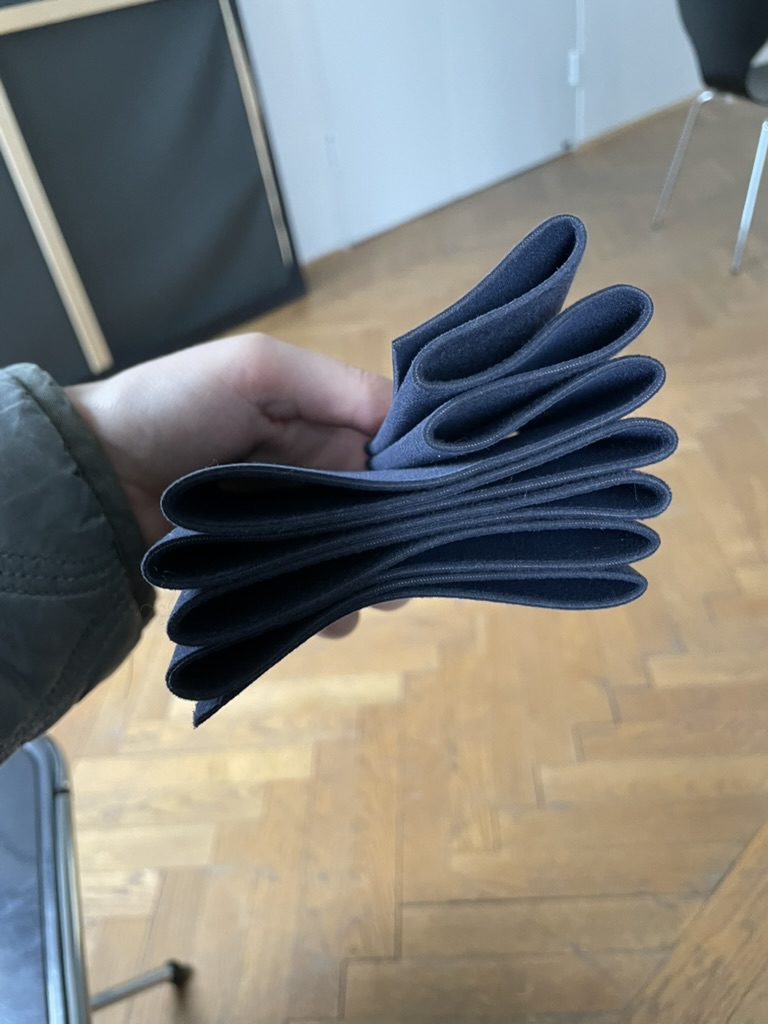
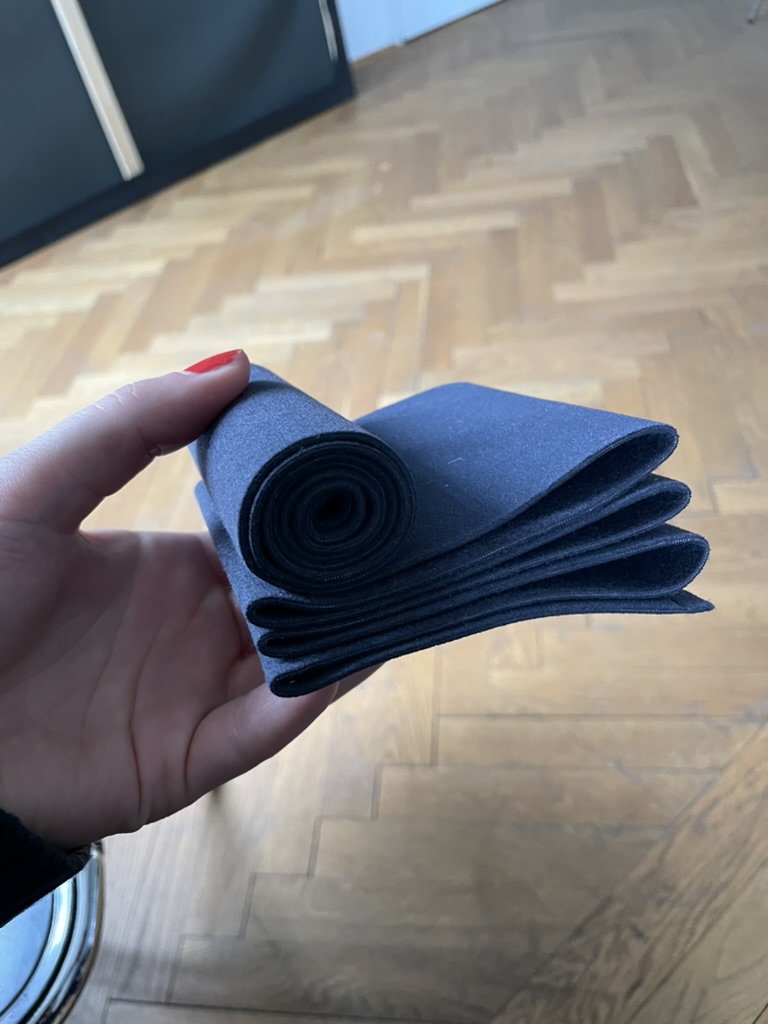
    The Cover

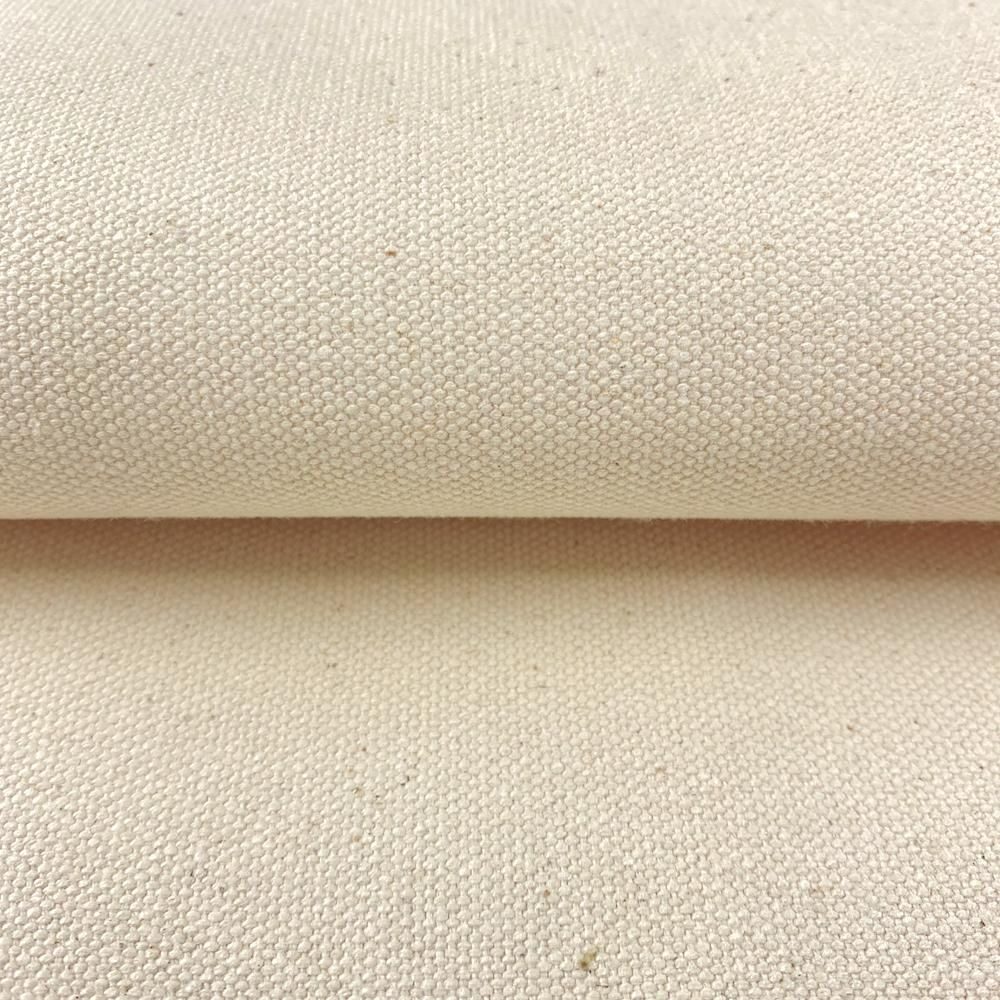
    plain but firm fabric, like a top dress

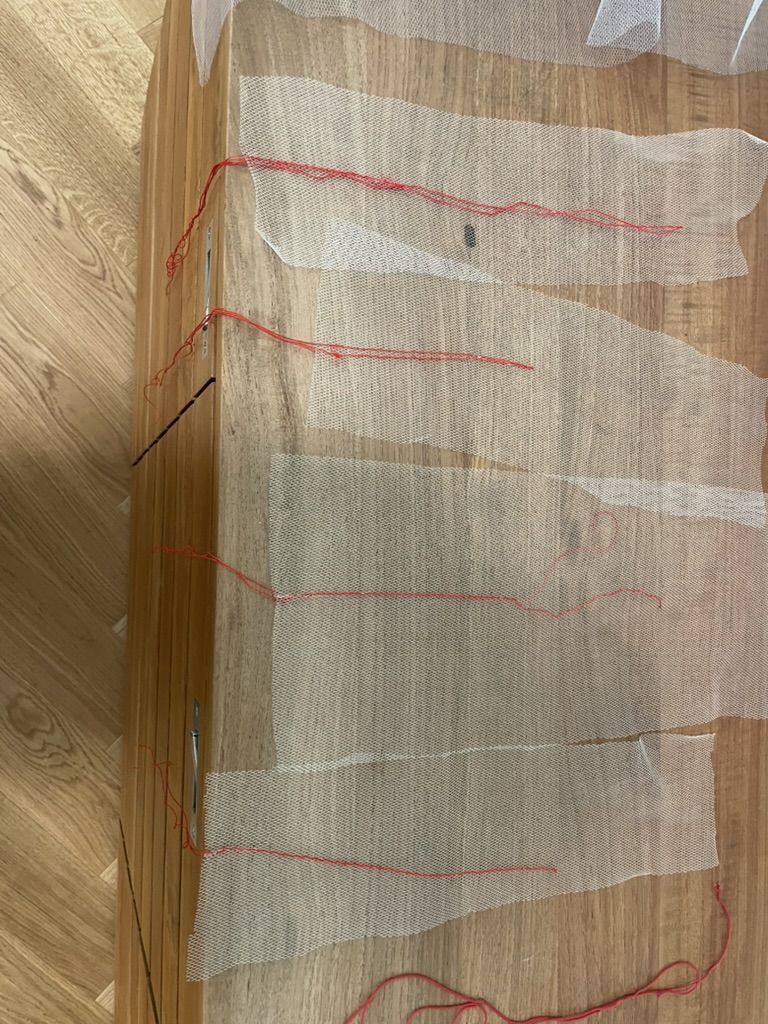
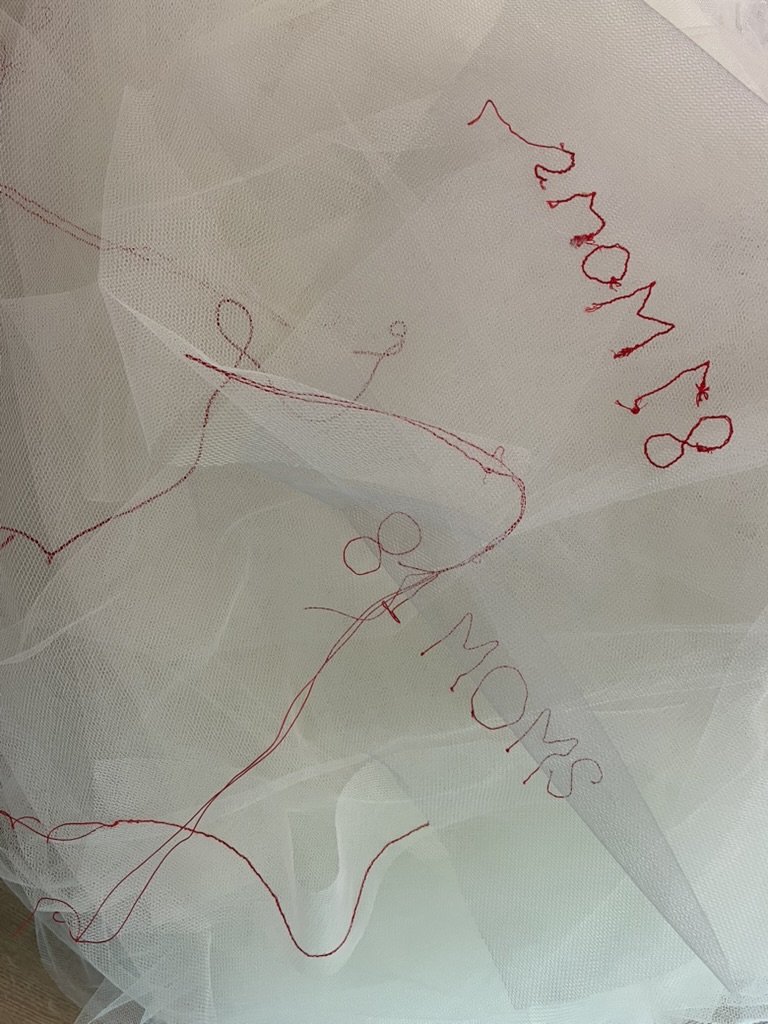
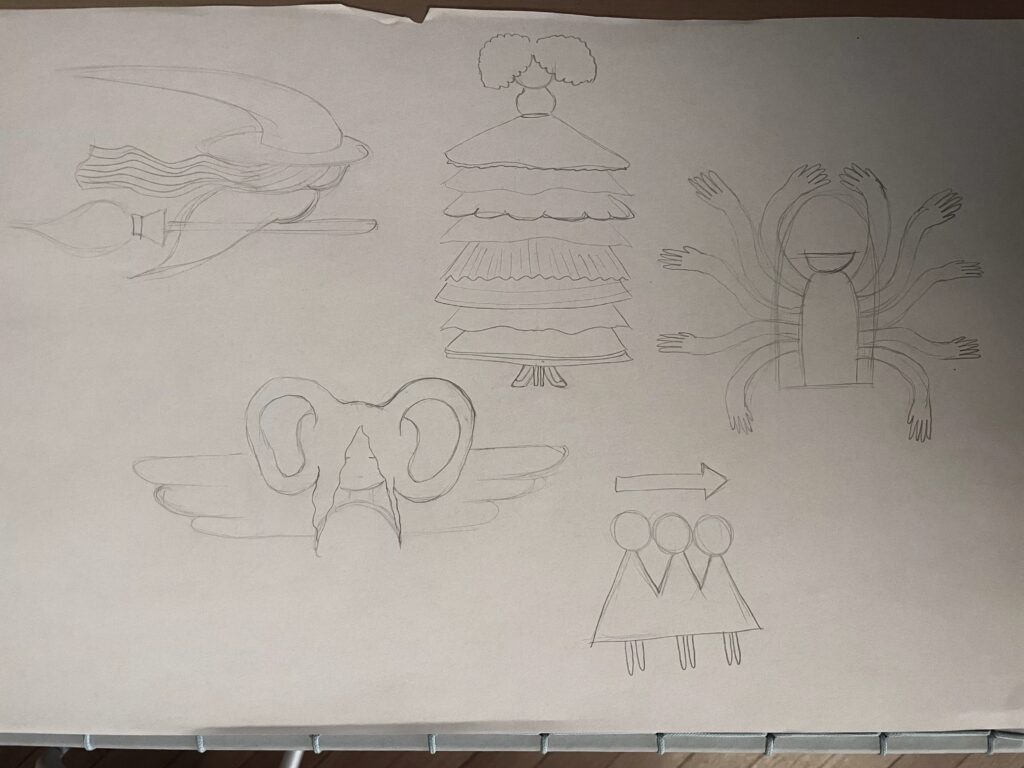
    The Illustrations

    Either 10 little stories all 8 layers, or on all of the 81 or only on the top layer.

    Questions:

    • How will the cover fabric look like?
    • How will the embroidered illustrations look? What colour?
    • How to I put together the differently coloured tulle layers?
  • Post Design Freeze Second Session brainstorm

    By

    Emma Breitenecker

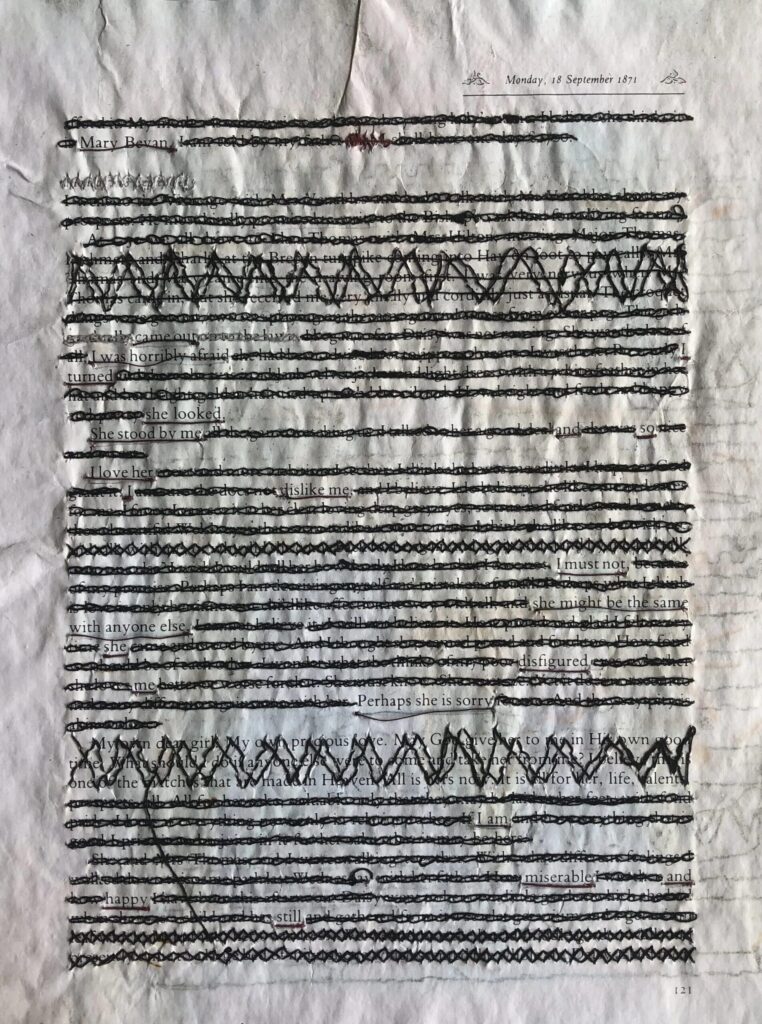
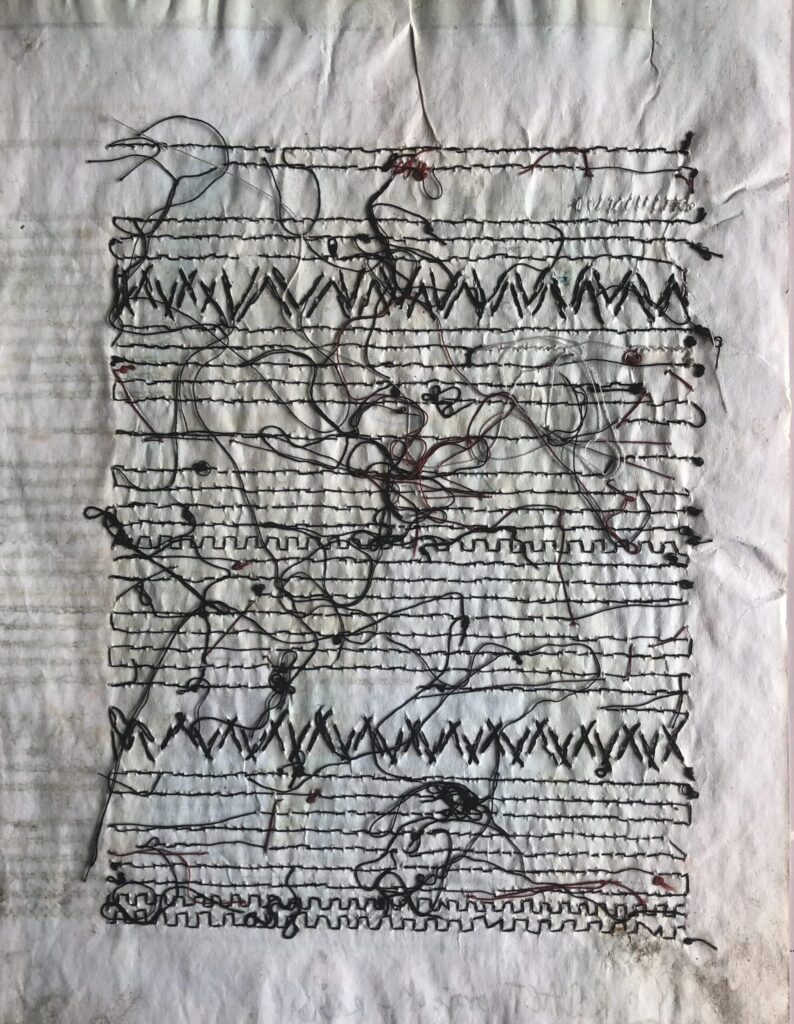
    Rachel Fallon – a repressed love story: The obvious part and the slighty complex tangled part

    Next Second Session (19.5.)

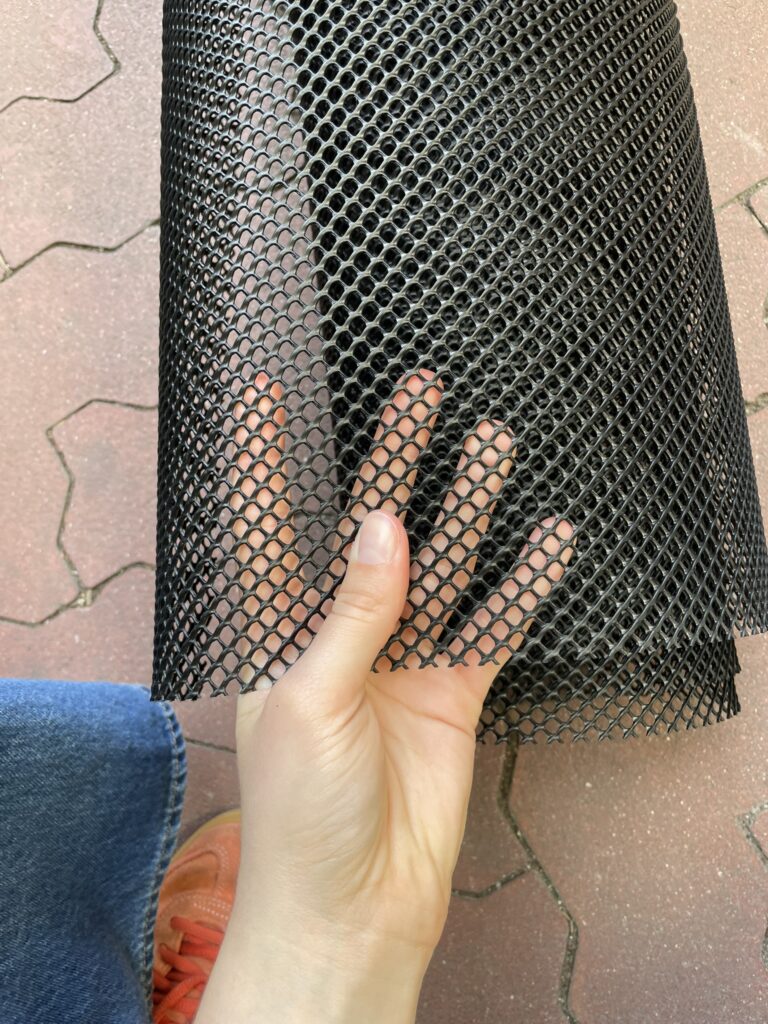
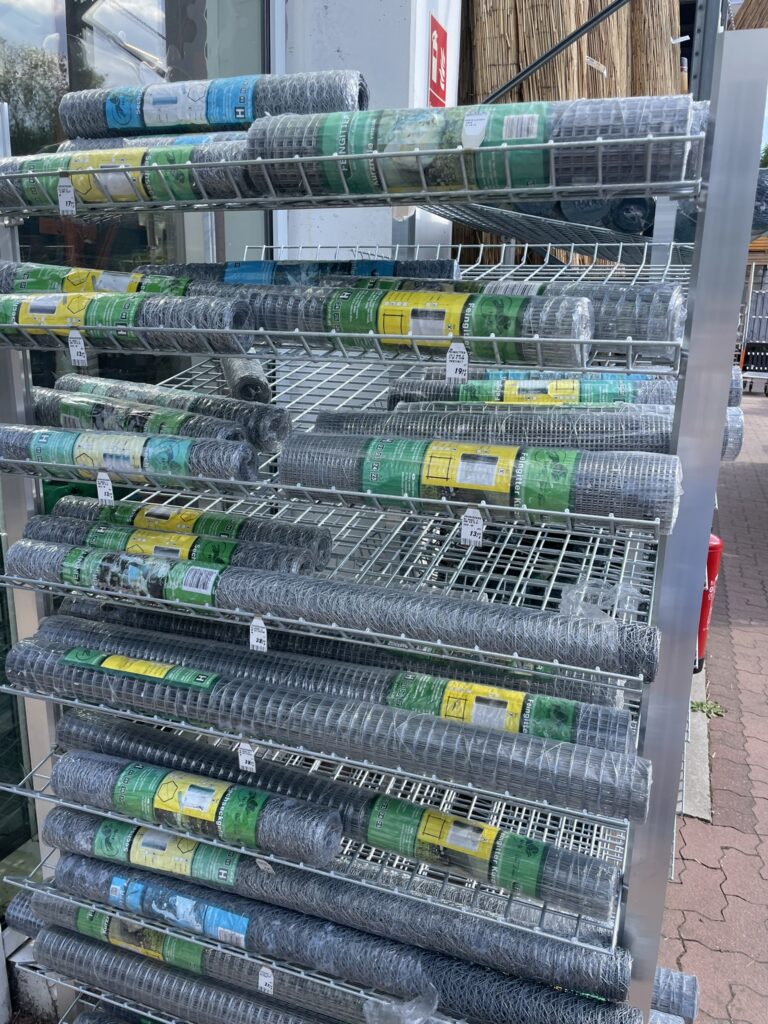
    Tulle Fabric

  • Passing on -> Holding Together

    By

    Emma Breitenecker

    Key elemtents: empowering each other, solidarity, working together, holding together, passing on, sharing

    Where I came from: layers

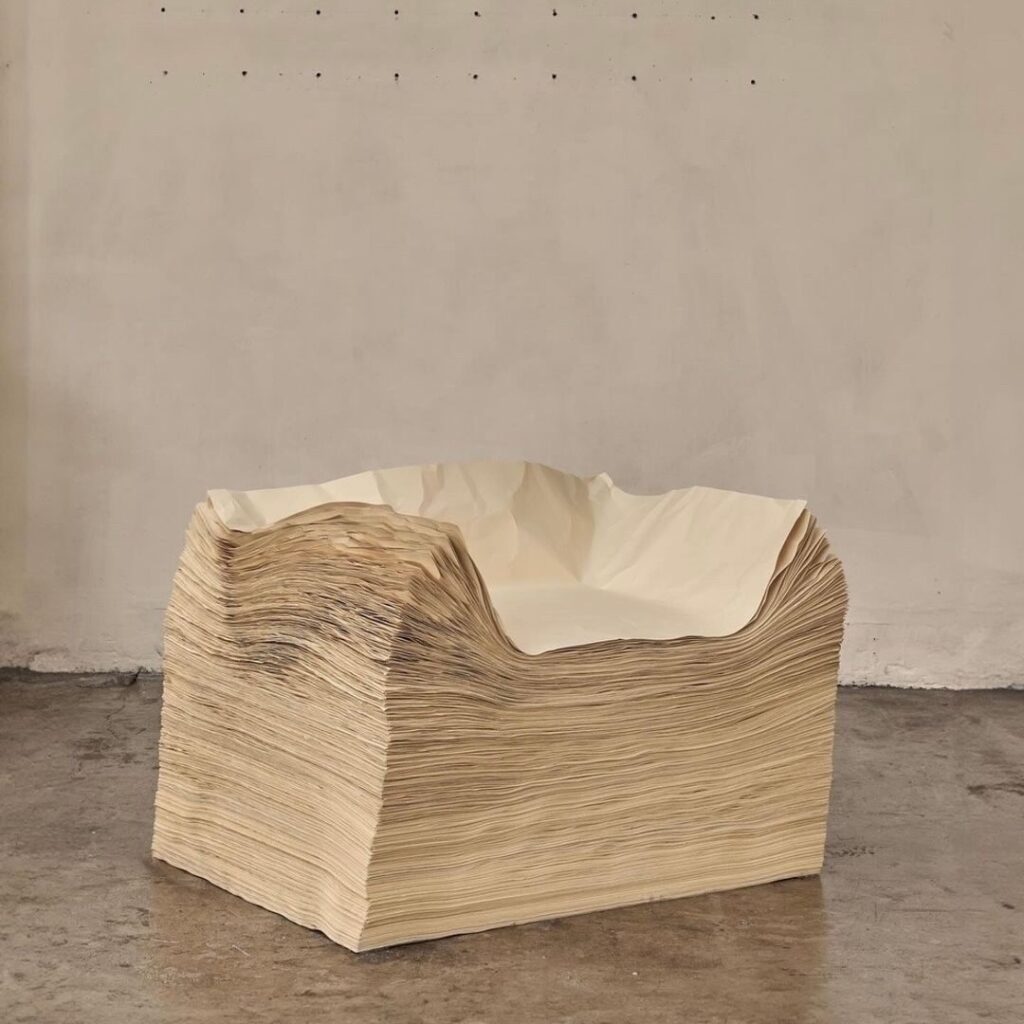
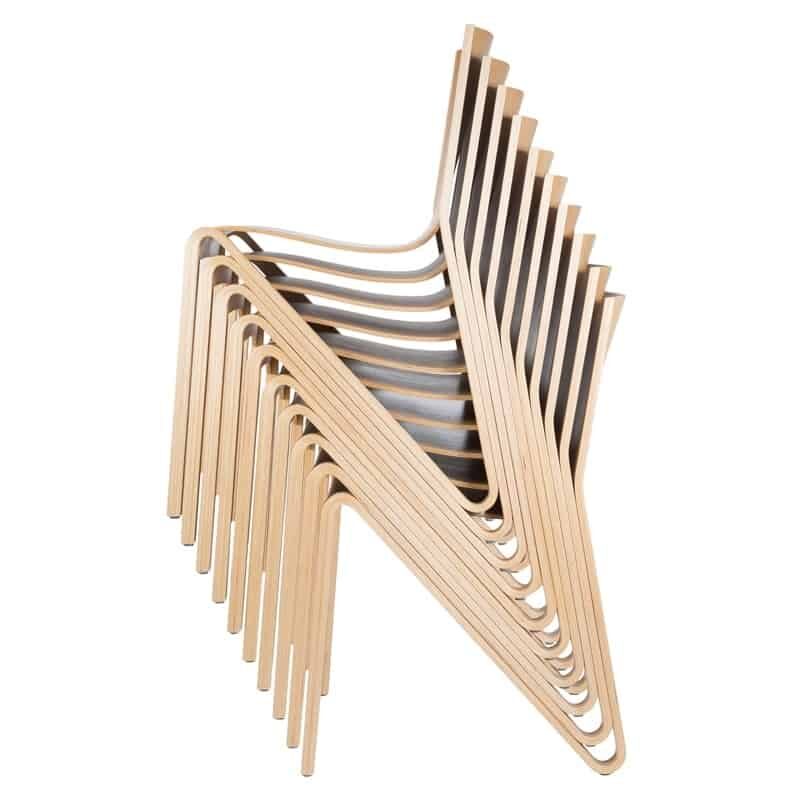
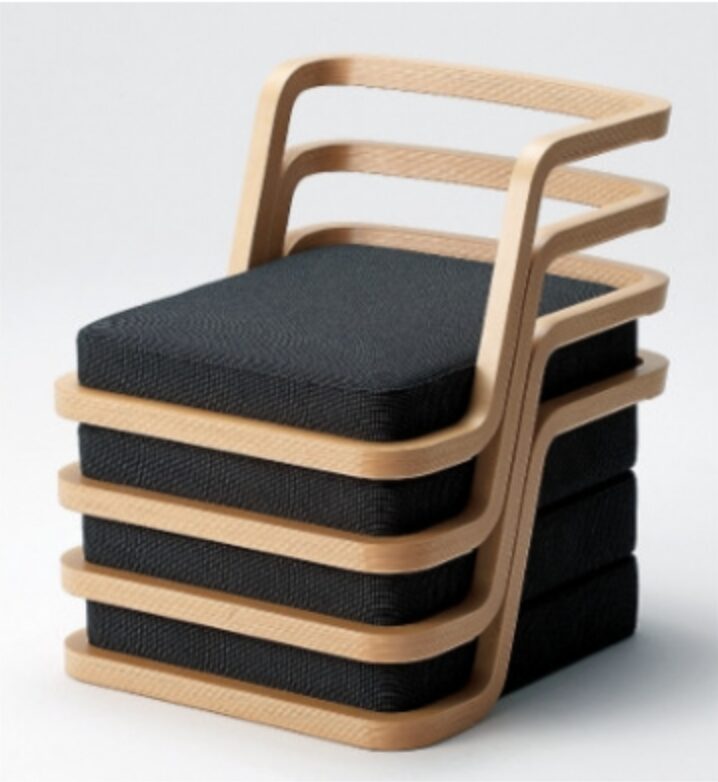
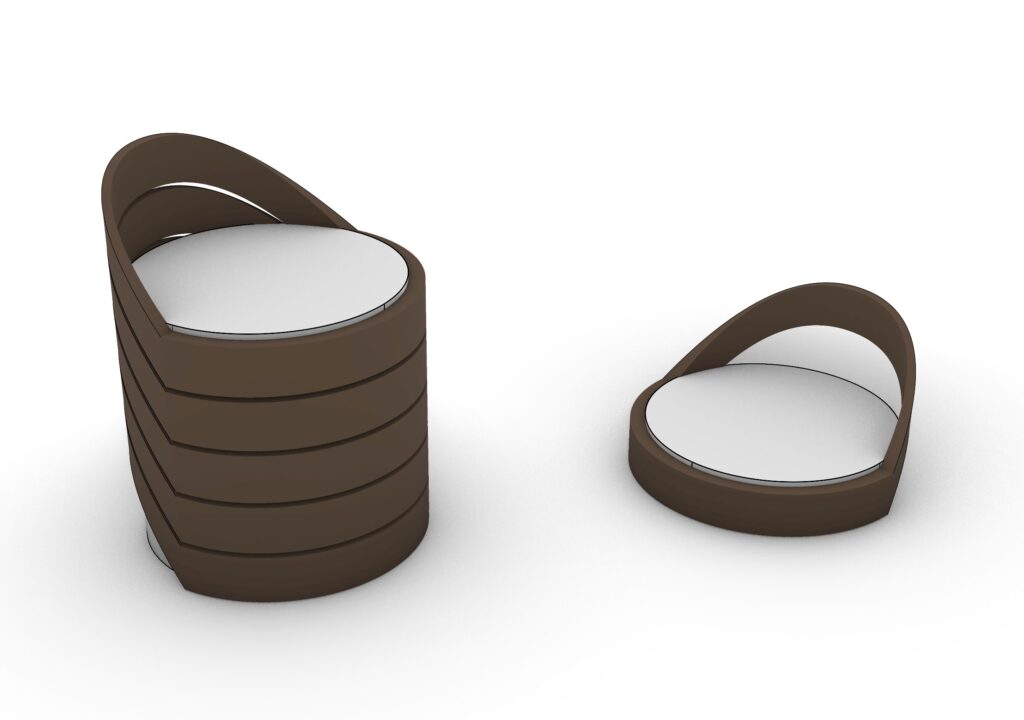
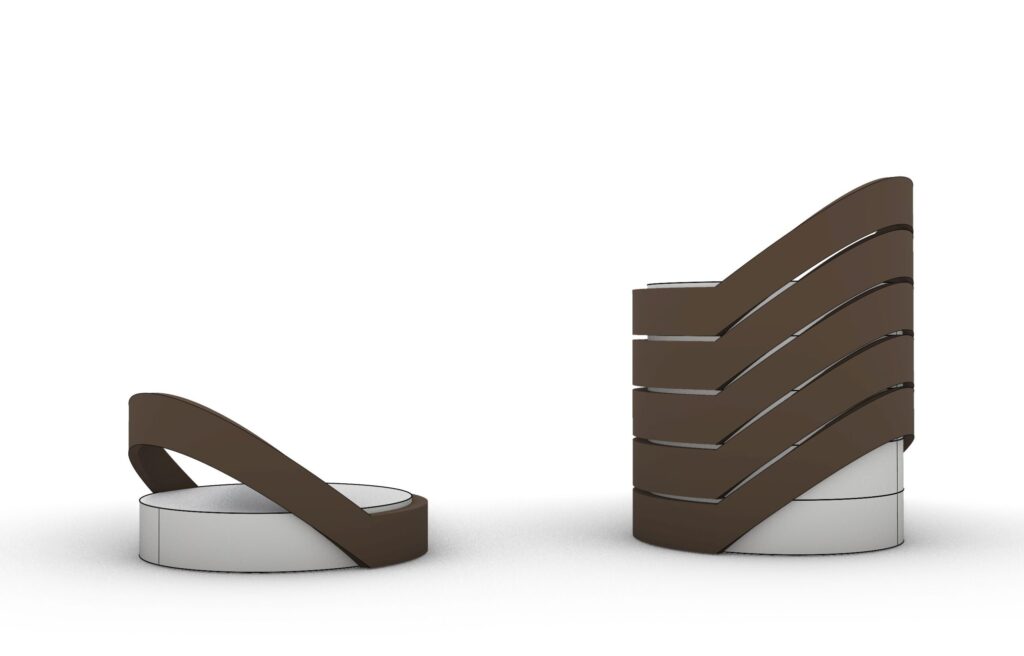
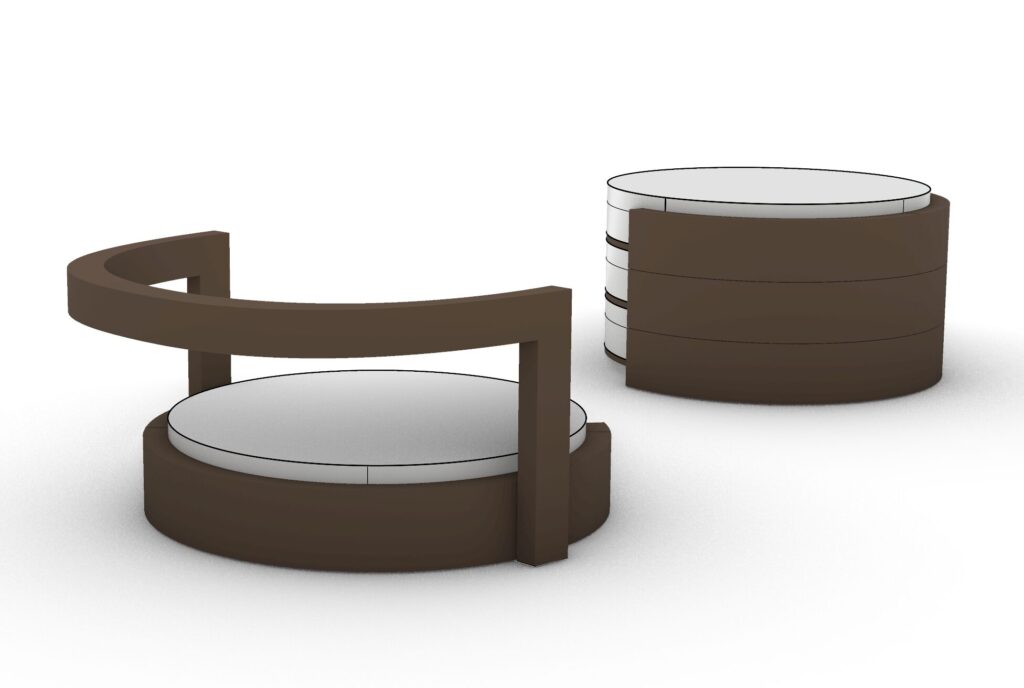
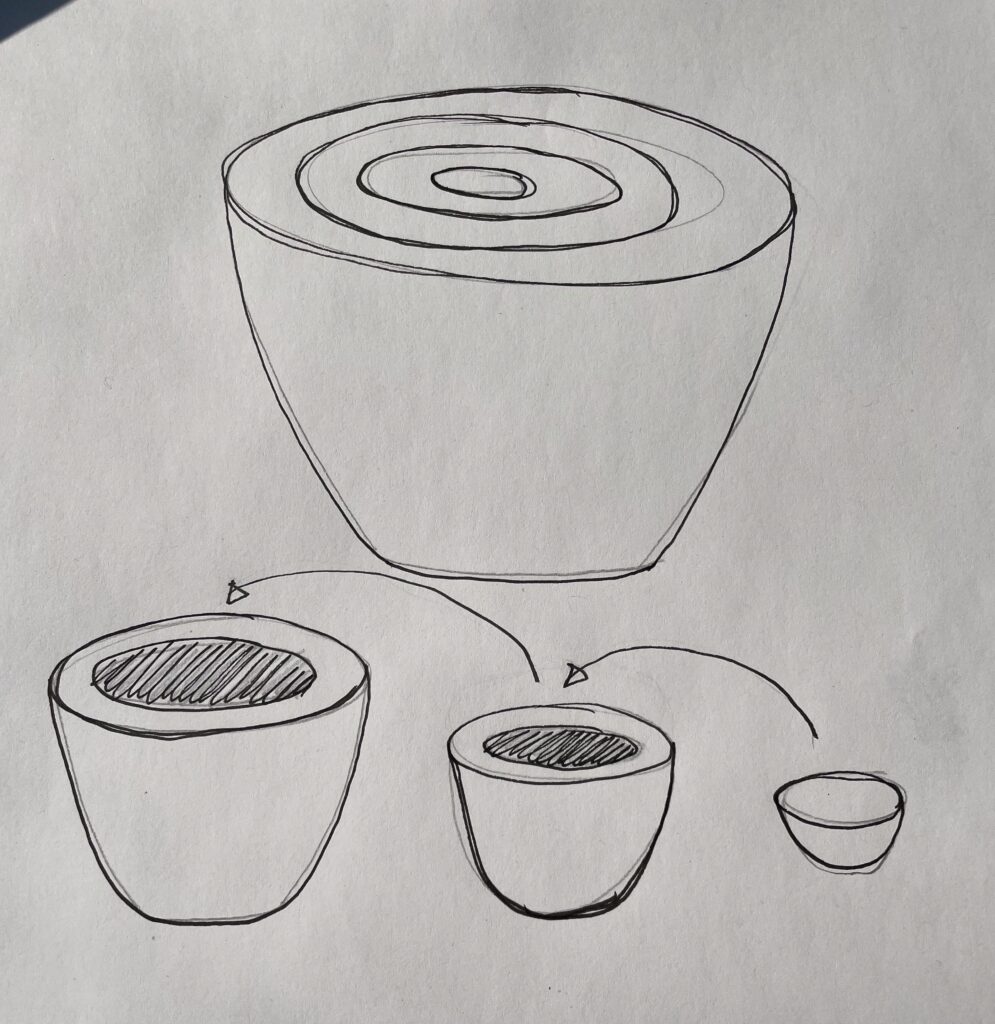
    Layers: Stacking chairs

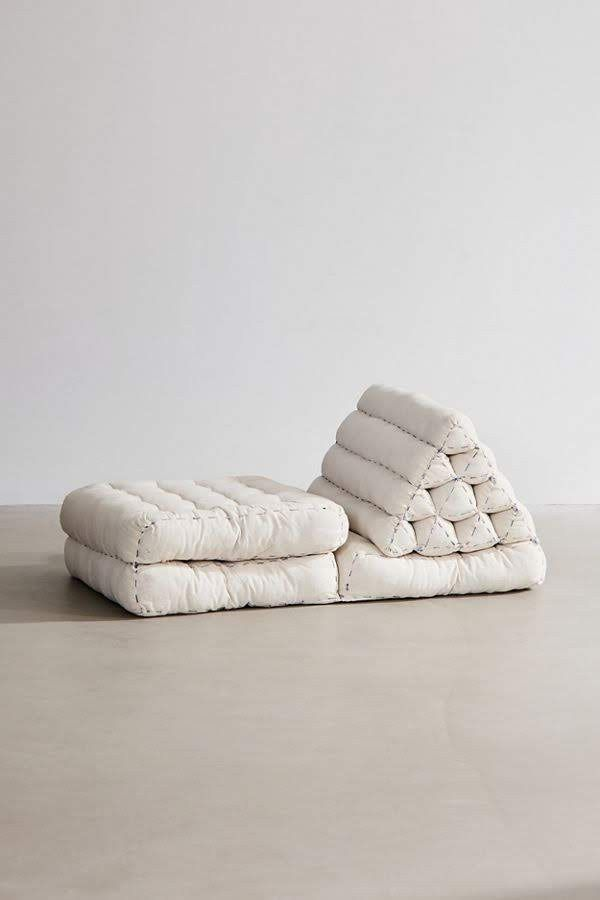
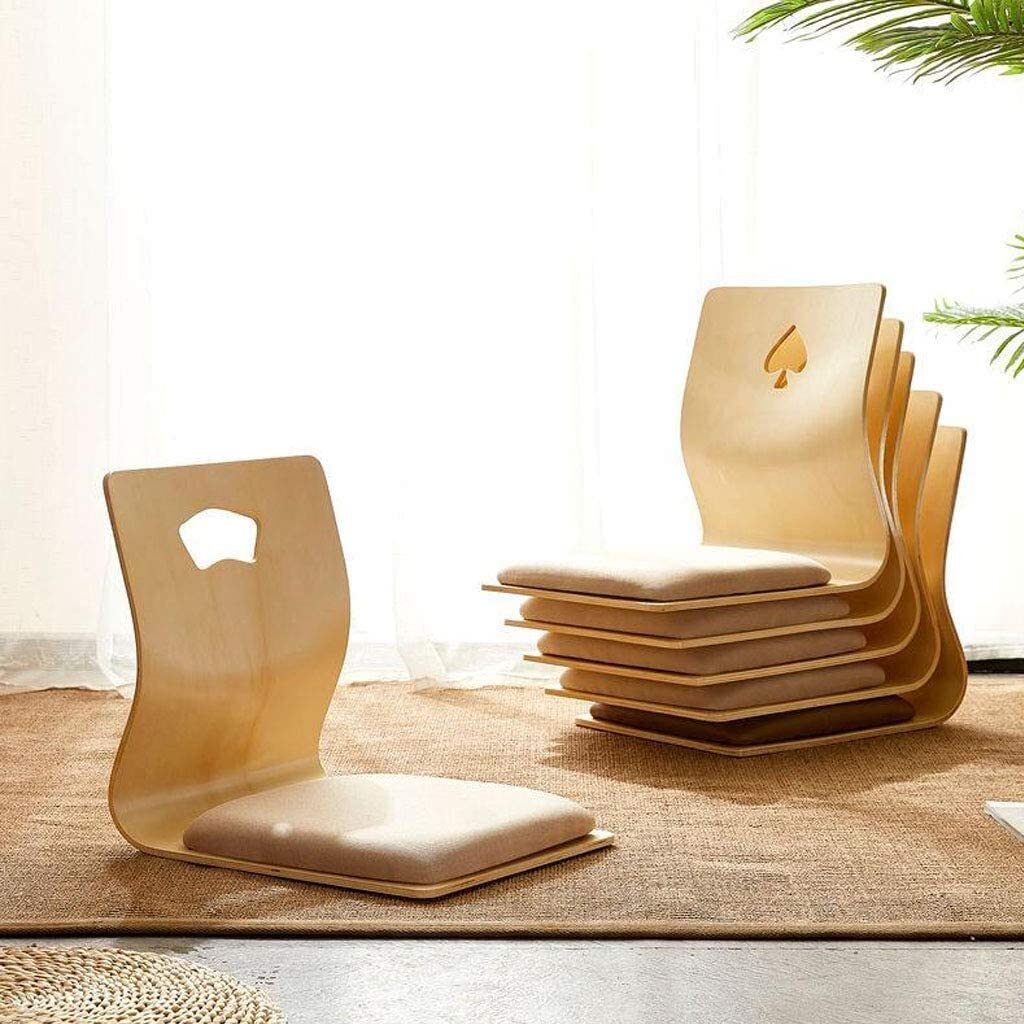
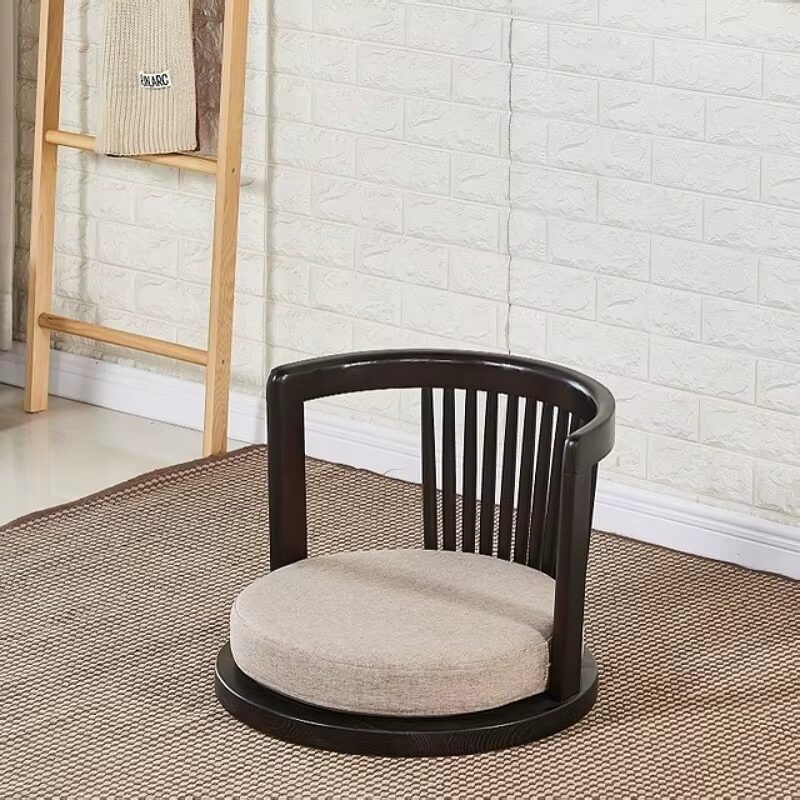
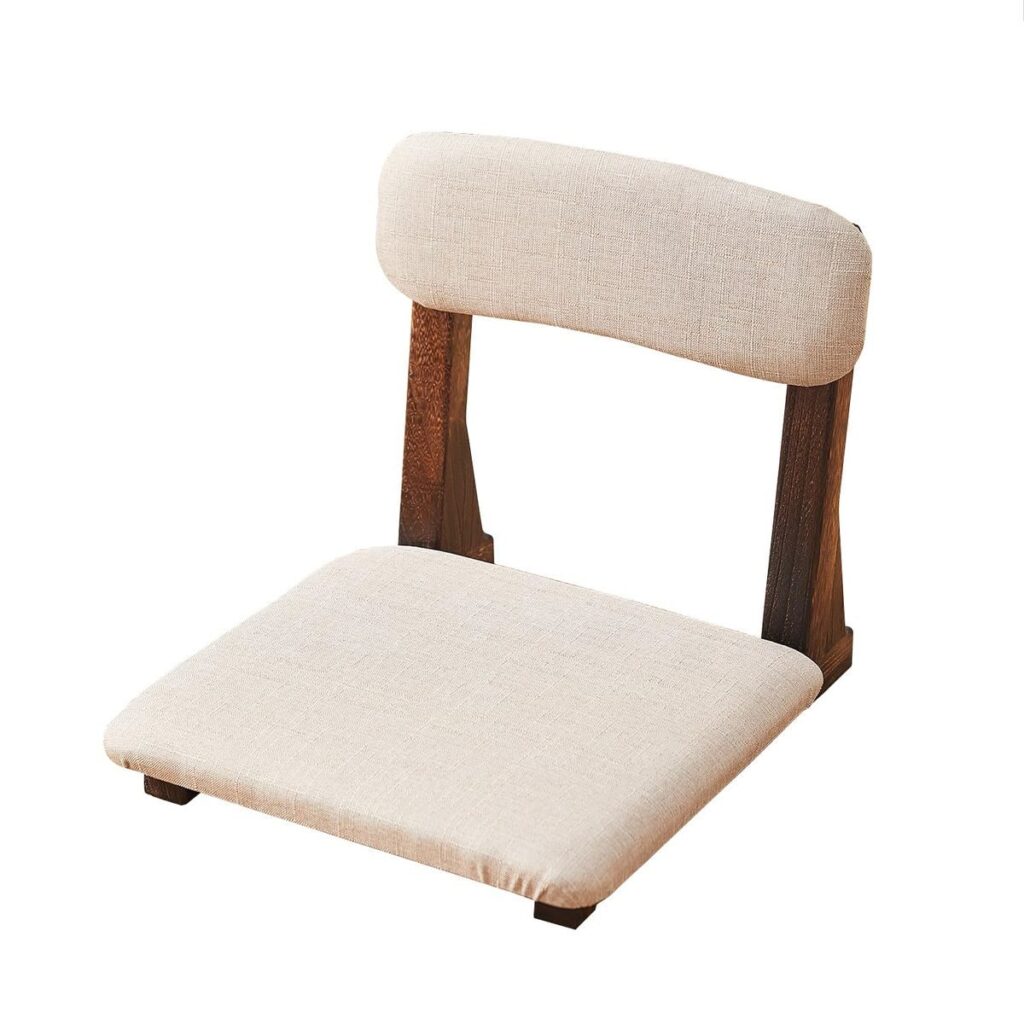
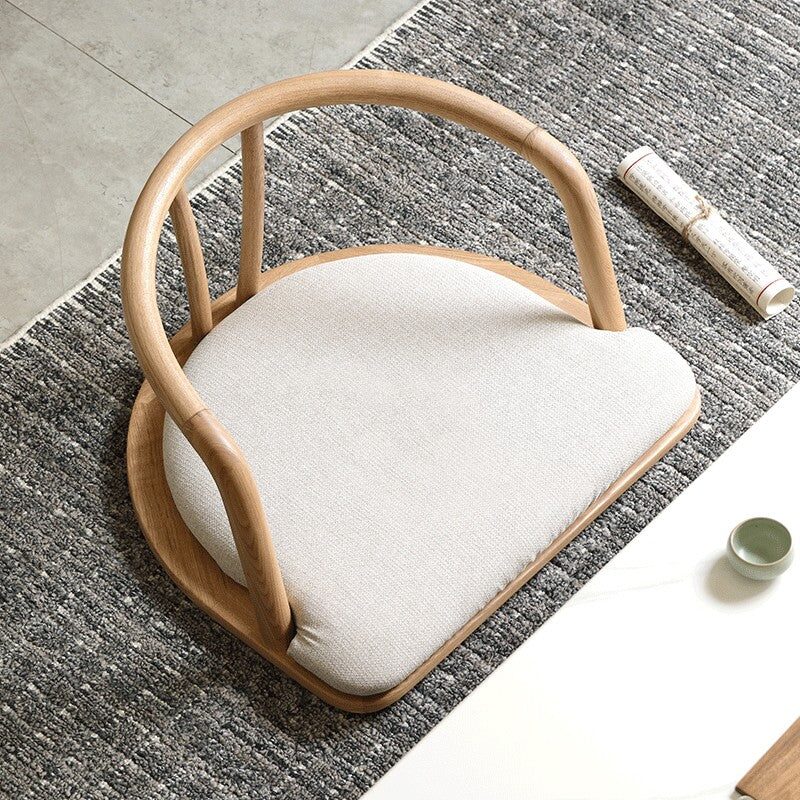
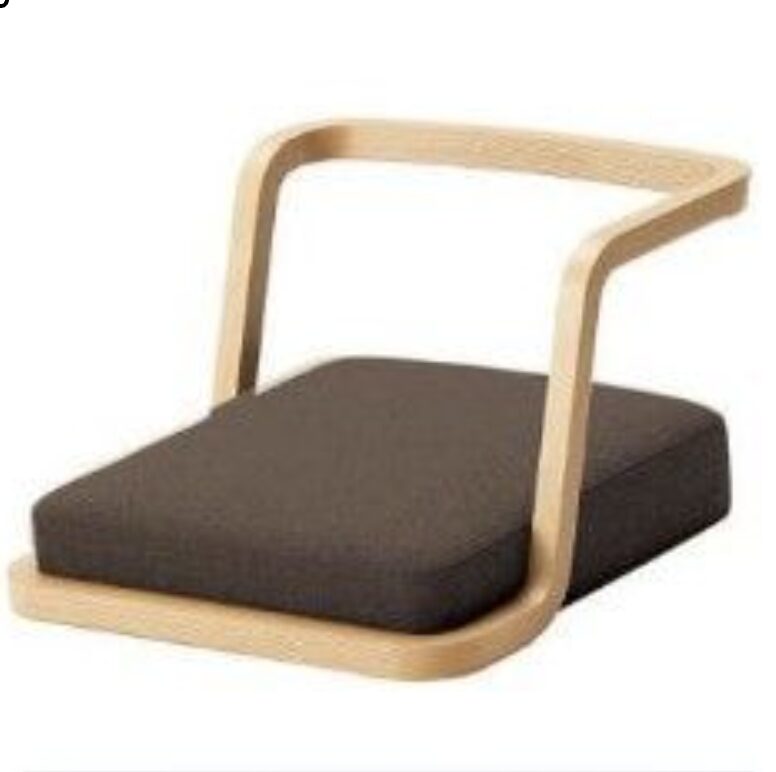
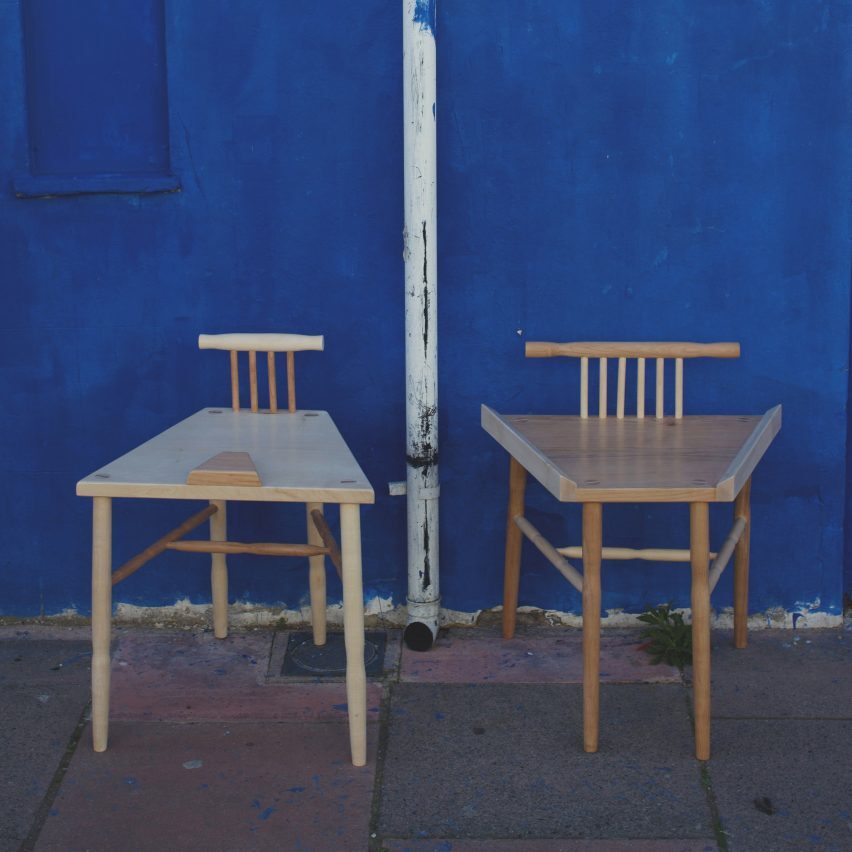
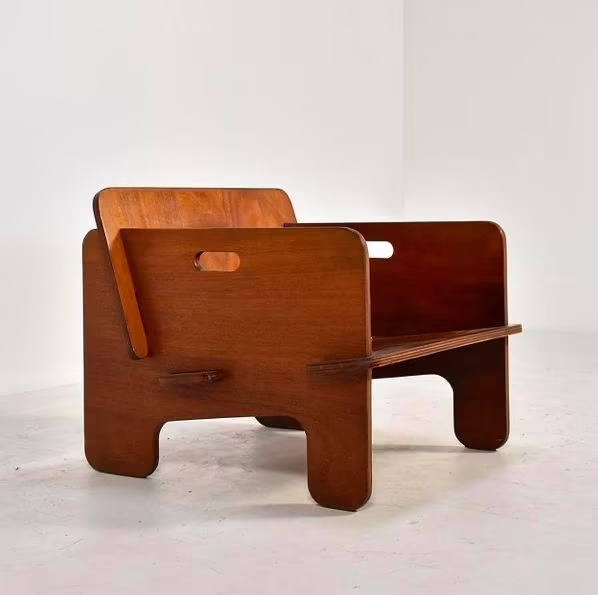
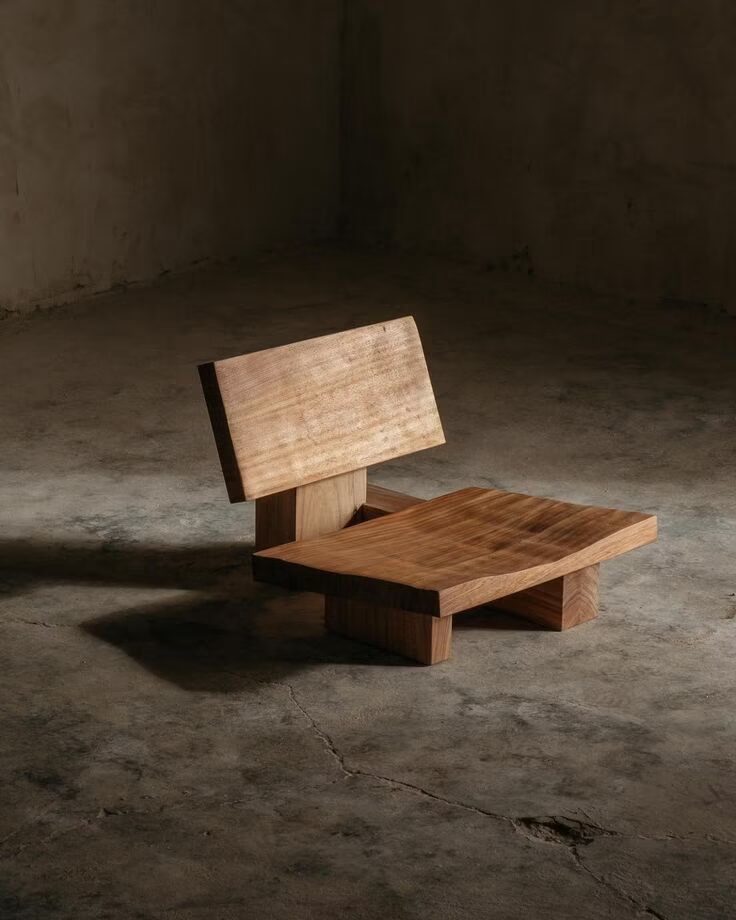
    Tatami seating – The Zaisu Chair

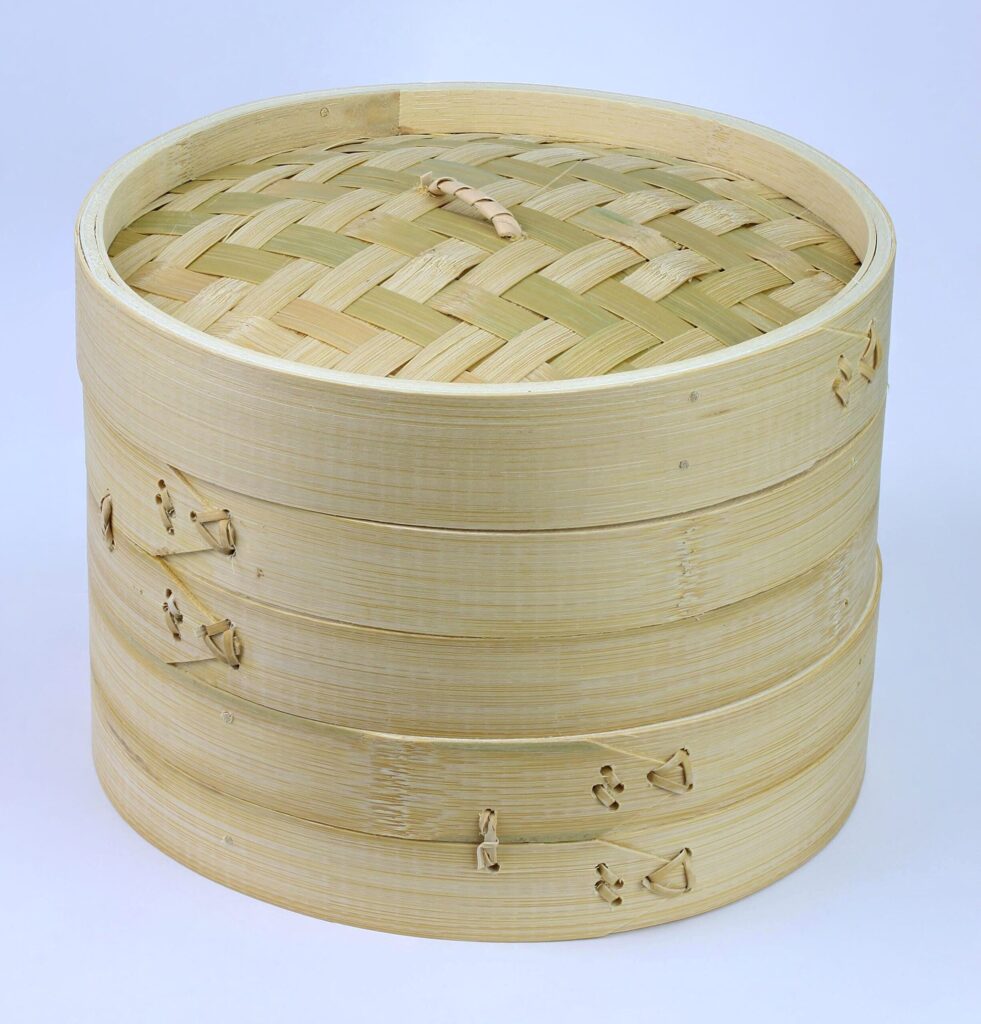
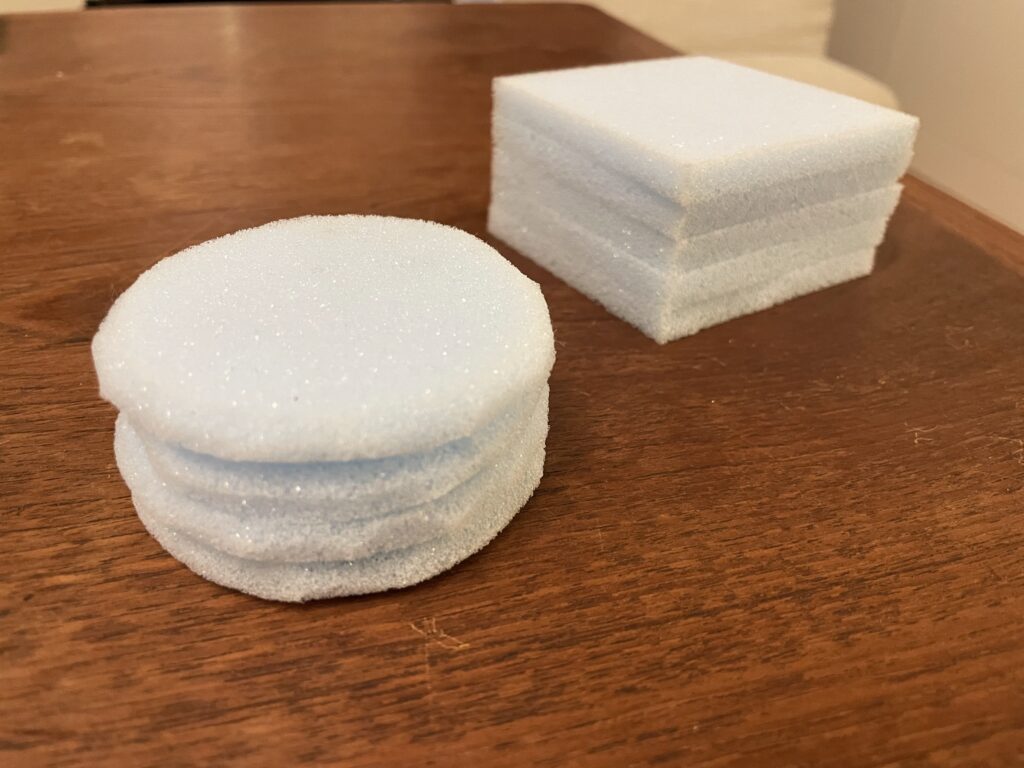
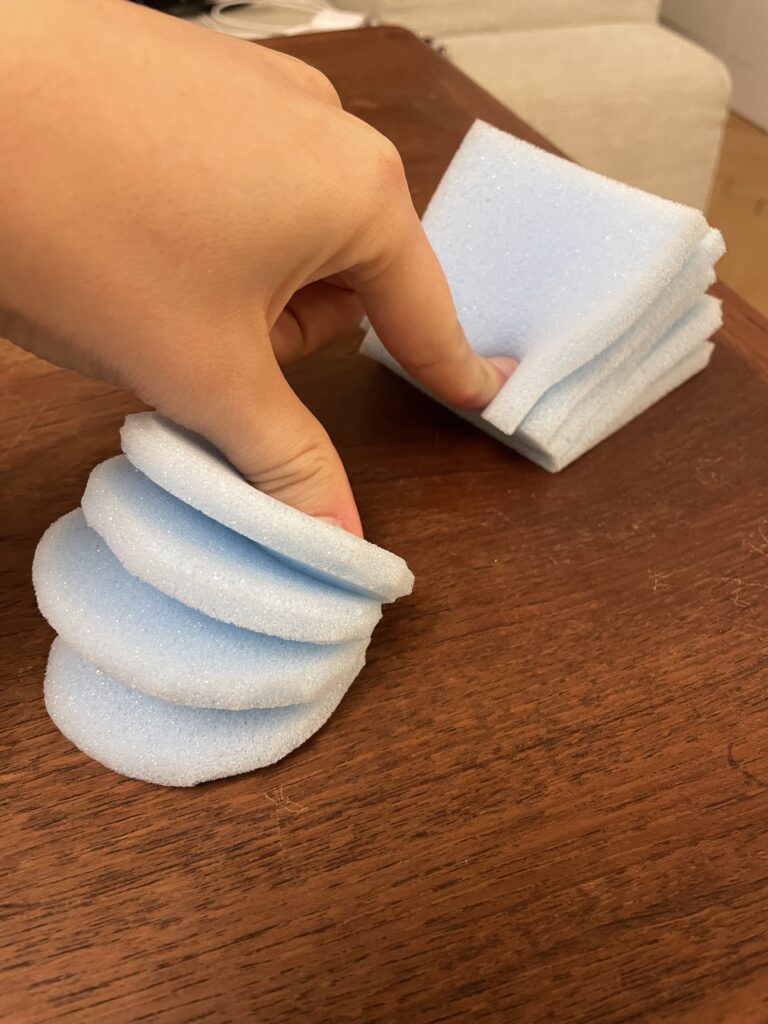
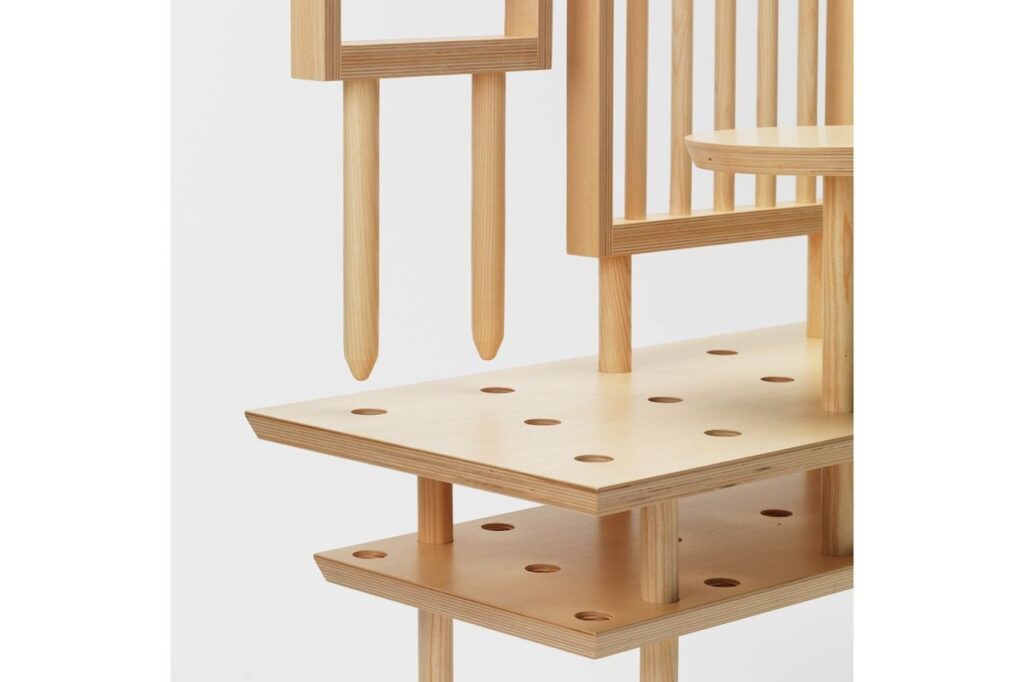
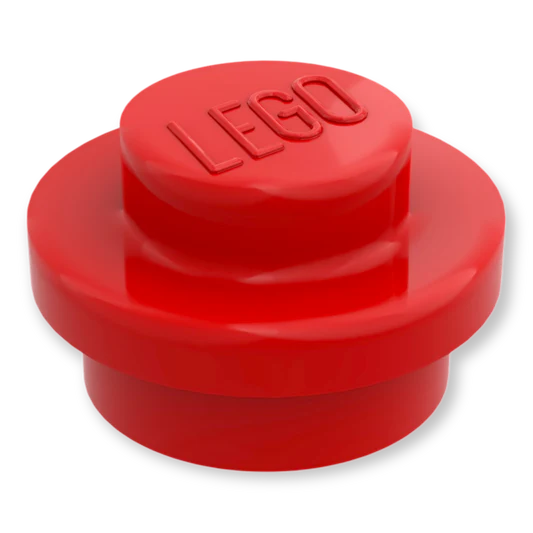
    Stacking Mechanism like DimSum-steamers or LEGO

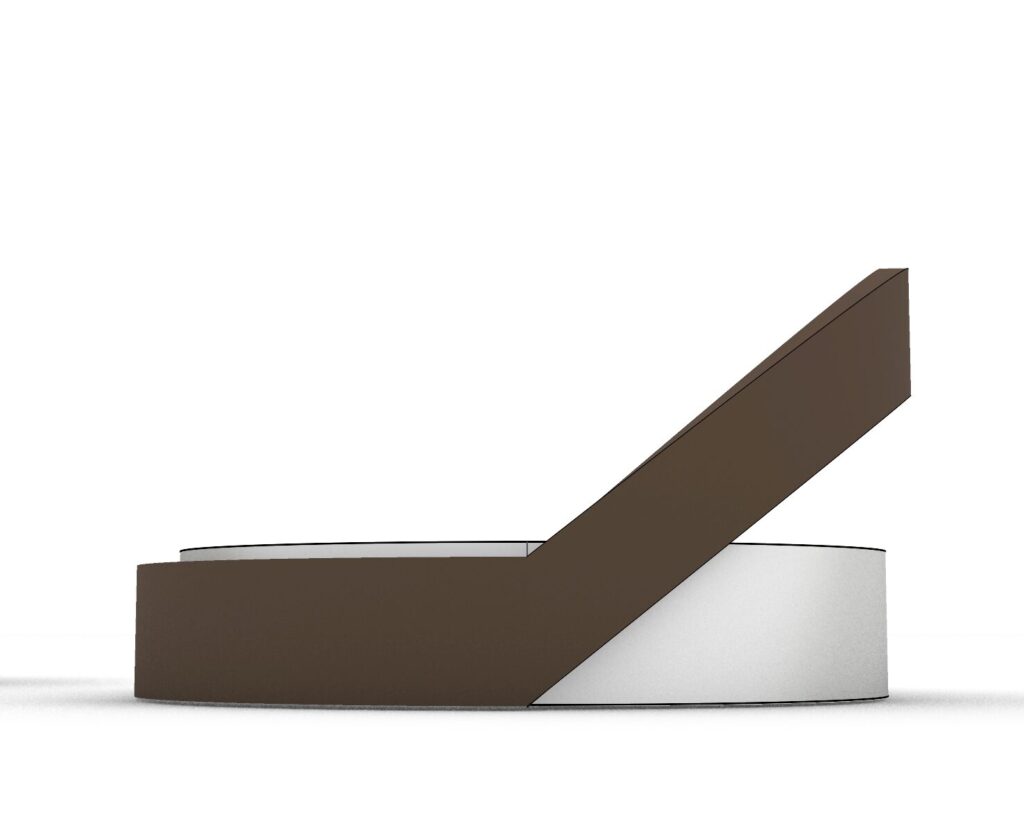
    => Stacking chair, no legs, stackable back/armrests. Sitting is possible on each single one, on some or on all

    Symbolisms:

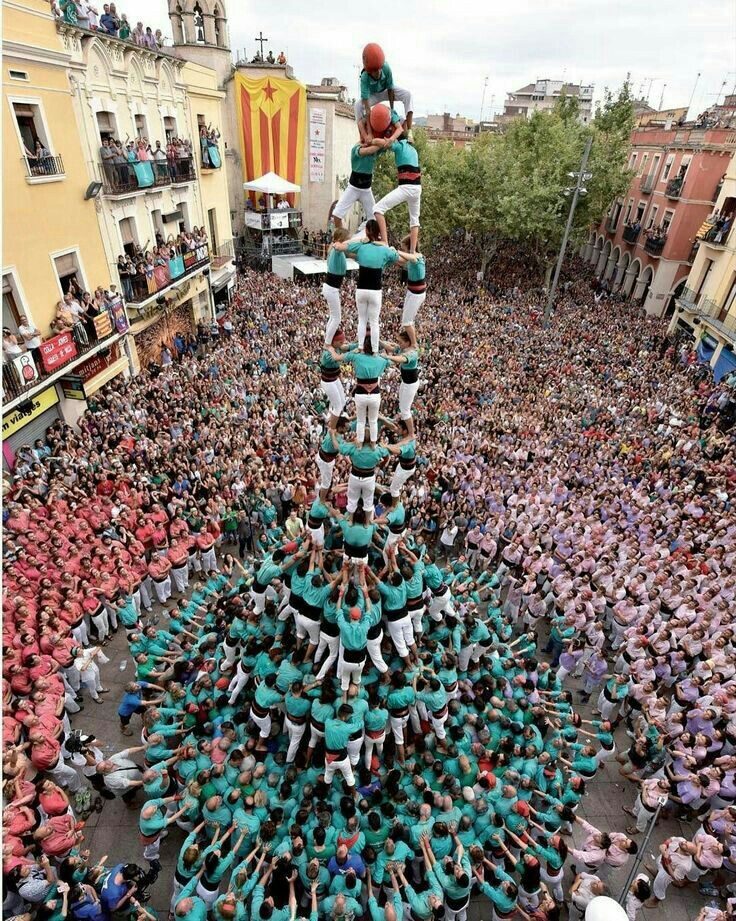
    1. One high or many low: keeping all (height-)privilege for power or sharing seating elements for non-hierarchical equality
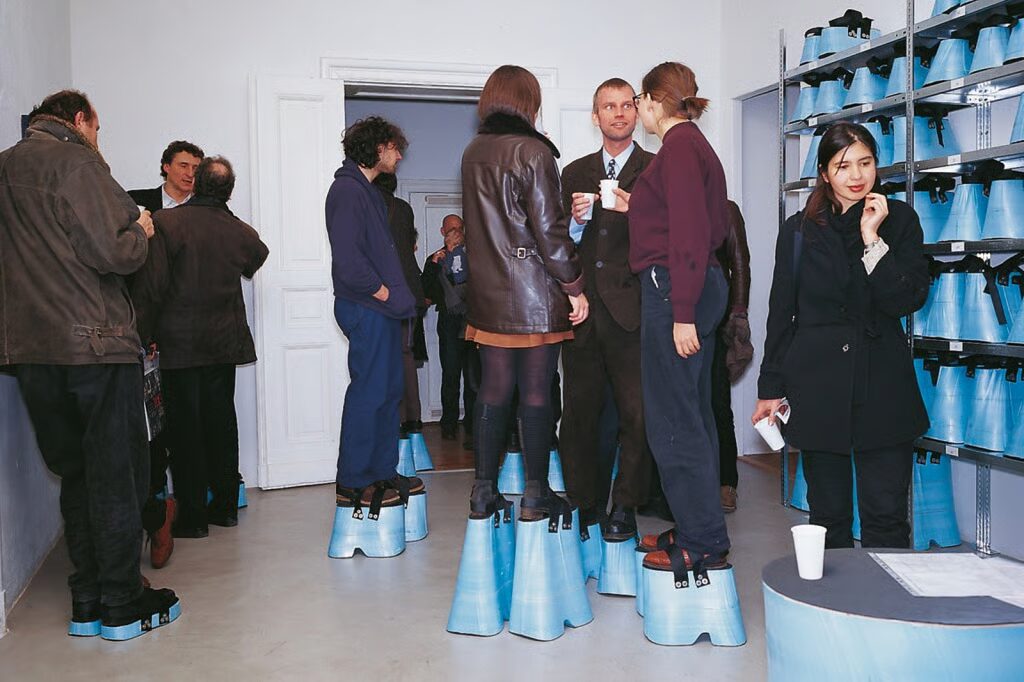
    2. Eye-level: possibility of changing the height of each chair so everyone at the table can eventually sit at the same level (same height party)
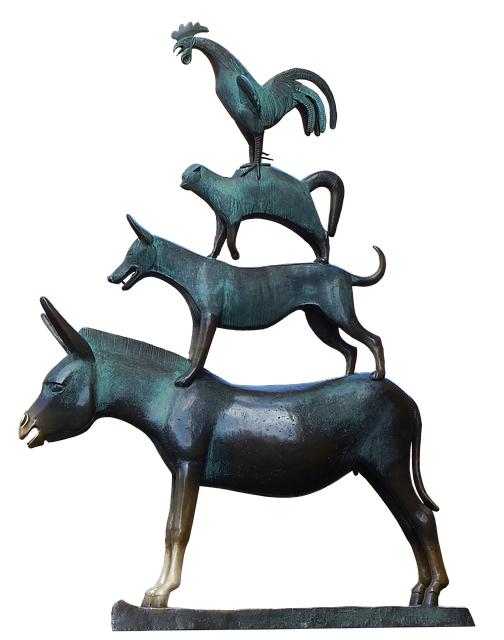
    3. Empowerment/Solidarity: Sitting on each other’s shoulders, supporting and trusting each other – positive or negative (also: man-monster-theory)

    Research: Female designs

    Embroidery, Floral patterns, Pink/red tones, curvy, soft

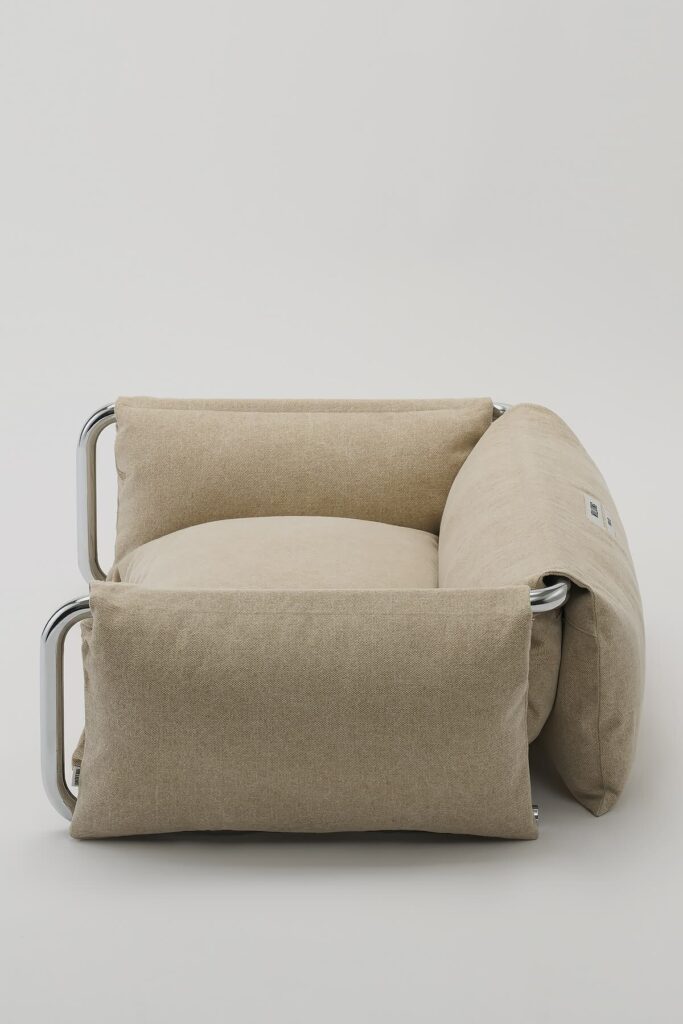
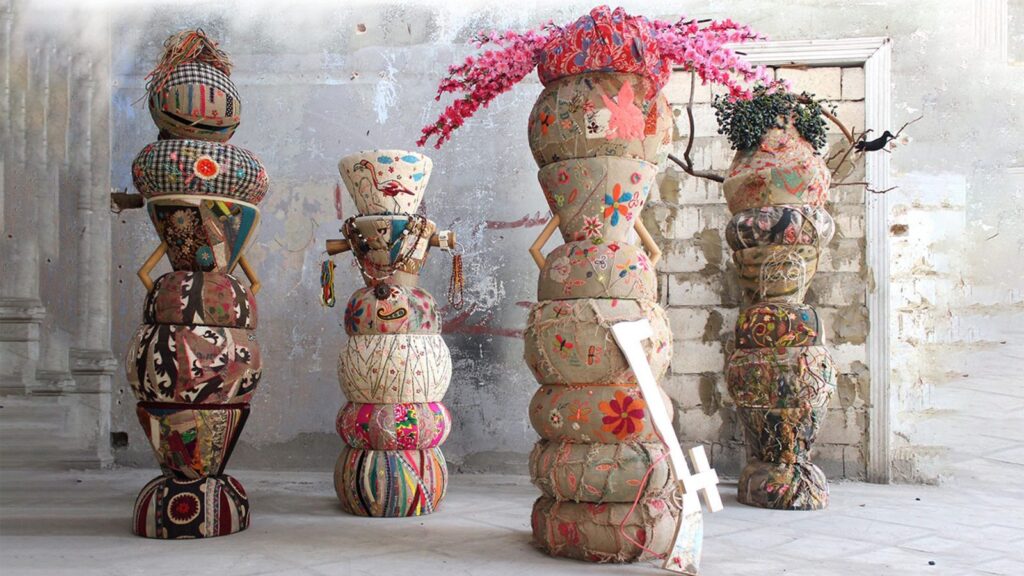
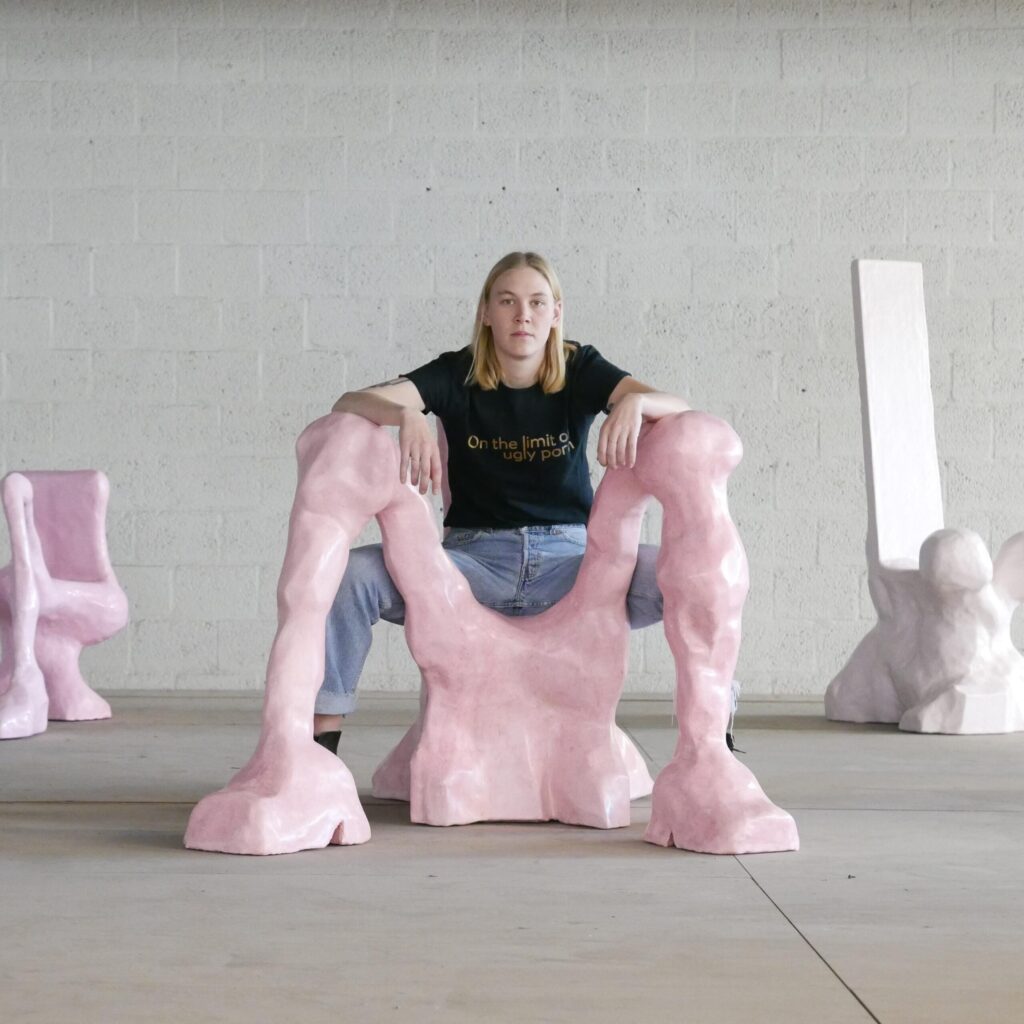
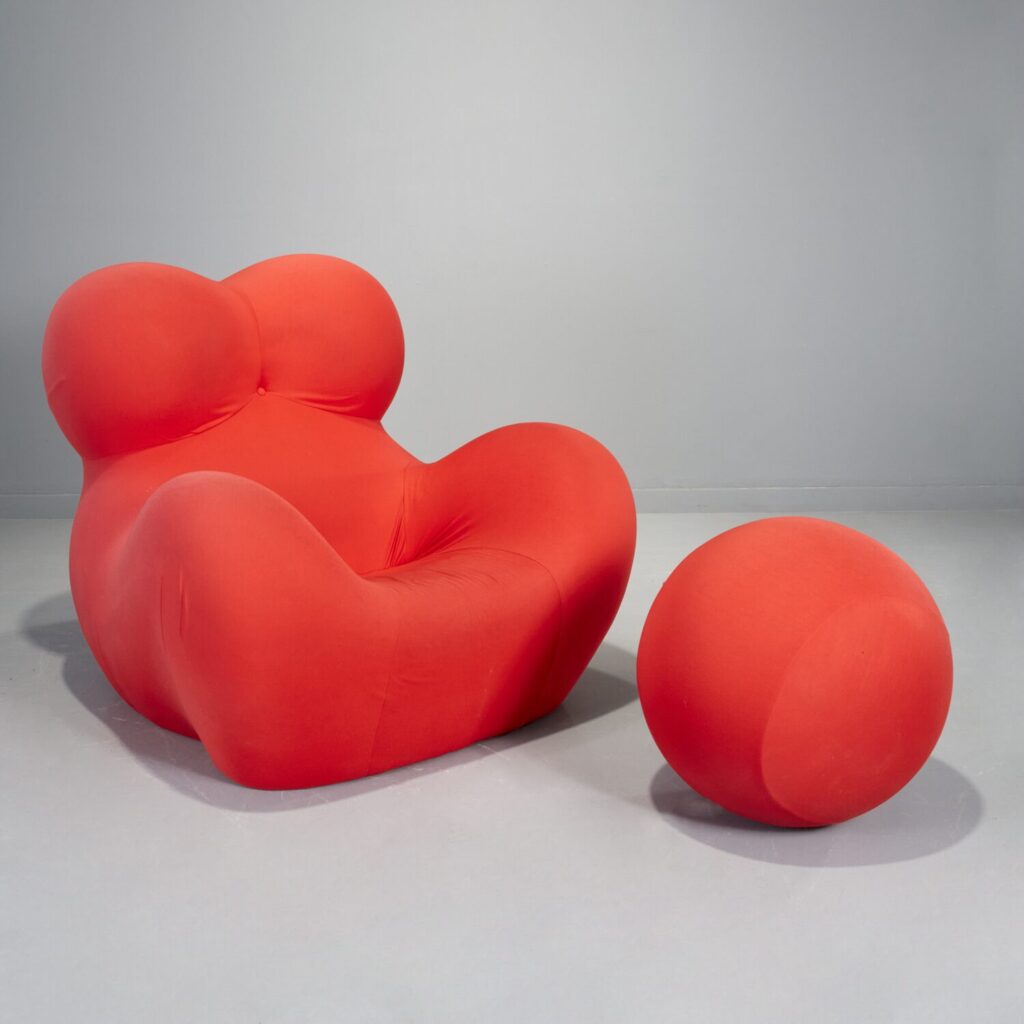
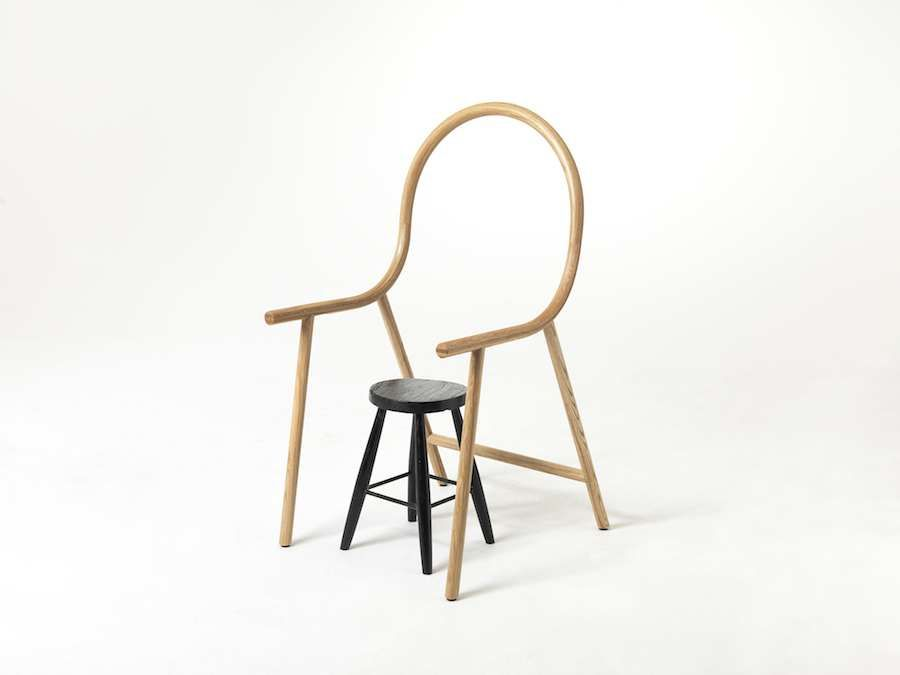
    Bokja – women,women, women; Anna Aagaard Jensen – untitled chair; Laia Laurel – Anti-manspreading chair; Tania da Cruz – Playmobilia; Gaetano Pesce – Up5/Donna

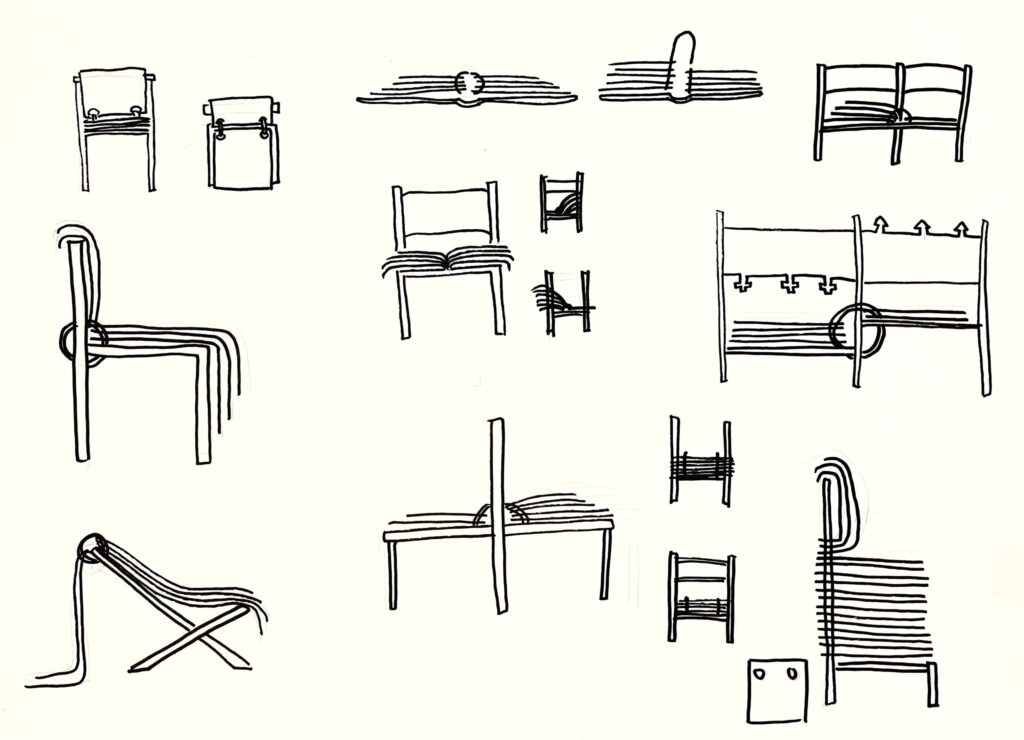
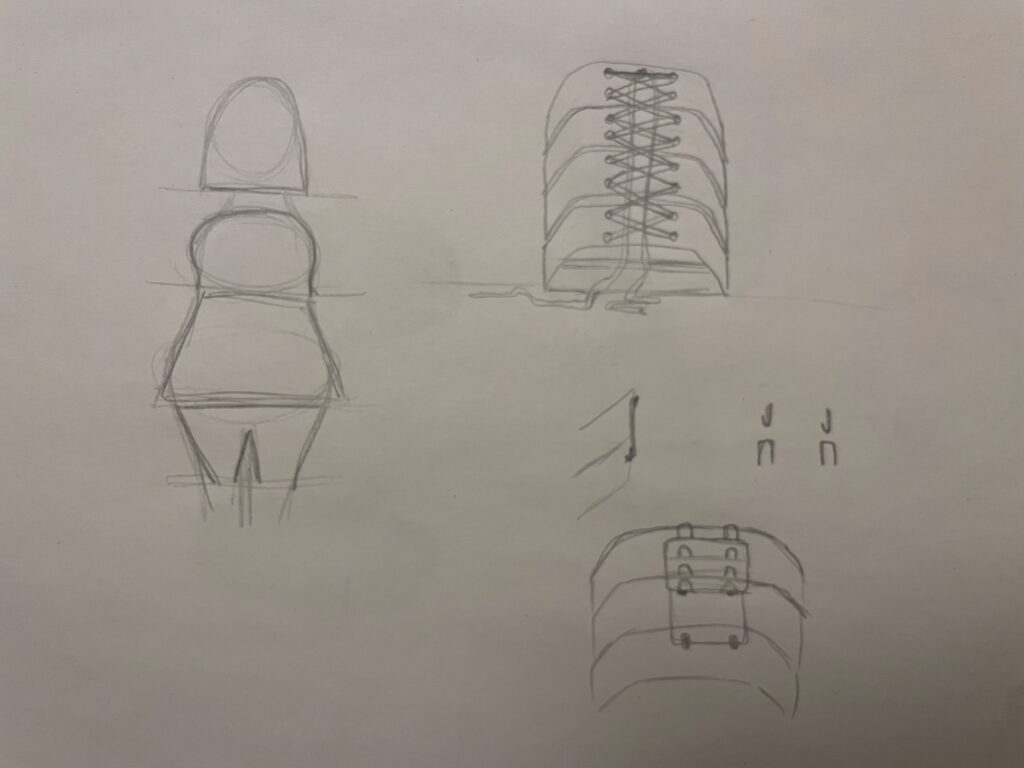
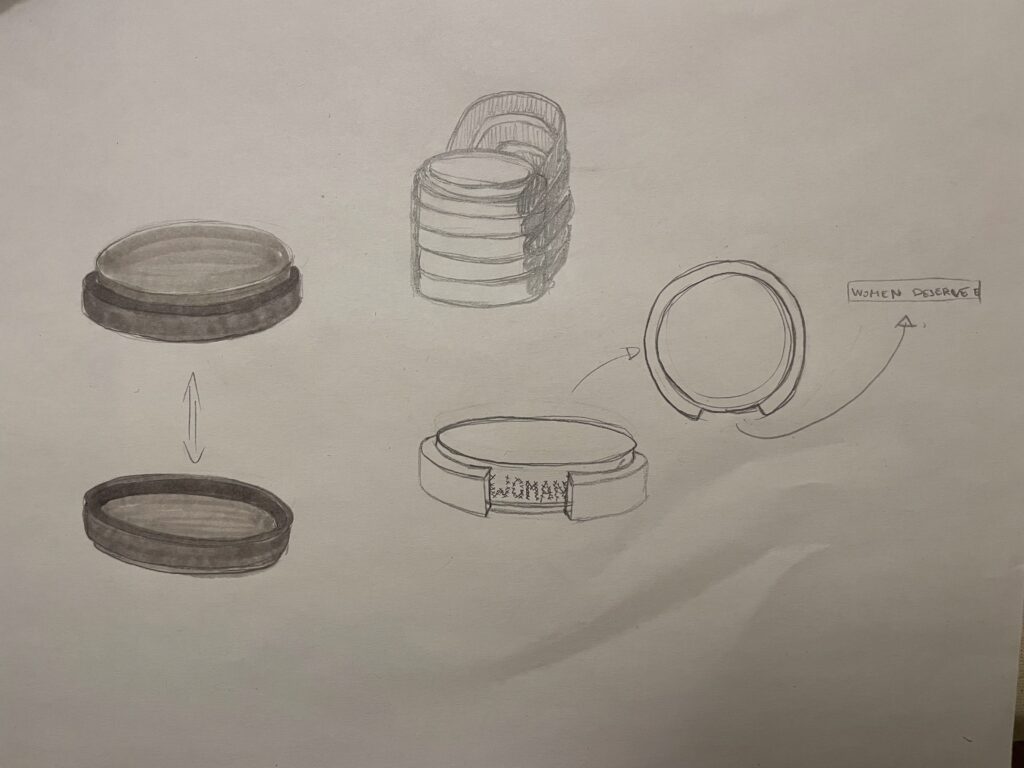
    Sketches & first small models

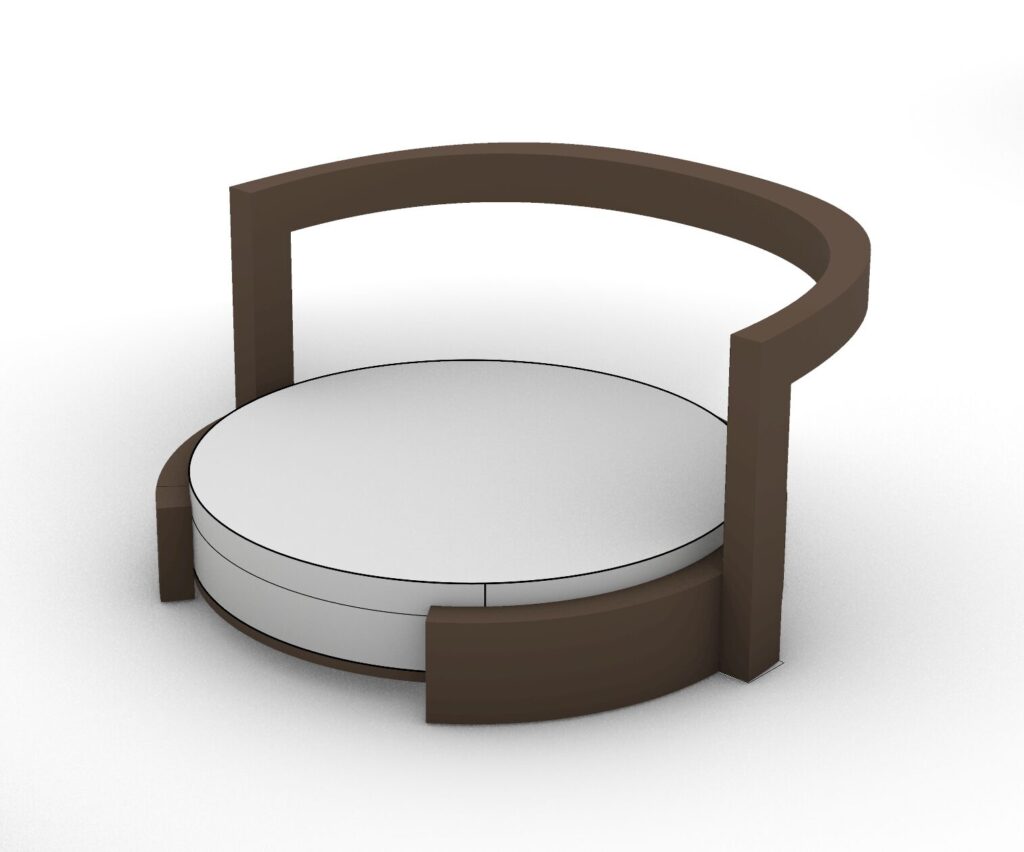
    First draft in Rhino

    My approaches to make my chair speak “woman”:

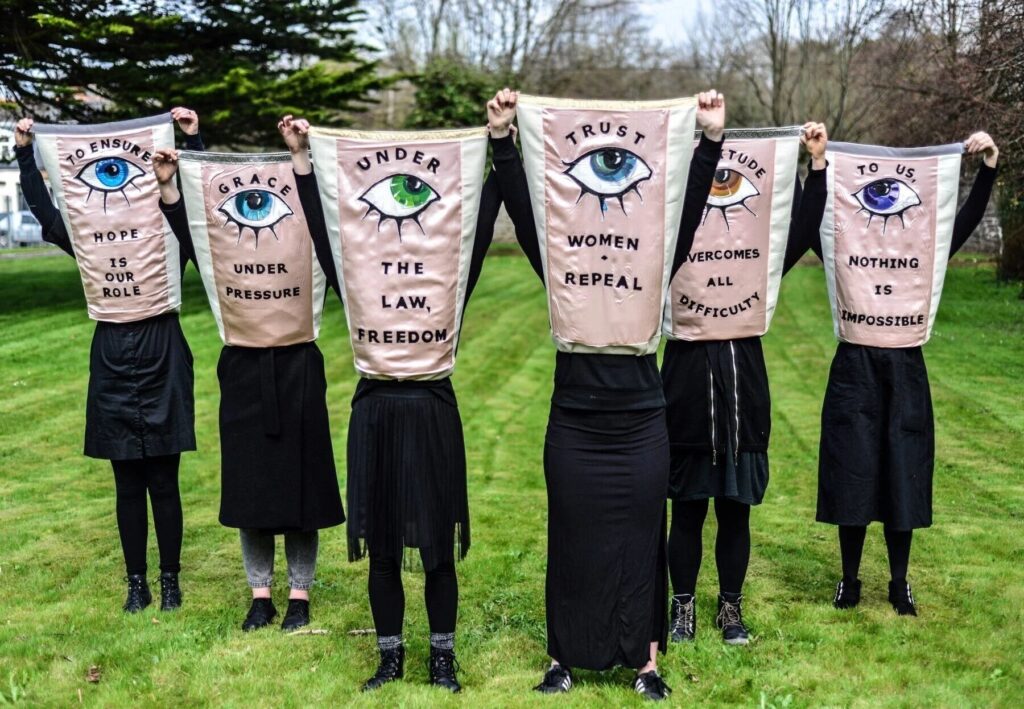
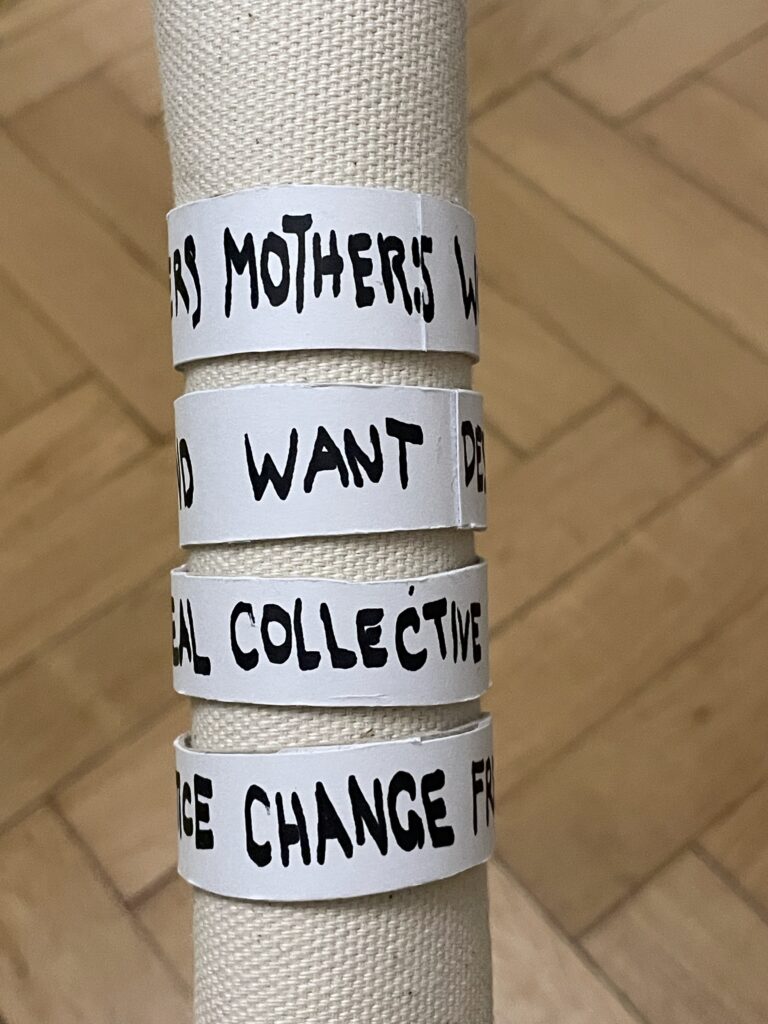
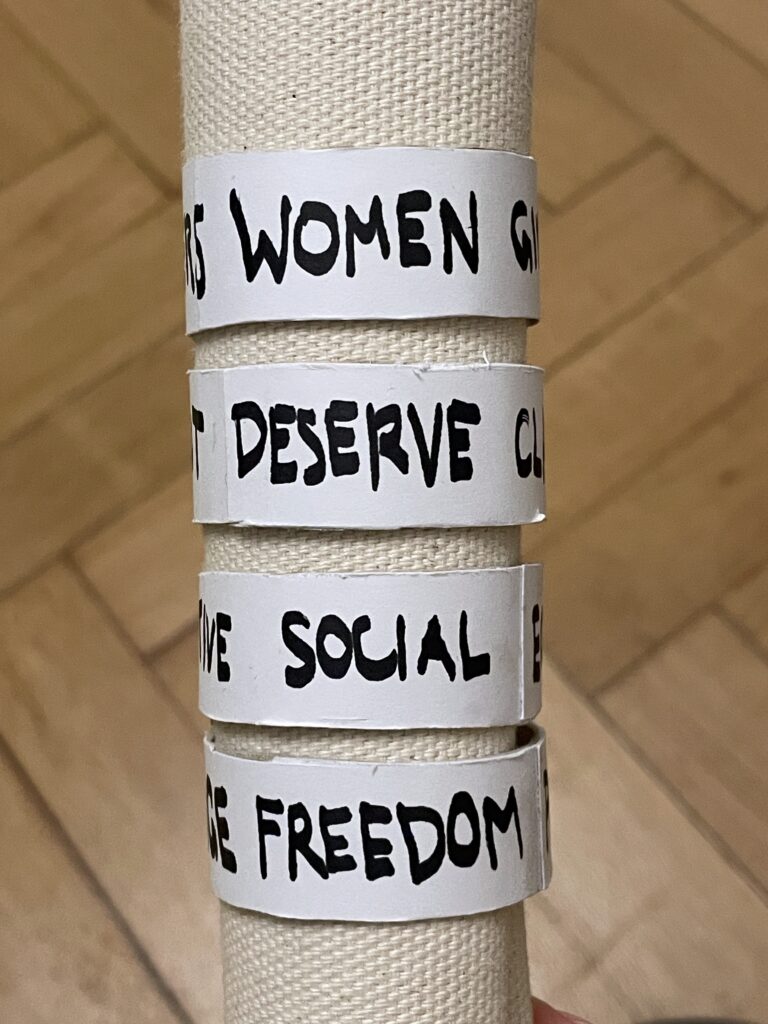
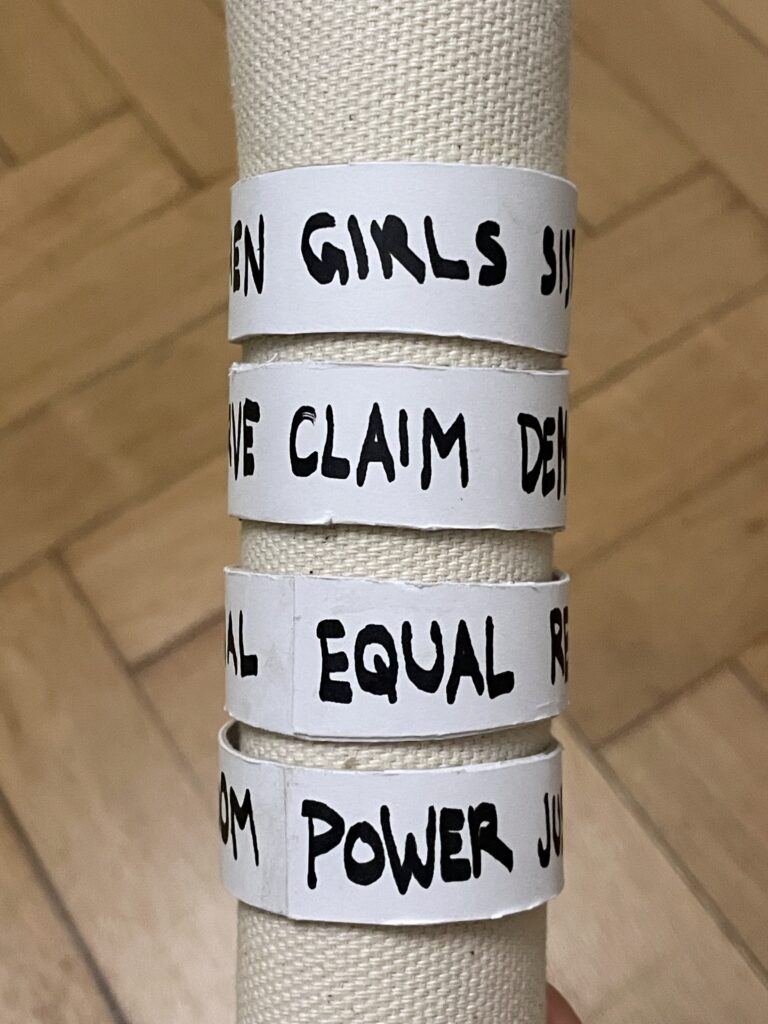
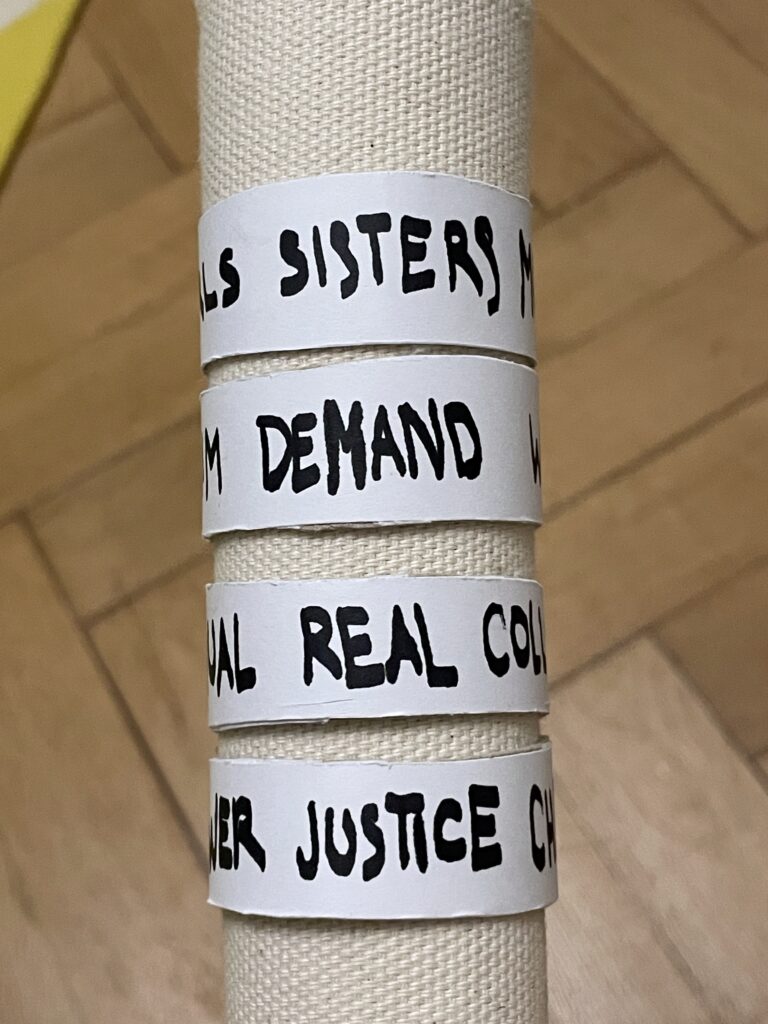
    Going for words

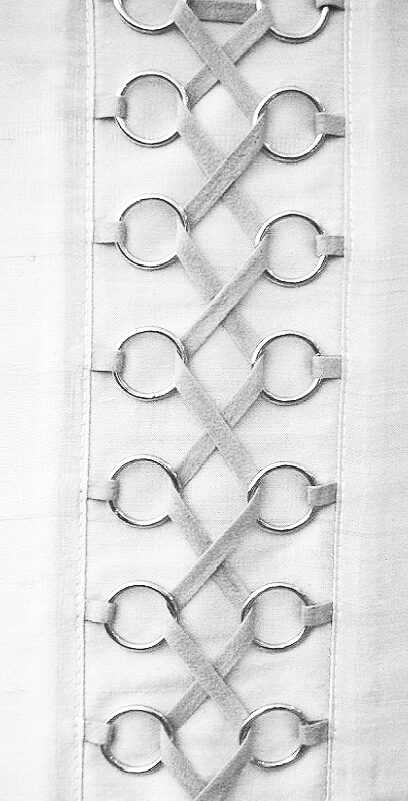
    Stitch something onto the edge/bordure

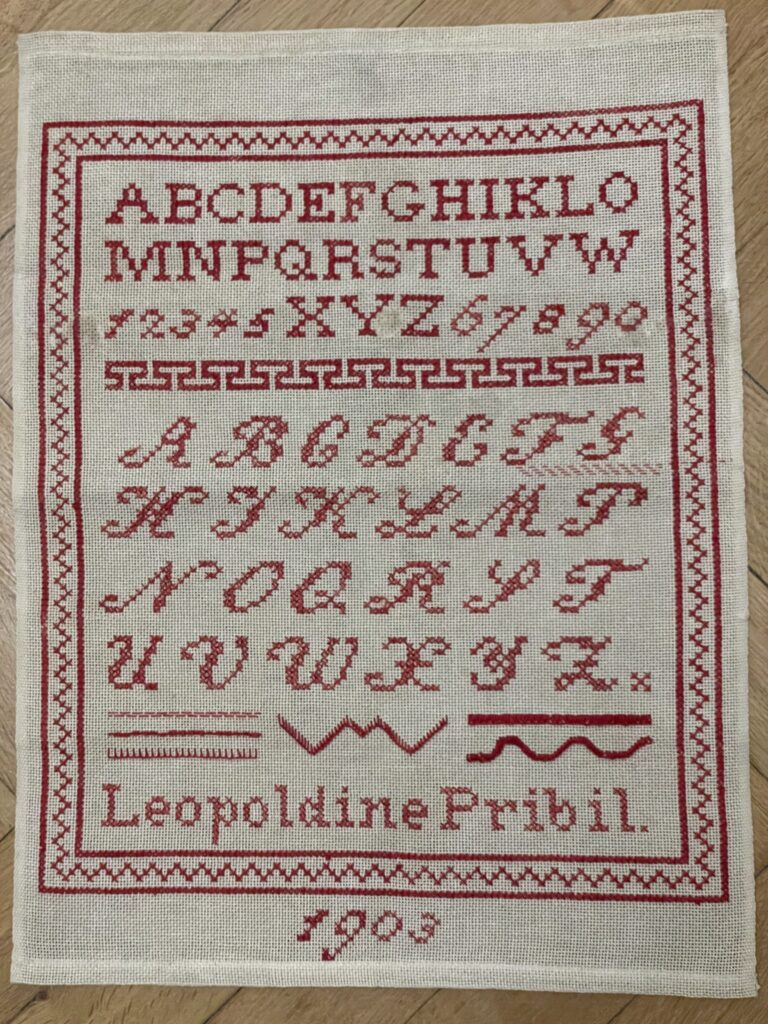
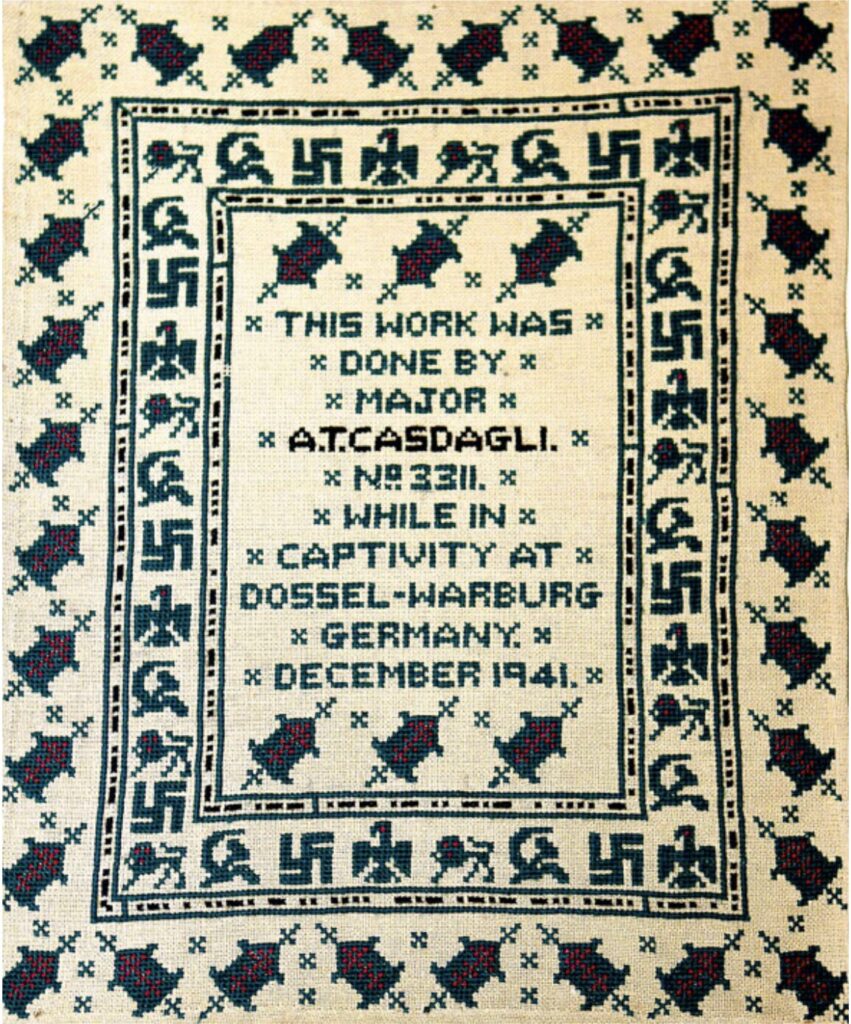
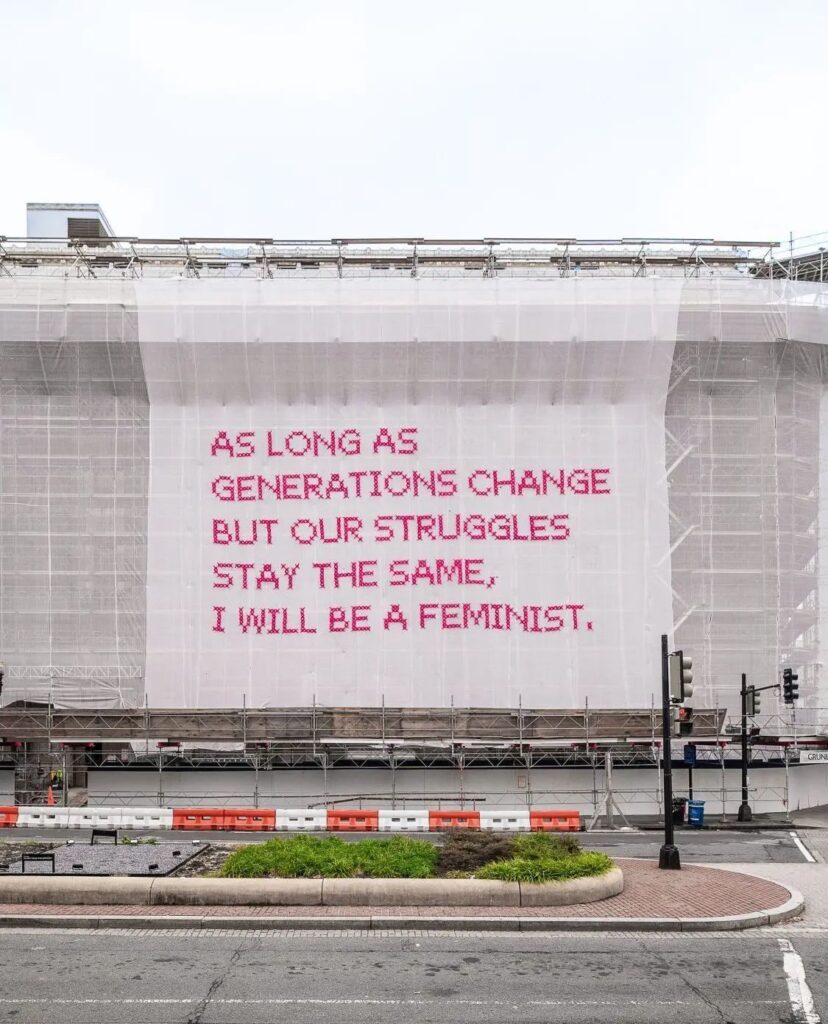
    (Leopoldine – my great great grandmother, Tricoteuses, Casdagli, Katharina Cibulka – Solange/aslongas)

    Second draft in Rhino

    sentences, “riddle”

    Questions:

    • What path do I take to make my topic clear to the audience? Primarily through material and colour/
      stitching in (riddle-like) words and sentences/
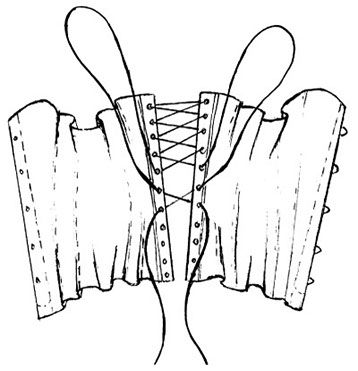
      a feature in the shape (corset binding, backrest shape)/
      by showing a setting or purpose for the chair (workshop etc)
    • Do I take the positive route of empowerment (feminism) or the negative (man-as-monster)
    • Feasibililty – what can I make, what do I have to buy

  • Tutorial March 20

    By
    Emma Breitenecker

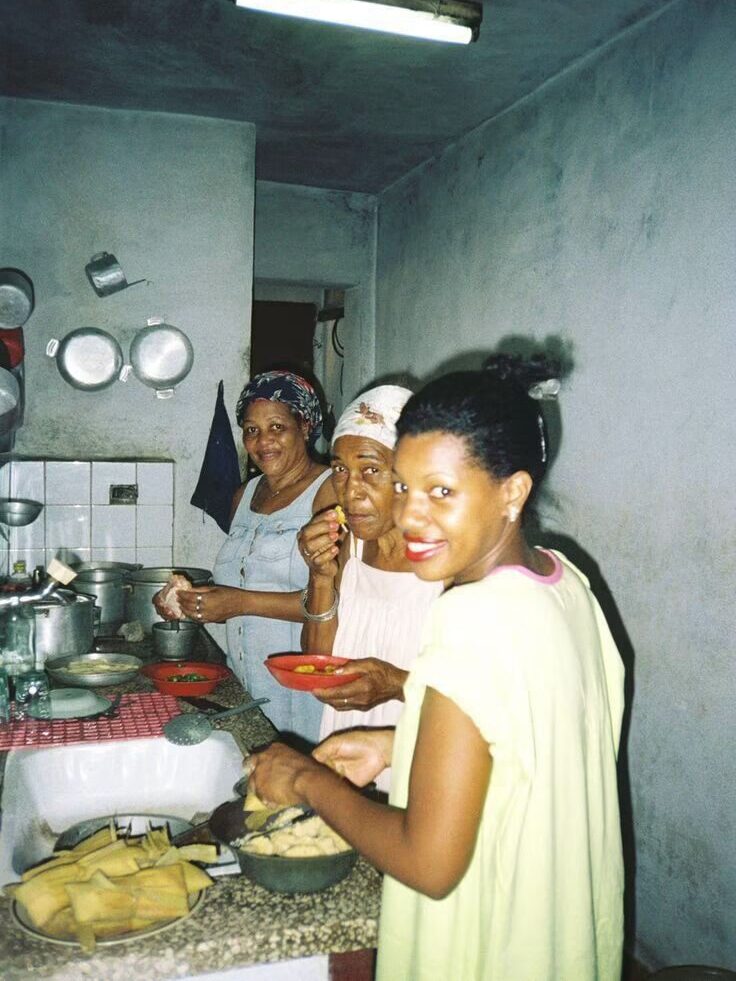
    Passing on

    Feminism from mothers to daughters

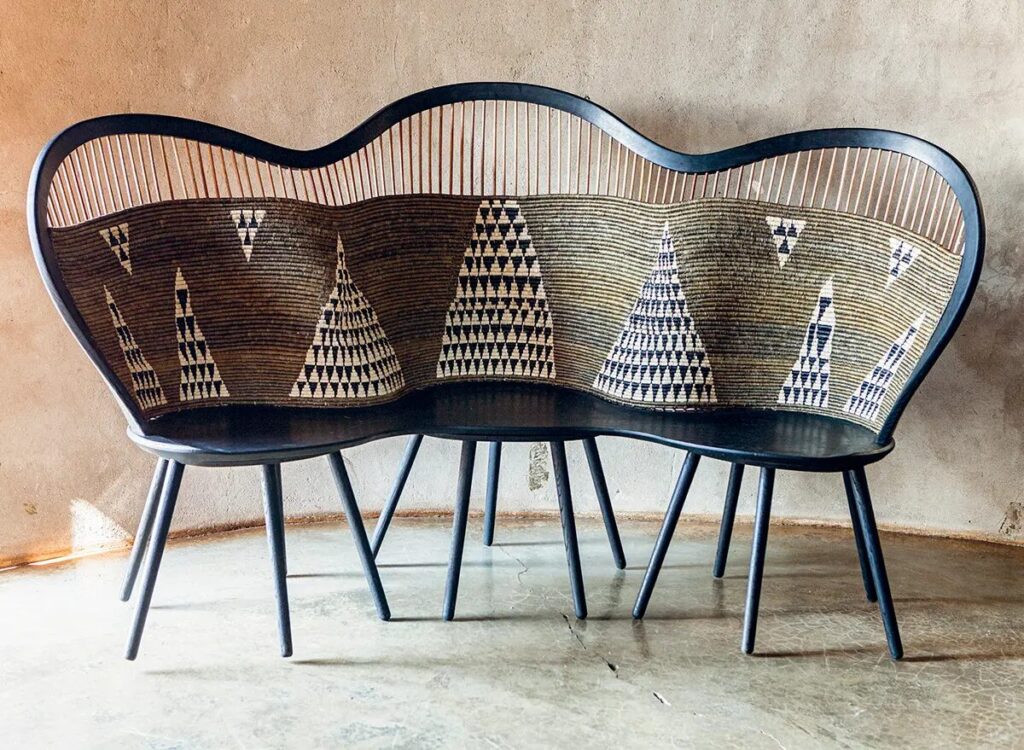
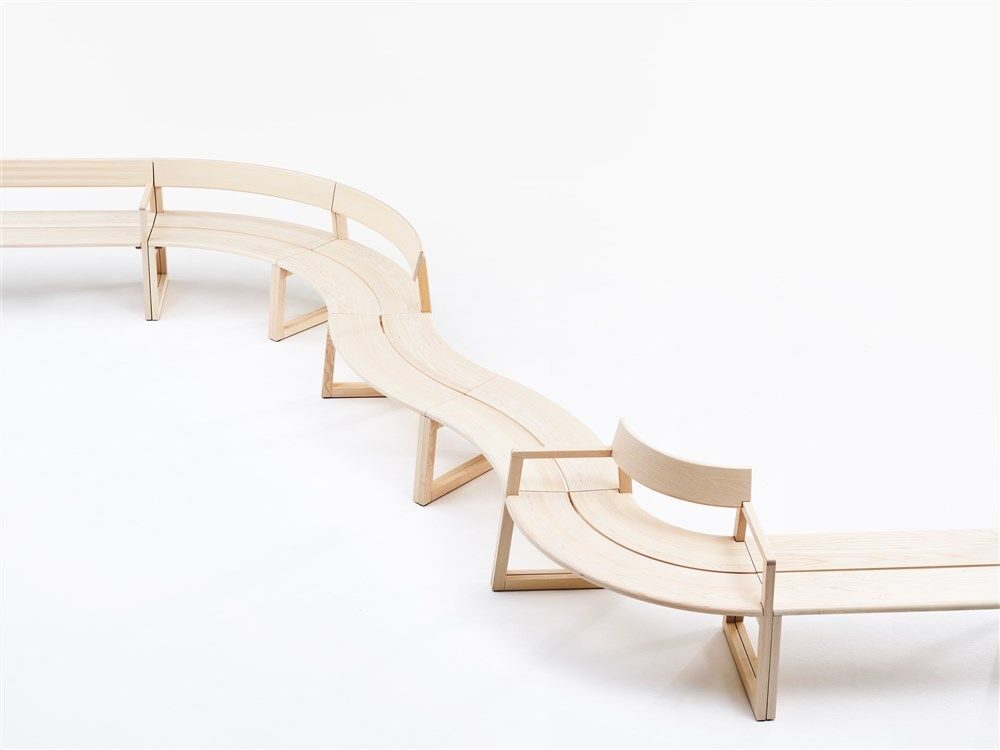
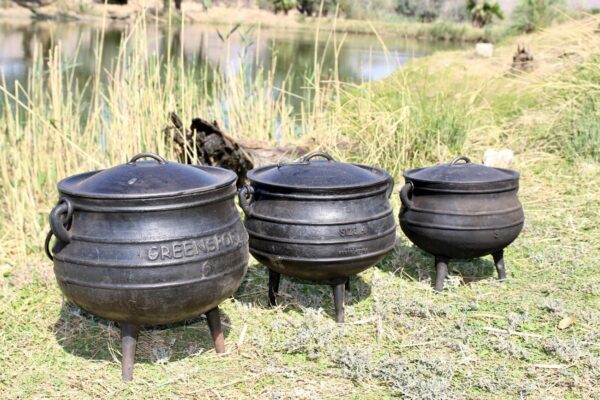
    Hlabisa Bench – Mash T. Design studio x Houtlander

    inspired by potjie pot of her grandmother and Zulu weaving skills passed down for generations
    Passing on attidute rather than skills

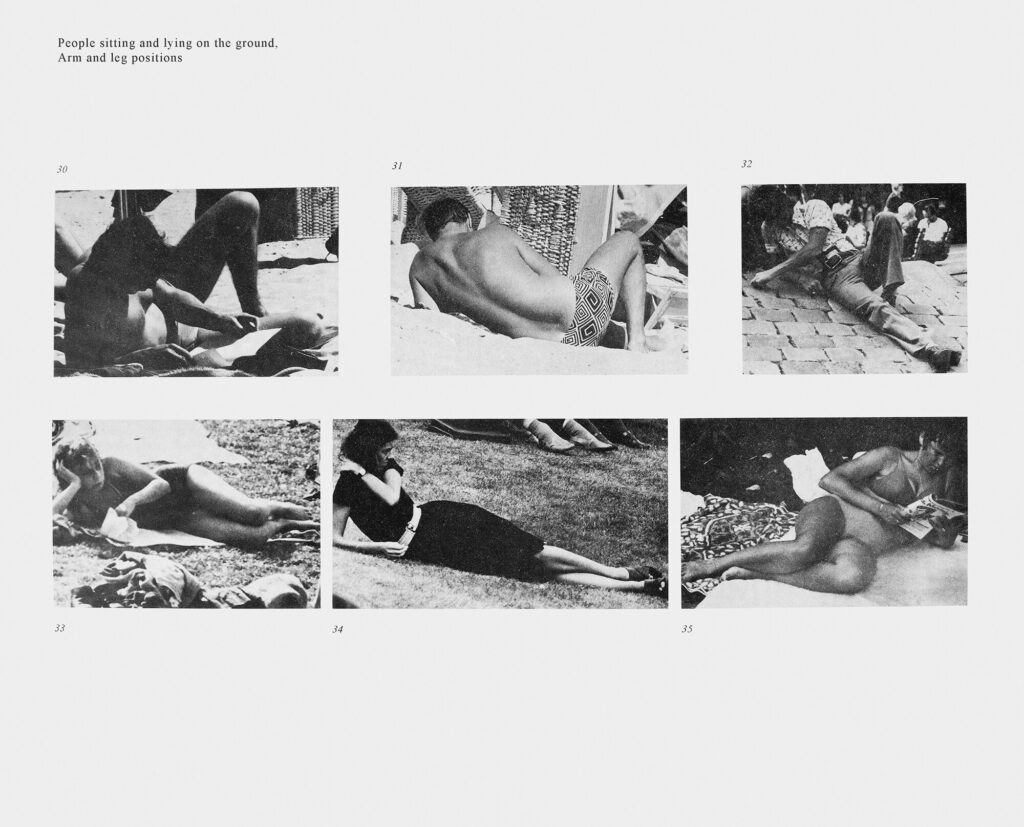
    Marianne Wex – Let’s Take Back Our Space

    What if the chair was built only for and by women?

    Key question:

    “Whose fight/story are you sitting on?”

    -> sitting on but also avoiding doing something

    empowerment vs. disempowerment

    Personal feeling: both (MeToo, awareness, Trump, Epstein etc.)

    Modularity

    Growing in length/height/number of people

    Layers: building up on vs. deconstructing the past

    materials:
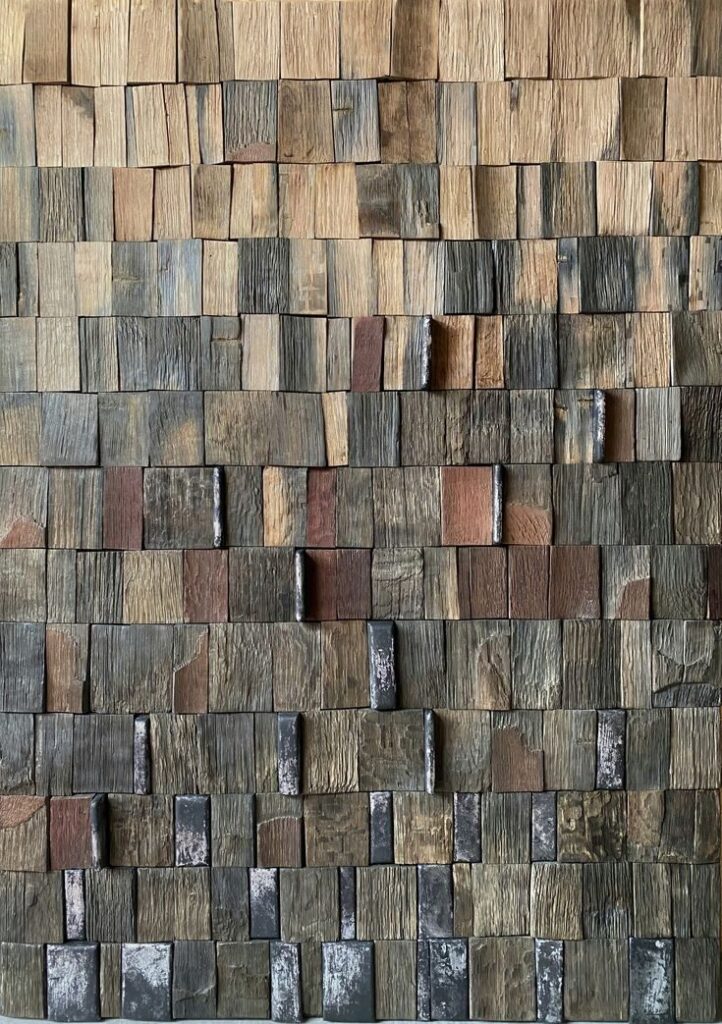
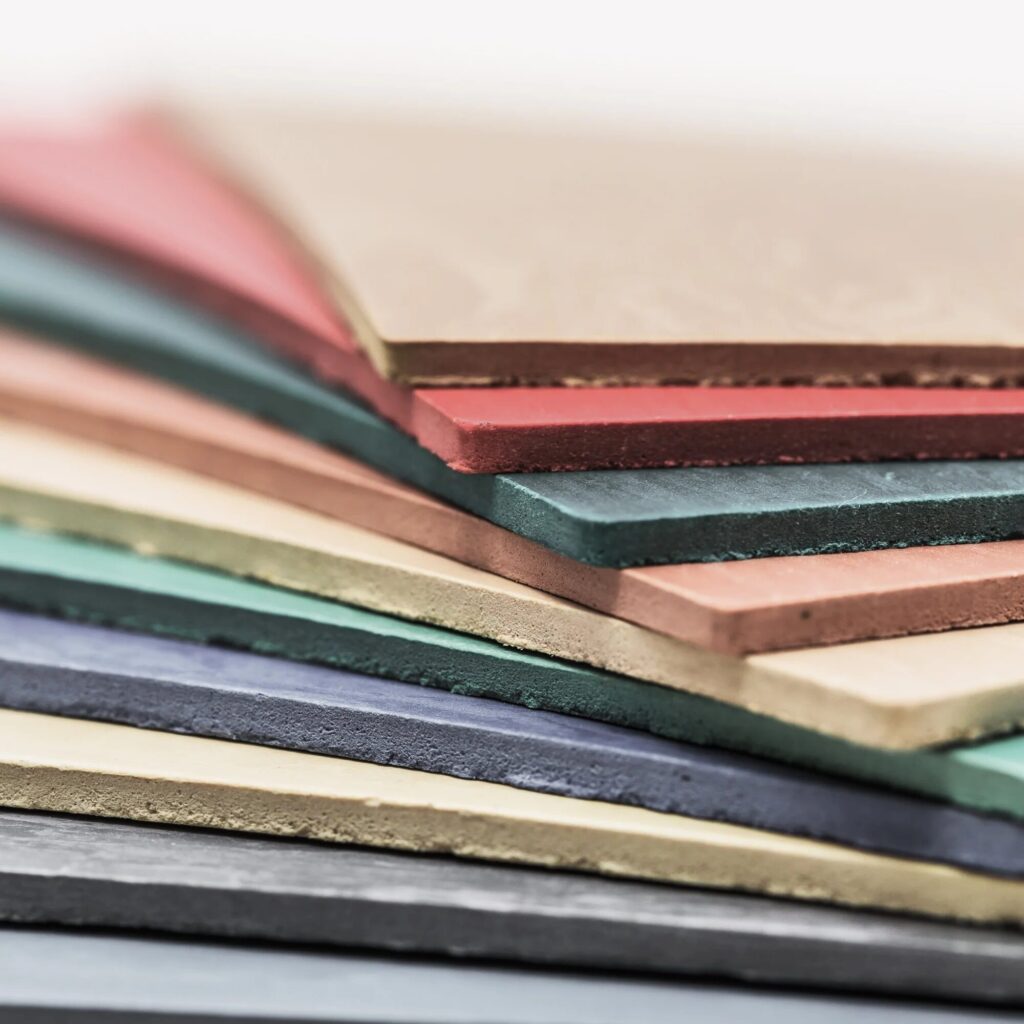
    wood – different ages, different tones, upholstery, linoleum