Lorem ipsum dolor sit amet, consetetur sadipscing elitr, sed diam nonumy eirmod tempor invidunt ut labore et dolore magna aliquyam erat, sed diam voluptua. At vero eos et accusam et justo duo dolores et ea rebum. Stet clita kasd gubergren, no sea takimata sanctus est Lorem ipsum dolor sit amet.
Lorem ipsum dolor sit amet, consetetur sadipscing elitr, sed diam nonumy eirmod tempor invidunt ut labore et dolore magna aliquyam erat, sed diam voluptua. At vero eos et accusam et justo duo dolores et ea rebum. Stet clita kasd gubergren, no sea takimata sanctus est Lorem ipsum dolor sit amet.
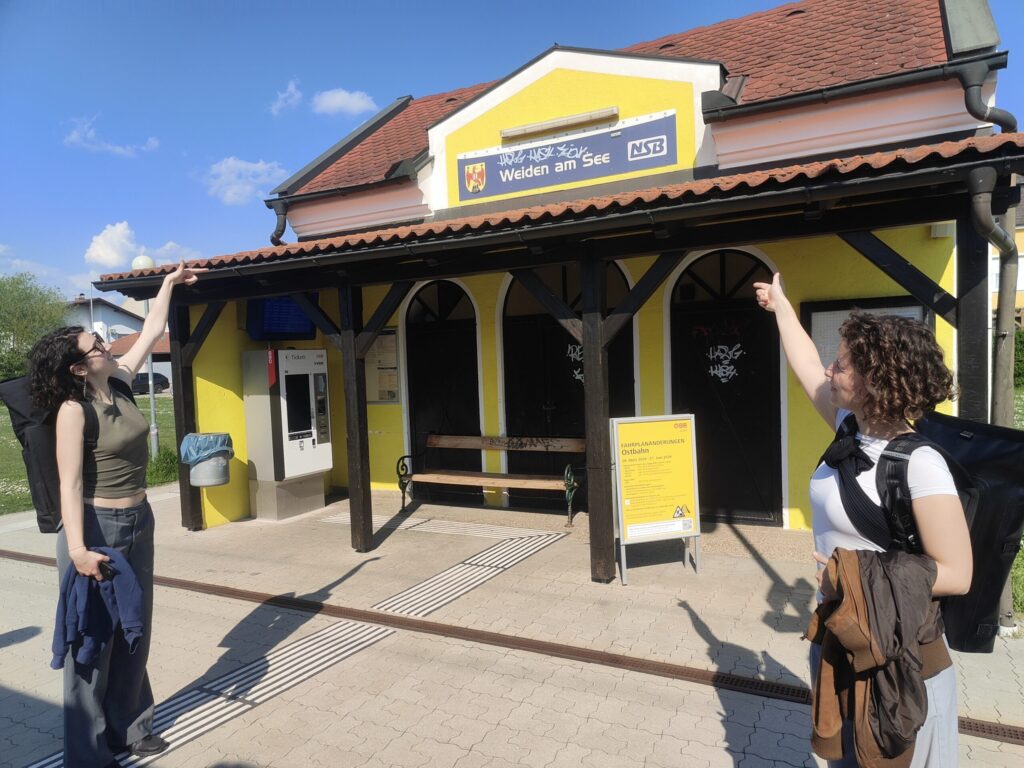
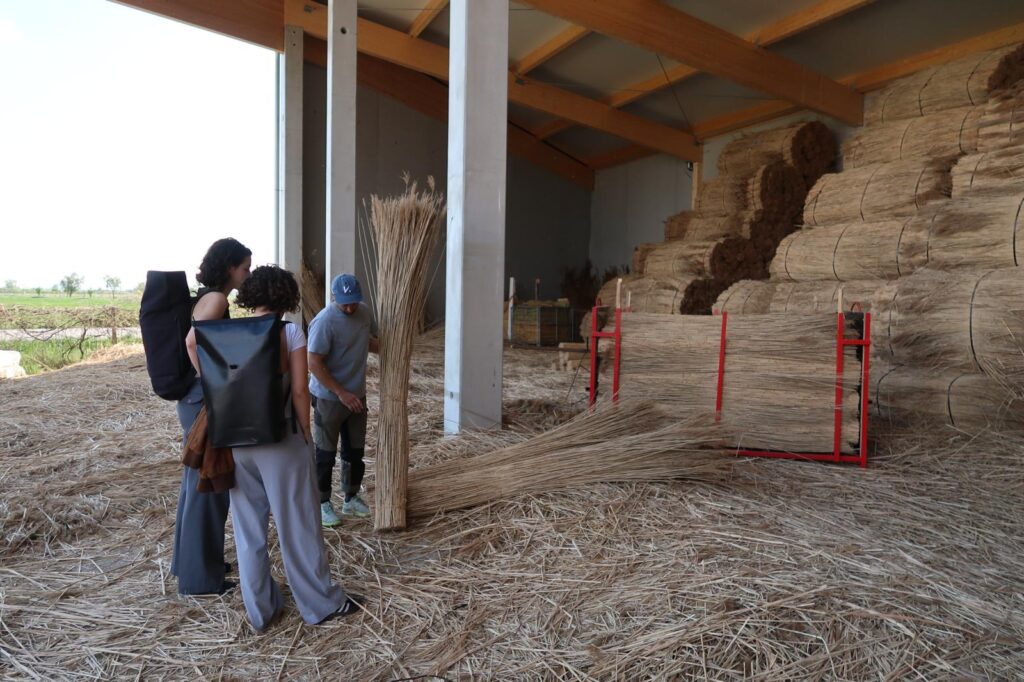
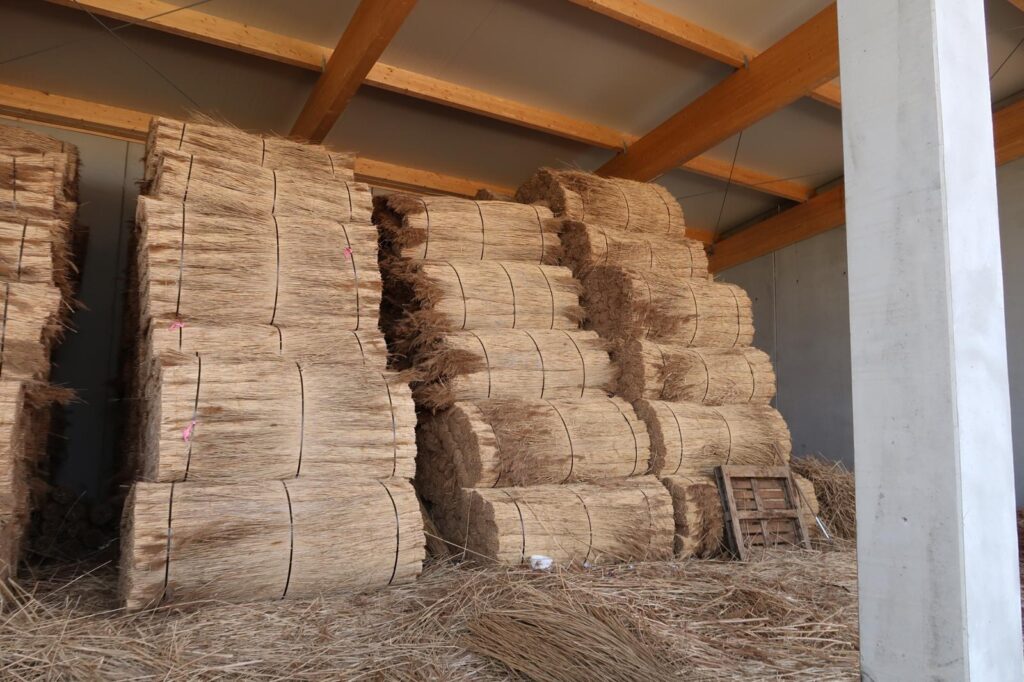
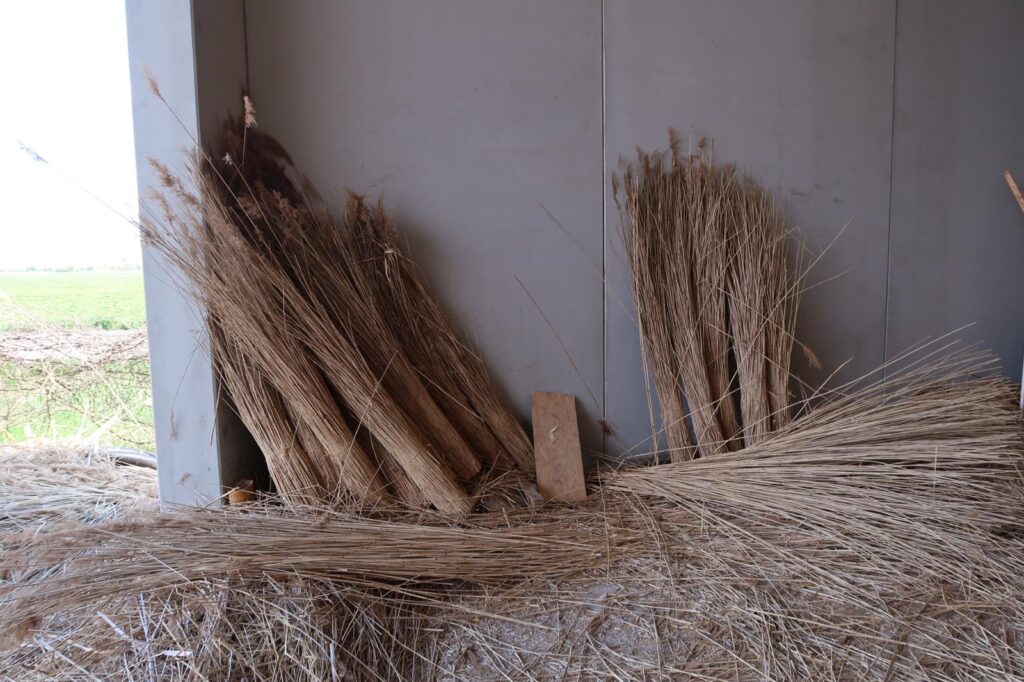
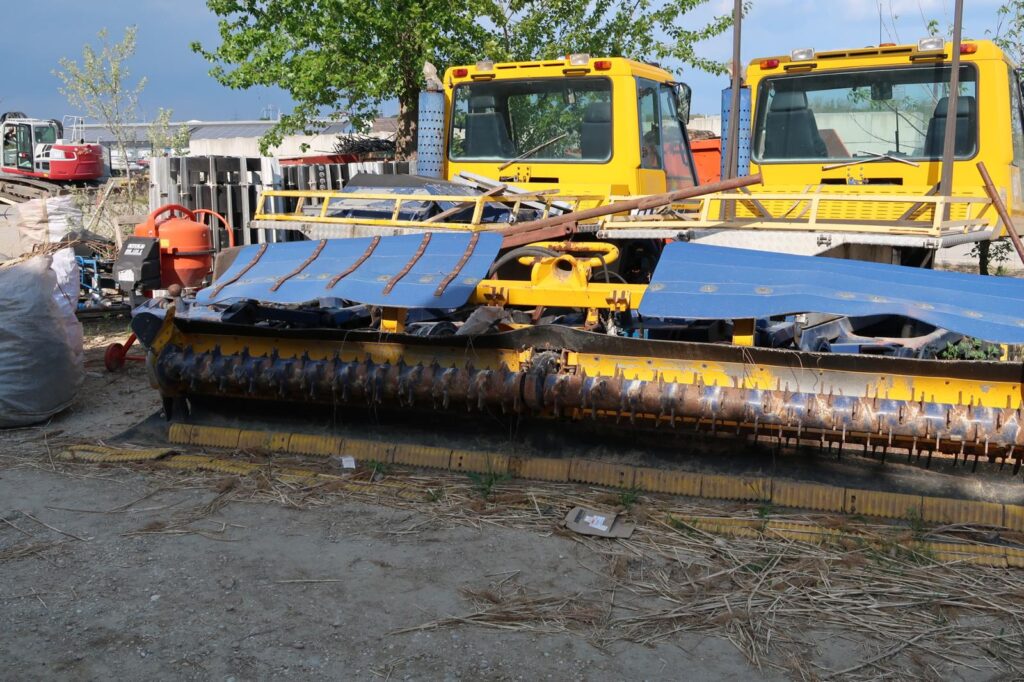
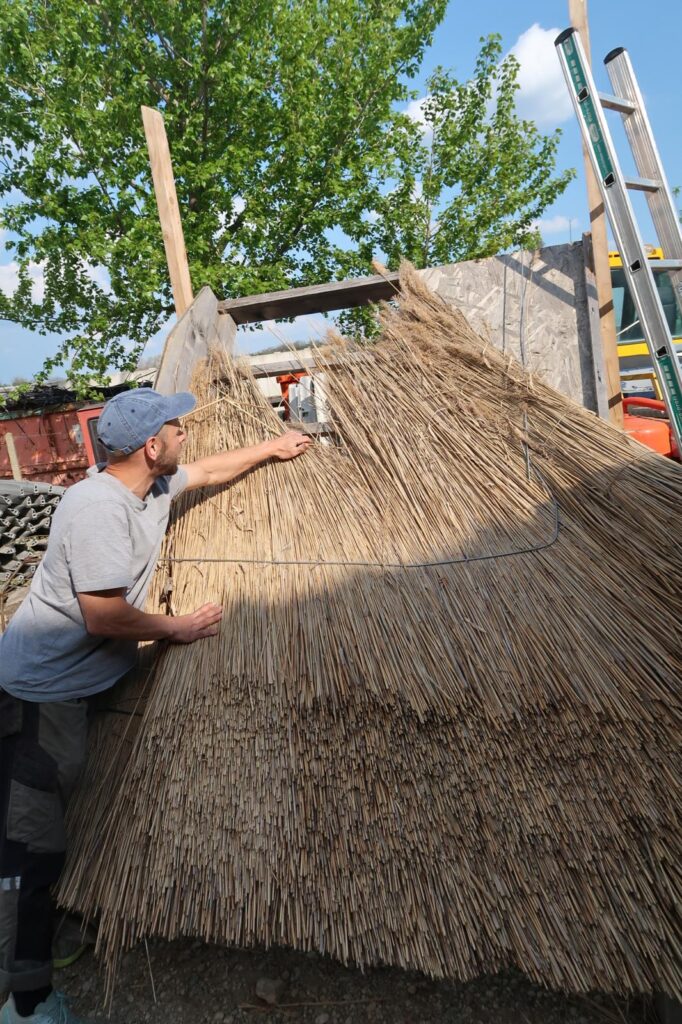
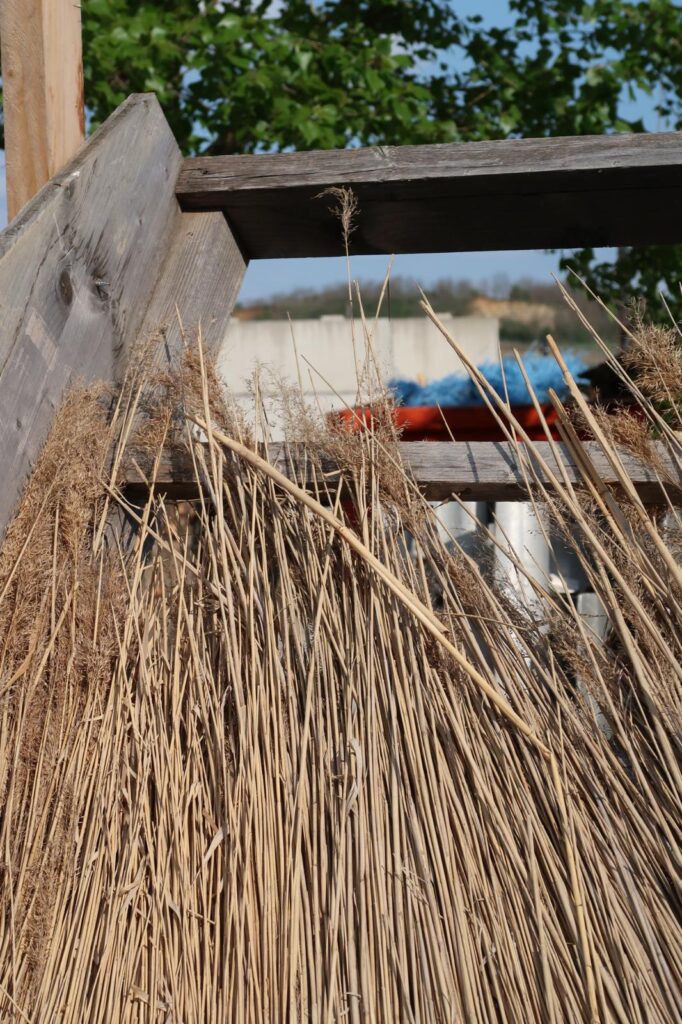
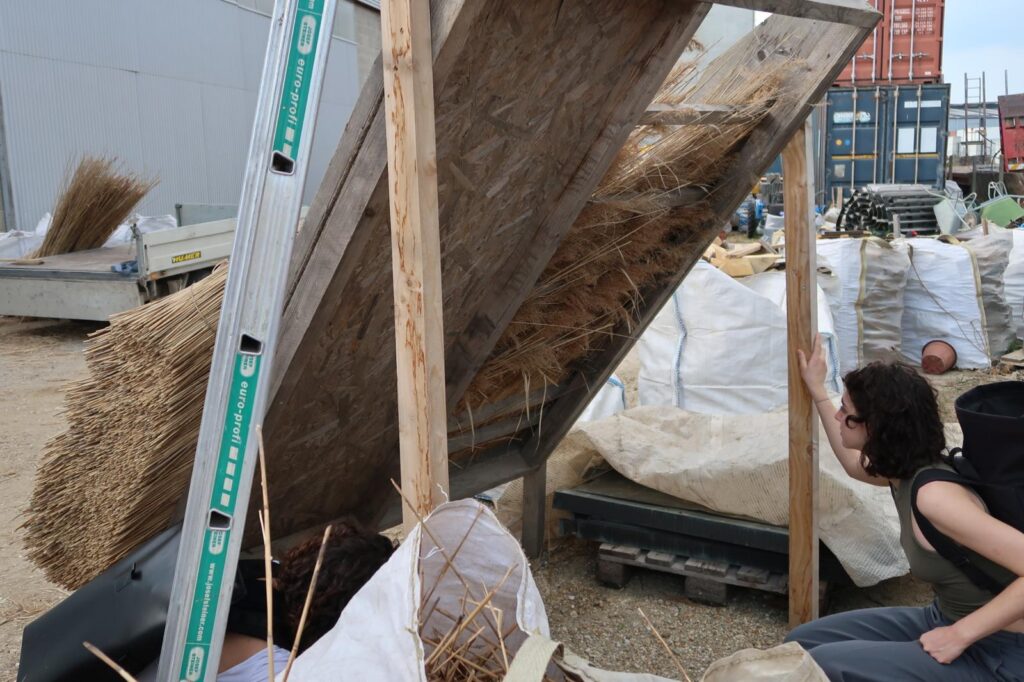
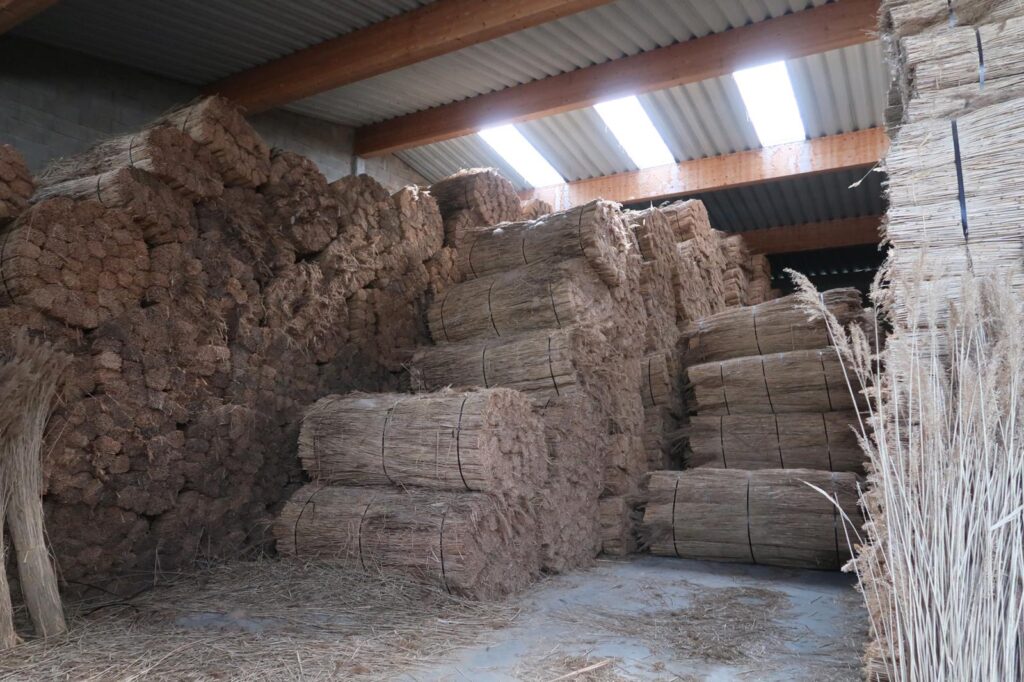
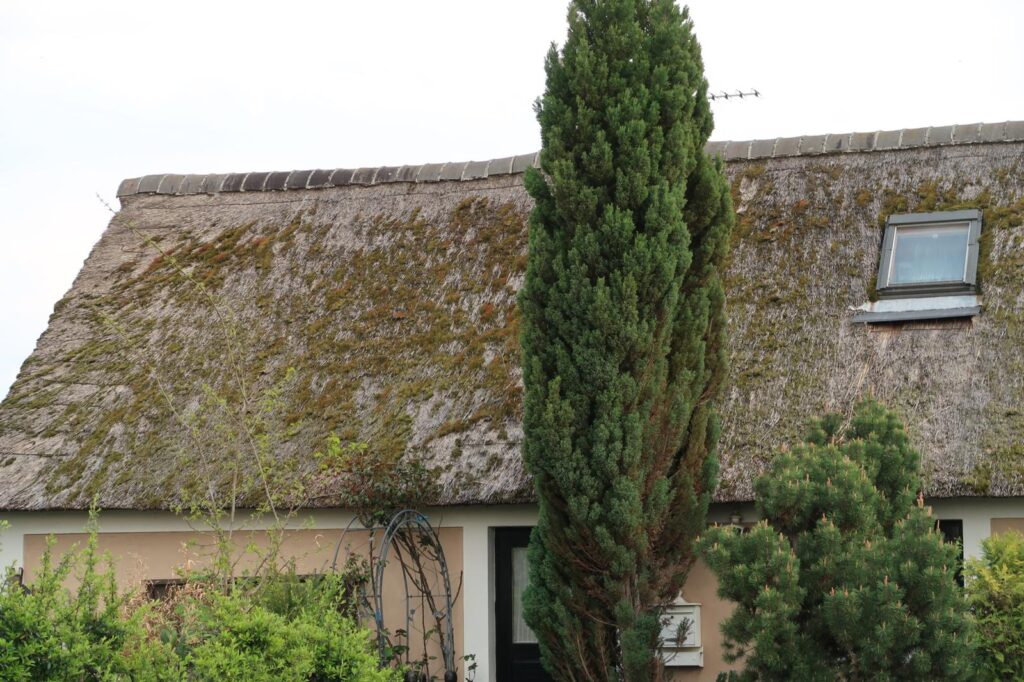
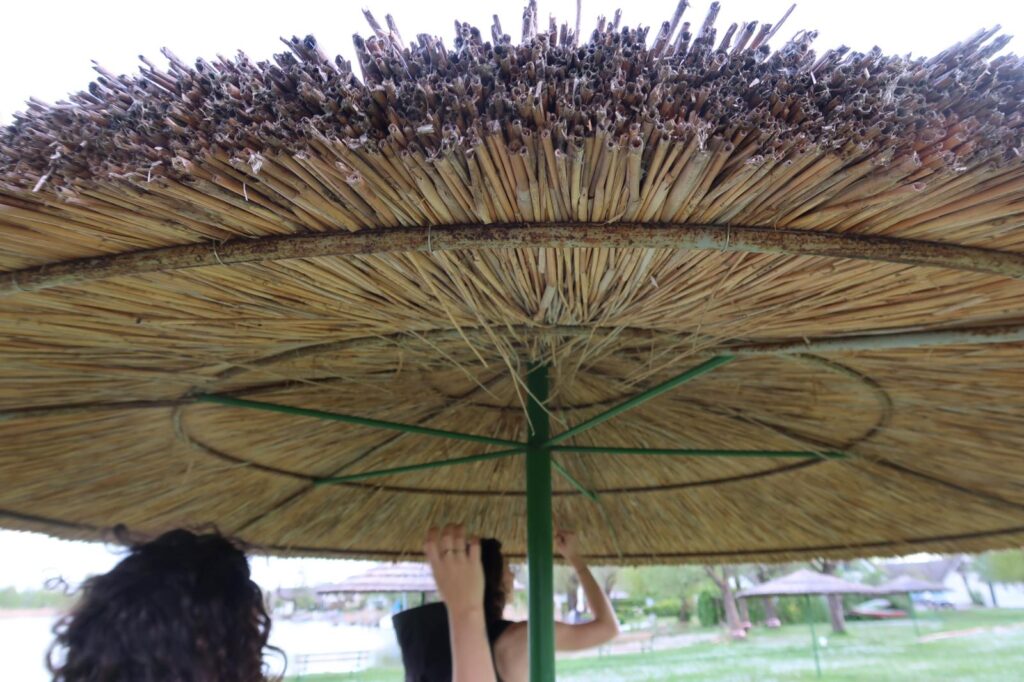
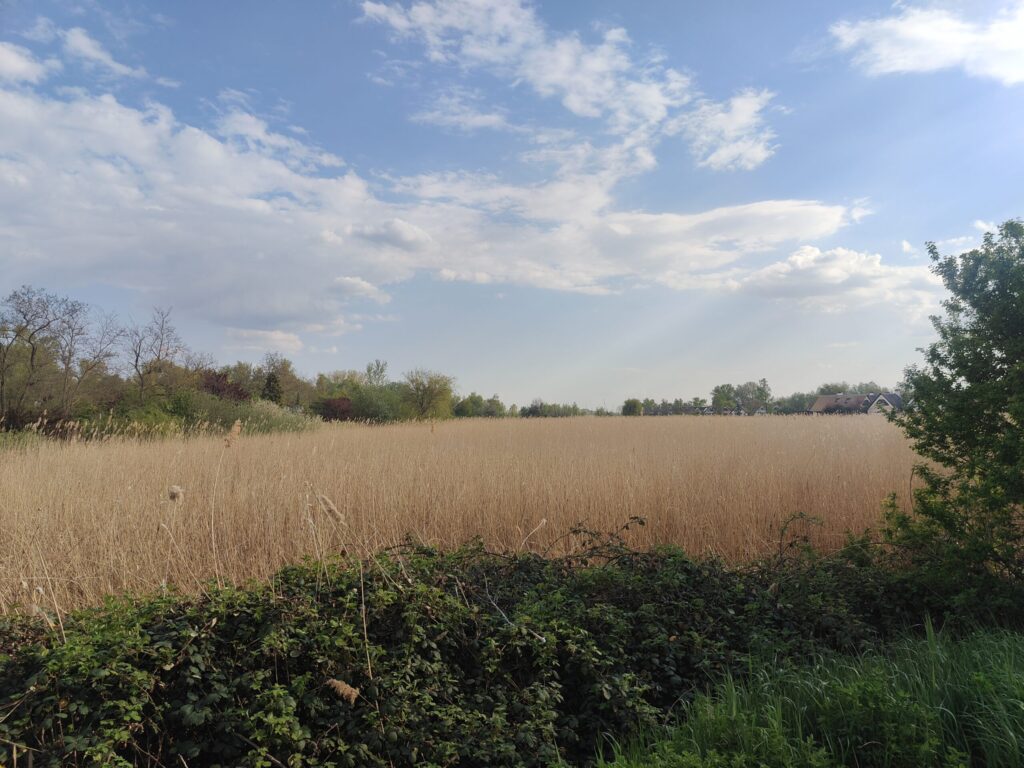
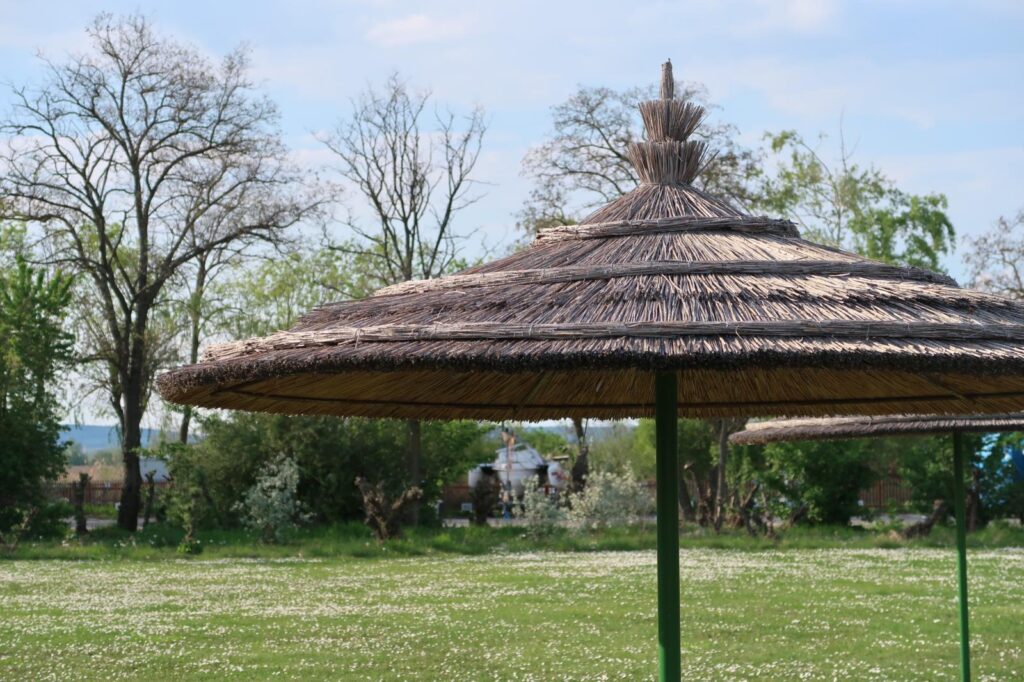
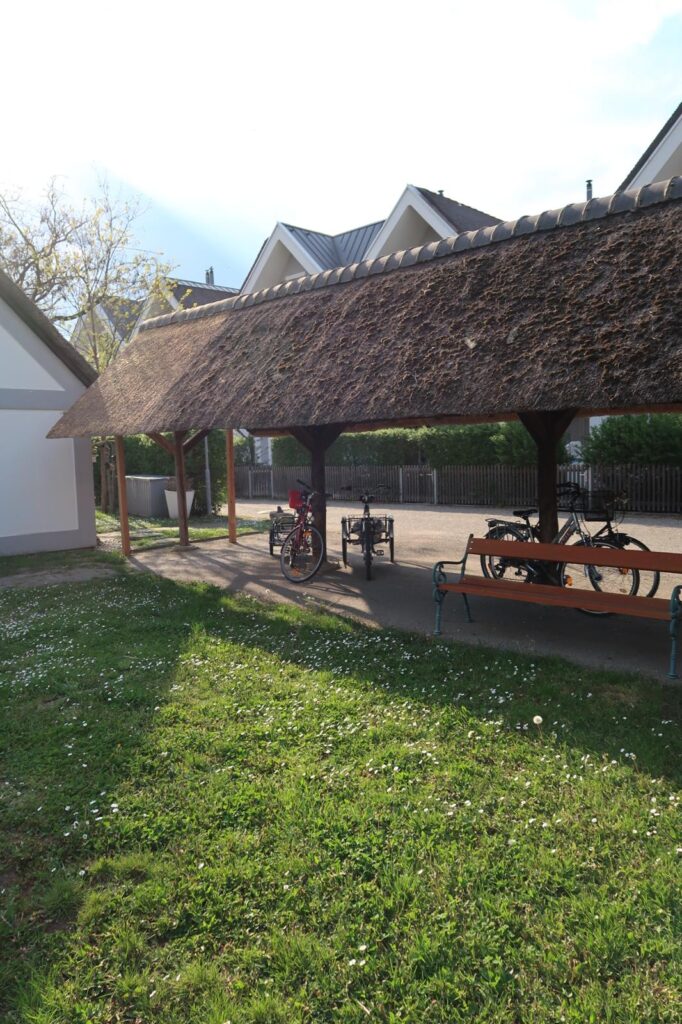
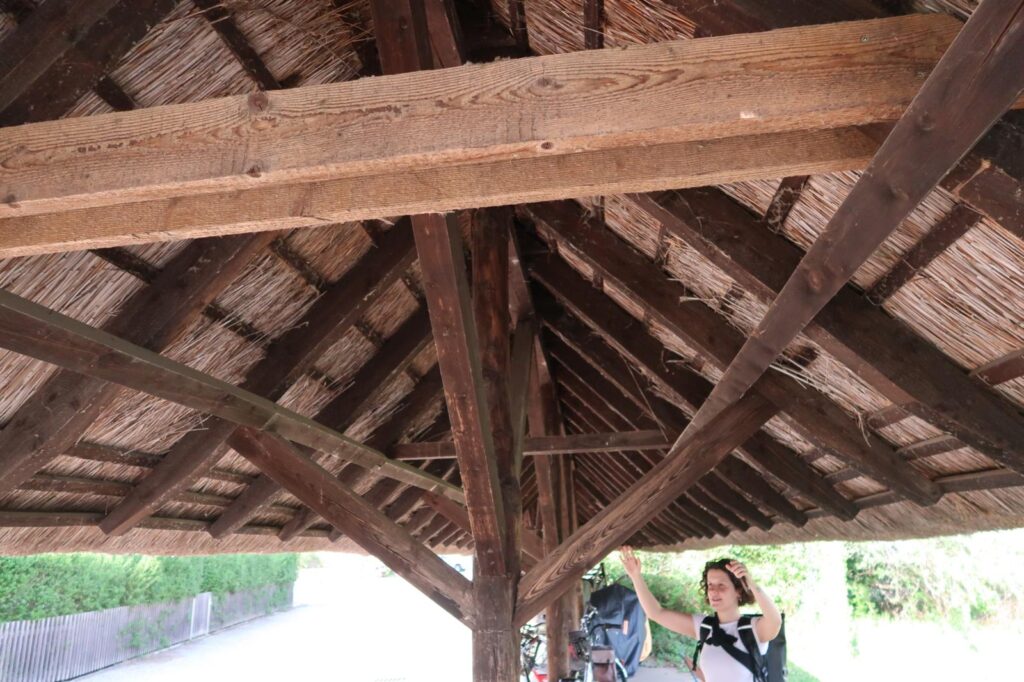
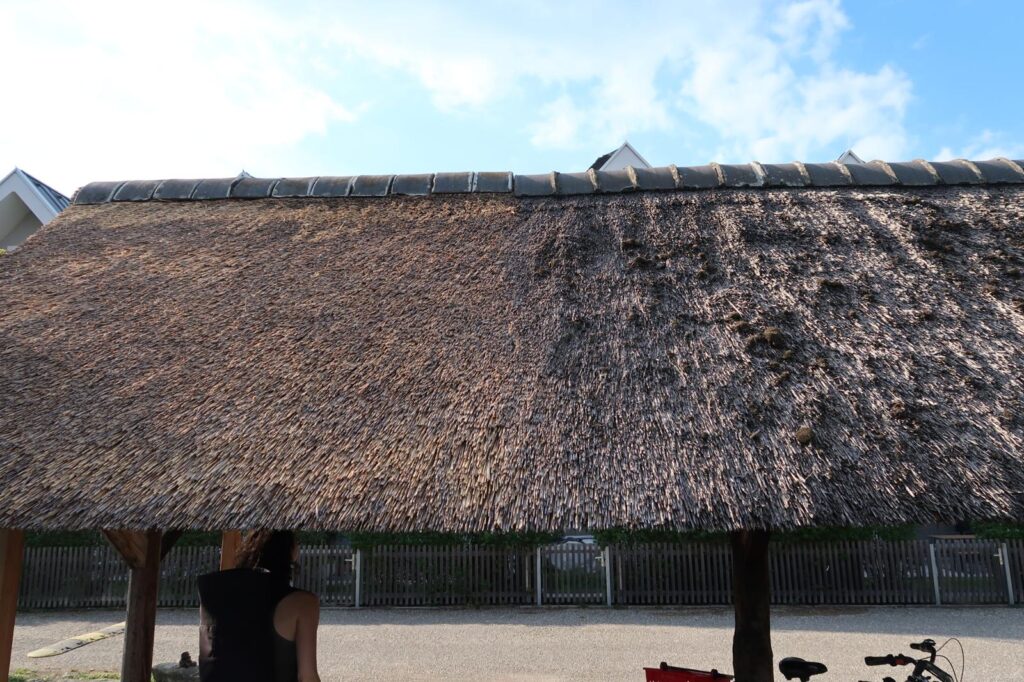
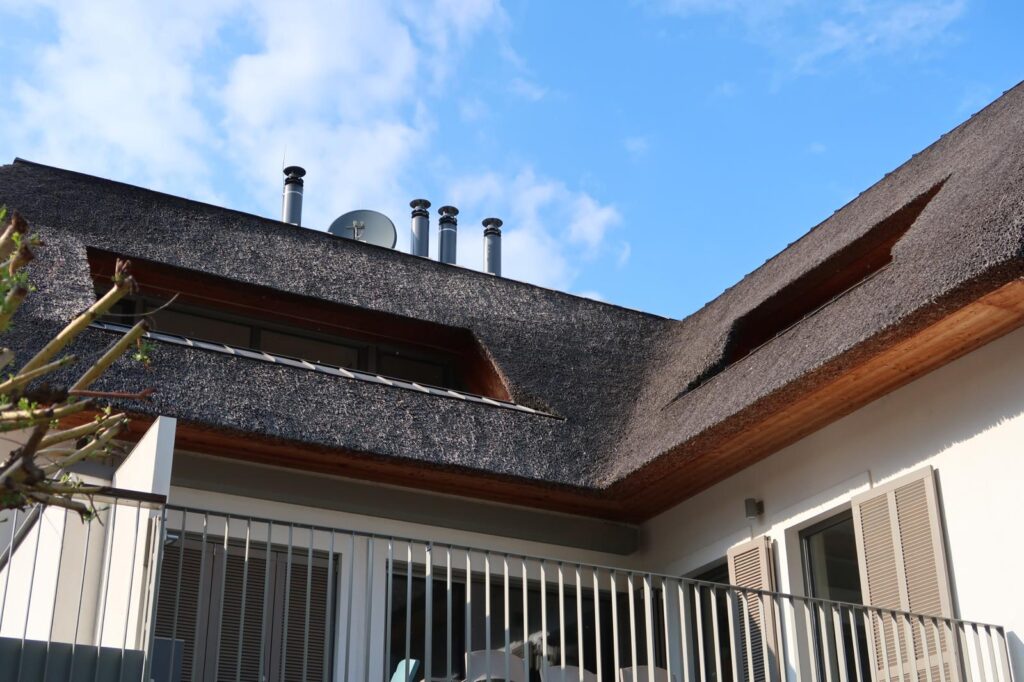
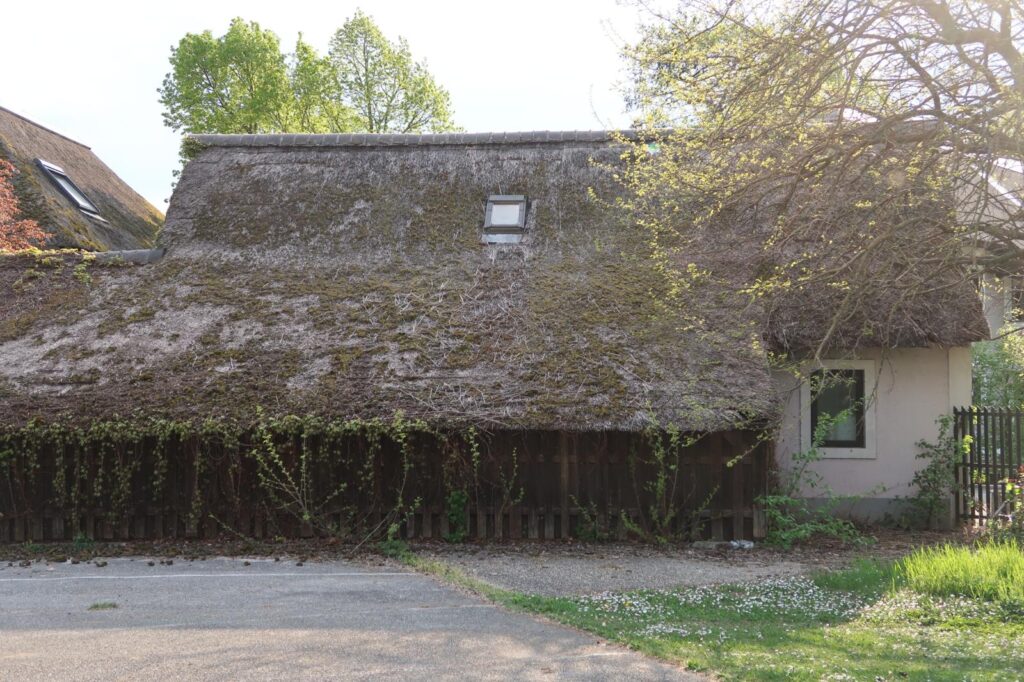
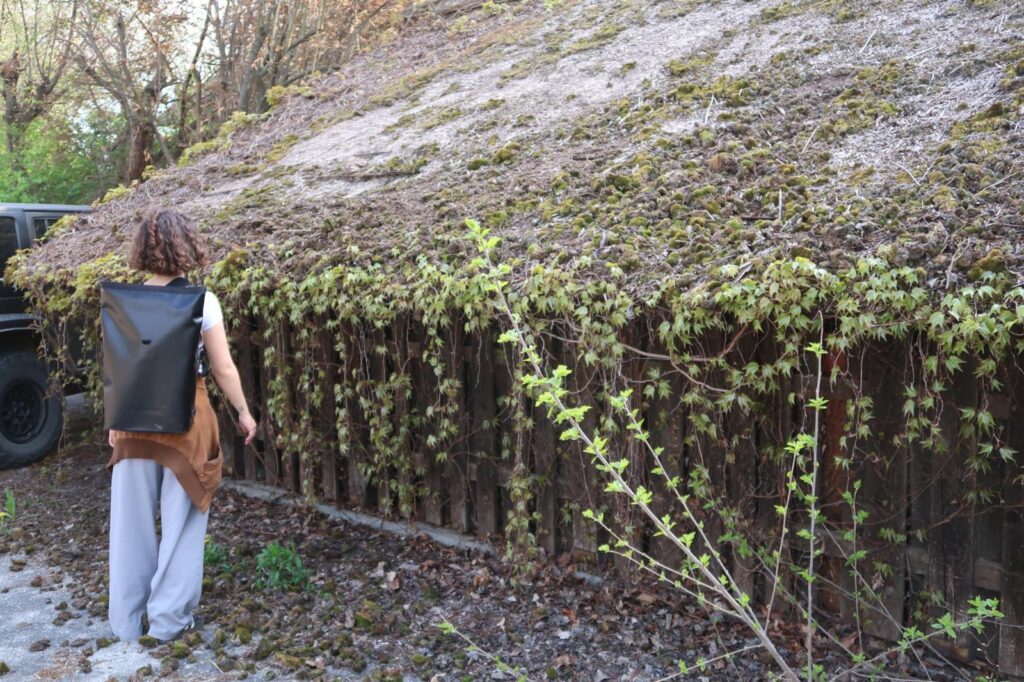
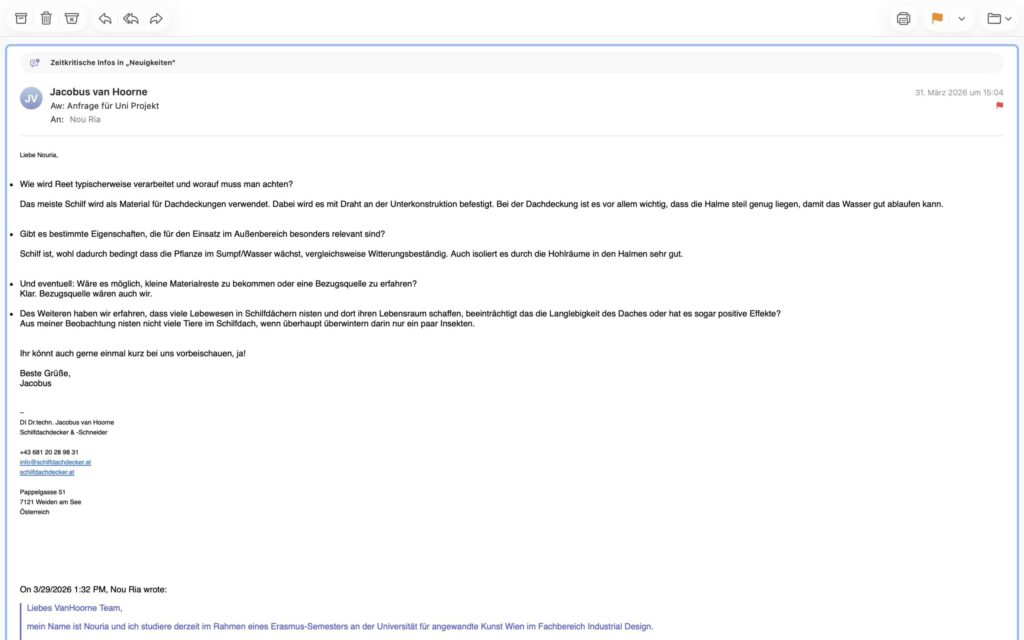
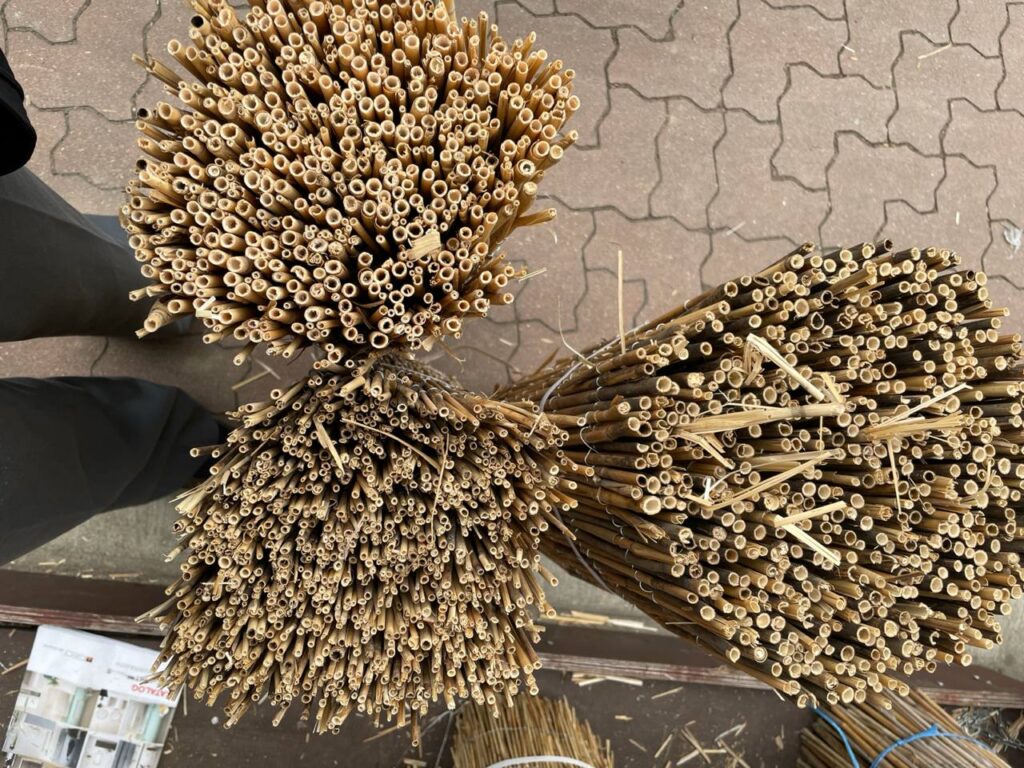
Excursion Neusiedler See – Reed harvester & roof builder
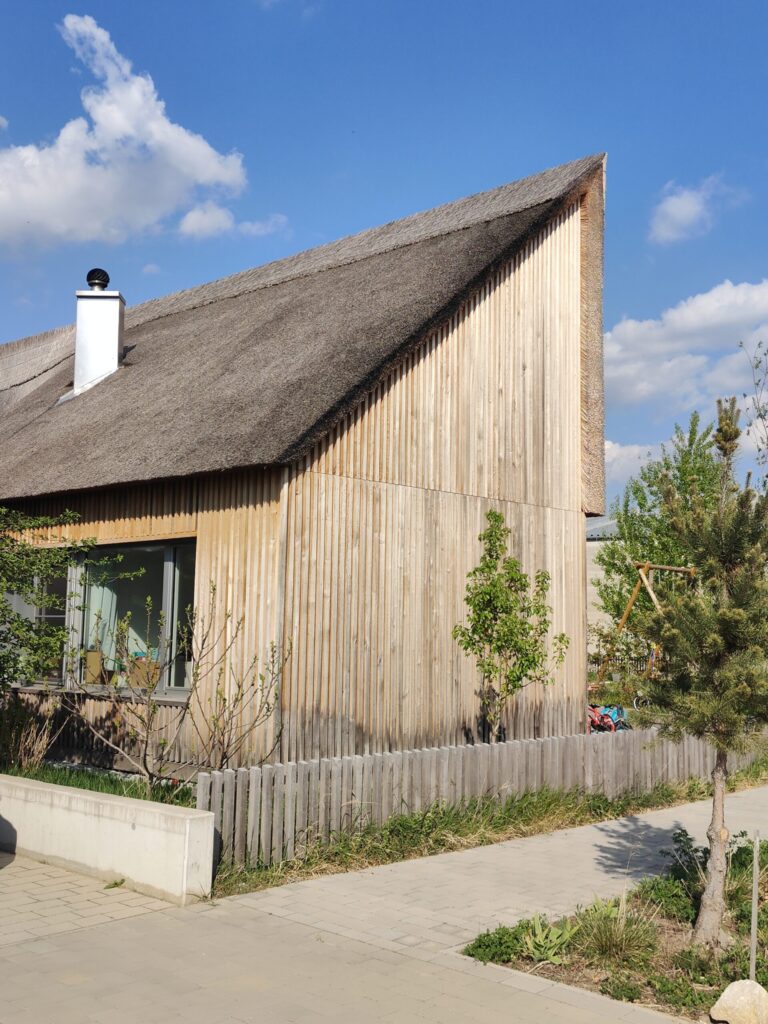
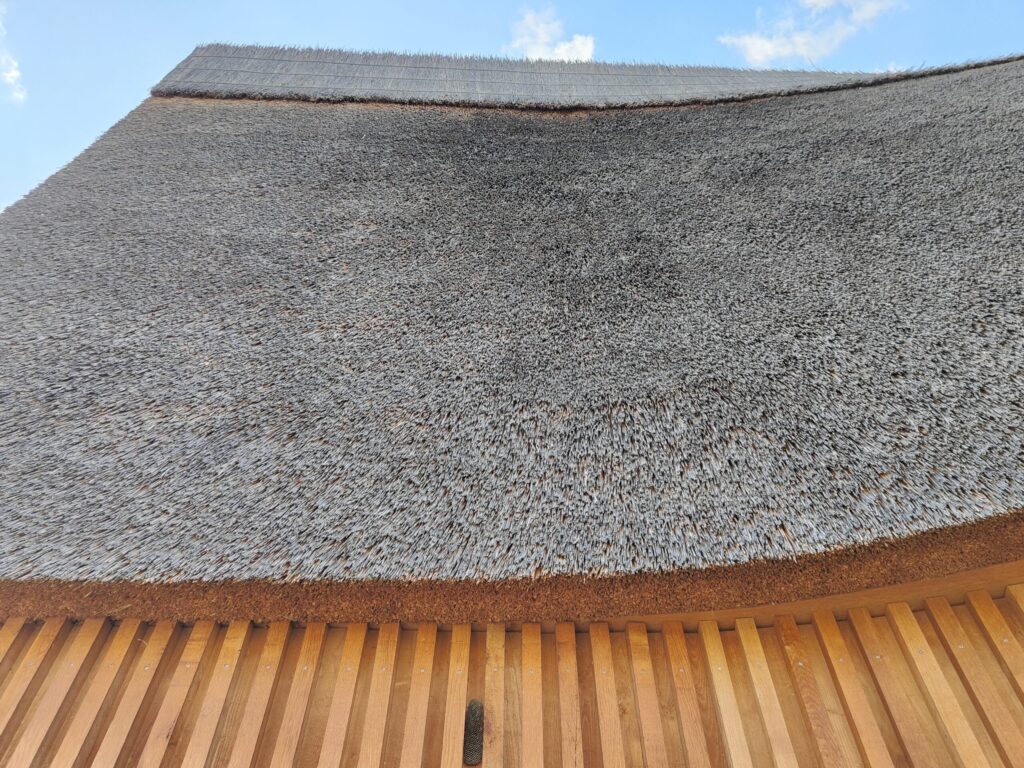
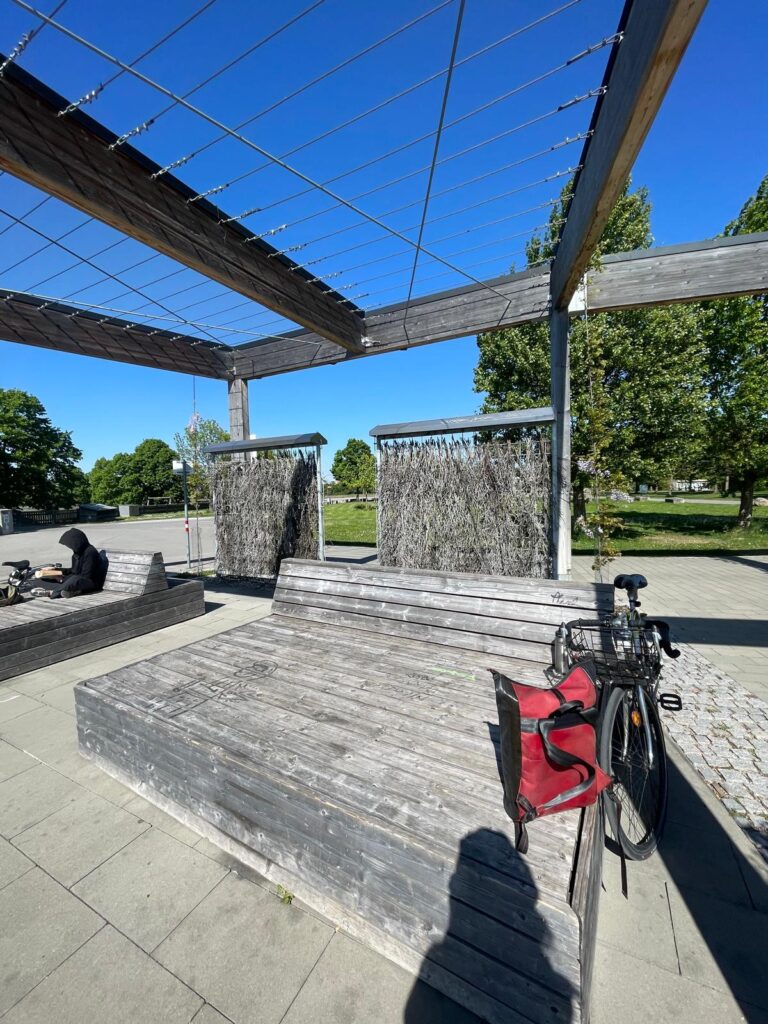
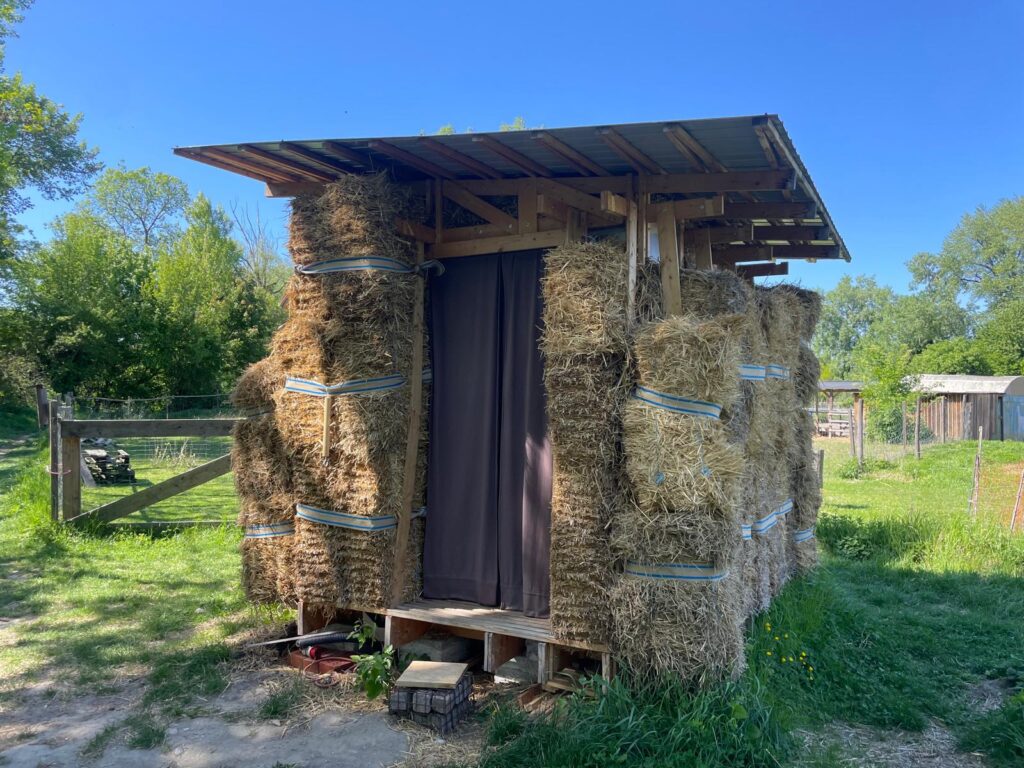
Reed roofs at Neusiedler See
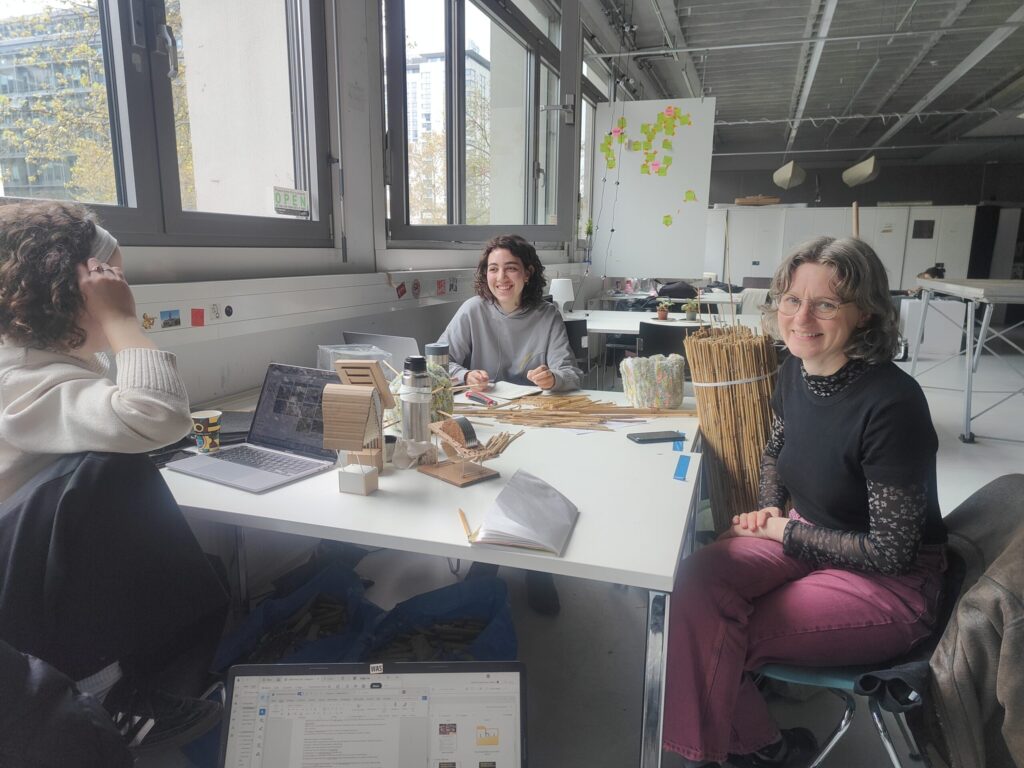
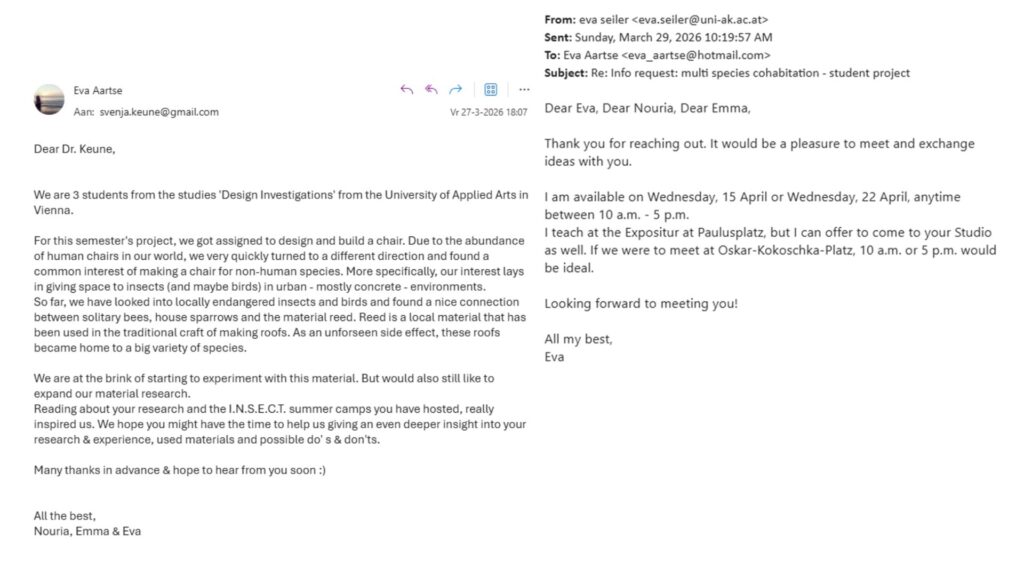
Meeting w. Eva Seiler
Making decisions
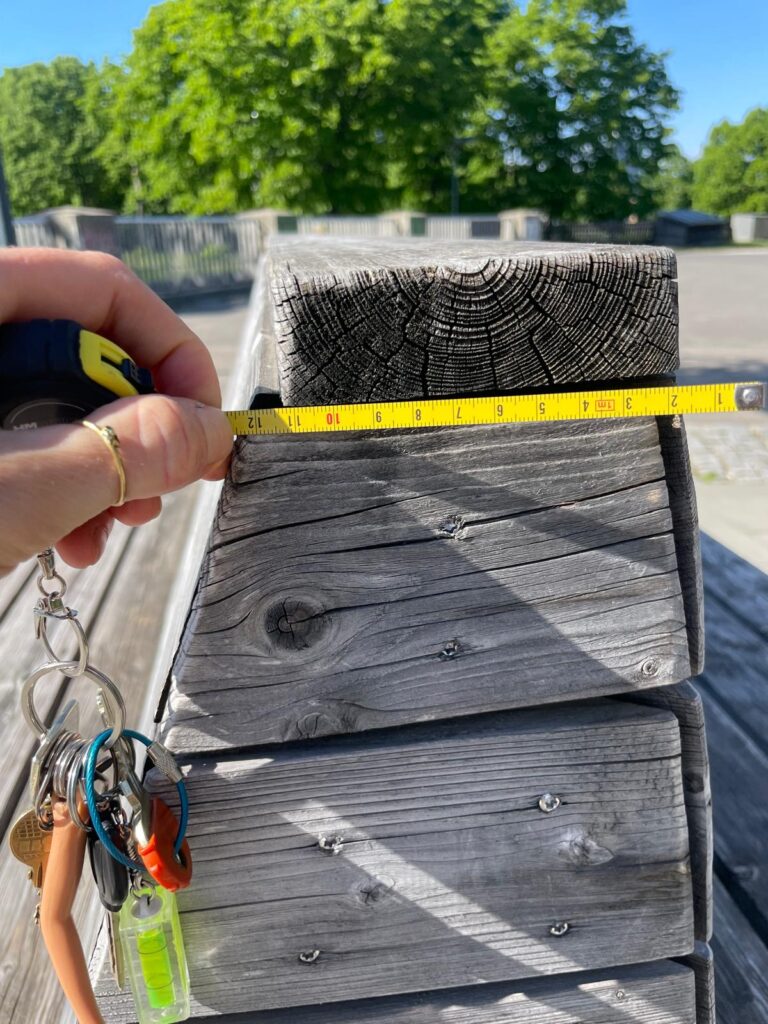
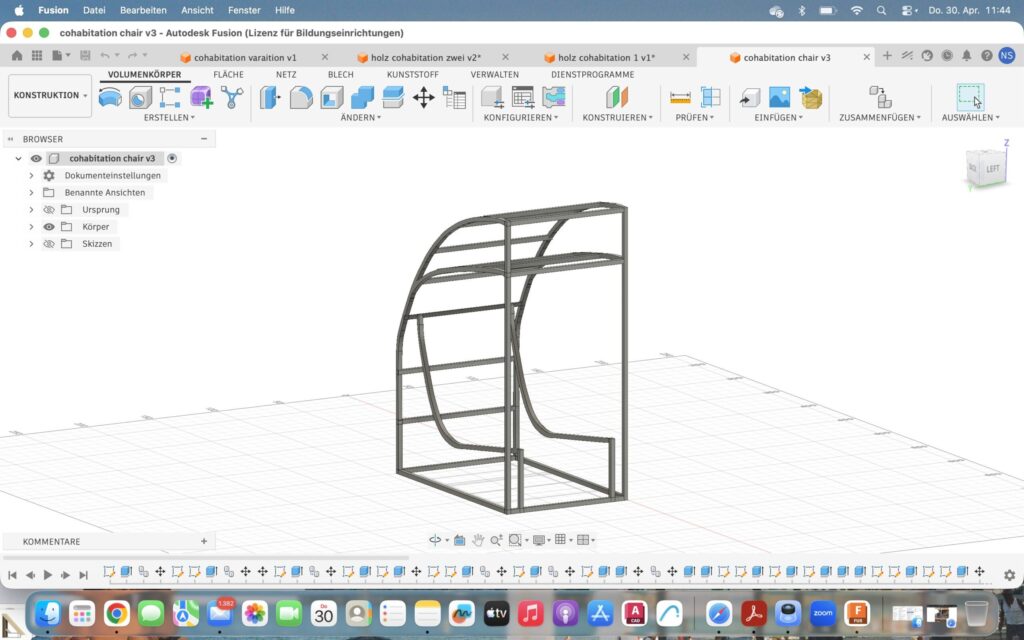
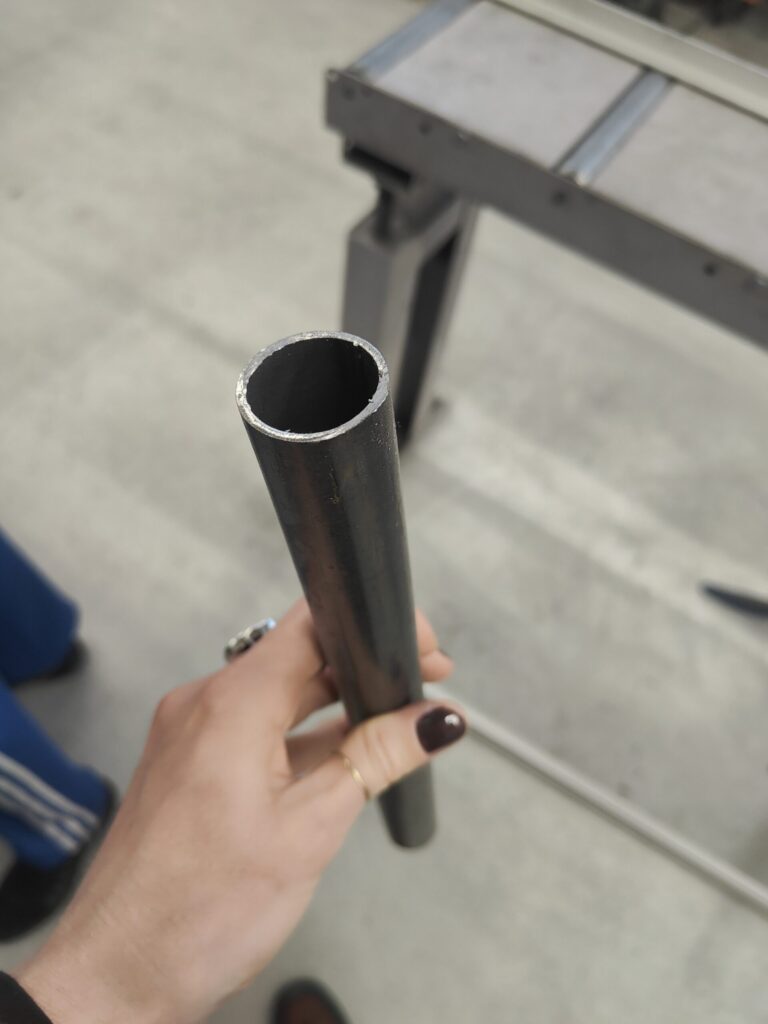
3D model – metal workshop – measuring
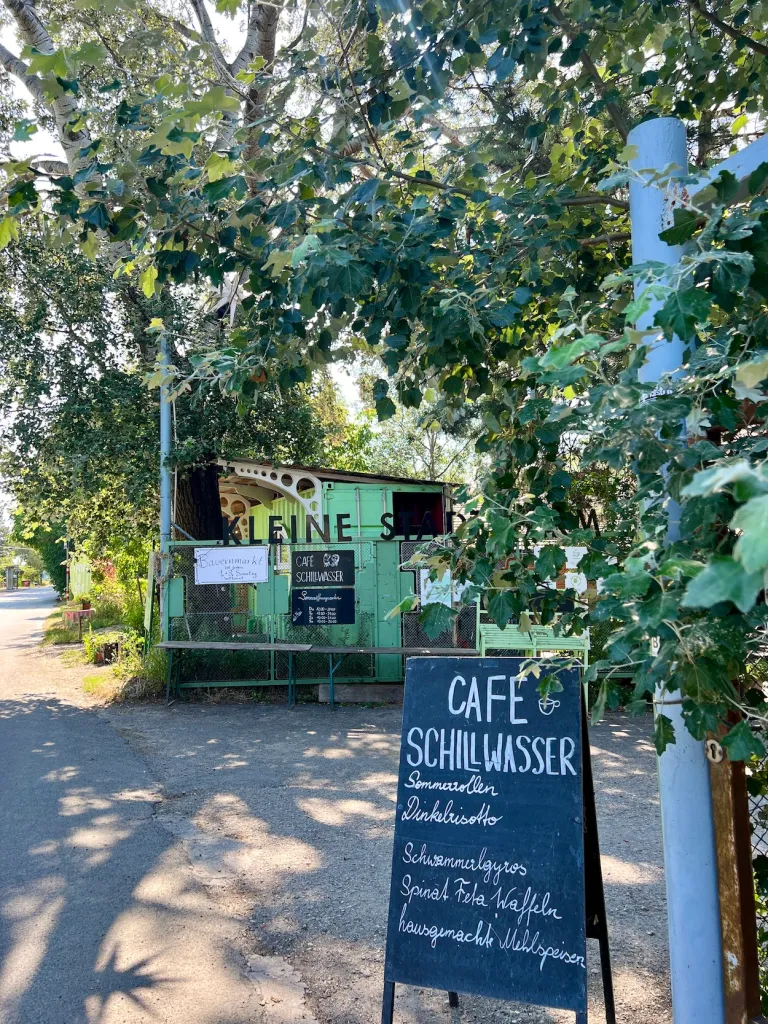
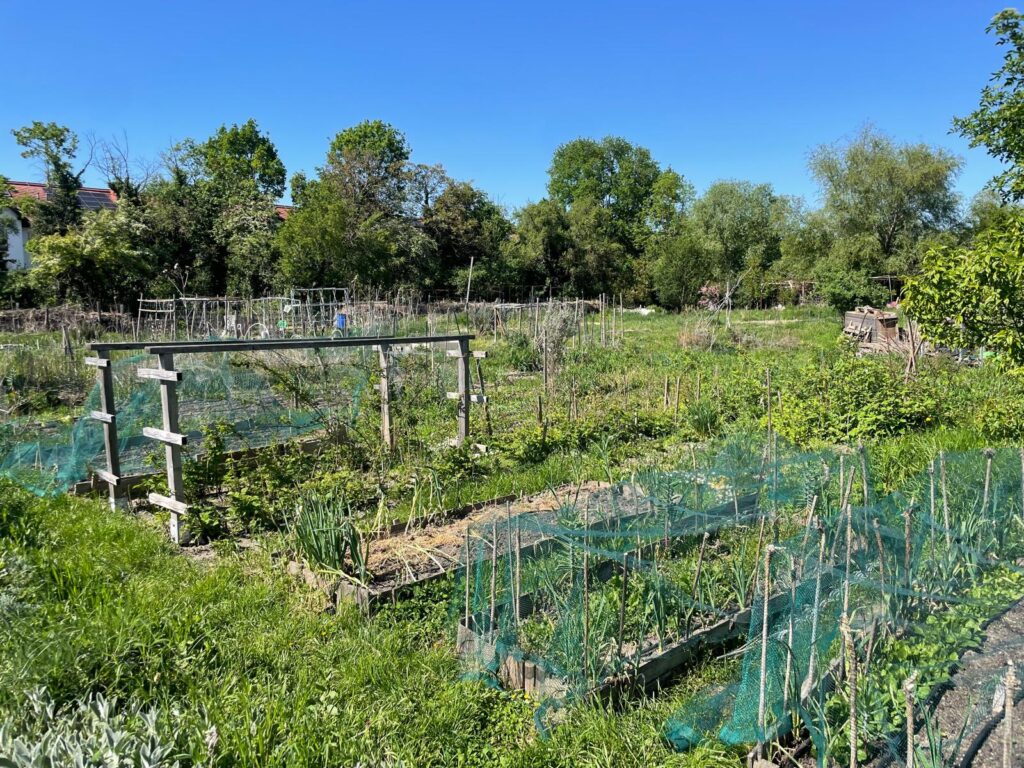
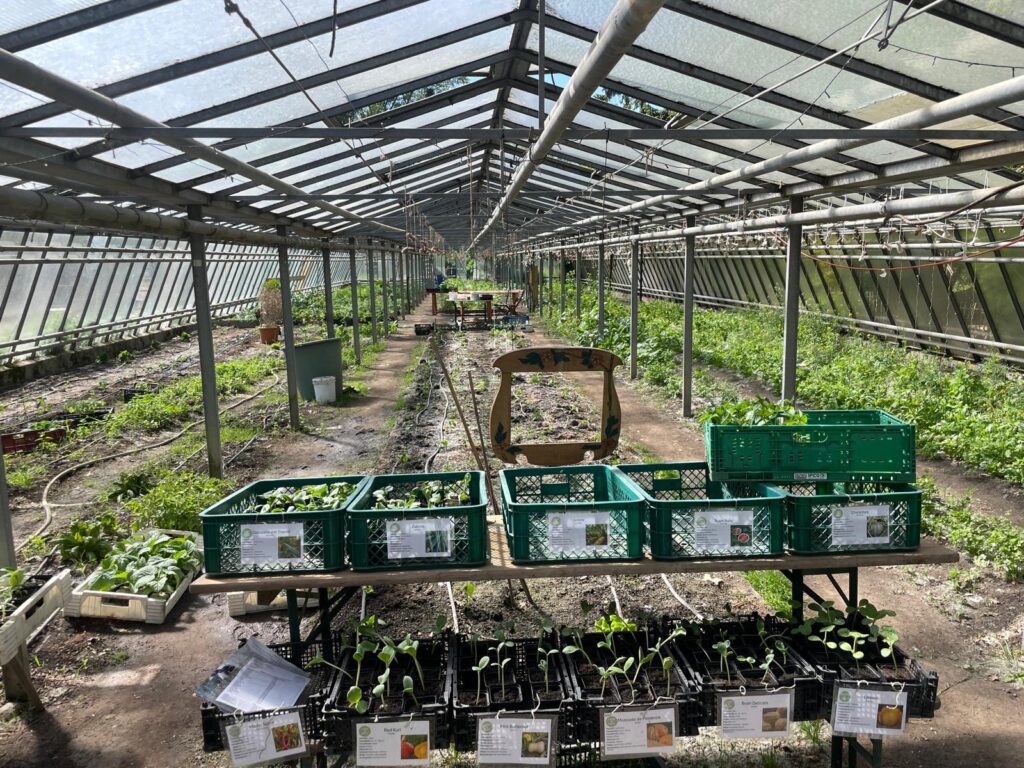
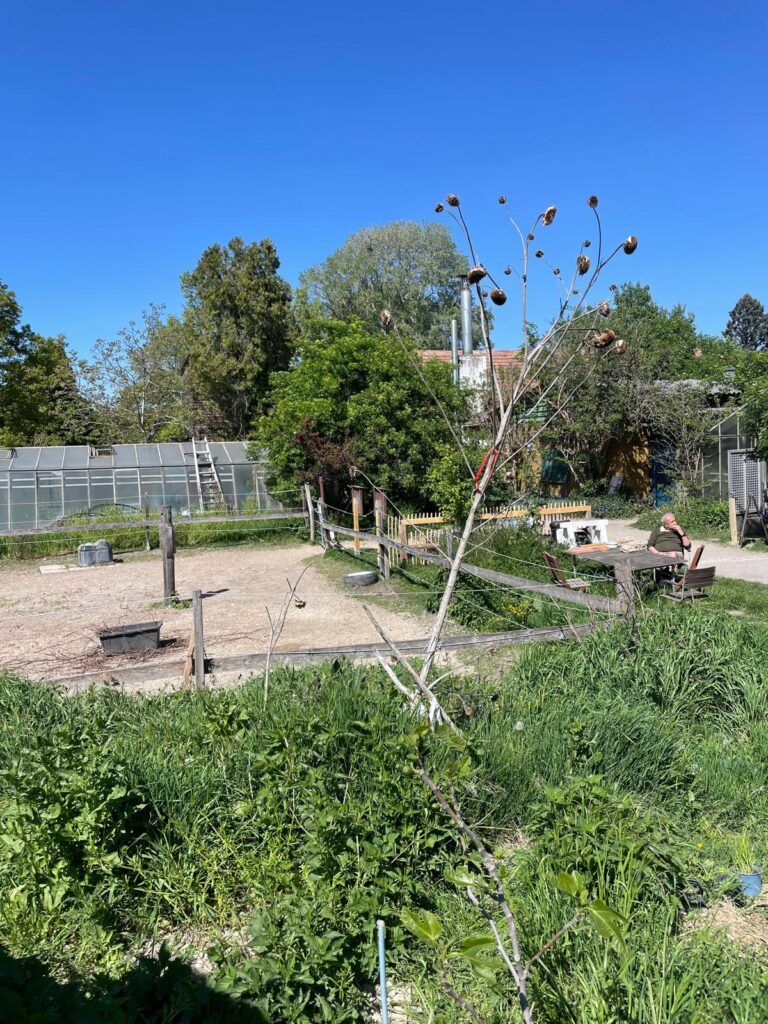
Visiting der Kleine Stadtfarm
since 1970’s – first bio farm in Vienna +5500 m2 21 initiatives +500 participants
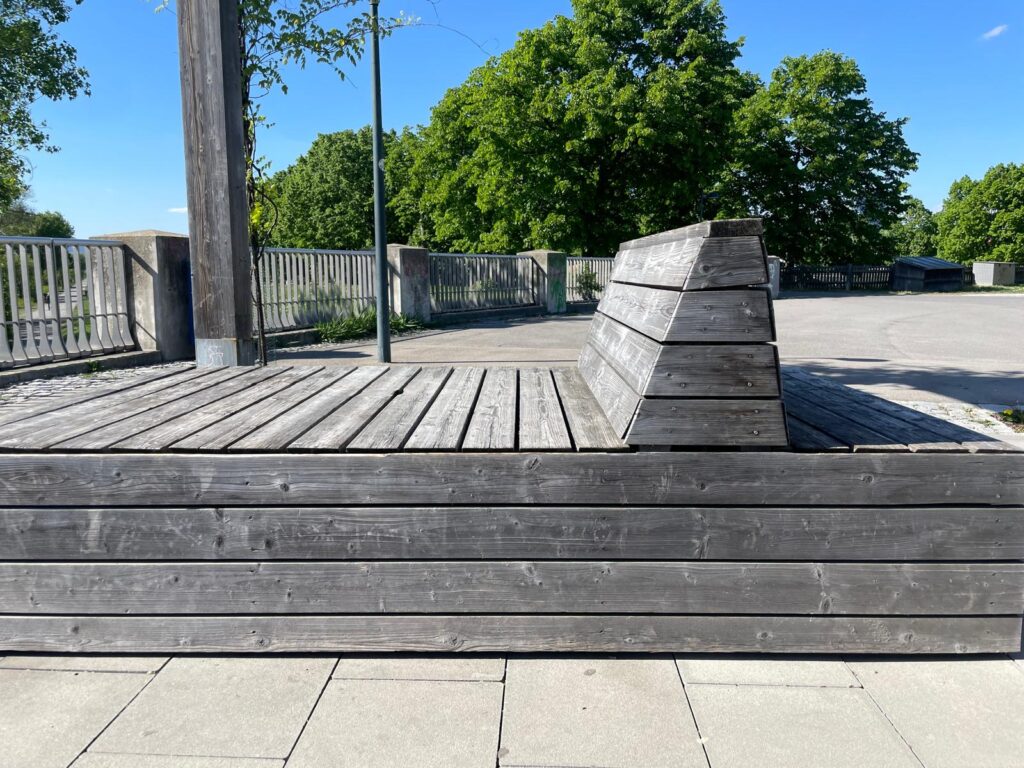
Possible exhibiting space -> School area
“Learning Under the Stars” promotes nature-based and experiential learning for students of the ILB (Integrative Learning Workshop Brigittenau).
Our aim is to reconnect children with the local flora and fauna and provide them with fundamental experiences in nature. Through hands-on, process-oriented projects, students learn to take responsibility and develop their social skills.
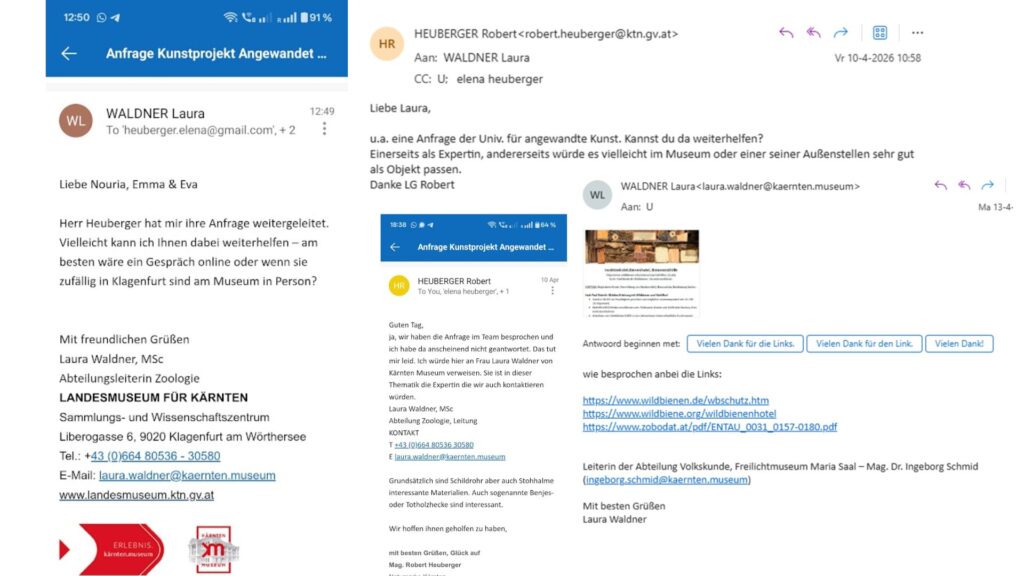
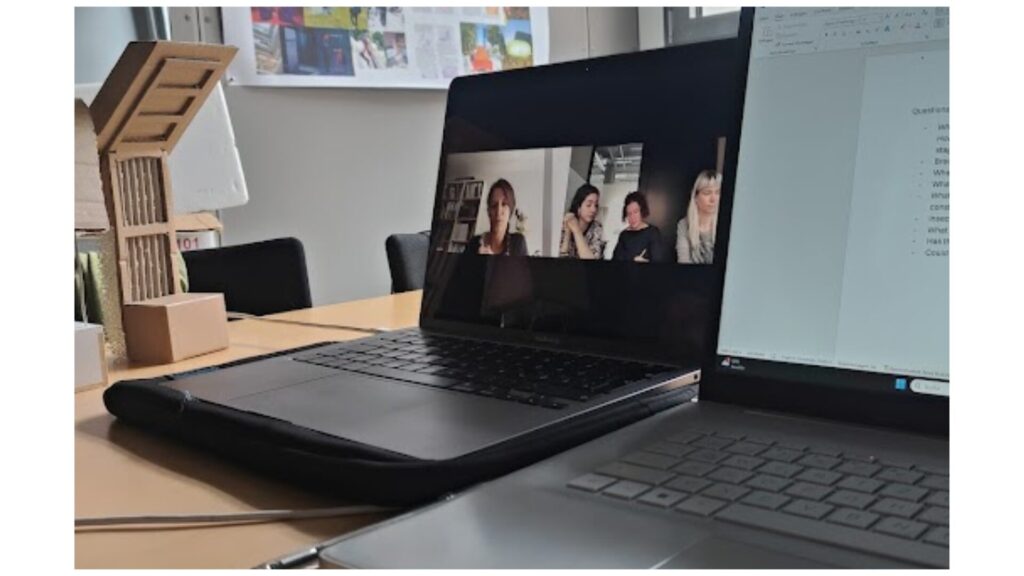
Zoom call 13.04 with Laura Waldner, Entomologist at Landmuseum Kärnten
Another meeting planned 15.04 (today!) w. Eva Seiler (Skulptur & Raum, human and non-human)
Field trips during the holidays
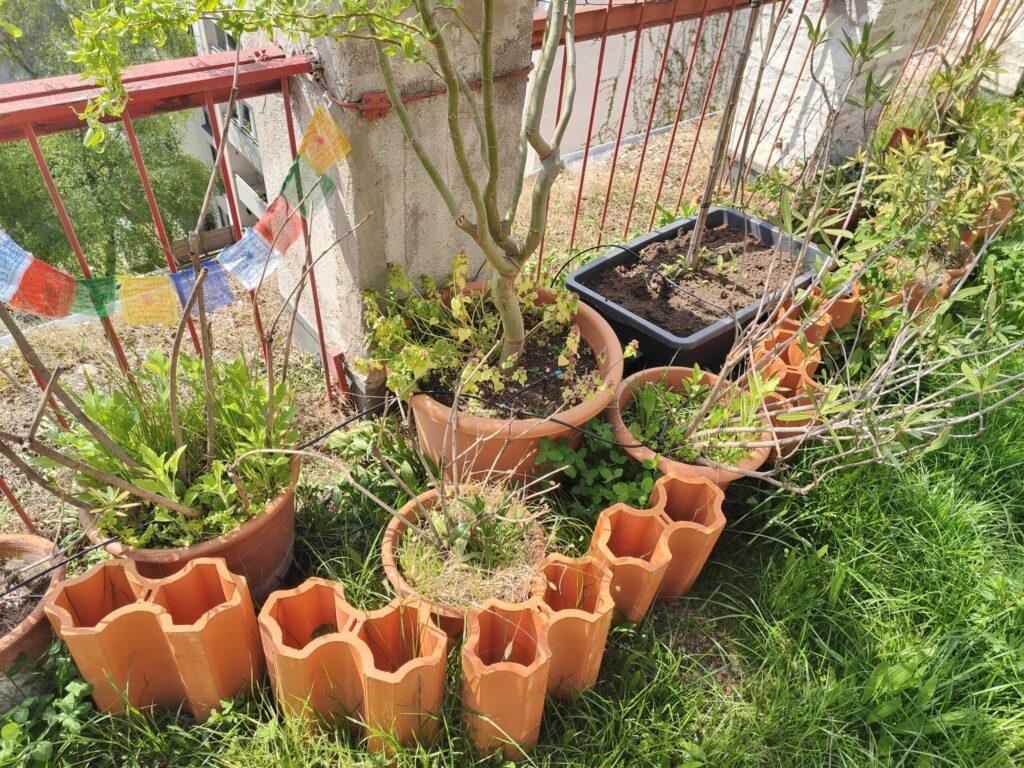
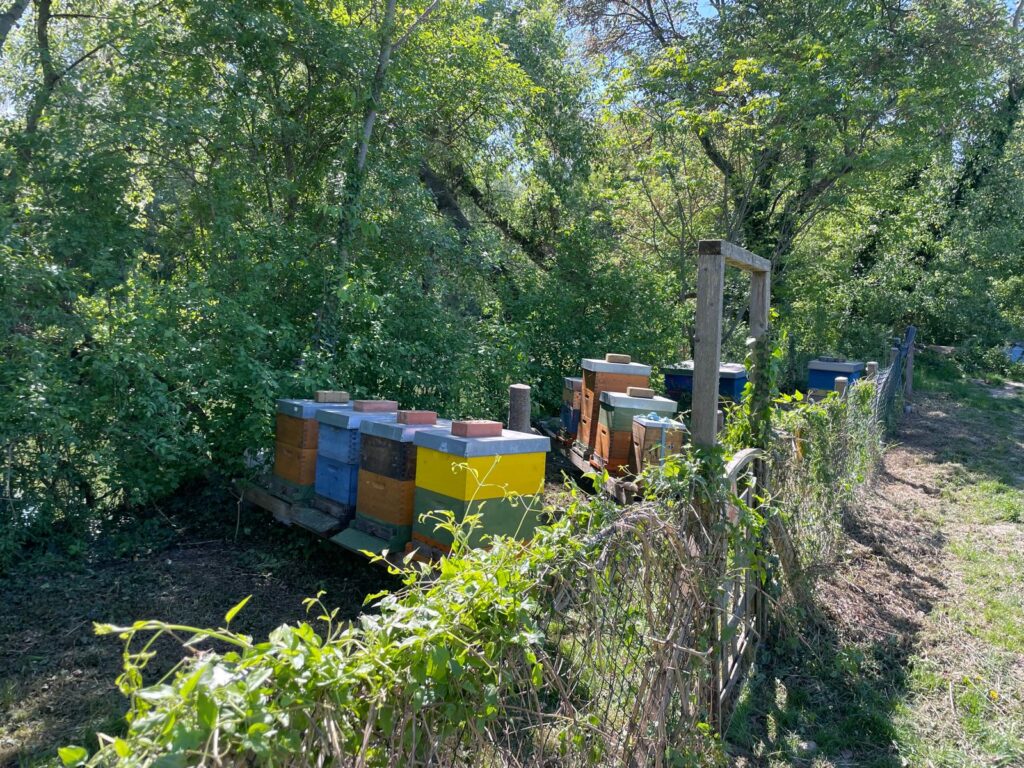
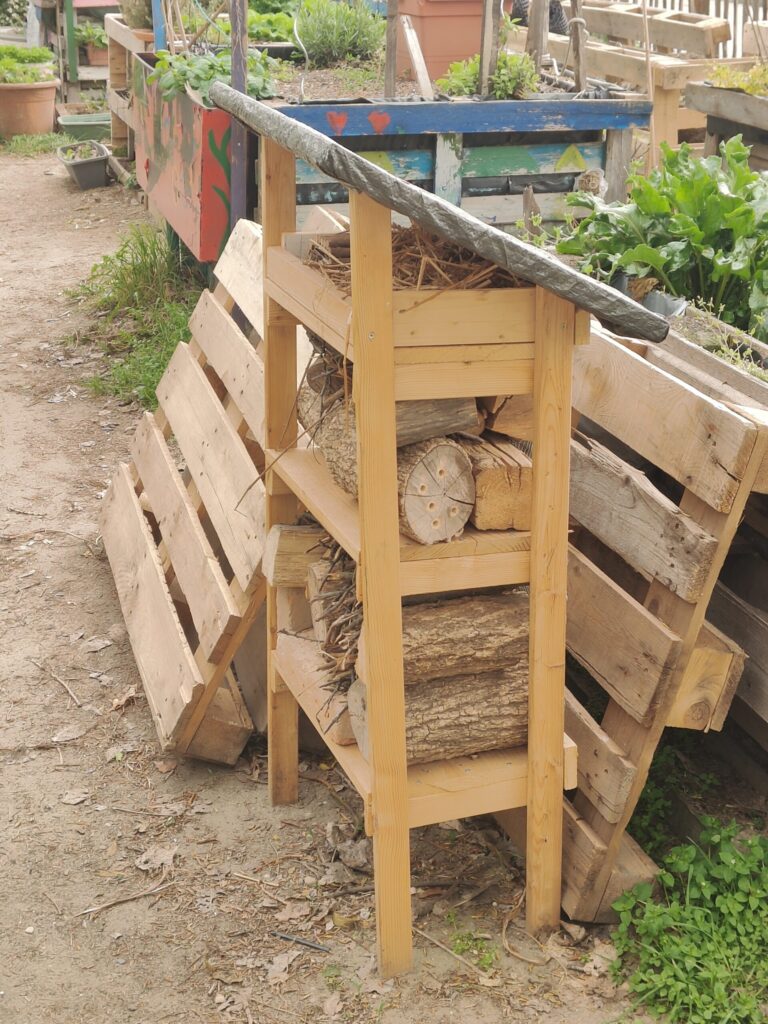
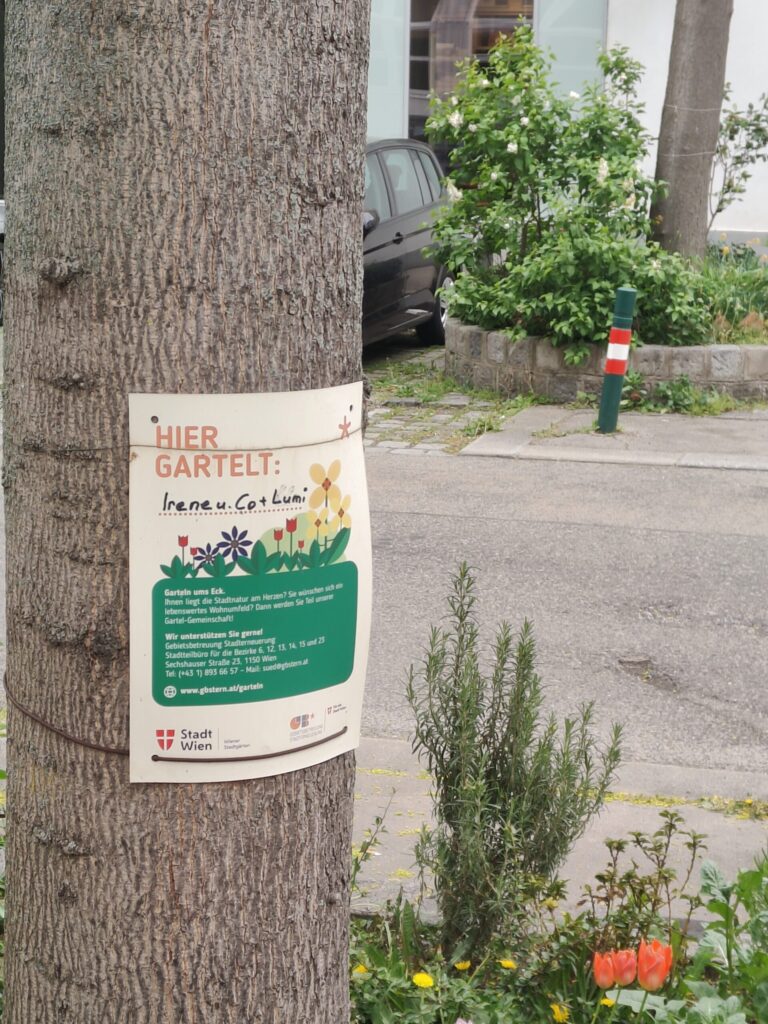
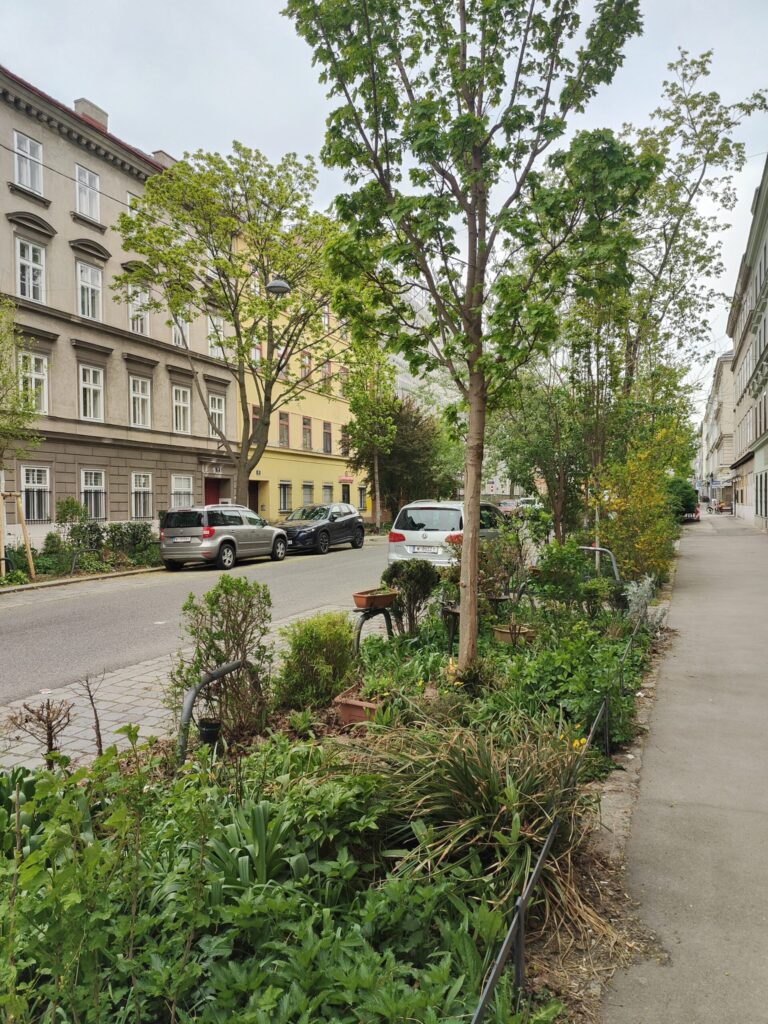
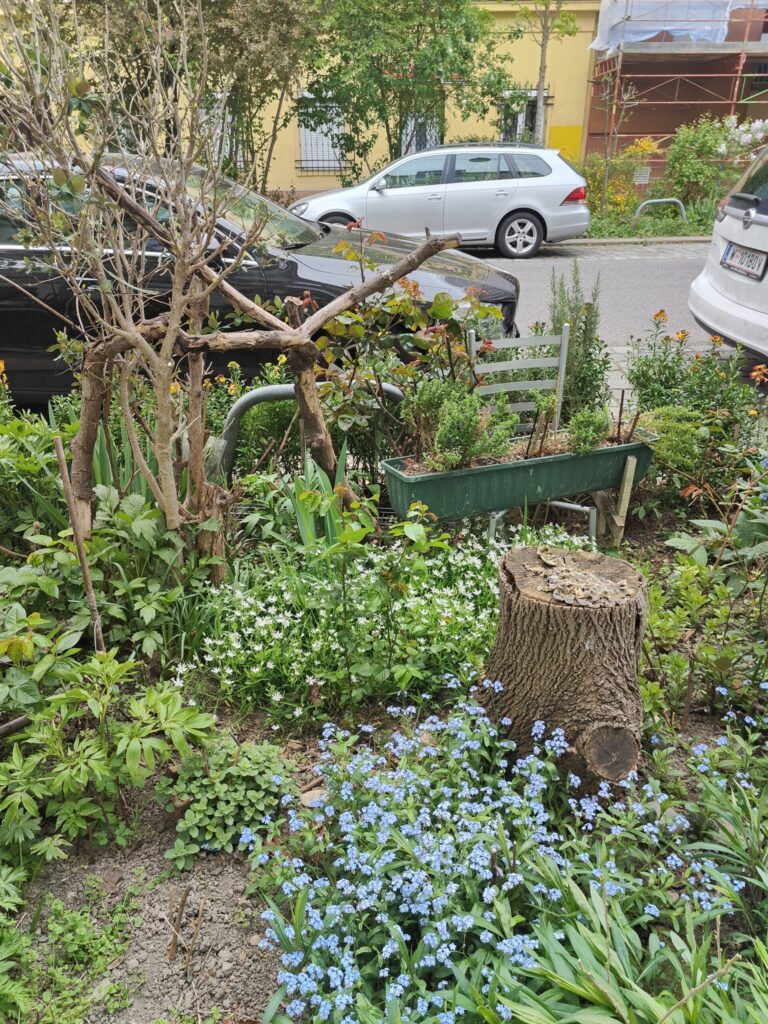
Community gardens w. insect hotels, Wolfganggasse (biodiversity project), Donau Insel (Imkerverrein)
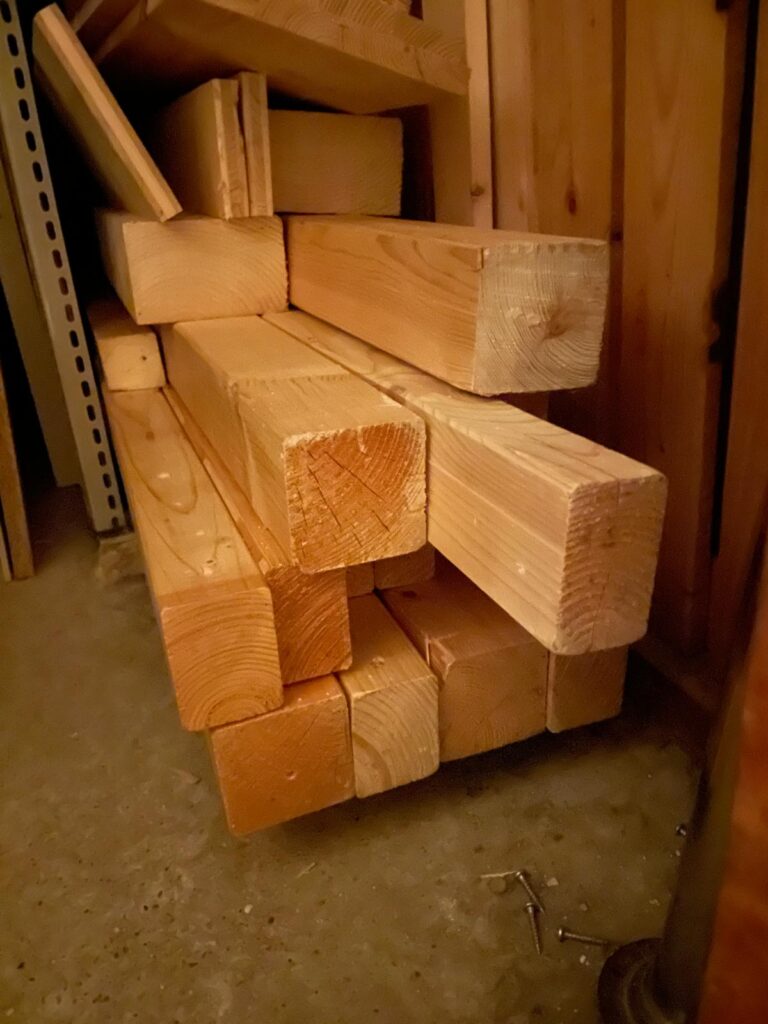
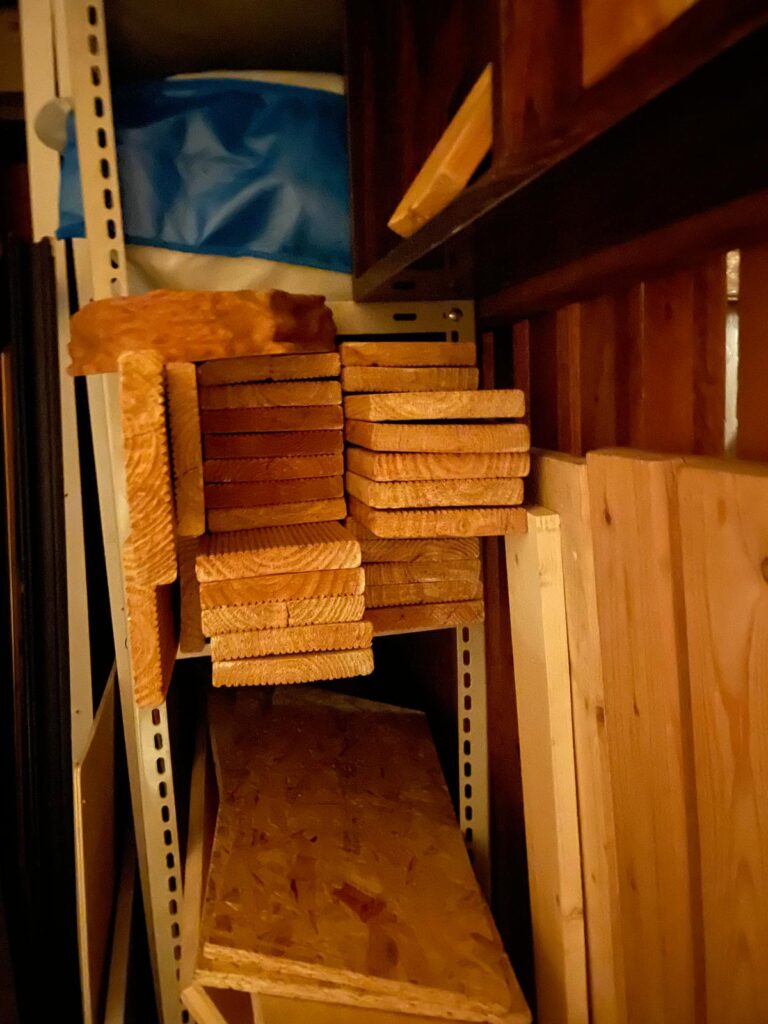
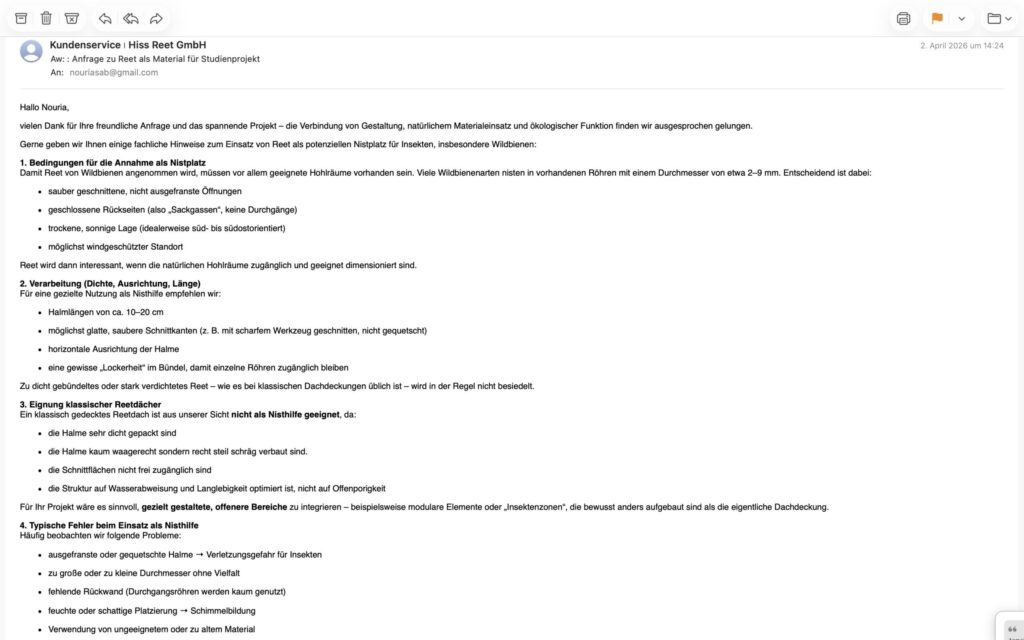
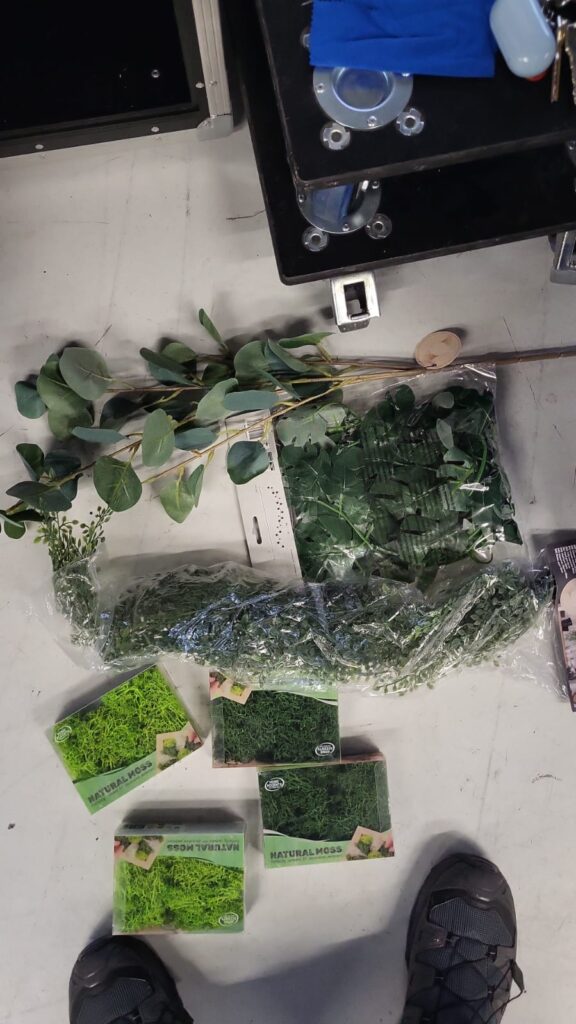
Material Experiments
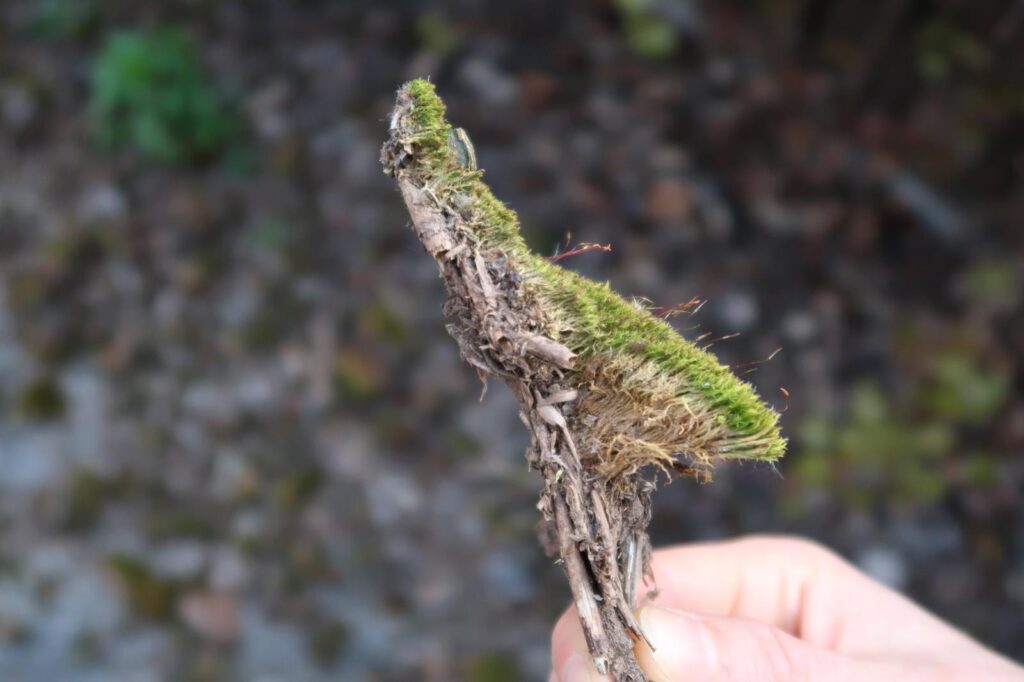
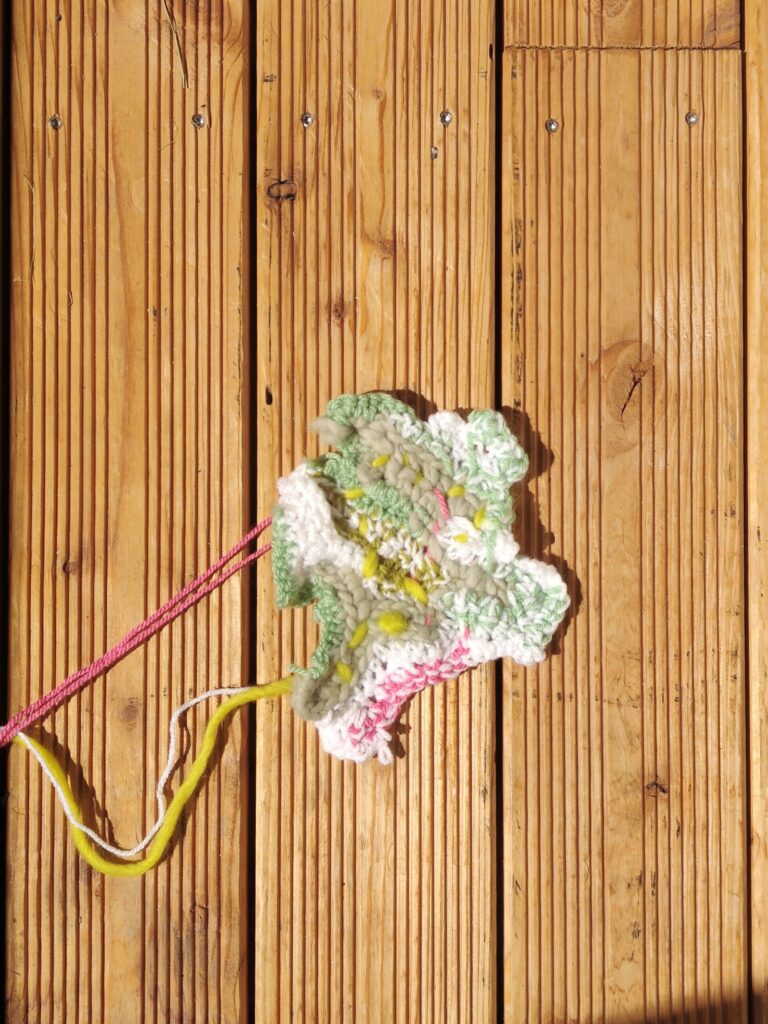
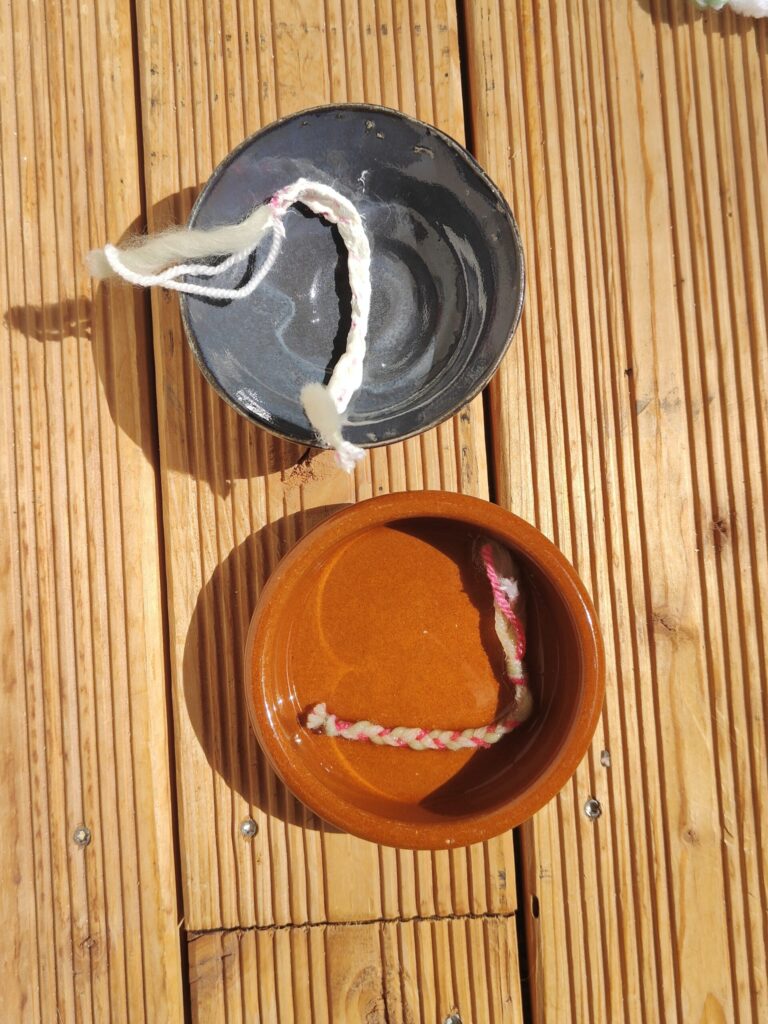
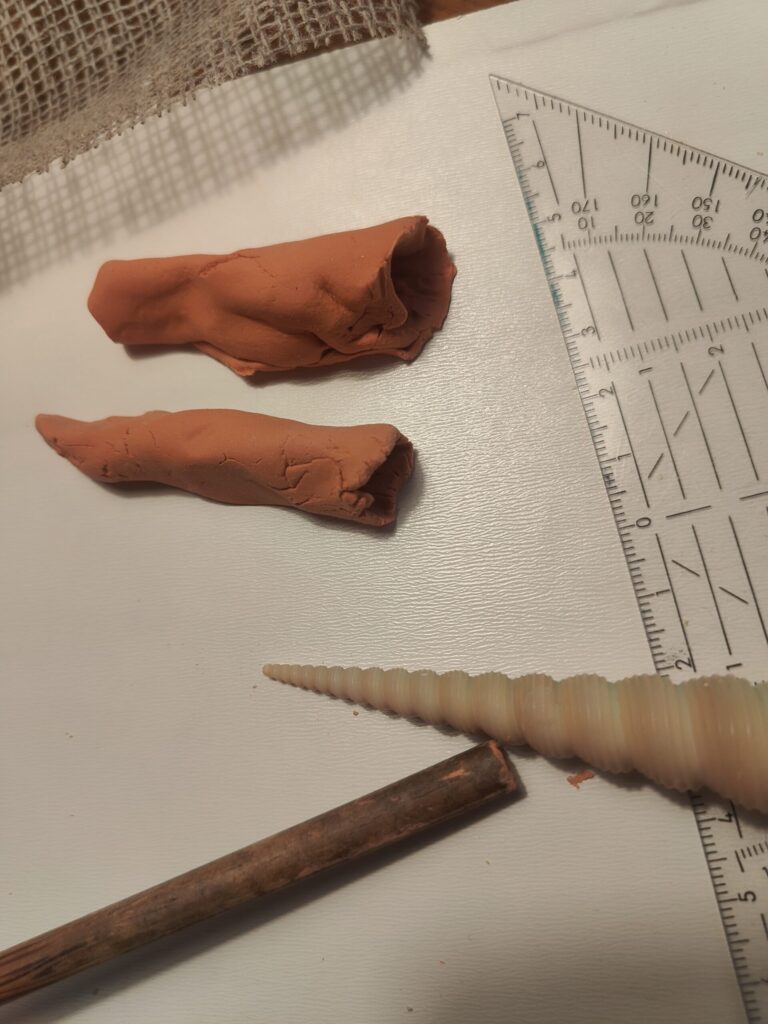
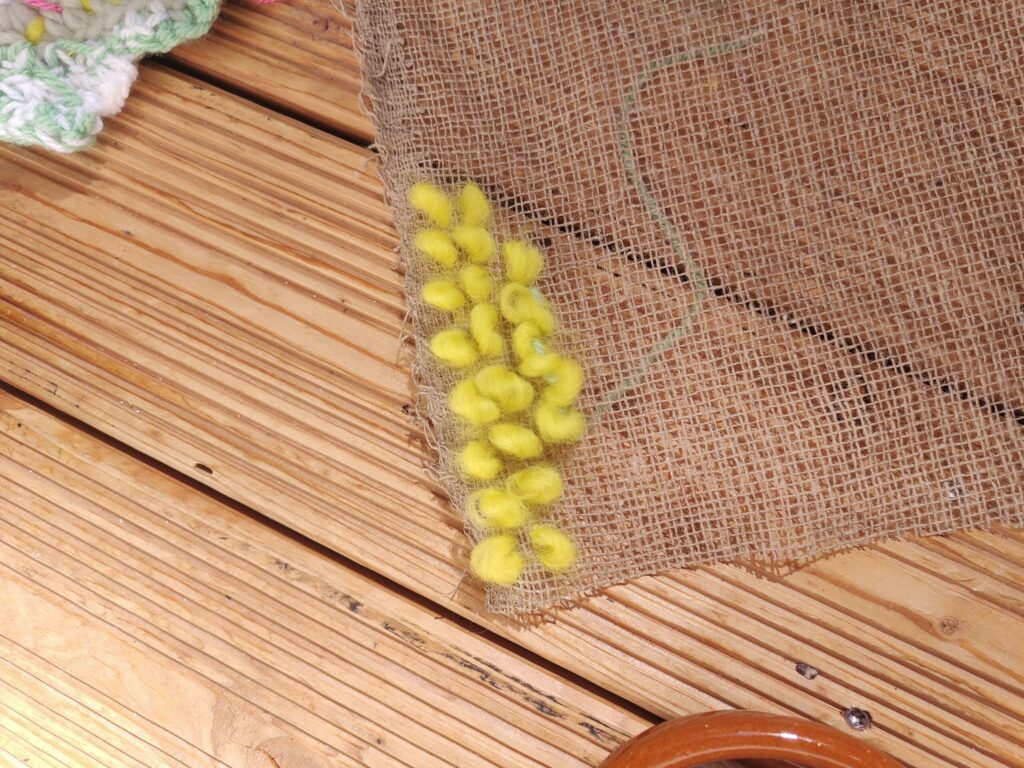
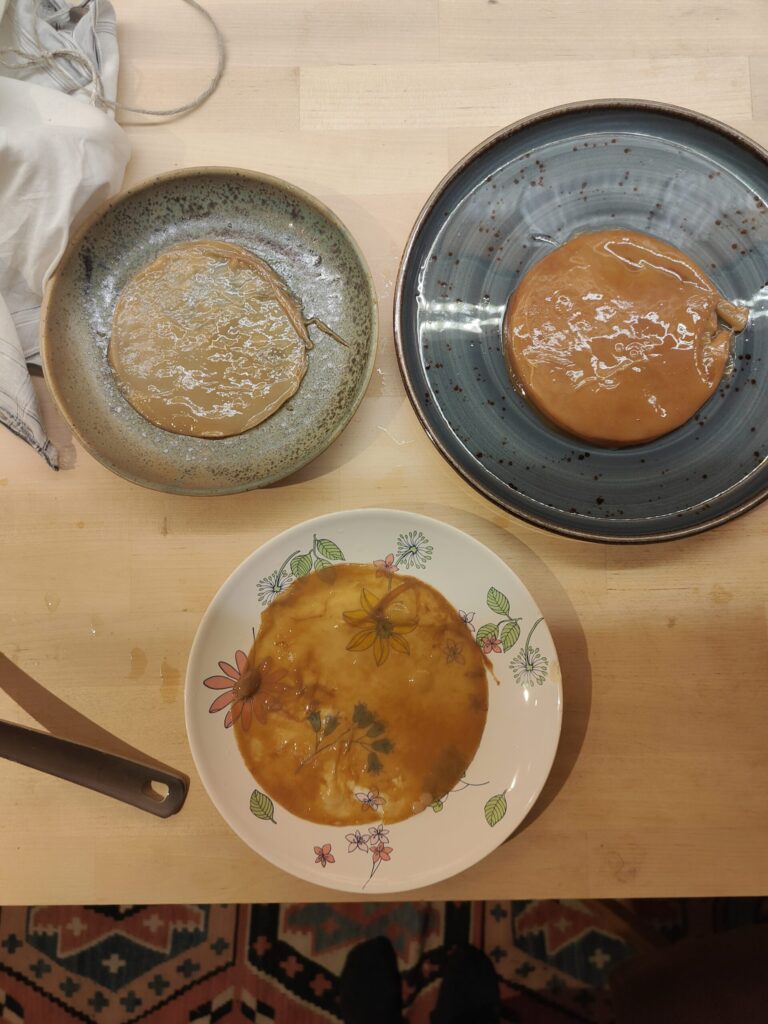
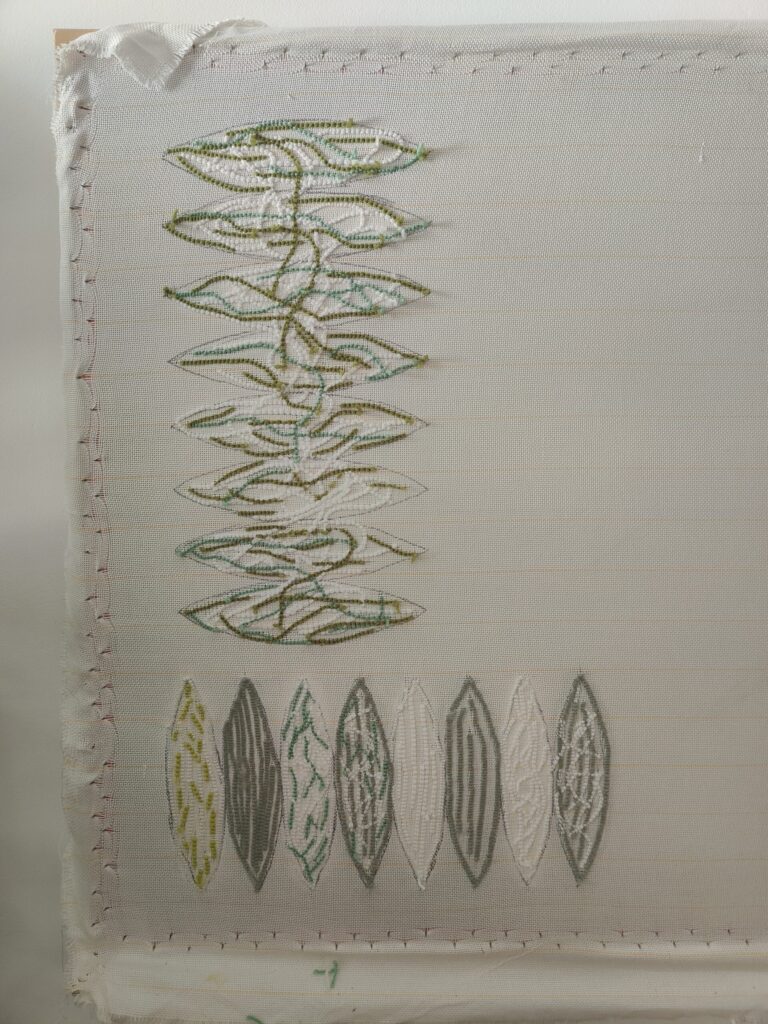
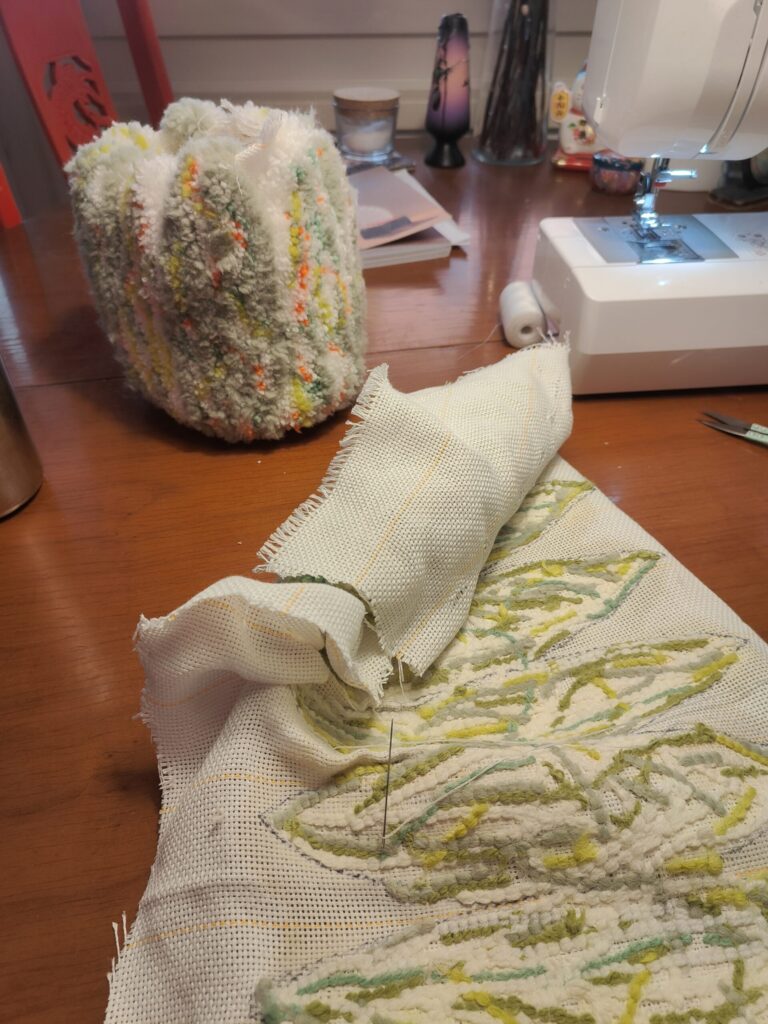
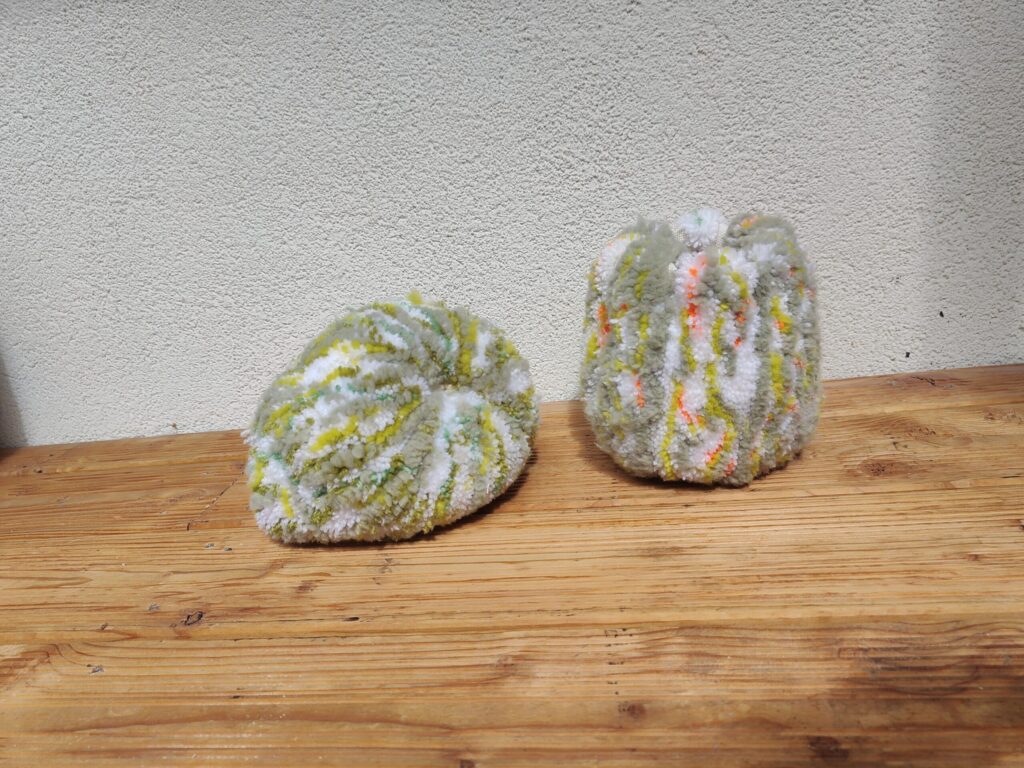
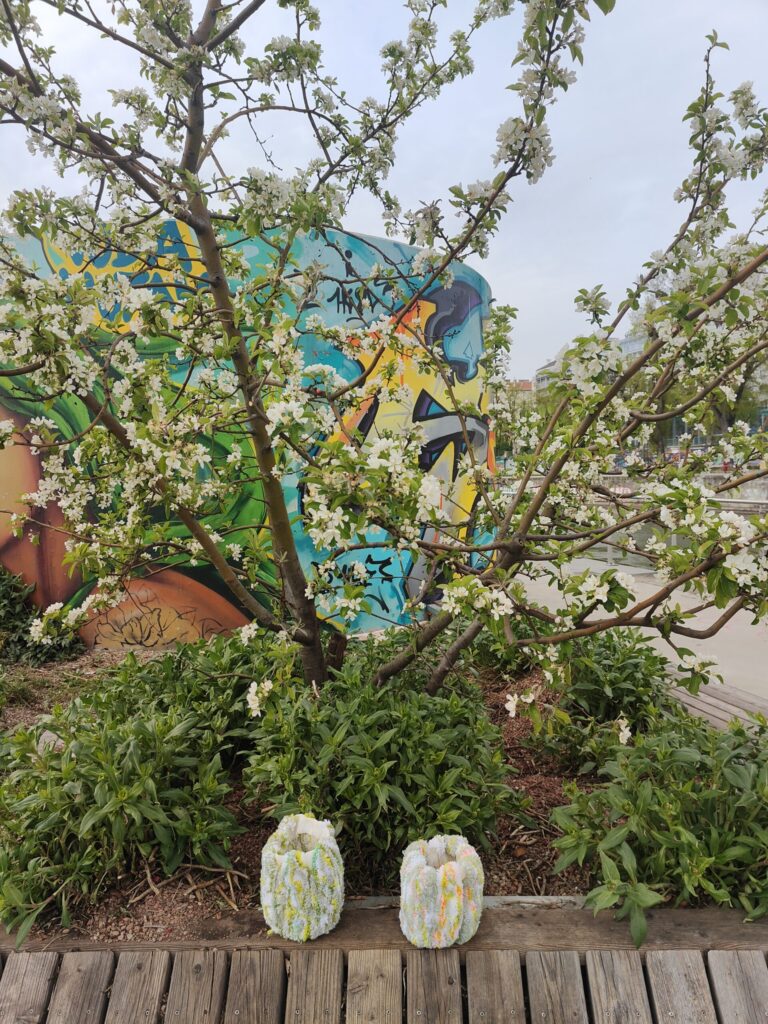
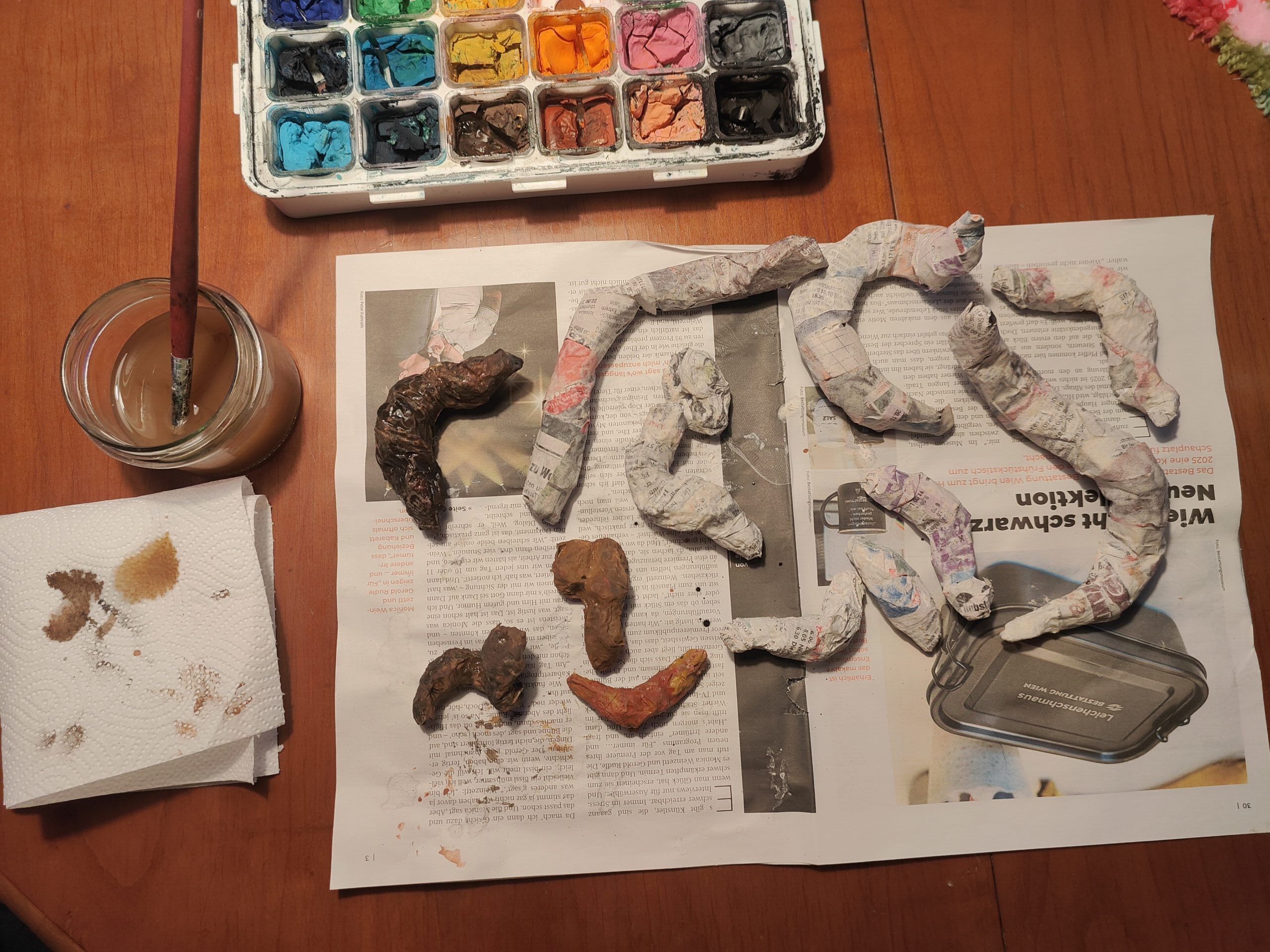
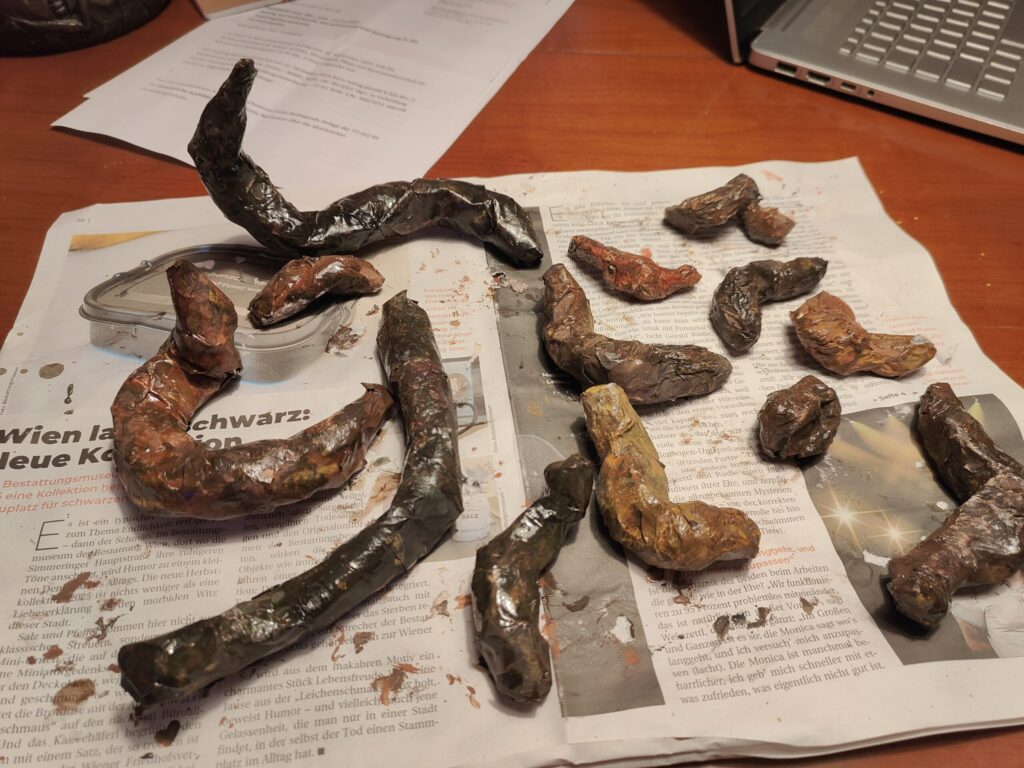
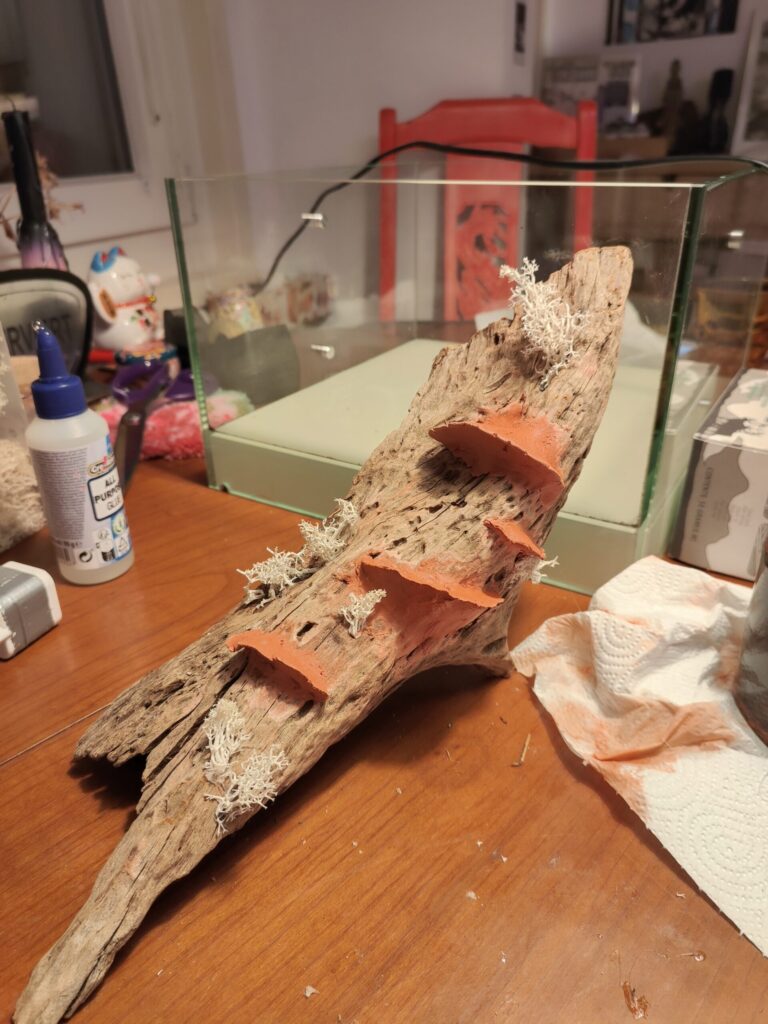
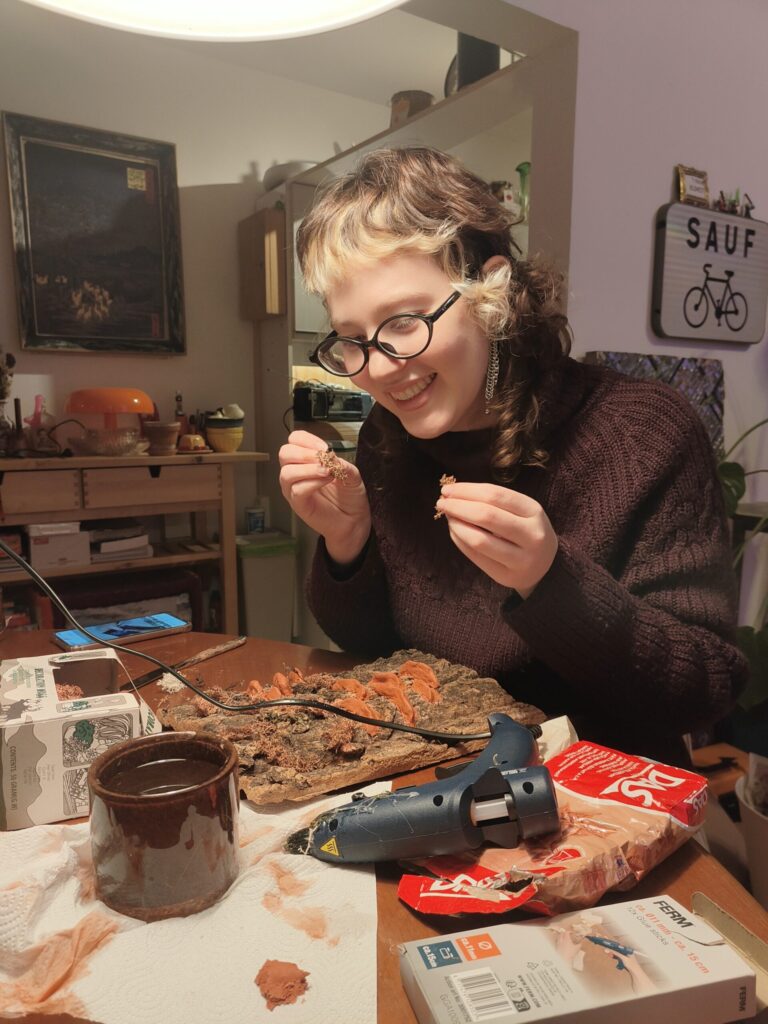
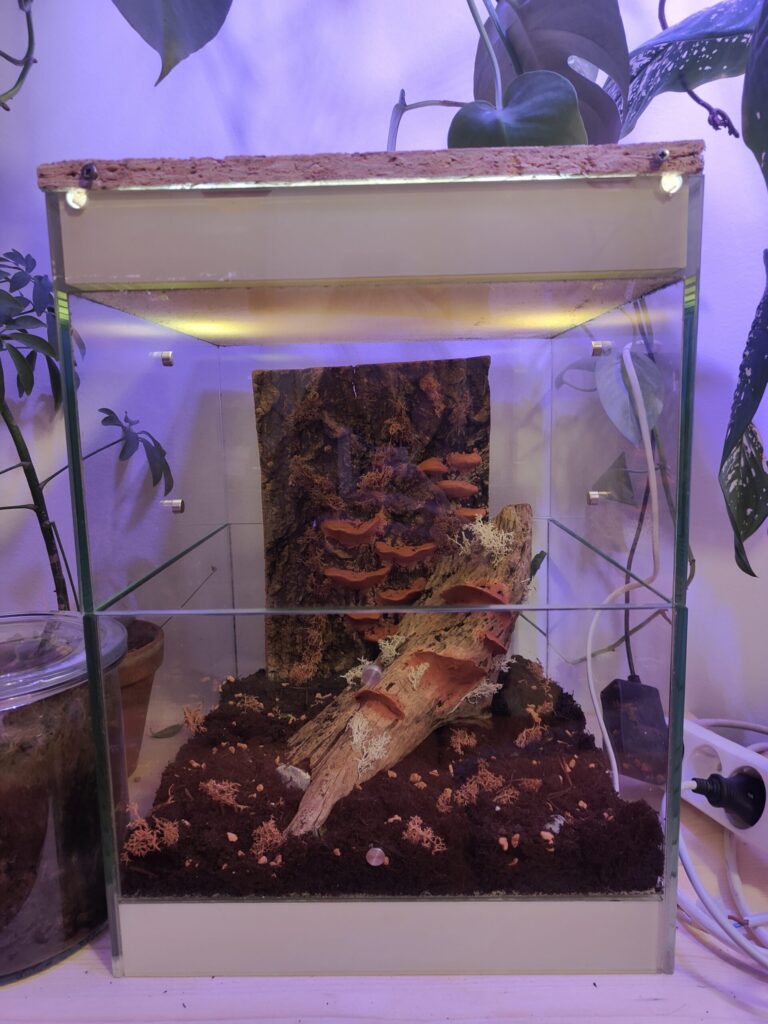
Experimenting w. free crocheting, natural coatings, clay, reed & tufting
oplus_2
oplus_34
oplus_34
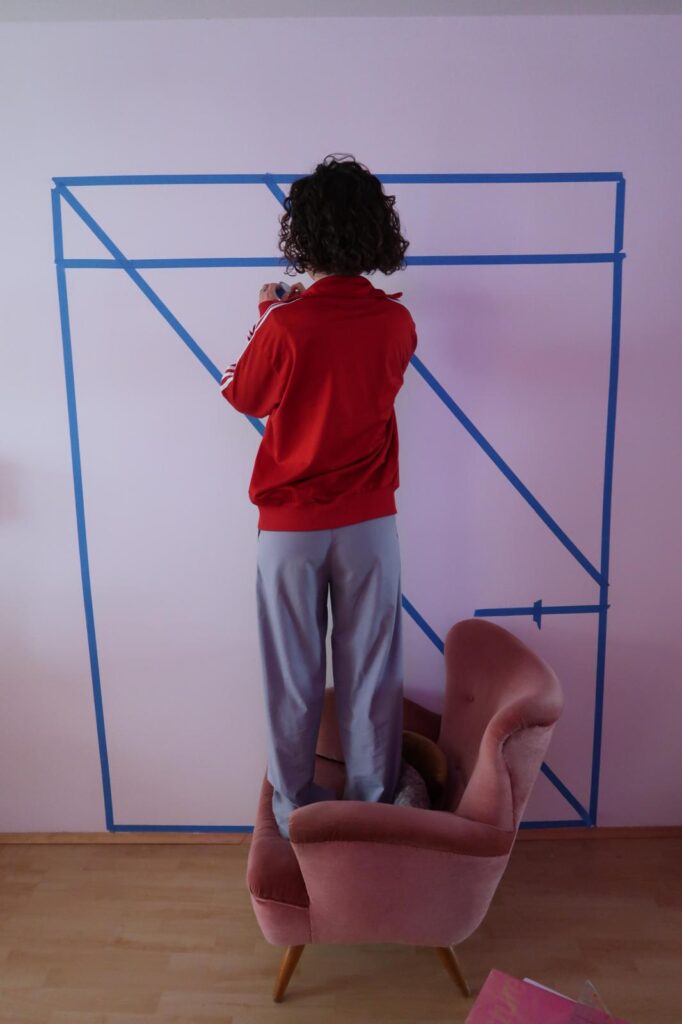
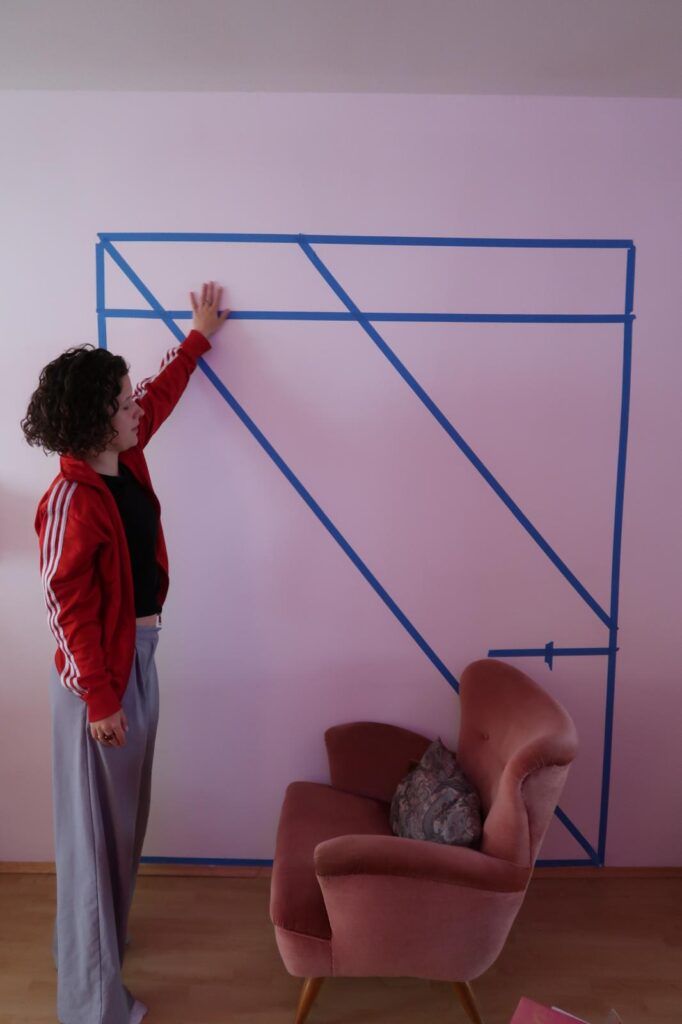
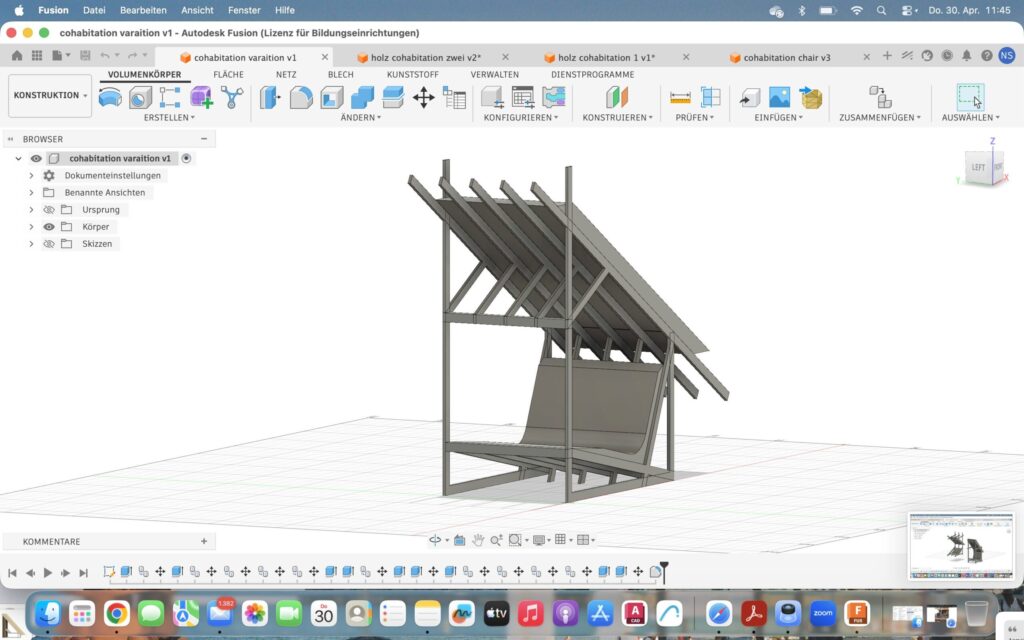
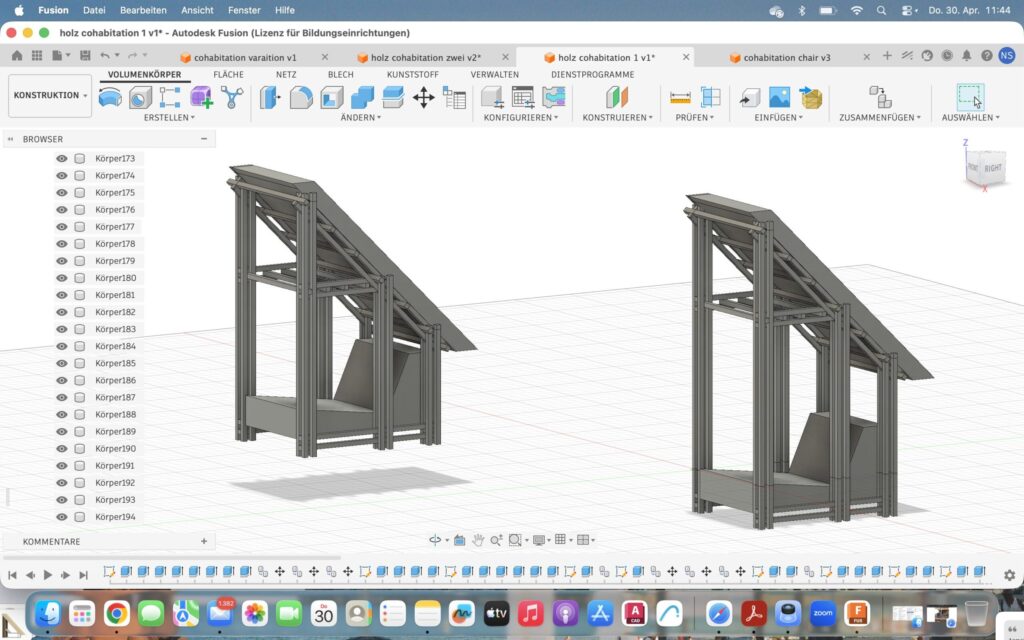
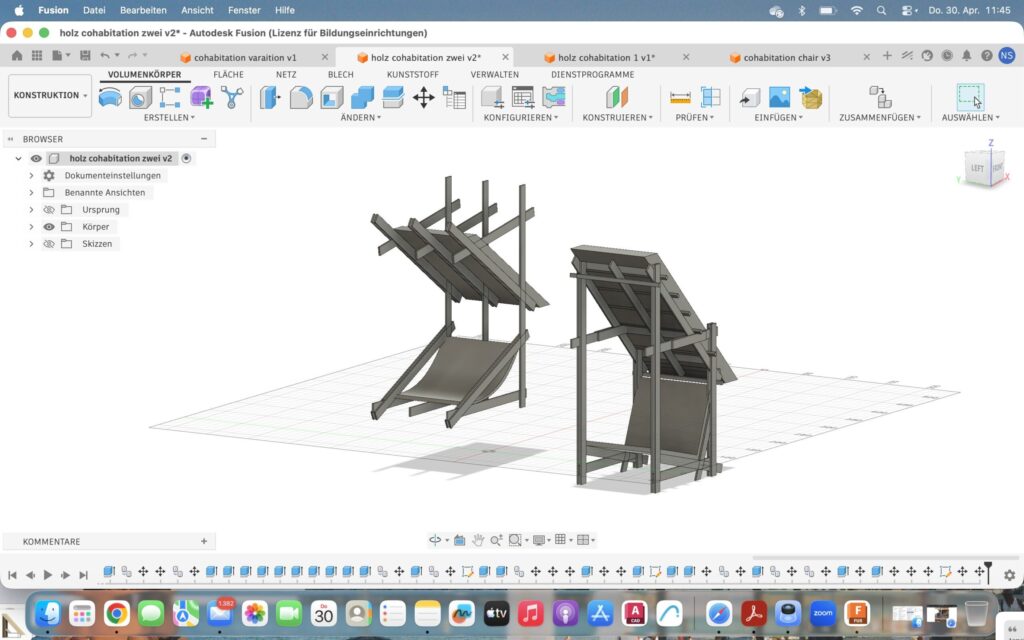
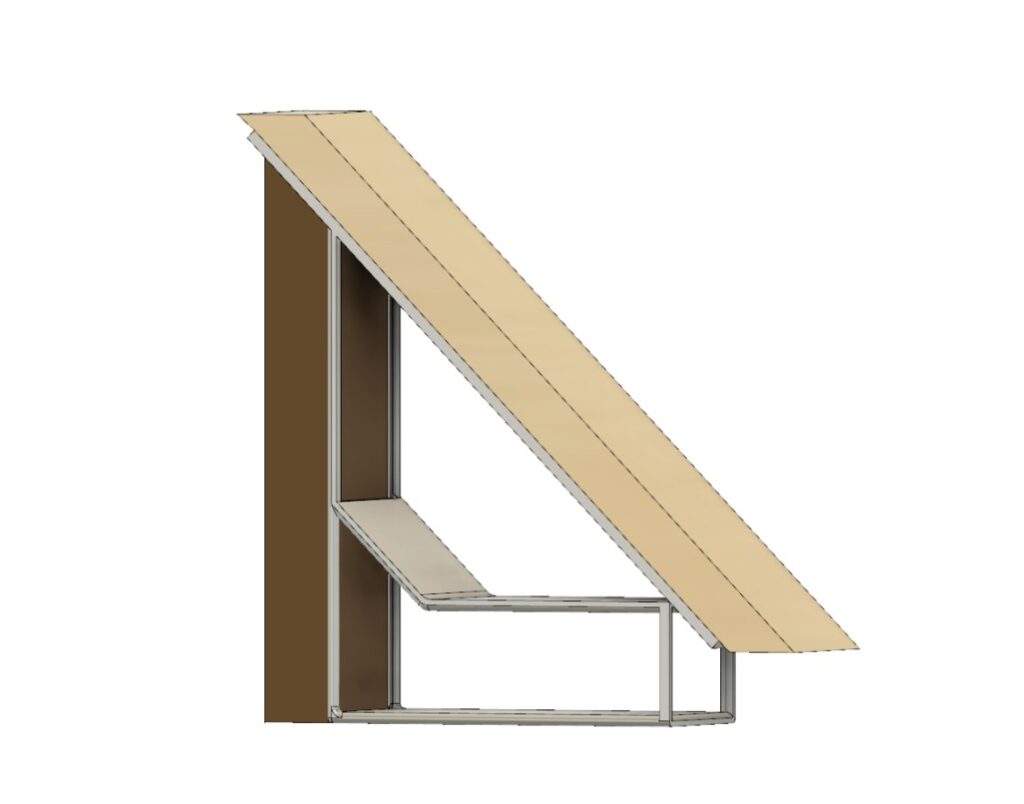
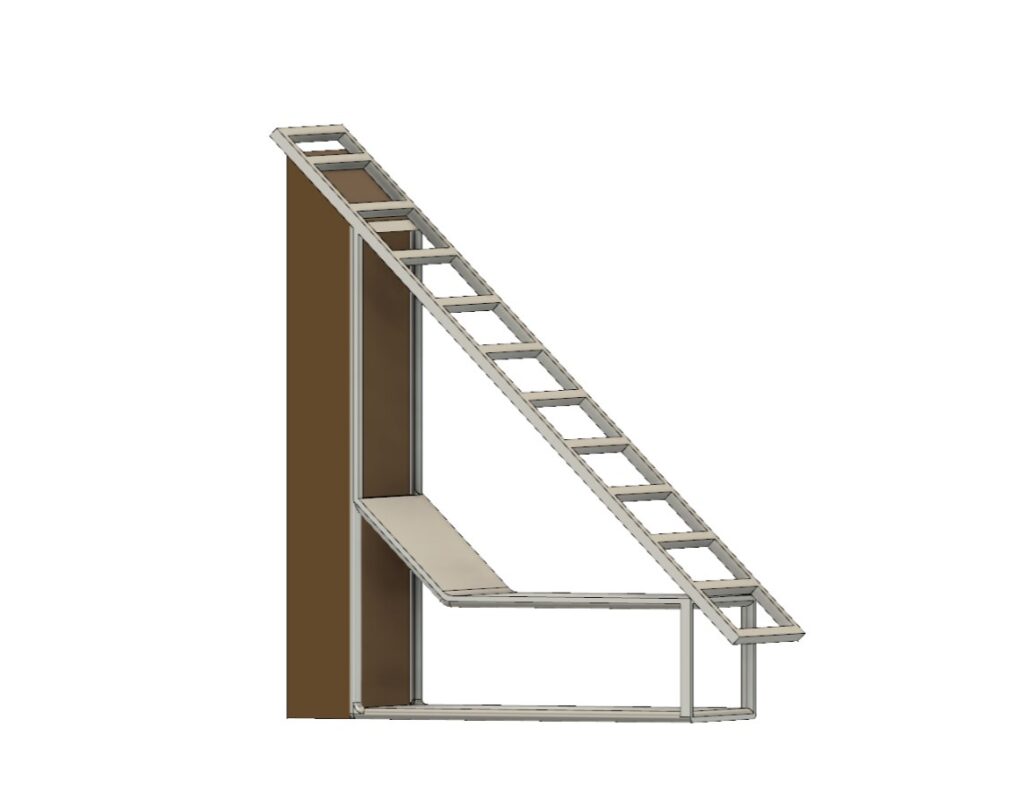
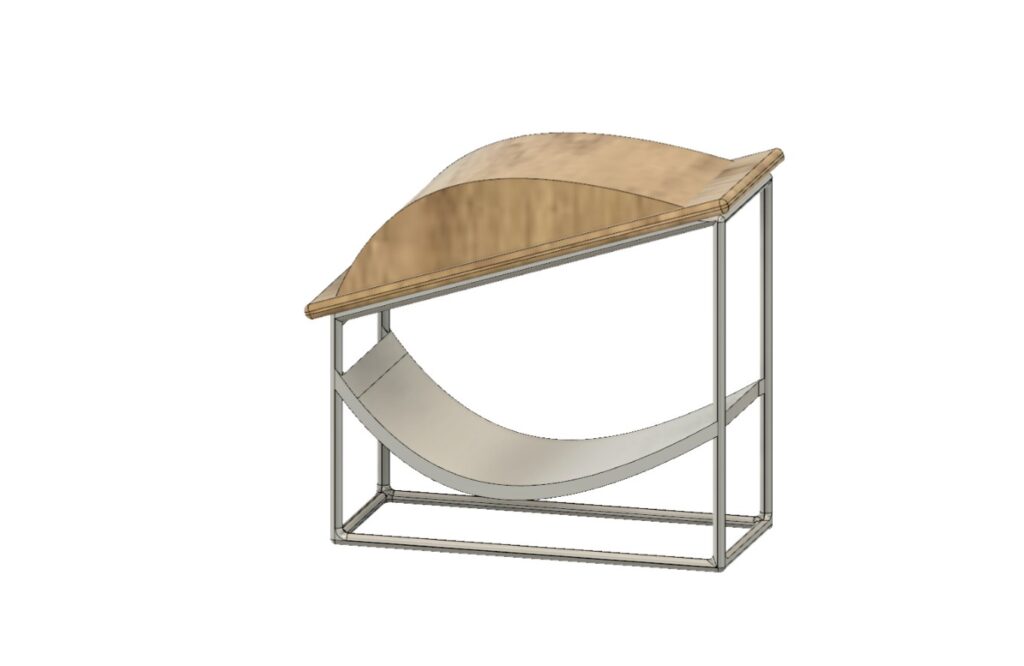
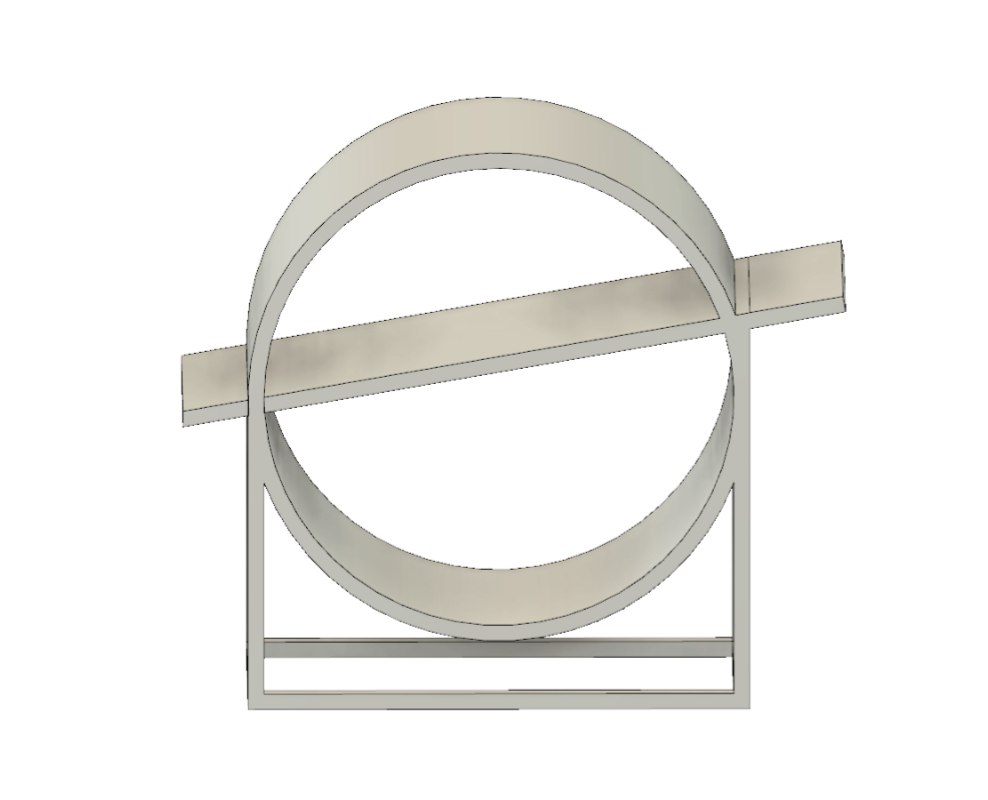
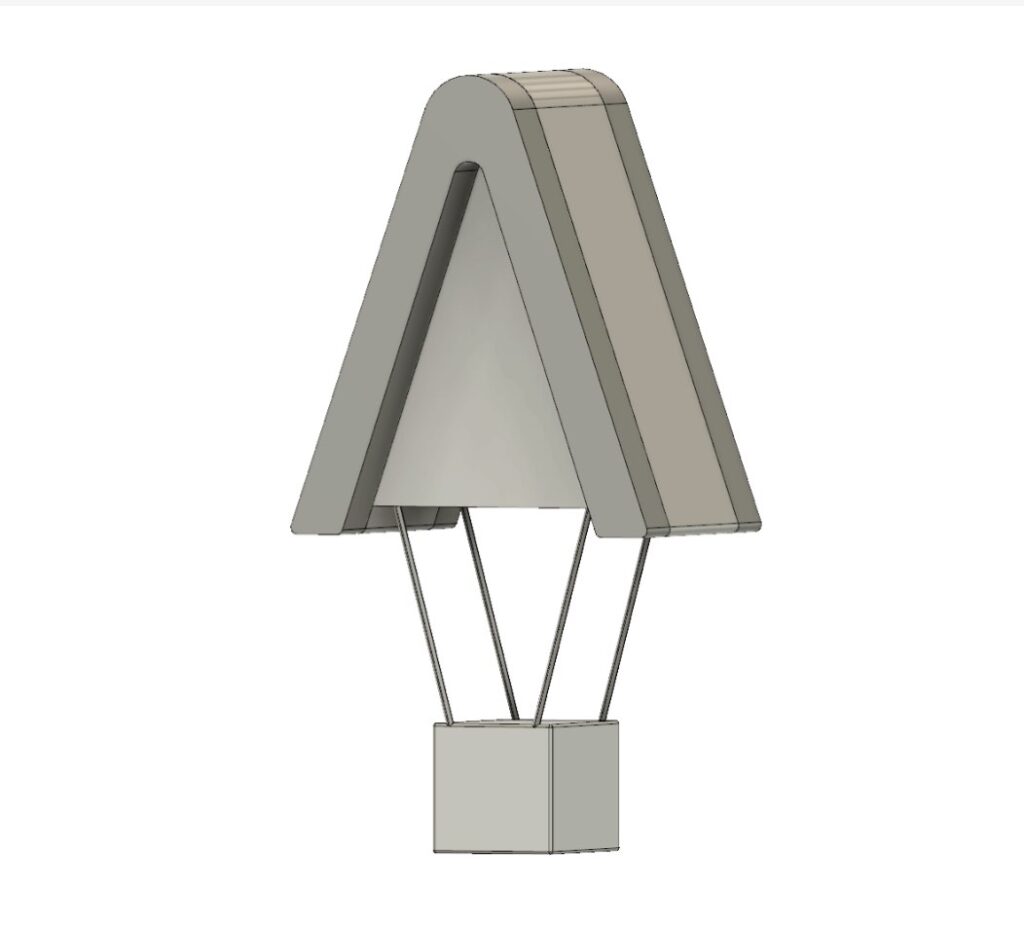
3D Modelling
Next steps
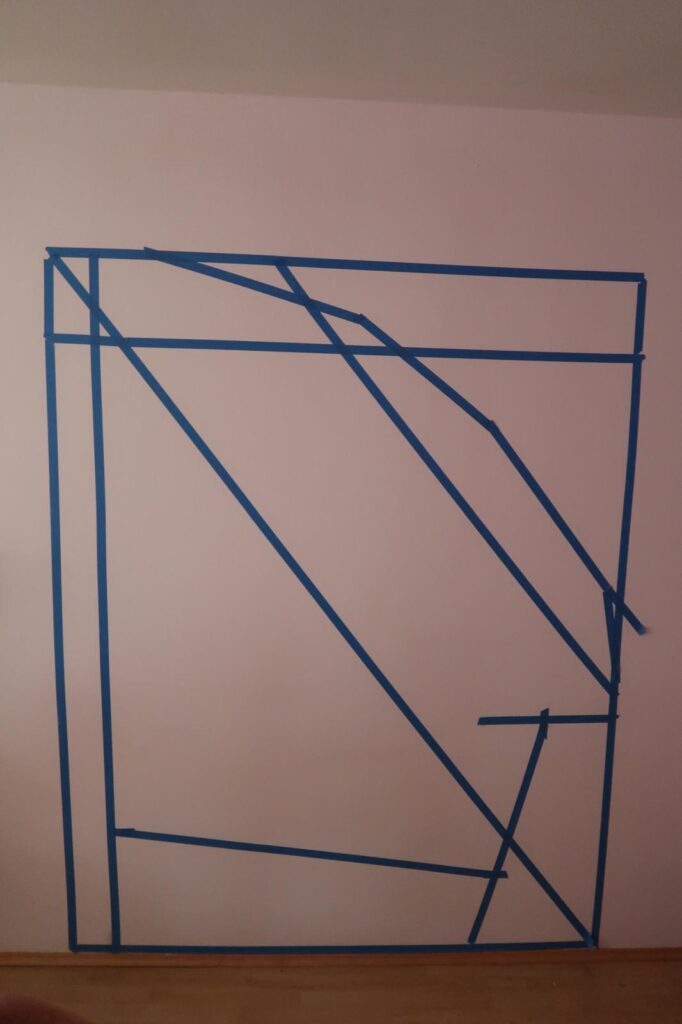
Model development Reed roof? -> Material dependent 2 models = 2 options focus on overall structure next week 2 models ready + meeting at metal workshop
Location Possibility -> Donau Insel Imkerverrein Other possibilities -> Wild Bee association Wien, Wolfganggasse, Biodiversity corridors Wien, Uni Wien Cooperation
What We Do in the Shadows (2015) – A mockumentary style comedy horror film on vampires
Bill Nicols modes of documentary:
Reflective Mode Questioning the authenticity of documentary in general (fits to the brief: make a “fictional” documentary) Challenge the form and expectations you have by watching a documentary Form in this mode: the mockumentary Depicting an observational/expository documentary but completely fictional. we will be subjective, getting across an absurd point, poking fun at all the tropes and play with convention Eg. ‘What We Do in the Shadows’, ‘7 Days in Hell’, ‘Tour de Pharmacy’, ‘the Office’
Participatory Mode ‘When the encounter between filmmaker and subject is recorded and the filmmaker actively engages with the situation they are documenting’ (Nicols, 2010) The filmmakers are as well the subjects of our doc as the sloth they are filming Eg. Michael Moore, Louis Theroux This allows for us to get our “subject” viewpoint across – and tell the narrative we want to tell
Documentary form & styles:
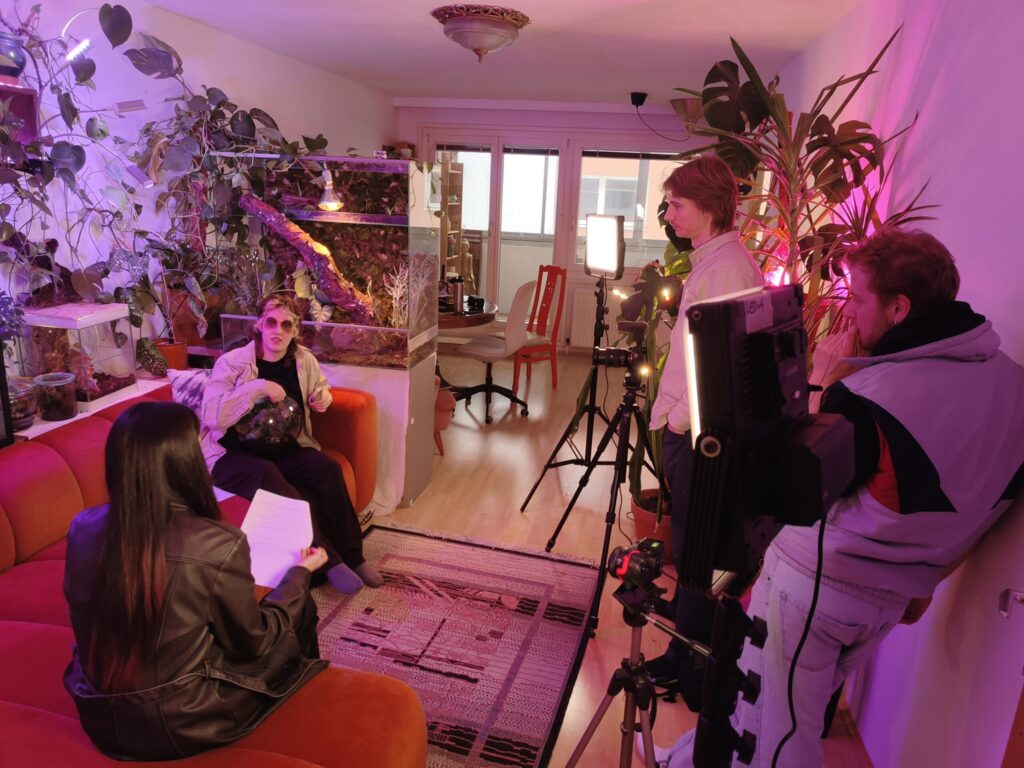
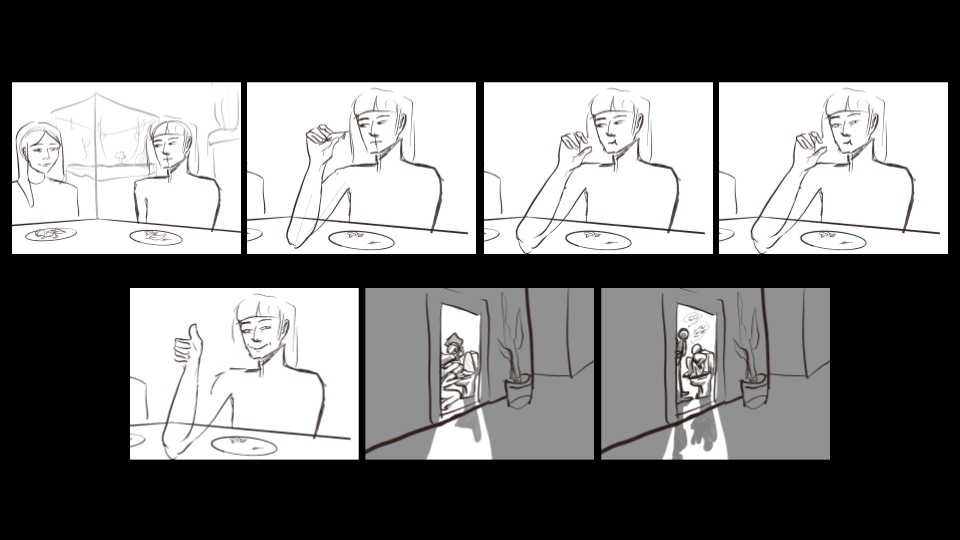
the interview (authenticity & authority) off-camera & formal + informal interview style (sloth tending it’s plants, showing the special toilet procedure)
‘voice of god’ narrator style
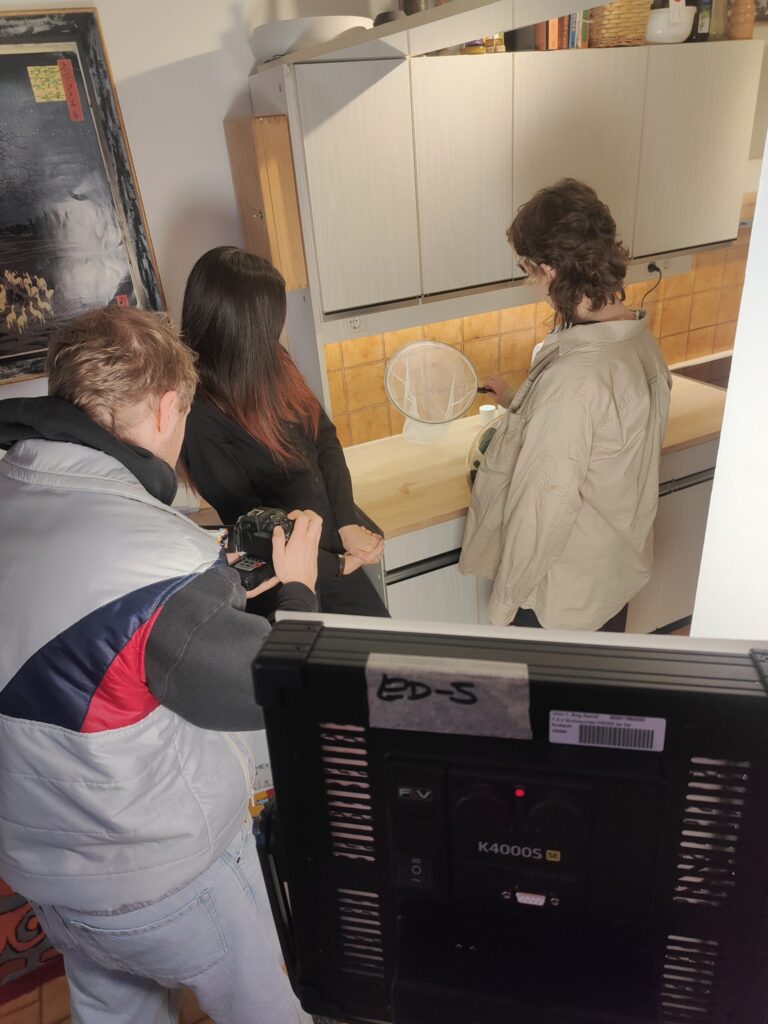
B roll (location shots of apartment, sloth going outside, close up of front pack, crew setting up/having discussions) providing visual variety and showing what’s being talked about and give pace to the doc and topics
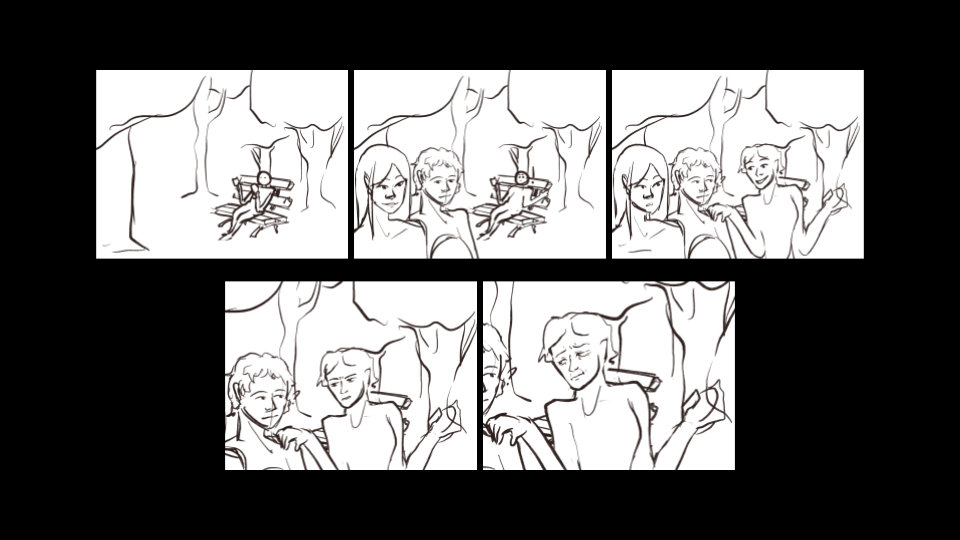
scenes (sloth running into friend) making the audience feel like they are there
archival footage (old pictures of sloths, giving some backstory in introduction (giving historical context of development of community), also to explain certain features of the modified human sloth eg the 4 stomaches)
OUR MOVIE
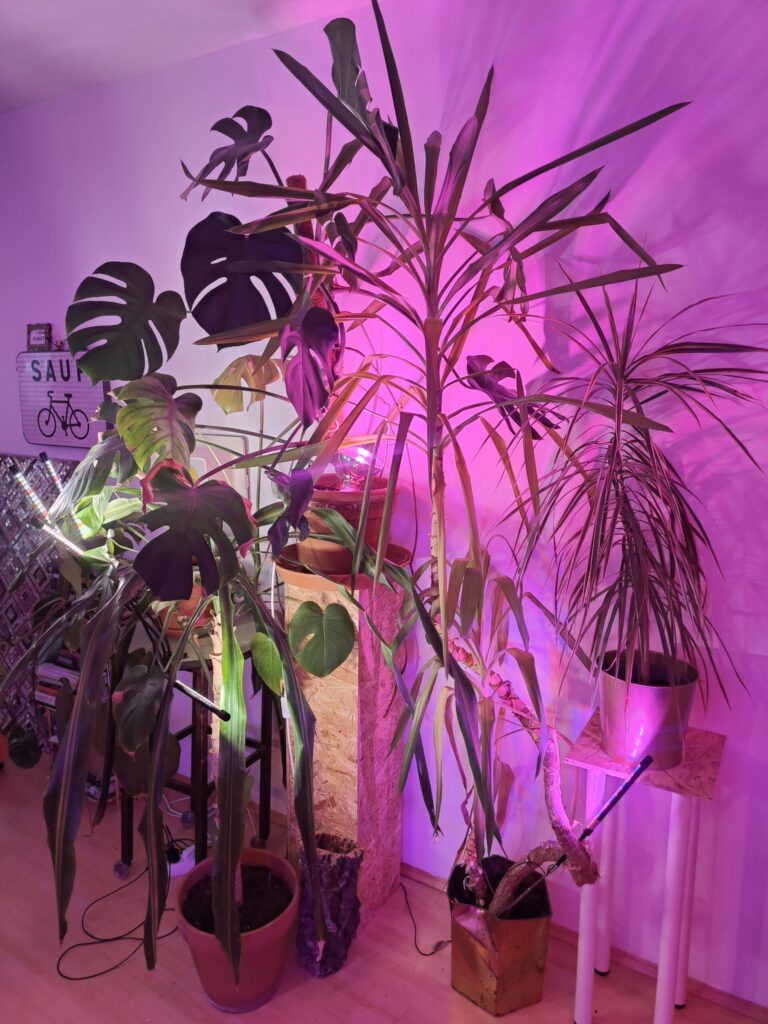
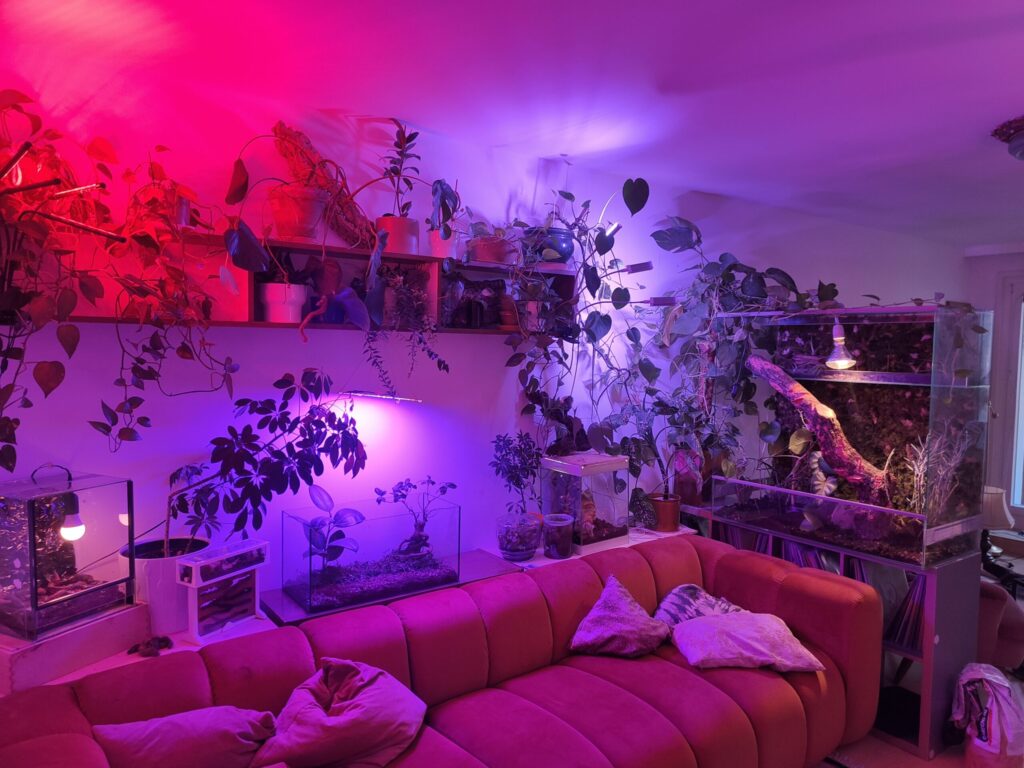
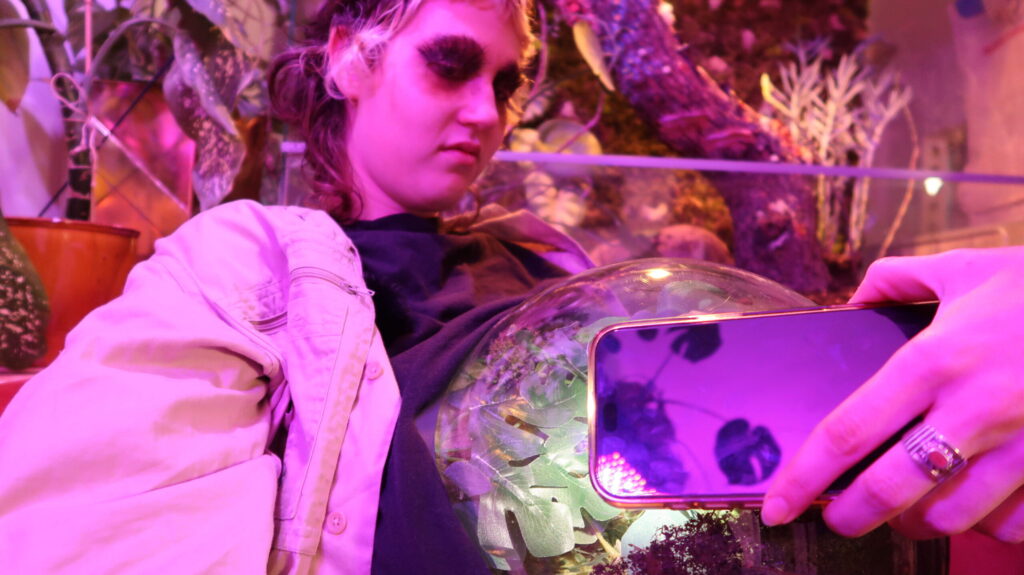
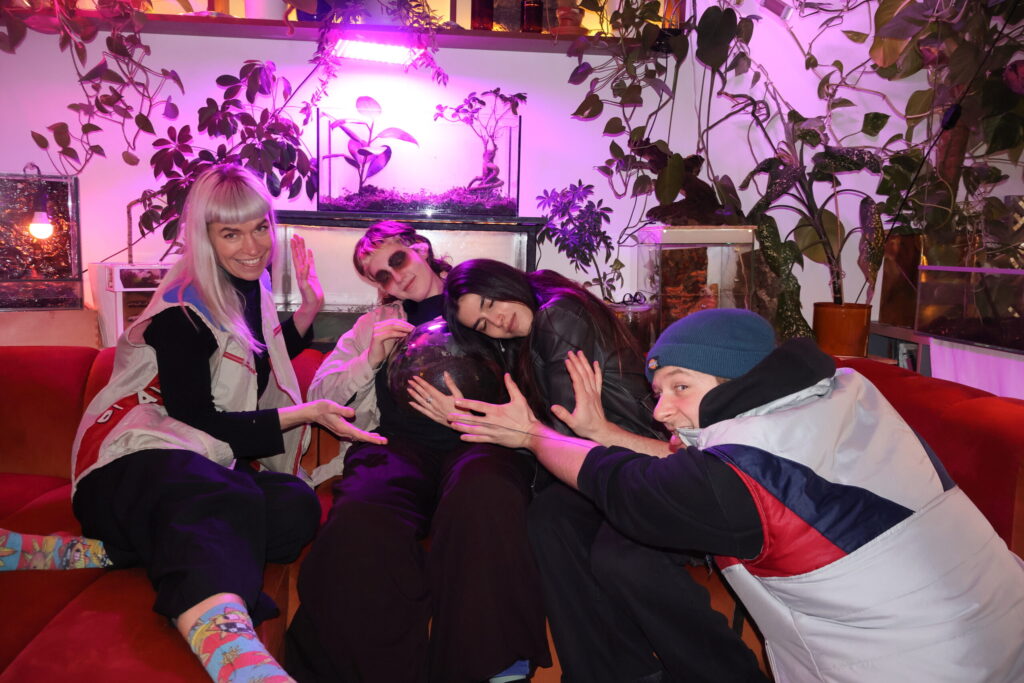
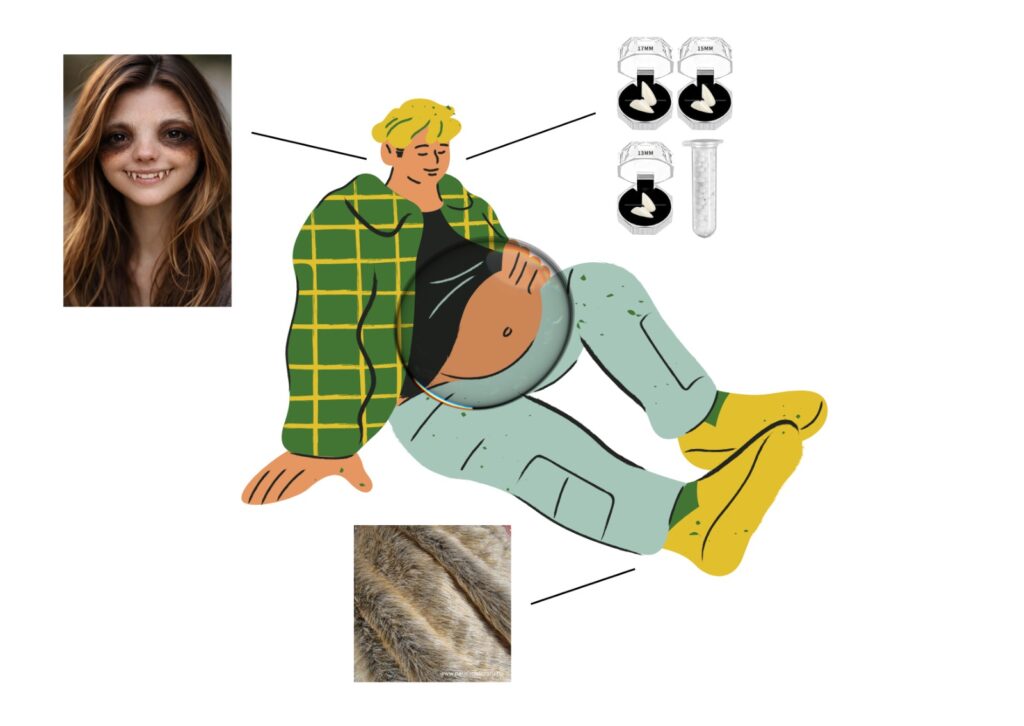
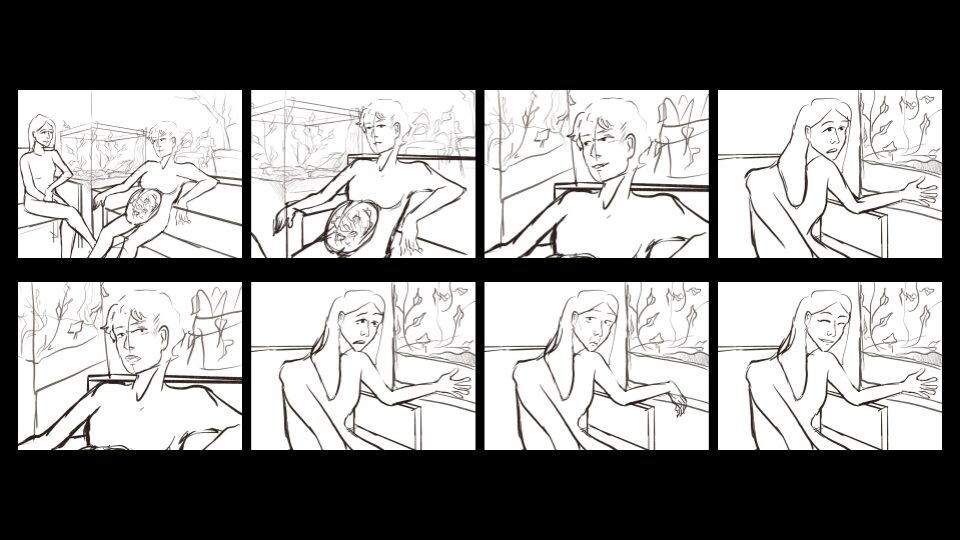
Interior of the sloth apartment
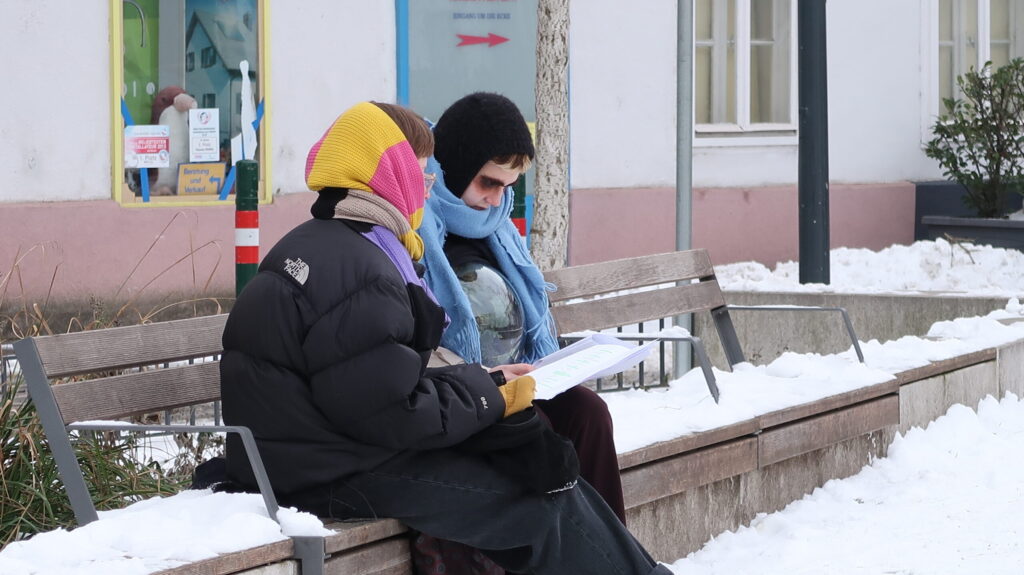
The Sloth
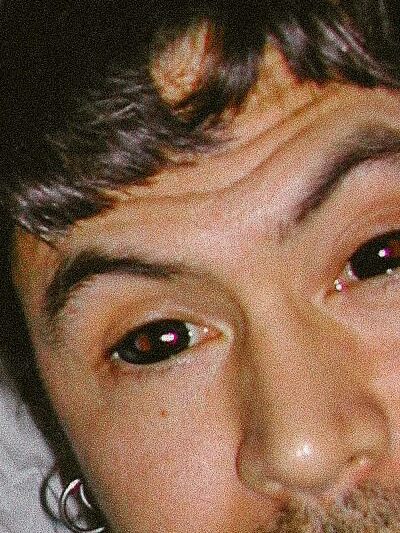
Black Contact lenses
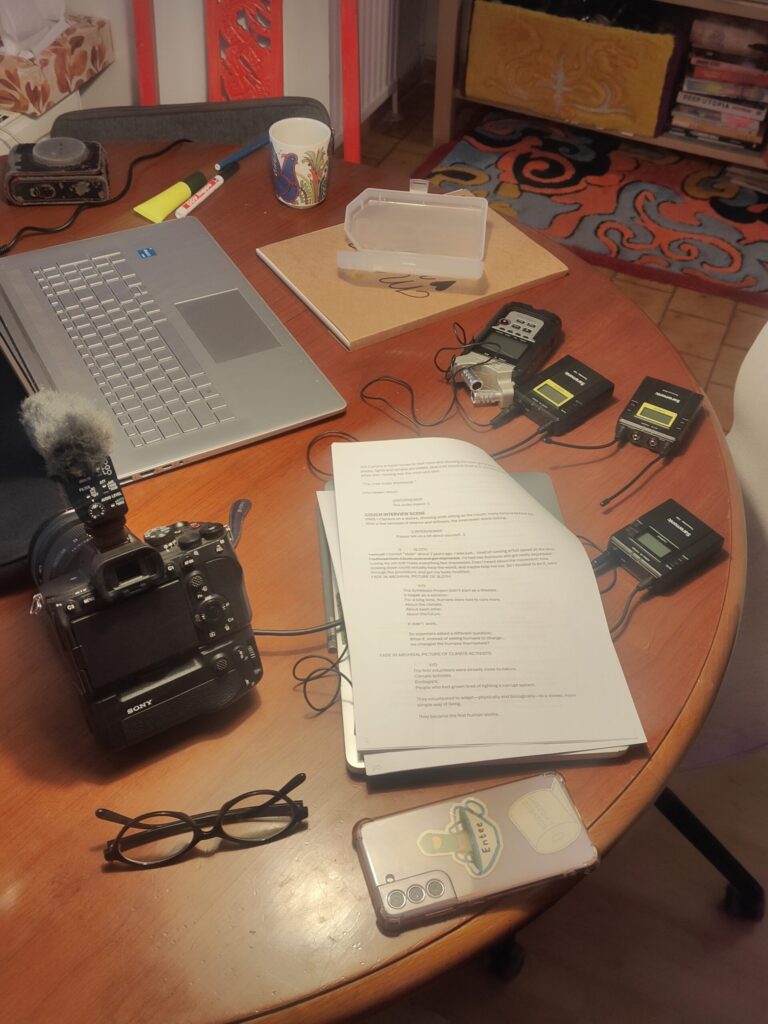
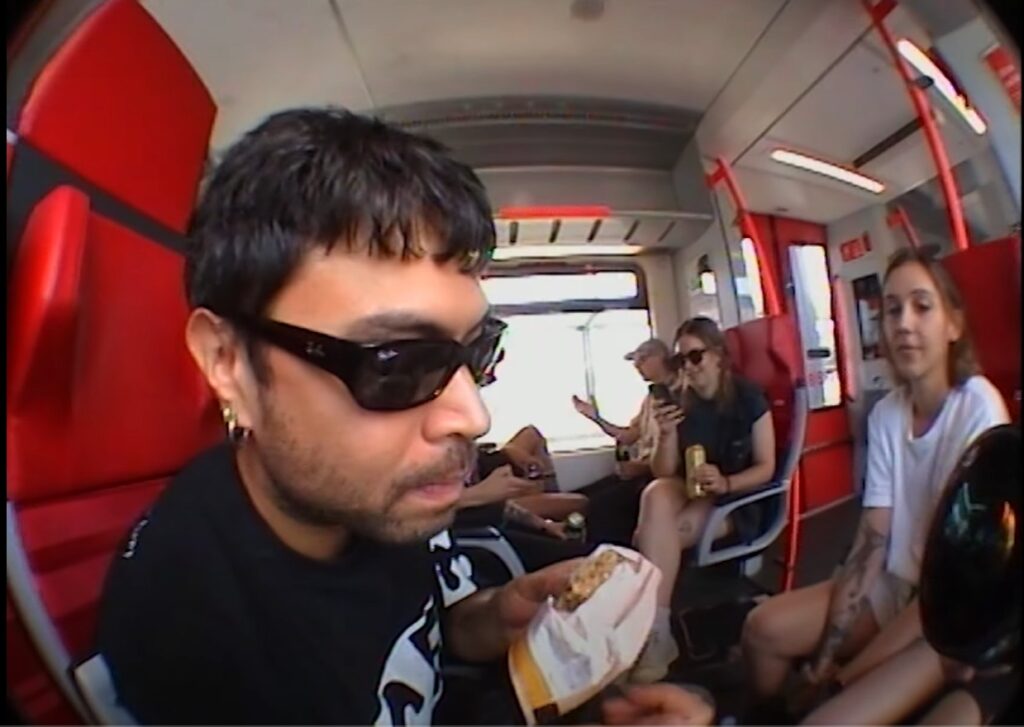
Camera
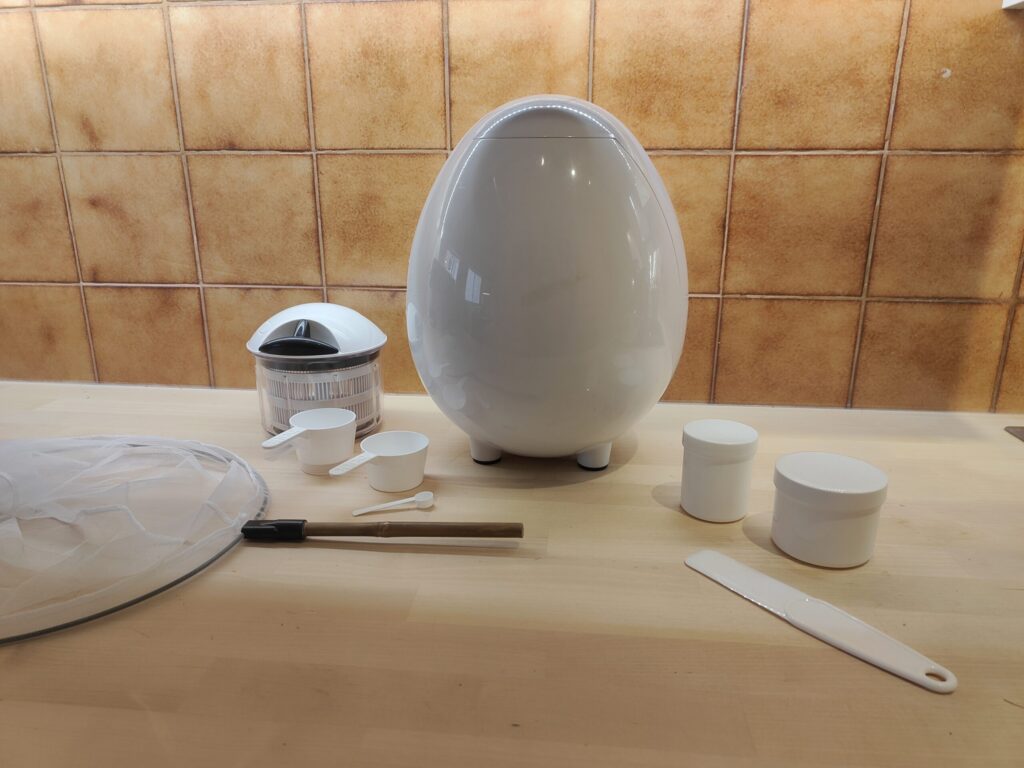
miniDV Cam for following the sloth aroundCanon 16mm f2.6 lens for capturing the interview
In our future a group of people chose to genetically modify themselves to be “sloth-hybrid” humans. These humans have a very slow metabolism, which is supposed to be the solution against climate change and scarcity of recources. Since a “Sloth-Person” only consumes about 130kcal per day their impact on the world to a minimum.
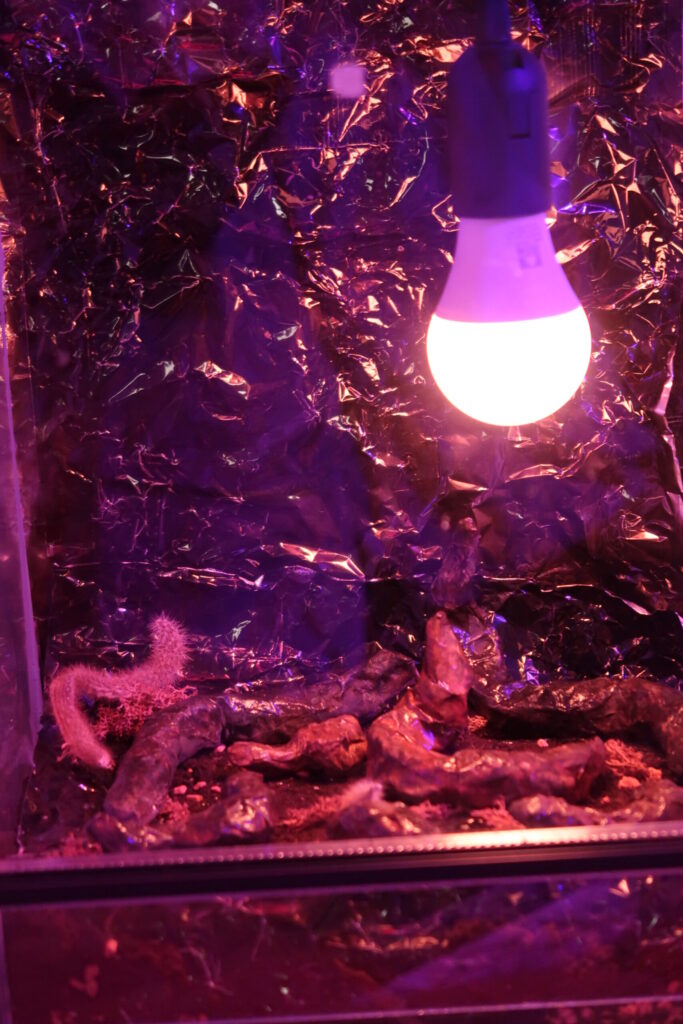
While the mainstream exhilarates with busyness and productivity, still driving humanity towards economical instabilities, societal inequalities and climate catastrophes, the sloth is living in balance and harmony with it’s surroundings. On a diet kept strictly to leaves they grow inside their appartments. the Terraniums they carry around fosters symbiotic life and feeds their plants, this means that they have next to no negative effect on their surroundings.
The sloth lifestyle started as a solution to global problems and crisis. But it started offering more: Unpredicted side effects such as solving things like purposelessness, types of depression and not being able to keep up with an evergrowing capitalistic world.
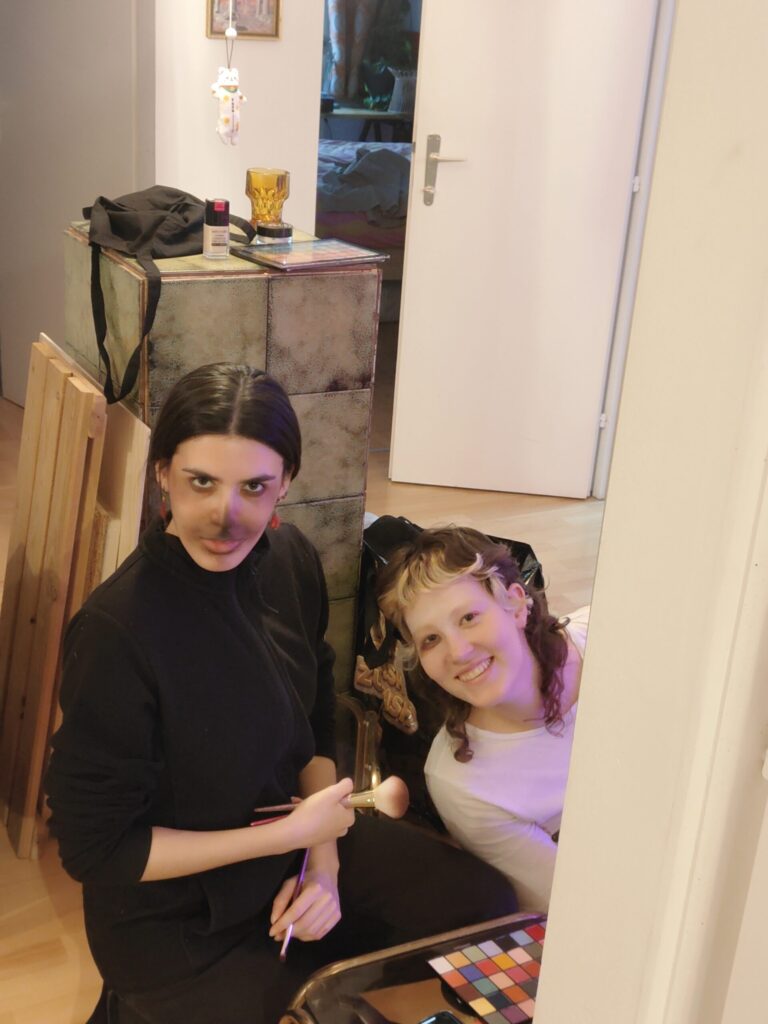
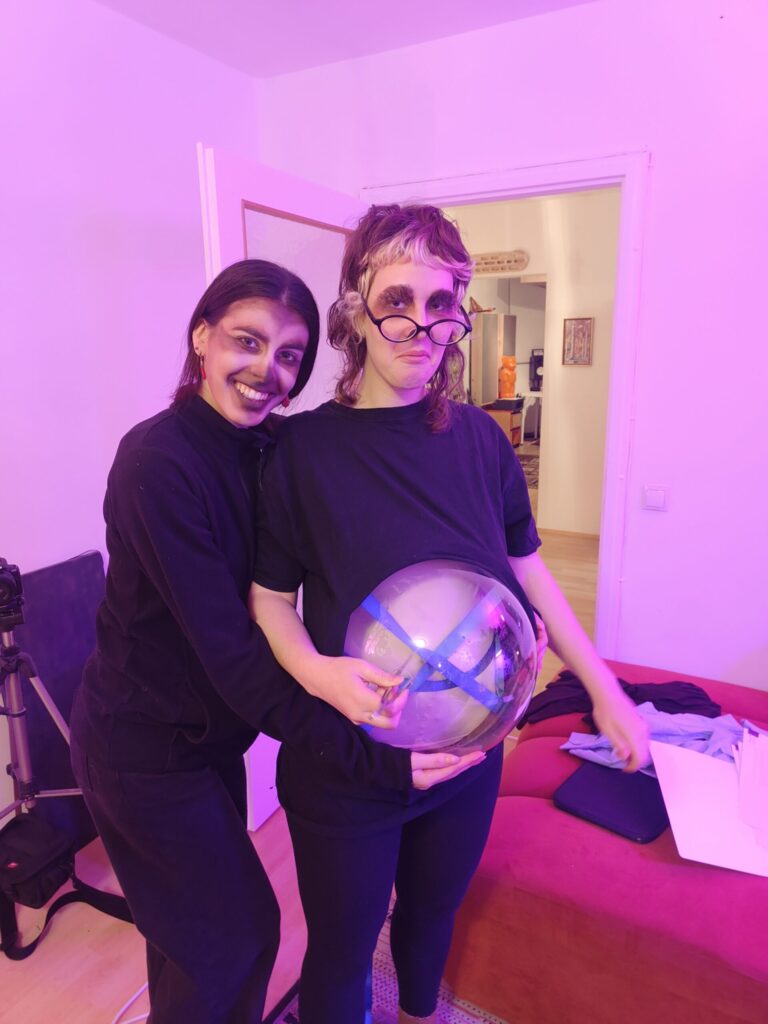
Ideas for the looks of a sloth person:
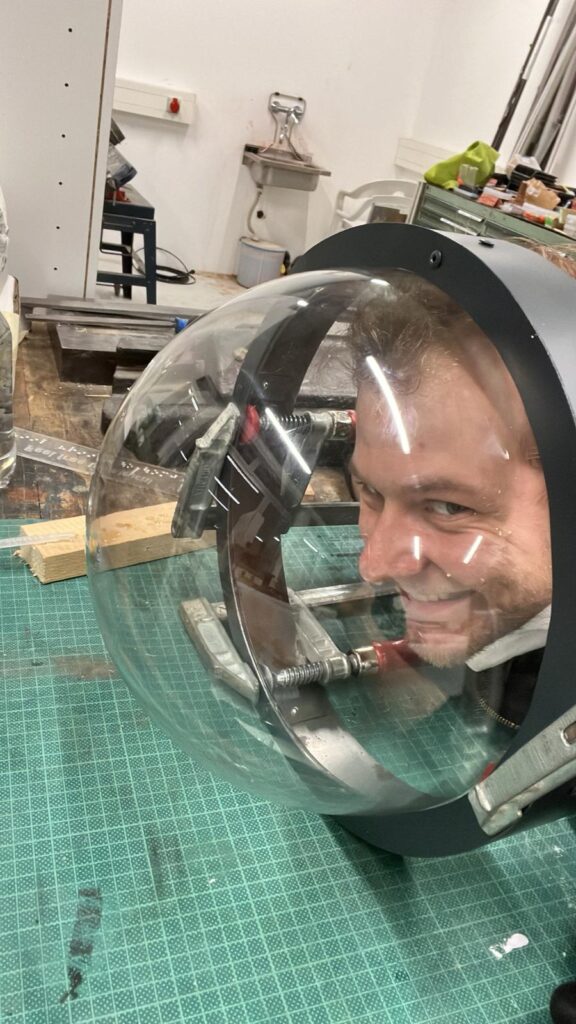
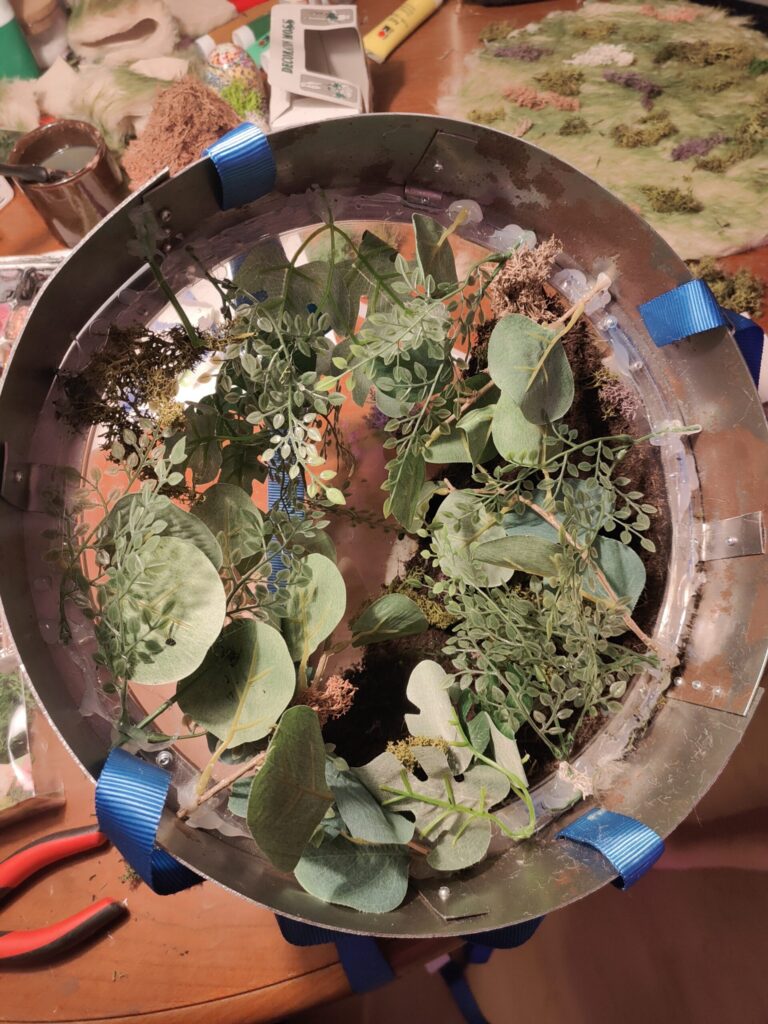
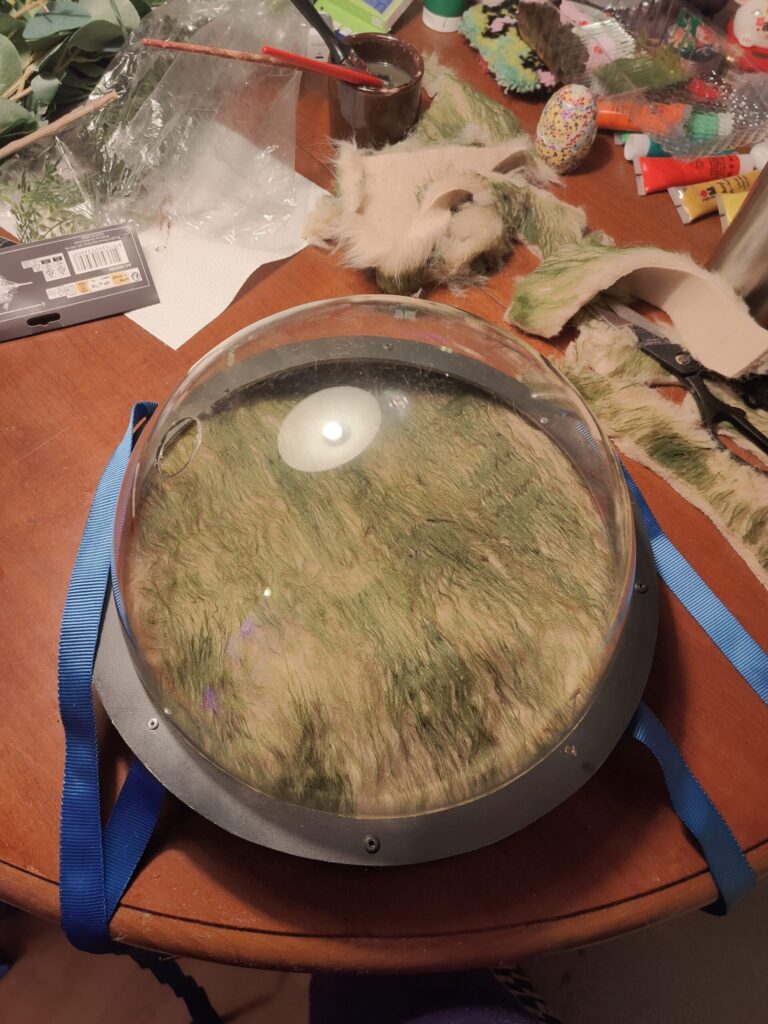
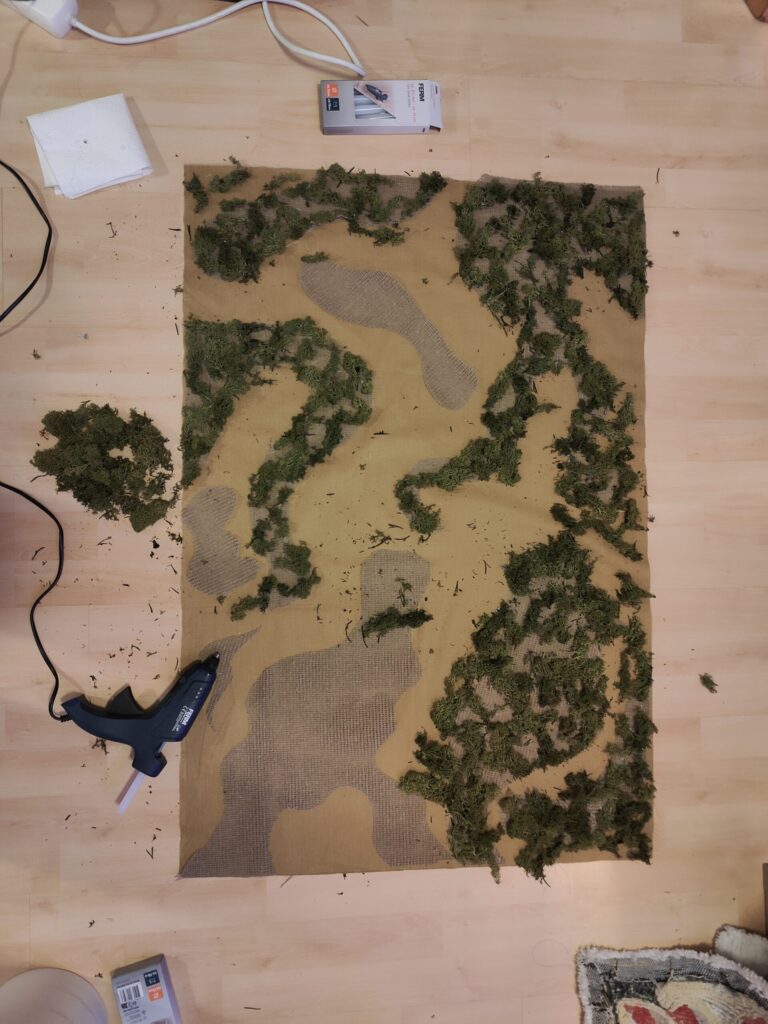
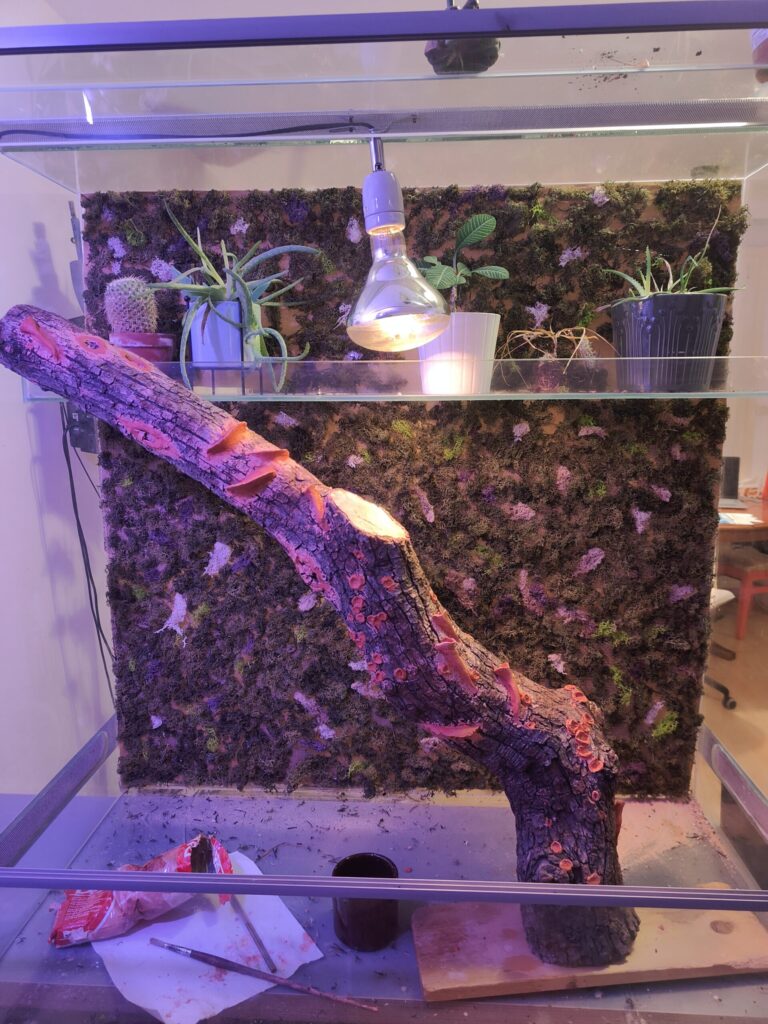
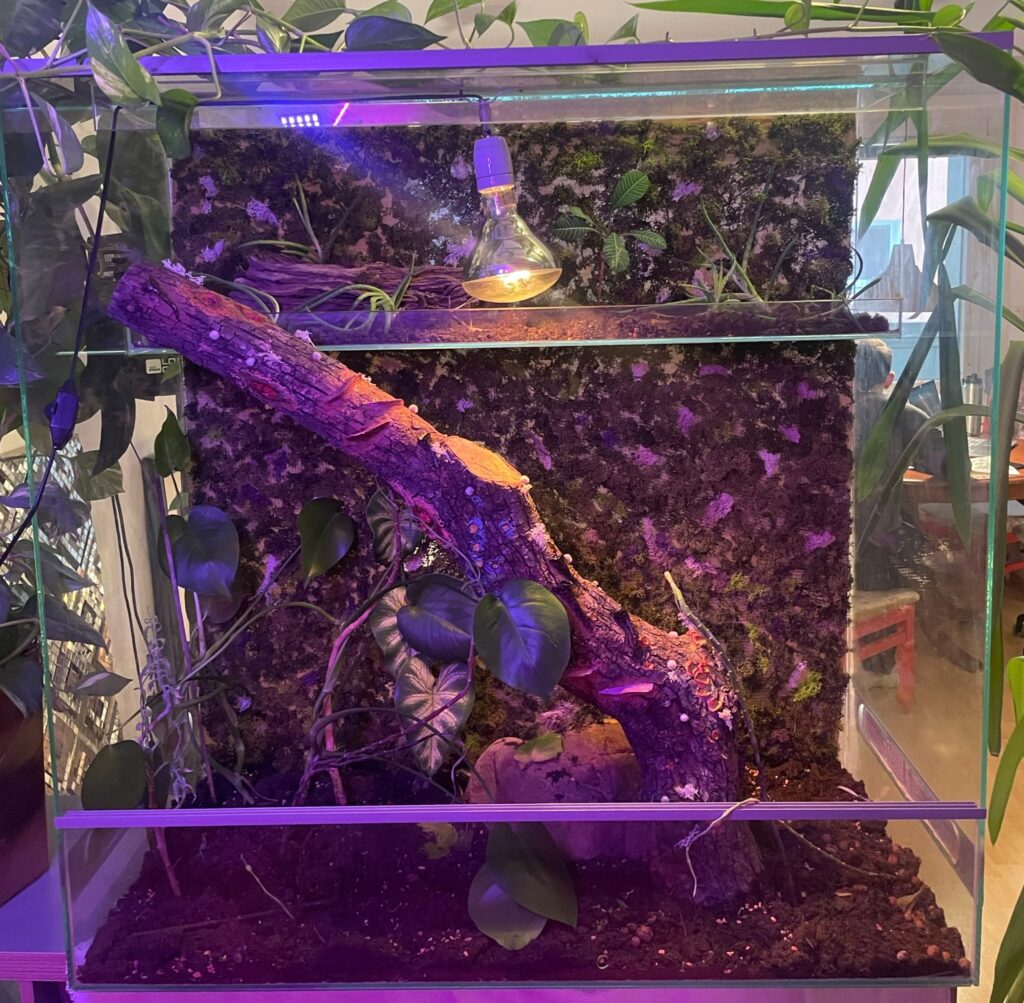
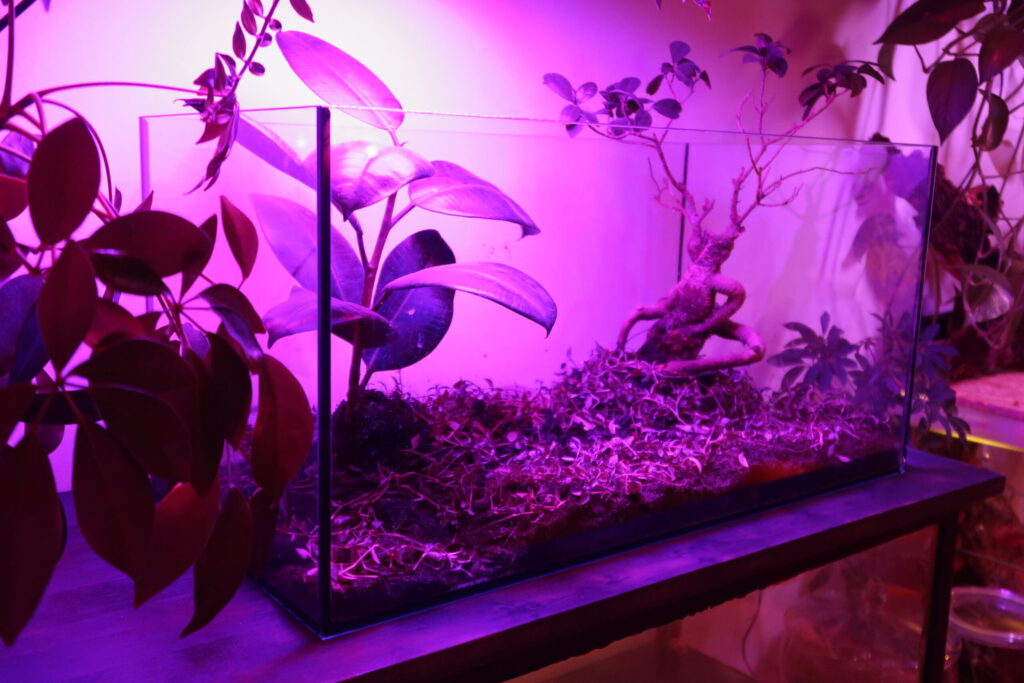
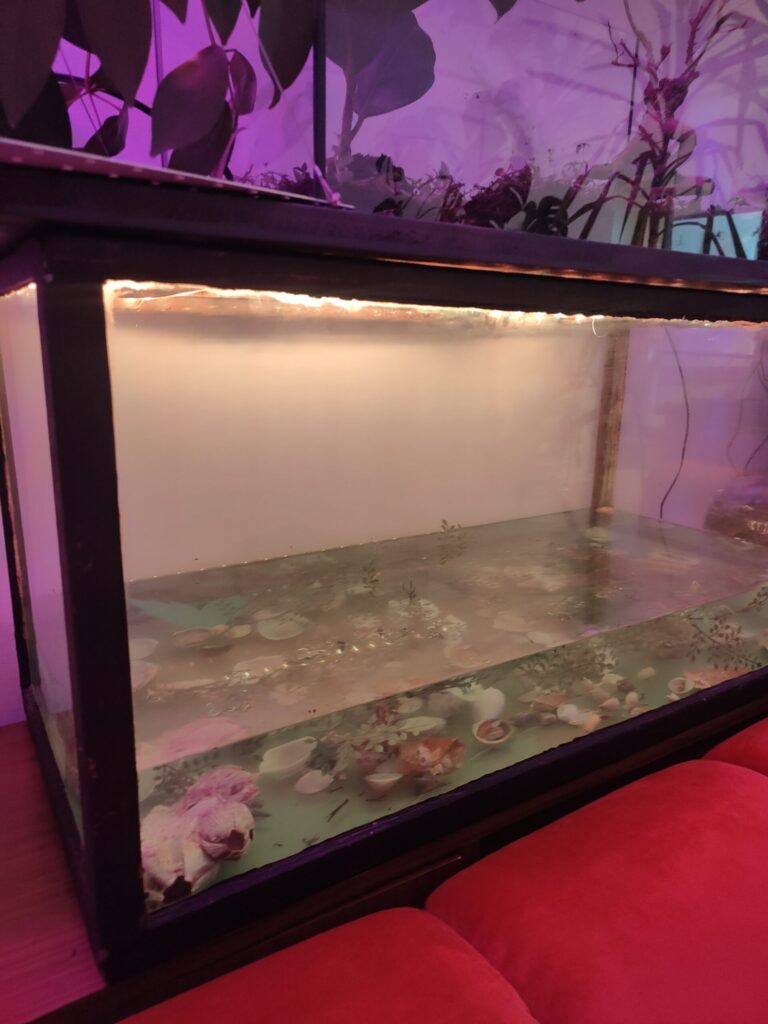
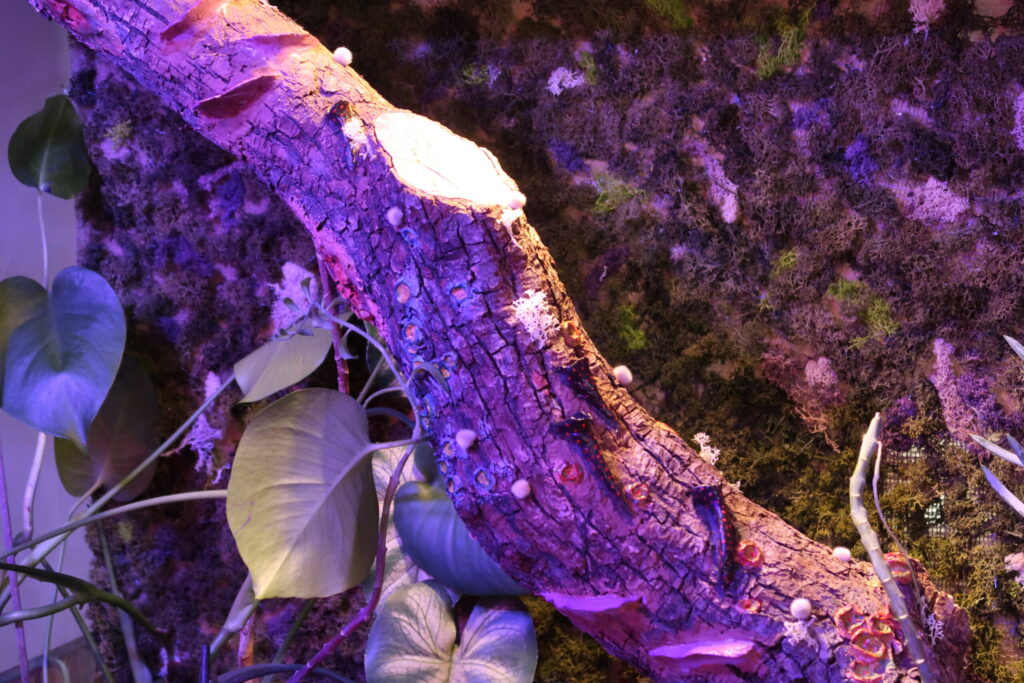
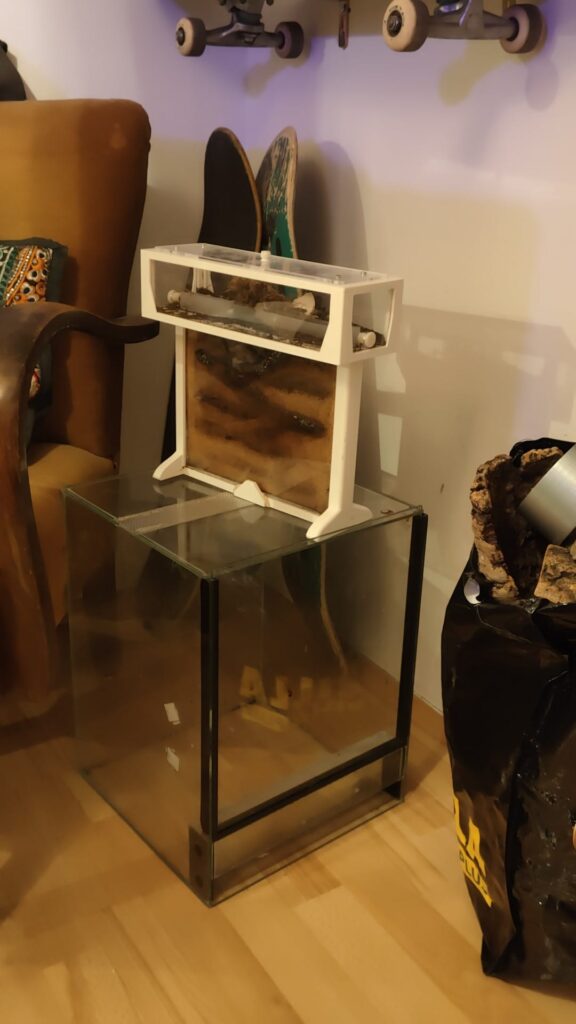
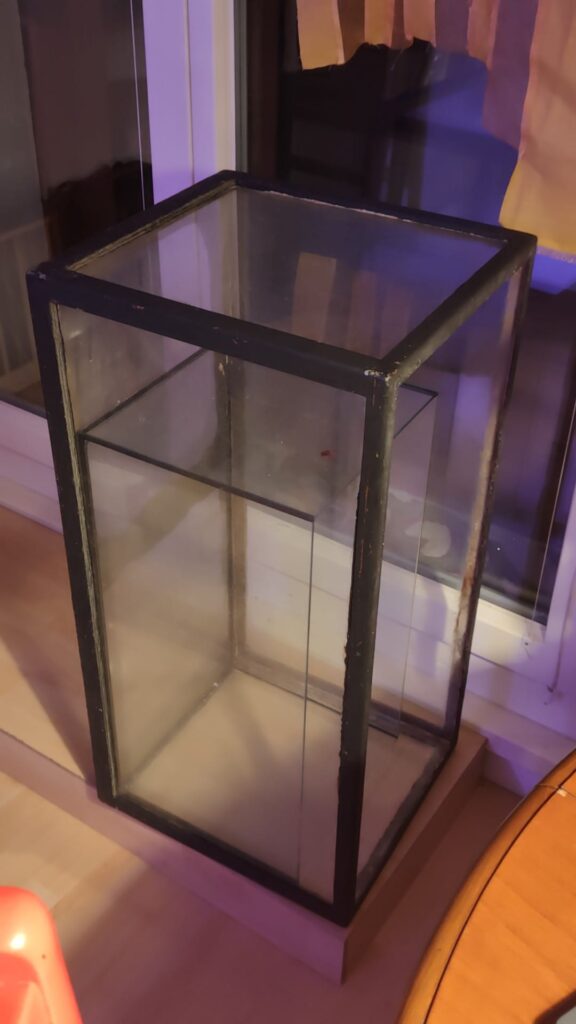
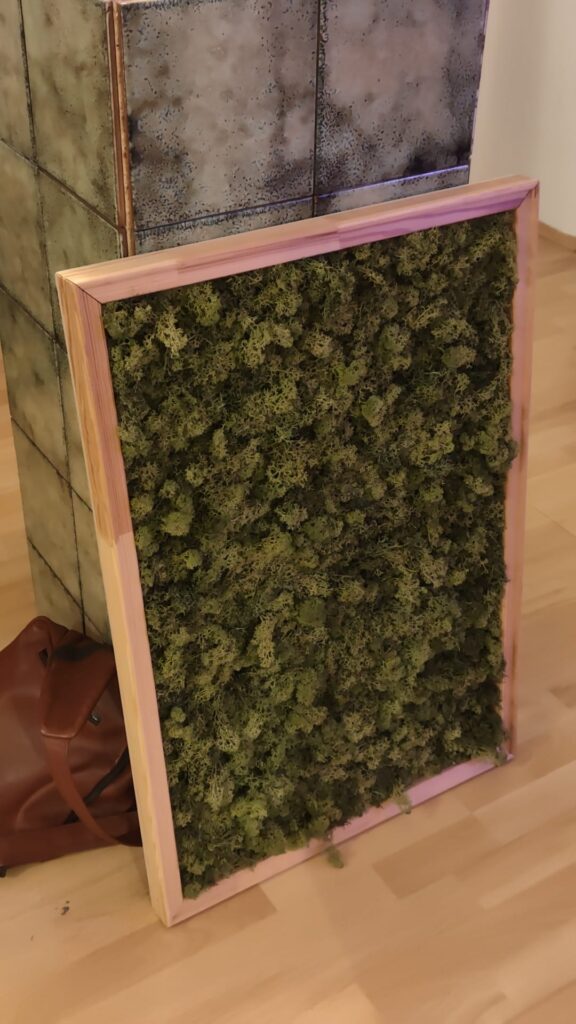
Ideas for the terrarium
AI generated ideas:
A sloth persons stomach(s)
Loose idea for what the sloth could sound like:
The sloth is not being portrayed as dumb and slow understanding, but as illuminated and measured. It is not speaking a lot and when it does, it takes it’s time.
The movie
A documentary that showcases the sloths lifestyle and it’s natural habitat. The sloth-person is beeing followed by an interviewer from the mainstream world with a light tone of disapproval. The viewer gets and insight on how the sloth copes with a day in it’s life. Very slowly.
In this “nature” documentary, David Attenborough meets “docuganda” – putting the sloth lifestyle in a bright light – while having a behind the scenes angle that shows the disgust of the still productive people.
What do we want to show the watcher?
The flaws of both worlds: total relaxation and pointless productivity. We highlight the loss of identity/humanity vs “over” individualism, and the idea that we can only come closer to nature/solve climate change by “engineering ourselves in a very unnatural way” — the absurdity of the solution. The film acts as a mirror of their own feelings towards these worlds.
What does one gain by becoming a sloth?
Contribution to climate with reducing my CO2 footprint and contributing to ecosystem — without any effort.
Being productive, going with the flow — without effort.
No more struggles of human brain = just be happy (no mental illnesses, no more comparison, etc.).
Self-sufficient (no more work/guilt/looking for meaning).
before start of the workshop we chose our community:
Human-2-Human A community focusing on human relations and continuing the “human bloodline”. Rejecting other intelligent non-human life. Focus in community on “humane” education and skill development to “re-humanize” members. cult-like
From this point we explored the AI filmmaking world.
First attempts:
AI generated 3D models
3D into AI vid: horrifying experiences
Final AI film: based on a short story for the community written by Eva