Mikuláš Tycar

  • 06.11.2026 Tutorial

    By

    Clark Philips

    ,

    Vinzenz Grausam

    ,

    Suresh K P

    and

    Mikuláš Tycar

    TEAM V

    ‘[We must] open our eyes and ears each day [to] seeing life as excellent as it is… To accept whatever comes regardless of the consequences is to be unafraid or to be full of that love which comes from a sense of at-oneness with whatever.’ – John Cage

    Embracing the difference in our ways of working with ideas, both of one’s own ideas and the ideas of others, gave birth to great artistic power, expansion and freedom. (field of possibilities) ‘Fluxus is a way of life’

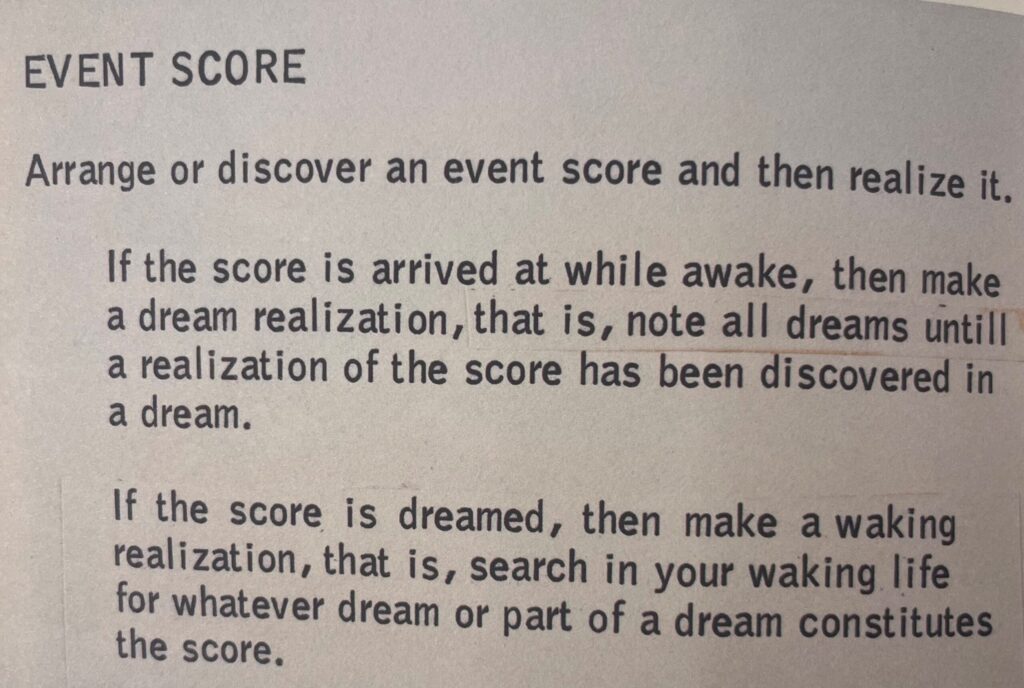
    FLUXUS instructions activation

    Research & Inspirational discussions – life and experience – performance and interpretations
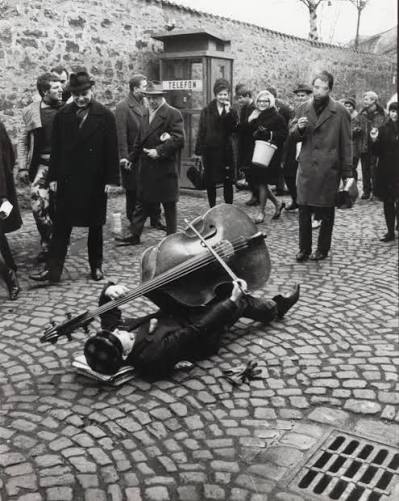
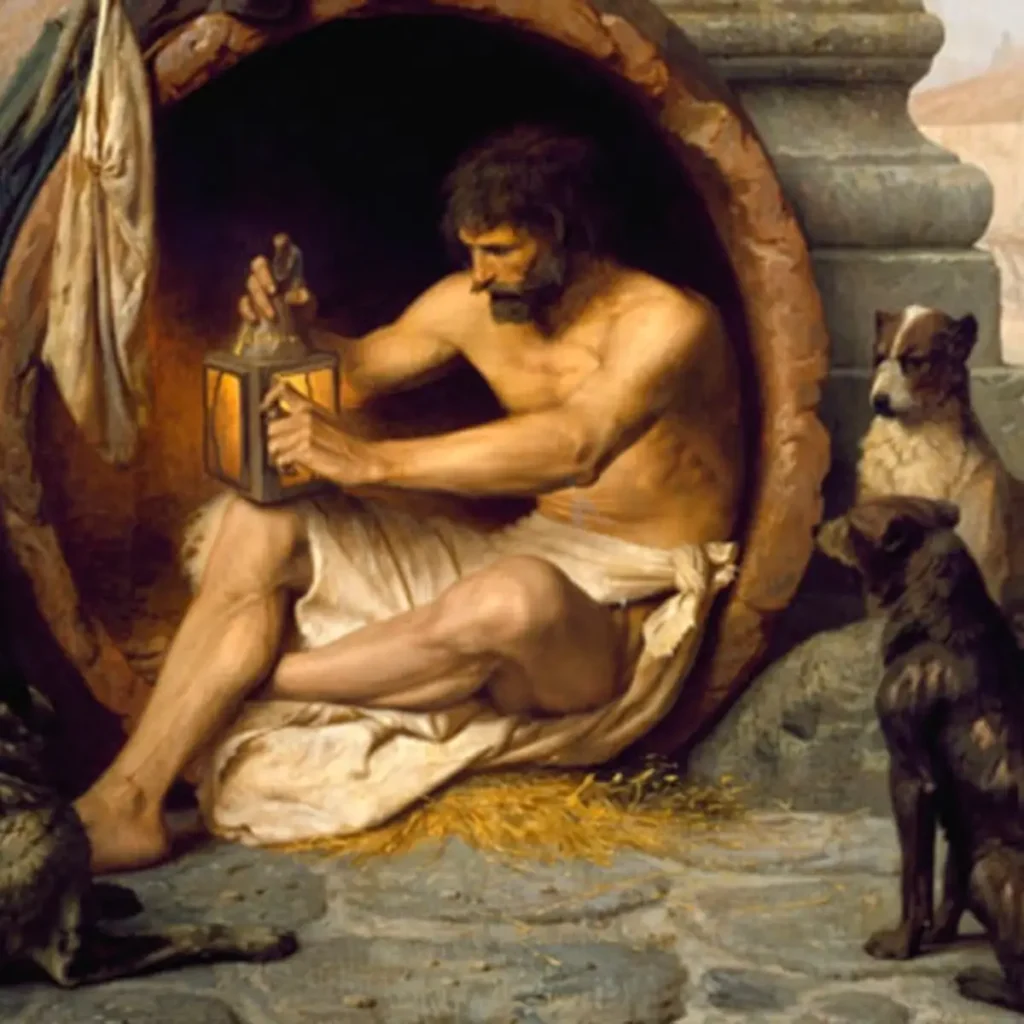
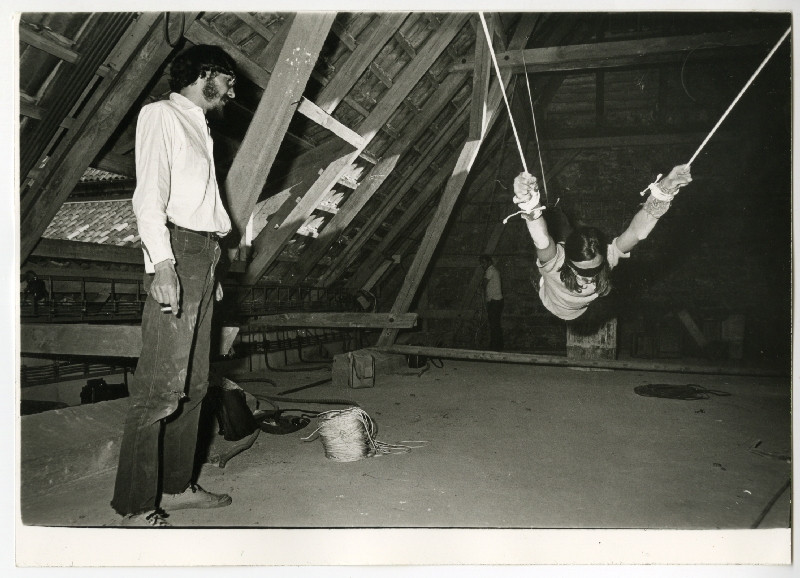
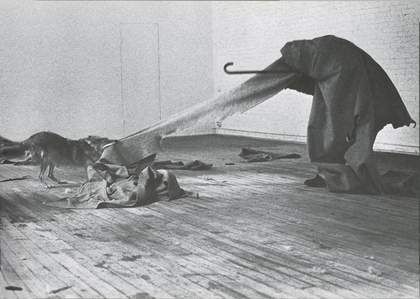
    Images from left to right : Milan Knížák-playing bass laying down, Diogenes-living in a barrel, Jan Mlčoch-great sleep, Joseph Beuys-living with wolves
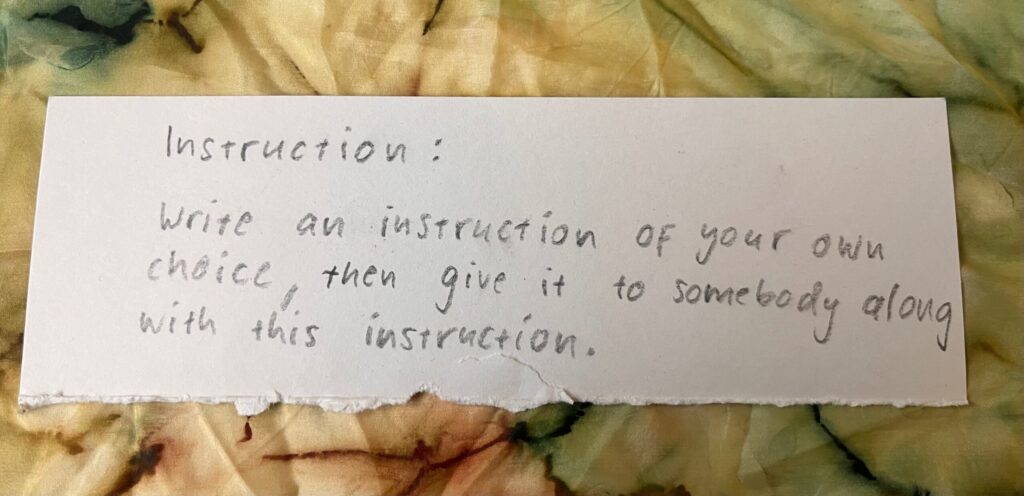
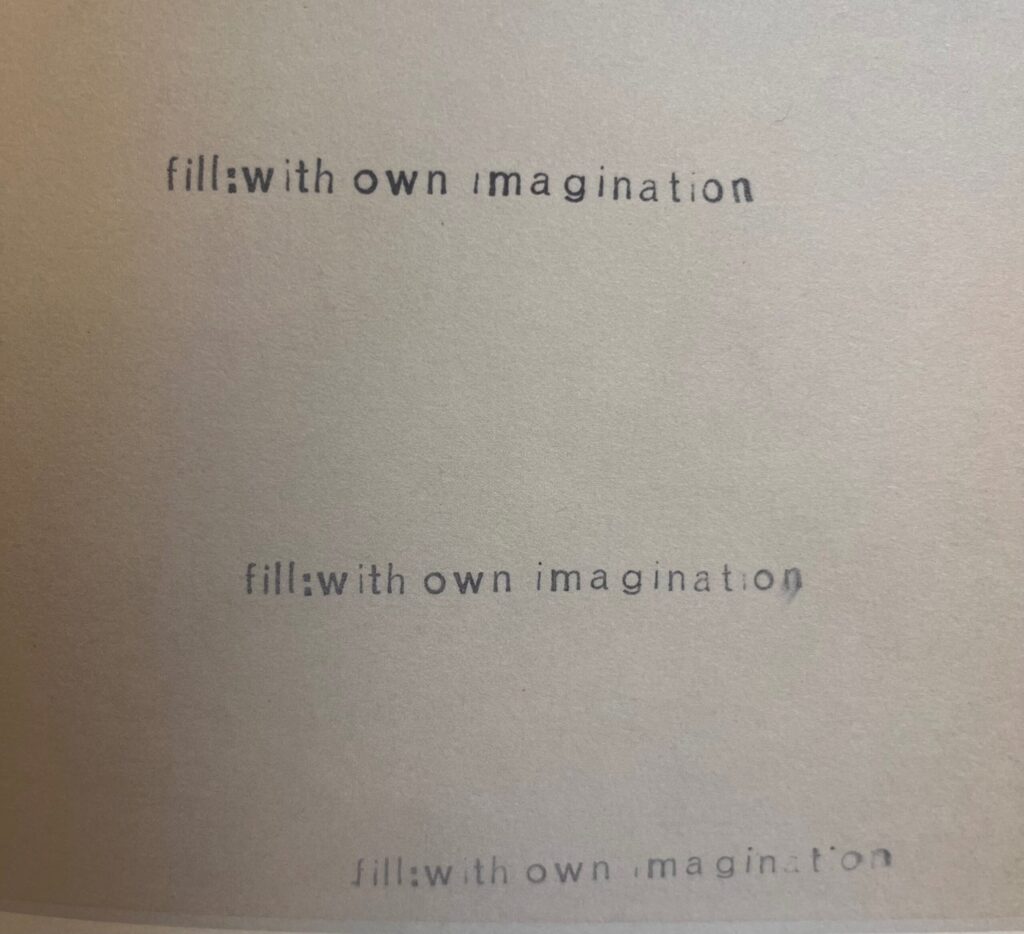
    Prompts: –hug a tree –climb a rock –go to a record shop or music store –go for a walk, collect things
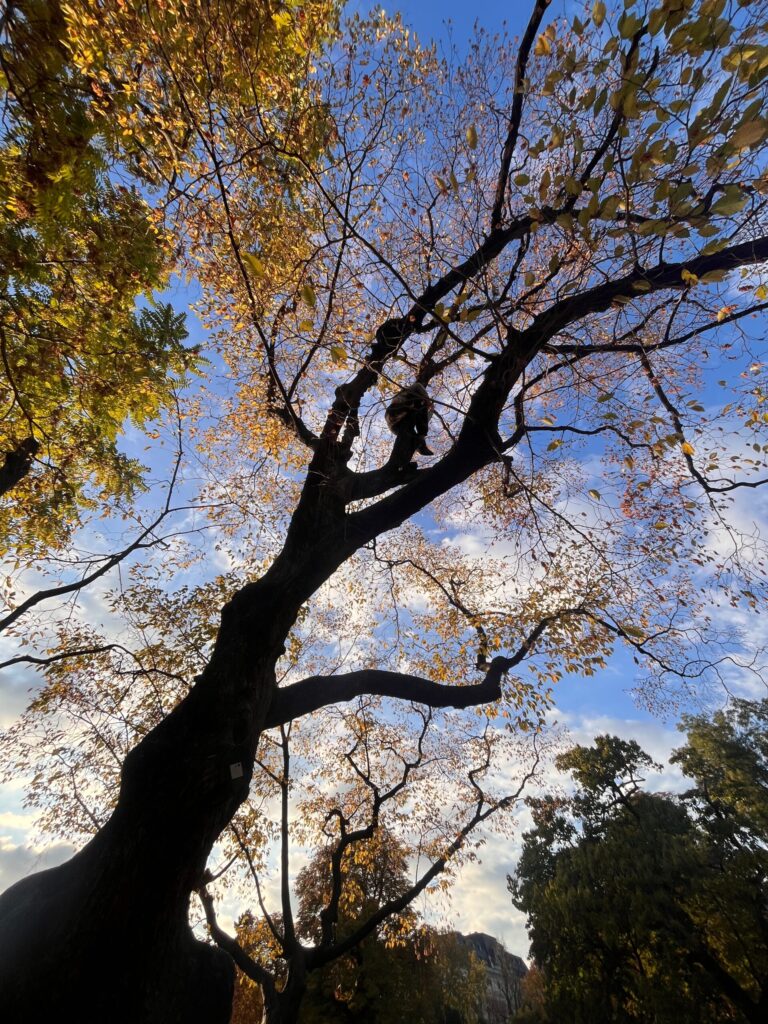
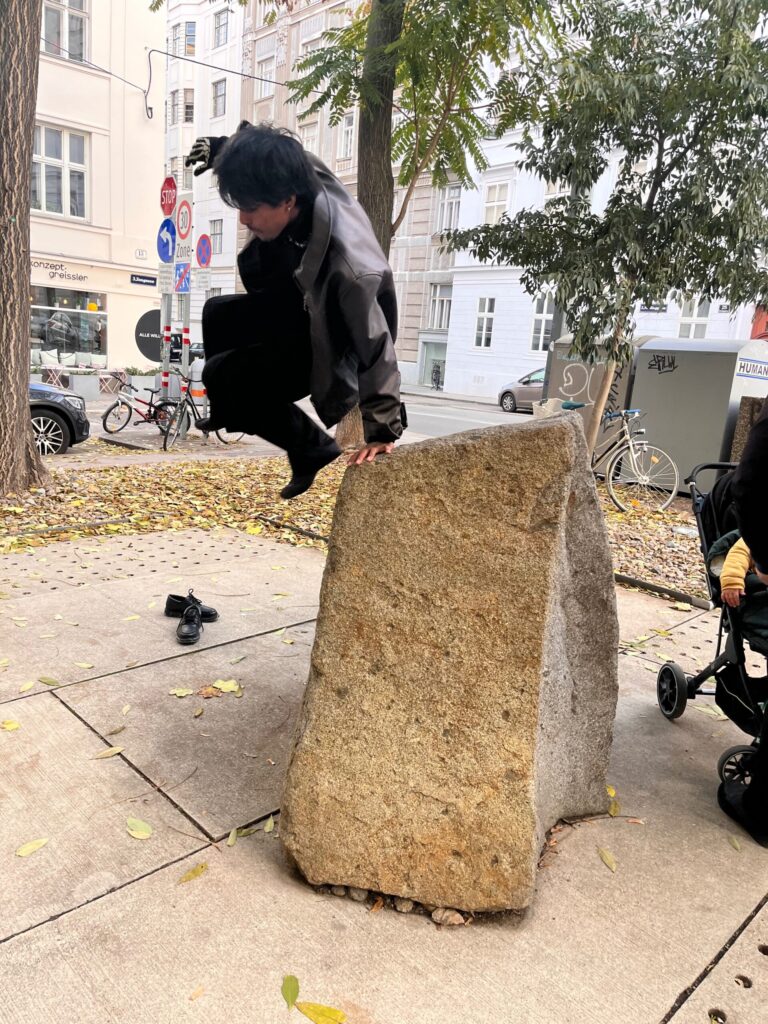
    m a k I n g w I t h o u t t h I n k I n g
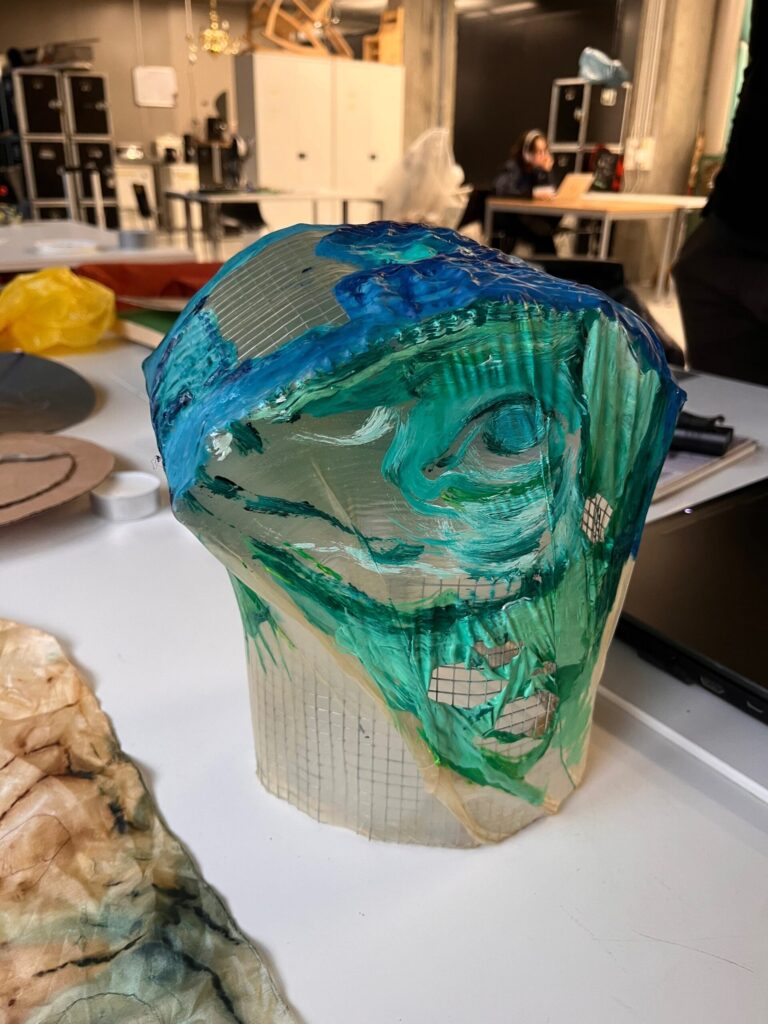
    building & passing it along to be added onto, repaired, changed or altered
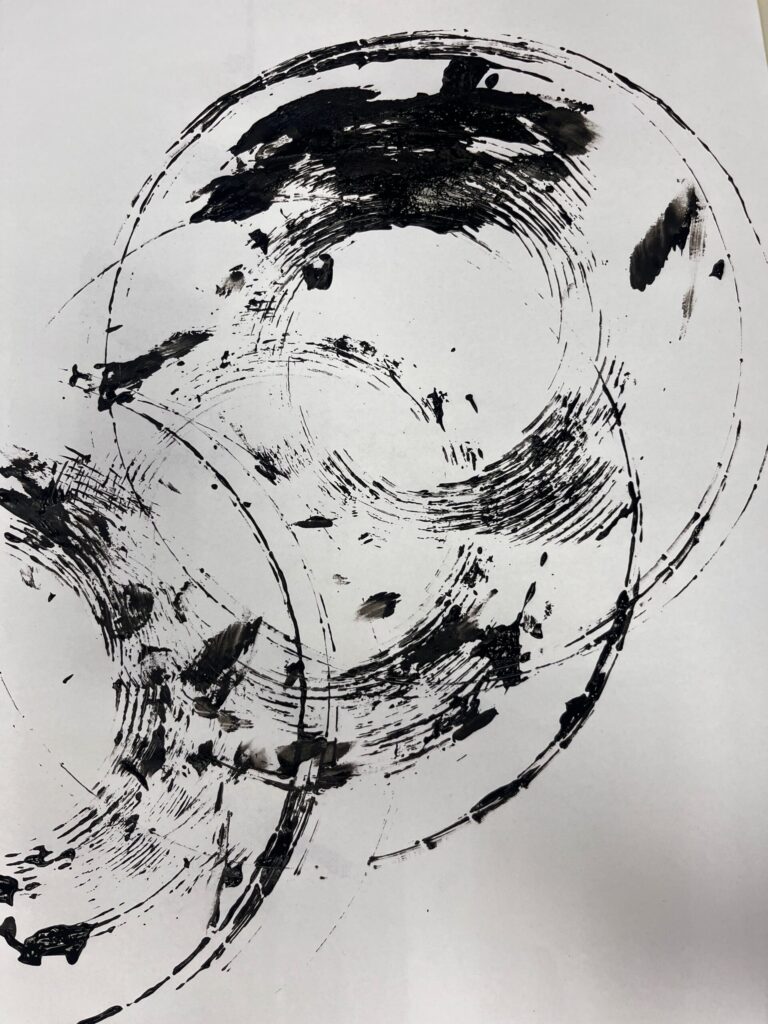
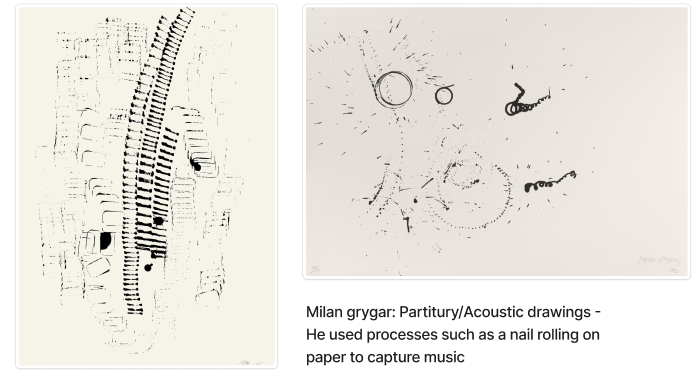
    screw painting to capture music
    living object
  • 23.10.2026 Tutorial

    By

    Clark Philips

    ,

    Mikuláš Tycar

    ,

    Vinzenz Grausam

    and

    Suresh K P

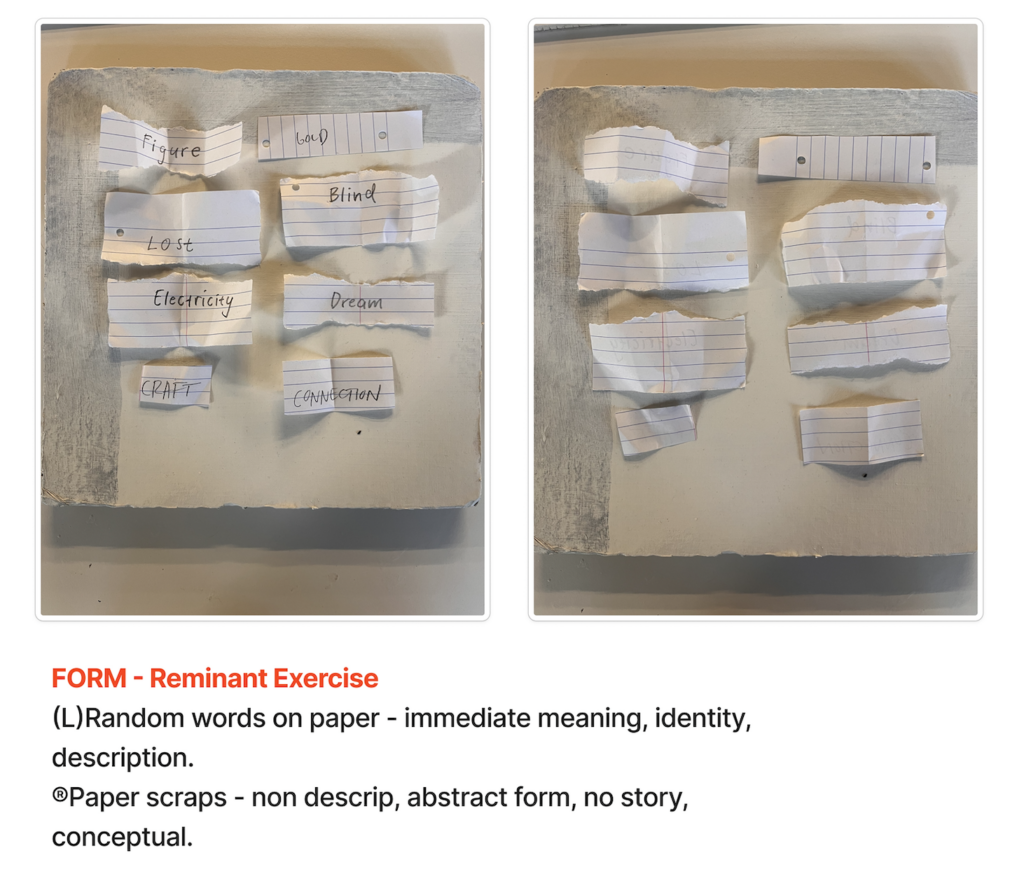
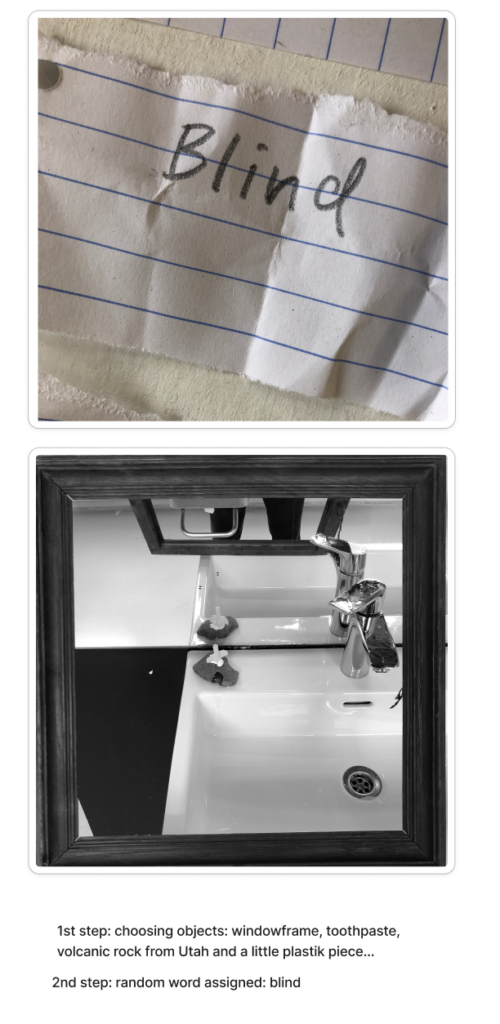
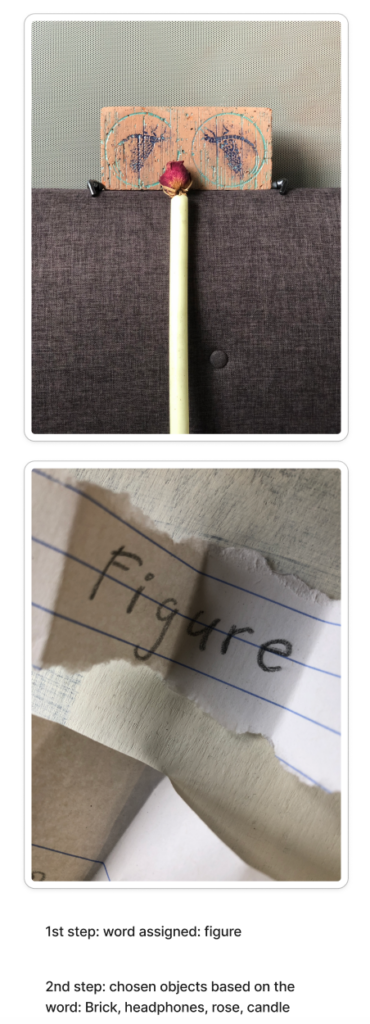
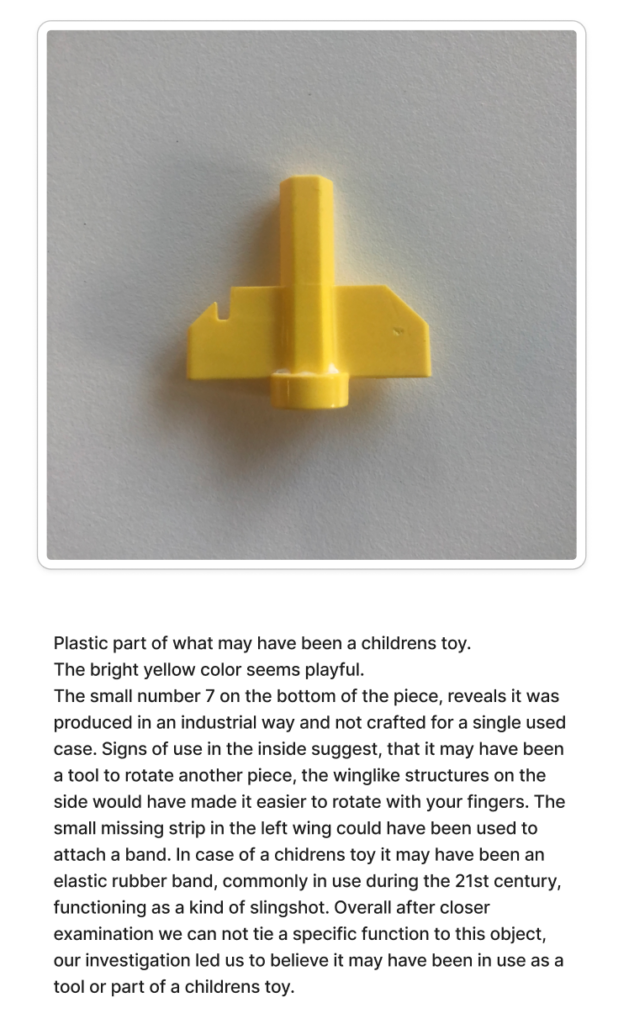
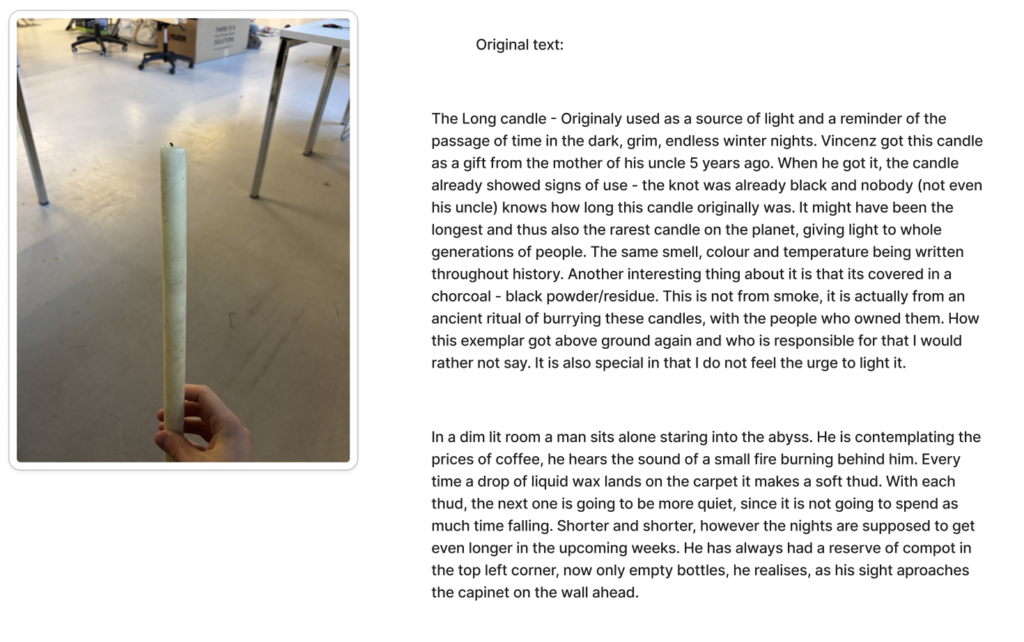
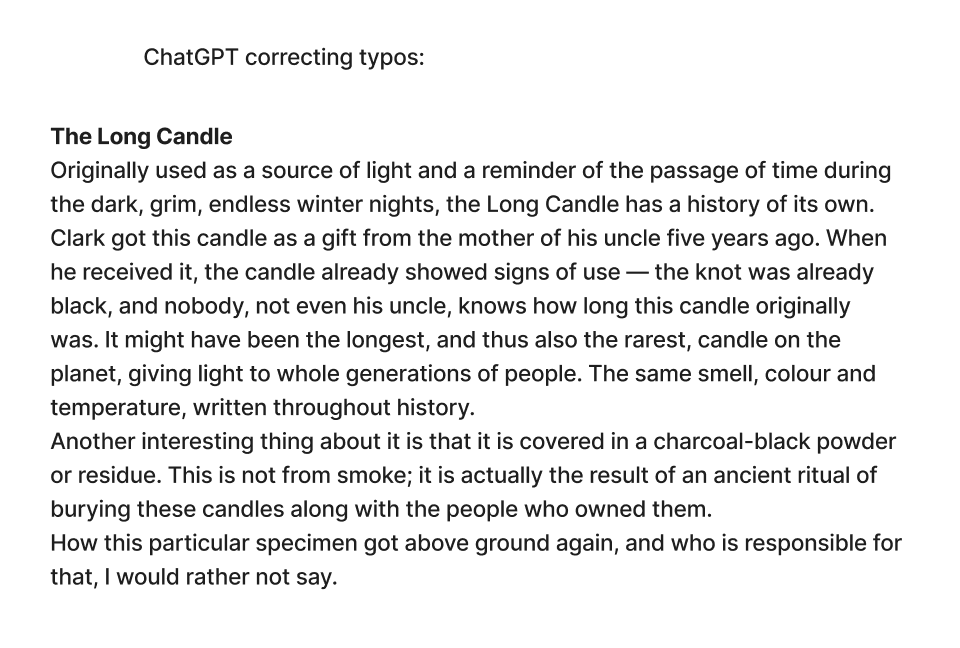
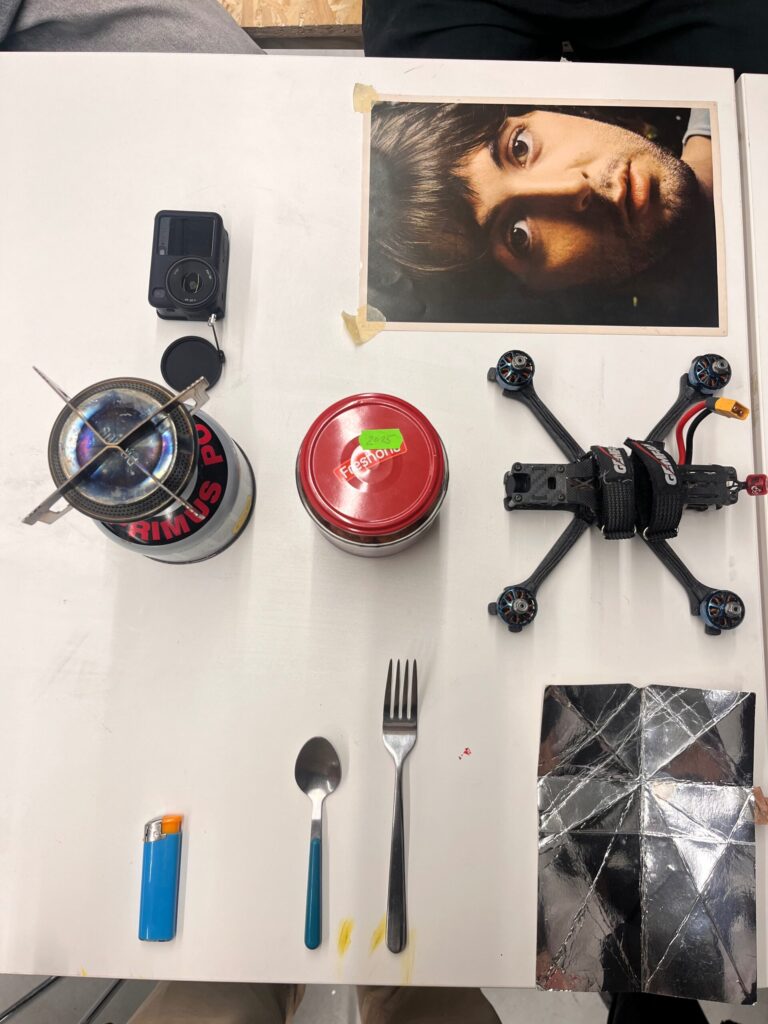
    TEAM V – Object // Remnant // Label // Identify Exercise

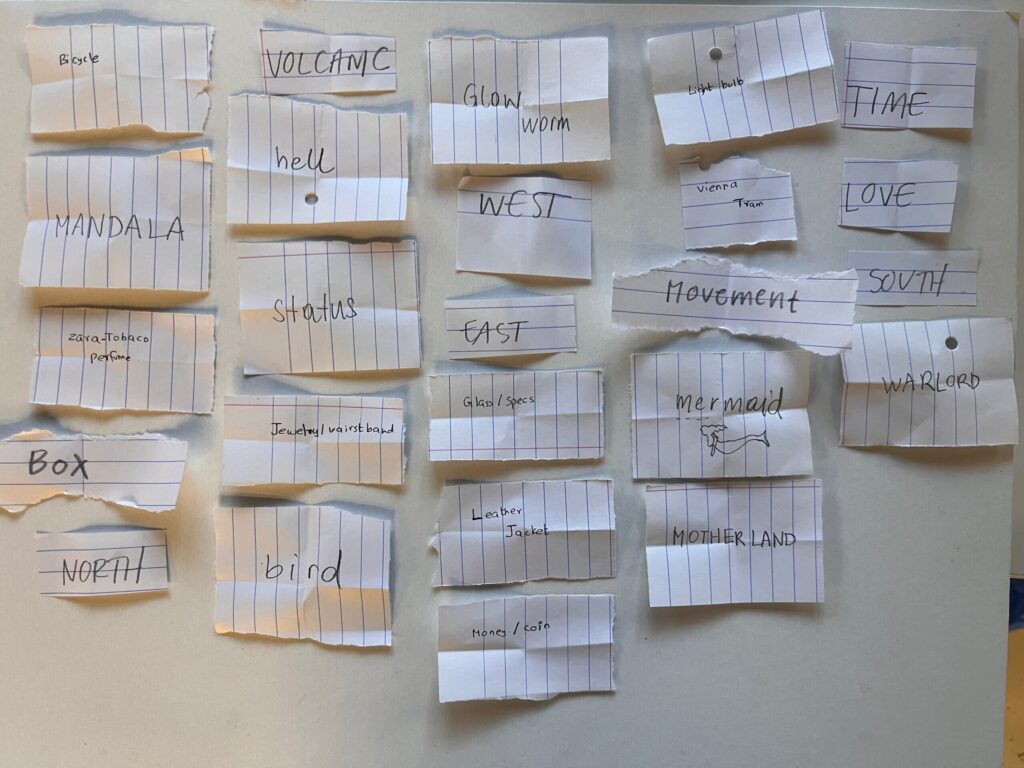
    Random Terms/Words/Prompts

    Clark

    Suresh

    Vinzenz

    Miki

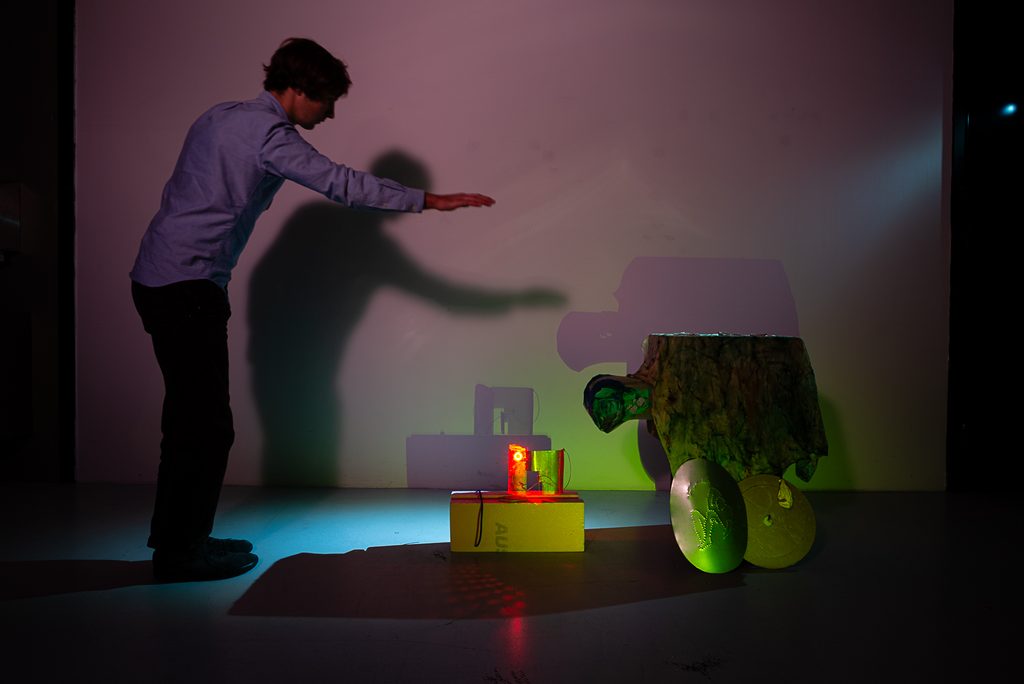
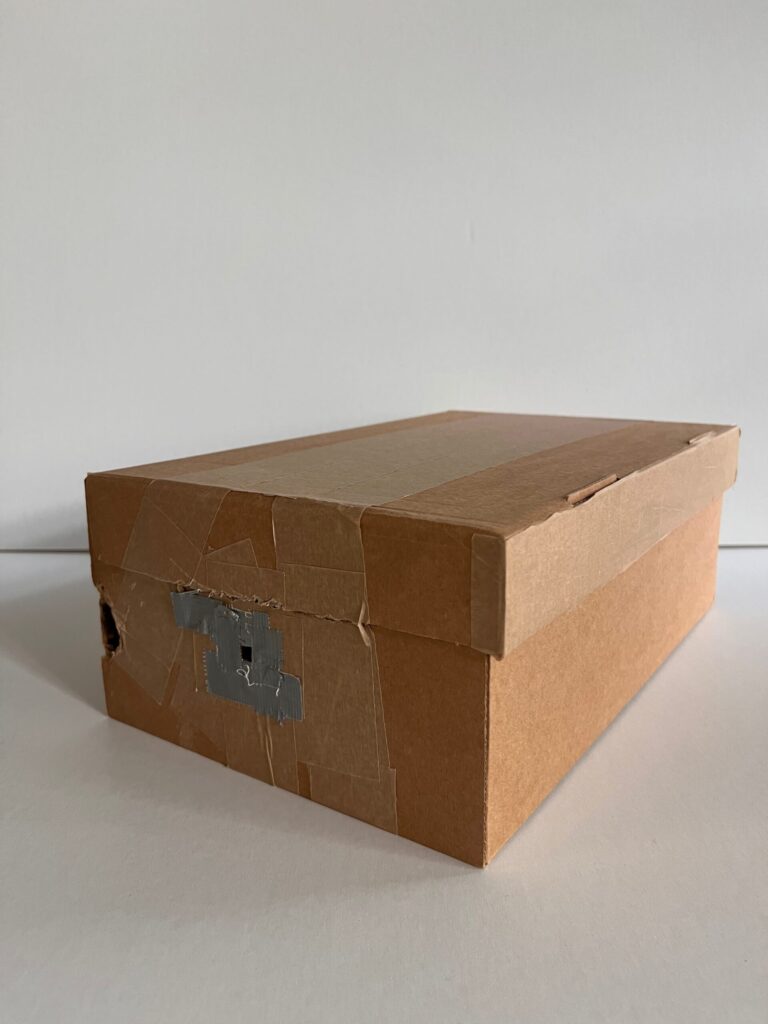
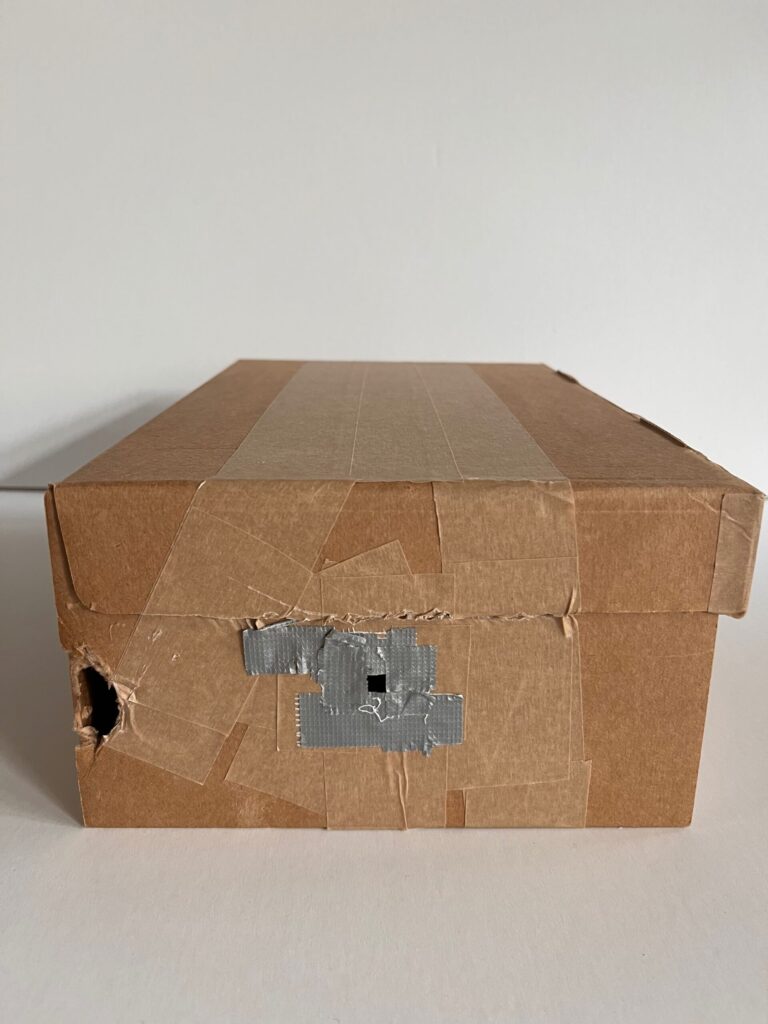
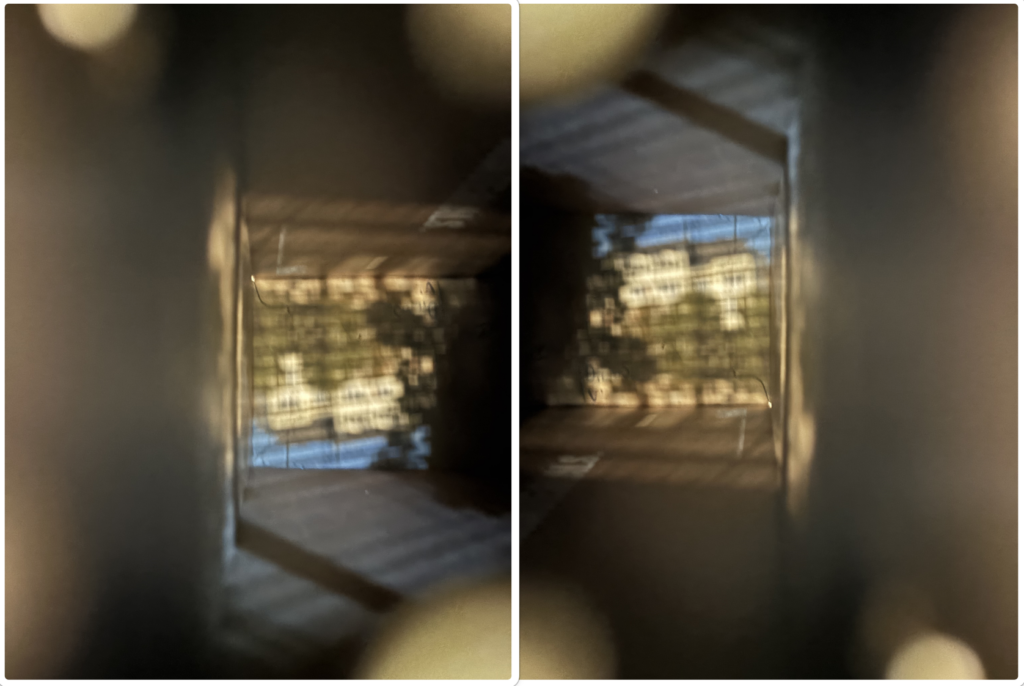
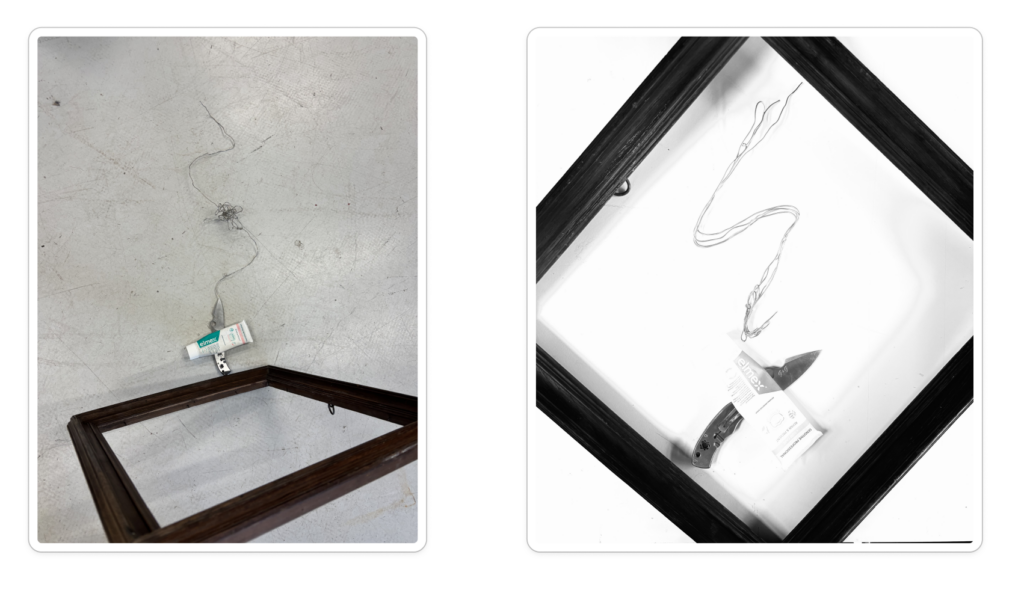
    Camera Obscura prototype

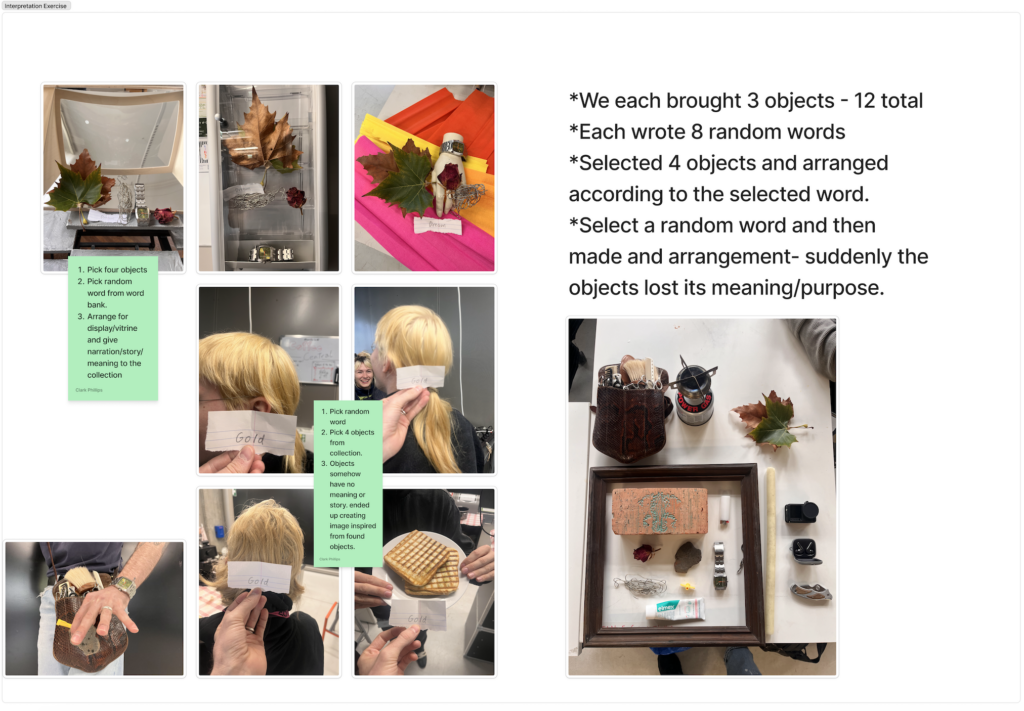
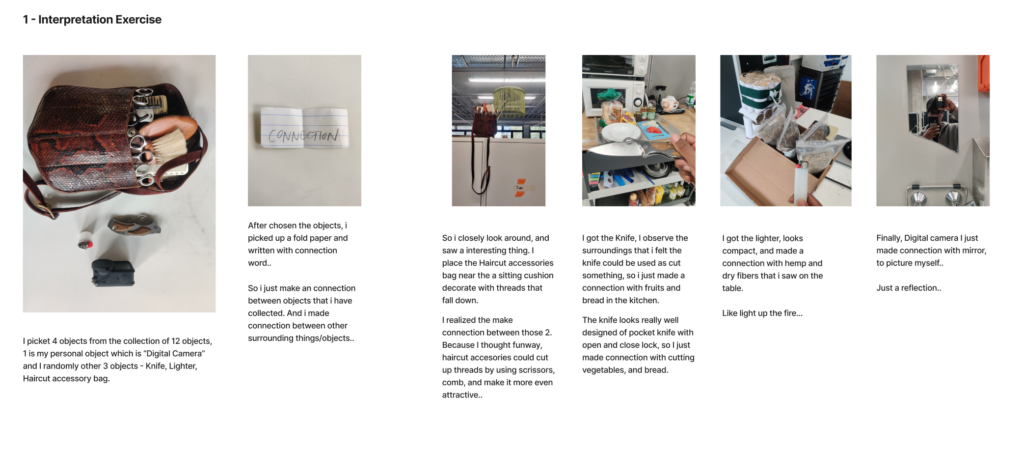
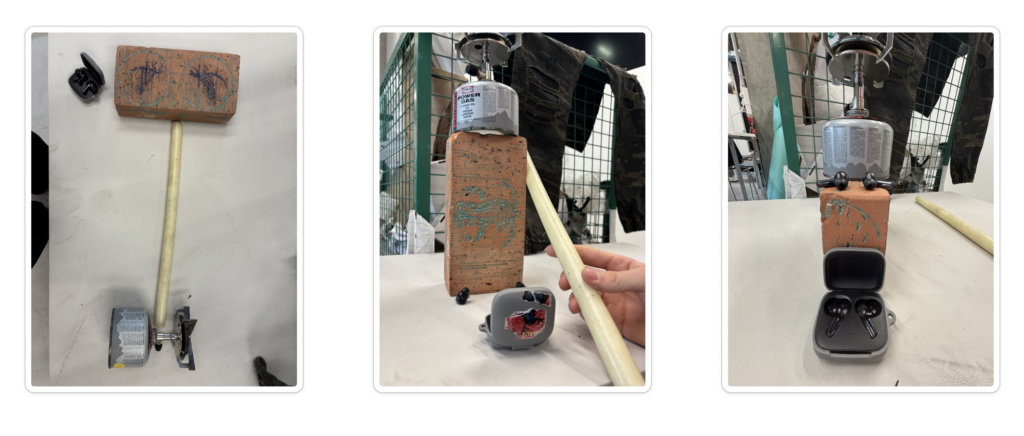
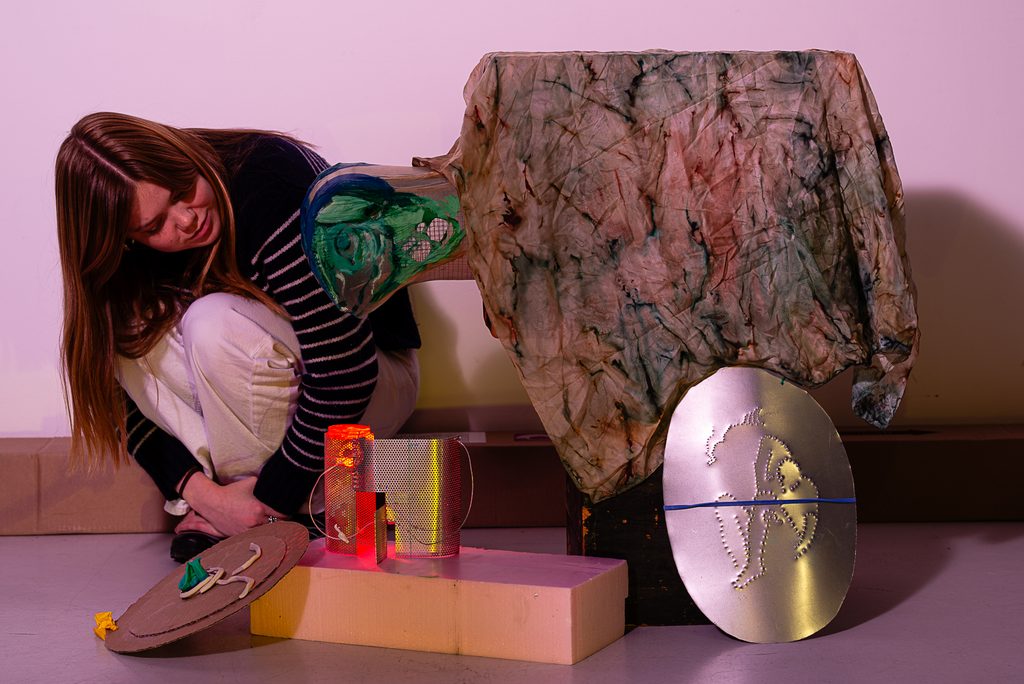
    Interpretation Exercise 1 (Craft) –above

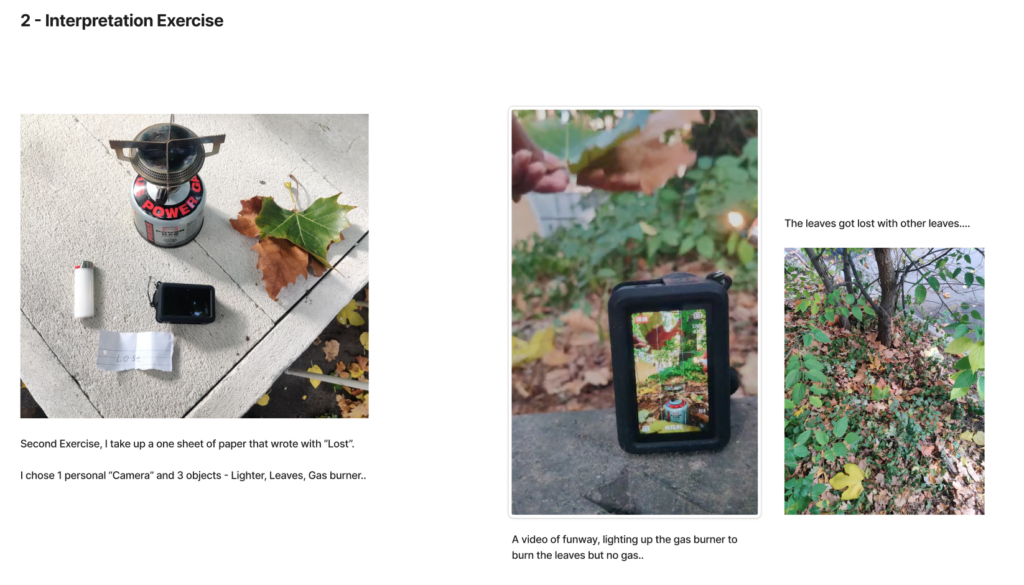
    Interpretation Exercise 2 (Electricity)

    Can we preserve the essence of something without turning it into a fixed moment (‘capturing the soul’), an identifiable object, or a defined concept?

    NEXT STEPS

    -Exploring how to display object prototypes and vitrines.

    -More remnants exercises i.e personal items, interests.

    -Stories as objects?

  • Group V

    By

    Mikuláš Tycar

    ,

    Vinzenz Grausam

    ,

    Clark Philips

    and

    Suresh K P

    ideas, research and where we started

    HOW everyday OBJECTS CAN CONNECT TO EACH OTHER

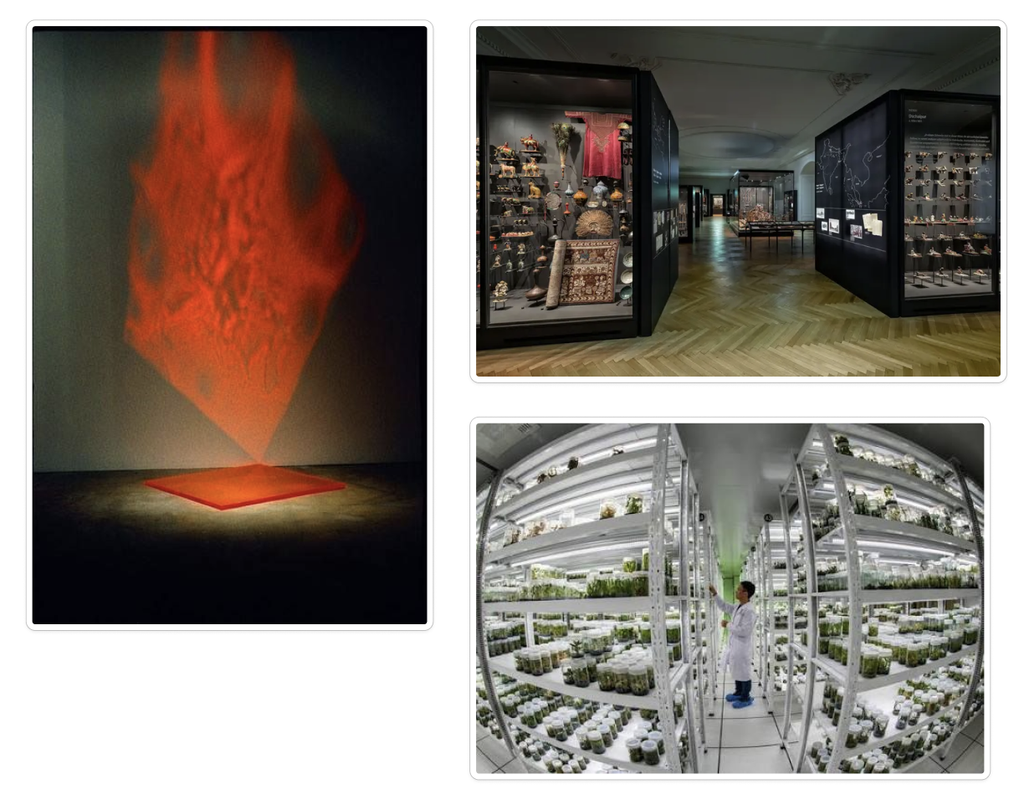
    We (re)imagine the vitrine as a place of action, a playground.
    Fire, kinetic objects, natural decay, processes both of LIFE and DEATH.


    Processes that sooner or later will come to an end.
    The vitrine will remain empty, with the imprints of that life.

    Exhibiting a vitrine marks the end of starring at neither dead nor alive objects. A new museum is established.

    The marks of a lived life seem more interesting to us.

    The ashes, leaving space to imagine and remember.

    What is the role of the vitrine within the context of an ethnographic museum in the future? How do we interact with objects displayed inside these vitrines? What is the role of the museum as a container of culture, thus a vitrine itself?

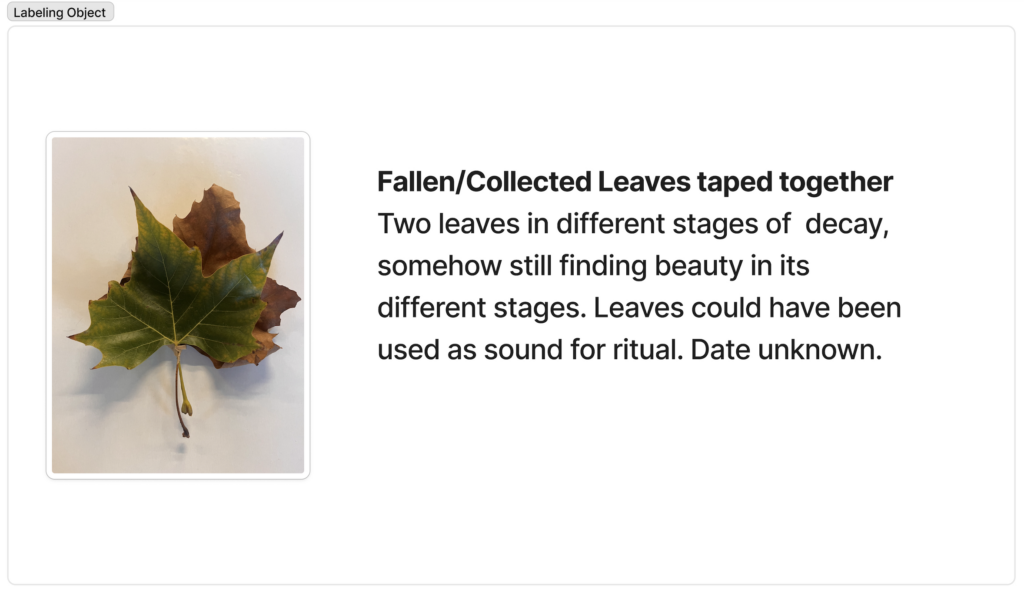
    MEMORIES of labels

    RETHINKING THE ‘BOX’

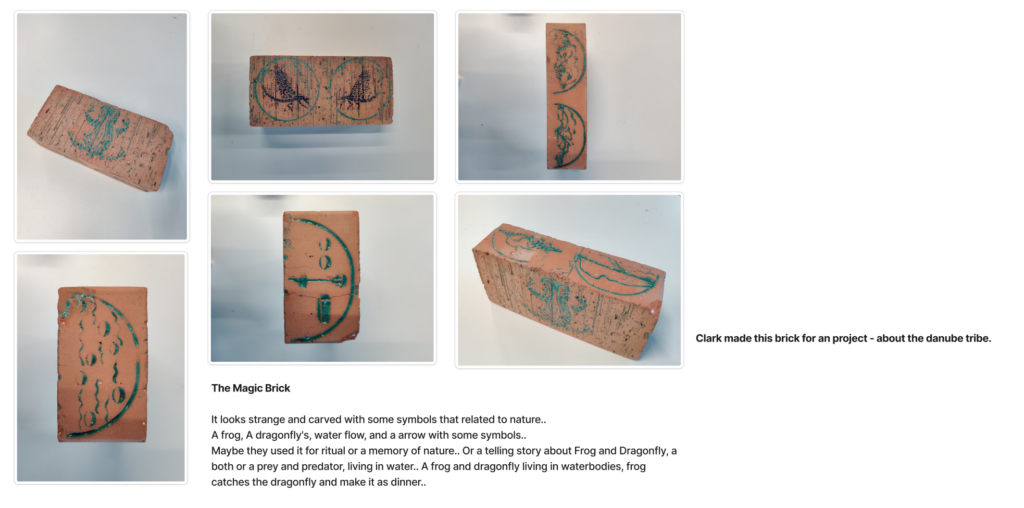
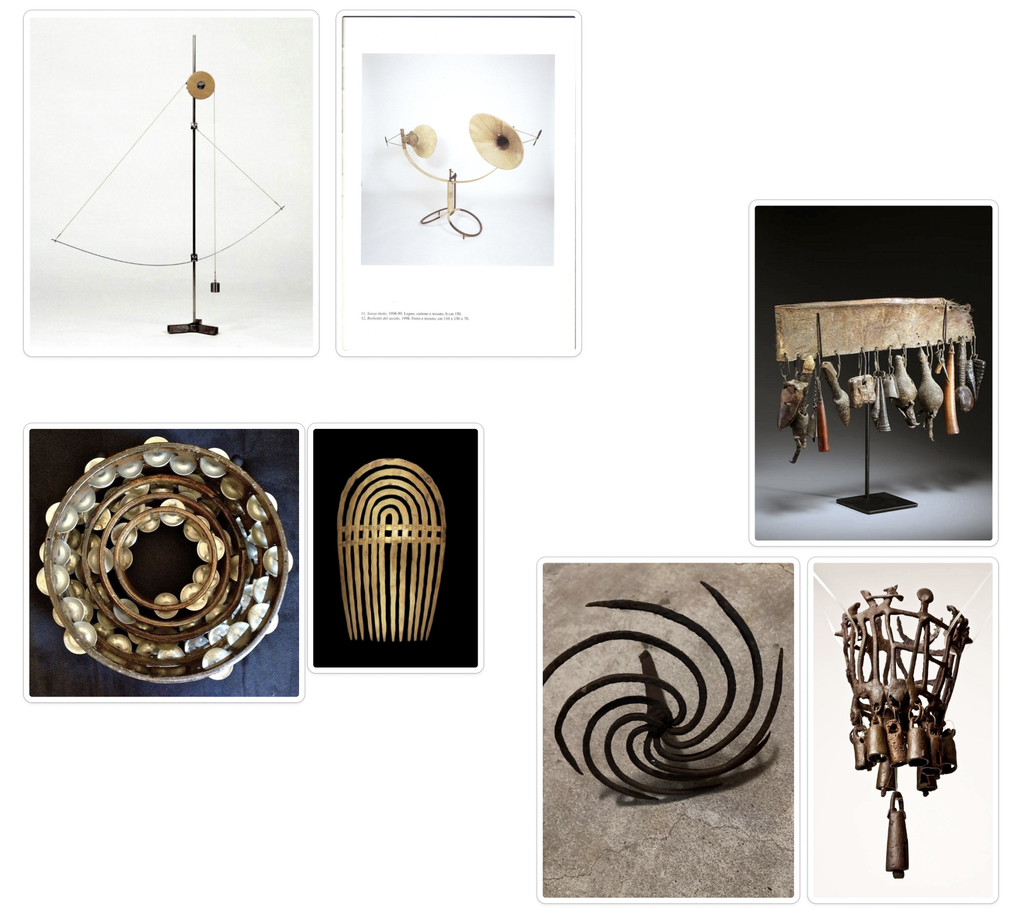
    OBJECT EXAMPLES

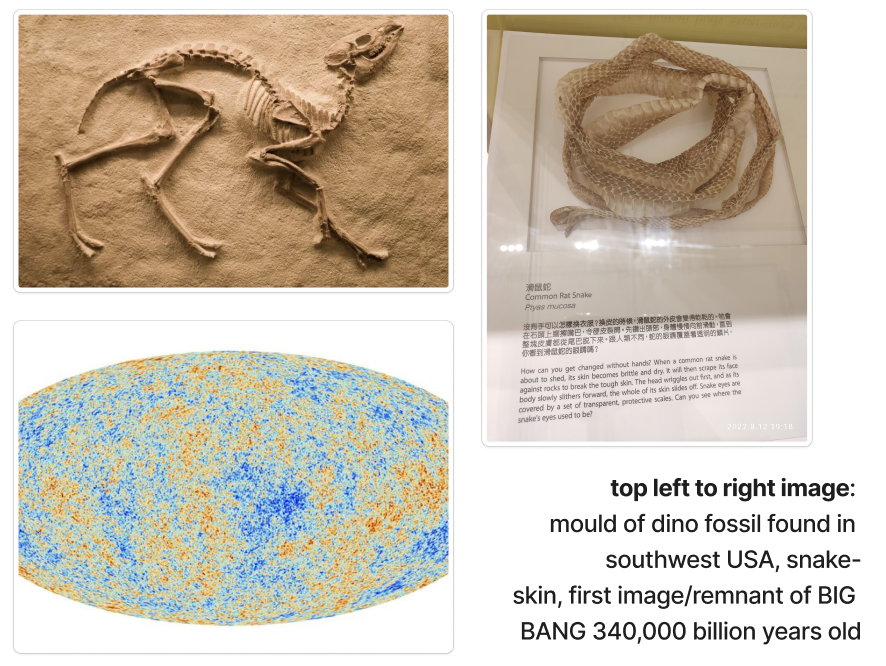
    “living” objects have the ability to make these moulds.

    The mould is caught in the vitrine.

    When the object dies, it is removed, buried, no longer needed.

    //////////////////////////////////////////////////////////

    NEXT STEPS=objects//sounds//light//dead or unused//physical or analogue slop

    // Kinetic sculptures, tools and instruments //

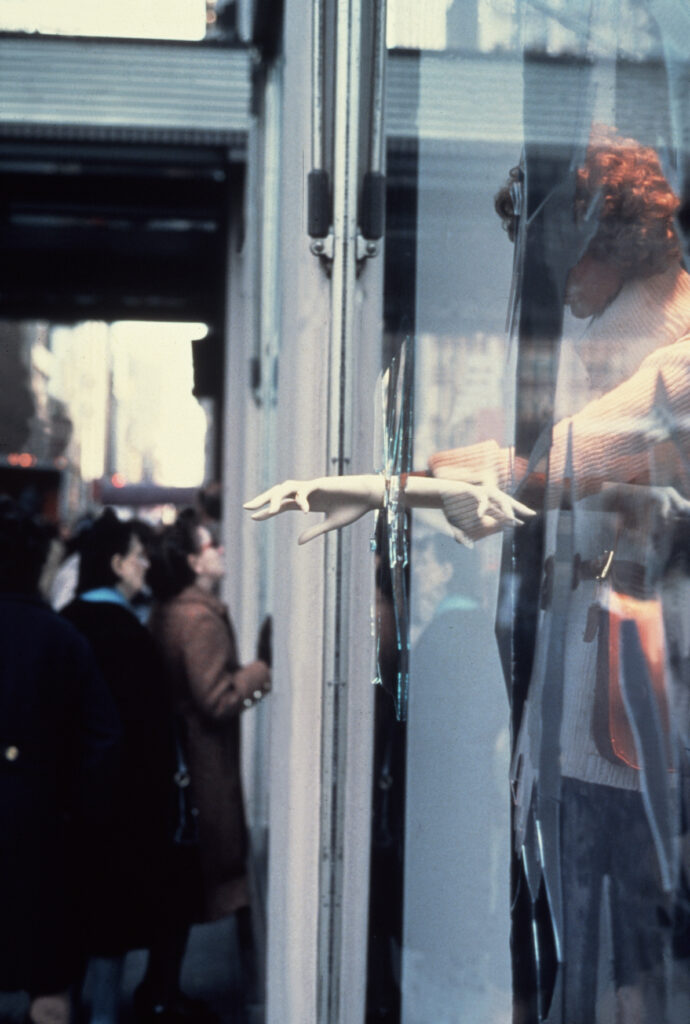
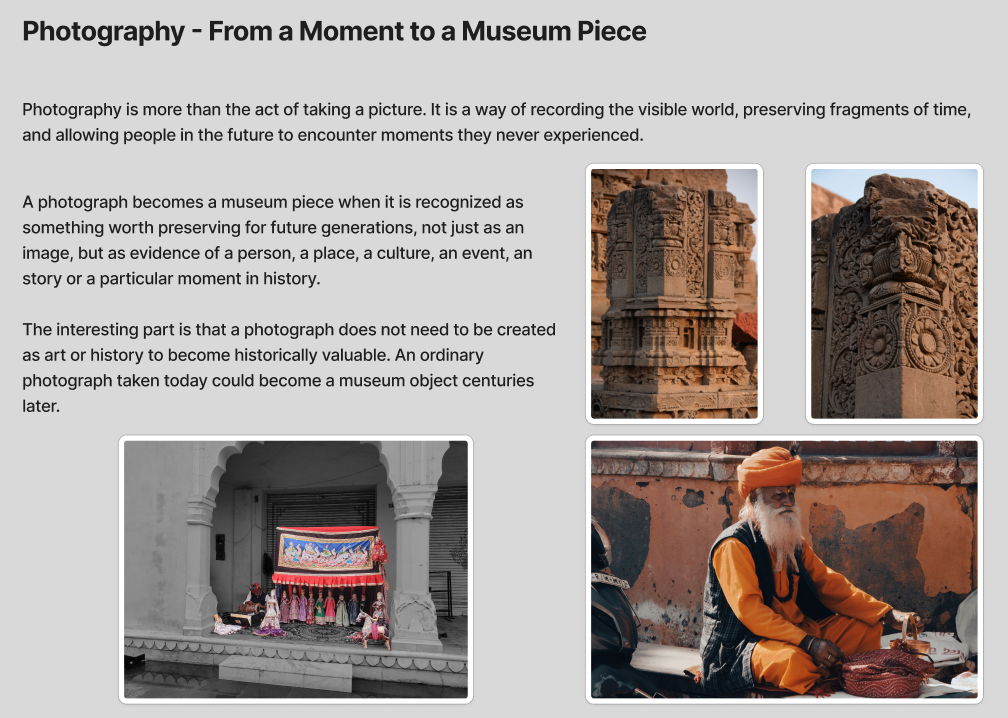
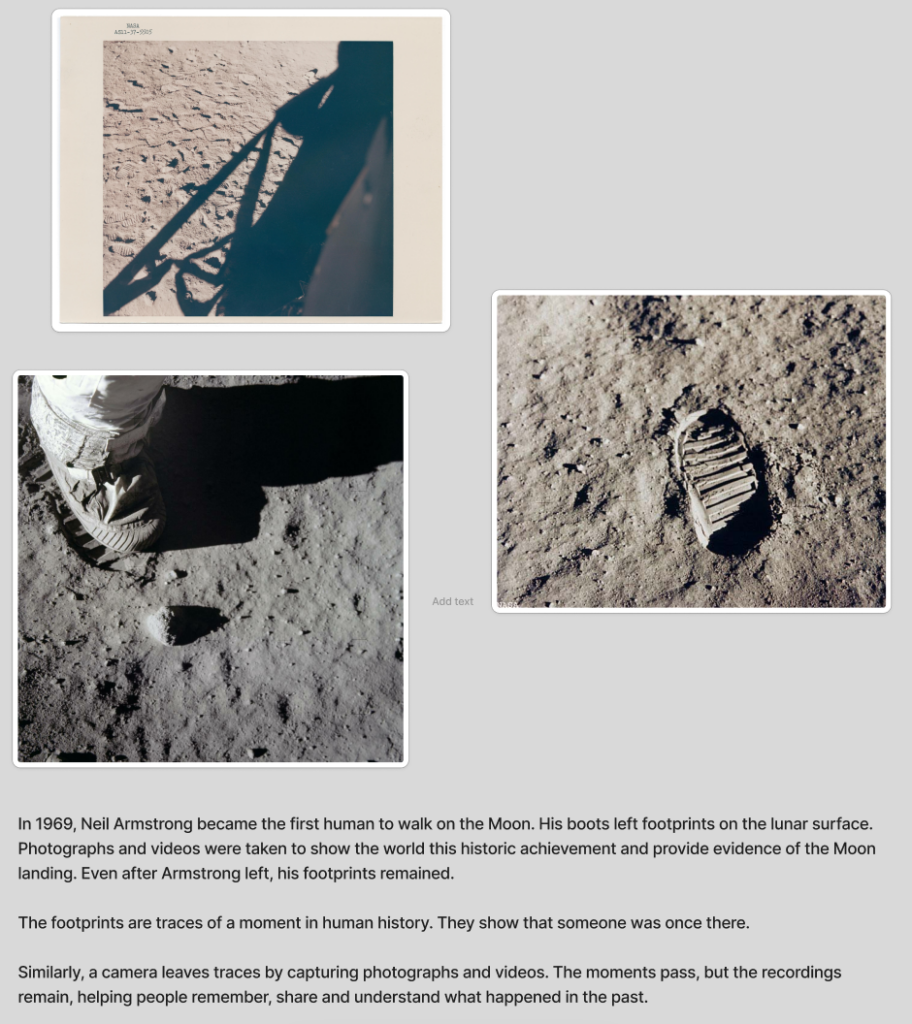
    Can photographs die? What purposes and functions of a photograph have outside memory and story?

    The mould – steps in dirt leave an impression of our shoes behind.

    objects that capture sound and smell

    QUESTIONS: Is it about the Vitrine? Most objects within vitrines are decontextualized and can be therefore distorted. We are looking to show what imprints, marks, distortion/disruption within this context.

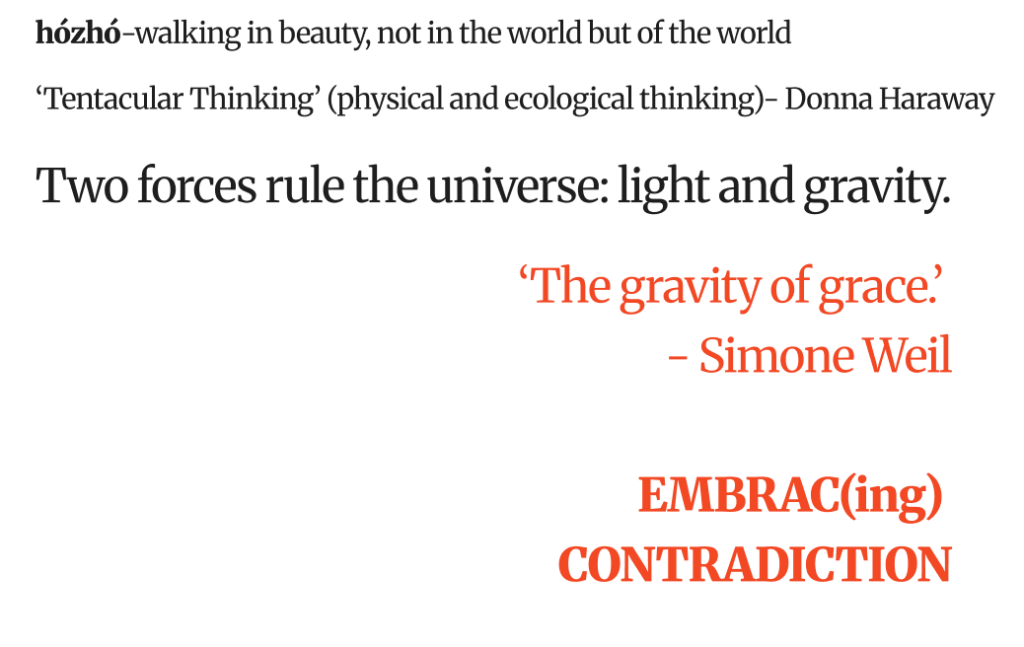
    Memory of labels? Embracing contradictions

    Can objects hold feelings? a more than human way of re-storytelling?