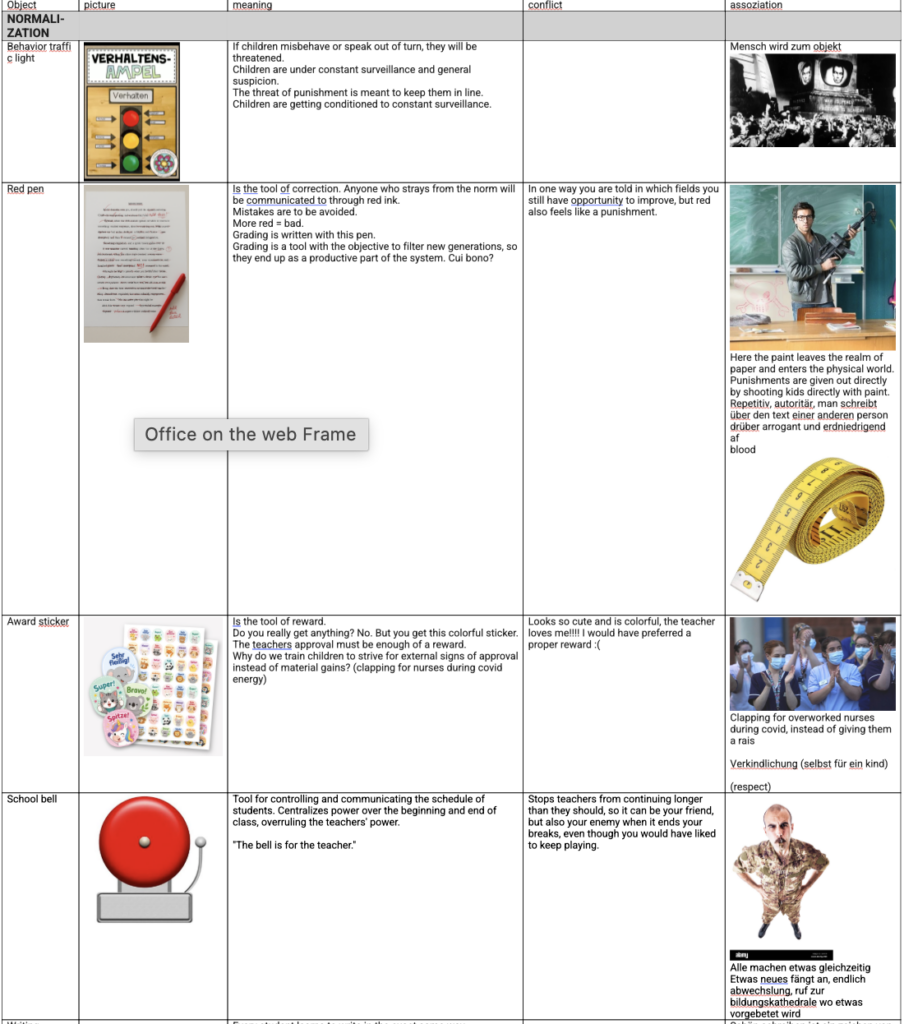
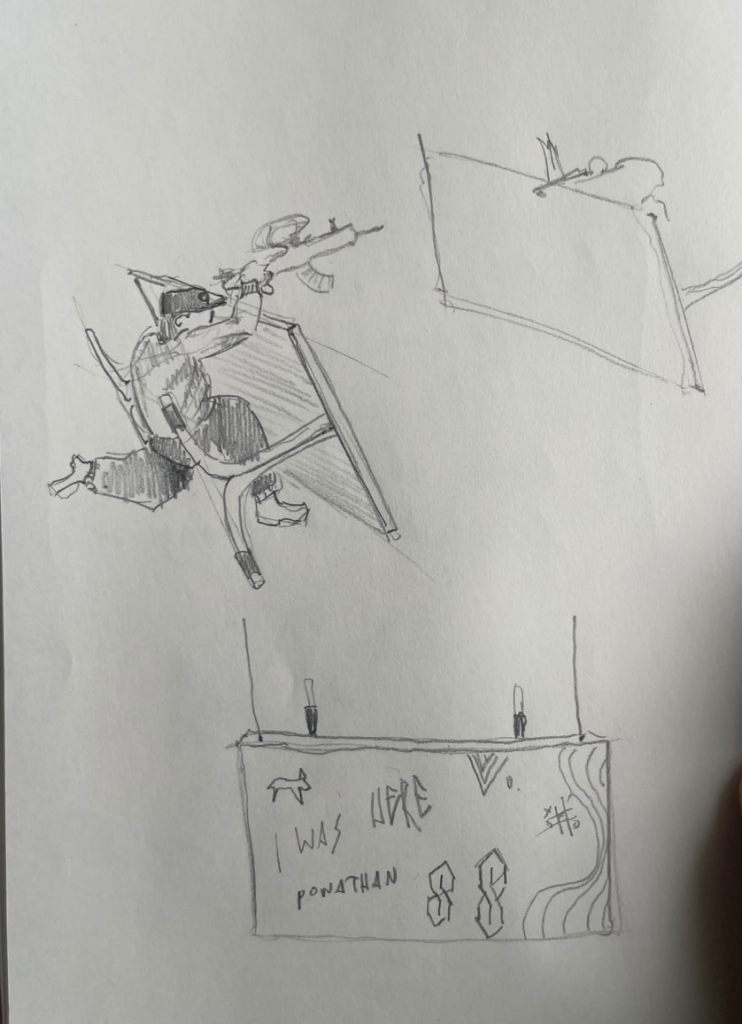
What mechanisms of subtle violence exist in educational systems today that we fail to recognize as such?
And how does this form of violence manifest itself through objects?
EDUCATION THROUGH TIME
Hunter Gatherer (- 10.000 BCE)
Rise of Agriculture (10.000 BCE onwards)
Pre-Industrial Societies (3500 BCE – 1750CE)
Industrialisation (1750 – 1900)
Modern Era (1900 – today)
Play was separated from learning the moment social hierarchies formed and states and religions required obedient followers – later capitalism and industrialisation standardised that system.
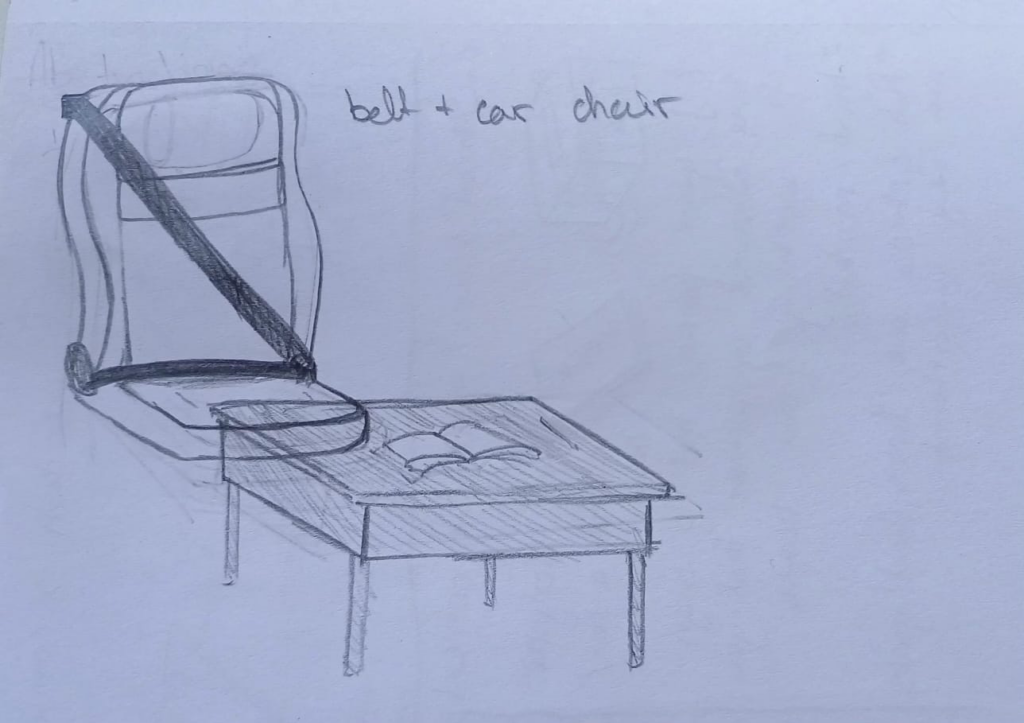
∙ Performance, material, and reading as starting points ∙ The chair as an object of exploration and interaction ∙ Speculative redesign of everyday objects through bio-based processes
2. Waste & Material
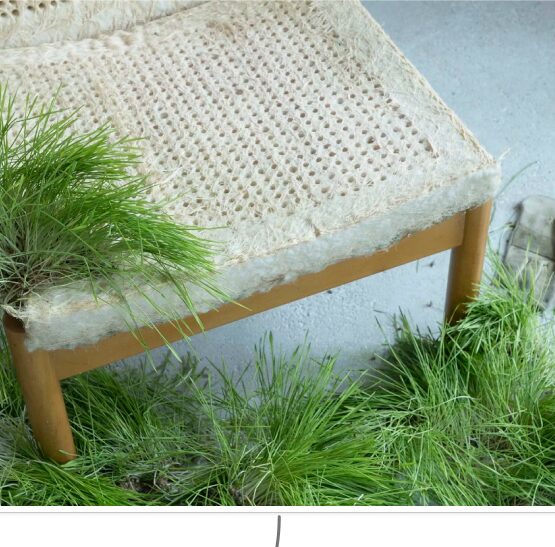
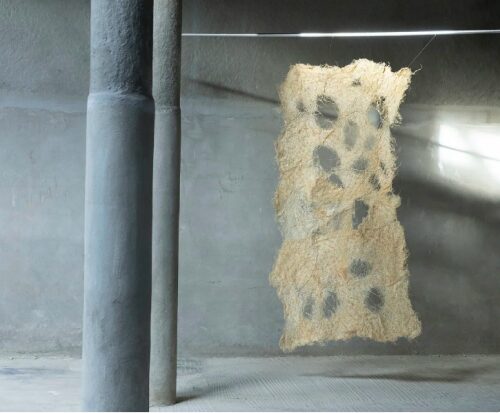
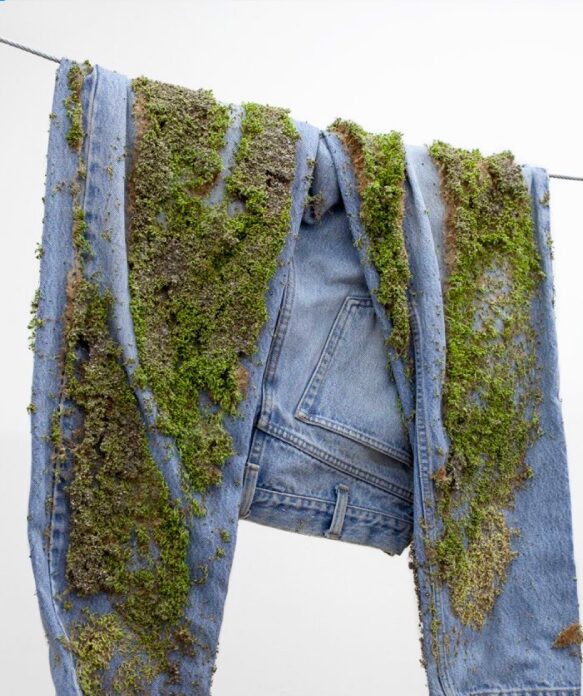
∙ Objects as part of a natural waste and growth cycle
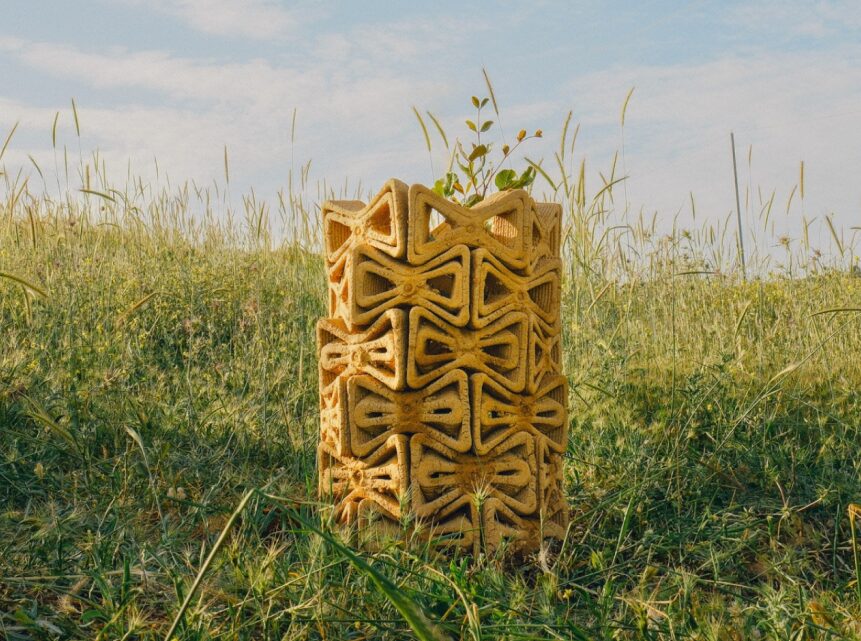
∙ Grown from natural materials → decomposing back into soil
∙ Use of raw, minimally processed materials
∙ Co-creation with materials: the unpredictability of growth as a stylistic and design device
3. Labor & Production
∙ Artisanal objects serve a small elite; industrial production offers wider availability but exploits workers
∙ Question: how can production be both accessible and non-exploitative?
∙ Growing as an alternative production model beyond human labor
4. Availability & Access
∙ Community hubs and trading stations as a distribution model
∙ Question: do objects need longevity if they can be produced without labor?
∙ Decentralised, collective infrastructure for production and distribution
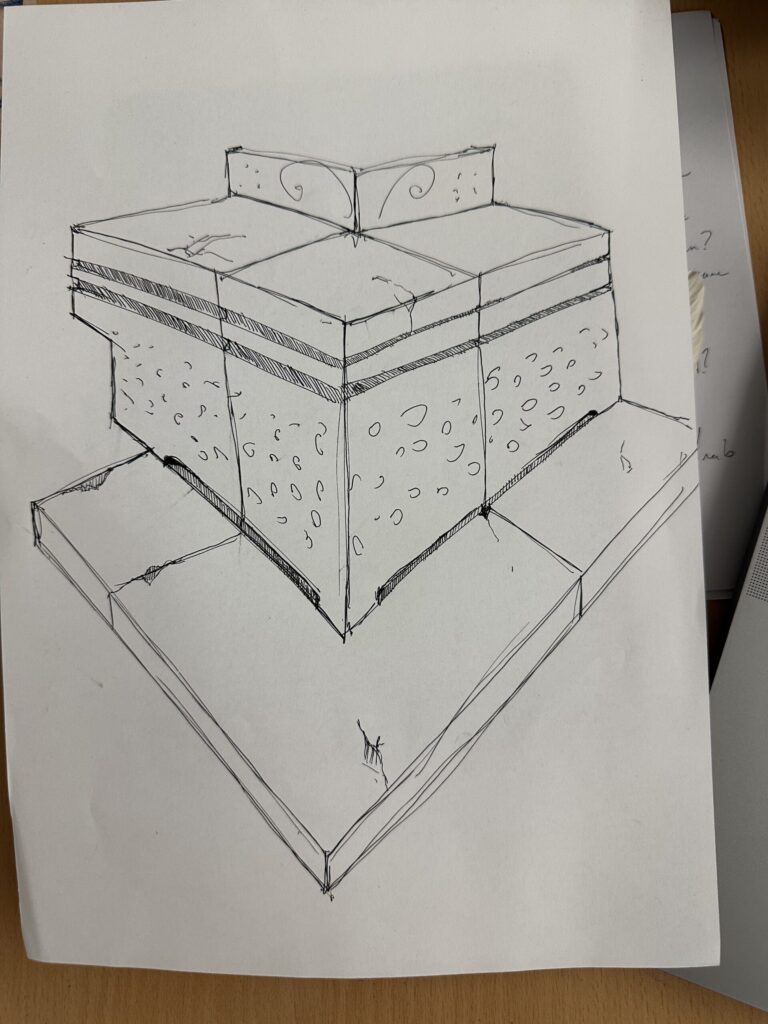
5. Form & Sitting
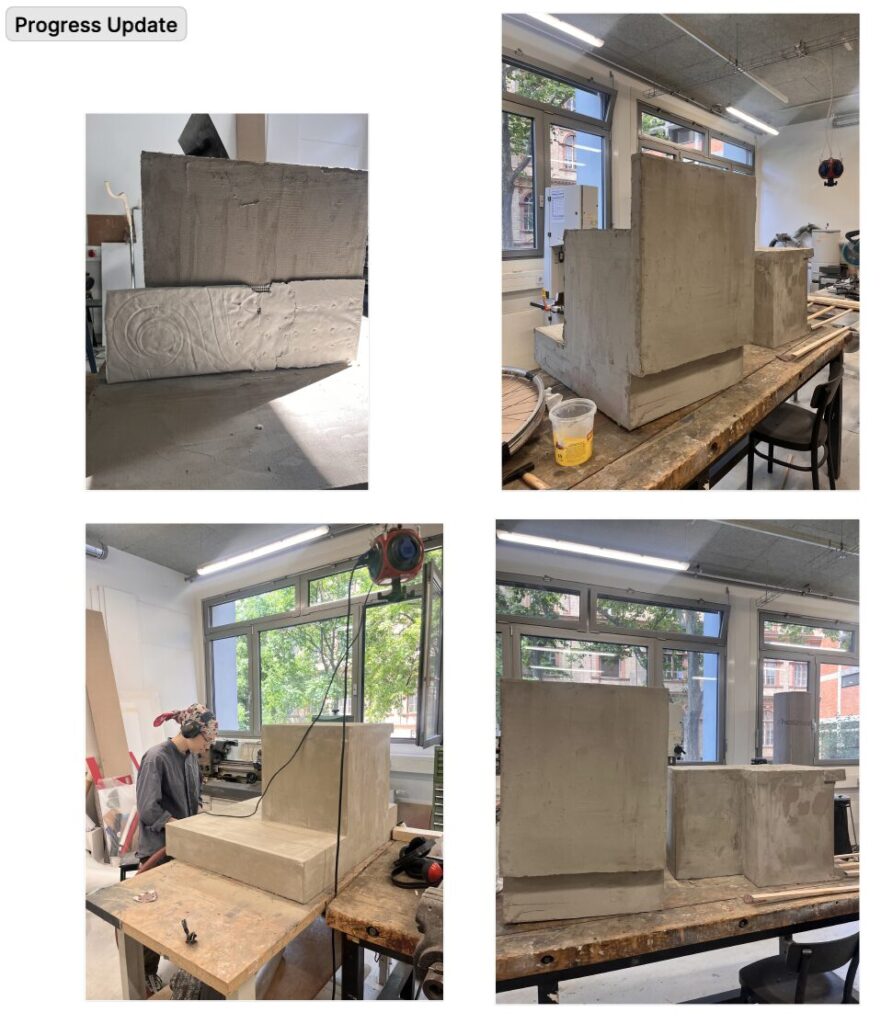
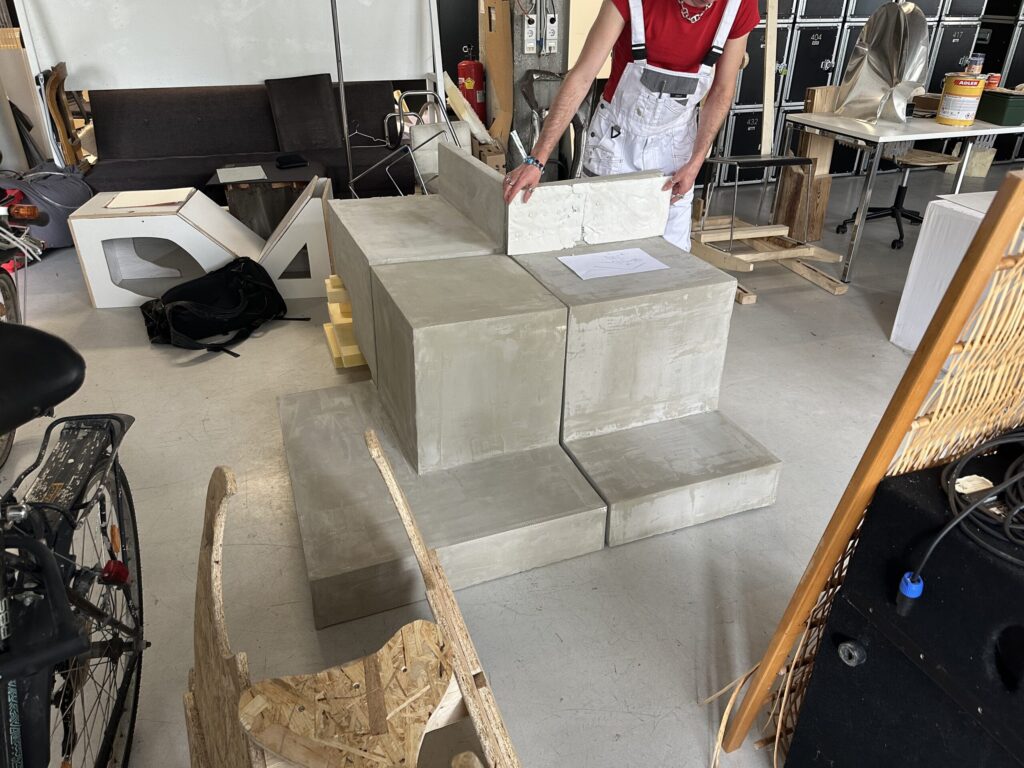
∙ Material exploration: growing material into molds
∙ Testing molds made from different materials
∙ Reusing and integrating every part of the process
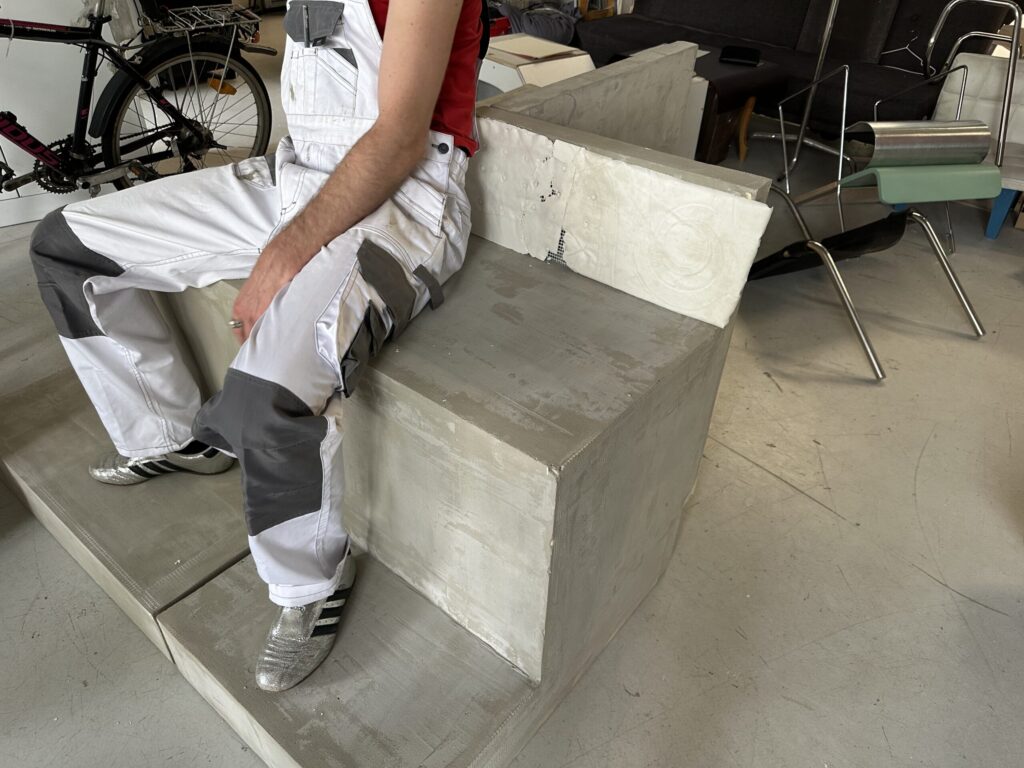
∙ More-than-human sitting → interspecies resting
6. Process & Visibility
∙ Making the process visible: showing and using every object involved
∙ The molds themselves as part of the project narrative
∙ Circular thinking: no object remains invisible or is discarded