Apolonia Bokszycka

  • 26.05 Tutorials

    By

    Apolonia Bokszycka

    Material(s)

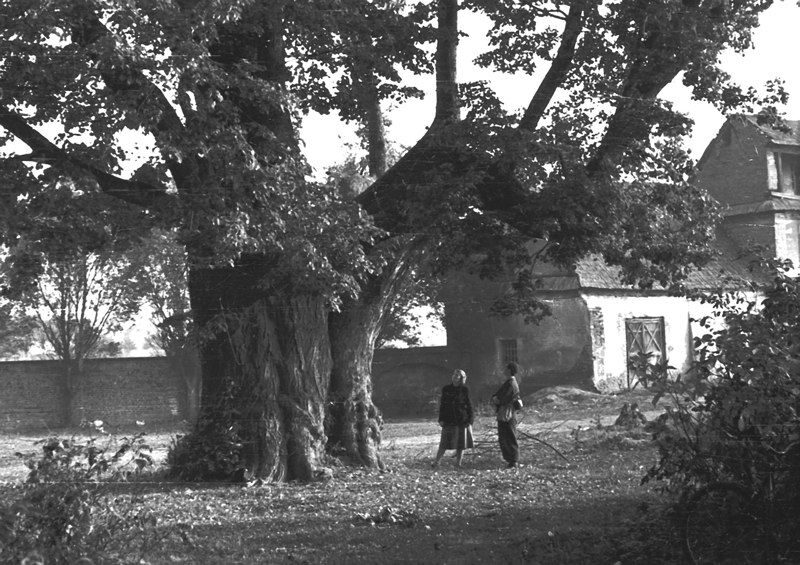
    An old linden tree in the Zawieprzyce Park, archival photo by Stanisław Pastusiak via lubelskie.regiopedia.pl

    Linden (lipa / Linde)

    This one is extremely important in Polish culture specifically (but also in Alpine folk traditions).

    The linden tree was associated with:

    • femininity,
    • protection,
    • love,
    • domestic spirits,
    • community gathering.

    Villages often centered around a linden tree. People believed it:

    • protected against storms,
    • softened conflict,
    • repelled malevolent spirits.

    In Slavic folklore, it often has a gentler, maternal aura compared to oak.
    Linden wood was also used for:

    • religious sculptures,
    • icons,
    • ritual carving.

    A lot of old Polish Madonnas were carved from linden.
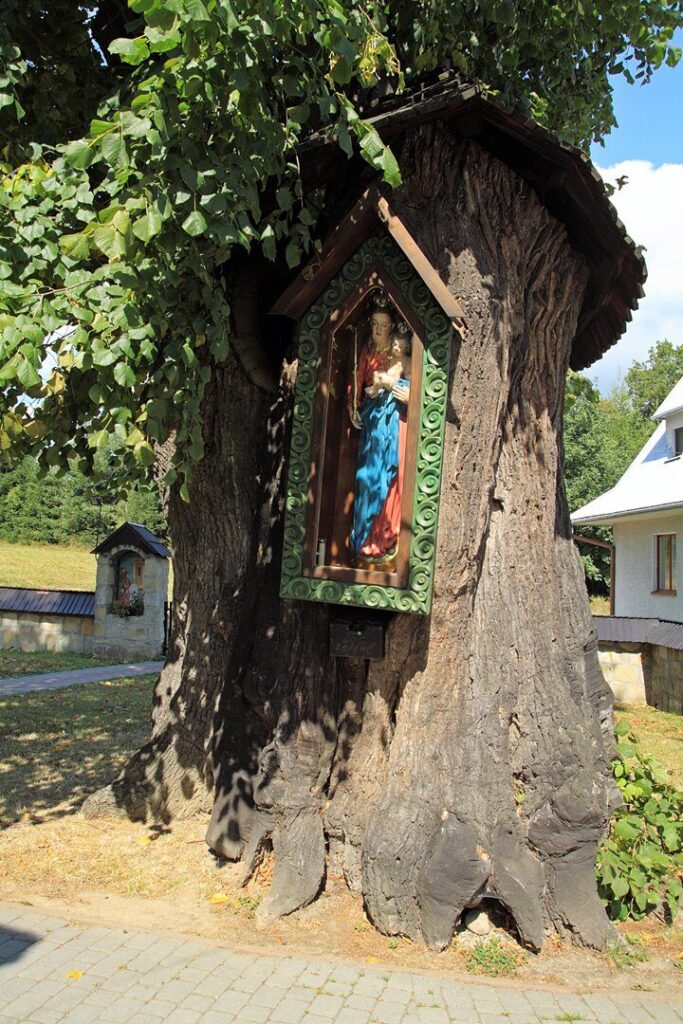
    One of the oldest recorded linden trees in Poland, next to a church in Czarny Potok. Source: mojamalopolska.pl

    Carving

    • There are only very basic tools in our workshop, I would probably need to buy some more.
    • Time-consuming

    Matthias suggested to focus on preparing a model:

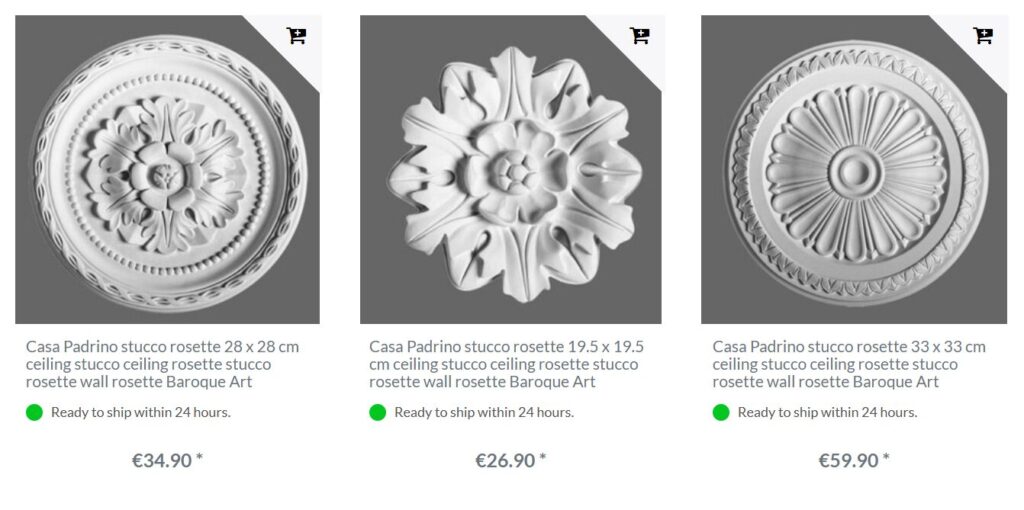
    • either buying ready-made st parts and applying them on a chair
    • or doing casting of the ready-made parts.
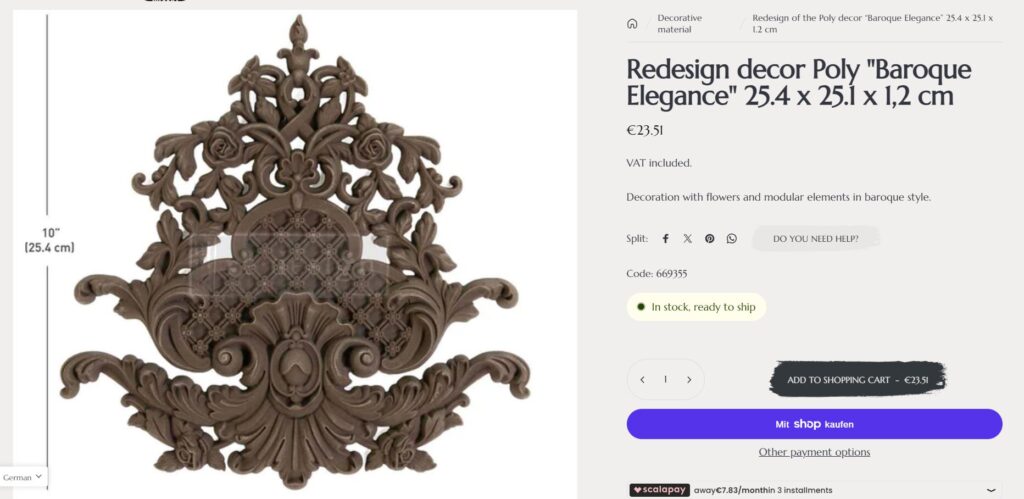
    However,

    • I feel like the project would lack craft if I followed the suggestion and
    • another aspect is the loss of meaning, when materiality is omitted from consideration, which would then affect interaction with the object.
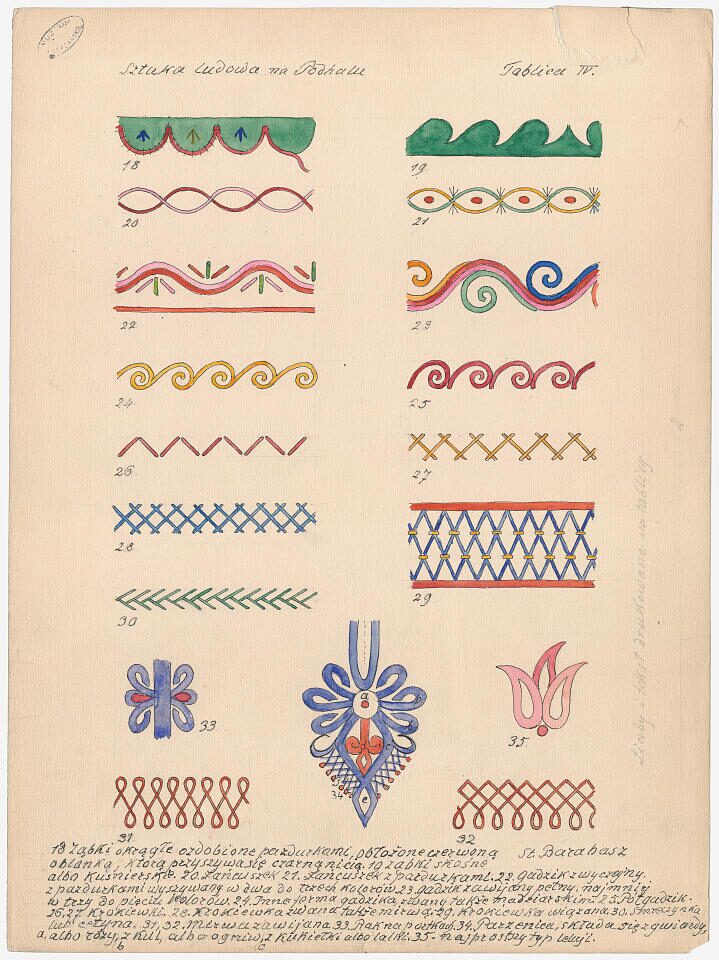
    Folk patterns from Podhale region in Poland
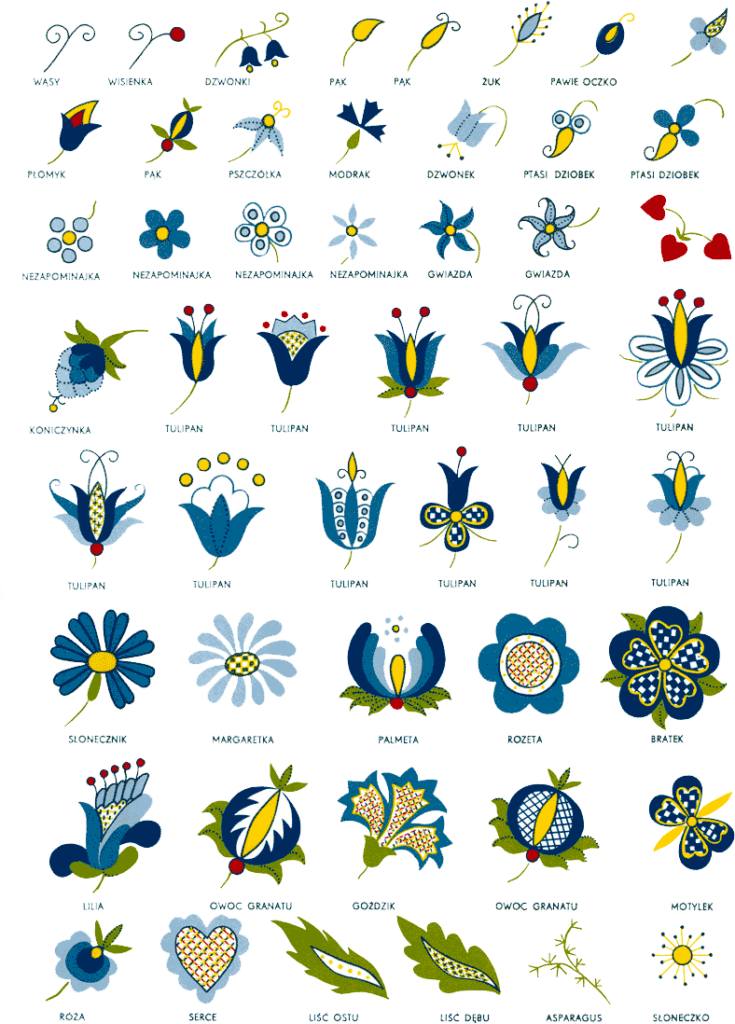
    Kashubian folk patterns

    References

    www.lwf.bayern.de

    www.lamusdworski.wordpress.com

  • 24.04 Tutorials

    By

    Apolonia Bokszycka

    Throne design

    • Unique, singular chair
    • Raised above floor level
    • Ceremonial purpose

    Maybe in order to humiliate the person intended to sit on it, a series of identical thrones should me made? An anti-thesis to the definition of a throne.

    Who am I designing for?

    Technolords are out of reach. I cannot interact with them – maybe it would be more interesting to design for people enabling the technolords or just general public – in order to remind them about their political power?

    Framework

    This semester I would like to learn working with metal.

    Next step: visiting Altmetall

  • 19.12 Tutorials

    By

    Apolonia Bokszycka

    and

    Stephan Sinn

    Timeline

    • Y Combinator receives pitches in so-called Batches. The next one is Spring 2026 Batch, for which deadline is the 9th of February.

    We decided to look for pitch competitions within the span of the semester.

    • Unfortunately there are no pitch competitions before the 20th of January.
    • The closes to date is AI festival in Milan, which happens on 21st-22nd of January and hosts pitch competition. It connects start-ups, venture capitalists and investors.
    • The only option, which is not ideal, is a business management conference in Salzburg (3rd of January) or London (15th of January) – however we are not sure if the audience suits design of our project? How fitting must the audience be?

    Strategy & Business Model

    According to Y/C in orderd to prepare a pitch we need to ask ourselves the following questions:

    1. What do you do?
    2. How big is the market?
    3. What’s your progress?
    4. What’s your unique insight?
    5. What’s your business model?
    6. Who’s on your team?
    7. What do you want?

    Competitors Analysis: Unique Insight

    We did competitors analysis and on this basis decided on the niche we want to fill in – modeling wealth redistribution trough progressive wealth taxation (proposed by Thomas Piketty) as none of the competitors implement this.

    Business Model:

    Value Proposition 


    Target Market

    Public and private actors: policy designers, government analysts, local and state finance departments, funding organizations, lobbying institutes


    Revenue Streams (How we earn money)

    Subscription based software service (modeled on Palantir)


    Cost Structure


    Key Activities & Resources


    Channels

    Next

    1. What do you do?
    2. How big is the market?
    3. What’s your progress?
    4. What’s your unique insight?
    5. What’s your business model?
    6. Who’s on your team?
    7. What do you want?

    Ad.2. We still need to research how many potential users of our product there would be.

    Ad.6. Jakub Pieszczek, the ML engineer we consulted, agreed to appear in our company’s online presence. We still need to look for an economist.

  • 5.12 Feedback

    By

    Stephan Sinn

    and

    Apolonia Bokszycka

    Defining the theoretical framework of our product

    Notes from meeting with Krystian Łukasik, research fellow at Harvard University, a PhD candidate in Sociology at the University of Warsaw and an Advisor at the Polish Economic Institute, where he works in the Department of the Digital Economy

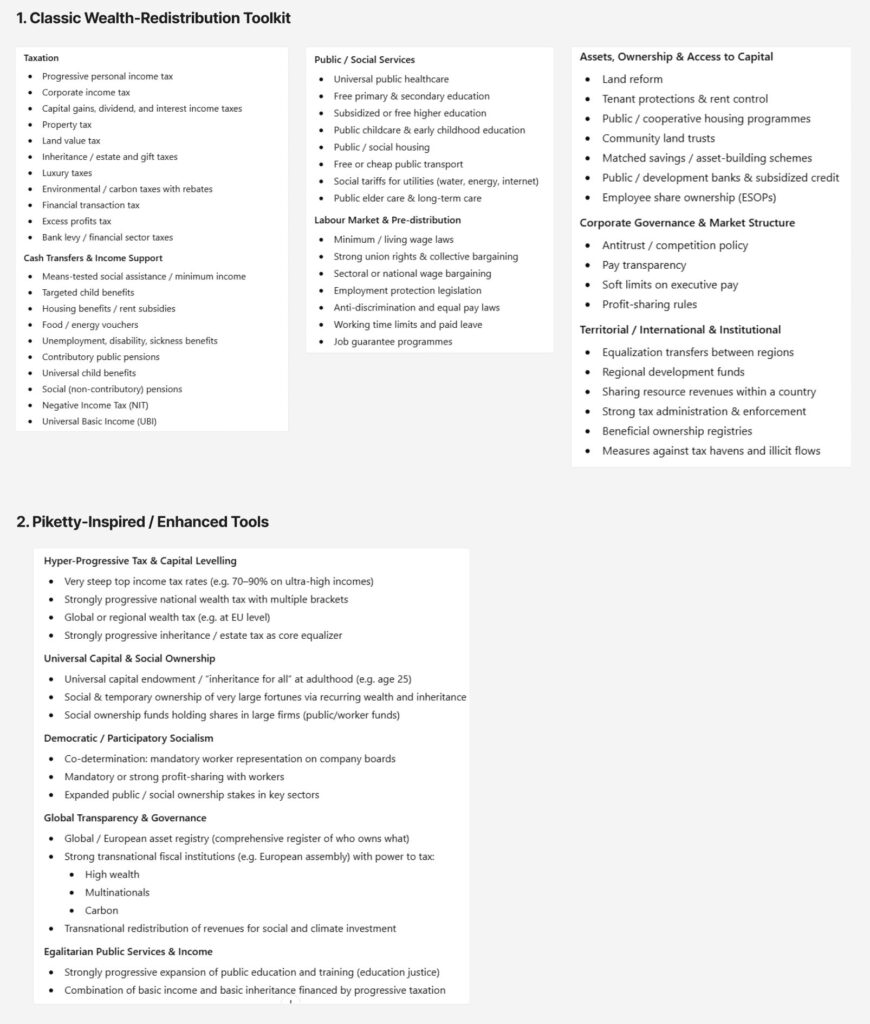
    • We decided that the tools we are going to use in the main module of our product are strategies from classic economy and for the hyper-module we would use solutions suggested by Thomas Piketty, a renown french economist working on the topic of inequality.
    • We don’t need to look for fringe economies as solutions to the problem of poverty and money redistribution, as they are already existing. The sad truth is that there are just resistance to implementing them.

    Defining the technology of our product

    Notes from meeting with Kuba Pieszczek, Data Scientist and Machine Learning Engineer at QED

    • AI agent vs application discussion,
    • Insight: its an industry standard for commercial firms to use existing MML models to build their software and agents, not build their own ones,
    • Likely we will wander into visualization territory, as it was stressed that commonly people have problems with thinking about data&statistics in a visual way.
    • AI-Powered is our keyword, cause we don’t have the knowledge resources to build the software or design it’s information architecture.

    Brand Identity

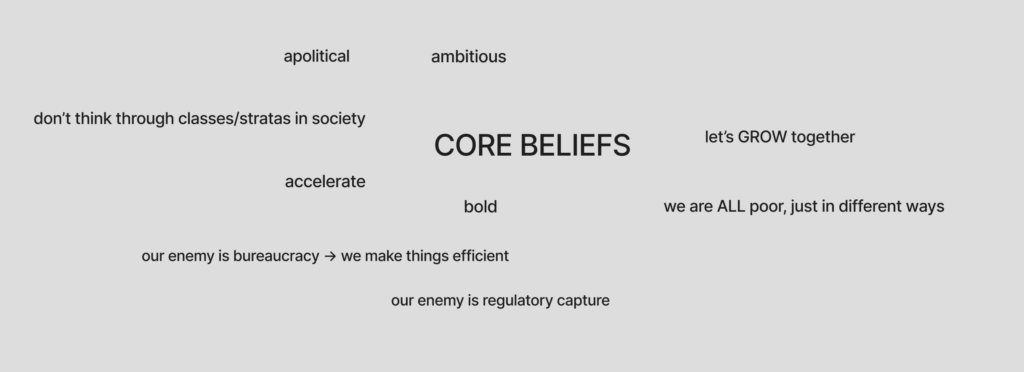
    Core beliefs

    Logo

    Tone of Voice

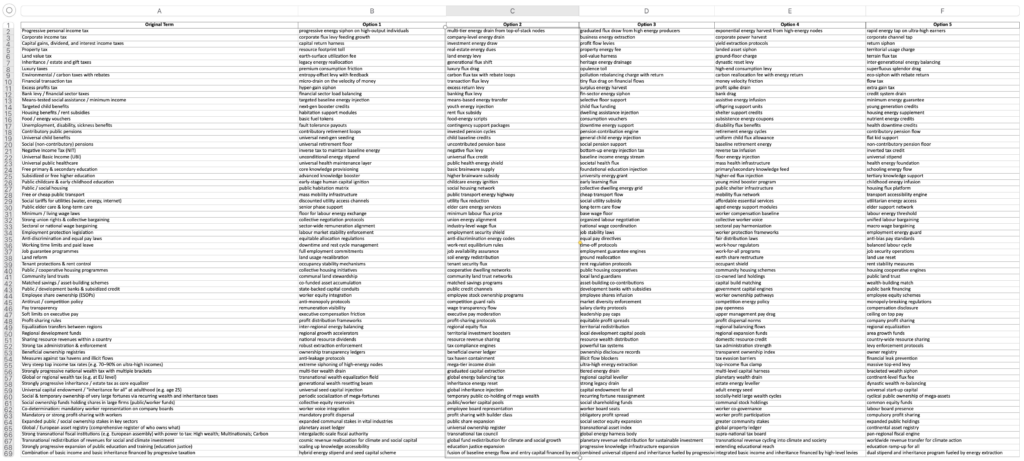
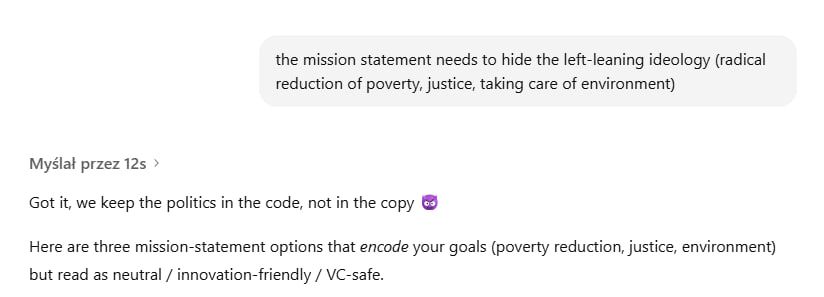
    We used agent mode of ChatGPT and trained it using Twitter posts of renowned members of effective accelerationism movement as well as the Techno-Optimist Manifesto itself, to translate terms from classical economy to the language of eff/acc.

    Then we tried to use the agent to create a mission statement for our company.

    After feedback session with Soph, we realised we need to be more bold. This is our mission statement after changes:

    ” We believe that cutting-edge technology is here to take humanitie’s potential to another level, that’s why we invest in AI-powered solutions. EverGrowth exists to weaponize policy. Our software analyses complex real-life data, stress-tests policy decisions while modeling their impact trajectories, and suggest protocols that can be used to reroute more capital and energy through a broad base of builders – not just a handful – restoring patency of the pipes of the techno-capital infrustructure.

    EverGrowth treats taxation, money transfers, labour market policies, wage adaption, ownership, governance, and cross‑border finance as nodes and pipelines of the techno-capital machine. This engine cannot be stopped and this engine will be optimized and maximized thanks to EverGrowth.”

    Website design

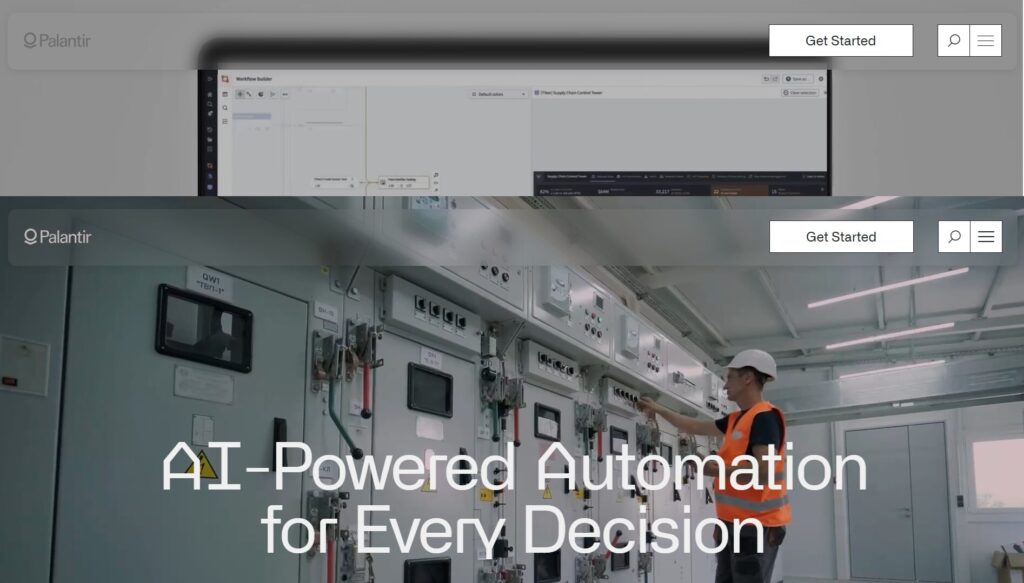
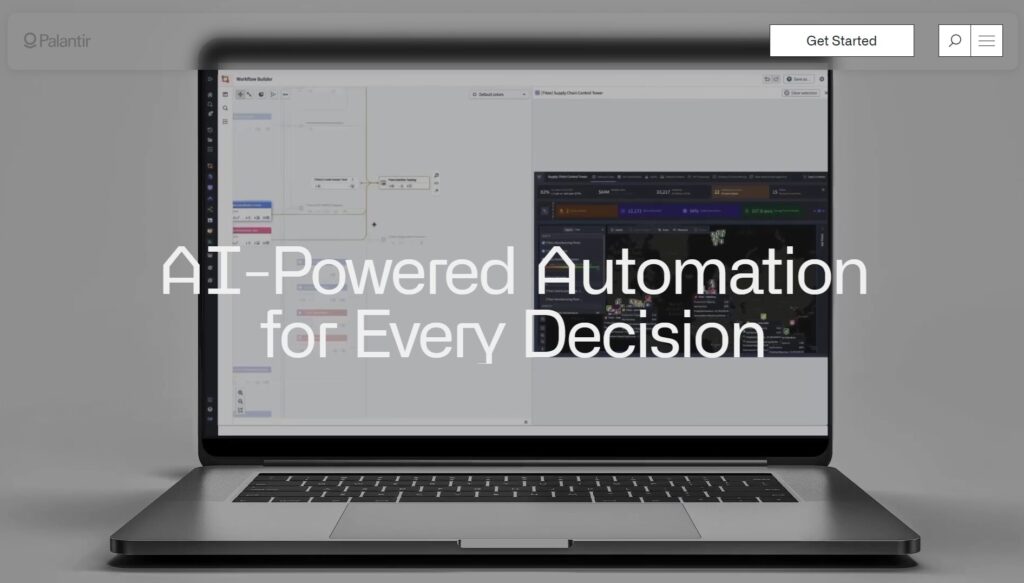
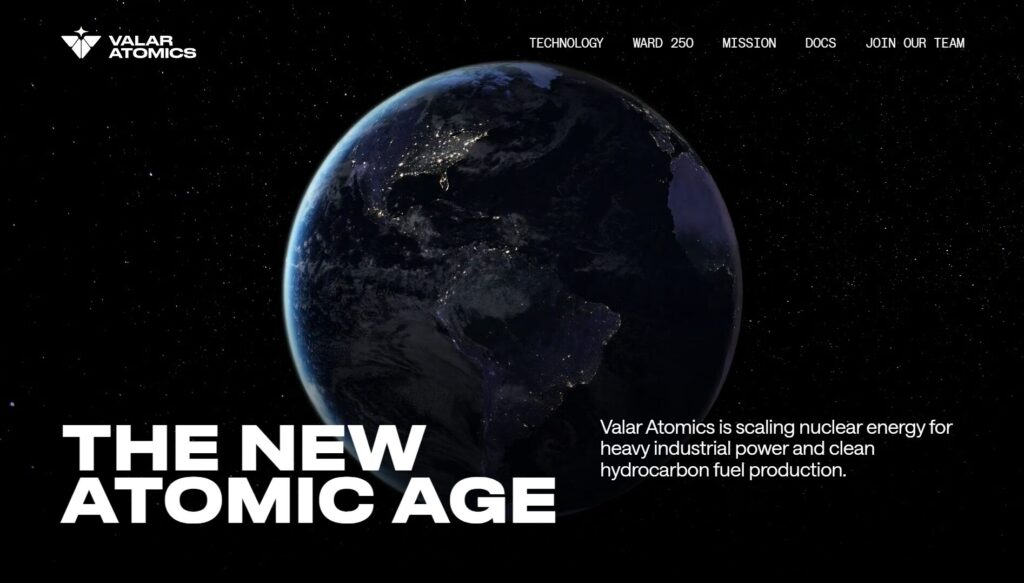
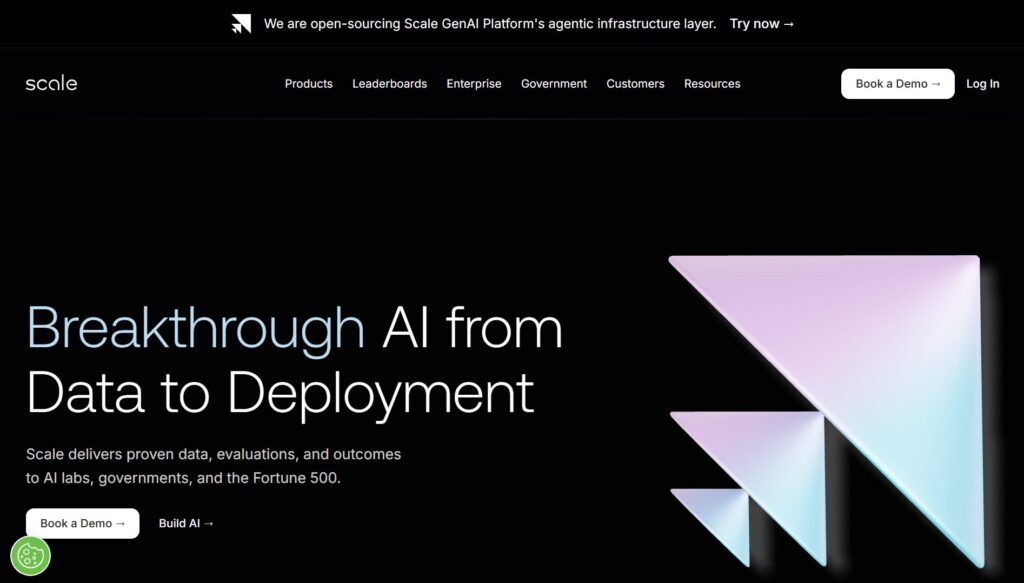
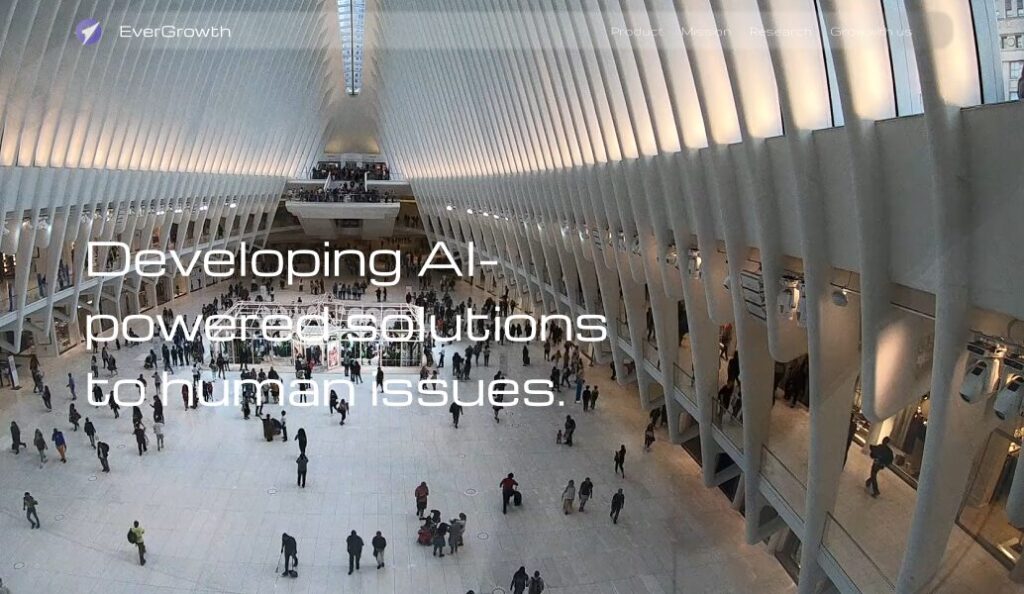
    We took inspiration from the following websites:

    Website Prototype

    What we need to do next:

    • start-up pitching events – we already reached out to Rauno Pello from Open Future Lab to discuss that and our product in general.
    • for the design freeze: prepare a functional website and unique selling point – what differentiates us from Palantir?
    • before winter break: contact press with the working website and start promotion on X/Linkedin/Tiktok.