Amelie Proksch

  • Tutorial 6.11, Team 10

    By

    Amelie Proksch

    ,

    Dasha Peschnyuk

    and

    Finn Anton Hallensleben

    Reflection

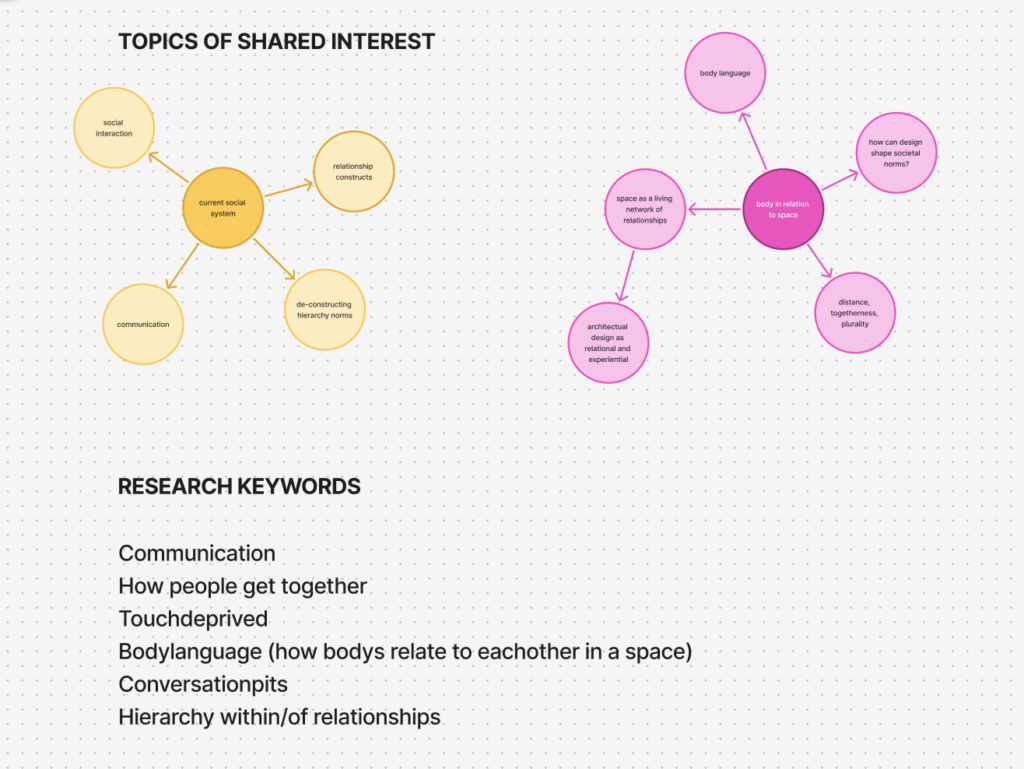
    Interests

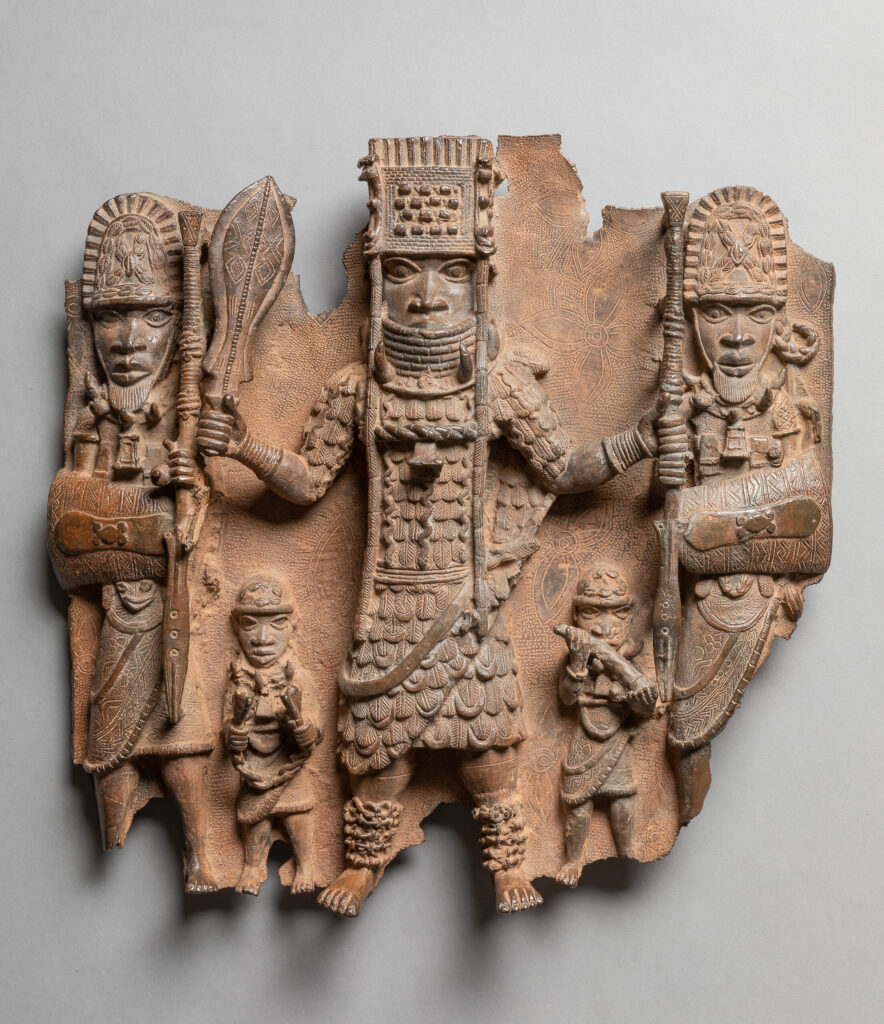
    • Existence and presentation of artifacts in the museum
    • Incomplete knowledge of the Museum
      • vague and questionable descriptions
      • alienating context
      • withheld information
    • Incomplete/defective history
      • The objects life is uncertain
      • Curators apply their lense when defining objects
      • Conservators remove history
      • the authority that the museum applies by giving definitions to objects

    –>The effect on the viewer

    1. Ceremonial Reconstruction

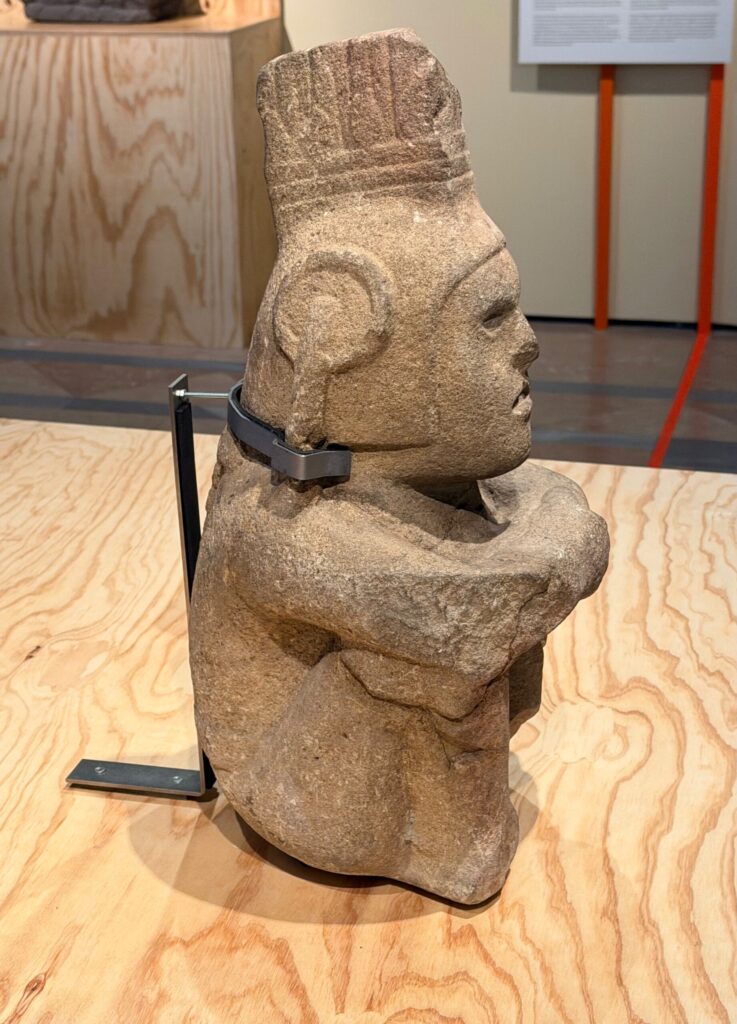
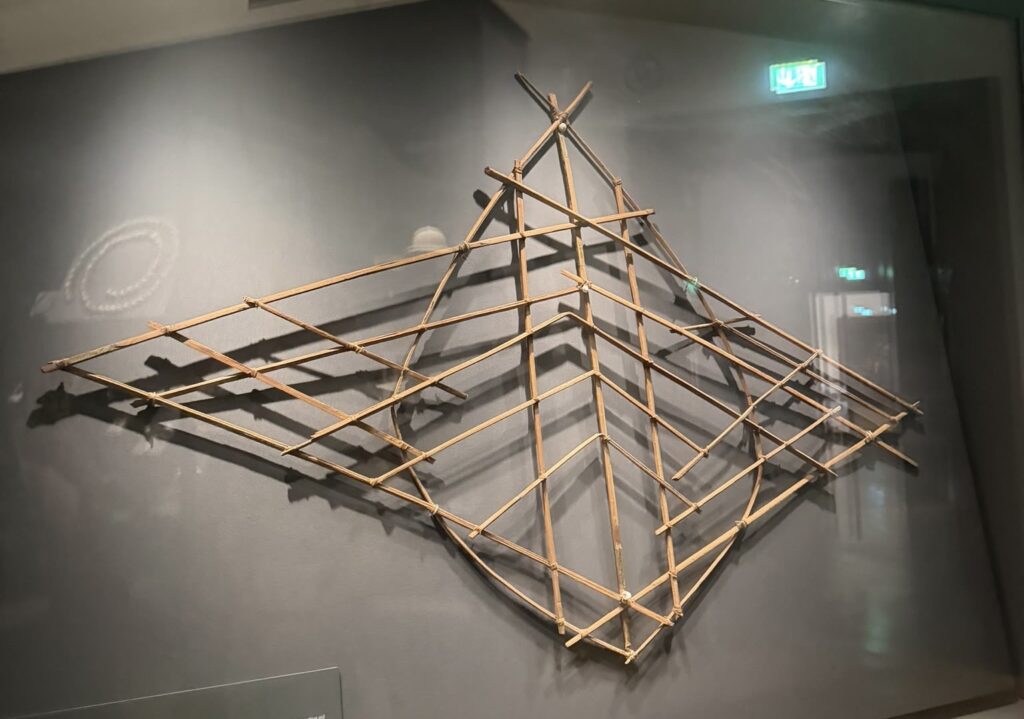
    • magic object
      • vague description
    • no context given
      • what was it used for? what kind of ritual?
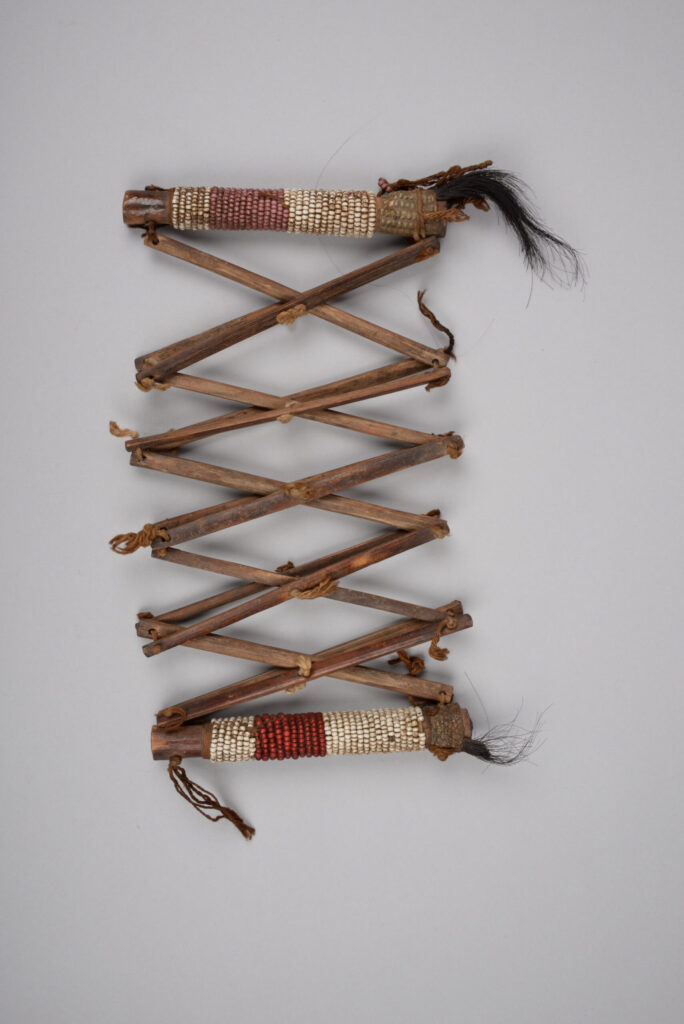
    What story does an artefact with no clear description have?

    2. Exploring unknown lives

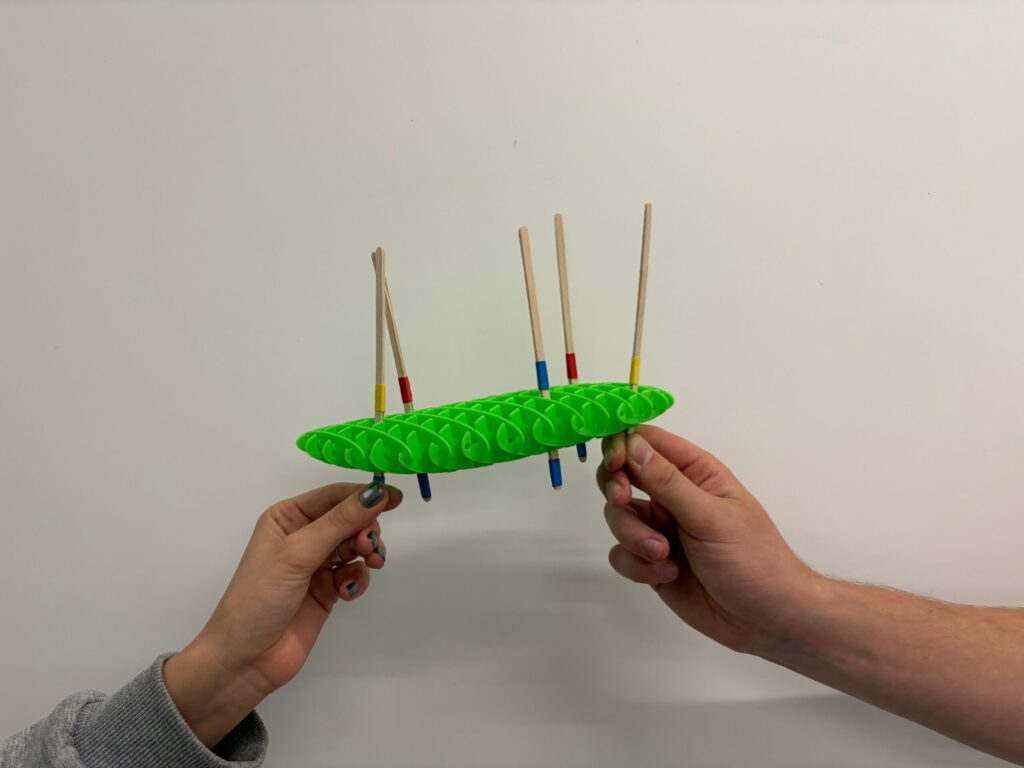
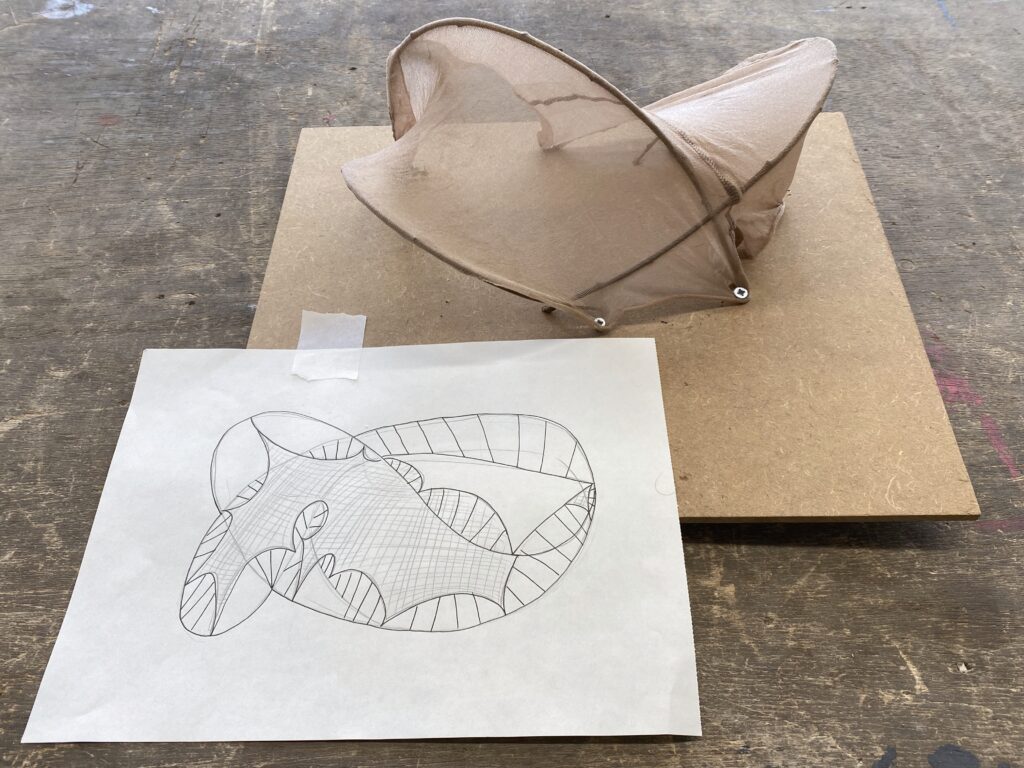
    • process of replication (making)
      • as a form of understanding use
    • challenging given definition

    How is the function of an object defined?

    3. Extraction

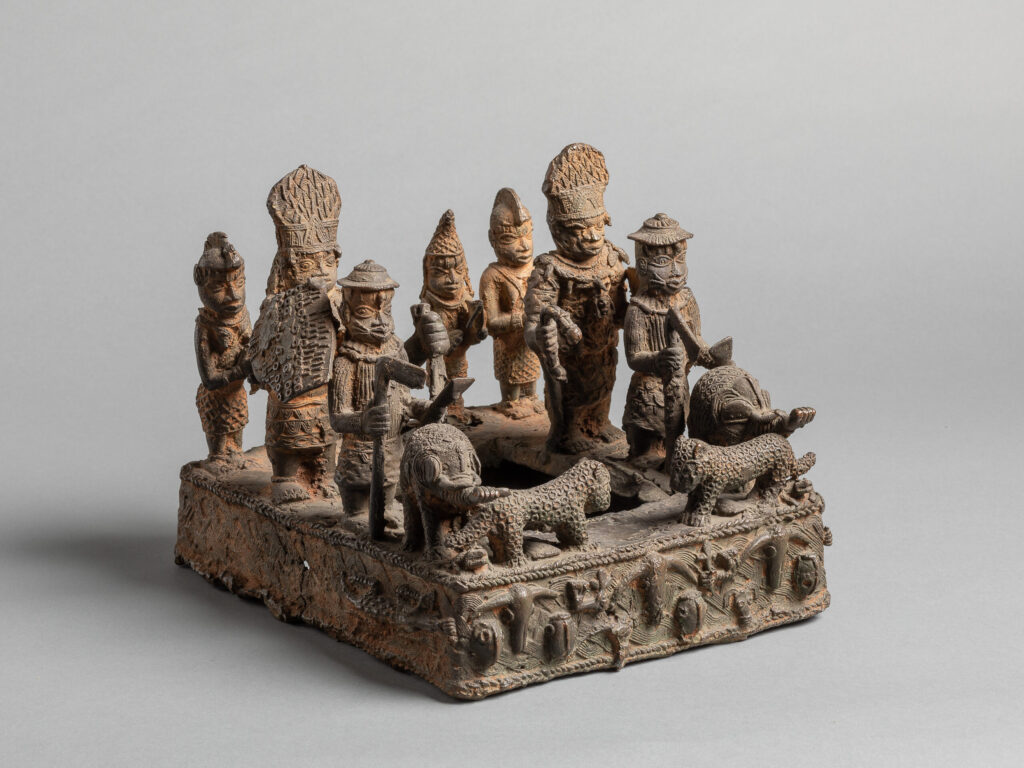
    • forensic analysis
      • the act of violent taking
      • reconstructing original setting
    • removal of cultural layer

    Core Group Aim (CGA)

    Speculating on

    • Explore alternative lives uncertain objects might have lived
      • How were they made, used, or removed?
    • Create a methodology than can be applied at different points in time
      • To explore the lives objects of a past might have had
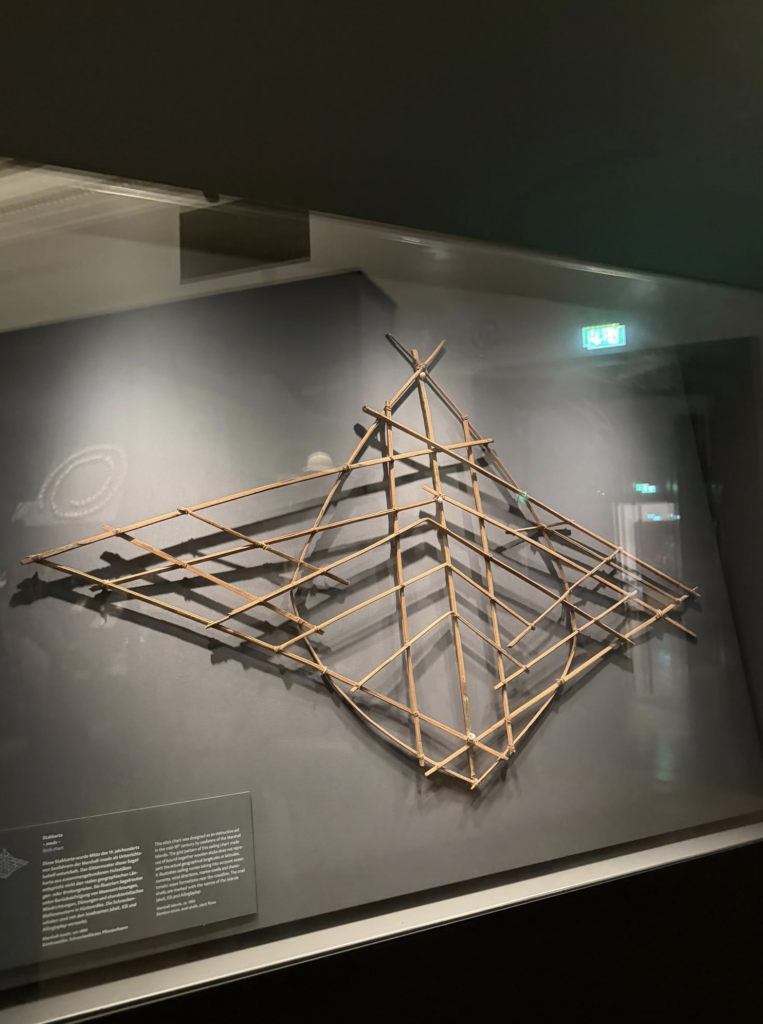
  • Tutorial 23.10, Team 10

    By

    Amelie Proksch

    ,

    Finn Anton Hallensleben

    and

    Dasha Peschnyuk

    First Materialisations

    • Relations
    • Decision Making
    • Movement Guide

    Visual research and new references

    Further Materialisations

    Contents of discussion (COD)

    Technology –> Convenience –> Our lives –> Phones –> Storage

    1. What do we use our phones for?
    2. Why are they of value to us?
    3. How do they extend our capabilities?
    4. How can we translate through analogue methods?

  • Tutorial 15.10, Team 10

    By

    Amelie Proksch

    ,

    Finn Anton Hallensleben

    and

    Dasha Peschnyuk

    Core Group Interest (CGI)

    • Convenience as a cause/aim of technology
      • outsourcing human tasks
      • loss of skills
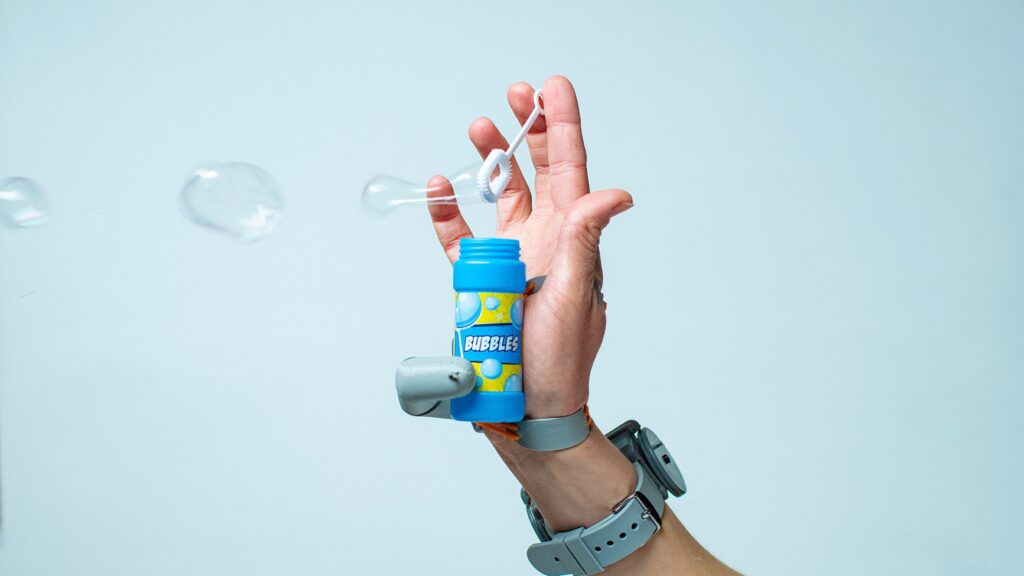
    • Technology as extension of our bodies
      • Third Limb
        • How we adapt to technology on a an organic level

    Thoughts that derived from this:

    • Countering digital technologies through Physical and analogue technologies
    • Teach us skills we have unlearned
    • How do we experience the world around us?
    • What is our relation with technology today?

    Object Families

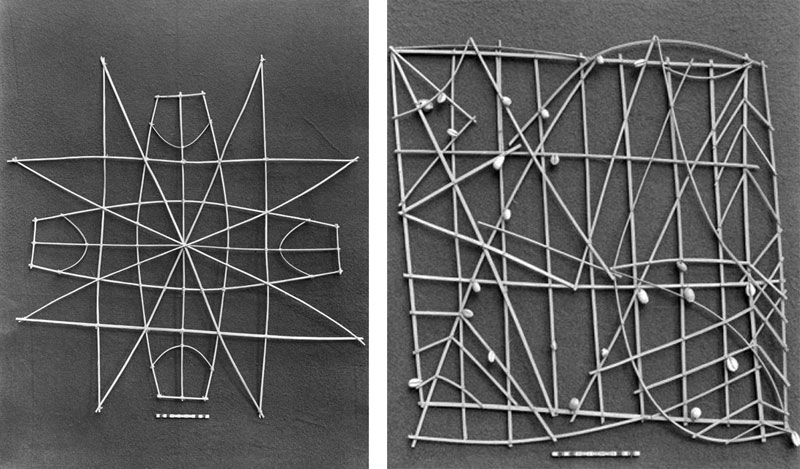
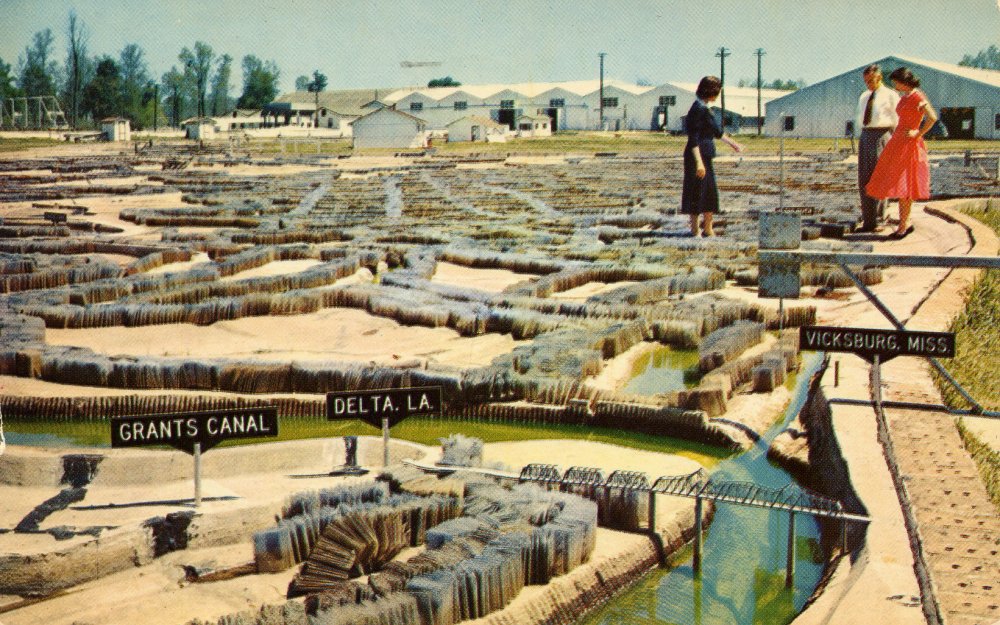
    • Maps
      • In all forms, materials, medium (analogue)
      • not restricted to geographic locations
      • How might they comment on our current relation to digital technologies?
      • Is there the potential of using “maps“ to teach skills they have lost
    • Sensations supplied by physical objects
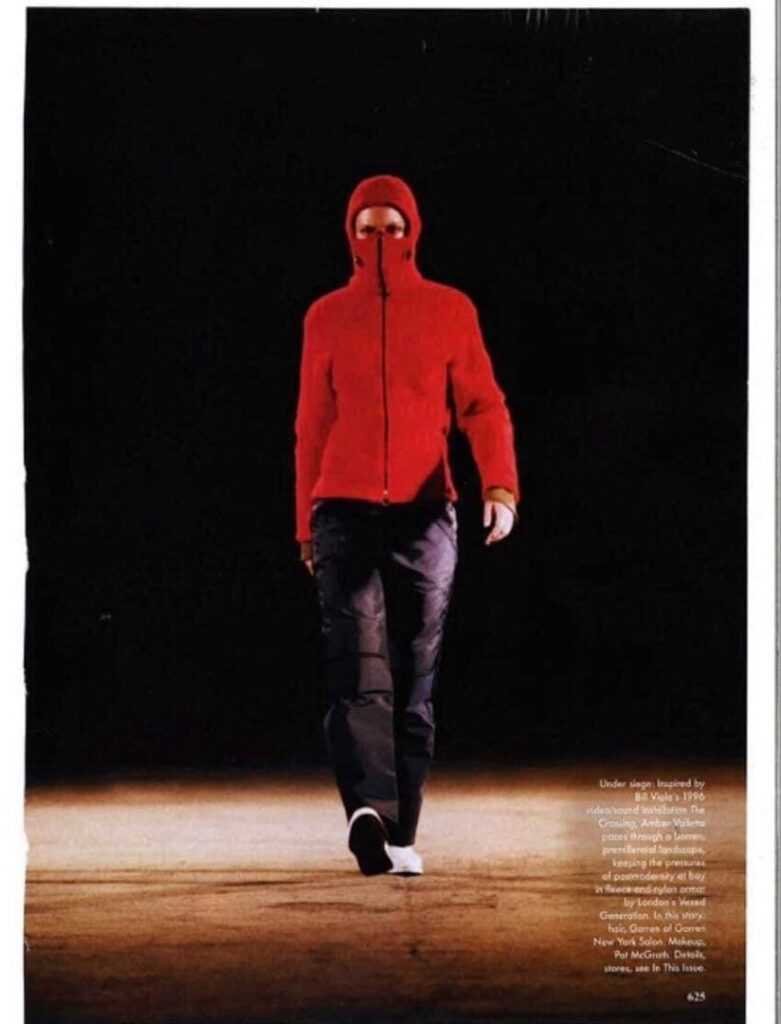
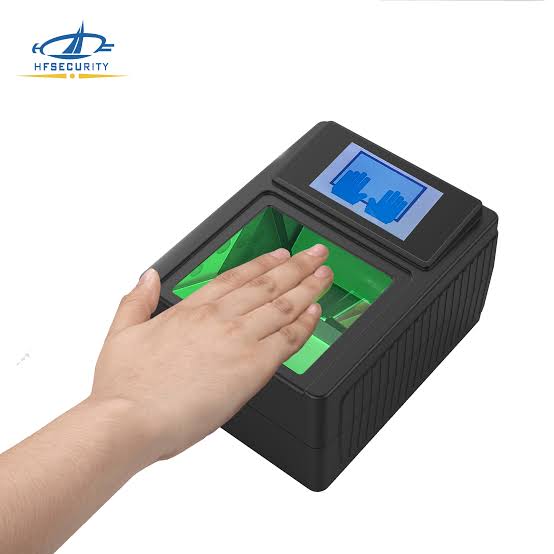
    • Reproductions of humans: paintings, photos, scans, sculptures, etc.
      • How does technology reproduce imagery of humans?
      • What are human reproductions used for? (physical, data, etc.)
      • How is a human face read? (By humans, machines, animals)
      • What counter technologies exist?
  • Tutorial Team 6, 16.06

    By

    Amelie Proksch

    ,

    Luz Quintana-Abraham

    and

    Julia Klimowska

    by Julia, Luz & Amelie

    Last Feedback: GO GO GO!

    our translation…

    We Set on A Title:

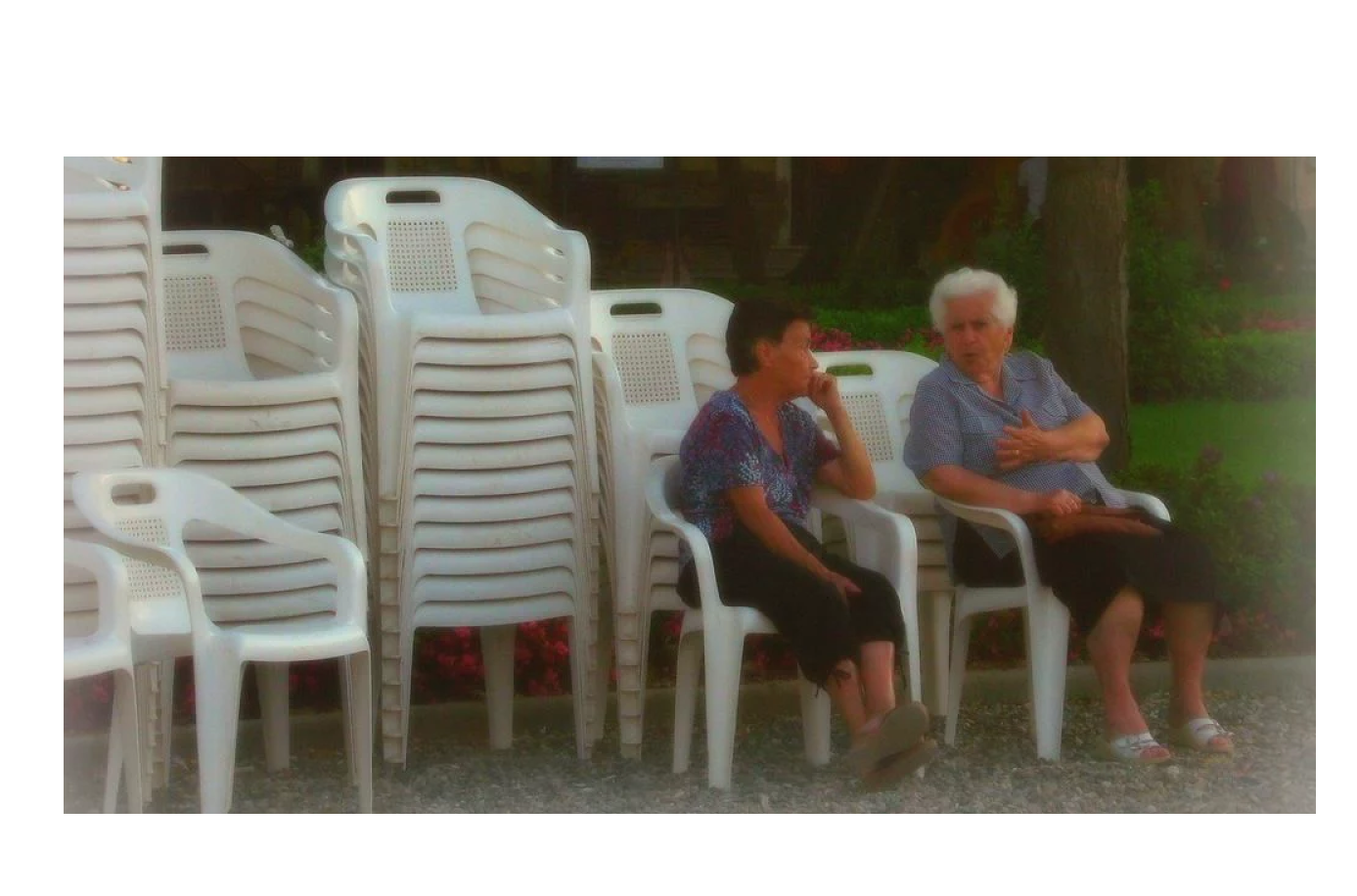
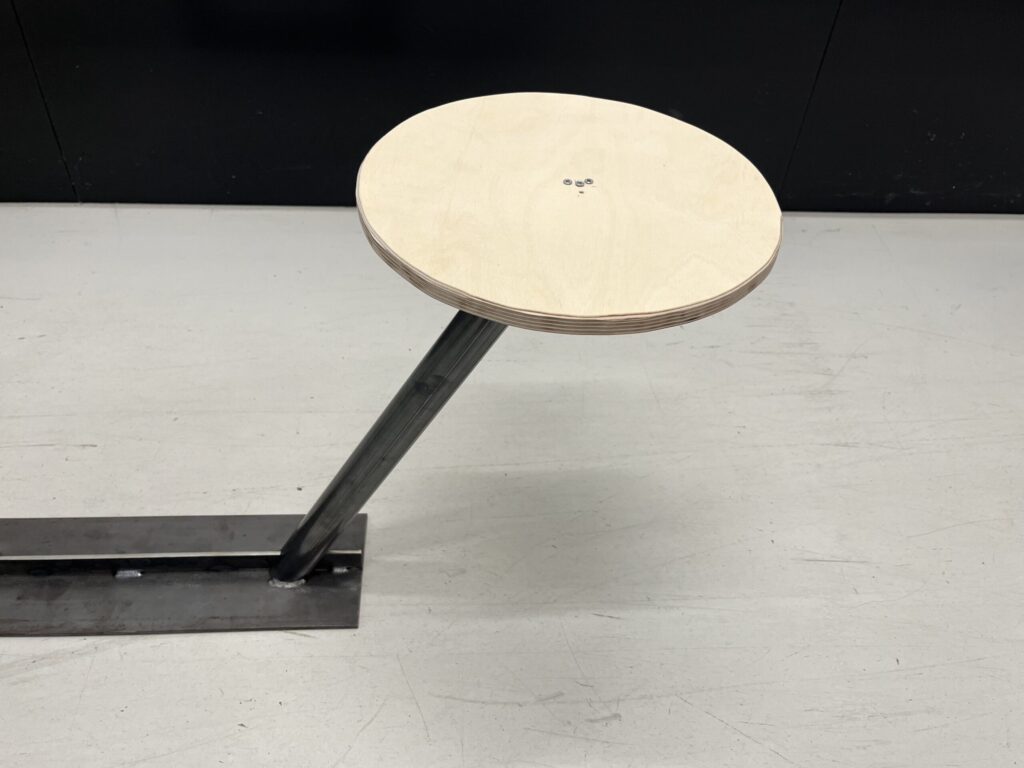
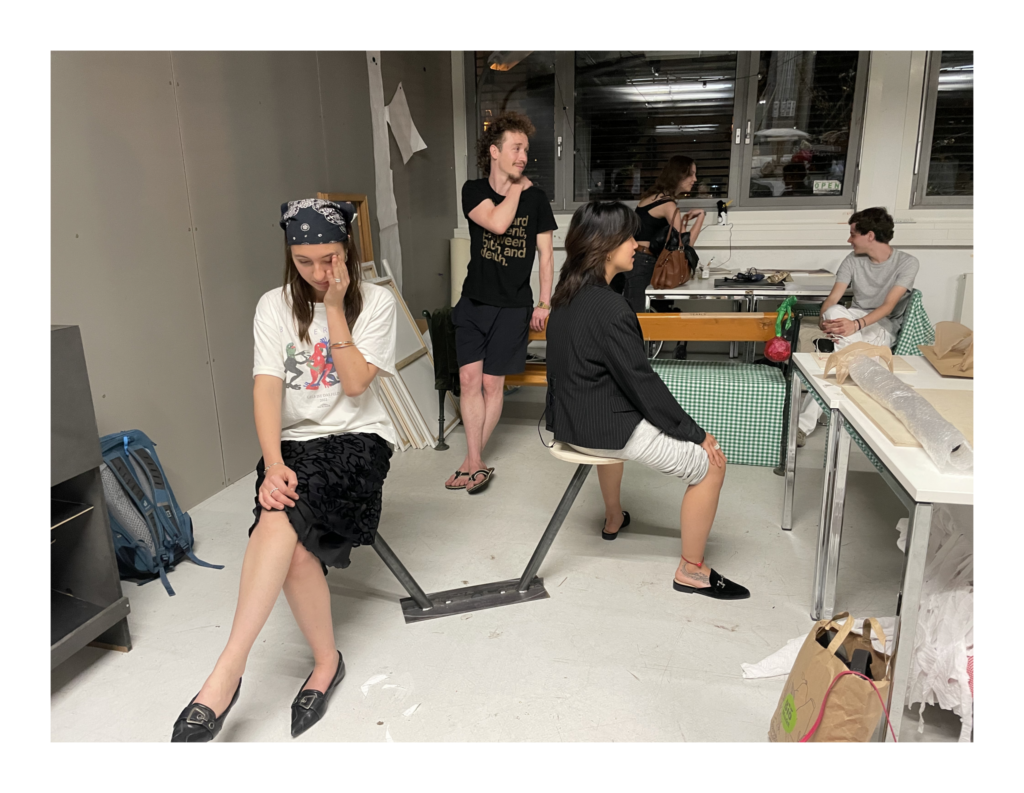
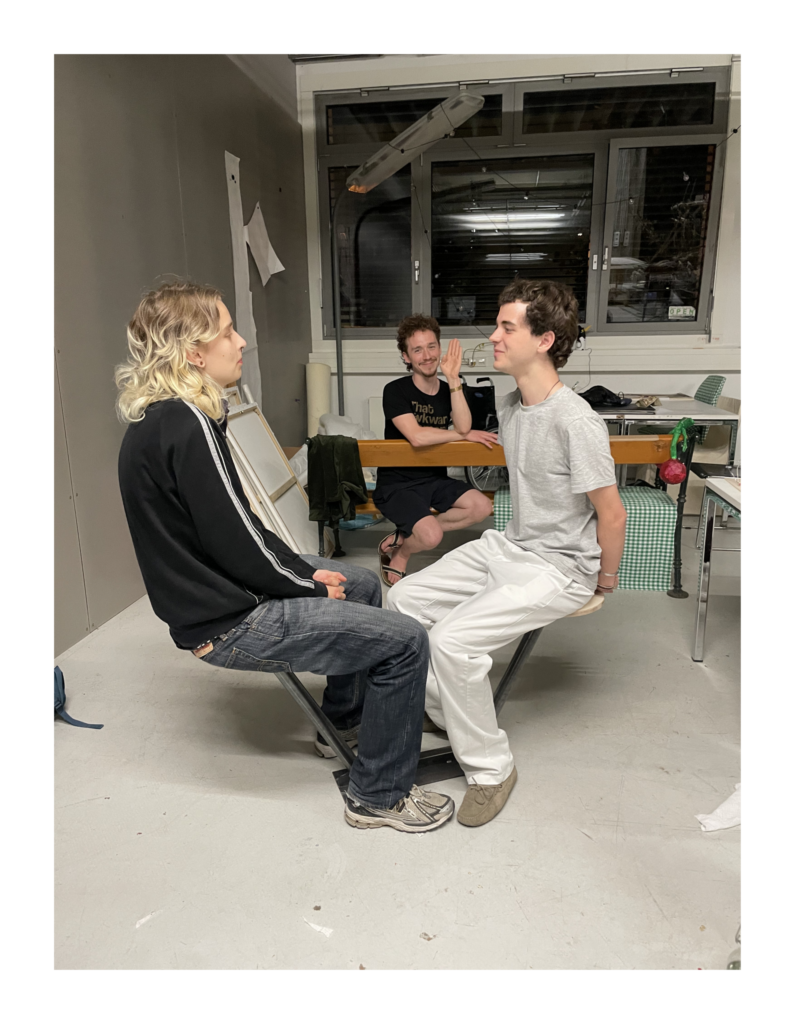
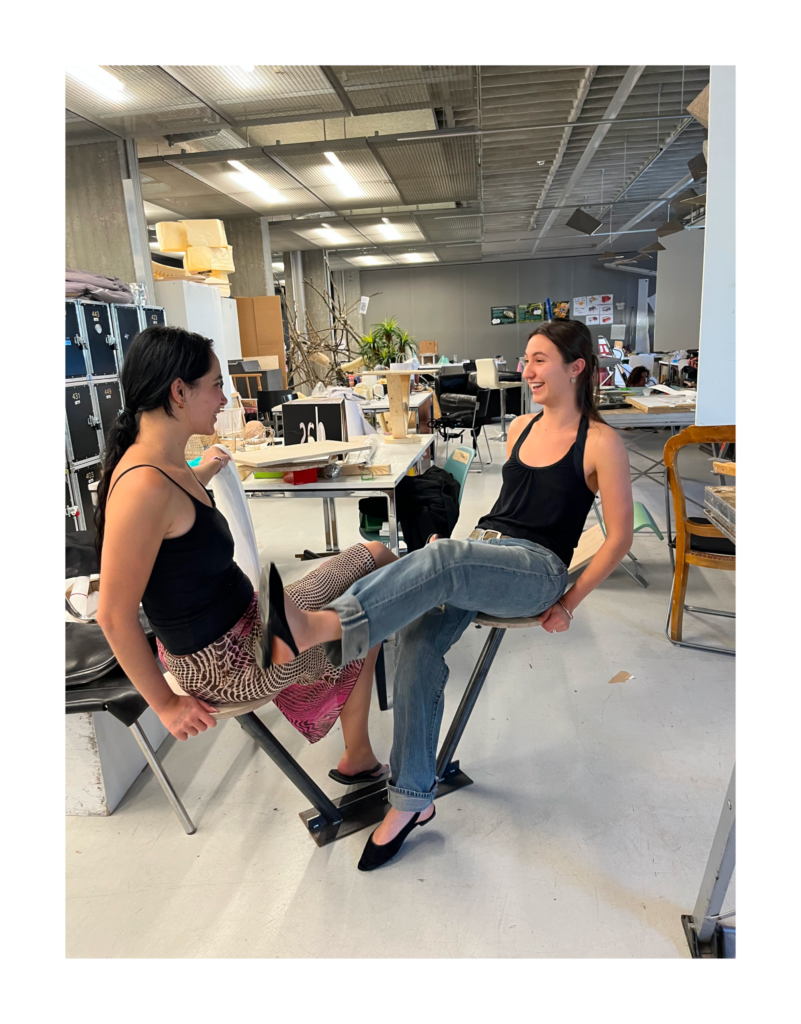
    … literally translates to “head-to-head” & refers to an intimate, private conversation between two people, which happens while sitting face-to-face. 

    We Finished Up last Measurement Adjustments:

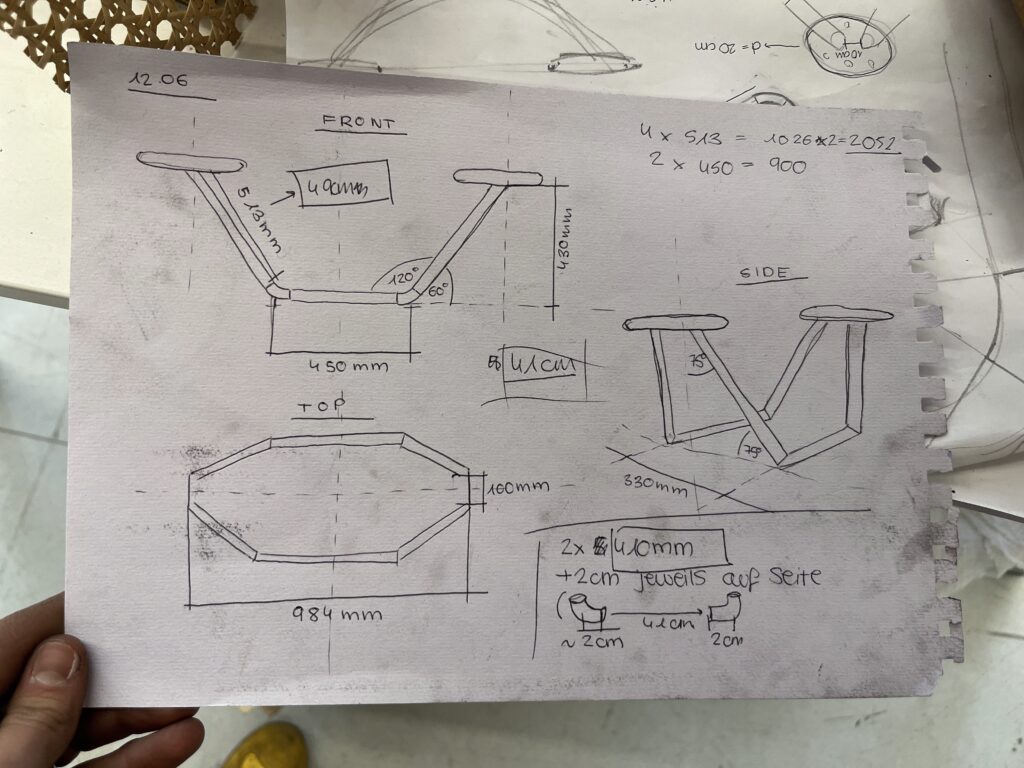
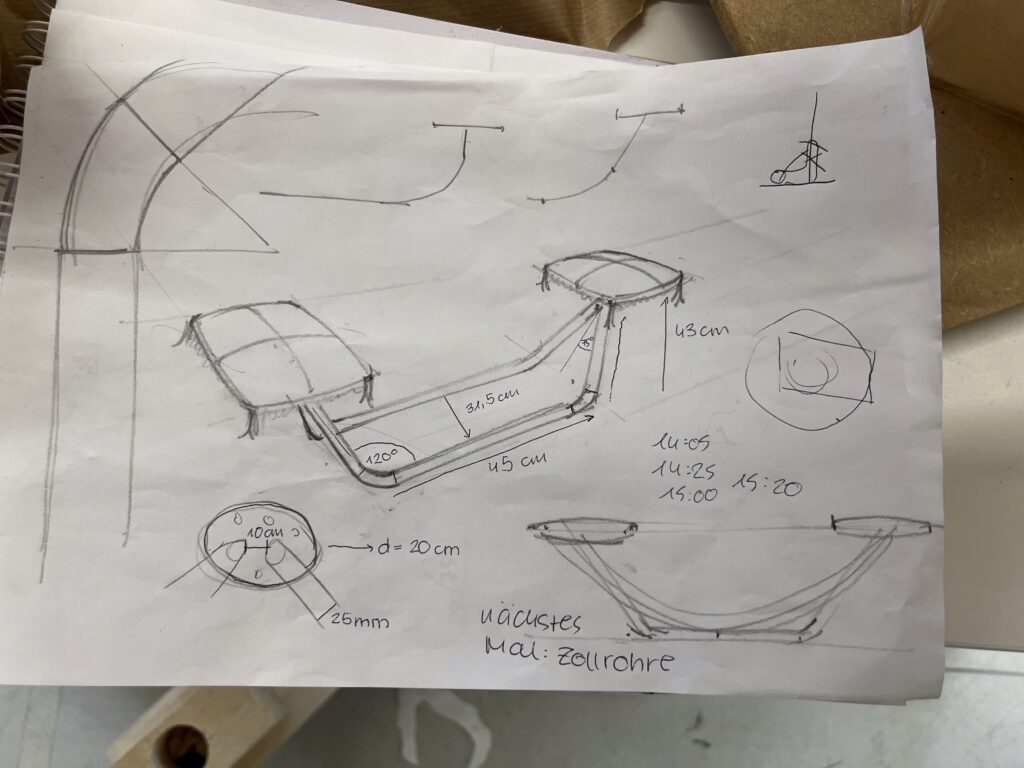
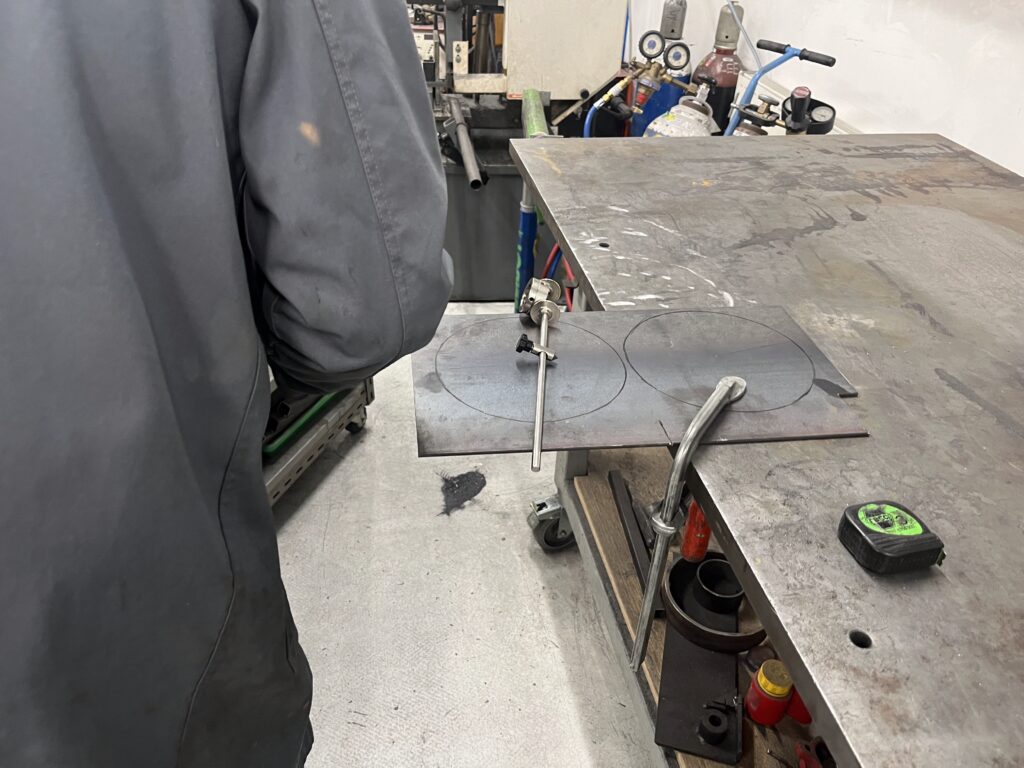
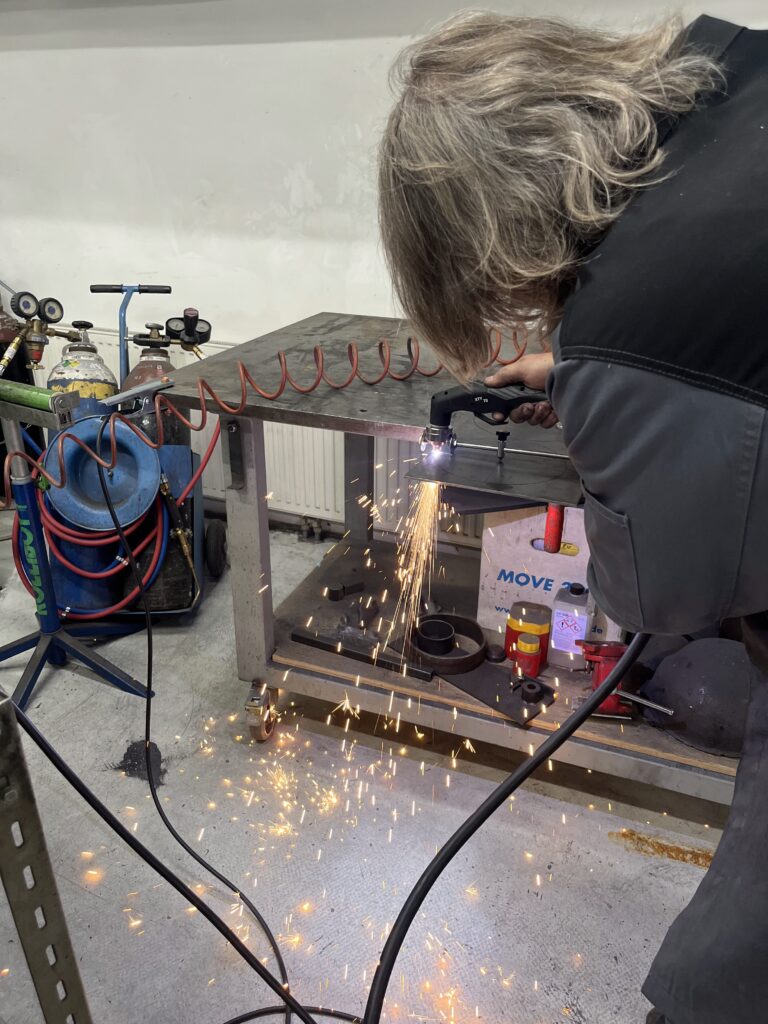
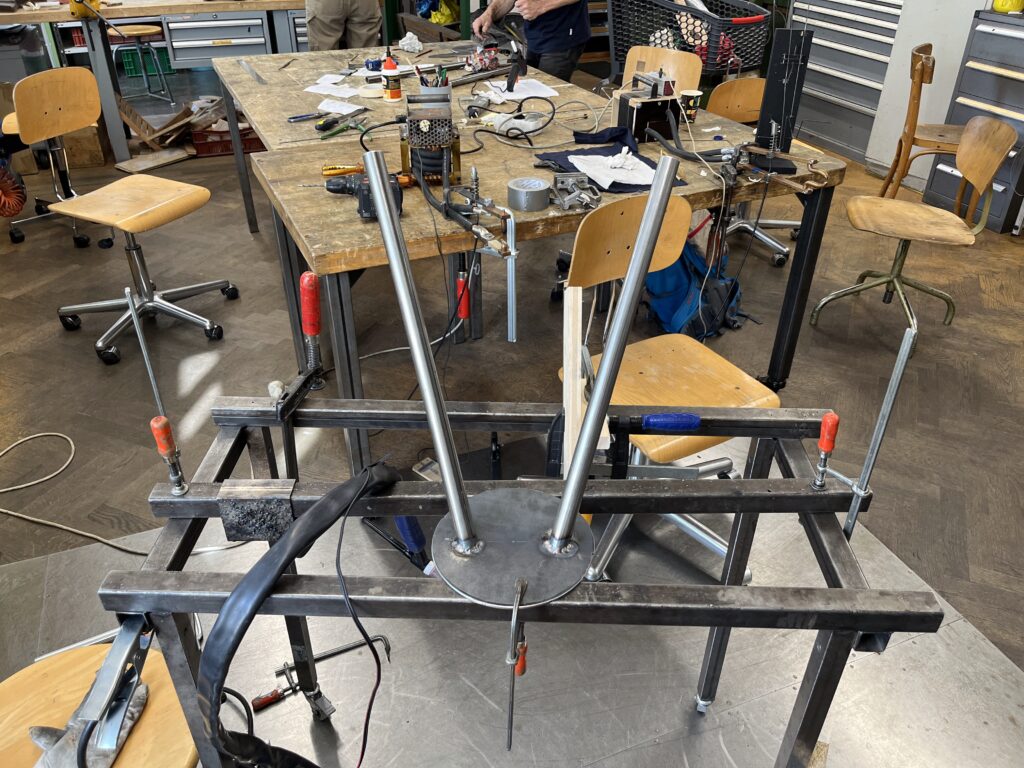
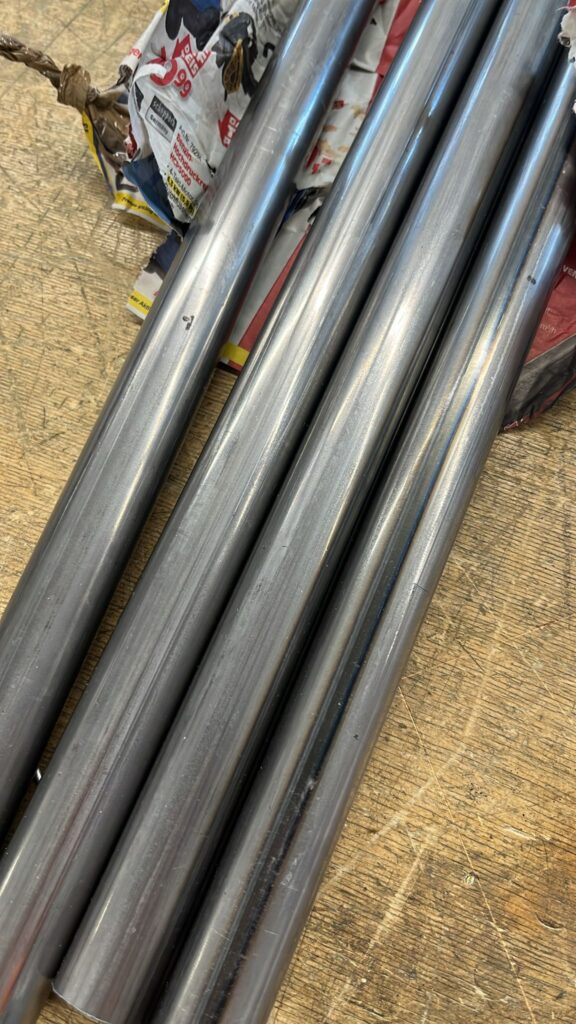
    … purchased the material & started building:

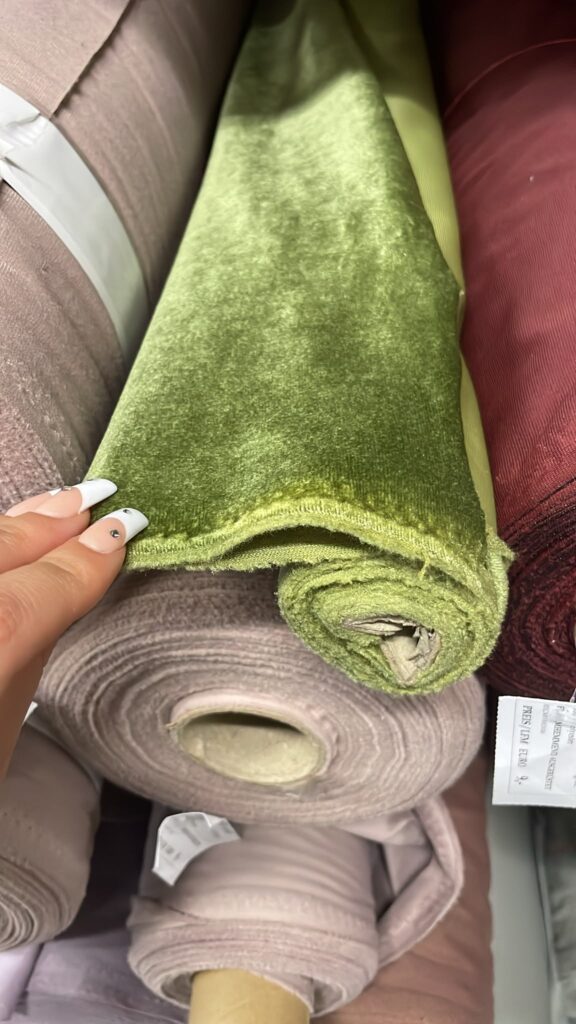
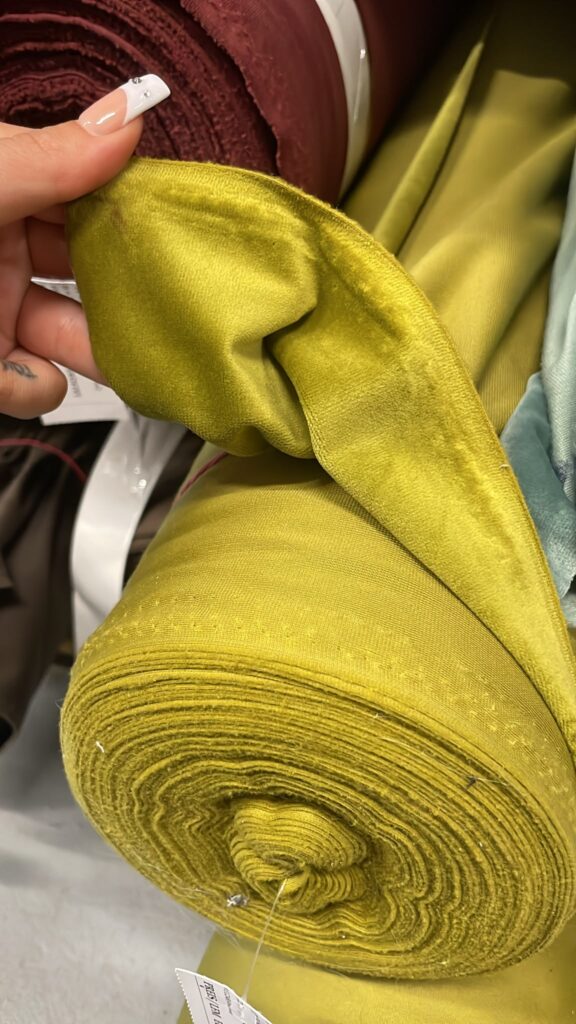
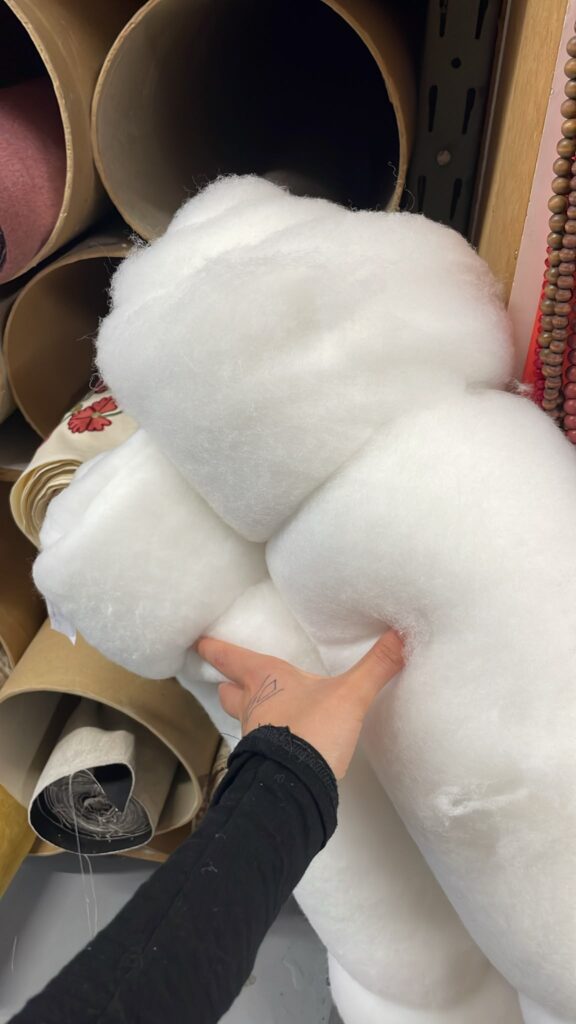
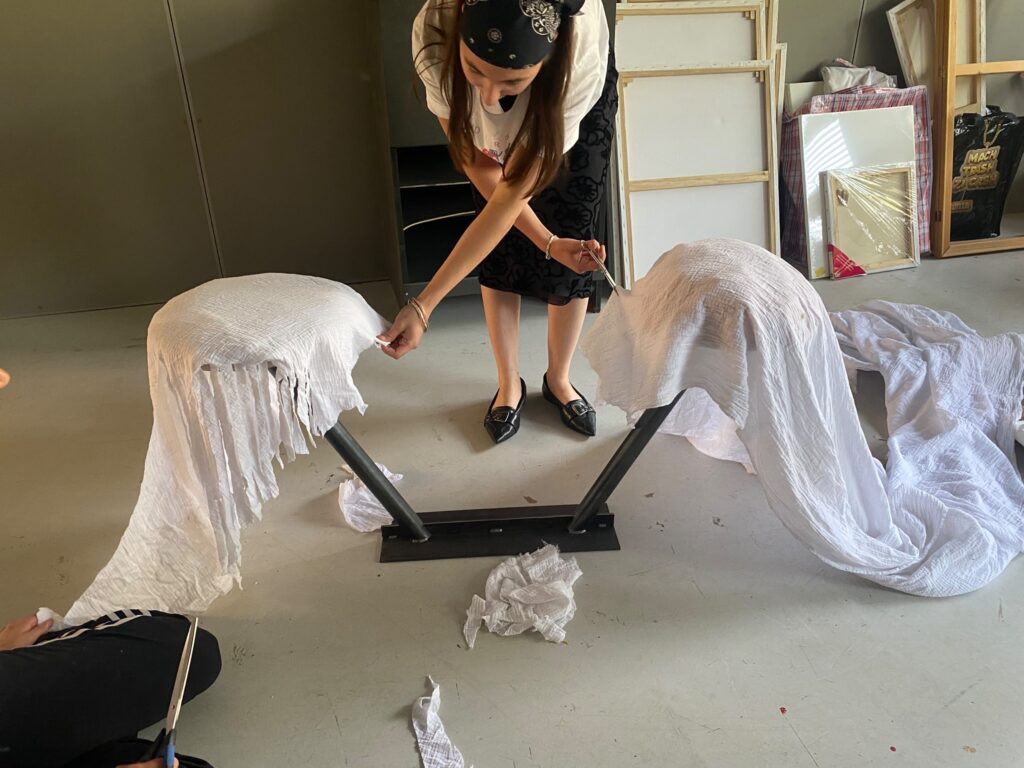
    & purchased Fabric for the Cushioning Process:

    (bottom & top joining explanation:)

    What’s Next:

    Finish Welding, Sanding & Polishing!

    Create Cushions

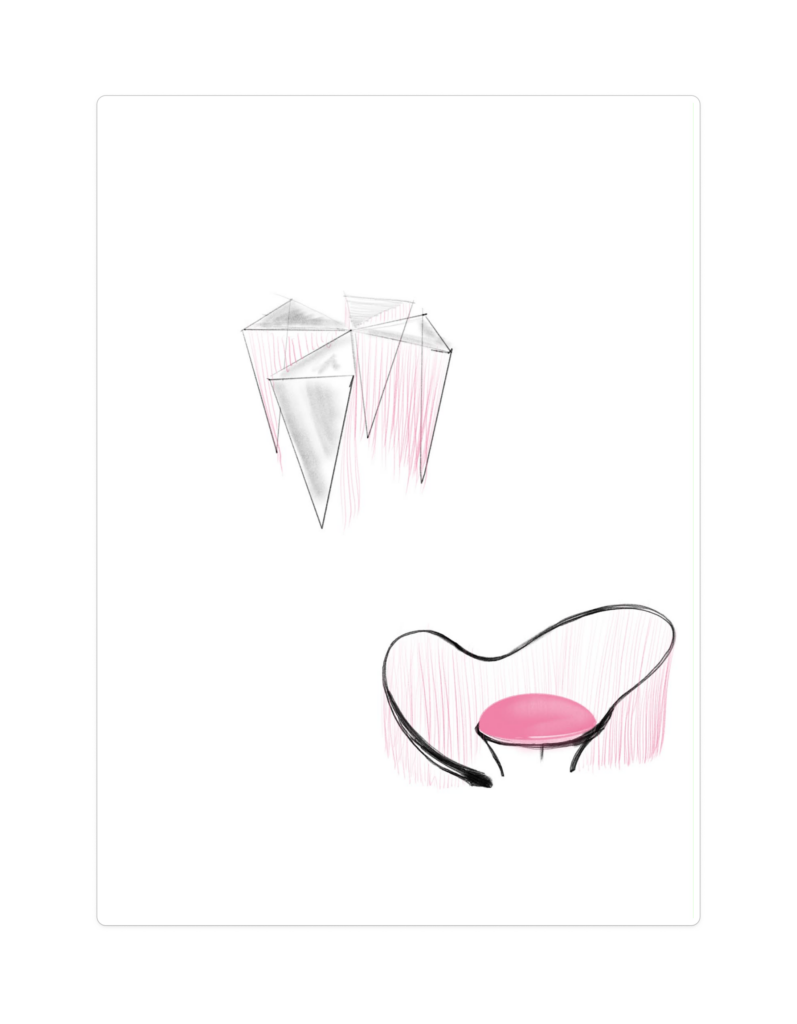
    Decide on Adding Fringes

    Chat with Hackenschmidt

    Screw it together!

  • Tutorial Team 6, 3.06.2026

    By

    Amelie Proksch

    ,

    Luz Quintana-Abraham

    and

    Julia Klimowska

    Luz, Julia & Amelie

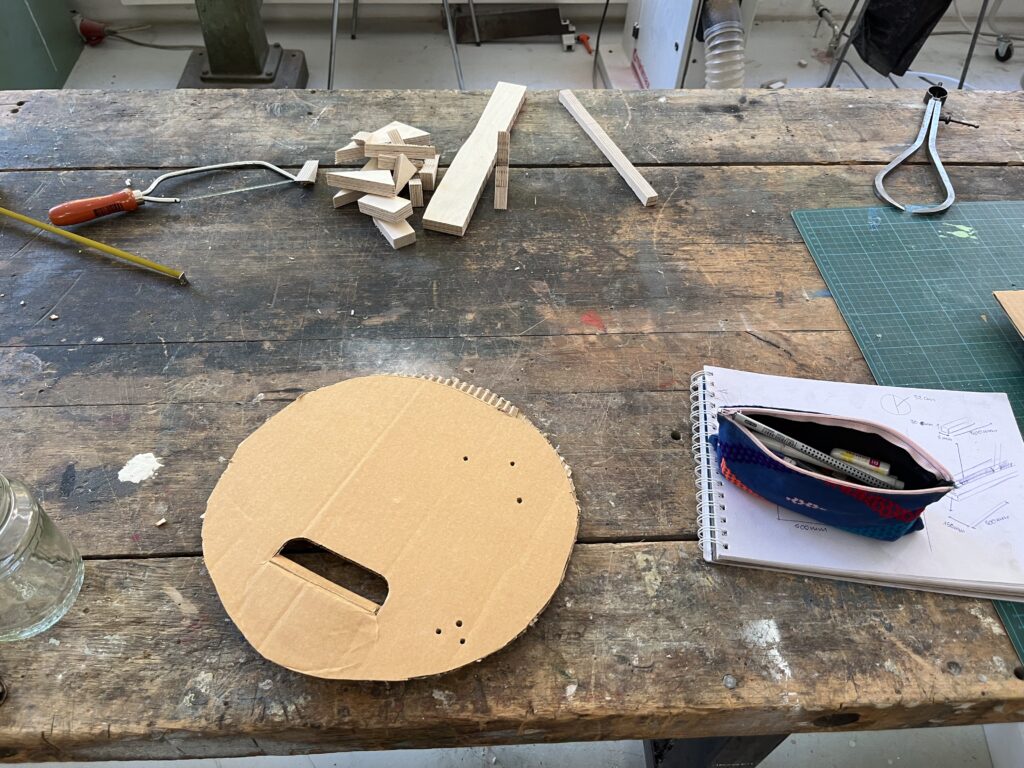
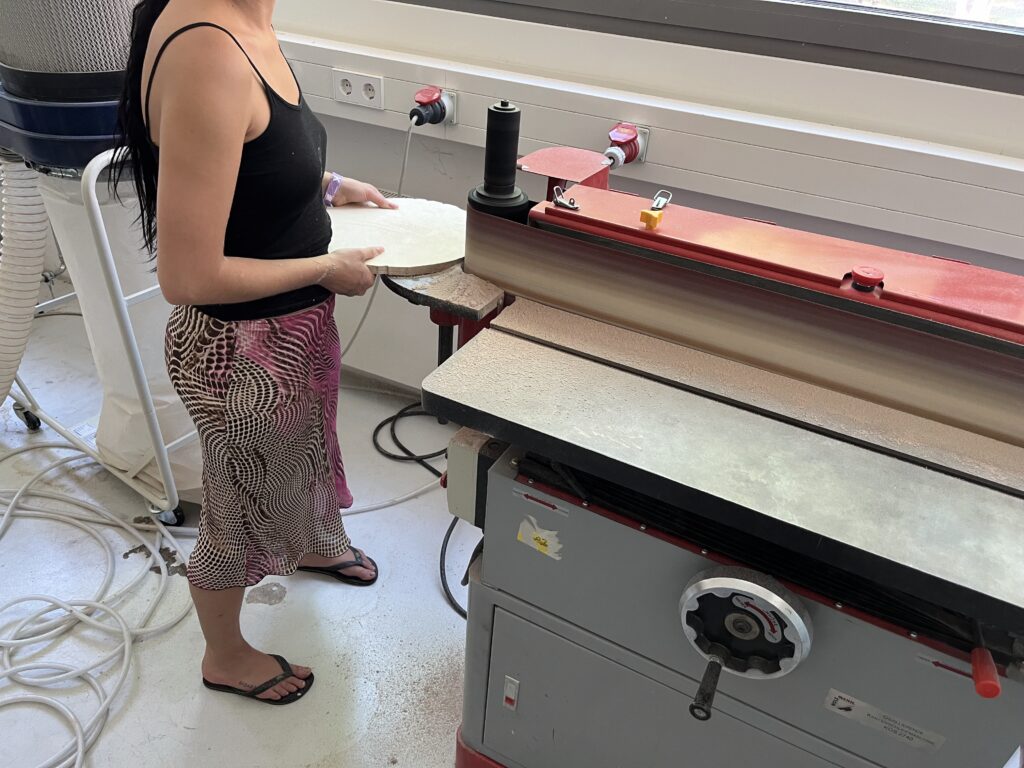
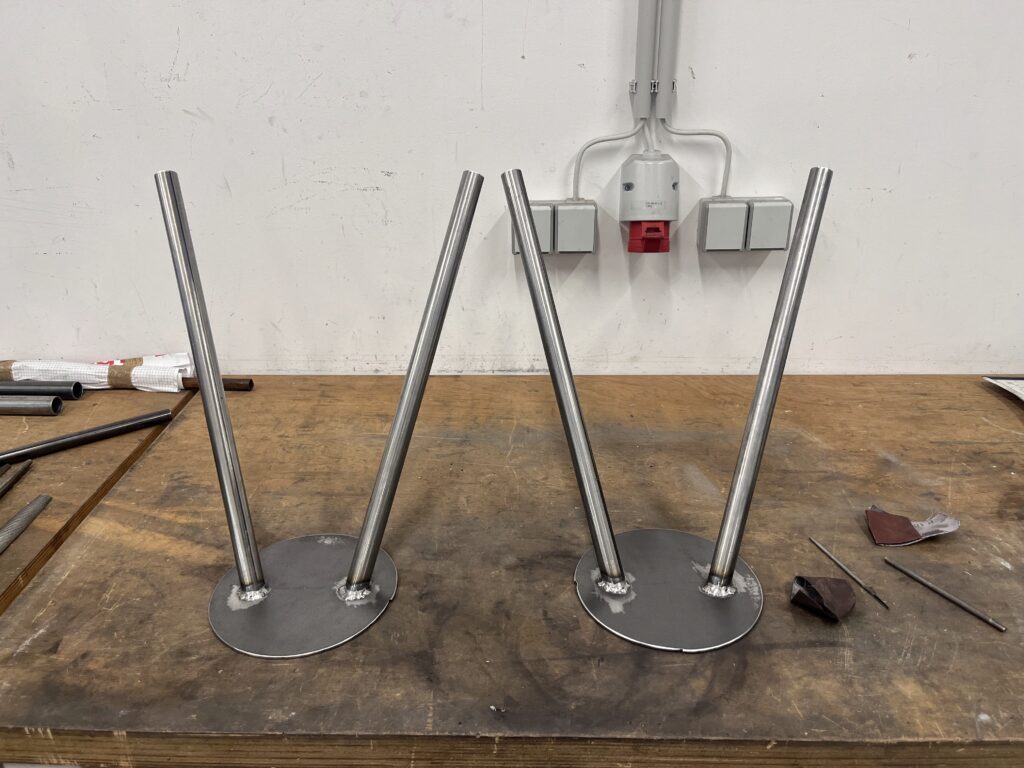
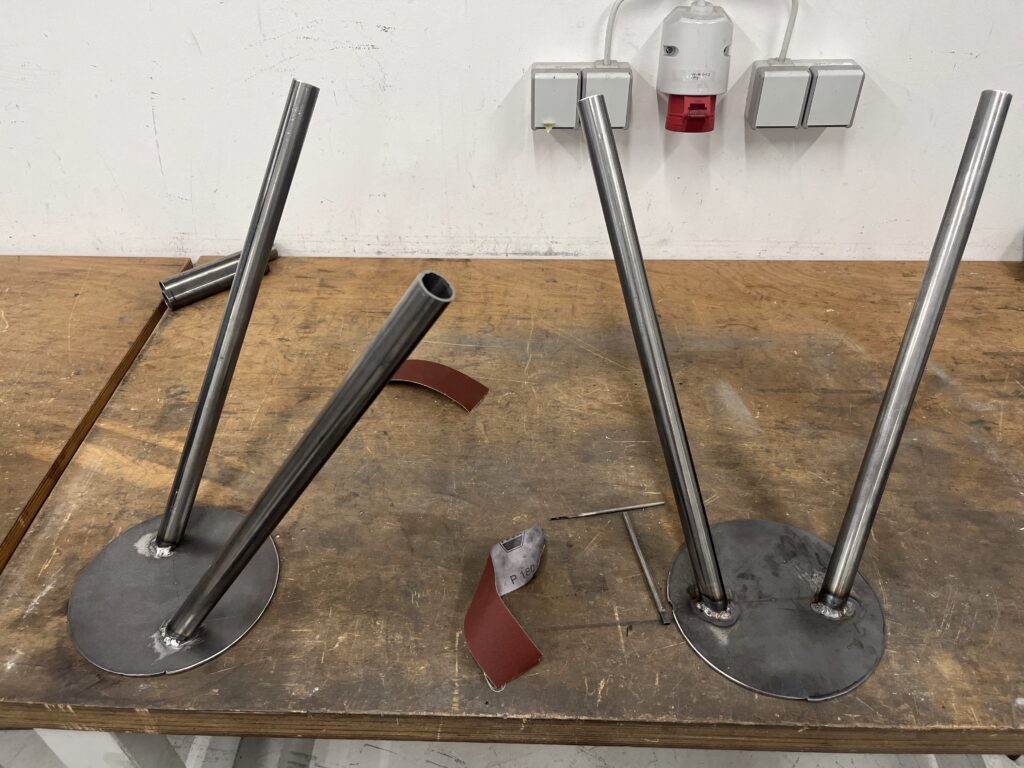
    … filing down final shapes

    by trying out & anaylising sittable PT3

    What seating shape works best for the choreography?

    What designed condition could contribute to the shared experience?

    What do we want people to feel when they first look at it & once sat?

    Asking users for feedback…

    • proximity&hight are right
    • backlean was not asked for
    • a bit scary when entering/ exiting
    • does not immediately invite to sit
    • intimidating once sat

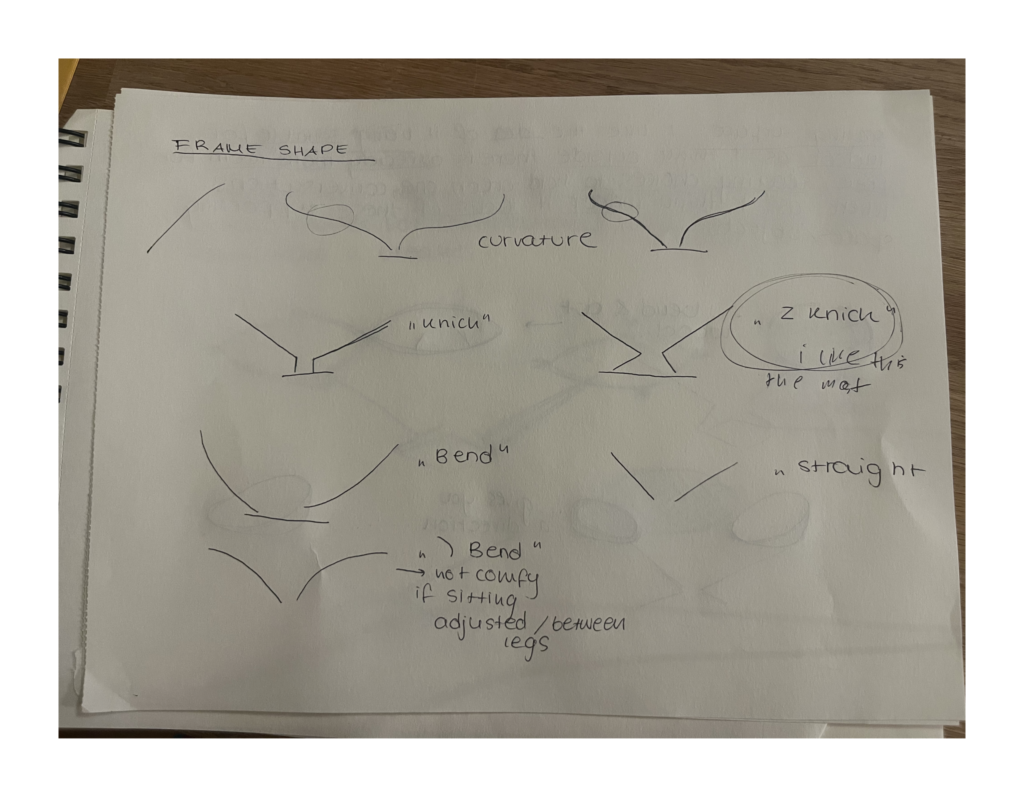
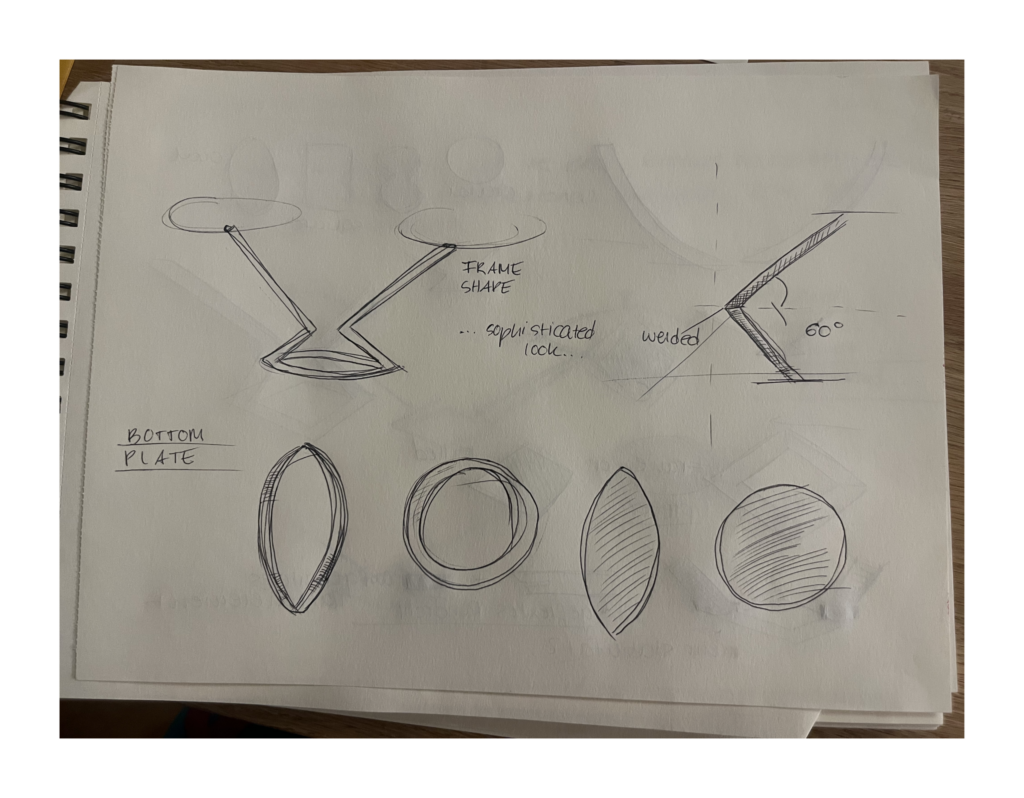
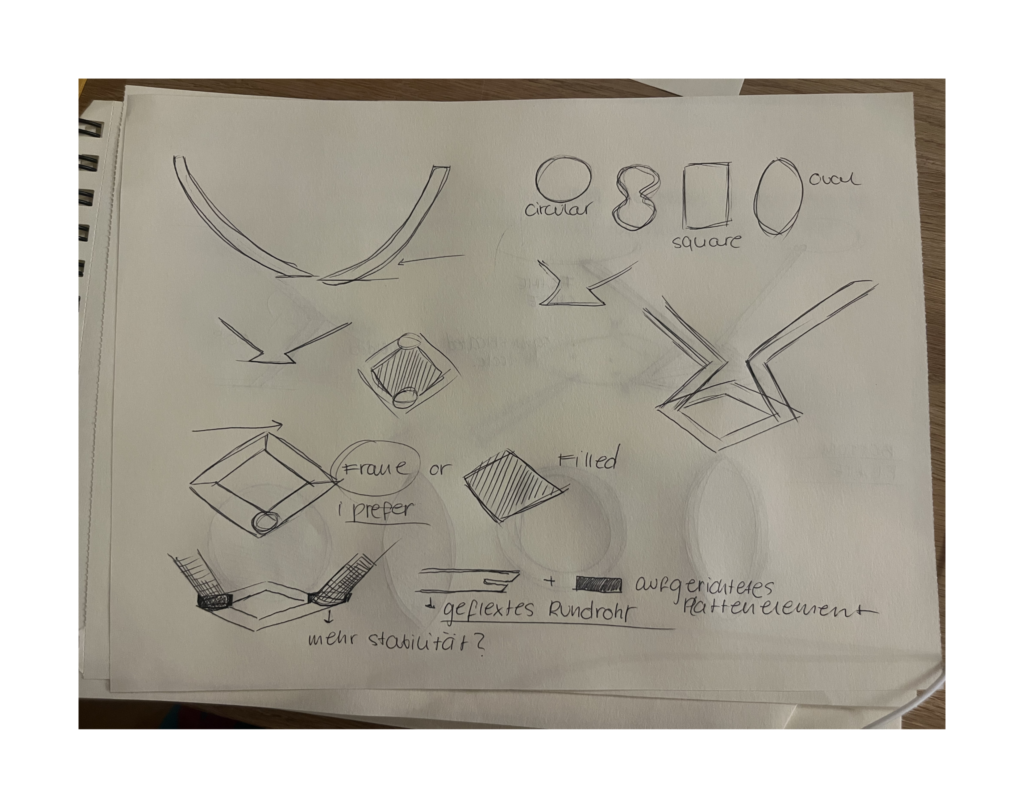
    … rethinking/-considering frame & bottom plate shapes

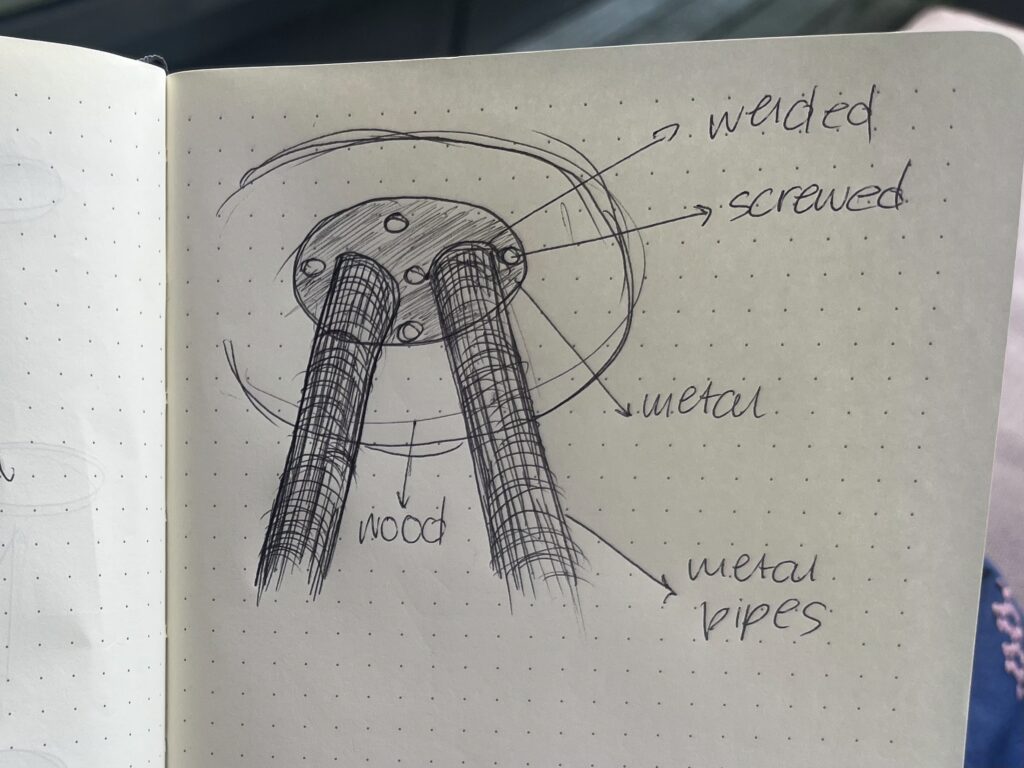
    • curved, bended, kinked pipes
    • circular, oval plates /frame plates (rocker/skid for smoother entry/exit?)

    conclusion: simplicity of the straight pipes is important to underline the seating surface design.

    We found that other shapes would be too much & wouldn’t contribute to the concept.

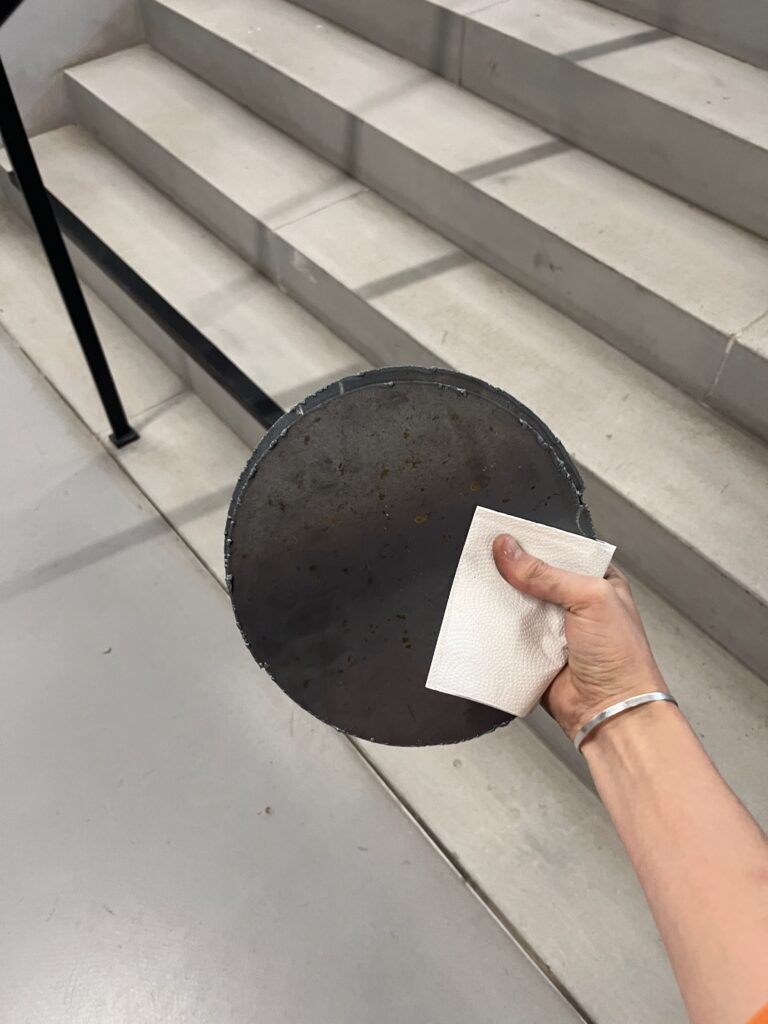
    Bottom Plate should be oval, but will stay a plate. Without a rocked element, we purposefully create a communication piece that relies on cooperation & commitment.

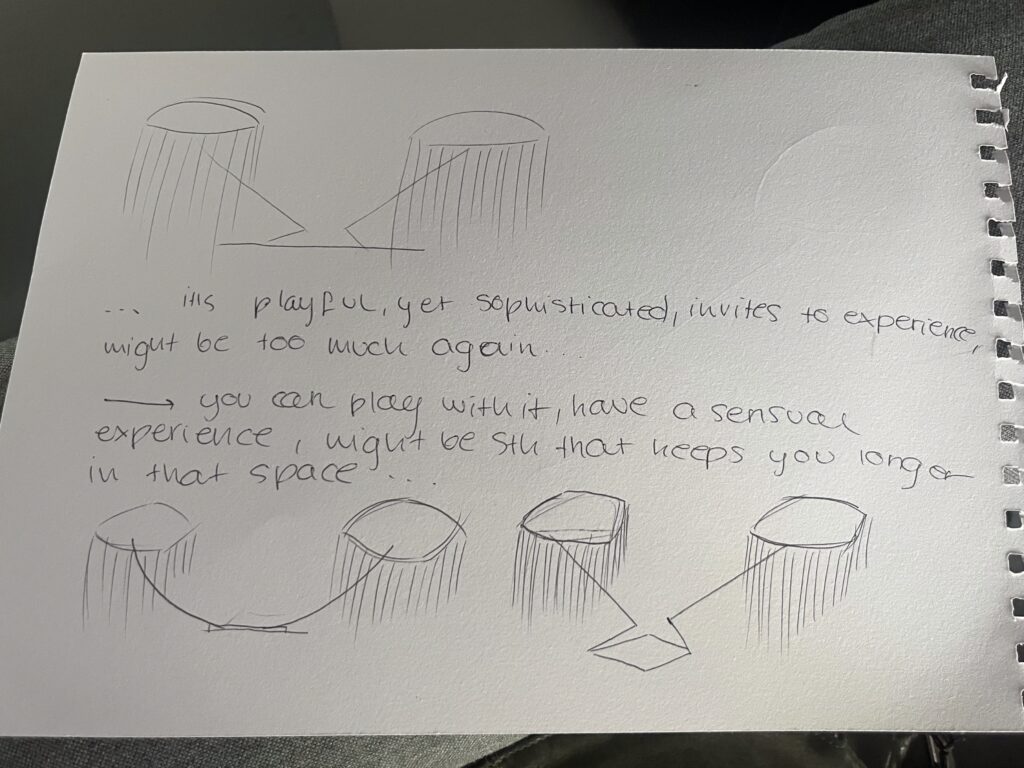
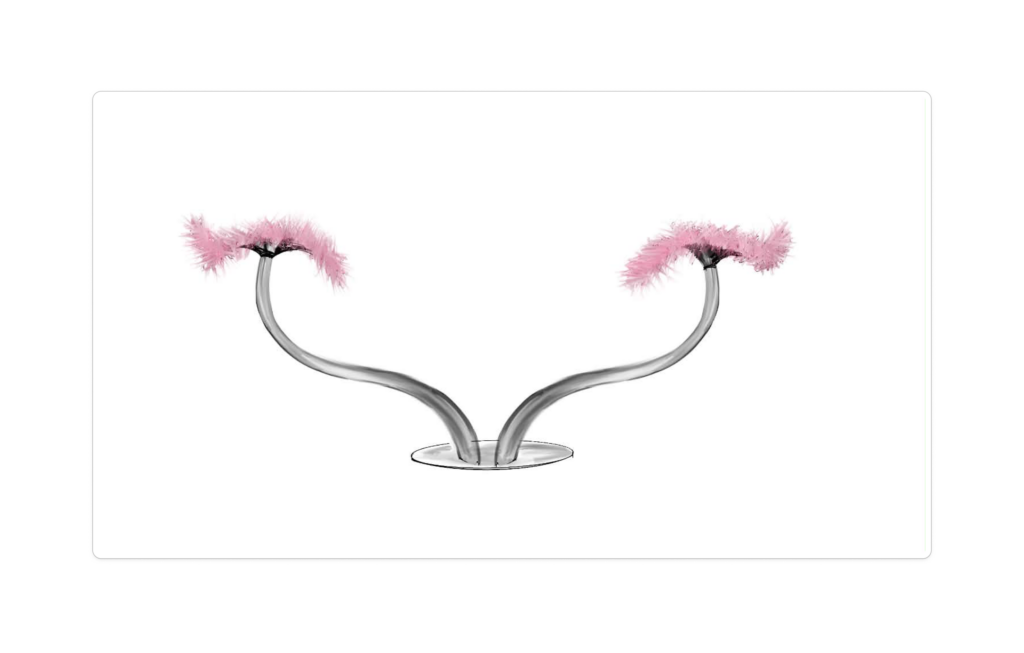
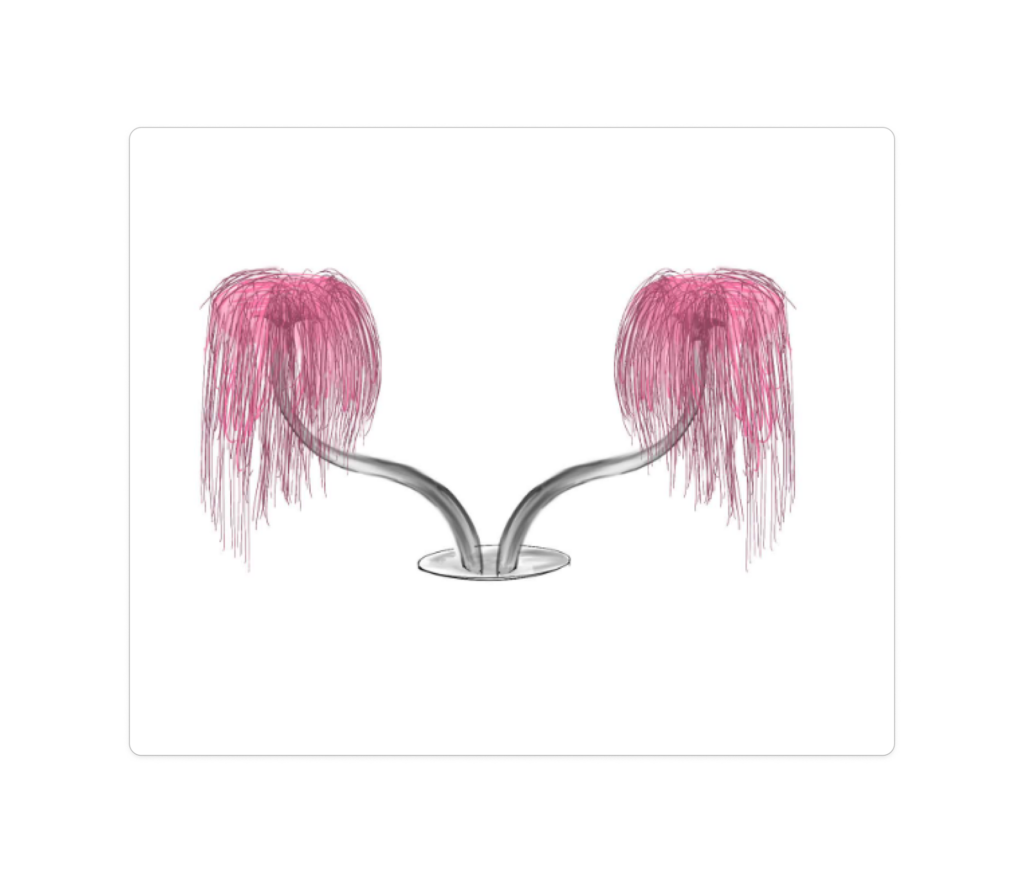
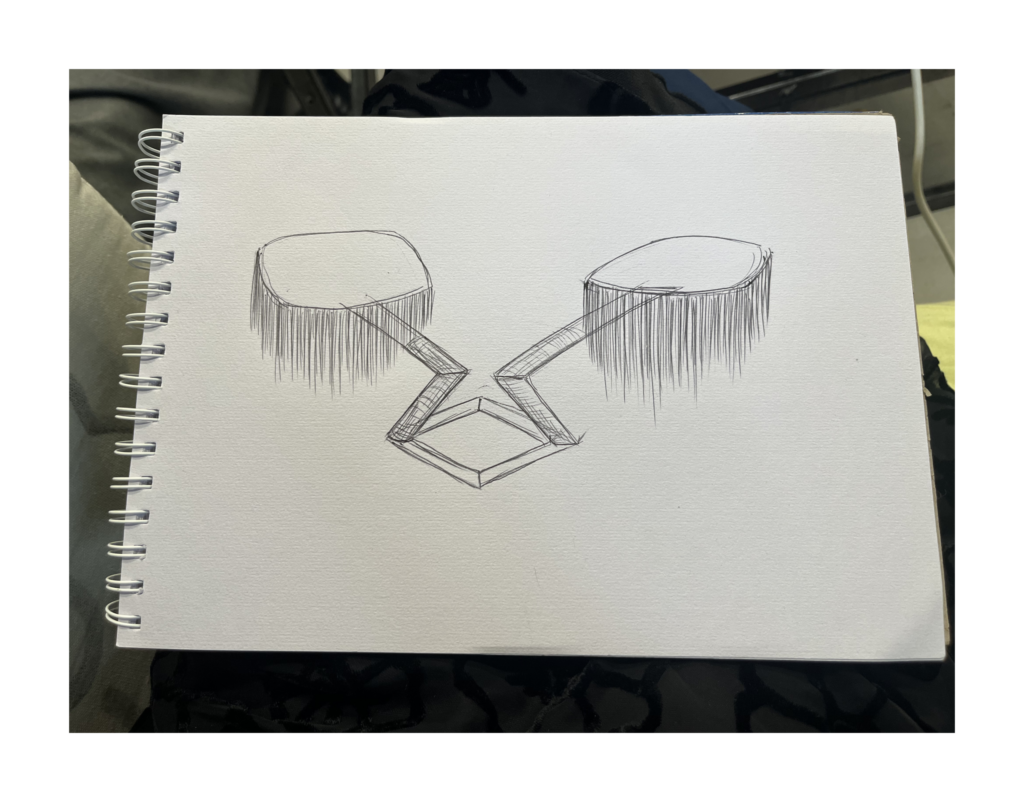
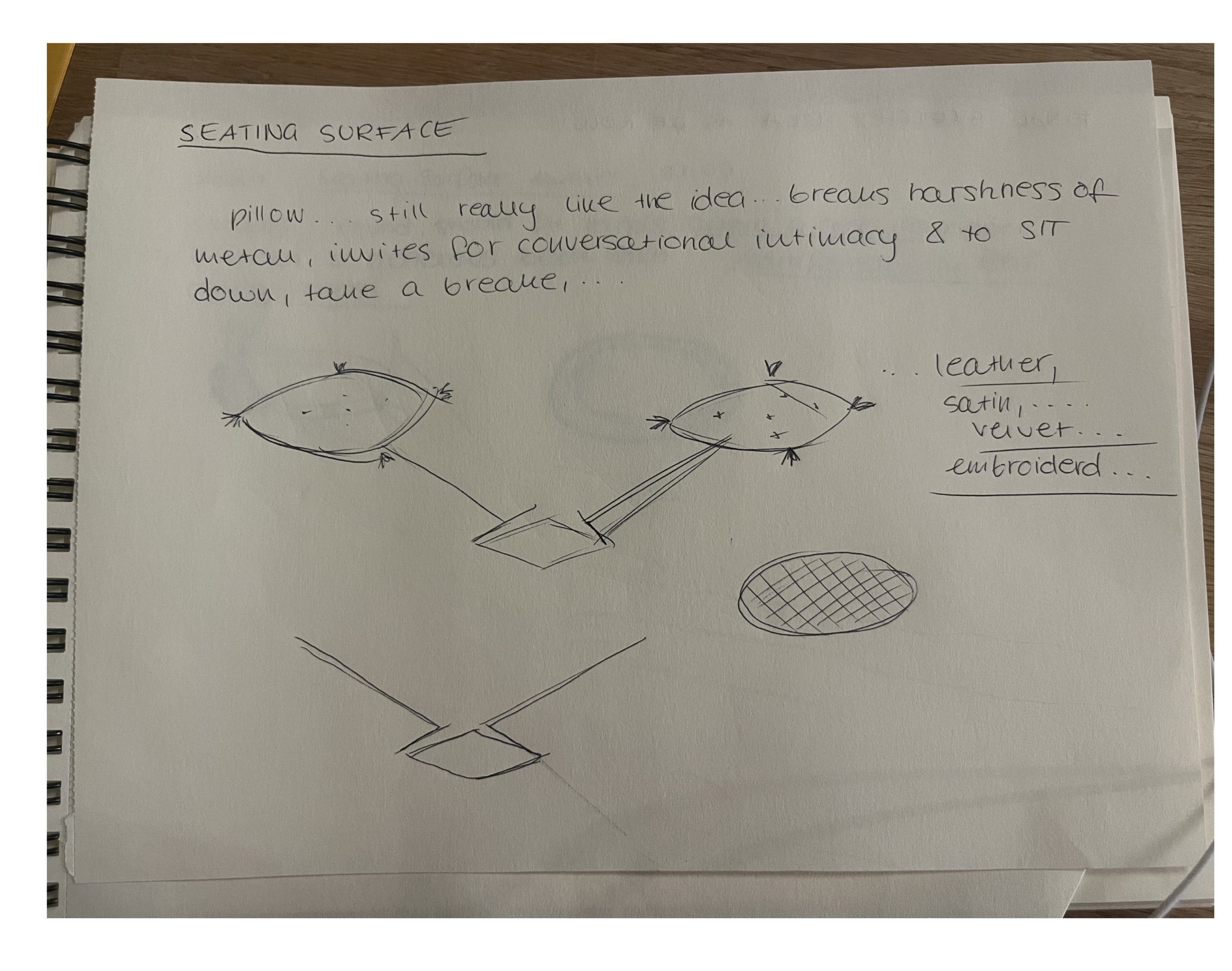
    … deciding between final 2 upper seating options

    !staying with circular shape, no backlean (try out feedback)!

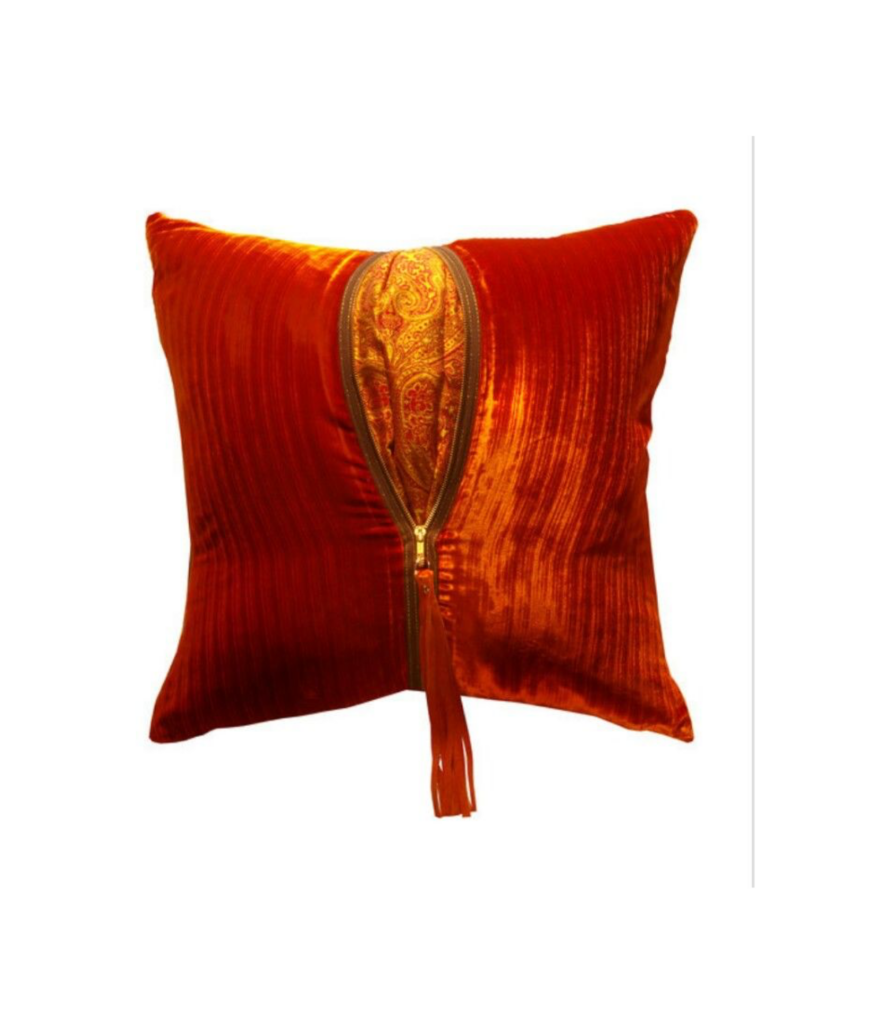
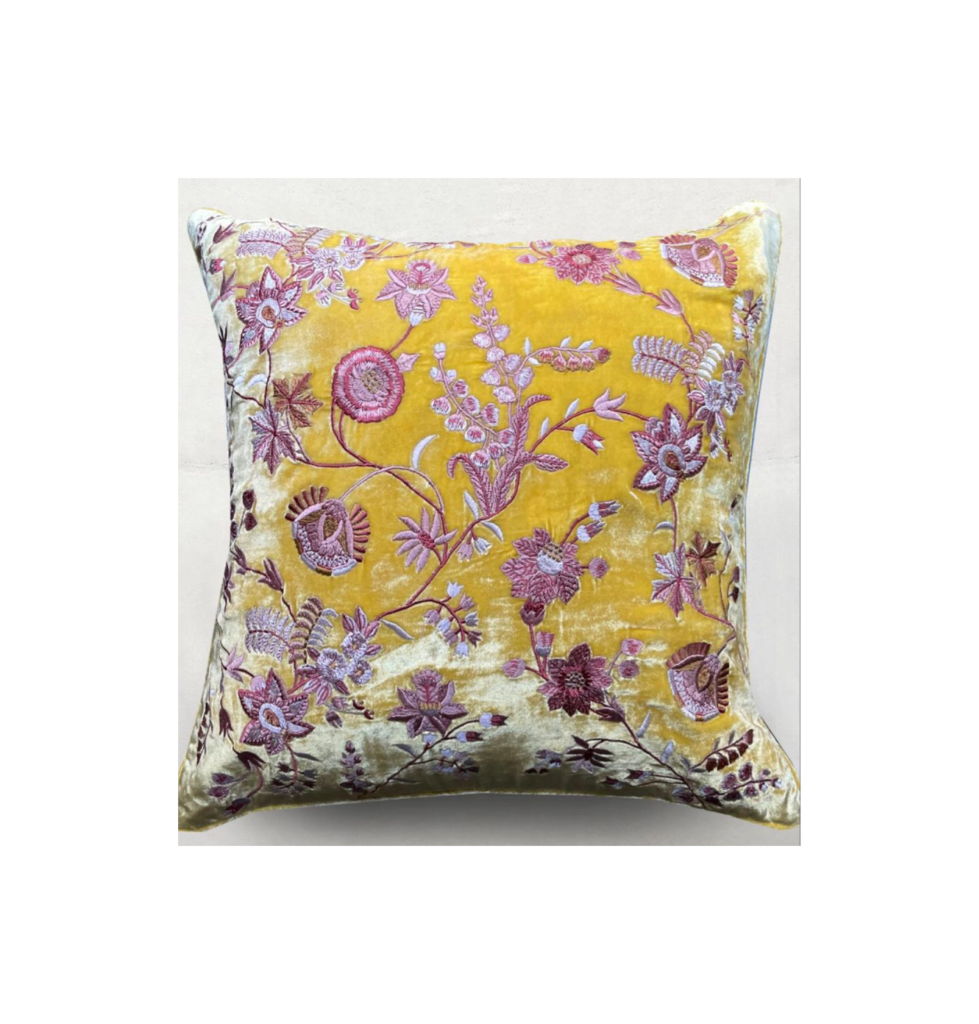
    1.velvet pillow cushions

    • soft pillows invite to sit, they break the harshness of the metal down.
    • they spark interest (velvet fabric)

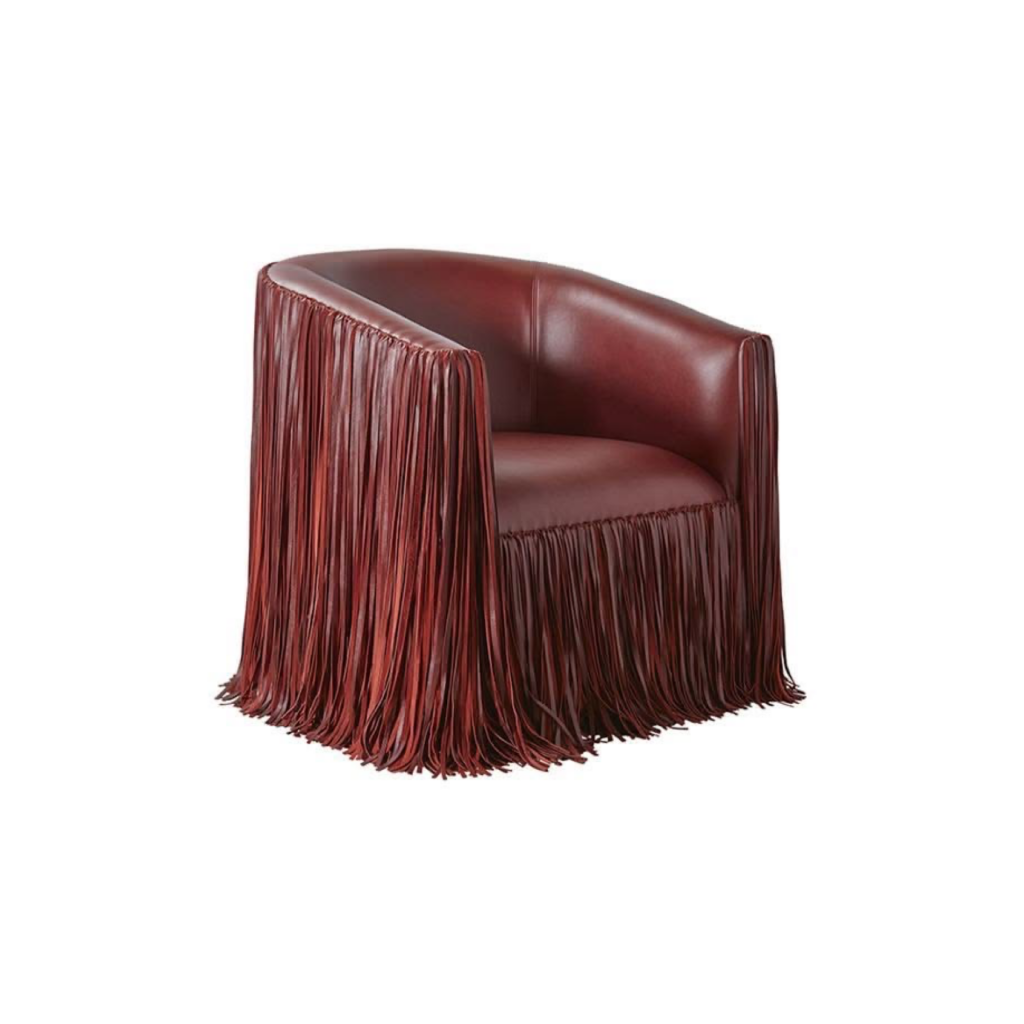
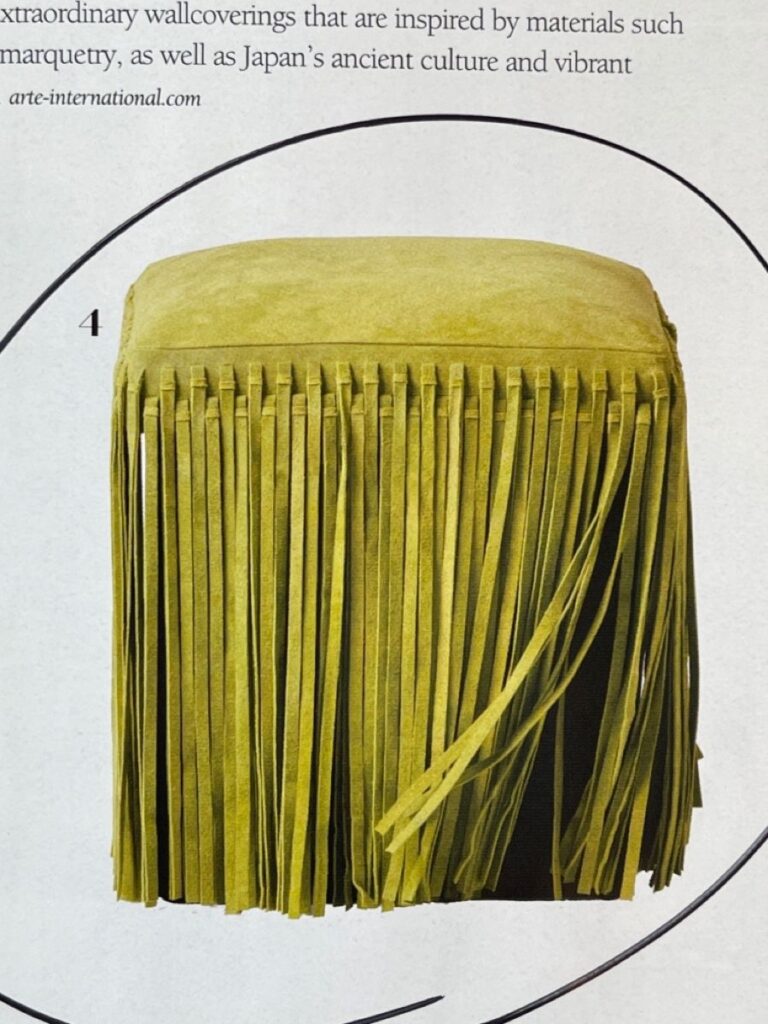
    2.leather pillows with fringes

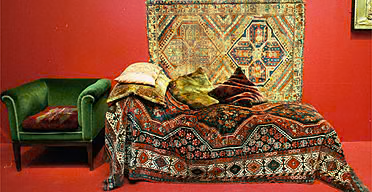
    … the curtain returns, full circle moment

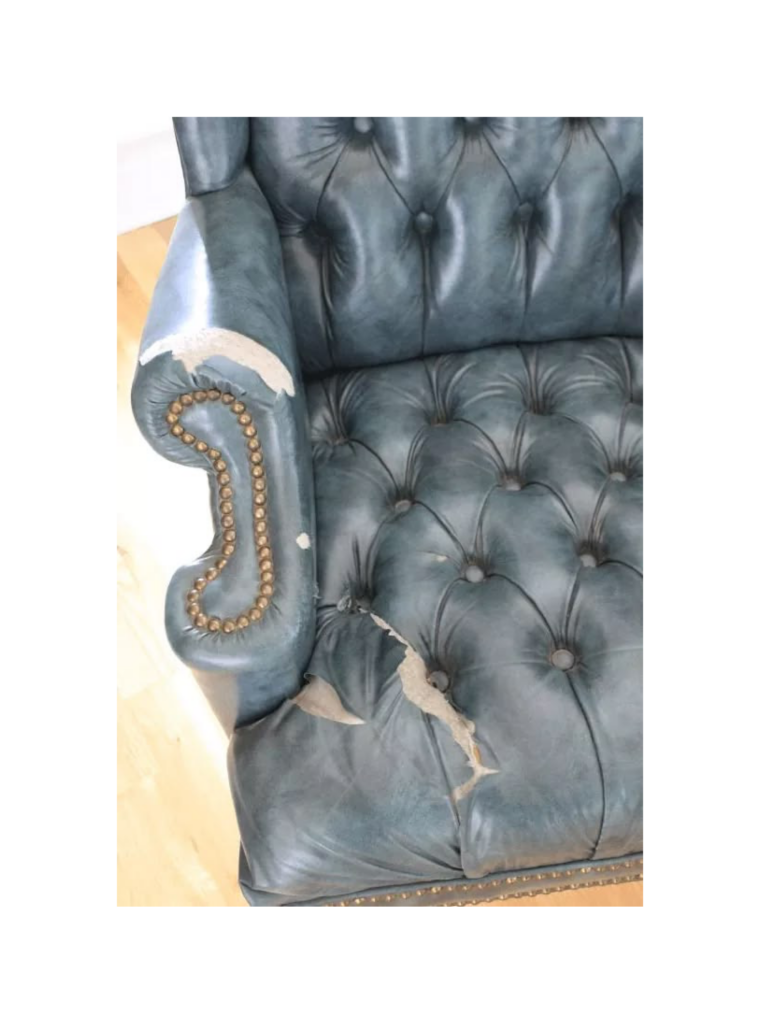
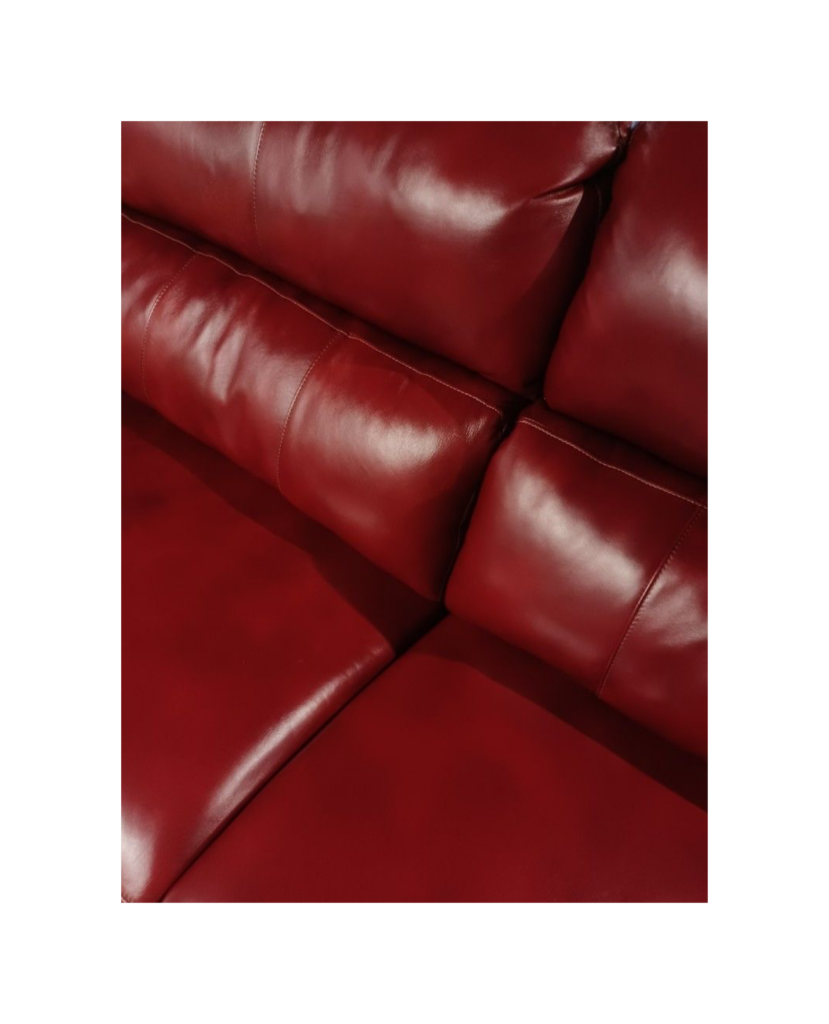
    • leather creates softness (inviting, sofa/homy ambience)
    • fringes function as sensual experience that can contribute to shared experience & attentiveness yet staying sophisticated visually

  • Tutorial Team 6, 22.05

    By

    Luz Quintana-Abraham

    ,

    Amelie Proksch

    and

    Julia Klimowska

    Julia, Luz, Amelie

    Progress post Design Freeze

    Settling on Measurements/Dimensions

    Trip to Posamentir

    –> shopping for PT3, accurate measurements & material (steel)

    –> discussing with metal men

    Touch Points/ Discussions with Metal Workshop

    –> Matthias advising

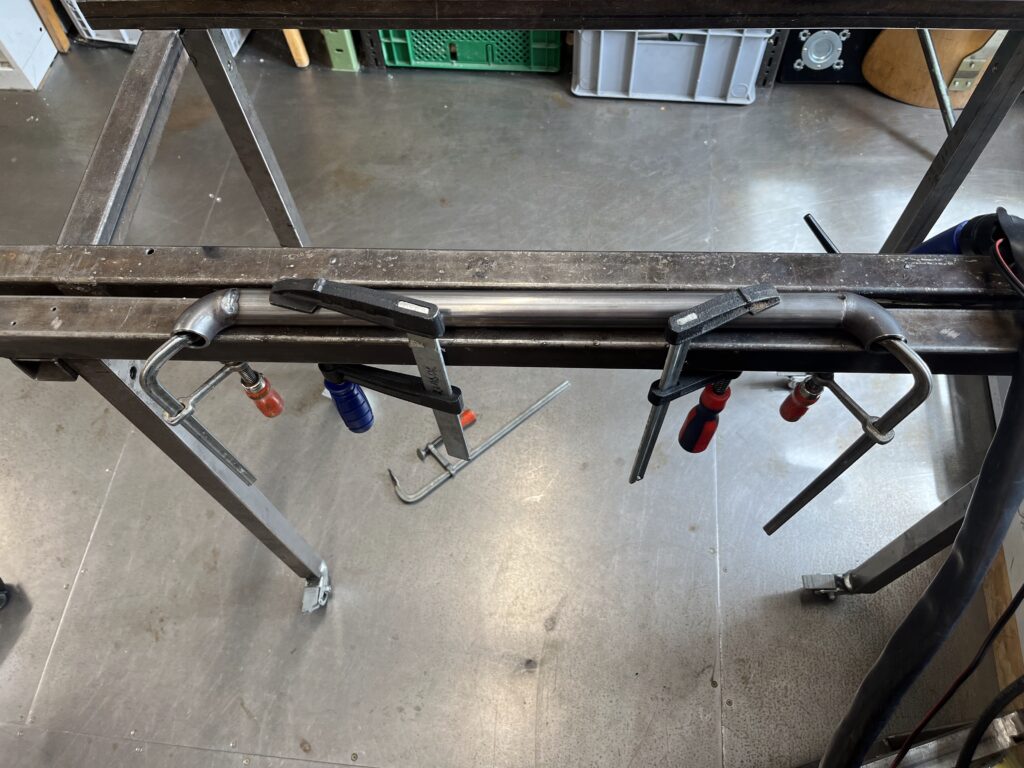
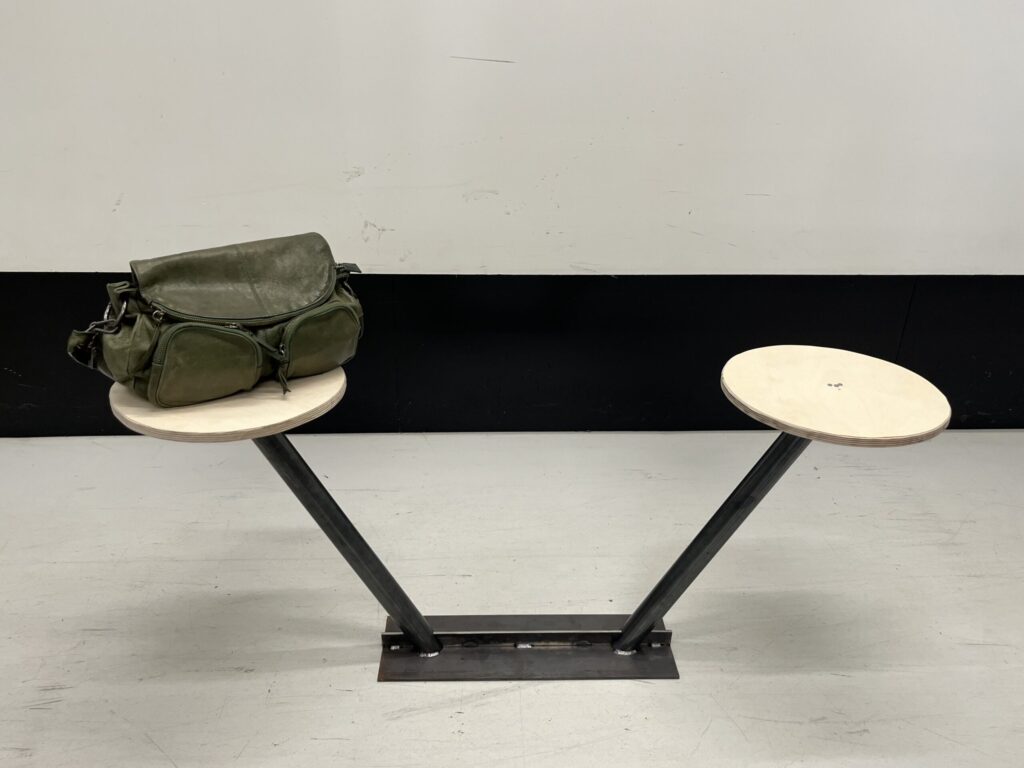
    Flexing/Sanding/Welding PT3

    TADAAA!

    Idea Development/Brainstorming Upper Seat

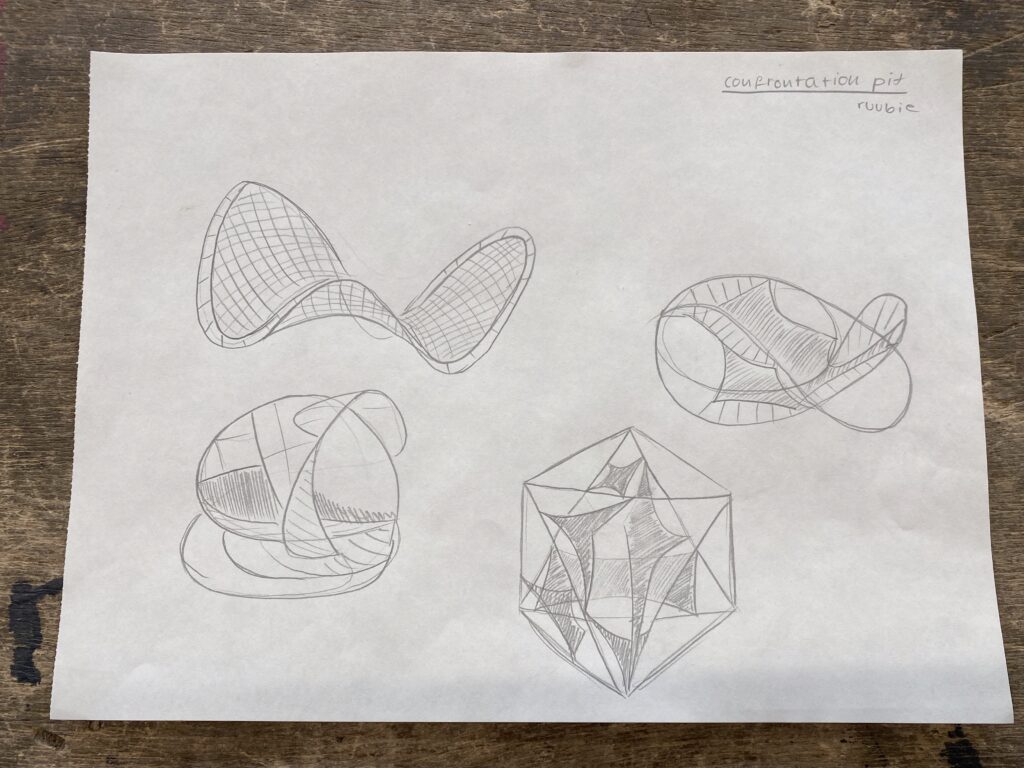
    –> Shapes

    –> Materials

    Next Steps/ Questions

    –> Staying with steel or move to aluminium, if strong enough

    –> How thick do we want the pipes to be?

    –> How should the bottom plate look / form follows function?

    –>What should the seatings look like? Which material

  • Tutorial Team 6, 30.04

    By

    Amelie Proksch

    ,

    Luz Quintana-Abraham

    and

    Julia Klimowska

    Feedback TakeAway

    • stop trying to design for everyone
    • what provides the conditions for conversations?
    • a seating that invites to make time

    Concept Deepening

    Sand Equals Time

    Actions we took:

    • Long talk about realization with Matthias
    • Meeting with Metal Workshop
    • Talk with Florian Medicus (ID)
    • Sketching, Planning, Calculating & Experiments (with wood)

    Next steps:

    • Final decisions on materials and mechanism
    • Some more calculating
    • Ordering material
    • Start working with Metal Department
  • Tutorial Team 6, 15.04

    By

    Luz Quintana-Abraham

    ,

    Amelie Proksch

    and

    Julia Klimowska

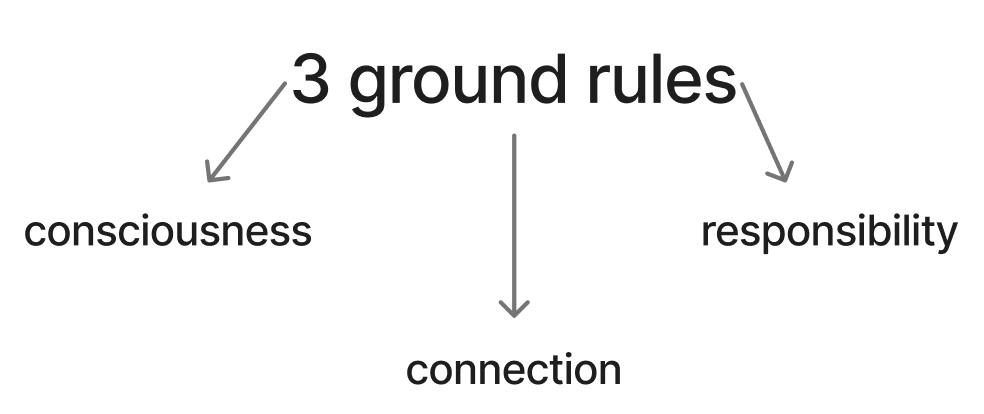
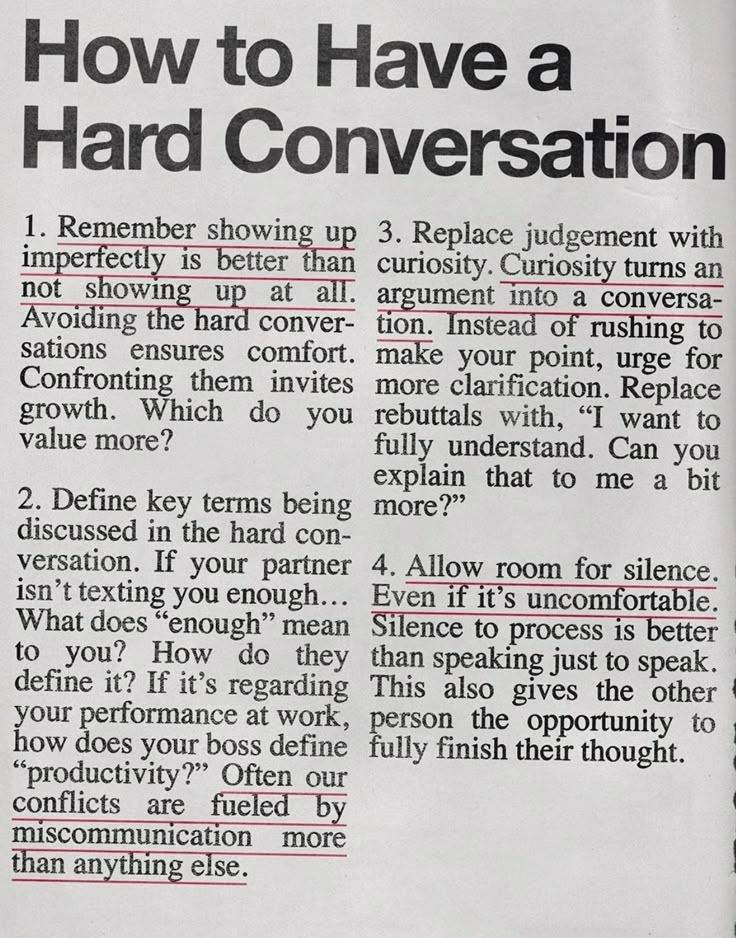
    Marshall Rosenberg

    NONVIOLENT COMMUNICATION

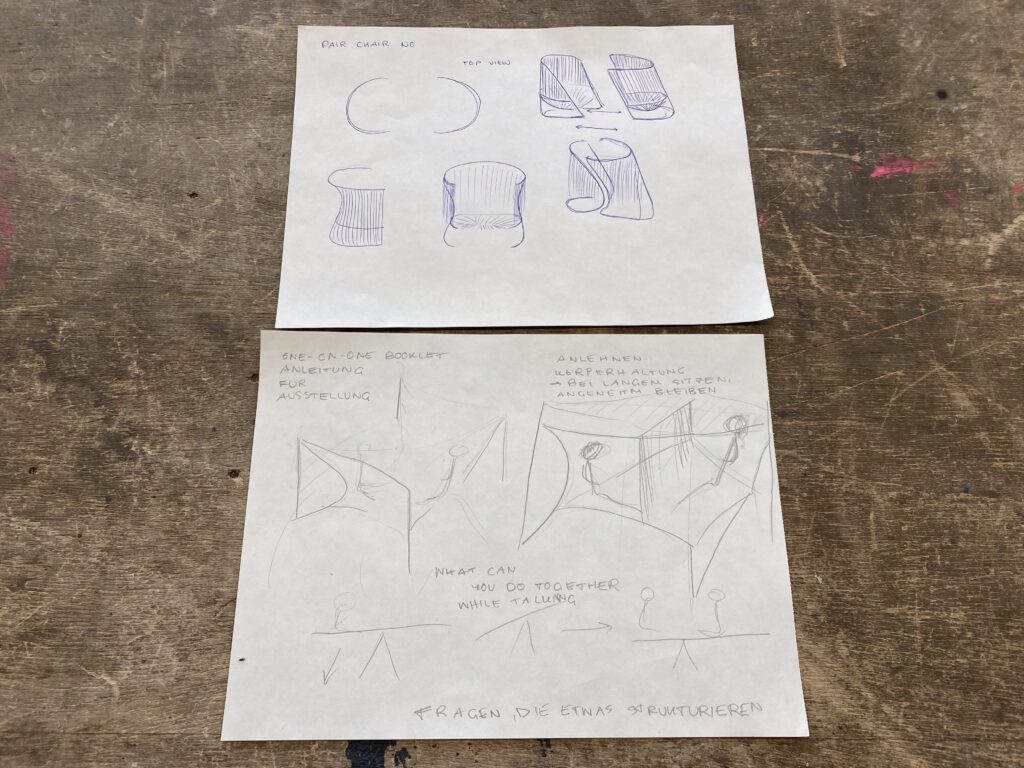
    How can we Create a Physical Space for Difficult Conversations ?

    APPLYING RESEARCH ON DESIGN

    EXPERIMENTS:

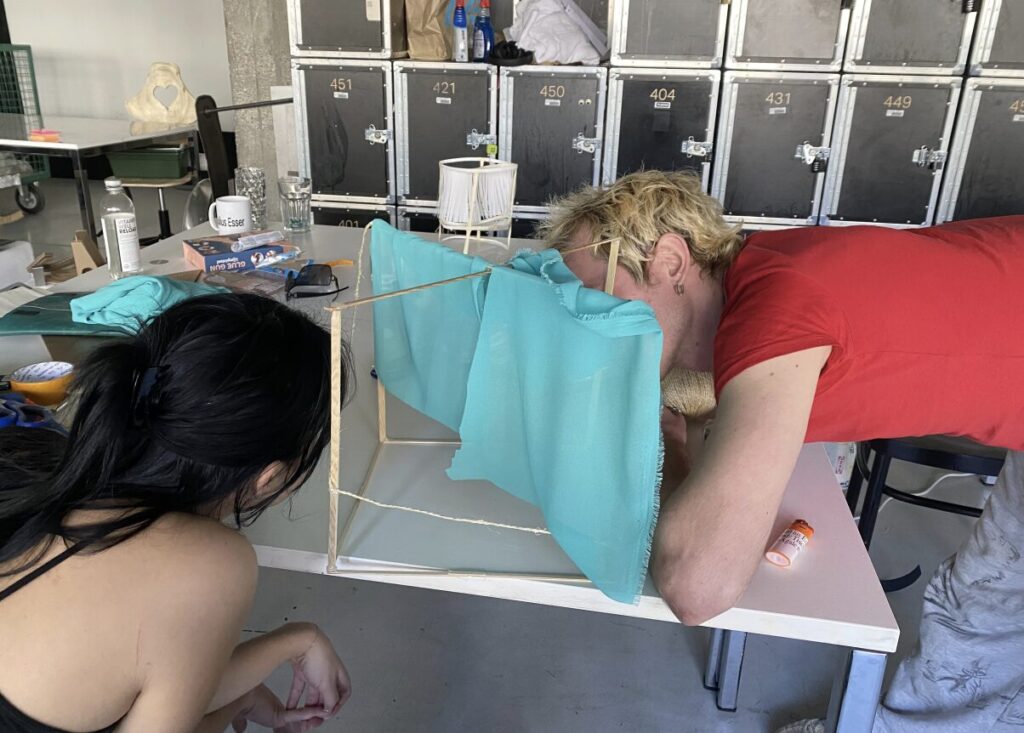
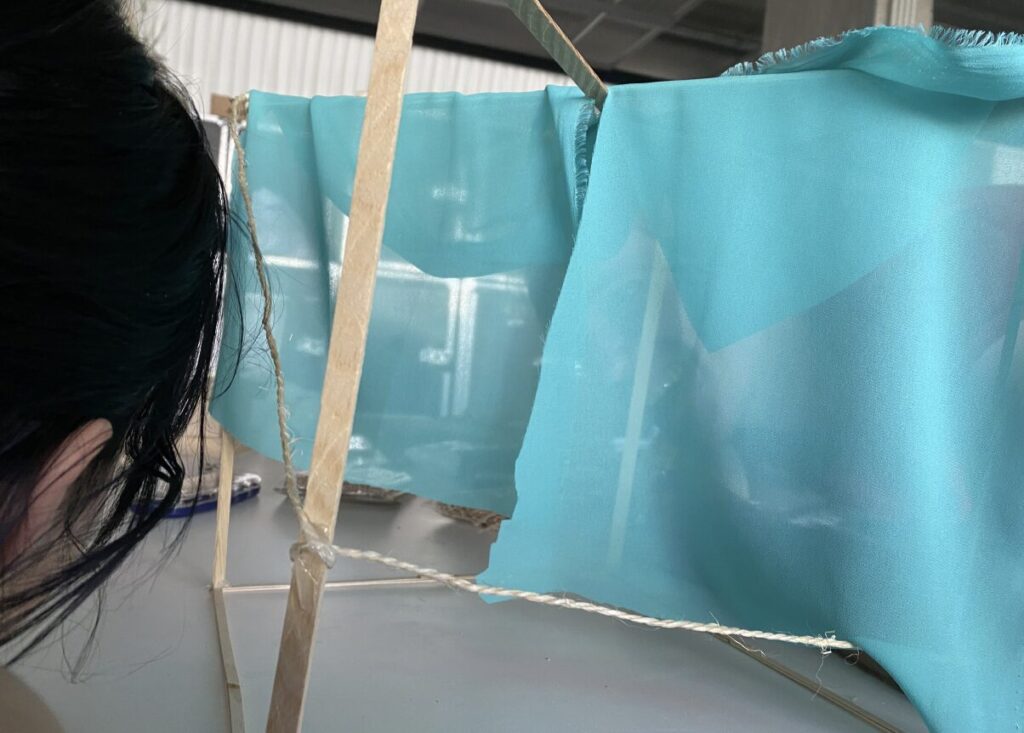
    We gave up on the idea of the Veil between the users talking

    “I want to stay, to listen to you”.

    WHAT WE WANT

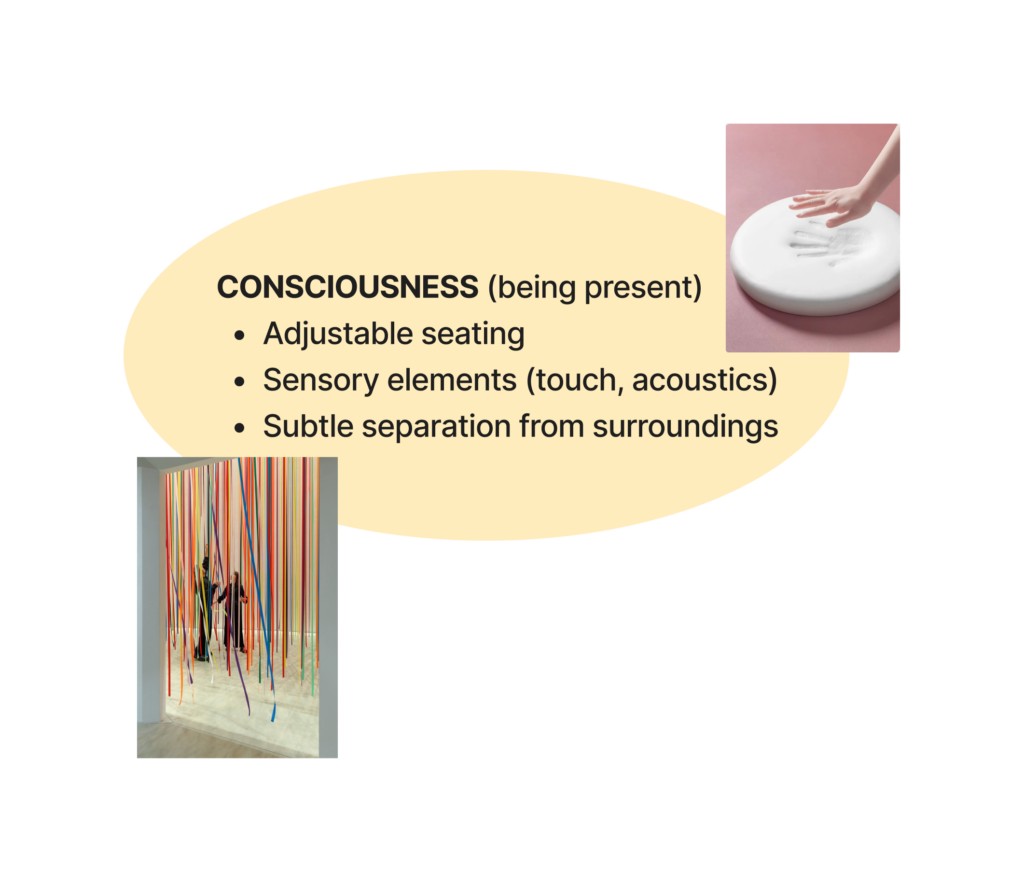
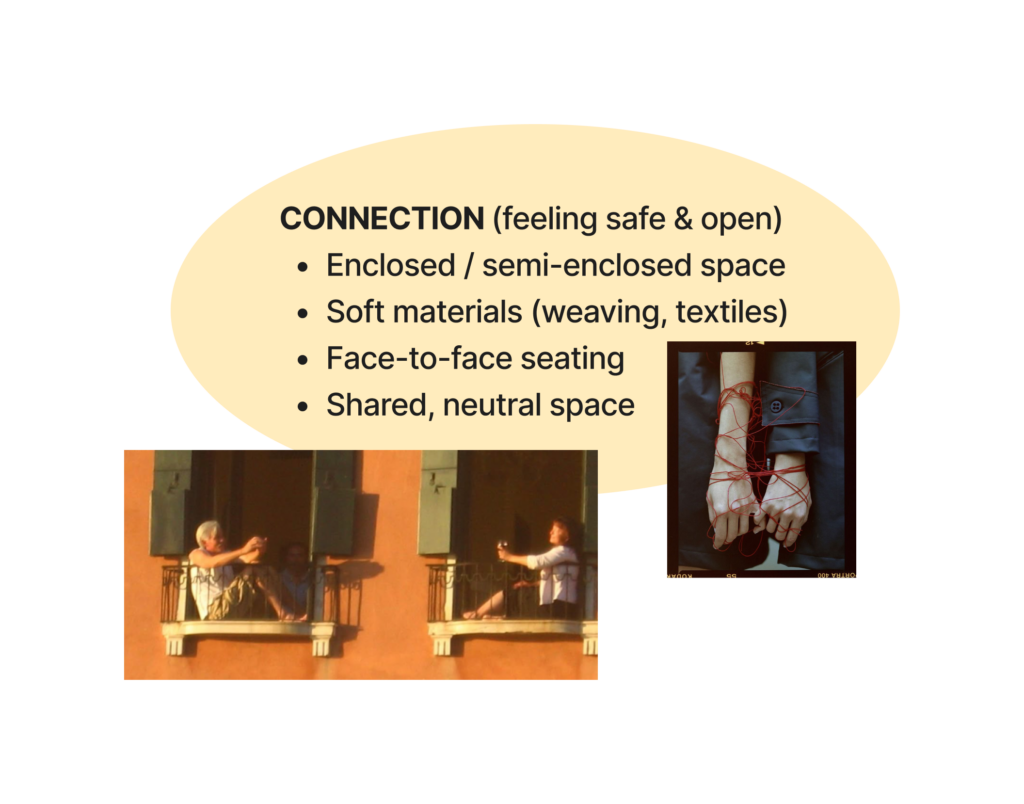
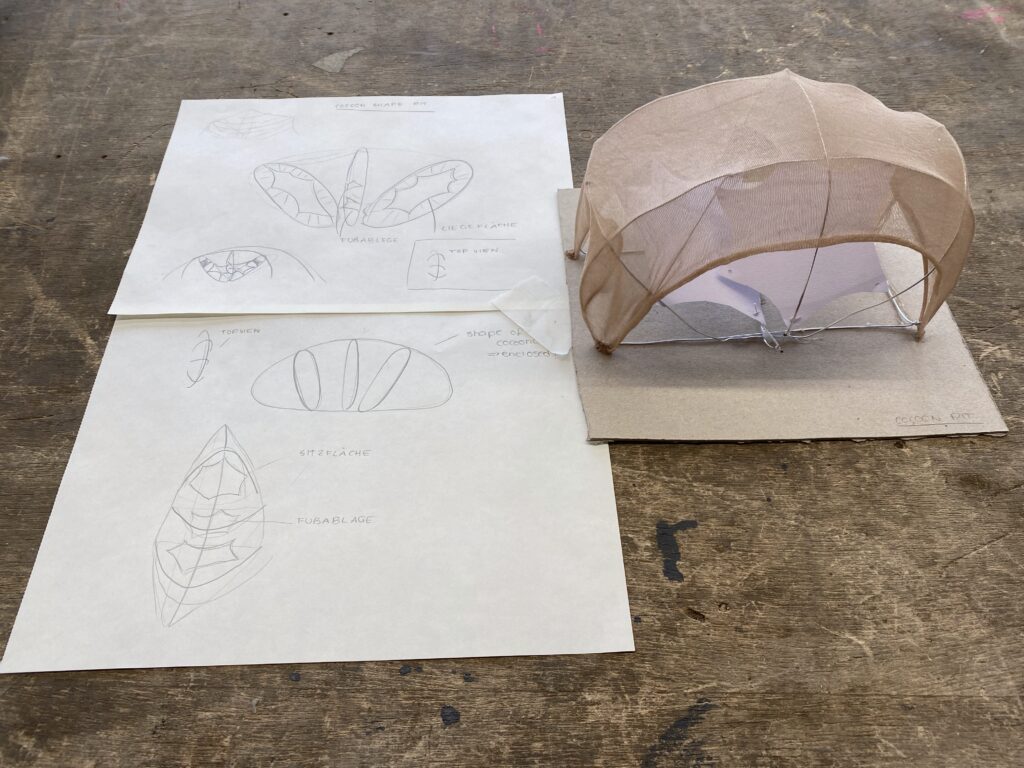
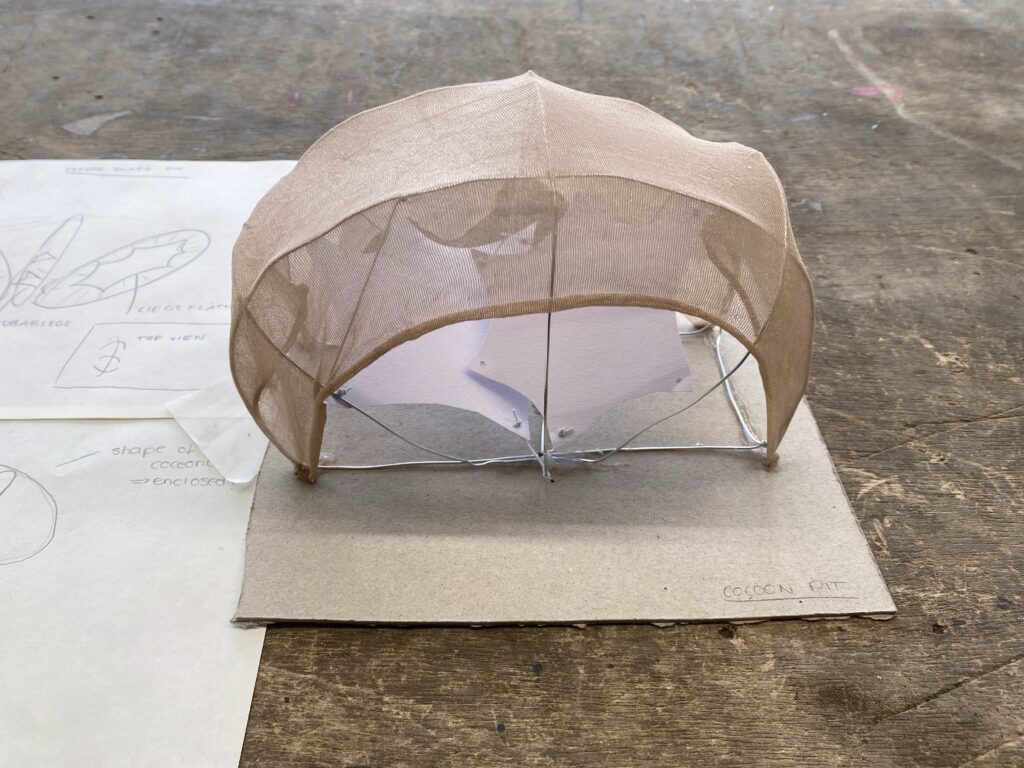
    • enclosed seating space for two acquainted people
    • a neutral “space within a space” that removes hierarchy and ownership, creating shared ground
    • setting that helps create comfortable, easy intimacy
    • invites open conversation and preventative confrontation
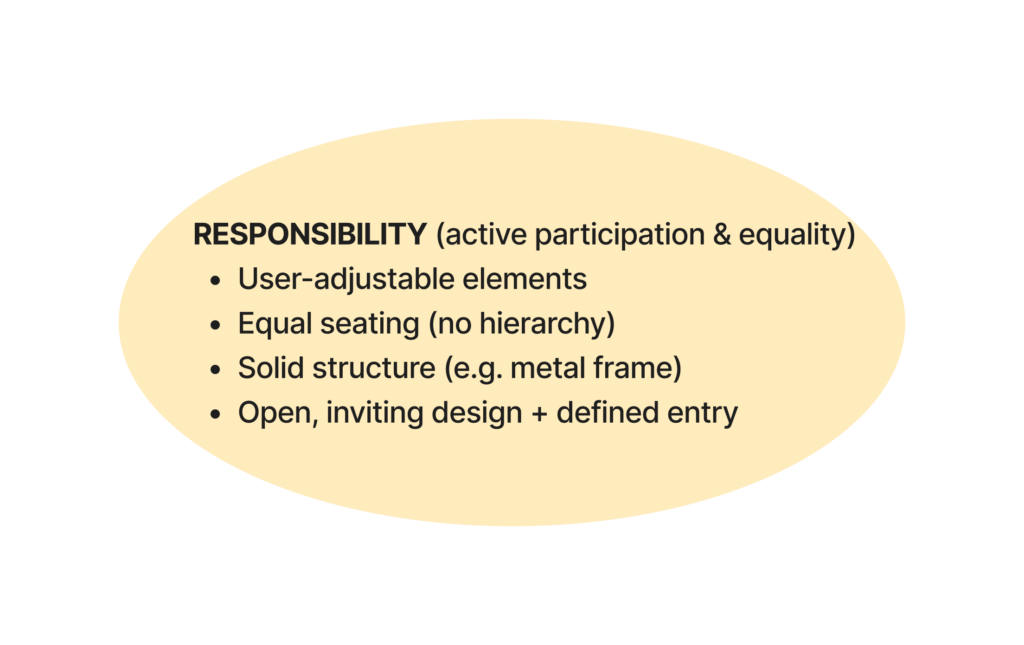
    • no set hierarchy between users
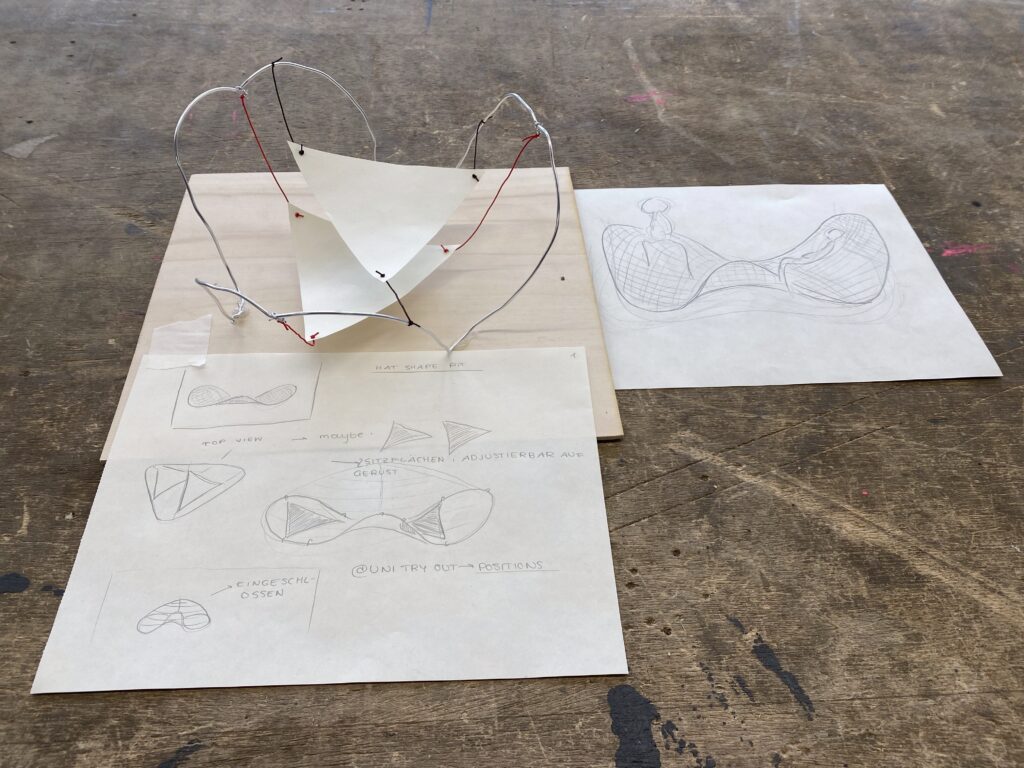
    • adjustable seating to support individual preferences (height, position, direction)

    FURTHER SKETCHES:

    TESTING SHAPES & SEATING:

    What Shaped Space is suitable?

    Weighing the Importance of Proximity

    Playing with Adjustability

    WHAT WE ARE STILL FIGURING OUT

    • How can we best translate our communication research into practical applications within our project?
    • Finding the sweet spot between universal and personal approaches to meaningful conversations – balancing diverse user needs while designing an experience that naturally invites deep, one-on-one exchanges

    QUESTIONS

    • How can we embed guidelines for productive conversations into the design without overwhelming users with instructions?
    • How can we embed a sensory feature into the object that supports users during difficult conversations—providing a calming effect while remaining cohesive and purposeful within the overall design?
  • Tutorial Team 6, 13.03

    By

    Amelie Proksch

    ,

    Luz Quintana-Abraham

    and

    Julia Klimowska

    Julia, Luz & Amelie

  • Team 9, Tutorial 9.01.26

    By

    Nina Gstaltner

    ,

    Parnian Farmani

    ,

    Amelie Proksch

    and

    jenny_krokstad
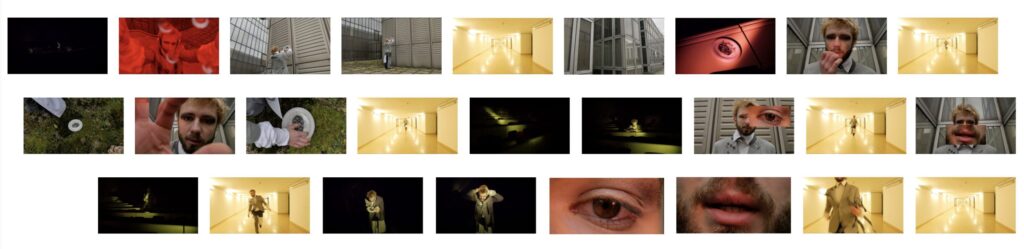
    The Narrative – Story Arch

    1. Space Introduction + News of 70th Anniversary in background
    2. Eliot with Object, taking off headphones (listened to news)
    3. Transition to Running Scene (leading scene)
    4. In-between Sequences: Flashbacks of his Emotional Journey
    5. End: Emotional Collapse

    Footage Draft

    Video

    Raw Footage/ Running Clip Snipped:

    Audio

    New Role of Sound: it is what connects to his inner feelings and the ghost orchestra – but doesn’t solely carry the story now. It is a part of it, just like the rest :

    because we got into the visuals and it made sense to us to also focus on visuals. It naturally developed and it felt like the focus on the sound limited us.

    We managed to make much more with the visuals than we thought we can do. Now each dimension of the film equally tells its part of the story.

    Sound: snipped

    Animations

    Style Test with Test Footage:

    First Parts of Final Animation Style

    The Red Thread

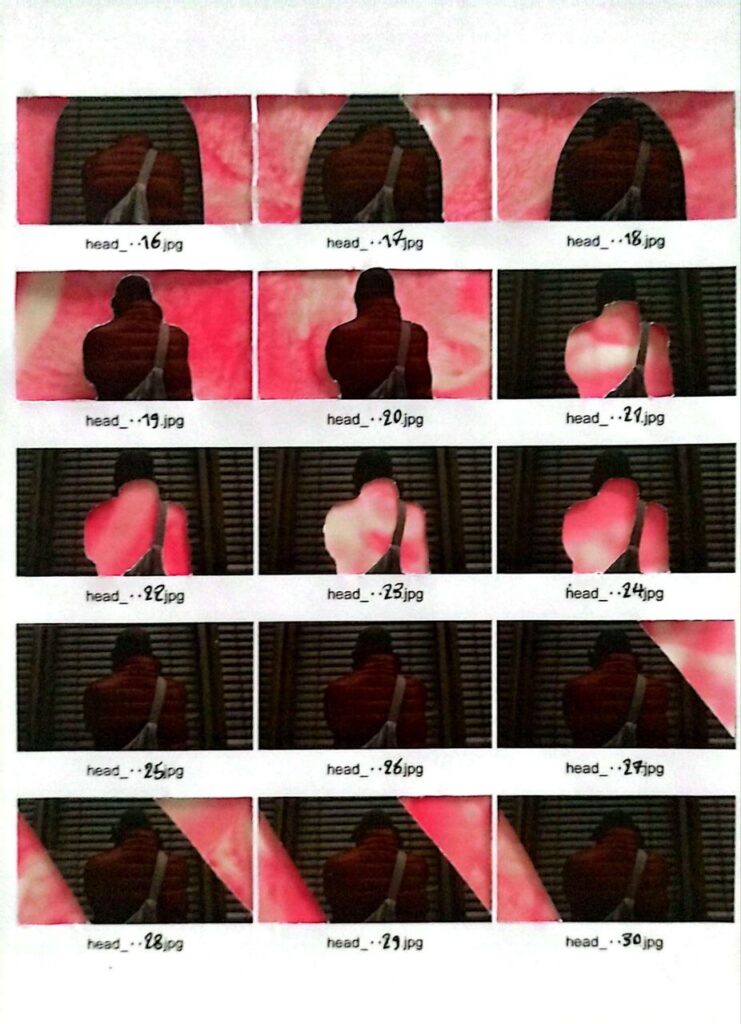
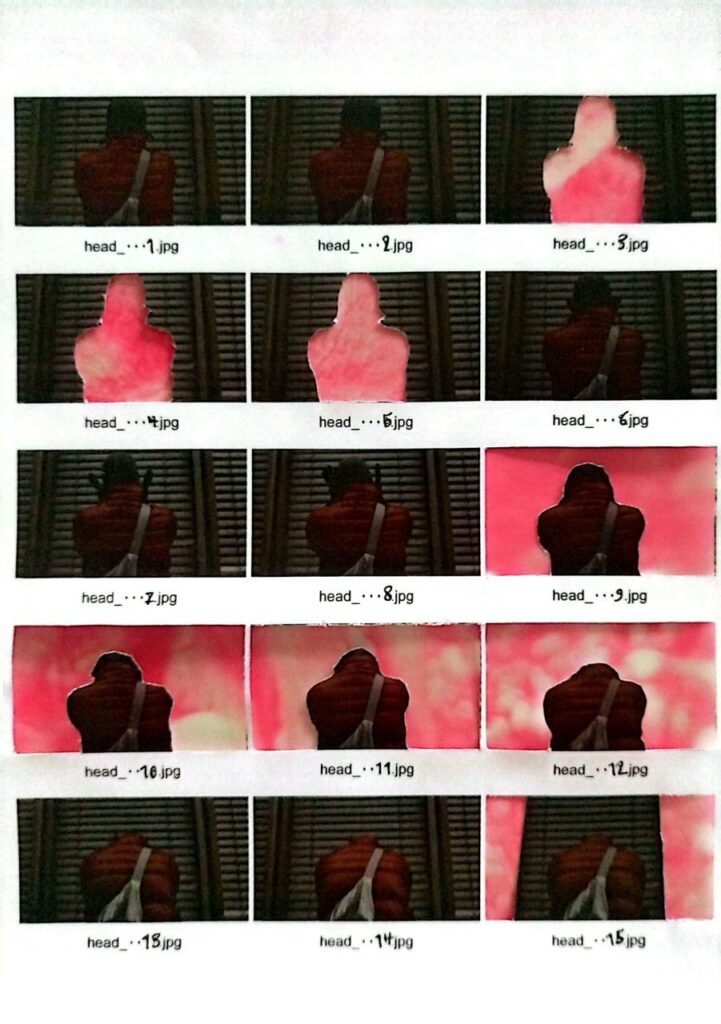
    the colour RED connects:

    • emotions
    • ghost orchestra
    • protagonist
    • sound

    We chose the color red to act as a visual thread throughout the entire film. It appears always in connection with the bodies listed above.

    Questions we have

    How do you feel about the name ” Ghost Orchestra” for our film?