Abrar Aitounejjar

  • Feedback 5h November

    By

    Philip Emricht

    ,

    Abrar Aitounejjar

    and

    Theresa Kappacher

    Research Piñatas

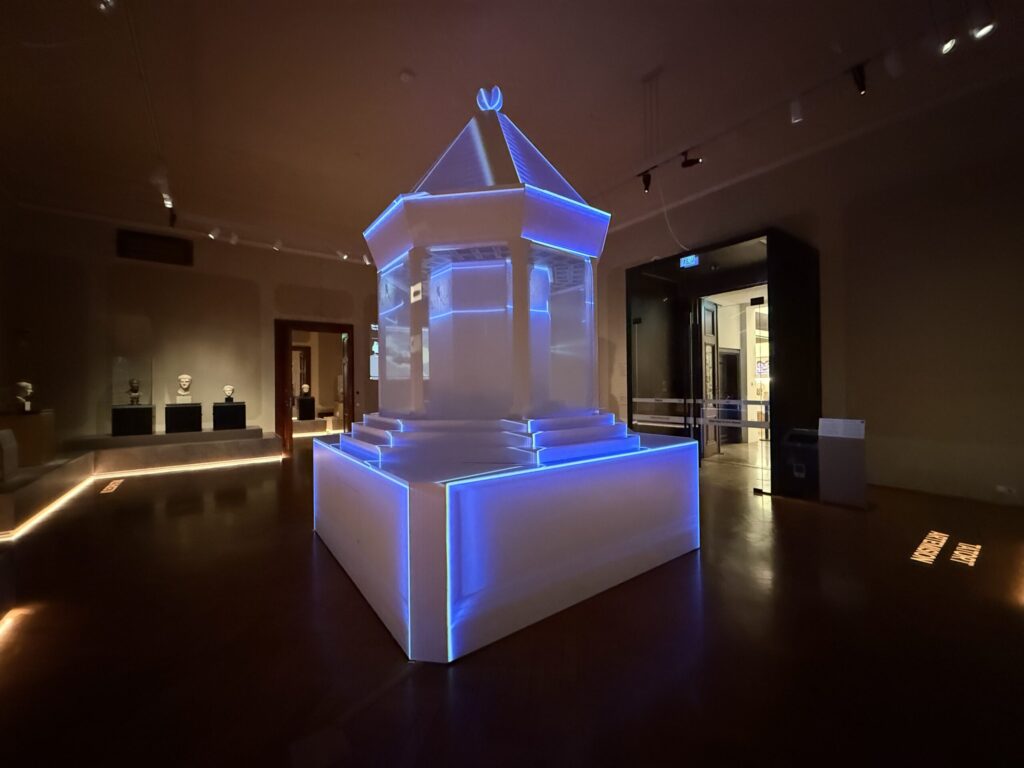
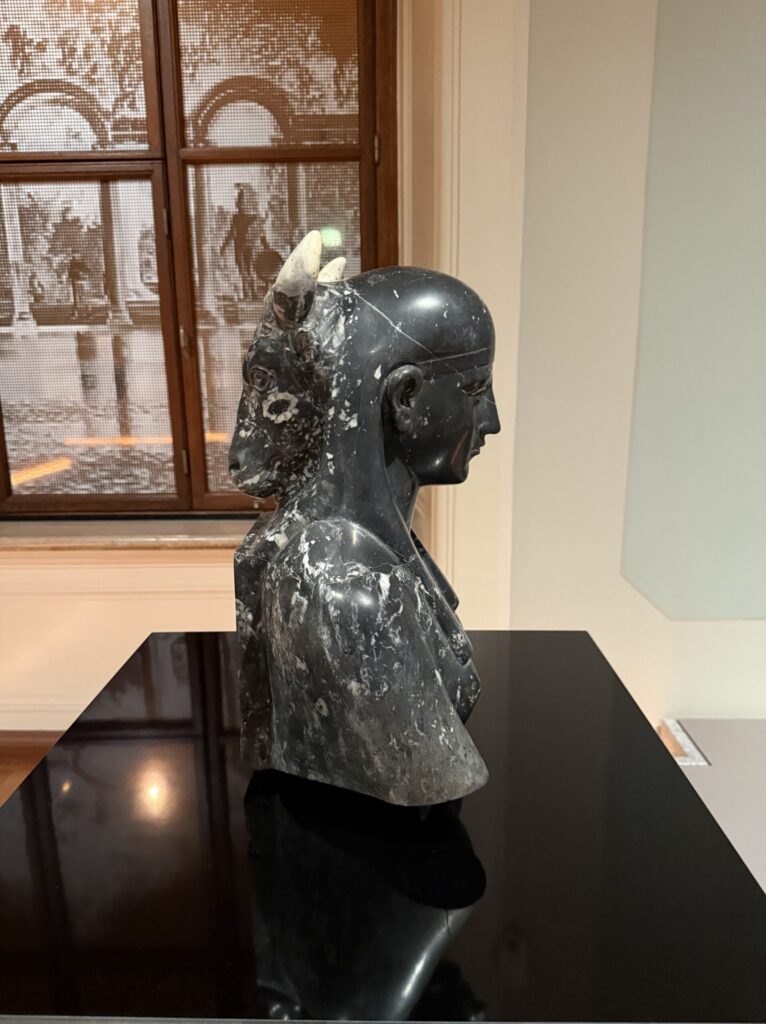
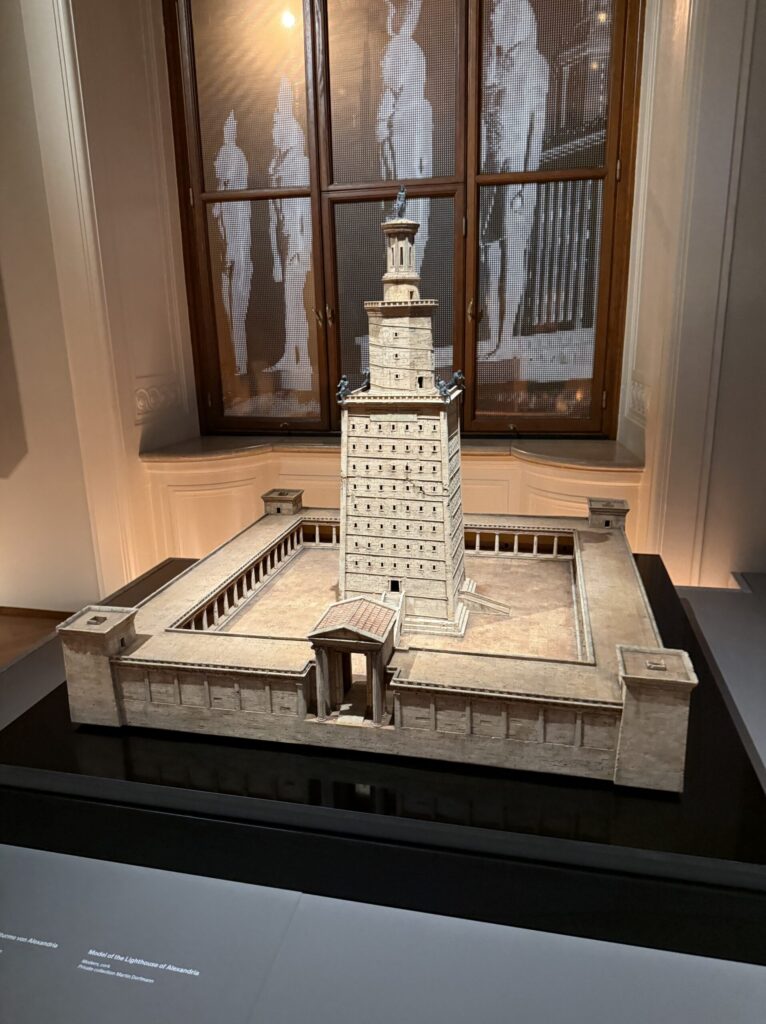
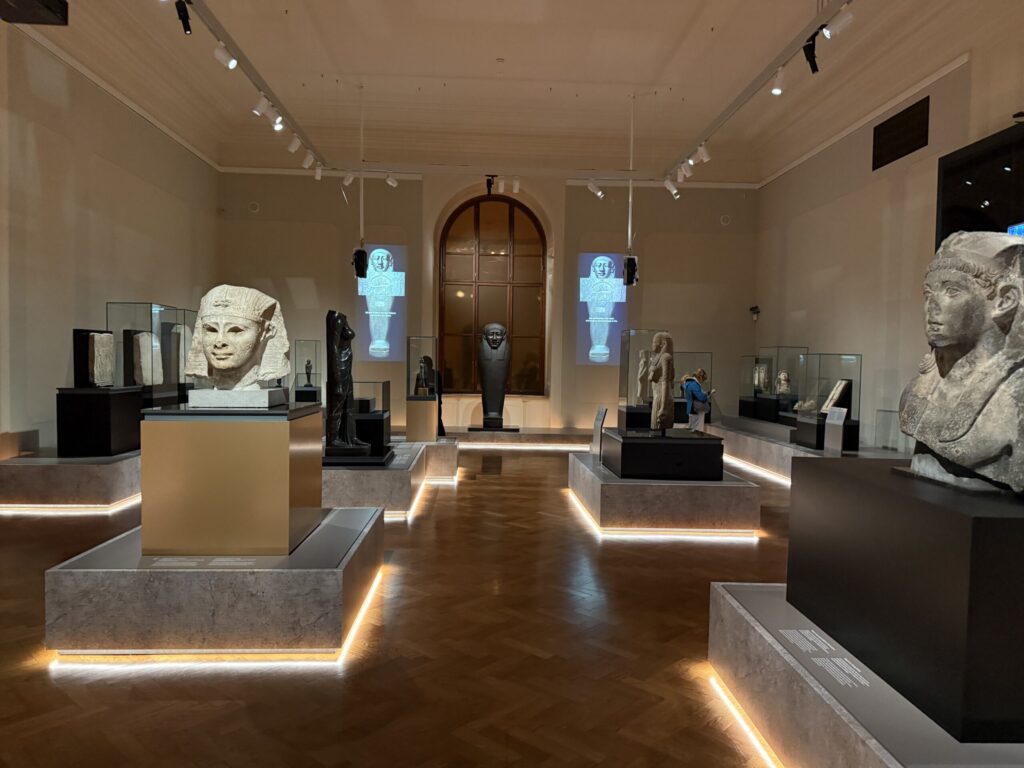
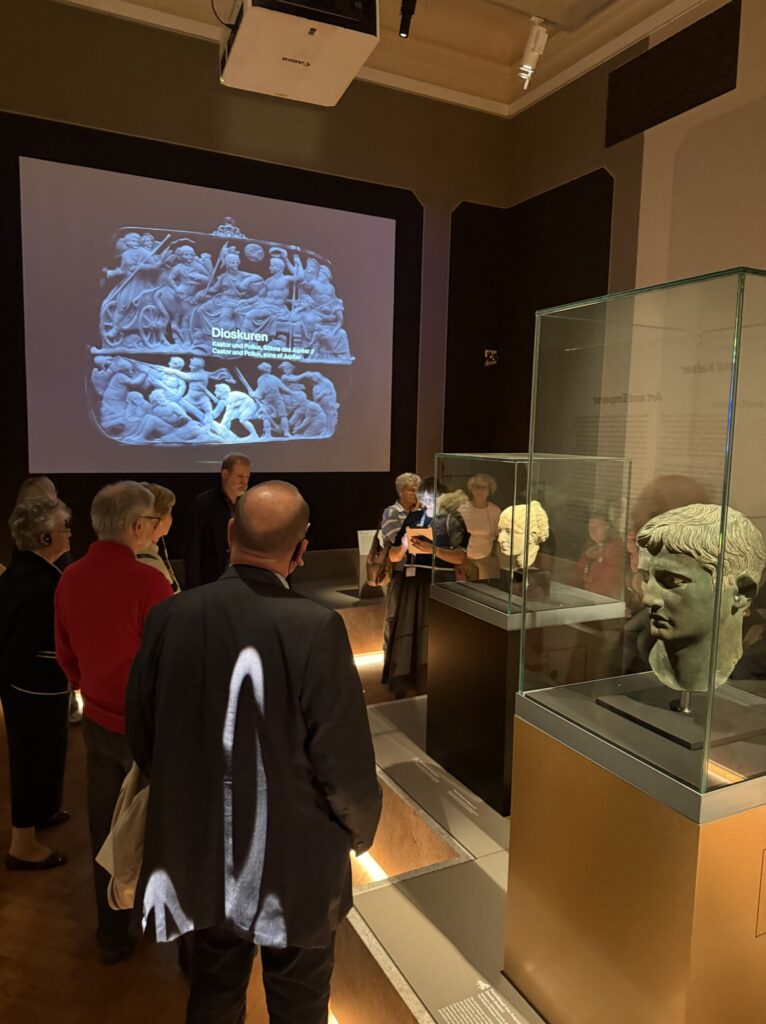
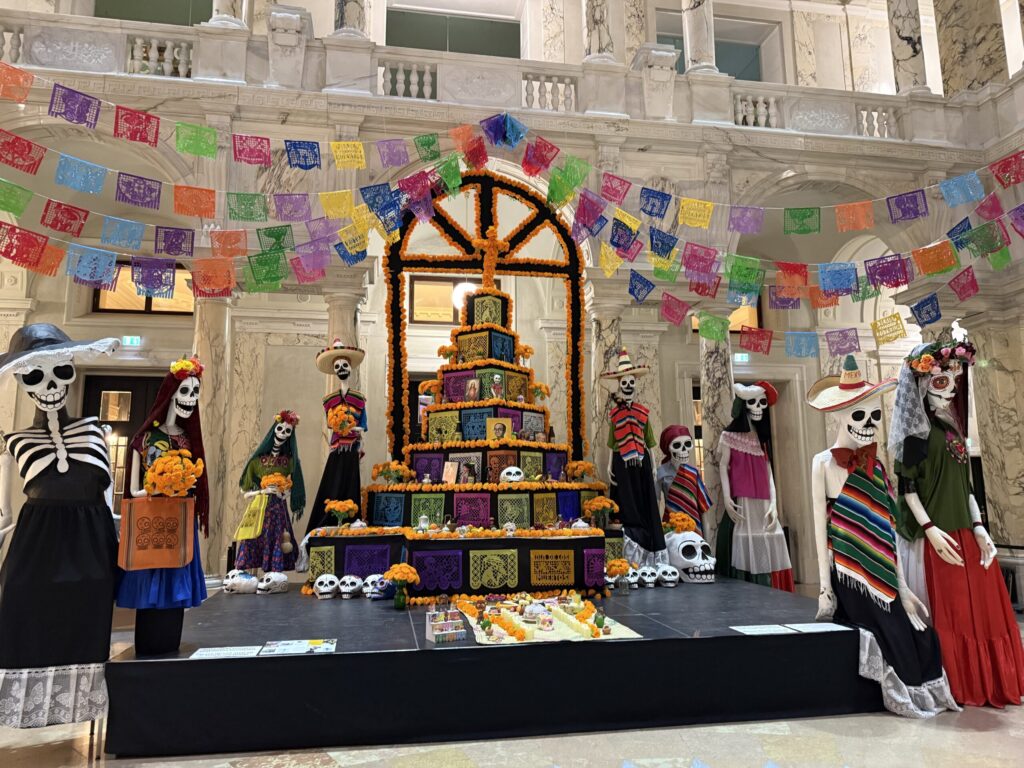
    Weltmuseum Visit

    Five Ideas

    Normal Pinjata

    /chema –> normal piñata

    Pinjata 1:

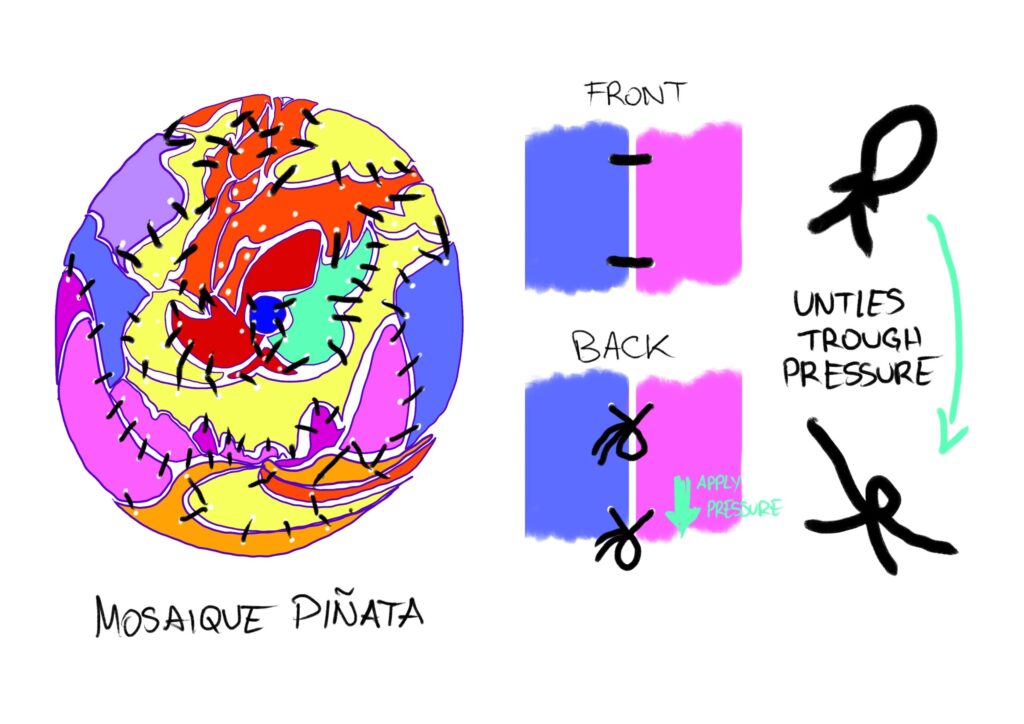
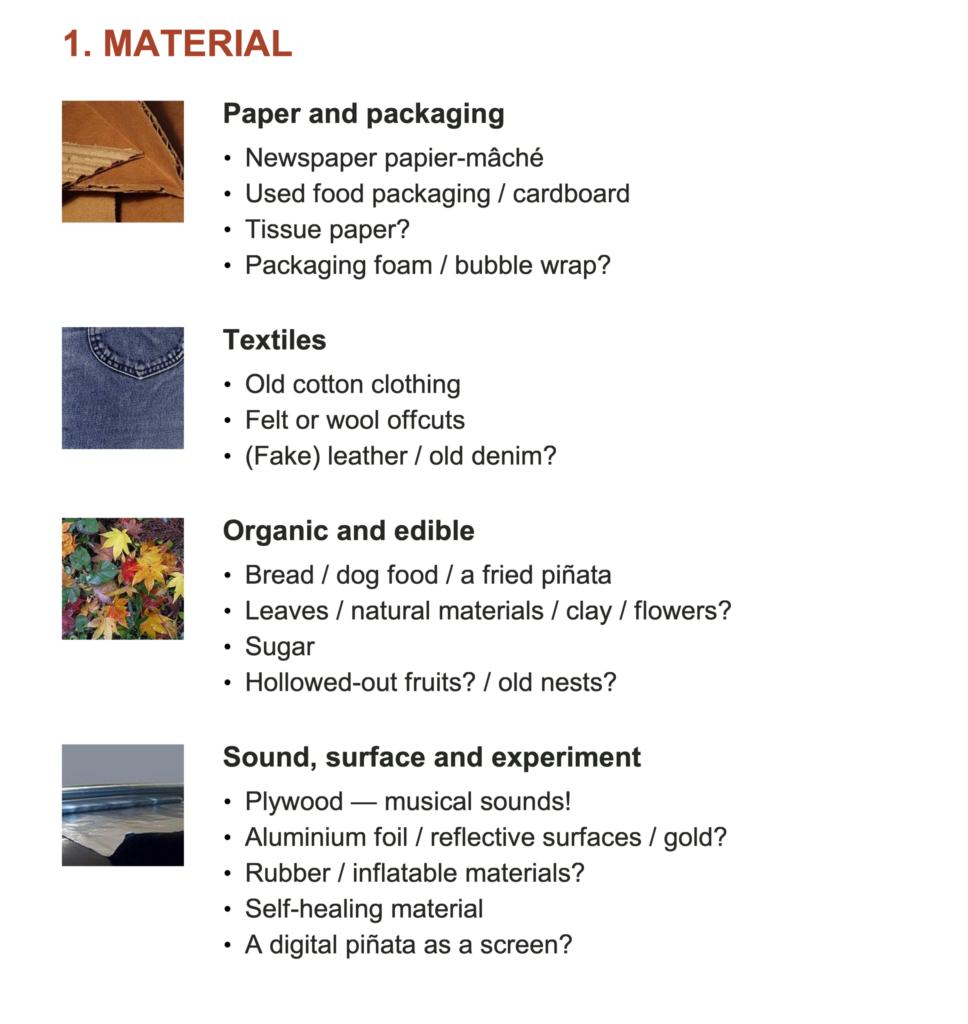
    M: Old cotton clothing / Felt or wool offcuts / (Fake) Leather / Old denim 

    F: ressablebale 

    I: instruction for putting it together again

    /abrar –> fabric


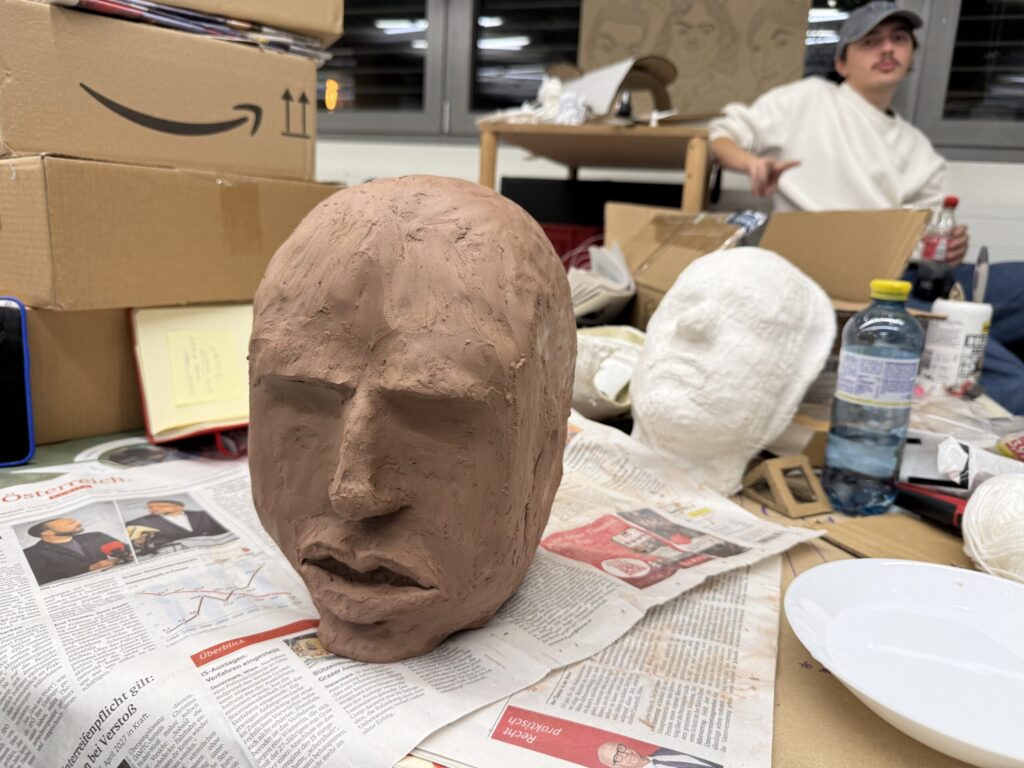
    /theresa –> head sketches
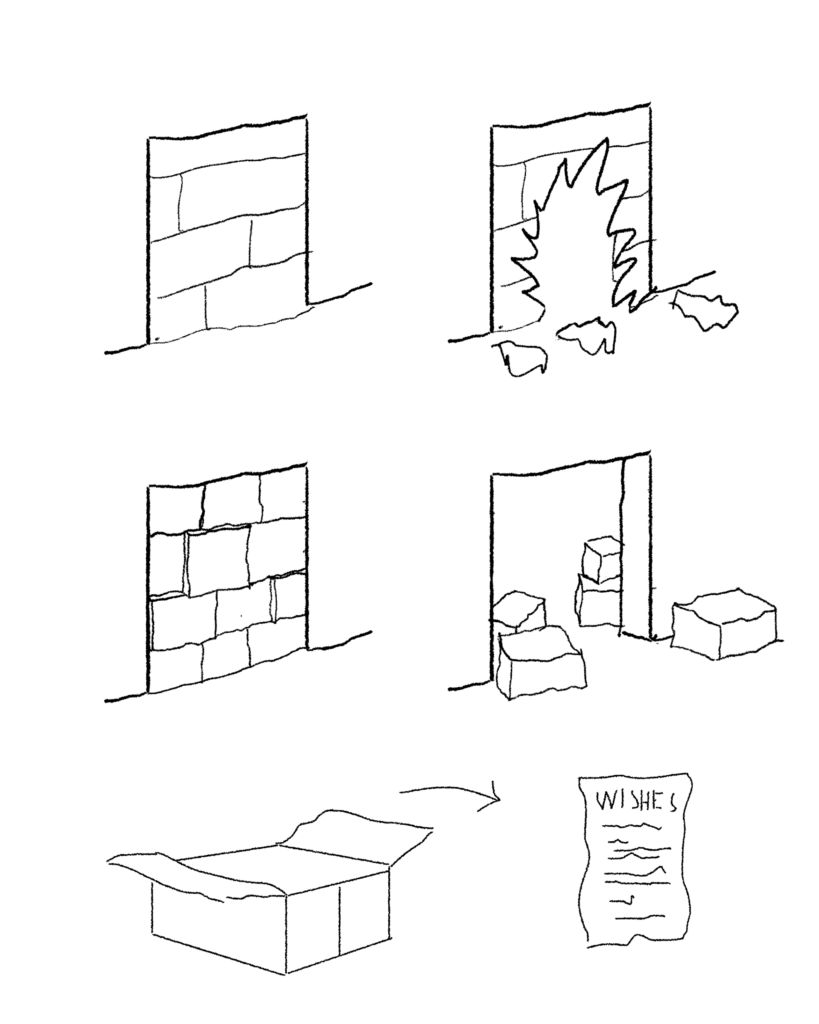
    /wall sketches –> Philip

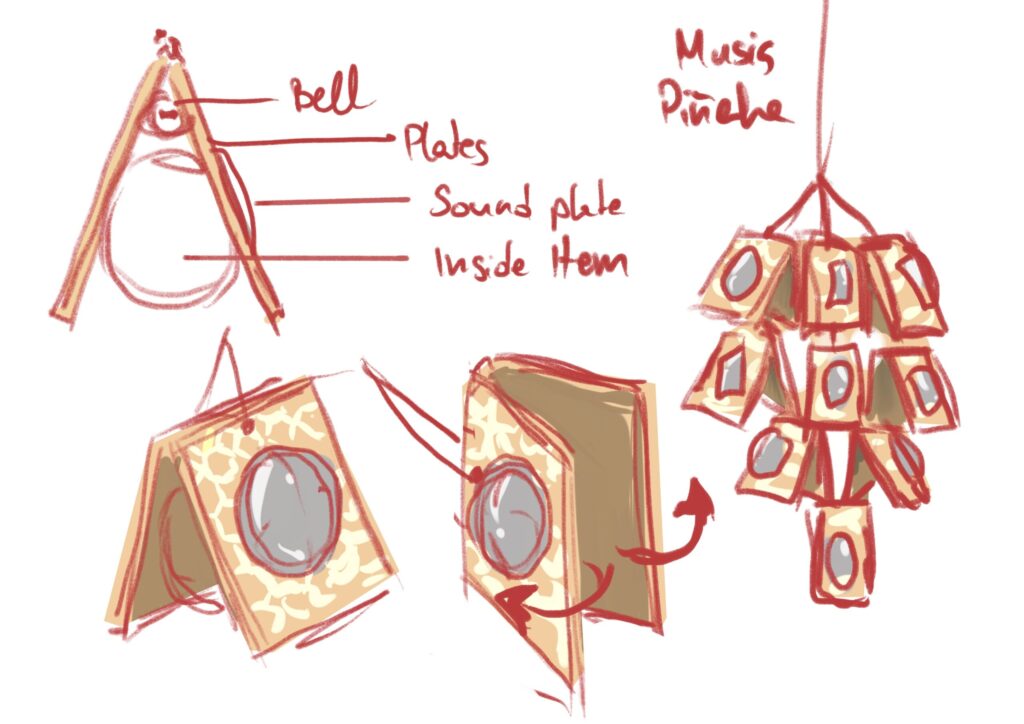
    /music –> Abrar, chema
    /pumpkin –> Philip
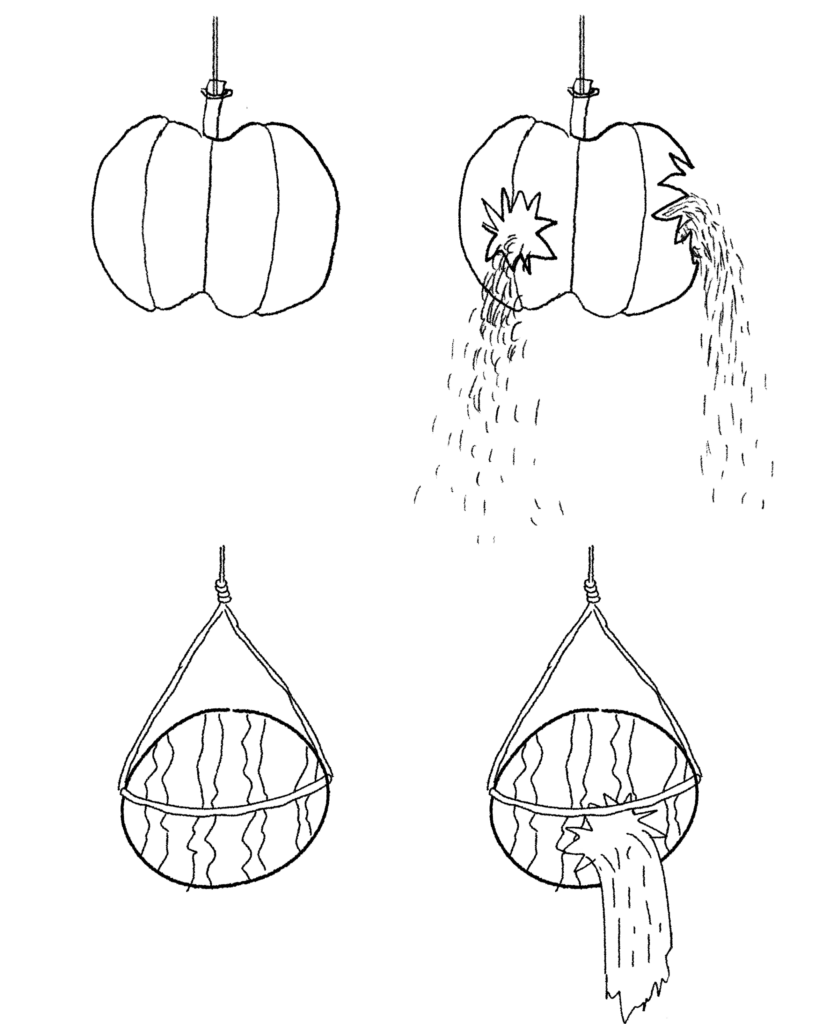
    Prototyping material study
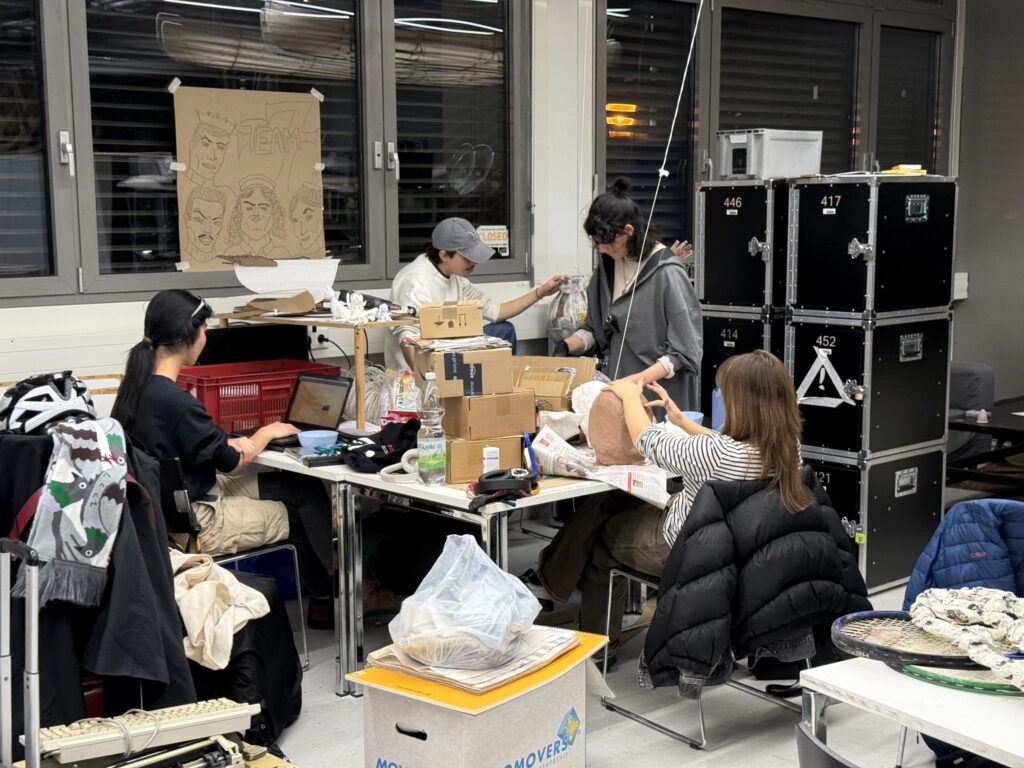
    Approach discussion with Alex

    With ideas we gathering from prototyping session we turned back to world building.

    Converging on a single final Storyline

    community –>
    what separates people –>
    borders

    Our final outline

    In the future, a region of Eurasia has been united into a single country known as New Pangea.

    After centuries of increasing international collaboration, humanity gradually decided to abolish the concept of national borders as we traditionally know them. Through a long and peaceful diplomatic process, borders slowly became obsolete, allowing people to move freely across the continent.

    To commemorate this historic transformation, the citizens of New Pangea celebrate National Borderless Day, a festival held twice a year, on the longest day and the longest night of the year.

    The celebration originates from a historic event that took place after borders were officially abolished. People from across the continent came together to dismantle the remaining physical border walls, turning their destruction into a collective act of unity and celebration.

    The tools used during this event were kept as symbolic objects and eventually became an essential part of the annual festivities.

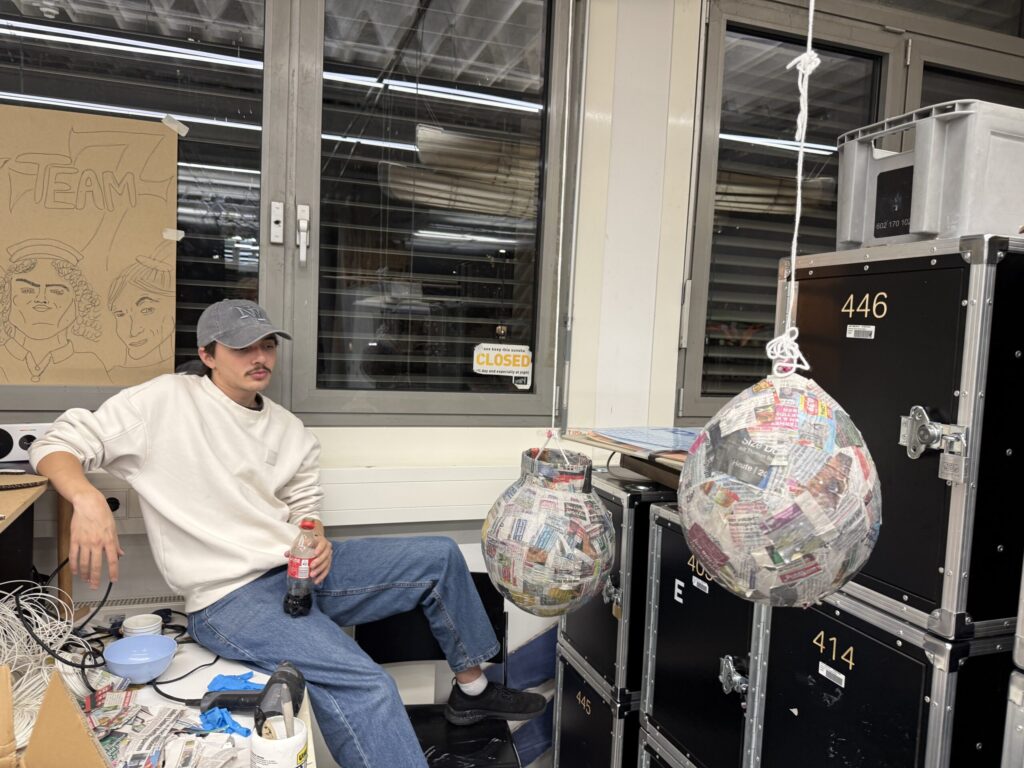
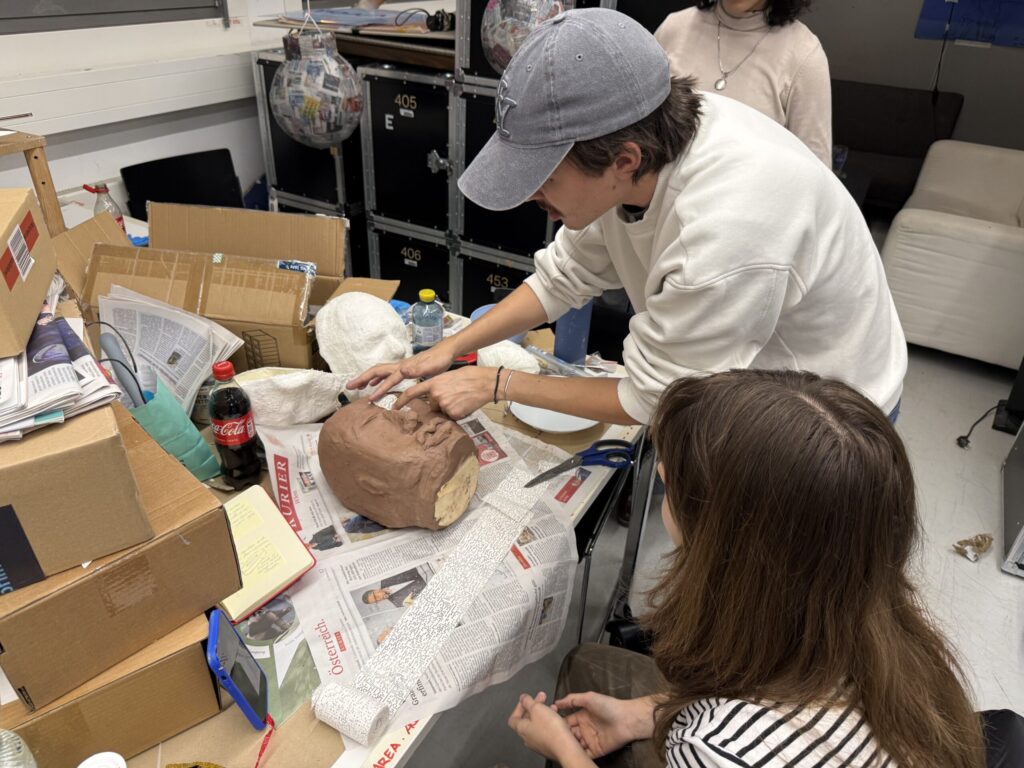
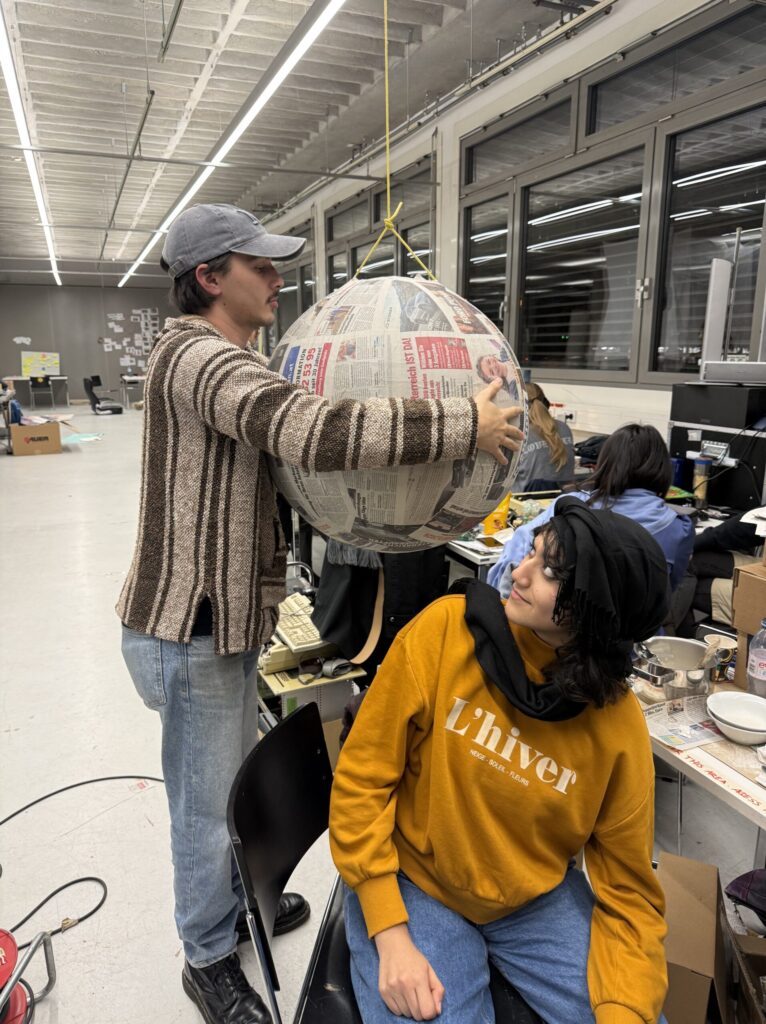
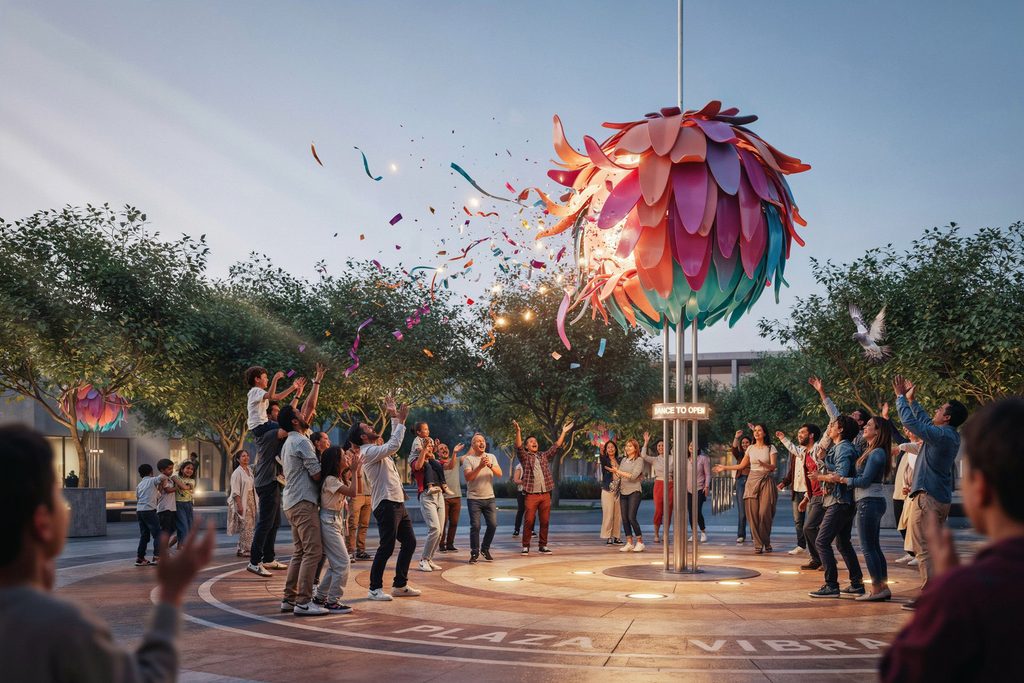
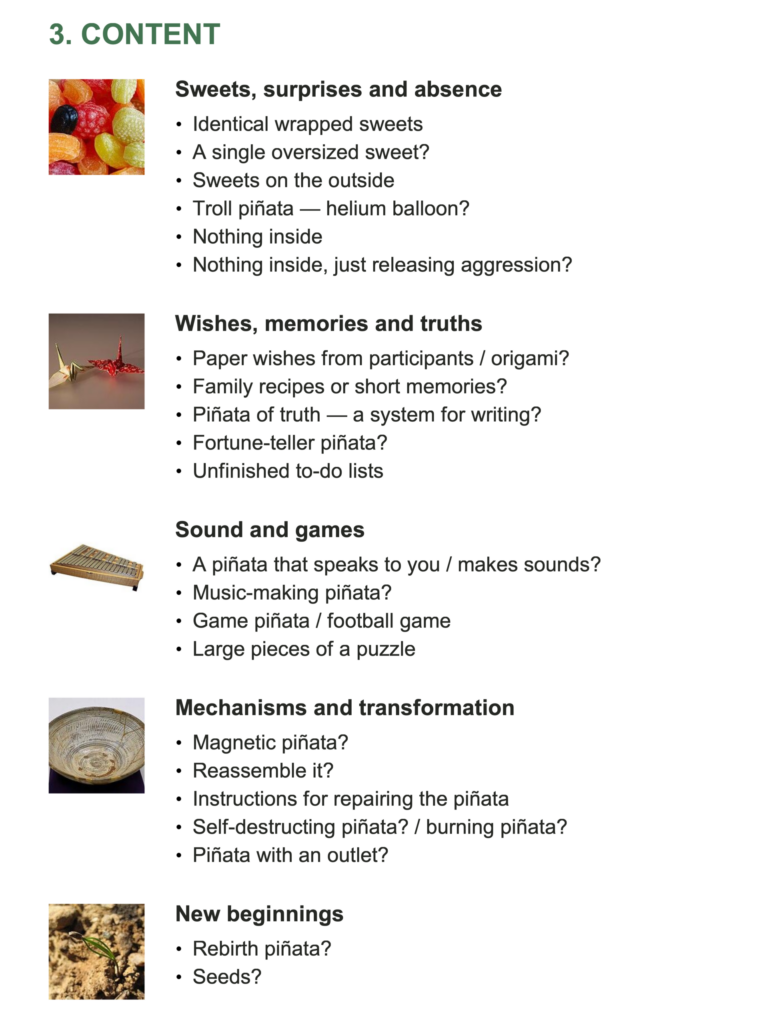
    Today, citizens gather to recreate this historic moment by collectively breaking down large walls made from piñatas. Hidden inside these walls are images of places from across New Pangea. As the walls are broken, the images fall out and are collected by the participants.

    Each image represents a destination that its recipient is encouraged to visit in the coming years, transforming the symbolic destruction of borders into an invitation to explore, travel, and connect with people from different places.

    What began as the physical removal of borders has evolved into a shared ritual that celebrates freedom of movement, cultural exchange, and human connection.

    Question:

    Significance of the object having been physical a part of the event itself?

    Special thanks to Diana for support us in this process!
  • Feedback 23.10.2026

    By

    Philip Emricht

    ,

    Abrar Aitounejjar

    and

    Theresa Kappacher

    General Questions:

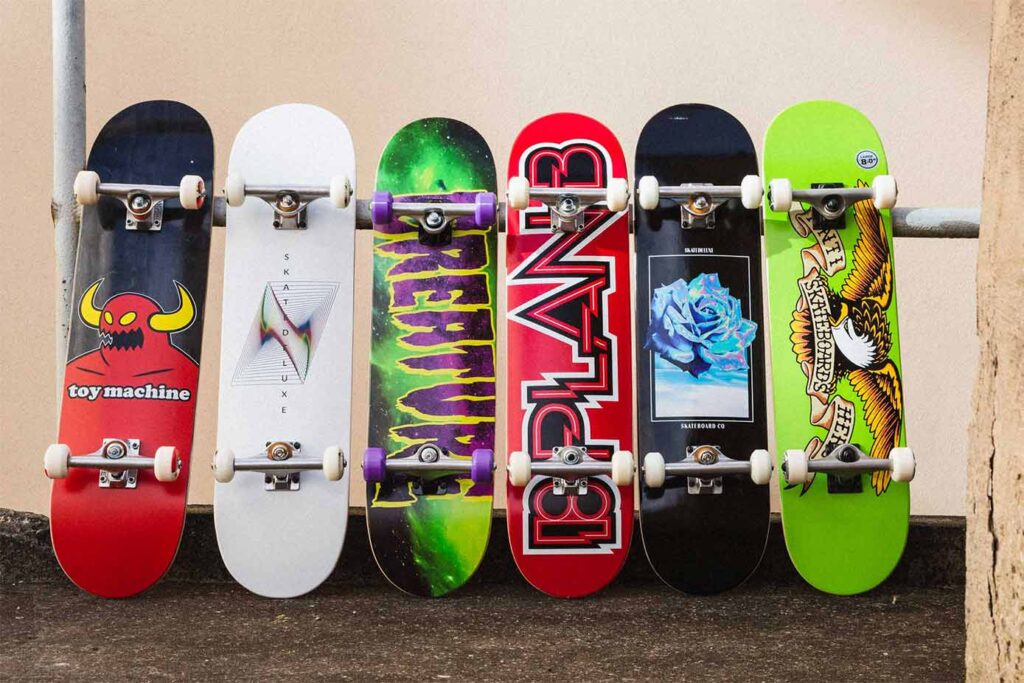
    1. What is the history of an object and who will continue this history into the future? (Piñata, Skateboard)
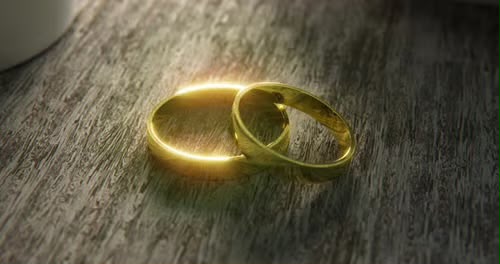
    2. What are objects that celebrate life? (Wedding Rings, Penguins with Stones)
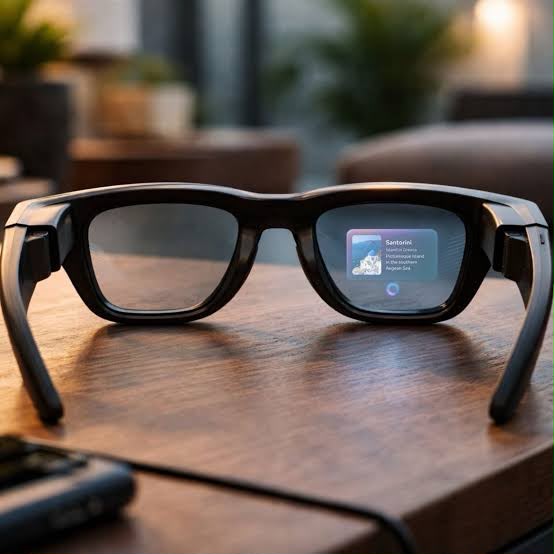
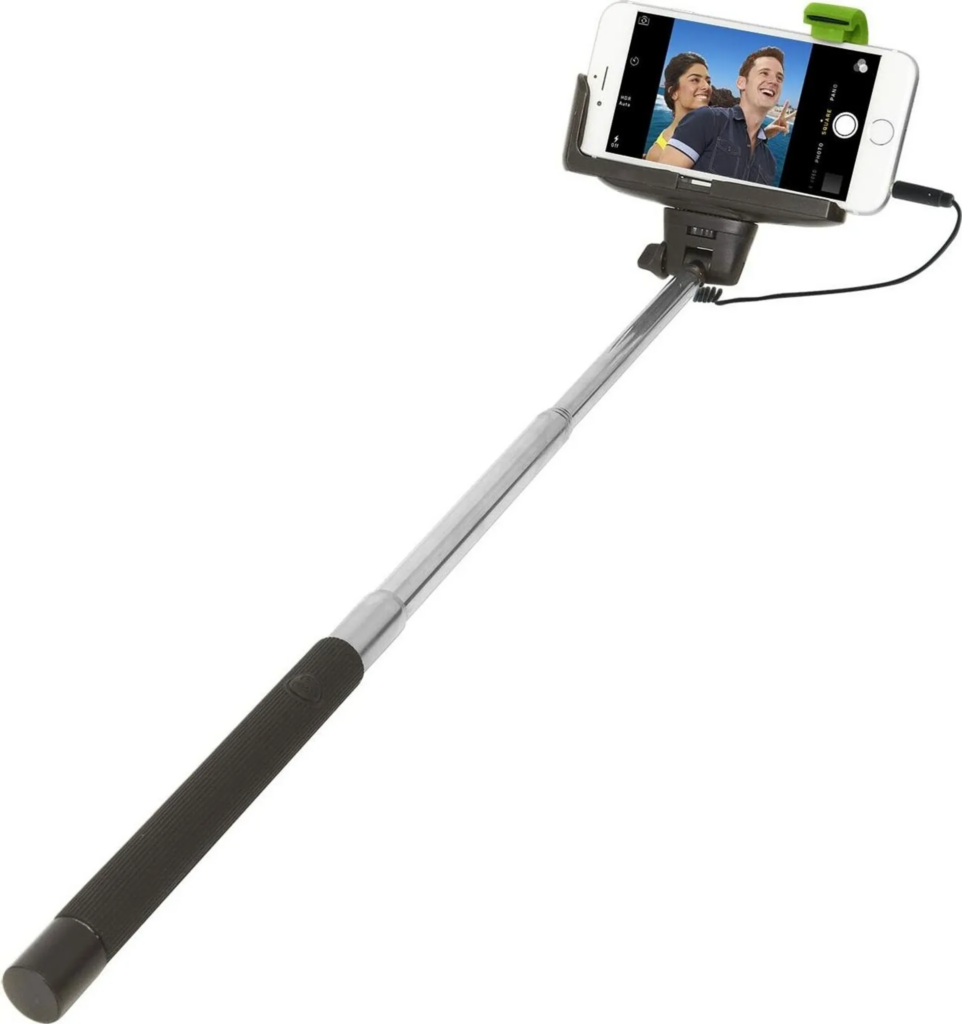
    1. Living in the presence vs cheating objects for nostalgia / records? (Photographs, Selfie Sticks, Lighting Equipment, Microphones, Meta Glasses)
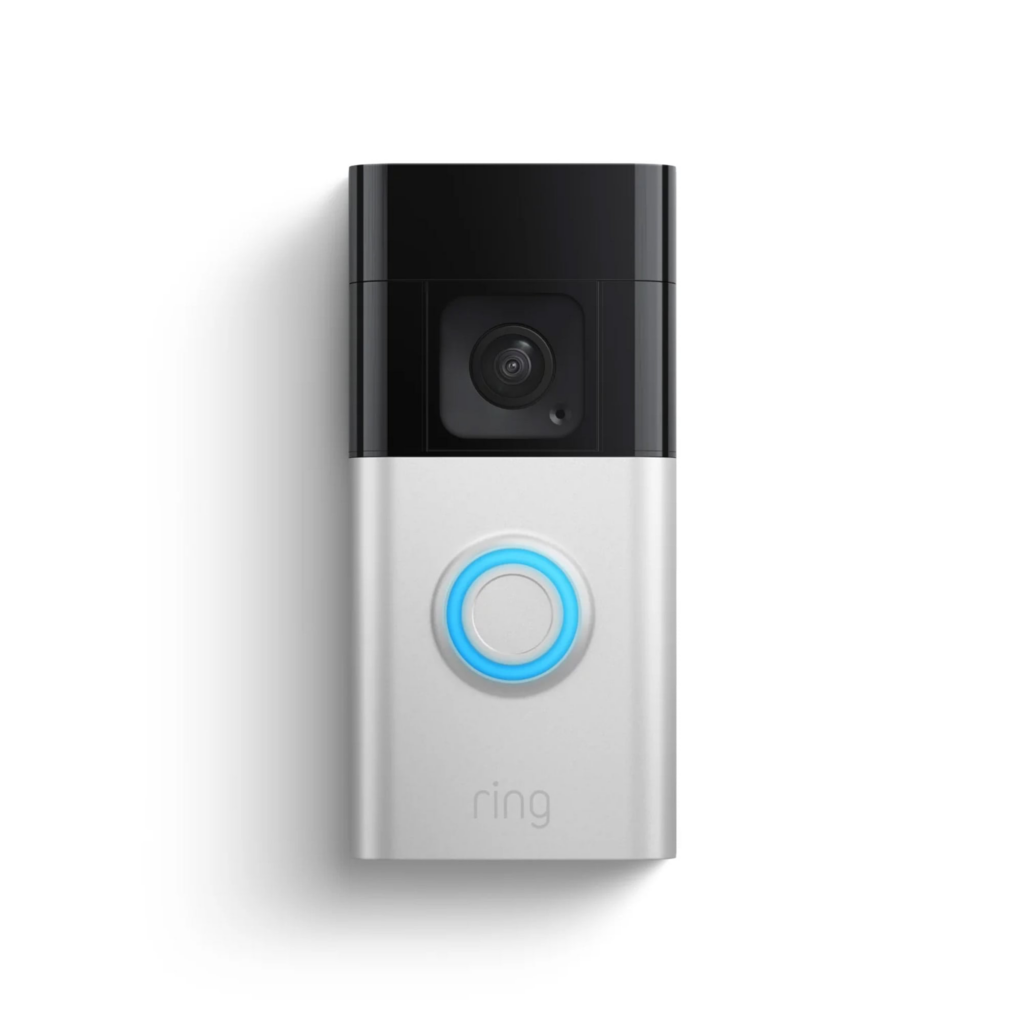
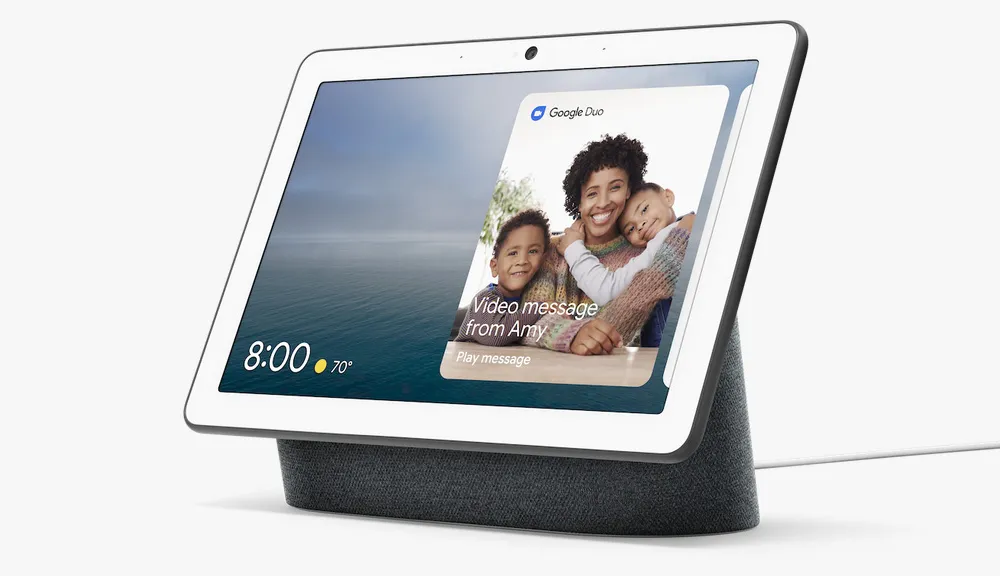
    1. When do we observe objects and when do they observe us? (Smart Objects)
    1. What Objects do we even have ownership over today and how does this change our behavior? (Subscriptions, Rental Contracts)
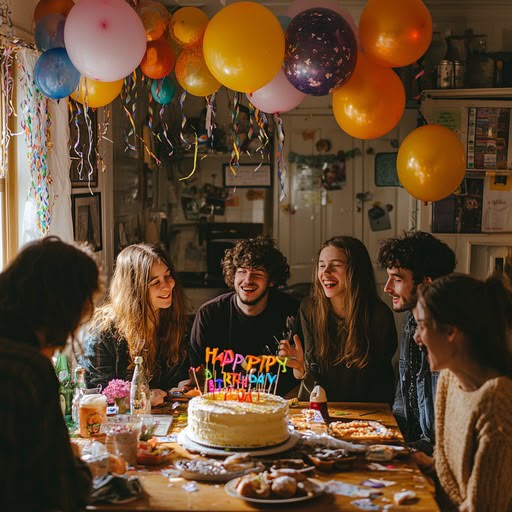
    1. What objects can create community? (Birthdays, Pinjatas, Social Media) digital vs analog?
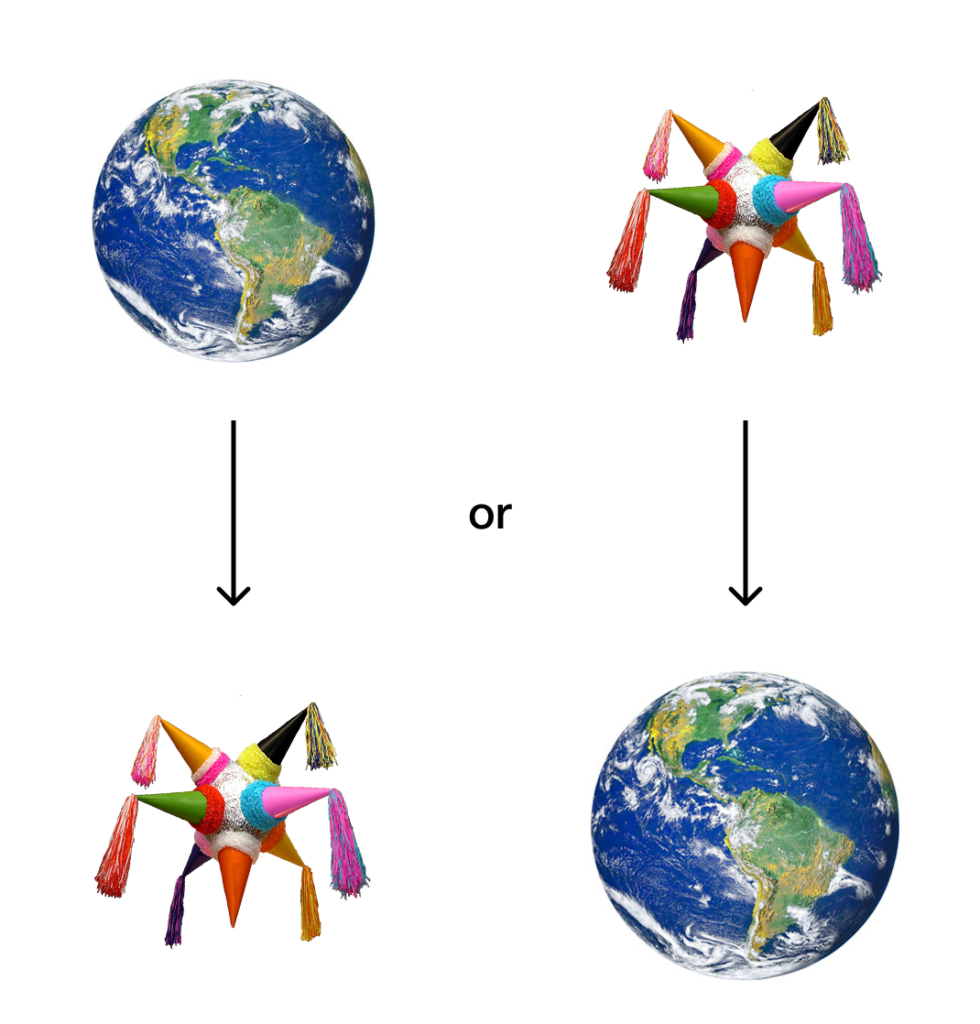
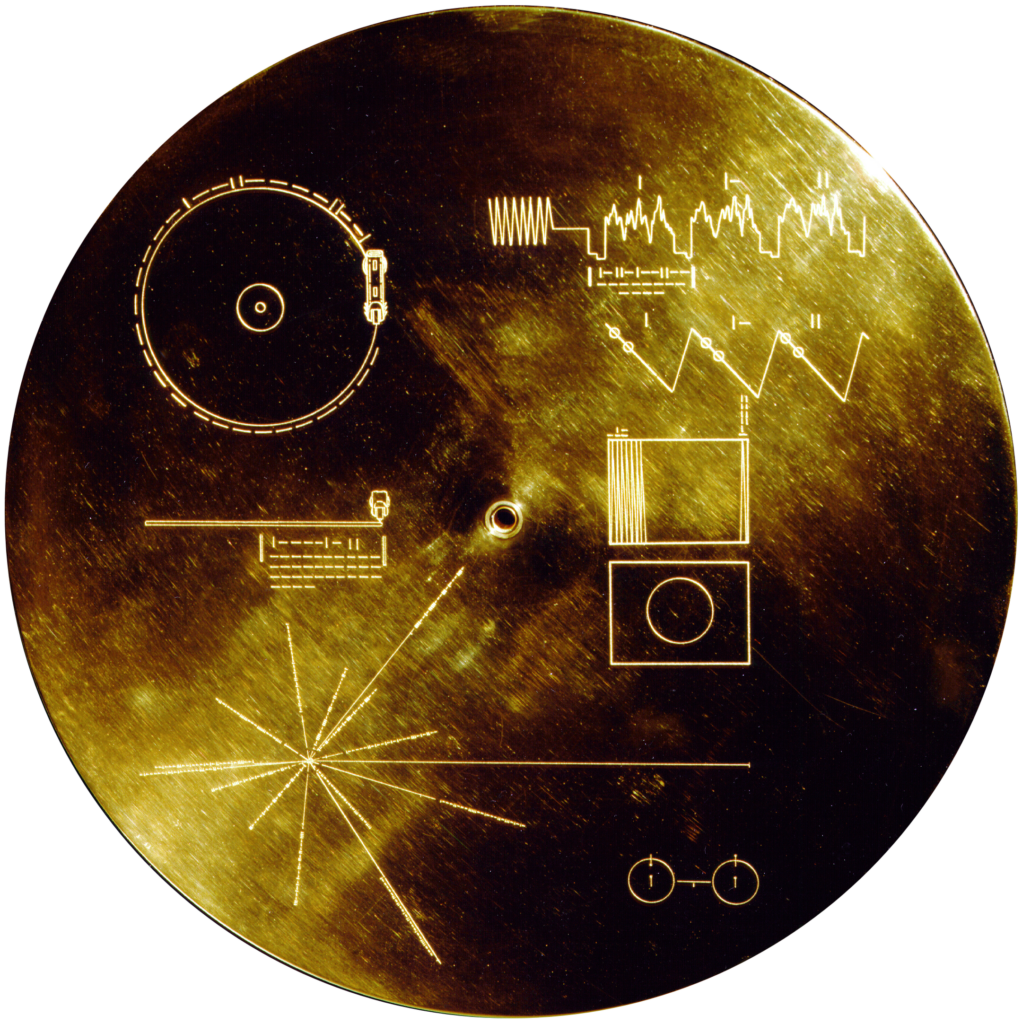
    1. Can an object represent a world? Is there an object that is universally understood? (Golden Plate form Voyager, )
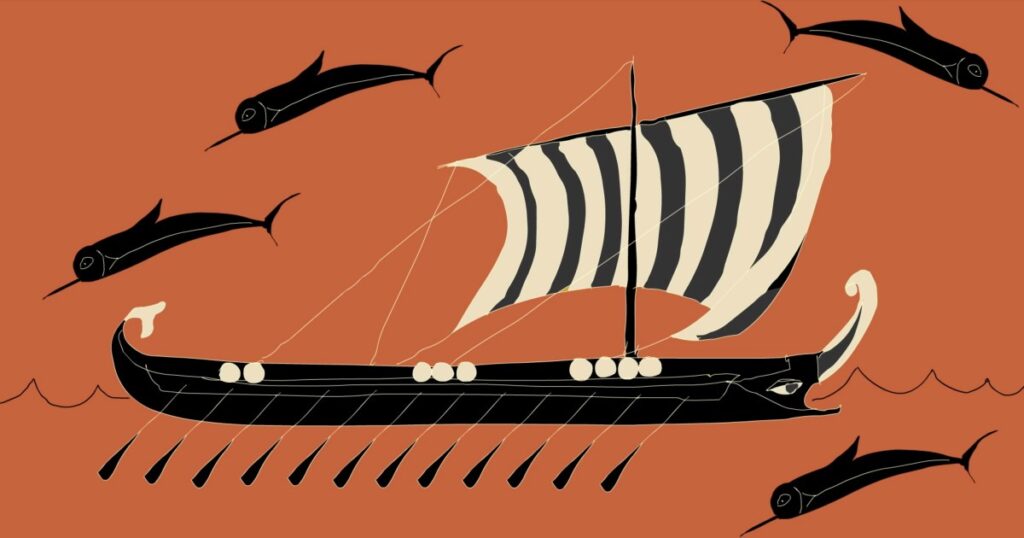
    1. What even is an Object? When does one object become another? (Boat of Theseues) 

    Brainstorming focusing on specific topics

    We want to explore the consequences of an overproductive society, where structural, technological and cultural shifts prioritise efficiency, production and success over human connection.

    The loneliness epidemic. A growing public health crisis associated with a 29% higher risk of premature death.

    Positive future. Technology and art to inspire people to care for each other rather than only themselves. Real and virtual community building. Sense of belonging. Ritual. Feeling something inside you and around you.

    Narrowed Down

    How do we give people the opportunity to connect within the framework of a megacity? How can a physical object help facilitate that connection? (non-transactional)

    What are Objects that actually create community?

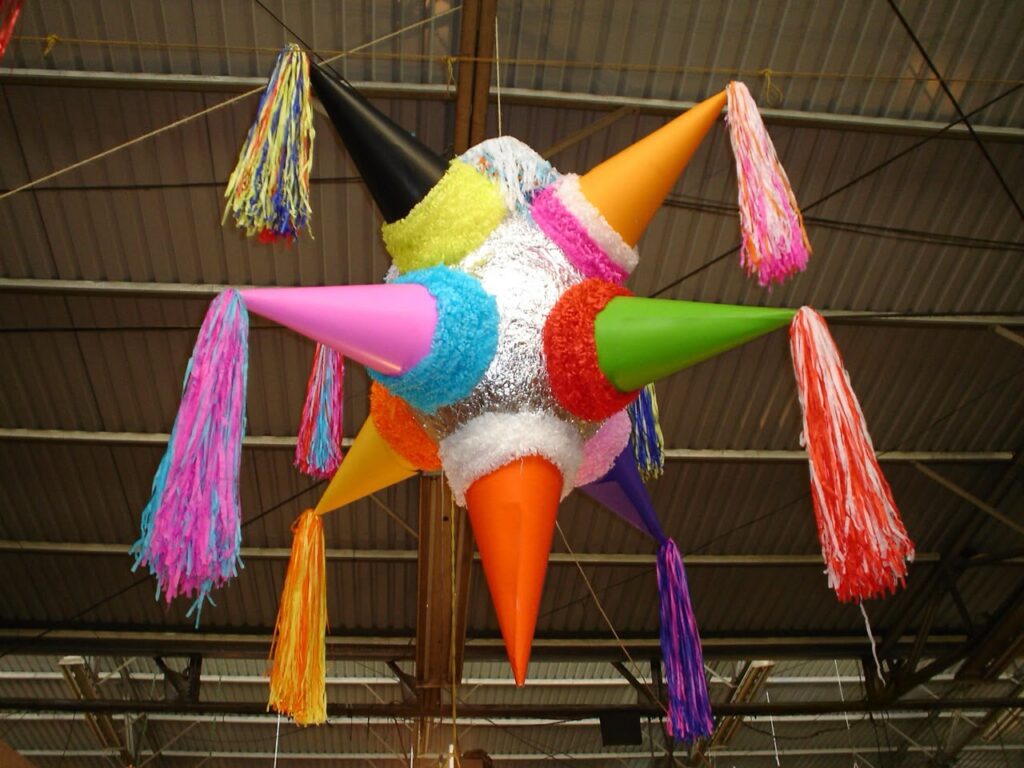
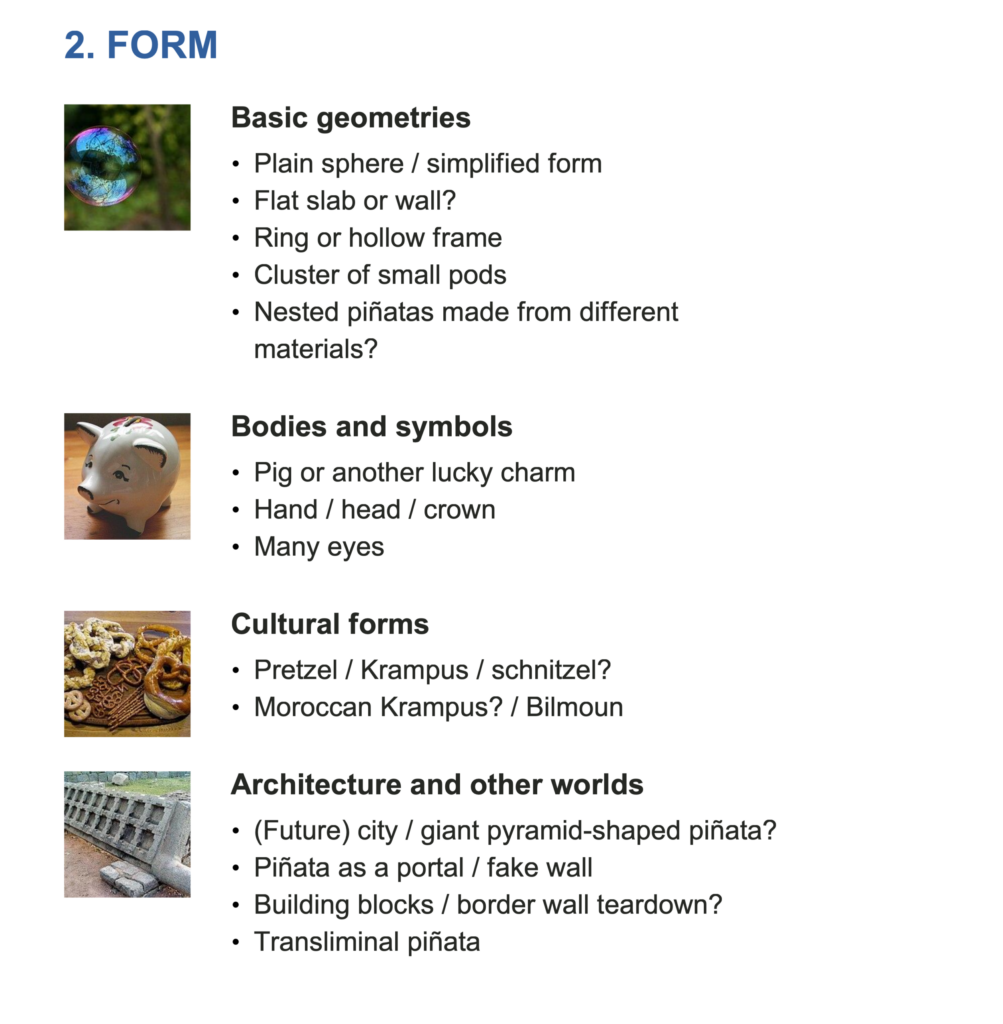
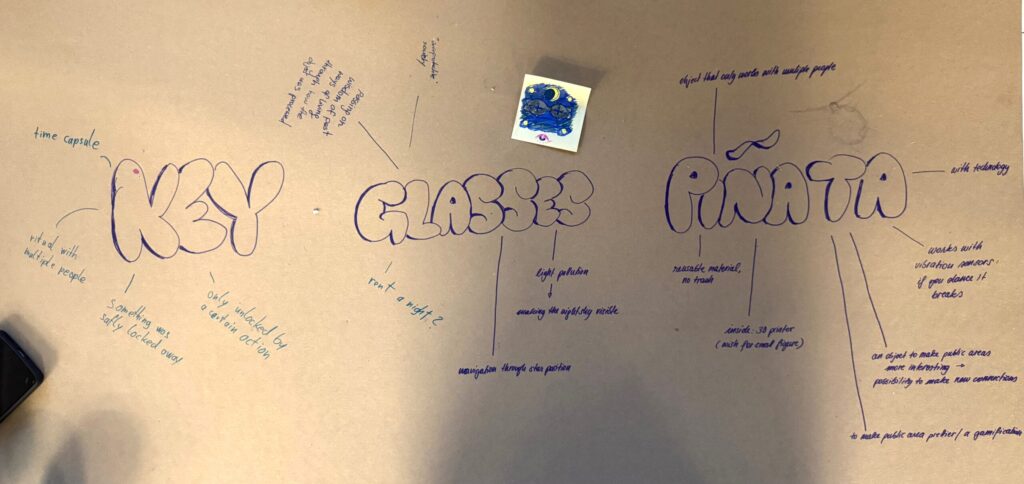
    Piñata

    We envision a reusable, interactive piñata that unlocks through collective movement and dance. By combining technology, play and mystery we transform public places into places of connection and shared experiences.

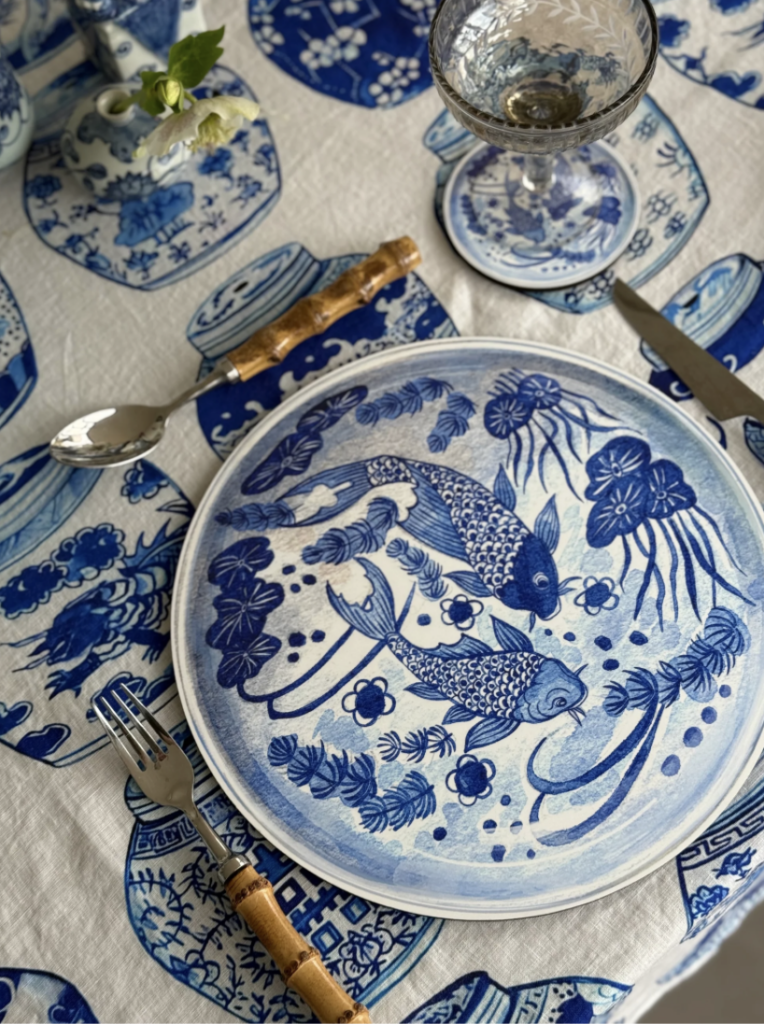
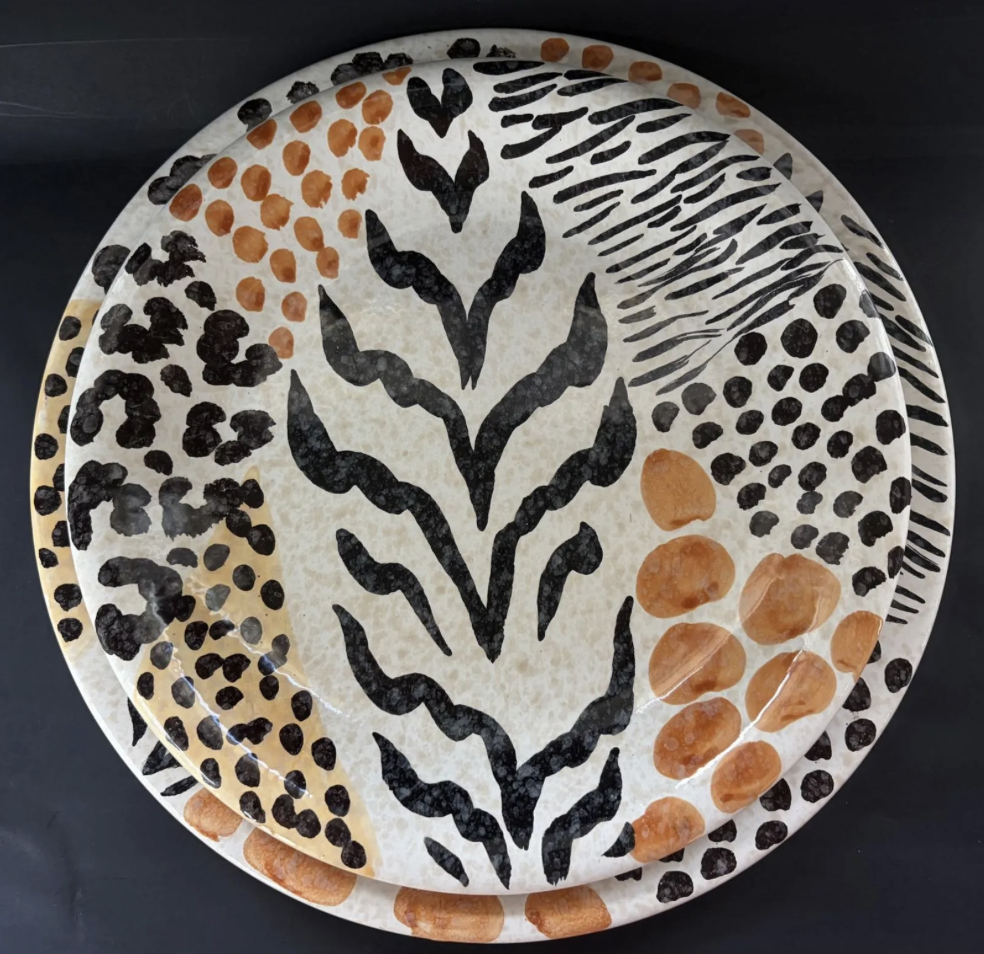
    Plates

    Worldbuilding Approach and Next Steps

    Starting from world building vs starting from a single object?

    Object from the presence or near future?

    How can our object not be artificial?


  • Frist – Feedback 15.10.2026 🥳

    By

    Philip Emricht

    ,

    Abrar Aitounejjar

    and

    Theresa Kappacher

    Initial Discussions:

    WE HAD A LOT OF QUESTIONS.
    SO WE STARTED COLLECTING THEM.

    We found 4 main questions:

    What is the history of an object and who will continue this history into the future?

    (Pinjata, Skateboard)

    What objects can create community? digital vs analog?

    (Birthdays, Pinjatas, Social Media)

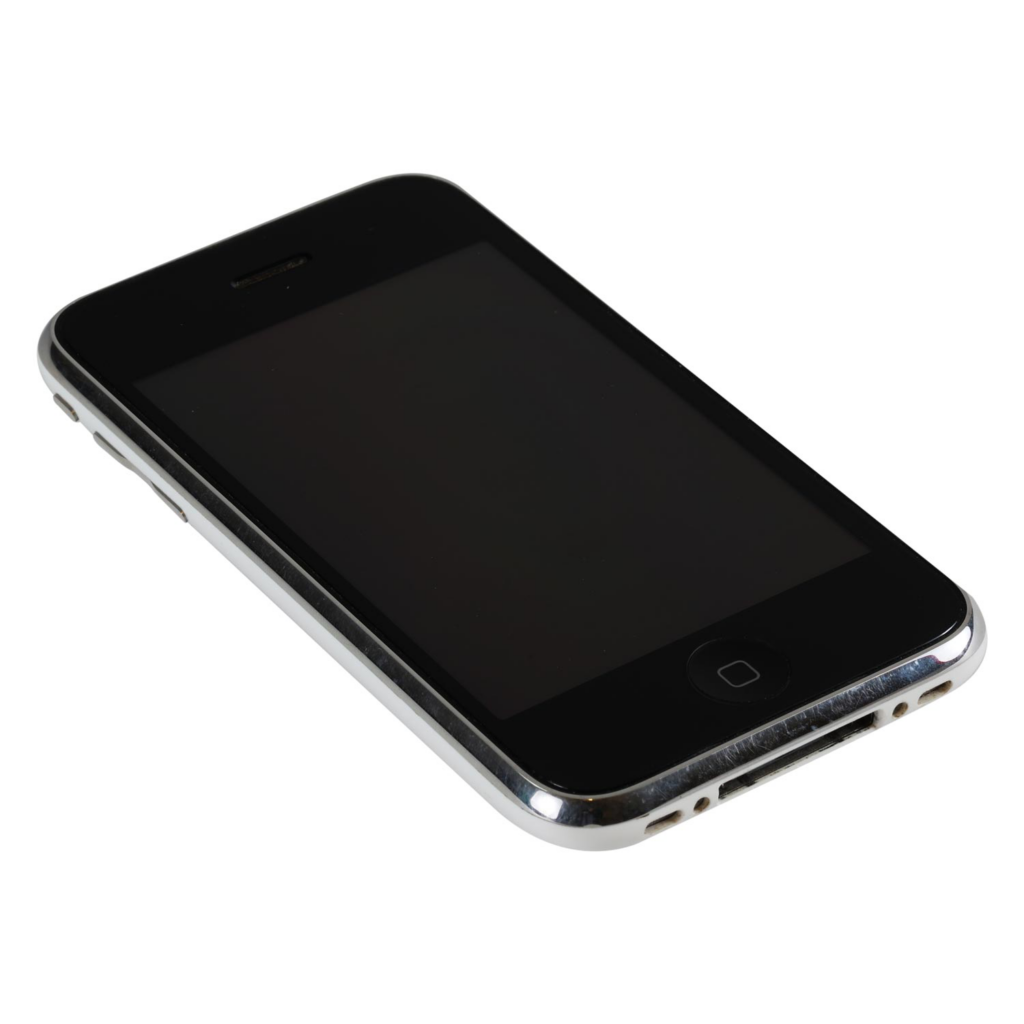
    Can an object represent a world? Is there an object that is universally understood?

    (Phone , Golden Record Voyager)

    What even is an Object? When does one object become another?

    (Boat of Theseus)

    Within these broader topic we found some more specific questions that sparked our interest.

    When do we observe objects and when do they observe us?

    (Smart Objects)

    Opposite Question: Living in the presence vs creating objects for nostalgia / records?

    (Photographs, Selfie Sticks, Lighting Equipment, Microphones, Meta Glasses)

    What Objects do we even have ownership over today and how does this change our behavior?

    (Subscriptions, Rental Contracts)

    What are objects that celebrate life?

    (Wedding Rings, Penguins with Stones)

  • Schwimmdache – NEU

    By

    Lena Lojić

    and

    Abrar Aitounejjar

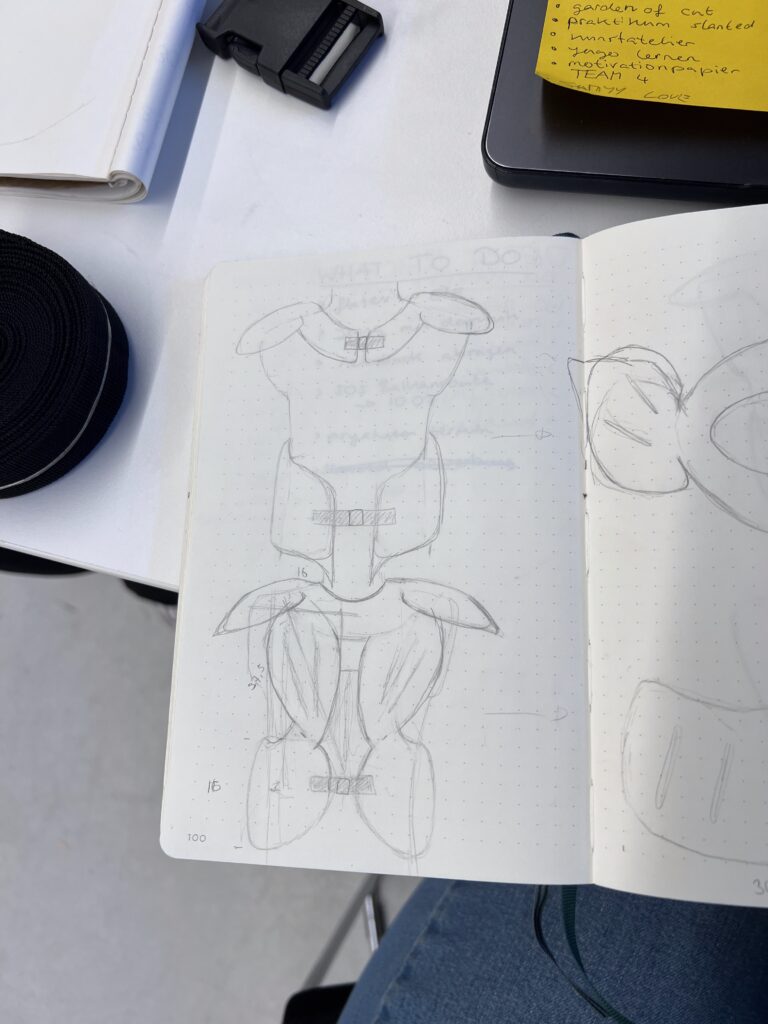
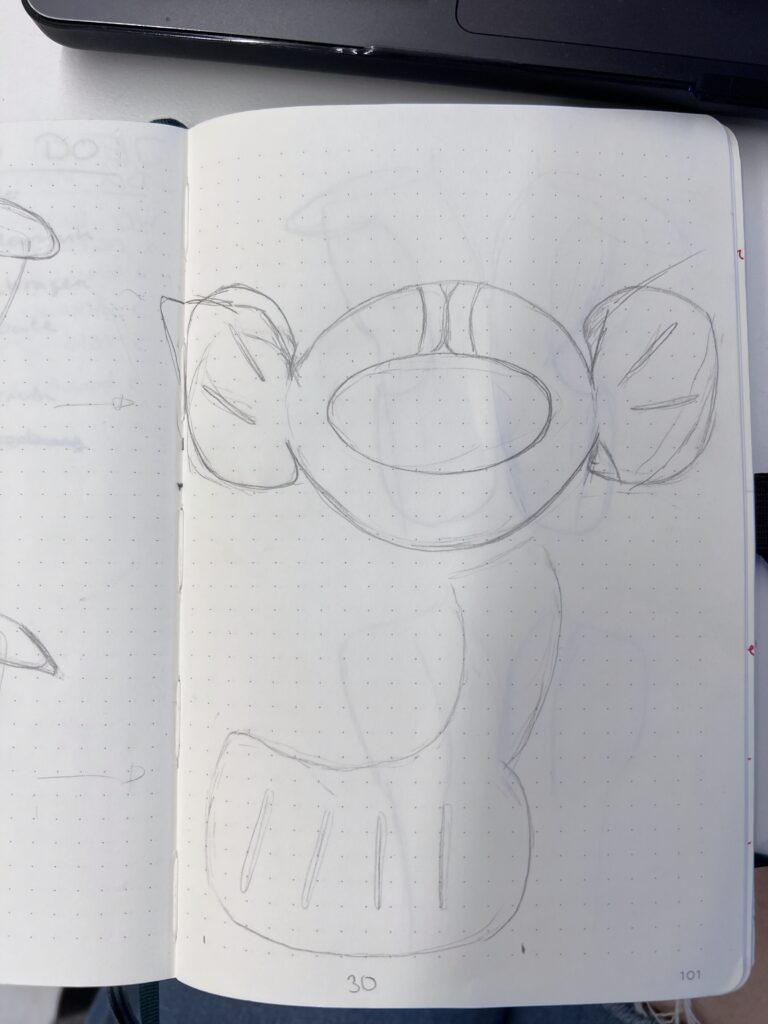
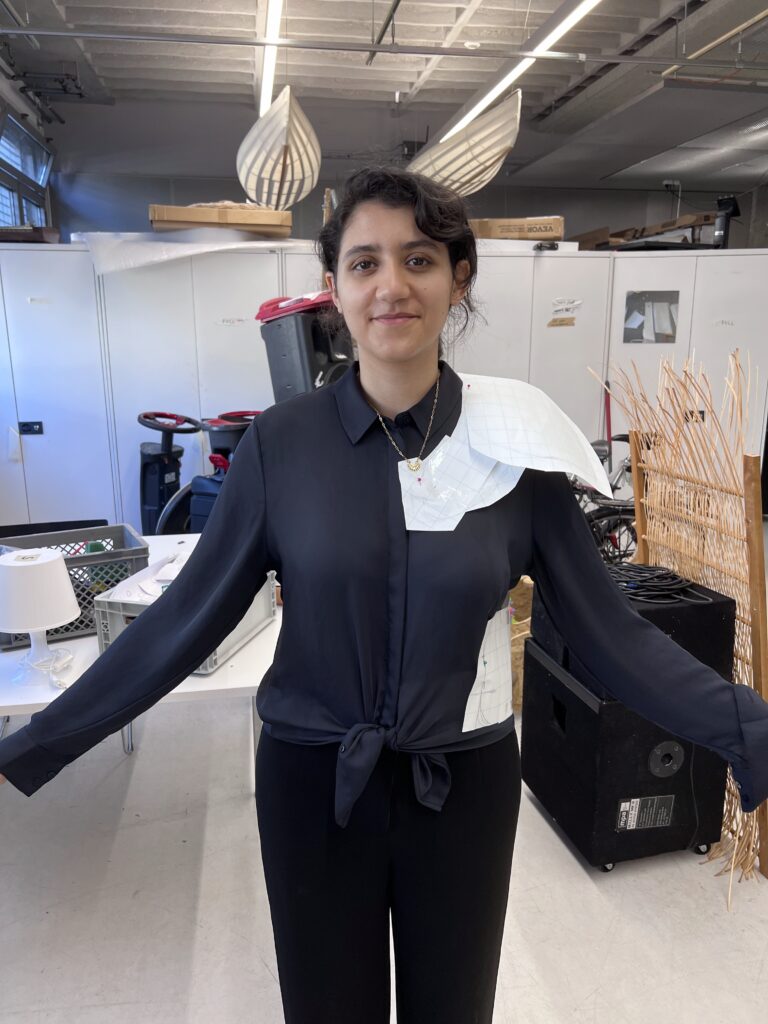
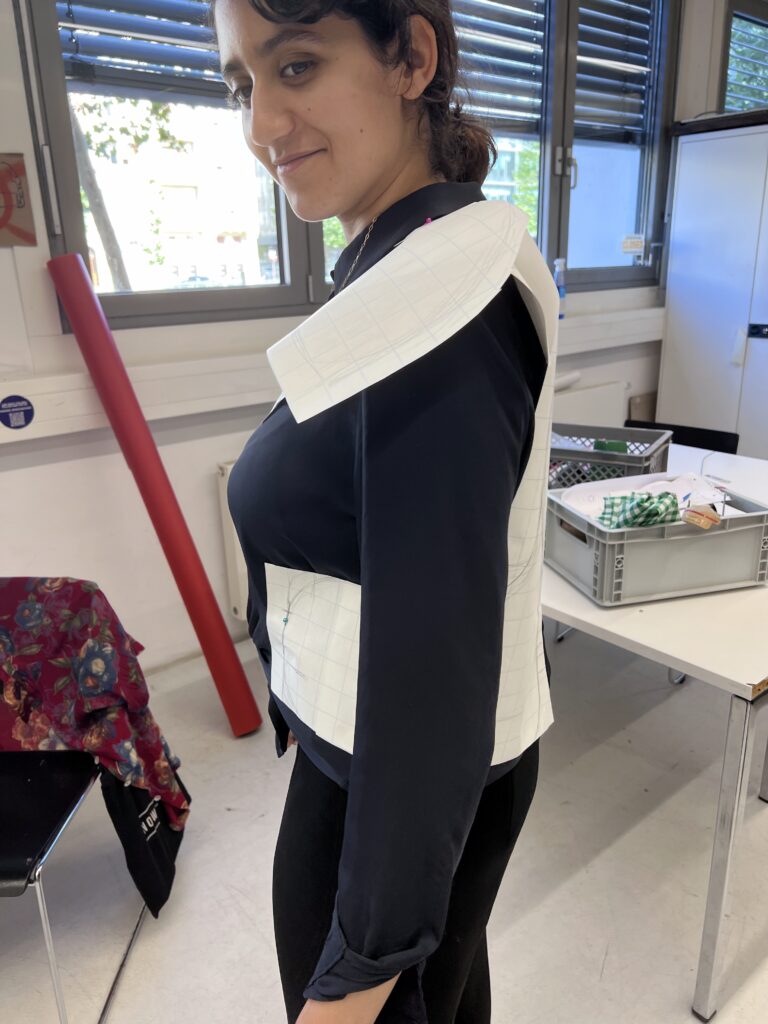
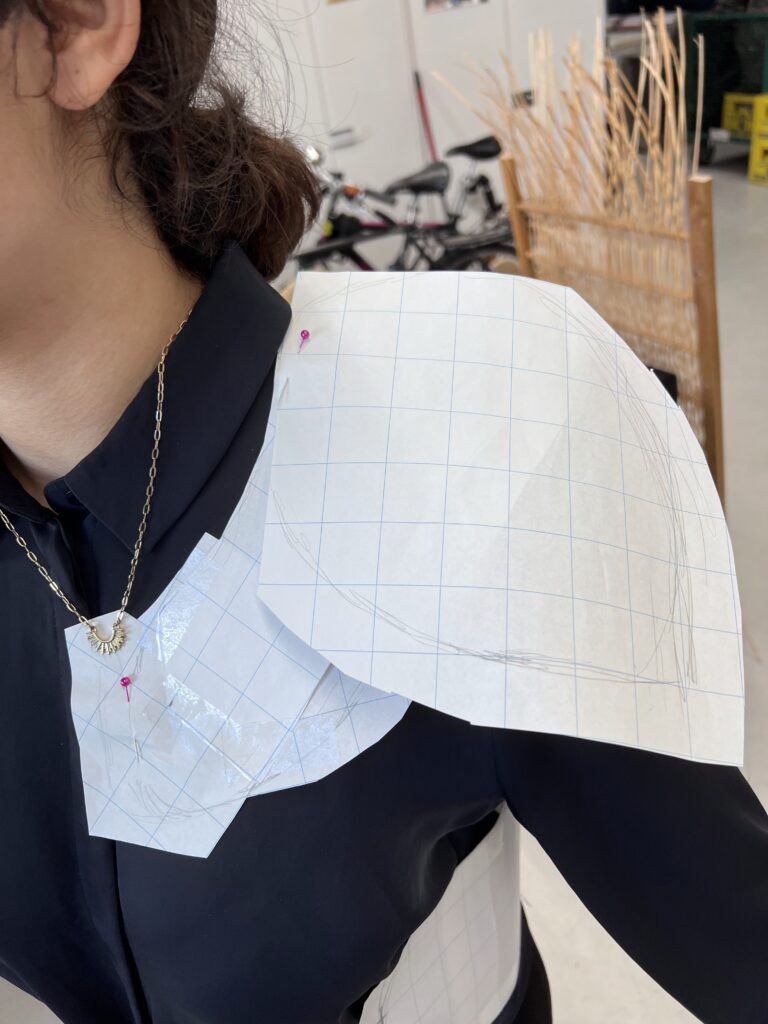
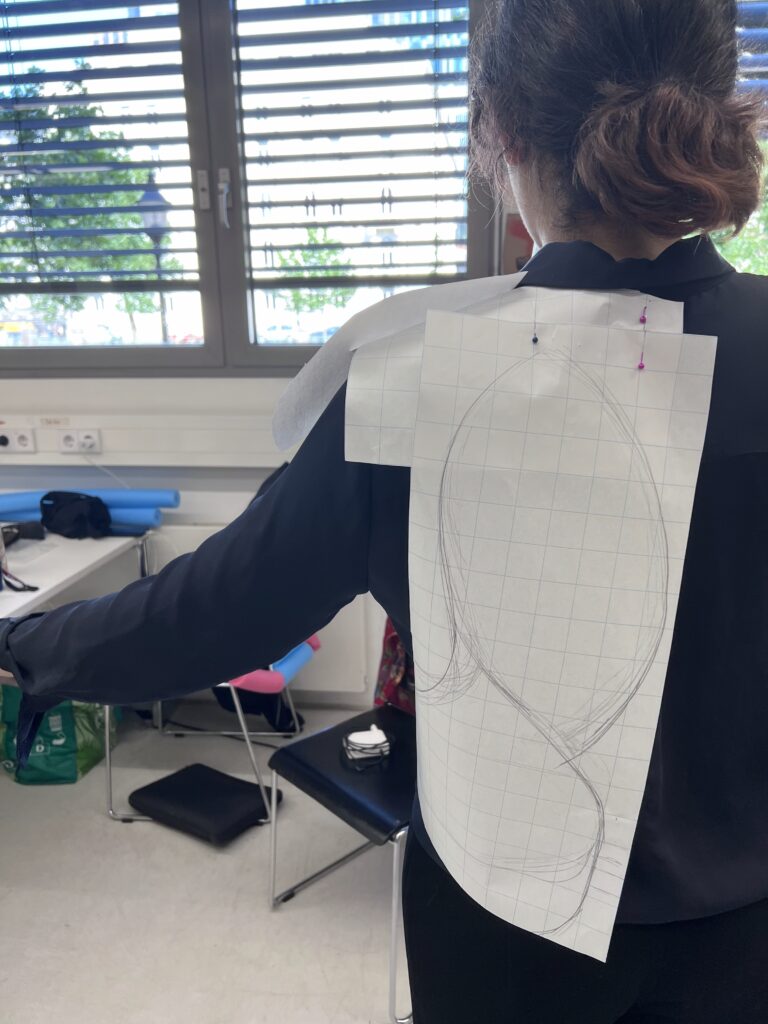
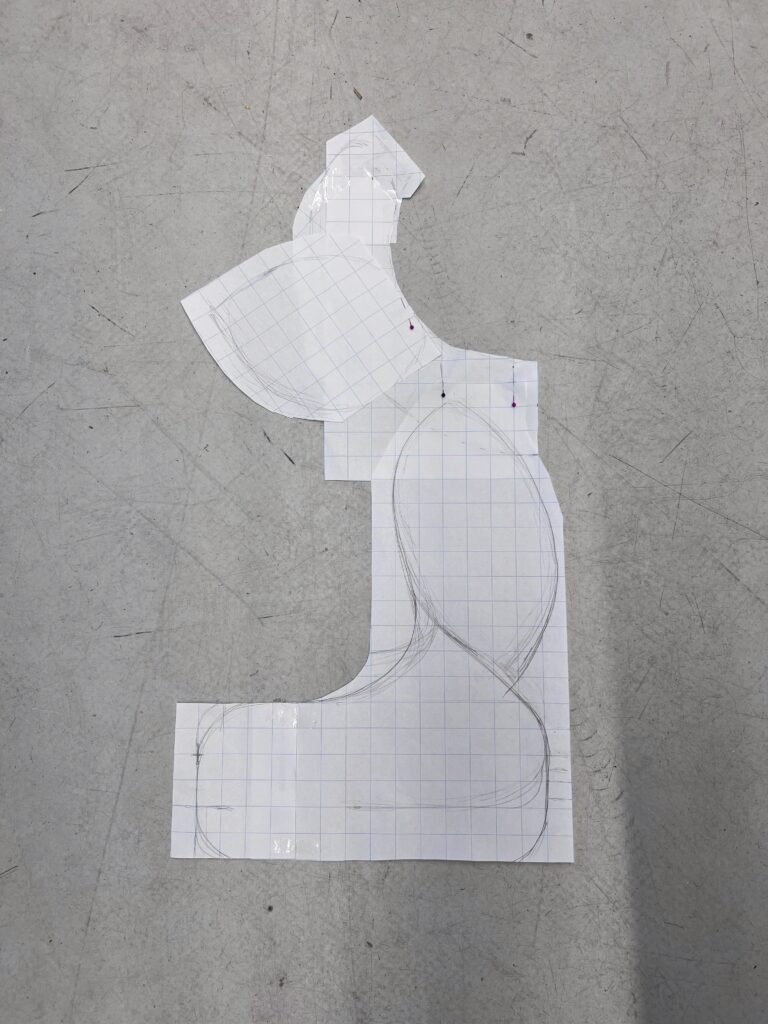
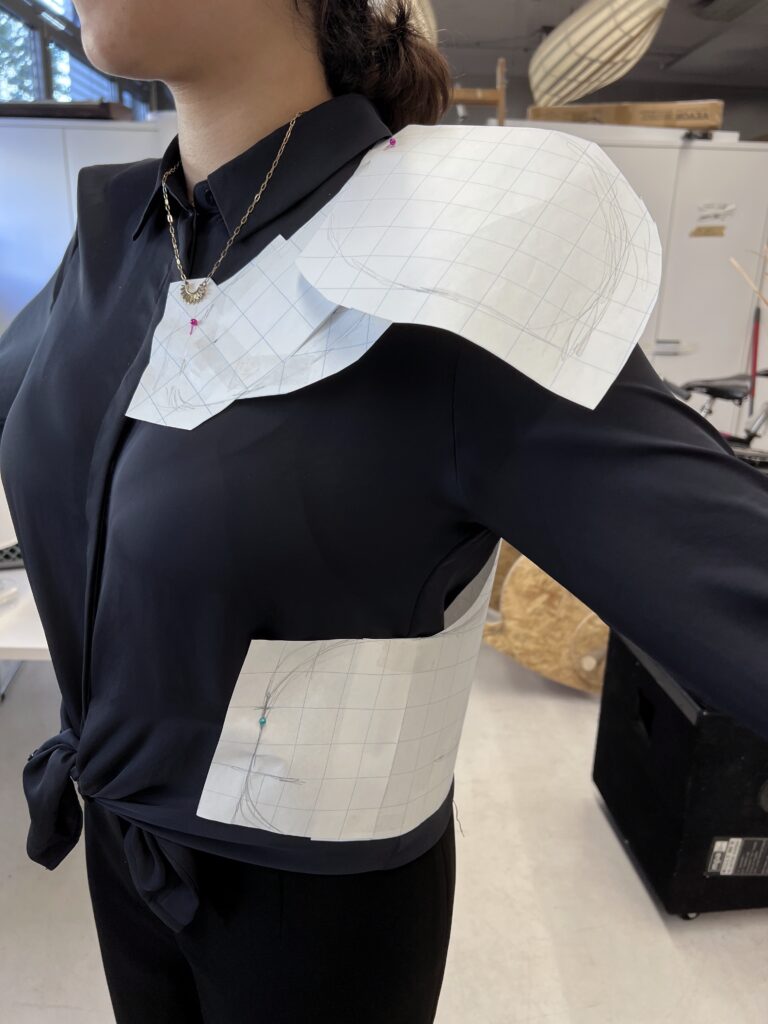
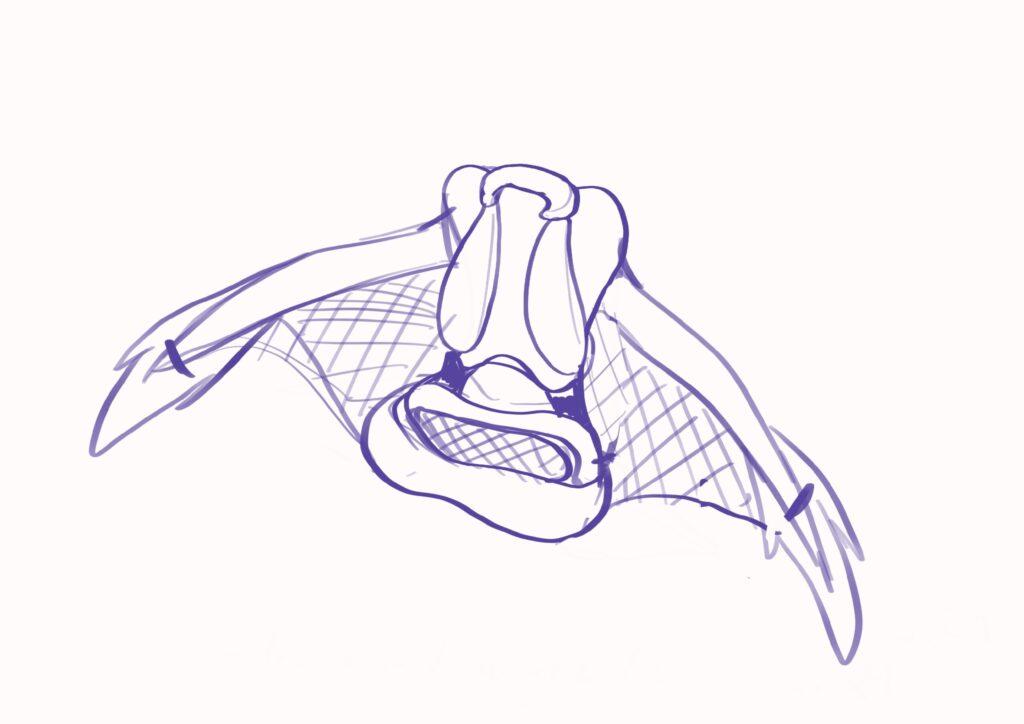
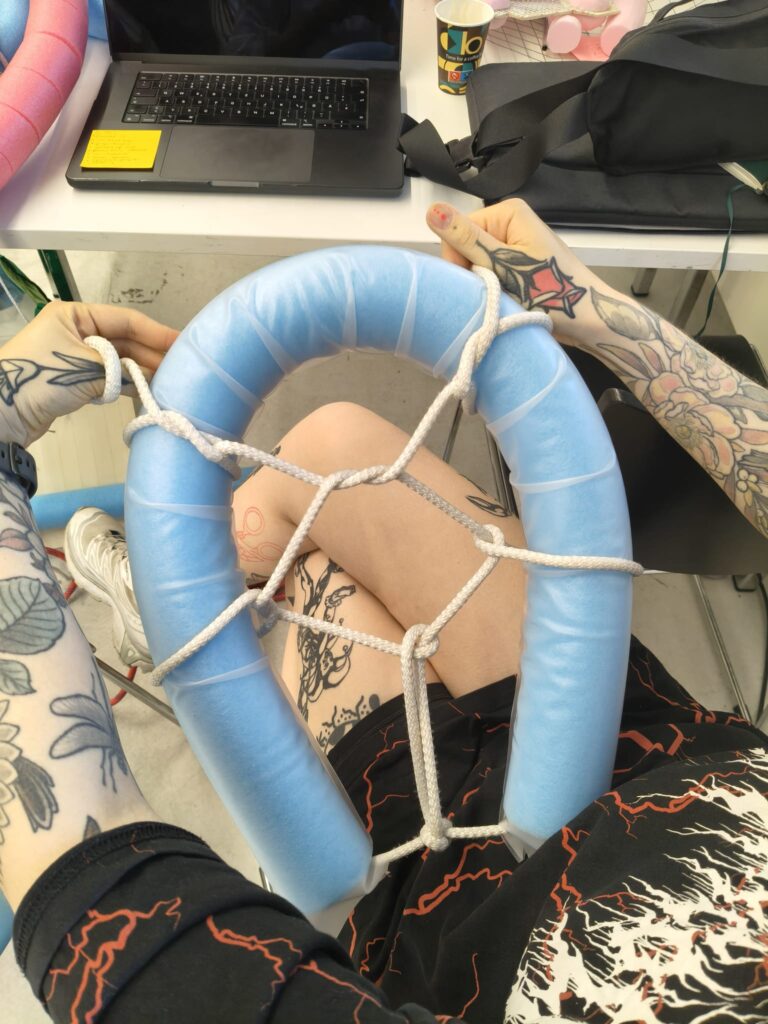
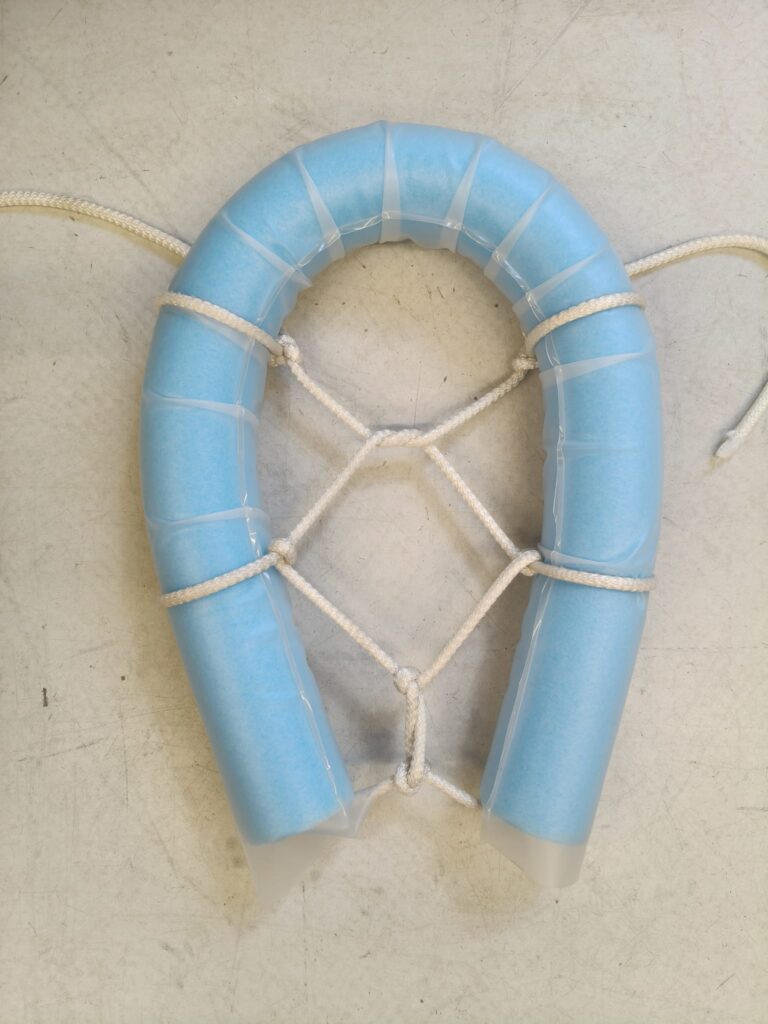
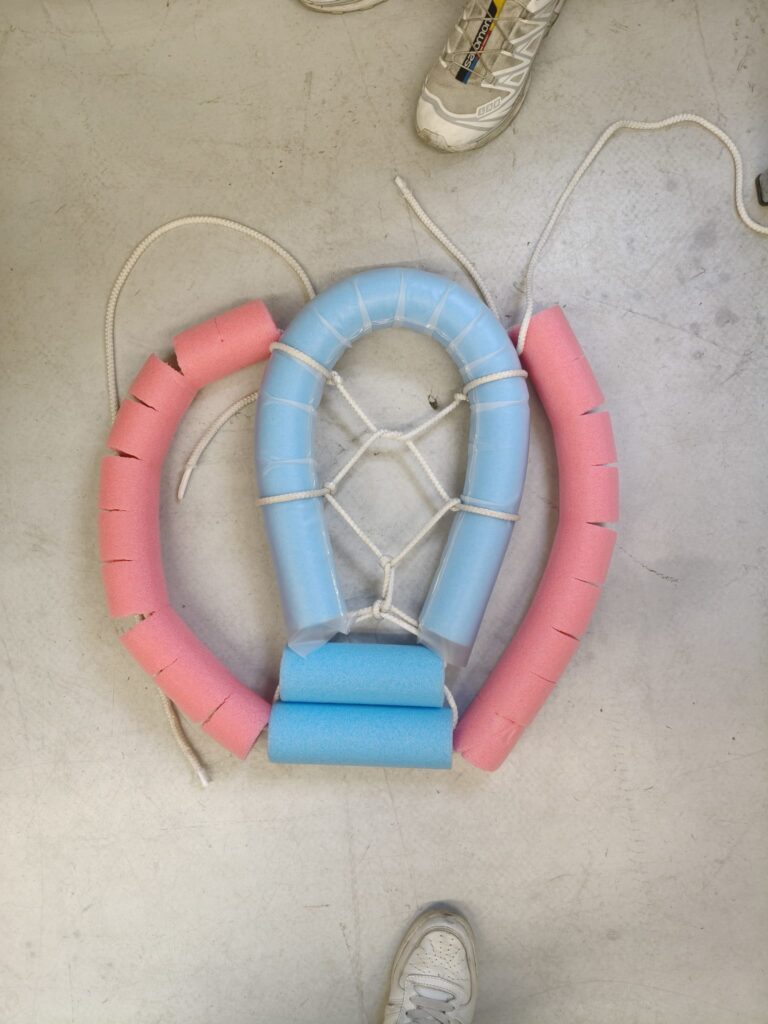
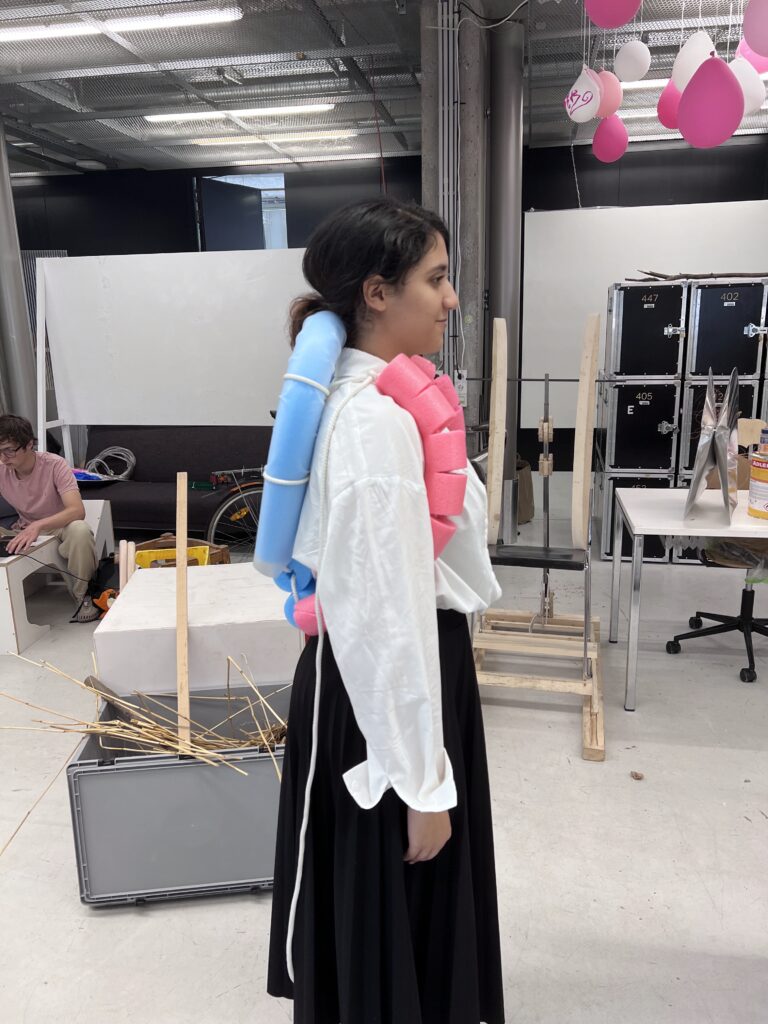
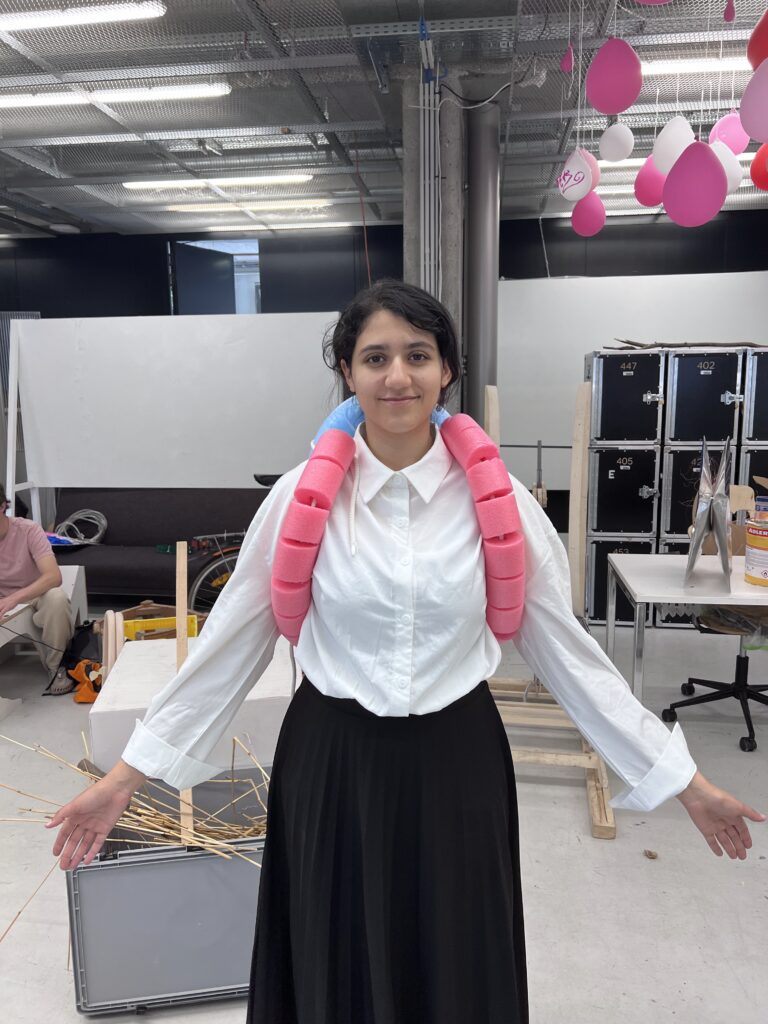
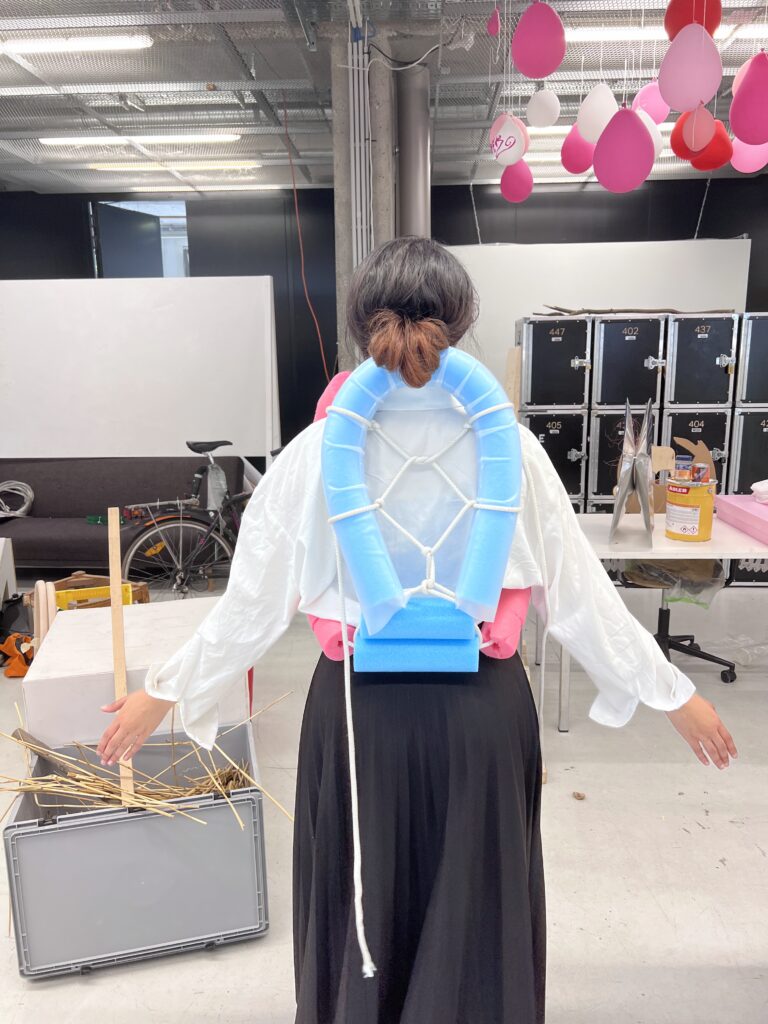
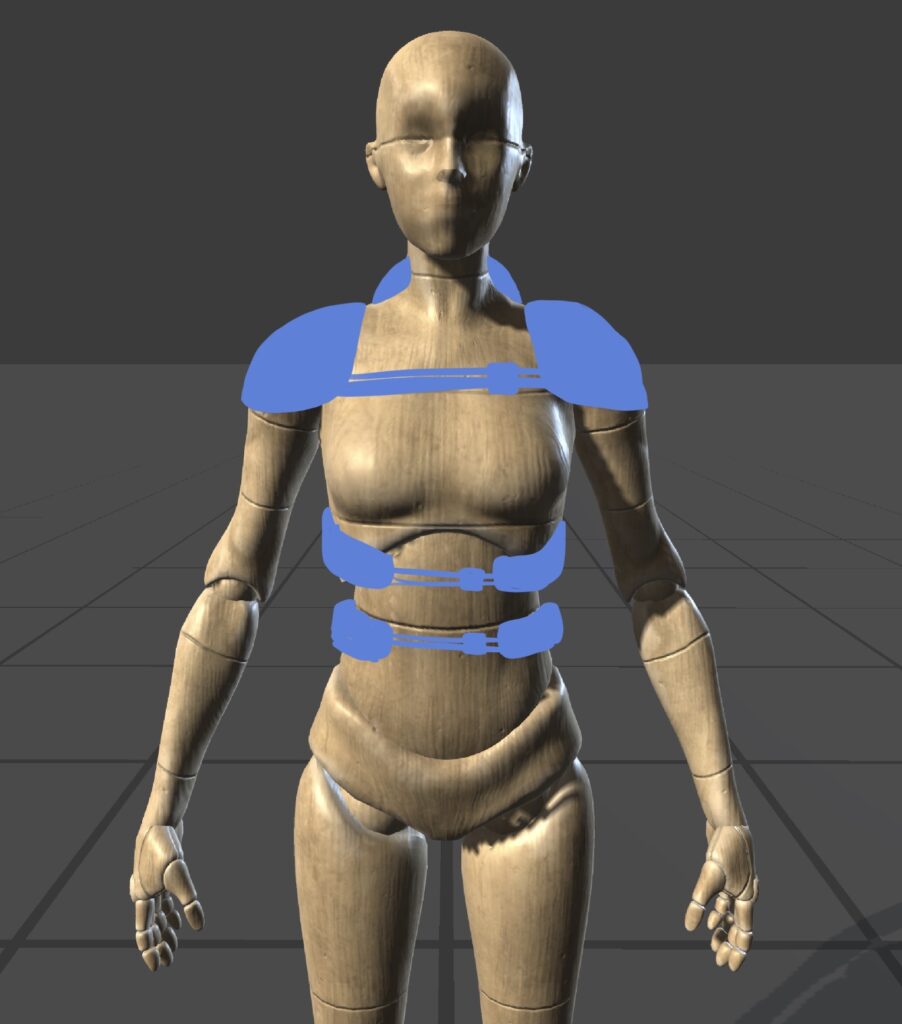
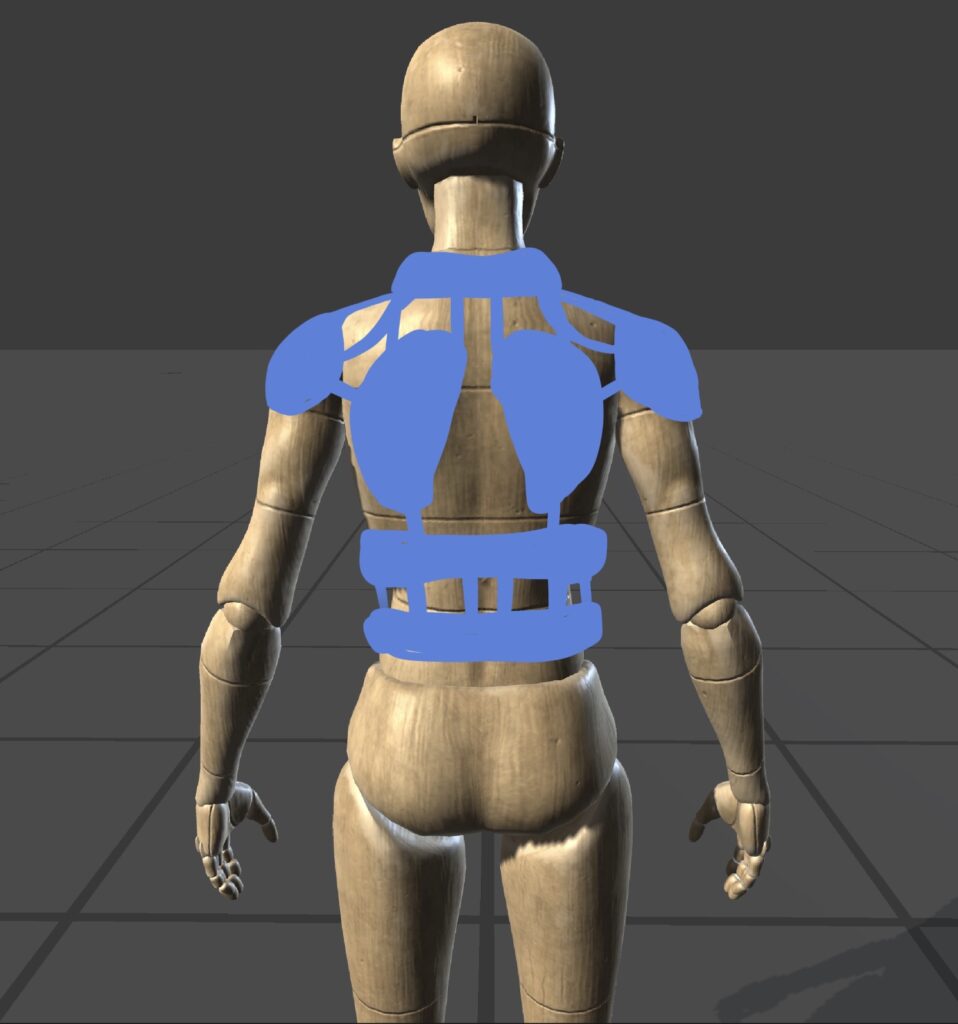
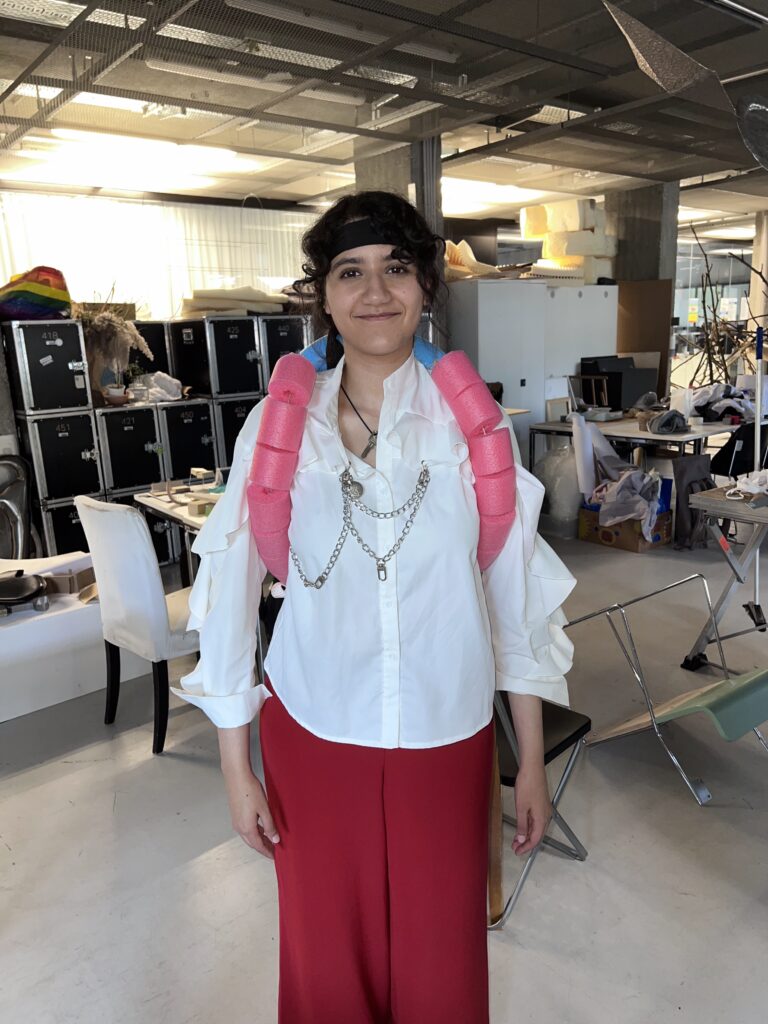
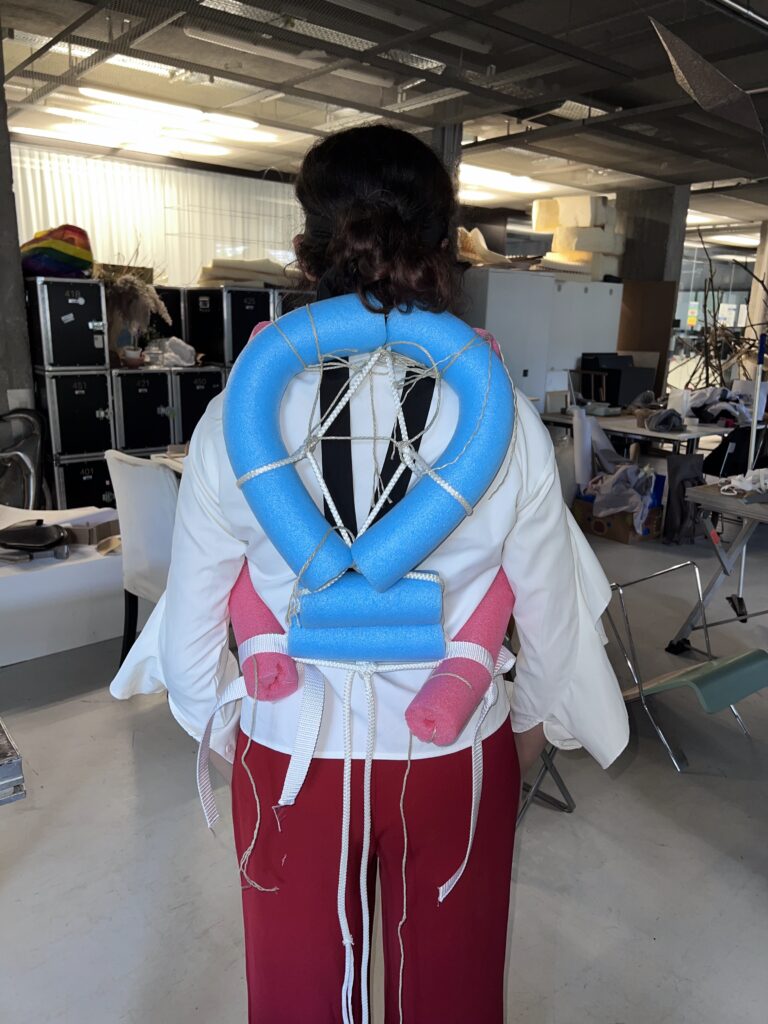
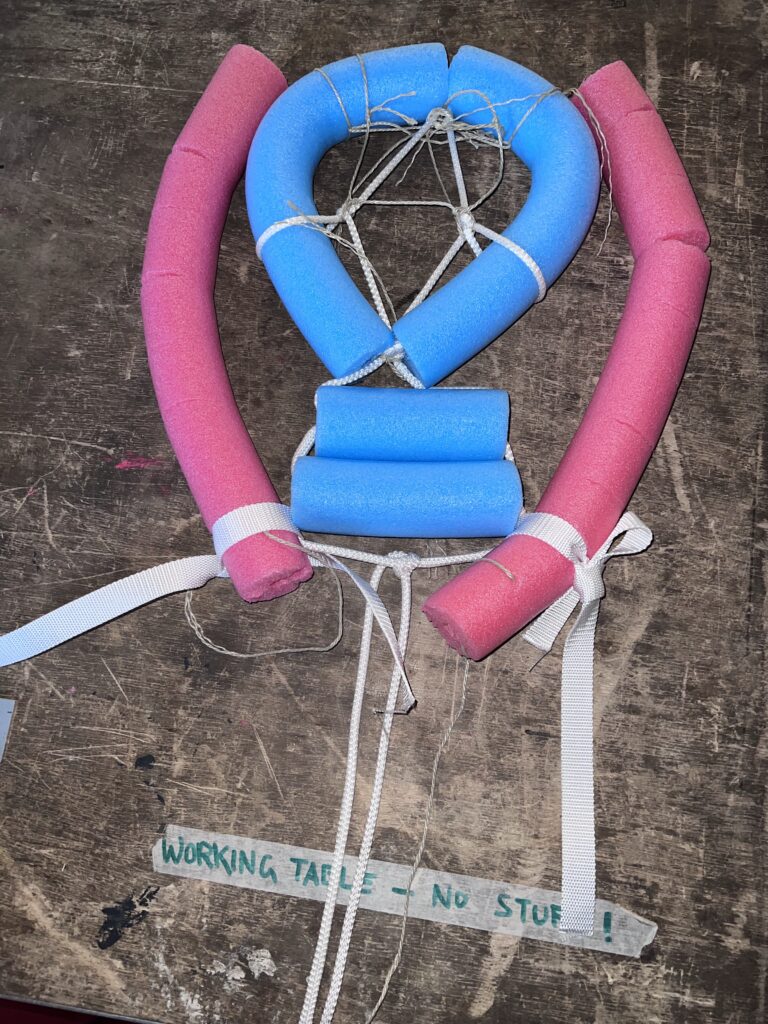
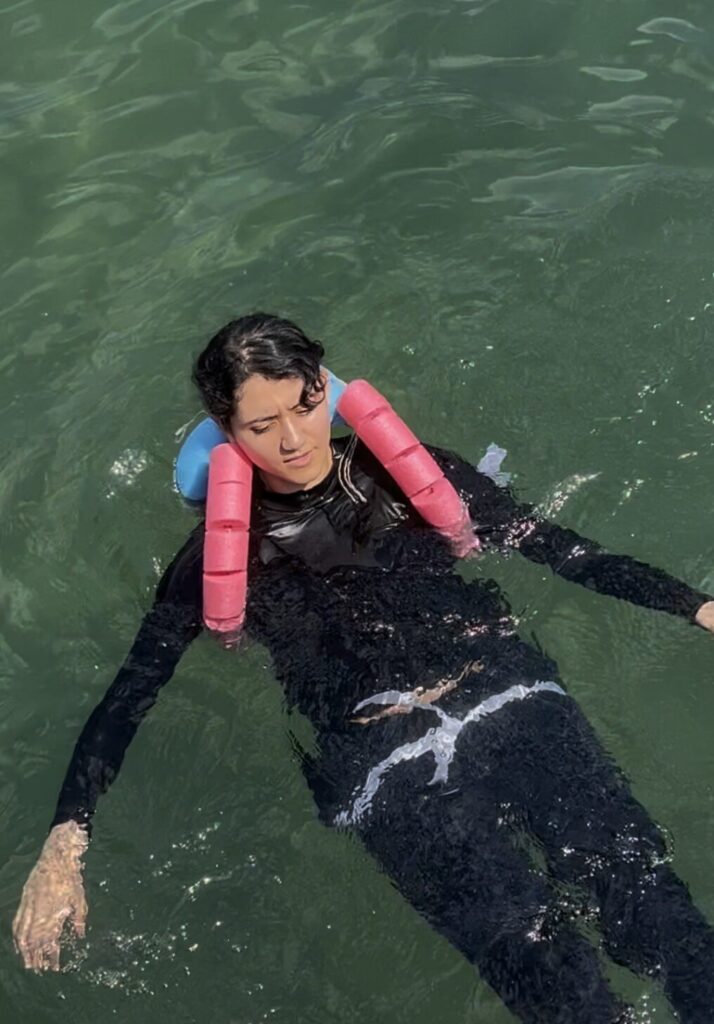
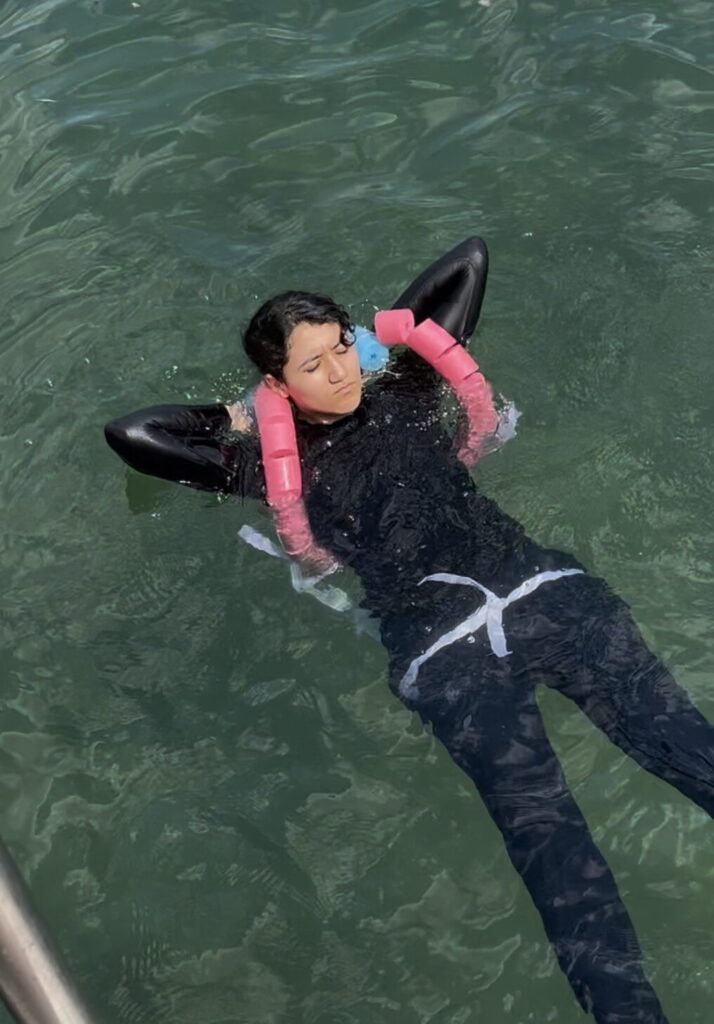
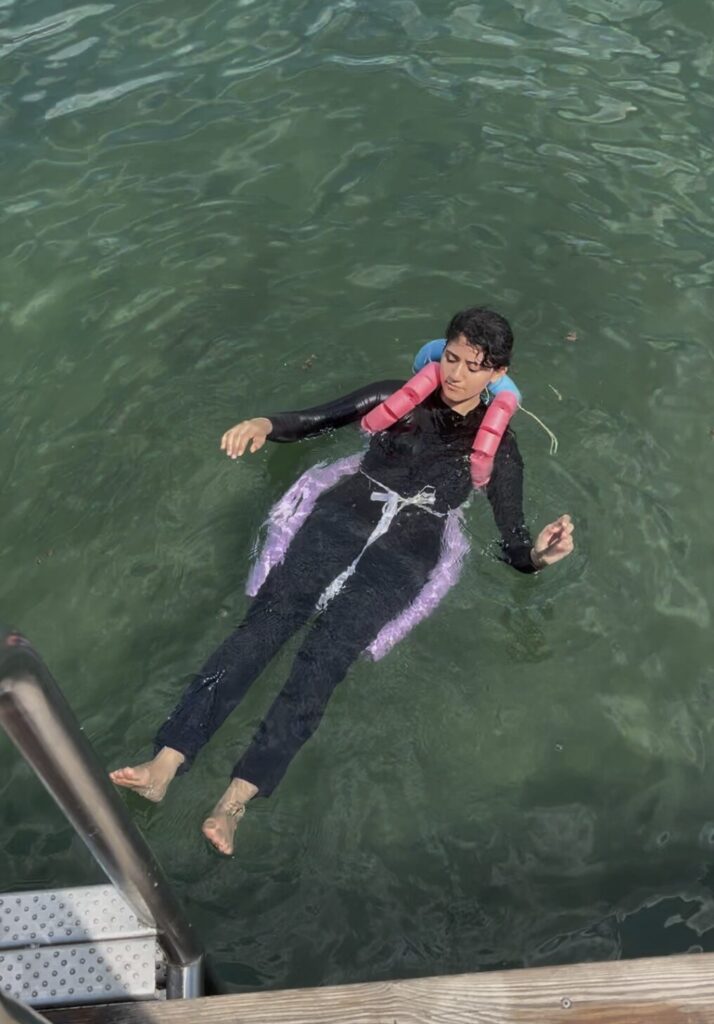
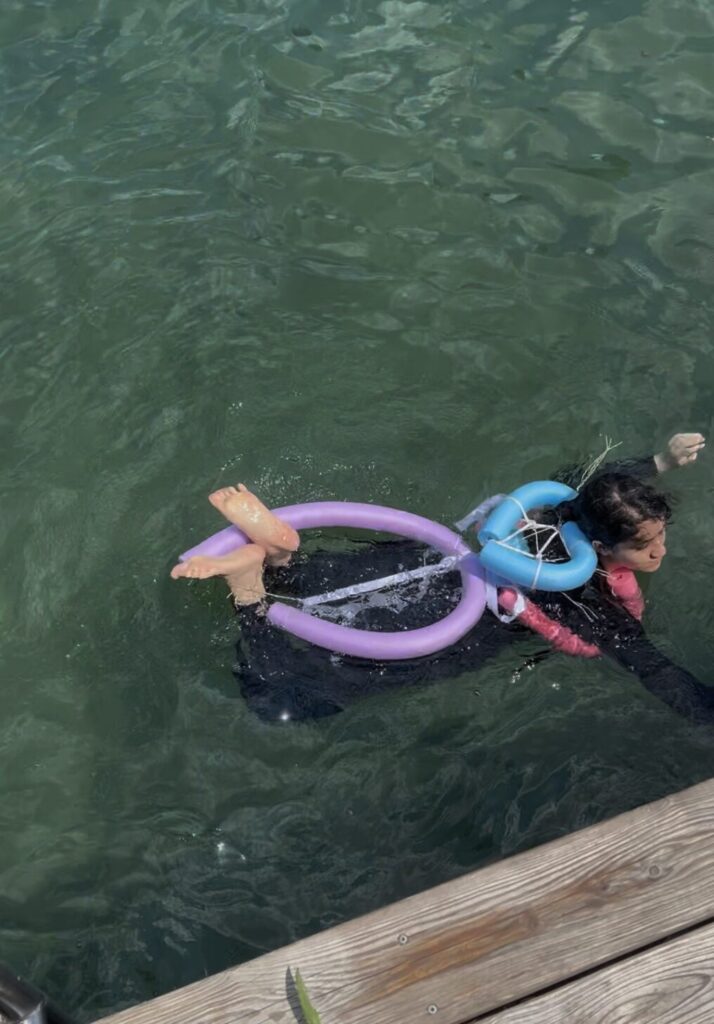
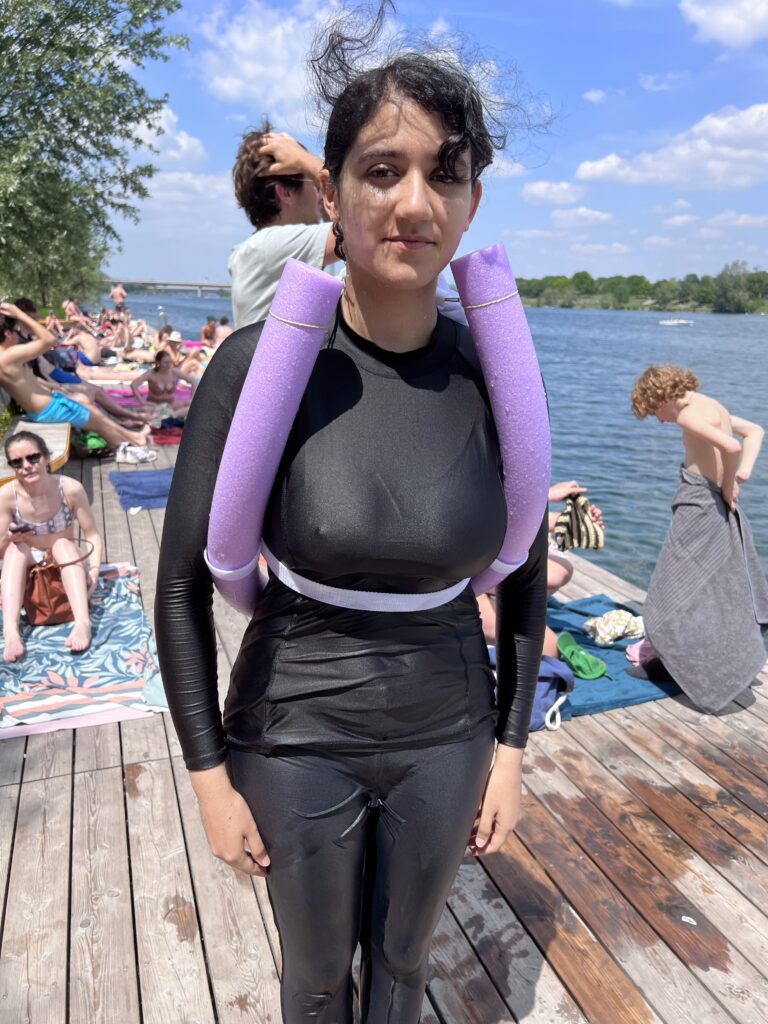
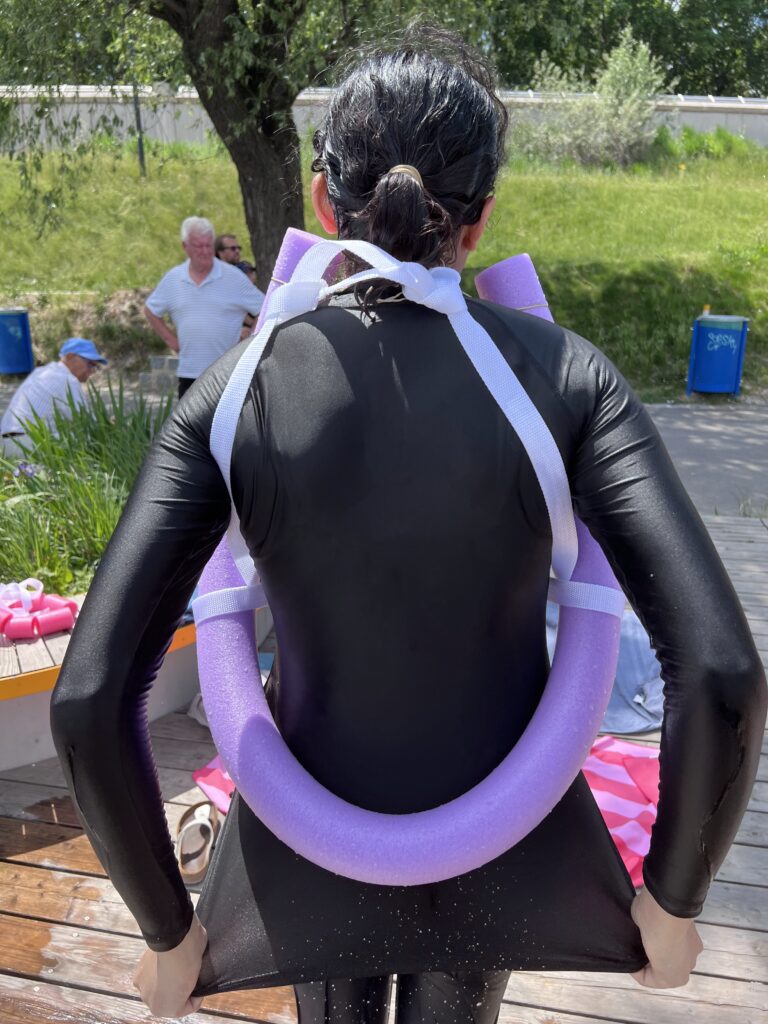
    PROTOTYPE – TORSO

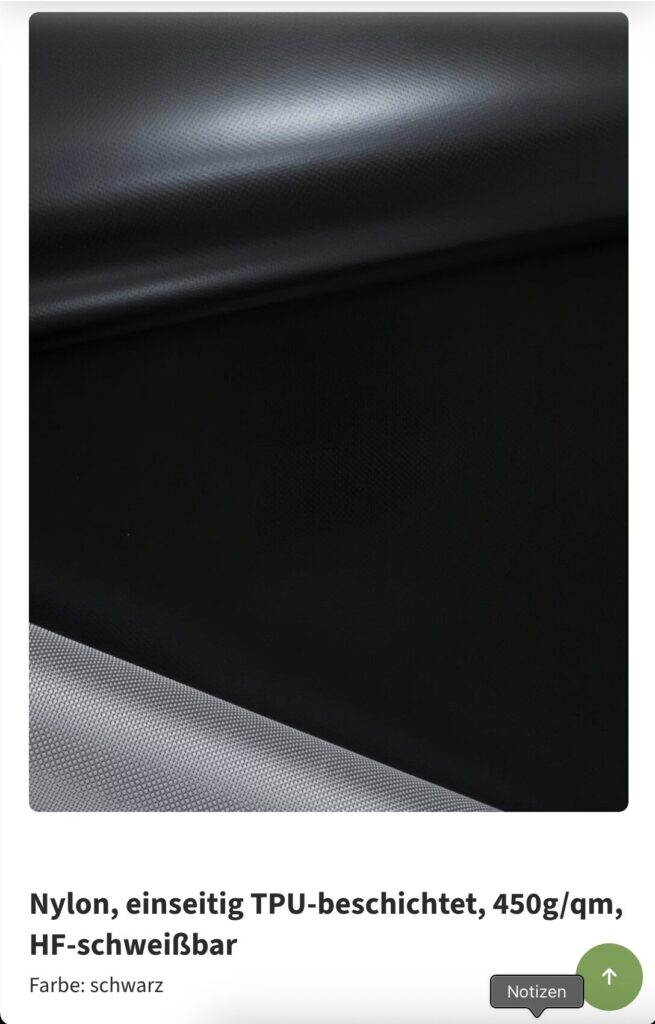
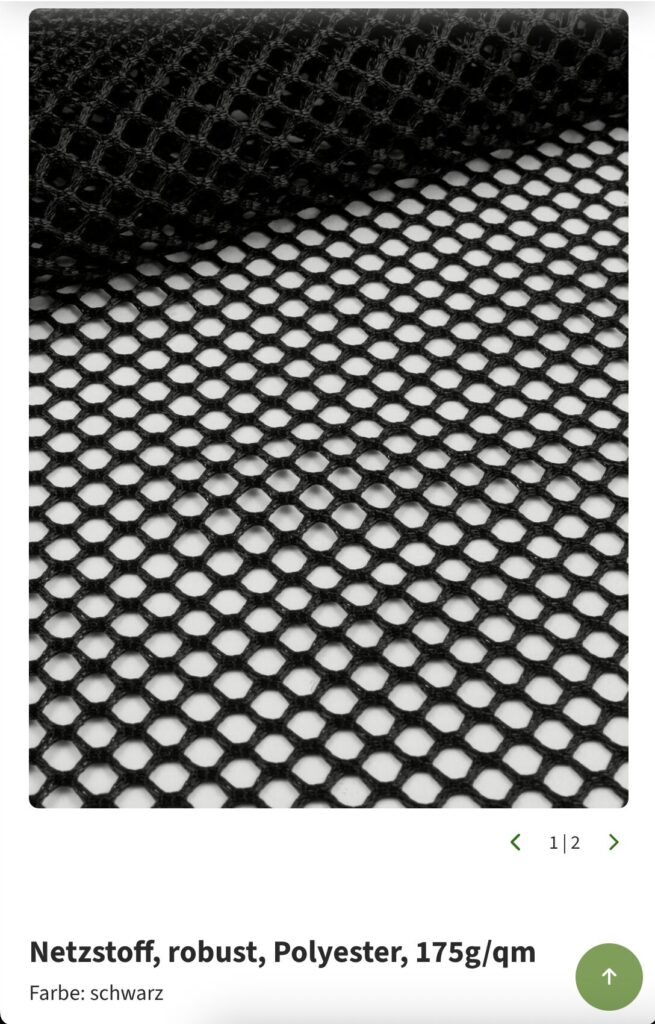
    MATERIALIEN

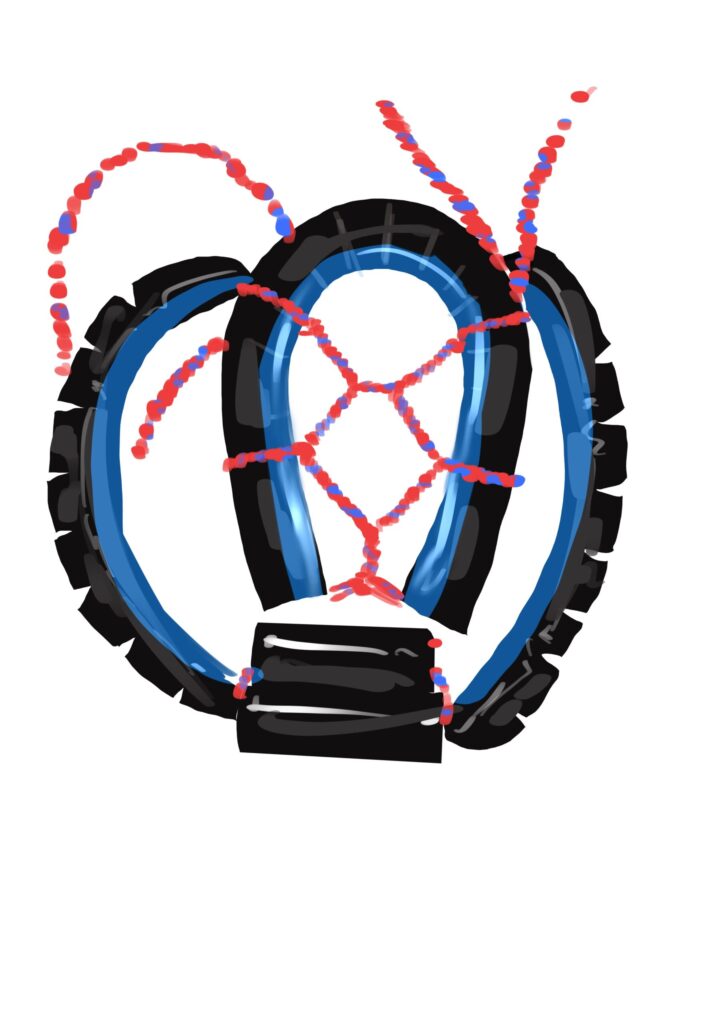
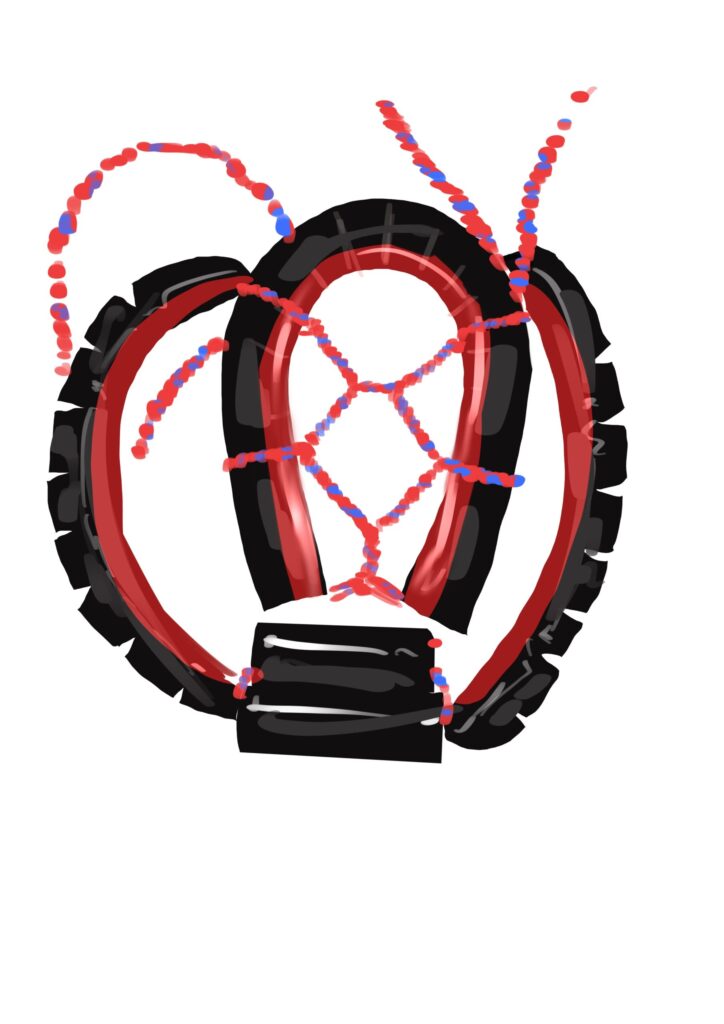
    COLORS:

    Next Steps:

    • building the Prototype with the inflatable Material
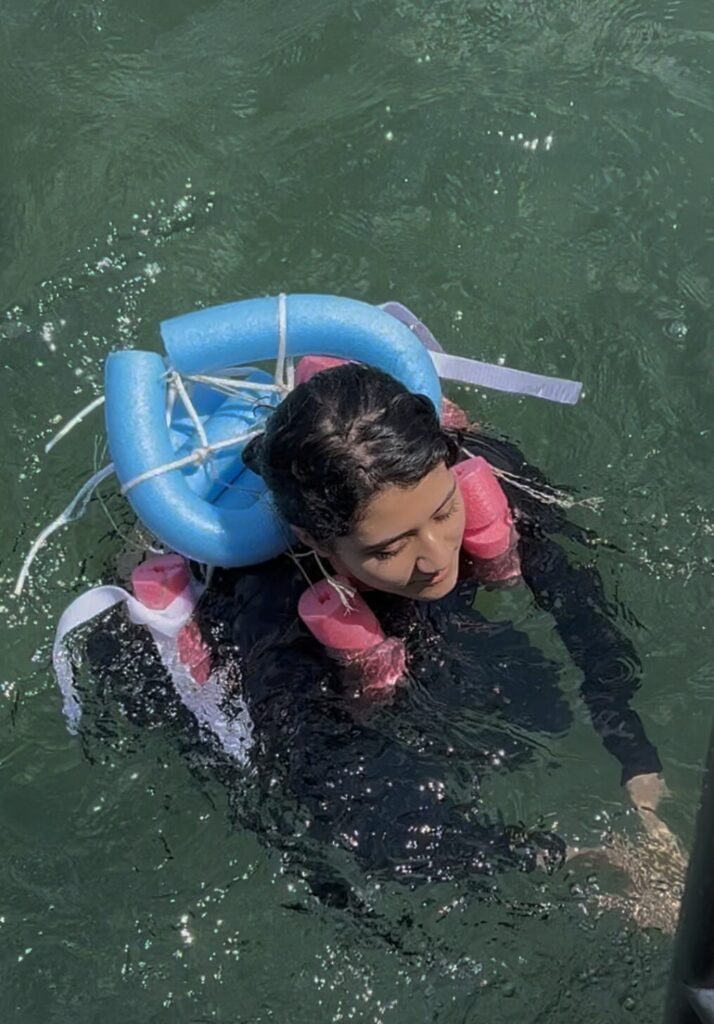
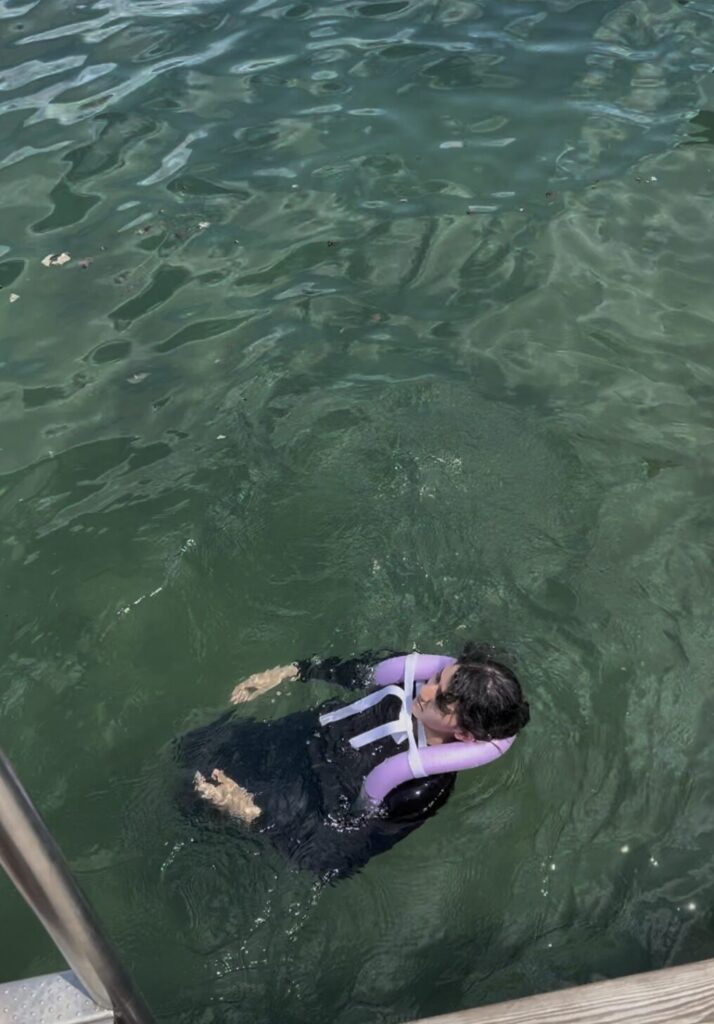
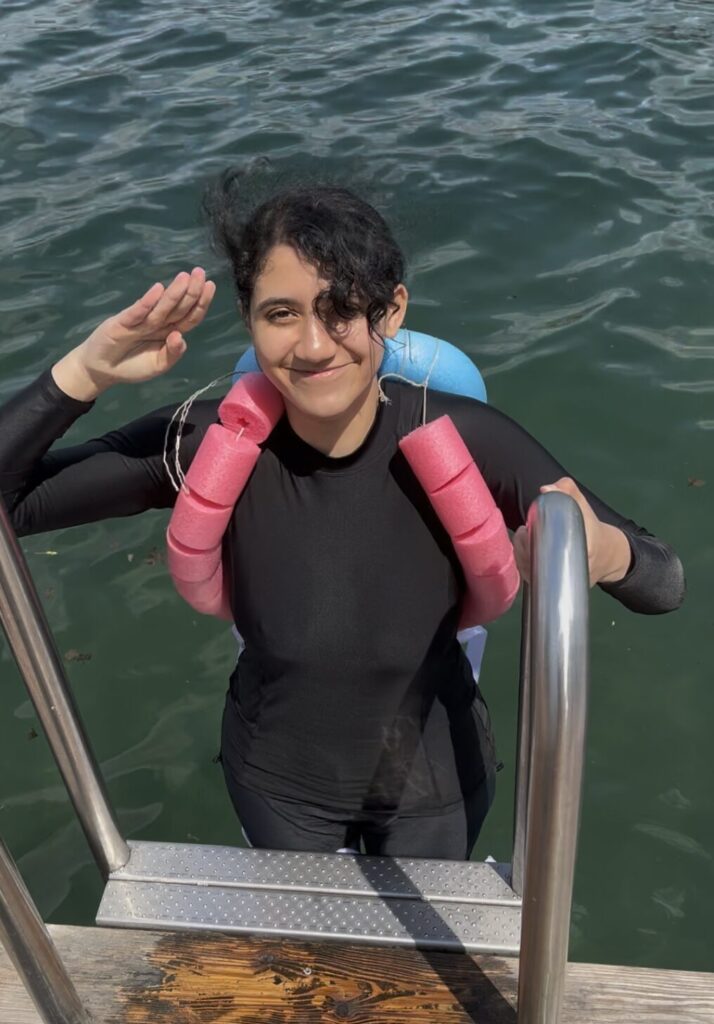
    • testing if it fits to the body + behaviour in water
    • adjusting the Prototype

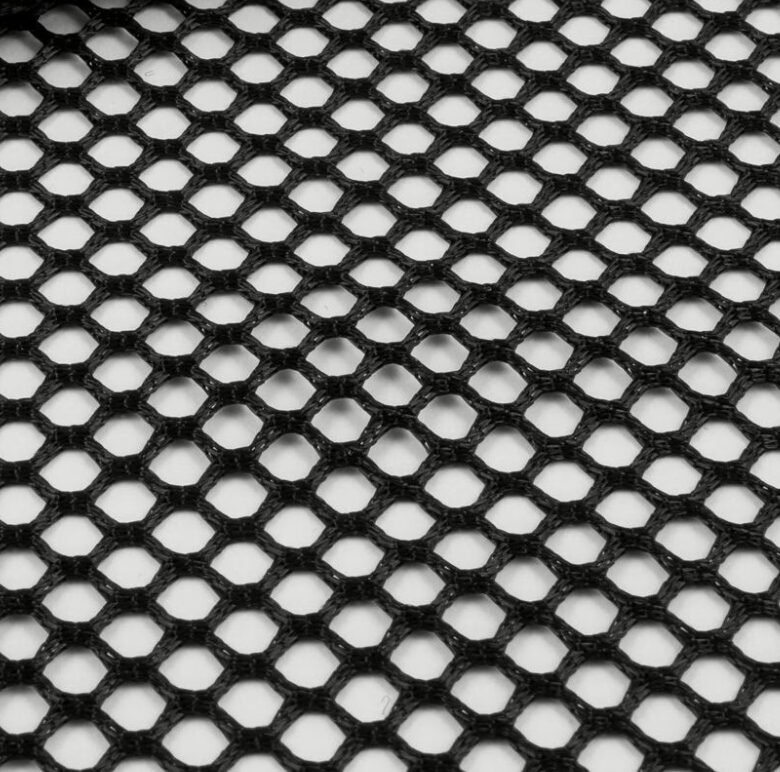
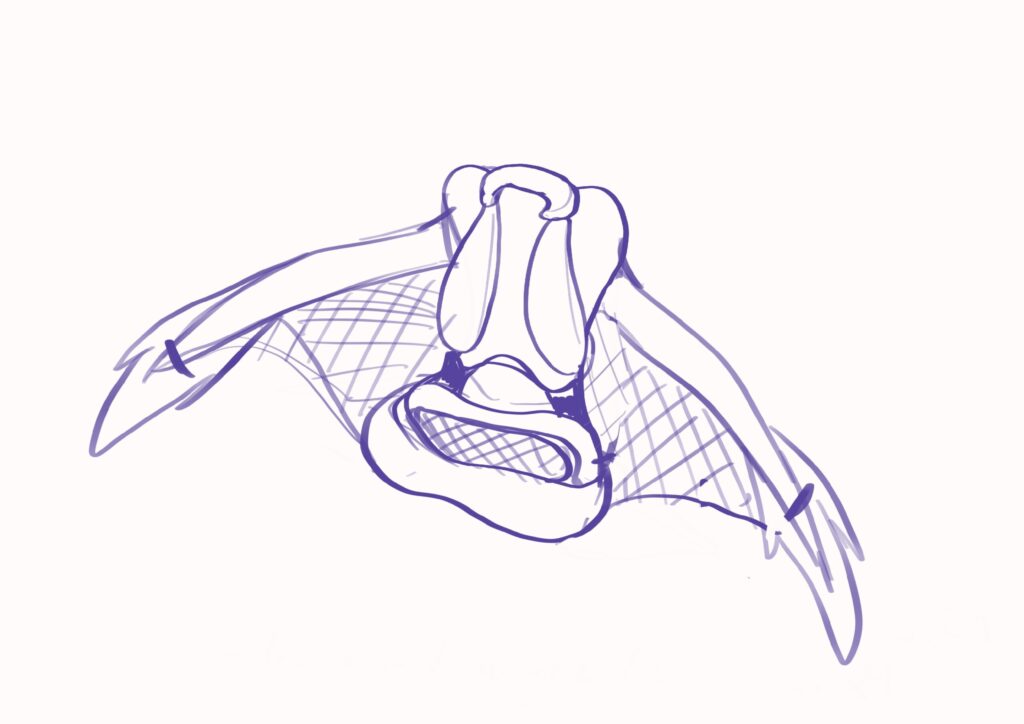
    • building and adding the wings with the net-fabric
    • aesthetics and details

  • Schwimmdrache

    By

    Lena Lojić

    and

    Abrar Aitounejjar

    COLOR CHOICE

  • Schwimmdrache – Team 2

    By

    Abrar Aitounejjar

    and

    Lena Lojić

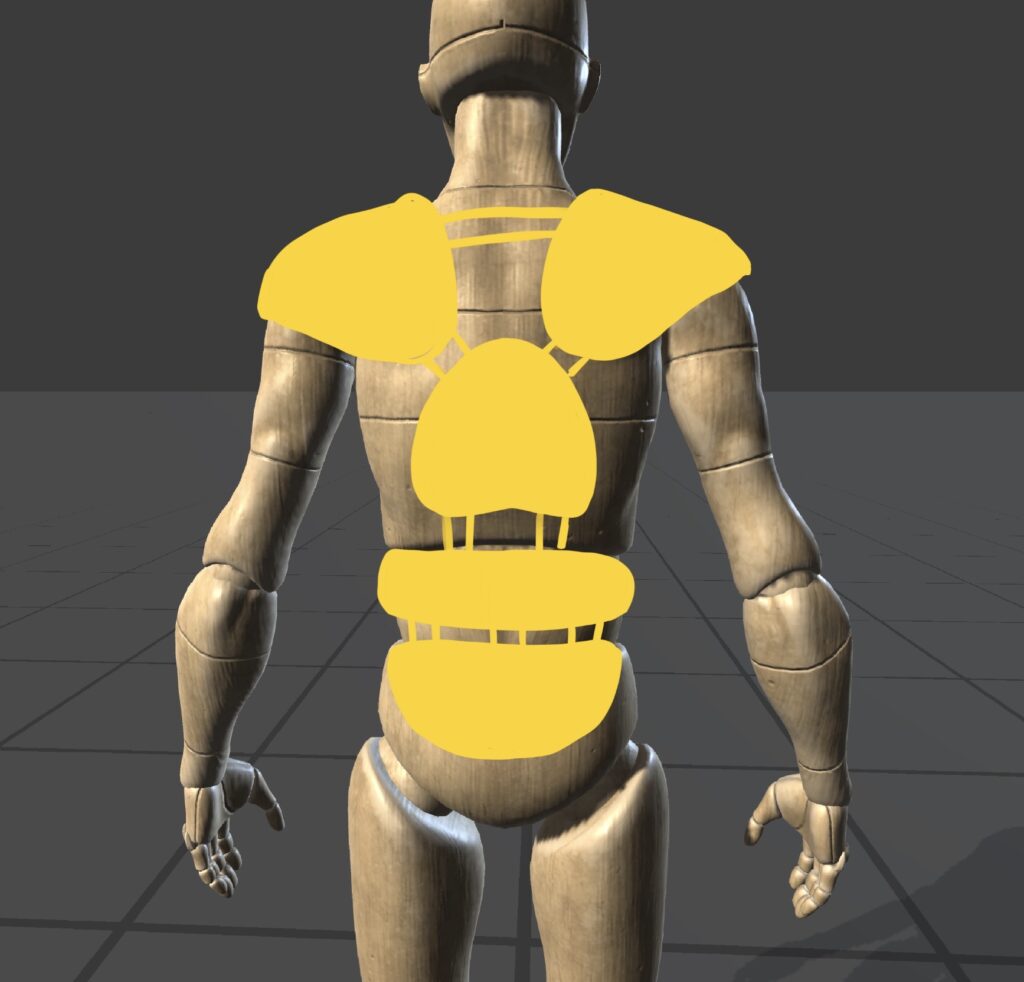
    Prototype Sketch ideas:

    MATERIALIEN

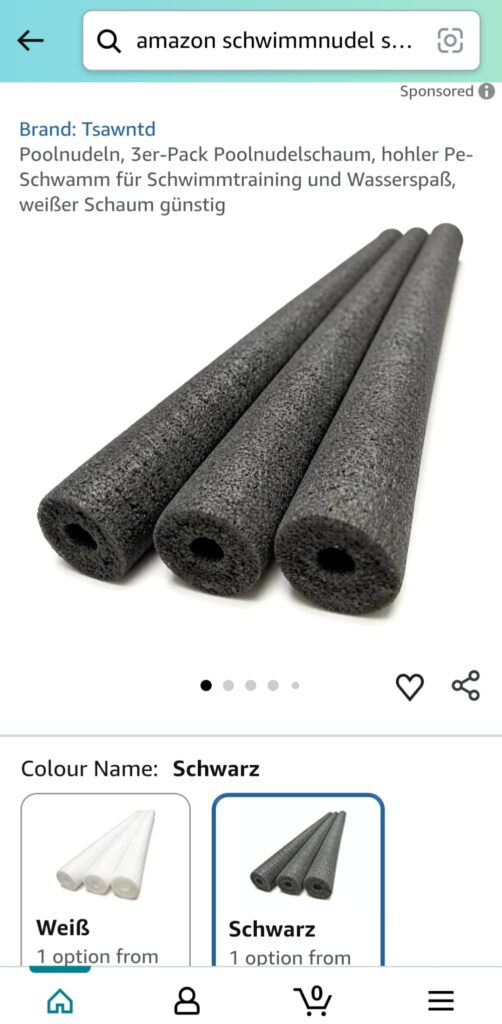
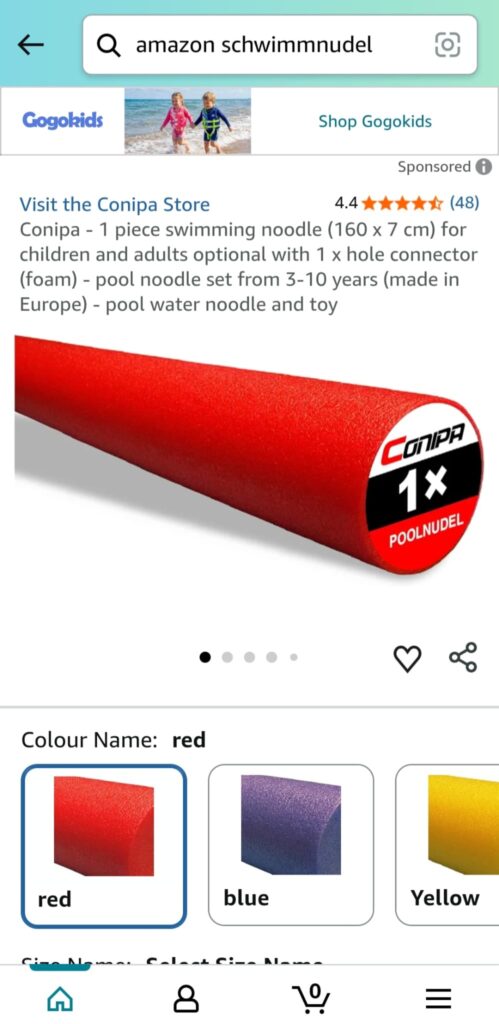
    • geschäumte Schwimmkörper, PE-Schaum, EVA-Schaum (Schwimmnudeln)
    • Schnüre zum Verbinden
    • eventuell Beschichtung der Nudeln mit TPU, PVC

    TERMINPLAN

    18.5–27.5

    •⁠  ⁠Mit Gewichten (Pet Flaschen zum Beispiel) und Schwimmnudeln eine Art Exoskelett anzufertigen, um zu sehen wie sich der Körper im Wasser verhält, wenn er auf diese Weise gestützt wird, Modell anpassen wenn nötig

    •⁠  ⁠Eine 1:1 Skizze machen (wie soll welches Teil genau aussehen und welches Material probiert man für welche Teile, benötigtes Volumen berechnen, Körpermaße bestimmen (bsp: Für 60kg bis 100kg, wobei man da bedenken müsste, dass auch die Körperform sich erheblich ändern kann)

    28.5–10.6:

    •⁠  ⁠Anfangen erste Teile 1:1 zu bauen (bsp: Sitzteil, erstes Schulter/Rückenteil etc…)

    •⁠  ⁠Materialanschaffung

    10.6–16.6

    •⁠  ⁠Finales Produkt realisieren, Testung des vollständigen Produkts

  • TEAM 2

    By

    Abrar Aitounejjar

    ,

    Martin Breitenecker

    and

    Lena Lojić

    LENA, MARTIN, ABRAR

    What if Chair….but Water?

    • Take the stable element away
    • How does the form/material define the stability
    • Relation between material and form

    Our plan:

    • Meet up with Frau Prof. Klein
    • Test material samples
    • Create design variations and make prototypes
    • Test prototypes in open waters

  • Tutorial 9.1. Maieutics Maxxing

    By

    Emma Breitenecker

    ,

    Florian Krispler

    ,

    Ylvie Moschitz

    ,

    Lisalotte Tscherteu

    and

    Abrar Aitounejjar

    We finalized the script:

    Made a timeline & a shotlist:

    Trial and Error with 10 and more different AI models.

    Categories of competences we need from an AI:

    • Video generation
    • with audio
    • more than 5s video content
    • real-looking, camera style
    • Character consistency over several clips
    • Voice consistency over several clips
    • First frame/last frame, add to former scenes
    • not super expensive

    We tried:

    • Sora 2 (Open AI)
    • MindVideo (Pro subsciption)
    • Gemini (Google)
    • Flow (Google)
    • Comfy UI
    • OpenArt
    • Dzine
    • Digen AI
    • Several Hugging face models
    • Chat GPT
    • Adobe suite

    SOME of the bad results:

    And some good ones:

    Sound mood board:

    A lot of complicated workflows:

    We were at the coding lab

    Current expenses for subscriptions:

    • MindVideo: 26€
    • OpenArt: 7€
    • Dzine: 14€

    We still need a 54€ subscription for when we run out of free credits in Flow.

    Questions:

    • Does the film need to contain our names/DI etc.?
    • How much of the finals presentation is about the process?
  • feedback december 5

    By

    Lisalotte Tscherteu

    ,

    Florian Krispler

    ,

    Ylvie Moschitz

    ,

    Emma Breitenecker

    and

    Abrar Aitounejjar

    Storyline

    premise: the internet is dead -> AI doesn’t work

    Due to the overflow of false information AI is not able to tell the truth from fake news. Also everything one can find on the internet there is no way of verifying if it is true or not.

    show this state with: news, AI reading it

    a. the gov decides every AI will be m.AI (maybe beta testers)

    b. people develop this and there is no choice but to use it because everything else is trash (no alternative)

    c. the AI itself notices that users are more and more unhappy with its answer so it stops answering and starts questioning. eg.: FLO

    -> in comes m.AI (maiuticsAI)

    our chracters use it but are rather frustrated – they then try to turn back to the internet but are even more frustrated.

    -> second try with m.AI

    this time our characters really try and see the benefits and get a kick out of their learing expirience with m.AI.

    -> resoltuion ?

    a. the POV of the single screens merge – they stop talking to their devices and turn to humans for answers.

    What kind of AI could help bring people together?

    What kind of AI could make people see the value of learning and understanding?

    What kind of AI could foster critical thinking?

    What alternatives will we adapt to, in case of the death of the internet?

    Visuals

    our characters will be shown from the devices cameras perspective.

    Characters

    Hippies that revert to also only talking in questions

    Strongly religious people that cannot stand the AI questioning their belief/god

    Children Why? why? why?

    Seniors not affine with any kind of technology

    Single-parents

    People falling into an existential crisis (maybe even suicidal)

    Rebels

    impatient/unwilling people that just want answers

    Positive responders super efficient, super creative

    >> next steps

    storyboard

    write some scenes -> frustration scenes

    WHO are our characters?

    find refined aesthetic references